Taiyuan Ancient Architecture Guide: Beyond the Transit Hub
A practical Taiyuan ancient architecture guide covering Jinci Temple, Yongzuo Pagodas, museums, grottoes, Shanxi food, and route ideas beyond a simple transit stop.
travel better
On this page
A practical, image-rich guide you can actually use.
Preface: Why Taiyuan Deserves More Than a Transit Stop
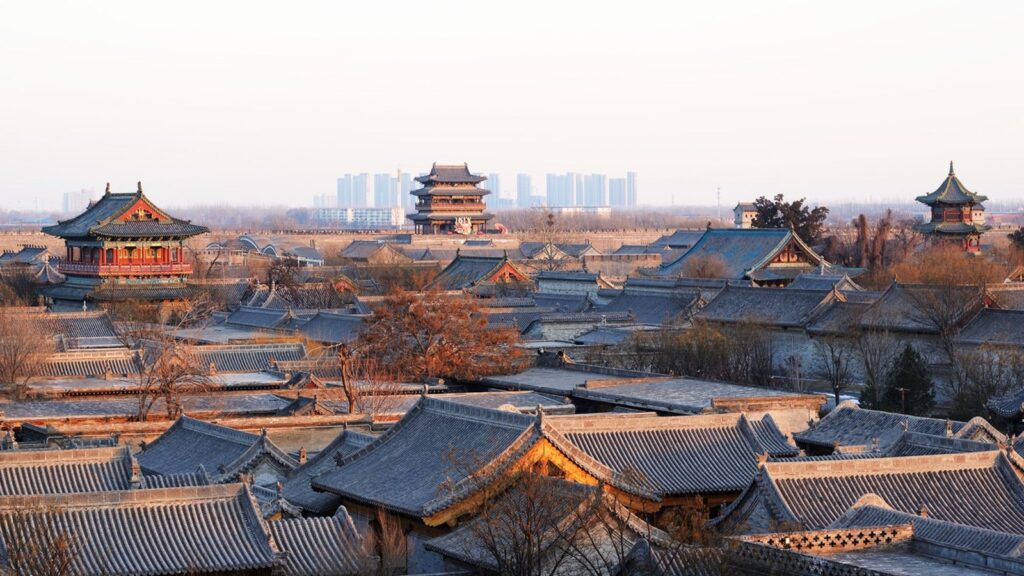
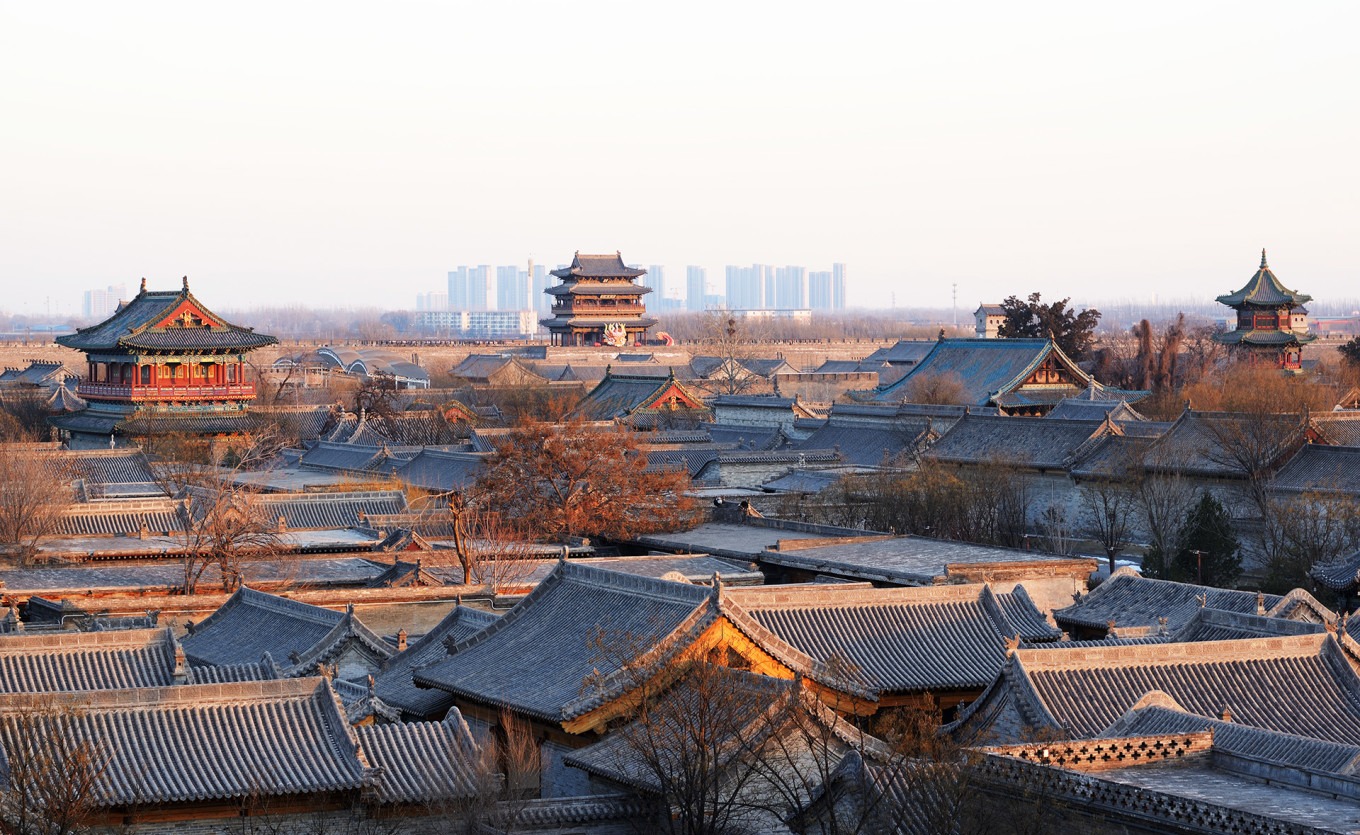
Shanxi is a land kissed by history. It’s often said that if you want to see China’s finest above-ground cultural relics, look no further than Shanxi — and that’s no exaggeration. This province preserves the largest number, oldest age, and highest grade of wooden ancient buildings in the country. Tang, Song, Liao, Jin, and Yuan dynasty temples and pagodas abound, accounting for the majority of China’s surviving examples. At the heart of it all lies Taiyuan (太原). Many travelers dismiss Taiyuan as a mere transit hub, a place to pass through on the way to more famous destinations. But this ancient city, once known as Jinyang (晋阳) and boasting a 2,500-year history, is a dragon city of brocade, steeped in millennia of cultural heritage. Since ancient times, it has been a strategic battleground — from the Partition of Jin to the Northern Dynasties’霸府 (local term), from Li Yuan’s uprising to the Five Dynasties’ succession. Nine regimes, including Zhao, Former Qin, Northern Qi, Tang, Wu Zhou, Later Tang, Later Jin, Later Han, and Northern Han, established their capitals here, making Taiyuan a true ancient capital of nine dynasties. Every inch of this land holds countless stories of splendor.
Today, Taiyuan remains dotted with ancient architecture. The Jinci Temple (晋祠) at the foot of Xuanweng Mountain is unmatched in Shanxi; the Tianlongshan Grottoes (天龙山石窟) surrounded by mountains are magnificent; the Dou Dafu Ci (窦大夫祠) on the north bank of the Fen River boasts grand halls; and the soaring twin pagodas of Yongzuo Temple (永祚寺双塔) pierce the clouds. The entire city feels like an open-air historical hall, exuding unparalleled ancient charm.
If architecture is the poetry of the land, then cultural relics are the signatures of time. The Shanxi Museum (山西博物院) sits atop the province’s cultural treasures; the Shanxi Bronze Museum (山西青铜博物馆) dazzles with national treasures; and the Northern Qi Mural Museum (北齐壁画博物馆) preserves murals still vibrant with color. Stepping into Taiyuan is like entering an immortal hall that seals the cultural pulse of the ages.
This travelogue is the final installment in a series on Shanxi’s ancient architecture. For context, you can explore the previous articles linked below. They cover the southeastern, southern, northern, and central regions of Shanxi, as well as a special feature on the Yungang Grottoes.
Preview
Jinci Temple
As the saying goes, a trip to Taiyuan is incomplete without visiting Jinci Temple. Nestled at the foot of Xuanweng Mountain in the southwestern suburbs, Jinci is hailed as the premier scenic spot in Shanxi. Its grand Song-dynasty Hall of the Holy Mother (圣母殿), a rare surviving wooden structure from the Northern Song period, is a true architectural gem.
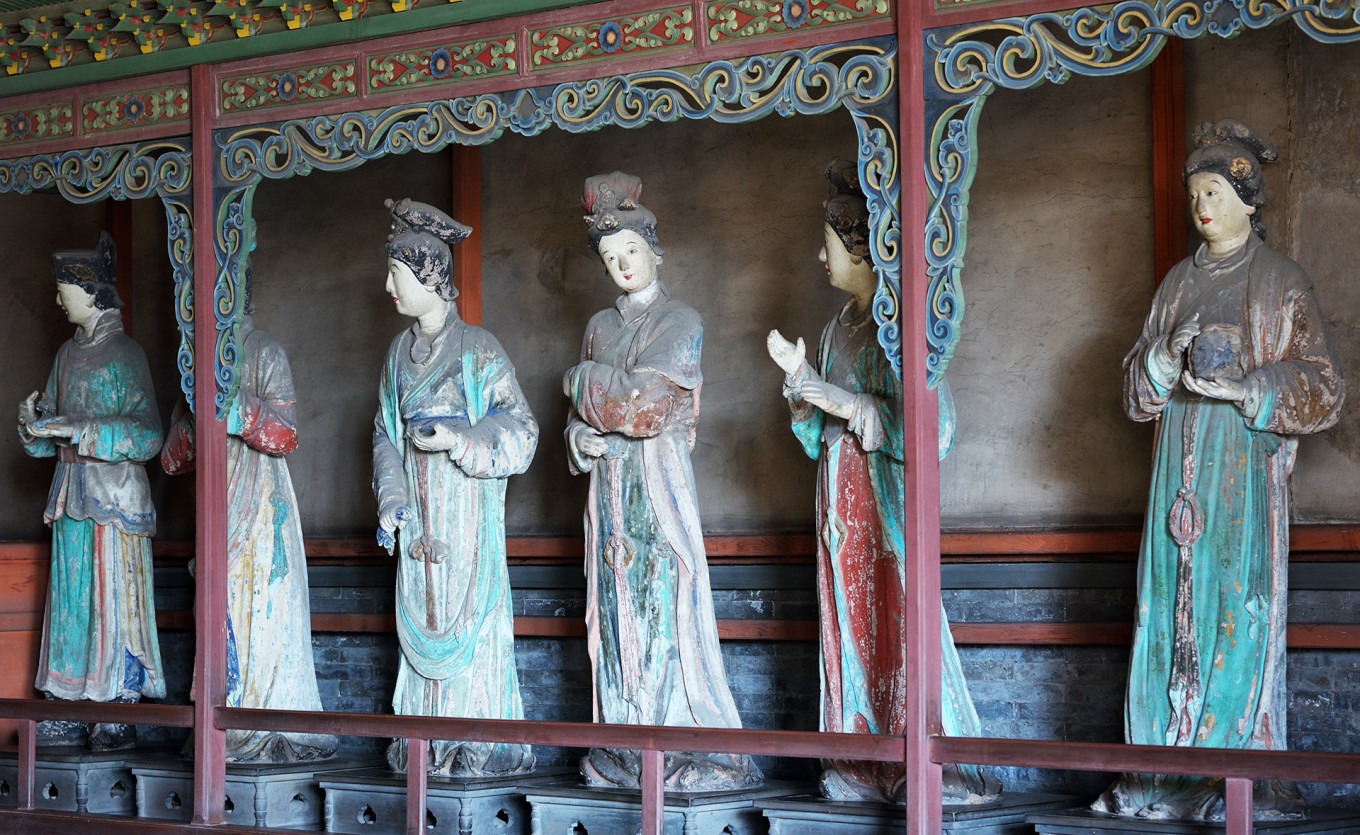
Inside the hall, over thirty life-sized statues of maidservants are considered among the greatest sculptures in Chinese and world art history, holding an undeniable place in art and sculpture studies.
Tianlongshan Grottoes
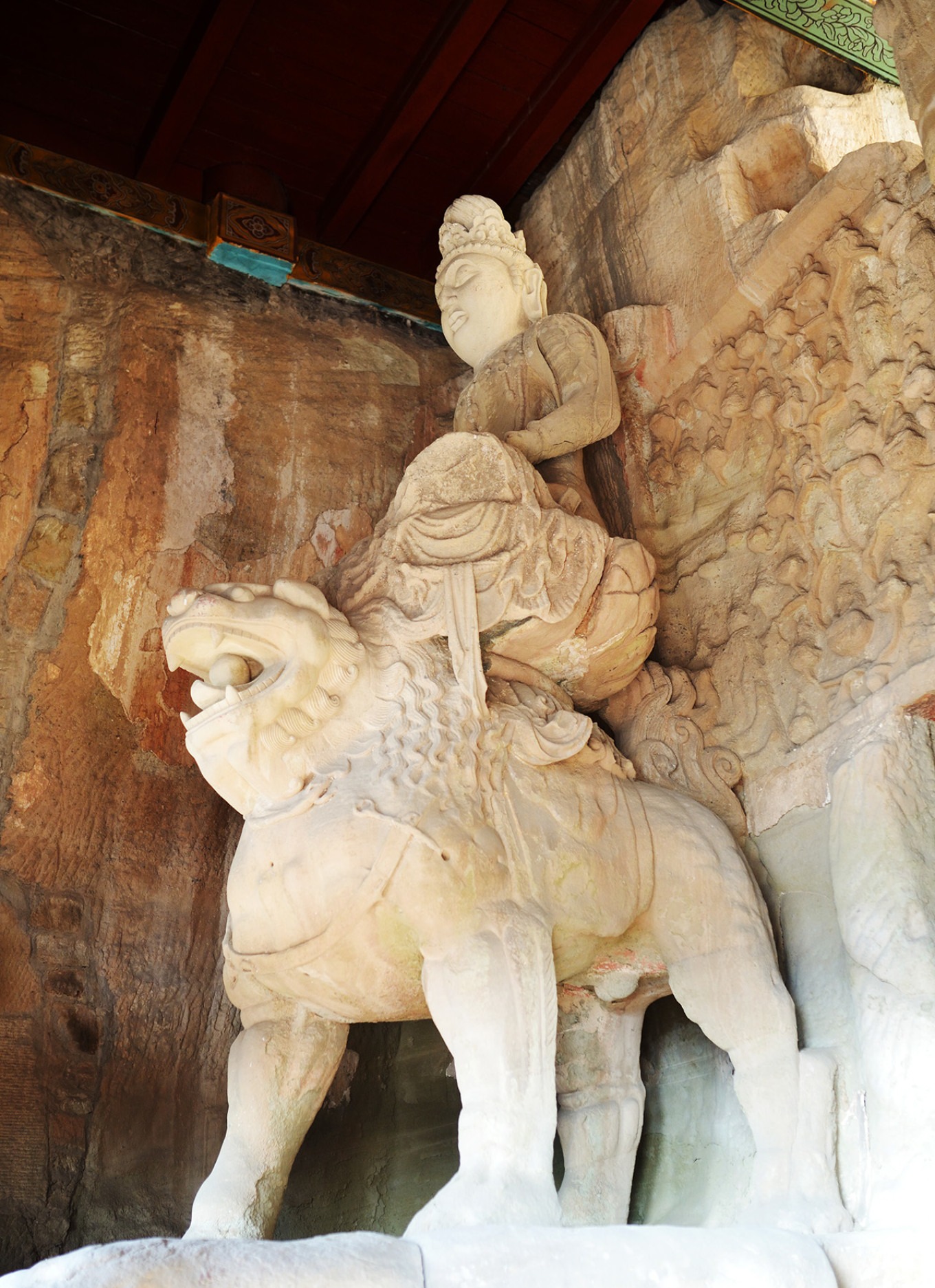
Tianlongshan Grottoes (天龙山石窟), located on Tianlong Mountain behind Jinci, might sound unfamiliar, but you may recall the “national treasures return” moment on the 2021 CCTV Spring Festival Gala. These caves house exquisite Buddhist carvings.
Ancient County Town and Jinyang Museum
In Jinyuan District, the Ancient County Town of Taiyuan (太原古县城) is a centuries-old city with over 700 years of history, its origins tracing back to the ancient Jinyang City (古晋阳城) of the Spring and Autumn period over 2,500 years ago.
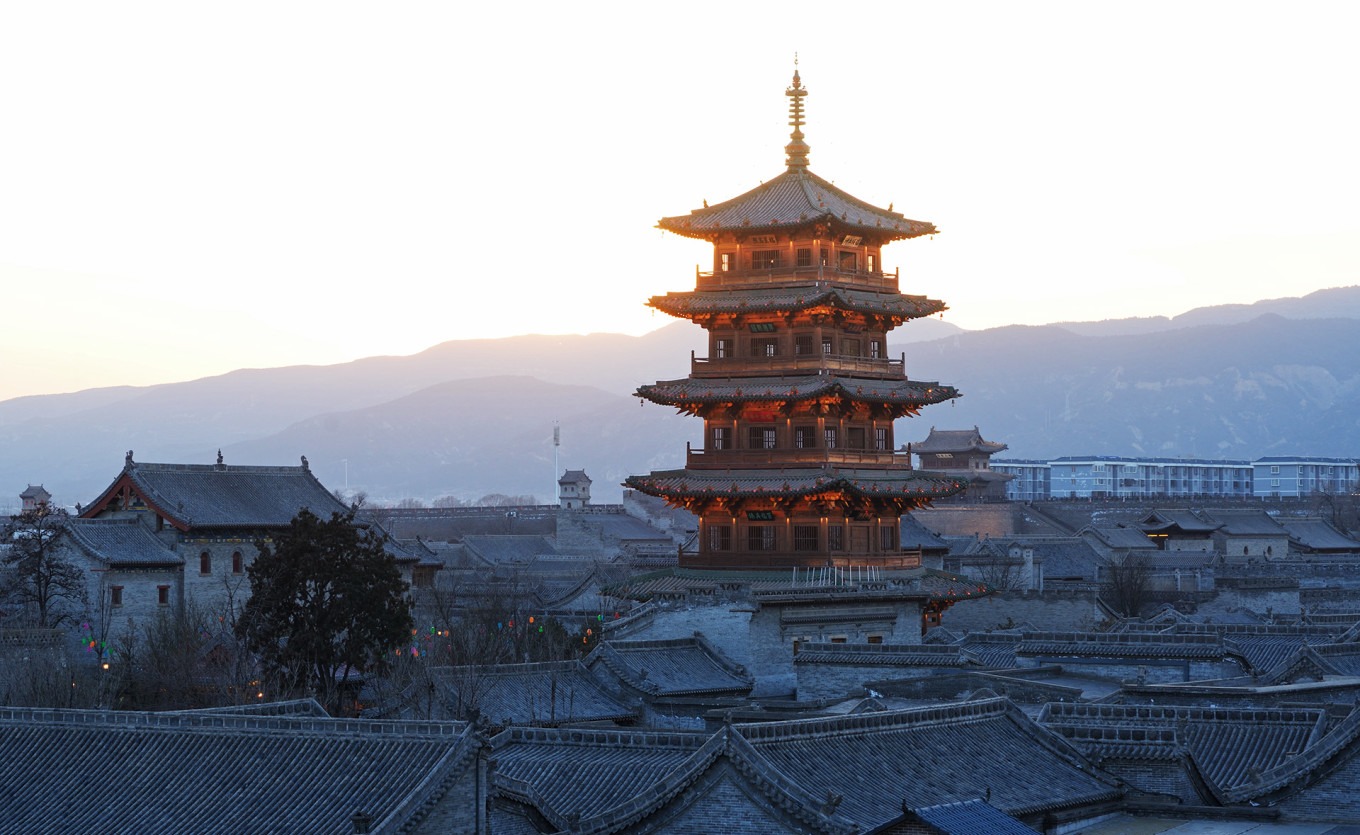
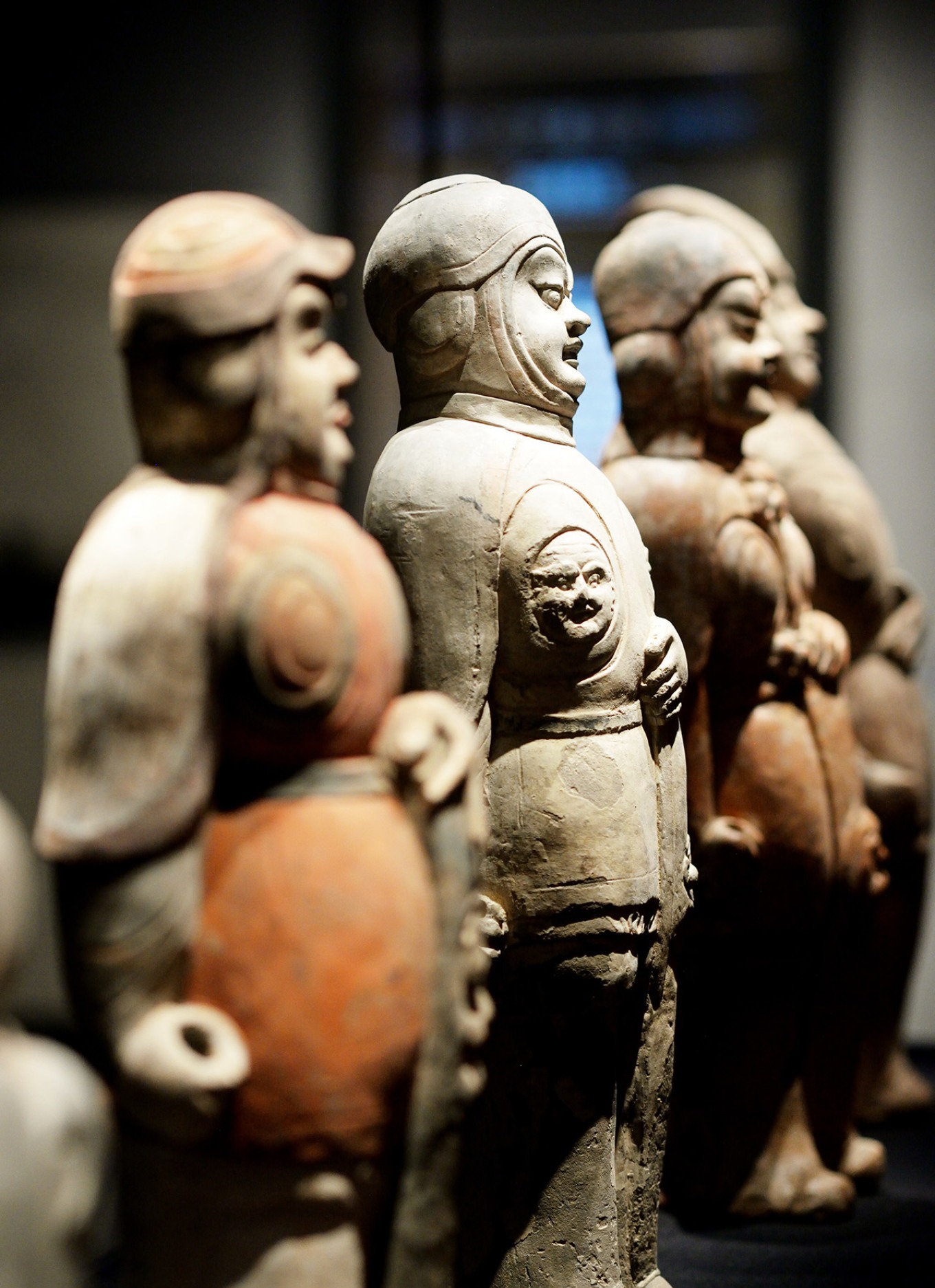
The Jinyang Ancient City Archaeological Museum (晋阳古城考古博物馆), a brand-new museum embedded within the city walls, offers a journey through time as you walk through its long corridors.
Dou Chou and Duofu Temple
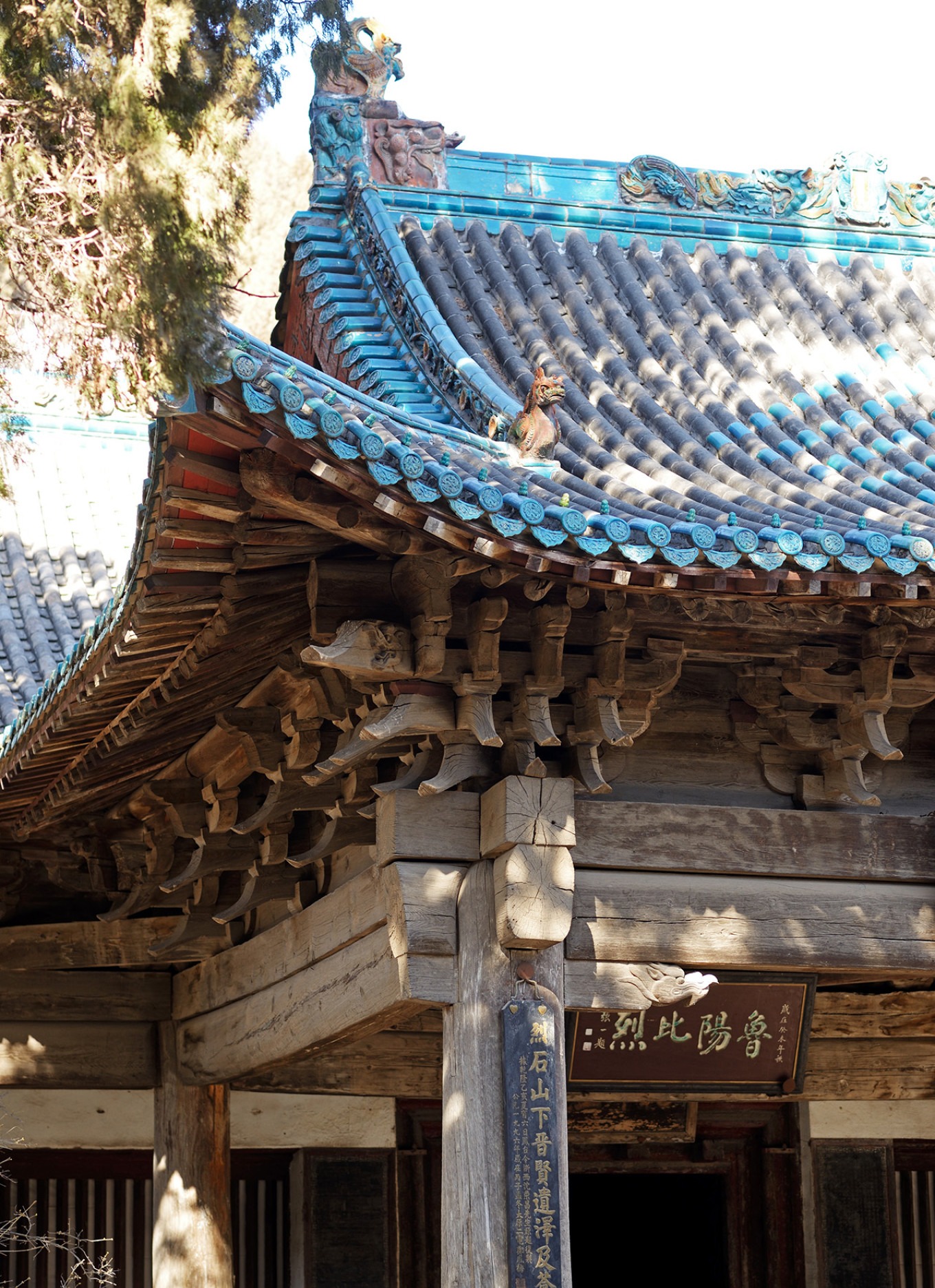
At the foot of Lieshi Mountain, the Memorial Temple of Dou Chou (窦大夫祠) honors Dou Chou, a senior official of the Jin State during the Spring and Autumn period. It was also a rain-praying site for local officials and commoners, and stands as a masterpiece of Yuan-dynasty architecture.
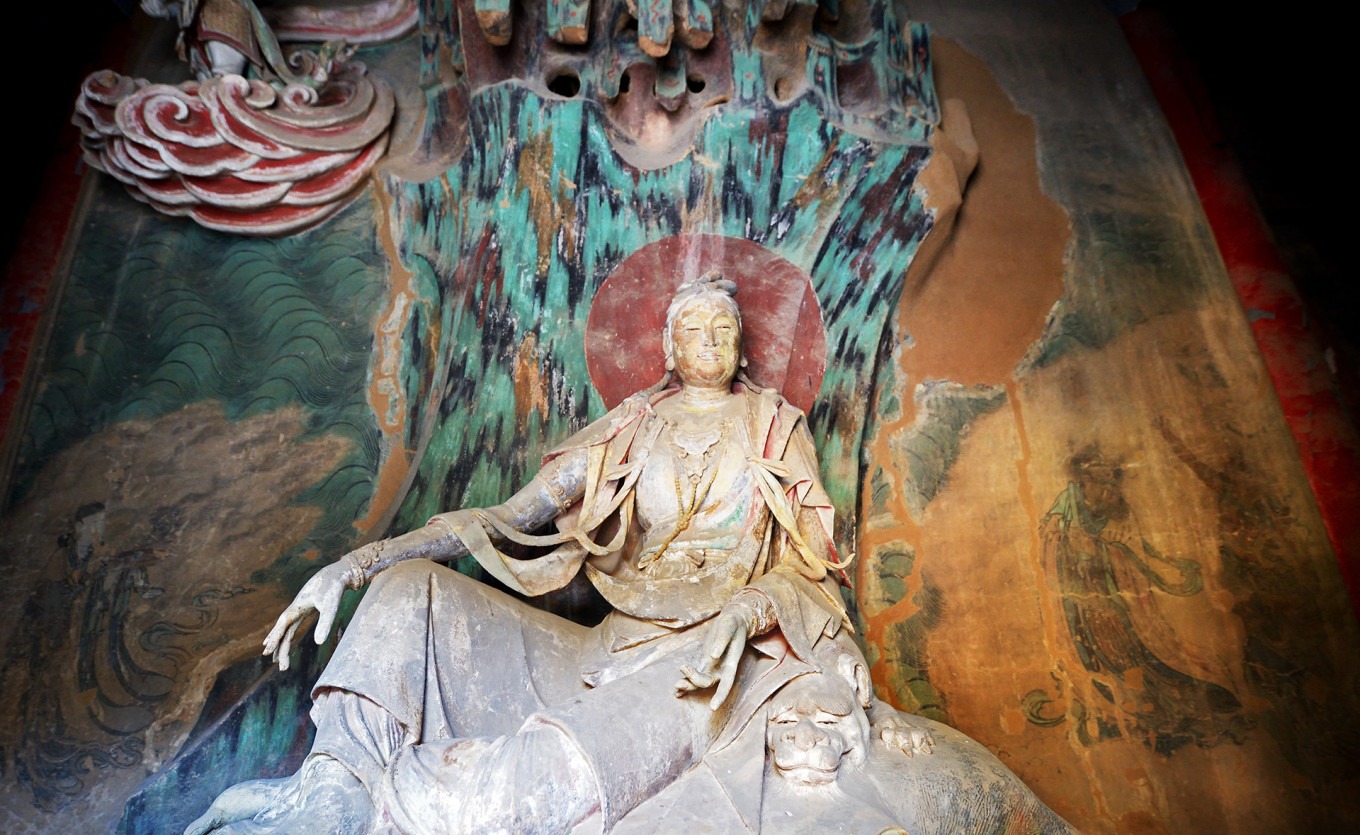
Perched atop Mount Juewei at over 1,000 meters elevation, Duofu Temple (多福祠) is seldom visited but renowned for its exquisite sculptures and murals.
Yongzuo Pagodas and City Museums
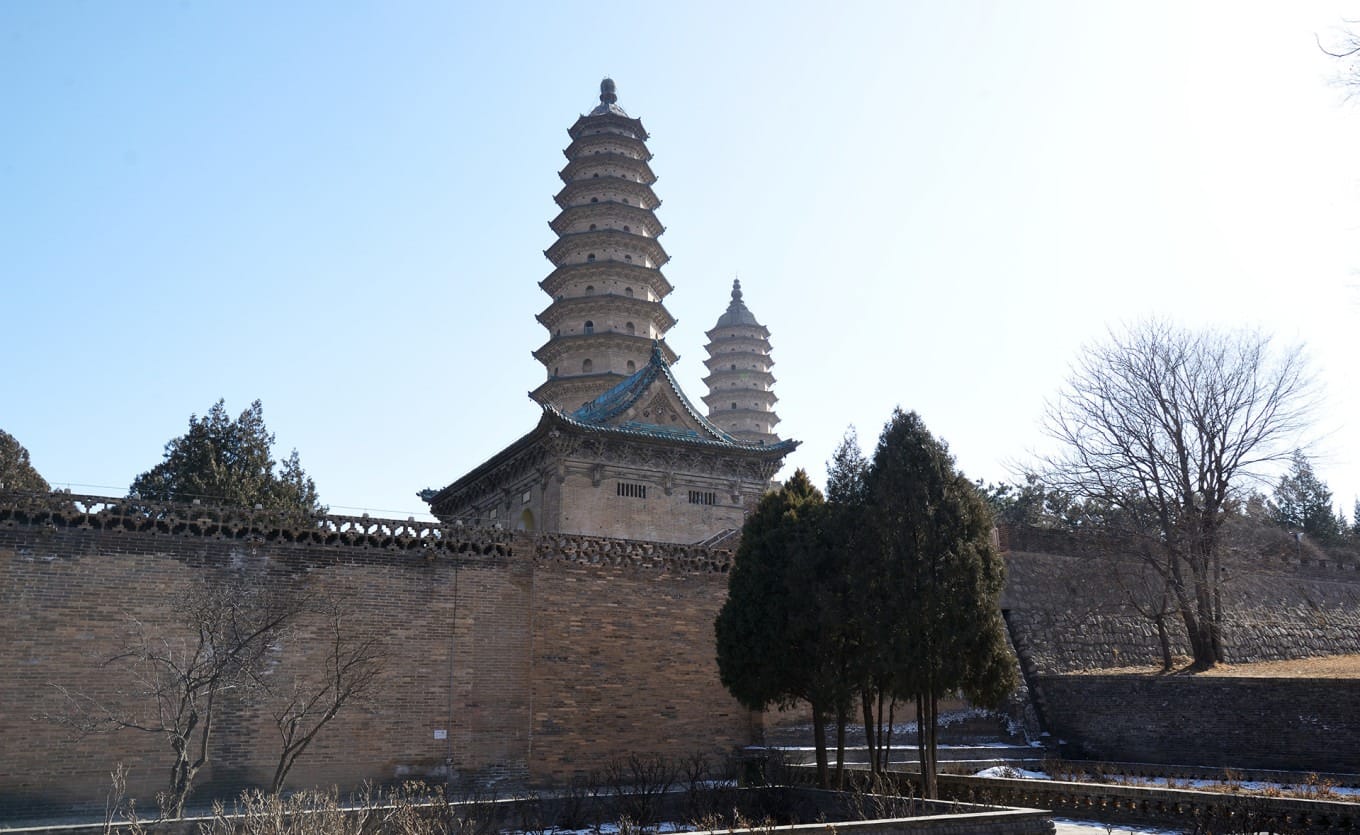
One of Taiyuan’s landmarks, the Twin Pagodas of Yongzuo Temple (永祚寺双塔) stand facing each other east and west, an imposing sight known as “Twin Pagodas Soaring to the Sky” — one of the eight ancient scenic views of Jinyang.
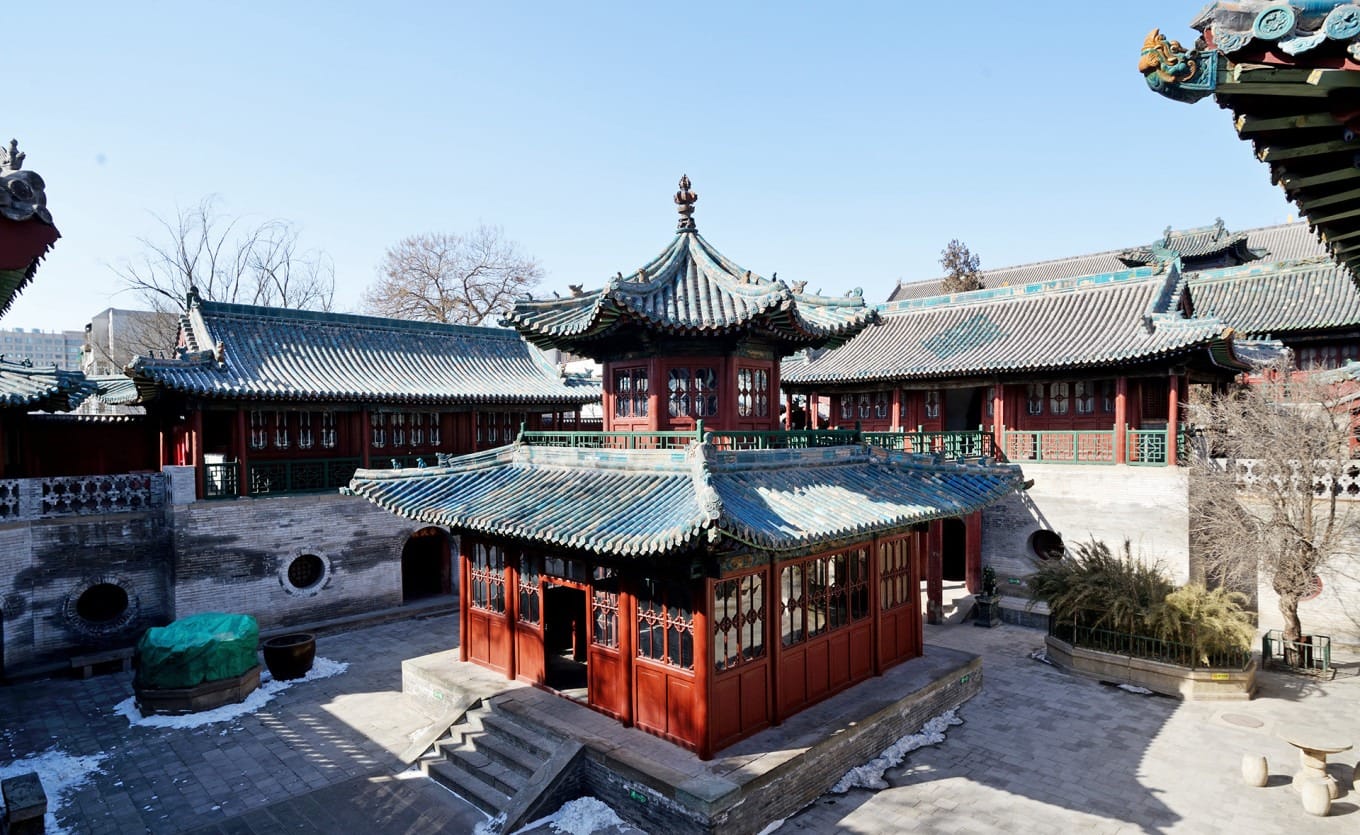
In the old city center, Chunyang Temple (纯阳宫) has a connection to Song Defang, a disciple of the Quanzhen sect leader Qiu Chuji. It once housed a branch of the Shanxi Provincial Museum and is now the Shanxi Ancient Architecture Museum.
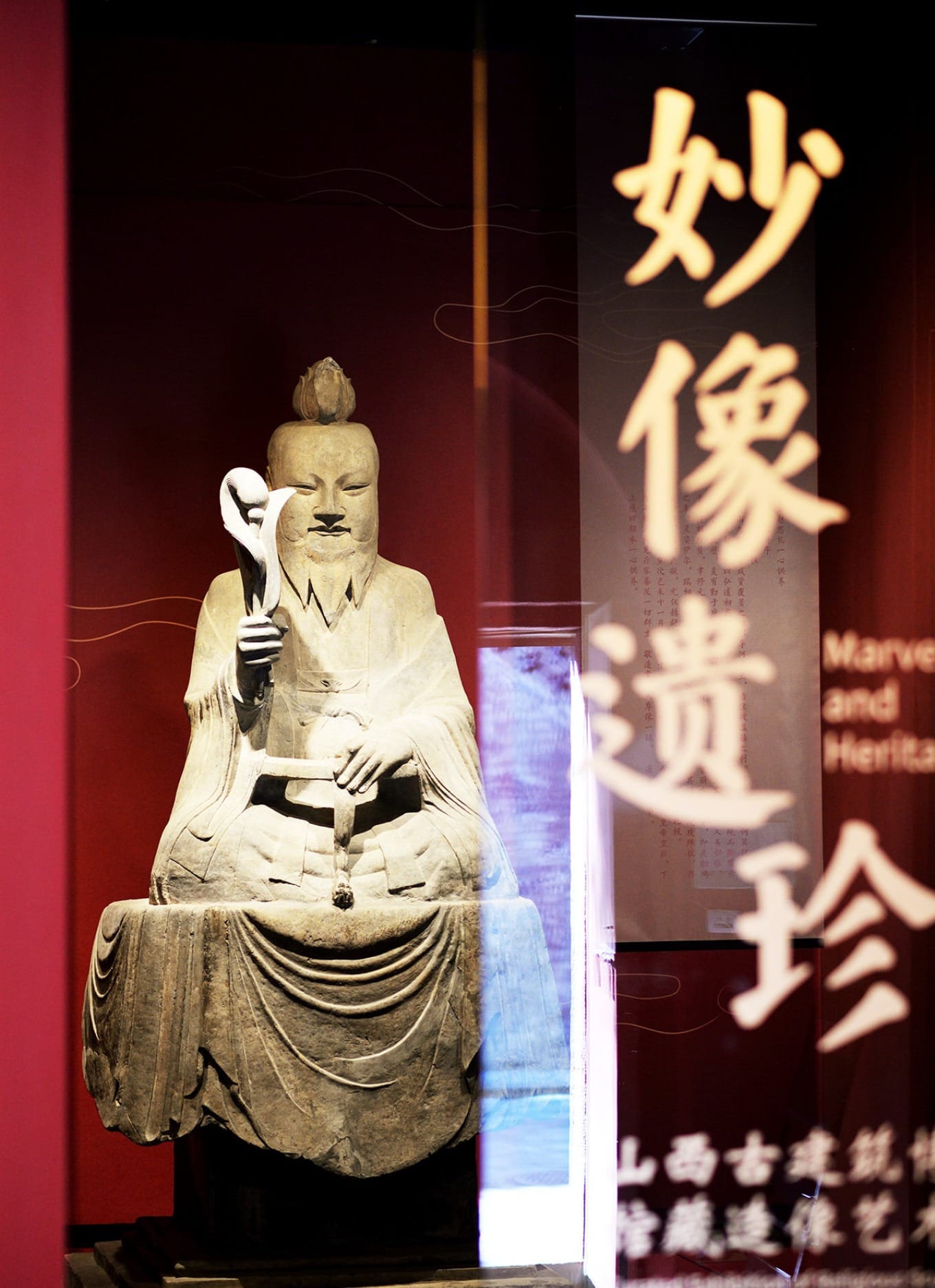
The most remarkable artifacts at Chunyang Temple are two “Class A (195) national treasures”: the Changyang Tai Zun stone statue (常阳太尊石像) and the Nirvana Transformation Stele (涅槃变相碑). Don’t miss them on your visit.
Taiyuan Confucian Temple (太原文庙) is not only architecturally grand but also the cultural pulse of the city. Today it houses the Shanxi Archaeological Museum, with collections well worth exploring.
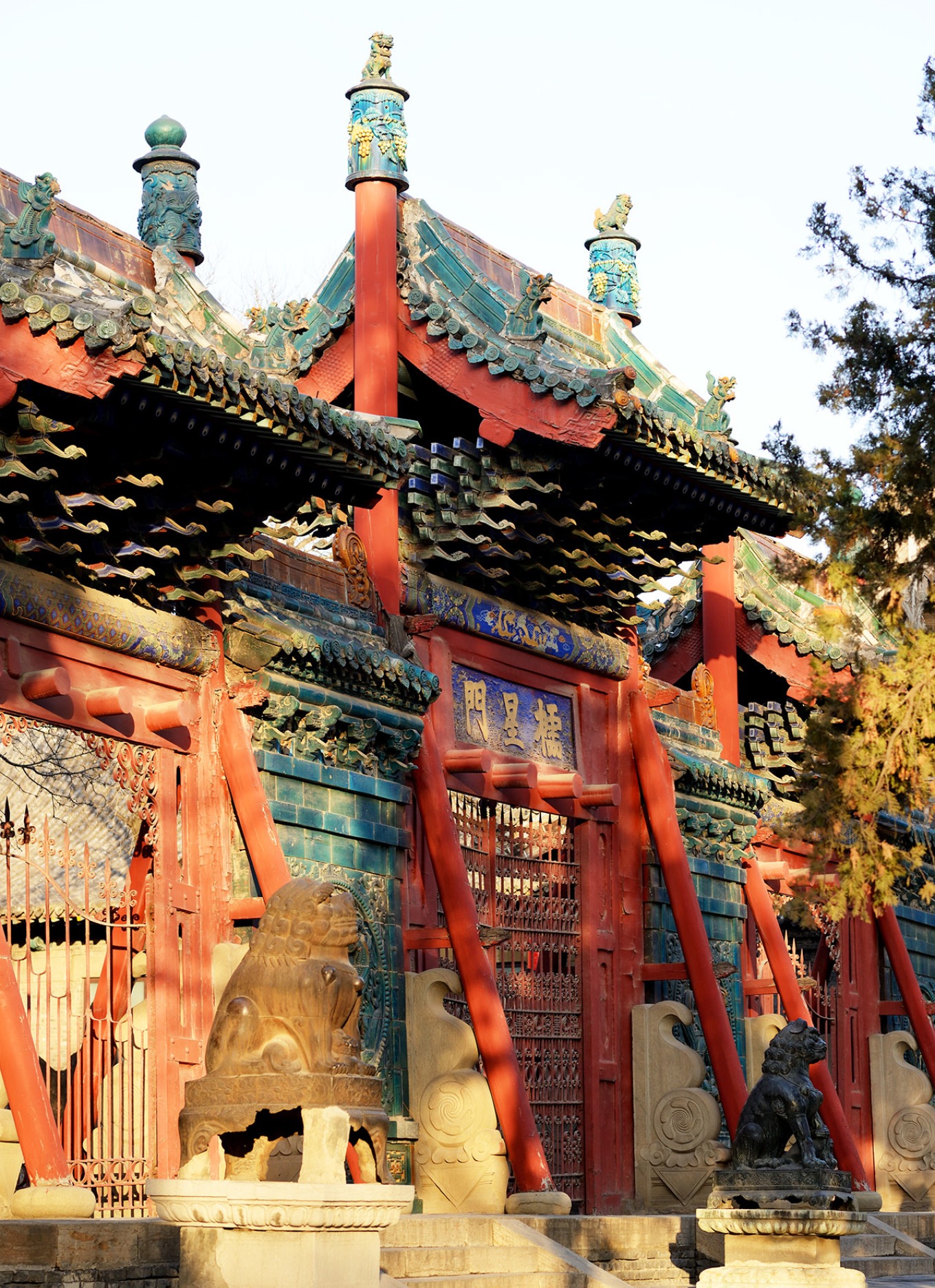
The Former Residence of the Military Governor (督军府旧址), once the official mansion of Yan Xishan, the military governor of Shanxi during the Republic period, bears the marks of time in every brick and tile.
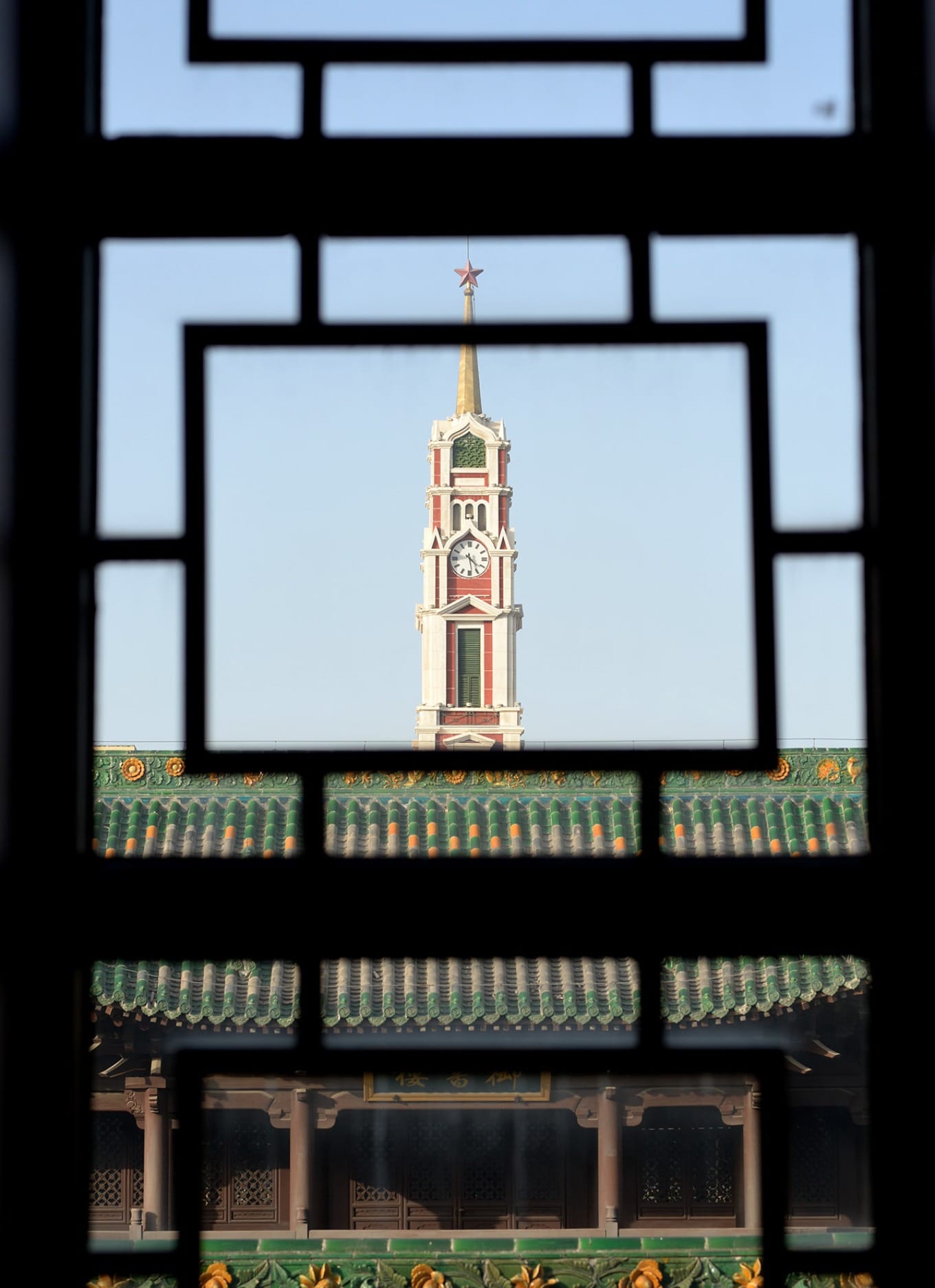
To understand Shanxi’s millennia-deep history, you must not miss the Shanxi Museum (山西博物院). Stepping inside is like opening a weighty chronicle of the Three Jin region.
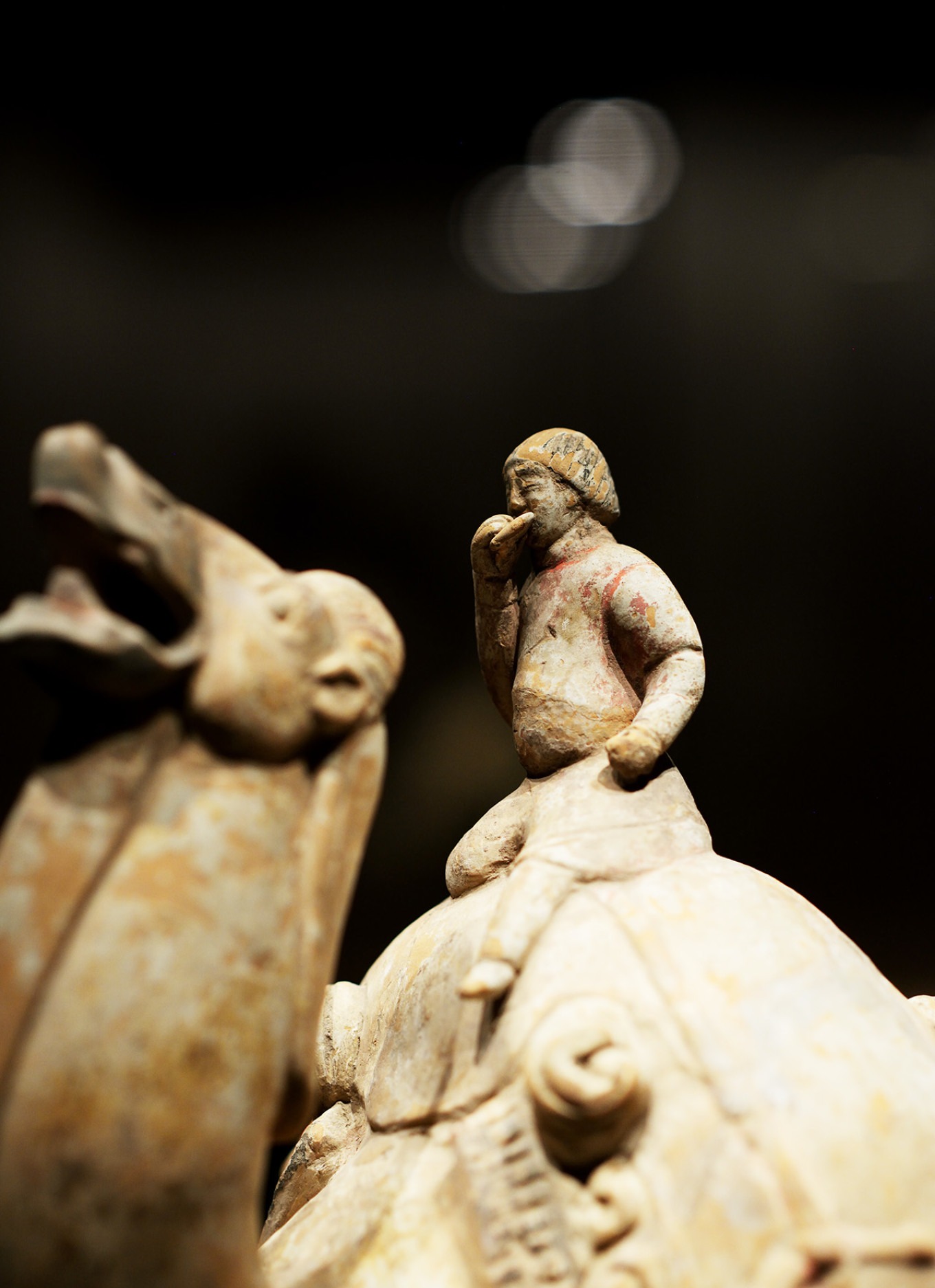
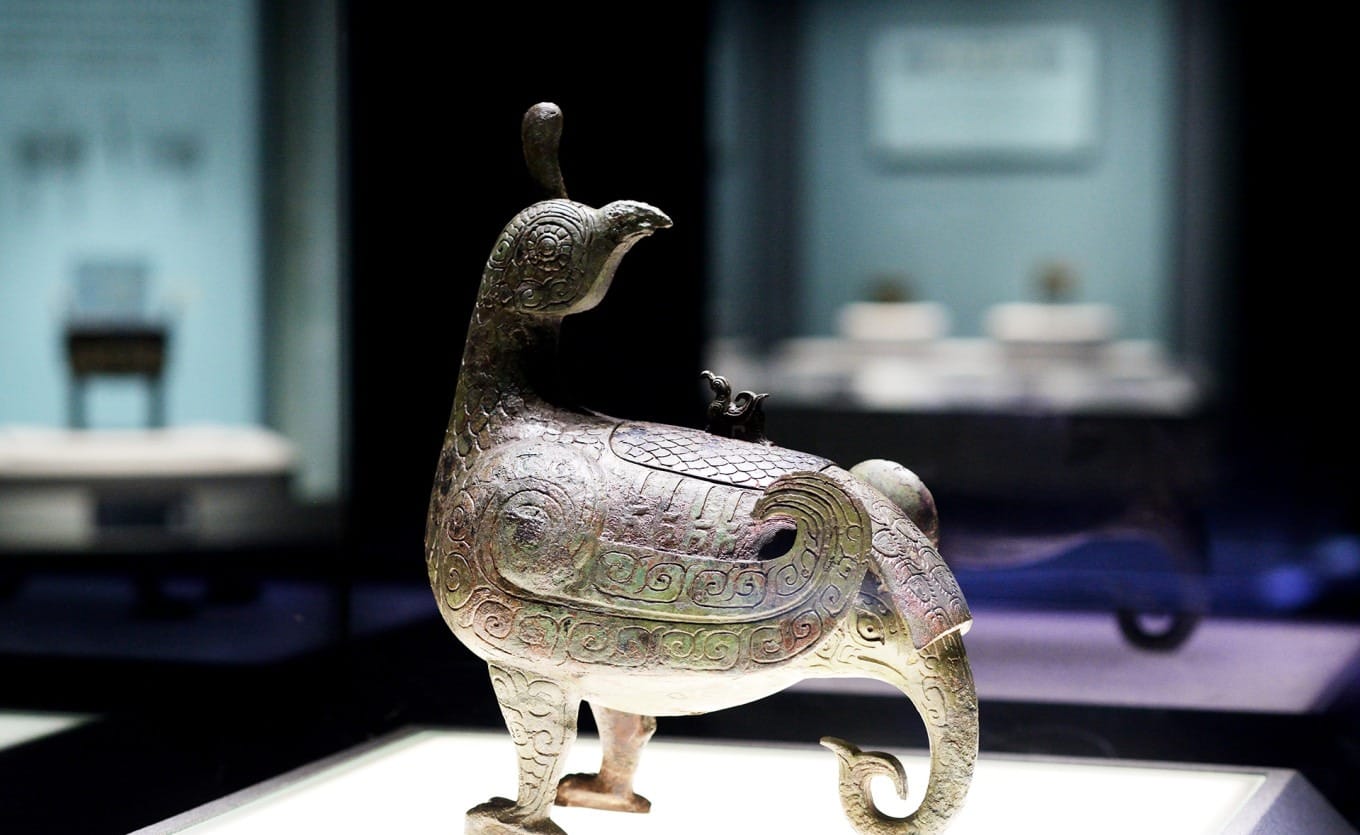
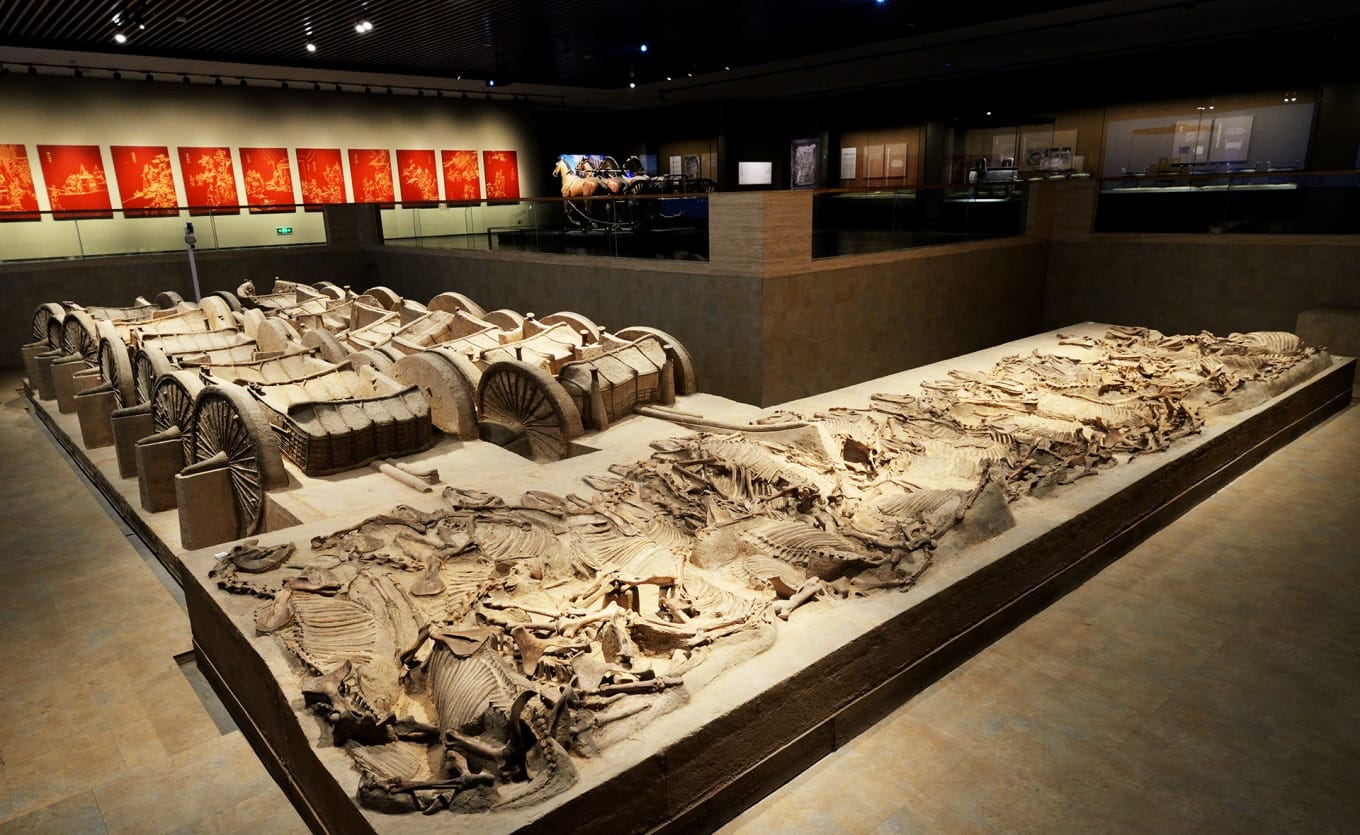
The Shanxi Bronze Museum (山西青铜博物馆) is China’s first provincial-level museum dedicated to bronzeware. It houses countless bronze masterpieces and the awe-inspiring chariot pit from the Zhao Qing tomb.
The Taiyuan Museum (太原博物馆) is also worth a visit. Organized chronologically, it narrates the historical depth and cultural richness of this ancient capital of nine dynasties.
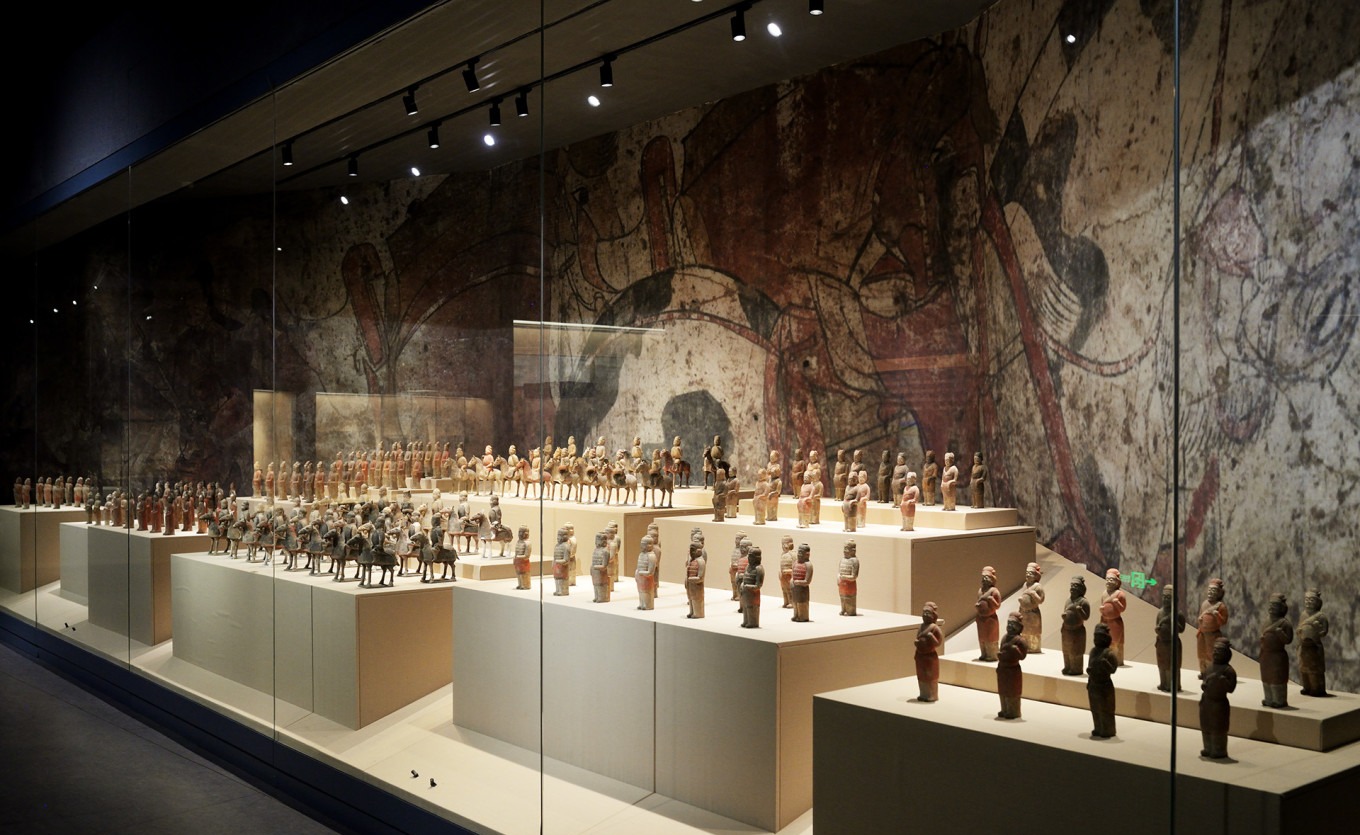
If you are interested in history and art, don’t miss the Taiyuan Northern Qi Mural Museum (太原北齐壁画博物馆). It integrates several high-status Northern Qi tomb murals from the Shanxi Museum collection, offering a comprehensive display of Northern Dynasty mural art.

Taiyuan: A Thousand-Year Capital
- RestaurantPinxiang Restaurant (品香餐厅)
- AddressNo.
- Recommended dishesPinxiang braised pork (品香红烧肉), Shanxi-style vinegar chicken (山西醋鸡), knife-cut noodles (刀削面)
- Average spendCNY 60-100 per person
As the capital of Shanxi province, Taiyuan has a history spanning over 2,500 years, once serving as the capital of nine dynasties. When you visit, you’ll find a city where ancient heritage meets modern life. Start your exploration at the Shanxi Museum (山西博物院), one of China’s premier museums, housing a vast collection of artifacts from the region’s rich history. Don’t miss the exquisite bronze works from the Jin State and the stunning Buddhist sculptures.
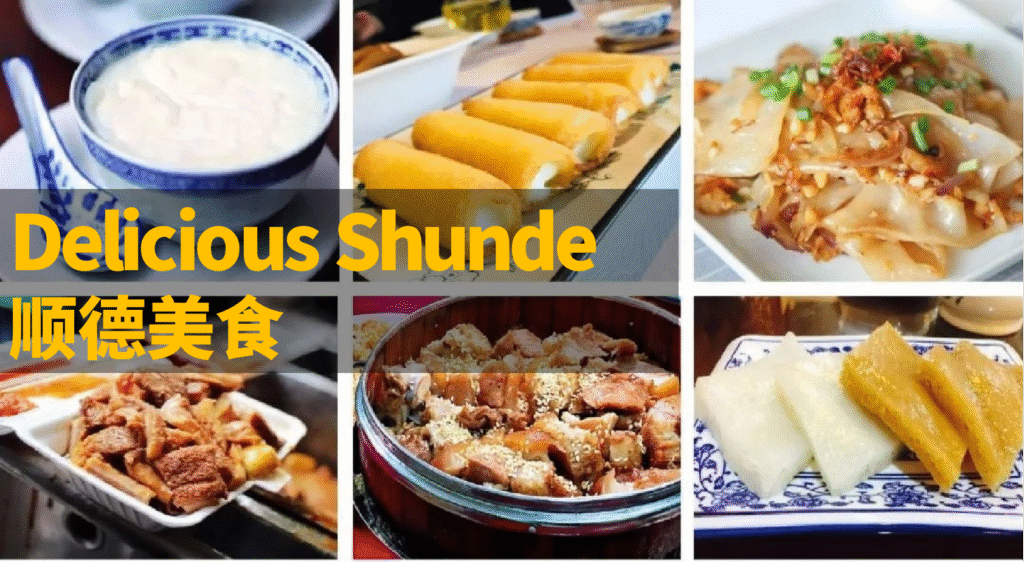
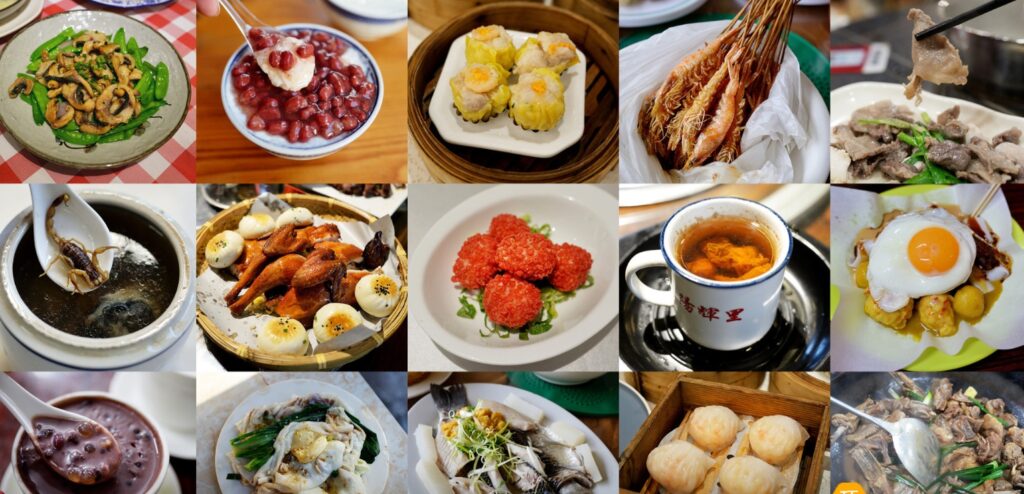
For a taste of local life, head to the bustling Liuxiang (柳巷) pedestrian street, where you can sample traditional snacks like Taiyuan’s famous knife-cut noodles (刀削面) and the crispy, savory flatbread known as shaobing (烧饼). Another must-try is the local specialty, ‘tou nao’ (头脑), a nourishing soup made with mutton, astragalus, and other herbs – best enjoyed for breakfast.
When it comes to dining, one restaurant stands out: Pinxiang Restaurant (品香餐厅), a beloved local institution. Known for its authentic Shanxi cuisine, the restaurant has been serving traditional dishes for decades. The ambiance is warm and unpretentious, with a menu that highlights the best of the region’s culinary heritage. Be sure to order the signature dish, ‘Pinxiang braised pork’ (品香红烧肉), which is melt-in-your-mouth tender, and the ‘Shanxi-style vinegar chicken’ (山西醋鸡), which perfectly balances tangy and savory flavors. The prices are reasonable, making it a great choice for a hearty meal.
Jinci Temple: The Cradle of Jin Culture
Jinci Origins and Jin Culture
No trip to Taiyuan is complete without a visit to Jinci Temple (晋祠), the city’s most iconic attraction. Located 25 kilometers southwest of downtown in the Jinyuan district, nestled at the foot of Xuanweng Mountain, this ancient architectural complex is one of China’s earliest surviving royal ancestral temples. Designated a first-batch national key cultural relic in 1961, Jinci holds immense historical and artistic value. Its origins are shrouded in mystery, but it was originally built to honor Tang Shuyu, the founding lord of the Jin state during the Western Zhou dynasty. According to the *Lüshi Chunqiu* and *Records of the Grand Historian*, King Cheng of Zhou enfeoffed his younger brother Shuyu with the land of Tang, hence the name Tang Shuyu. Later, Shuyu’s son renamed the state ‘Jin,’ giving rise to the powerful Jin state that dominated the Spring and Autumn period and the cultural lineage of the Three Jin regions. Interestingly, the Tang dynasty’s founder, Li Yuan, inherited the title ‘Duke of Tang’ from his grandfather, linking the dynasty’s name to this very heritage.
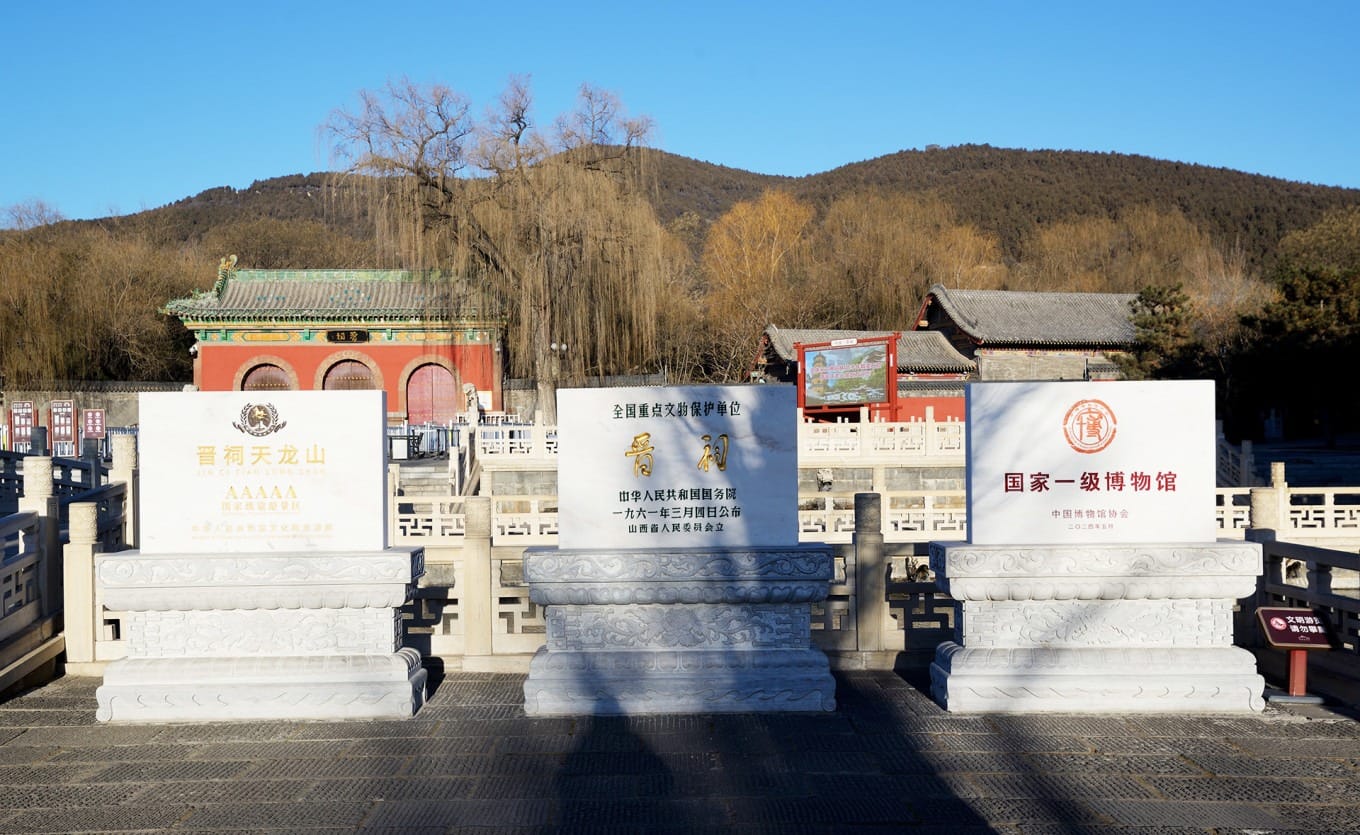
The first written record of Jinci appears in Li Daoyuan’s *Commentary on the Water Classic* (Shuijing Zhu) from the Northern Wei dynasty. During the Northern Qi period, Jinyang (modern Taiyuan) served as the de facto capital, and later the Tang dynasty regarded it as the birthplace of their dynasty, leading to major expansions. In the Five Dynasties and Ten Kingdoms period, four regimes—Later Tang, Later Jin, Later Han, and Northern Han—rose from Jinyang and worshipped Tang Shuyu as their founding ancestor. However, after Emperor Taizong of Song conquered Jinyang, he sought to suppress the region’s rebellious spirit by burning and flooding the city and culturally subjugating the area. A prime example is the construction of the Hall of the Holy Mother (圣母殿), which far surpassed the original Tang Shuyu Shrine in scale. This hall enshrines Yijiang, Tang Shuyu’s mother, effectively replacing the male founding lord with a gentle rain-goddess, thereby neutralizing the kingly aura of Jinyang.
How to Enter Jinci Park
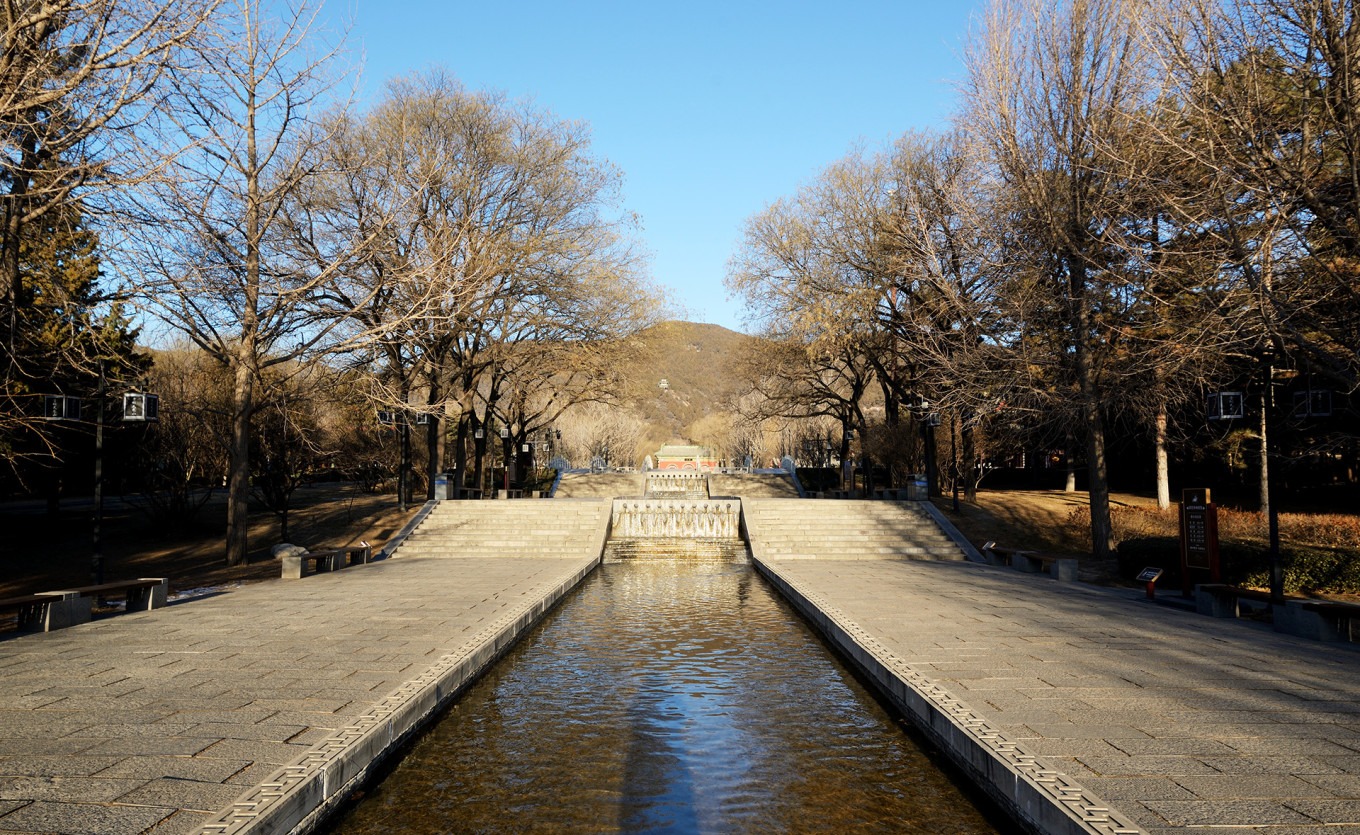
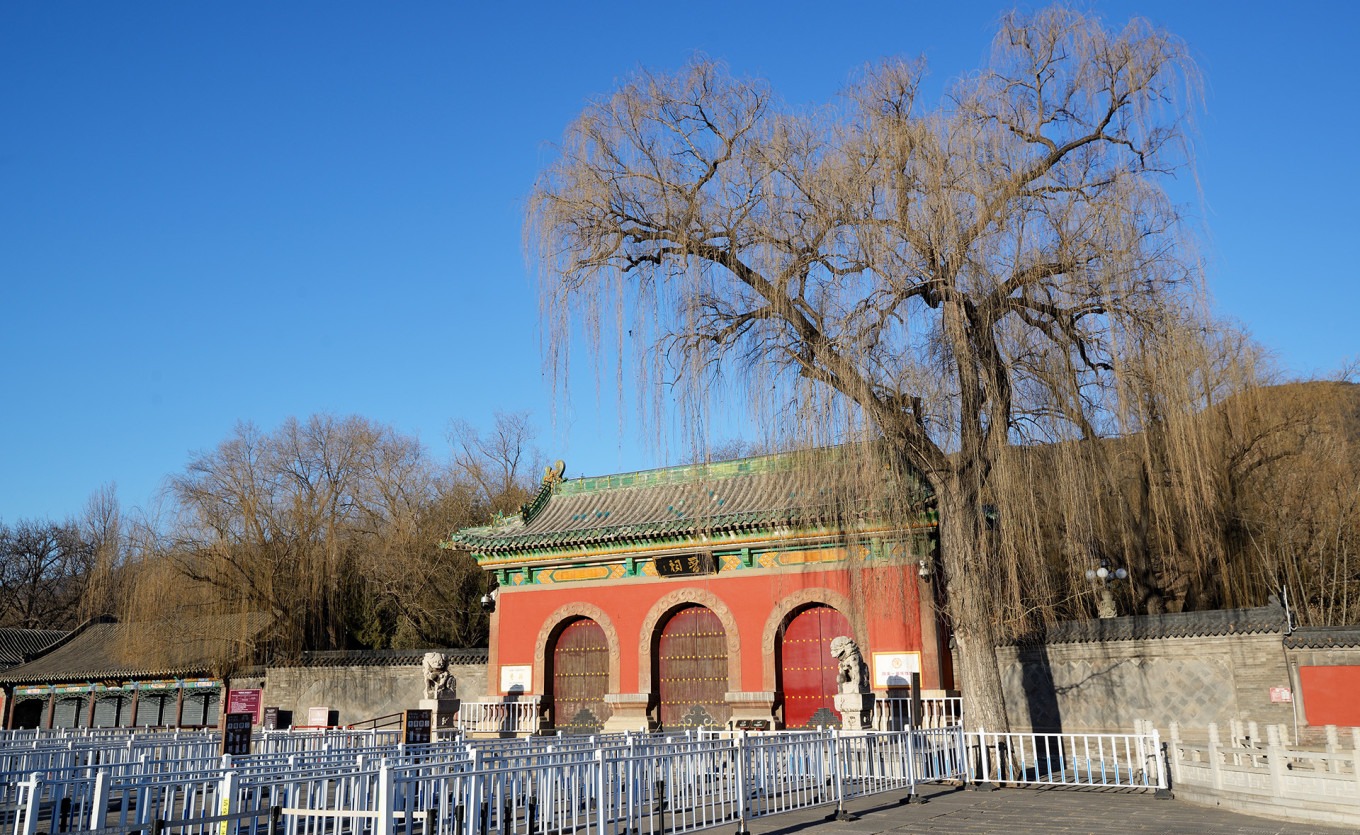
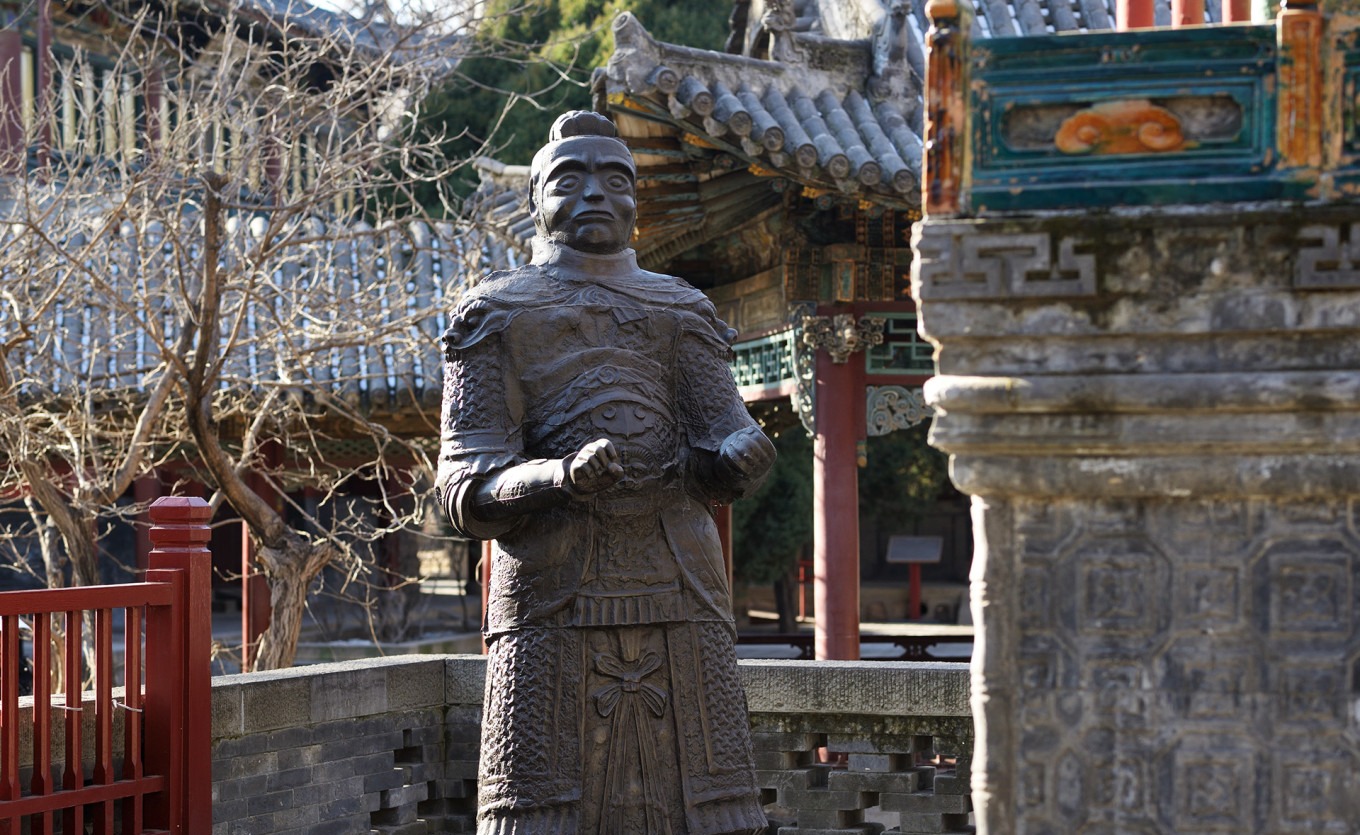
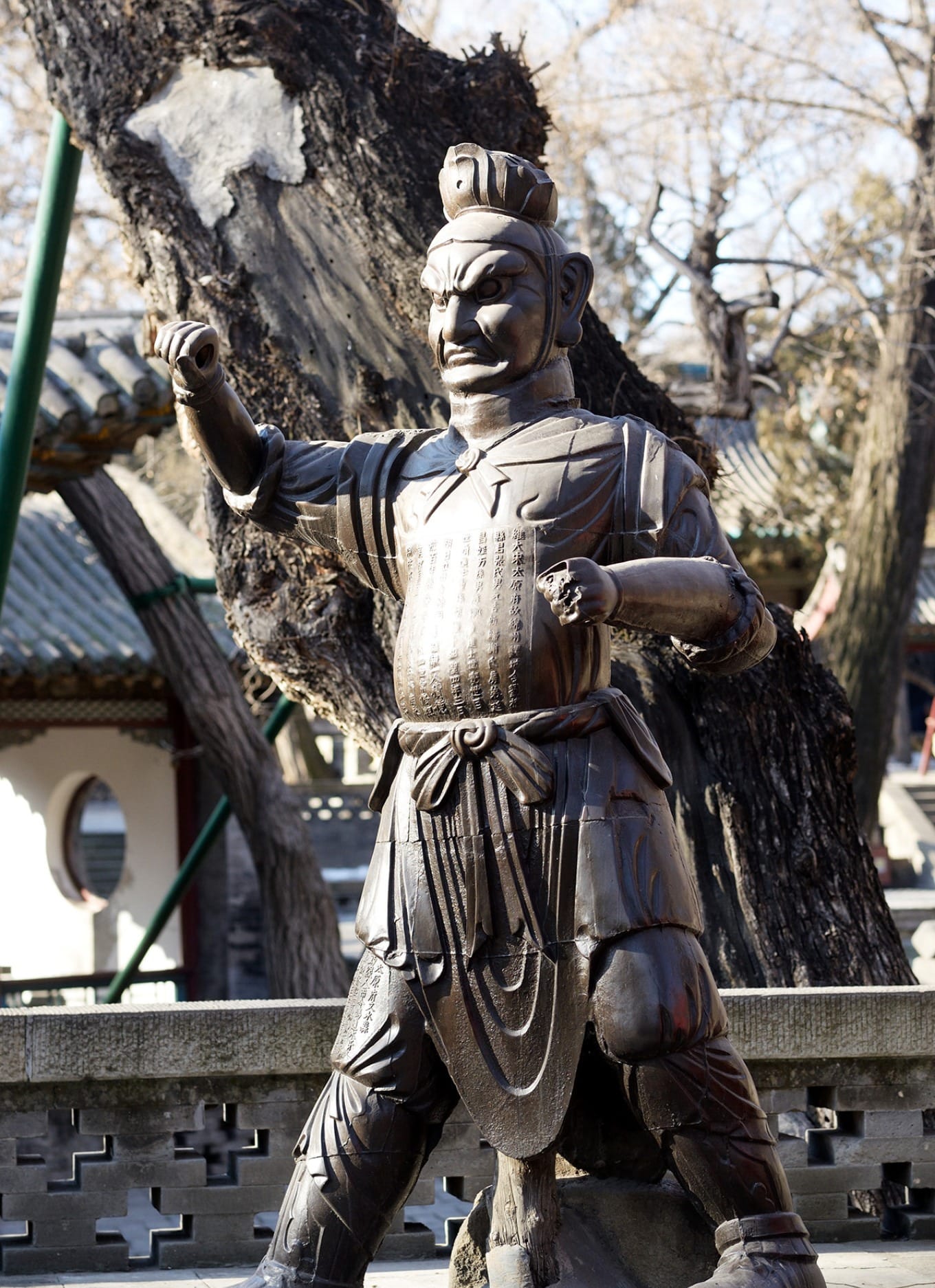
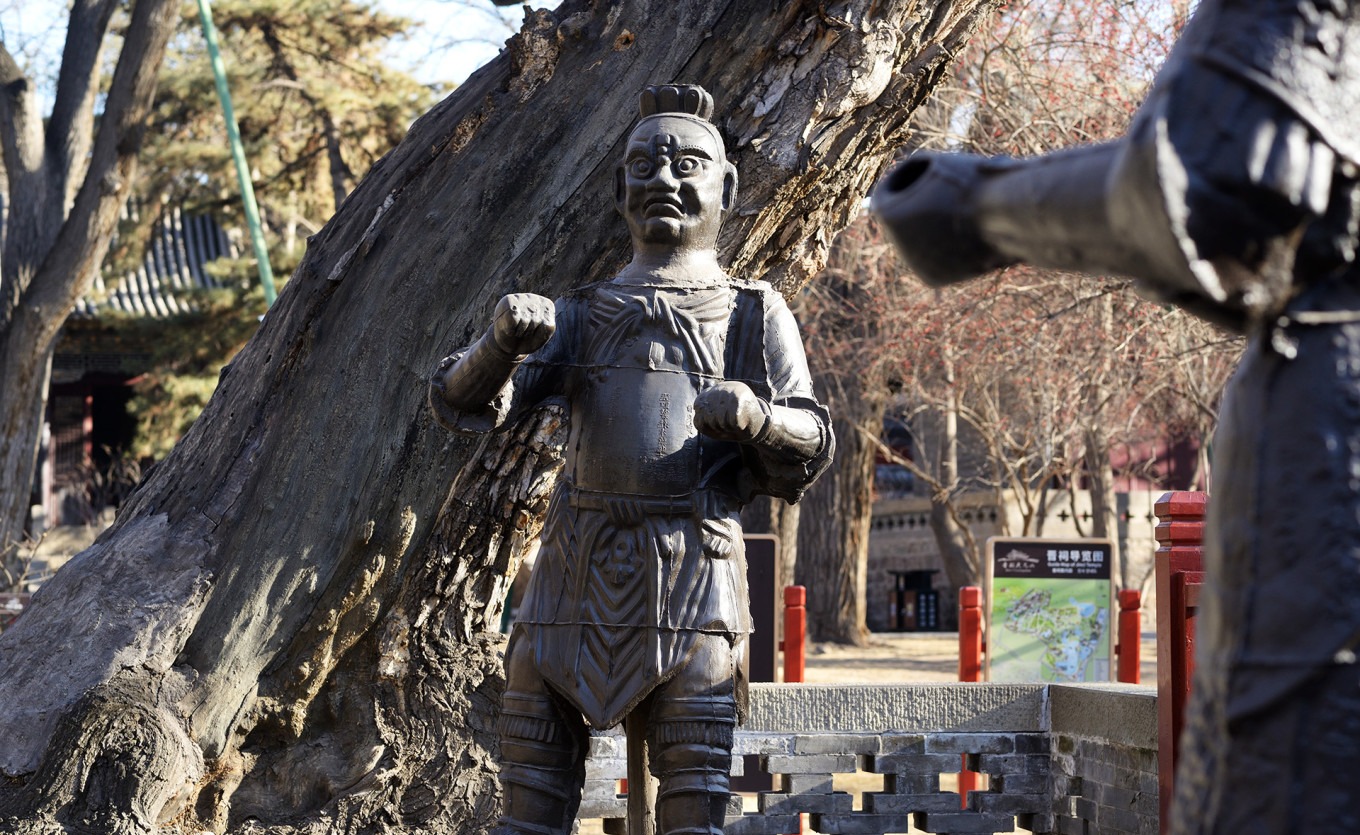
Today, a newly built Jinci Park surrounds the temple. If driving, the closest parking to the core area is at the Jinci Hotel Tennis Court parking lot. From there, a 7–8 minute walk brings you to the main gate, a hip-roofed structure built in the 1960s. The plaque reading ‘Jinci’ was inscribed by Marshal Chen Yi. The entire complex faces east, symmetrically arranged along a central axis. After centuries of additions and renovations, Jinci is now the largest ancient building complex in Taiyuan, featuring structures from the Song, Yuan, Ming, Qing, and Republican eras. It boasts the ‘Three Wonders’ (Song dynasty painted sculptures of maids, the ancient cypress, and the Nanlao Spring), the ‘Three Treasures’ (the Offering Hall, the Flying Bridge over the Fish Pond, and the Hall of the Holy Mother), and the ‘Three Plaques’ (on the Water Mirror Terrace, Duiyue Archway, and Nanlao Spring). Don’t miss the iron warrior at the southwest corner of the Golden Man Platform, a masterpiece of Northern Song iron casting.
Water Mirror Terrace
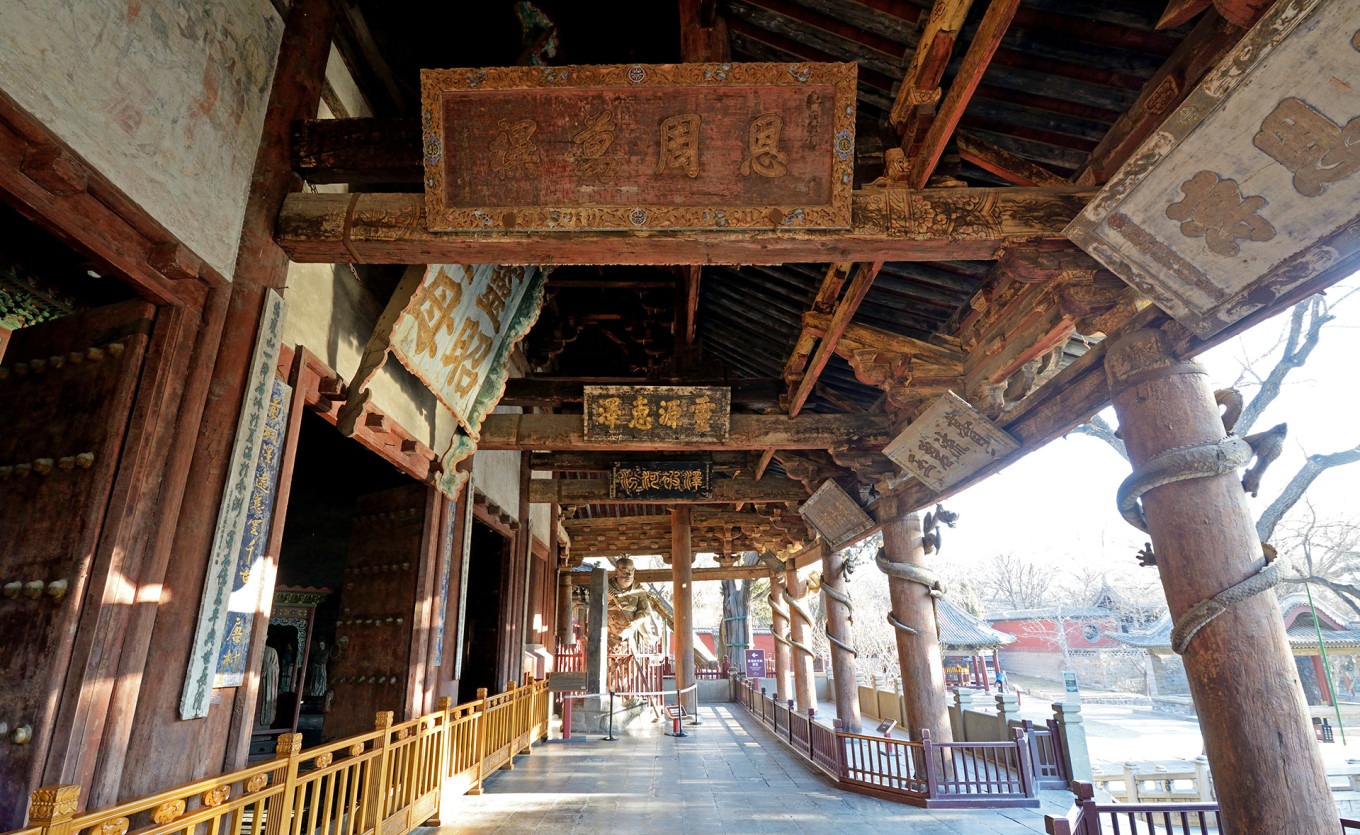
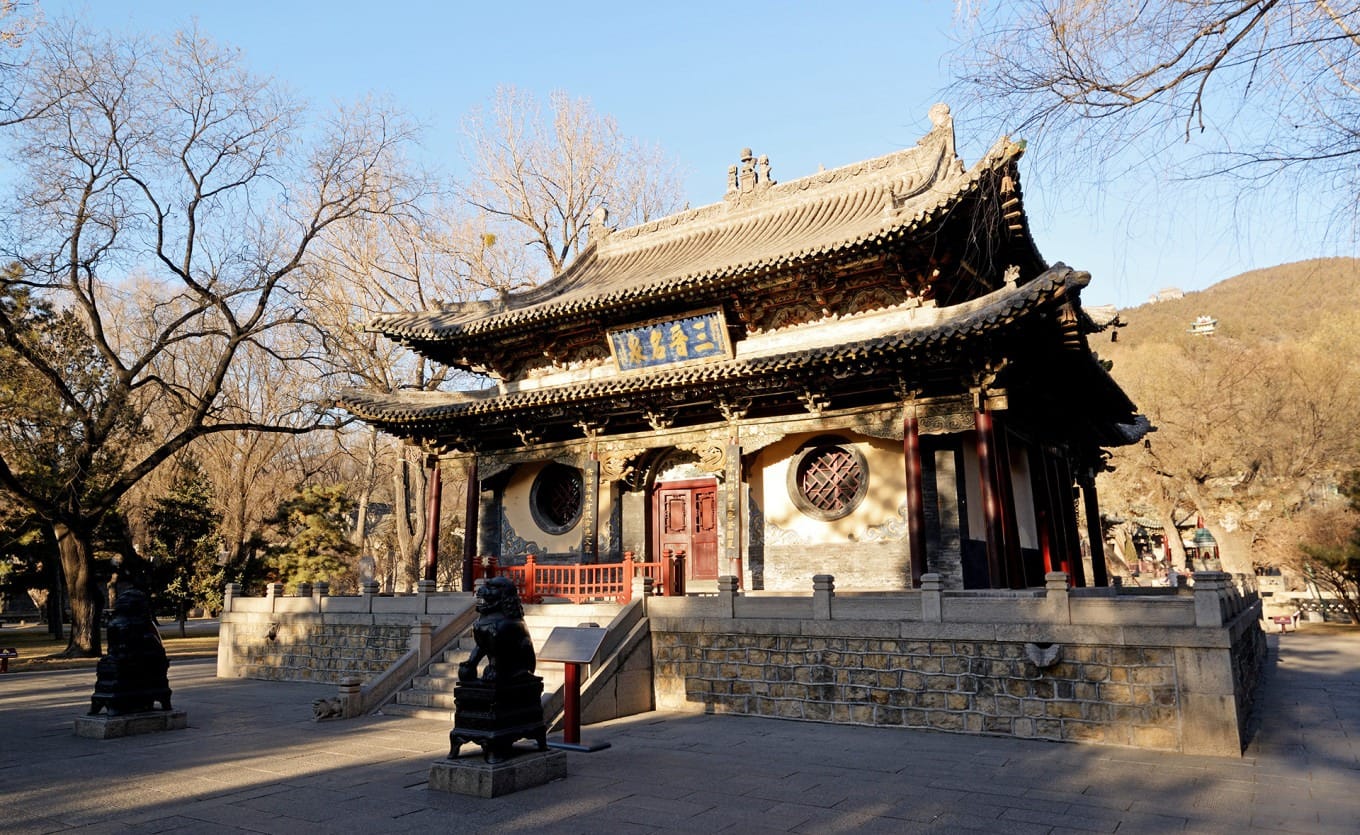
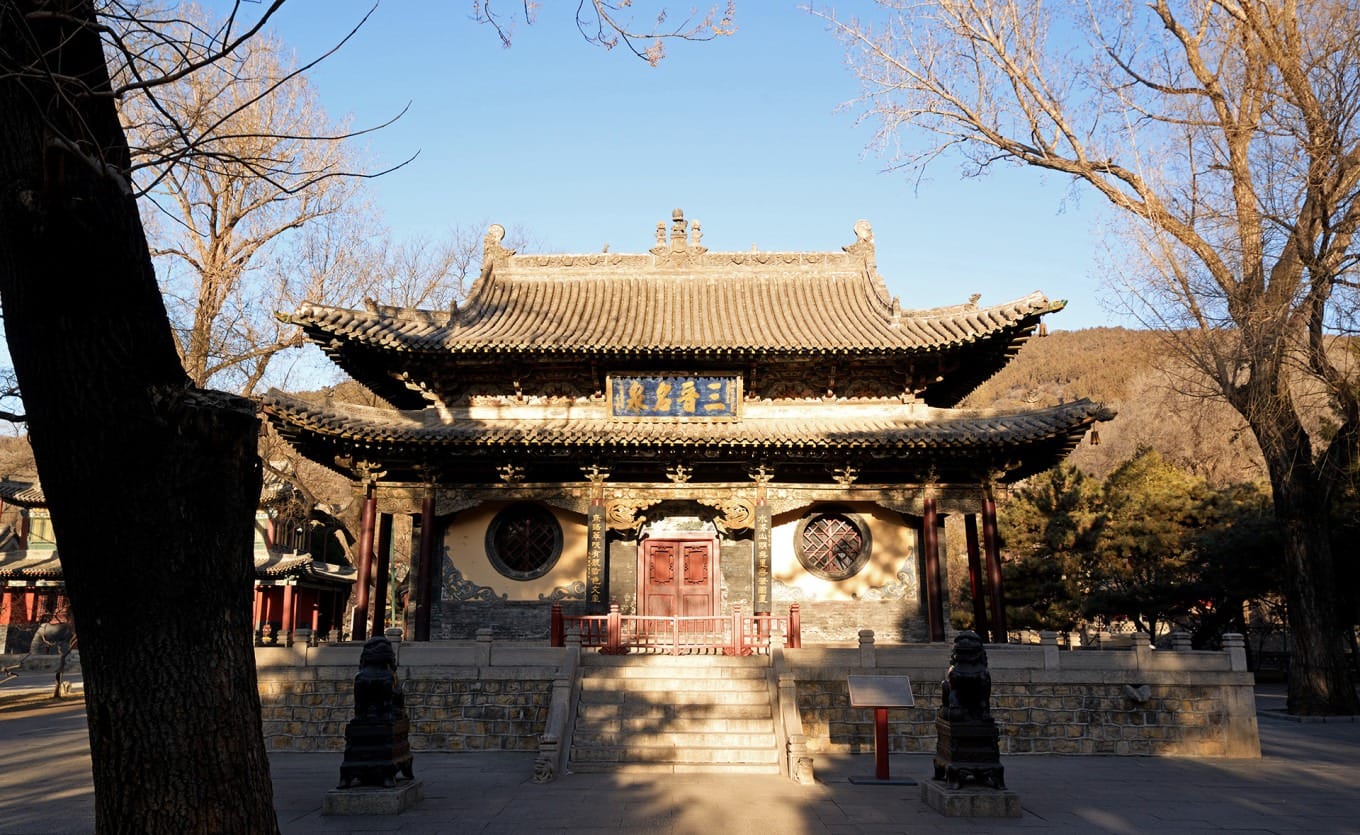
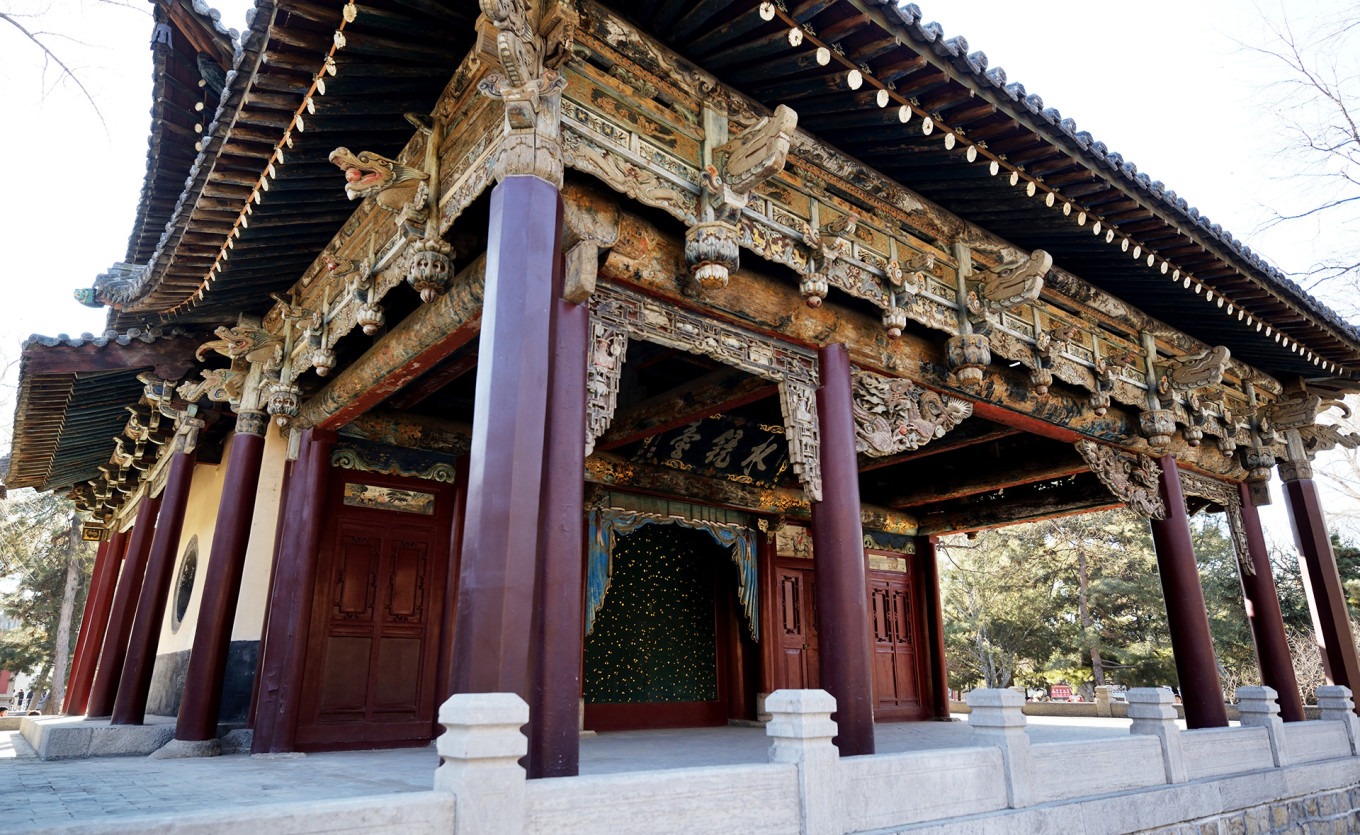
Entering the mountain gate, you’ll first see the Water Mirror Terrace (水镜台), a Ming-Qing building with a hip-and-gable roof and a front porch. This structure served as the prototype for the small temple in the 1983 TV series *Journey to the West* where Sun Wukong and Erlang Shen transformed. It functioned as a stage for ritual performances. It is said that eight large water vats were buried beneath the stage to amplify sound through resonance. On the side facing the gate is the backstage area, with a plaque reading ‘Sanjin Mingquan’ (三晋名泉) by Yang Tinghan, a Qing-dynasty military graduate. The front of the stage bears the ‘Water Mirror Terrace’ plaque, one of Jinci’s three famous plaques, inscribed by Yang Eryou, a Qing-dynasty scholar and calligrapher. The beams are painted with the story of ‘King Wen Seeking the Wise,’ and flanking plaques are colorful opera scenes.
Huixian Bridge and Zhibo Canal
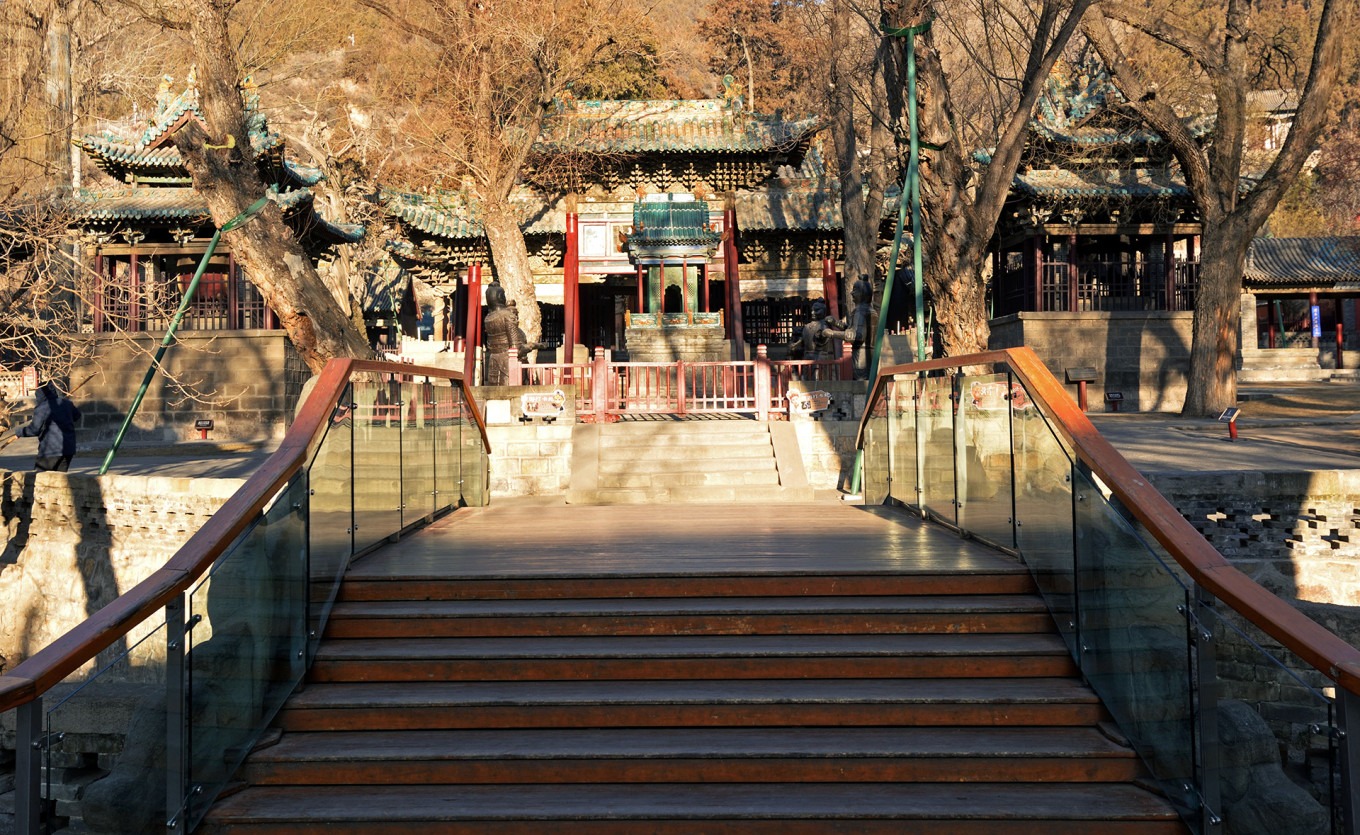
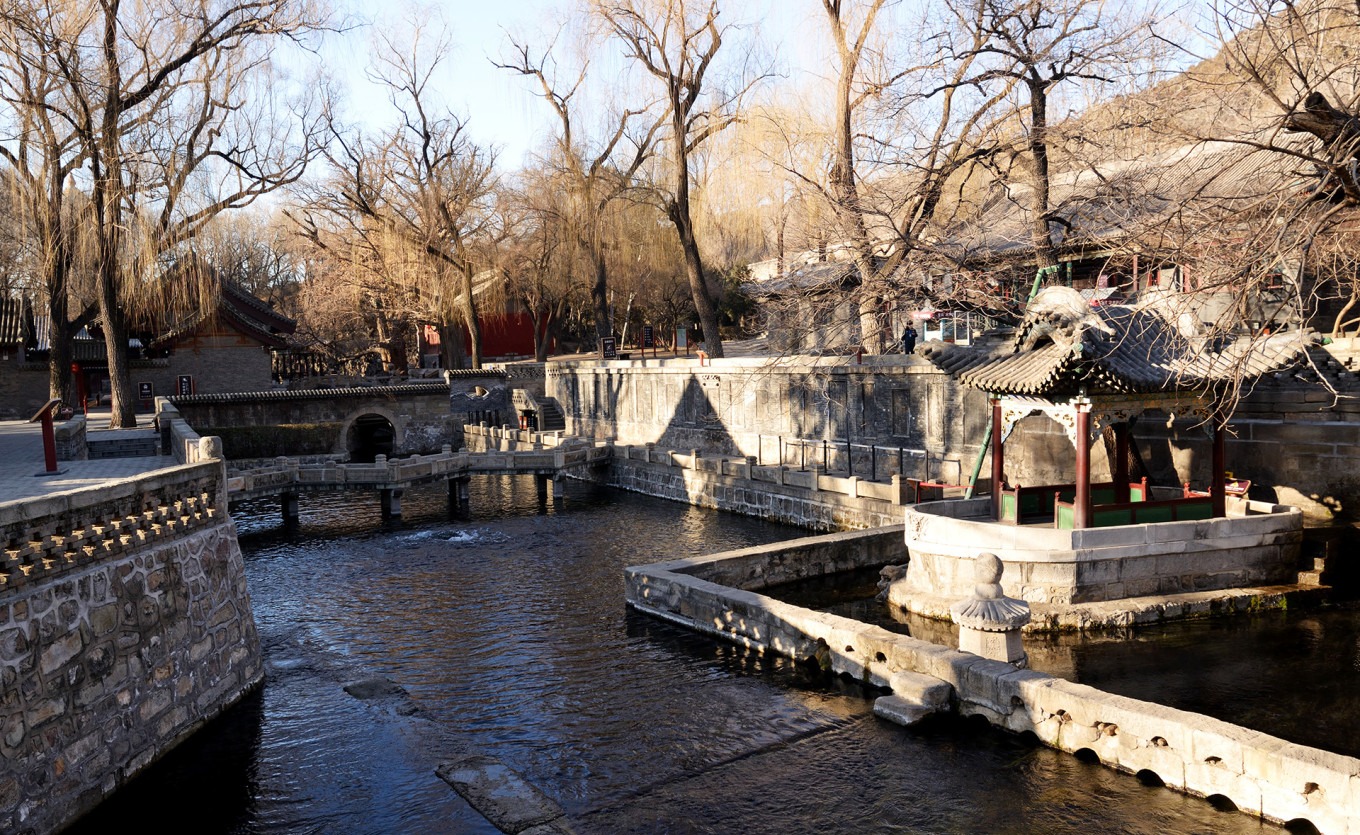
West of the Water Mirror Terrace is the Huixian Bridge (会仙桥), a stone bridge spanning the Zhibo Canal. This is the main route to the Hall of the Holy Mother. The canal, known as Jin River, was dug in 455 BC by Zhi Boyao, a minister of Jin, who allied with the Han and Wei families to attack the Zhao clan. He planned to flood Zhao’s stronghold Jinyang, but Zhao Xiangzi secretly persuaded Han and Wei to turn against Zhi, diverting the water to defeat him. This event marked the end of the Spring and Autumn period and the beginning of the Warring States period. The term ‘fan shui’ (to turn the water) came to mean betrayal.
Golden Man Platform
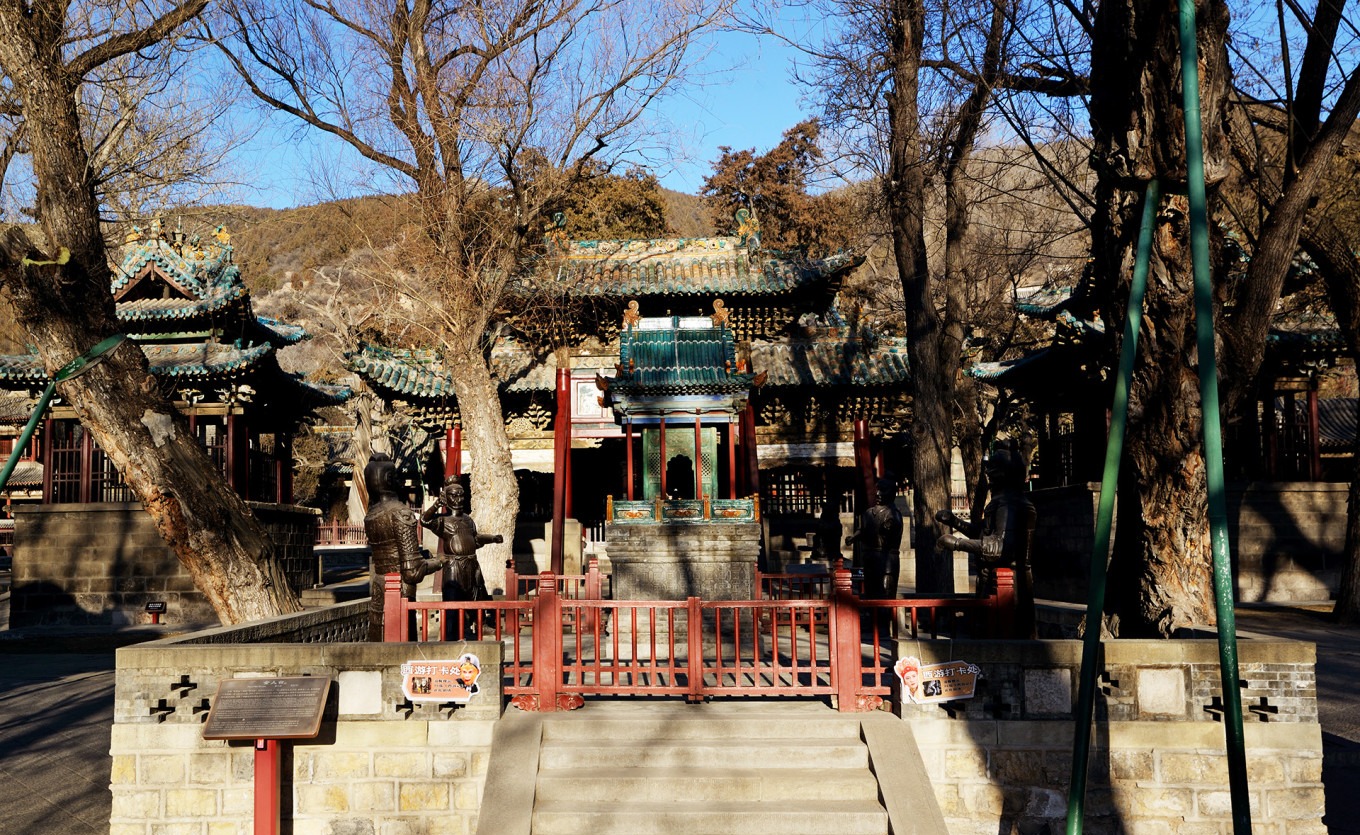
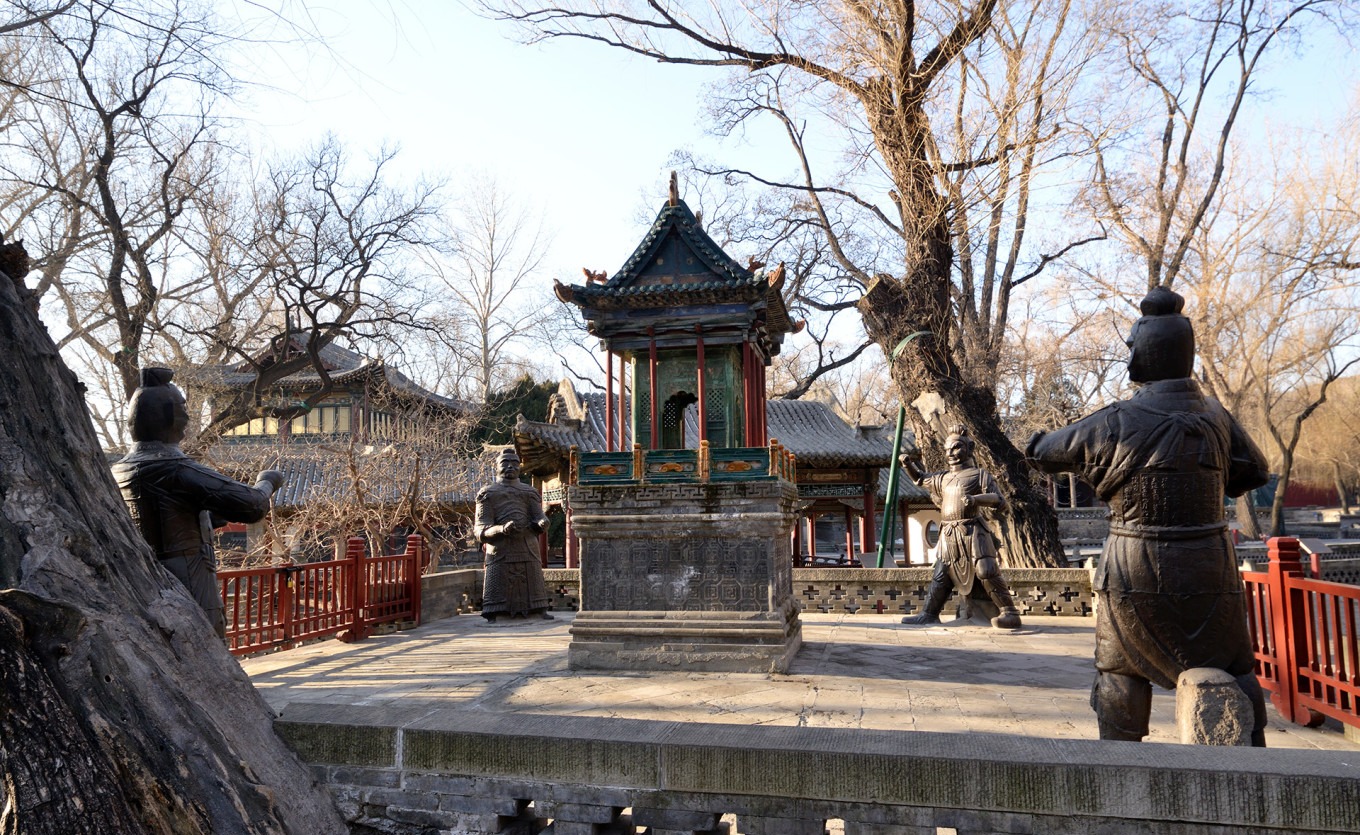
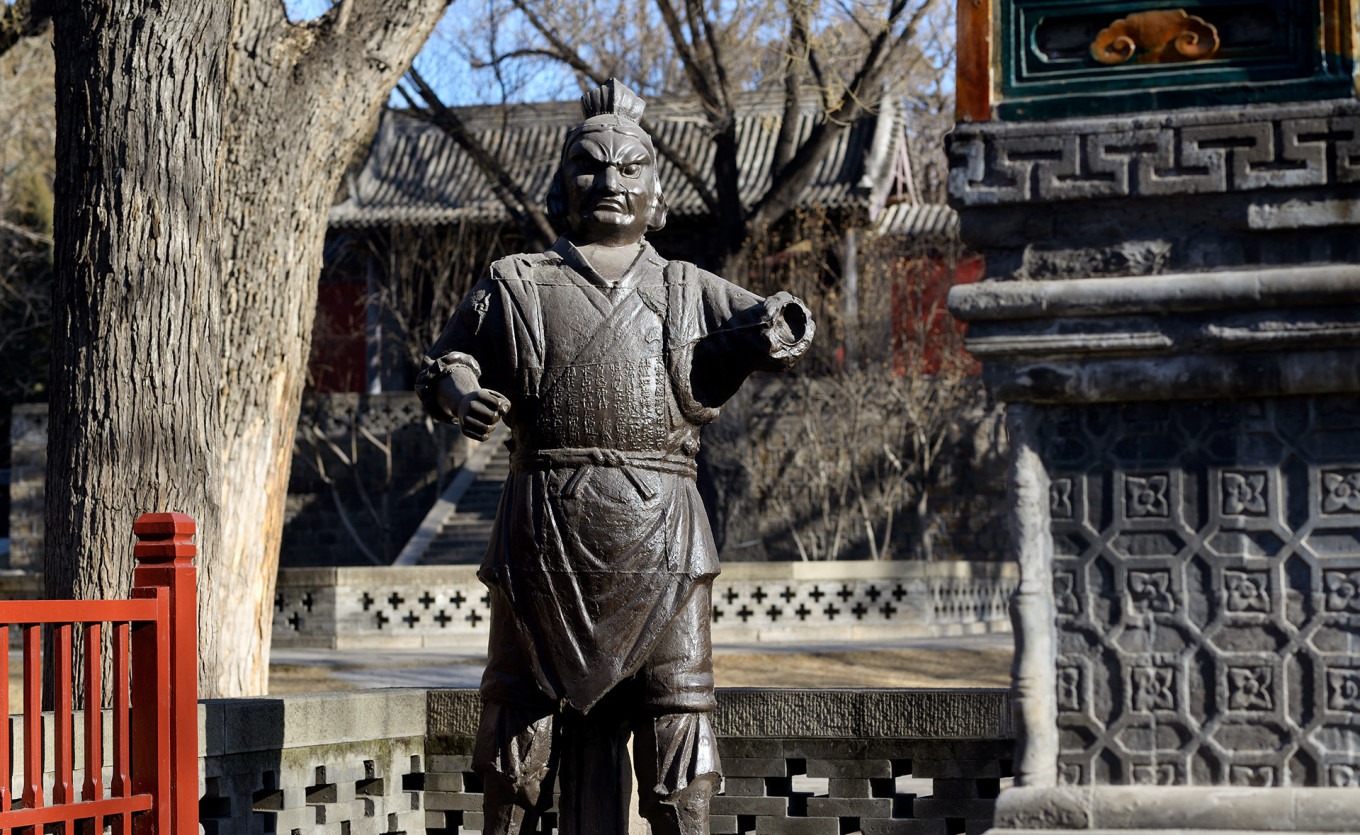
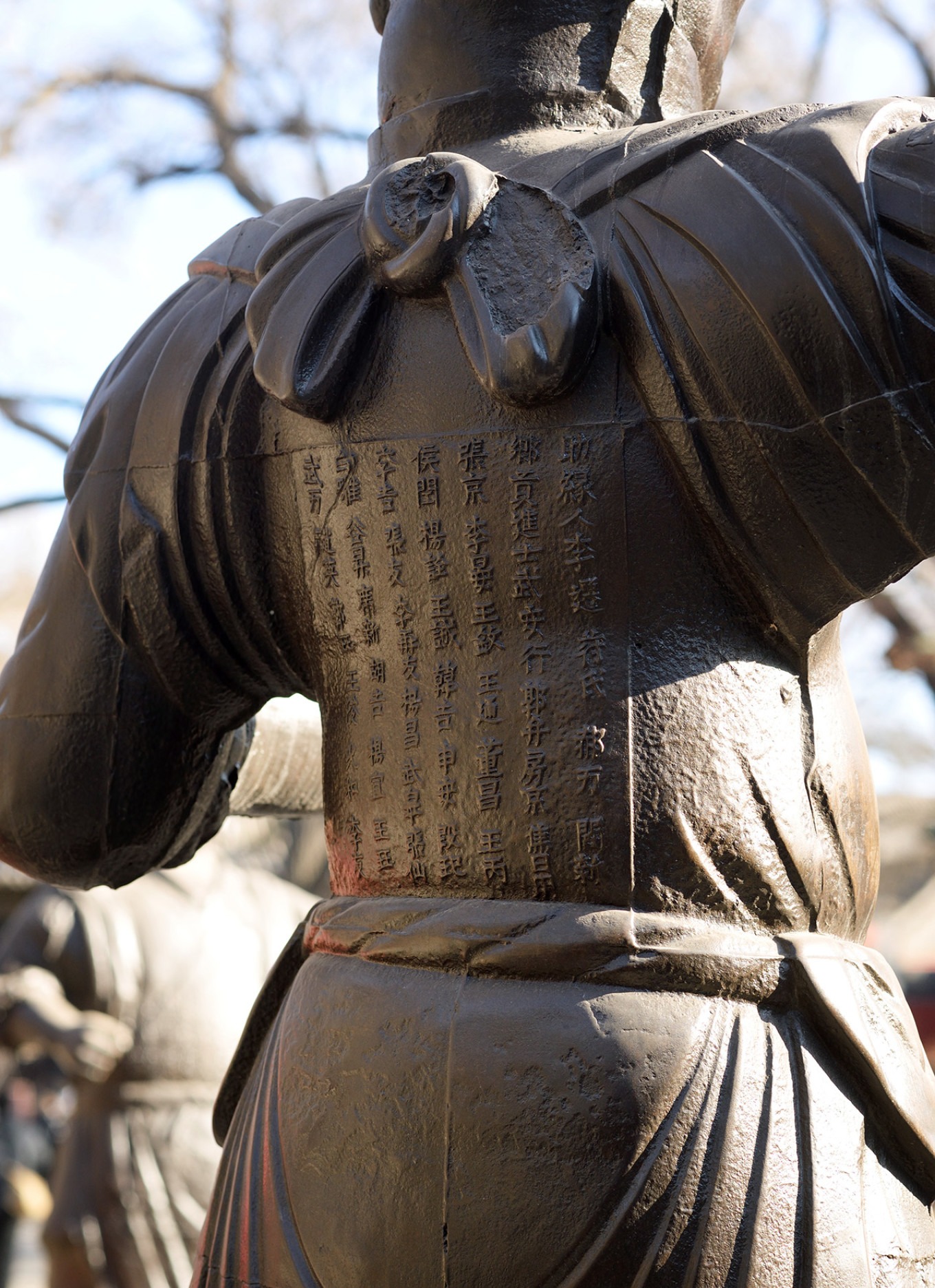
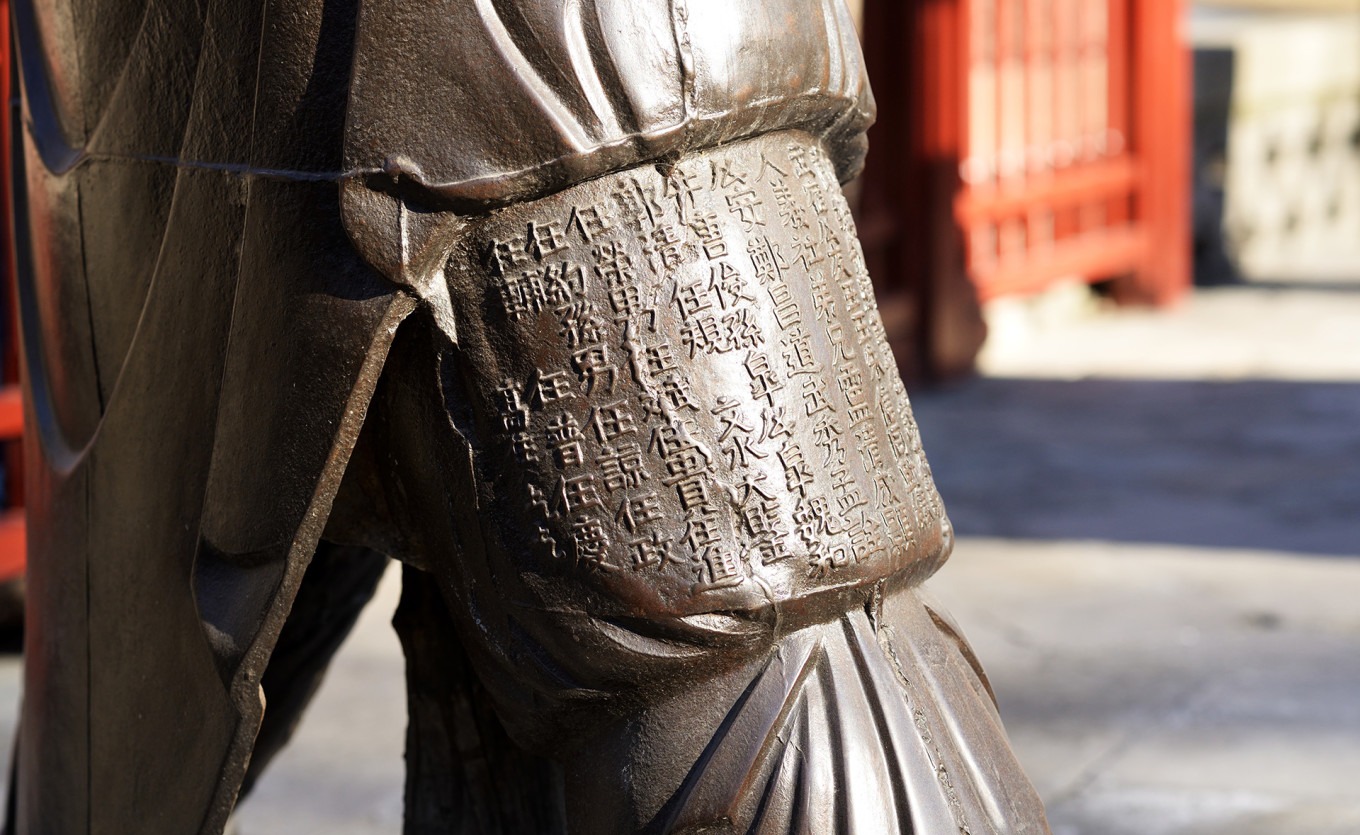
Crossing the bridge brings you to the Golden Man Platform (金人台), another filming location for *Journey to the West*. This half-meter-high platform features a Ming-dynasty glazed pavilion in the center, used for burning sacrificial texts. At each corner stands an over-life-sized iron figure, known as ‘Iron Marshals,’ guarding the source of the Jin River. Three of the four iron figures date from the Northern Song dynasty, except the northeastern one, which was recast in the Republican era. The northwestern figure’s head was damaged and recast in the Ming Yongle period. The southeastern figure also suffered damage, with its head recast in the Qing or Republican period. The southwestern figure, however, remains perfectly preserved from the Northern Song. Notice its vivid expression and superior craftsmanship—it has remained rust-free for 900 years. Inscriptions on its chest, abdomen, back, and legs are still clear and three-dimensional, showcasing the pinnacle of Northern Song iron casting. In contrast, the Republican-era northeastern figure is rough and already rusted.
Duiyue Archway and Offering Hall
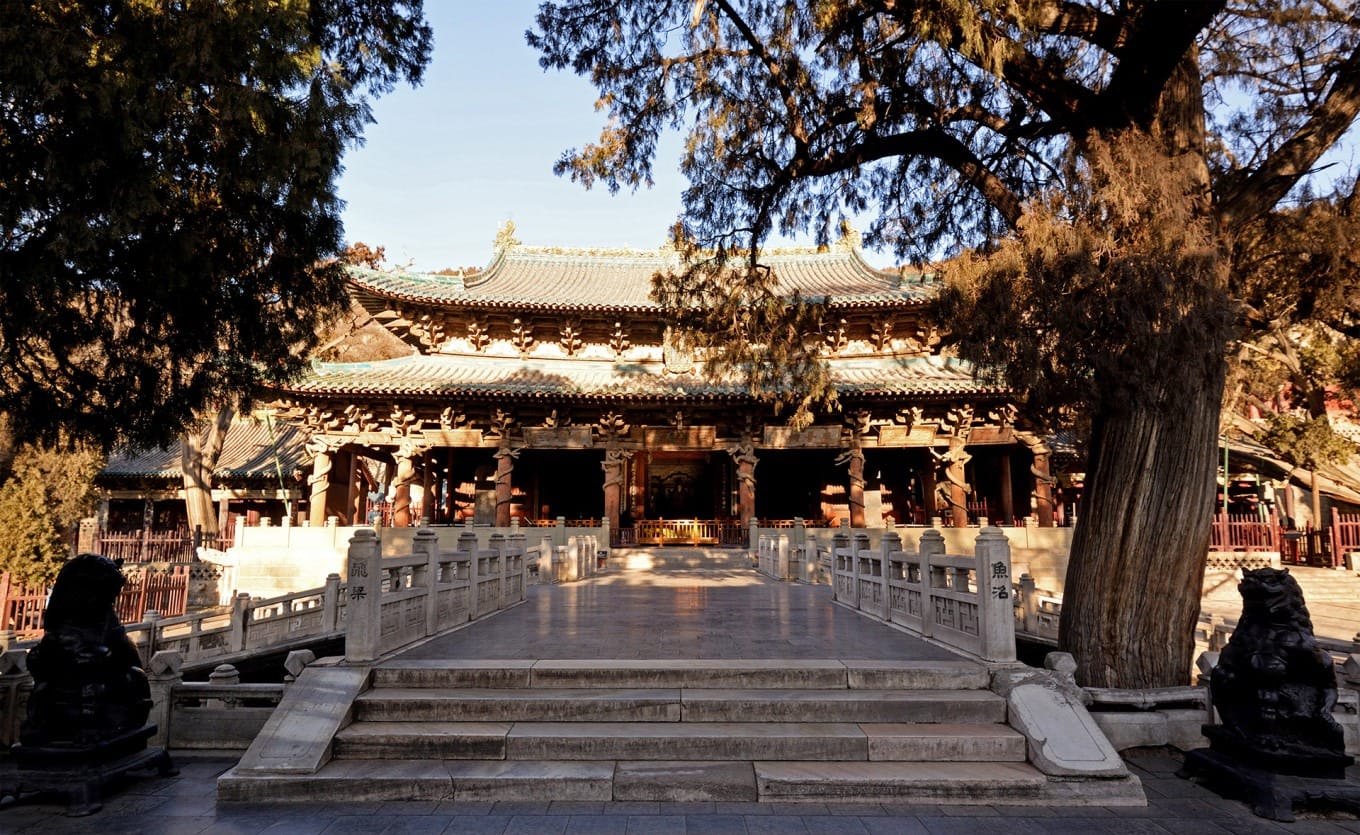
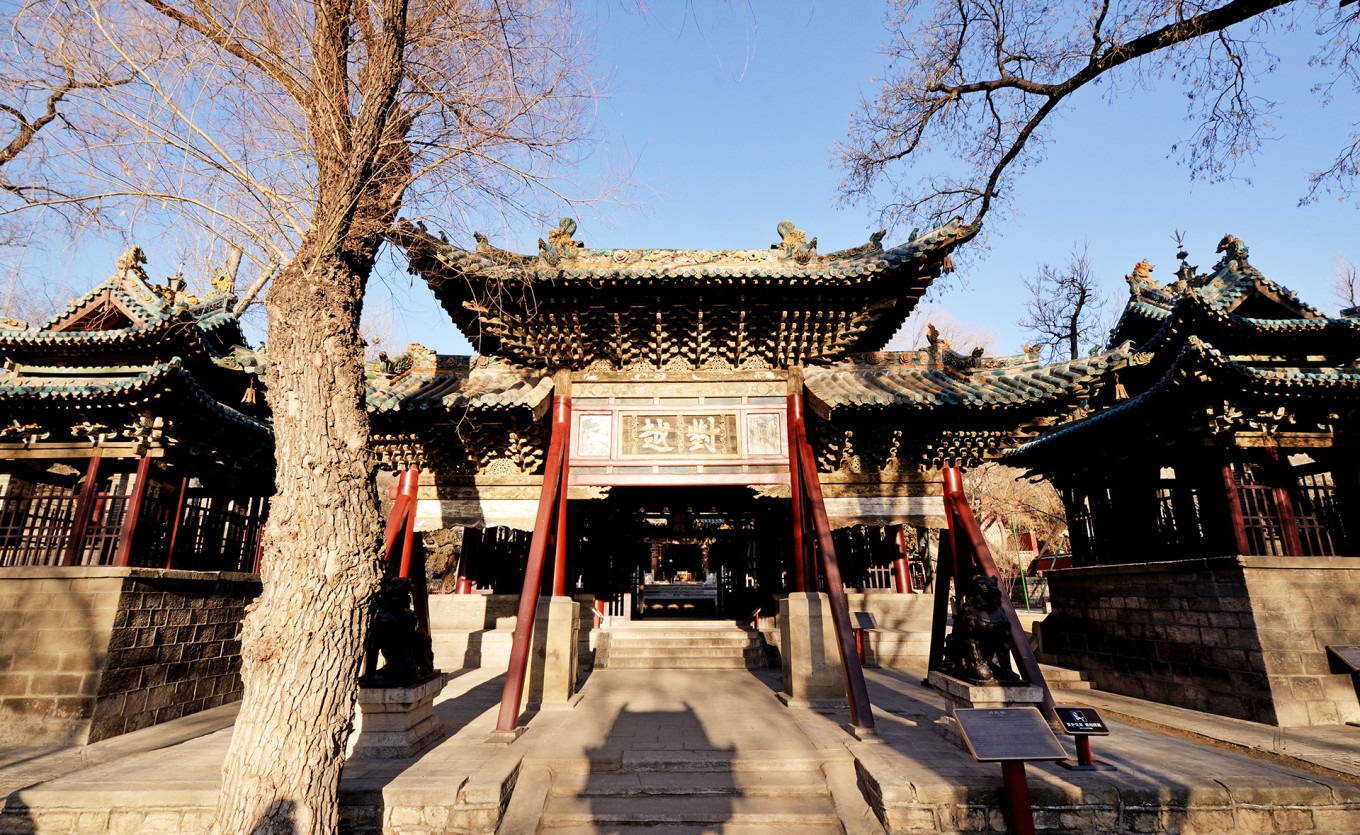
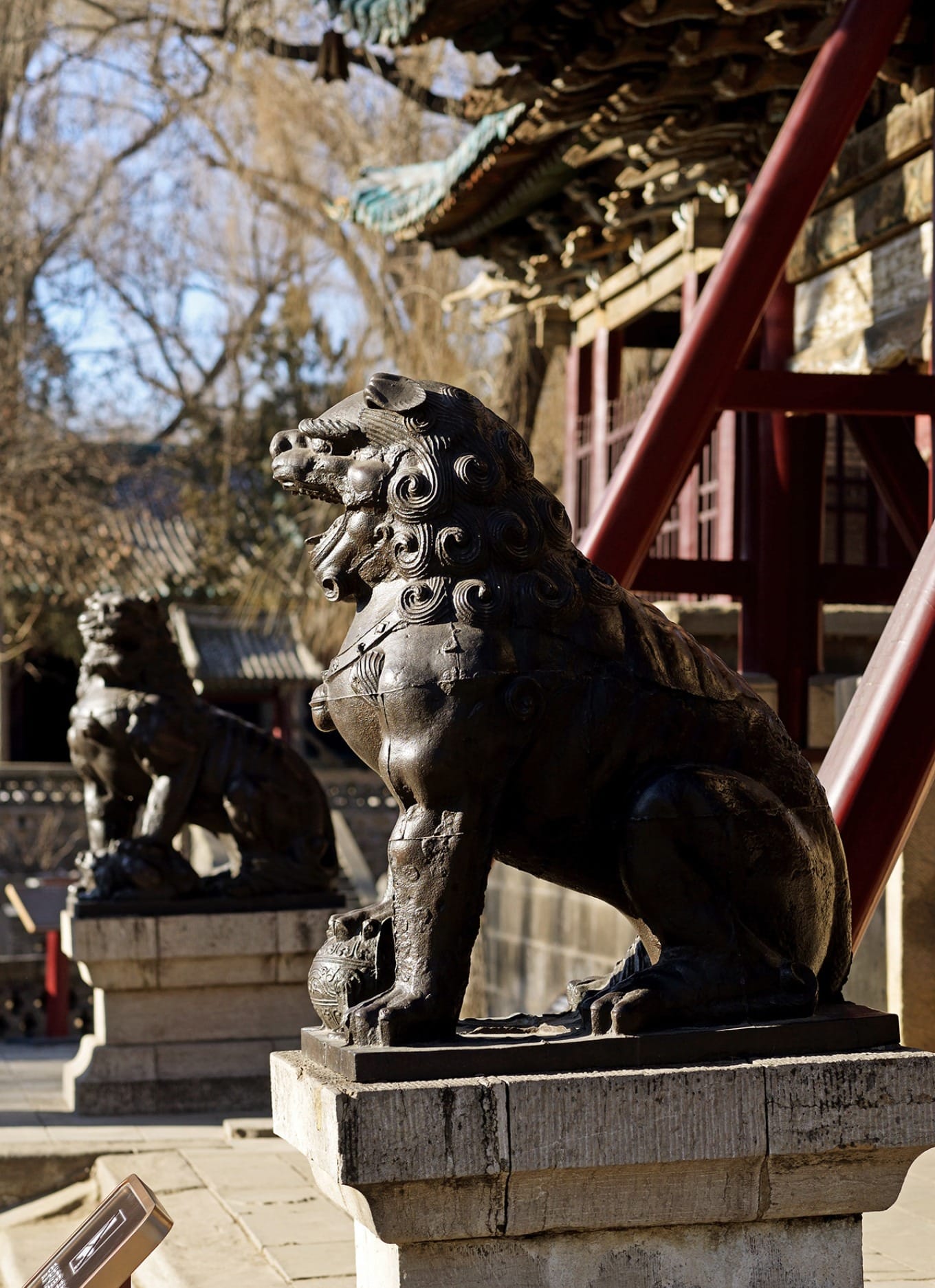
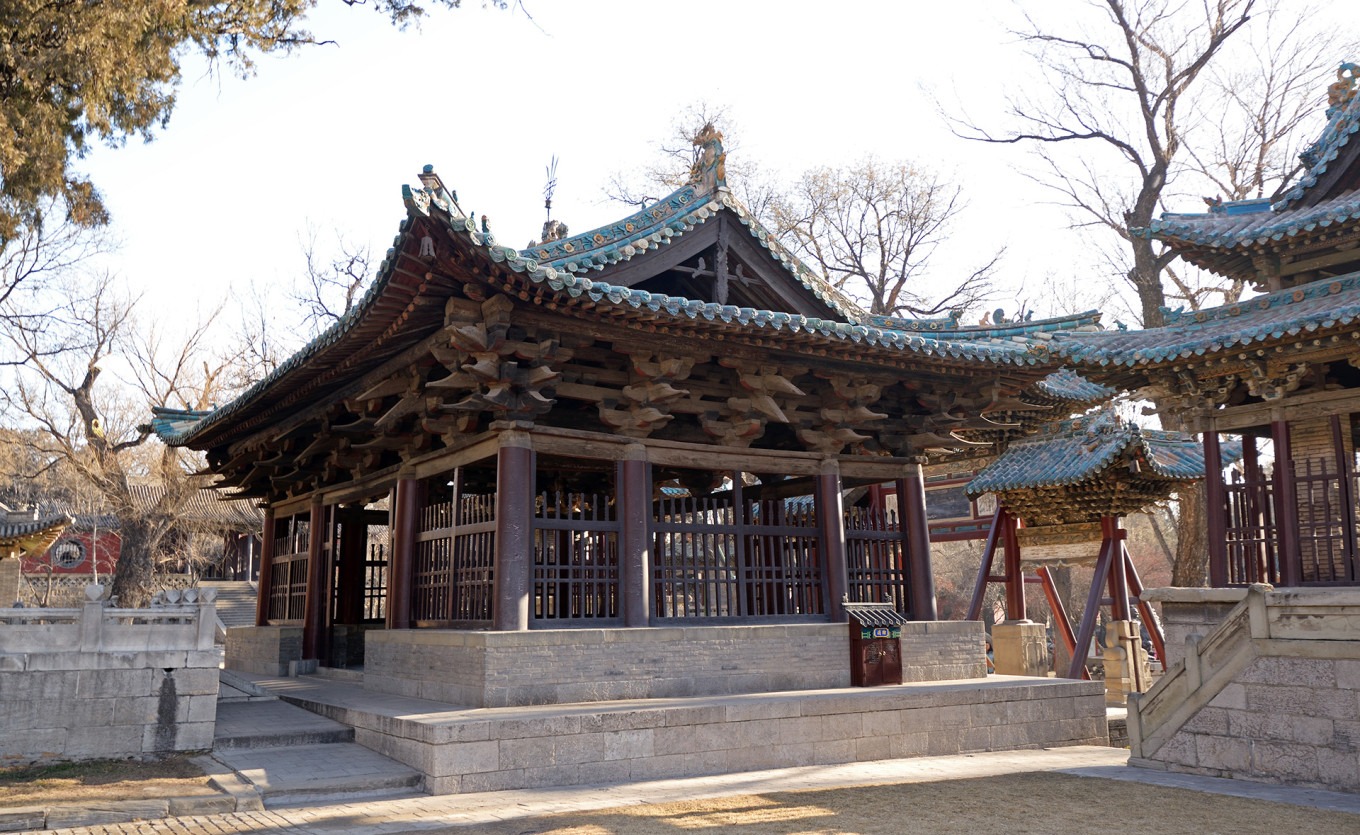
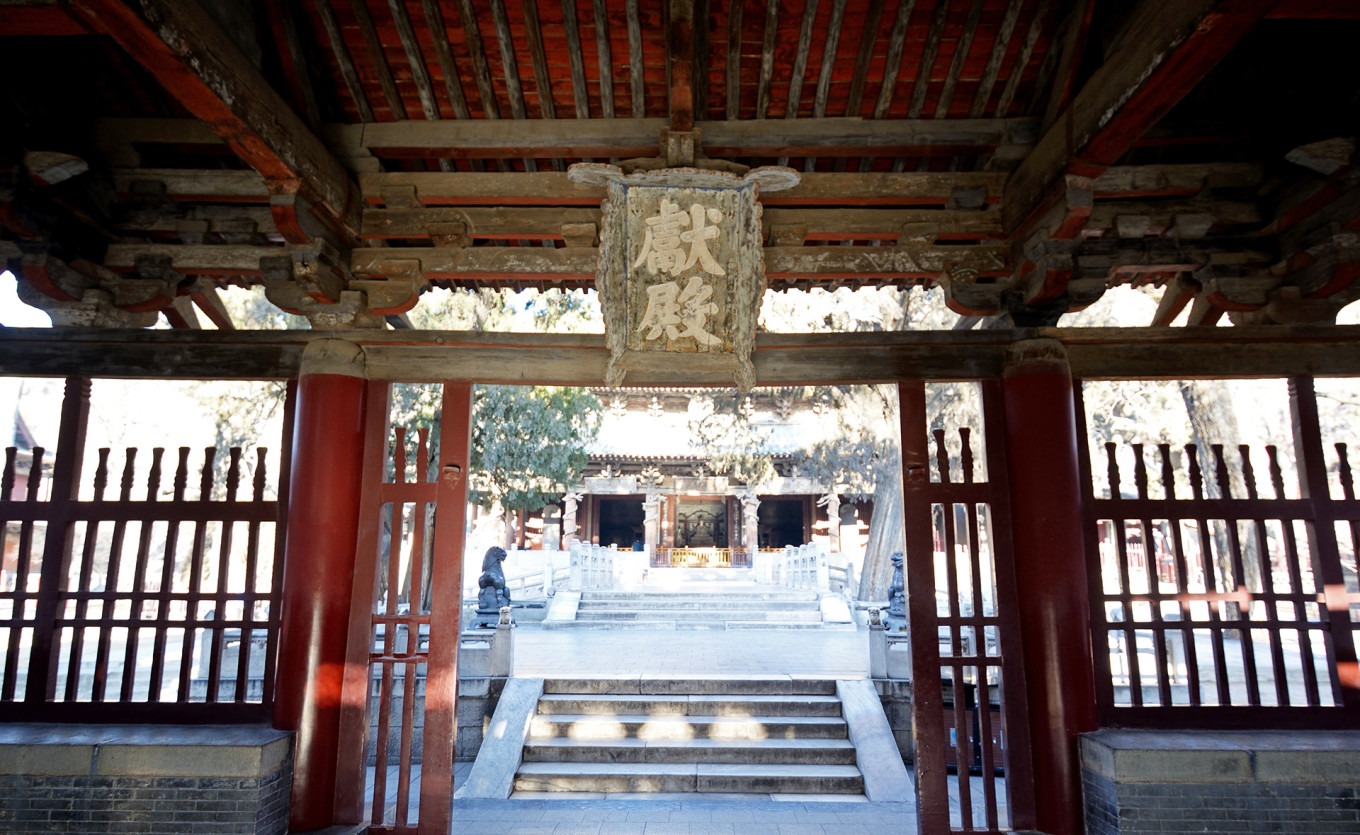
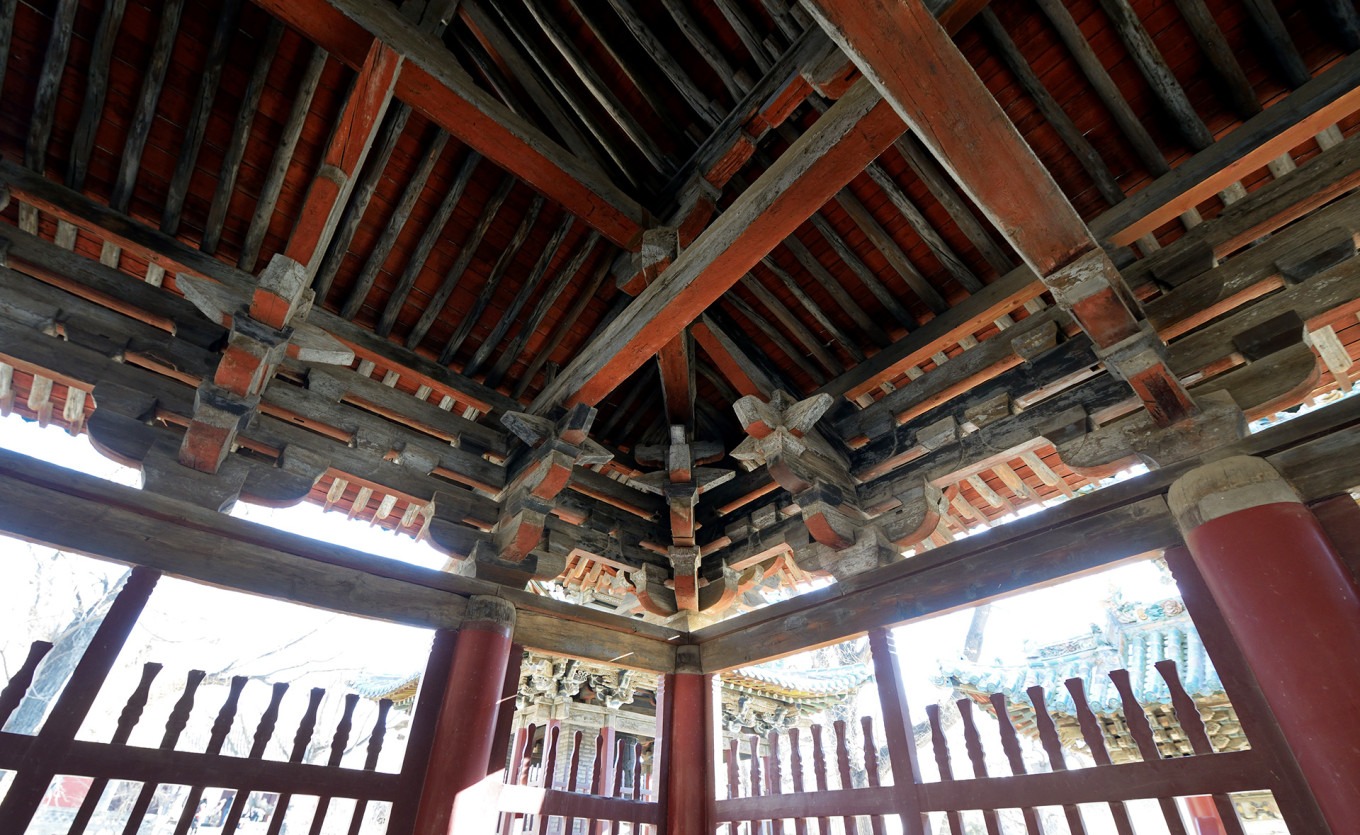
Behind the Golden Man Platform stands the Duiyue Archway (对越坊), a four-pillar, three-bay wooden archway with soaring eaves and intricate dougong brackets. The plaque reading ‘Duiyue’ was inscribed by Ming-dynasty calligrapher Gao Yingyuan, and is another of Jinci’s three famous plaques. The iron lions in front of the archway are believed to date from the Northern Song or Jin dynasty. Flanking the archway are the Bell and Drum Towers, and behind it is the Offering Hall (献殿), one of the ‘Three Treasures.’ Built in 1168 during the Jin dynasty, this single-eave hip-and-gable hall was used to display offerings to the Holy Mother. Its simple design features wide eaves and no walls, only lattice grilles. The plaque ‘Xian Dian’ inside is an original Jin-dynasty artifact.
Fish Pond Flying Bridge
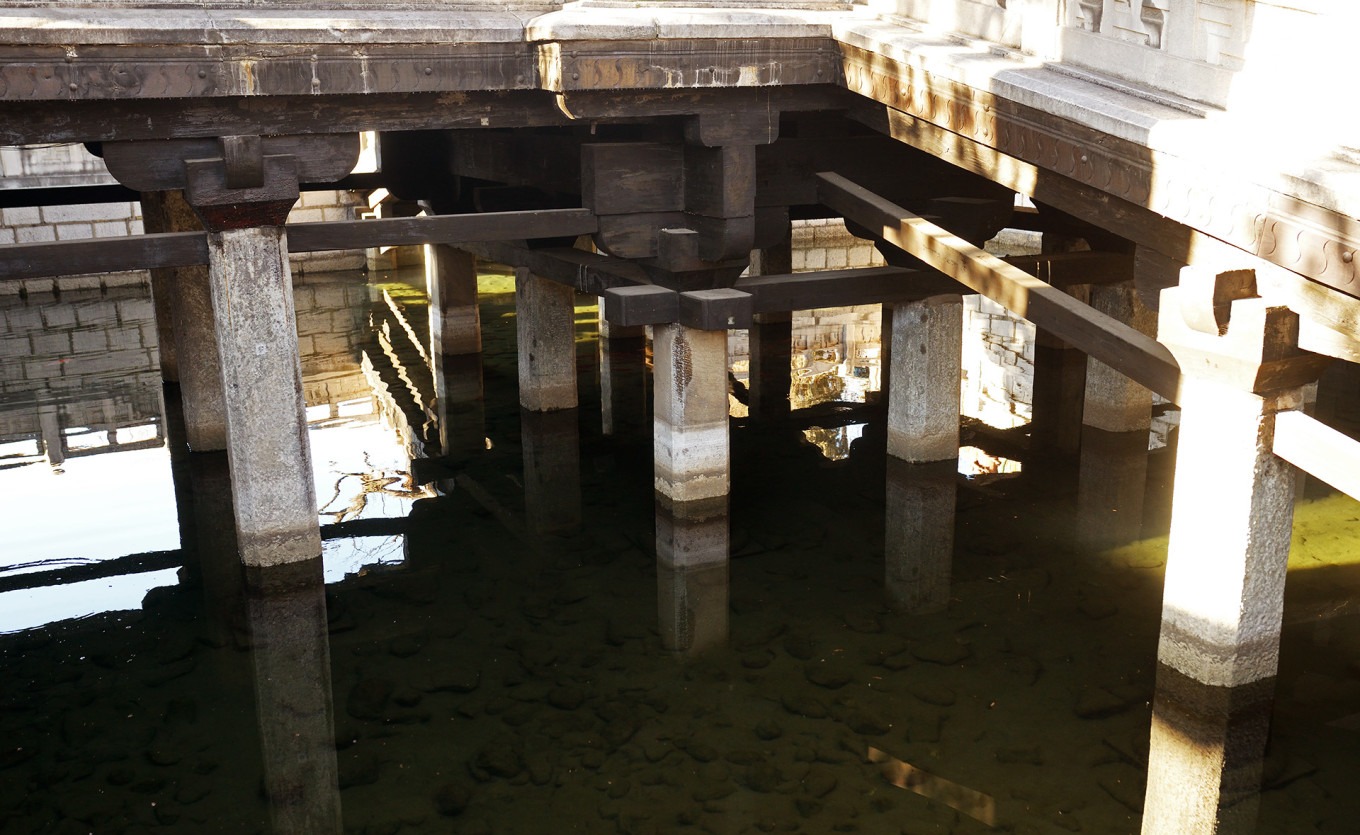
Behind the Offering Hall lies the Hall of the Holy Mother, the main hall of Jinci. Between them is a square pond called the Fish Pond (鱼沼), one of the sources of the Jin River. Although surface springs have stopped, underground currents keep the water clear. Spanning the pond is the Flying Bridge (飞梁), a cross-shaped stone bridge supported by 34 octagonal stone columns with capitals. From above, it resembles a soaring bird, hence the name ‘Fish Pond Flying Bridge’ (鱼沼飞梁). Its exact founding date is unknown, but it is mentioned in Li Daoyuan’s *Shuijing Zhu* from the late Northern Wei, indicating it existed at least 1,500 years ago. It is considered China’s oldest cross-shaped overpass.
Hall of the Holy Mother
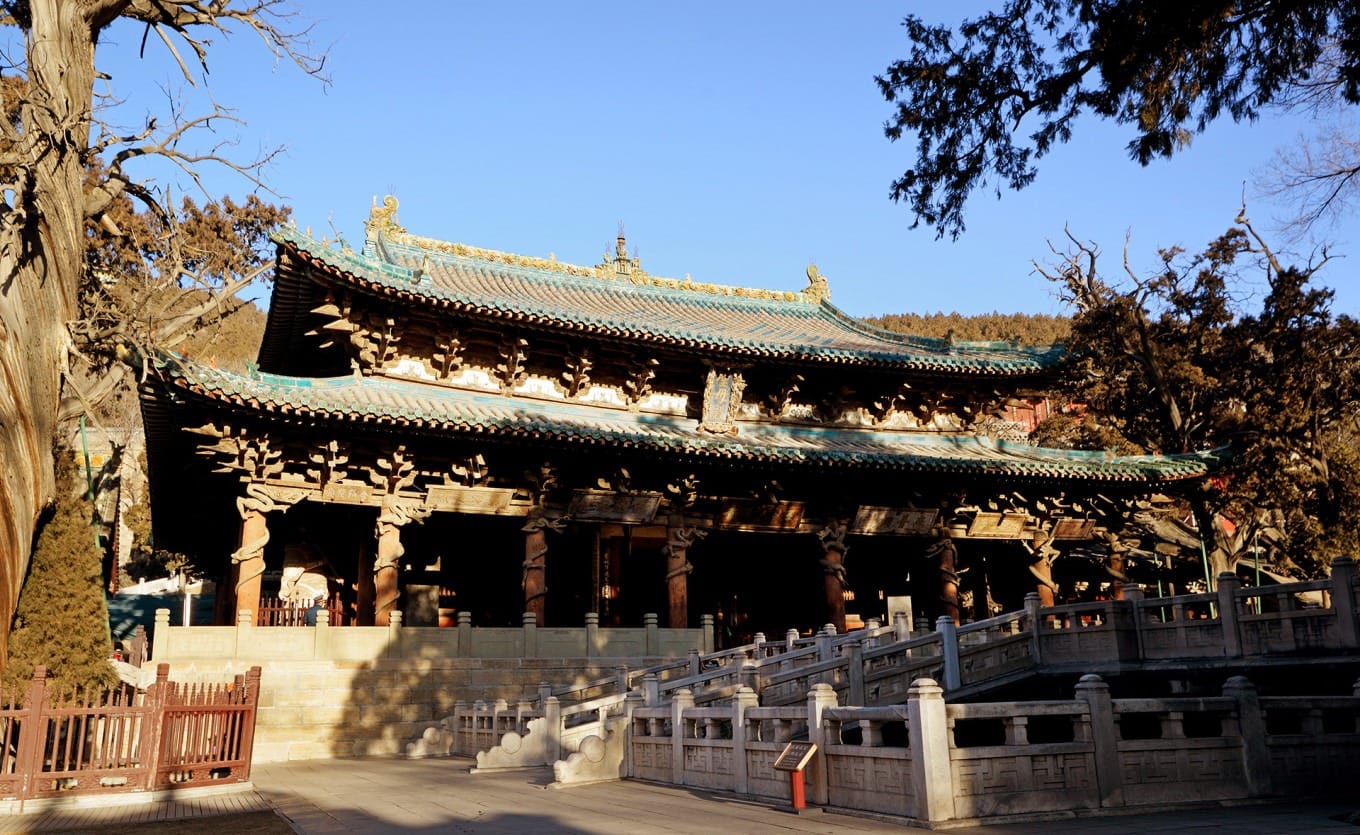
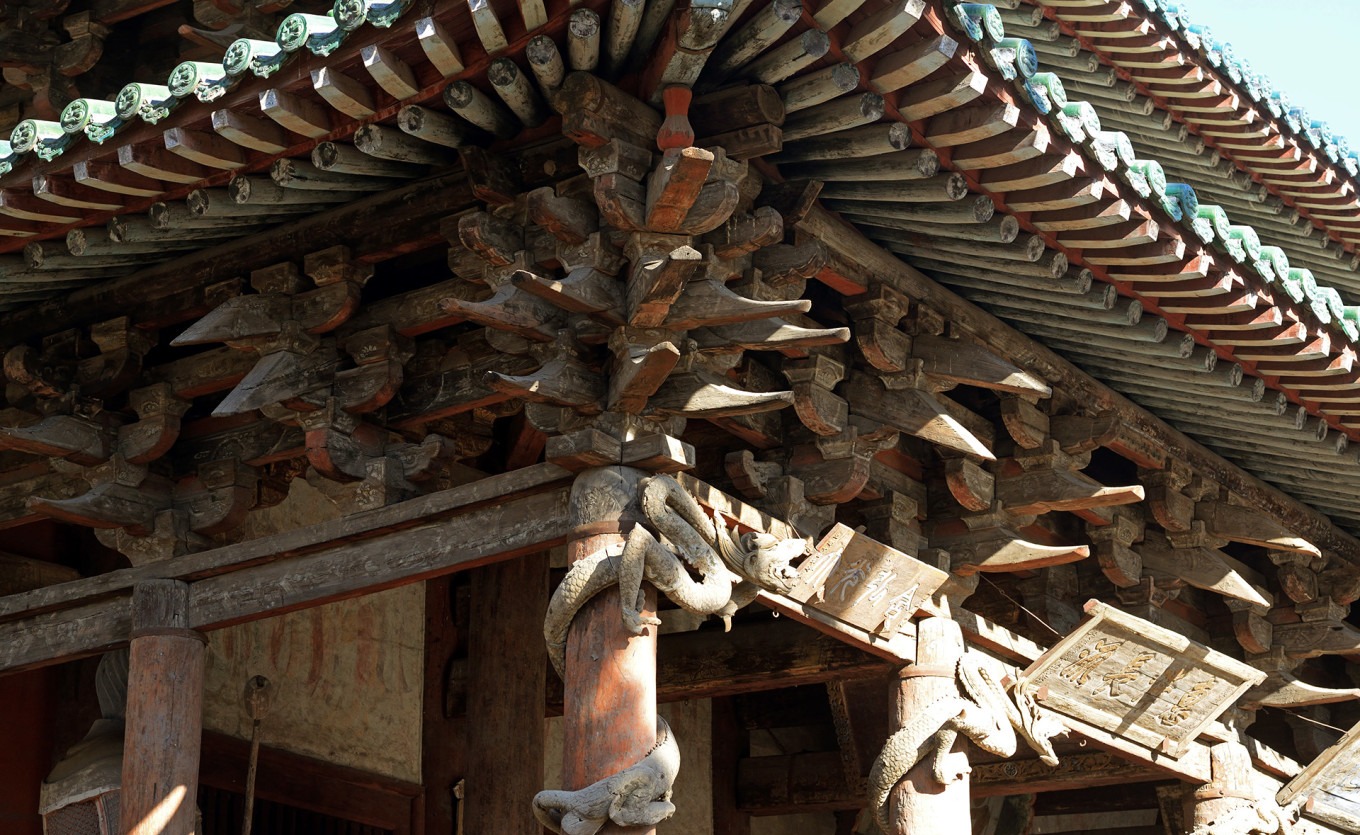
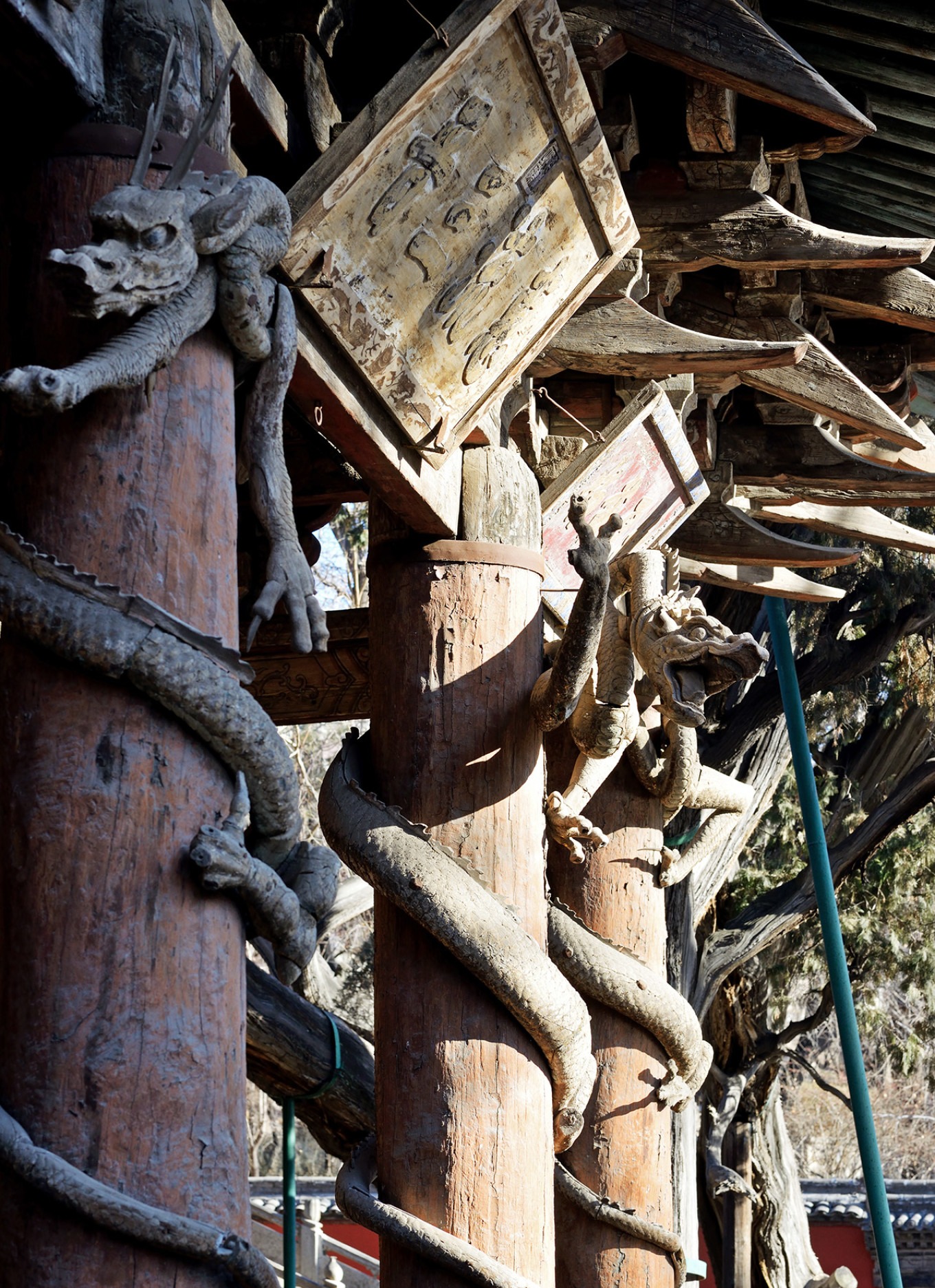
The Hall of the Holy Mother (圣母殿) is the third and most valuable of the ‘Three Treasures.’ This grand structure was built during the Northern Song Tiansheng era (1023–1032), though some experts date it to 984. Well-preserved Northern Song wooden buildings are rare, and such a large-scale example is exceptional. The hall stands on a high platform, reaching 19 meters in height, with a seven-bay width and six-rafter depth. It features a double-eave hip-and-gable roof, exuding grandeur. Although built before the *Yingzao Fashi* (building standards), its construction aligns closely with that manual, making it a model of Song palace architecture. Surrounding the hall is a cloister, and the eight columns of the front porch each feature a coiled wooden dragon, original to the Northern Song. Despite nearly a thousand years, these dragons remain fierce, with glaring eyes, sharp claws, and lifelike scales and whiskers.
Practical tip: You can prioritize one signature stop around the area, and you should adjust timing and budget based on transport and peak hours.
FAQ
Is Taiyuan worth visiting or only a transit hub?
Taiyuan is worth at least one focused day if you care about Shanxi history, Jinci Temple, museums, pagodas, grottoes, and the wider ancient architecture route.
What is the most important ancient site in Taiyuan?
Jinci Temple is the key stop for most visitors because it combines Jin culture, historic halls, bridges, sculptures, old trees, and water features in one complex.
Can Taiyuan connect with a longer Shanxi route?
Yes. Taiyuan works well as the northern entry point before continuing toward southeast Shanxi, Changzhi, Pingshun, and rural temple routes.
Enjoyed this article? Consider buying me a coffee to support more content like this!
💖 0 people have clicked to support this article.