Guangdong Food and Travel Guide: Cantonese, Chaoshan, and Local City Routes
Plan a Guangdong food route through Guangzhou, Shunde, Chaozhou, Shantou, Shenzhen, Dongguan, Jieyang, and Puning with practical city choices, route ideas, transport tips, and full local food guides.
travel better
On this page
A practical route guide for eating your way through Guangzhou, Shunde, Chaozhou, Shantou, Shenzhen, Dongguan, Jieyang, and Puning without turning the trip into a rushed checklist.
Last updated: May 16, 2026
Quick Answer
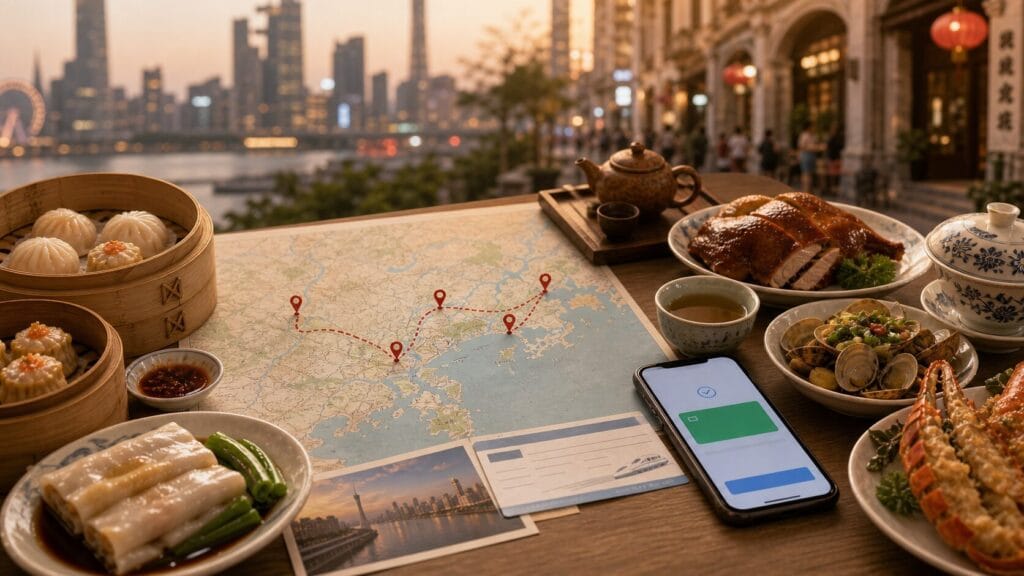
The best Guangdong food route for most travelers is Guangzhou -> Shunde -> Chaozhou or Shantou -> Shenzhen. Add Dongguan if you want roast goose, older industrial-city food culture, and fewer tourist crowds. Add Jieyang and Puning if you already know you want a deeper Chaoshan food trip.
For 7 days, choose Guangzhou, Shunde, and one Chaoshan base. For 10-12 days, add Shenzhen and Dongguan. For a deeper 2-week route, add Chaozhou, Shantou, Jieyang, and Puning as separate food stops instead of treating Chaoshan as one generic destination.
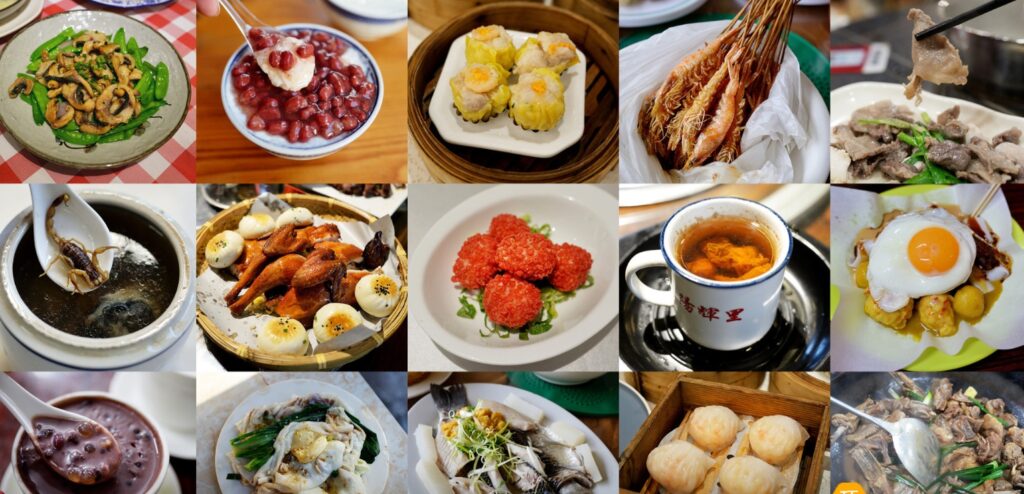
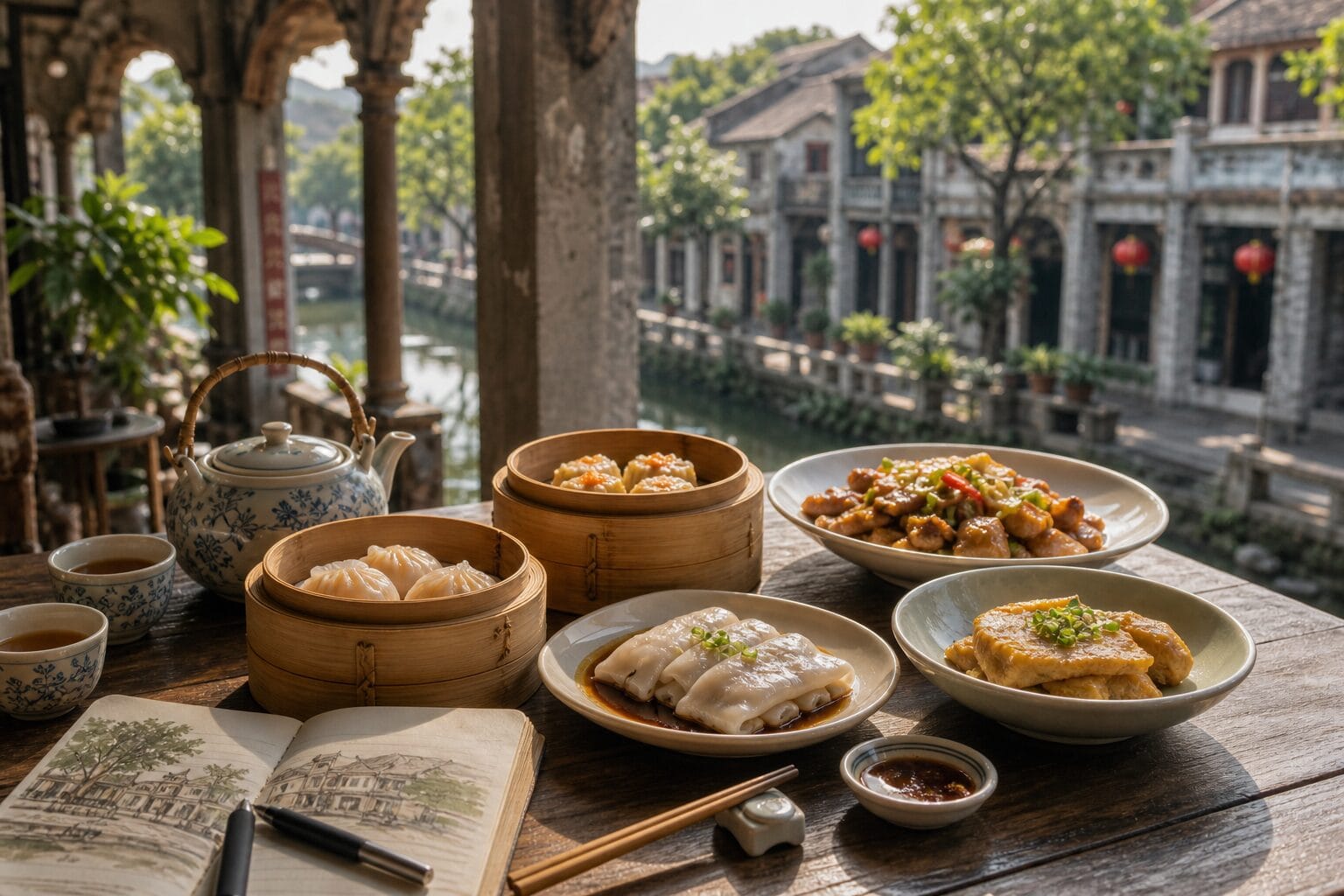
Guangdong is one of the best regions in China for travelers who choose cities by meals, streets, tea, markets, and ordinary local life. It is not the easiest route if you want only grand monuments. It is a better route if you want to understand how food shapes a place: Cantonese kitchens in Shunde, morning tea in Guangzhou, beef hotpot in Chaoshan, urban village restaurants in Shenzhen, and roast goose in Dongguan.
The province also works well logistically. Many cities are linked by high-speed rail, intercity rail, metro-style regional lines, buses, and dense ride-hailing networks. You can build a food-focused route without flying across the country every few days. That makes Guangdong especially useful after you have read broader planning pages like where to go in China for a first trip and the China travel budget guide.
Why Travel Guangdong for Food?
Food in Guangdong is not a single style. Cantonese, Chaoshan, Hakka, coastal seafood, migrant-city canteens, tea culture, old banquet cooking, and modern restaurant scenes all sit inside one province. A traveler can eat delicately in Shunde, drink gongfu tea in Chaozhou, search for beef hotpot in Shantou, and then spend the next night in a Shenzhen neighborhood restaurant surrounded by workers, designers, students, and families.
That variety is the reason Guangdong deserves its own route. A generic China trip may include one dim sum meal in Guangzhou and then move on. A stronger Guangdong trip gives food enough time: breakfast, lunch, tea, dinner, late-night congee, and the walks between them.
Guangzhou works as the easiest arrival point, with classic Cantonese food, old neighborhoods, and strong transport.
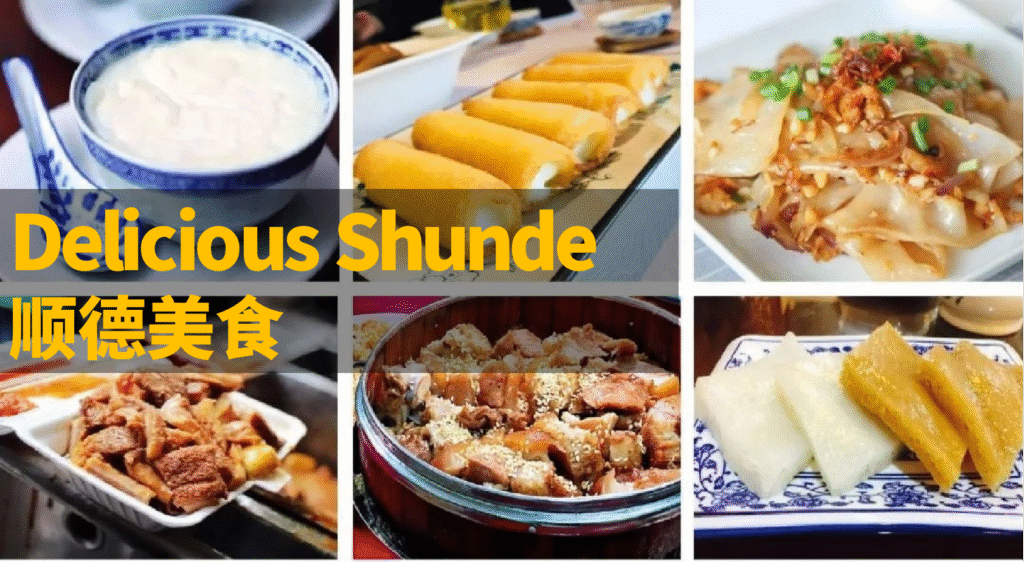
Shunde is the clearest stop for travelers who care about Cantonese technique and ingredient flavor.
Jieyang and Puning are for travelers who want Chaoshan food beyond the usual Shantou route.
Guangzhou and Shunde: the Cantonese opening
Start with Guangzhou if you want the most convenient soft landing: morning tea, old arcade streets, river walks, markets, and easy onward transport. Then continue to Shunde for a more specific food identity. Shunde is not just a place to eat one famous meal; it is a place where cooking technique, texture, freshness, and family-style dining shape the trip.
For a focused food plan, pair this hub with the Shunde food guide. If you want culture, water towns, and slower stops around the meals, read Shunde beyond the cuisine.
Understand the Main Guangdong Food Regions
Before choosing cities, understand the food geography. Guangdong is easier to plan when you stop thinking in province-wide terms and start thinking in regional flavors.
| Region | Best bases | Food focus | How to use it |
|---|---|---|---|
| Pearl River Delta | Guangzhou, Shunde, Foshan, Dongguan, Shenzhen | Dim sum, roast meats, Shunde dishes, claypot rice, old restaurants, migrant-city food | Best for first Guangdong trips and shorter regional routes. |
| Chaoshan | Chaozhou, Shantou, Jieyang, Puning | Beef hotpot, fish rice, marinated goose, congee, kueh, gongfu tea, seafood | Best for travelers who want a deeper food-first route. |
| Urban Guangdong | Shenzhen, Dongguan, Guangzhou | Neighborhood restaurants, night markets, canteens, cross-regional food, young city culture | Best for local-life travel and less polished city texture. |
| Side branches | Kaiping, Zhongshan, Zhuhai, Huizhou, Meizhou | Diaolou villages, coastal seafood, Hakka food, slower towns | Better after the main route, or if you have a specific interest. |
Chaoshan: Chaozhou, Shantou, Jieyang, and Puning
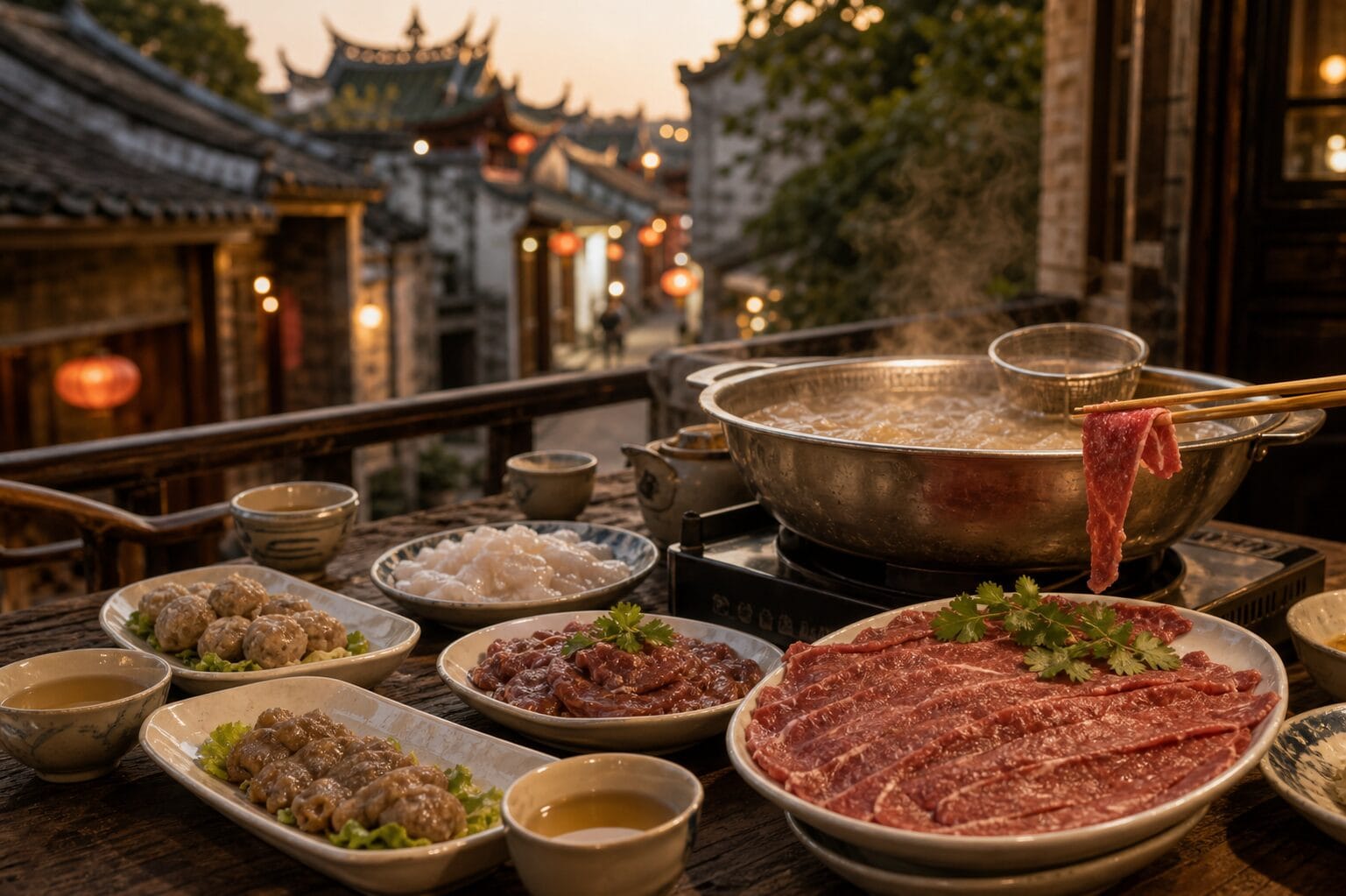
Chaoshan food has its own rhythm. Meals often revolve around tea, beef, seafood, congee, goose, snacks, and very specific neighborhood recommendations. Shantou is the easiest name for many travelers, but Chaozhou gives stronger old-city atmosphere, while Jieyang and Puning can feel more local and less polished.
If you want the main route, start with the Shantou food guide and the Chaozhou food journey. For a deeper route, add Jieyang and Puning.
Guangdong Route Ideas by Trip Length
Do not try to eat every city in one week. Guangdong rewards repeat meals, slow mornings, and dinner plans that leave room for tea or congee afterward. Use the route length to decide how deep to go.
4-5 days: Guangzhou and Shunde
Best for a short food break. Use Guangzhou as the arrival base, then spend one or two nights in Shunde. Keep the route tight: morning tea, old neighborhoods, Shunde meals, and one slower cultural stop.
7 days: Pearl River Delta plus one Chaoshan base
Choose Guangzhou -> Shunde -> Chaozhou or Shantou. This gives you the Cantonese and Chaoshan contrast without too many hotel changes.
10-12 days: full food route
Guangzhou -> Shunde -> Chaozhou -> Shantou -> Shenzhen, with Dongguan if roast goose and old industrial-city food interest you.
14 days: deeper Chaoshan and local cities
Add Jieyang, Puning, and Dongguan. This version is less about famous sights and more about local kitchens, tea, markets, and slower city texture.
Route choice: do not force Guangdong into an unrelated national itinerary just to cover more famous cities. If the trip is about food and local life, let Guangdong be the main route. If the trip is about northern or central history, keep that as a separate route and save Guangdong for a food-focused branch when you have enough days.
City-by-City Guangdong Food Guide
Use it for morning tea, classic Cantonese food, old arcade streets, river walks, museums, and easy transport. It is the most convenient first base.
Use it for serious Cantonese cooking, water-town texture, and meals where freshness and technique matter more than spectacle.
Use it for old-city atmosphere, gongfu tea, beef hotpot, snacks, temples, bridges, and a slower Chaoshan introduction.
Use it for beef hotpot, late-night congee, seafood, street snacks, and a more direct food-hunt style.
Use them when you want less tourist-facing Chaoshan food and are comfortable with a more local route.
Use Shenzhen for urban villages and modern migrant-city food; use Dongguan for roast goose, claypot rice, and older local restaurants.
Shenzhen and Dongguan are not filler stops
Shenzhen is often dismissed as too new, but that is exactly why it is useful. The city shows contemporary Guangdong: migrant neighborhoods, urban villages, design districts, cafes, museums, and food from many parts of China. It is not a museum city. It is a living city.
Dongguan is less famous for tourists, but food travelers can find roast goose, claypot rice, night markets, and older Cantonese flavors. Use the Shenzhen food, museums, and urban villages guide and the Dongguan food guide if you want this local-life layer.
How to Get Around Guangdong
Guangdong is a transport-friendly region, but the best transfer depends on your exact city pair. Guangzhou, Shenzhen, and Shantou have major rail or airport access. Shunde, Foshan, Dongguan, Jieyang, and Puning may require more careful station choice. Always check the station name, not just the city name, because one city can have several rail stations far apart.
For intercity rail, check schedules through the official 12306 China Railway English site or a travel app you can pay through. For broader route planning, use the China domestic travel guide and the China high-speed rail guide.
| Transfer | Best method | Planning note |
|---|---|---|
| Guangzhou -> Shunde | Intercity rail, metro/regional rail, taxi, or car depending on district | Check whether your restaurant is near Shunde city center, Daliang, Ronggui, or another town. |
| Guangzhou/Shenzhen -> Chaoshan | High-speed rail or flight depending on timing | Chaoshan Railway Station can serve Chaozhou and Shantou, but onward transfer matters. |
| Chaozhou -> Shantou | Car, bus, or rail plus local transfer | Short distance does not always mean door-to-door simplicity. |
| Shenzhen -> Dongguan | Rail, intercity train, metro-linked regional transport, or car | Choose the station by restaurant area, not only by city name. |
Budget, Season, and Practical Setup
Guangdong can be good value because excellent food is not limited to luxury restaurants. Still, the budget depends on how you eat. Dim sum, noodles, congee, claypot rice, and local restaurants can stay moderate; seafood, famous restaurants, private rooms, and destination meals can raise the total quickly.
For a comfortable food-focused trip, leave more room in the food budget than you would on a monument route. Spend less on unnecessary transfers and more on meals that define the city. The China travel budget guide explains how Guangdong compares with history routes, lower Yangtze city routes, and Yunnan slow travel.
Weather also matters. Guangdong is humid and can be hot in summer. Spring and autumn are usually more comfortable for walking, old streets, and outdoor markets. Typhoon season and heavy rain can affect coastal plans, so use the best time to visit China guide before locking dates.
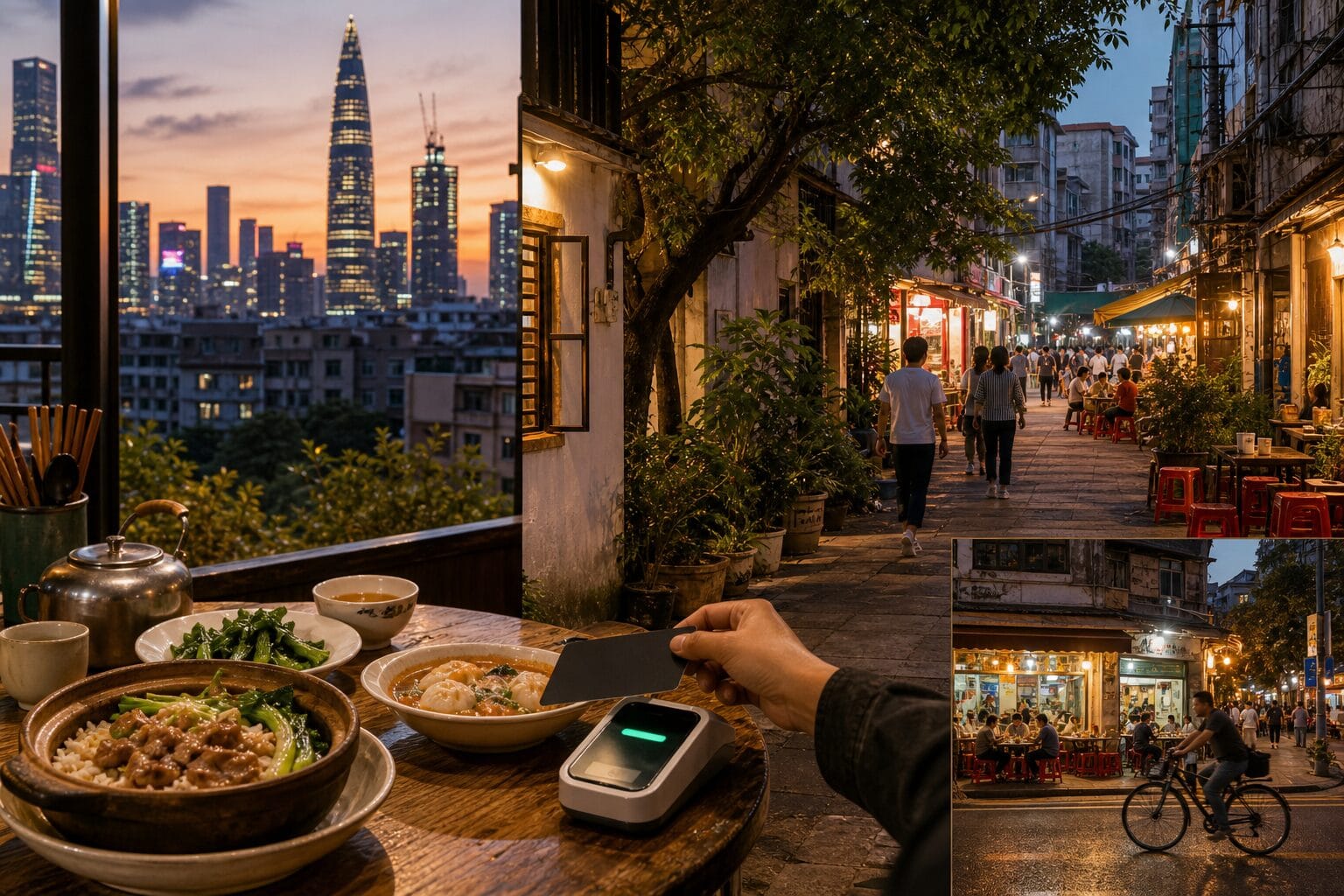
Payment setup is important because many small restaurants and transport services work best with mobile payment. Prepare Alipay or WeChat Pay, carry a small RMB cash backup, and make sure your map, translation, and rail apps are ready. Start with the mobile payments guide and the China travel apps guide.
Common Guangdong Food Trip Mistakes
Dim sum is important, but Guangdong food is much wider: roast meats, seafood, congee, beef hotpot, Shunde dishes, tea, and snacks.
A food route needs repeat meals. One rushed dinner cannot explain Shunde, Chaoshan, or Guangzhou.
Guangdong cities can have several stations. A bad station choice can erase the time saved by high-speed rail.
Shenzhen is not old in the same way as Chaozhou, but it is one of the best places to understand modern Guangdong life.
Chaozhou, Shantou, Jieyang, and Puning have overlapping food cultures but different travel rhythms.
Food trips work better when your hotel makes breakfast, tea, dinner, and late-night food easy.
Official Sources and Full Guangdong Guides
For Shunde’s global food recognition, see UNESCO’s official page for Shunde as a Creative City of Gastronomy. For rail planning, check the official 12306 China Railway English site.
Guangdong Food Travel FAQ
How many days do I need for a Guangdong food trip?
For a focused first taste, 4-5 days is enough for Guangzhou and Shunde. For a stronger food route, plan 7-10 days so you can add Chaozhou or Shantou. For a deeper Guangdong trip with Shenzhen, Dongguan, Jieyang, and Puning, 12-14 days is better.
Should I choose Chaozhou or Shantou?
Choose Chaozhou if you want old-city atmosphere, tea culture, and a slower travel pace. Choose Shantou if you want a more direct food-hunting route with beef hotpot, congee, seafood, and street snacks. If food is the main reason for the trip, visit both.
Is Shunde worth visiting if I already go to Guangzhou?
Yes, if Cantonese food is important to your trip. Guangzhou is broader and more convenient, while Shunde gives a more focused view of Cantonese cooking technique and ingredient-driven meals.
Is Guangdong good for a first China trip?
Guangdong is excellent for food-first travelers, repeat Asia travelers, and visitors who prefer local city life over landmark checklists. For travelers who want China’s historical arc, a northern or central history route may be better; for travelers who choose by meals, Guangdong can be the main trip.
Do I need Chinese to travel Guangdong for food?
You can travel with translation apps, mobile payment, maps, and patience, but smaller restaurants are easier if you save Chinese names, addresses, and dishes in advance. Prepare your apps before arrival.
Enjoyed this article? Consider buying me a coffee to support more content like this!
💖 2 people have clicked to support this article.