A Practical Guide To Applying For A Chinese Visa
2,592 words, 14 minutes read time.
travel better
On this page
Understanding the visa application process makes travel planning easier
Quick Answer
If you do not qualify for China visa-free entry or 240-hour visa-free transit, apply for the visa type that matches your main purpose of travel. For most tourists this is usually an L visa, but business, study, work, family, and private-affairs trips use different categories and supporting documents.
The 2026 application flow is usually: check whether you need a visa, choose the visa type, prepare passport/photo/supporting documents, complete the China Online Visa Application form, then submit through the Chinese embassy, consulate, or Chinese Visa Application Service Center listed for your jurisdiction.
Check visa-free and transit options first
COVA / local embassy or CVASC portal
Passport, photo, form, itinerary or invitation
Appointment, fingerprinting, fees, and mail-back rules vary locally
China’s visa rules have become more flexible for many short visits, but a visa is still required when your nationality, route, stay length, or travel purpose does not fit a visa-free policy. This guide focuses on the practical application process once you have confirmed that you need a visa.
Requirements are local. Always use the official website of the Chinese Embassy or Consulate-General in your country of residence, or the designated Chinese Visa Application Service Center (CVASC), because application portals, appointments, biometrics, fees, and document rules can vary by jurisdiction.
Before You Start: Do You Even Need a Visa?
First, check whether you qualify for China visa-free entry or the 240-hour visa-free transit policy. If your nationality, passport type, route, and purpose fit one of those options, you may not need a regular visa for this trip.
If you do not qualify, or if you plan to work, study, stay longer, join a non-tourist activity, or enter for a purpose not covered by visa-free rules, continue with the visa application process below.
Step 1: Determine the Correct Visa Type
China offers various visa categories based on the primary purpose of your visit. Choosing the correct one is crucial. Here are some of the most common types for international visitors:
L Visa (Tourist)
For individuals intending to go to China as a tourist. This is for sightseeing, visiting family or friends (if the stay is short and informal).
M Visa (Business/Commercial)
For individuals intending to go to China for commercial and trade activities.
F Visa (Exchange/Visit/Study Tour)
For individuals invited to China for non-commercial exchanges, visits, study tours, or other activities.
X1 Visa (Long-term Study)
For individuals intending to study in China for a period of more than 180 days.
X2 Visa (Short-term Study)
For individuals intending to study in China for a period of no more than 180 days.
Z Visa (Work)
For individuals intending to work in China.
Q1 Visa (Family Reunion – Long-term)
For relatives of Chinese citizens or foreigners with permanent residence in China, intending to go to China for long-term family reunion (more than 180 days).
Q2 Visa (Family Visit – Short-term)
For relatives of Chinese citizens or foreigners with permanent residence in China, intending to go to China for a short-term family visit (no more than 180 days).
S1 Visa (Private Affairs – Long-term)
For spouses, parents, sons, daughters under the age of 18, or parents-in-law of foreigners residing in China for work or study, who intend to go to China for a long-term visit (more than 180 days), or for those who intend to go to China for other private affairs.
S2 Visa (Private Affairs – Short-term)
For family members of foreigners staying or residing in China for work or study, or for those who intend to go to China for other private affairs like medical treatment, inheritance, litigation, etc., for a short period (no more than 180 days).
Action:
Identify the visa type that best matches your main reason for travel. The supporting documents required will heavily depend on this.
Step 2: Gather Required Documents
This is the most critical part. While specific requirements vary, here’s a general list:
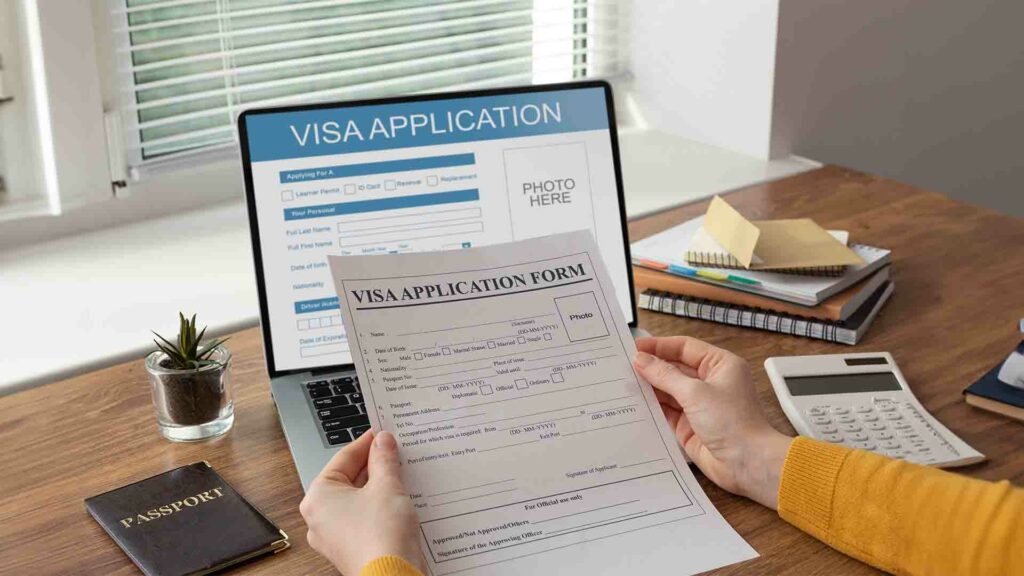
Proper document preparation is key to a successful application
A. Basic Documents (Usually required for all visa types):
Passport:
- Original passport with at least six months of remaining validity from the date of your intended entry into China.
- At least two blank visa pages in the passport.
- A photocopy of the passport’s data page and the photo page if it is separate.
Visa Application Form:
- Completed accurately and truthfully through the China Online Visa Application (COVA) system. This is usually mandatory. You’ll fill it out online, print the confirmation page and the full form, and sign them.
- Start from your local Chinese Embassy/CVASC website or the official Chinese Visa Application Service Center site so you land on the correct country-specific application page.
Photo:
- One recent color passport photo (taken within the last 6 months) against a white background, full face, front view, bare-headed (unless for religious reasons where facial features must not be obscured).
- Specific size requirements (e.g., 48mm x 33mm). The COVA system will often allow you to upload a digital photo that meets requirements, which will then be printed on your form. Also, bring a physical copy if instructed.
Crucial: Photo requirements are strict. No glasses (unless unavoidable and thin-rimmed, no glare), no smiling (neutral expression), ears visible. Check the detailed photo guidelines on the Embassy/CVASC website.
Proof of Legal Stay or Residence Status (if applying outside your country of citizenship):
- If you are not applying in your country of citizenship, you must provide the original and photocopy of your valid visa or other documentation of legal stay, residence, employment, or student status in the country where you are currently residing.
Previous Chinese Visas (if applicable):
- If you have obtained Chinese visas before, and if your current passport is new and doesn’t contain these visas, you may need to submit photocopies of the previous passports’ data pages and the previous Chinese visas.
B. Supporting Documents (Varies significantly by Visa Type):
This is where you tailor your application to the specific visa. Here are common examples:
For L-Visa (Tourist):
- Documents showing your itinerary, including round-trip air ticket bookings (or cruise confirmation).
- Proof of hotel reservations for your stay in China.
- OR, if invited by an individual in China (e.g., a friend who is a foreign national working/studying in China, or a Chinese citizen):
- An invitation letter issued by the individual. This letter should contain:
- Applicant’s personal information (full name, gender, date of birth, passport number, etc.).
- Information on the planned visit (purpose, arrival/departure dates, places to be visited, relationship between applicant and inviting individual, financial source for expenditures).
- Inviting individual’s information (name, contact number, address, signature).
- A photocopy of the inviting individual’s Chinese ID (if Chinese citizen) or foreign passport and Chinese residence permit (if foreign national).
- An invitation letter issued by the individual. This letter should contain:
My Tip: A well-written invitation letter from a resident in China can sometimes be helpful, especially if your itinerary is less conventional.
For M-Visa (Business):
- An invitation letter issued by a trade partner in China, or by a trade fair organizer. The letter should include:
- Applicant’s personal information.
- Information on the planned visit (purpose, arrival/departure dates, places to be visited, relationship with the inviting entity, financial source).
- Inviting entity’s information (name, contact number, address, official stamp, signature of the legal representative or inviting individual).
For F-Visa (Exchange, Visit, Study Tour):
- An invitation letter issued by a relevant entity or individual in China, detailing the purpose and duration of the non-commercial activity.
For X1-Visa & X2-Visa (Student):
- Original and photocopy of the Admission Letter issued by a school or other entities in China.
- Original and photocopy of “Visa Application for Study in China” (Form JW201 or JW202).
For Z-Visa (Work):
- “Notification Letter of Foreigner’s Work Permit” or the valid “Foreigner’s Work Permit” issued by Chinese authorities.
For Q1/Q2-Visa (Family Reunion/Visit – Chinese Citizen or Foreigner with Permanent Residence):
- An invitation letter from the Chinese citizen or foreign permanent resident in China.
- Photocopy of the inviter’s Chinese ID or foreign passport and permanent residence permit.
- Original and photocopy of certification (e.g., marriage certificate, birth certificate, household registration, certification of kinship issued by Public Security Bureau or notarized certification of kinship) showing the relationship between applicant and inviter.
For S1/S2-Visa (Private Affairs – Family of Foreigners Working/Studying in China):
- An invitation letter from the foreigner residing in China (for work or study).
- Photocopy of the inviter’s passport and residence permit.
- Original and photocopy of certification (e.g., marriage certificate, birth certificate, etc.) showing the relationship.
- For other private affairs (e.g., medical treatment), relevant documentation is required.
Step 3: Complete the Online Application Form (COVA)
- Access the COVA system via the link provided on your local Chinese Embassy/CVASC website.
- Fill in the application form completely, accurately, and truthfully. Any discrepancies can lead to delays or rejection.
- Upload your digital photo if required by the system.
- Once completed, download and print the “Confirmation of Online Visa Application” and the full “Visa Application Form of the People’s Republic of China.”
- Sign the confirmation page and the relevant section of the application form.

The COVA system is used for online visa applications
Step 4: Book an Appointment (if required) and Submit Your Application
Some locations require an online appointment before submission; others allow walk-in or mail-back procedures for certain applicants. Follow the instructions shown by your local embassy, consulate, or CVASC after completing the online form.
Submission Location:
- In many countries, China has outsourced visa application handling to Chinese Visa Application Service Centers (CVASC). You will submit your application here.
- In countries without a CVASC, you will submit directly to the Chinese Embassy or Consulate-General.
- Use the official CVASC site or your local Chinese embassy/consulate website to find the correct submission location.
Submission Process:
- Many applicants submit in person because some locations require biometric data collection, such as fingerprints. Exemptions, mail-back services, or different procedures may apply depending on age, visa type, and local rules.
- Bring your signed COVA form, confirmation page, original passport, photo (if a physical one is still required), and all original and photocopies of your supporting documents.
- The staff will review your documents. If they are complete, they will accept your application.

Most applicants must submit documents in person
Step 5: Pay the Visa Fee and Service Fee (if applicable)
- Visa Fee: Varies based on your nationality, the number of entries (single, double, multiple), and requested processing speed.
- Service Fee: If applying through a CVASC, they will charge an additional service fee. This is separate from the visa fee.
Processing Speed:
- Regular service: Standard processing time (usually 4-5 business days, but can vary).
- Express service: Faster processing (usually 2-3 business days), incurs an additional fee.
- Rush service: Sometimes available for next-day processing, incurs a higher additional fee. (Availability of express/rush services varies by location).
Payment methods will be specified by the CVASC or Embassy (cash, debit card, credit card, etc.).
Step 6: Wait for Processing and Collect Your Visa
- You will be given a pick-up slip with a tracking number. You can usually track your application status online via the CVASC or Embassy website.
- Once your visa is processed and approved, return to the CVASC or Embassy on the date indicated (or when notified) to collect your passport with the visa. Some centers may offer a mail-back service for an additional fee.
CRITICALLY IMPORTANT:
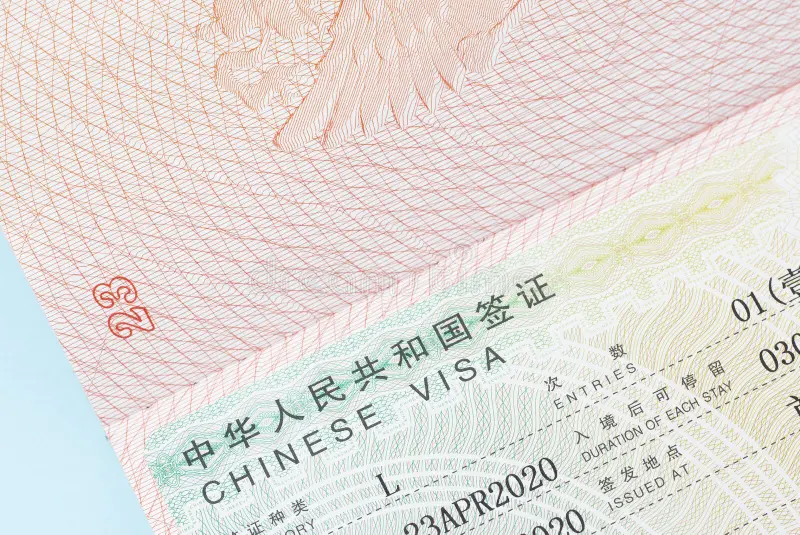
Upon receiving your passport with the visa, immediately check all the details on the visa sticker:
- Your name, passport number, date of birth.
- Visa type, number of entries, validity (“Enter Before” date), duration of each stay.
If there are any errors, inform the staff immediately.
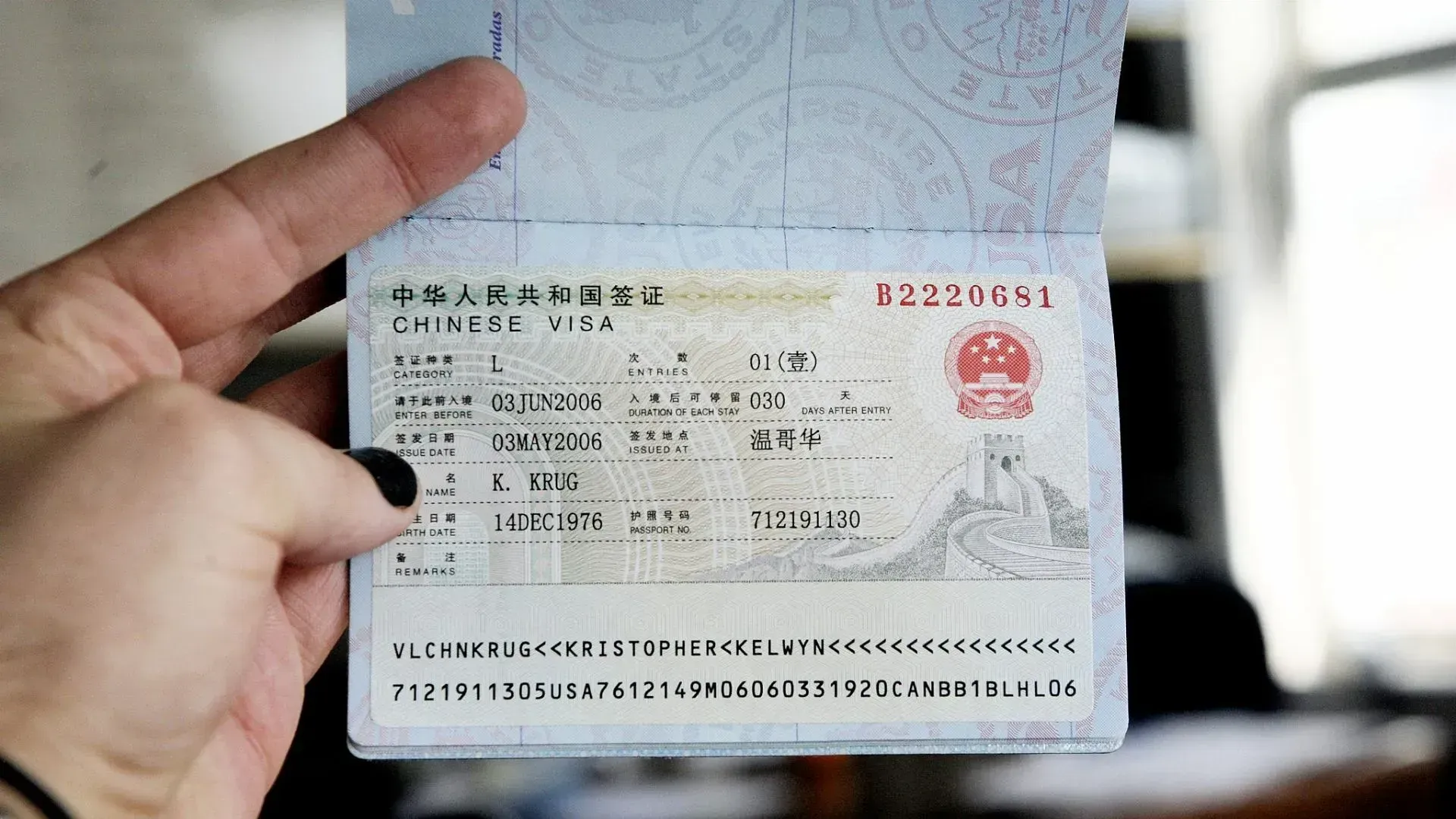
Always verify all details on your visa immediately
Important Tips from a Local:
Apply Well in Advance
Start the process at least 1-2 months before your intended travel date, but generally not more than 3 months in advance (as the visa validity usually starts from the date of issue).
Honesty is the Best Policy
Provide truthful and accurate information. Any false statements or concealed facts can lead to visa rejection or denial of entry.
Double-Check Everything
Before submission, meticulously review all forms and documents for completeness and accuracy.
Invitation Letters
Ensure invitation letters contain all required information and are properly signed/stamped.
Keep Copies
Make photocopies of your entire application package for your records.
Official Sources are Key
This guide is for general reference. Always prioritize information from the official website of the Chinese Embassy/Consulate or CVASC in your jurisdiction. They have the most up-to-date and location-specific requirements.
Flight & Hotel Bookings
While often required, try to book refundable flights and hotels if possible, or wait until your visa is approved if you’re not comfortable with the financial risk. Some visa types require confirmed bookings.
If in Doubt, Ask
If you are unsure about any part of the process, contact the CVASC or the consular section of the Embassy/Consulate for clarification.

Proper preparation leads to rewarding travel experiences
Conclusion: Treat the Visa as a Document Checklist
Applying for a Chinese visa is mostly a document-control task: choose the correct category, complete the online form carefully, match every supporting document to your purpose of travel, and follow the submission rules for your jurisdiction. The more precisely your documents match the trip you describe, the smoother the process usually feels.
Need More Help?
For the most current information and specific requirements for your situation, please visit:
- Your local Chinese Embassy or Consulate website
- Chinese Visa Application Service Center (CVASC) website for your region
- China visa-free policy guide and 240-hour transit guide if you may not need a regular visa
Common Traveler Questions
Do I need a Chinese visa if I qualify for visa-free entry?
Not necessarily. If your nationality, purpose, length of stay, and route fit a valid visa-free policy, you may not need a regular visa. Check the specific policy before applying.
What is the safest way to start a China visa application?
Start with the official embassy, consulate, or CVASC instructions for your country. Requirements, appointment systems, service centers, and supporting documents vary by location.
Should I book flights before my China visa is approved?
Avoid non-refundable bookings unless the application instructions require them and you understand the risk. Use flexible reservations where possible because requirements and processing times can vary.
Enjoyed this article? Consider buying me a coffee to support more content like this!
💖 0 people have clicked to support this article.