Qingdao Self-Guided Tour: From Mountains to Breweries
A practical, image-rich guide you can actually use.
travel better
On this page
Quick Answer
This Qingdao self-guided tour works best if you treat the city as three linked experiences: Laoshan and mountain air, German-era old town streets, and relaxed coastal beer-and-seafood evenings. Four days is enough for a focused route if you keep beach time flexible and do not overpack every district.
Before you go: Use the Qingdao hub if you are comparing this route with a walking-heavy city route or a slower seven-day coastal itinerary.
Preface: The Free Spirit of Qingdao
Qingdao (青岛) is a city that lingers in the imagination — someone once told you it was their dream university town; another called it the place they most wanted to explore. After wandering its streets for days, you’ll understand why. It’s not just the unique blend of mountain and sea, but the people: the 花小猪 (Huaxiaozhu) taxi drivers who eagerly share tips, the backpacker who strikes up a conversation, the outgoing fellow travelers, the warm-toned voices of service staff, the folk songs drifting over 小麦岛 (Xiaomai Island), the leisurely metro trains arriving every five or six minutes, the green vintage tram that passes daily, the riotous flower clusters along the roads, and the vast European-style residential blocks. There’s an indescribable joy in the air — a romantic soulfulness that makes you feel the mountains and sea are truly worth your time.
When to go: This trip was taken May 17–20 (4 days, 3 nights). Temperatures range 16–26°C (61–79°F), with sunny and cloudy skies and occasional sea fog. For southerners: anywhere the sea breeze hits feels chilly. You’ll be roasting under the sun but shivering in the wind — bring a thick long-sleeved jacket with a hood. Qingdao’s sea wind is genuinely fierce and cold (one traveler had to buy a windbreaker after arriving with only a light coat). UV is strong too, so don’t forget sunscreen.
Route planning: A detailed Excel itinerary was prepared, but spontaneous detours are part of the fun. Qingdao rewards those who wander — the city is perfect for unexpected discoveries. Here’s the actual route taken, which may seem scattered but worked beautifully:
- Day 1Navy Museum (海军博物馆) → Lunch → 八大关 (Badaguan) → 第二海水浴场 (Second Bathing Beach) → 太平角 (Taiping Cape) → 第三海水浴场 (Third Bathing Beach, sunset) → Dinner → 中山路步行街 (Zhongshan Road Pedestrian Street, evening) → 圣弥厄尔大教堂 (St. Michael’s Cathedral, evening)
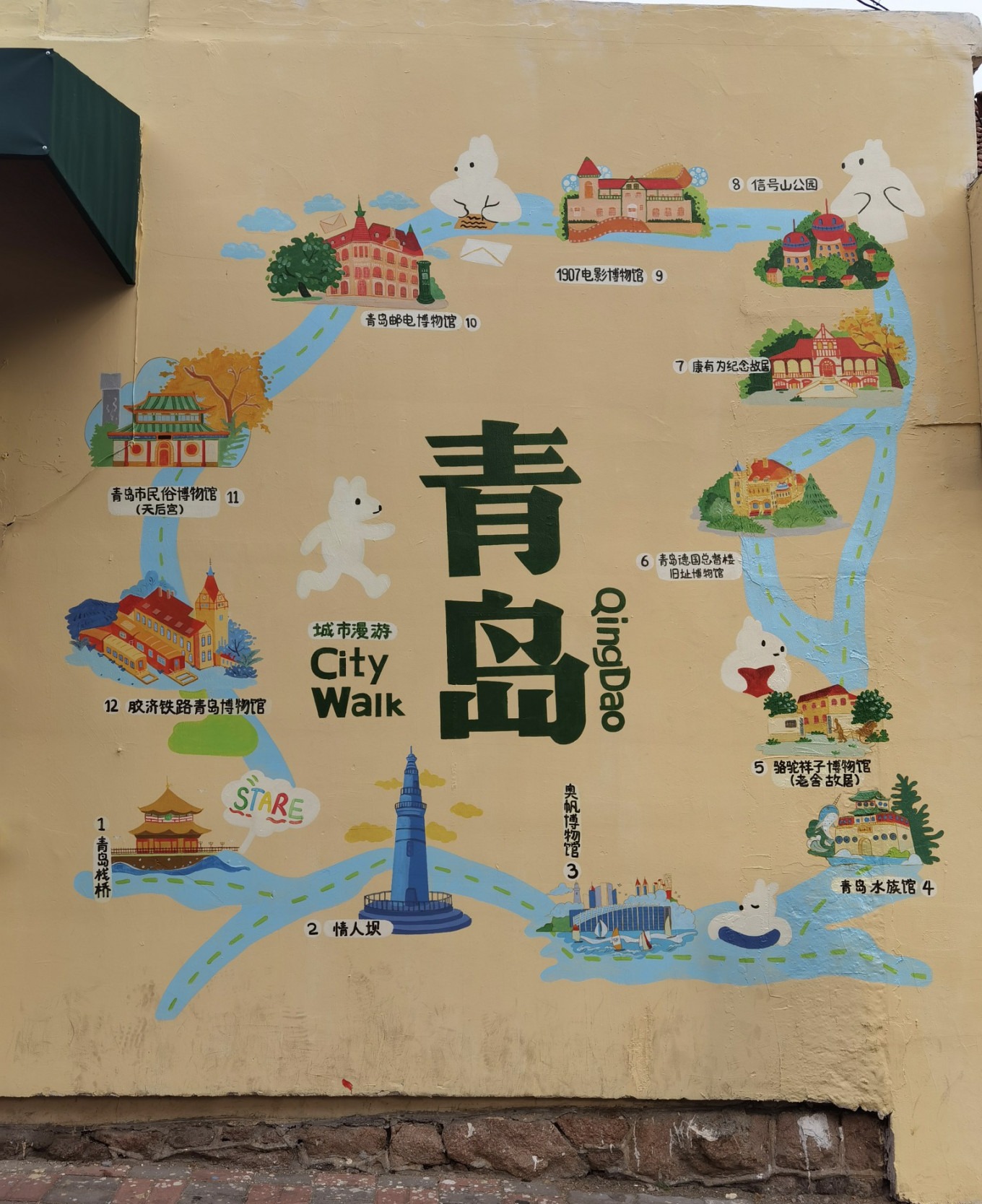
- Day 2八大峡 (Badaxia) → 西陵峡一路 (Xilingxia 1st Road) → 西陵峡三路 (Xilingxia 3rd Road) → 栈桥 (Zhanqiao Pier) → 中山路步行街 (daytime) → 圣弥厄尔大教堂 (daytime) → Lunch → 信号山 (Signal Hill) → 青岛啤酒博物馆 (Tsingtao Beer Museum) → 网红墙 (University Road Red Wall) → 龙江路 (Longjiang Road) → 燕儿岛 (Yan’er Island) → Dinner
- Day 3崂山 (Laoshan, Taiqing Line) → Lunch → 沙子口广场 (Shazikou Square) → 小麦岛 (Xiaomai Island)
- Day 4琴屿路 (Qinyu Road) → 小青岛 (Little Qingdao) → Snack time → 小鱼山 (Xiaoyu Hill) → 团岛农贸市场 (Tuandao Farmers Market) → Lunch
Accommodation: Choose a place near a metro station. This trip stayed in 团岛 (Tuandao), just 200 meters from the metro — very convenient. 五四广场 (May Fourth Square) area is also good, with plenty of dining options.
Transport: For a packed schedule, ride-hailing is best. Locals recommend 花小猪 (Huaxiaozhu) — it picks up quickly; other apps can be slow. Attractions are close, so fares are often under 10 yuan. The metro is also key, especially for the airport and Laoshan. Note that while attractions are said to be near metro stops, you’ll often walk 1 km+ from the exit — hence the daily 10,000+ steps. Buses are a cheap alternative (1 yuan for long rides). The green vintage tram (铛铛车) runs between 团岛 (local term) and 中山路 (local term), but it’s reportedly hard to catch — worth a try if you’re curious.
Missed spots: 太平山观光索道 (Taiping Mountain Cable Car) — a real regret; 银鱼港 (Yinyu Harbor) — skipped for more sea views; 台东夜市 (Taidong Night Market) — the snacks didn’t lure us; 石老人海水浴场 (Shilaoren Bathing Beach) — glimpsed from the car.
One note: Don’t be puzzled by the varying sky colors in photos. Qingdao’s sea fog shifts hourly — one moment clear blue, the next thick mist. Ready? Let’s begin your free-spirited journey through Qingdao.
Naval Museum of the Chinese People’s Liberation Army
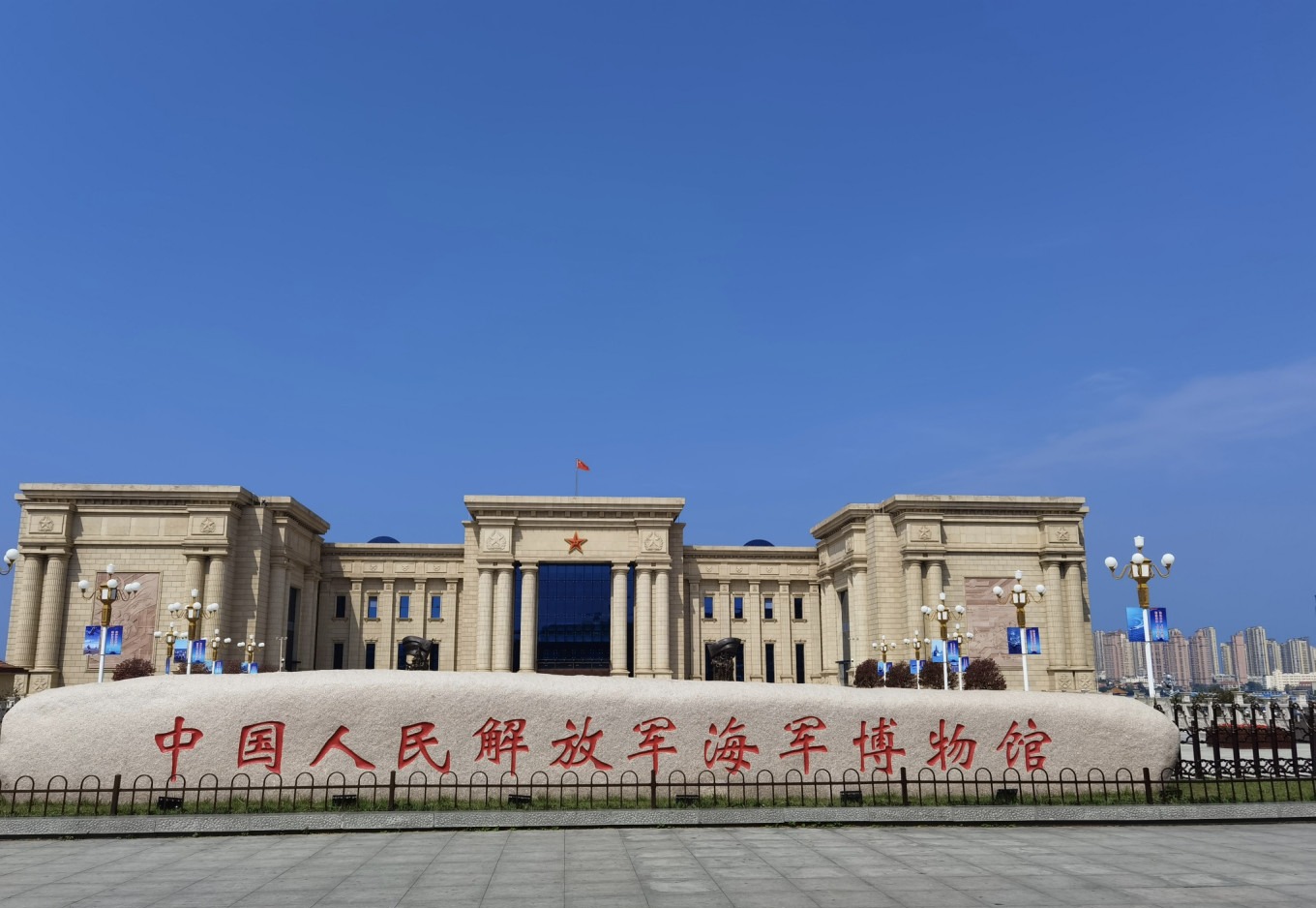
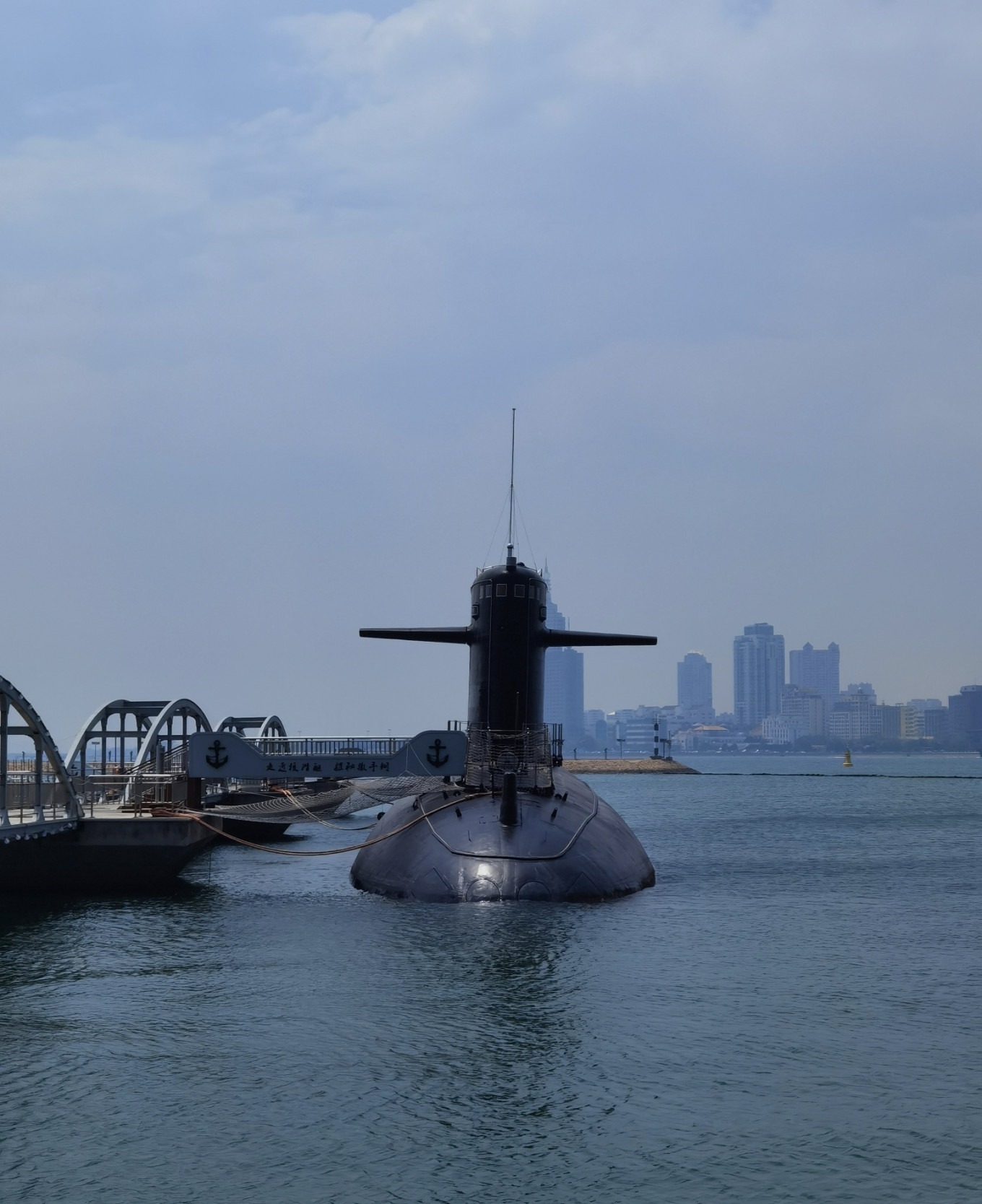
If you’re a military enthusiast—or even just curious about China’s naval history—the Naval Museum of the Chinese People’s Liberation Army (中国人民解放军海军博物馆) is a must-visit. As the only museum dedicated to the development of the Chinese Navy, it spans three exhibition areas: indoor, land-based, and maritime. The highlight is the only decommissioned nuclear submarine in Asia open to the public, making it a true paradise for history buffs.
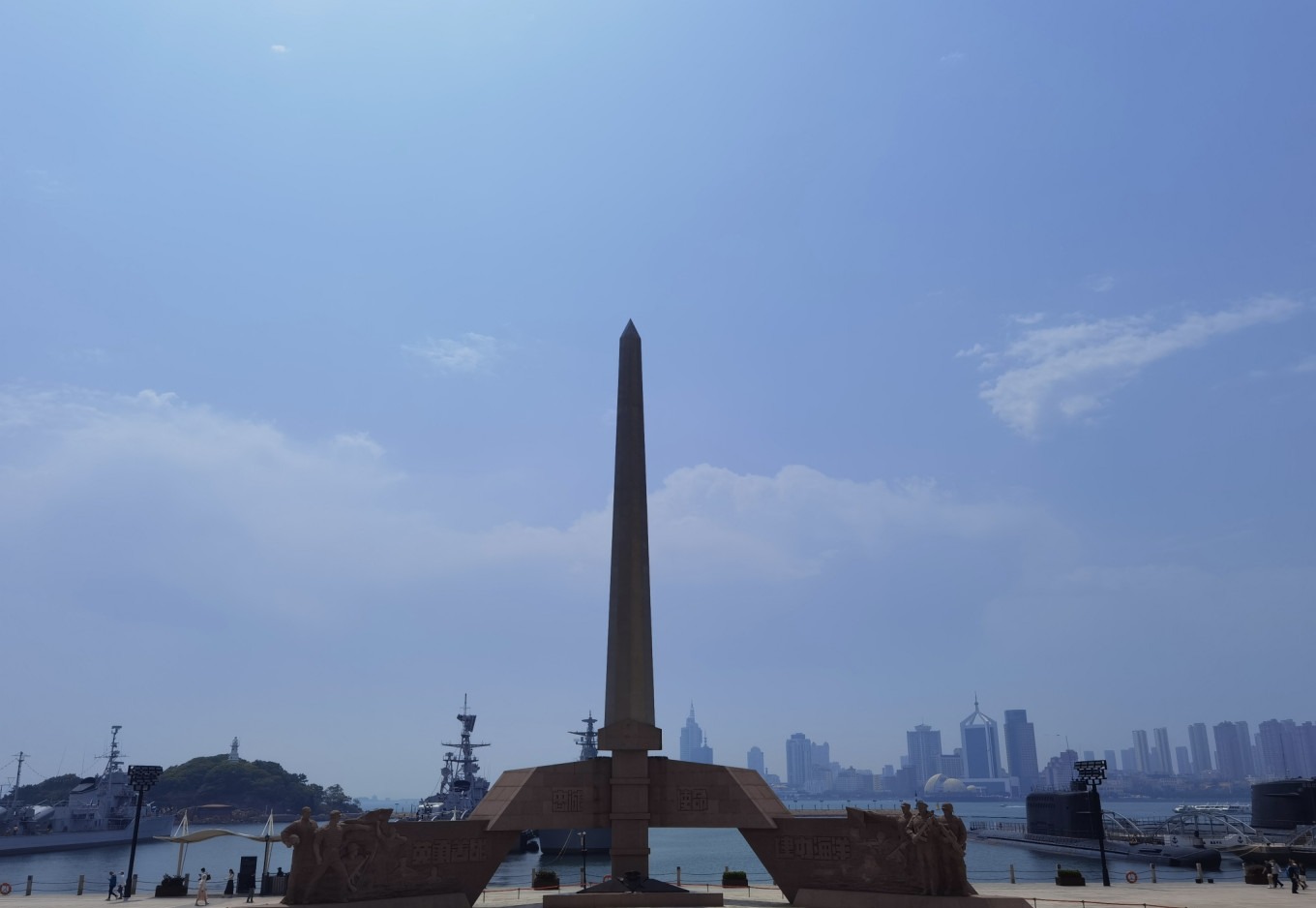
Before you go, watch a detailed video introduction on Bilibili to get a sense of the layout. For those short on time or less familiar with naval history, the indoor and land areas alone can take a while to explore thoroughly. Reserve your entry ticket via the mini-program “中国人民解放军海军博物馆 (local term)” (PLA Naval Museum). Once inside, head down to the basement level and step outside—you’ll be greeted by the “亮剑深蓝 (local term)” (Sword of the Deep Blue) sculpture, a powerful symbol of naval spirit. Beyond the sculpture lies the maritime exhibition area.
If your time is limited, head straight for the maritime area, especially the nuclear submarine. The centerpiece is China’s first decommissioned nuclear submarine, “长征一号 (local term)” (Long March 1, hull number 401), which was independently built, commissioned in 1974, retired in 2003, and has been docked at the museum since 2016. Visiting the submarine requires a separate reservation: go to the mini-program “中国人民解放军海军博物馆 (local term)” and select “展览活动预约 (local term)” (Exhibition Activity Reservation). Tickets for the week are released every Monday at 5 PM. During holidays, you’ll need to grab them as soon as they drop, but on regular days it’s easier. Arrive early—entry starts on time and latecomers are not admitted. No photography is allowed inside the submarine, so you’ll have to experience it firsthand and marvel at the ingenuity.
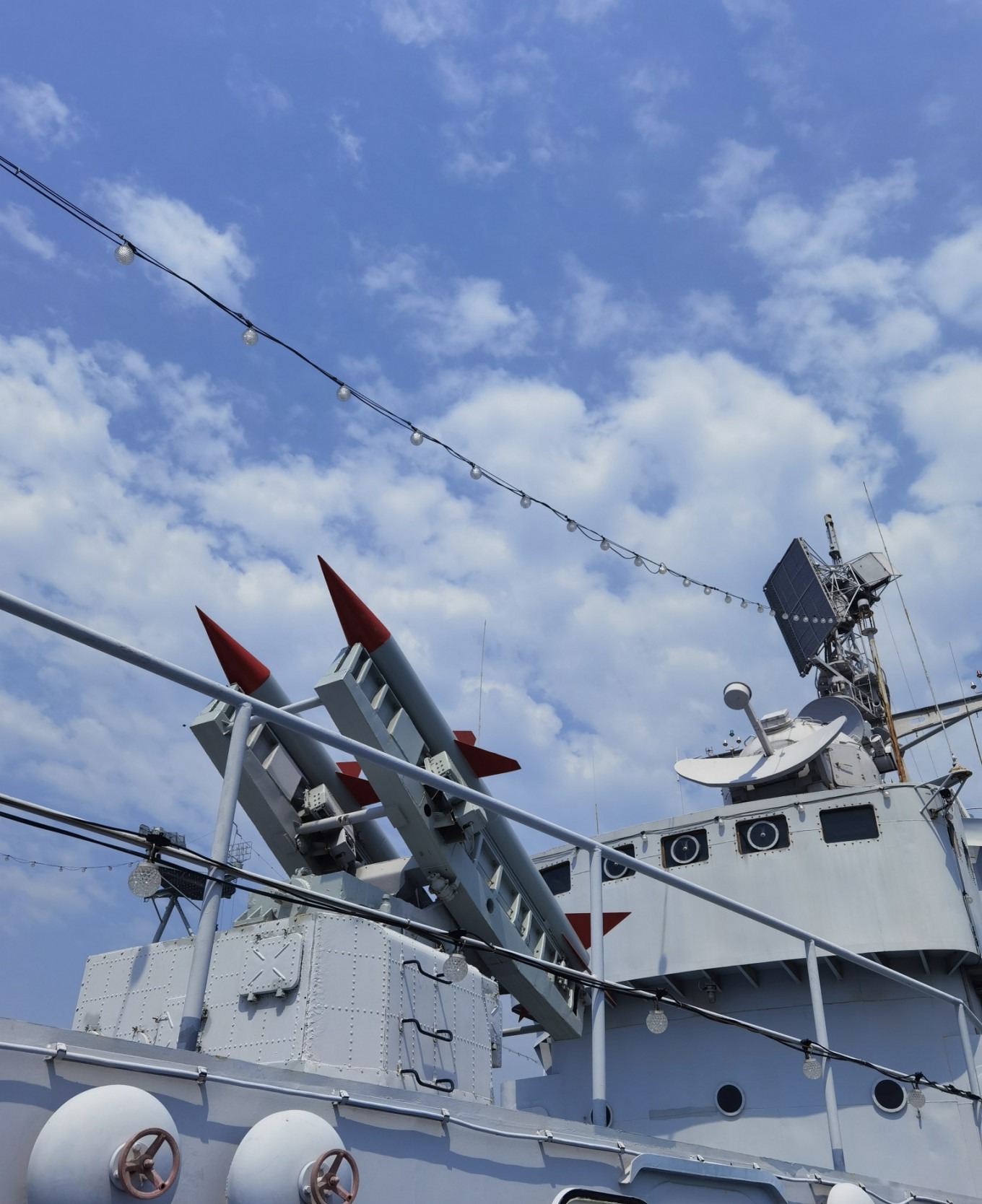
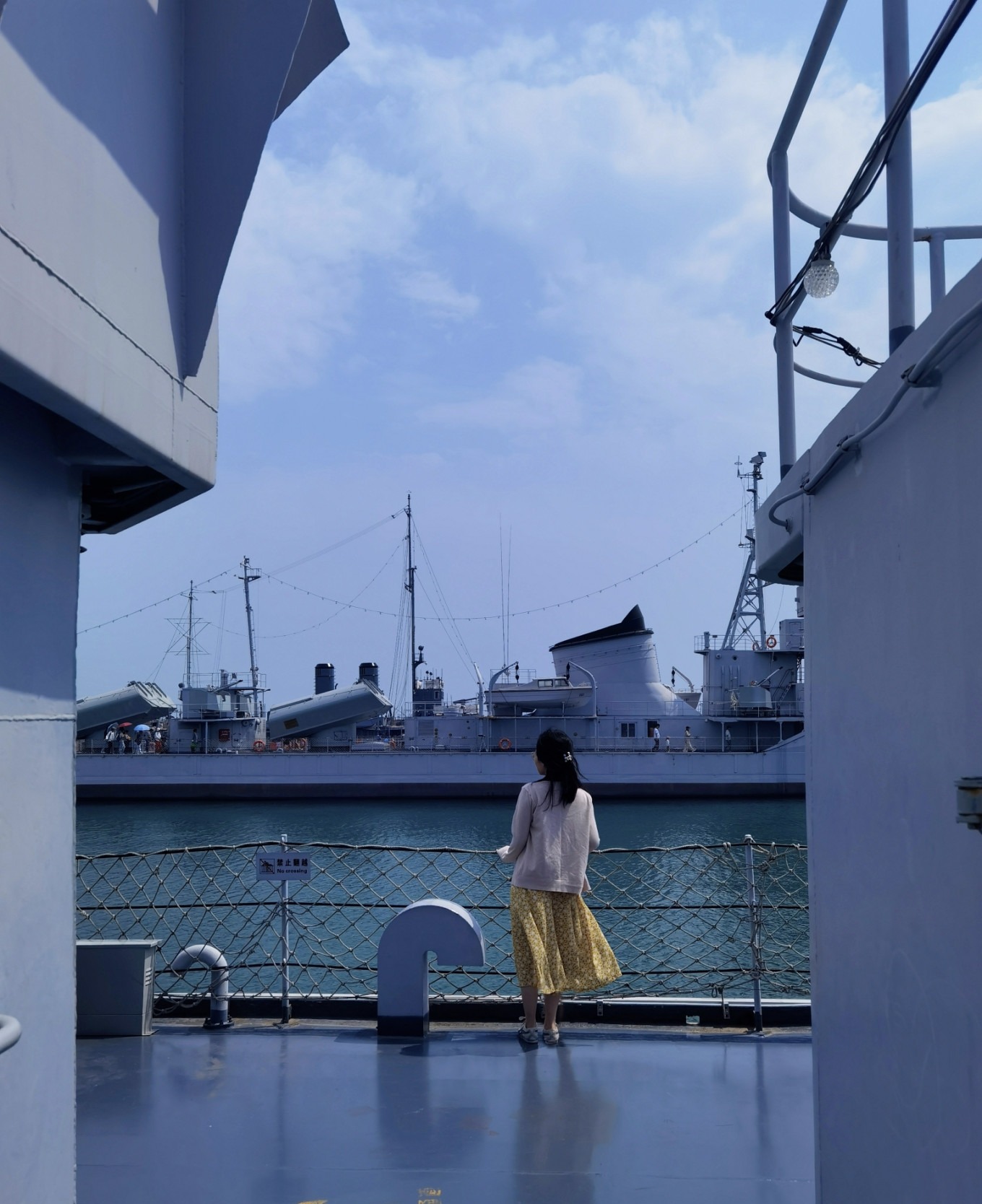
After exiting the submarine, two gangways connect to other warships in the maritime area. Key vessels include the 长江舰 (Changjiang, hull 53-219), China’s first destroyer 鞍山舰 (Anshan, hull 101), and the first domestically produced destroyer 济南舰 (Jinan, hull 105). As you walk the decks with the sea breeze in your face, you might feel a surge of pride and a vision of China’s vast maritime frontiers.

Badaguan & Second Bathing Beach
Badaguan (八大关) is a scenic area known for its collection of foreign-style villas, named after eight famous passes of the Great Wall. Often compared to Shamian Island in Guangzhou, it’s a pleasant stroll with red-tiled roofs and lush greenery, earning the nickname ‘Museum of World Architecture.’ While you can admire the architecture, the real highlight is walking through Badaguan to reach the Second Bathing Beach (第二海水浴场).
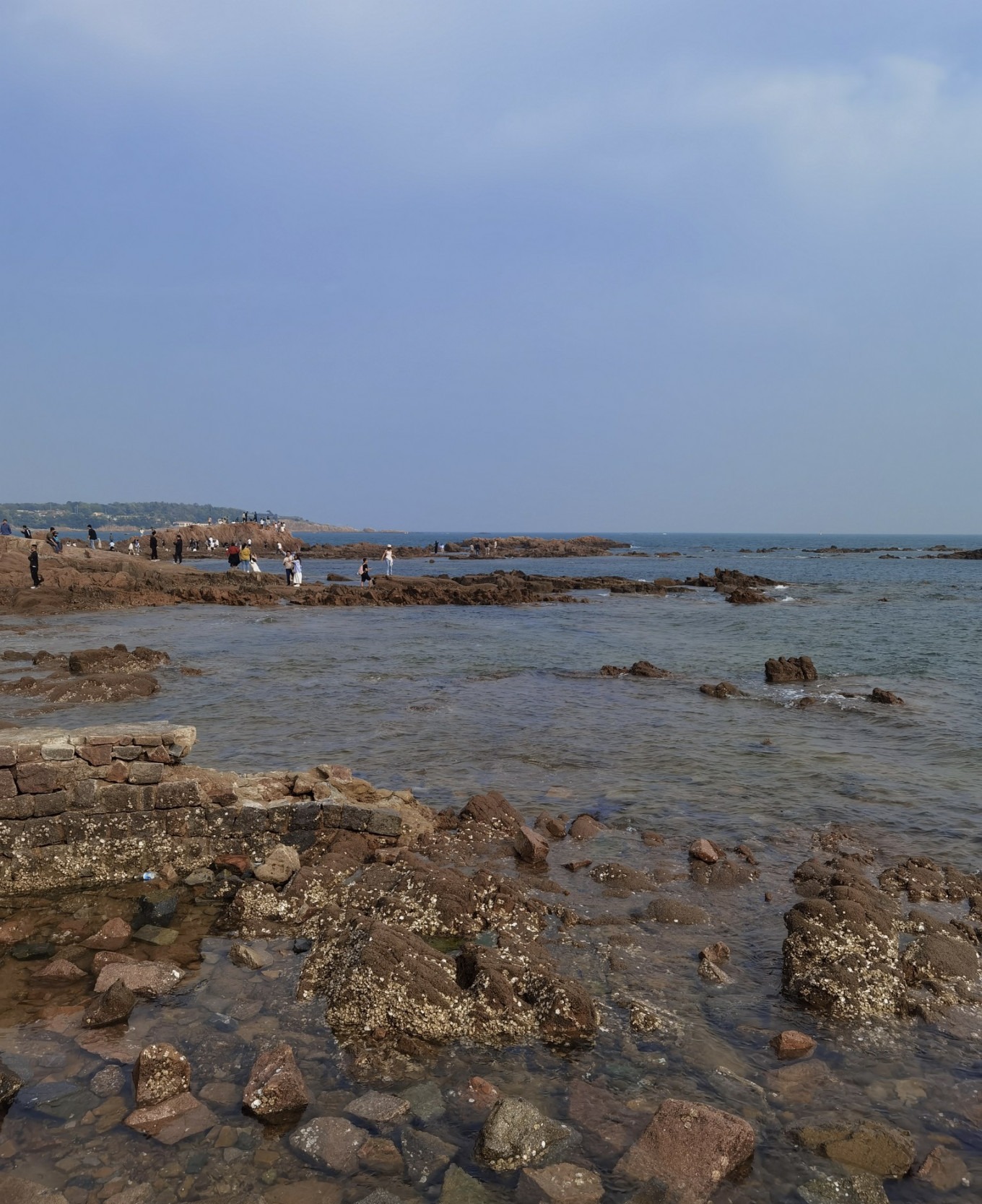
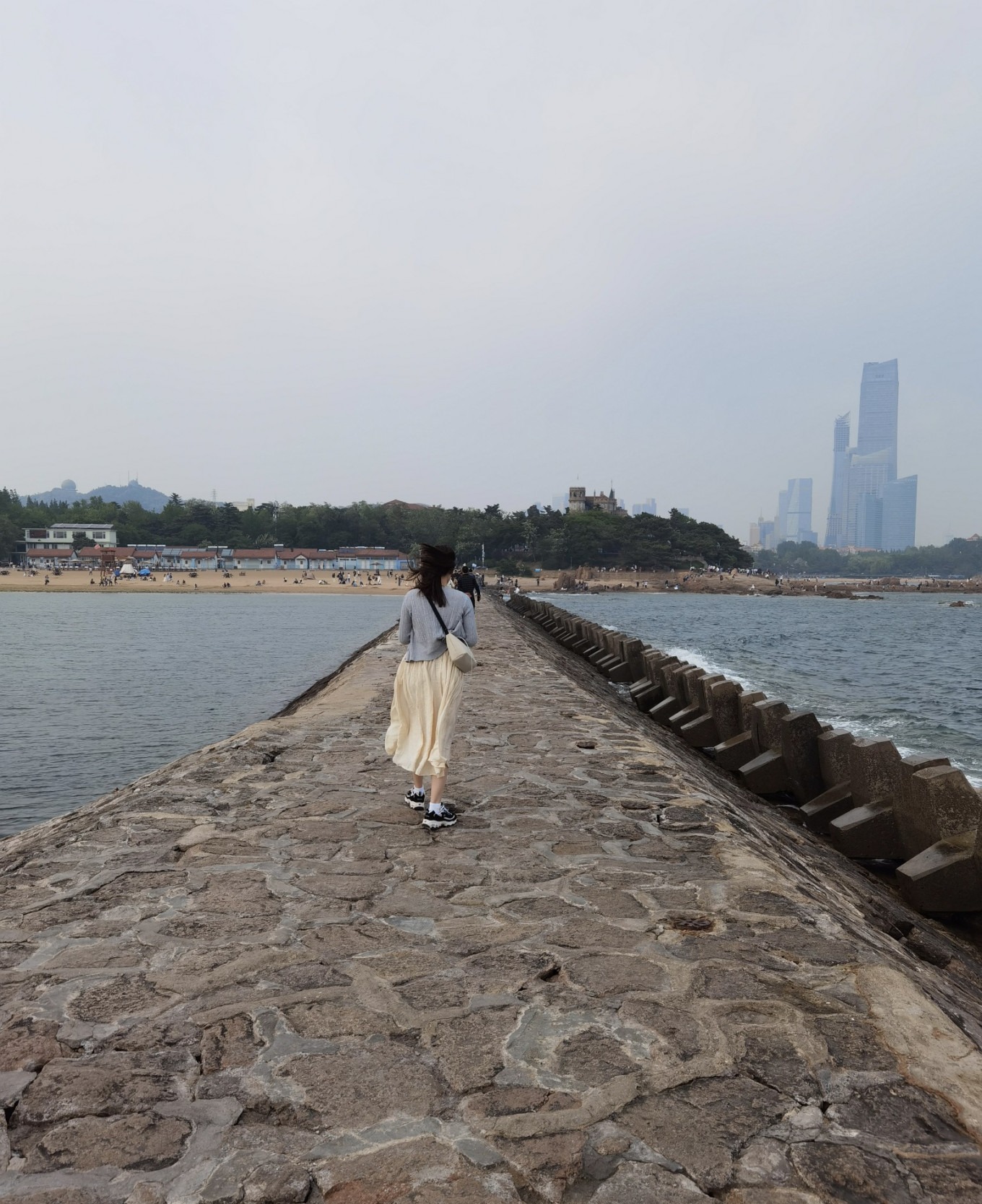
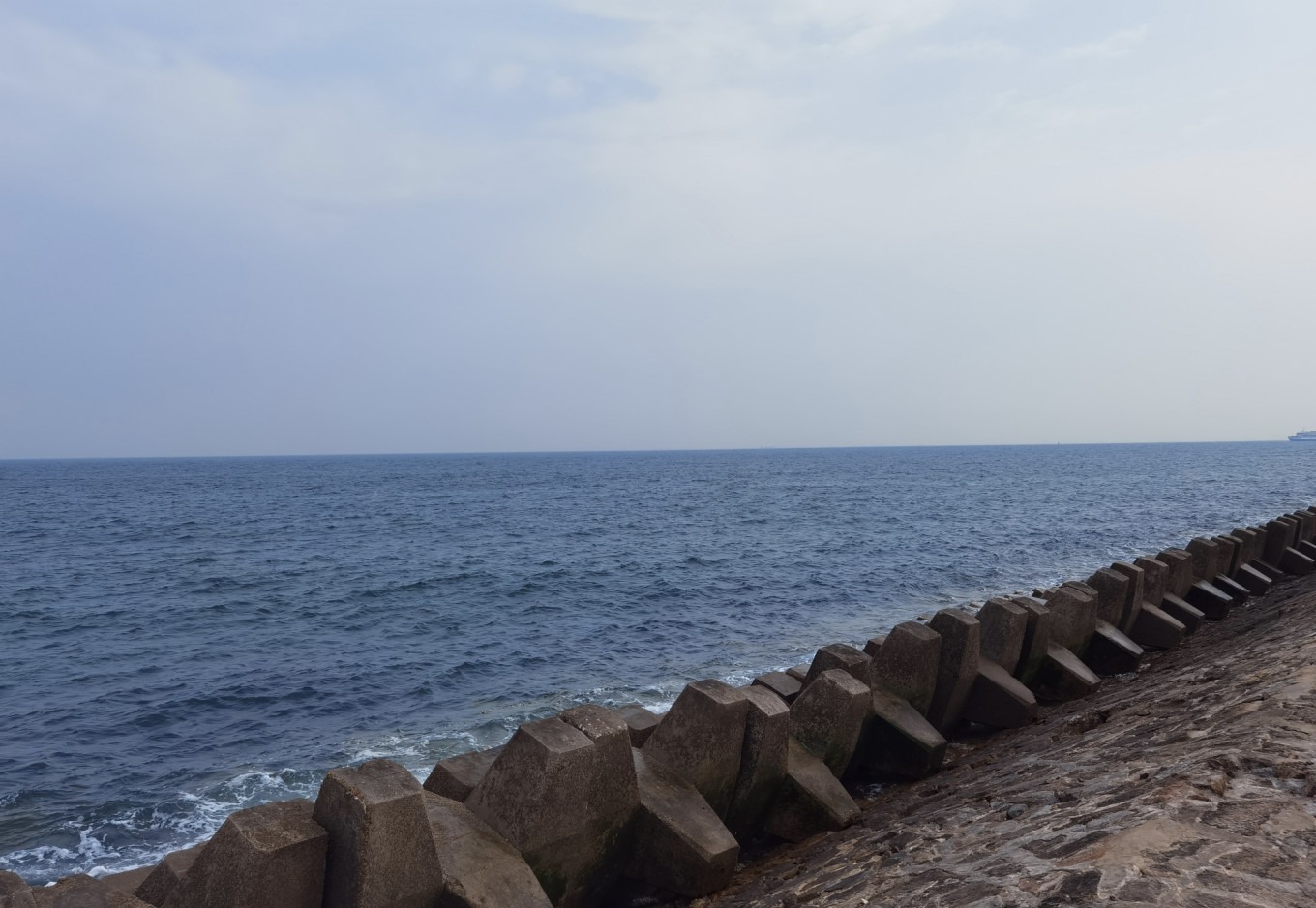
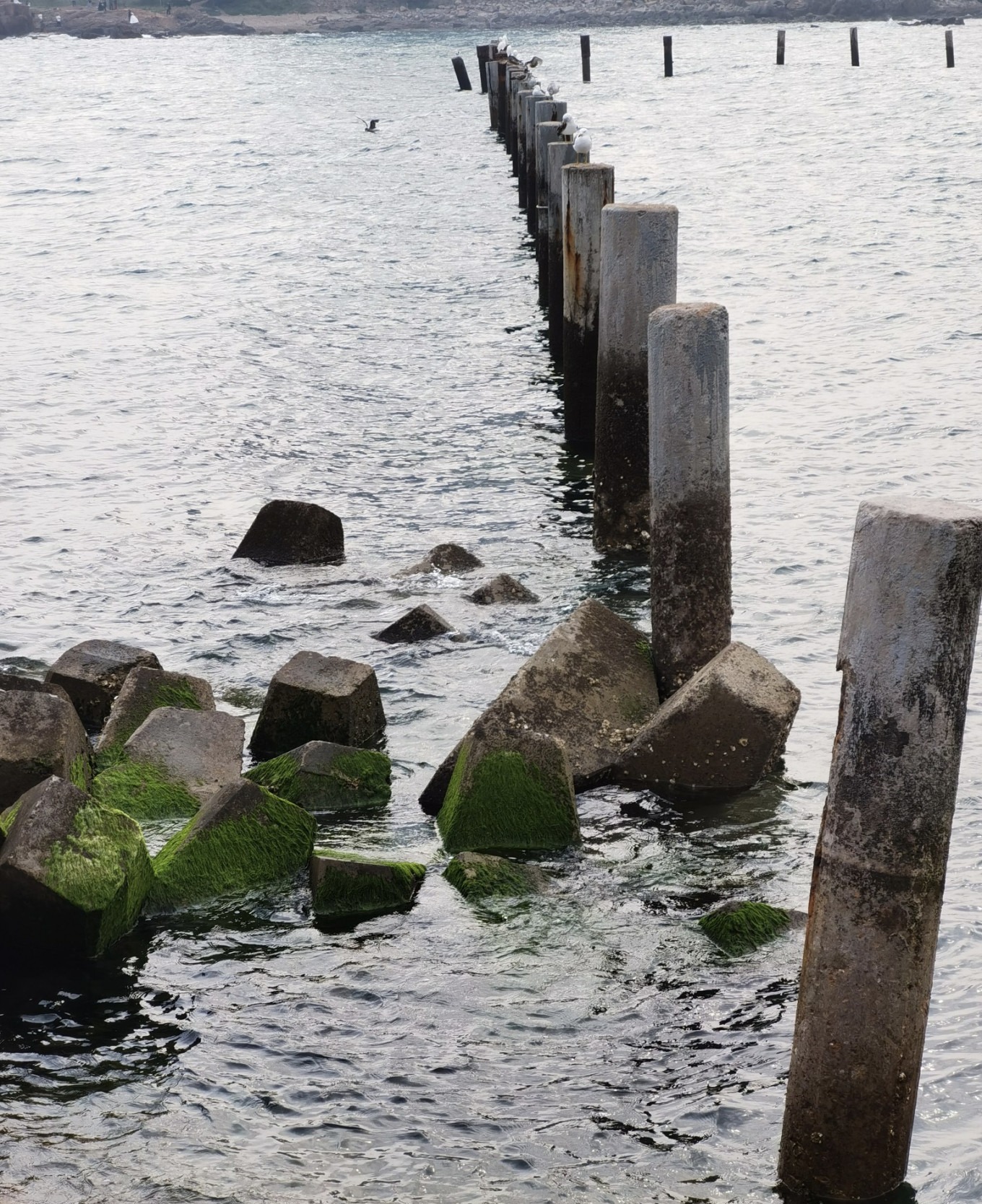
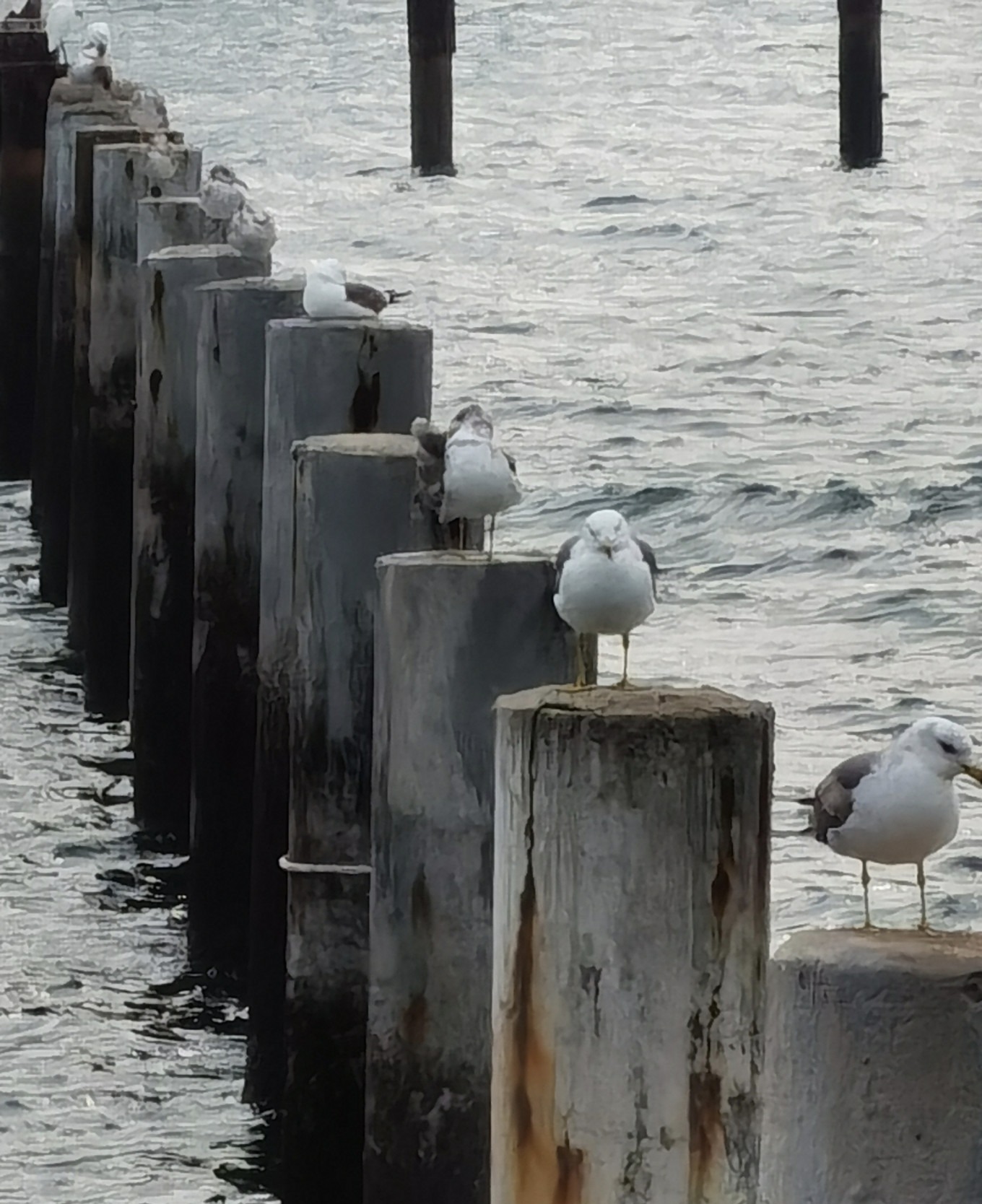
At the beach, you’ll find a long pier that extends into the sea. Walk along it with waves crashing on both sides and the sea breeze hitting you from every direction. By late afternoon, the chill can seep into your bones, so consider bringing a windbreaker or jacket. At the end of the pier, look for a row of wooden posts, each occupied by a single seabird — a charming and photogenic sight.
Taipingjiao to Third Beach
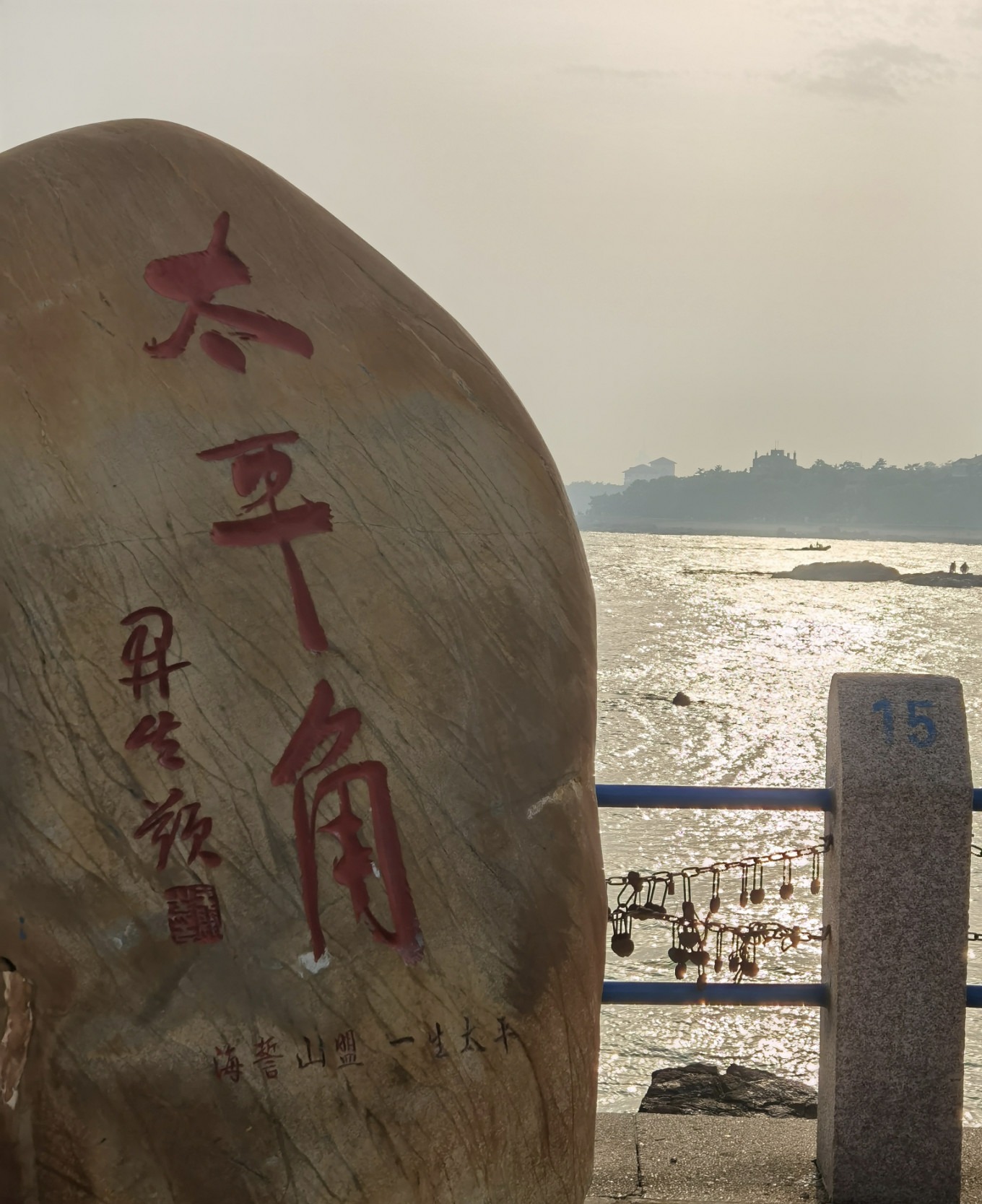
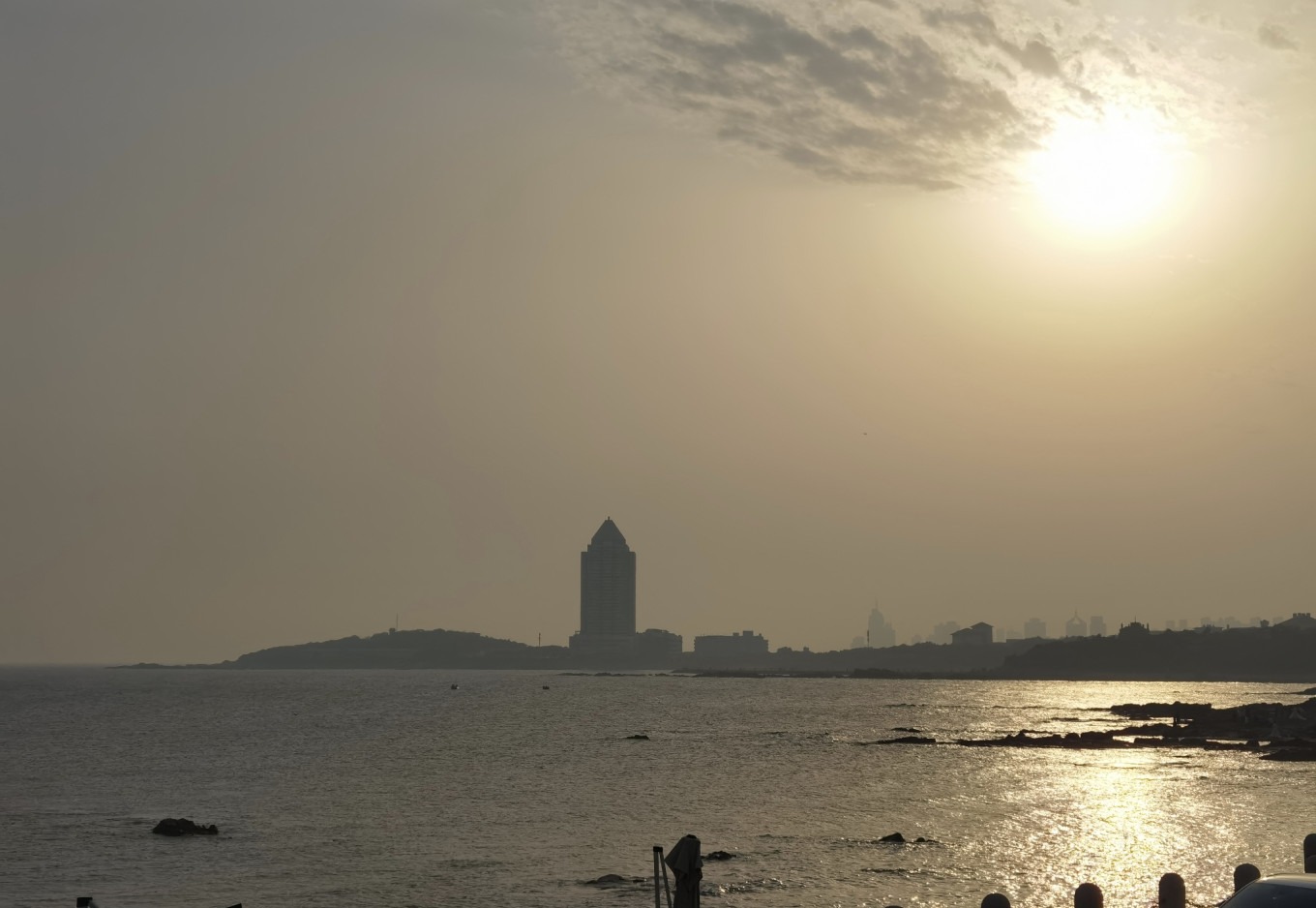
From the Second Bathing Beach, a scenic coastal promenade leads you all the way to Taipingjiao and the Third Bathing Beach. Along the way, you’ll find a popular photo spot at No. 17 Taipingjiao First Road, near the parking lot of Gendy’s & Sir Carl German Royal Brewery (健力源·卡尔爵士德国皇家啤酒坊). Expect a long queue, especially during peak times—if you don’t want to wait, just snap a quick shot from the side and continue down to the beach.
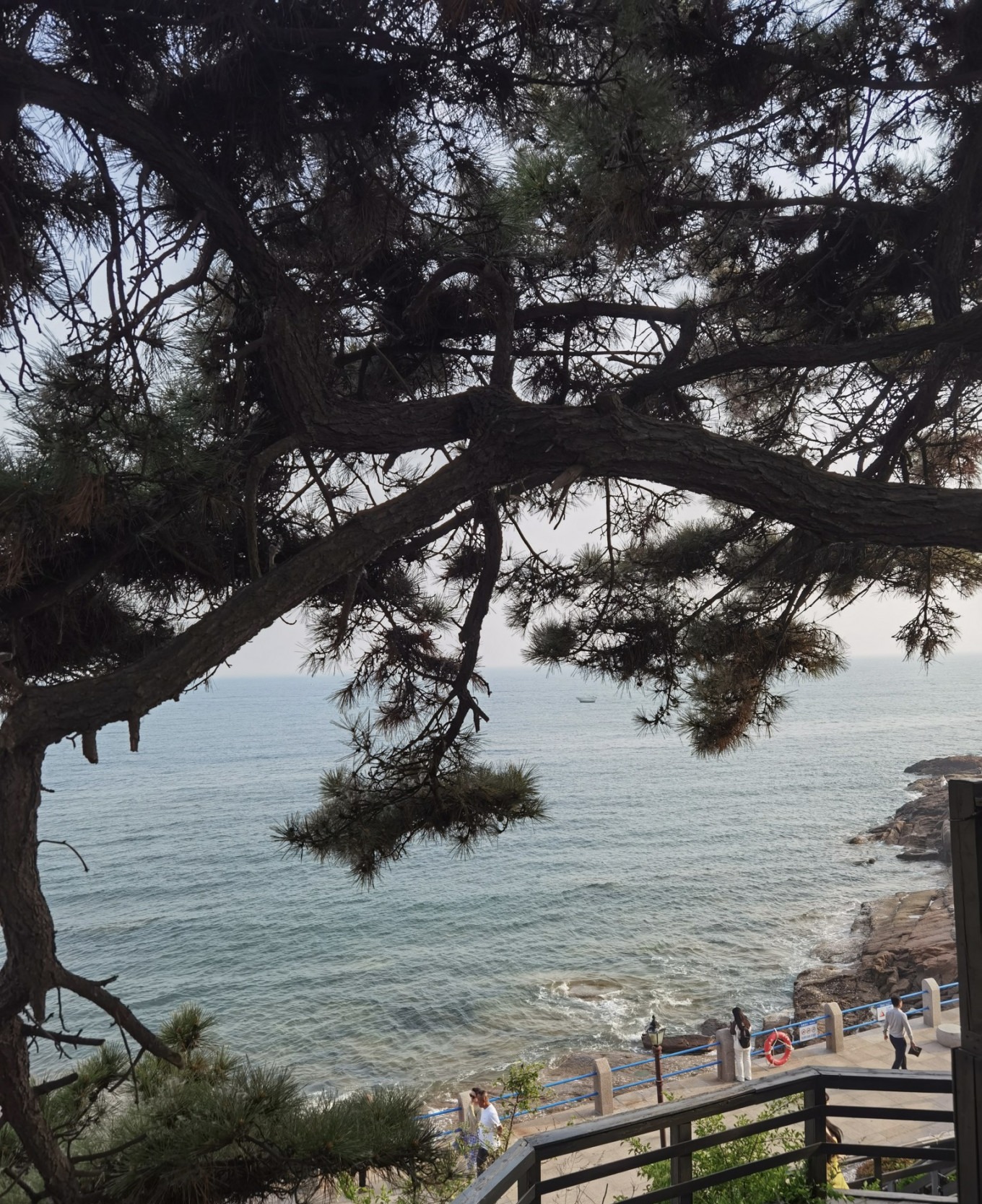
Arriving at the Third Bathing Beach around dusk is a perfect timing choice. Several stylish cafés line the shore—pick one with a seaside seat, order a drink, and enjoy the sunset breeze. It’s an ideal way to unwind after a day of sightseeing.
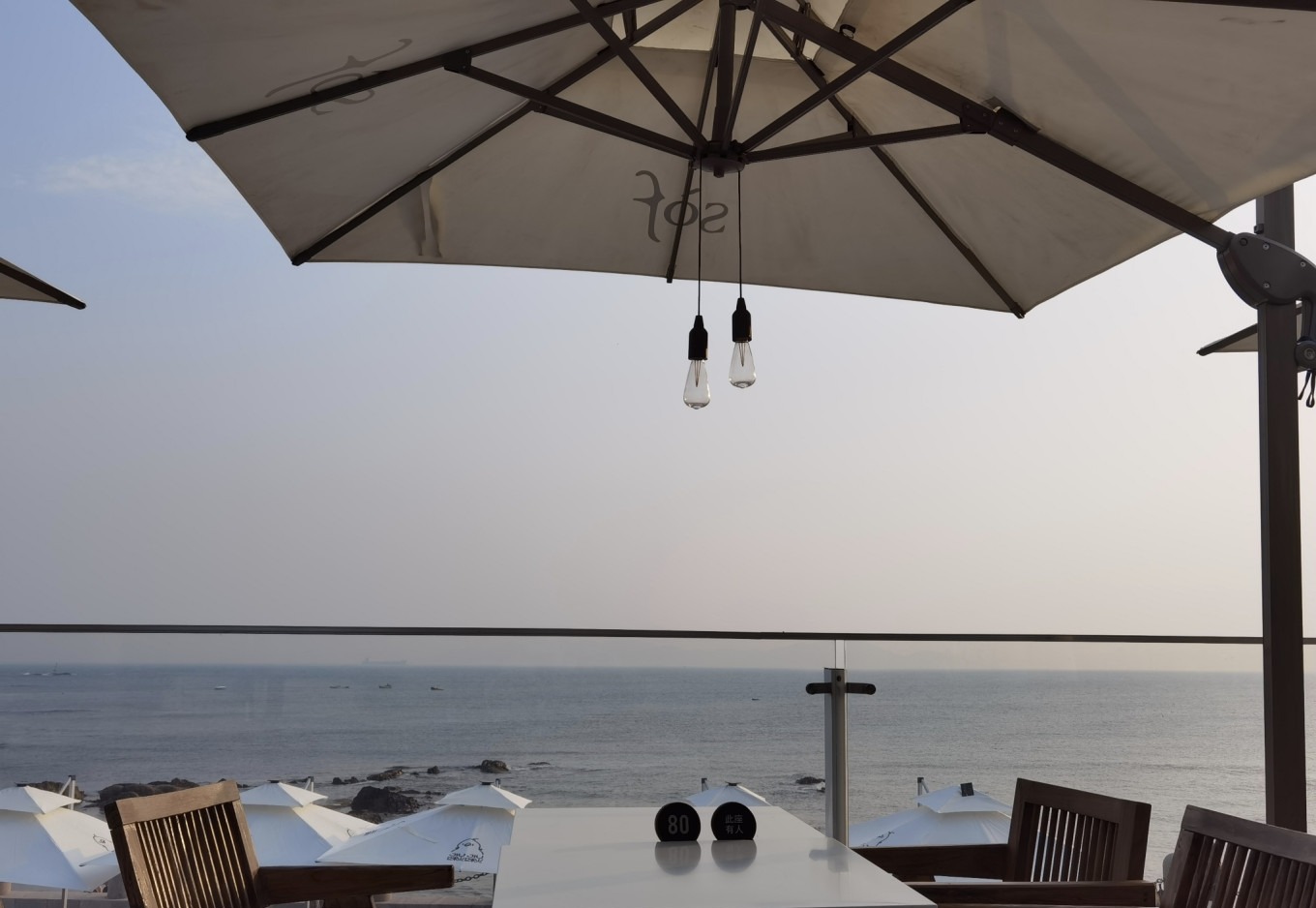
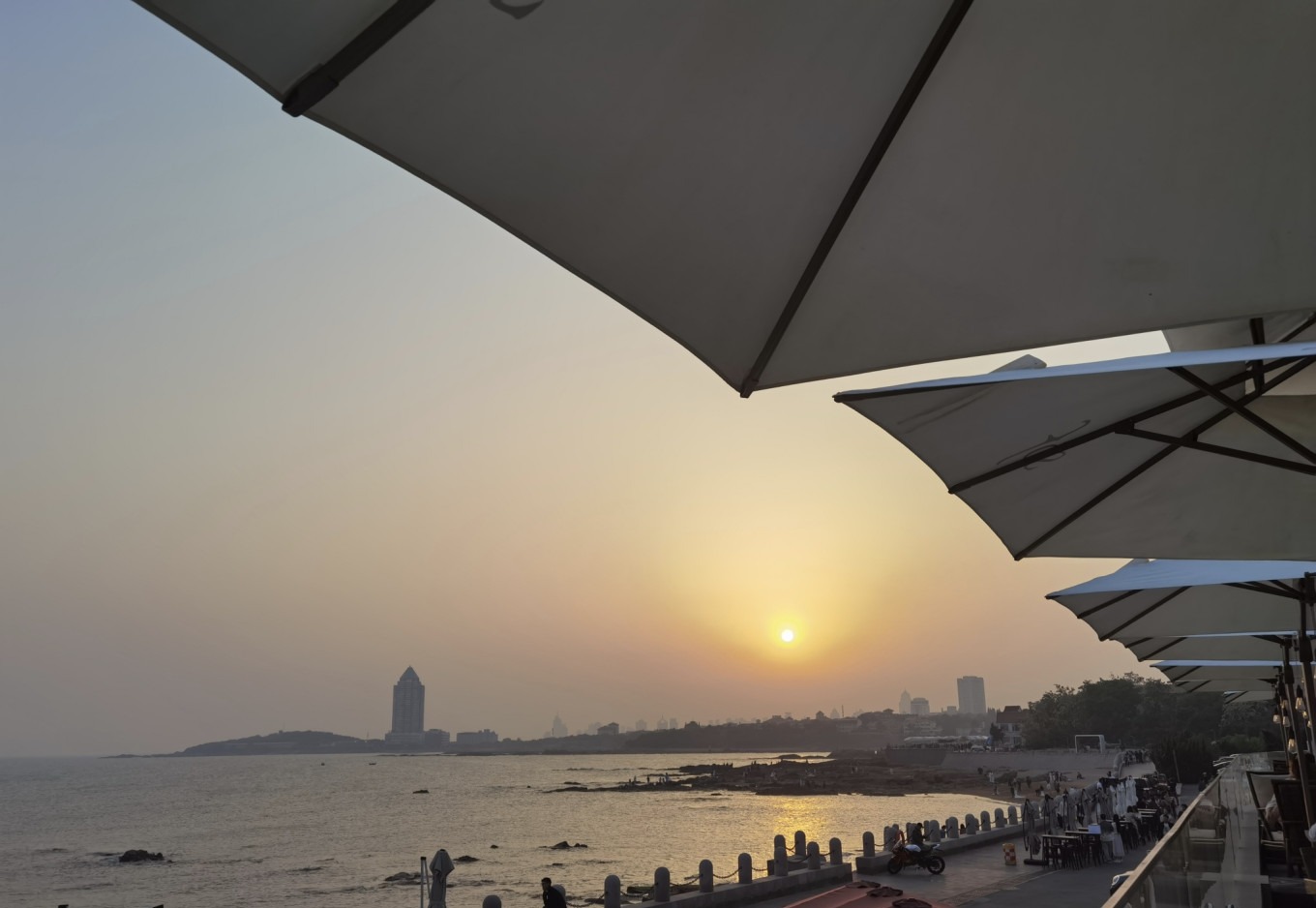
- RestaurantGendy’s & Sir Carl German Royal Brewery (健力源·卡尔爵士德国皇家啤酒坊)
- Address太平角一路17号 (No.
- Recommended dishesGerman draft beer, pretzels, sausages (菜名)
- Average spend100–150 RMB per person
Zhongshan Pedestrian Street & St. Michael’s Cathedral
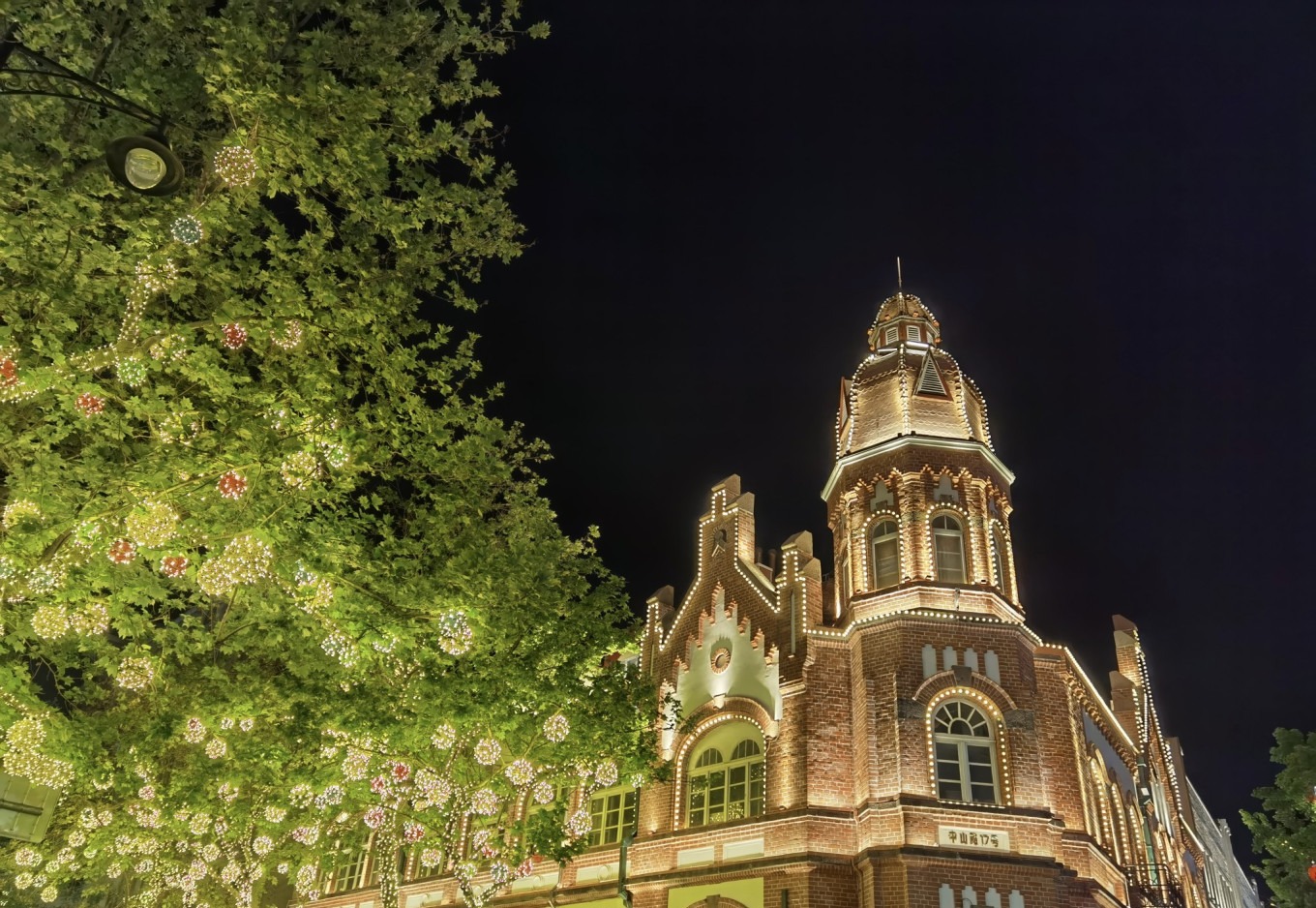
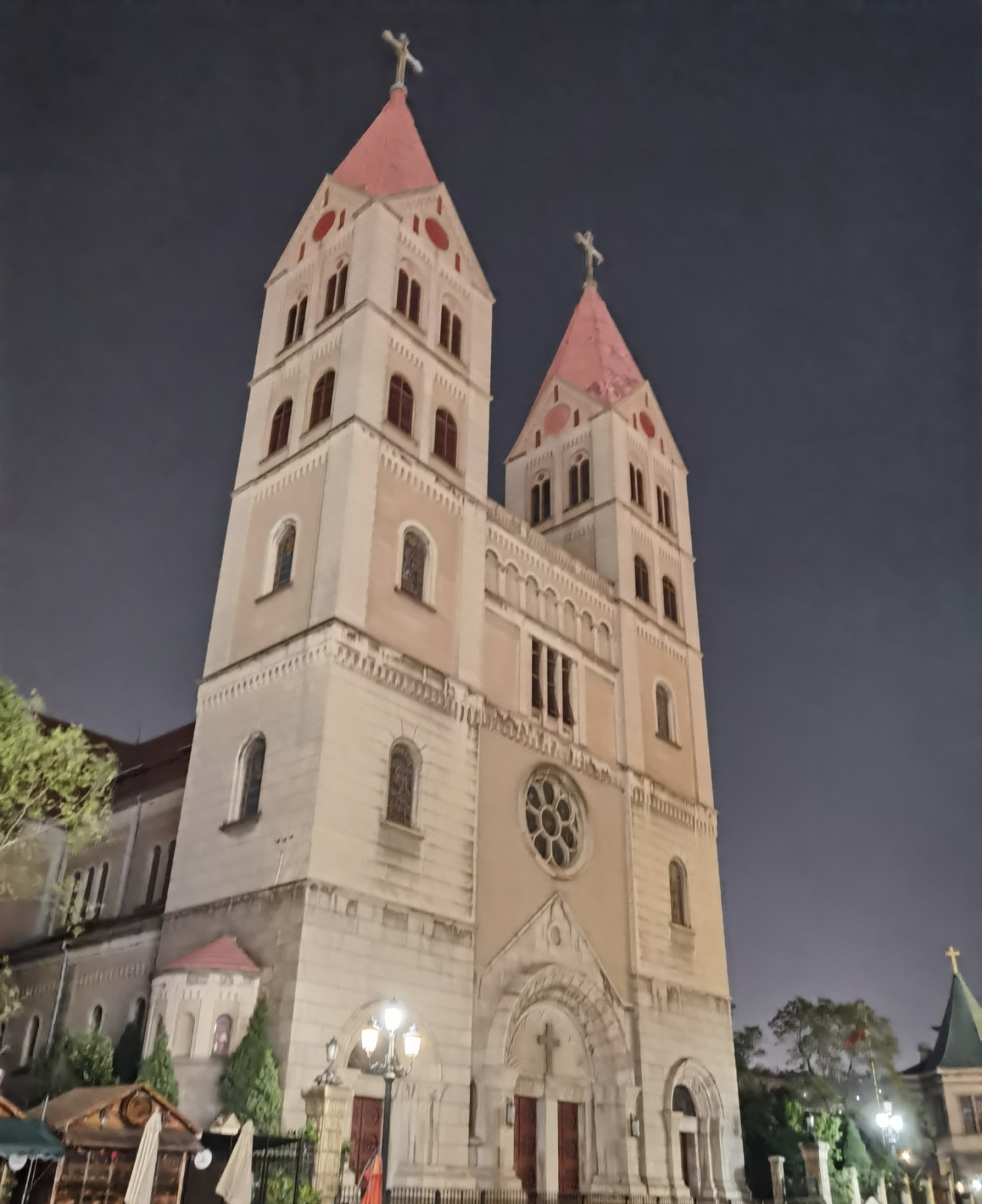
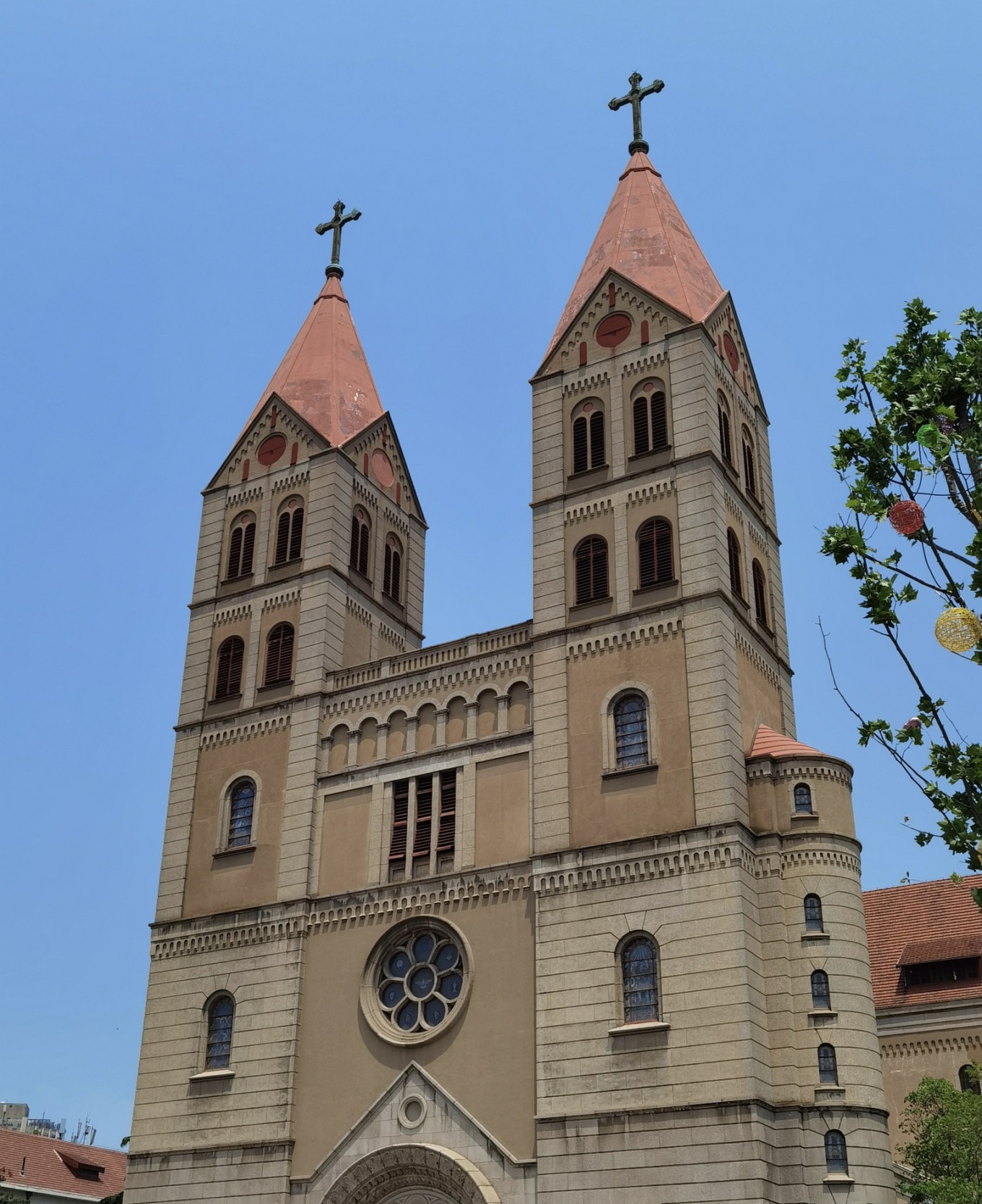
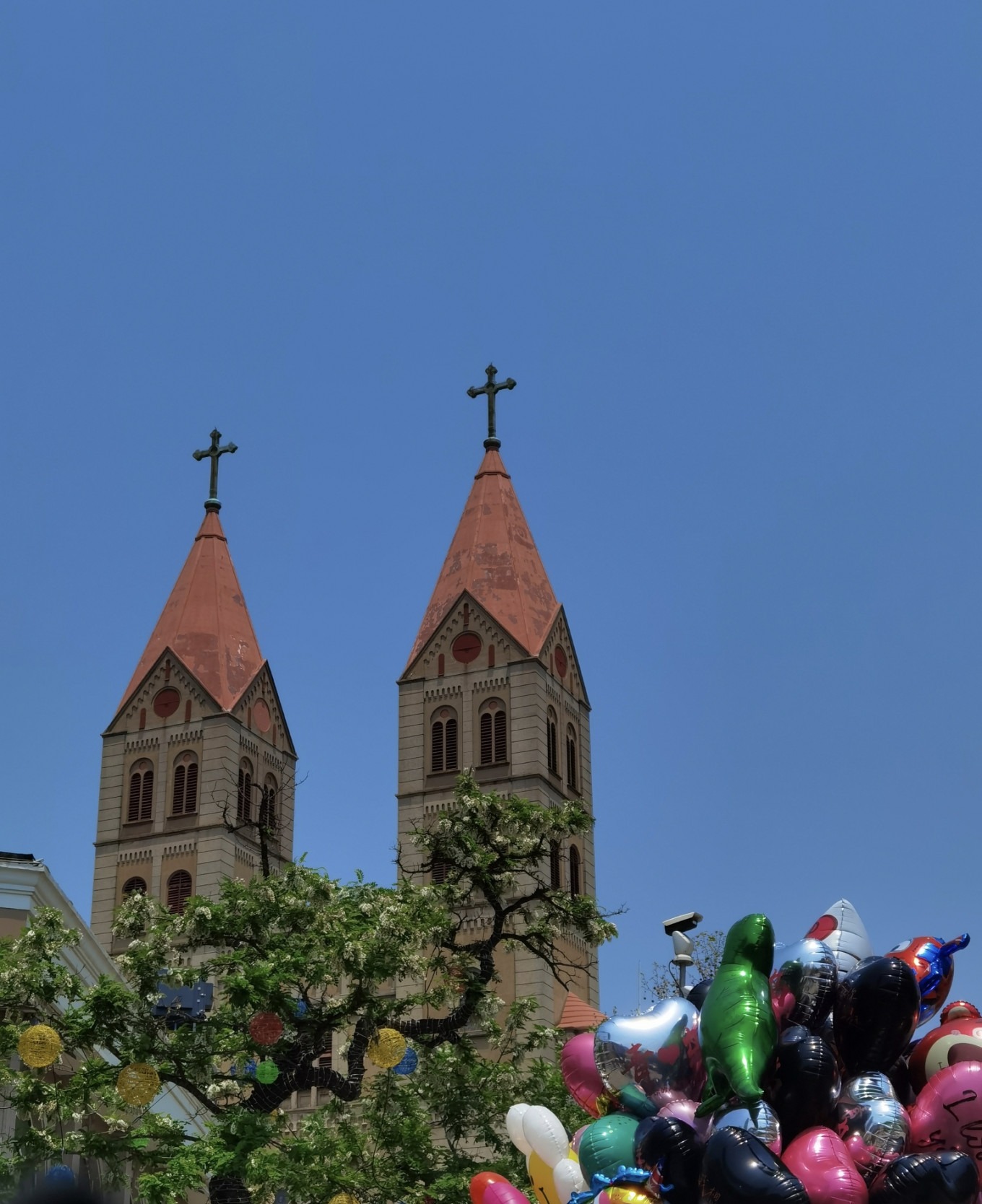
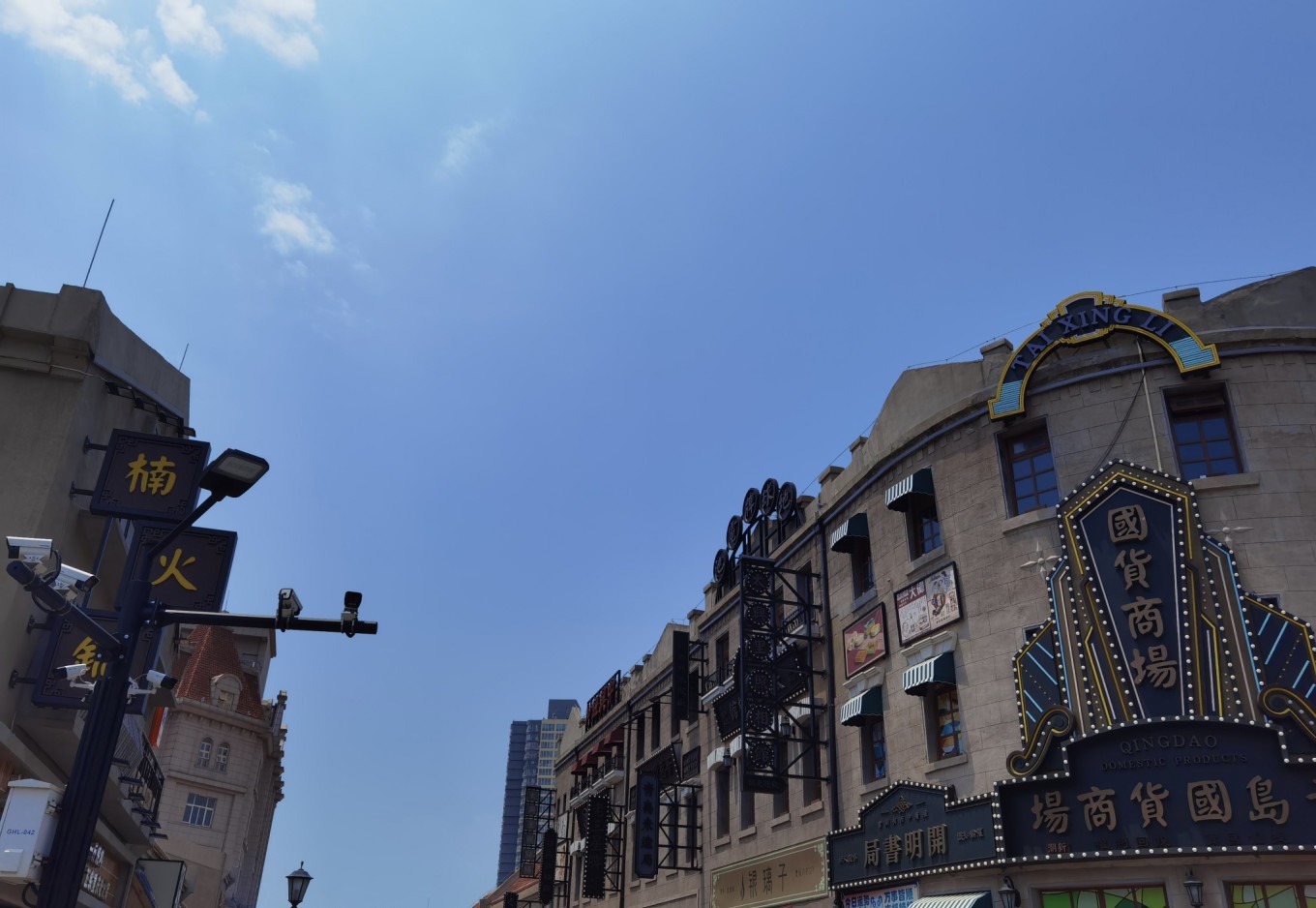
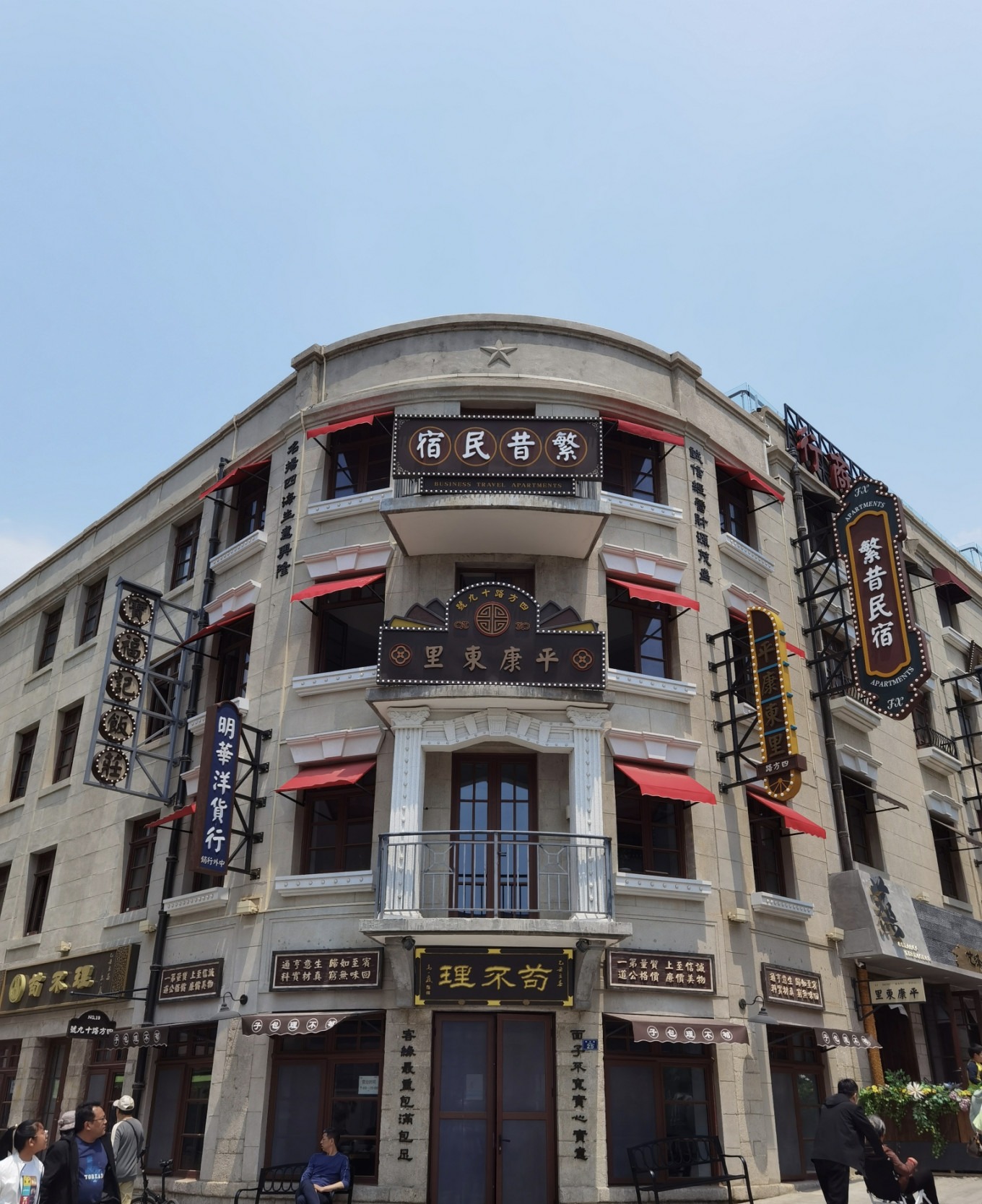
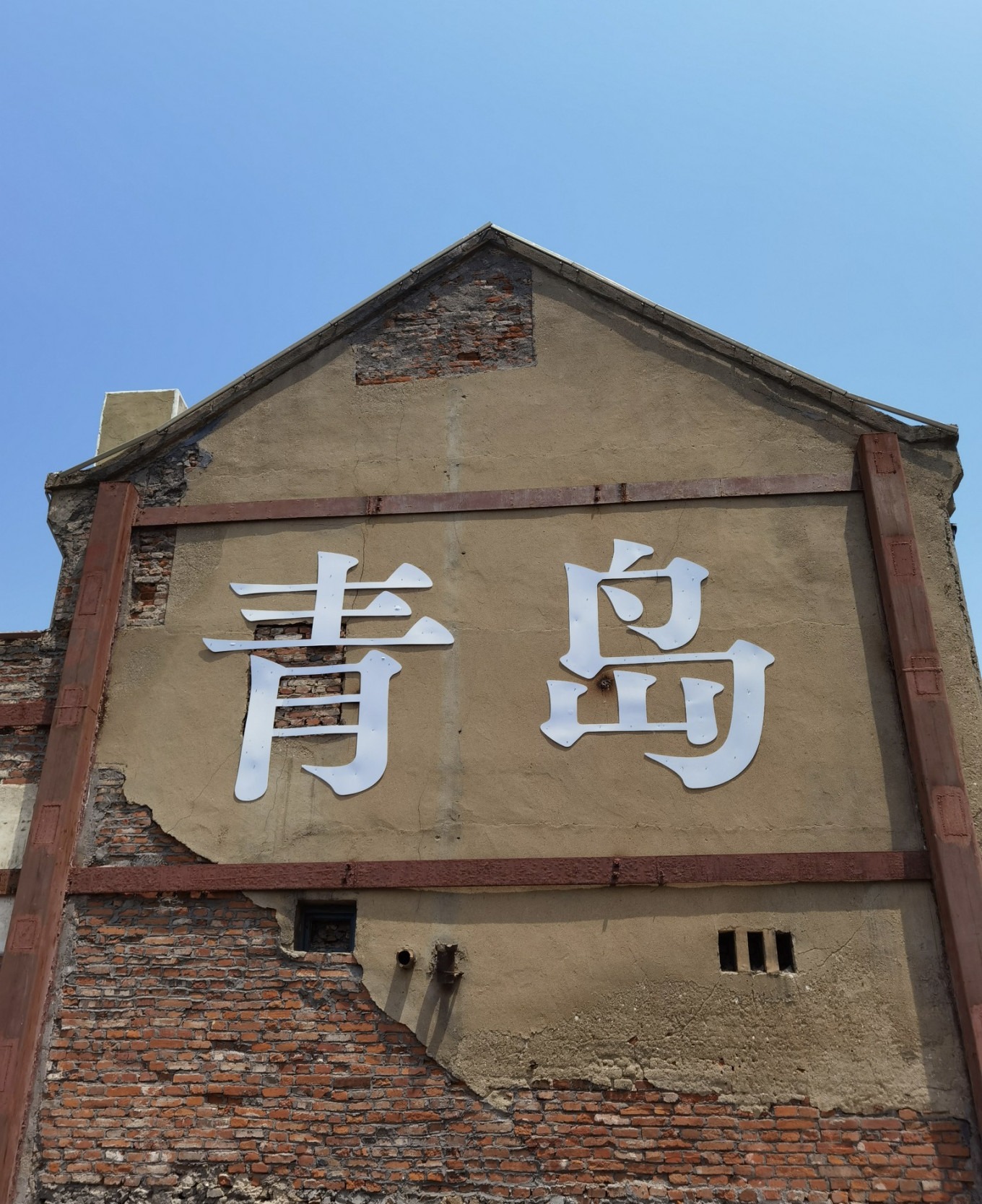
After watching the sunset, you might head to Zhongshan Pedestrian Street (中山路步行街) to explore food options. This area is actually a large district, and the photos here combine both evening and daytime visits. In the evening, the street feels quiet and a bit chilly with few people around. You can pass by St. Michael’s Cathedral (圣弥厄尔大教堂) and snap a photo, though it’s not very photogenic at night. Near the pier end of the pedestrian street, a small Western-style building draped in lights and green trees adorned with glowing orbs creates the illusion of a fairy-tale town.
During the day, the street is much busier. After walking along the pier (栈桥), cross the road and you’ll find yourself at Zhongshan Pedestrian Street. Many visitors come here specifically to buy refrigerator magnets and collect stamps. A word of caution: if you buy metal refrigerator magnets, be aware that they will trigger metal detectors at subway stations and airport security, and you’ll be asked to take them out. Keep such magnets in an easily accessible part of your luggage for quick inspection. The stamp collection here is fantastic—there are many beautifully designed stamps. All the best stamps from your trip can be found at the end of this travelogue.
Badaxia (八大峡)
Head directly to Badaxia Square (八大峡广场) to reach the seaside. There are two main photo spots: the Piano Keys and the Fish Tail. The Piano Keys area is currently closed off for safety—you can only view from above. The waves here are powerful; on windy days, spray can unexpectedly drench passersby (the seawater tastes bitter and salty, as you might discover).
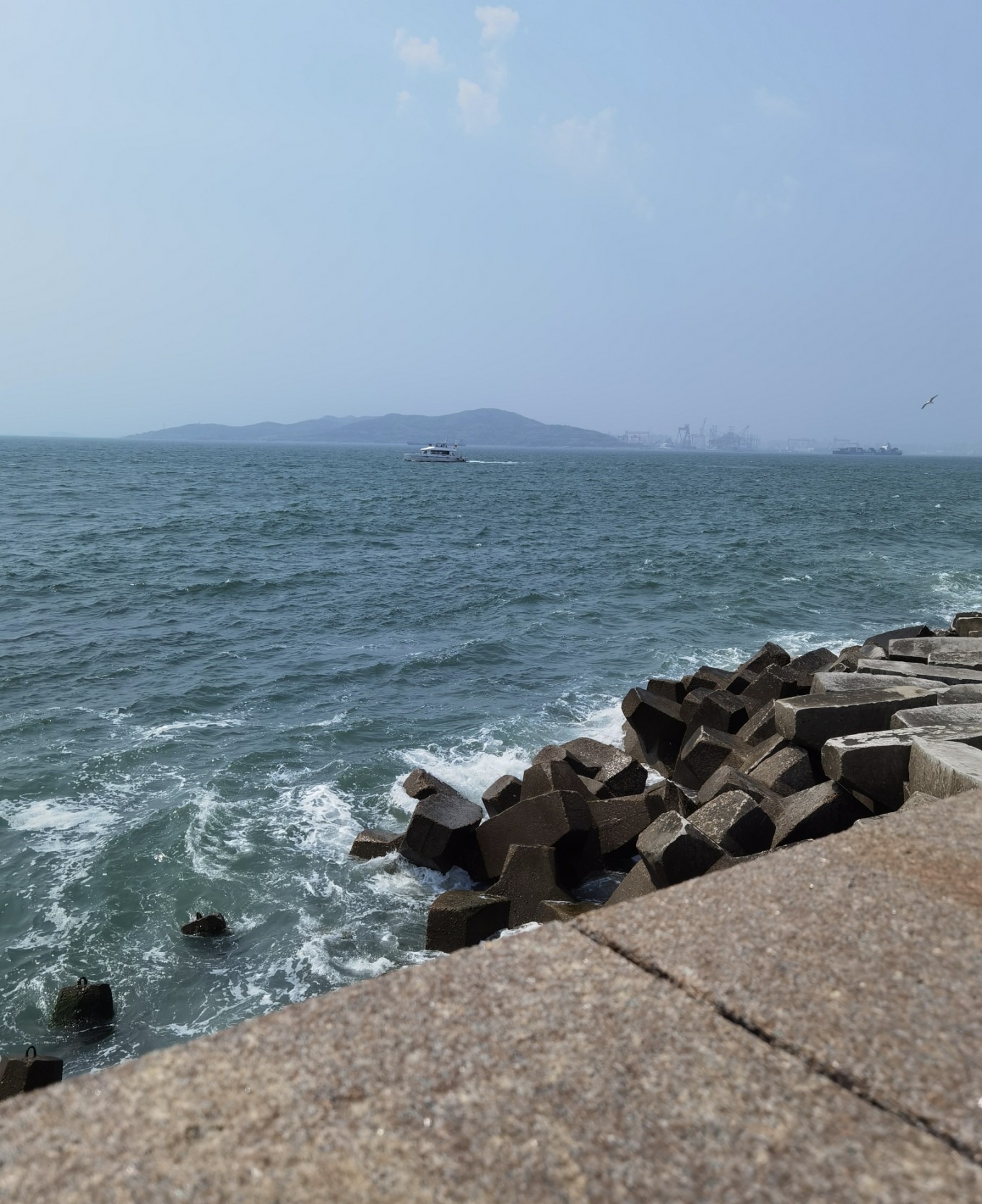
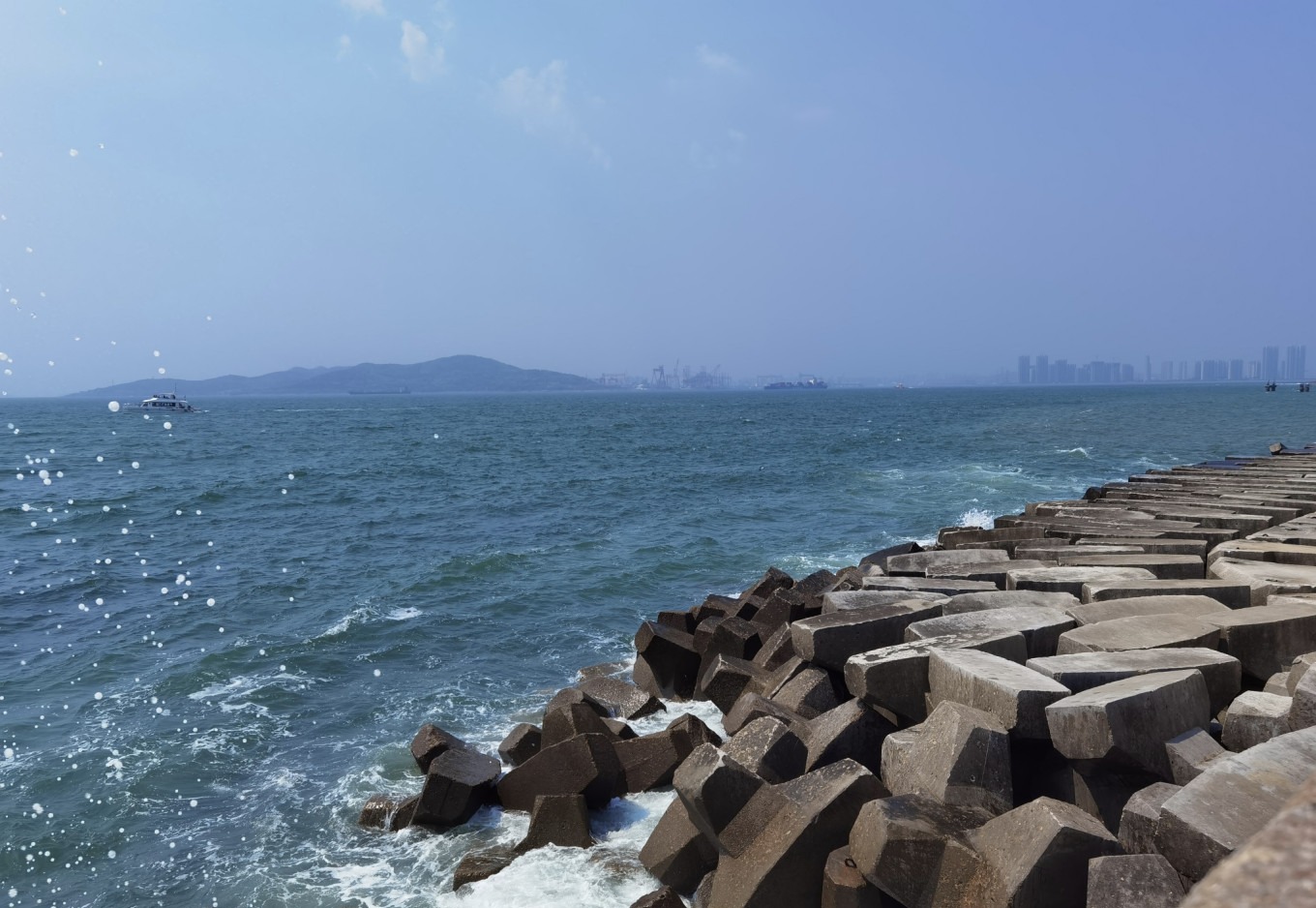
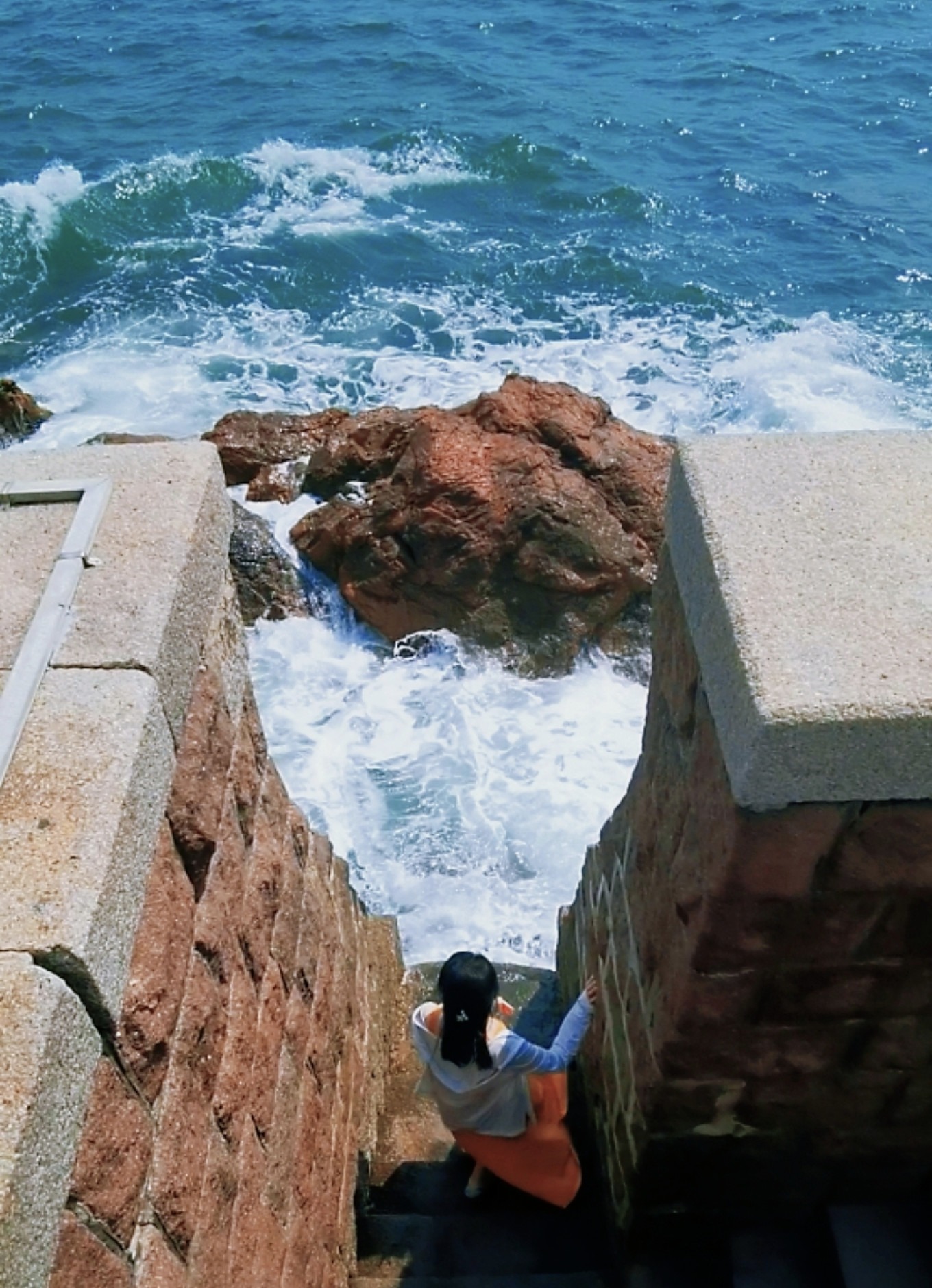
The Fish Tail (鱼尾巴) is near the Piano Keys—a set of recessed staircases. When the tide comes in, seawater washes over the steps, and as it flows back, it creates layers of white foam. Viewed from above, the curved staircase resembles a fish’s scaly tail. Some online reviews mention a smell, suggesting you hold your breath to go down for photos. However, if you arrive early, the tide may have just cleaned the steps, and the fishing grandpas haven’t yet contributed to any odor. Locals might find it surprising that this spot is a photo attraction, but it really does look beautiful.
Xilingxia Three Road, Xilingxia One Road, and Zhanqiao Pier
The coastline from Badaxia to Zhanqiao Pier is a continuous stretch that you can walk in about 20 minutes without stopping. For a more relaxed pace with photo stops, plan to spend one to two hours here. Go early—crowds are intense, and the empty-looking photos you see are achieved with object removal techniques.
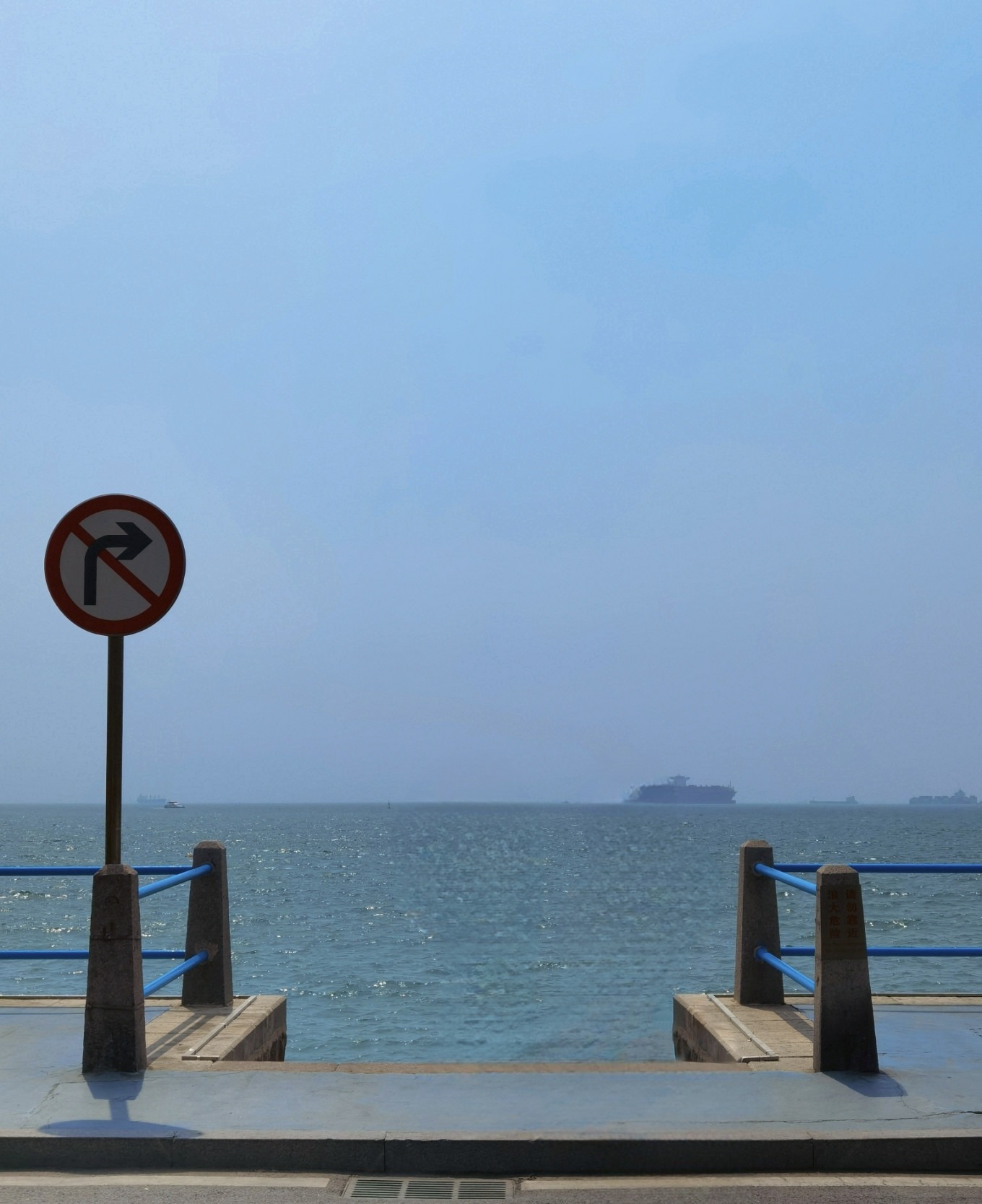
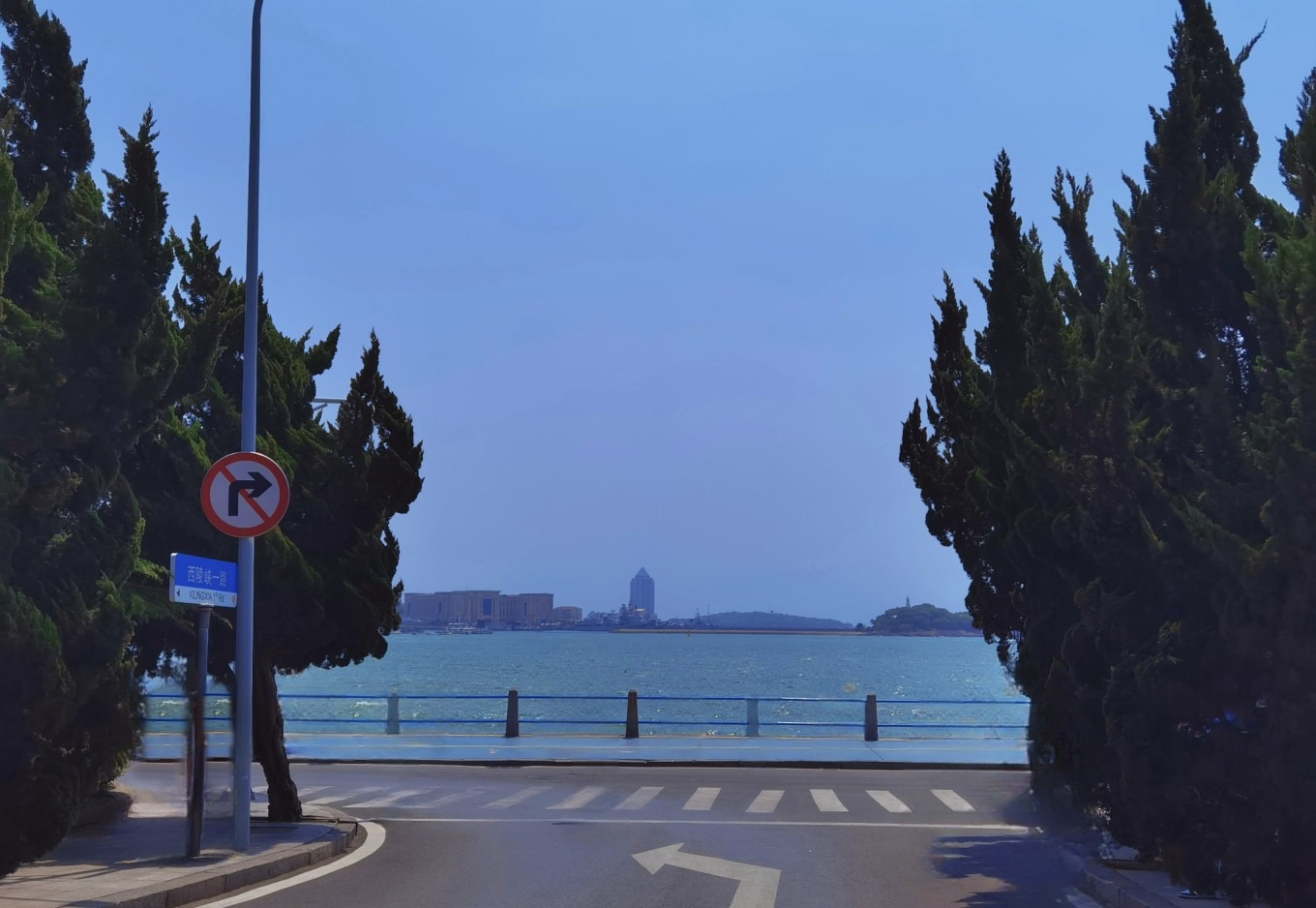
At Xilingxia One Road (西陵峡一路), the iconic photo spot is under the no-right-turn sign. From here, the road leads straight to the sea, giving a vibe reminiscent of Kamakura, Japan. Check the dynamic video from the scene to see the effect.
Xilingxia Three Road (西陵峡三路) is lined with pine trees that look like oil paintings. With a little filter, the scene becomes straight out of an anime. Cycling along the seaside path, you’ll hear the cheerful ring of bicycle bells.
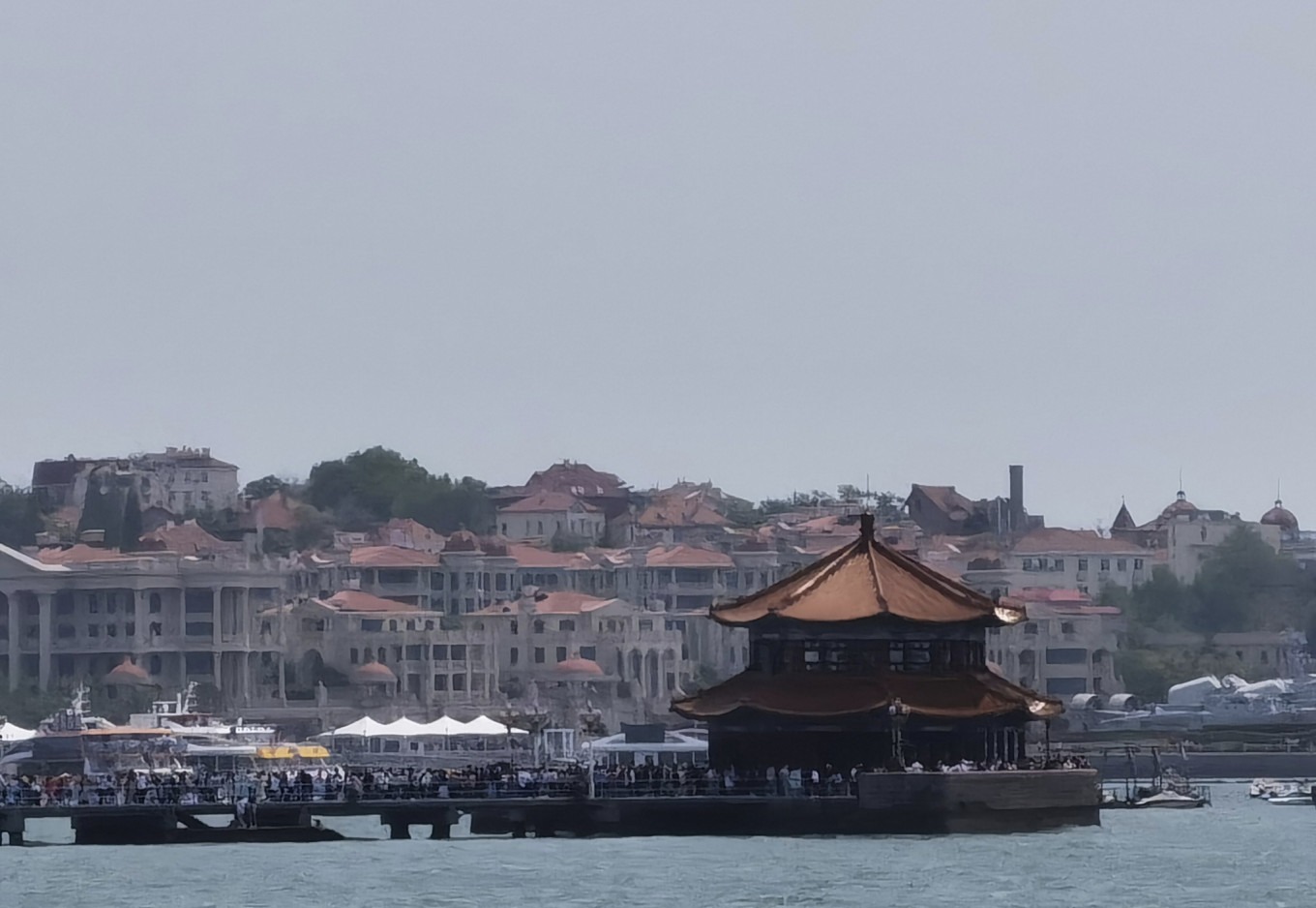
The best angle toward Zhanqiao Pier is said to be from Xilingxia Three Road. On a clear day with seagulls, it would be picture-perfect. Unfortunately, the gulls flew away last month, leaving a little anticipation for your next visit.
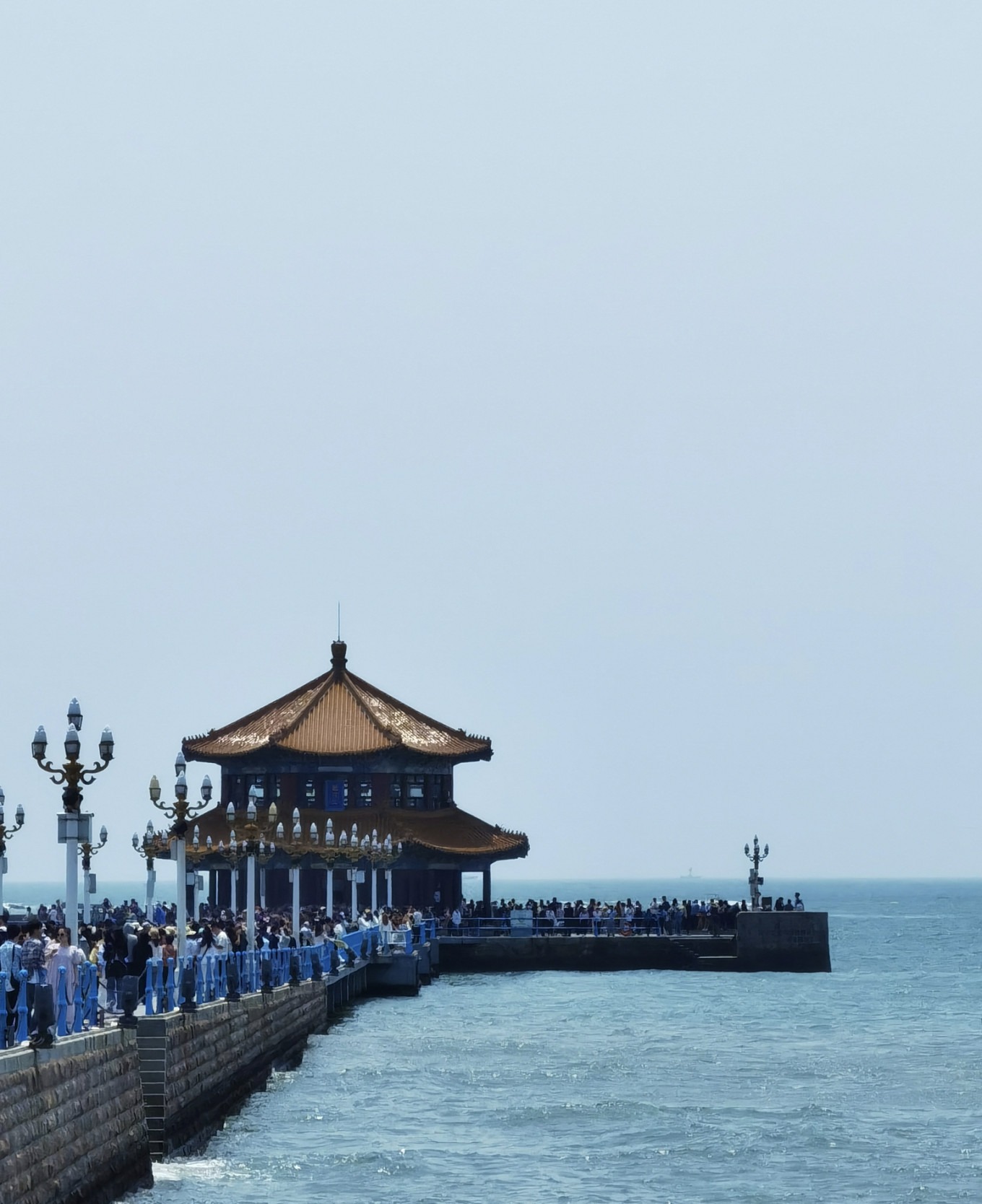
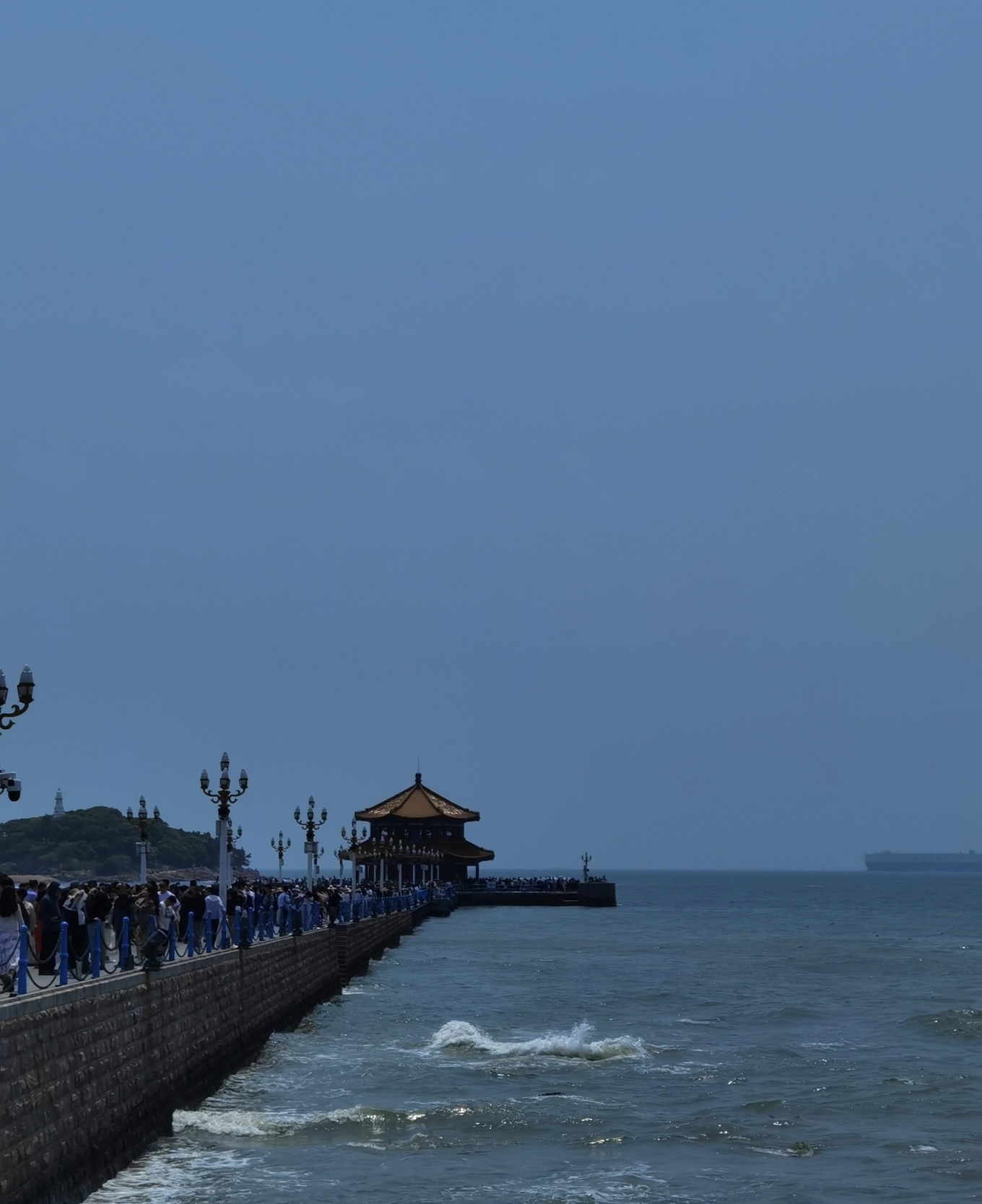
Zhanqiao Pier (栈桥) is as crowded as it looks in the photos. It’s a must-see landmark, like the Canton Tower in Guangzhou or the Oriental Pearl in Shanghai – a classic ‘been there, done that’ spot. The pier is most beautiful during seagull season (winter), when the birds tilt their heads adorably. You may have seen videos of that charming scene.
Xinhaoshan (Signal Hill)
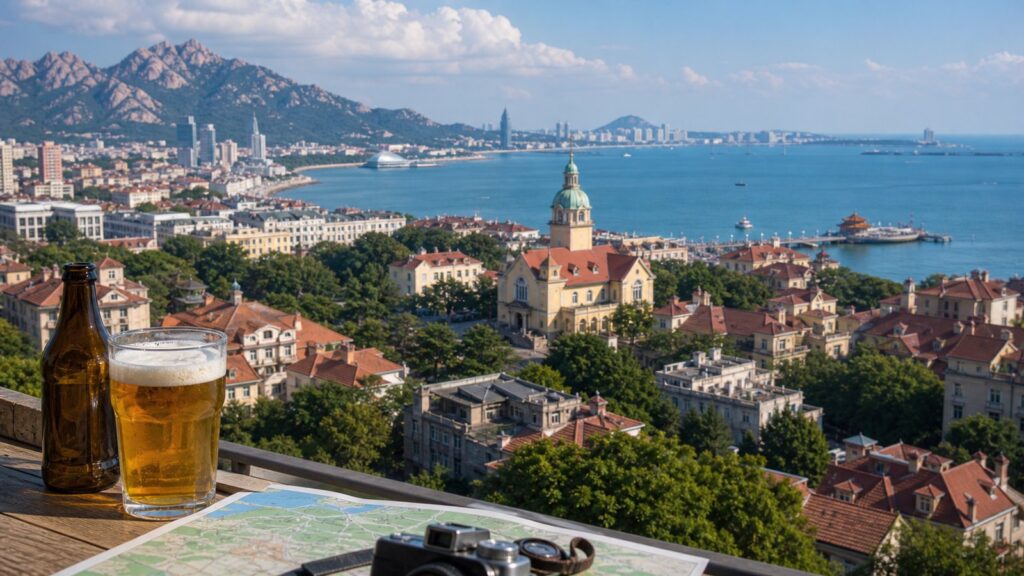
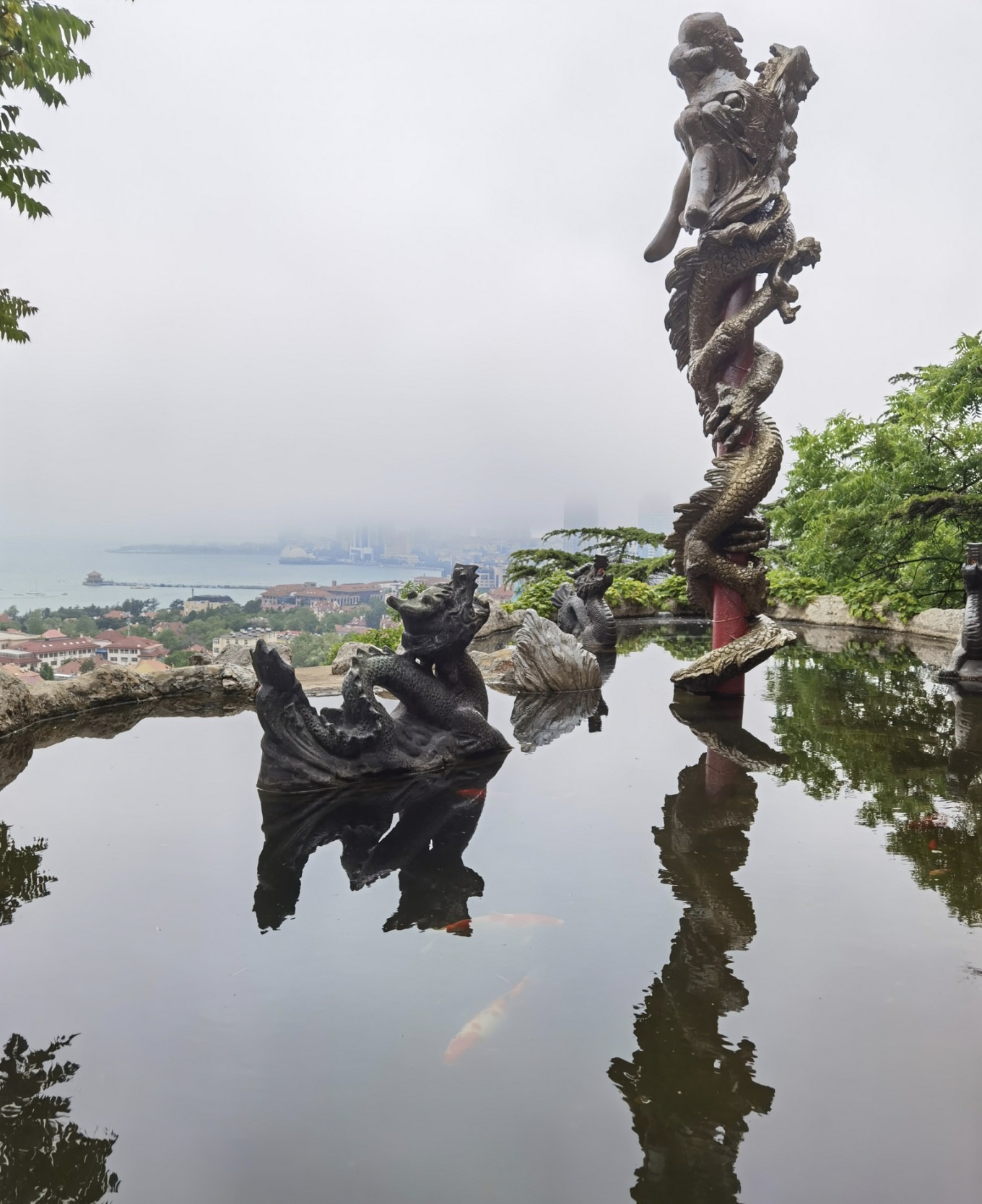
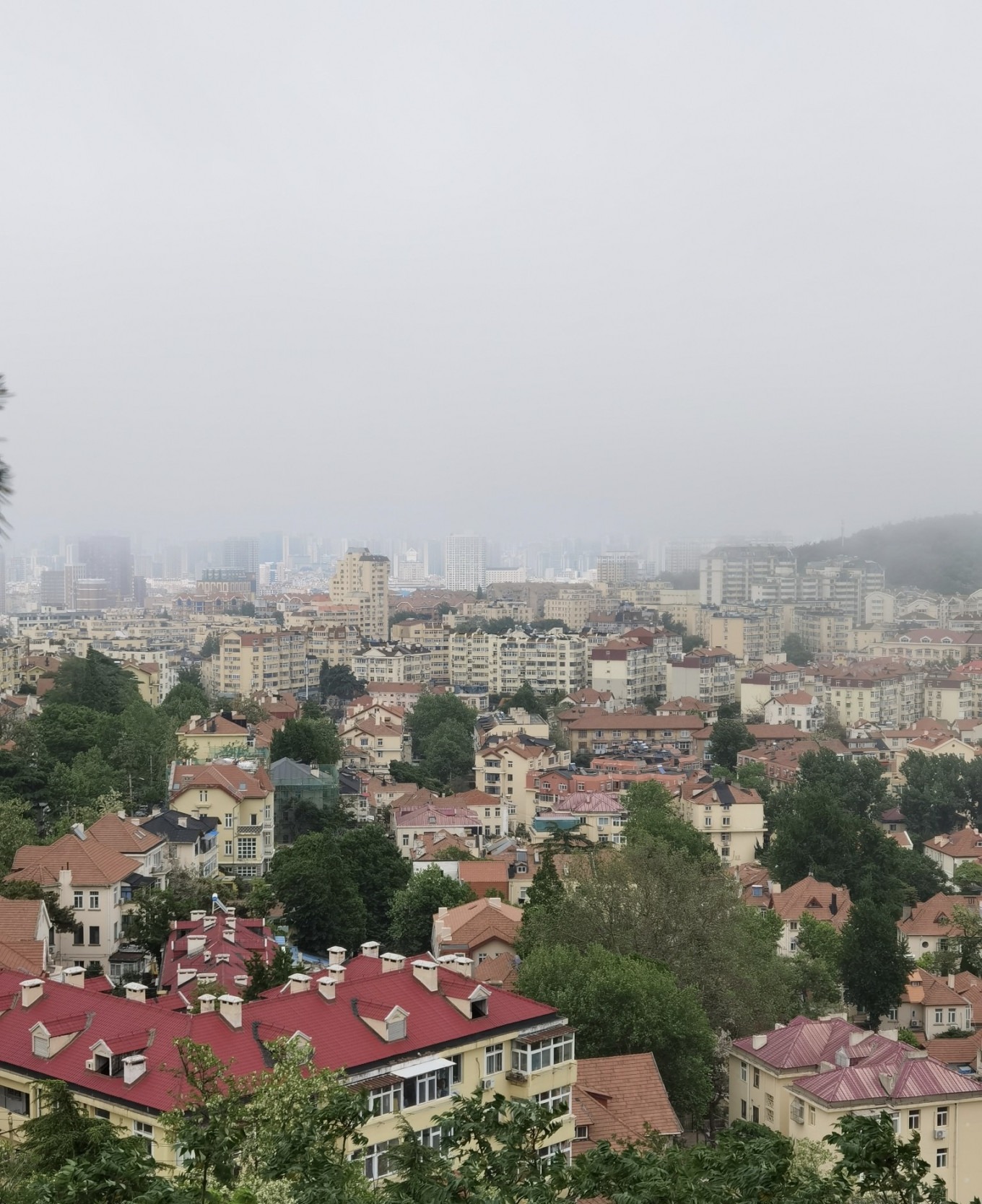
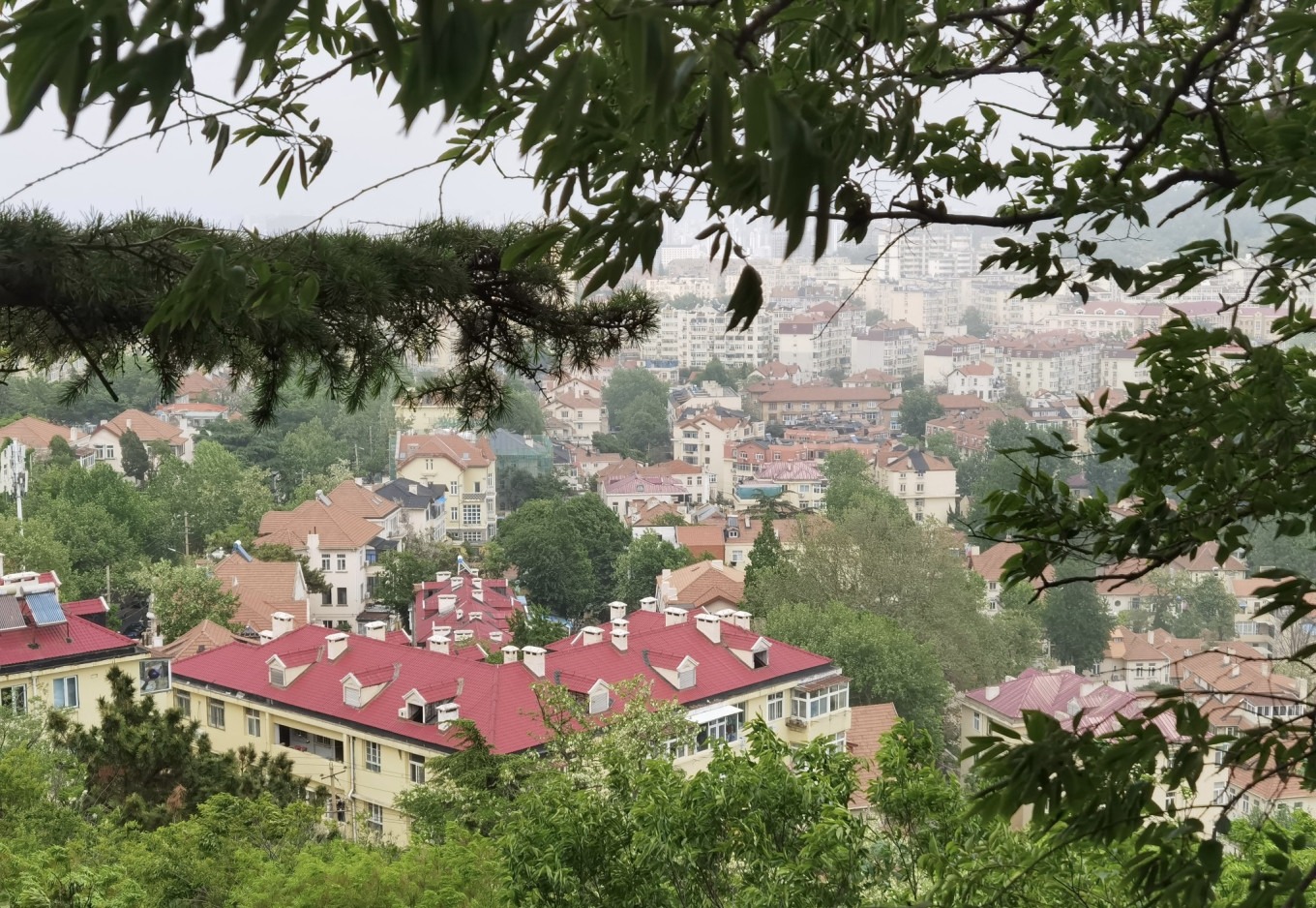
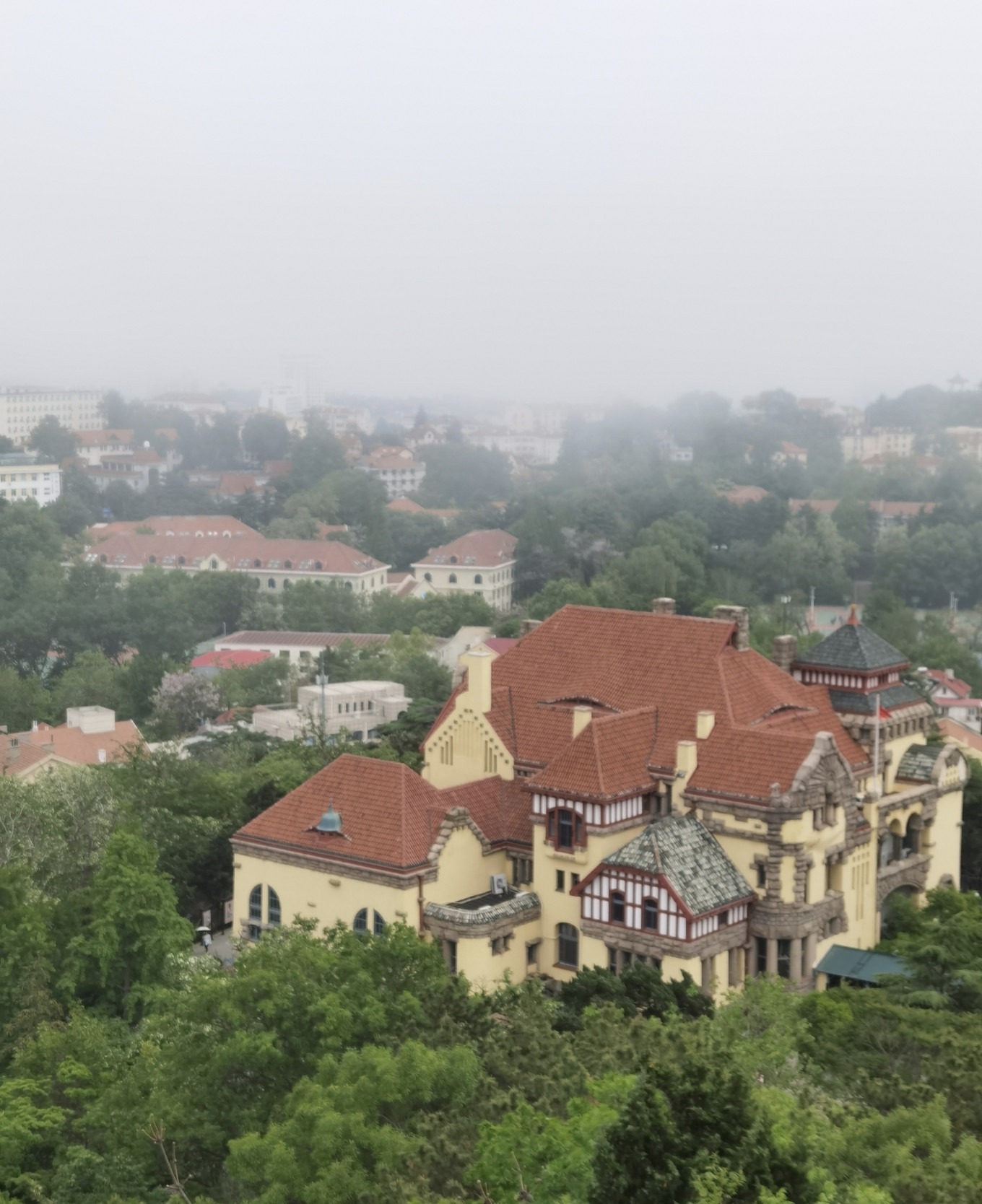
Most guides recommend visiting Signal Hill (信号山) at sunrise or sunset, but since you likely have only a few evenings in Qingdao, you might worry about timing. Don’t—an afternoon visit works perfectly, especially if you take the lazy route. Enter from the North Gate (北门), and you’ll reach the summit in just 10 minutes. Even on a foggy day, the view is enchanting: layers of European-style rooftops emerge from the mist like a watercolor painting. The famous photo spot at the railing is still worth a shot, though on hazy days the distant skyline may be veiled in white.
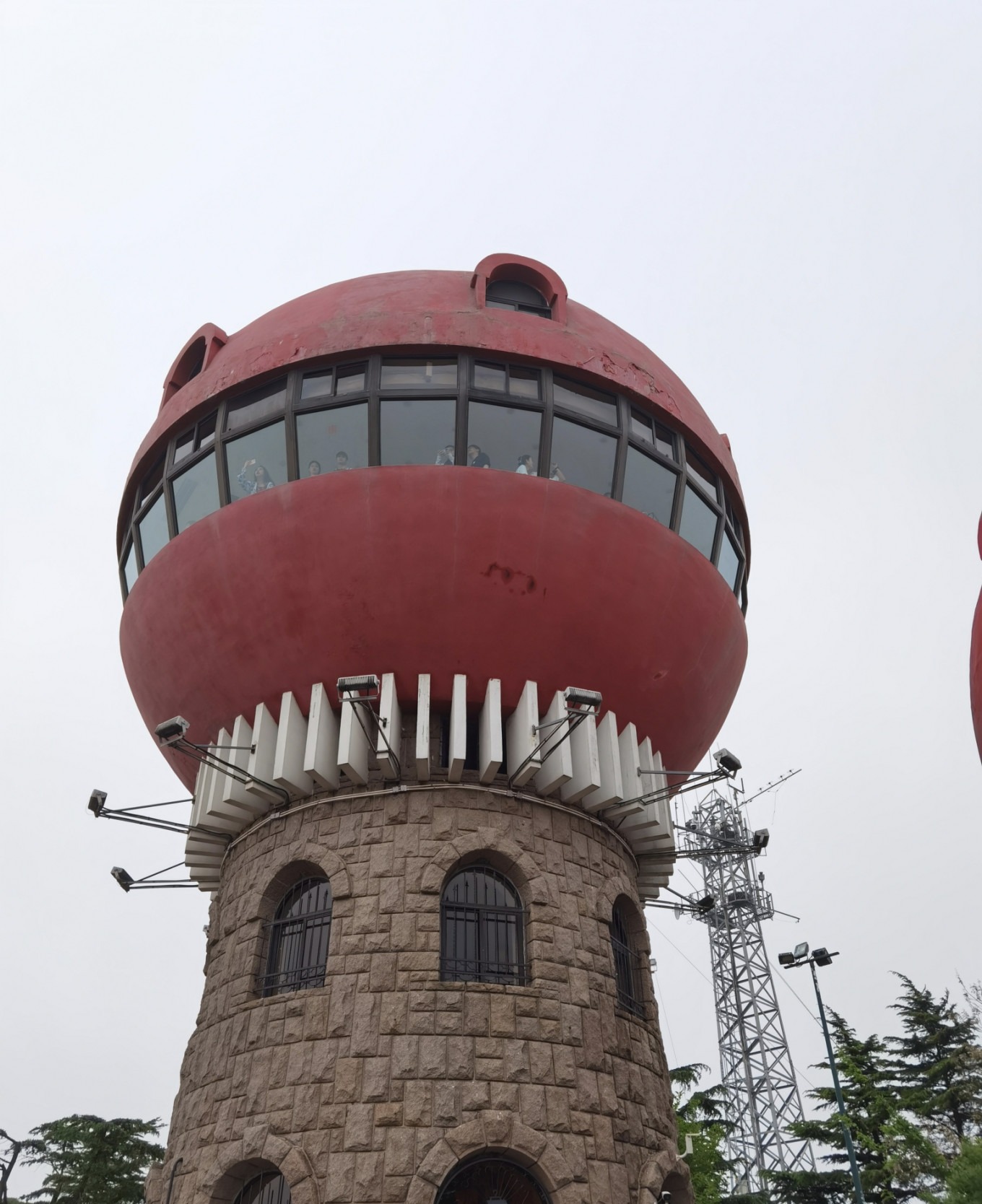
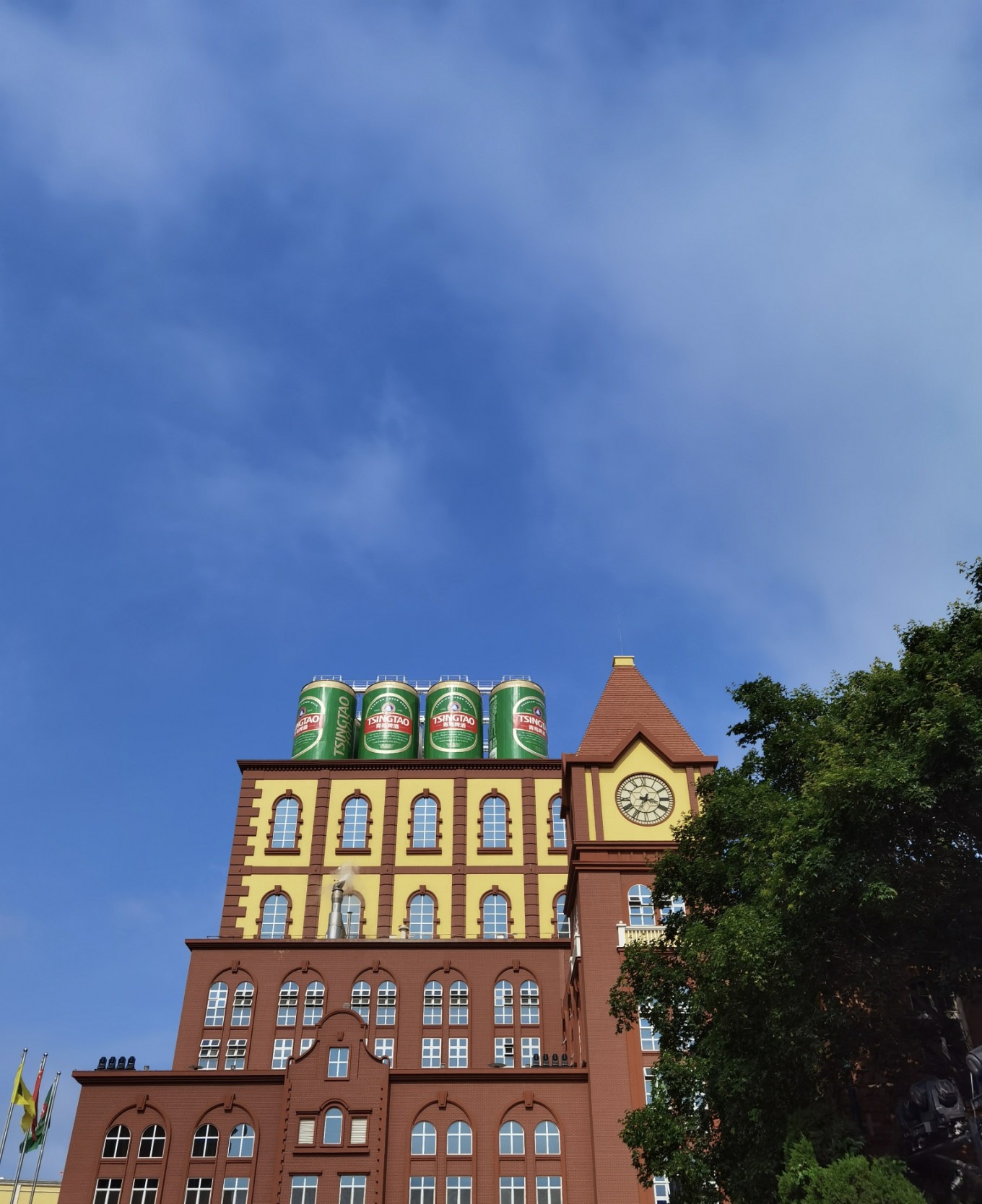
Tsingtao Beer Museum
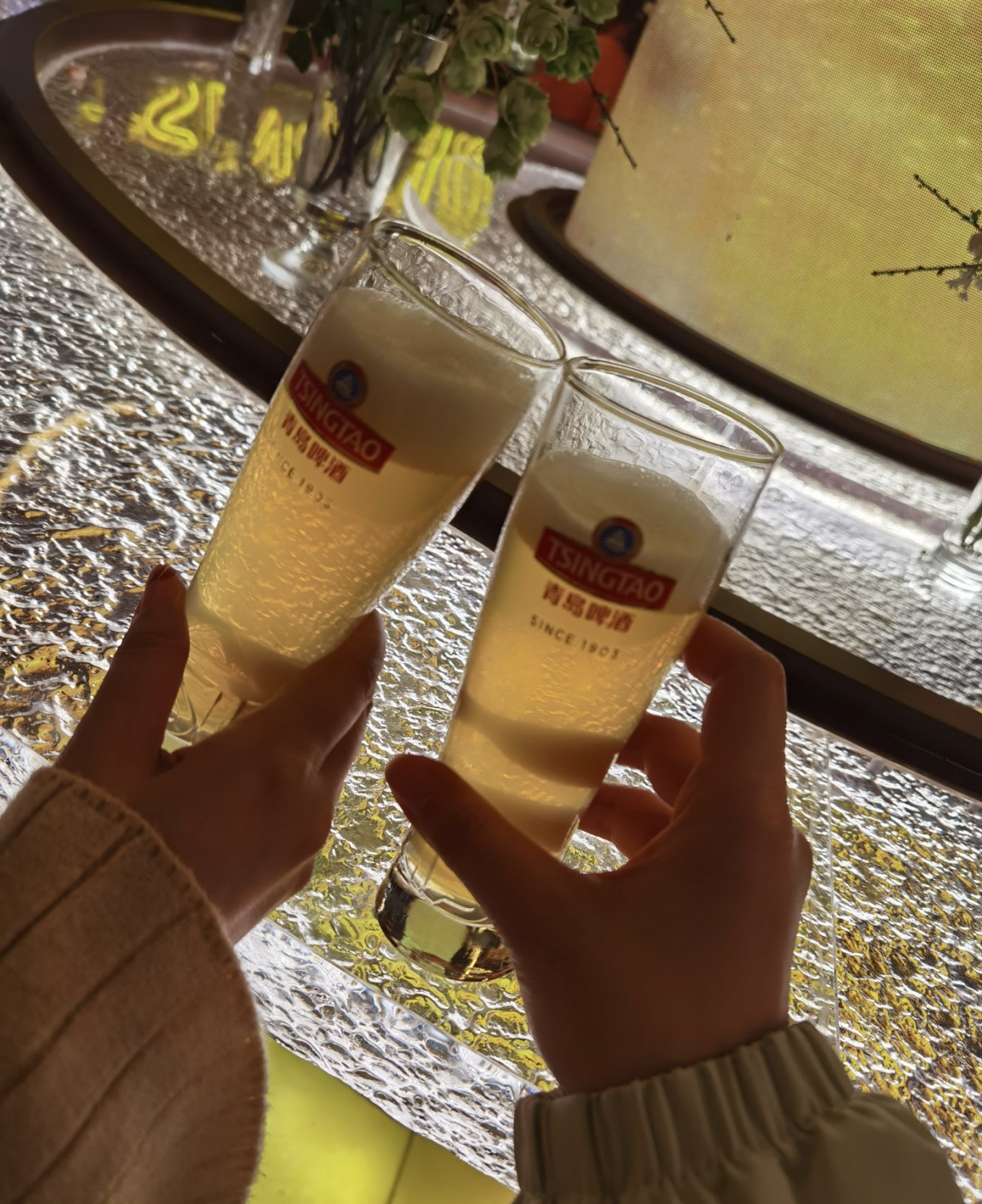
No trip to Qingdao is complete without visiting the Tsingtao Beer Museum. As locals say, ‘Qingdao has two kinds of foam: the foam of the sea and the foam of beer.’ Beer is woven into the city’s identity. For 60 RMB, you can buy an adult ticket that grants access to both Hall A and Hall B, plus two complimentary glasses of beer and a snack pack.
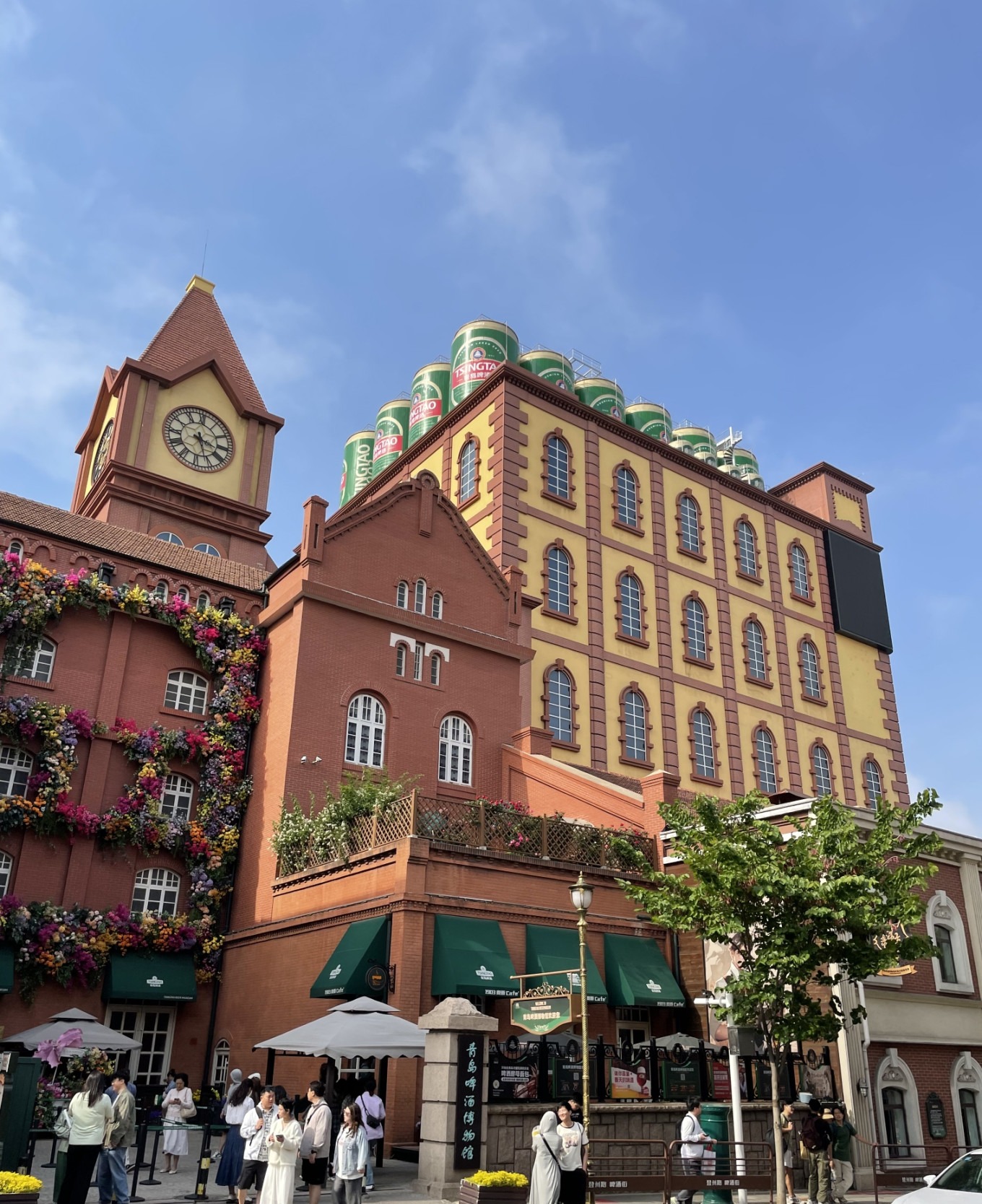
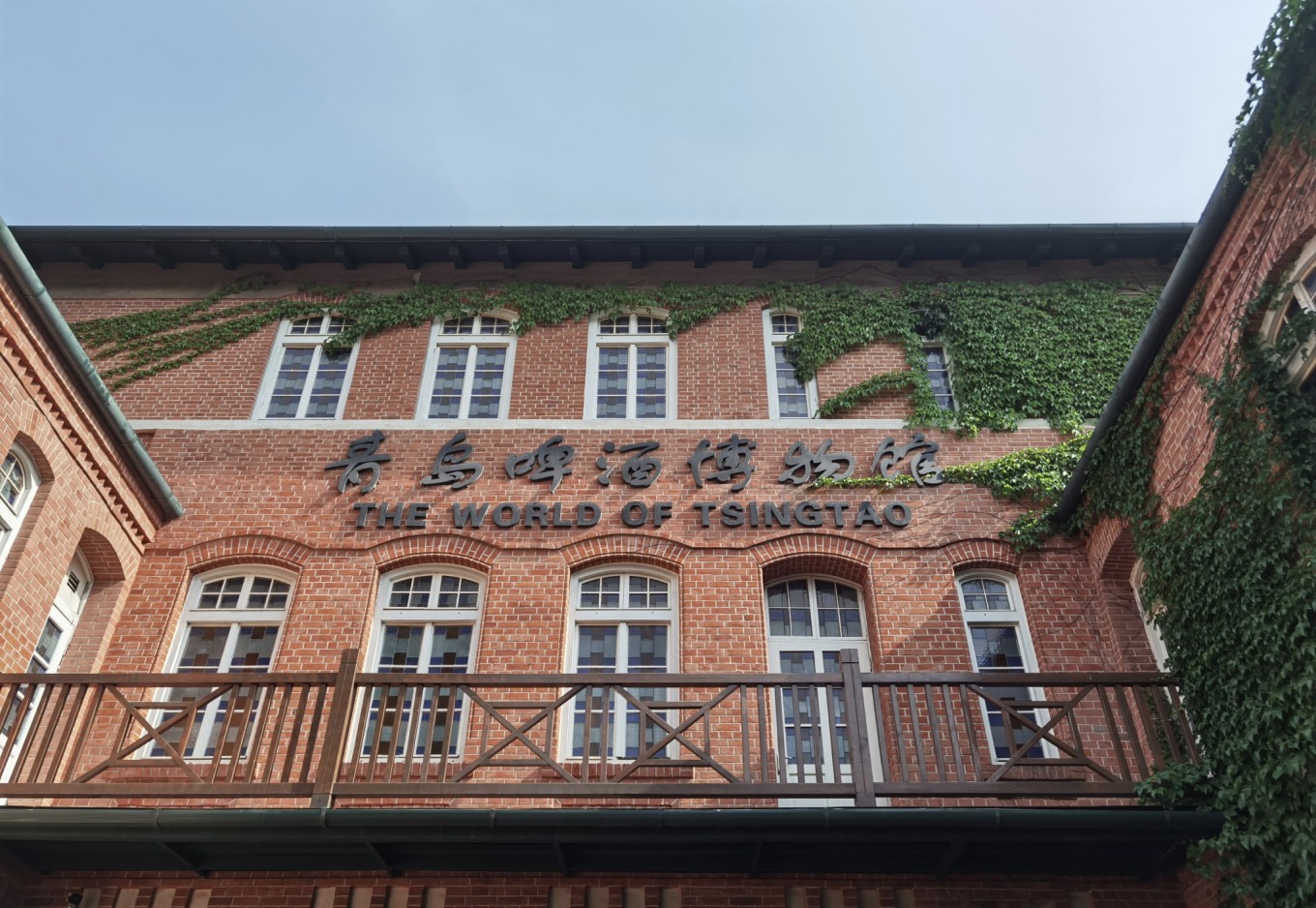
Start with Hall A, which covers the brewery’s history and the beer-making process. You might encounter groups of elderly tourists from South Korea, and you can’t help but wonder if they’re thinking of fried chicken and beer. The history is fascinating: in 1897, Germany occupied Qingdao and made it a colony. In August 1903, British and German merchants jointly founded the ‘German Beer Brewery Qingdao Company’ (日耳曼啤酒股份有限公司青岛公司), with most equipment imported from Germany. But soon after, in 1916, the Japanese bought it for 500,000 silver dollars. After various ups and downs, it was eventually reclaimed and is now a state-owned enterprise.
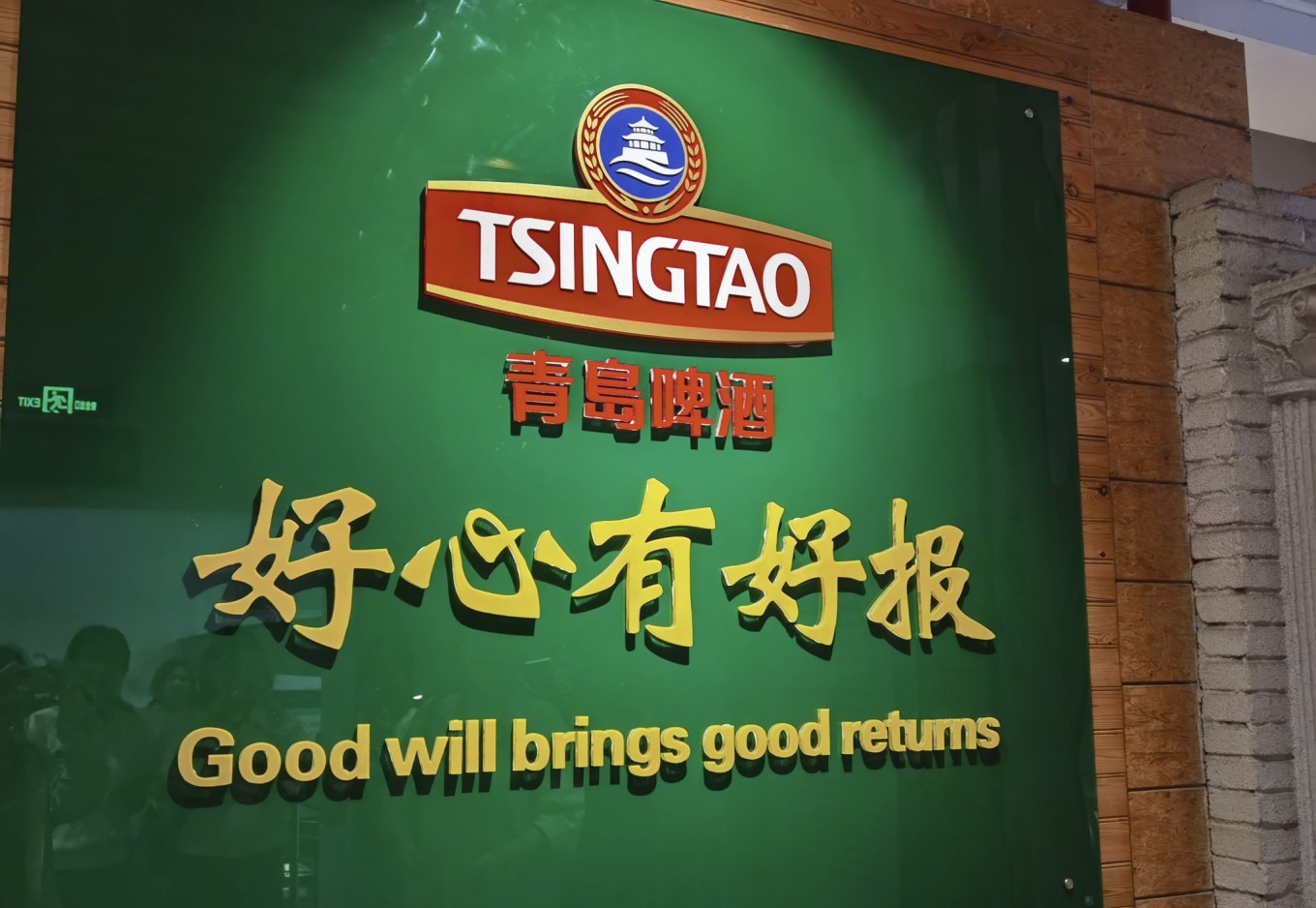
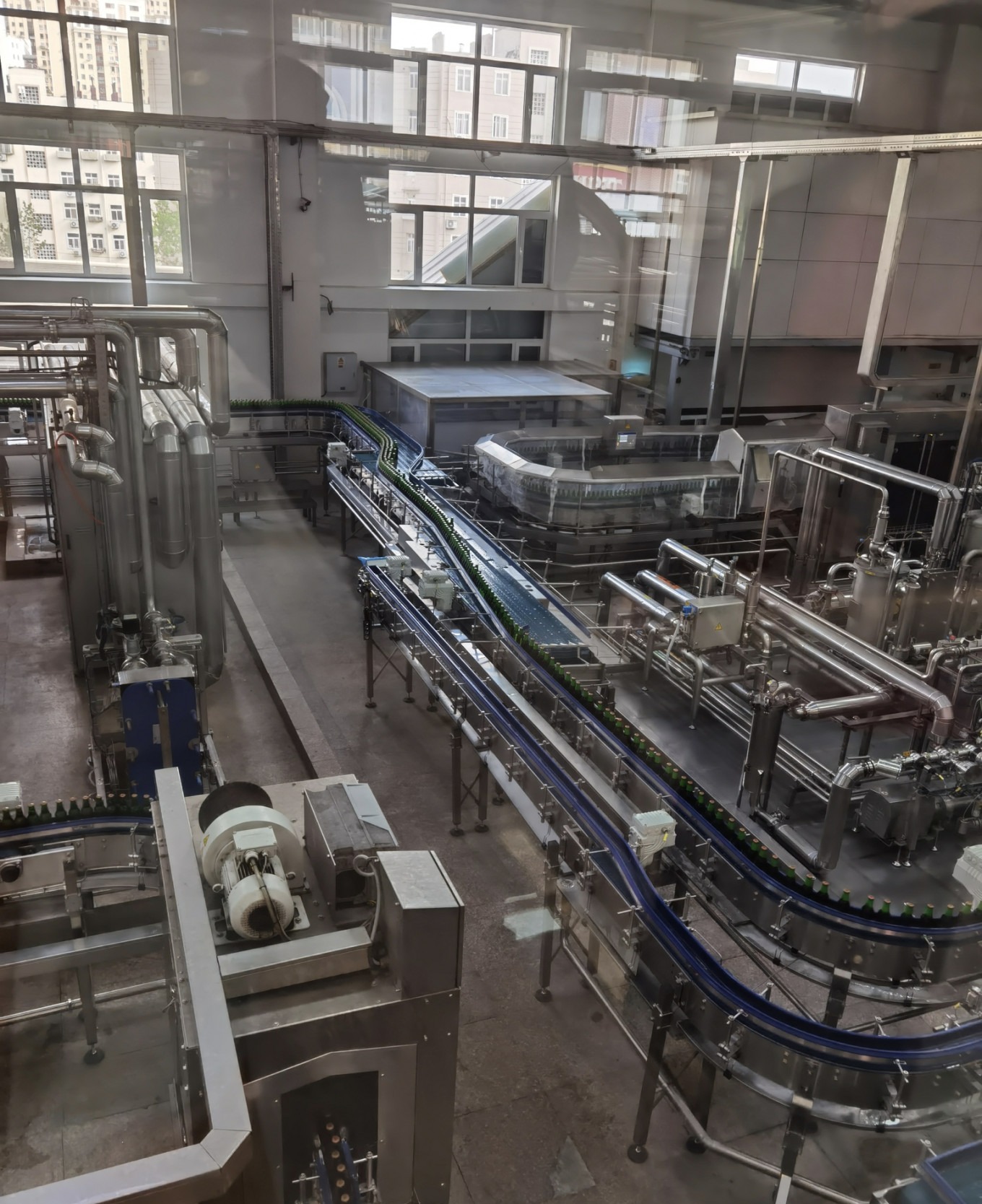
Hall B takes you through the actual production 车间 (workshop), which is still operational. You can see working machinery and automated packaging lines. This is also the production site of Brewery No. 1, which uses German equipment and produces a slightly different flavor—arguably richer and smoother—though you might not notice the difference. At the end of the tour, you’ll receive a glass of draft beer (原浆) and a glass of pure draft (纯生). There’s a bar counter where you can stand and drink; you’ll likely see many tall, good-looking foreigners enjoying their drafts. The draft beer tastes a bit more bitter than what you’d get outside, while the pure draft is smoother.
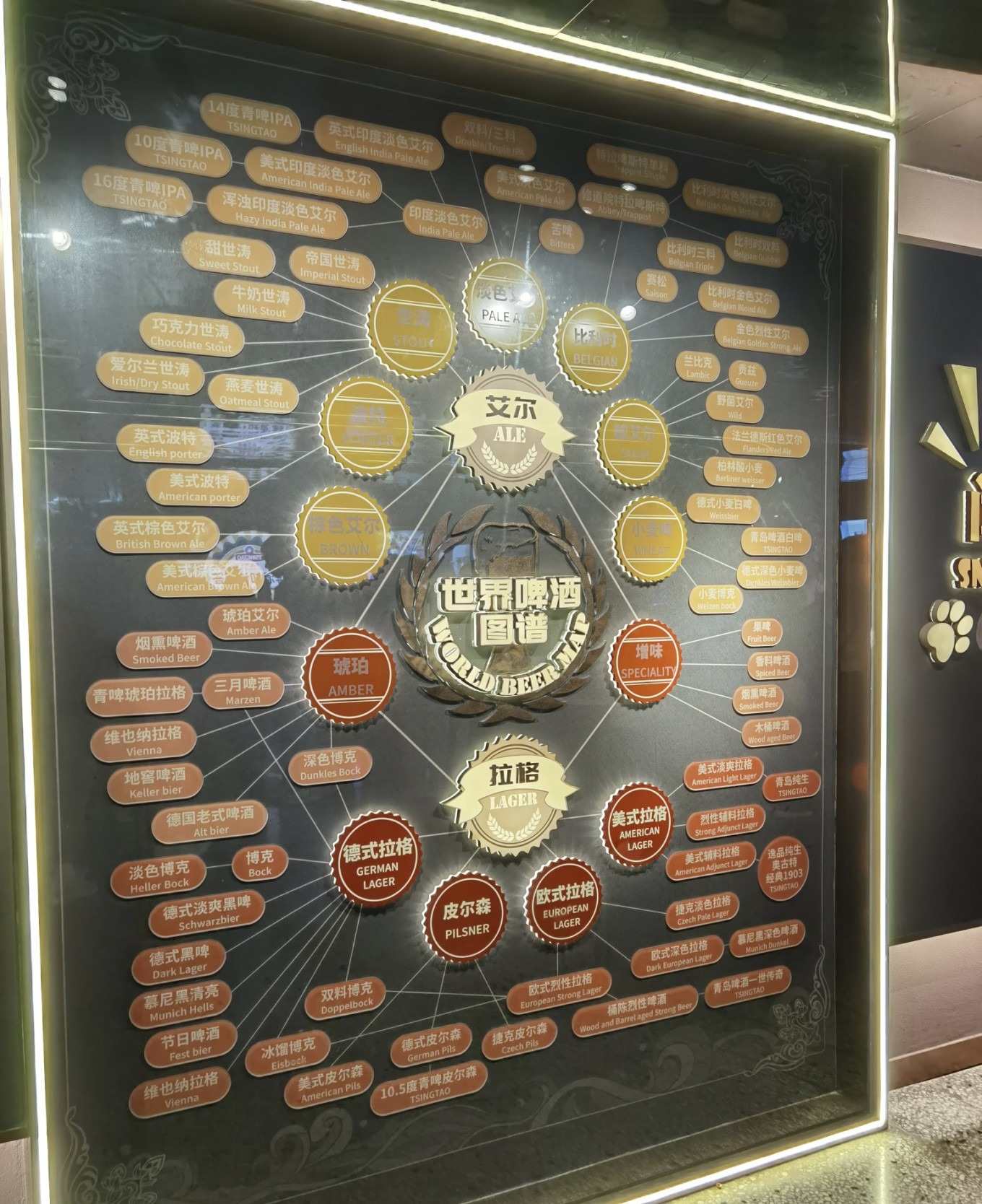
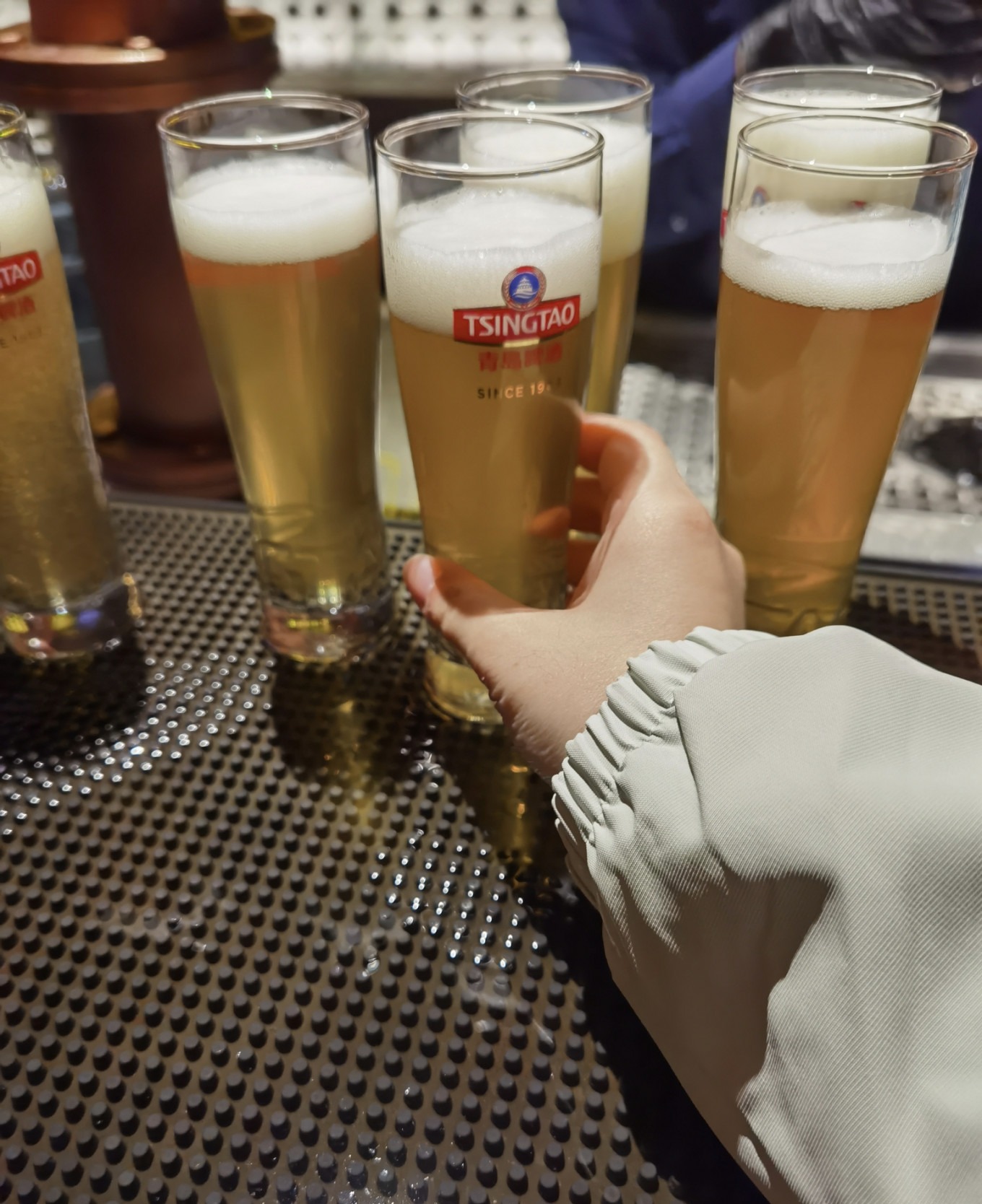
Don’t miss the museum’s gift shop. It’s packed with beer-themed souvenirs: fridge magnets, tote bags, and even hop-flavored mints and hand cream. Many items are hard to find elsewhere, so it’s worth browsing.
Red Wall & Longjiang Road
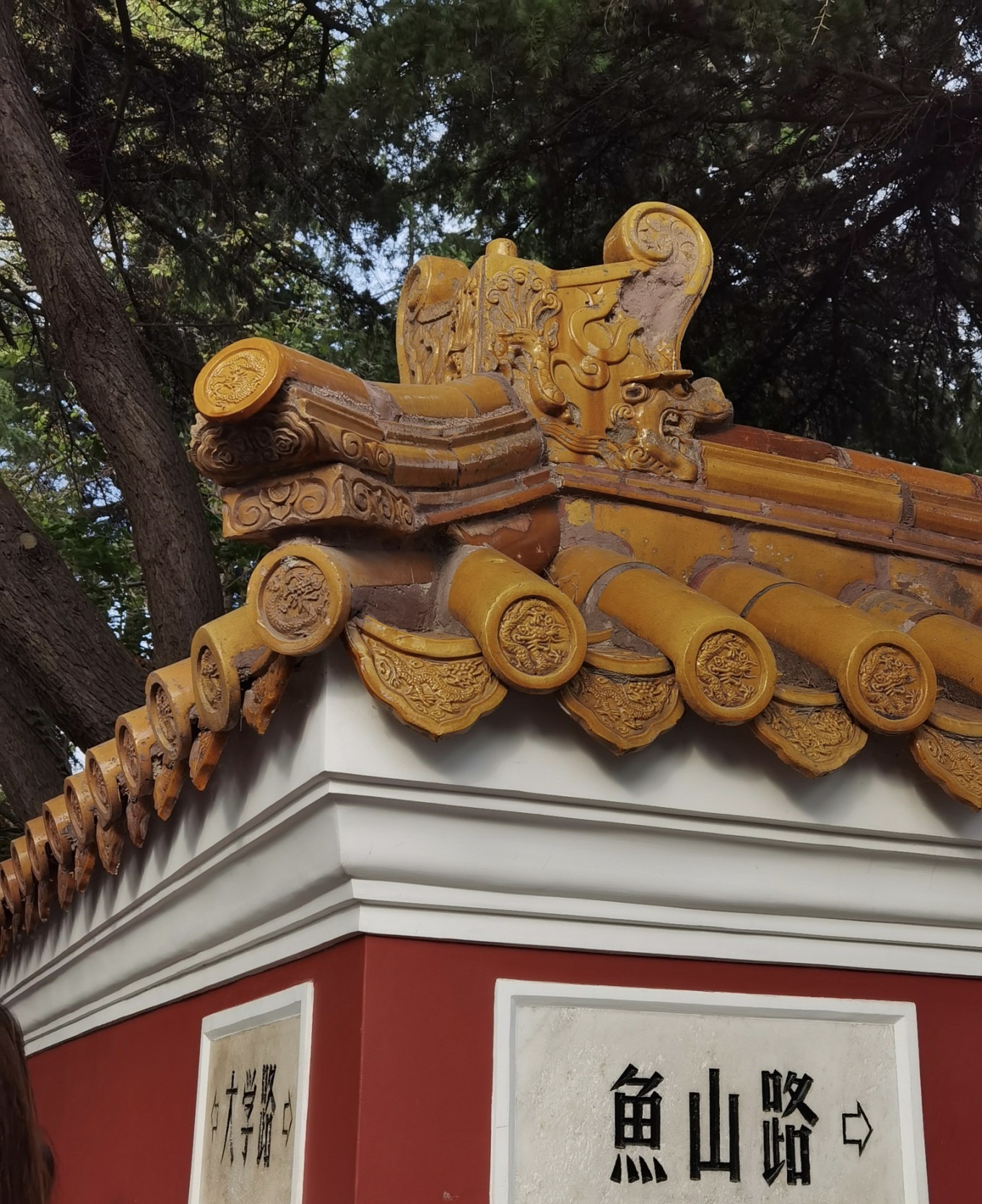
At the intersection of Daxue Road and Yushan Road, you’ll find a stretch of red wall that has become an unexpected internet sensation. No one quite knows why it went viral, but with the classic Chinese travel motto ‘since you’re here anyway’ in mind, it’s worth a quick 30-minute stop to see it for yourself. Spoiler: it’s exactly what it looks like—a photo spot. But the real charm lies next door.
Adjacent to the red wall, Longjiang Road (龙江路) is another Instagram-famous lane, also known as ‘Comic Street.’ This narrow road is lined with cozy coffee shops, creative stores, and vibrant wall murals featuring characters from Mario and Studio Ghibli. The paintings are fresh and colorful, making the street feel like a pop-art gallery.
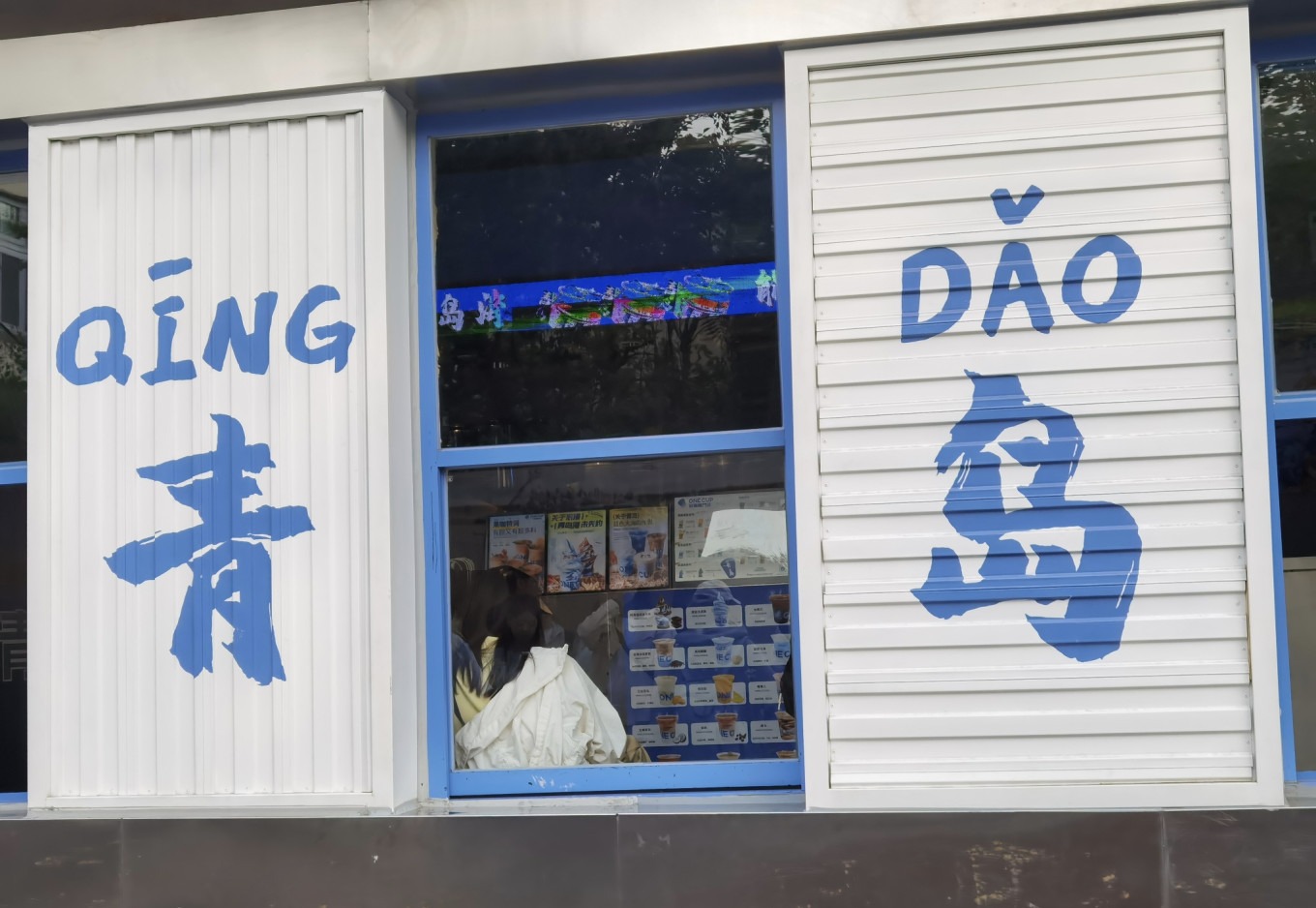
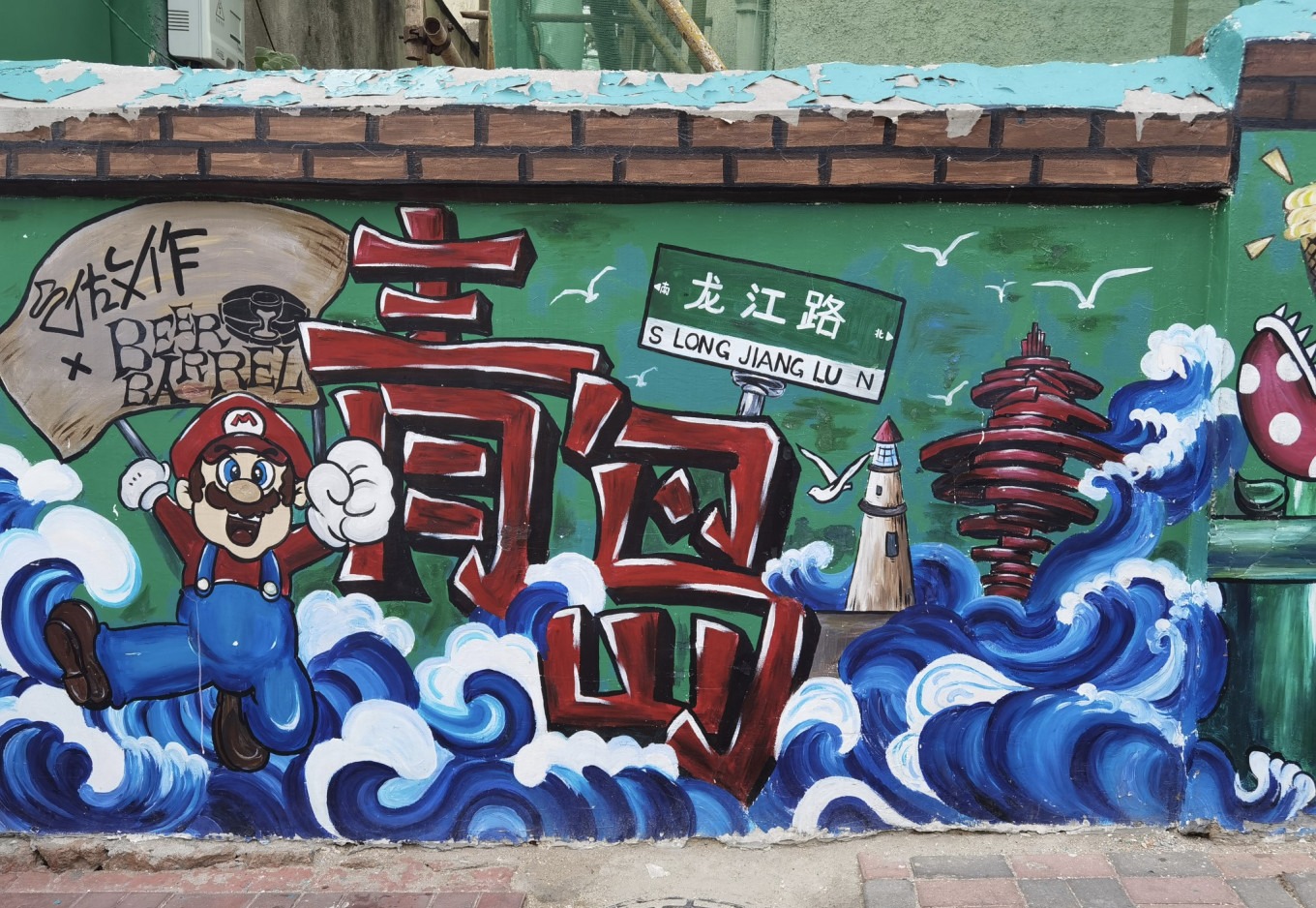
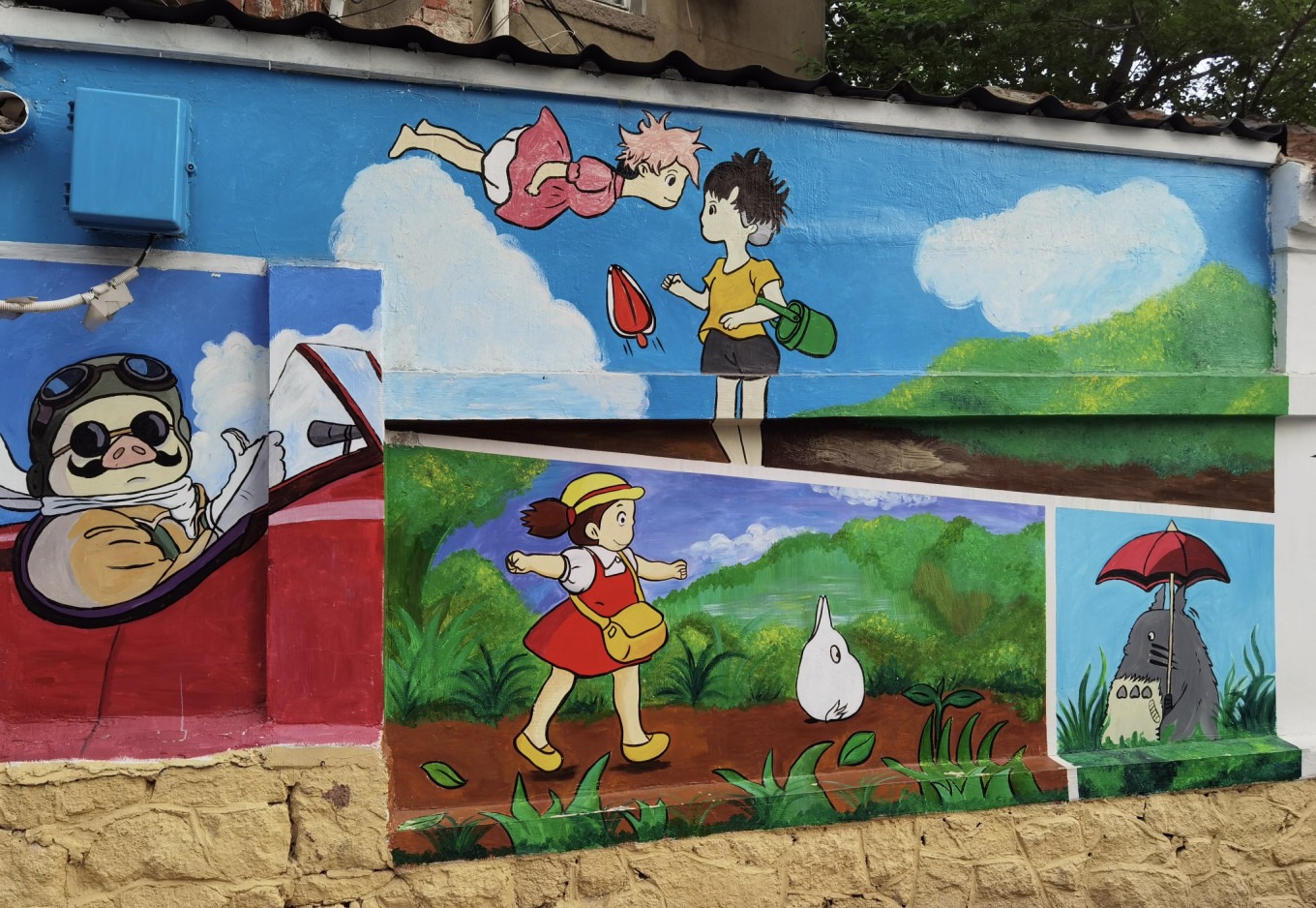
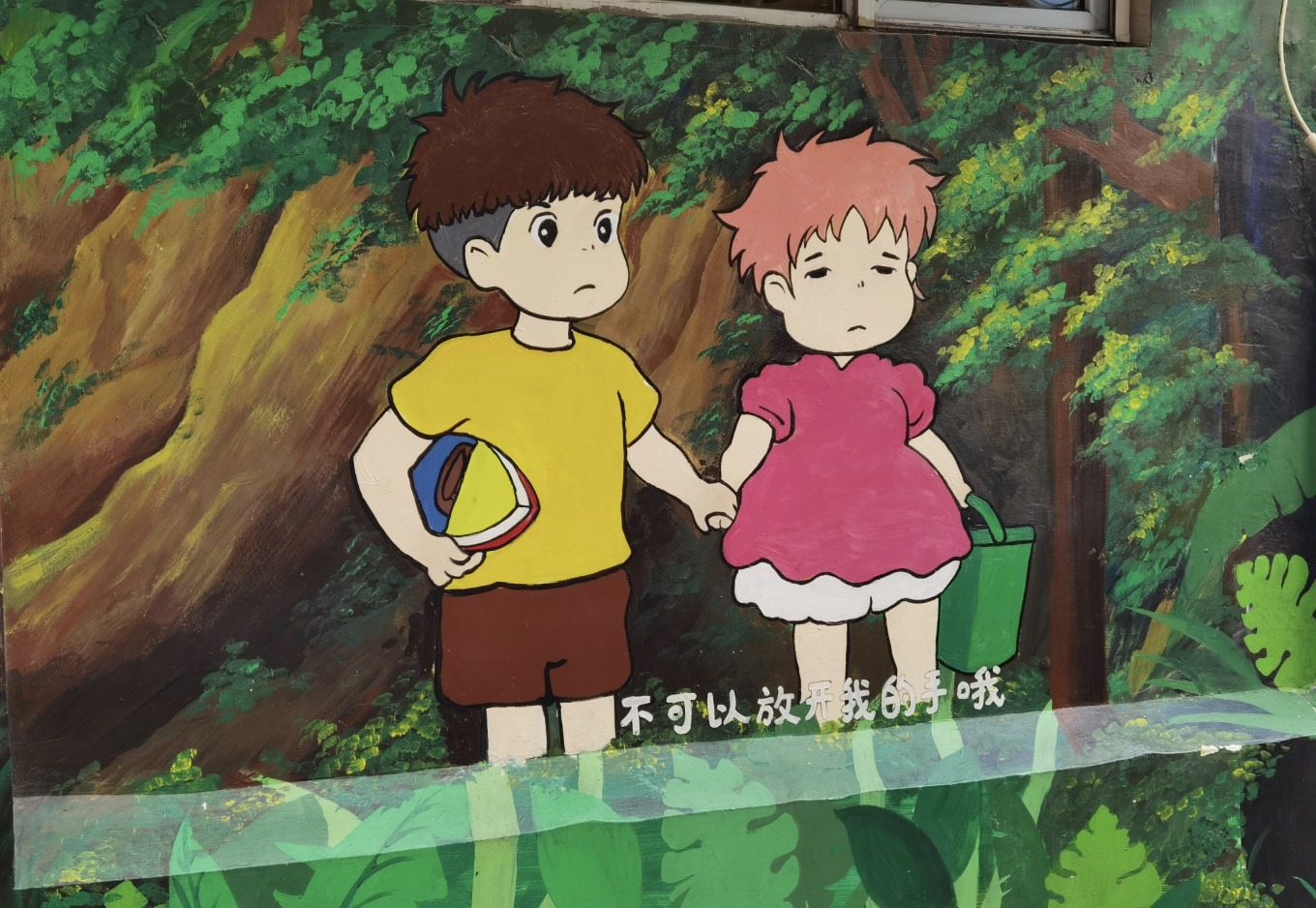
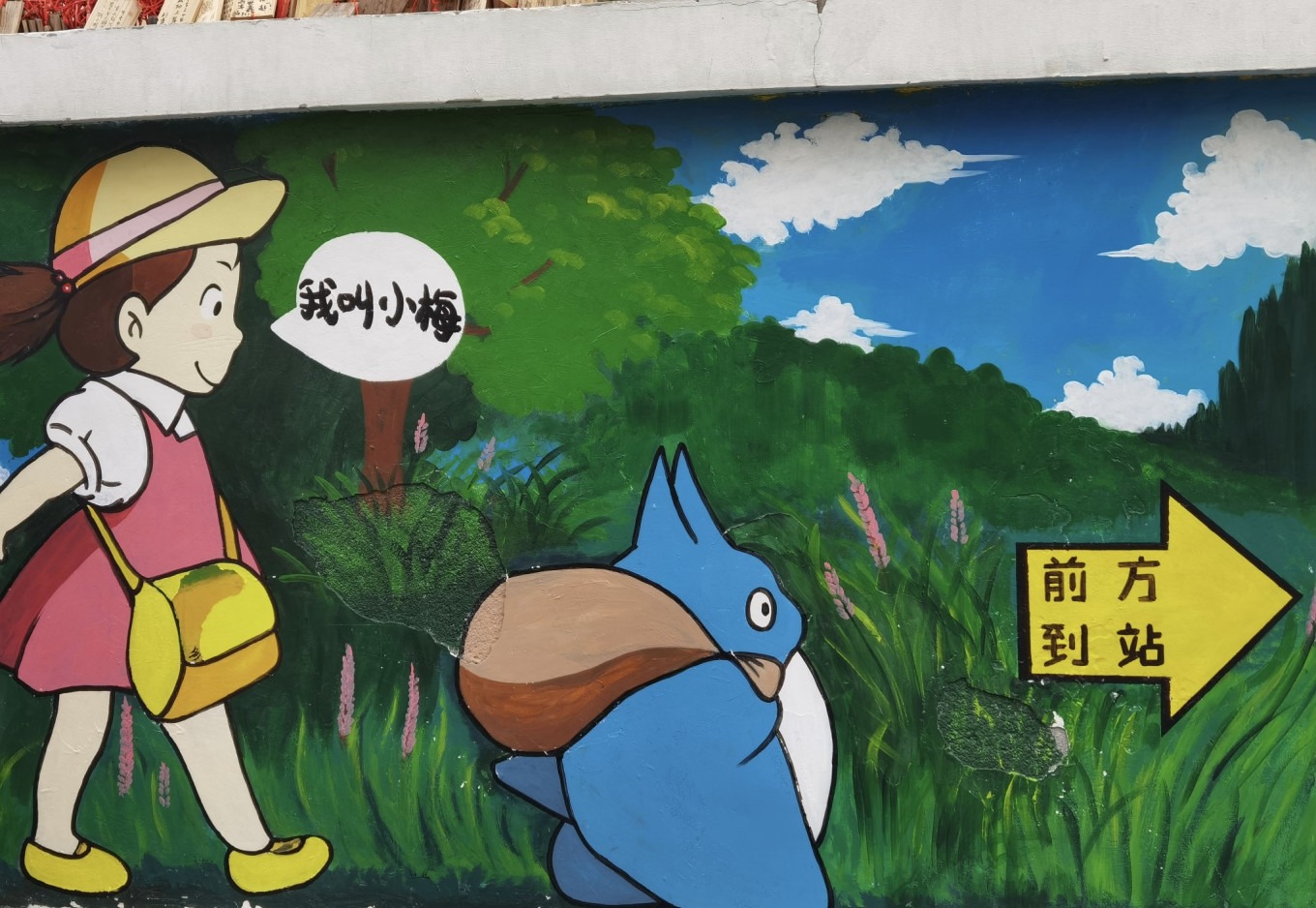
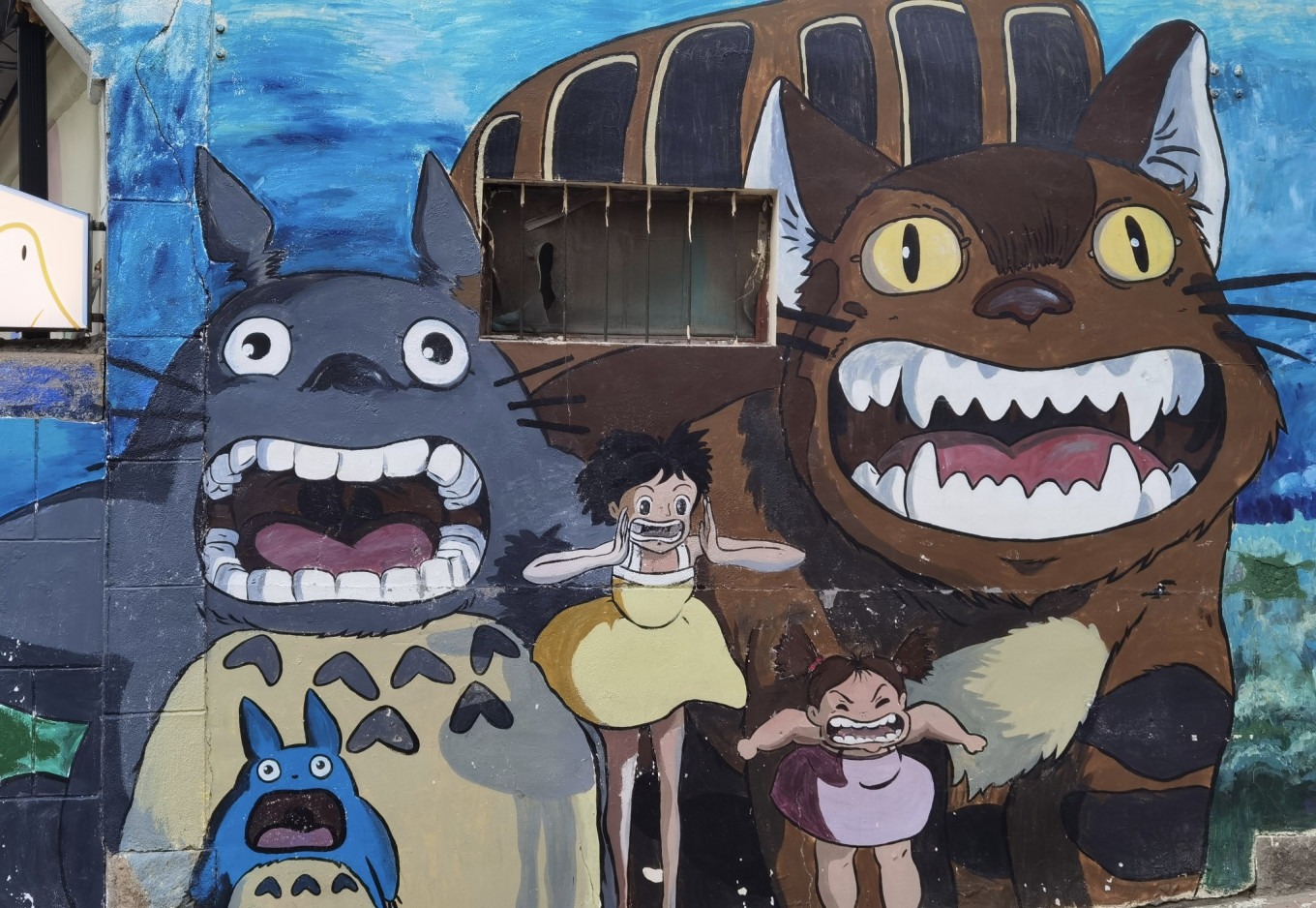
At the end of Comic Street, you’ll find a café that looks straight out of a Ghibli film: Bùshě Zhòuyè (不舍昼夜 (local term)). The entire lane is photogenic, but it gets crowded—if you want people-free shots, avoid weekends.
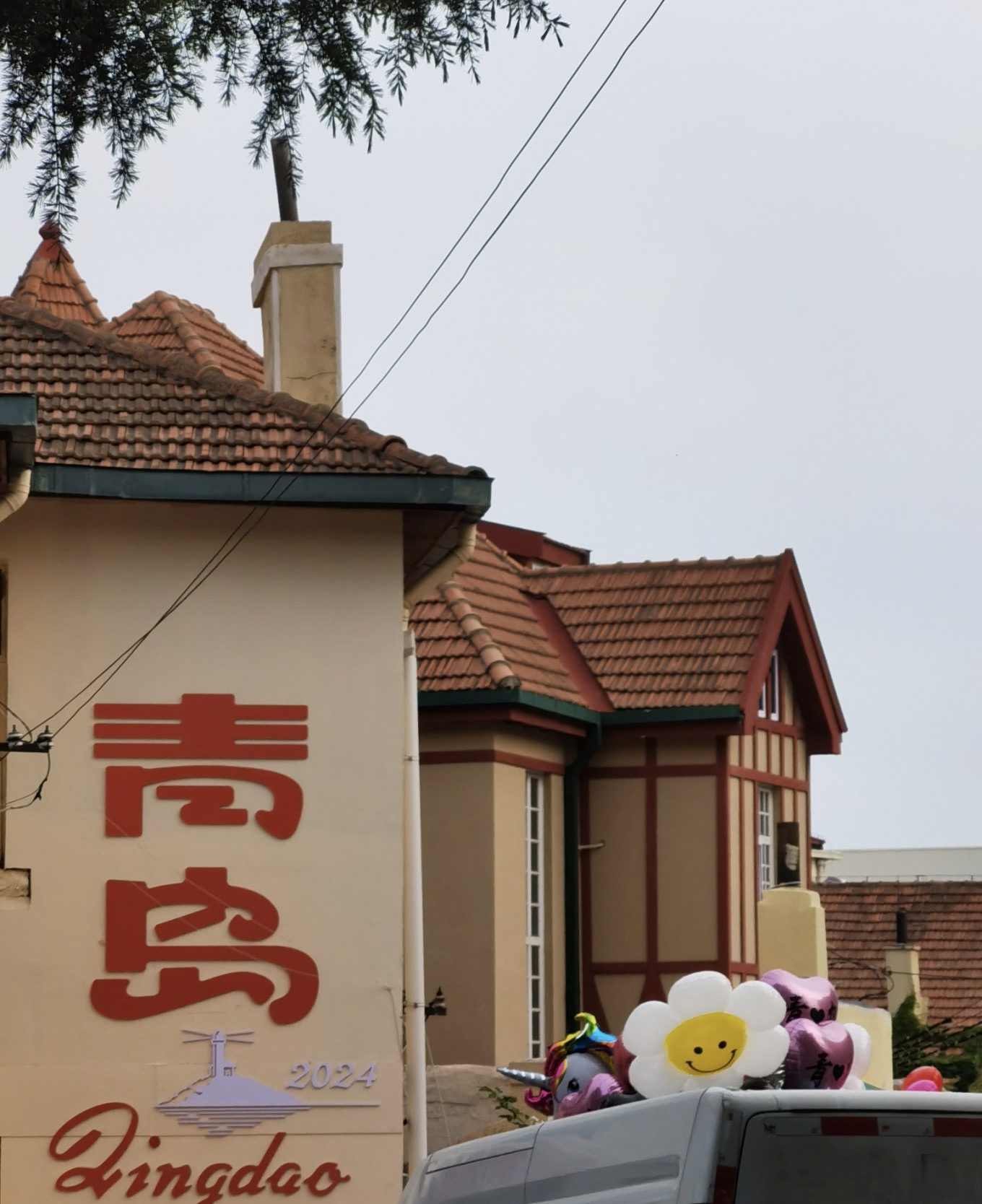
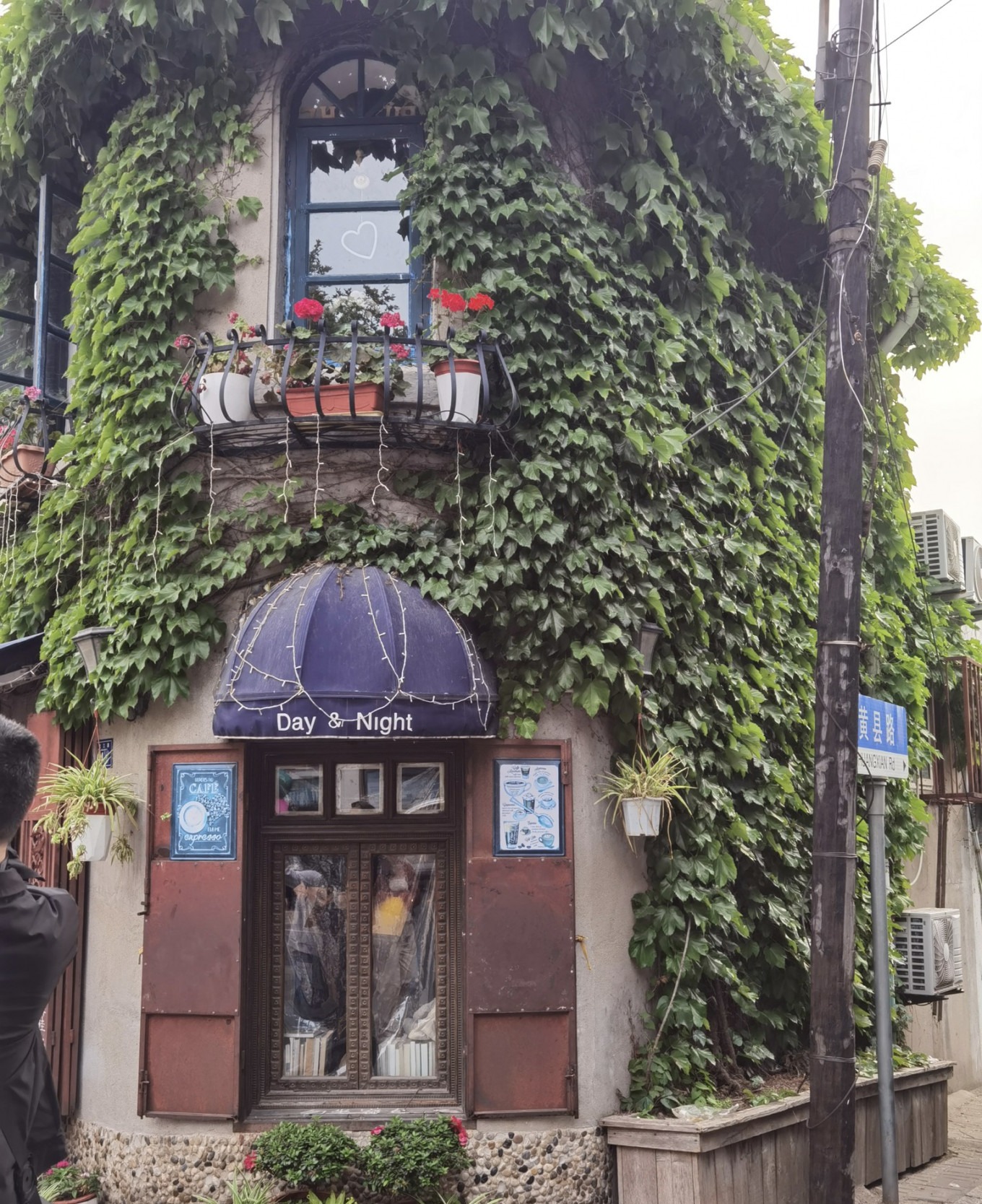
Yan’er Island
Yan’er Island (燕儿岛) is a scenic coastal spot that can surprise you—if you time it right. Locals have mixed opinions: some dismiss it as barren, while others rave about the spring blossoms and sunset views. The key is to visit in late afternoon when the golden light transforms the landscape. From the top of the island, you’ll see a wooden boardwalk below; crouch down for a fairy-tale perspective of colorful flowers, though the blooms are still sparse—hopefully the hillside will be fully covered in years to come.
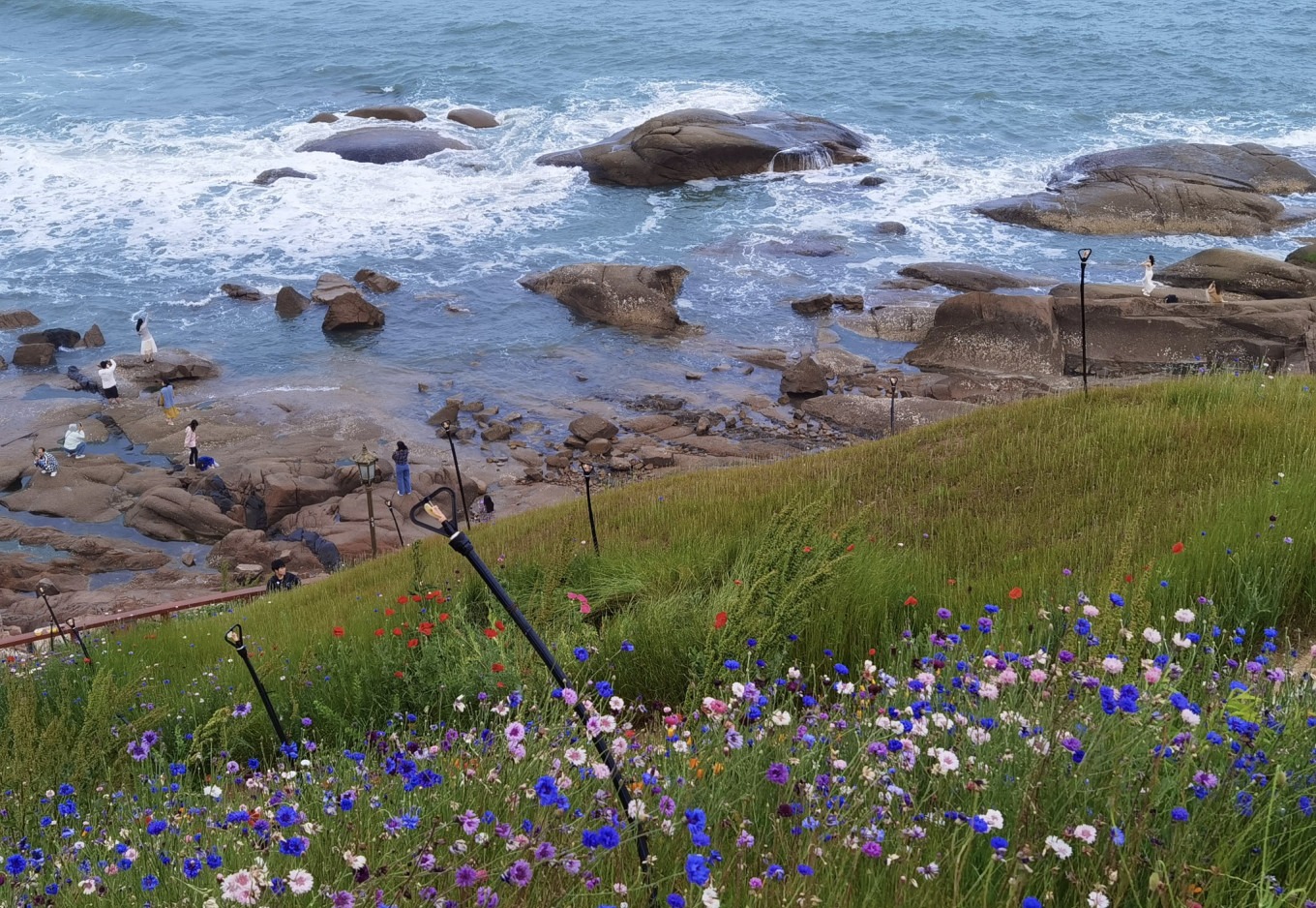
Another photo hotspot is a small cave beneath the beach. You’ll likely see a queue of people standing motionless on a steep slope—that’s the famous ‘rock-framed seascape’ shot. It’s a tiny crevice where you can capture a sliver of ocean through the rocks. The result is stunning, but be prepared for a long wait and a tricky climb. The slope is steep and slippery; if your footwear isn’t grippy, it’s safer to skip it. Nearby, a massive rock offers a decent view after a scramble—nothing spectacular, but the effort makes it rewarding. Watch out for the rocky path: one traveler in a backless dress and sandals hopped down effortlessly, but safety first.
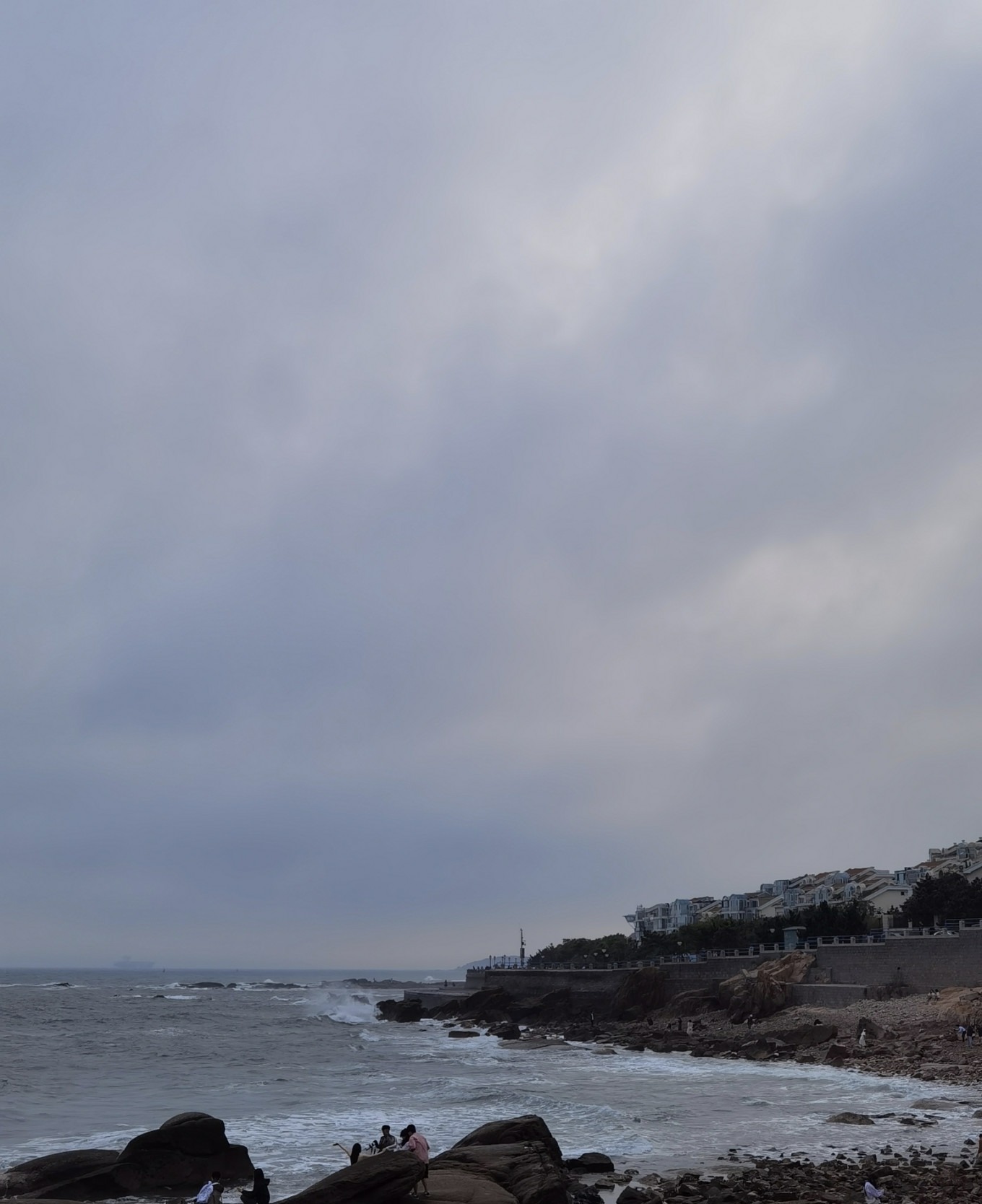
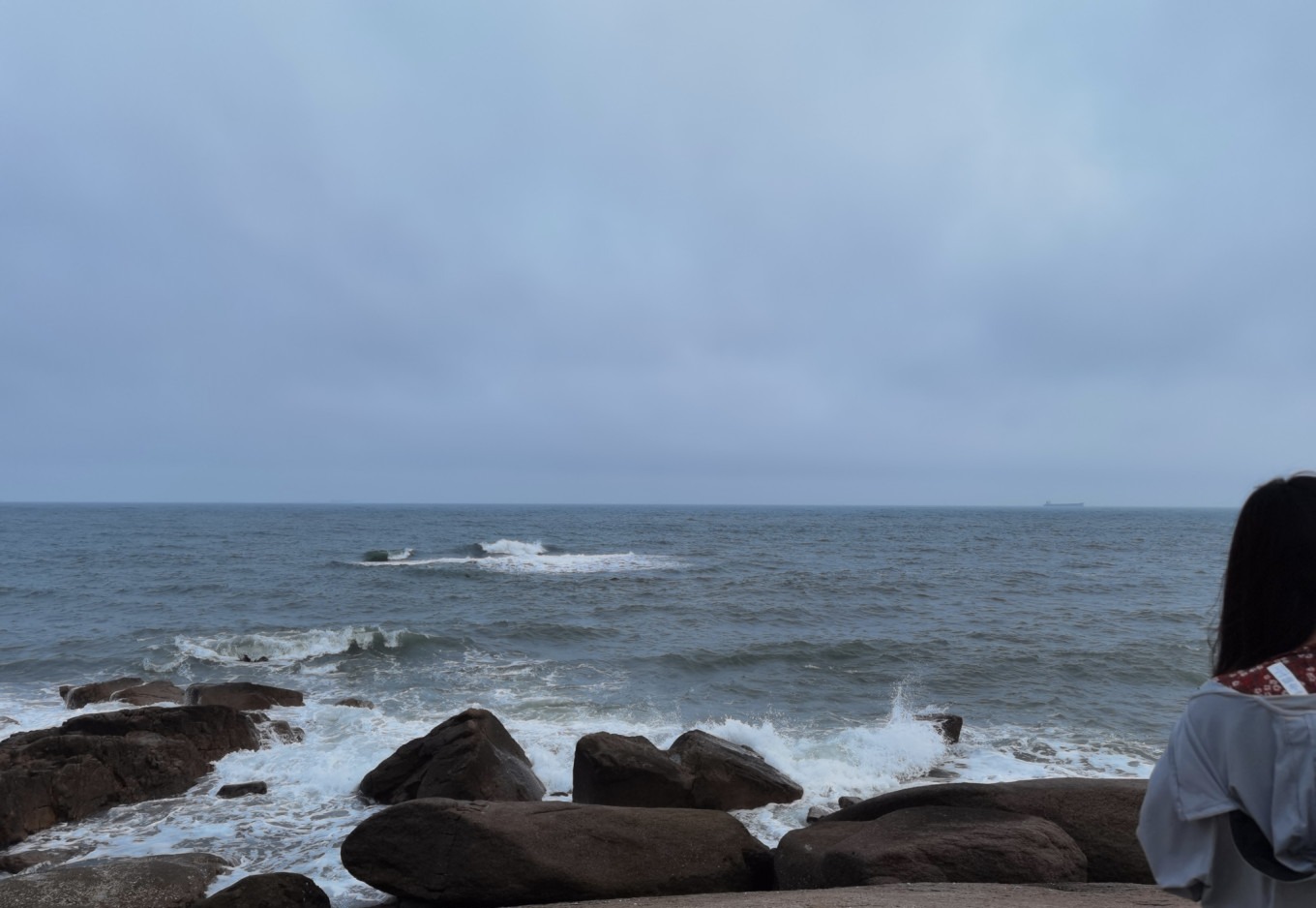
The island is relatively quiet, with almost no ambient noise. Stand by the water and record a minute of waves—it’s a perfect audio track for calming your mind or helping you fall asleep when you’re restless.
From Yan’er Island, you can follow the seaside promenade all the way to Qingrenba (情人坝, Lover’s Dam). As you walk, watch the streetlights flicker on one by one. At the dam, you’ll spot a lighthouse in the distance—worth a look if you have energy, but if you’re hungry, skip it and head for food. Beneath the dam is a food street with various options; if nothing appeals, the large square outside leads to the Olympic Sailing Center (奥林匹克帆船中心), which you can explore on your way back.
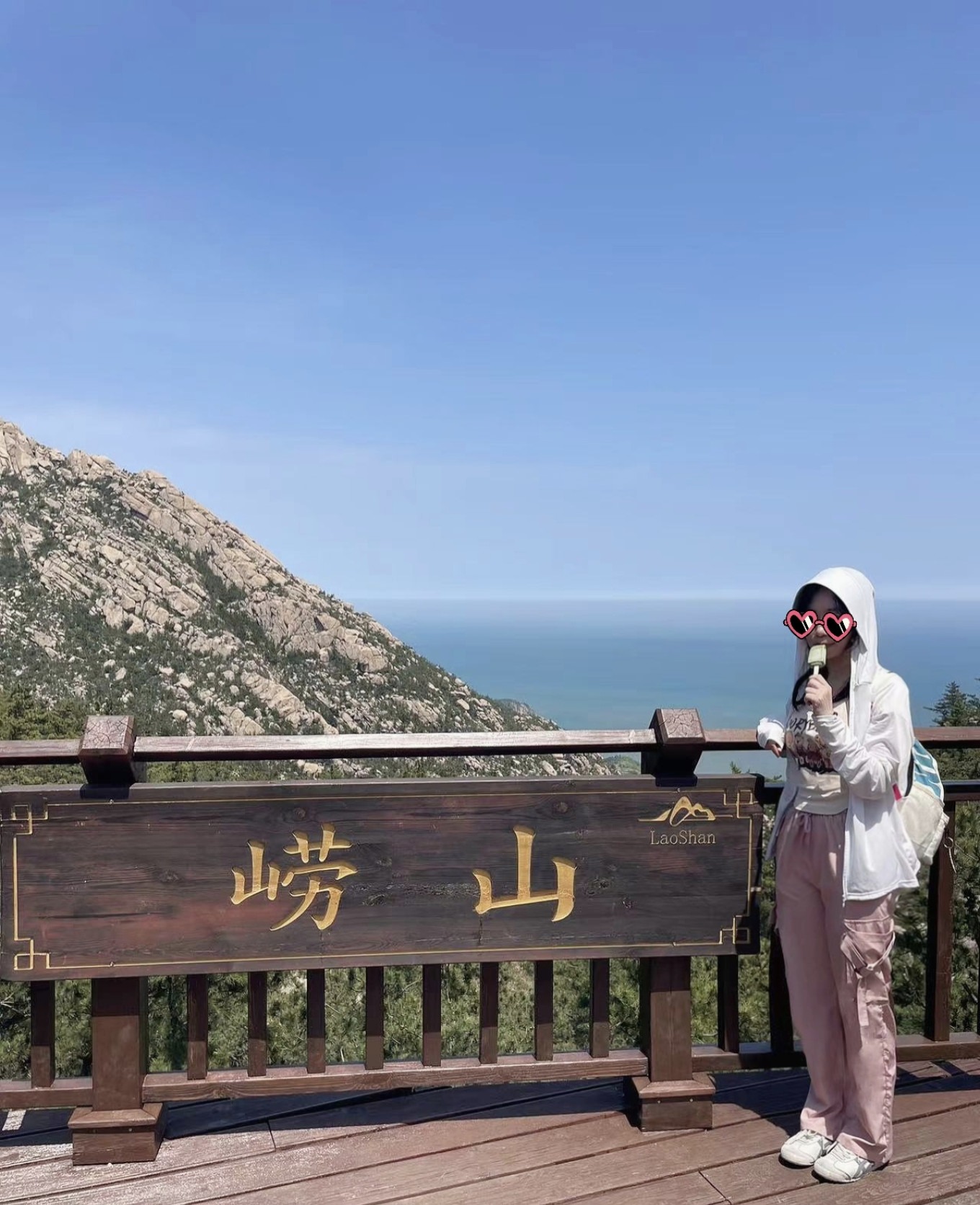
Laoshan Scenic Area (Taiqing Route)
Laoshan is the highest coastal mountain in China, often called the ‘No. 1 Mountain by the Sea.’ The scenic area has five main routes: Yangkou and Jiushui in the north, Jufeng and Taiqing in the south, and Yanhua in the middle. Jiushui is best visited after rain, Jufeng requires 3–6 hours of rugged hiking, and Yanhua is inconveniently located. For first-time visitors, the best choices are Yangkou and Taiqing. If you have a car, you can visit Yangkou in the morning, have lunch at Qingshan Fishing Village (青山渔村), and explore Taiqing in the afternoon. it is recommended to the Taiqing route for its convenience: take Metro Line 11 to Dahedong Station, exit directly to the visitor center, and board the free shuttle bus to Taiqing Palace. Plus, you’ll enjoy the scenery along the ‘Most Beautiful Coastal Road.’
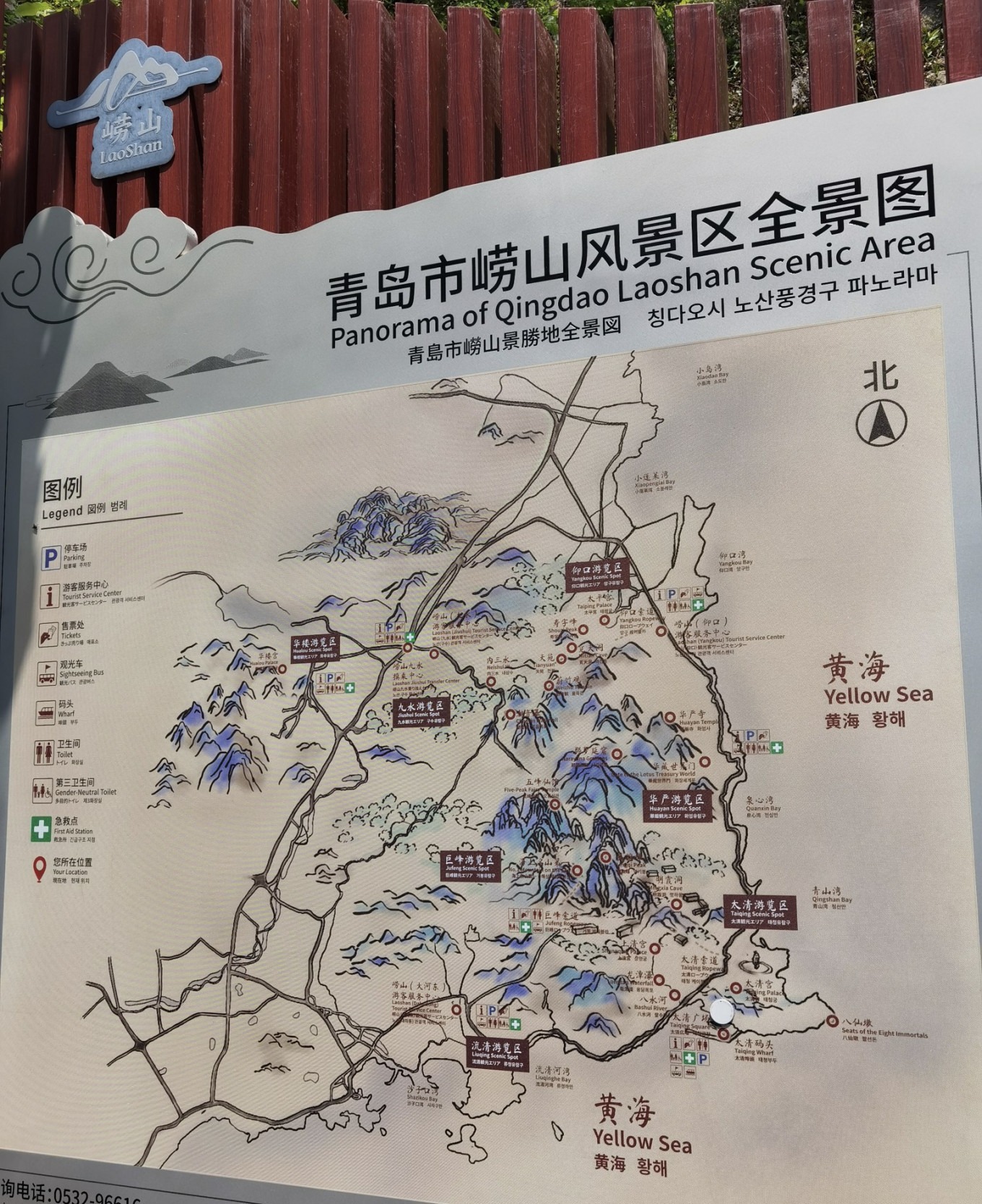
Laoshan will test any unprepared traveler. Here’s how to make the most of a half-day Taiqing adventure. After arriving at Dahedong Station (大河东站), head to the visitor center to buy tickets. Choose the ‘Laoshan Taiqing Route Combo Ticket (excluding Jufeng) Adult Ticket’ — normally ¥130, but travelers got it for ¥85 on a promotional day. This includes round-trip shuttle bus rides within the scenic area. When boarding the shuttle, sit on the right side (opposite the driver) for the best sea views.
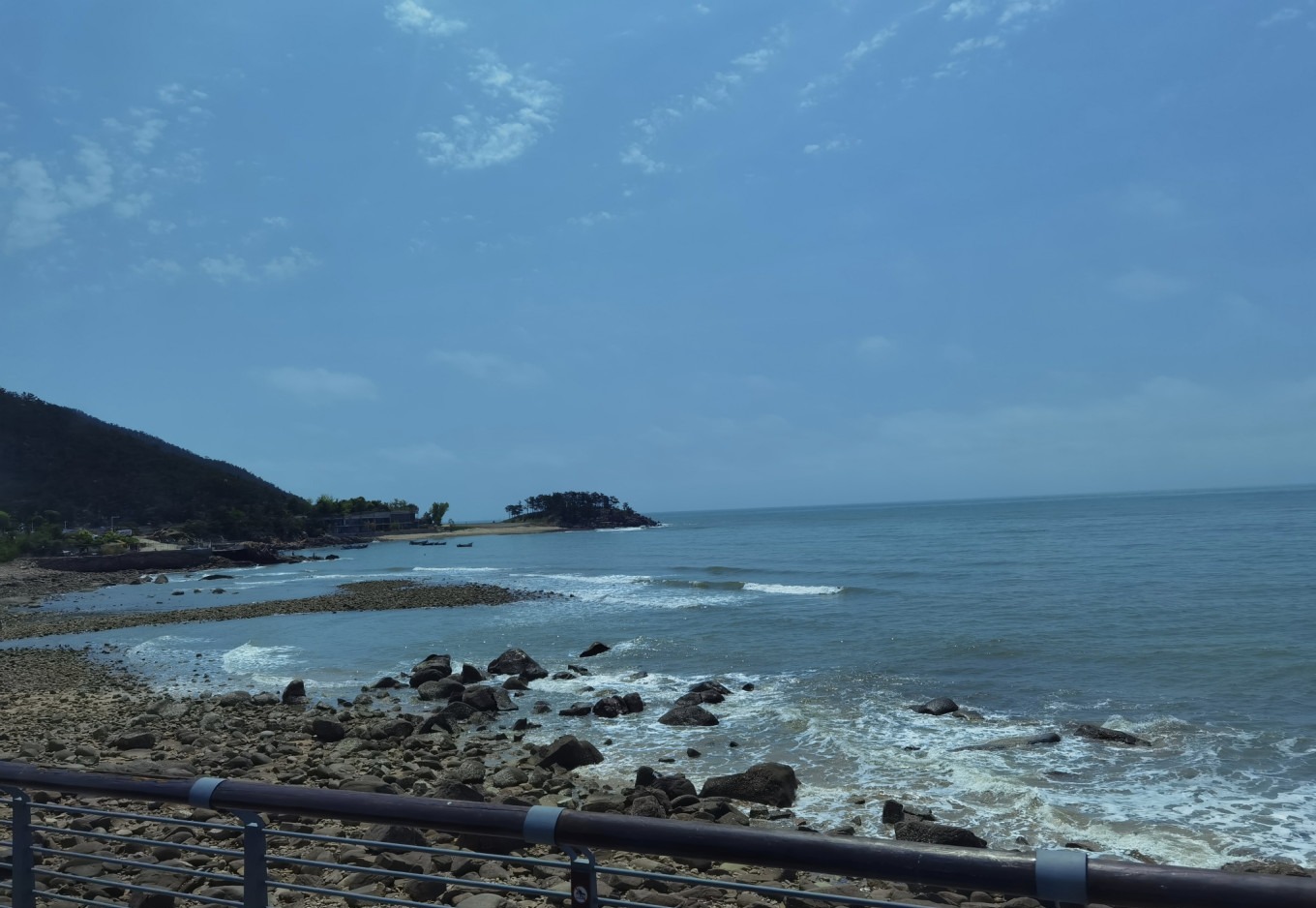
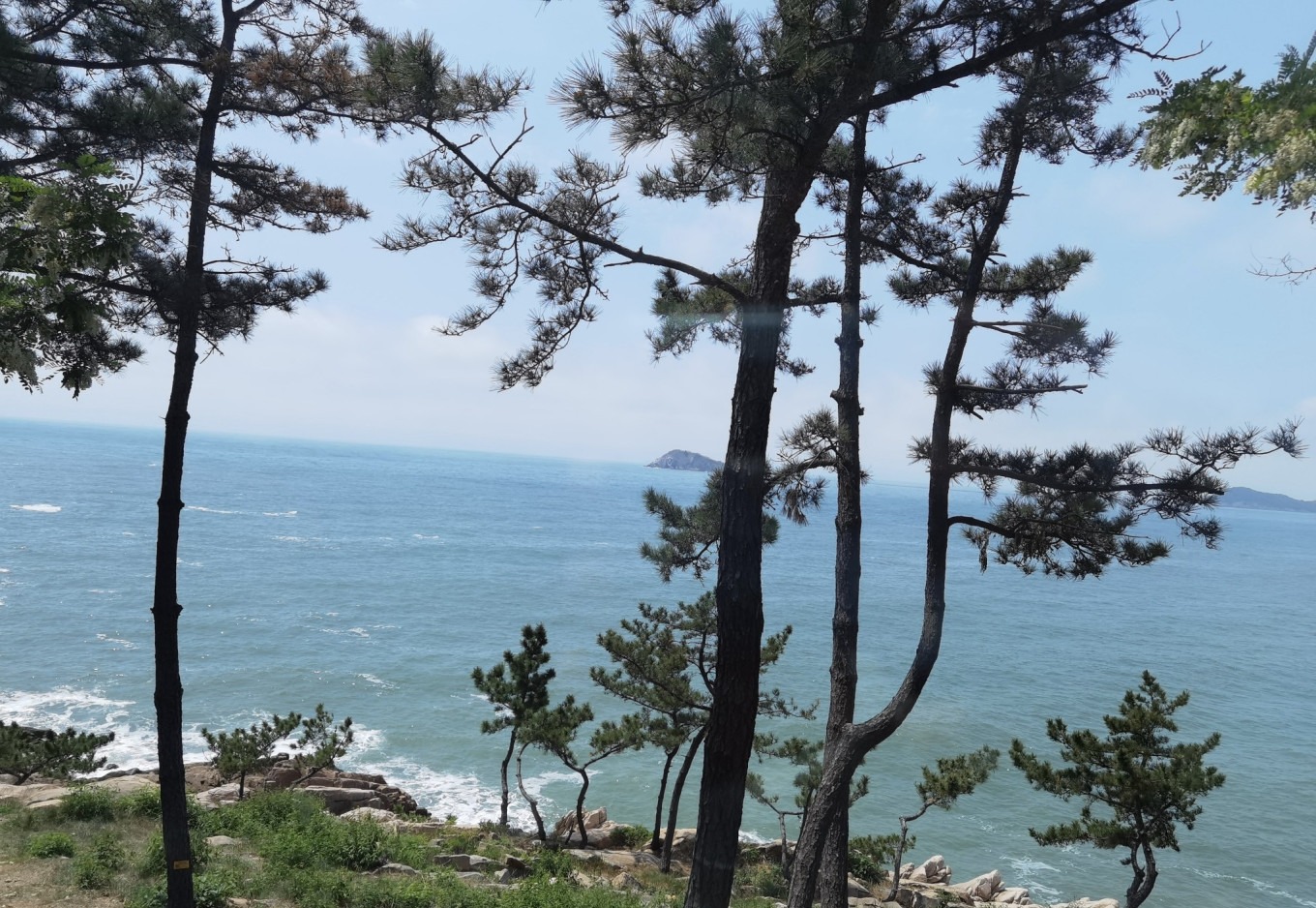
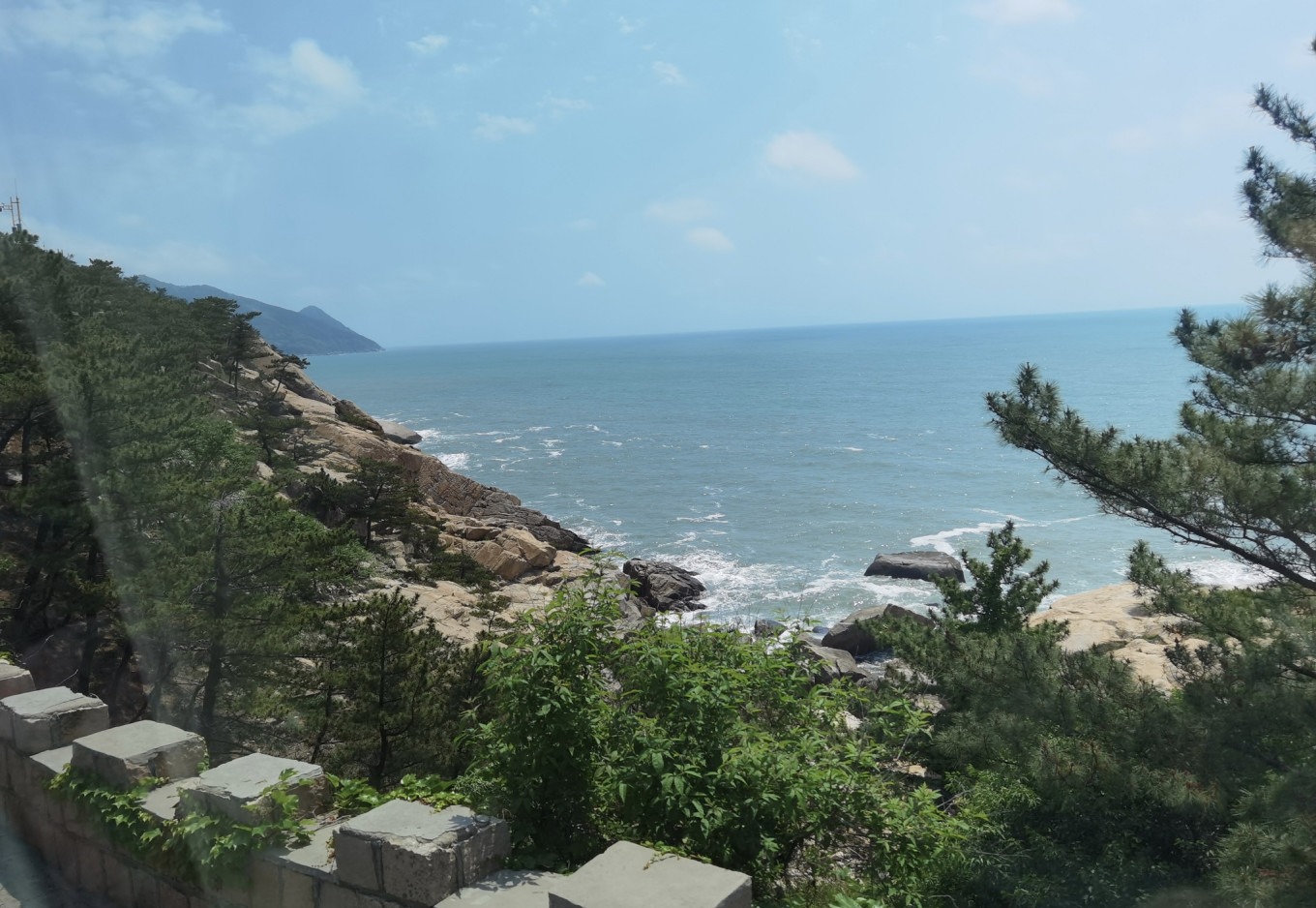
The ‘Most Beautiful Coastal Road’ can only be enjoyed from the shuttle; you cannot get off or walk along it. On the way, you’ll see the sea on one side, but the full mountain-sea panorama is best from the front row. The first stop is Bashui River (八水河), where a 40-minute wooden boardwalk leads to Taiqing Square. If you prefer not to walk, stay on the bus to the second stop, Taiqing Square, where everyone must disembark.
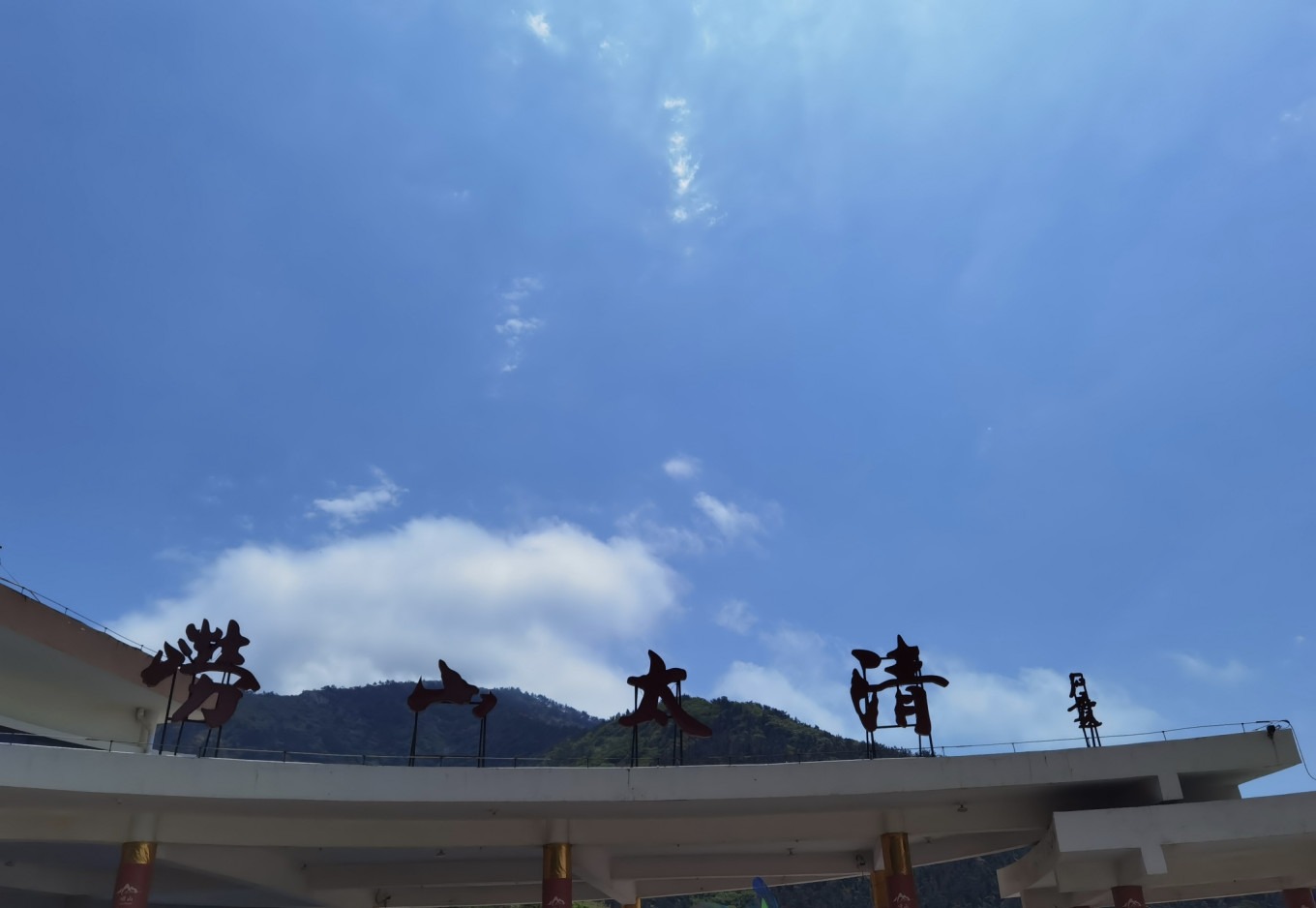
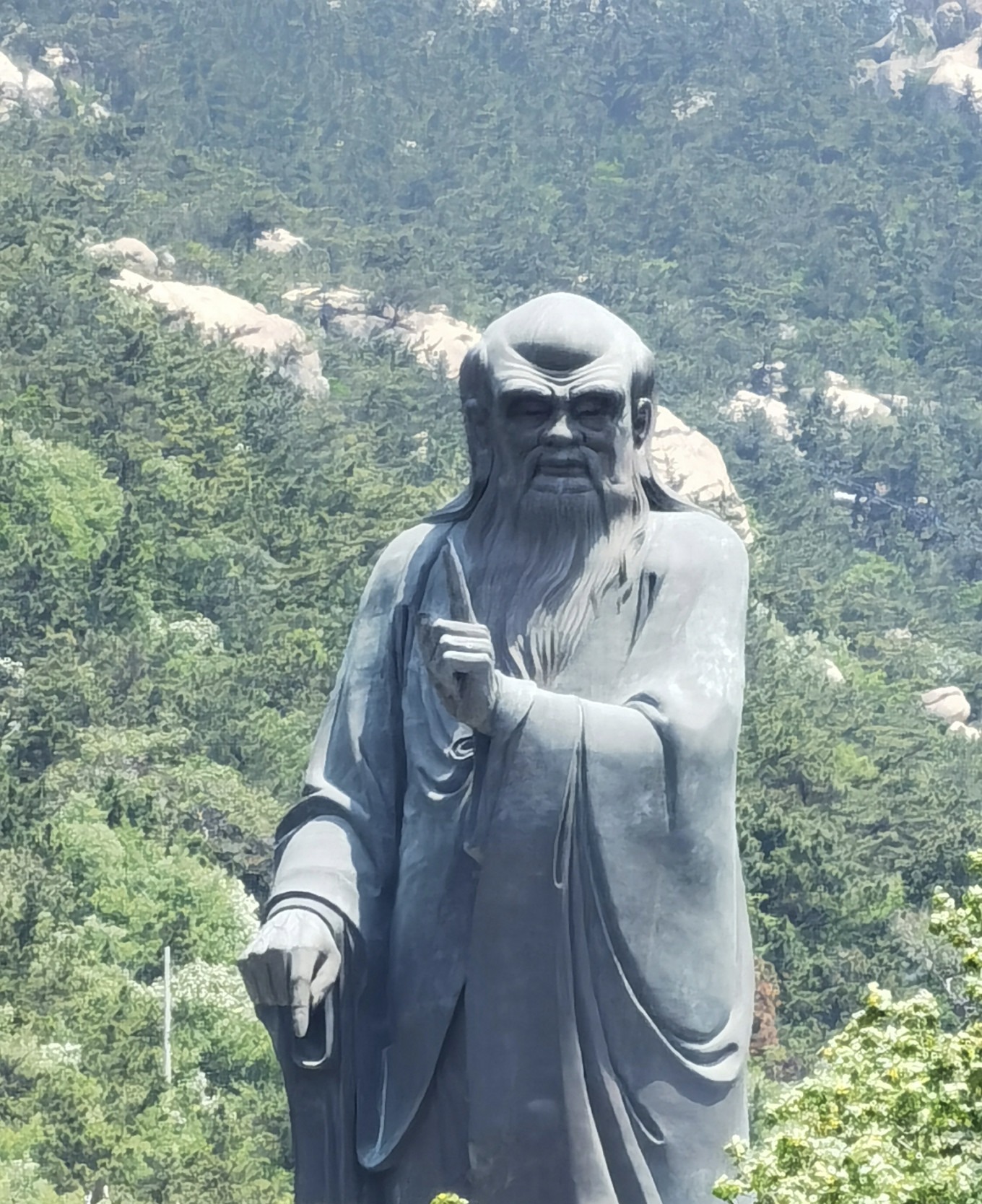
At Taiqing Square, you can board a second shuttle to Longtan Waterfall (龙潭瀑) and then to the Taiqing Cable Car. Be careful: this shuttle also passes by Taiqing Palace (太清宫). If you get off there, you’ll find yourself at the entrance of the palace, where you can admire the towering bronze statue of Laozi. The statue’s hand gesture — left hand pointing to the sky, right hand to the ground — symbolizes harmony between heaven and earth, a core Taoist concept.
If you think the boardwalk behind Taiqing Palace leads to the sea, you’ll soon realize you’re actually walking through forest — on the ‘Laozi Path’ (老子路). A fellow traveler once recommended this path, saying it’s a unique experience. Despite not having a clear route in mind, you can follow the trail and enjoy the serendipity. The path climbs about 1 kilometer through the woods, with the sound of wind rustling leaves all around. At one point, you might even hear what seems like crashing waves — it’s the mountain meeting the sea.
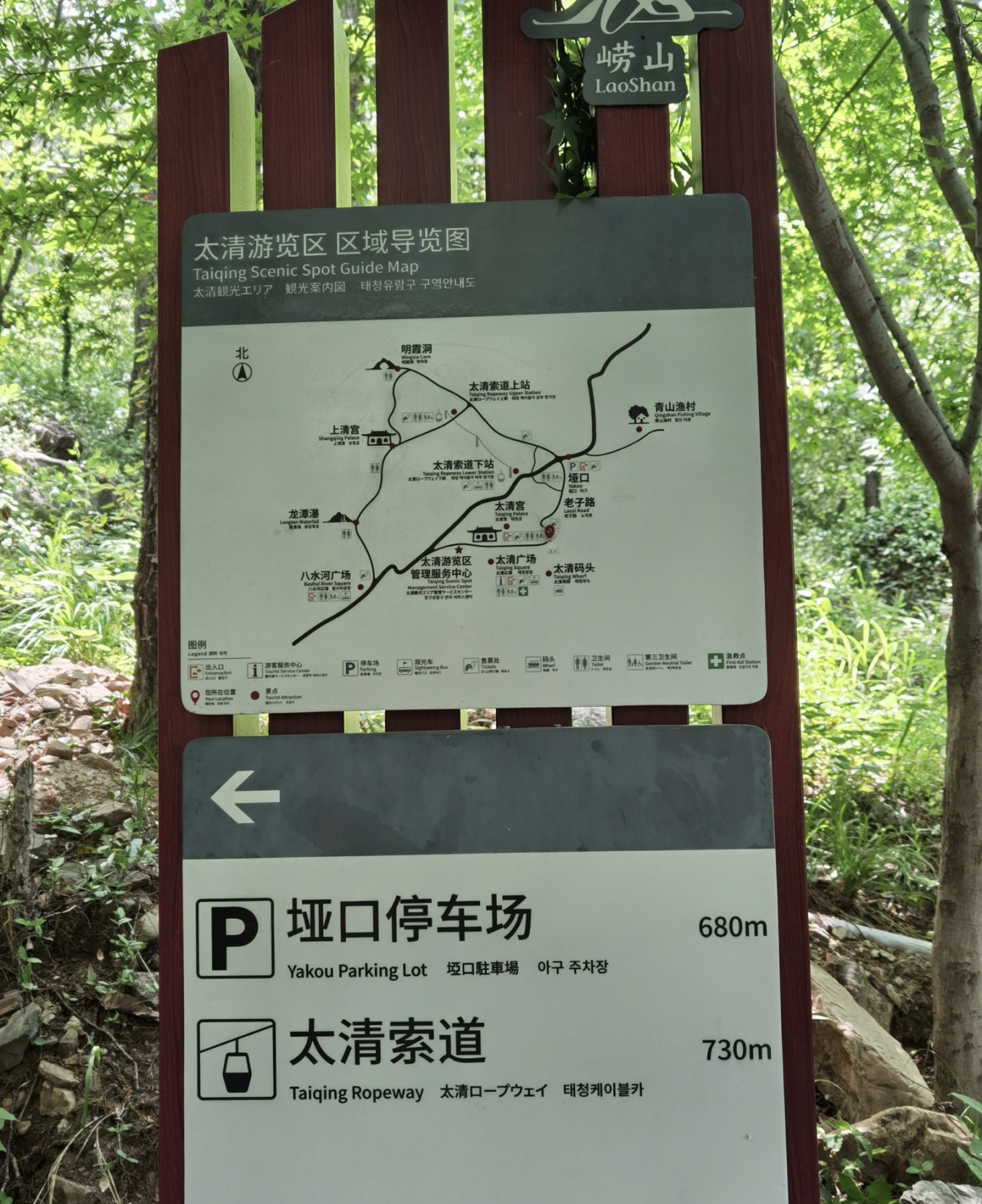
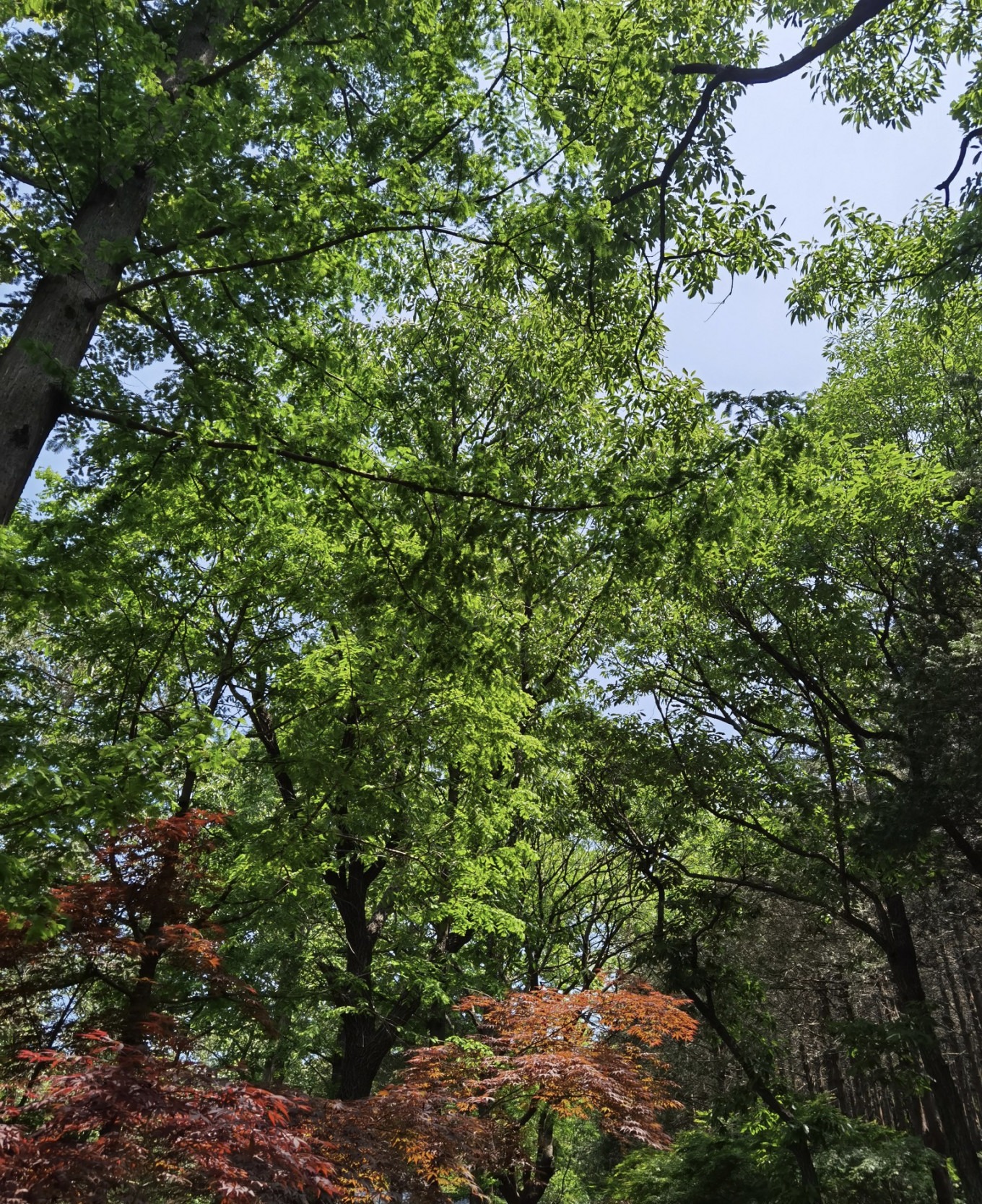
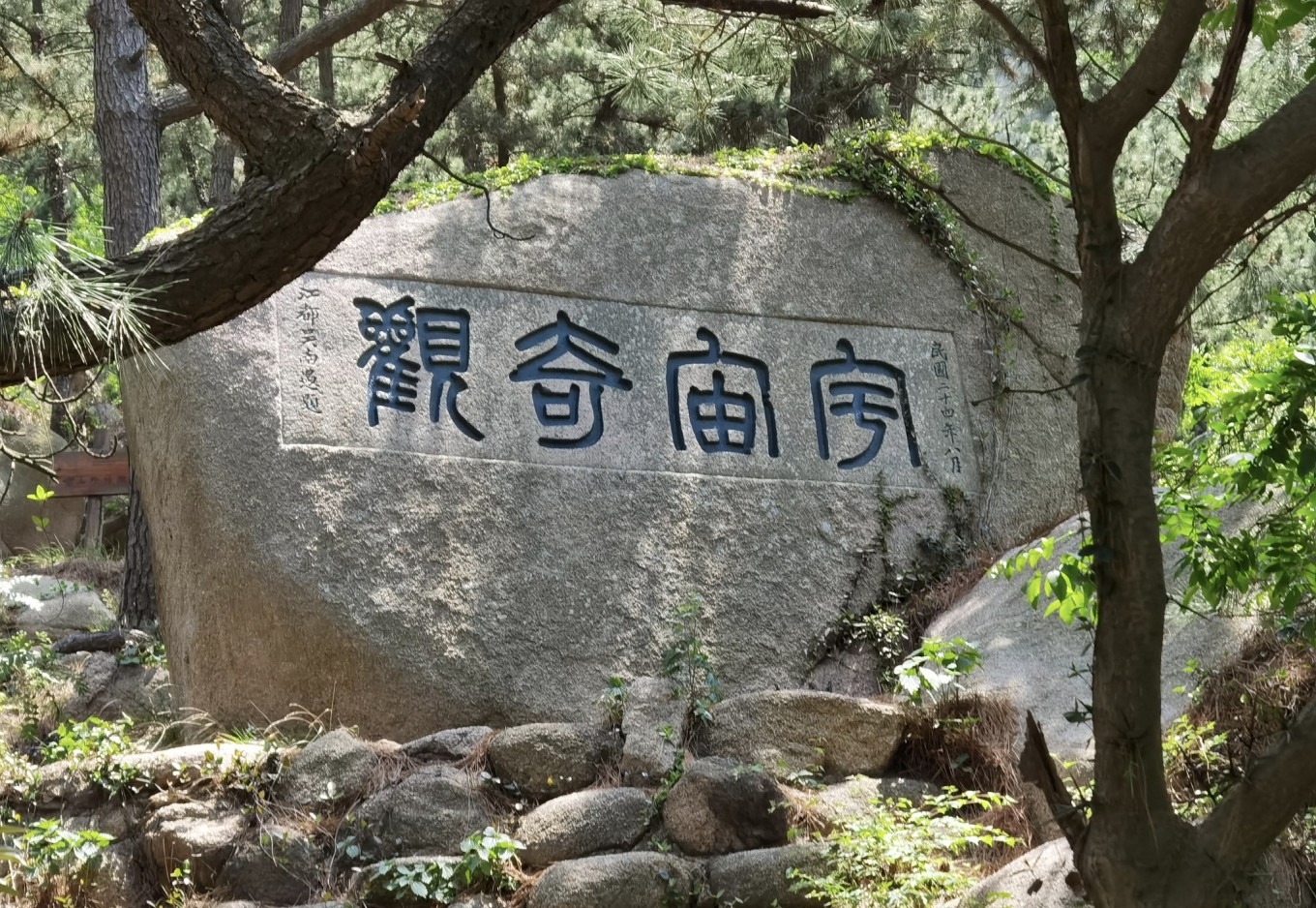
After exiting the Laozi Path, take a small side road to the Taiqing Cable Car. At the bend, you’ll be greeted by a sweeping view of the sea — proof that Laoshan truly lives up to its ‘No. 1 Mountain by the Sea’ title. The sea breeze carries the scent of salt and the sound of waves, blending seamlessly with the mountain forest.
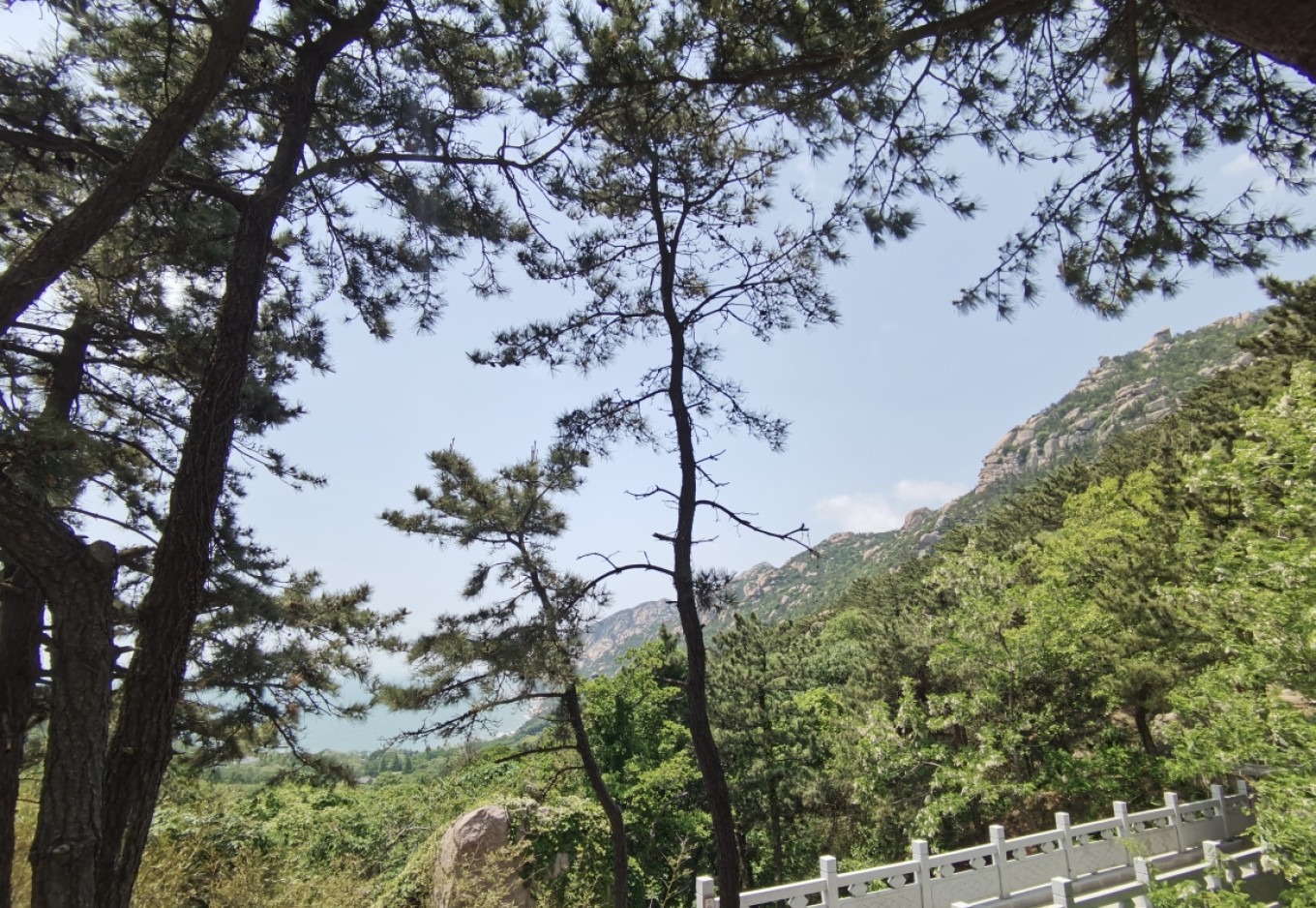
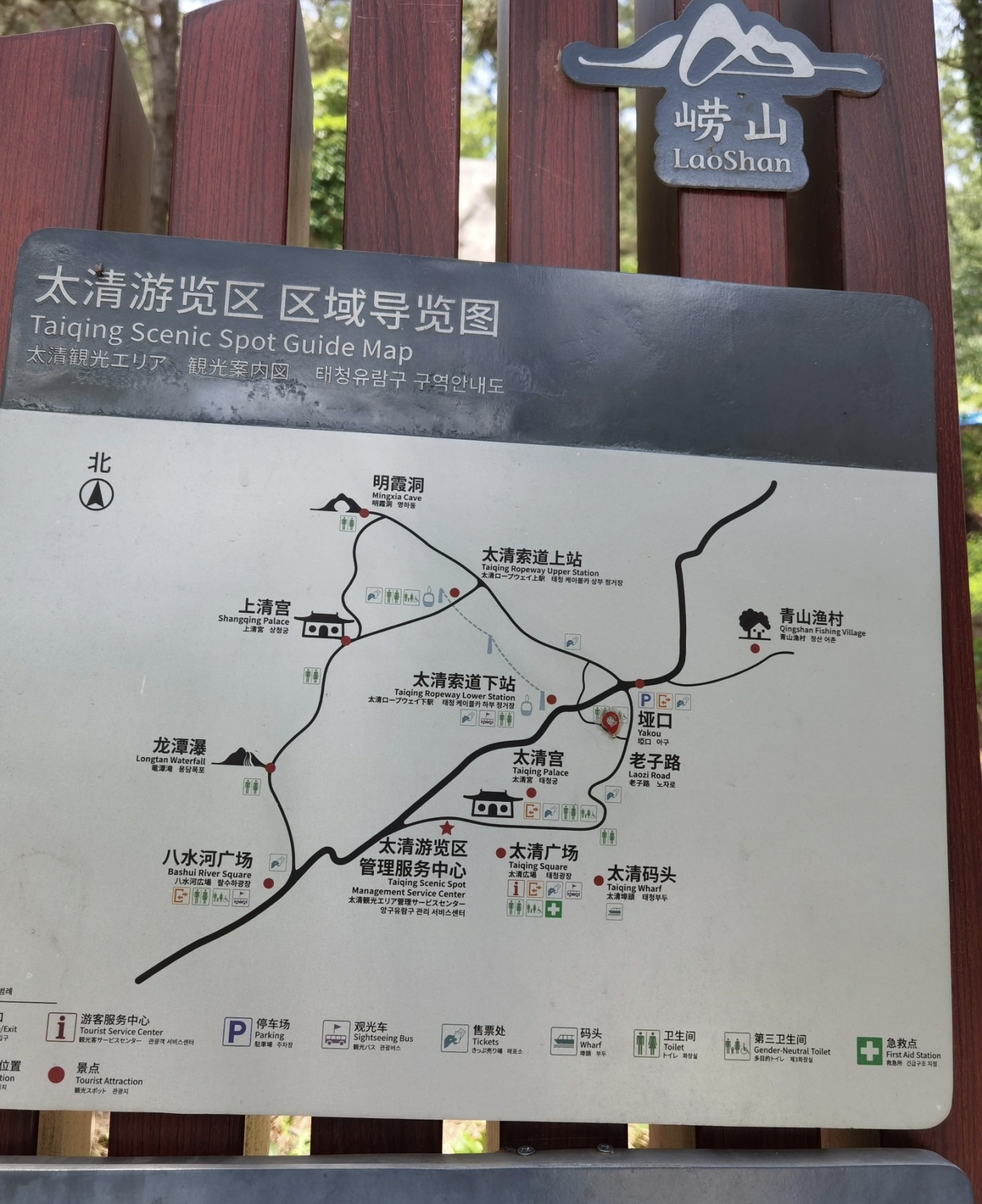
After climbing over a kilometer of stairs, you’ll reach the Taiqing Cable Car boarding area. Beware of unofficial guides who may approach you; they are not staff. If you accidentally walk past the cable car station, you’ll end up at Qingshan Fishing Village (青山渔村), a picturesque village of red-roofed houses nestled between mountains and sea. From above, it’s a stunning sight.
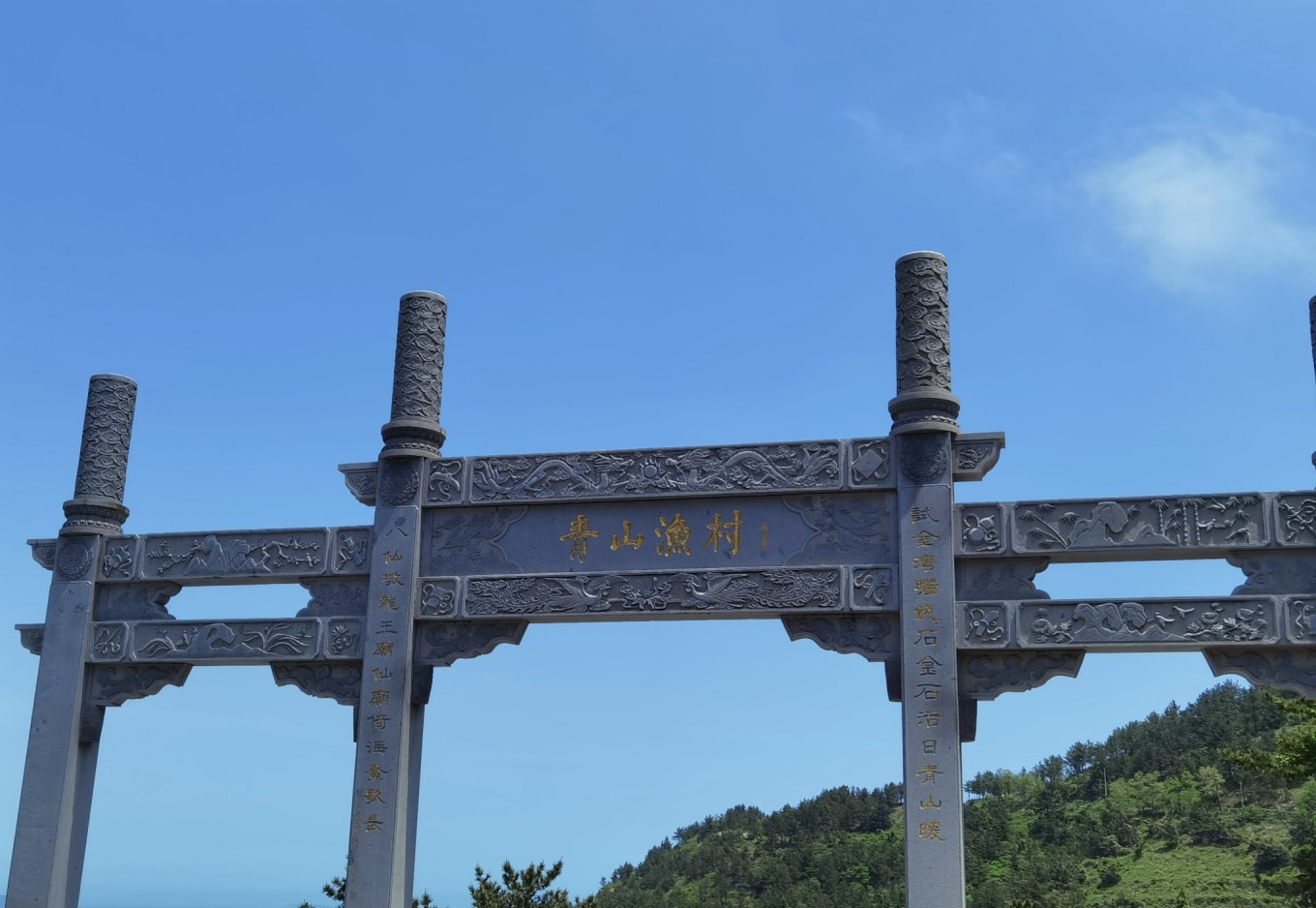
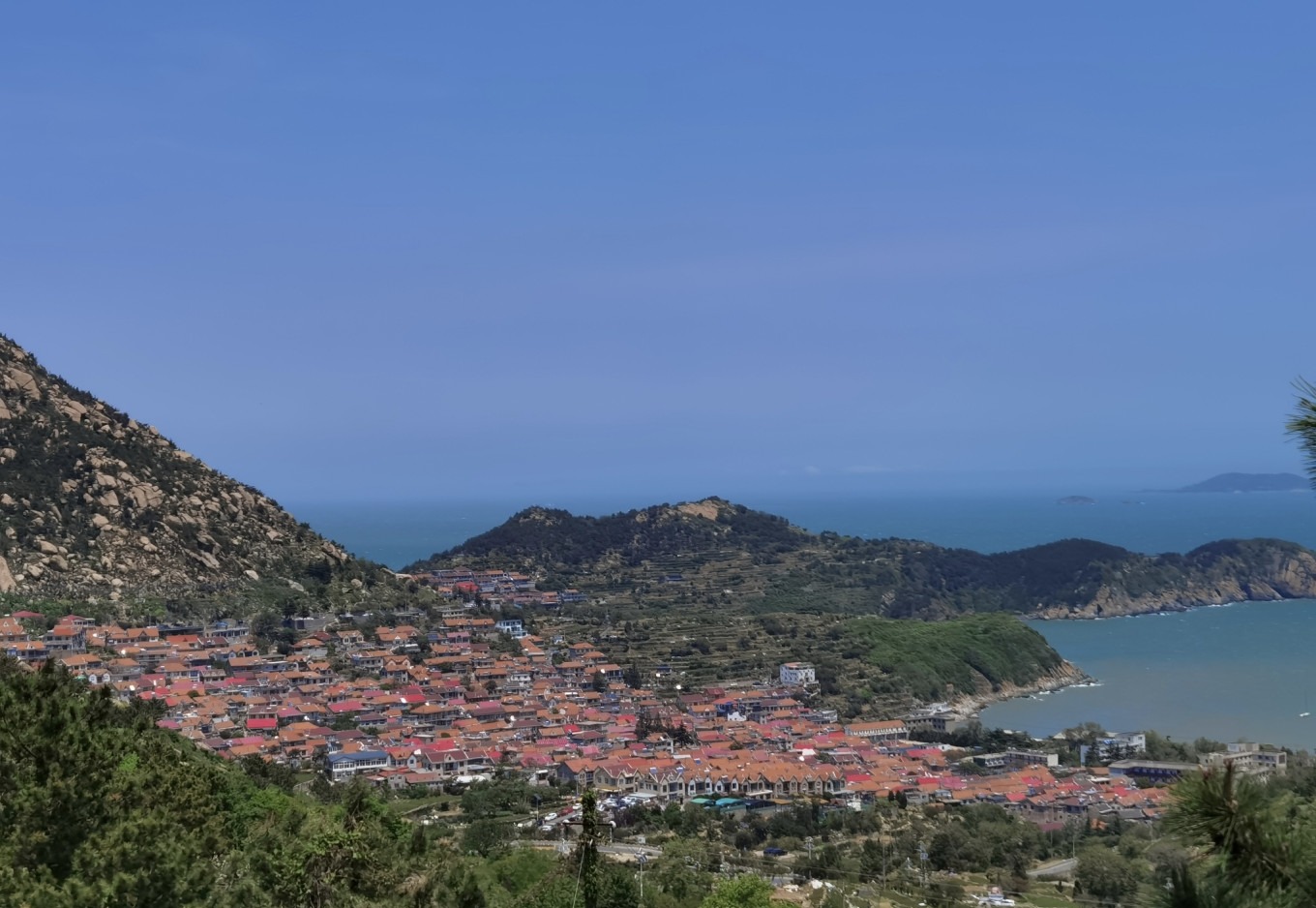
The Taiqing Cable Car (太清索道) costs ¥45 one way, ¥90 round trip — the most expensive cable car in Laoshan, but the views are worth it. The 10-minute ride offers glimpses of the Laozi statue, the mountain peaks, and Qingshan Fishing Village from above.
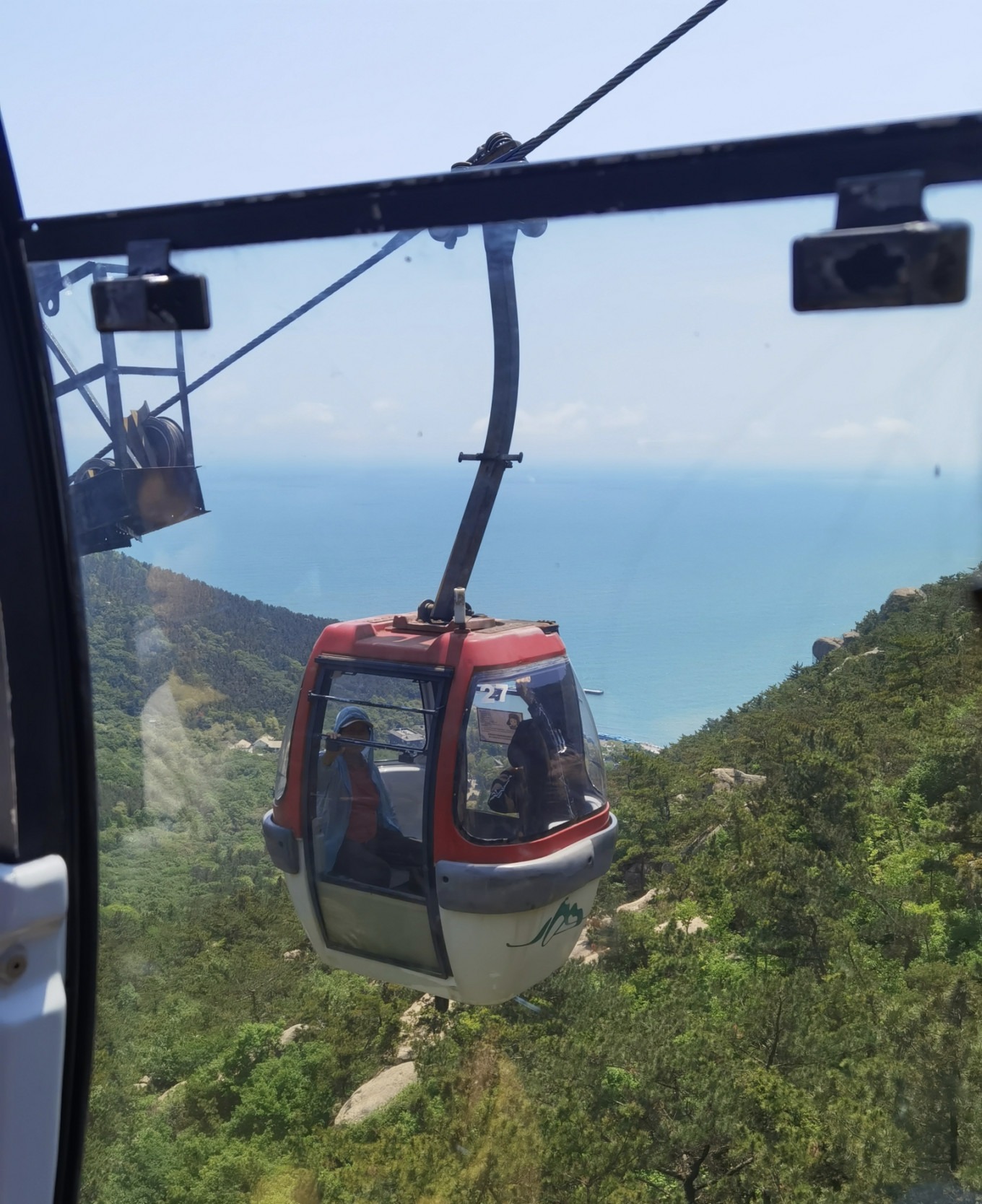
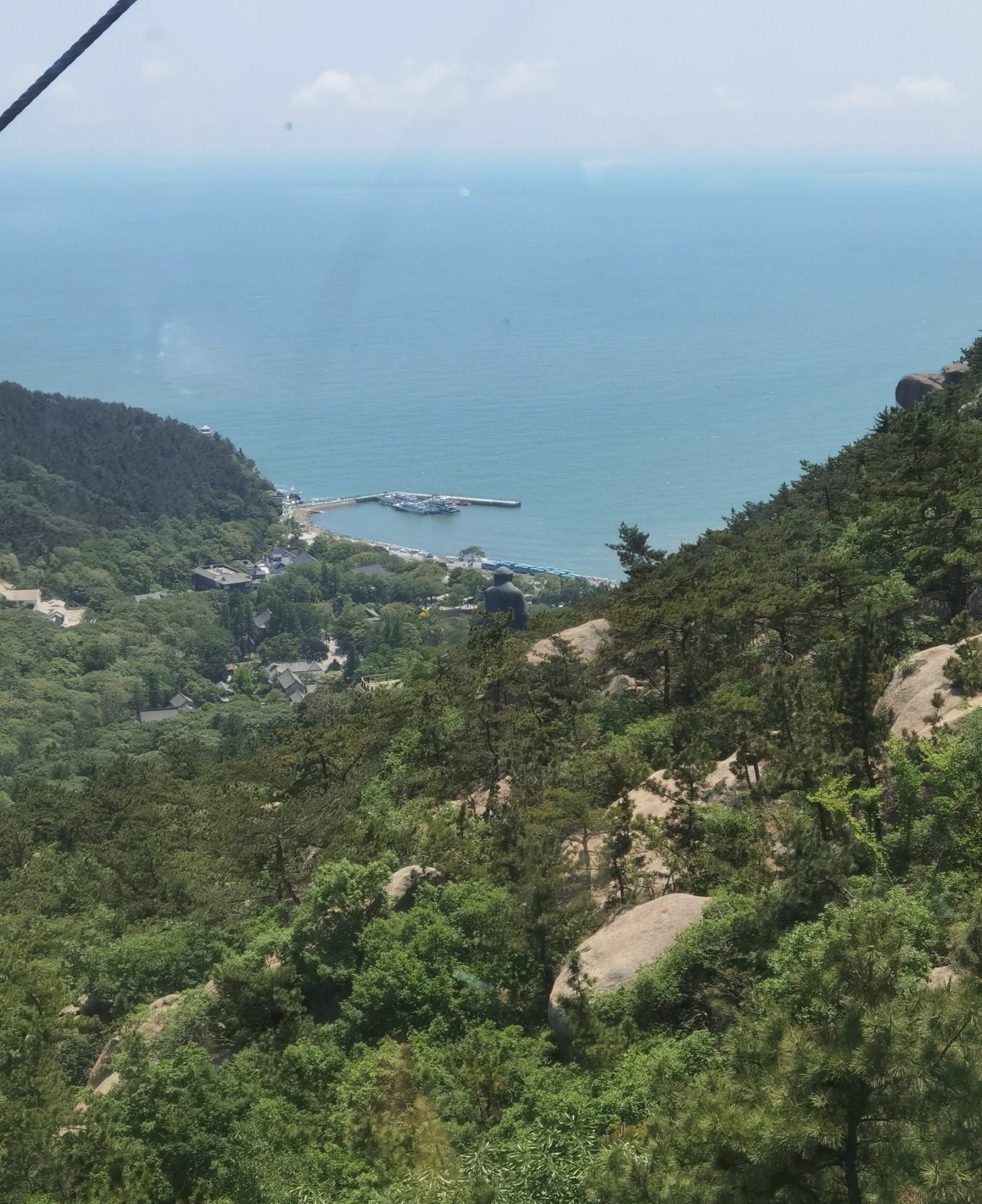
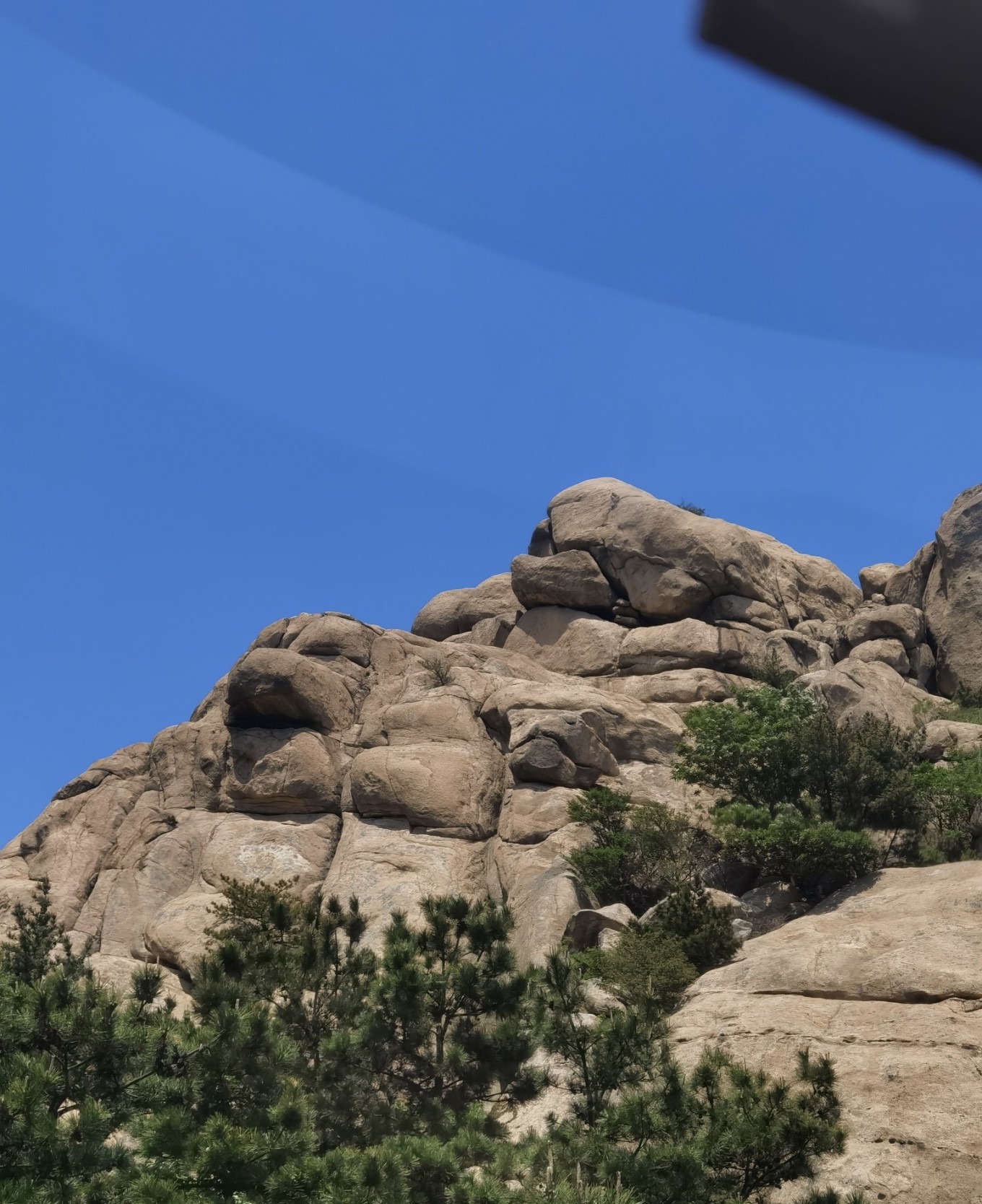
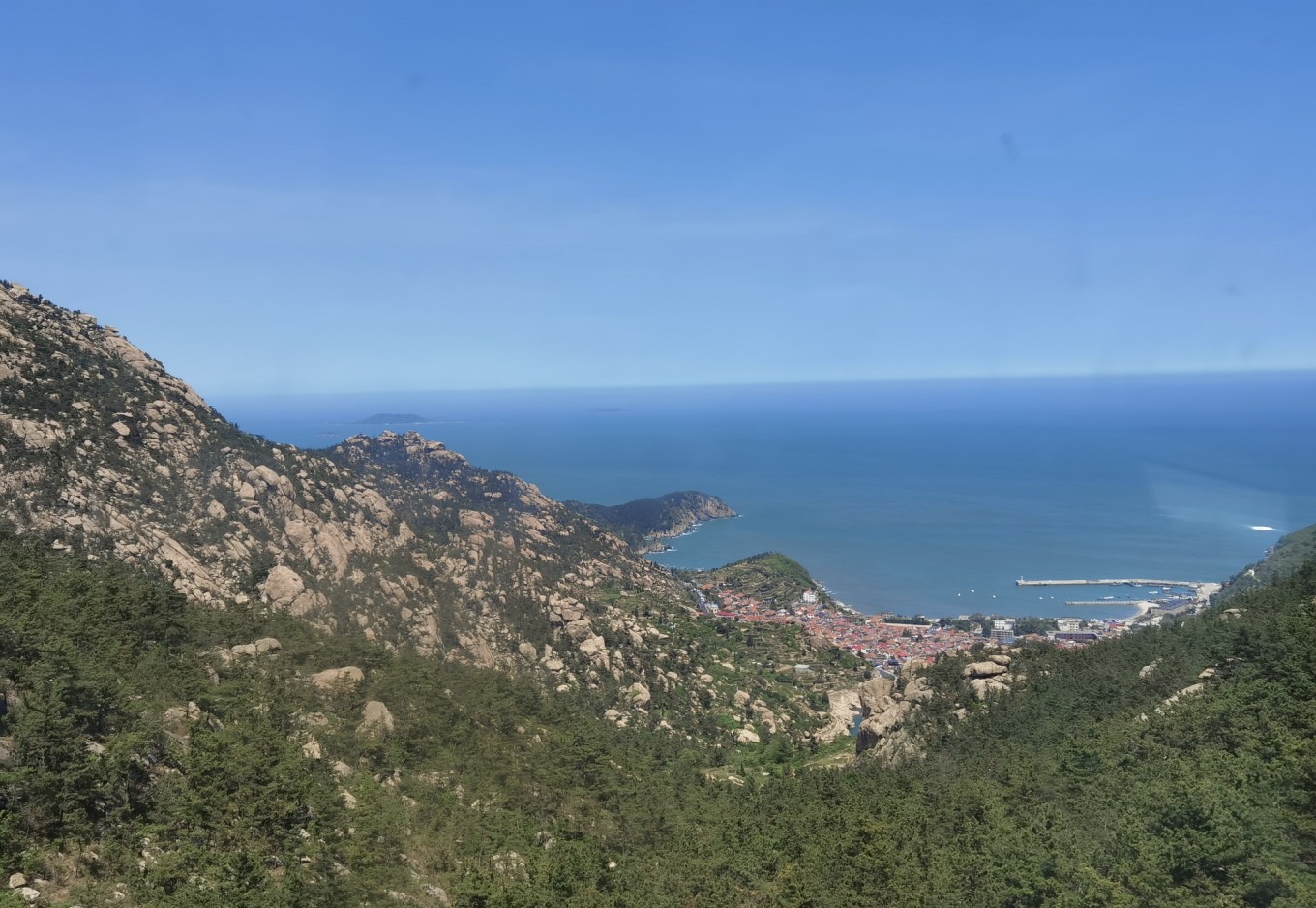
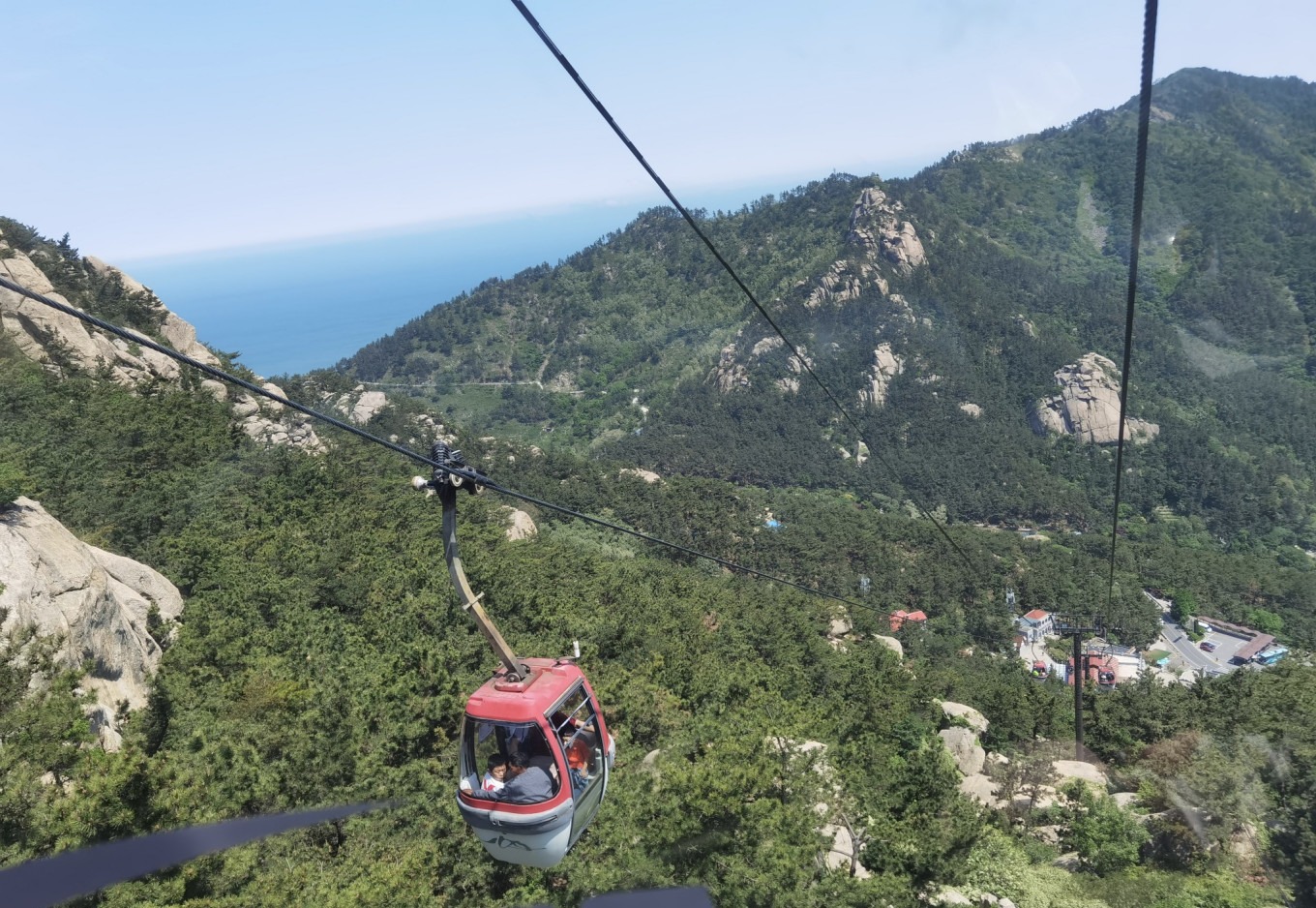
The upper station of the cable car is a small square with a viewpoint called ‘Laoshan Guanhai’ (崂山观海). From there, you can continue to Mingxia Cave (明霞洞), but many visitors choose to rest at the square before heading back down. On the return shuttle, you can capture a video of the coastal road — the dynamic footage truly conveys the mountain-sea harmony.
Shazikou Square
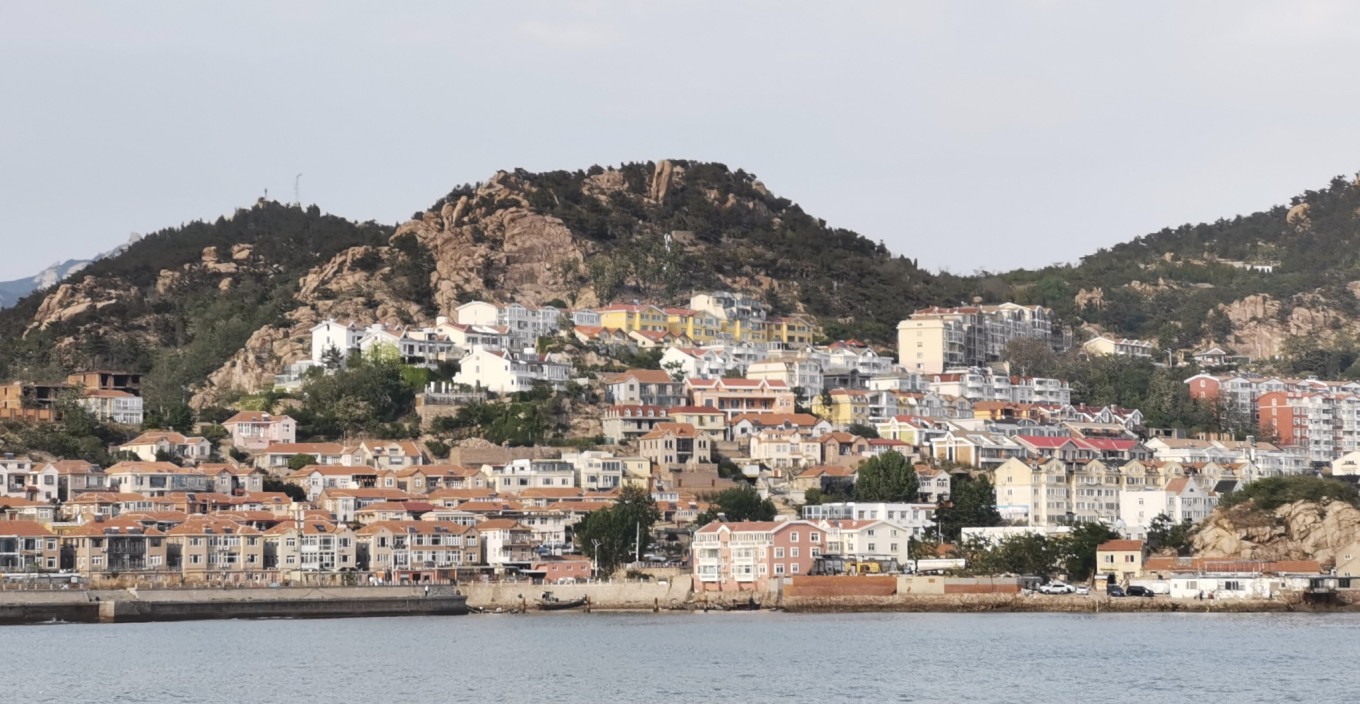
Shazikou (沙子口) is often called the Qingdao version of Italy’s Amalfi Coast — and for good reason. Easily accessible from Laoshan by just two metro stops, this fishing village offers a stunning coastal view. Even on overcast days, the scenery is breathtaking; the famous photo spot is actually about 1 km away, but the view is essentially the same to the naked eye. You can wander along the shore, capturing the colorful houses climbing the hillside. When the mist parts and sunlight hits the rooftops, they glow golden — a magical moment worth waiting for.
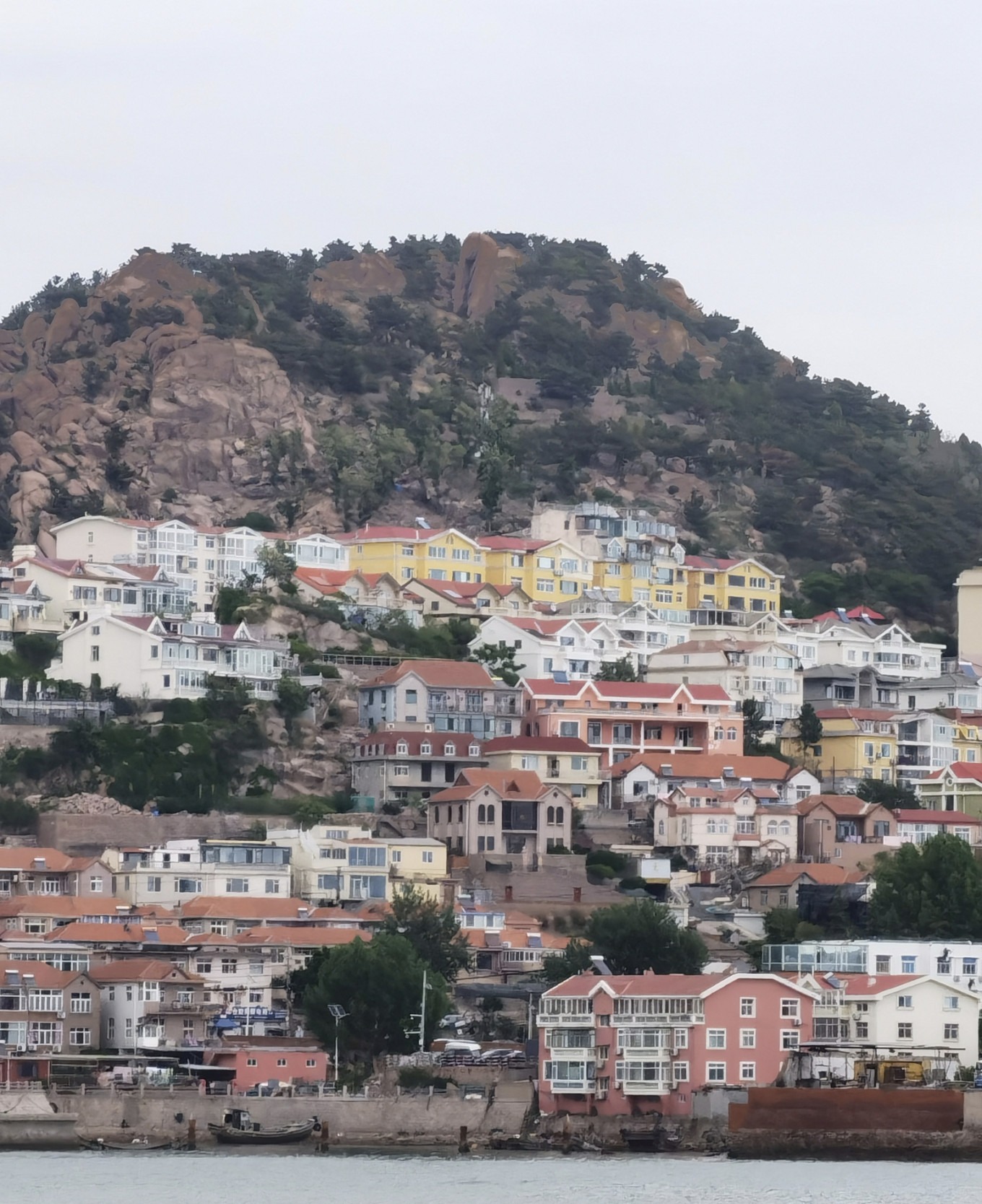
It’s a great spot for video enthusiasts: you can film yourself strolling through the village, creating the illusion of wandering a European seaside town. The light changes quickly, so be patient. For the classic postcard shot, head about 1 km east of the square.
Xiaomaidao (Little Wheat Island)
As dusk settles over Xiaomaidao (小麦岛), the island takes on a romantic, laid-back vibe. You can wander along the shore without a fixed plan—just follow the sound of music drifting from a small hilltop clearing, where an outdoor concert might still be wrapping up. The stage is set against the sea breeze, with folk songs echoing in the twilight.
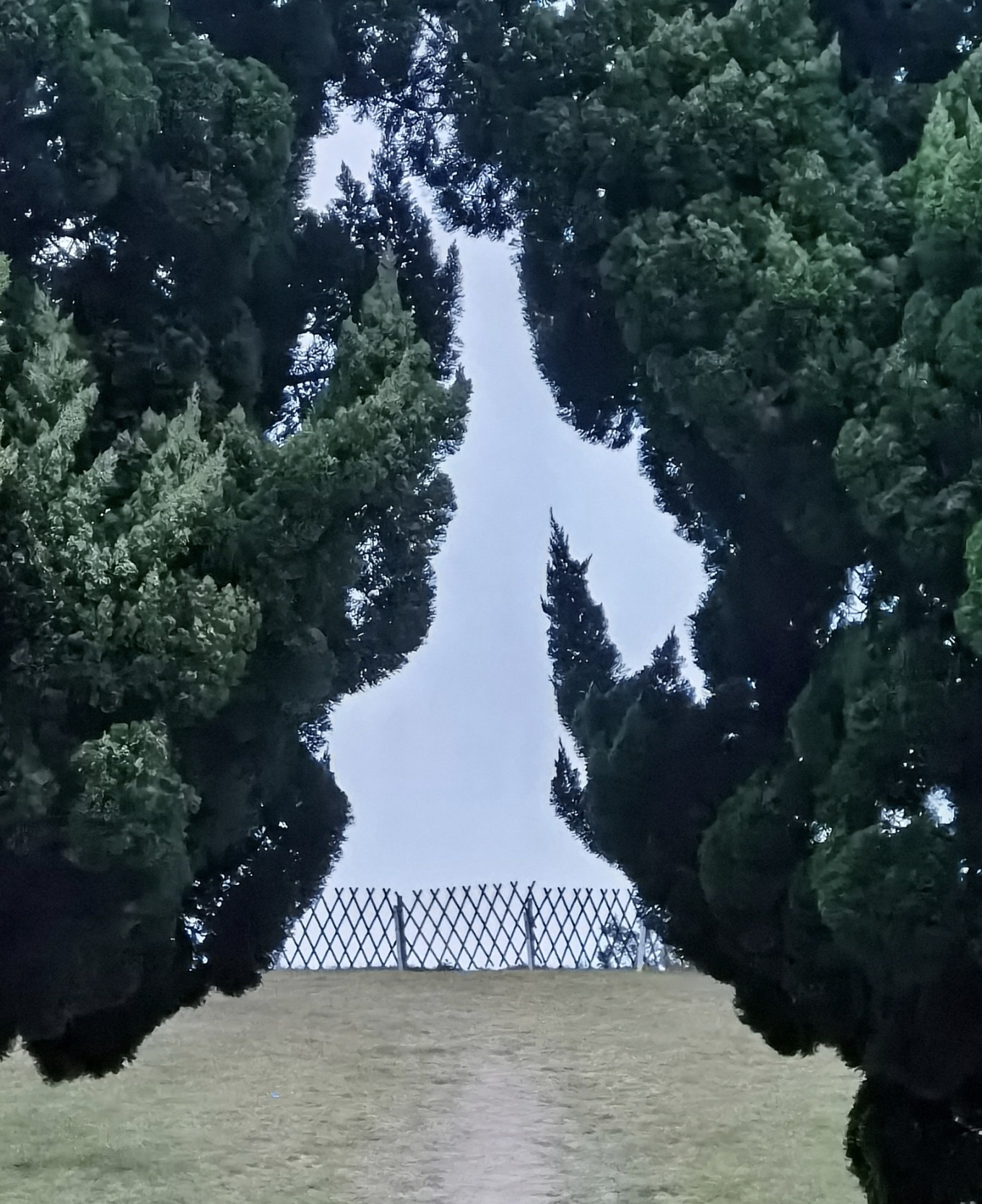
Near Wusong (五棵松), you’ll find a wooden-fenced area marked as a grassy lawn—though by evening it’s mostly bare from foot traffic. It’s a popular photo spot, so expect a few people capturing the golden hour. As you stroll back, the salty breeze carries husky folk ballads, creating an atmosphere that feels both free and deeply romantic.
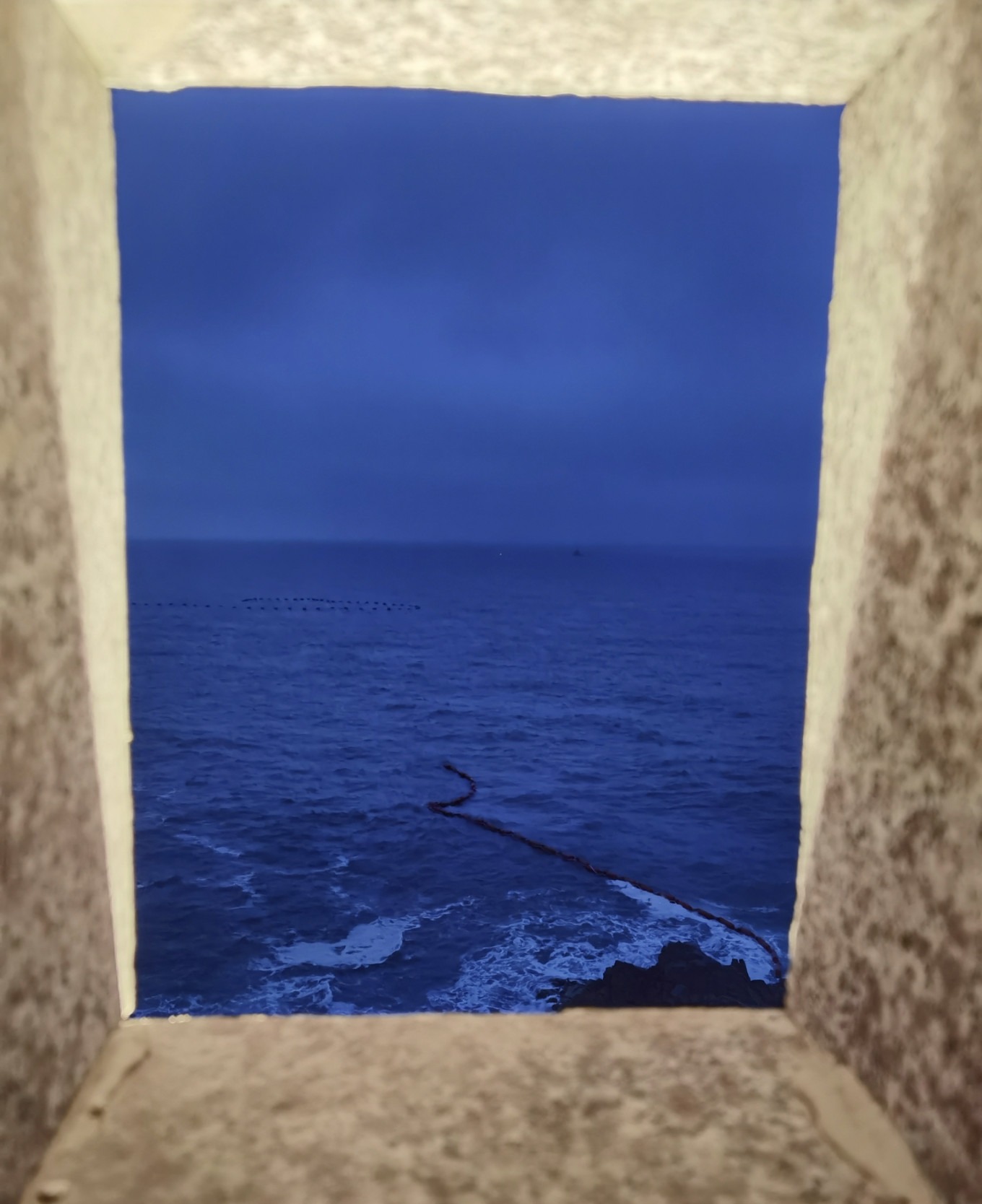
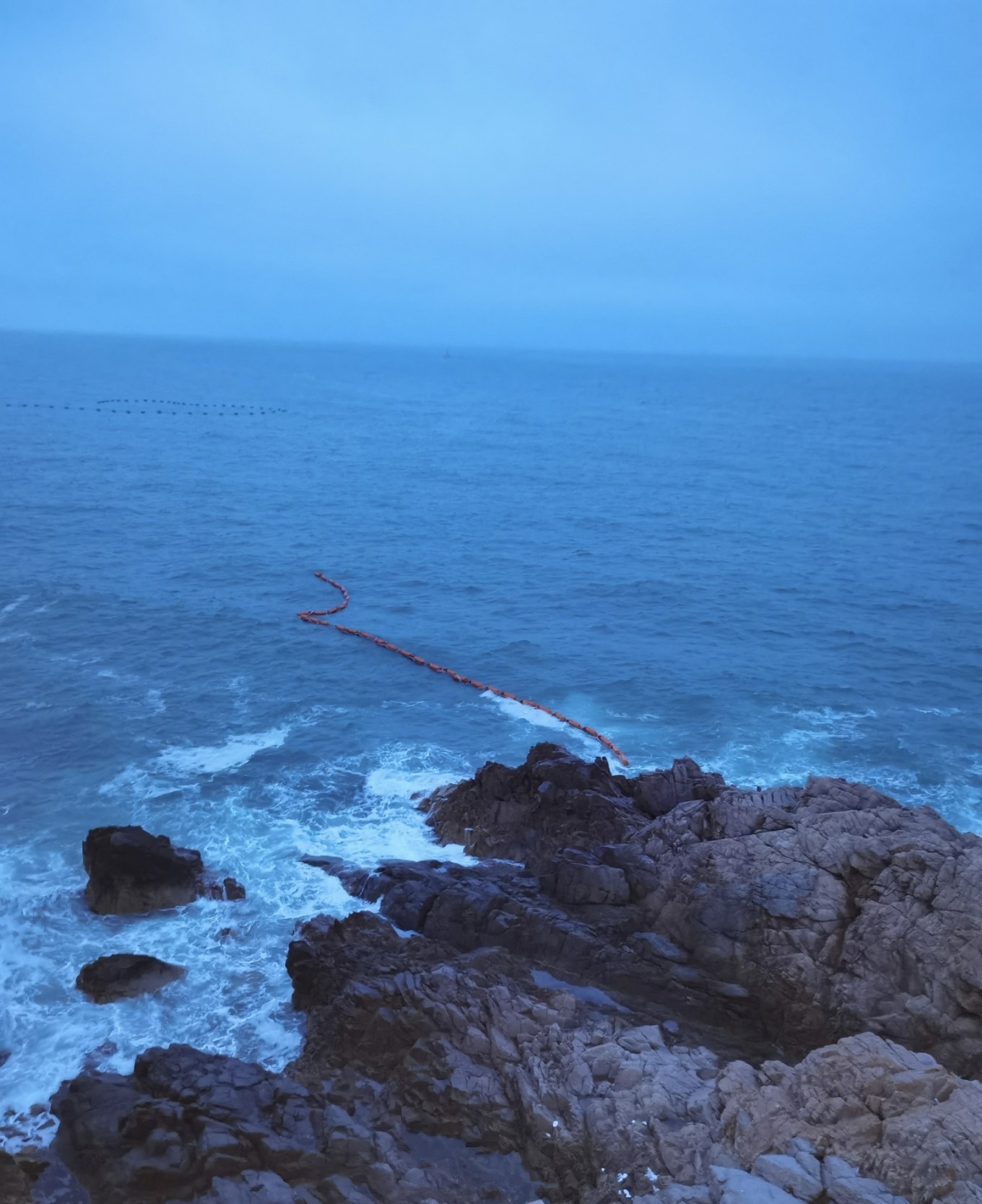
You’ll quickly realize that Qingdao’s long coastline is dotted with countless spots perfect for couples—no need to worry about where to go each day. Many are easily accessible by public transport and, best of all, completely free. It’s a city that truly makes you envious of its romantic opportunities.
Qinyu Road to Little Qingdao Island
Starting from the Navy Museum, Qinyu Road (琴屿路) is a scenic coastal walk that connects to Little Qingdao Island (小青岛). On weekday mornings, the road is pleasantly uncrowded, making it an ideal time to visit. The famous “Lonely Tree” — a single tree against the sea backdrop — usually requires only a 10-minute wait for a photo. Whether you find its charm is up to you, but it’s become a beloved spot for snapshots.
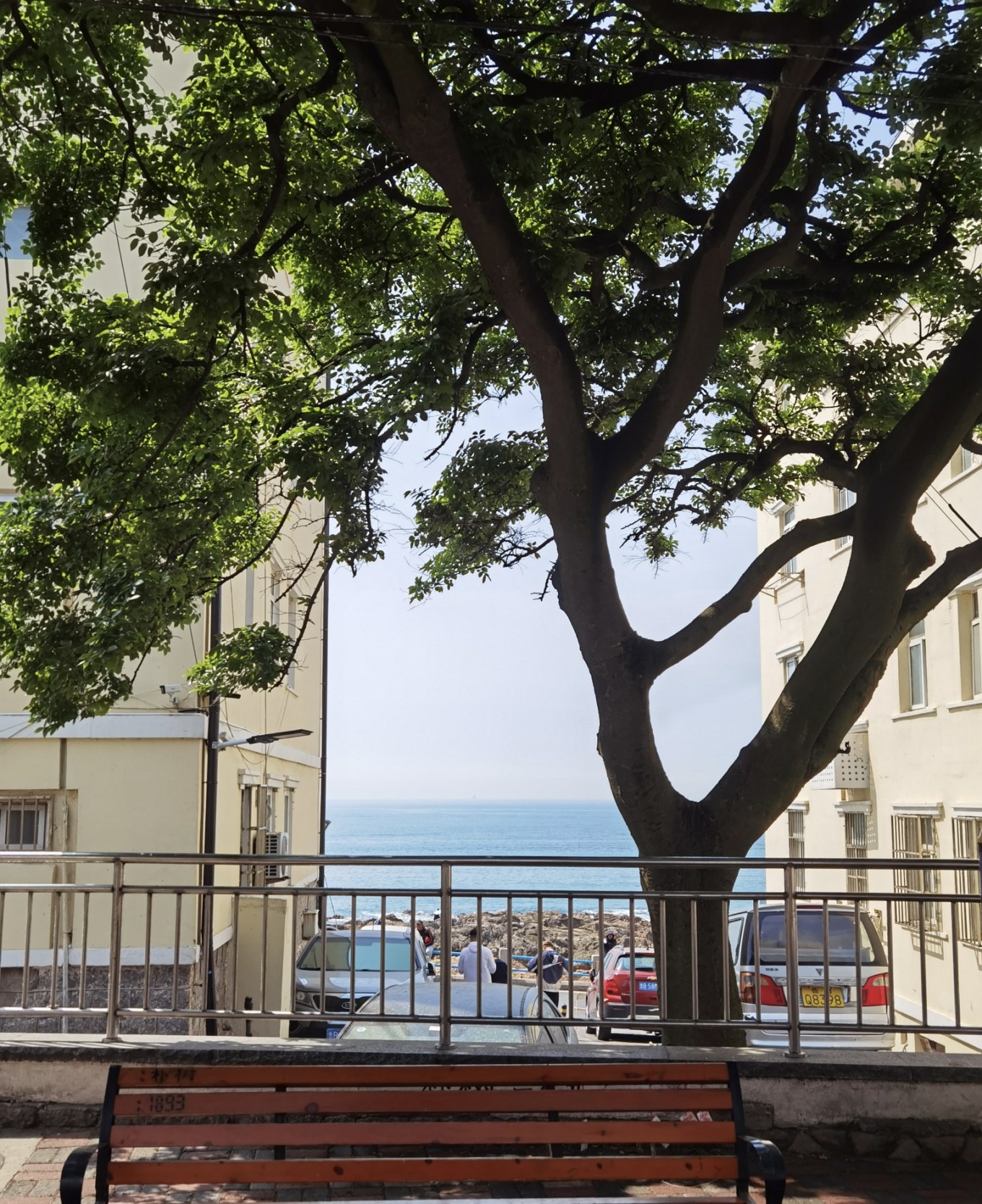
Just beyond the tree, you’ll reach the famous S-curve of Qinyu Road, a photogenic bend that draws photographers. Local photographers often offer their services here — if you’re not confident in your own skills, consider hiring one for a small fee. They can guide your poses and deliver impressive results, as many travelers have discovered.
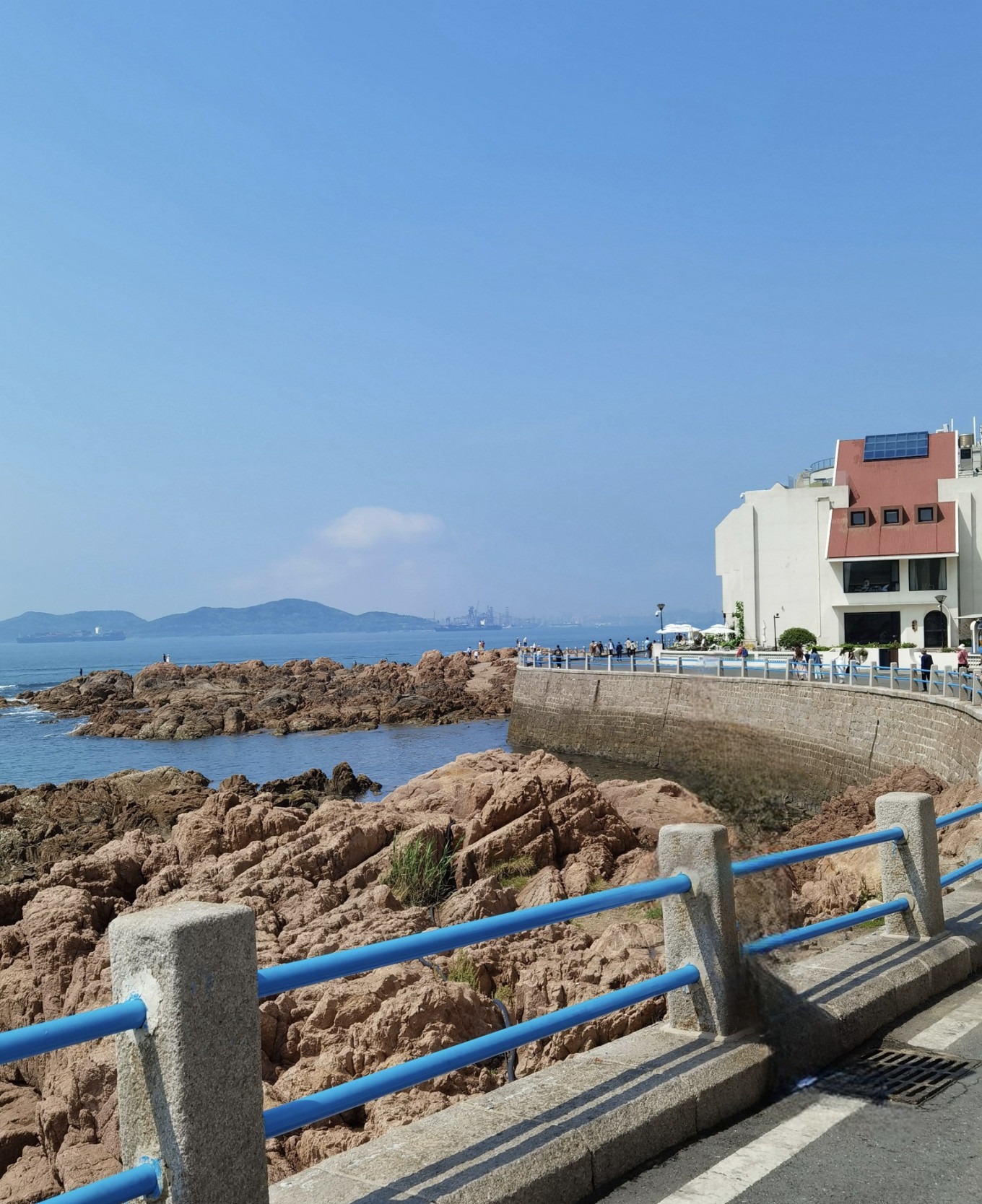
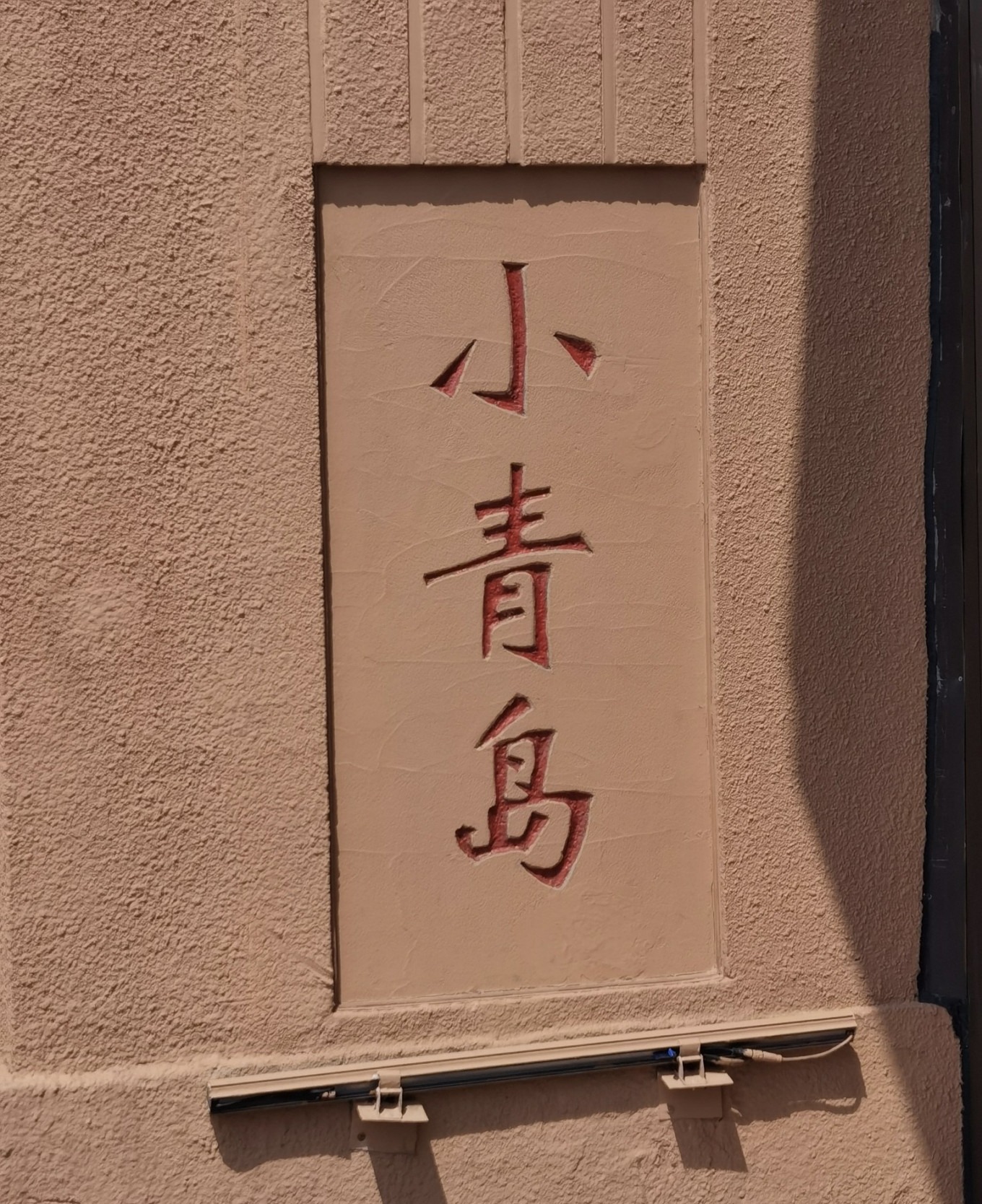
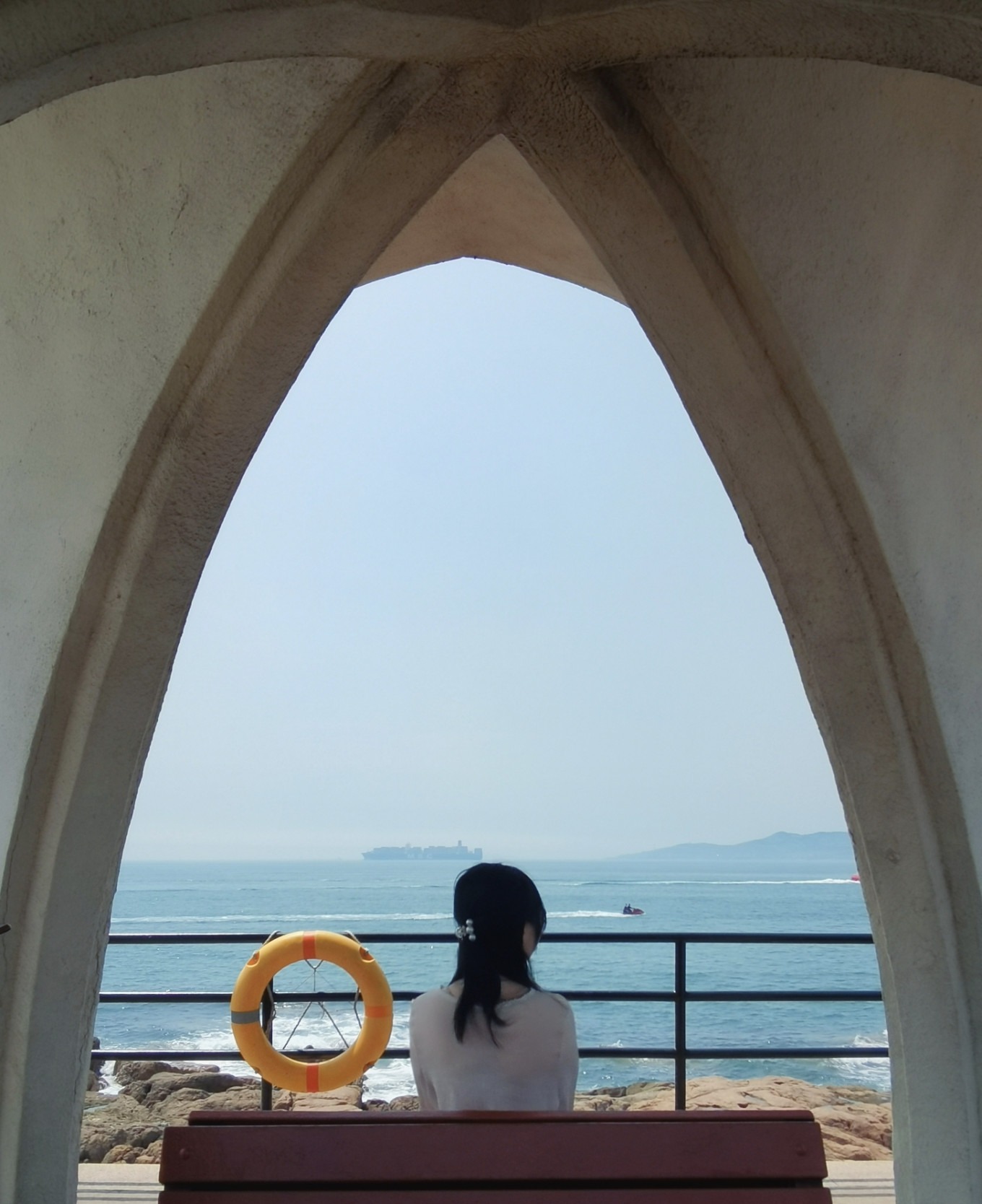
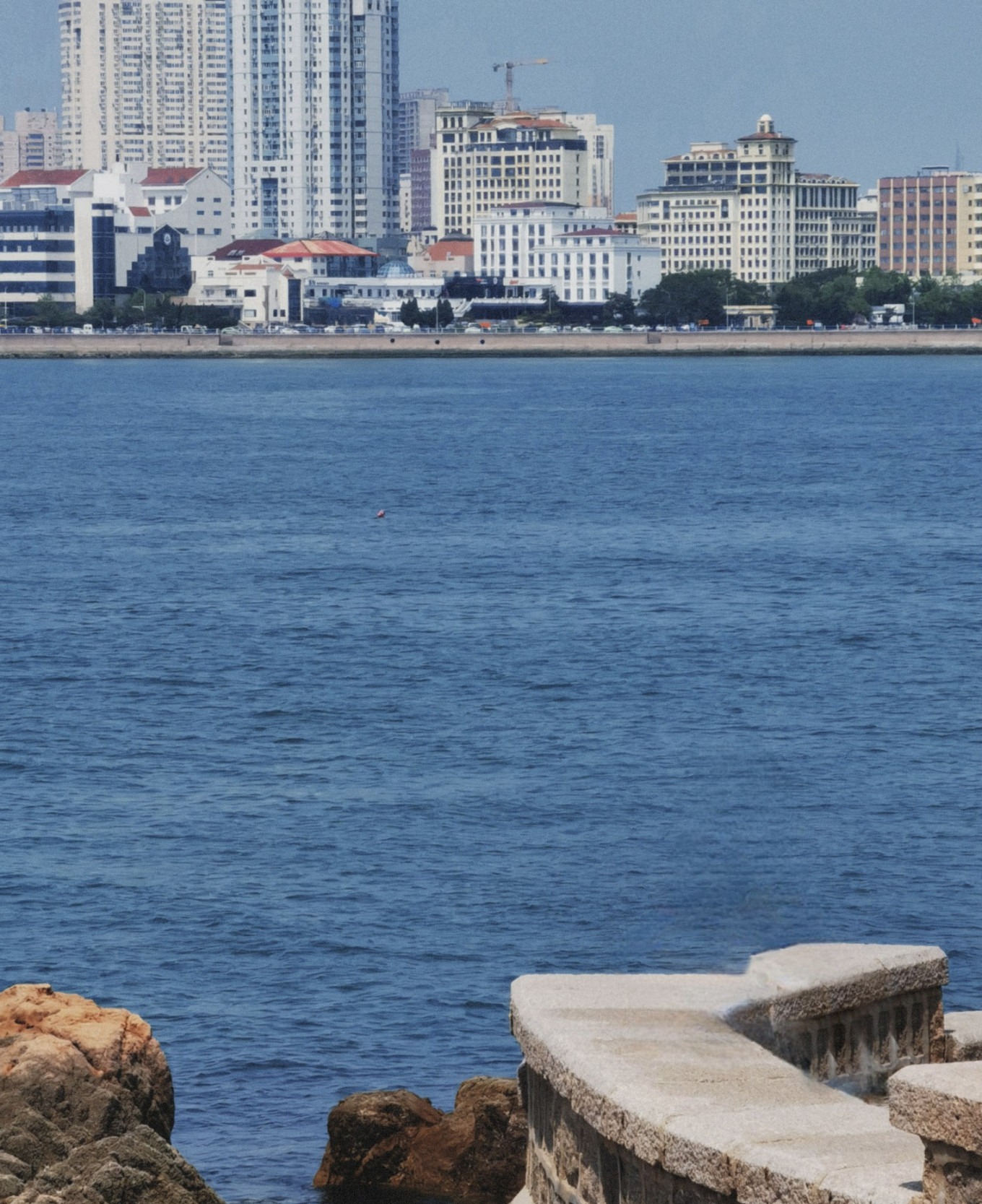
Walking all the way down Qinyu Road leads you to Little Qingdao Island (小青岛). While sunset is often recommended for this area, a sunny daytime visit is equally rewarding. The island is perfect for a leisurely stroll. From the causeway, you can see the warships of the Navy Museum — on Mondays when the museum is closed, the decks are empty, making for striking photos of the vessels.
Xiaoyushan (Little Fish Hill)
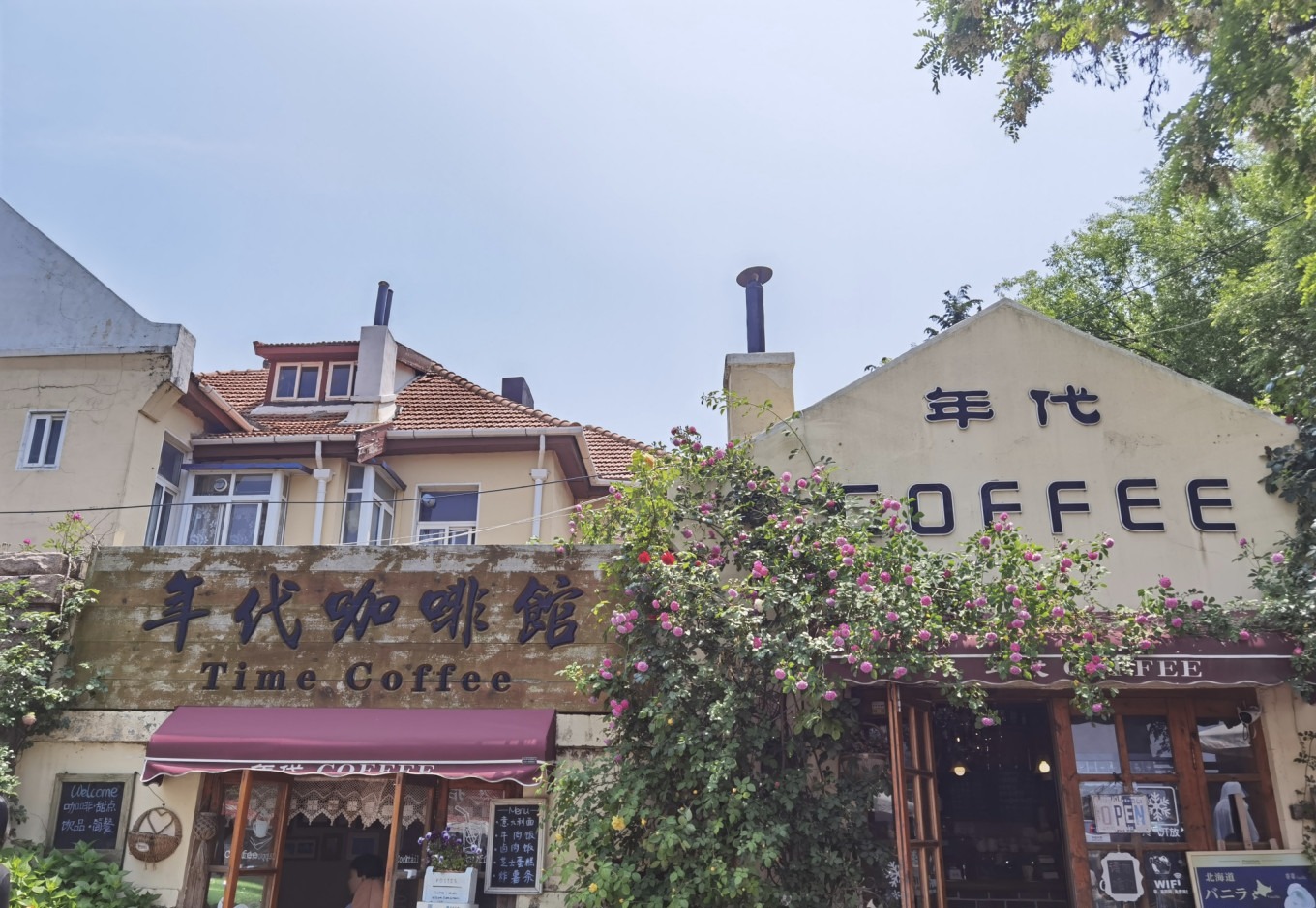
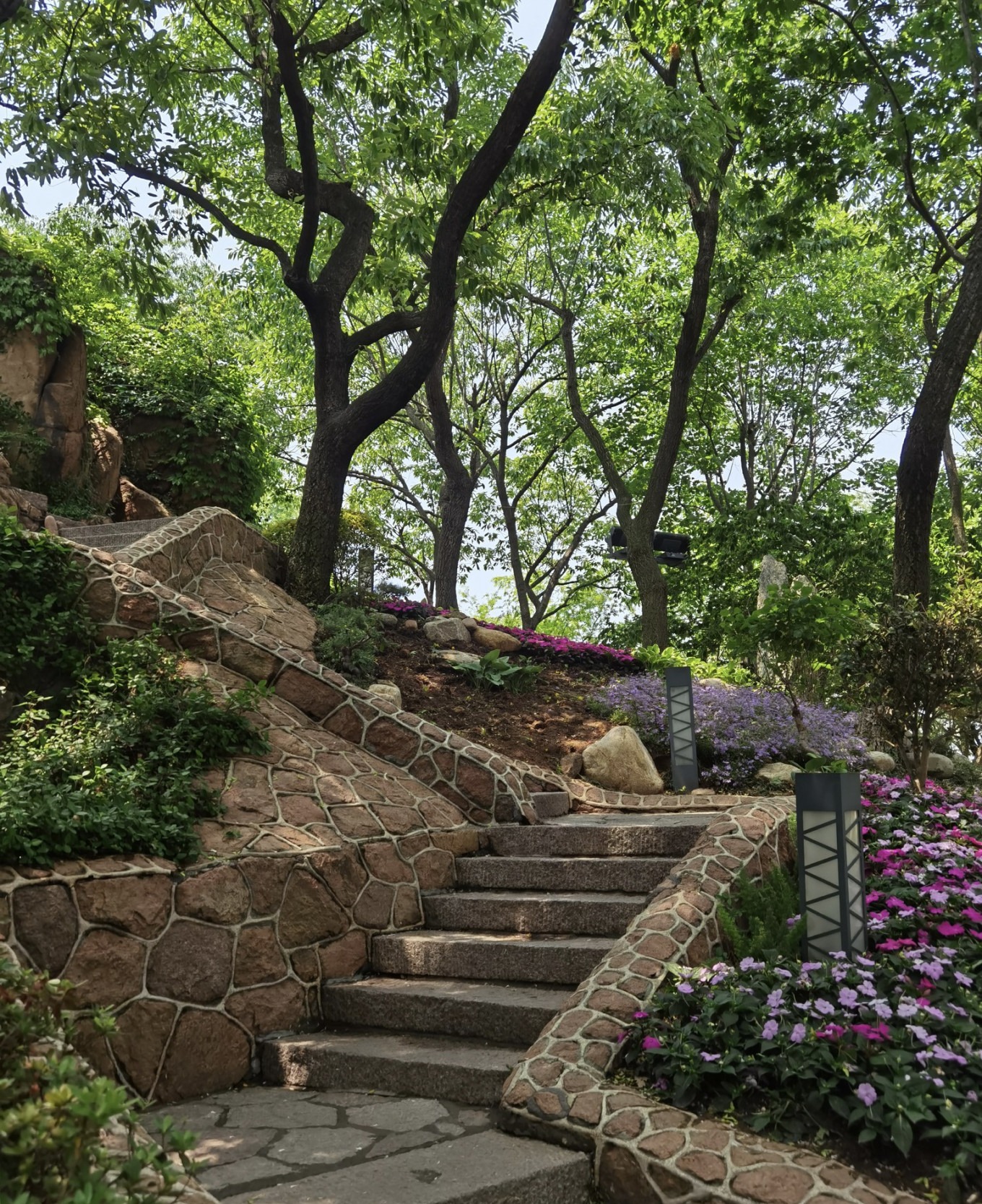
As you wander from Qinyu Road toward Xiaoyushan (Little Fish Hill), you’ll pass through residential neighborhoods where cascading blossoms spill over walls in vibrant colors. Qingdao’s high greenery coverage means flowers are everywhere, catching your eye at every turn.
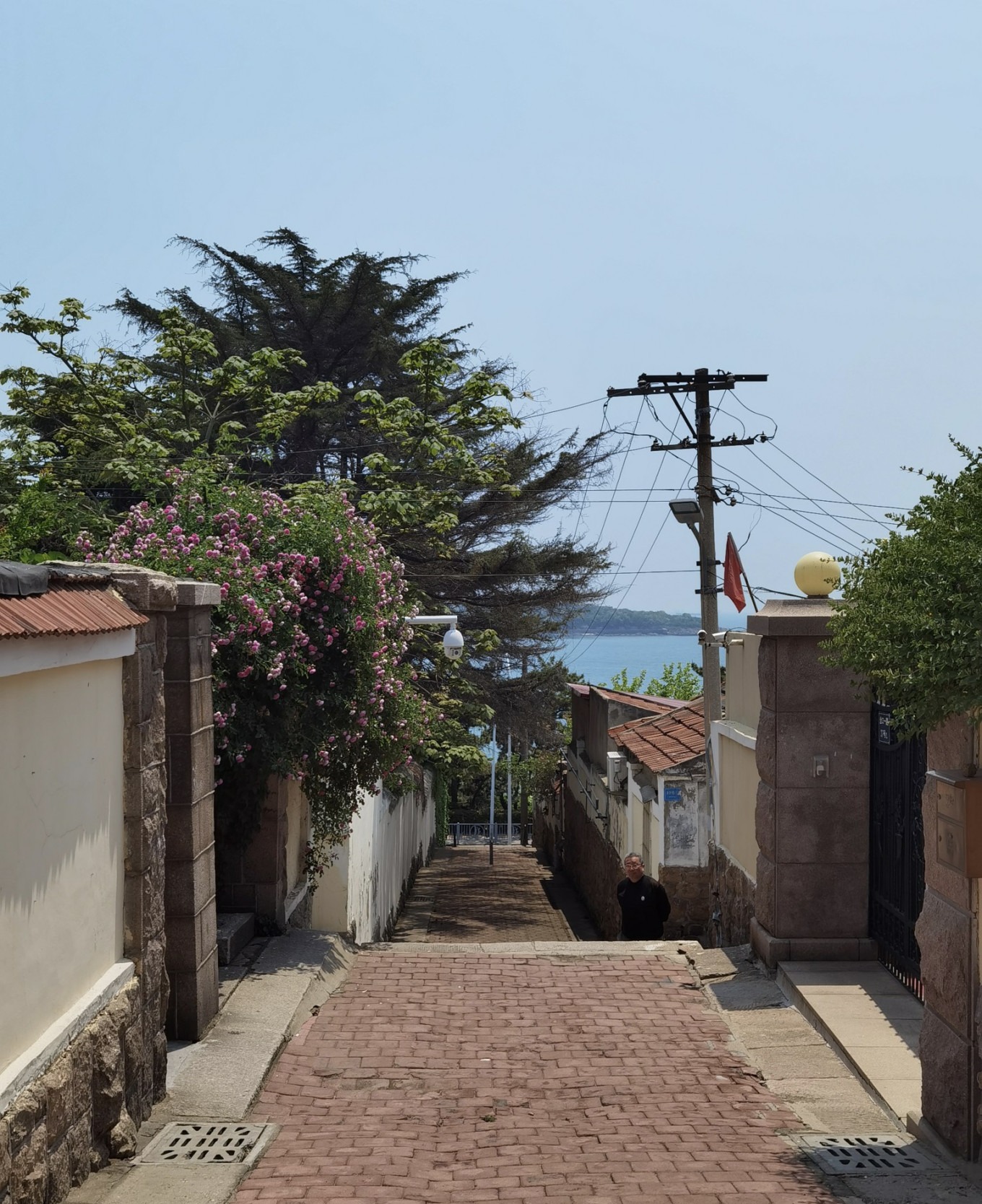
The name Xiaoyushan (Little Fish Hill) has several origin stories. One popular tale says that in earlier times, fishermen used to moor their boats nearby and sell fresh fish here, giving the hill its name.
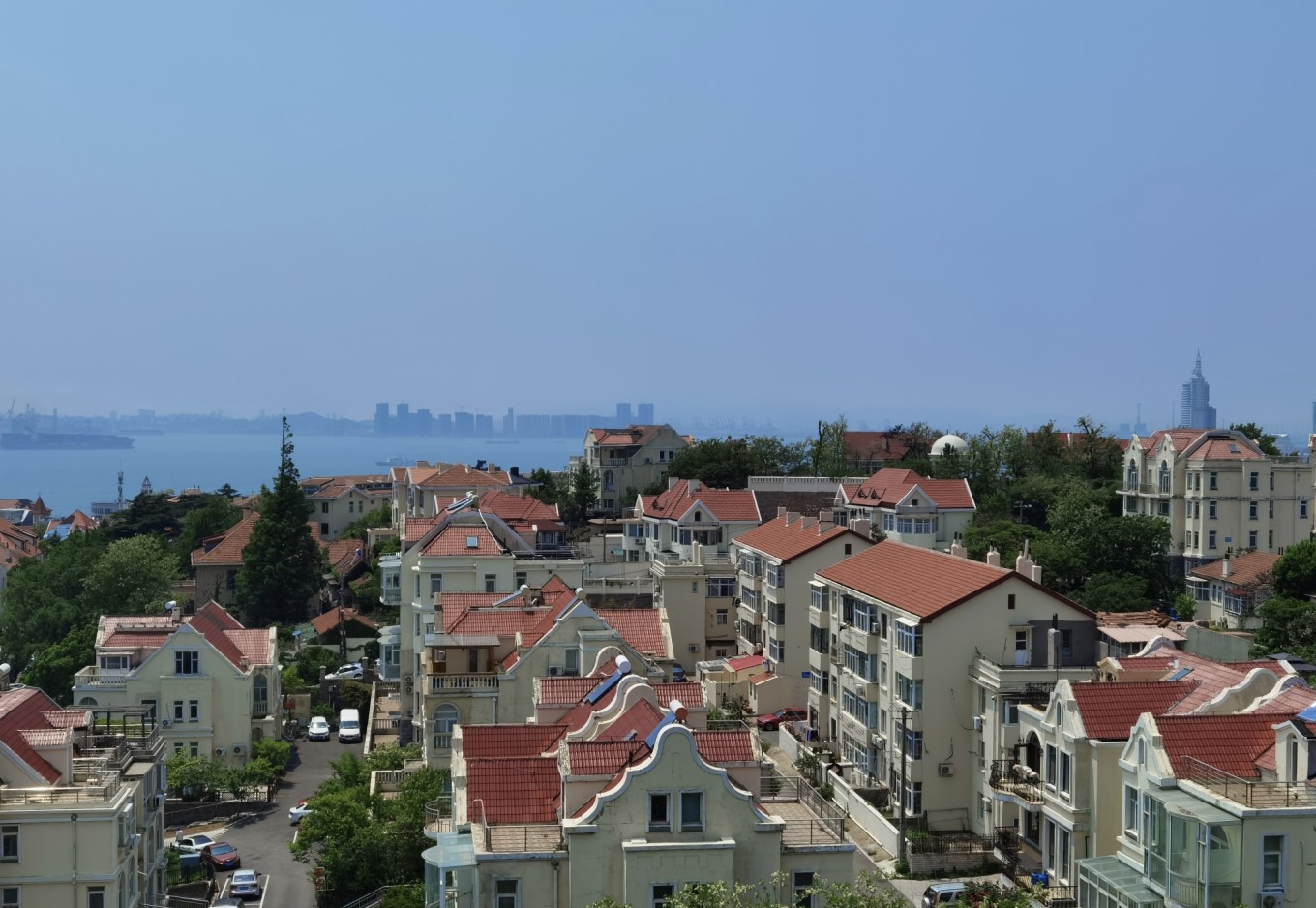
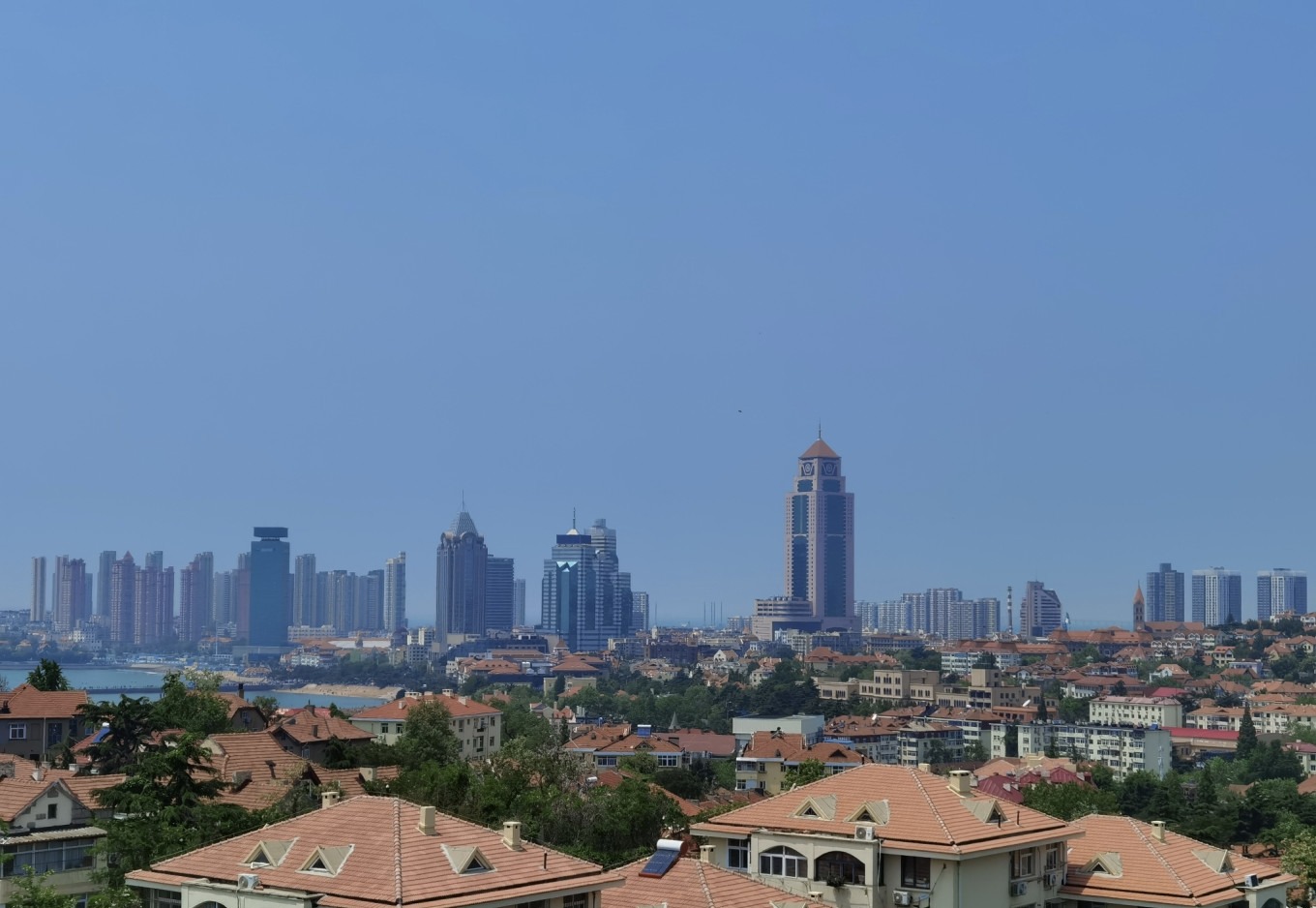
A mere five-minute climb to the summit rewards you with sweeping views of Qingdao’s old town German-style buildings, as well as the distant Zhanqiao Pier, Little Qingdao Isle, and the First Bathing Beach. It’s an effortless way to capture the city’s iconic skyline.
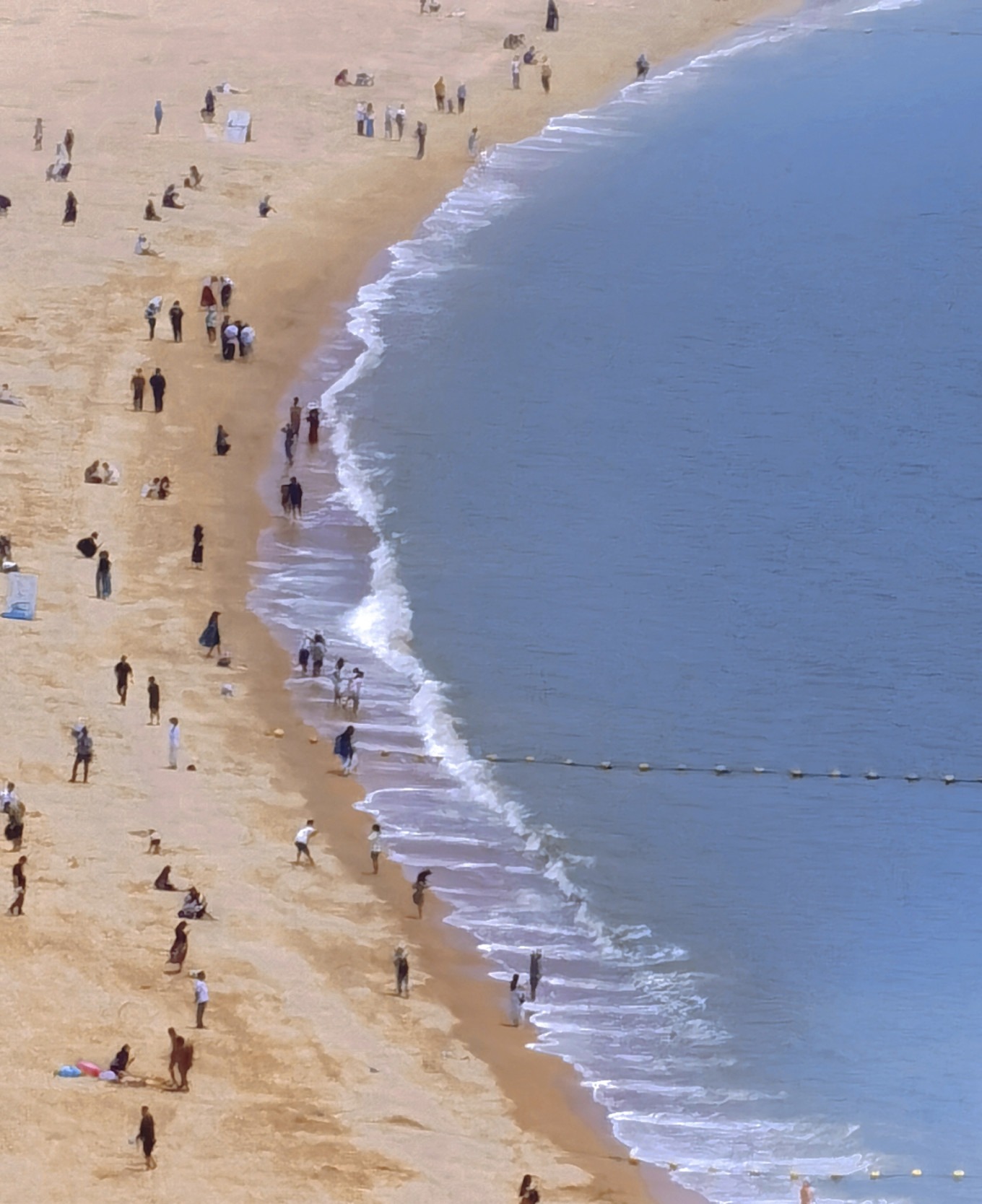
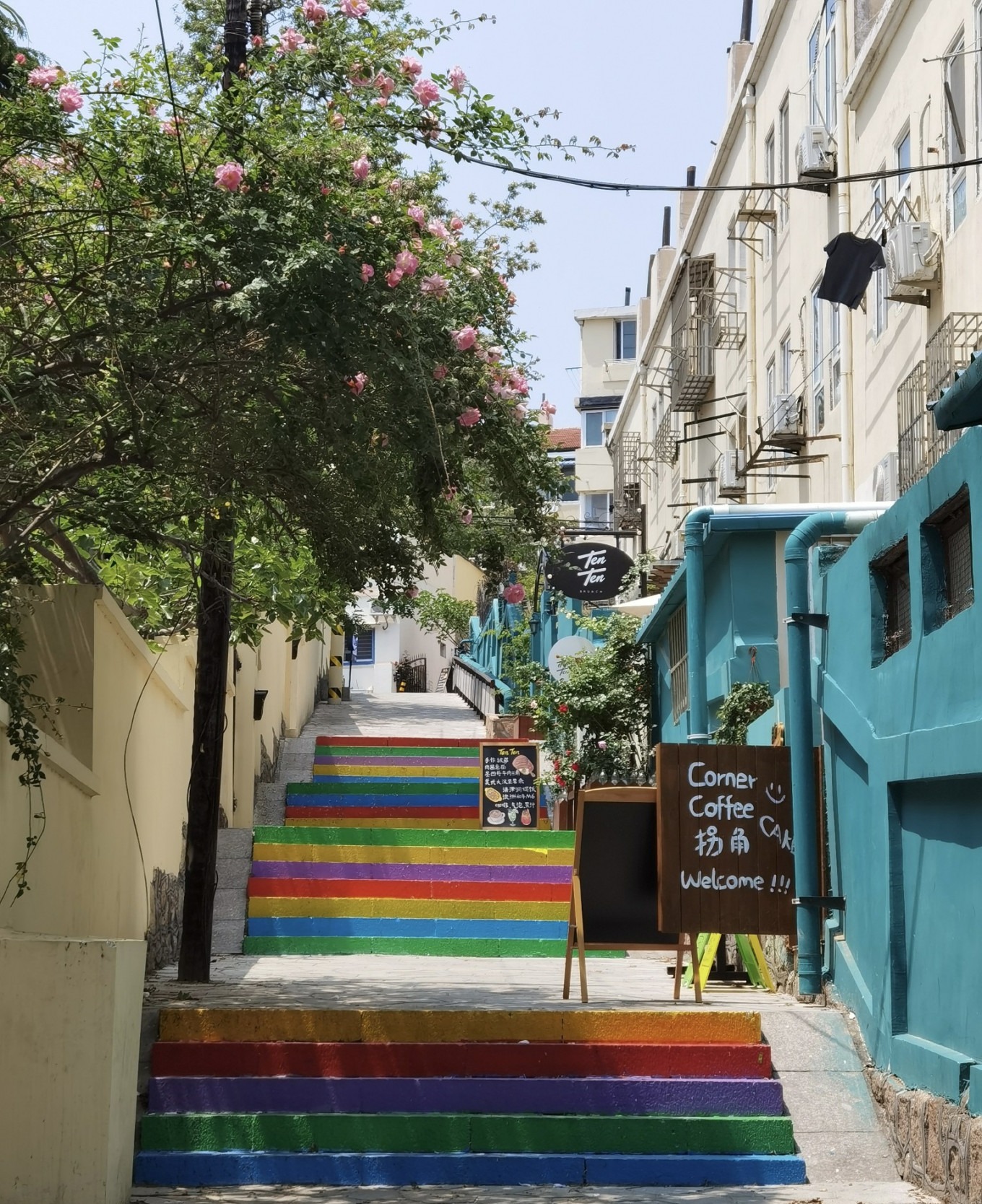
Right next to Xiaoyushan, Fushan Branch Road (福山支路) is lined with unique creative shops and cafés, plus a dreamy rainbow staircase that’s perfect for photos. Take some time to explore this artistic alley after your hilltop visit.
Practical tip: You can prioritize one signature stop around the area, and you should adjust timing and budget based on transport and peak hours.
Tuandao Farmer’s Market
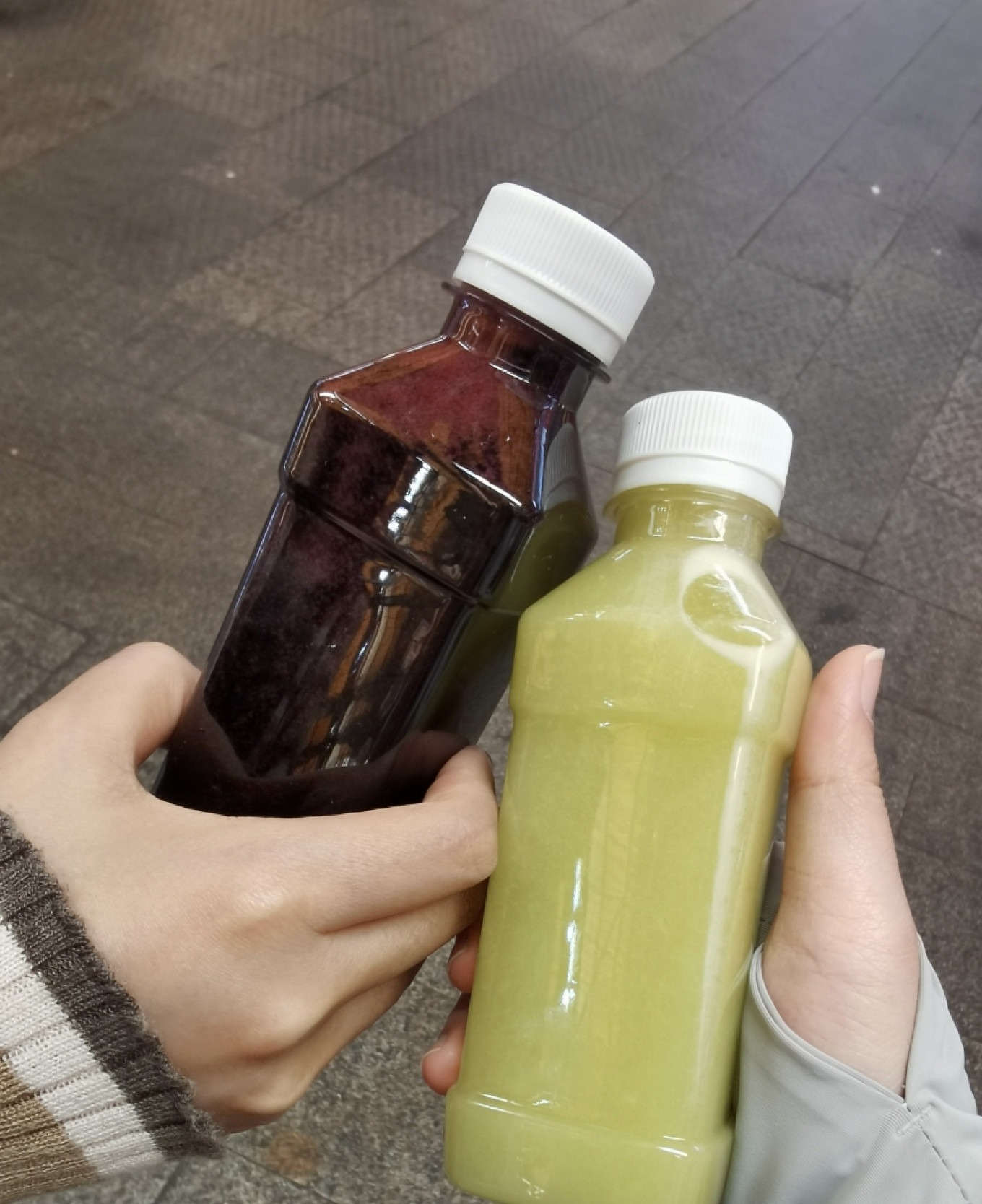
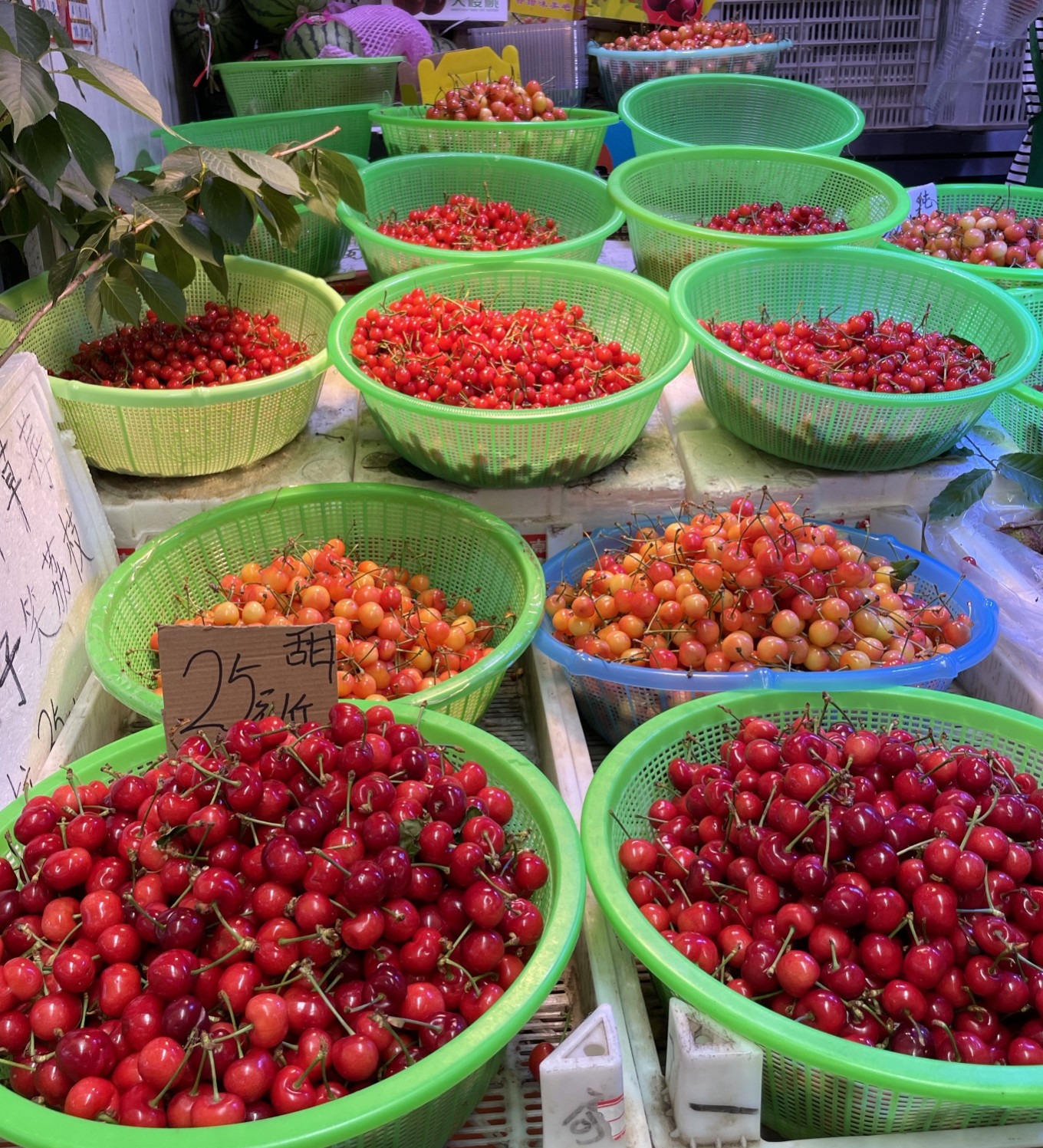
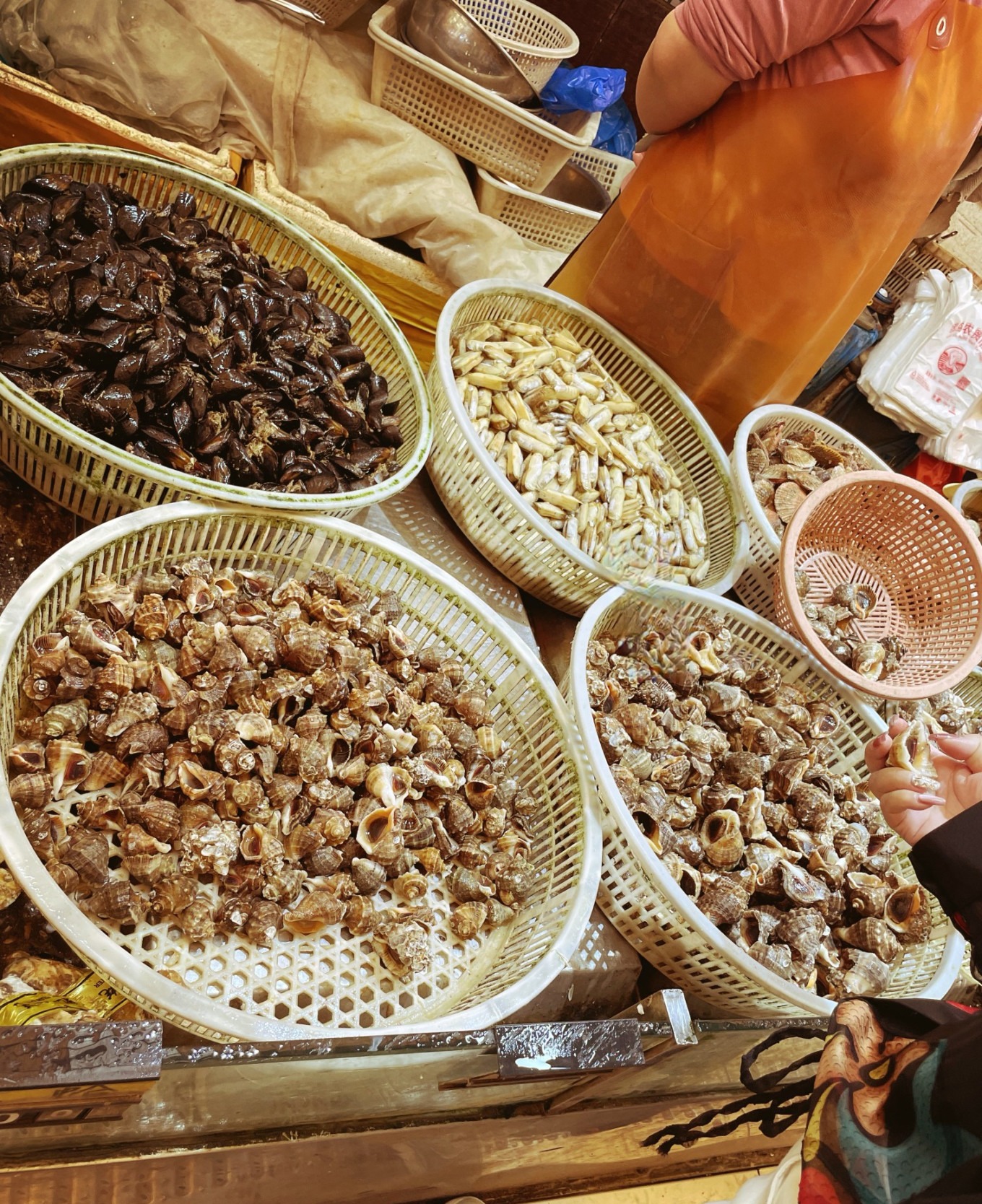
If you’re looking for an authentic taste of local life, a spontaneous visit to Tuandao Farmer’s Market (团岛农贸市场) is a must. This bustling market is a great place to see what small seafood the locals are buying—though be aware that prices have crept up a bit as more tourists discover it. Don’t miss the fresh juice stall where you can pick your own fruit combos; try the autumn pear and kiwi blend. The vendor might pour a little extra and ask you to sip from your bottle first to make room—no waste here!
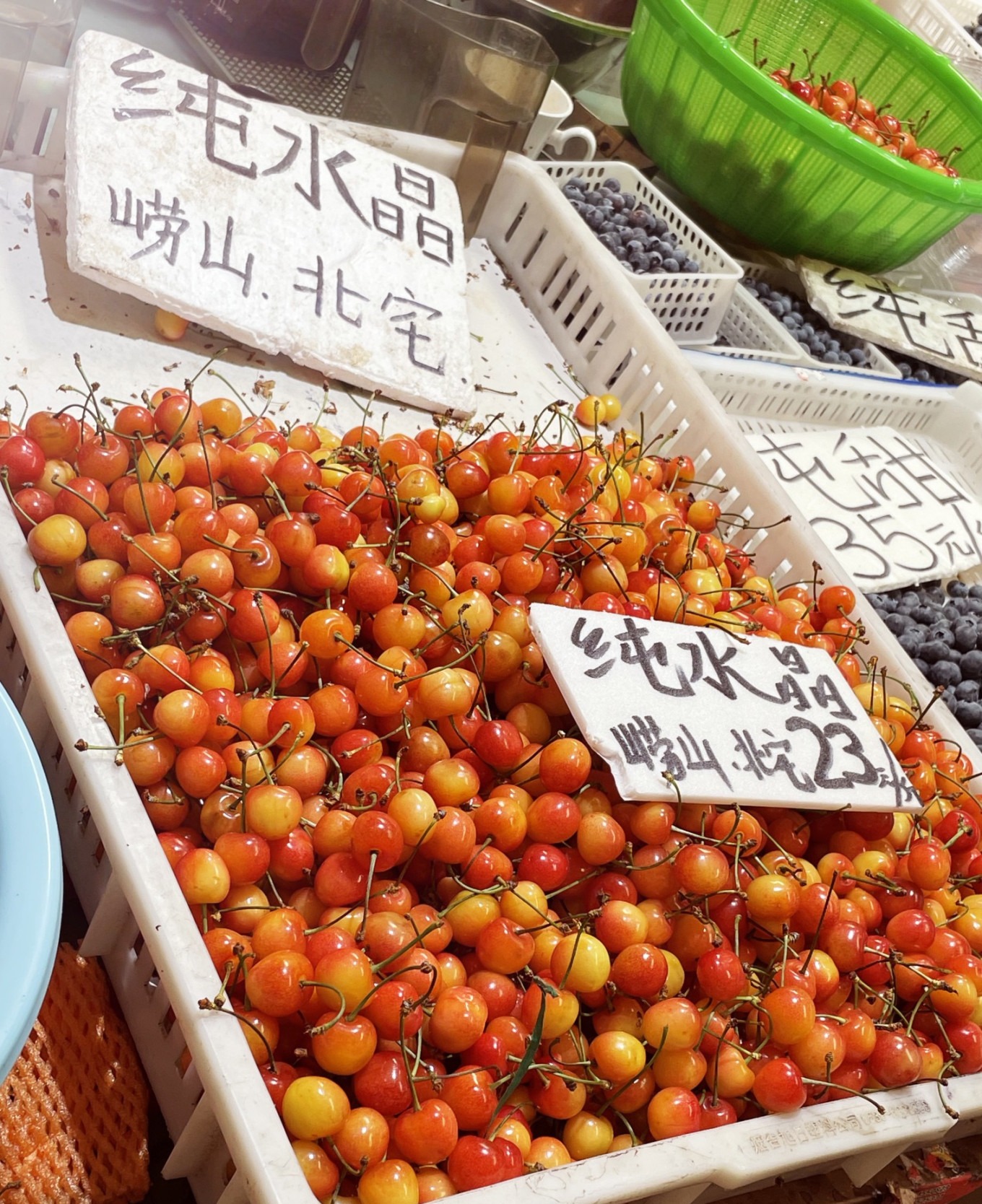
You’ll also find seasonal fruits like small cherries and ‘crystal’ cherries (水晶樱桃). The crystal variety has a softer, stickier texture that many prefer. Feel free to grab a bag and snack as you wander—just like the locals do.
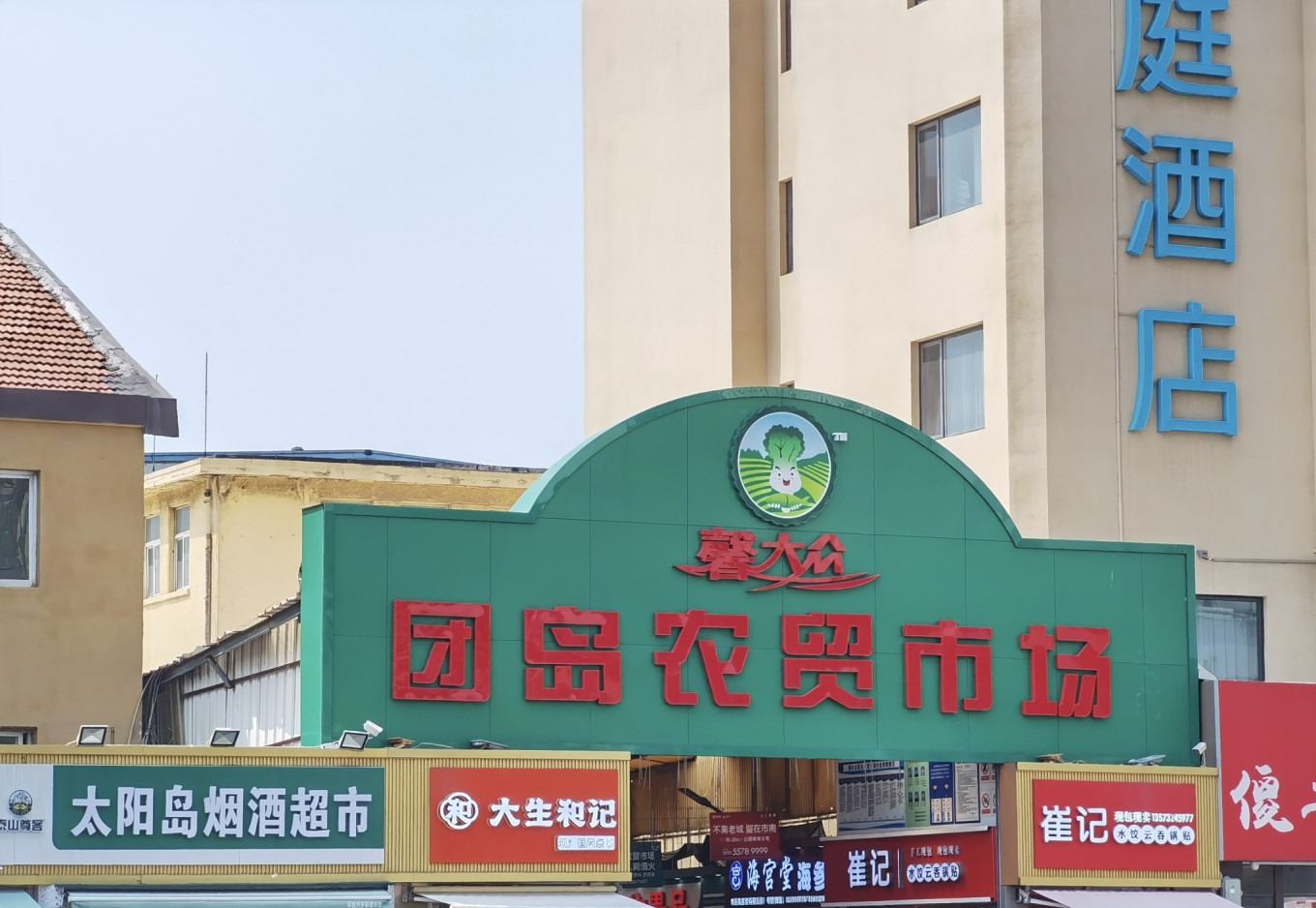
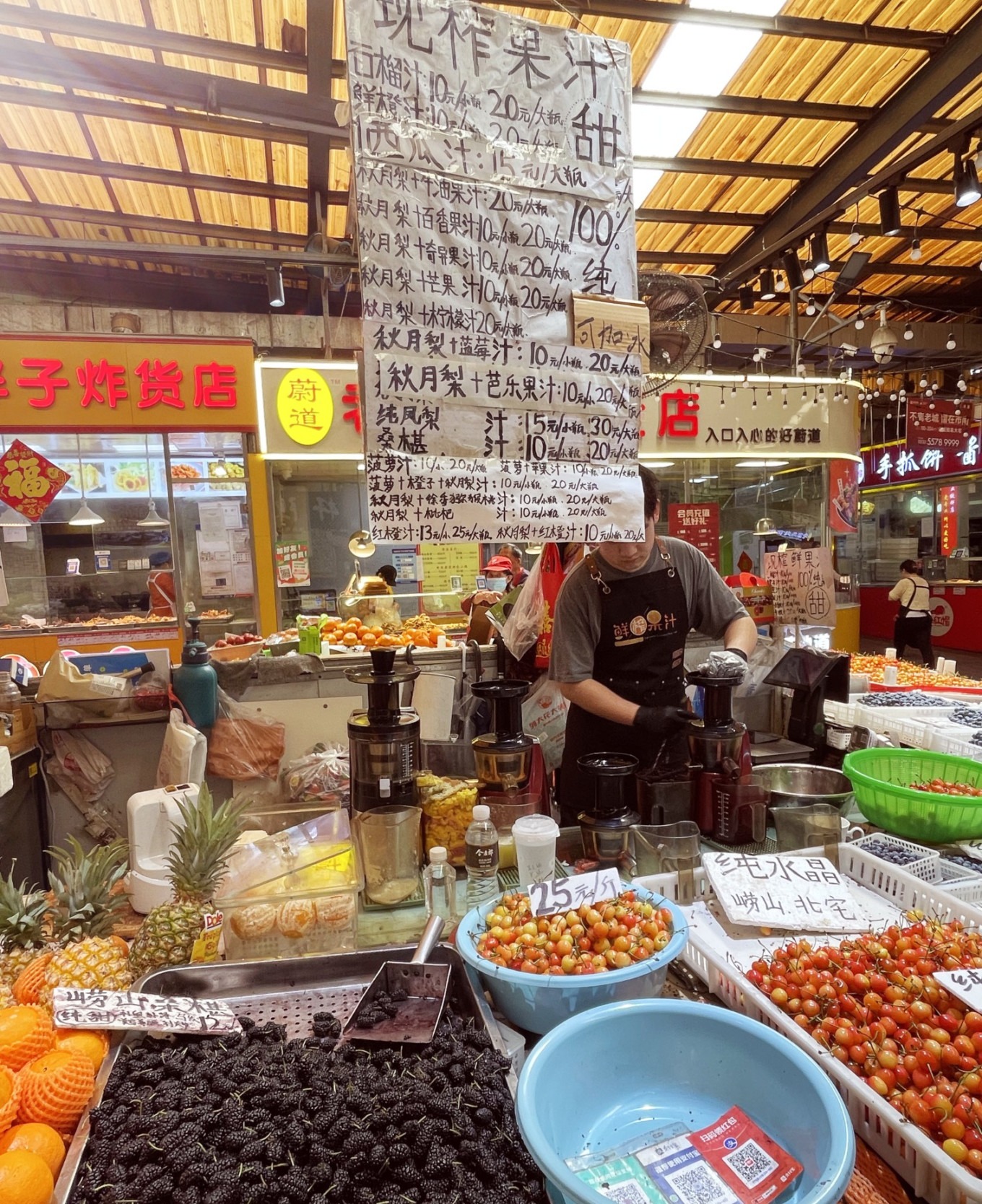
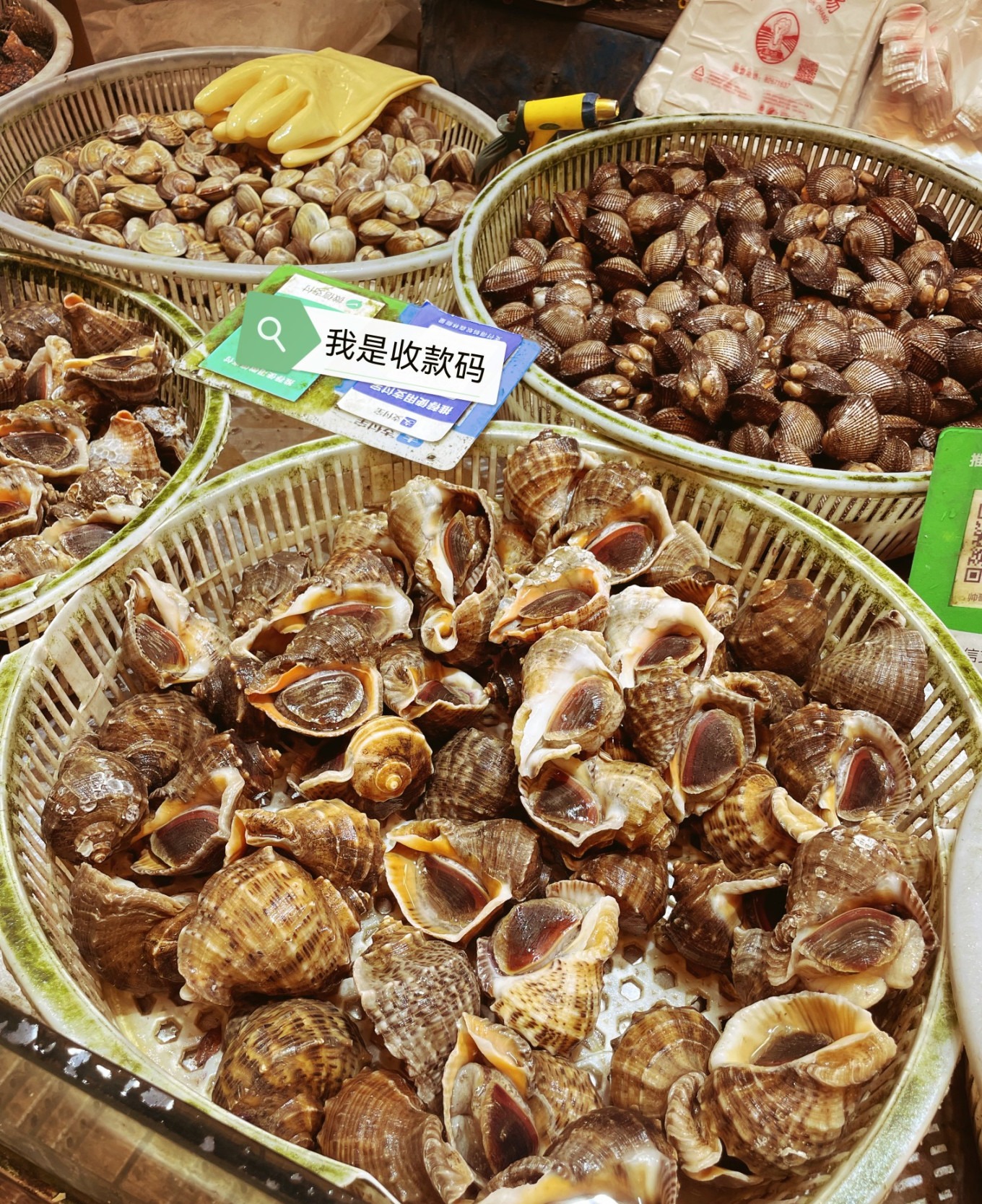
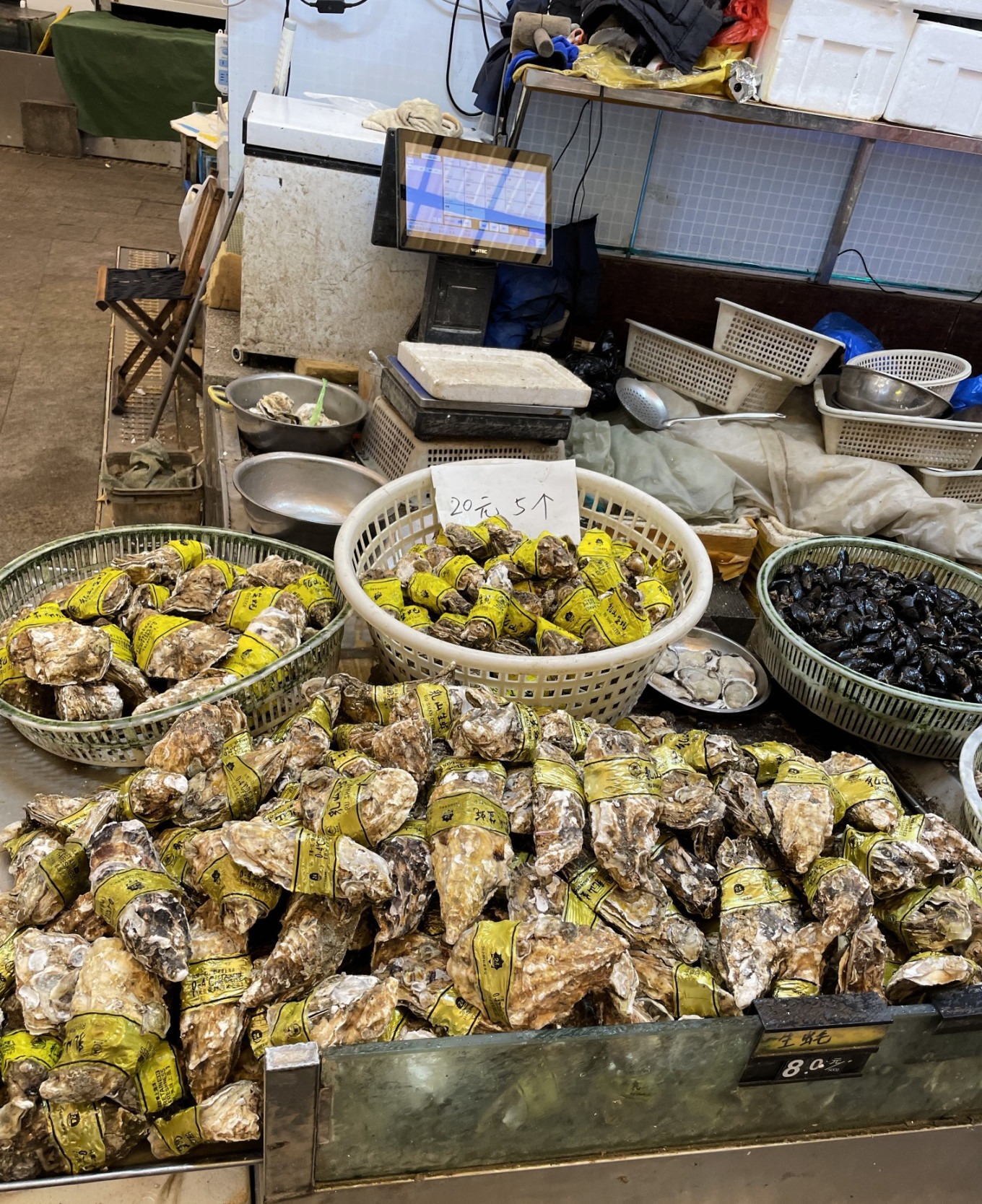
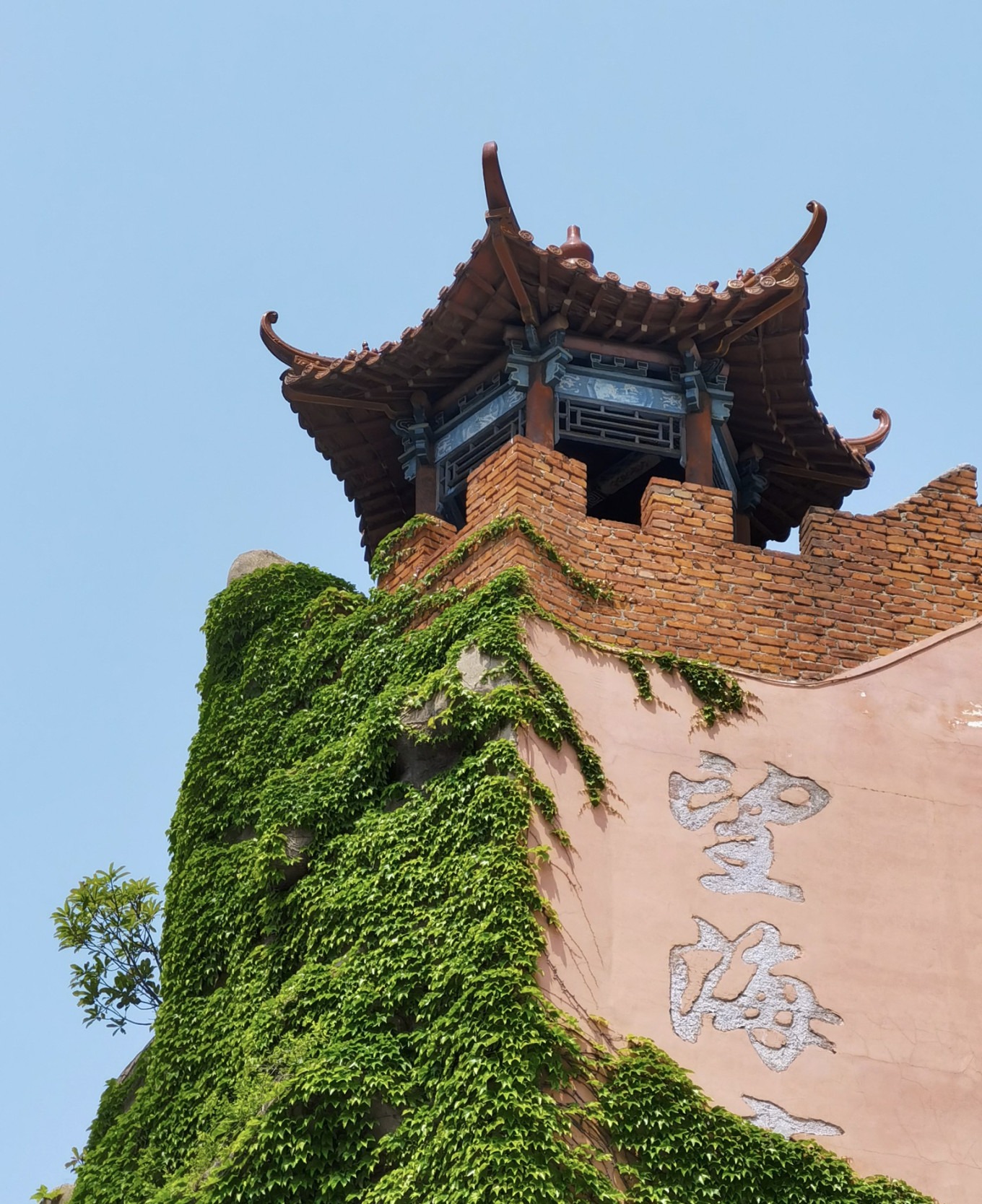
After exploring the market, take a short walk to Wanghaiting (望海亭), a scenic pavilion tucked inside a residential area near Tuandao metro station. It’s a charming spot for a quick photo and a moment of calm.
Flavors of Time
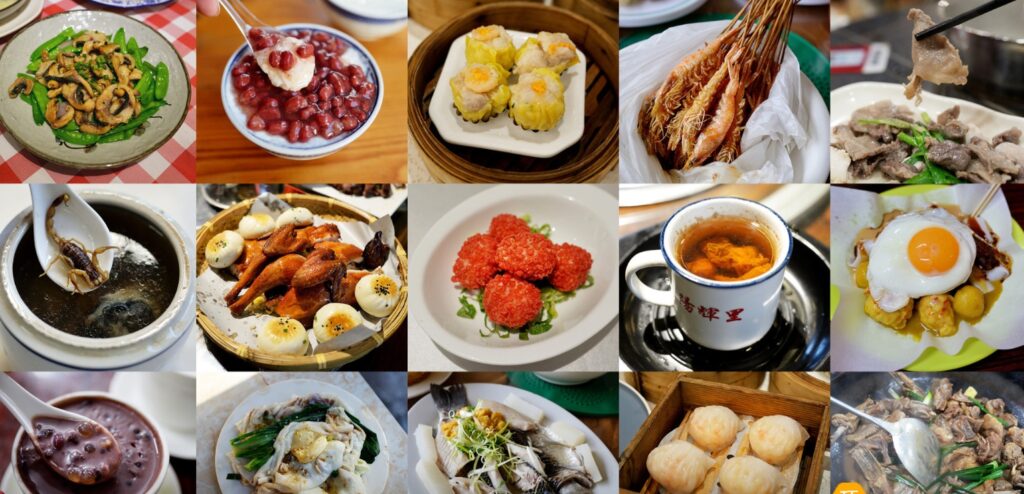
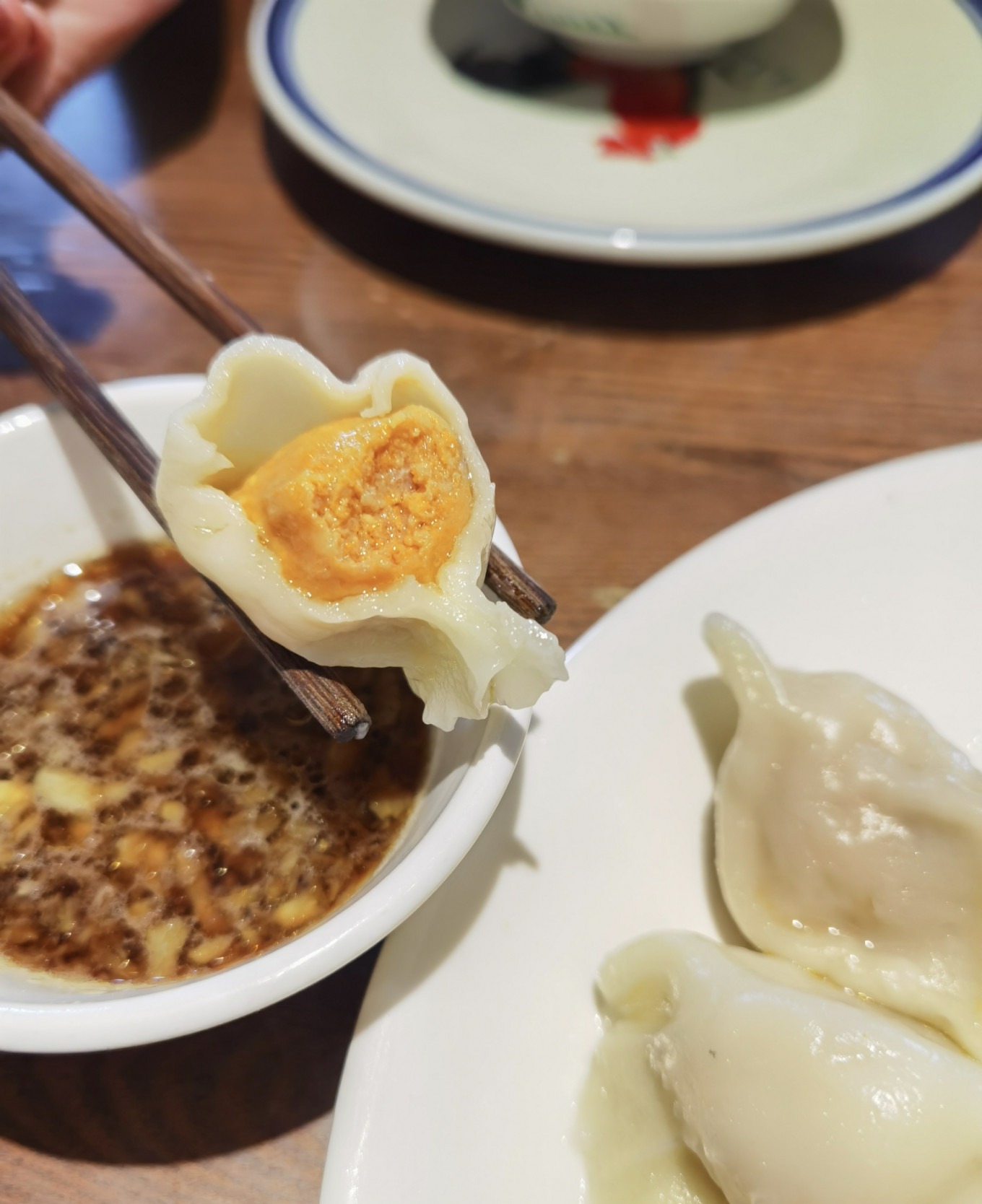
Qingdao is a paradise for seafood lovers, and one of the must-try dishes is sea urchin dumplings (海胆饺子). At Haibo Restaurant (海柏餐厅), you can order a plate of these unique dumplings for around 70+ RMB. The filling is a delightful blend of fresh sea urchin, offering a distinct oceanic flavor. For a more casual bite, head to Haiping Wonton (海萍馄饨) and try their “family fortune” wontons (全家福馄饨), which are bursting with savory meat juice.
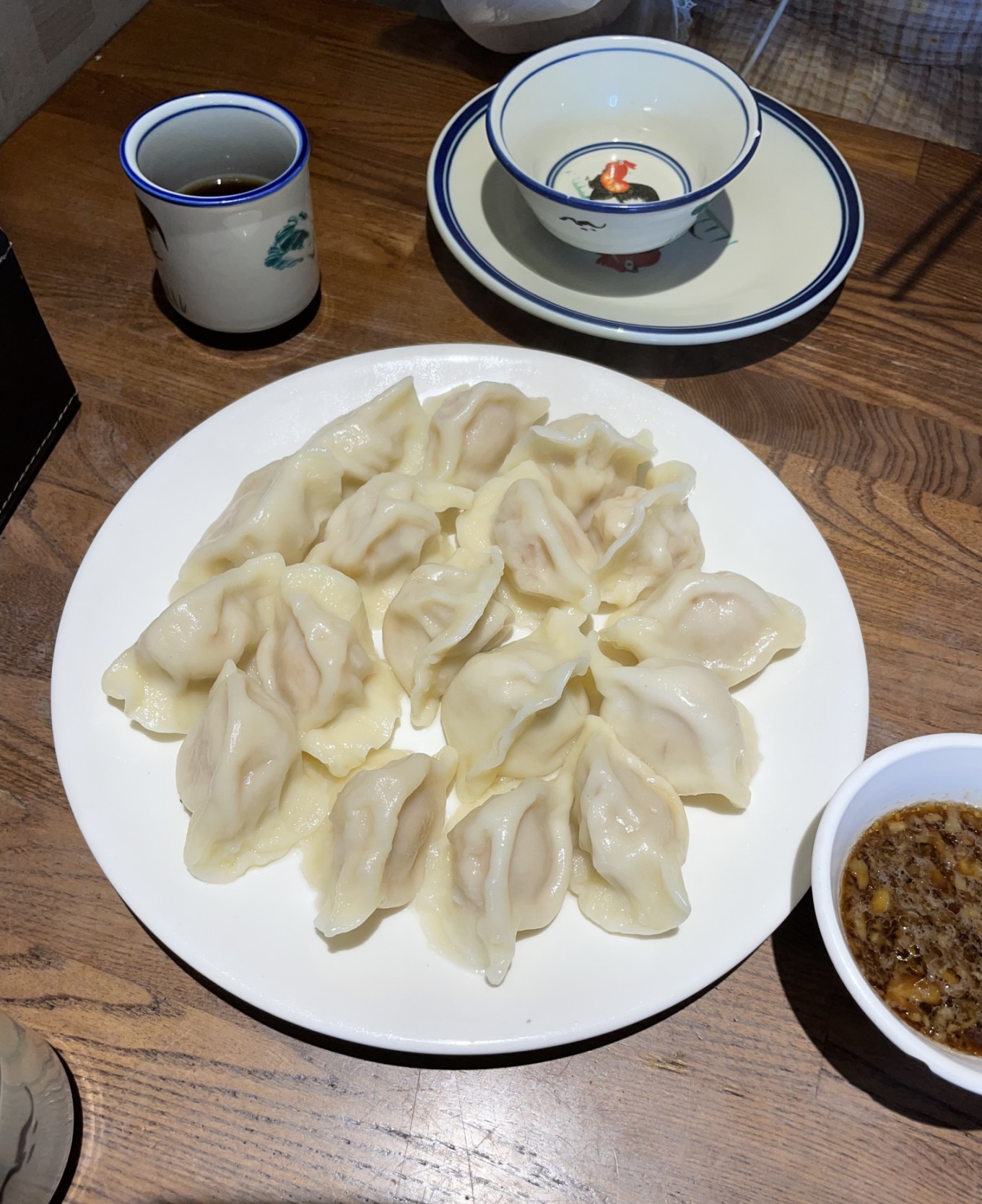
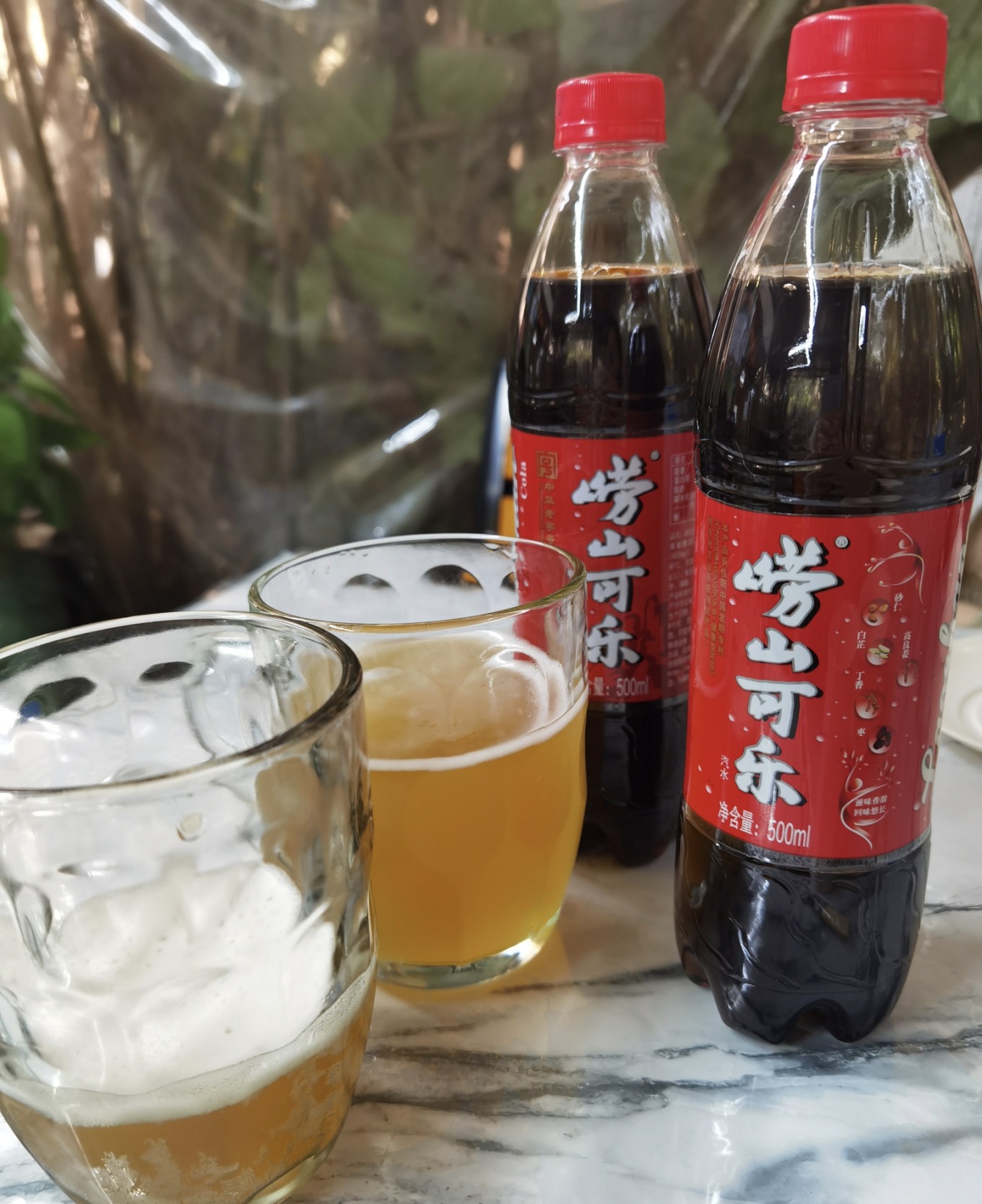
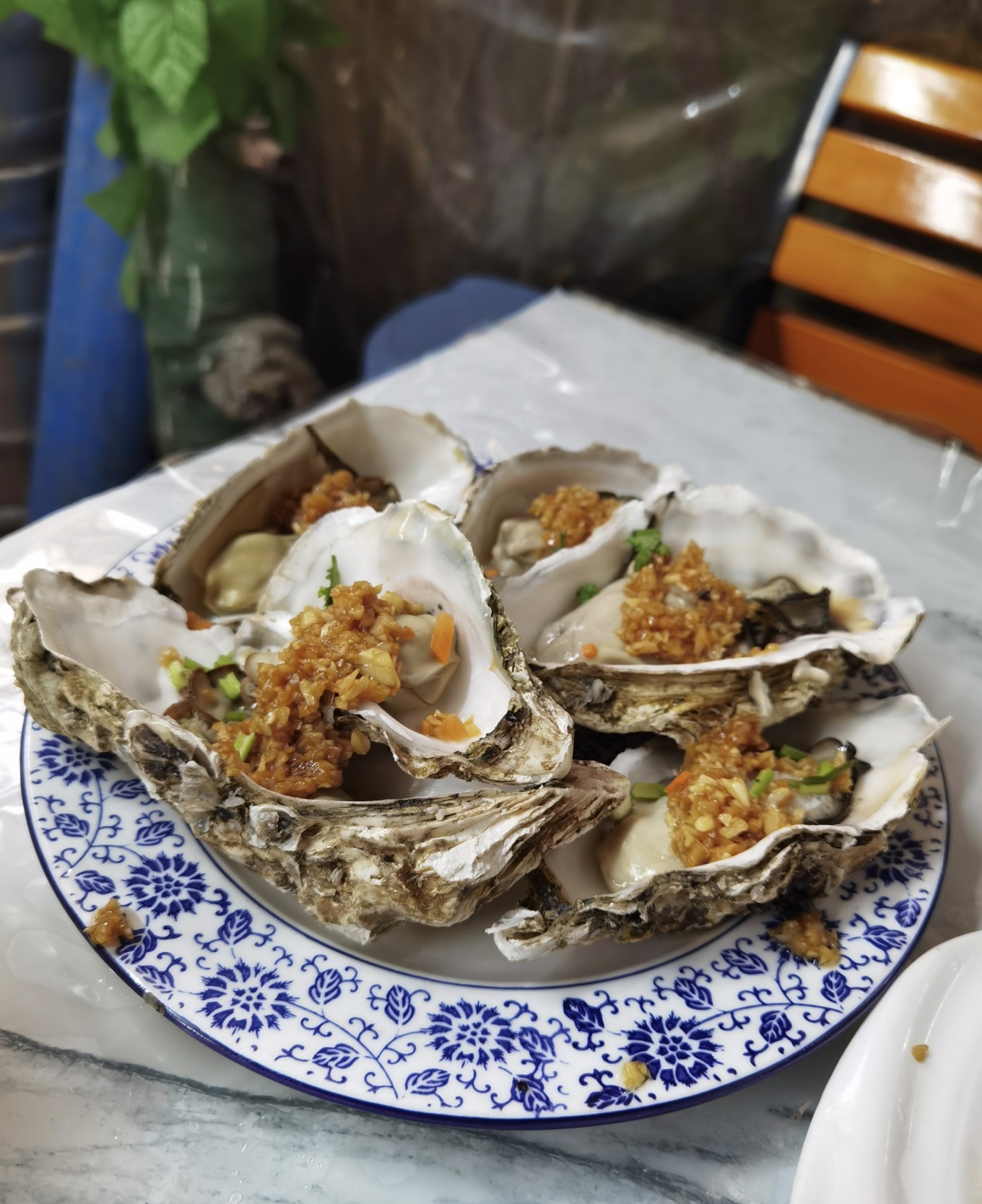
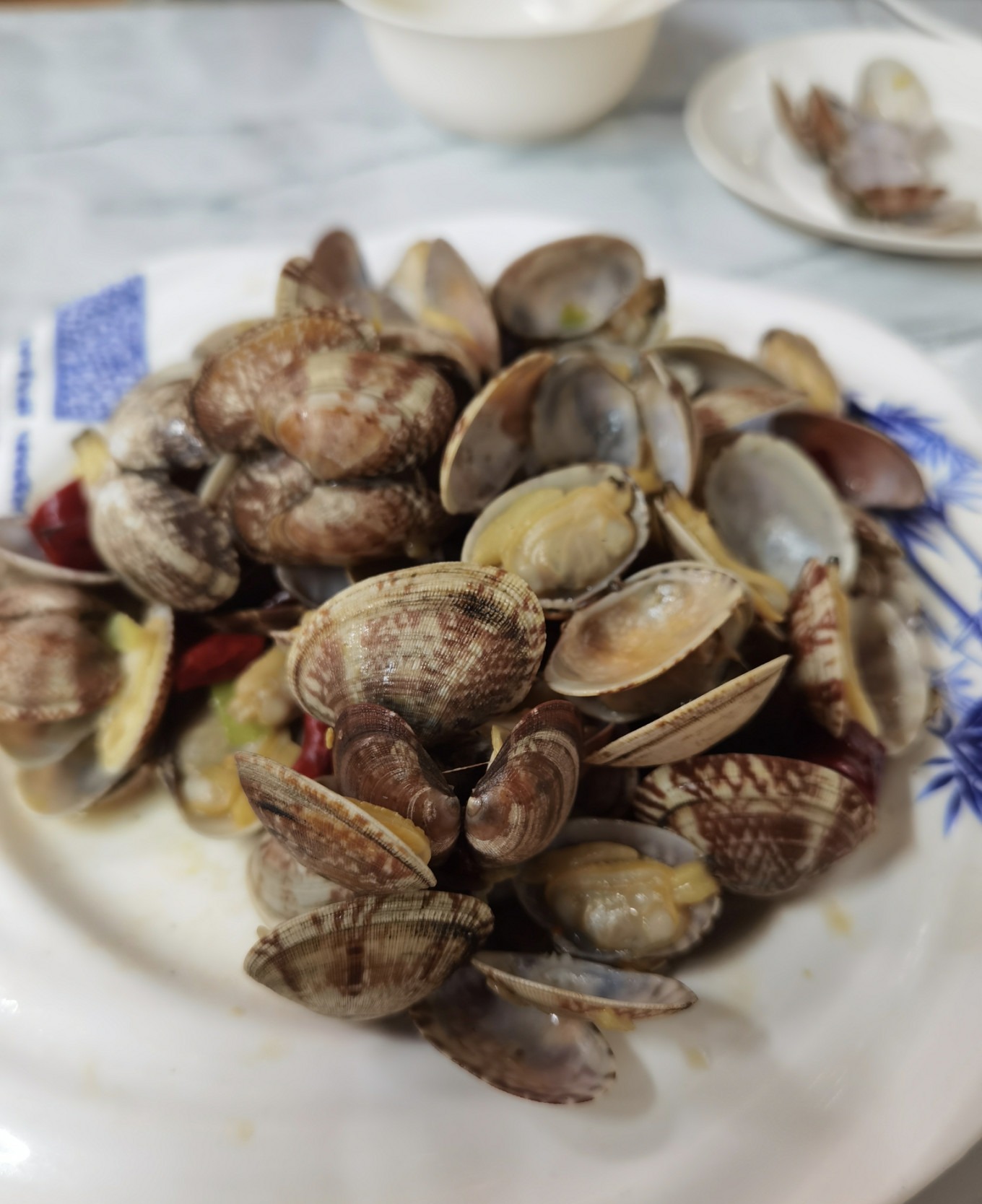
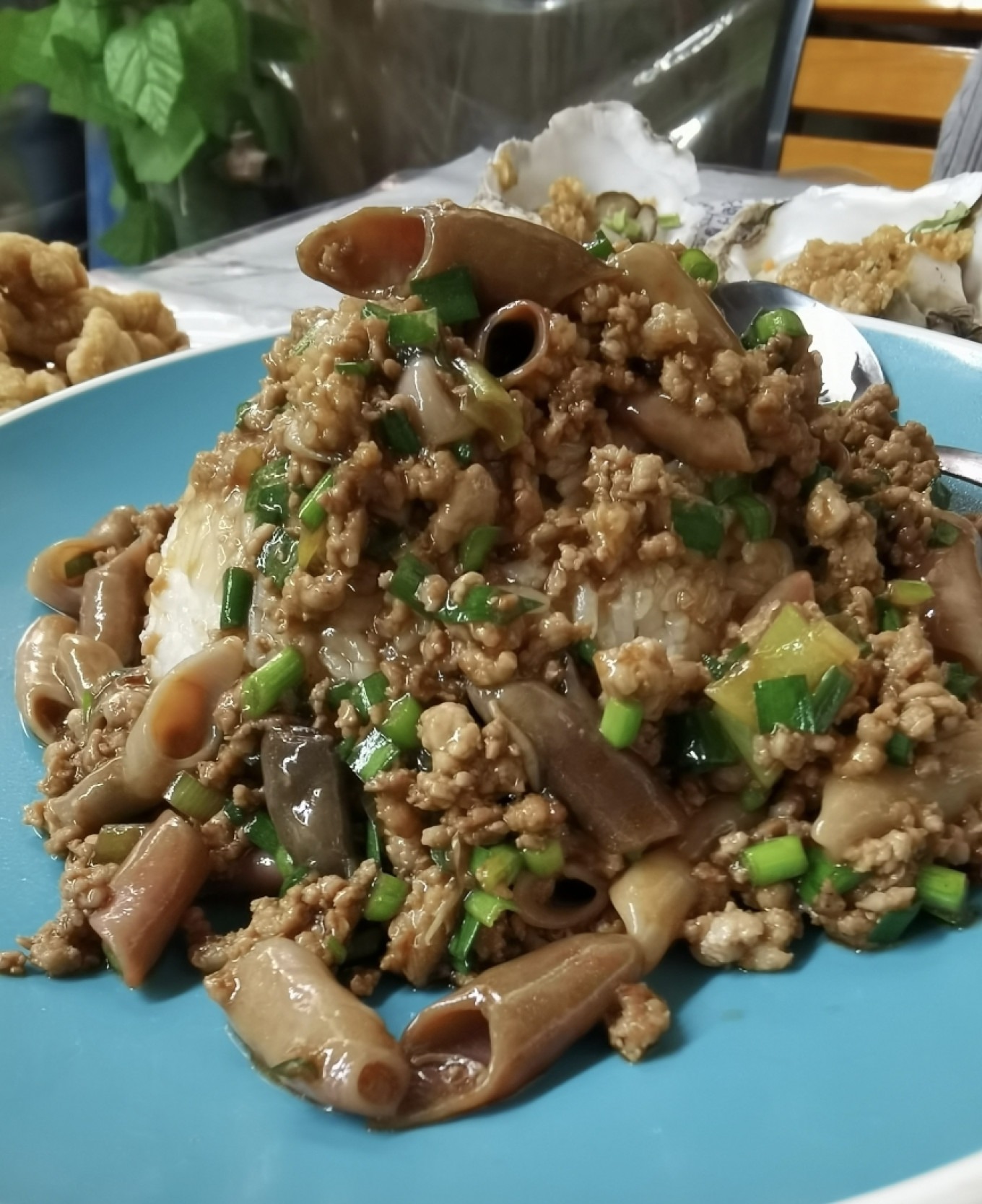
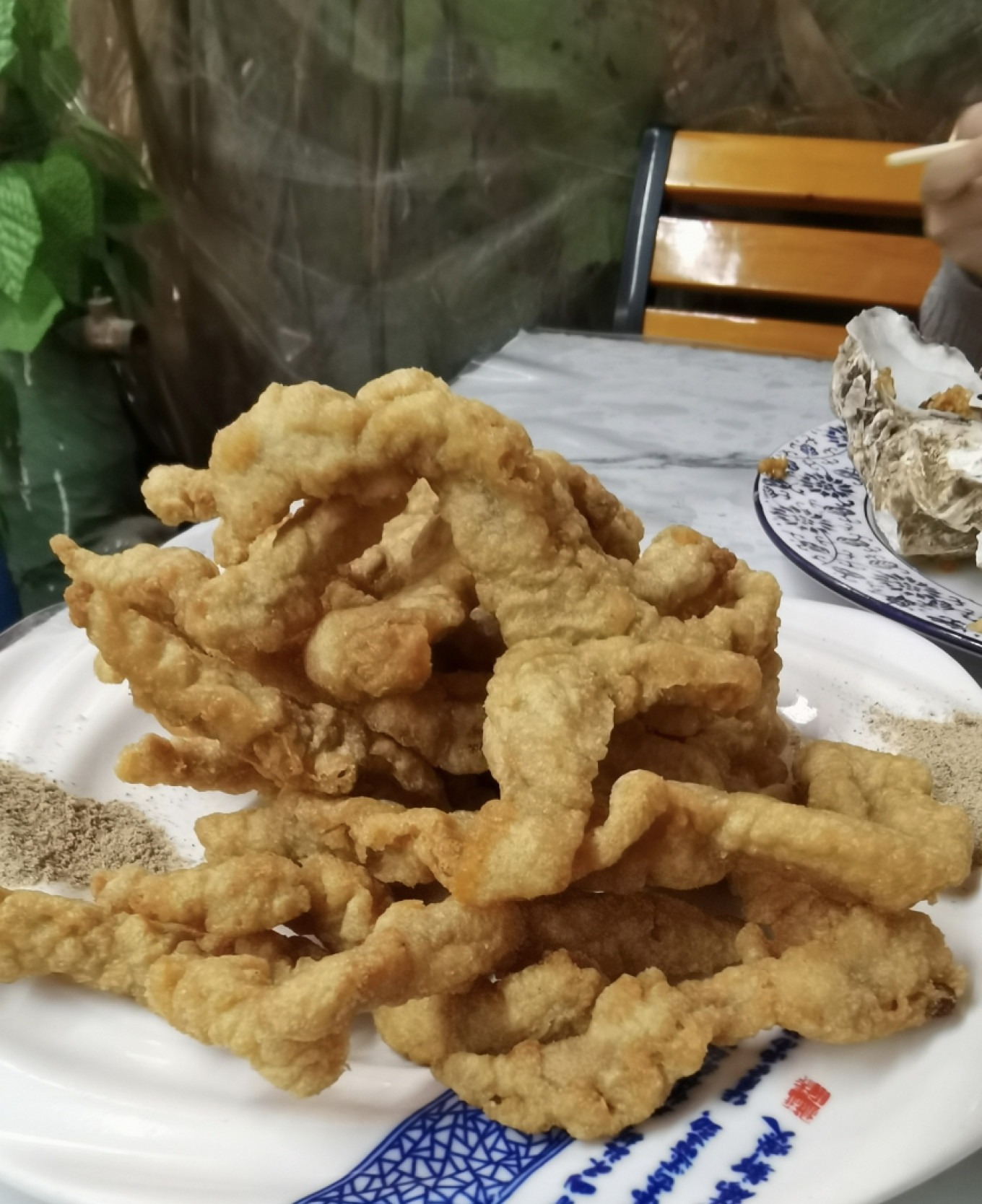
Near the Naval Museum, you’ll find a popular restaurant with great reviews on Dianping. Grab a group-buy deal here for a surprisingly satisfying meal. The set menu is generous in portion size (typical of northern Chinese cuisine) and covers all your Qingdao food wishes in one go: Laoshan Cola (崂山可乐), draft beer (原浆), small clams (小海鲜蛤喇), oysters (生蚝), sea cucumber rice (海肠捞饭), and crispy fried pork (小酥肉). Every dish is a winner. The sea cucumber rice (海肠捞饭) is a traditional specialty of the Jiaodong Peninsula; sea cucumber is rare in southern China, with a tender, crunchy, and springy texture. Ticking off your entire food bucket list in one meal might leave you wondering what to eat next.
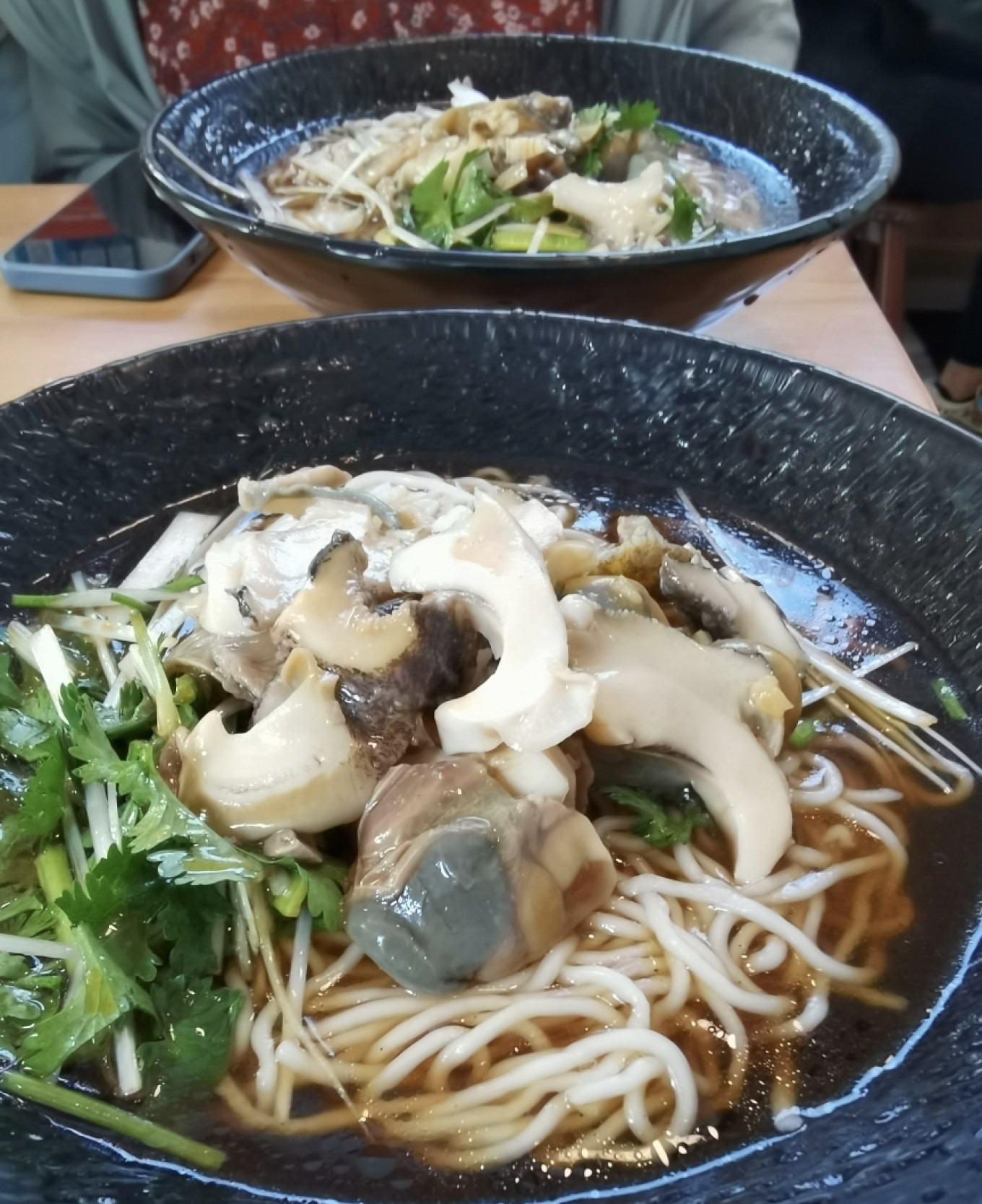
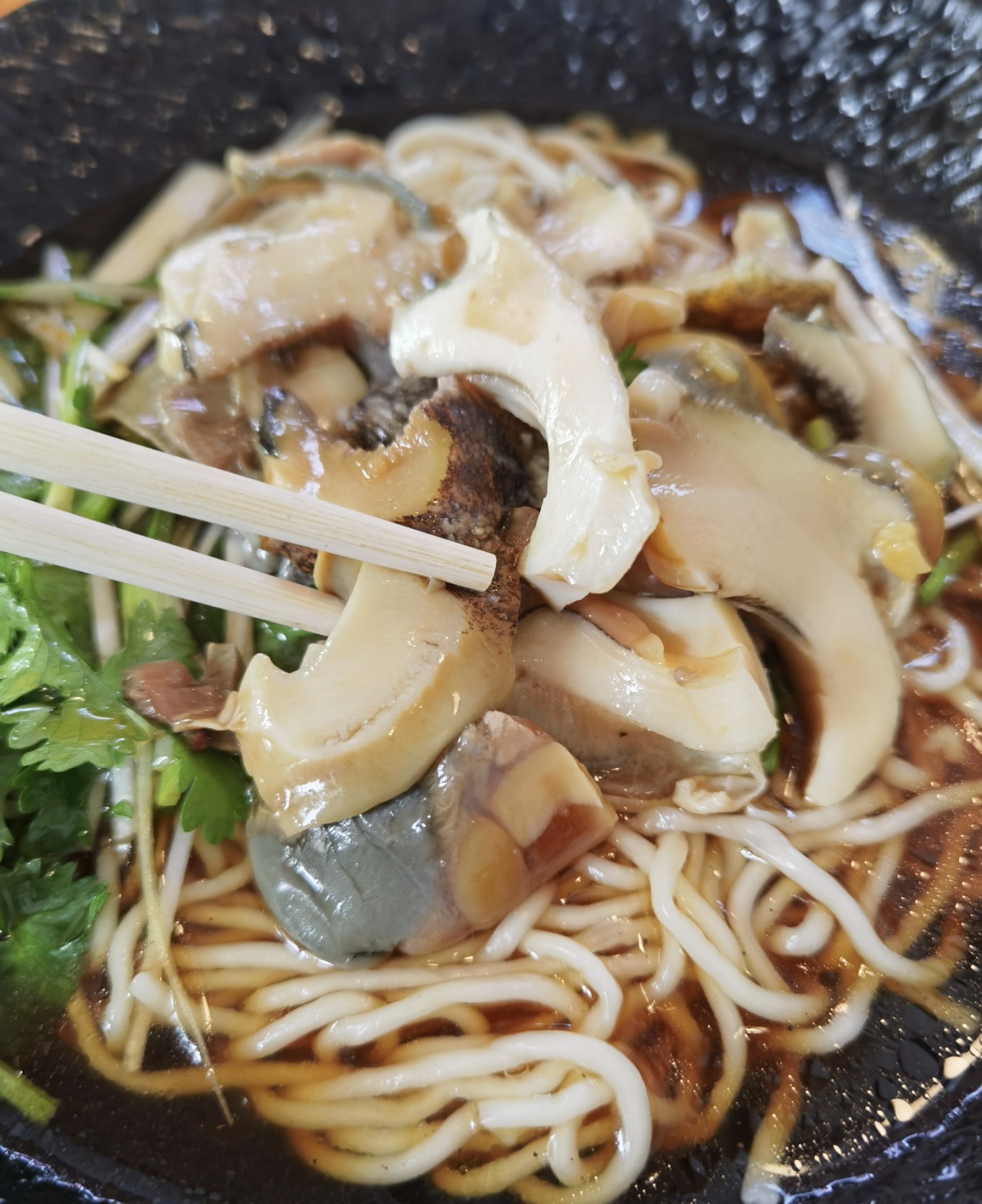
Another standout is Zhiyu Restaurant (知遇餐厅), where you must try the Jiaodong sea conch noodles (胶东海螺面). The natural umami of sea conch and chewy noodles are perfectly married in a conch-based broth. It’s a simple yet unforgettable bowl.
Qingdao is full of great eateries. Near Yan’erdao Metro Station (燕儿岛地铁站), you can find two casual spots that serve solid meals. Just be warned: the set menus are huge, typical of northern portions. Southern appetites may struggle to finish.
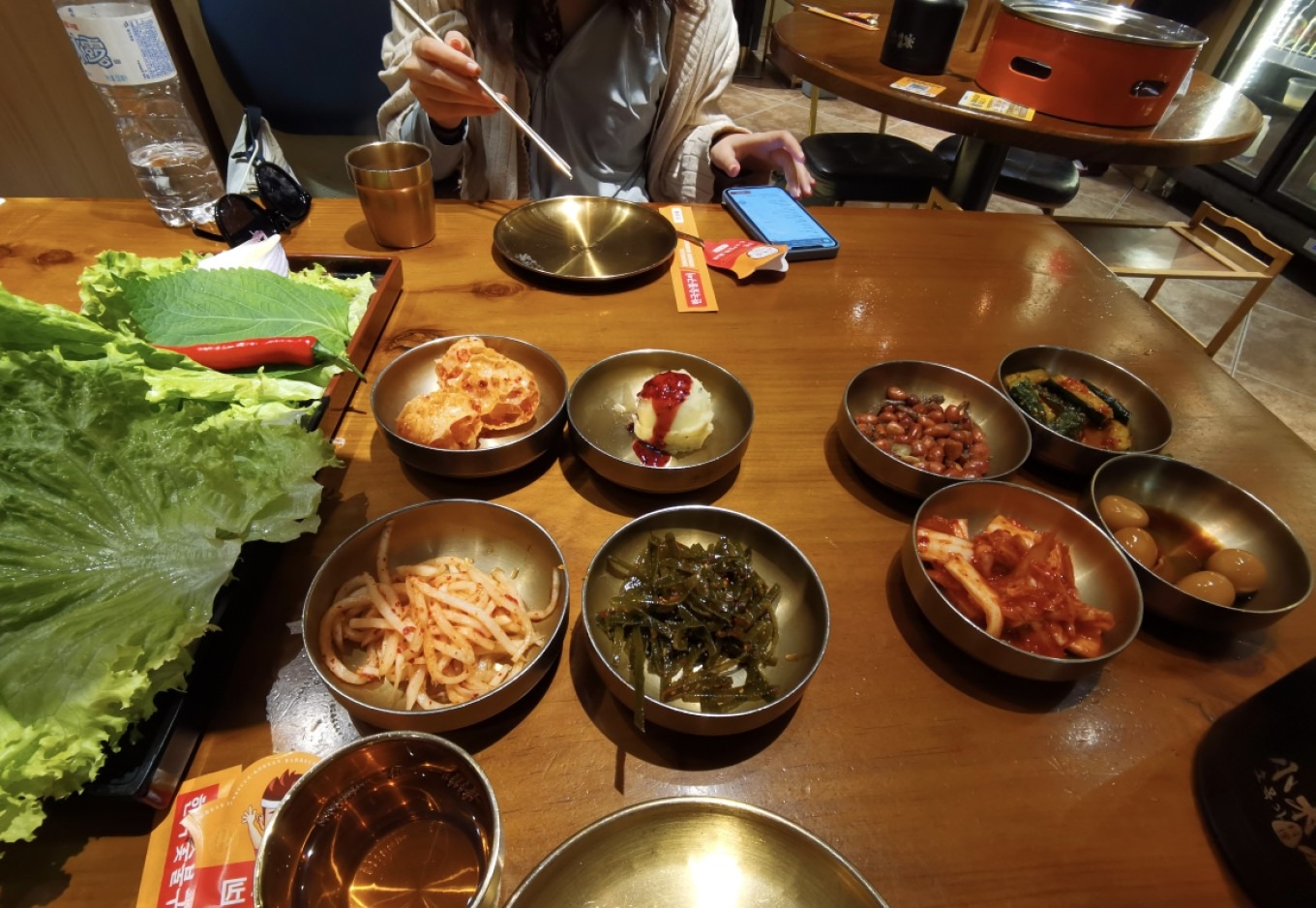
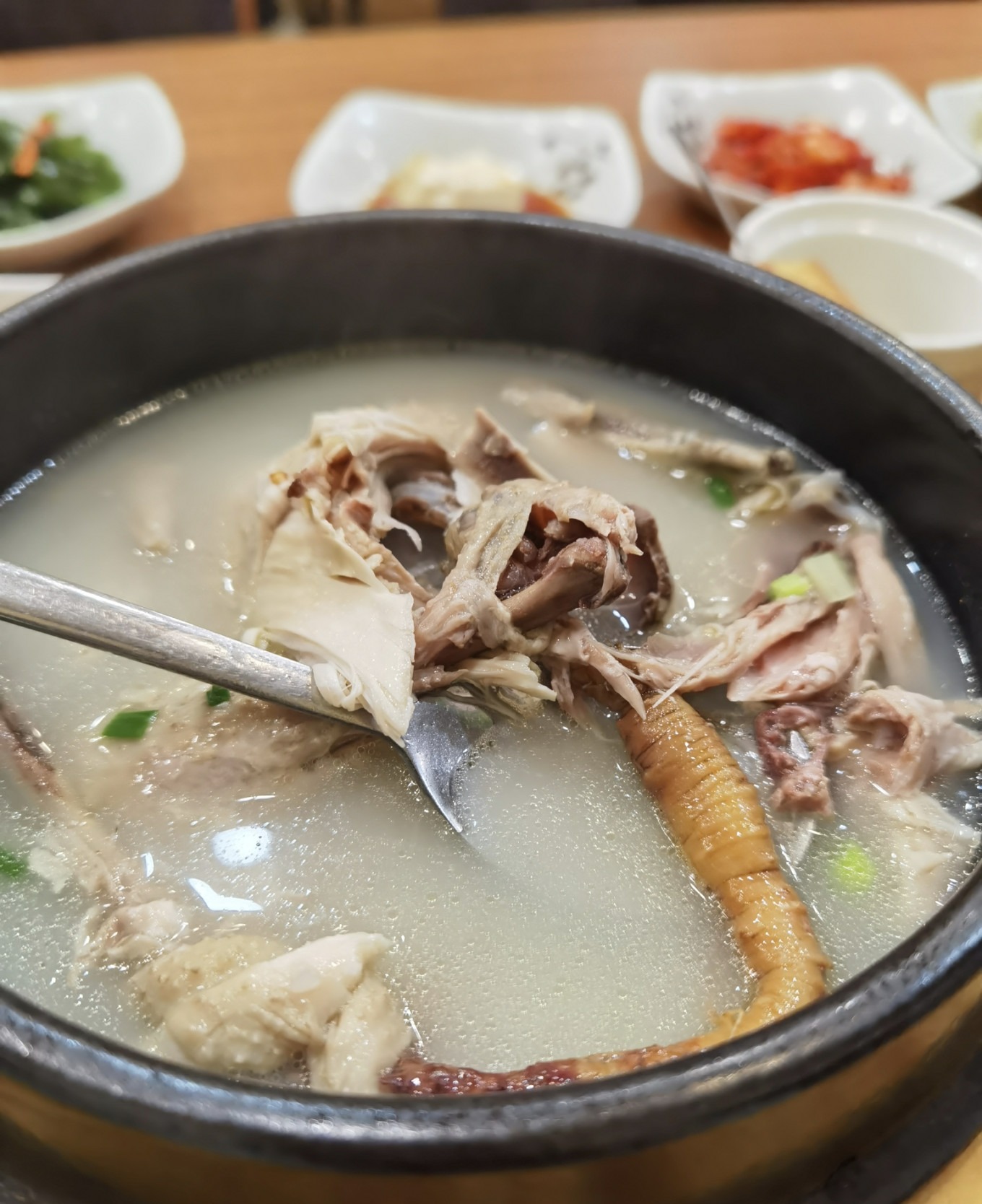
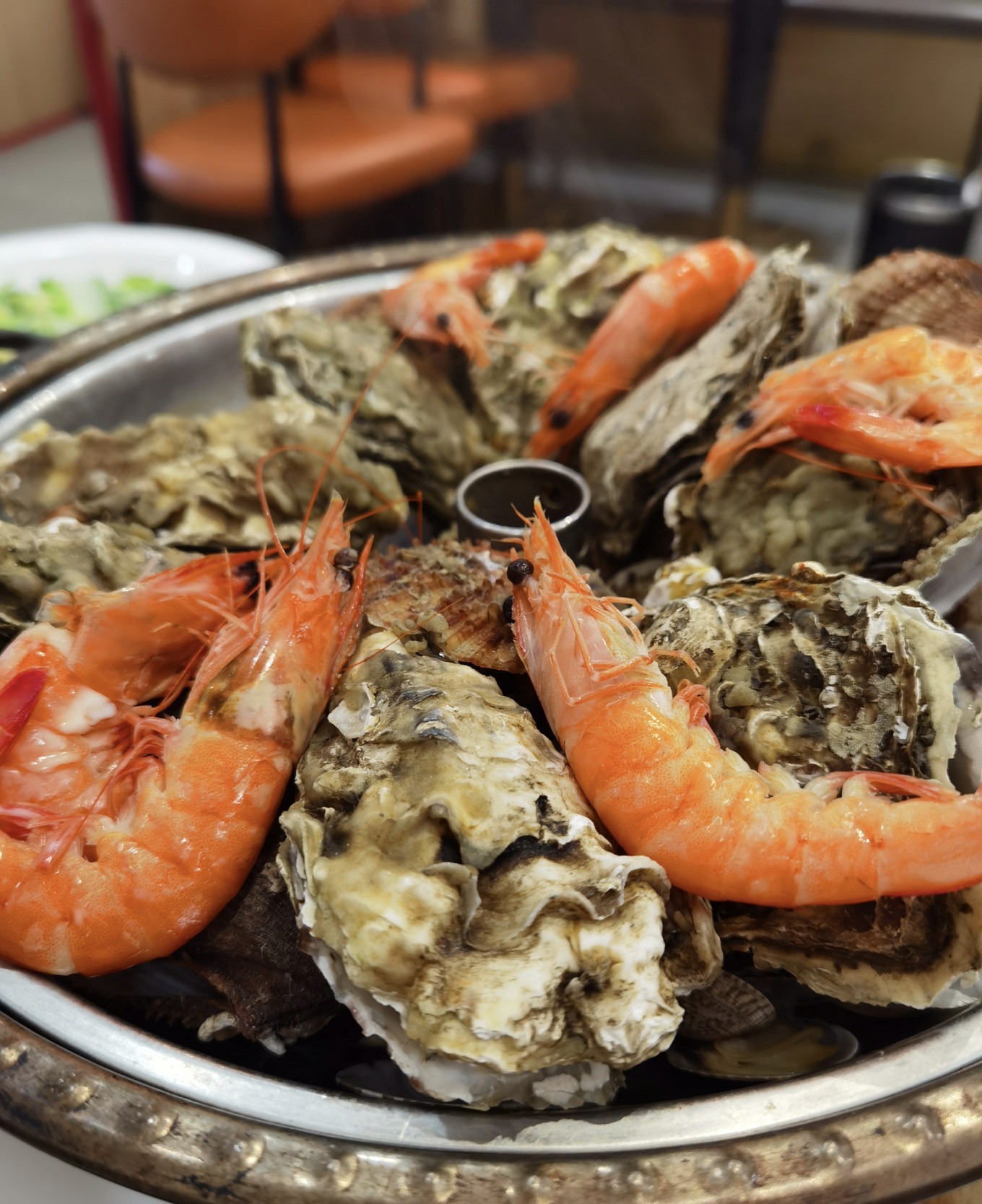
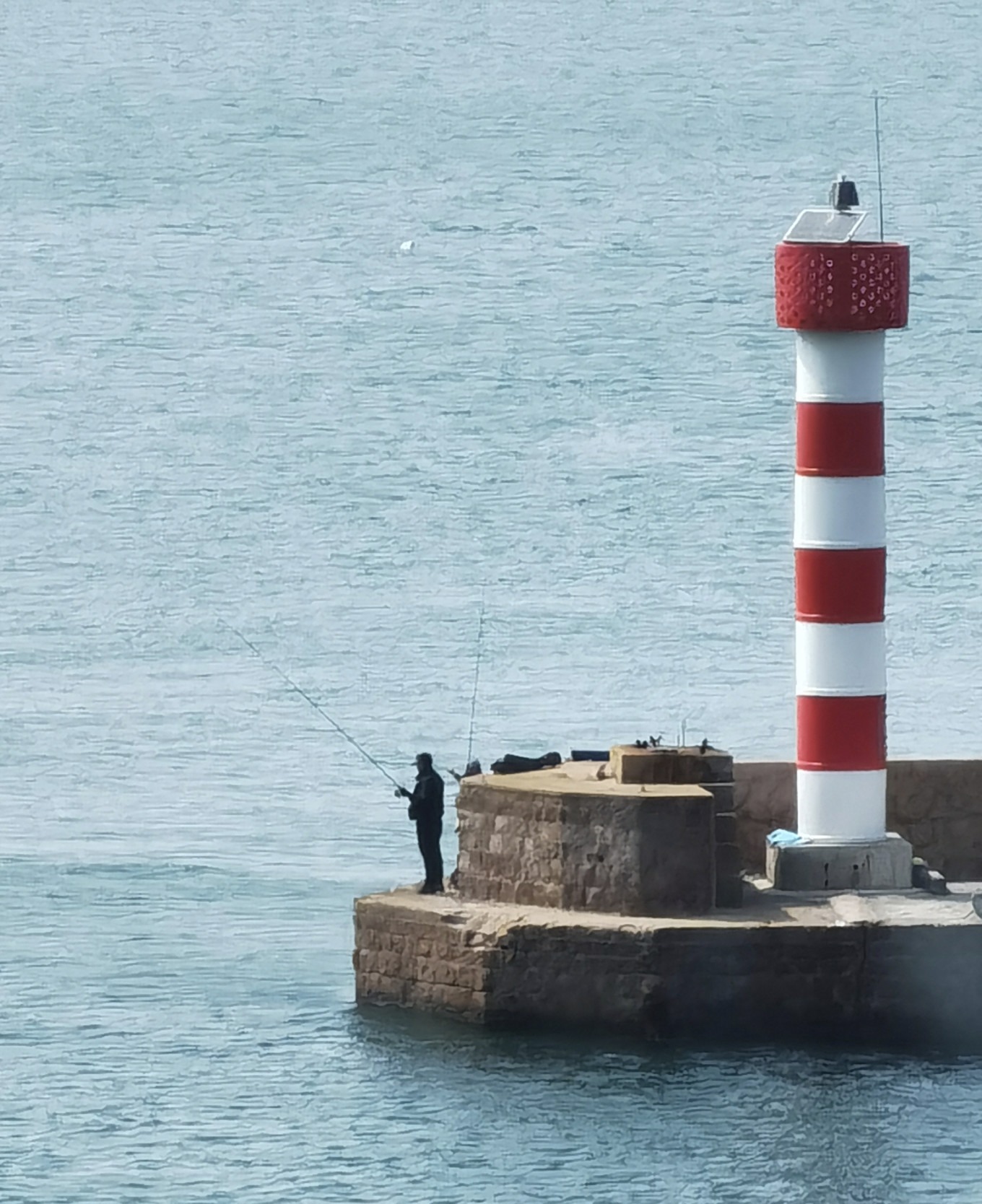
On your last day, consider a seaside barbecue restaurant with a view. One such place overlooks a distant lighthouse, where you might spot a daring fisherman casting lines from a long breakwater. It’s a perfect spot to reflect on your Qingdao culinary journey.
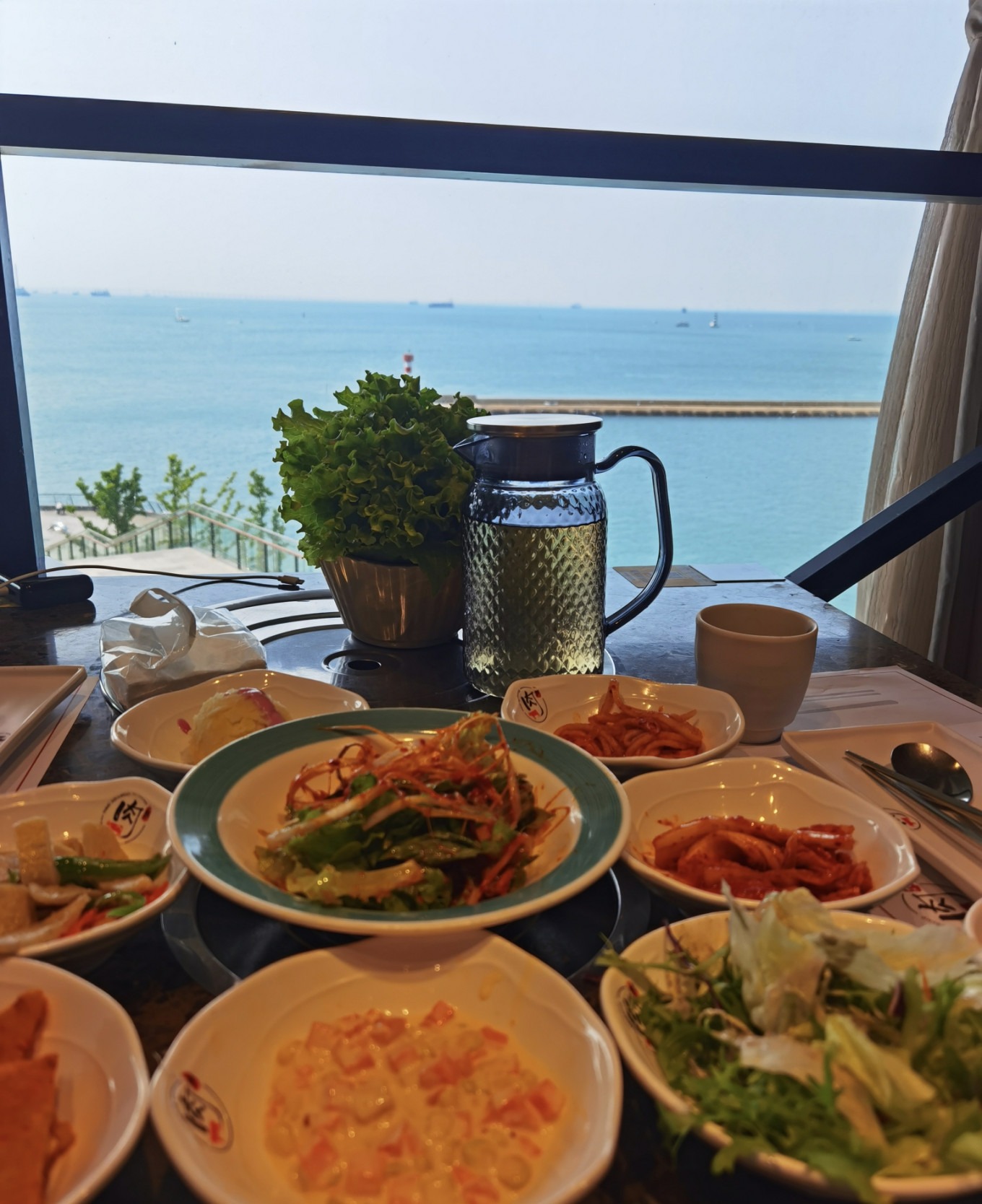
- RestaurantZhiyu Restaurant (知遇餐厅)
- Address49 49 Donghai West Road, Shinan District (市南区东海西路49号)
- Recommended dishesJiaodong sea conch noodles (胶东海螺面)
- Average spend50-80 RMB per person
Cultural and Creative Stamp Collecting
If you’re a fan of creative souvenirs, stamp collecting is a delightful way to document your journey. Many shops and cultural spots in Qingdao offer beautifully designed stamps that capture local landmarks and motifs. The stamps you’ll find are often intricate and artistic—well worth a stop to add to your travel journal or notebook. Some of the best finds include stamps featuring iconic Qingdao scenes like the Zhan Bridge, beer bottles, and coastal views. Don’t be shy to ask staff at souvenir shops or cultural centers; they usually have a stamp pad ready. If you’re keeping a travel diary, bring a blank notebook to collect these tiny works of art.
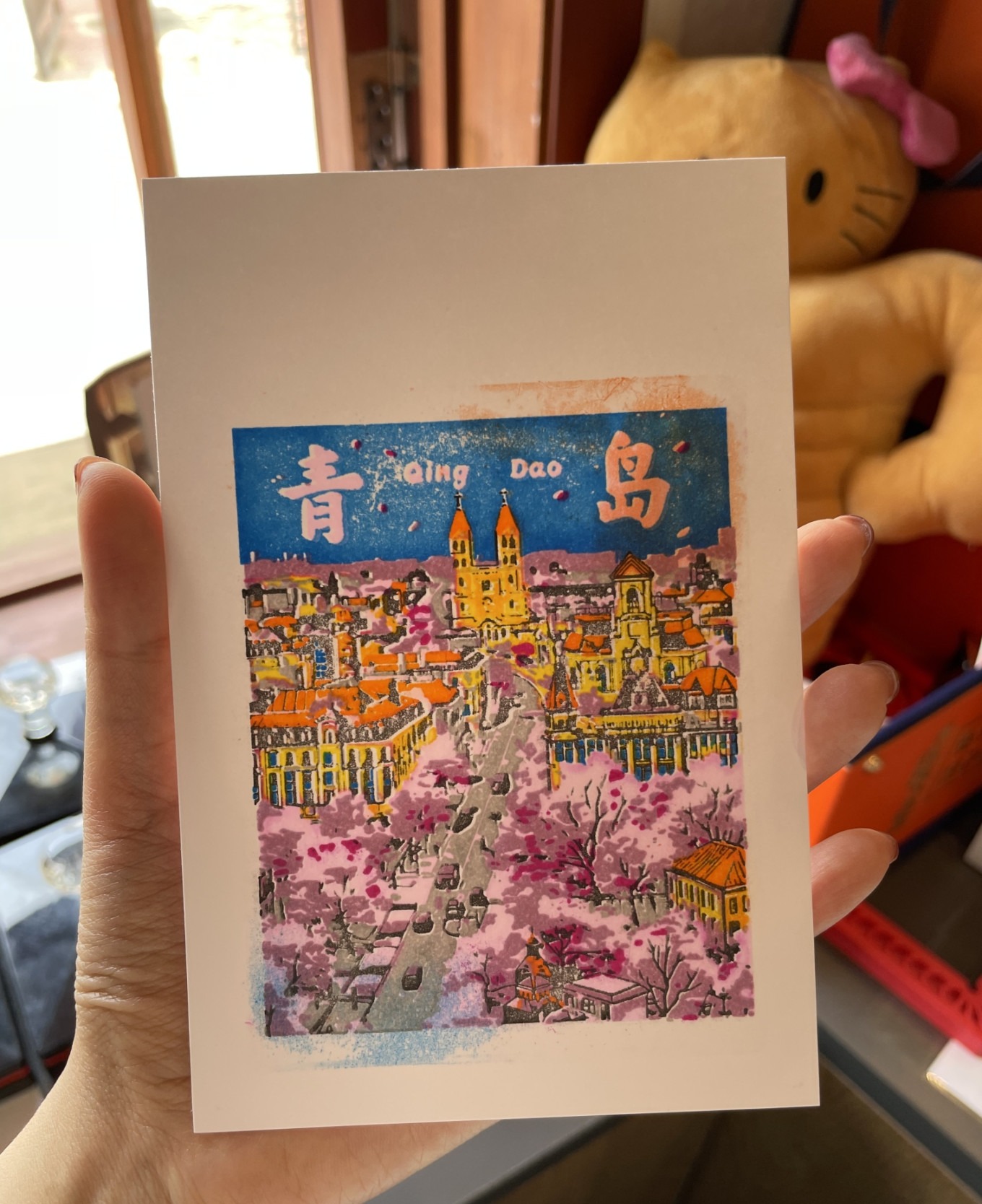
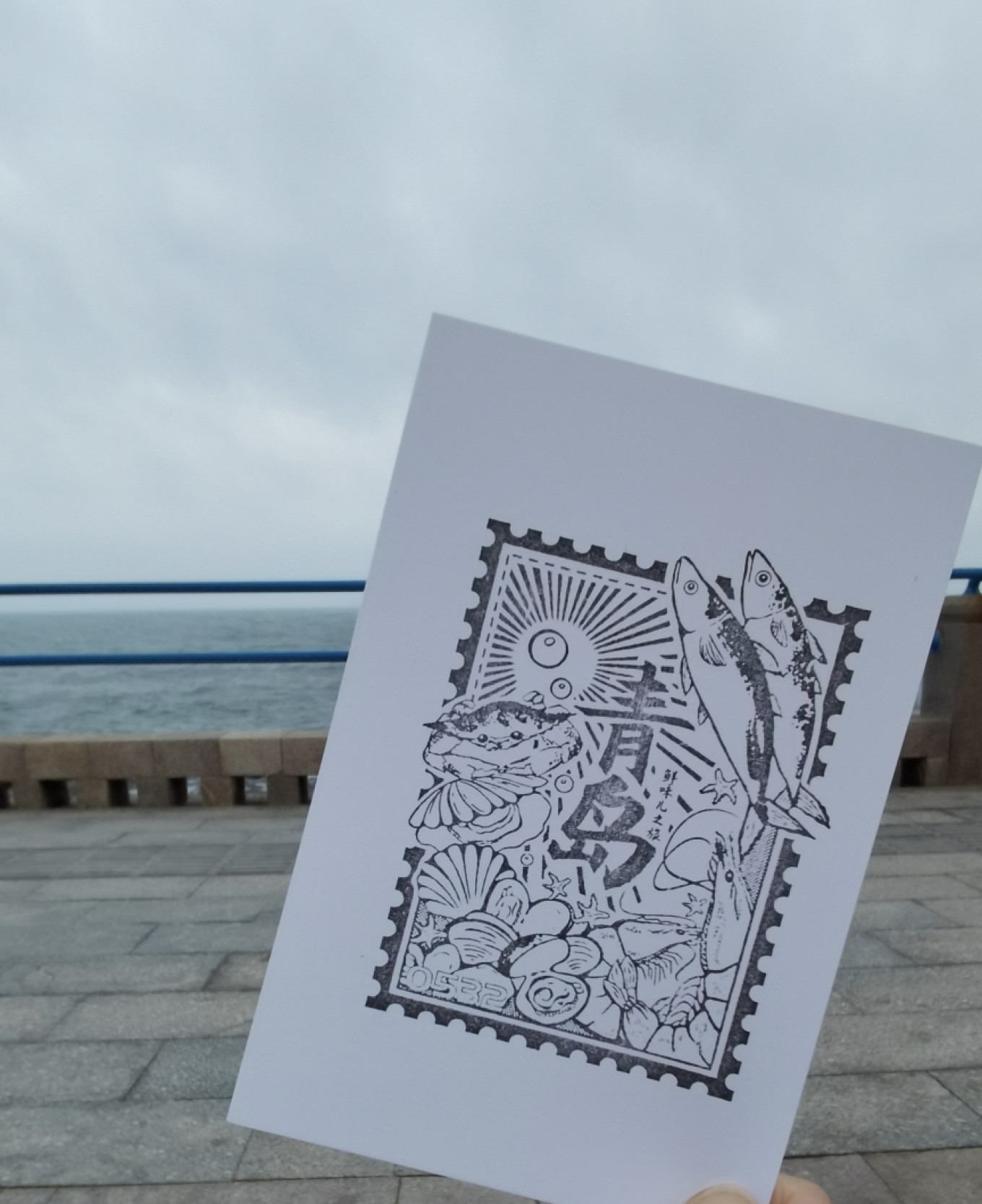
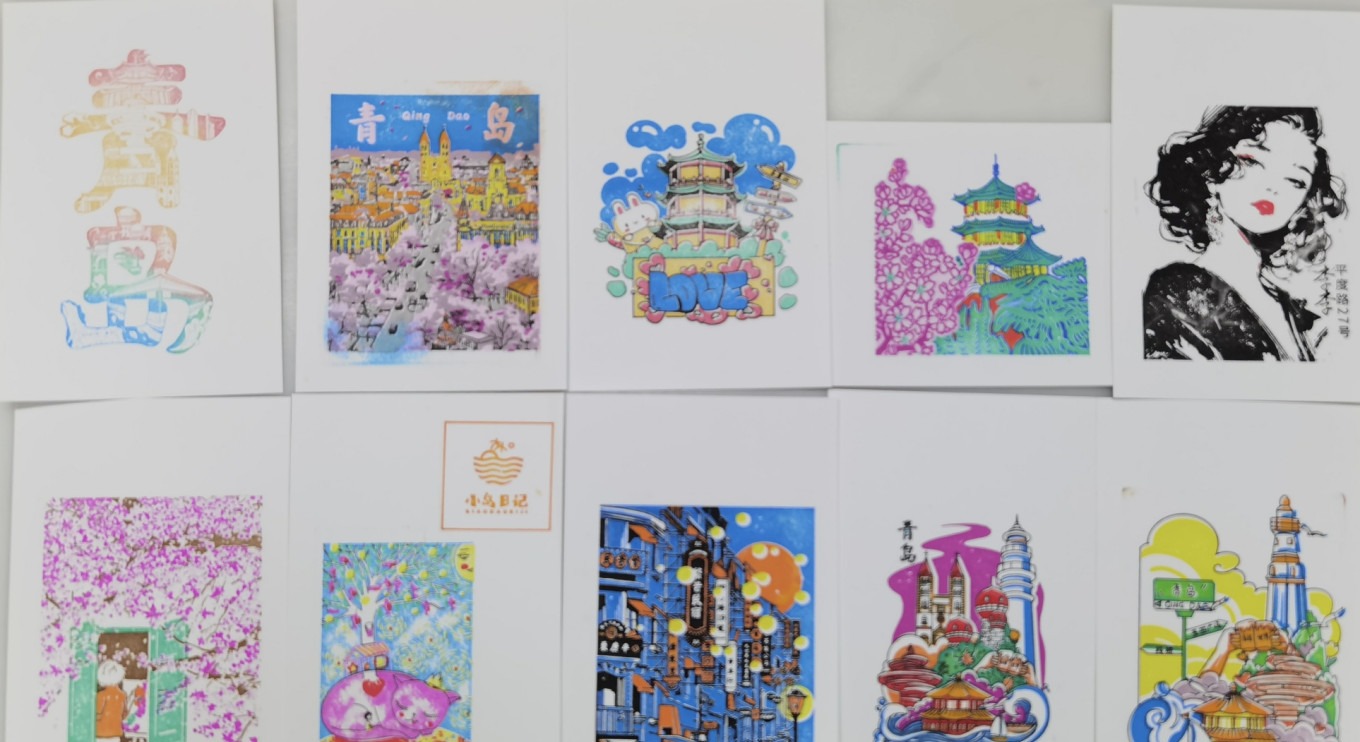
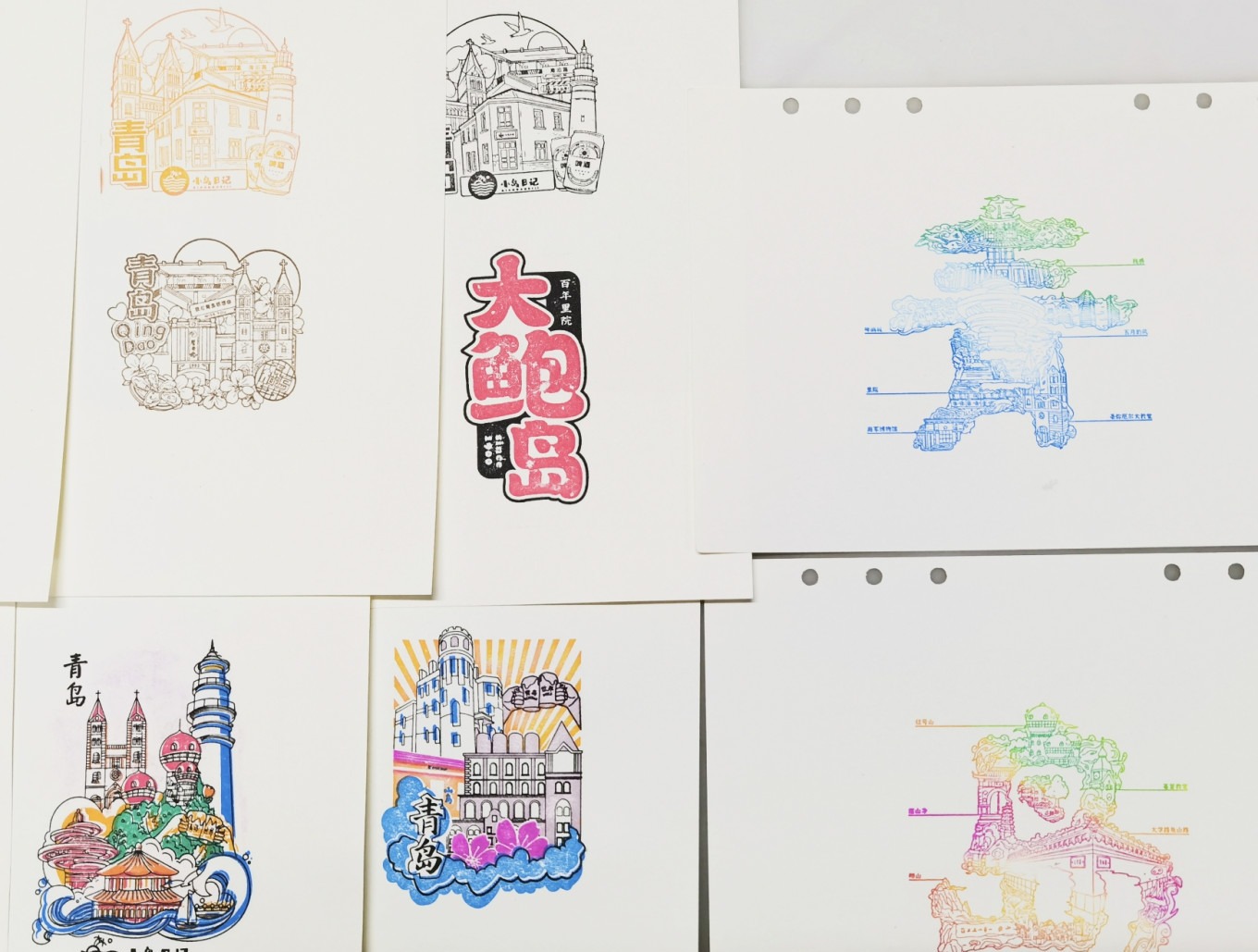
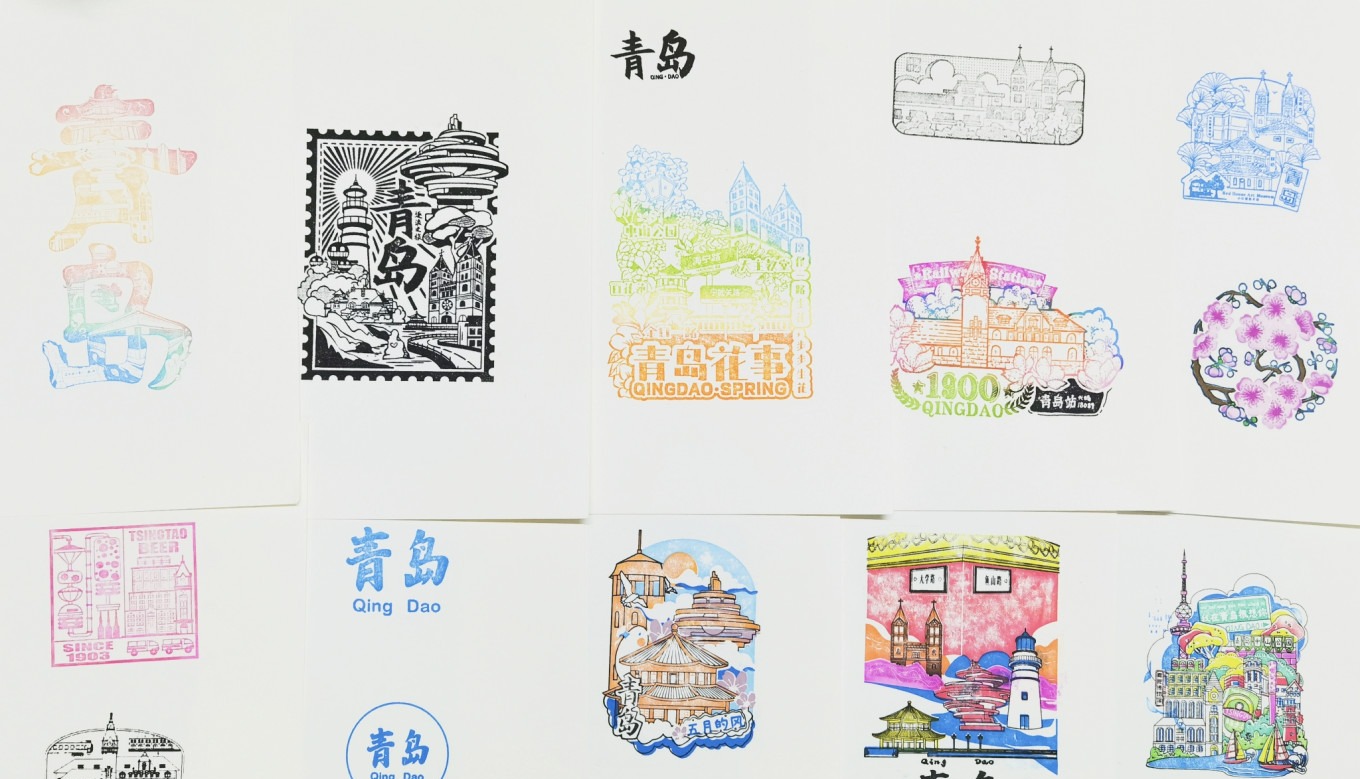
Pro tip: Some stamps are only available at specific locations, so plan your route if you’re aiming to collect a complete set. The stamps shown here are just a sample—there are many more hidden gems waiting to be discovered in local bookstores, post offices, and cultural markets. Happy stamp hunting!
A Trip Worth Remembering
Sometimes, the best trips are the ones that leave you with nothing more to say—just a warm feeling and a desire to share the experience. This journey has become a collection of beautiful memories, and it’s too good not to pass along. Whether you’re planning your own adventure or simply dreaming of one, travelers hope these pages have inspired you to explore, taste, and discover the unique charm of Qingdao.
Practical tip: You can prioritize one signature stop around the area, and you should adjust timing and budget based on transport and peak hours.
Common Traveler Questions
How many days do I need for a Qingdao self-guided tour?
Four days is enough for old town streets, beaches, the Tsingtao Beer Museum, and one Laoshan-focused day. Add more time if you want slower coast walks or nearby villages.
Is Laoshan worth adding to a Qingdao city route?
Yes, if the weather is clear and you enjoy mountain-and-sea views. Keep it as a full or near-full day instead of squeezing it between downtown stops.
Where should I base myself in Qingdao for this route?
First-time visitors usually do well near the old town, Shinan coast, or convenient metro corridors, depending on whether they prioritize architecture, beach access, or transport.
Guide Navigation
Enjoyed this article? Consider buying me a coffee to support more content like this!
💖 0 people have clicked to support this article.