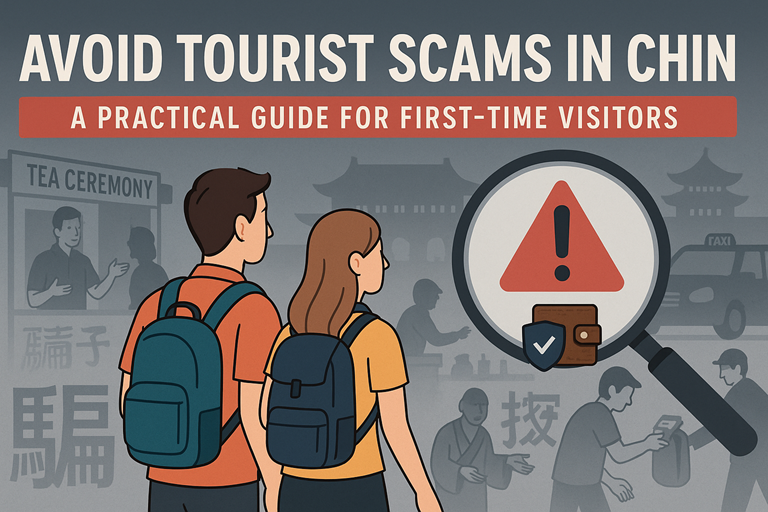
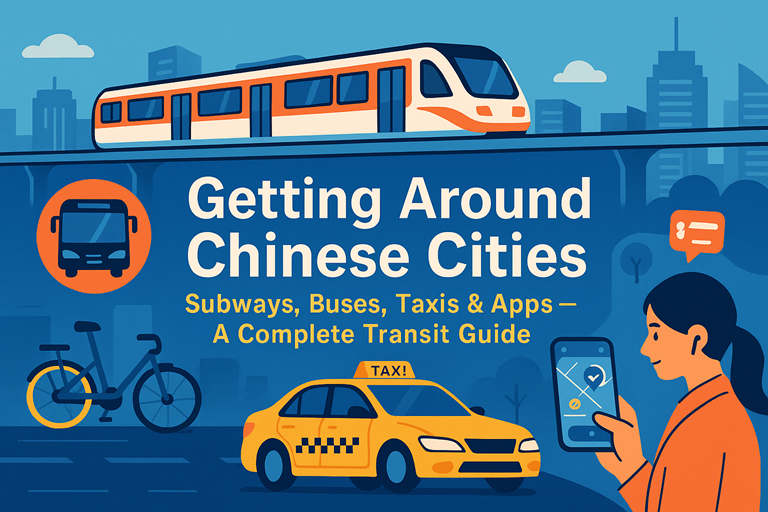
Getting Around Chinese Cities: Metro, Buses, Taxis, Ride-Hailing, and Bikes
A practical 2026 guide to Chinese city transport: metro, buses, taxis, ride-hailing, shared bikes, mobile payment, map apps, translation, and local travel tips.
travel better
On this page
A practical 2026 guide for moving around Chinese cities without losing time to the wrong app, payment setup, or station entrance.
Last updated: May 17, 2026
Quick Answer
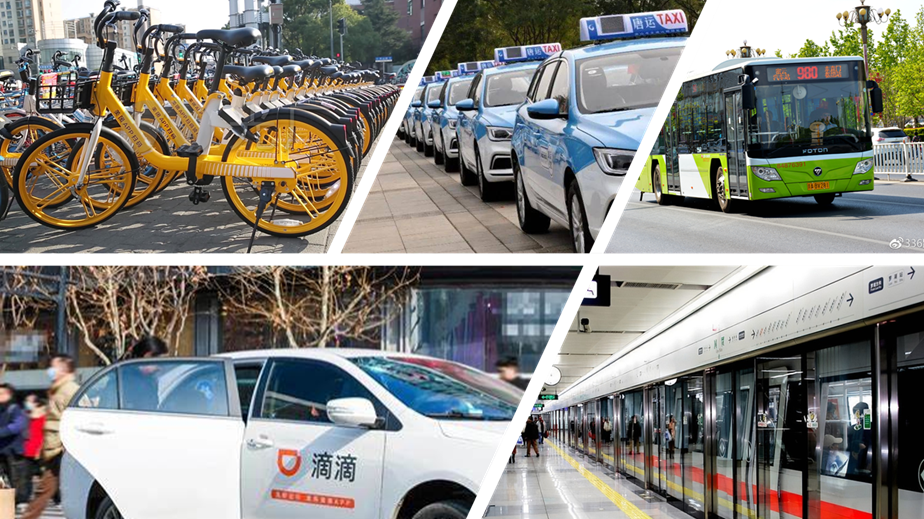
For most foreign visitors, the easiest way to get around Chinese cities is: metro for predictable cross-city trips, walking for neighborhoods, ride-hailing for luggage or late nights, taxis as a backup, and buses only when the route is simple or a map app clearly recommends them.
Prepare mobile payment, mobile data, a China-friendly map app, translation support, and your hotel address in Chinese before your first city day. Start with the China travel apps guide, the mobile payments guide, and the translation tools guide.
Chinese cities can feel intimidating because they are large, dense, and fast-moving. But the transport systems are usually efficient once you know the right layer for each situation. The mistake is trying to solve every trip the same way. A metro ride may be perfect in Shanghai, a ride-hailing car may be better with luggage in Chengdu, and walking may be the best way to understand older neighborhoods in Guangzhou, Suzhou, or Xiamen.
Set Up These Before Your First Ride
Transport in China is now tied to apps and mobile payment. You can still buy single metro tickets in many stations, and taxis may still accept cash in some cases, but visitors have a smoother trip when they prepare a phone-based setup before arrival.
Set up Alipay or WeChat Pay, link a usable card, and keep a small RMB cash backup.
Use Amap/Gaode Maps or Baidu Maps for local routing. Google Maps is not a reliable primary tool inside mainland China.
Save hotel names, station names, and addresses in Chinese. A screenshot can help when data is unstable.
Foreign card support has improved, but it still depends on the app, card issuer, merchant, transport system, and transaction type. For current payment basics, check the official Guide to Payment Services in China.
Metro: Best for Most City Trips
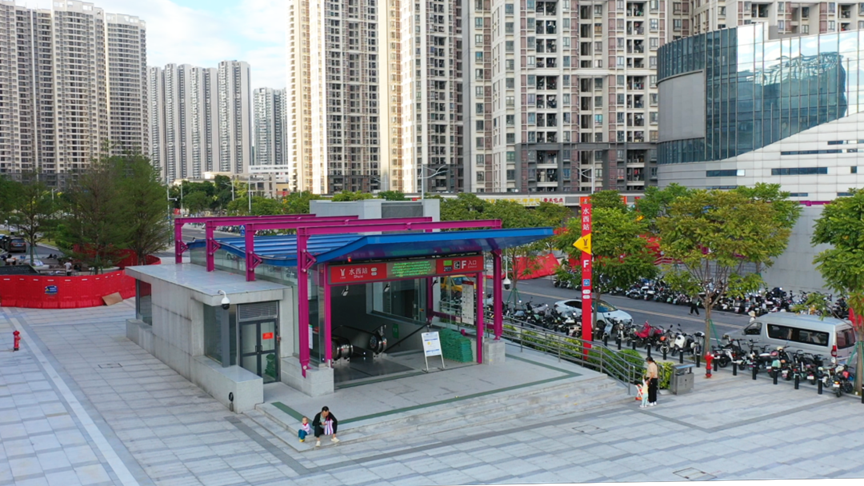
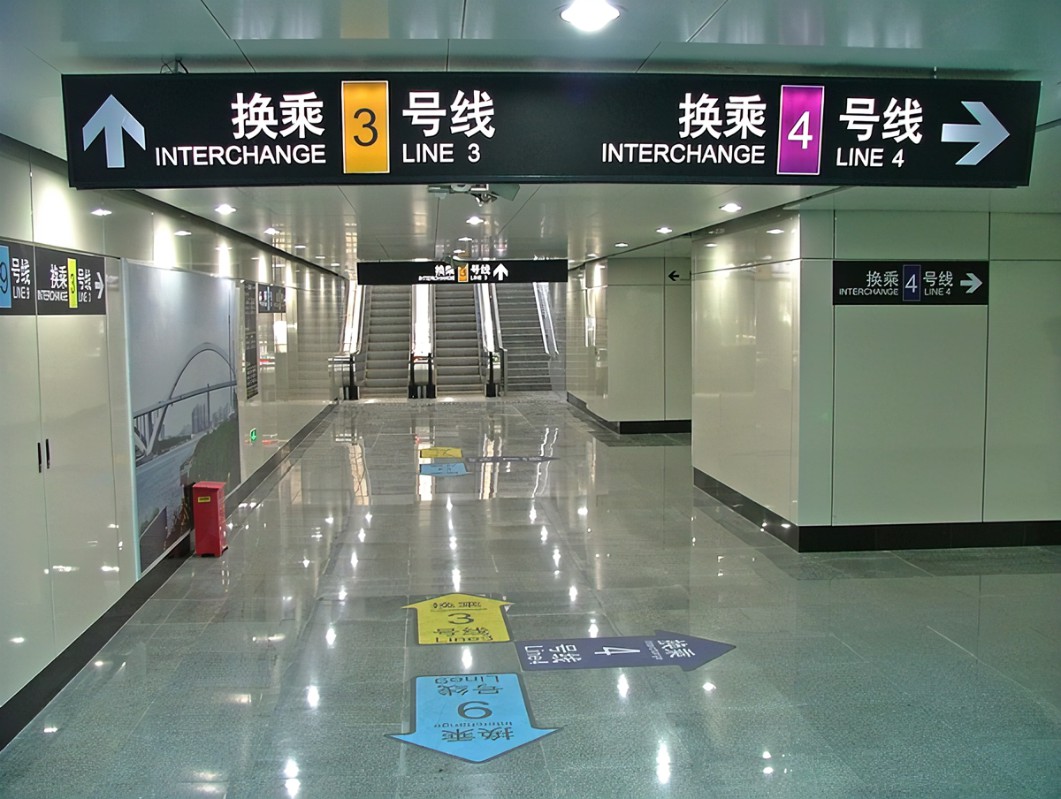
The metro is usually the most reliable option in large Chinese cities. It avoids traffic, has clear station names, often includes English signage, and is especially useful in Beijing, Shanghai, Guangzhou, Shenzhen, Chengdu, Hangzhou, Xi’an, Nanjing, Wuhan, Chongqing, and many other major cities.
How to use the metro well
- Check the exact station exit, not just the station name.
- Use the metro for long cross-city trips, then walk or ride-hail the final short segment.
- Avoid rush hour if you carry luggage.
- Keep your passport name consistent if a city app asks for identity details.
- Expect security checks at station entrances.
Payment options vary by city. Some visitors can use Alipay or WeChat transport QR codes, some use a city metro app, and some simply buy a single ticket from a machine. Do not assume one city setup works everywhere.
Buses: Useful, But Not Always the First Choice
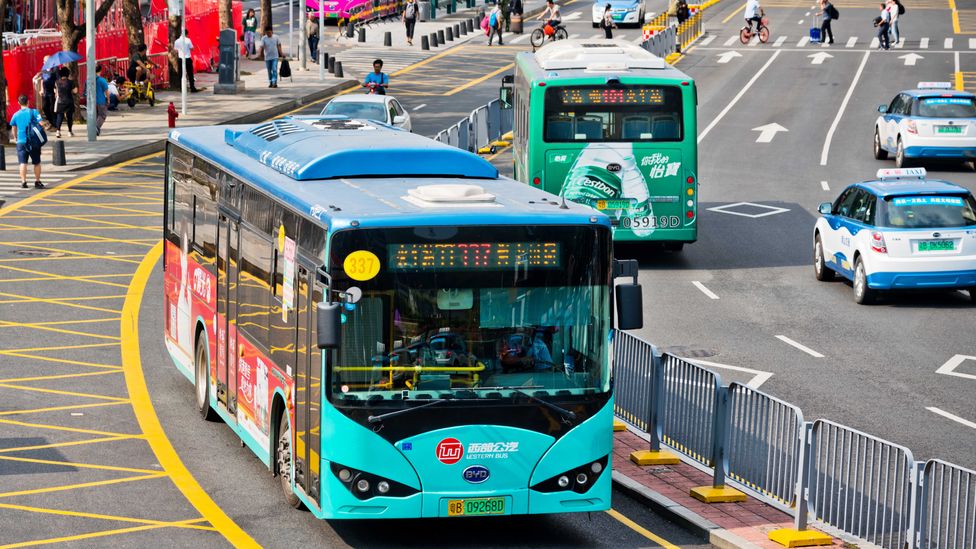
Buses reach places the metro does not, and they can be excellent in smaller cities or for short local routes. The challenge is language, stop direction, traffic, and knowing where to get off. Use buses when your map app clearly shows the route and the stop names make sense.
Bus tips
- Confirm the direction before boarding.
- Watch your live map as you approach the stop.
- Have mobile payment ready, but keep small cash as backup in smaller places.
- Boarding and exit doors can differ by city or bus type.
- Do not rely on English announcements outside major routes.
Taxis: Good Backup, Especially With Chinese Addresses
Official taxis are still useful when your phone battery is low, ride-hailing pickup is confusing, or you are leaving a station or airport with luggage. The key is to show the destination in Chinese and confirm the driver uses the meter unless the ride is an officially priced airport or station route.
Use taxis carefully around tourist-heavy areas and transport hubs. Avoid unlicensed drivers who approach you inside terminals or outside station exits. If you are unsure, use the official taxi queue or book through a ride-hailing app.
Ride-Hailing: Best for Luggage, Rain, Late Nights, and Hard Transfers
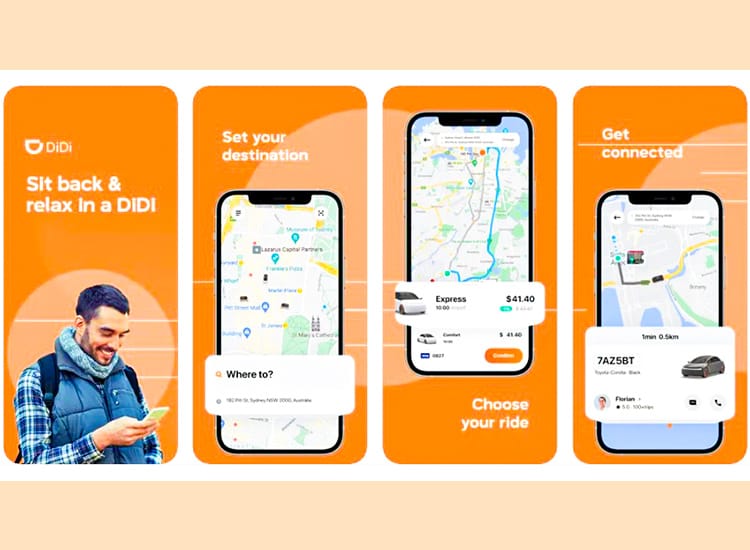
Ride-hailing is often the easiest door-to-door option once your setup works. DiDi is widely known, and ride-hailing can also appear inside Alipay, WeChat, Amap/Gaode, and other aggregator services. The main challenge is not the ride itself; it is app setup, payment reliability, and finding the exact pickup point.
Make ride-hailing easier
- Set your destination in the app instead of explaining it verbally.
- Use official pickup zones at airports, malls, stations, and scenic areas.
- Match the license plate before entering the car.
- Use in-app messages or translation for pickup details.
- Keep your hotel address saved in Chinese.
Shared Bikes: Best for Short Neighborhood Trips
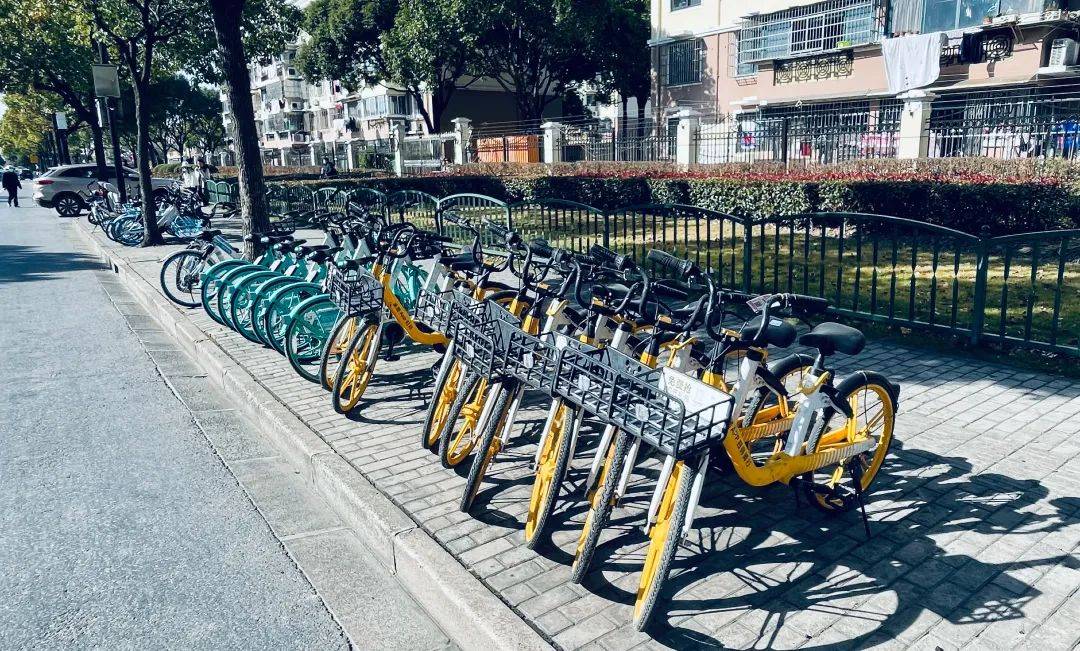
Shared bikes can be excellent for a short ride between a metro station, cafe, park, museum, or neighborhood street. They are not ideal for every visitor because traffic behavior, parking rules, phone setup, and deposit/payment rules can be confusing.
Use bikes only when conditions are right
- Ride slowly and assume scooters may appear from unexpected angles.
- Park only in permitted areas shown by the app or marked on the street.
- Check brakes and tires before unlocking.
- Avoid major roads if you are not comfortable with China traffic.
- Do not use bikes when carrying luggage or shopping bags.
Which Transport Should You Choose?
| Situation | Best option | Why |
|---|---|---|
| Cross-city sightseeing in Beijing, Shanghai, Guangzhou, Shenzhen, Chengdu | Metro | Predictable timing and less traffic risk. |
| Airport or rail station with luggage | Ride-hailing, official taxi, airport/rail link | Door-to-door convenience may be worth the cost. |
| Old neighborhoods and food streets | Walk, then metro or ride-hailing | Walking shows more local detail than chasing vehicles. |
| Short last-mile gap | Walk, shared bike, or short ride-hailing trip | Choose by weather, traffic, and parking rules. |
| Smaller city with limited metro | Bus, taxi, or ride-hailing | Check map app routing and keep addresses in Chinese. |
Official Sources and Related Guides
For payment setup, check the official Guide to Payment Services in China. For rail-to-city planning, use the official 12306 China Railway English site.
Chinese City Transport FAQ
What is the easiest way to get around Chinese cities?
For most foreign visitors, the easiest daily setup is metro for predictable cross-city travel, walking for neighborhoods, ride-hailing for late nights or luggage, and taxis as a backup. Use buses only when the route is simple or you are comfortable with Chinese map apps.
Can foreigners use Alipay or WeChat Pay for city transport?
Often yes, but setup and acceptance can vary by city, app, card issuer, and transport system. Prepare Alipay or WeChat Pay before arrival, link a usable card, and keep a small RMB cash backup for edge cases.
Should I use Google Maps in China?
Google Maps is not the best primary navigation tool inside mainland China. Amap/Gaode Maps and Baidu Maps are usually more accurate for public transport, walking entrances, ride-hailing pickup points, and local businesses.
Is DiDi easy for foreign travelers?
DiDi can be convenient once your phone number, payment method, and map location work. Many travelers access ride-hailing through Alipay, WeChat, or Amap. The hardest parts are setup, pickup-point communication, and payment reliability.
Enjoyed this article? Consider buying me a coffee to support more content like this!
💖 1 people have clicked to support this article.