Qinghai-Gansu Grand Loop: 10-Day Solo Road Trip Guide
A practical 10-day Qinghai-Gansu Grand Loop guide with costs, route notes, self-drive cautions, and highlights from Zhangye, Dunhuang, Chaka Salt Lake, Labrang, Lanzhou, and Baoji.

travel better
On this page
A practical, image-rich guide you can actually use.
Embarking on the Qinghai-Gansu Grand Loop
As your tires roll over uncharted roads, kicking up fine dust like smoke, you know the story is just beginning. Choosing to travel solo isn’t about proving anything—it’s about hearing the ancient, clear call from the heart of Northwest China, where extreme desolation and breathtaking beauty intertwine. This journey takes you westward, then south, and finally loops back. When you find yourself wandering the Qinghai-Gansu Grand Loop alone, the vast silence envelops you—not as emptiness, but as a rich solitude. In this unfamiliar wilderness, you can shed all labels and become a pure being moving toward the distance.
Route, Duration & Costs
Planning a self-drive loop through the Hexi Corridor and beyond? This 10-day itinerary covers the essential highlights from Datong to Xi’ning, with a mix of natural wonders, cultural sites, and local food streets. Below is the full route and a realistic budget breakdown to help you prepare.
The route starts in Datong (大同) and heads west to Menyuan (门源), then south to Mati Temple (马蹄寺) and Zhangye (张掖). From Zhangye, you’ll visit the Rainbow Mountains (七彩丹霞), the Earth Child sculpture (大地之子), Yulin Grottoes (榆林石窟), Mingsha Mountain (鸣沙山), the South Eight Immortals Devil City (南八仙魔鬼城), Caka Salt Lake (茶卡盐湖), and Kumbum Monastery (塔尔寺). The loop continues to Xi’ning (西宁) for a visit to Xia’nanguan Snack Street (下南关小吃街) and Dongguan Mosque (东关清真寺), then heads to Labrang Monastery (拉不楞寺) in Gansu. After the Gansu Provincial Museum (甘肃博物馆), you’ll drive to Tianshui (天水) to explore Yusheng Lane (育生巷), and finally to Baoji (宝鸡) for the China Bronze Museum (中国青铜博物院).
The trip takes about 10 days. Budget-wise, expect to spend around 3,580 RMB on fuel, 1,642 RMB on tolls, and 1,968 RMB on hotels. These figures are based on a typical self-driving trip and can vary depending on your vehicle and accommodation choices.
Practical tip: You can prioritize one signature stop around the area, and you should adjust timing and budget based on transport and peak hours.
Matisi Temple Rating 3
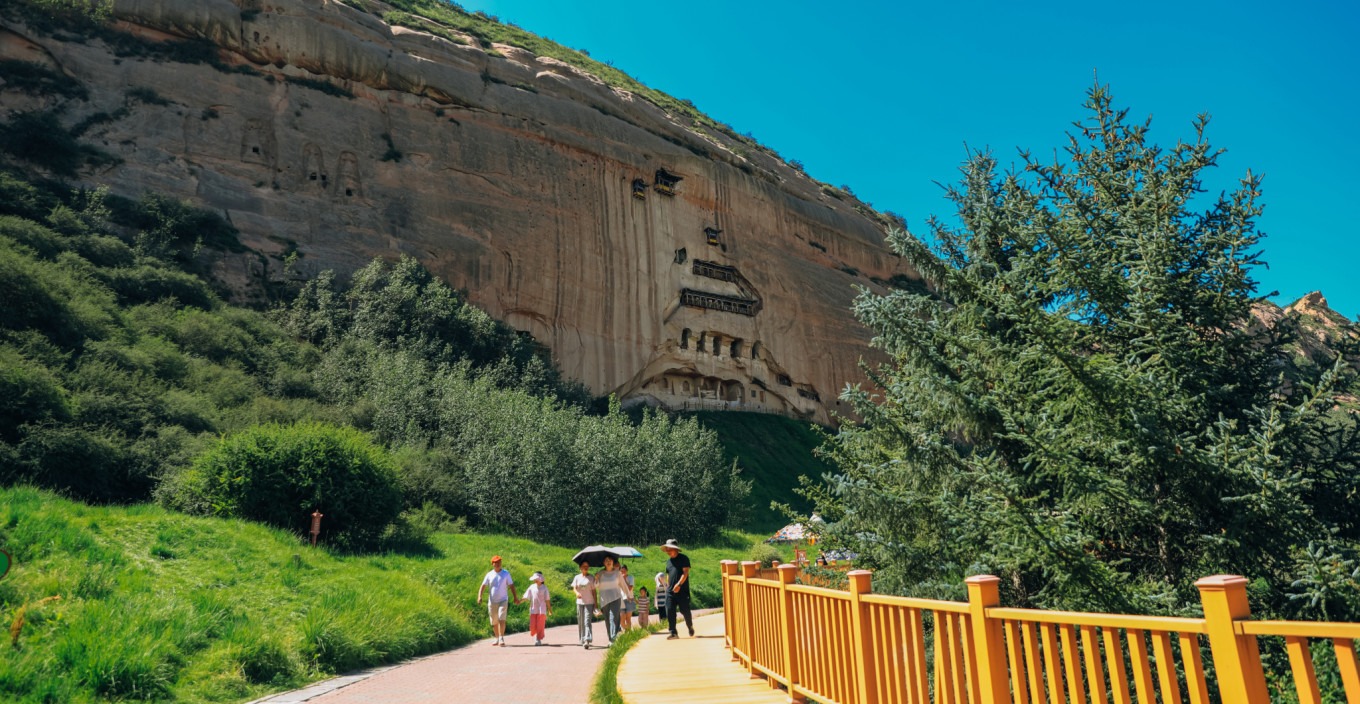
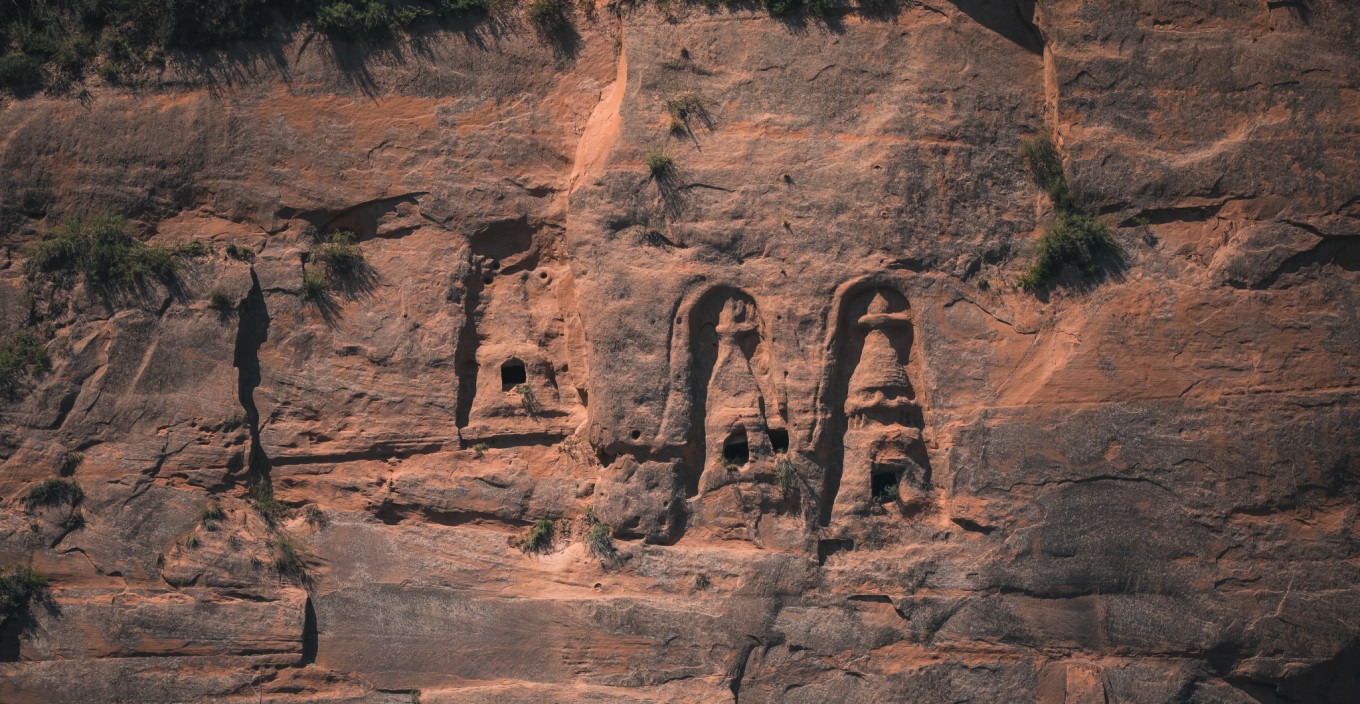
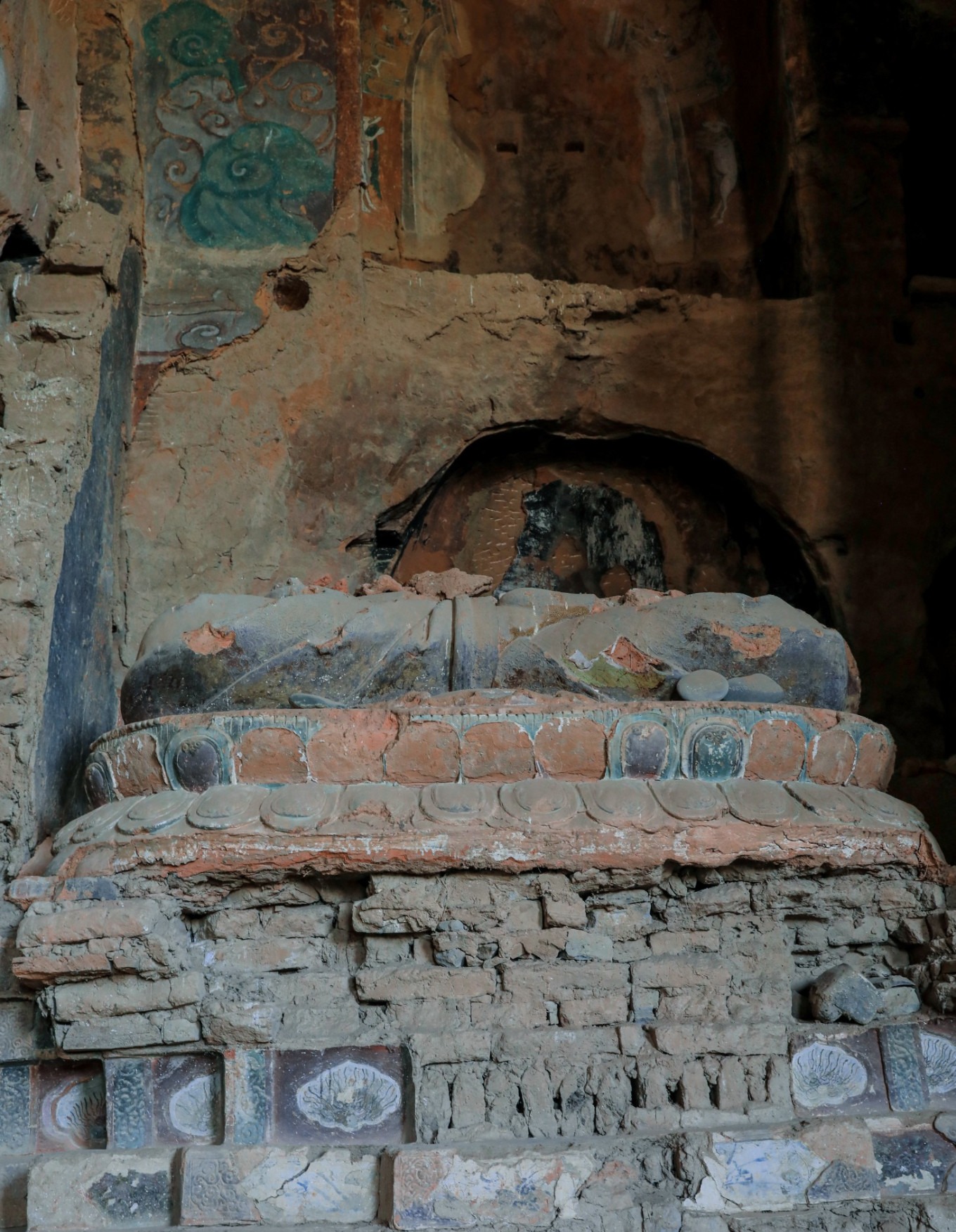
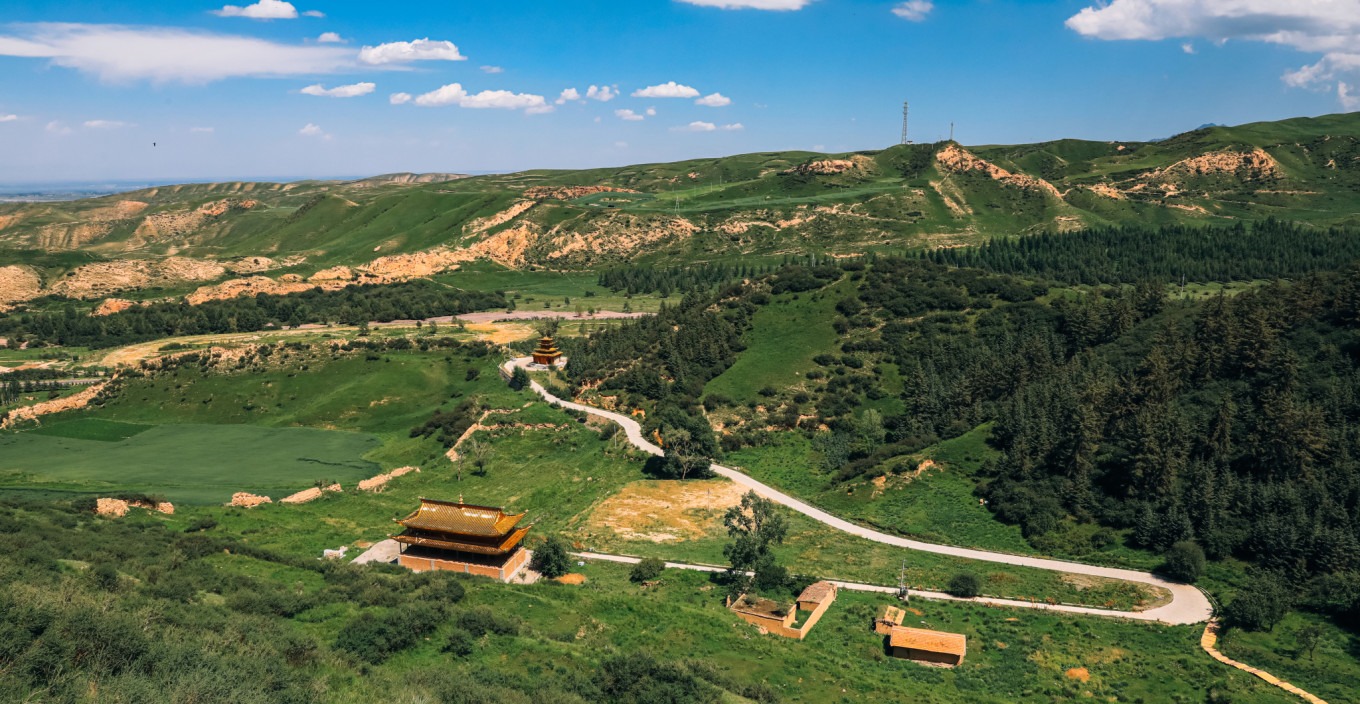
On the road from Menyuan to Zhangye, nestled among the mountains, lies the historic and scenic Buddhist sacred site of Matisi Grottoes (马蹄寺石窟). The name comes from a beautiful legend: it is said that the Tibetan Buddhist master Sangji Yixi once practiced here, and his horse left hoof prints on the stone, hence ‘Horse Hoof Temple.’ The cliffs are made of coarse red sandstone, making carving difficult, so most of the statues are clay sculptures. It is a fourth batch national key cultural relic protection unit.
The Matisi Grottoes were first carved during the Northern Liang period of the Sixteen Kingdoms, over 1,600 years ago. Along with the Mogao Caves in Dunhuang and the Yulin Grottoes in Guazhou, they are known as the three great art treasures of the Hexi Buddhist holy land. They are also the only grottoes in China where the plank road is built inside the cliff. The complex consists of multiple units, including Thousand Buddha Cave, Matisi South Temple, and Matisi North Temple, housing over 500 precious statues and more than 1,200 square meters of murals dating from the Northern Liang to the Ming dynasty.
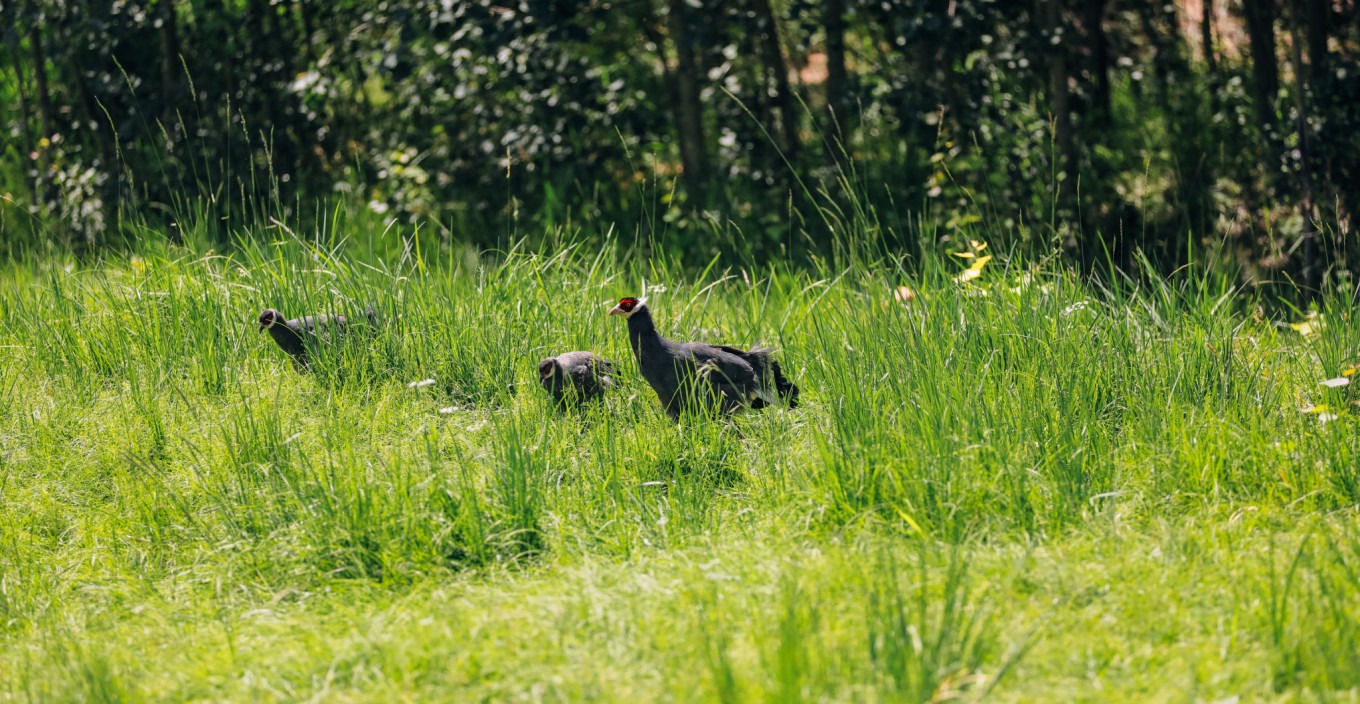
Along the roadside in the scenic area, you might spot Tibetan pheasants (藏马鸡), which staff say are truly wild.
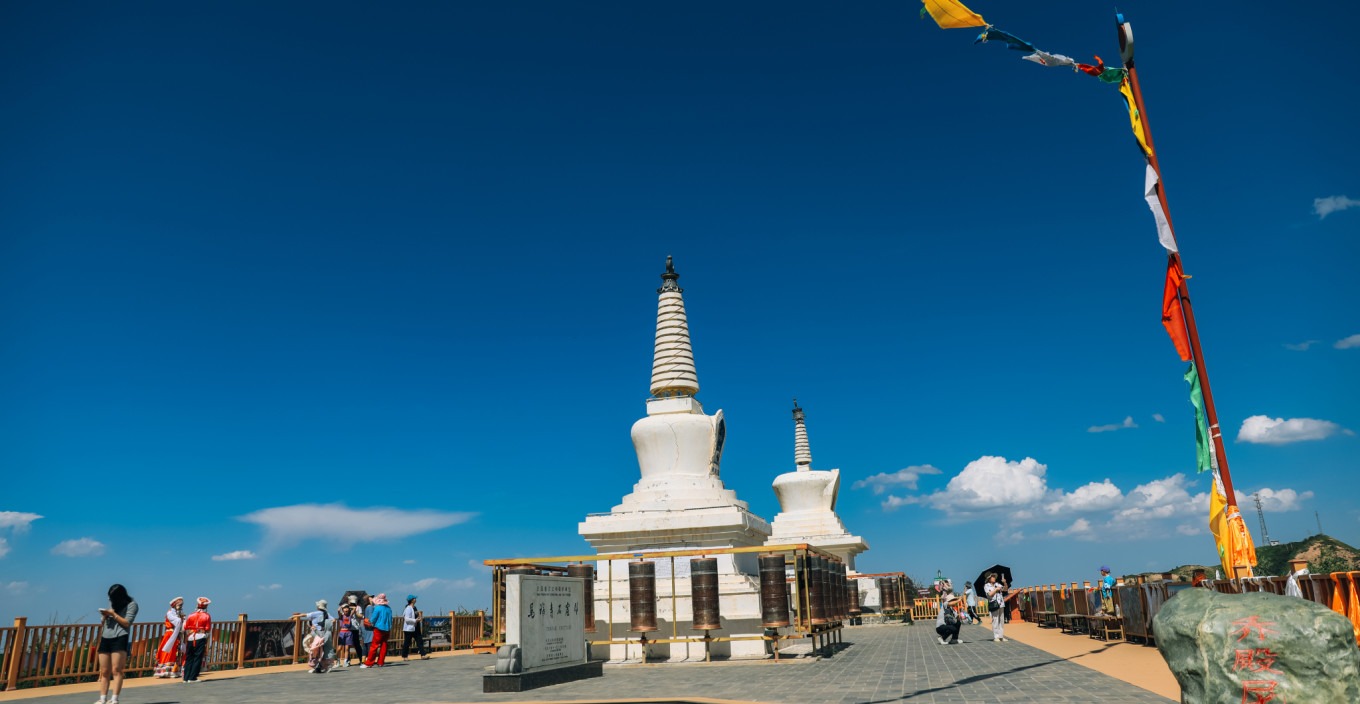
The ‘Thirty-three Heavens’ Grotto (三十三天石窟) is the highlight of Matisi, famous for its unique plank road and cave structure. Carved into a hundred-meter-high cliff, seven layers of 21 caves are neatly arranged like a pagoda, a sight that has inspired poets and writers for centuries.
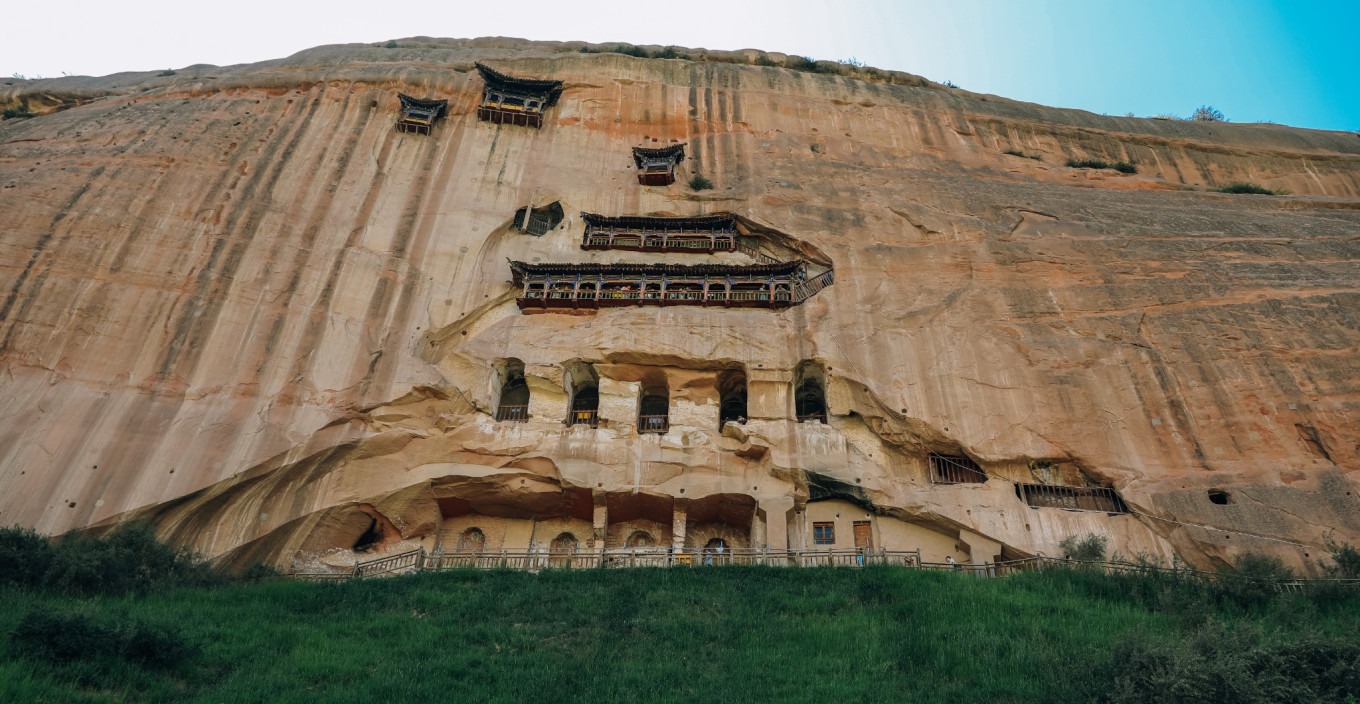
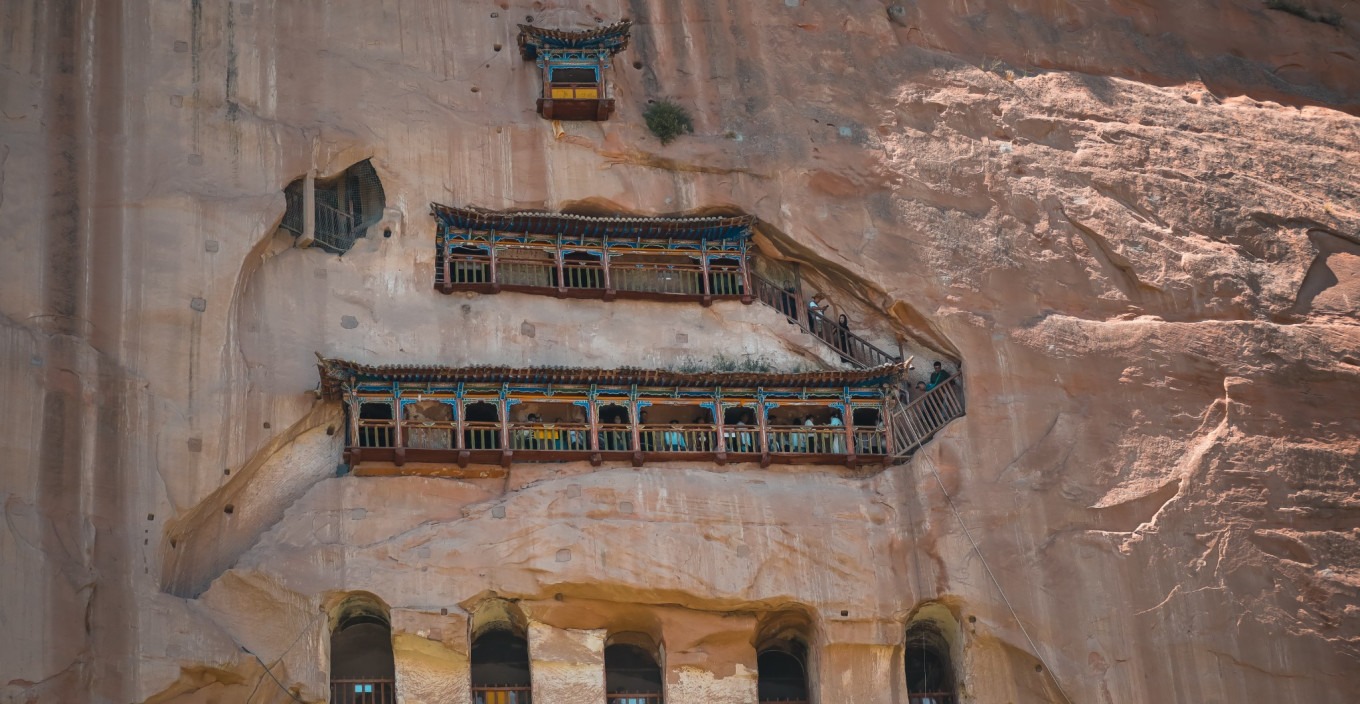
Construction of the Thirty-three Heavens began in the Northern Dynasties and spanned several centuries. The caves are carved into the red sandstone wall of Puguang Temple, 43 meters above ground. The structure tapers upward like a pagoda, with seven levels and 21 caves, a rare and ingenious design in Chinese grotto history, offering high cultural, artistic, and 观赏 (local term) value.
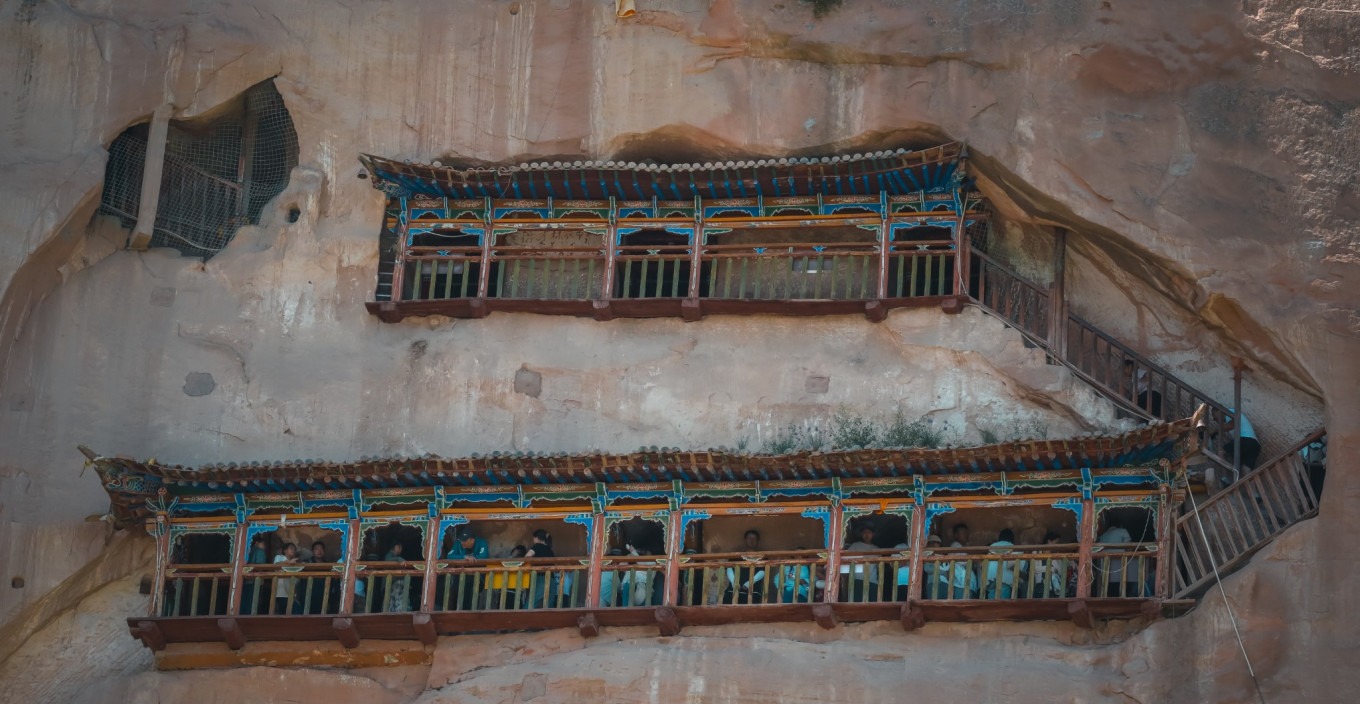
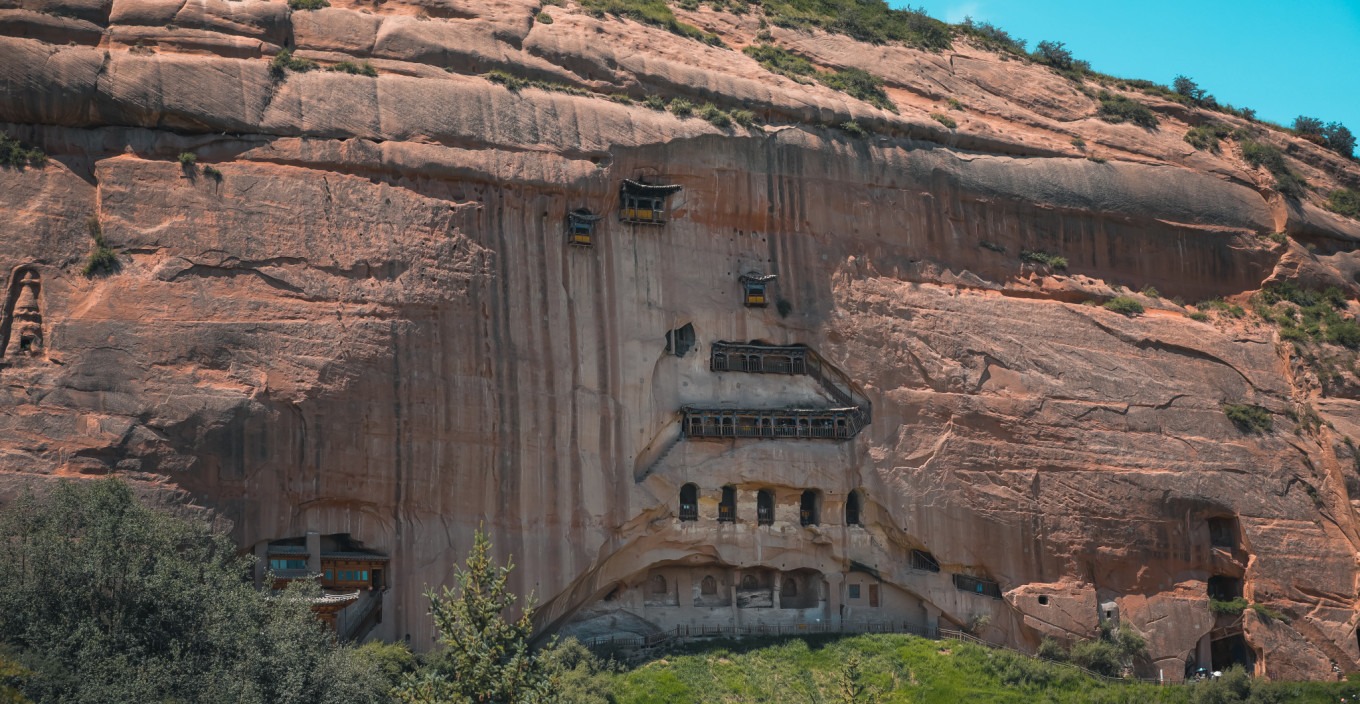
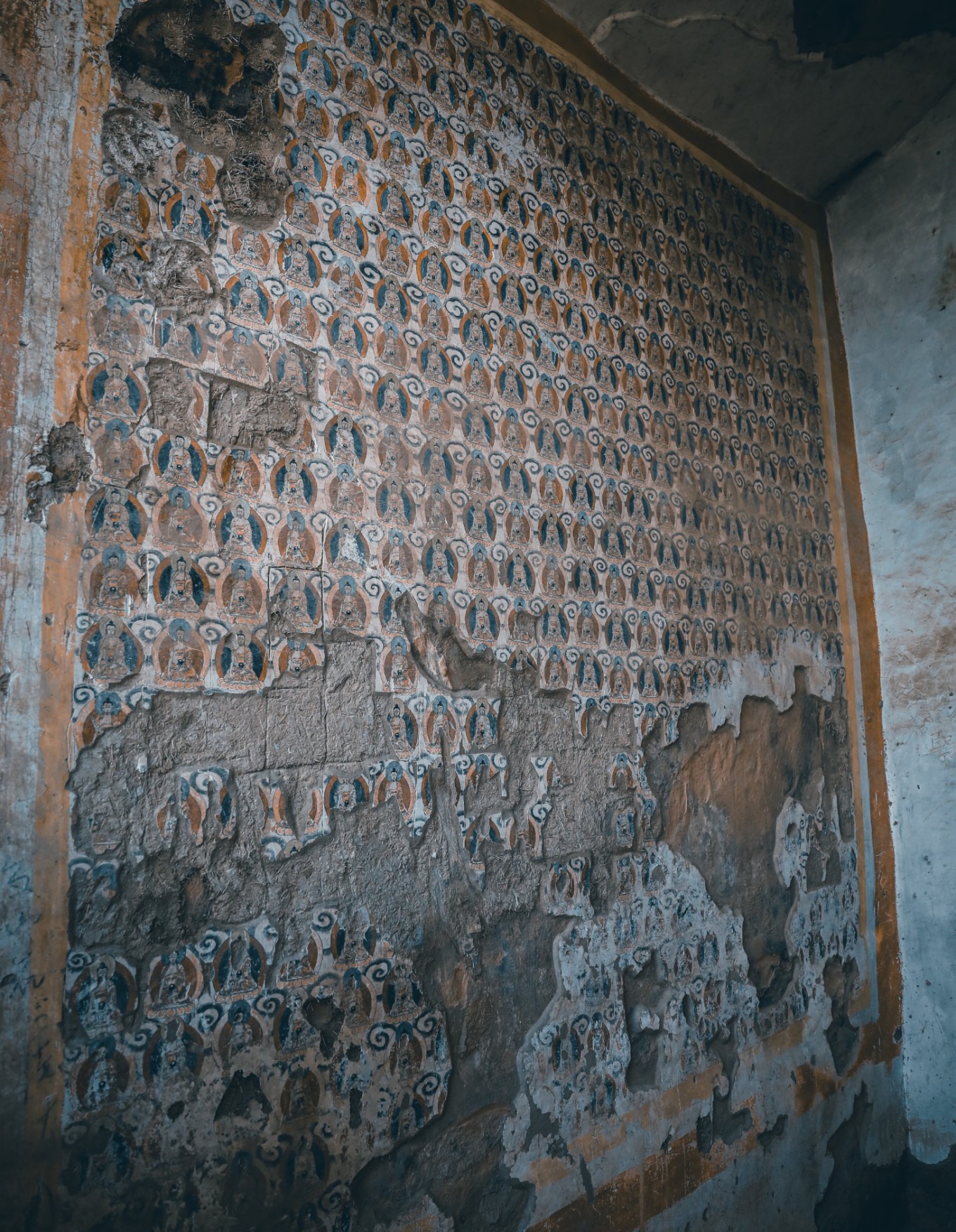
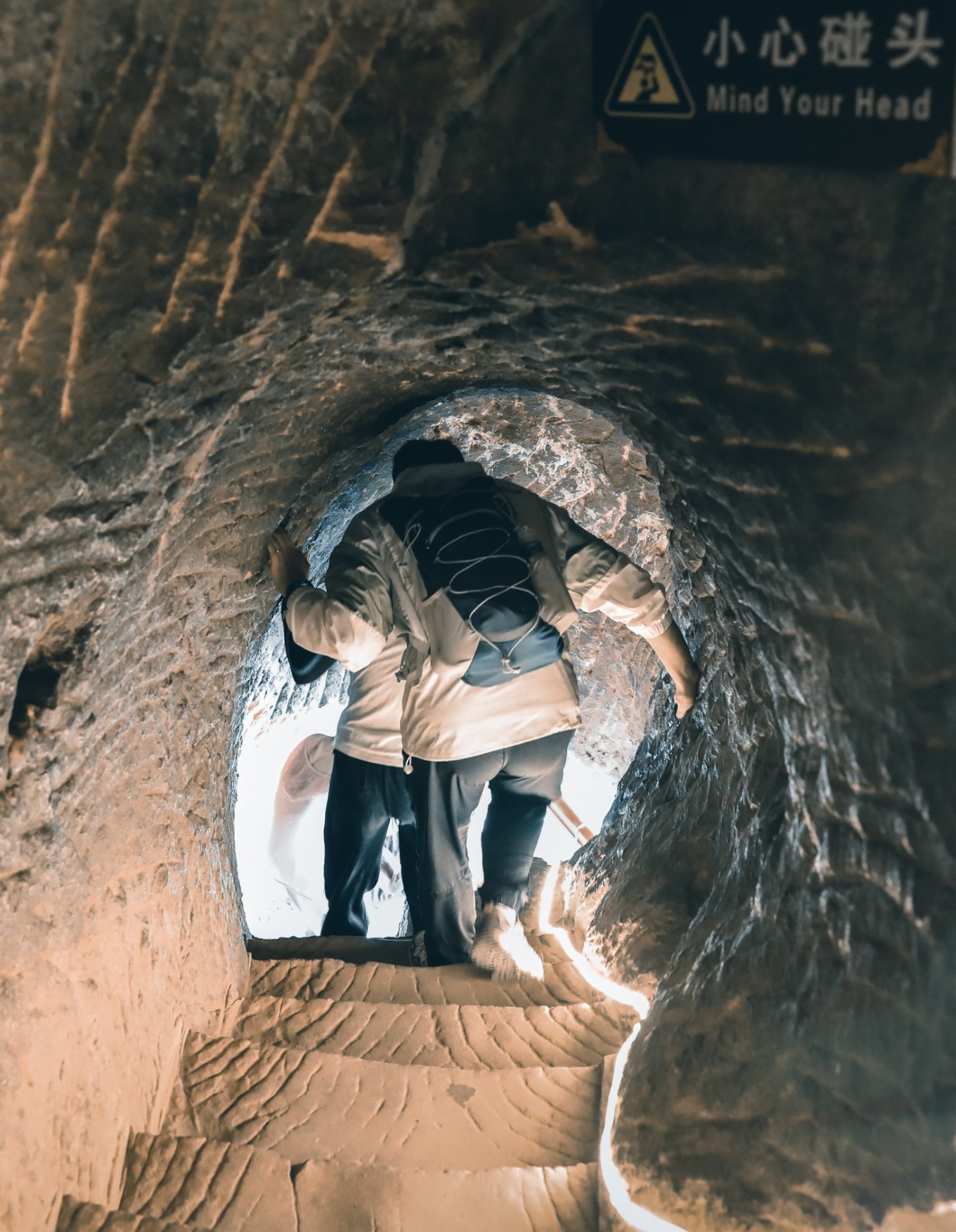
At the entrance to the Thirty-three Heavens, you’ll see a Thousand Buddha mural. The caves are stacked and connected by tunnels in a zigzag pattern, starting from the north side of the first level. The tunnels are narrow and steep, and while you can appreciate the architectural style, the original statues inside have been largely destroyed. If you have claustrophobia, it’s best to skip this part.
On the cliffs, you’ll also see many pagodas, originally relief stupa niches, mostly arched, with some trefoil, square, or trapezoidal shapes.
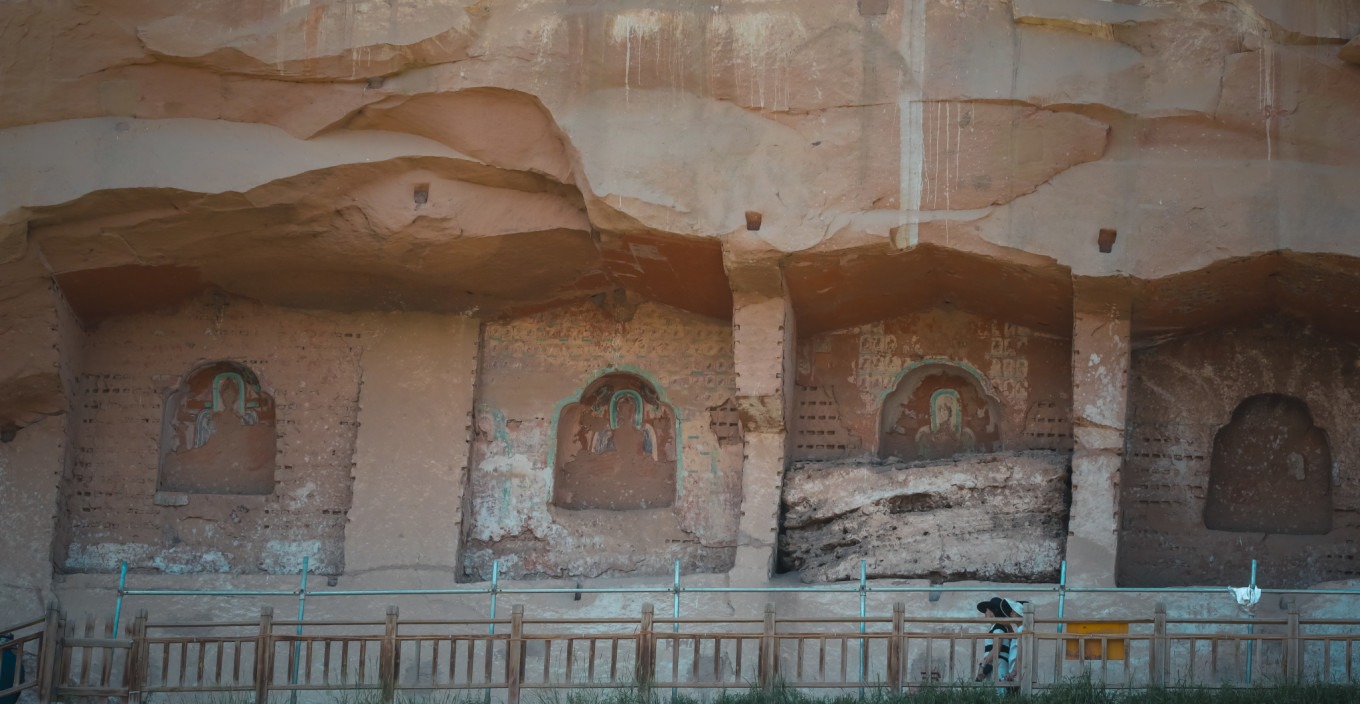
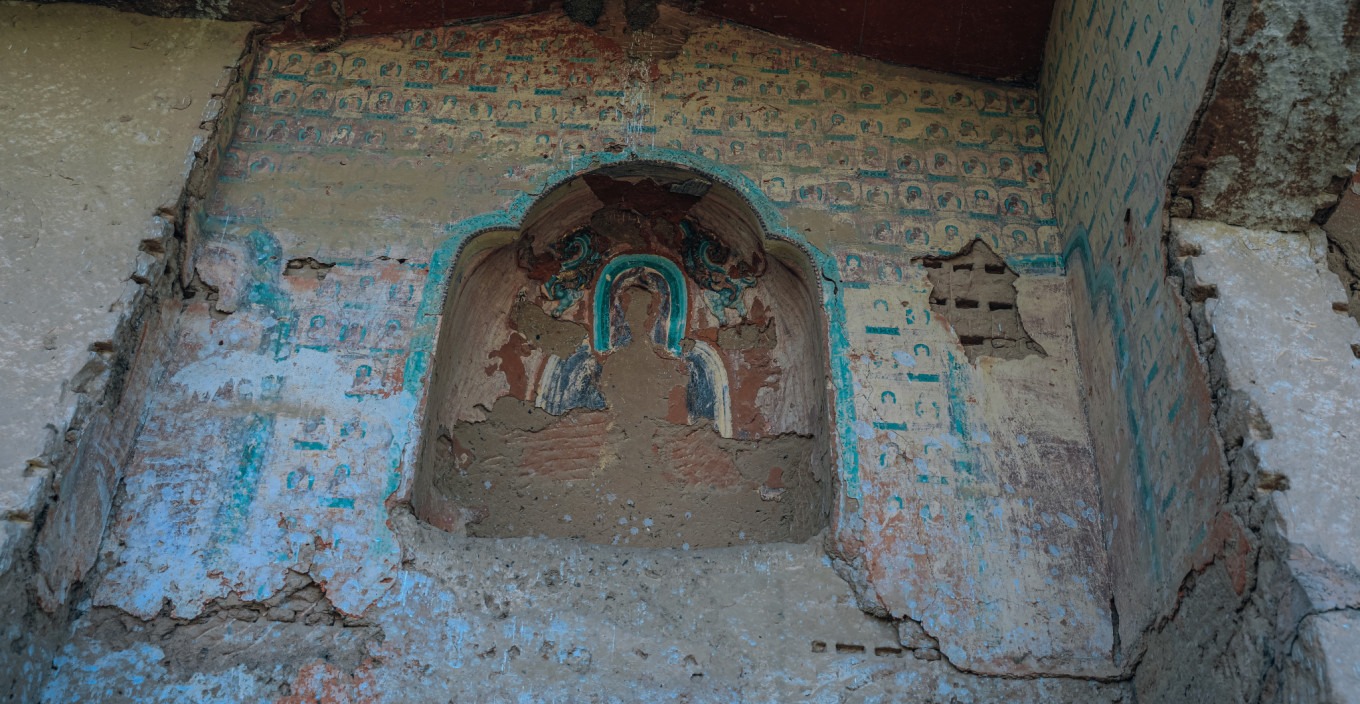
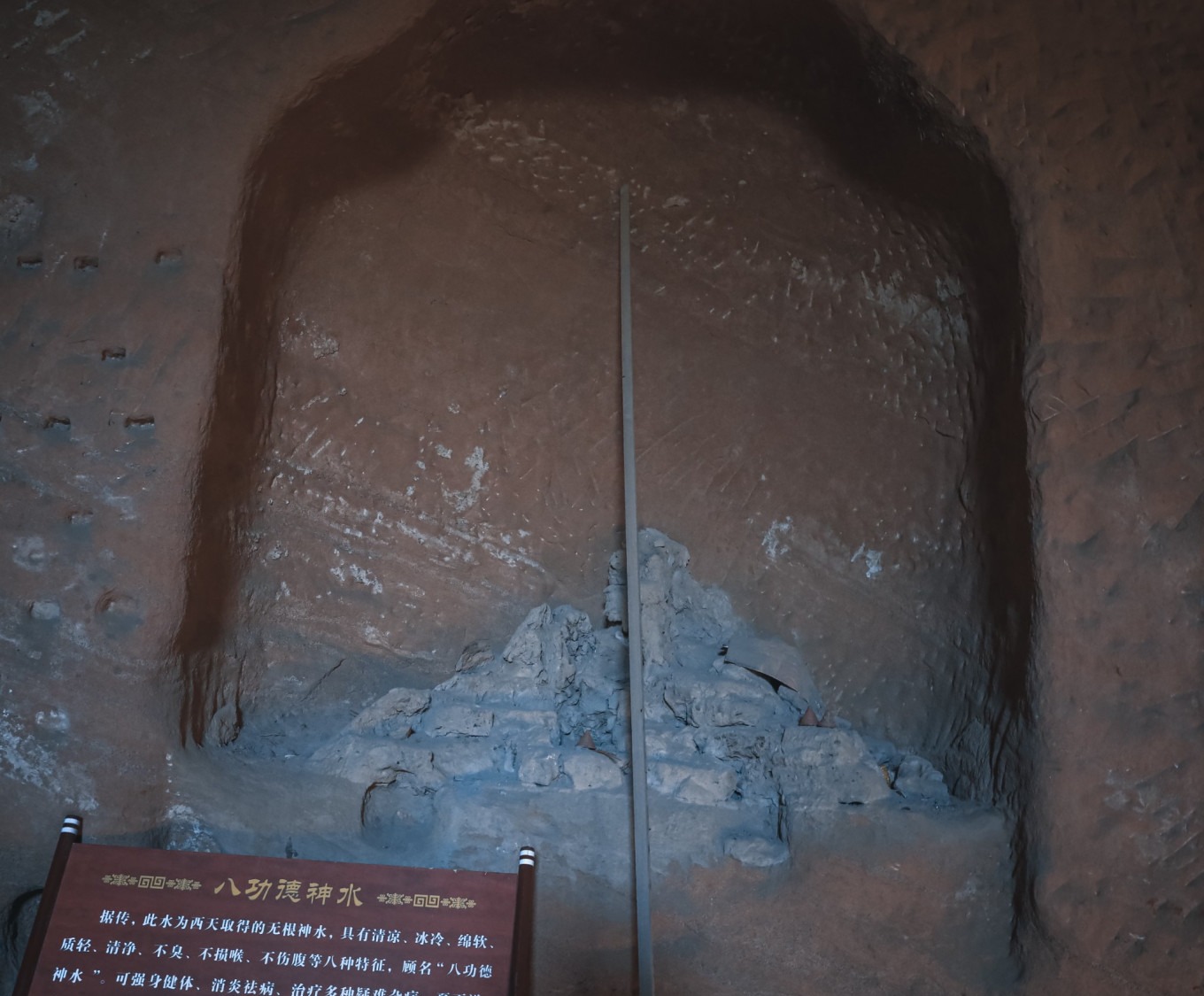
The Standing Buddha Cave (站佛殿), located north of the Thirty-three Heavens, was carved during the Northern Wei period. It is the largest cave at Matisi and the largest single cave in China. The cave consists of an antechamber, a worship hall, and corridors. Originally, an eight-meter-tall standing Buddha stood here, with a white jade Tara statue hidden inside its belly, giving the cave its alternate name, ‘Tibetan Buddha Cave.’ Inside, there is also a well called ‘Eight Virtues Holy Water’ (八功德圣水), believed to promote health and ward off illness. The current standing Buddha appears to have been re-sculpted in recent years.
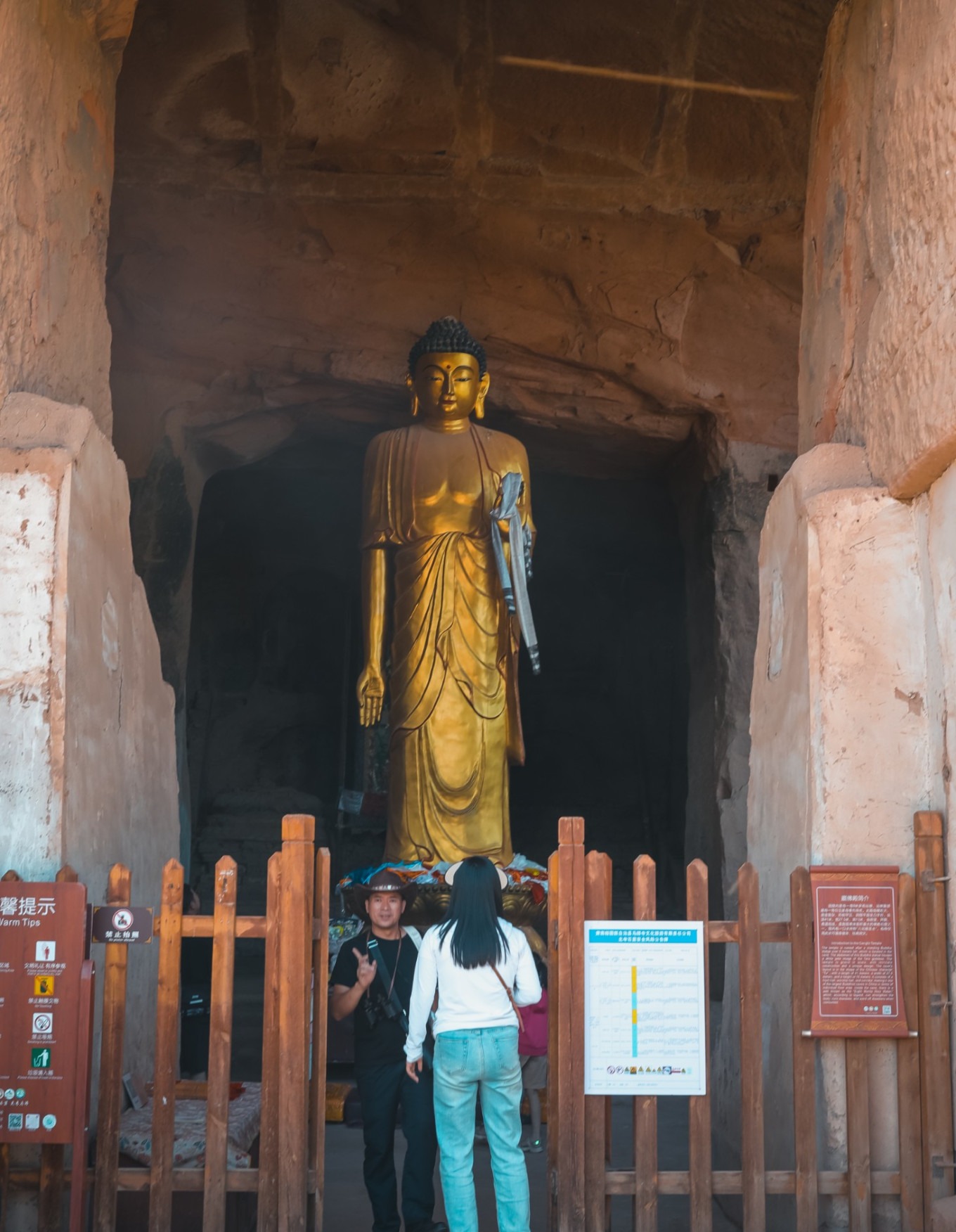
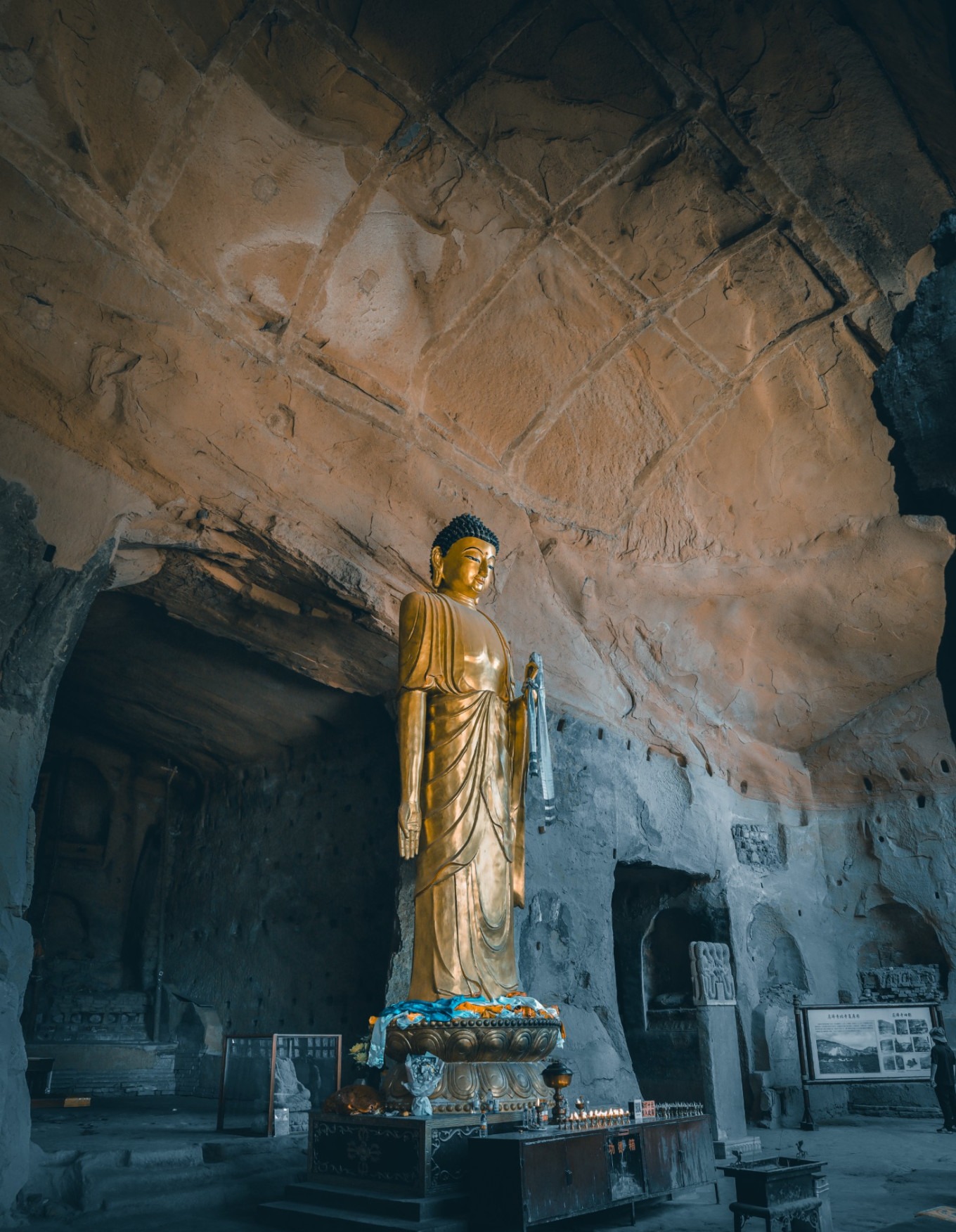
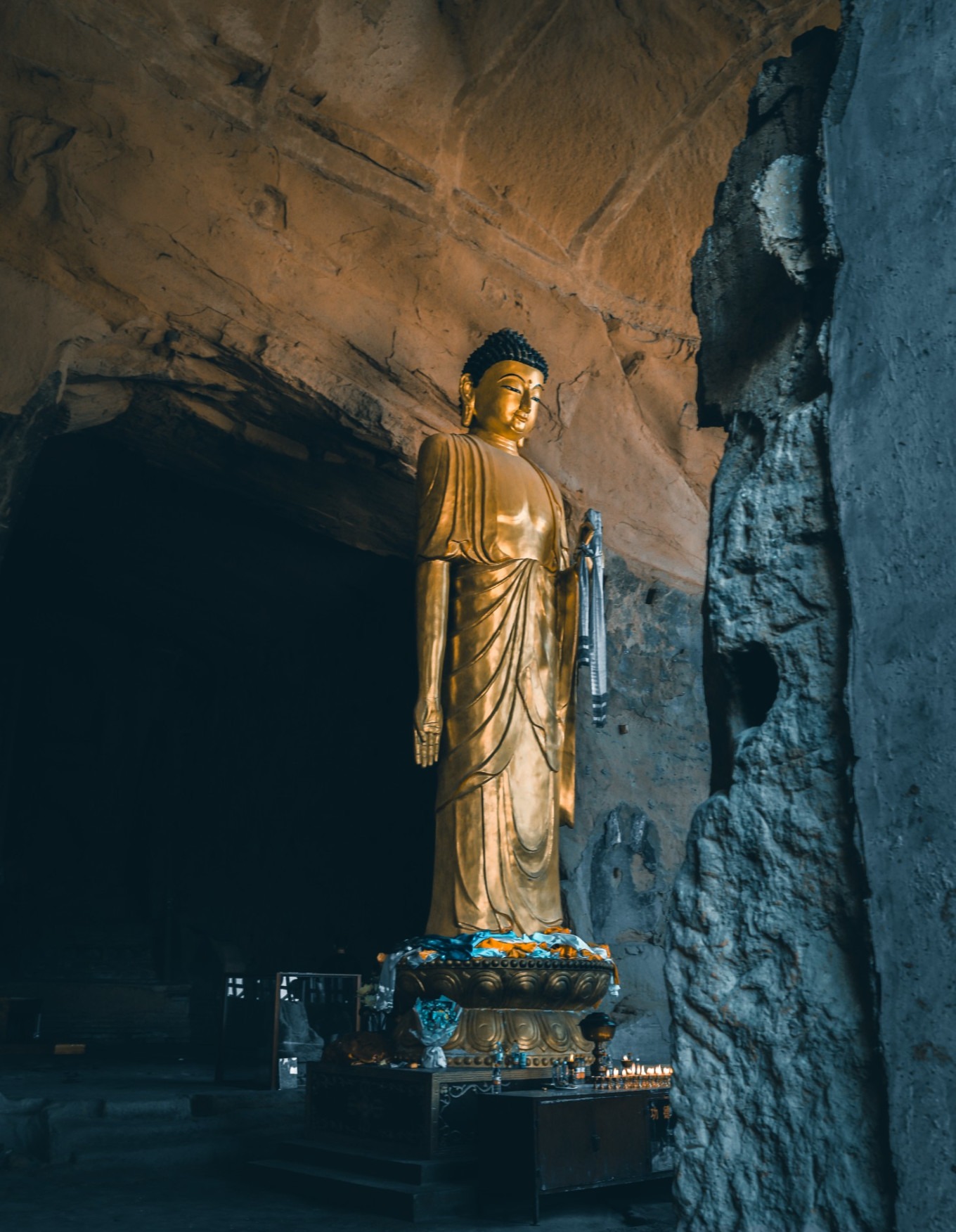
The Eight Virtues Holy Water well is now sealed off.
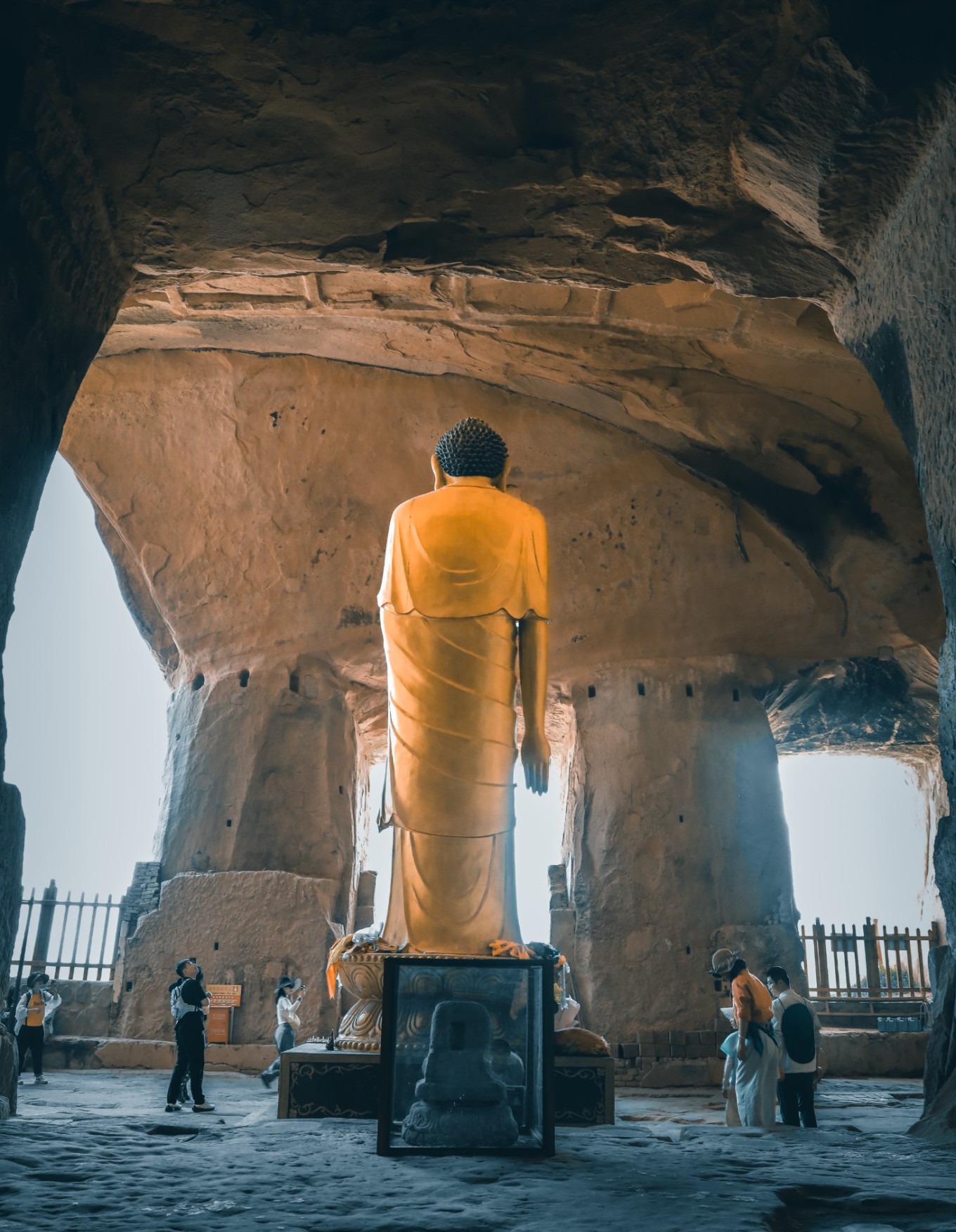
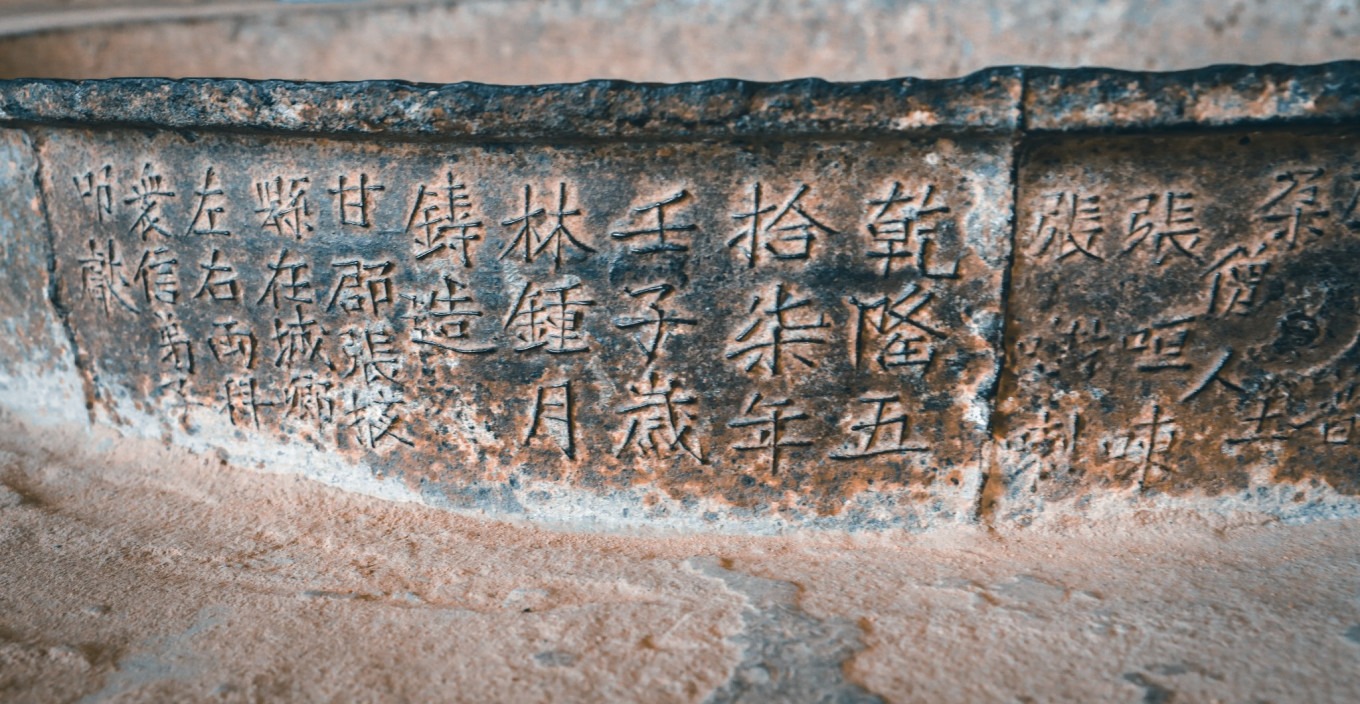
In the antechamber, against the rock wall, you’ll find an iron cauldron from the Qianlong era of the Qing dynasty.
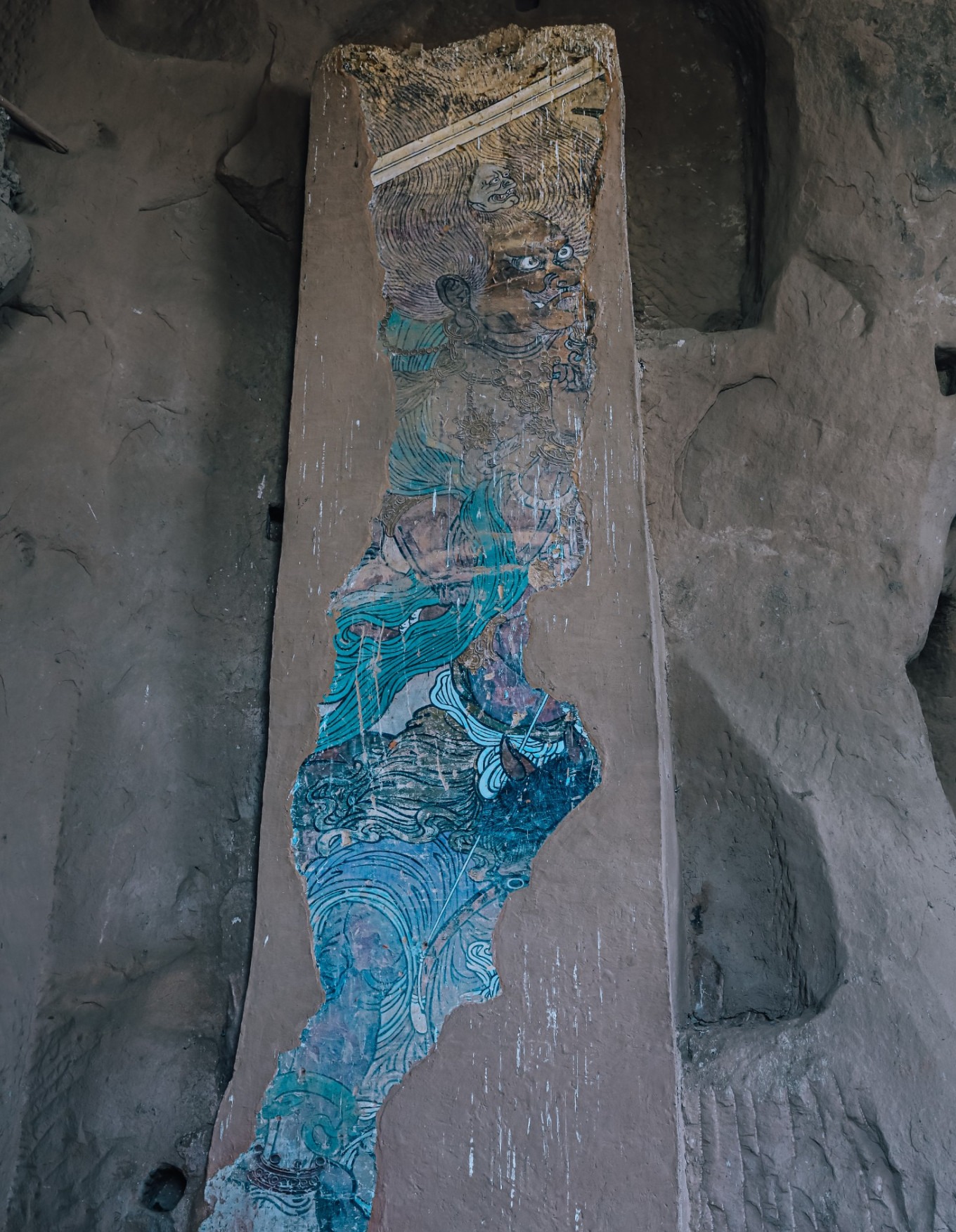
Remaining murals on the rock walls depict guardian deities (护法金刚).
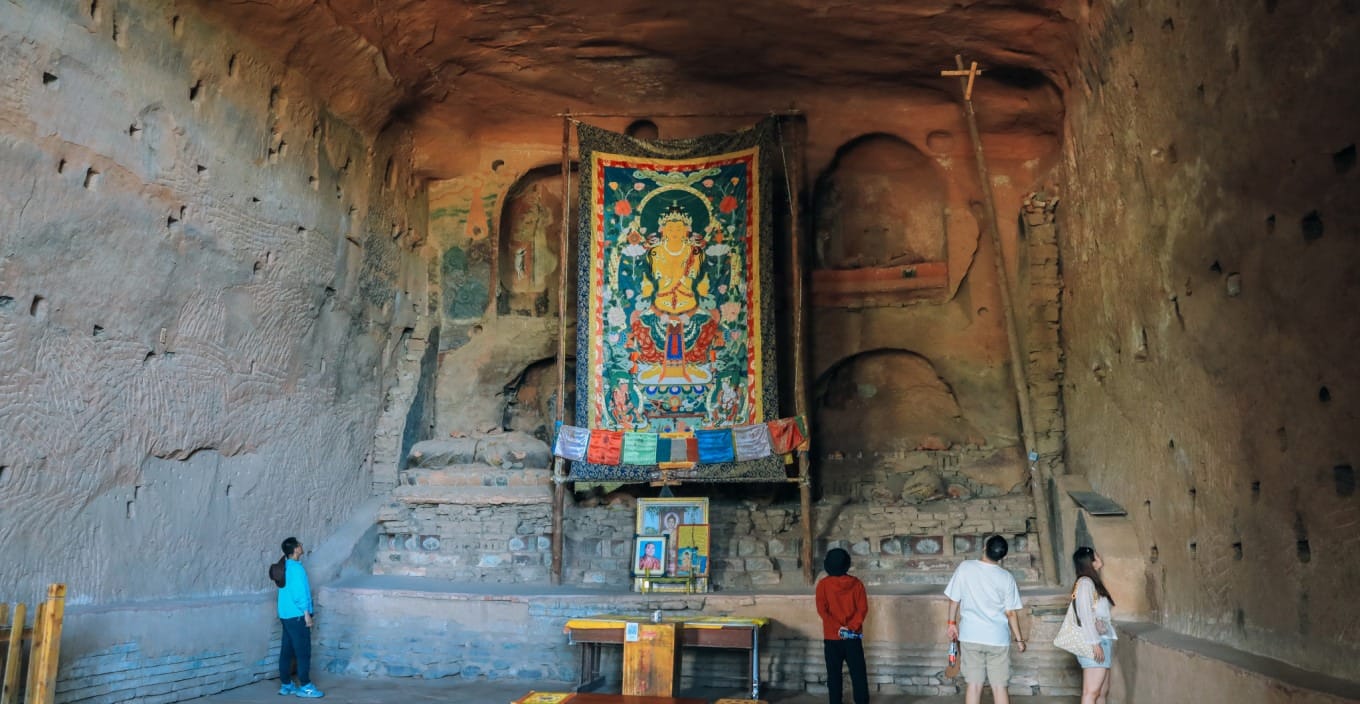
The worship hall is nearly square, with three large arched niches on the main wall, though the statues have been destroyed.
Corridors run along the left, right, and rear walls of the worship hall, with 49 large niches on the corridor walls. Sadly, all have been destroyed, leaving only empty niches.
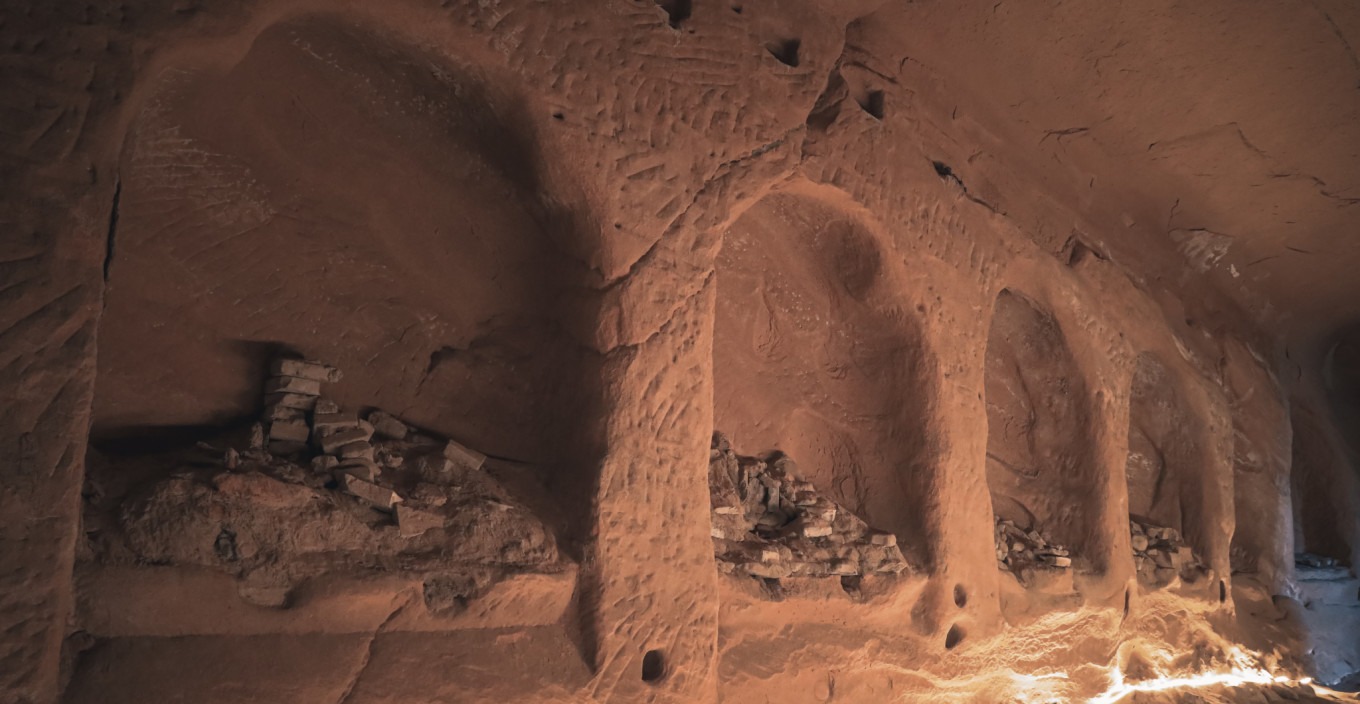
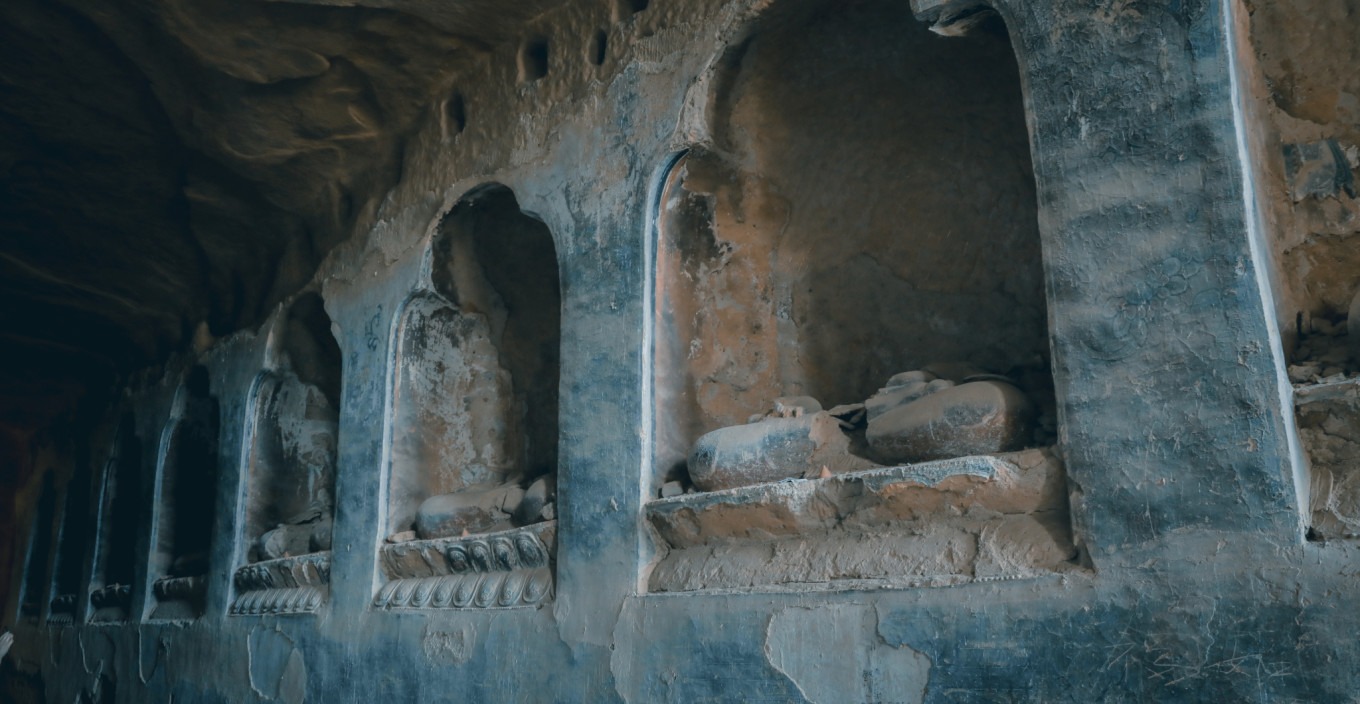
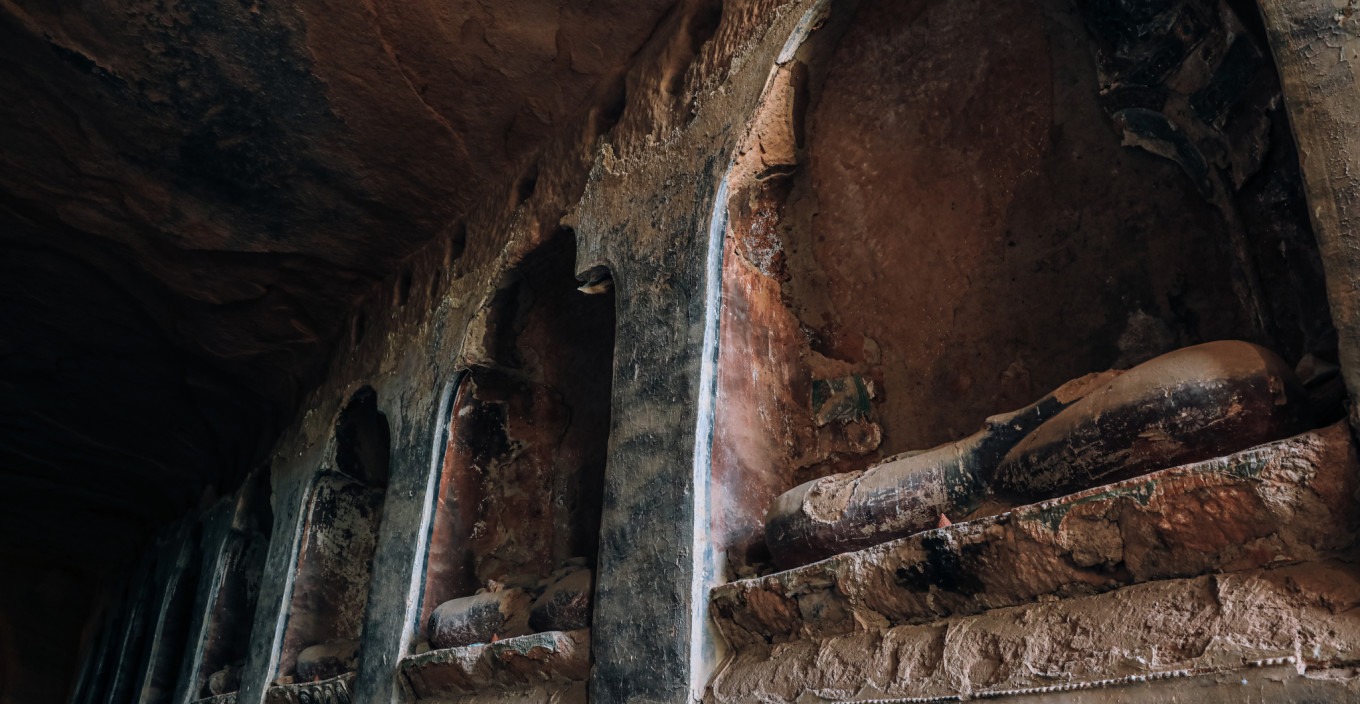
The remaining fragments of the statues clearly show exquisite craftsmanship—a real pity they were destroyed.
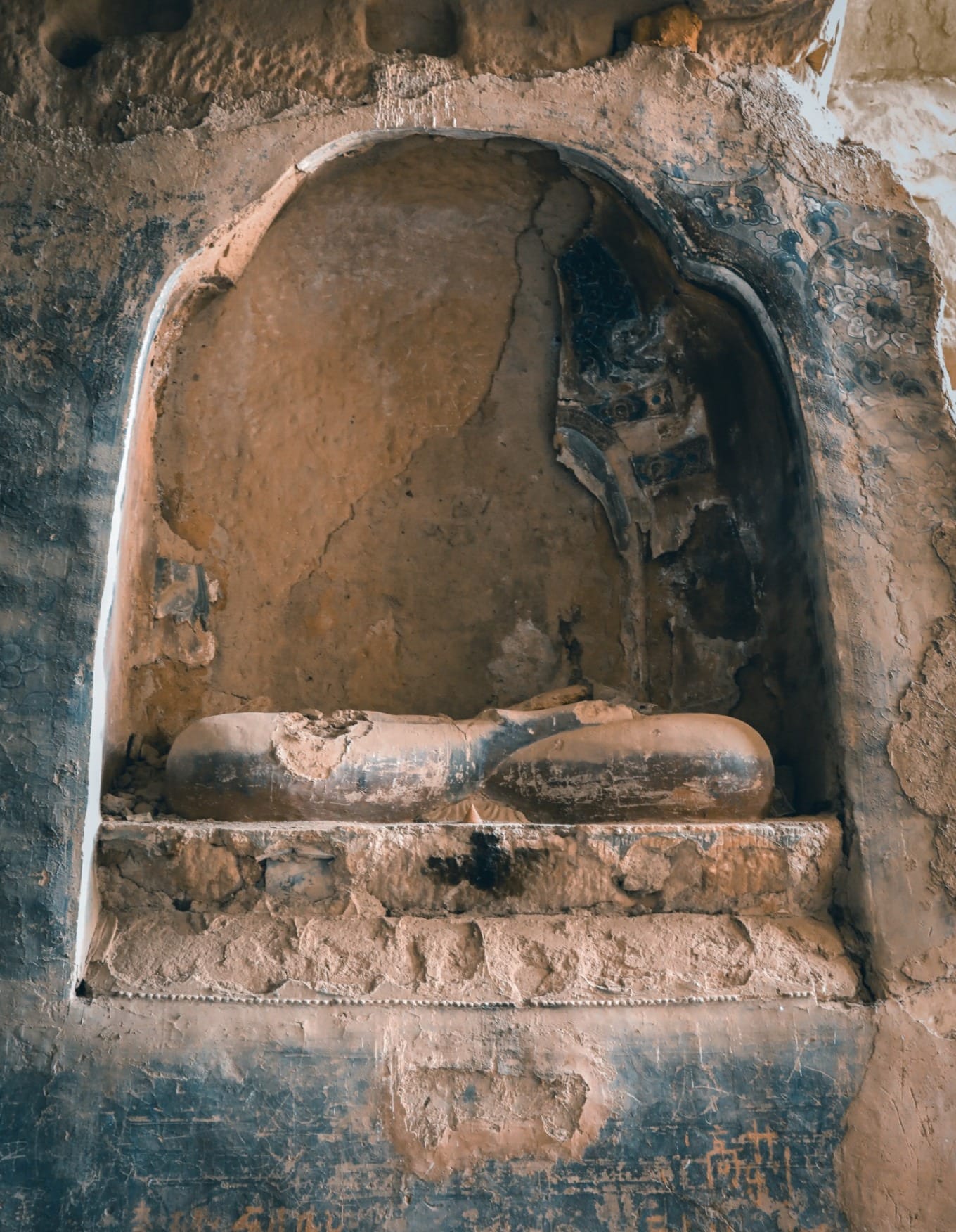
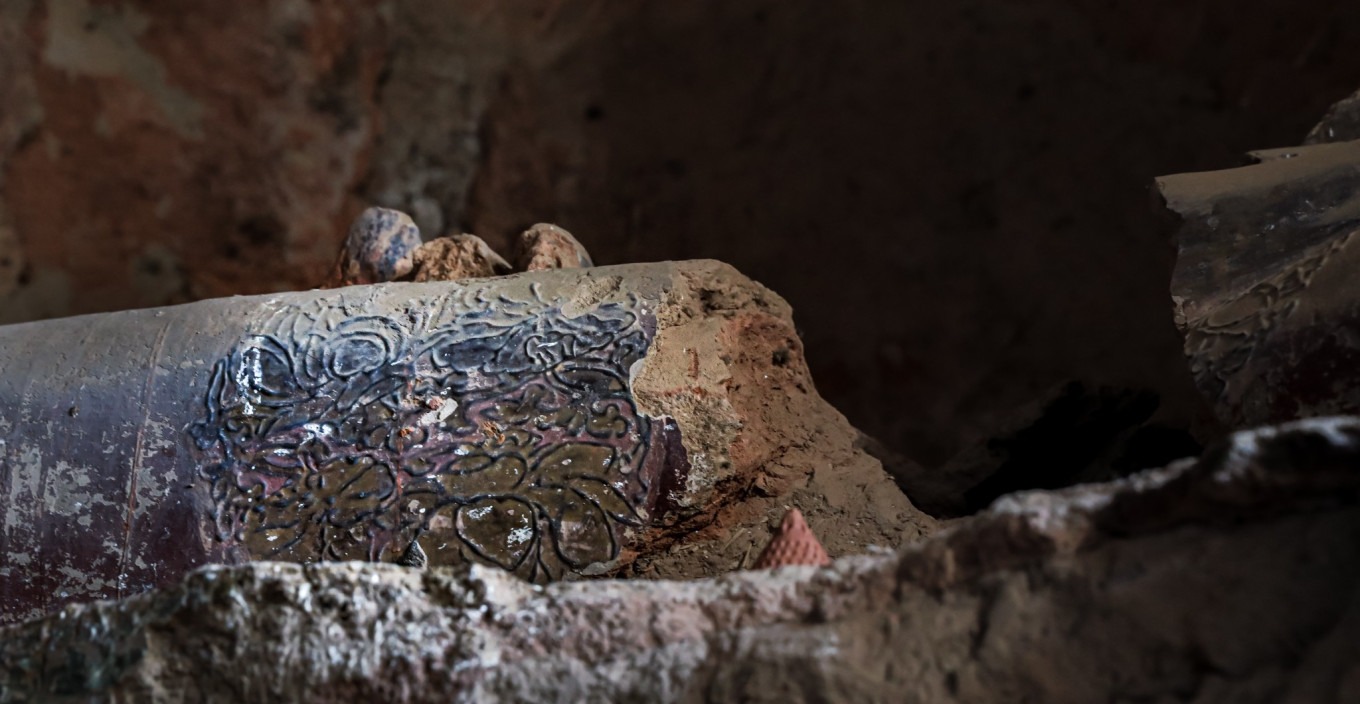
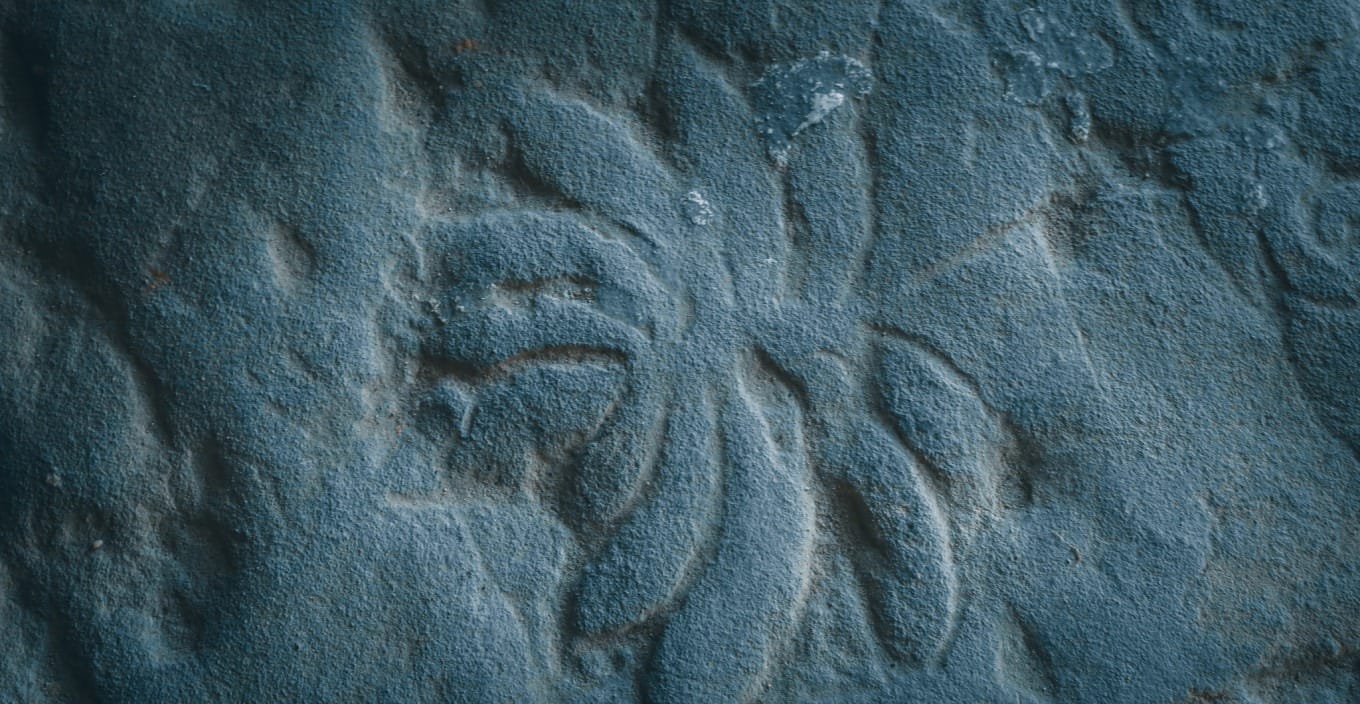
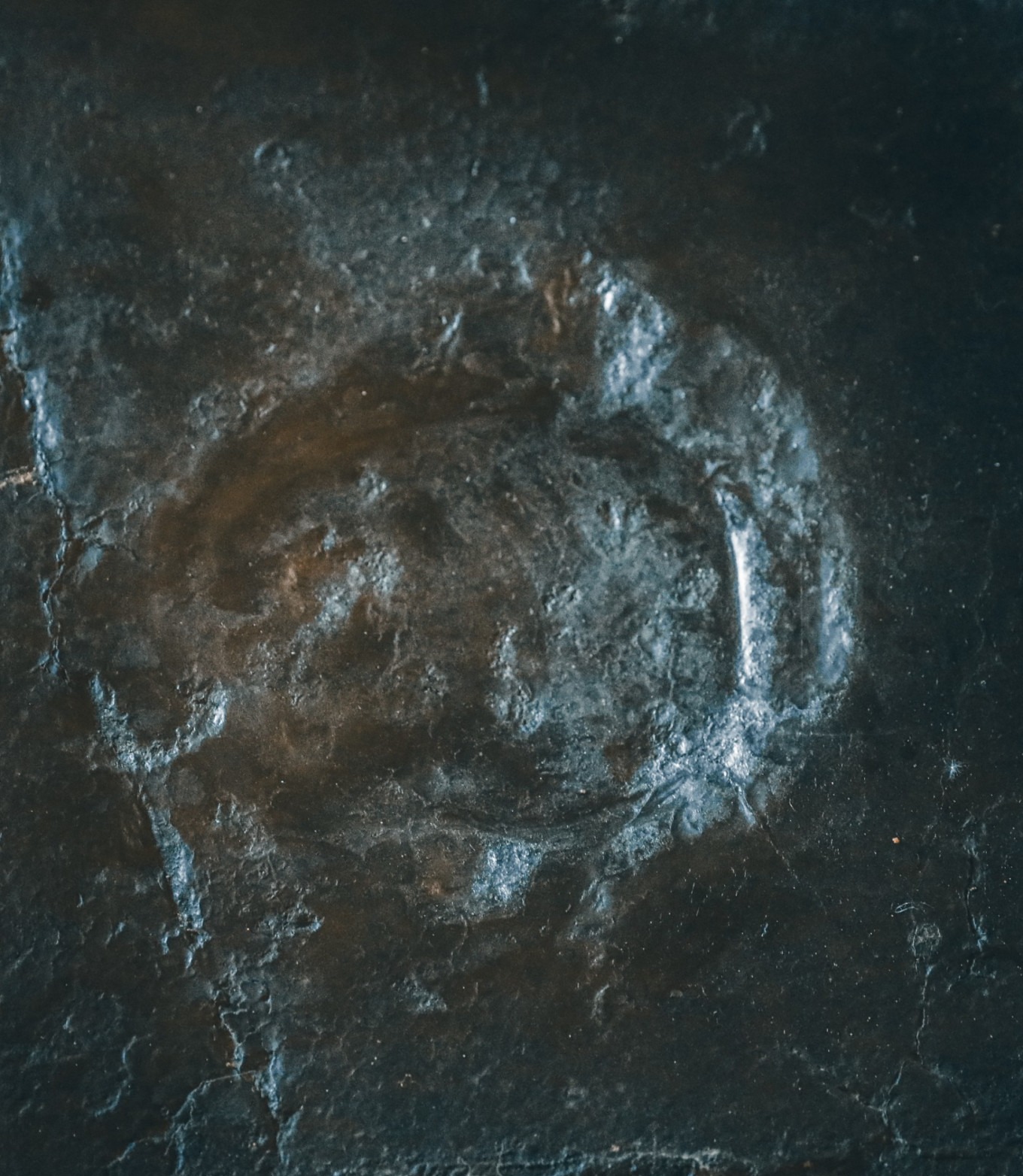
The name Matisi also comes from a Tibetan legend: the hero King Gesar once rode his horse here, leaving a hoof print on a huge rock. Inside the temple, you can see a black Qilian stone with a clear hoof print, regarded as the temple’s treasure. The print is very distinct—take a close look, and it really does resemble a horse’s hoof.
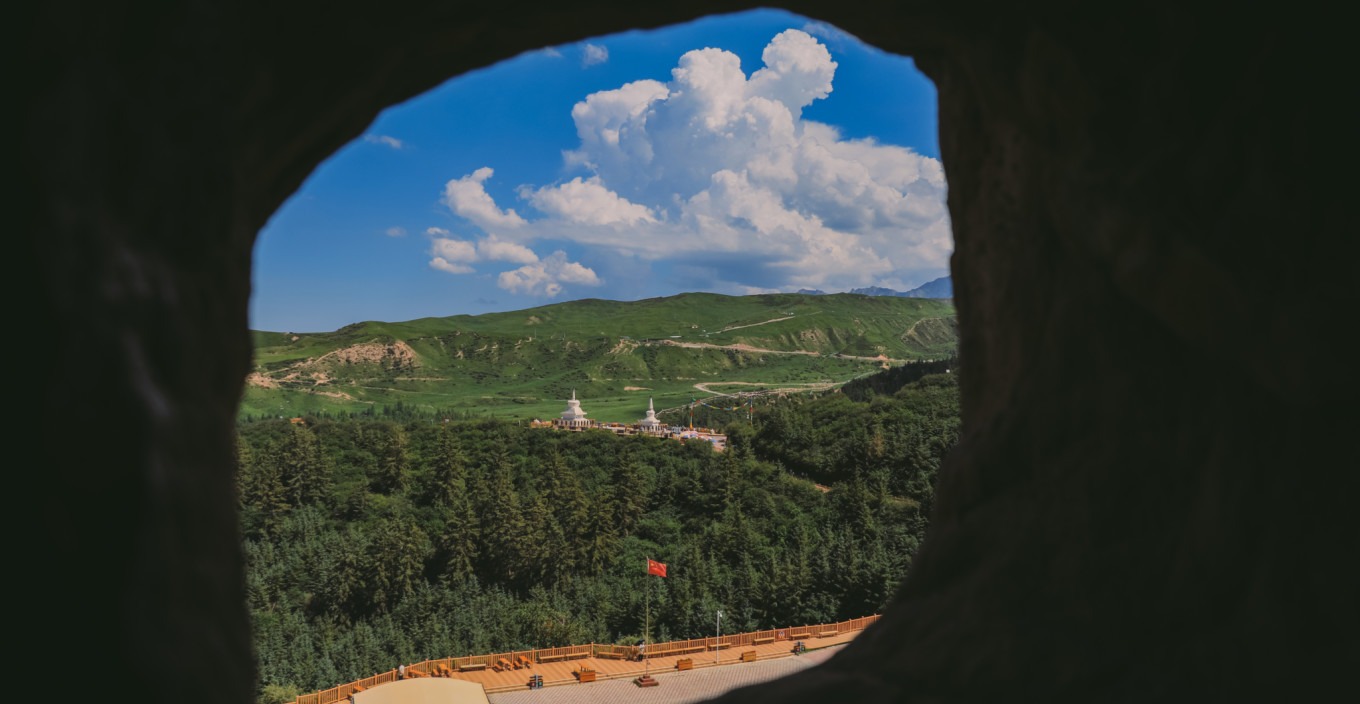
Standing on the grottoes, you can enjoy beautiful views of the surrounding scenery.
Zhangye Rainbow Danxia Rating 4/5
- North EntranceColorful Immortal Terrace (七彩仙缘台) → Colorful Cloud Sea Terrace (七彩云海台) → Colorful Splendid Terrace (七彩锦绣台) → Rainbow Splendor Terrace (七彩虹霞台)
- West EntranceColorful Cloud Sea Terrace → Colorful Splendid Terrace → Rainbow Splendor Terrace → Colorful Immortal Terrace
- East EntranceColorful Immortal Terrace → Colorful Cloud Sea Terrace → Colorful Splendid Terrace → Rainbow Splendor Terrace
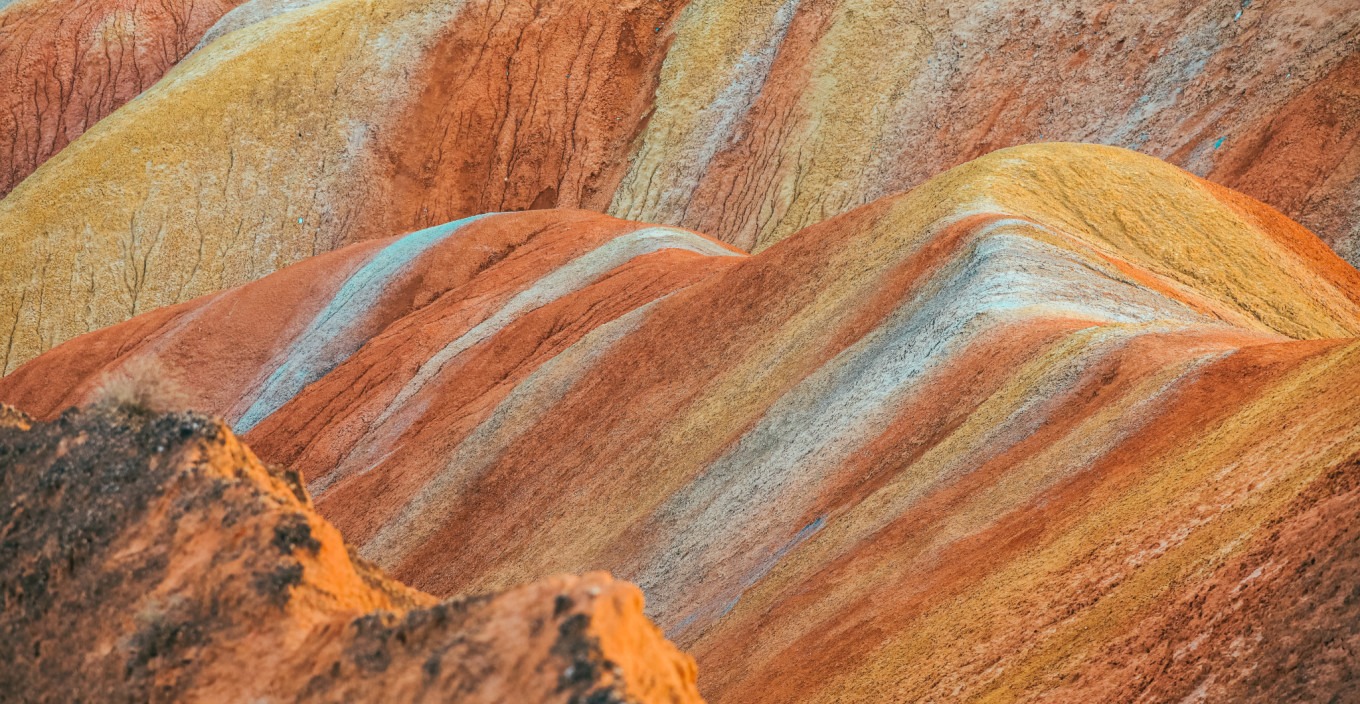
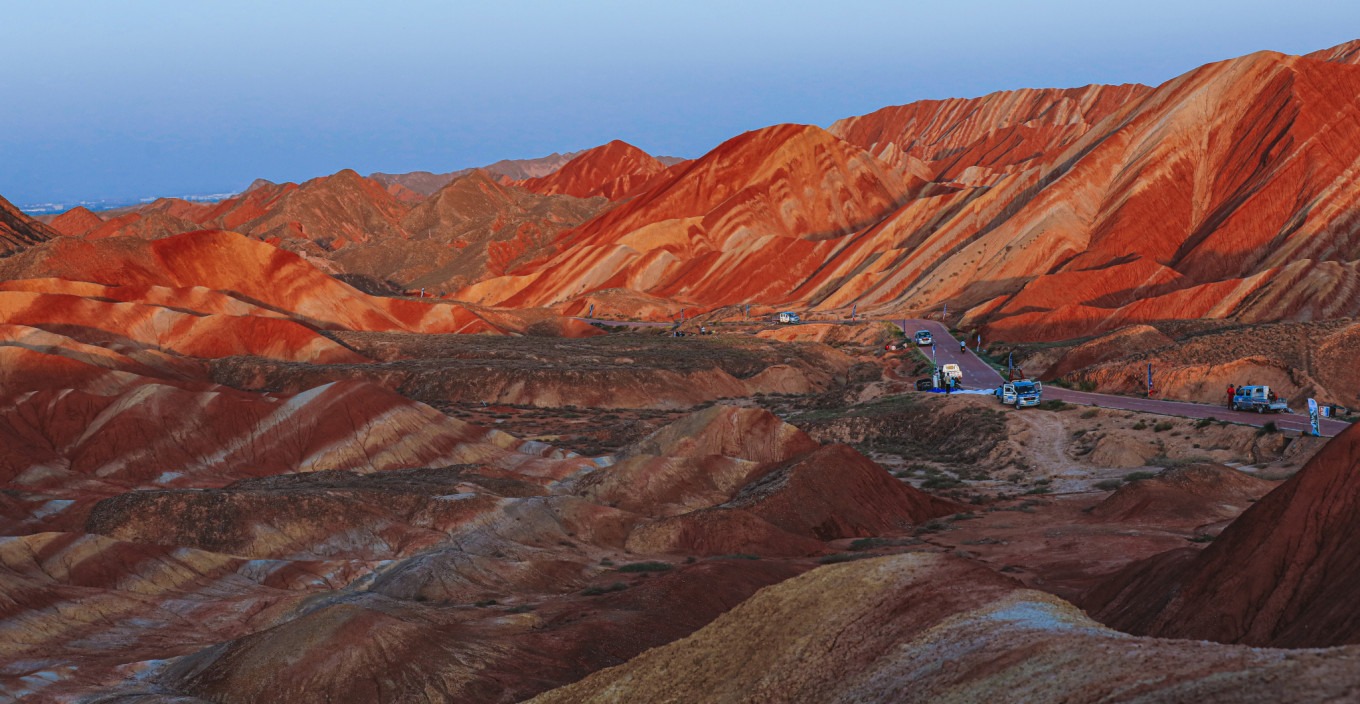
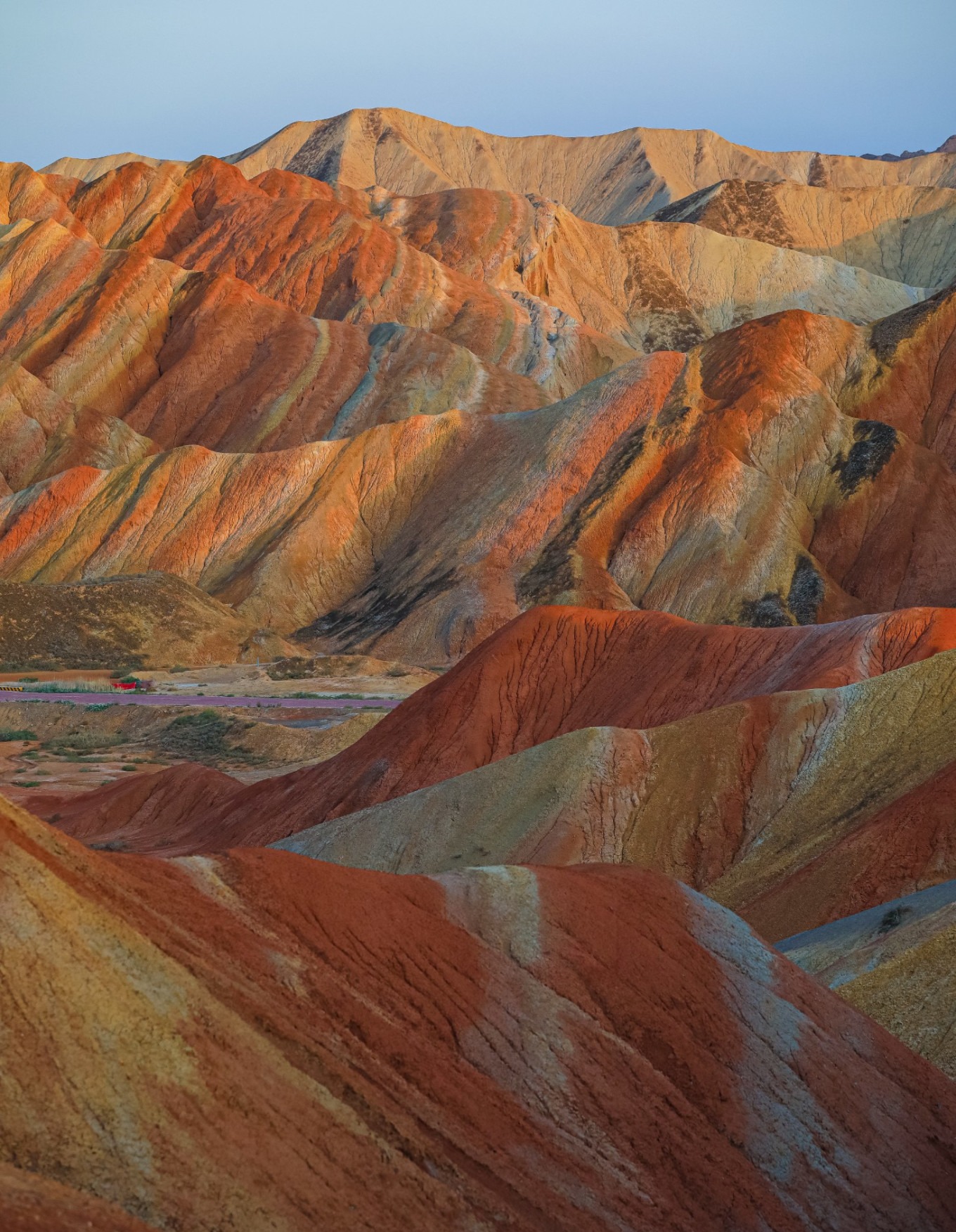
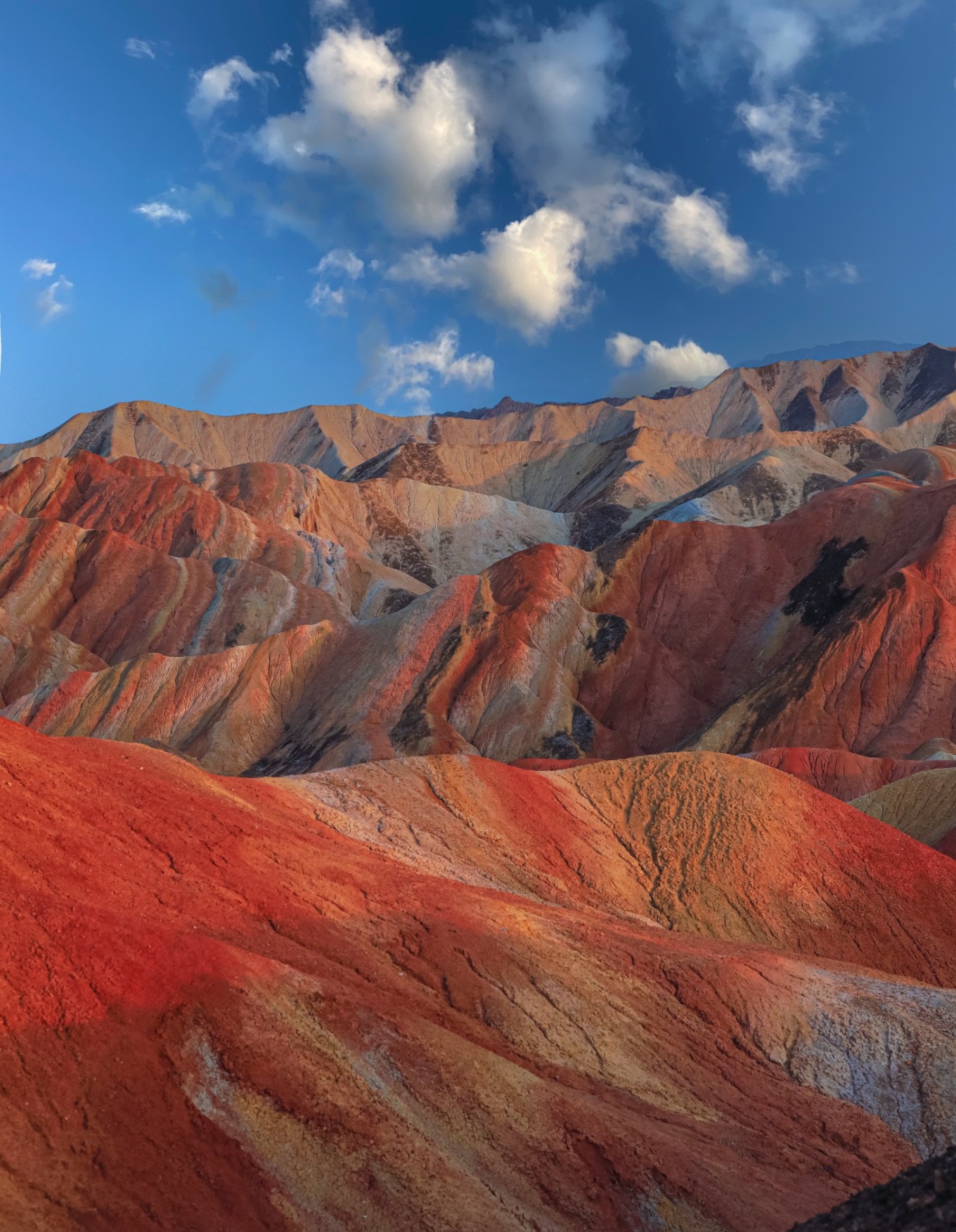
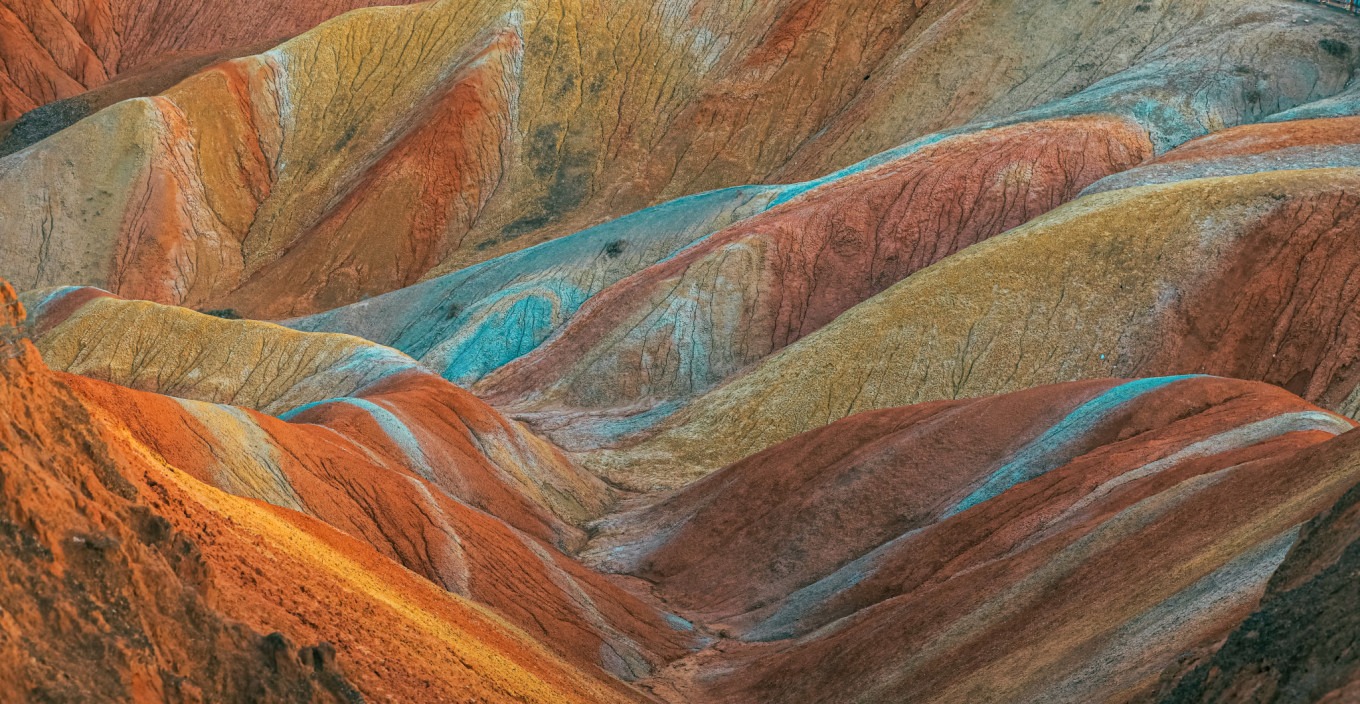
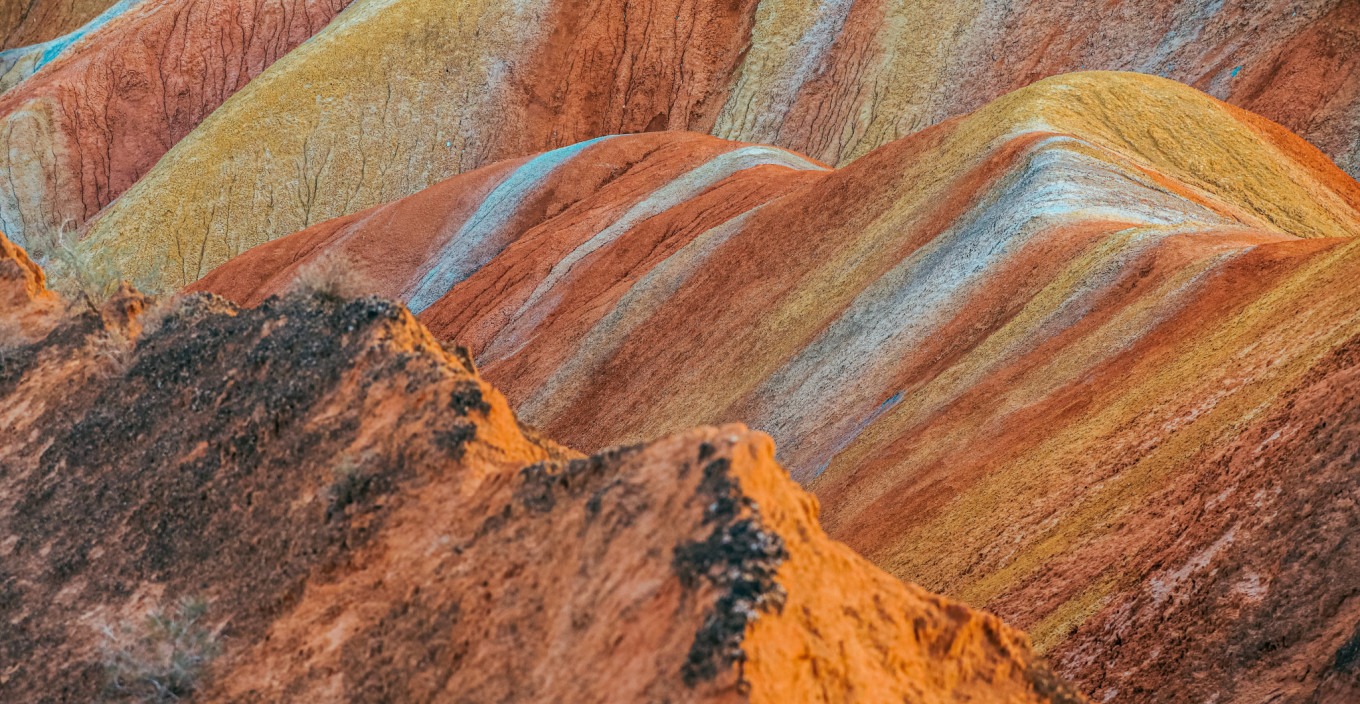
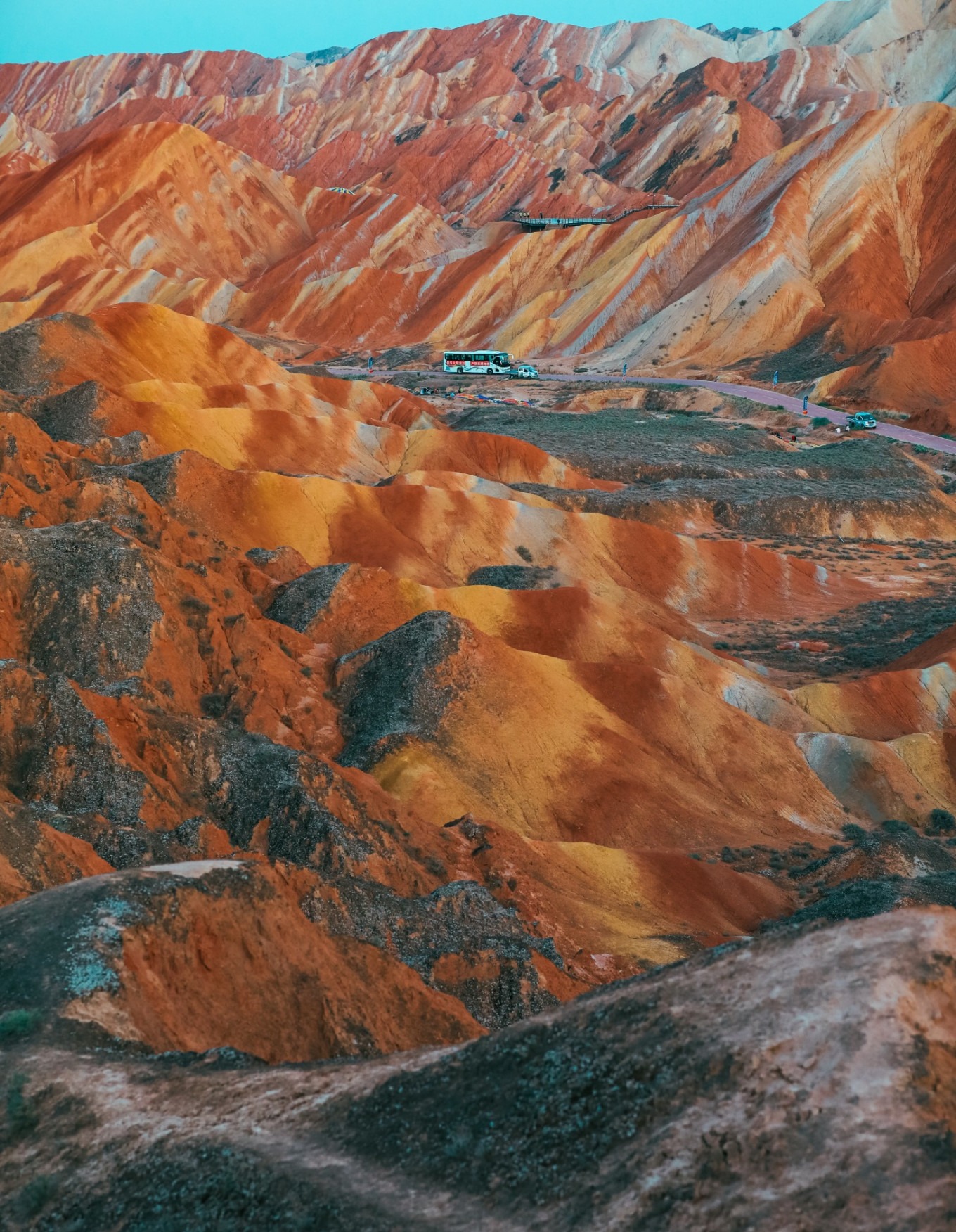
Zhangye’s Rainbow Danxia (张掖七彩丹霞) is one of China’s most spectacular geological wonders—a vivid landscape of striped hills in red, orange, yellow, green, and gray. It’s the country’s best example of a combined danxia landform and colorful 丘陵 (local term) terrain. The park offers several tour options, but the standard route (普通游) is perfect for first-time visitors.
Ticket price: 74 RMB/person (54 RMB admission + 20 RMB shuttle bus). From Zhangye city, take a bus from the West Bus Station (张掖汽车西站) to the scenic area for about 15 RMB one way. Alternatively, from Zhangye West Railway Station (张掖西站), take a local bus to the West Bus Station and transfer. The best time to visit is from June to September, with early morning or late afternoon light ideal for photography. Avoid midday—there’s no shade and it gets extremely hot.
The standard tour (2–3 hours) follows a shuttle route connecting four main viewing platforms. Depending on your entrance gate, the order varies:
For a deeper experience, the 4+ hour deep tour (深度游) adds: Crouching Tiger Gorge (卧虎峡) → Colorful Ao River (七彩熬河) → Vientiane Earth Forest Valley (万象土林谷) before visiting the standard platforms.
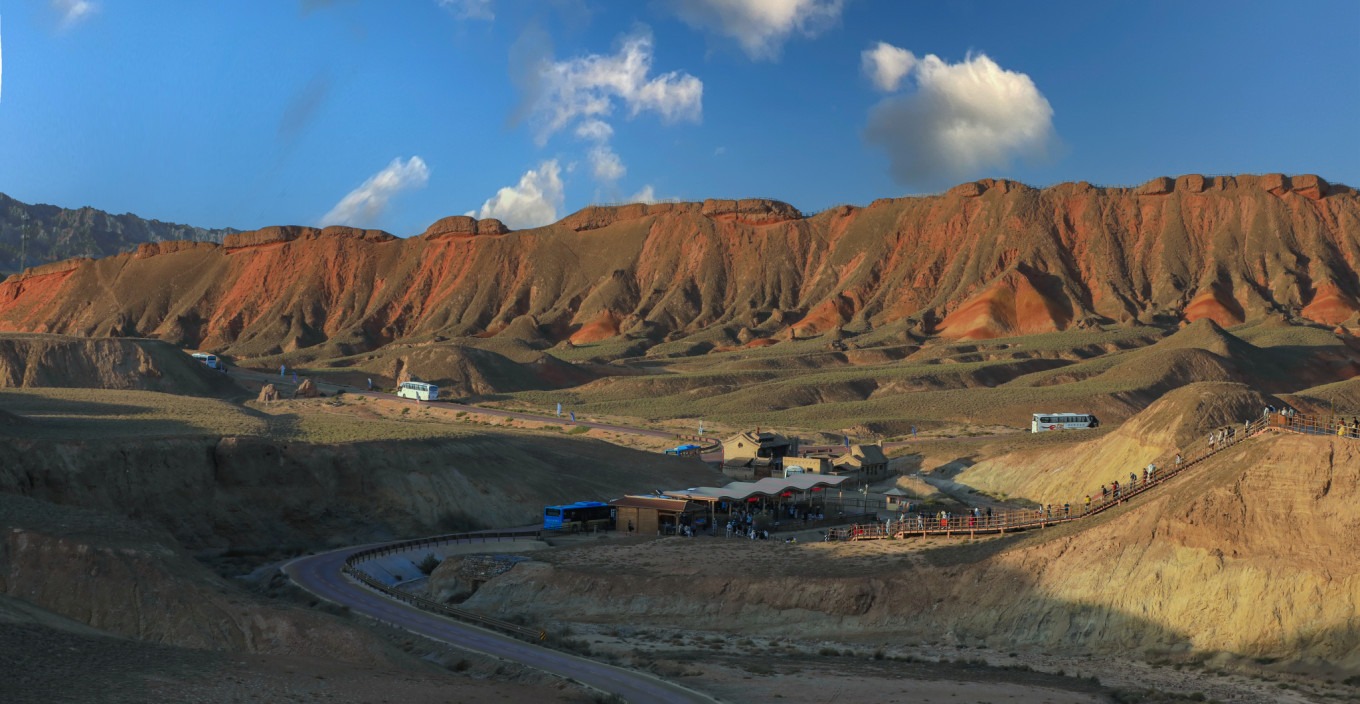
Starting from the North Entrance, the first stop is Colorful Immortal Terrace (七彩仙缘台, Platform 2). The hills here immediately impress with layers of brown, yellow, cyan lichen, and dark red. Walk back along the viewing path to reach the best spot for the ‘Colorful Screen’ (七彩屏). Late afternoon light is perfect for photography.
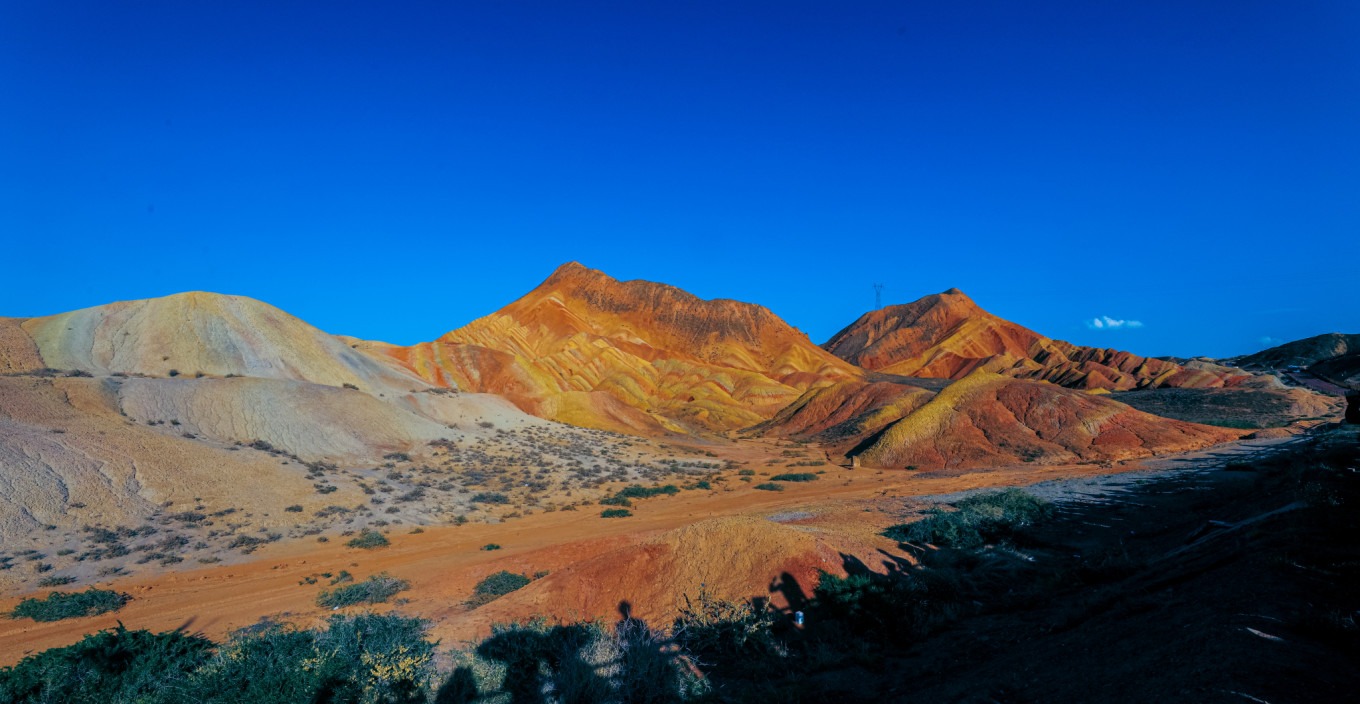
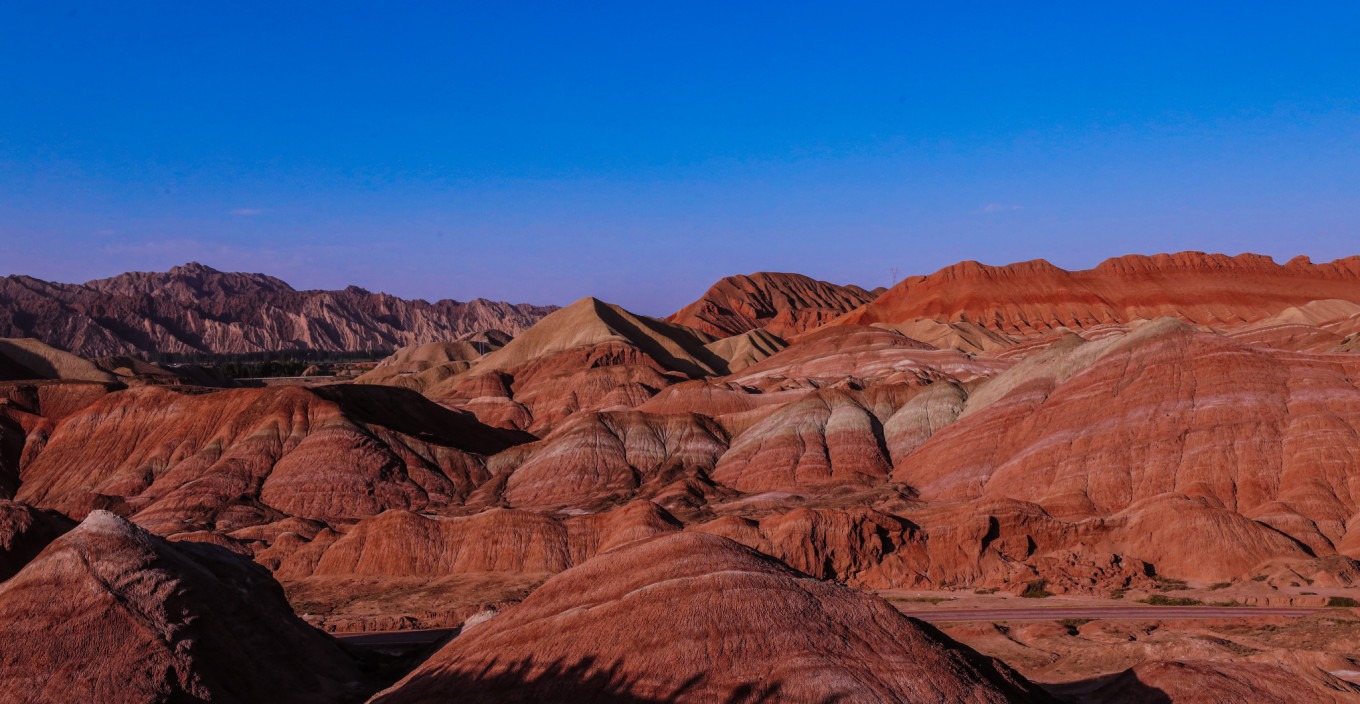
Next is Colorful Cloud Sea Terrace (七彩云海台, Platform 1), the largest viewing area with about seven platforms. A 30-minute climb up the boardwalk rewards you with more dramatic danxia shapes and richer colors. As the name suggests, after sunrise the clouds and light create a colorful sea. Staff say this is the best spot for sunrise.
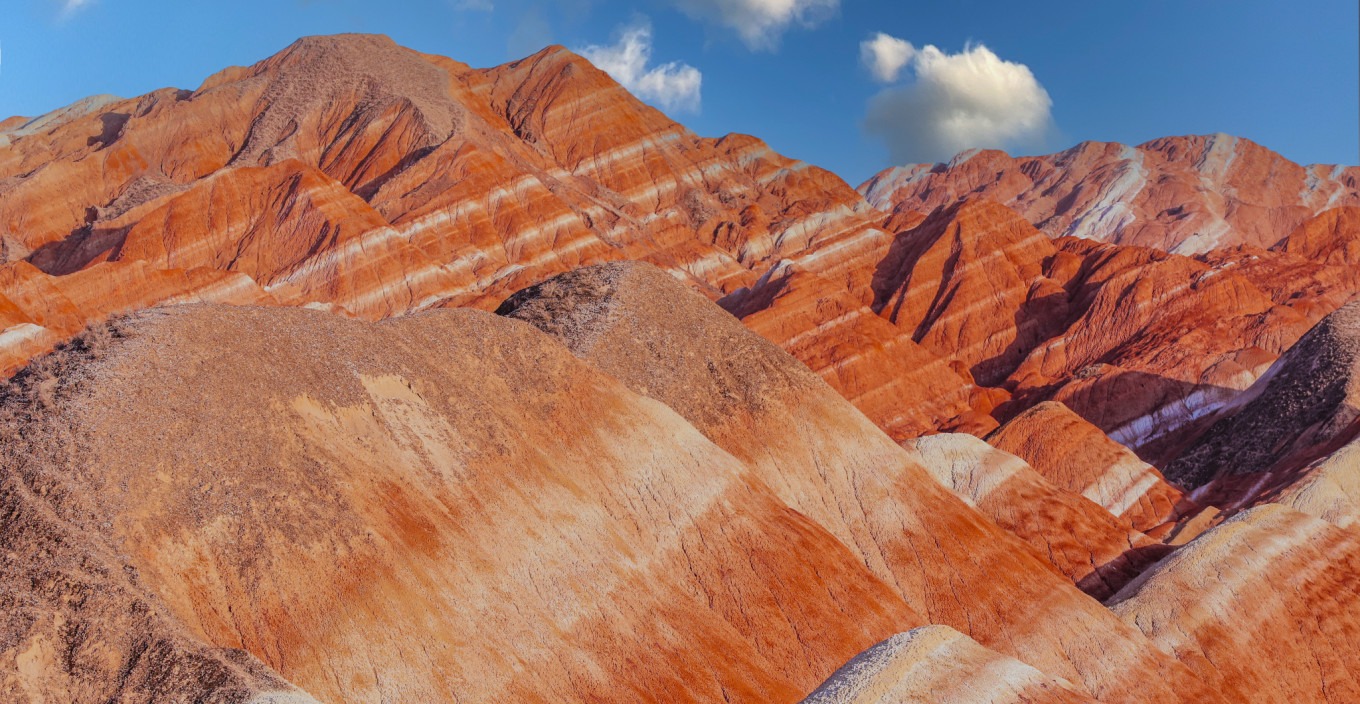
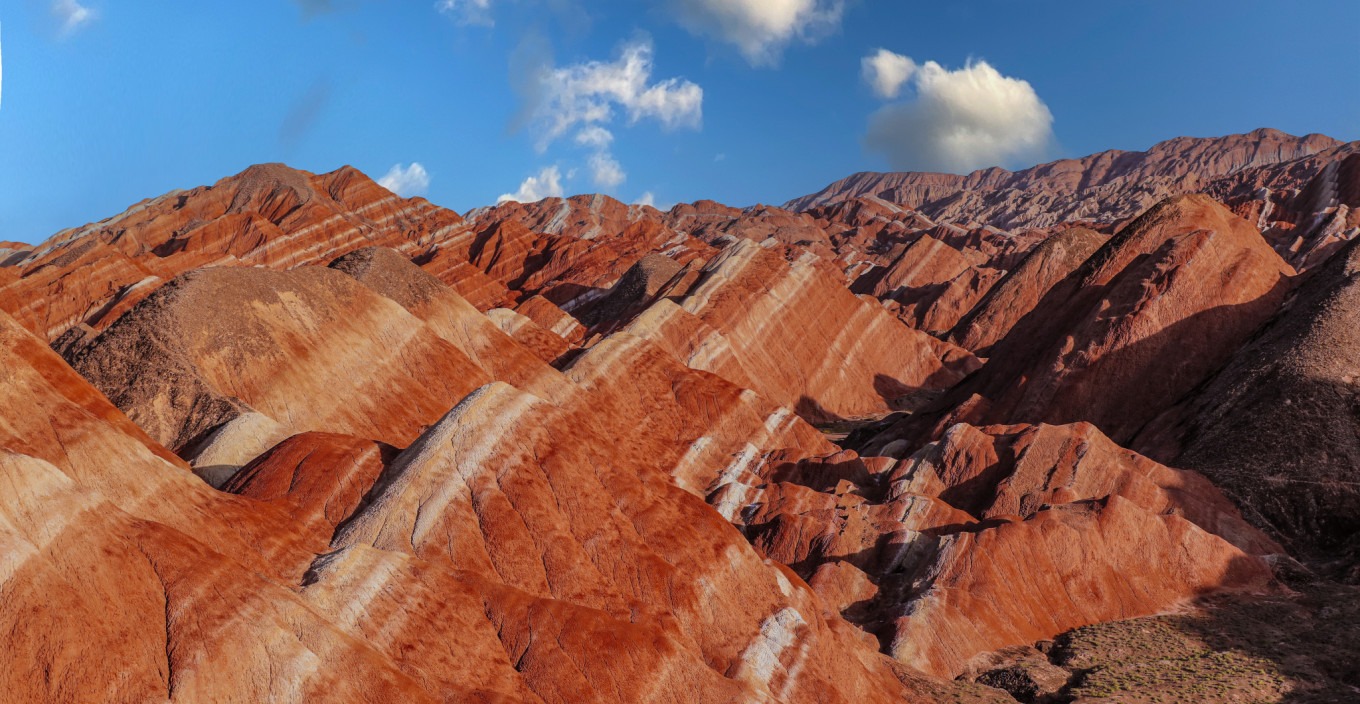
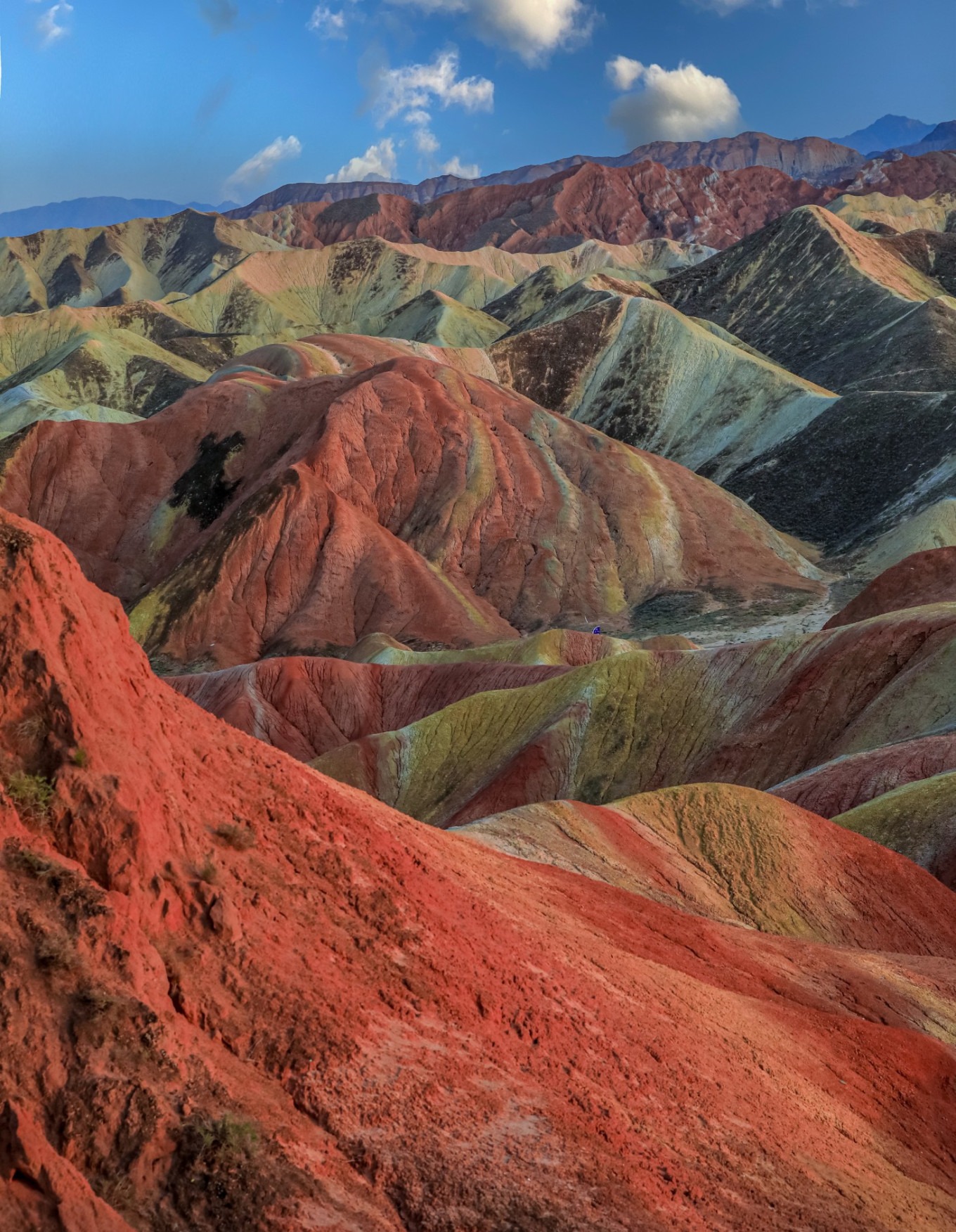
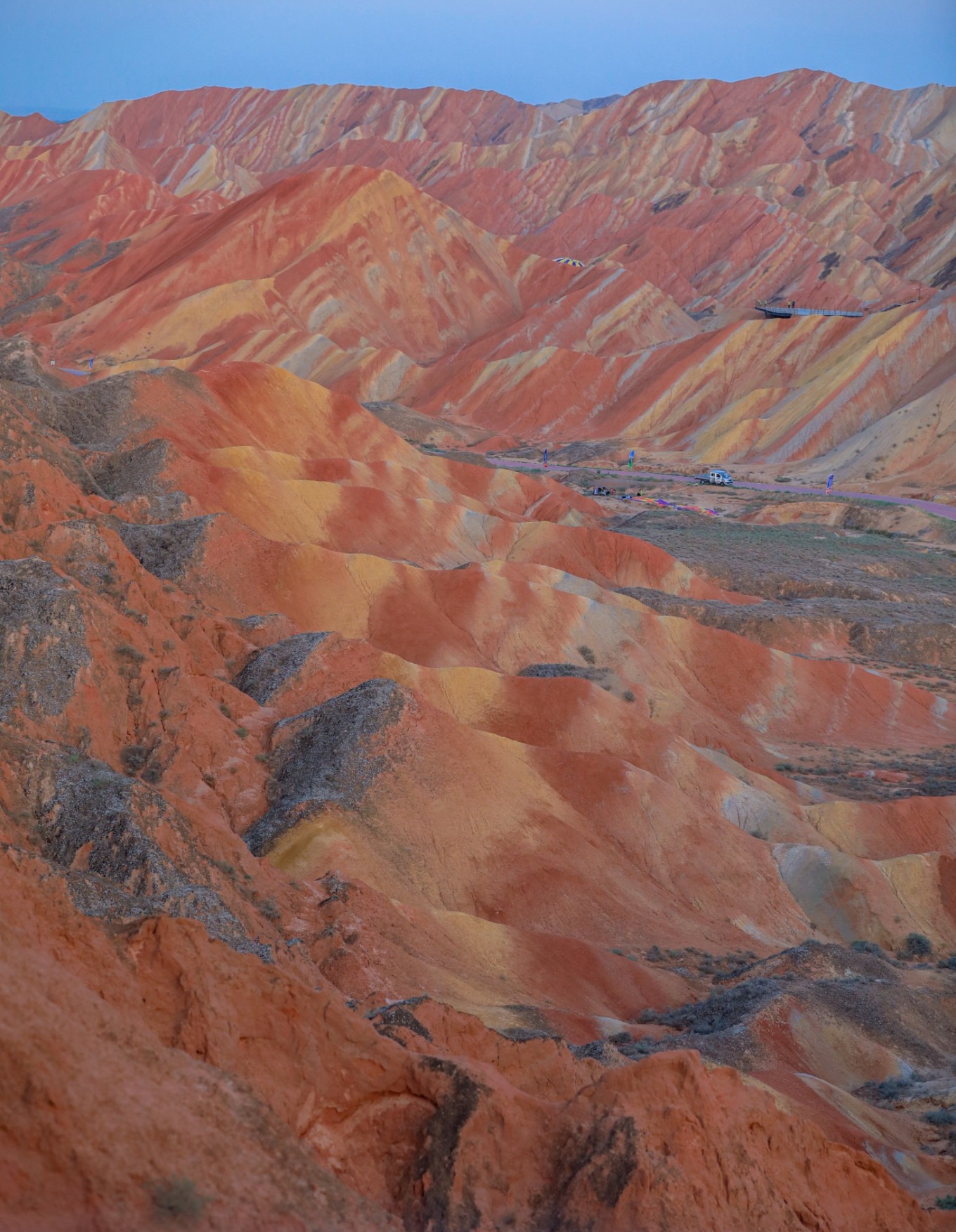
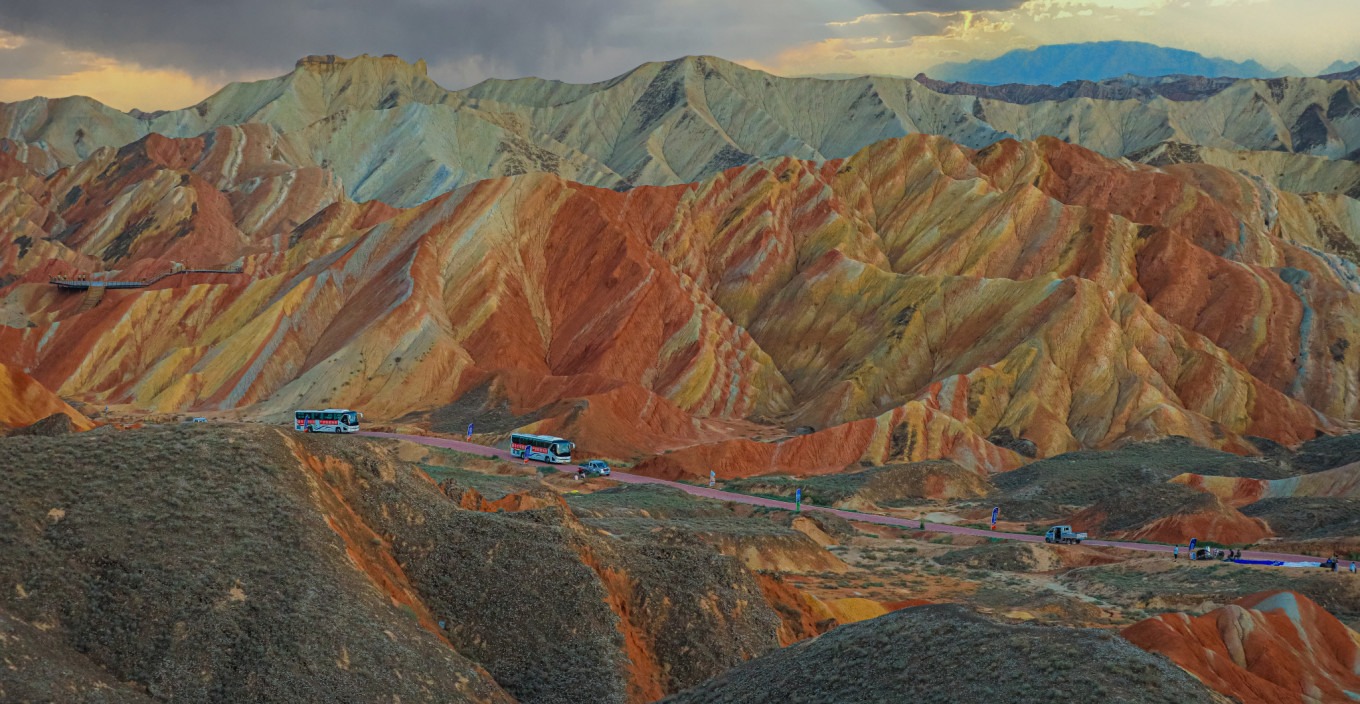
The third stop is Colorful Splendid Terrace (七彩锦绣台, Platform 5). After getting off, you’ll climb a long boardwalk to the top viewing platform, then descend another long path to the next shuttle stop. Along the way, you’ll pass the Mazi Noodle House (麻子面馆), a set from Zhang Yimou’s film ‘A Simple Noodle Story’ (三枪拍案惊奇). Near the shuttle stop, there’s a camel riding experience area.
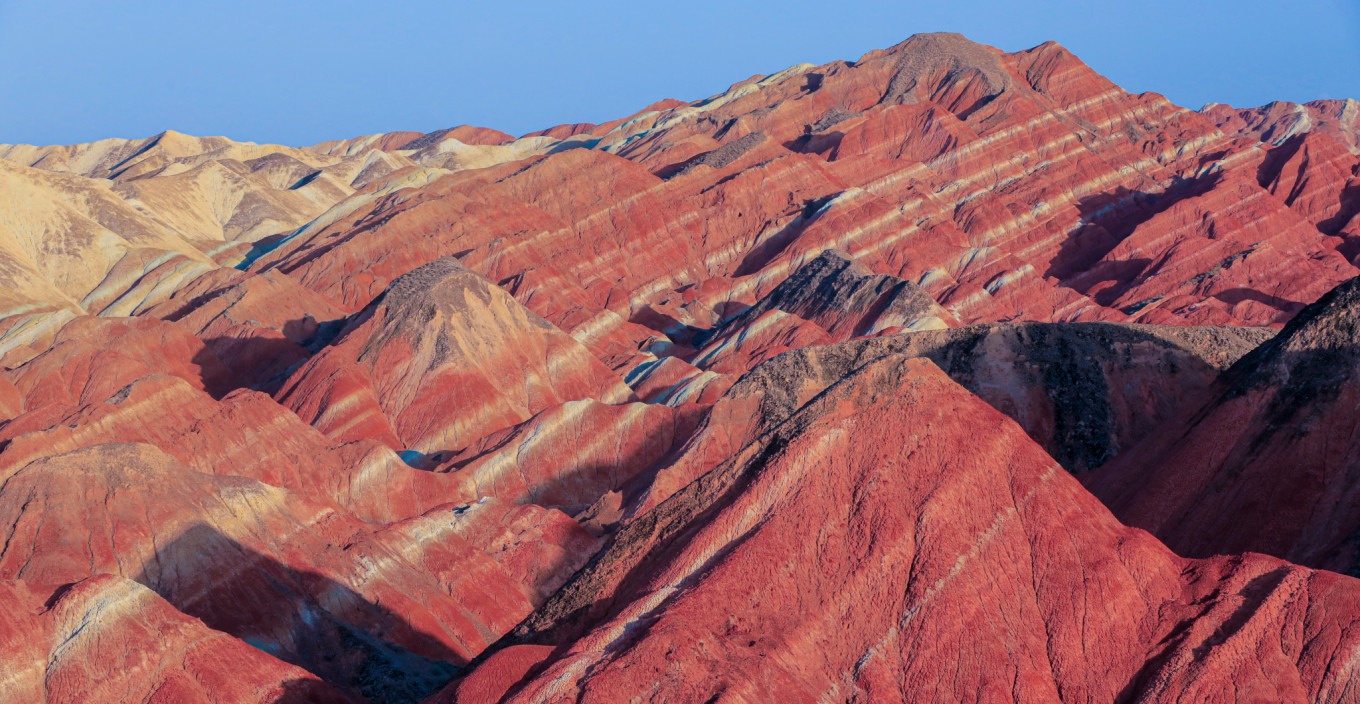
Geologists call this landscape ‘colorful hills’ (彩色丘陵) because the rock layers contain not just red but also gray, white, green, orange, and yellow—like a rainbow ribbon melted over the undulating ground.
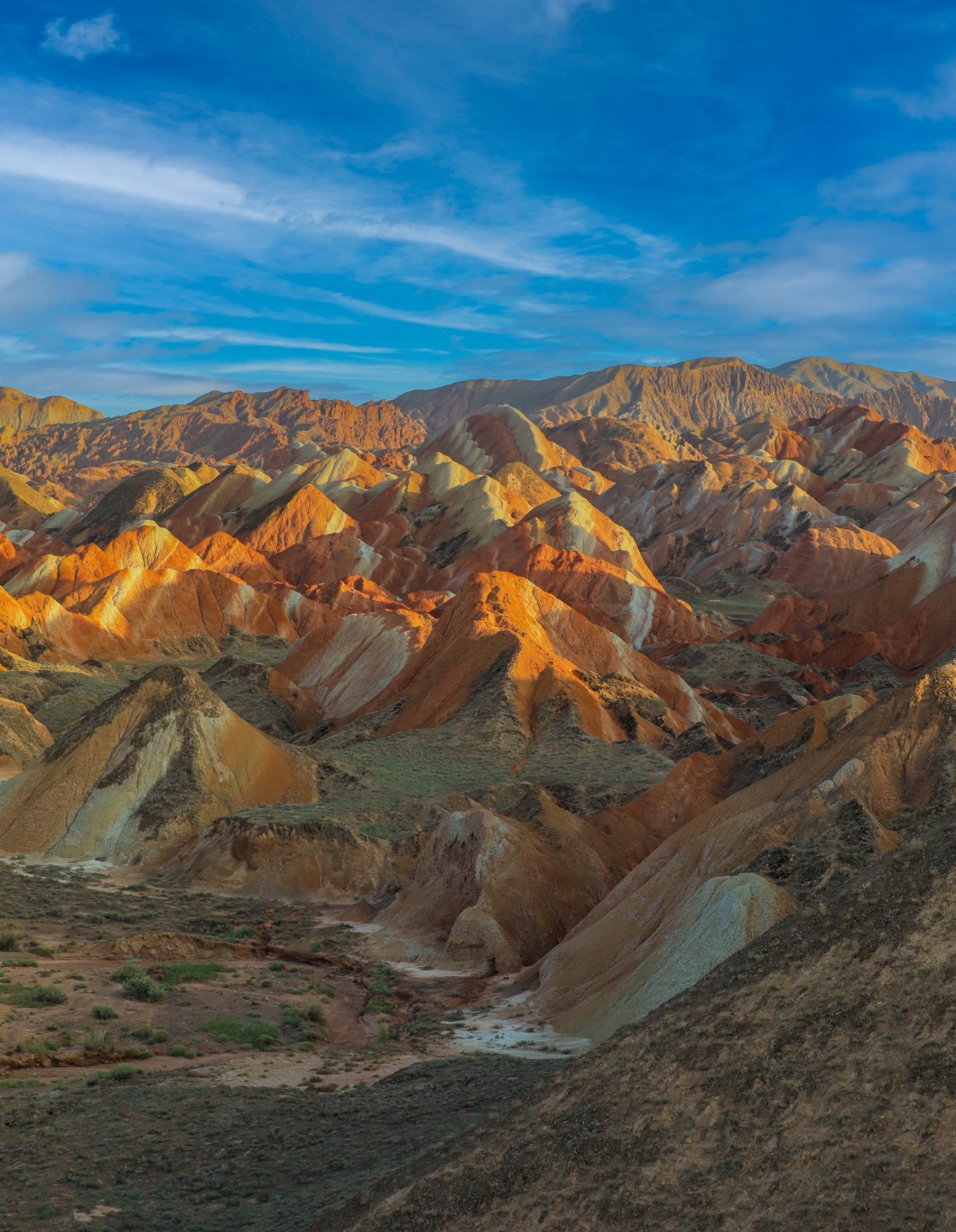
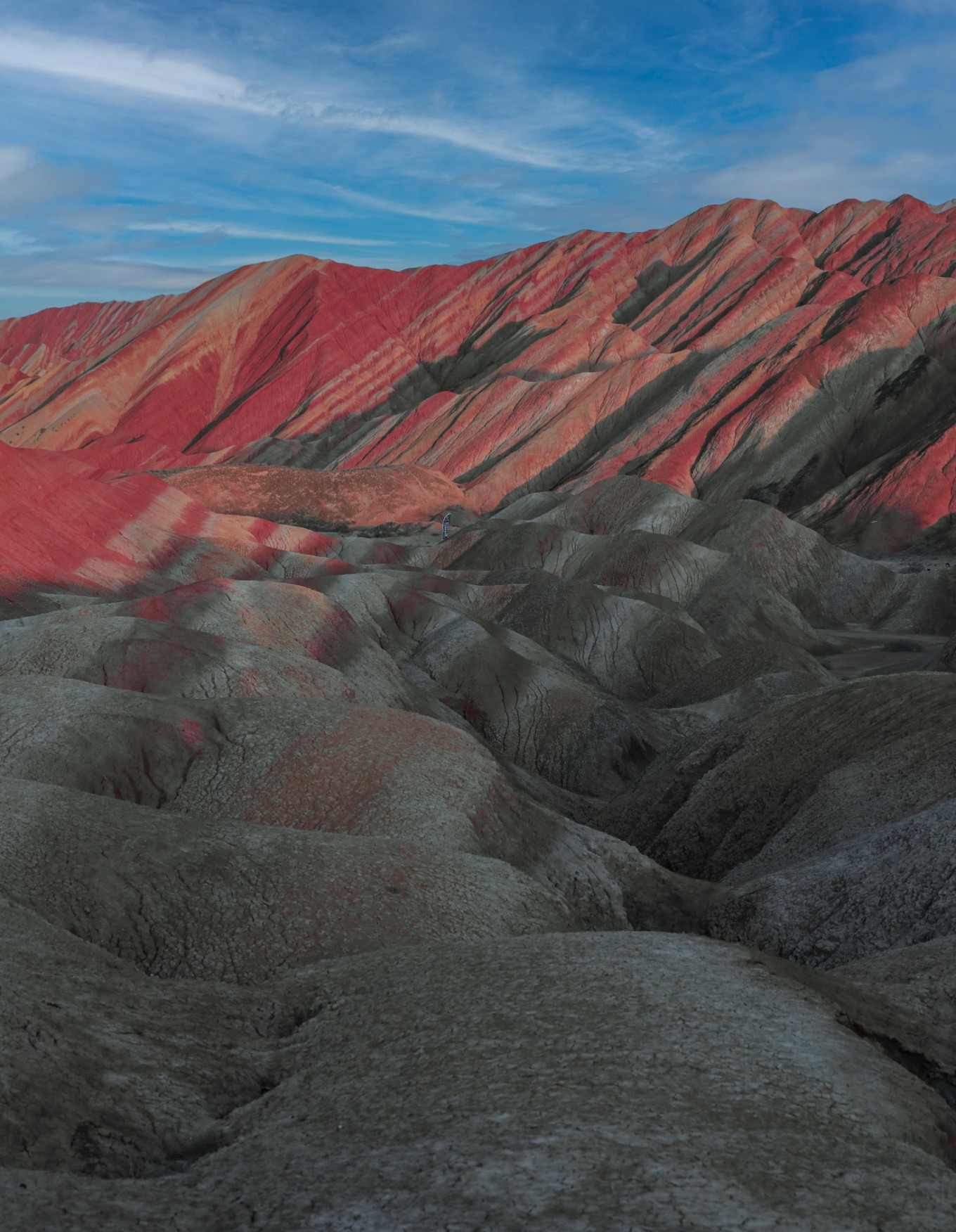
The final and most famous stop is Rainbow Splendor Terrace (七彩虹霞台, Platform 4). Widely considered the most beautiful platform, it’s the best place for sunset and evening glow photography. From the top, you can see distant mountains framed by layered danxia in brilliant colors. The hills here display an incredible palette—as if the heavens spilled a palette of paint. A visit to Zhangye Rainbow Danxia is an unforgettable experience.
After exploring the Danxia, you might consider heading to Guazhou (瓜州). On the way, you could encounter a summer sandstorm—a dramatic reminder that you’re in the heart of the Gobi Desert. If you need an overnight stop, Gaotai County (高台县) has limited options; a 24-hour noodle shop can provide a simple meal.
Sculptures of the Earth: Hanwu, Great Baby, and Boundless
From Gaotai County, you’ll drive along the expressway, passing Jiayuguan and arriving in Guazhou (瓜州) by noon. Guazhou is famous for its sweet melons, but it’s also a historic crossroads on the Silk Road, inspiring countless poems. After exiting the expressway, head straight for Yulin Grottoes (榆林窟). Along the way, you’ll encounter a cluster of striking sculptures: Hanwu Xiongfeng (汉武雄风), Dadi Zhi Zi (大地之子), and Wujie (无界). All are located right by the roadside, so you can stop to admire them up close or simply enjoy them as you drive by.
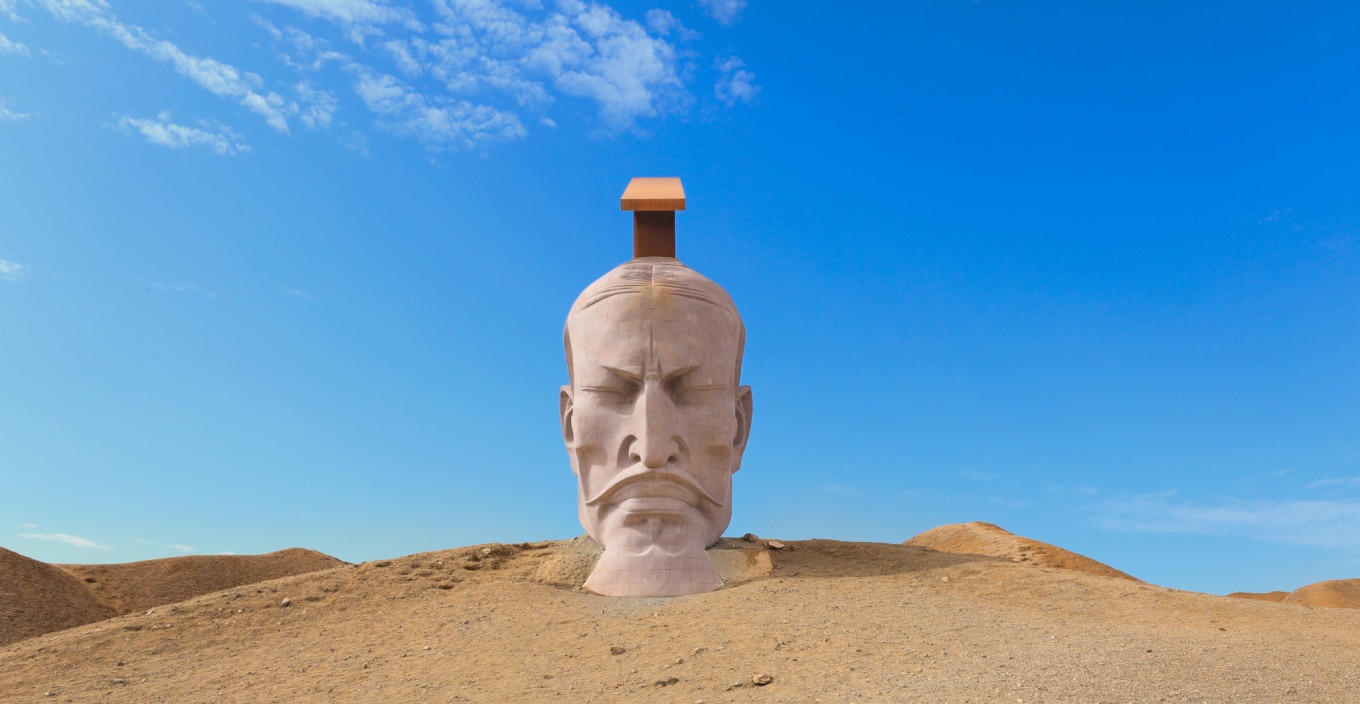
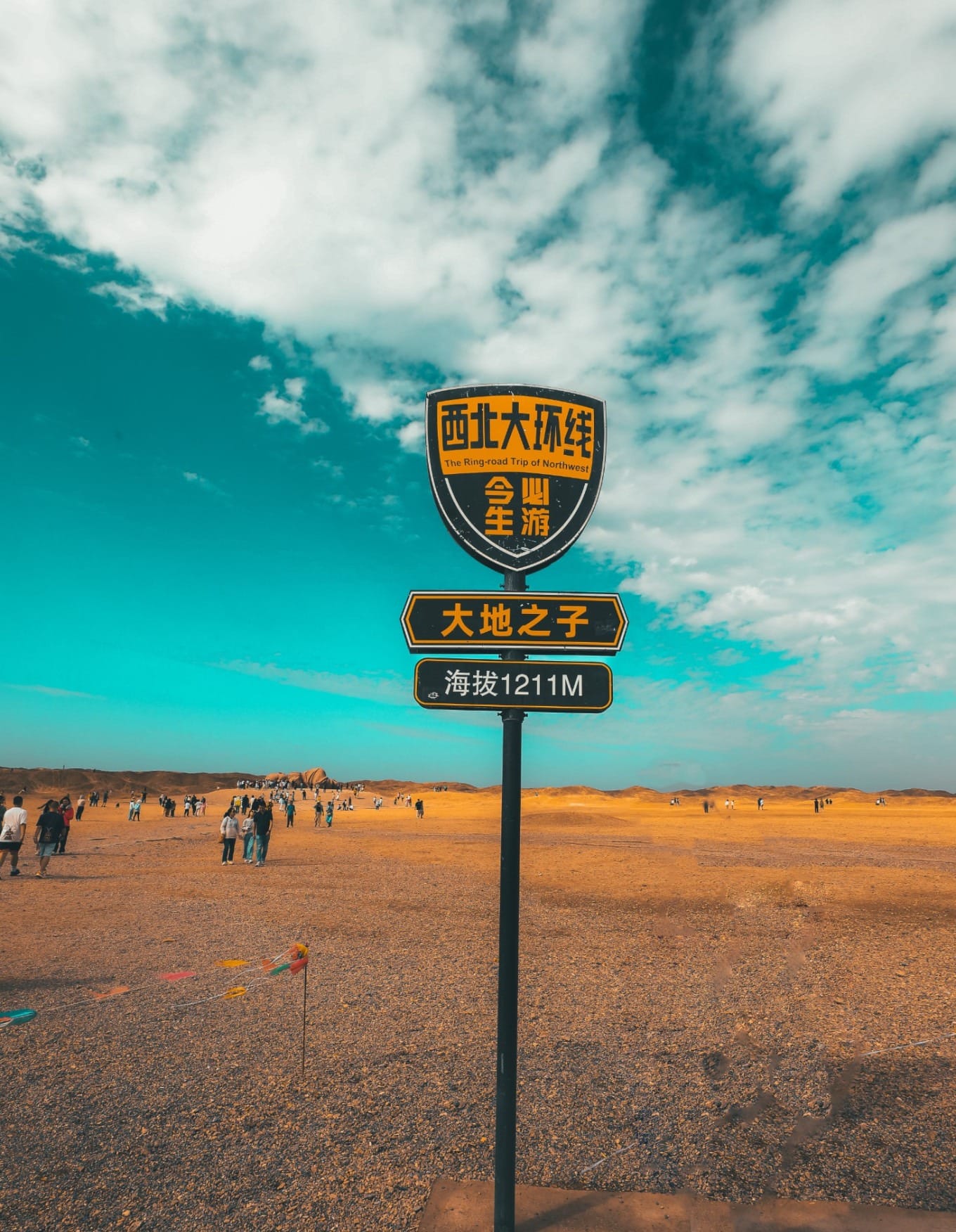
For the best photos, plan to arrive early in the morning. At midday, crowds flock to these popular spots, making it difficult to capture a clean shot. The sculptures are especially photogenic in the soft morning light.
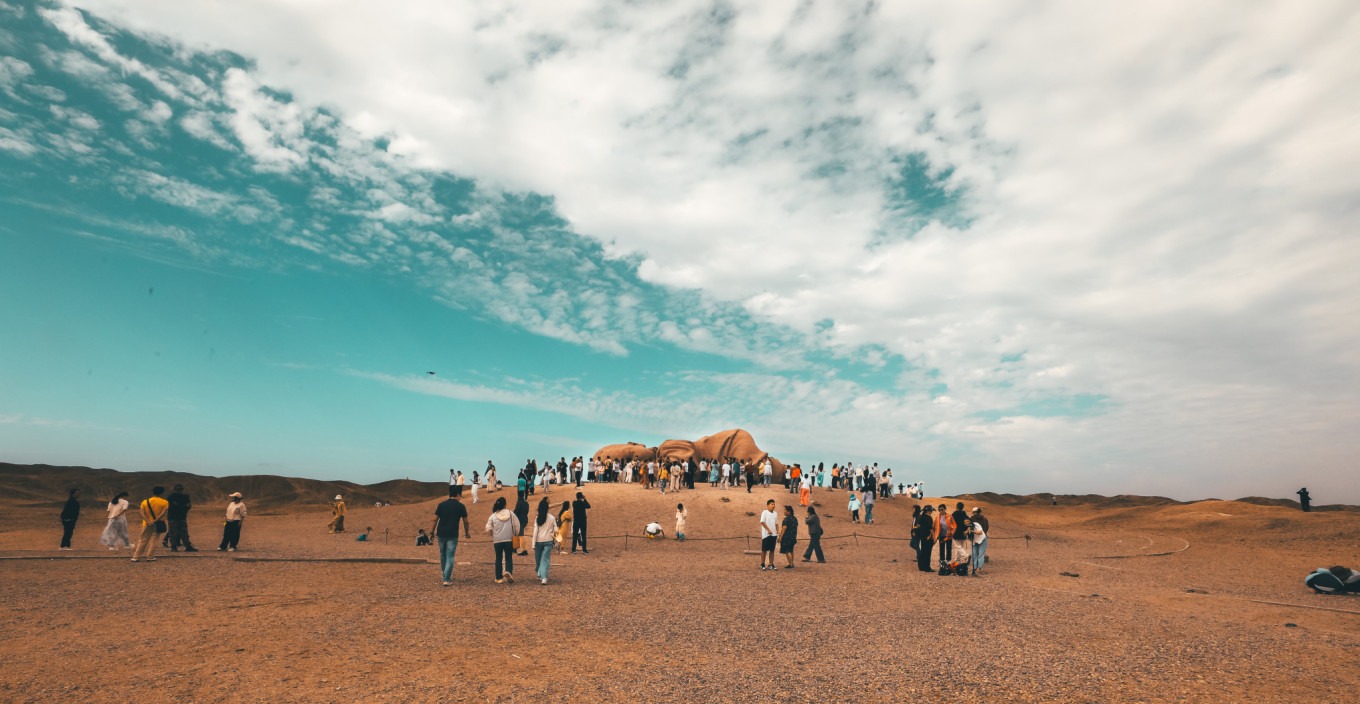
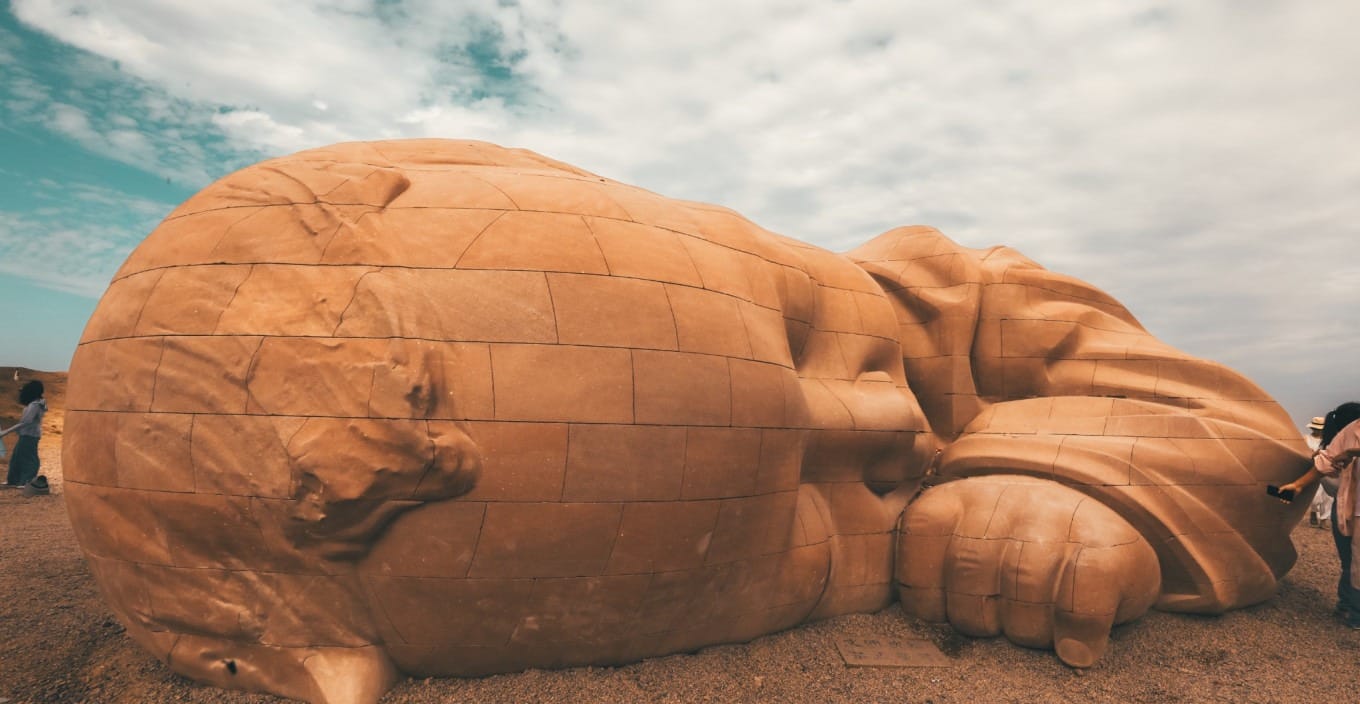
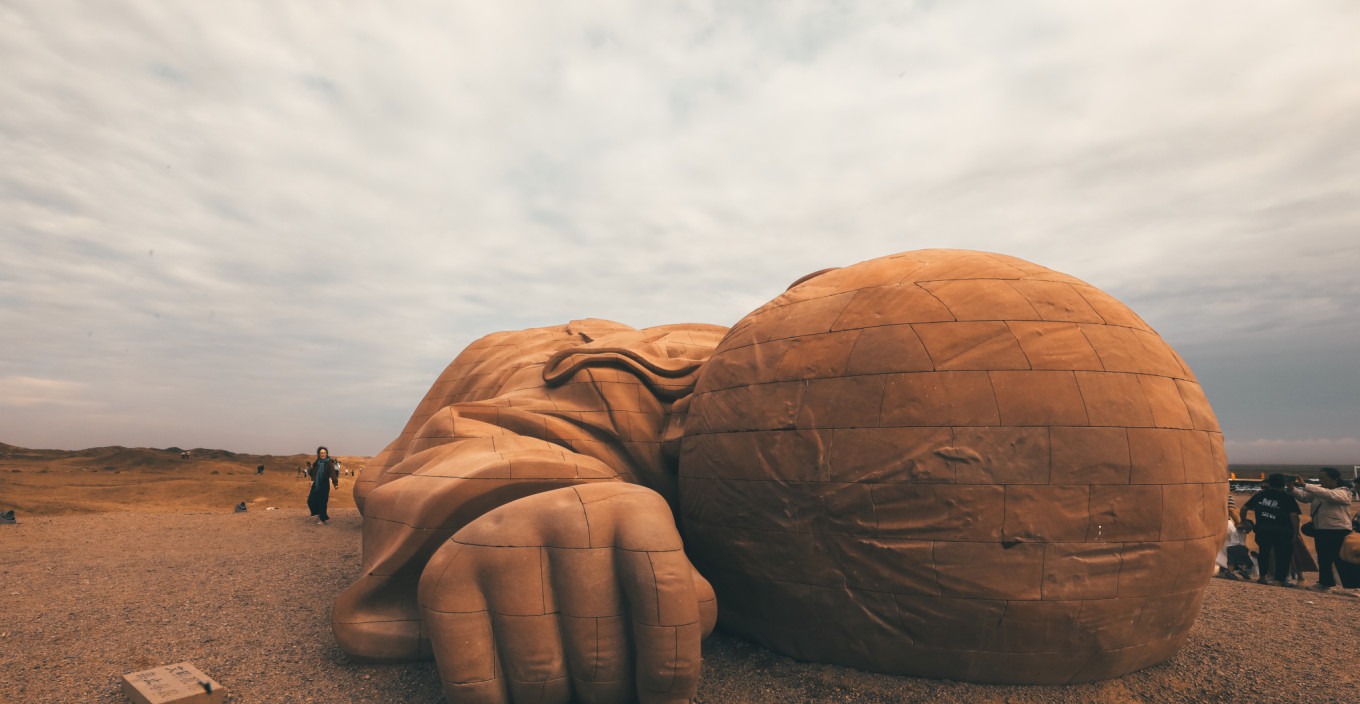
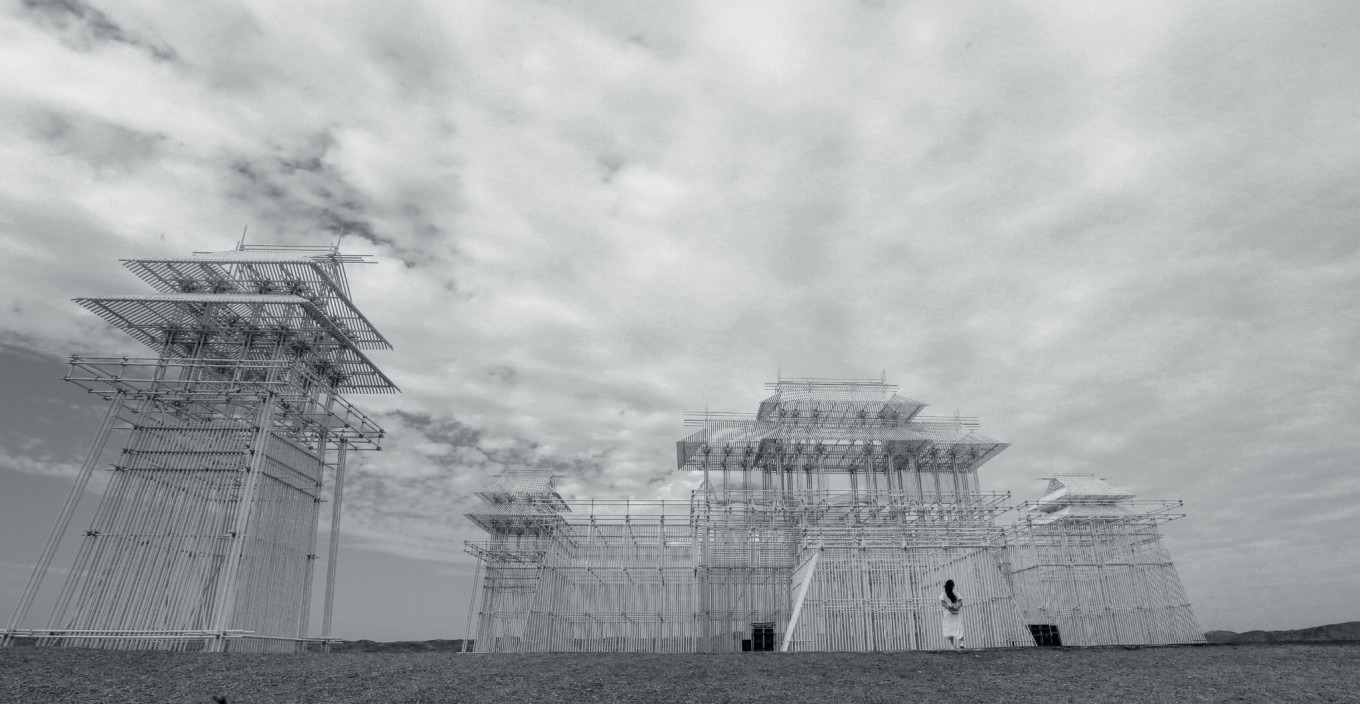
The Wujie (无界) sculpture is a remarkable structure built entirely from extra-thick stainless steel tubes, weighing over 200 tons. It is currently the largest steel sculpture in China. Designed by Professor Dong Shubing of Tsinghua University’s Academy of Arts & Design, it draws inspiration from Silk Road culture and the architectural motifs found in the murals of Yulin Grottoes, blending traditional Chinese forms with modern materials. The piece visually conveys the spirit and continuity of the Silk Road.
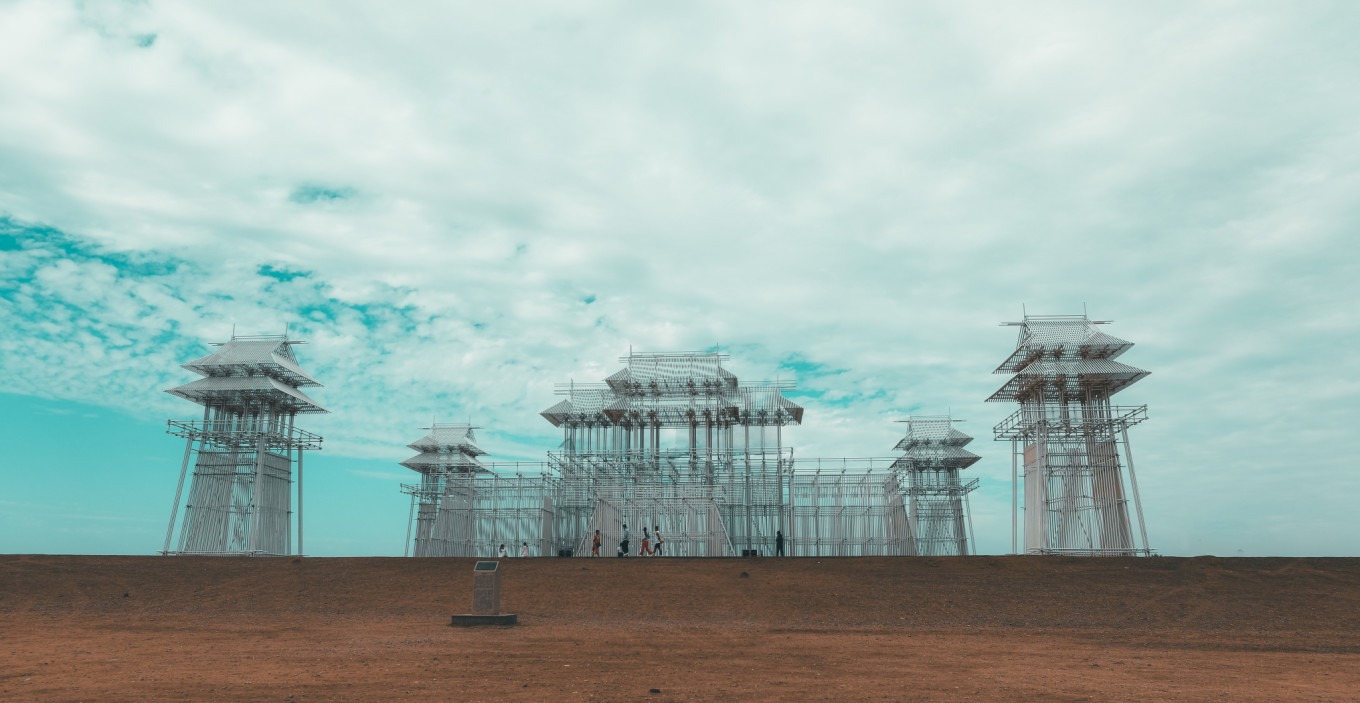
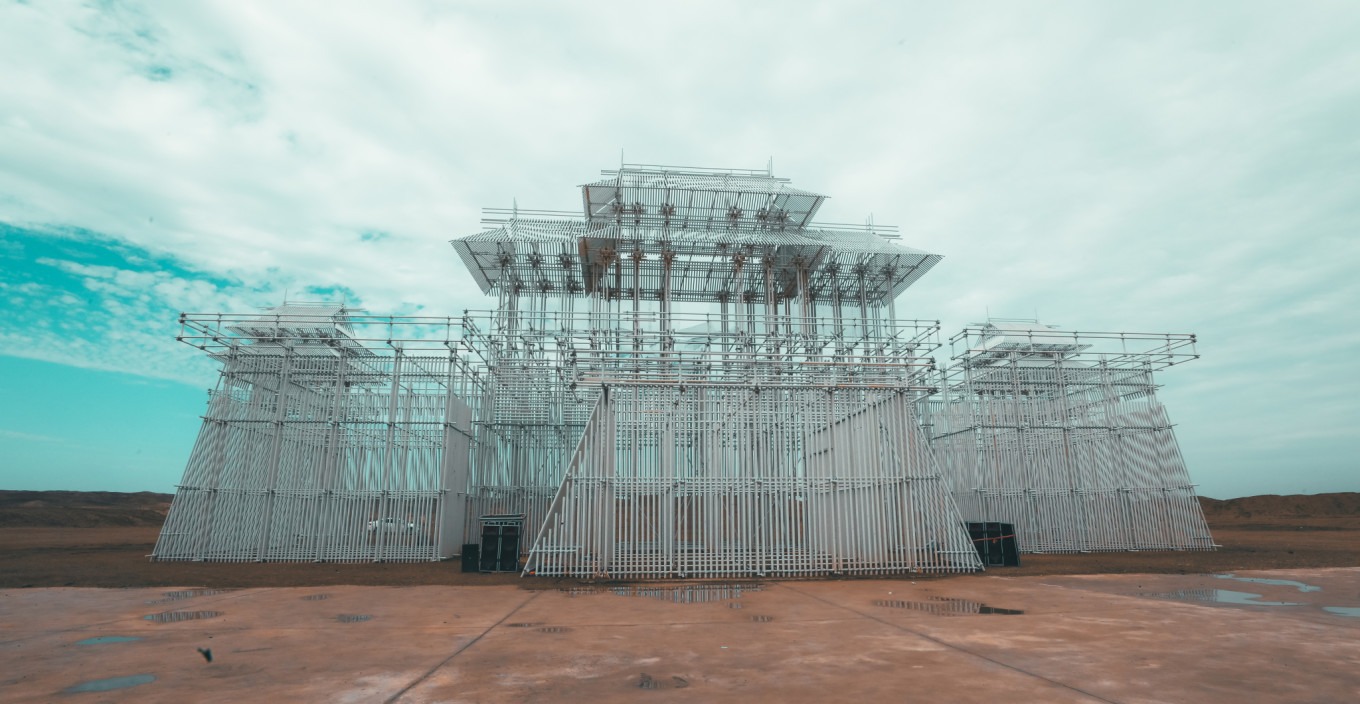
Art, as they say, is a flower in the hall, not a raindrop falling on the common street. Without professional aesthetic training, you might find it challenging to fully appreciate the artistic value of these sculptures. Still, they offer a unique visual experience against the vast desert backdrop.
Yulin Grottoes (Rating 2/5)
About 70 kilometers south of Guazhou County in Gansu Province, the Yulin Grottoes (榆林窟) are nestled in the Yulin River canyon. Often called the ‘sister caves’ of the Mogao Grottoes in Dunhuang, they boast well-preserved murals from the Tang to Yuan dynasties and were designated a national key cultural relic protection site in 1961. Located roughly 170 kilometers from Dunhuang (about a 2-hour drive), you’ll pass by the famous ‘Earth Child’ sculpture en route. The caves were first carved in the Tang dynasty and expanded through the Five Dynasties, Song, Western Xia, and Yuan periods. Today, 43 caves survive (32 on the east cliff, 11 on the west), with over 4,200 square meters of murals—a testament to the cultural fusion along the Silk Road.
**Opening Hours:** Peak season (May 1 – Oct 31): 9:00–17:30 (last ticket at 16:30). Off-season (Nov 1 – Apr 30): 10:00–17:00 (last ticket at 16:00). **Tickets:** General caves: 40 RMB/person. Special caves (Caves 2, 3, 4, 25): 100–200 RMB per cave. **Getting There:** Drive or hire a car from Dunhuang; the road is in good condition.
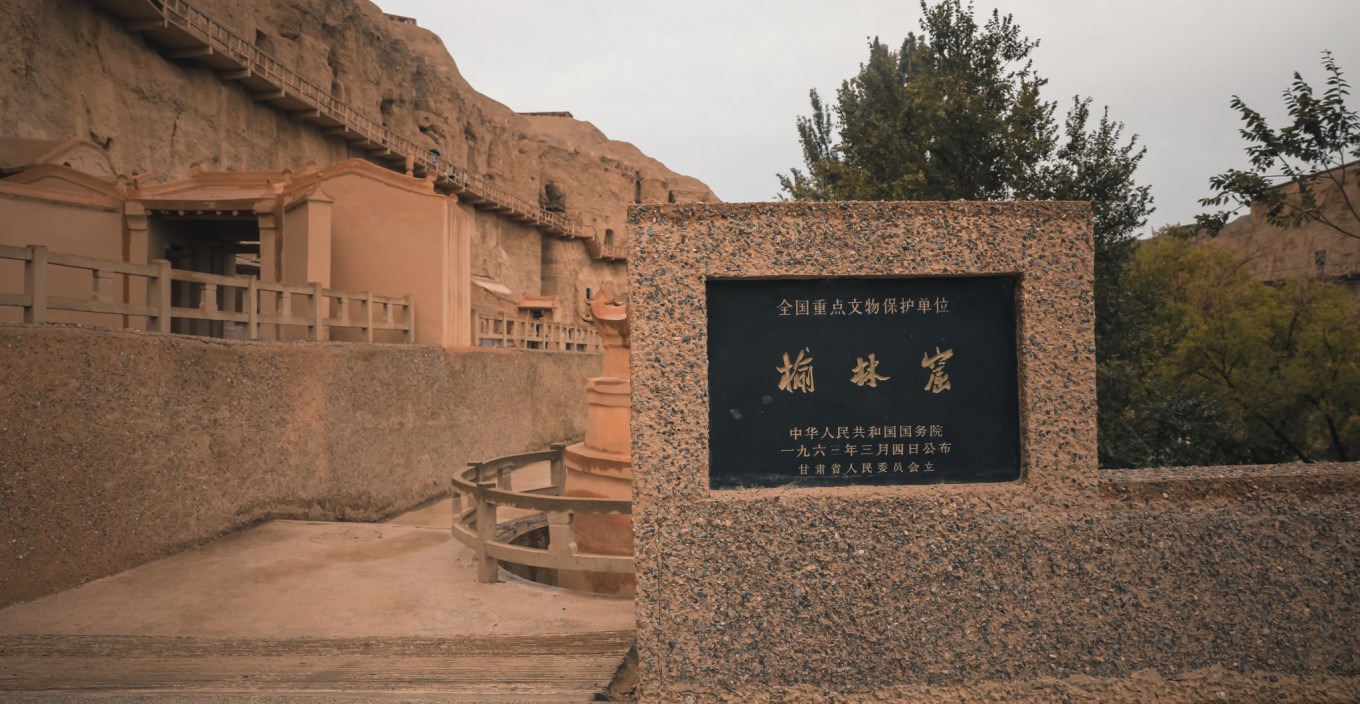
After viewing the ‘Earth Child’ sculpture, you’ll cross vast desert and follow signs to the Yulin Grottoes. From a distance, the site appears as nothing but endless Gobi—until you arrive and discover an ancient riverbed. The caves are carved into the cliffs on both sides of the river, arranged in two groups: east and west. Currently, only the east cliff caves are open to visitors.
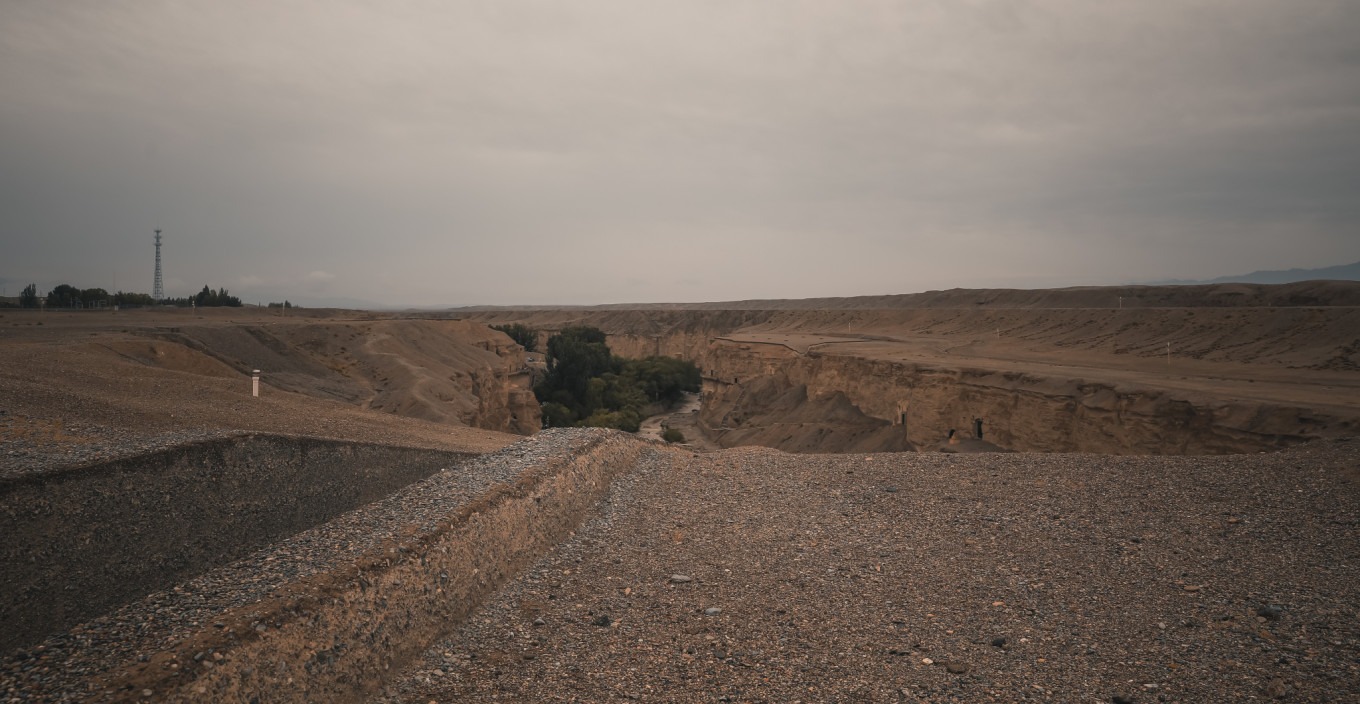
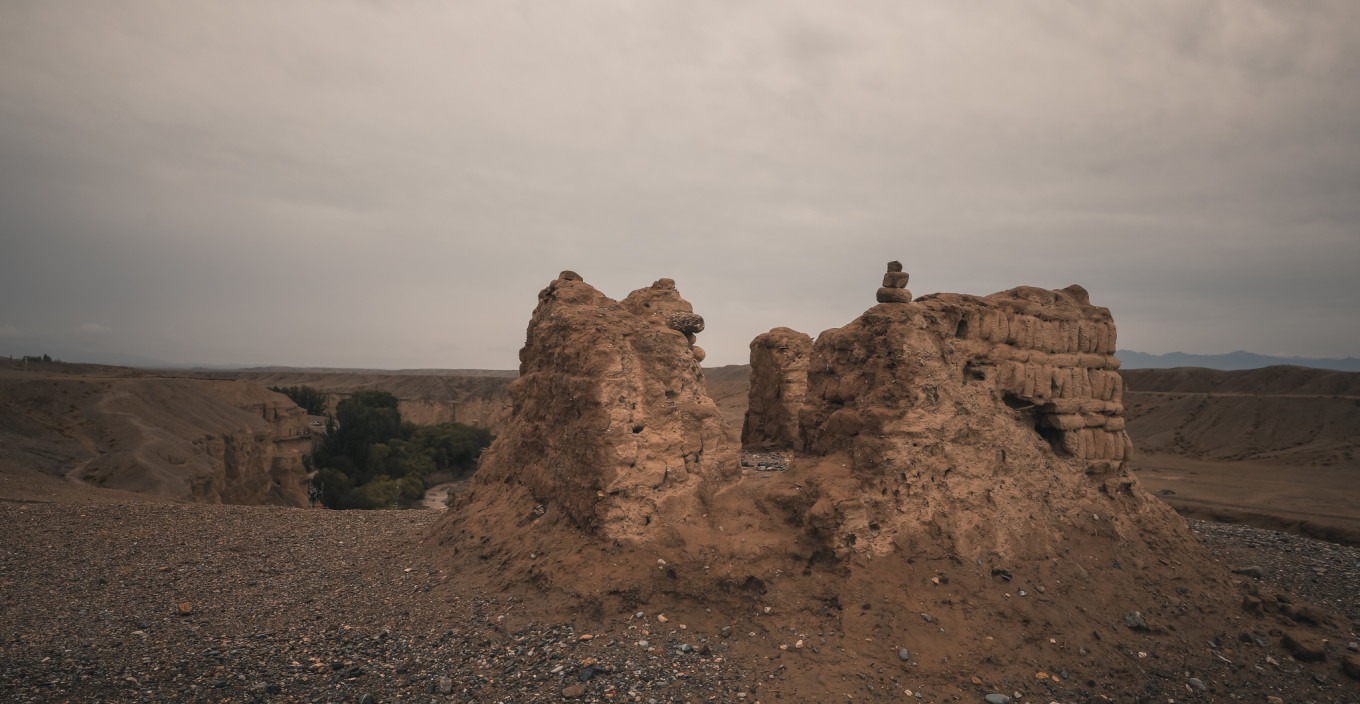
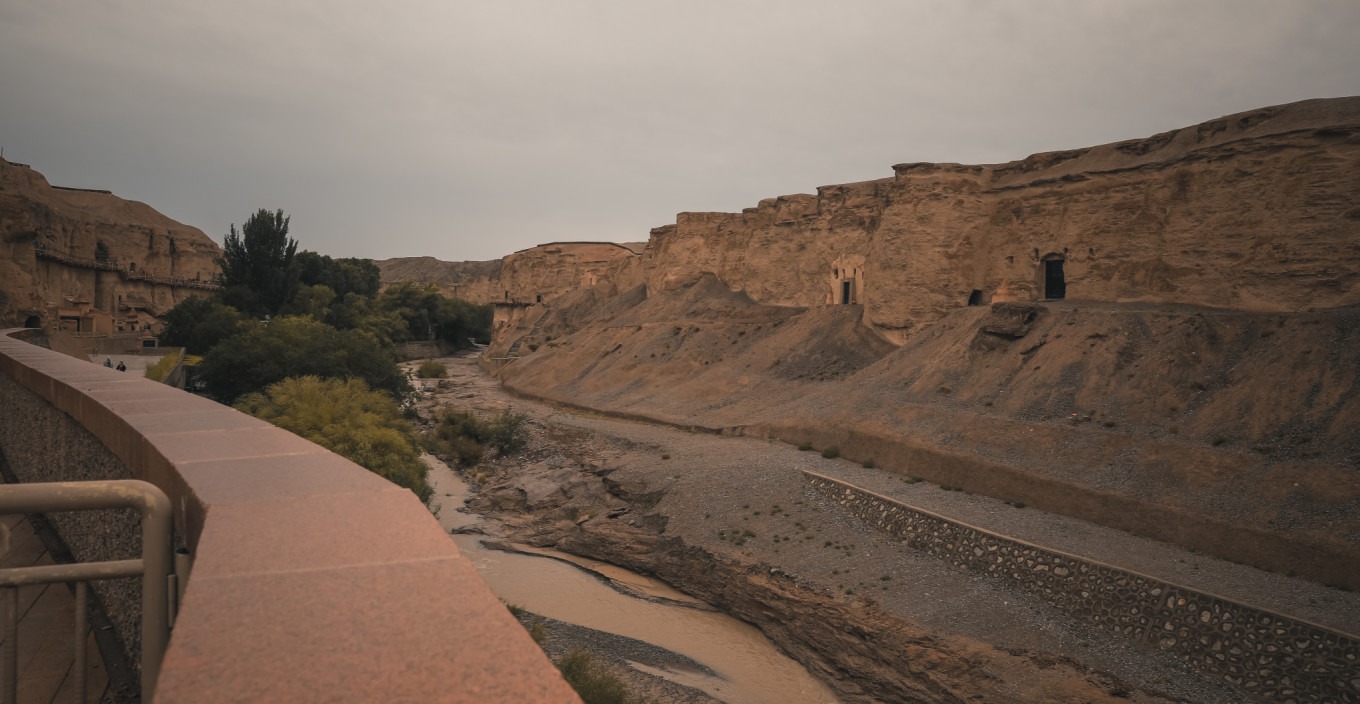
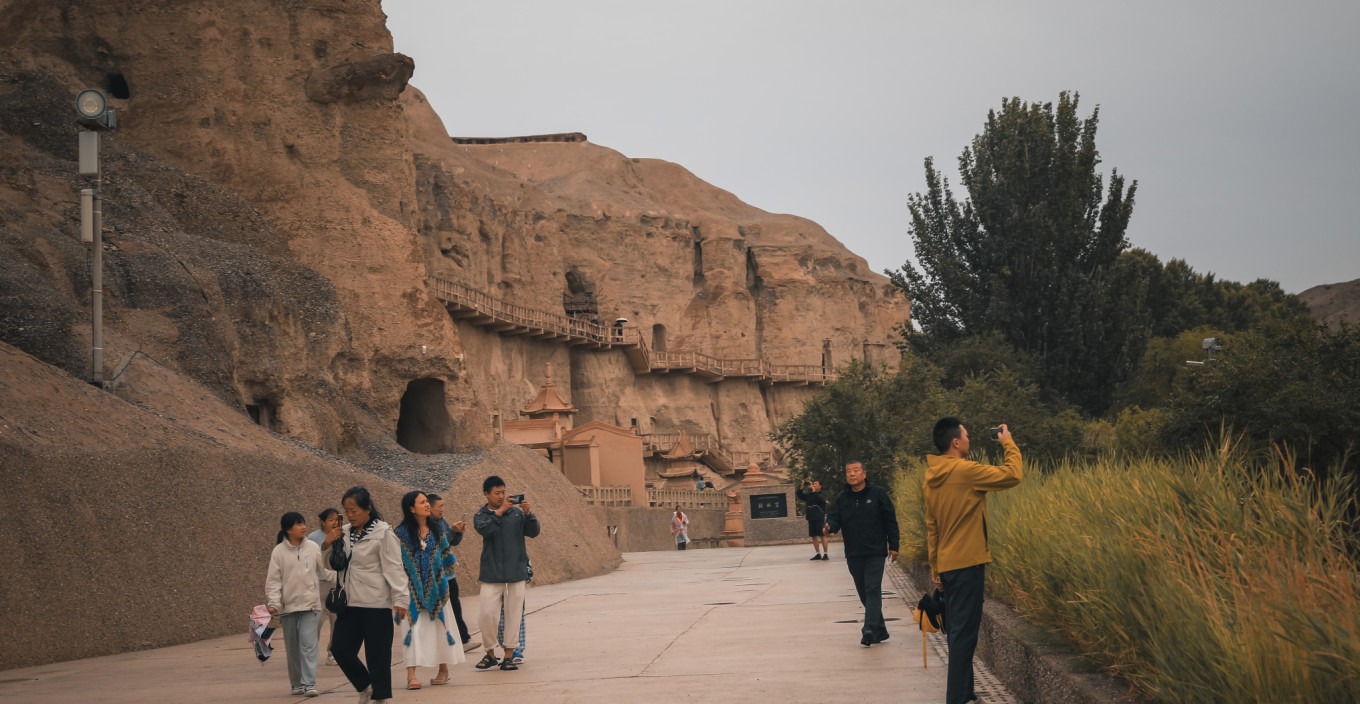
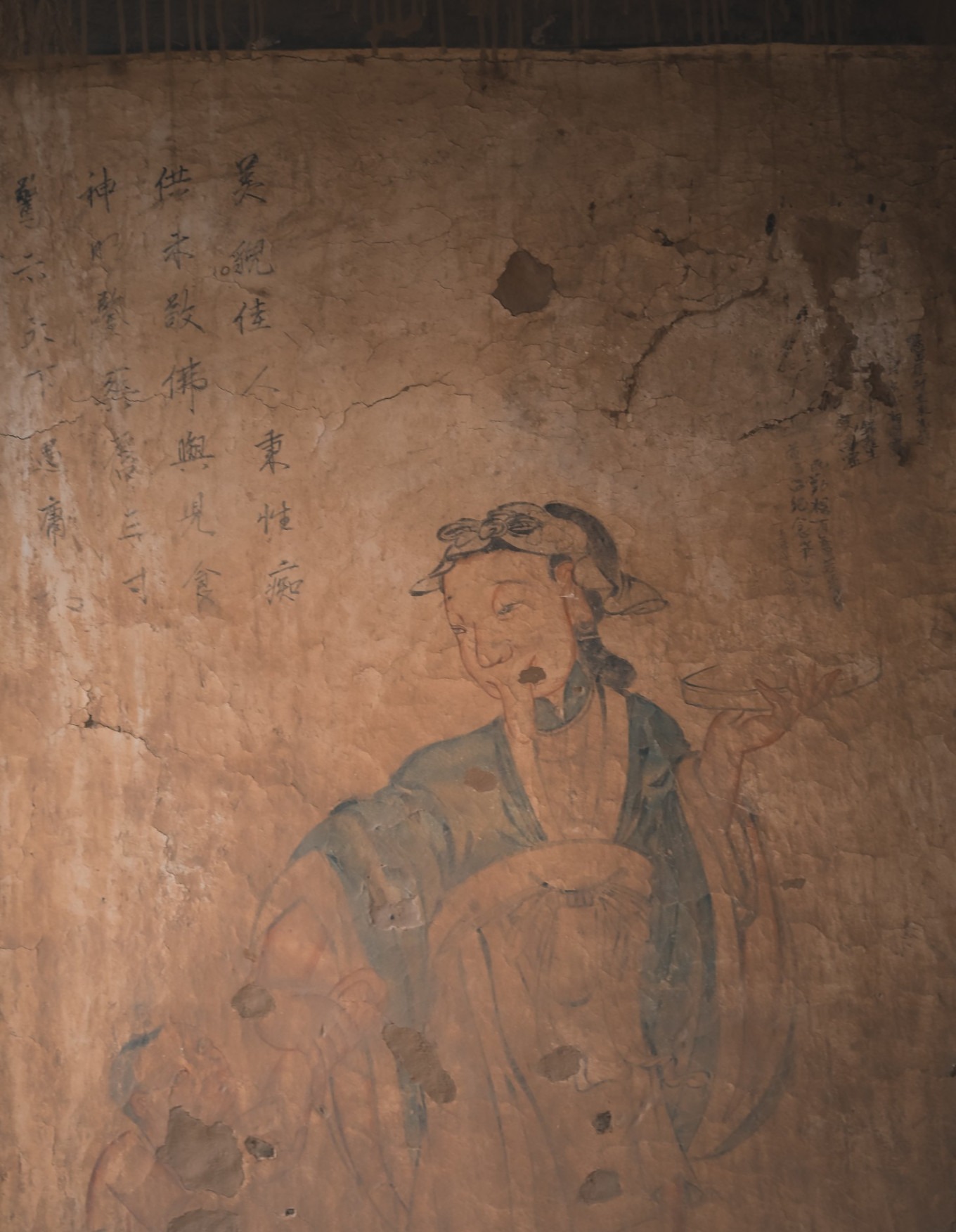
**Important note:** The tour follows a one-way route. You’ll gather at the guide station and wait until about 30 people assemble before a guide leads the group. The standard ticket (40 RMB) only grants access to the least impressive 4–5 caves. To see the real treasures, you must purchase separate tickets for special caves at 100–200 RMB per cave. Photography and video are strictly prohibited inside. The caves are dimly lit, and in the cramped space, the air quickly becomes stuffy as crowds shuffle through. Guides spend at most five minutes per cave, often rushing visitors out before they can fully appreciate the art.
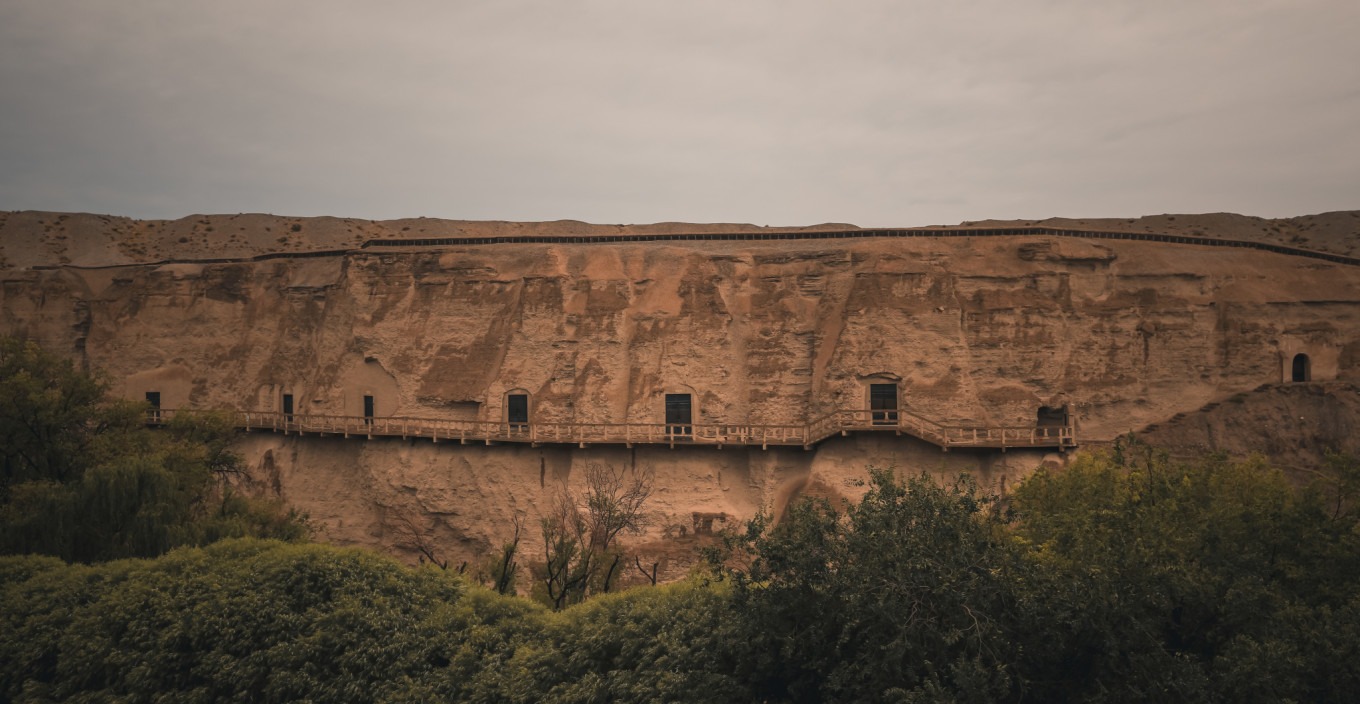
The 40 RMB ticket covers only a few minutes of rushed viewing, leaving many visitors disappointed. This tiered pricing—general caves vs. special caves—is a common practice across Gansu’s cave sites, and it can feel like a money grab. Unlike most major grottoes in China that offer a single all-inclusive ticket, here you’ll pay extra for the best murals.
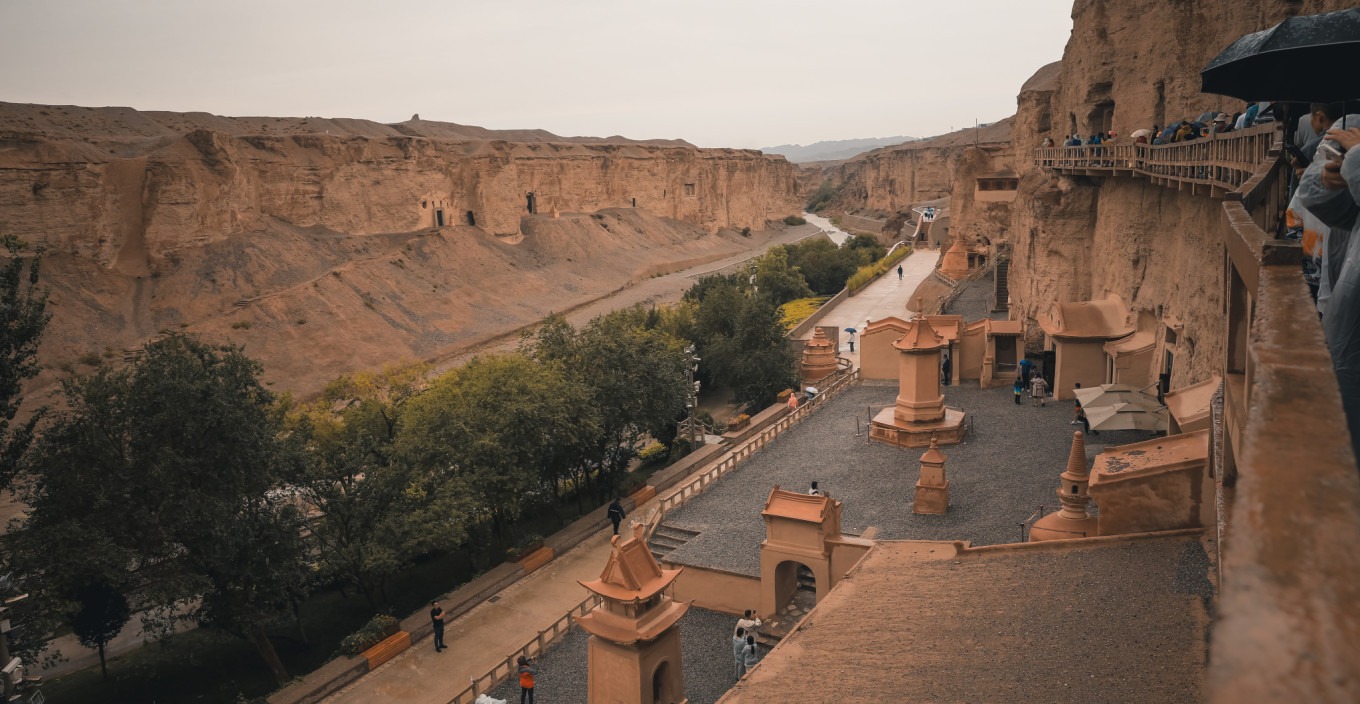
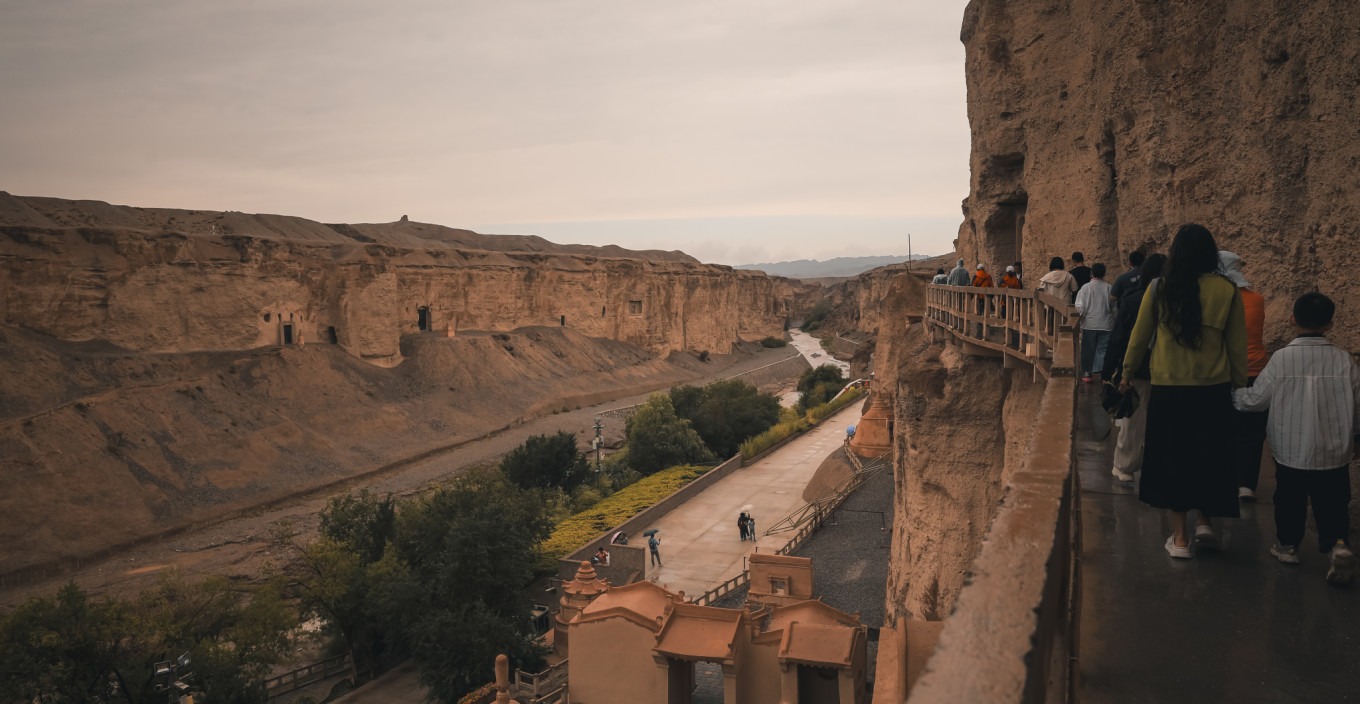
Inside the scenic area, there are newly constructed replica buildings, but they lack character and are not worth your time.
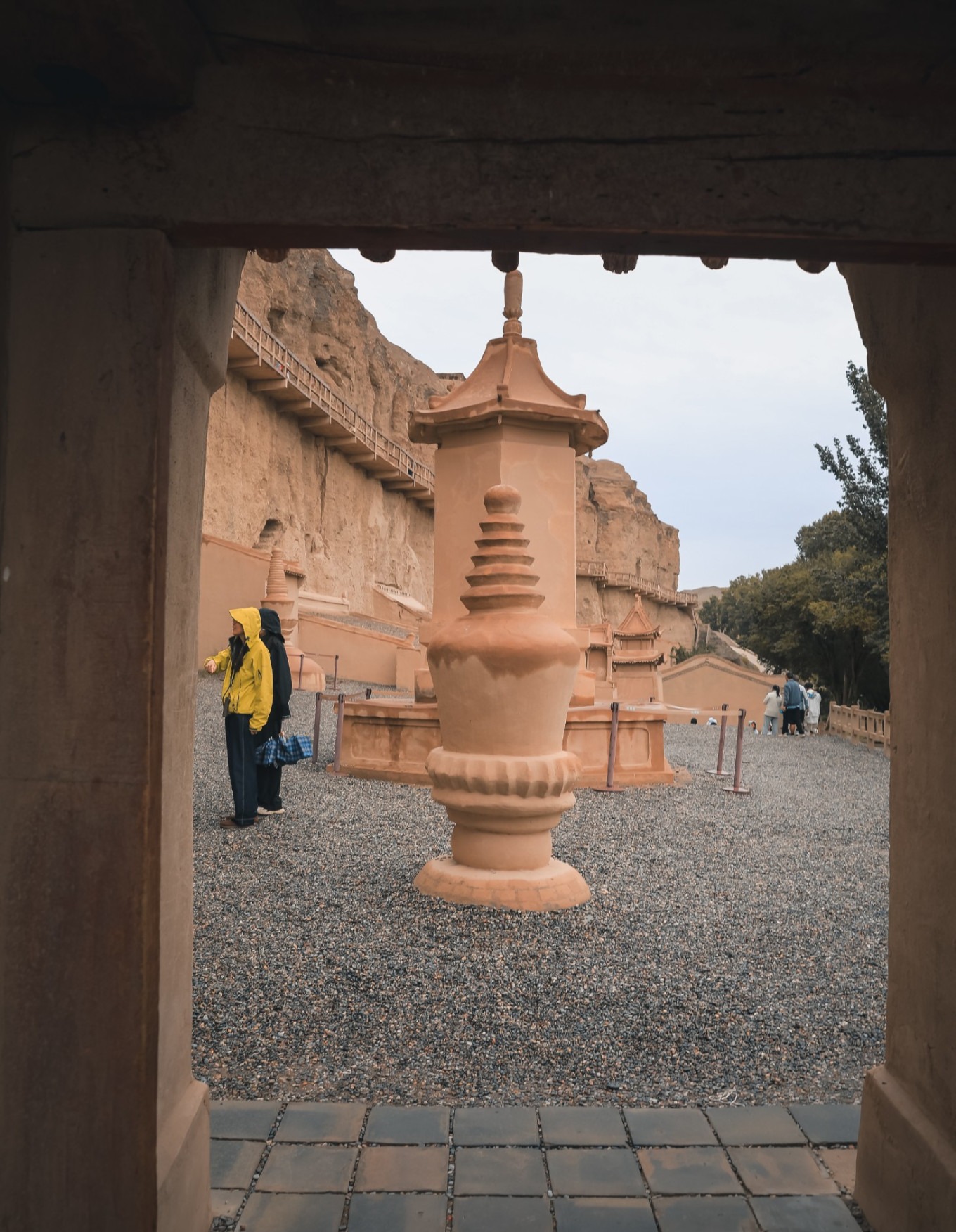
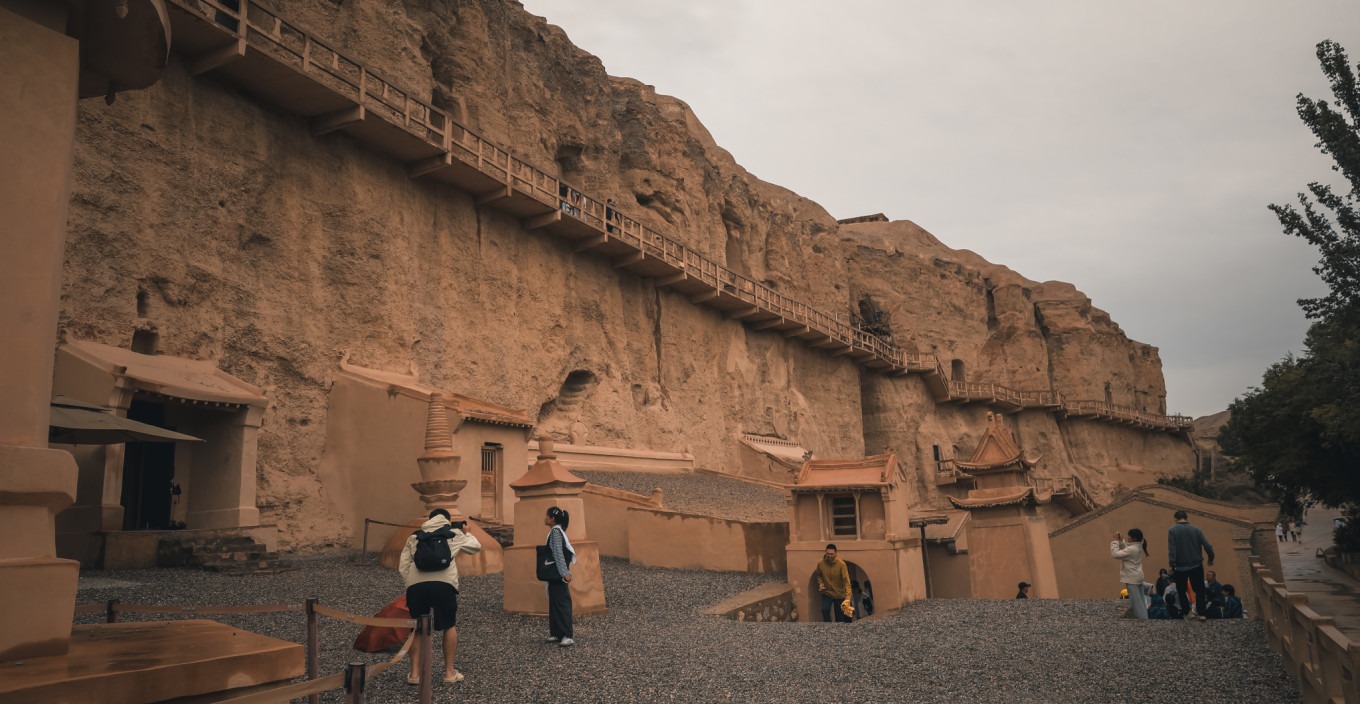
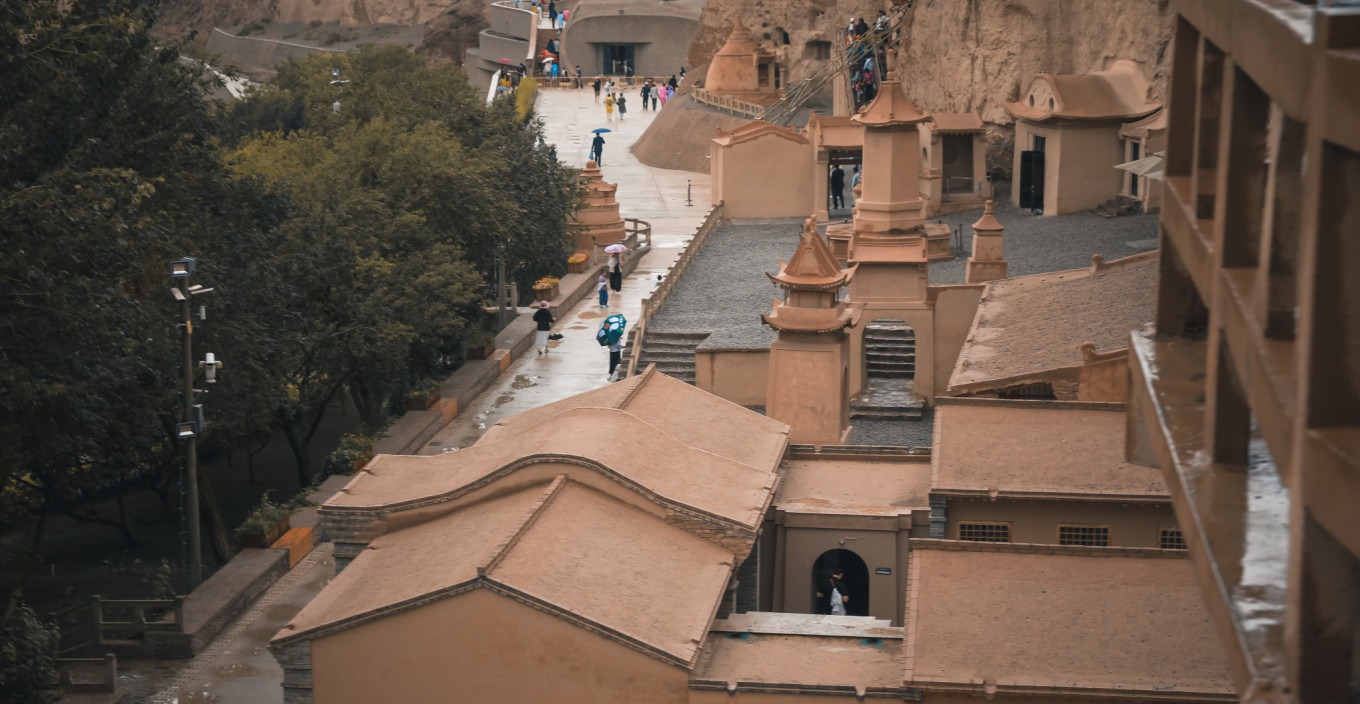
The west cliff caves are not open, so you won’t be able to see what they offer.
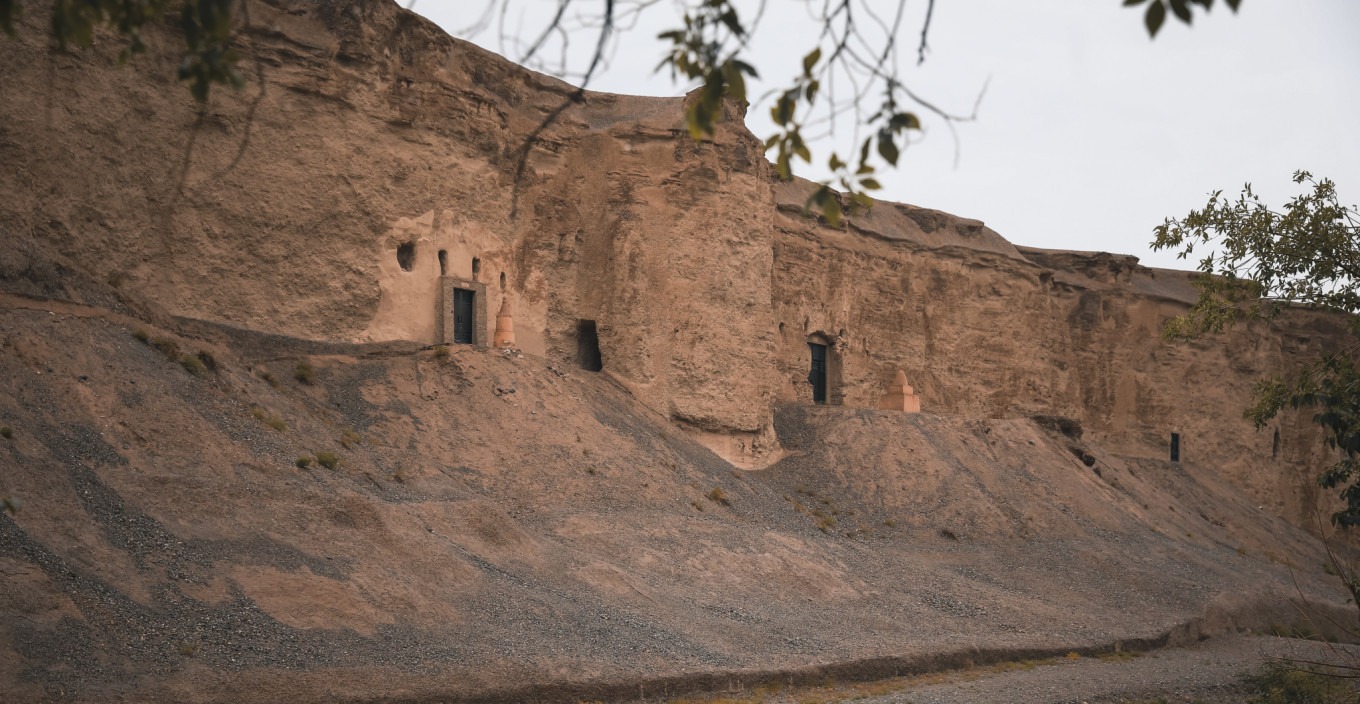
If you’re a history scholar or researcher, the special caves might be worth the extra cost. But for the average traveler, the experience at Yulin Grottoes can be underwhelming, especially after similar disappointments at Mati Temple (马蹄寺). Many visitors leave feeling that the high hopes for Gansu’s cave culture are dashed by the tiered ticketing system and rushed tours. The planned trip to the famed Mogao Grottoes may also be reconsidered—not because of the price, but due to a loss of trust.
**A sweet side note:** Guazhou’s Hami melons (哈密瓜) are incredibly sweet and cheap. Head to the local farmers’ market (导航到农贸市场) and you’ll be amazed by the variety—so many types you’ll want to buy a little of each. The prices are so low that you might end up with several bags. Even after traveling through Delingha, Xining, Lanzhou, Tianshui, Baoji, Yuncheng, Linfen, and more over ten days, the melons stayed fresh without a single one spoiling.
Mingsha Mountain (Rating 5/5)
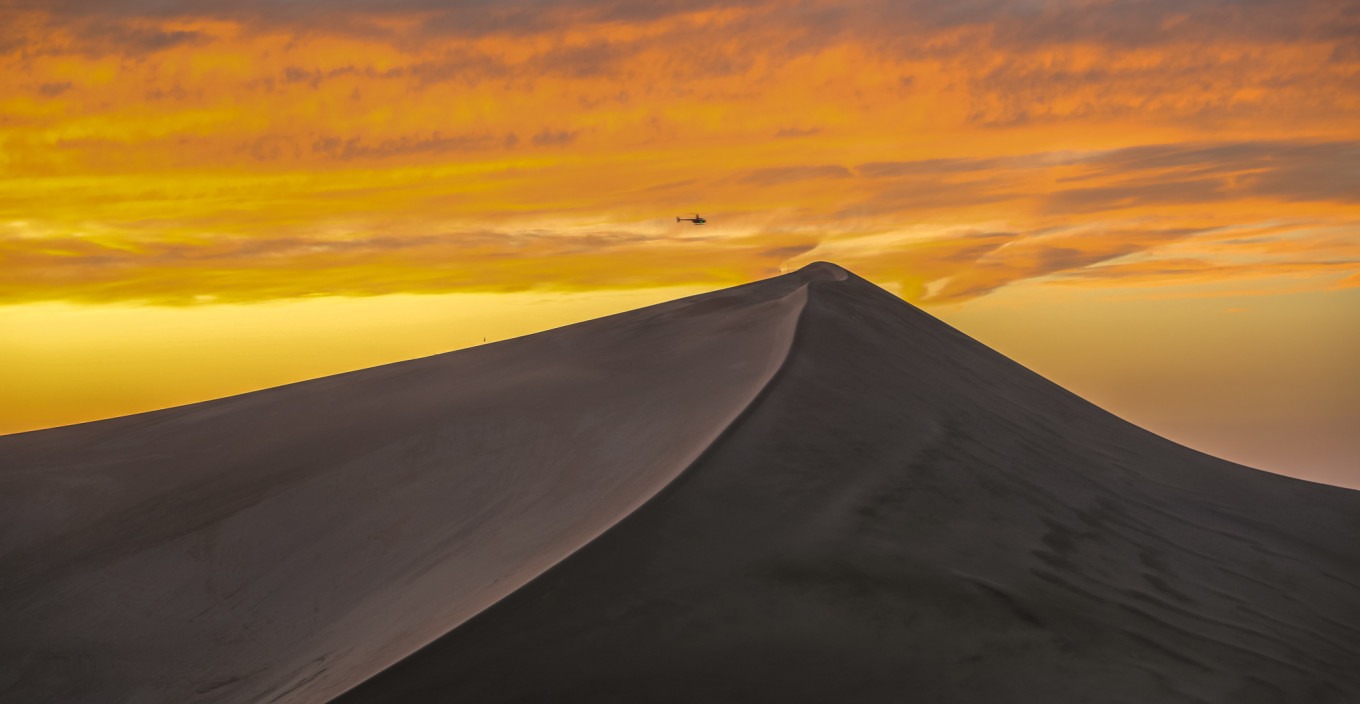
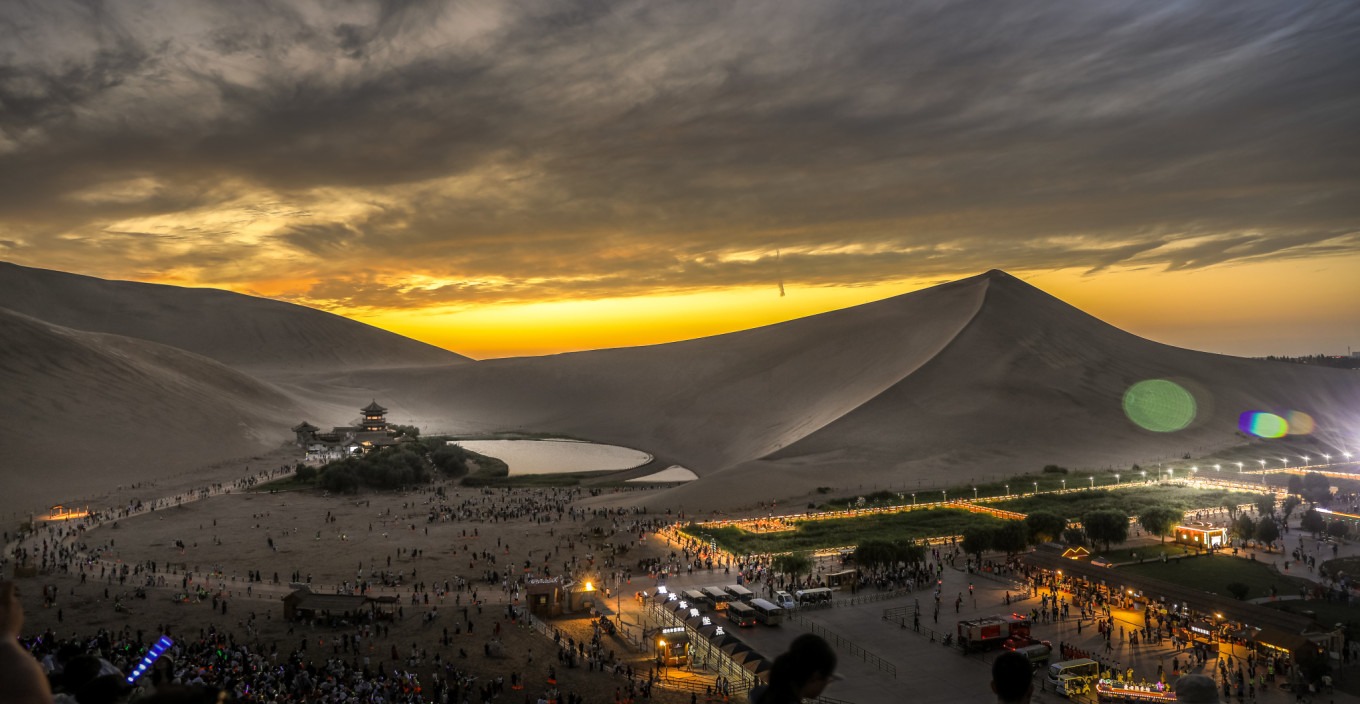
Just 5 kilometers south of Dunhuang city lies Mingsha Mountain (鸣沙山), a sand mountain that ‘sings’ when the wind blows. Together with the Crescent Moon Spring (月牙泉), it forms the Mingsha Mountain and Crescent Moon Spring Scenic Area, a national 5A-level tourist attraction. Designated a National Key Scenic Area in 1994, it was named one of ‘China’s Five Most Beautiful Deserts’ in 2005 and upgraded to 5A in 2015. The mountain’s most unique feature is its ‘singing sand’ phenomenon—when sand slides or wind passes, a low rumble can be heard. The area is also famous for the ‘Starry Sky Concert’ (万人星空演唱会), a nighttime cultural tourism event that combines mass chorus, celebrity performances, Dunhuang ancient music and dance, an intangible cultural heritage market, and drone shows against the desert backdrop.
Tickets cost 110 RMB per person during peak season and 55 RMB during off-peak season. One ticket allows unlimited re-entry within three days. The park is open from 6:30 AM to 6:30 PM. For the best experience, bring sunscreen and wind/sand protection, and consider entering after 6 PM to avoid the heat and catch the sunset.
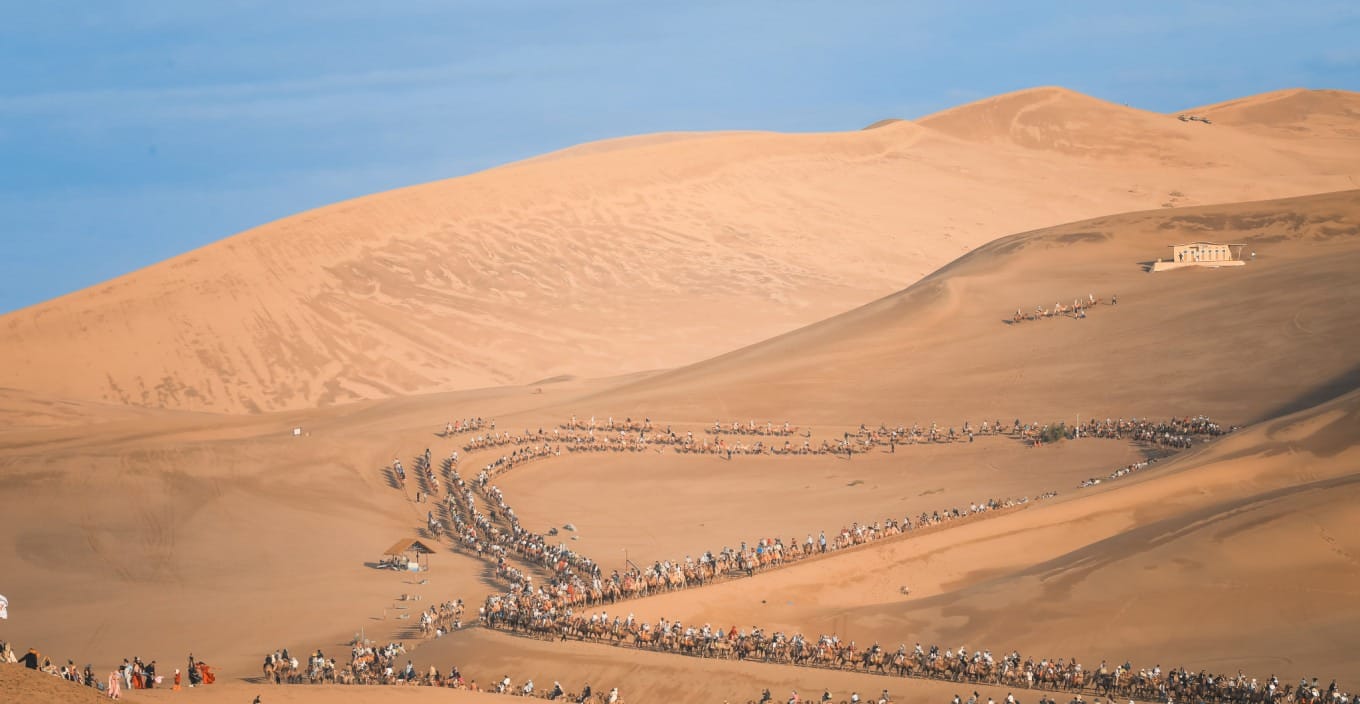
You may have seen news reports about camel traffic jams at Mingsha Mountain—they are real! Once inside, you’ll find endless camel caravans. The most impressive part? The camel teams actually follow traffic lights: red light means stop, green light means go. If there’s a slight delay, you’ll witness a massive camel traffic jam stretching across the dunes.
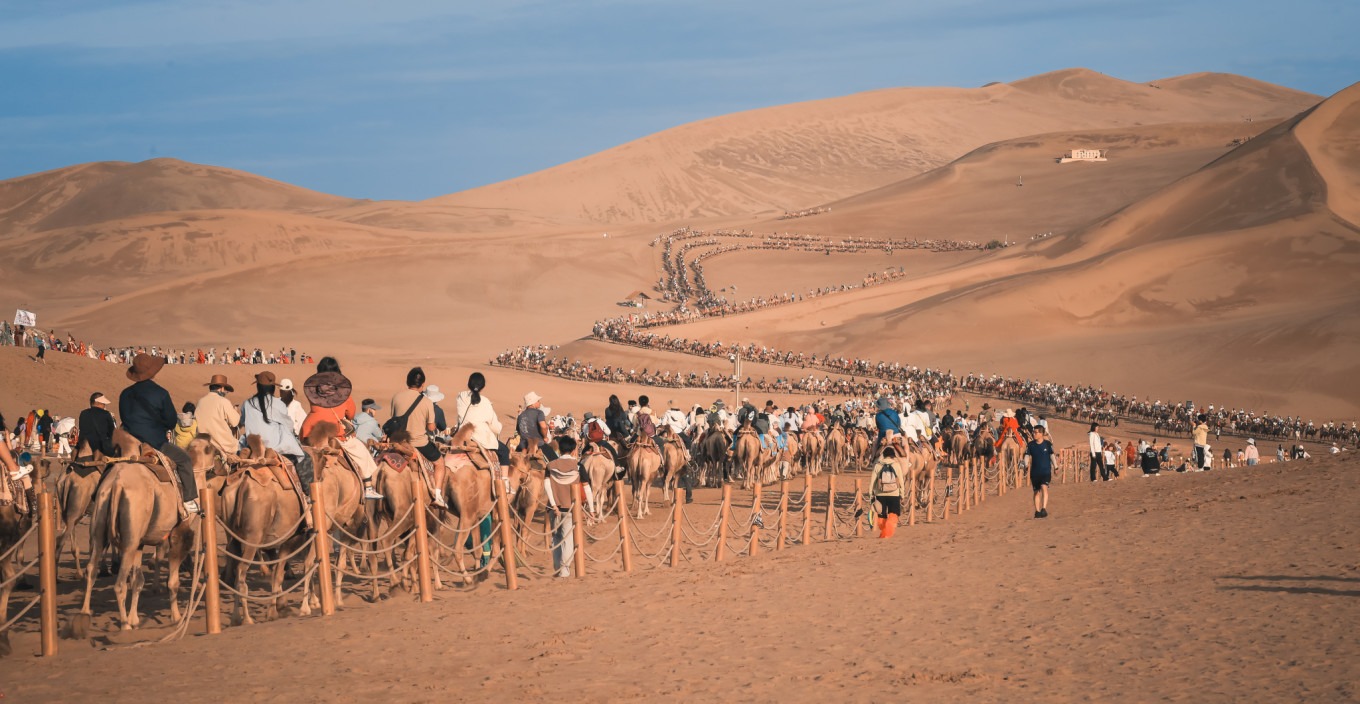
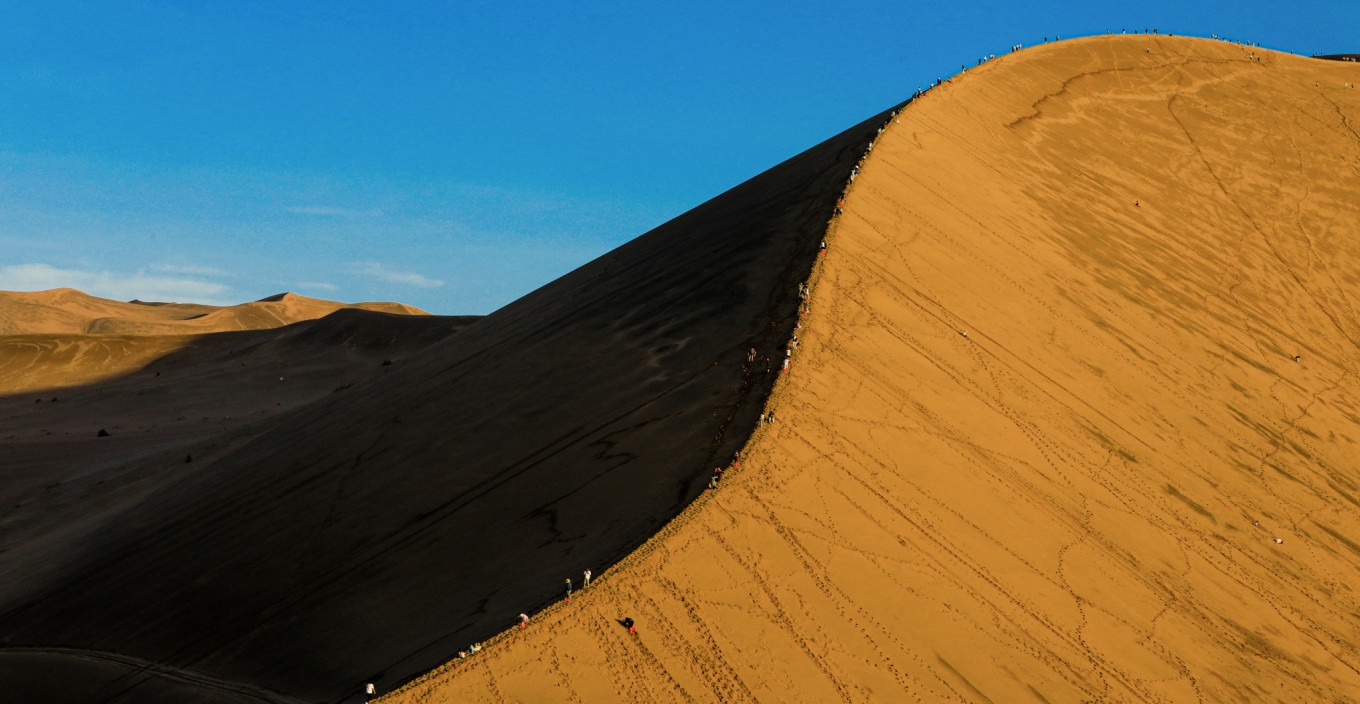
The scenic area is very crowded. On one side, you’ll see long queues of people riding camels; on the other, visitors climbing the sand dunes. Although the dunes look low, climbing them is surprisingly strenuous—each step sinks into the soft sand. Be sure to wear sand-proof shoe covers (防沙鞋套) to keep sand out of your shoes and clothes.
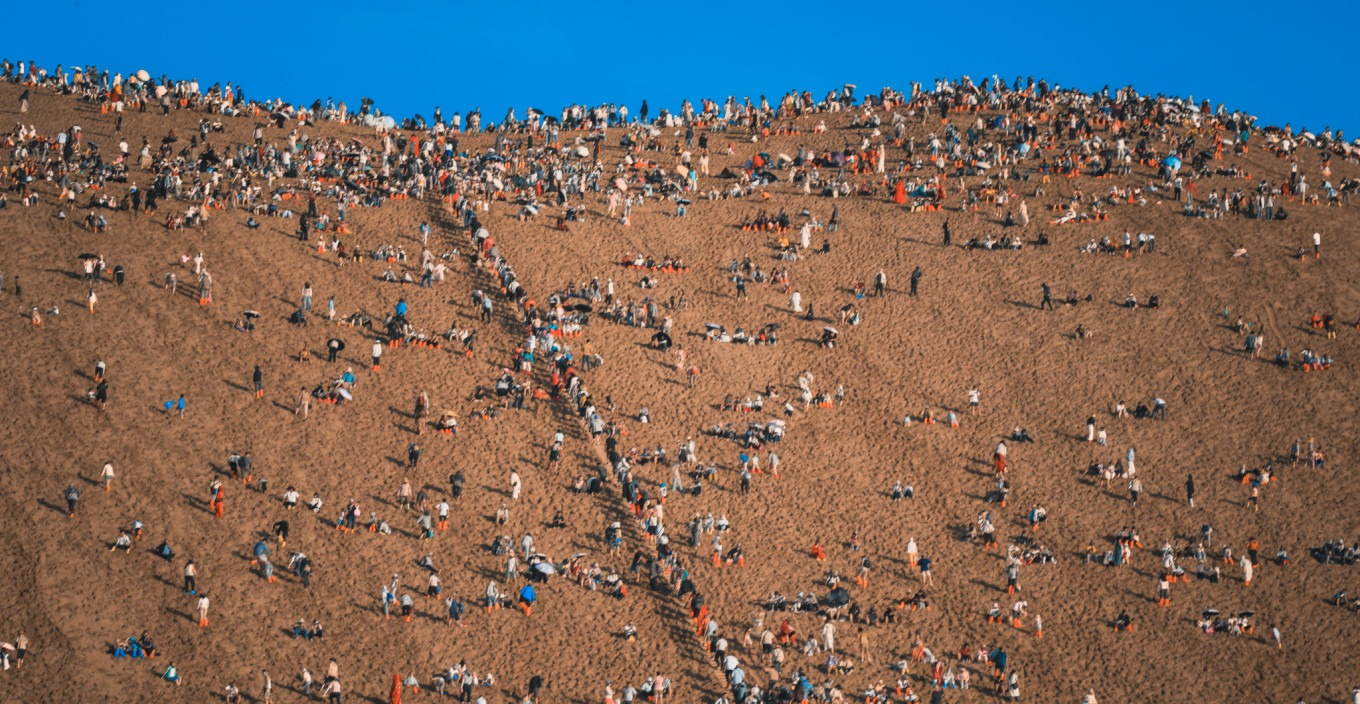
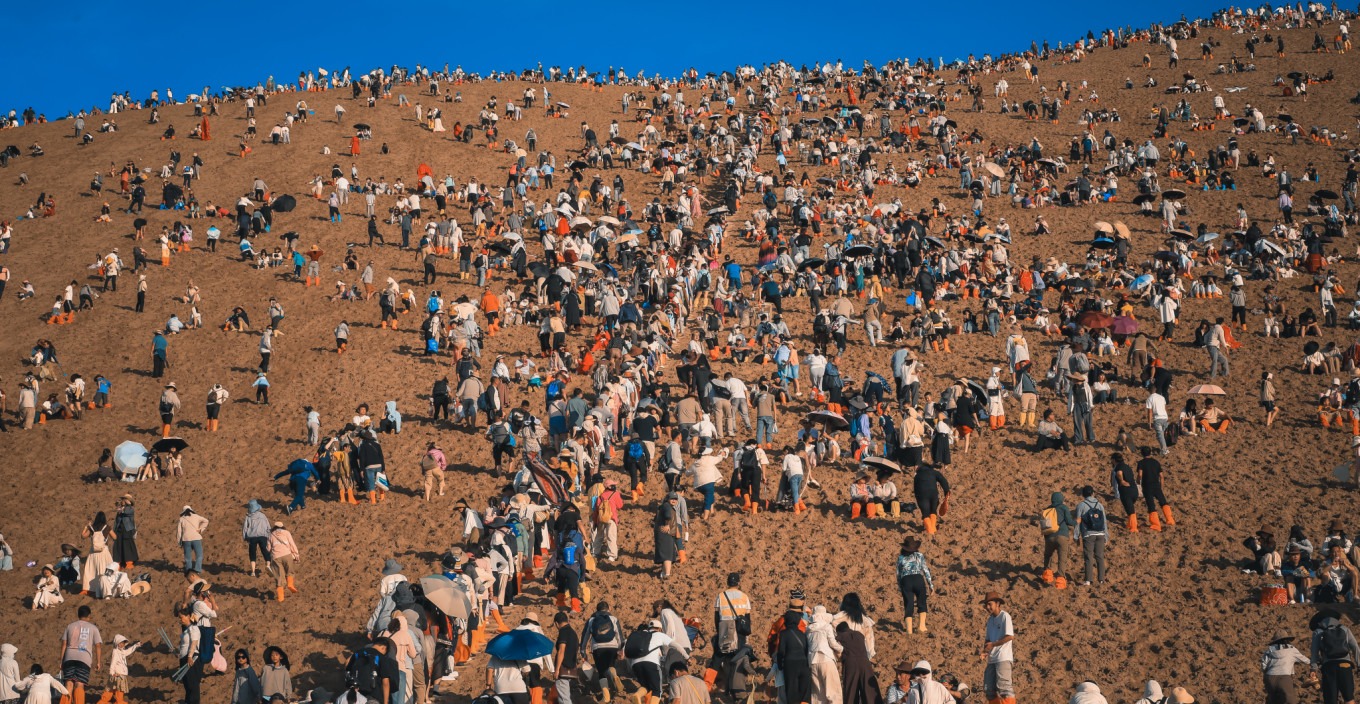
The sand dunes themselves are stunning—smooth, wave-like ridges stretch to the horizon, their colors shifting from golden to amber as the sun moves.
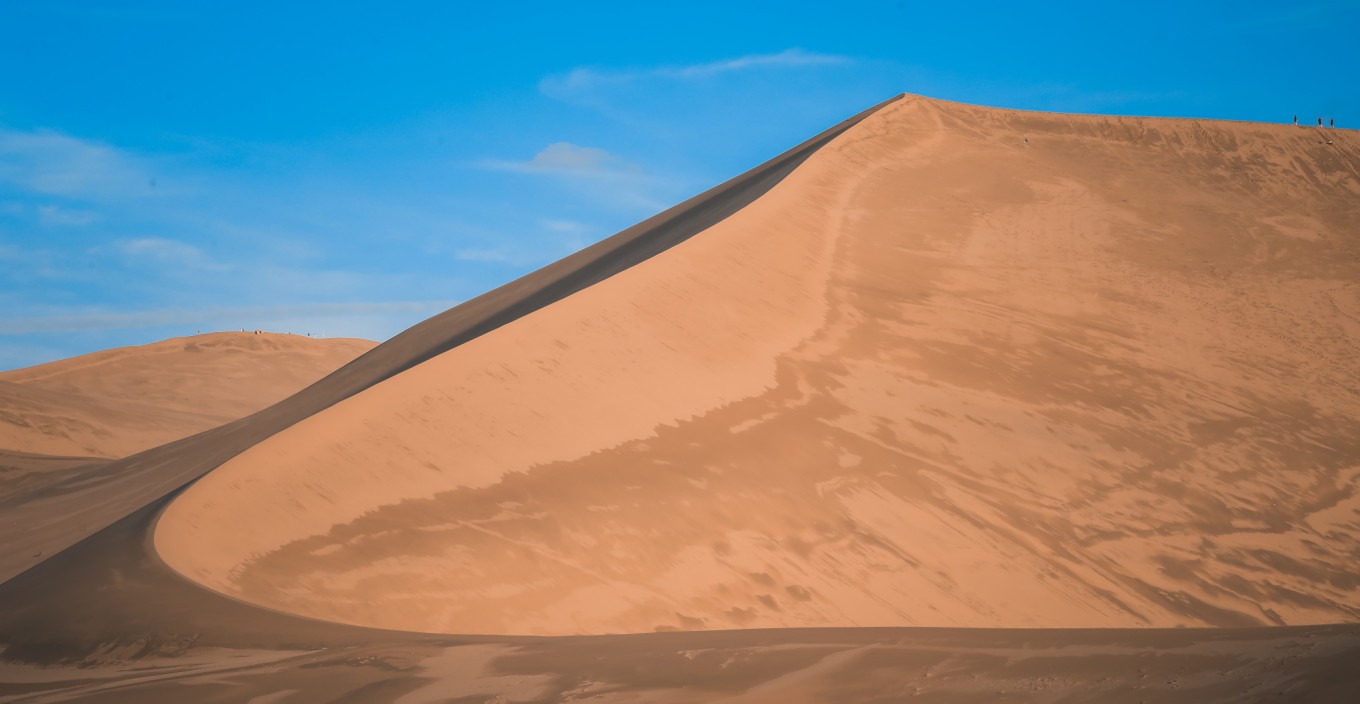
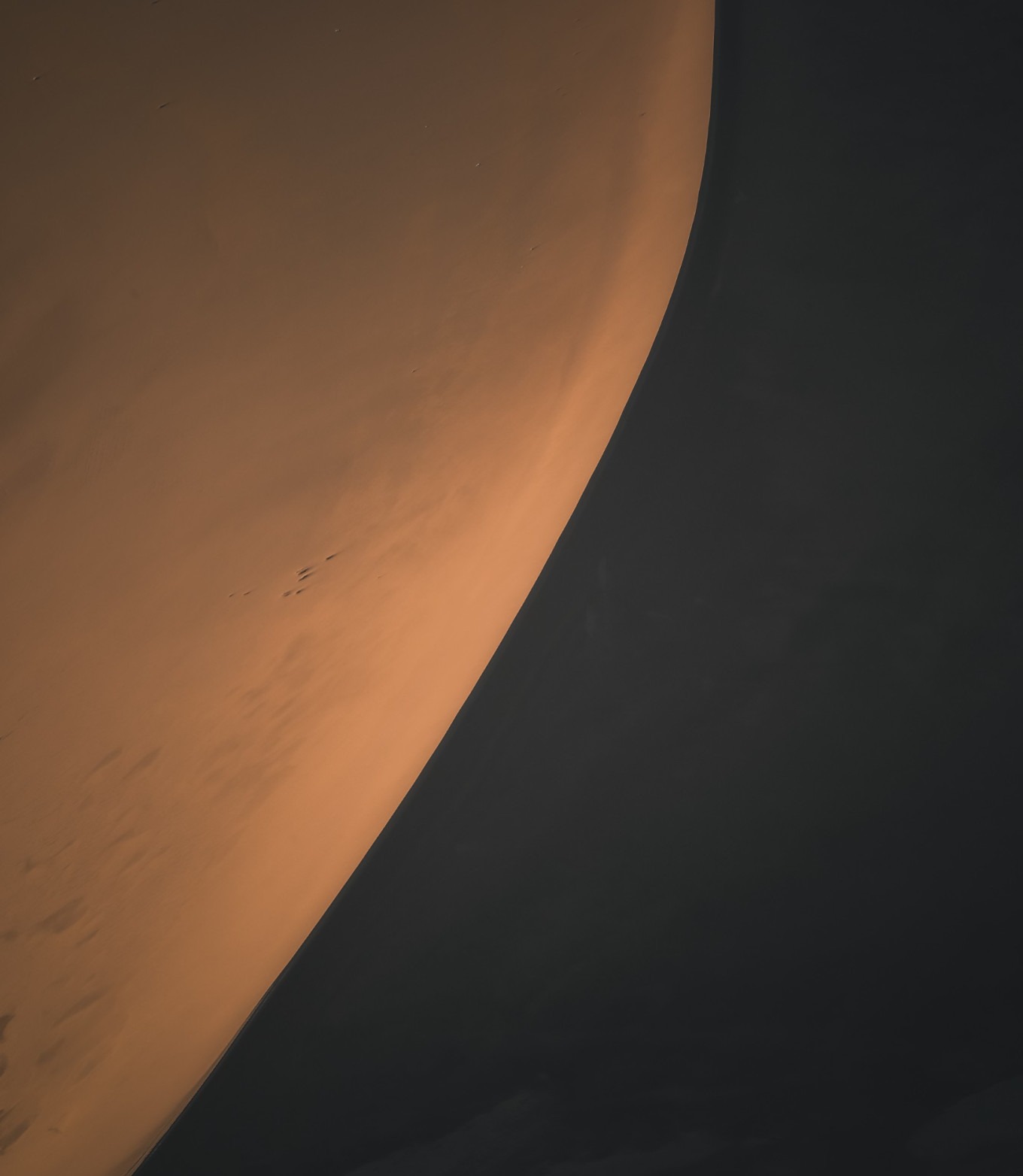
If you’re physically fit, consider joining a sand dune crossing (沙山穿越) activity. Many visitors try it, but it requires excellent stamina—you’ll be hiking up and down soft sand for hours.
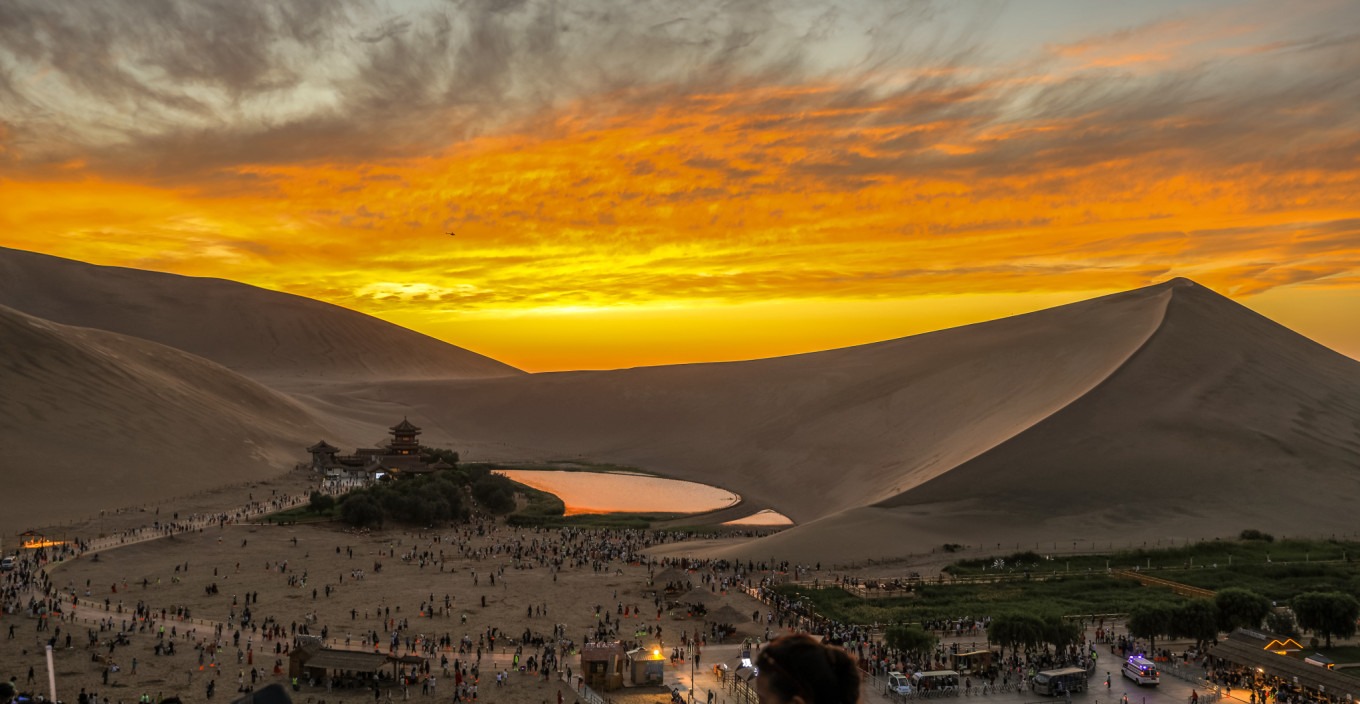
The view of Crescent Moon Spring and Mingsha Mountain at sunset is breathtaking. The spring, shaped like a crescent moon, reflects the warm colors of the sky, while the surrounding dunes glow in shades of orange and gold.
Nanbaxian Yadan Devil City Rating 5/5
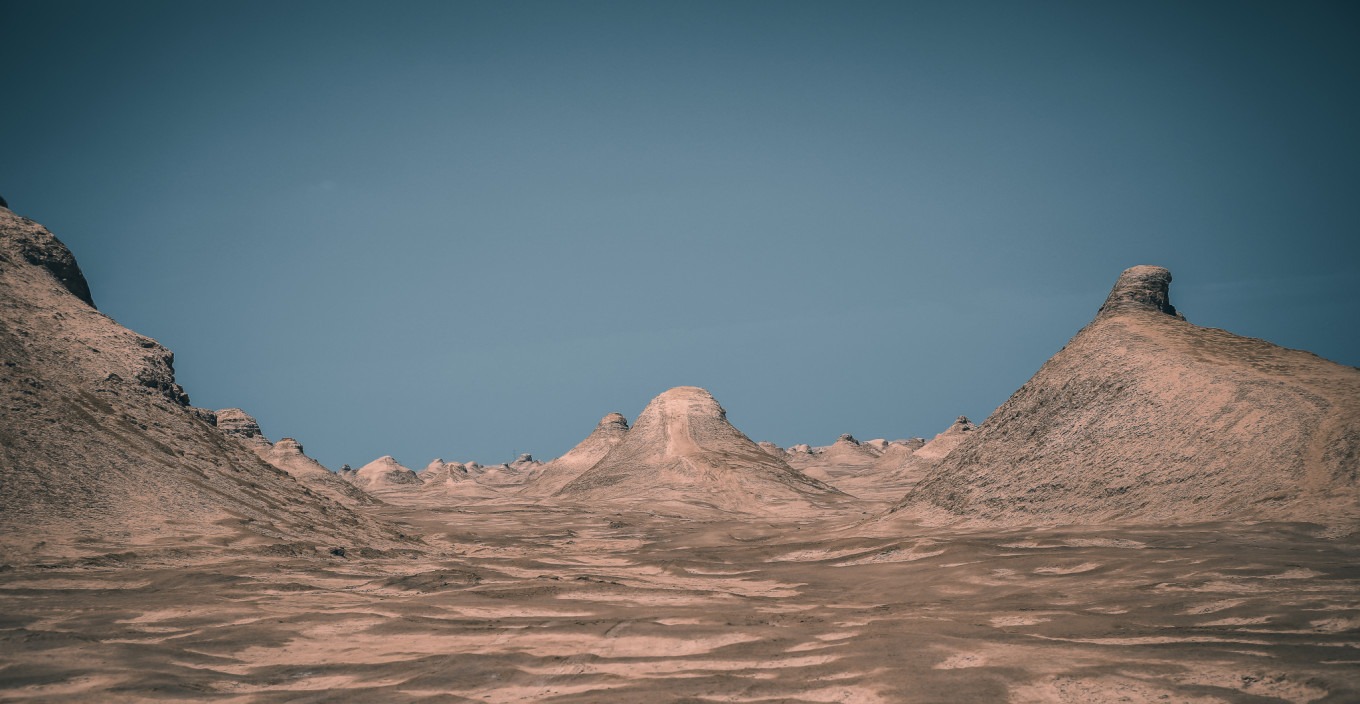
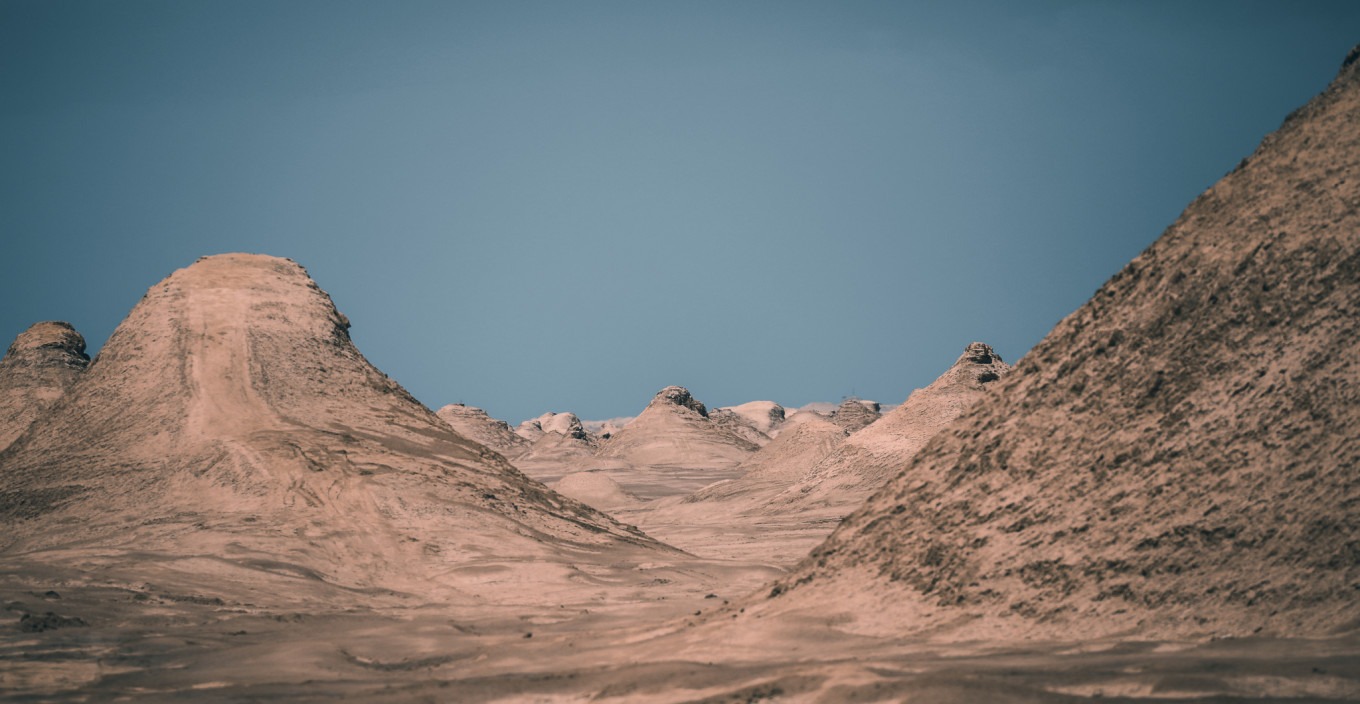
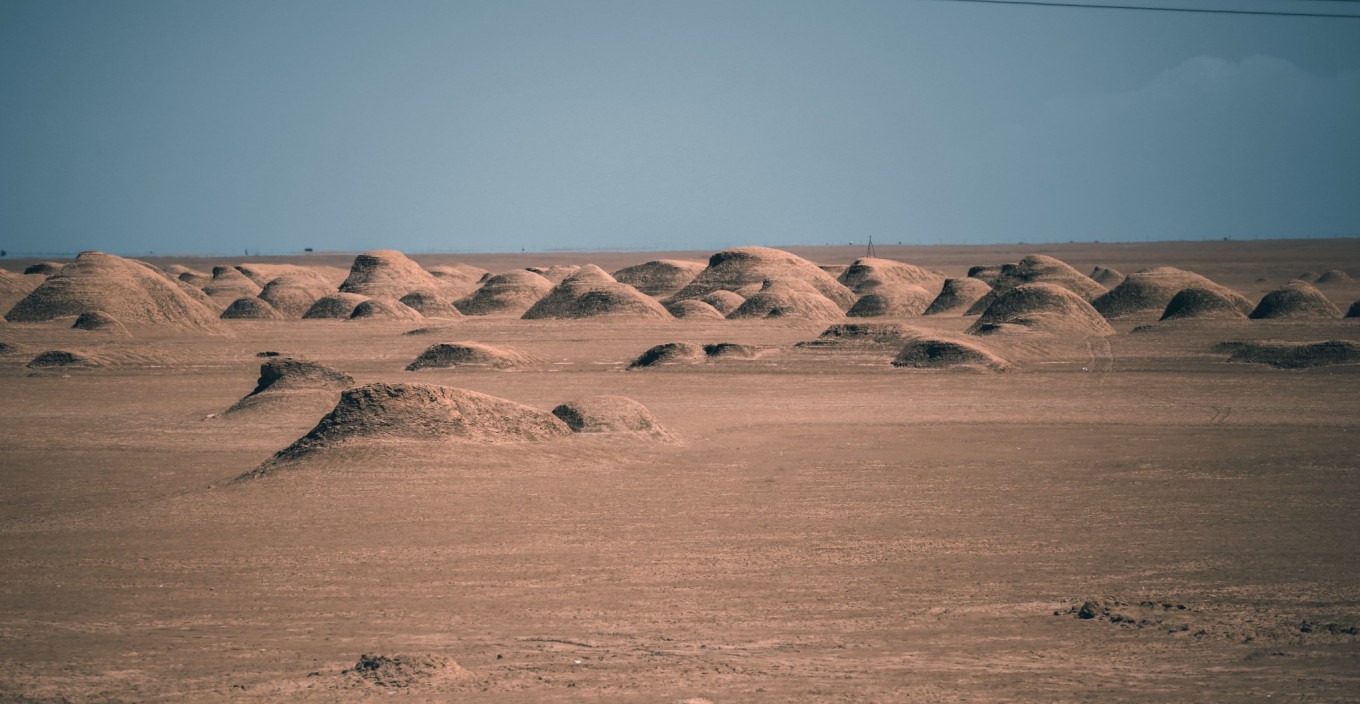
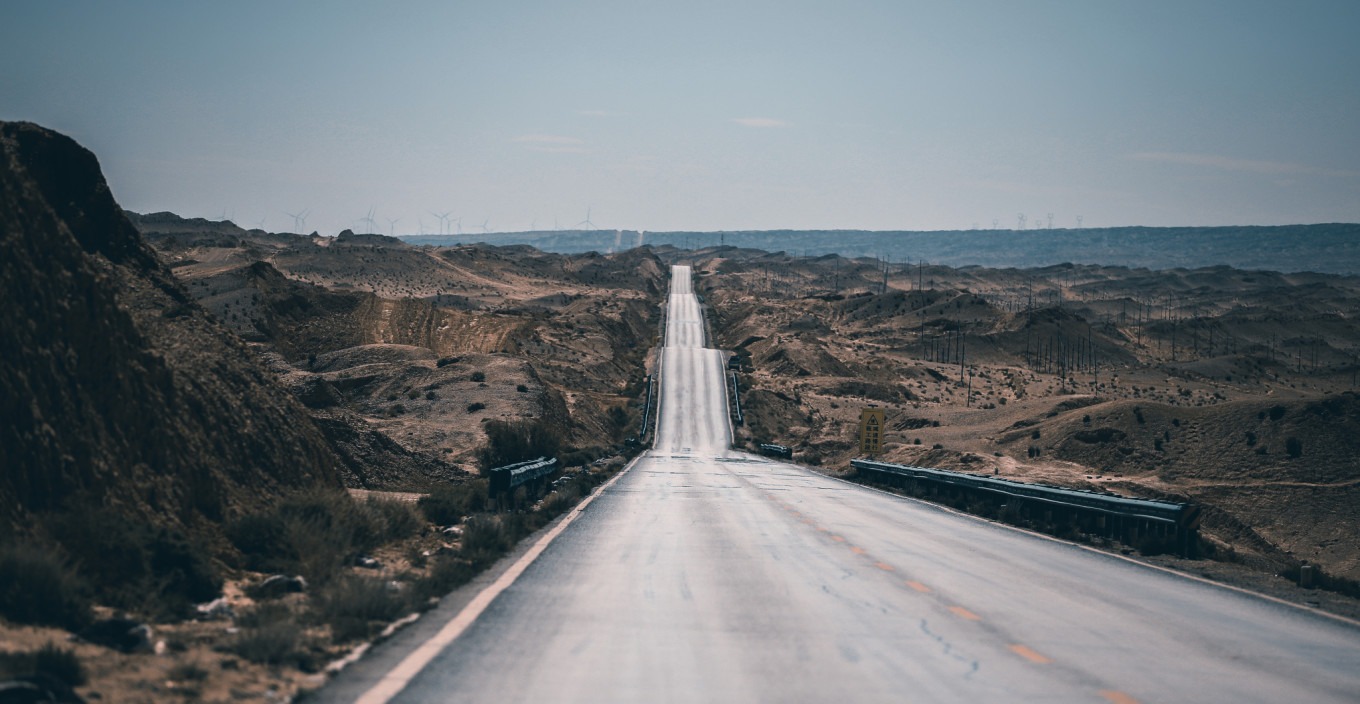
After a day in Dunhuang, if you’re planning to head toward the Qaidam Basin, consider skipping the crowded tourist spots and driving straight to Nanbaxian Yadan Devil City (南八仙魔鬼城). This otherworldly landscape is one of the largest and most pristine Yadan landform clusters on Earth, located in the northwestern part of the Qaidam Basin in Haixi Mongol and Tibetan Autonomous Prefecture, Qinghai Province. The name ‘Nanbaxian’ (meaning ‘Eight Immortals from the South’) commemorates eight female geologists who tragically lost their lives in a sandstorm here in 1955 while surveying for oil. The area is known for its eerie wind-eroded mounds that resemble castles, animals, and a natural labyrinth—earning it the nickname ‘Devil City.’
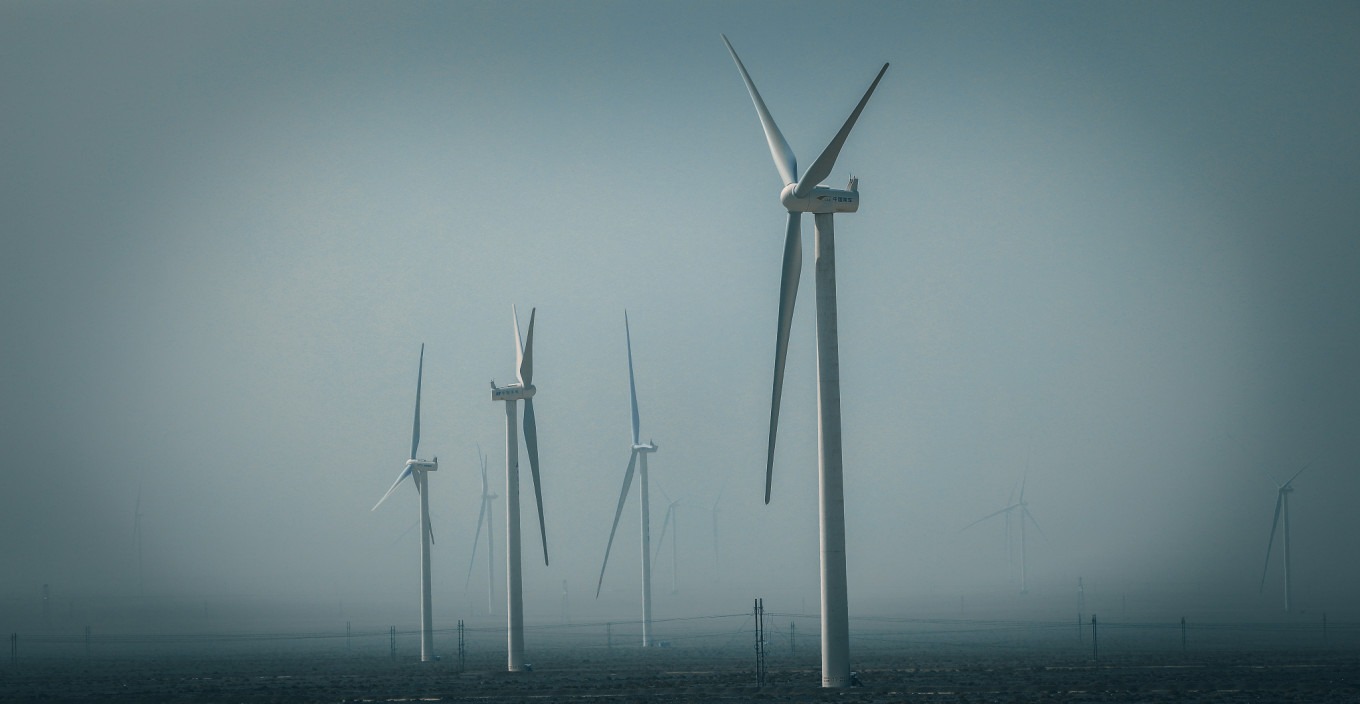
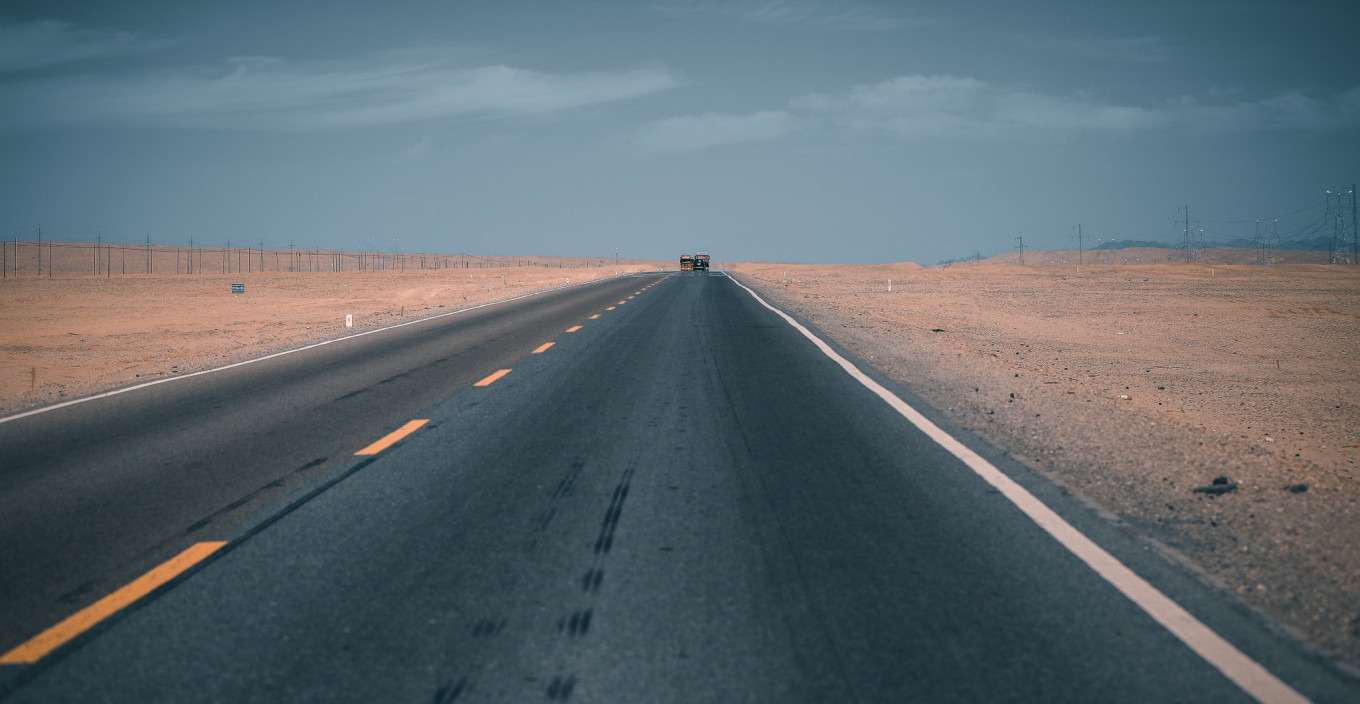
Driving from Dunhuang, take the Liuge Expressway south. Traffic is light, and after passing through the Dangjin Mountain Tunnel, you’ll feel like you’re crossing a true no-man’s-land. However, cell phone signals are intermittent—sometimes nonexistent—so download offline maps before you go. An interesting quirk of this expressway: you can make U-turns at any point, and there are many exits to pull off. If you stop for photos, always watch for traffic.
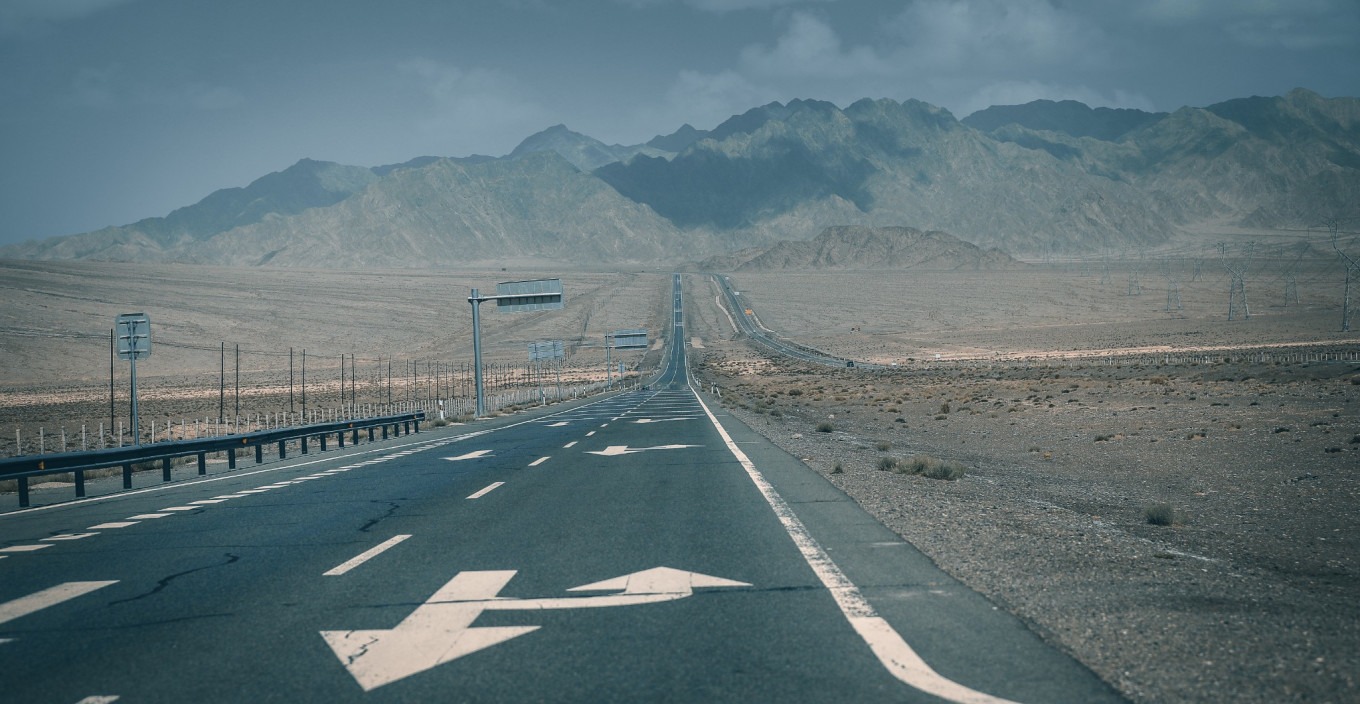
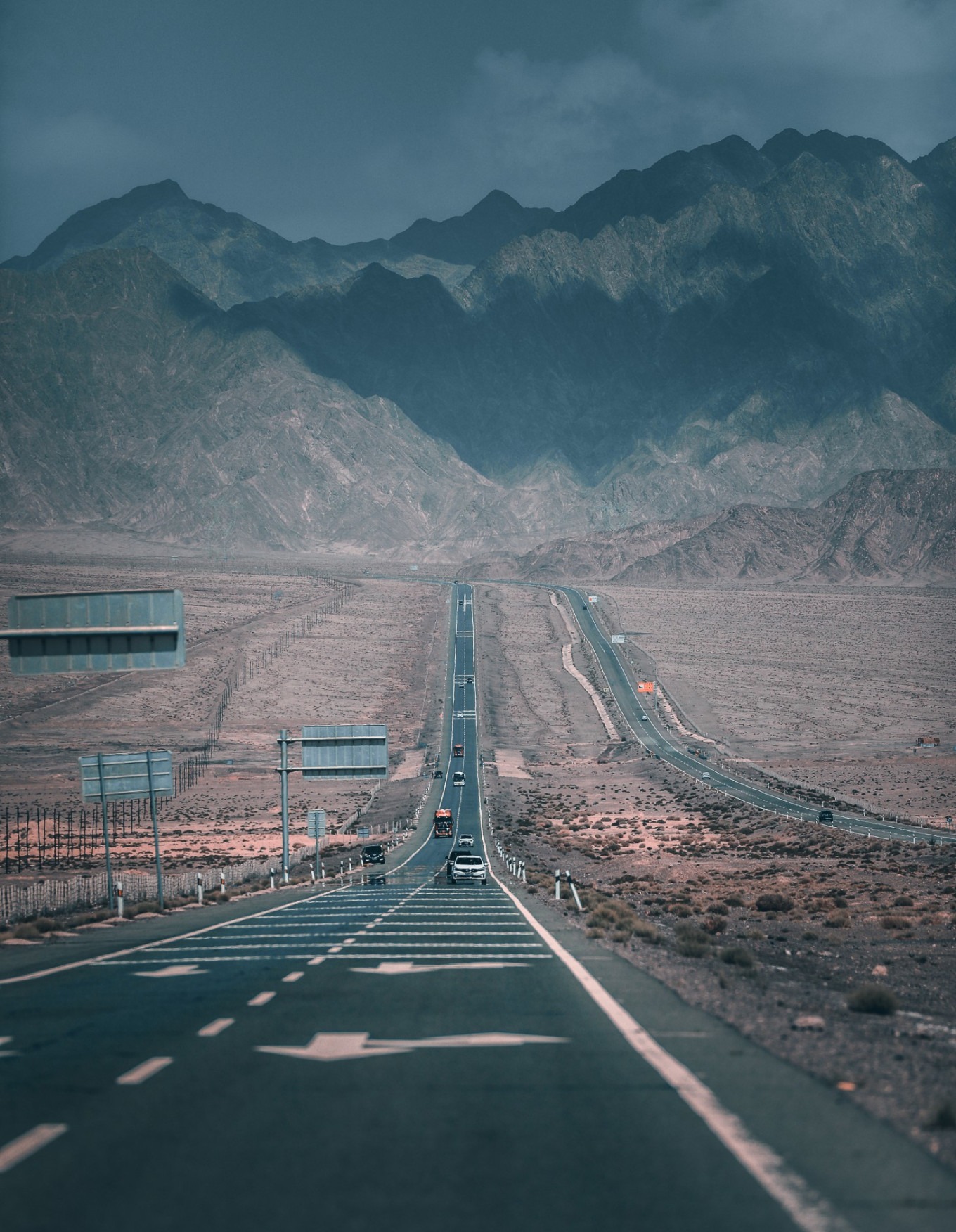
Nanbaxian remains undeveloped—no fences, no signboards, no signal, and certainly no 网红 (local term) cafes. What you’ll find instead are endless mounds of earth, howling wind, and a raw, wild beauty that demands respect. The mounds, some tens of meters high, look like abandoned castles or a fleet of ships sailing across the desert. When the wind whips through the gullies, it creates a ghostly wailing sound that can send chills down your spine.
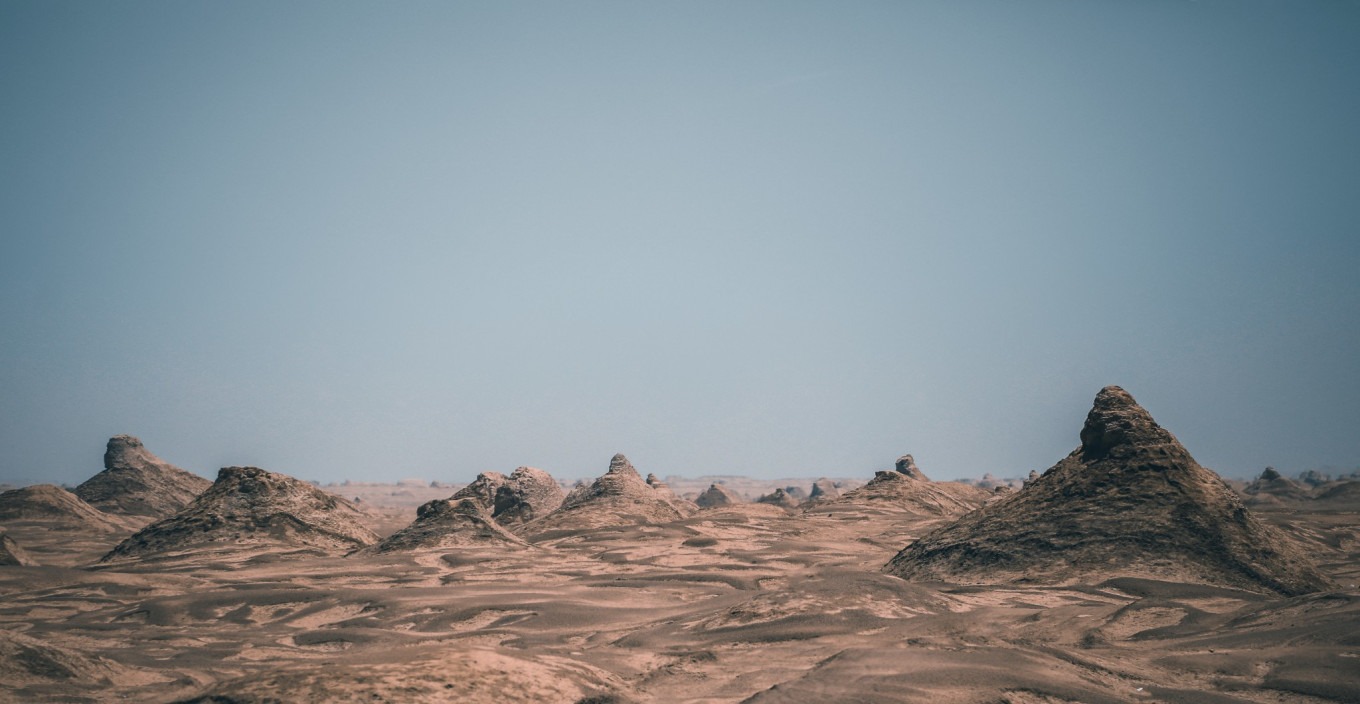
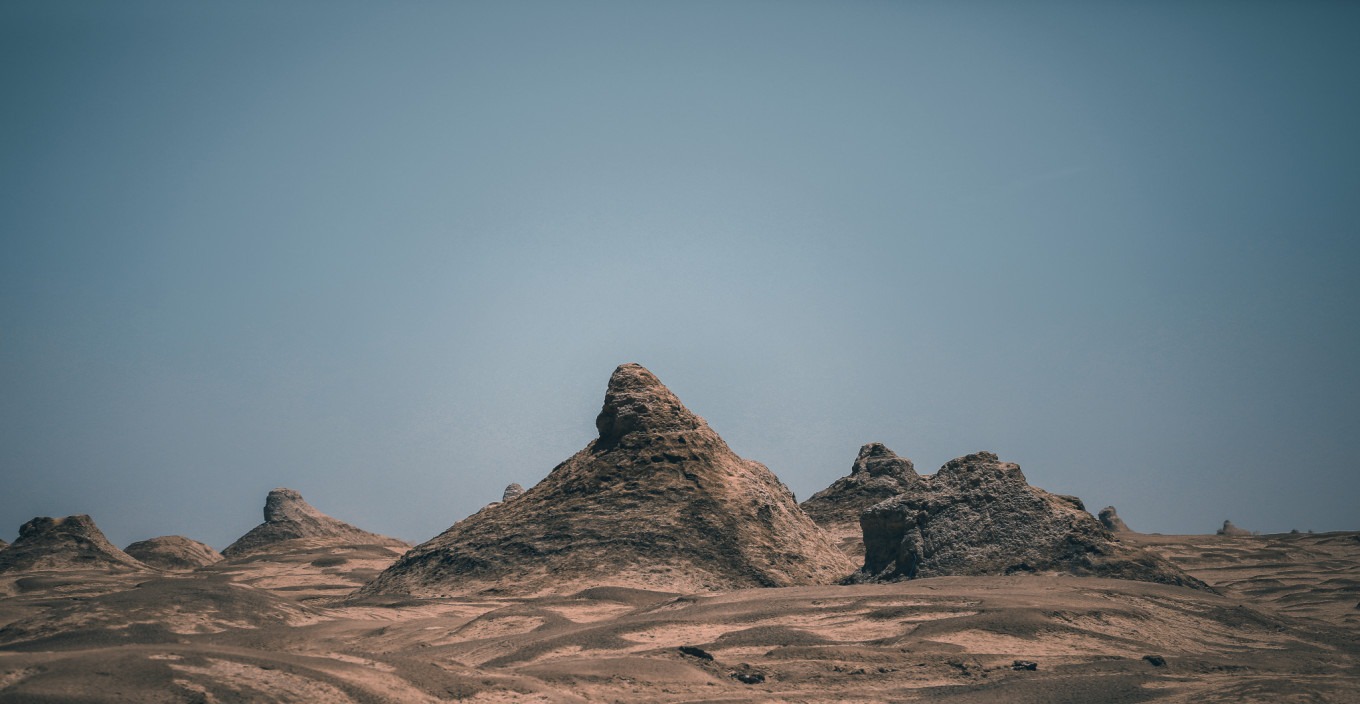
The beauty here is not for casual snapshots—it’s for those willing to listen to the wind and embrace the desolation. Many travelers come seeking solitude, and perhaps to meet a version of themselves that only appears in such emptiness.
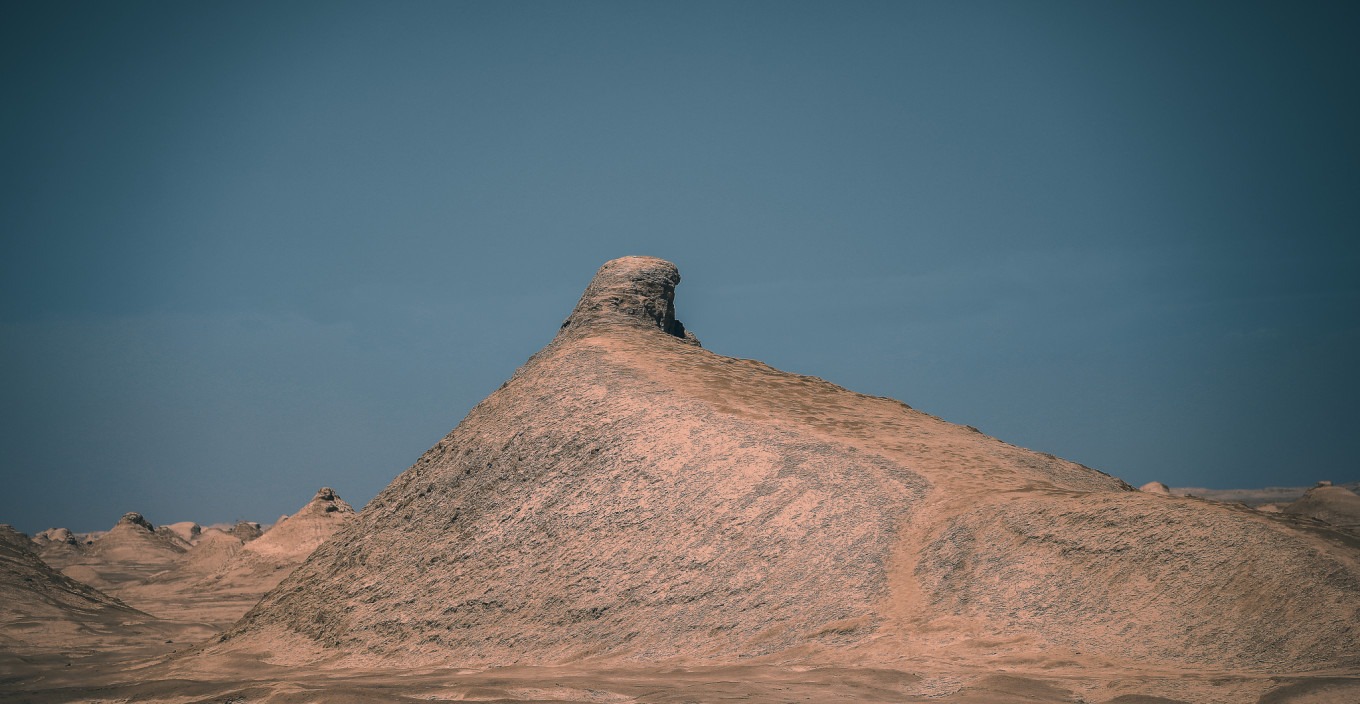
After exploring Nanbaxian, continue along the national highway to the next highlight: the U-shaped Highway (U 型公路 (local term)), officially G315 National Road between K766 and K783 near Golmud. This steep dip in the road creates a dramatic visual effect, often called ‘China’s Route 66,’ flanked by Gobi desert. However, be warned: traffic is heavy, especially large trucks, and there are many construction sites along the way.
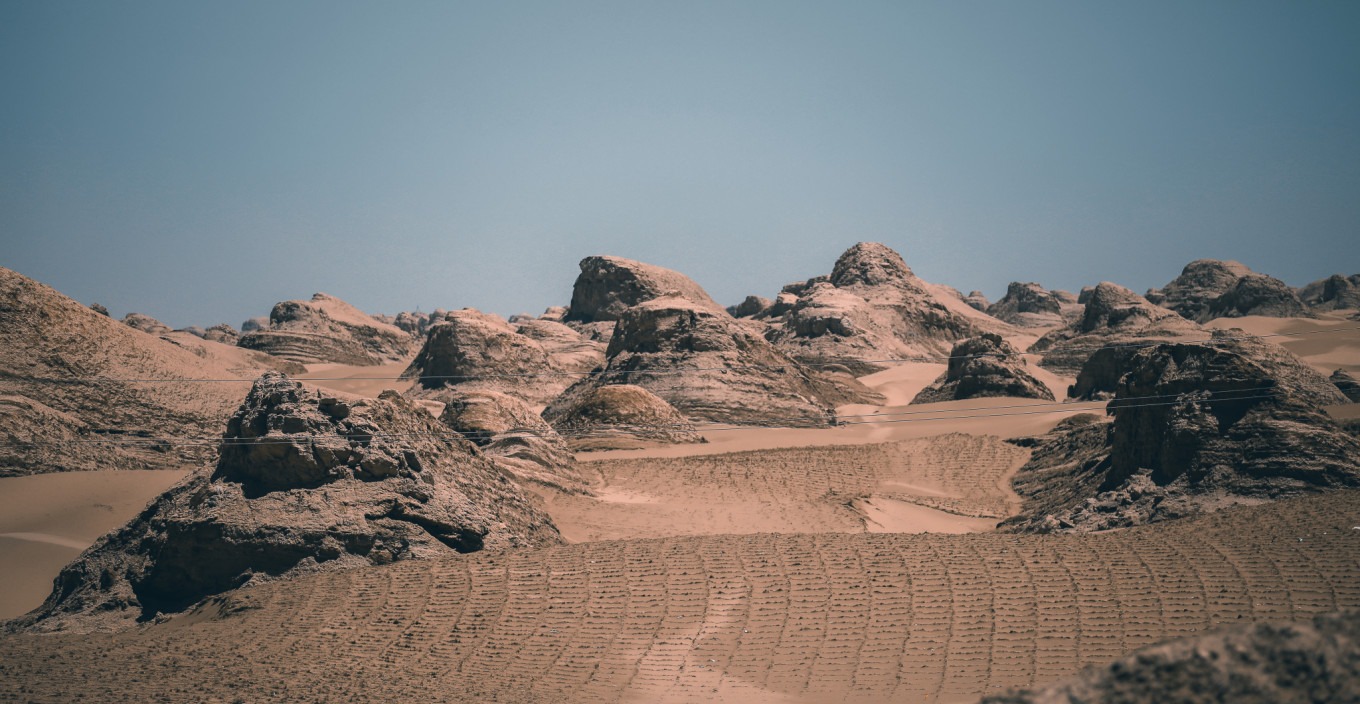
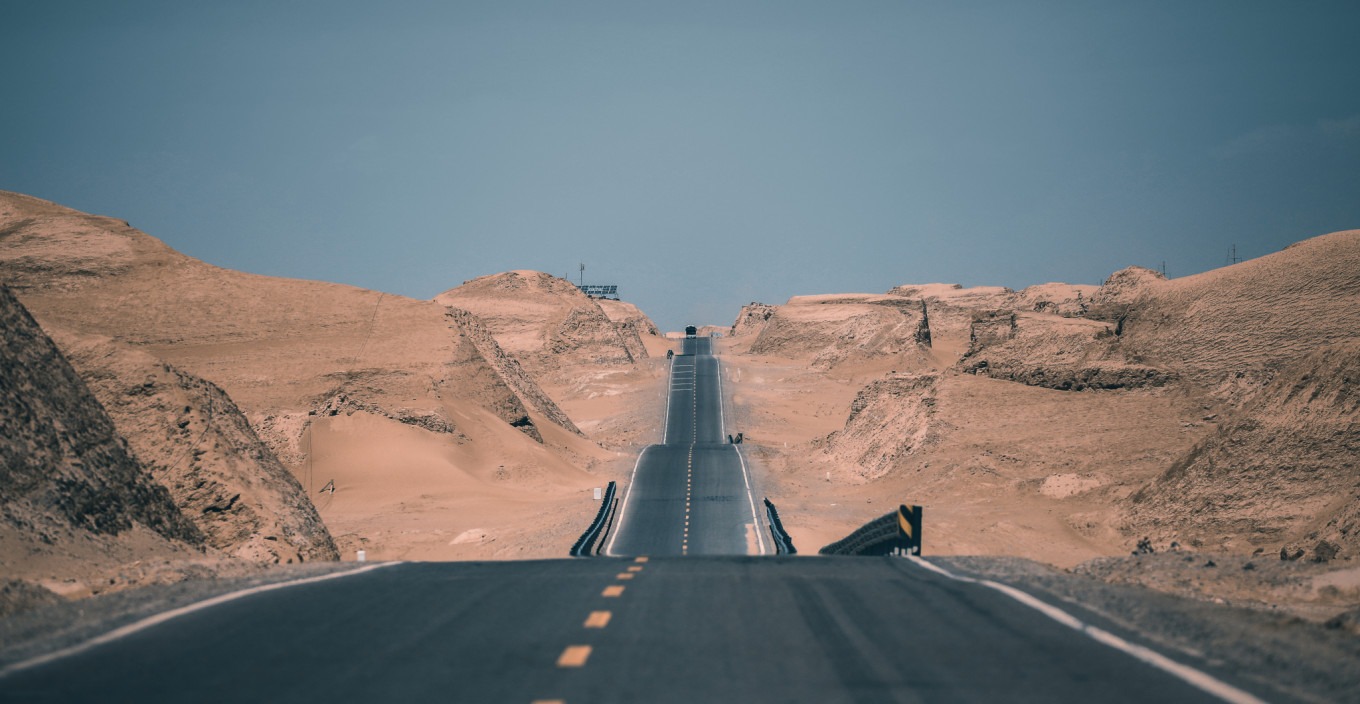
The best time for photography is around 7–8 AM, when the low sun casts a warm glow on the Yadan rocks. Use a telephoto lens of at least 200mm for the best compression effect. But safety first: since July 2020, traffic police in Golmud have been patrolling the area, adding warning signs, and fining illegal parking 200 RMB with 3 demerit points. Stopping on the road for photos is strictly prohibited, so find a safe pull-off or shoot from a distance.
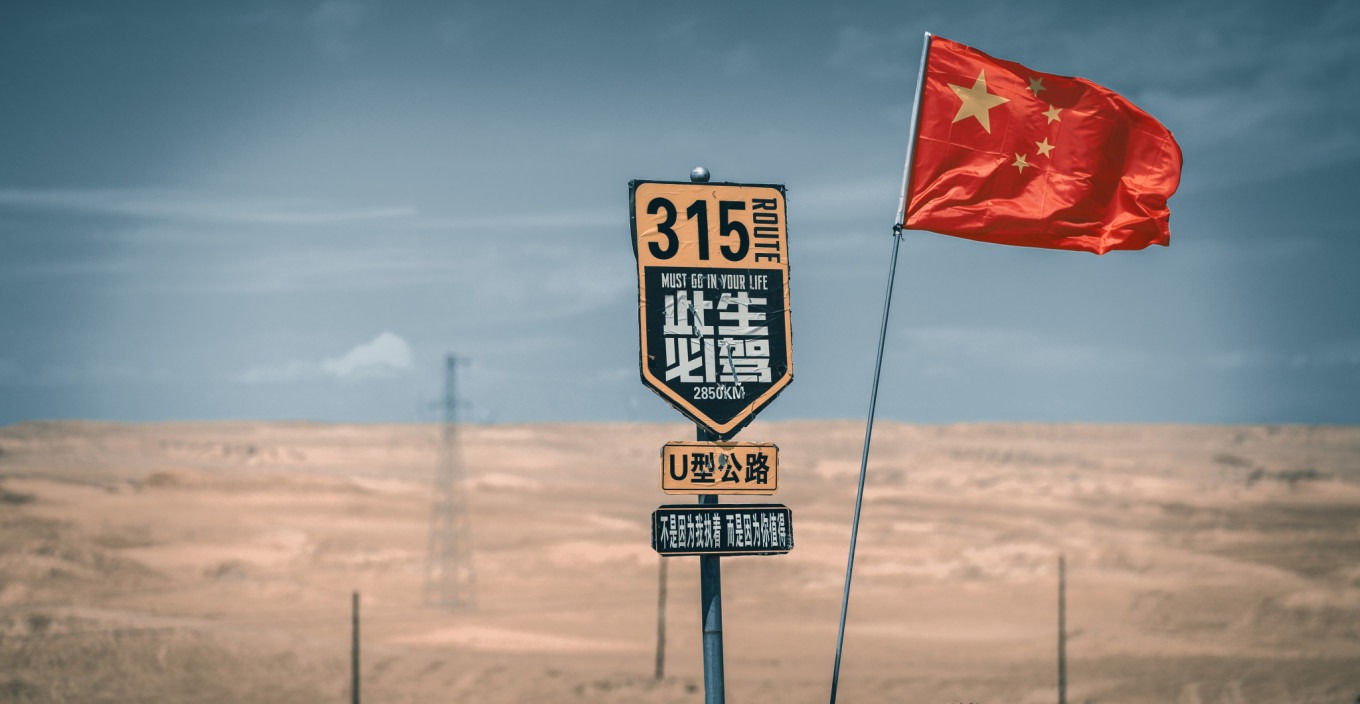
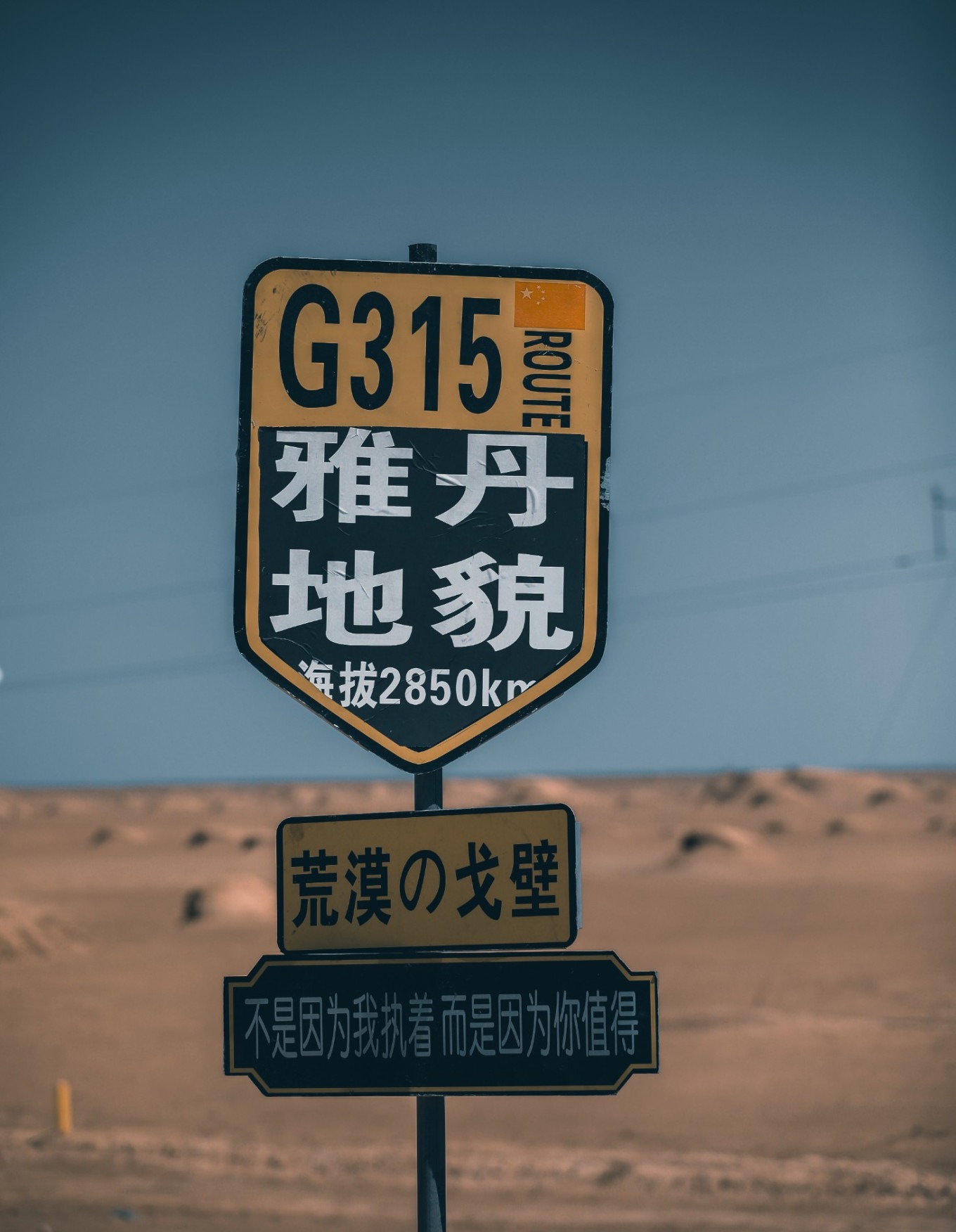
The world is both vast and small. A chance encounter can happen anywhere: while resting at the Delingha service area, you might hear someone calling your name—perhaps an old friend you haven’t seen in decades. It’s a reminder that even in the most remote places, connections can surprise you.
Chaka Salt Lake (Rating 5/5)
- ⚠️ Sun protectionThe plateau sun is intense—bring sunscreen and reapply often.
- 👟 Shoe coversRentals are available for 10 RMB per person to protect your shoes from salt corrosion.
- 📸 Best photo timesAround 9 AM or 5 PM for fewer crowds and golden light.
- 👗 Outfit tipsRed dresses pop against the white salt, but white, blue, or black also work well.
- 🚂 Train tipThe small train is photogenic itself—arrive early to avoid long queues.
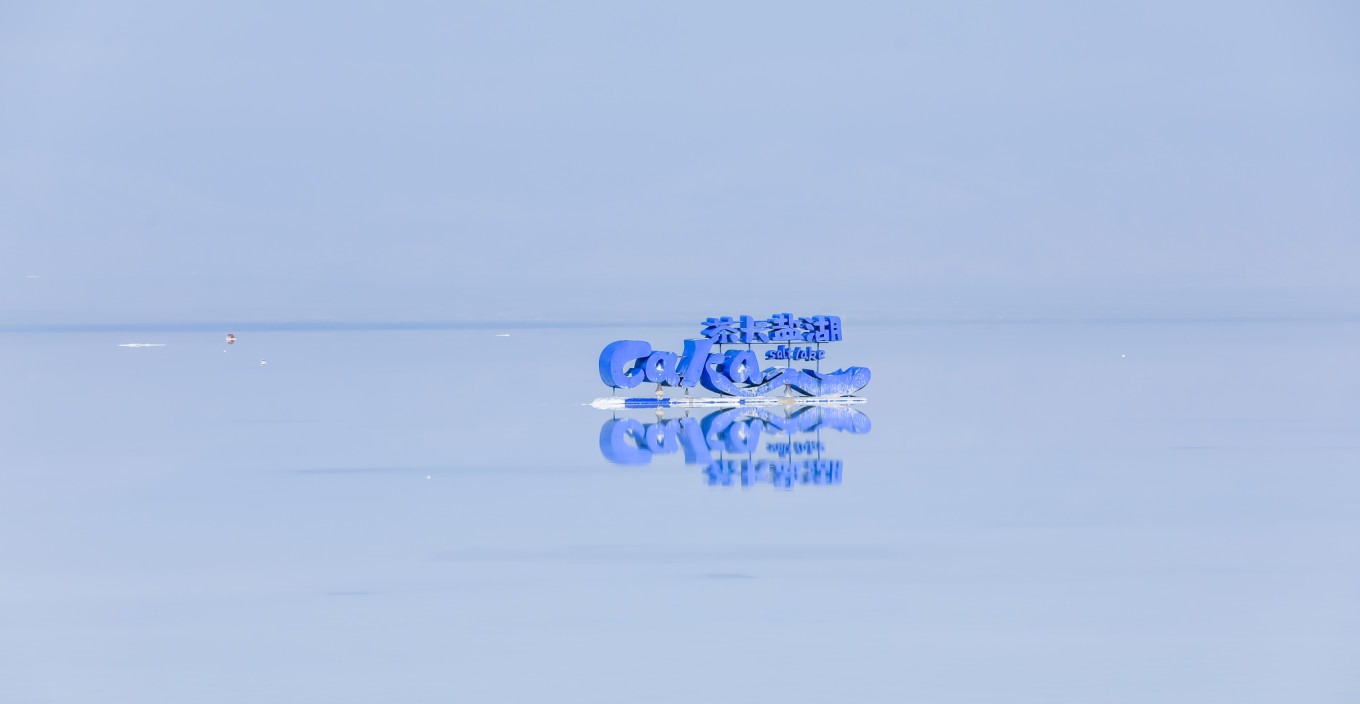
If you’re planning a trip to Qinghai, Chaka Salt Lake (茶卡盐湖) is an absolute must-see. Known as China’s “Mirror of the Sky,” this stunning salt lake offers a surreal experience where the sky and earth merge into one. To make the most of your visit, choose a clear day—cloudy or rainy weather will leave you staring at a muddy puddle. The best time to visit is from June to October, with the lake open daily from 7:00 AM to 6:30 PM. Admission is 60 RMB per person during peak season and 30 RMB off-peak. Aim to arrive early morning or late afternoon to avoid the intense midday sun, as there is little shade.
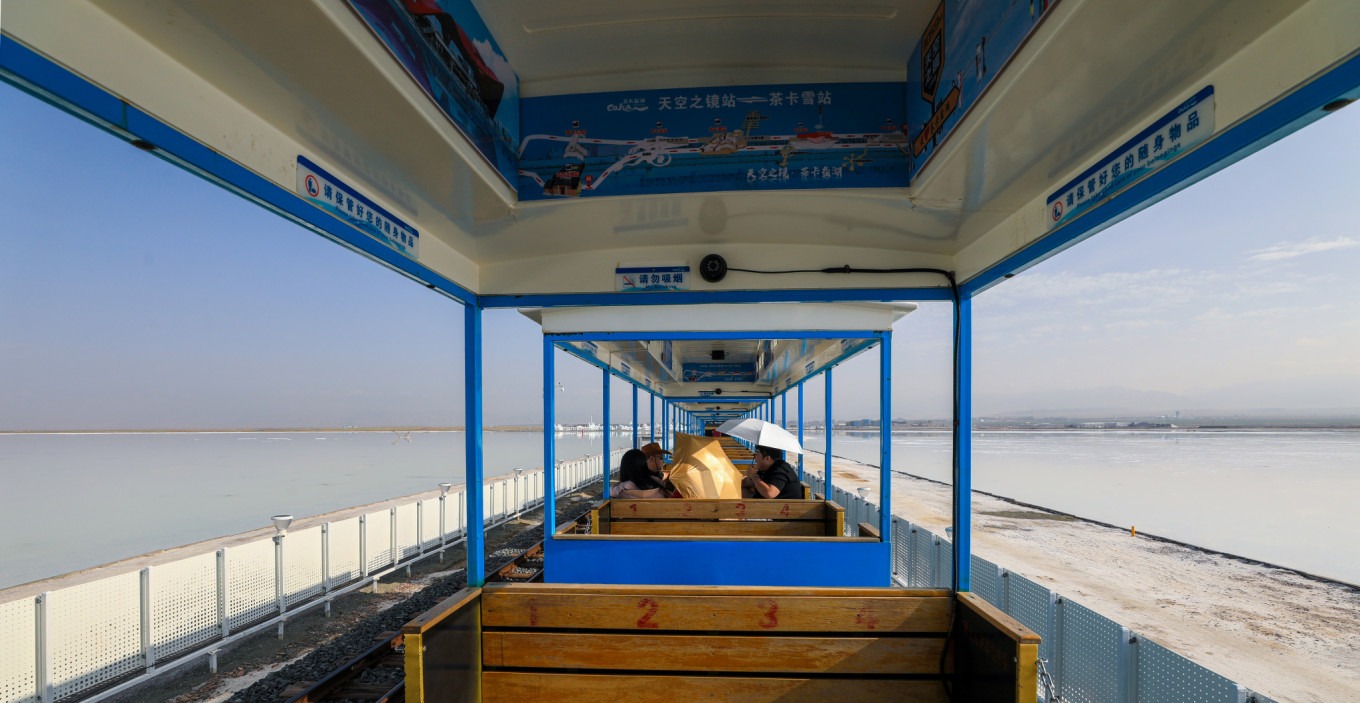
To explore the lake, hop on the vintage narrow-gauge train (with a track width of just 60 cm) from the Sky Mirror Station (天空之镜站). The route passes through stops including Chaka Salt Station (茶卡盐站), Chaka Sunset Station (茶卡霞站), and Chaka Snow Station (茶卡雪站), traveling at a leisurely 8 km/h. Get off at Chaka Snow Station for the best photo opportunities—the water here is only 10–20 cm deep, and the crowds are thinner. Wear transparent shoe covers (bring your own for better photos) and step onto the lake to capture dreamy reflections of yourself walking on the sky.
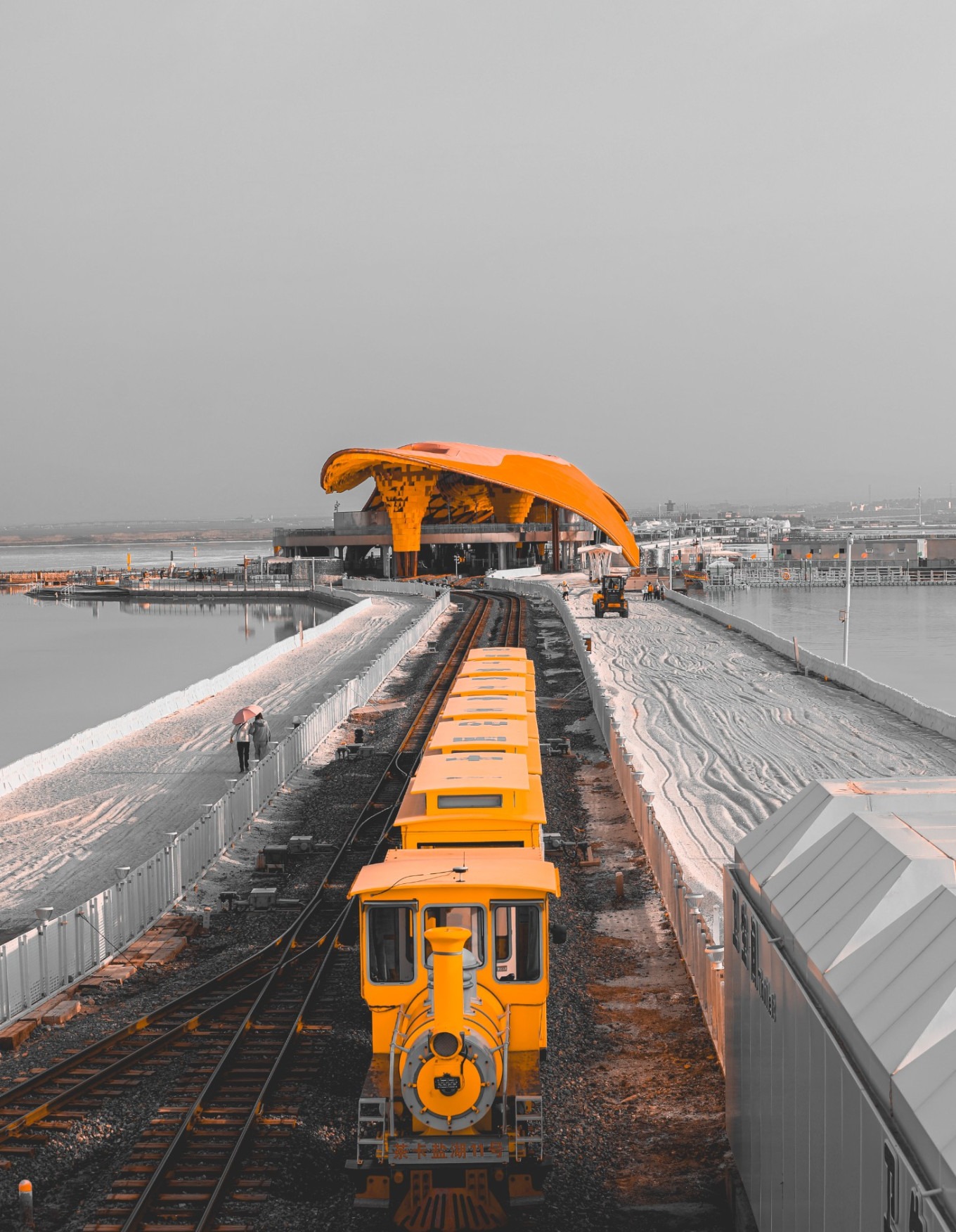
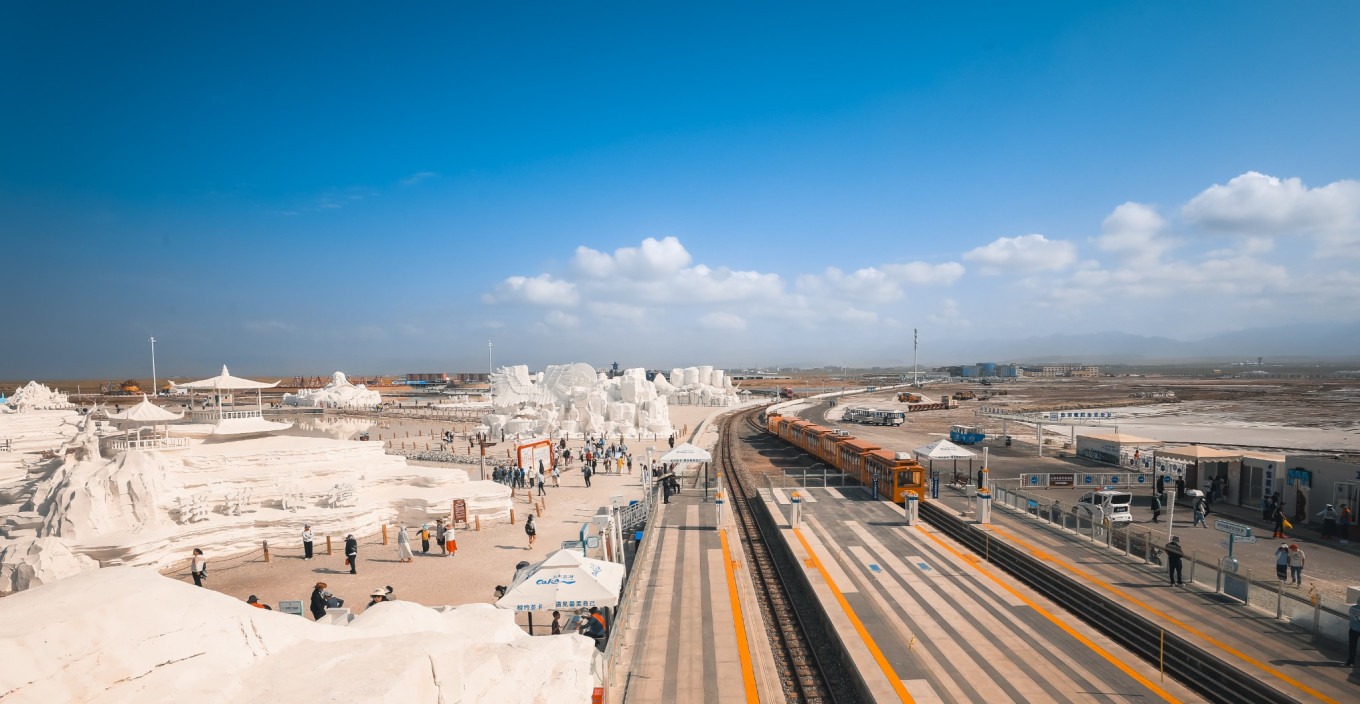
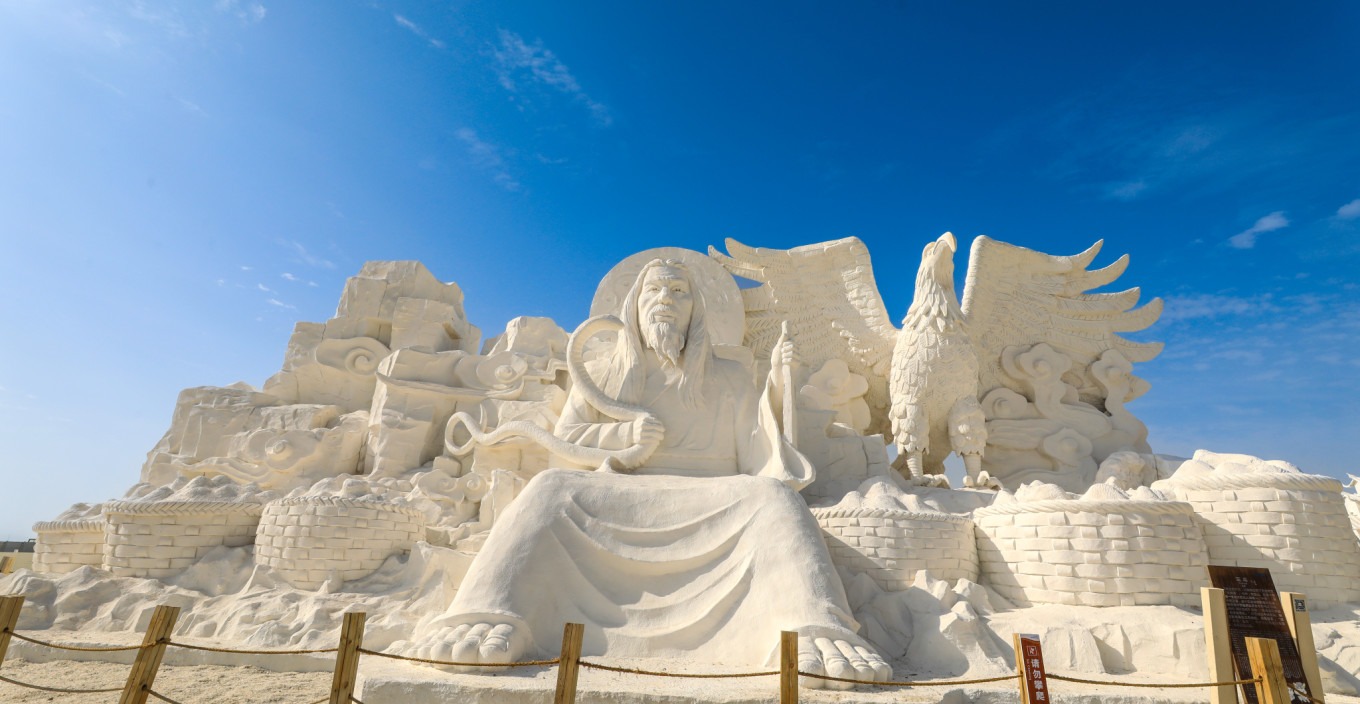
Don’t miss the world’s largest outdoor salt sculpture group at Chaka Salt Station (茶卡盐站). The sculptures, including a 50-meter-long Genghis Khan (成吉思汗) figure made from 5,800 tons of salt, along with 28 other giant works like the Queen Mother of the West and a Reclining Buddha, look like an ice castle under the sun. Visit early morning or late afternoon for the best lighting, and use the sculptures as foreground elements to add depth to your photos.
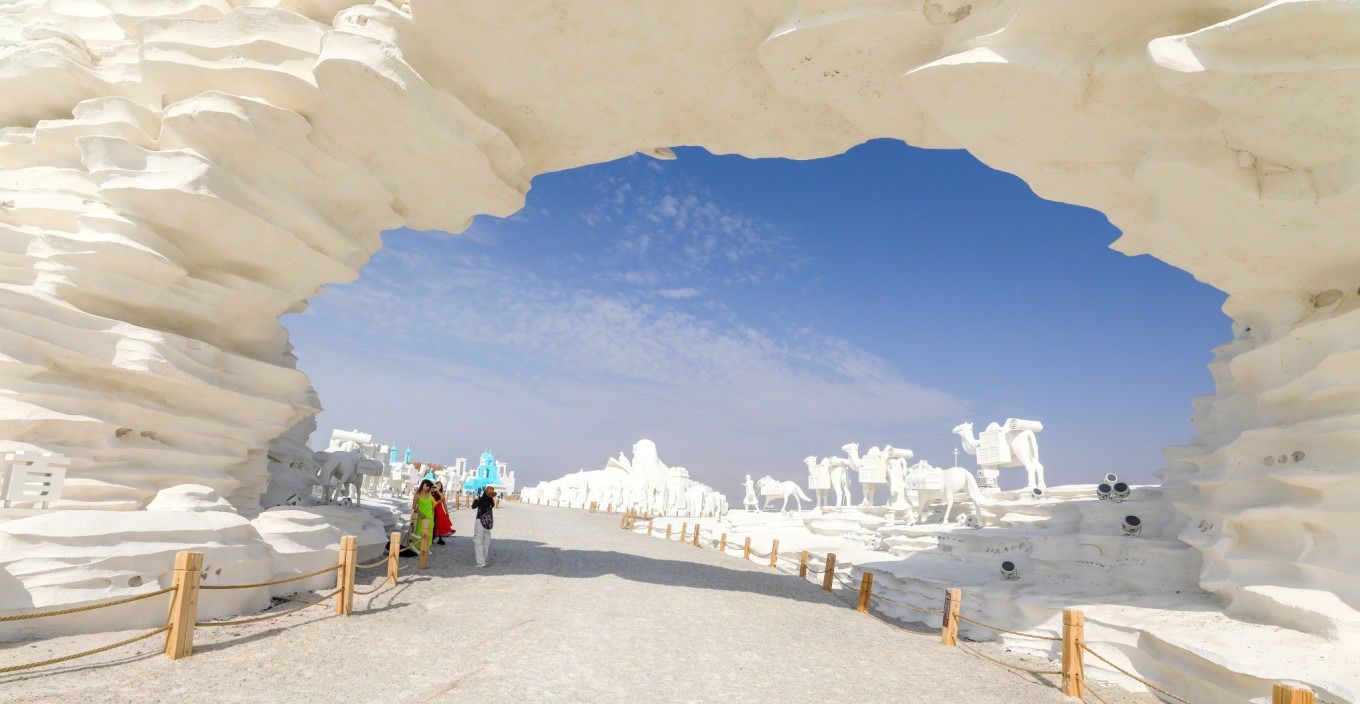
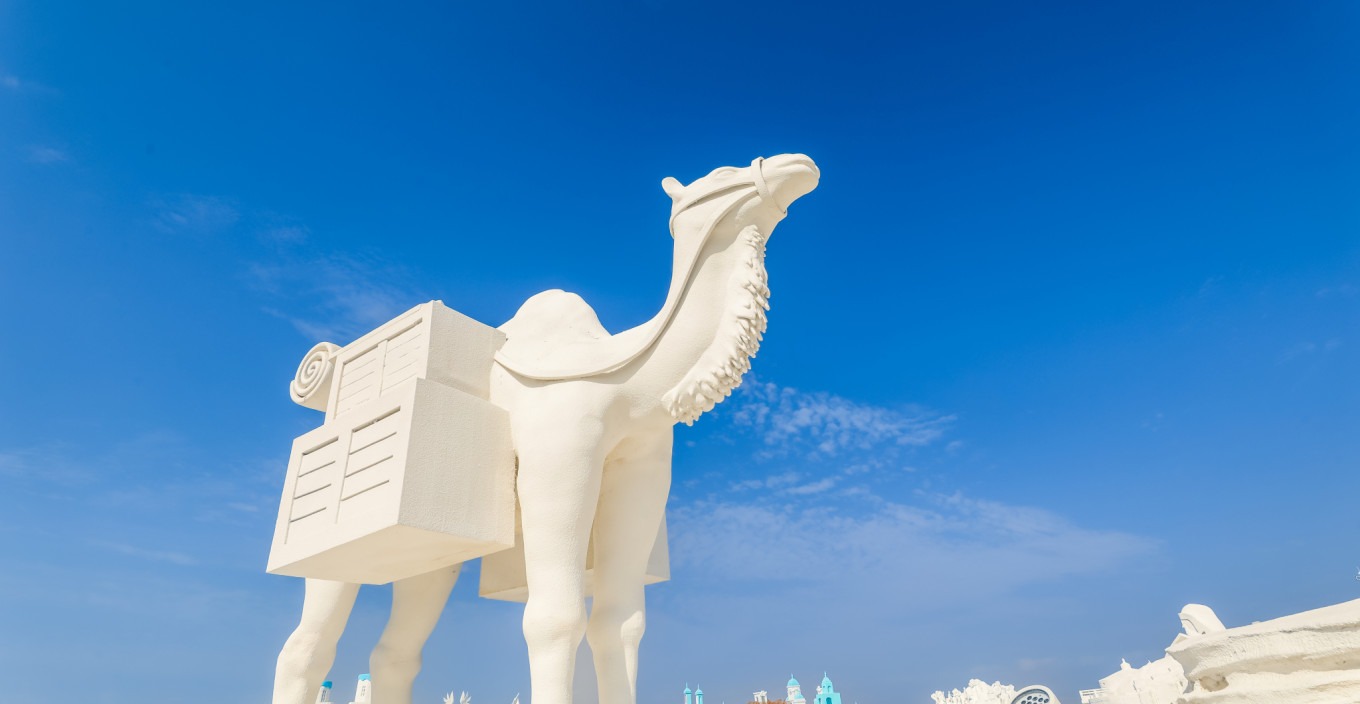
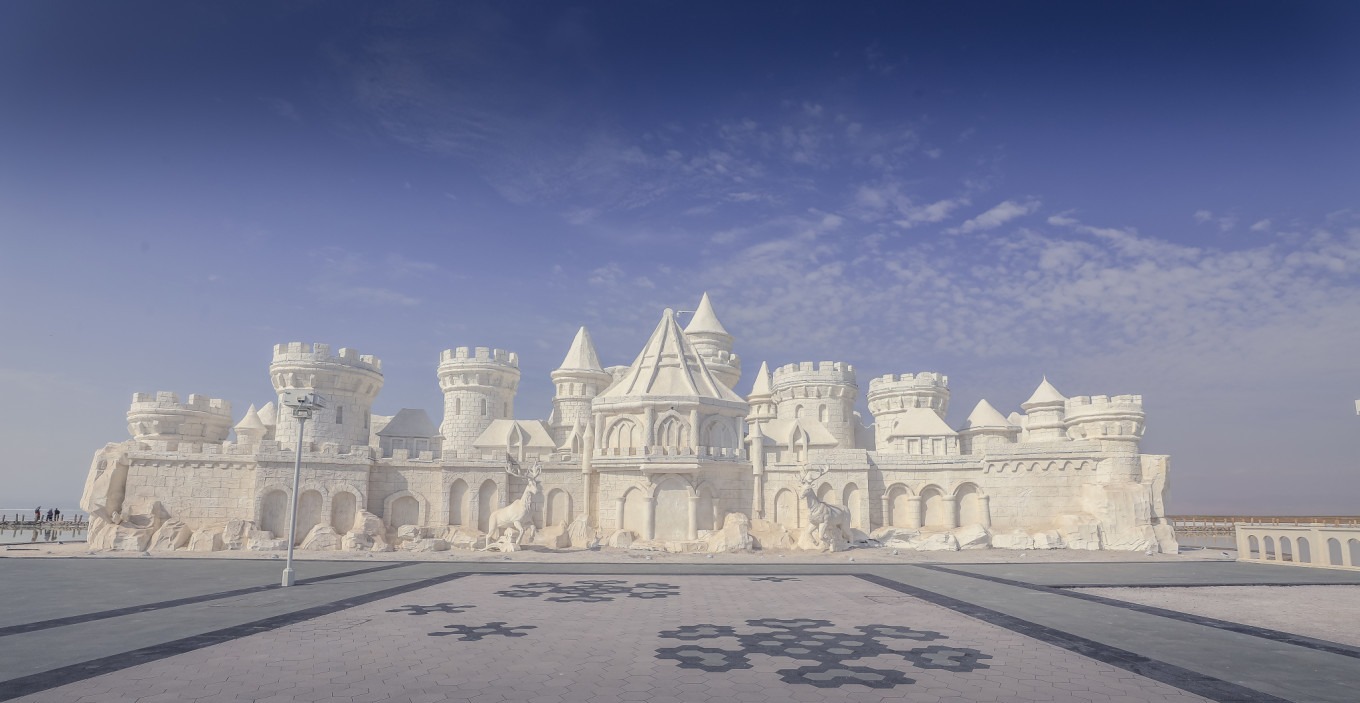
You can get off at any station to explore the lake on foot. The calm, shallow water acts as a perfect mirror, reflecting distant mountains, sculptures, and the sky. Walking on the lake feels like floating in the clouds—a truly magical experience.
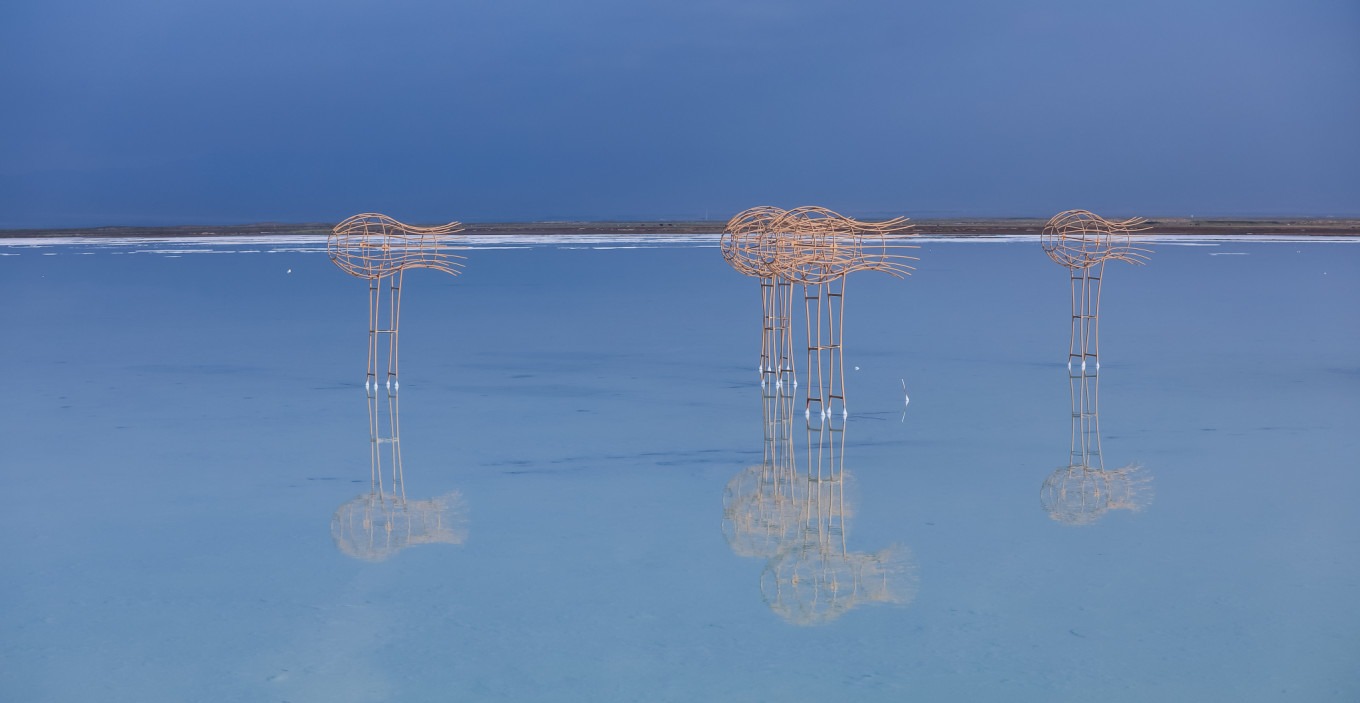
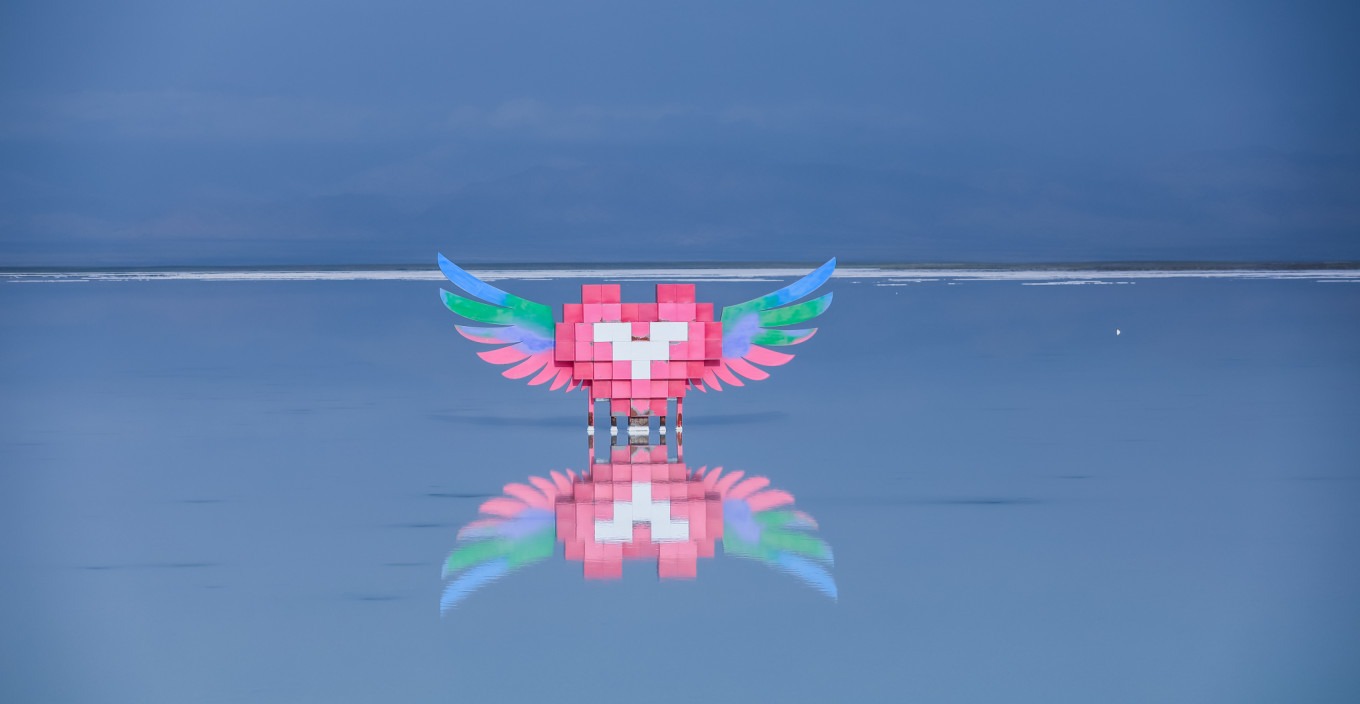
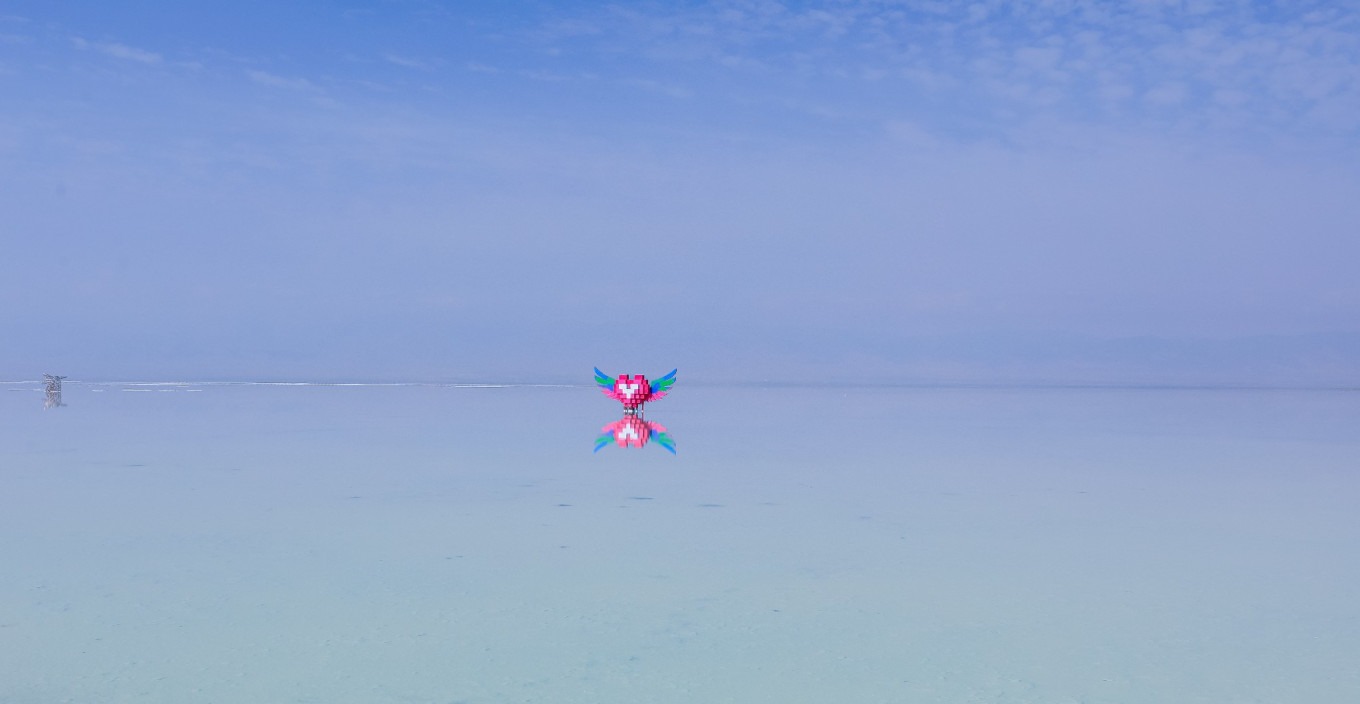
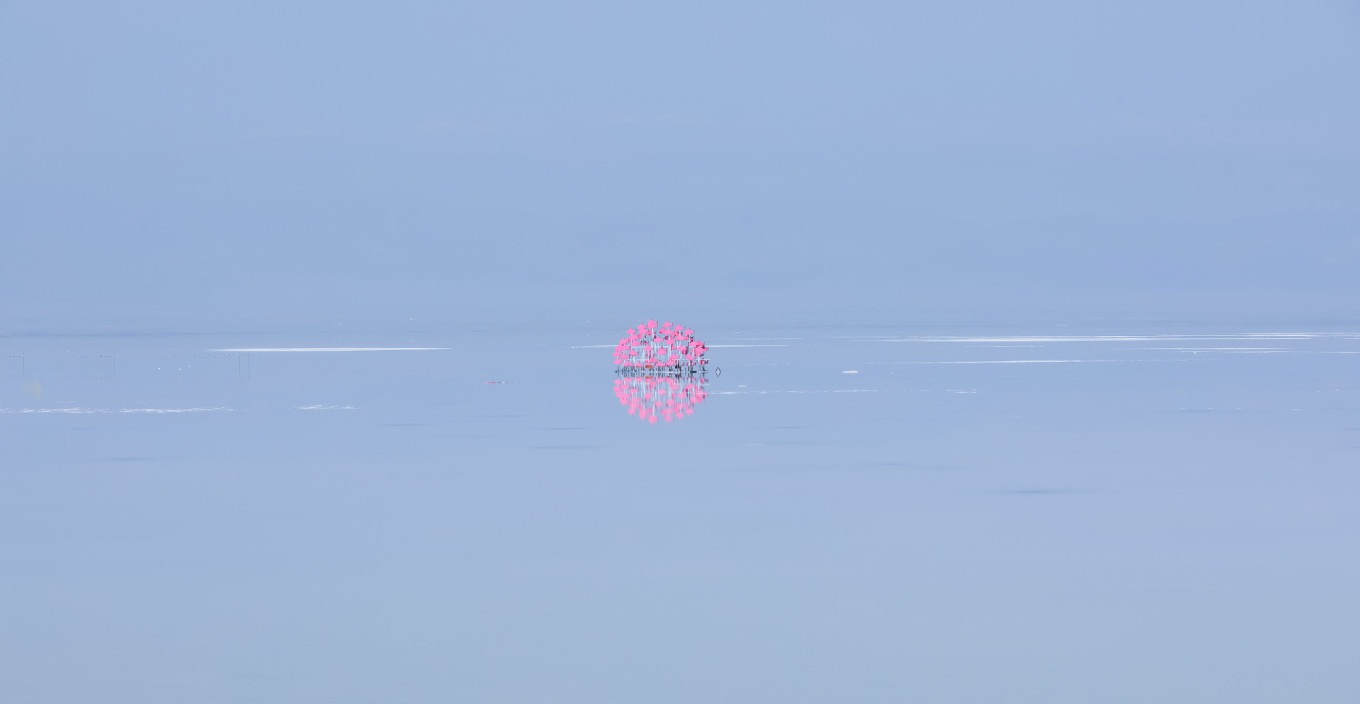
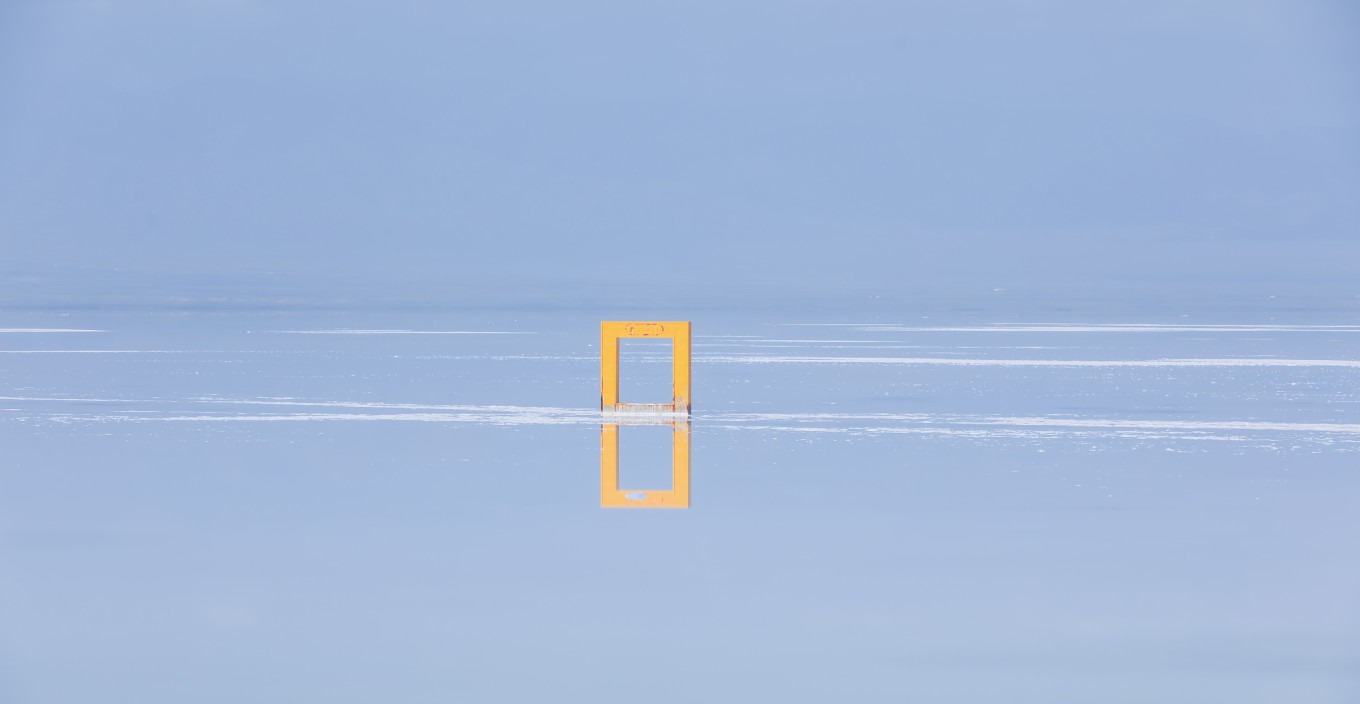

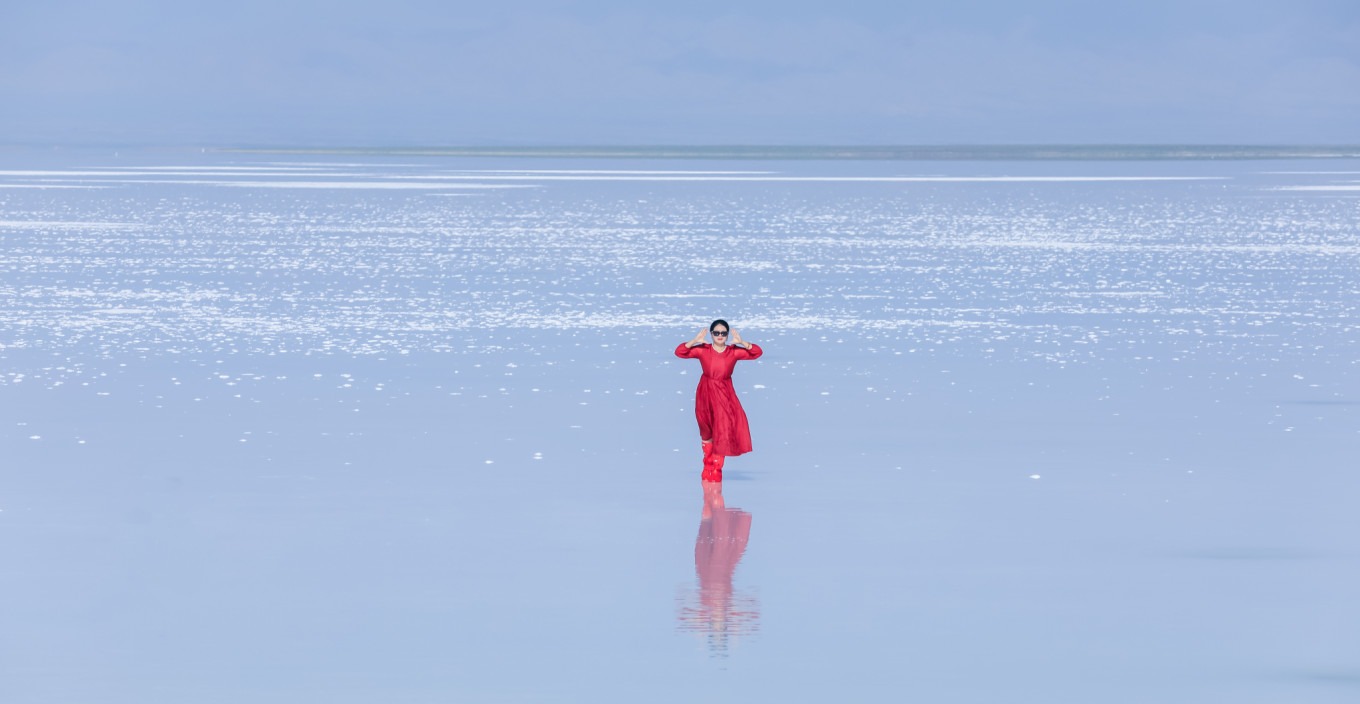
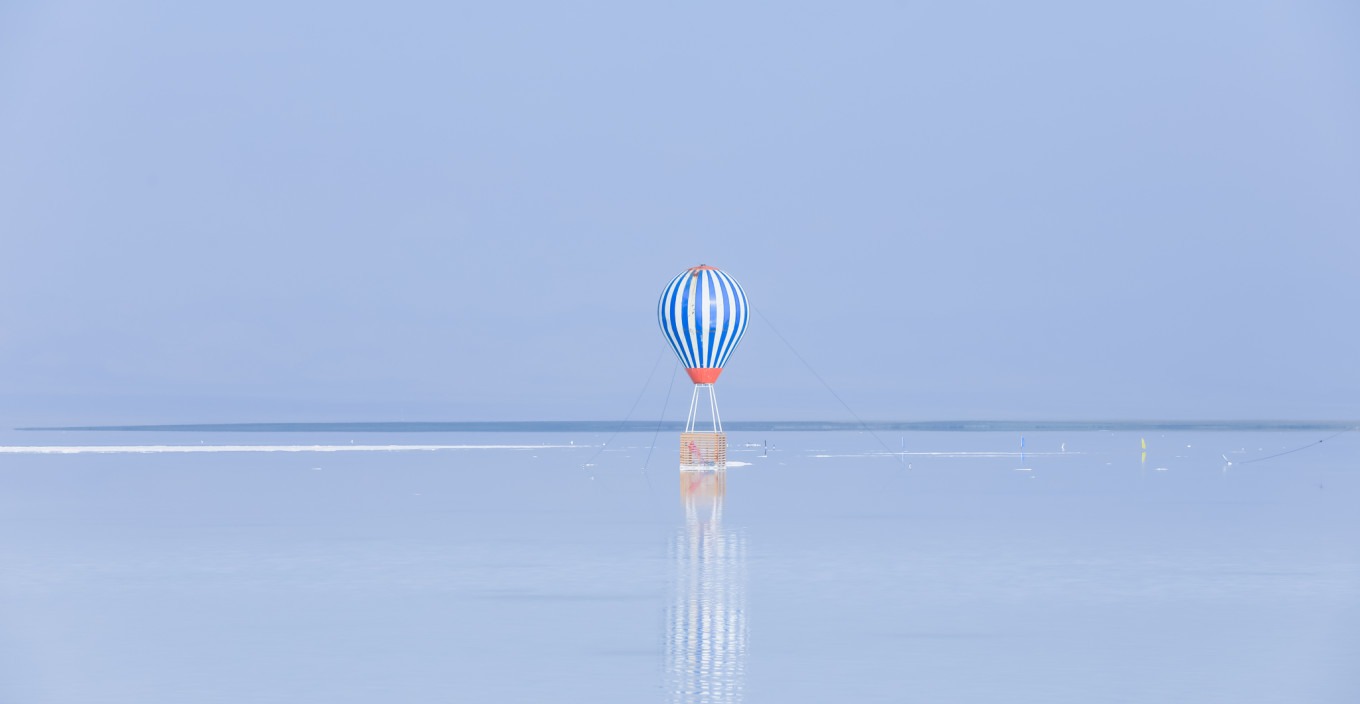
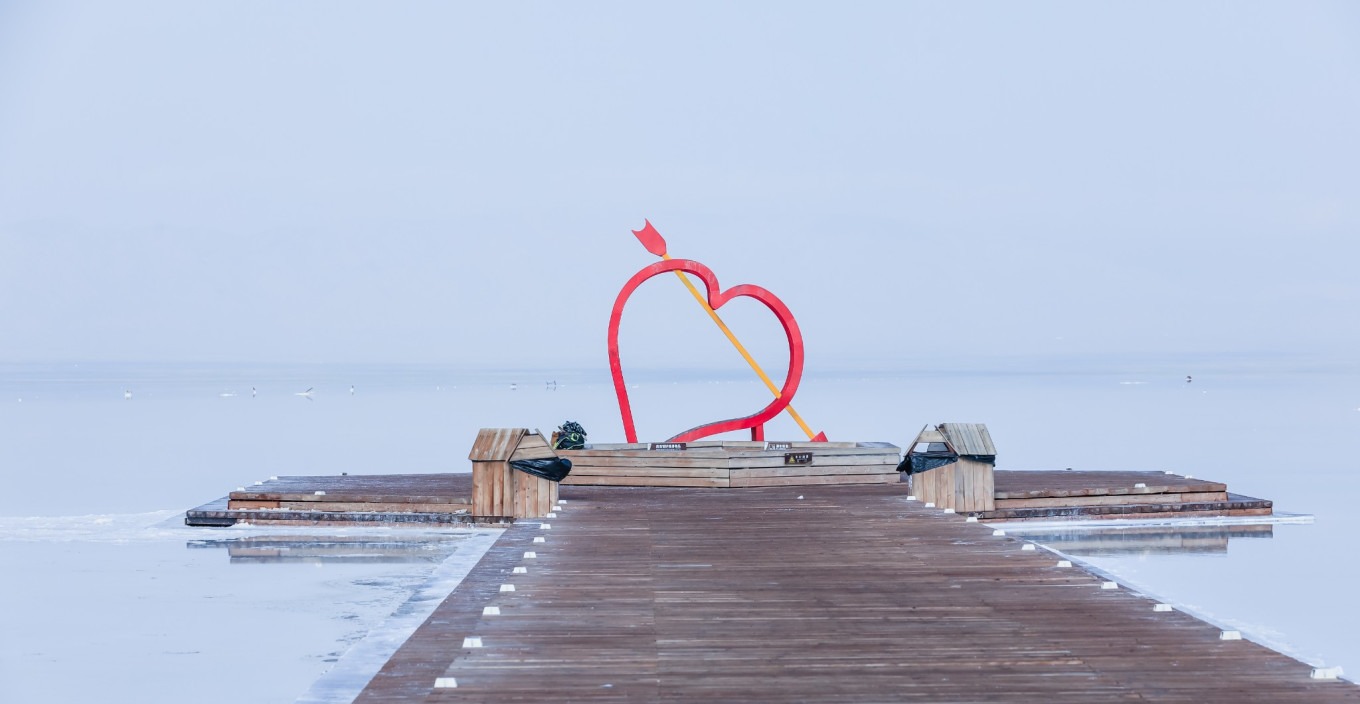
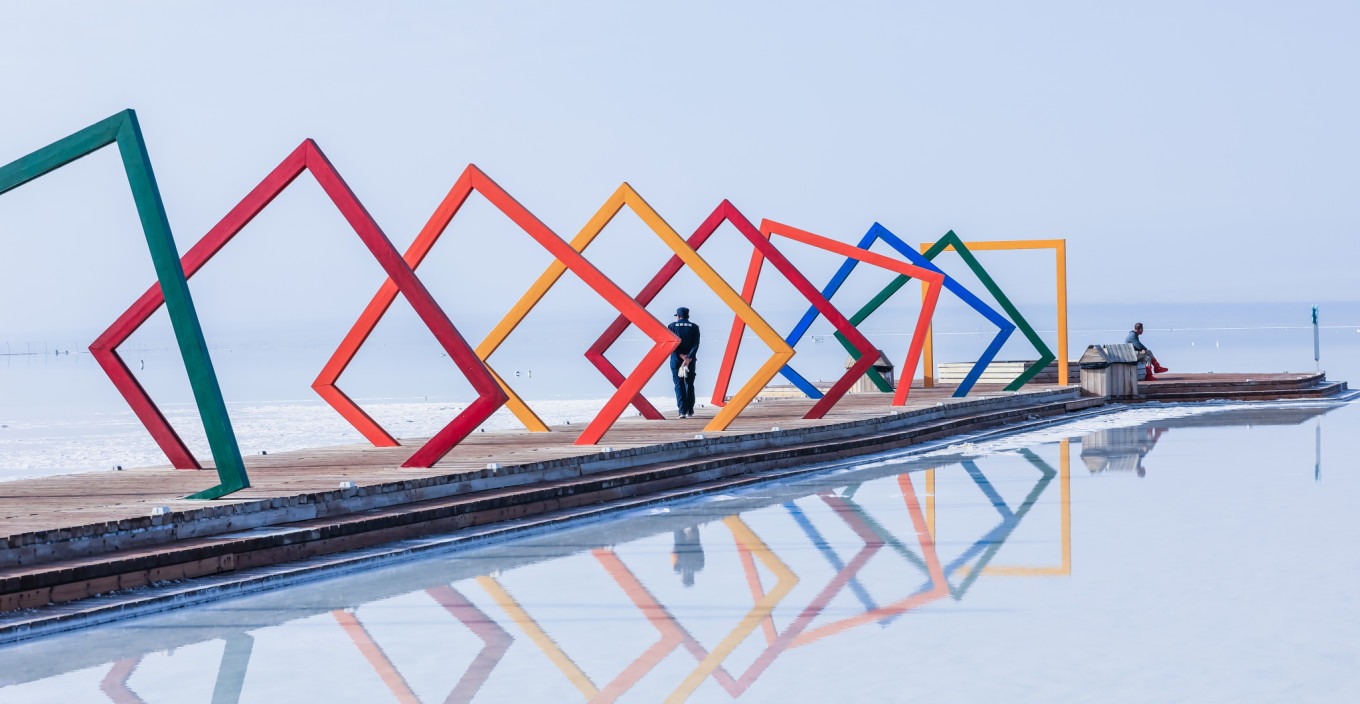
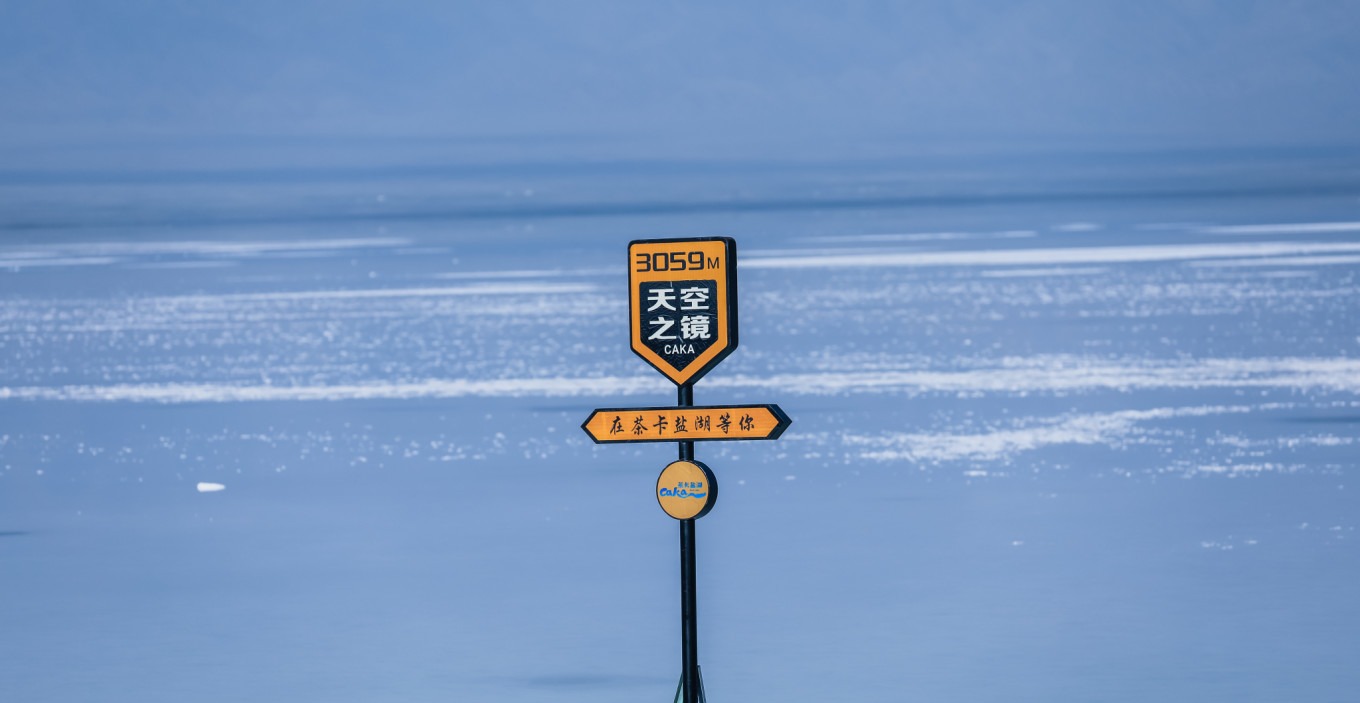
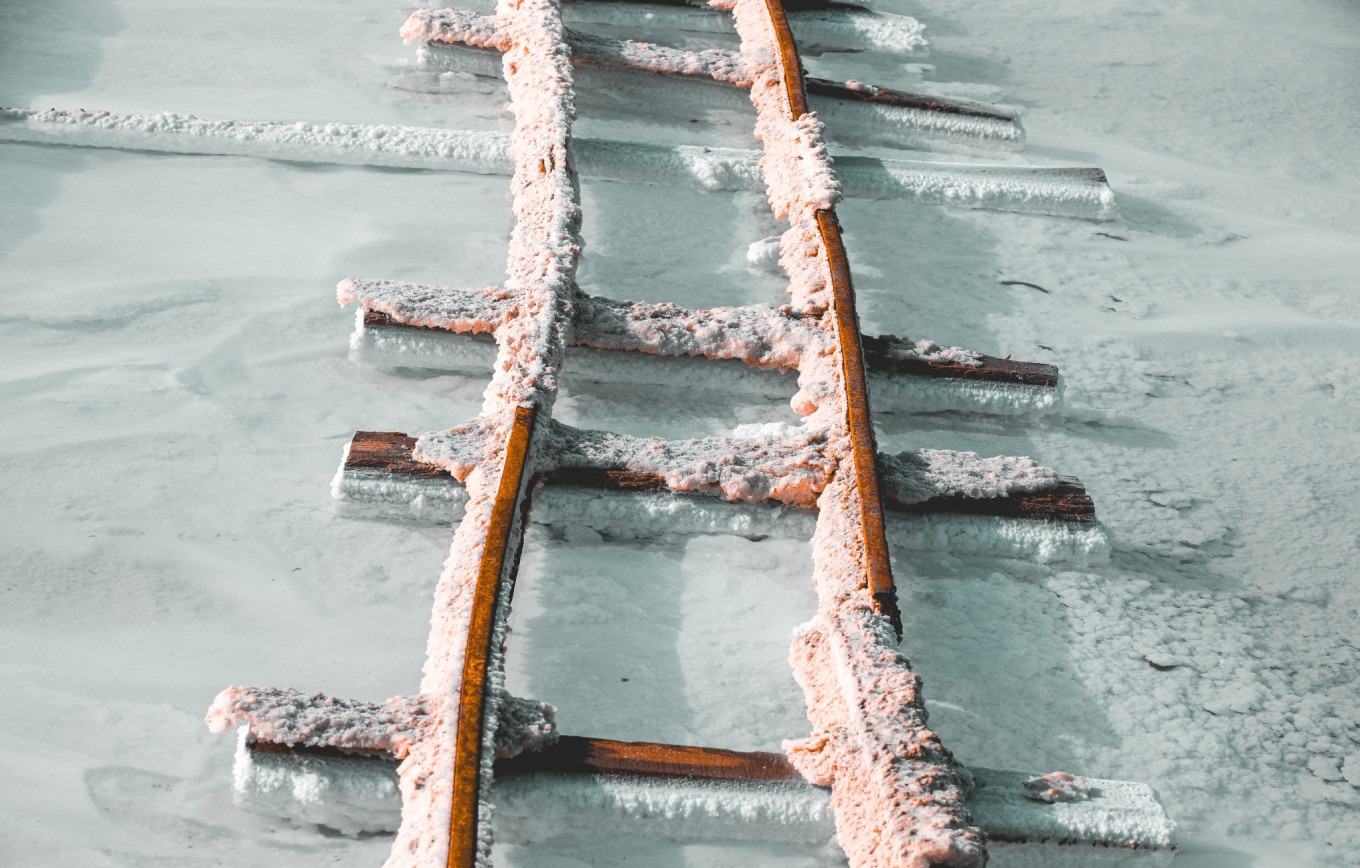
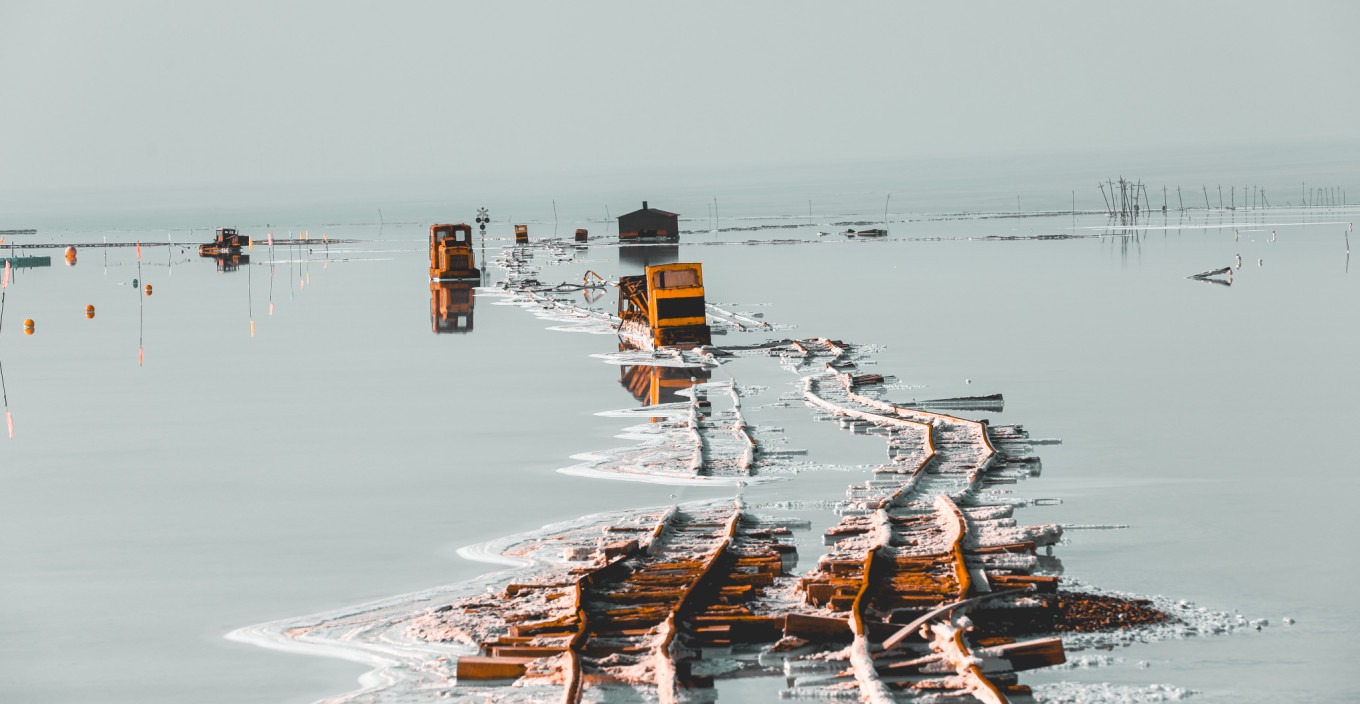
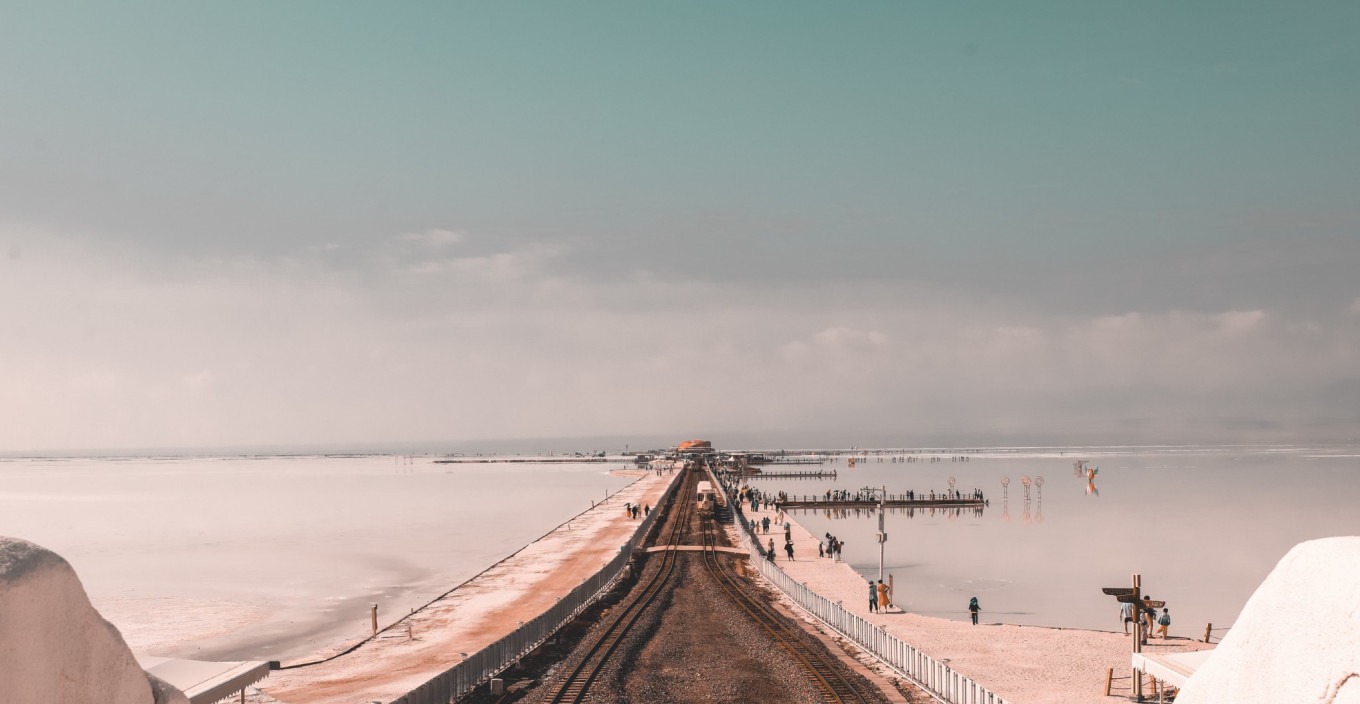
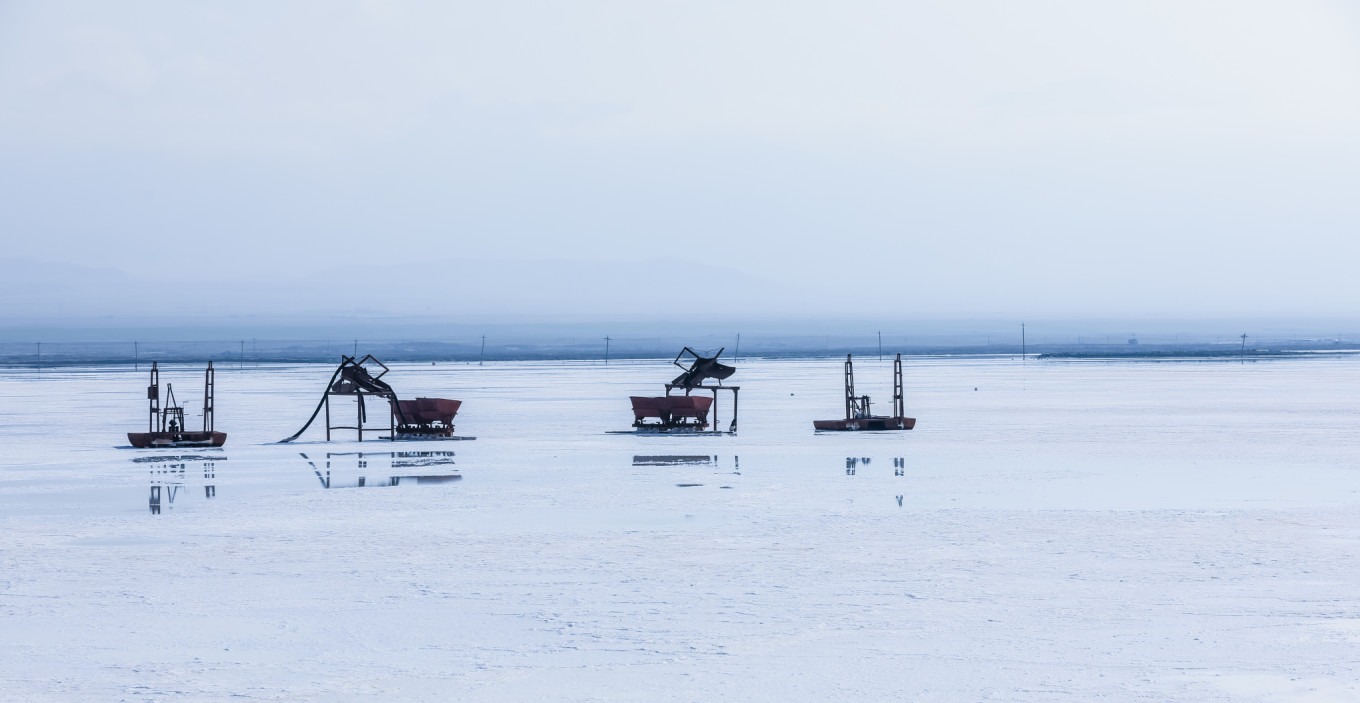
The “Mirror of the Sky” phenomenon at Chaka Salt Lake is a magical interplay of nature and light. When sunlight filters through the thin plateau air and hits the salt crust, the entire lake transforms into a liquid mirror set among snow-capped mountains, creating a symmetrical wonderland.
Tar Temple (Kumbum Monastery)
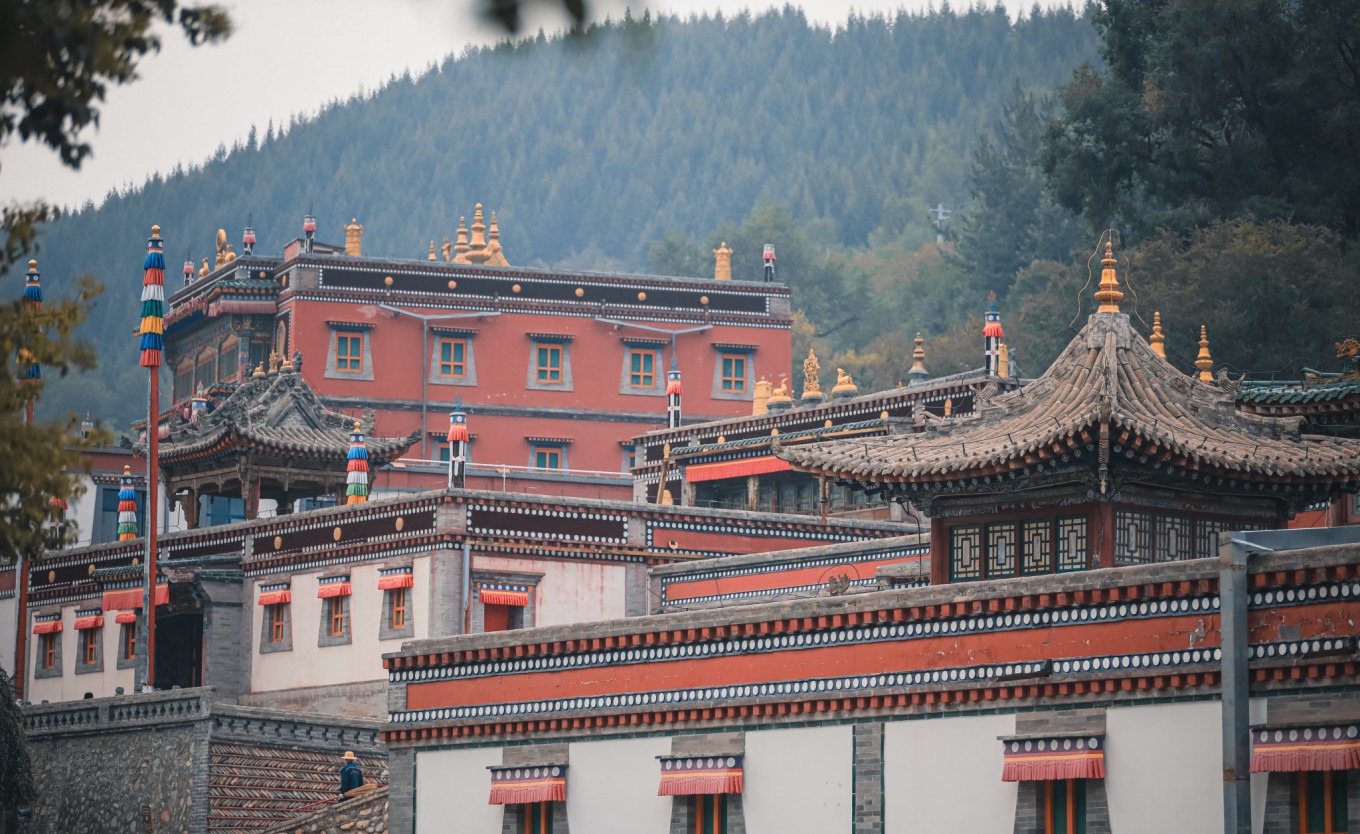
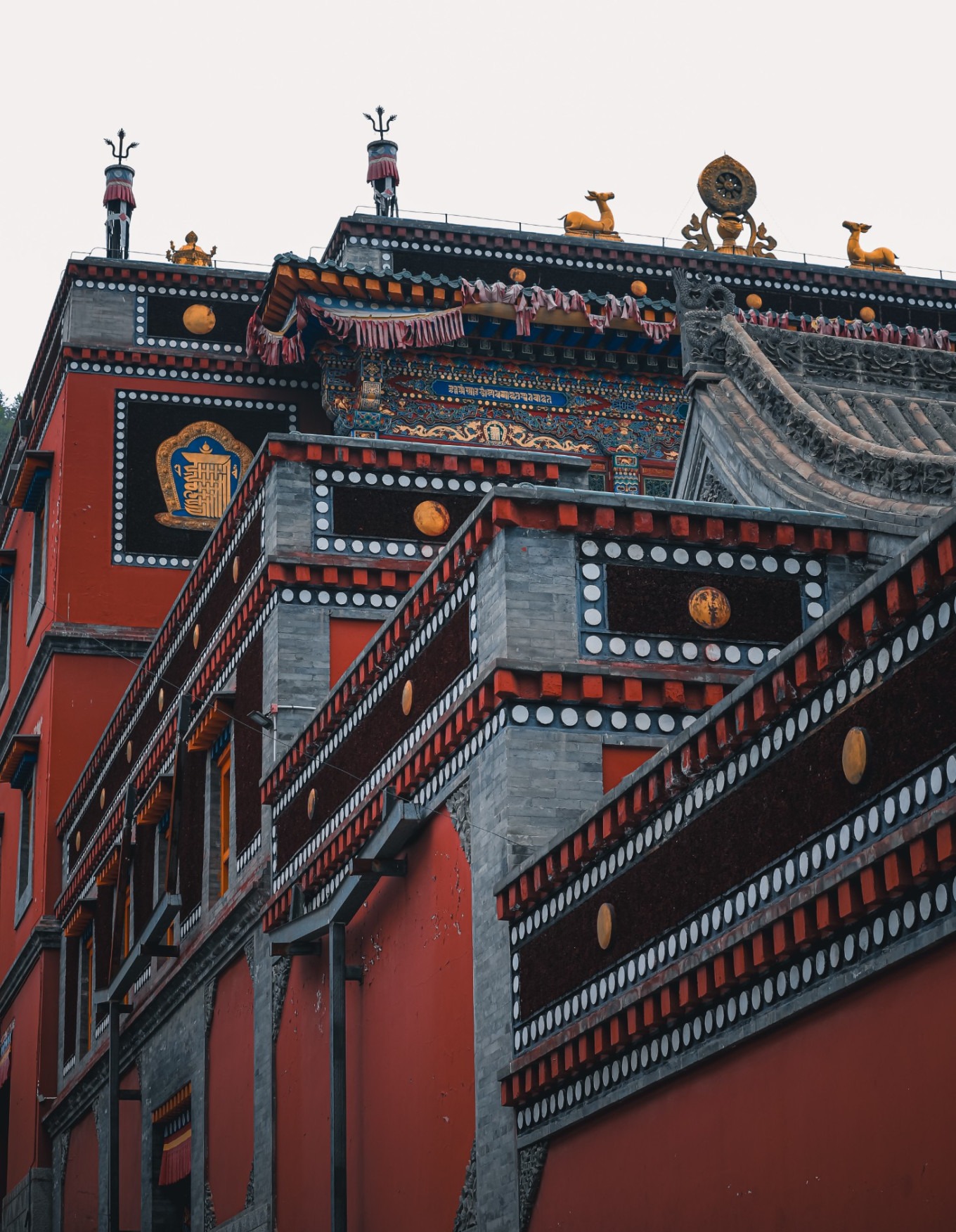
As one of the six great monasteries of Tibetan Buddhism’s Gelug school (also known as the Yellow Hat sect), Tar Temple (塔尔寺) holds immense religious and historical significance. Founded in 1379 during the Ming Dynasty, it is the birthplace of Tsongkhapa, the founder of the Gelug school, and serves as the highest Buddhist academy in Qinghai Province, with four colleges specializing in exoteric Buddhism, esoteric Buddhism, astronomy, and medicine. The monastery is renowned for its ‘Three Artistic Wonders’: butter sculptures (酥油花), murals (壁画), and applique thangkas (堆绣). For first-time visitors, this is a must-see destination to experience the profound culture of Tibetan Buddhism.
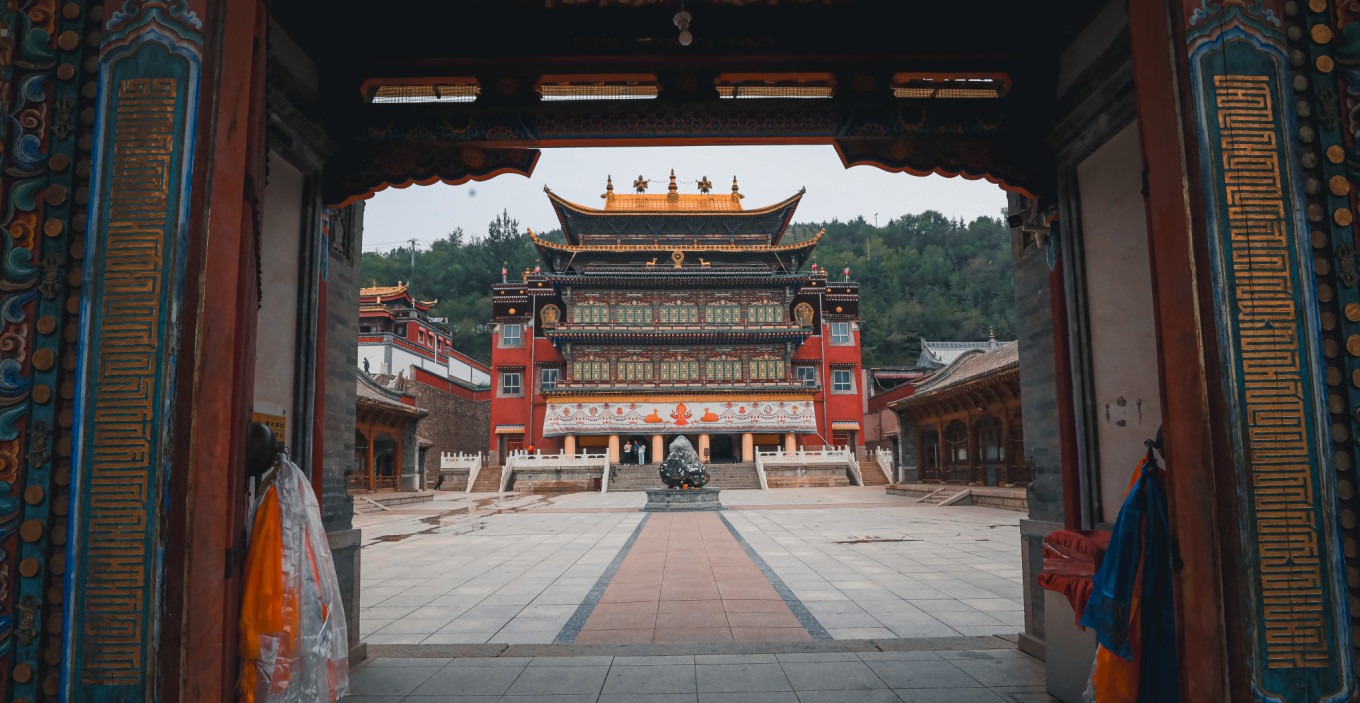
To fully appreciate the monastery’s tranquility, consider arriving before 6:00 AM—not only is the entrance free at that time (regular ticket: 160 RMB), but you’ll also witness the temple in its most peaceful state, devoid of crowds. The opening hours are 7:30–18:30 during peak season (April–October) and 8:00–16:30 in low season (November–March).
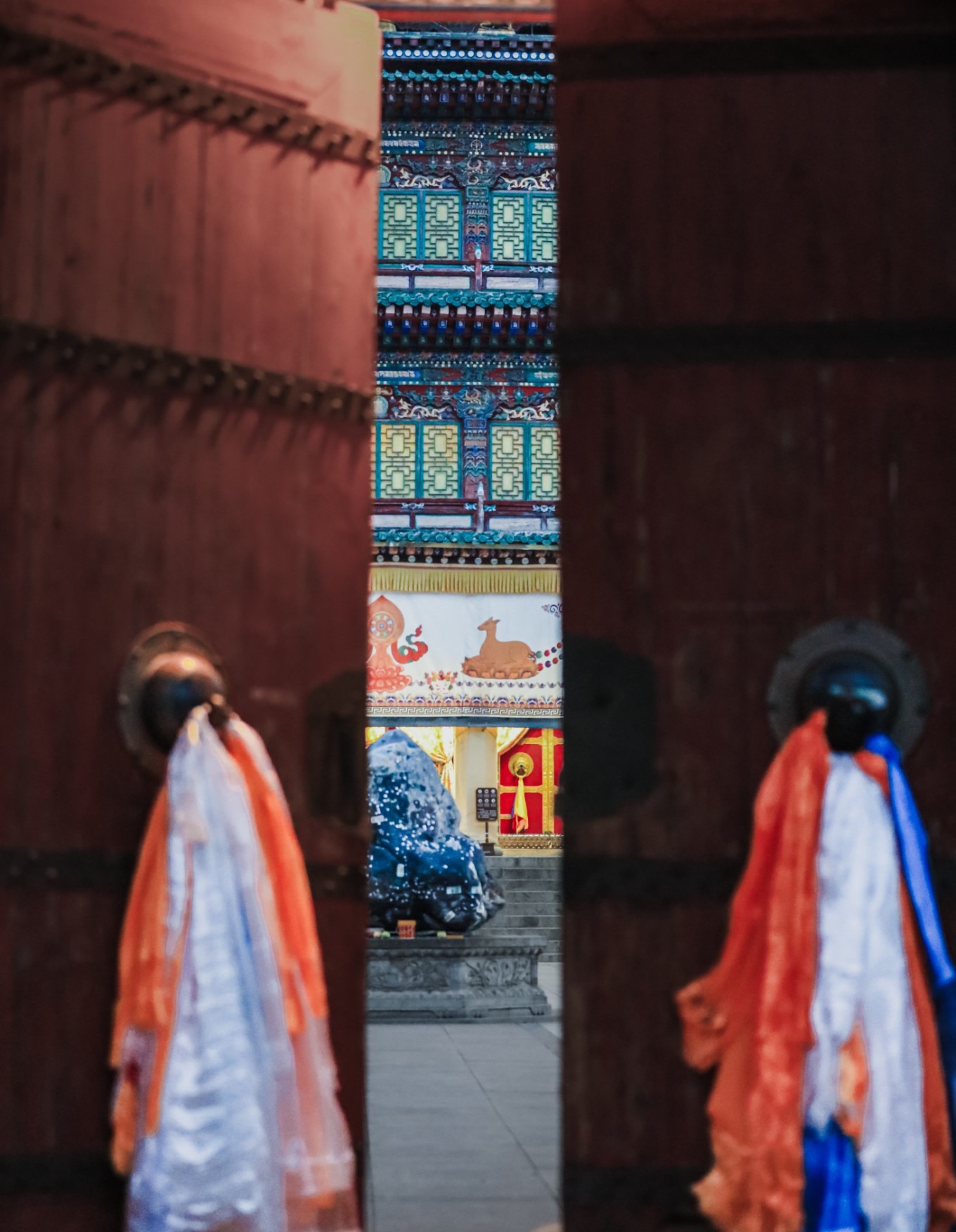
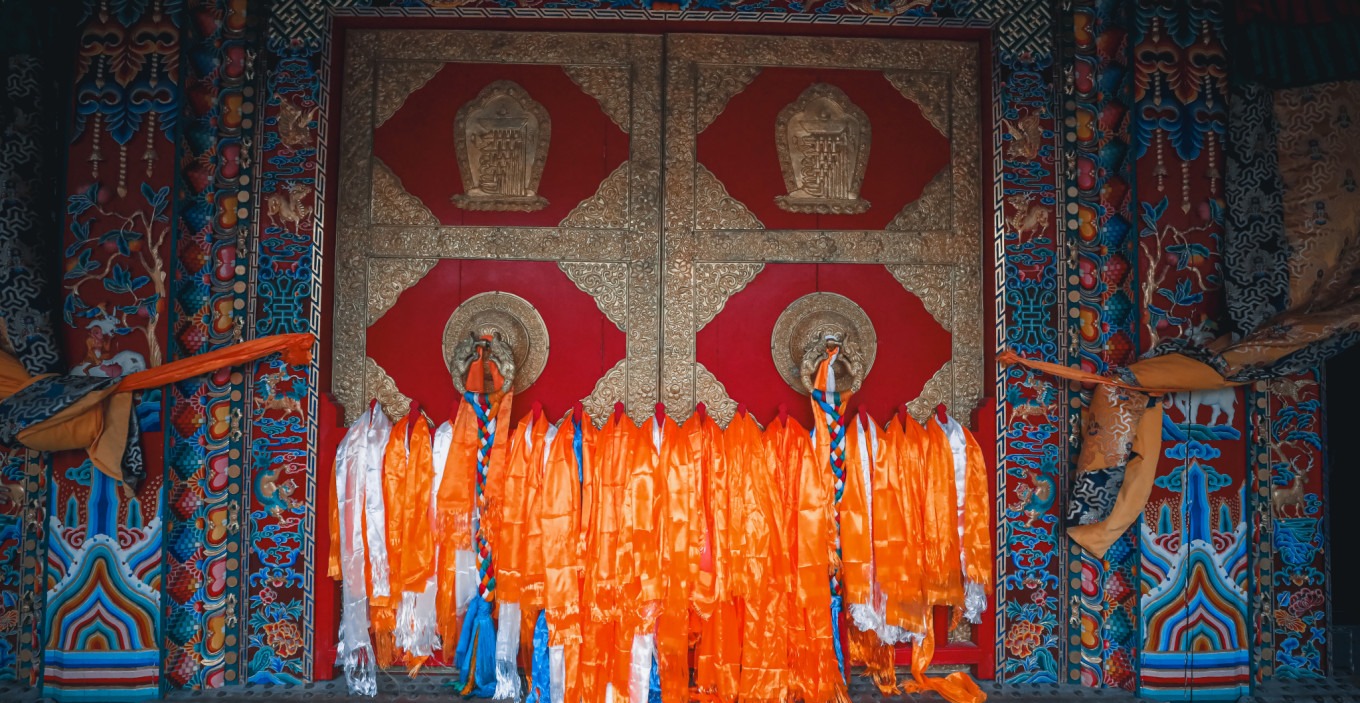
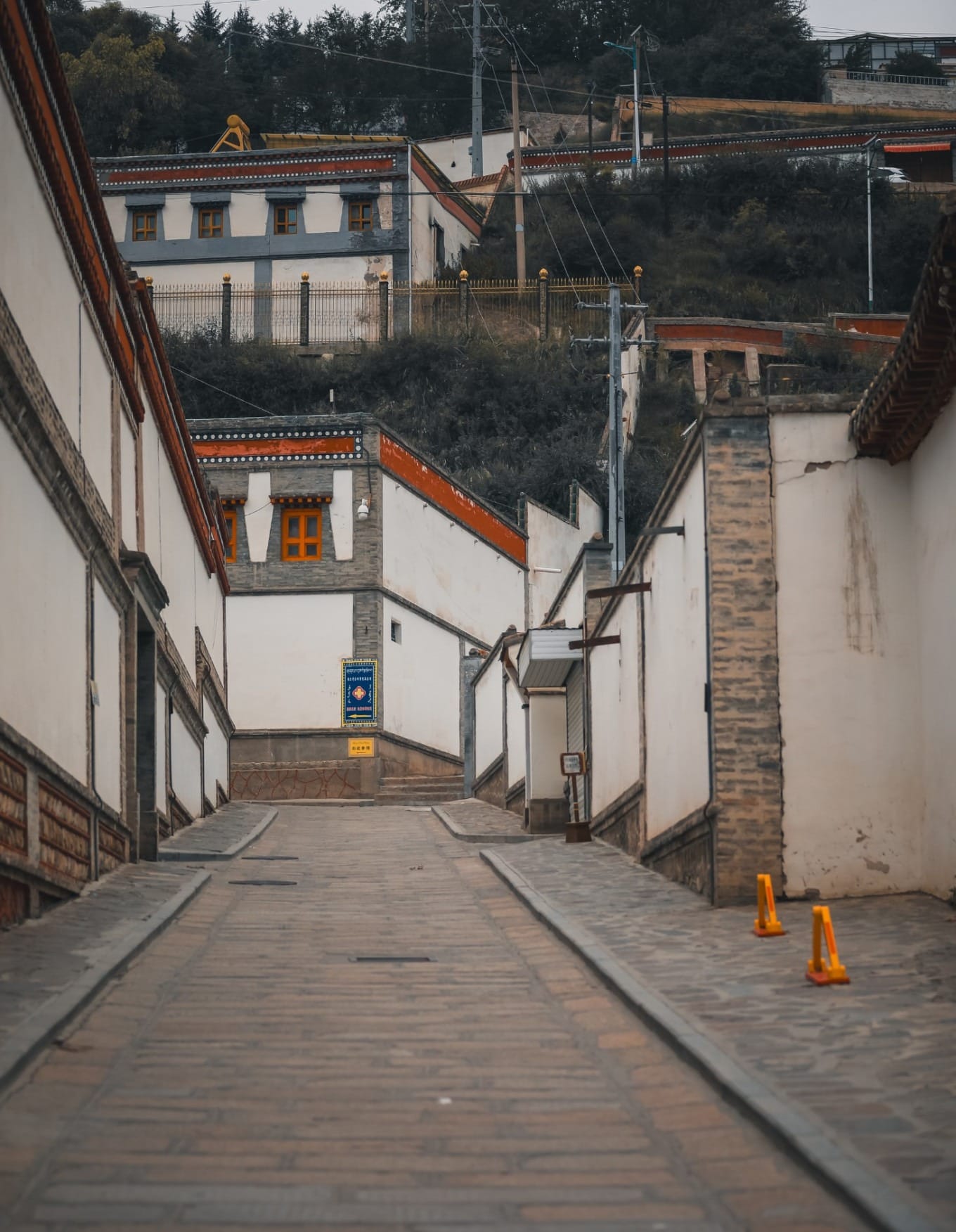
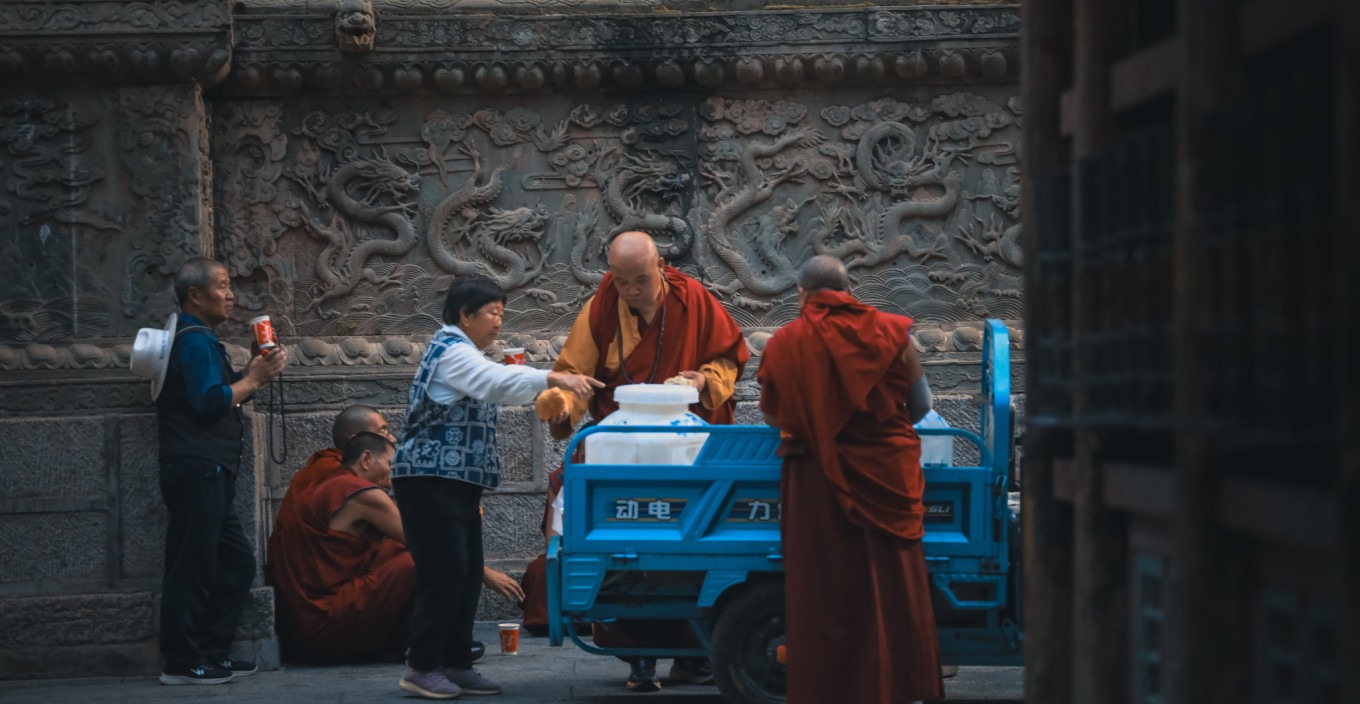
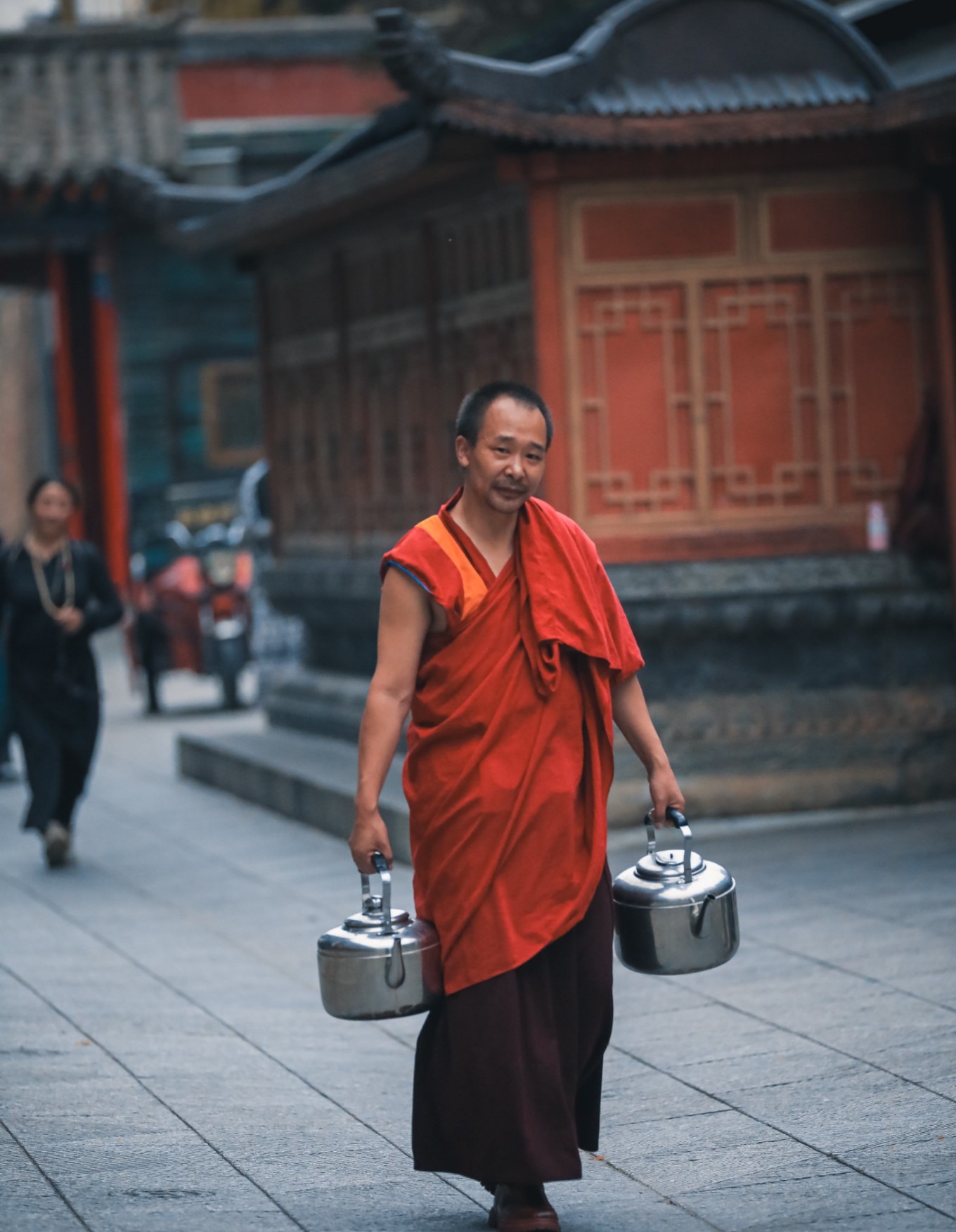
Near the Great Golden Roof (大金顶), you might encounter a traditional alms-giving activity where monks distribute milk tea (奶茶) and baked flower rolls (烤花卷) to devotees. If you’re fortunate, you can receive this blessed food—the warm milk tea and crispy roll are not only delicious but also provide a comforting warmth on a chilly morning.
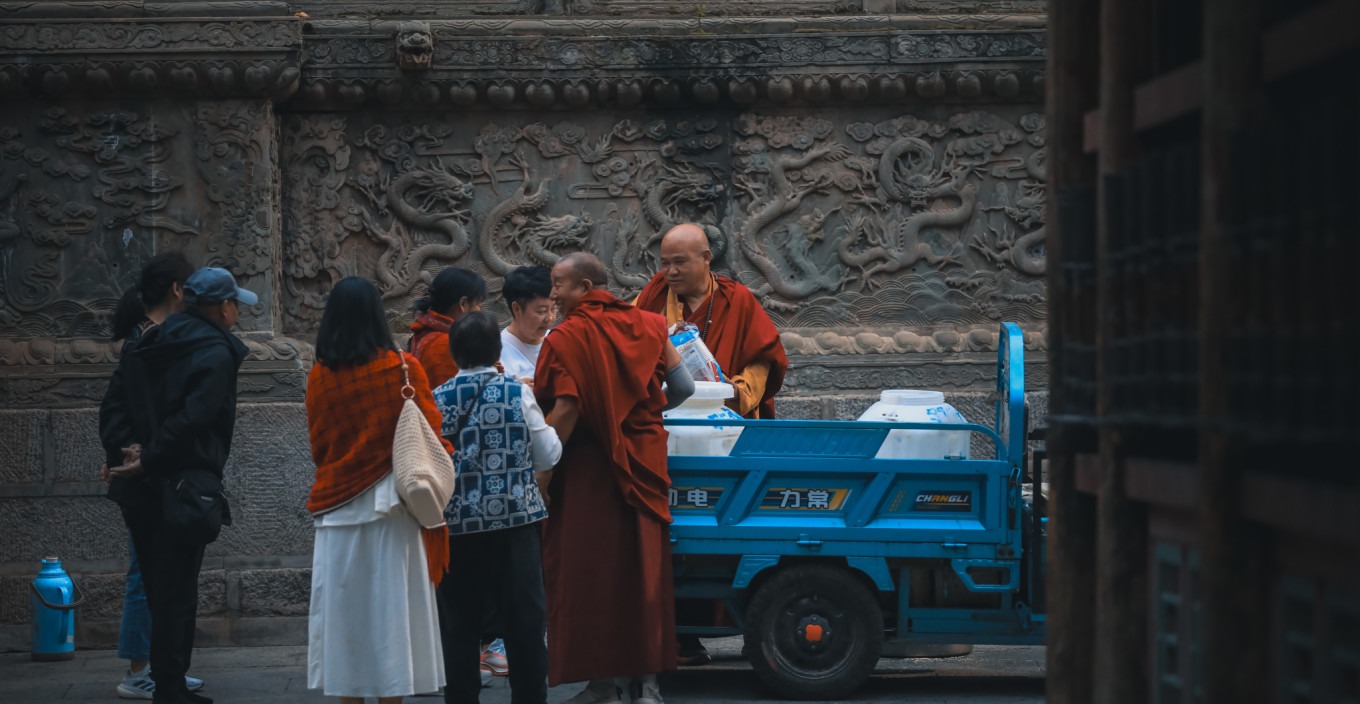
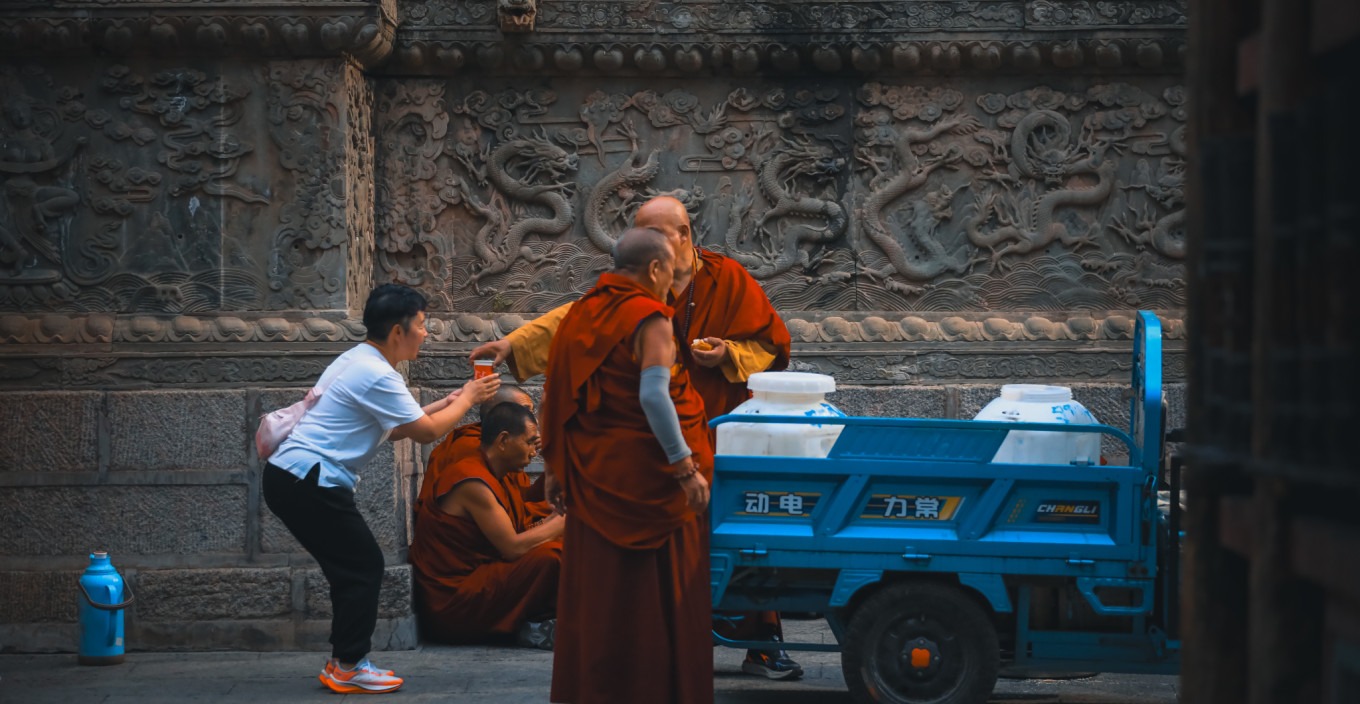
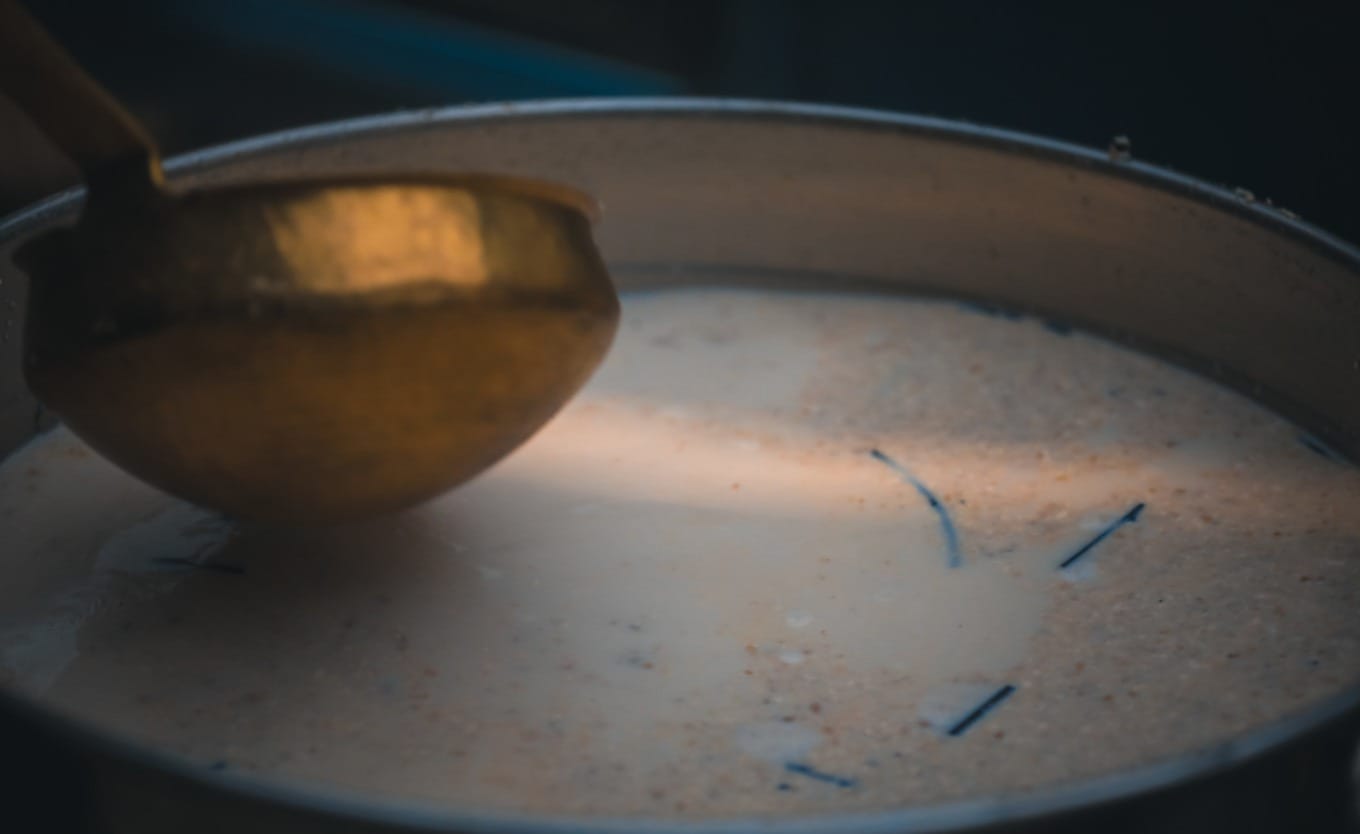
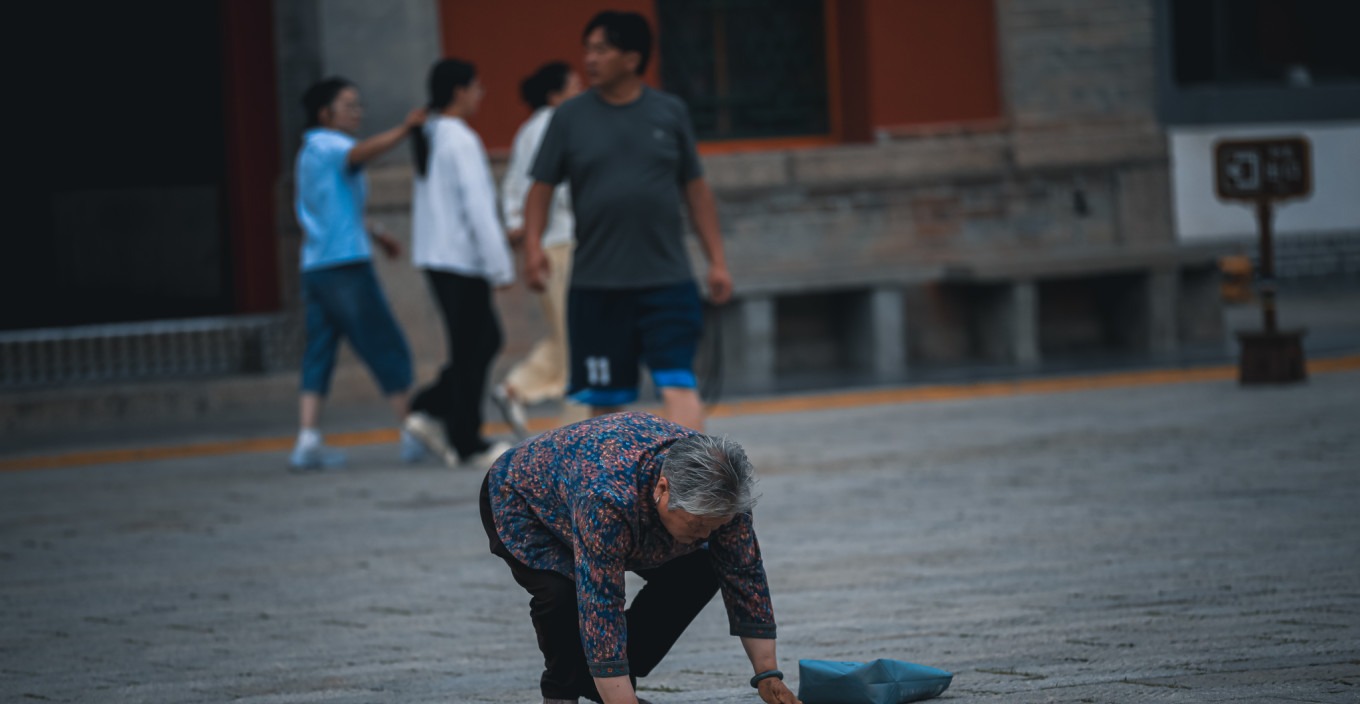
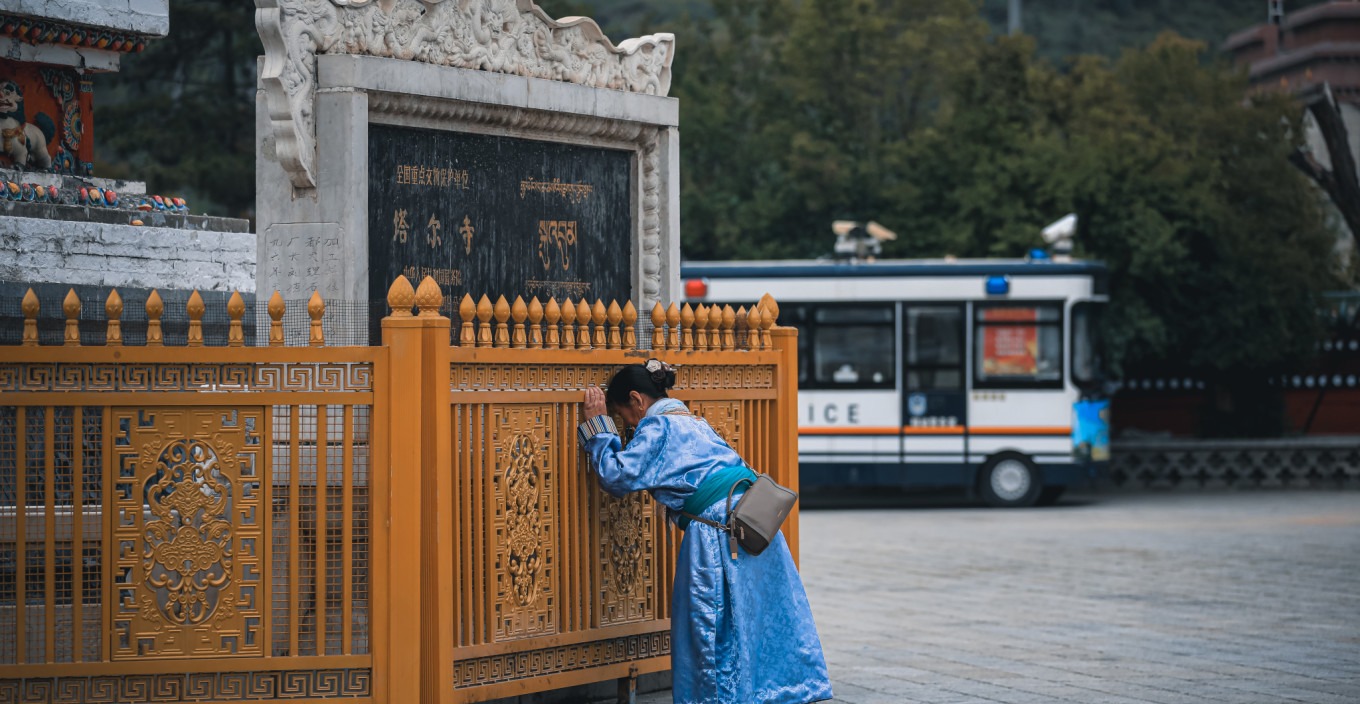
The main hall, Great Golden Tile Hall (大金瓦殿), also known as the Tsongkhapa Memorial Stupa Hall, houses a magnificent silver stupa (灵塔) dedicated to Tsongkhapa. The stupa stands 11 meters tall, is gilded with gold, and adorned with precious gems. Inside, you’ll find numerous precious relics dating back to the Ming Dynasty. This is the most sacred spot in the monastery, where many devotees perform full-body prostrations (磕长头). Note that photography is strictly prohibited inside this hall.
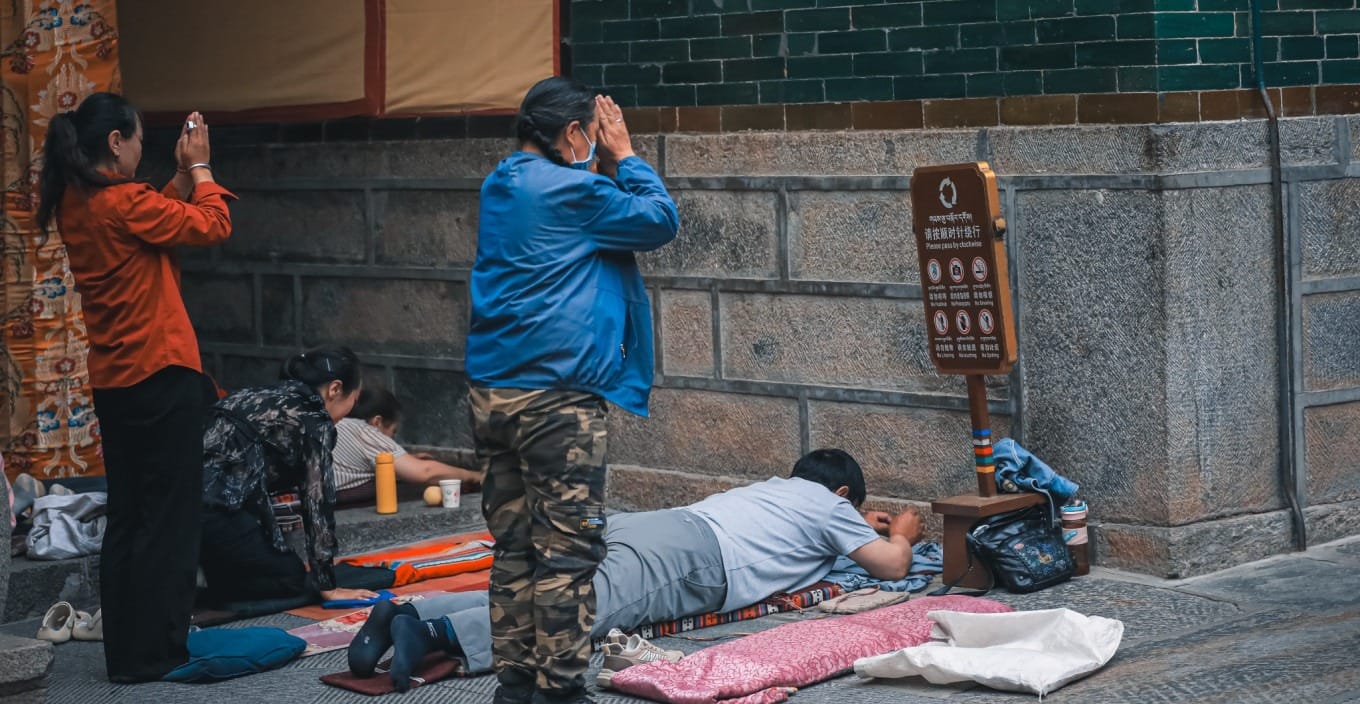
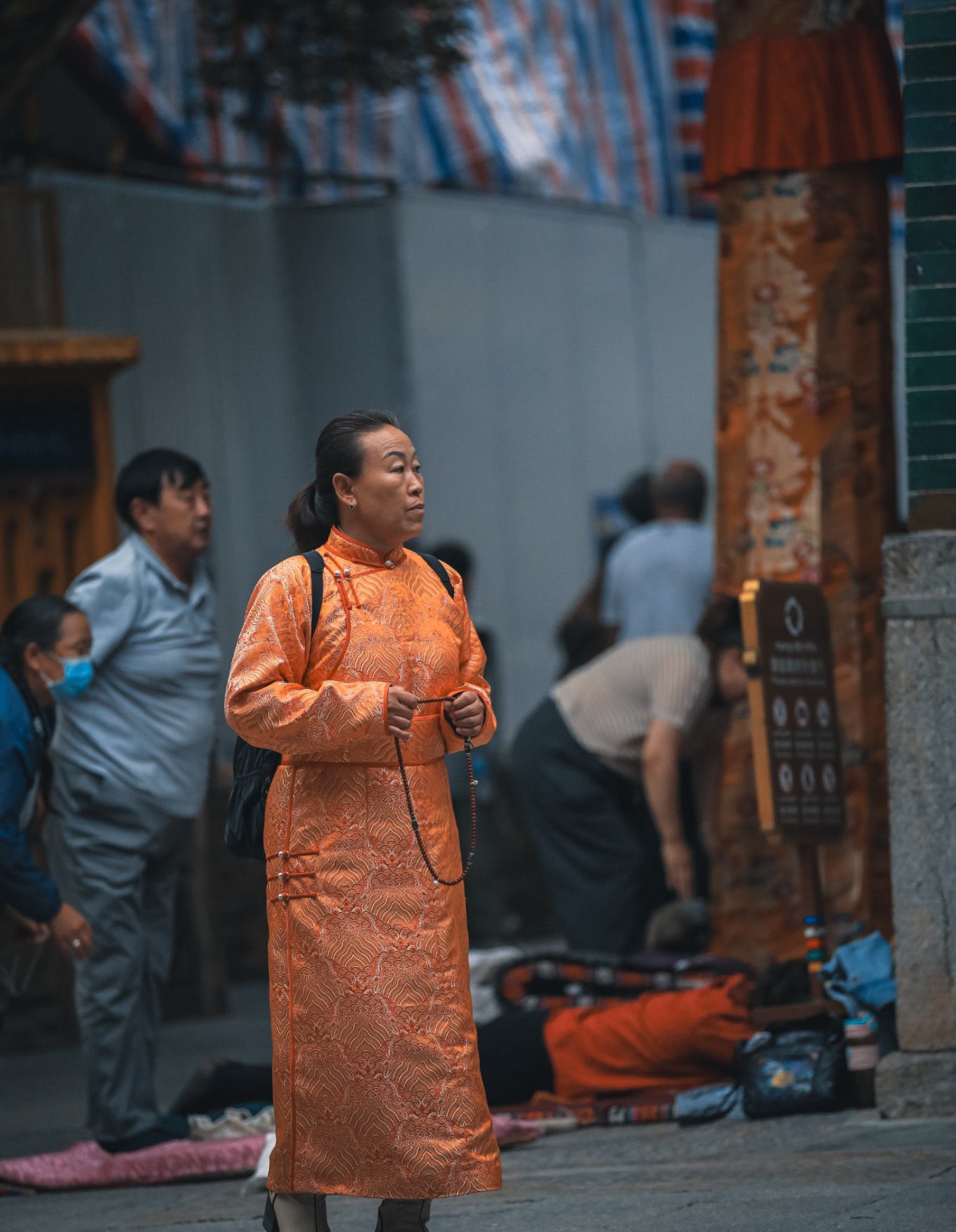
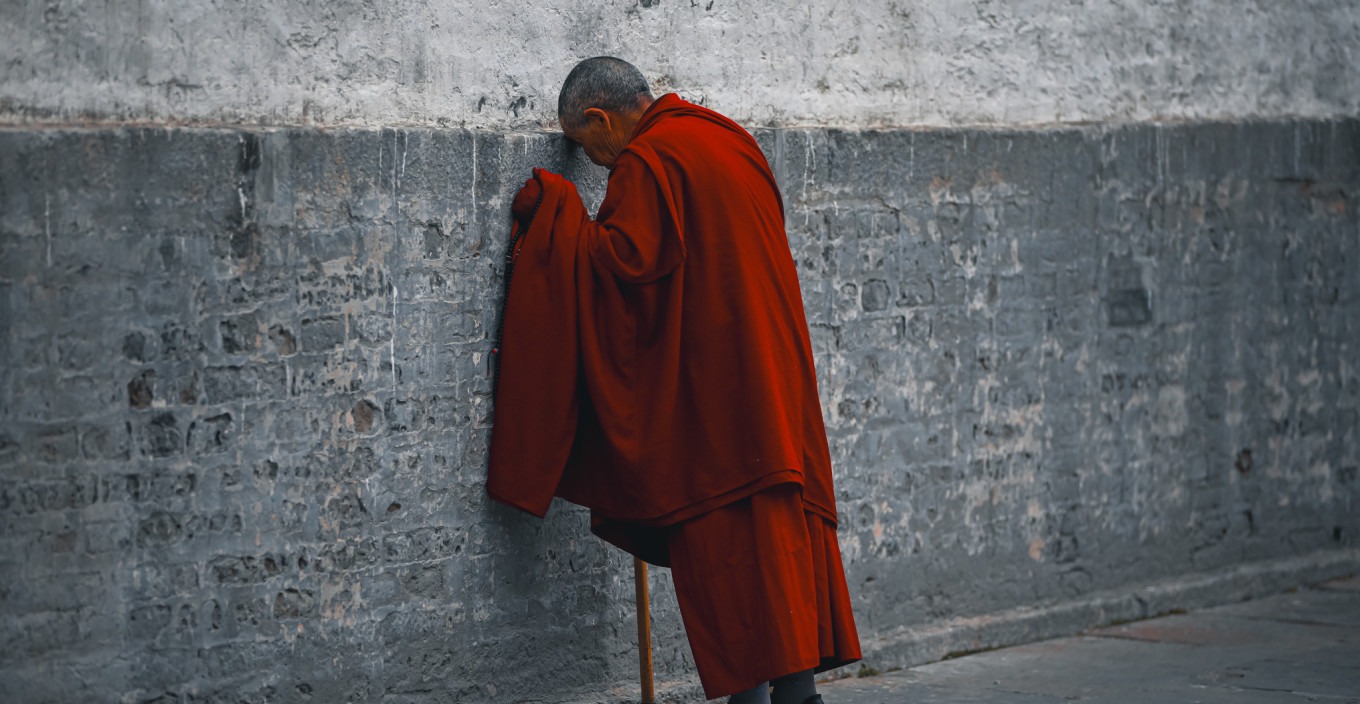
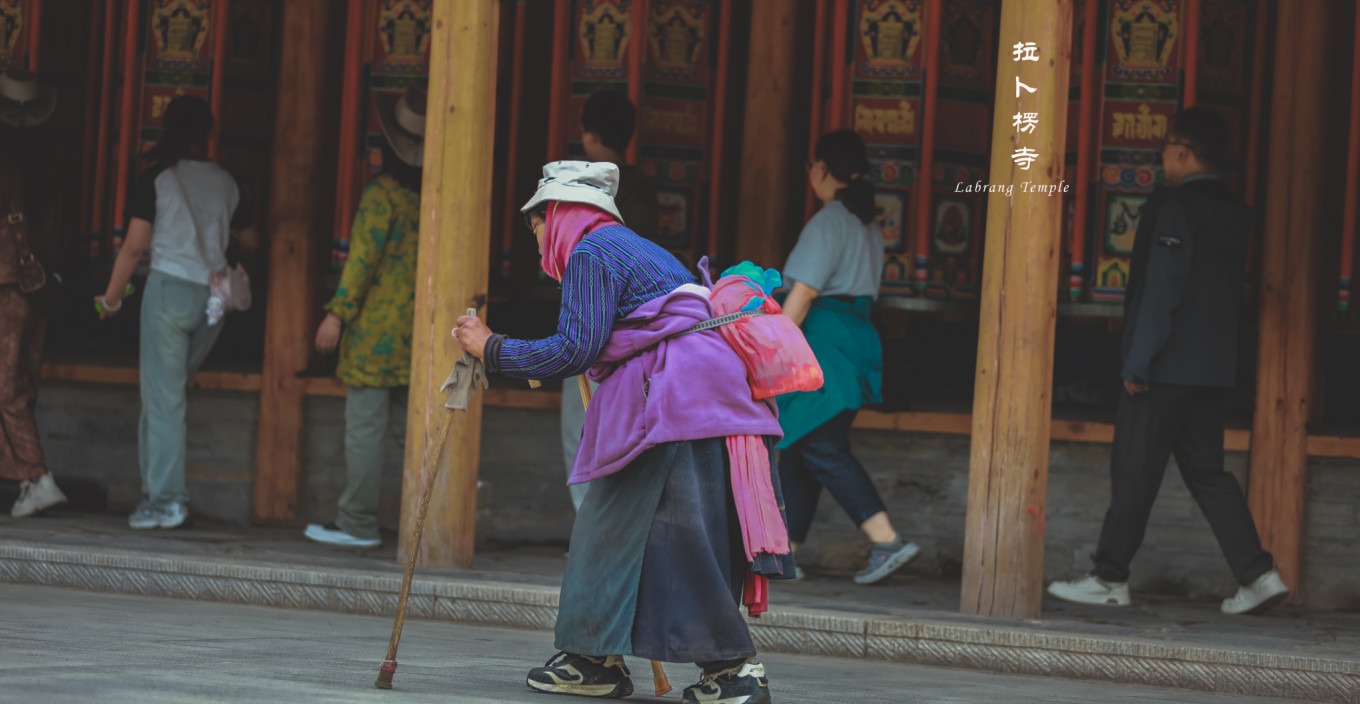
Many pilgrims circumambulate the Great Golden Tile Hall while chanting scriptures. You’ll see a diverse range of people: elderly women holding children’s hands, young monks, and families—all walking clockwise around the sacred structure.
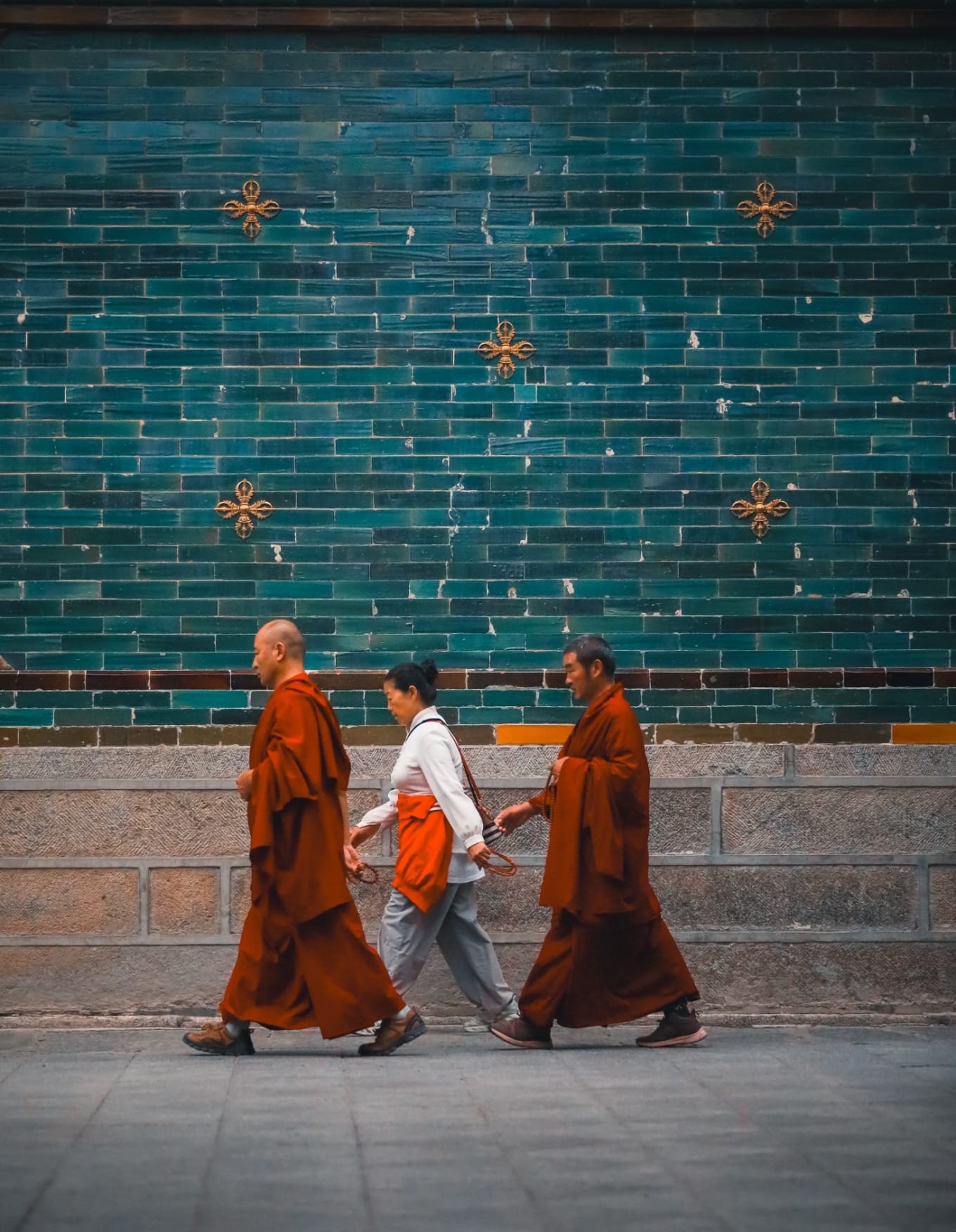
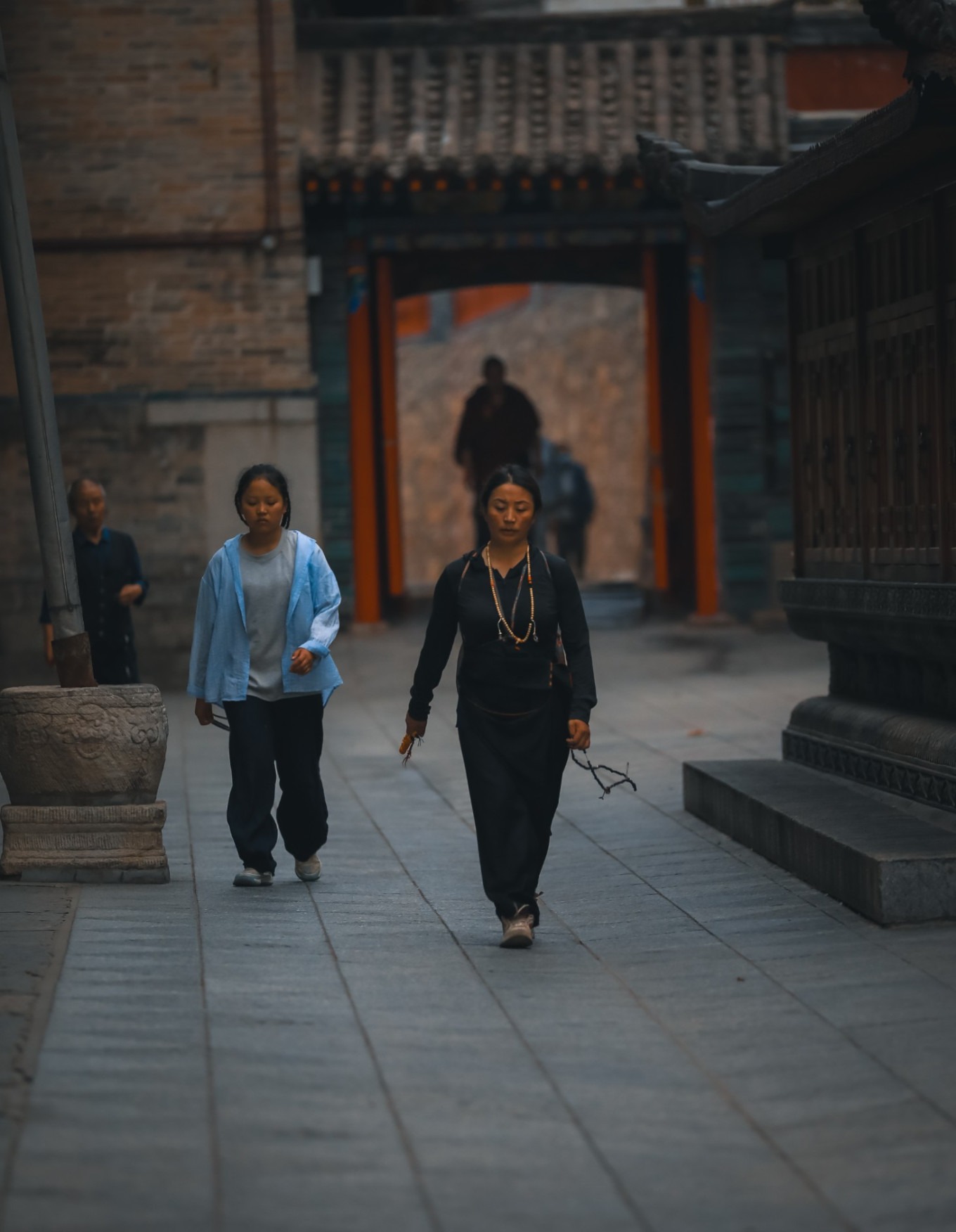
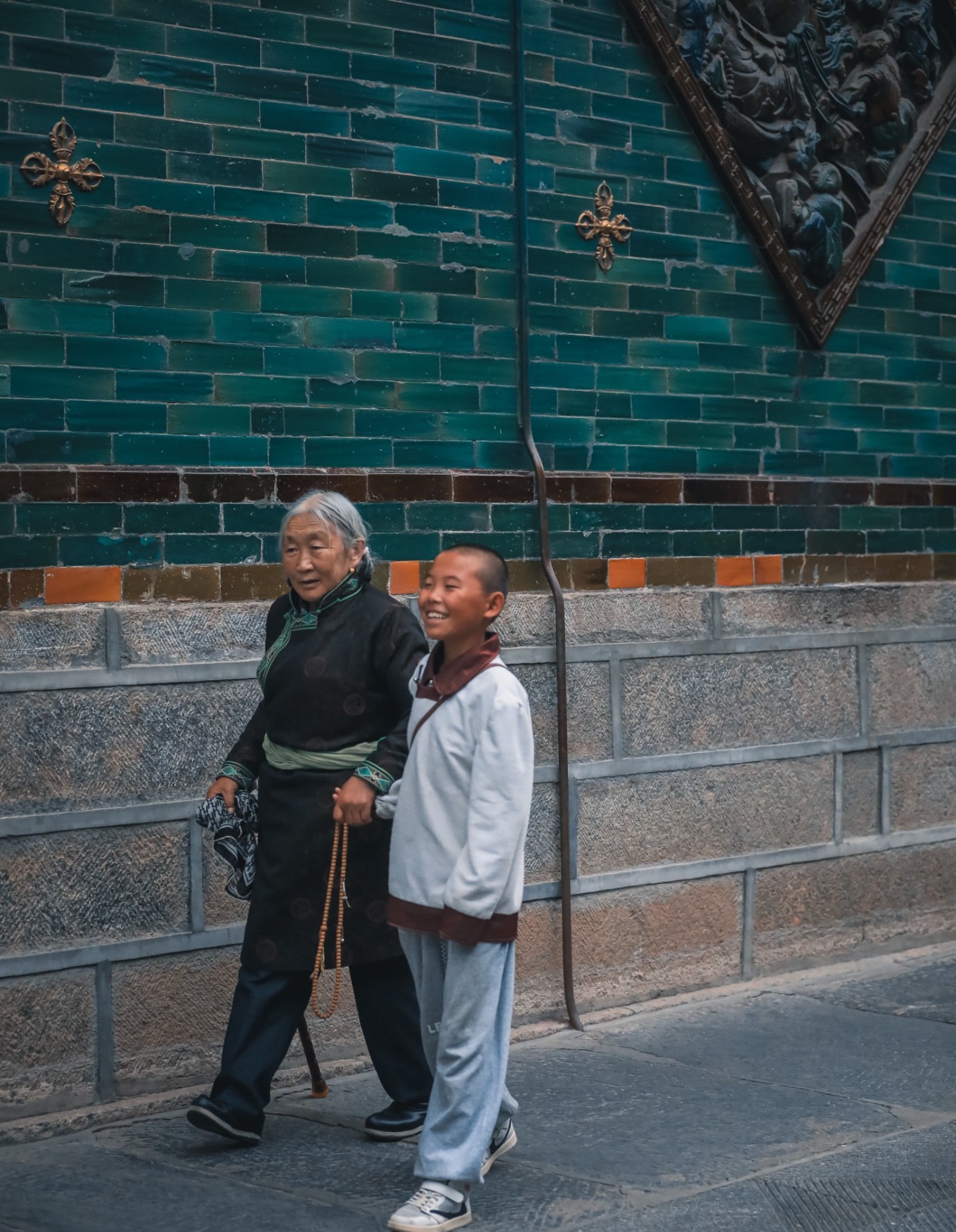
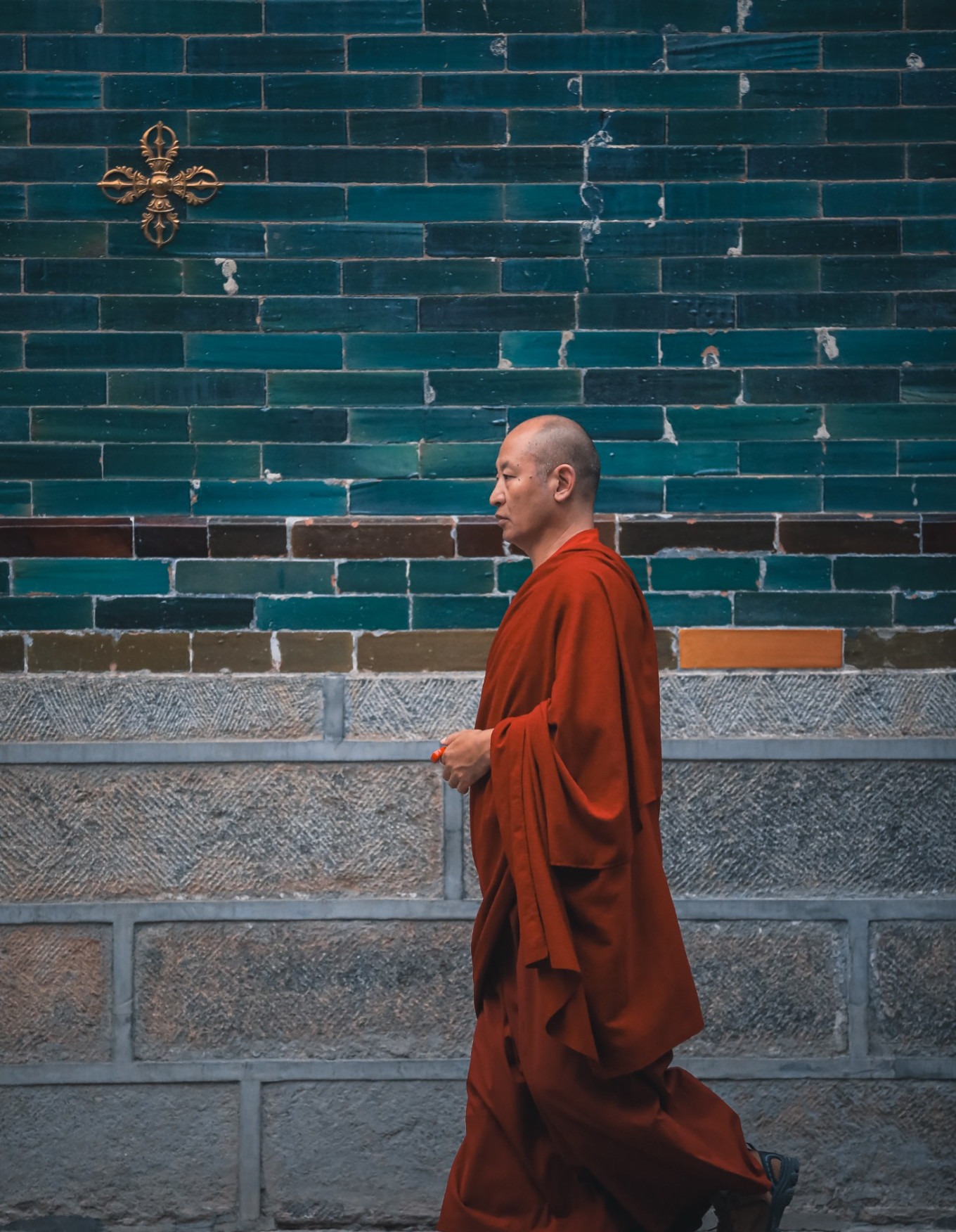
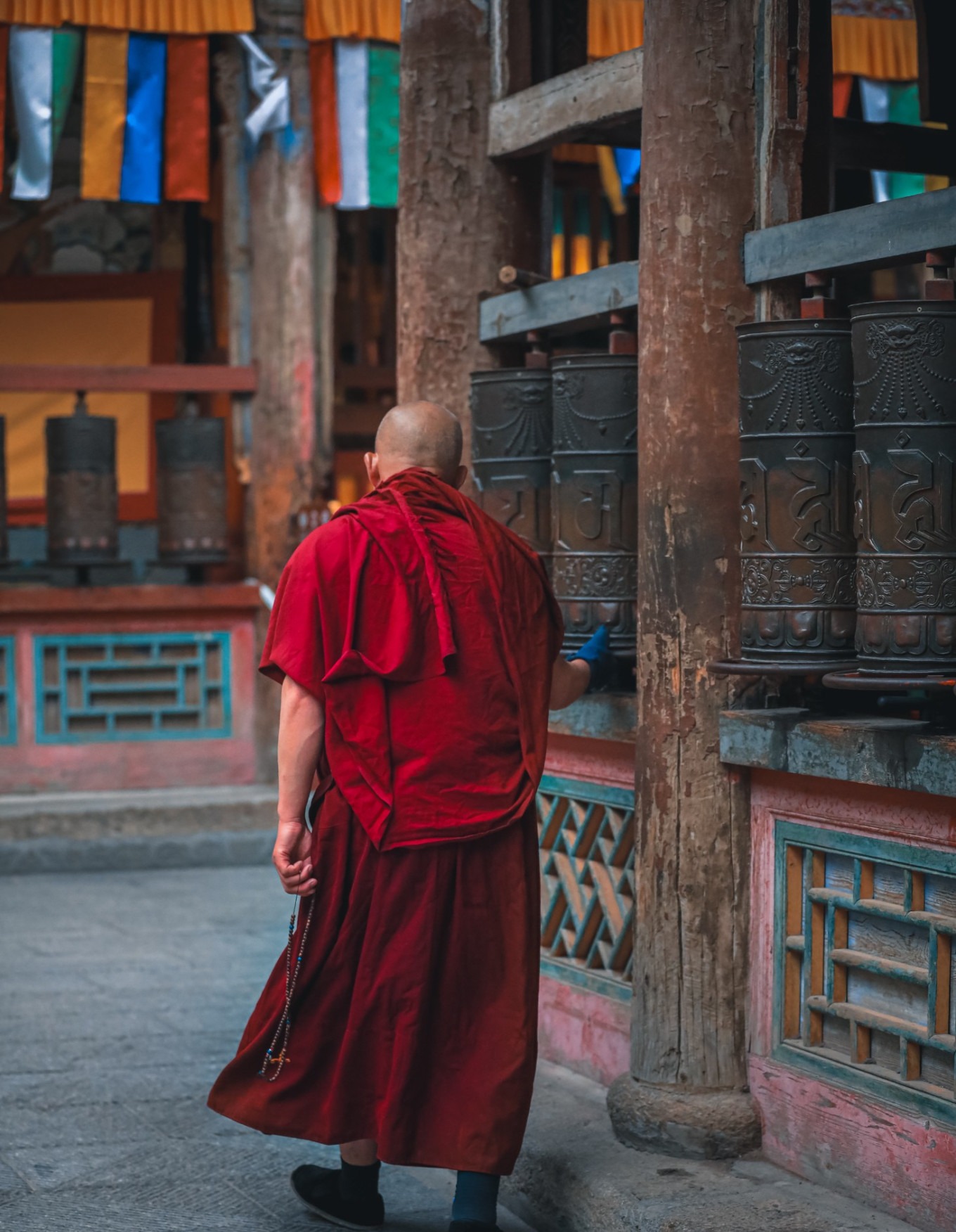
The early morning silence allows for introspection—a perfect time to explore the temple grounds and connect with your inner self.
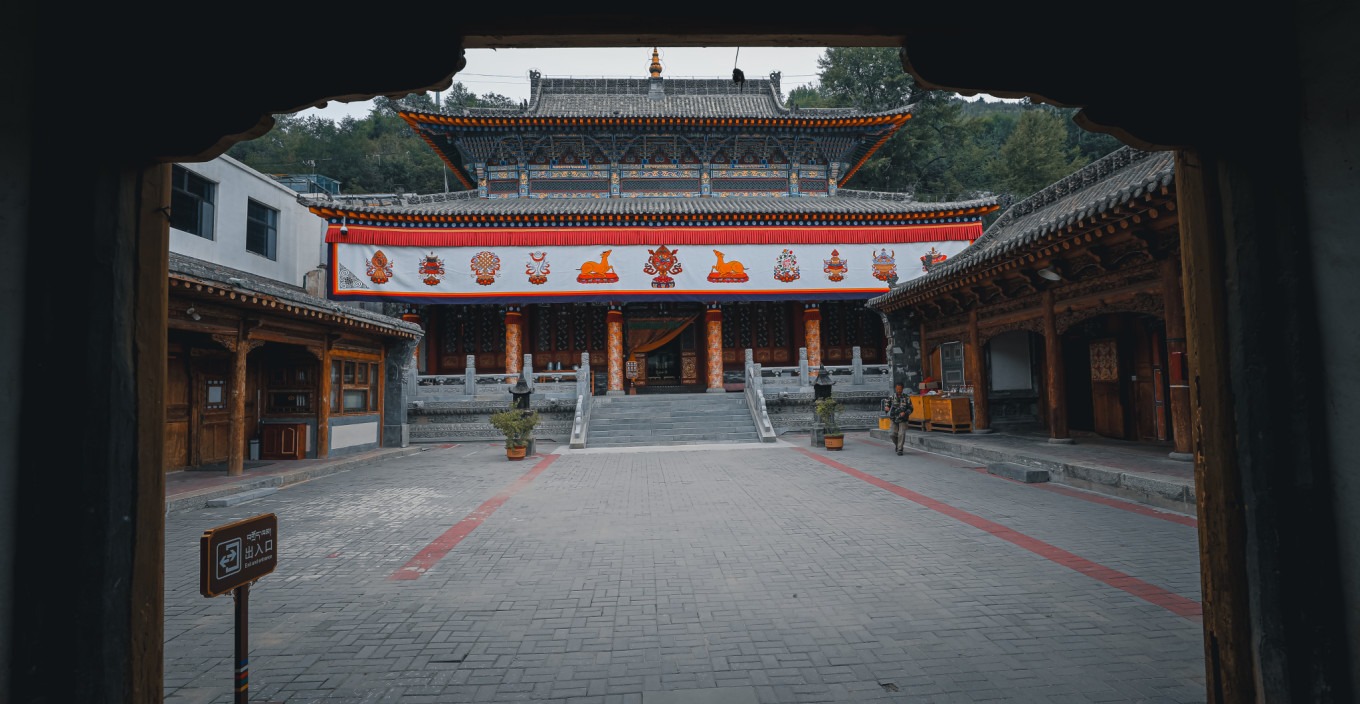
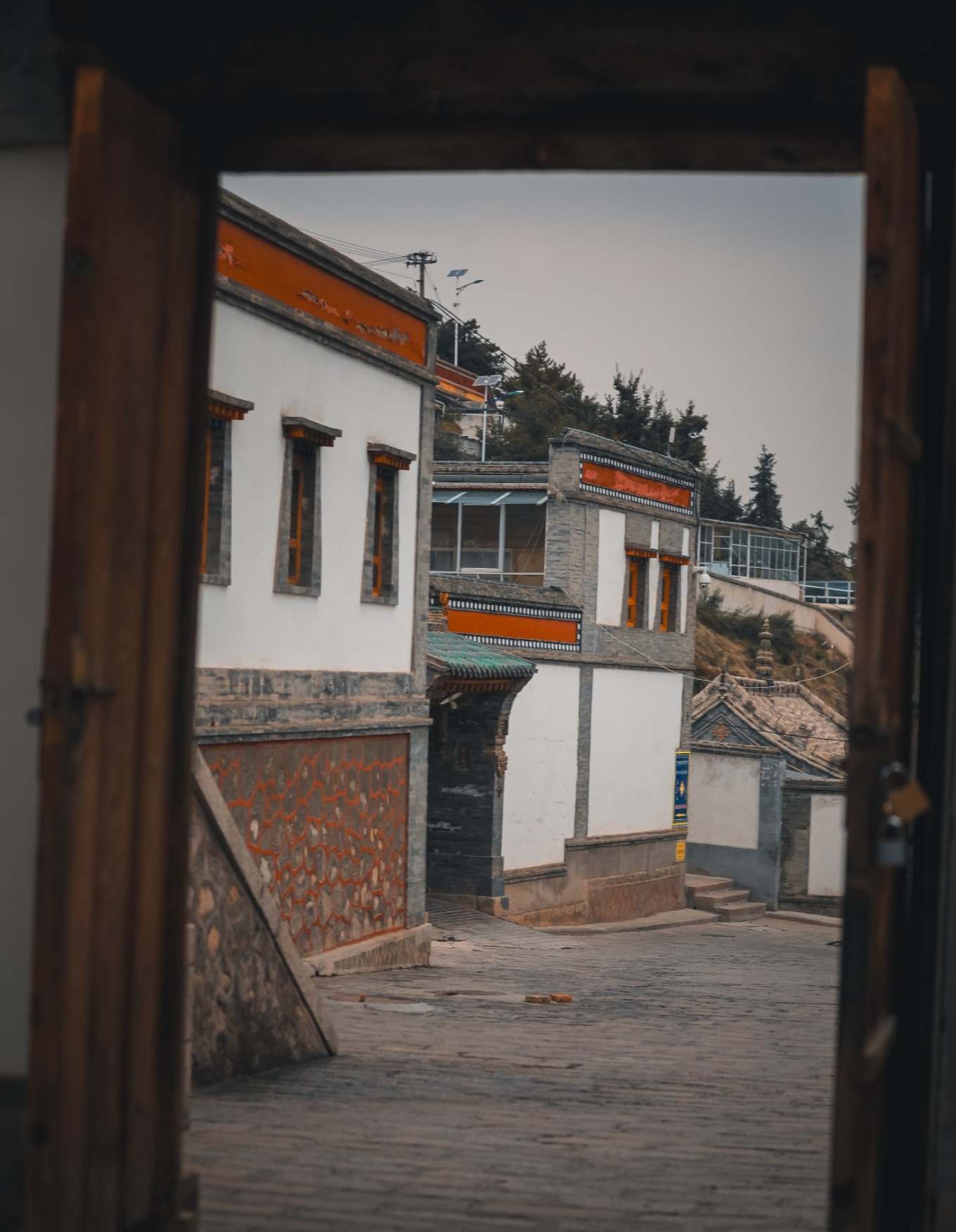
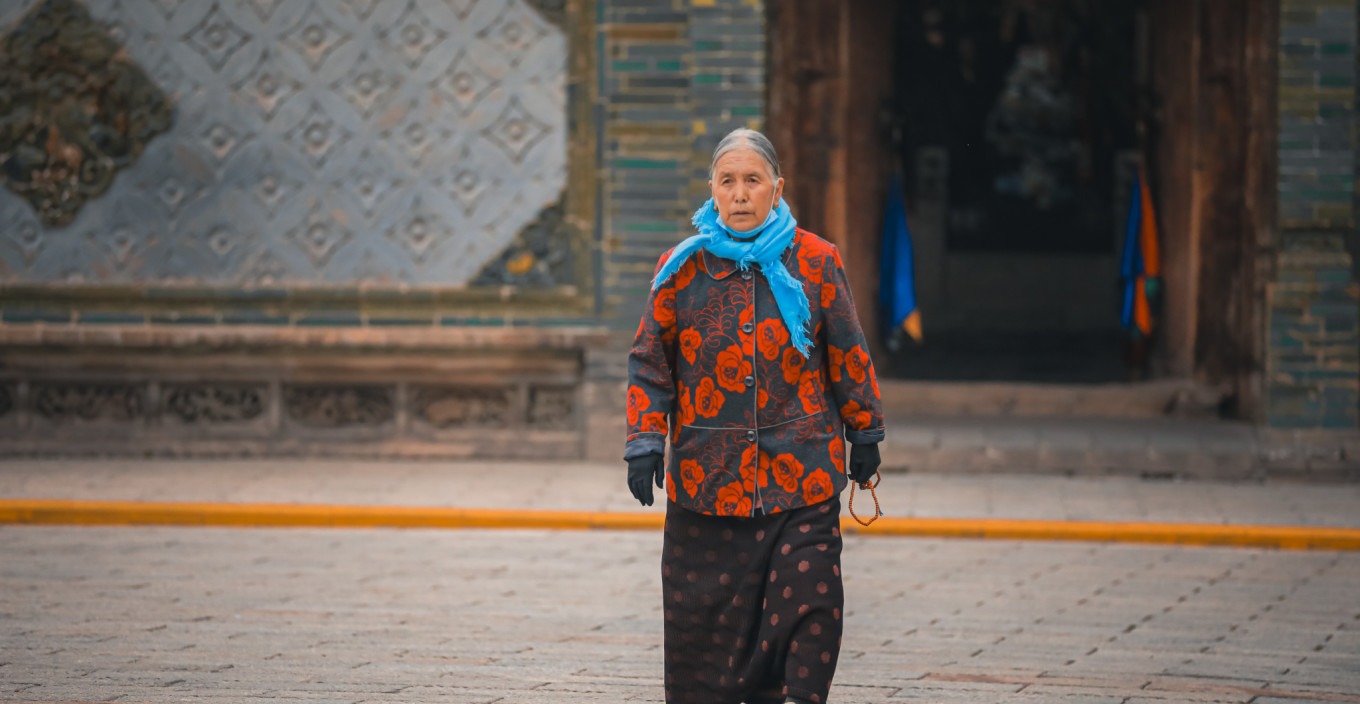
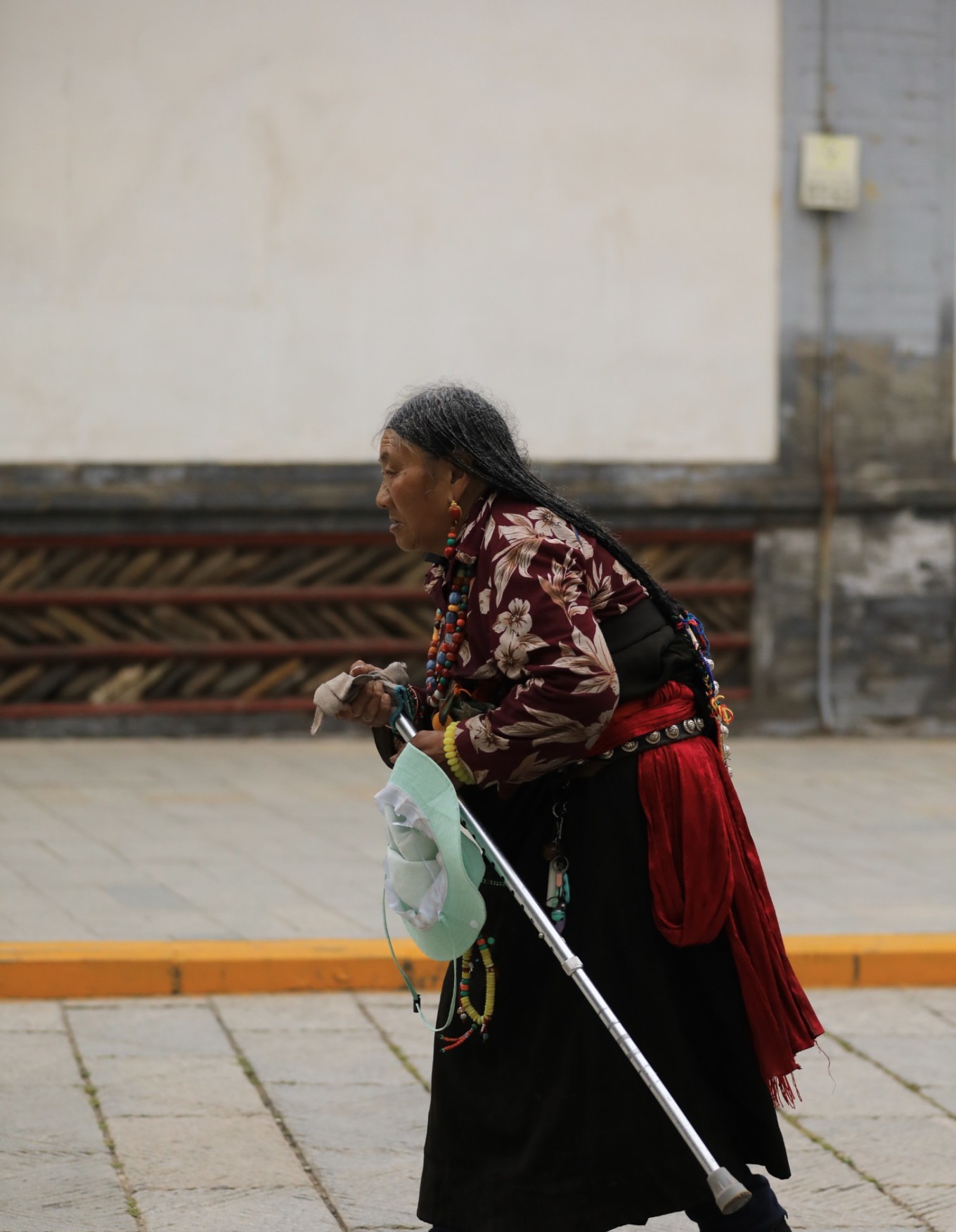
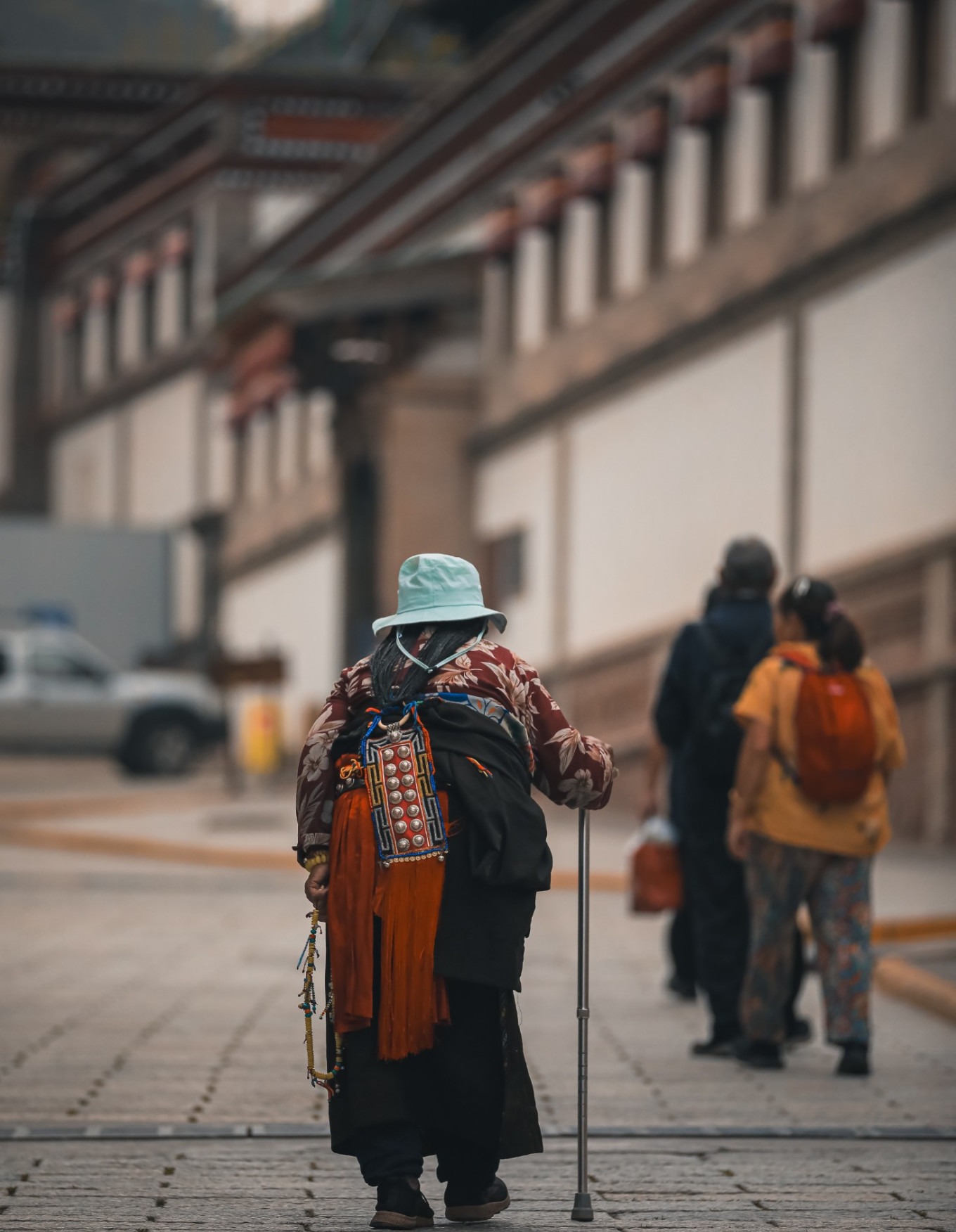
As the day progresses, more local devotees arrive for their morning worship. You’ll see elderly Tibetan women in traditional clothing walking slowly but with determined steps, their eyes fixed ahead as if telling stories of faith. The contrast between their humble figures and the grand architecture is striking.
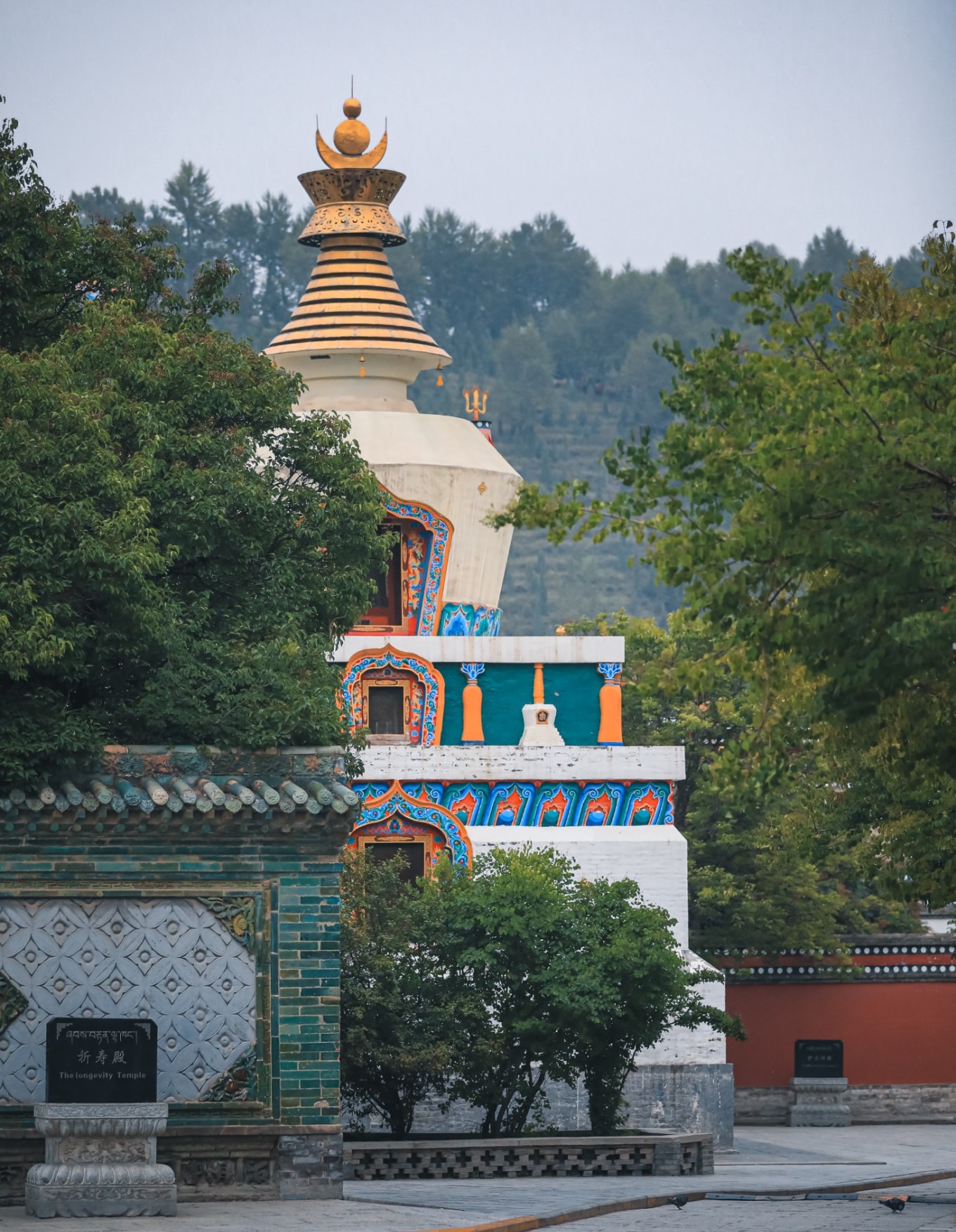
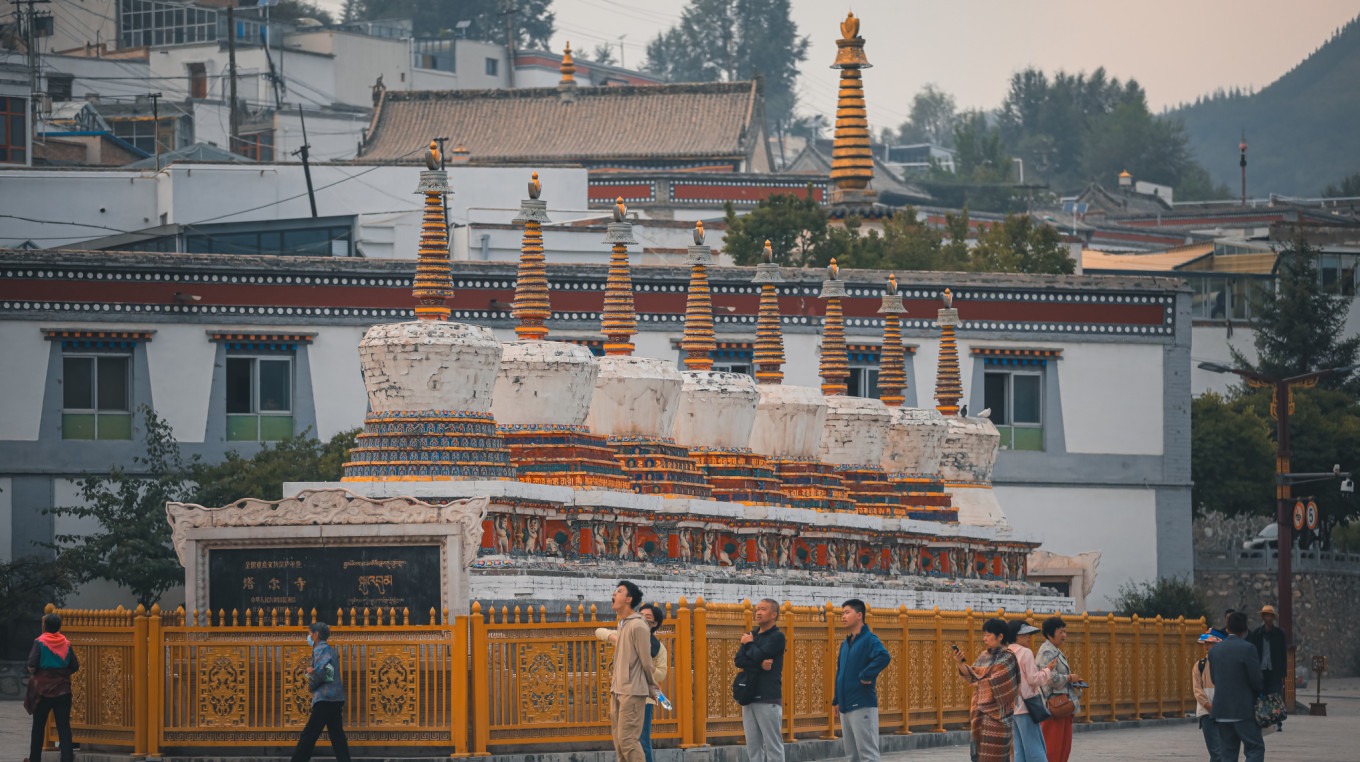
Don’t miss the iconic Eight Auspicious Stupas (八宝如意塔), which commemorate eight major events in the life of Buddha Shakyamuni. Built with blue bricks, each stupa is adorned with sutras on its waist and has a niche containing Sanskrit inscriptions on its southern face. Many pilgrims prostrate themselves before these stupas.
Xining Xianan Guan Ethnic Snack Street
- RestaurantXianan Guan Ethnic Snack Street (下南关民族小吃一条街)
- Address西宁市城东区下南关街 (Xianan Guan Street, Chengdong District, Xining)
- Recommended dishes牛舌 (grilled ox tongue), 牛筋 (beef tendon), 血肠 (blood sausage), 烤花卷 (grilled flower rolls), 西宁老酸奶 (Xining old yogurt)
- Average spend30–60 RMB per person
For a true taste of Xining’s multi-ethnic food culture, head to Xianan Guan Ethnic Snack Street (下南关民族小吃一条街) in the Chengdong District. This 500-meter-long historical lane, running from Ledu Road to Gonghe Road, has been a bustling market since the early 20th century. Here, Hui, Han, Tibetan, Tu, Mongolian, and Salar communities converge, but it’s the Hui-style halal food that dominates — you won’t find any pork here. The street is a sensory overload of sizzling grills, sweet aromas, and colorful displays.
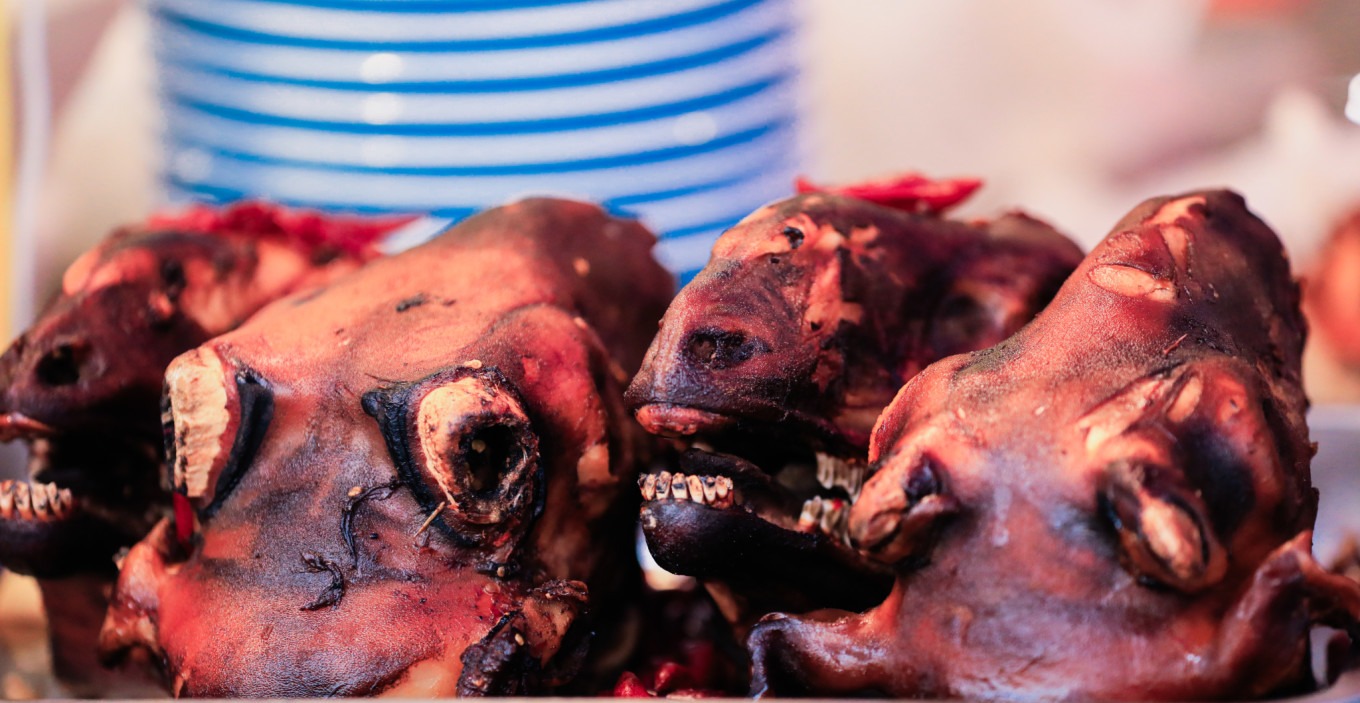
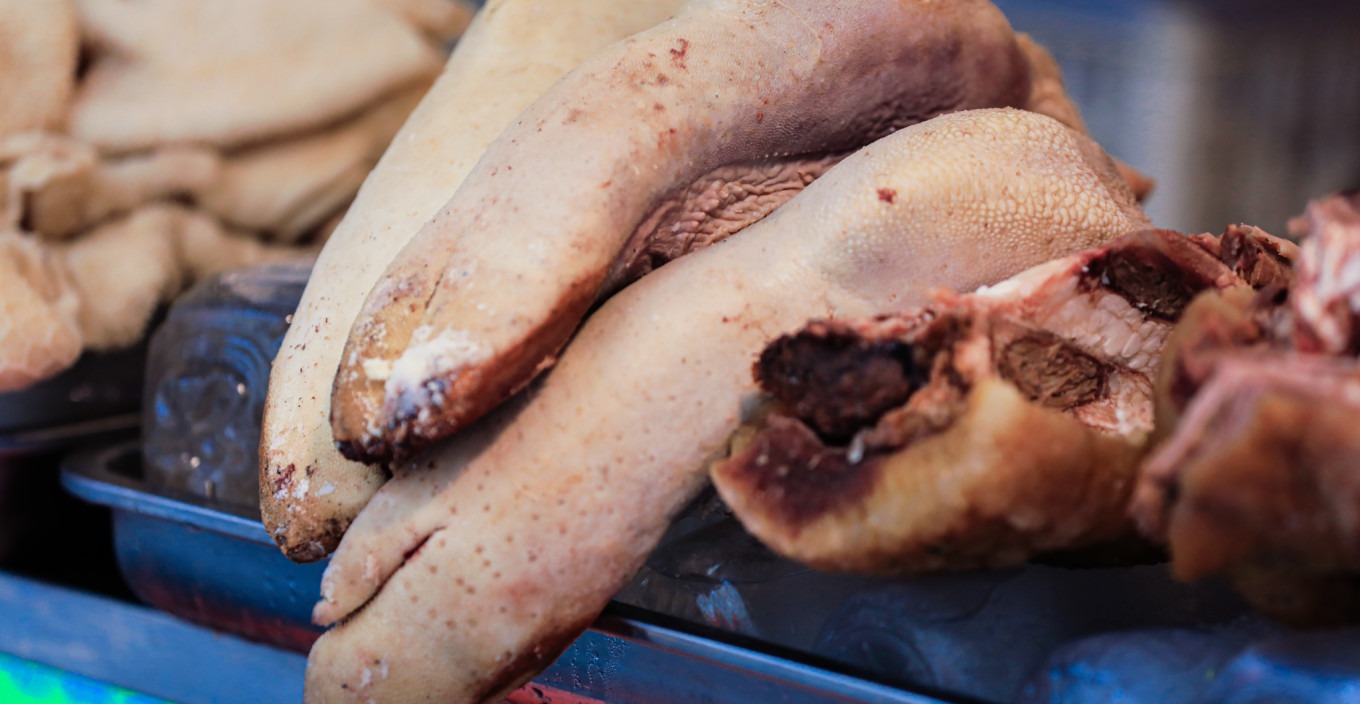
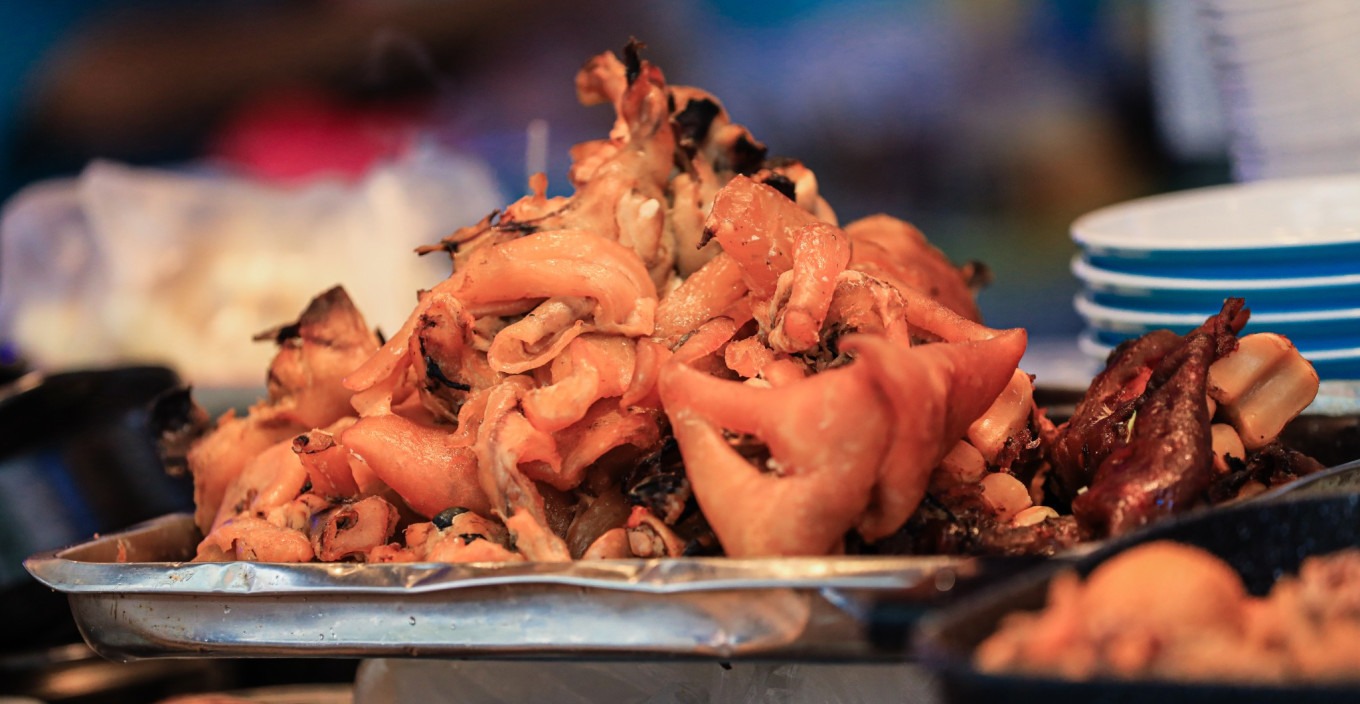
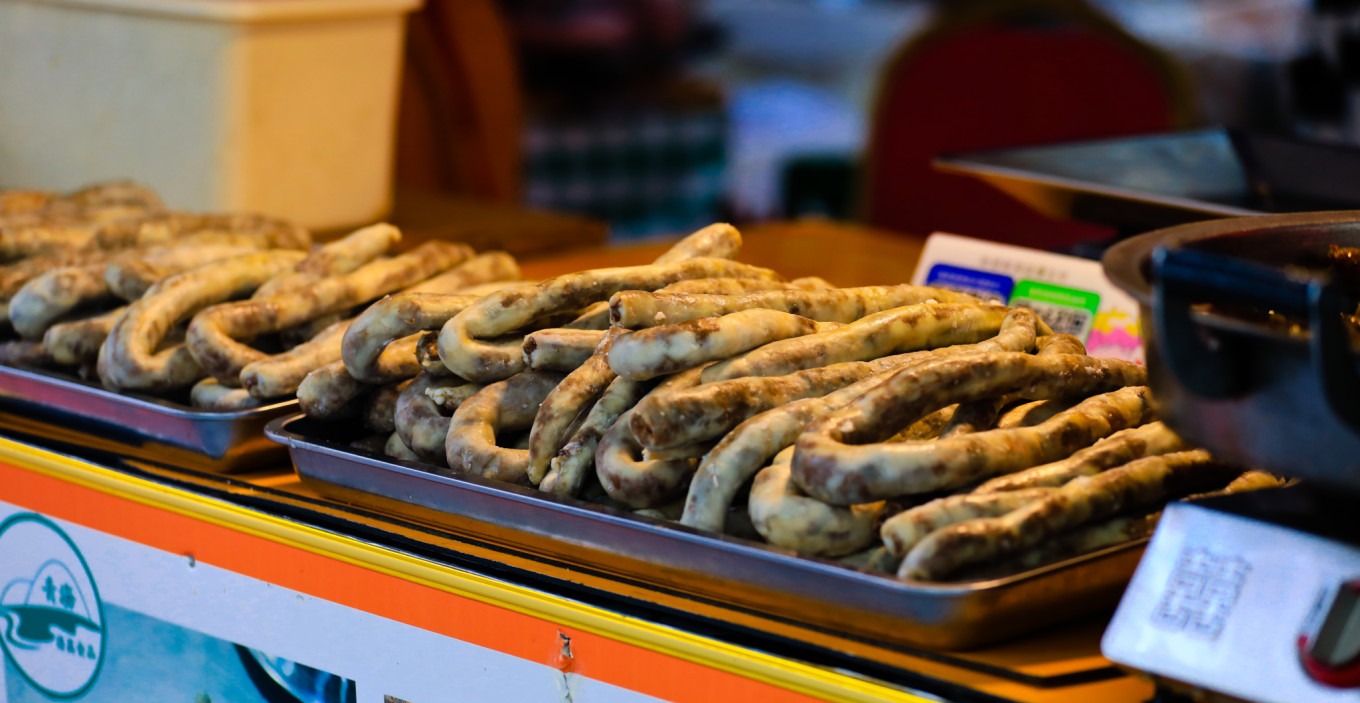
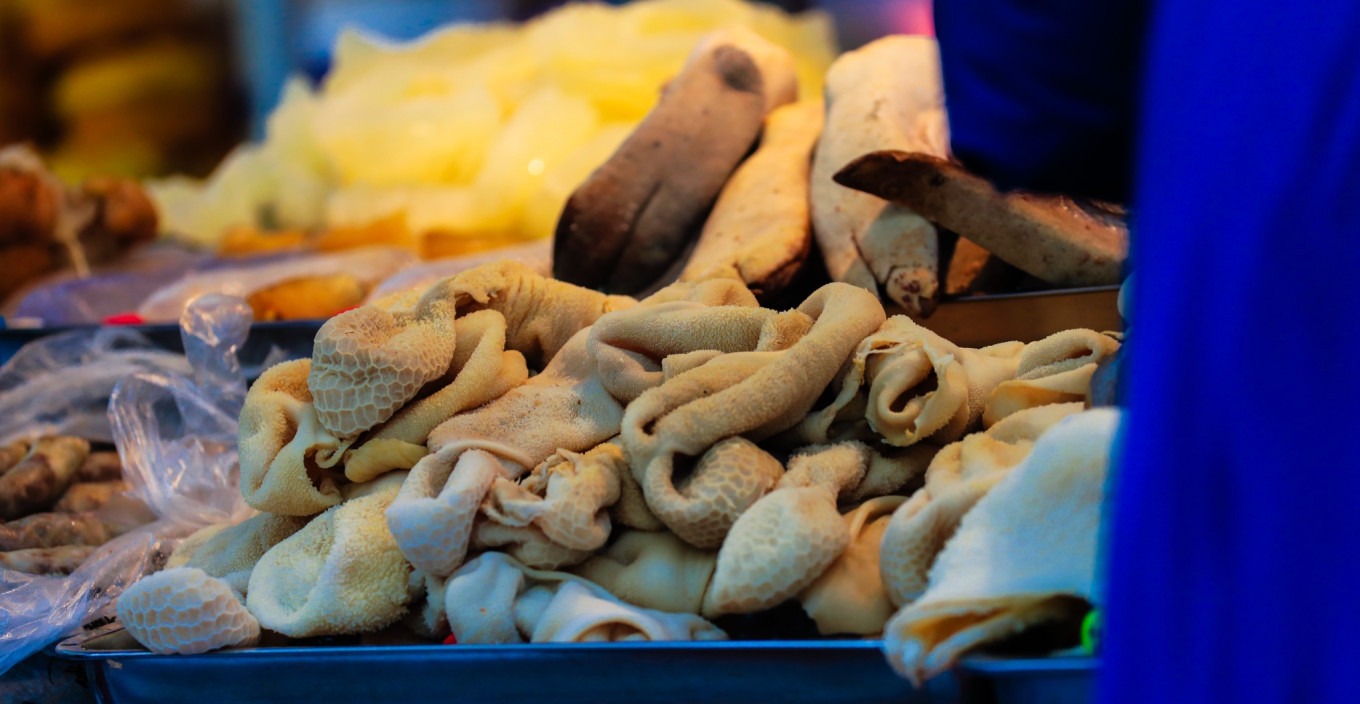
As you stroll, you’ll see vendors grilling skewers of ox tongue (牛舌), beef tendon (牛筋), and blood sausage (血肠), plus various lamb innards. Fresh yak meat hangs openly, and colorful grapes are arranged in neat piles — a nod to Uyghur presentation style. Look out for local specialties like highland barley products (青稞食品), giant baked buns (烤馍) weighing up to three or four jin, rose steamed cake (玫瑰发糕), naan bread (馕), grilled flower rolls (烤花卷), and Xining’s famous old yogurt (西宁老酸奶).
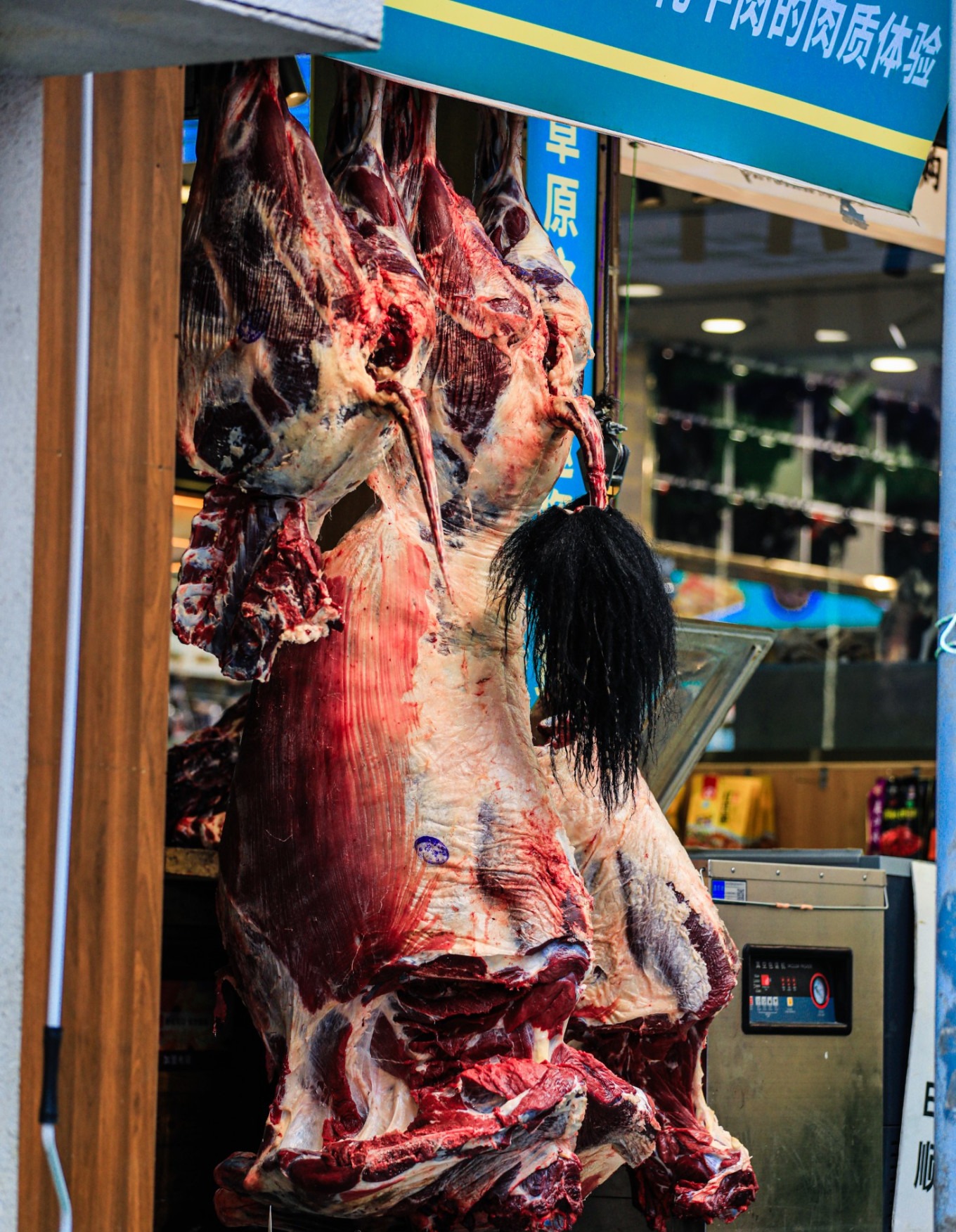
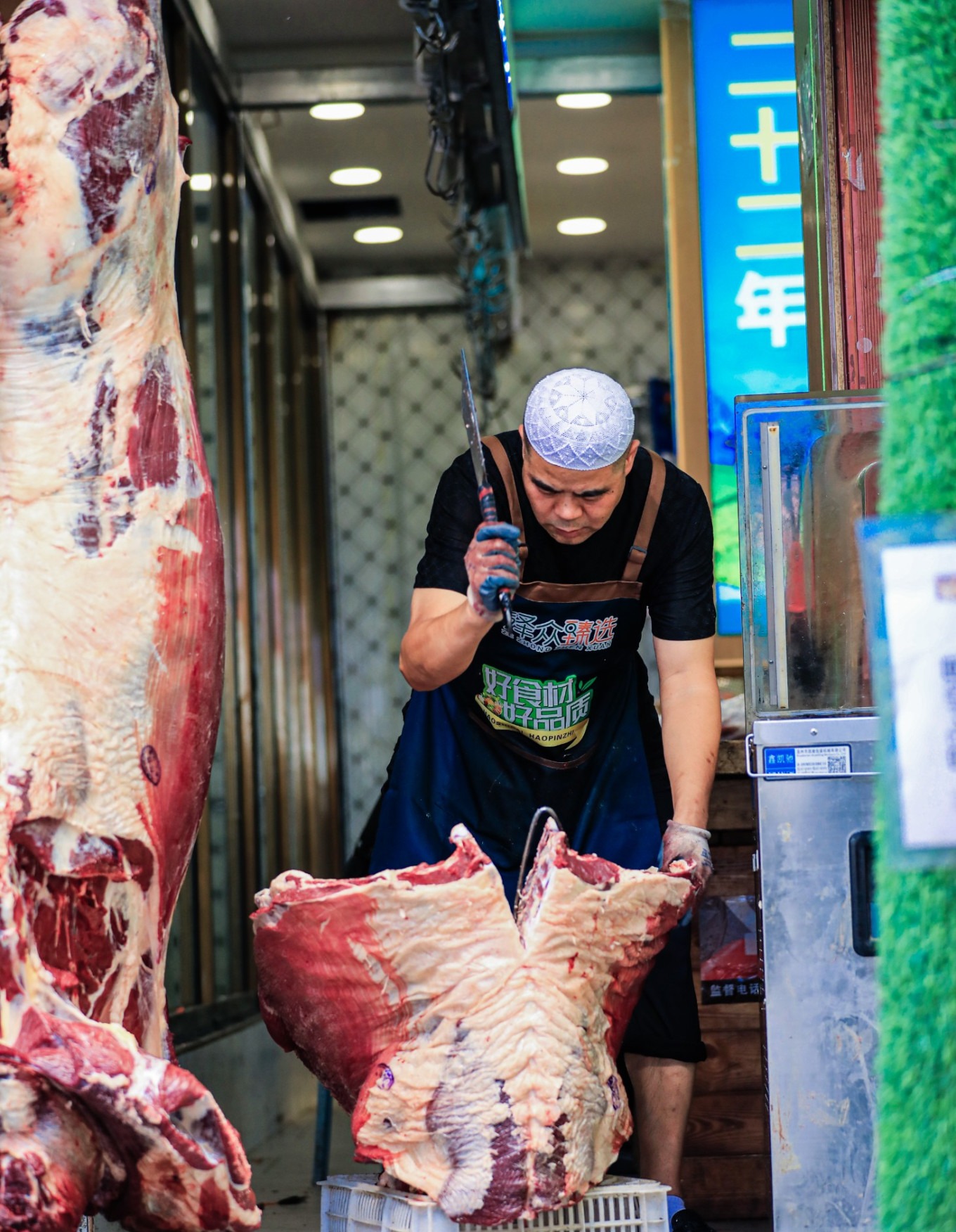
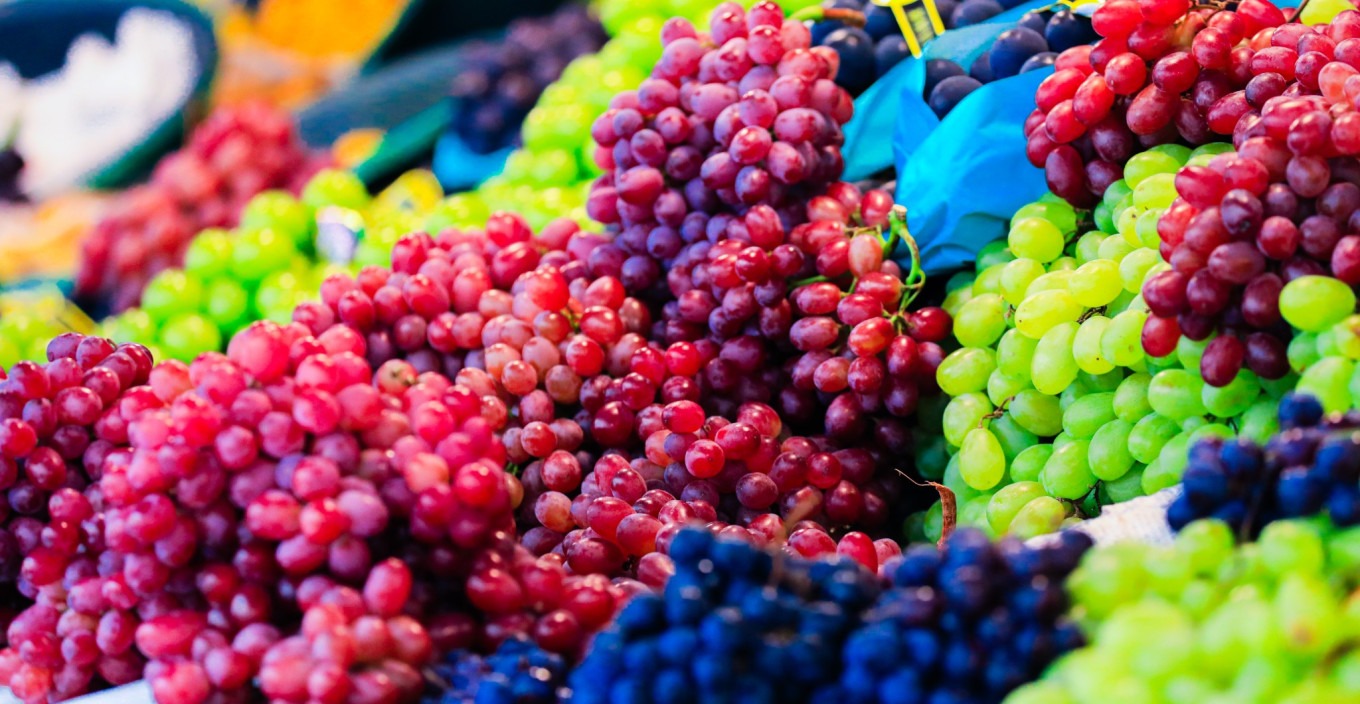
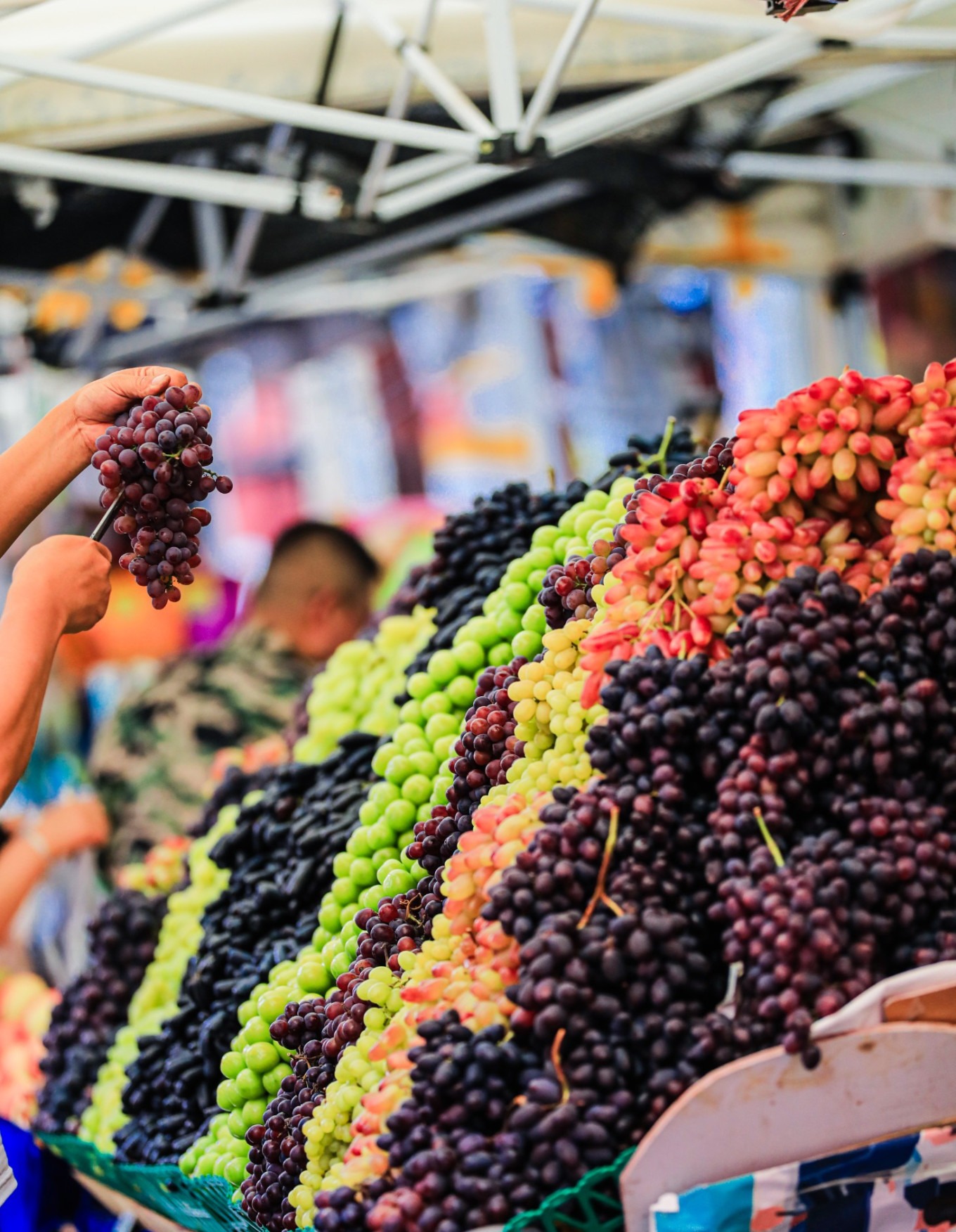
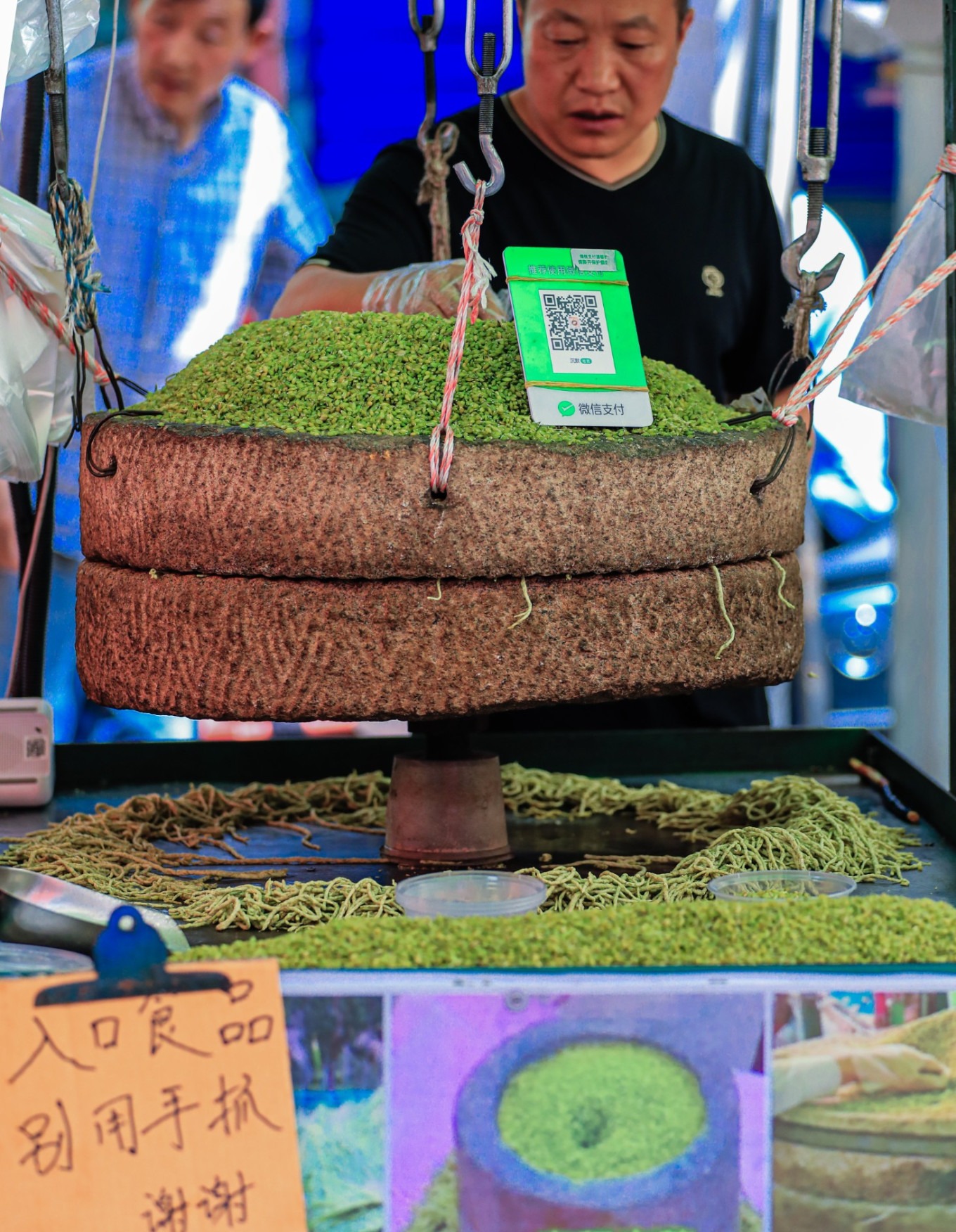
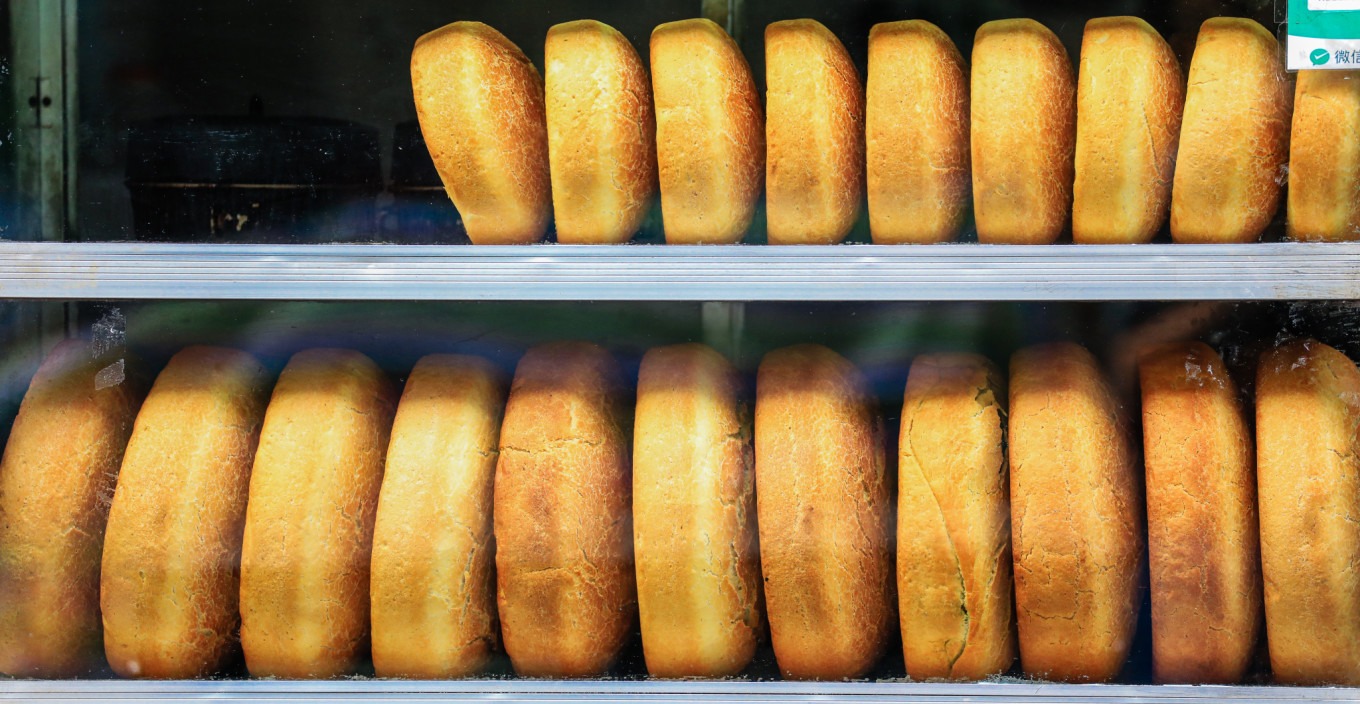
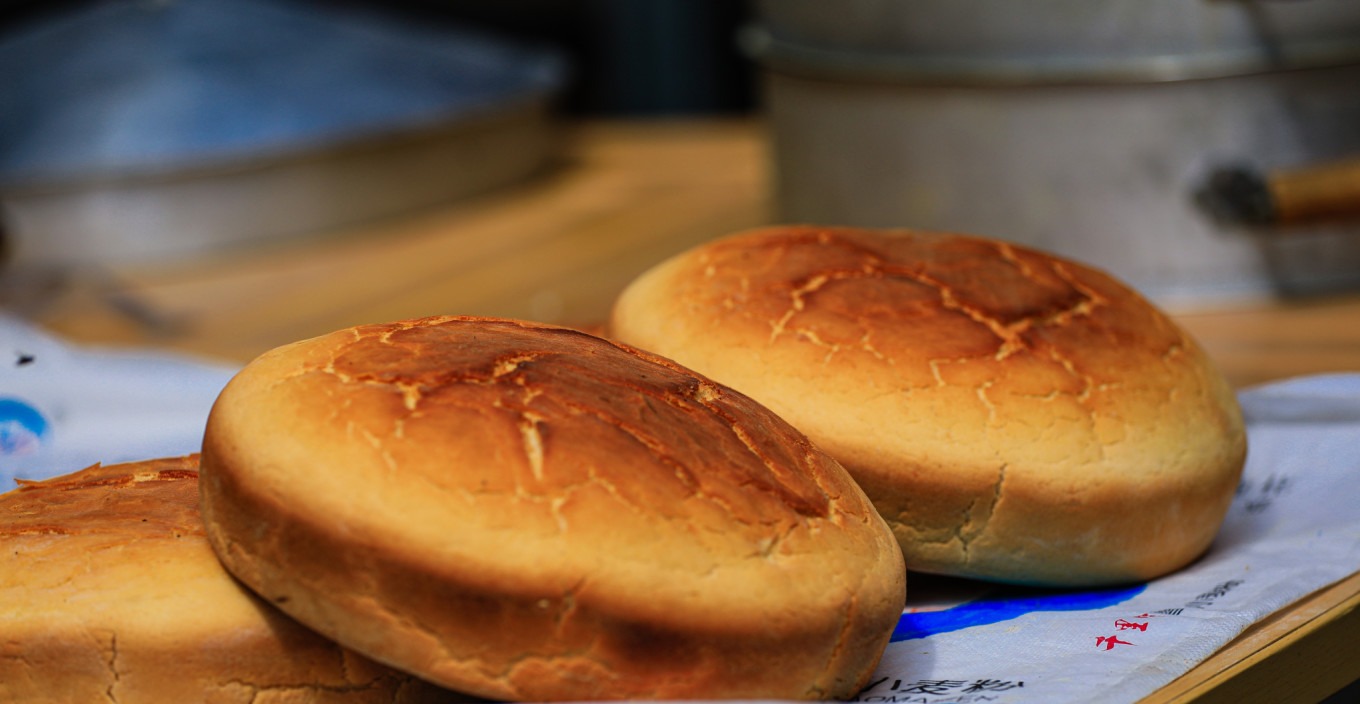
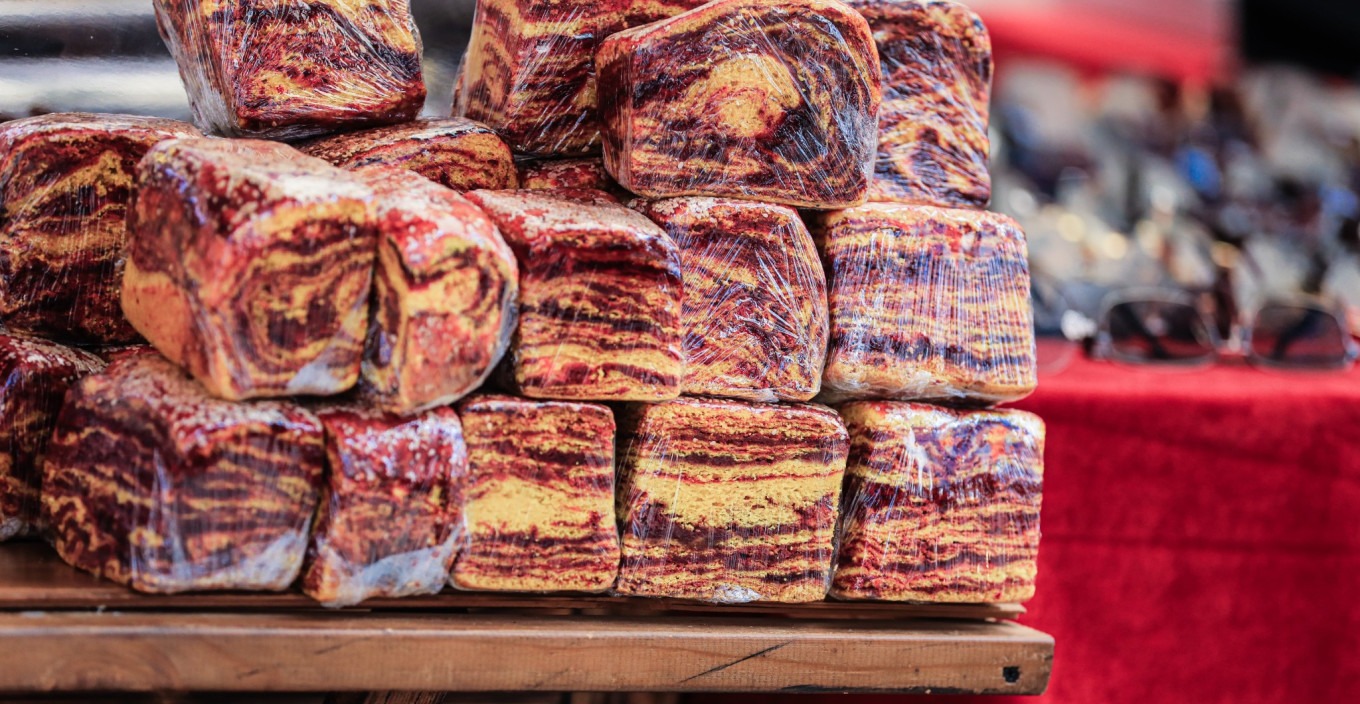
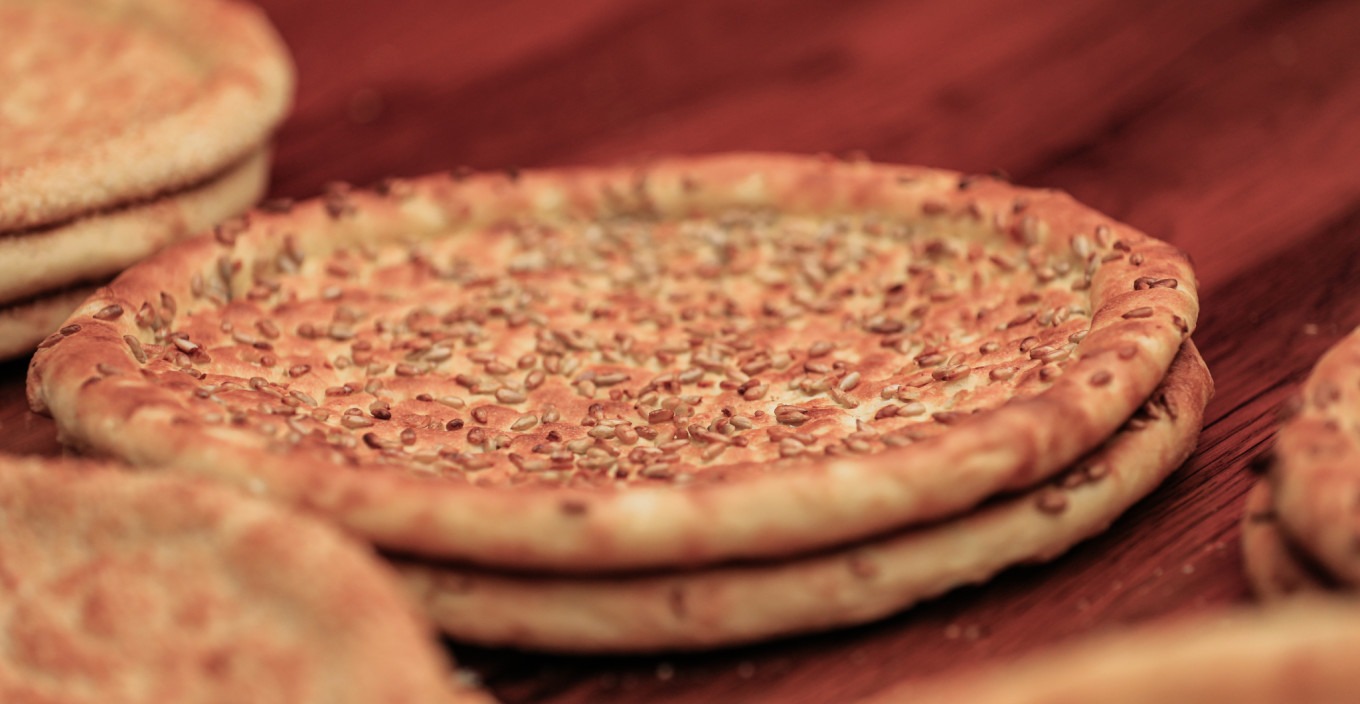
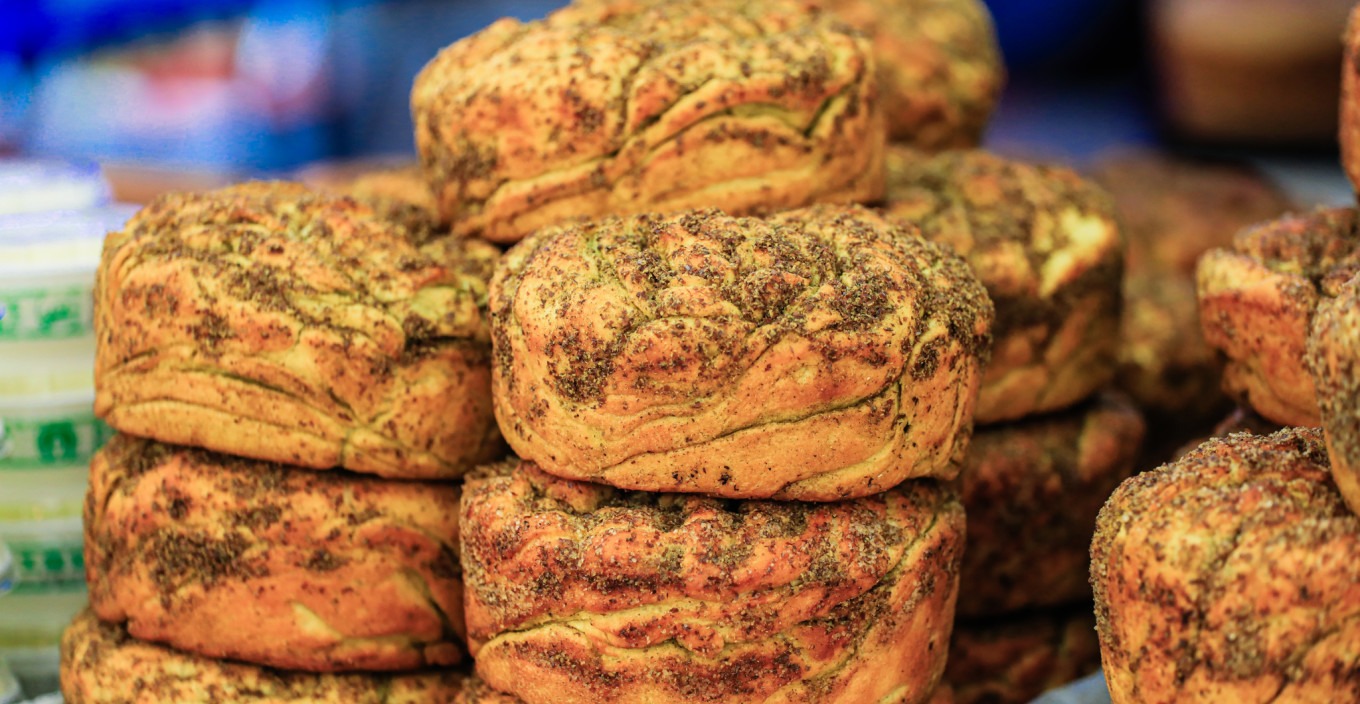
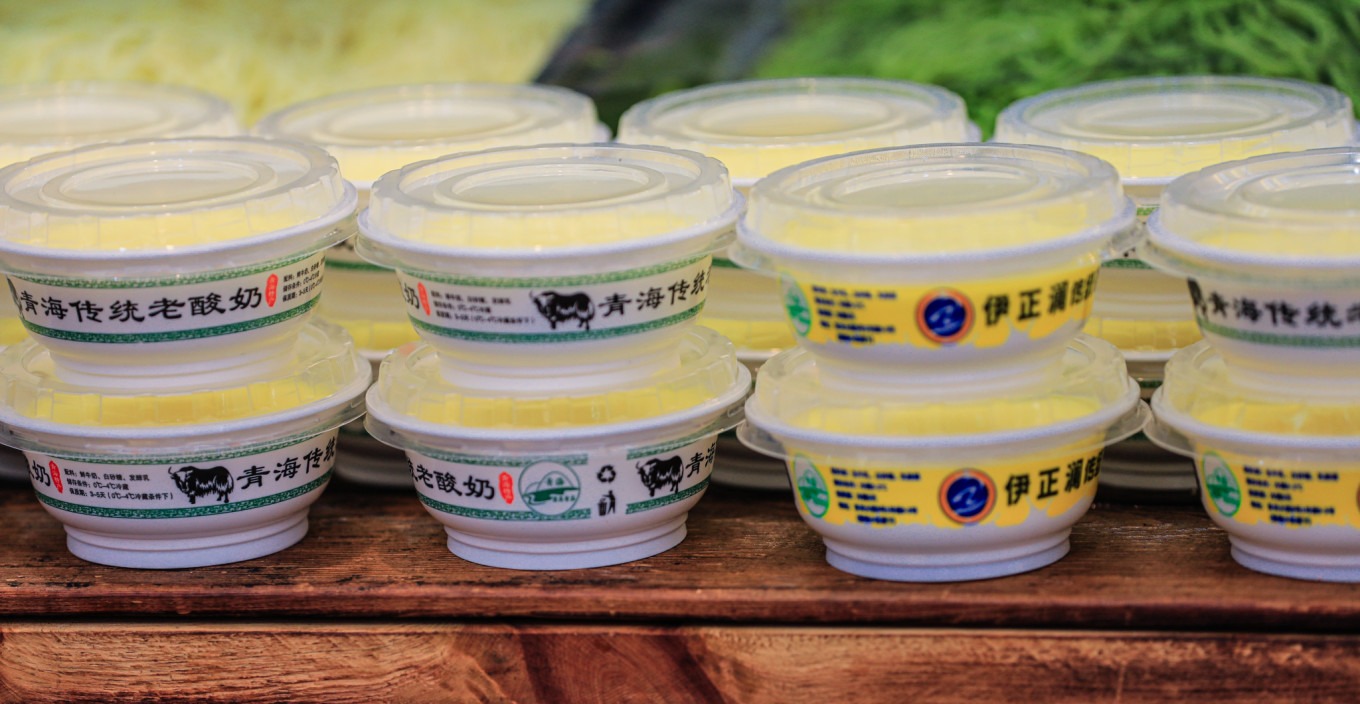
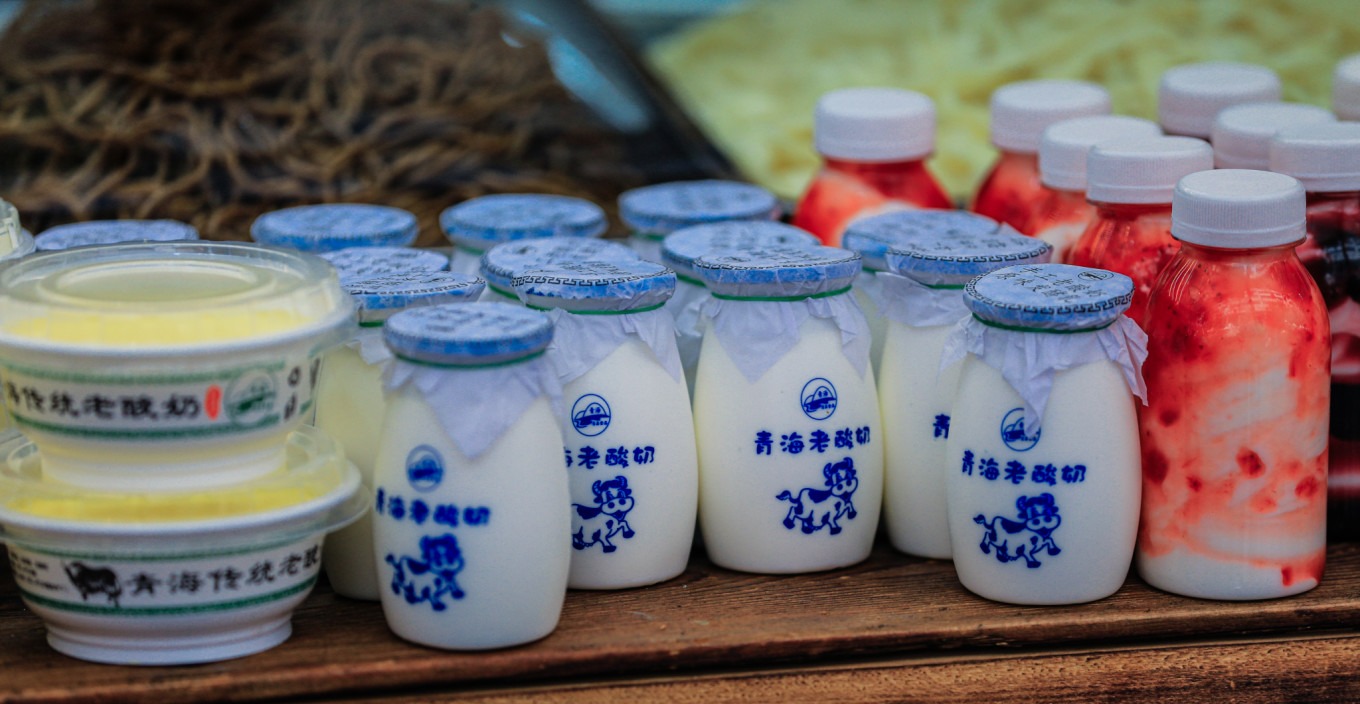
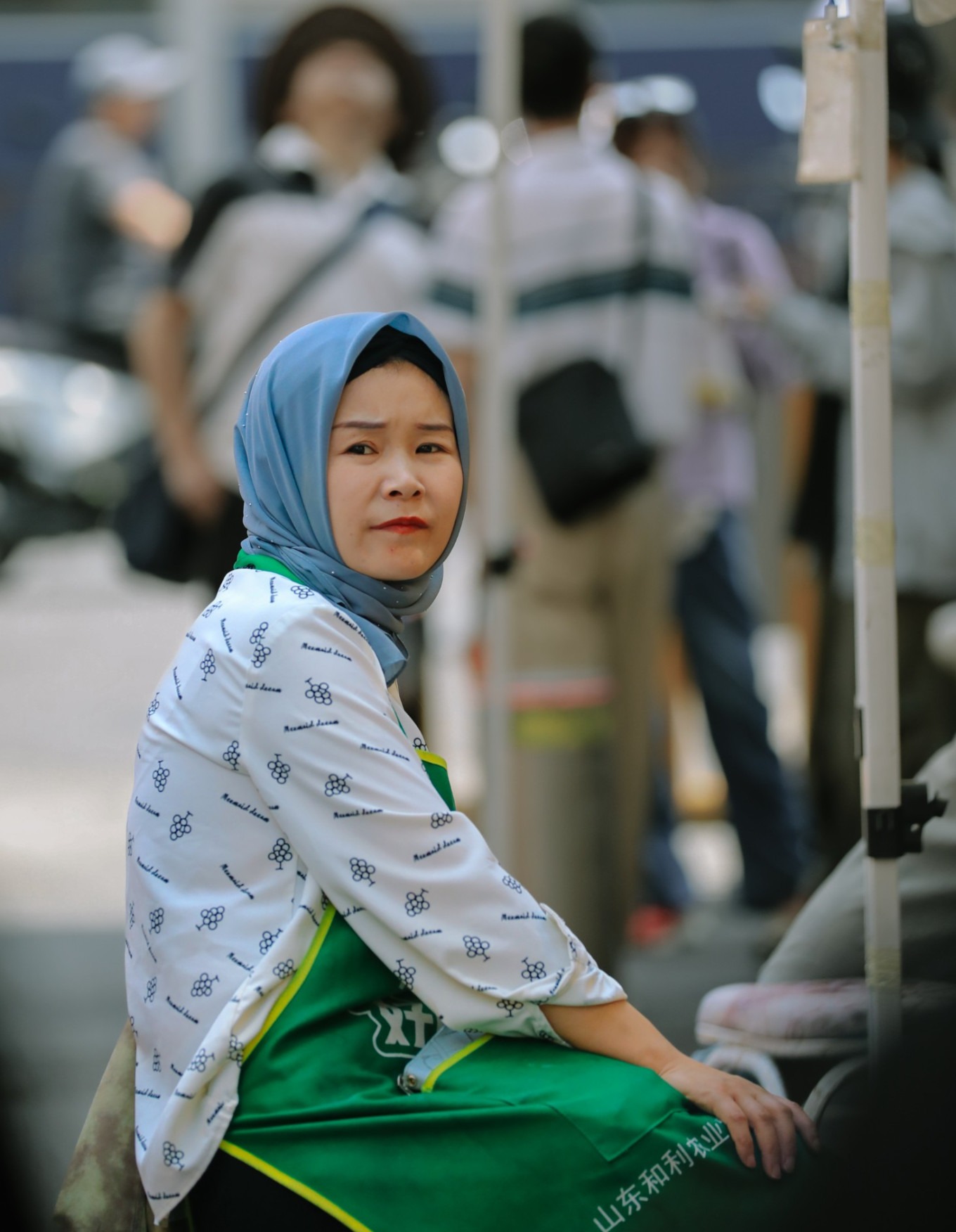
The street buzzes with energy as vendors make grilled meats, honey zongzi (蜜粽), and liangpi (酿皮) fresh to order. The calls of hawkers and the chatter of crowds create an atmosphere locals call “the smoky alley you can’t walk out of empty-handed.” Come hungry and bring cash — you’ll want to try a bit of everything.
Xining Dongguan Grand Mosque
- 晨礼 (Fajr)approximately 06:30–07:00
- 晌礼 (Dhuhr)approximately 12:30–13:00
- 晡礼 (Asr)approximately 15:30–16:00
- 昏礼 (Maghrib)approximately 18:00–18:30
- 宵礼 (Isha)approximately 19:30–20:00
One of China’s five major Friday-prayer mosques, the Dongguan Grand Mosque (东关清真大寺) in Xining’s Chengdong District is a must-visit for its architectural grandeur and vibrant religious atmosphere. Also known as the Camel Mosque (骆驼寺), it was first built during the Hongwu era of the Ming Dynasty. Located on Dongguan Street (东关大街), the mosque offers a fascinating glimpse into Islamic culture in northwest China.
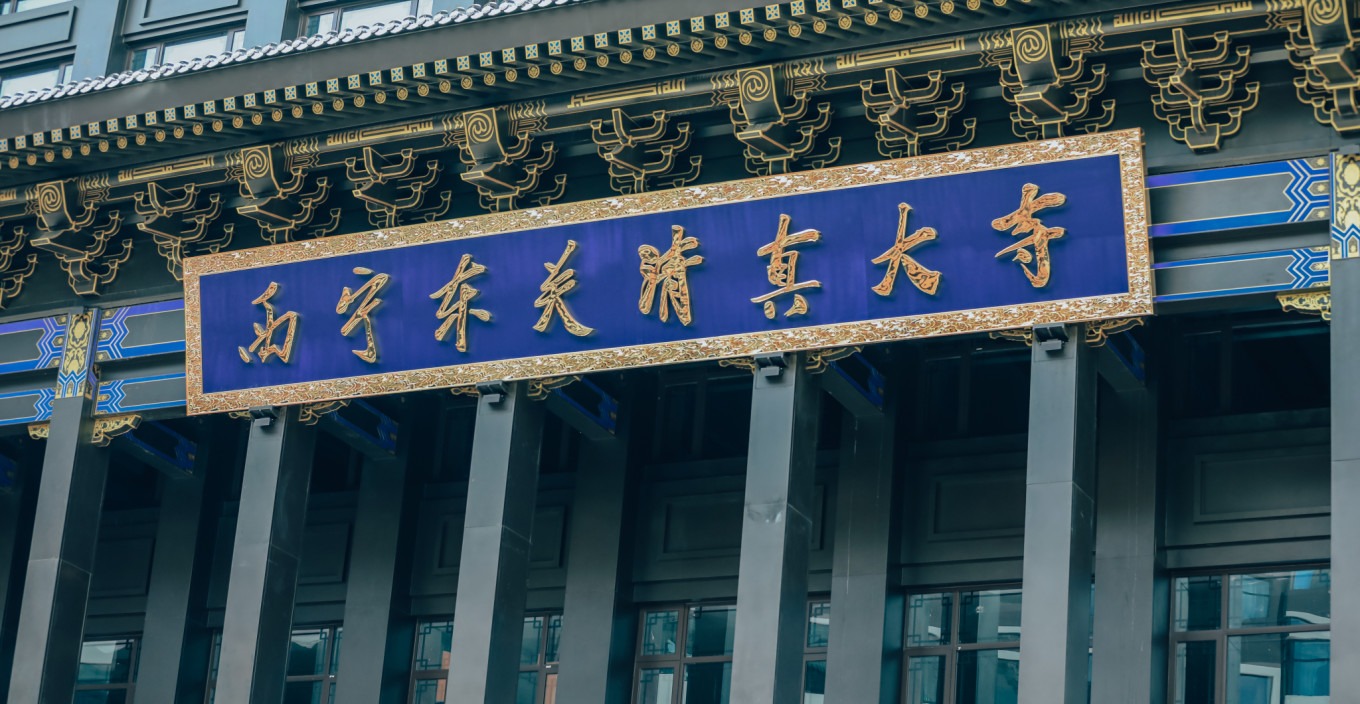
To experience the mosque at its most vibrant, time your visit around one of the five daily prayers. The prayer times vary by season, but a typical schedule is as follows:
Important: On Fridays (主麻日), the mosque closes to tourists after 15:00, and the Dhuhr prayer is replaced by a congregational Friday prayer that is open only to Muslims. Regular opening hours are 8:00–18:00, Monday to Thursday and Saturday to Sunday.
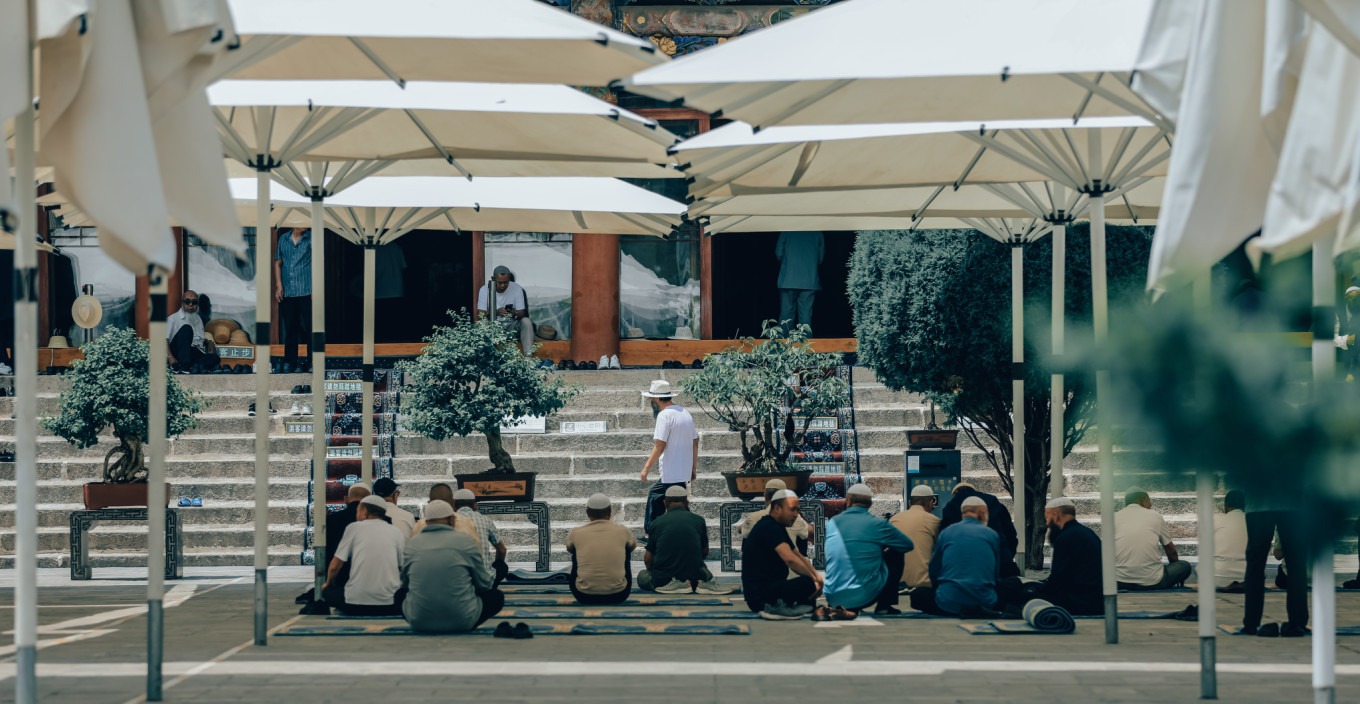
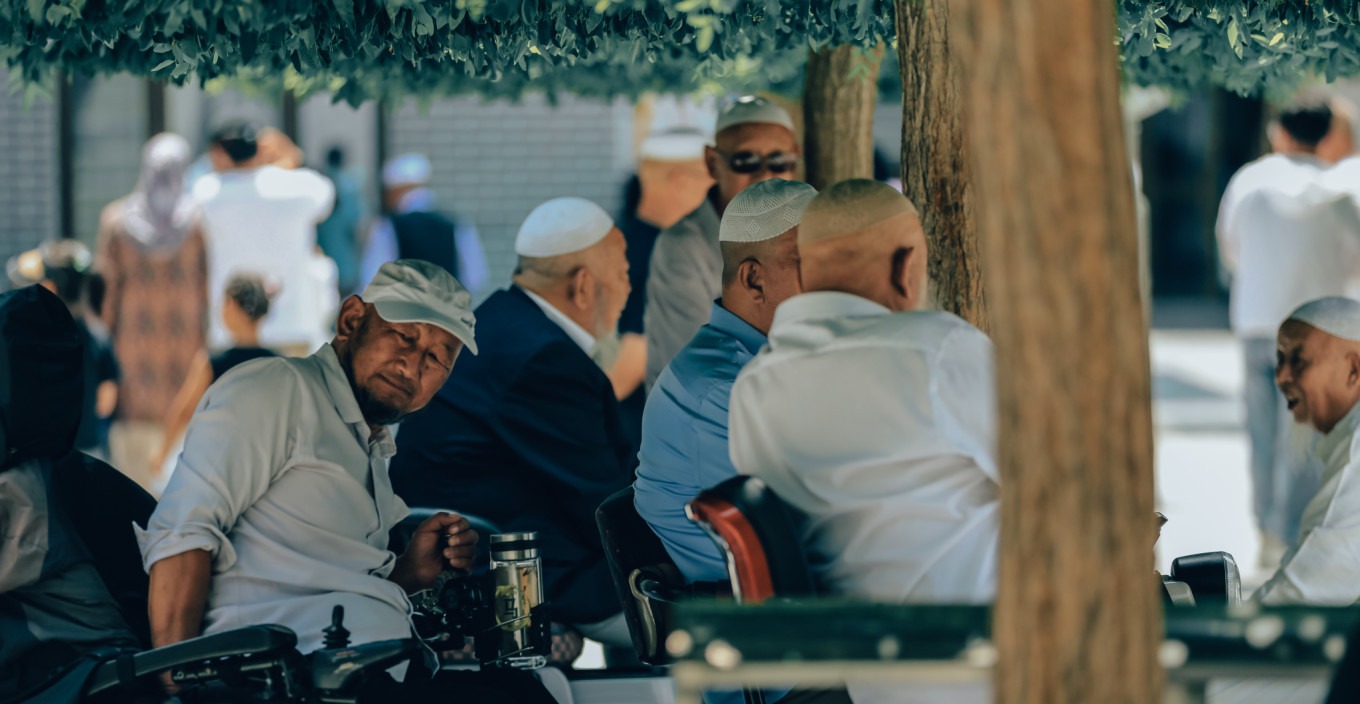
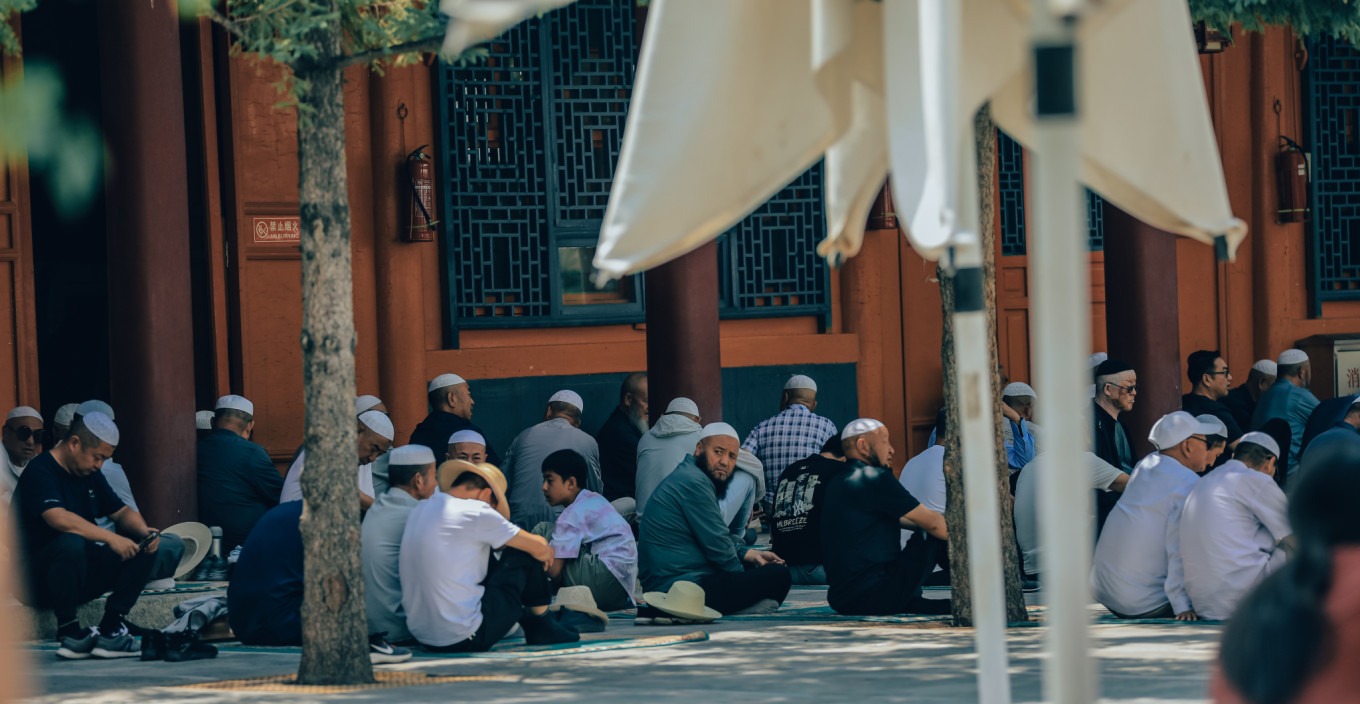
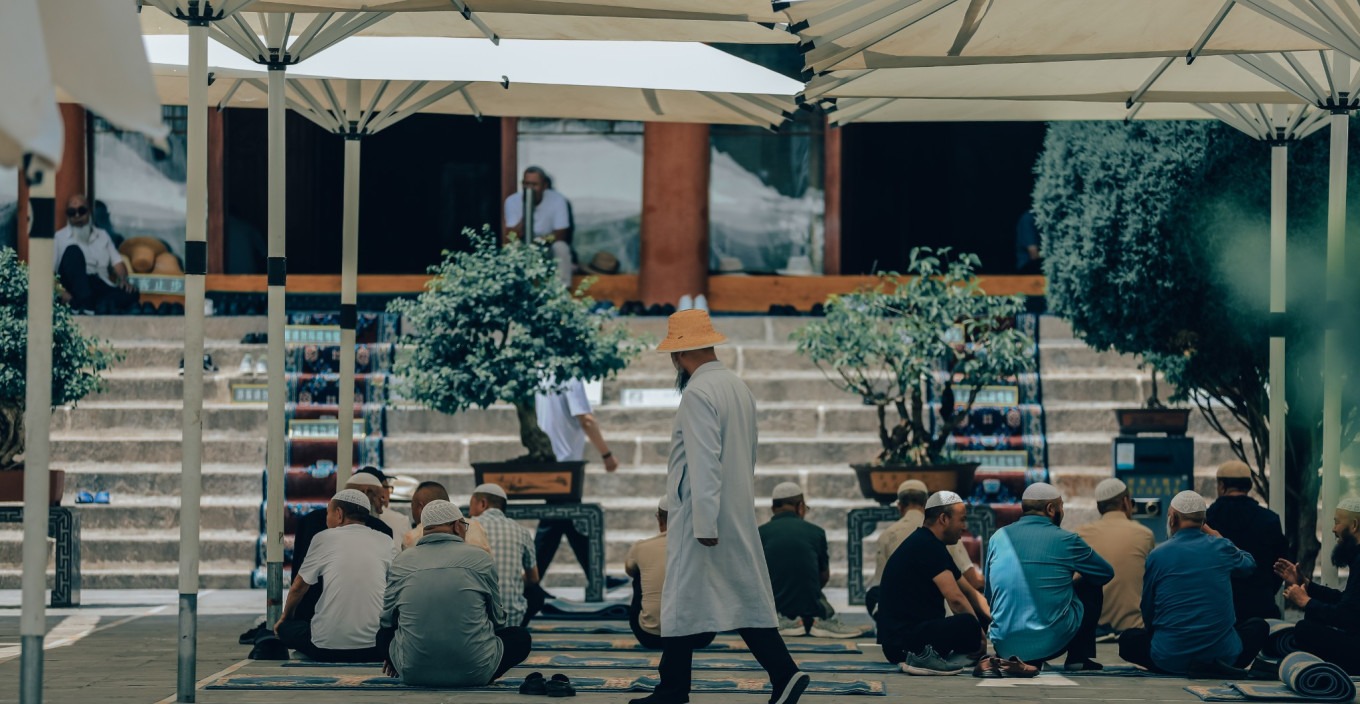
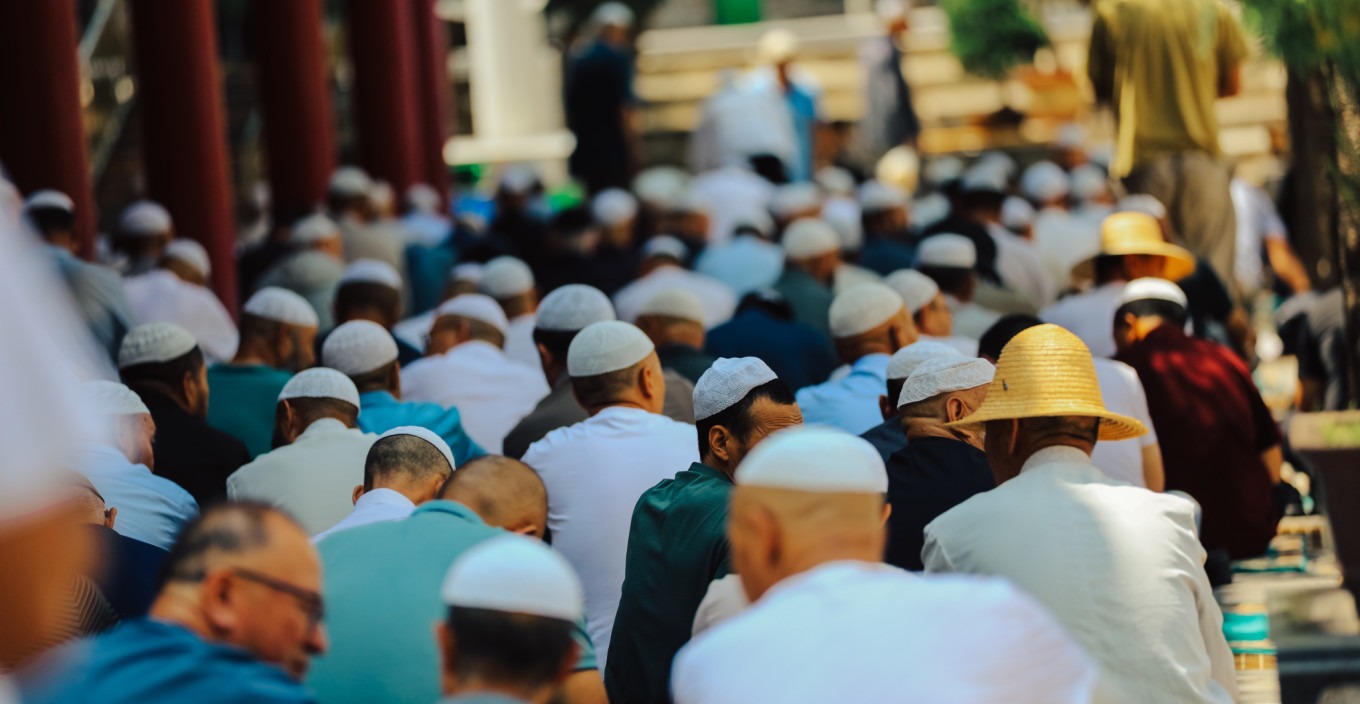
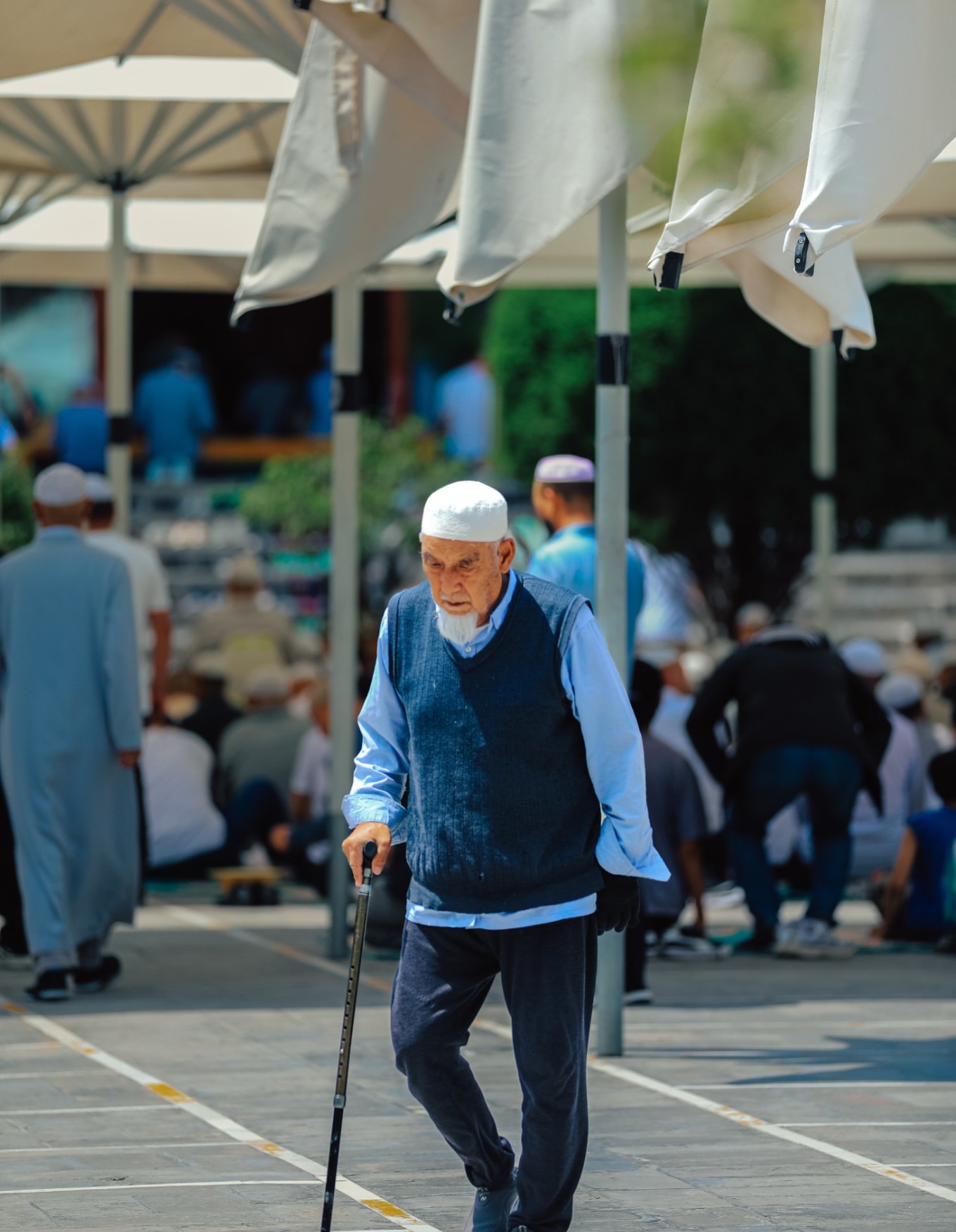
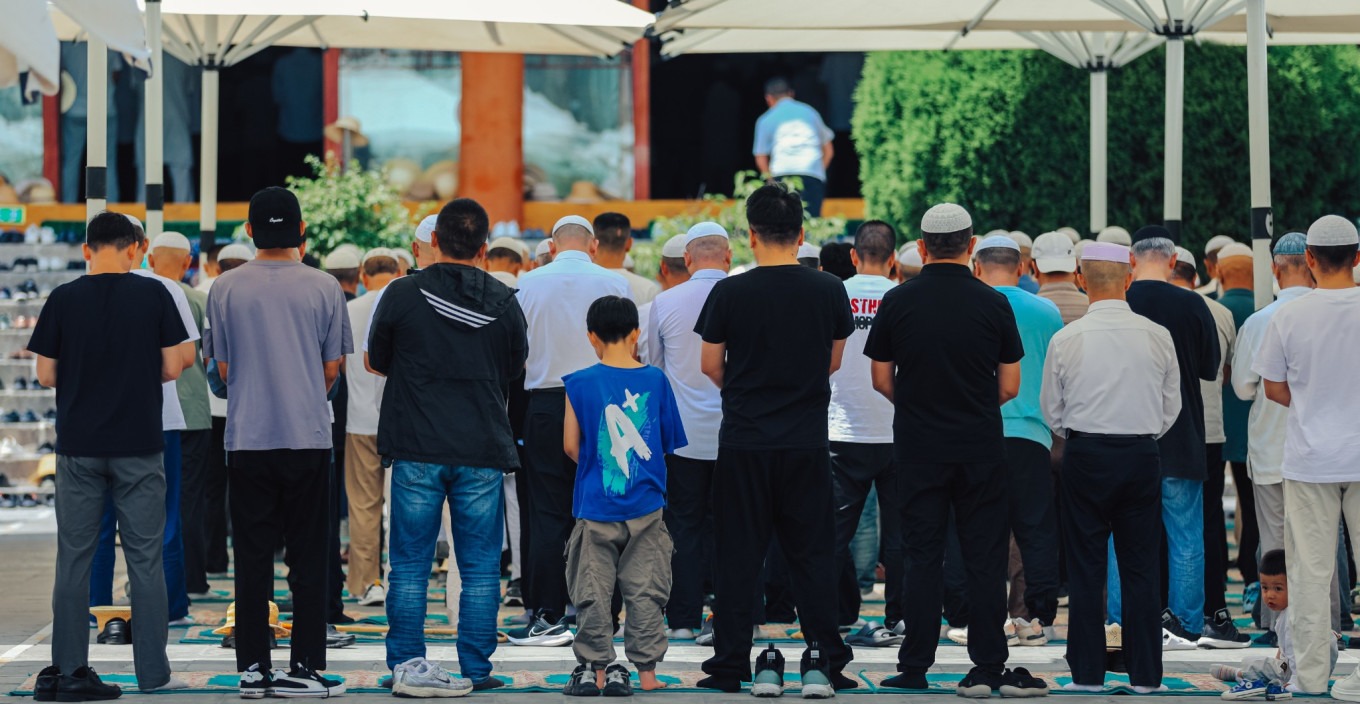
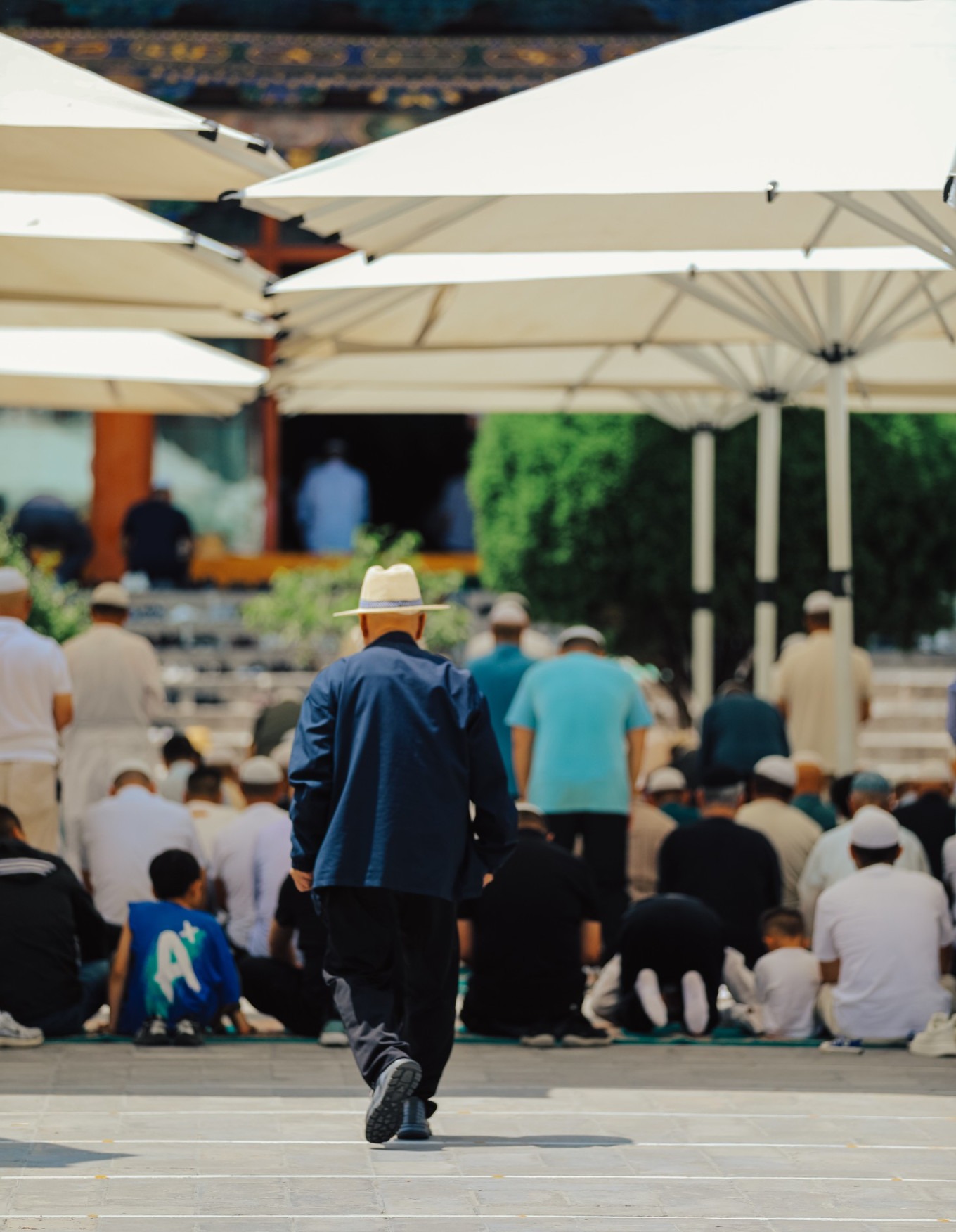
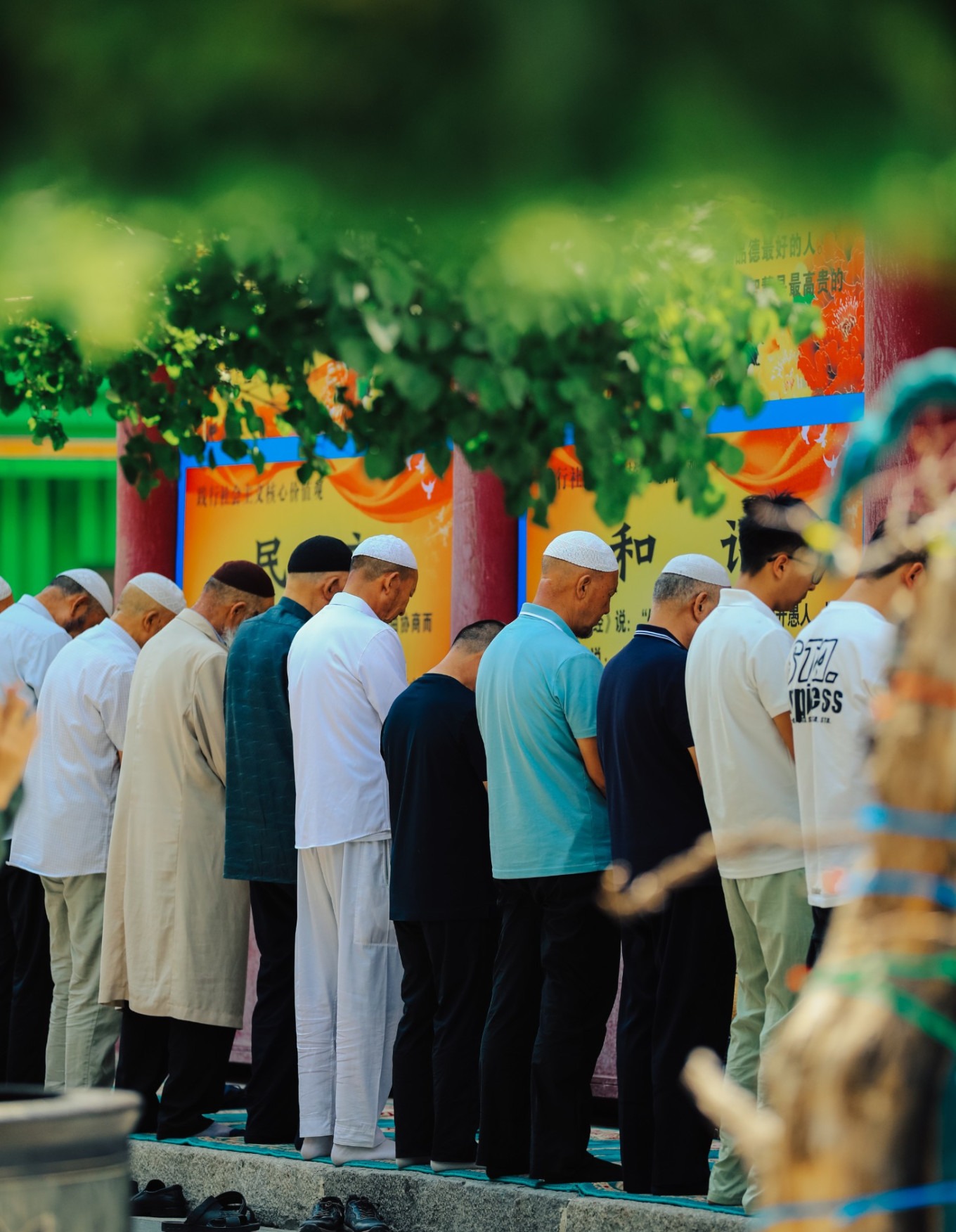
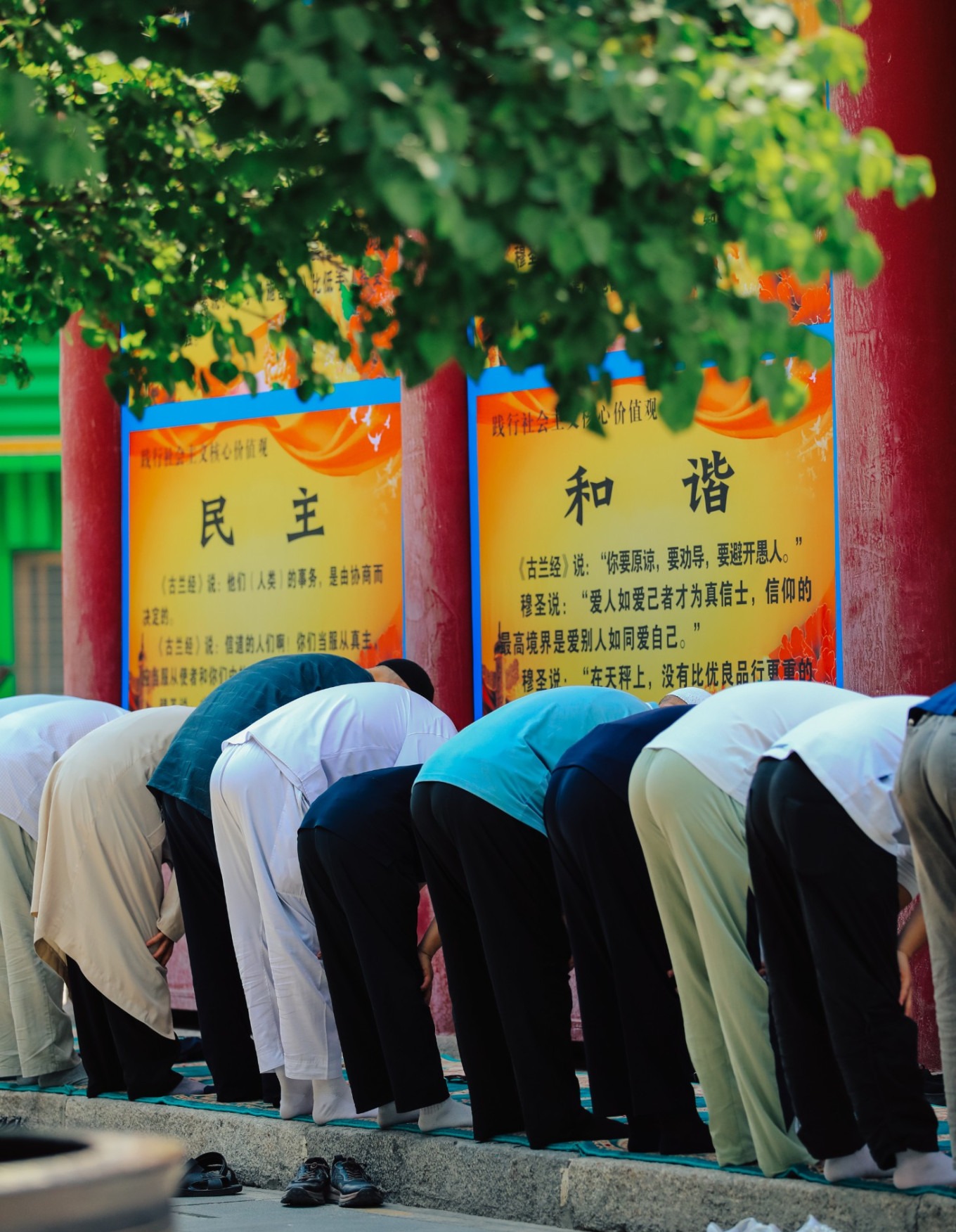
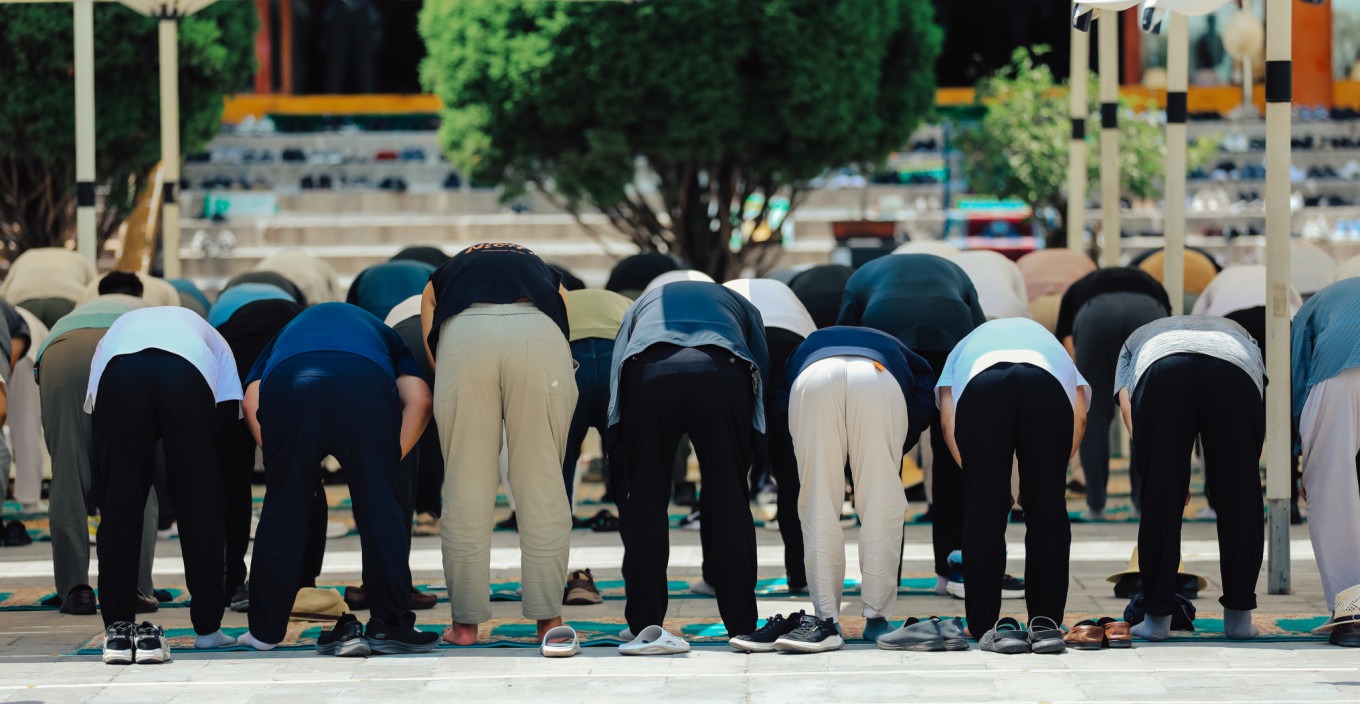
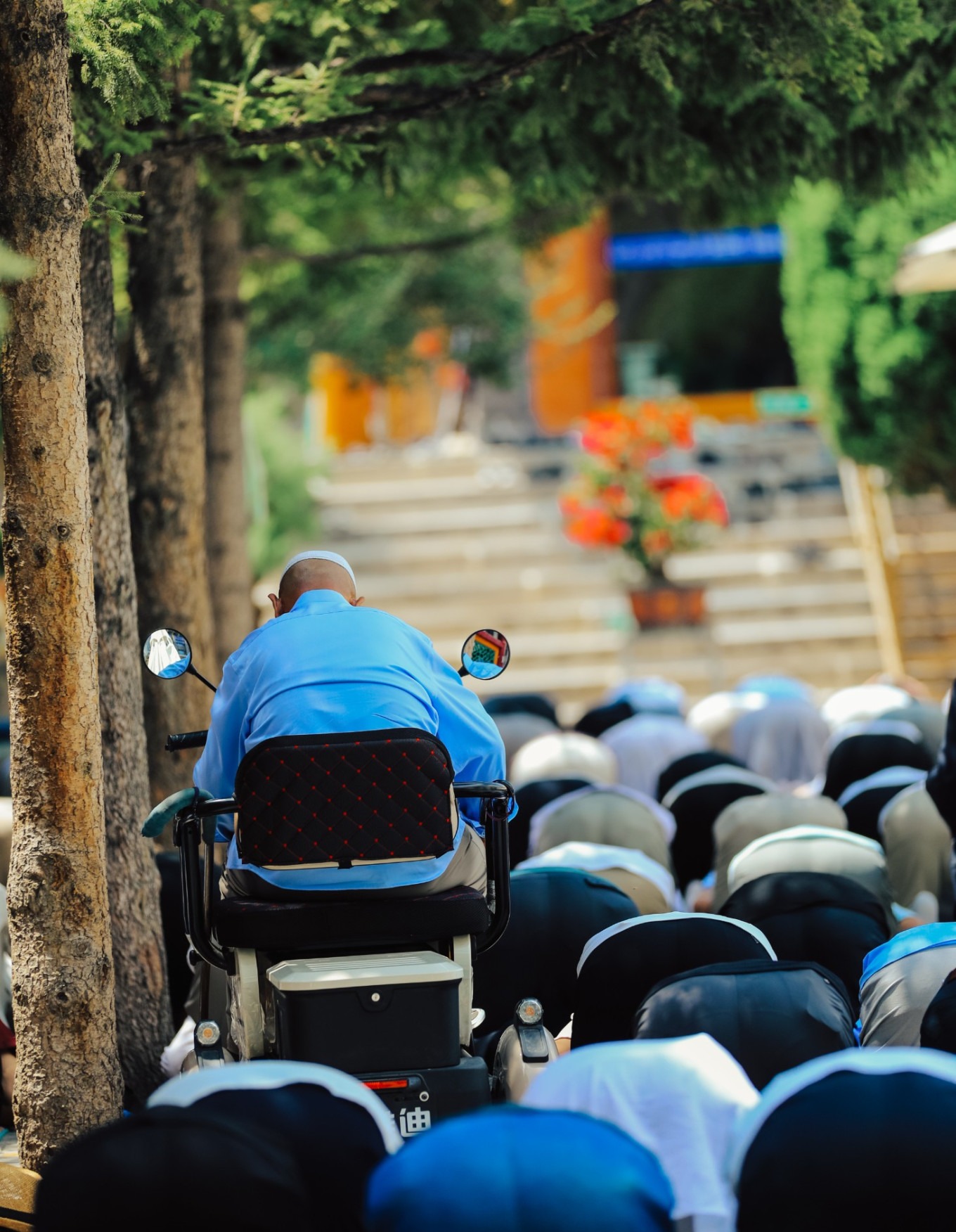
One notable observation: during the prayers you’ll see only men participating in the main square. It is likely that women have a separate prayer area, though it’s not visible to visitors. This is a common practice in many mosques.
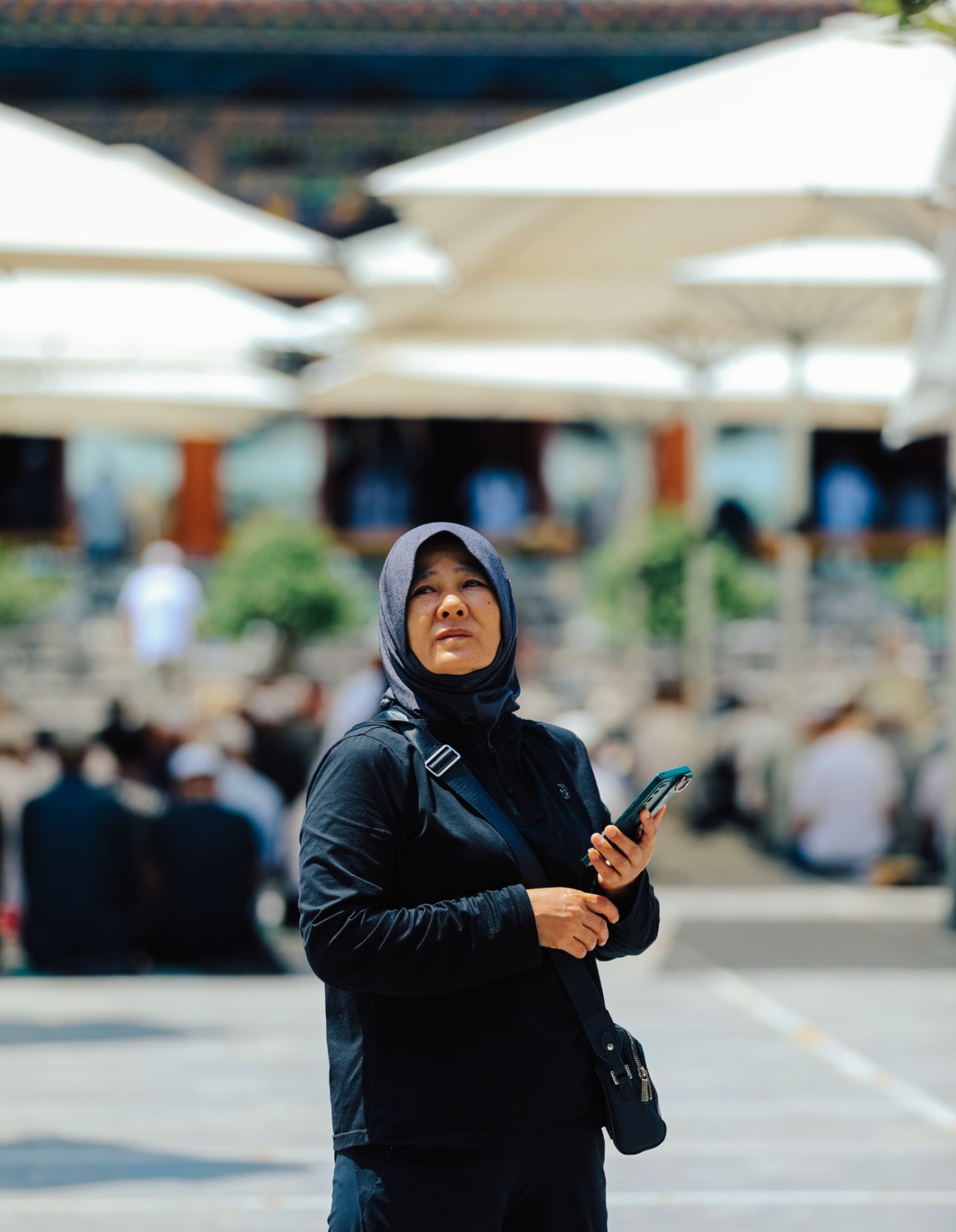
Practical tip: You can prioritize one signature stop around the area, and you should adjust timing and budget based on transport and peak hours.
Labrang Monastery (Rating 5/5)
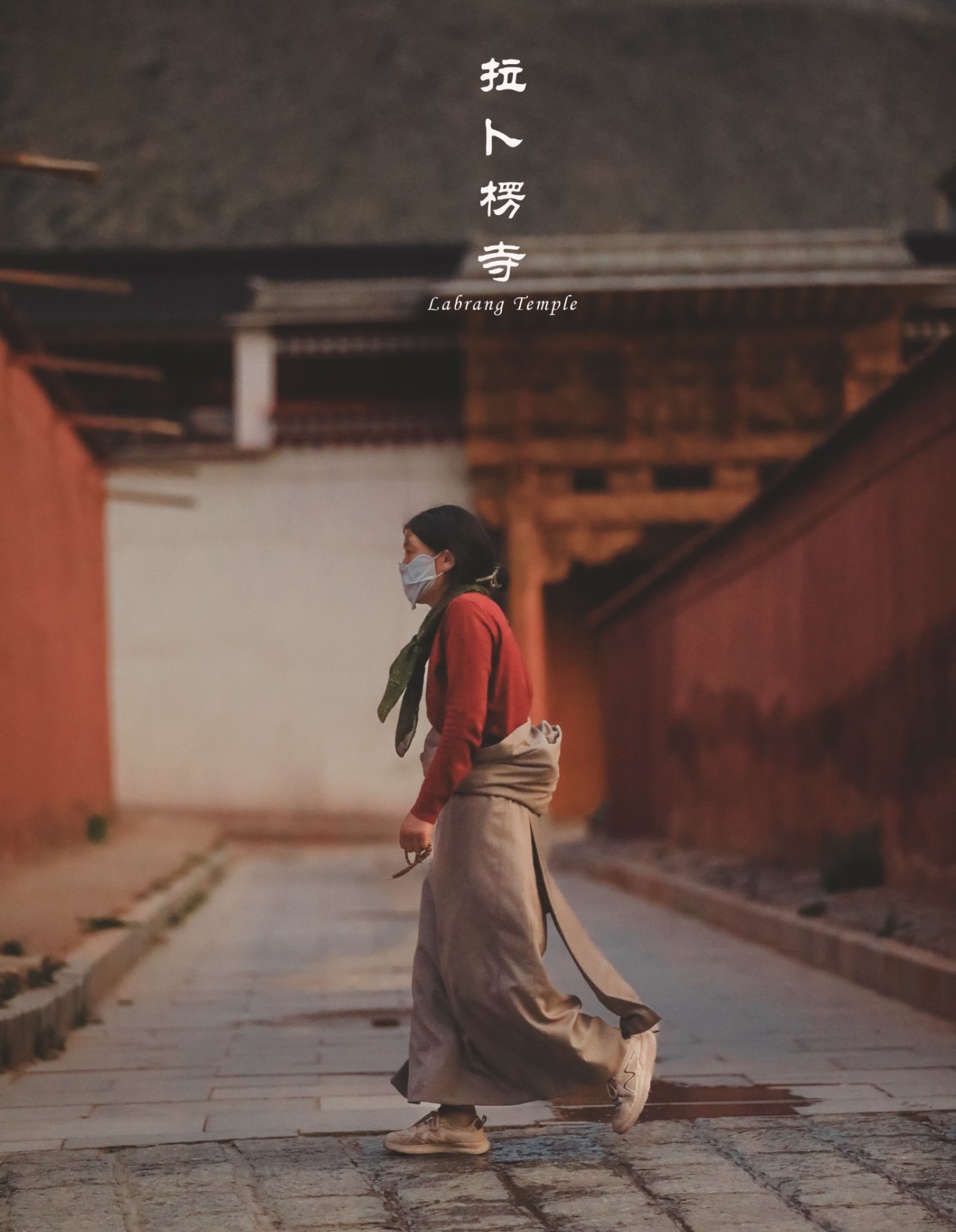
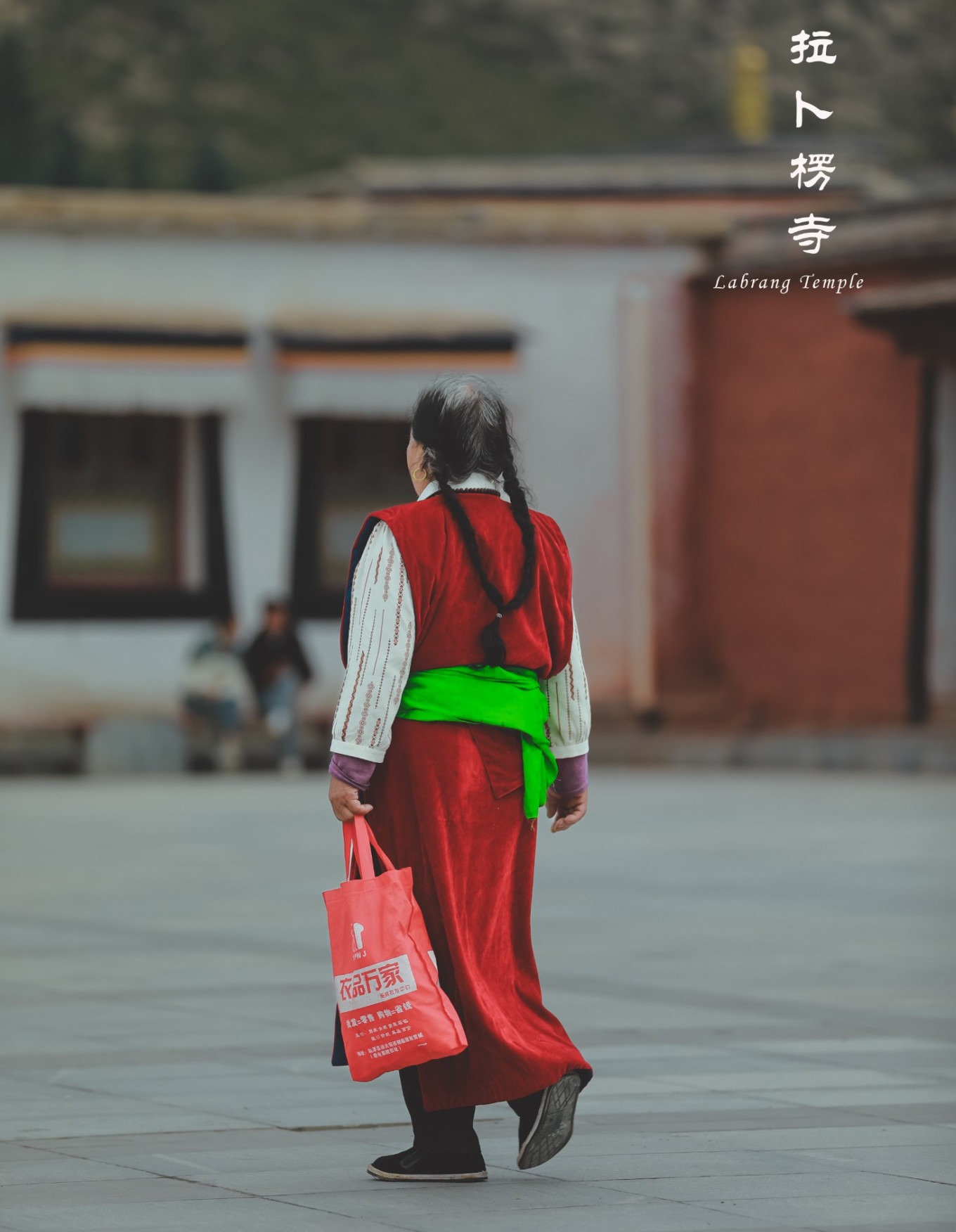
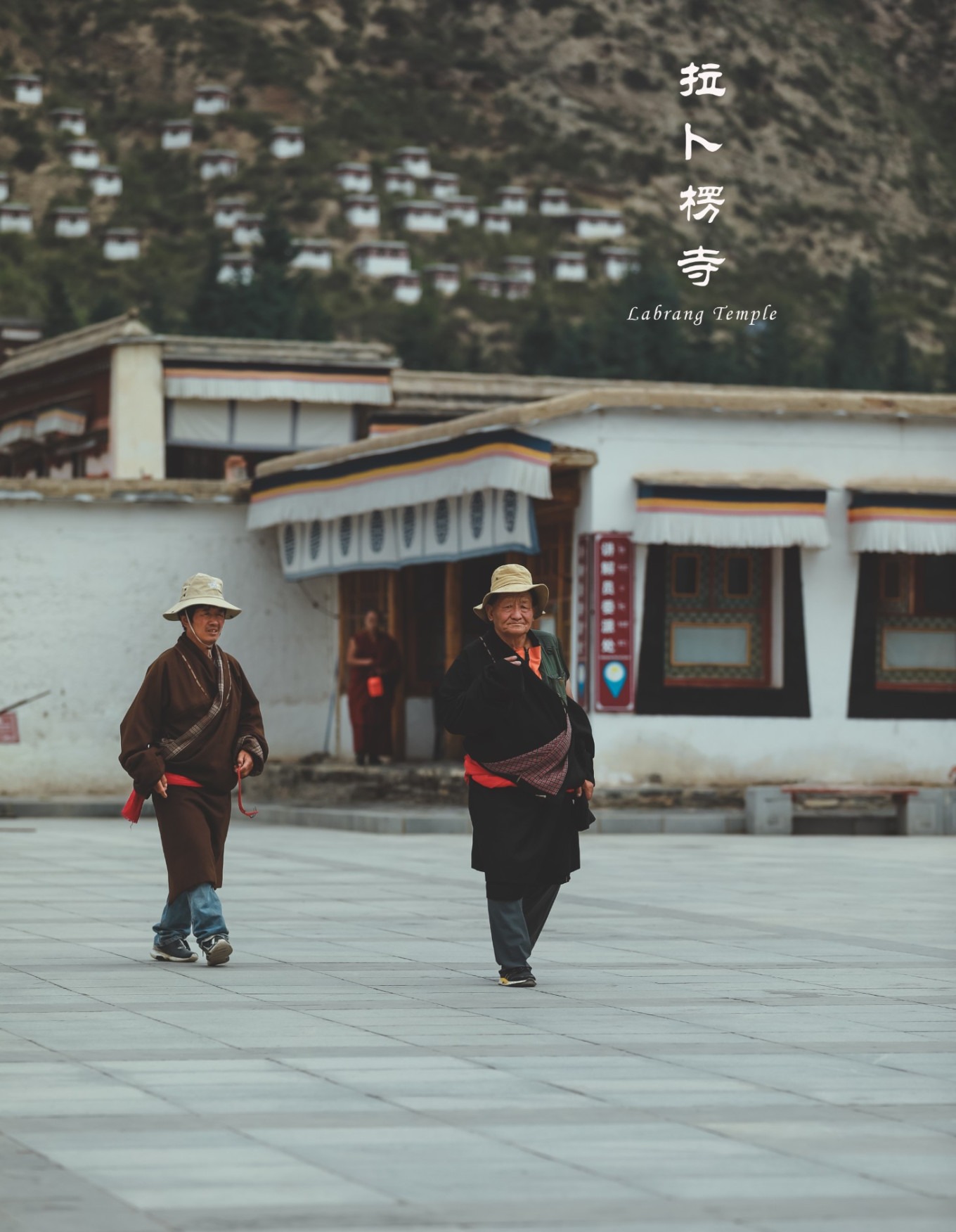
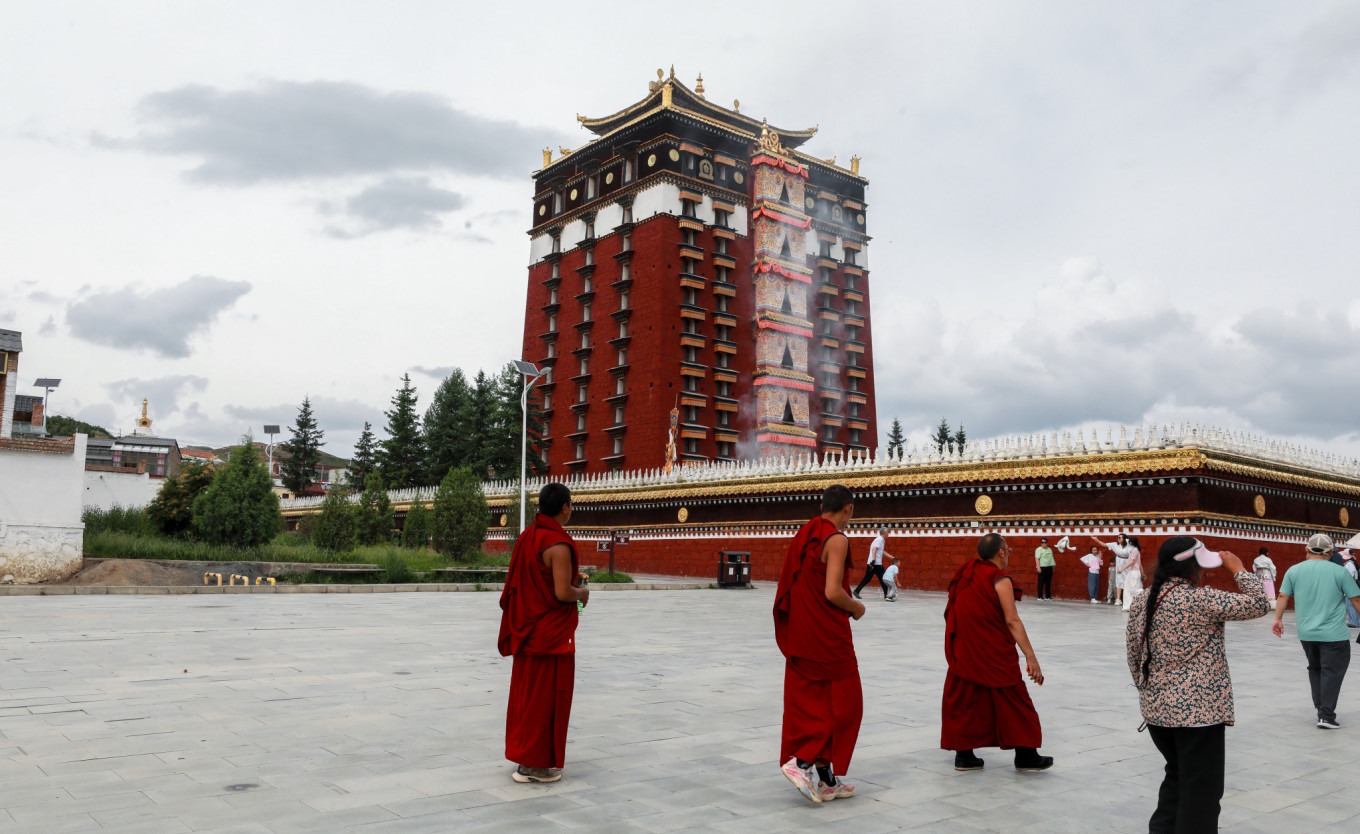
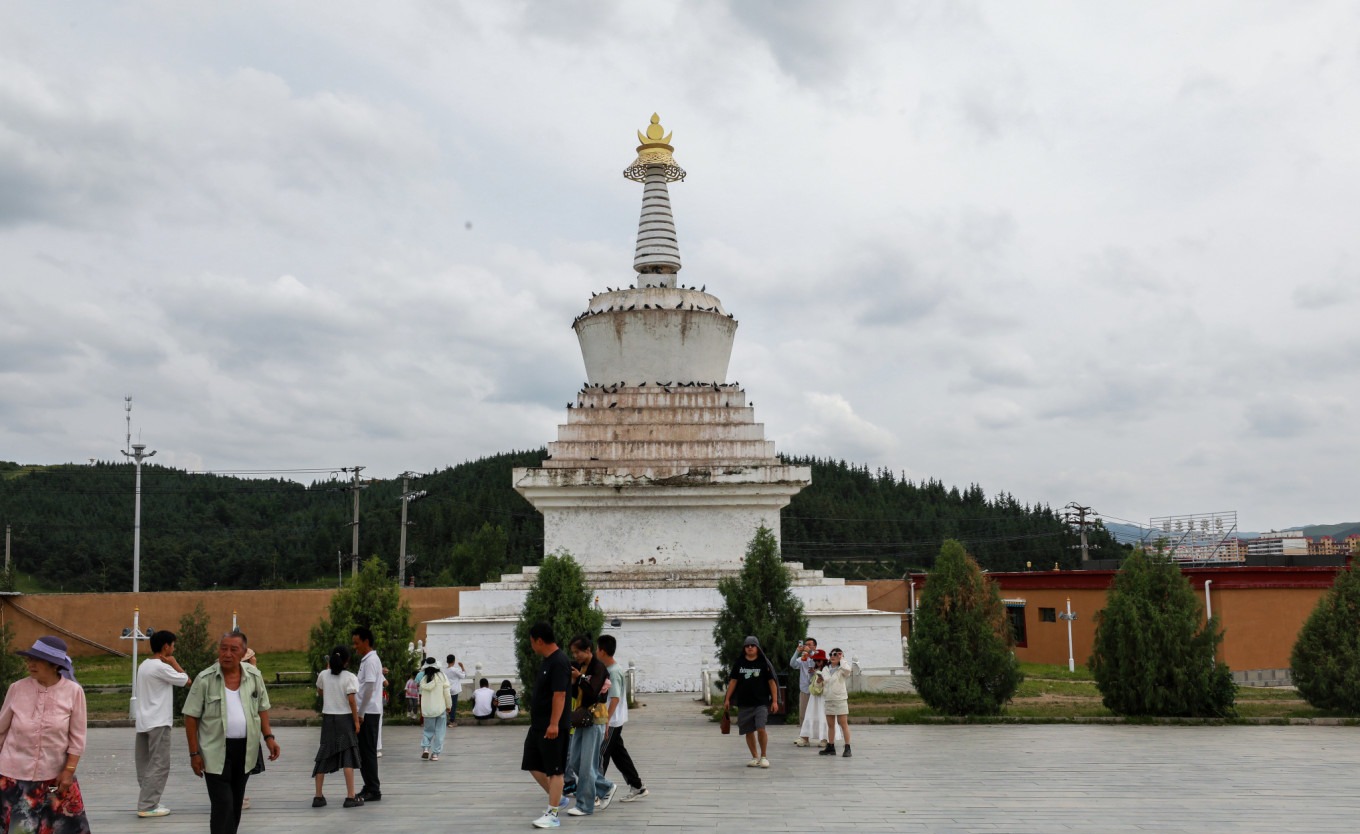
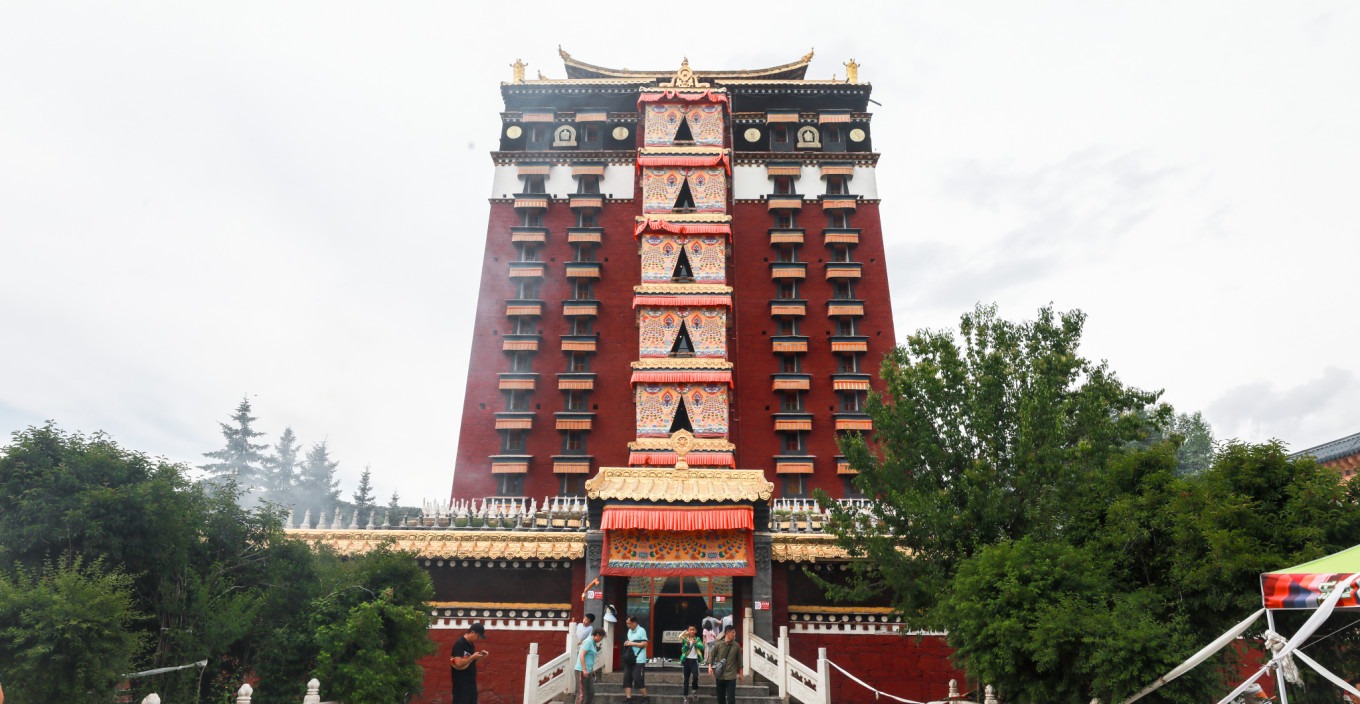
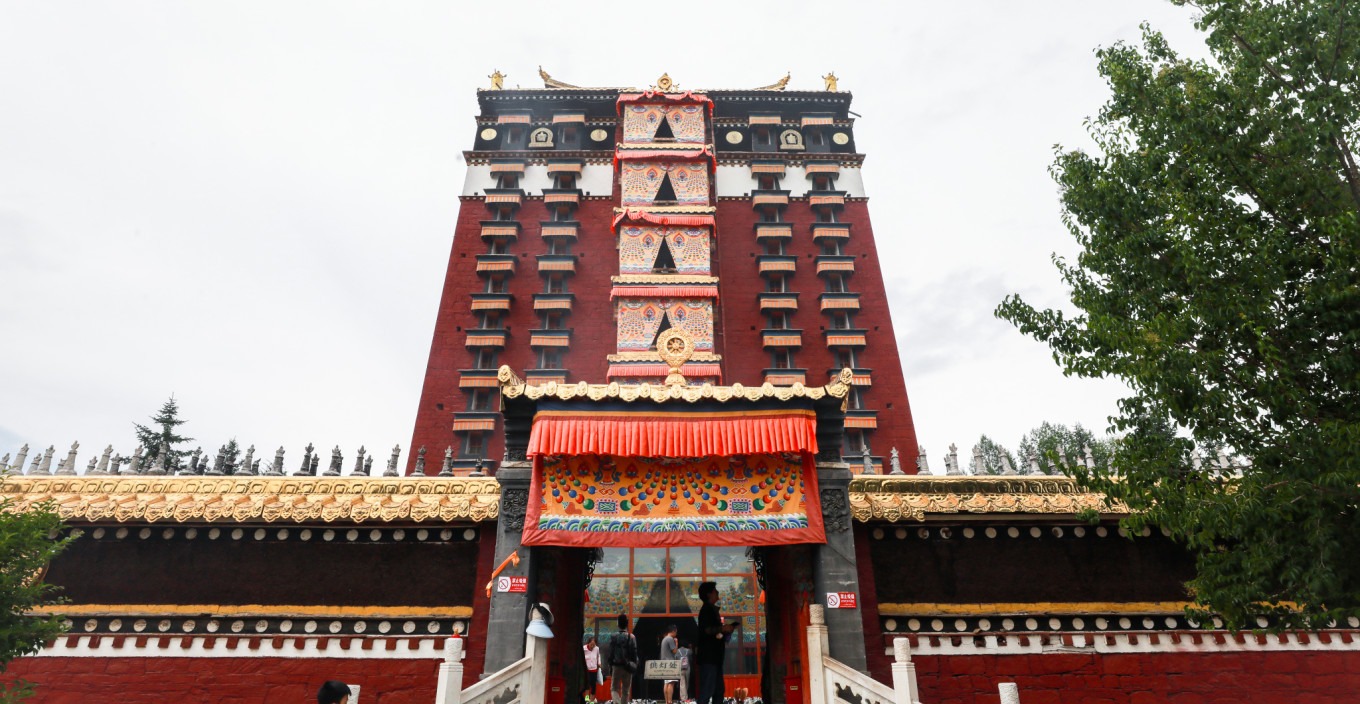
Labrang Monastery (拉卜楞寺), located in Xiahe County, Gannan Tibetan Autonomous Prefecture, Gansu Province, is one of the six great monasteries of the Gelug school of Tibetan Buddhism. Its full Tibetan name, Ganden Shé Dargyé Tashi Gyepa Ling, means ‘the auspicious right-spiraling monastery of the teaching and practice of joy.’ Commonly known as Labrang, the name is a variant of the Tibetan word ‘Labrang,’ meaning ‘residence of the living Buddha.’ This sacred site draws pilgrims and travelers alike with its profound spiritual atmosphere and architectural grandeur.
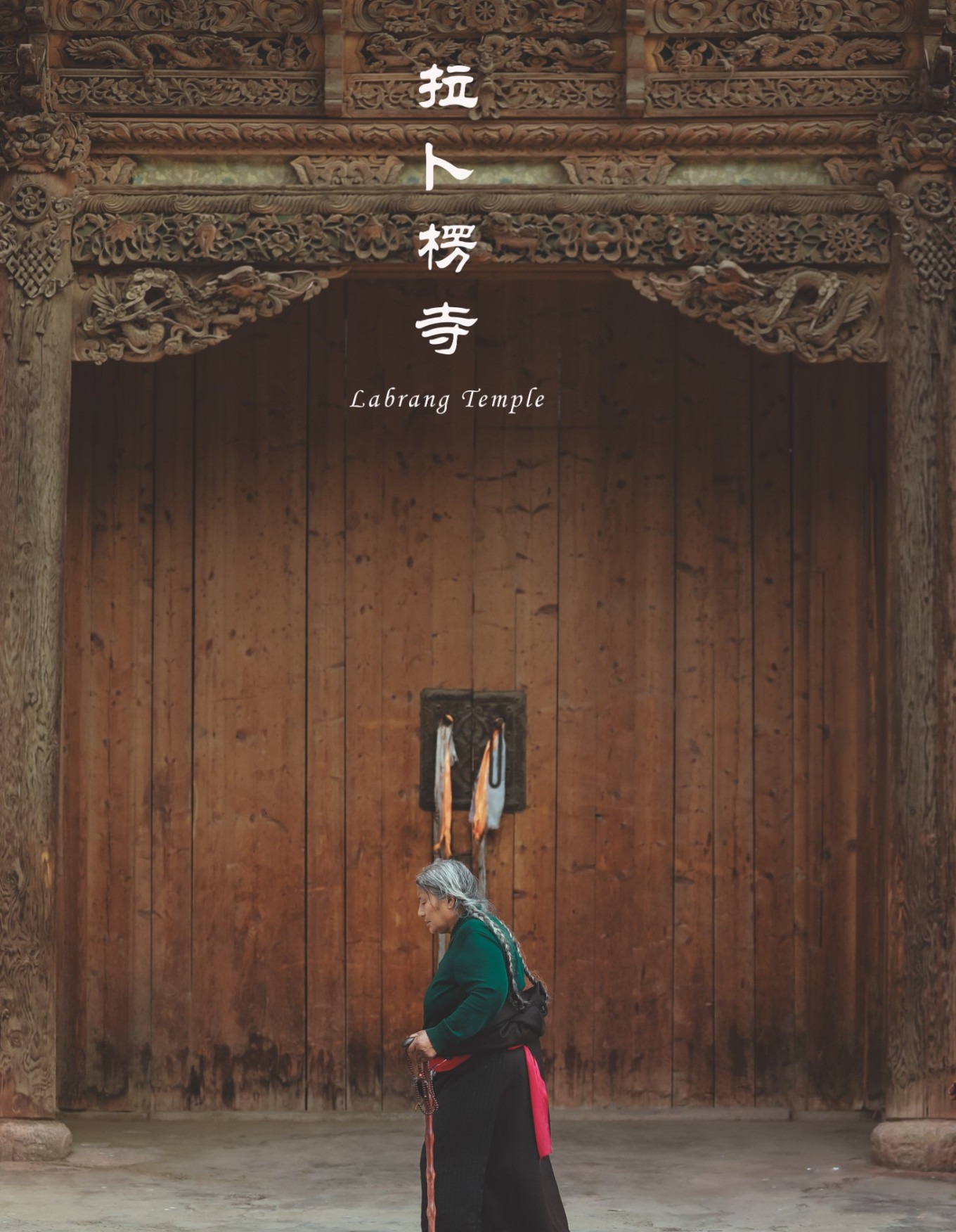
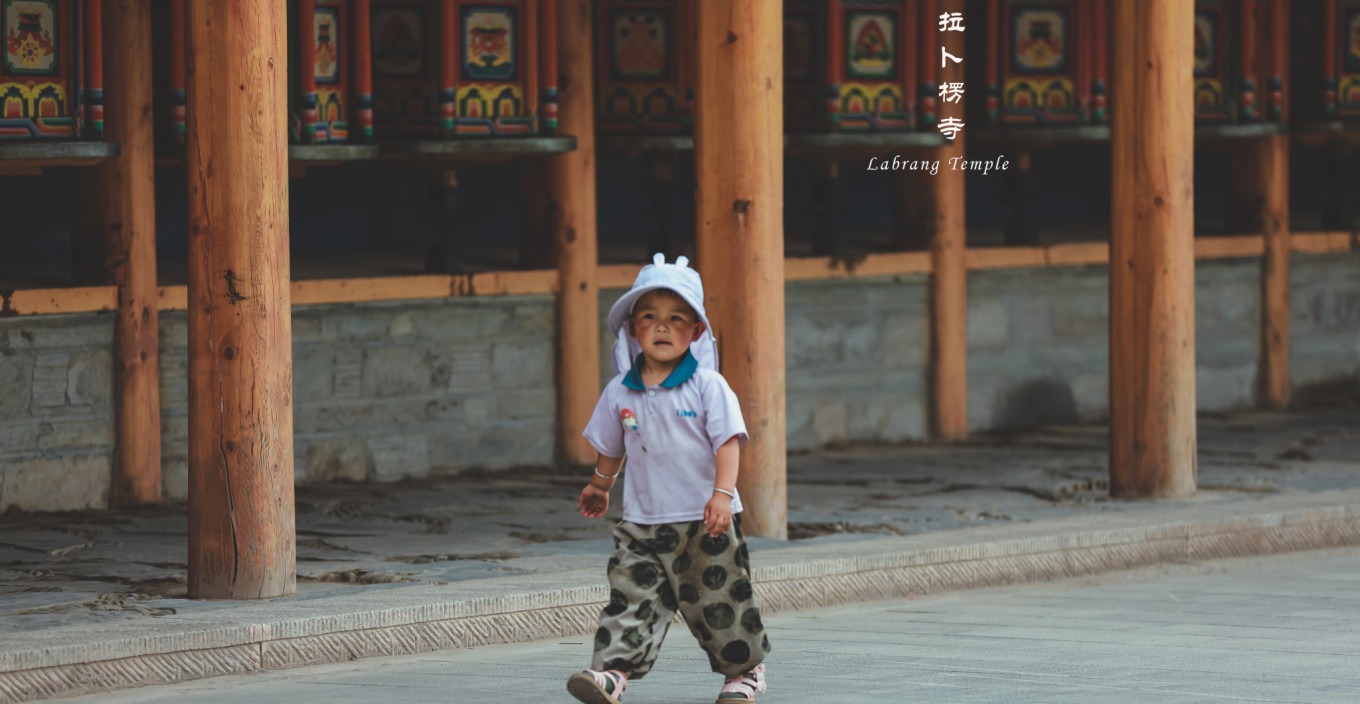
As the first rays of sunlight pierce the mist over the Xiahe River valley and strike the golden roofs of Labrang, the sound of the mantra ‘Om Mani Padme Hum’ already rises from the prayer corridor. The monastery boasts the world’s longest prayer wheel corridor—a 3.2-kilometer circuit of thousands of prayer wheels that encircles the entire complex. Turning each wheel is an act of devotion, a dialogue between faith and time. You can join pilgrims of all ages and backgrounds in this meditative practice; the corridor is open from dawn until dusk.
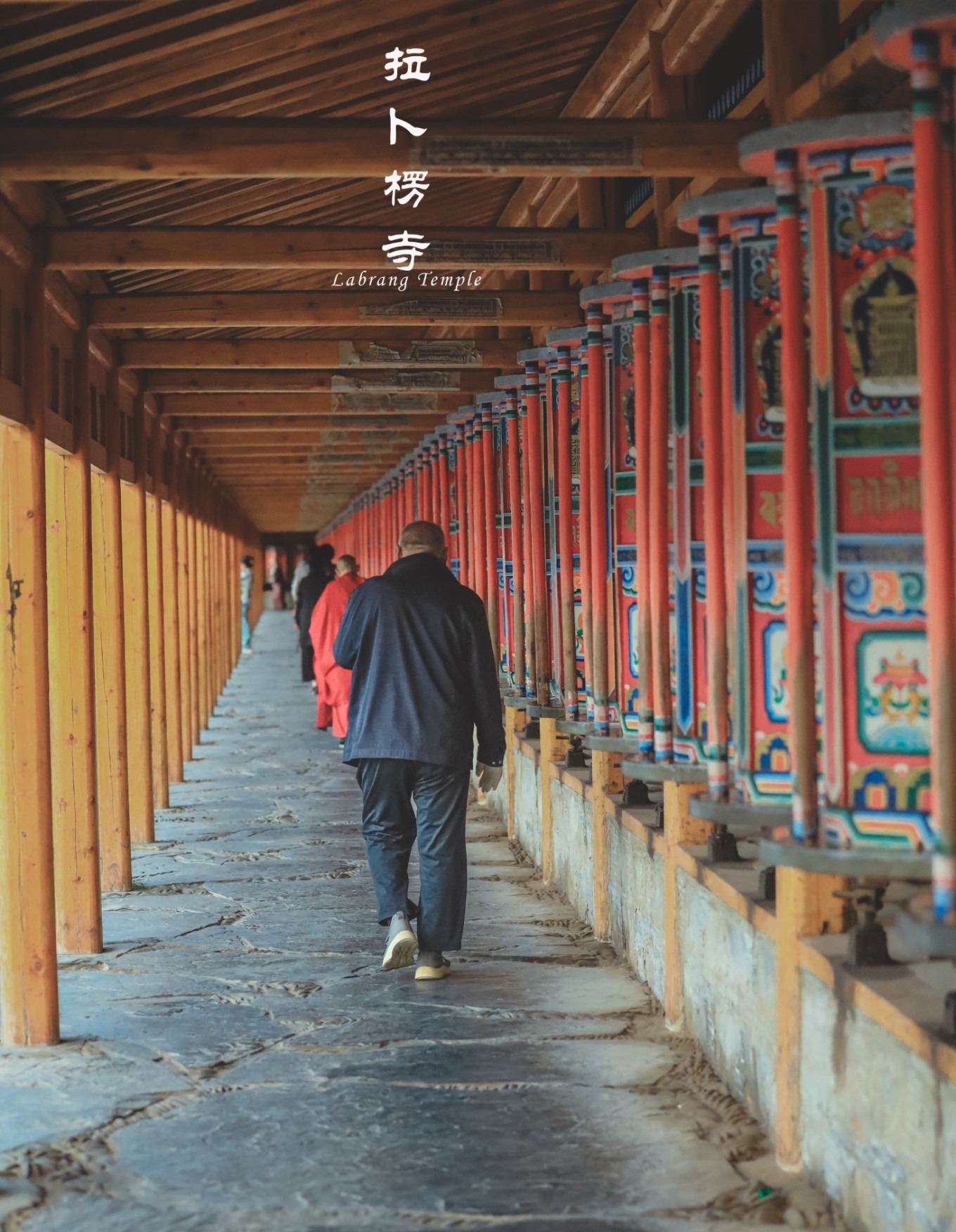
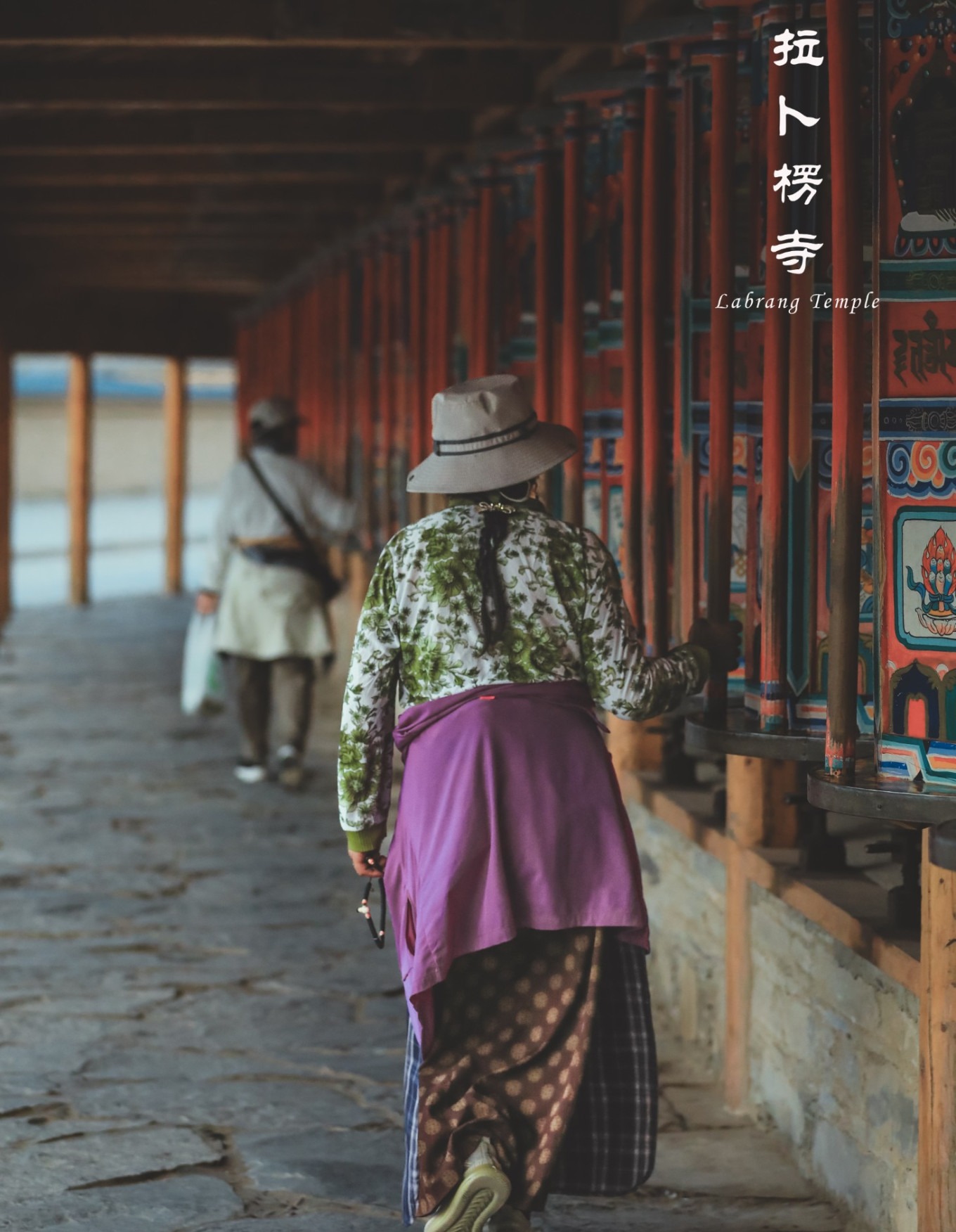
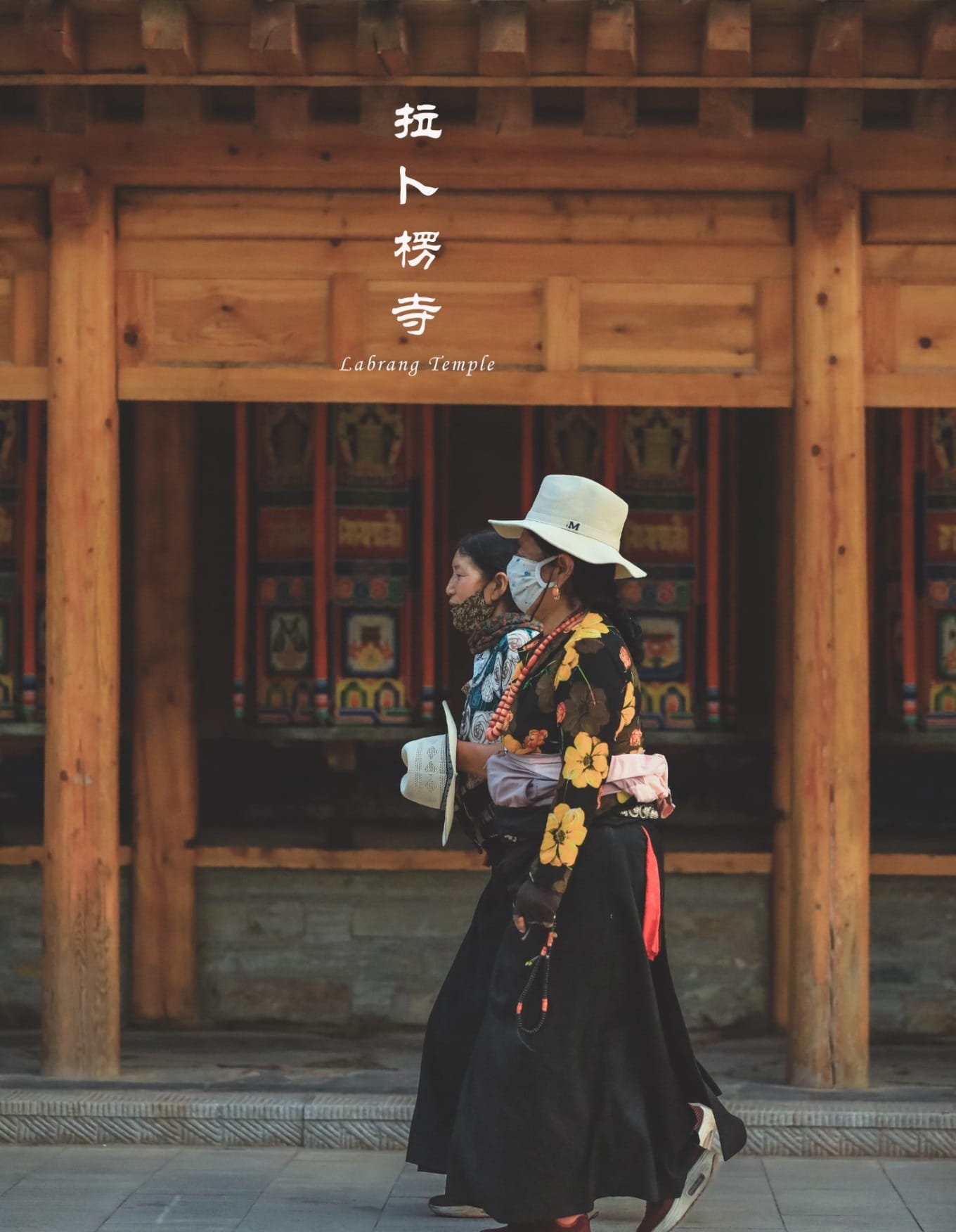
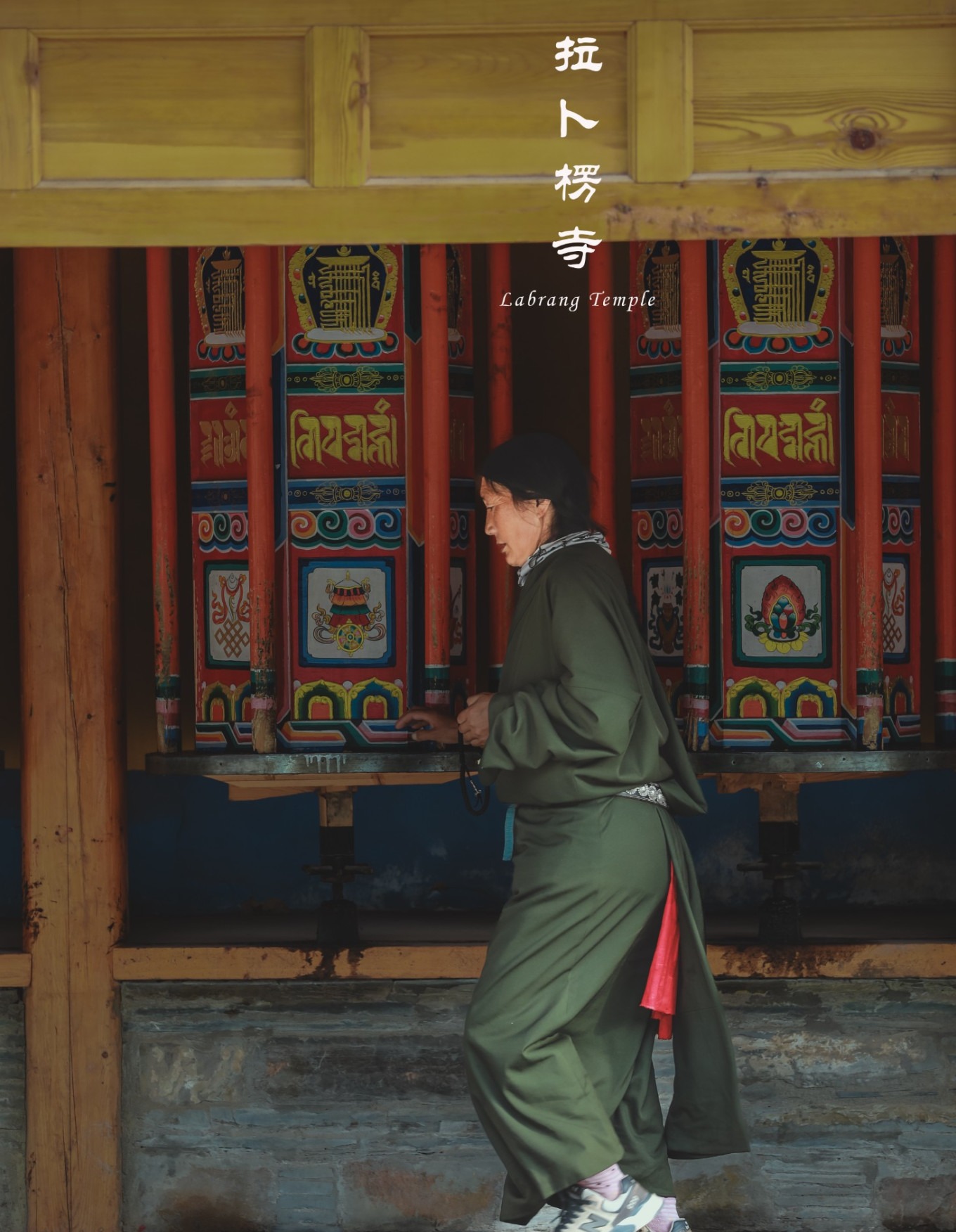
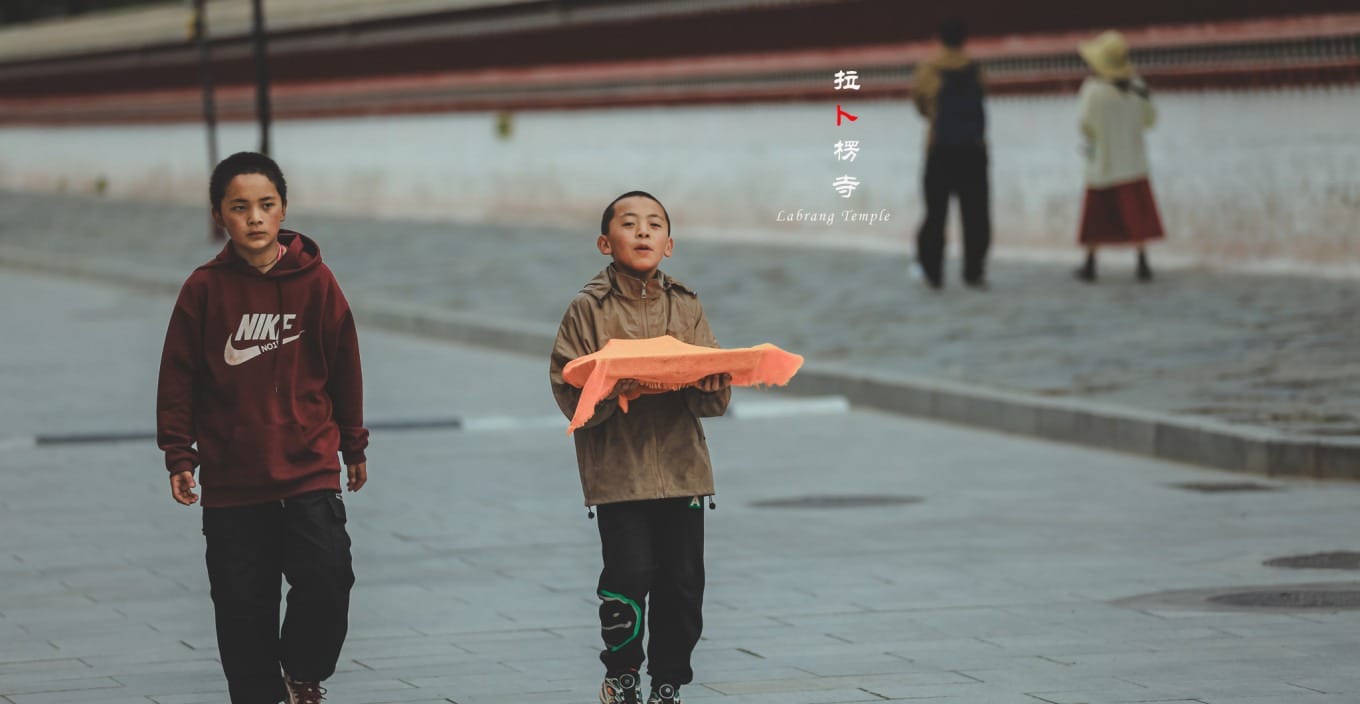
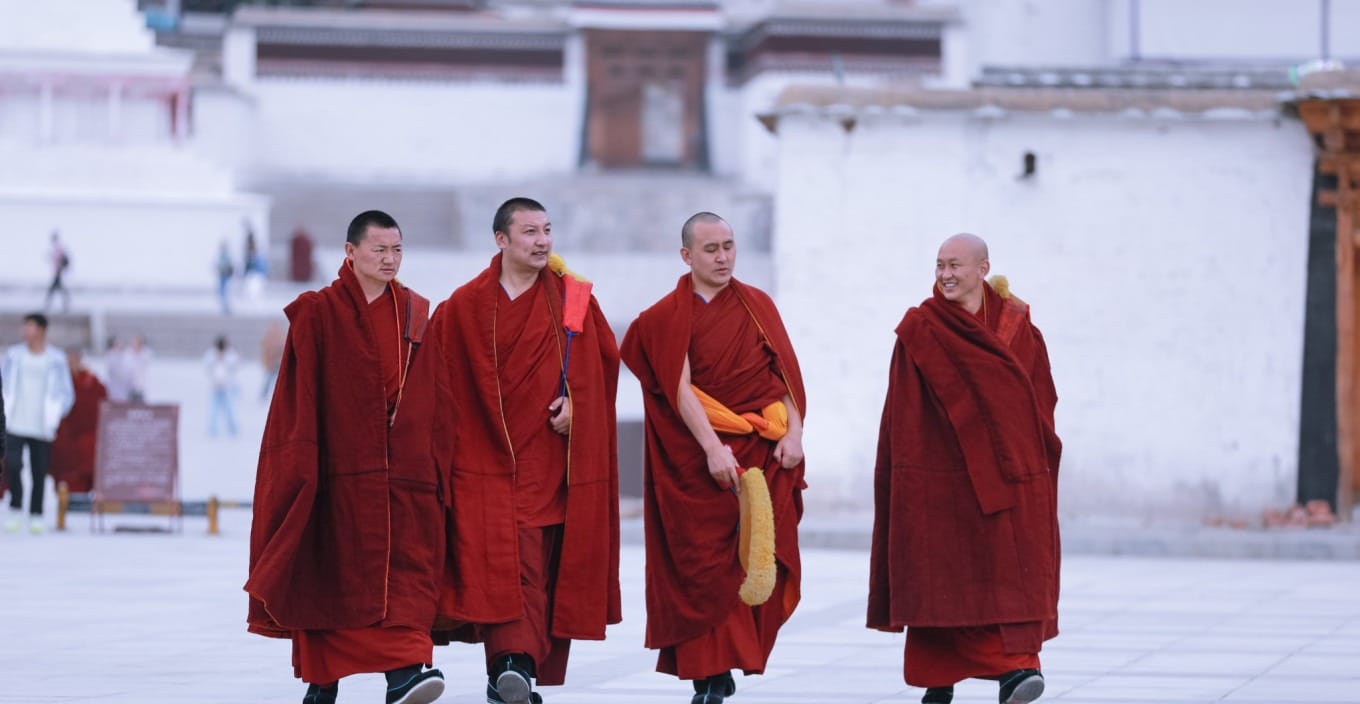
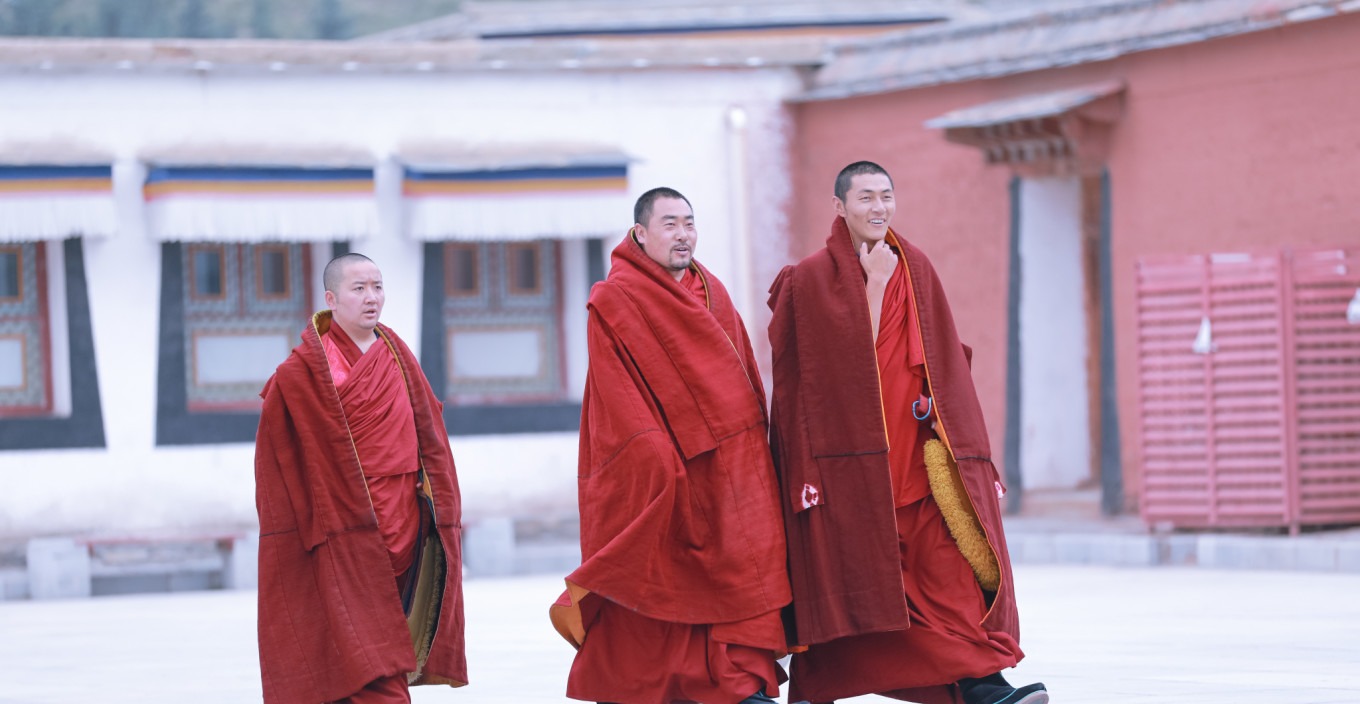
The crowd at the prayer wheels is a cross-section of life: elderly monks, young families, children, and travelers. You’ll see young kids carefully turning the heavy cylinders, a sign that faith is passed down through generations. Early in the morning, many children carry offering trays through the monastery streets, heading to the temples with offerings for the lamas. After ceremonies, monks exit the halls, their crimson robes striking against the whitewashed walls.
Gansu Museum Rating 5/5
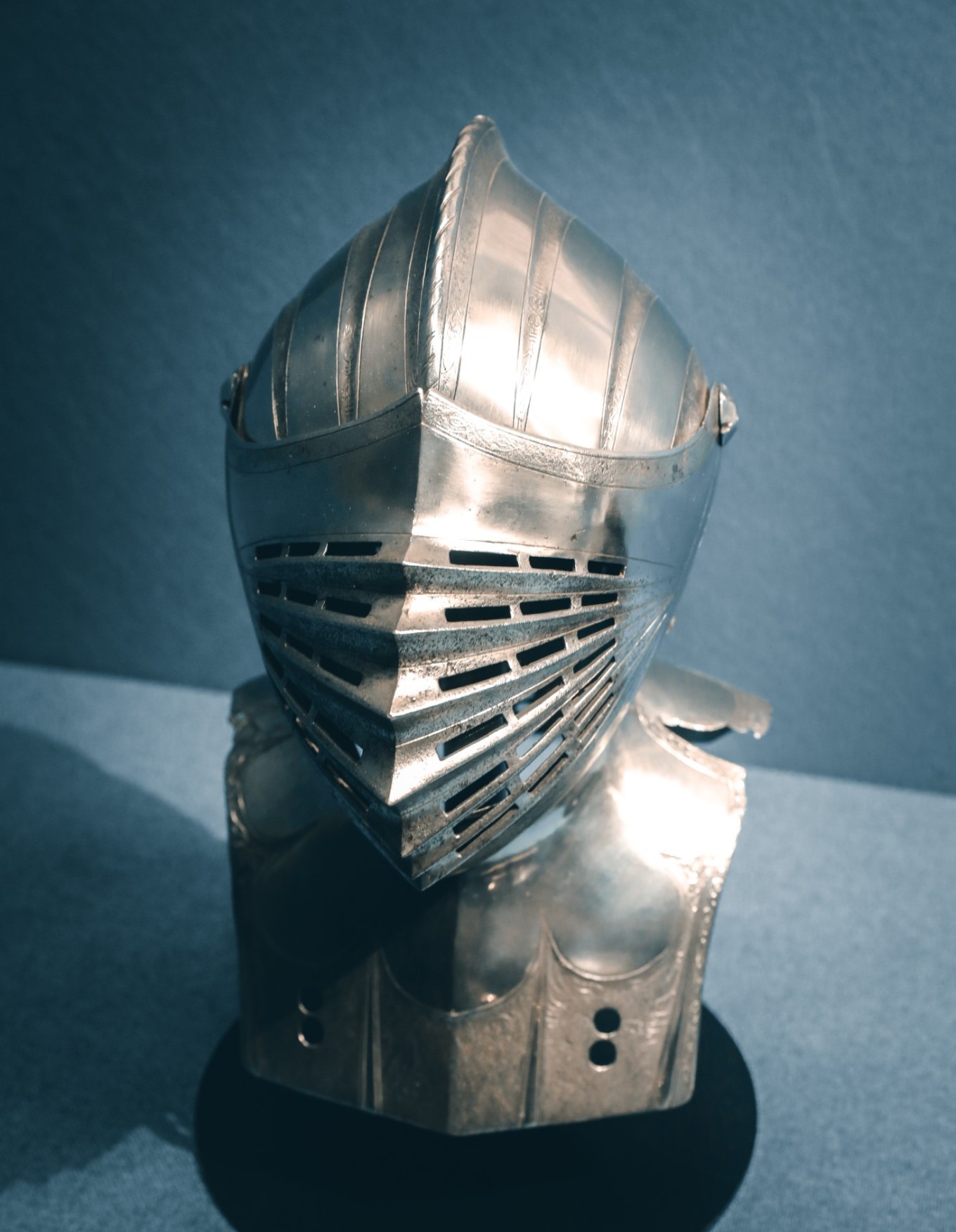
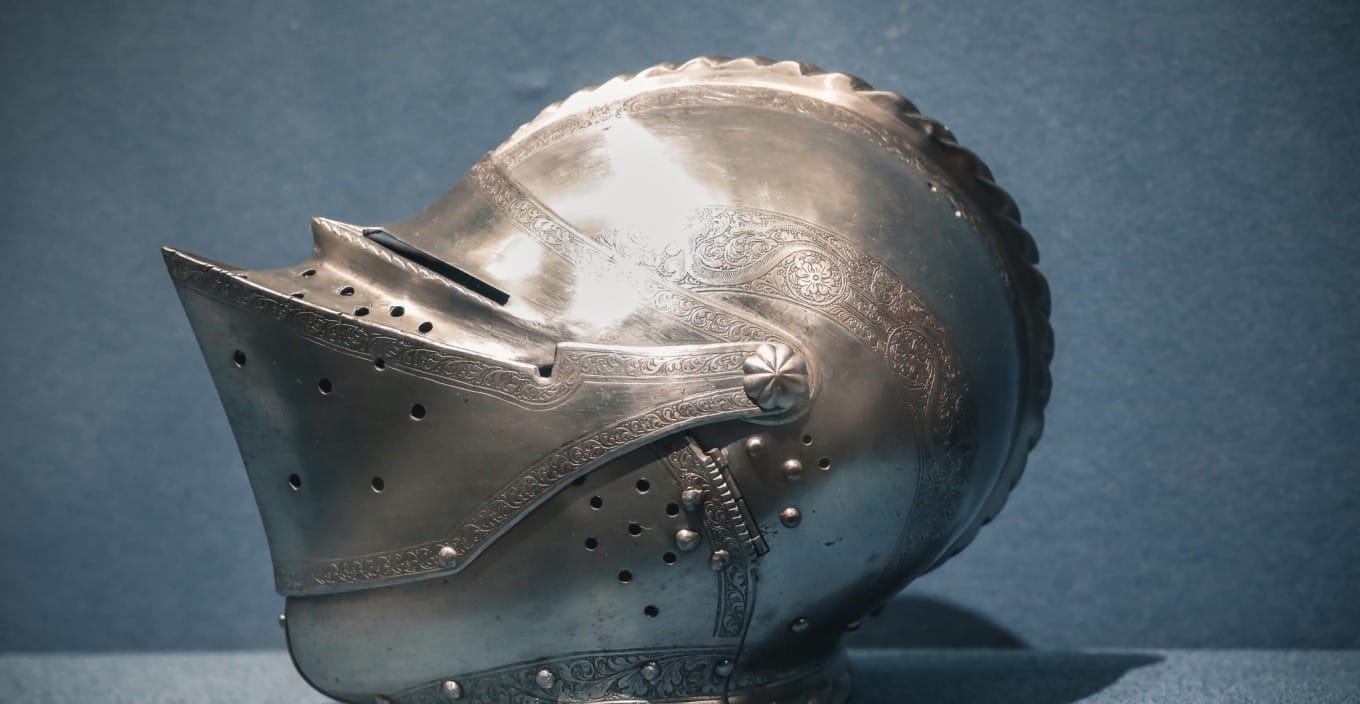
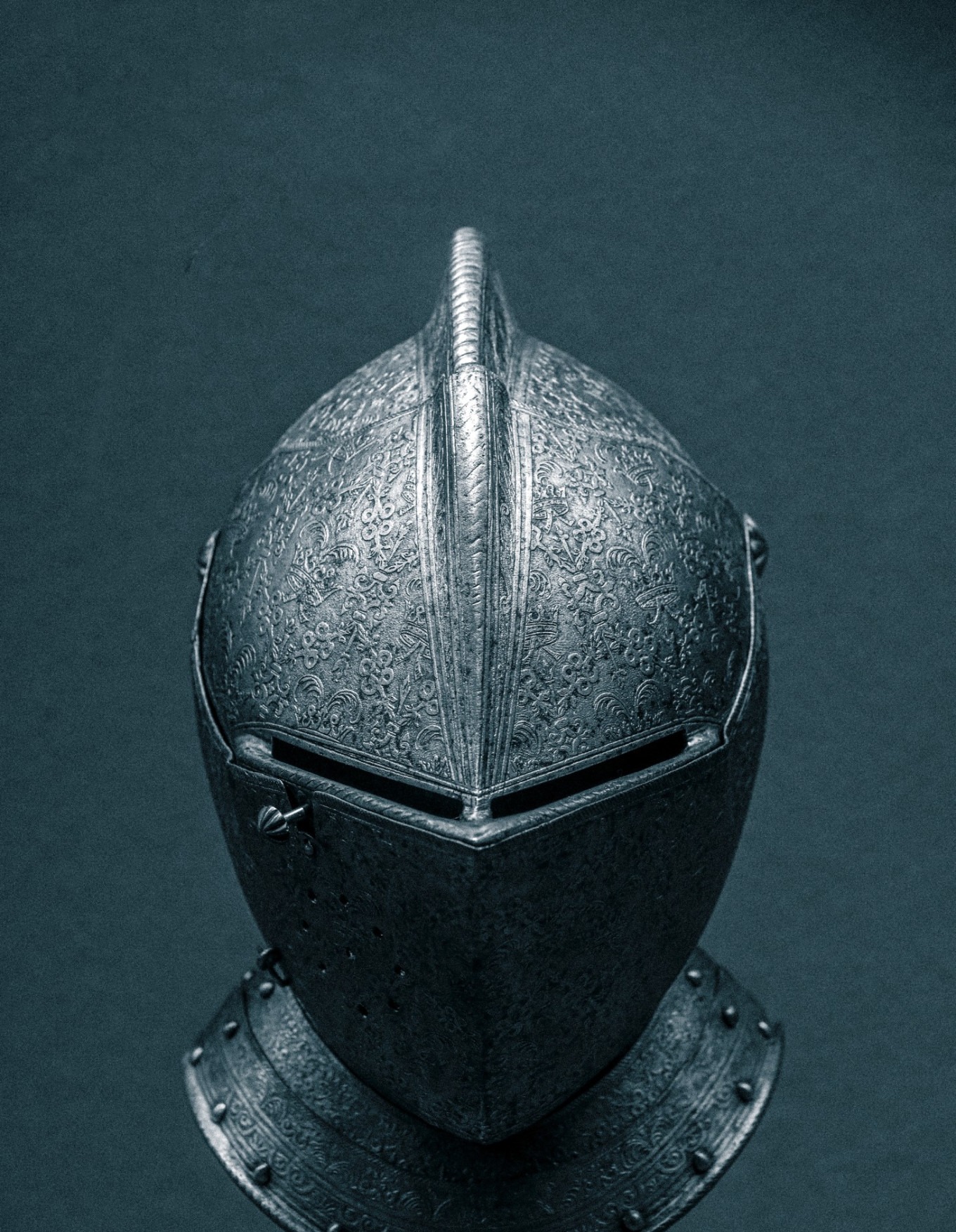
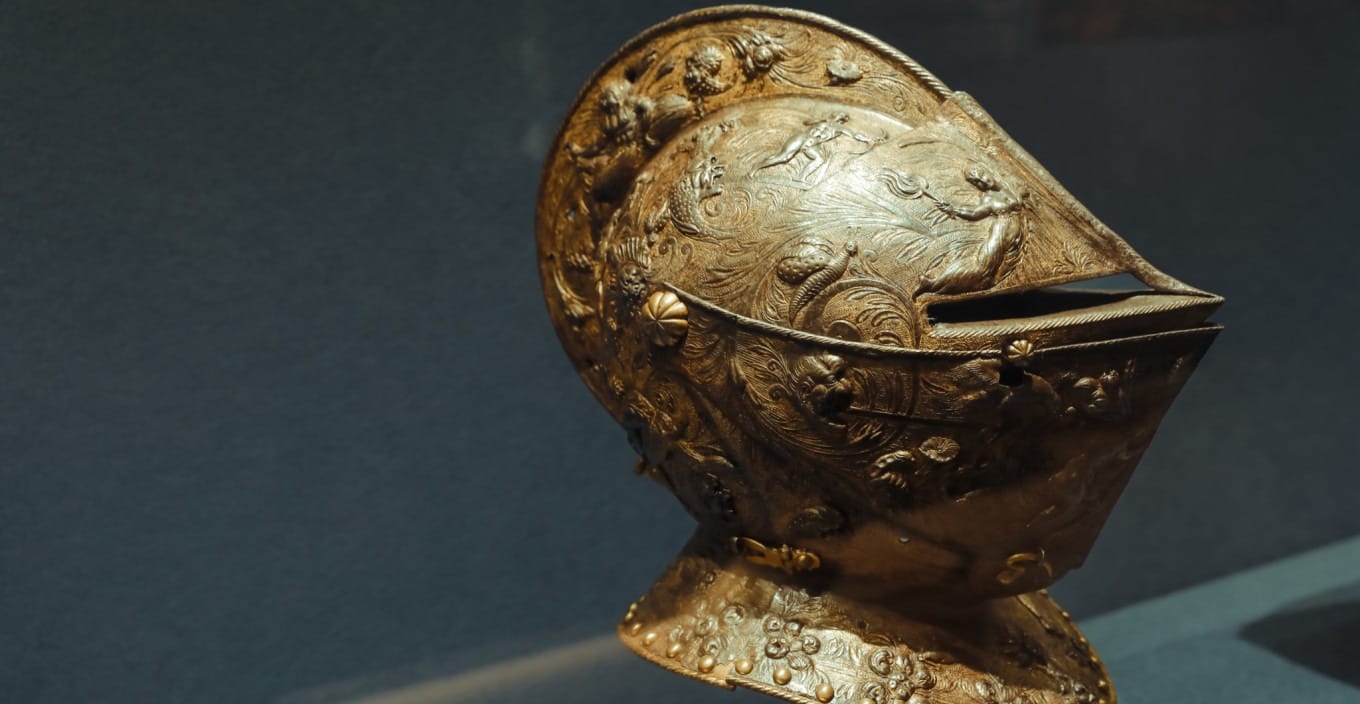
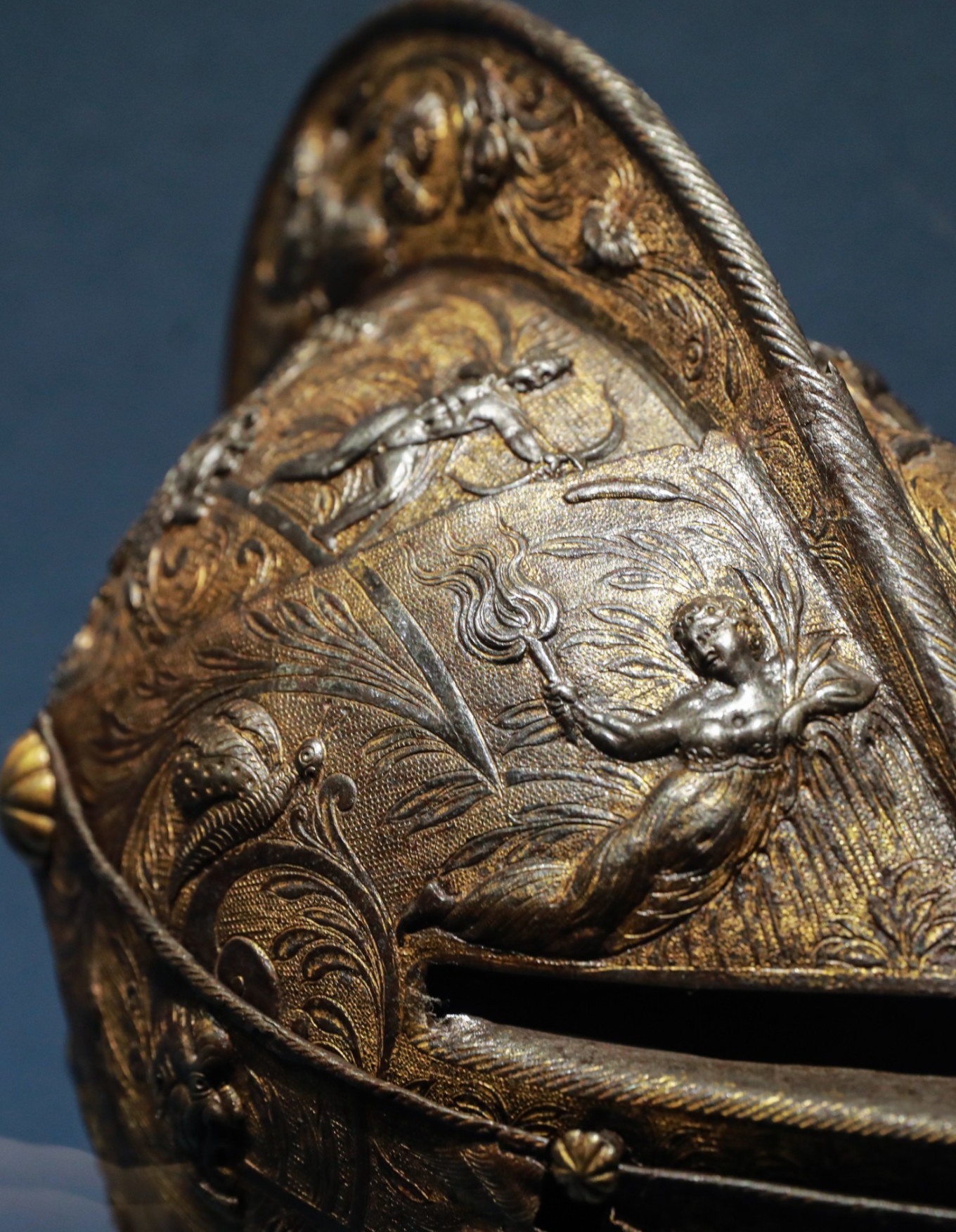
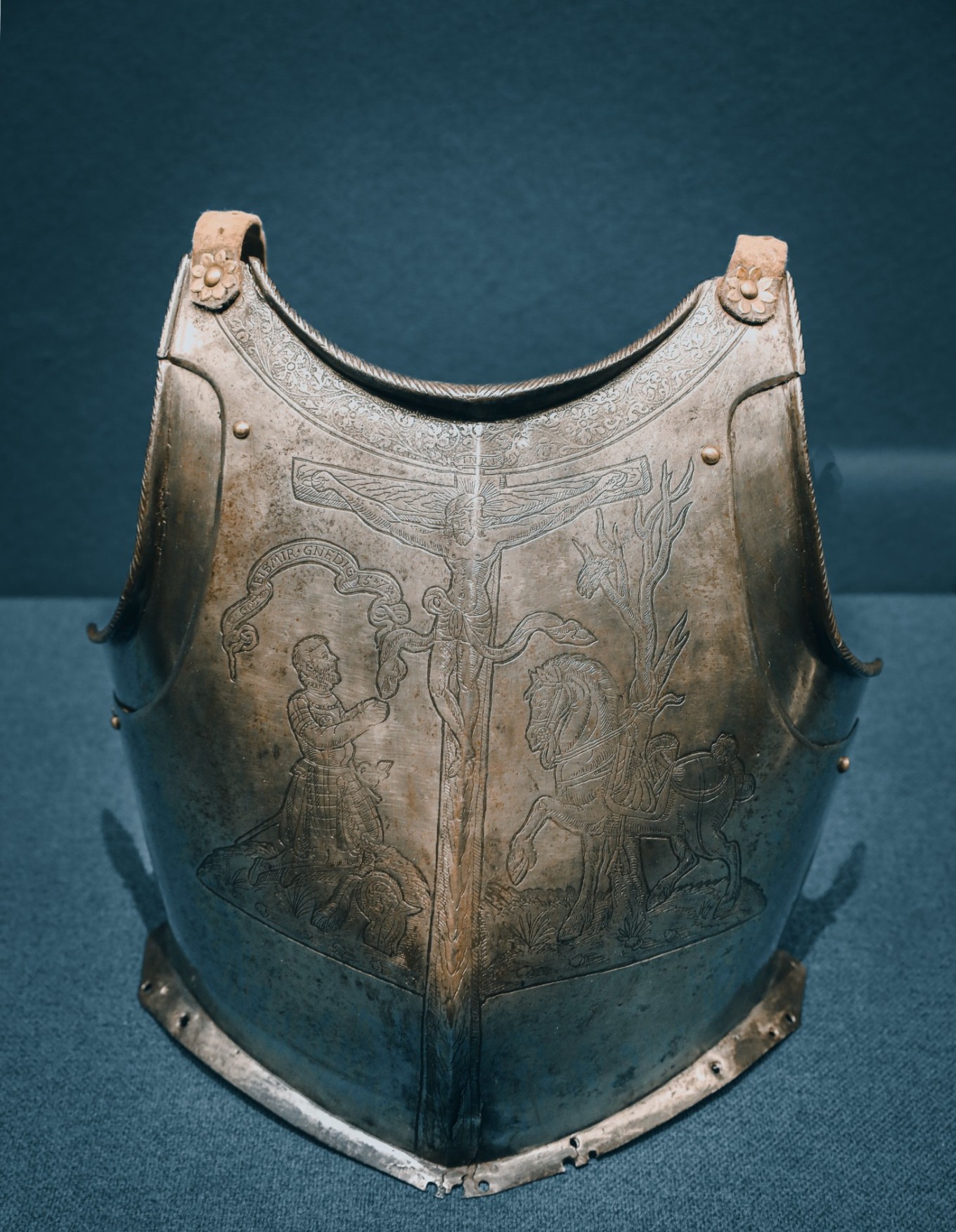
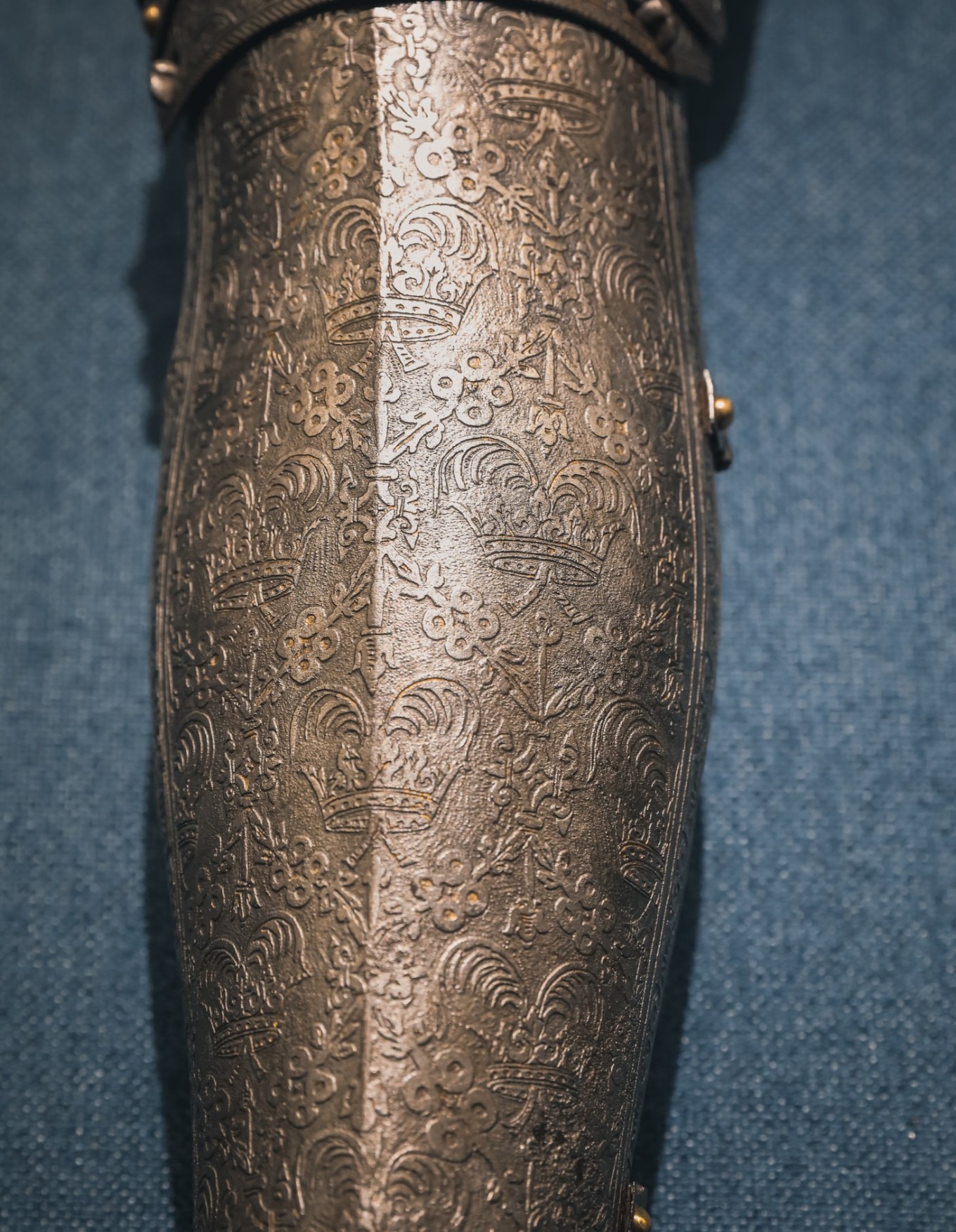
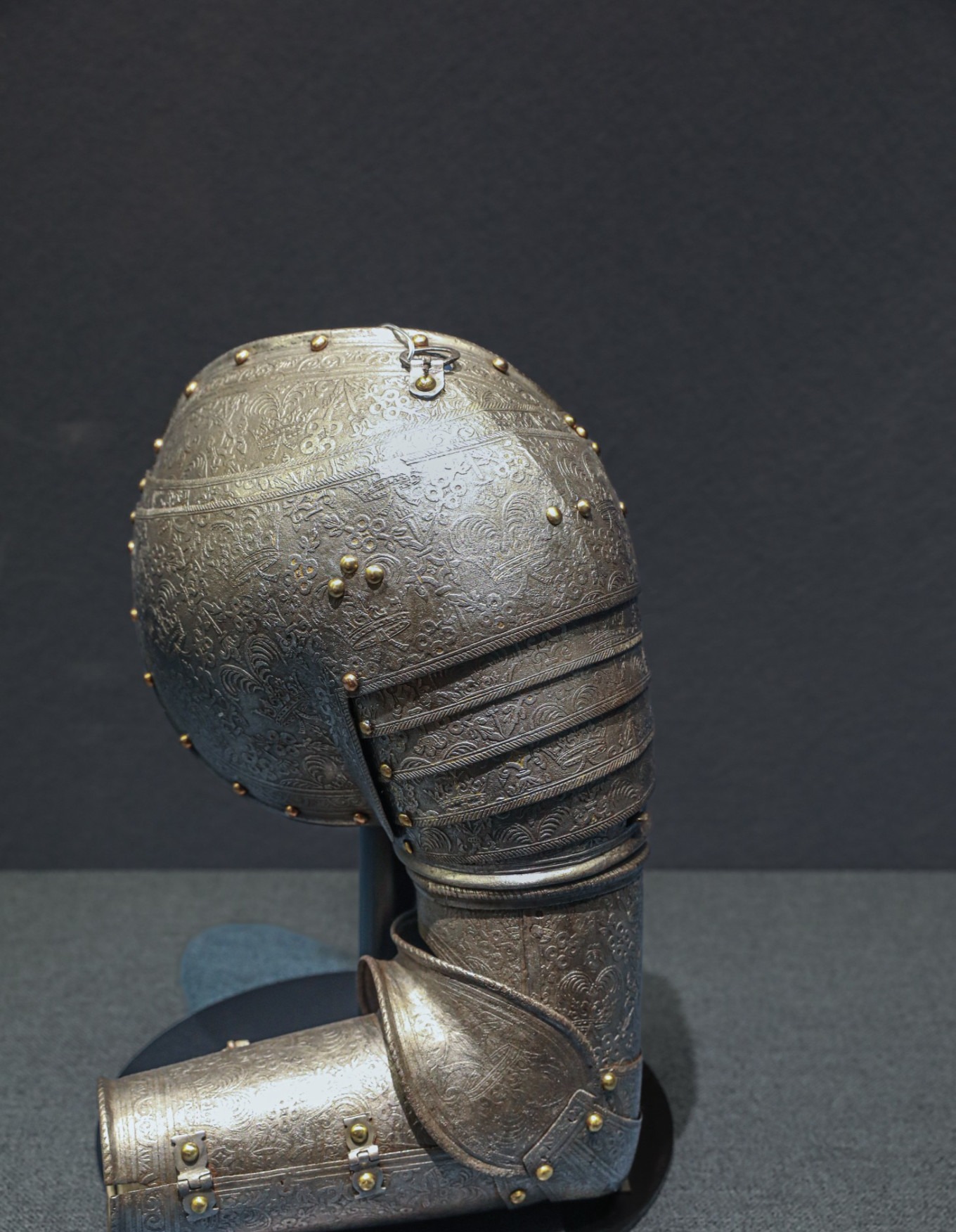
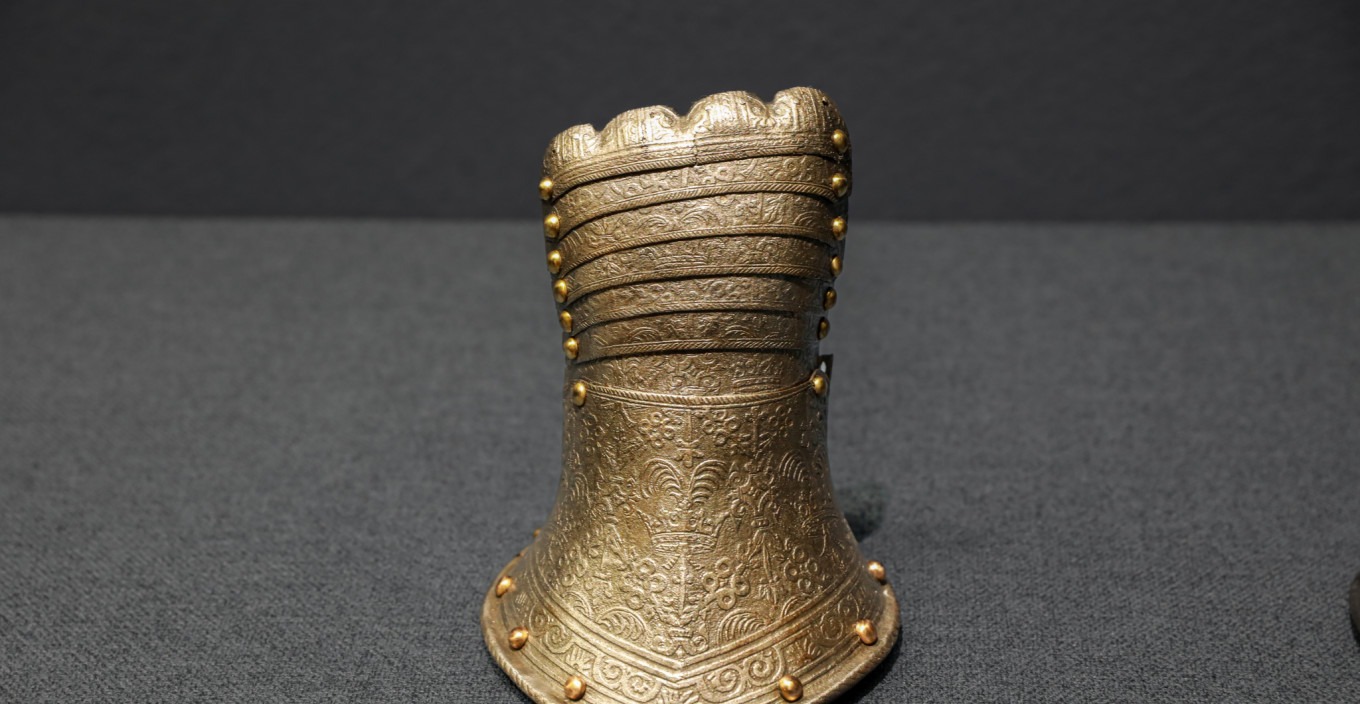
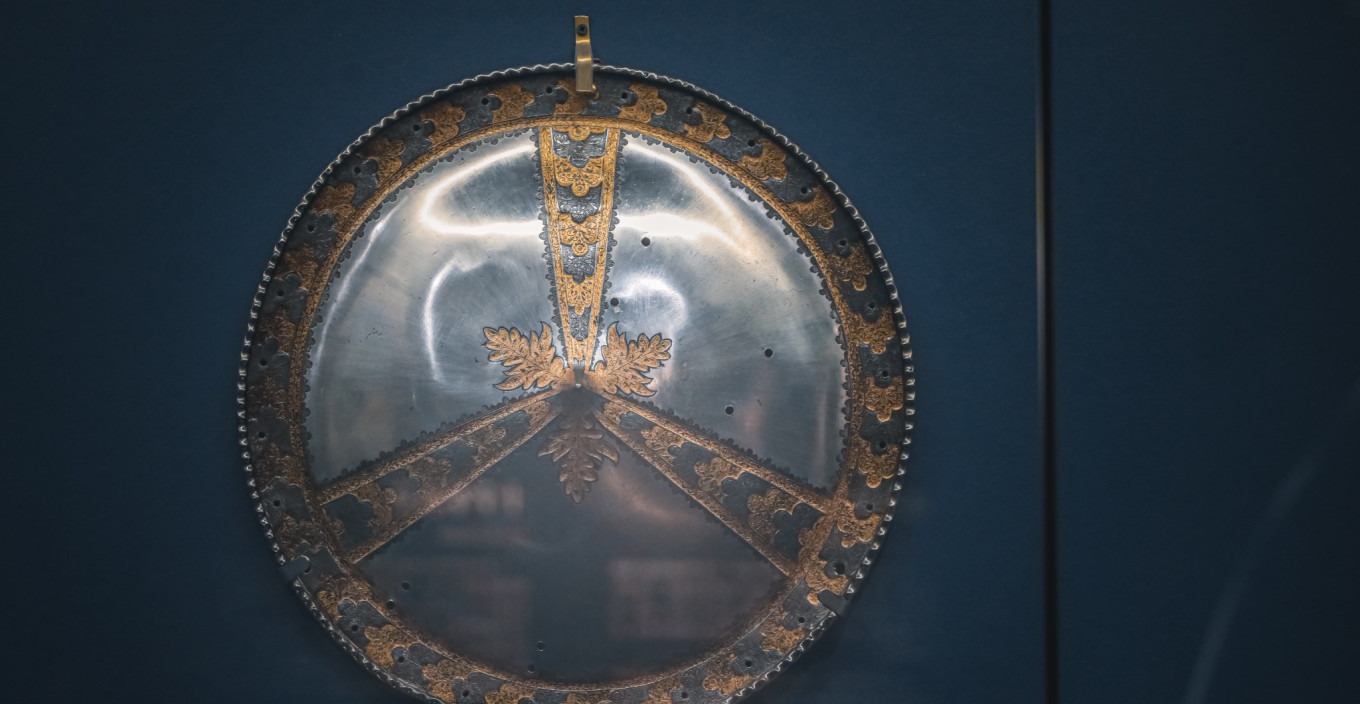
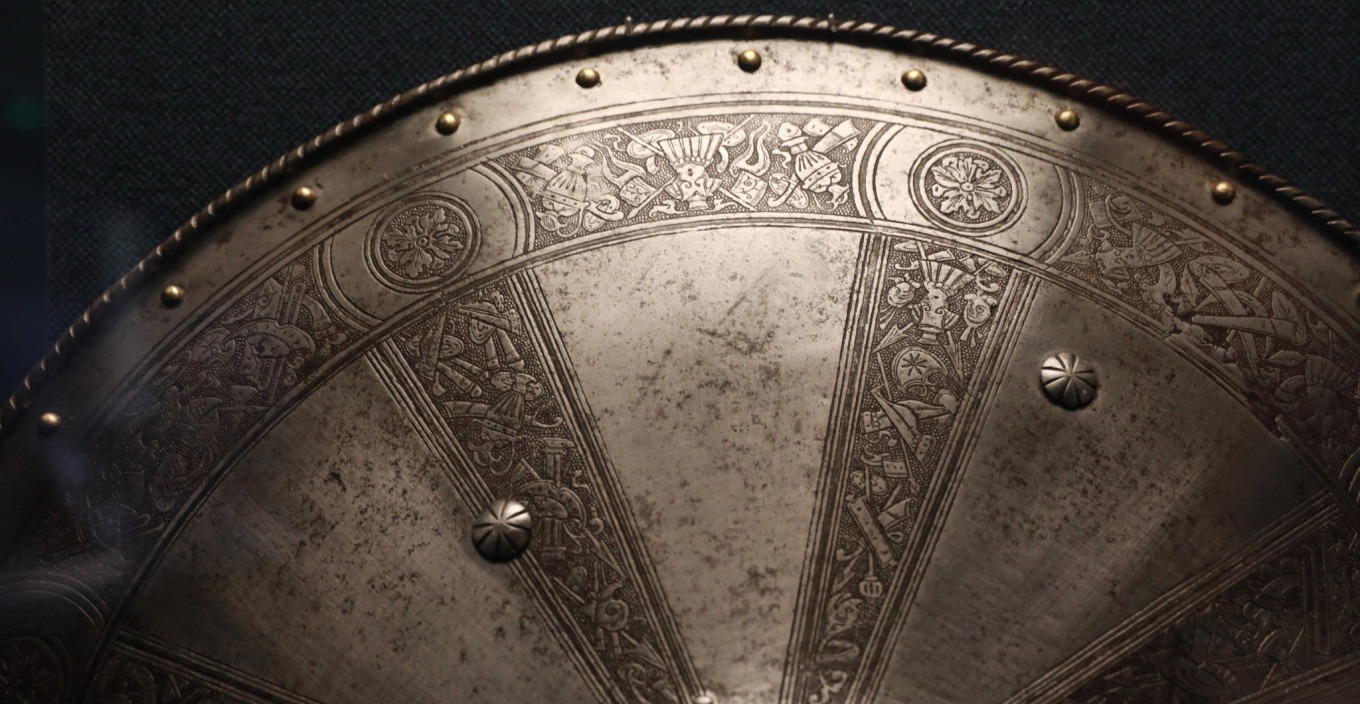
If you’re planning a trip to Lanzhou, the Gansu Museum (甘肃省博物馆) is an absolute must-visit, especially during holidays when tickets are notoriously hard to come by. A popular workaround is to purchase a ticket for the special exhibition “Steel and Glory: European Knight Armor and Culture” (钢铁与荣耀 (local term):欧洲骑士盔甲与文化展 (local term)), which also grants you access to the museum’s permanent collection. This exhibition, co-organized with the Royal Palace Museum of Turin (都灵王宫博物馆) in Italy, showcases a stunning array of armor, weapons, and artifacts from one of Europe’s largest and most prestigious museums. The exhibition covers the development of European knighthood and its cultural allure.
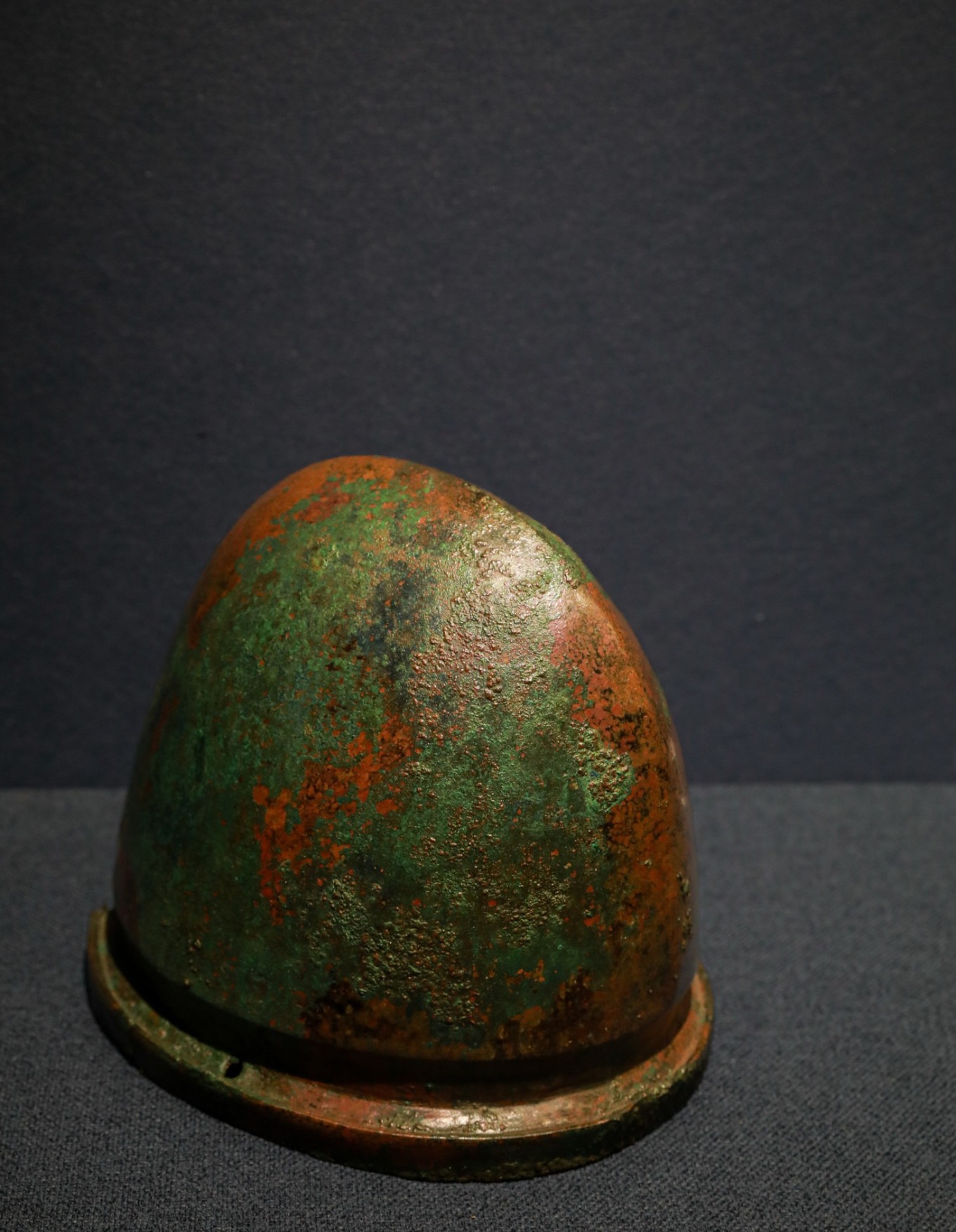
The exhibition features numerous pieces, including a hinged helmet (开合式头盔), breastplate (胸甲), leg guards (护腿), shoulder guards (护肩), hand guards (护手), shields (盾牌), and detailed shield close-ups, along with oil paintings and swords. You’ll also see a unique Chinese halberd (钺) and other artifacts.
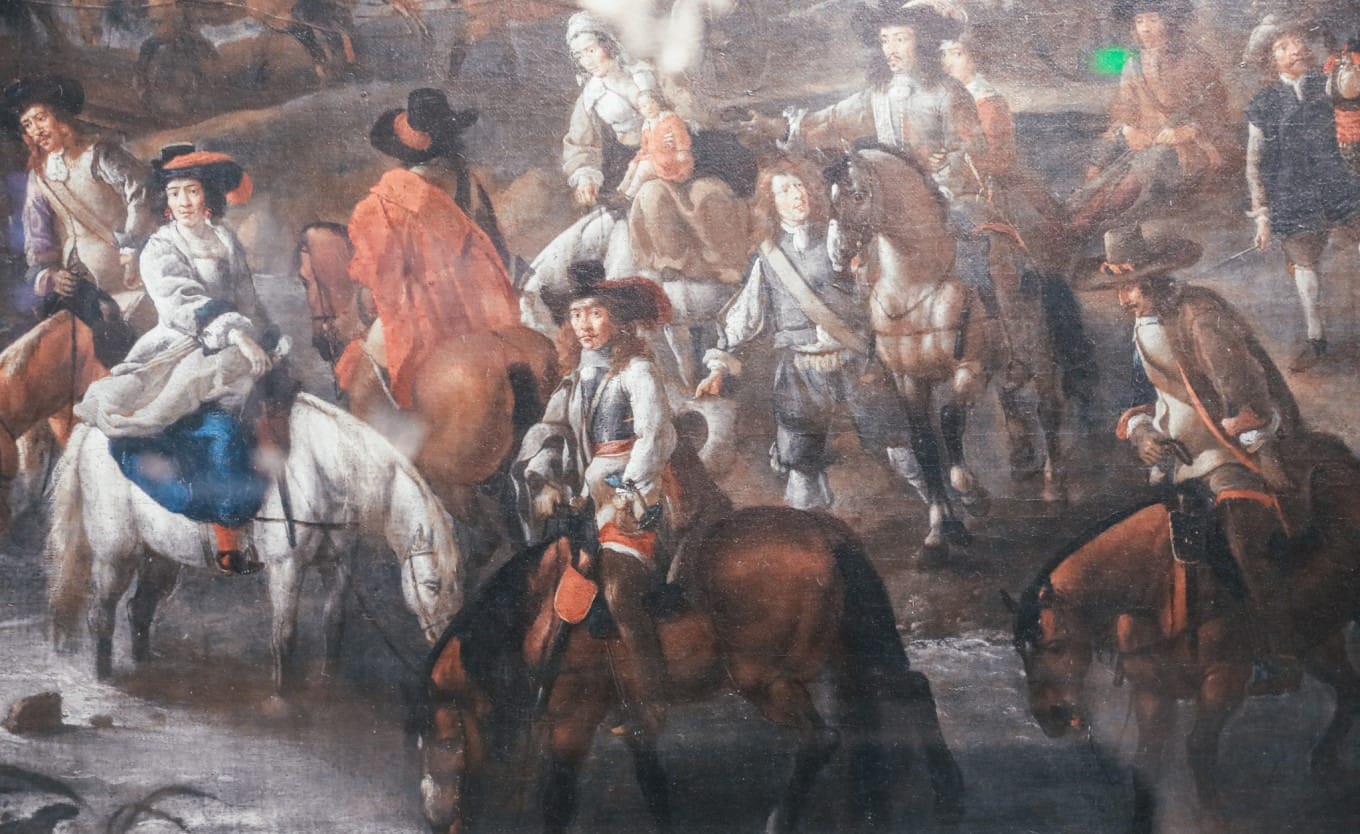
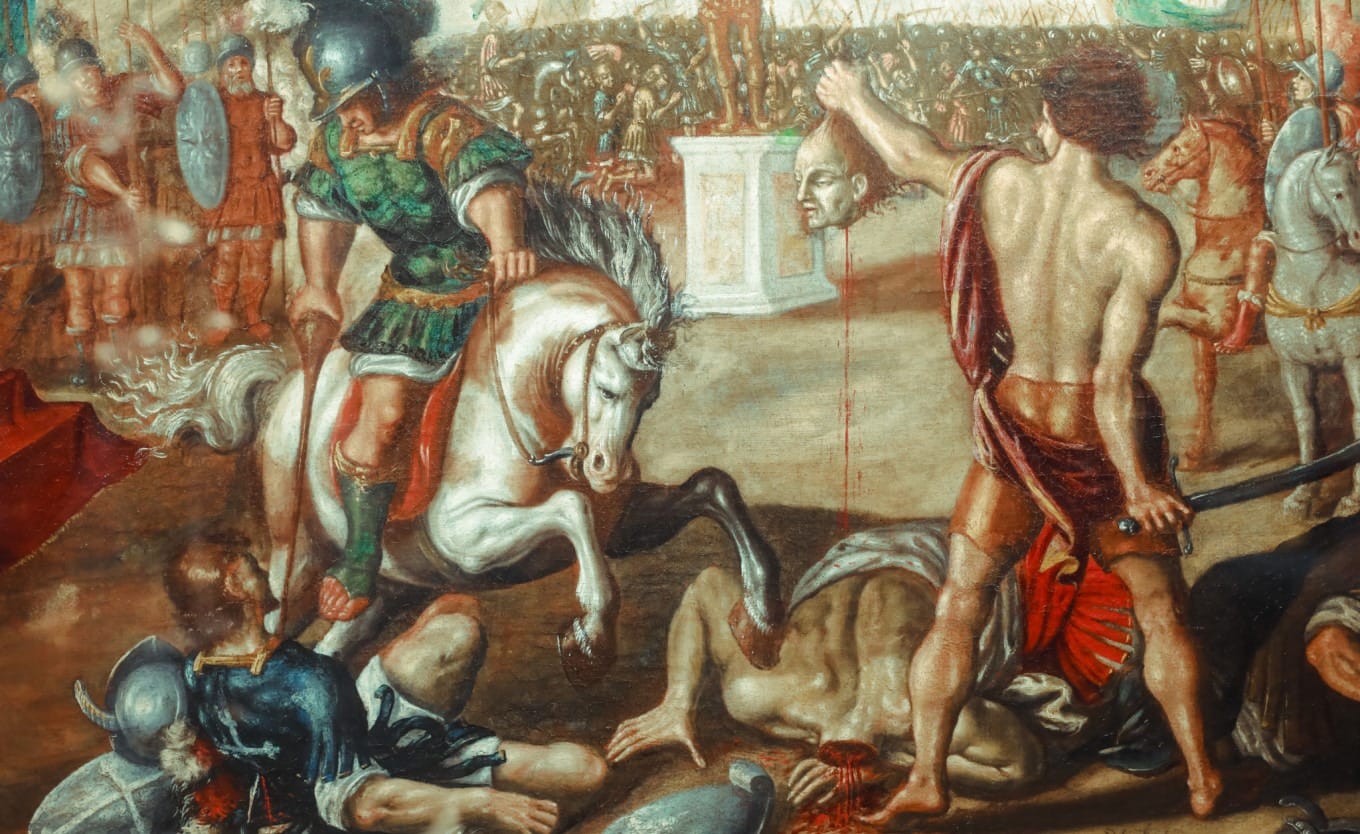
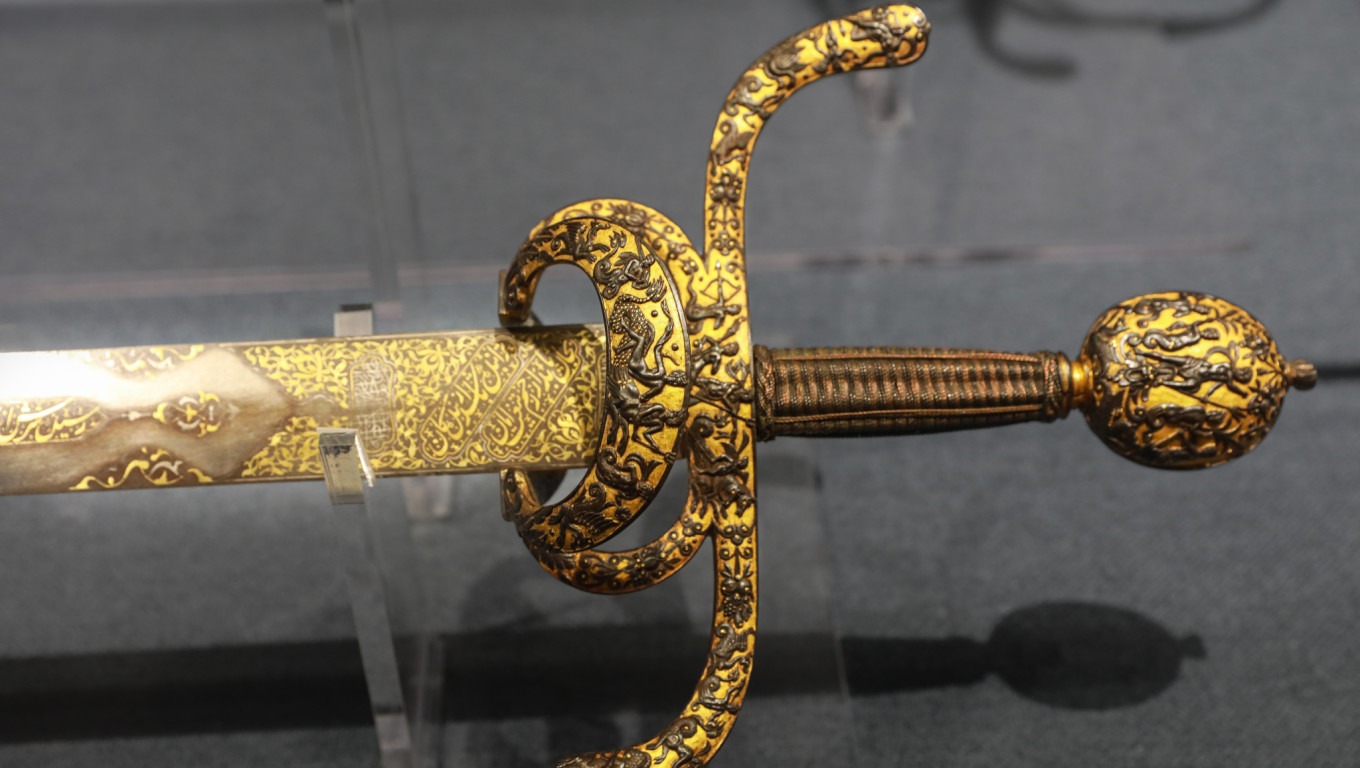
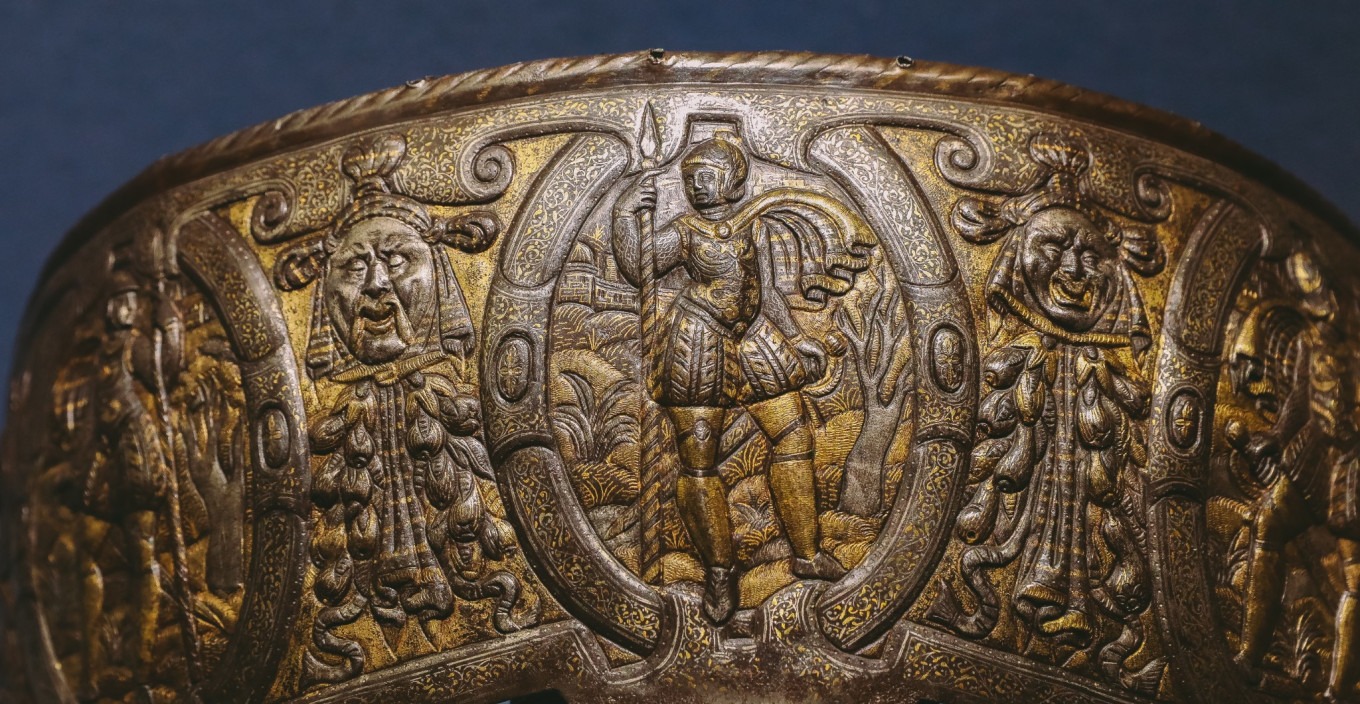
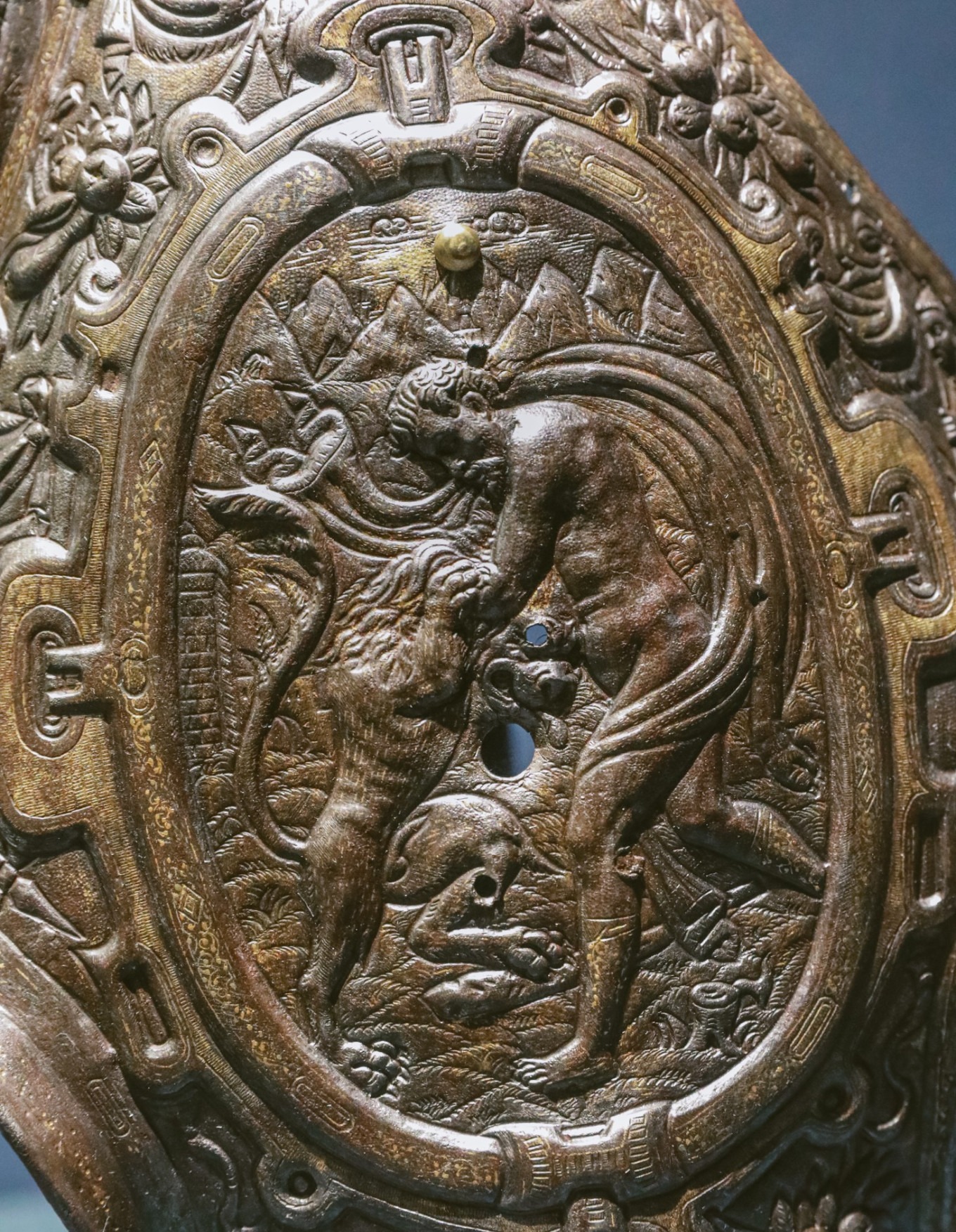
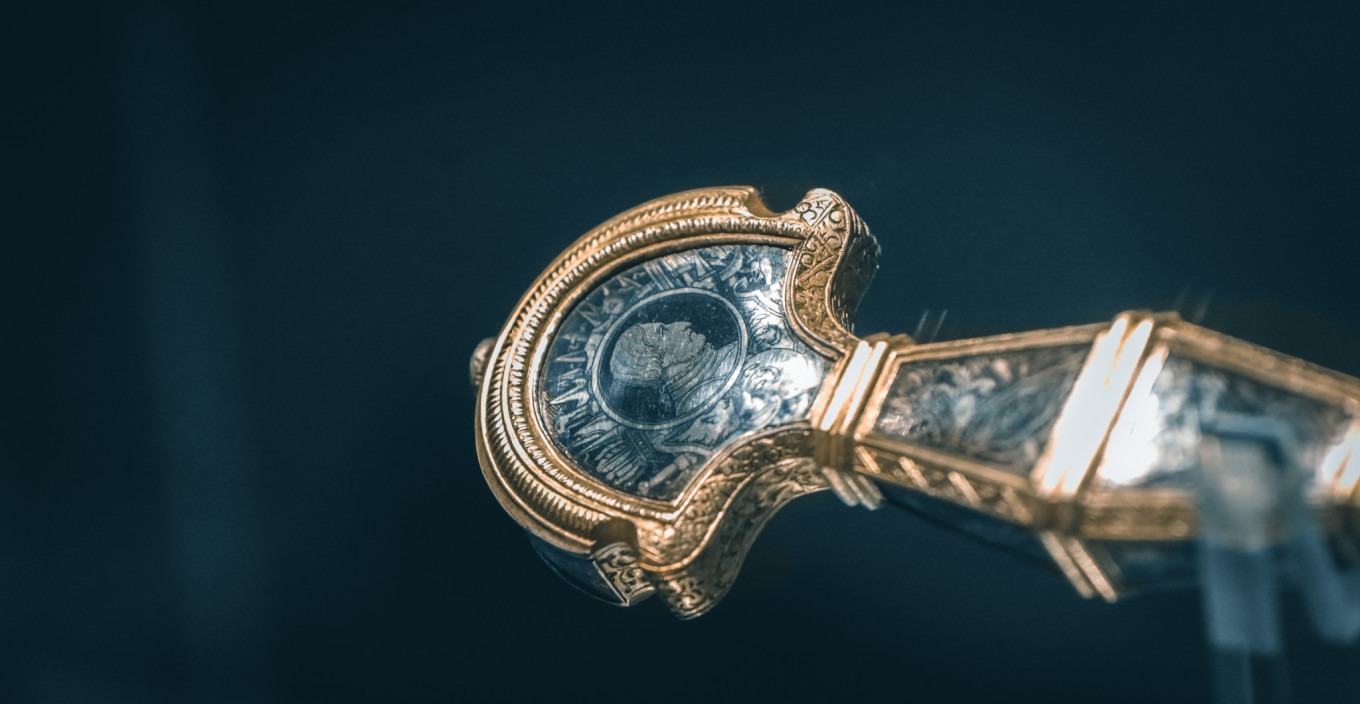
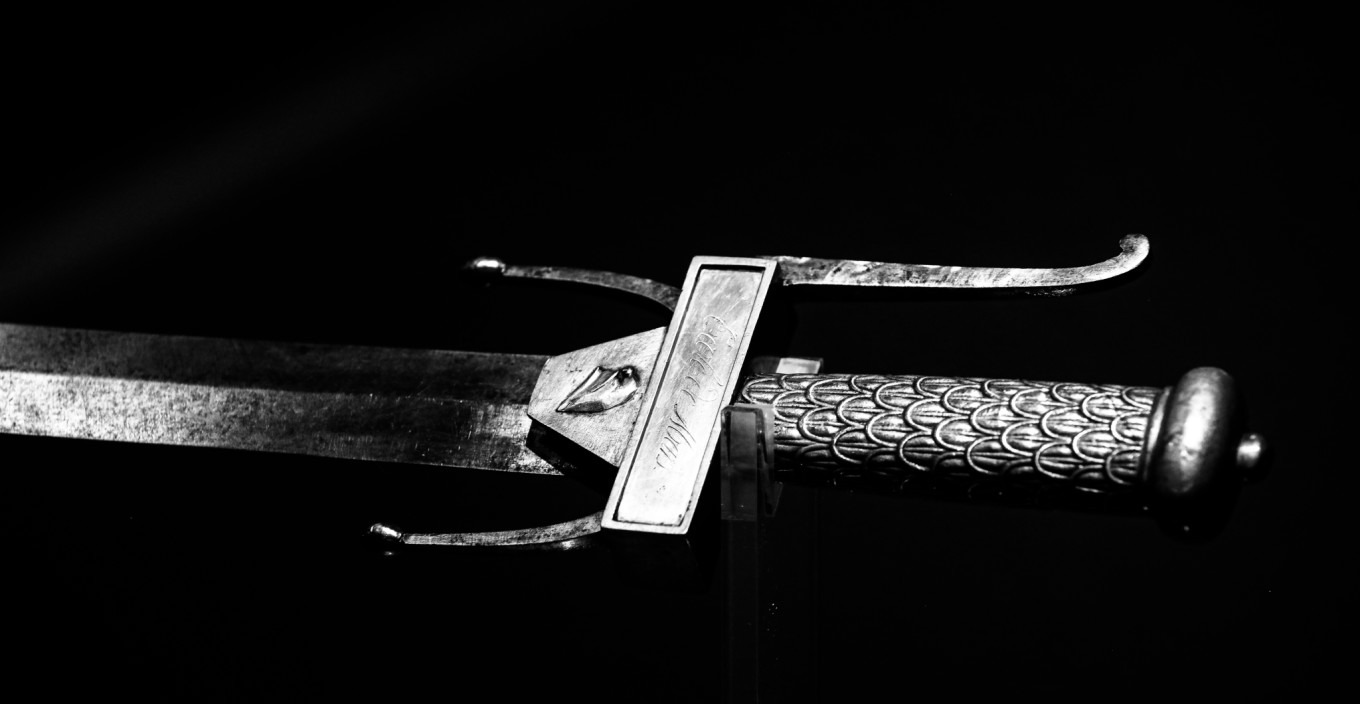
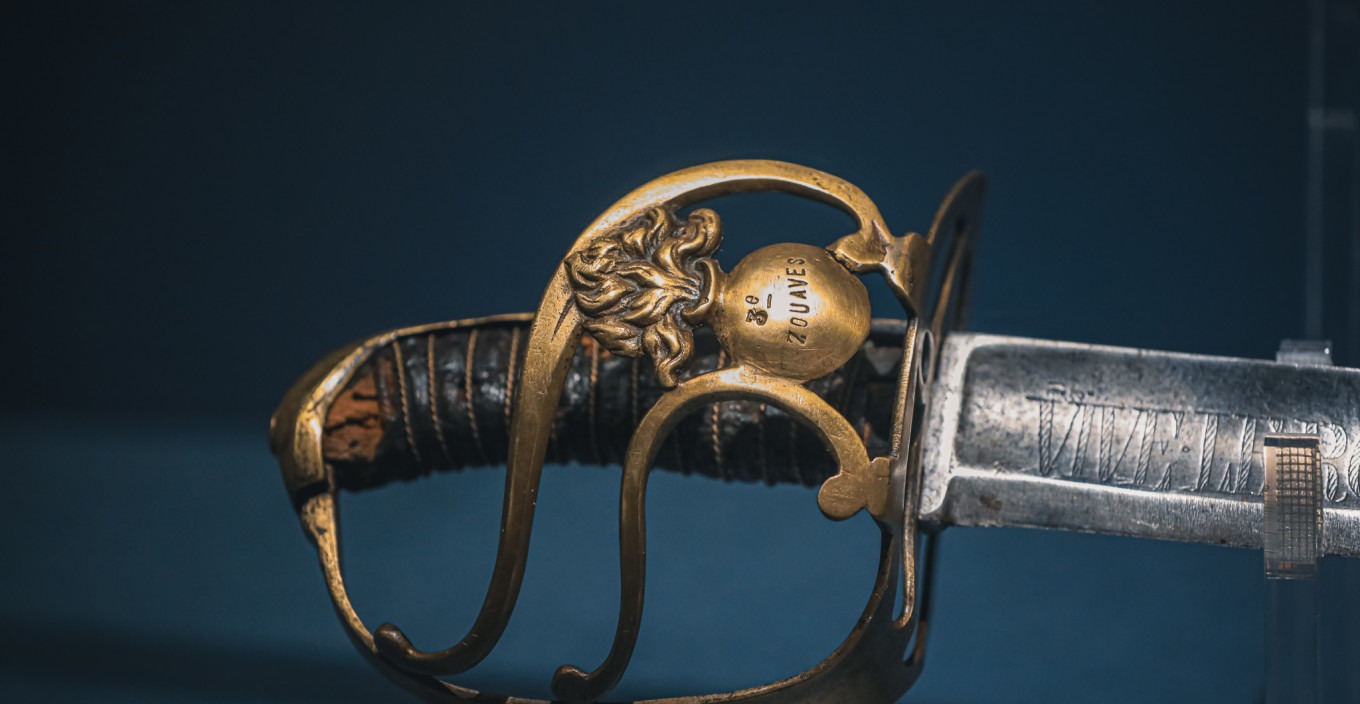
Beyond the special exhibition, the museum’s permanent collection is a treasure trove of Chinese history. Don’t miss the bronze artifacts, such as the “Round-Eared Bronze Vessel with Floral Pattern” (团花纹环耳铜敦 (local term)) and its detailed close-up, the “Bronze Elk” (青铜麋鹿 (local term)), and the “Eagle-Headed Bronze Scepter Top” (鹰头形青铜权杖首 (local term)) from the Spring and Autumn and Warring States periods. The eagle head symbolizes authority and sacred power among nomadic tribes like the Xiongnu.
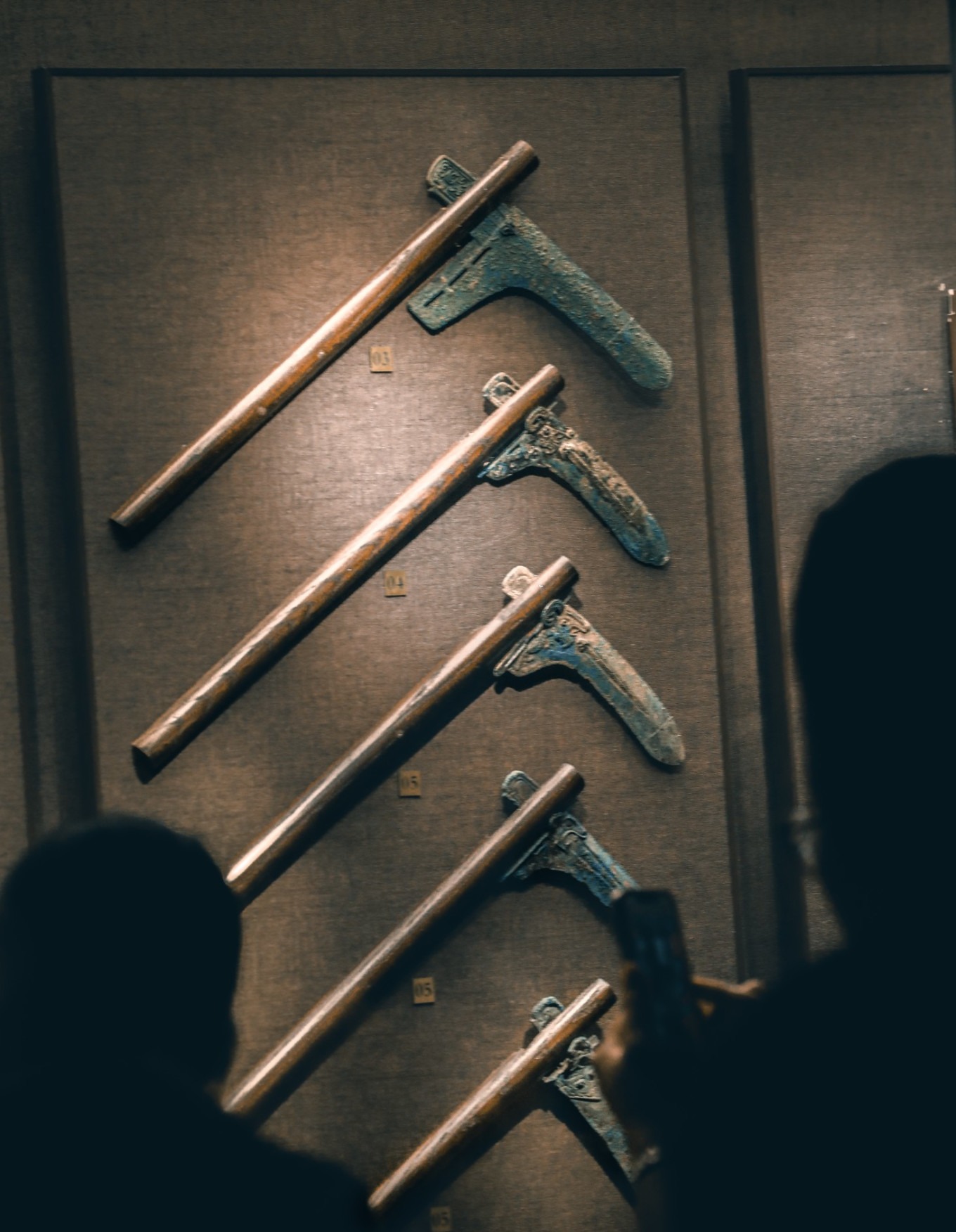
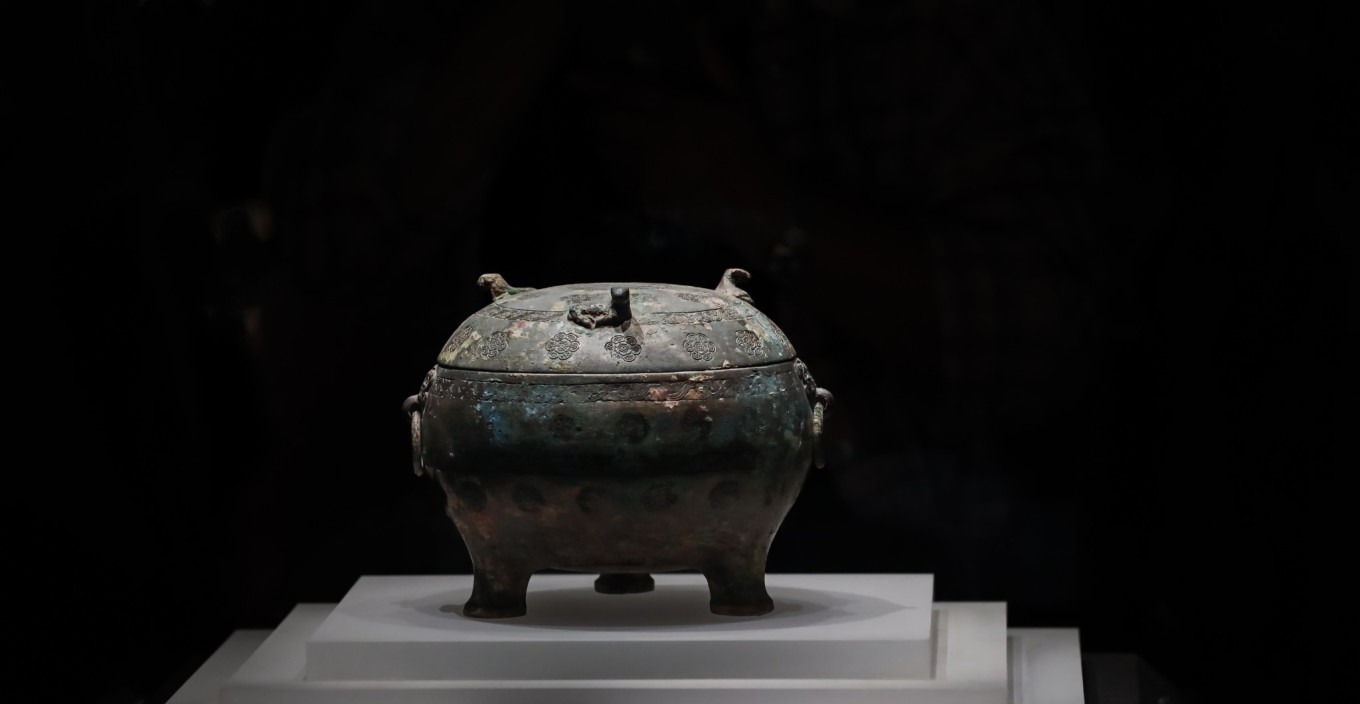
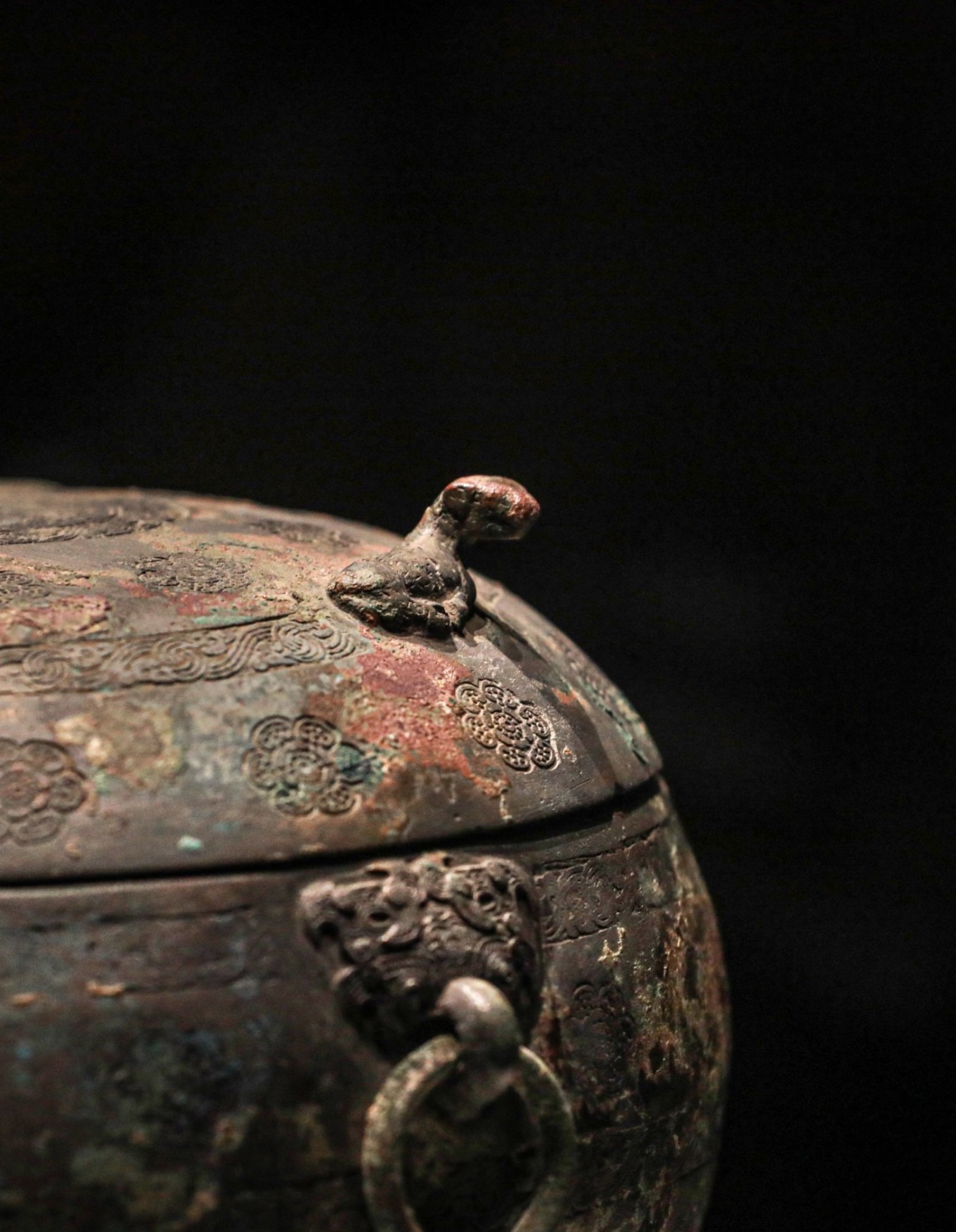
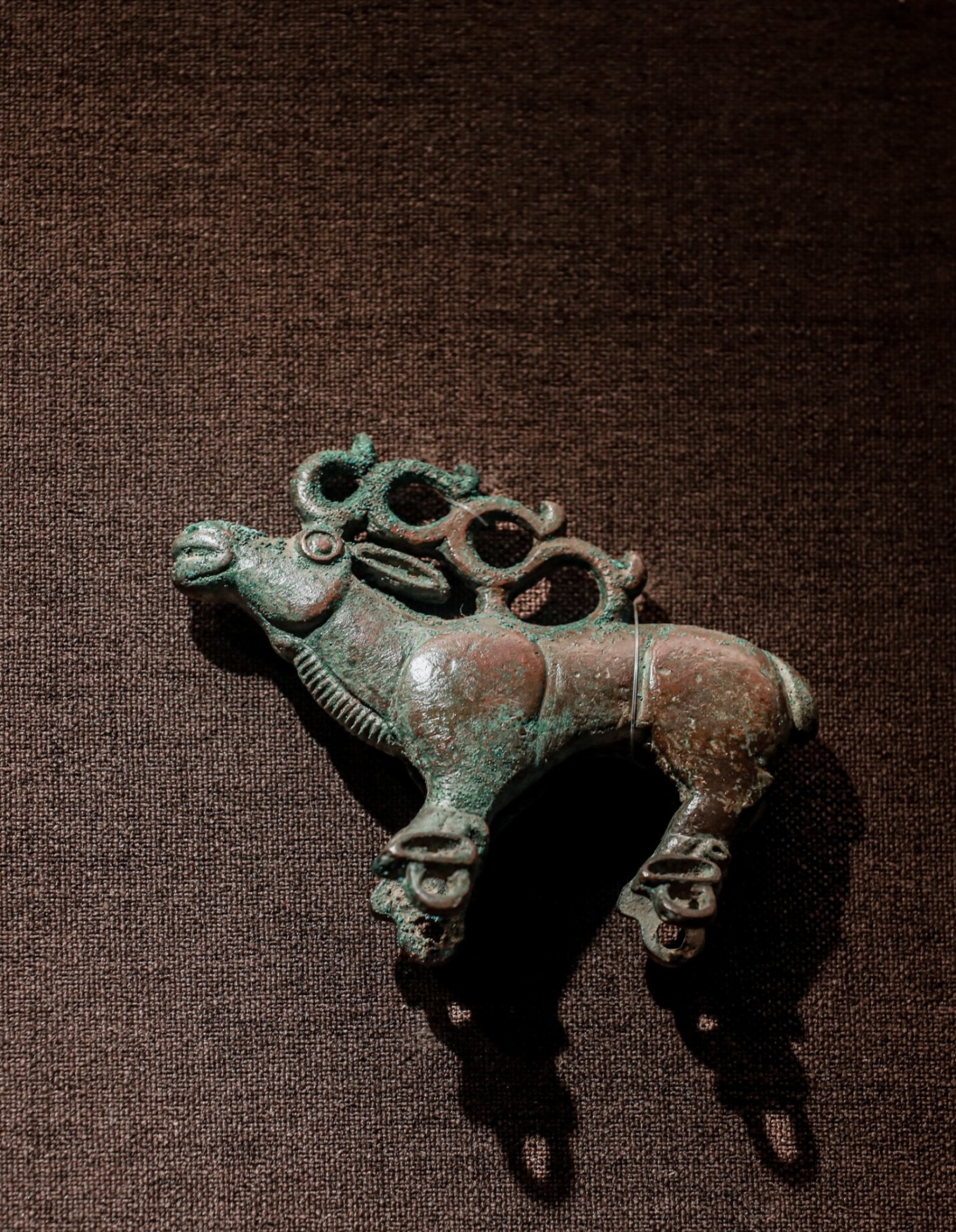
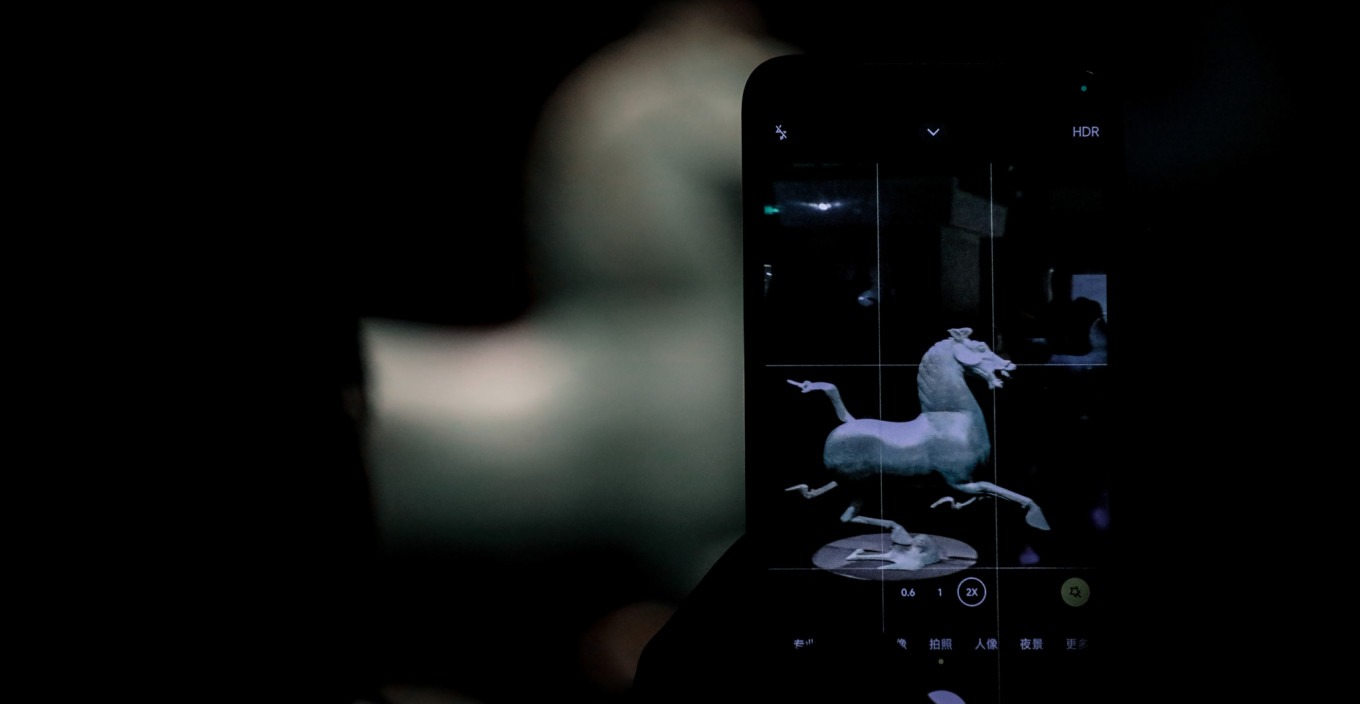
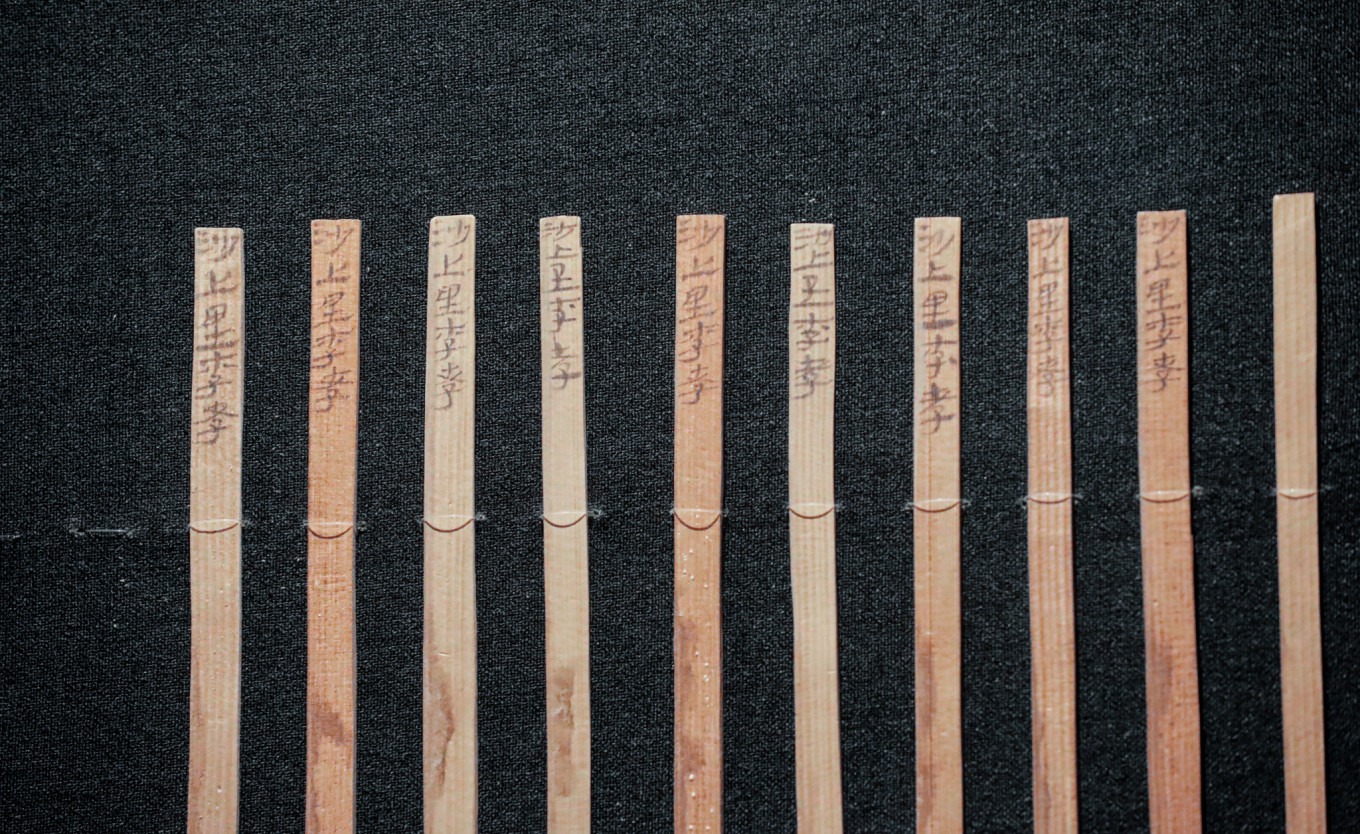
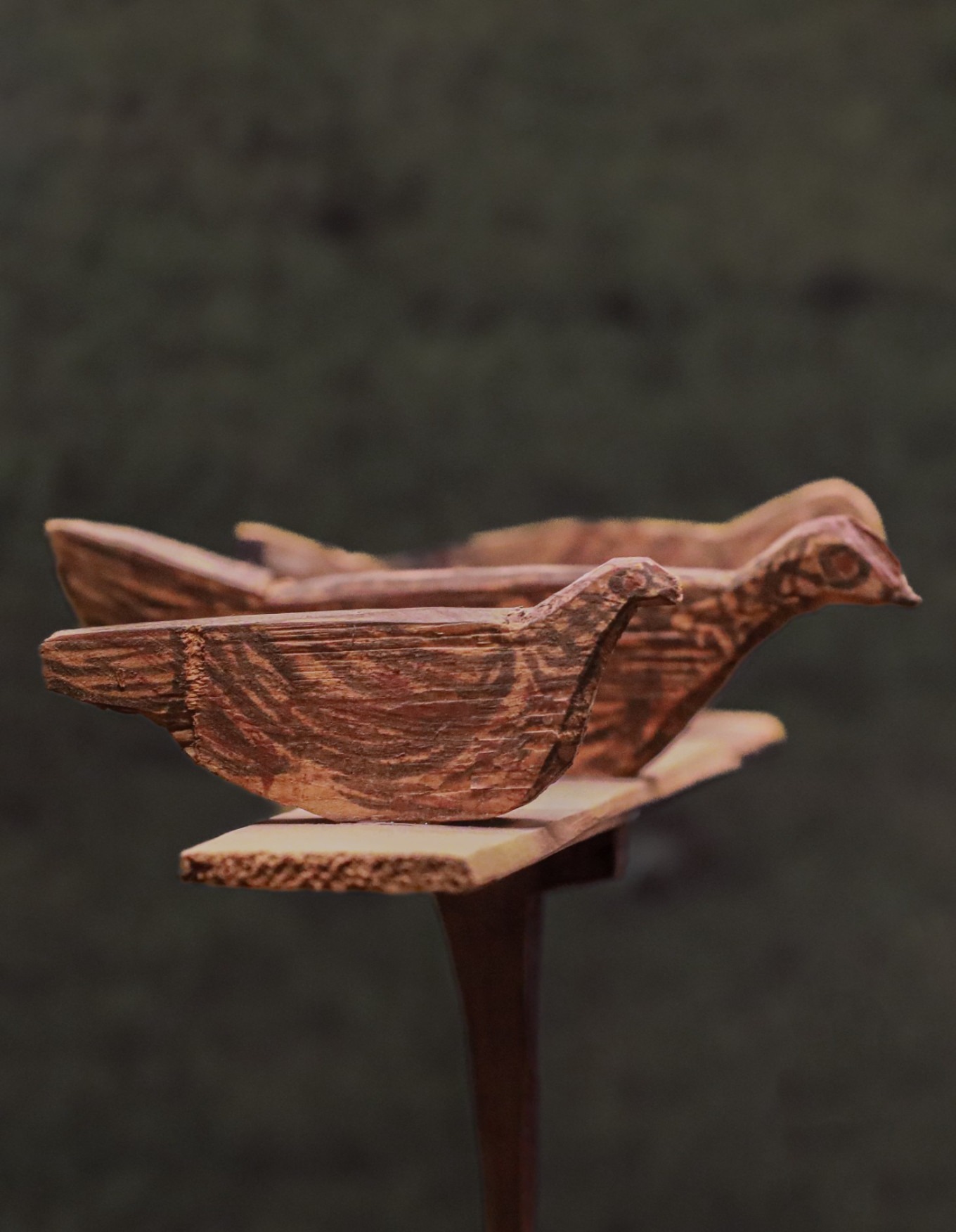
Other highlights include ancient medical texts (医药简) with over 30 complete prescriptions and nearly 100 herbs, a Tang Dynasty embroidered silk portrait (绢底平绣人像), and the famous “Bronze Galloping Horse” (铜奔马 (local term)) – a masterpiece of dynamic balance, showing the horse with one hoof resting on a flying swallow. You’ll also see name slips (姓名简), painted wooden chickens (彩绘木鸡), and the “Postal Relay” mural brick (邮驿图) from the Wei-Jin period, which became the emblem of China Post. Note that the figure in the mural has no mouth, symbolizing confidentiality. Other mural bricks include the “Ox Plowing” (牛耕图 (local term)) scene.
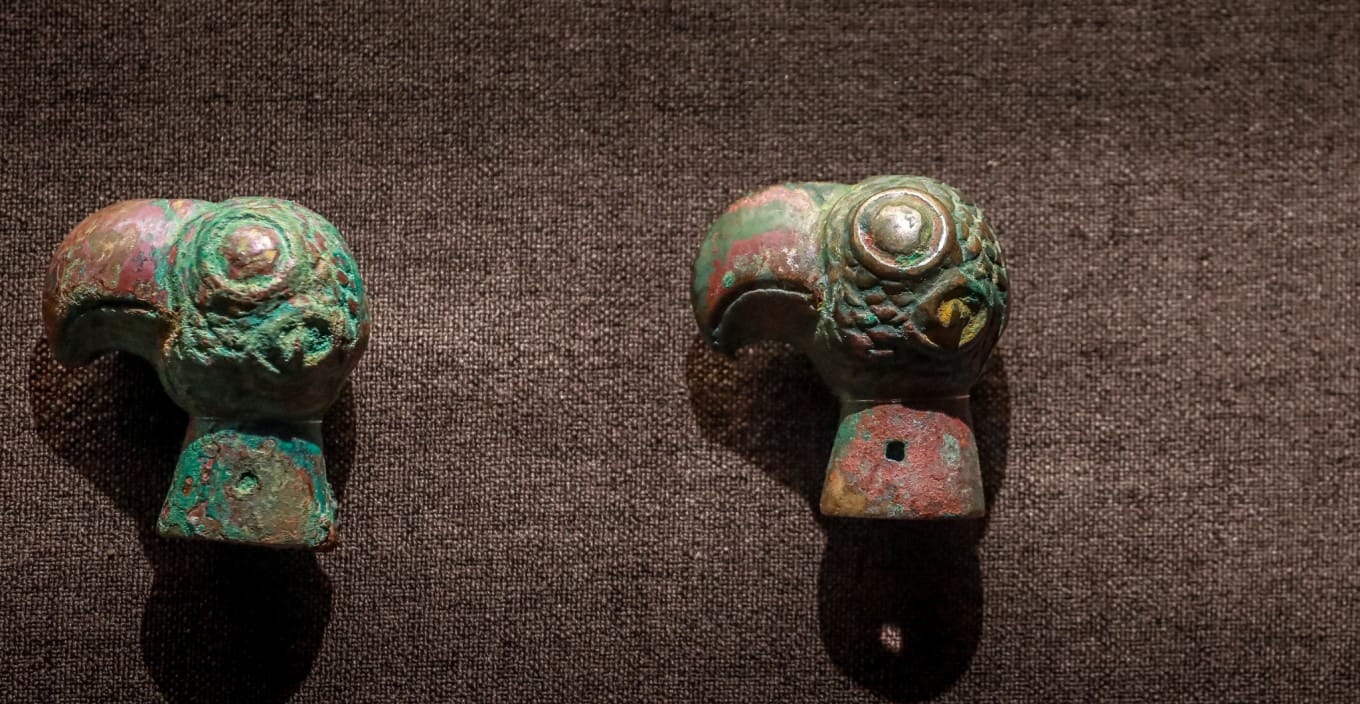
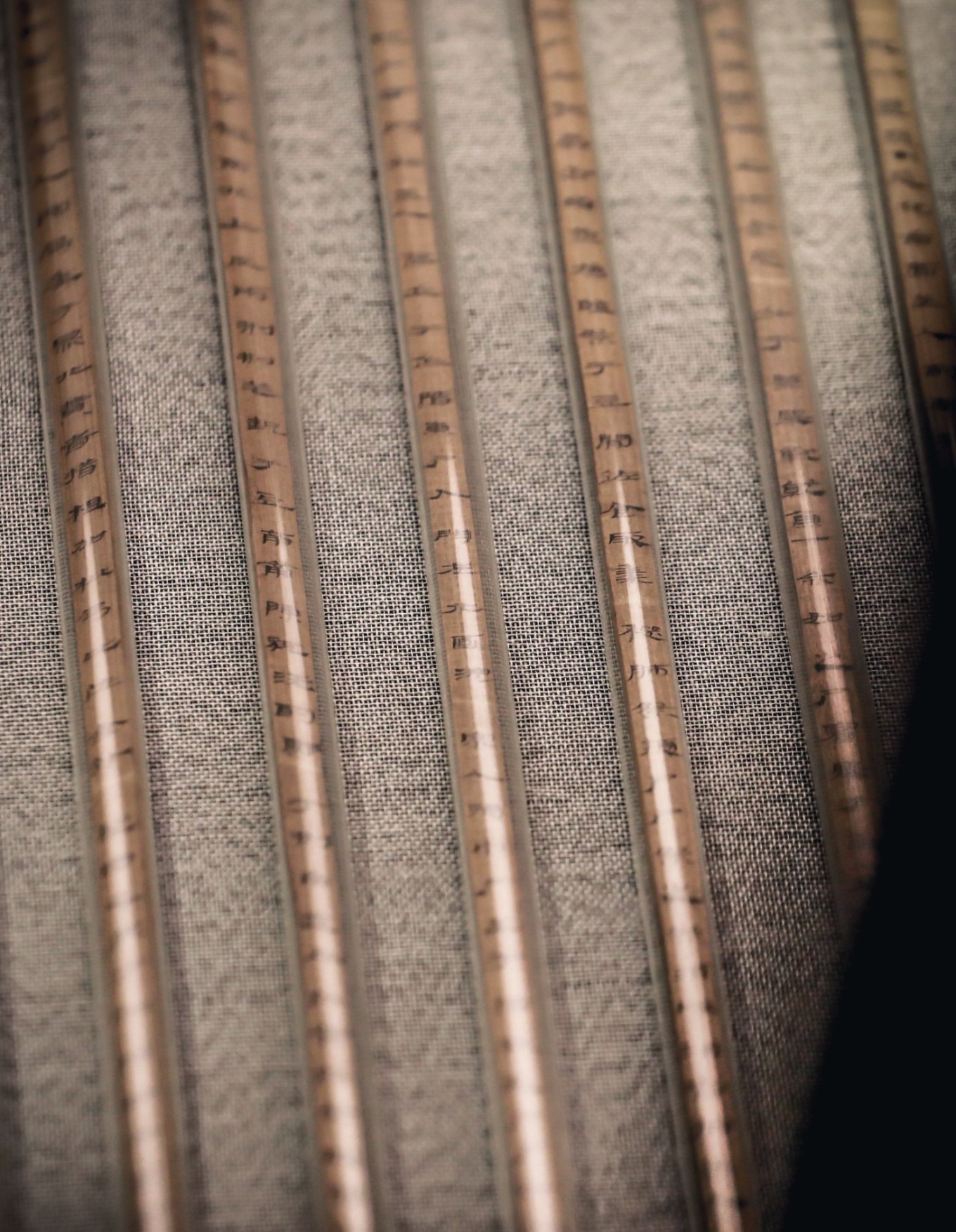
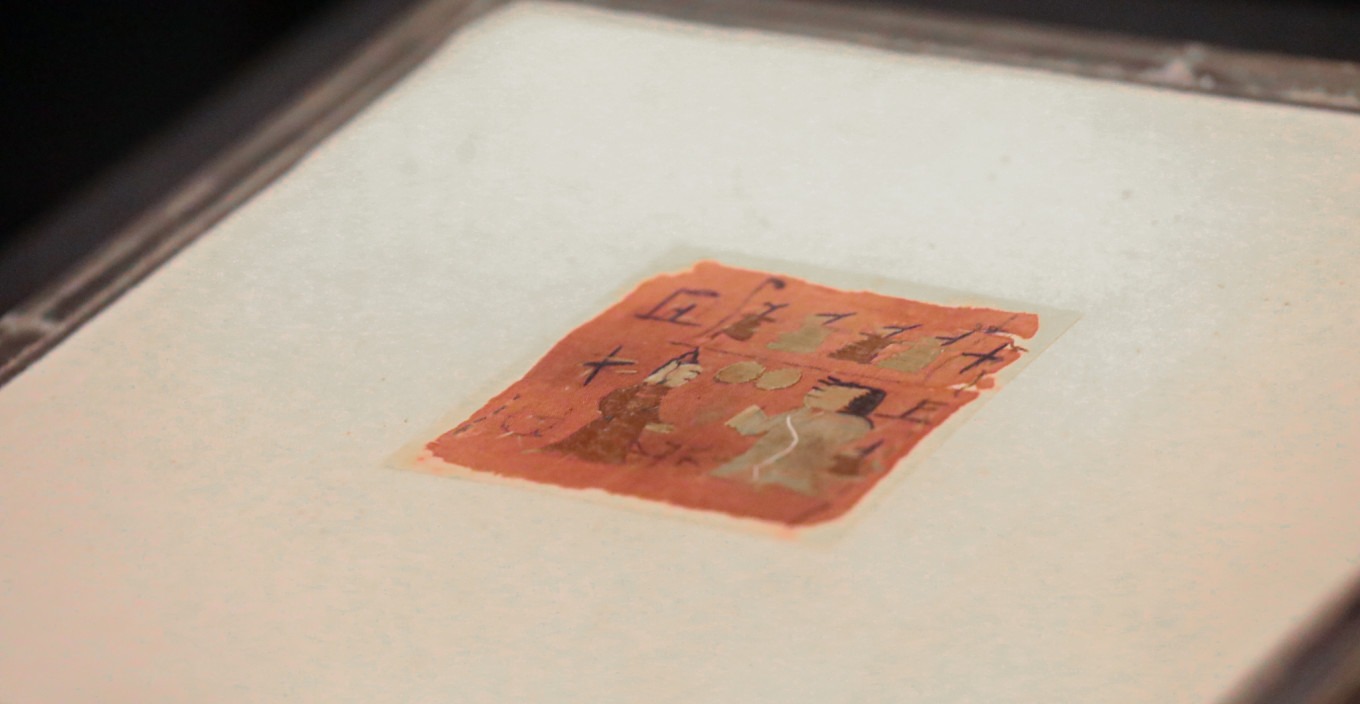
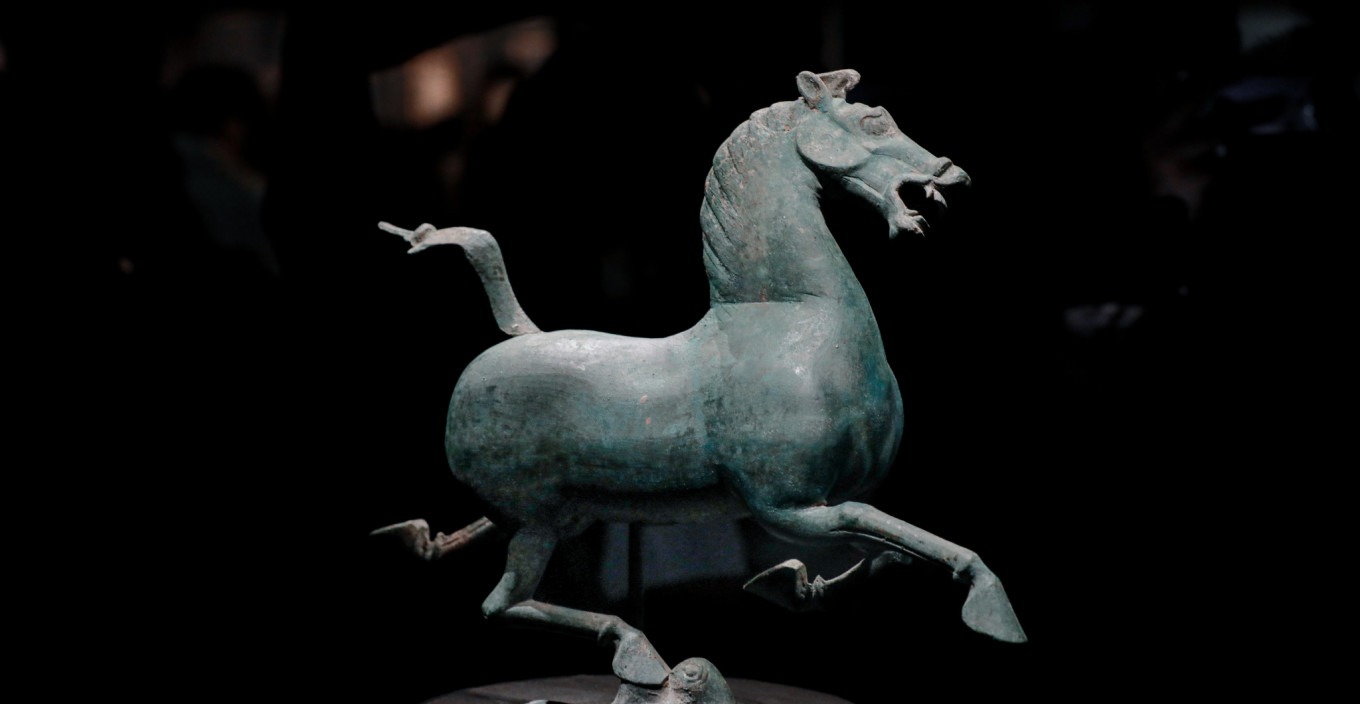
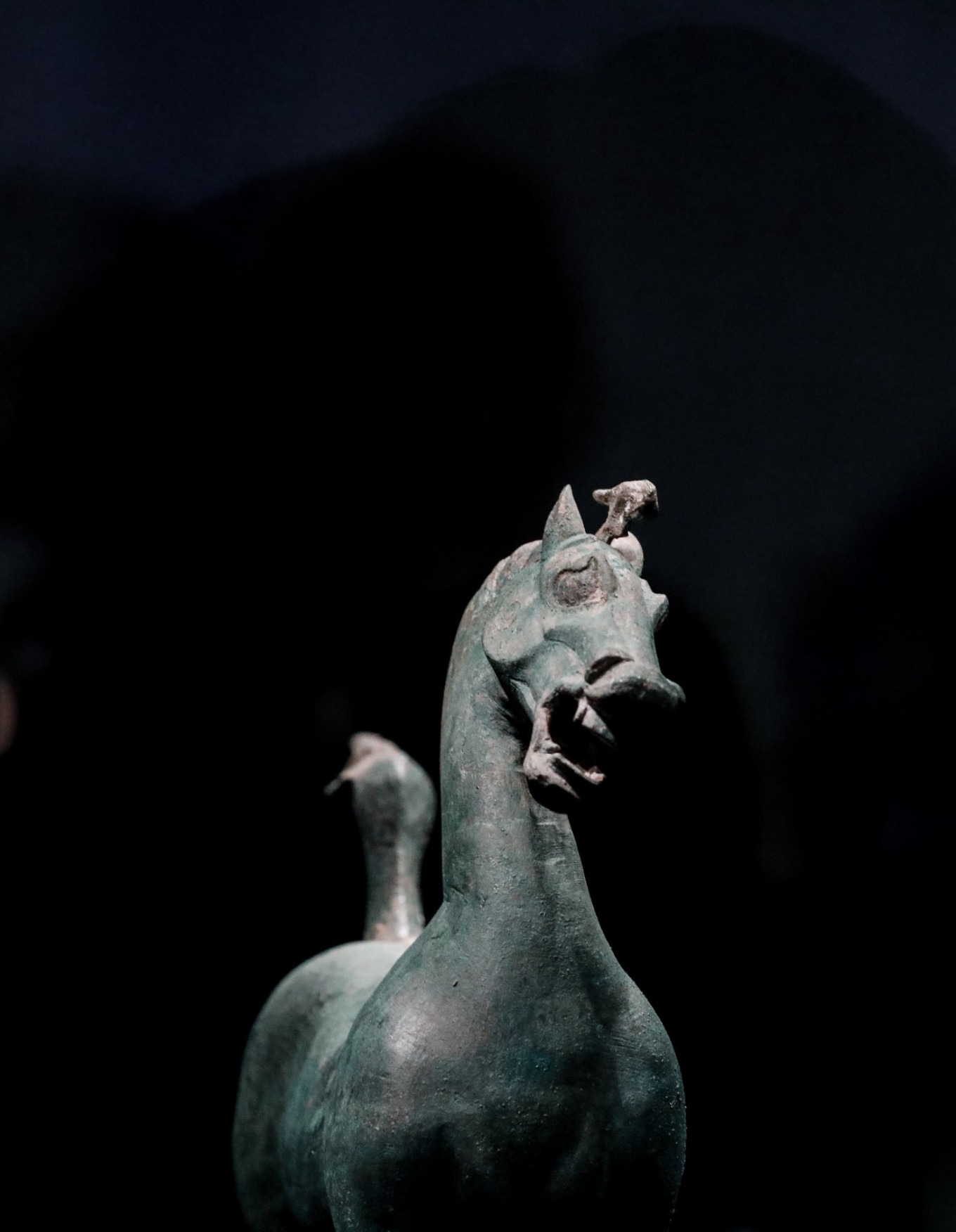
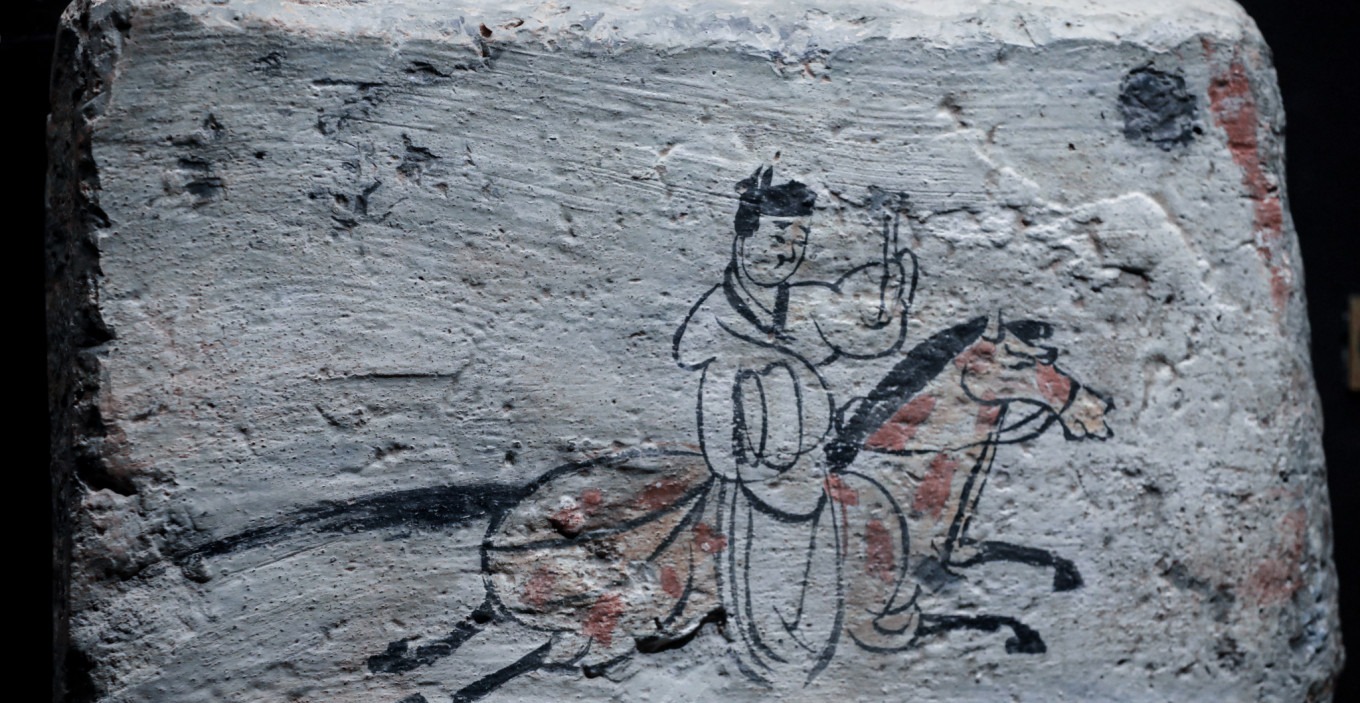
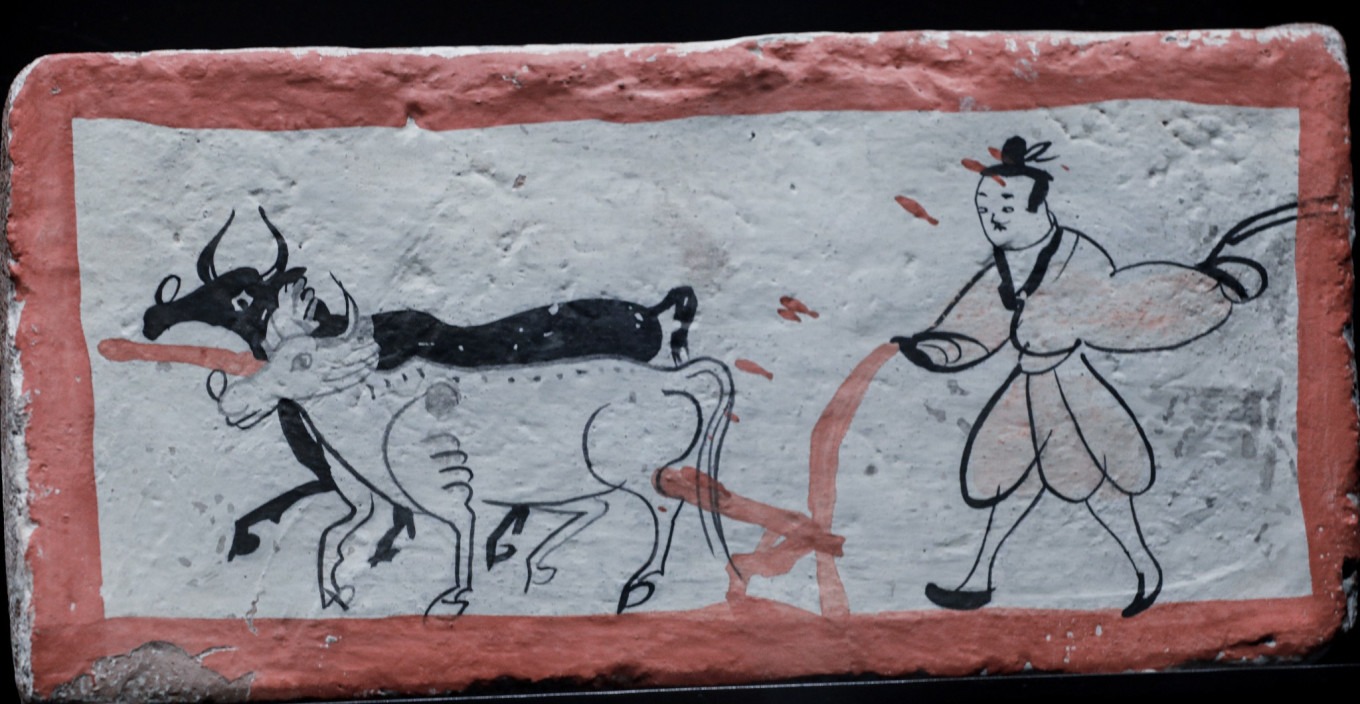
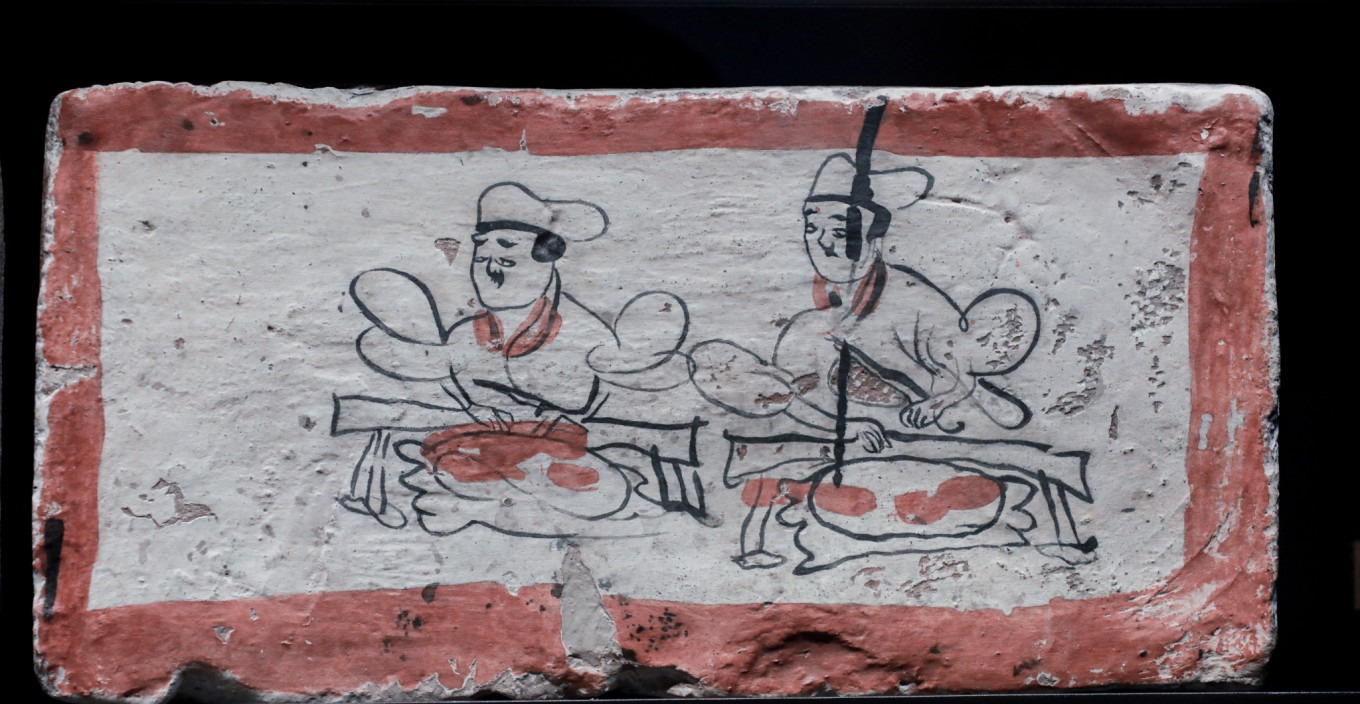
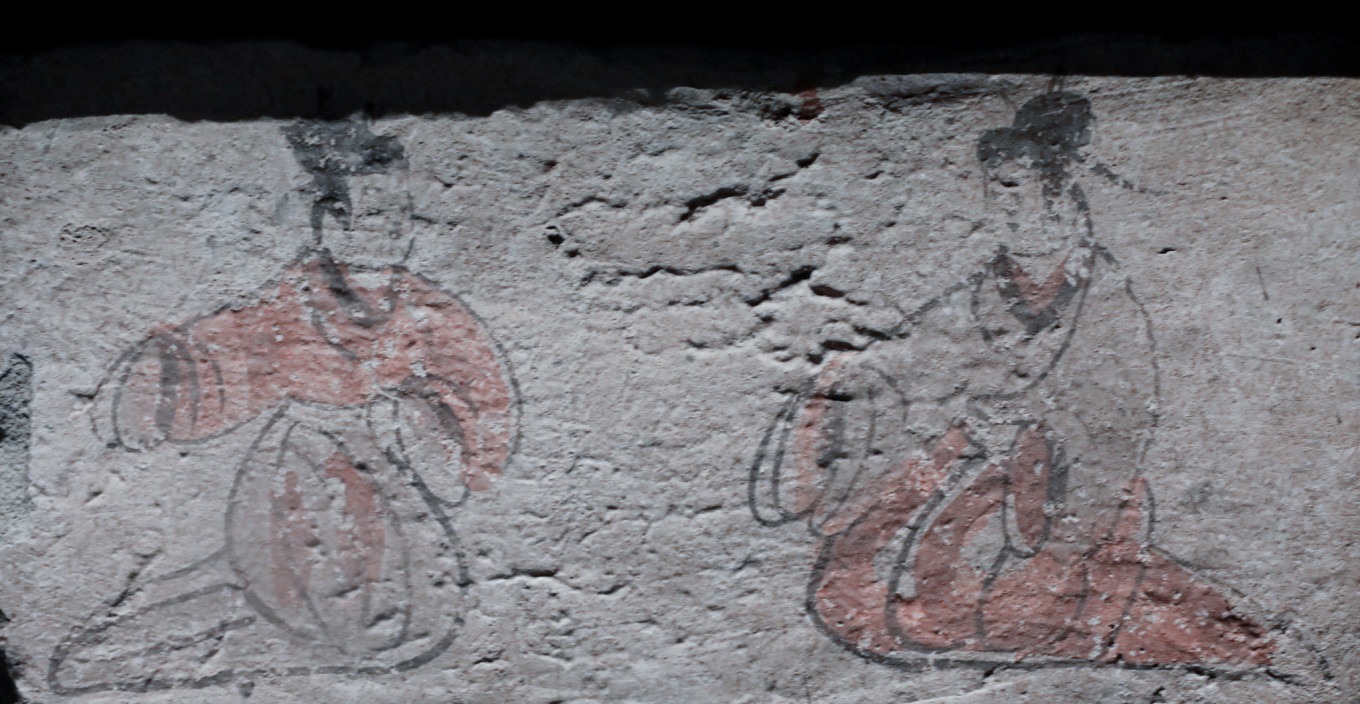
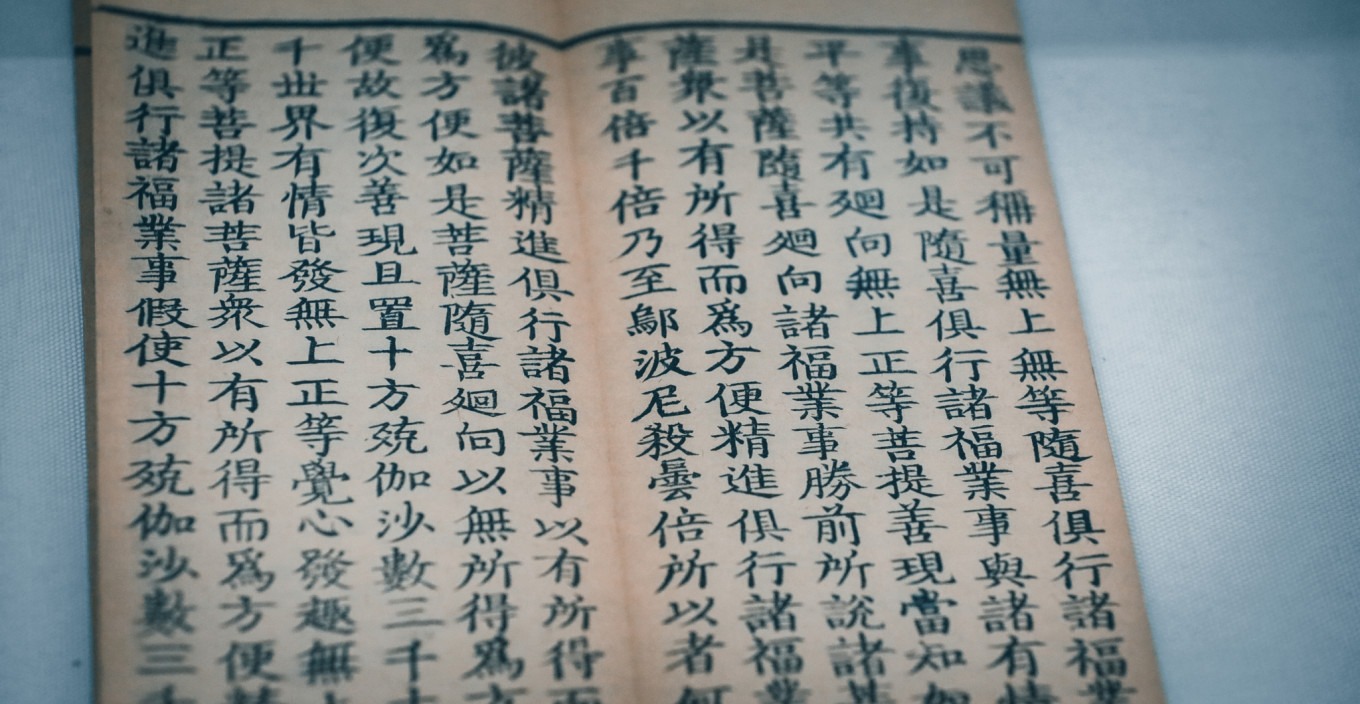
Finally, don’t miss the Song Dynasty printed sutra (宋版经书) – a rare example of early Chinese printing. Plan at least half a day for a thorough visit. Advance booking is essential, but if regular tickets are sold out, the special exhibition ticket is a great alternative.
China Bronze Museum (Rating 5/5)
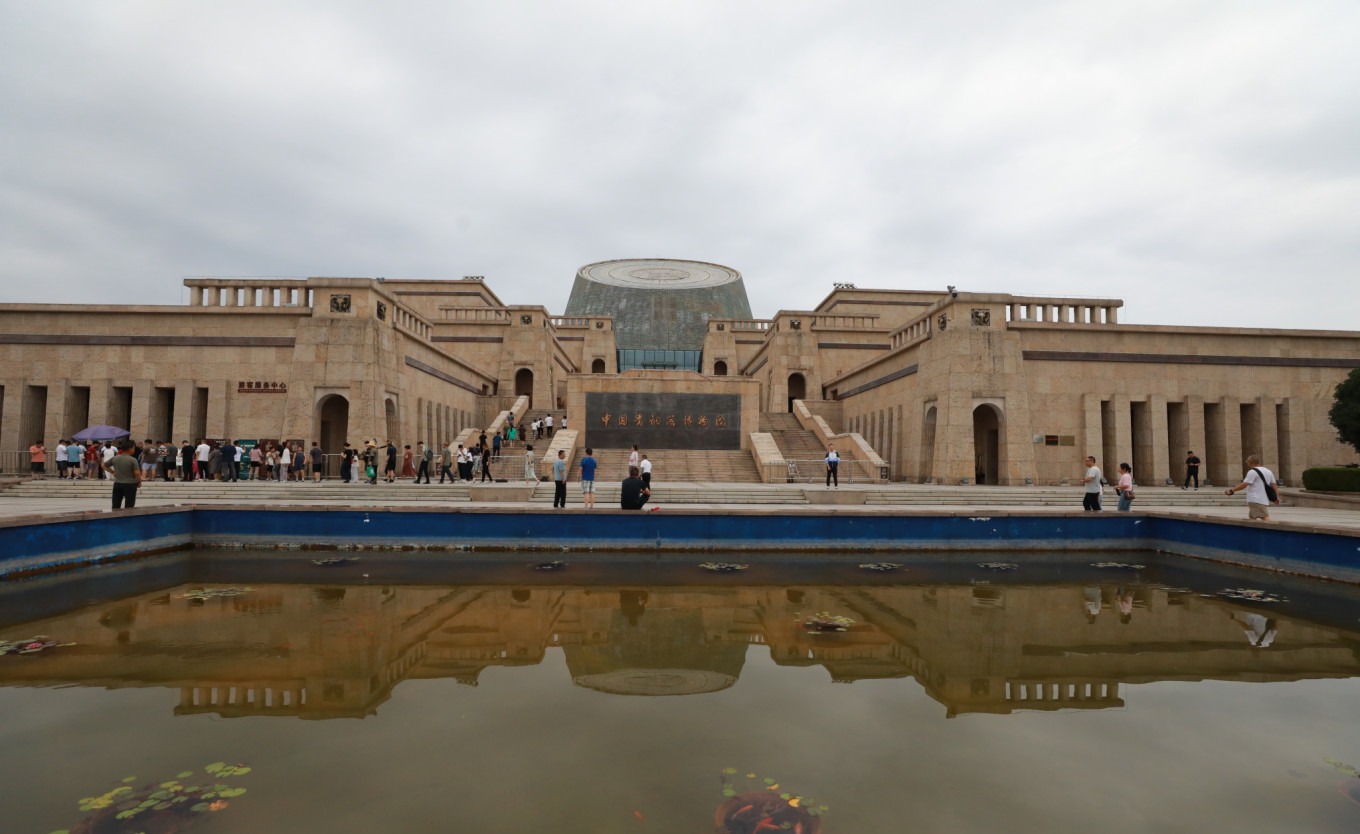
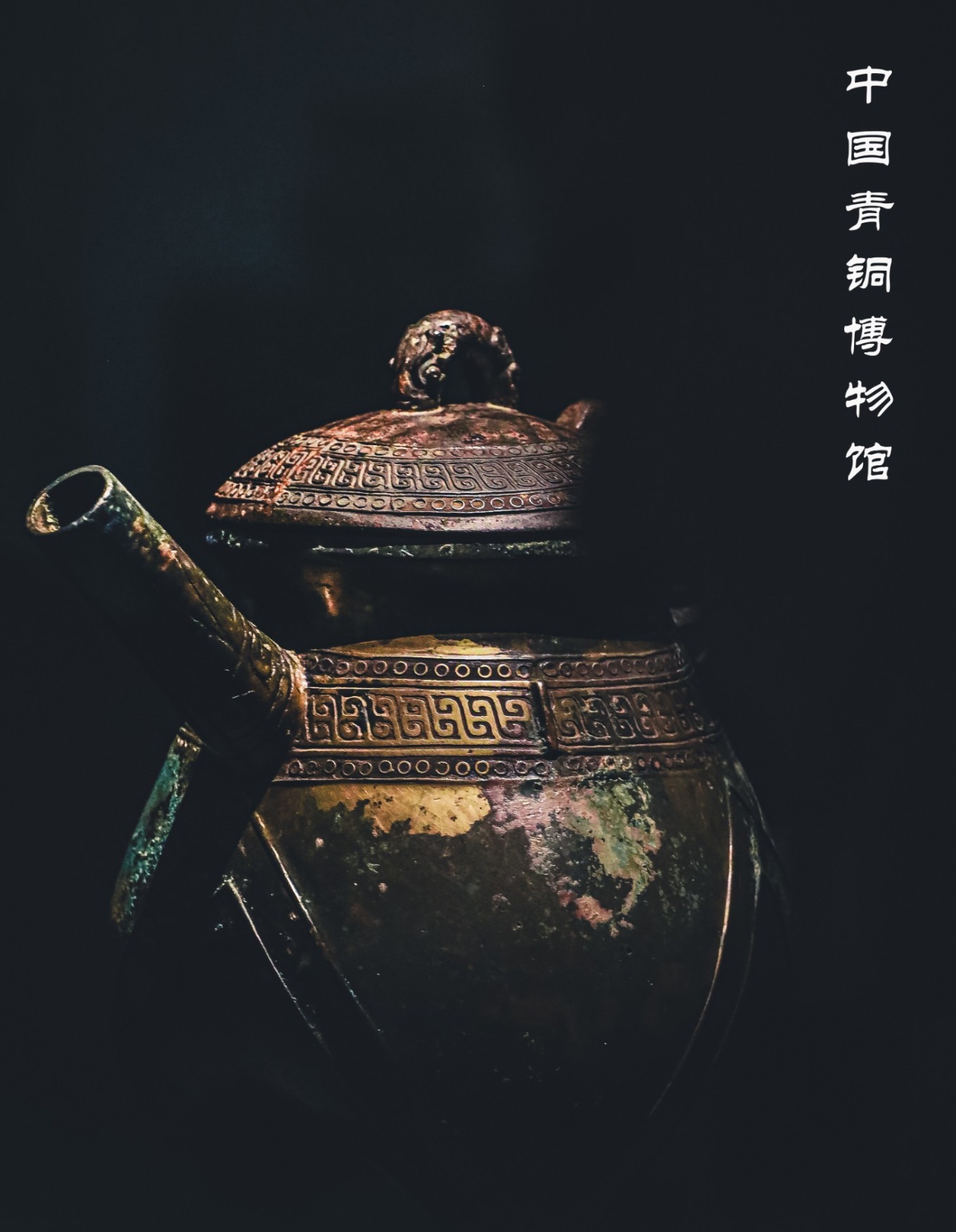
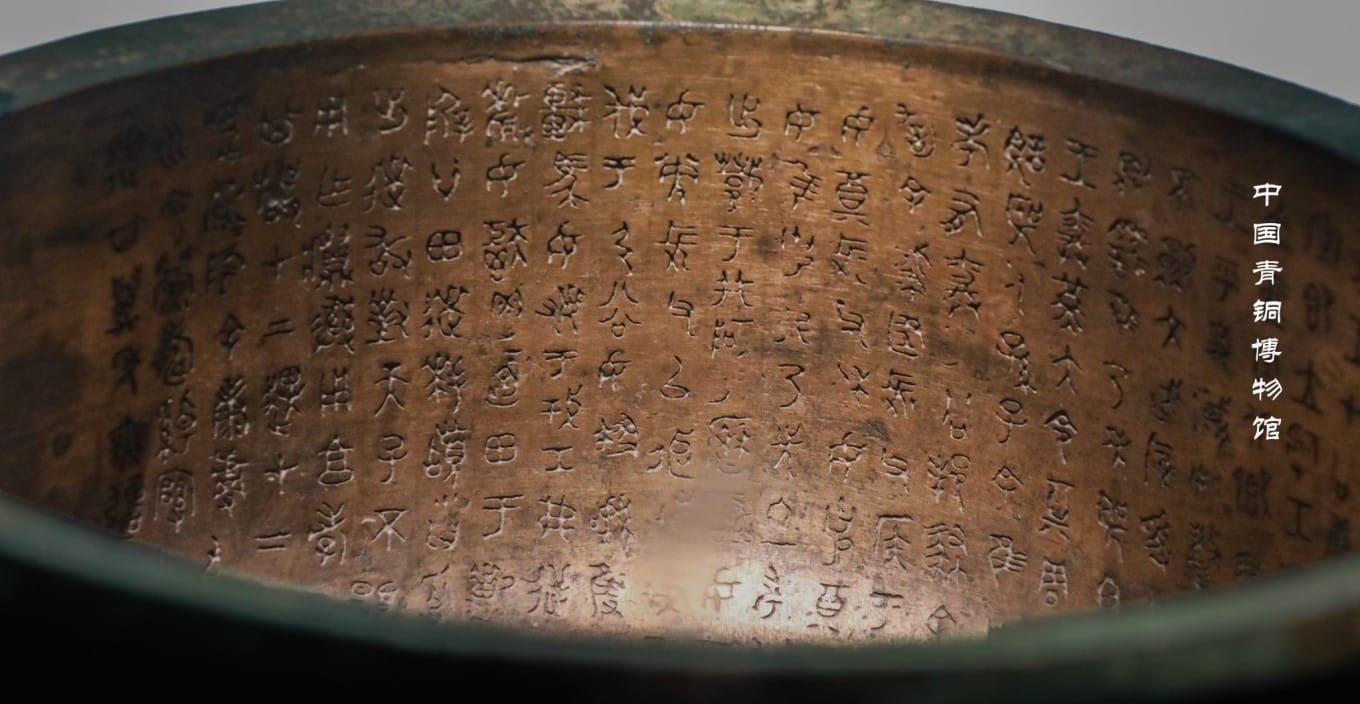
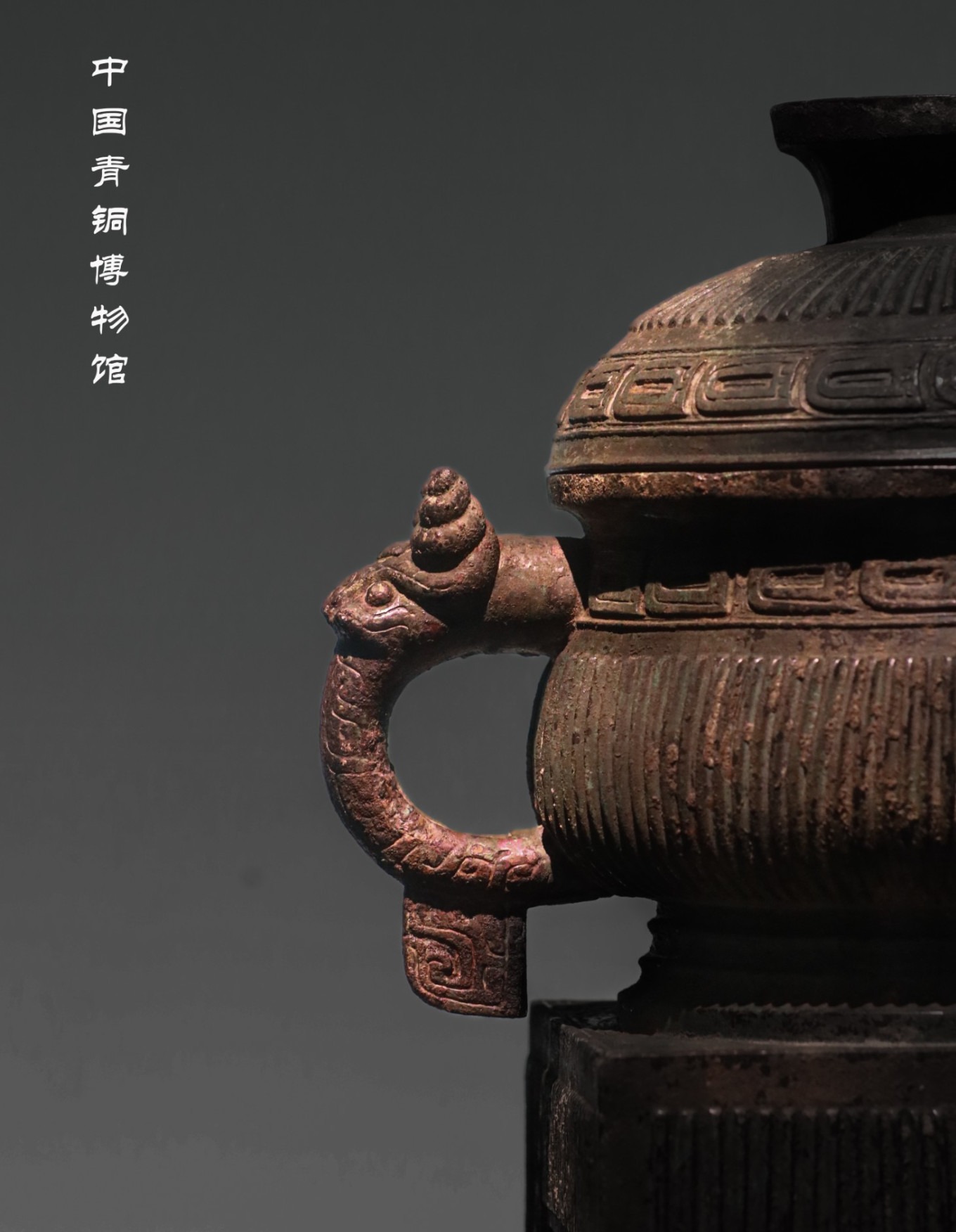
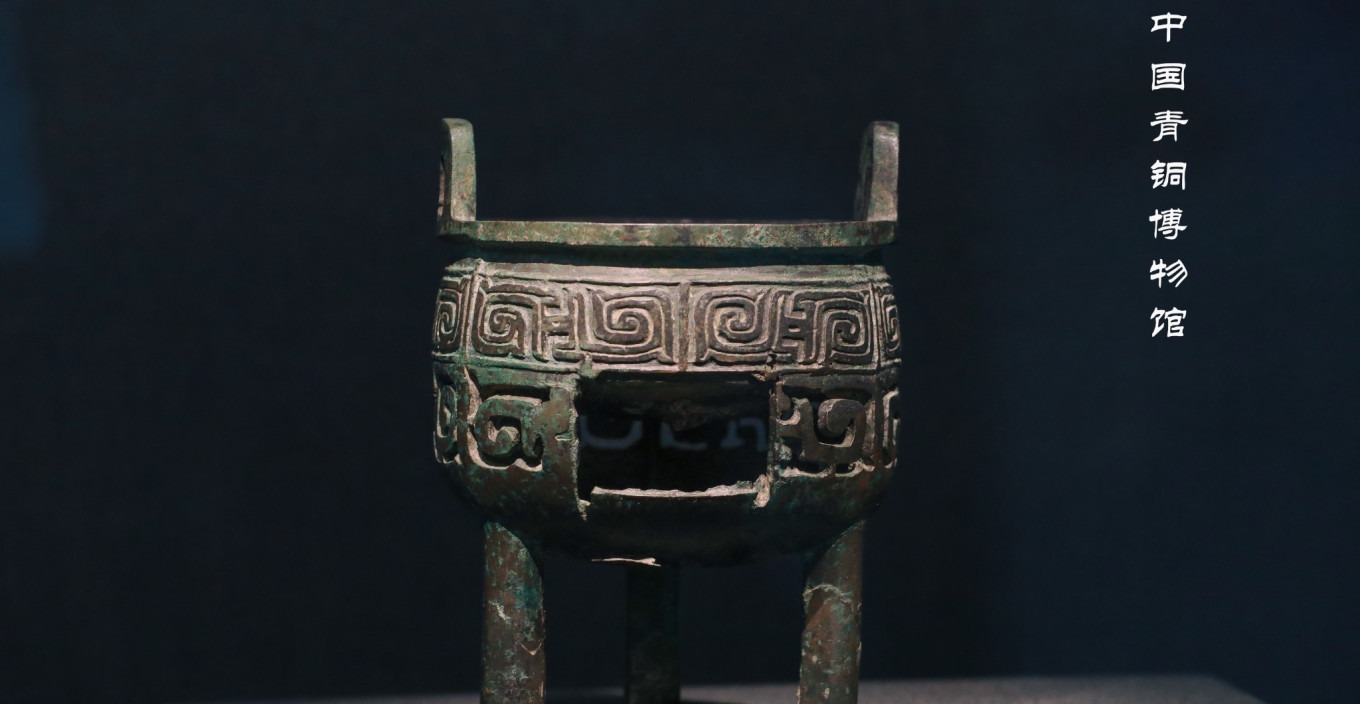
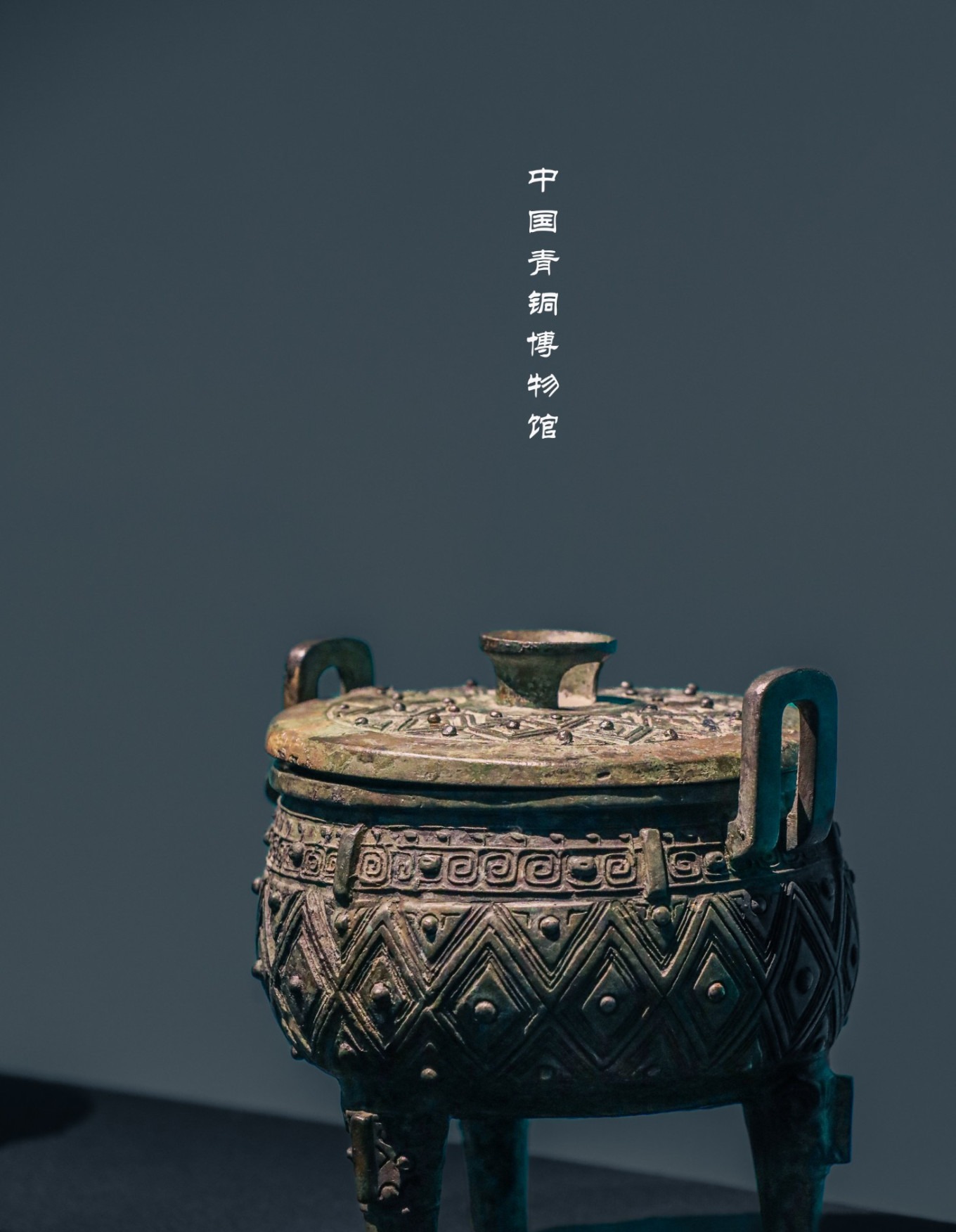
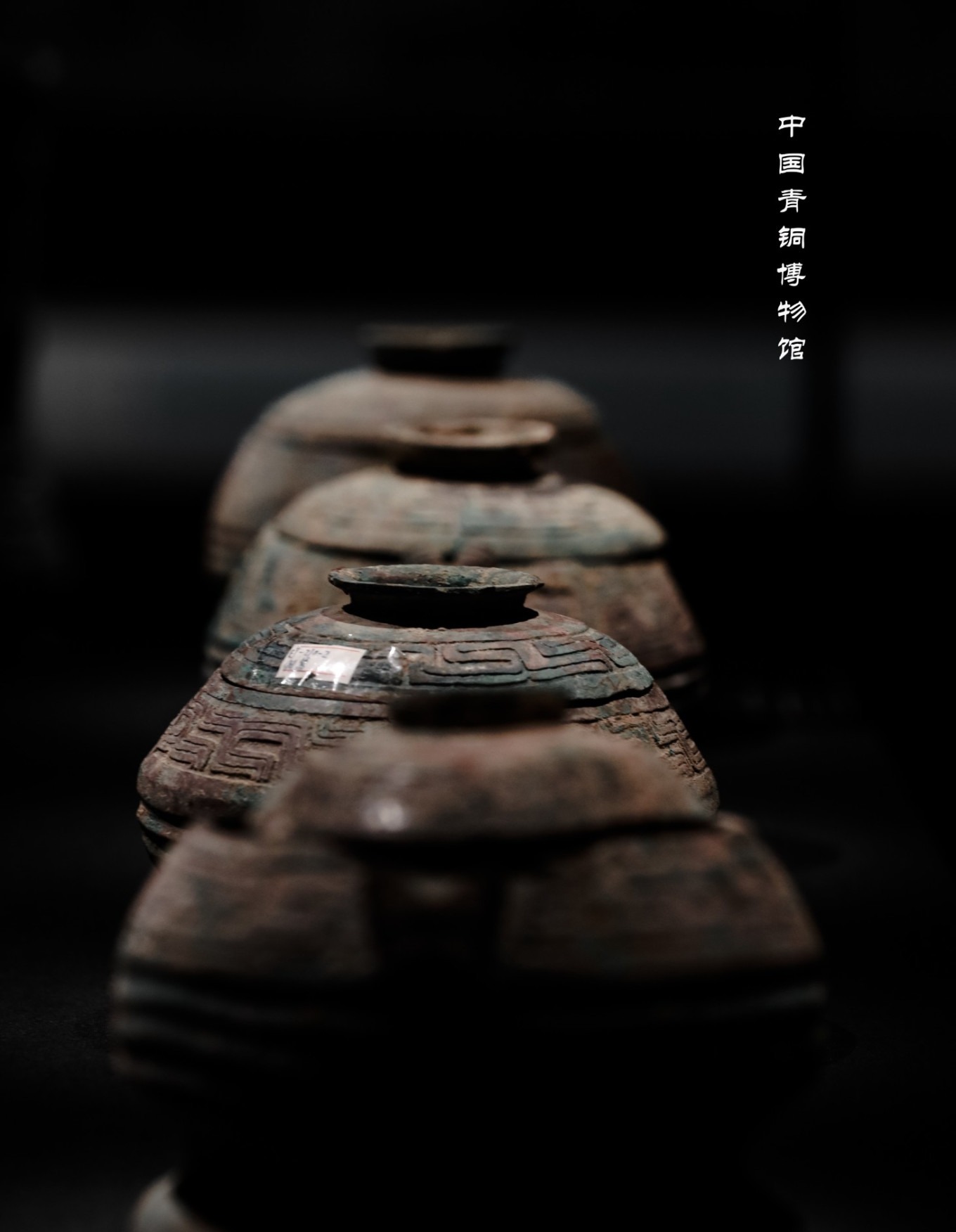
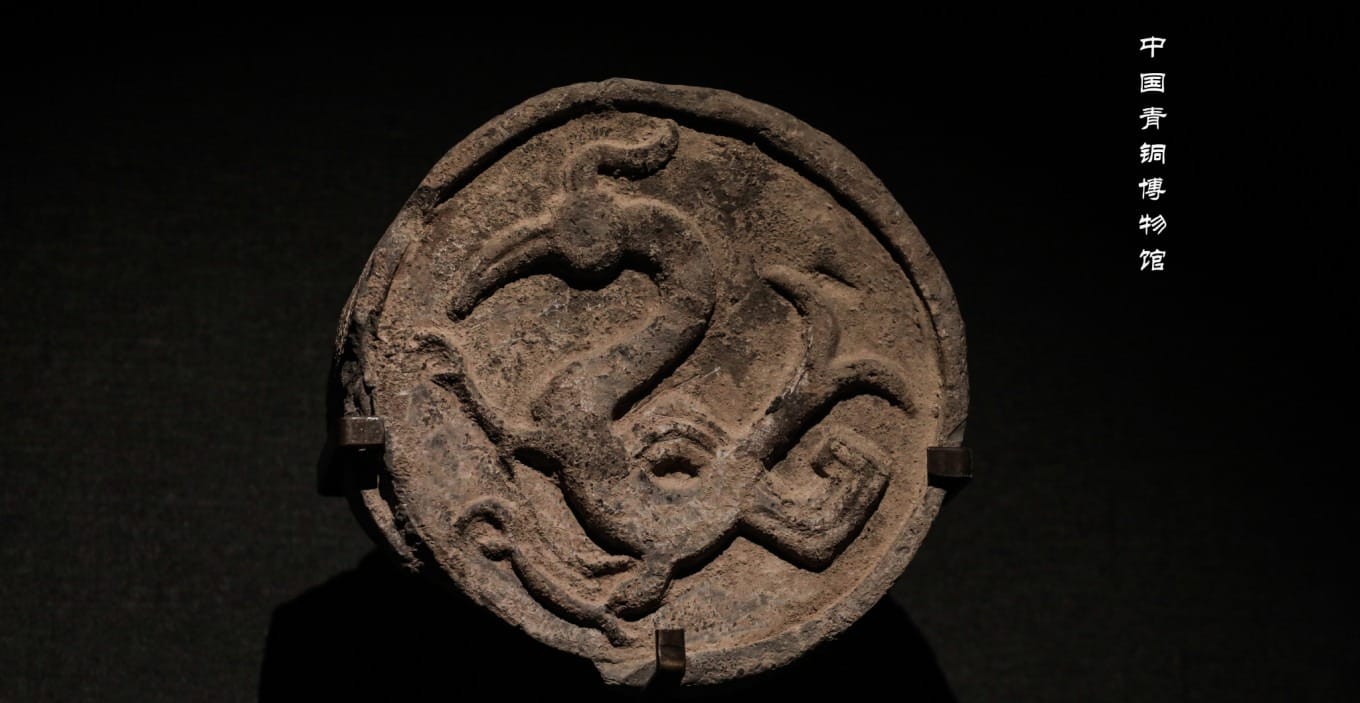
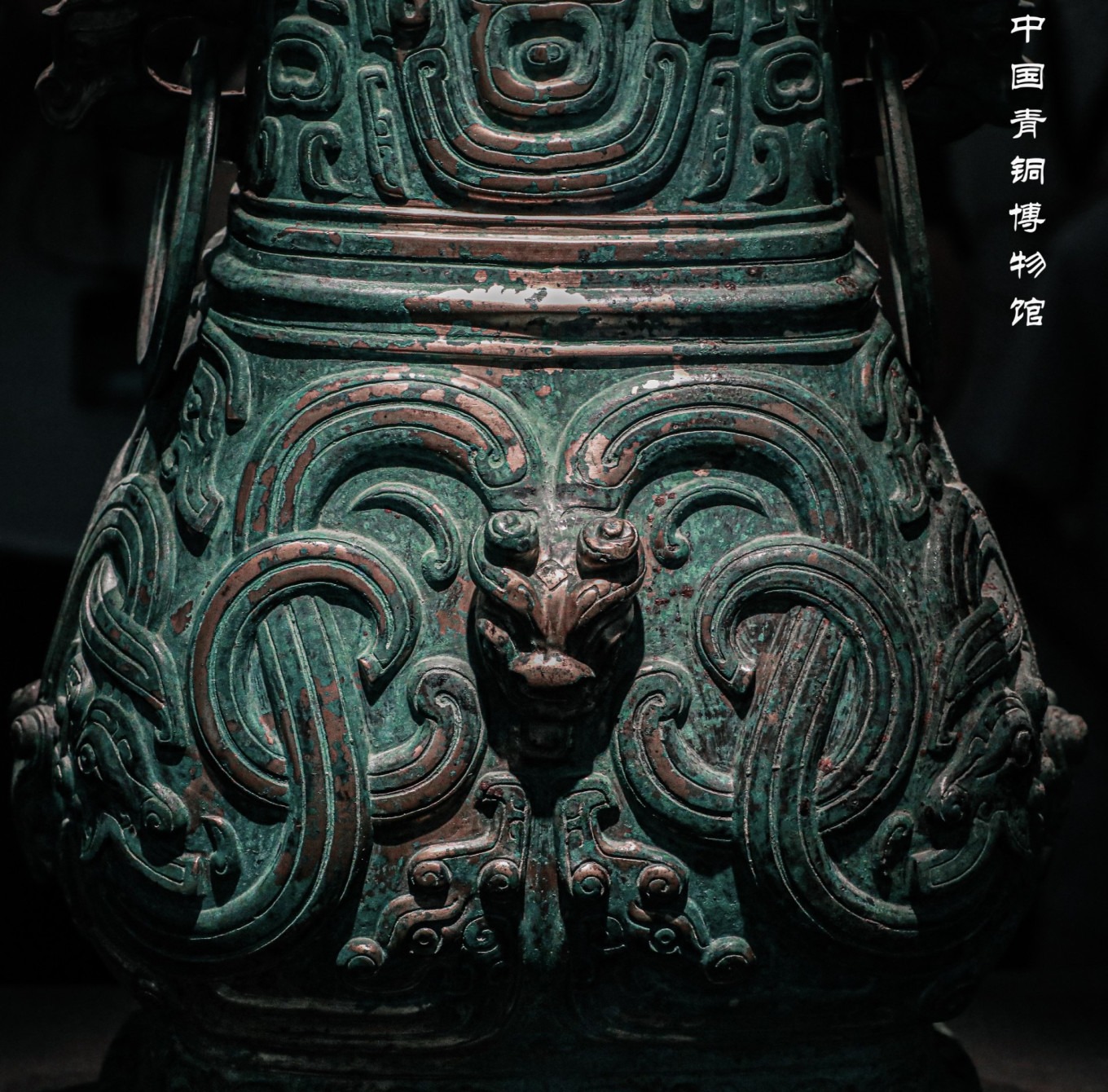
If you’re planning a trip to Gansu, you might have your sights set on the Maijishan Grottoes in Tianshui. But during summer, tickets sell out fast—even booking a day in advance may not secure a spot. If that happens, consider a detour to Baoji in Shaanxi, home to one of China’s most impressive bronze collections: the China Bronze Museum (中国青铜博物院).
Baoji is known as the ‘Hometown of Bronze’—and for good reason. Four of the most famous Western Zhou bronzes—the Mao Gong Ding (毛公鼎), San Shi Pan (散氏盘), Da Yu Ding (大盂鼎), and Guo Ji Zi Bai Pan (虢季子白盘)—all unearthed here, now reside in museums across Taipei and Beijing. Yet the China Bronze Museum still holds an astonishing array of treasures that will leave you awestruck.
Among the must-see exhibits: the He Zun (何尊), the earliest known artifact bearing the characters ‘中国’ (China); the Lai Pan (逨盘), a basin intricately listing the Zhou royal lineage; the largest gui ever found (簋王); and the Qin Gong Bo (秦公镈), which records the founding of the Qin state. Each piece tells a story of power, ritual, and artistry.
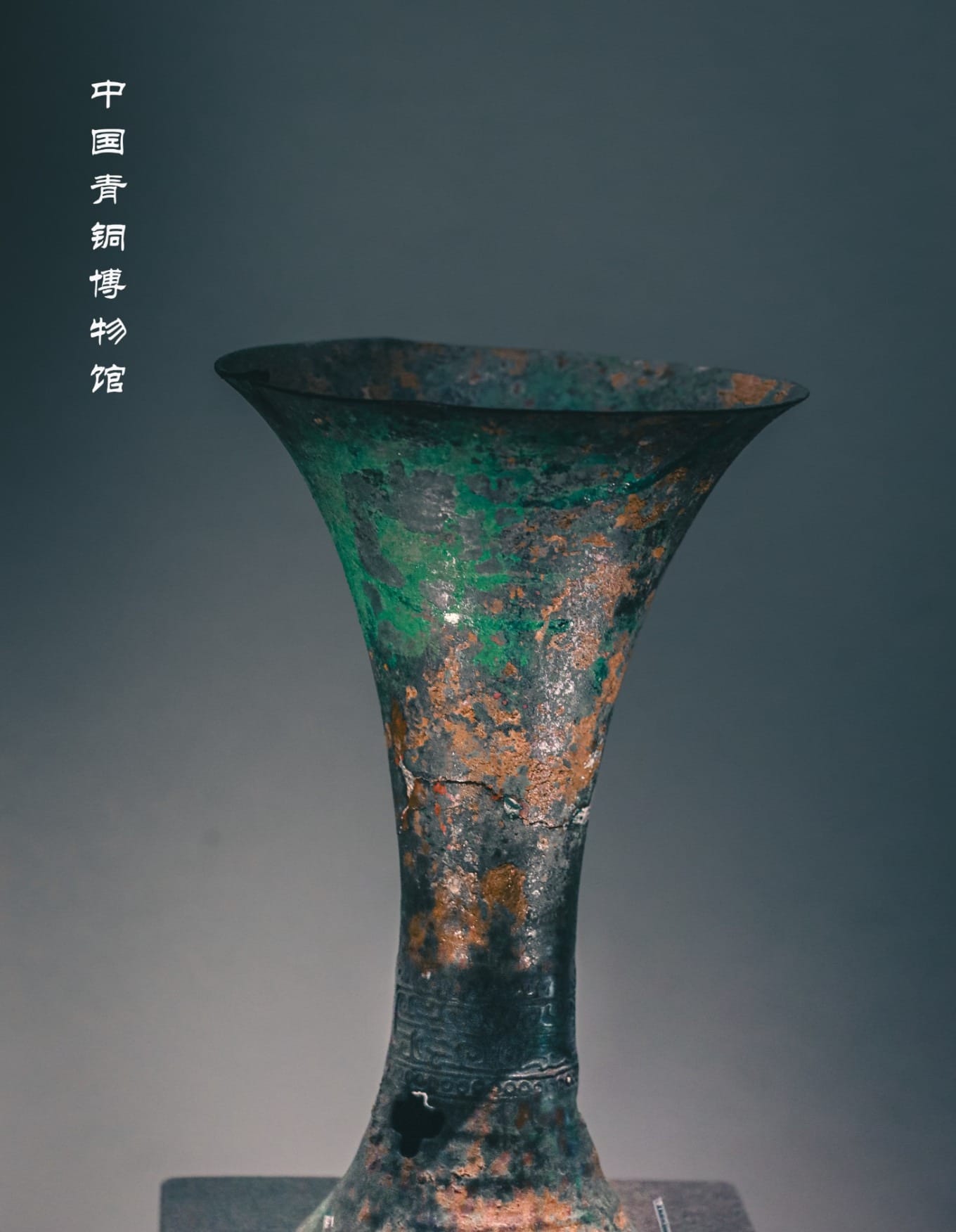
Don’t miss the Shang dynasty animal-mask gu (商兽面镂孔觚), a wine vessel typical of early Shang design. Also look for the Western Zhou phoenix-pattern bronze zun (西周凤纹铜尊), a wine container; the you (卣), a covered vessel for aromatic sacrificial wine; and the he (盉), a wine warmer with three or four legs. The museum’s collection of ding (鼎) and gui (簋) ritual vessels is equally impressive.
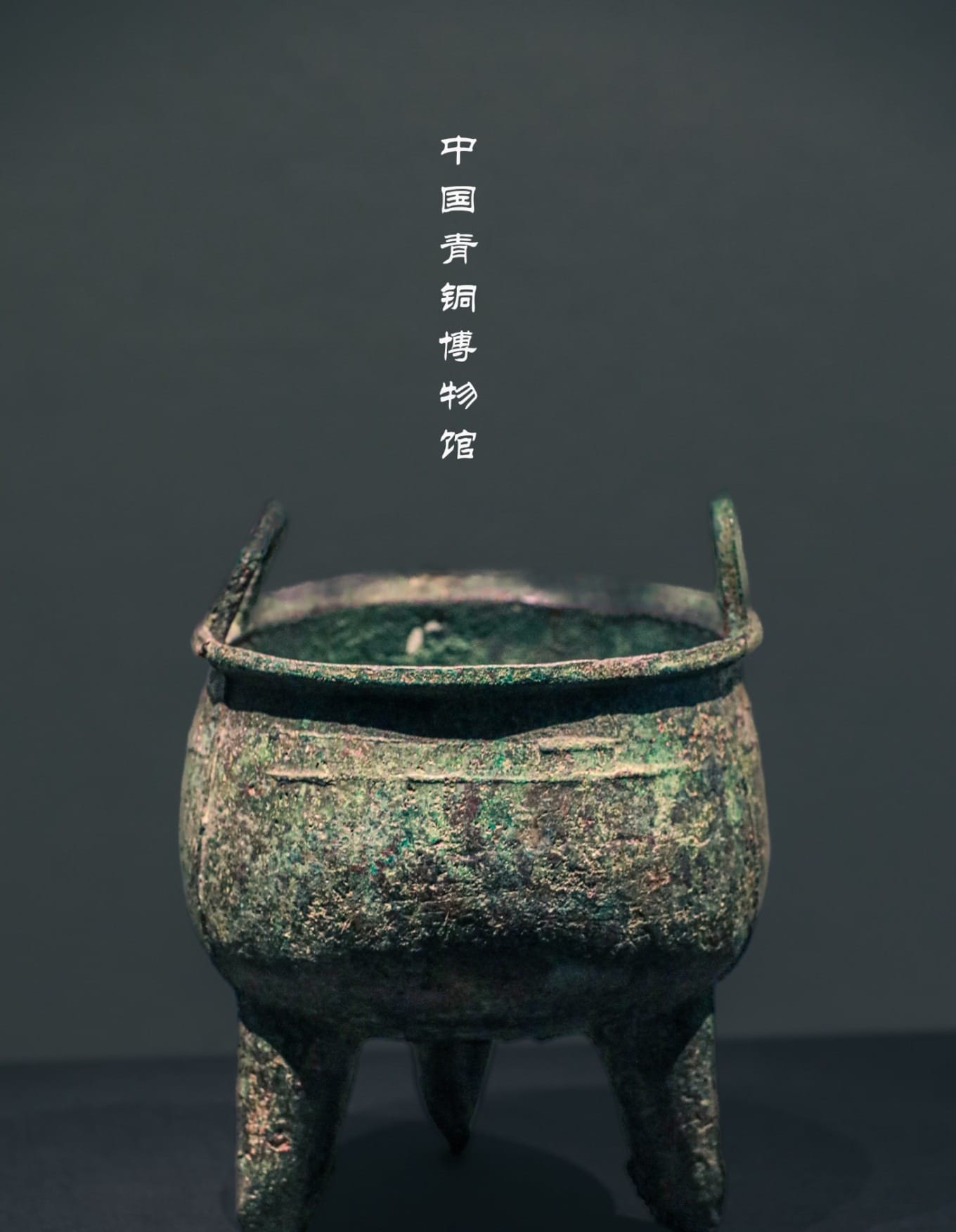
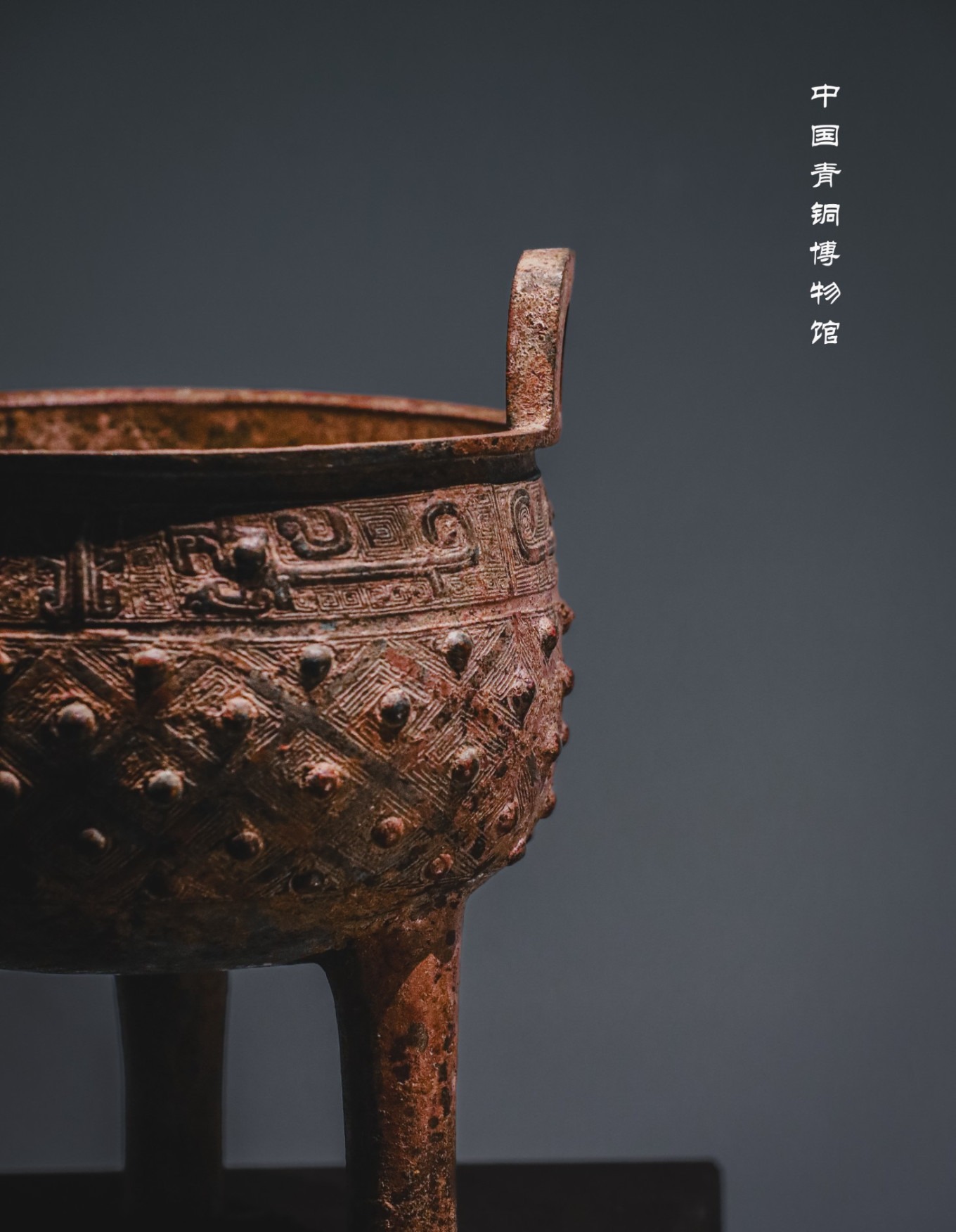
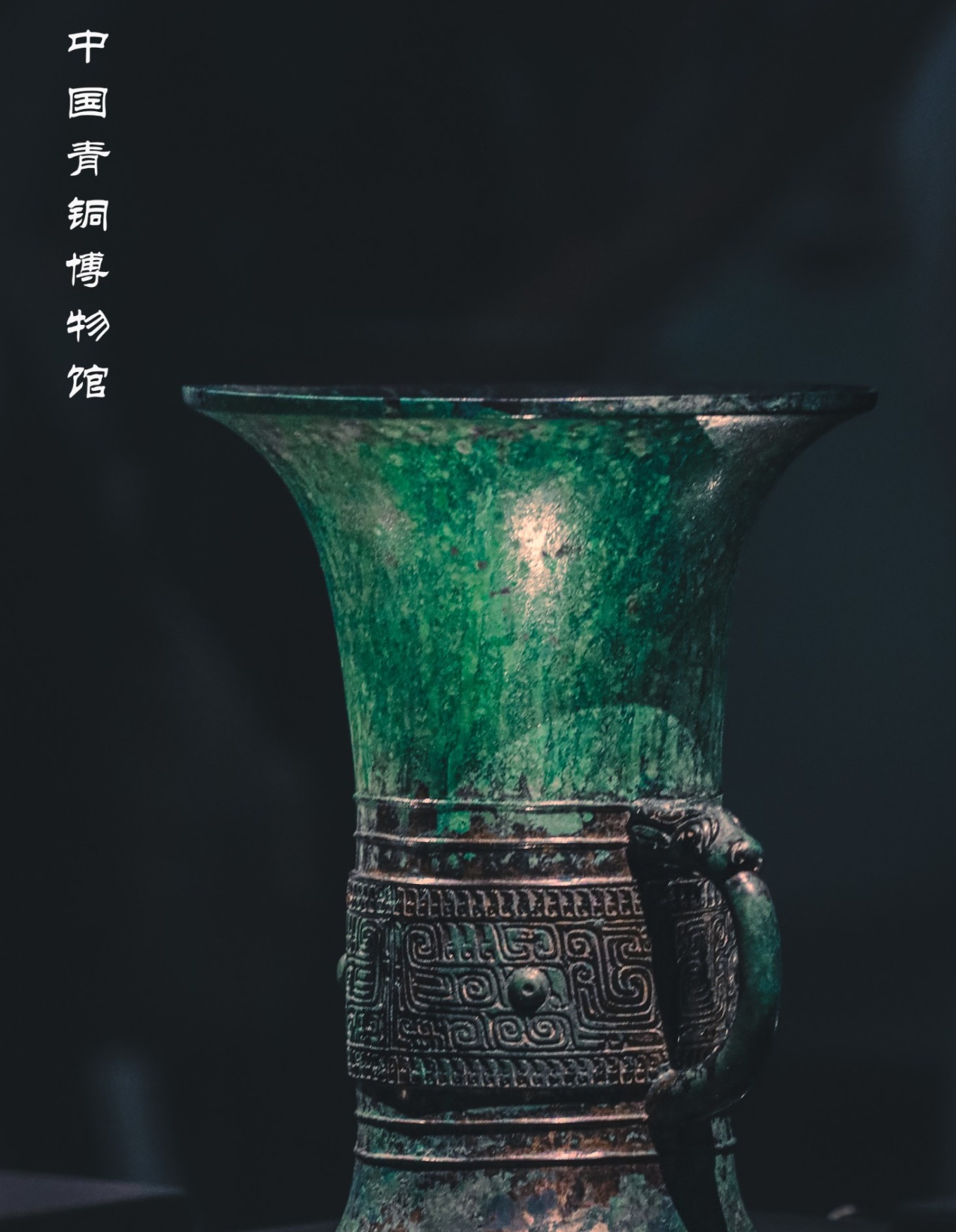
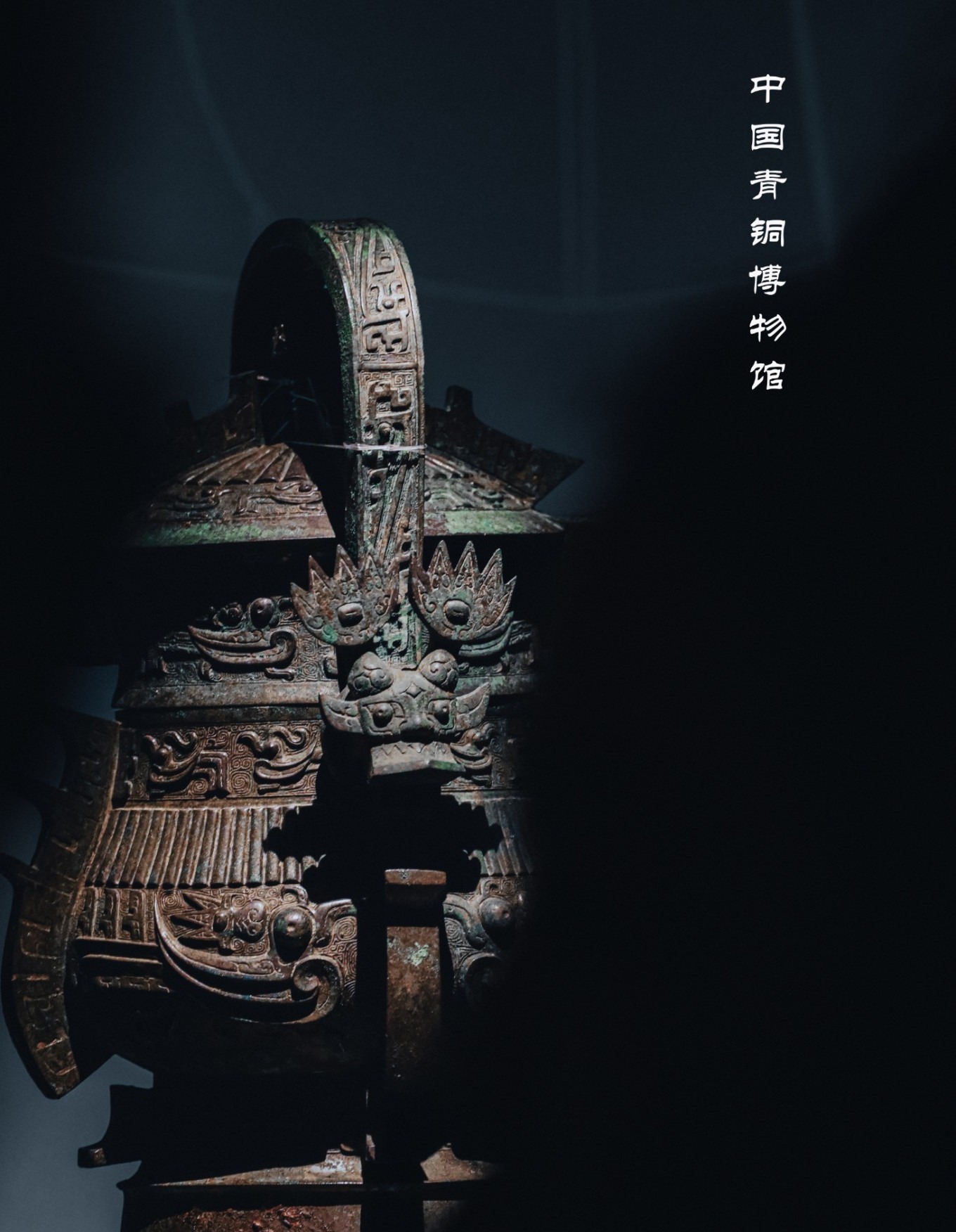
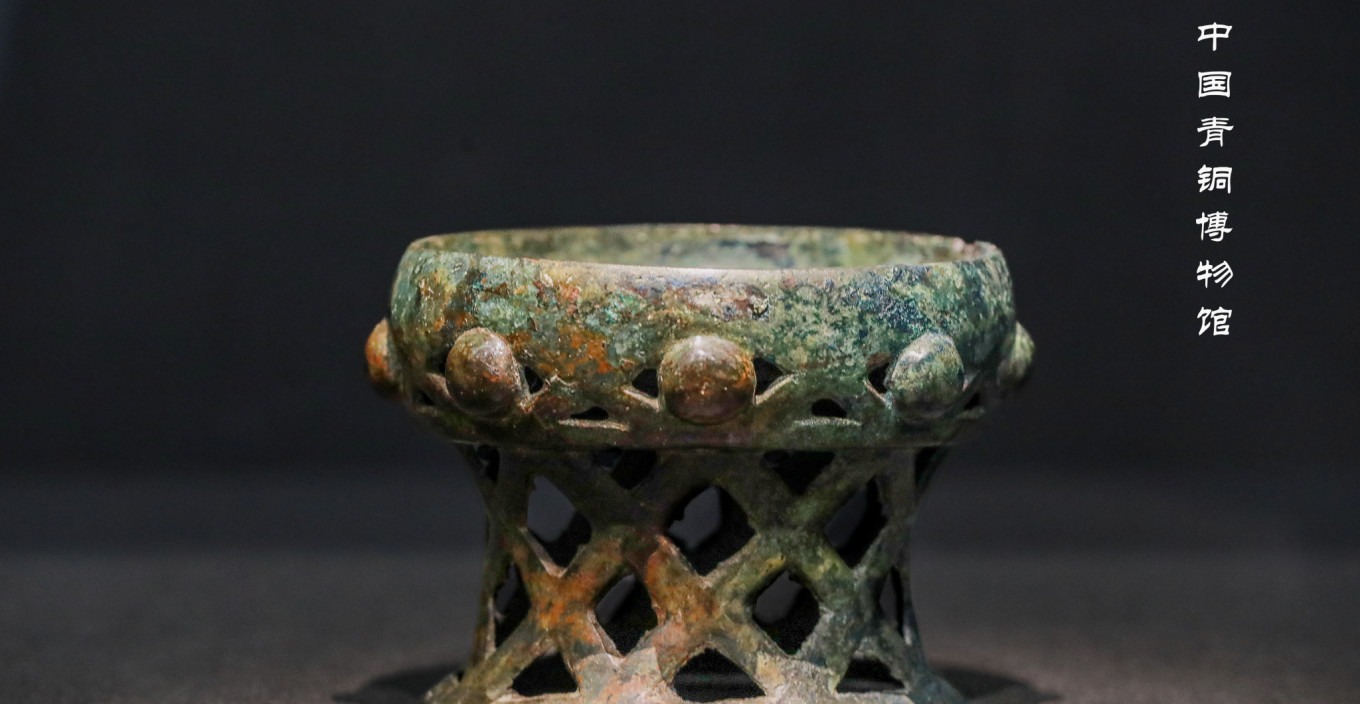
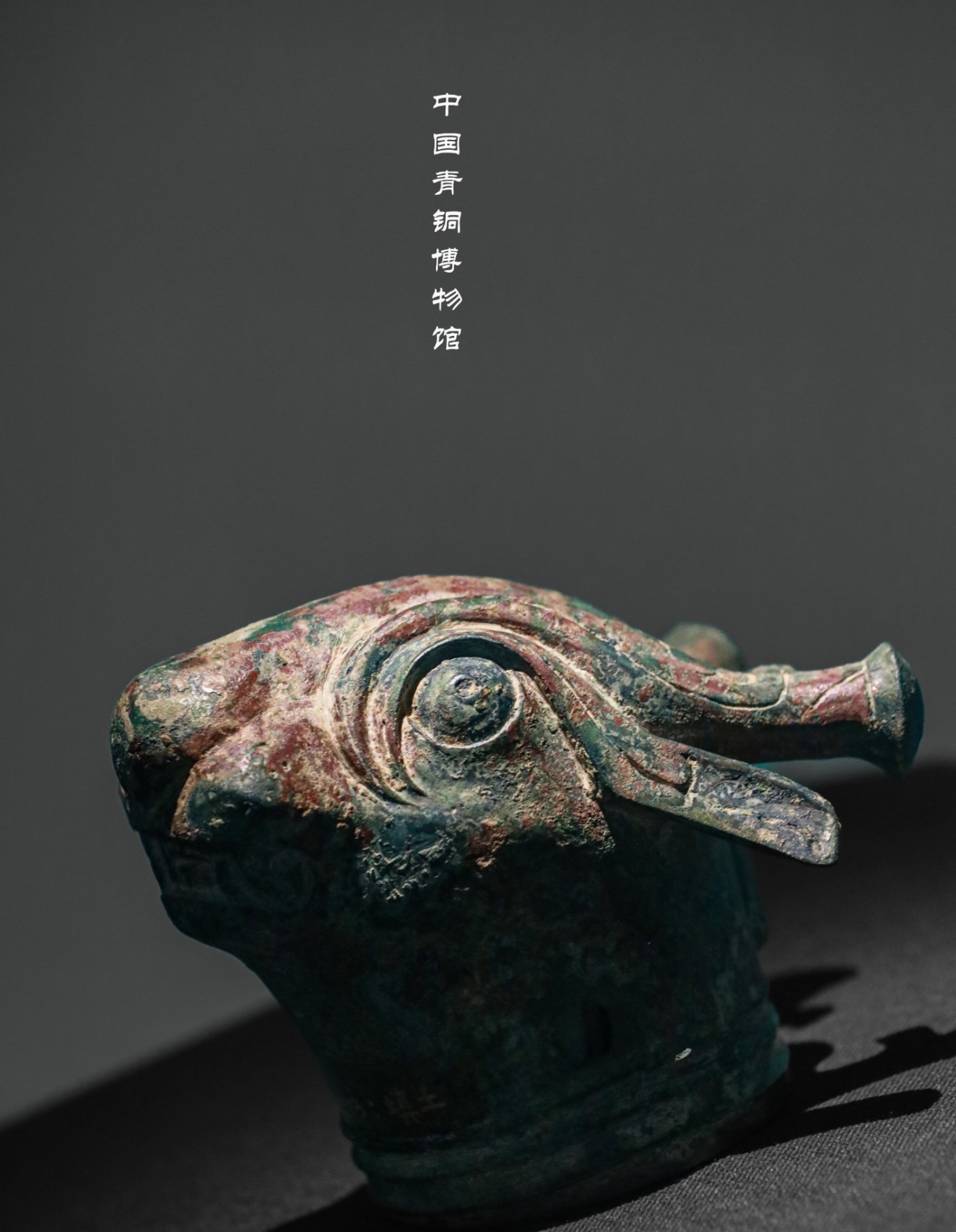
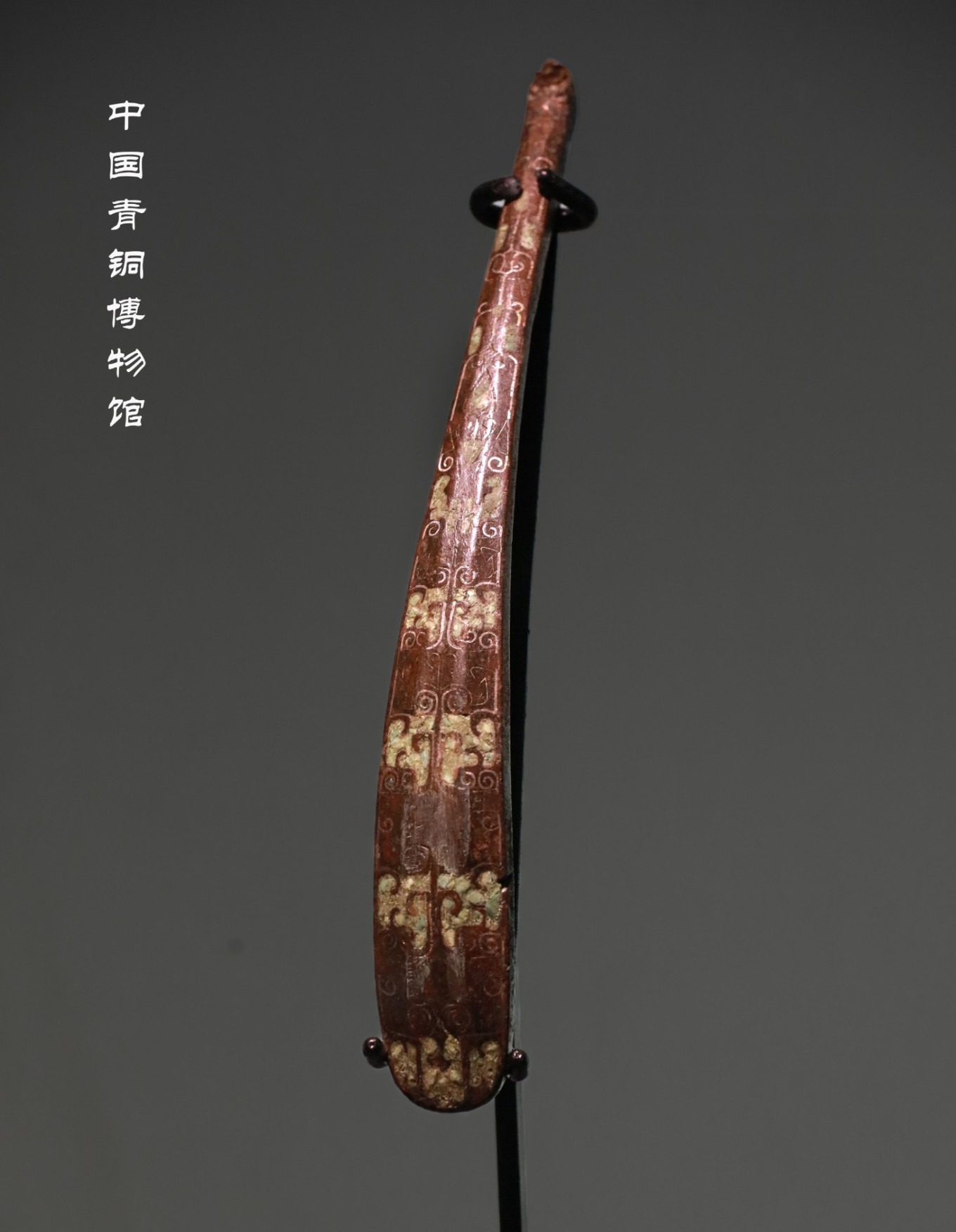
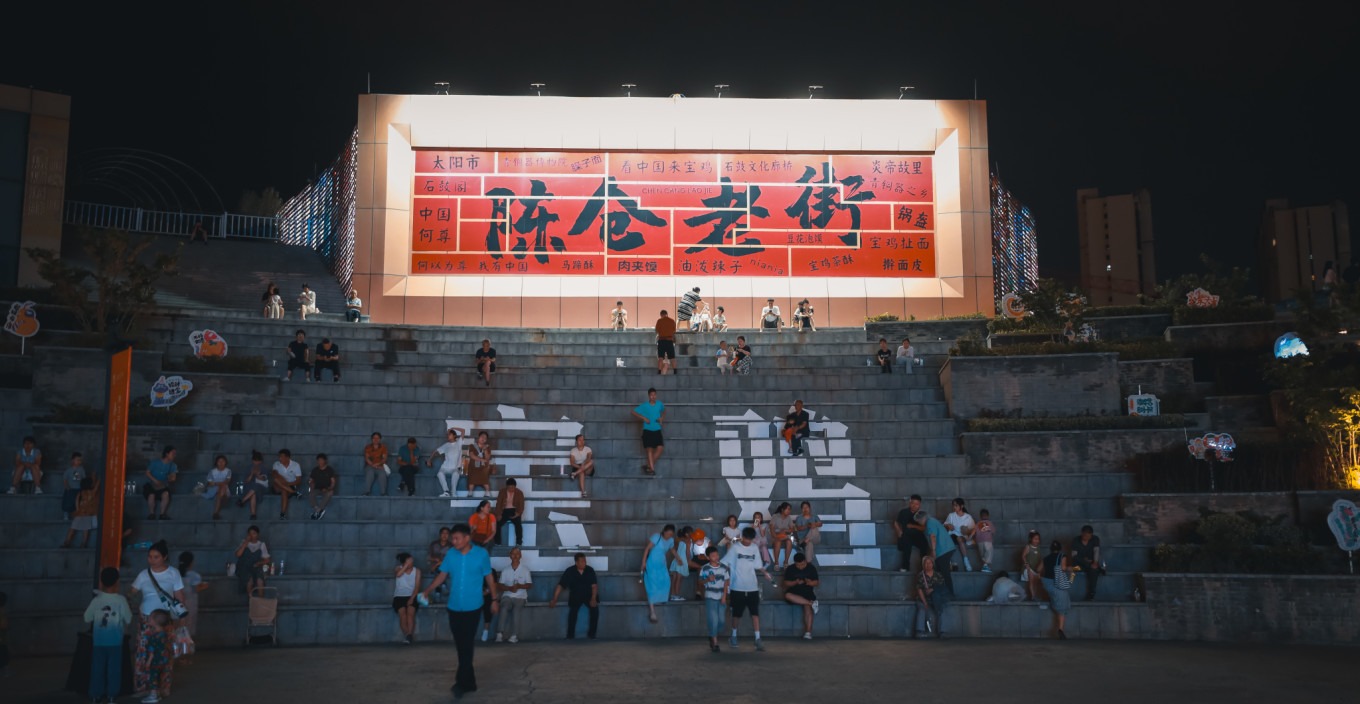
After a day at the museum, head to Chencang Old Street (陈仓老街) for a quick meal. The area buzzes with locals enjoying the evening cool, and you’ll find plenty of casual eateries.
Enjoyed this article? Consider buying me a coffee to support more content like this!
💖 0 people have clicked to support this article.