Xi’an 4-Day Cultural Walking Itinerary
A practical, image-rich guide you can actually use.
travel better
On this page
Quick Answer
This Xi’an walking itinerary is for travelers who like cultural neighborhoods, museums, pagodas, campus areas, bookstores, food, and evening walks more than fast sightseeing. Four days works well if you group nearby stops and use taxis or metro between far-apart districts instead of forcing every transfer on foot.
Before you go: If you want less backtracking, compare this with the five-day Xi’an route before deciding where to stay.
Introduction
Xi’an, a city where history breathes through every brick, beckons first-time visitors with its timeless charm. If you haven’t been in two decades, prepare to be amazed by the transformation. One must-see is the Beilin District Library, inspired by the heartfelt story ‘Why Does the World Need Libraries’—check its holiday hours before you go. And let’s start with a local phrase: ‘Liáo zā liě’ (嘹扎咧 (local term)), Shaanxi dialect for ‘fantastic’ or ‘awesome’. It’s the perfect word to describe your upcoming adventure.
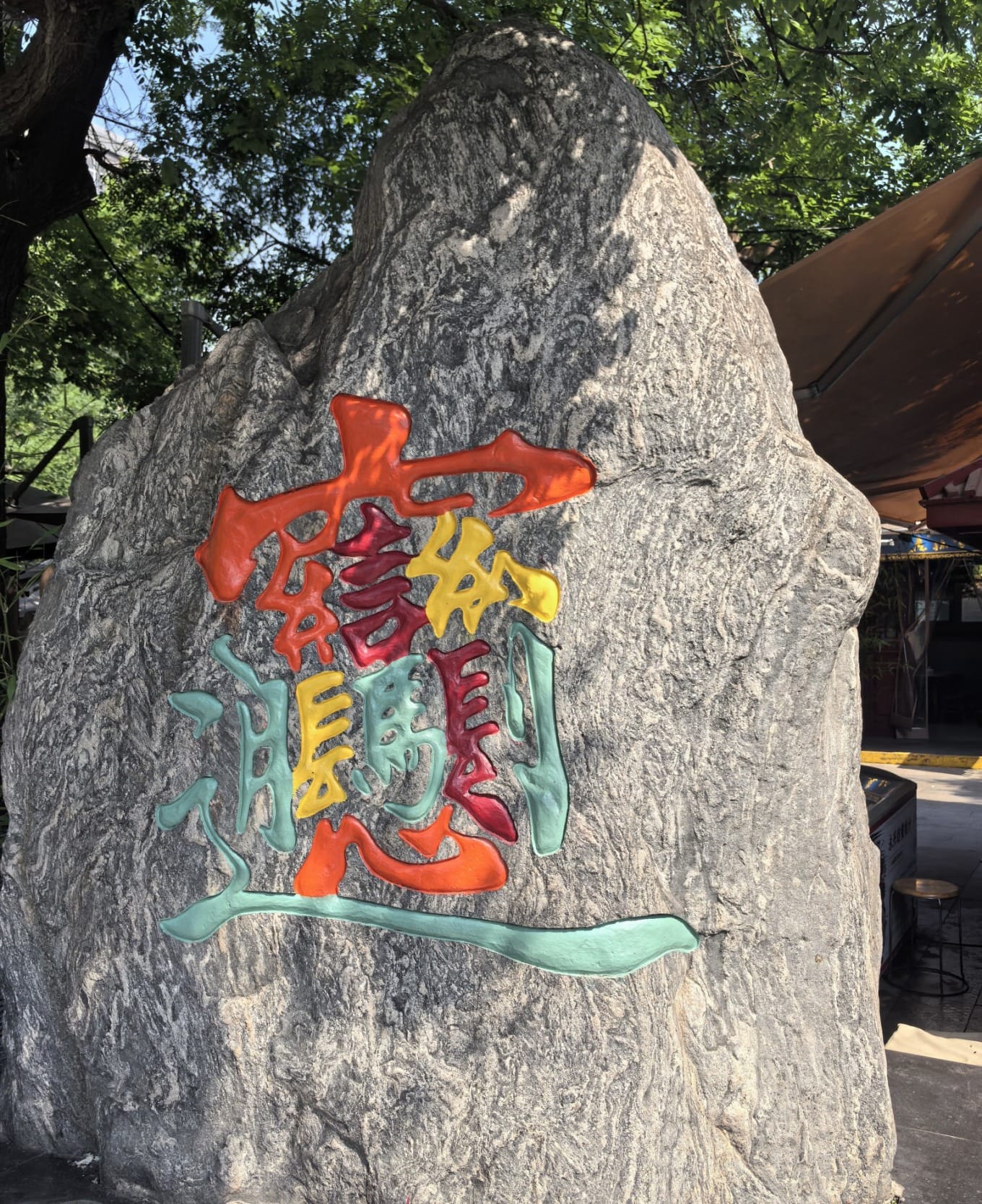
Speaking of local culture, you’ll encounter the legendary biangbiang noodles. The character ‘biang’ is famously intricate, with a folk rhyme to remember its strokes: ‘A dot flies to the sky, the Yellow River bends on both sides; an eight opens wide, a word enters inside; twist left, twist right; stretch west, stretch east, a horse king in the middle; heart as base, moon as side, leave a hook to hang sesame candy; push a cart into Xianyang (咸阳).’ This playful mnemonic is part of Xi’an’s culinary lore.
4-Day Xi’an Itinerary Overview
For first-time visitors planning a citywalk in Xi’an, you can maximize your time over three full days spread across four days. The city’s metro network is extensive and efficient, making it your primary mode of transport. However, on hot days (like 37°C in early May), you can also take taxis or rent bikes — during the May Day holiday, Meituan offered a 7-day unlimited ride pass for just 6.8 yuan. In total, you can comfortably visit 4–5 spots per day, with 18 accessible stops on this itinerary. Two places you might miss: the Stele Forest Museum (西安碑林博物馆) is partially under renovation, and the Beilin District Library (碑林区图书馆), featured in the book *Why Does the World Need Libraries?*, has moved to a new site that is still under construction. These closures may be permanent for now, but the rest of the city offers plenty.
A smart money-saving tip for long-distance travel: if you’re coming from a city like Shenyang (沈阳), consider taking an overnight T-train sleeper to Taiyuan (太原), then a high-speed train from Taiyuan to Xi’an. This way you sleep on the train (arriving in Taiyuan the next morning) and reach Xi’an by noon — it’s cheaper than flying and more time-efficient than a direct high-speed train. The same route works for the return trip.
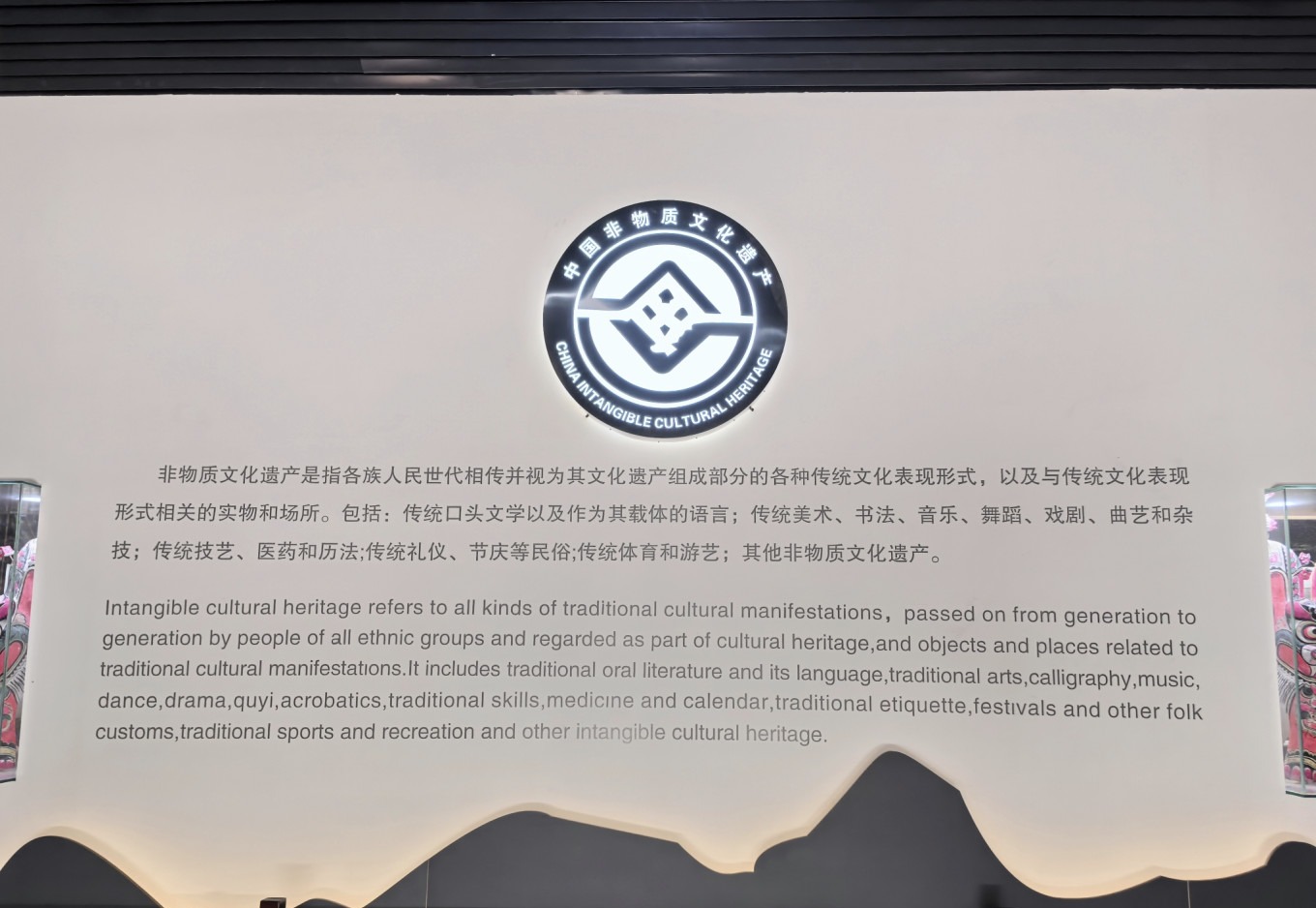
Travel trends among young visitors today: taking photos and looking good is the top priority, followed by food (every restaurant is packed), then visiting famous sights recommended online, and lastly exploring cultural heritage. On a hot day, you might find the China Qin Opera Art Museum (中国秦腔艺术博物馆), Xi’an Intangible Cultural Heritage Museum (西安市非物质文化遗产博物馆), and Shaanxi Intangible Cultural Heritage Exhibition Hall (陕西省非物质文化遗产陈列馆) nearly empty — with fewer than 100 visitors combined. Even the Shaanxi Provincial Cultural Center’s public benefit booth for intangible heritage drew sparse crowds. Don’t miss these cultural gems; even if you don’t fully understand everything, you’ll leave without regrets.
Here’s a suggested day-by-day itinerary:
- Day 1Xi’an Museum (西安博物院) → Giant Wild Goose Pagoda & Tang Paradise area (大唐不夜城)
- Day 2Xi’an Jiaotong University (西安交通大学) → China Qin Opera Art Museum → Xi’an Intangible Cultural Heritage Museum → Shaanxi Intangible Cultural Heritage Exhibition Hall → Blue Harbor Bookstore (蓝海风漫巷万邦书店)
- Day 3Five Star Street Catholic Church (五星街天主堂) → City God Temple (都城隍庙) → Drum Tower (鼓楼) → Great Mosque (清真大寺, exterior only) → Muslim Quarter (回民街) → Defu Alley (德福巷) → Xiangzi Temple (湘子庙) → Yongning Gate (永宁门) → Baoqing Temple Pagoda (宝庆寺塔) → Shuyuanmen Street (书院门) → Stele Forest Museum (exterior, under renovation) → Wolong Chan Temple (卧龙禅寺) → Xi’an Incident Memorial Hall (西安事变纪念馆) → Shaanxi Provincial Cultural Center (陕西省文化馆) → Xi’an Art Museum (西安美术馆)
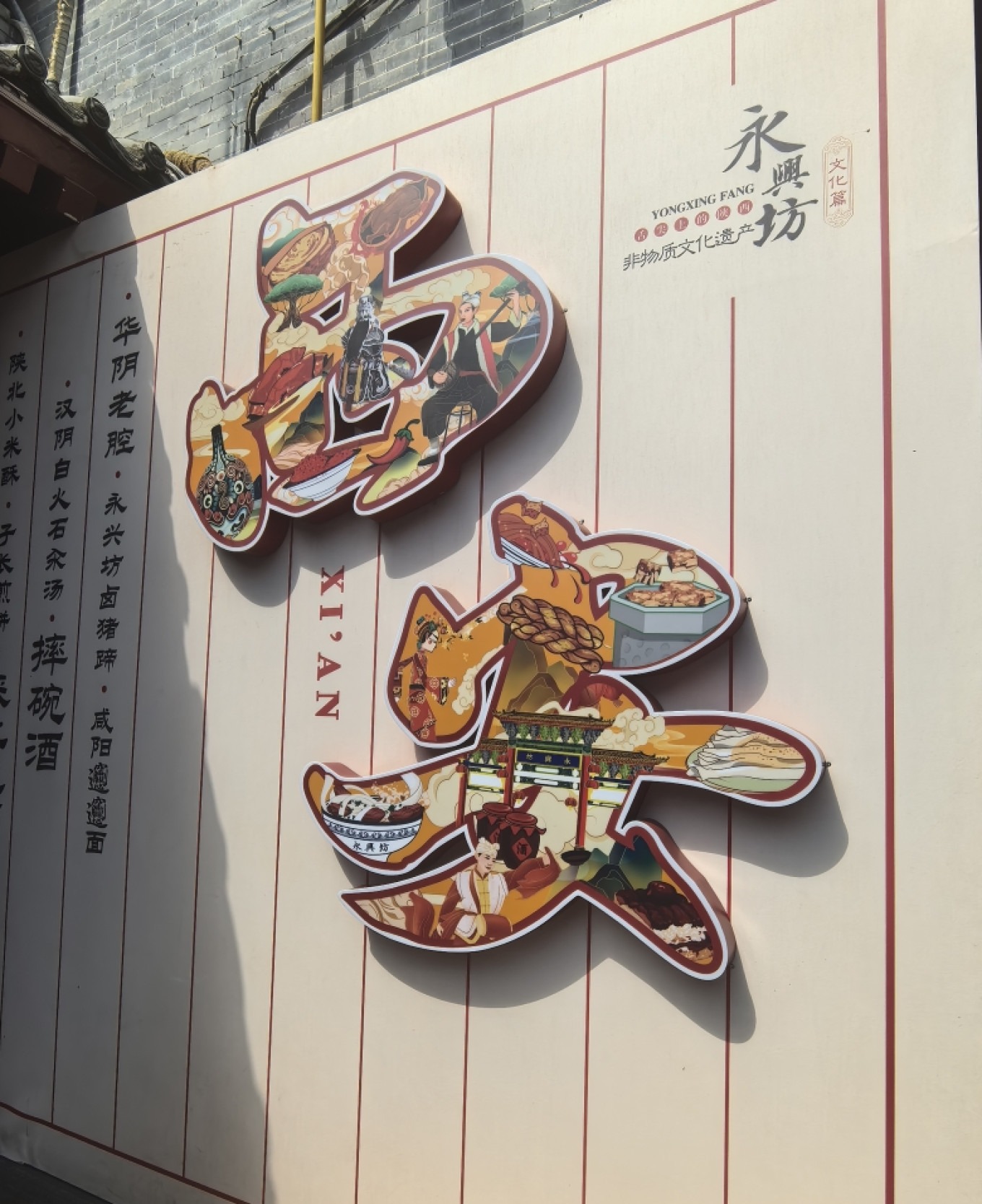
- Day 4Xi’an Folk Customs Museum (西安民俗博物馆) → Yongxing Fang (永兴坊)
Starting Your First Day at Xi’an Museum
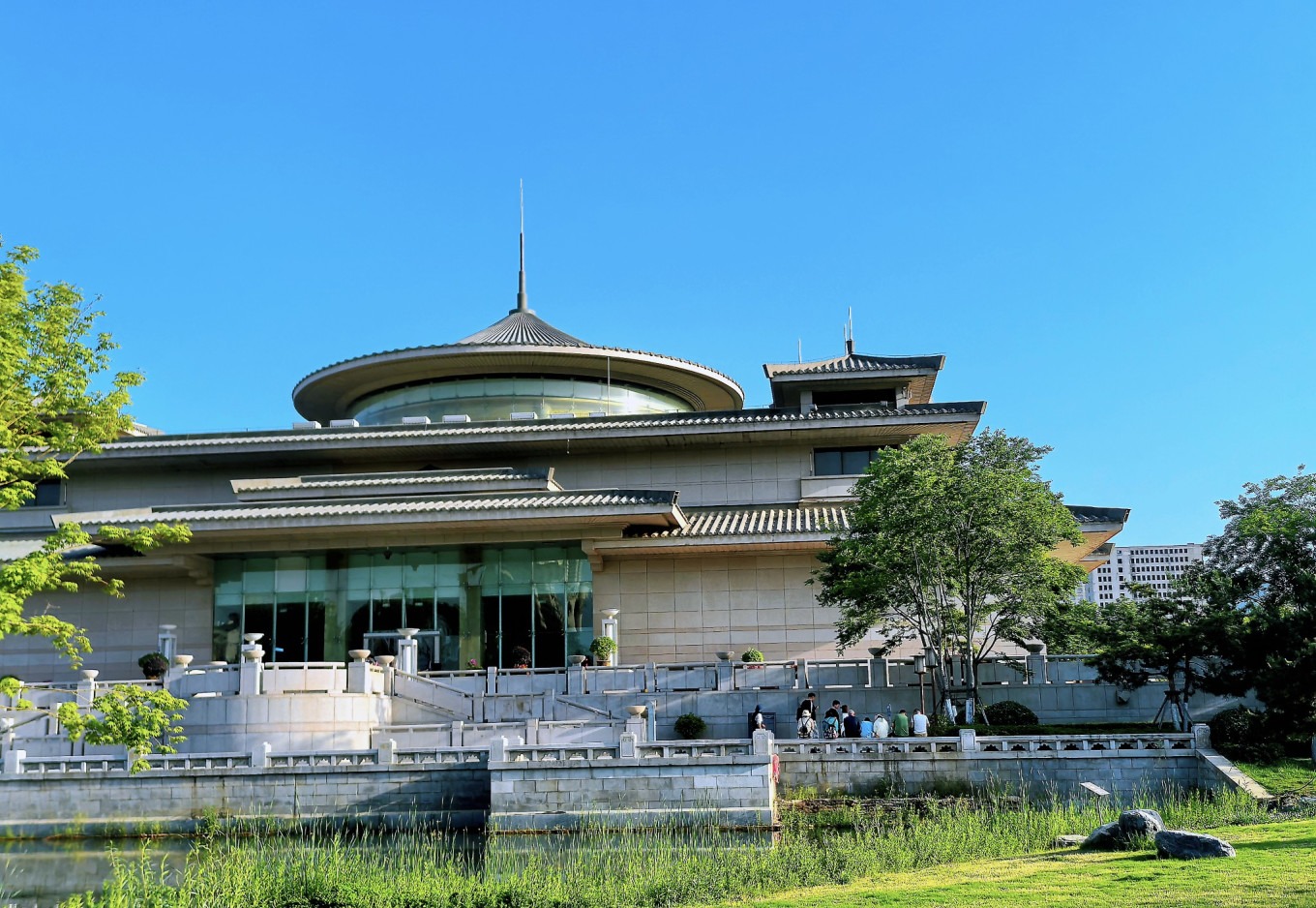
Kick off your Xi’an adventure at the Xi’an Museum (西安博物院), a national first-class museum and AAAA-rated scenic spot that opened on May 18, 2007. The museum complex comprises three parts: the museum building, the Tang Jianfu Temple (唐荐福寺) ruins, and the Small Wild Goose Pagoda (小雁塔). The main building, designed by Zhang Jinqiu—the architect behind the Shaanxi History Museum—embodies a ’round heaven and square earth’ concept, harmonizing with the ancient pagoda and temple structures.
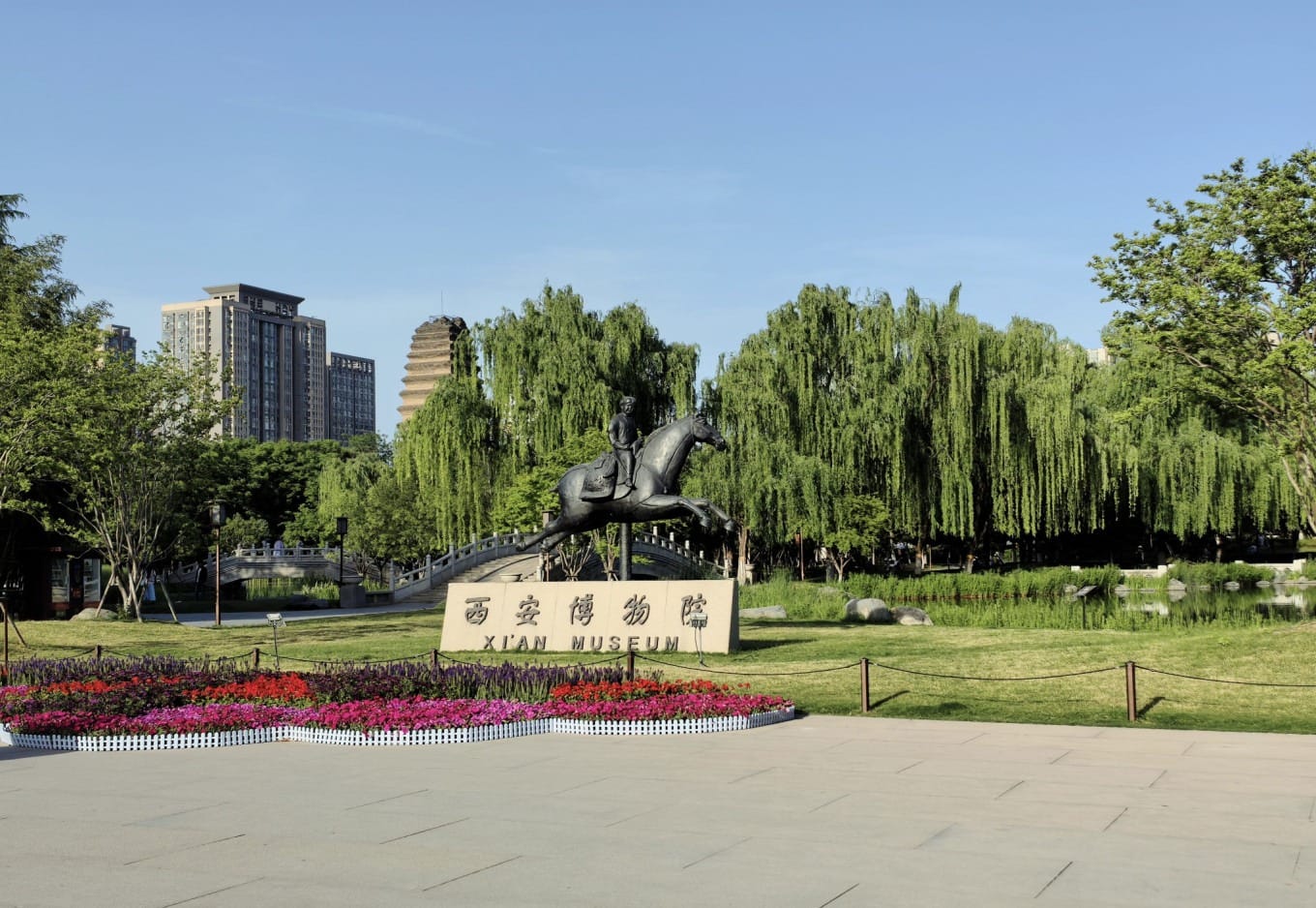
The Small Wild Goose Pagoda (小雁塔) cultural relic area opened to the public in 1980, featuring folk exhibitions like Chang’an ancient music and hitching posts. The museum expands east and west along the central axis of the pagoda and Jianfu Temple, adding an artificial lake and lush gardens that blend historical relics with a city park.
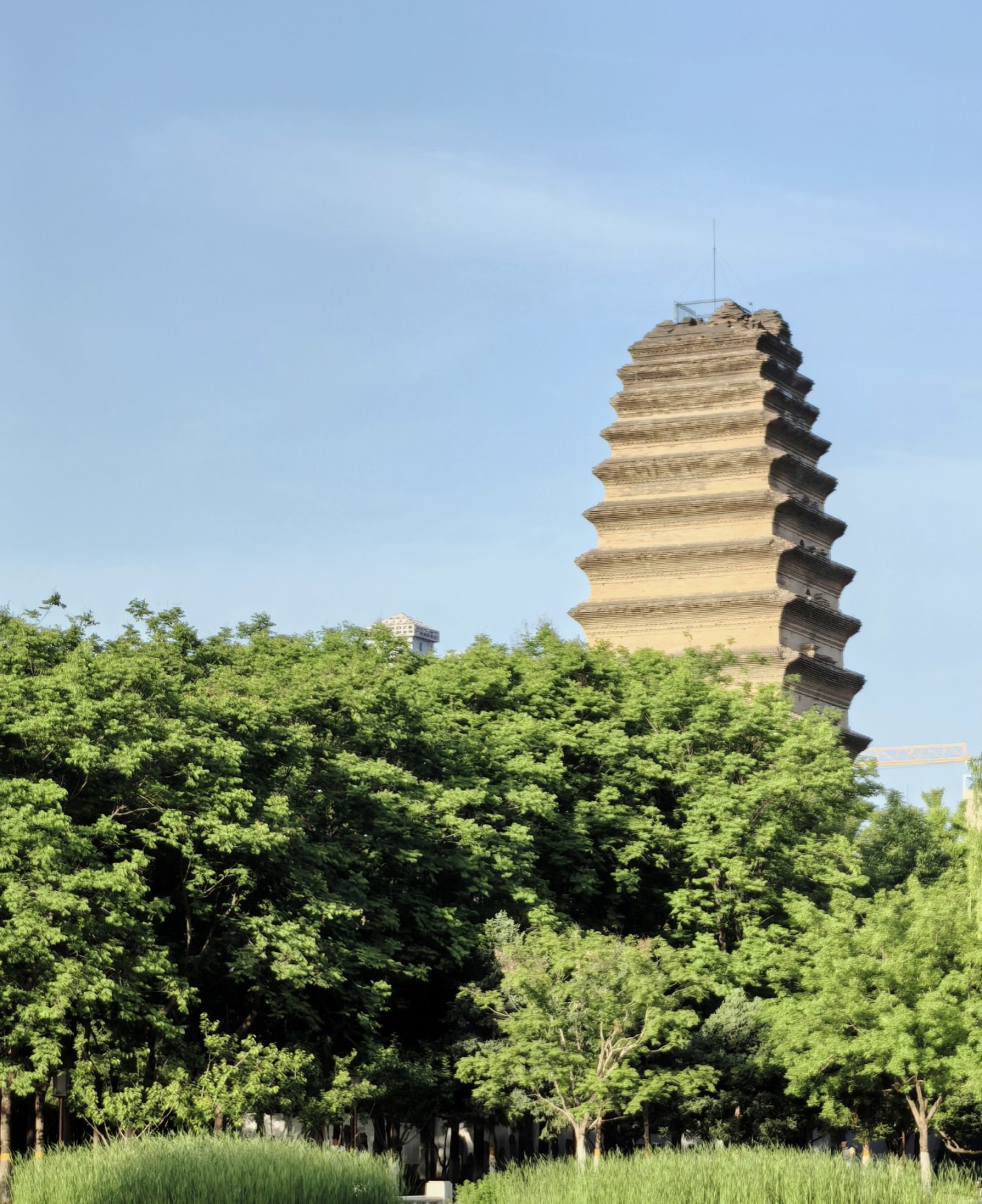
Jianfu Temple (荐福寺) was originally built in 684 AD as a Buddhist temple for Emperor Gaozong of Tang, initially named Xianfu Temple (献福寺) and renamed in 690 AD. It was a renowned royal temple and an important scripture translation site, attracting many eminent monks, most notably Master Yijing. Destroyed in the late Tang wars, the temple was later relocated to the pagoda courtyard. The existing Ming and Qing dynasty structures follow the layout from the Zhengtong era (1436–1449), with halls aligned on the central axis from the mountain gate to the pagoda: gate, bell and drum towers, Cishi Hall, Mahavira Hall, Sutra Depository, Small Wild Goose Pagoda, and White Robe Hall. Stone figures and folk art are also displayed.
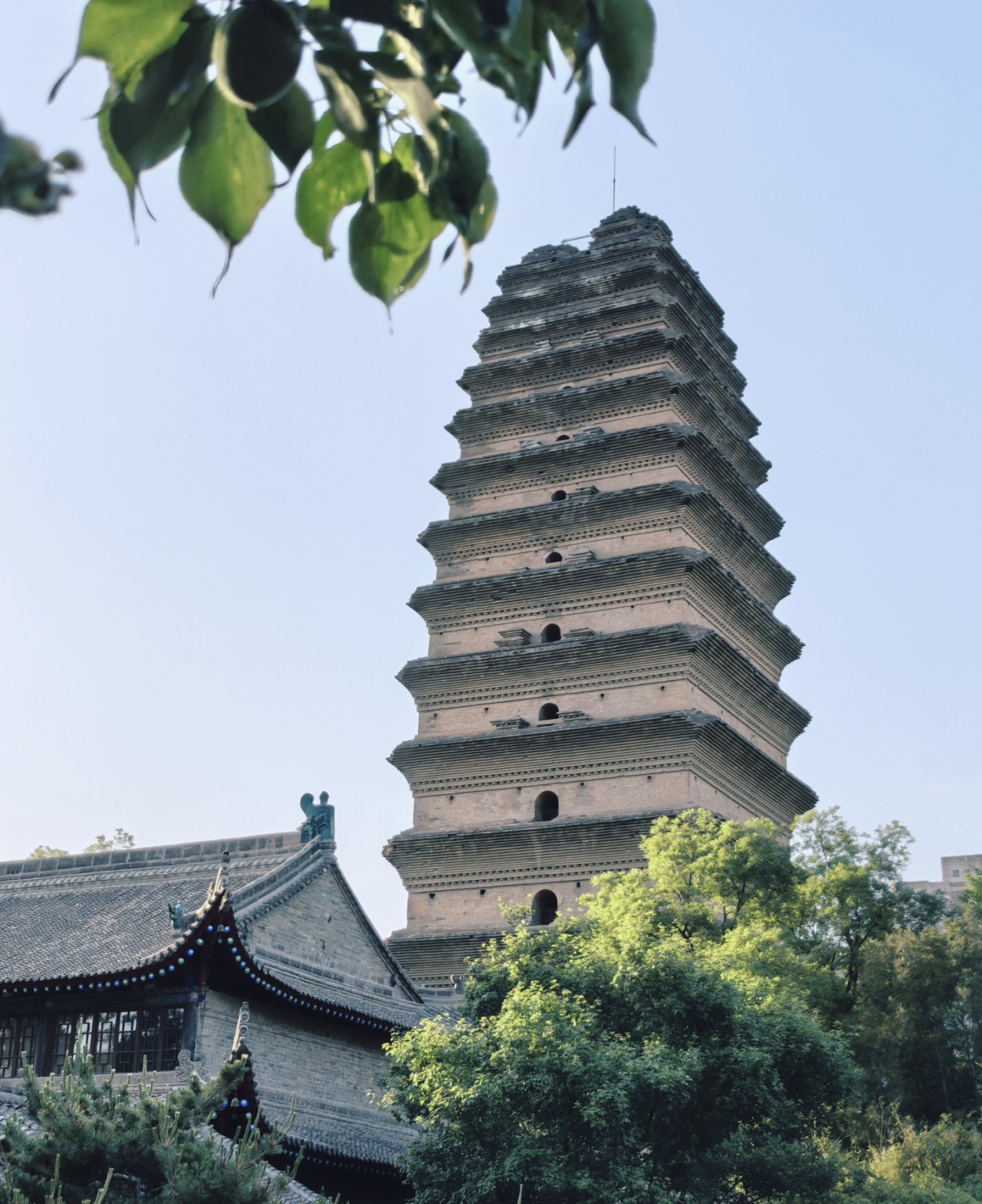
The Small Wild Goose Pagoda (小雁塔), originally called ‘Jianfu Temple Pagoda’, was built in 707 AD to house Buddhist scriptures brought back from India by Master Yijing. Originally separate from the temple, the pagoda survived the late Tang destruction while the temple perished; later the temple moved into the pagoda courtyard. It underwent multiple repairs during the Ming and Qing dynasties.
The Buddhist Sculpture Gallery (造像艺术专题陈列展厅), titled ‘宝相庄严’ (Solemn Sacred Appearance), features over 120 Buddhist stone and bronze artifacts across 640 sqm, showcasing Chang’an’s pivotal role in Buddhism.
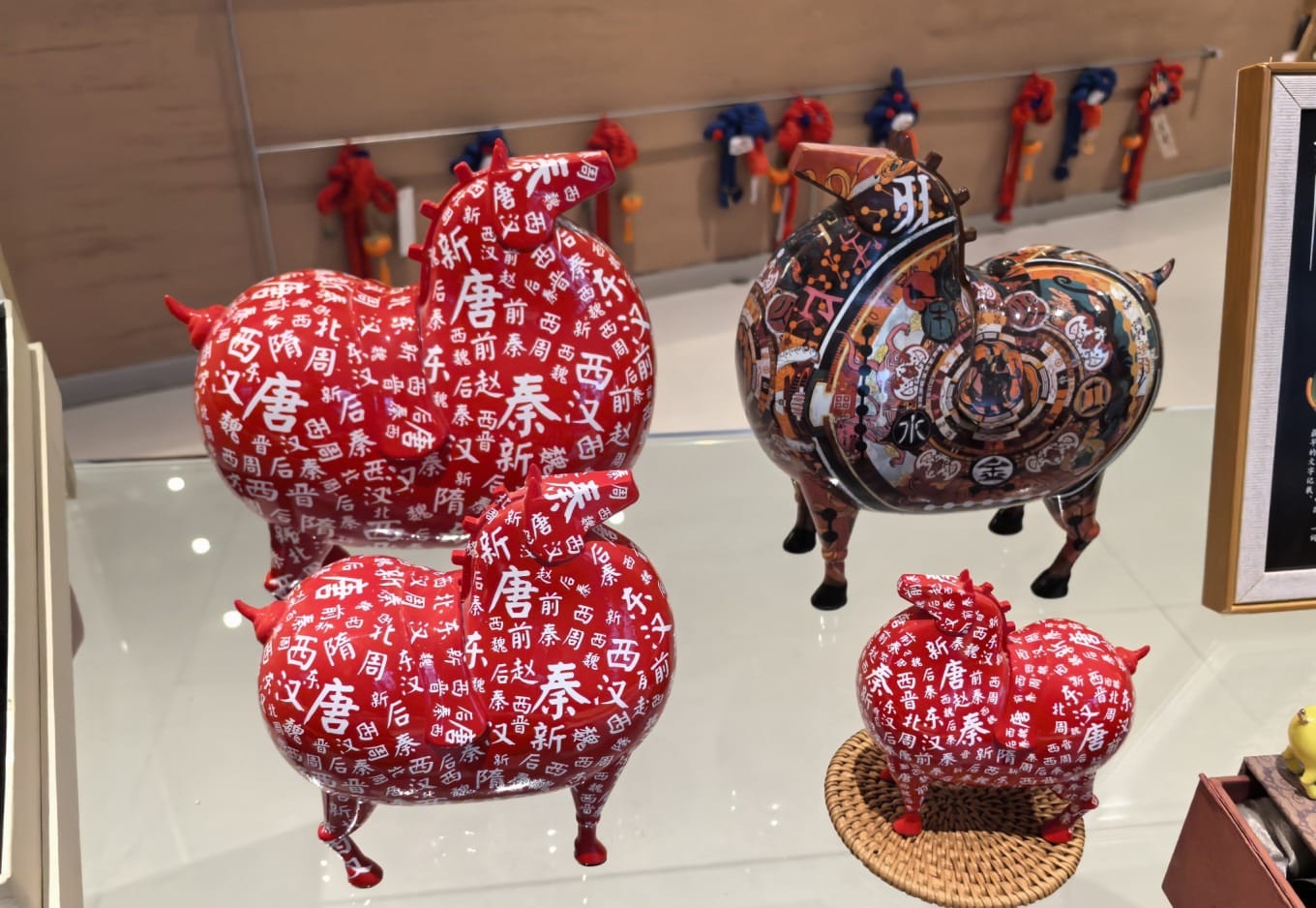
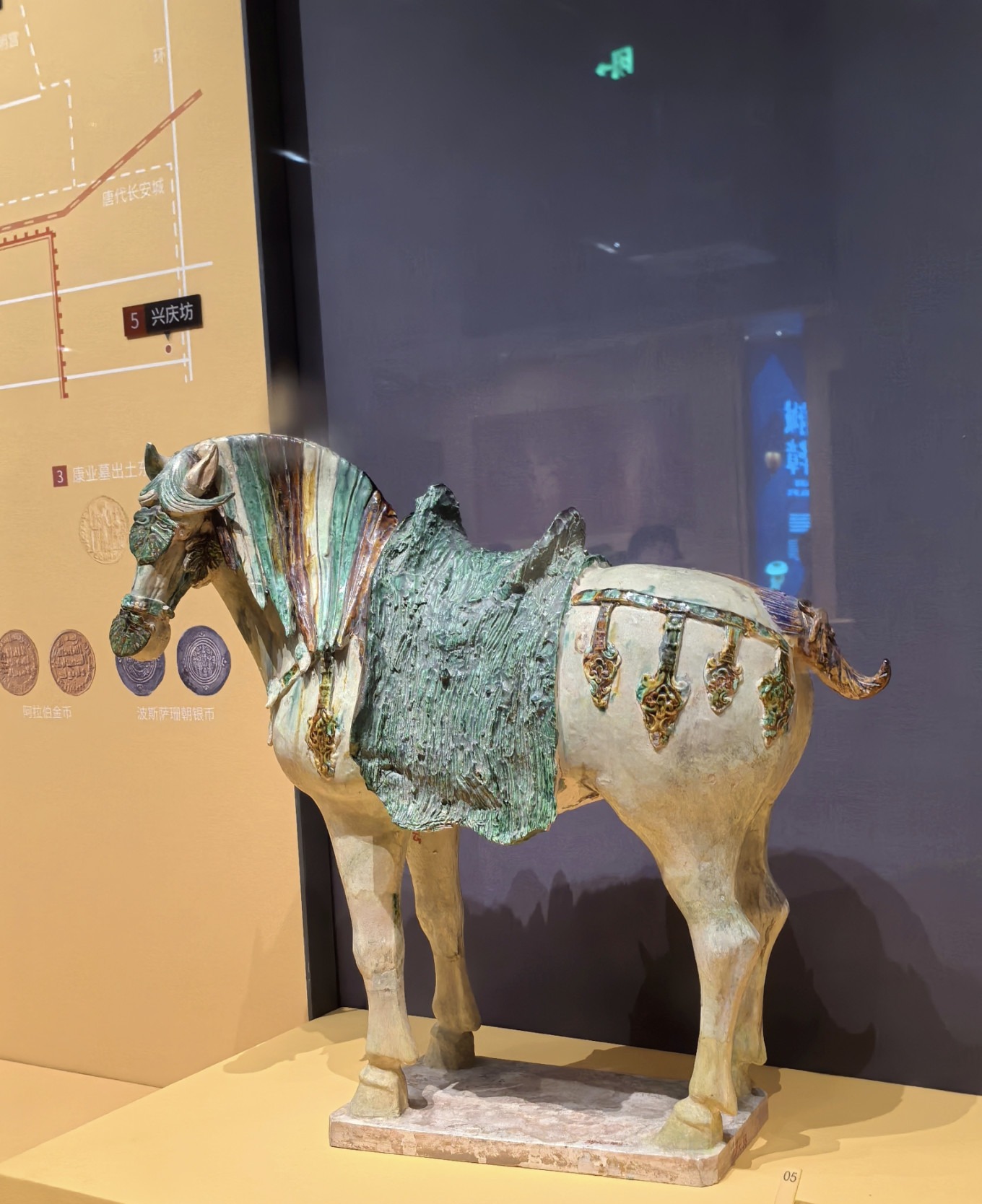
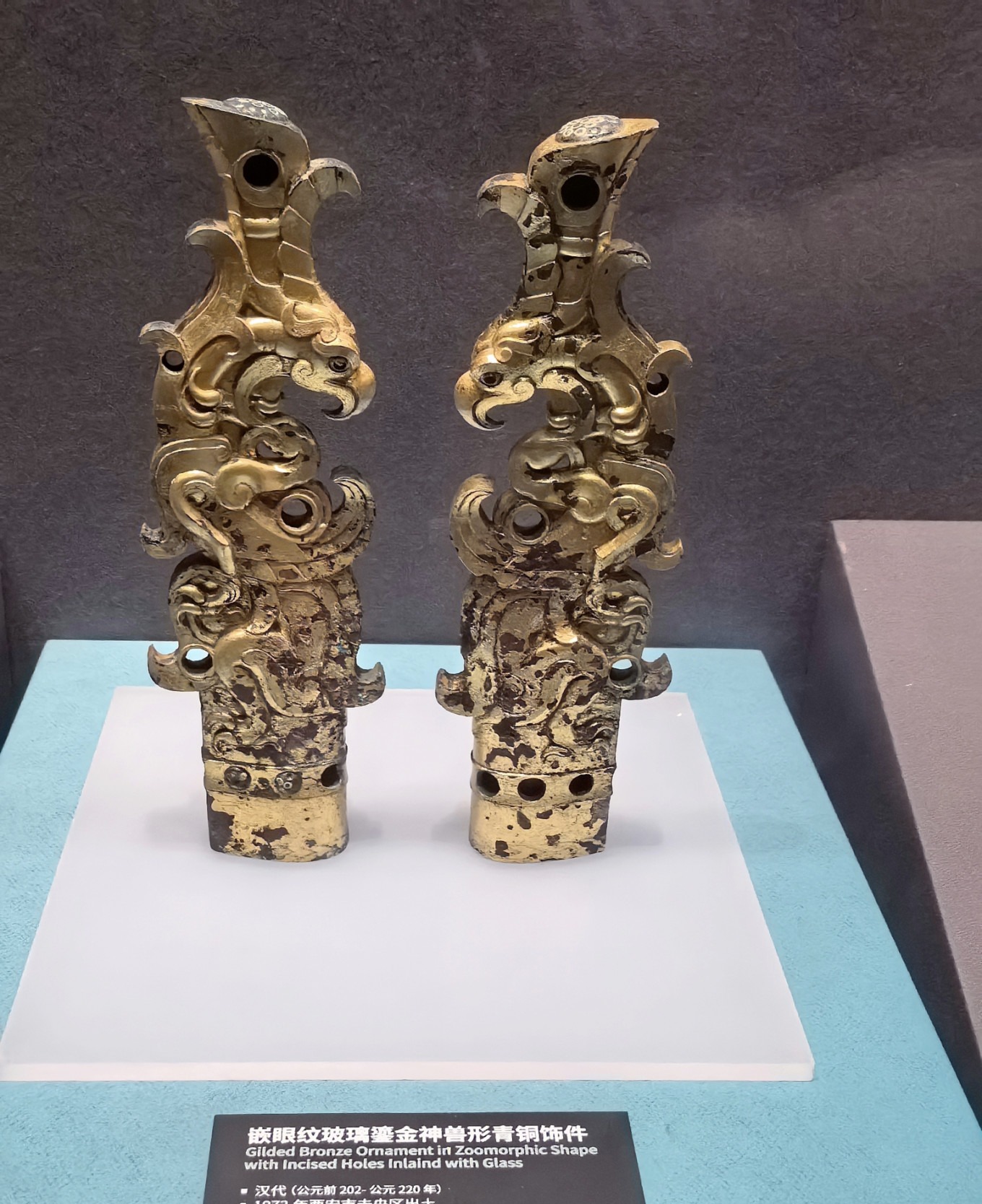
The Ancient Calligraphy and Painting Gallery (古代书画艺术陈列展厅), themed ‘三真六草 (local term),镂月裁云 (local term)’, displays over 100 works from a collection of nearly 10,000 pieces. Highlights include gilded bronze door knockers, dragon-patterned hollow bricks, pottery water pipes, glazed pottery watchtowers, and the famous tri-color glazed pottery horse.
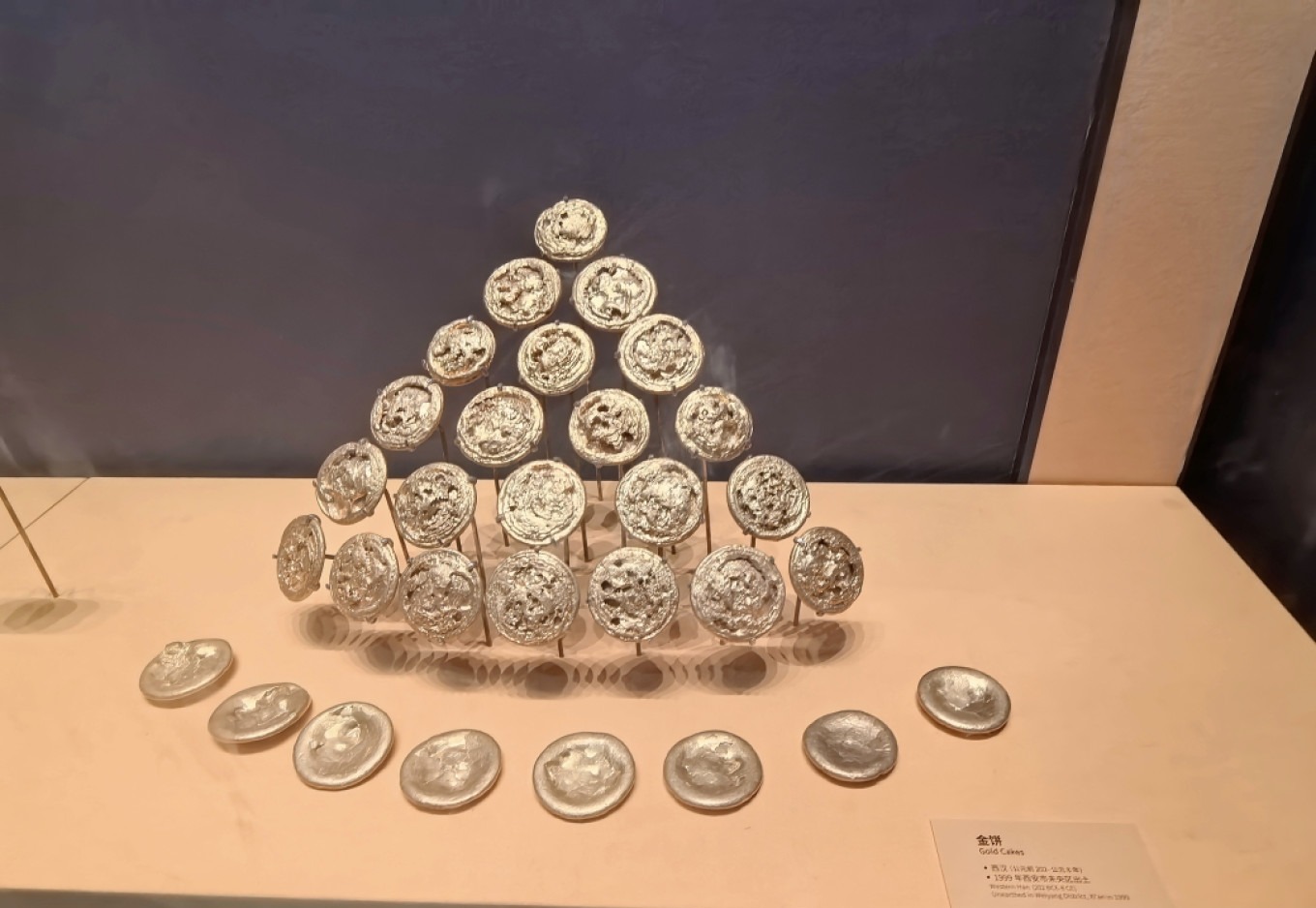
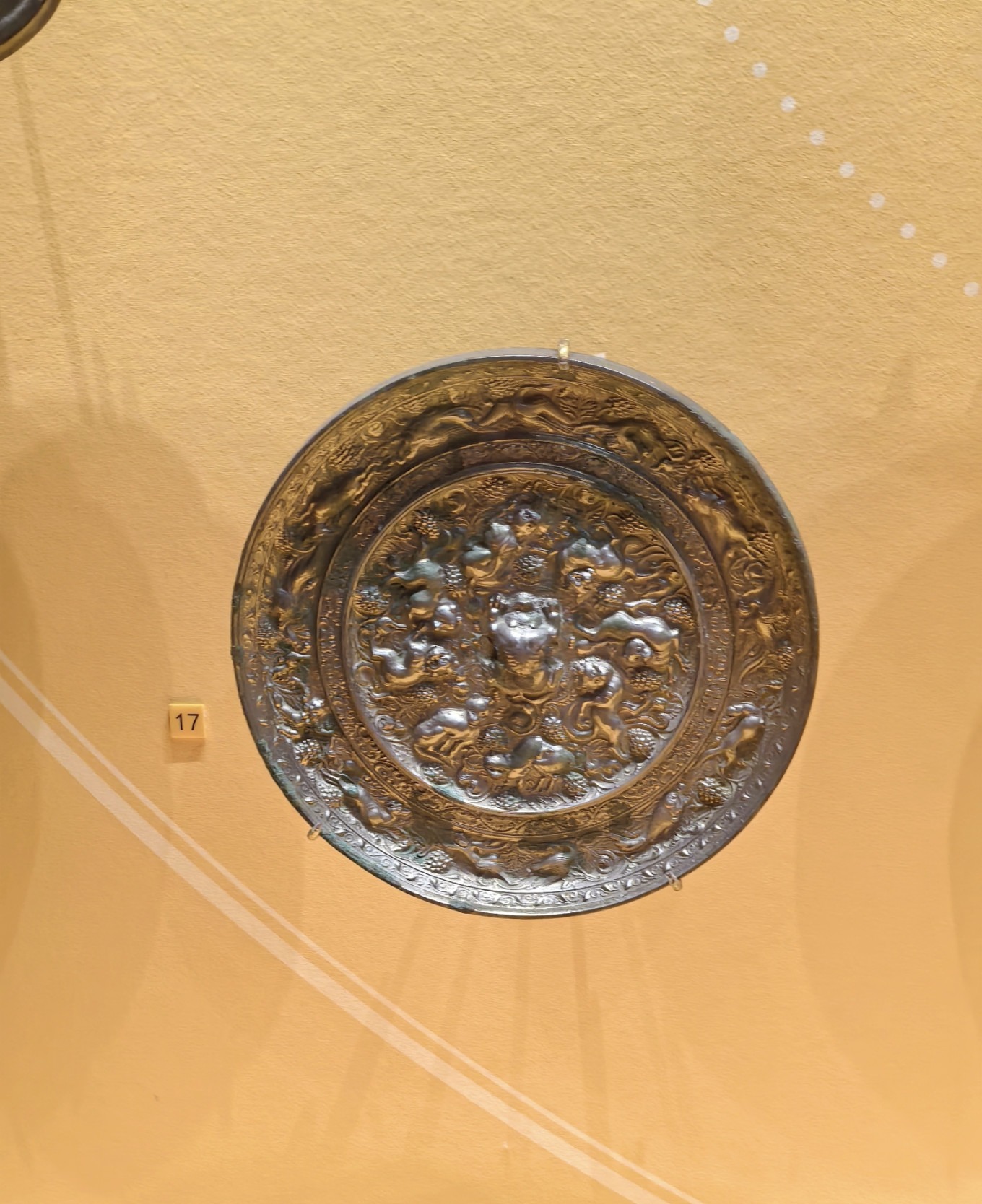
A notable artifact is the Tang dynasty ‘Auspicious Beast and Grape Mirror’ (瑞兽葡萄镜), 14.7 cm in diameter, with a circular knob and intricate grapevine patterns interwoven with six beasts and birds. The mirror’s outer rim features cloud patterns.
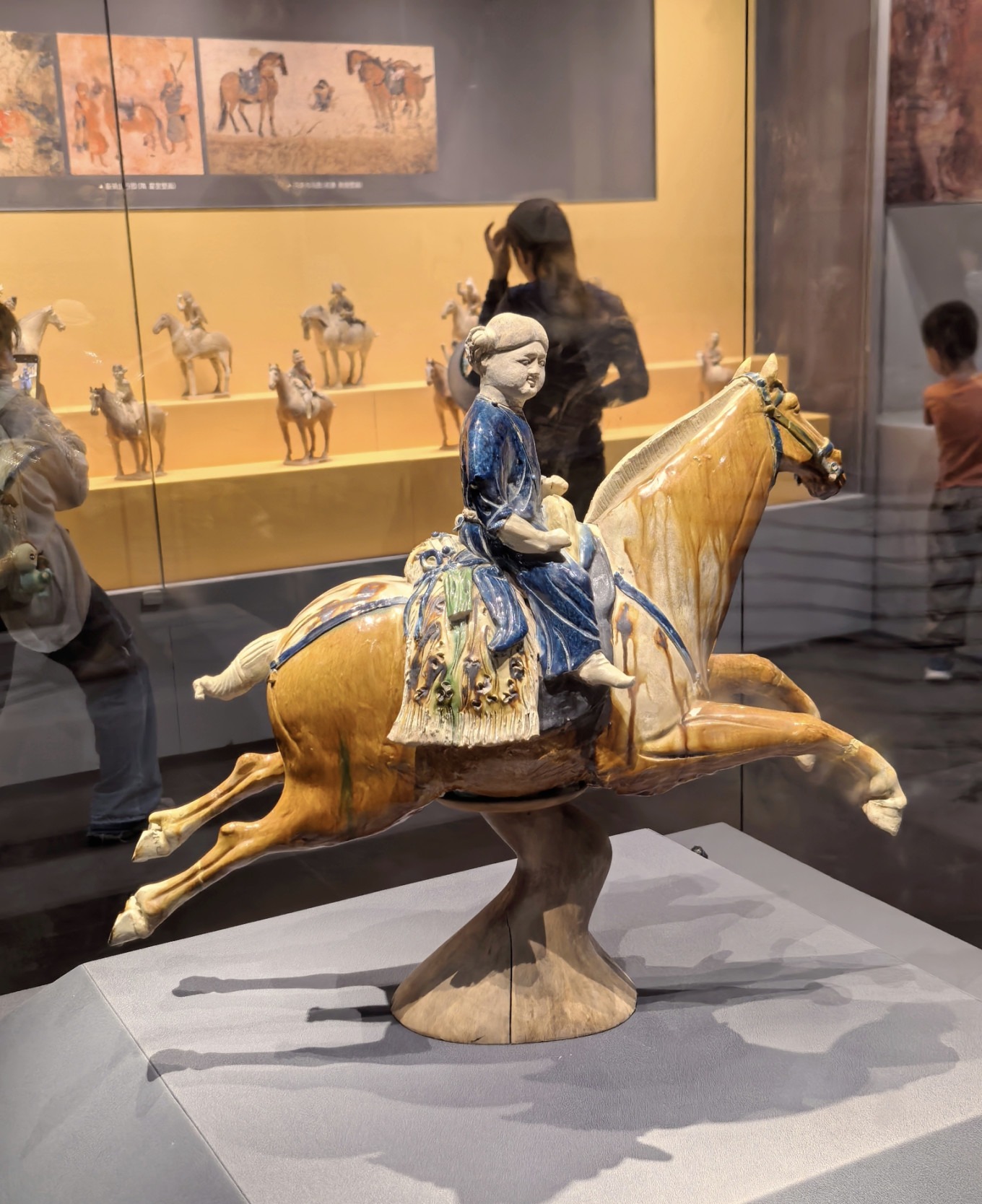
A striking tri-color glazed pottery figure shows a young foreigner in a blue robe, muscular arms exposed, gripping reins tightly. The horse is robust with pricked ears and a bound tail, adorned with saddle bags in white, green, and yellow. The horse rears with all four hooves off the ground.
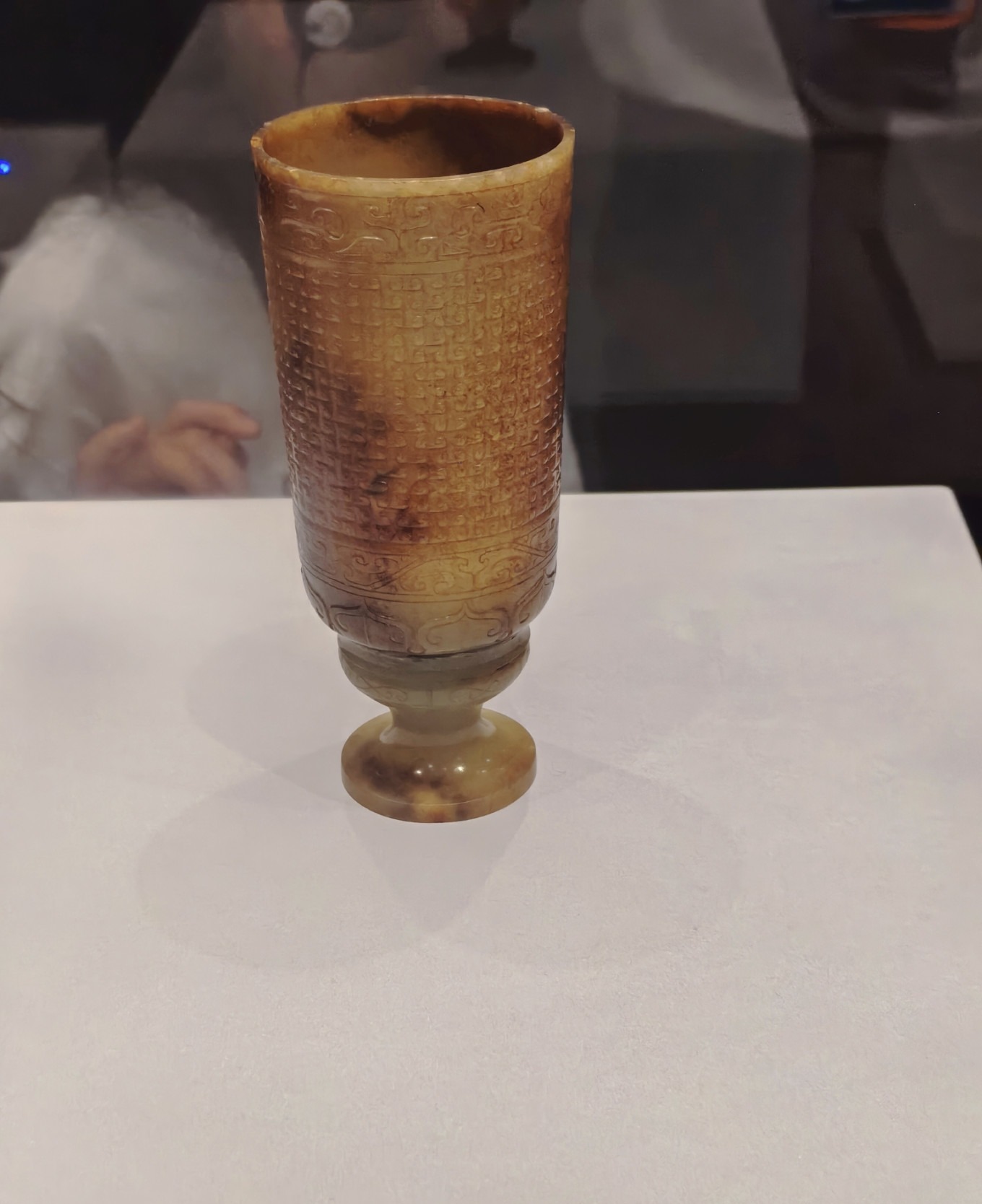
The Jade Gallery (玉器陈列展厅), titled ‘天地之灵’ (Spirit of Heaven and Earth), displays about 120 jade pieces from various dynasties. One highlight is a jade cup unearthed from the Epang Palace site in 1976, featuring four layers of intricate cloud and geometric patterns, demonstrating superb craftsmanship.
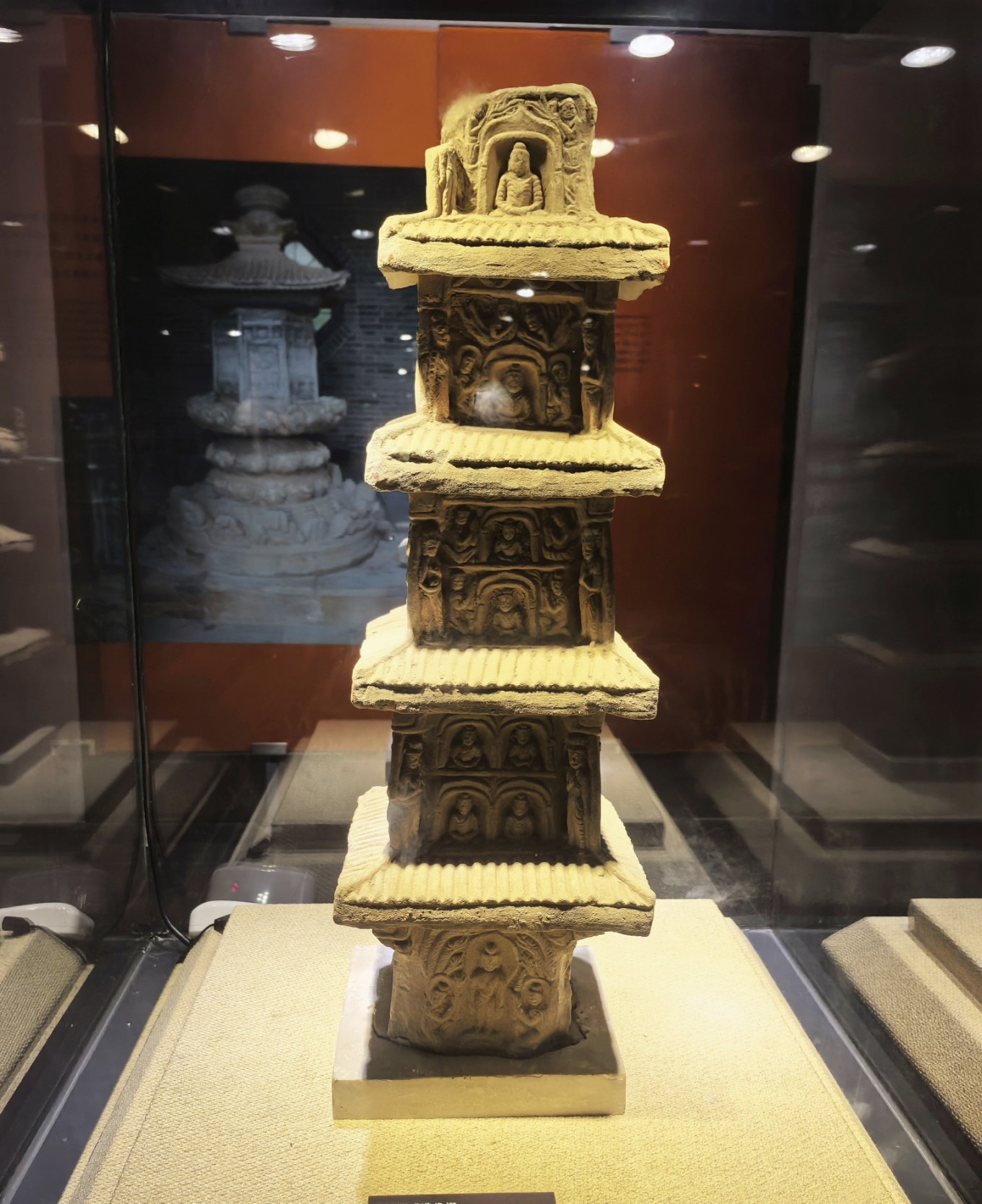
A 136 cm tall glazed pottery watchtower (釉陶望楼), unearthed in 1992, has three stories with dougong brackets, doors, windows, and verandas. The roof is a four-cornered hip roof with ridges, and figures are placed on the verandas.
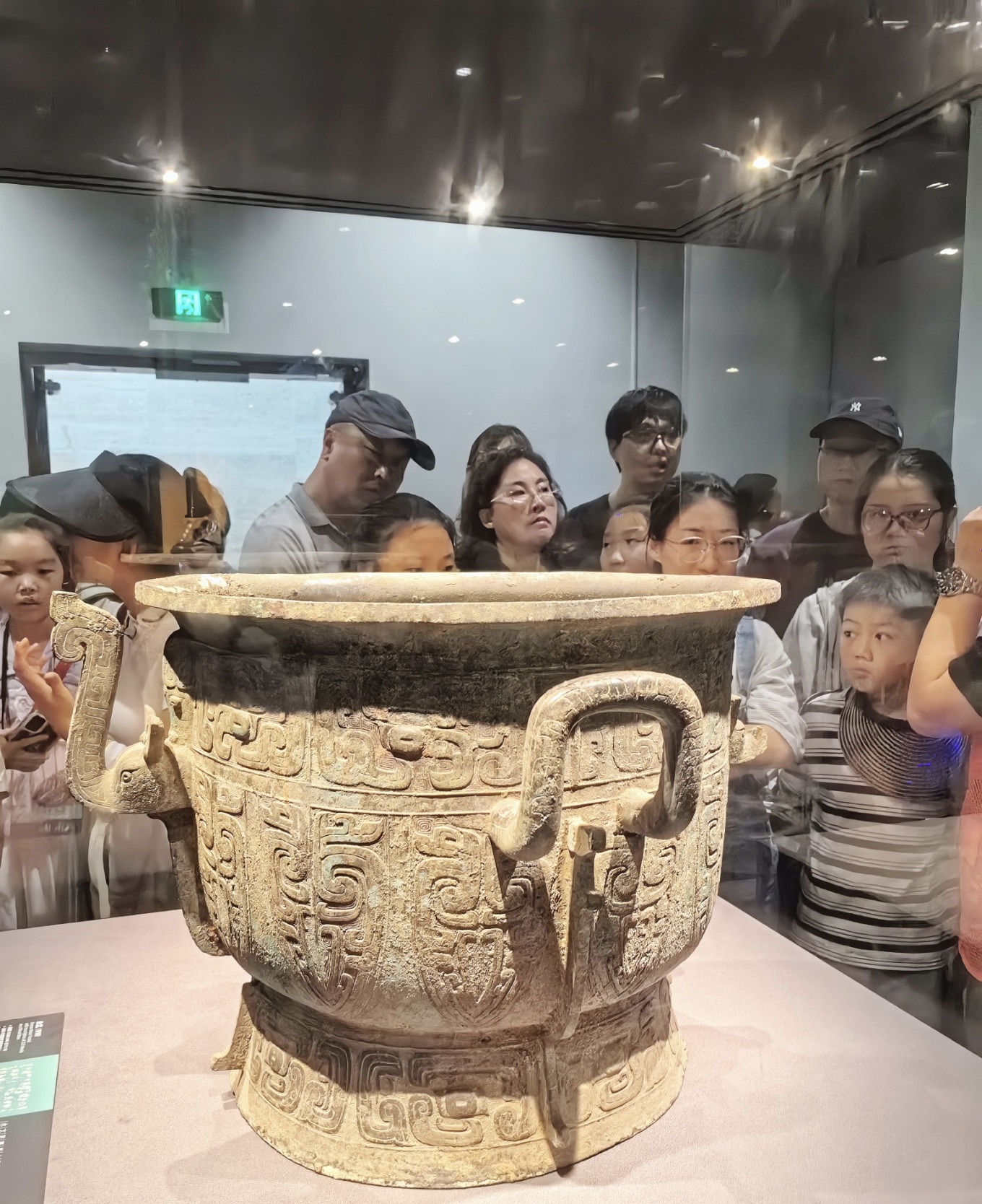
The largest bronze vessel in the museum is the ‘Hook-linked Cloud and Thunder Pattern Ding’ (勾连云雷纹大鼎), unearthed from the Feng Hao site. Covered with exquisite cloud and thunder motifs, it symbolizes royal power and exemplifies Zhou dynasty bronze artistry.
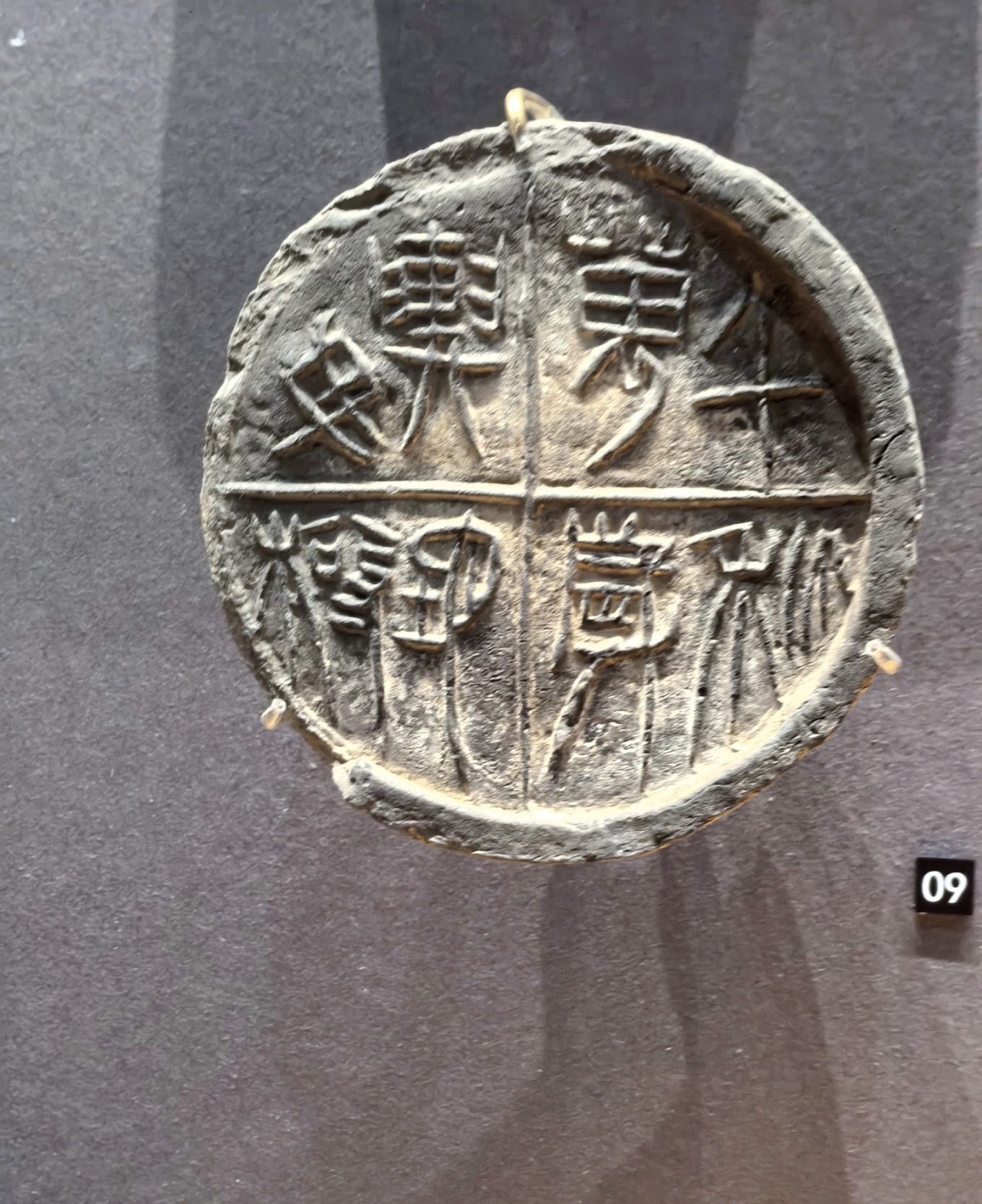
The Seal Gallery (印章陈列展厅), titled ‘颗粟大千’ (A Grain Containing the Universe), displays over 200 seals, primarily official seals from Han, Song, Liao, Jin, Yuan, Ming, and Qing dynasties, along with over 20 Qin dynasty clay seals unearthed from Xiangjiaxiang. Private seals and auspicious phrase seals are also featured.
Practical tip: You can prioritize one signature stop around the area, and you should adjust timing and budget based on transport and peak hours.
Tang Paradise: A Night at the Datang Never-Sleeping City
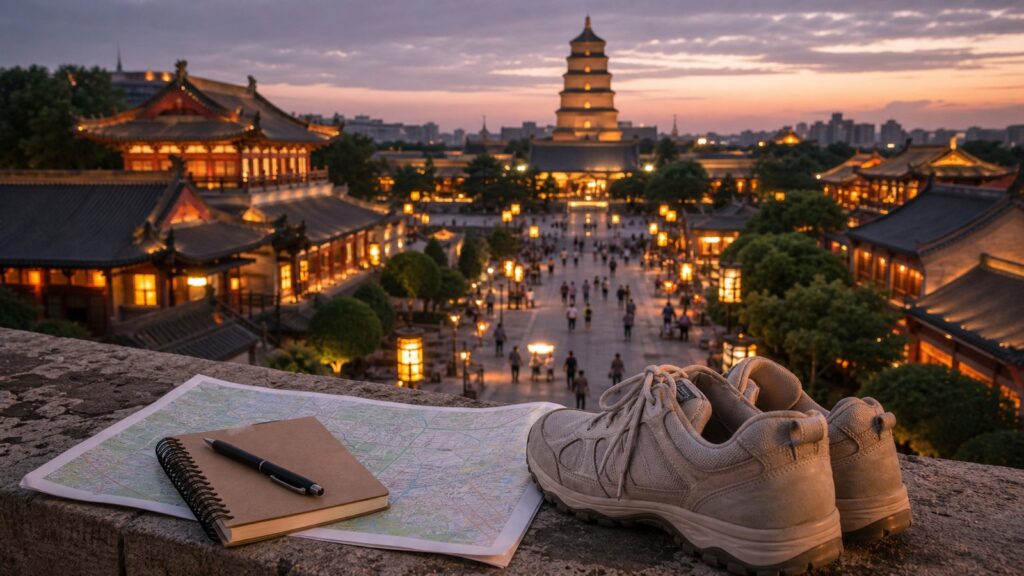
After exploring the Xi’an Museum, you can head straight to the Datang Never-Sleeping City (大唐不夜城), a massive pedestrian street that brings the Tang Dynasty to life. This is a place you’ll want to dedicate an entire evening to—it’s huge, and exploring it fully requires both stamina and patience. To get there, take the metro from Xi’an Museum to Dayanta North Square (大雁塔北广场). Note that during peak holidays like May Day, all performances end by 5 PM, so plan accordingly if you want to catch the shows. The famous fountain show at Dayanta may not be running, but the street itself is a spectacle.
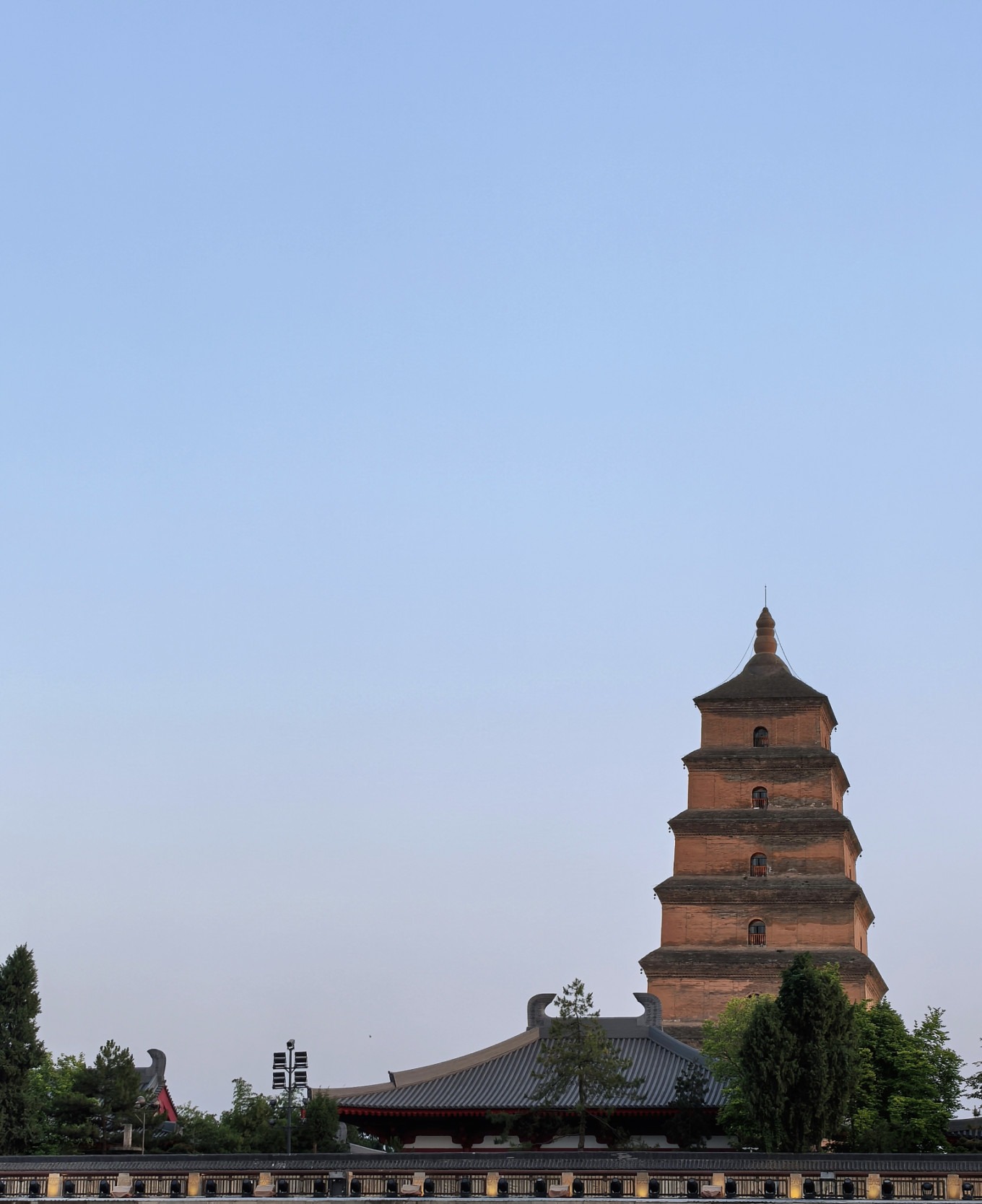
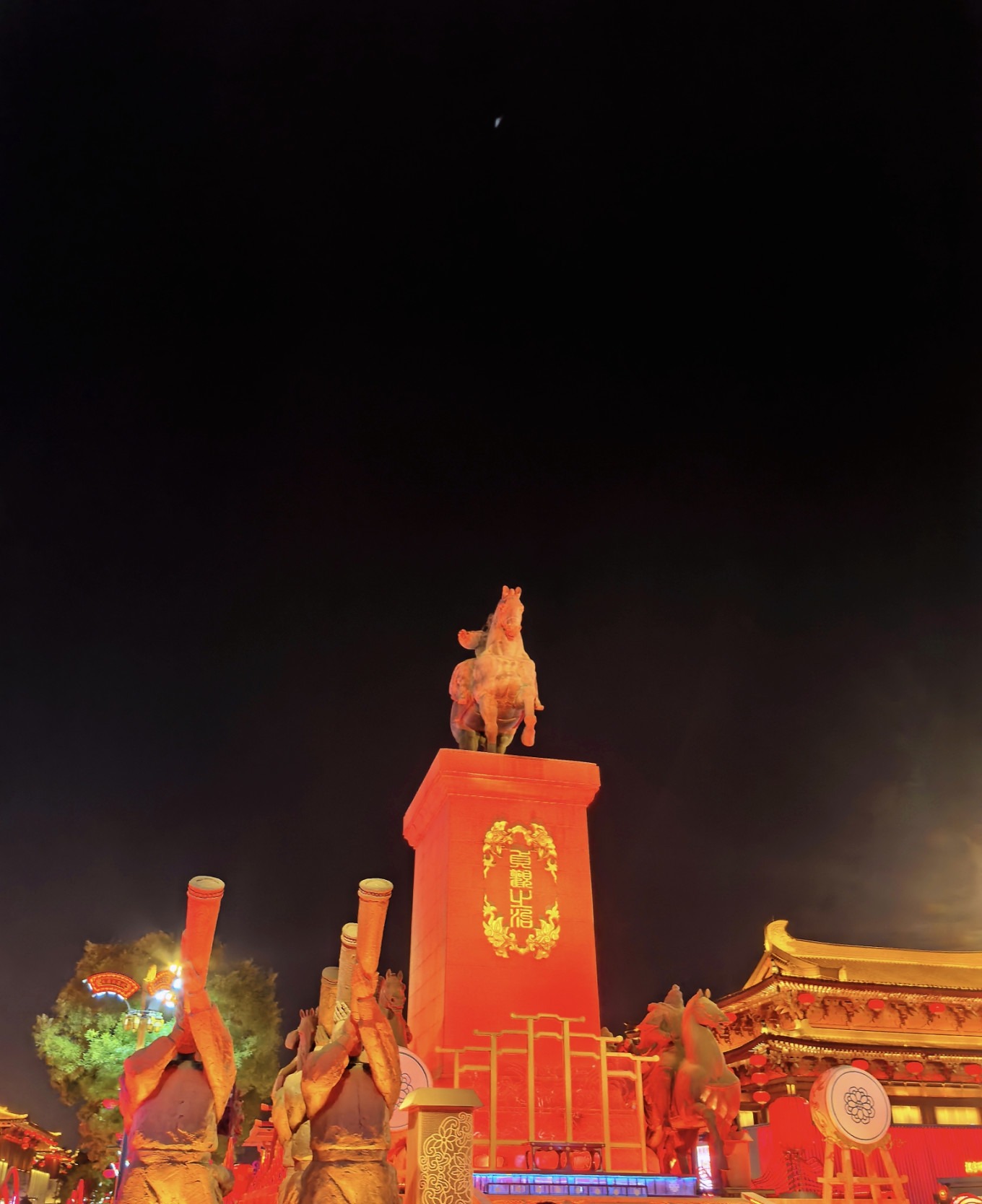
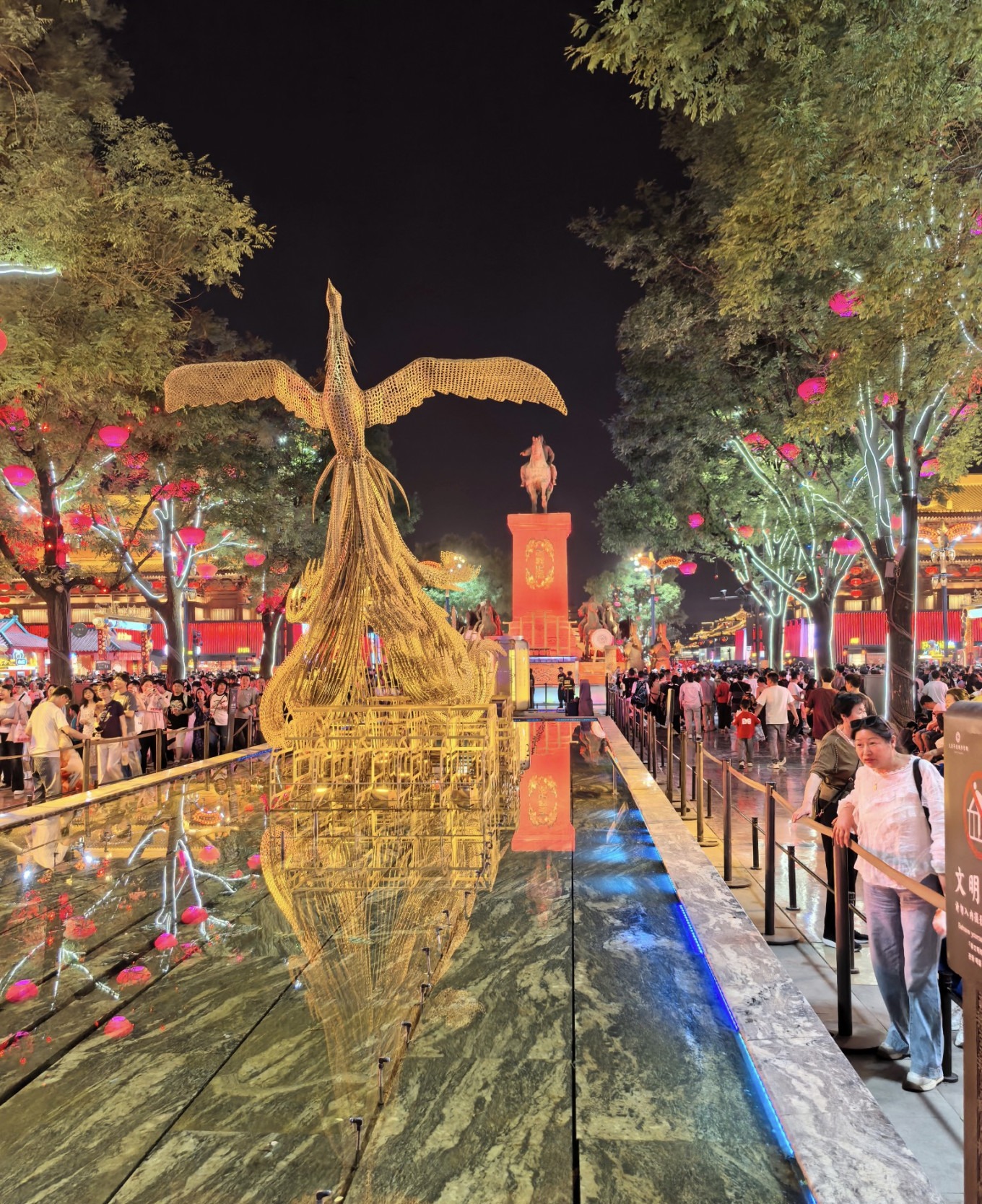
The Datang Never-Sleeping City stretches 2,100 meters from north to south and 500 meters from east to west, covering 650,000 square meters. Its layout follows a ‘one axis, two markets, three cores, four zones, five inner streets’ plan. The central axis runs from Dayanta South Square to the Tang City Wall Ruins. Key areas include the Zhenguan Square (贞观广场) with cultural venues, and the Kaiyuan Square (开元广场), which features the ‘Kaiyuan Prosperity’ sculpture group and eight 20-meter-tall red LED dragon pillars that light up at night, creating an open-air palace.
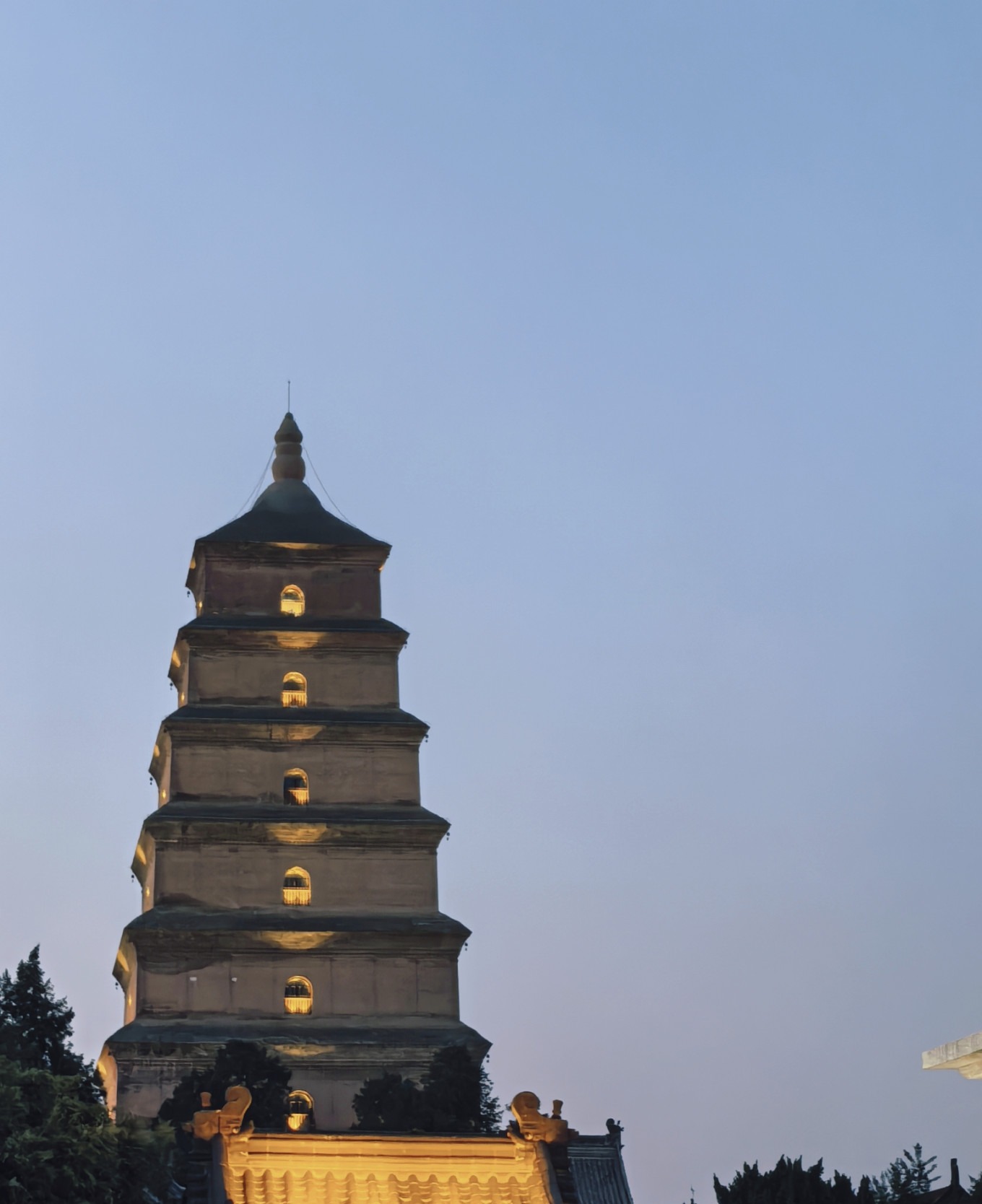
At Dayanta South Square (大雁塔南广场), you’ll find the ‘Ten Thousand Nations Coming to Court’ (万国来朝) sculpture, symbolizing the Tang Dynasty’s global influence. The pagoda lights up before the sky is fully dark—Xi’an is further west, so sunsets are later. This area is perfect for photos, especially with the artificial scenery designed for Instagram-worthy shots.
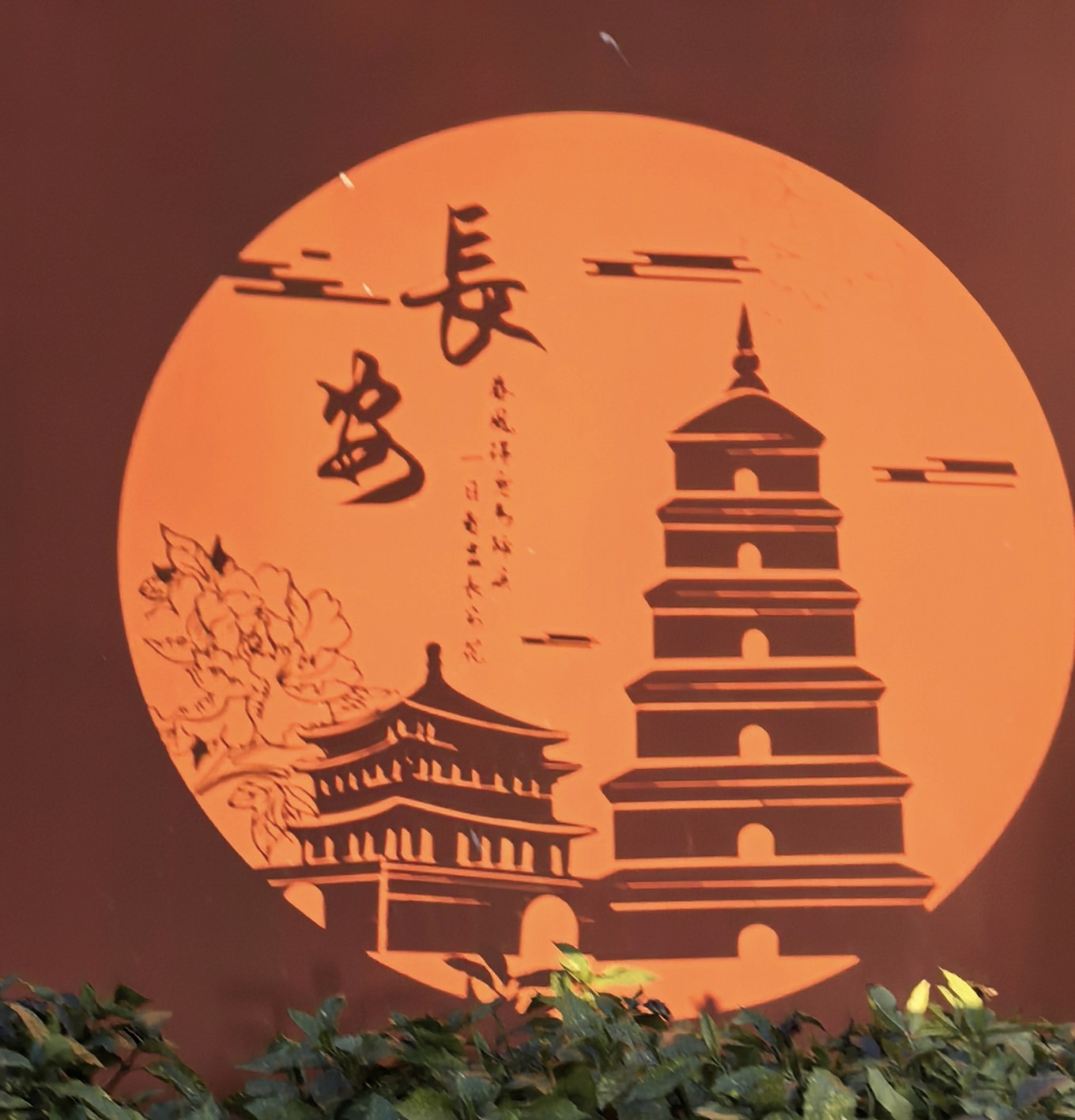
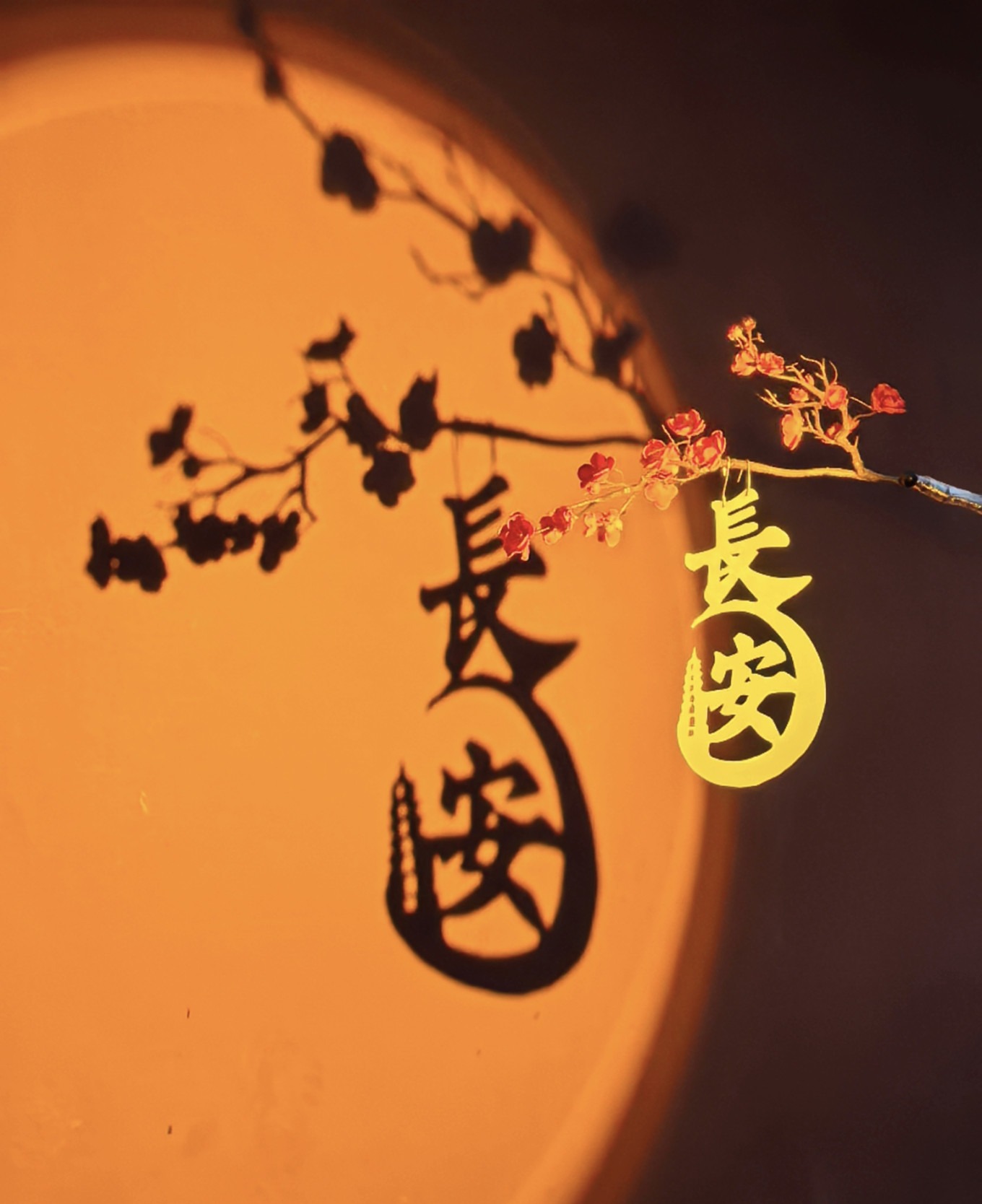
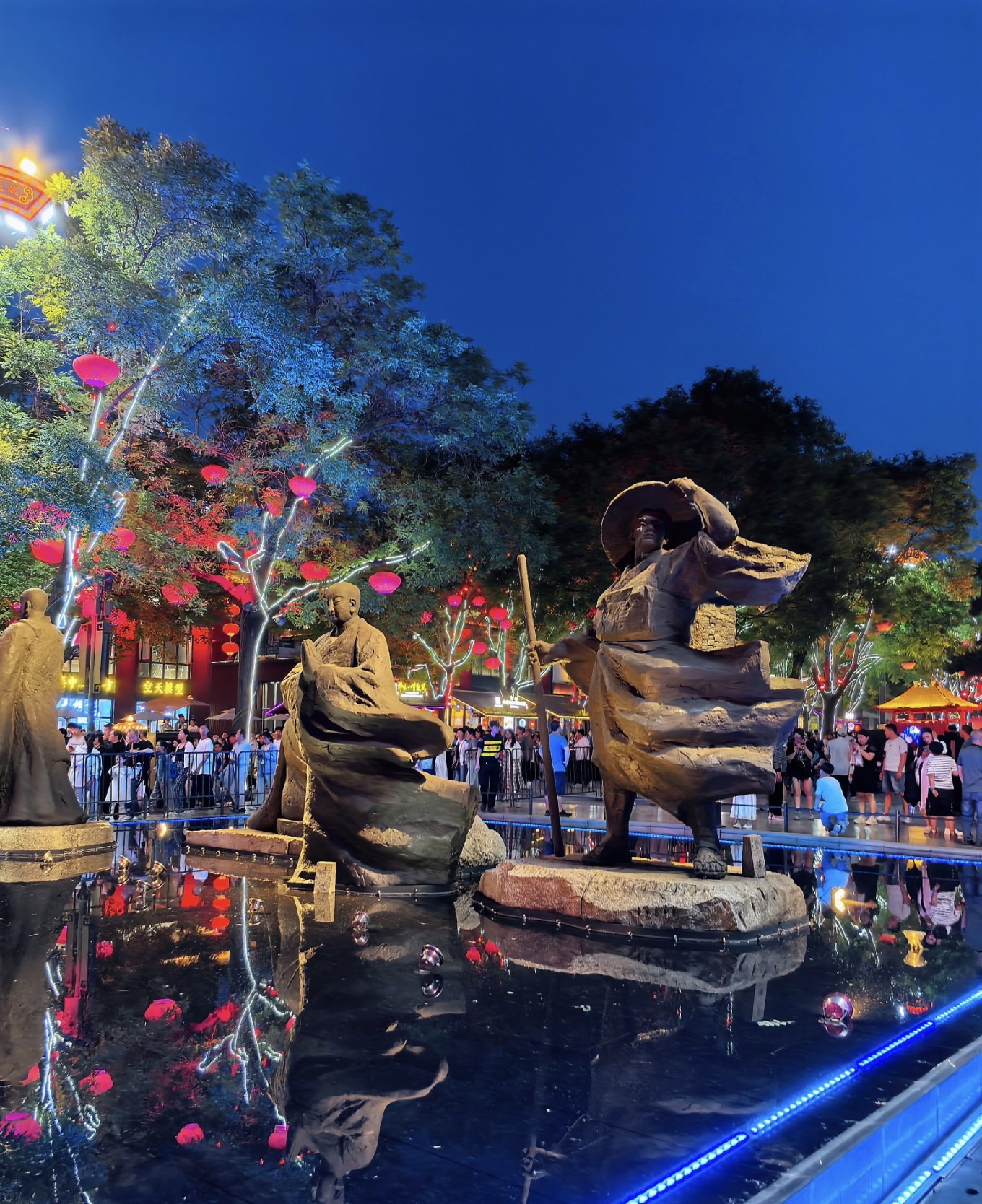
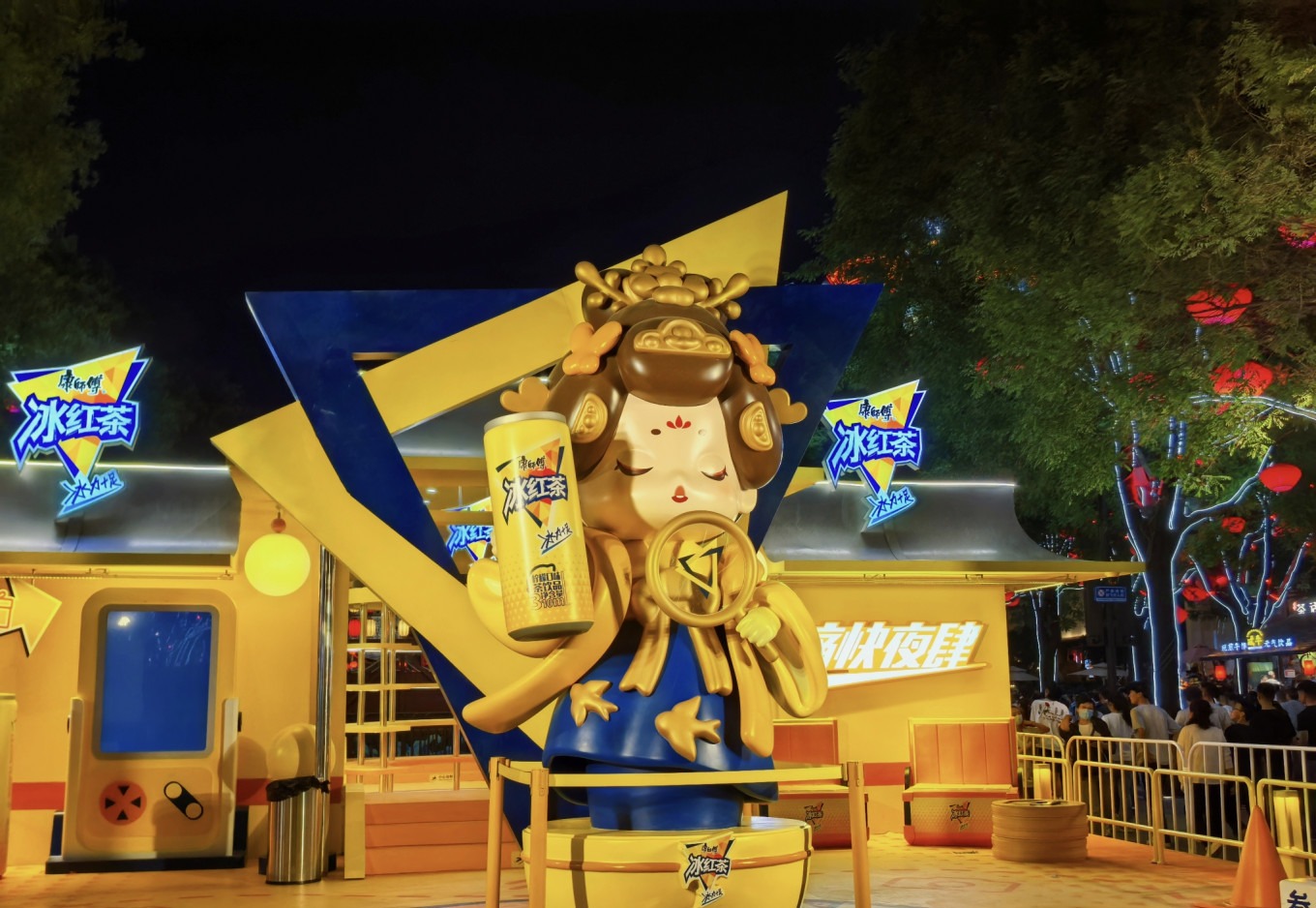
The street is always packed with visitors, many just there for the 打卡 (check-in) experience. Evening performances are often canceled for safety, so don’t rely on them. Instead, enjoy the vibrant street art, like the cute mascot advertising iced tea—art is everywhere in daily life.
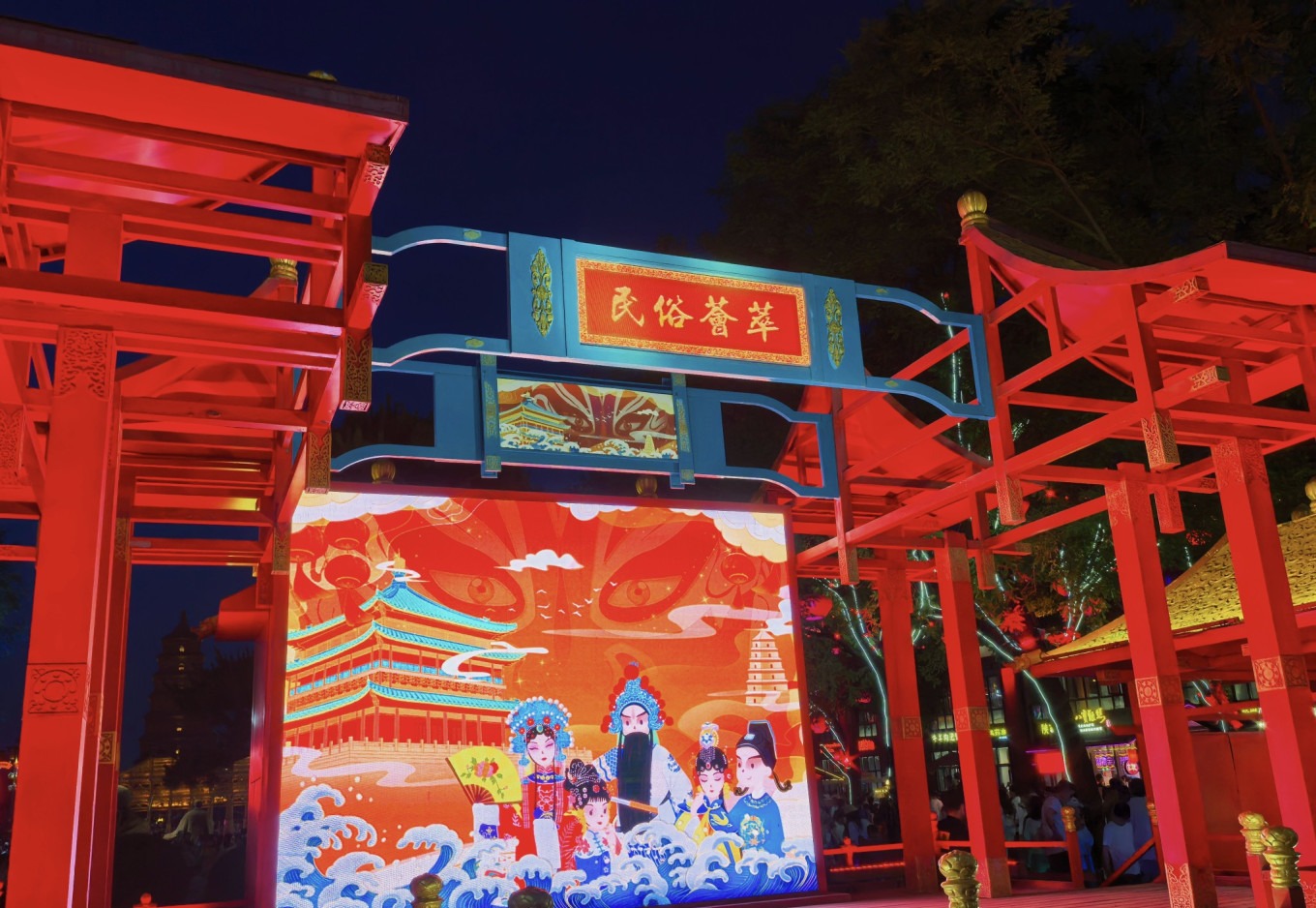
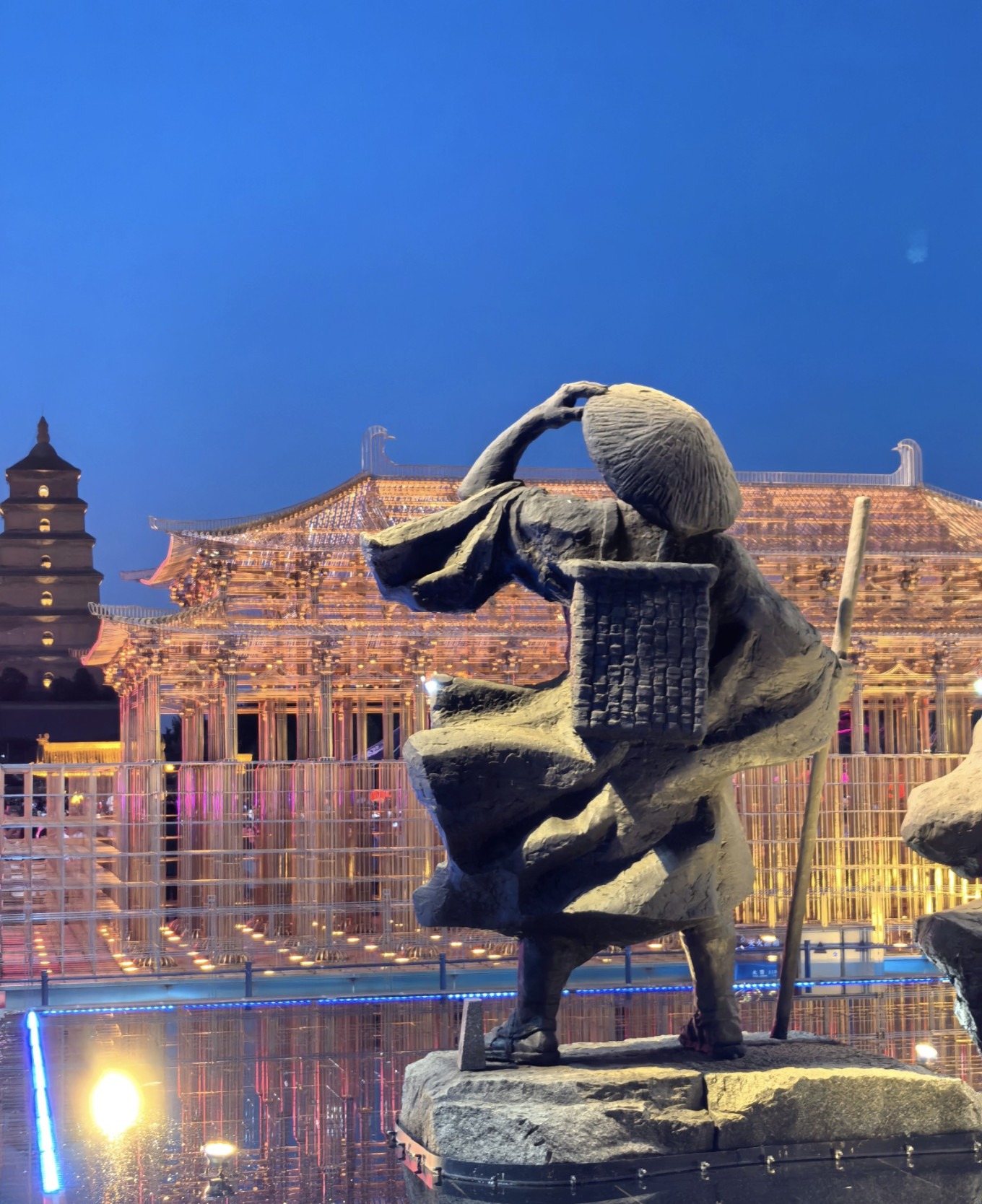
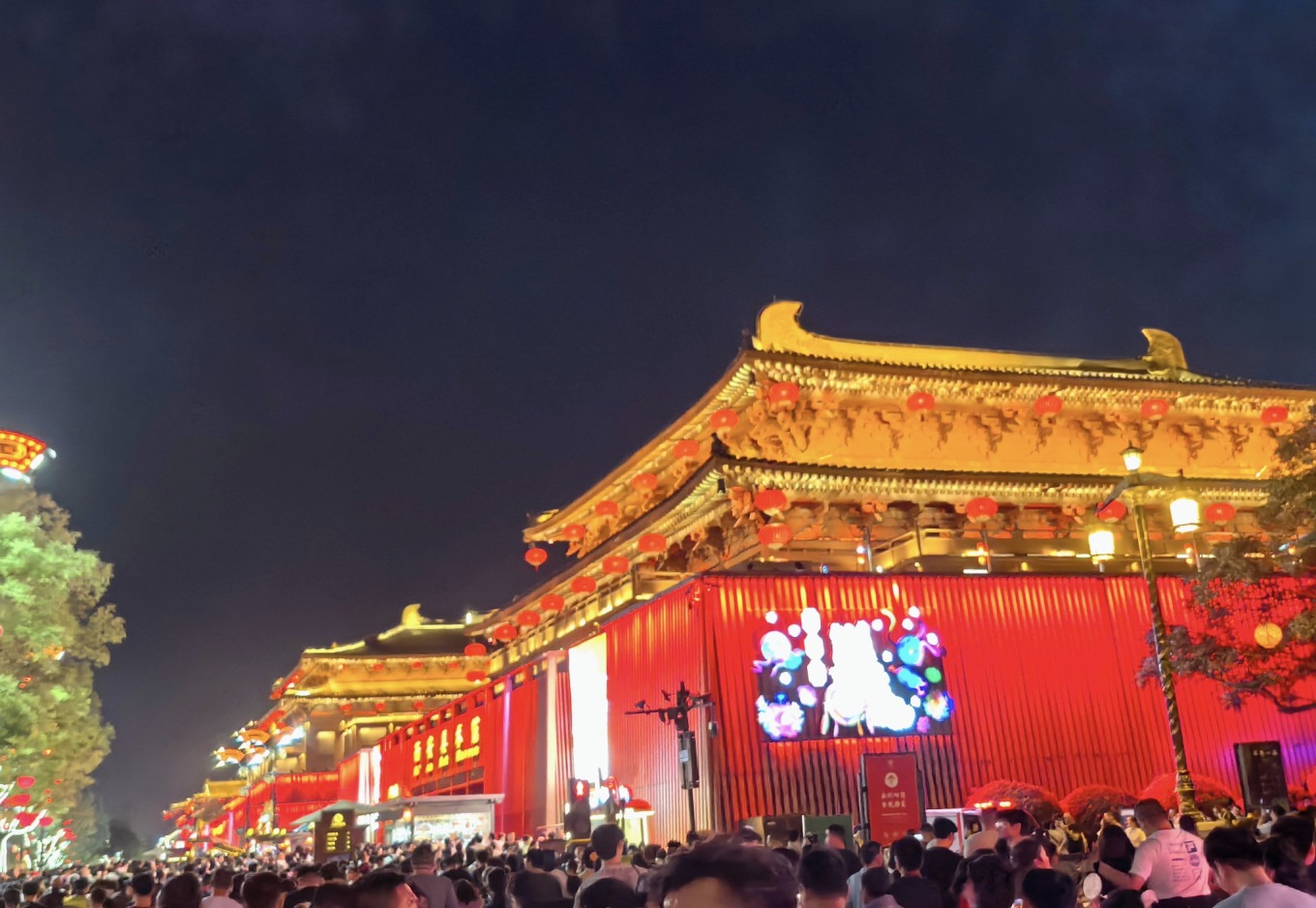
Zhenguan Square (贞观广场) is the cultural heart, surrounded by the Xi’an Grand Theatre, Xi’an Concert Hall, Qujiang Art Museum, and Qujiang Pacific Cinema. The evening can be warm—Xi’an’s peak heat is around 3 PM, with a slight drop at night. If you’re tired, you can take a shuttle bus to the metro (line 3 or 4). The fare is only 1 yuan, but note that Line 4 is closer to the exit. A full walk can easily hit 20,000 steps.
Starting Day Two from Xi’an Jiaotong University
Kick off your second day in Xi’an with a visit to Xi’an Jiaotong University (西安交通大学), one of China’s most prestigious institutions. The university’s main campus, Xingqing Campus (兴庆校区), is a treasure trove of history and culture, and it opens to the public during holidays. To get there, take the metro to the XJTU station—the subway art alone, with Tang-dynasty costumes, sets the historical tone.
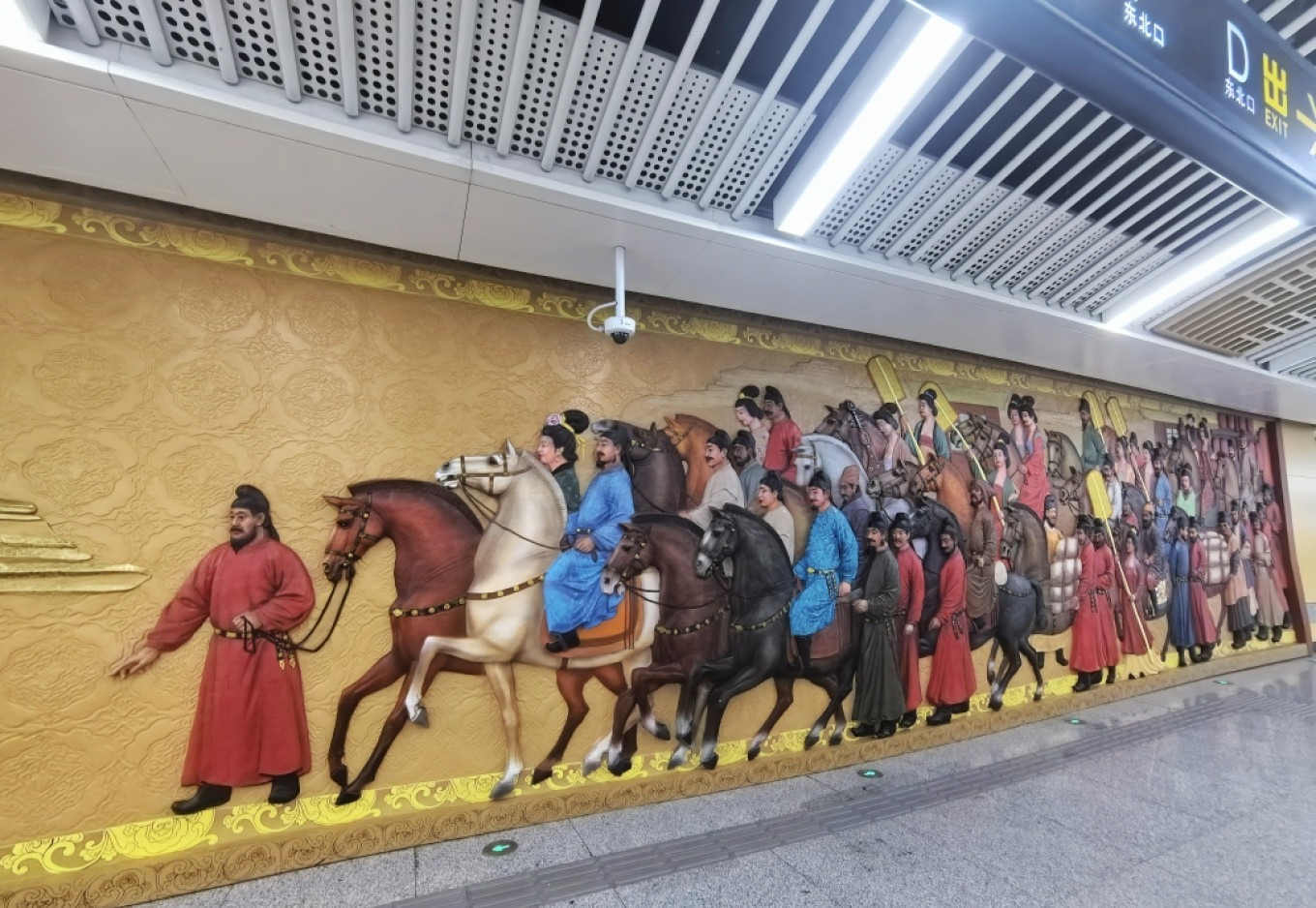
XJTU has four campuses: Qujiang, Yanta, Xingqing, and Innovation Harbor. For first-time visitors, Xingqing Campus (兴庆校区) is the best choice—it’s the oldest and most historic. A recommended walking route: North Gate → Water Memorial Stele (饮水思源碑) → Tengfei Tower → Library → Four Great Inventions Square → Cafeteria (lunch) → Xijiang Migration Museum (交大西迁博物馆) → South Gate. This loop covers all key sights.
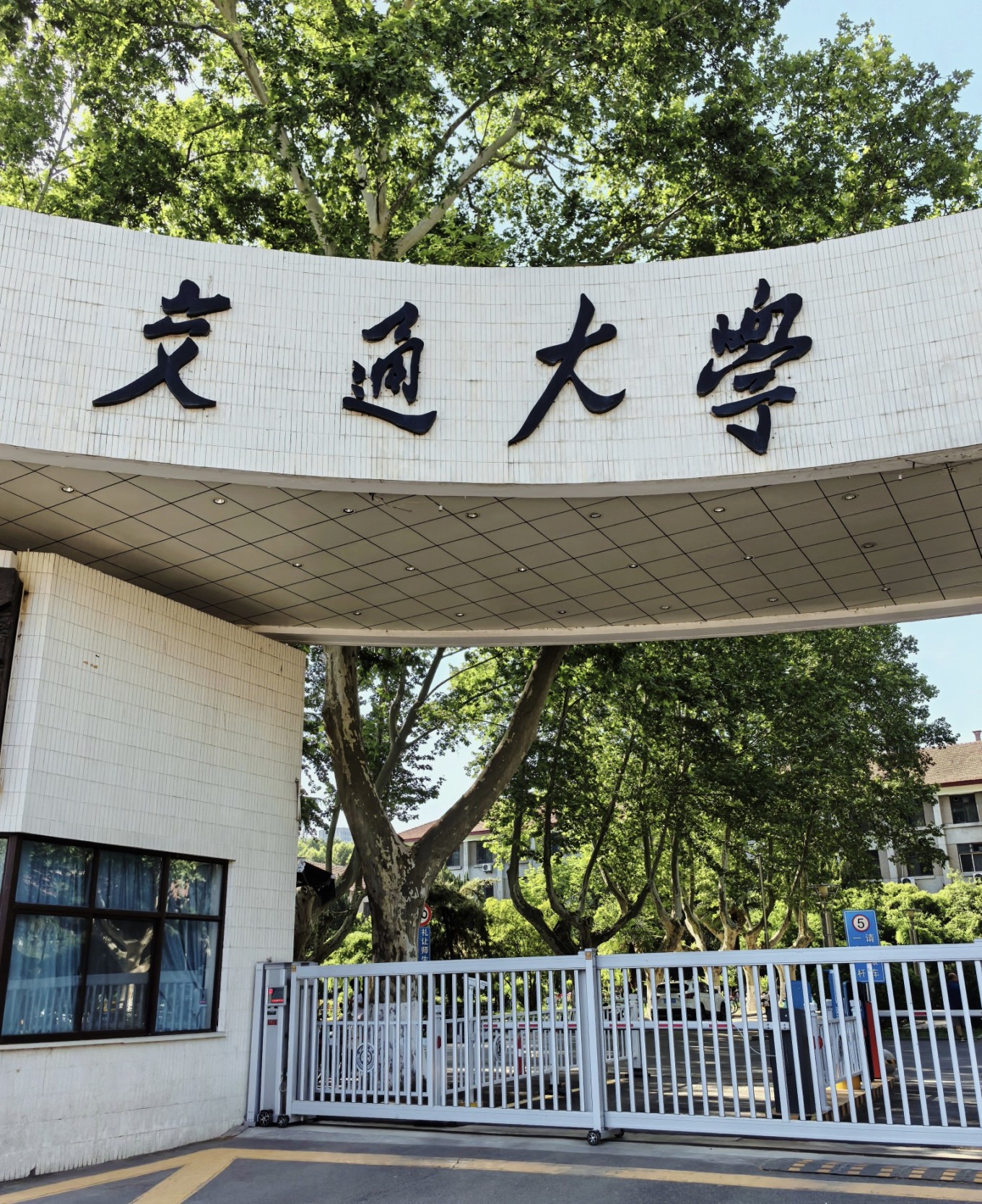
Before your trip, check the university’s official WeChat account or website for reservation details—Xingqing Campus requires a booking, and you can only reserve one campus per holiday period. Make sure to select ‘Xingqing’ (兴庆) not ‘Yanta’ (雁塔). Once inside, you’ll find a self-guided tour easy to follow with online maps.
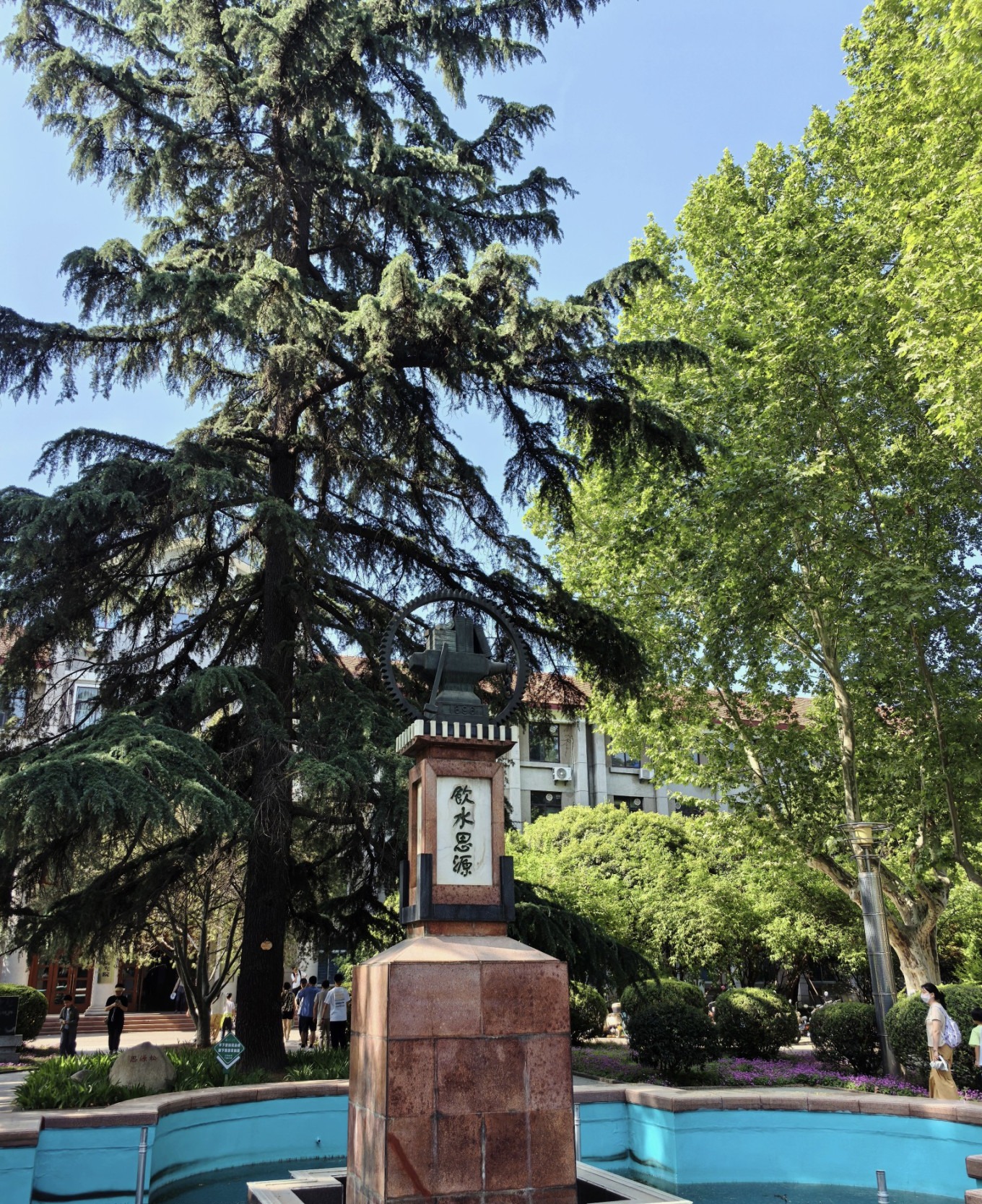
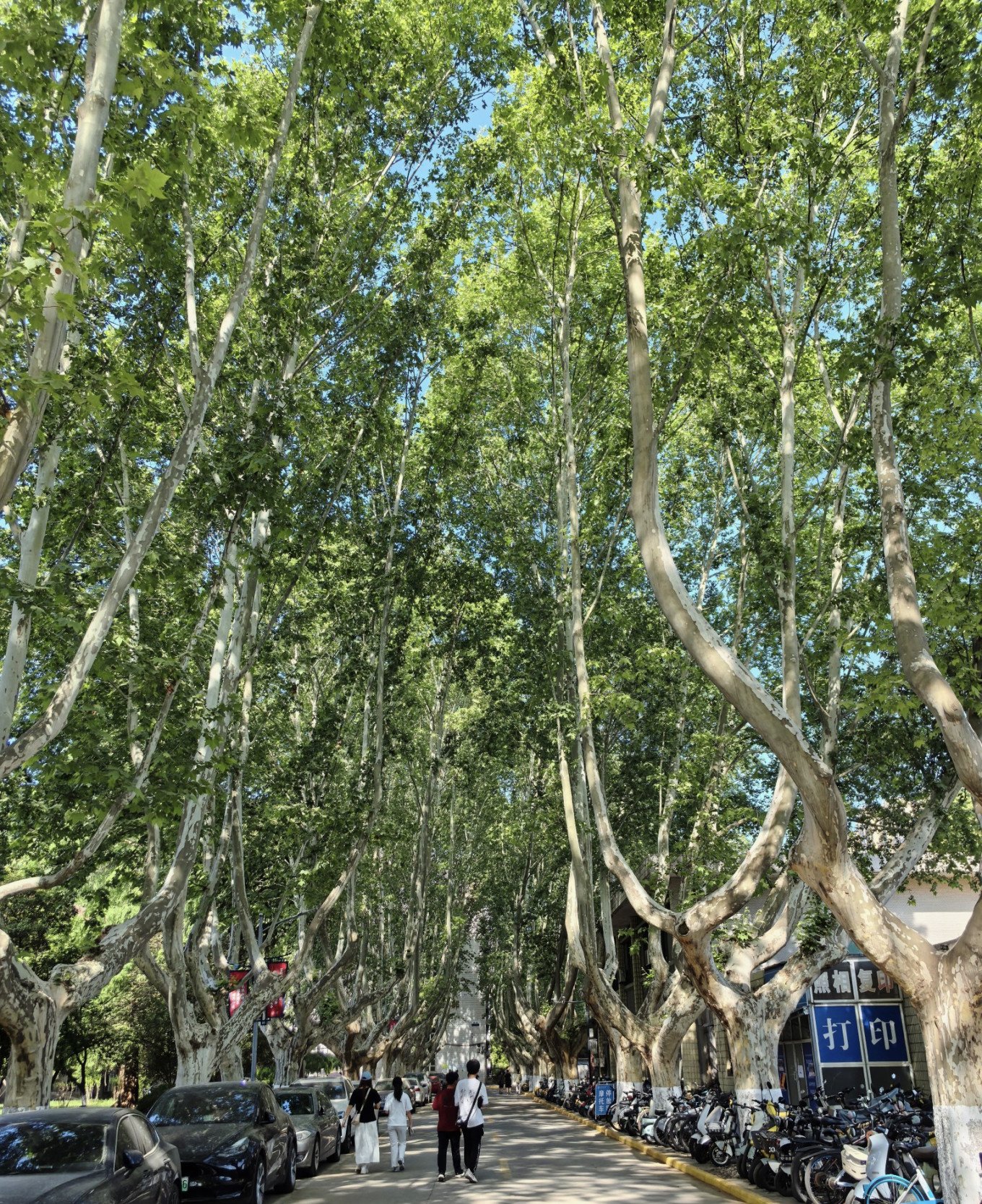
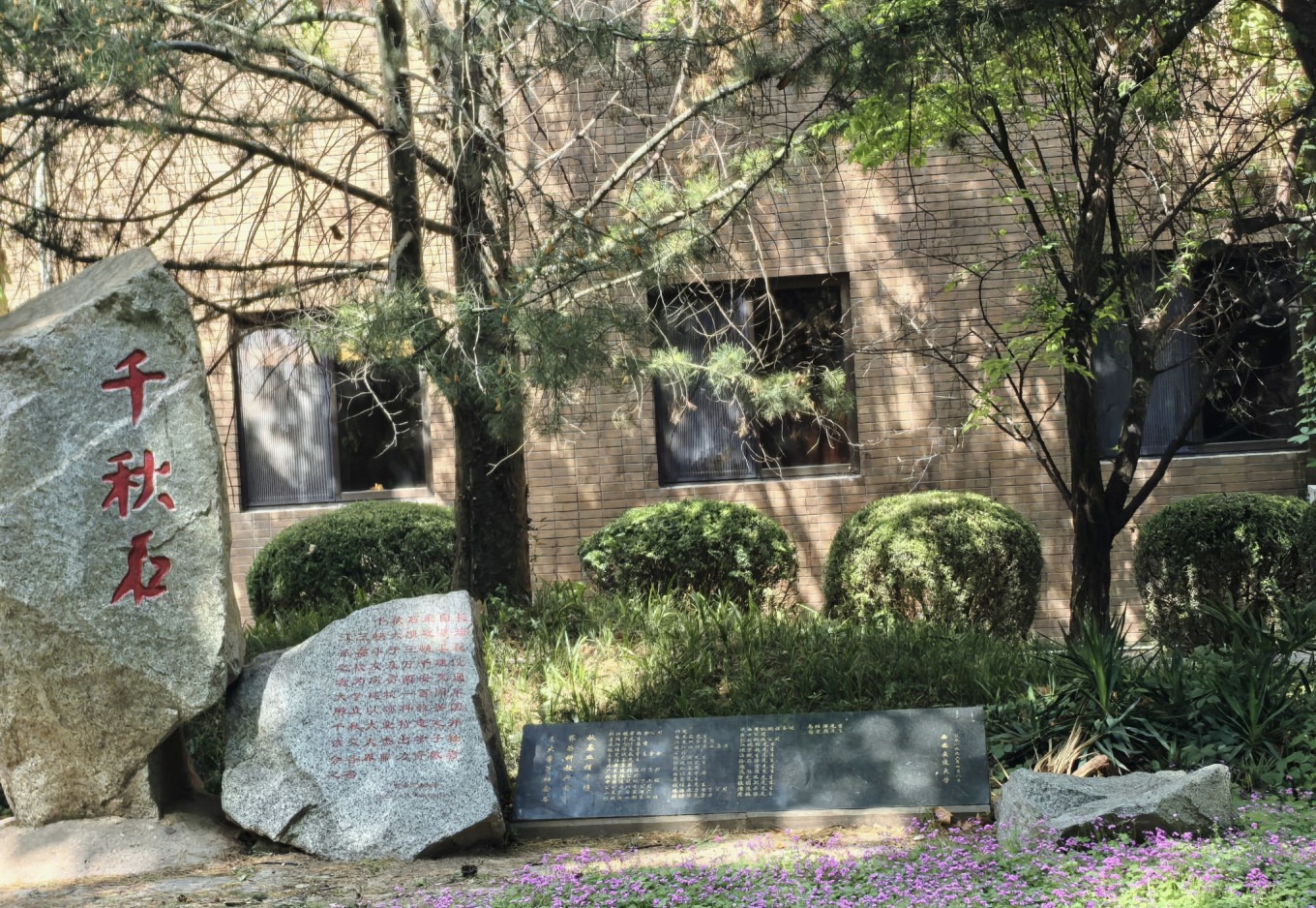
Right inside the North Gate, you’ll see the iconic Water Memorial Stele (饮水思源碑). Nearby, French plane trees (梧桐树) line the paths—on a 37°C day, their shade offers a cool respite. The campus is dotted with statues, plazas, and buildings that tell stories of academic excellence.
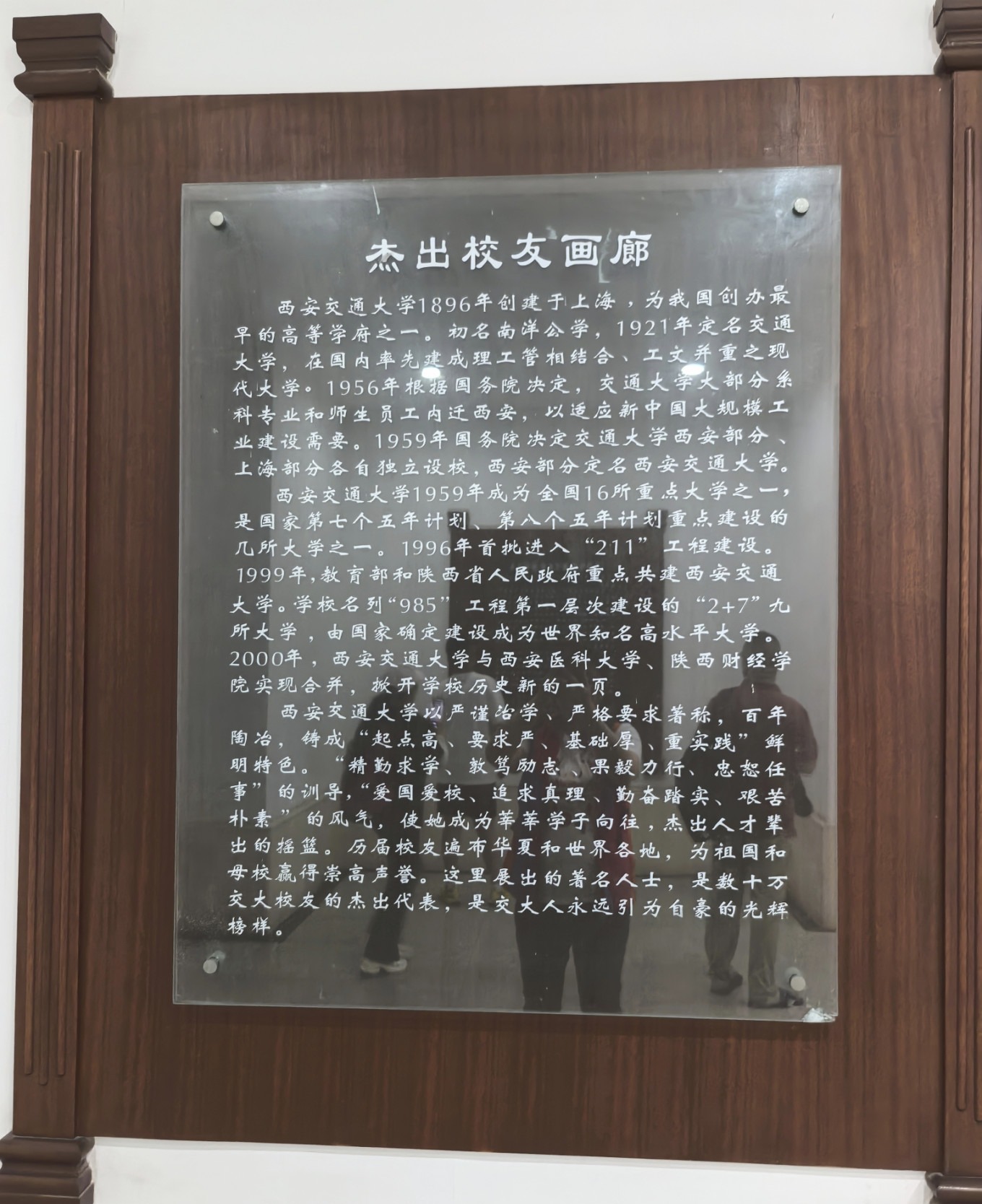
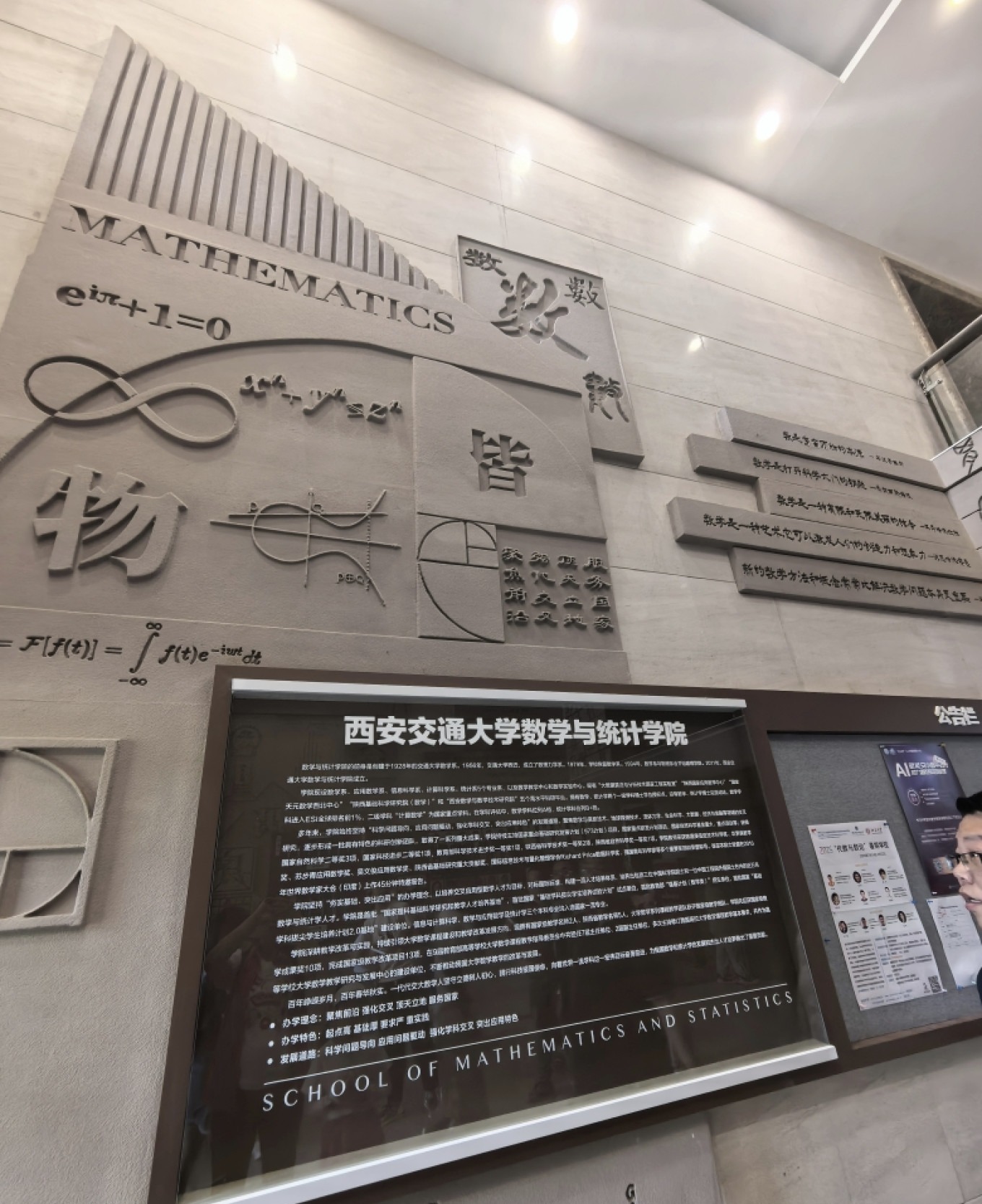
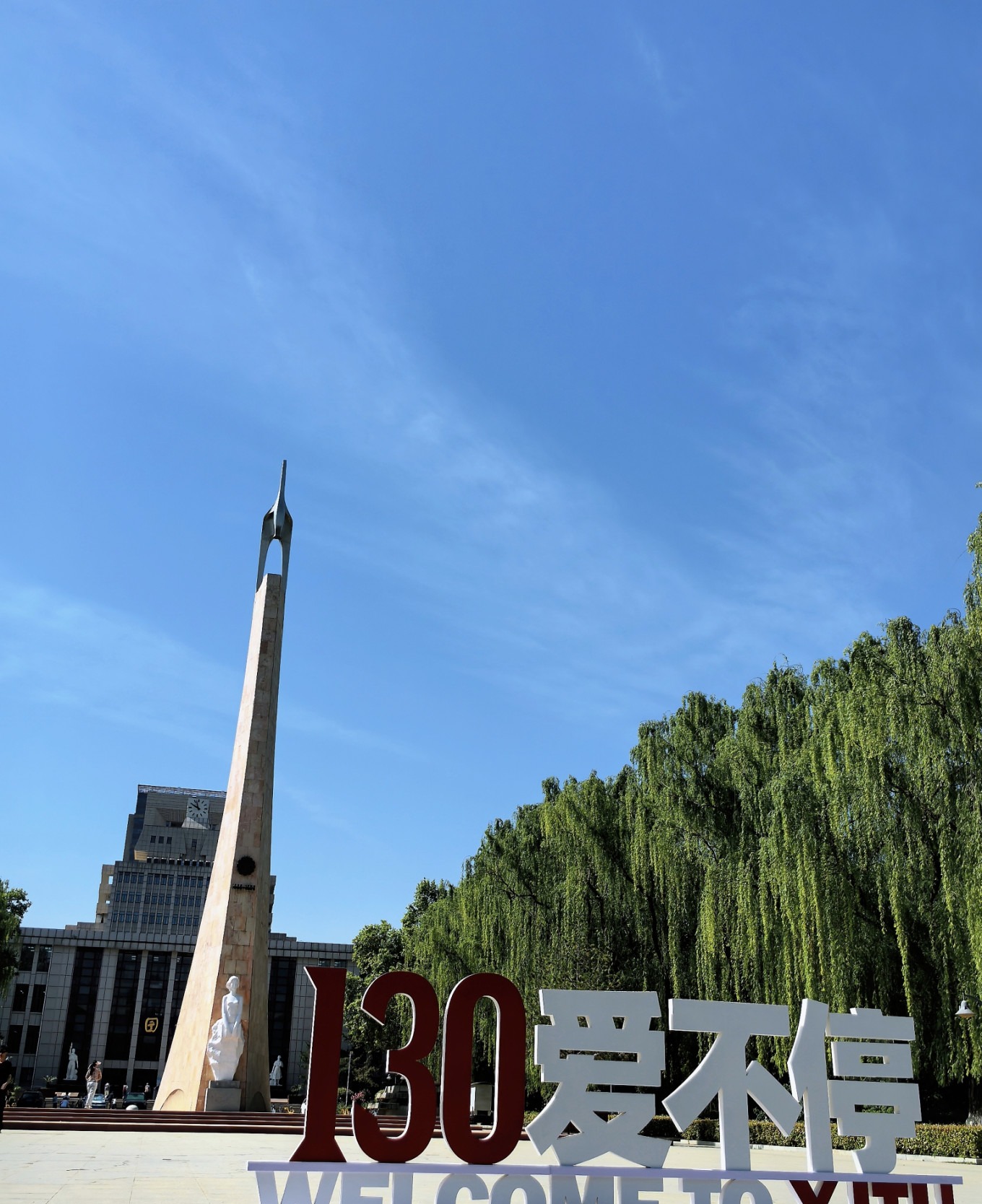
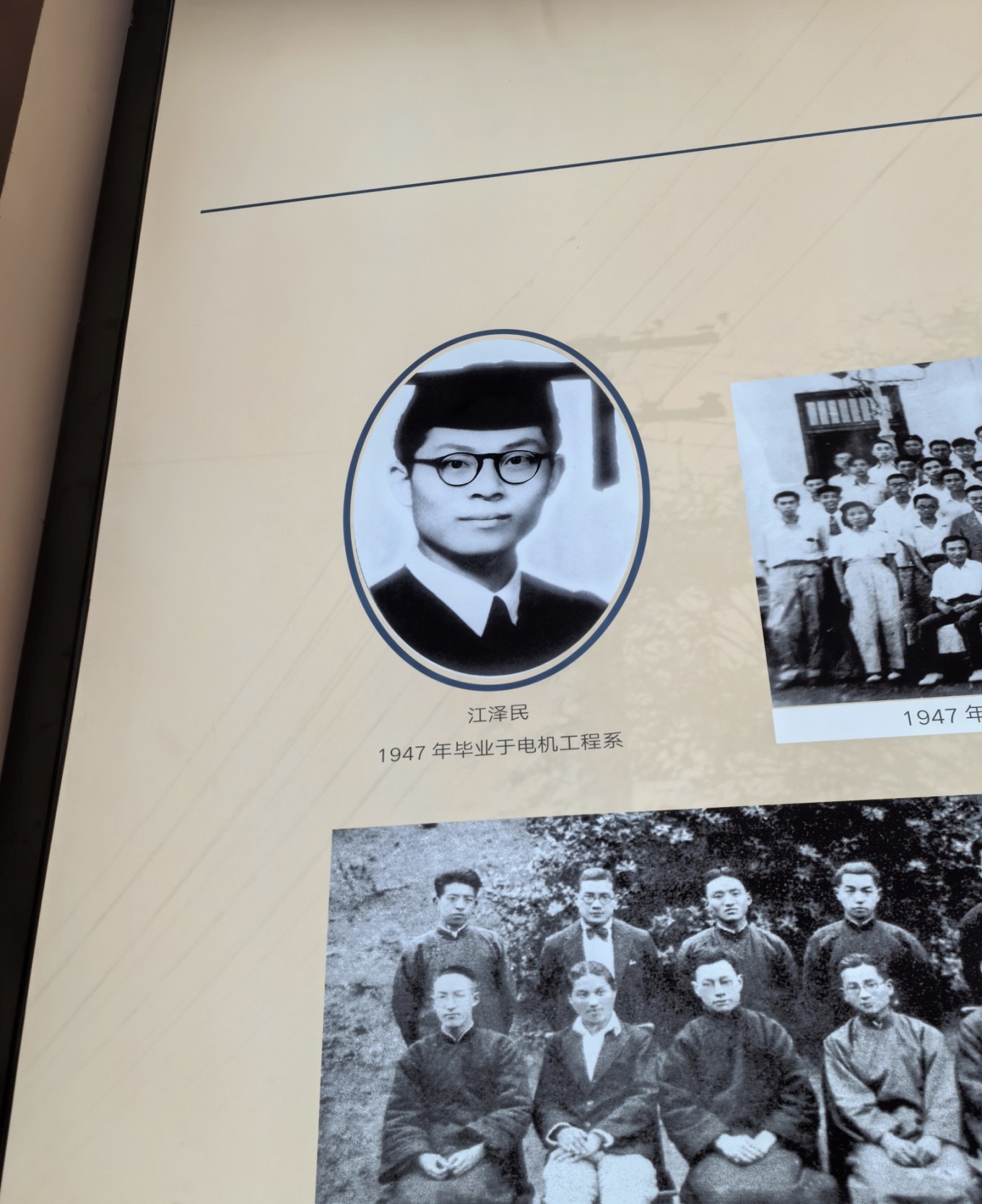
One highlight is the Exhibition Hall of Outstanding Alumni, which includes photos of former President Jiang Zemin as a young man. The School of Mathematics and Statistics is particularly renowned, with displays of 院士 (academicians) and young scholars. Outside, the main square features a sculpture with the number ‘130’—a nod to the university’s upcoming 130th anniversary.
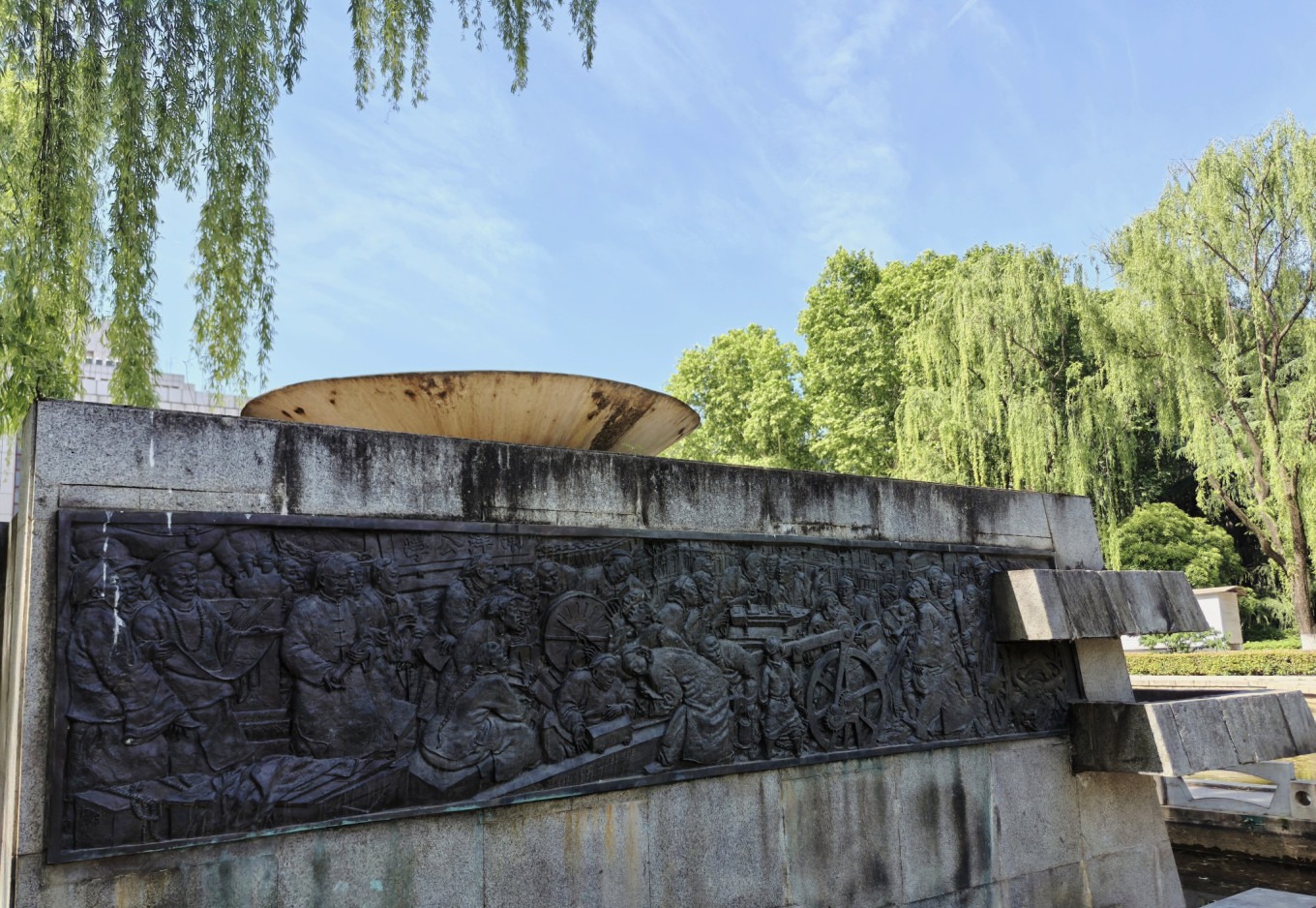
A relief sculpture on one wall depicts a historical movement. The Qian Xuesen Library (钱学森图书馆) is the soul of the university—but access requires a student or faculty card, so you can only admire it from outside. Still, the building itself is a sight.
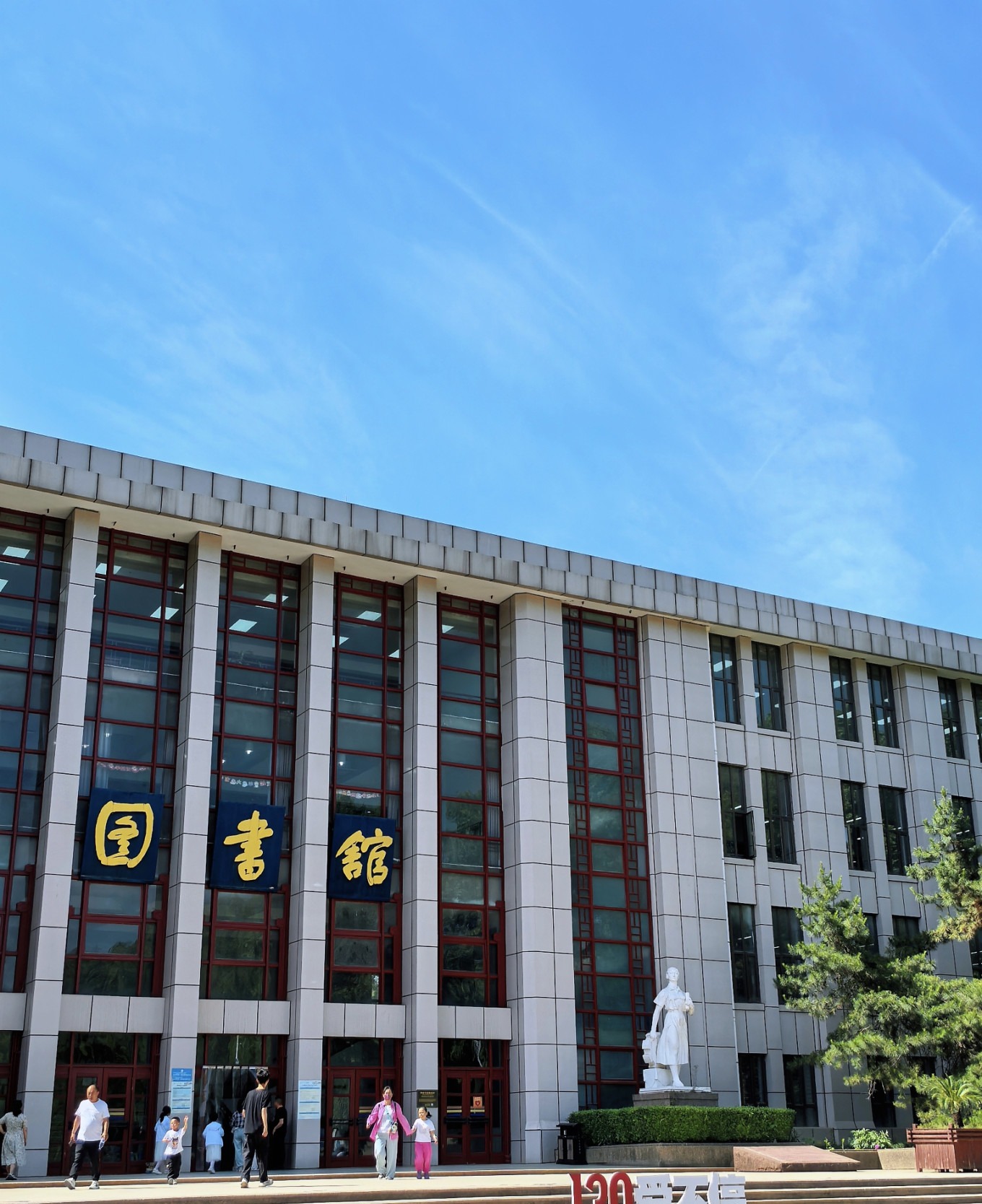
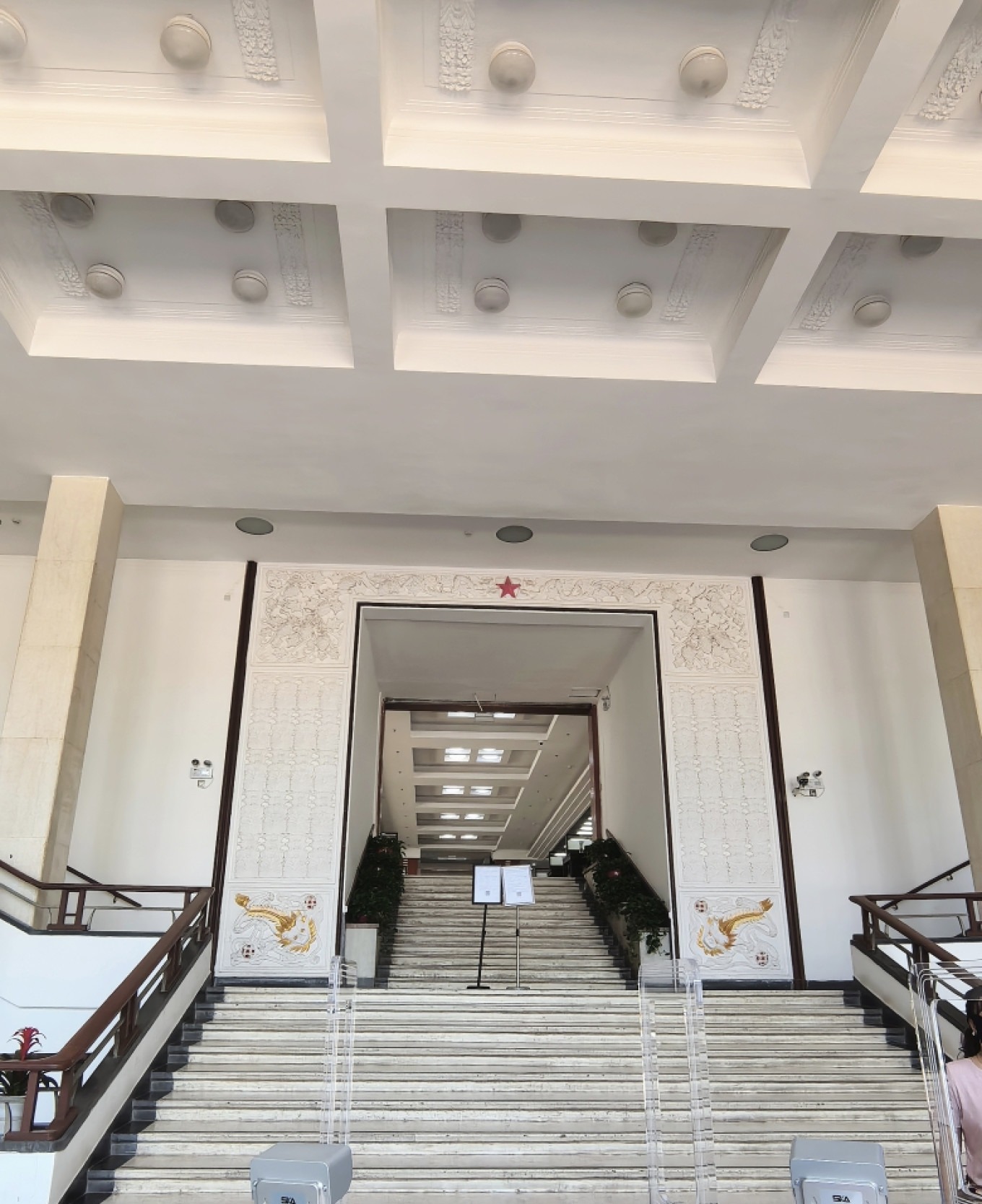
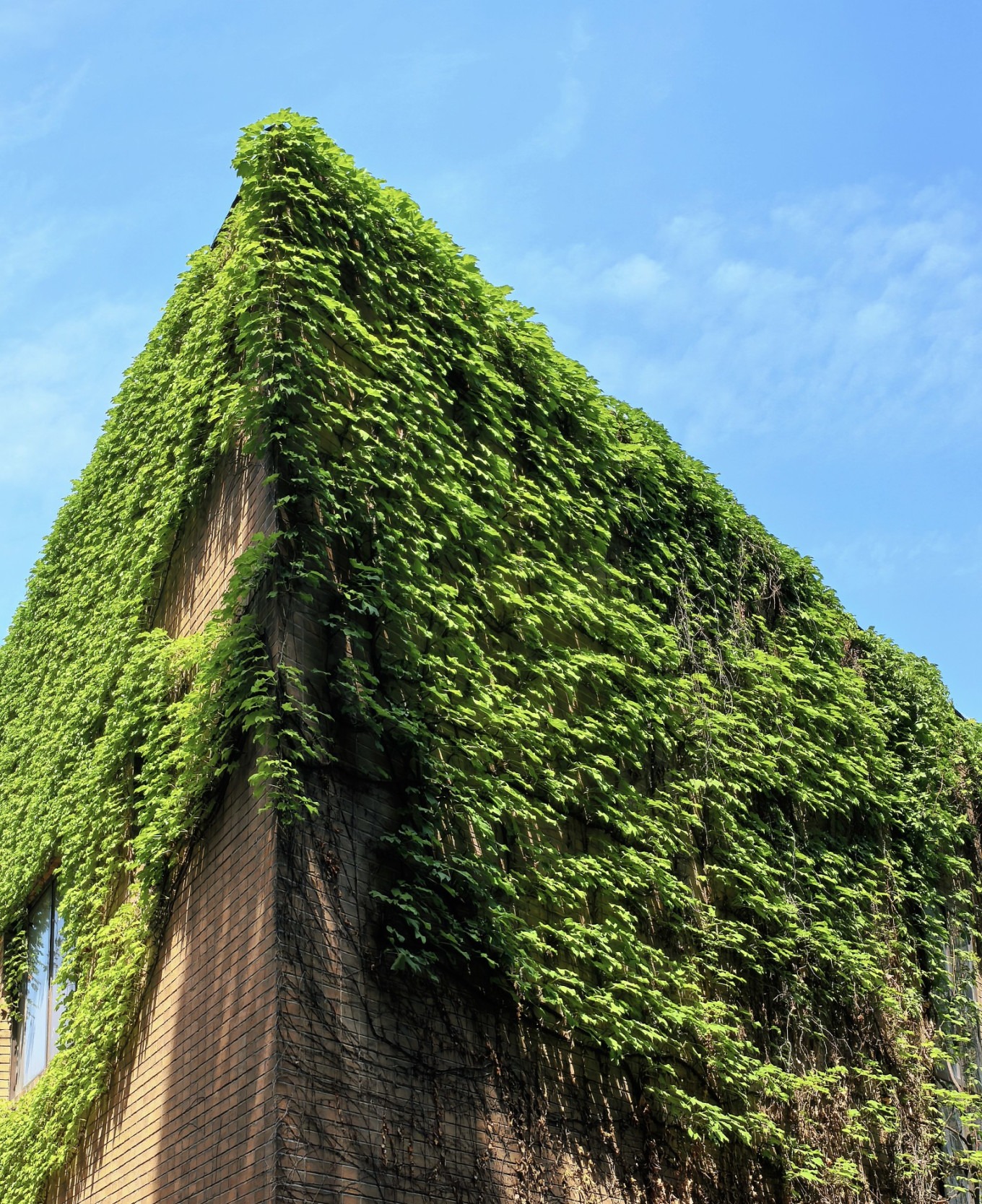
The campus walls are covered with lush ivy—a natural sunshade in summer. Many families take photos here, proud of this national treasure. You’ll also see children running despite the heat, a testament to the spirit of perseverance.
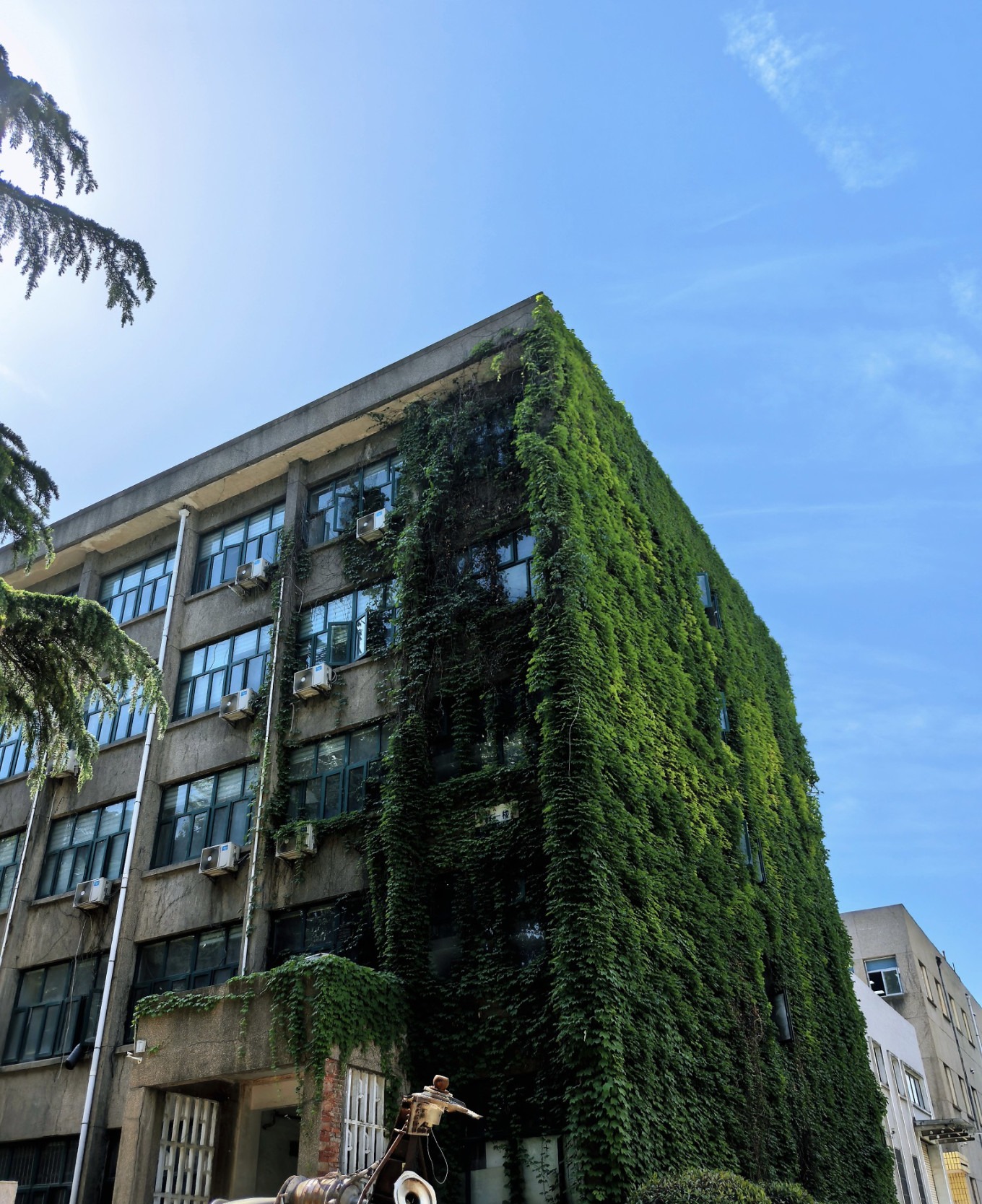
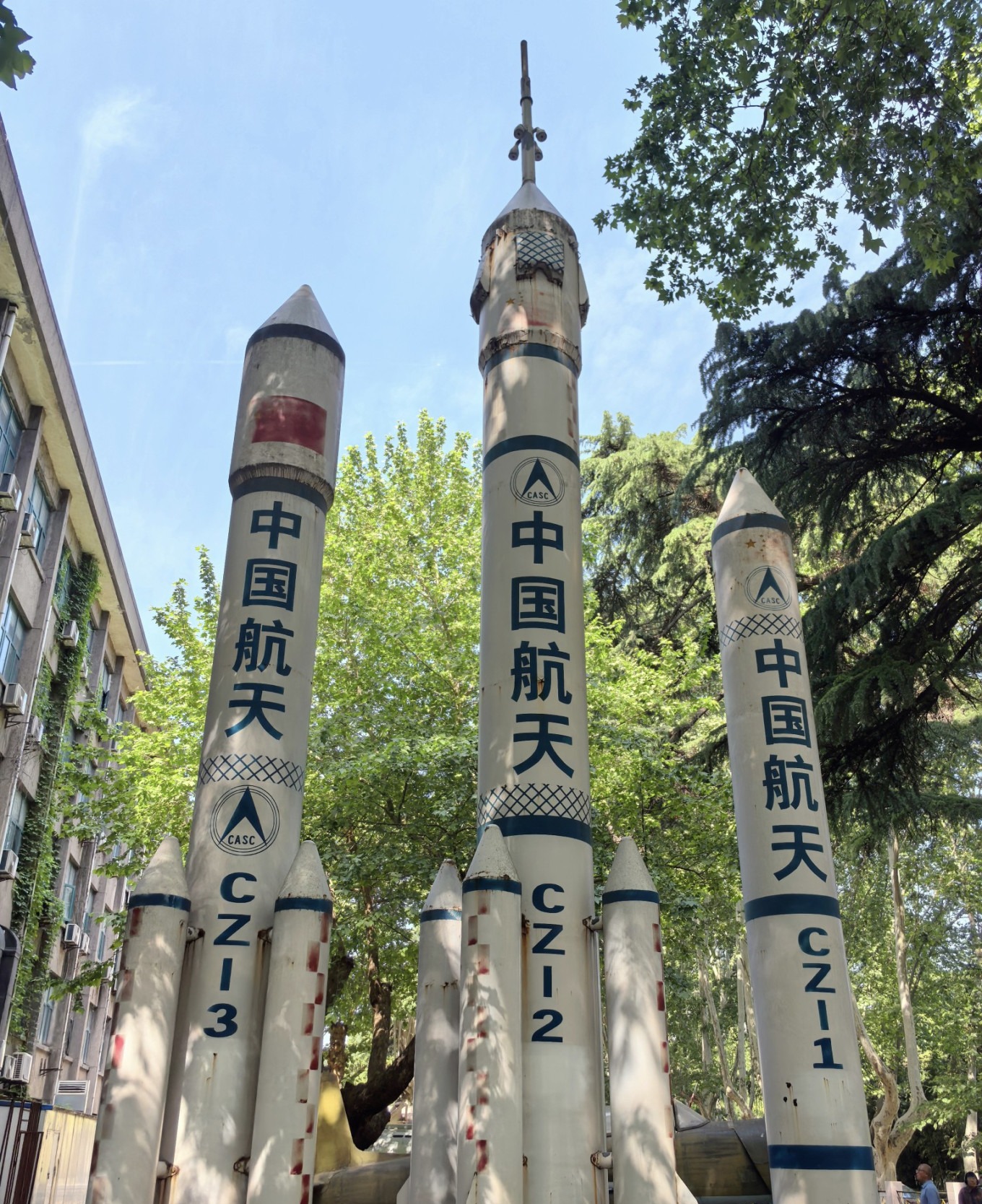
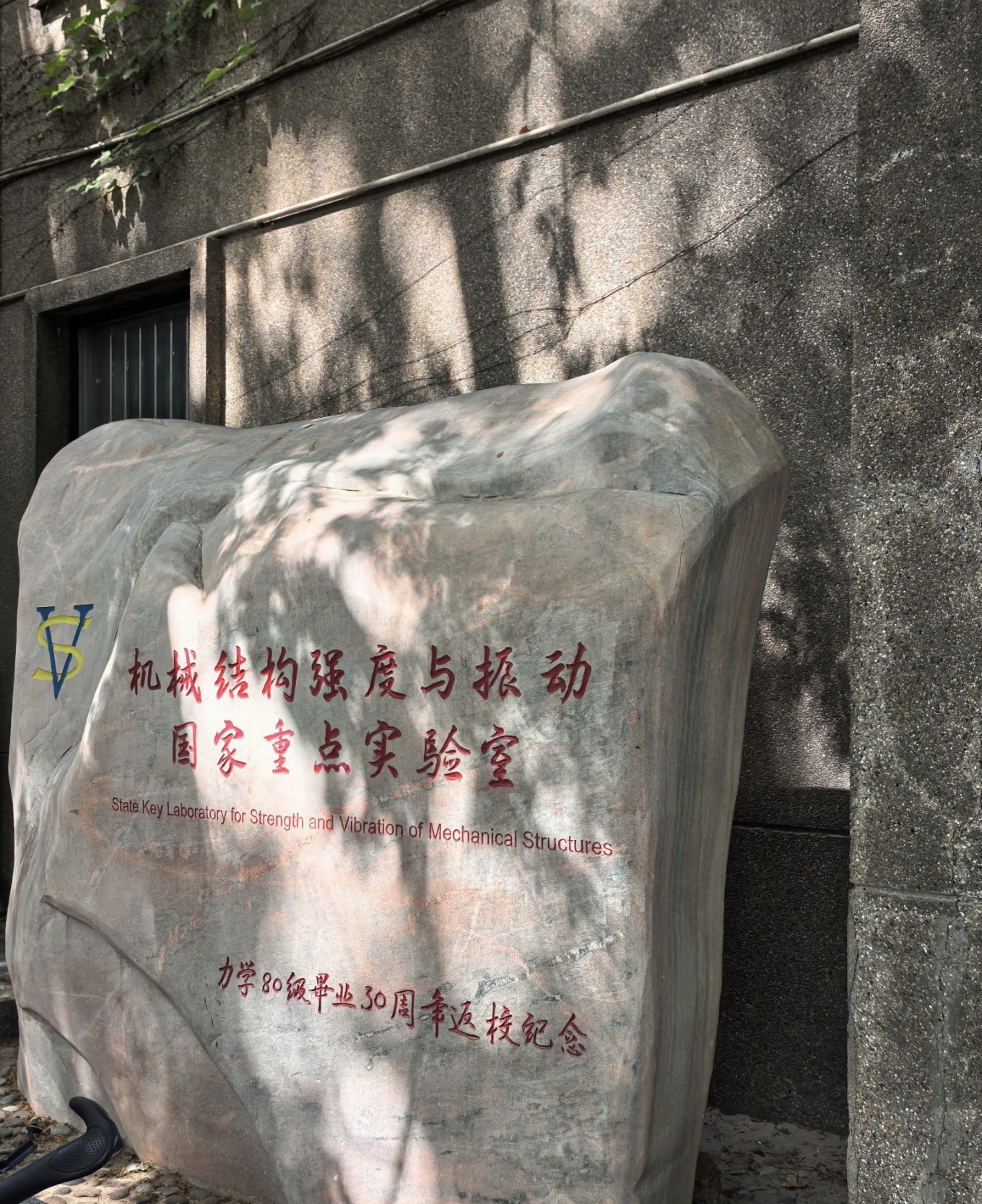
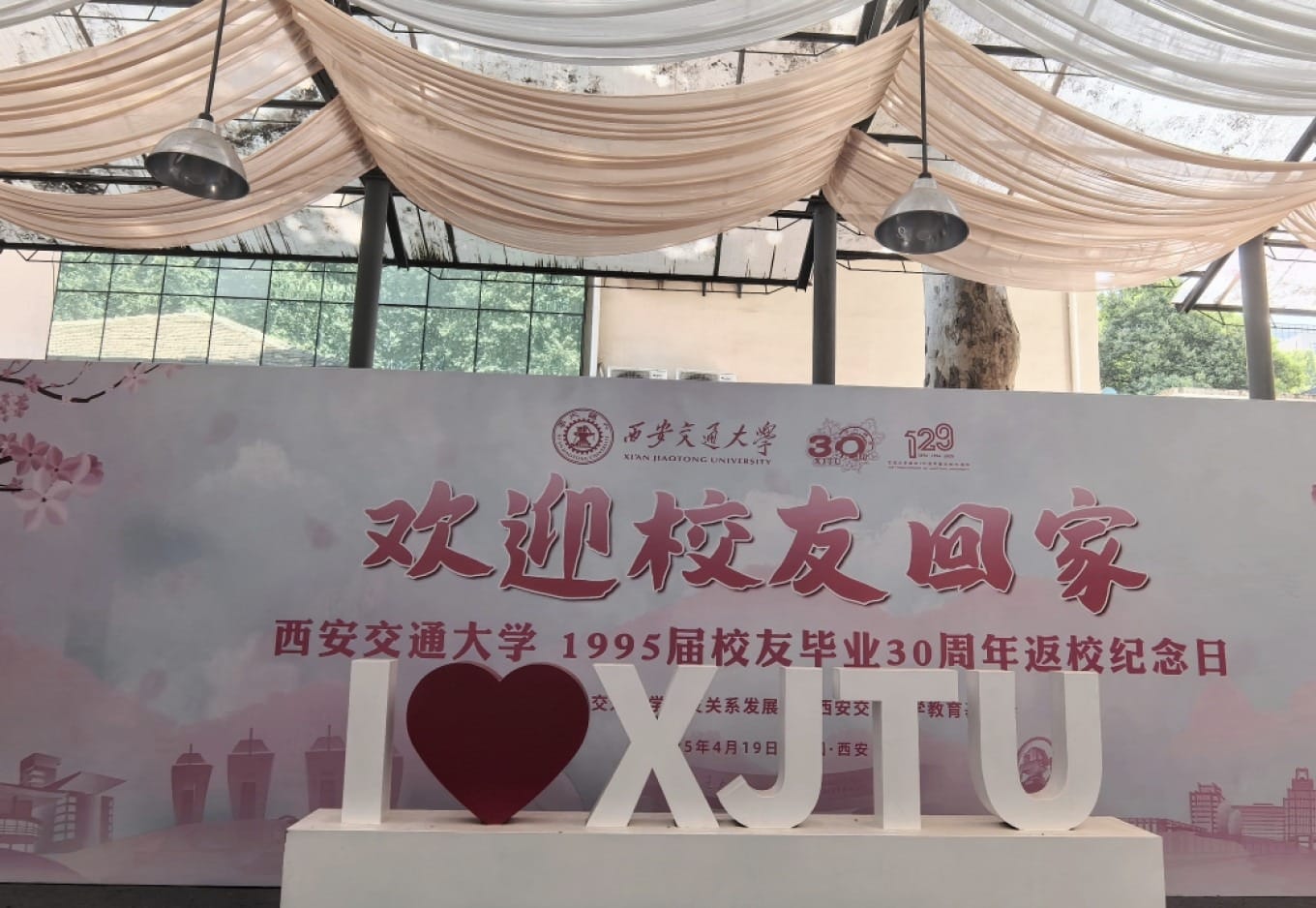
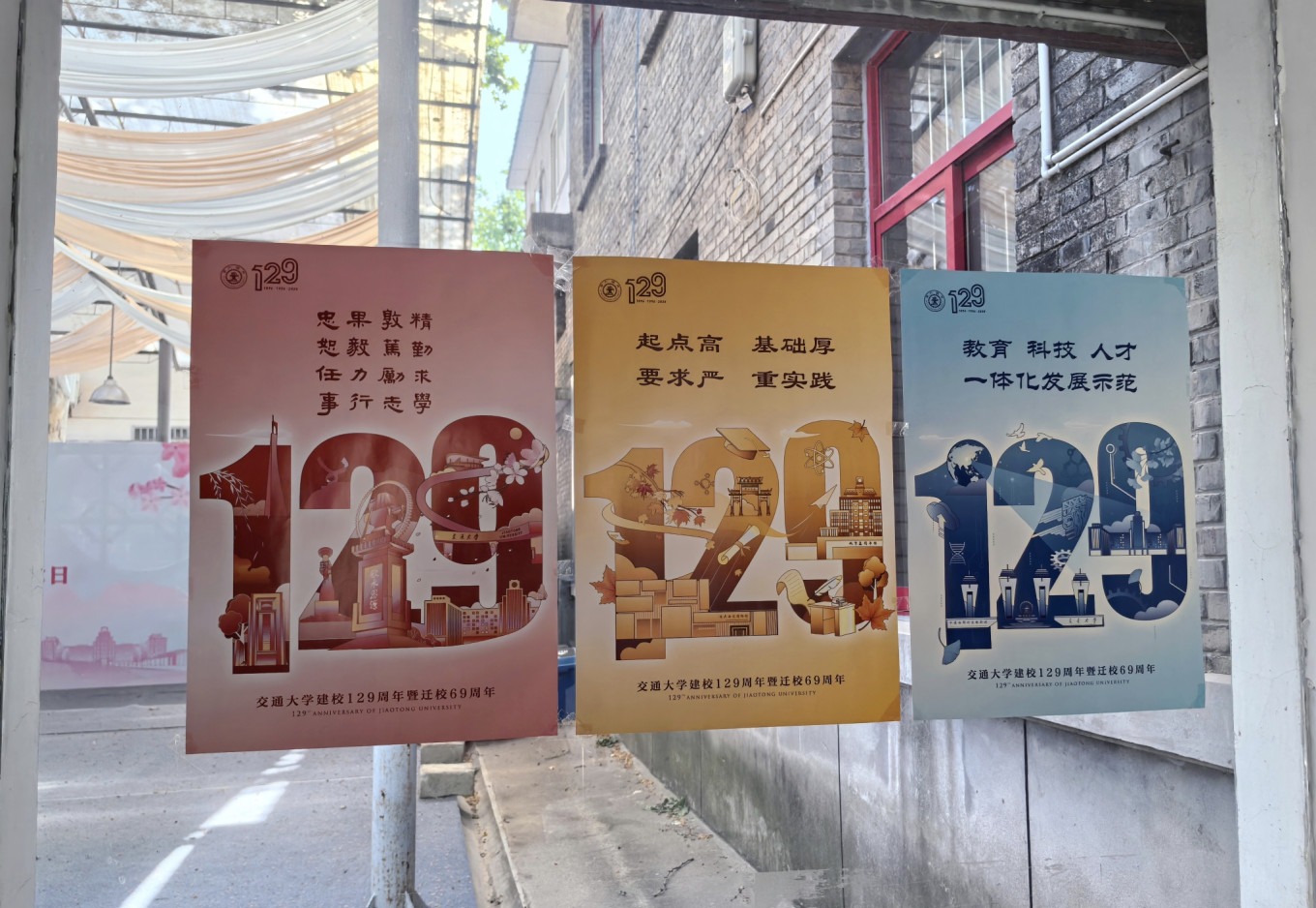
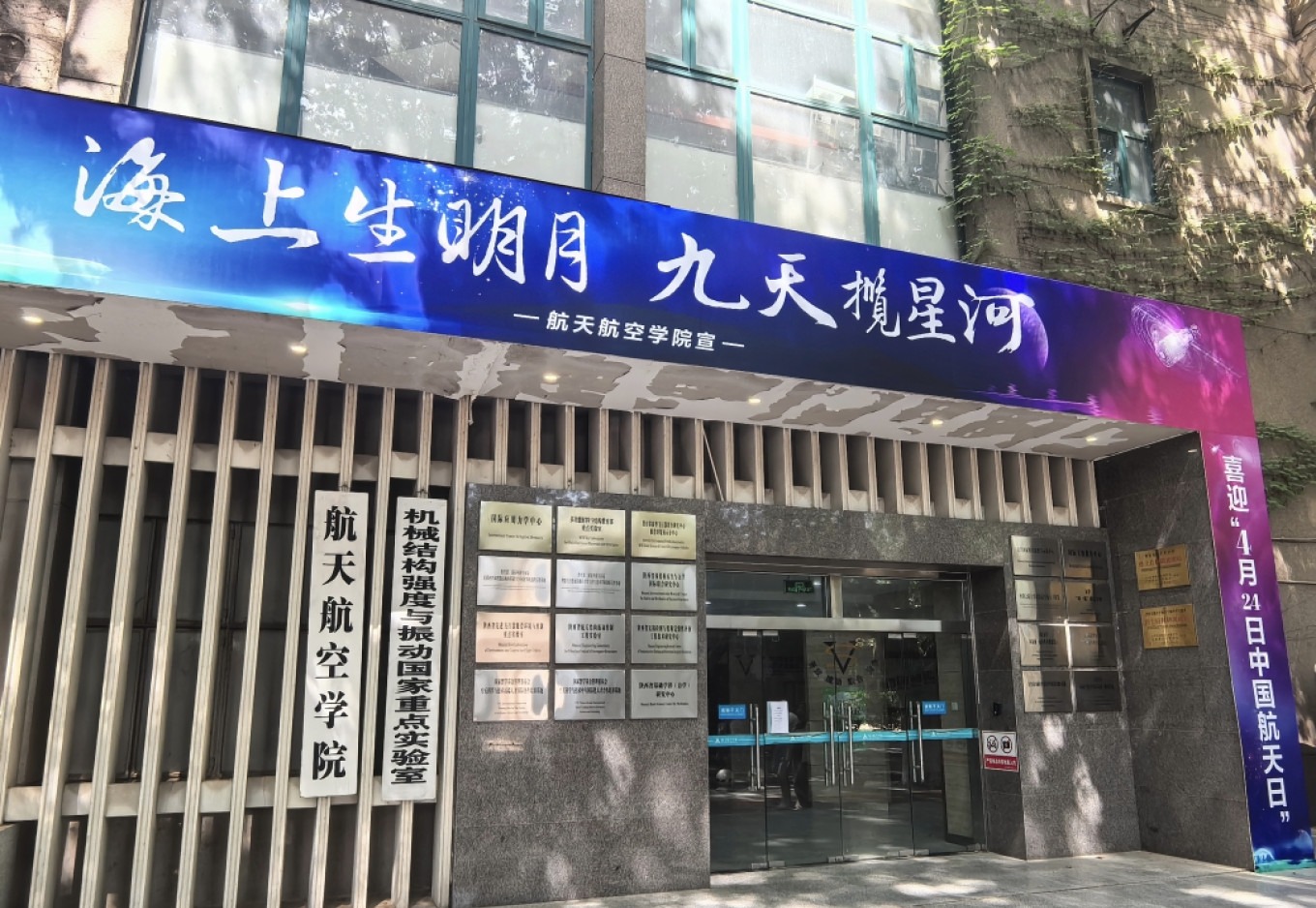
In 2025, the university celebrated the 30th reunion of the class of 1995 and its 129th anniversary. Look for banners and exhibitions marking these milestones. The research labs here work on cutting-edge projects you might only see on TV.
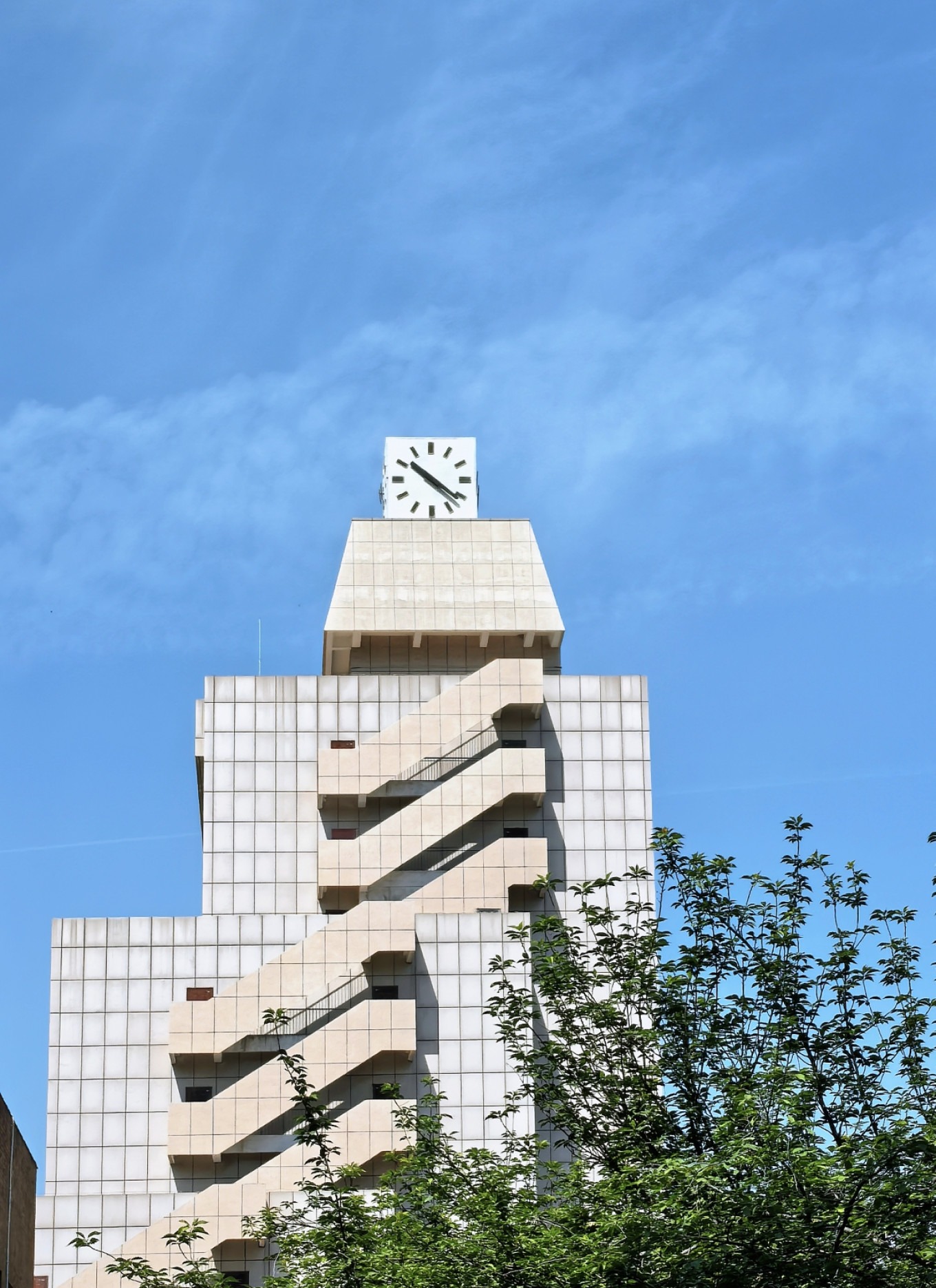
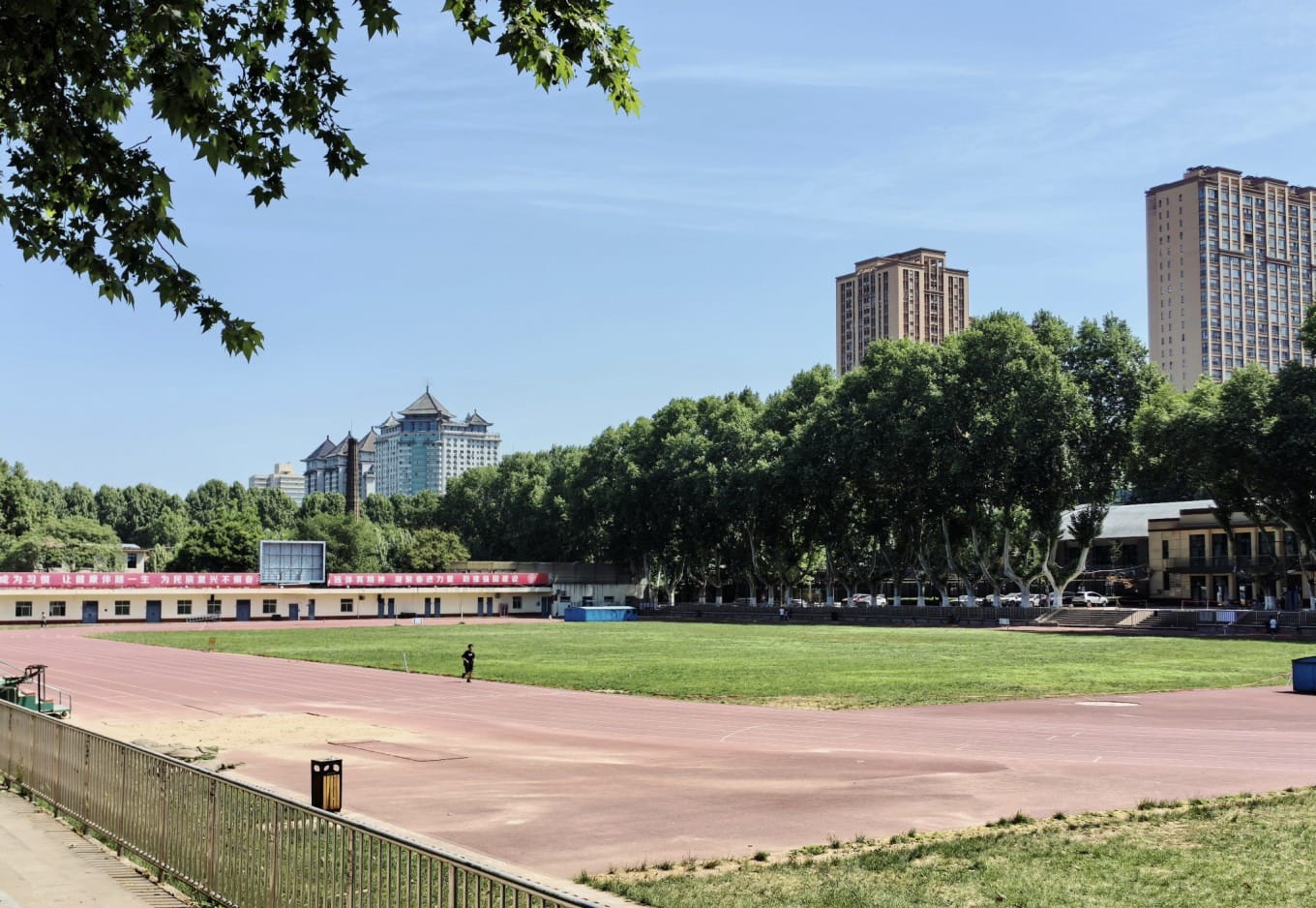
Morning reading spots are everywhere—under pine trees, beside rocks, among flowers and lawns. The blue sky and a prominent clock tower remind students that time is precious. One photo you might capture is titled ‘Upward Power’ (向上的力量), showing a student climbing stairs.
The Xijiang Migration Museum (交大西迁博物馆) is a must-visit. Located at 28 Xianning West Road (咸宁西路28号) on Xingqing Campus, it covers 940 square meters of exhibition space. The museum tells the story of the university’s relocation from Shanghai to Xi’an in 1956, a pivotal moment in Chinese education history.
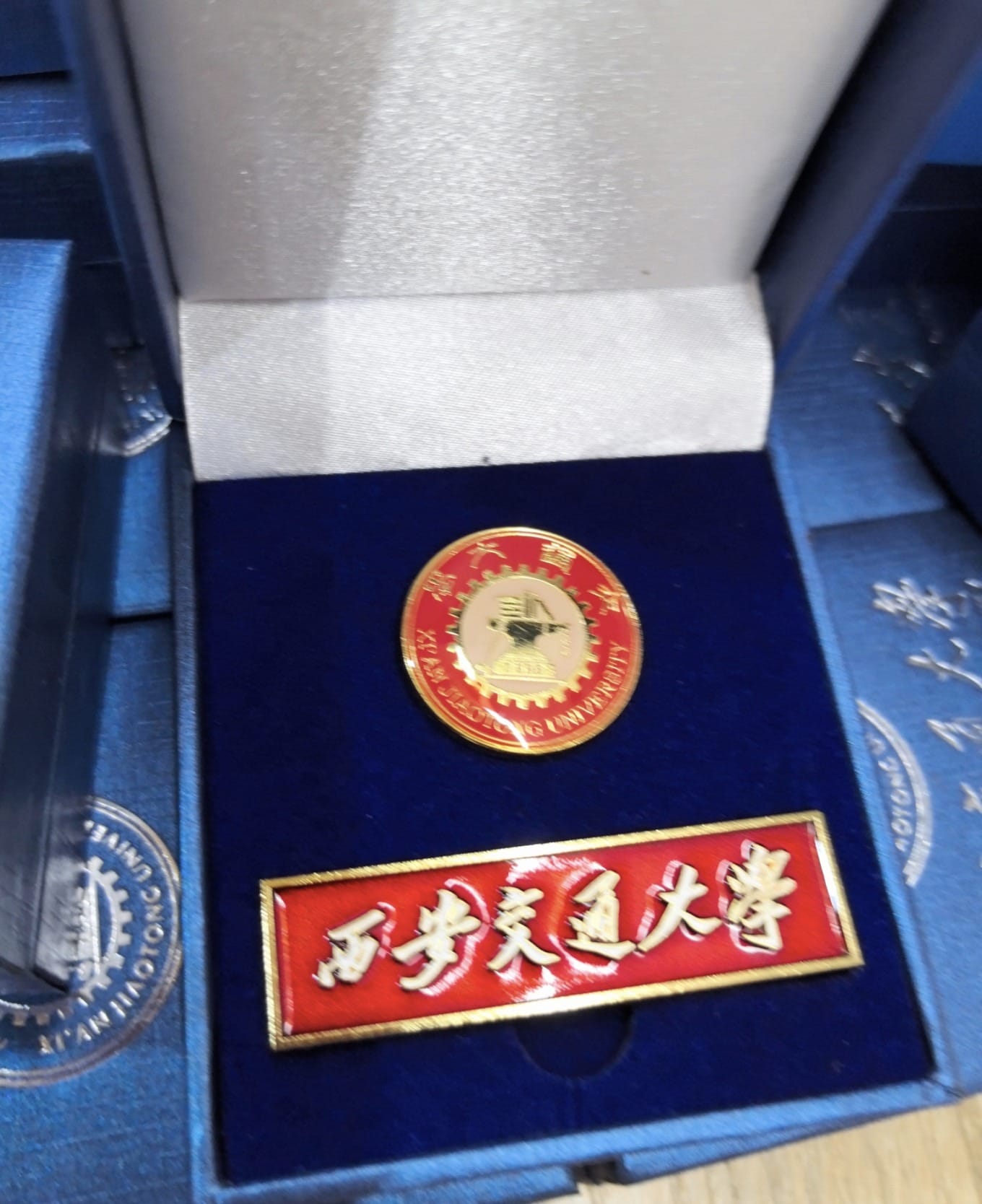
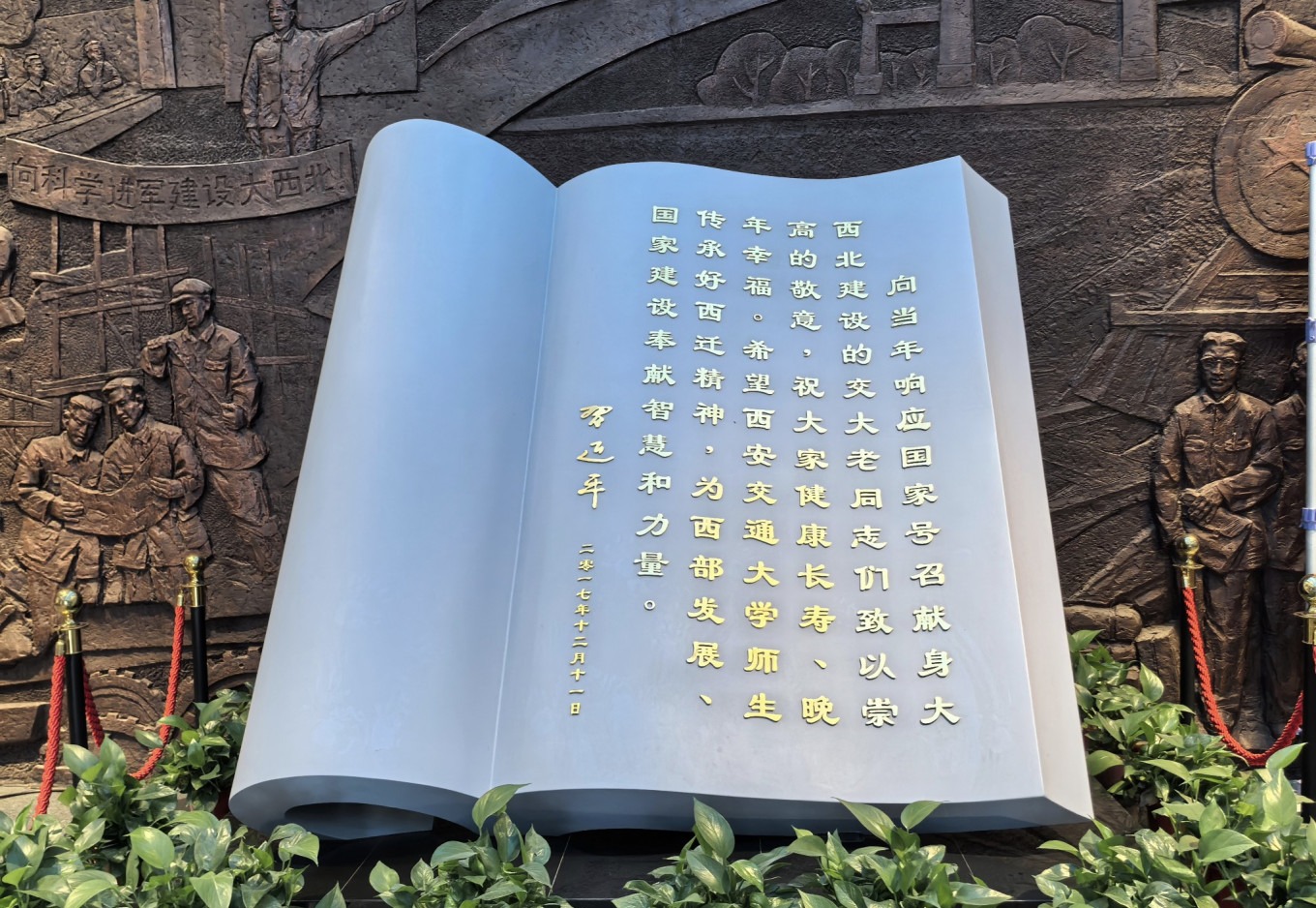
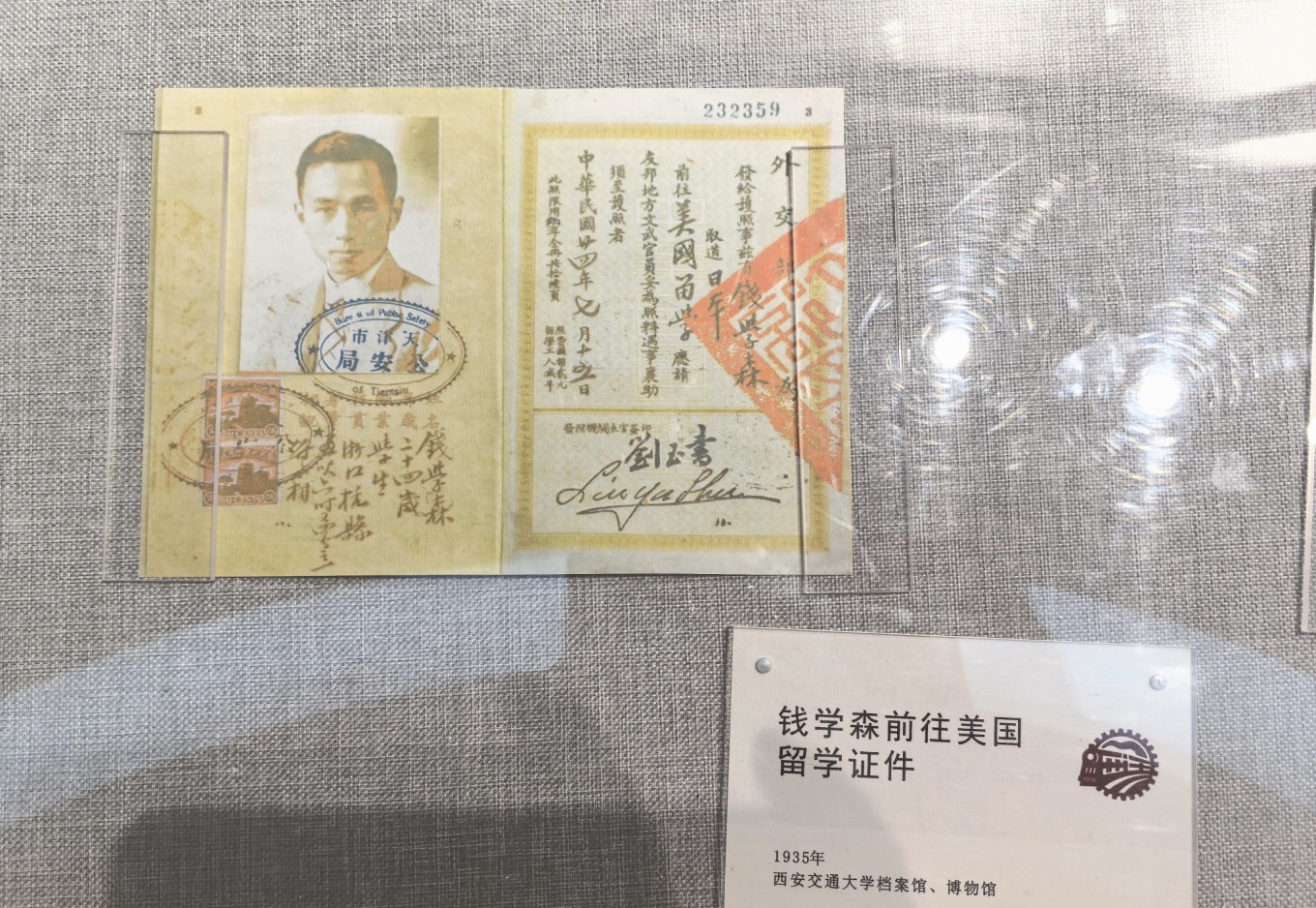
Inside, you’ll learn that the university was founded in 1896 as Nanyang Public School (南洋公学) in Shanghai by Sheng Xuanhuai, a prominent industrialist and educator. Exhibits include a portrait of Yang Jiang’s father, Qian Xuesen’s student visa to the U.S., and a young photo of President Jiang Zemin.
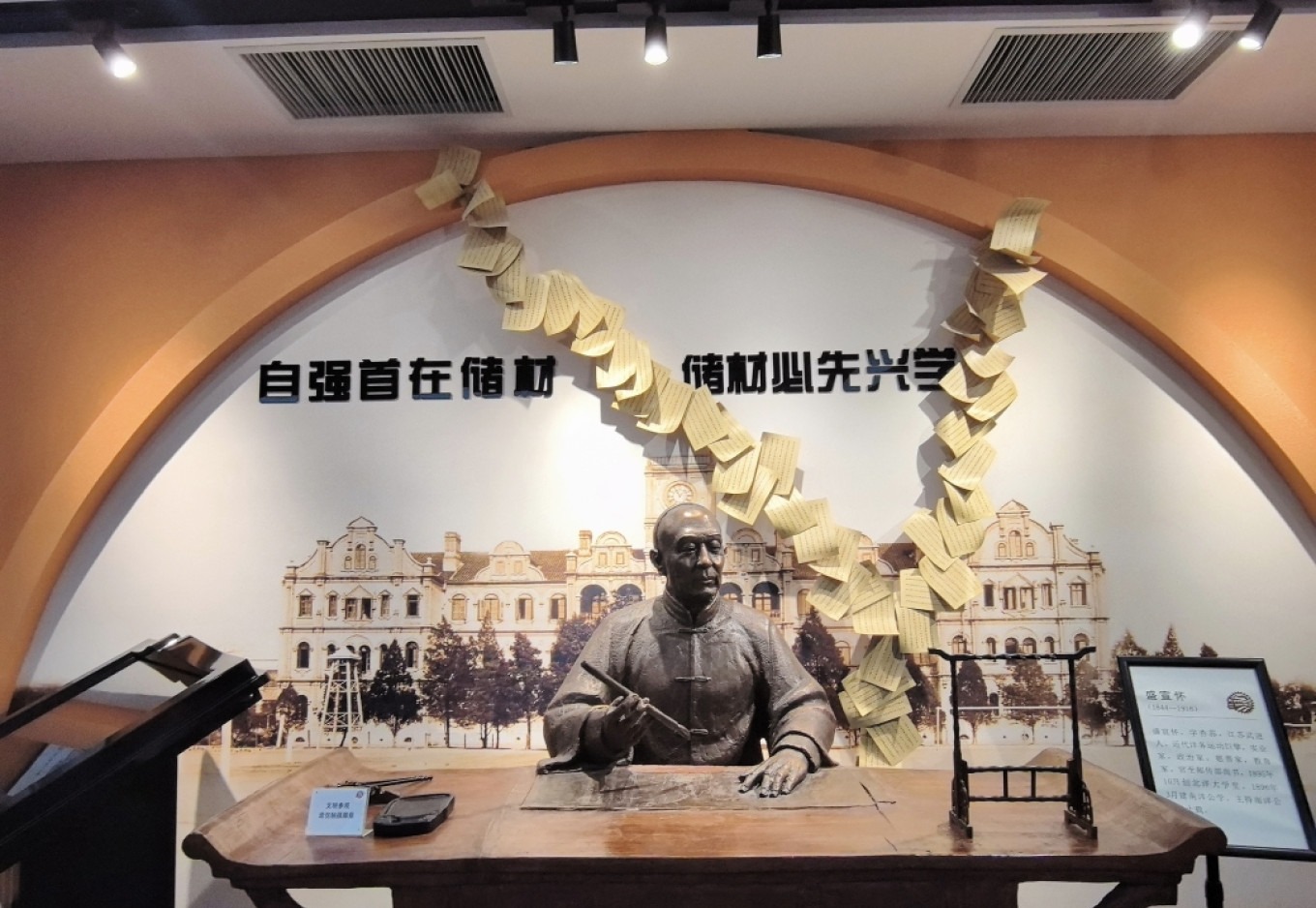
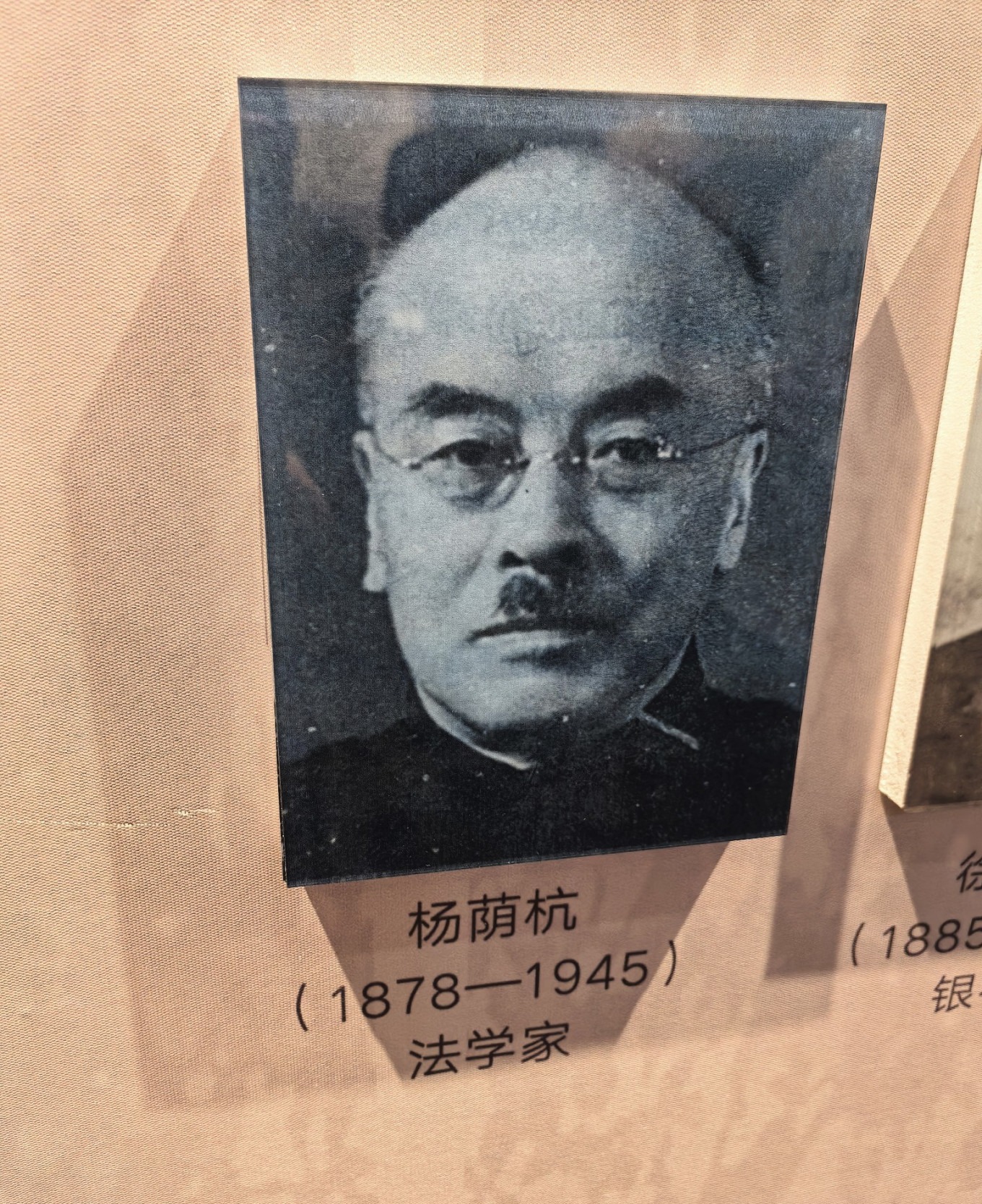
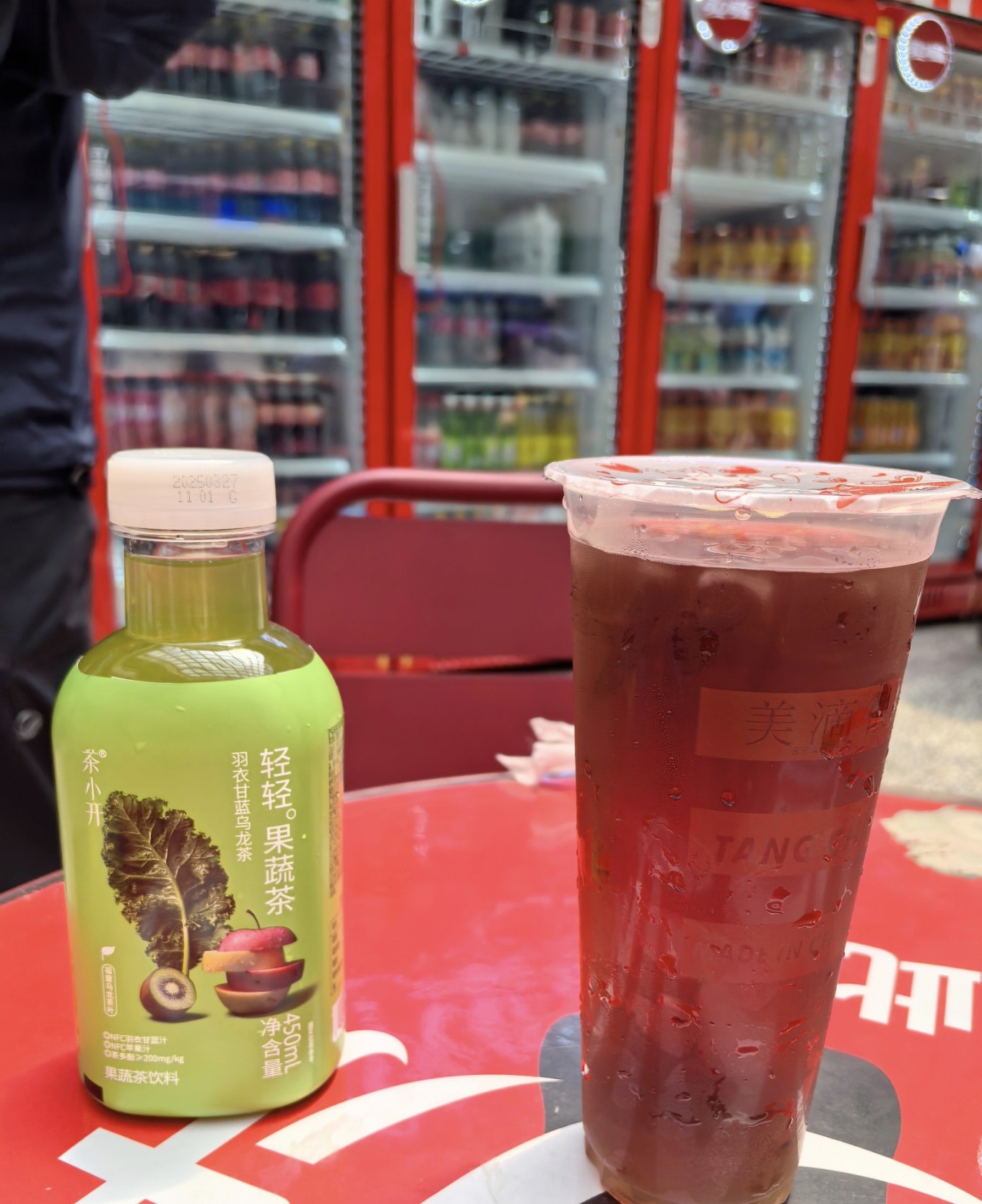
After exploring, head to the campus cafeteria—it’s open to the public. You can borrow a student’s card to pay, or ask politely. Try a bowl of rice with a steamed bun (馍) and mashed potatoes (土豆泥). For drinks, the iced sour plum soup (酸梅汤) is refreshing, and the fruit-and-vegetable tea (果蔬茶) is a healthy choice. The dining hall is spacious, though not newly renovated—the focus here is on the academic atmosphere.
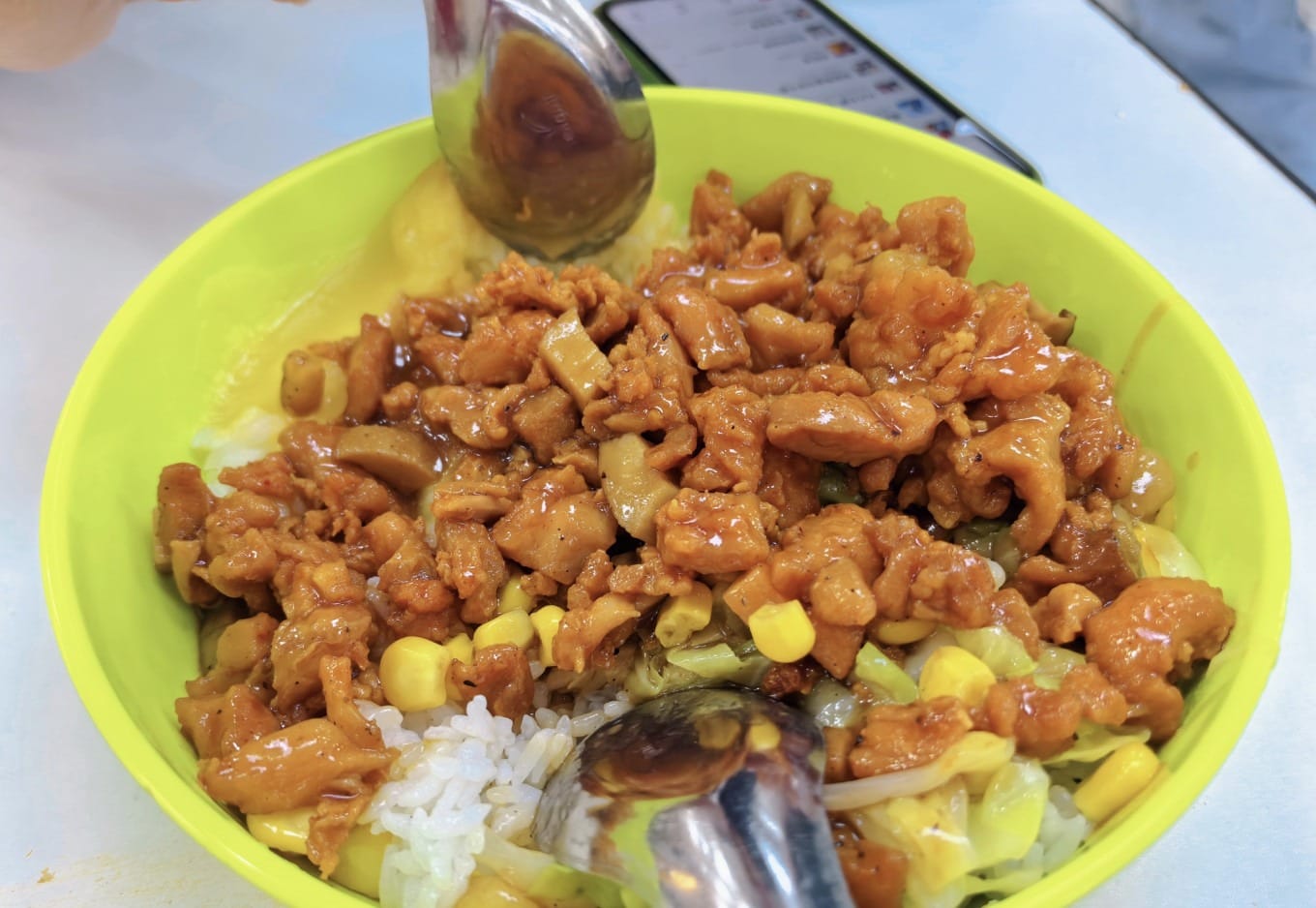
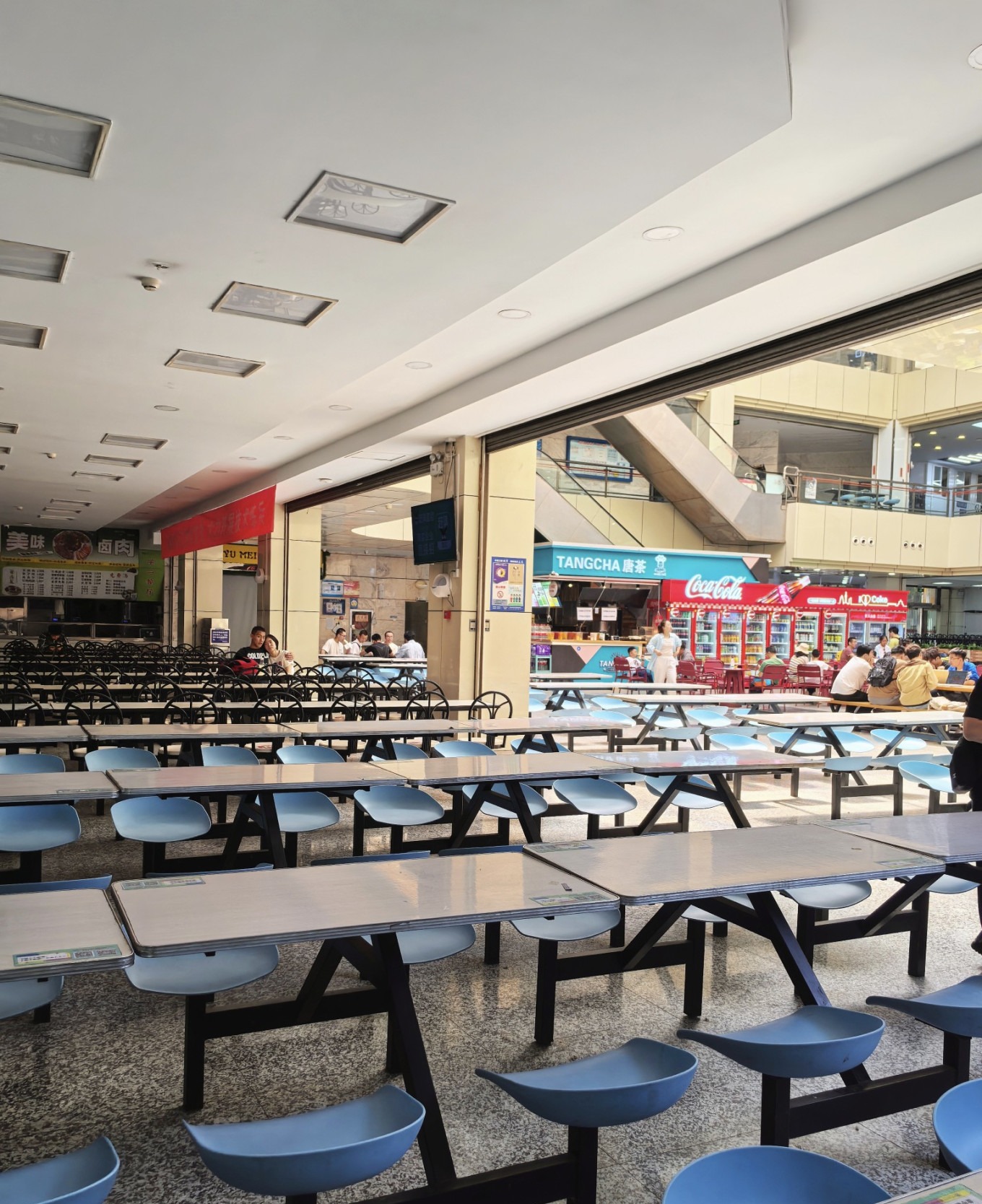
- RestaurantXJTU Student Cafeteria (西安交通大学学生食堂)
- Address28 , / 28 Xianning West Road, Xingqing Campus, Xi’an Jiaotong University (咸宁西路28号)
- Recommended dishes米饭配馍和土豆泥 (rice with steamed bun and mashed potatoes), 酸梅汤 (sour plum soup), 果蔬茶 (fruit and vegetable tea)
- Average spend¥15–25 per person
China Qin Opera Art Museum
When the summer heat in Xi’an becomes overwhelming, escape into the air-conditioned world of the China Qin Opera Art Museum (中国秦腔艺术博物馆). Located within the Yisu Society Cultural Block (易俗社文化街区), this museum is a deep dive into one of China’s oldest opera forms. Spanning three floors and about 3,300 square meters, the collection covers 5,000 years of history—from the Neolithic era to the Ming and Qing dynasties. The exhibits are divided into two main sections: the historical exhibition on Qin opera’s origins and its role as the ‘right sound of Huaxia,’ and the art exhibition showcasing the opera’s mature form. You’ll find thousands of artifacts, including ancient scripts, costumes, shadow puppets, woodblock prints, paper-cuts, and stone carvings—everything related to the evolution of Qin opera.
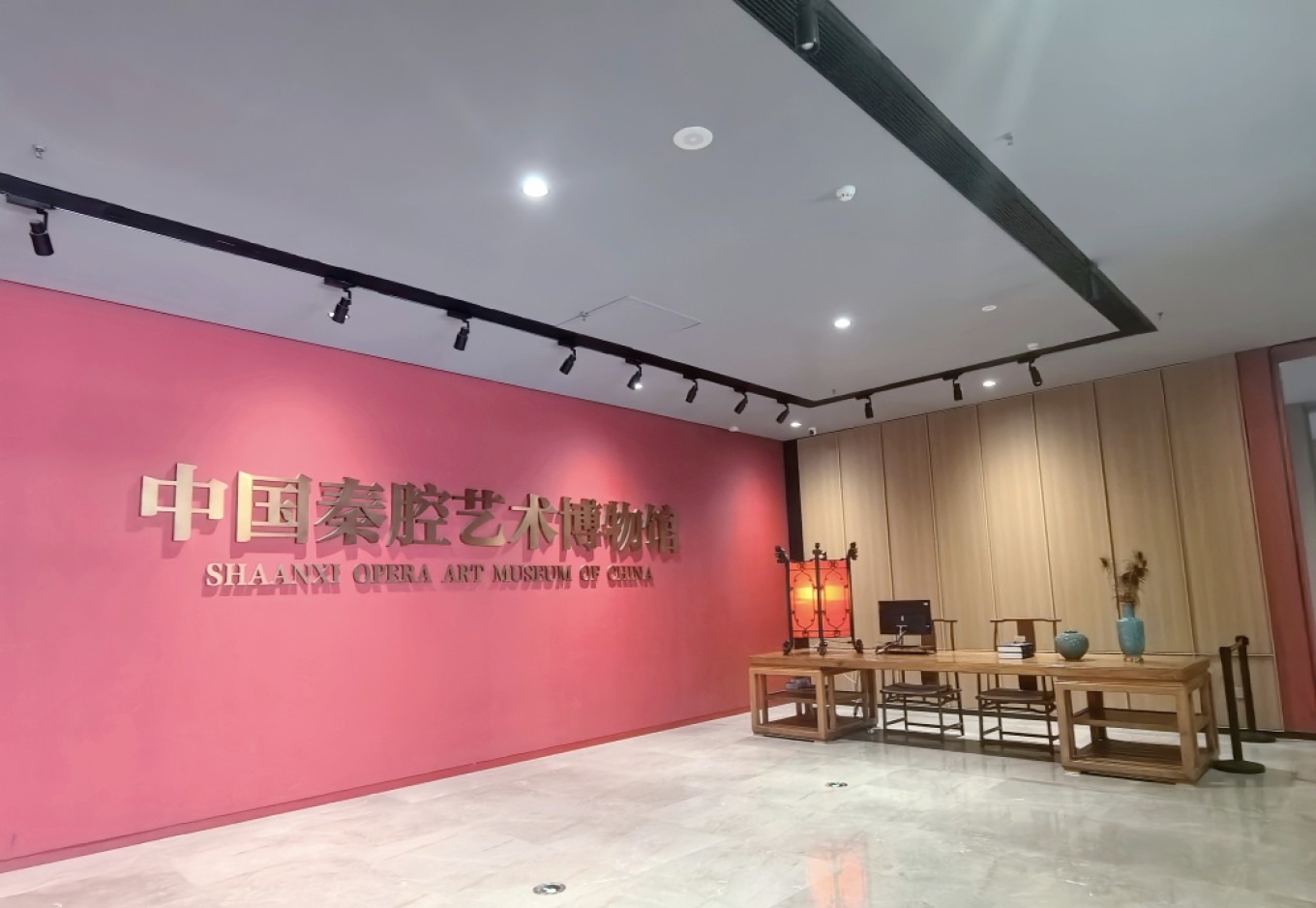
On a scorching 37°C day, this museum is a perfect afternoon retreat. Opened in September 2021, the Yisu Society Cultural Block centers around the century-old Yisu Society (易俗社), a renowned Qin opera troupe. The block also includes the Yisu Grand Theater, Yisu Society Theater, and the Yisu Society Centennial Museum, blending traditional opera culture with contemporary urban style.
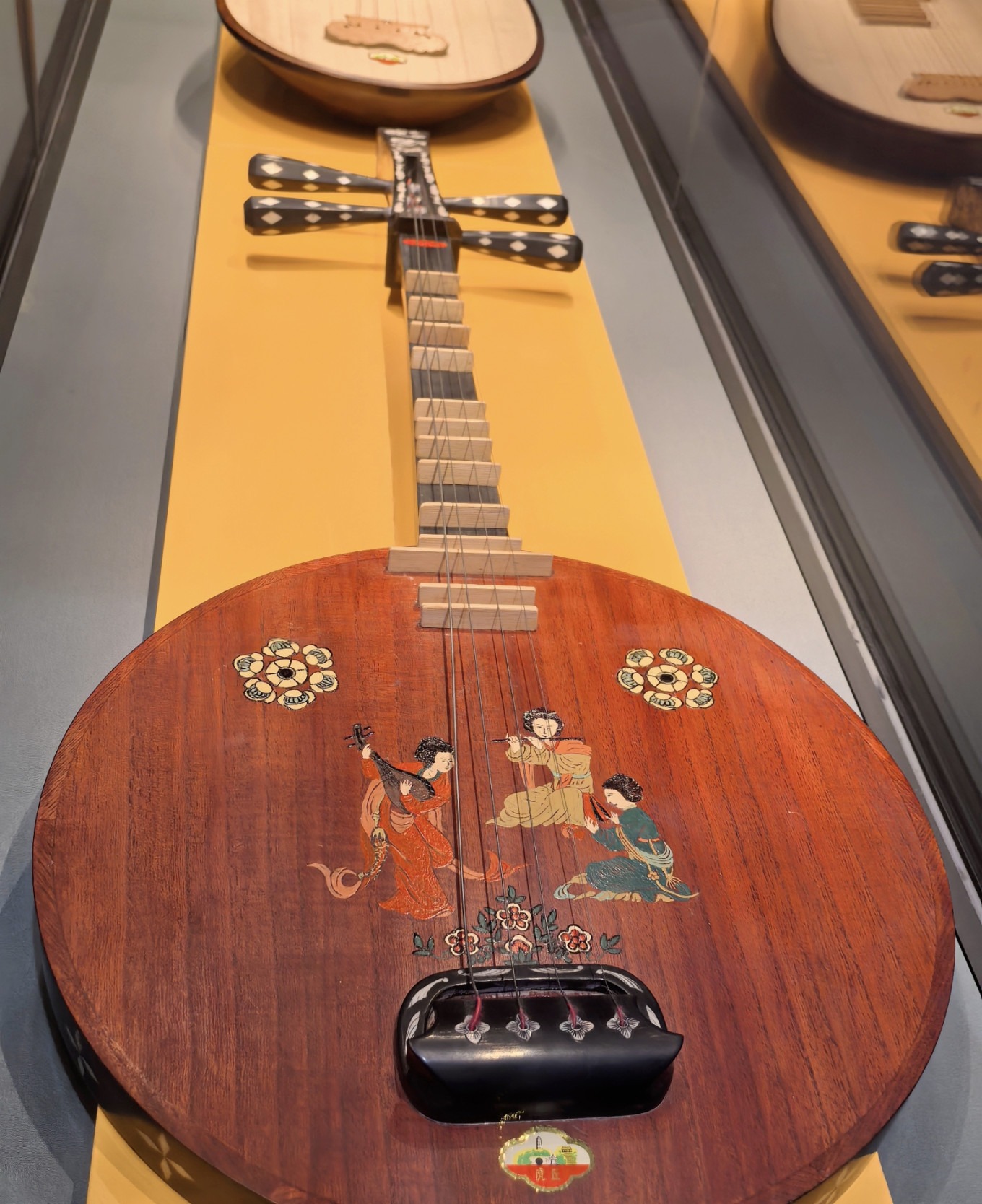
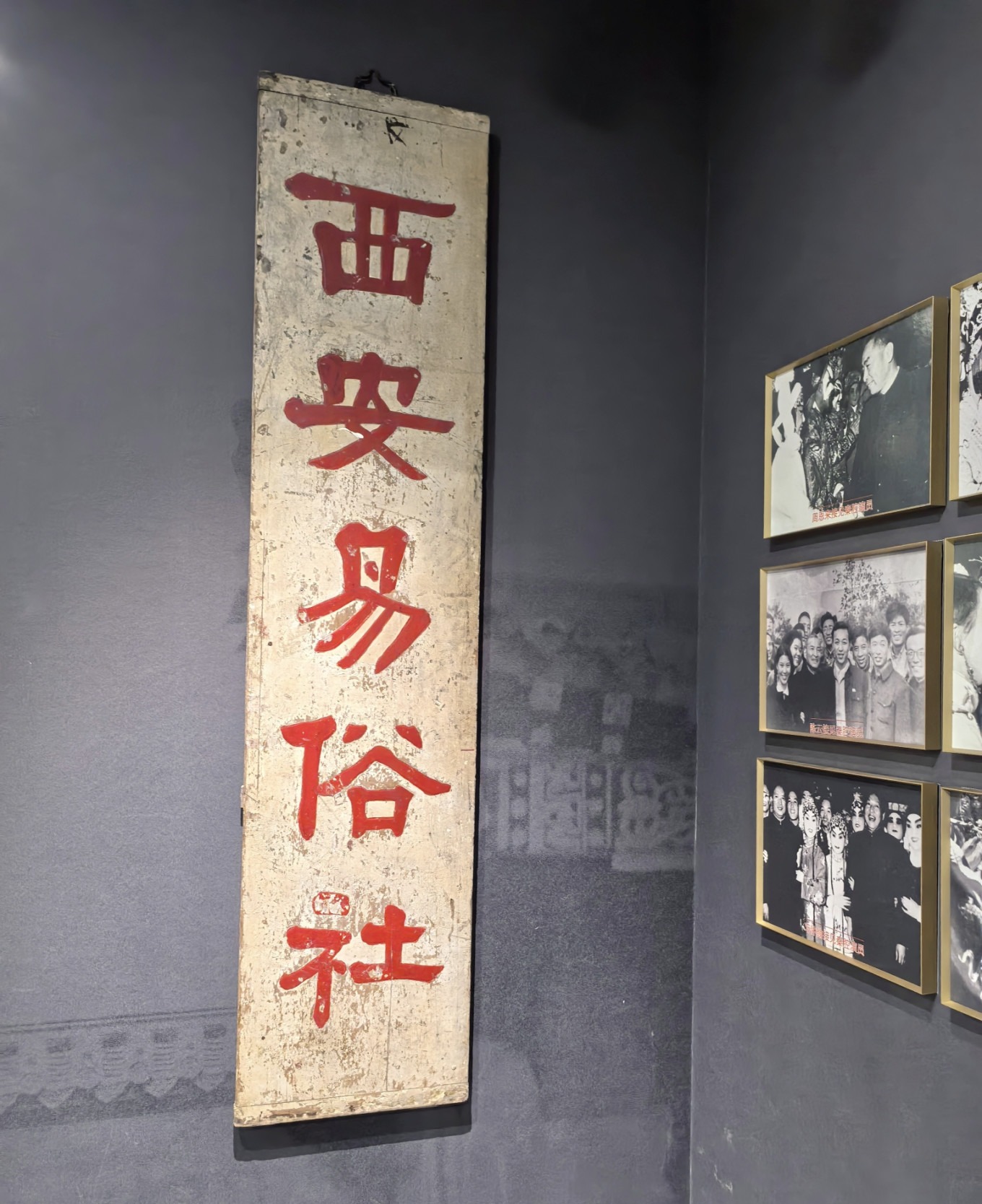
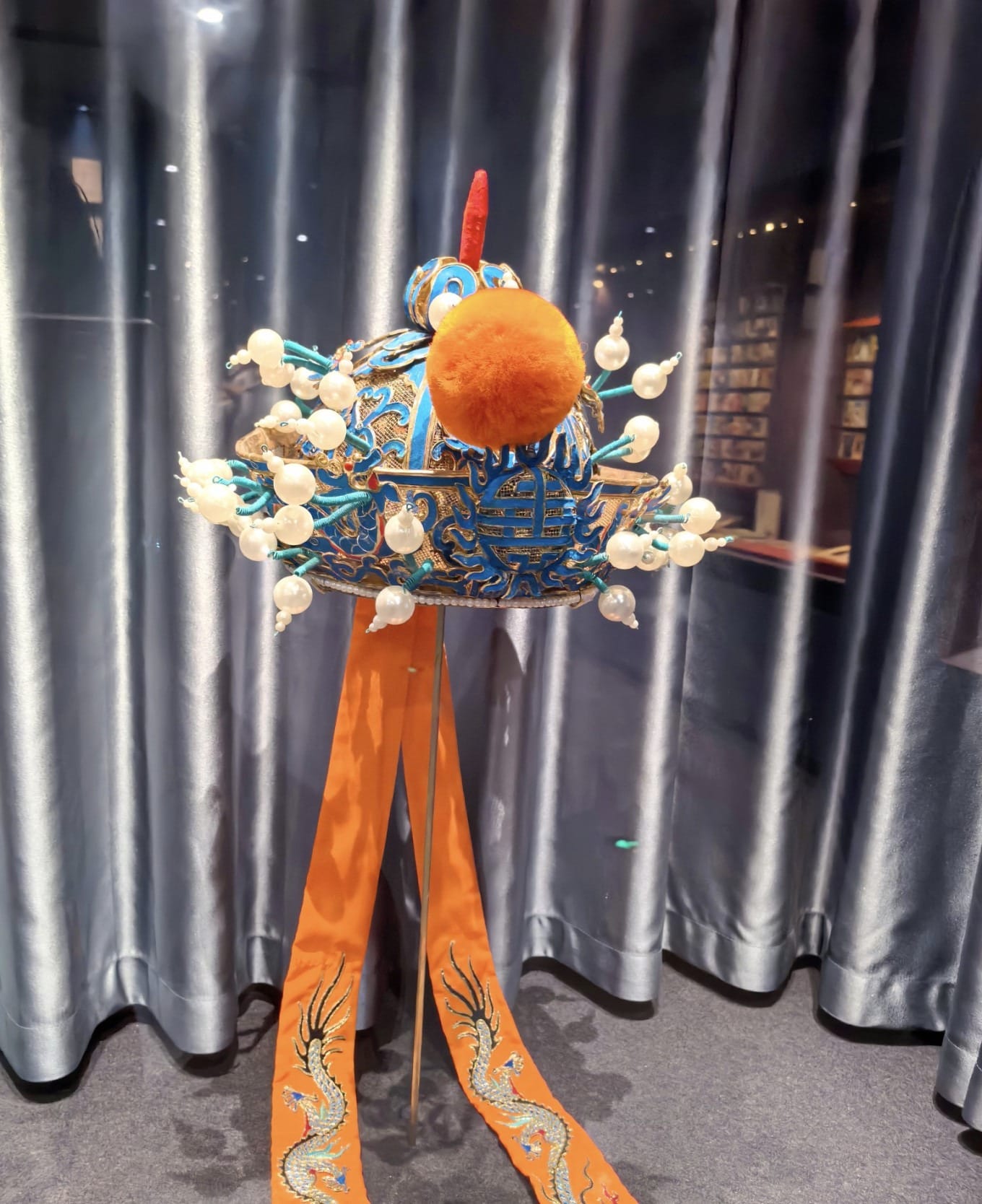
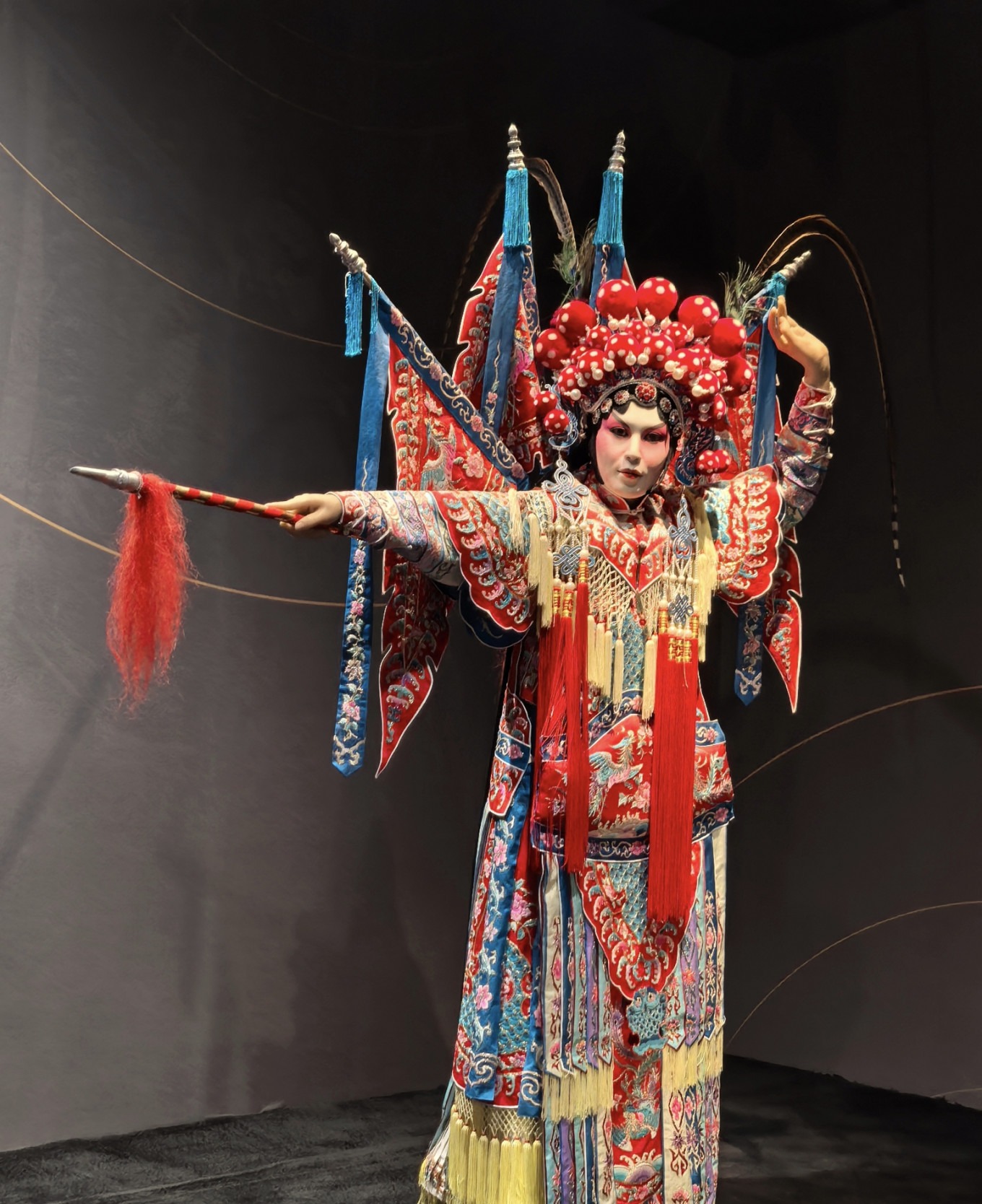
One highlight is the lifelike wax figures of opera characters—they look incredibly real in photos, but up close you’ll notice they are carefully crafted simulations. It’s a testament to the artistry that goes into preserving this tradition.
Xi’an Intangible Cultural Heritage Museum
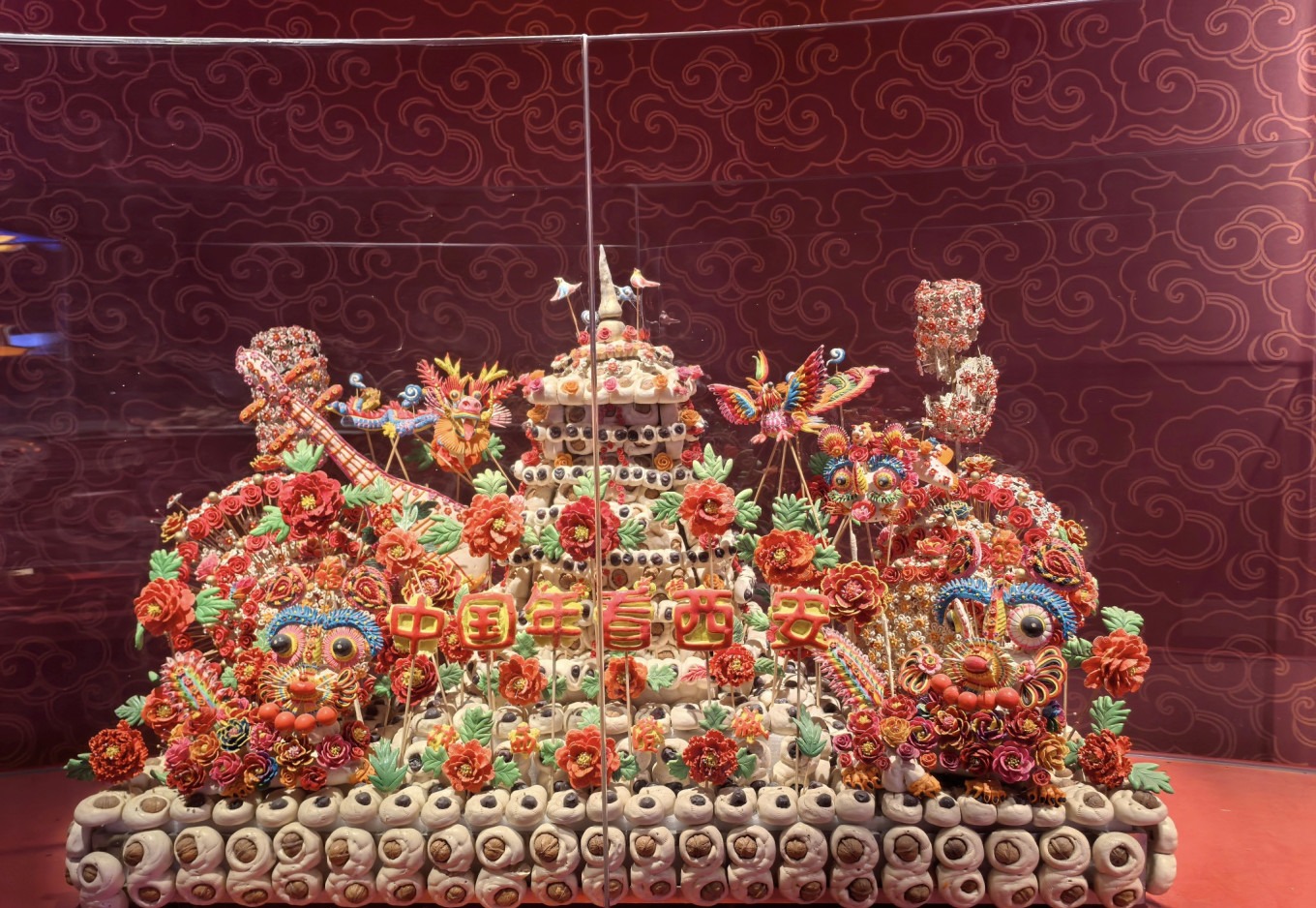
For a deep dive into the region’s folk traditions, head to the Xi’an Intangible Cultural Heritage Museum (西安市非物质文化遗产博物馆). Housed on the 7th, 8th, and 9th floors of the Xi’an Mass Art Center at 197 Wenyi North Road, Beilin District, this museum showcases over 20,000 pieces of intangible cultural heritage (ICH) items and tools, including paper-cutting, embroidery, dough figurines, clay sculpture, nut carving, and bamboo weaving. It’s a treasure trove of Guanzhong Plain’s living heritage.
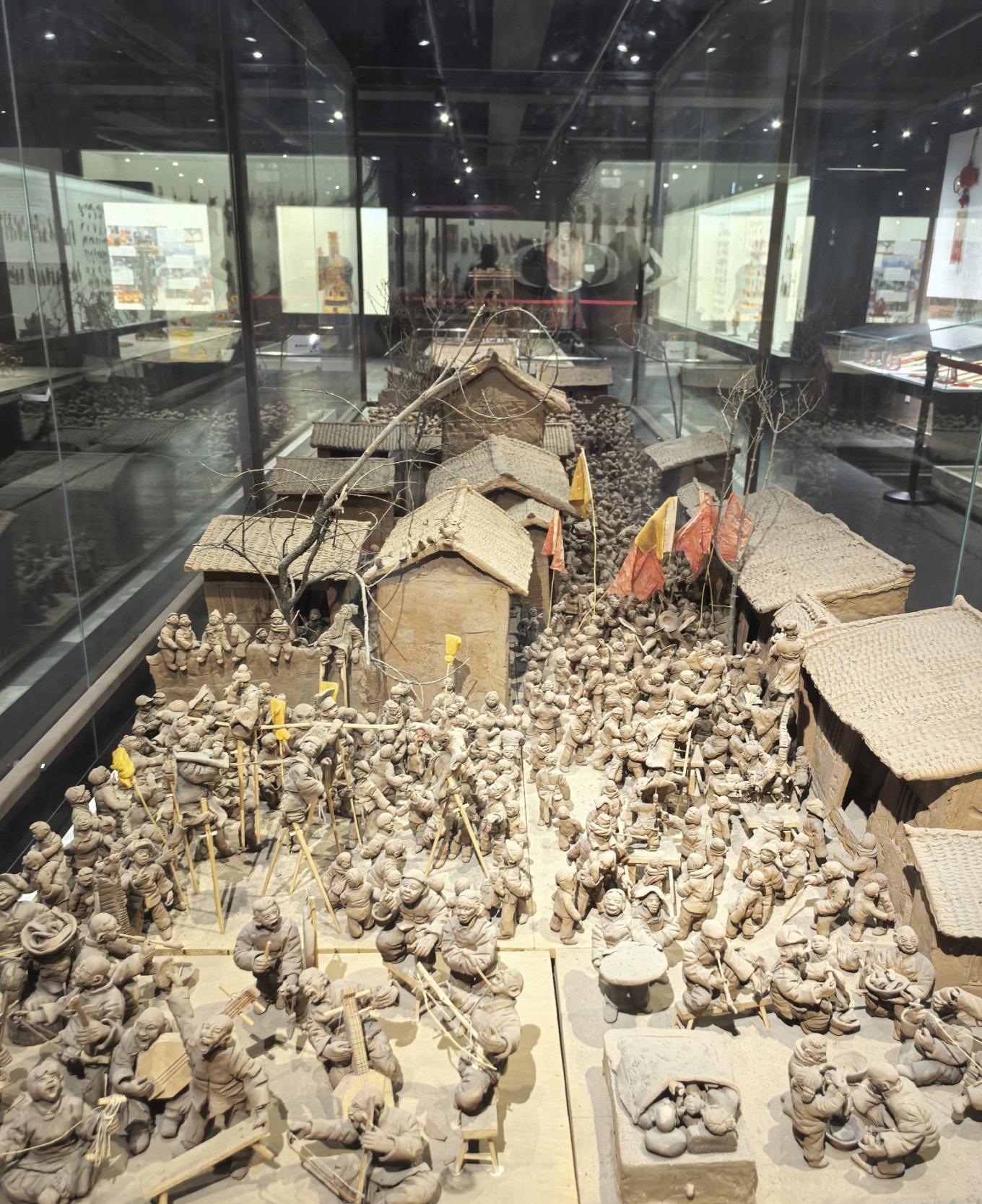
The museum’s collection is organized by heritage level: the 9th floor features national-level ICH projects, the 8th floor provincial-level, and the 7th floor municipal-level. You’ll find more than 1,300 clay figurines with vivid expressions, over 100 domestic animals, and around 30 types of exhibits like farm tools, farmyards, chicken coops, hitching posts, opera stages, and shops. As of November 2022, Xi’an boasts one UNESCO ICH item (Xi’an Guyue, or Xi’an Drum Music), 10 national-level ICH items, 101 provincial-level, and 229 municipal-level. The museum displays over 10,000 objects from more than 100 representative inheritors, including finished works, tools, raw materials, and semi-finished pieces.
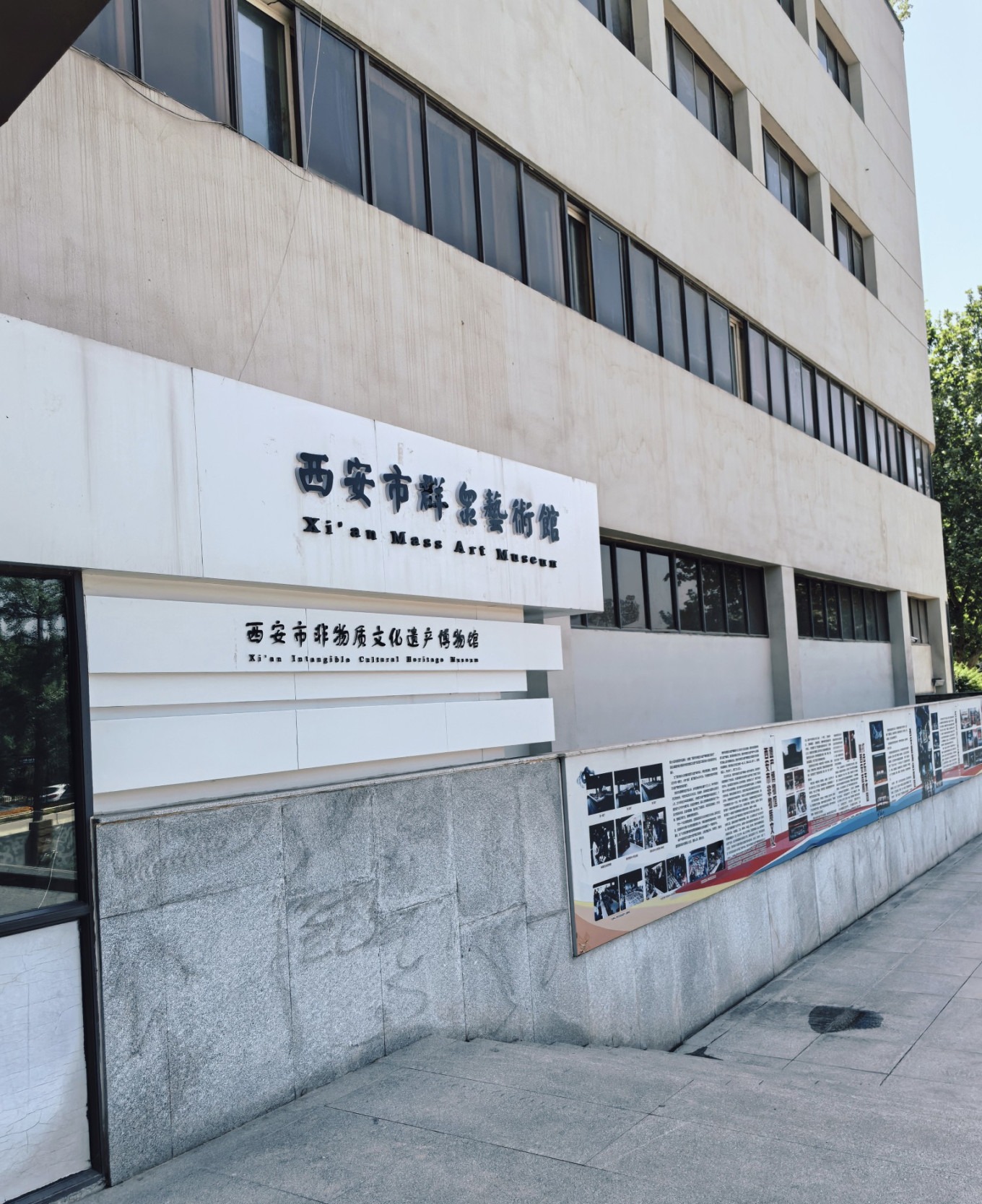
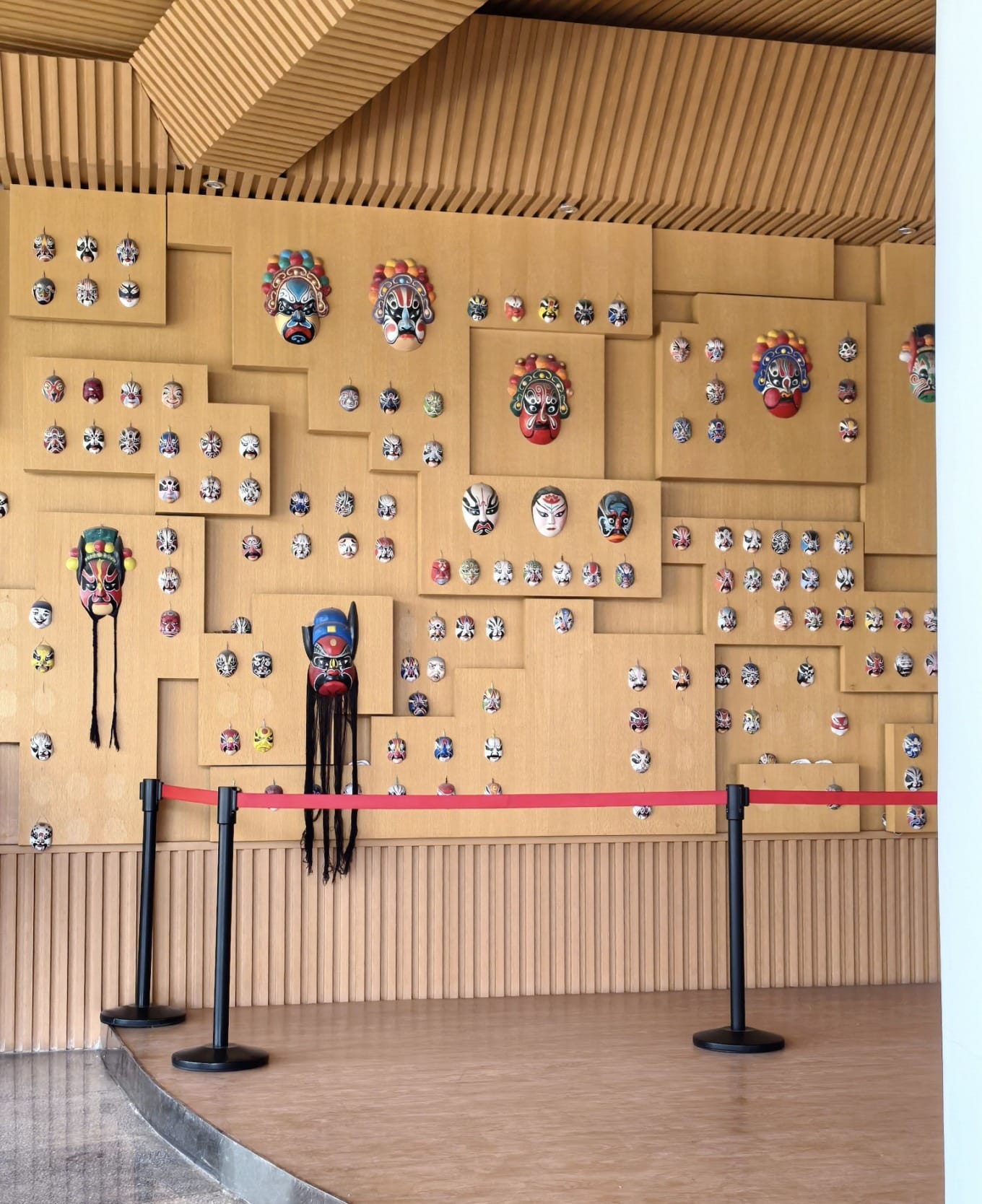
Note that the museum shares the building with the Mass Art Center. On the ground floor, you’ll see an impressive array of face-painting masks (脸谱) — far more than the typical ‘face-changing’ opera masks you might expect. Take time to read the introductory panels about Xi’an’s ICH projects (they are worth zooming in on).
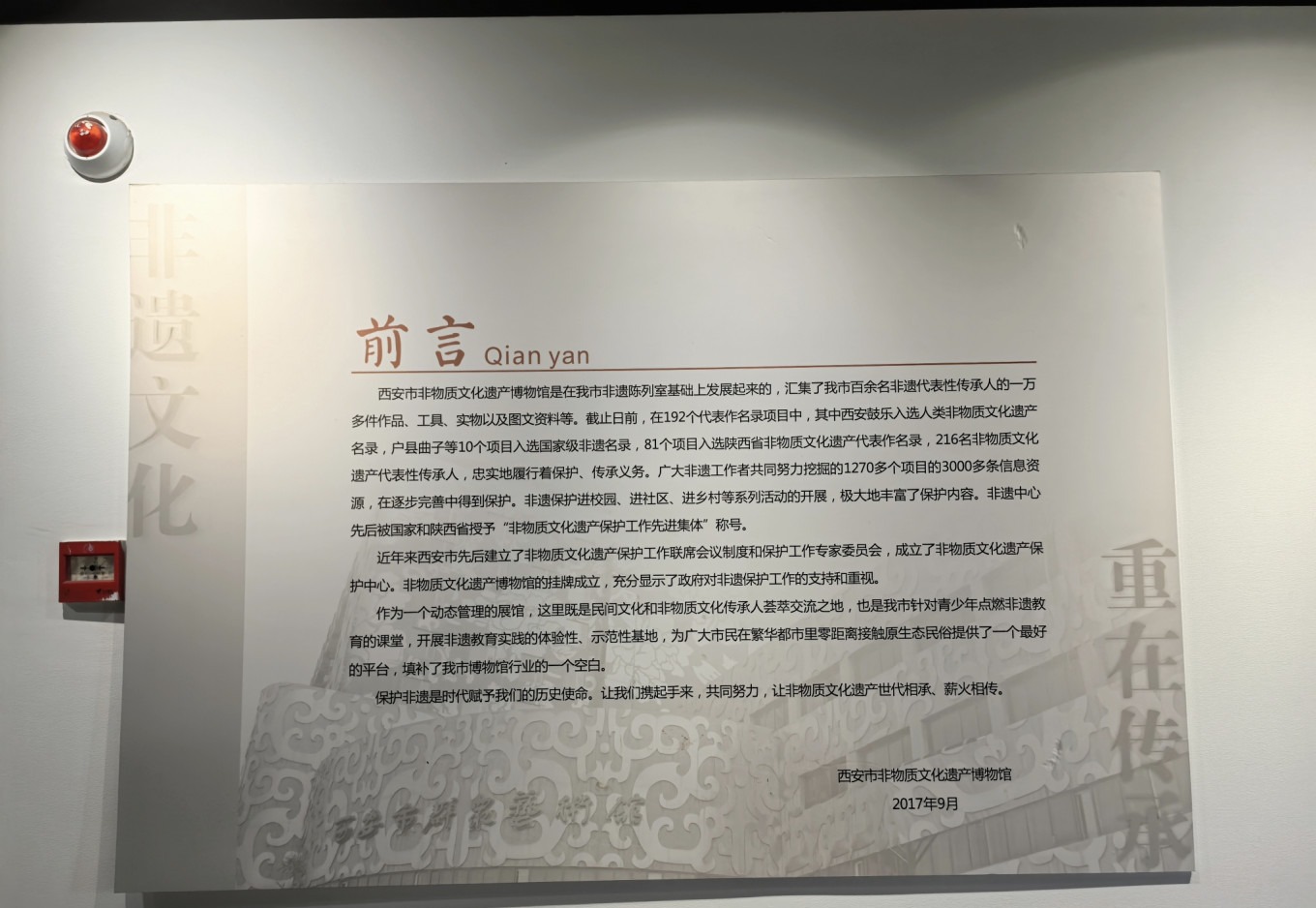
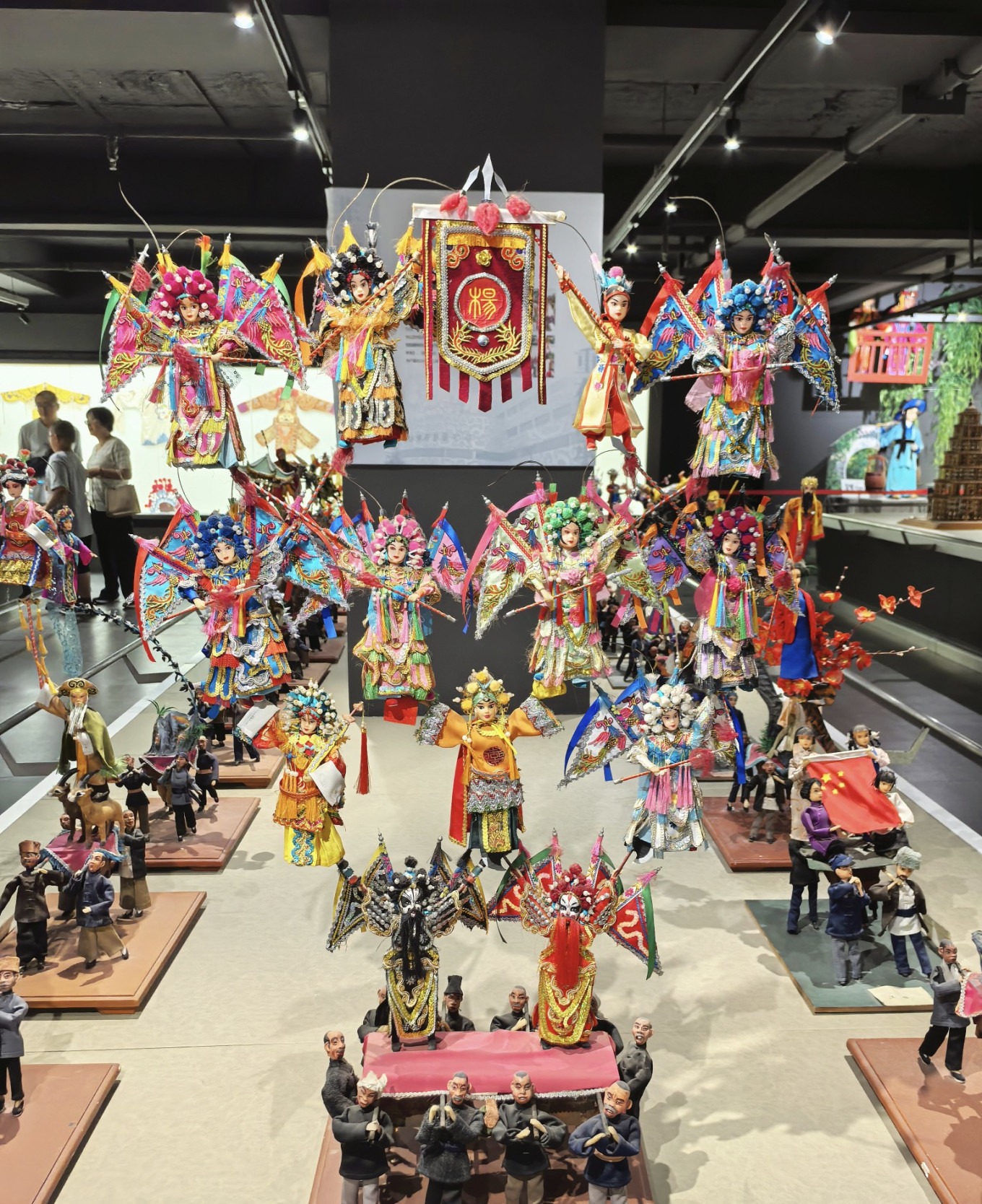
The provincial and municipal exhibits are densely packed — a testament to the abundance of local heritage. Look out for the Shehuo (社火) displays, a traditional folk performance associated with Chinese New Year in the Northwest region.
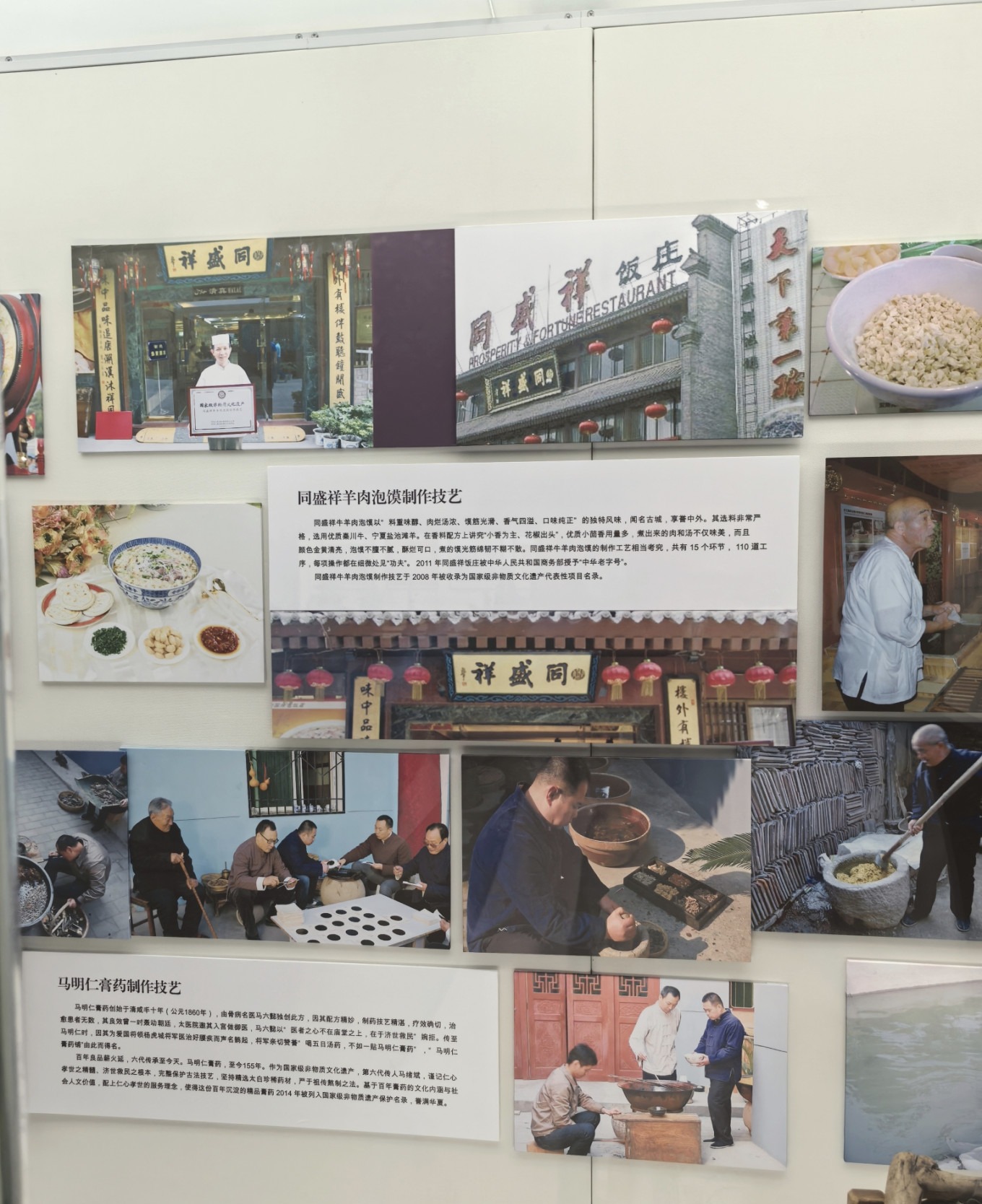
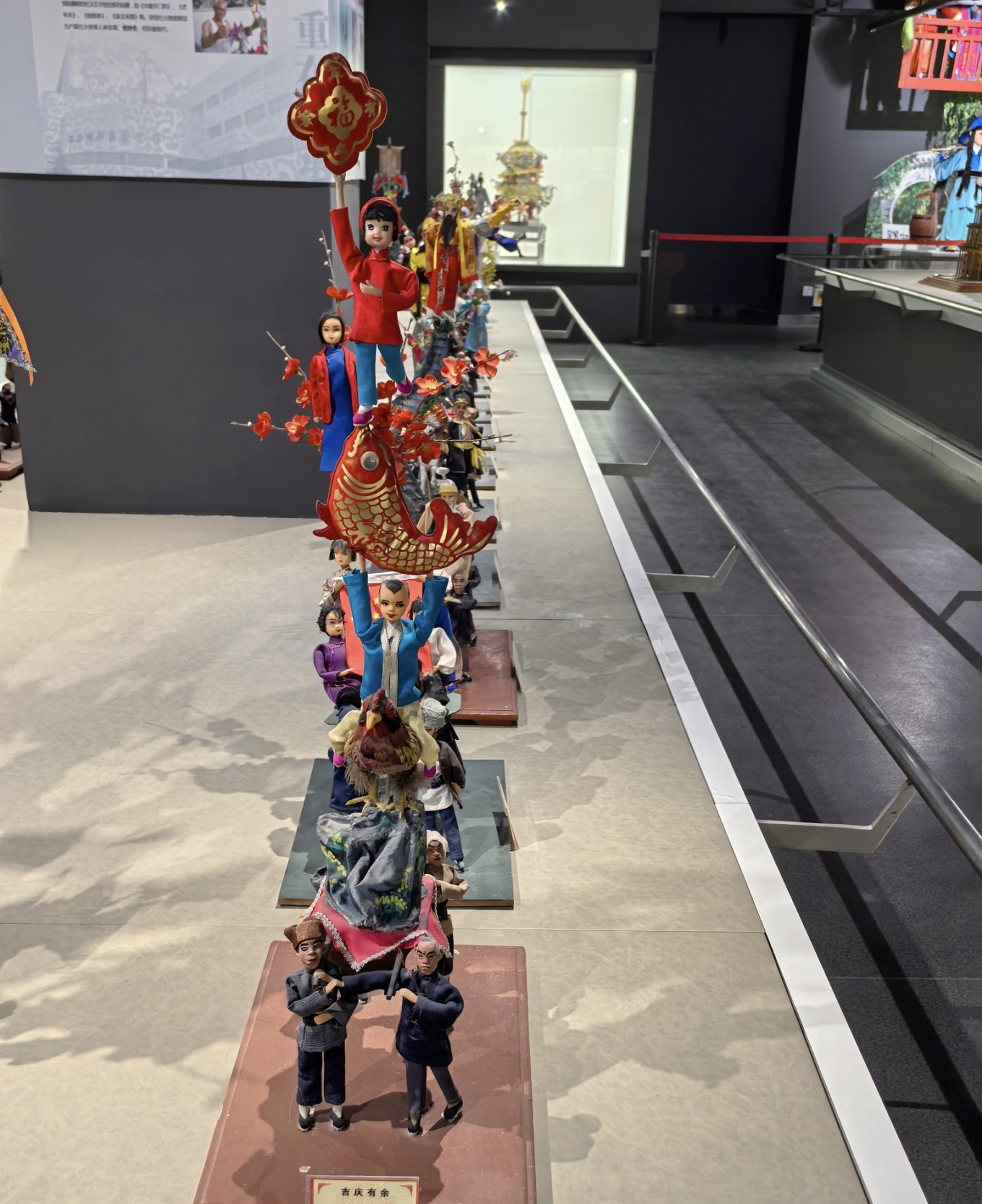
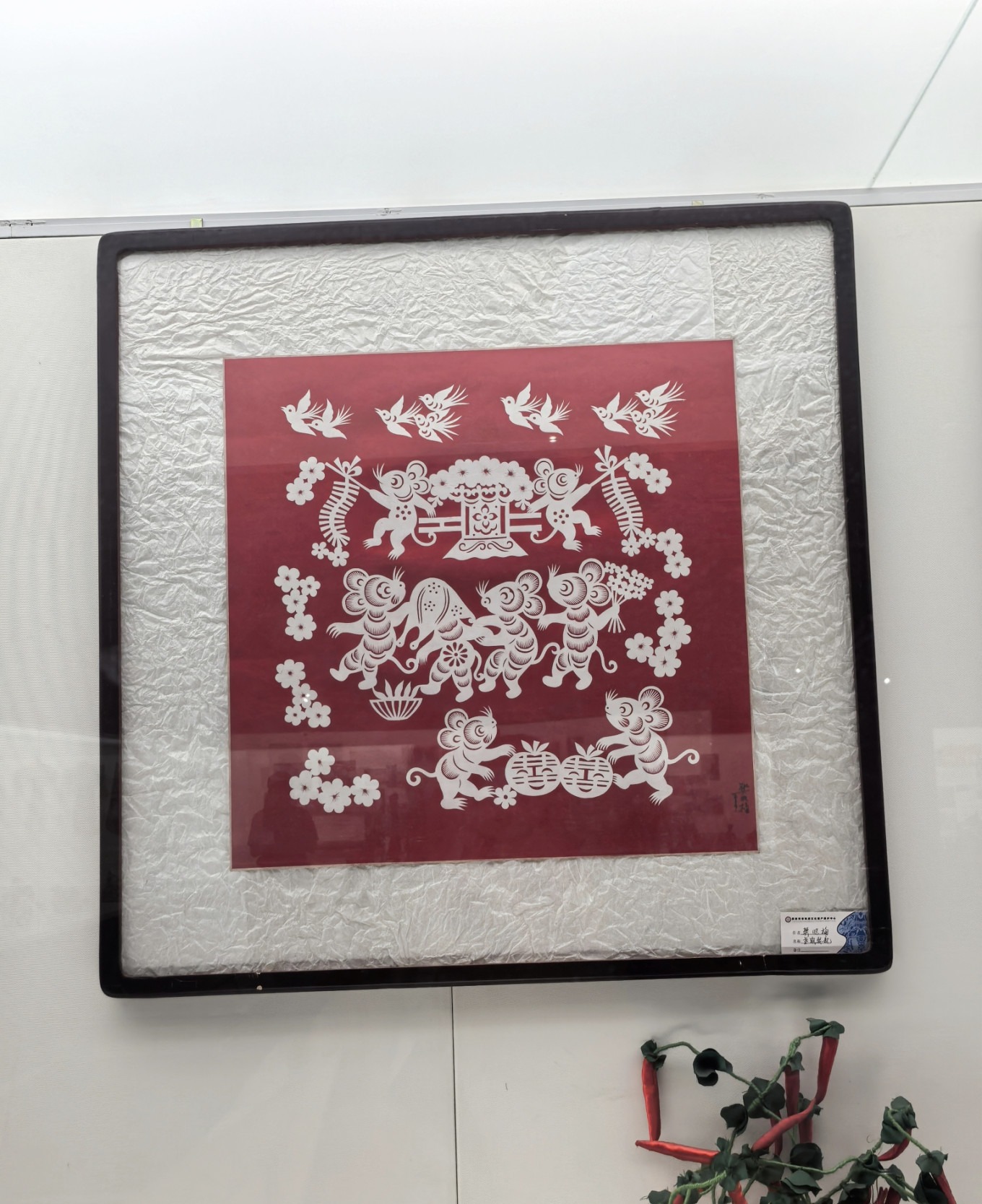
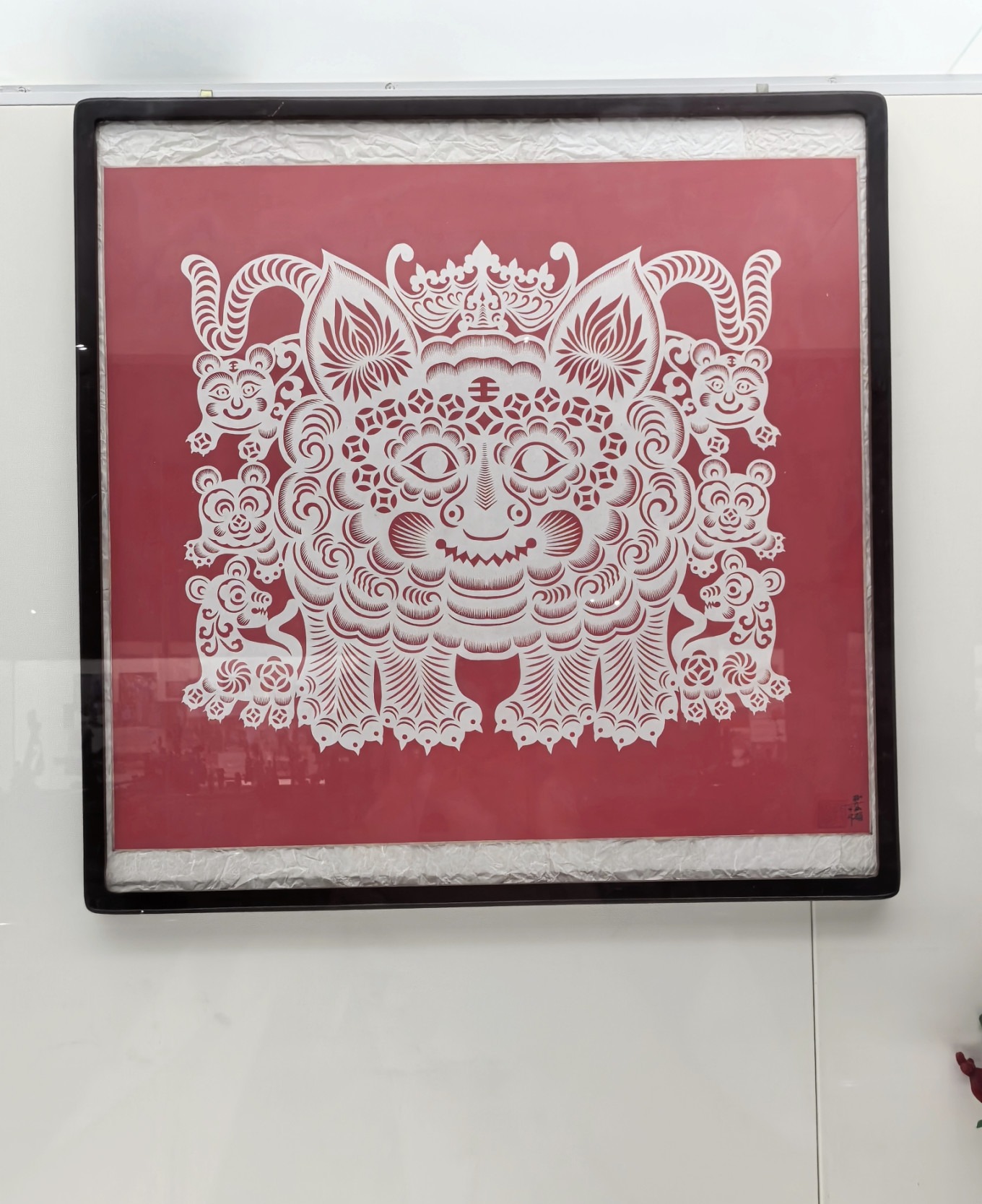
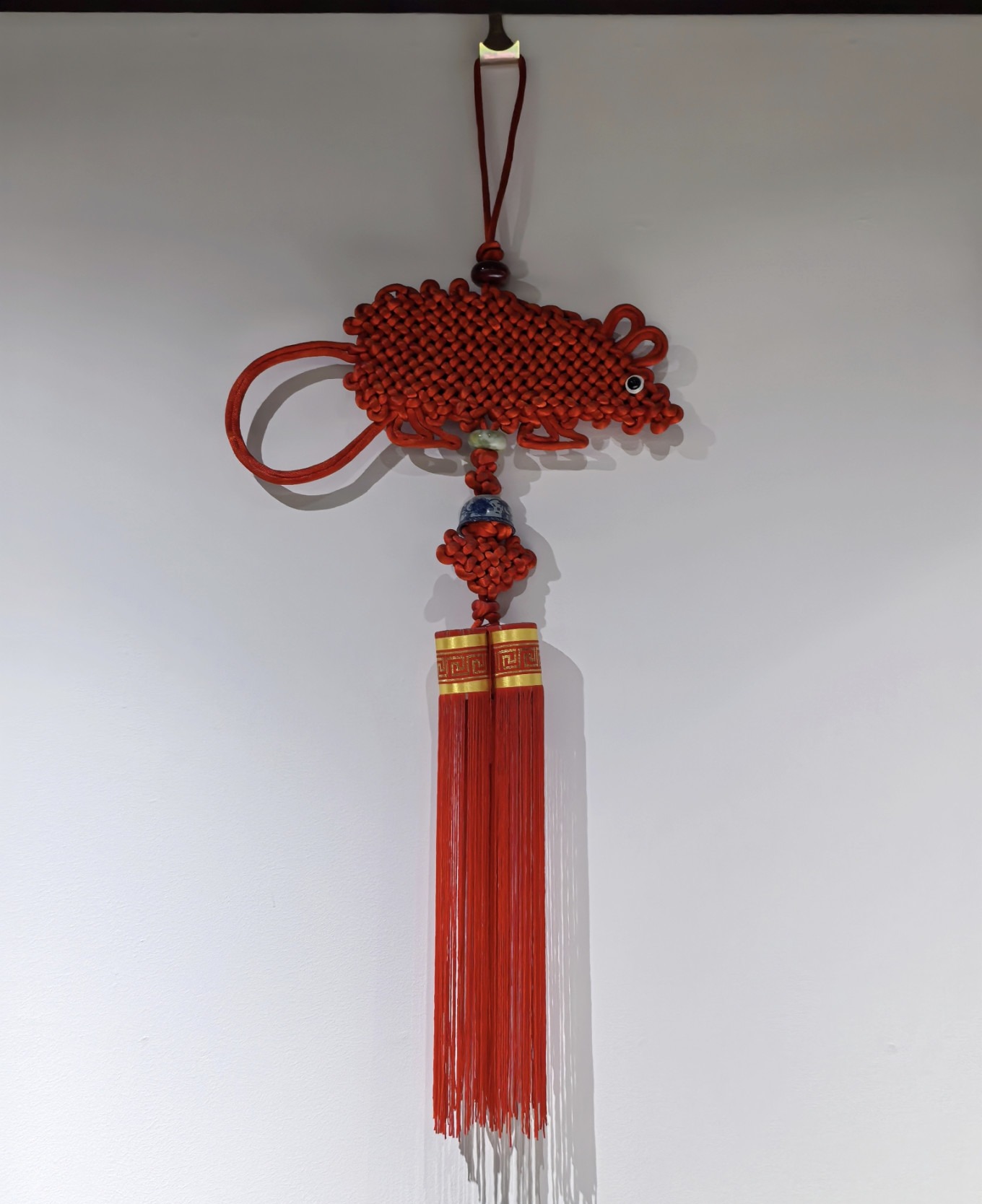
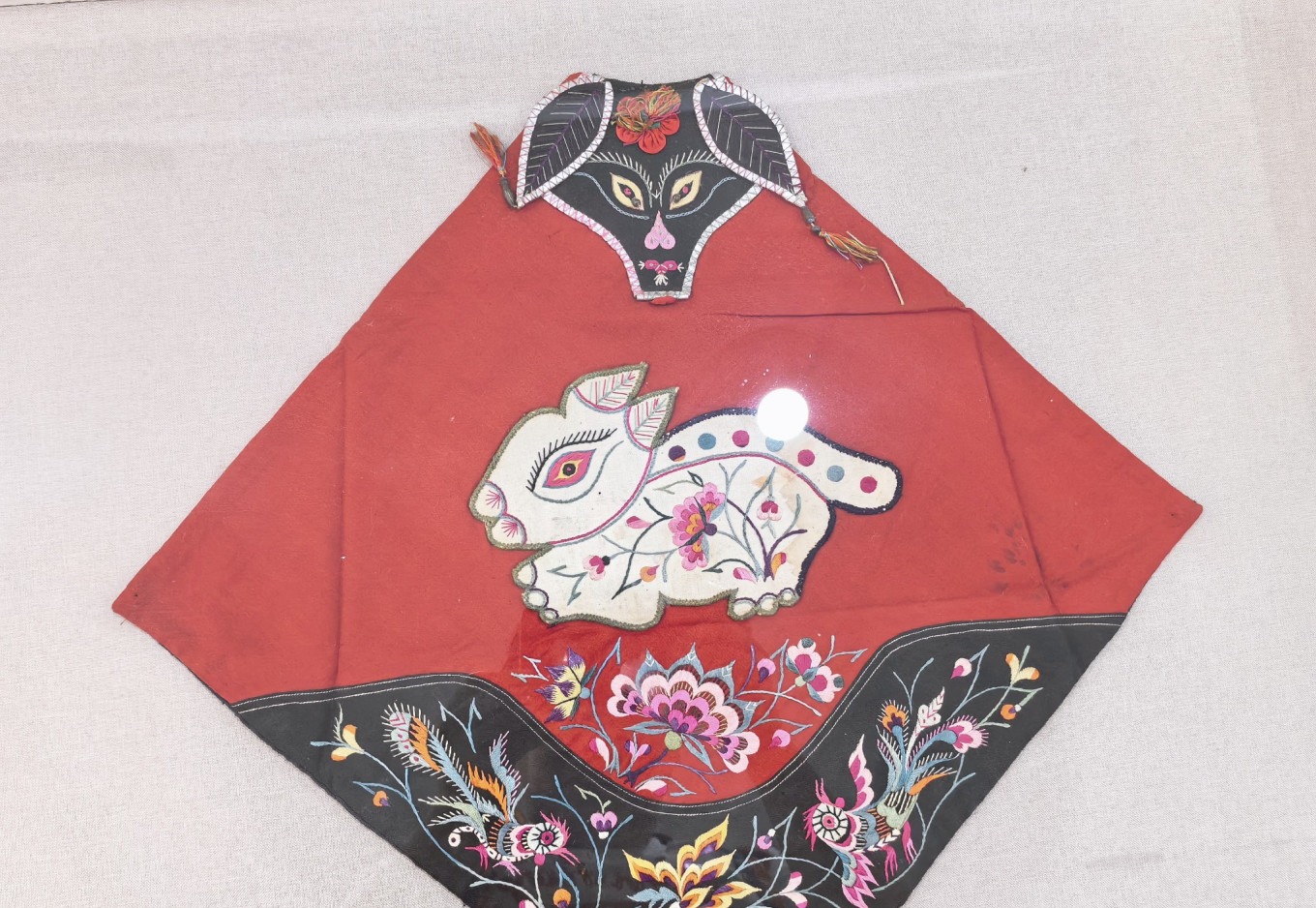
Paper-cutting (剪纸) fans will love the charming mouse cutout — a popular zodiac motif. Also admire the tiger paper-cuts: small ones are fierce, large ones majestic.
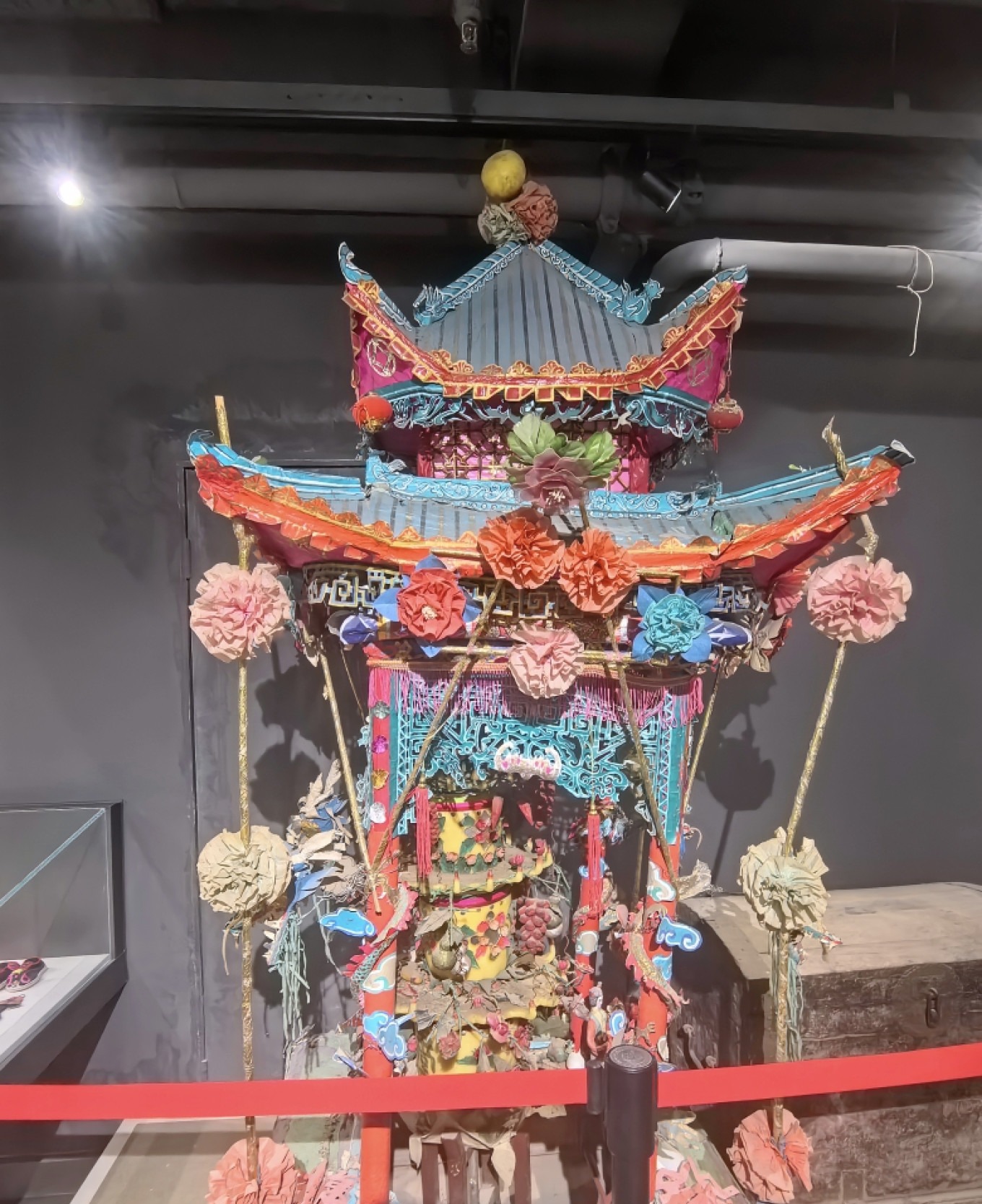
One standout exhibit is the Doucun Big Candle (豆村大蜡), a traditional craft from Zhouzhi County’s Dou Village. This pagoda-shaped candle, wrapped in colorful threads symbolizing auspicious clouds, has been passed down for about 1,300 years through 43 generations. The candle consists of a base and a body made of three inverted truncated cones stacked together. Each tier has a circular platform (wax plate) with 18, 9, and 6 wax buds respectively, each adorned with a small blue trumpet flower. Red flowers decorate the rim. A copper or bamboo wick runs through the center.
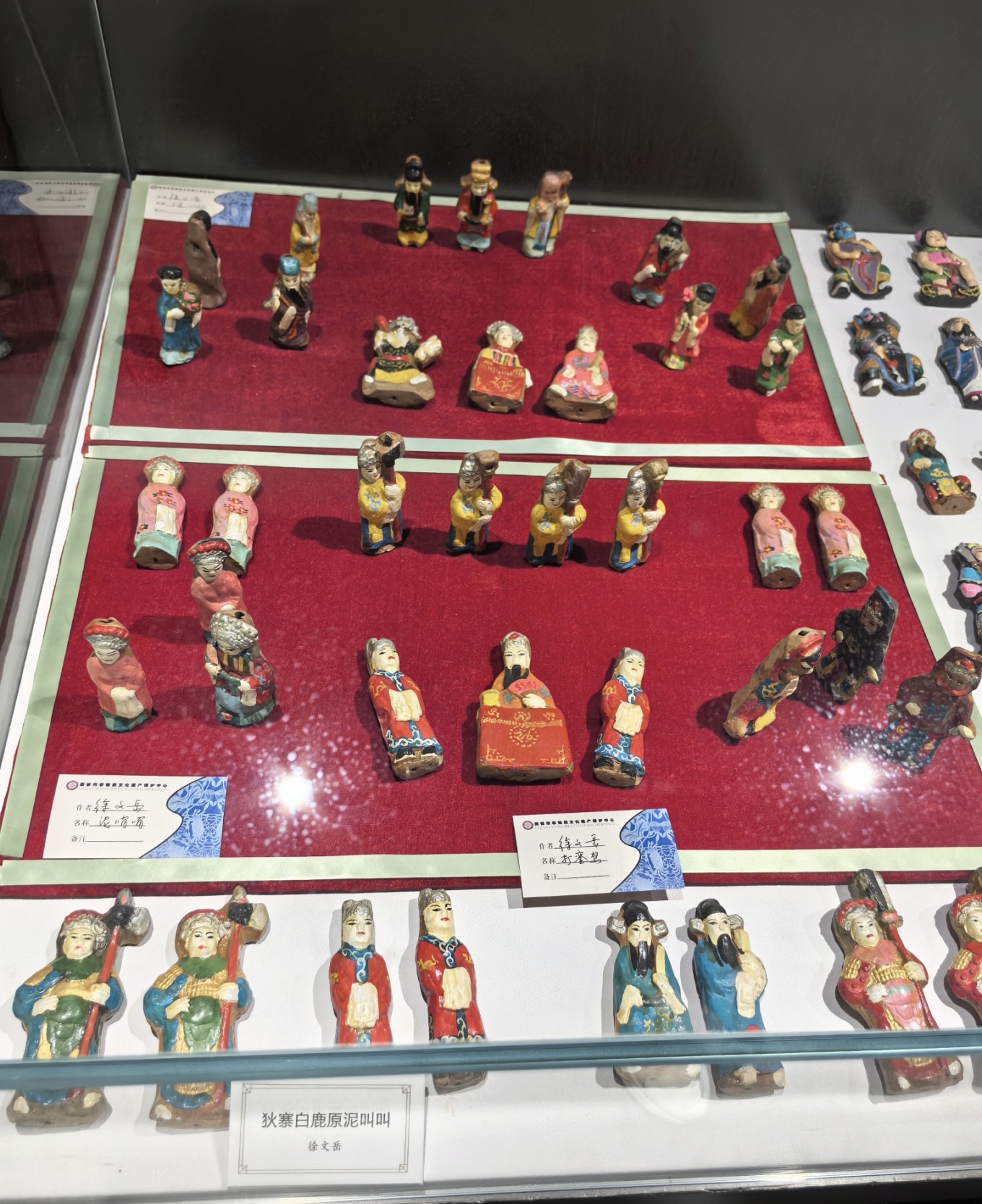
Another fascinating item is the ‘Mud Whistle’ (泥叫叫), also known as ‘Baby Whistle’ or ‘Clay Whistle’ — a low-temperature fired clay toy that produces a single note when blown. These are mainly found in Yuzhai (Yuhuazhai) and Dizhai areas of Xi’an, each with distinct styles. The Yuhuazhai mud whistle tradition dates back to the late Qing Dynasty and early Republic period.
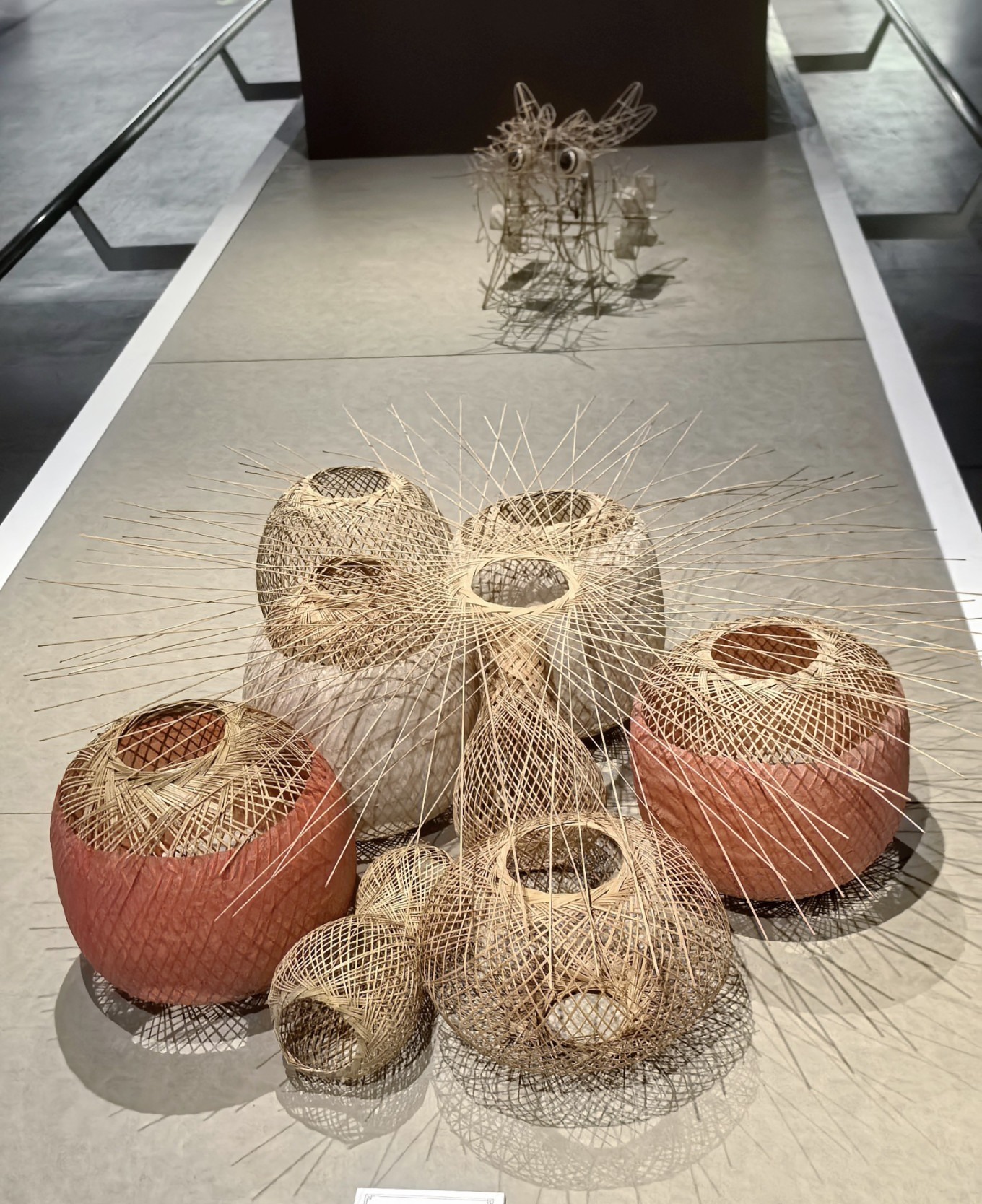
Bamboo-splint lantern weaving (竹篾子灯笼编织) from Tang Village in Dizhai Street has a 300-year history, passed down through Wang Xuekun’s family. These lanterns are used during Spring Festival and weddings to bring good luck and symbolize longevity.
You’ll also find clay sculpture (泥塑) that vividly depicts everyday life — direct, earthy, and full of humor. The Chang’an clay sculpture (长安泥塑) uses local red clay and involves over ten steps: gathering clay, kneading, rubbing, smoothing, shaping, pinching, carving, pasting, rolling, pressing, cutting, and drying.
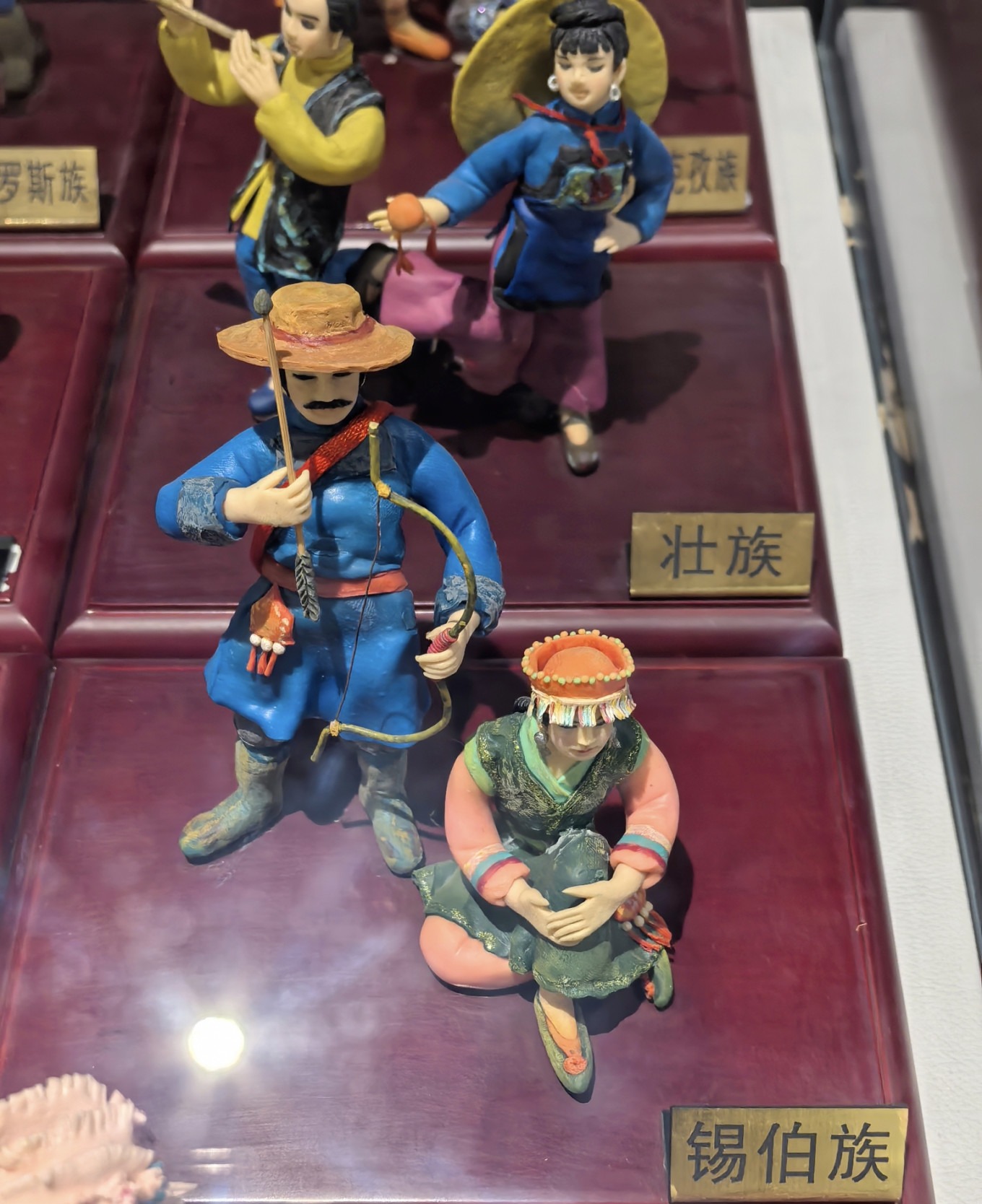
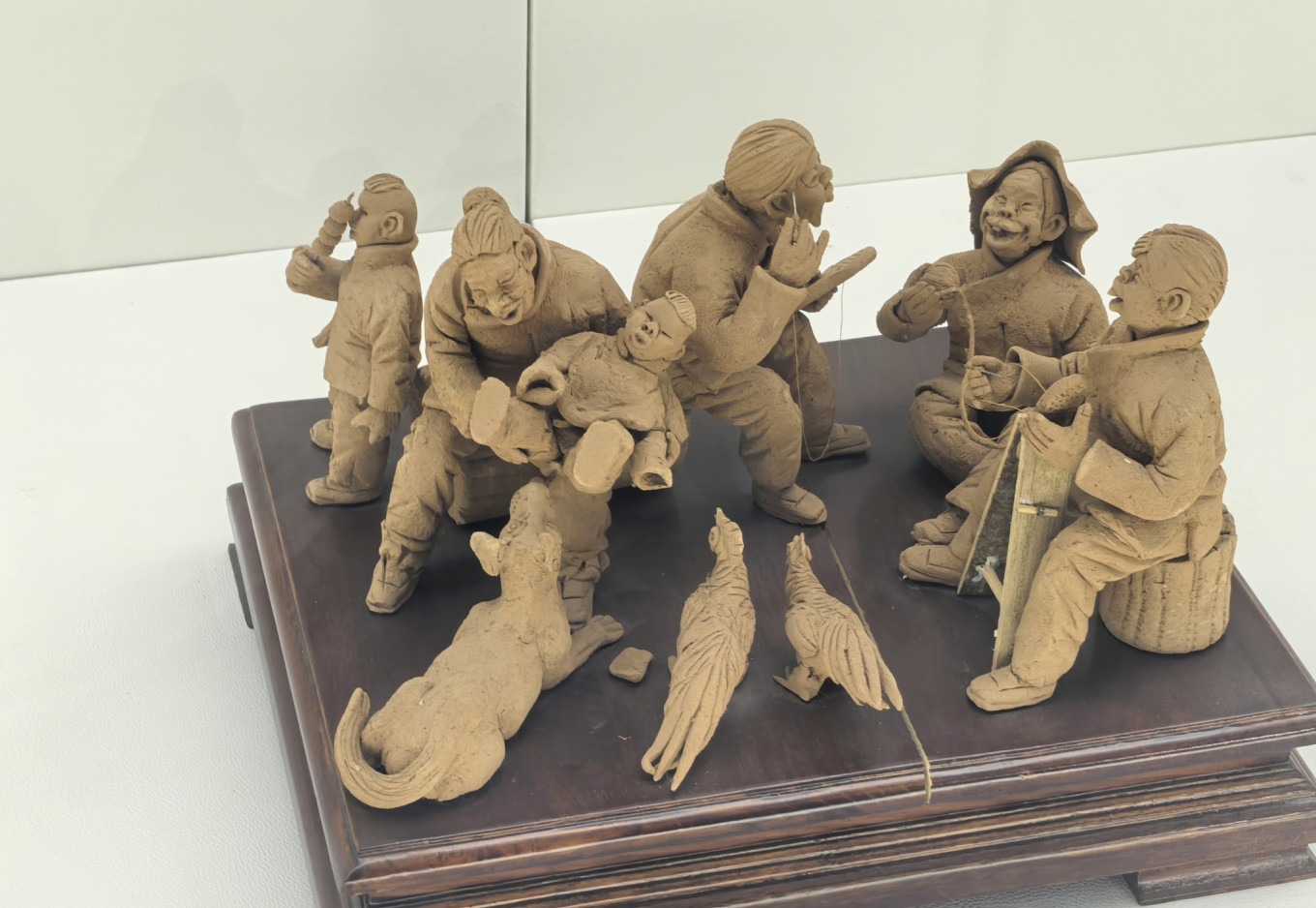
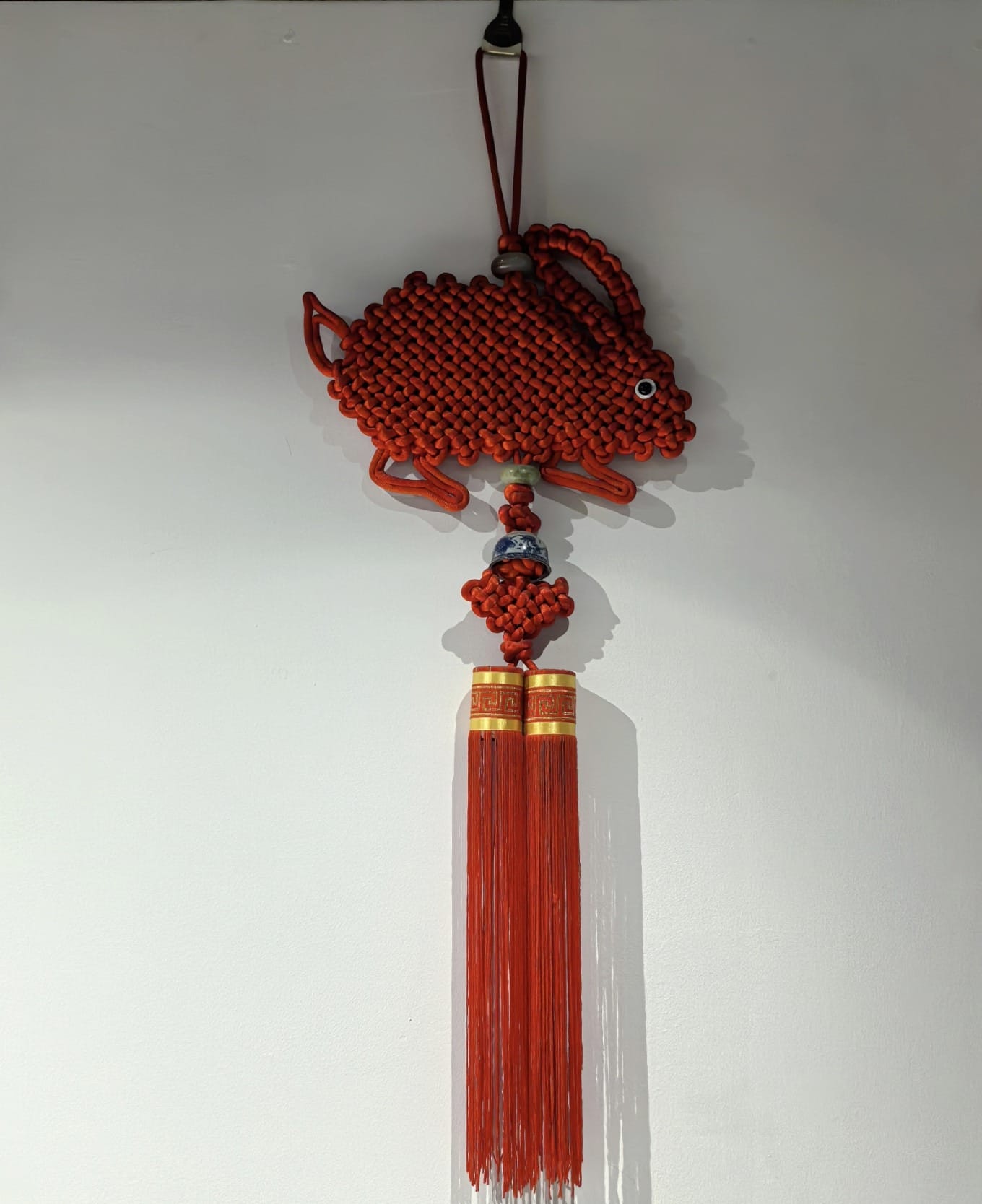
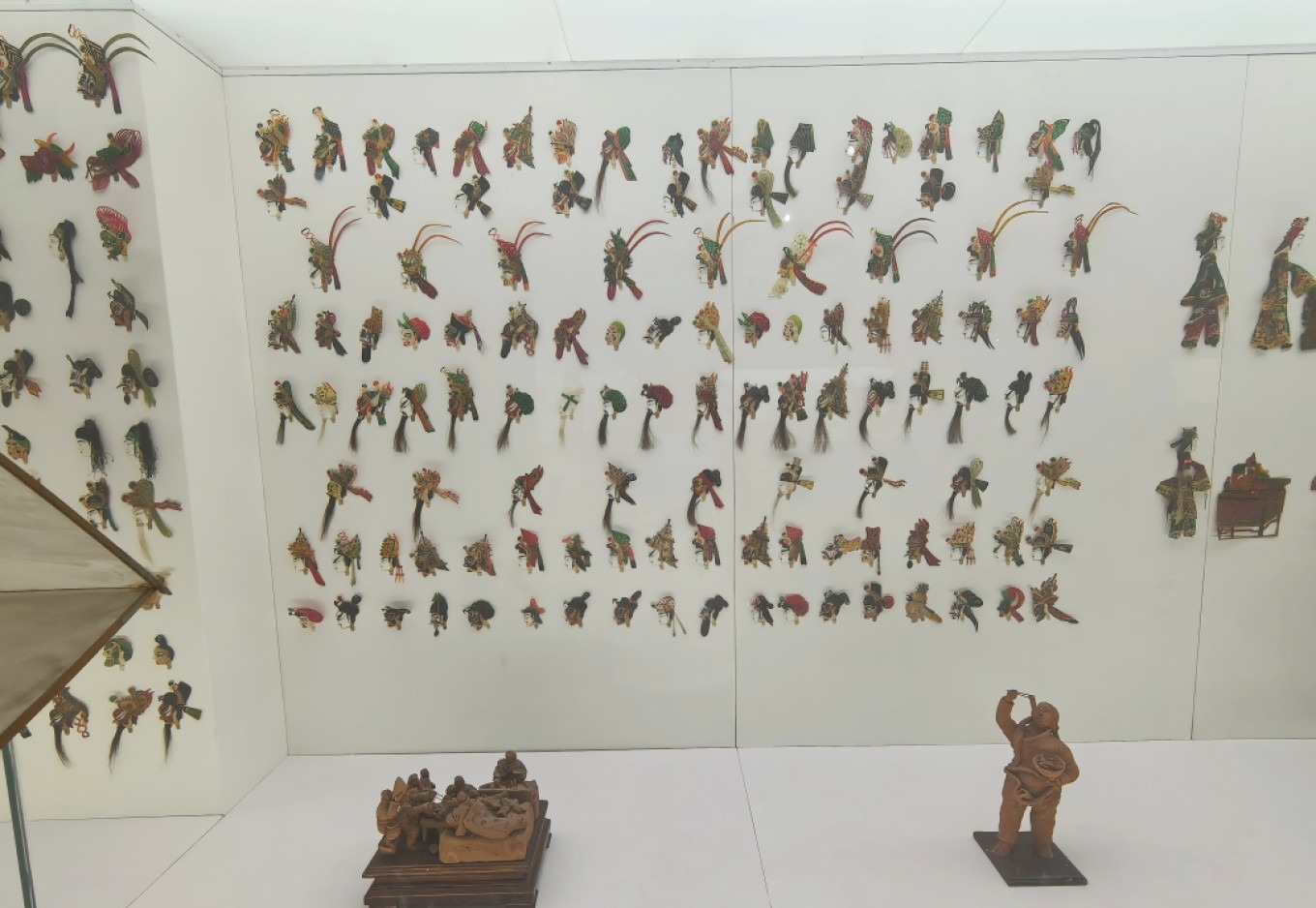
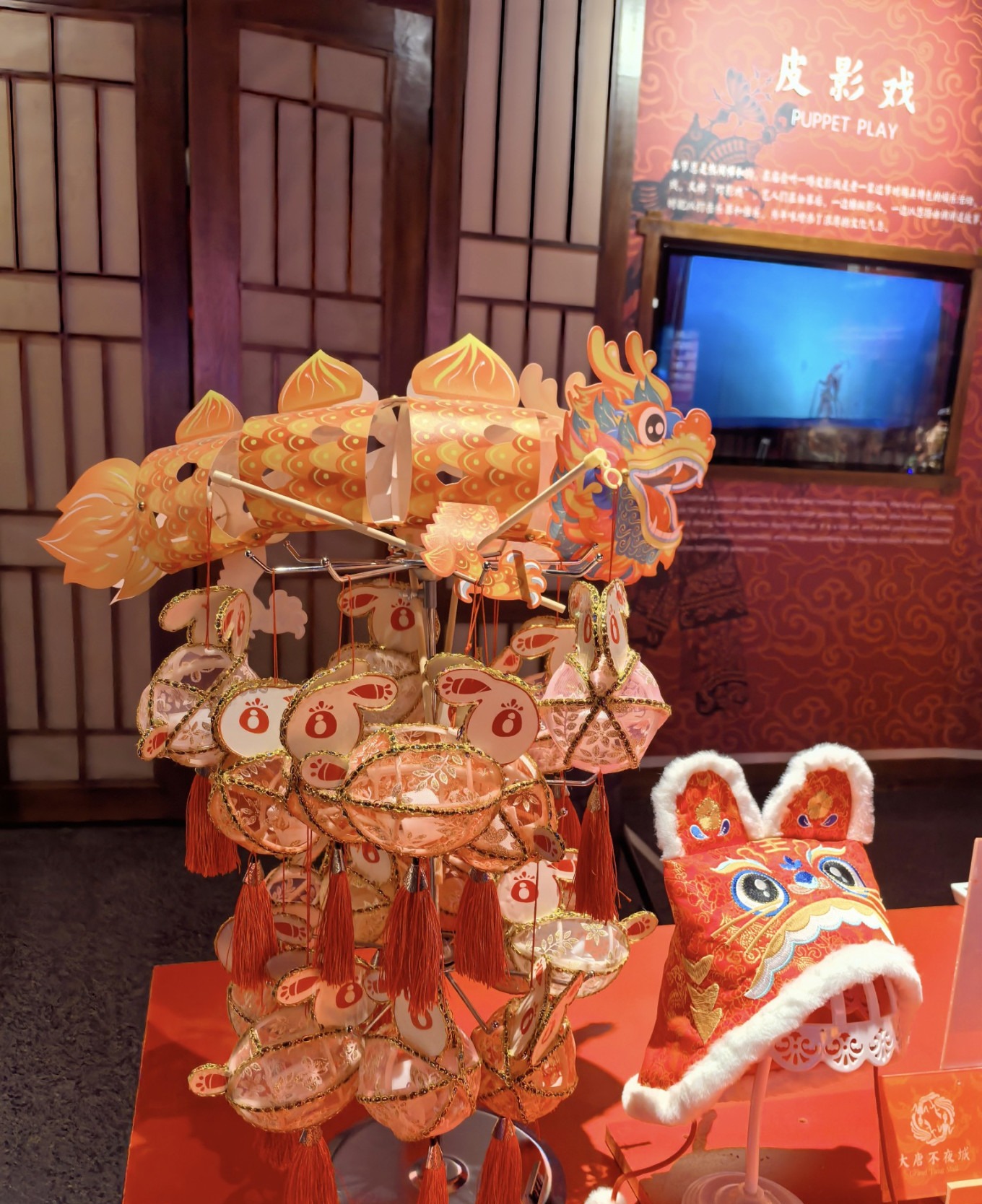
If you visit during Spring Festival, you might find similar clay sculptures for sale — many visitors wish to take one home. Also check out the various styles of Chinese knot (中国结) weaving and the shadow puppets (皮影戏). Shadow puppetry, also known as ‘shadow play,’ uses leather or paper silhouettes manipulated behind a lit cloth screen. Performers narrate stories in Shaanxi’s Wanwanqiang or Xianbanqiang styles, accompanied by percussion and string instruments. Huaxian County’s shadow puppets are especially famous and are listed in the national ICH inventory.
Shaanxi Provincial Intangible Cultural Heritage Exhibition Hall
For a deep dive into Shaanxi’s rich folk traditions, head to the Shaanxi Provincial Intangible Cultural Heritage Exhibition Hall (陕西省非物质文化遗产陈列馆), the province’s first comprehensive museum dedicated to its intangible cultural heritage. Located near the North Gate (北门) of the city wall, it’s easily reached by bus: take routes 618, 36, or 26 to the “Beimen” stop, then walk about 400 meters. The museum’s collection spans paper-cutting, embroidery, shadow puppetry, clay sculpture, and more, offering a vivid introduction to the region’s living cultural legacy.
Don’t miss the museum’s crown jewel: the “Xixiang Azure Dragon and White Tiger Tapestry” (西乡青龙白虎幛 (local term)), a massive Qing-dynasty embroidered banner measuring 3.8 meters high and 2.54 meters wide. Acquired from Xixiang County in 1983, it depicts the Azure Dragon and White Tiger wielding swords, surrounded by deities like the Queen Mother of the West and Kuixing, all rendered in exquisite silk thread. Another highlight is the paper-cutting art of Ku Shulan (库淑兰剪纸) from Xunyi County, known for its vibrant colors and bold figures — a national-level intangible heritage item. Her masterpiece “Paper-Cutting Flower Lady” (剪花娘子 (local term)) is prominently displayed as a centerpiece.
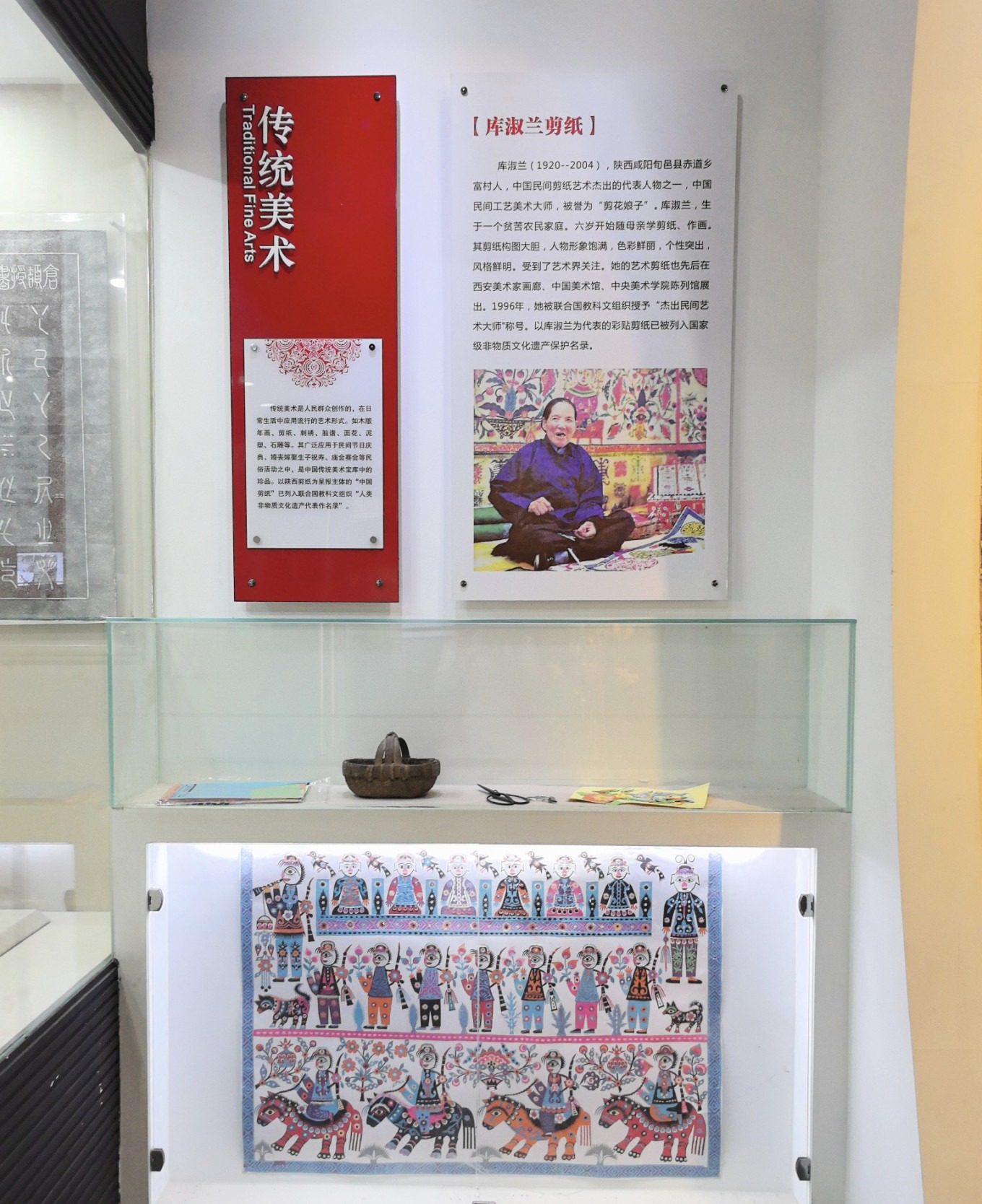
The paper-cutting style here may surprise you if you’re from northern China — unlike the red-and-white monochrome common in Manchu traditions, Shaanxi paper-cuttings often burst with multiple colors. For instance, Ku Shulan’s works layer vivid hues to create lively, story-filled scenes. The museum dedicates a whole wall to her “Paper-Cutting Flower Lady,” underscoring its cultural significance.
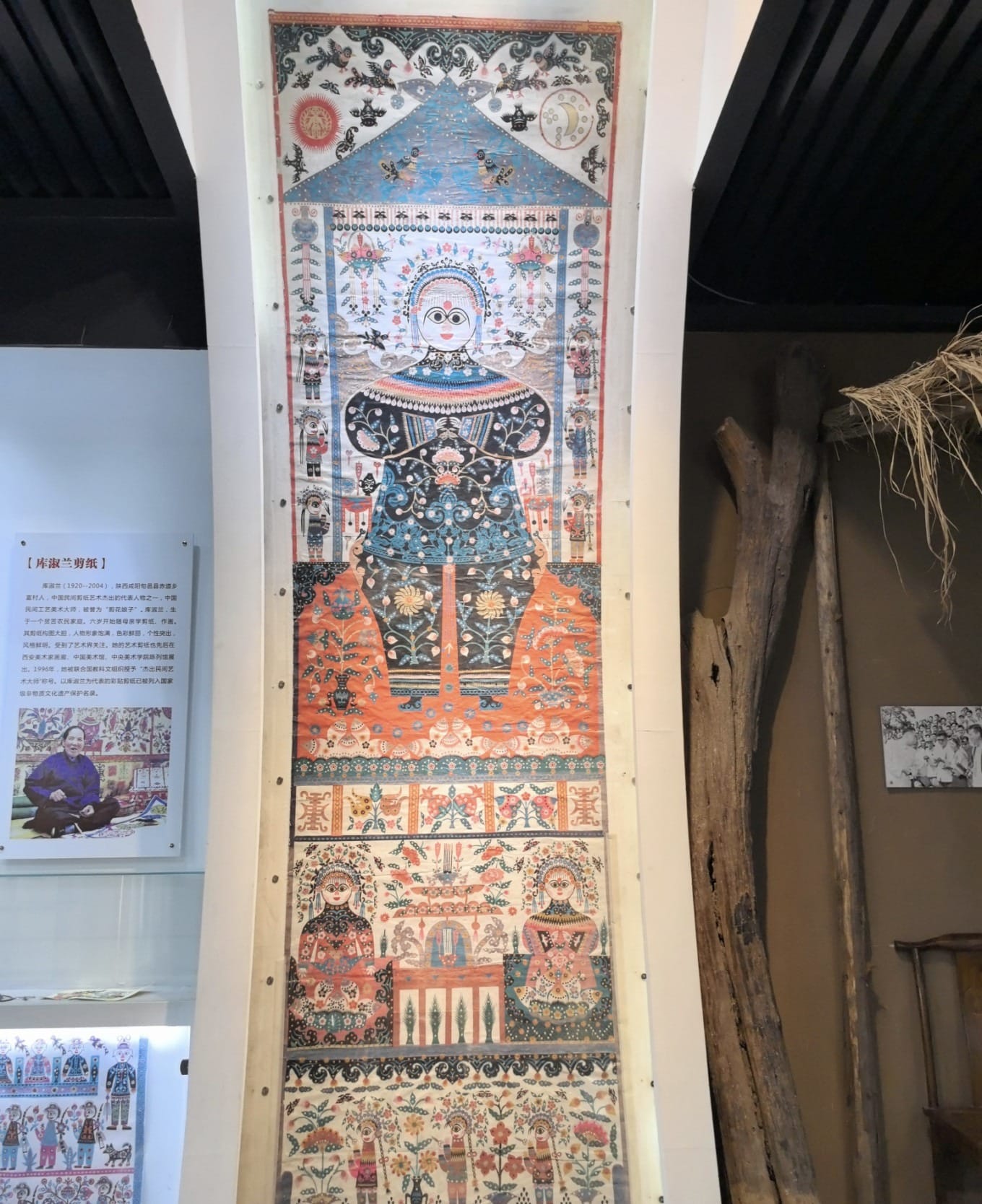
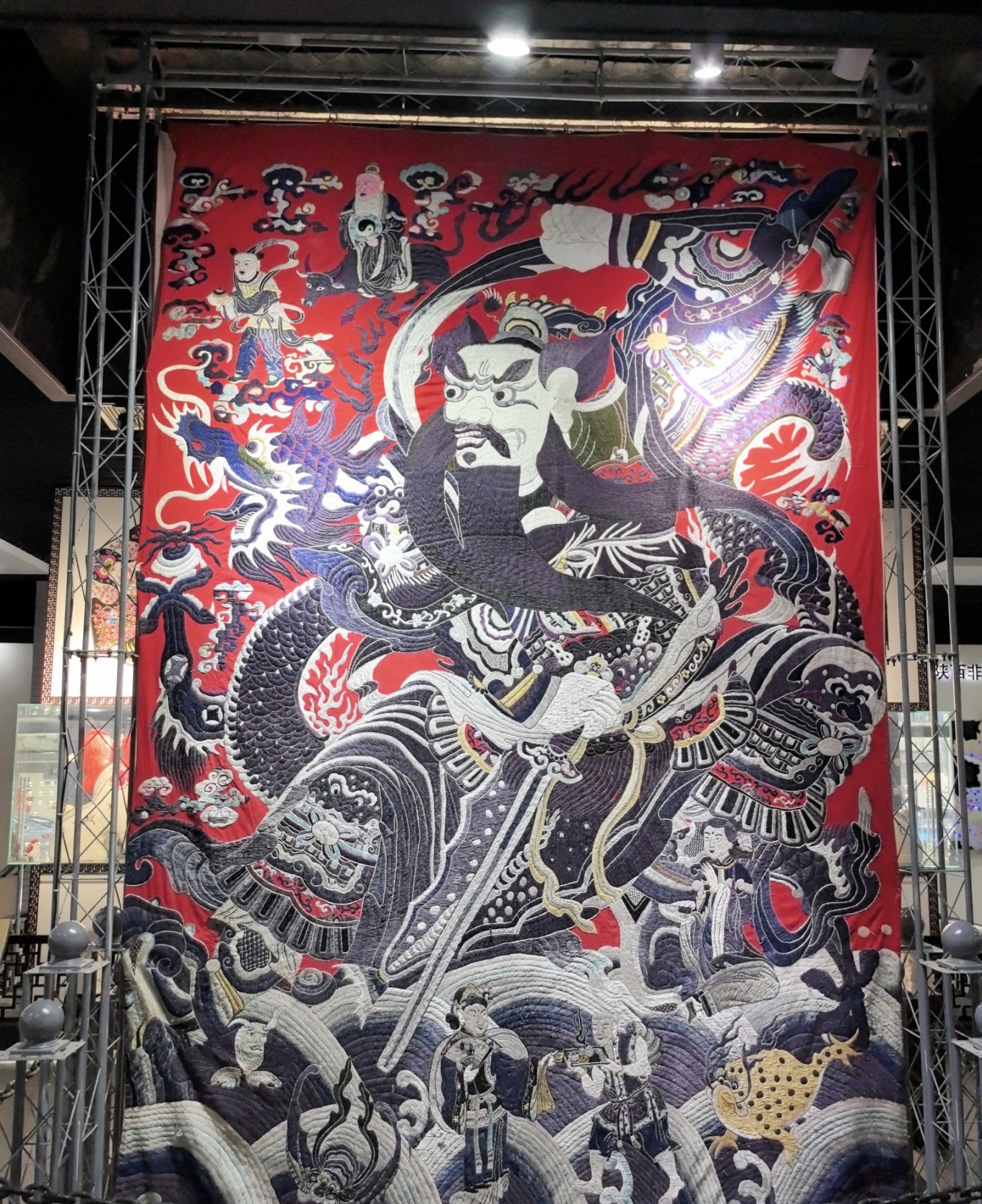
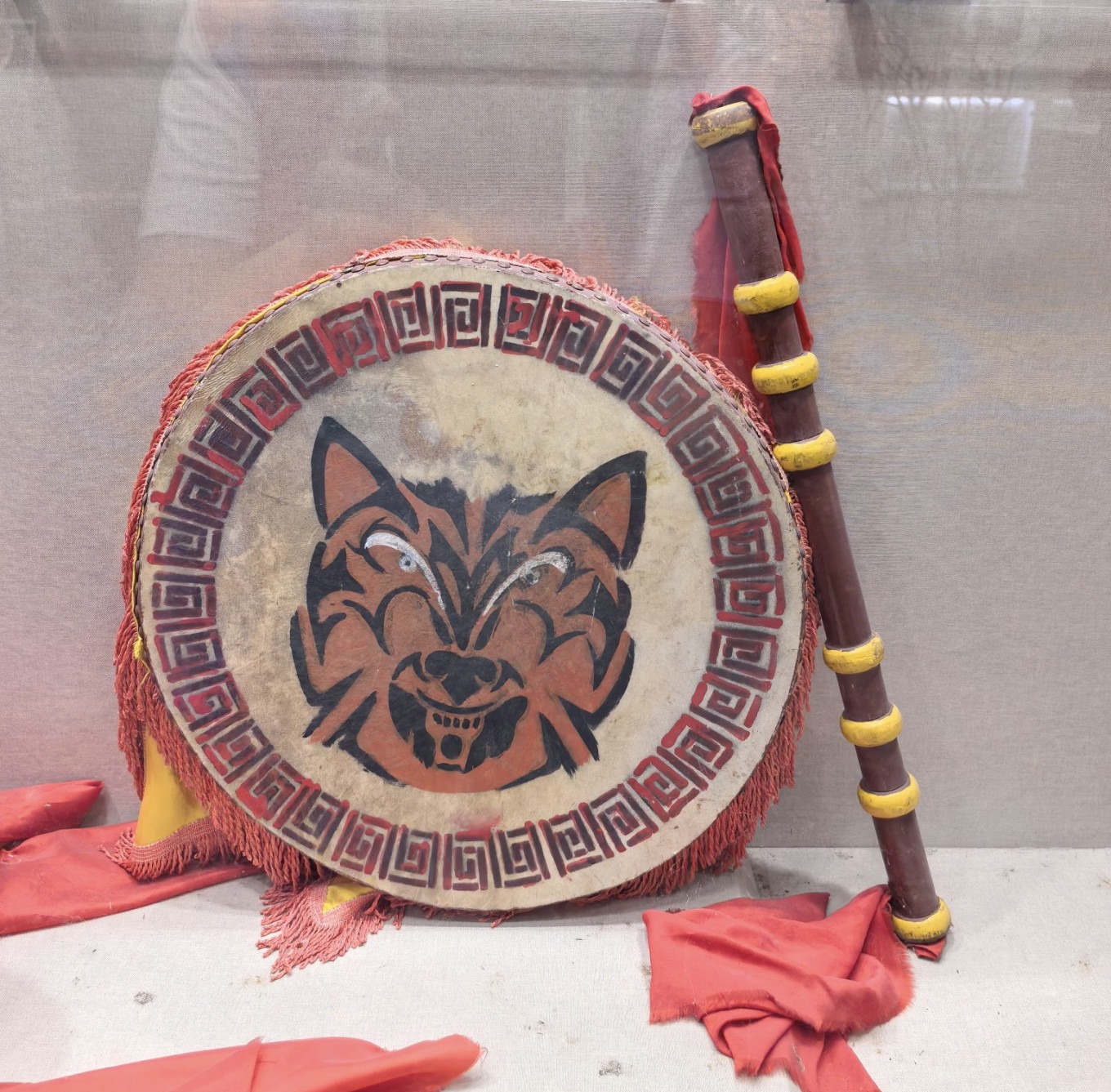
Beyond paper-cutting, the hall showcases a wide array of folk arts: Yan’an paper-cutting, Xiqin embroidery, Fengxiang clay sculpture, Fengxiang woodblock prints, Qin Town clay figurines, Suide stone carving, Western and Eastern shadow puppetry, Shaanxi flower buns (花馍), Luochuan embroidery, Shaanxi handwoven cloth, Beizhang Village papermaking, and Huayin Laoqiang (华阴老腔) — a rustic form of opera. Each craft tells a story of local life and beliefs.
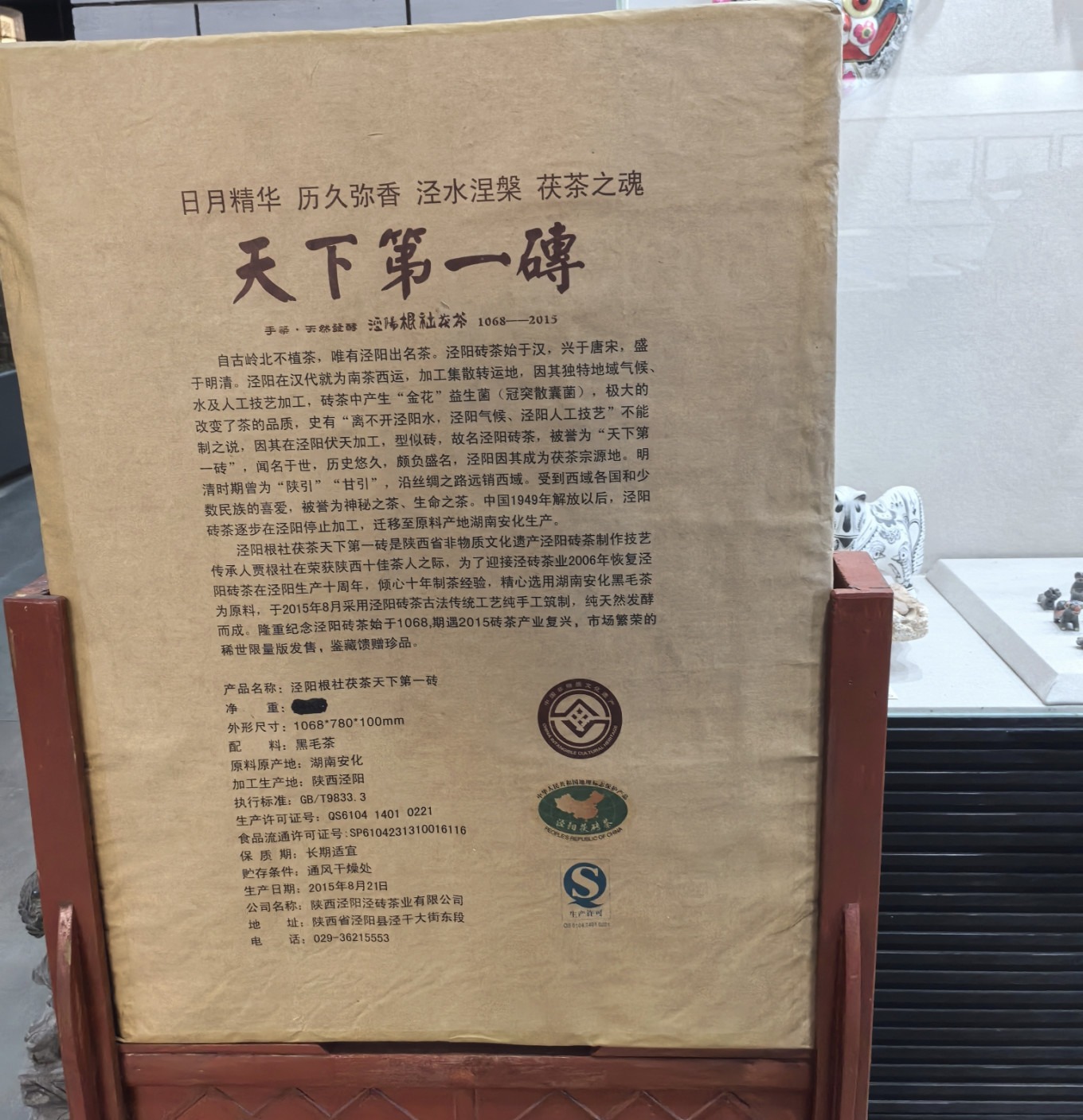
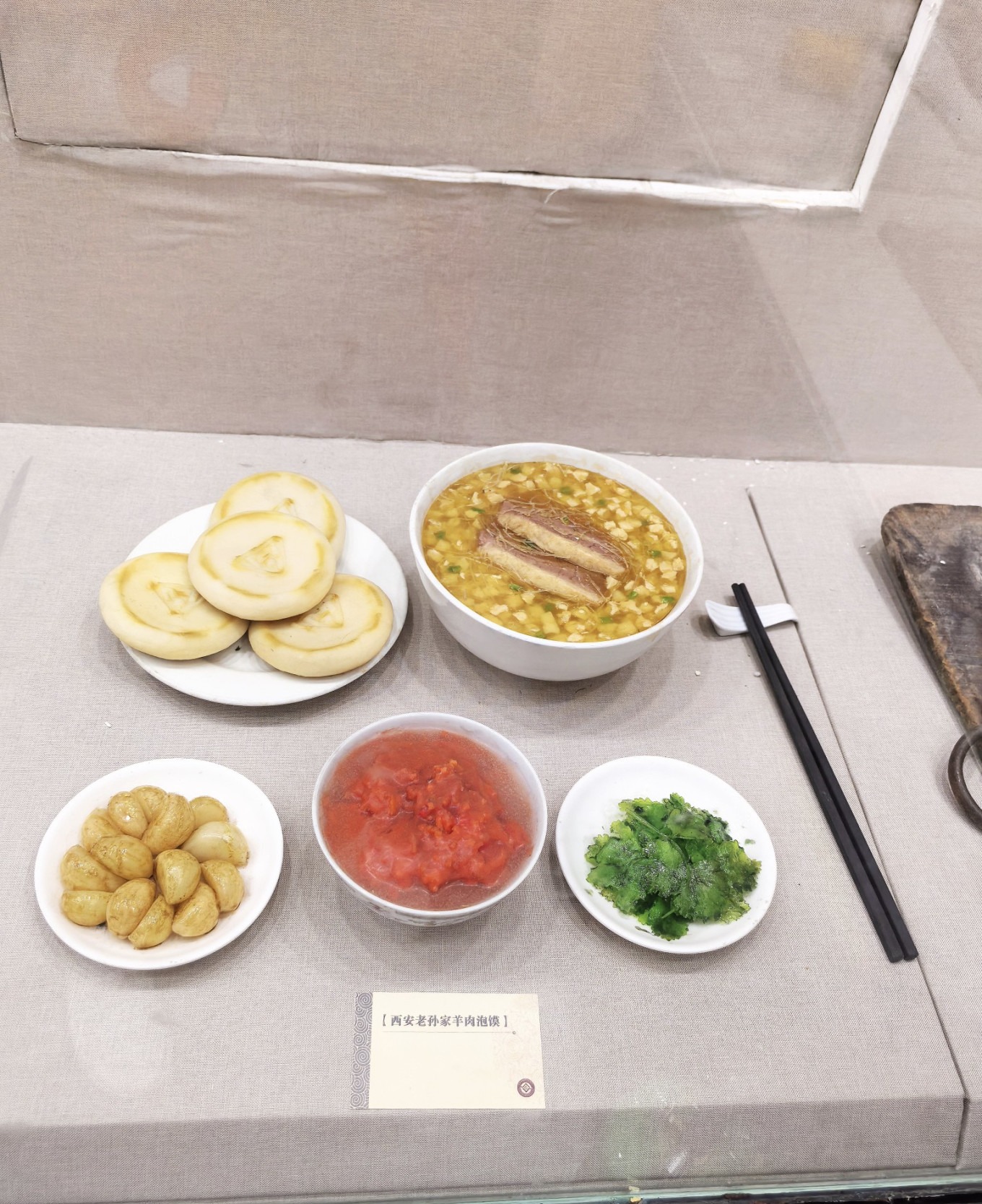
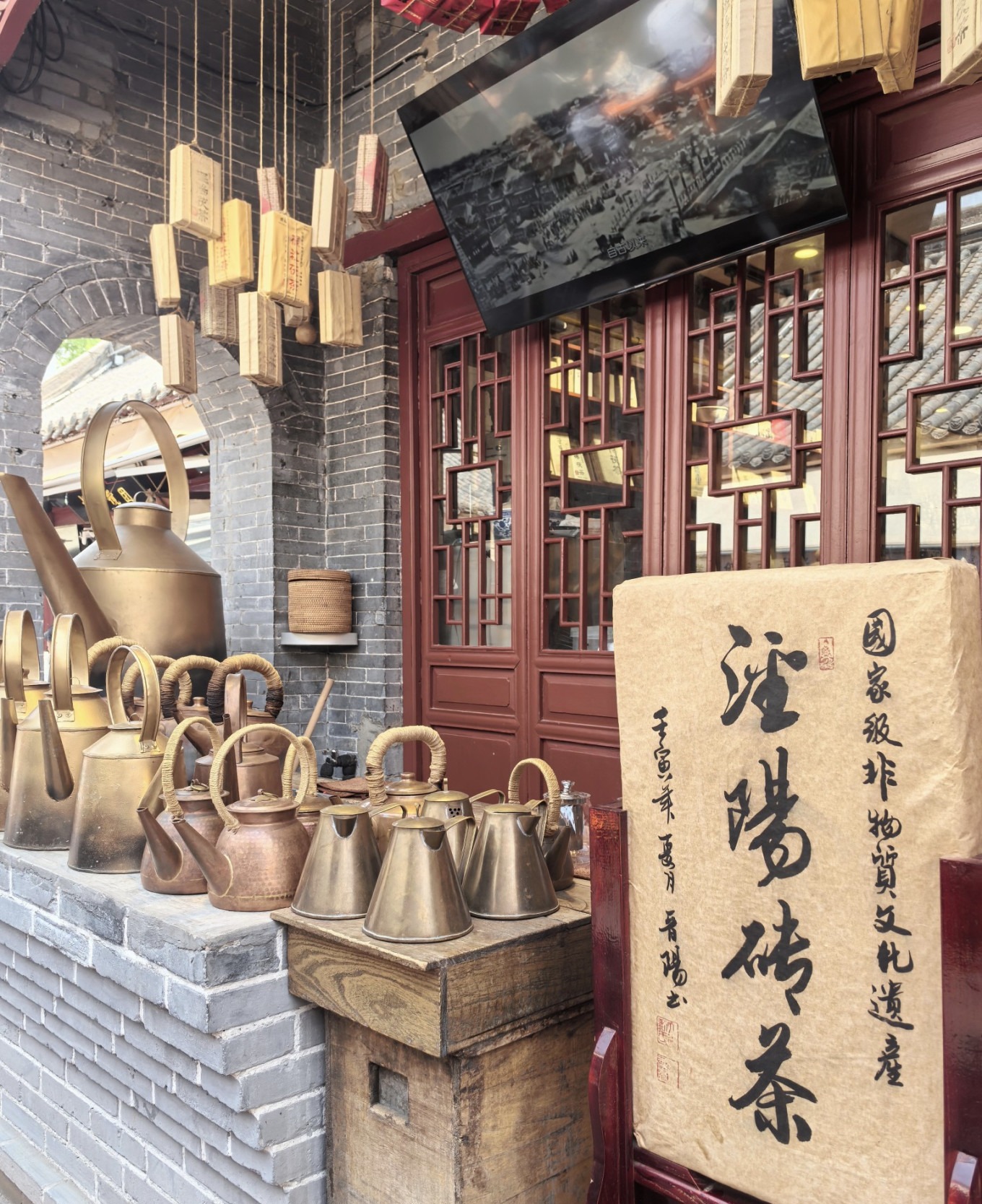
One fascinating exhibit is the “World’s First Brick” of Jingyang Fu Tea (泾阳茯砖茶) — a giant tea brick measuring 1368 mm wide, 2008 mm high, and weighing 1368 jin (about 684 kg). It’s a testament to the region’s tea culture. Nearby, you’ll find a lifelike colored model of Xi’an Lao Sun Jia’s Yangrou Paomo (西安老孙家羊肉泡馍), a iconic local dish — even if you’re not a lamb fan, the craftsmanship is impressive.
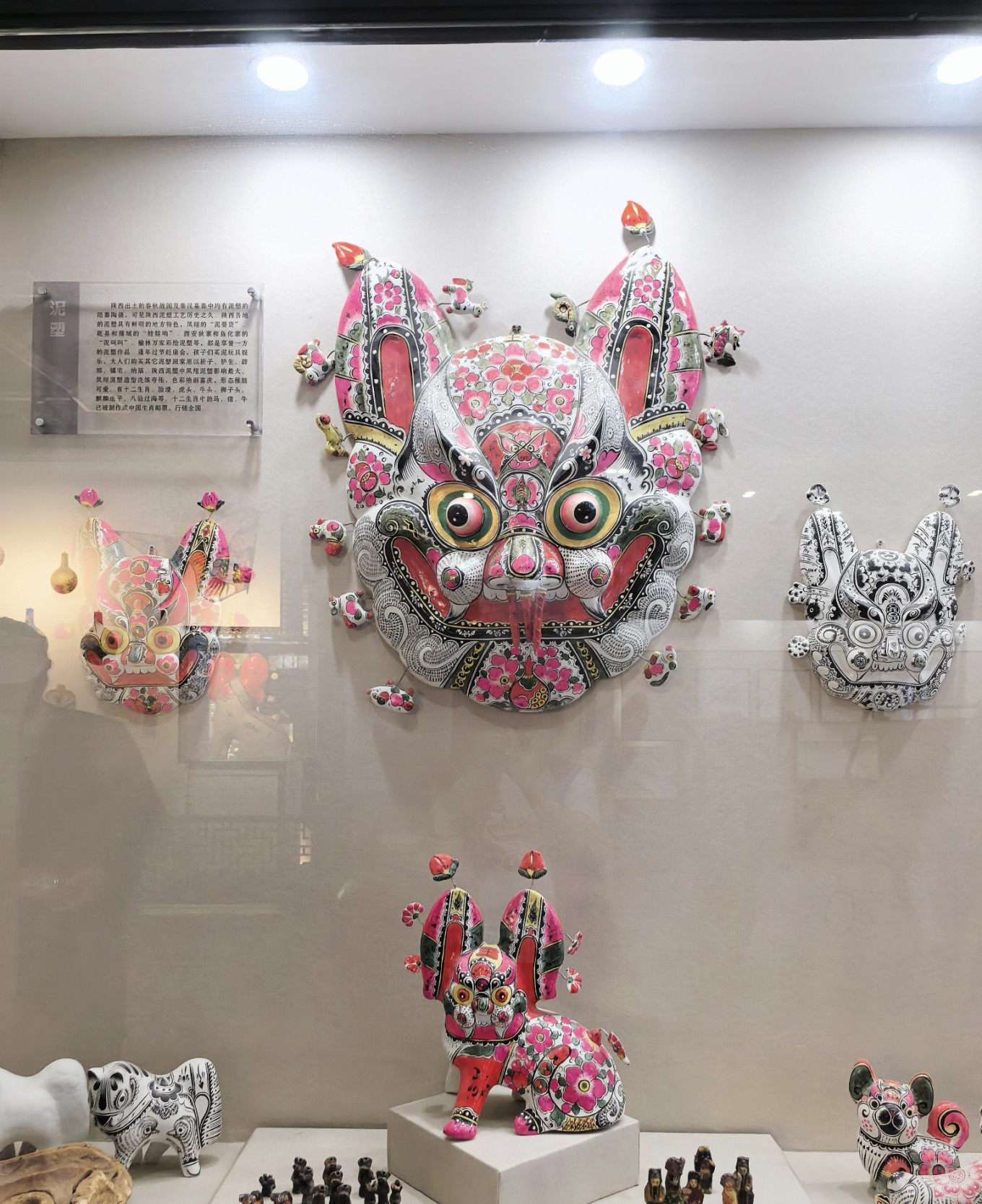
The museum also features a large-scale colored clay sculpture that depicts folk scenes with remarkable detail — a must-see for believers in the power of traditional art. And don’t overlook the tools and implements on display; even everyday items have been recognized as intangible heritage.
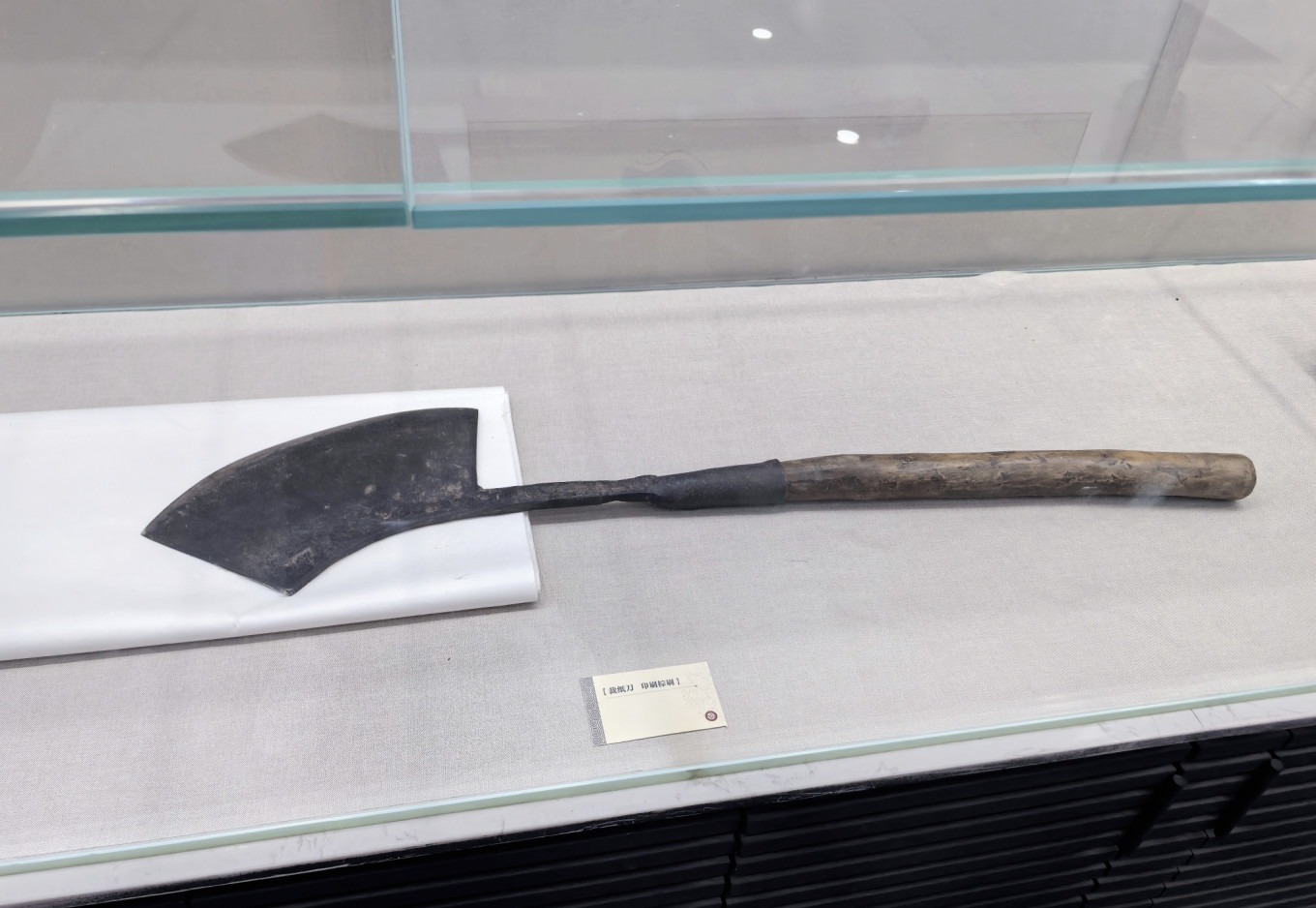
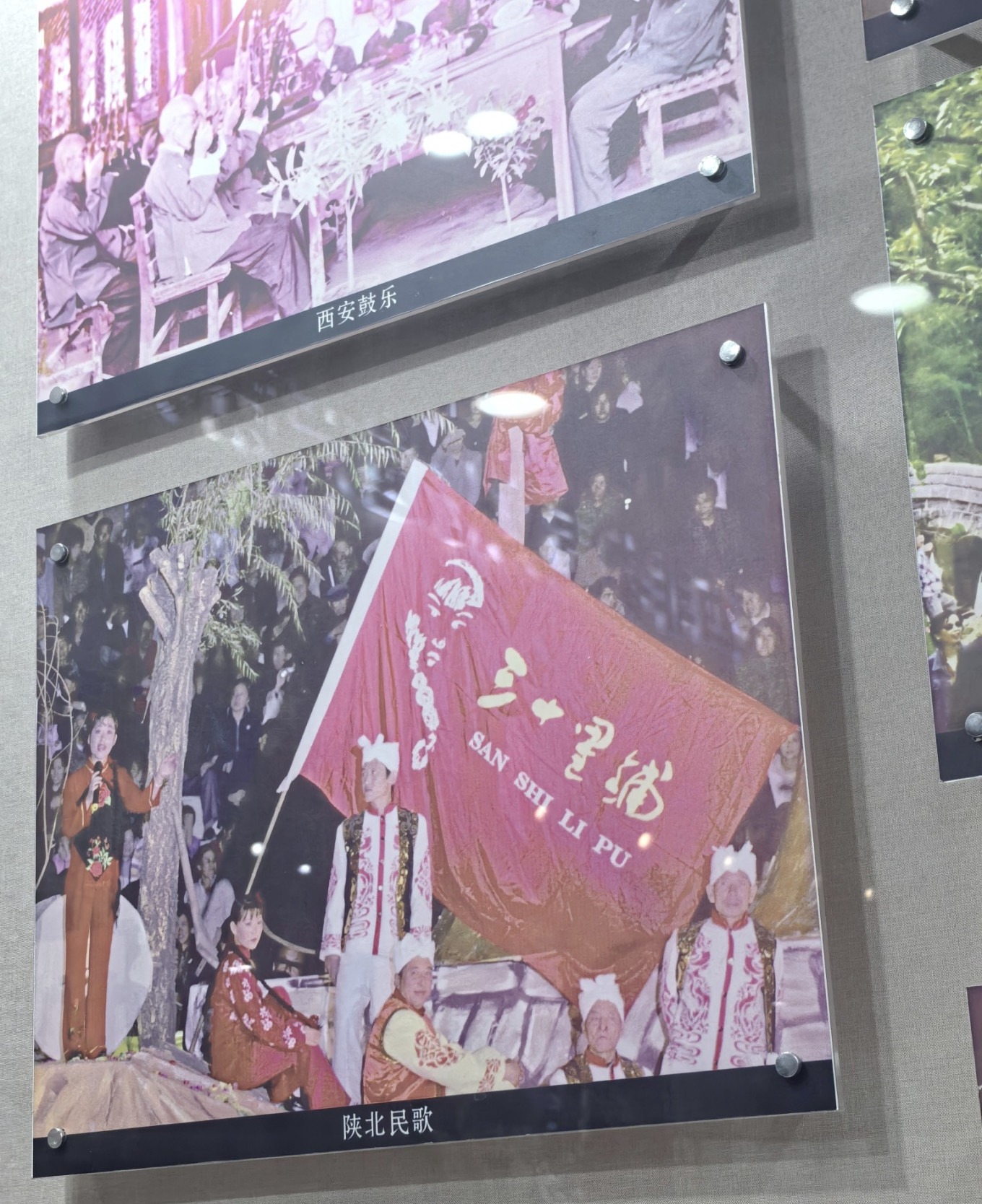
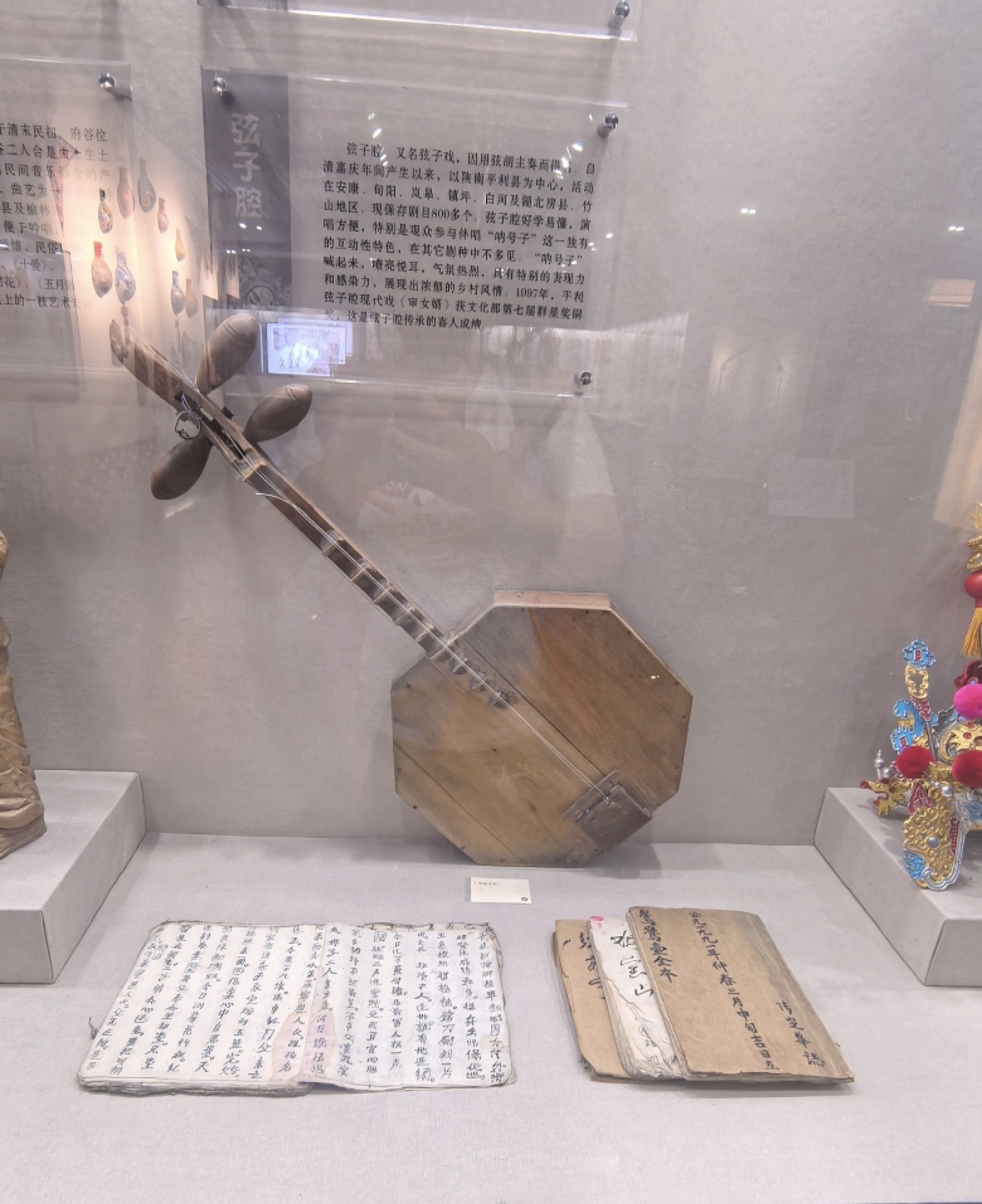
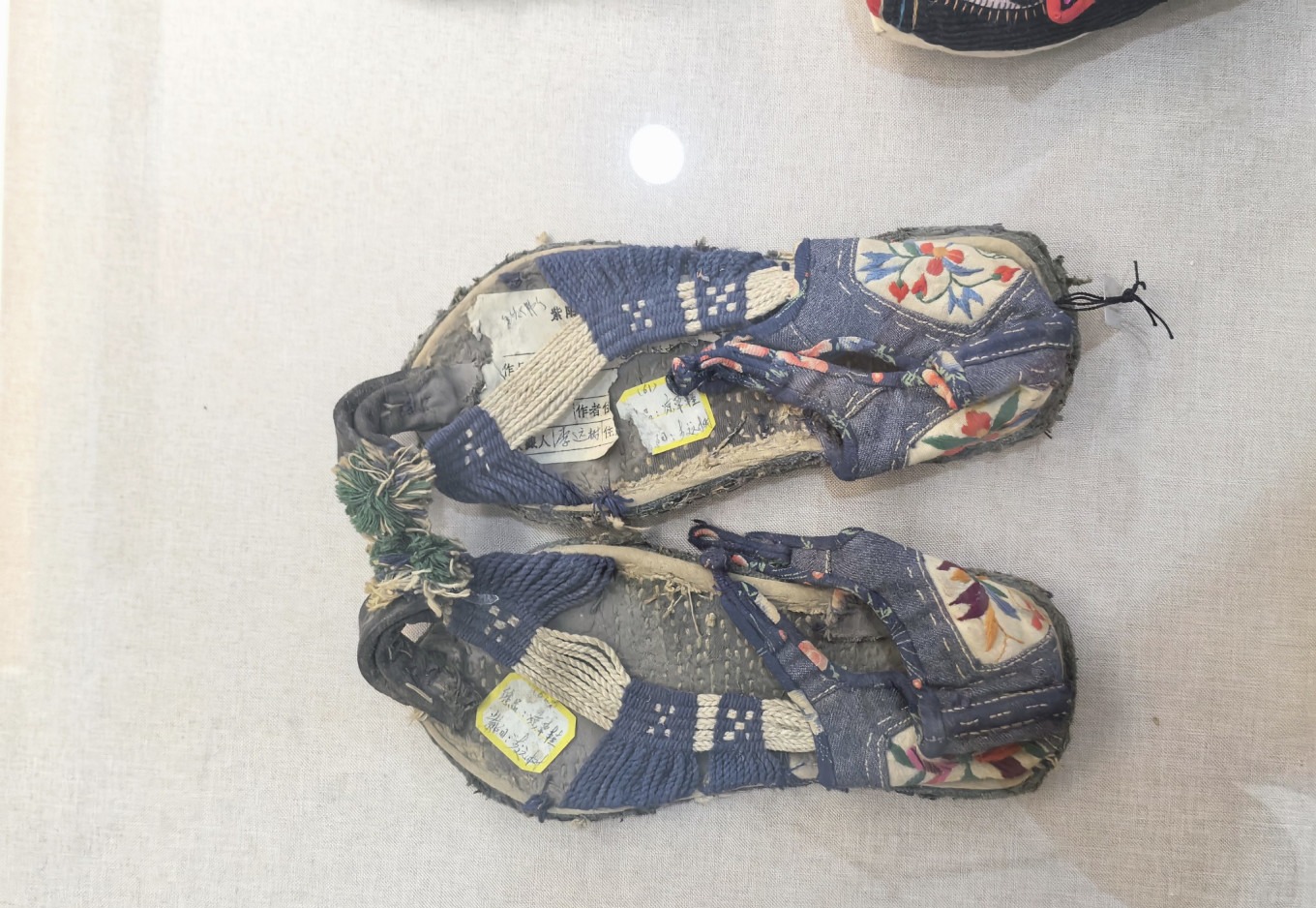
Among the musical instruments, you’ll find some that even northern Chinese visitors may not recognize — like those used in Shaanxi’s folk songs. Interestingly, the same banner characters appear in Liaoning’s Dalian, hinting at shared cultural roots. And for the curious: yes, those tiny embroidered shoes are real artifacts — you might wonder if they could ever be comfortable!
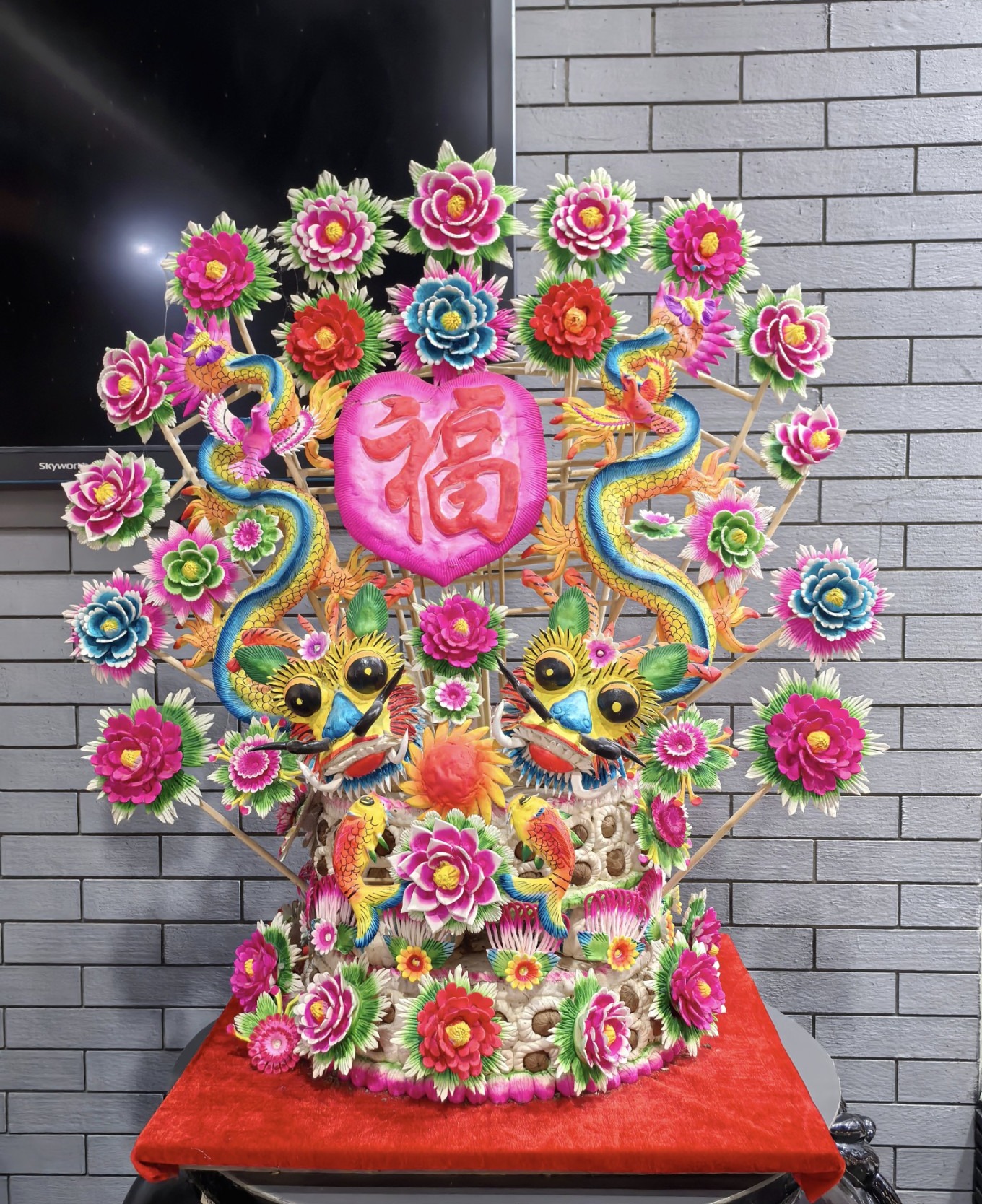
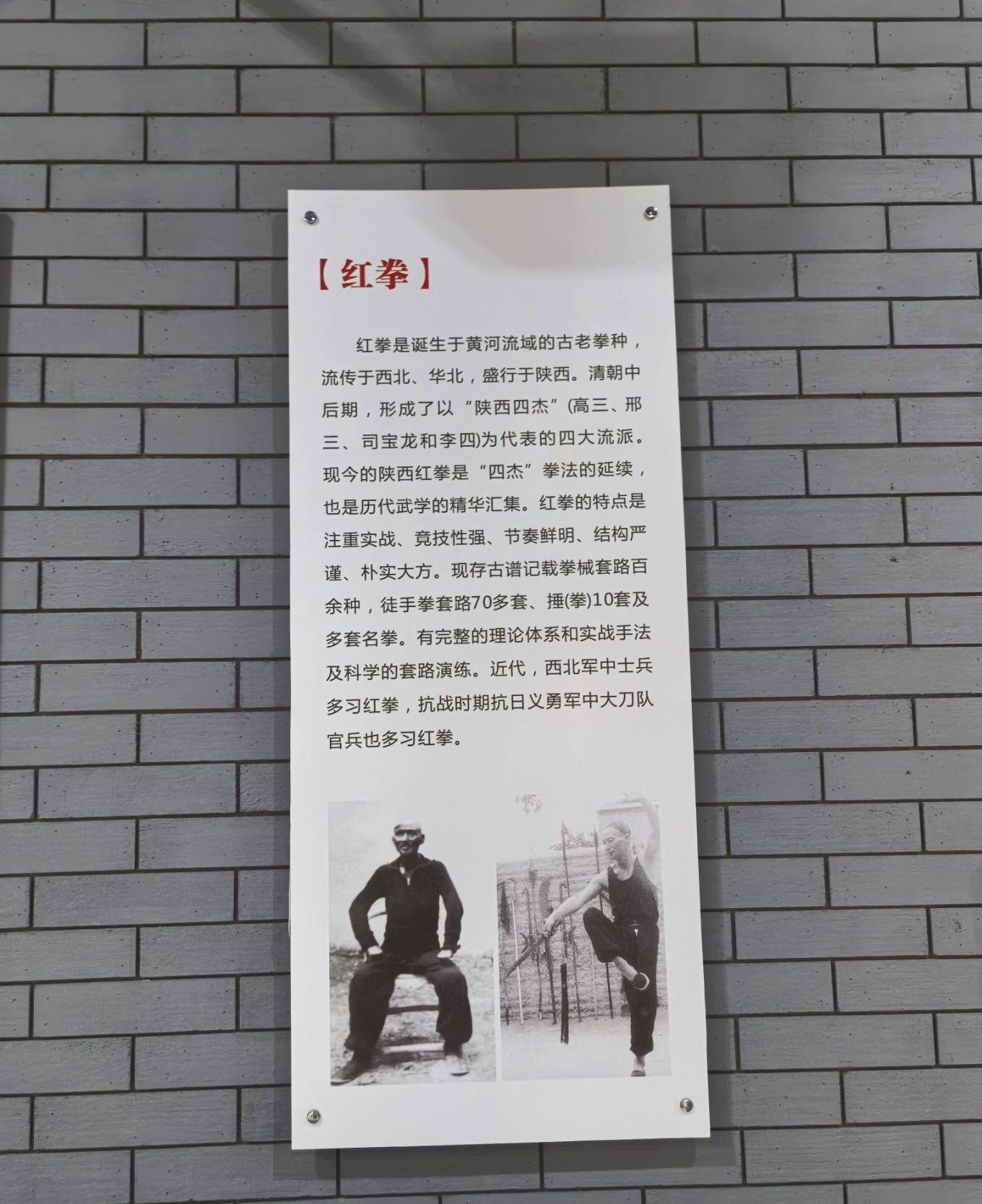
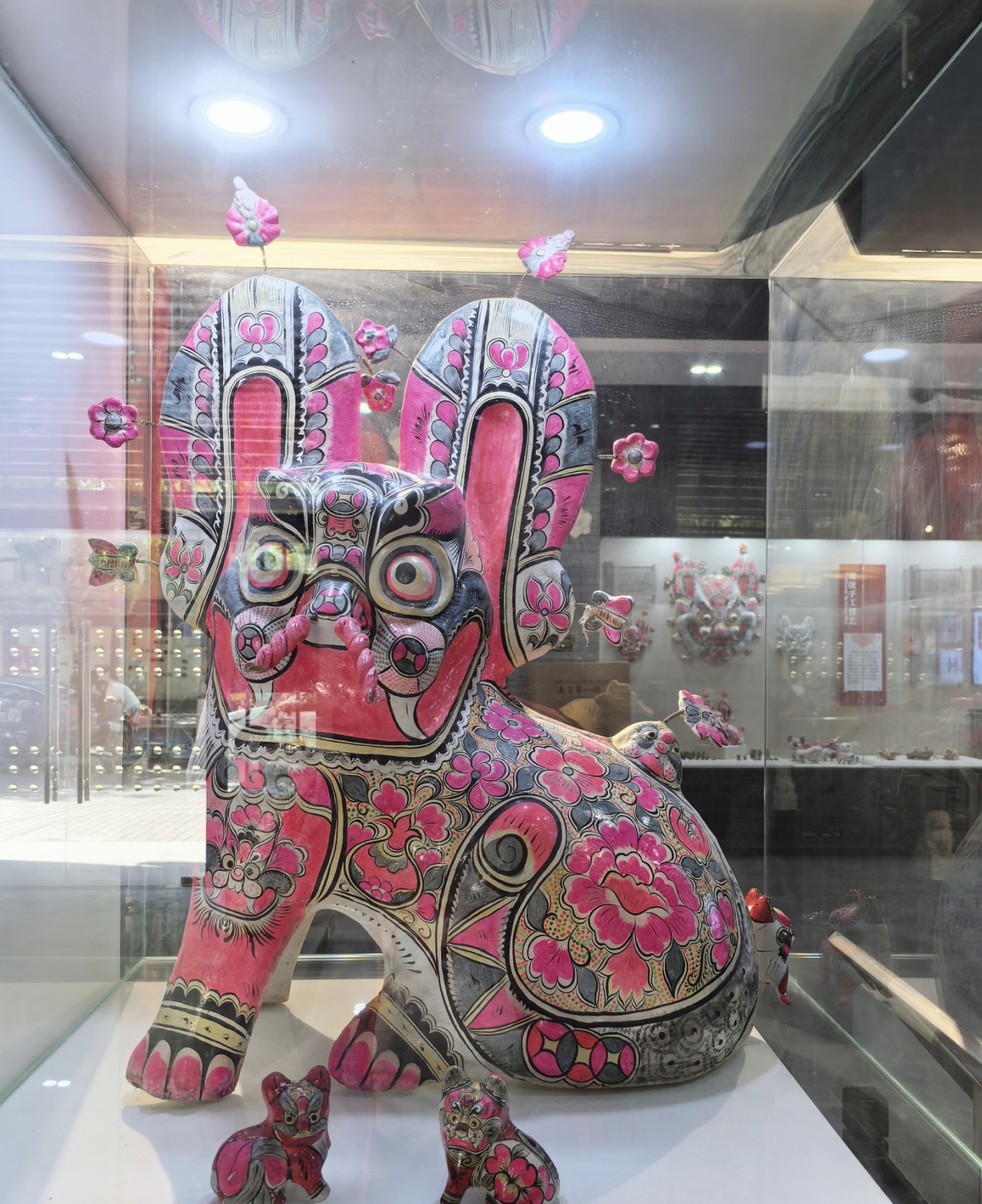
Sports heritage is also represented: Hongquan (红拳), a traditional martial art, is recognized as an intangible cultural item. If you’re a fan of rabbit-themed souvenirs, keep an eye out for cute rabbit figurines — they make great photo subjects.
After your visit, you can catch a bus to your next destination. The museum is near Xi’an’s most beautiful bookstore (西安最美书店) — worth a photo stop if you have time. While ride-hailing may be slow, the bus is a reliable option.
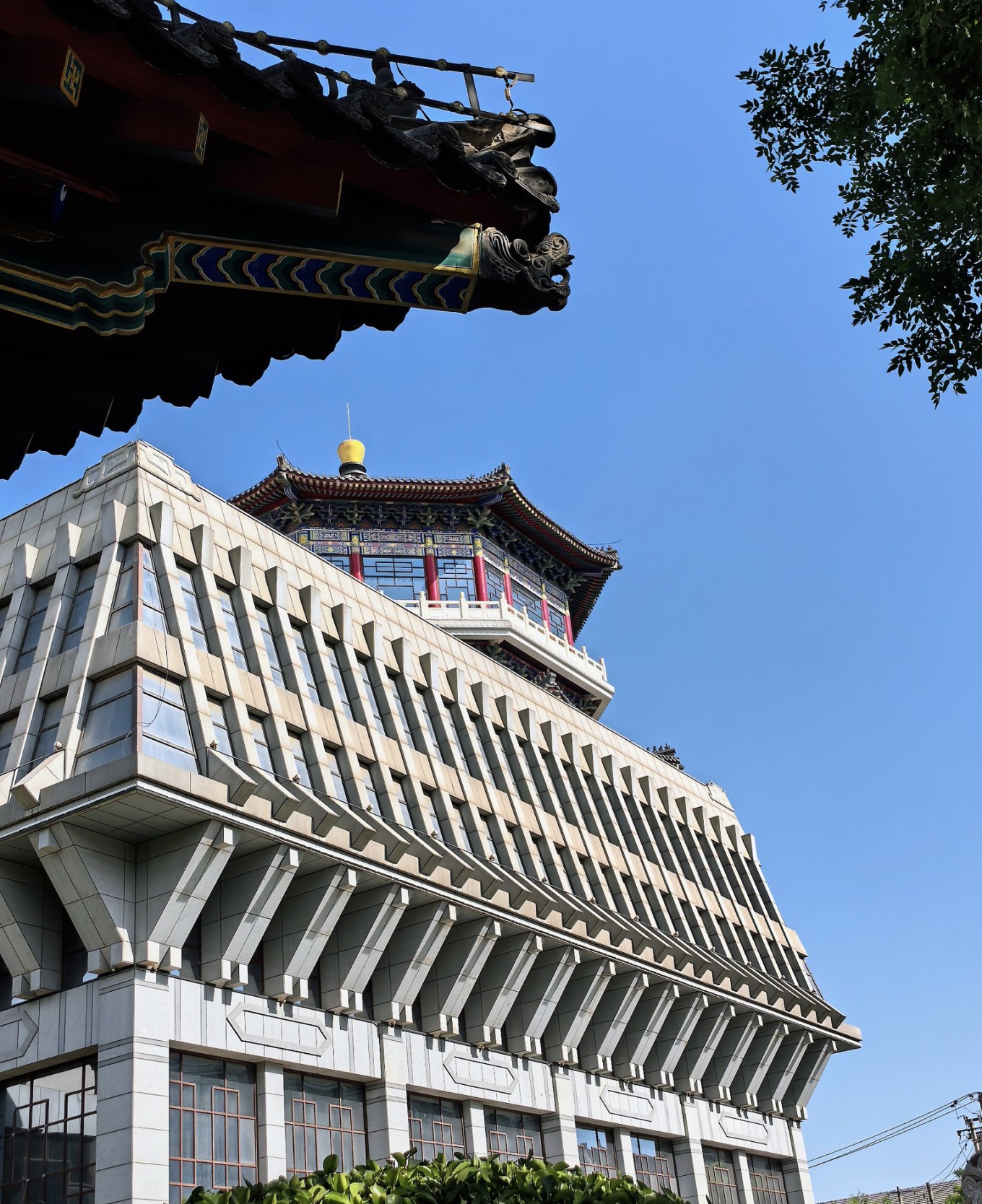
Xi’an’s Most Beautiful Bookstore: Blue Ocean Wind Book Lane
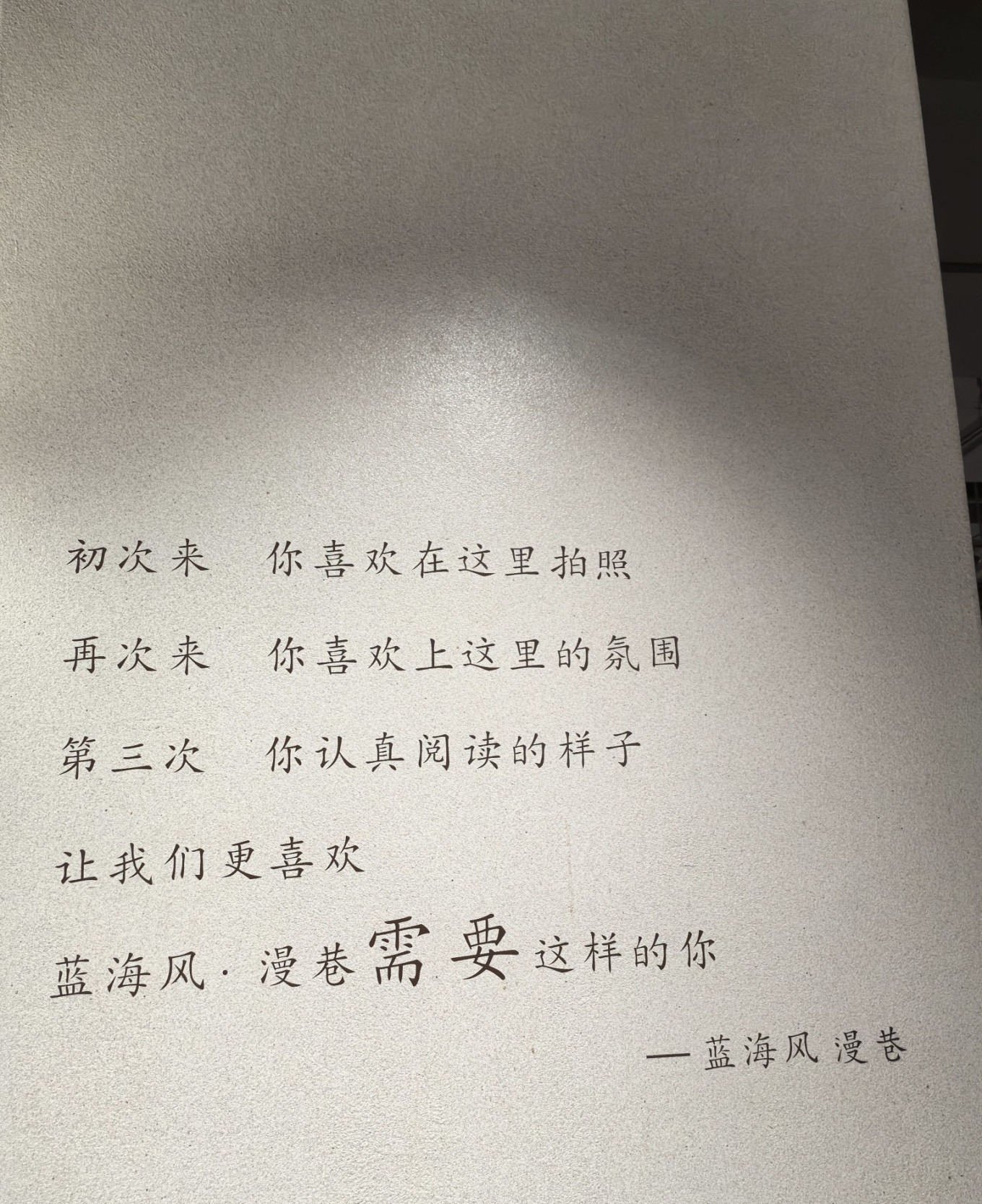
If you’re looking for a place that combines reading, art, and stunning architecture, head to Blue Ocean Wind · Book Lane (蓝海风·漫巷), widely considered Xi’an’s most beautiful bookstore. It’s not just a haven for book lovers but also a top spot for photography enthusiasts. The centerpiece is the awe-inspiring “100-meter book wall” — stretching 240 meters long, 18 meters high, and holding over 350,000 volumes. This is Asia’s largest steel-structure book wall, with a sleek, black-and-white minimalist design that exudes an industrial and futuristic vibe. Its striking visual impact has made it an inevitable “Instagram hotspot.”
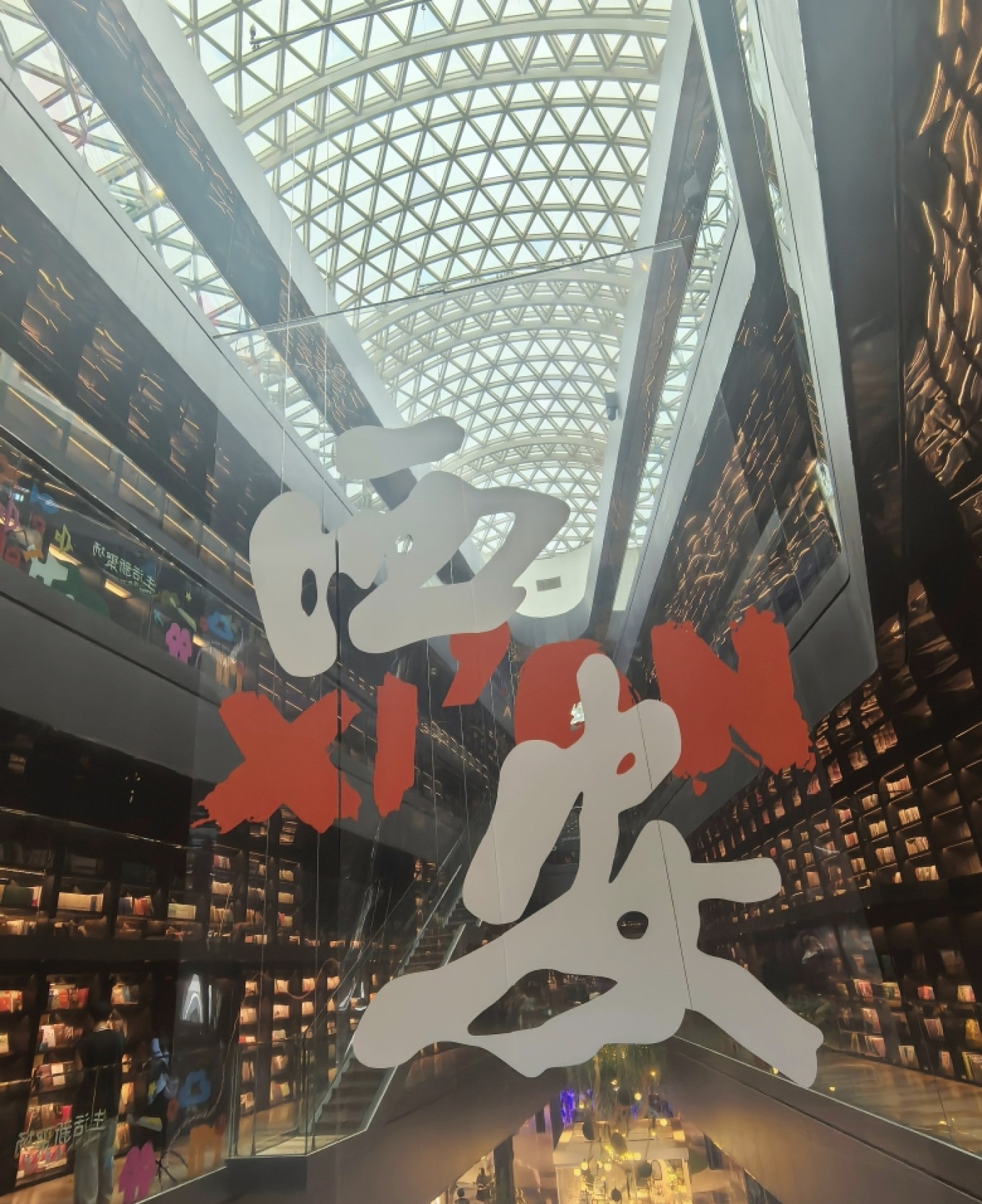
The bookstore spans two floors, housing a lifestyle hall, an art zone, an ideal study room, and the WANBOOK Coffee Factory (WANBOOK 咖啡工厂 (local term)). It’s the perfect place to spend a leisurely yet fulfilling afternoon. The thoughtful integration of reading elements with commercial spaces creates an immersive reading environment that readers love.
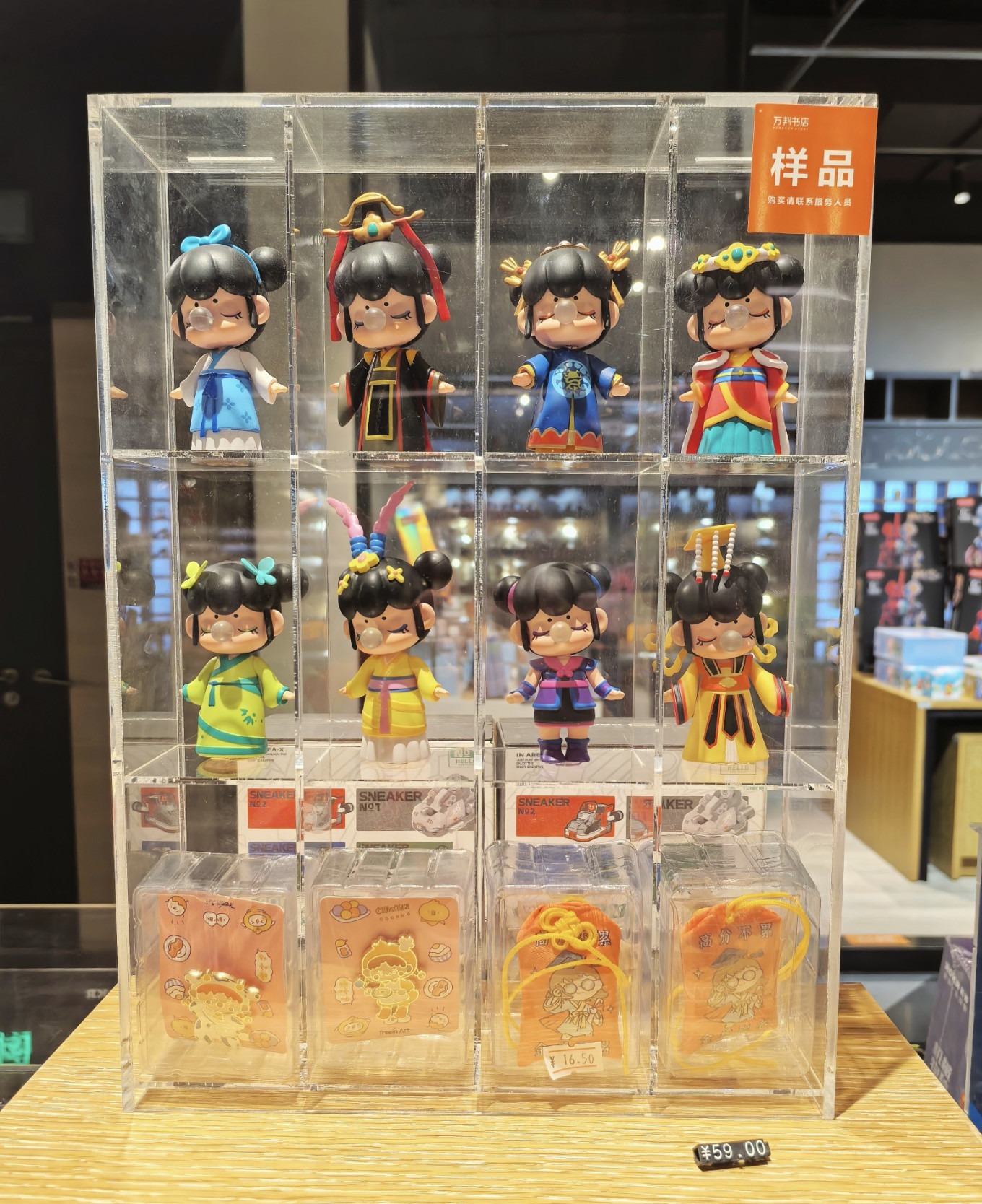
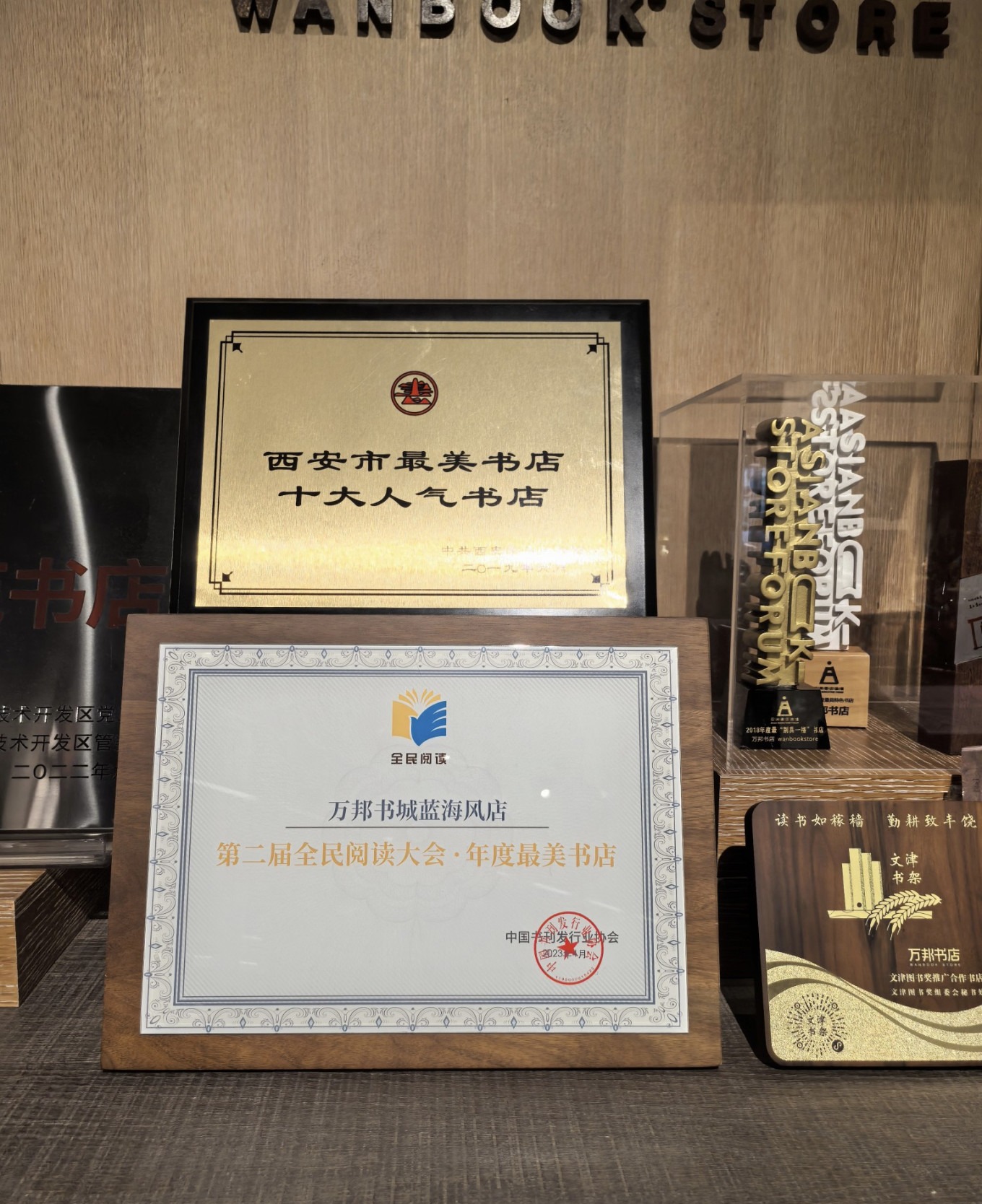
Blue Ocean Wind · Book Lane is more than a bookstore — it’s a cultural and creative complex that blends life, reading, and social interaction. It offers a multi-perspective interactive experience, presenting a new “slow living” lifestyle. Every Xi’an literary youth considers it a must-visit spot.
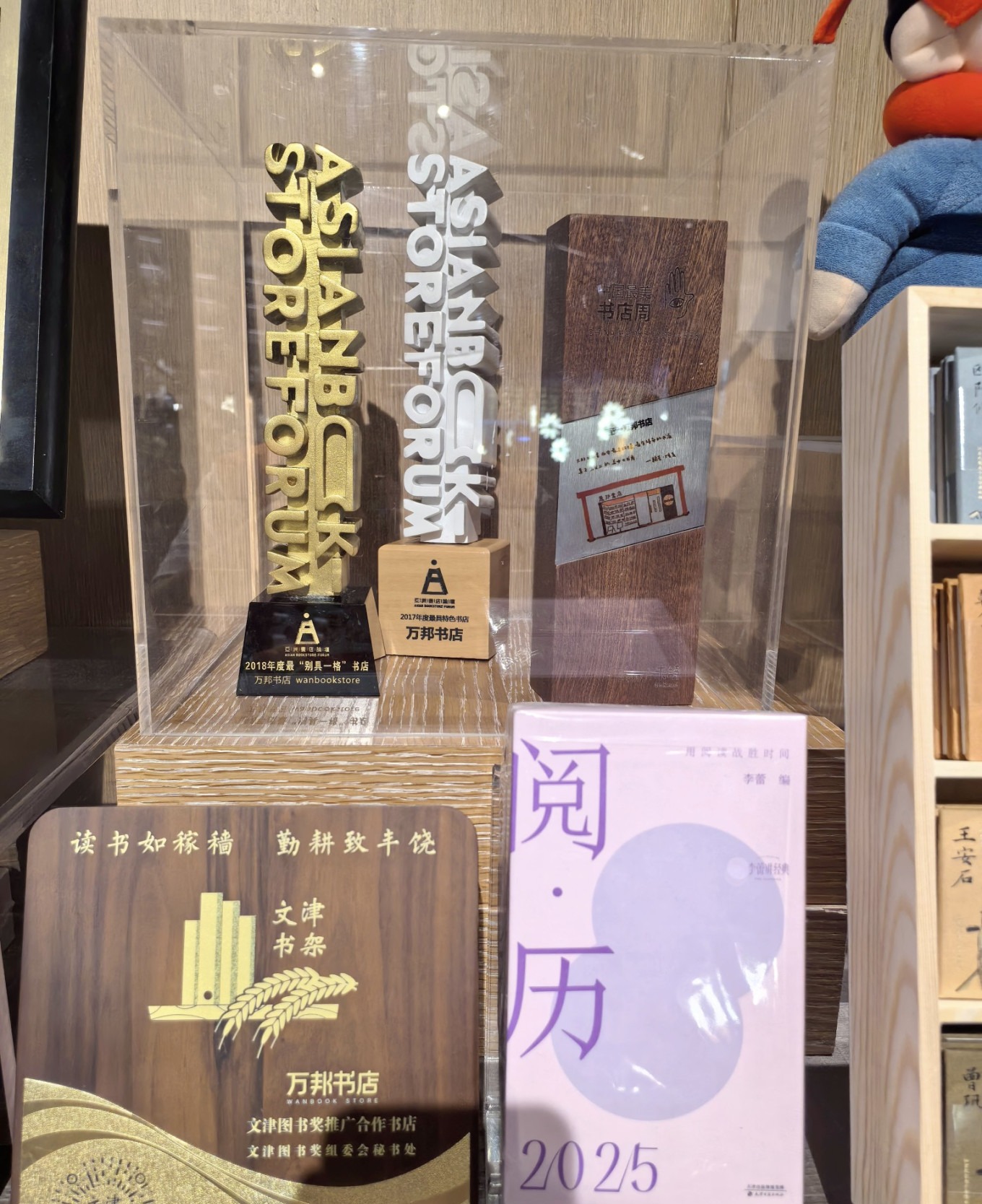
The bookstore’s minimalist structure harmonizes perfectly with its rich reading atmosphere. Unlike many brightly lit bookstores, the dim, warm lighting paired with the dark gray and black architectural style feels both fashionable and mysterious. The soft beams of light are just right for reading, creating a cozy and intimate ambiance.
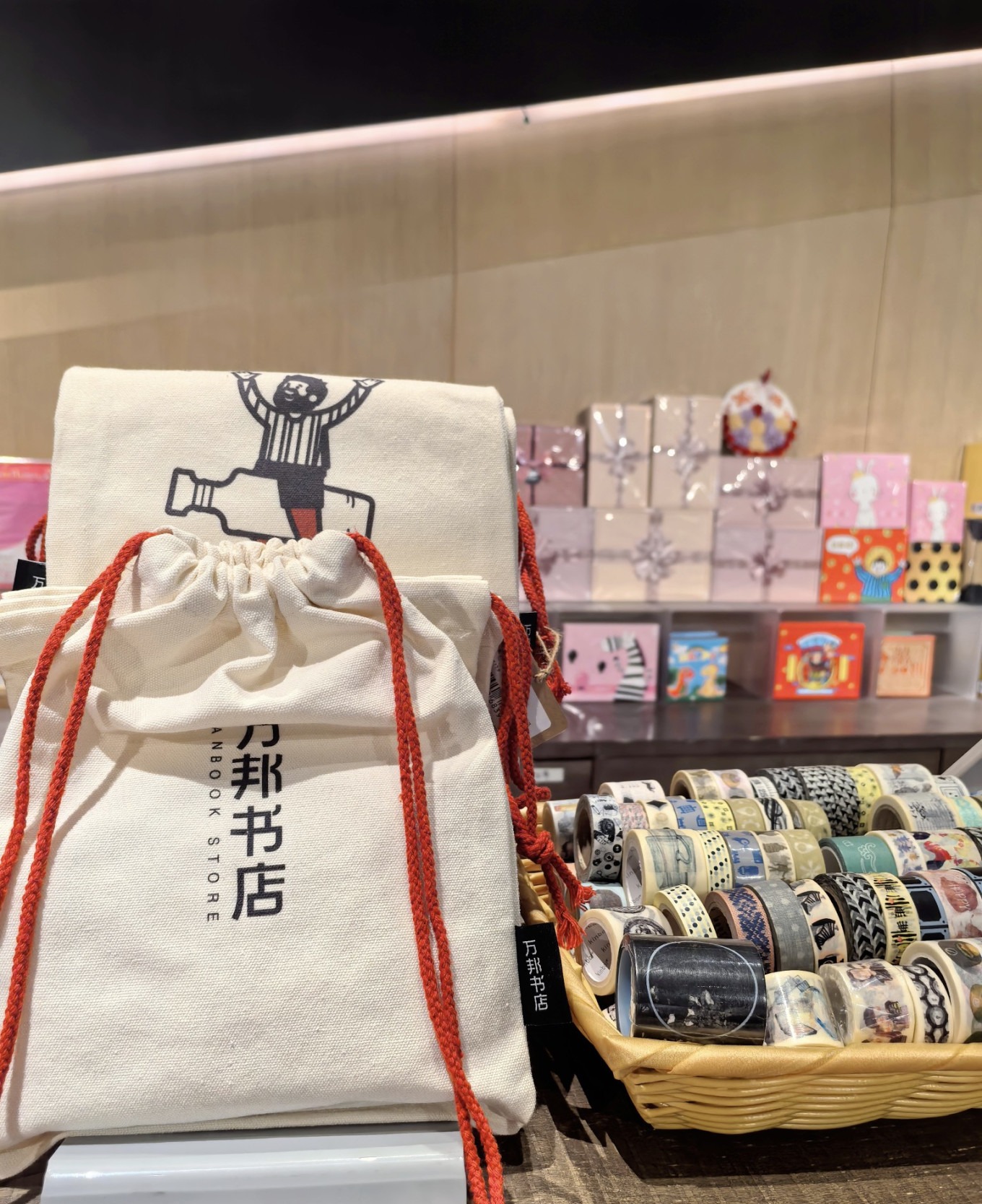
Throughout the space, you’ll find reminders that this is Wanbang Bookstore (万邦书店). The creative stationery section features double-sided tapes and other supplies perfect for decorating your journal — a nod to the scrapbooking trend. You might even spot bamboo-woven flower baskets, a charming detail that echoes what you’d find in a friend’s home.
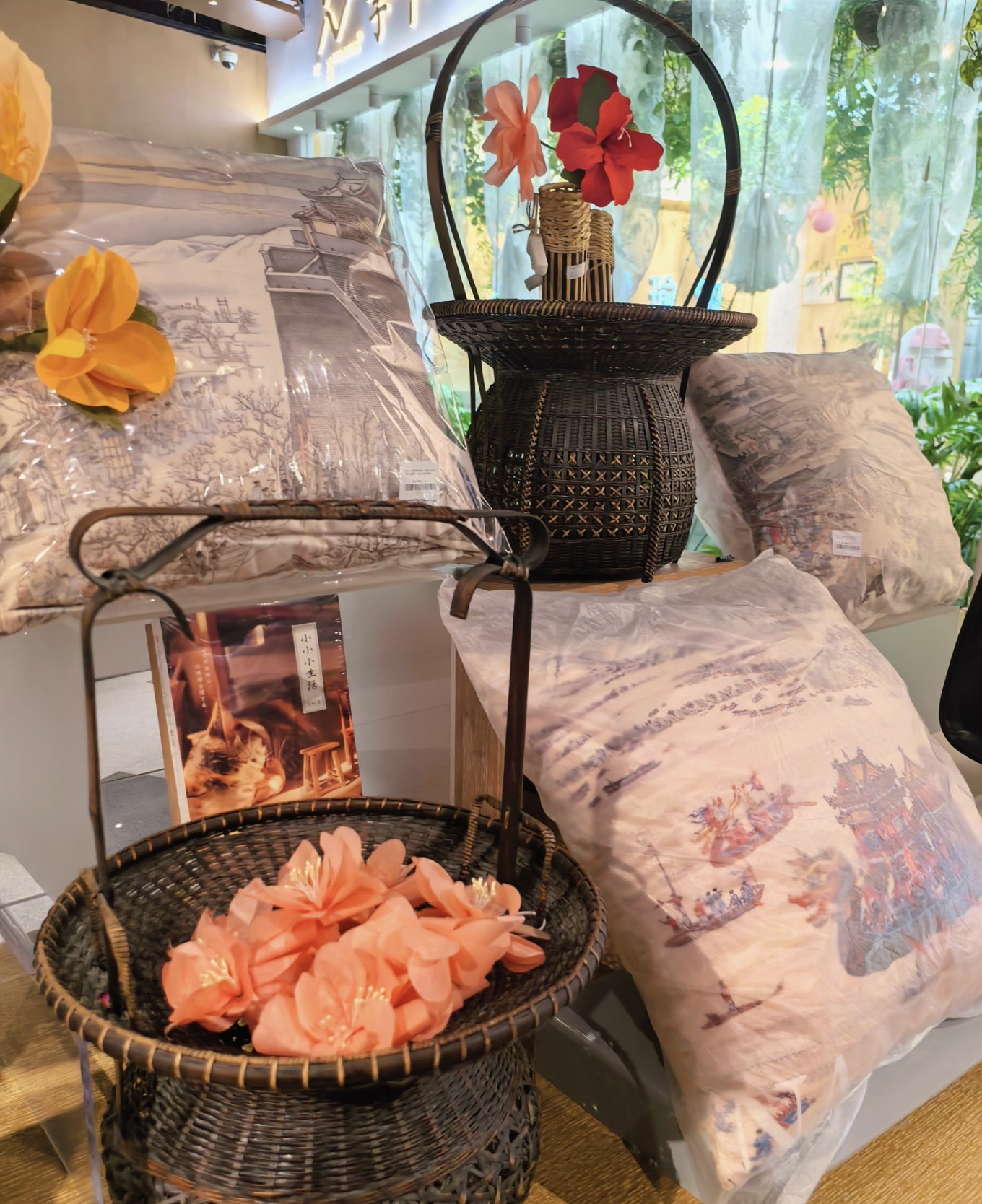
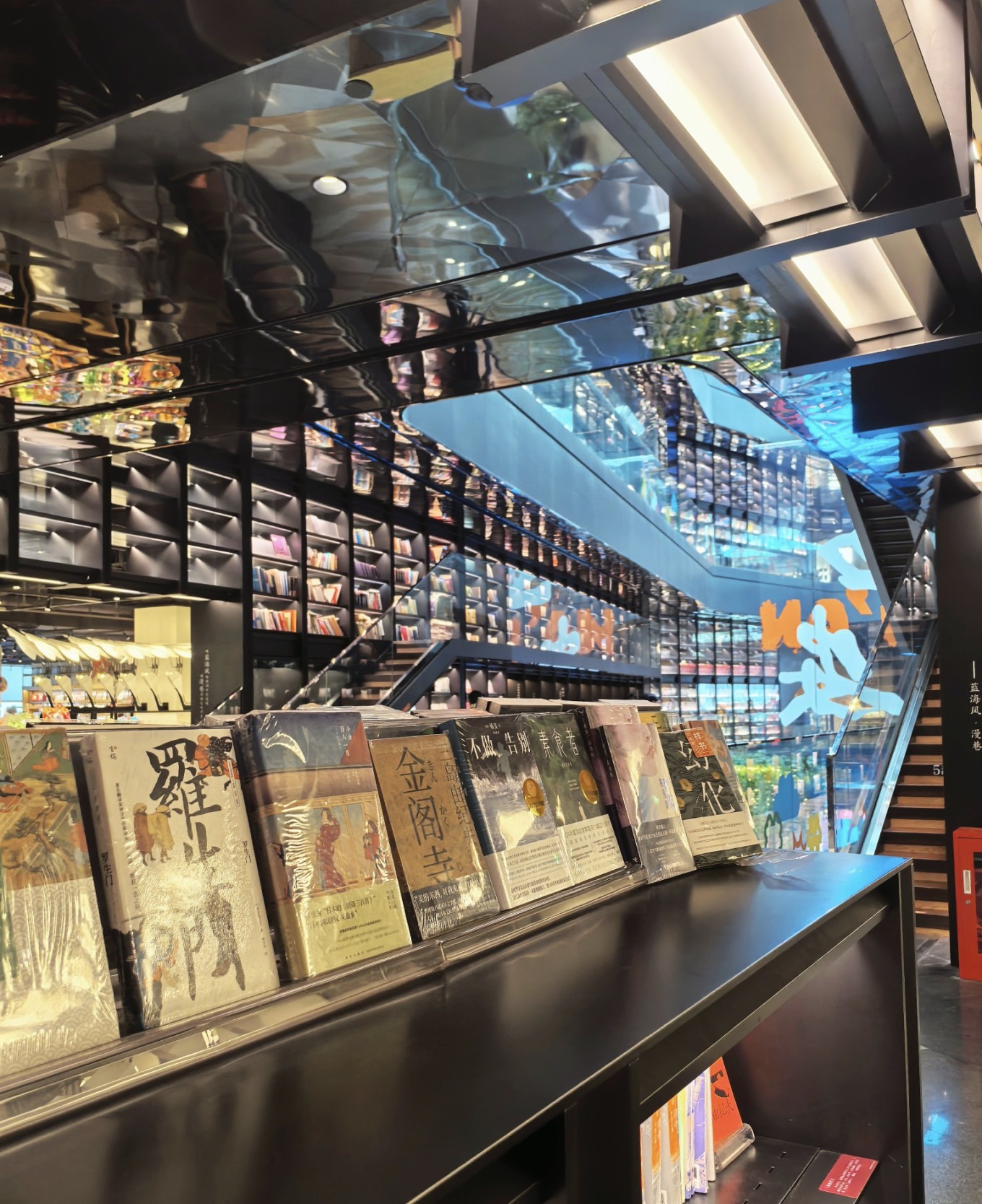
The industrial-chic display spaces are captivating from the moment you step in. The most striking feature remains the 240-meter-long, 18-meter-high book wall, holding hundreds of thousands of books across over 10,000 square meters of combined reading area. It’s a perfect blend of design and functionality, offering an immersive reading experience.
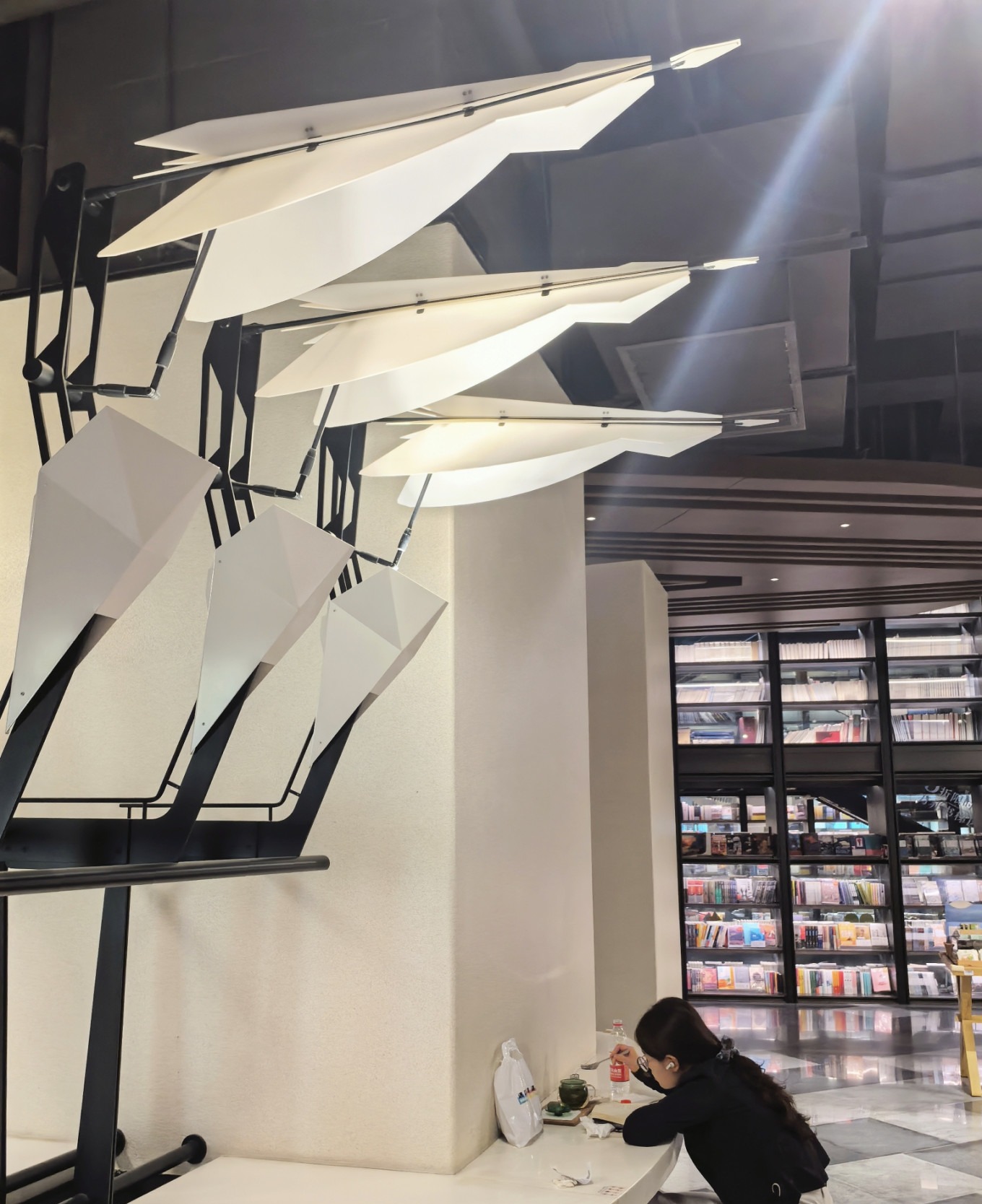
Take your time to read deeply in this beautiful bookstore. Every corner is photogenic, and you might find yourself becoming part of someone’s lens — a beautiful element in the bookstore’s timeless scene.
Starting Day Three at the Five-Star Street Cathedral
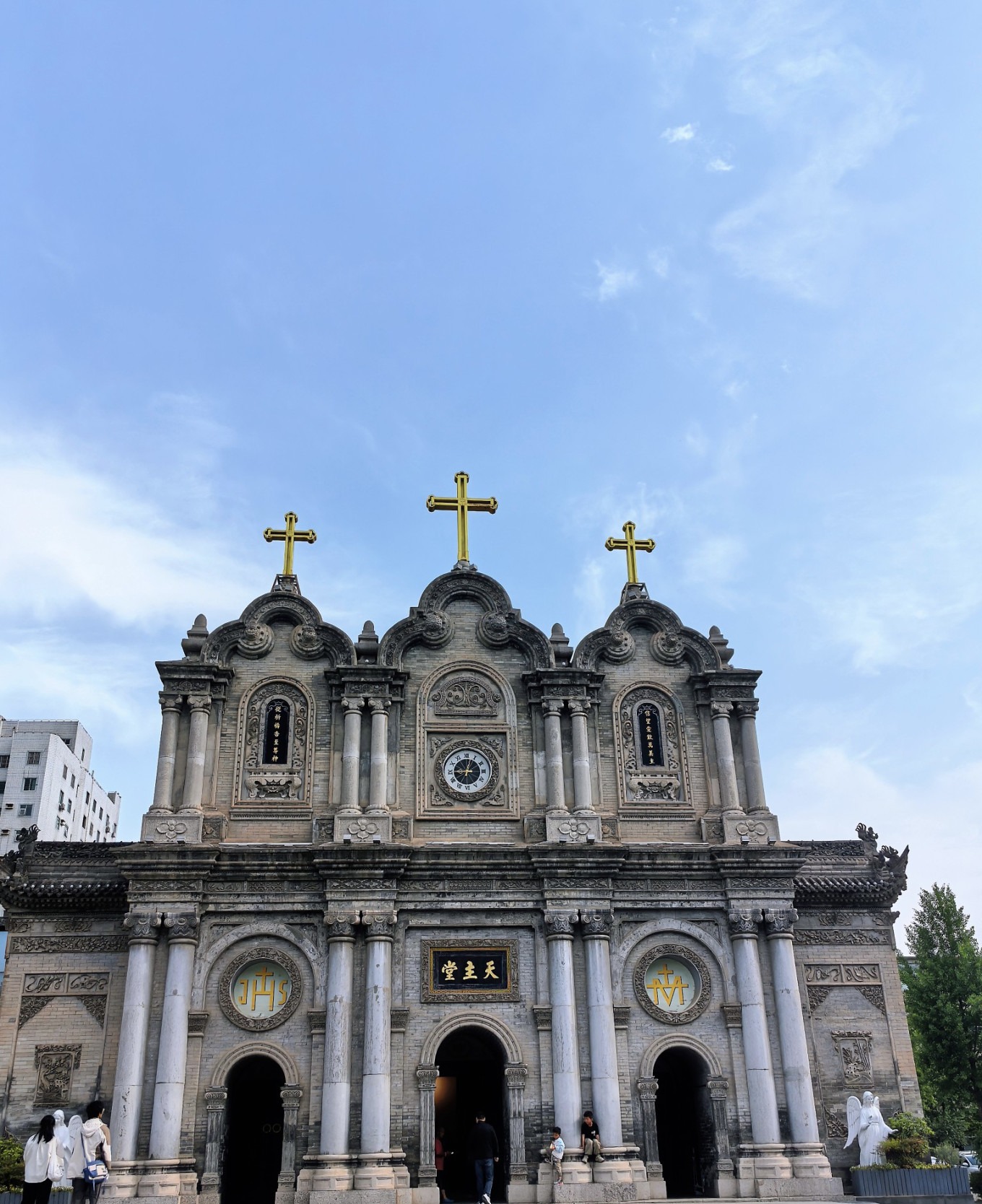
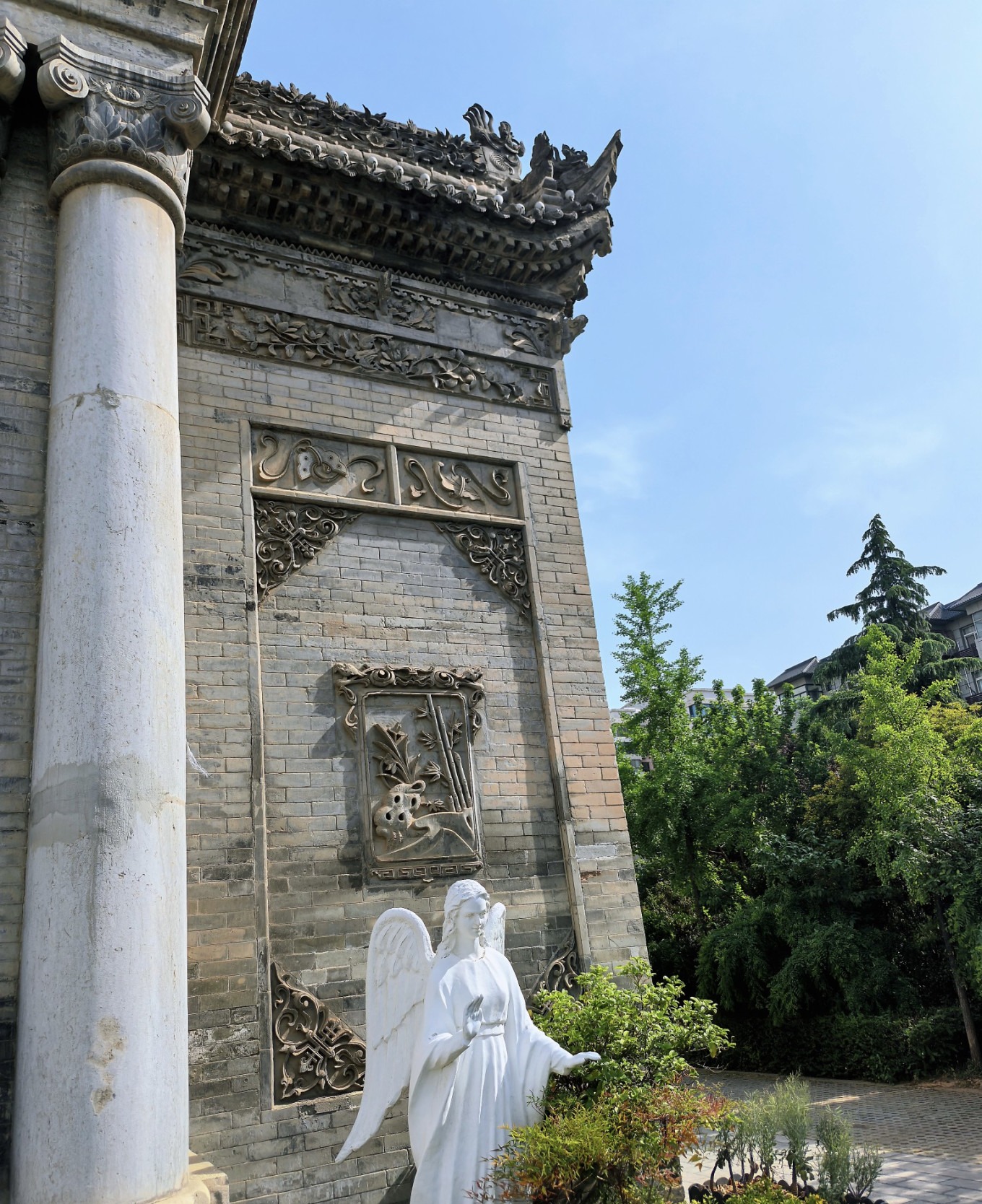
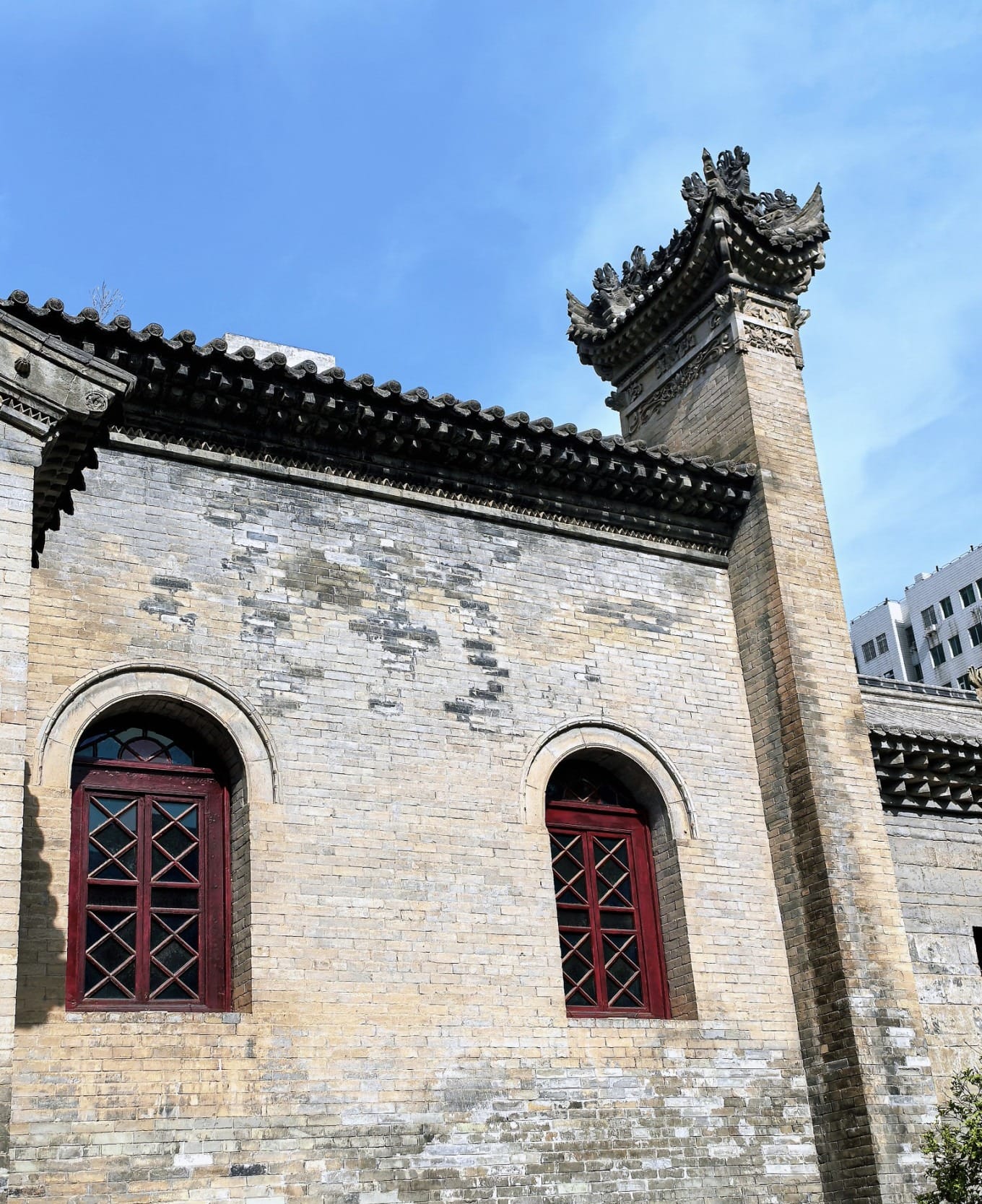
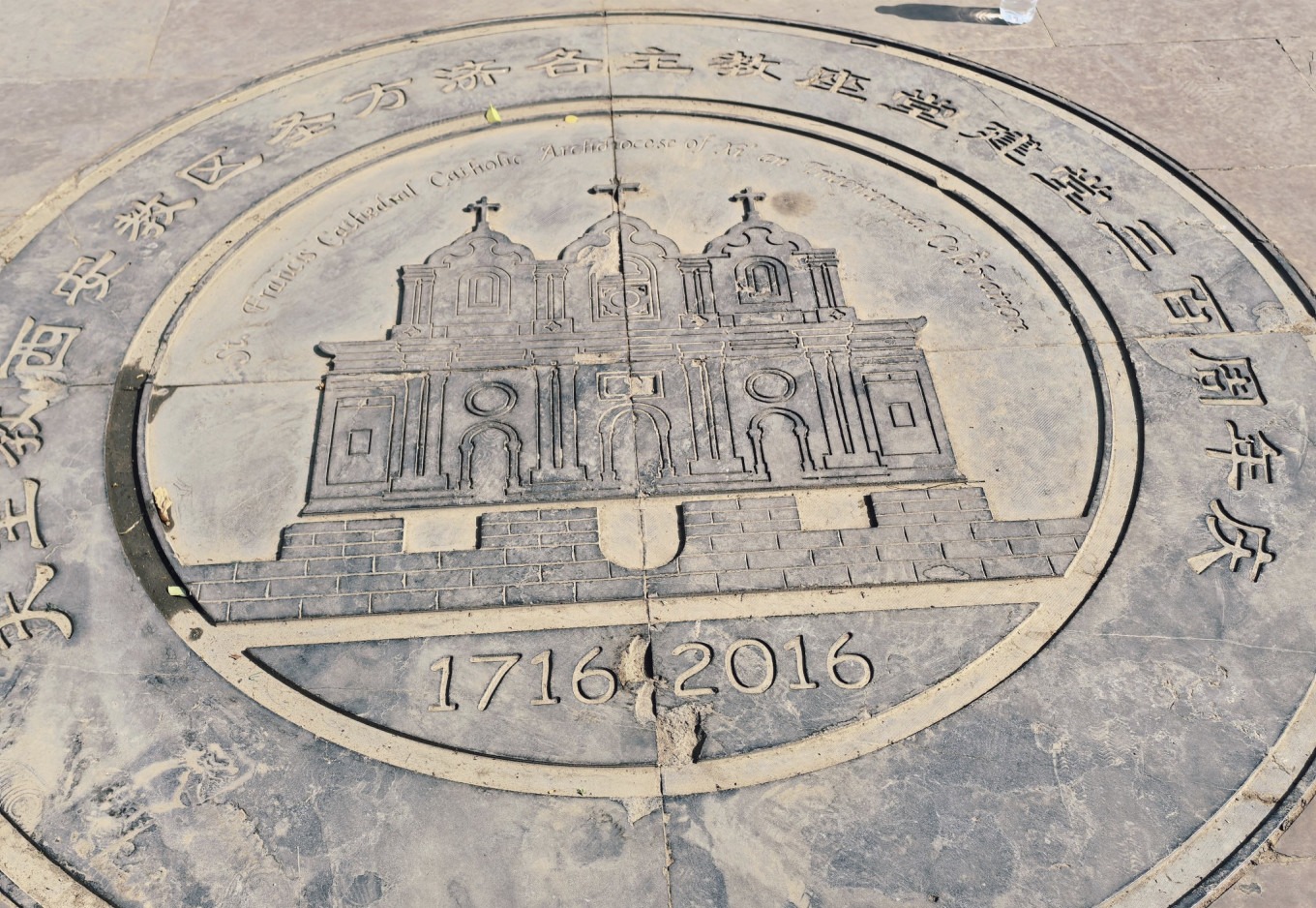
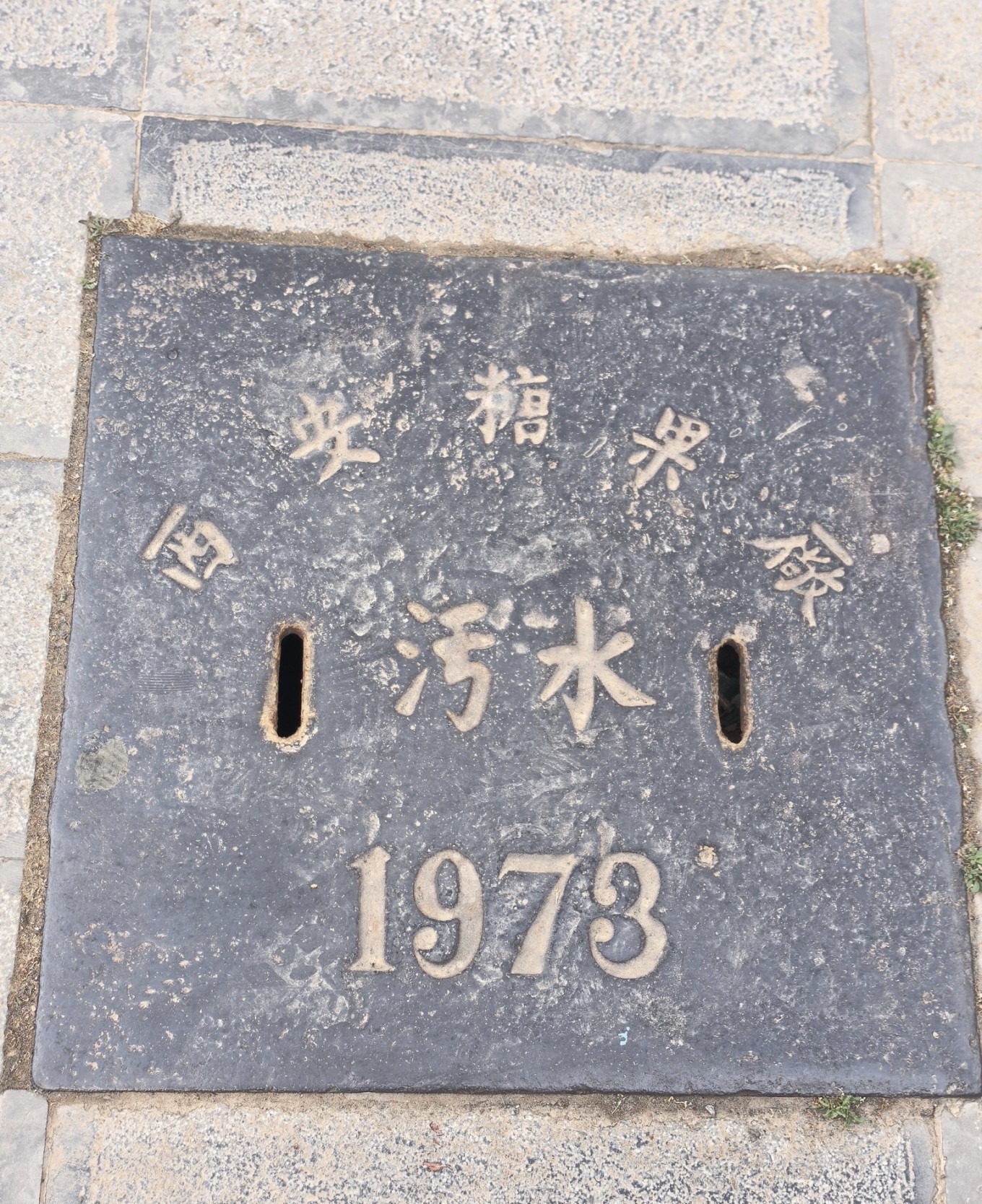
Begin your third day in Xi’an at the Five-Star Street Catholic Church (五星街天主教堂), also known as the South Church (南堂) or St. Francis Cathedral. This historic site, officially named the Cathedral of St. Francis, serves as the main cathedral and bishop’s seat of the Roman Catholic Archdiocese of Xi’an. Designated a Shaanxi Provincial Cultural Relic Protection Unit in 2008, the church was originally built between 1716 and 1727 under the direction of Italian missionary Matteo Ripa, commissioned by the second bishop of Shaanxi, Giovanni Battista Maigrot. The land was purchased in the city’s Tudi Miao Shizi area. Later, between 1765 and 1785, the third bishop, Francesco Saverio Maresca, expanded and renovated the structure. The name “South Church” distinguishes it from the earlier North Church (糖房街教堂) built in 1625. During the Yongzheng Emperor’s persecution of Christianity, the church was confiscated and sold to three families. After years of negotiations starting in 1862, the church property was finally reclaimed in 1884, and a major expansion added ten halls covering 700 square meters, with a facade 17.45 meters high. The architecture combines traditional Chinese brick-and-wood construction with Roman arches, creating a harmonious blend of East and West. The compound originally included 158 auxiliary rooms on 20.16 mu of land. Renovations in 1906–1908 under the fifth bishop, Hu Dingbang, refreshed the entire church. In the 20th century, the site housed Rose Girls’ School, Joseph Boys’ School, Anthony Hospital, and Mary Clinic. During the Cultural Revolution, the church was occupied by a candy factory, and its cross was removed, but the building survived as a warehouse.
As you explore, you’ll notice the interior is modest compared to cathedrals in other provincial capitals, yet every detail serves a liturgical purpose. The church’s blend of Chinese and Western architectural styles is seamless—observe the pointed arches and traditional Chinese roof tiles. A guide may share stories of the church’s past; listen for the fascinating account of how it was used as a candy factory during the Cultural Revolution. You can still find traces of that era, such as old factory signage preserved in the compound.
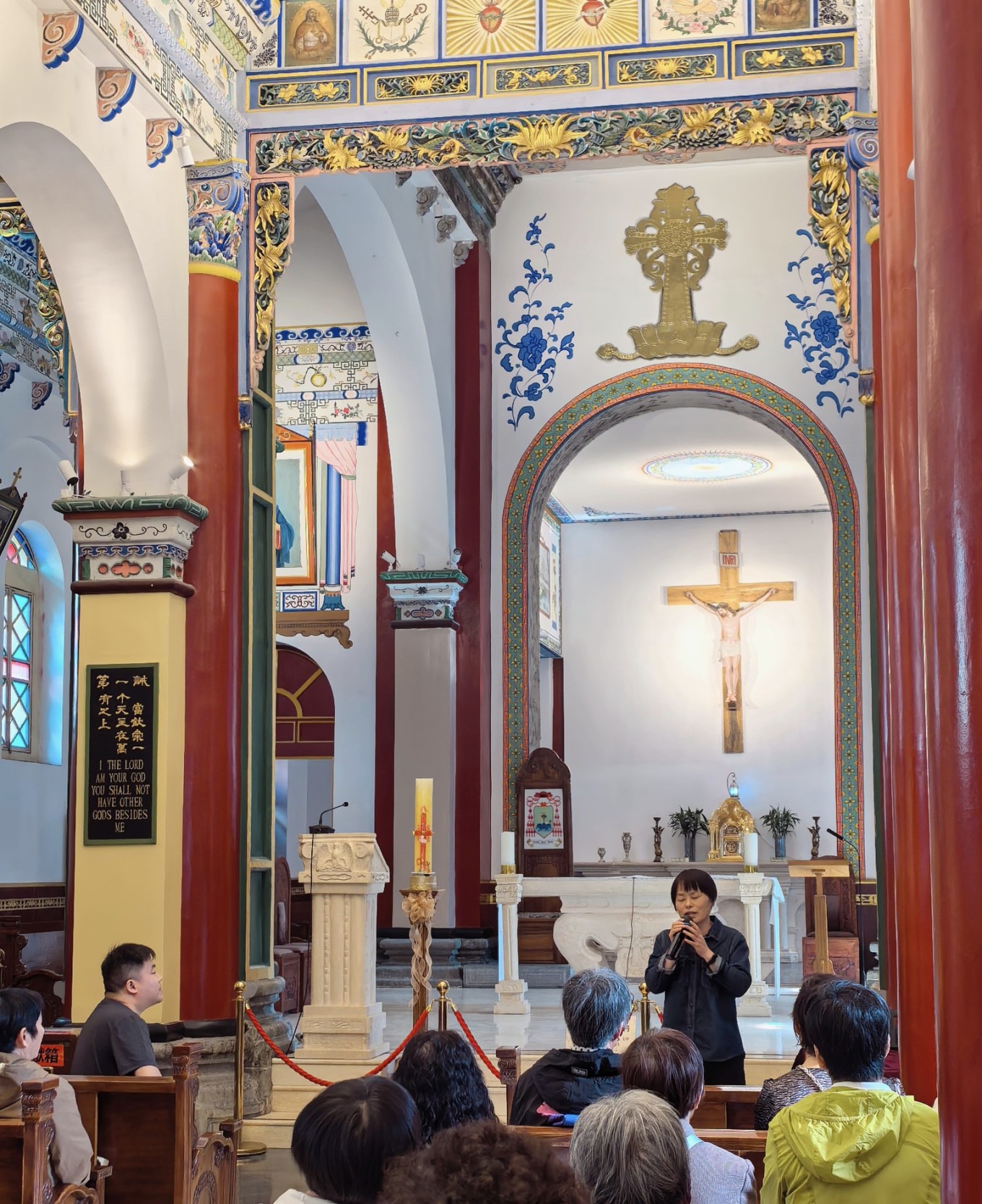
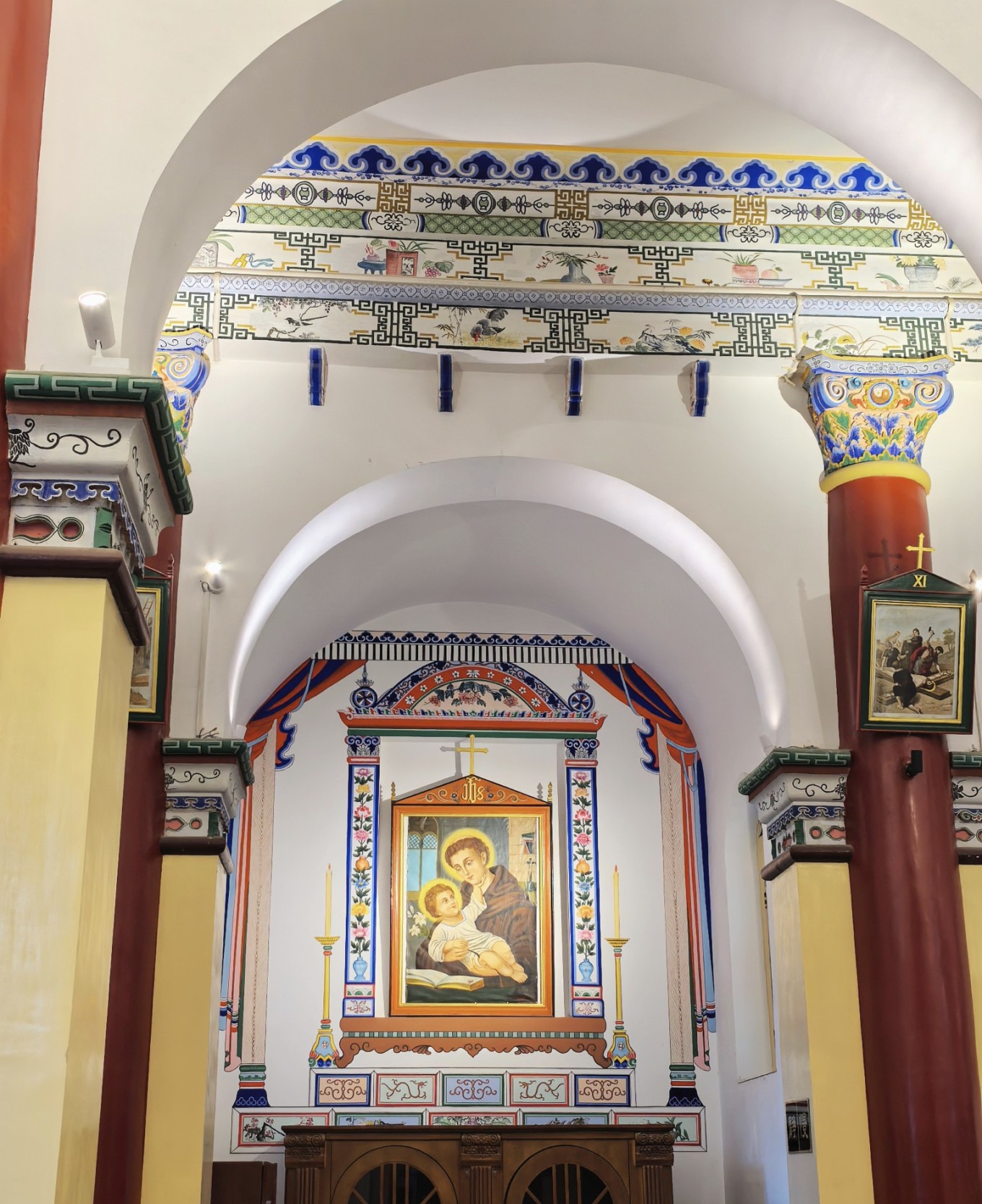
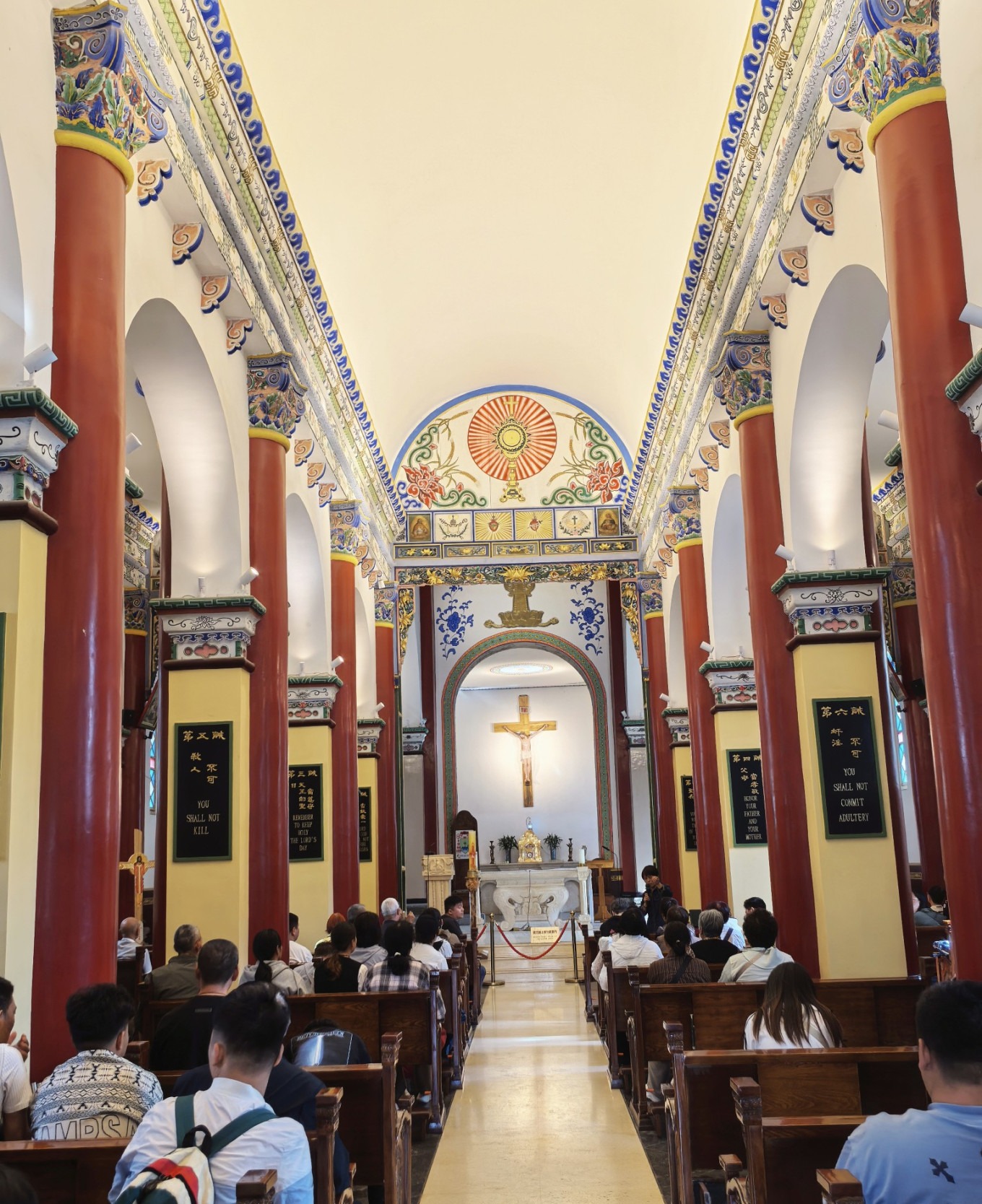
Tour groups often arrive by bus, so you may share the space with other travelers. Take time to photograph the architectural details—the meeting points of beams and columns, the interplay of light through windows. In 2016, the church underwent renovations and began using promotional images similar to those you’ll see today, a practice that lagged behind other urban sites by a few years.
City God Temple (都城隍庙)
Located at the intersection of Xidajie and Guangjijie in Lianhu District, Xi’an’s City God Temple (都城隍庙) is a must-visit historical site. Originally built in 1387 (Ming Dynasty) on Jiuyue Street inside the East Gate, it was moved to its current location in 1433. The temple is dedicated to the City God, a protective deity worshipped for rain, clear skies, and disaster relief. The complex is divided into two main parts: the temple courtyard in the center and the Taoist courtyards on the east and west sides. The main gate faces south, and the architecture is grand and solemn, though the original memorial archway has been demolished.
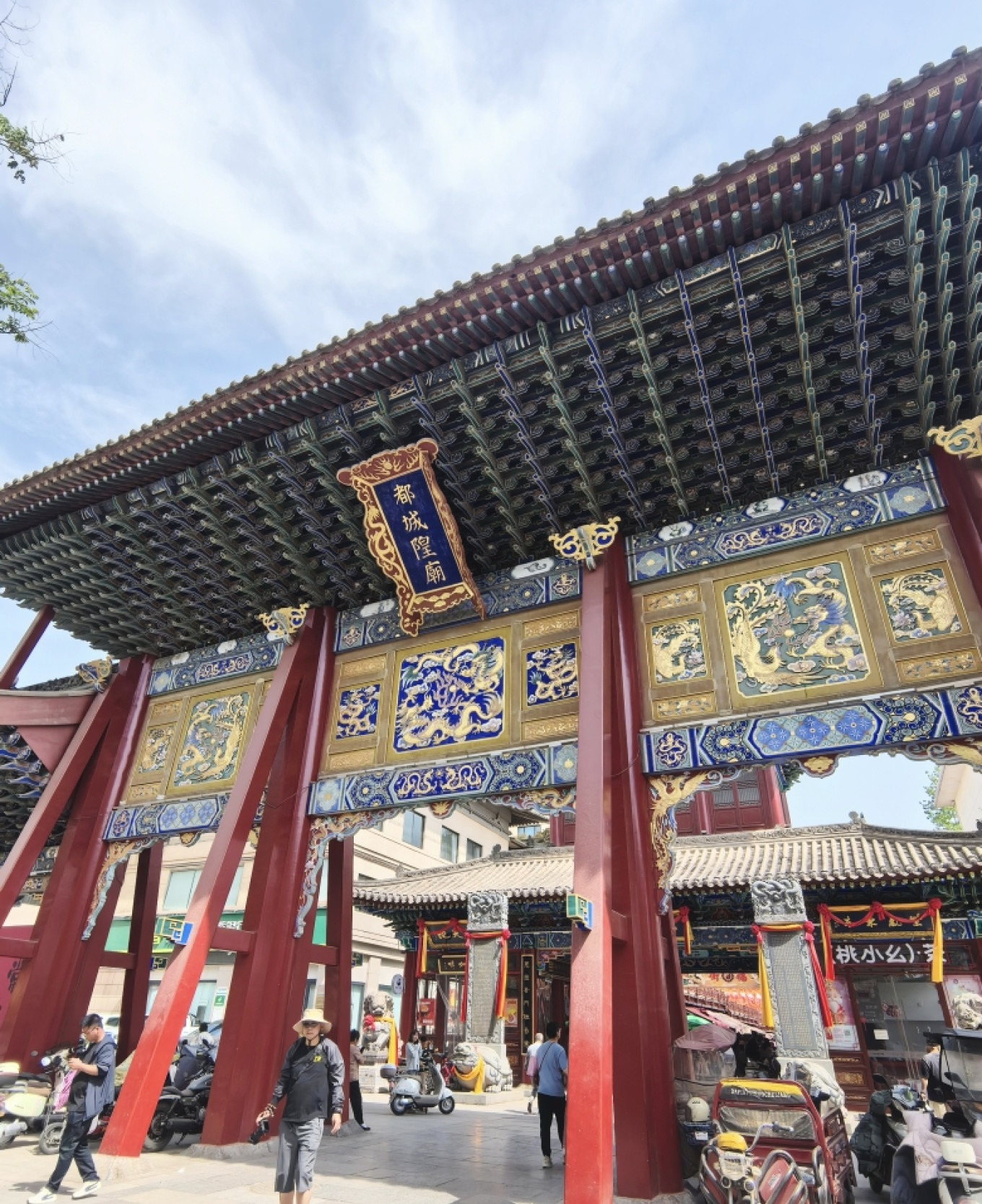
The wooden memorial archway (木牌坊) is a four-pillar, three-eave structure with a single-eave hip-and-gable roof. Its intricate dougong brackets extend outward symmetrically, and the eaves are deep and graceful. The archway still retains colorful painted patterns, making it a highlight of the temple.
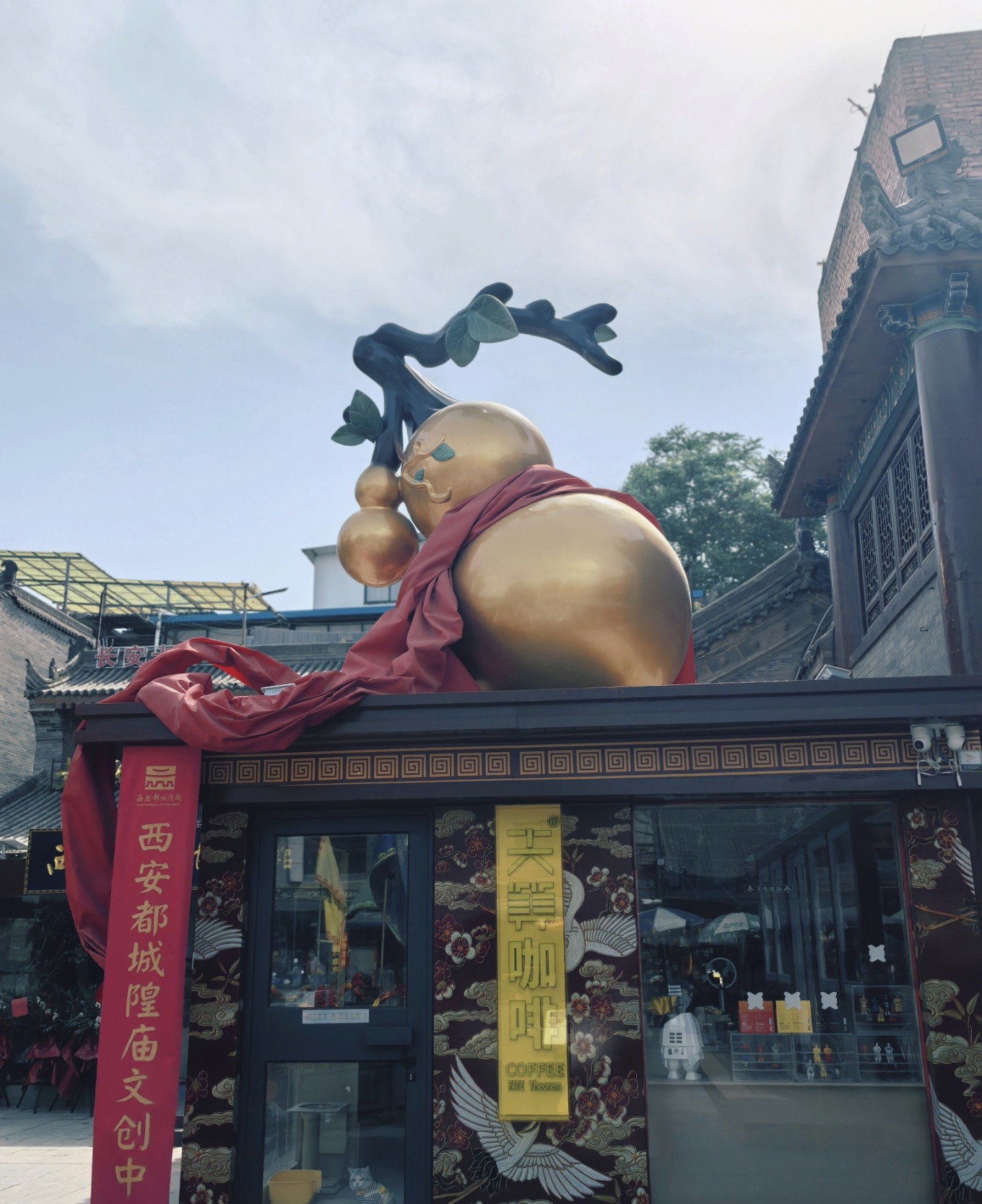
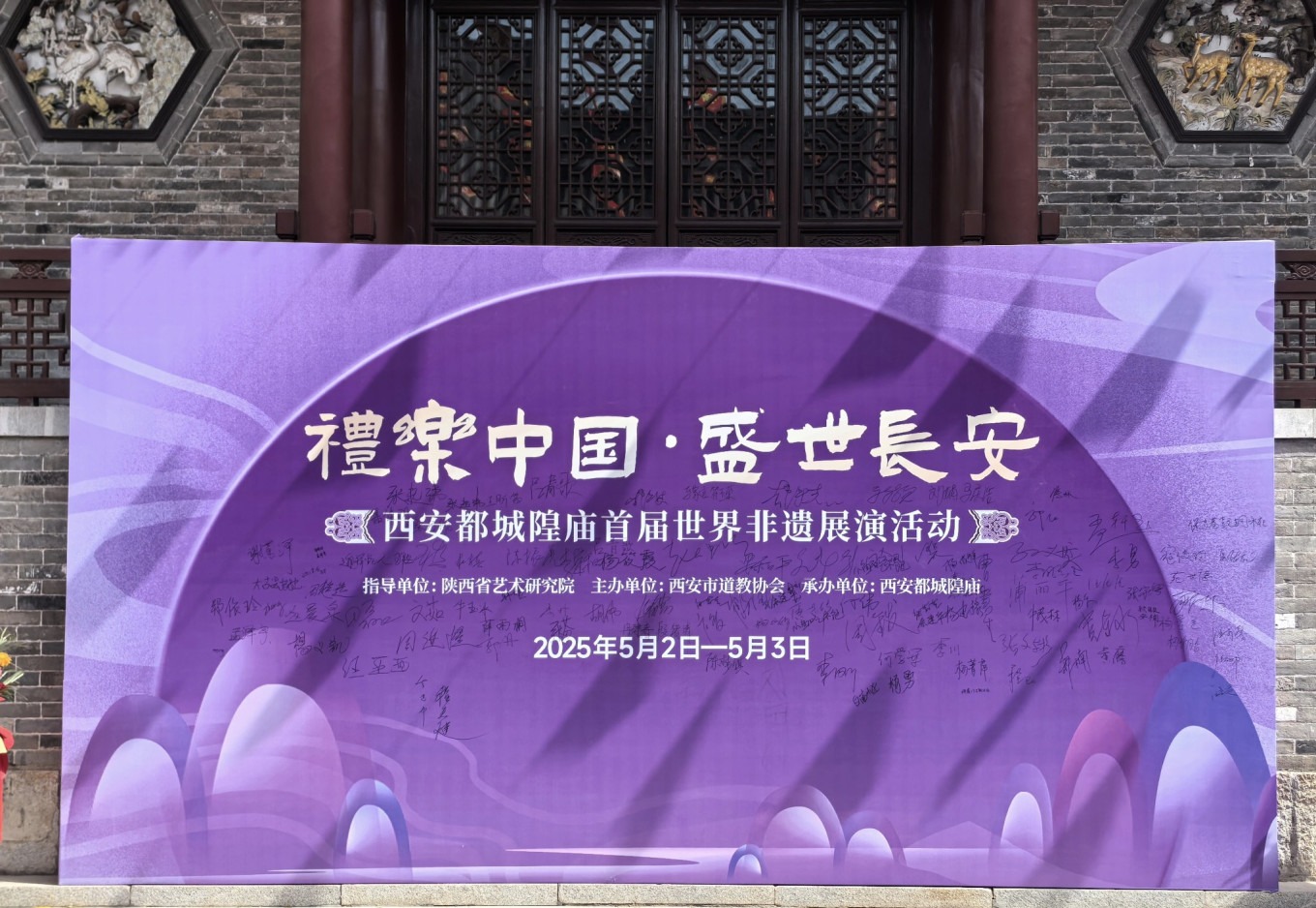
The main hall (大殿) is five bays wide (34.5 meters) and three bays deep (15.7 meters), surrounded by a corridor. It features a single-eave hip roof covered with blue glazed tiles and green glazed ridges. The exterior brackets are of the seven-petal, three-ang type. The hall originally housed a pair of Ming-dynasty bronze lions (now at the Stele Forest Museum) and statues of the City God, judges, and ghosts (now lost). The wooden lattice doors are intricately carved with patterns like ‘cang chong jiao zi’ and ‘jin suo tao mei’, as well as motifs of unicorns and elephants.
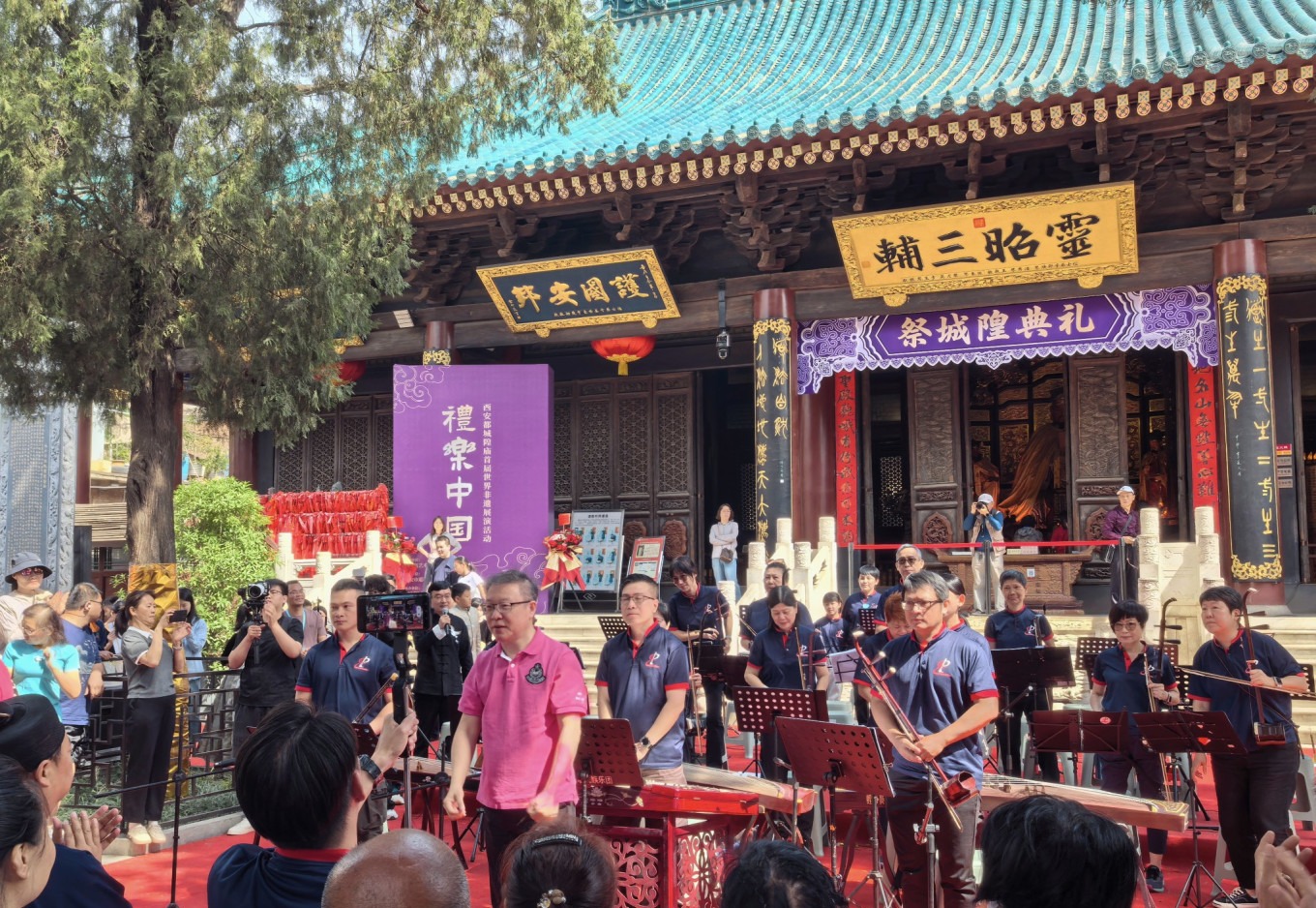
One of the most unexpected delights at the temple is catching a live performance by visiting bands. In the photo above, the performers are from the Hong Kong police band, representing various police units.
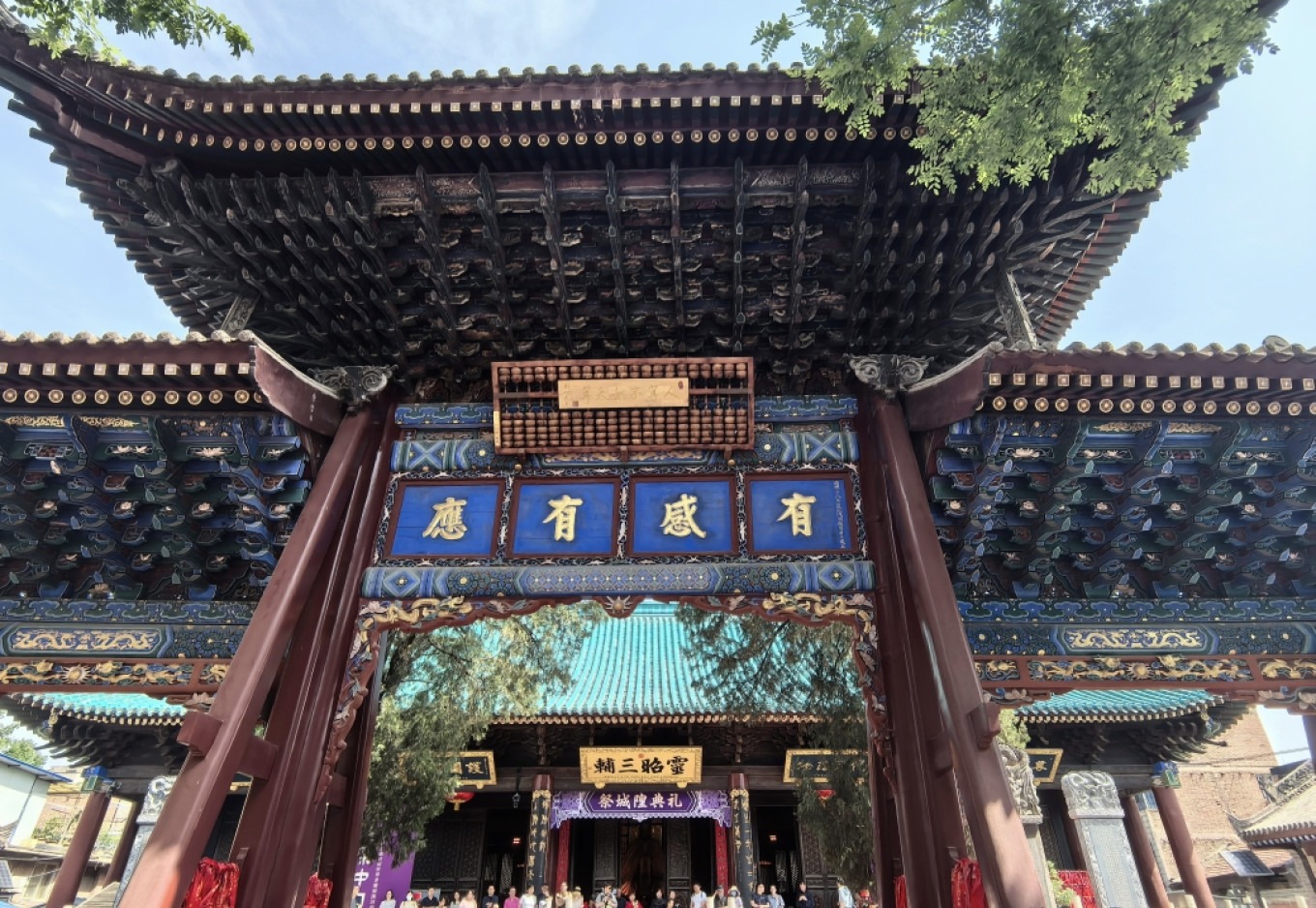
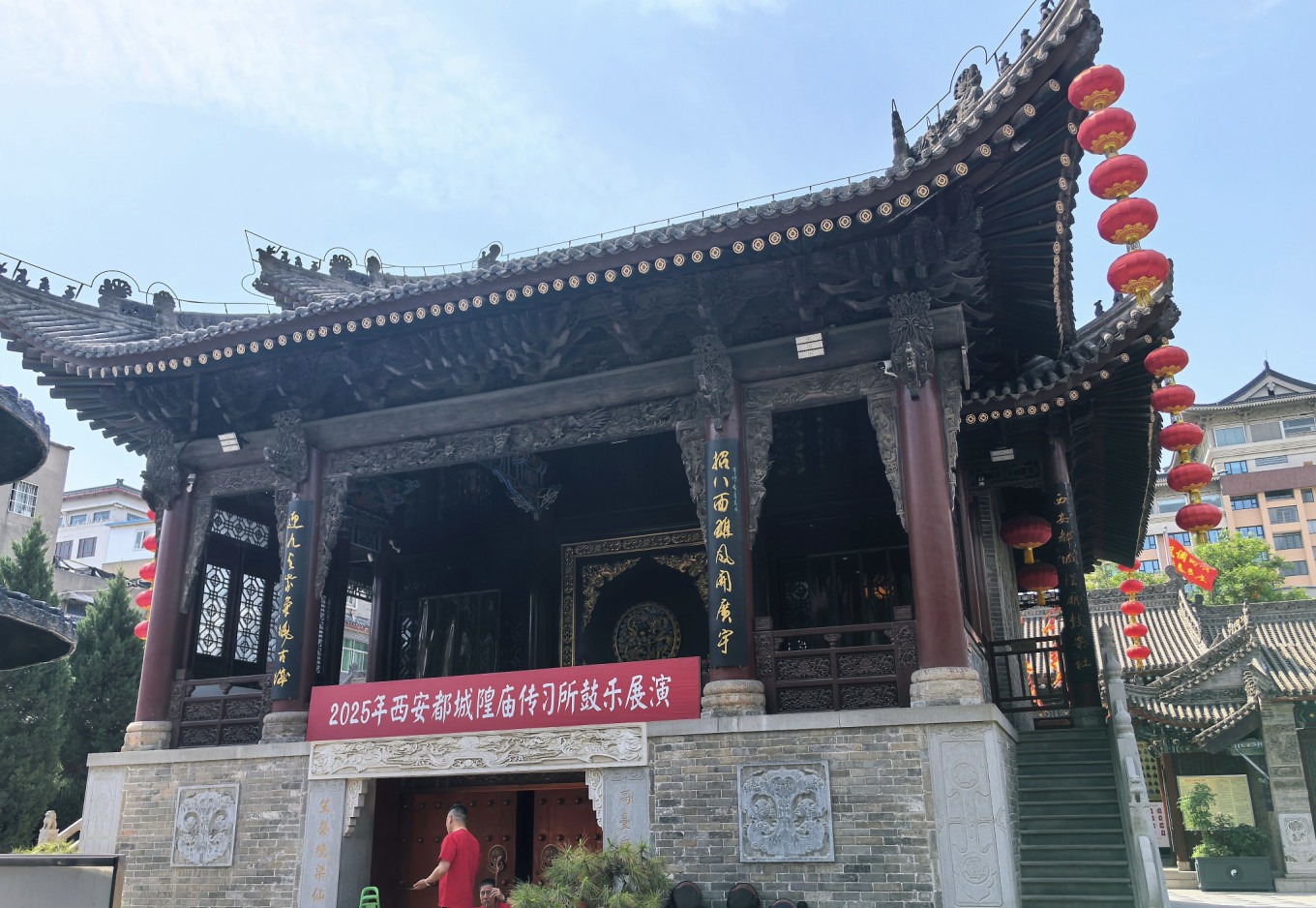
The music and dance stage (乐舞楼) sits on a brick platform, three bays wide and two bays deep, with a double-eave hip-and-gable roof and a front porch with a single-eave rolling-shed roof. The stage is exquisitely crafted with dougong brackets and glazed tiles. Note that the stage faces the main hall, and tradition dictates that audiences should sit on the sides, not in the center.
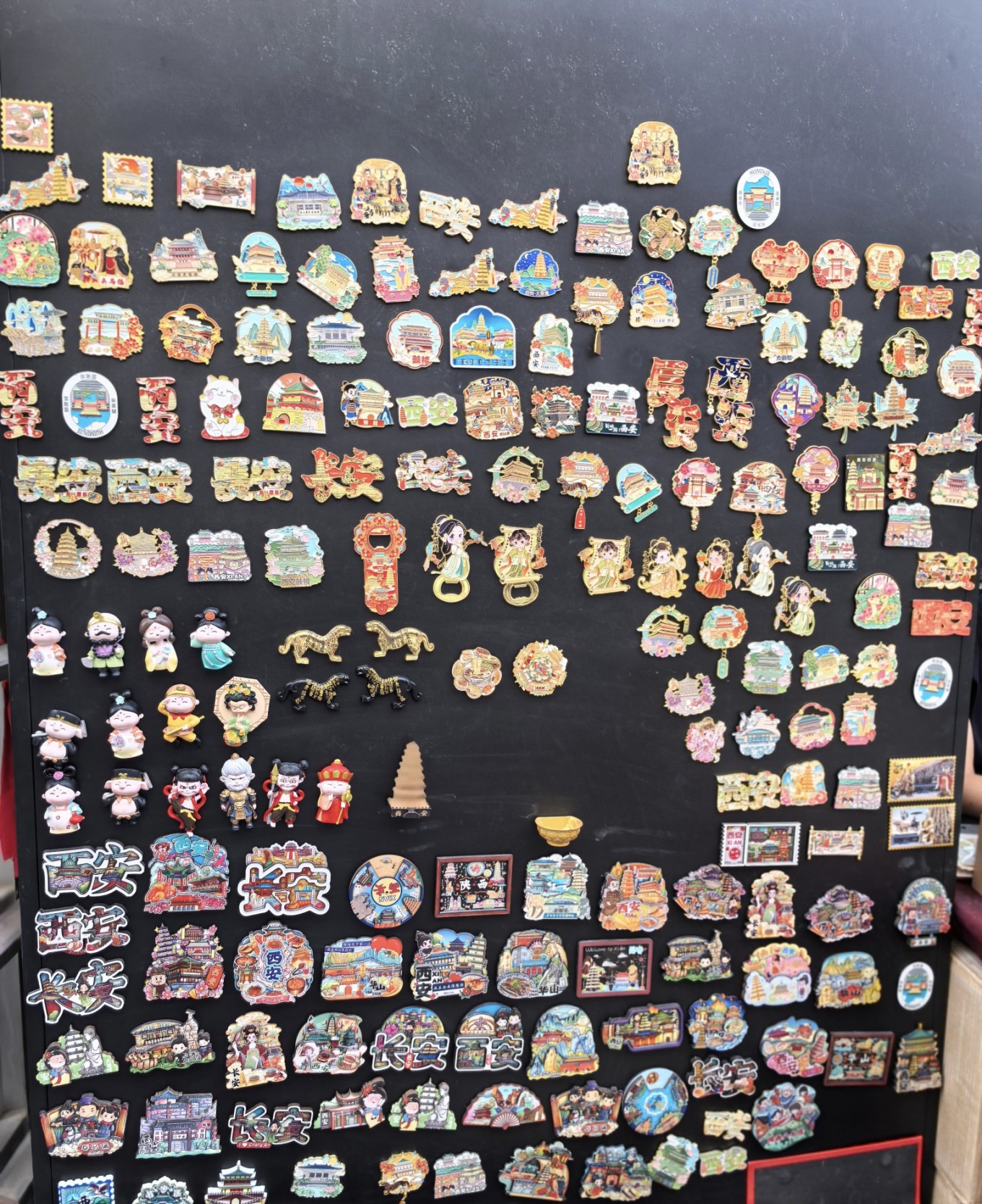
You’ll find an astonishing array of creative refrigerator magnets and other souvenirs — a sign of the booming creative industry. Don’t miss the chance to pick up a unique memento.
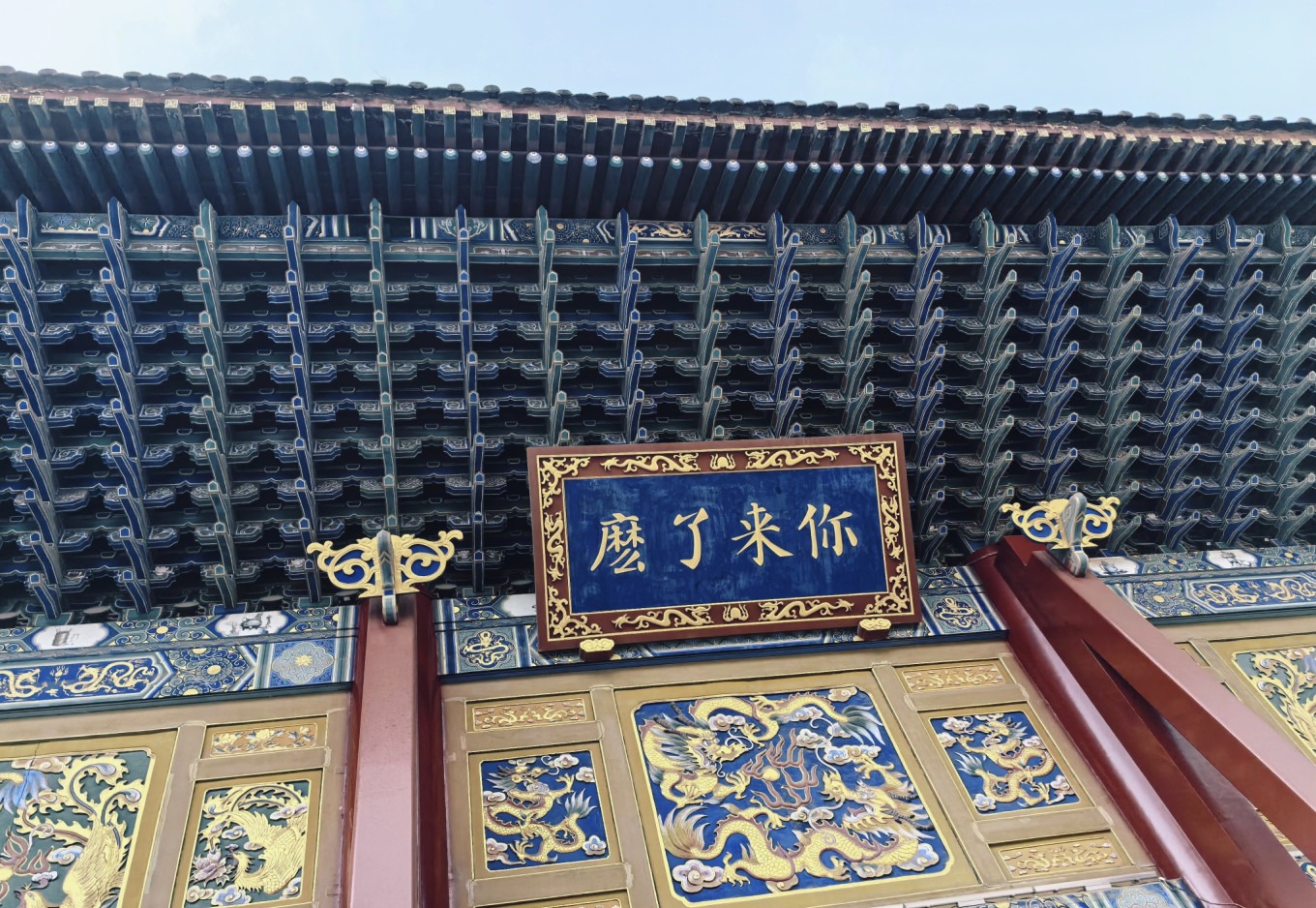
In 2001, the Xi’an City God Temple was designated a National Key Cultural Relic Protection Unit. The sleeping hall (寝殿) is a five-bay structure with a linked-eave roof, smaller columns, and octagonal stone bases. It is now occupied by the subdistrict office but remains well preserved.
Practical tip: You can prioritize one signature stop around the area, and you should adjust timing and budget based on transport and peak hours.
Drum Tower, Muslim Quarter, and Great Mosque
Xi’an’s Bell Tower (钟楼) and Drum Tower (鼓楼), built in the Ming Dynasty (1368–1644), stand at the city center as the largest and best-preserved examples of their kind in China. Together they once served as timekeeping structures—the Bell Tower marking the hour with bells, the Drum Tower with drums. Their multi-eaved roofs, intricate brackets, and vibrant colors showcase a blend of Han and ethnic architectural traditions. In 1996, both towers were designated as Major Historical and Cultural Sites Protected at the National Level.
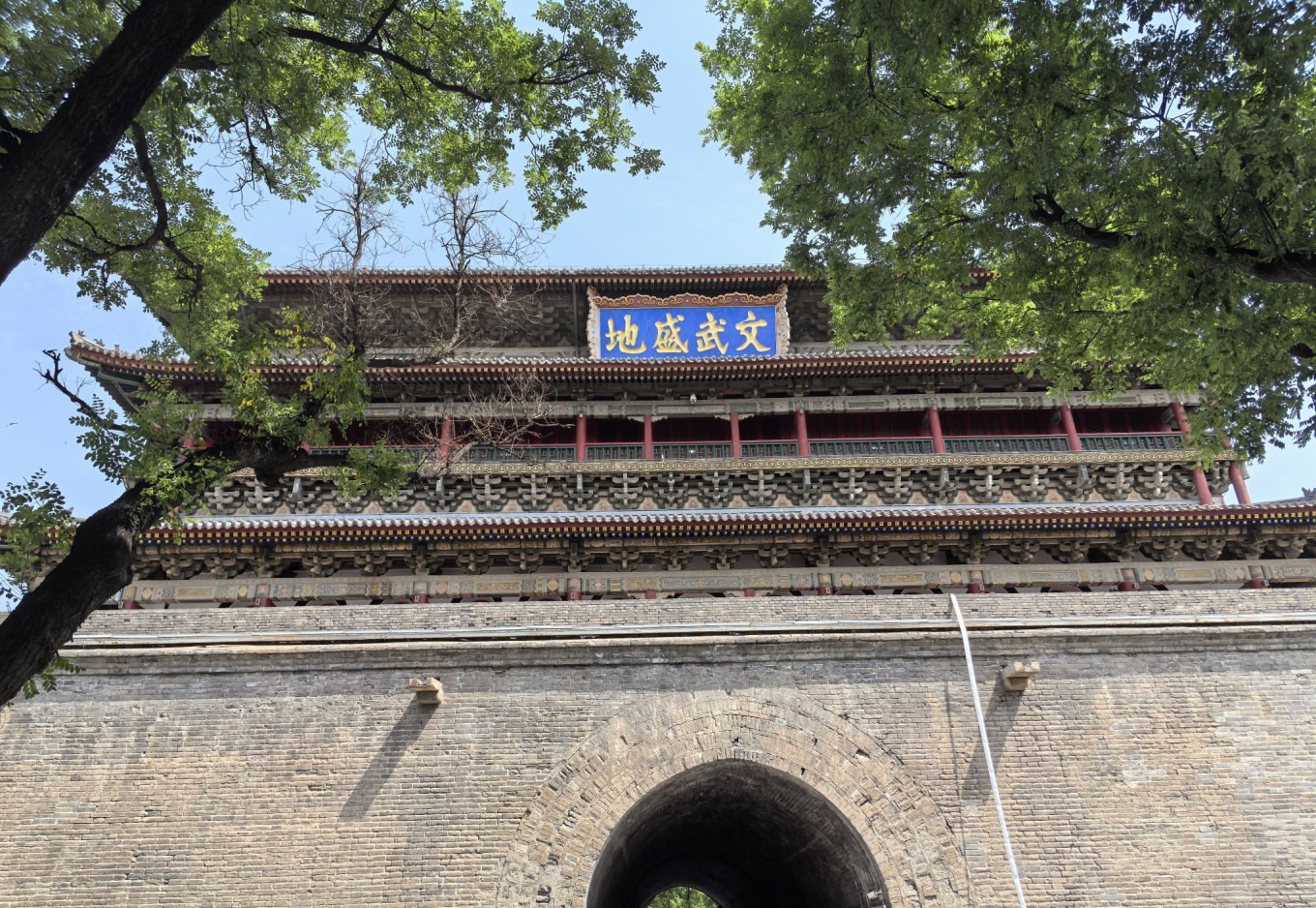
You can photograph the towers from the outside without climbing them. After exploring the Muslim Quarter, walk around the Drum Tower and head toward Defu Alley (德福巷) for a different vibe.
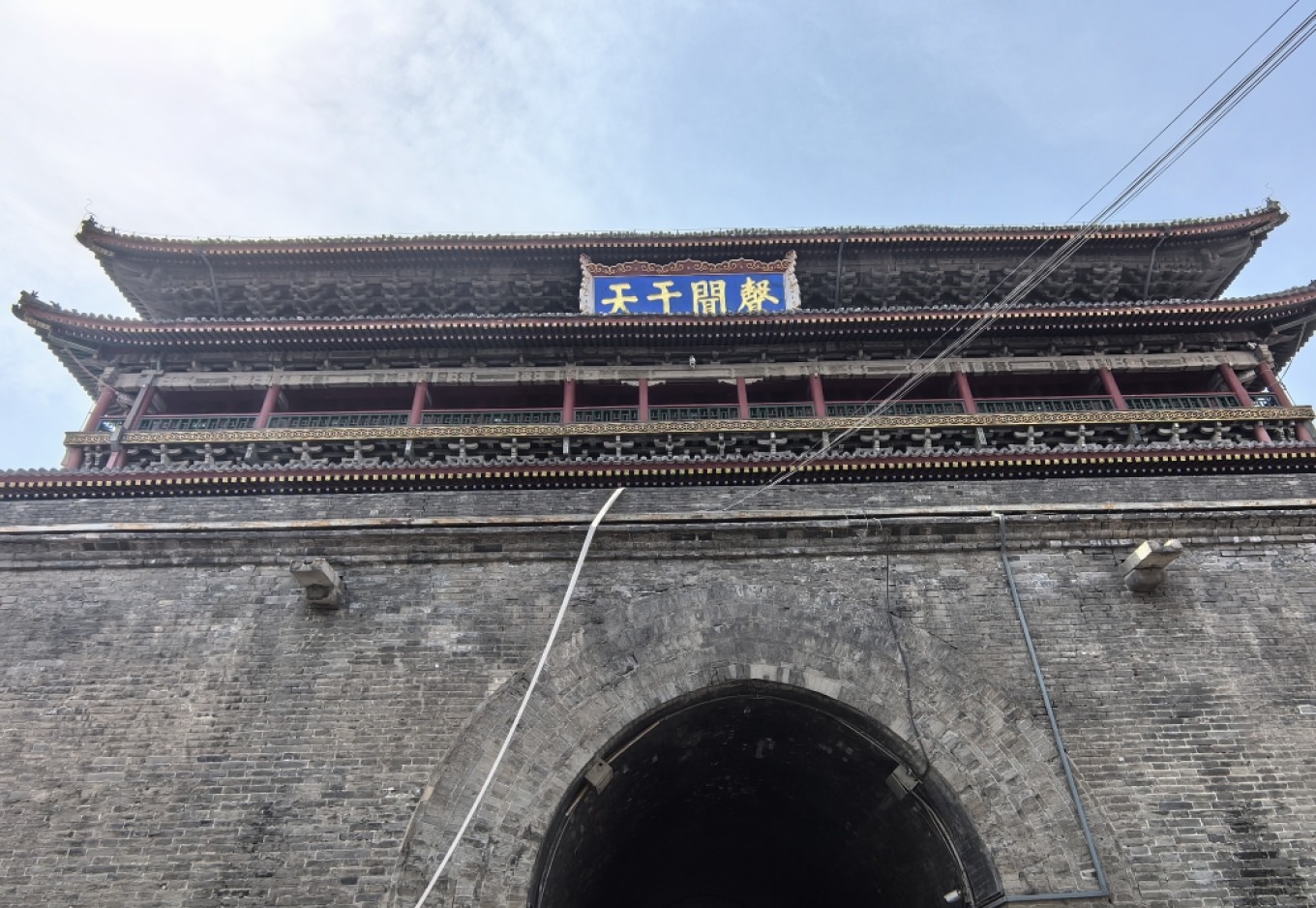
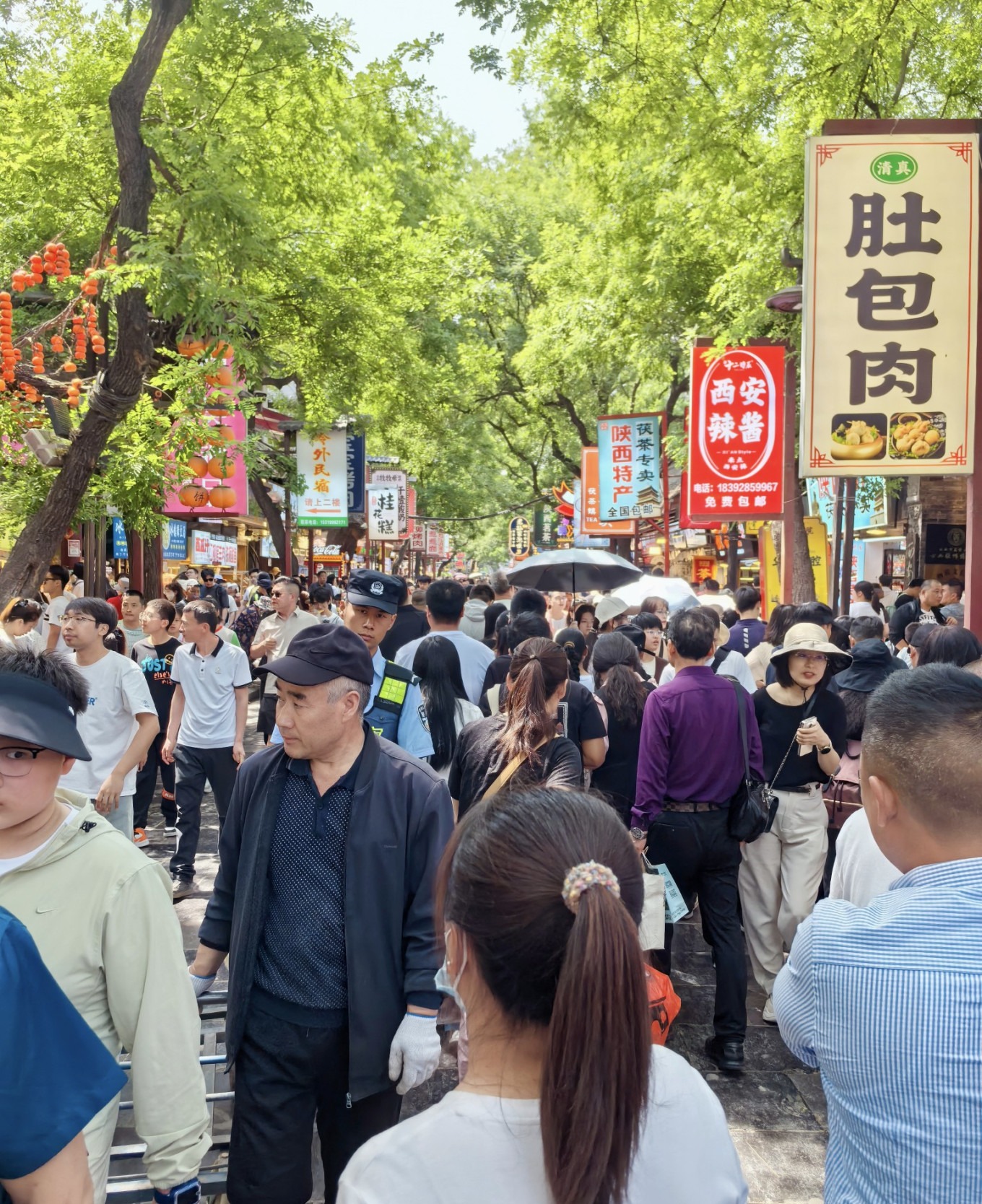
The Muslim Quarter (回民街, The Muslim Quarter) is not a single street but a network of lanes including Beiyuanmen (北院门), Beiguangji Street (北广济街), Xiyangshi (西羊市), Dapiyuan (大皮院), Huajue Lane (化觉巷), and Sajinqiao (洒金桥). This area has been home to Xi’an’s Hui Muslim community since the late Northern Song Dynasty (12th century) and flourished as a commercial hub during the Ming and Qing dynasties. Locals call it ‘Fangshang’ (坊上), while visitors know it as the Muslim Quarter.
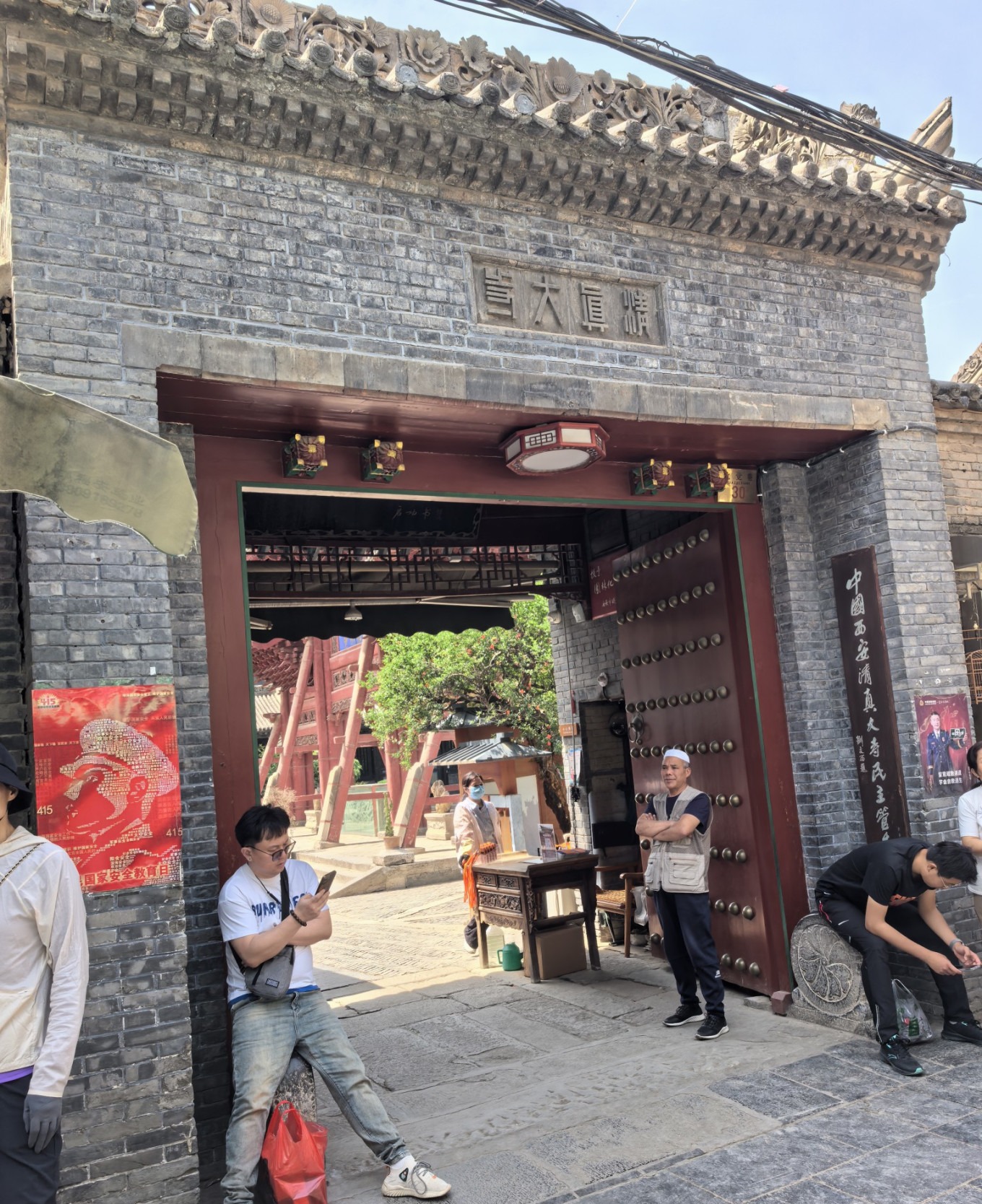
Tucked inside Huajue Lane (化觉巷) northwest of the Drum Tower, Xi’an Great Mosque (西安清真大寺 (local term), also known as Huajue Mosque or Dongda Mosque) is one of China’s largest and best-preserved Islamic complexes from the Ming and Qing dynasties. Its layout blends traditional Chinese palace architecture with Islamic decorative motifs. In 1988, it was listed as a Major Historical and Cultural Site Protected at the National Level.
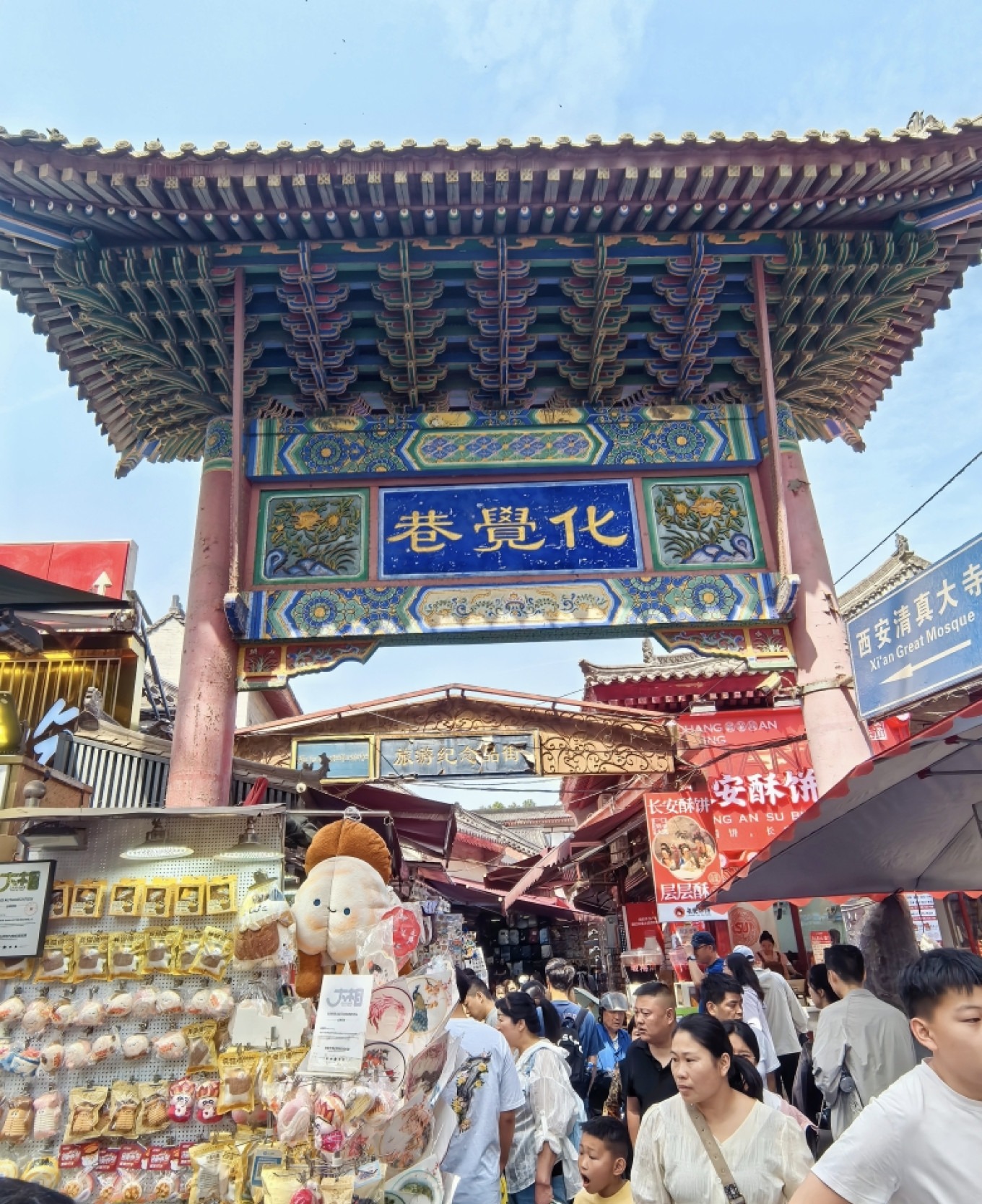
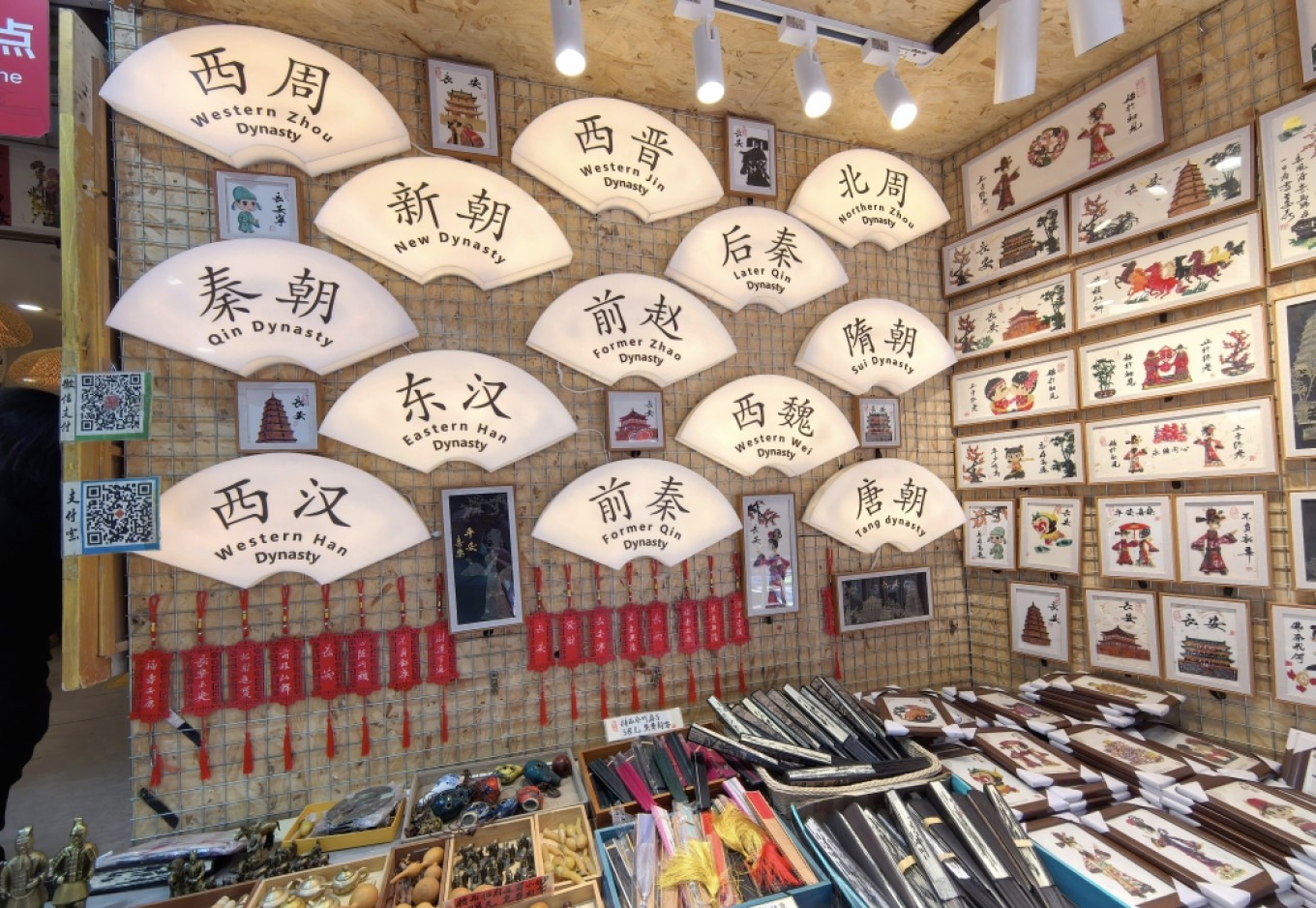
Xi’an served as the capital for 13 dynasties—a fact that can be hard to remember. Fortunately, a light box in the quarter lays out the timeline clearly. In 1992, Beiyuanmen Street was renovated with bluestone paving and two-story buildings in Ming-Qing style, creating the pedestrian-friendly tourist street you see today.
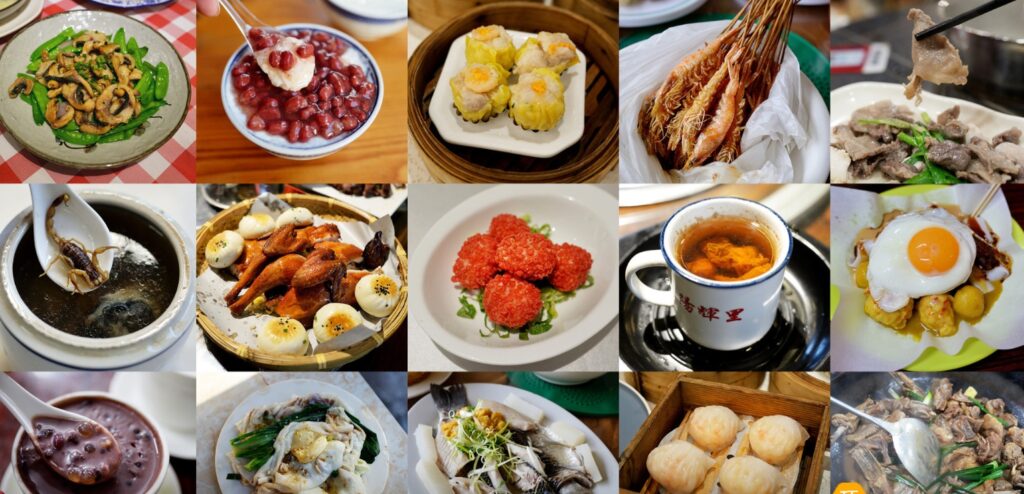
Food is the main draw here. You’ll find lamb stomach stuffed with meat (肚包肉, lamb tripe stuffed with minced lamb) and other halal snacks. Prices are reasonable—for example, a serving of ‘Xi’an Flavor’ (西安味道) costs about 10 yuan, while in other cities it might be 15 yuan.
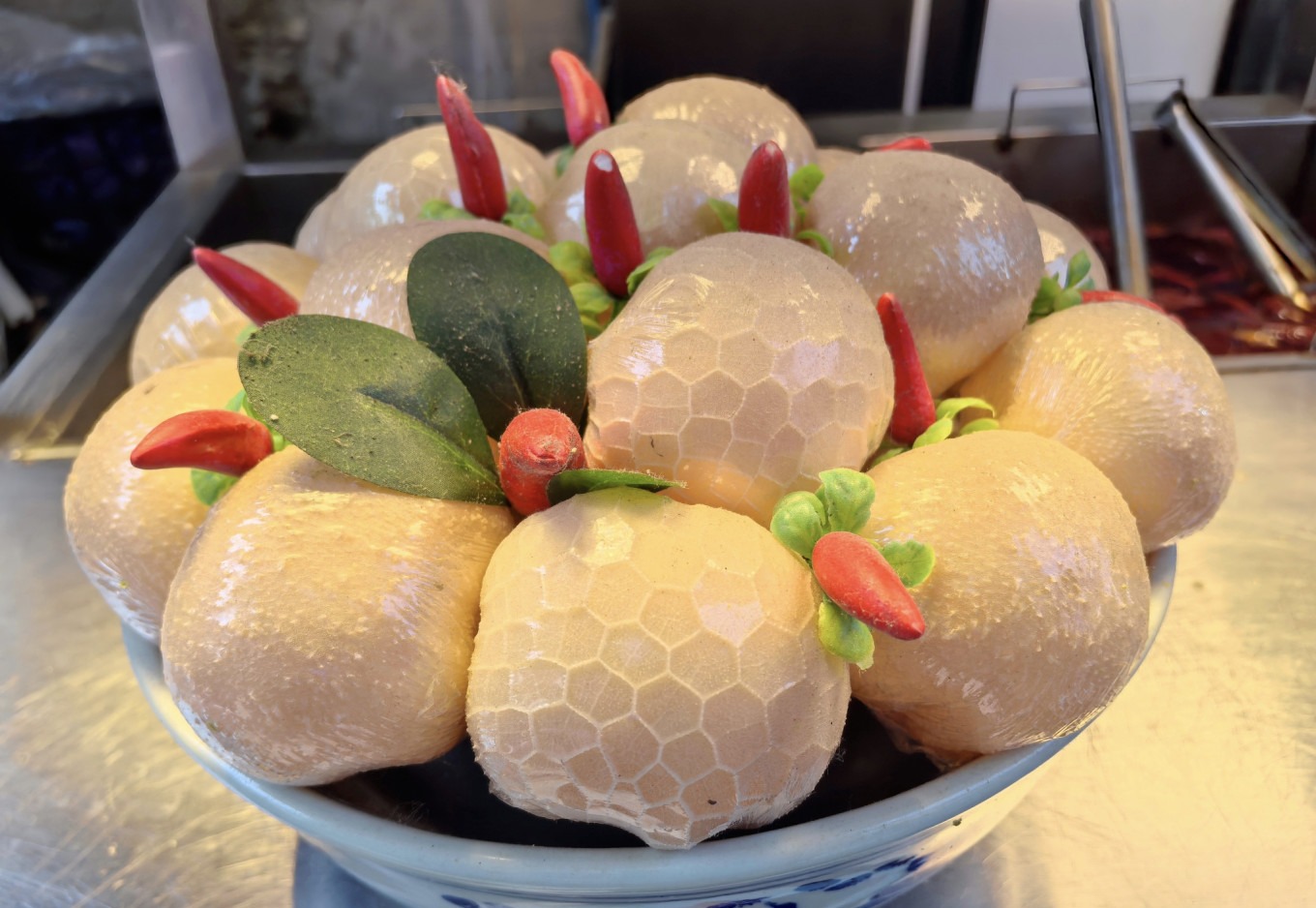
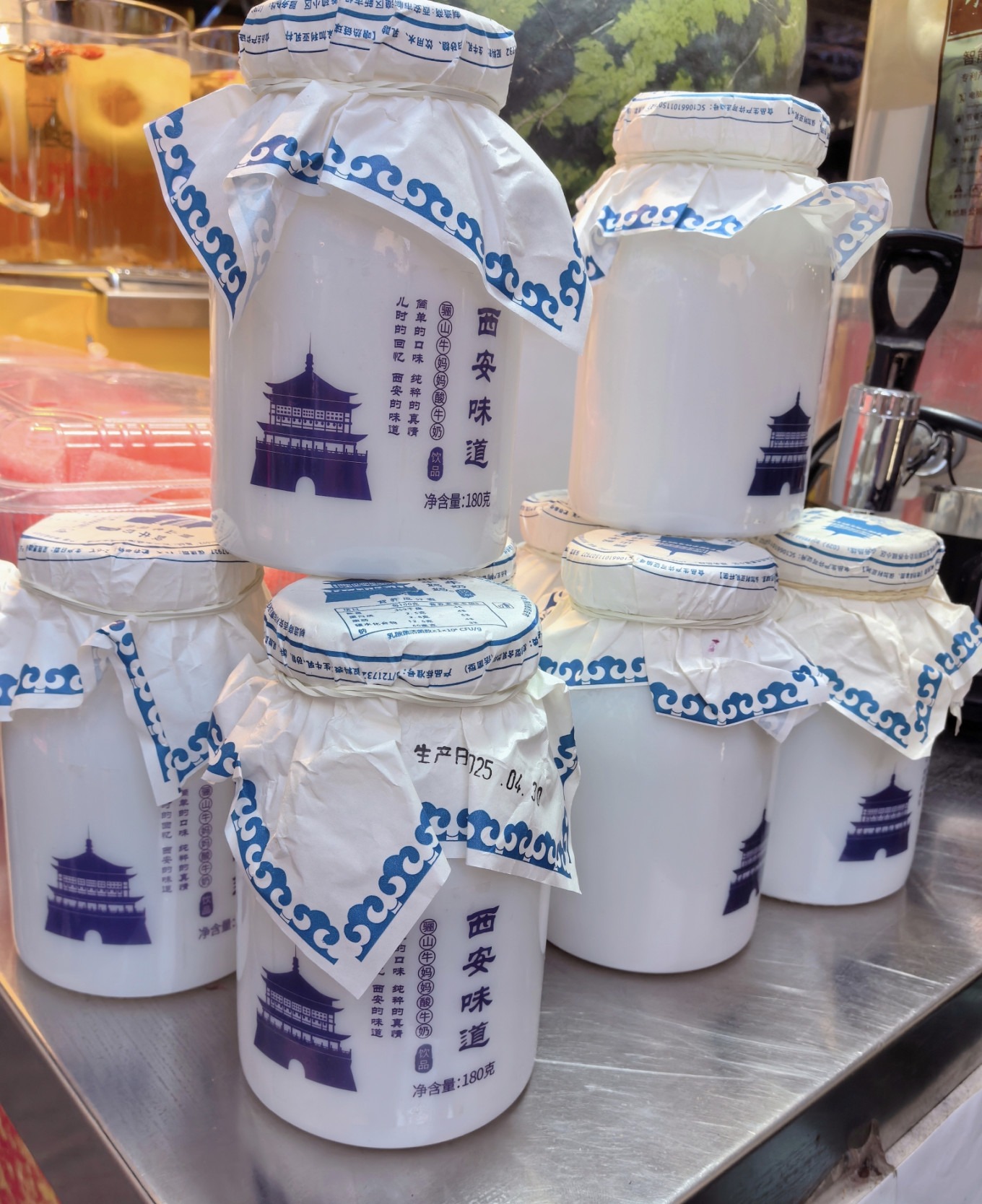
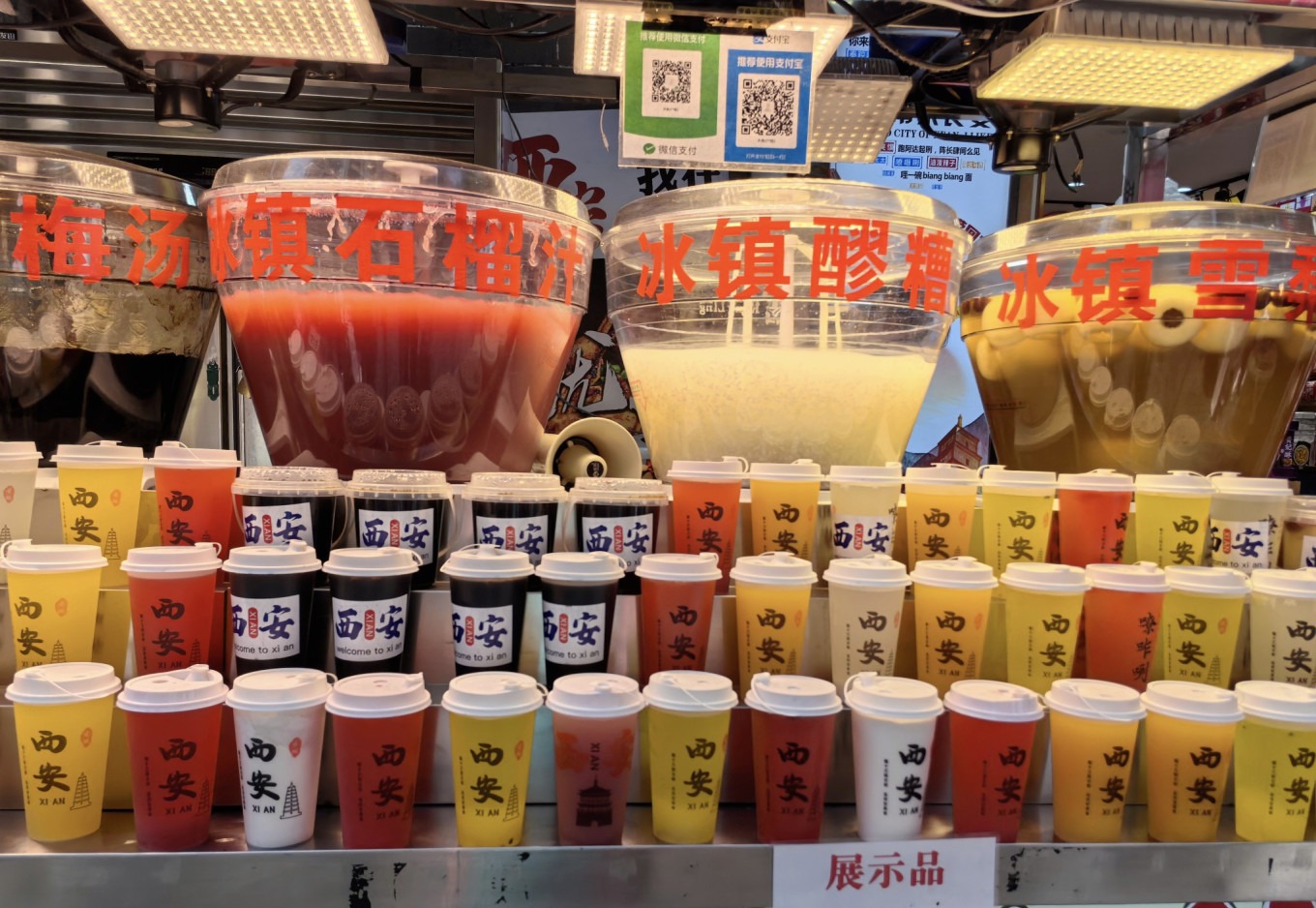
As the weather gets hotter, vendors become more cheerful—the colorful displays are hard to resist. Just be aware that some stalls may use food additives (‘technology and ruthlessness’ as locals joke).
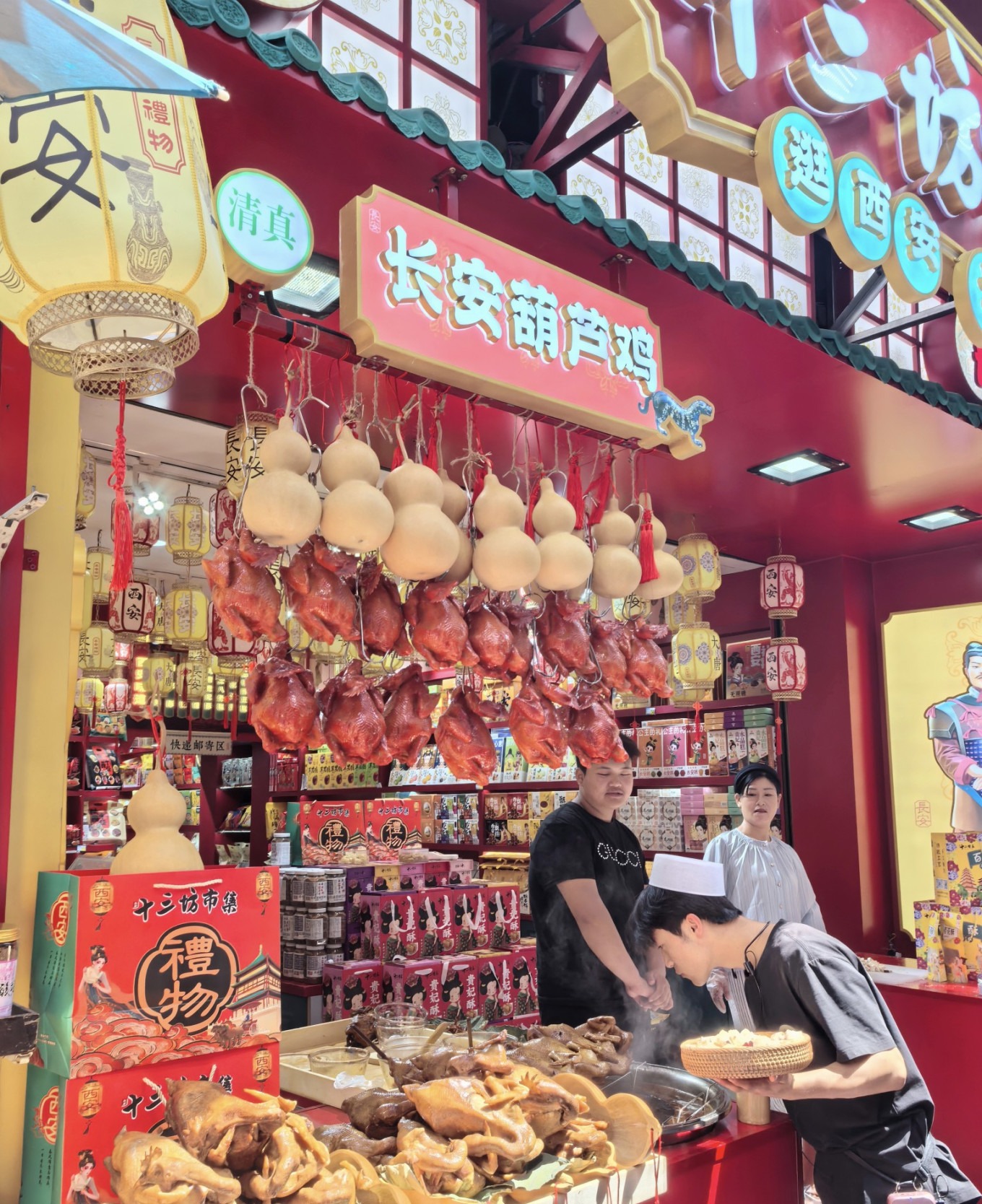
One iconic dish you’ll see everywhere is ‘Hulu Chicken’ (葫芦鸡, gourd-shaped fried chicken). It’s famous in Xi’an and also available at Yongxingfang (永兴坊). If you miss it, consider it a reason to return.
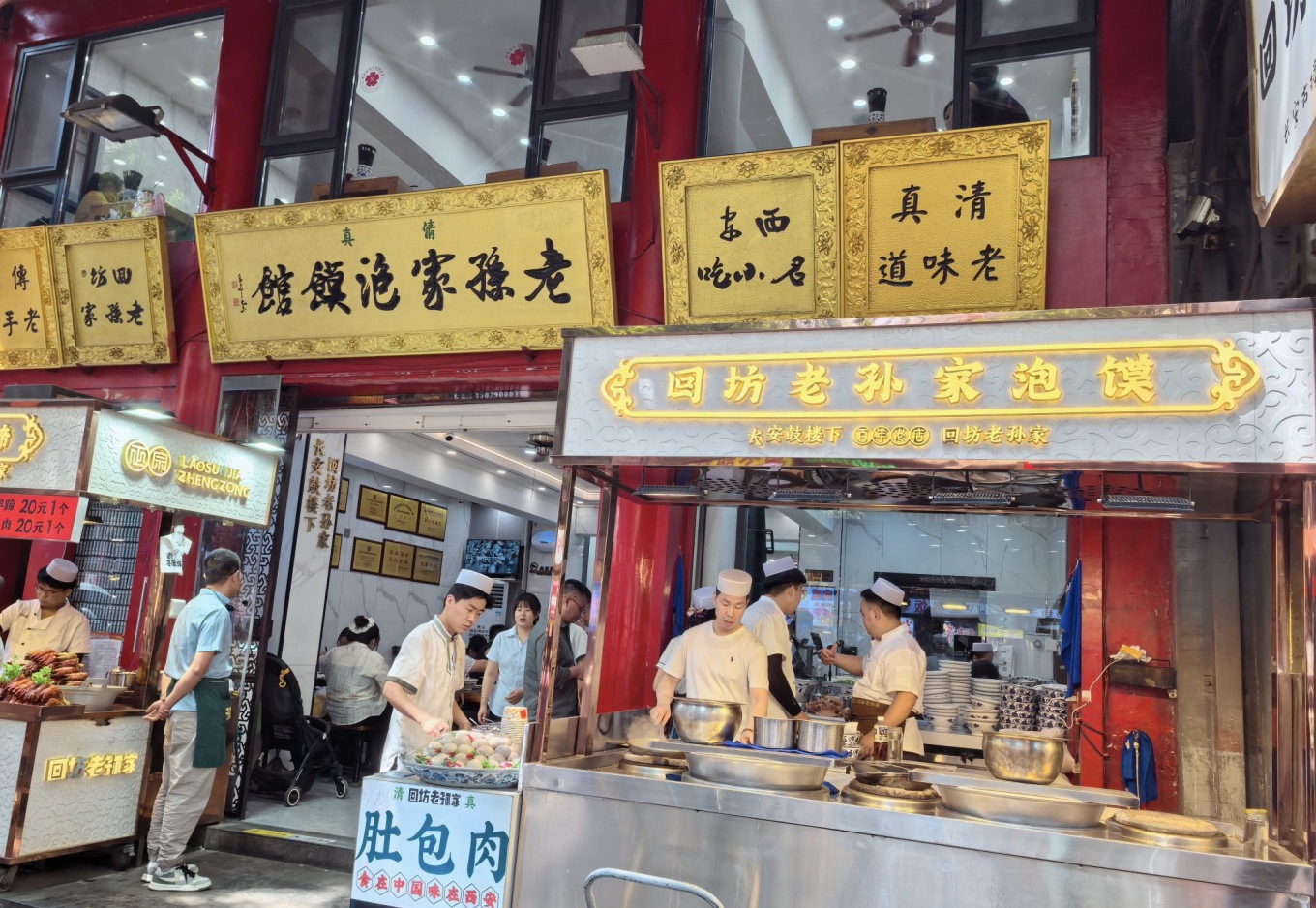
The Muslim Quarter is also home to several famous eateries. Lao Sun Jia (老孙家泡馍馆) is known for its lamb paomo (bread soaked in lamb broth), a dish recognized as an intangible cultural heritage item. However, if you’re not a fan of lamb or beef, you might want to skip it.
Another local favorite is soup dumplings (灌汤包, soup-filled buns). In some regions, these are listed as intangible cultural heritage, but in the Muslim Quarter they are simply a delicious halal option.
A local travel blogger advised against eating at the main tourist streets—her advice is worth heeding. Instead, explore side alleys for more authentic and affordable options.
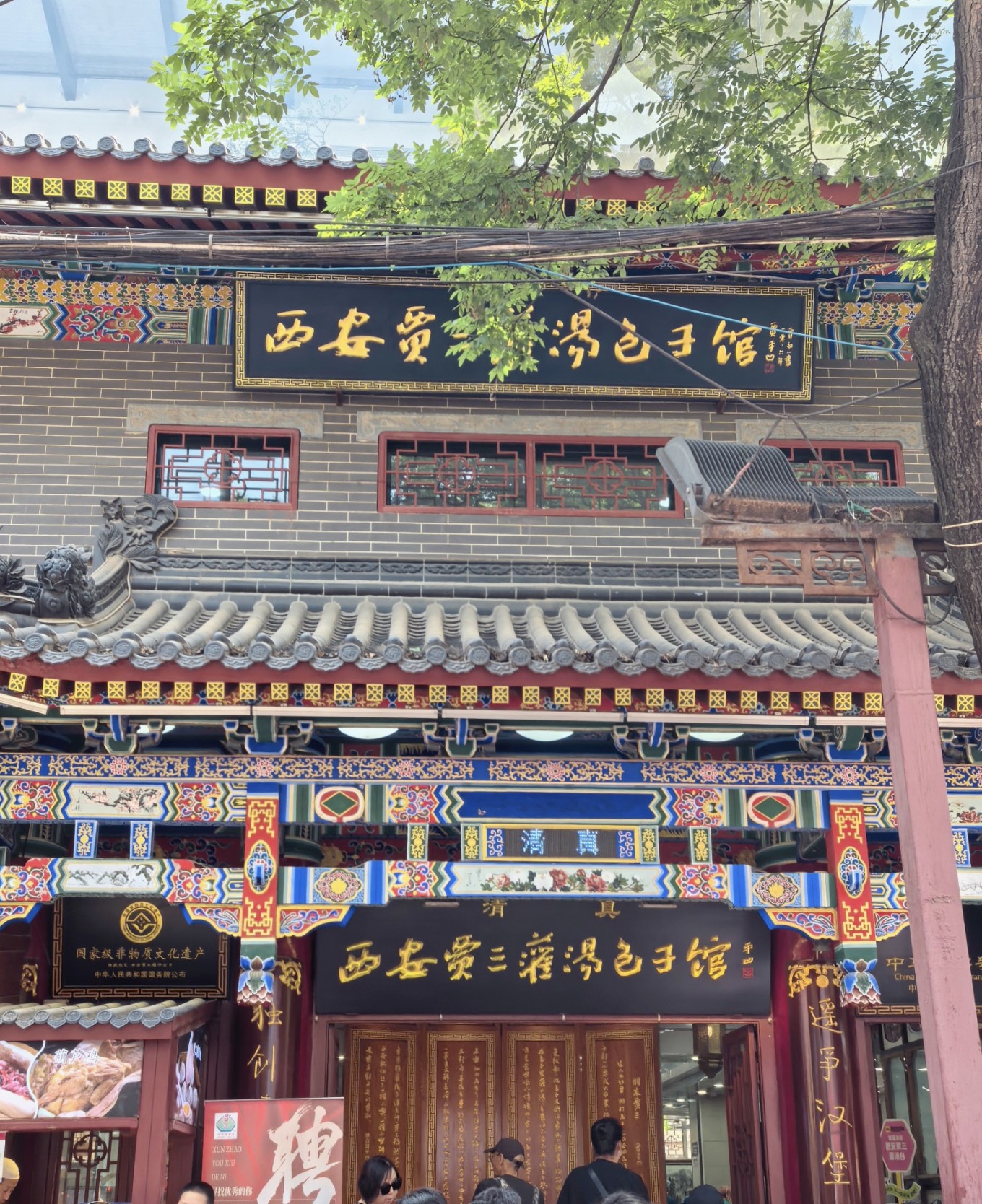
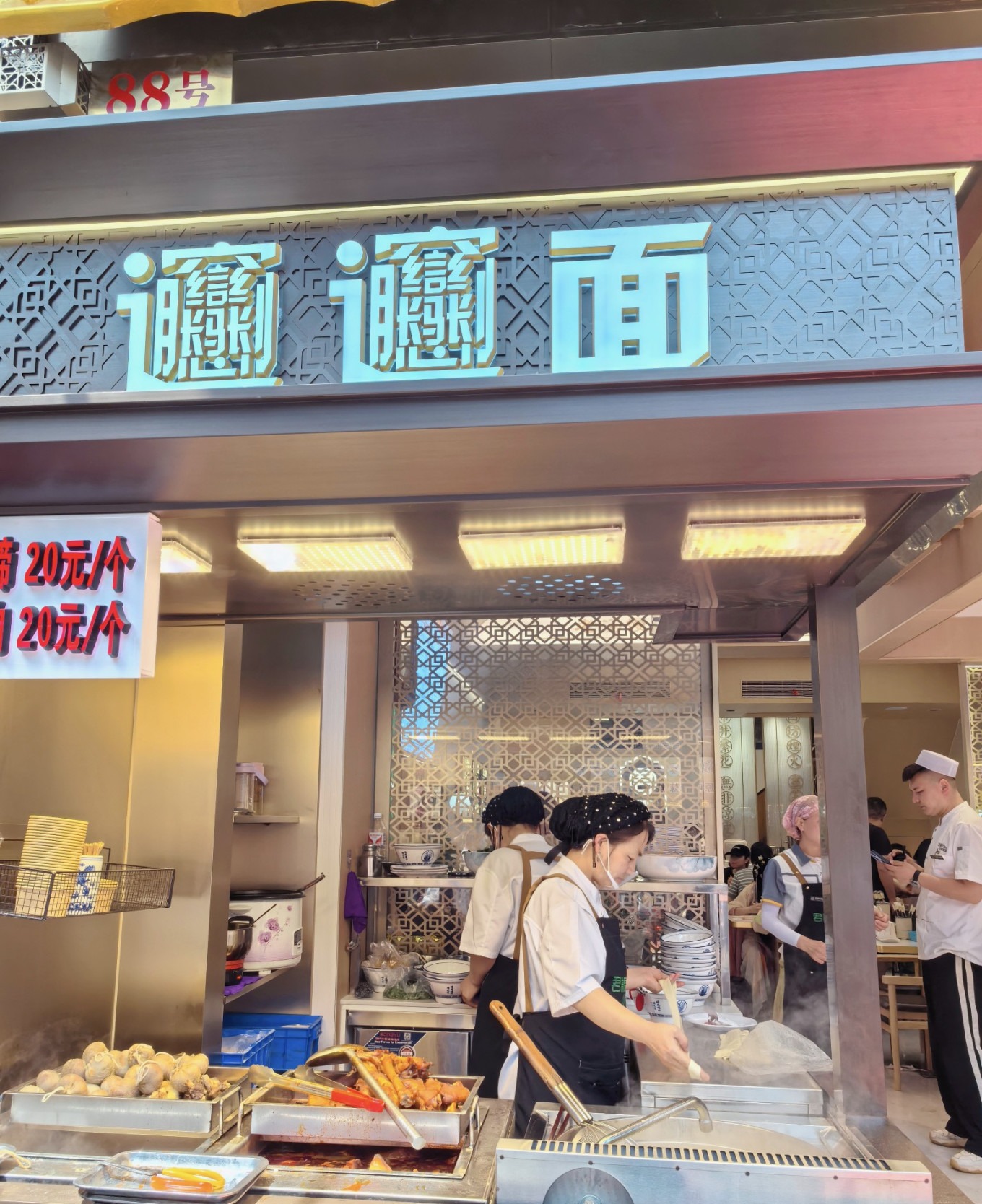
- RestaurantLao Sun Jia (老孙家泡馍馆)
- Address北院门街道, 西安市 (Beiyuanmen Street, Xi’an)
- Recommended dishes羊肉泡馍 (lamb paomo), 肚包肉 (lamb tripe stuffed with lamb)
- Average spend30–50 yuan per person
Defu Lane
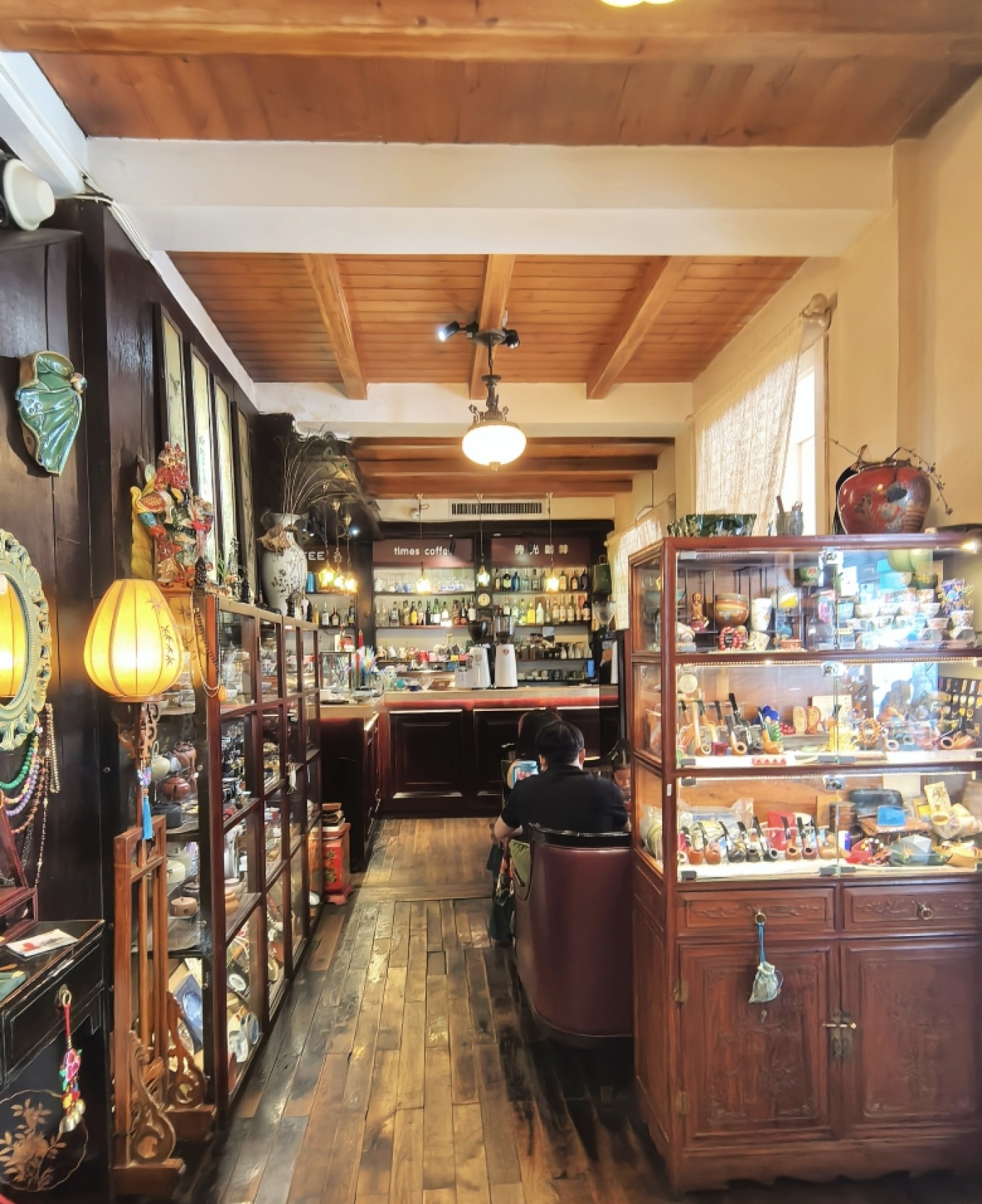
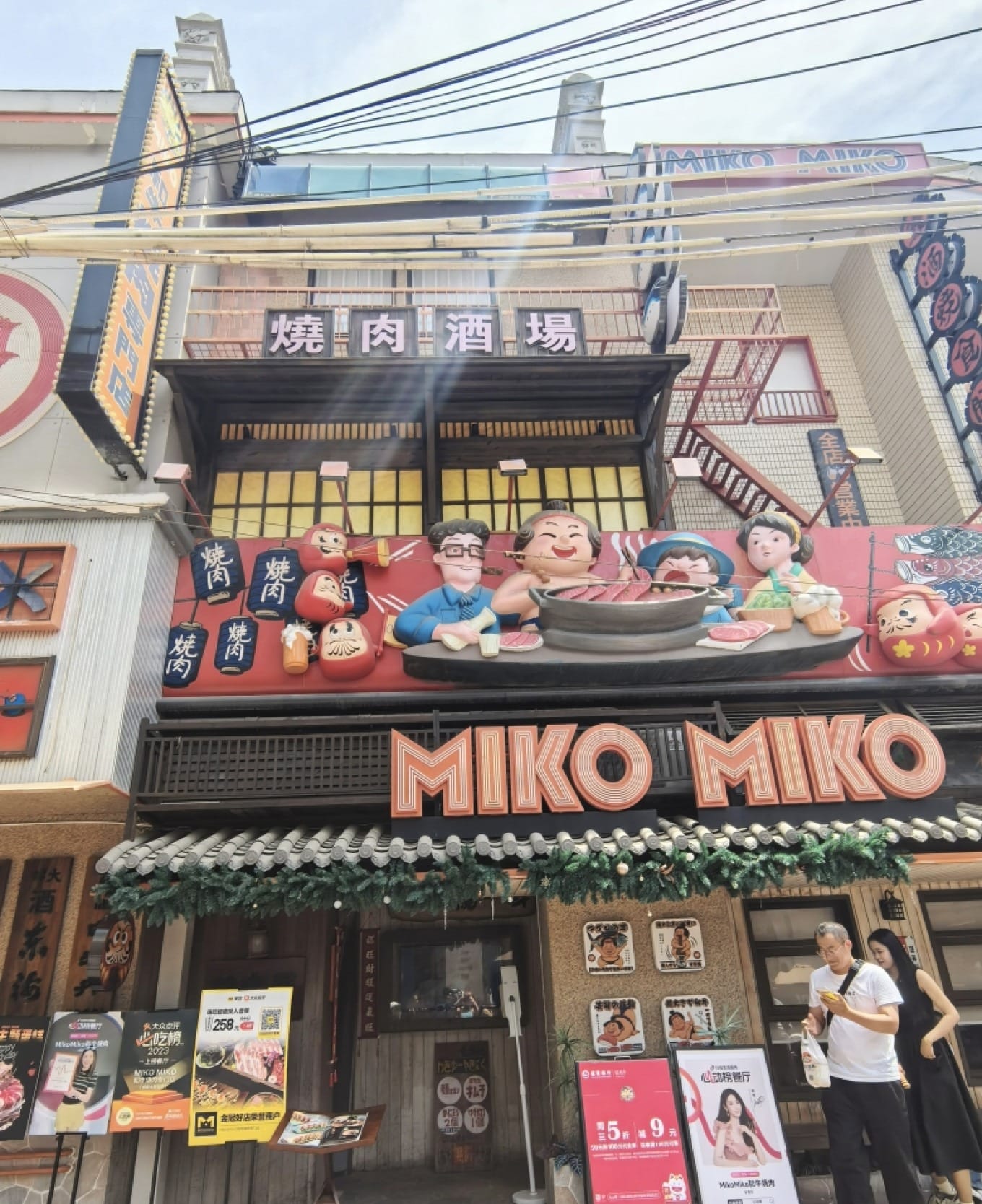
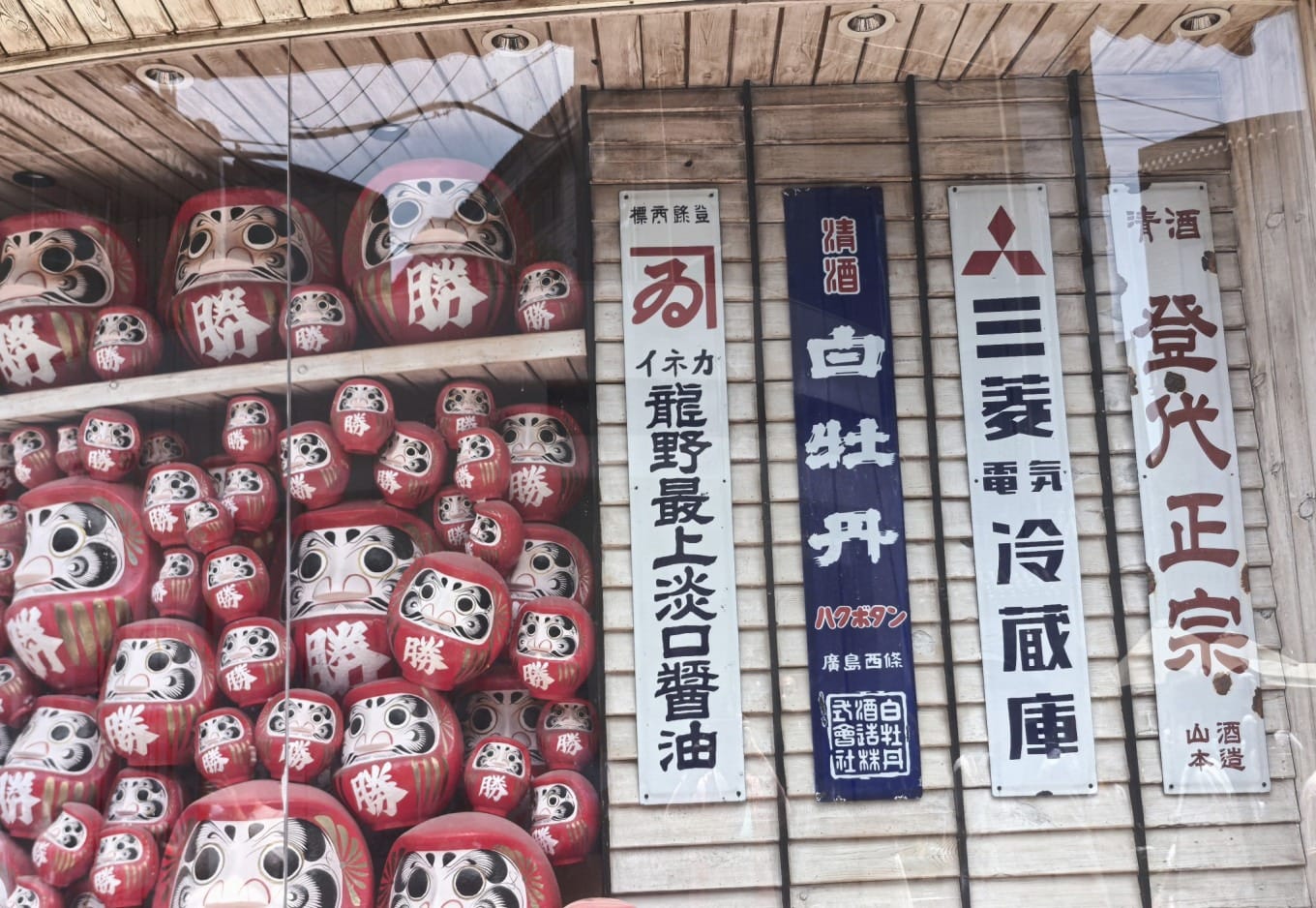
Tucked just north of Xiangzimiao Street near the South Gate in Xi’an’s Beilin District, Defu Lane (德福巷) is a 200-meter-long winding alley where the legacy of the Sui and Tang dynasties’ imperial city meets modern artistry. Its bluestone-paved path is lined with antique-style buildings and European-style cafés, creating a unique fusion of tradition and cosmopolitan flair. By night, the lane glows with colorful lights; by day, it’s a favorite spot for wedding photos. The name itself carries a centuries-old wish for virtue and happiness.
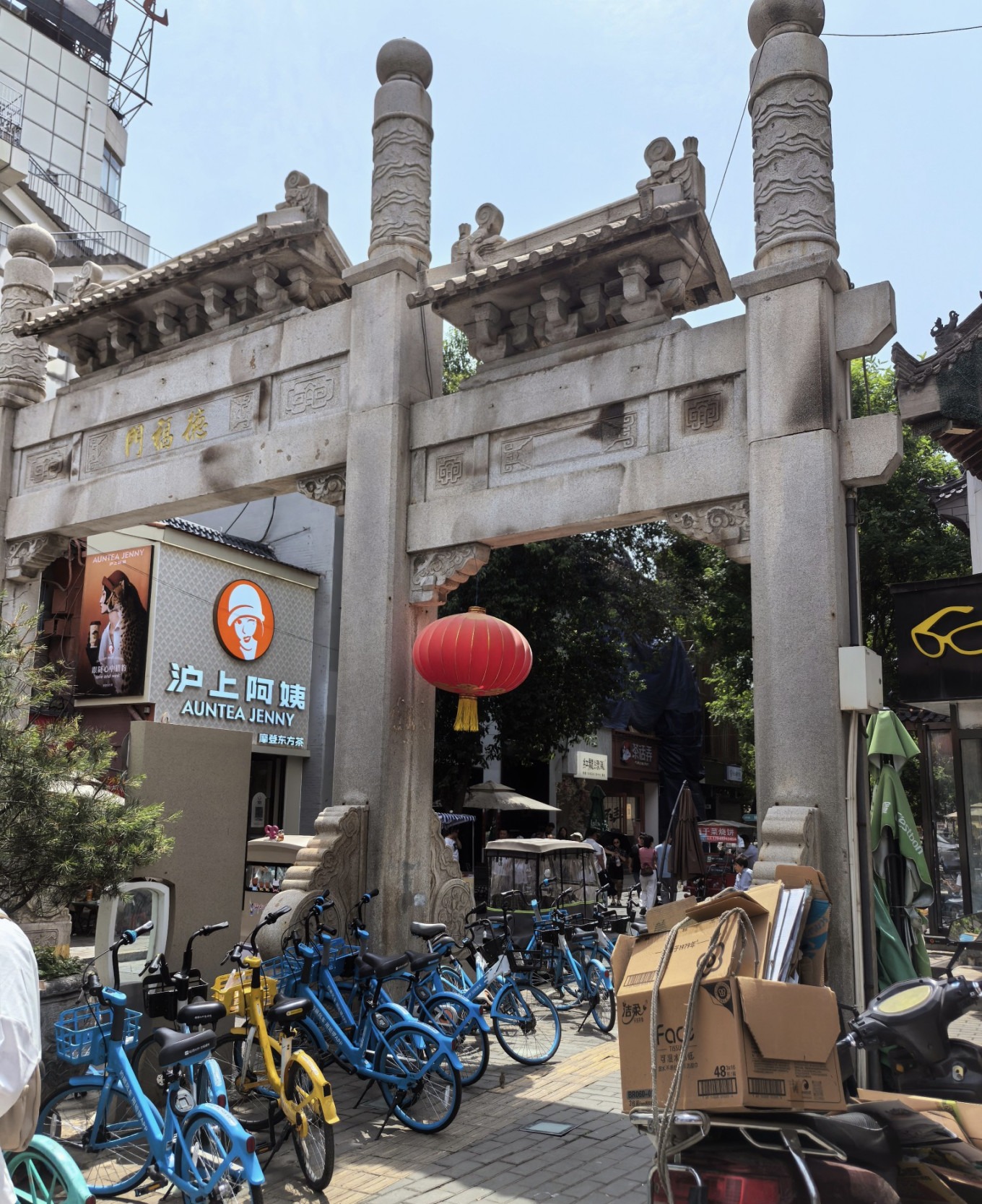
The lane’s entrance gives little hint of the charm within, but step inside and you’re greeted with an authentic slice of local life. One playful sign even points the way to the Giant Wild Goose Pagoda, humorously noting it’s a long walk from here.
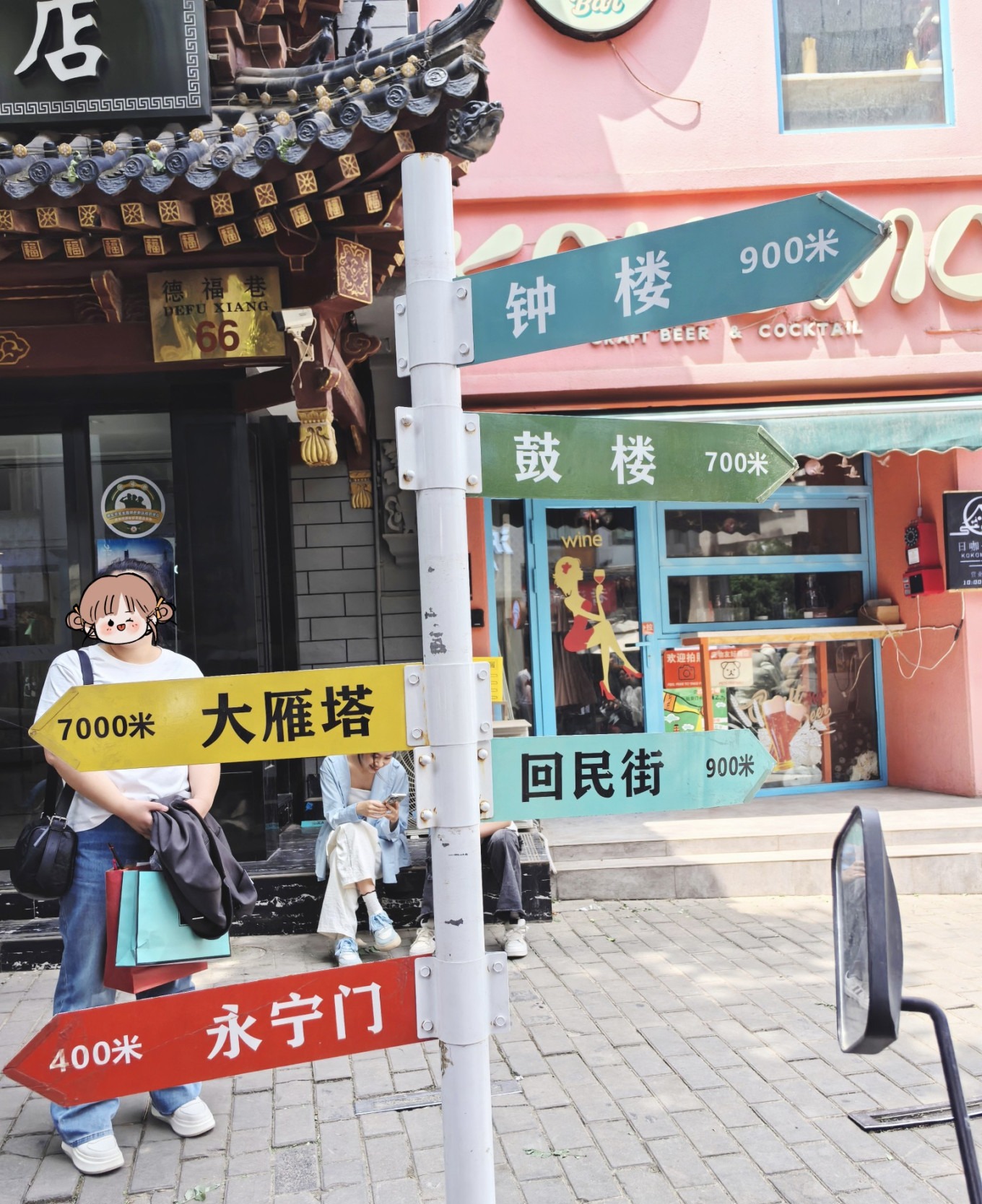
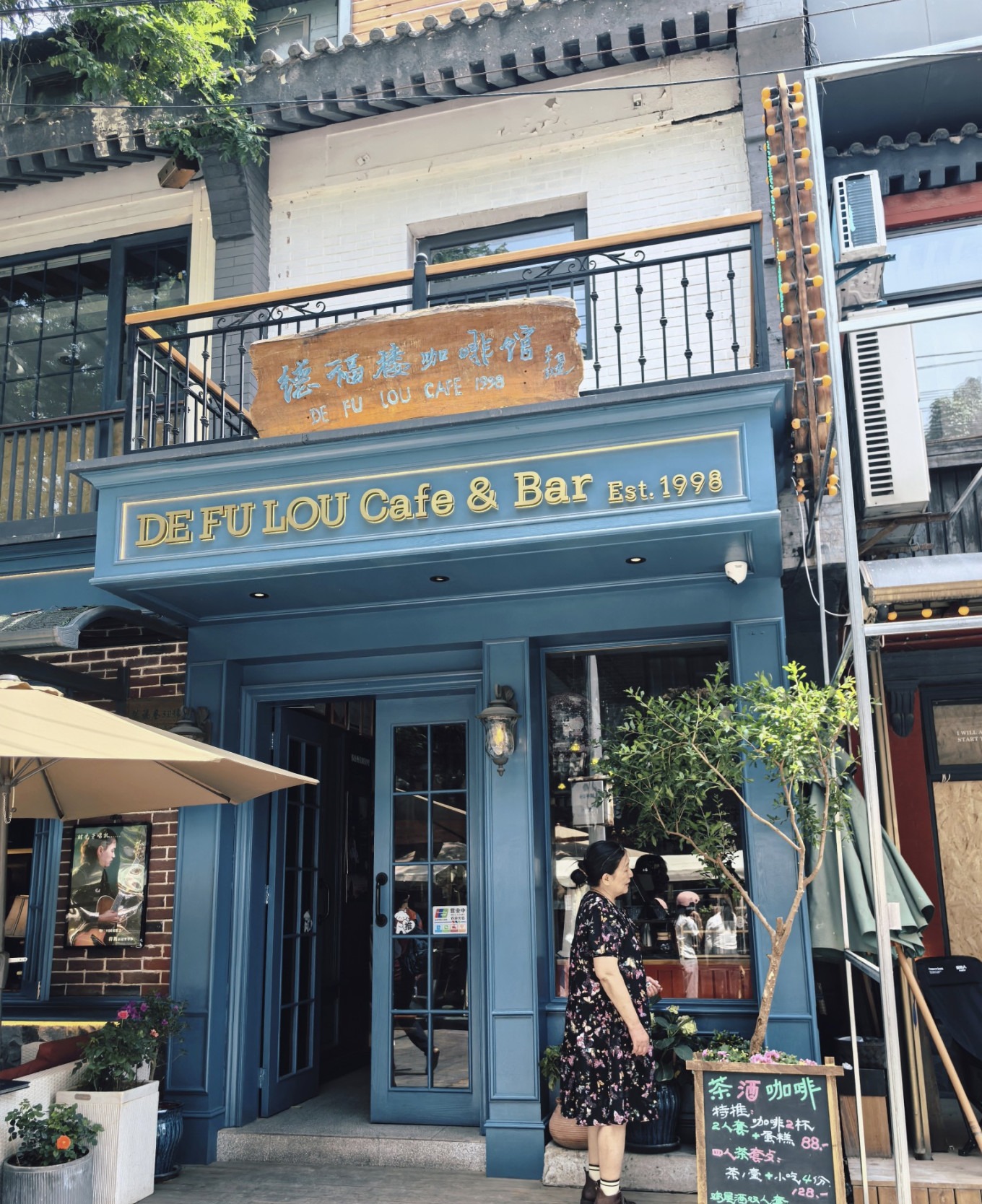
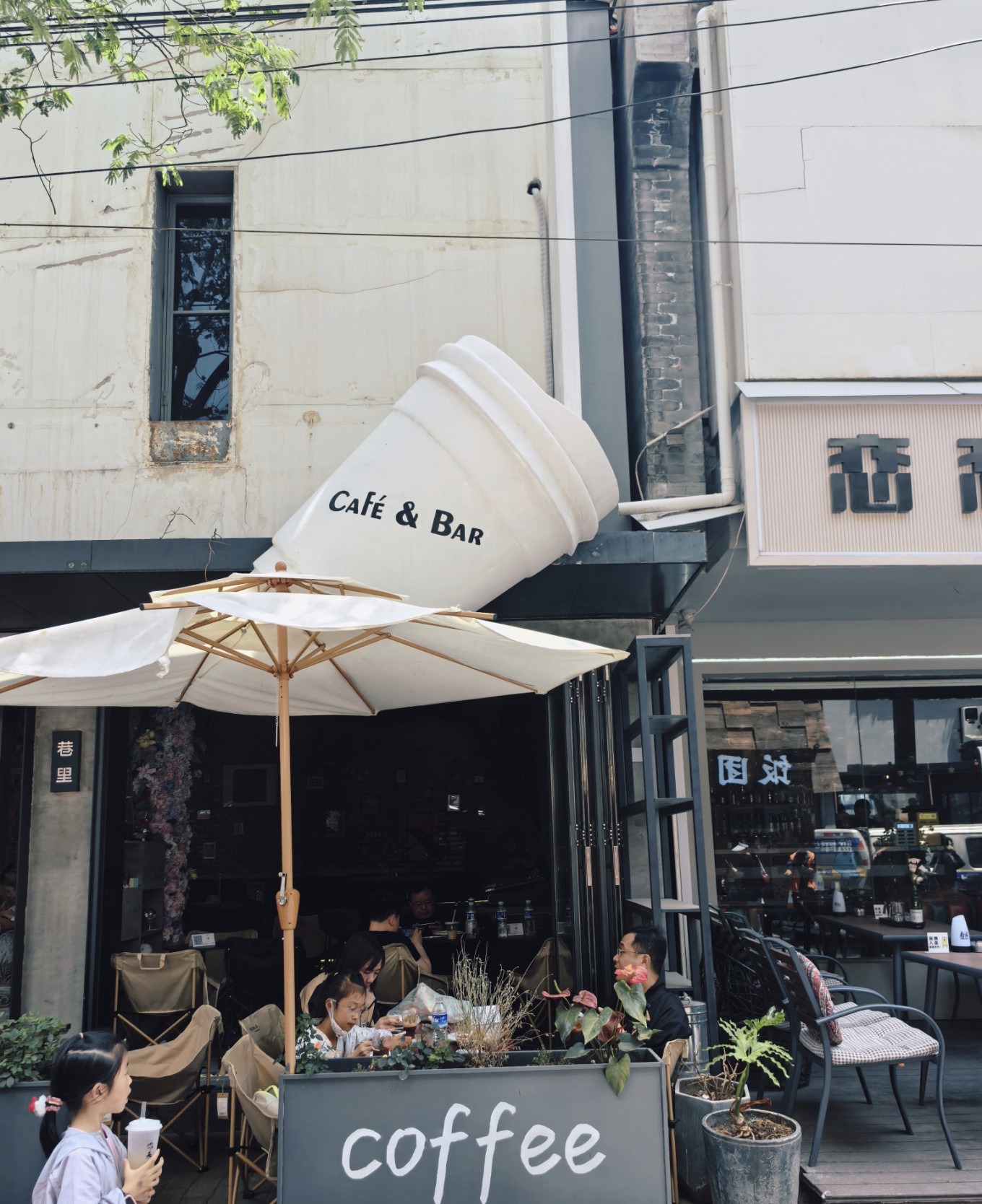
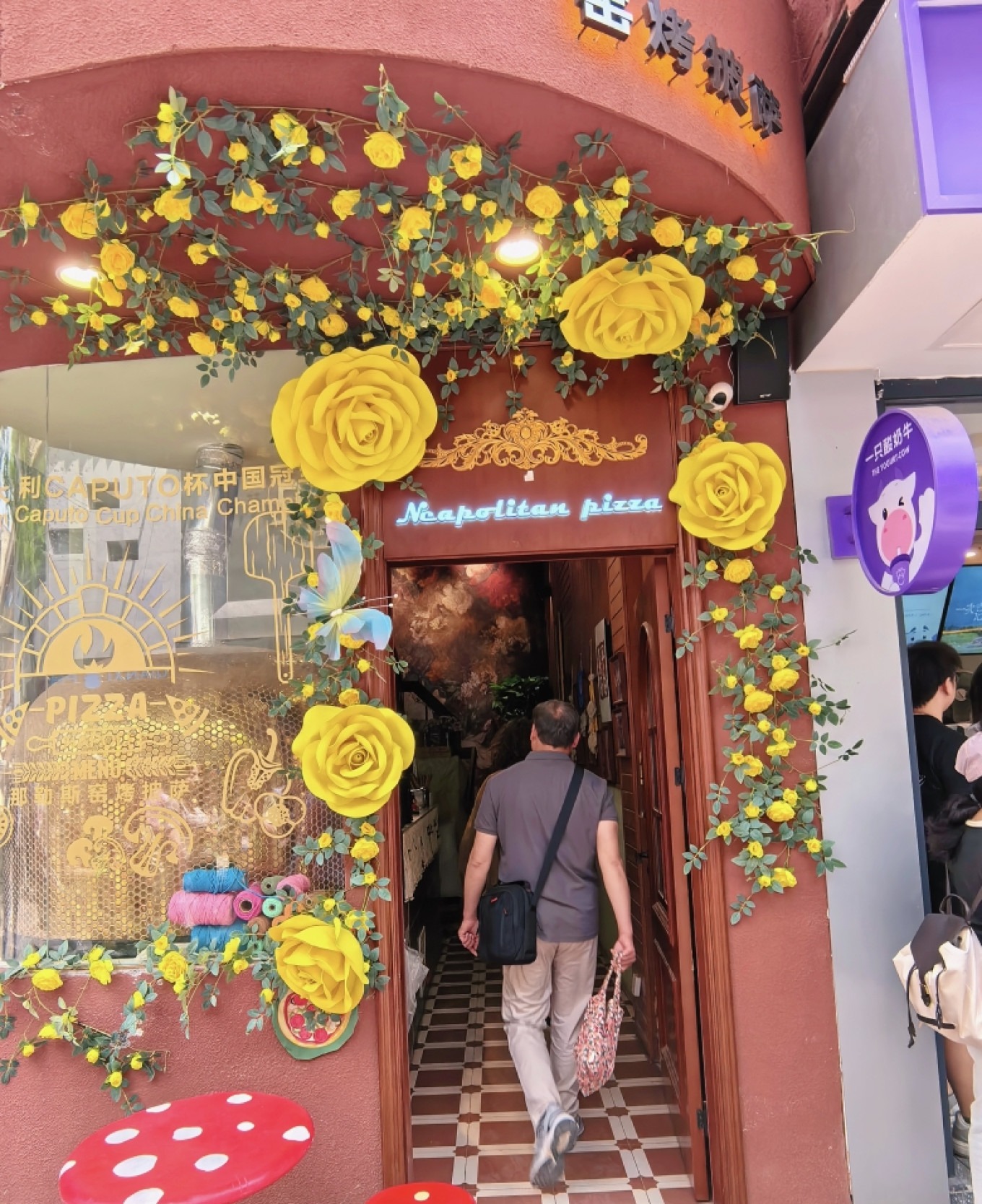
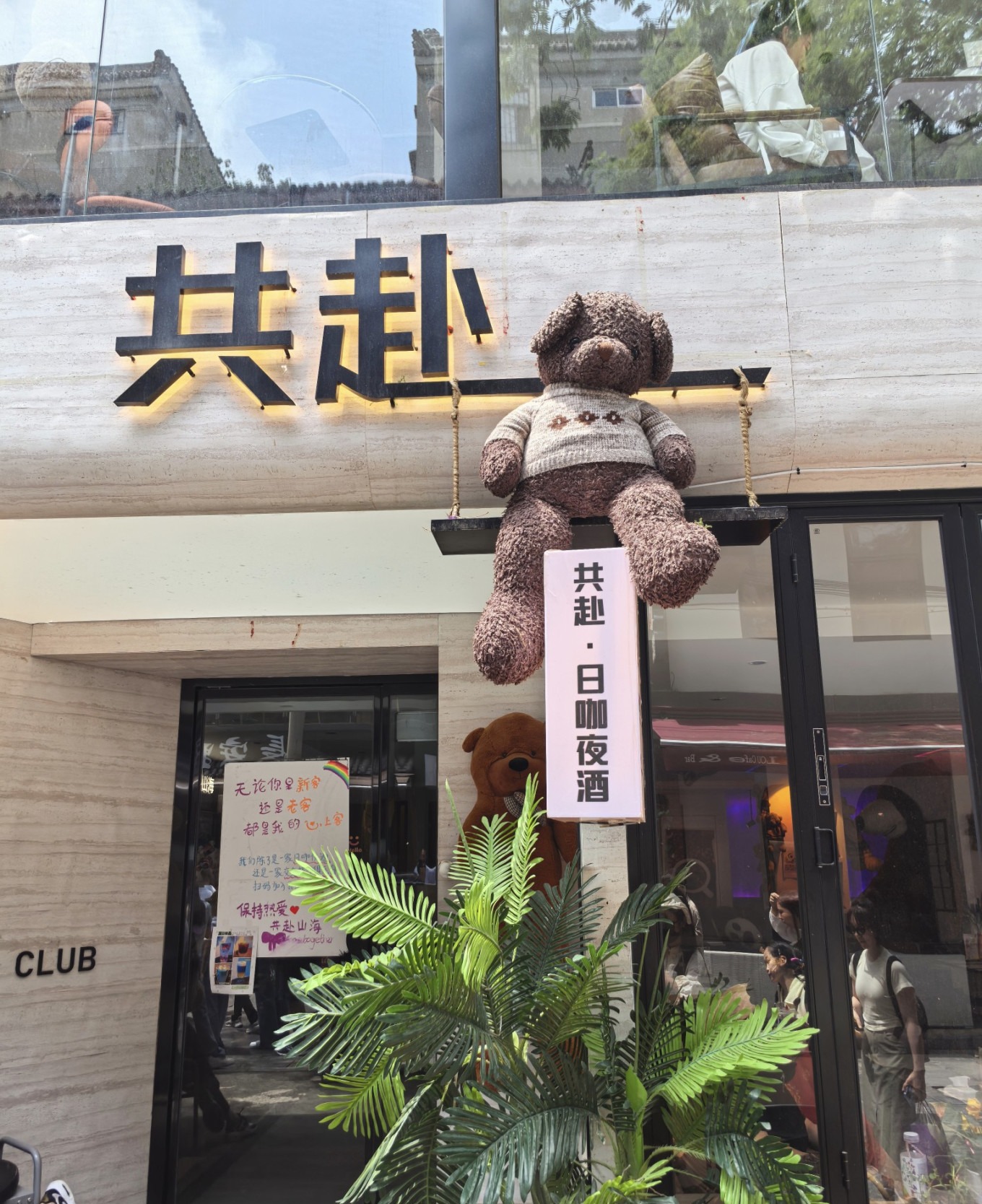
Defu Lane is a haven of bohemian vibes. In less than 200 meters, you’ll find a dense cluster of coffee shops, bars, and tea houses, each with a stylishly quirky name. It’s the perfect place to spend a leisurely afternoon or evening.
One of the best drinks to try here is sour plum soup (酸梅汤), a refreshing local favorite. Just hope it’s made the traditional way, not with modern shortcuts.
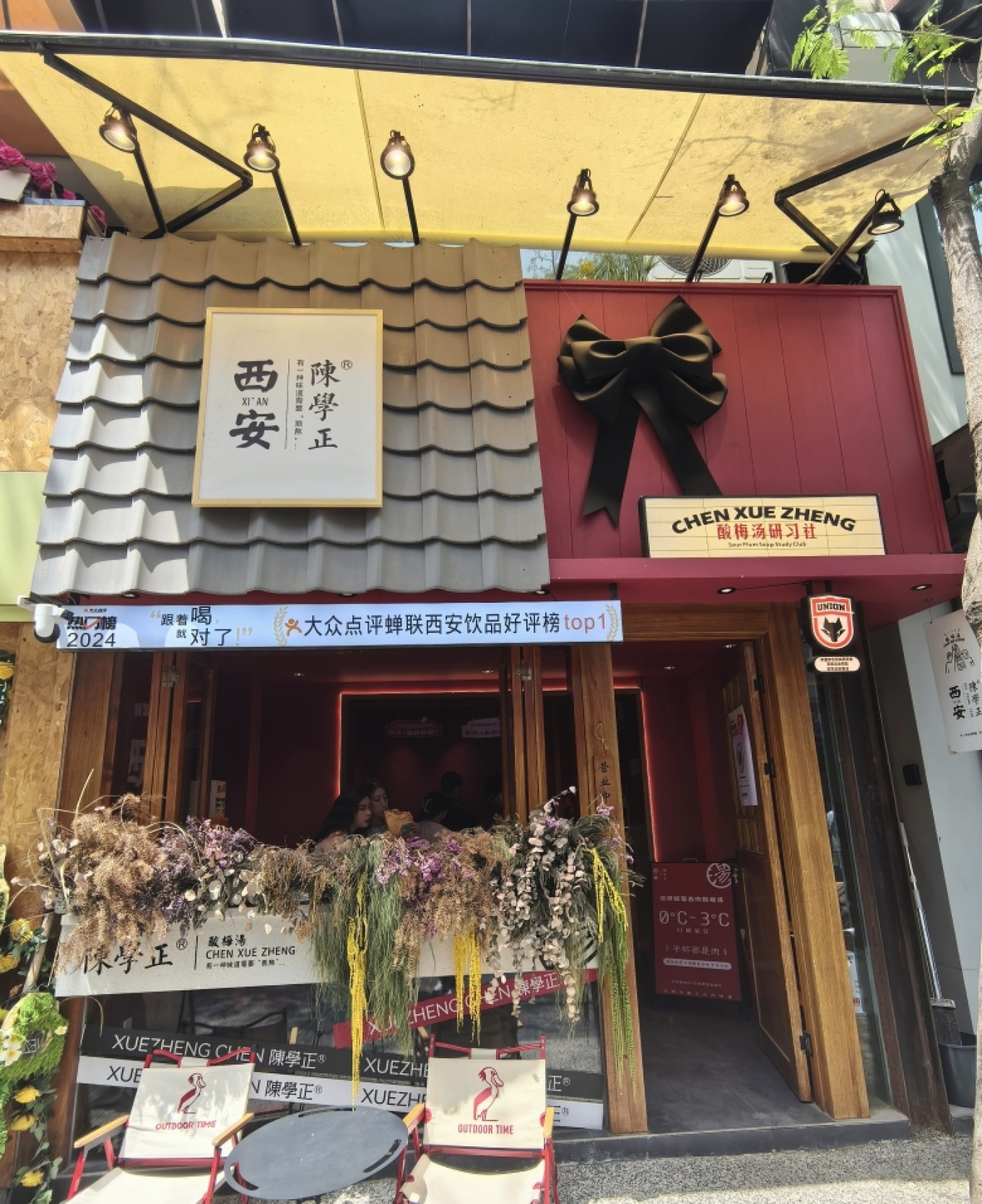
Some shops have a minimum purchase policy for taking photos, so it’s polite to buy a drink before snapping pictures. One popular spot is a Polaroid photo studio where you can get instant prints – but be prepared to queue.
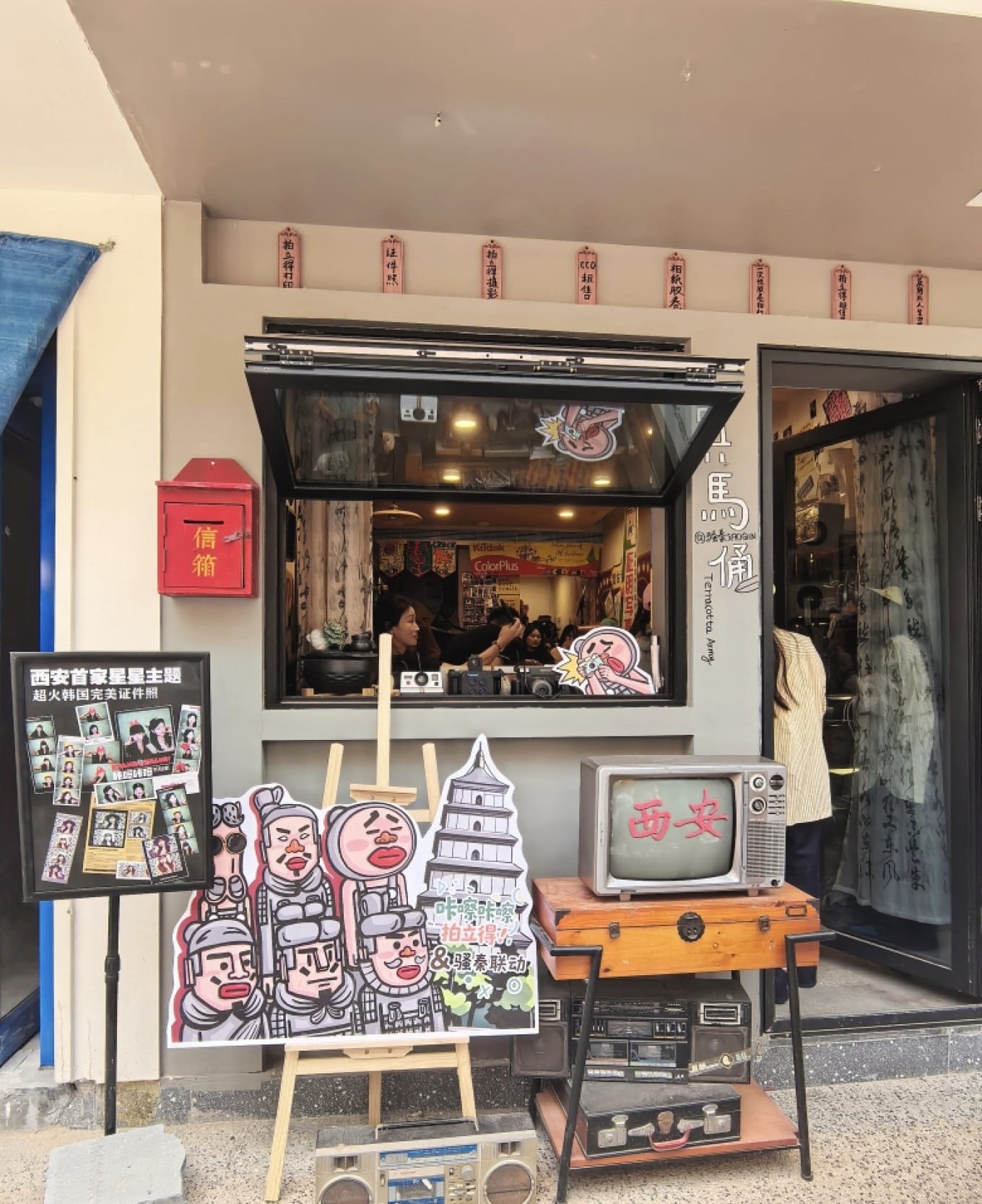
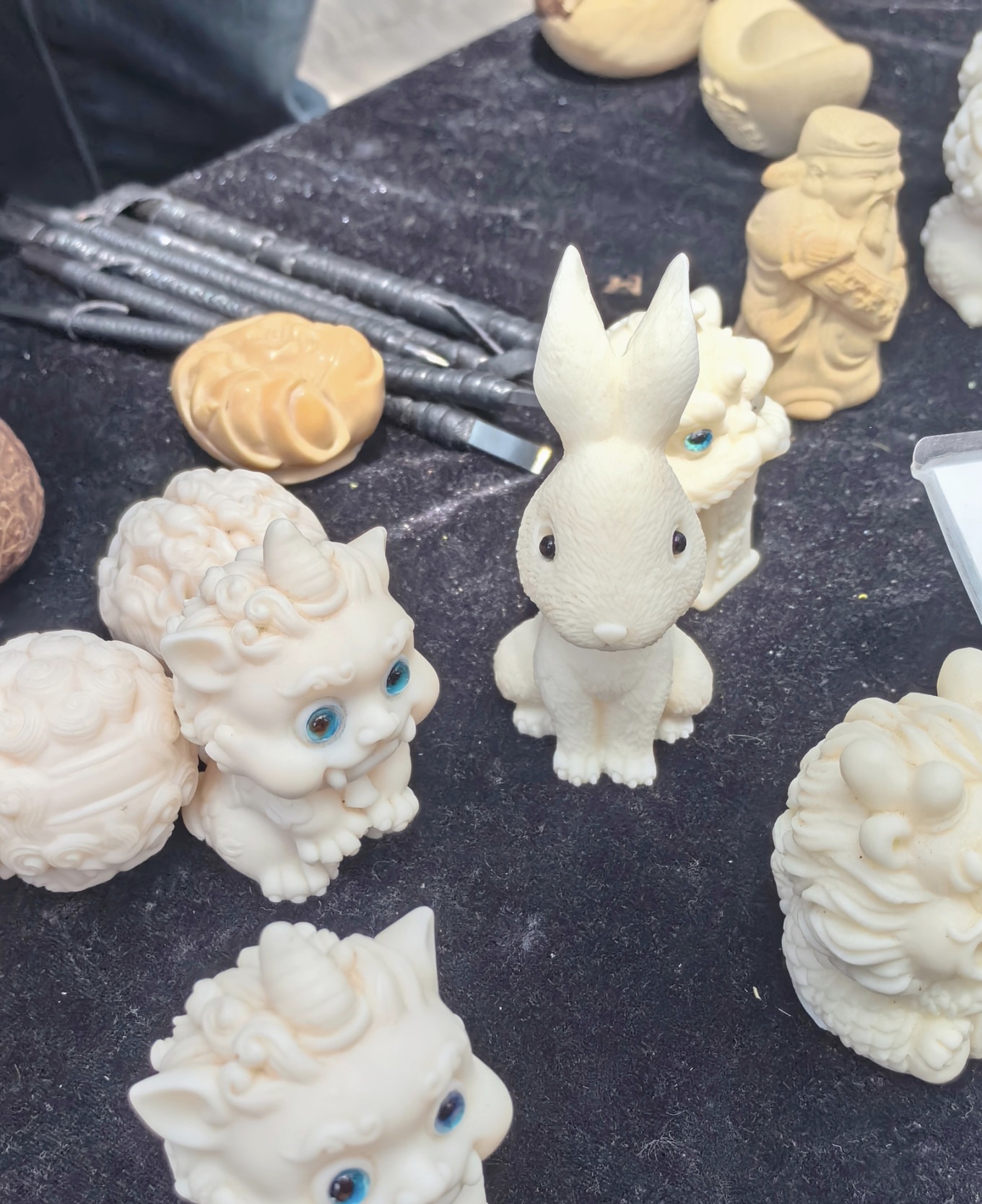
You might also spot small white rabbit figurines made from bodhi seeds – cute but pricey.
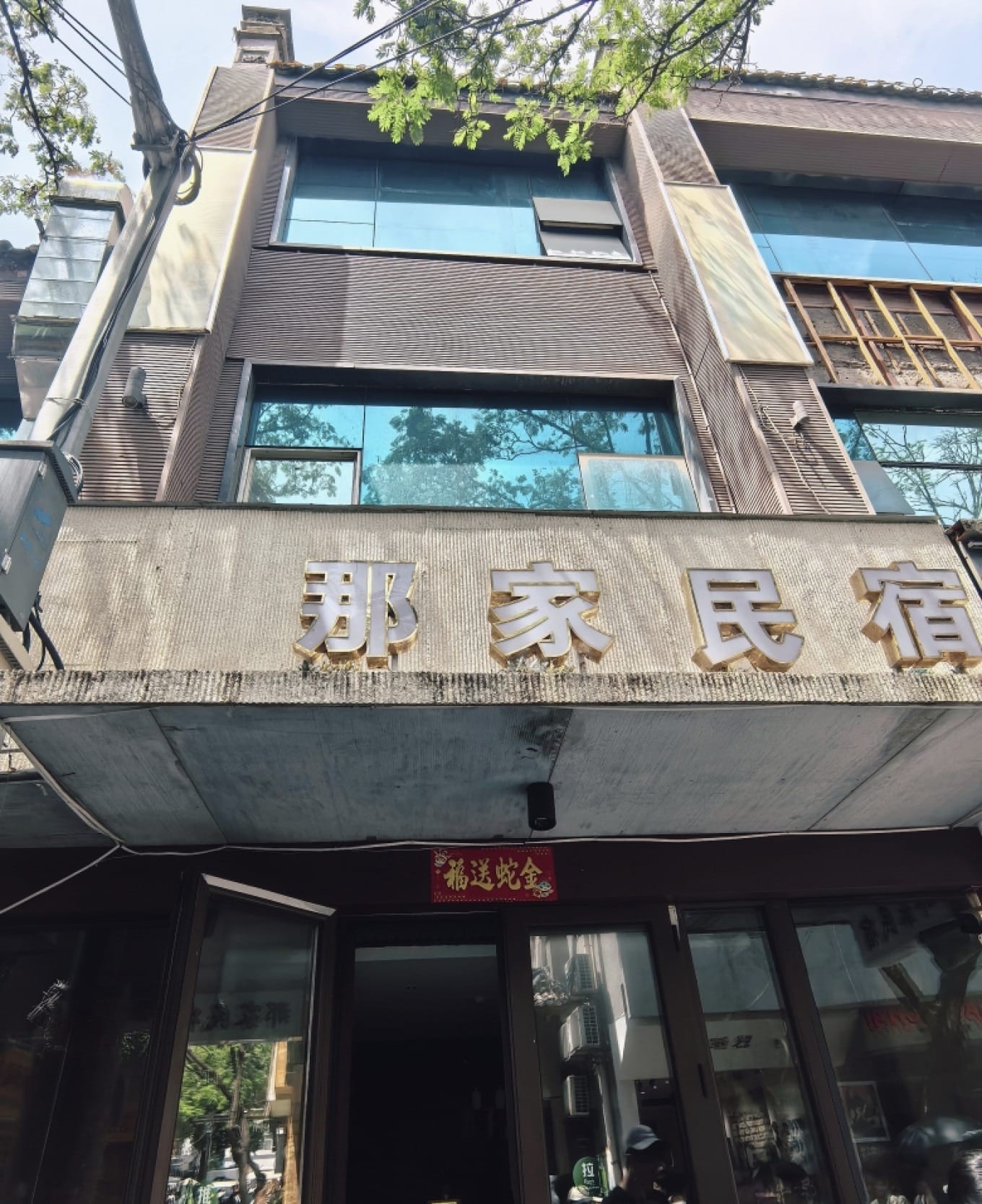
As night falls, the bars come alive with neon lights. You can start with a coffee in the afternoon and switch to a cocktail after dark – a rhythm many modern urbanites appreciate.
When ordering coffee, be specific: a cappuccino and an espresso are very different. The barista might ask if you can handle the bitterness and small size of an espresso – a fair warning for first-timers.
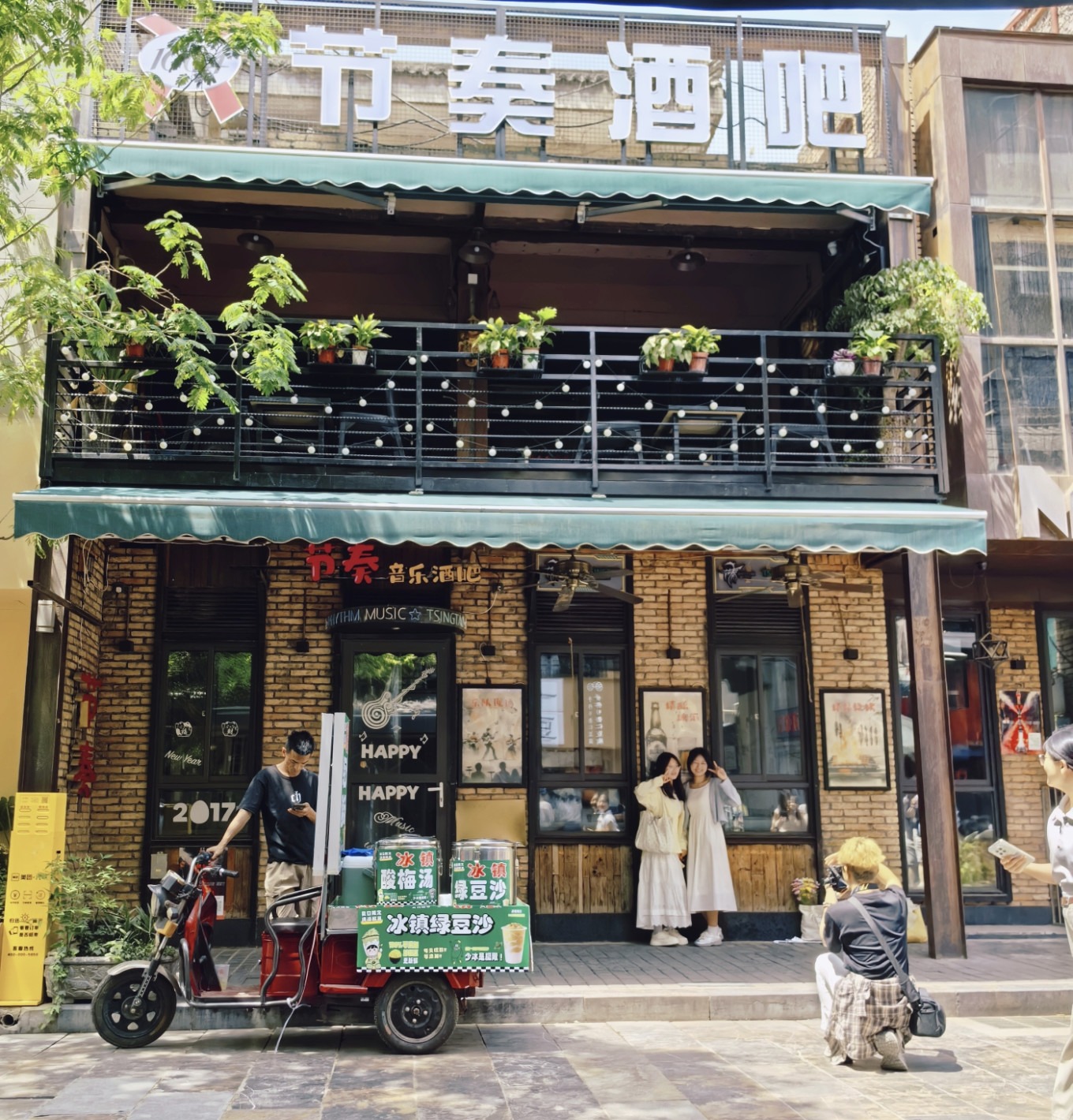
The eclectic yet organized décor of the shops will likely win you over. One café has a lamp that stays on all day – a whimsical touch that adds to the ambiance.
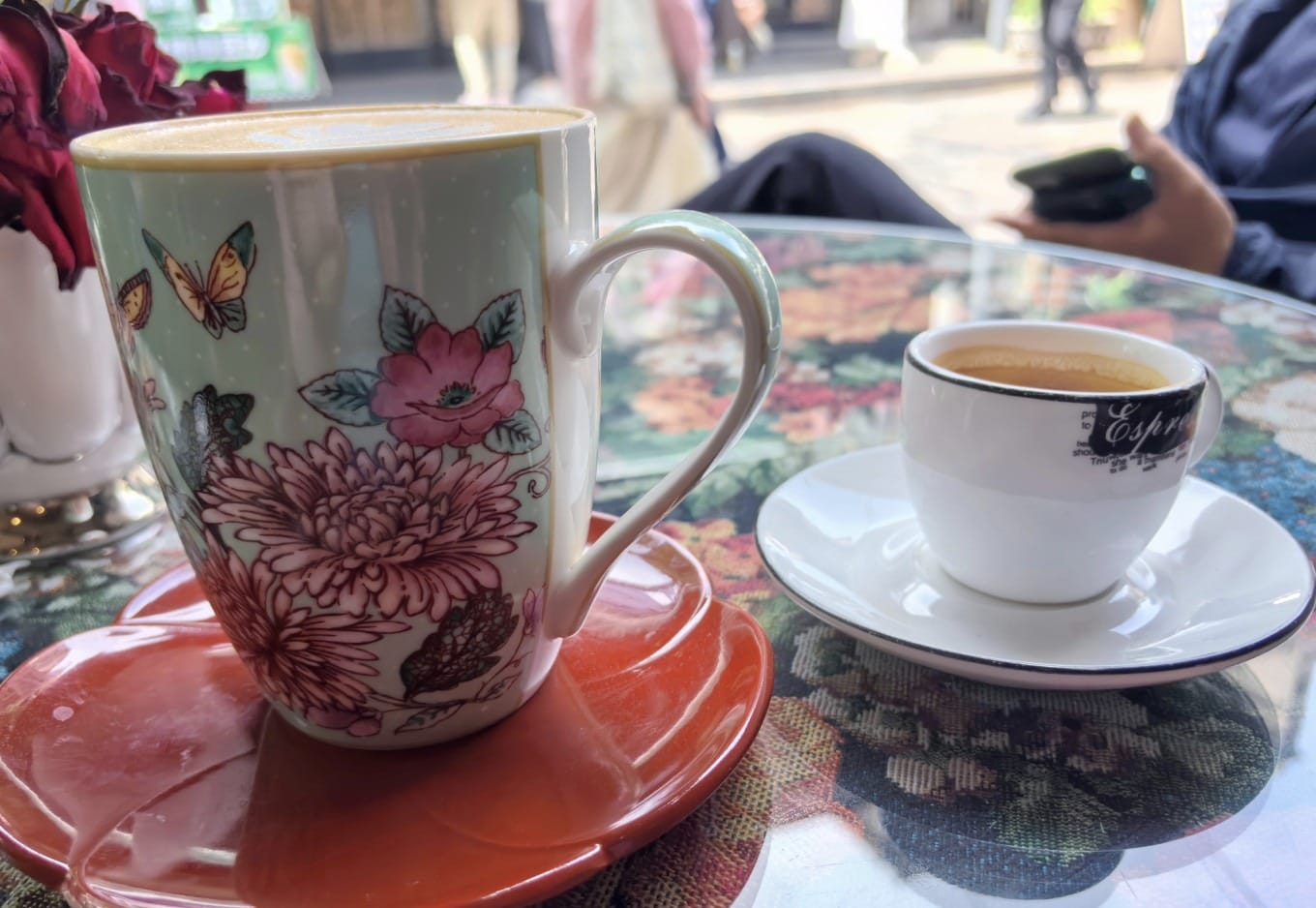
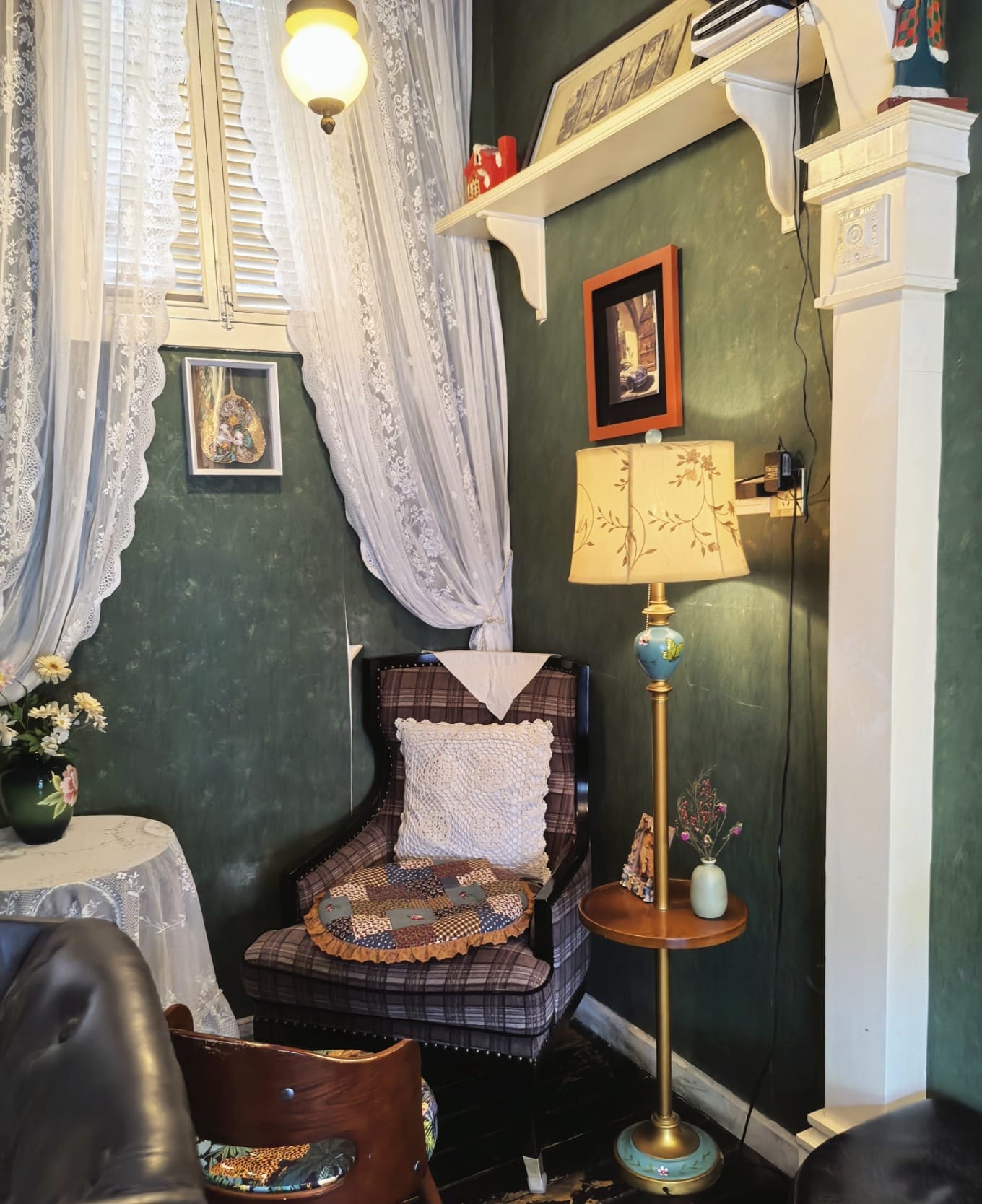
Many shops blend coffee and alcohol culture seamlessly. You’ll find groups enjoying coffee alongside others sipping whiskey, creating a unique social mix.
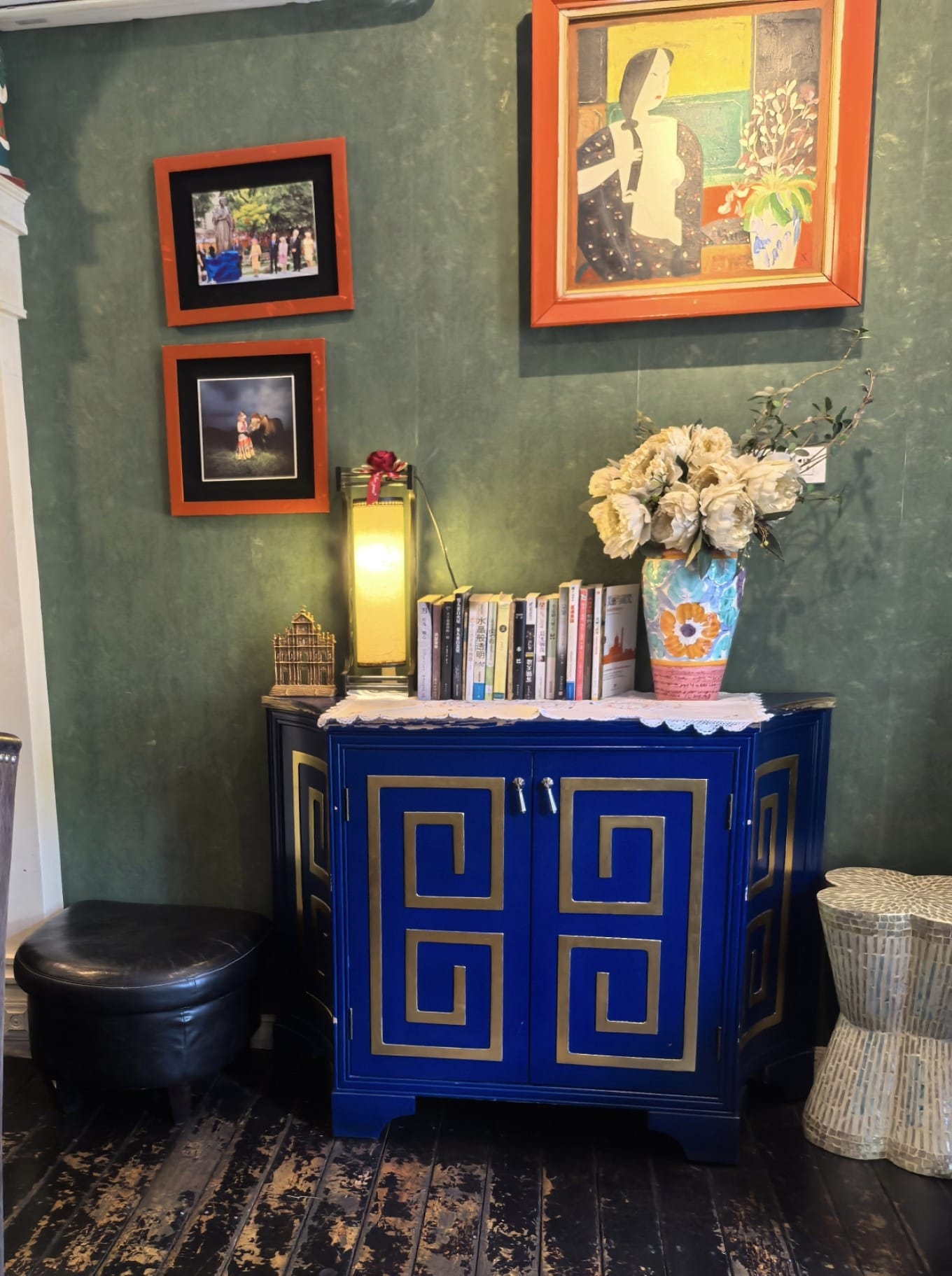
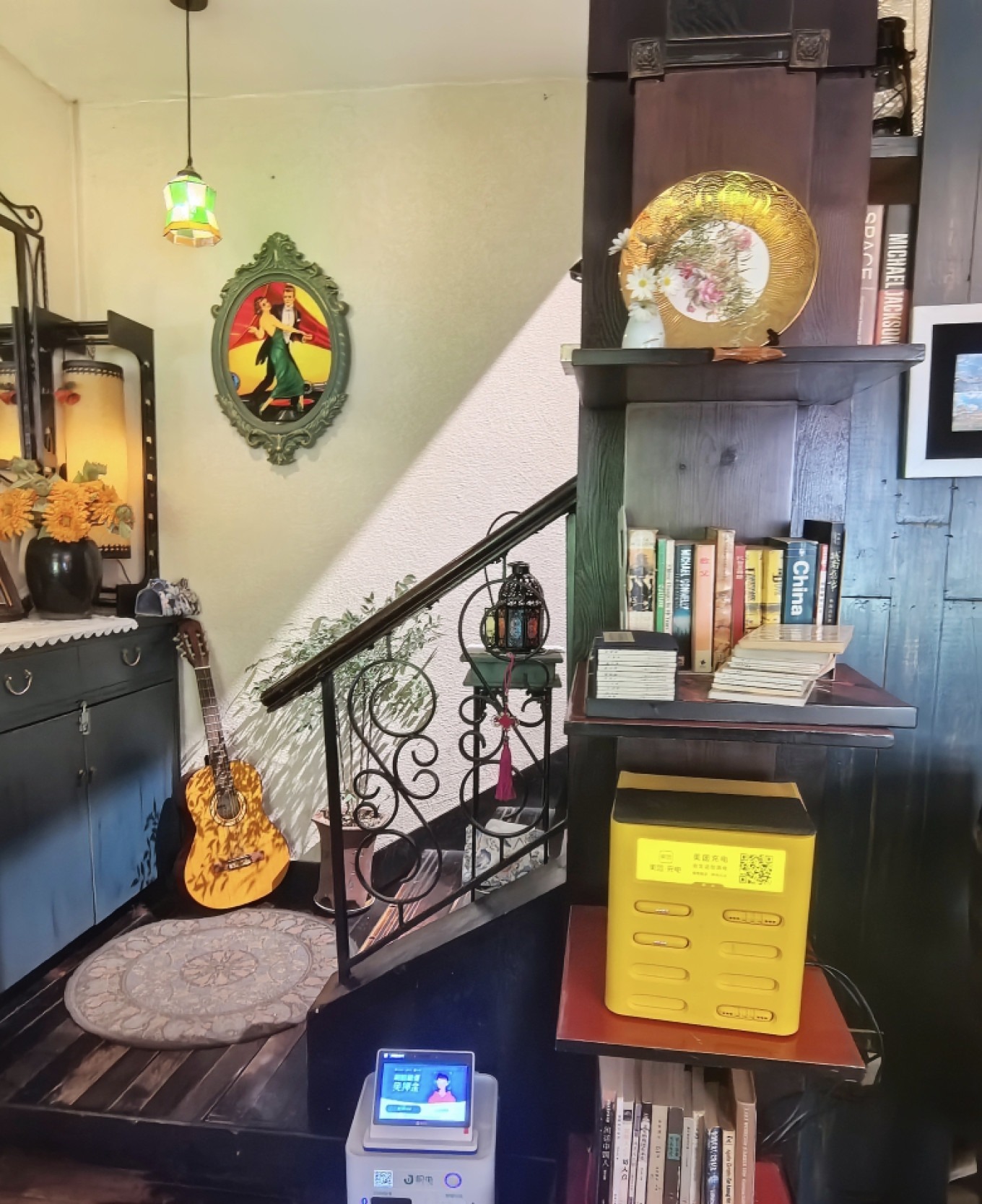
This lane is a true Xi’an specialty – a fusion of tastes and styles found only in this ancient city. As you leave, the sunlight filtering through the leaves reminds you how rare such leisurely moments can be.
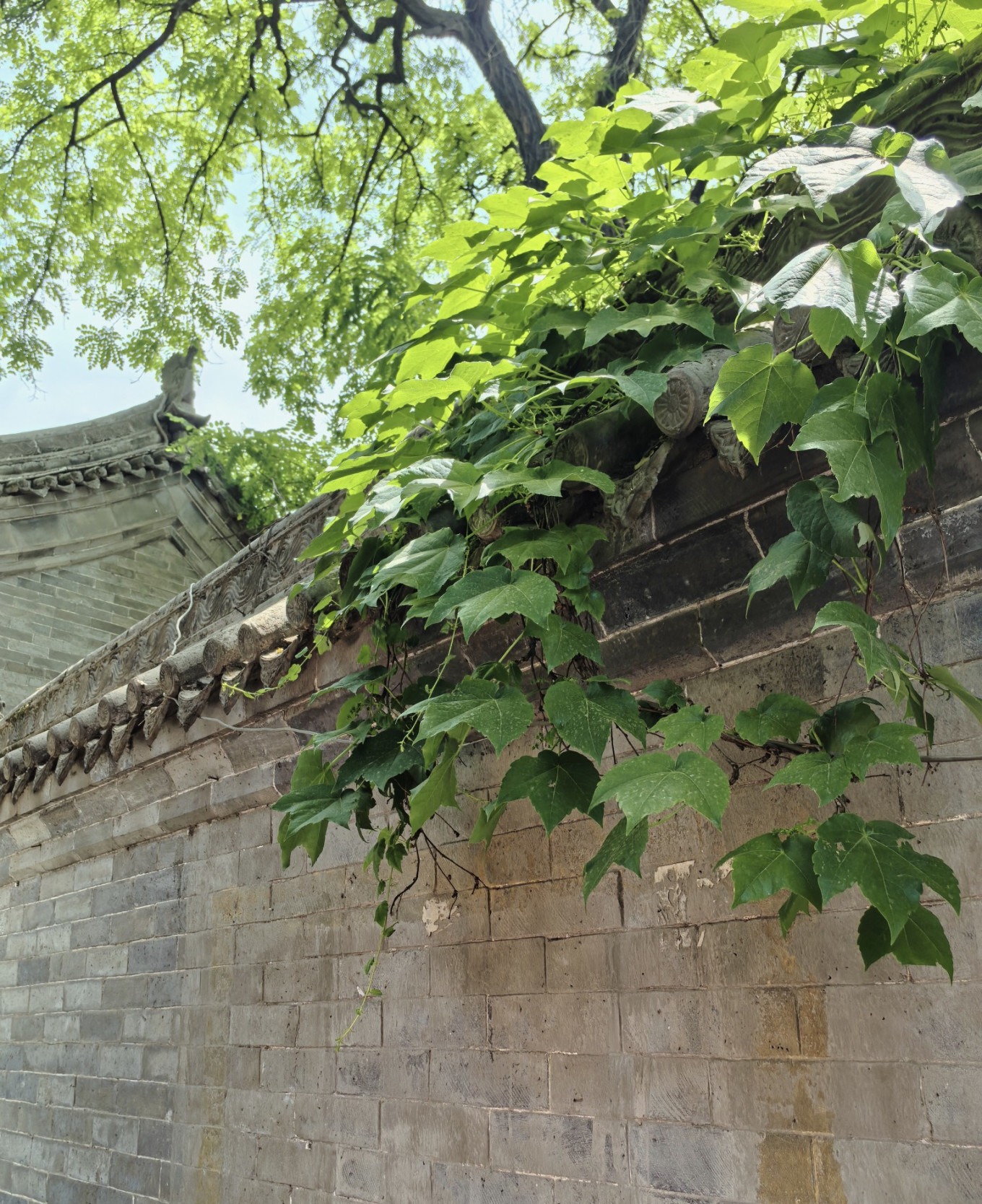
Xiangzi Temple
Nestled just inside the South Gate of Xi’an, Xiangzi Temple (湘子庙) is a historic Taoist temple with a fascinating legend. Originally built during the Song Dynasty, it is said to be the place where Han Xiangzi, one of the Eight Immortals, became a monk. The temple’s layout was finalized in the Ming Dynasty, and it flourished from the late Ming to the early Republic of China. After periods of war and occupation, the temple was restored in recent years and is now open to the public.
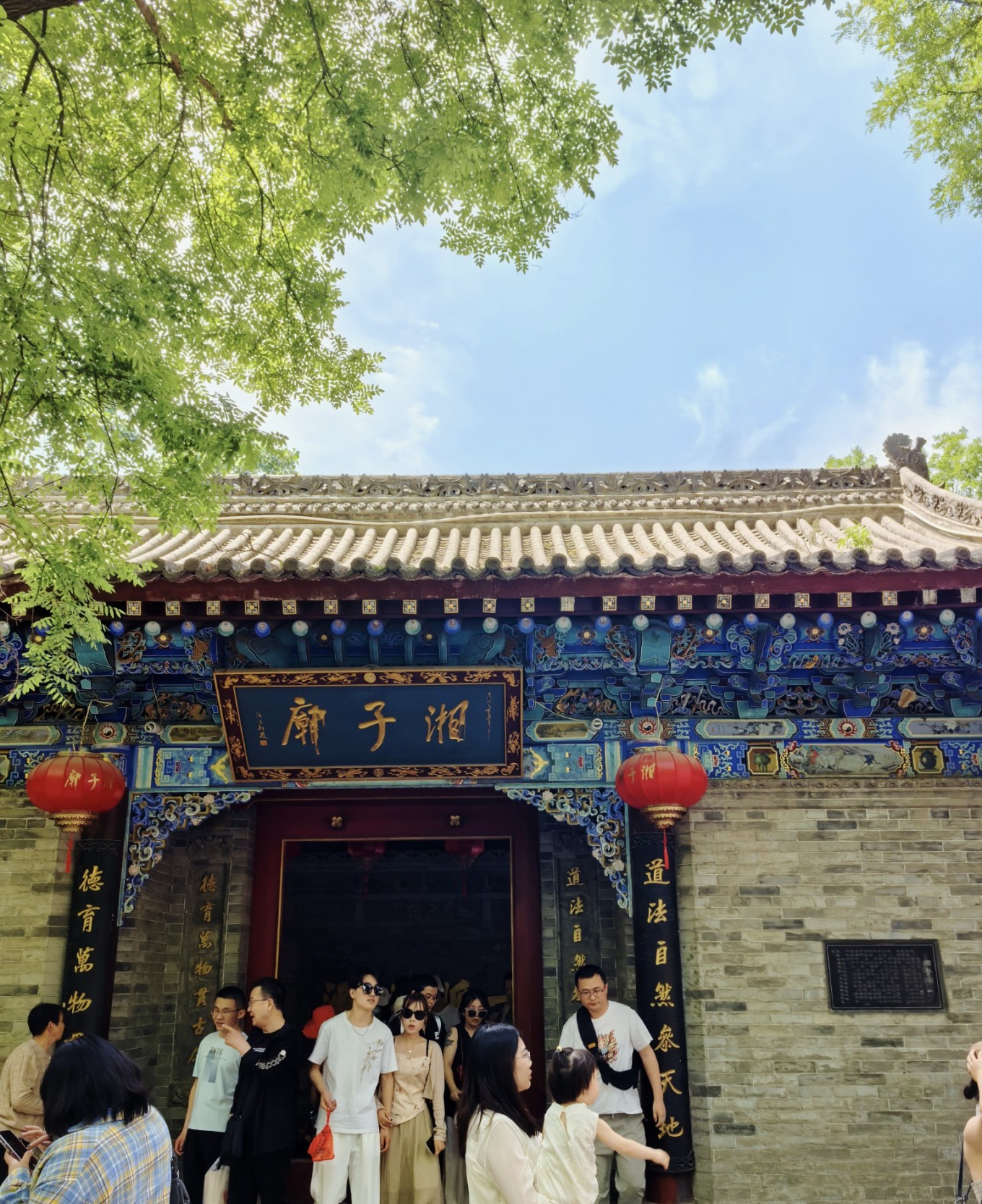
Han Xiangzi was a real historical figure—the grandnephew of the famous Tang dynasty poet Han Yu. He passed the imperial examinations at age 30 and served as a government official. Legend later transformed him into a Taoist immortal, said to have been a disciple of Lü Dongbin. The temple is considered the birthplace of Xiangzi culture, and although there are over a dozen Xiangzi temples across China, this one in Xi’an is the most significant.
When you visit, you can explore the main hall and courtyard, which retain a quiet, spiritual atmosphere. The temple is small but rich in history—perfect for a short stop during a city walk. Look for the stone tablets and inscriptions that tell the story of Han Xiangzi’s transformation from scholar to immortal. As a first-time visitor, allow about 20–30 minutes to appreciate the site.
Yongning Gate, Baoqing Temple Pagoda, Shuyuanmen Street, and Xi’an Beilin Museum
Start your exploration at Yongning Gate (永宁门), the main southern gate of Xi’an’s ancient city wall. Originally built in 582 AD during the Sui dynasty, this gate has been the longest-serving entrance to the city, with its current structure dating from the Ming dynasty (1374–1378). The gate complex includes a brick arched tunnel, a gate tower, and a barbican with an arrow tower and a moon-shaped enclosure. Yongning Gate is part of the Xi’an City Wall, a national key cultural relic protected since 1961 and a 5A-rated scenic area since 2018.
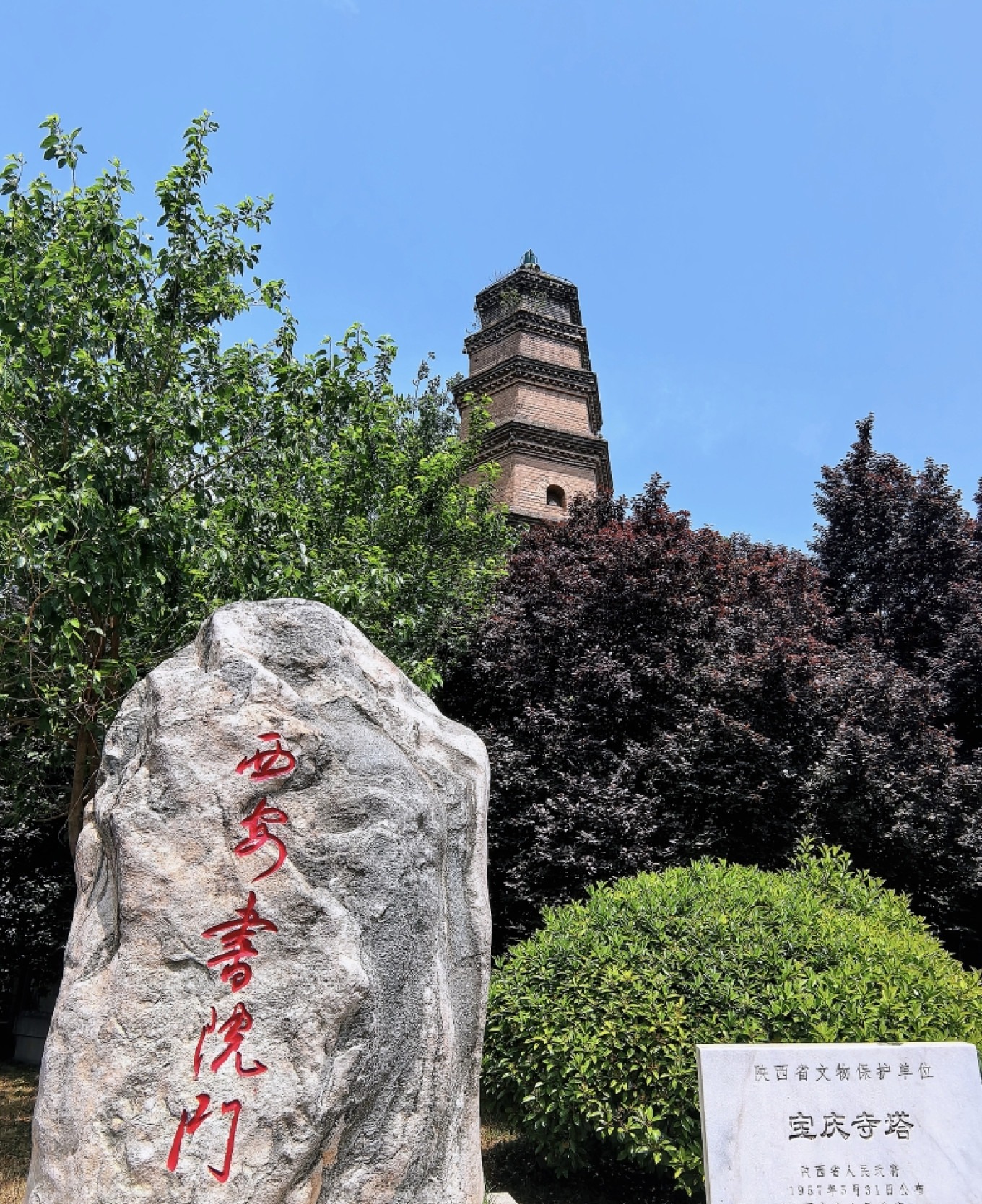
Just north of Yongning Gate, at the entrance of Shuyuanmen Street, stands the Baoqing Temple Pagoda (宝庆寺塔), also known as the Hua Pagoda. Built in 1451 during the Ming dynasty, this hexagonal seven-story brick pagoda reaches 23 meters in height. Its solid body features intricate brick carvings, including dragons and phoenixes on the first level, and niches on the second, fourth, and sixth floors that house 13 stone Buddha statues from the Northern Wei, Sui, and Tang dynasties. The pagoda is a key cultural relic of Shaanxi province and offers a glimpse into ancient Buddhist art and architecture.
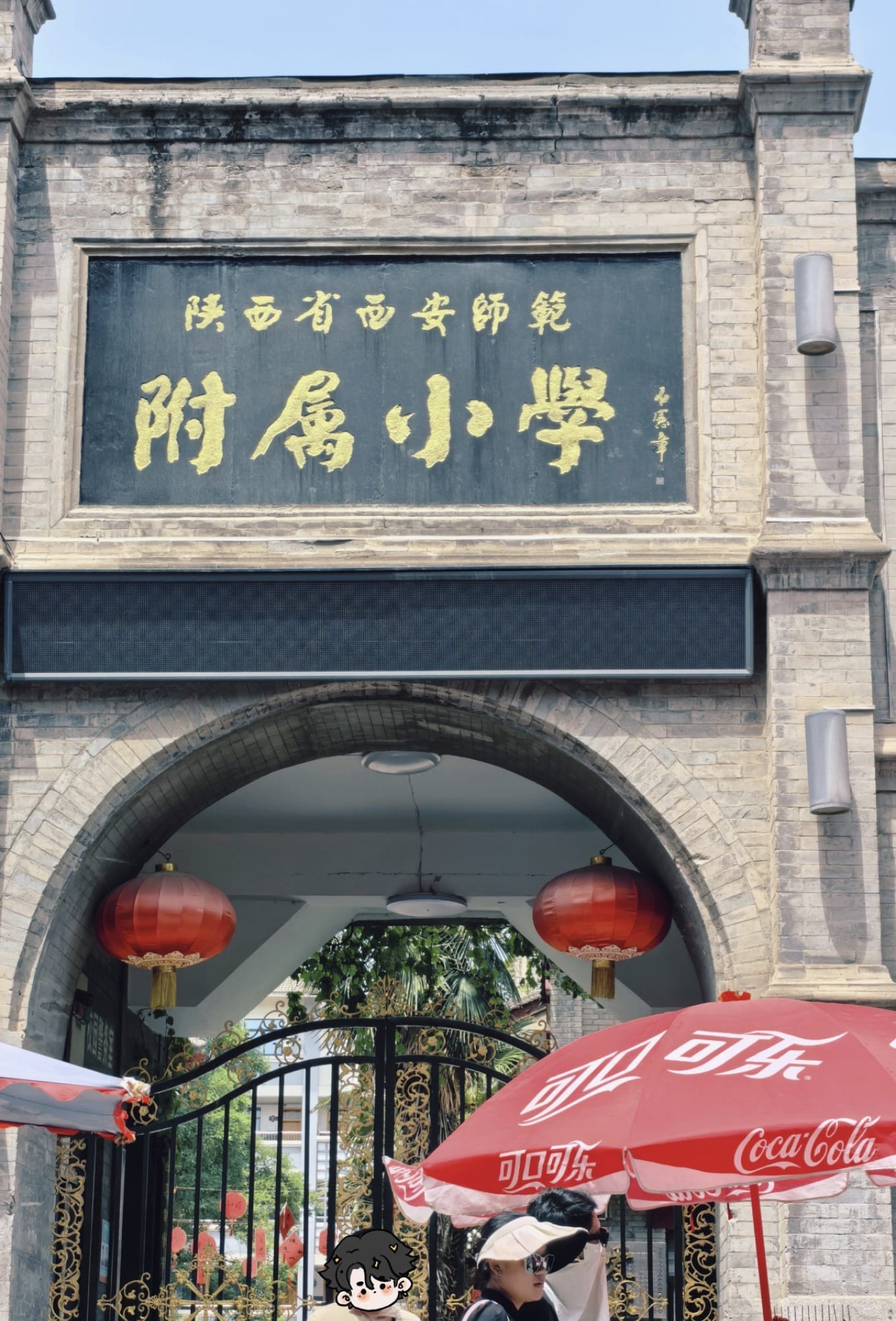
Shuyuanmen Street (书院门) is a pedestrian-only lane that runs from the Beilin Museum to the Guanzhong Academy (关中书院). Renovated in 1991 to preserve its Ming-Qing style, the street is paved with bluestone slabs and lined with antique-style shops selling ink brushes, inkstones, calligraphy scrolls, and antiques. It’s a lively cultural market that operates year-round, perfect for browsing traditional crafts and art.
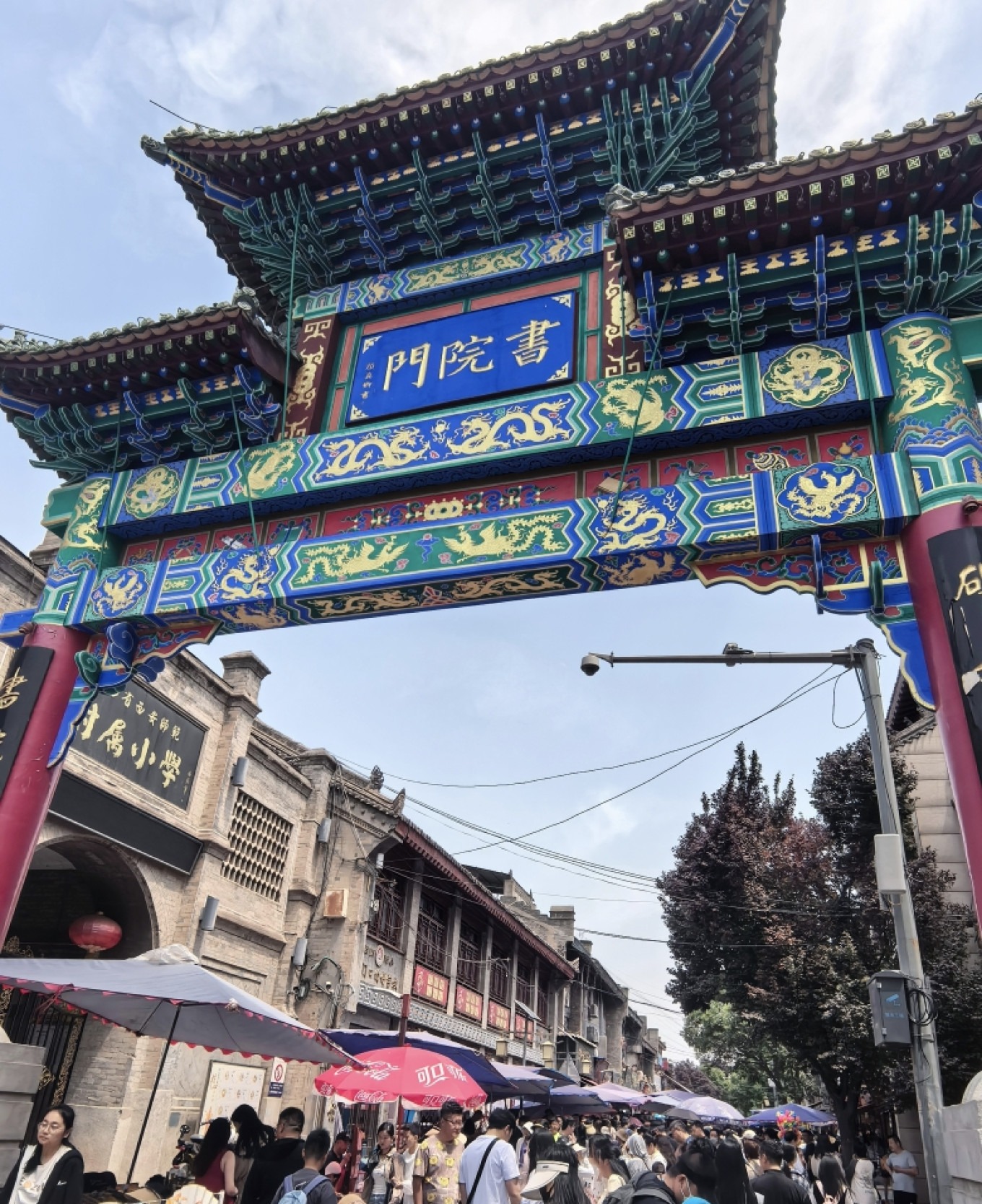
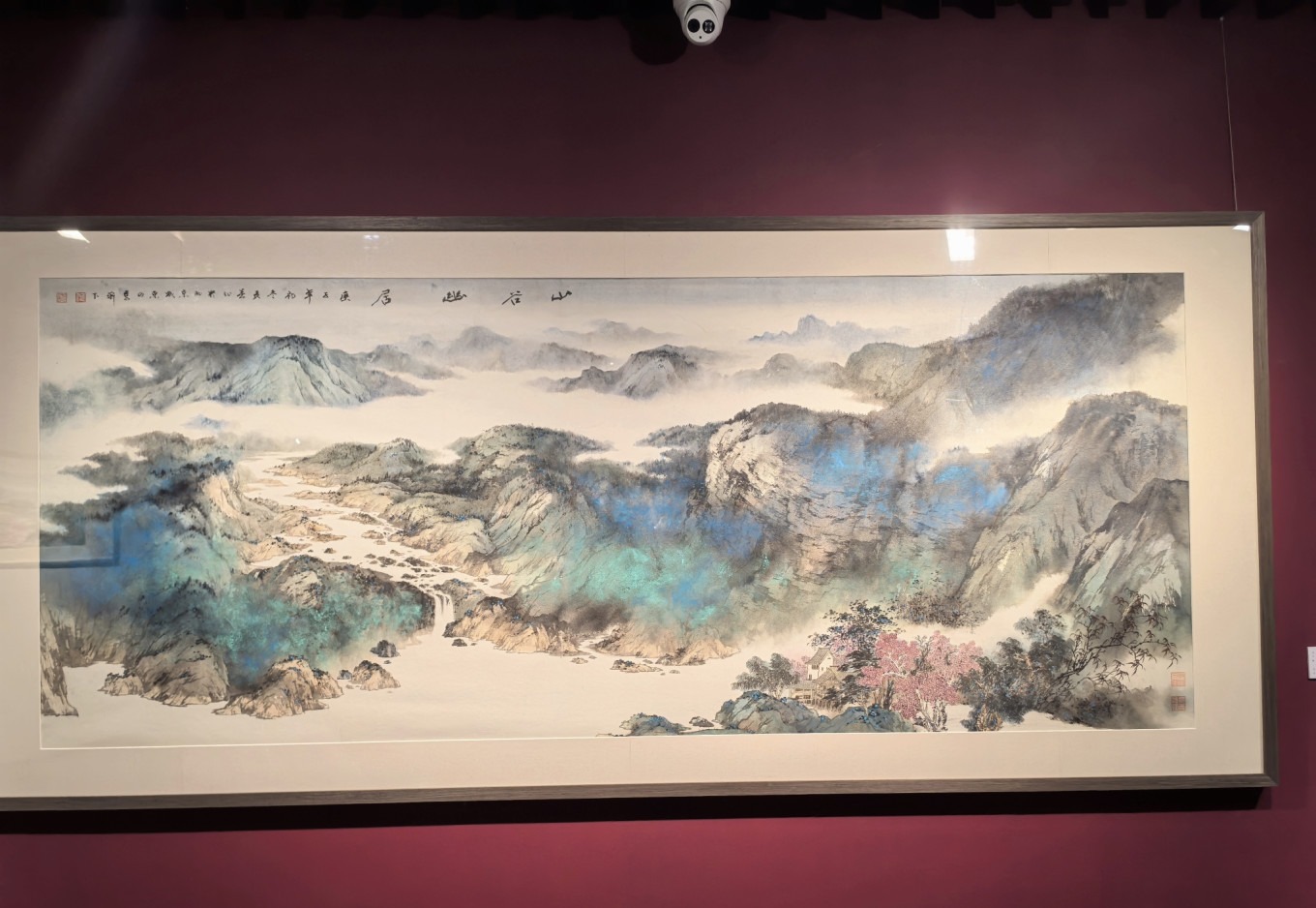
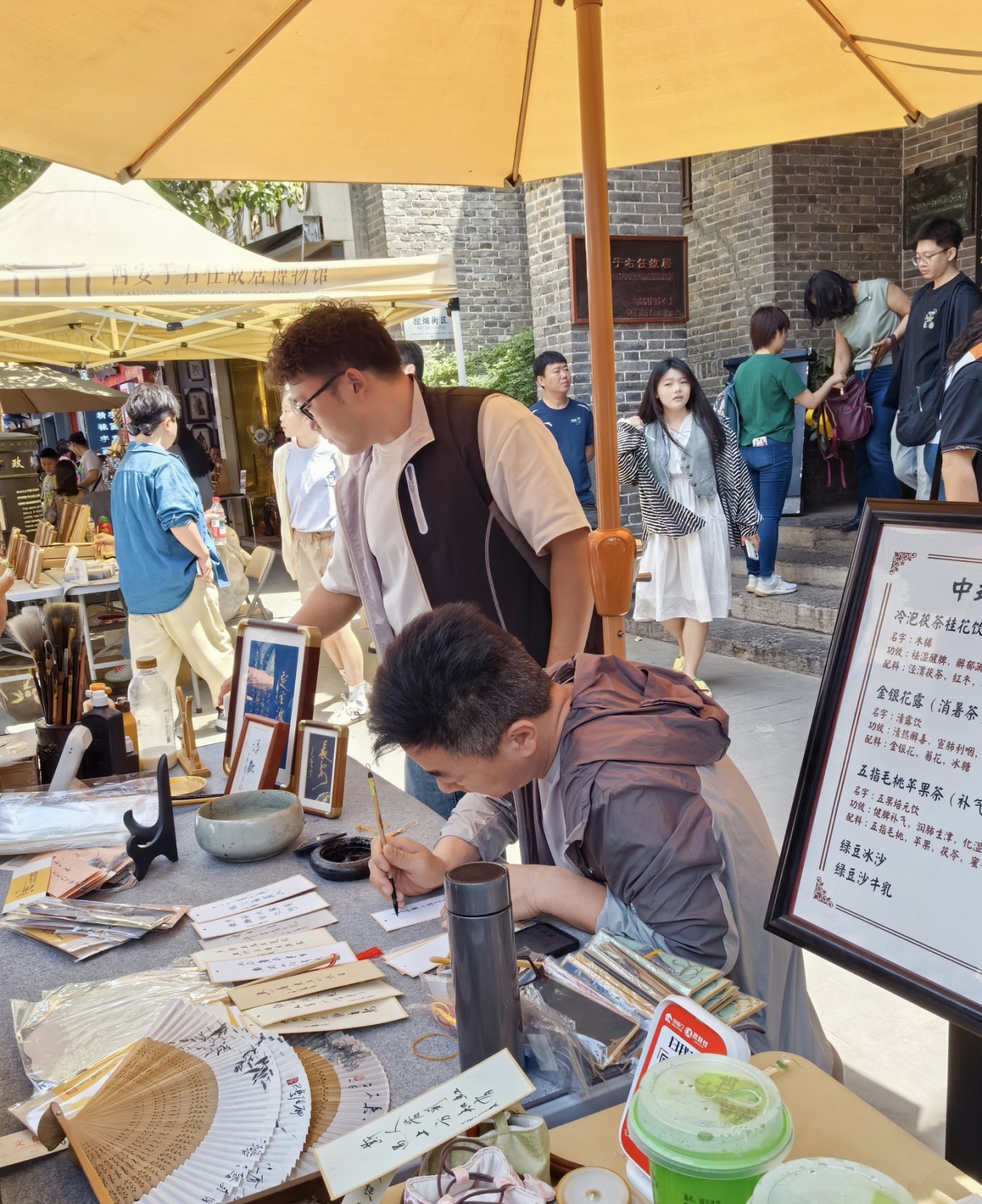
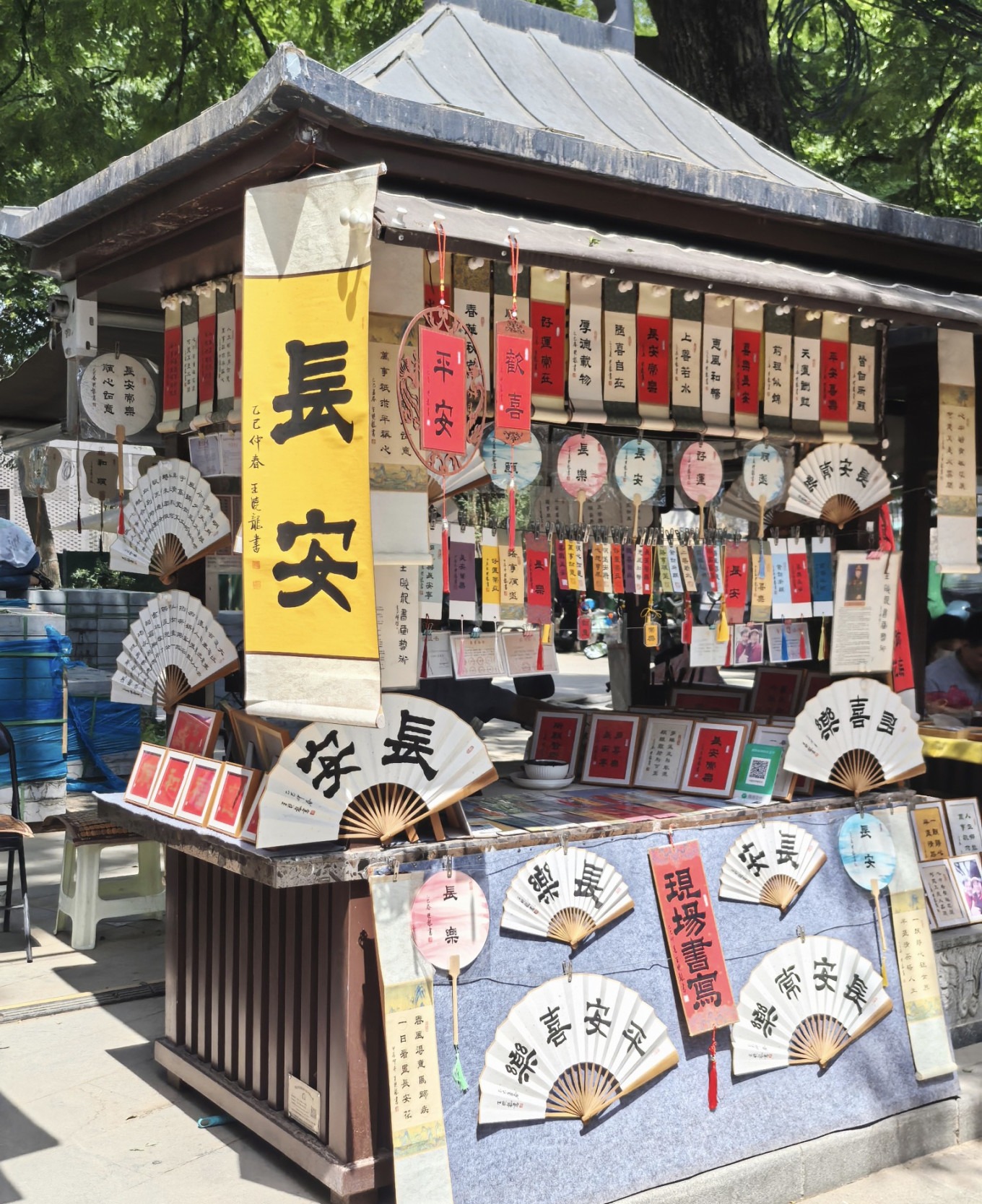
As you wander, you’ll encounter art galleries and street artists. One gallery displayed a painting priced at 180,000 RMB—a testament to the value placed on traditional art here. You’ll also see calligraphers practicing their craft, offering custom bookmarks and fans with elegant brushwork. The street is a hub for creative expression, where computer fonts can’t replace the beauty of hand-done calligraphy.
In a small alley near Shuyuanmen, you’ll find a cozy coffee roastery that also sells bagels. One bagel had a surprising kick—it was filled with chili, creating a spicy and satisfying snack. It’s a great spot to take a break from sightseeing.
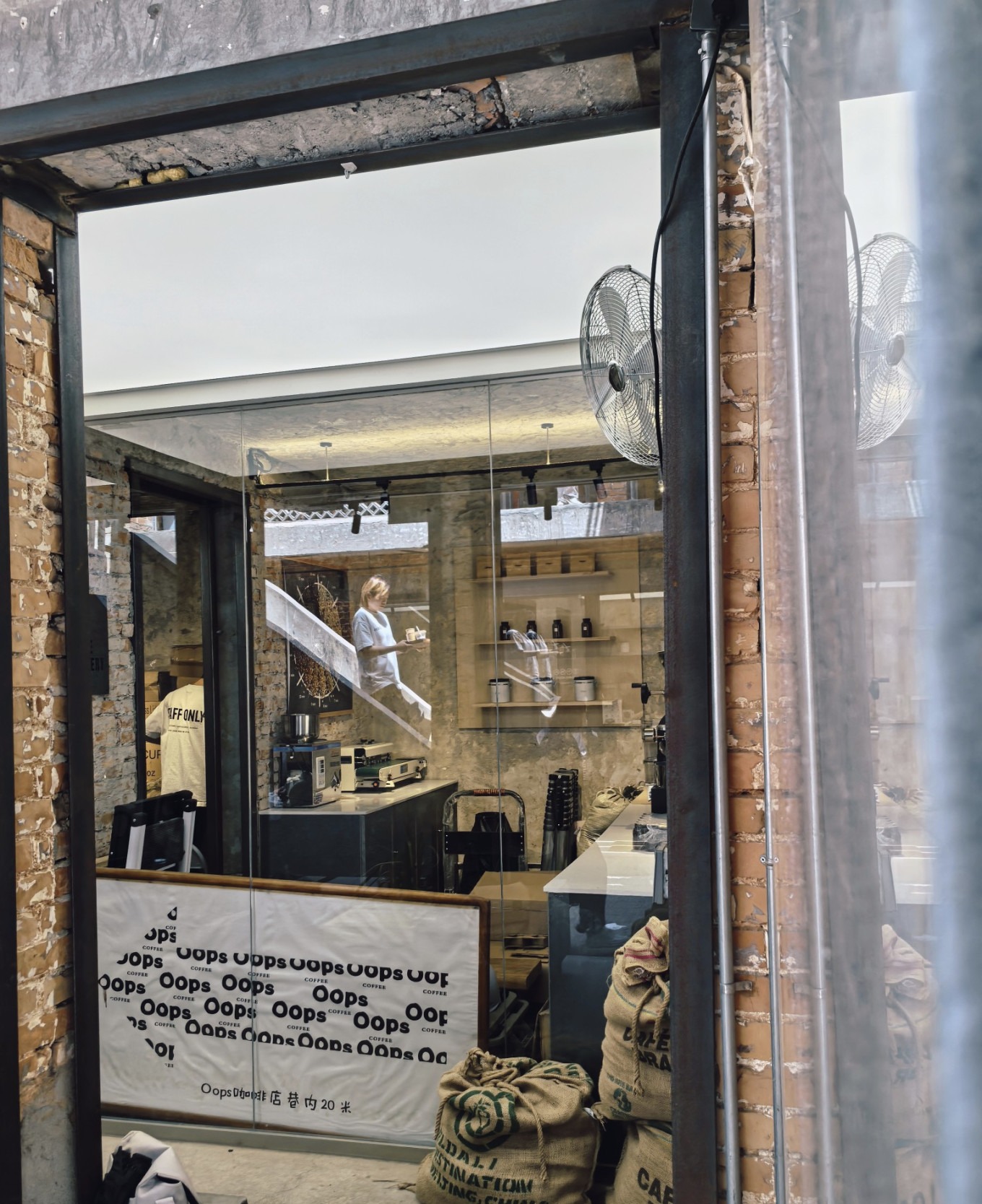
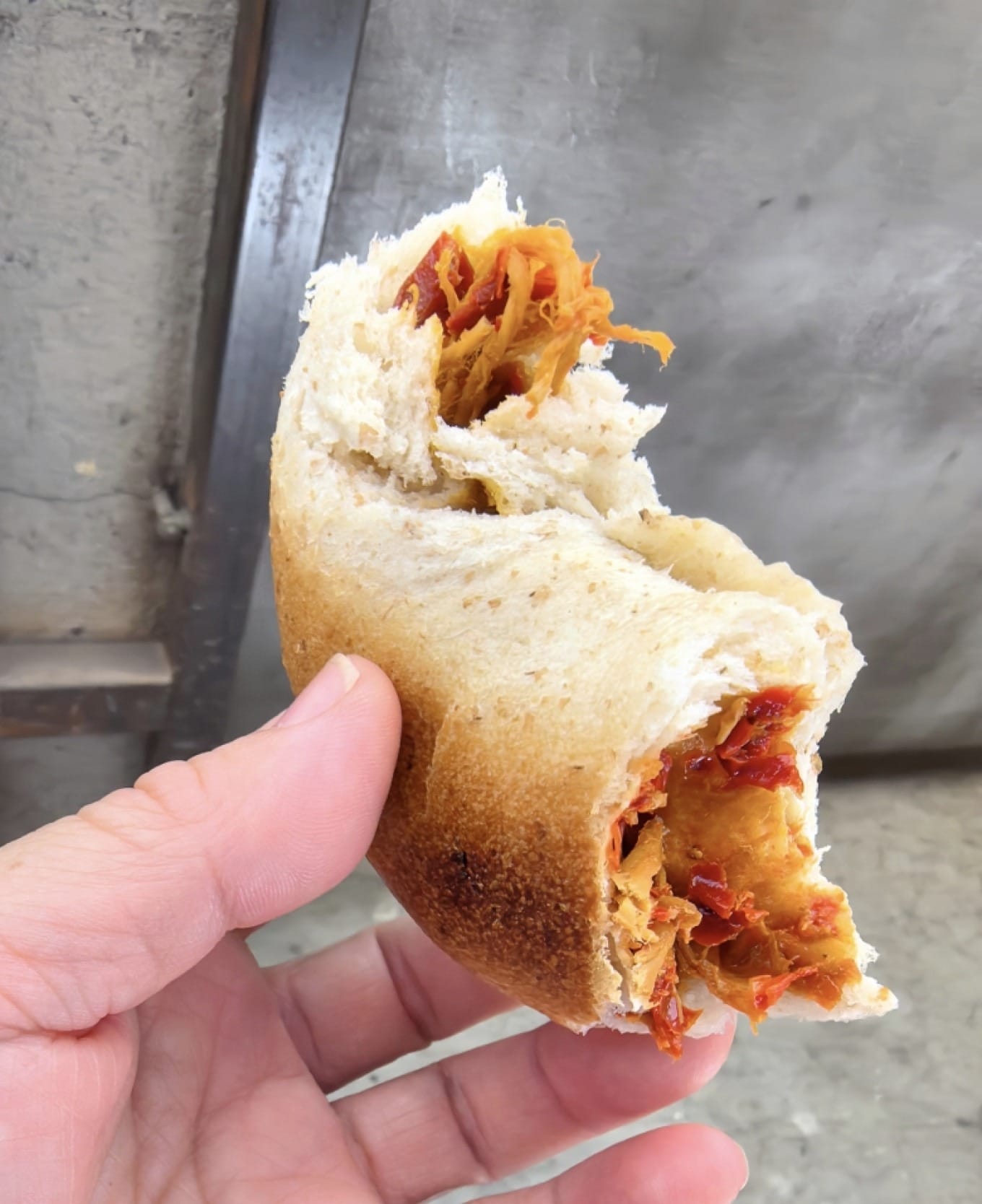
Shuyuanmen gets its name from the Guanzhong Academy (关中书院), founded in 1592 by scholar Feng Congwu. The academy was a major Confucian school that once hosted over a thousand students. Though destroyed during political turmoil, it was rebuilt in the late Ming and early Qing dynasties and now houses the Xi’an Normal School. The street also has historical significance as the former residence of renowned calligrapher Yu Youren at No. 32.
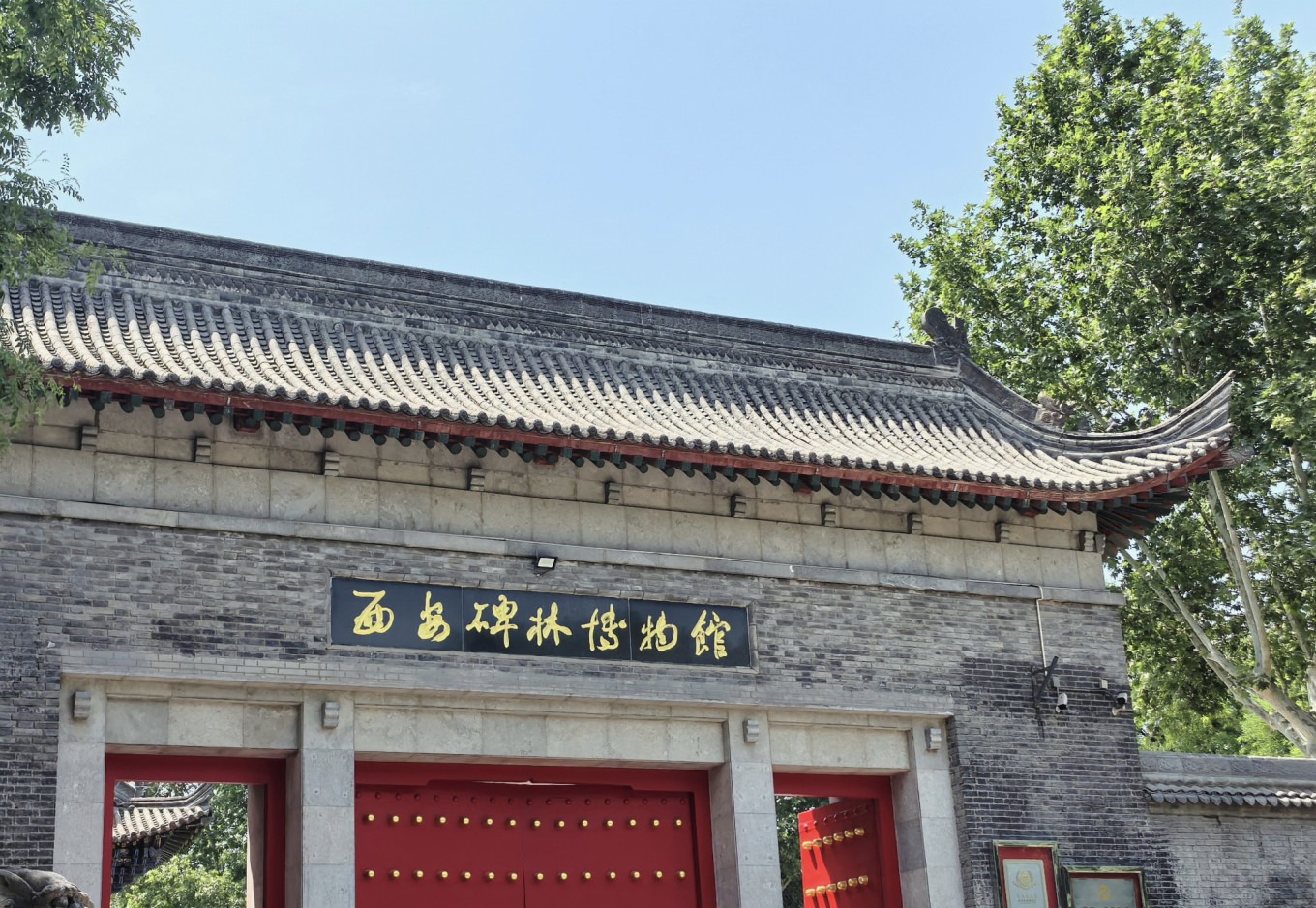
At the eastern end of Shuyuanmen lies the Xi’an Beilin Museum (西安碑林博物馆), located at 15 Sanxue Street. Founded in 1944, it originated from the Xi’an Stele Forest, a collection of steles that began in 1087 during the Northern Song dynasty to preserve classic texts like the Kaicheng Stone Classics and calligraphy masterpieces by Yan Zhenqing and Liu Gongquan. The museum now houses over 14,000 artifacts, including 2,264 precious items, across exhibitions on stone inscriptions, tomb epitaphs, and Buddhist sculptures. It was among the first batch of national first-class museums in 2008 and is a must-visit for history and calligraphy enthusiasts.
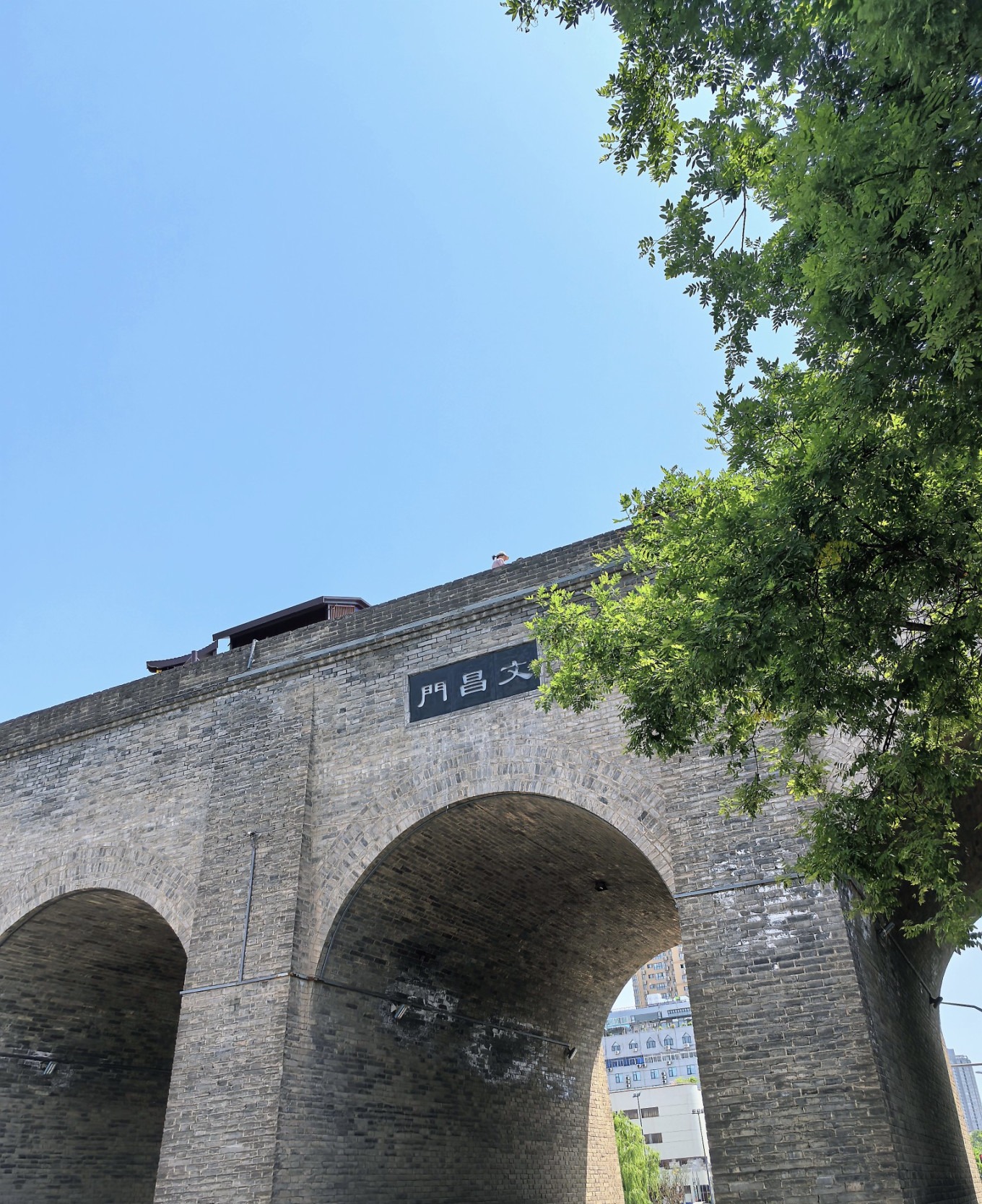
Nearby, Wenchang Gate (文昌门) is a modern gate opened in 1986 on the southern city wall, between Yongning Gate and Heping Gate. It’s a convenient access point for exploring the wall and the surrounding cultural sites.
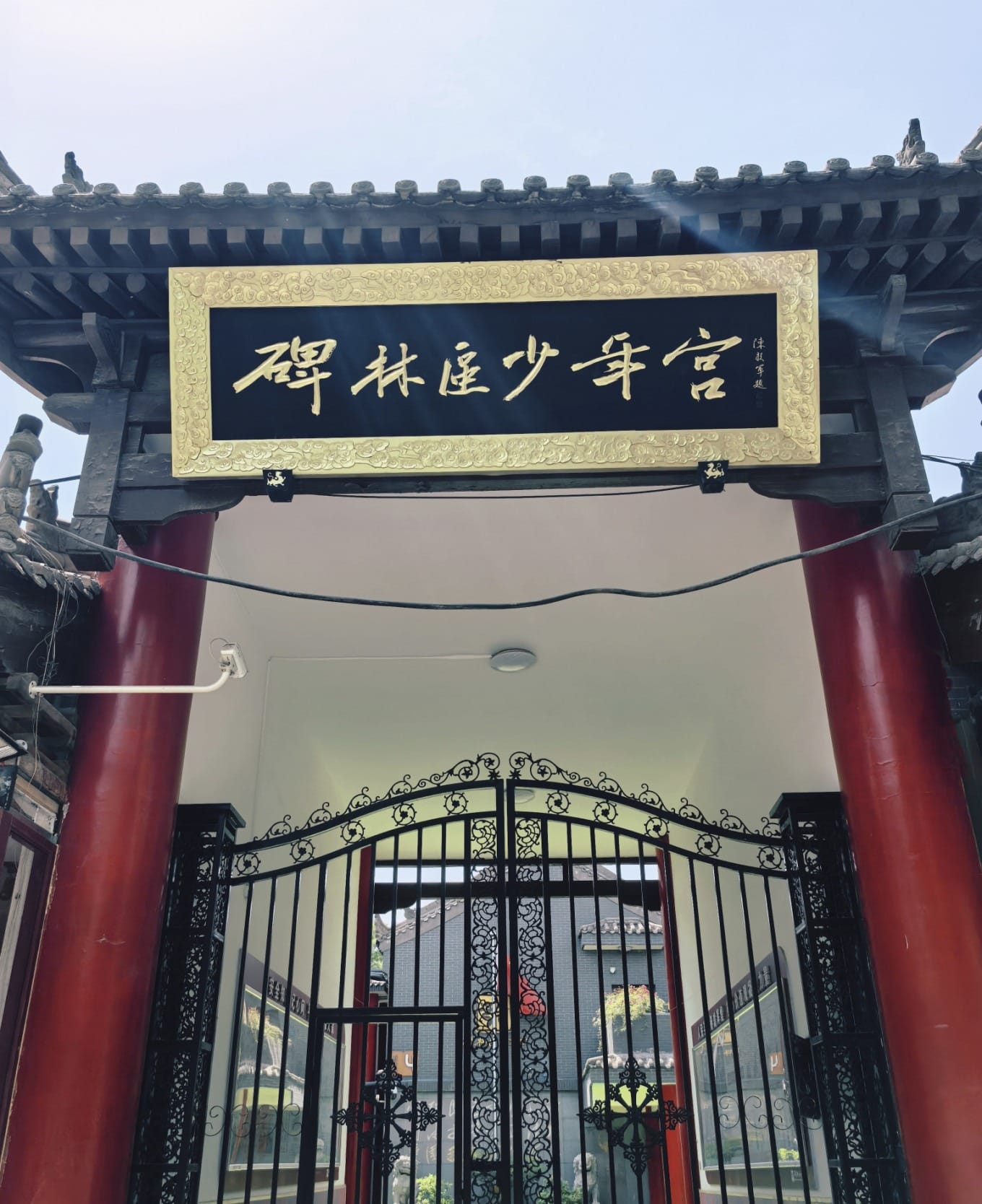
For families, the Xi’an Beilin District Children’s Palace (西安市碑林区少年宫) at 3 Sanxue Street offers cultural and art education programs for young visitors.
Practical tip: You can prioritize one signature stop around the area, and you should adjust timing and budget based on transport and peak hours.
Crouching Dragon Temple (Wolong Temple)
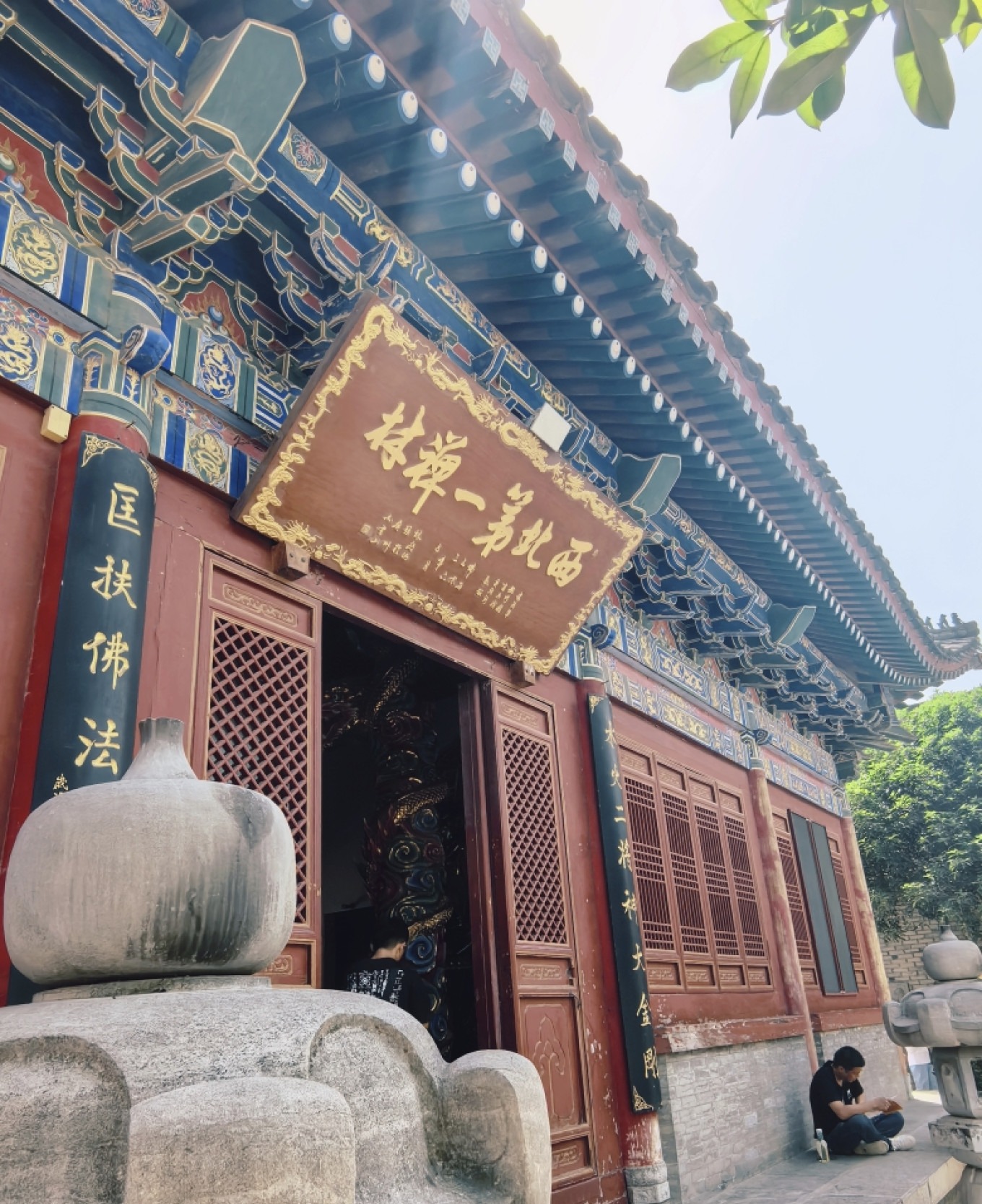
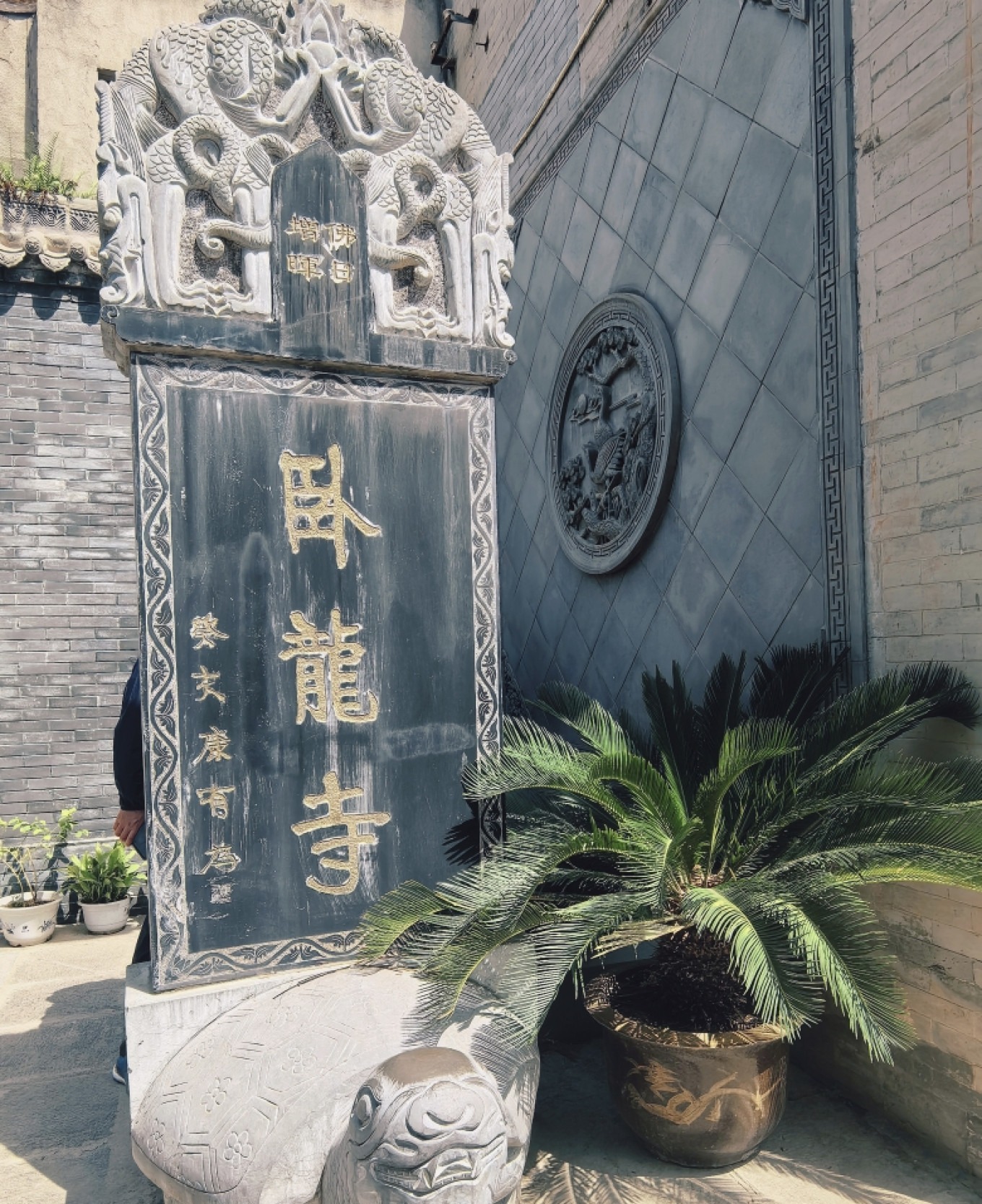
For a glimpse into Xi’an’s ancient Buddhist heritage, head to Crouching Dragon Temple (卧龙寺), a national key Buddhist temple located on Baishulin Street in the Beilin District. Originally built during the Eastern Han Dynasty (25–220 AD) after Emperor Ming dreamed of Buddha, it was later officially constructed under Emperor Ling and known as ‘Fuying Chan Temple’ in the Sui Dynasty—making it over 1,800 years old. To get there, take buses 7, 8, 29, 37, 43, 45, 46, 47, 118, 201, 203, 218, 235, 251, 252, 258, 300, 309, 502, 601, 604, K605, 606, 611, 612, 619, 622, 706, or 710 to Duanlimen Station, then walk 300 meters south.
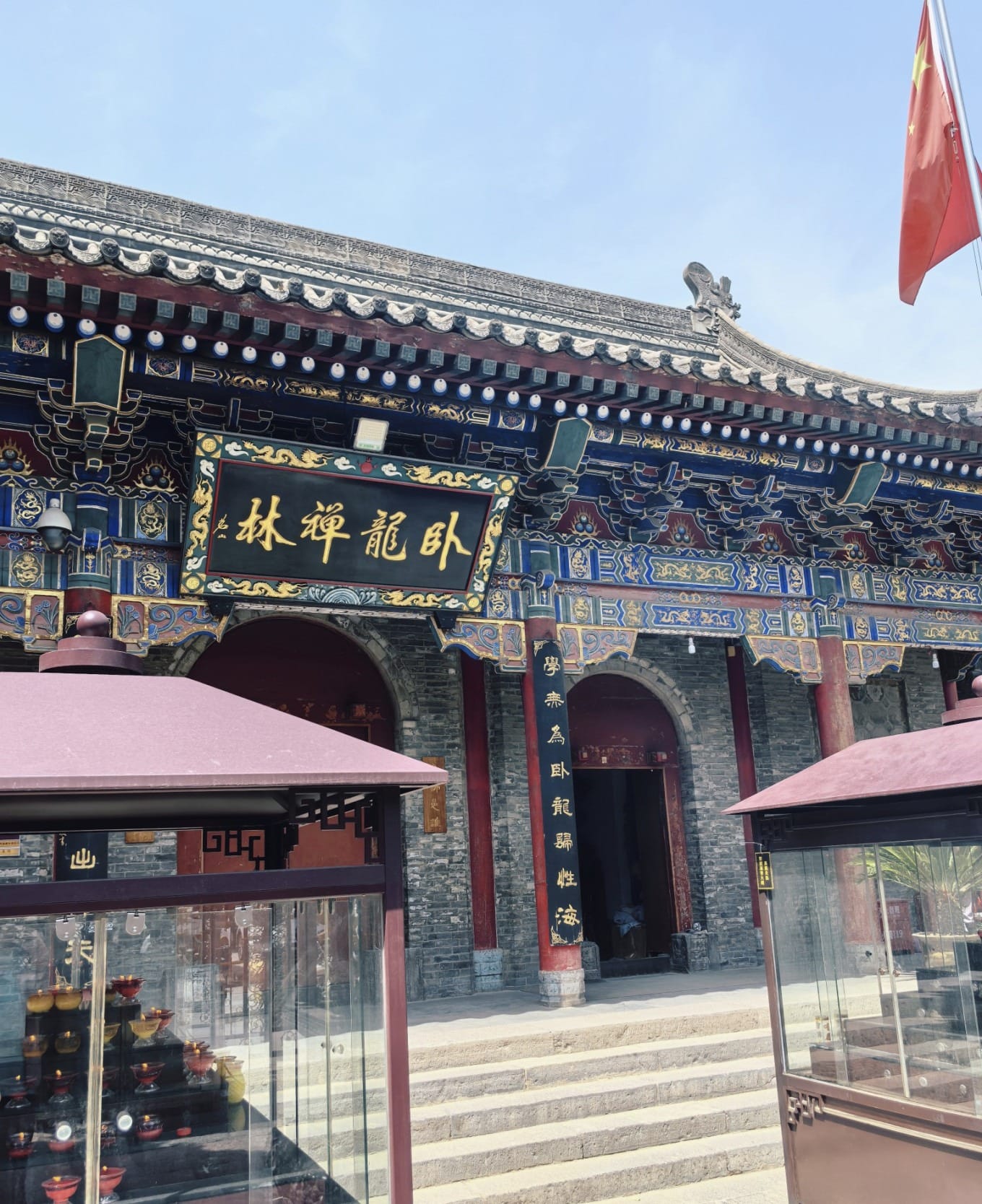
During the Tang Dynasty, the temple was renovated in 637 AD and, because it housed a Guanyin painting by the famous artist Wu Daozi, it was also called ‘Guanyin Temple’. In the Xiantong (860) and Qianfu (874) eras, stone dharani pillars were erected on site. During the Song Dynasty, the temple gained its current name ‘Wolong Temple’ (Crouching Dragon Temple) because a monk was said to have slept here for years. Today, the temple treasures several rare artifacts, including a bronze bell from the Xianping era of the Song Dynasty, a Song-dynasty Qisha edition of the Buddhist canon, and a footprint stone tablet of Buddha from the Ming Hongwu era.
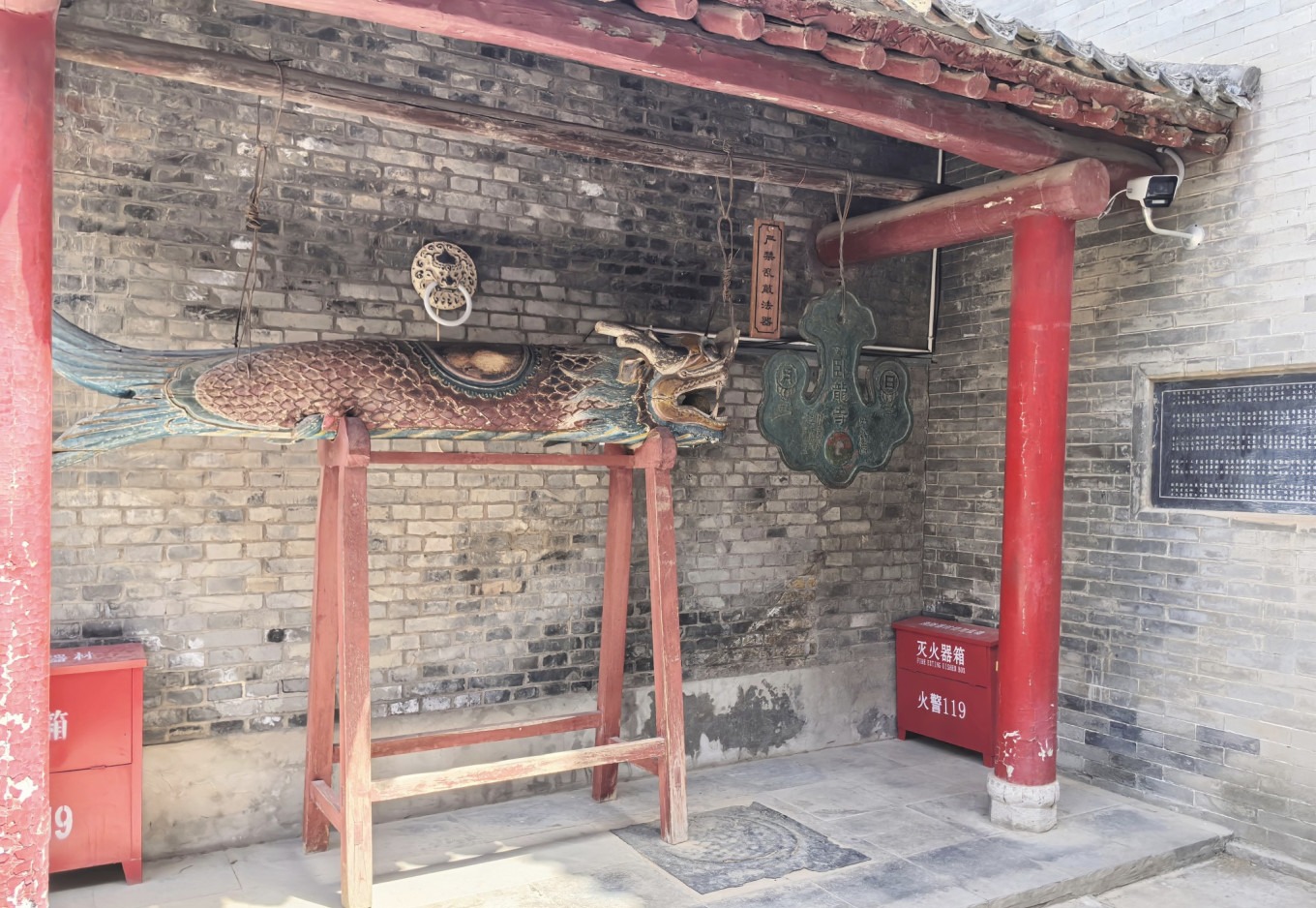
As you explore, you’ll notice distinctive architectural details—like the unique decorative shapes on the roofs. If you spot something interesting, feel free to snap a photo. There are no guided tours or dedicated docents here, so you’ll need to explore independently. You can follow other visitors who rub the smooth stone surfaces for good luck—it’s a local tradition.
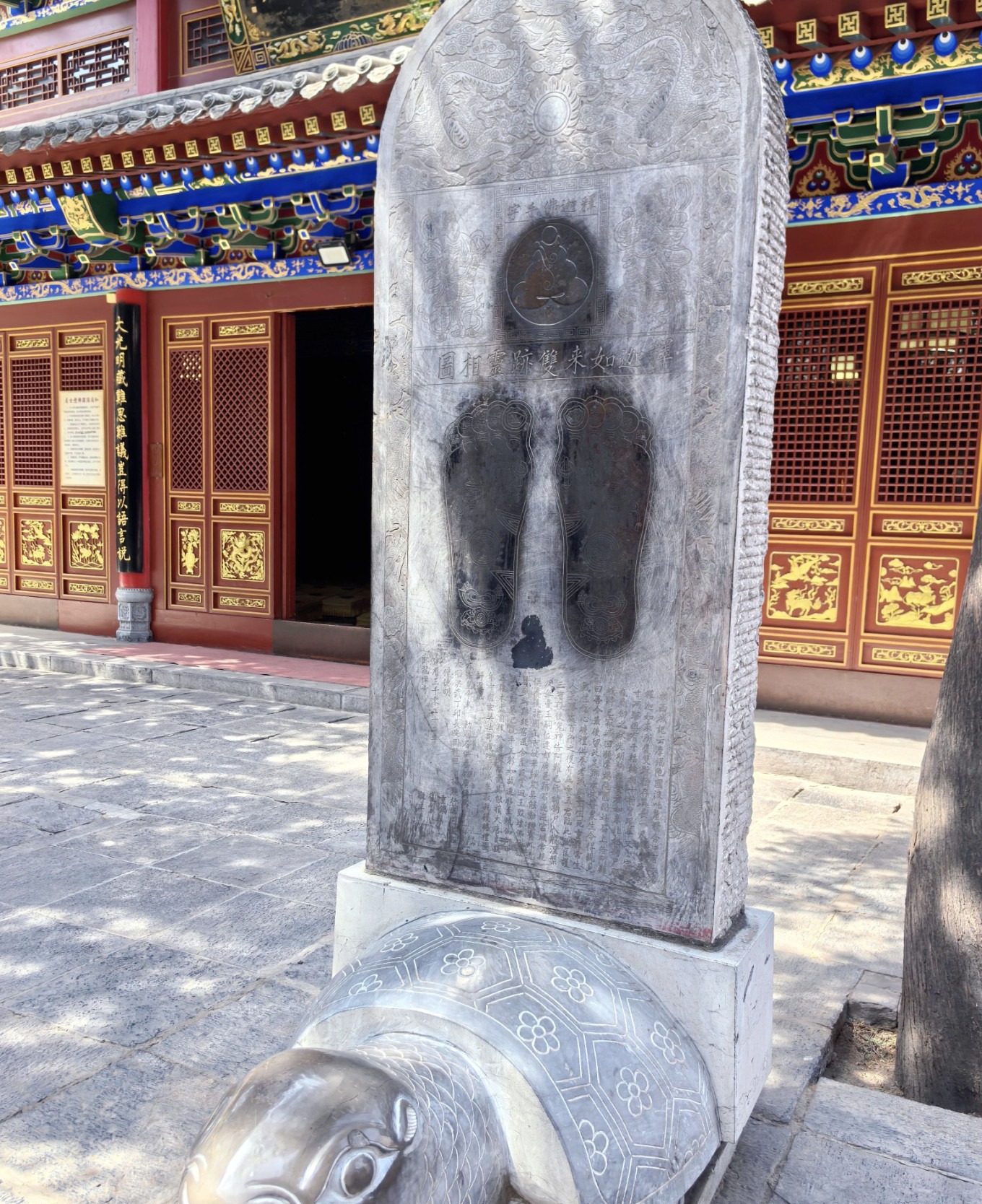
Take your time to wander the peaceful halls and appreciate the centuries of history. The temple’s quiet atmosphere offers a welcome break from the busy city streets.
Xi’an Incident Memorial Hall (Zhang Xueliang’s Former Residence)
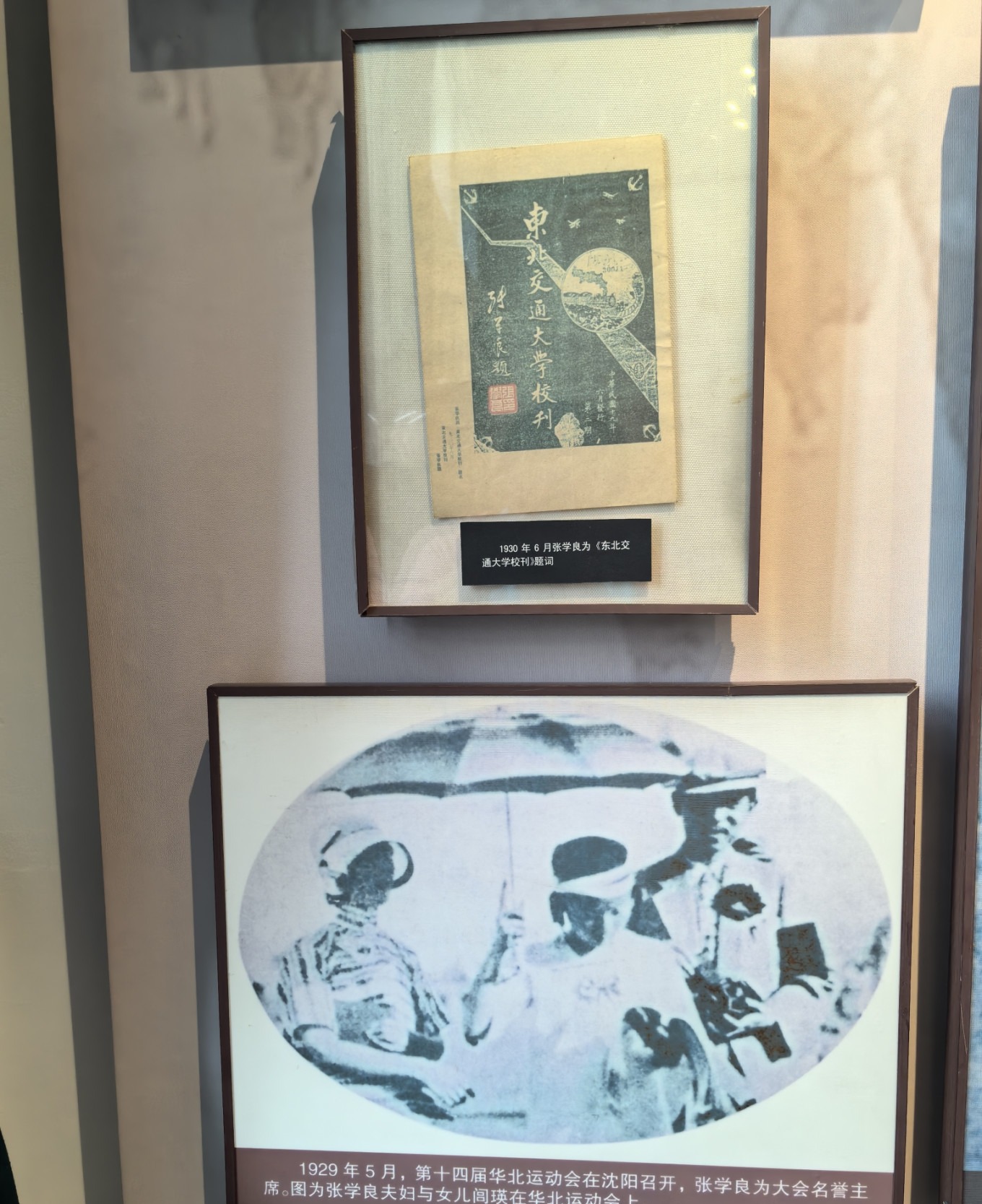
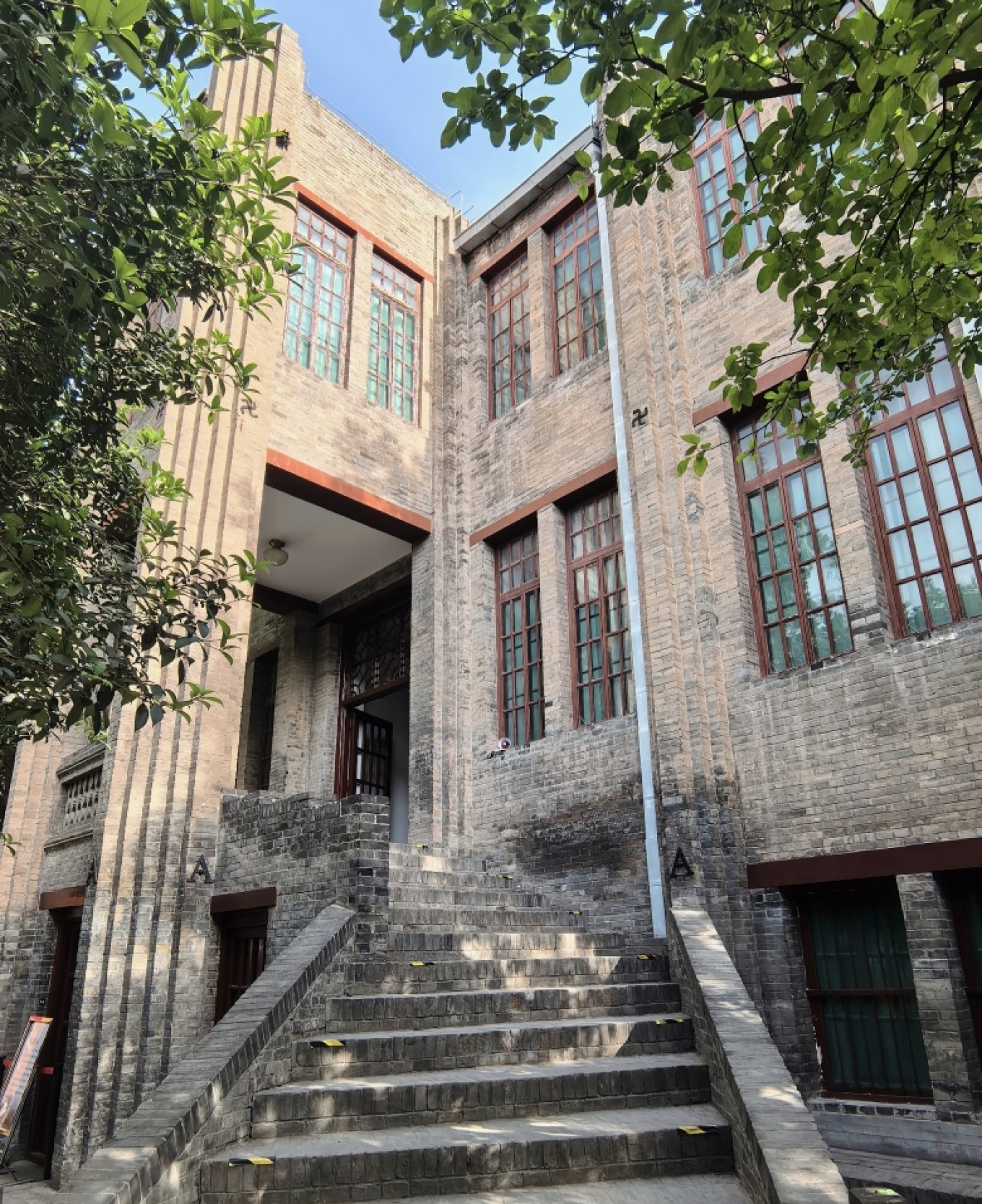
The Xi’an Incident Memorial Hall, also known as Zhang Xueliang’s Former Residence (张学良公馆), is located at No. 69 Jianguo Road in Xi’an. Built in 1932, the site consists of three west-style brick-and-wood buildings arranged east to west, each three stories tall. In 1982, the complex was designated a National Key Cultural Relic Protection Unit. Covering 9,141 square meters with 6,598 square meters of exhibition space, the museum houses nearly 300 artifacts, including 26 first-grade relics.
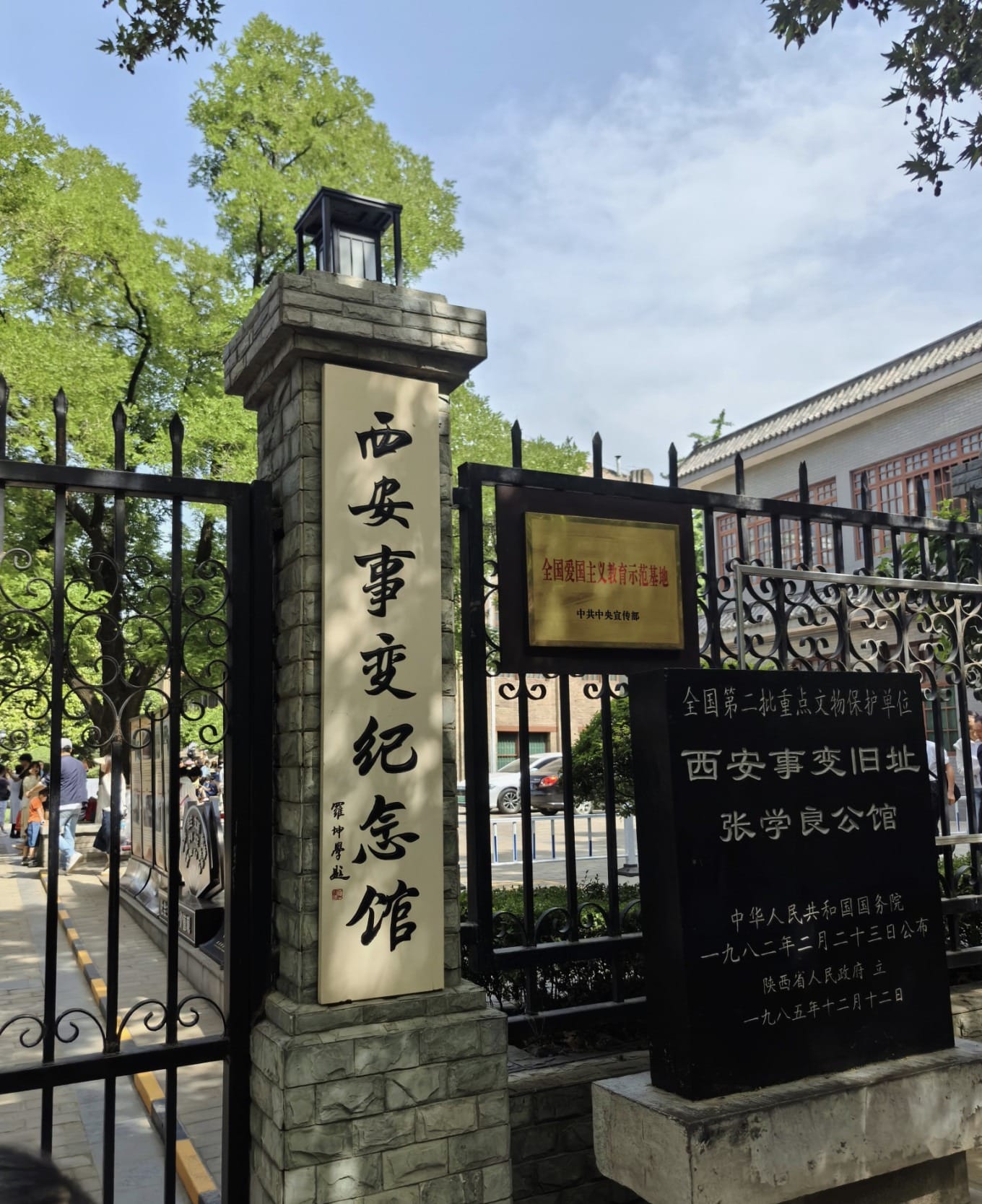
The memorial hall is a specialized museum built on the important historical sites of General Zhang Xueliang’s residence and General Yang Hucheng’s Zhiyuan Villa (止园别墅). Key sites include: Zhang Xueliang’s Former Residence, Yang Hucheng’s Zhiyuan Villa, the New City Yellow Building (新城黄楼), Xijing Guesthouse (西京招待所), Gao Guizi’s Residence (高桂滋公馆), the Xi’an Incident Command Post, and the Five-Jian Hall (五间厅) and Bingjian Pavilion (兵谏亭) at Huaqing Pool. The site was opened to the public in December 1986 on the 50th anniversary of the incident and was renamed the Xi’an Incident Memorial Hall in 1992.
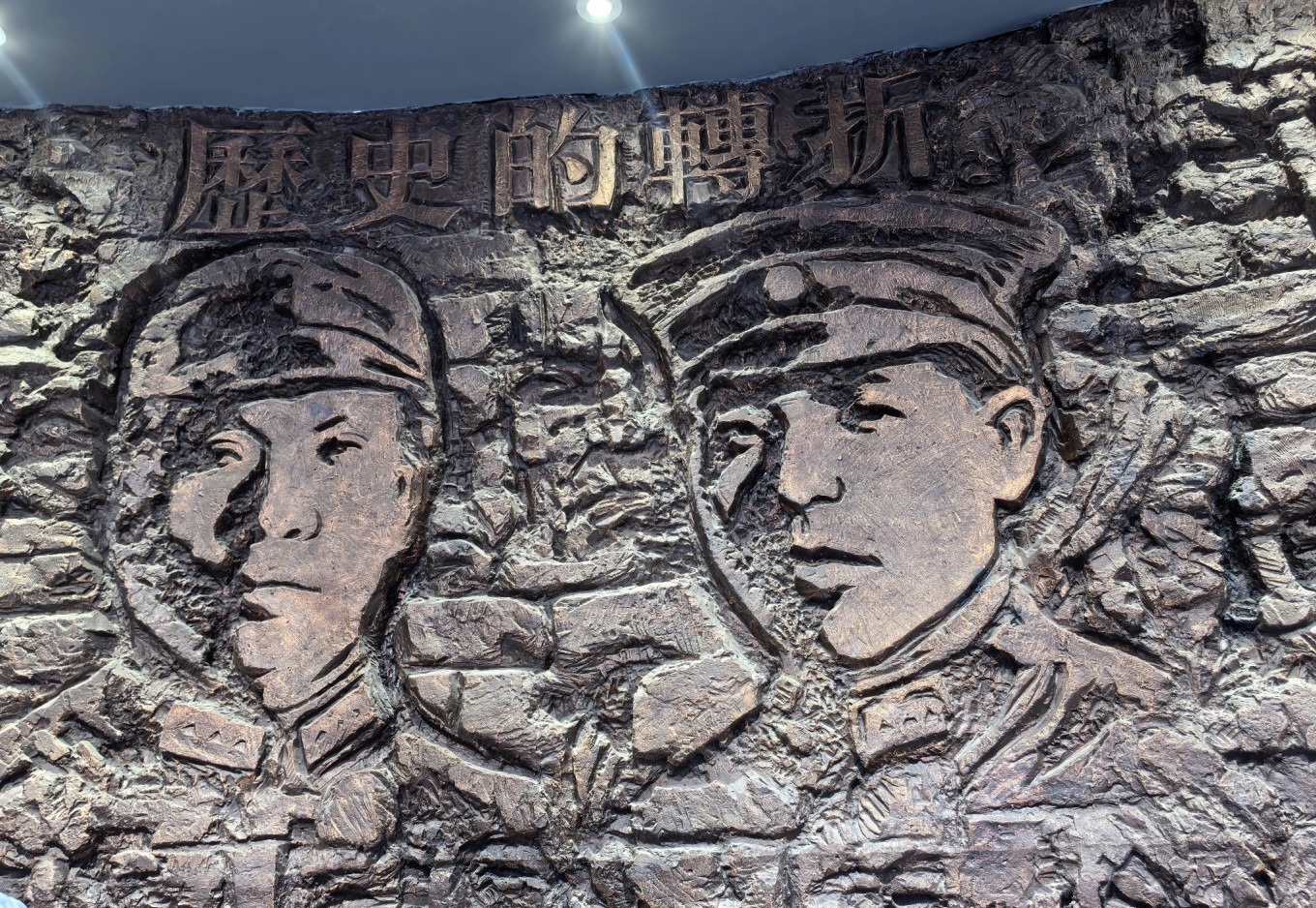
The Xi’an Incident Memorial Hall is located at No. 69 Jianguo Road, Xi’an, and is a thematic memorial museum established on the basis of the important historical sites of General Zhang Xueliang’s residence and General Yang Hucheng’s Zhiyuan Villa.
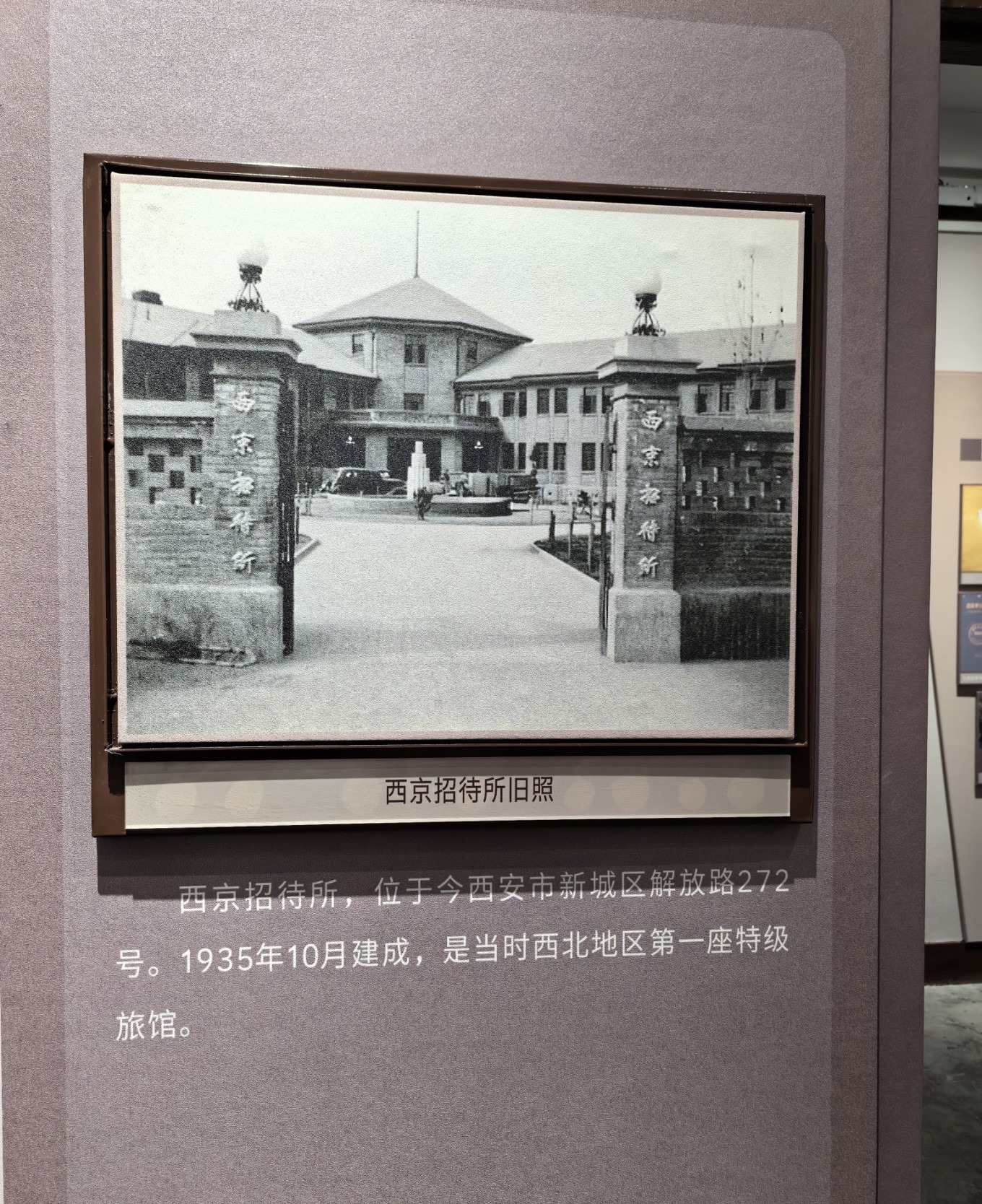
The Xi’an Incident sites include: Xi’an Incident Memorial Hall (Zhang Xueliang’s Former Residence), Yang Hucheng’s Zhiyuan Villa, New City Yellow Building, Xijing Guesthouse, Xi’an Incident Command Post, Gao Guizi’s Residence, Huaqing Pool’s Five-Jian Hall, and Bingjian Pavilion.
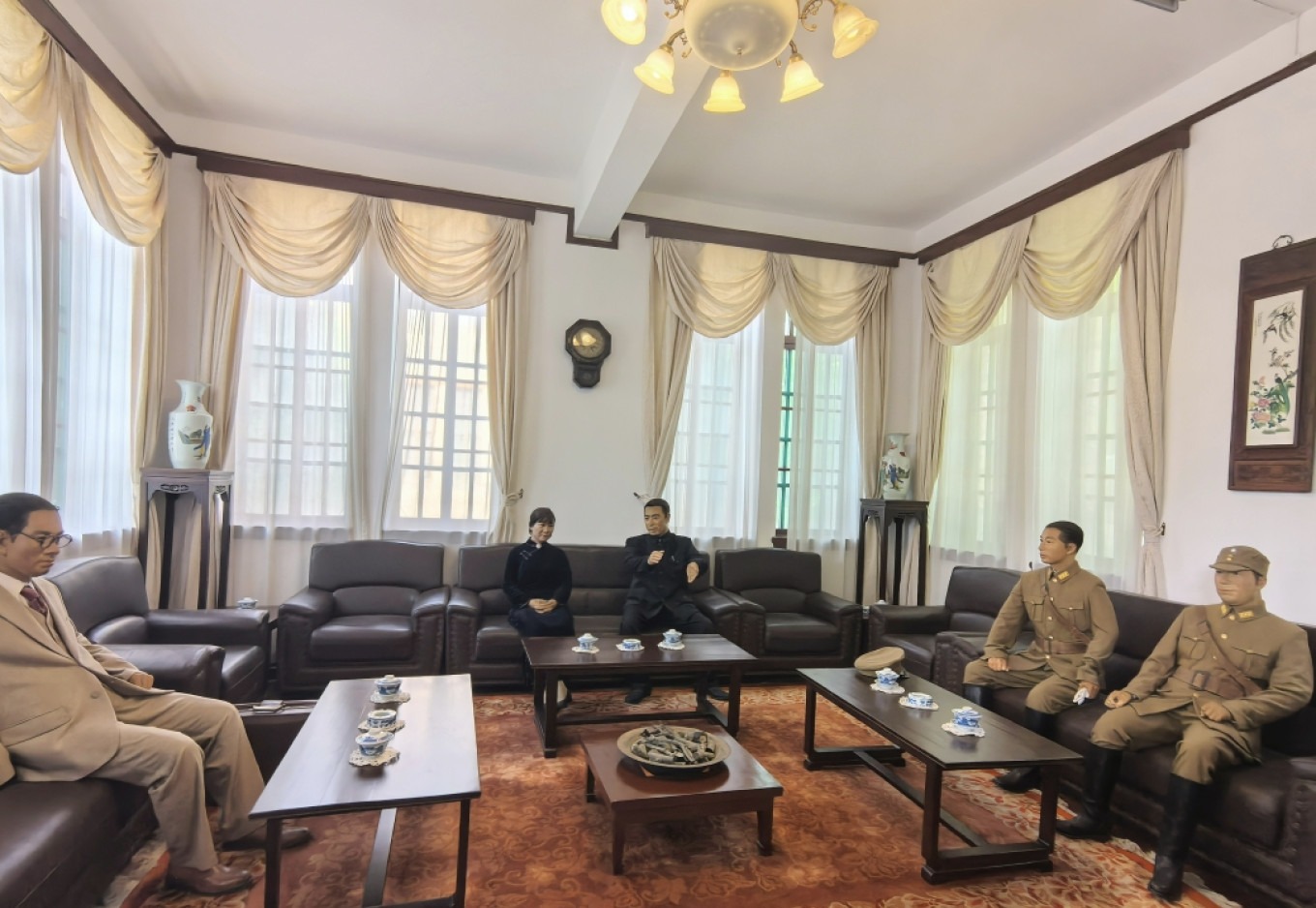
As you explore, you’ll notice a street sign reading ‘Shenyang’ – a familiar name that links to a less familiar chapter of history. The east building served as the code room, the middle building housed the living room and meeting room. After the Xi’an Incident broke out, Zhou Enlai and Ye Jianying led the CPC delegation and stayed in the east building. The west building was Zhang Xueliang’s private residence. The middle building was where the CPC delegation held talks with Zhang and Yang, as well as negotiations with representatives of the Nanjing government.
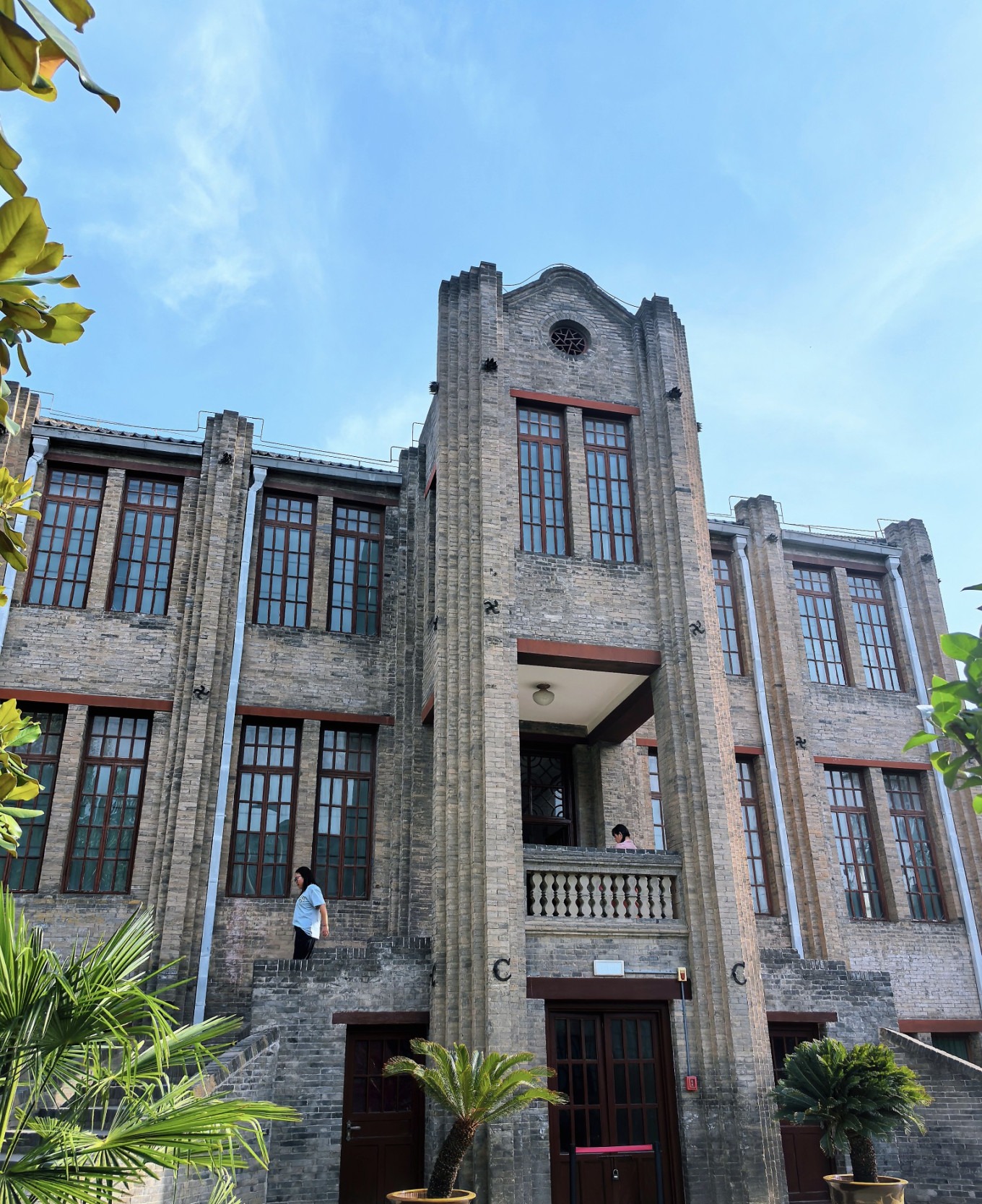
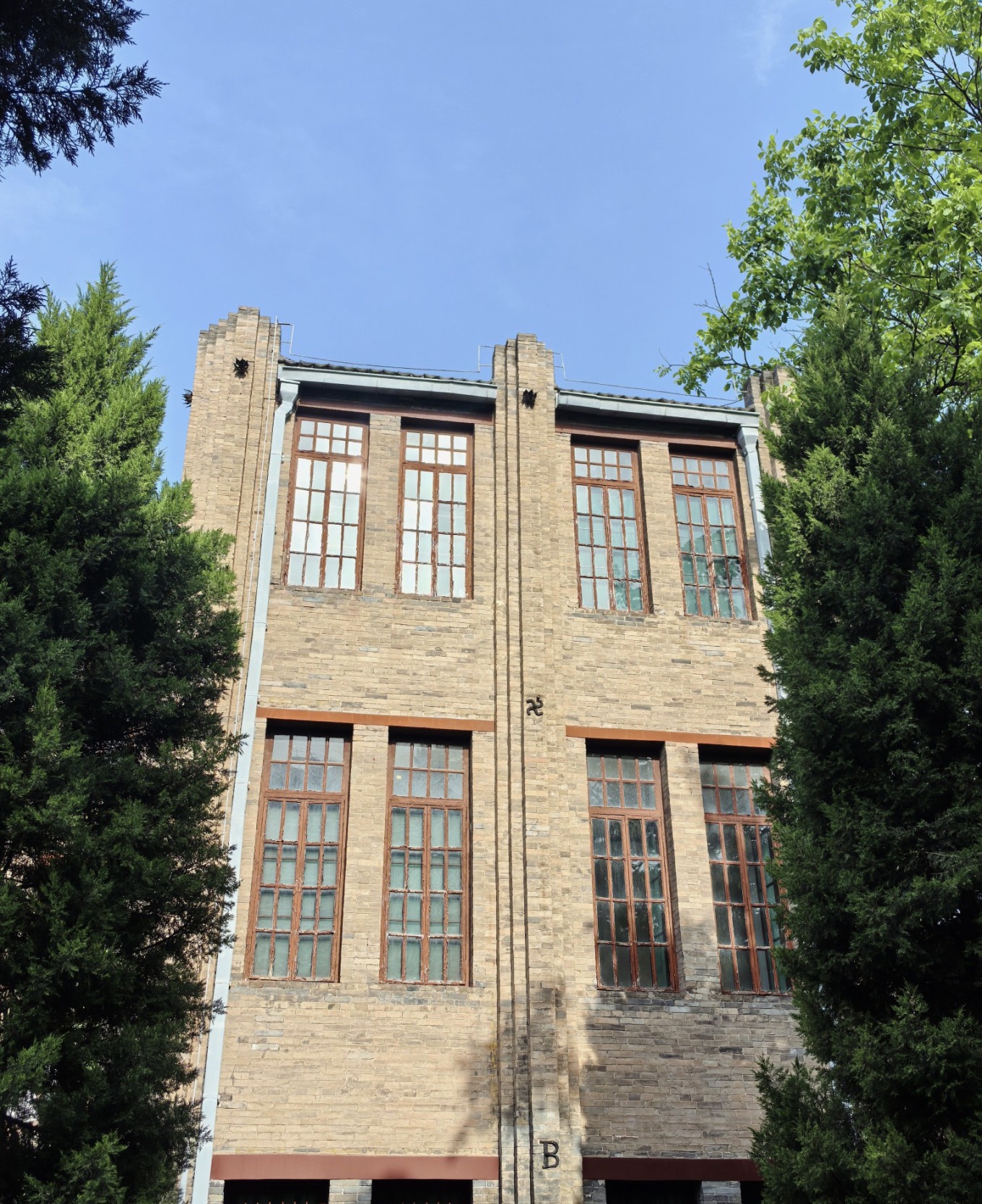
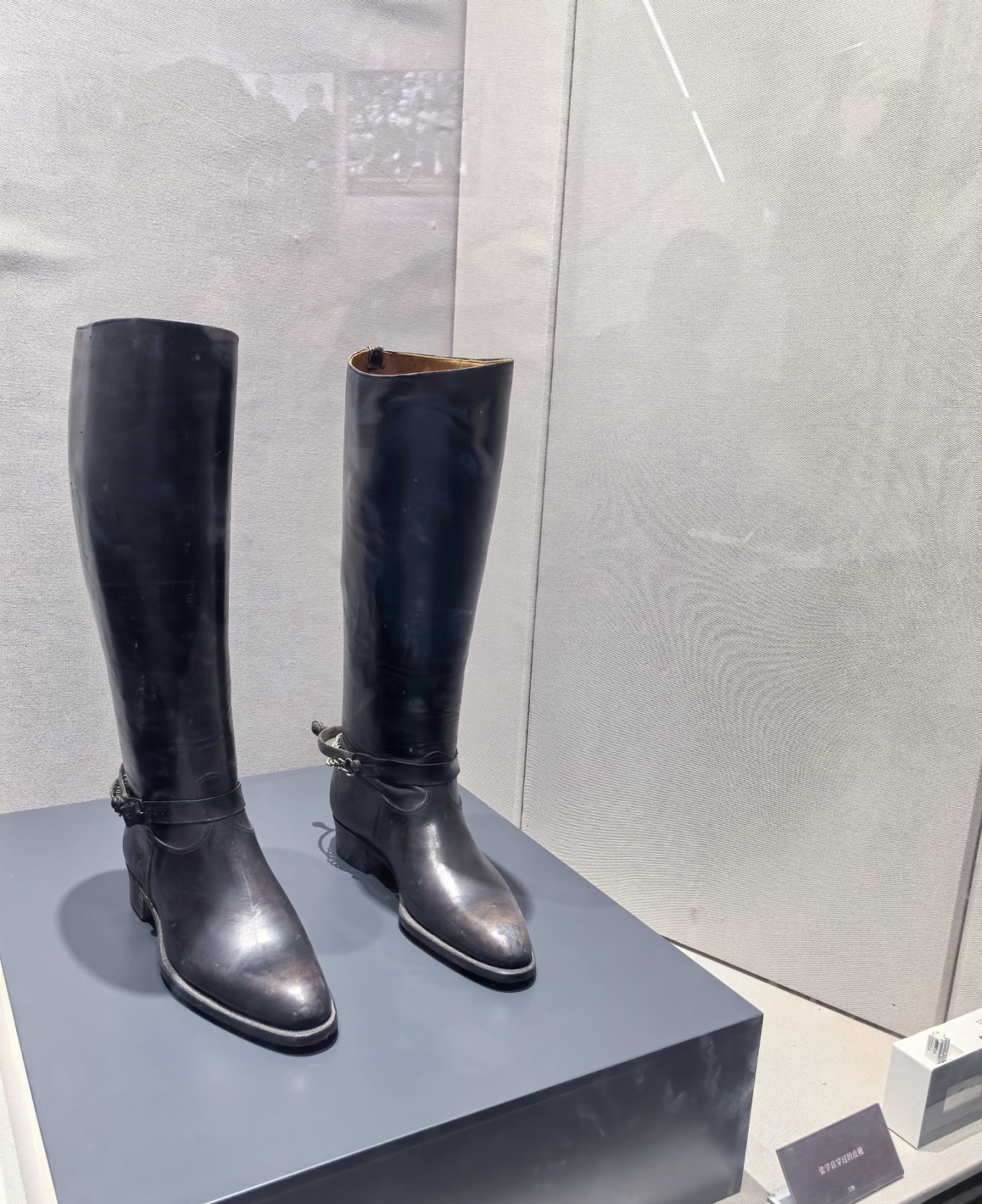
You can also see a pair of military boots that belonged to Zhang Xueliang – though it’s uncertain if he wore them during the Xi’an Incident itself. As a patriotic education base, the memorial offers a chance to reflect on the spirit forged during China’s modern development.
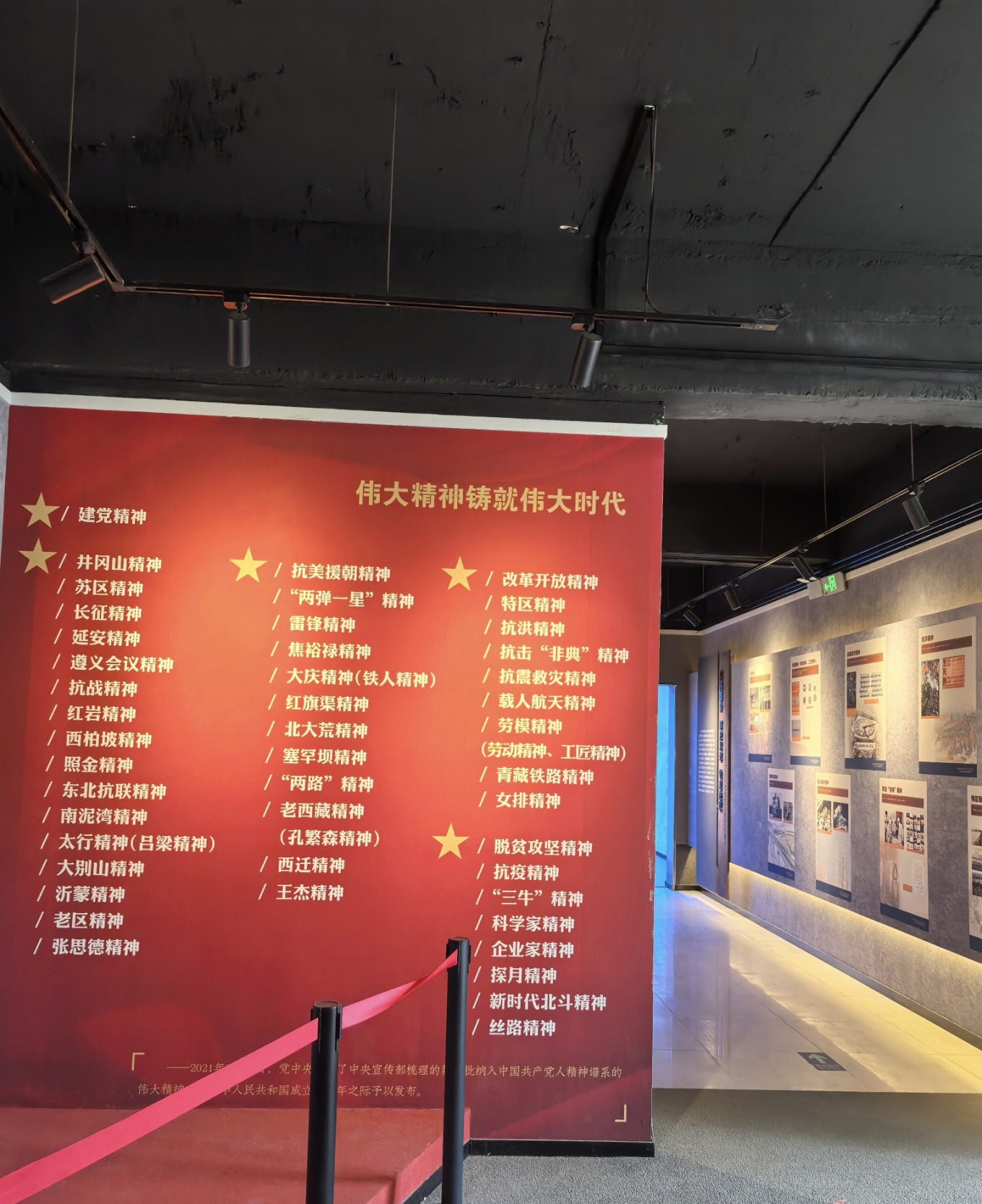
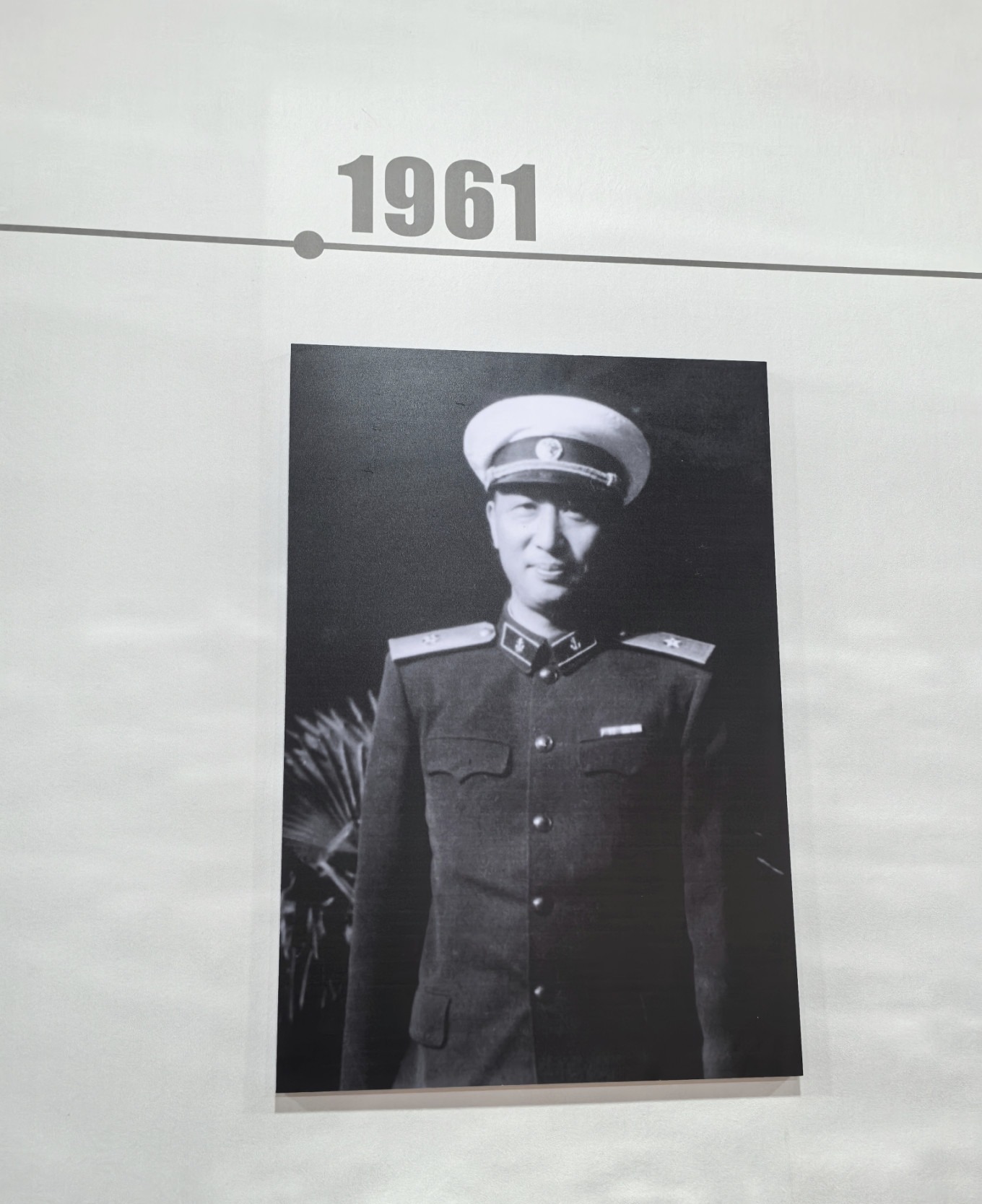
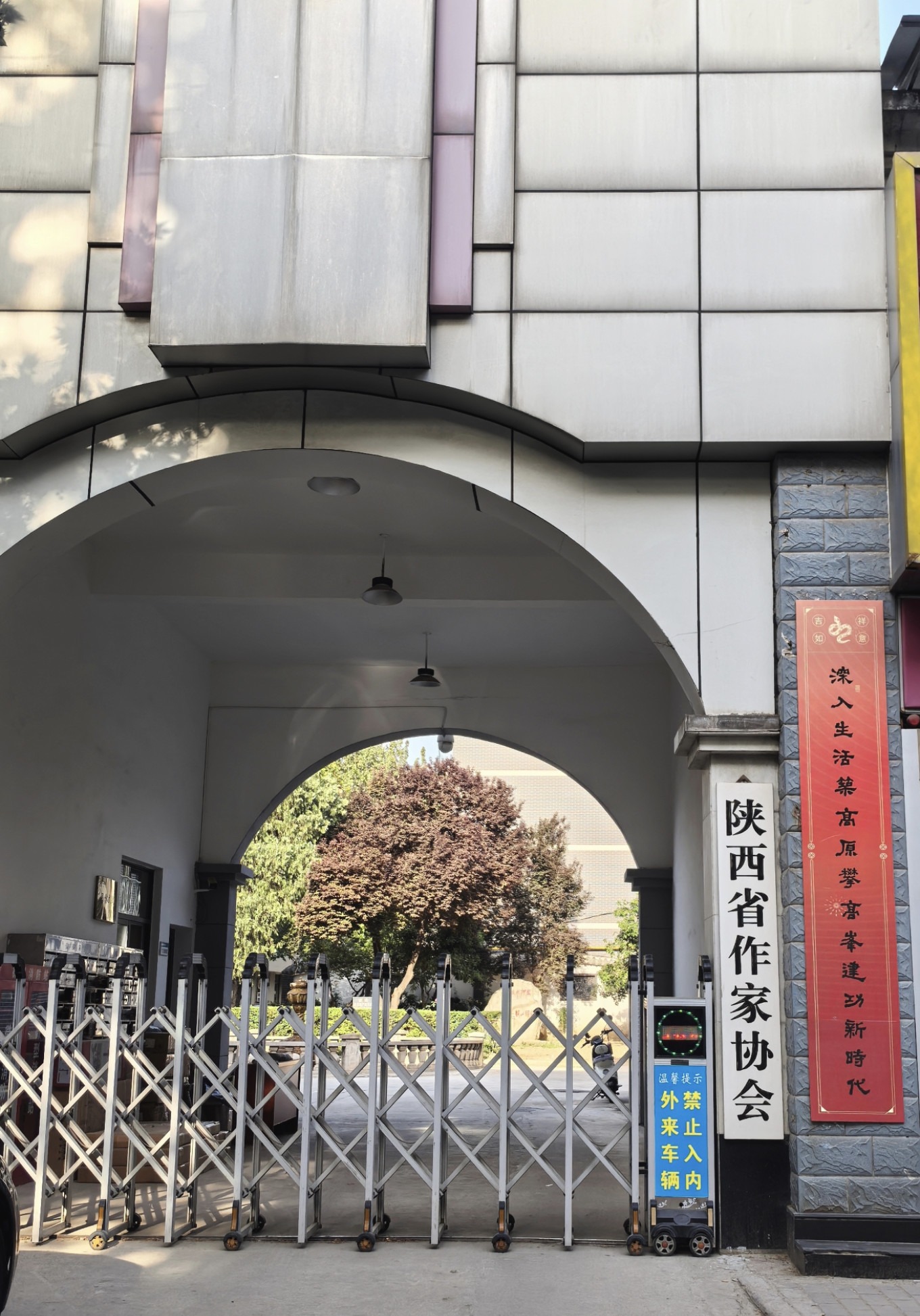
Near the exit, you’ll find an exhibition on Zhang Xueliang’s younger brother Zhang Xuesi, who passed away at age 54. The building itself is a listed cultural relic, now also used by the Writers’ Association.
Shaanxi Provincial Cultural Center
The Shaanxi Provincial Cultural Center (陕西省文化馆), formerly the Shaanxi Provincial Mass Art Center, was established on February 18, 1956. It now has two major campuses—on Xiqi Road and in Qujiang—with a total floor area of 48,800 square meters, earning it the designation of a National First-Class Cultural Center. Whether you’re interested in traditional arts, modern exhibitions, or immersive performances, this is a must-visit cultural hub in Xi’an.
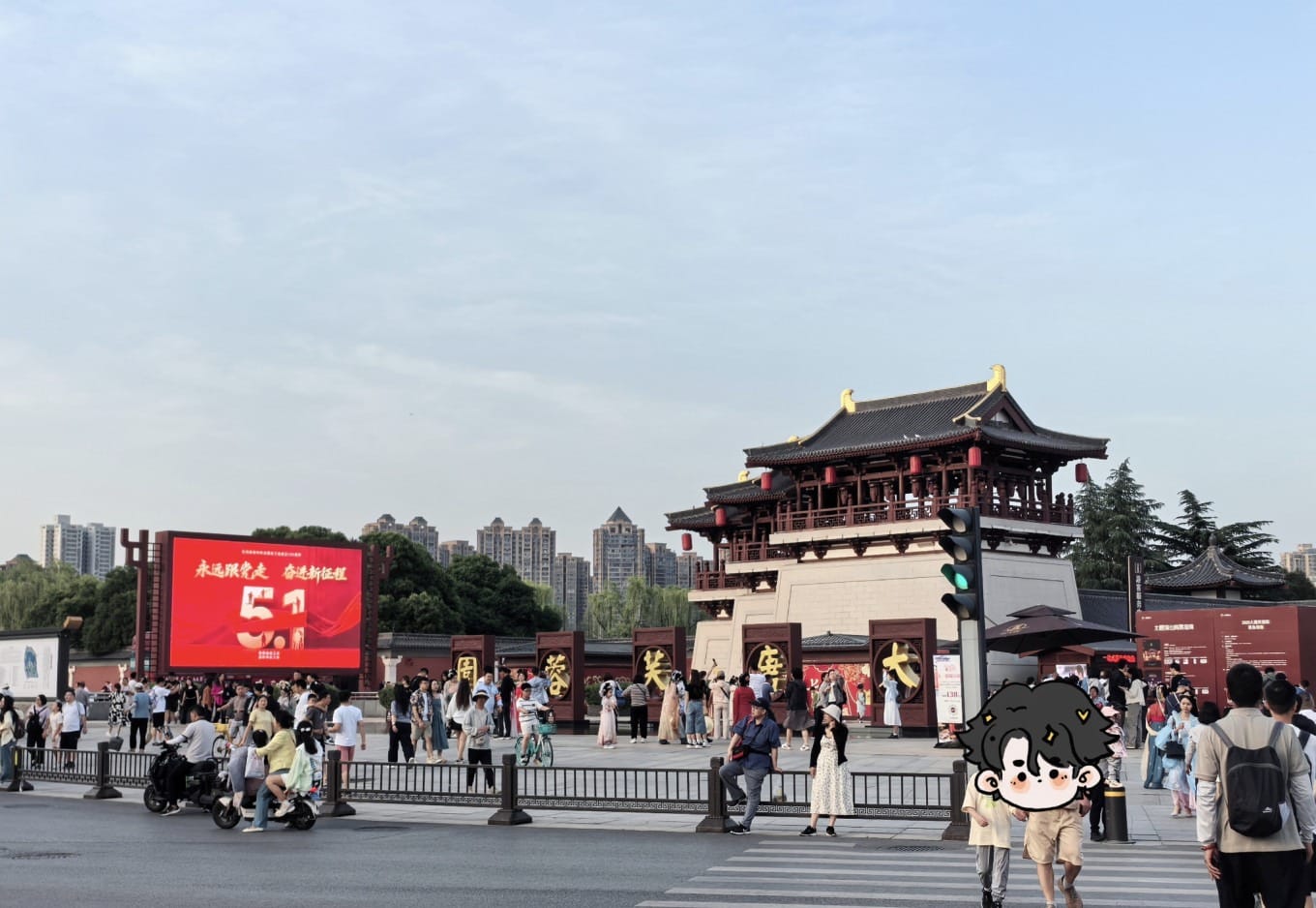
After visiting the Xi’an Incident Memorial Hall, you can take the metro five stops to reach the Xi’an Art Museum. As you exit the station, the Tang Paradise (大唐芙蓉园) comes into view. With an entrance fee of 120 RMB, you might decide to skip it for now—the nighttime light shows are impressive, but you can always come back later.
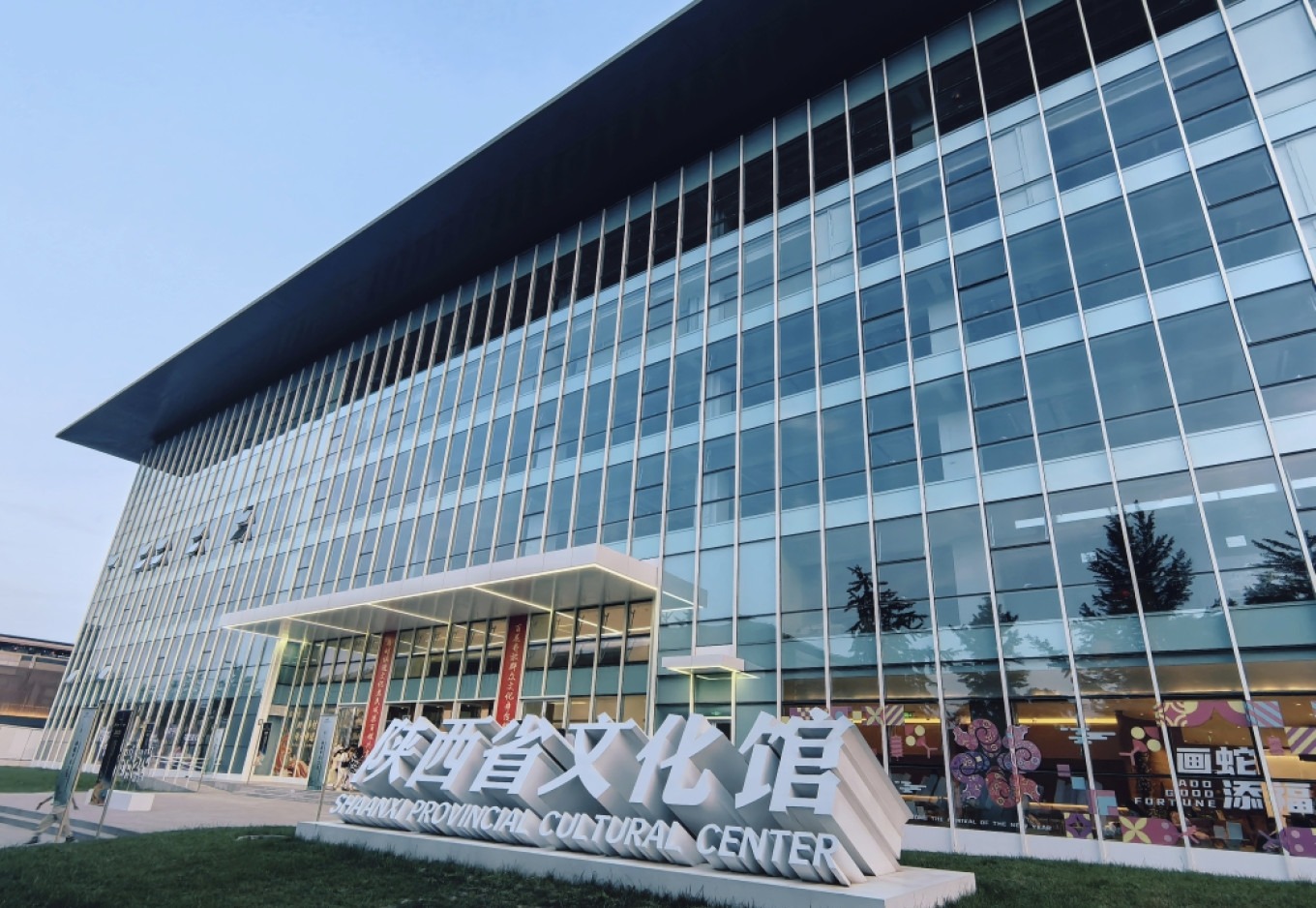
On the way, you’ll come across the Shaanxi Provincial Cultural Center. For those with a background in cultural tourism, this place feels familiar—it’s a treasure trove of exhibitions and performances.
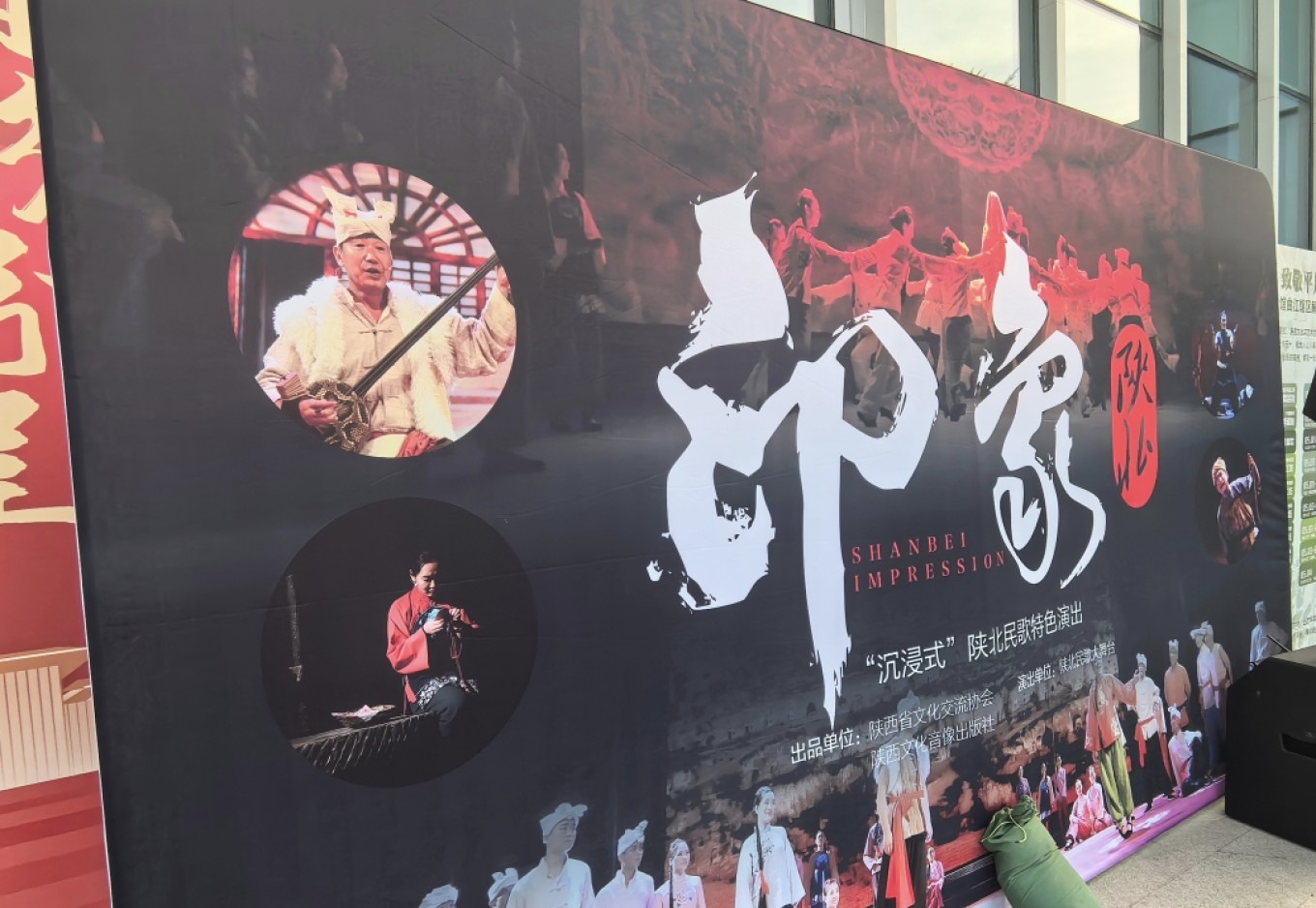
As you enter the lobby, you’ll notice advertisements for immersive special performances. Unfortunately, if your schedule doesn’t align, you may have to give them a miss.
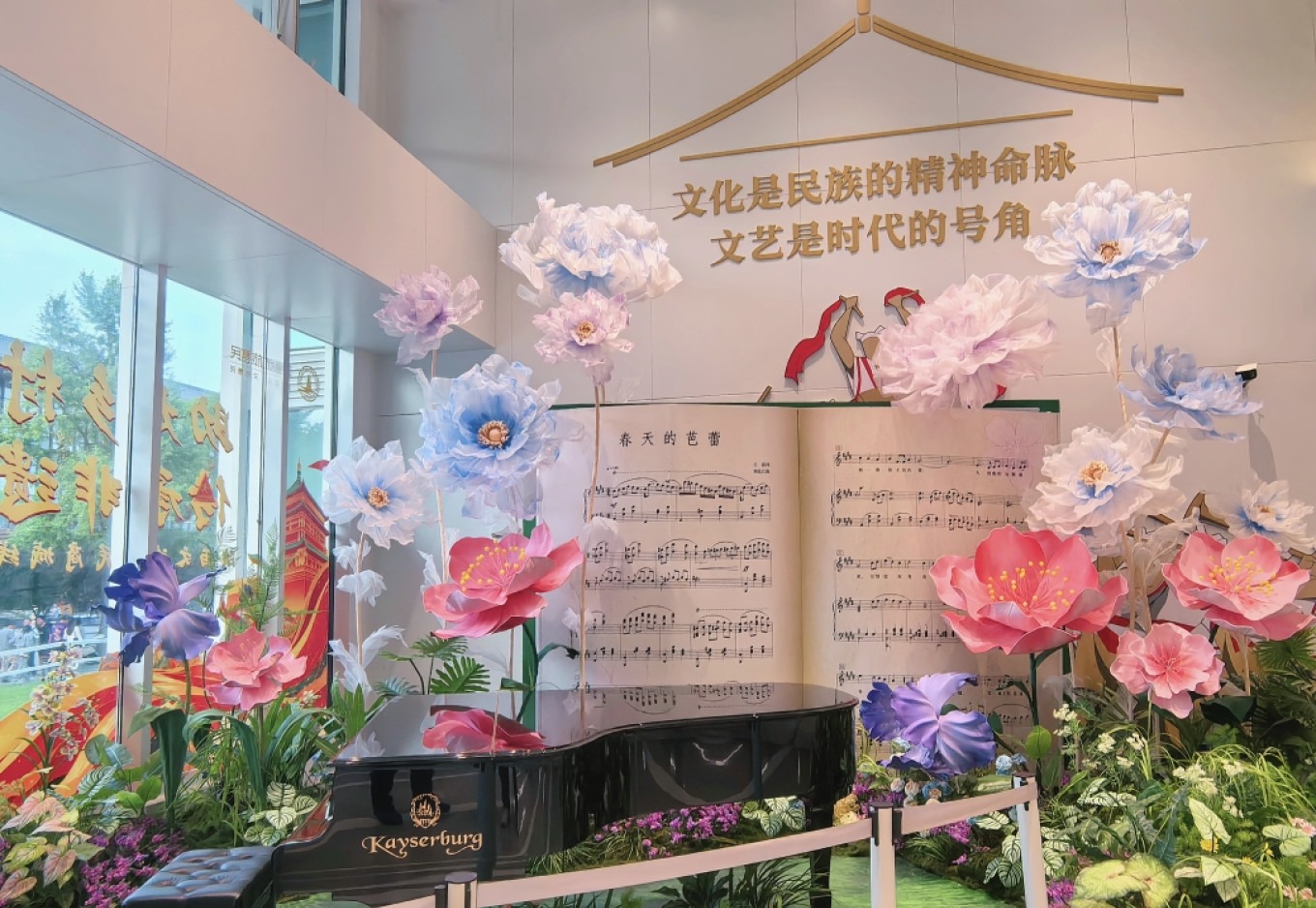
The grand piano on display is quite captivating, but during your visit, no one is playing it. Still, it adds a touch of elegance to the space.
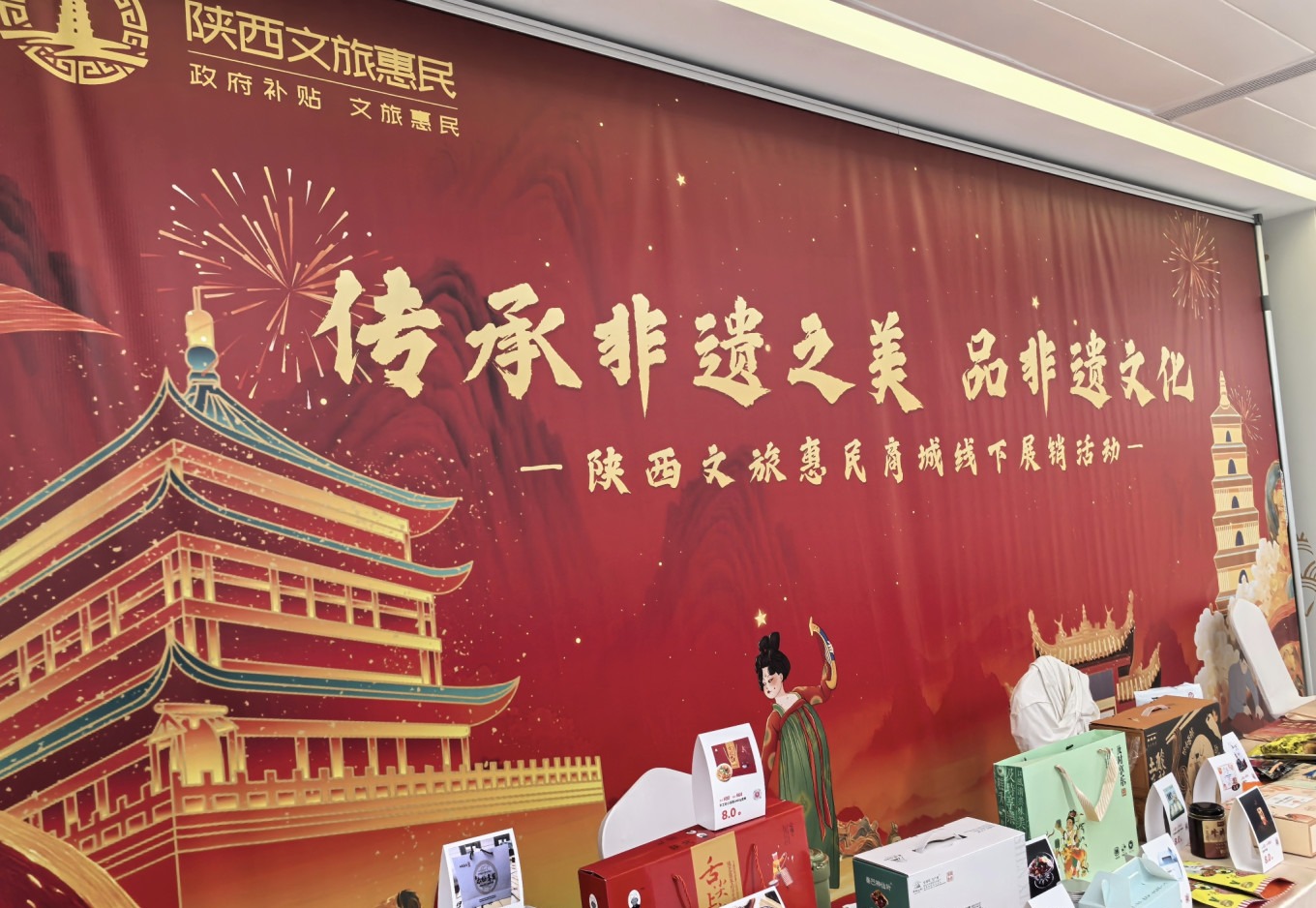
You’ll encounter the Intangible Cultural Heritage (ICH) Benefiting the People offline exhibition. While you can browse the items, purchases are not available on-site. However, you can scan a QR code to access an online store where you can order with a 30 RMB discount on purchases over 20 RMB.
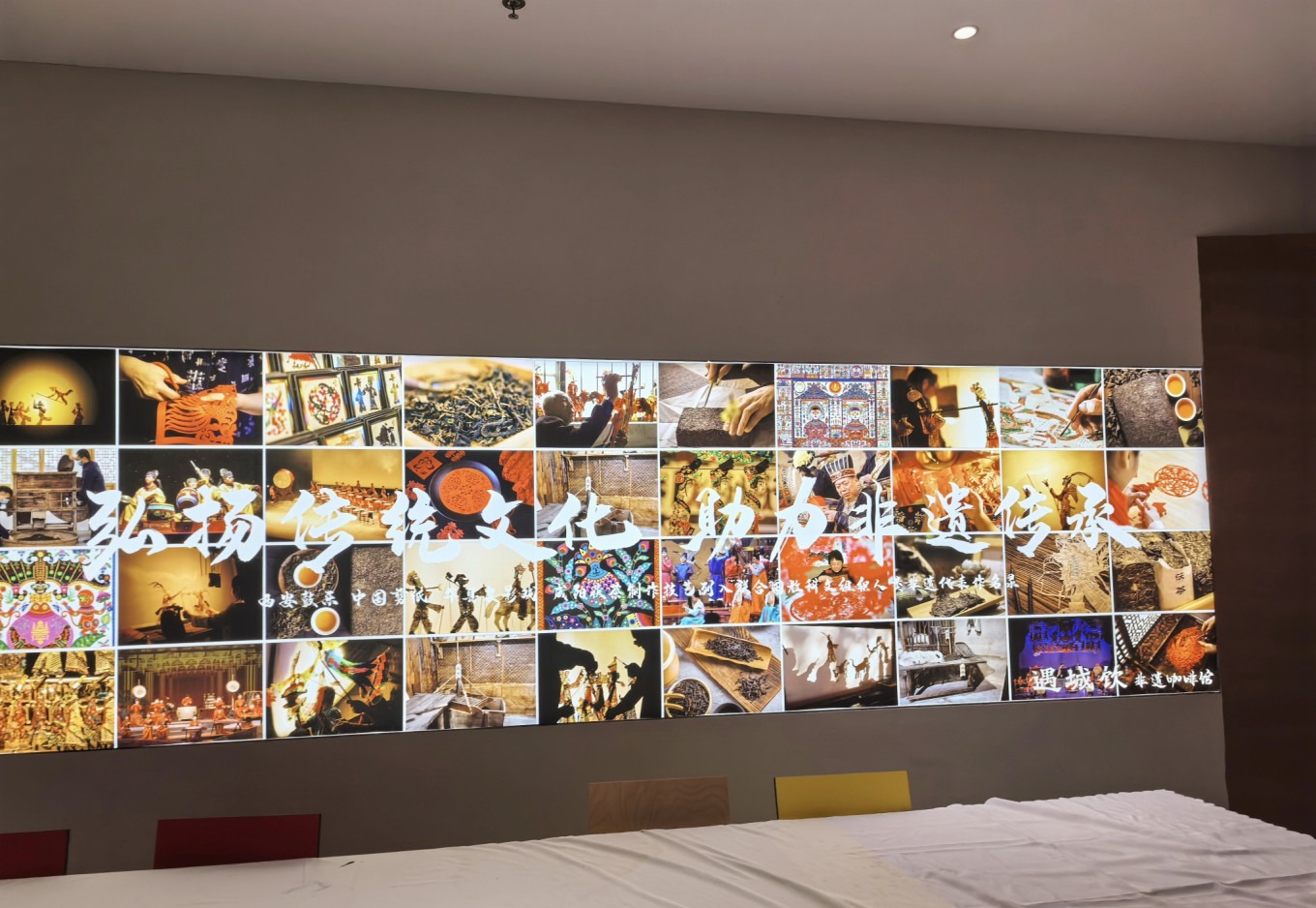
The center uses advanced equipment to present touching stories about intangible cultural heritage, making the experience both educational and emotional.
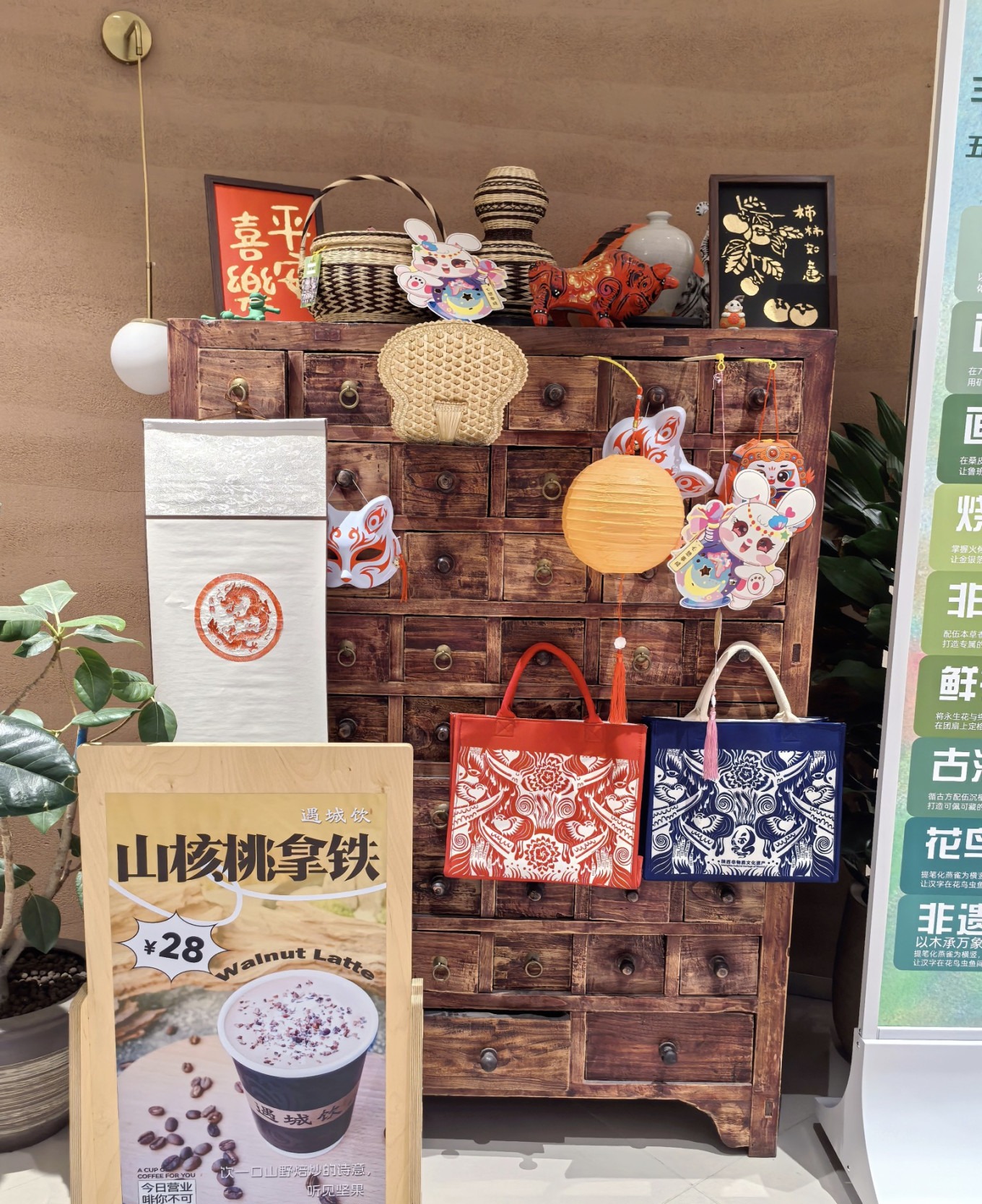
The café setup is tempting, but if you’ve already had coffee during the day, you might want to skip it to ensure a good night’s sleep.

You’ll also spot a charming redesigned panda figurine, playfully wondering if its fur has been dyed from black to brown.
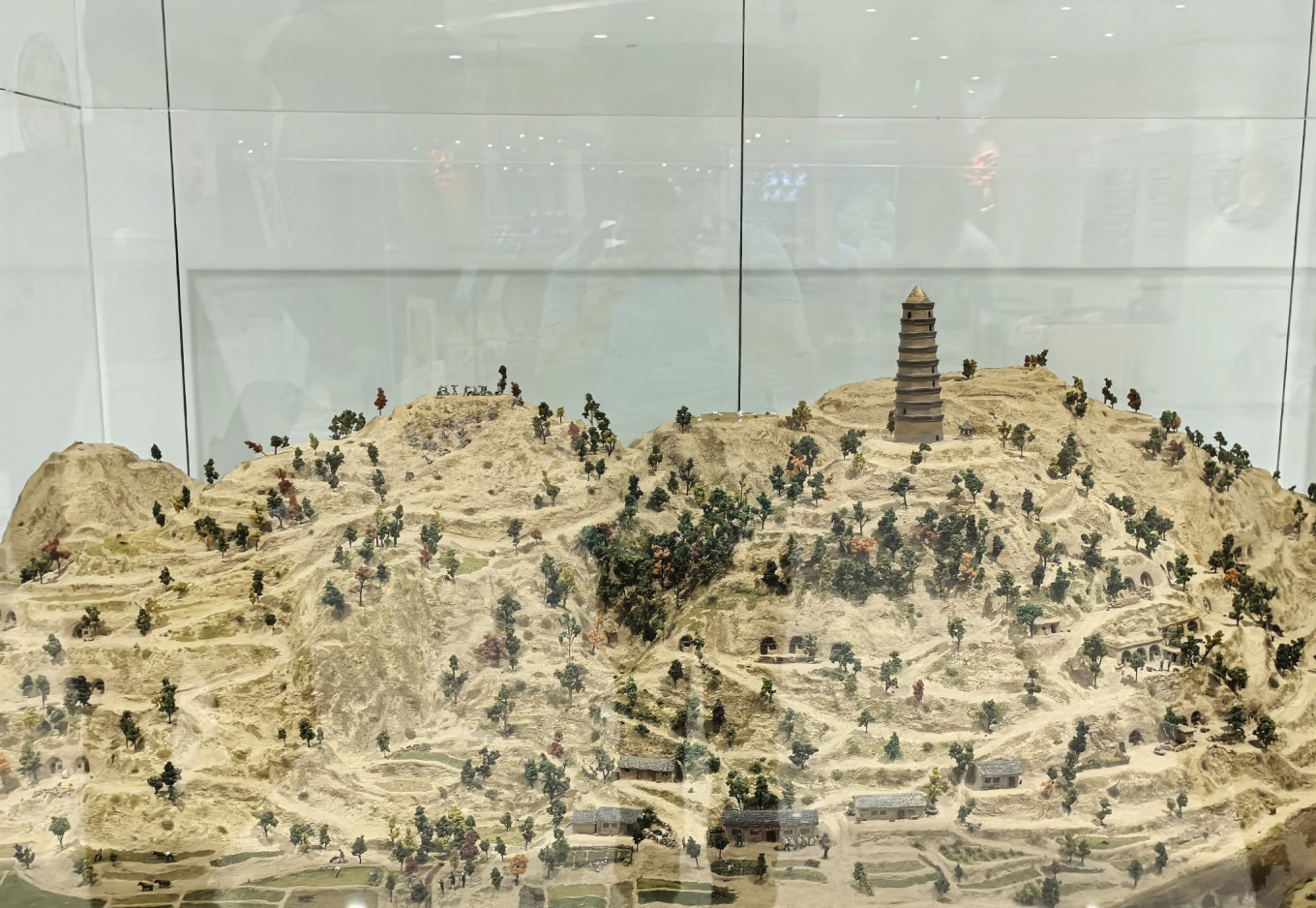
A detailed model of the Yan’an Pagoda (延安宝塔) catches your eye. Also known as Lingshan Temple Pagoda or Fenglin Mountain Pagoda, this iconic structure stands on Baota Mountain in Yan’an, Shaanxi. It is a key part of the Yan’an Revolutionary Site and a symbol of the Chinese revolution. After the Central Committee of the Communist Party established itself in Yan’an, the pagoda became an emblem of the revolutionary holy land.
Xi’an Art Museum
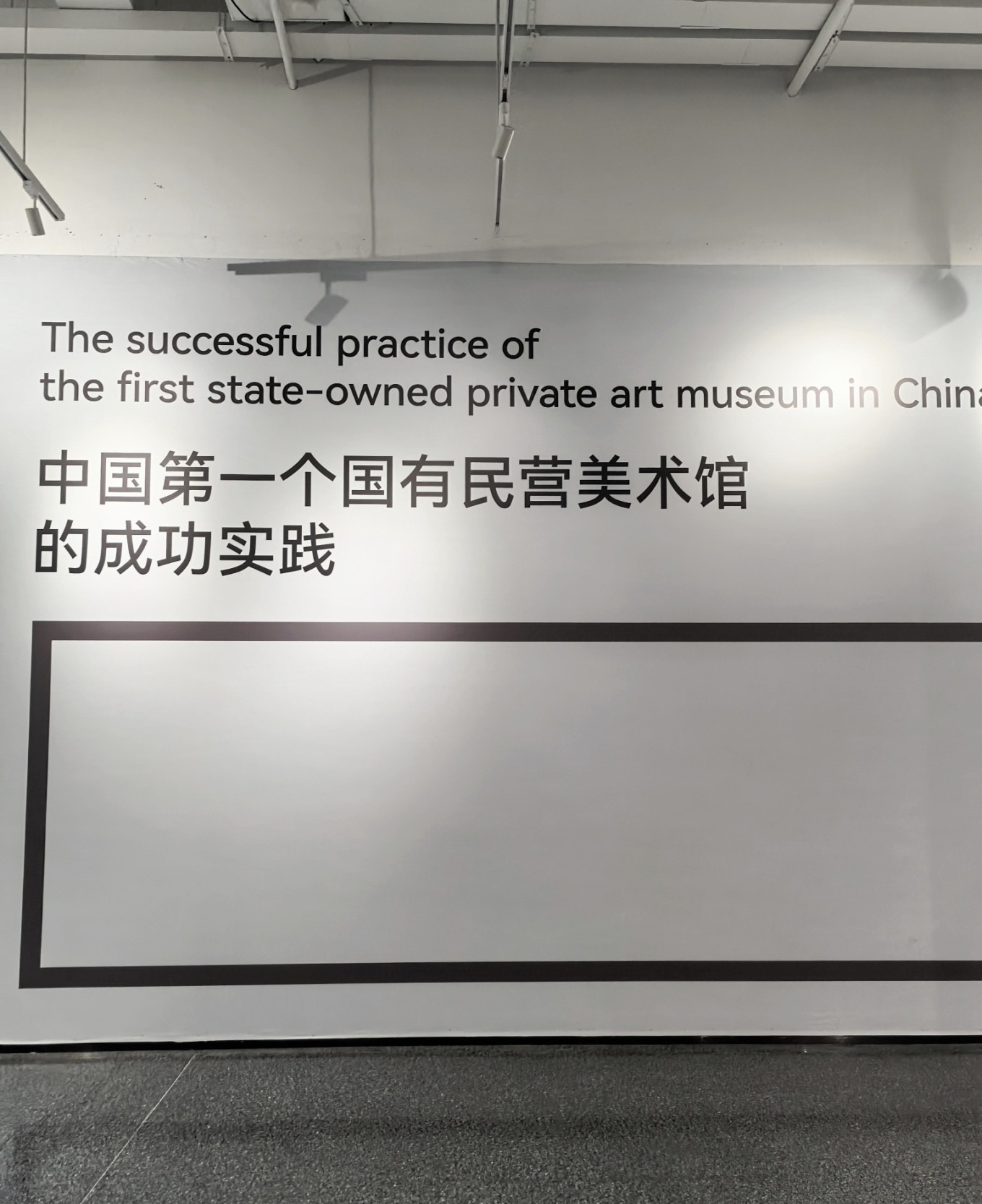
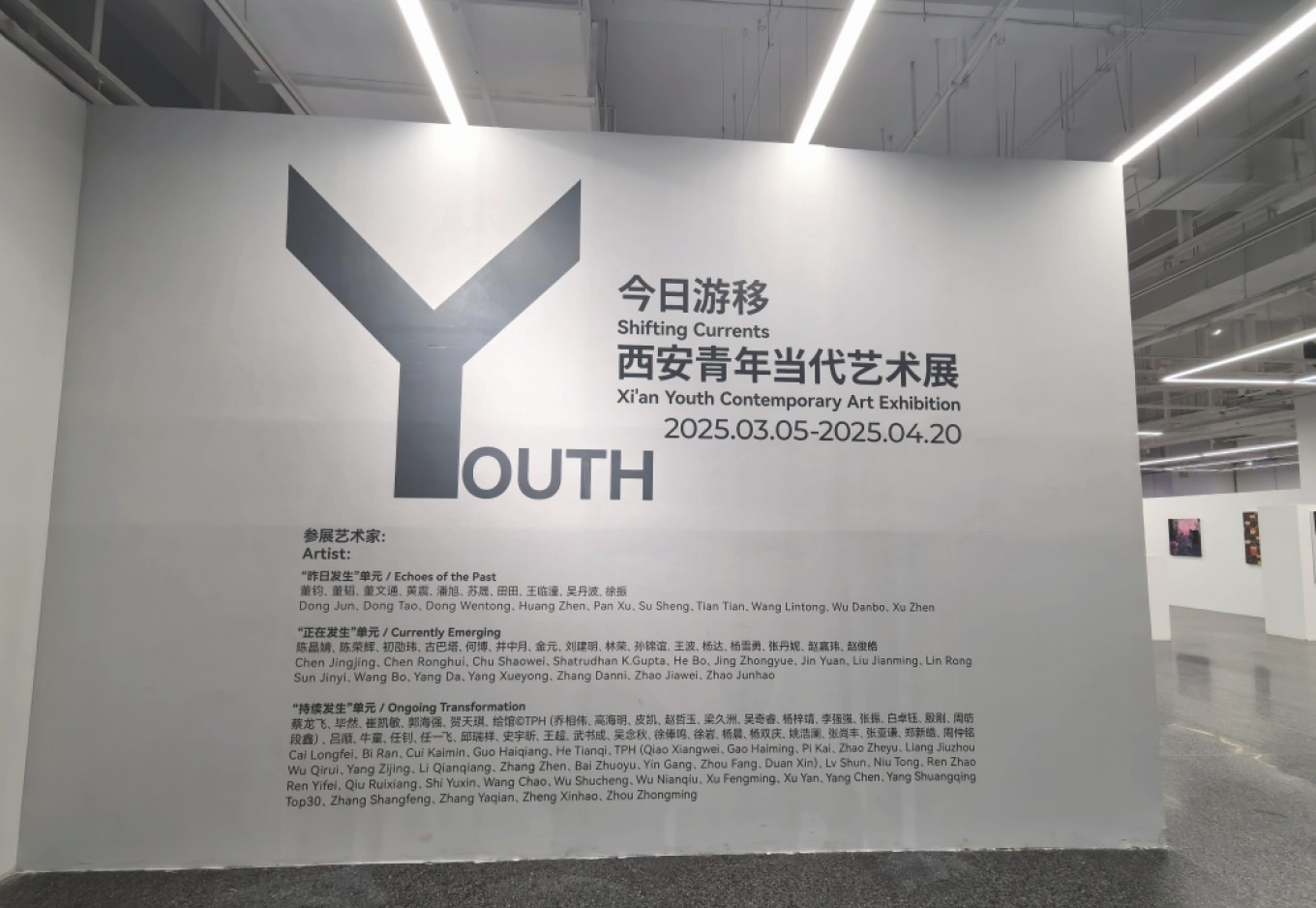
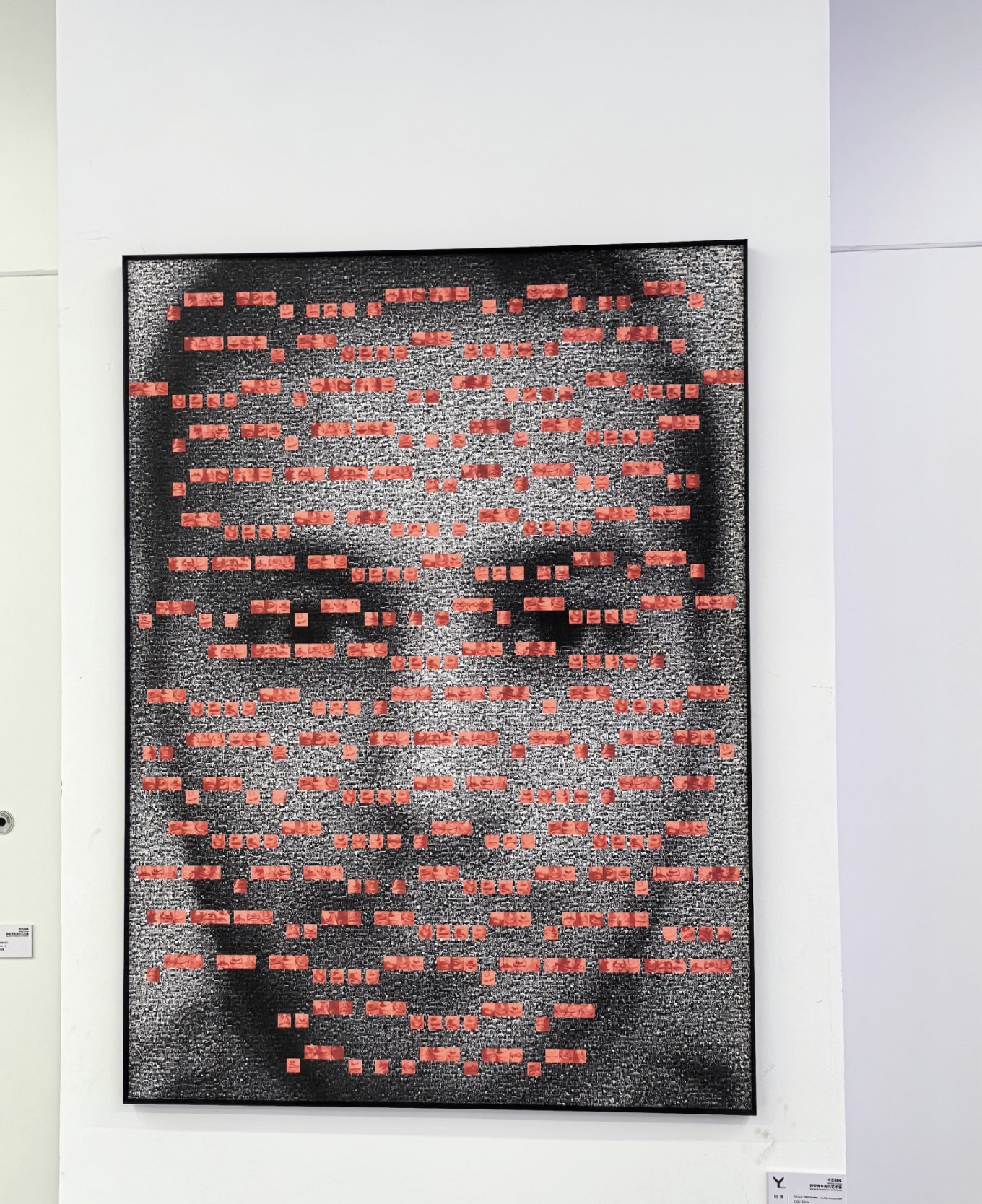
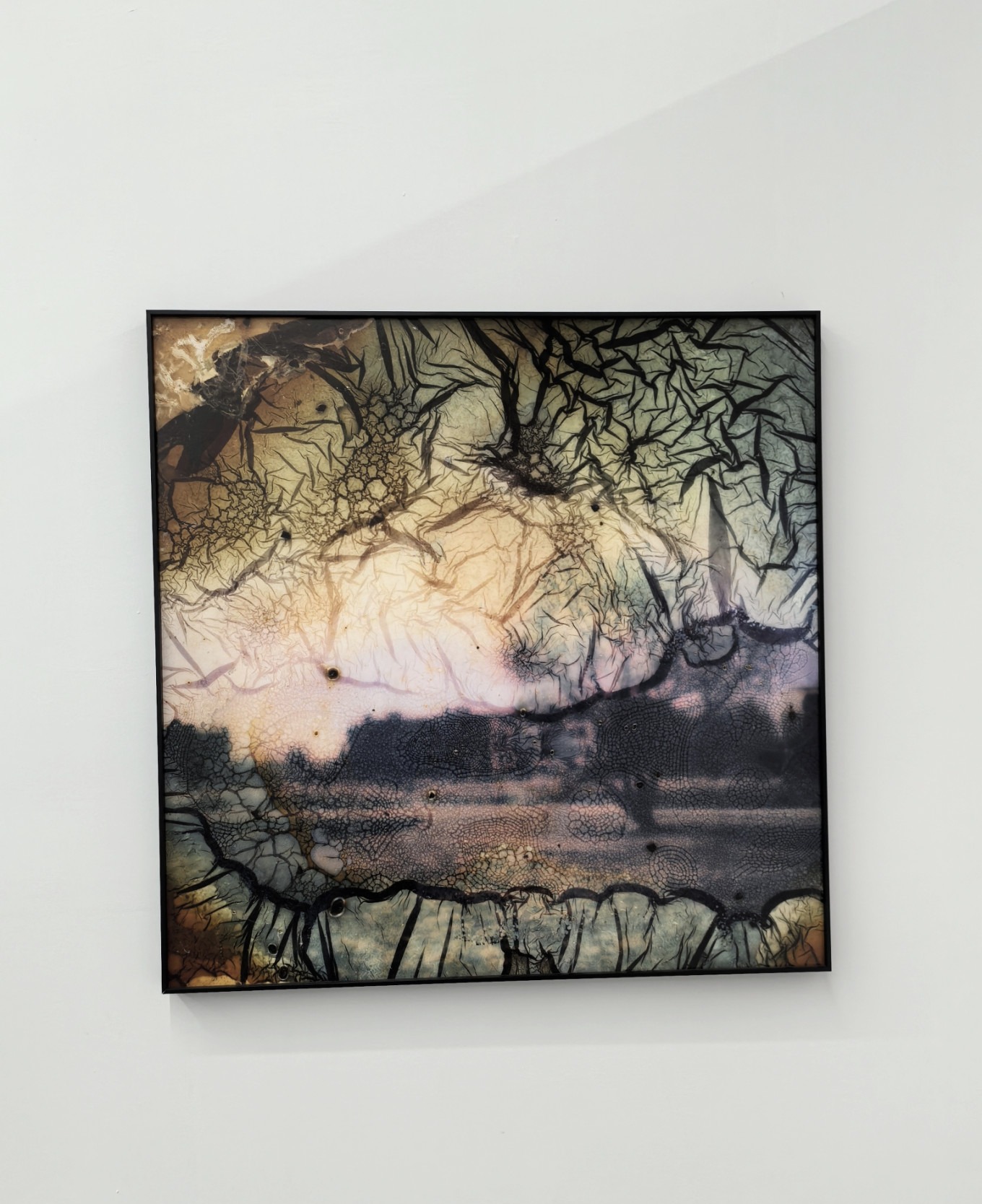
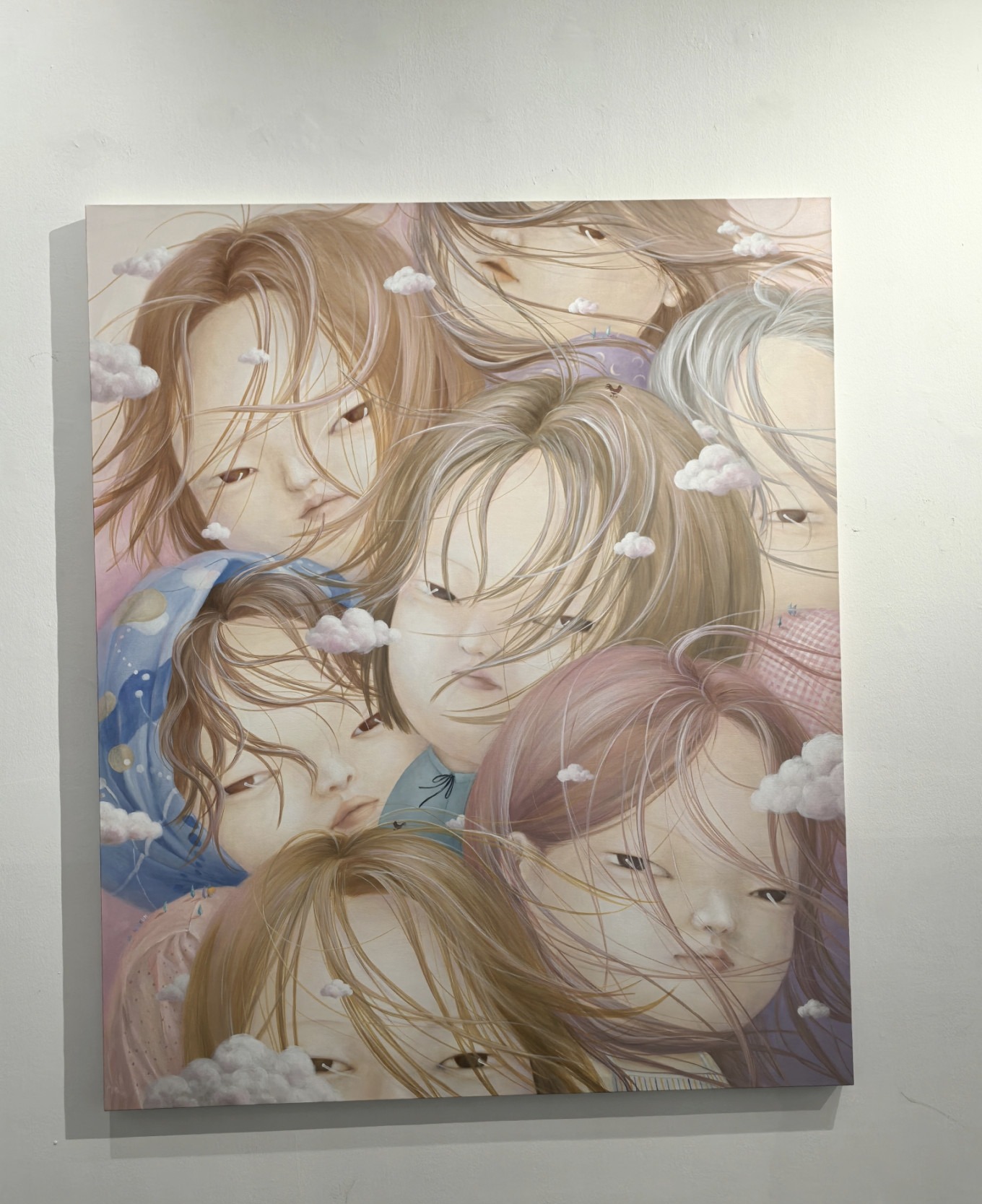
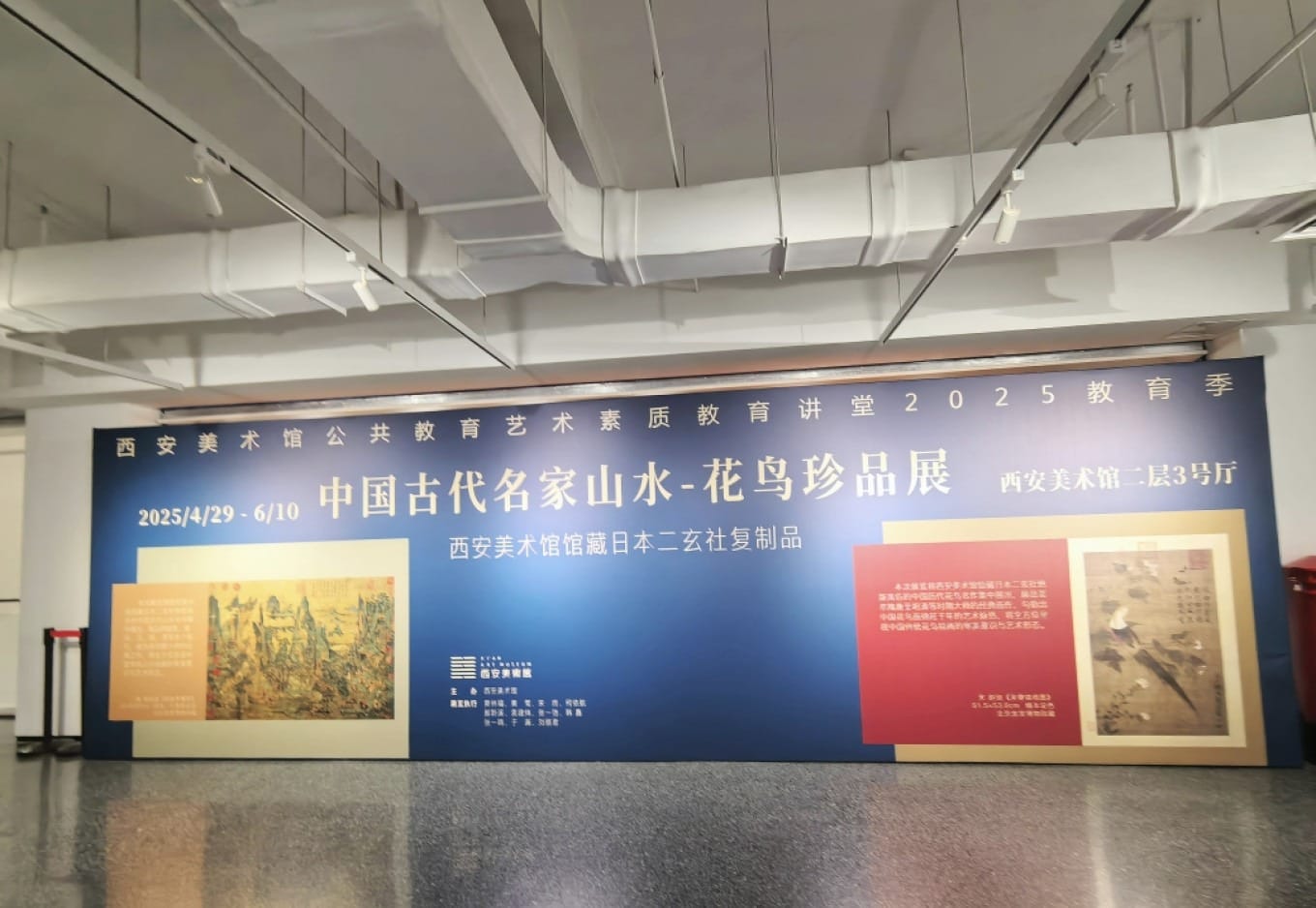
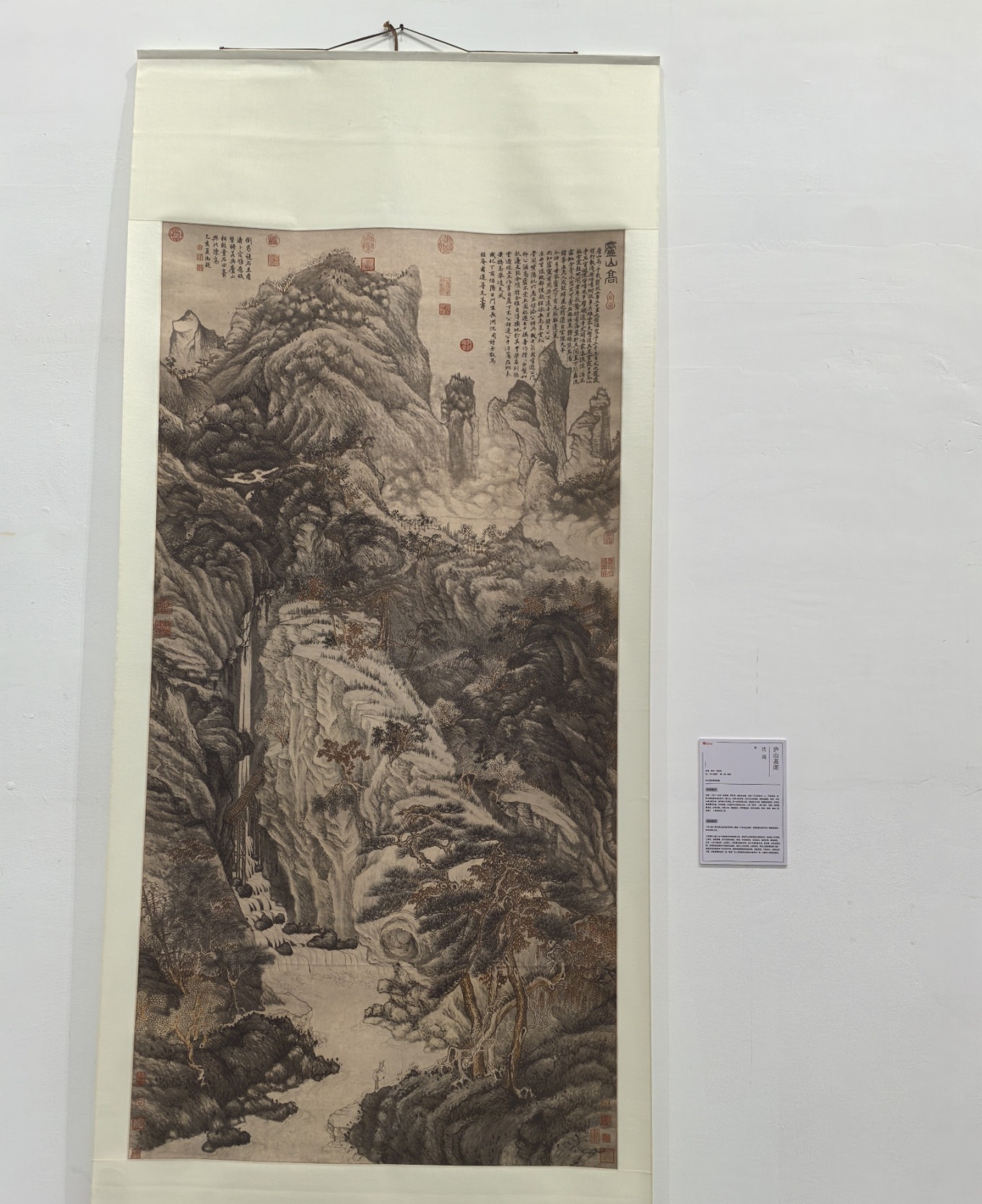
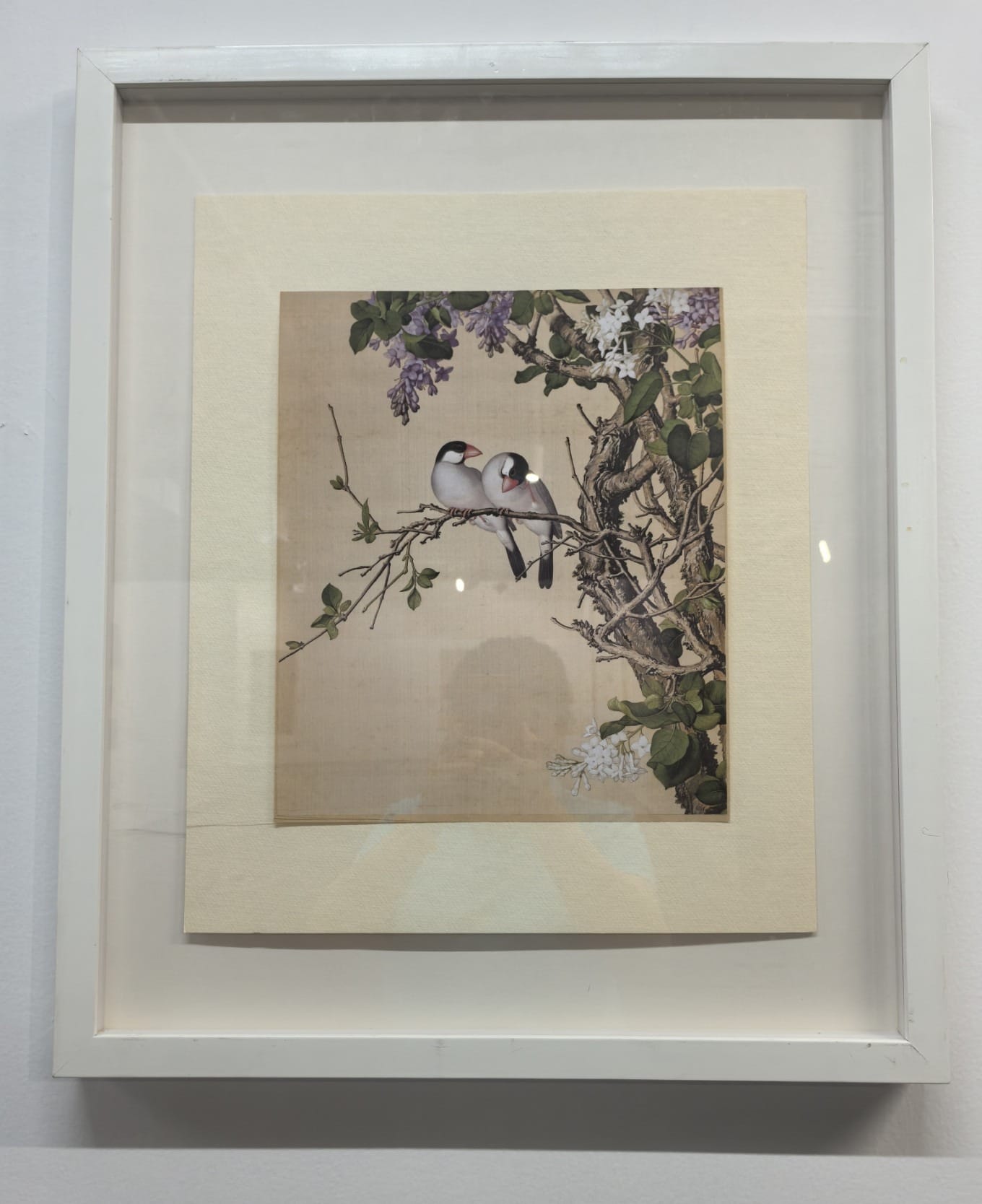
Located in Qujiang New District (曲江新区), the Xi’an Art Museum (西安美术馆) is a must-visit for art lovers. The ground floor is designed like an urban street, with corridors that connect different spaces in an open layout—no main or secondary entrances, just a seamless flow. The use of antique gray bricks and imitation city wall finishes gives the space a strong Xi’an character, blending contemporary art with the ancient city’s heritage.
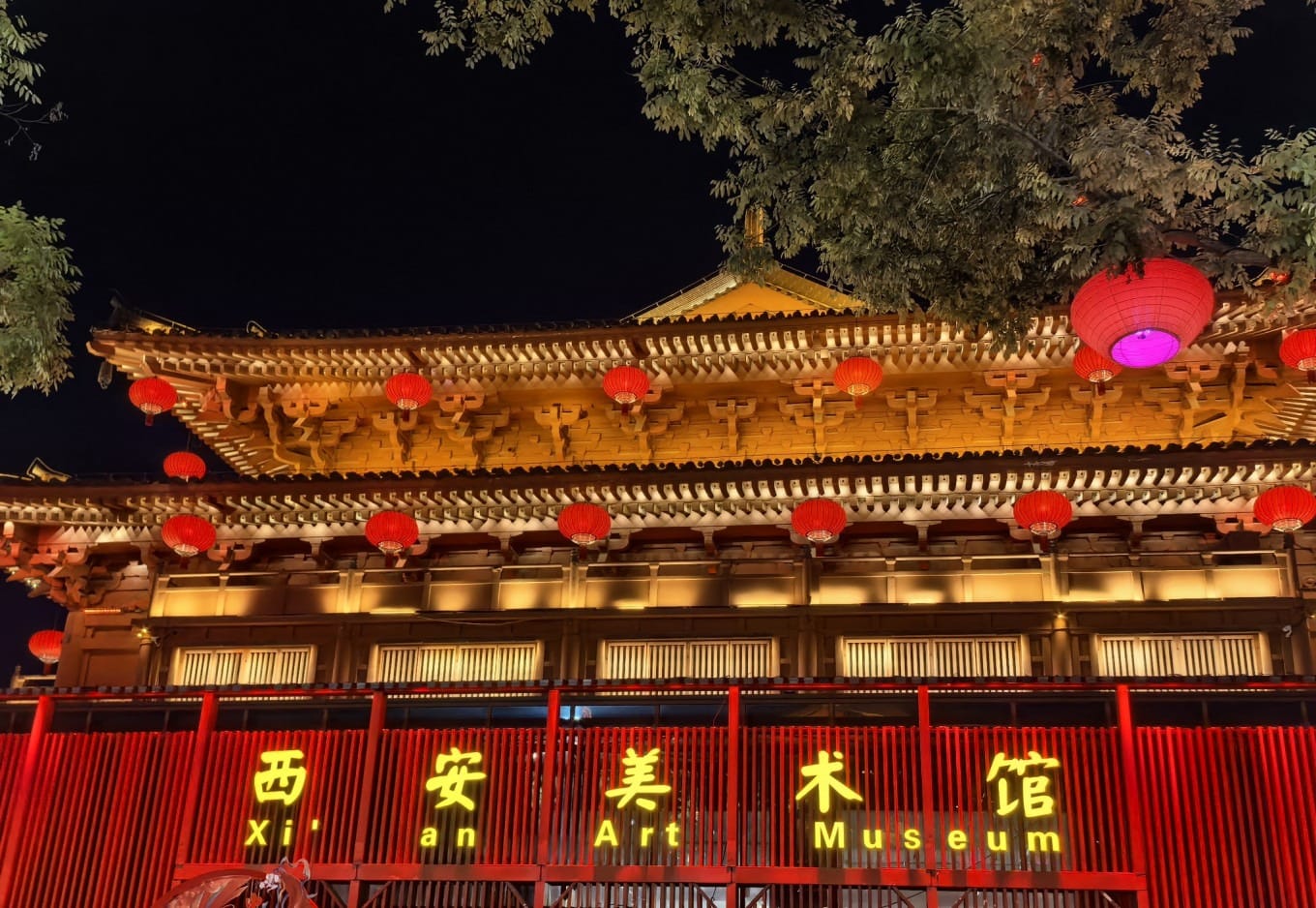
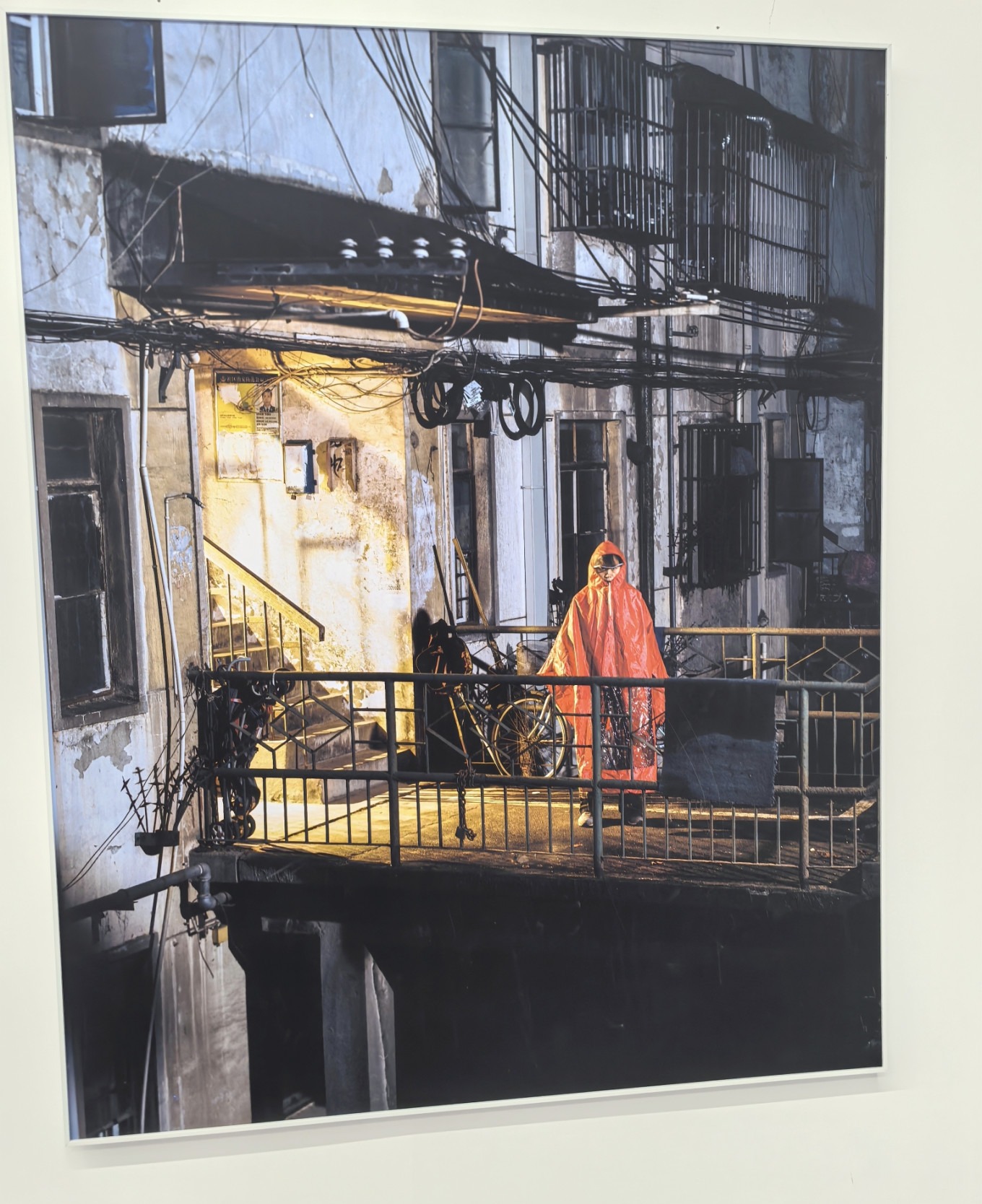
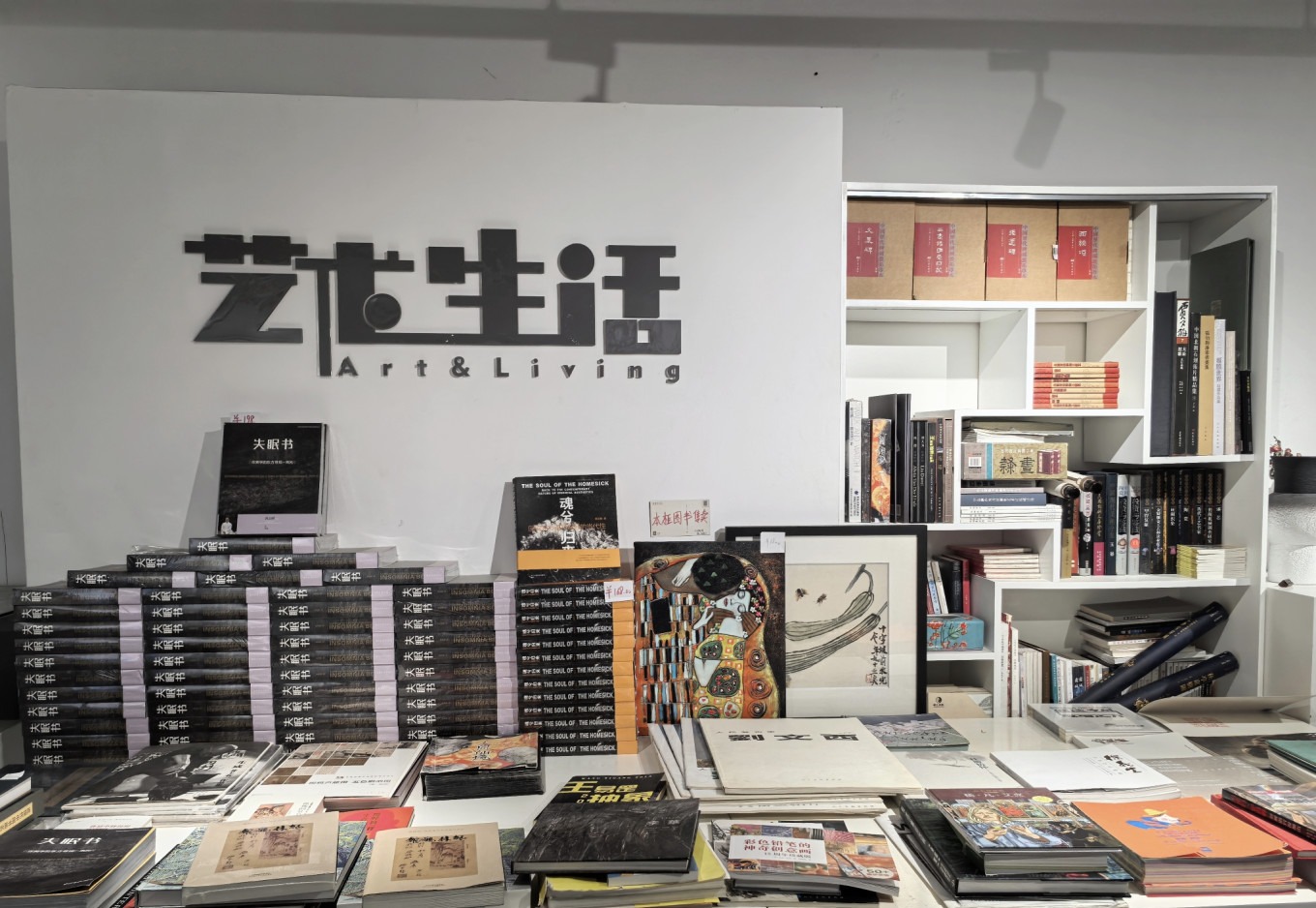
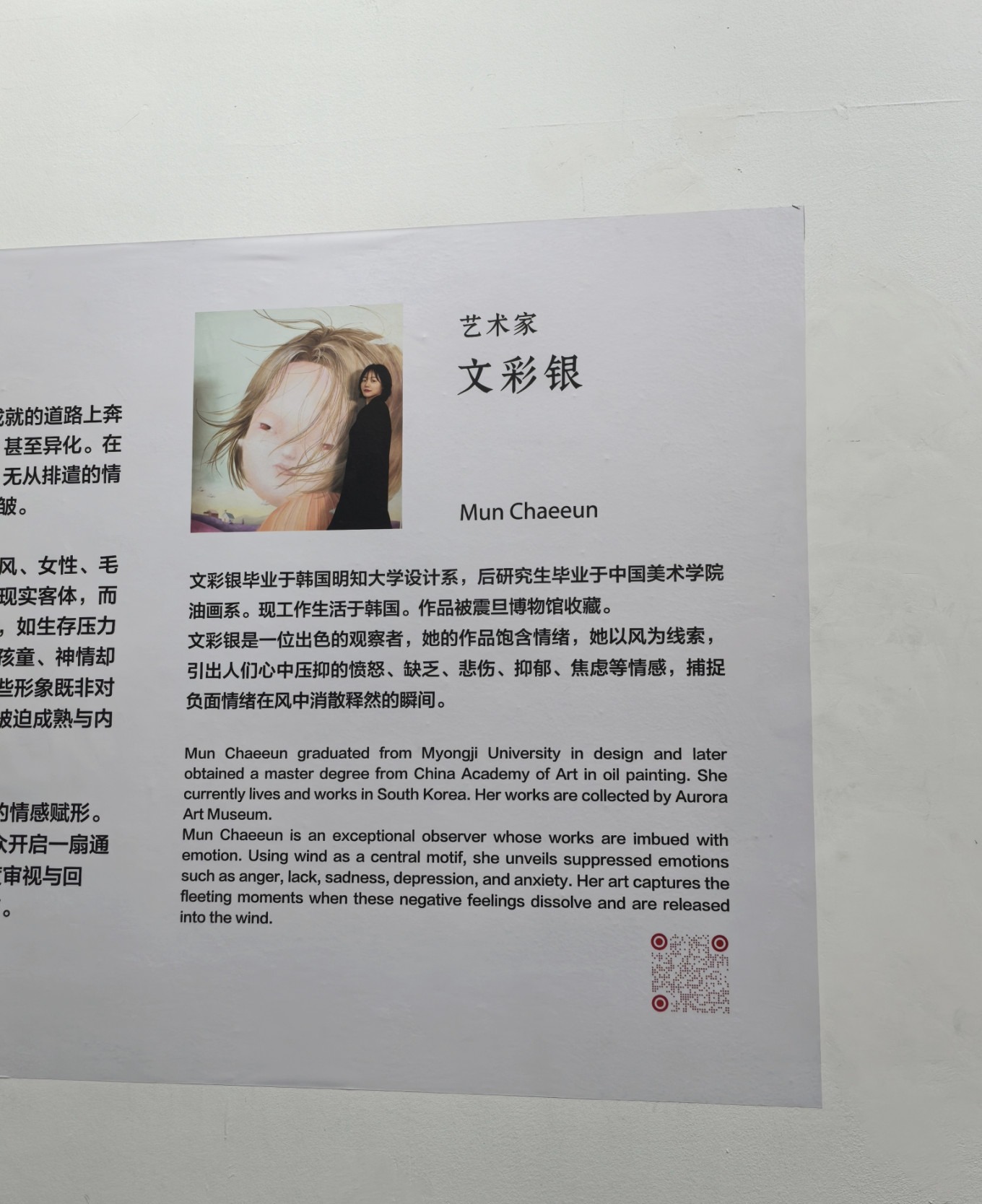
On the ground floor, you’ll find a commercial zone with cafes, shops, a bookstore, a gallery, an international contemporary design exhibition hall, and art workshops. The museum’s collection spans classical Chinese and Western paintings, calligraphy, children’s art, photography, sculpture, and video media art—a diverse and impressive array.
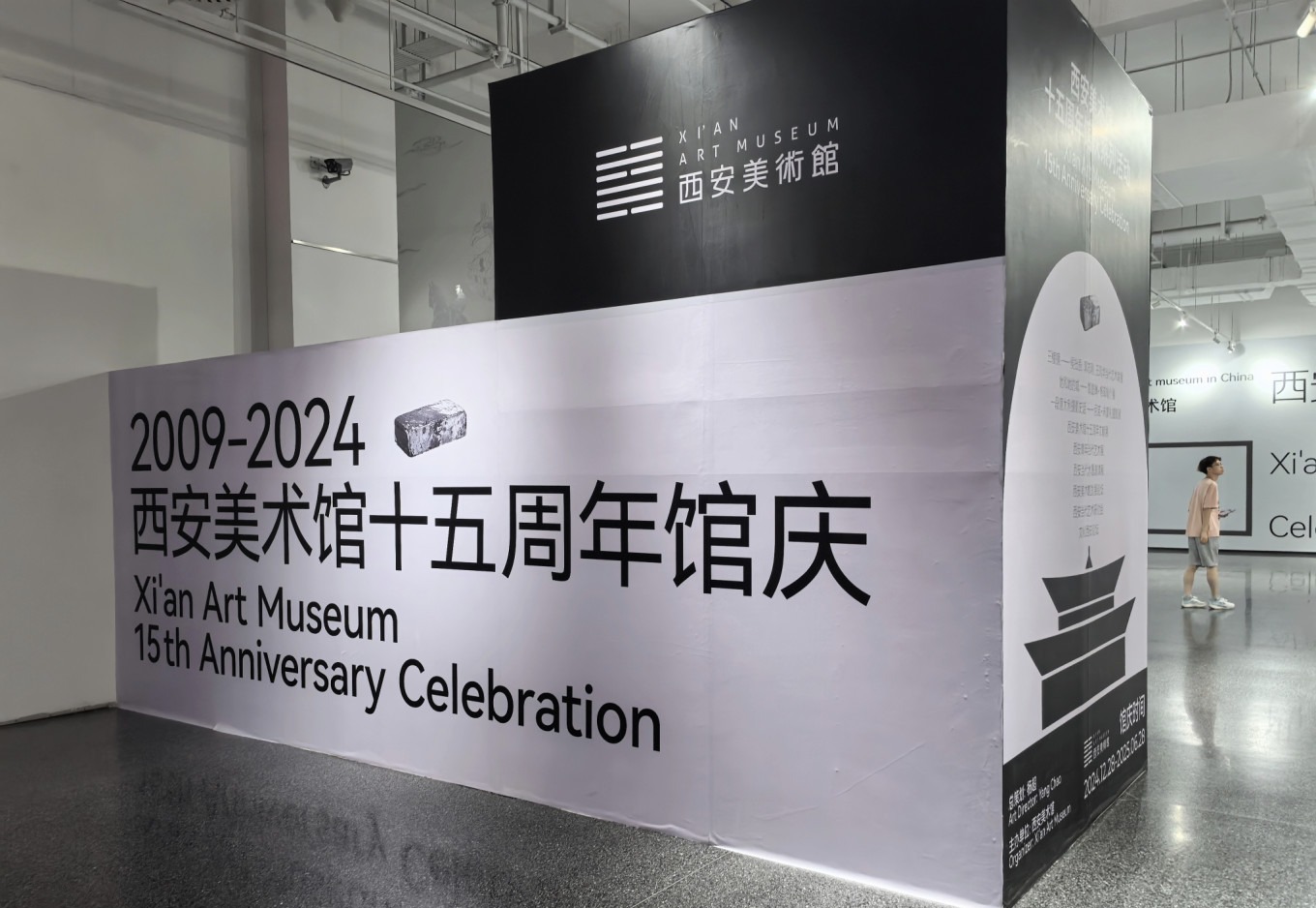
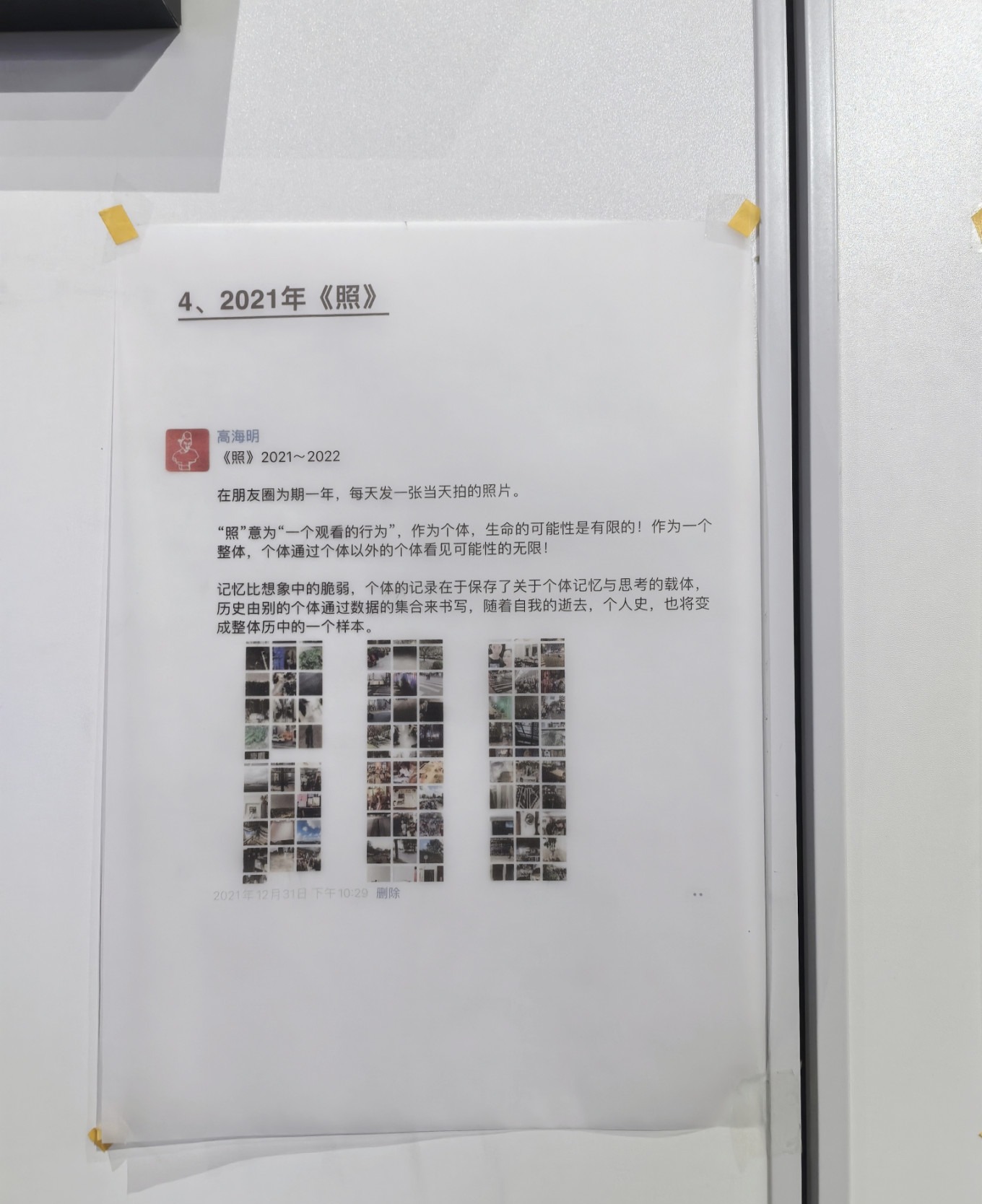
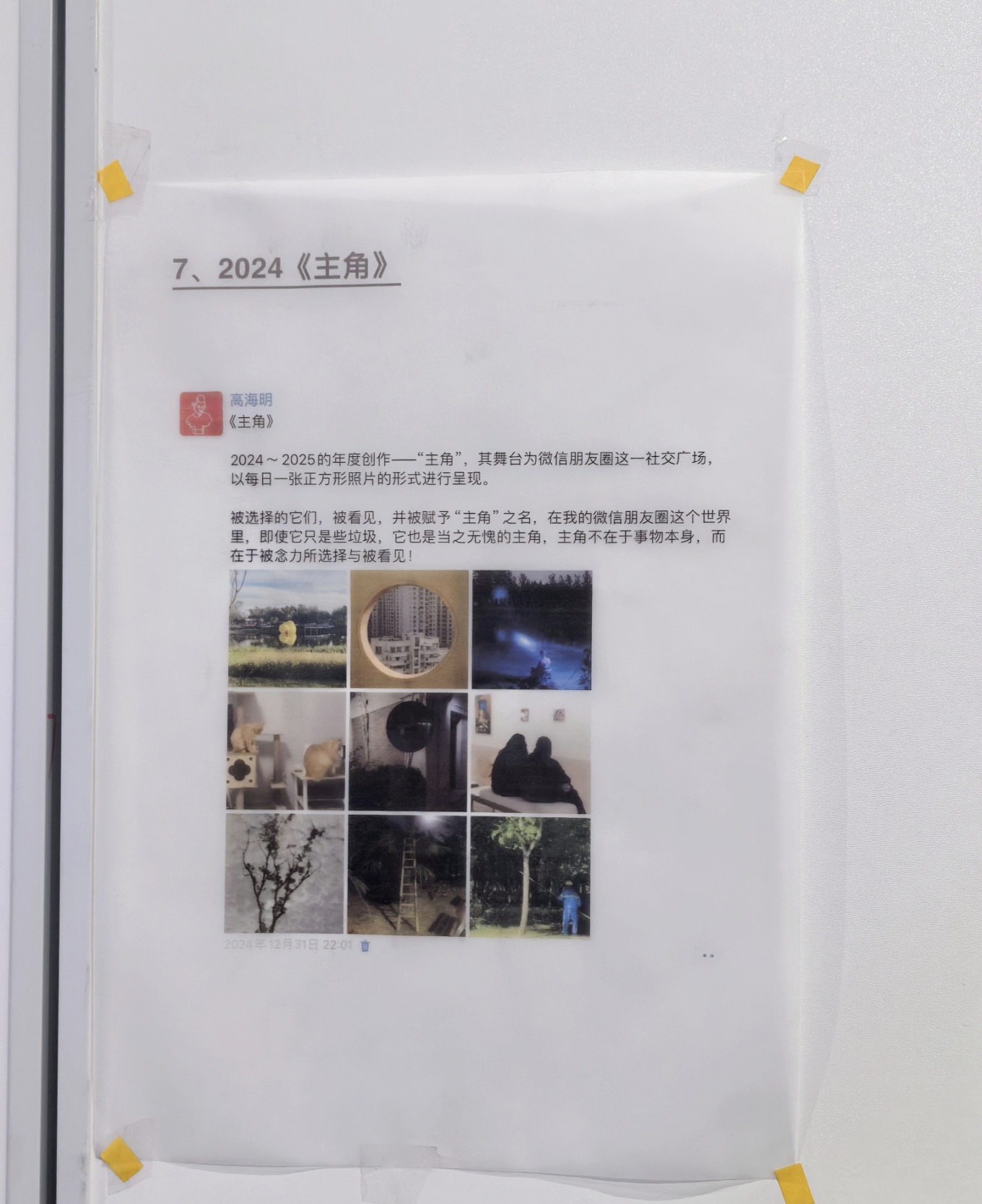
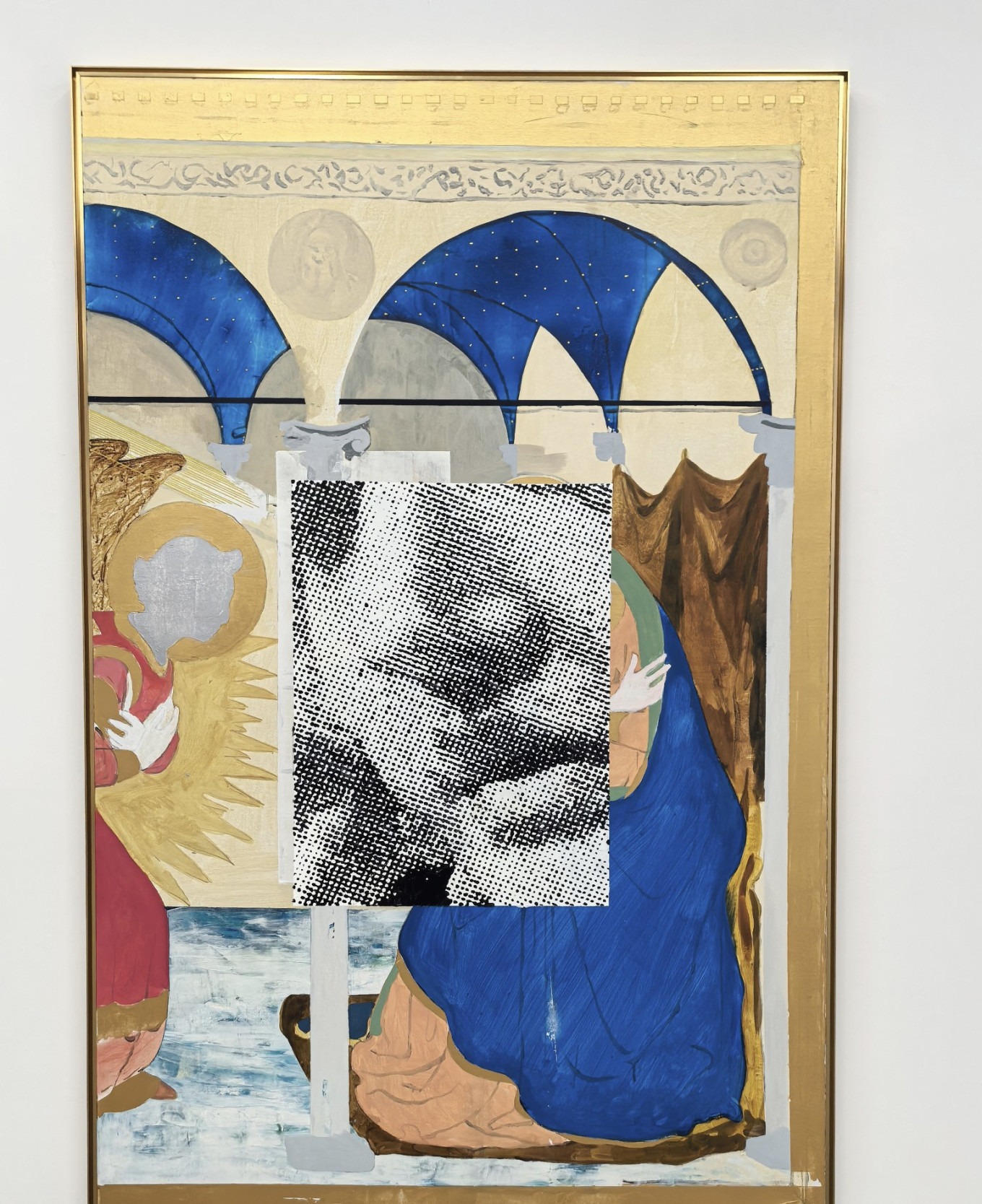
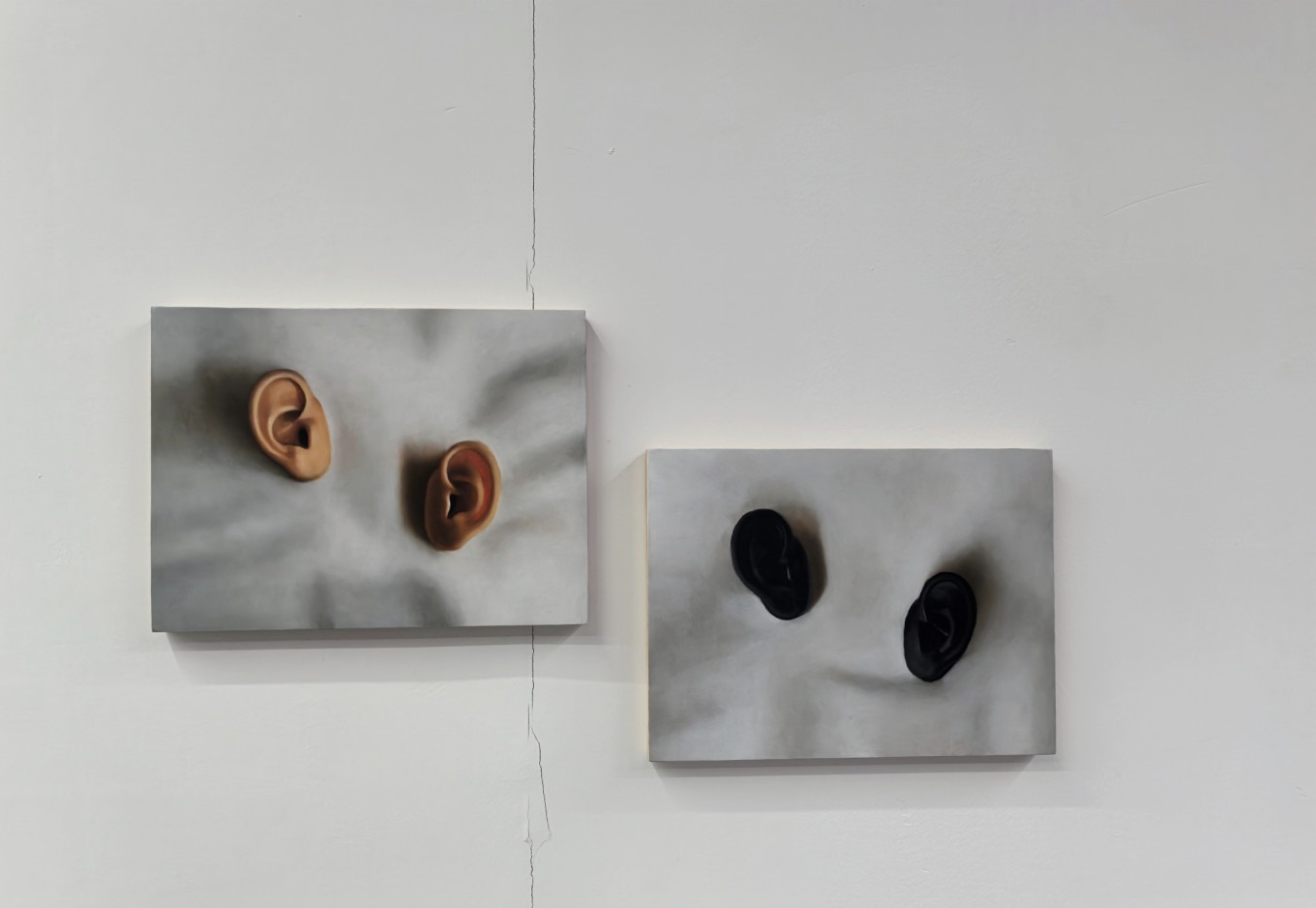
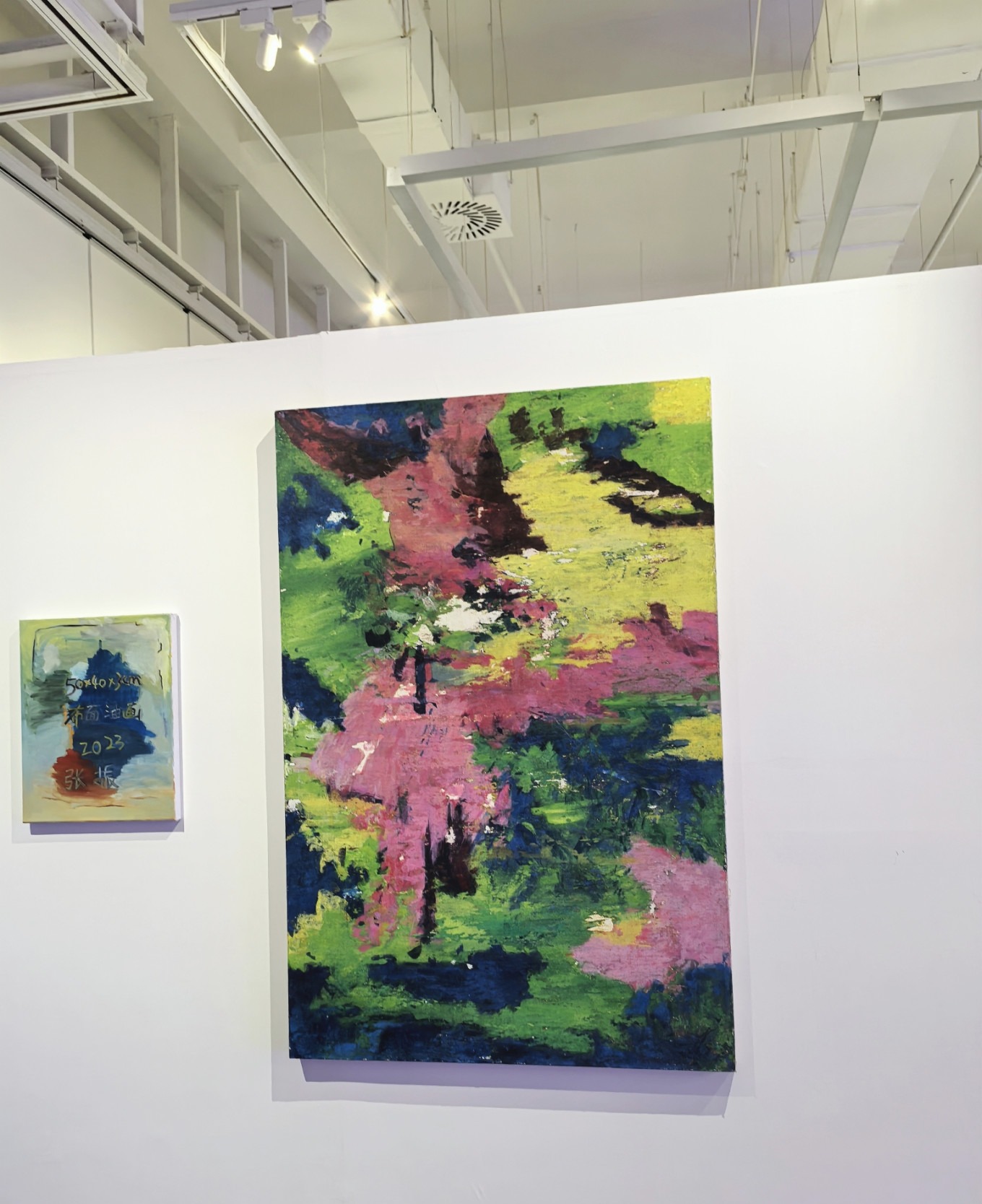
Although this display is from a year ago (the museum’s anniversary), it remains on view. Entry doesn’t require an ID card—just show your reservation QR code.
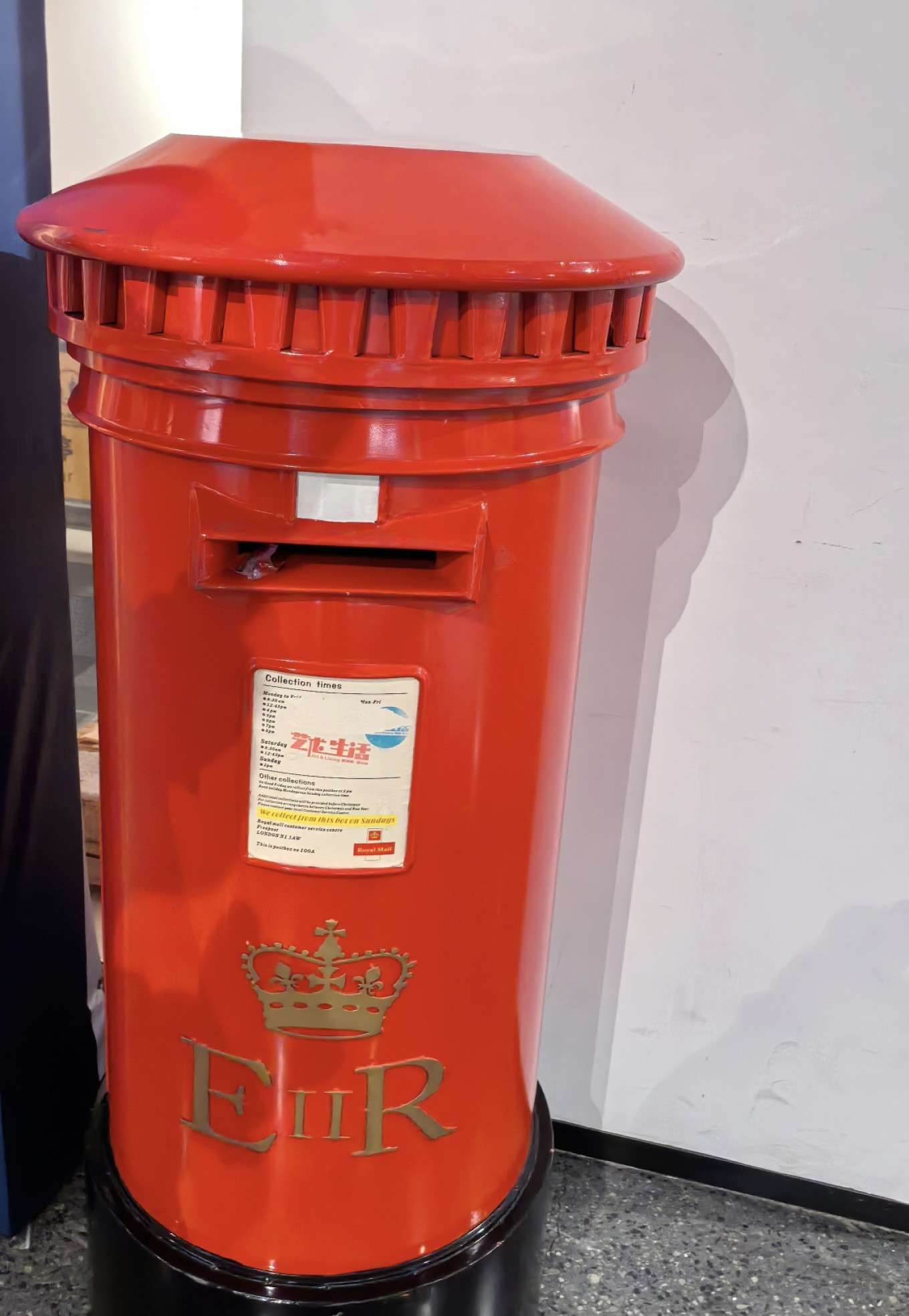
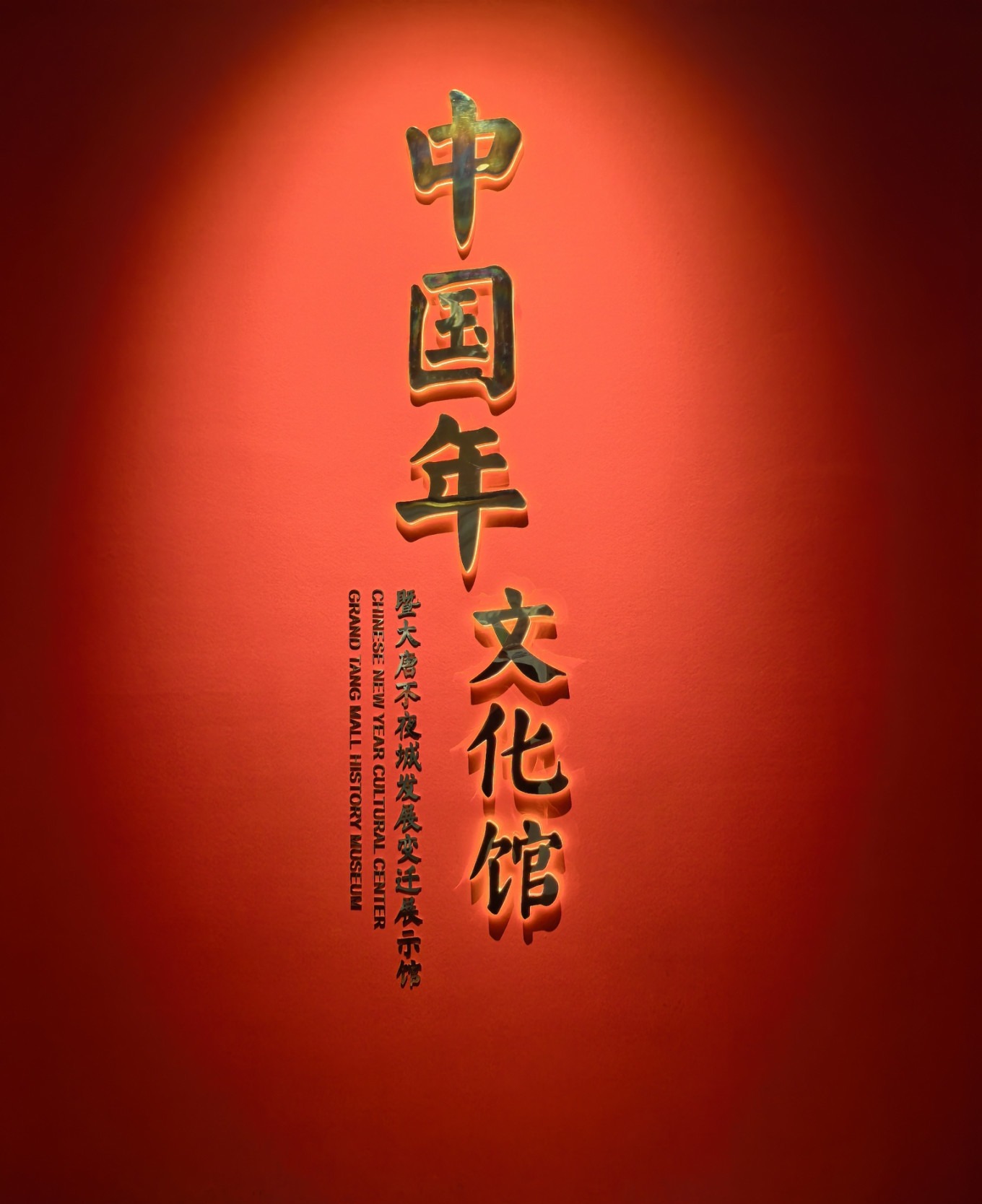
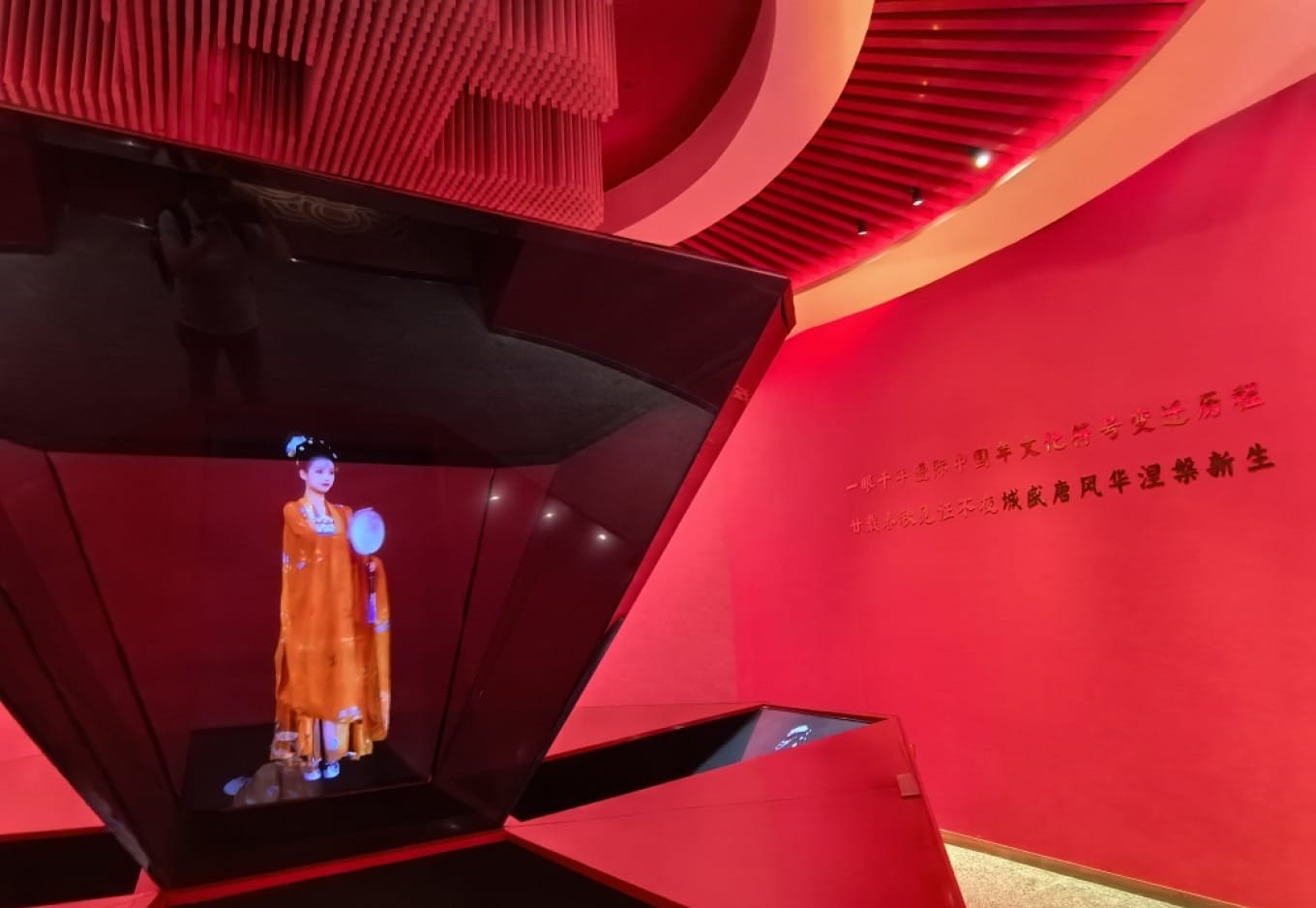
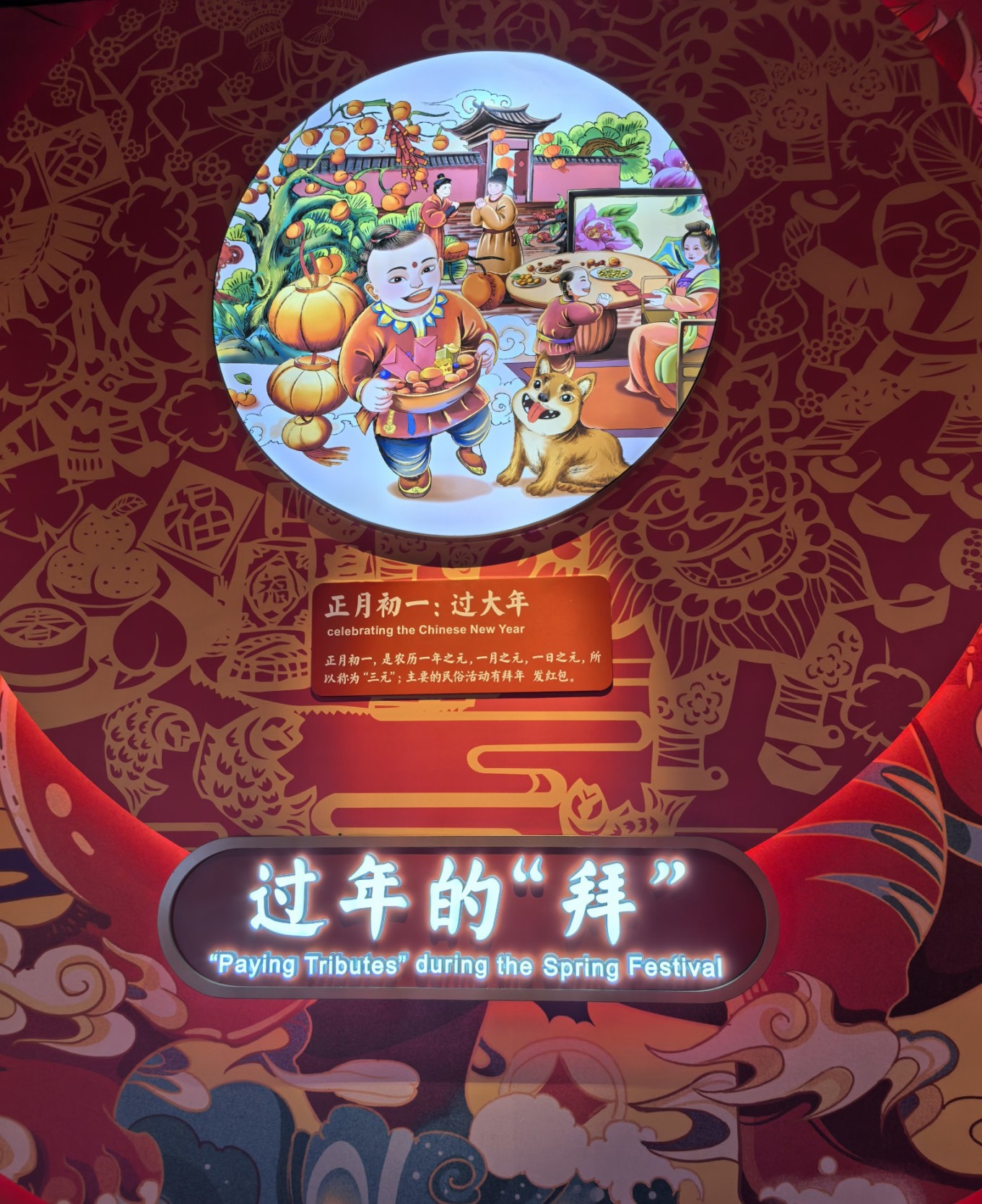
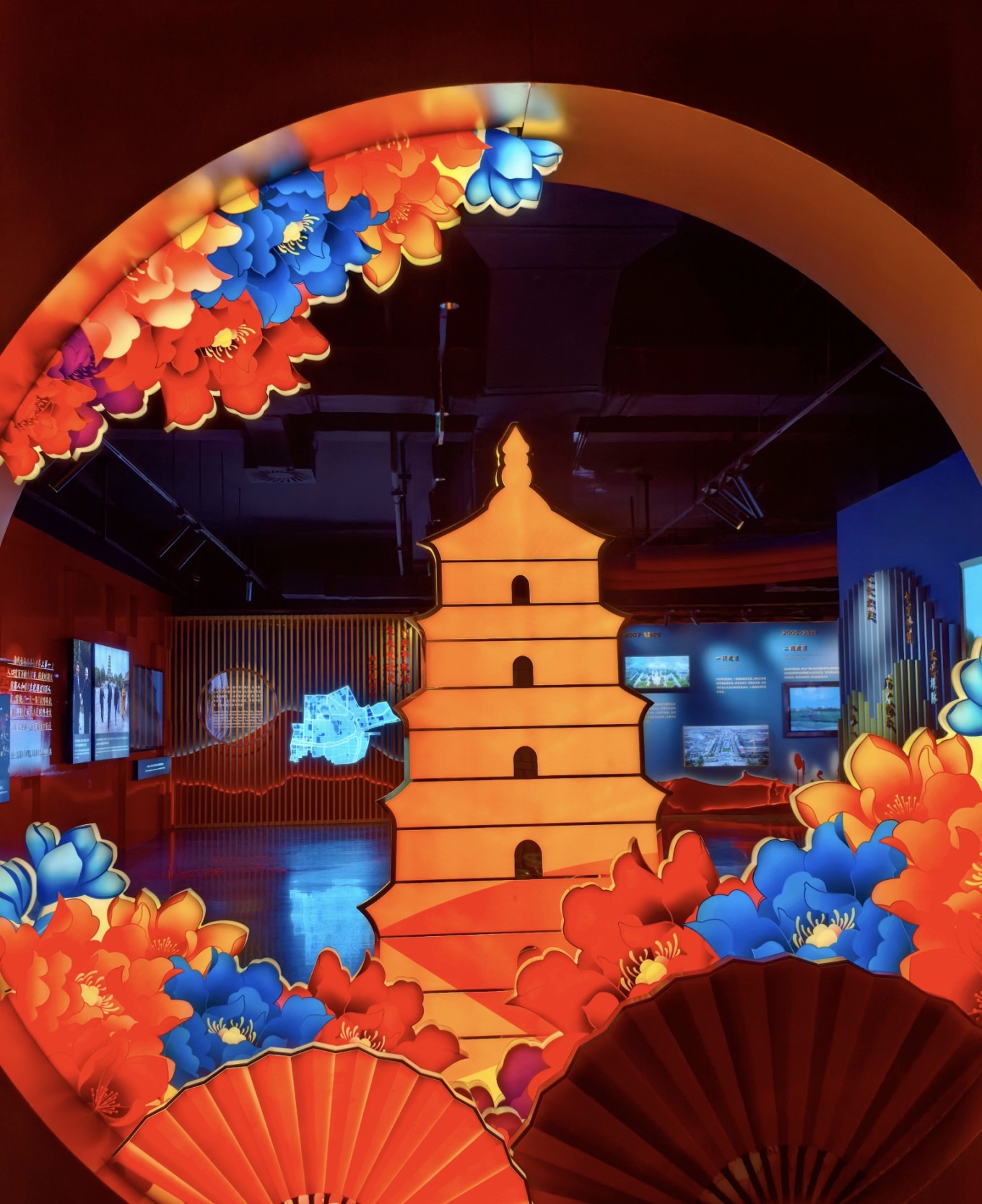
Starting Day Four at Xi’an Folk Customs Museum
Kick off your fourth day with a visit to the Xi’an Folk Customs Museum (西安市民俗博物馆), tucked inside the northwest corner of Changledoor (长乐门). The main hall houses the permanent exhibition ‘Golden Walls and Brilliant Colors – Dongyue Temple Murals’ (金壁辉彩——东岳庙壁画陈列), while two side galleries rotate folk-themed displays throughout the year.
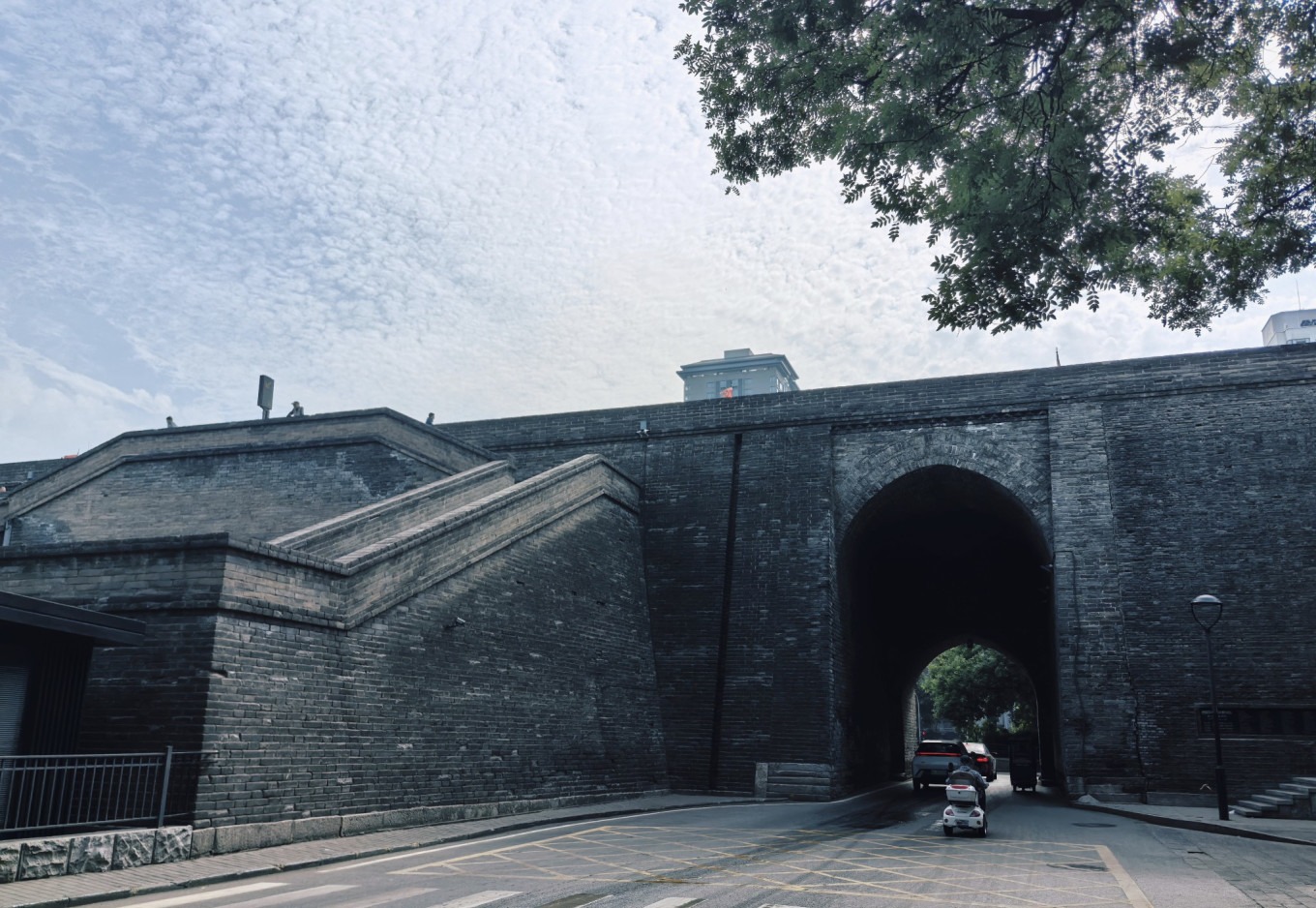
Arriving around 9 a.m., you’ll find the sun already high, yet the holiday crowds are surprisingly thin — a perfect window for unhurried exploration.
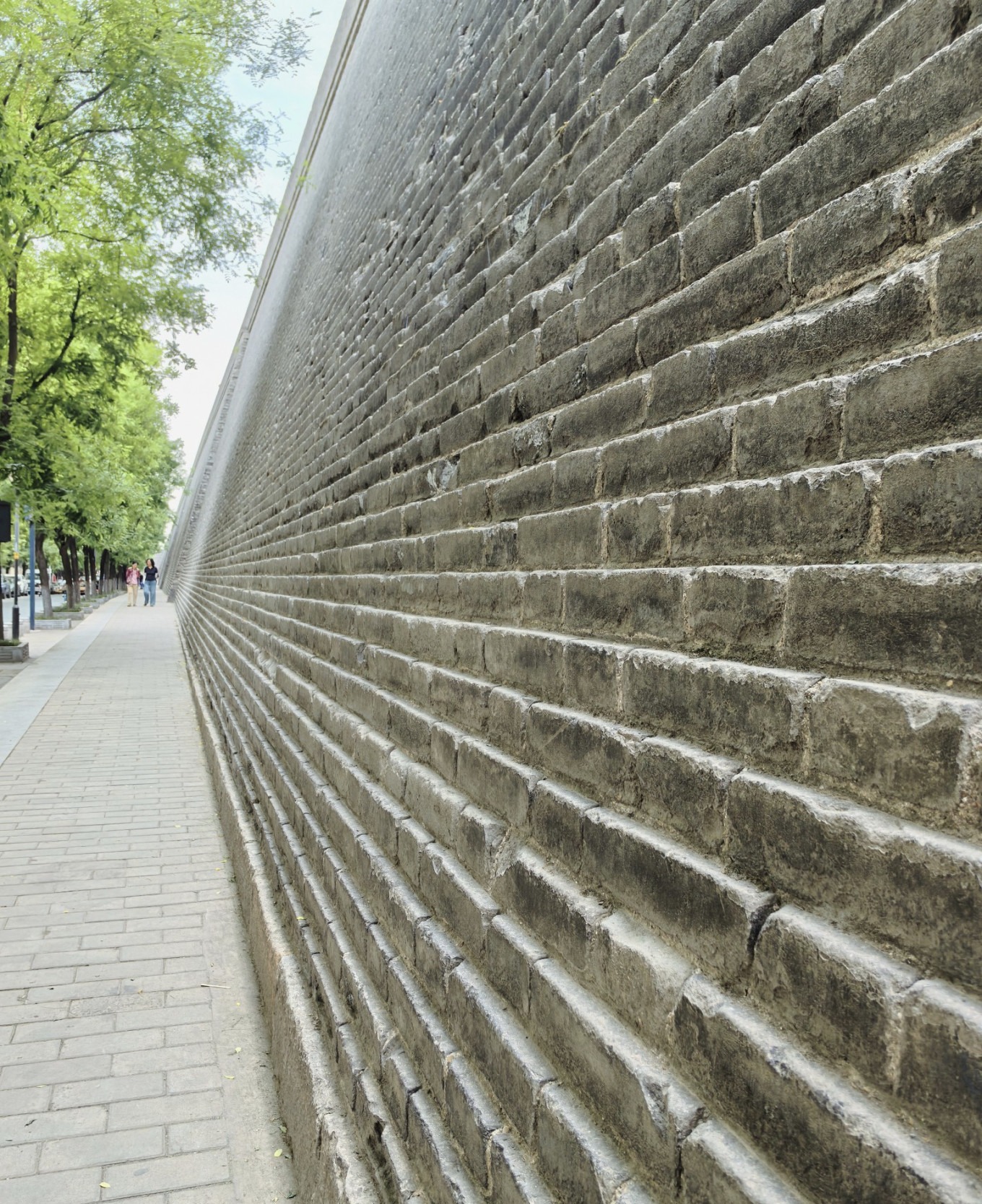
The ancient city wall rises in three-dimensional layers, inviting you to feel its depth. As you stroll along, strangers pass by — their footsteps, laughter, and occasional gasps of wonder become part of the city’s rhythm.
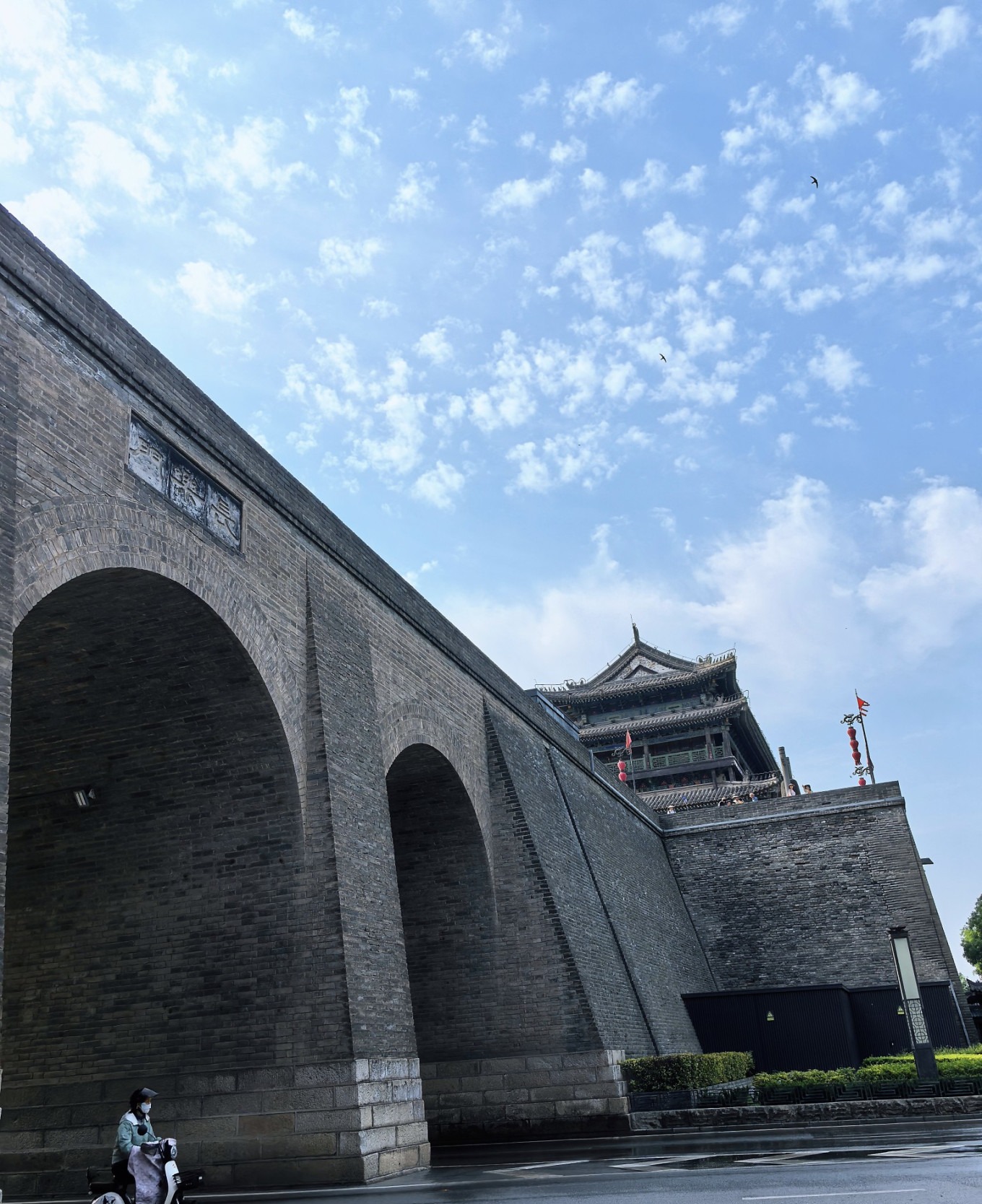
A single cyclist in the frame instantly conveys the temperature, the road conditions, and the pace of life — a snapshot of Xi’an’s everyday pulse.
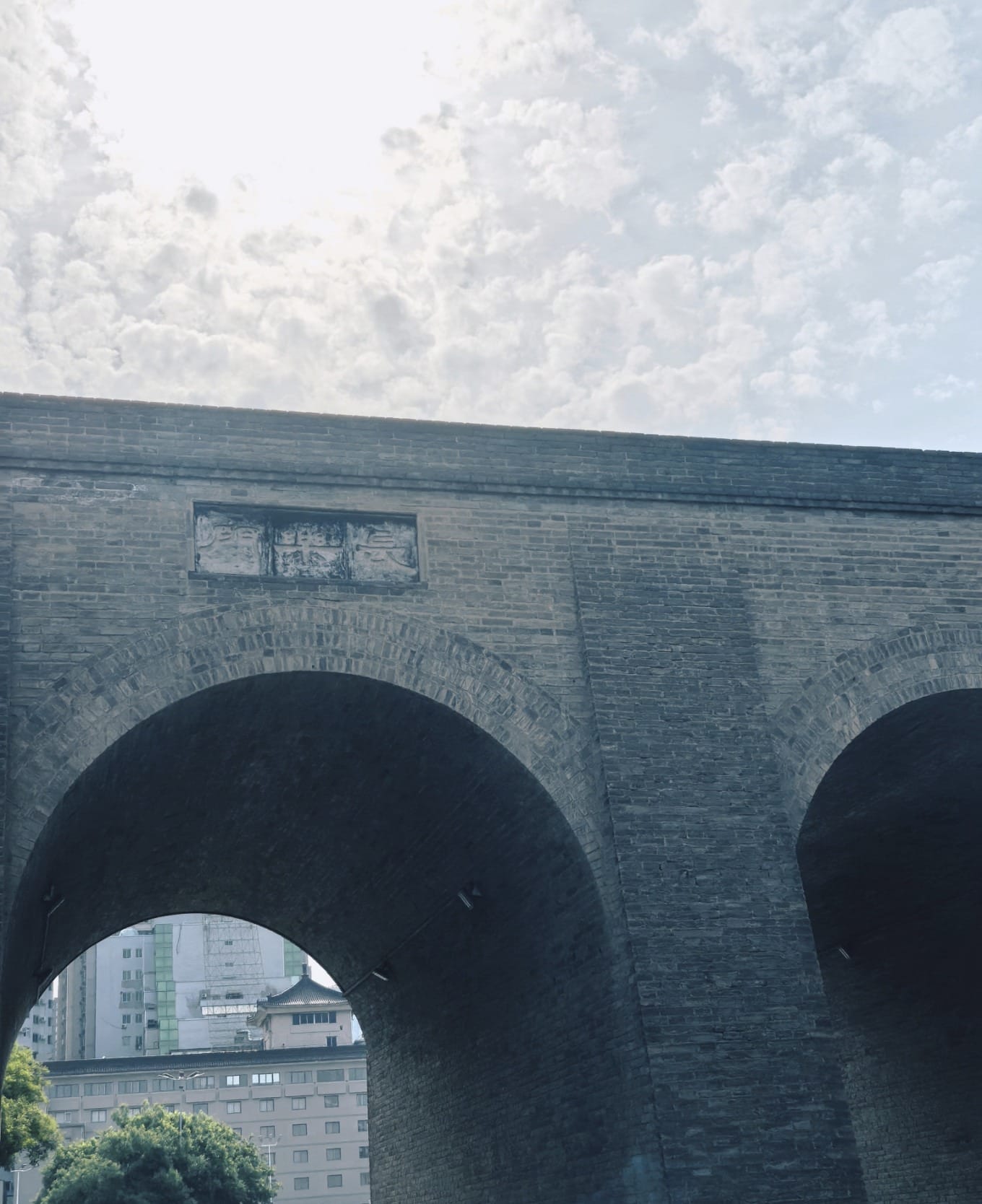
Inside the gate and outside, ancient and modern — the distance is more than just the thickness of the city wall.
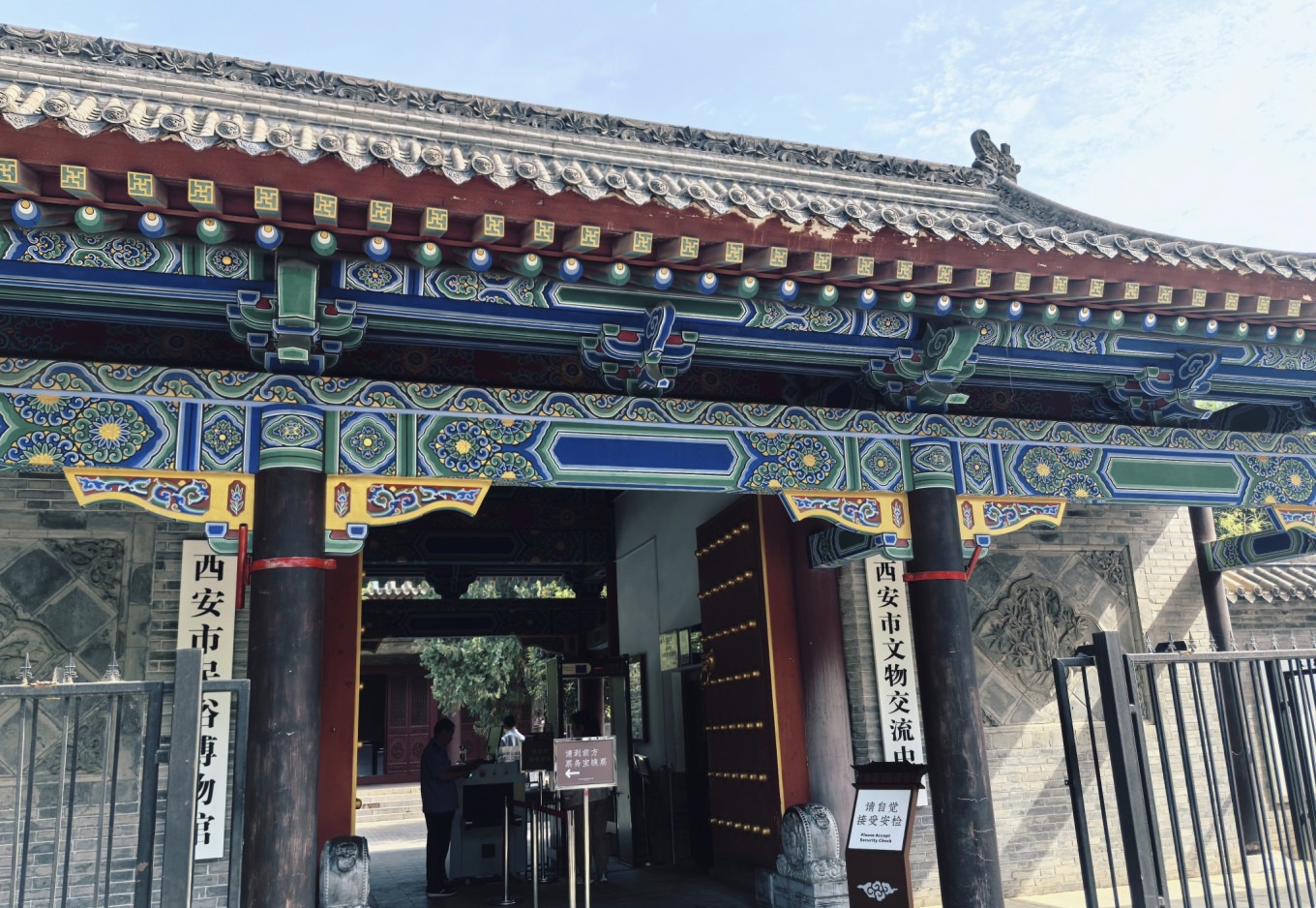
Admission is free but requires a ticket exchange at the gate using your ID card. You’ll receive two tickets — a small stroke of luck that makes the visit feel even more special.
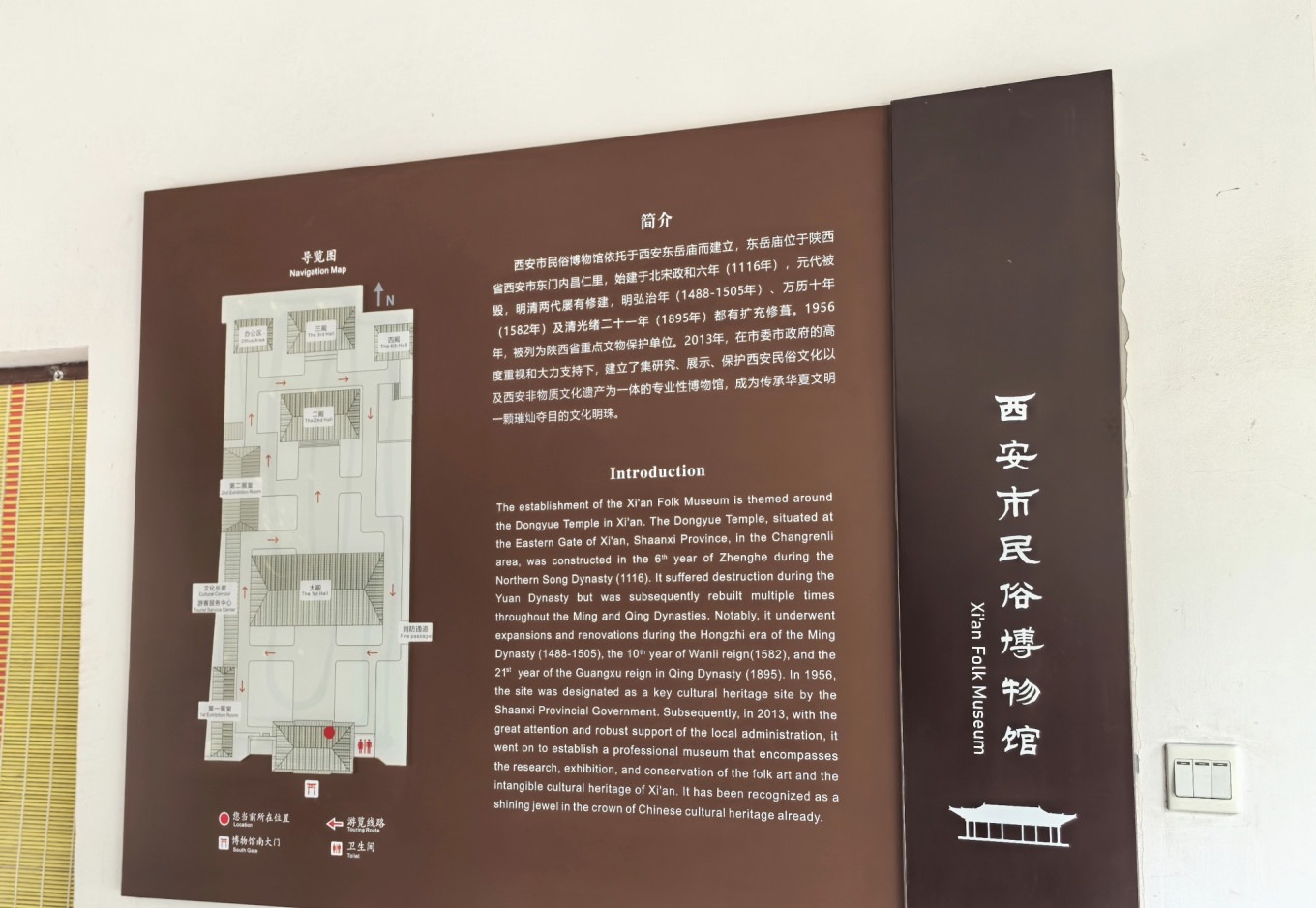
Time to zoom in on the wall paintings — read the descriptions carefully to uncover the stories behind the brushstrokes.
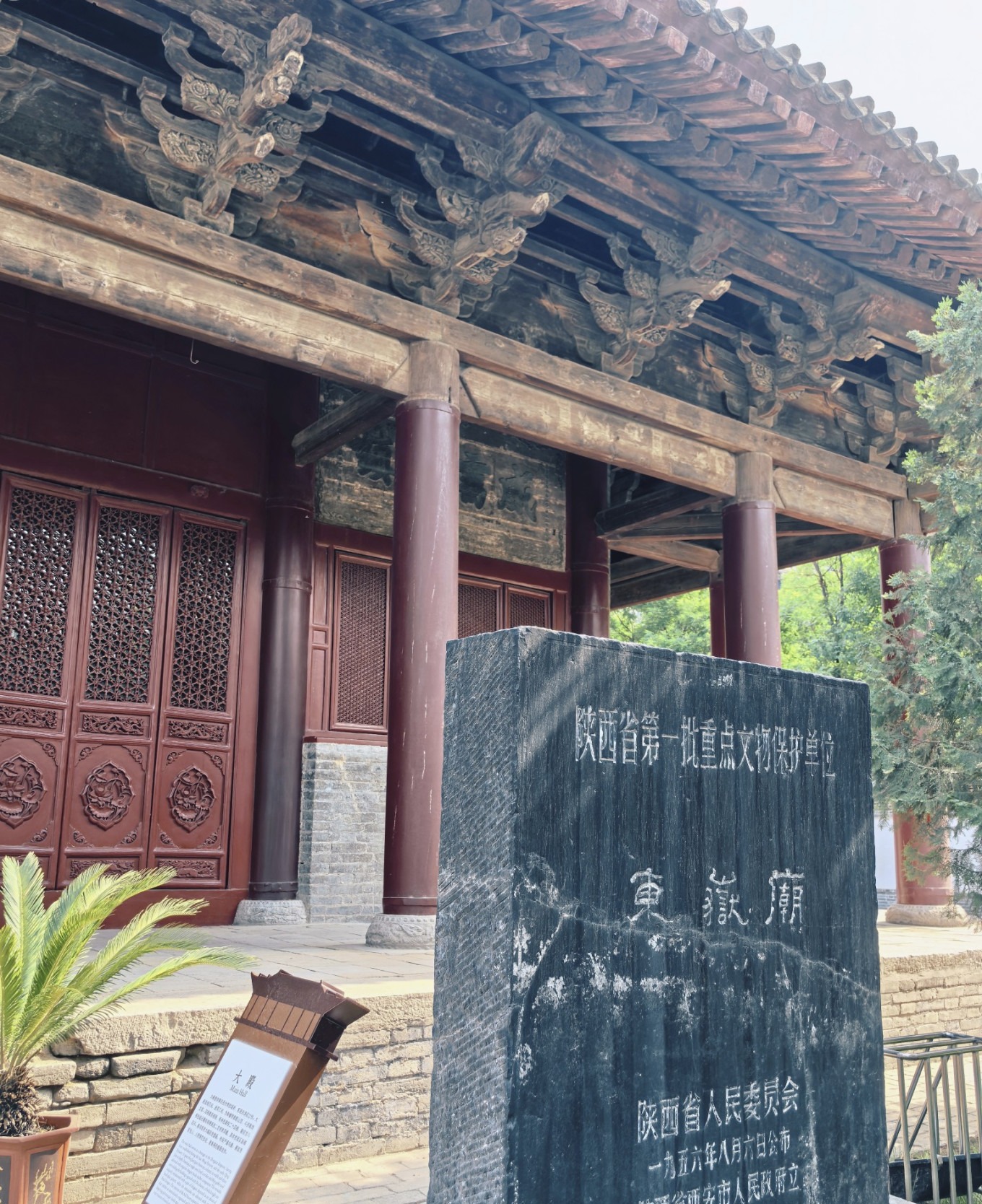
The museum houses Shaanxi Provincial Protected Cultural Relics (省保). For those with a background in heritage conservation, the sight may stir a touch of nostalgia.
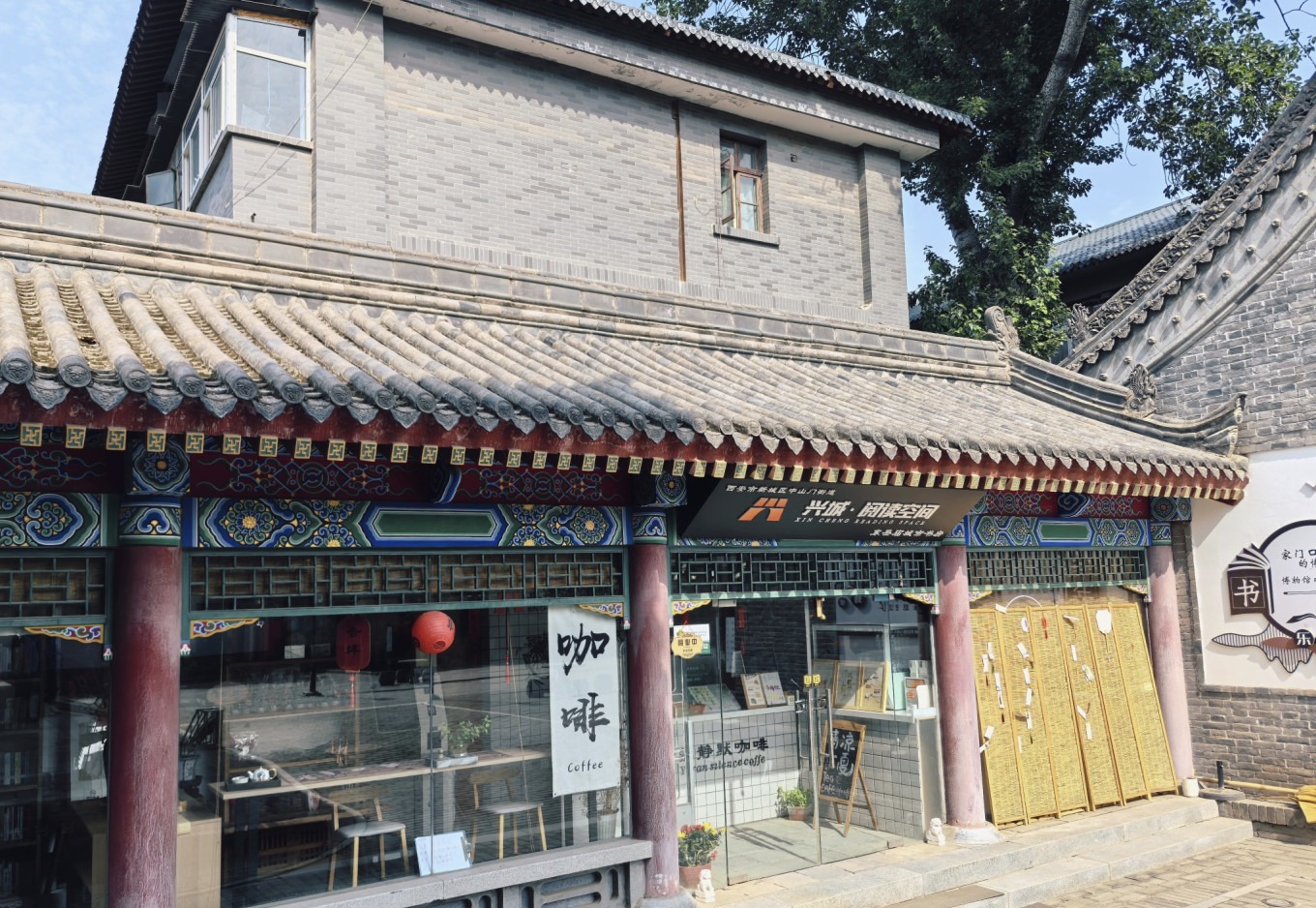
Inside, you’ll find a cozy reading corner with aromatic coffee. Books and coffee make a perfect pair — the quiet atmosphere encourages deep reading.
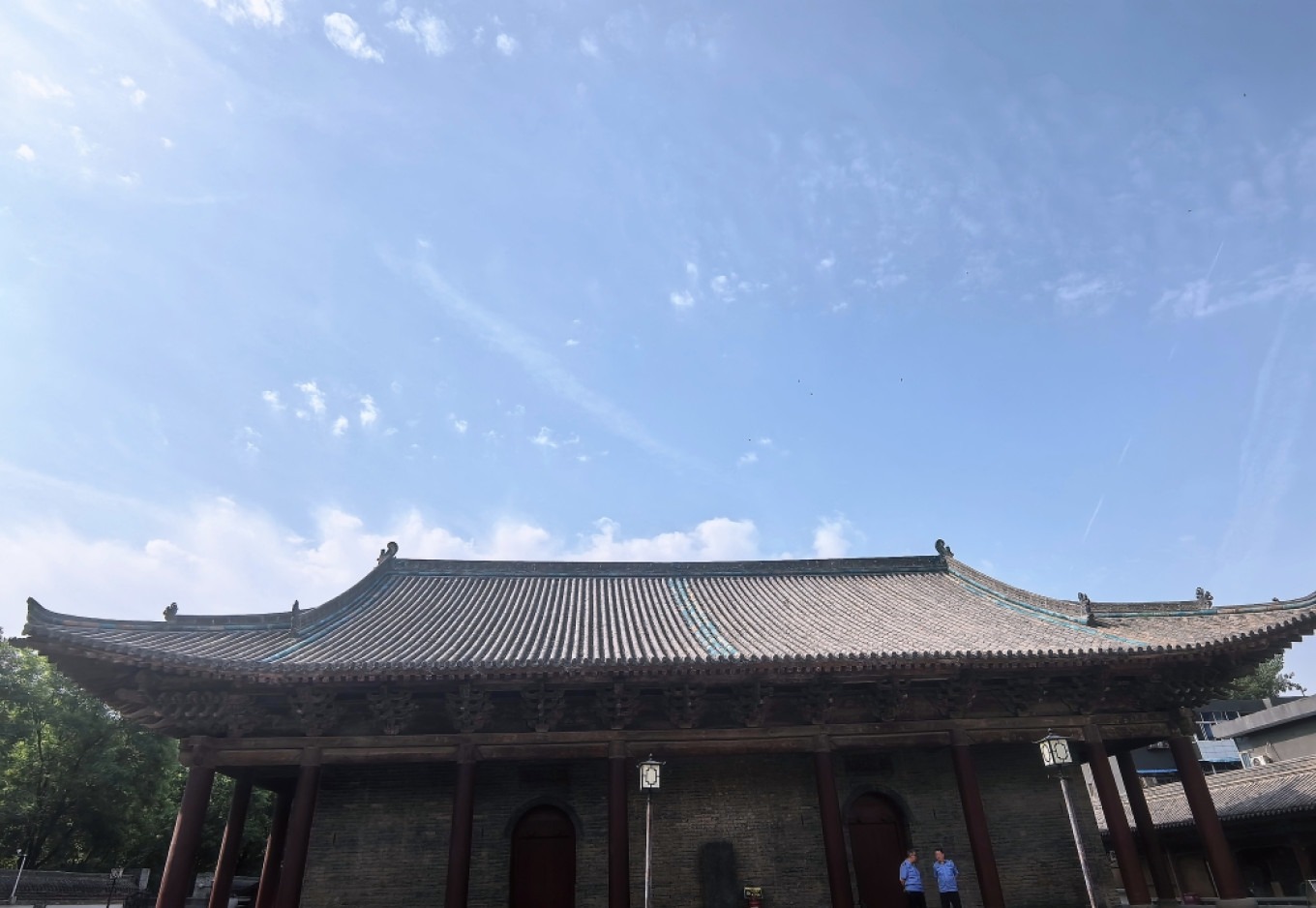
Photography is not allowed inside the main hall, where the murals are currently under restoration. Scaffolding partially obscures the artwork, but you can still glimpse the exquisite details that remain uncovered.
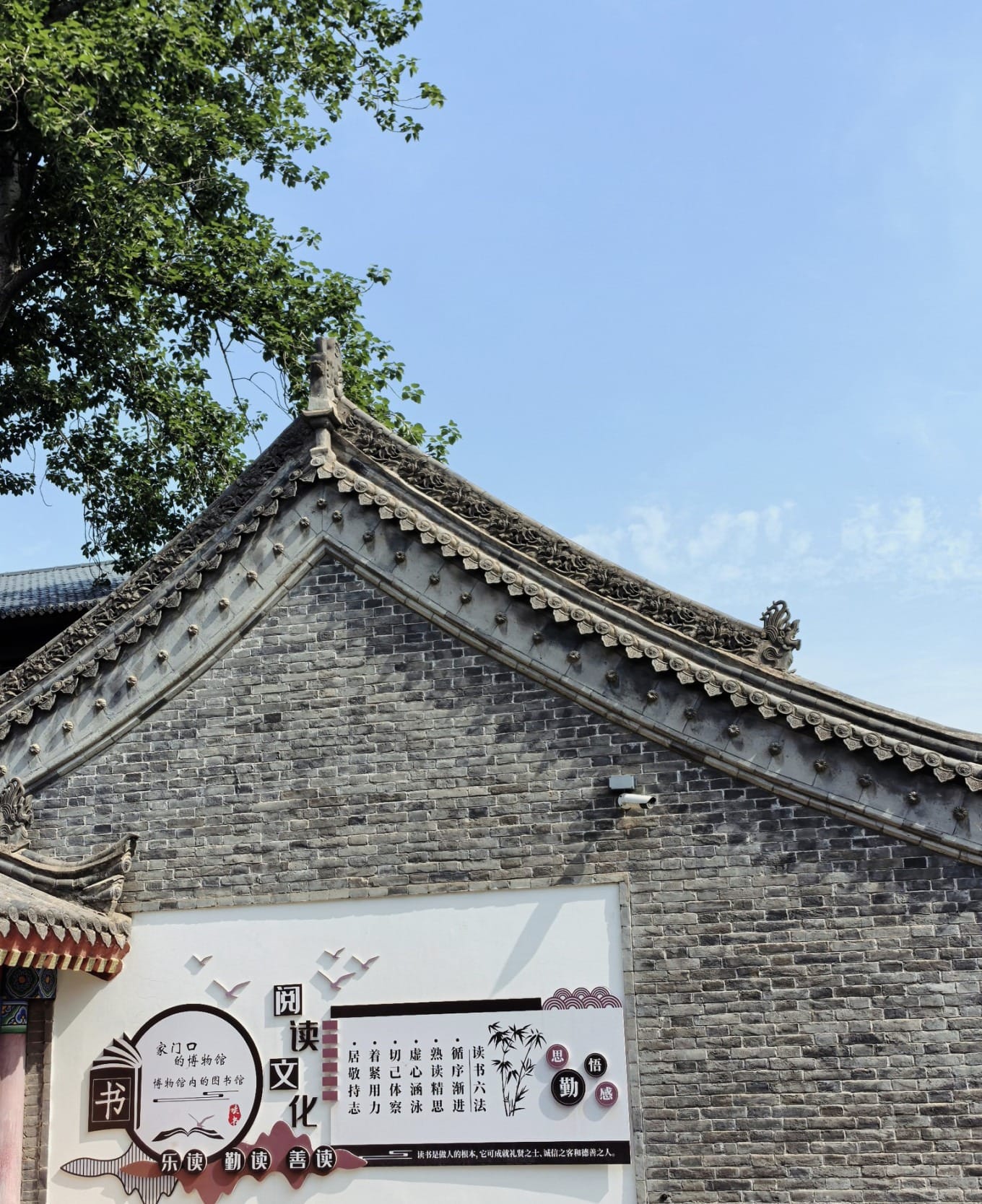
This year’s Reading Season (阅读季) encourages everyone to pick up a book — even just reading diligently is an achievement in itself.
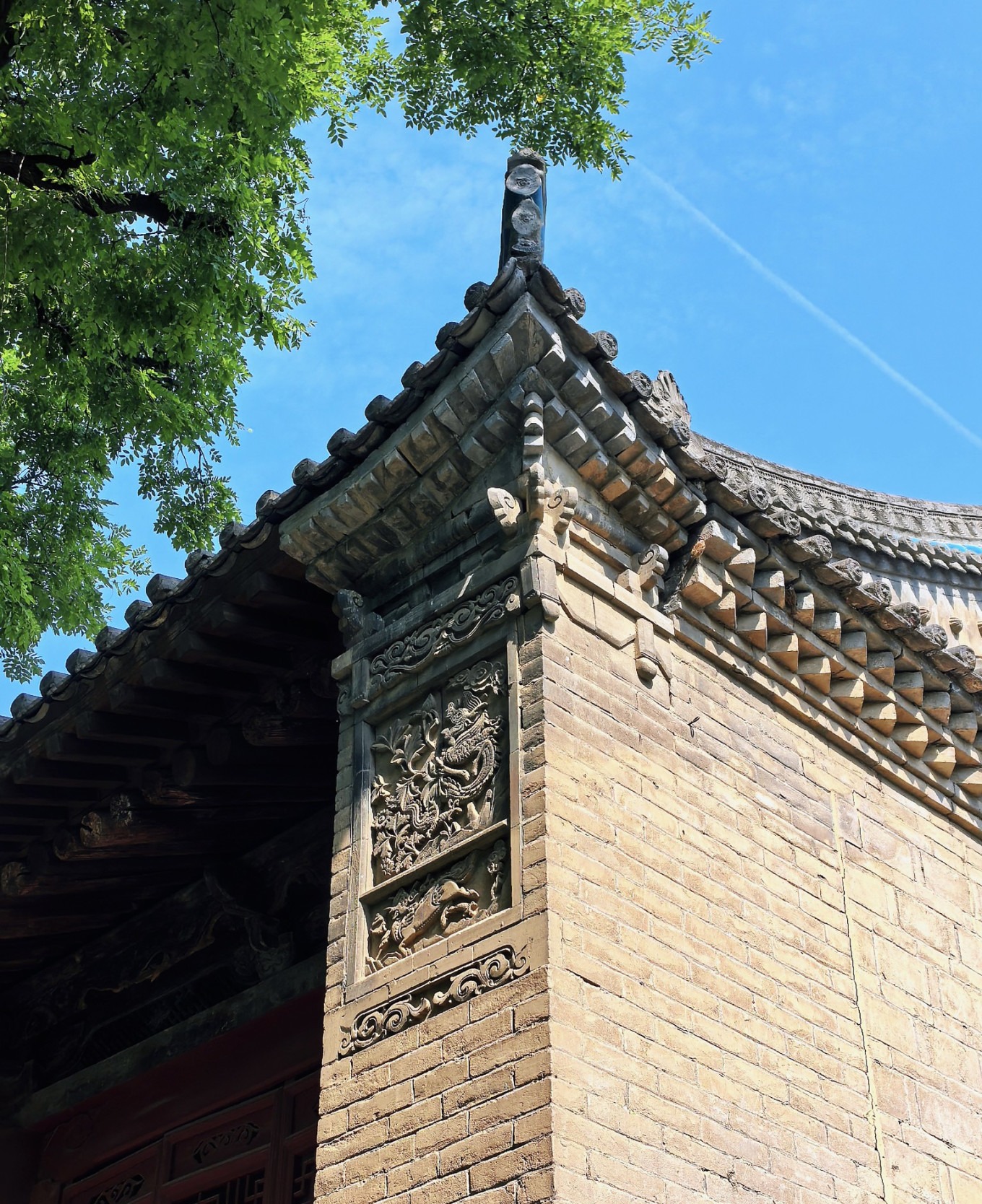
Brick carvings (砖雕) are also on display here, though they are more commonly found in Anhui. Culture flows and exchanges across regions — a reminder of China’s interconnected heritage.
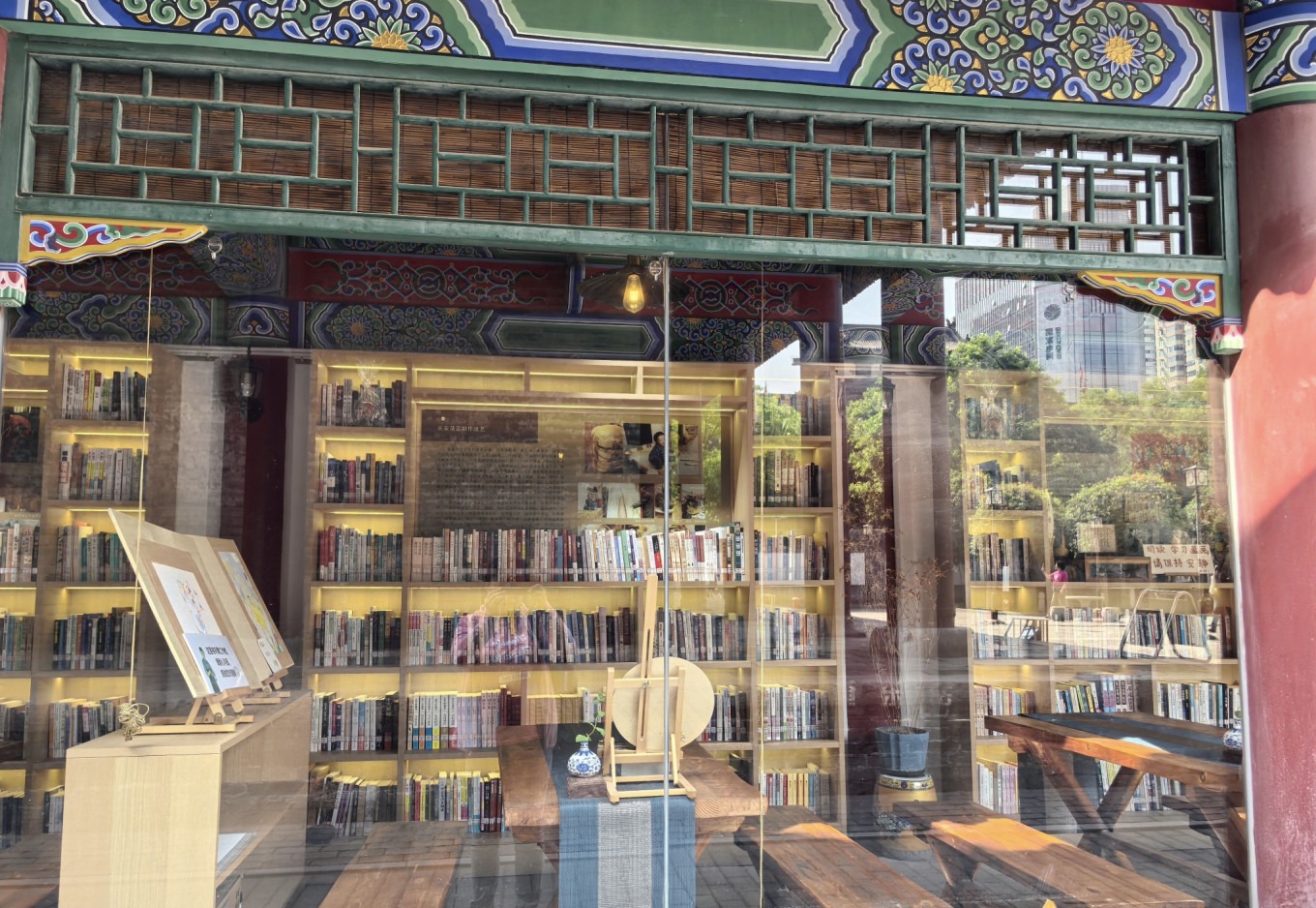
Take a closer look at the books: they are library-processed with unified borrowing and return systems — a familiar sight for city dwellers, evoking the warmth of an urban study.
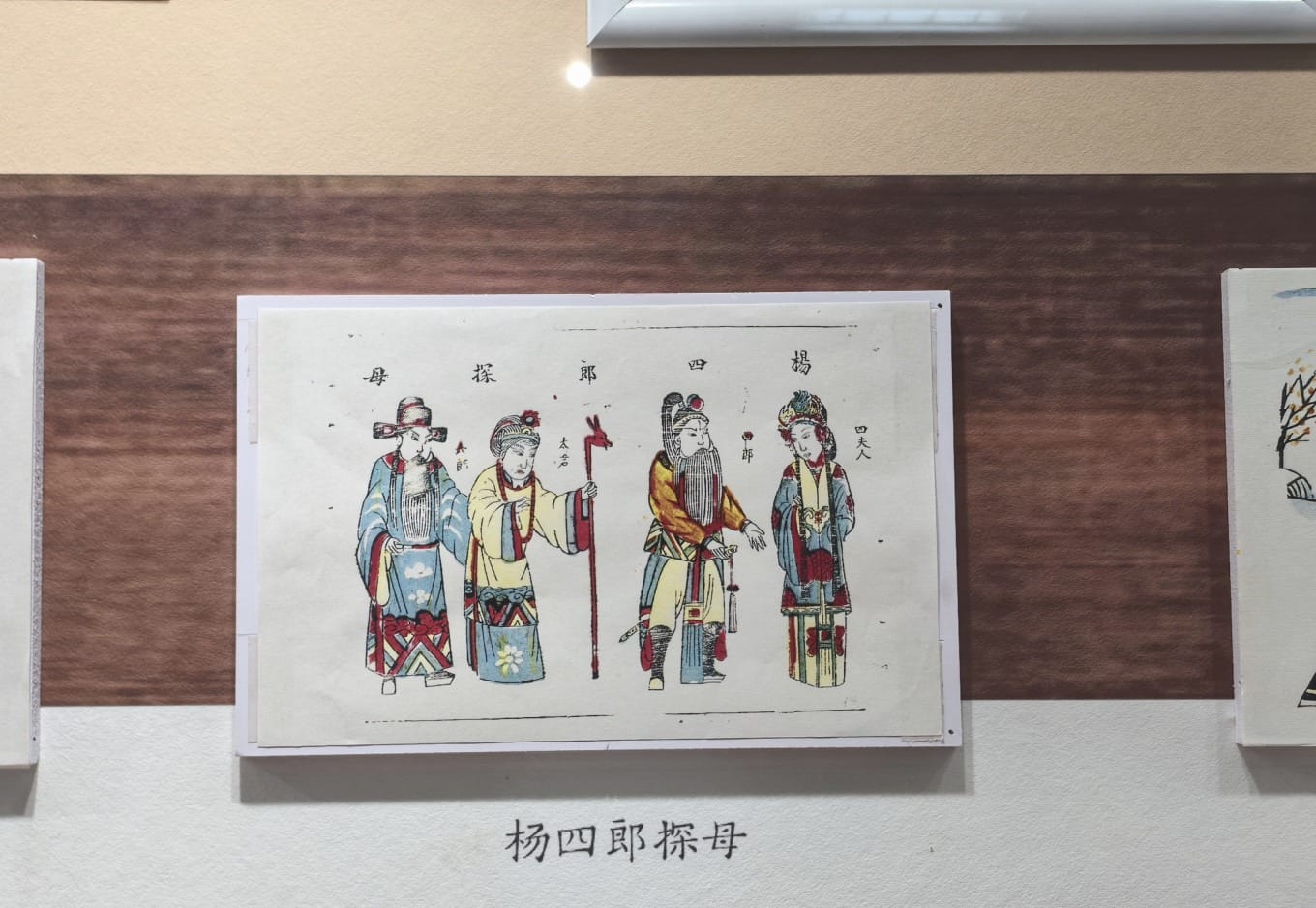
One exhibit makes you pause: if only the surname had been added, Yang Silang (杨四郎) might have lived a peaceful life. But history offers no ‘what ifs.’
Yongxingfang: Shaanxi Intangible Cultural Heritage Theme Block
Step into Yongxingfang (永兴坊), a cultural block in Xi’an that brings together the essence of Shaanxi’s intangible cultural heritage. The park is divided into eight themed zones, including Guanzhong Lane (关中巷), Southern Shaanxi Street (陕南街), Northern Shaanxi Lane (陕北里), Handicraft Workshop, Intangible Cultural Heritage Folk Street, 107 Street, Intangible Cultural Heritage Creative Street, and Blessing Street (福街). These areas showcase cultural highlights from all 11 cities and 107 districts of Shaanxi. You can watch artisans skillfully twist Qianxian Mahua (乾县麻花) by hand or witness the aromatic process of making oil-splashed chili in a traditional workshop.
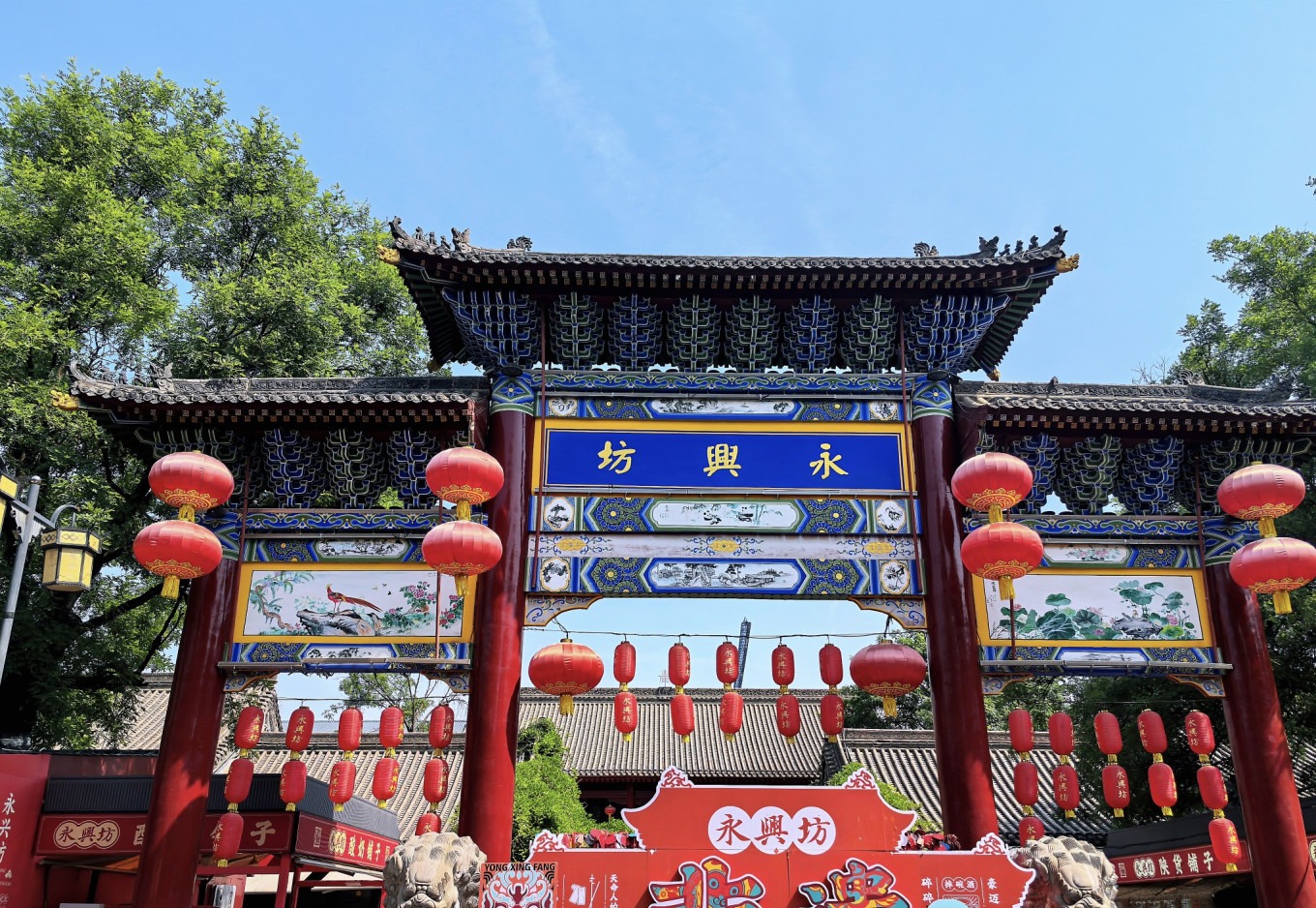
Yongxingfang goes beyond food and crafts—it’s a deep dive into Shaanxi’s performing arts. The block features a Shaanxi Opera Museum, Huaxian Shadow Puppet Theater, Intangible Cultural Heritage Theater, Baixi Theater, 108 Fang Opera Tower, and original music performance areas. You can enjoy live shows of Qinqiang (秦腔), Huaxian shadow puppetry, Huayin Old Tune (华阴老腔), Northern Shaanxi storytelling (陕北说书), Heyang string puppetry (合阳提线木偶), Shaanxi clapper talk (陕西快板), and clay ocarina (陶埙) performances. These immersive experiences offer a multi-sensory journey into Shaanxi’s cultural heritage.
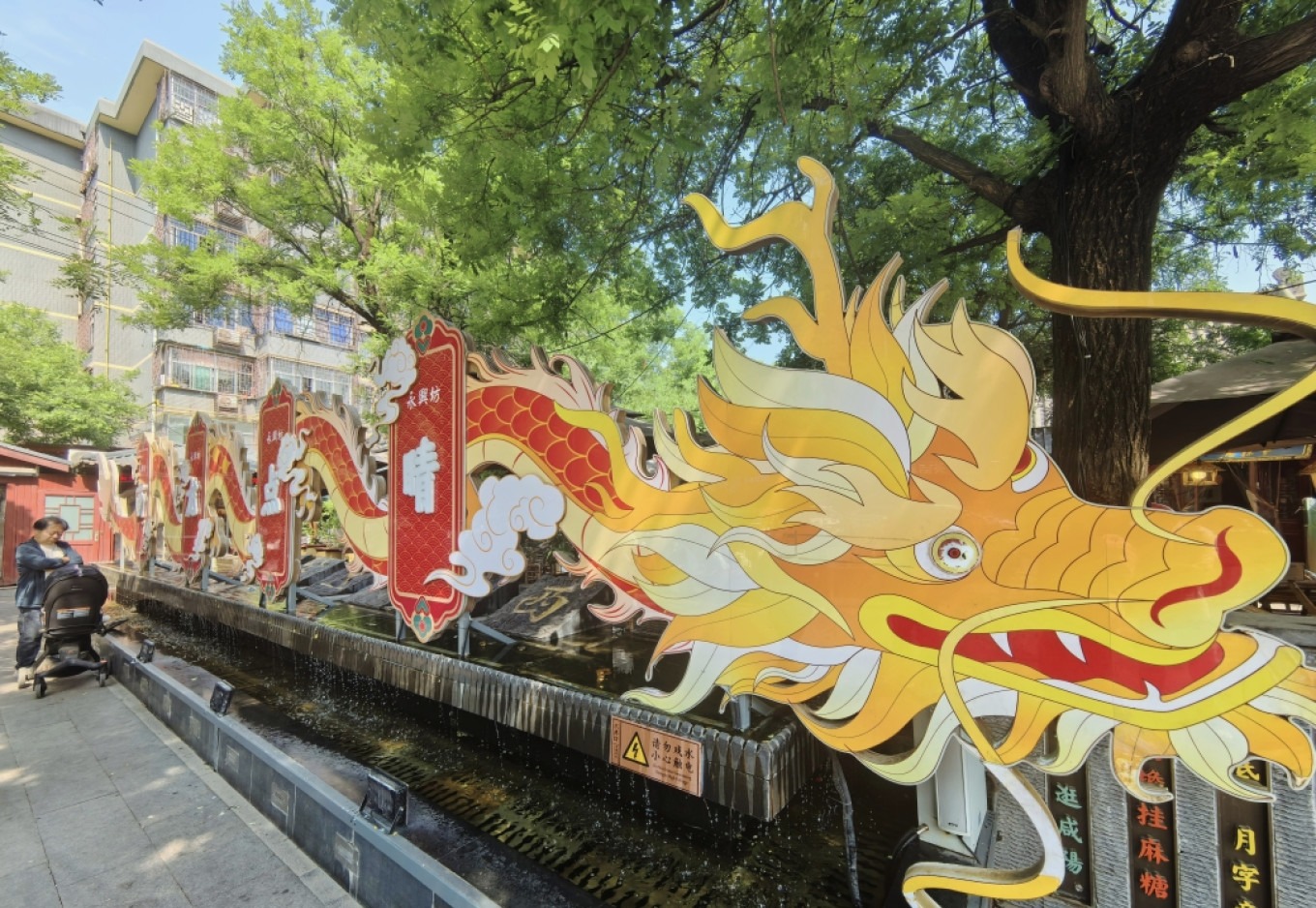
In the Intangible Cultural Heritage Creative Street, modern design meets tradition, making heritage items part of everyday life. This unique ‘heritage + lifestyle’ concept invites you to experience authentic Shaanxi folk culture.
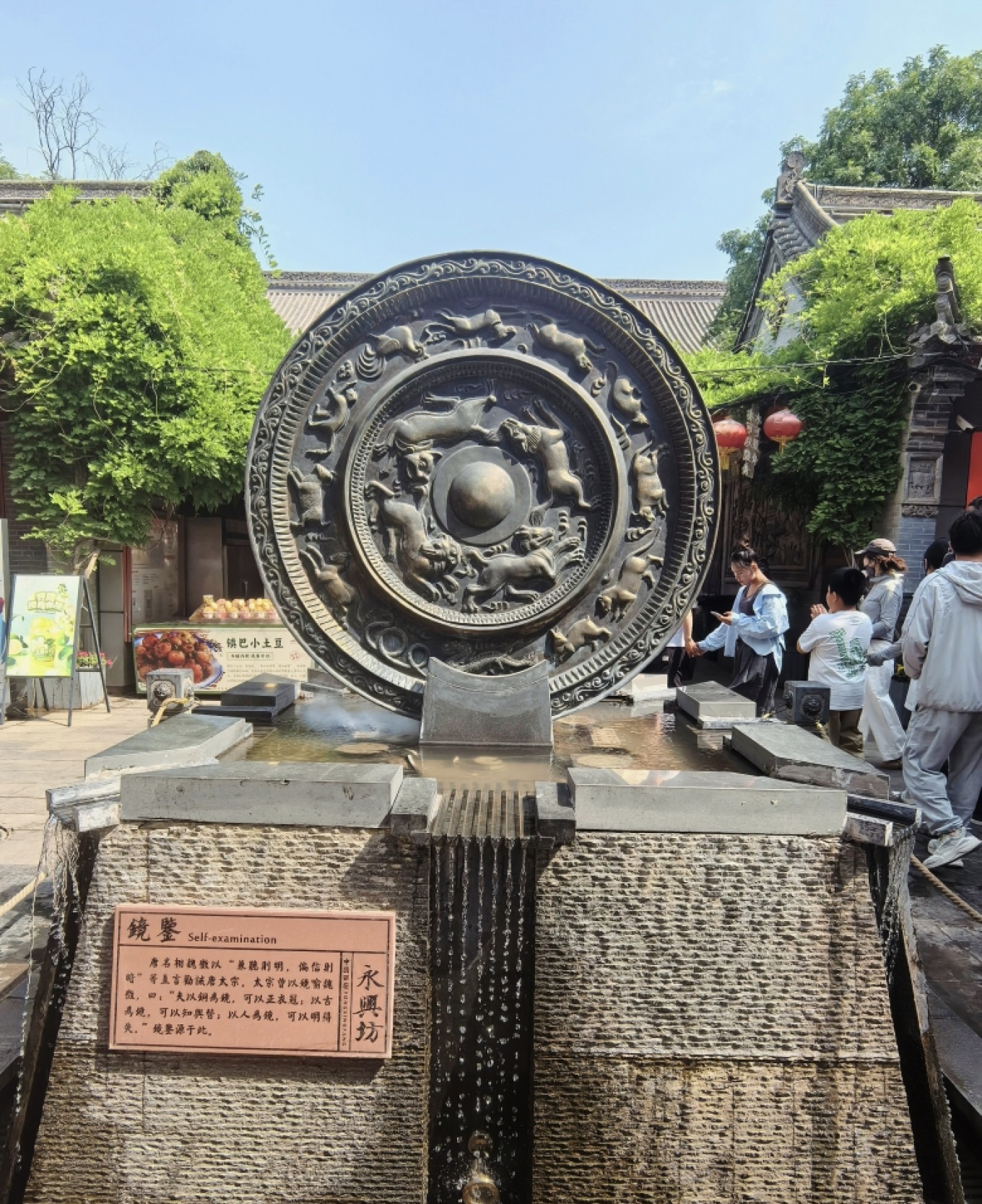
Don’t miss Jingjian Square (镜鉴广场), named after a famous quote by Emperor Taizong of Tang: ‘Using bronze as a mirror, one can straighten one’s attire; using history as a mirror, one can understand the rise and fall of dynasties; using people as a mirror, one can see gains and losses.’ This square embodies the ‘Wei Zheng spirit’ and adds philosophical depth to your visit.
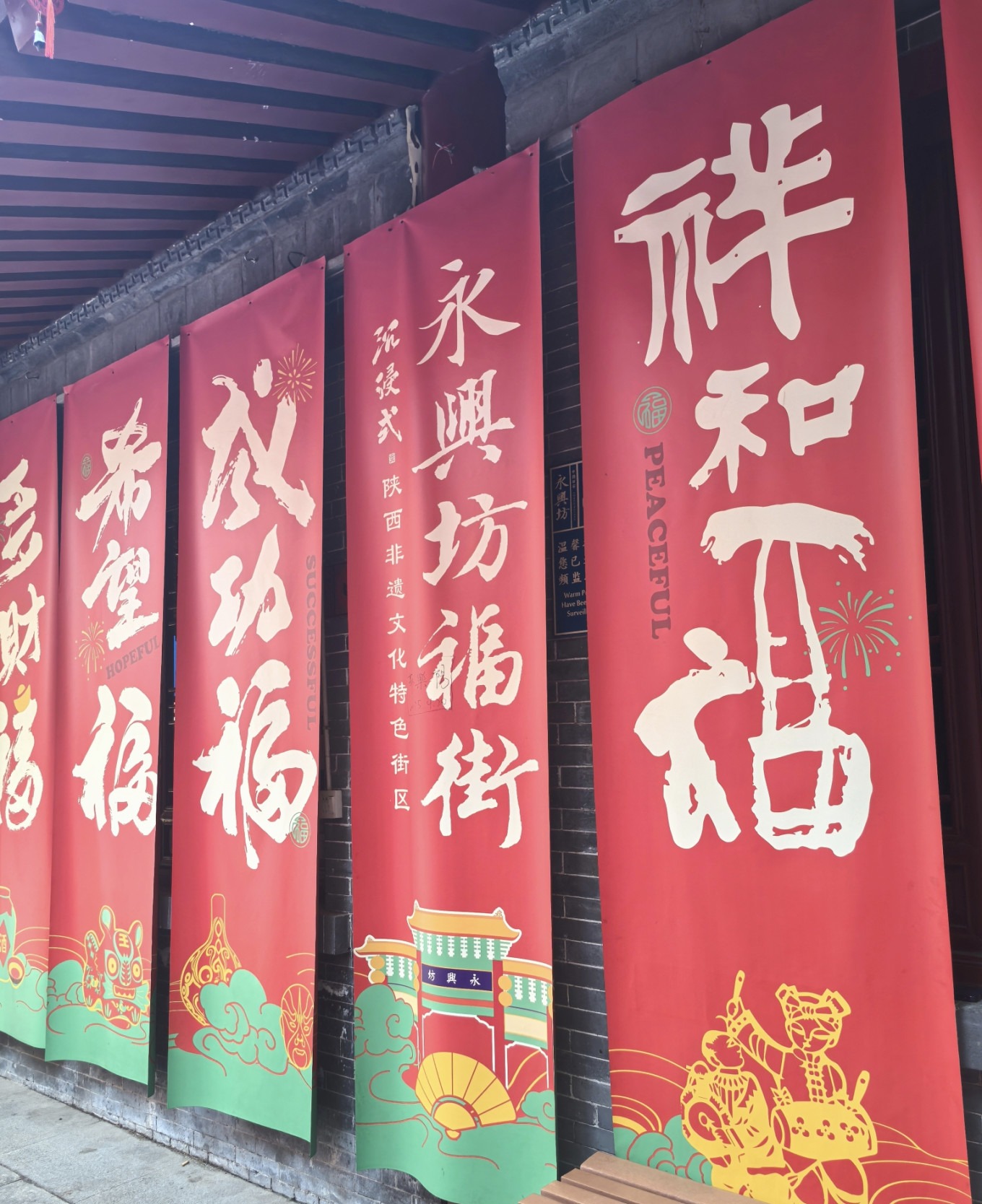
Wander through the lanes and soak up the folk atmosphere. On the east square, Blessing Street (福街) is a popular spot where you can write your wishes on red plaques and hang them on the wall. Over time, these plaques, along with wind chimes, create a colorful tapestry of hopes for love, health, and friendship.
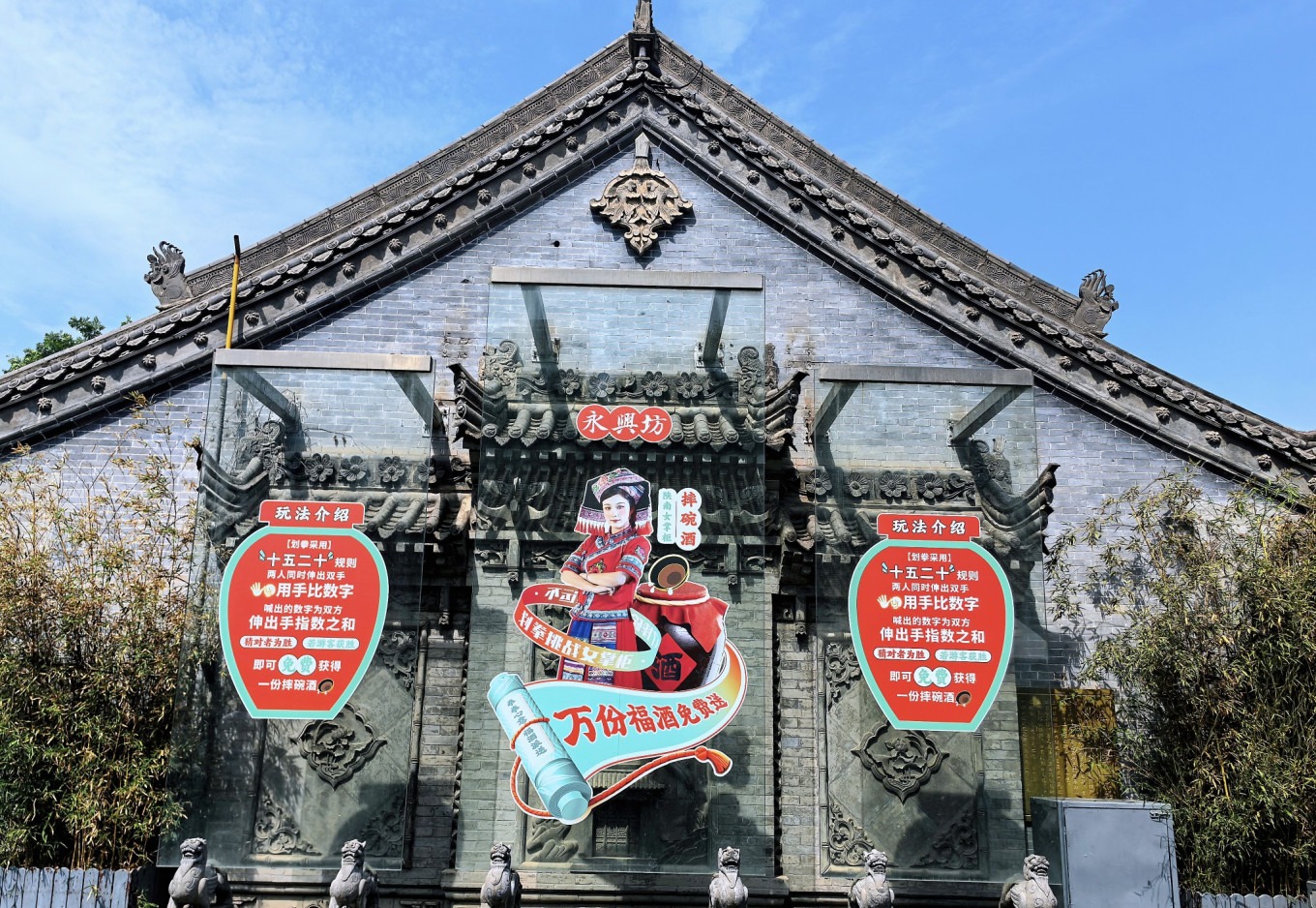
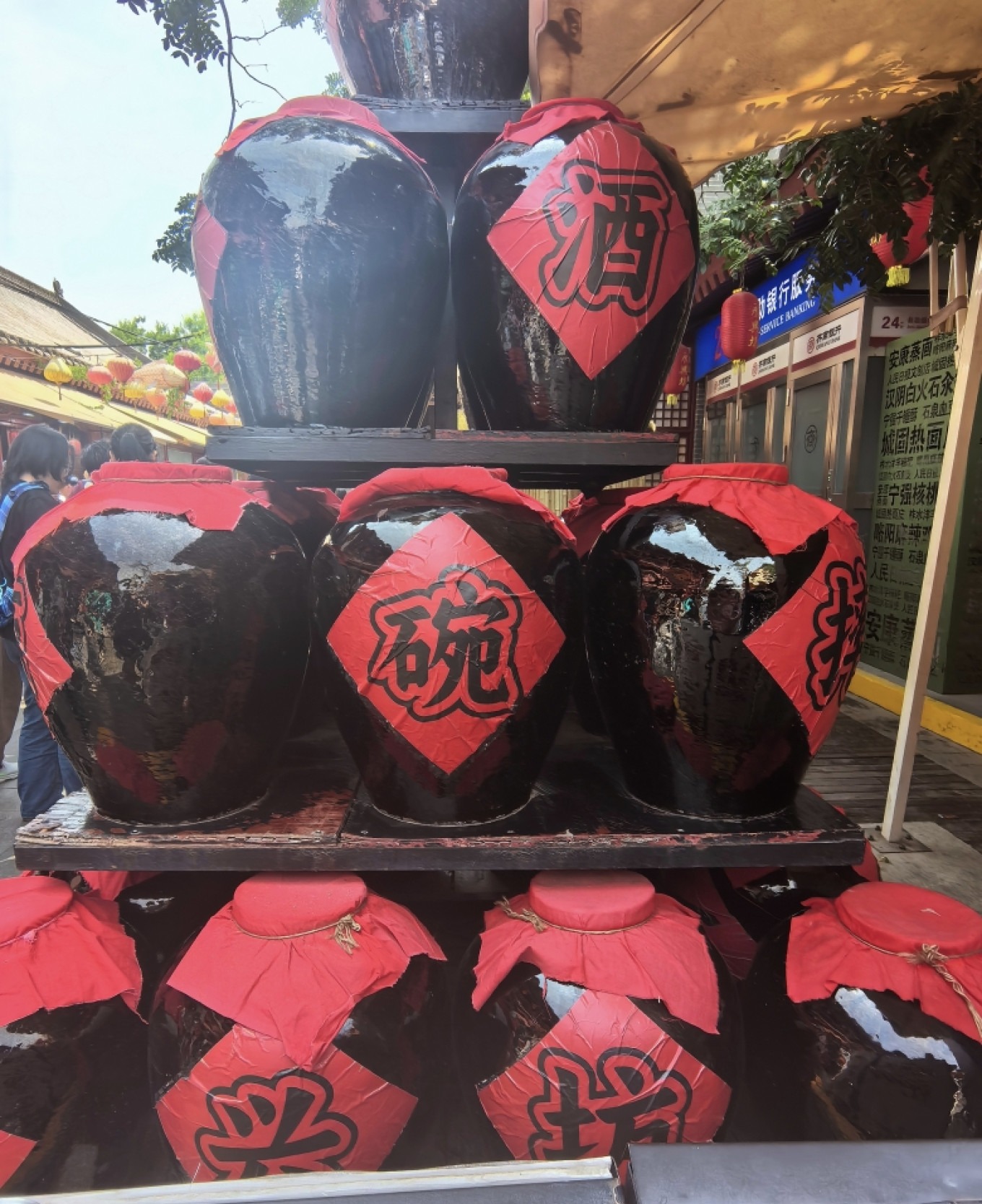
Yongxingfang keeps traditions alive through live demonstrations by inheritors. One iconic activity is the ‘smash the bowl’ ritual after drinking rice wine. For just 5 yuan, you can drink a bowl of wine and then smash the bowl on the ground—a cathartic release that symbolizes achieving your goals.
You can also try your hand at pressing Jingyang brick tea (泾阳砖茶). Aged over 10 years, the tea is smooth and mellow; younger teas may taste a bit bitter. It’s a hands-on way to appreciate the art of tea making.
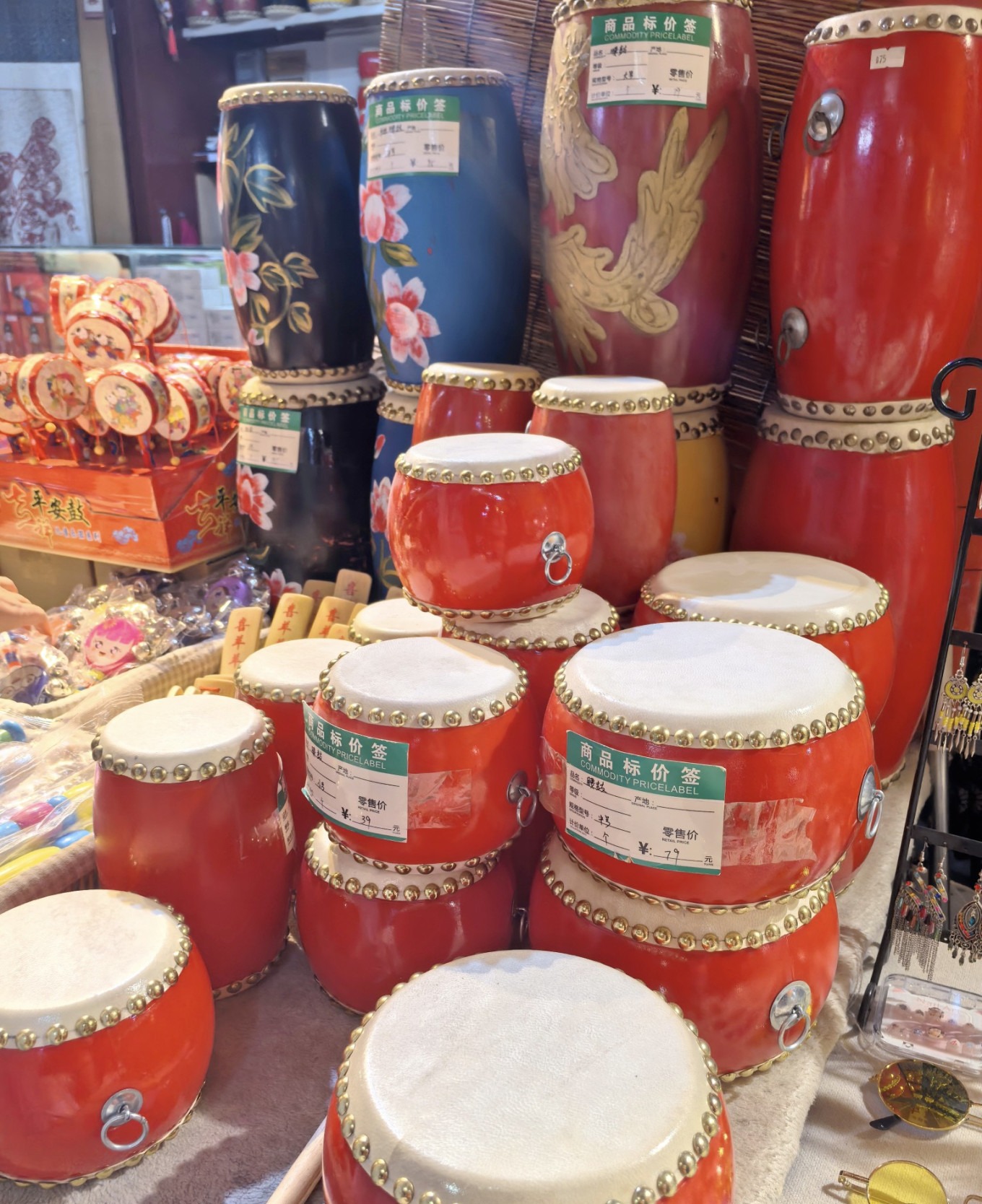
The combination of drum and dance—’guwu’ (鼓舞)—creates an uplifting rhythm that perfectly blends beats with movement. It’s a joyful expression that reminds you to seek happiness in life.
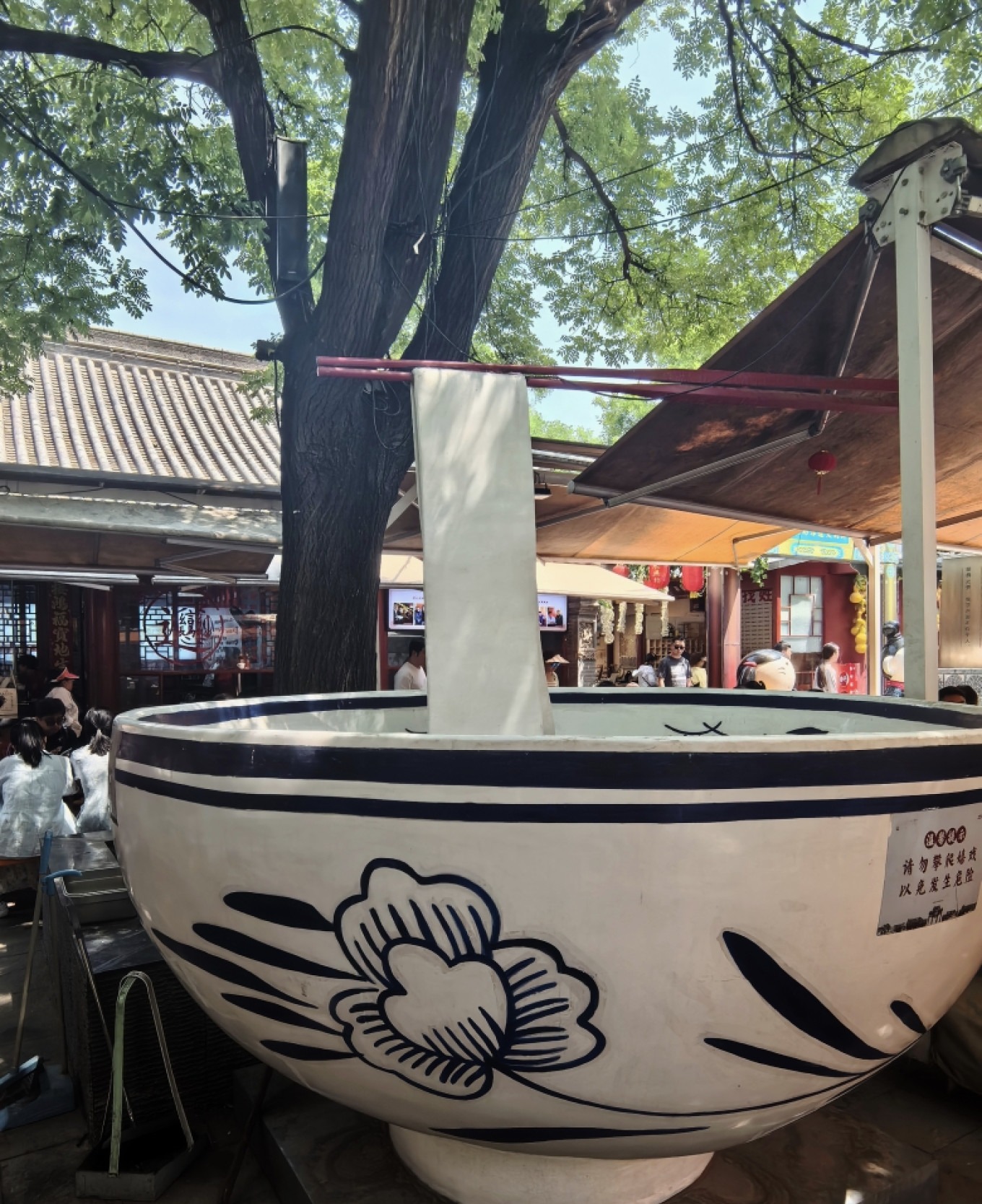
Yongxingfang has been recognized as a National AAA-level Tourist Attraction, a Shaanxi Intangible Cultural Heritage Food Gathering Area, and a Shaanxi Specialty Food Commercial Block. In November 2022, it was selected for the National Intangible Cultural Heritage and Tourism Integration Development Preferred Project List.
A Layover in Taiyuan: Gateway to Shanxi
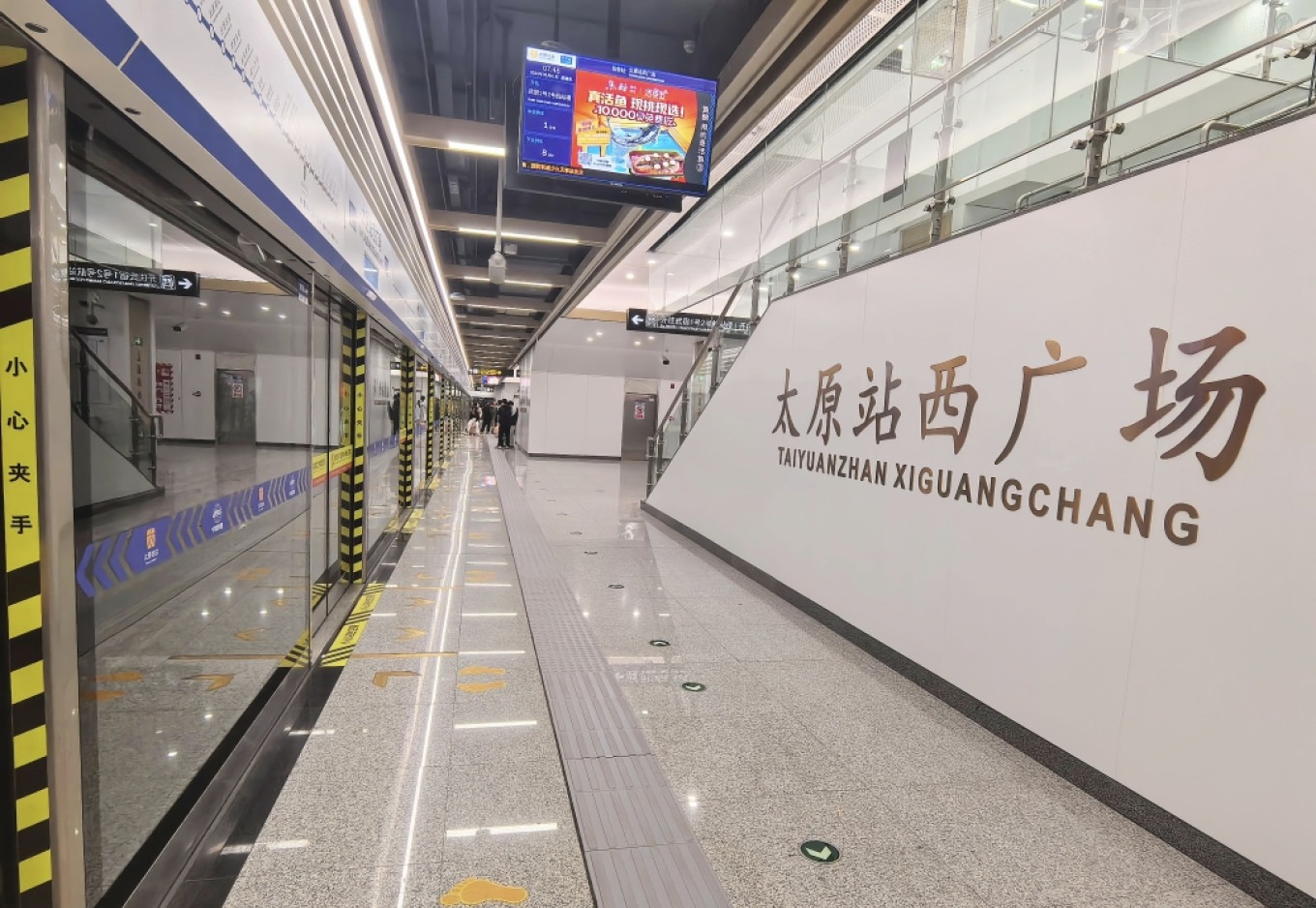
For many travelers, Taiyuan is a transit hub on the way to deeper Shanxi or beyond. If you find yourself with a few hours between trains, the city offers a taste of local culture and cuisine without straying far from the station. A classic way to arrive is by overnight sleeper train — the green carriages (绿皮火车) still run from northeastern cities, offering a nostalgic journey into the heart of China.
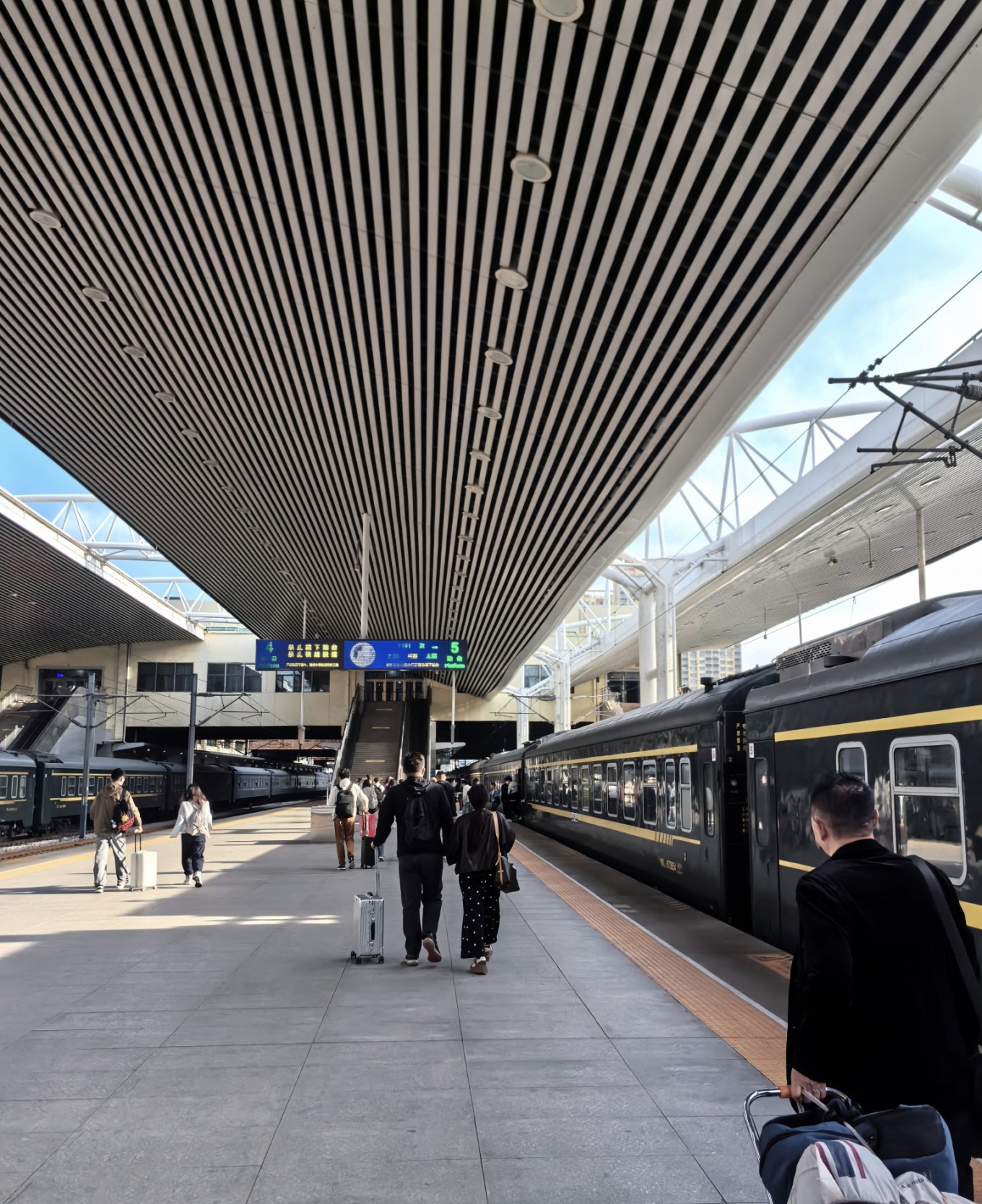
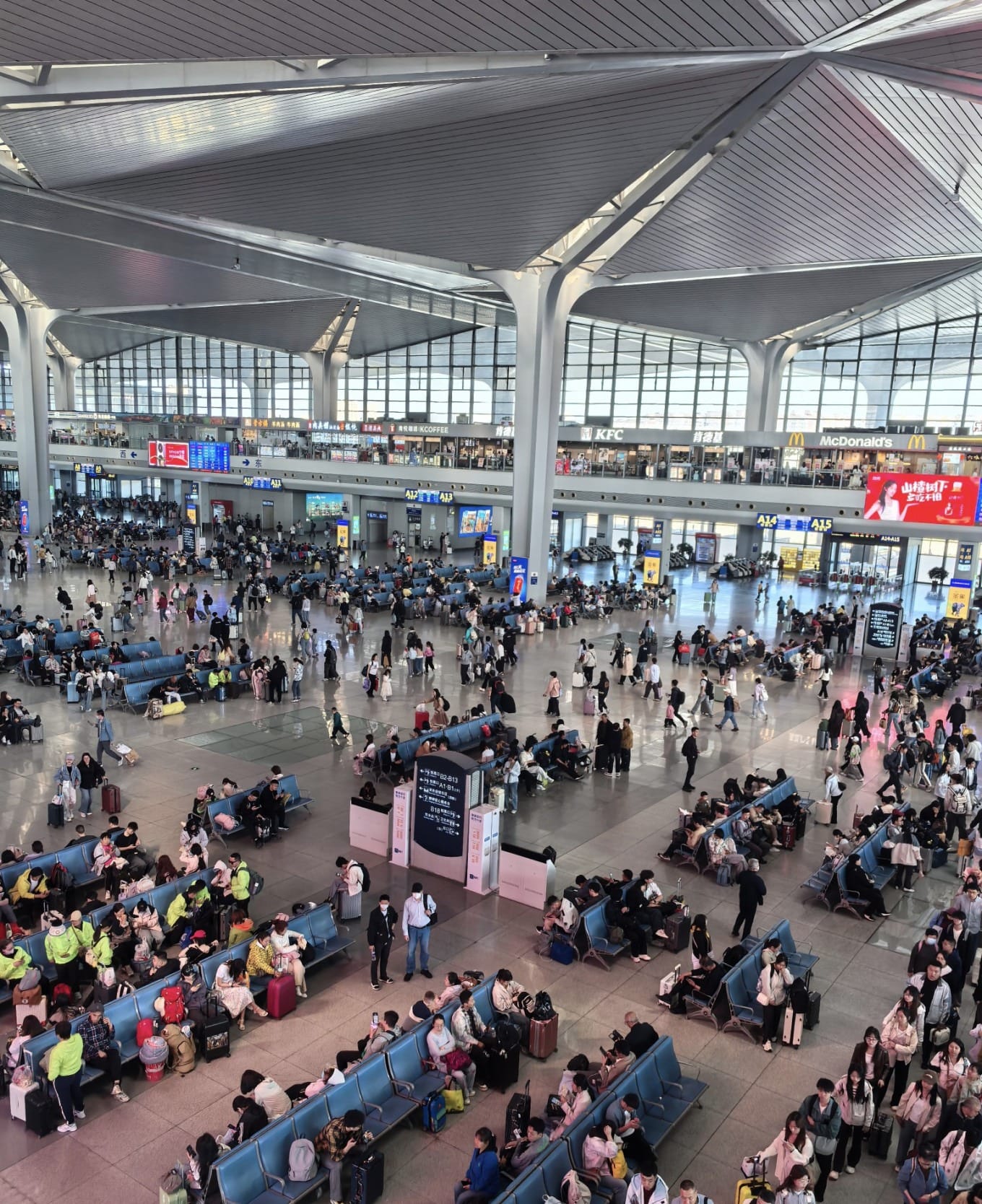
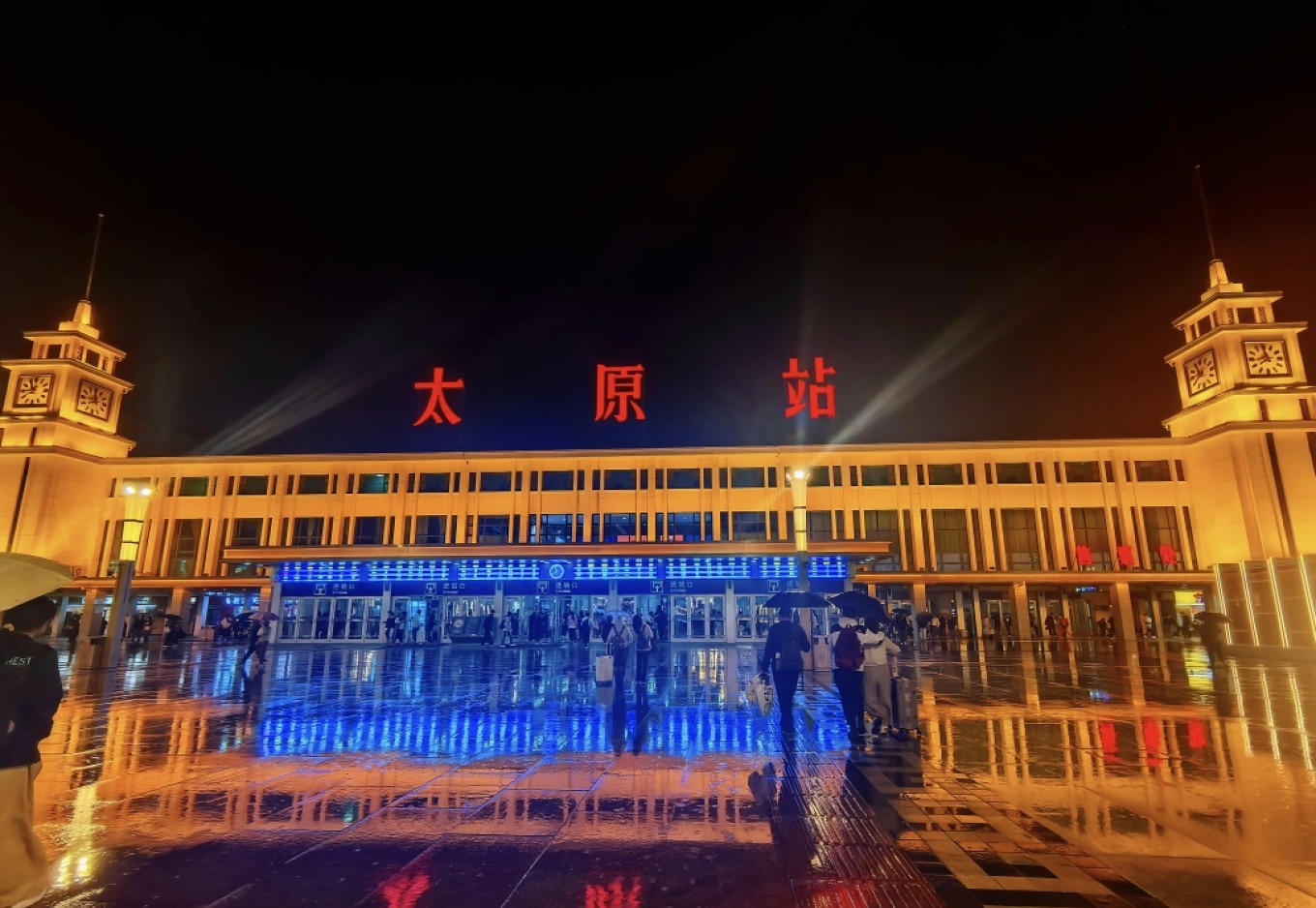
Your layover might be brief, but it’s enough to appreciate the city’s quiet charm. Taiyuan’s railway station is well-connected, and the high-speed rail station (太原南站) has clean, modern facilities where you can grab a proper breakfast before boarding. The platforms are moderately busy — not too crowded, not too empty — giving you a comfortable window to prepare for your onward journey.
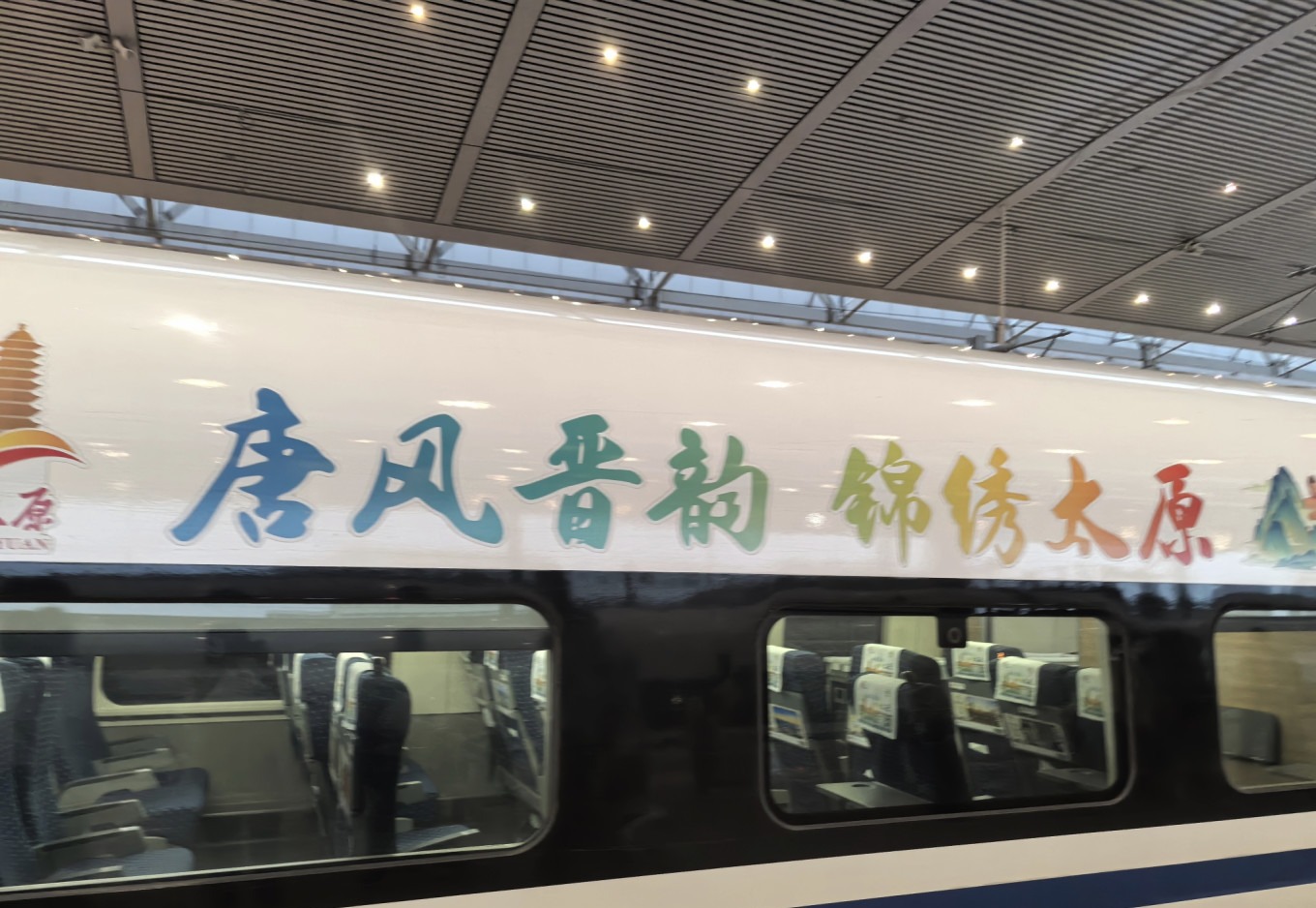
As you glide through the province, you’ll notice Shanxi’s tourism board has gone all out — even the train carriages are wrapped with promotional banners for Taiyuan, showcasing the region’s pride. It’s a small but telling detail of how seriously local authorities take cultural tourism.
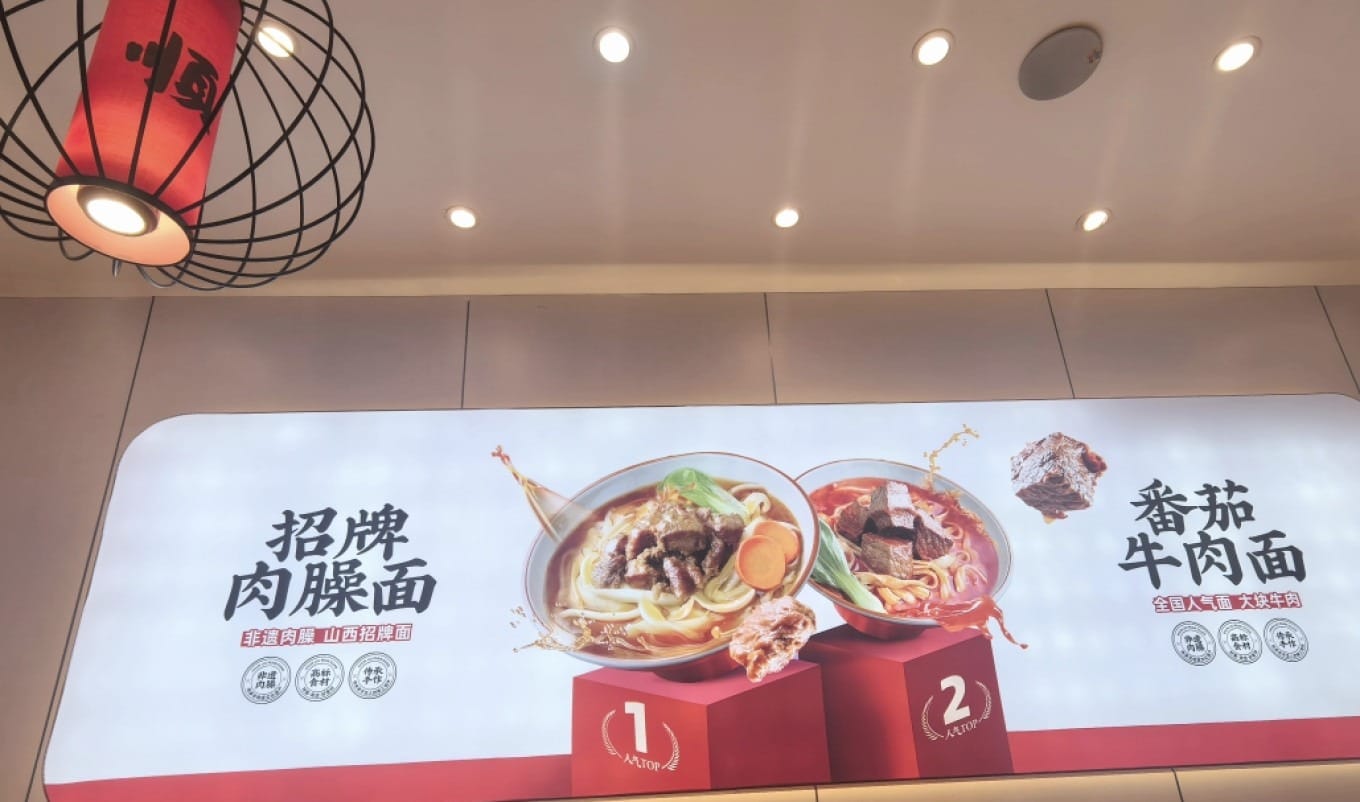
No visit to Shanxi — even a brief one — is complete without trying its signature dish: knife-cut noodles (刀削面). Once made by hand, most shops now use machines, but the flavor remains distinct. The noodles are thick, chewy, and served in a rich broth — a hearty meal that fuels your travels.
Weather can be a character in your journey. Xi’an greets you with blazing heat, while Taiyuan offers a shy, drizzly welcome. Rain brings out umbrellas and a slower pace — a gentle invitation to linger. But if work calls you back, you’ll have to save deeper exploration for next time. The city leaves you with a promise: you’ll return.
Common Traveler Questions
Can Xi’an be explored mostly on foot?
Yes in selected districts, especially around the City Wall, pagoda areas, food streets, and museum clusters. Use metro or taxis between districts so the route stays enjoyable.
Is this itinerary good for first-time visitors?
Yes if you enjoy culture and walking, but first-time visitors should still reserve enough time for the Terracotta Warriors and the City Wall.
What should I change if I have only three days in Xi’an?
Cut one slower cultural day, keep the warriors, City Wall, one pagoda or Tang district, and one food-focused evening instead of trying to keep every small stop.
Guide Navigation
Enjoyed this article? Consider buying me a coffee to support more content like this!
💖 0 people have clicked to support this article.