Xi’an Cultural Travel Guide: City Wall, Pagodas and Warriors
A practical, image-rich guide you can actually use.
travel better
On this page
Quick Answer
This Xi’an cultural guide is strongest for travelers who want context: city walls, steles, pagodas, Tang performance areas, museums, and the Terracotta Warriors as one connected ancient-capital story. Plan it as a sequence of cultural zones rather than a list of isolated photo stops.
Before you go: Use the Xi’an hub to choose between a cultural walking route, a four-day first-timer route, and a five-day low-backtracking route.
A Prelude to Xi’an
Xi’an (西安) is a city where history breathes on every corner. As you walk its streets, you’re stepping through layers of time—from the grandeur of the Tang Dynasty to the pulse of modern life. This ancient capital, once known as Chang’an, invites you to explore its stories, taste its flavors, and feel the weight of millennia beneath your feet.
Begin your journey at the awe-inspiring Terracotta Warriors Museum (兵马俑博物馆), where thousands of life-sized clay soldiers stand guard over the tomb of China’s first emperor, Qin Shi Huang. Each figure is unique, with distinct facial features and expressions, offering a glimpse into the military might of the Qin Dynasty. Consider visiting early in the morning to avoid crowds and to witness the warriors in the soft light of dawn.
Next, head to the Huaqing Hot Springs (华清宫), a Tang Dynasty imperial palace complex nestled at the foot of Mount Li. The hot springs here have soothed emperors and concubines for centuries, most famously Emperor Xuanzong and his beloved Yang Guifei. Stroll through the ancient gardens, soak in the history, and imagine the romance and intrigue that once filled these halls.
No visit to Xi’an is complete without experiencing the city’s iconic landmarks: the Bell Tower (钟楼) and Drum Tower (鼓楼). These twin structures have marked time for the city since the Ming Dynasty. Climb the Bell Tower for a panoramic view of the old city, where traditional rooftops meet modern skyscrapers. The contrast is a perfect metaphor for Xi’an itself—a city that honors its past while embracing the future.
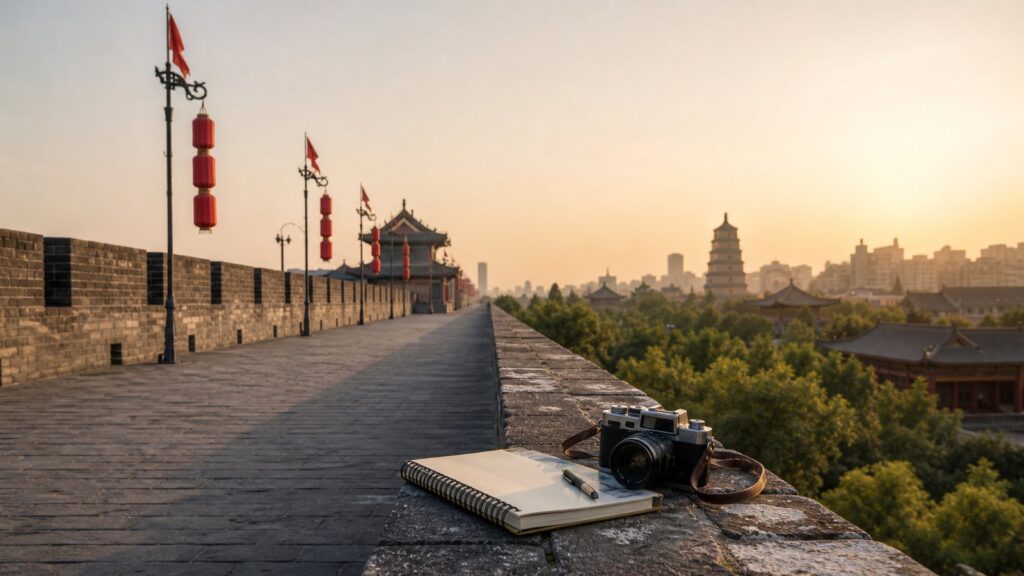
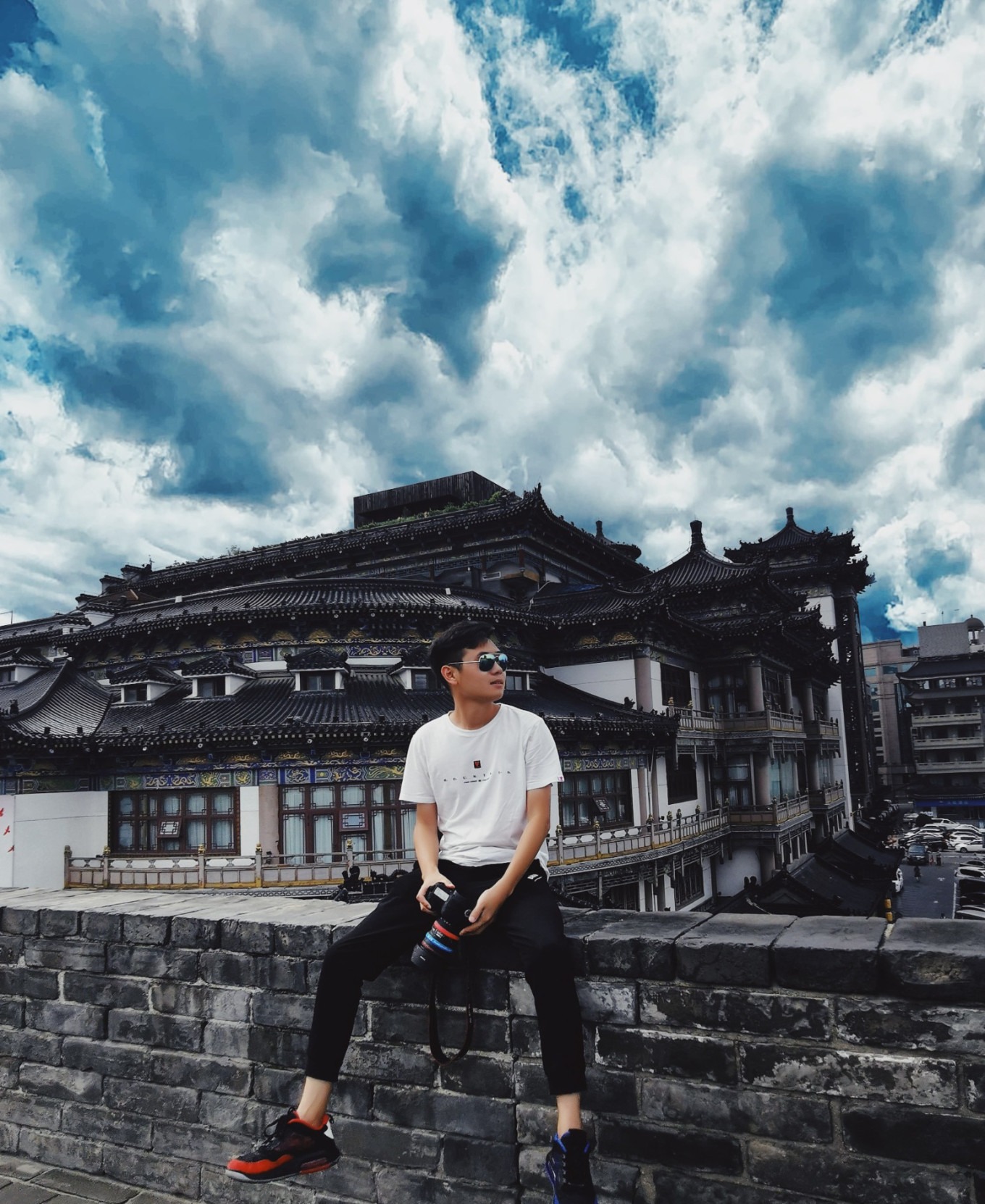
As evening falls, take a walk along the ancient City Wall (西安城墙), the best-preserved city wall in China. Rent a bicycle and cycle the full 14-kilometer perimeter, watching the sunset paint the sky in hues of orange and red. The view from the wall, with the city lights beginning to twinkle, is a moment you’ll carry with you long after you leave.
Xi’an is not just a city to see—it’s a city to feel. Every alley, every bite of local street food, every conversation with a shopkeeper adds a page to the story you’re writing. Let yourself be drawn into its rhythm, and you’ll discover why this ancient capital continues to captivate travelers from around the world.
Xi’an City Wall: Ancient Bricks, Timeless Grandeur
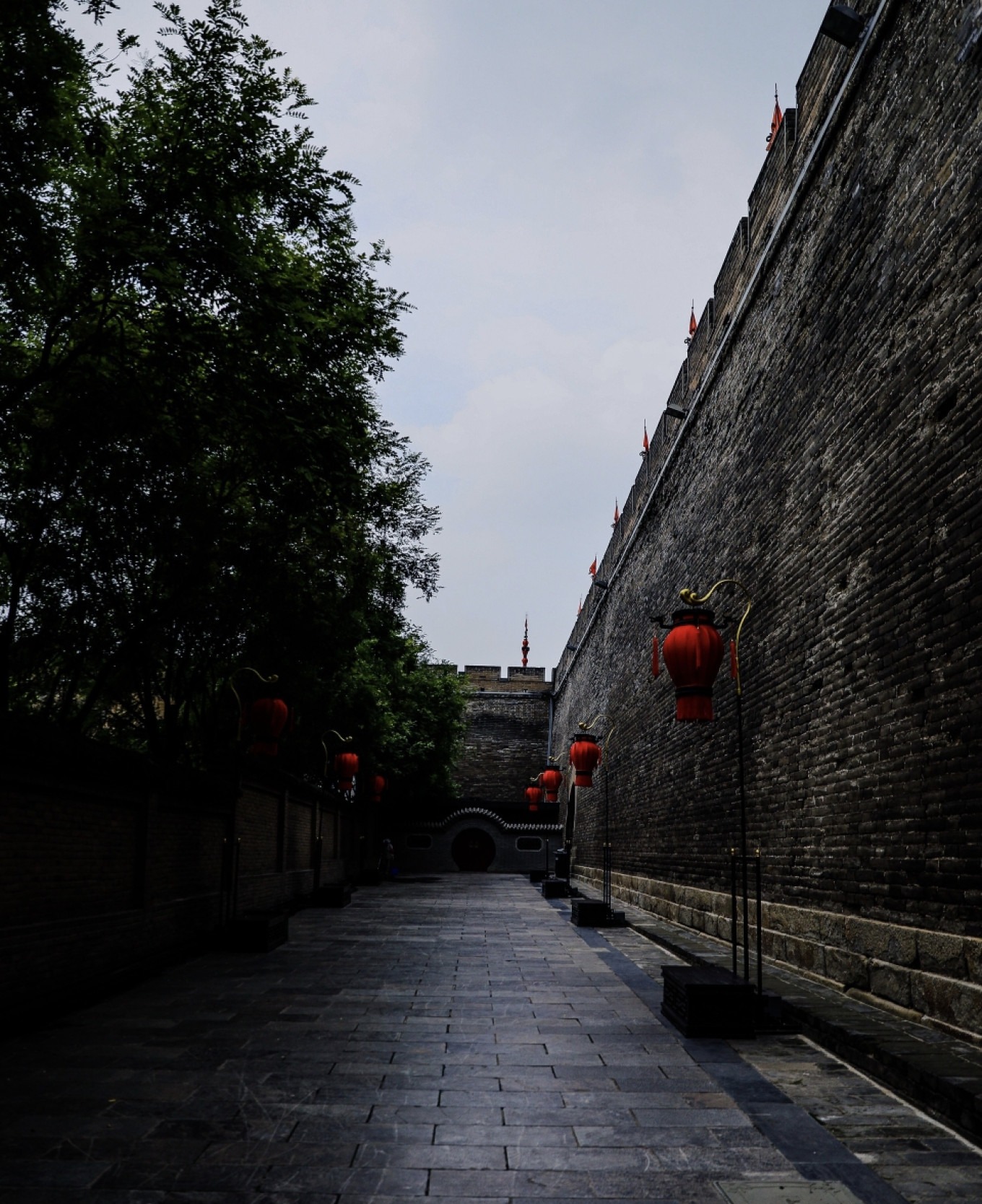
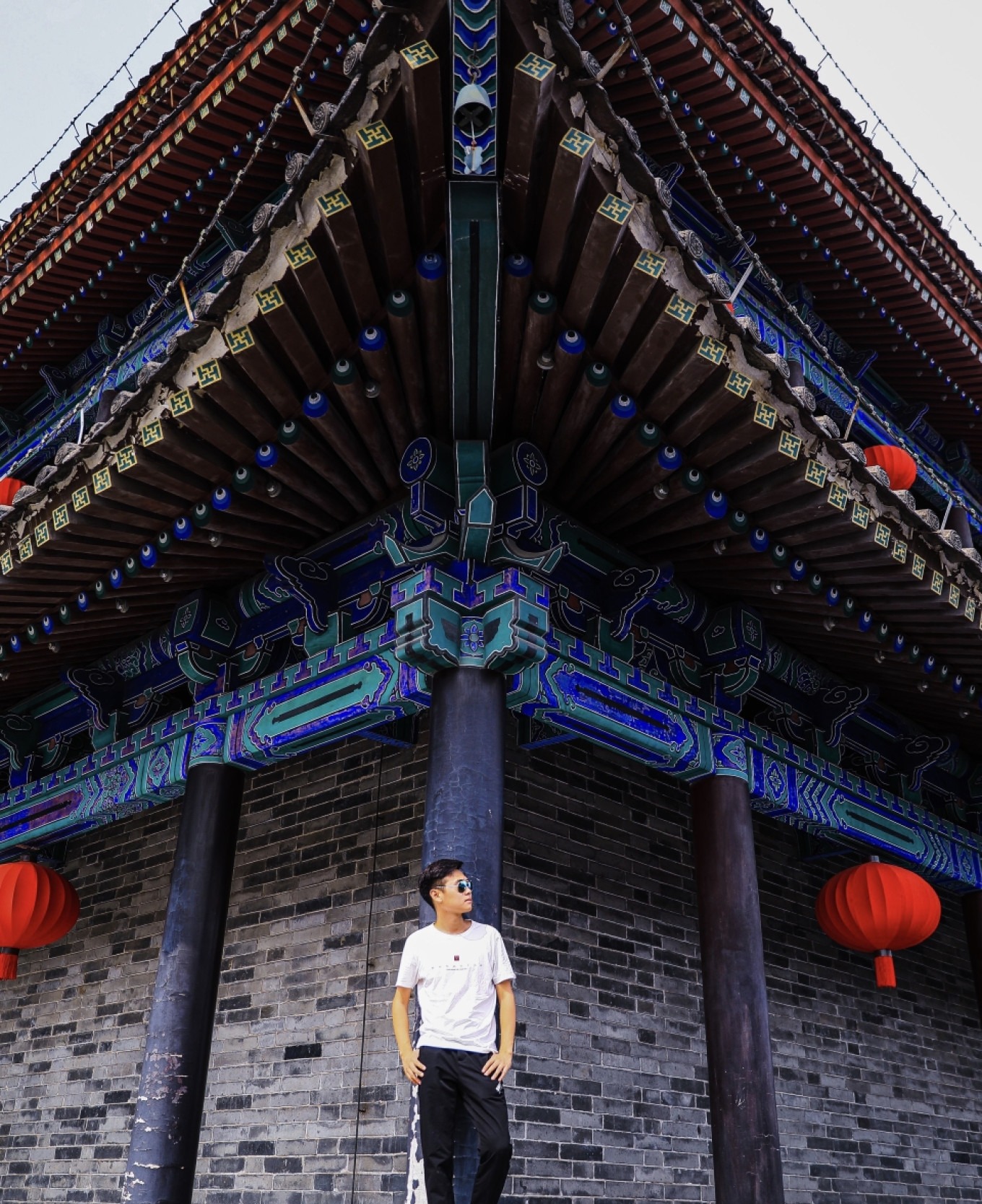
Xi’an’s ancient city wall is more than a historic monument—it’s a living testament to the city’s imperial past, seamlessly blending with the modern skyline. Stretching nearly 14 kilometers, this Ming dynasty fortification is one of the best-preserved city walls in China and a must-visit for any first-time traveler. As you approach, the sheer scale is awe-inspiring: 12 meters high, 18 meters wide at the base, and 15 meters at the top, built with rammed earth, sand, stone, and glutinous rice mortar. It’s a structure that has withstood centuries of change, standing firm as the guardian of Xi’an’s heritage.
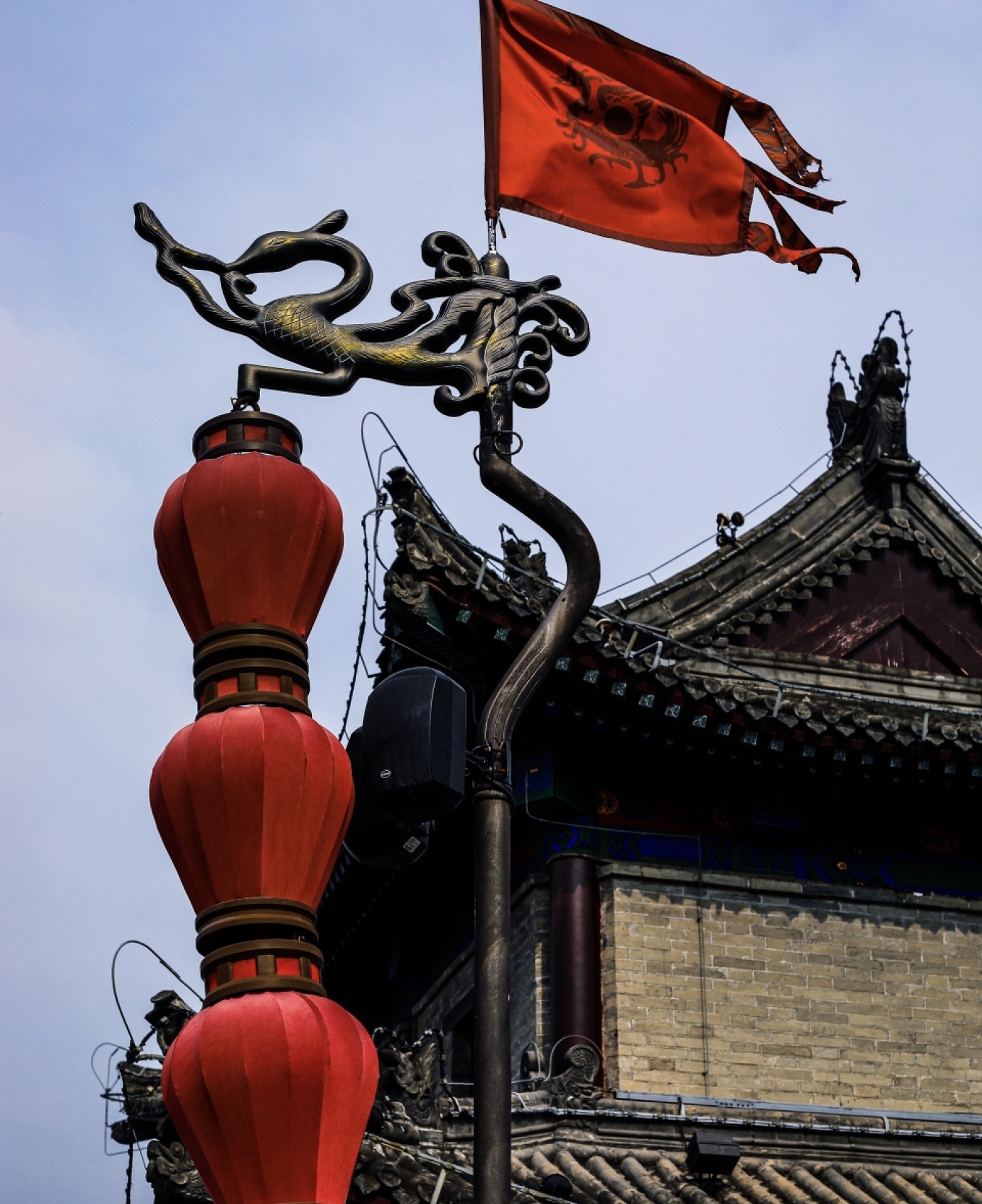
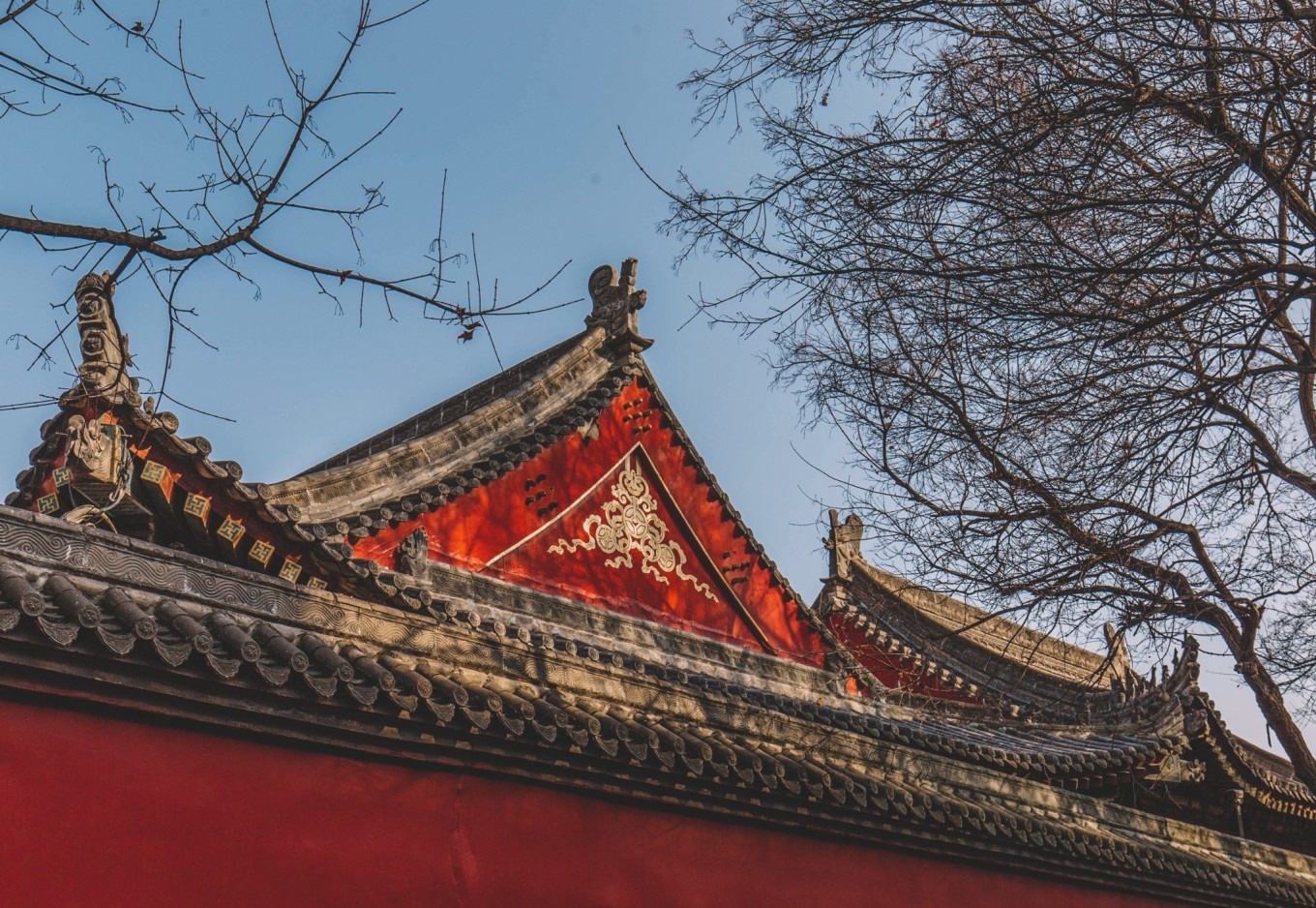
Start your visit at one of the main gates—South Gate (永宁门) is the most popular and often hosts a grand entrance ceremony. Purchase your ticket and climb the wide steps to the top. Once on the wall, you’ll find a smooth brick path perfect for walking, cycling, or even taking a guided electric cart. The wall is dotted with 98 ramparts (城垛), watchtowers, and four main gate towers (城楼), each with intricate flying eaves and painted beams. Along the way, you’ll pass arrow towers (箭楼) and sluice gates that reveal the wall’s military genius.
For a deeper dive, stop by the small museum on the wall that displays artifacts and murals from the Tang and Ming dynasties. One mural depicts bustling market scenes of ancient Chang’an, giving you a vivid sense of the city’s former glory. As you walk, notice the green shade from trees that line the wall—a welcome respite on sunny days. The breeze carries the scent of history, and every few hundred meters, a rampart invites you to pause and imagine soldiers standing guard.
Renting a bicycle is the best way to cover the full perimeter in about 1.5 to 2 hours. Bikes are available near the main gates. If you prefer a leisurely pace, walk a section from South Gate to East Gate (长乐门) to enjoy views of the city park and the moat. The moat itself is a peaceful waterway lined with willow trees, offering a different perspective.
As evening falls, the wall transforms. Lights trace its outline, casting a warm glow that makes the ancient stones appear even more dramatic. From the wall, you can see the illuminated Bell Tower (钟楼) and Drum Tower (鼓楼) in the distance, as well as the modern skyscrapers beyond. It’s a perfect moment to reflect on the layers of history beneath your feet.
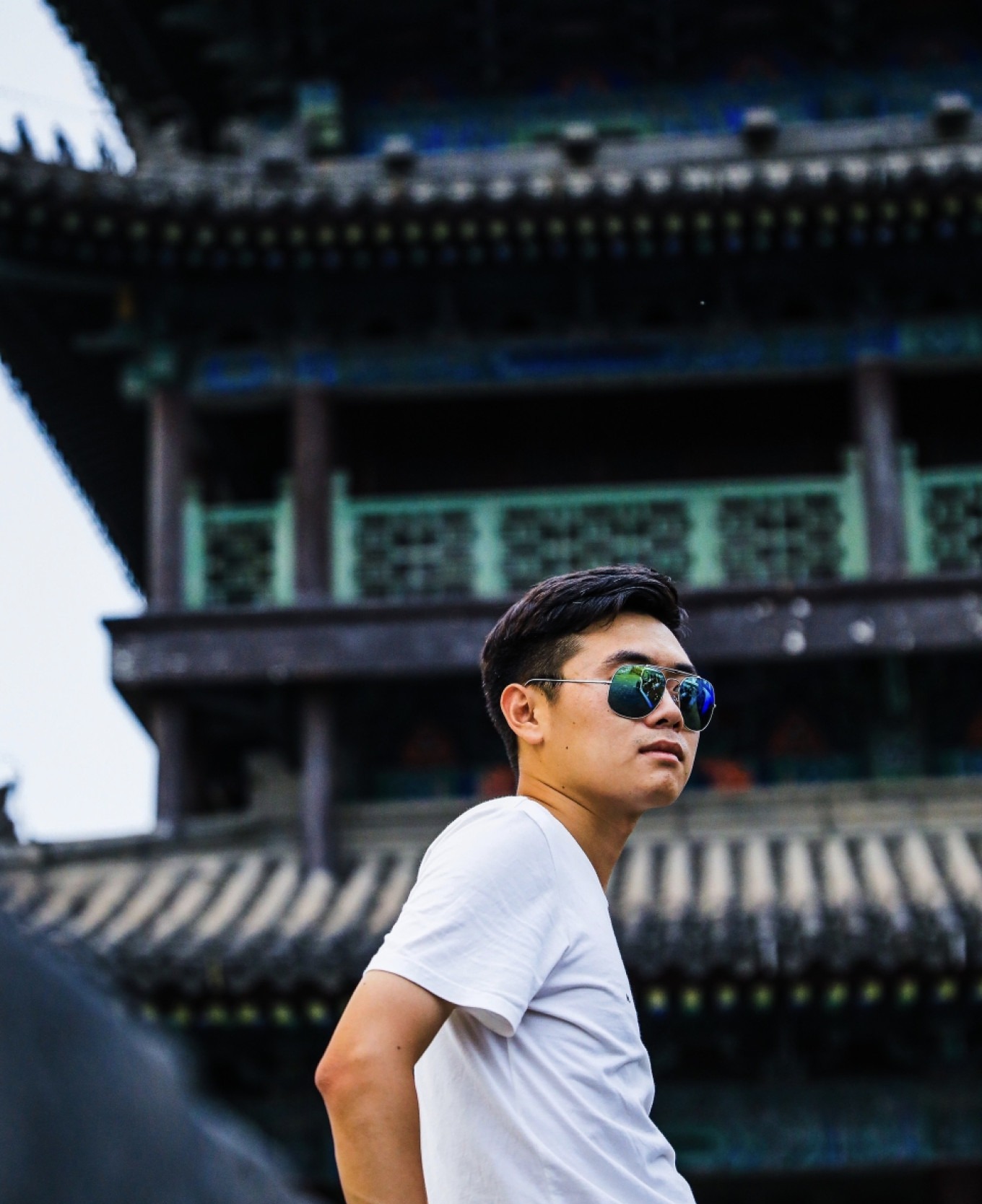
Practical tip: Visit on a clear day for the best views, and consider going late afternoon to catch both daylight and sunset. The wall is open from 8:00 to 22:00, and tickets cost about 54 CNY. If you want a guided tour, audio guides are available at the gates. Don’t forget to bring water and wear comfortable shoes—the brick surface is smooth but the walk is long.
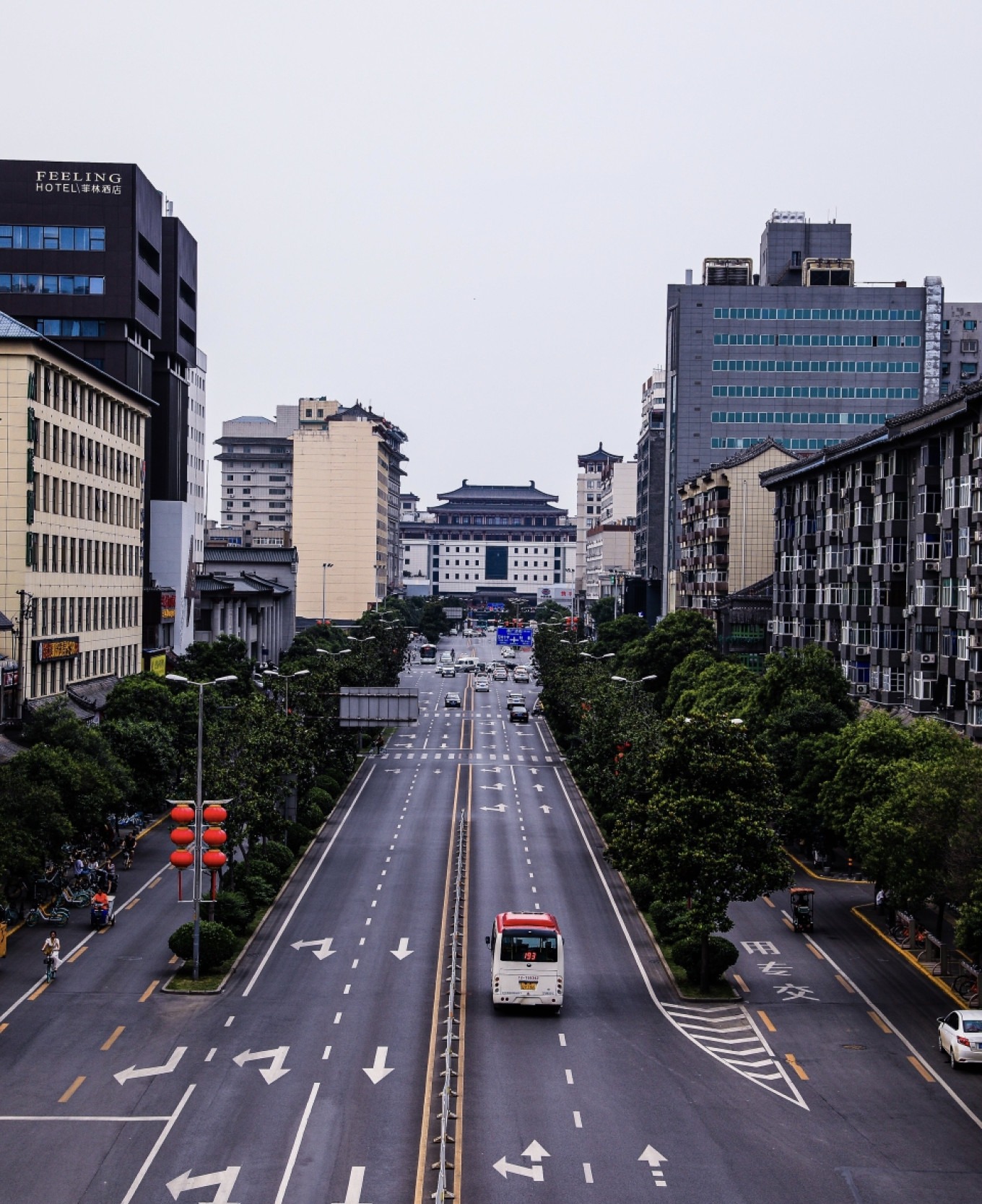
Whether you’re a history enthusiast, a photographer, or simply a traveler seeking a connection to China’s imperial past, Xi’an City Wall offers an unforgettable experience. It’s not just a relic—it’s a living part of the city where you can walk, cycle, and dream of ancient Chang’an.
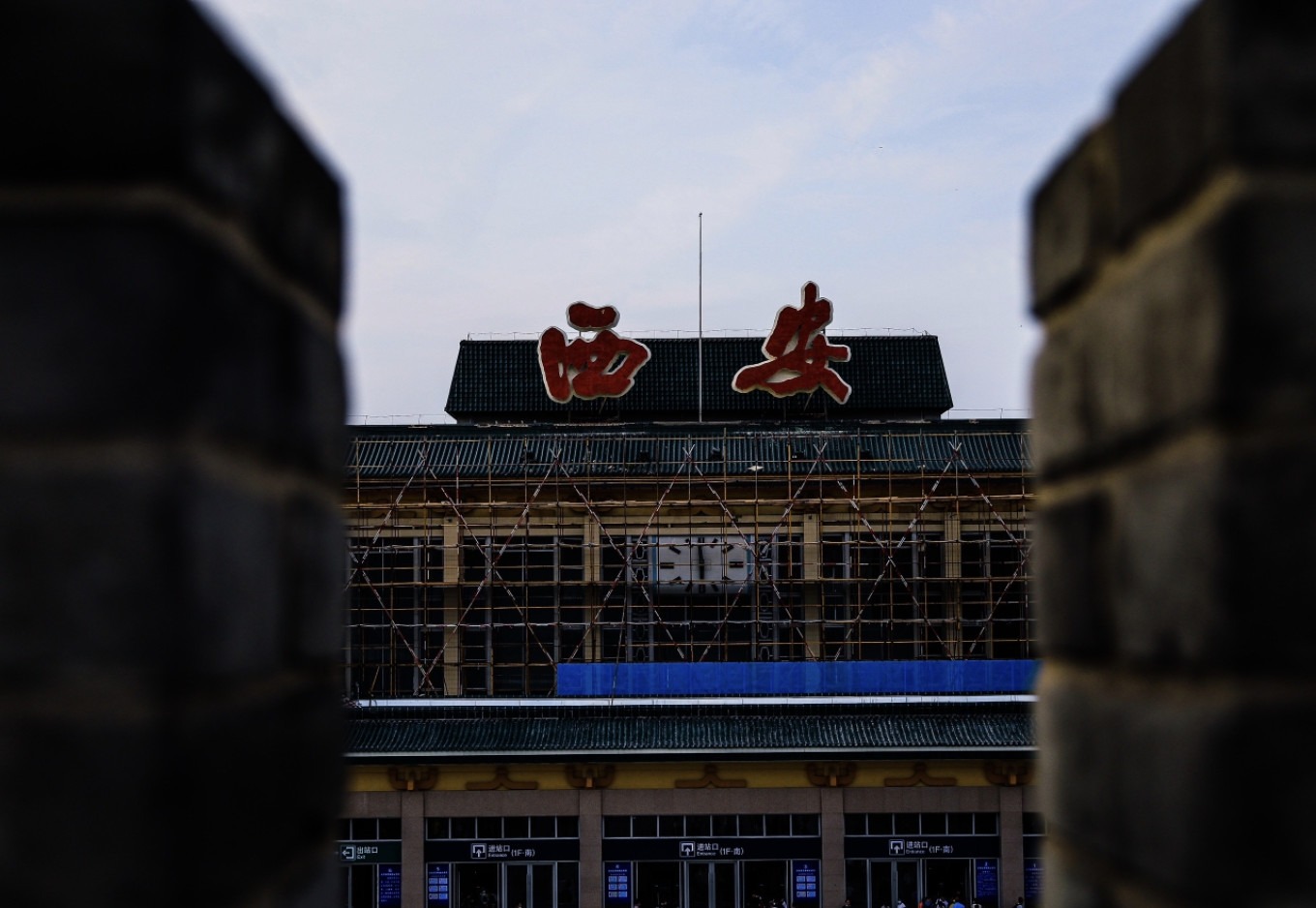
Stele Forest Museum
For first-time visitors to Xi’an, the Stele Forest Museum (西安碑林博物馆) is an essential stop that brings together centuries of Chinese history, calligraphy, and stone carving. With over 3,000 steles and stone carvings, this museum is like a library carved in stone — a place where you can walk through the evolution of Chinese writing and art.
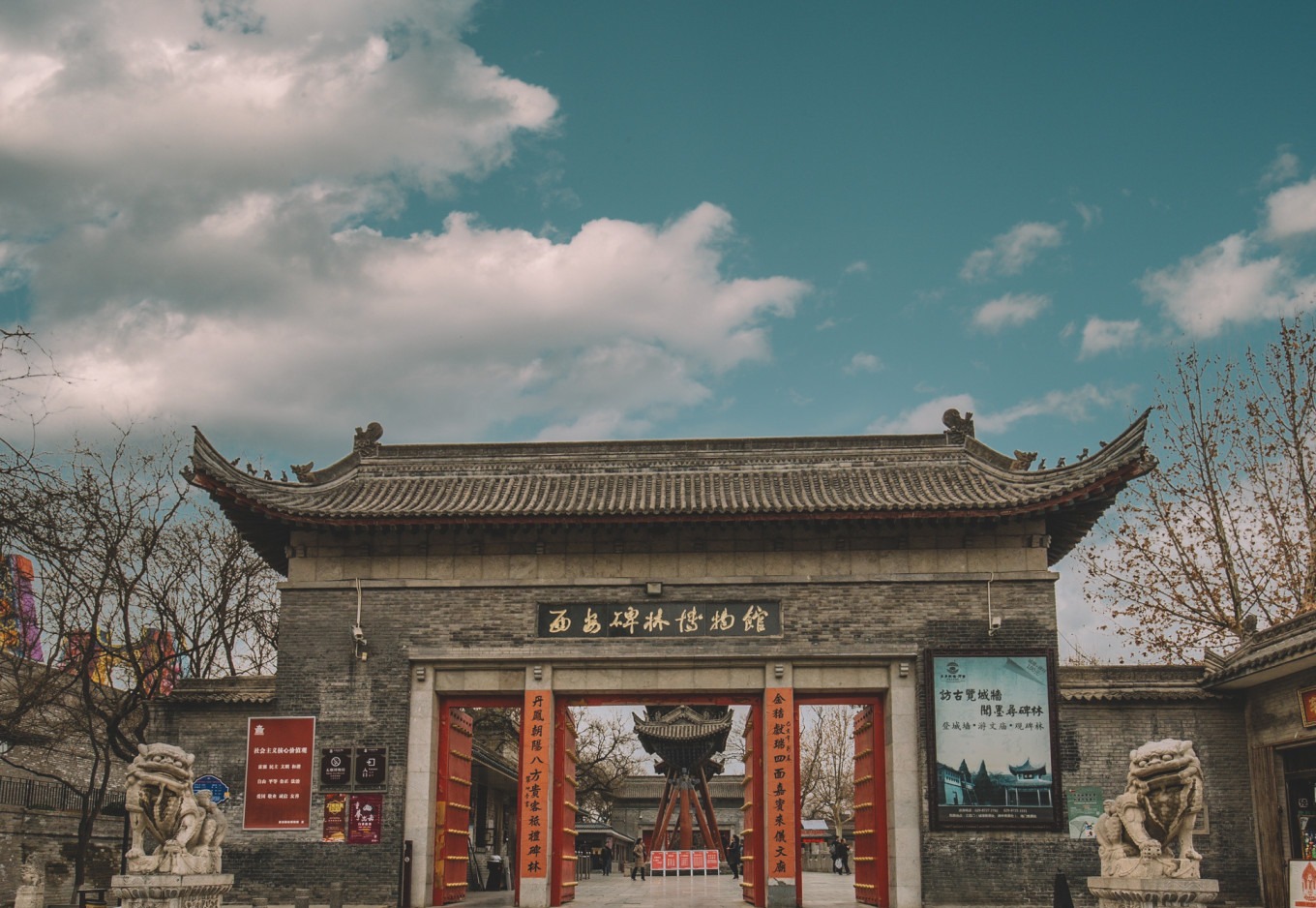
As you step inside, you’ll be struck by the museum’s refined and ancient atmosphere. The buildings are ornate yet graceful, resembling a historic palace that whispers stories of past glories. The spacious, well-lit halls display exquisite stone carvings that transport you back to the prosperous Tang dynasty.
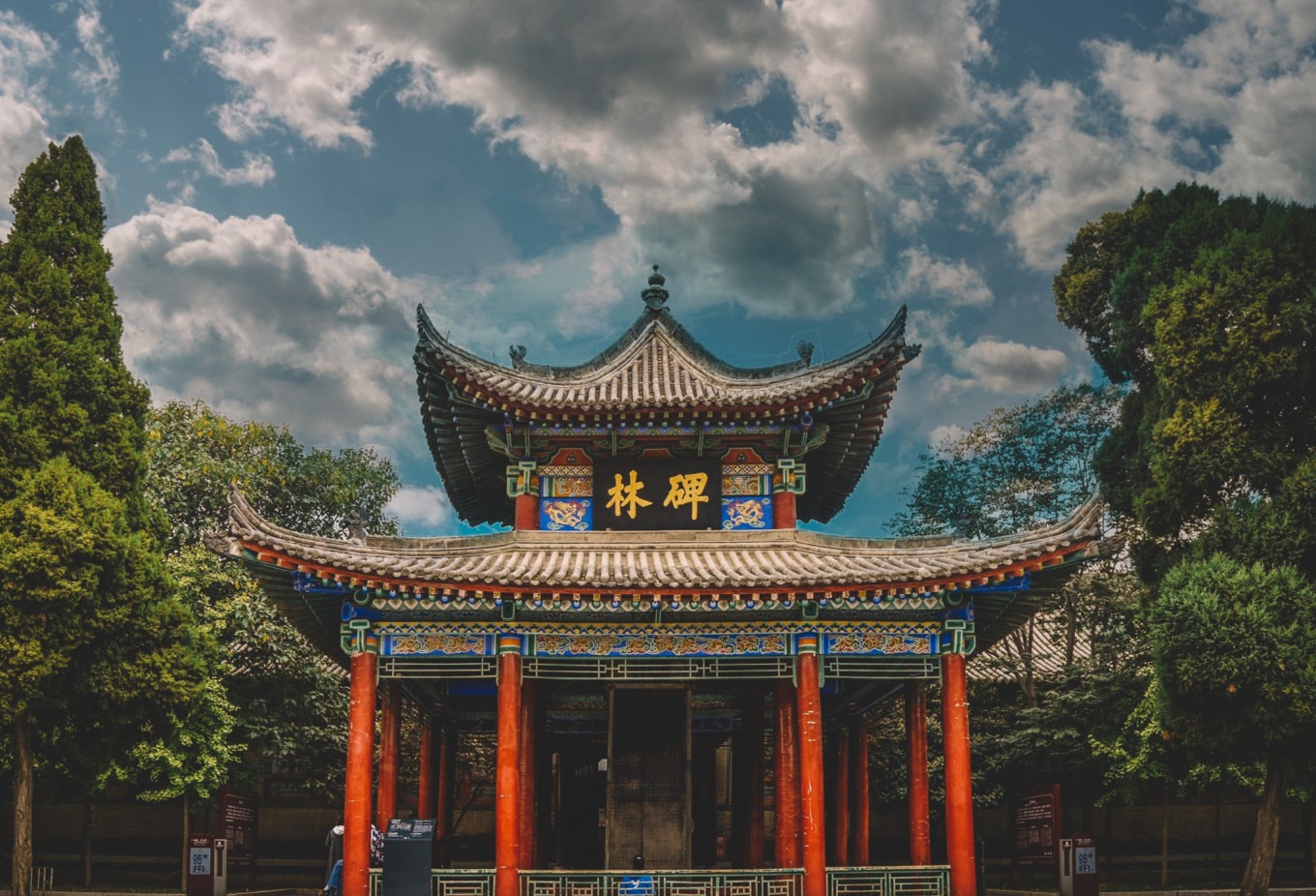
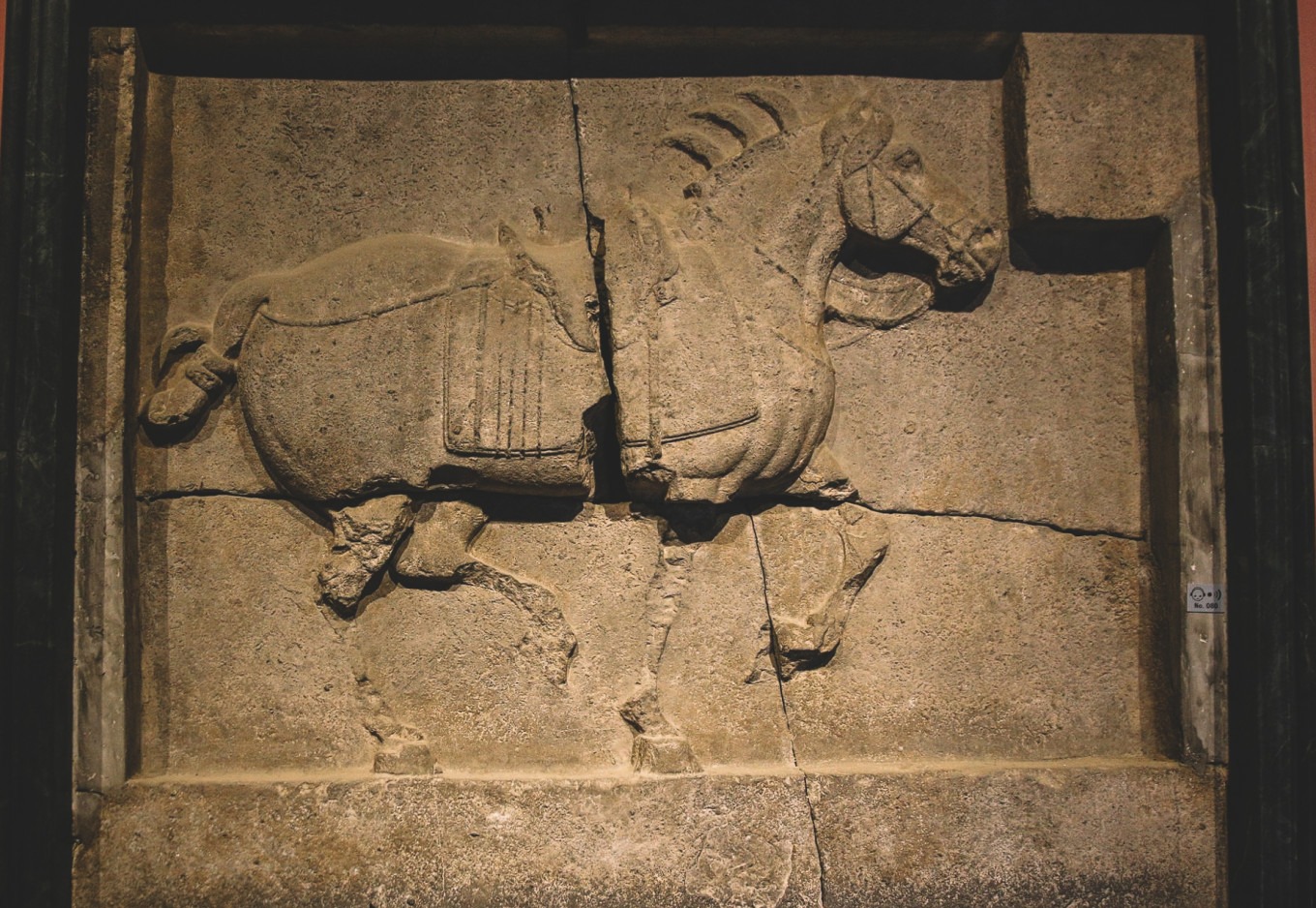
The absolute highlight is the “Six Steeds of Zhao Mausoleum” (昭陵六骏 (local term)), a set of six high-relief stone horses originally from the mausoleum of Emperor Taizong of Tang. These lifelike carvings are so vivid that they seem ready to gallop off the stone. Each horse is carved with meticulous detail and distinct expression, showcasing the extraordinary skill of Tang craftsmen. The reliefs were created by the famous artists Yan Liben and Yan Lide and erected in 636 AD. The six steeds were Emperor Taizong’s warhorses, accompanying him on campaigns and earning great merit. Informative plaques next to the exhibits explain their historical background, display ancient carving tools, and show the horses’ names written by the renowned calligrapher Ouyang Xun, along with Emperor Taizong’s own poems praising them.
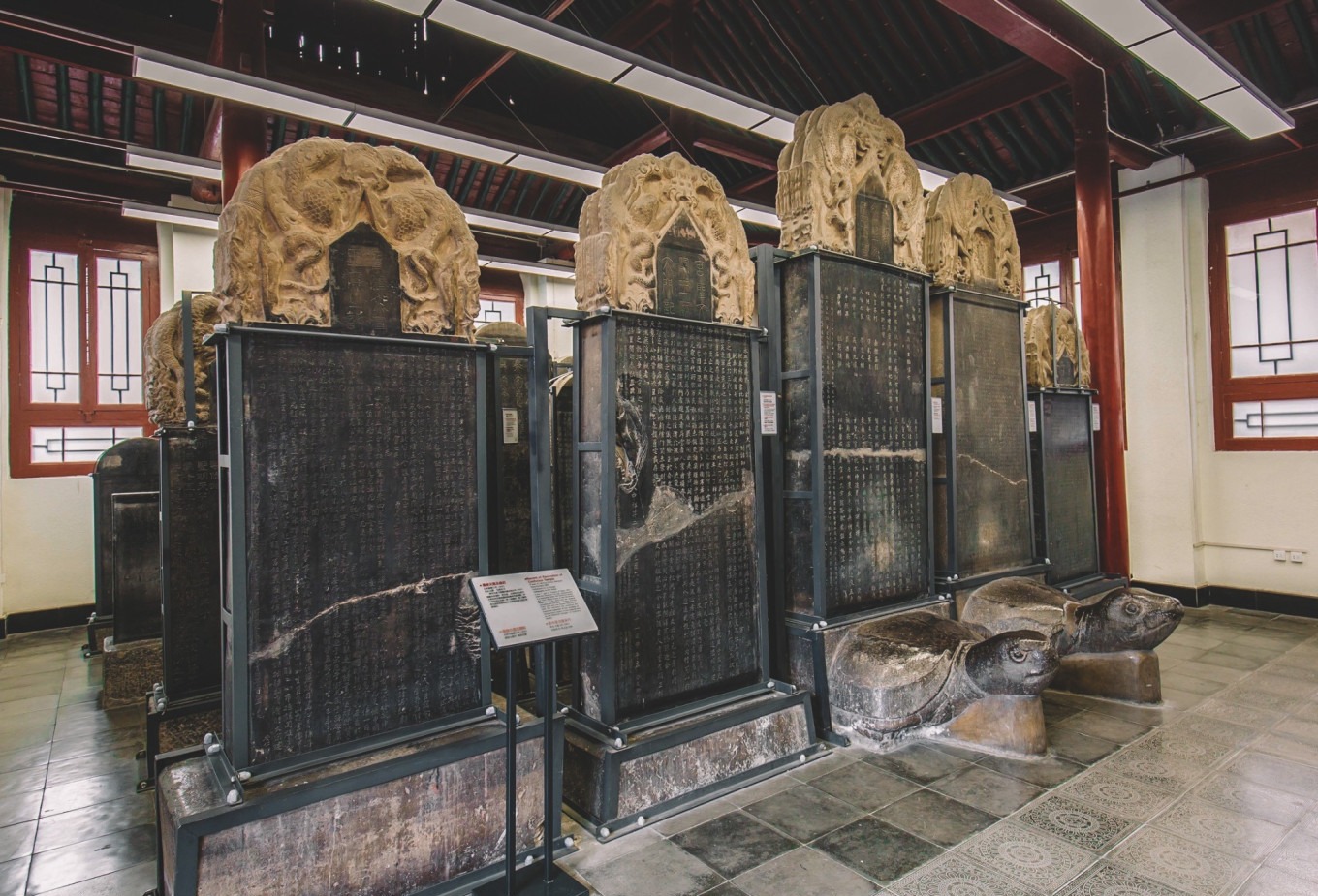
Beyond the Six Steeds, the museum is a treasure trove of art and history. Other galleries feature calligraphy, paintings, jade, and more, all demonstrating the brilliance of ancient Chinese artists. You can spend hours exploring the vast collection, and each piece tells a story of the nation’s cultural heritage.
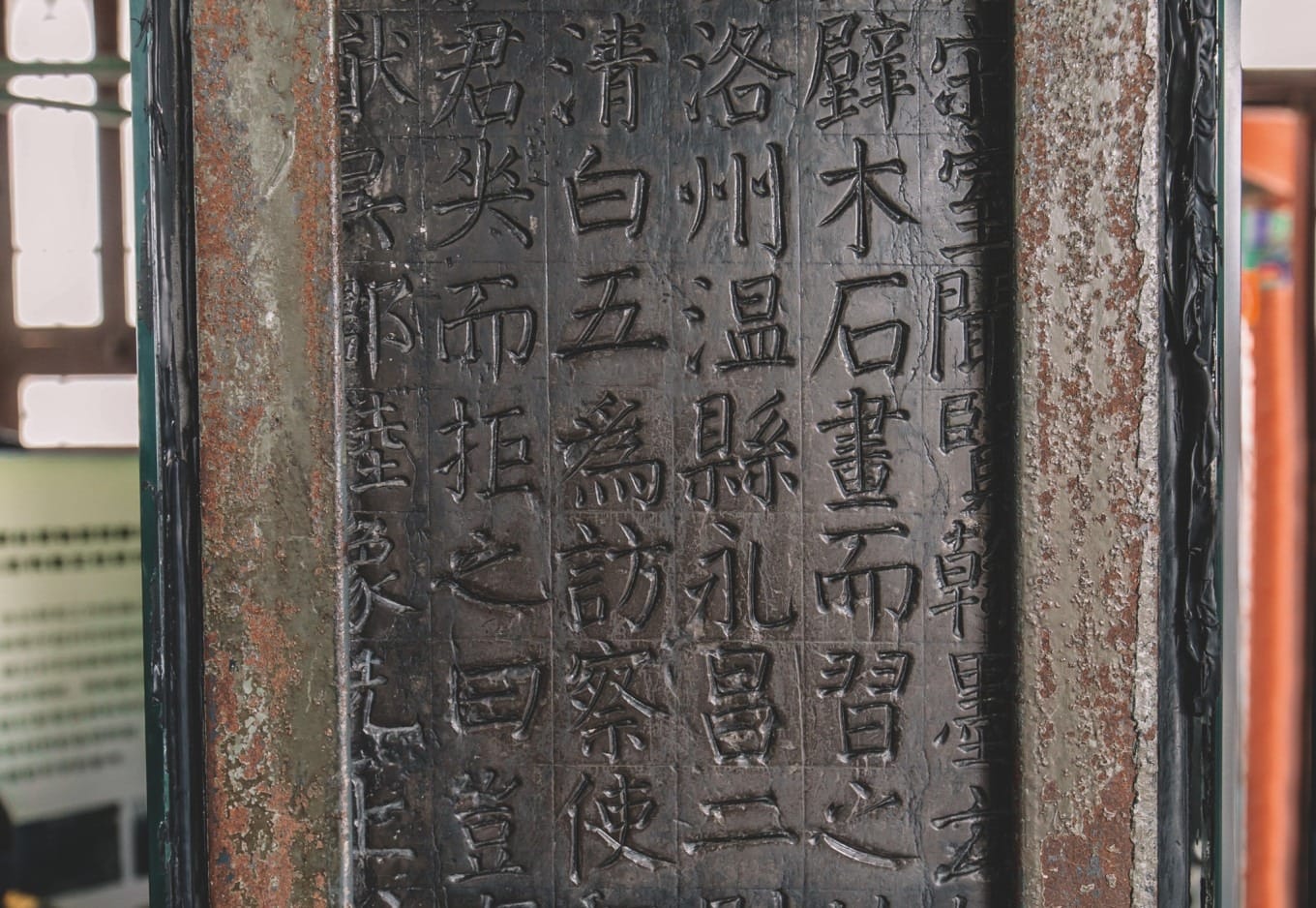
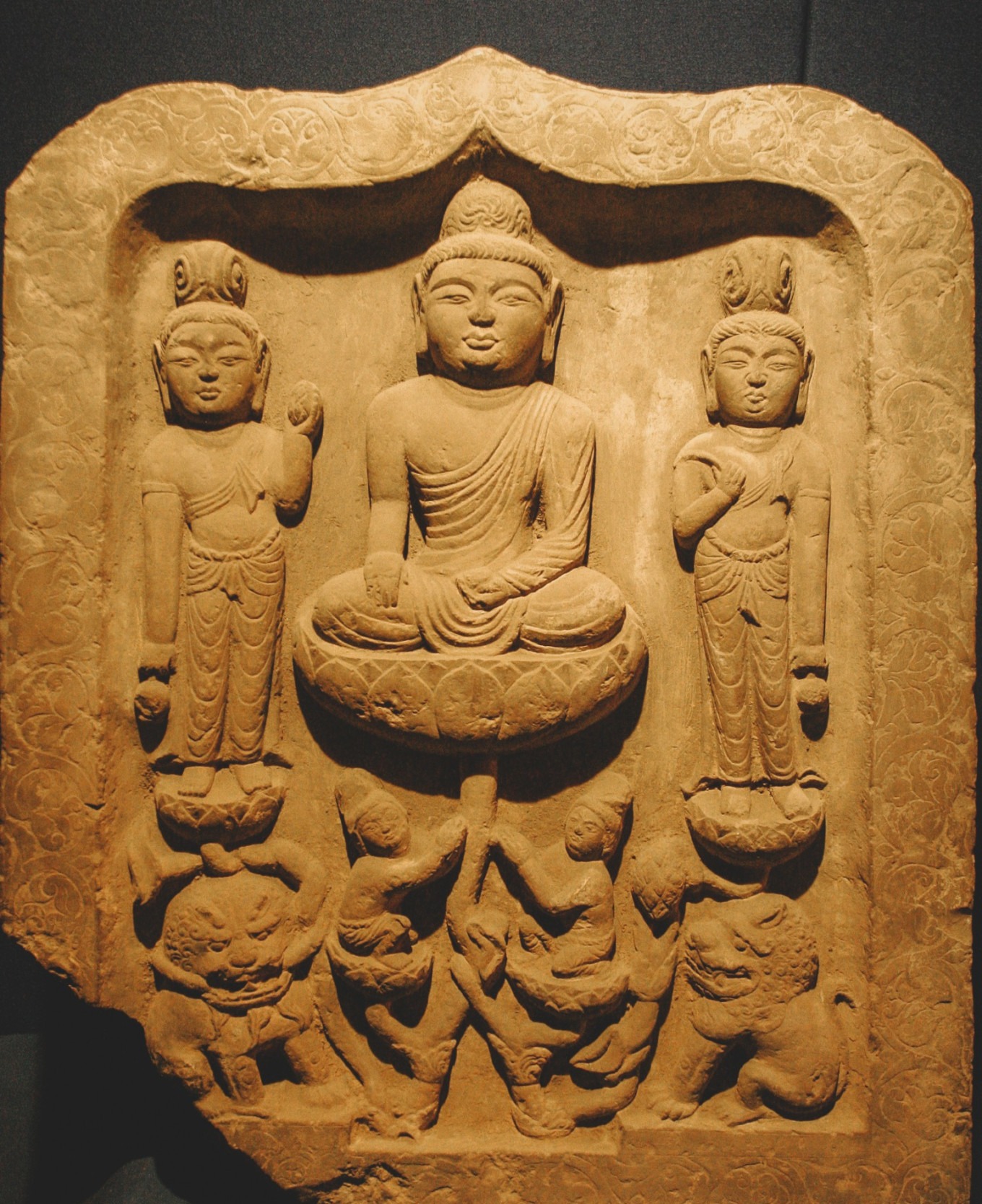
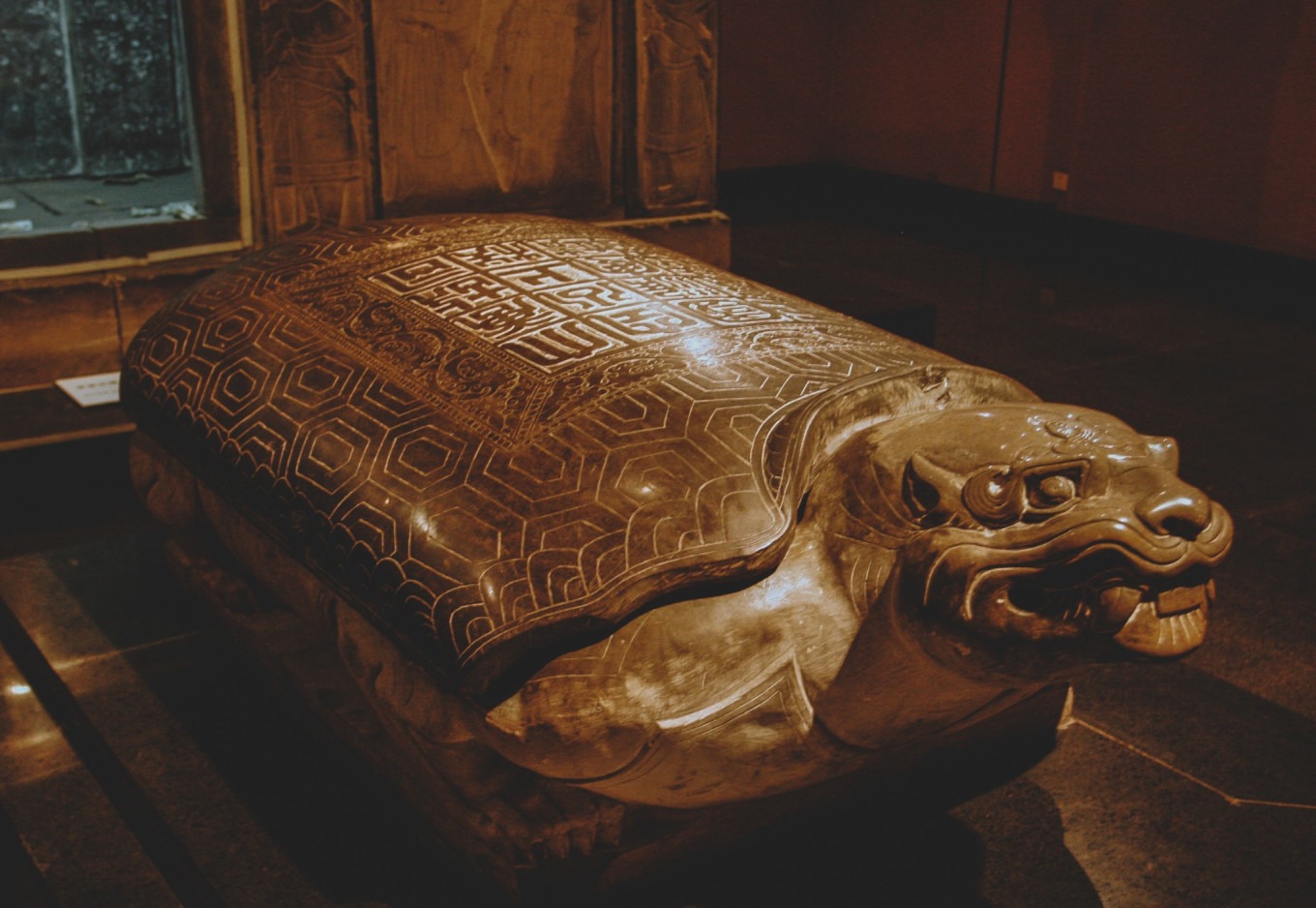
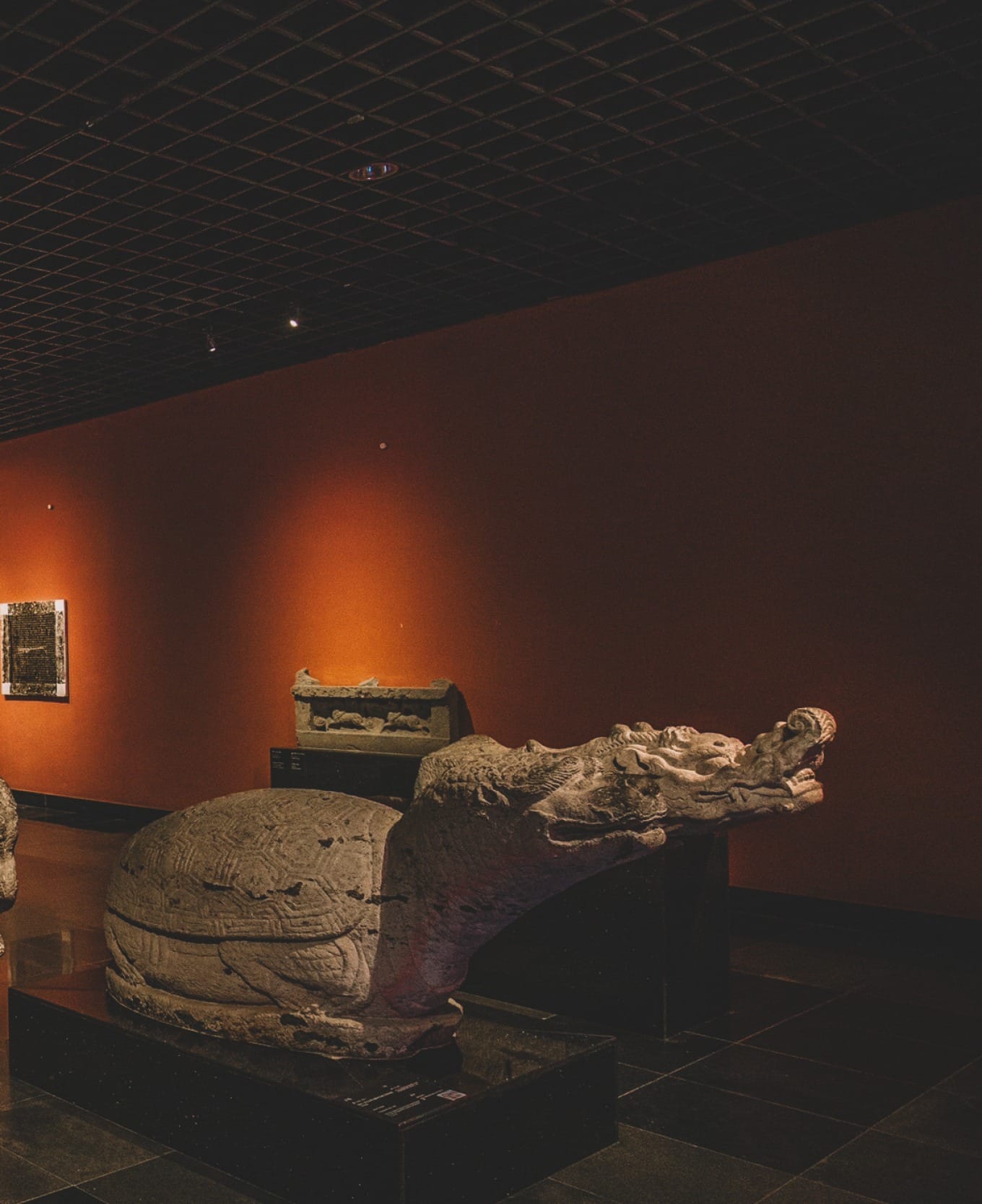
A visit to the Stele Forest Museum is like flipping through a living history book. You’ll gain a deep appreciation for China’s long history and outstanding traditional culture, and marvel at the wisdom and artistic talent of the ancients. This journey will leave a lasting impression, and you’ll want to share the experience with others who appreciate cultural treasures.
Big Wild Goose Pagoda: A Thousand-Year Buddhist Legend
Standing tall in the heart of Xi’an, the Big Wild Goose Pagoda (大雁塔) is a timeless witness to the glory of the Tang Dynasty. Like a sleeping fairy guarding the city’s prosperity, it takes on an especially majestic and elegant aura at sunset, when the golden light makes its ancient bricks glow with historical charm.
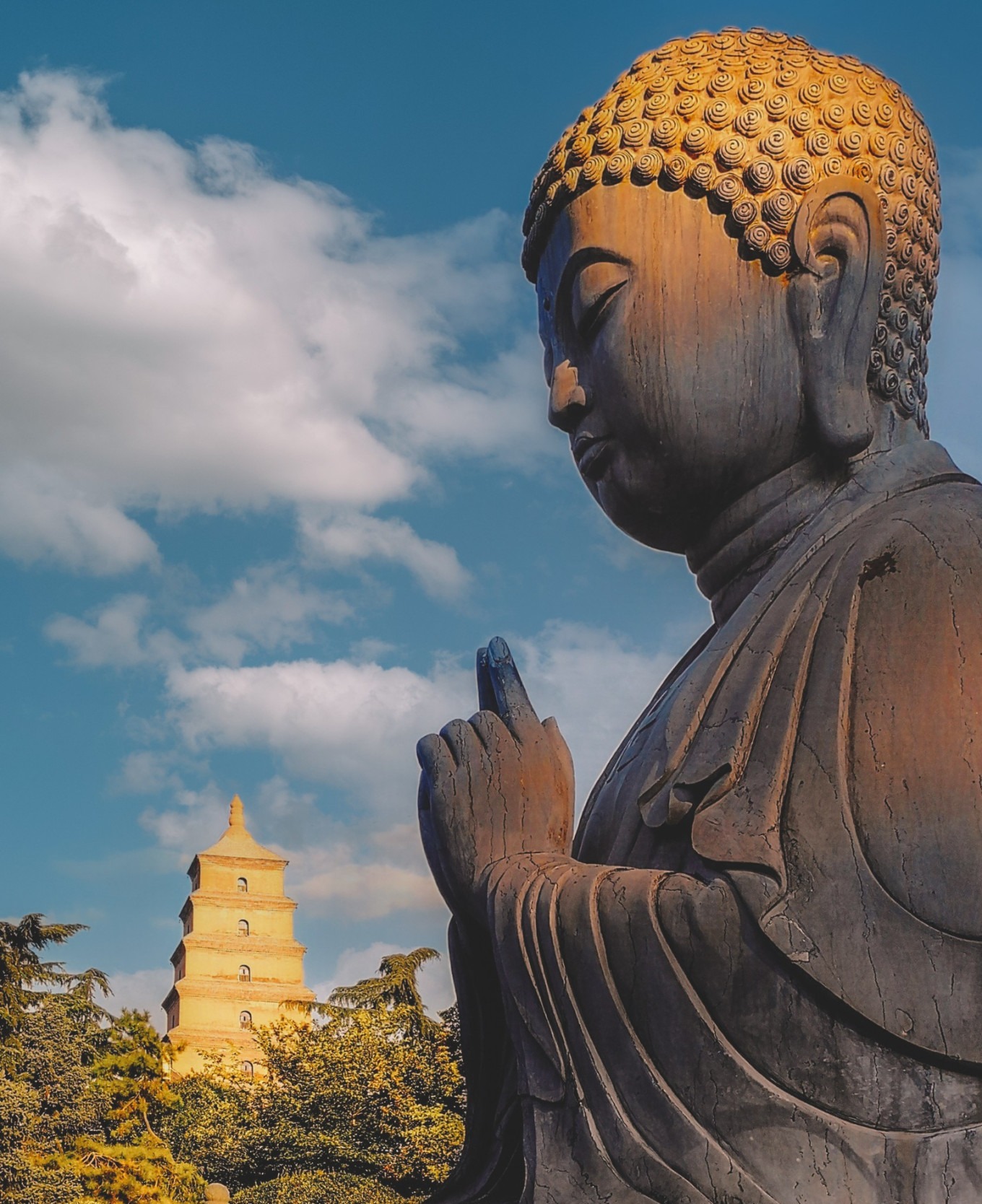
As you climb the pagoda’s steep stairs, you can almost hear the distant echoes of ancient bells and envision the splendor of a bygone era. Each step feels solid and resonant, as if recounting a thousand years of change. Every corner of the pagoda is steeped in cultural richness, inviting you to immerse yourself in the long river of history.
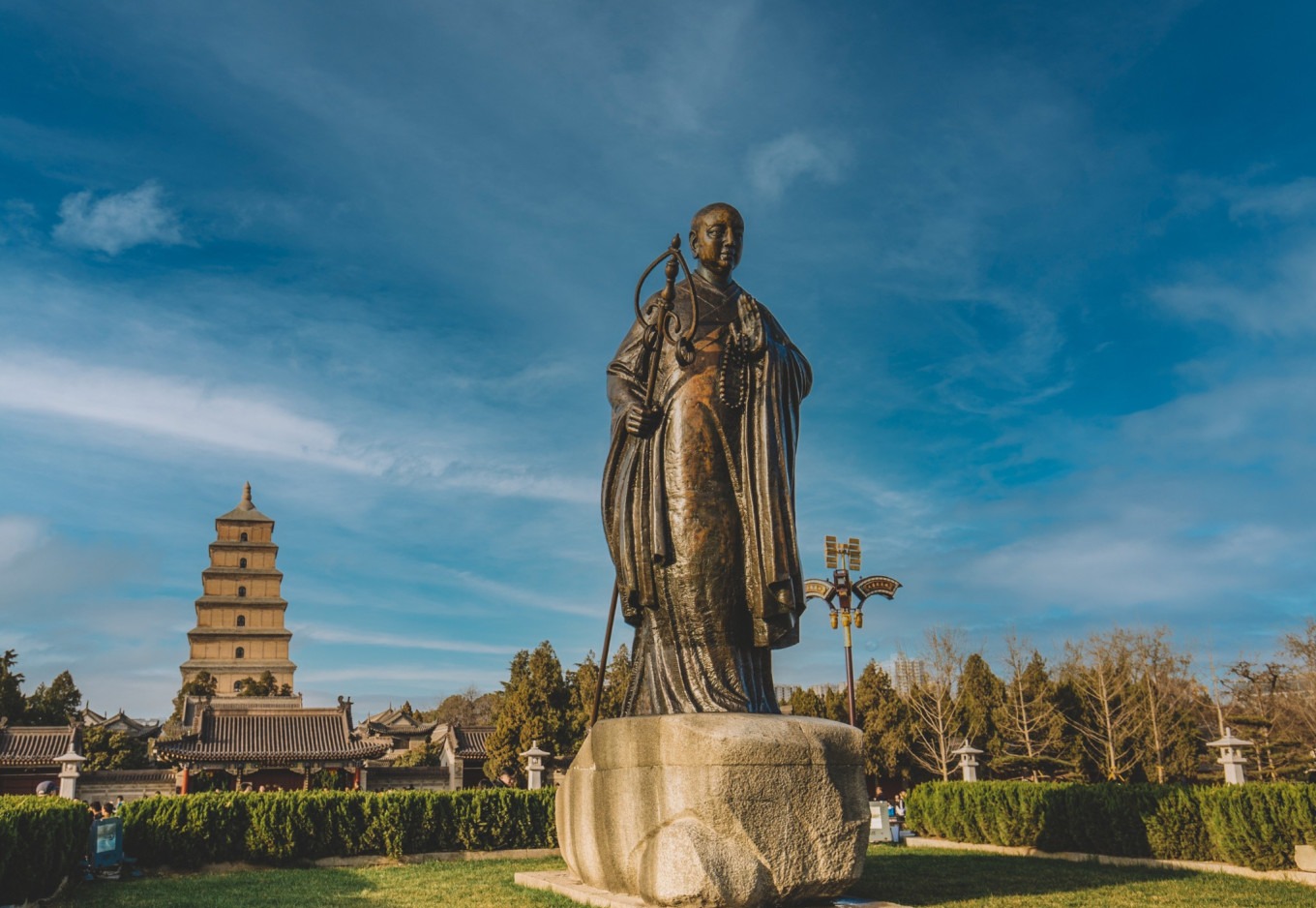
Looking up at the towering pagoda, its solemn and sturdy body stands as a monument to ancient wisdom. Every brick and tile has weathered centuries, bearing witness to the zenith of the Tang Dynasty. You can almost imagine pilgrims from a thousand years ago prostrating themselves here, praying for peace and good fortune in a scene of profound reverence.
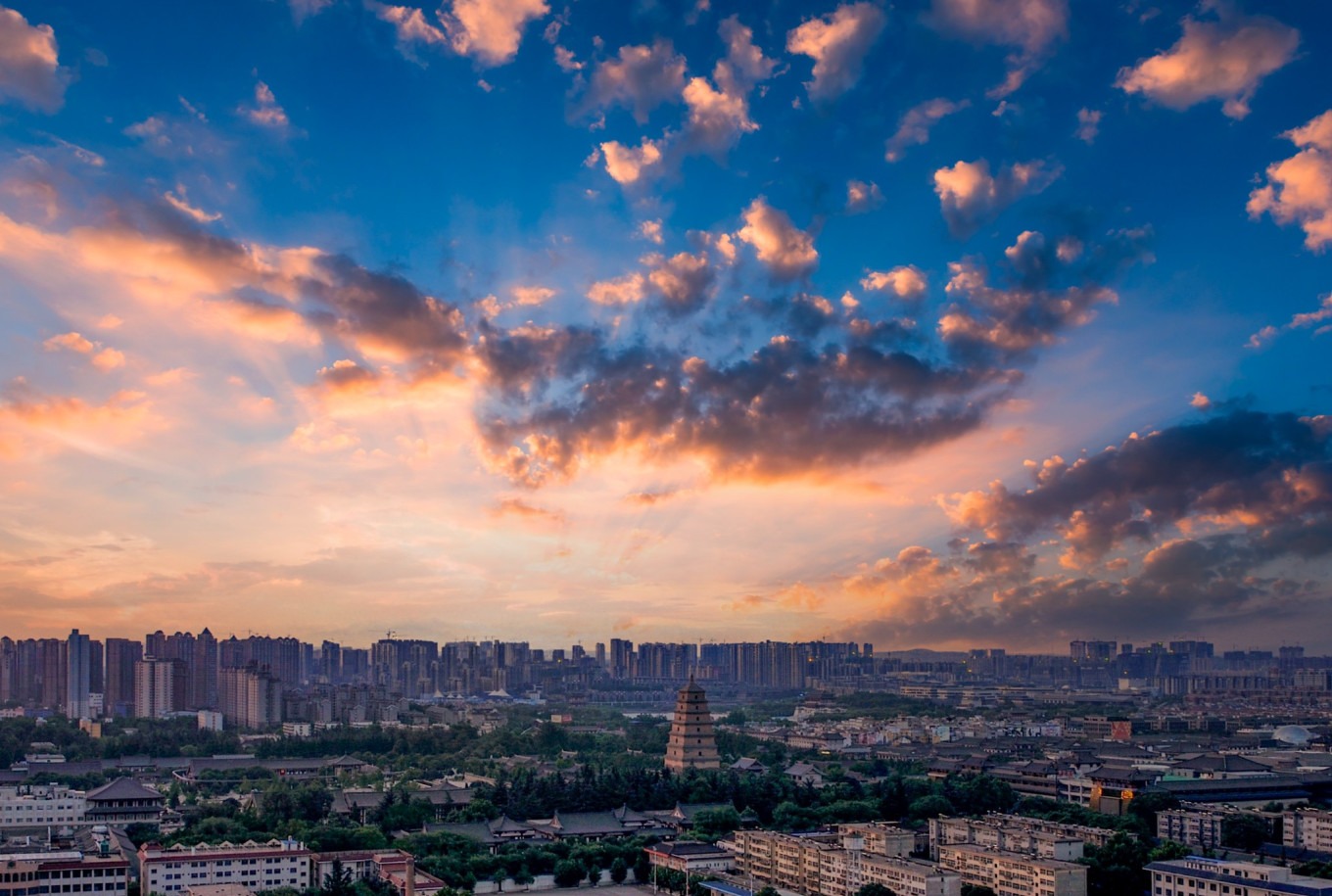
After nightfall, the pagoda is illuminated by colorful lights, taking on a mystical and solemn beauty. Ancient legends and history unfold like vivid scrolls before your eyes. Strolling beneath the tower, you can almost feel the bustling energy of the Tang capital—those distant eras come alive again in the shimmering glow.
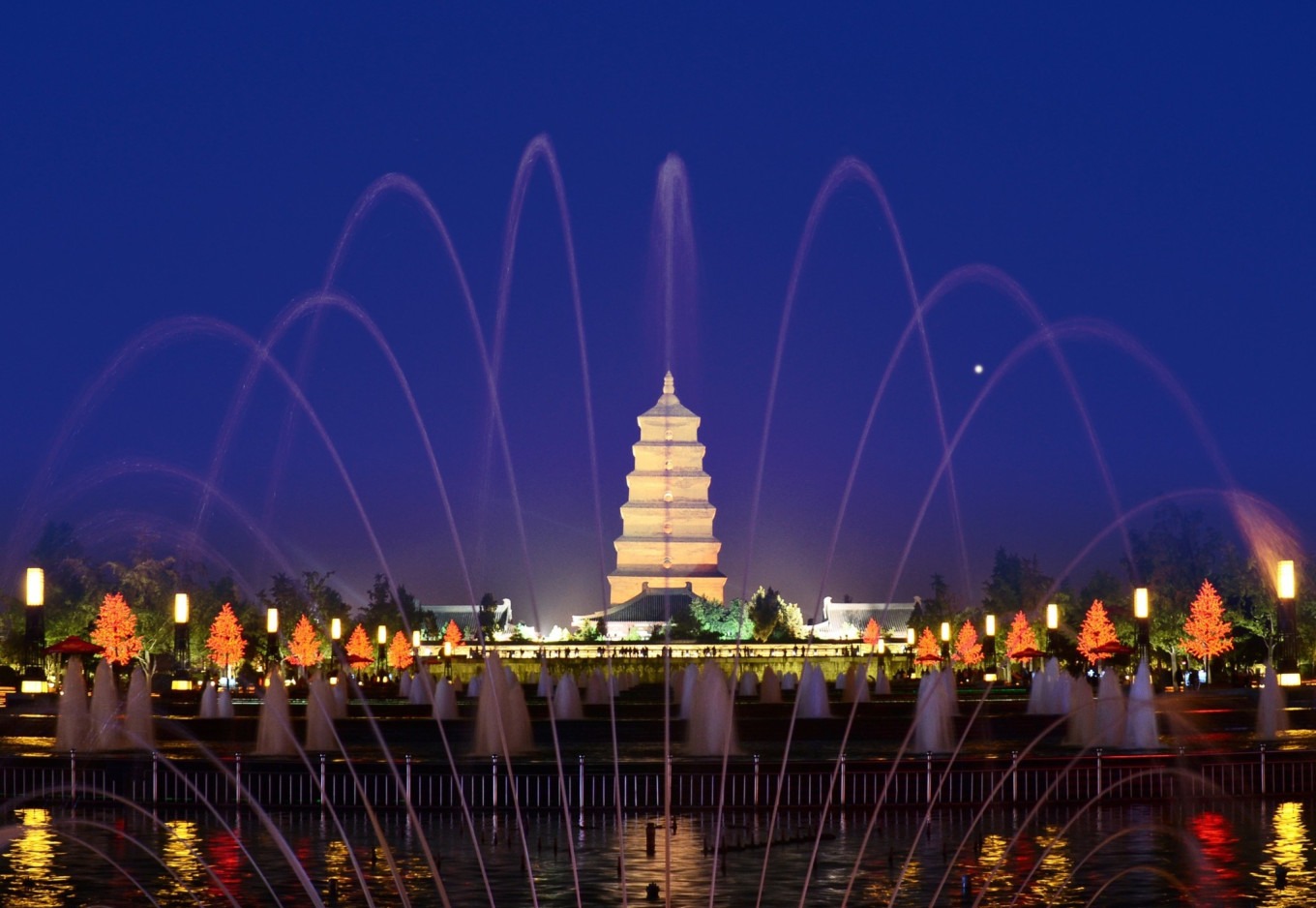
As you leave the Big Wild Goose Pagoda, you carry with you a deep respect for history and endless imagination. This visit offers a profound appreciation for the greatness of Chinese civilization and a deeper understanding of the past. The pagoda, a timeless treasure, will remain an unforgettable image in your memory.
Tang Paradise: A Glimpse of Ancient Glory
Step into the Datang Everbright City (大唐不夜城) as night falls, and you’ll feel transported to the Tang Dynasty. This modern architectural complex recreates the grandeur of the Tang era with illuminated palaces, lantern-lit streets, and a vibrant atmosphere. The golden glow of lanterns against vermilion walls, the sound of traditional music, and the sight of visitors in Tang-style costumes create an immersive experience that feels like walking through a living history painting.
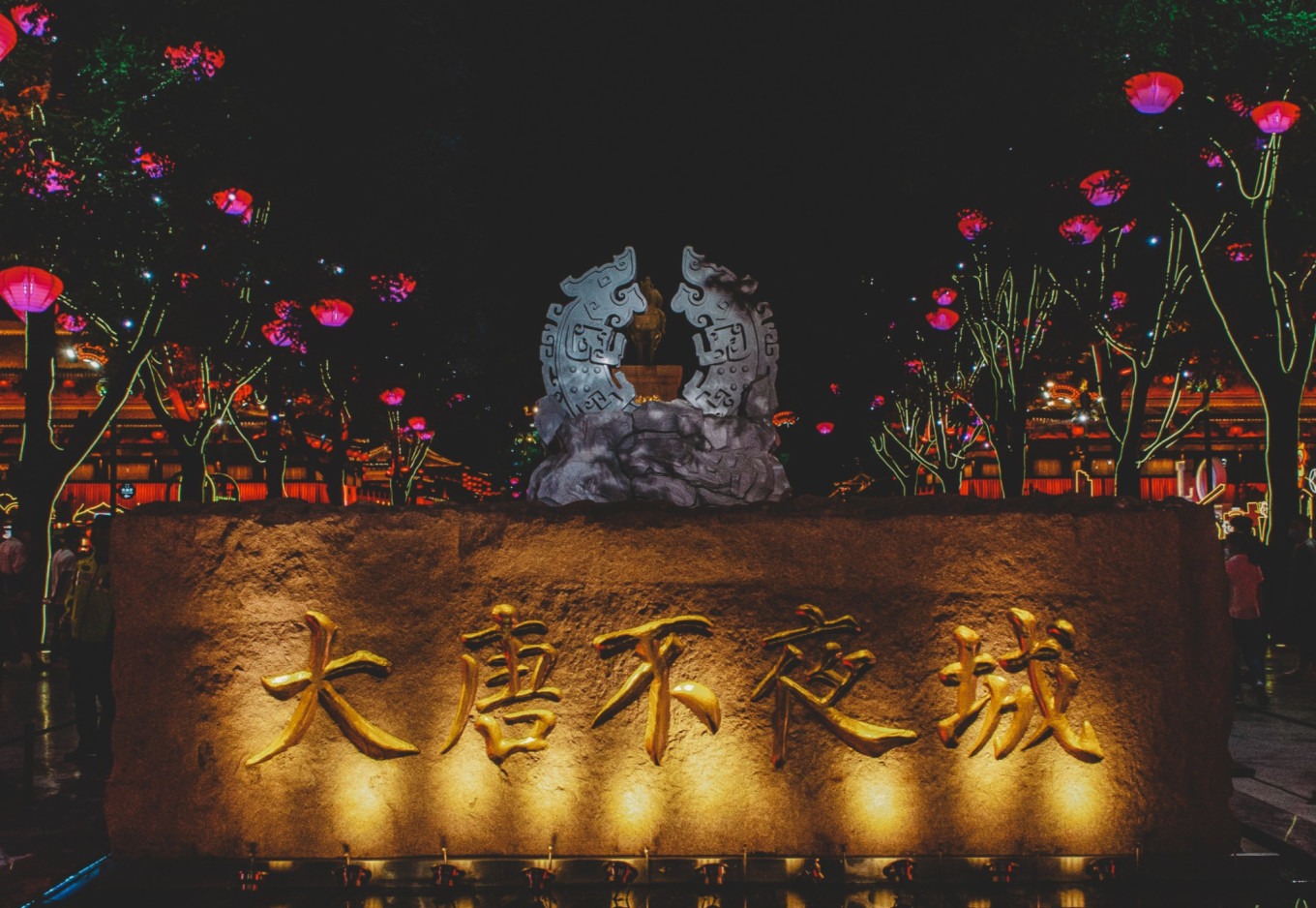
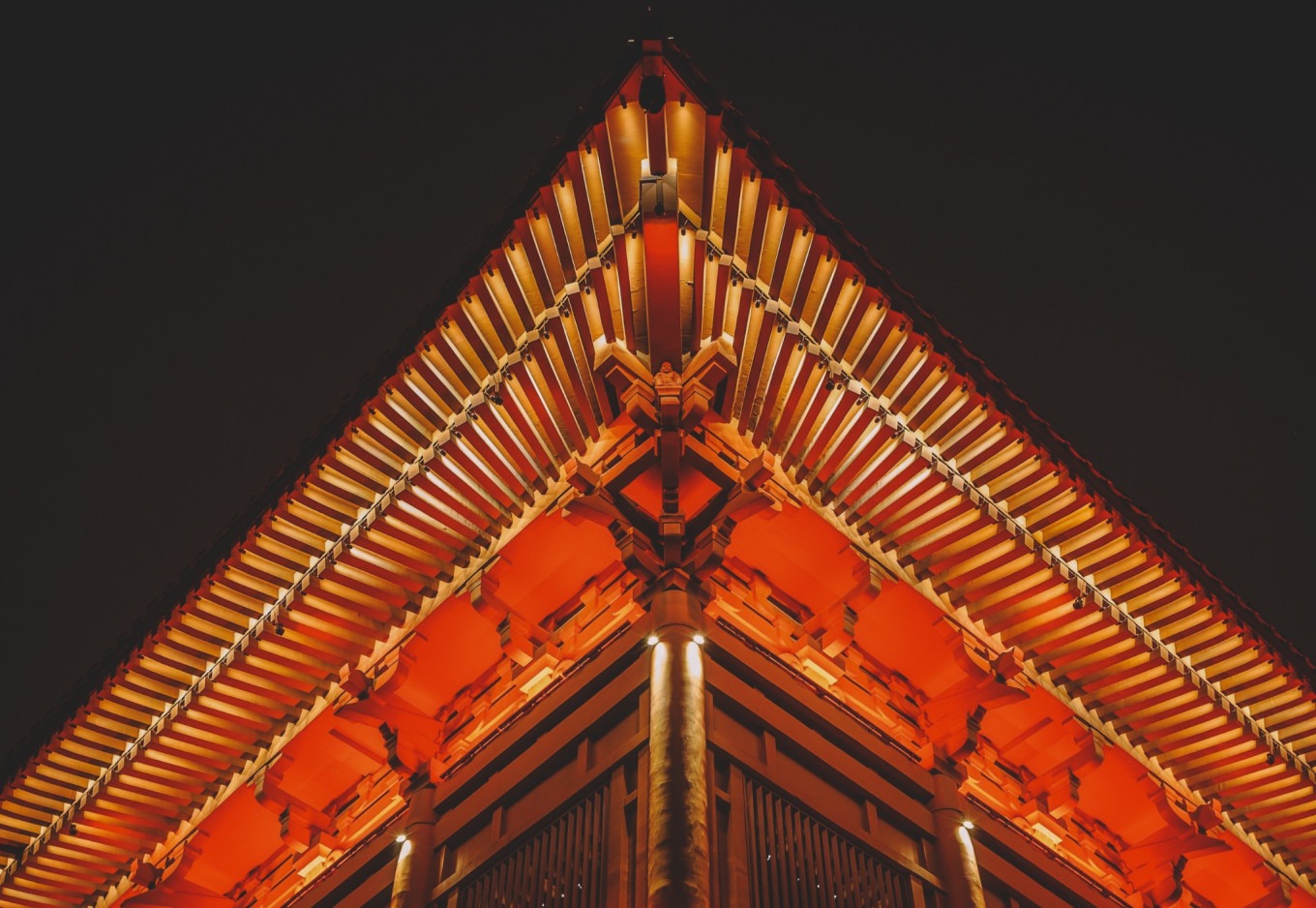
The architecture here is a highlight: upturned eaves resembling soaring cranes, intricate carvings on walls, and delicate floral patterns all reflect the Tang aesthetic. As you stroll along the pedestrian street, you’ll see performers in period costume—elegant dancers, imposing Tang warriors, and musicians playing ancient instruments. Don’t miss the live shows, including the famous “Flying Apsaras” dance and Tang dynasty court music performances, which bring the era’s cultural splendor to life.
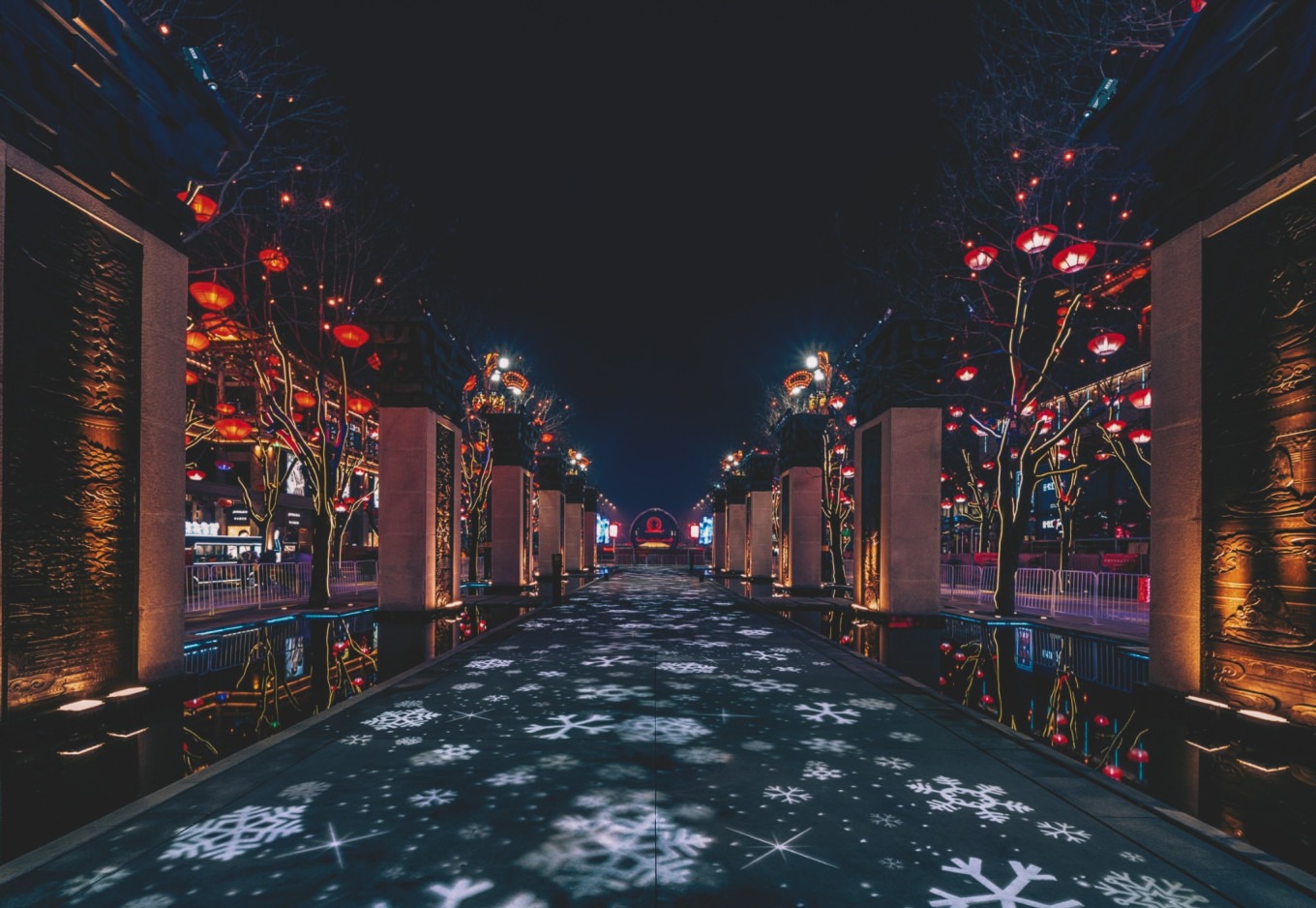
For a deeper connection, consider renting a Tang-style costume from one of the many shops nearby—it’s a popular way to fully immerse yourself in the ambiance. The area also features small bridges over lotus ponds, flowerbeds, and quiet pathways perfect for photos. While the main street buzzes with energy, side alleys offer quieter spots to appreciate the craftsmanship.
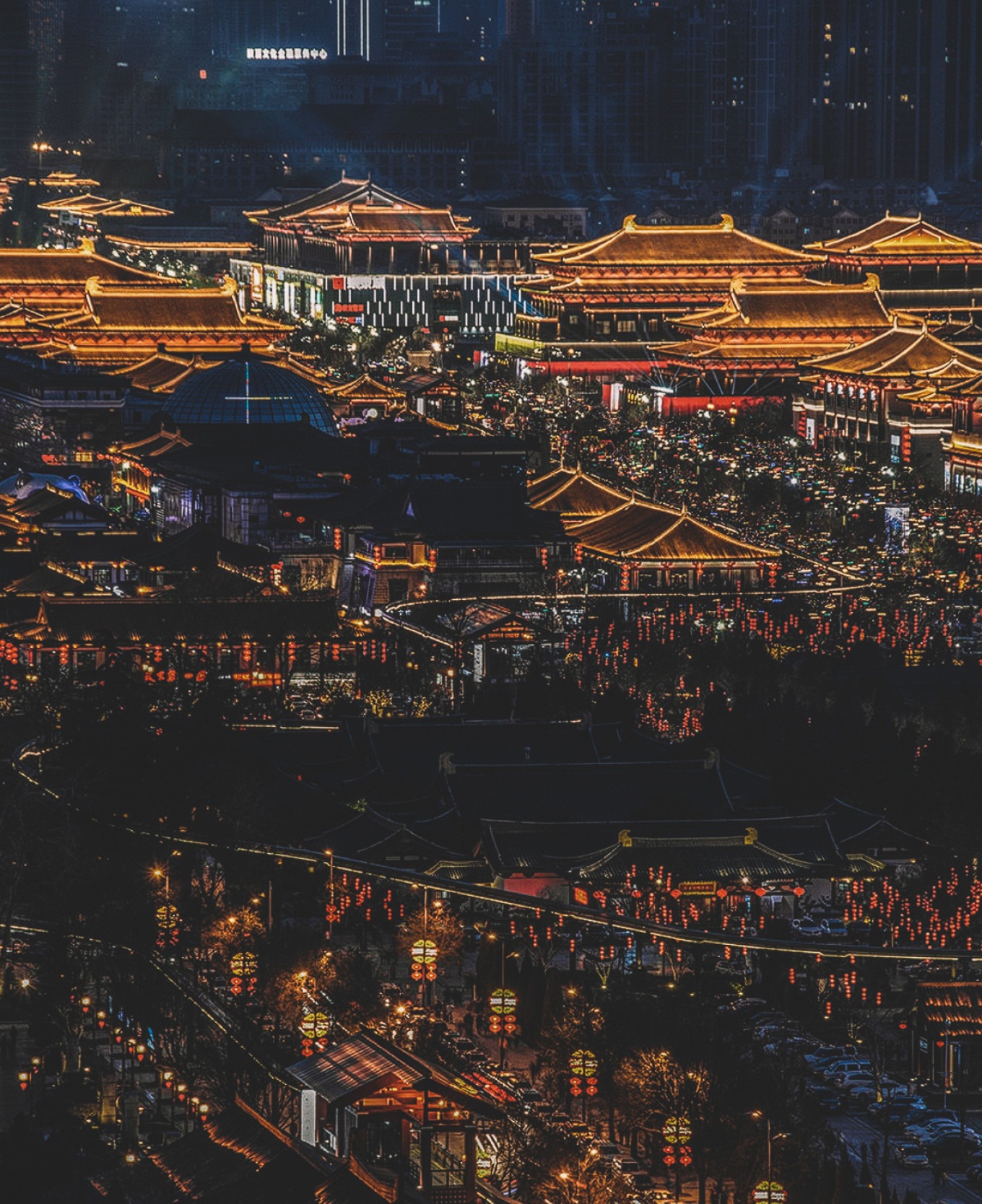
After exploring the night market and street food stalls, head to the nearby Giant Wild Goose Pagoda (大雁塔) North Square for the spectacular musical fountain show—a perfect end to your evening. The combination of ancient architecture, modern light displays, and lively performances makes Datang Everbright City a must-visit for anyone wanting to experience Xi’an’s imperial heritage in a dynamic, accessible way.

Shaanxi History Museum: A Dialogue Across Time
Imagine stepping into a living history book where every artifact whispers stories of a glorious past. The Shaanxi History Museum (陕西历史博物馆) in Xi’an is exactly that—a treasure trove that chronicles the rise and fall of ancient dynasties. As you walk through its halls, you’ll find yourself surrounded by relics that span millennia, from Neolithic pottery to Tang dynasty gold. This is not just a museum; it’s a portal to China’s imperial heart.
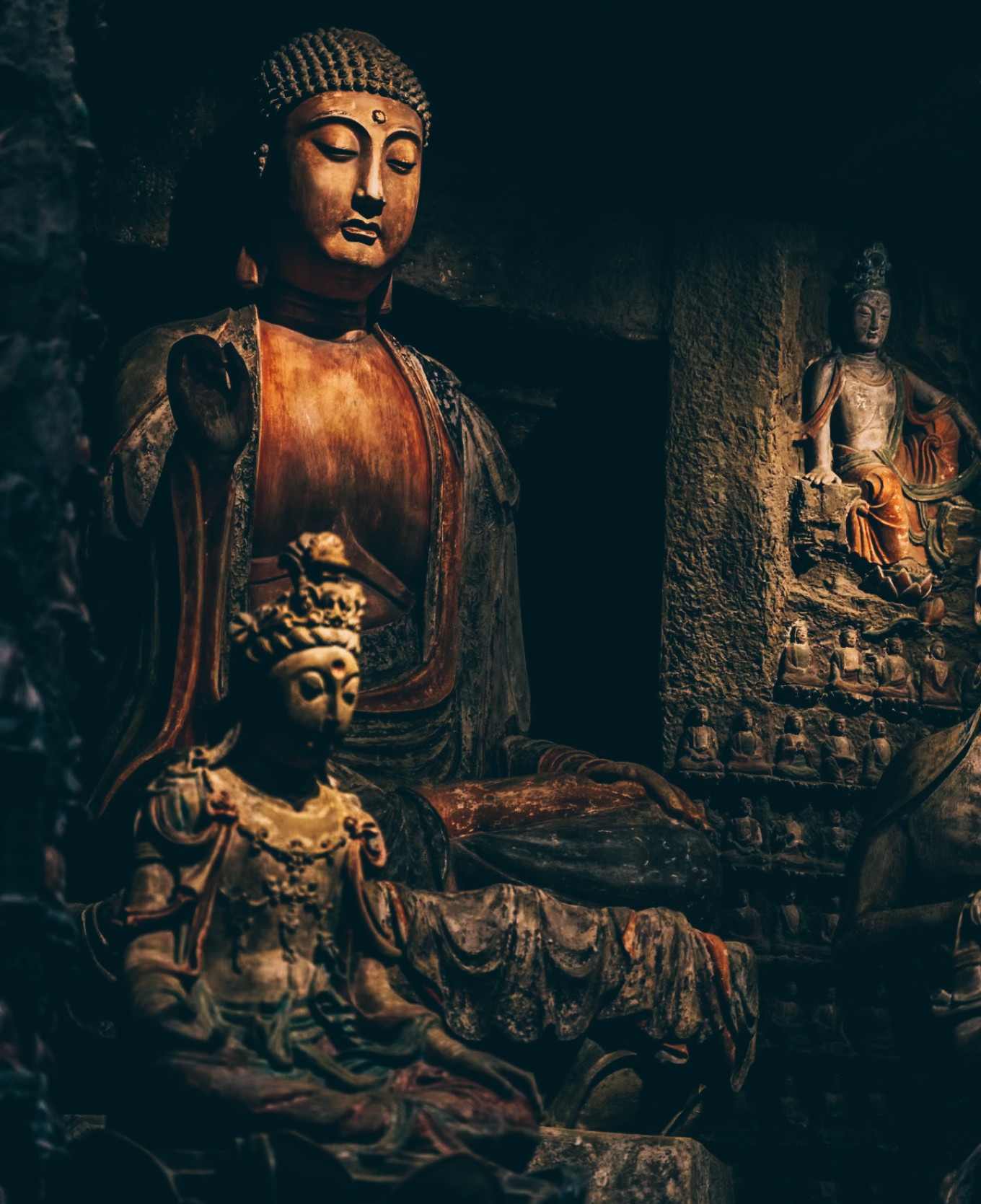
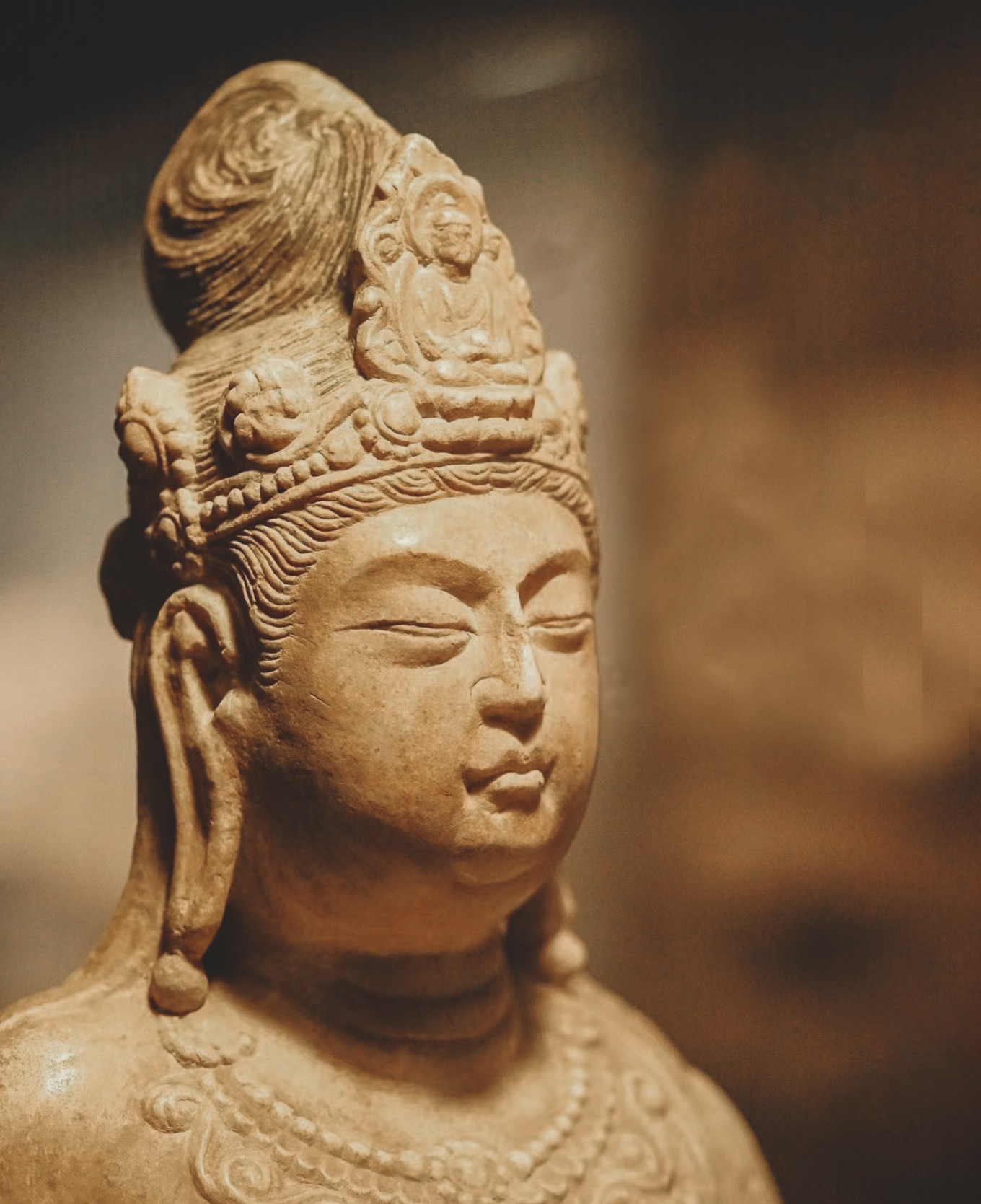
One of the museum’s highlights is the reconstructed Zhongshan Grotto (钟山石窟), originally built during the Eastern Jin dynasty (317–420 AD). The existing statues date from the Northern Song period (960–1127). The largest stone Buddha cave is carved into a natural cliff face, with a central altar featuring three groups of figures: each group includes a Buddha flanked by two bodhisattvas and two disciples. Shakyamuni, the founder of Buddhism, sits in the center on a lotus throne. To his left is the elderly disciple Mahakashyapa, known for his ascetic practices, and to his right is the young Ananda, famed for his memory. In front are Manjusri and Samantabhadra bodhisattvas, seated on lotus pedestals. The eight stone pillars and walls are covered with hundreds of small Buddha images, each with vivid expressions and poses, showcasing exceptional craftsmanship.
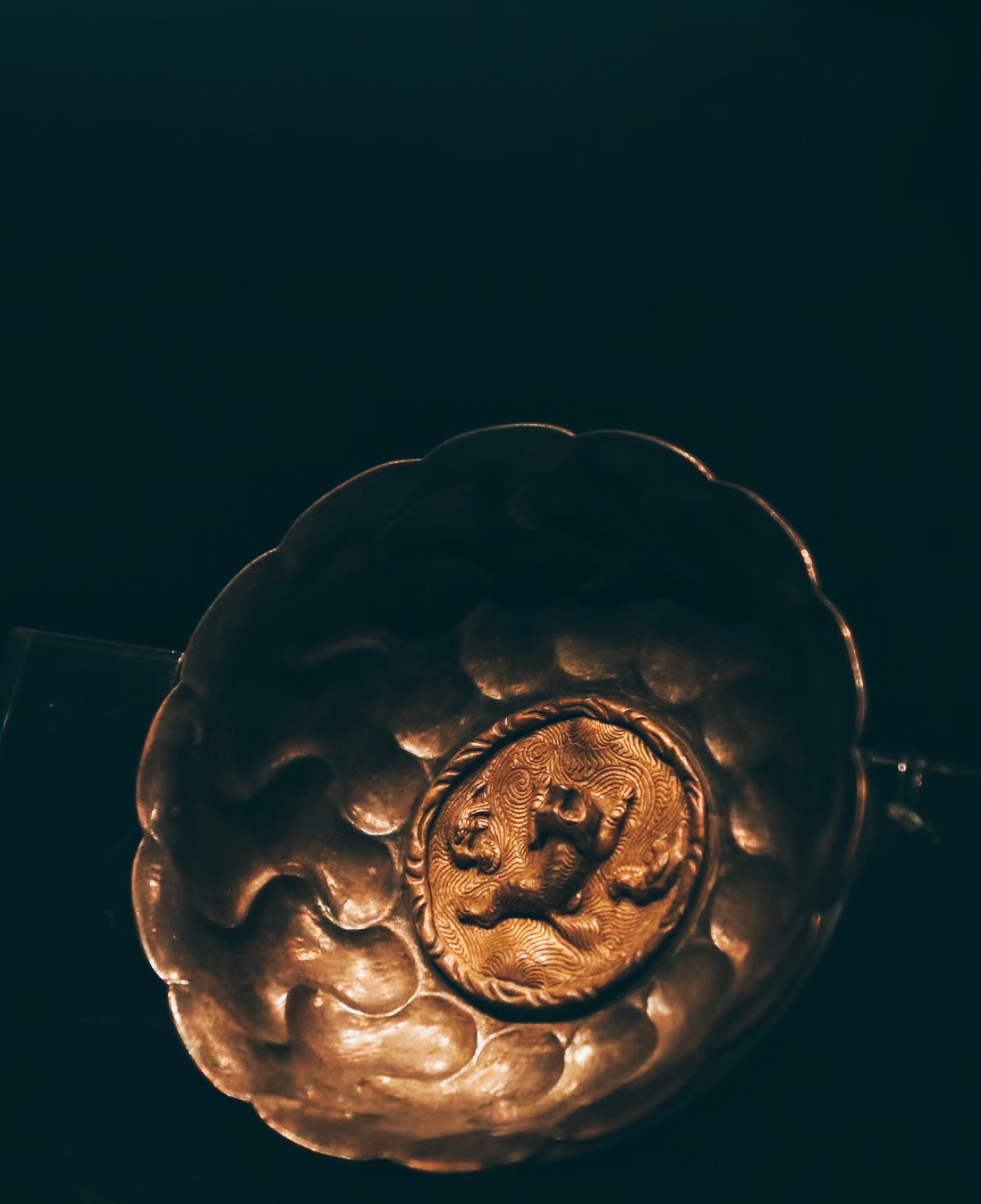
Don’t miss the Gilt Silver Bowl with Sea Creatures and Water Wave Pattern (鎏金海兽水波纹银碗), unearthed in 1970 from the Hejiacun hoard in southern Xi’an. This Tang dynasty masterpiece features a flared mouth, curved belly, and flared ring foot. The body is hammered into 14 wavy lobes, with animals, plants, and rocks carved inside each lobe—deer, sheep, rabbits, hoopoes, all lively and balanced. At the center of the bowl’s interior, a pair of gilt sea monsters play in water, accompanied by mandarin ducks. The bottom of the foot is decorated with an eight-petal flower composed of pomegranate leaves, lotus leaves, and honeysuckle, while the rim is adorned with 12 floating clouds.
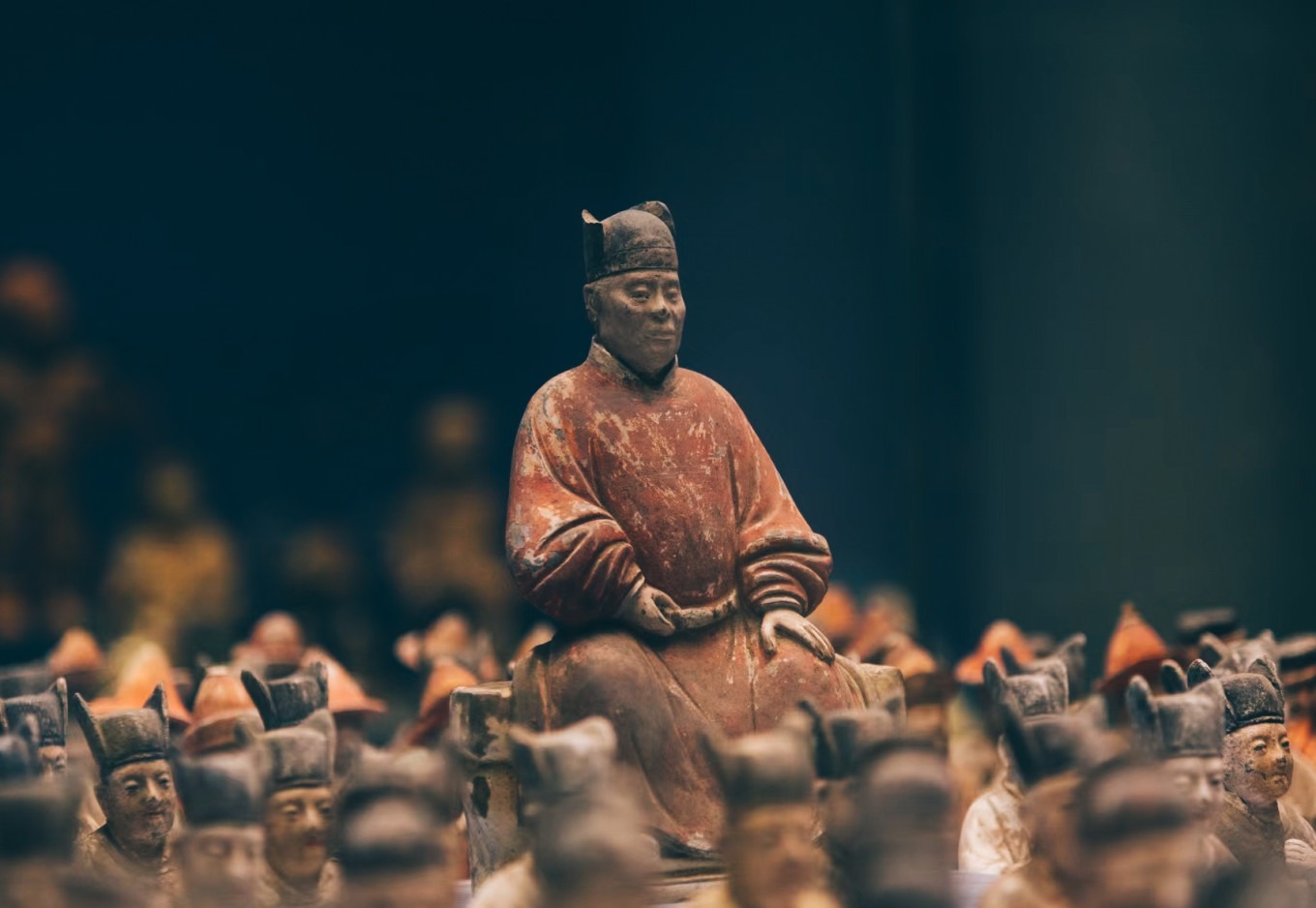
Another must-see is the Ming Dynasty Painted Pottery Figurine Procession (彩绘仪仗俑群), excavated from Jianwang Village in Chang’an District, Xi’an. This set of over 300 figurines formed the funeral procession of Zhu Chengyong (1458–1498), the Prince of Qin. The figurines originally held wooden props (now decayed), and their bases are inscribed with over 70 titles, such as banner bearers, musicians with sheng, di, ban, pipa, and sedan chair carriers. The procession includes clear-way flags, golden drum flags, white marsh flags, various umbrellas and fans, creating an imposing and grand spectacle.
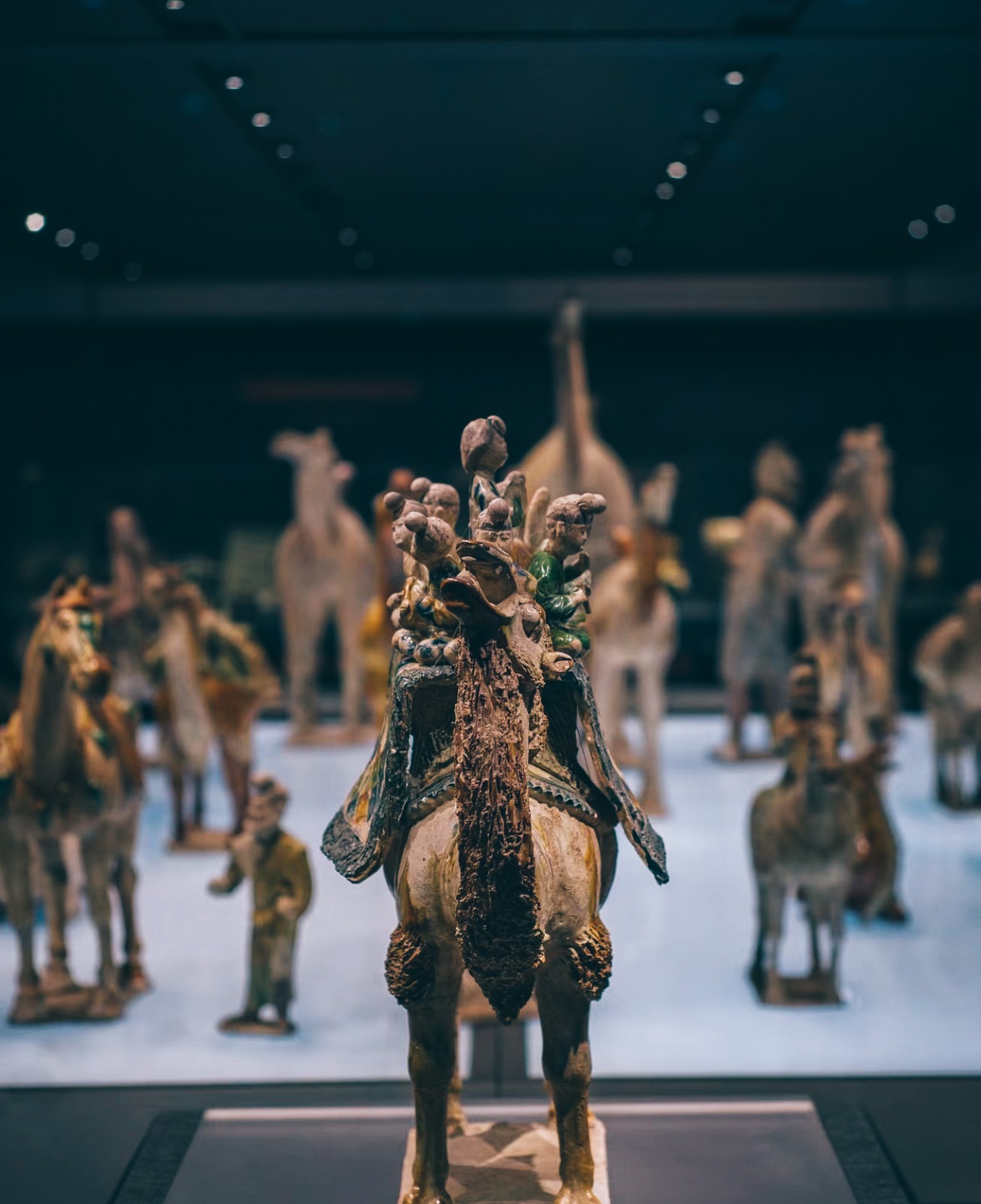
The famous Tang Sancai (tricolor glazed pottery) is represented by the Tricolor Glazed Camel with Musicians and Dancer (三彩载乐骆驼俑). The camel stands tall with head raised, carrying an oval carpet on its back that supports a platform with seven musicians and one female singer. The musicians sit cross-legged, playing sheng, di, pipa, konghou, and clappers, while the singer stands in the center, waving her long sleeves and singing.
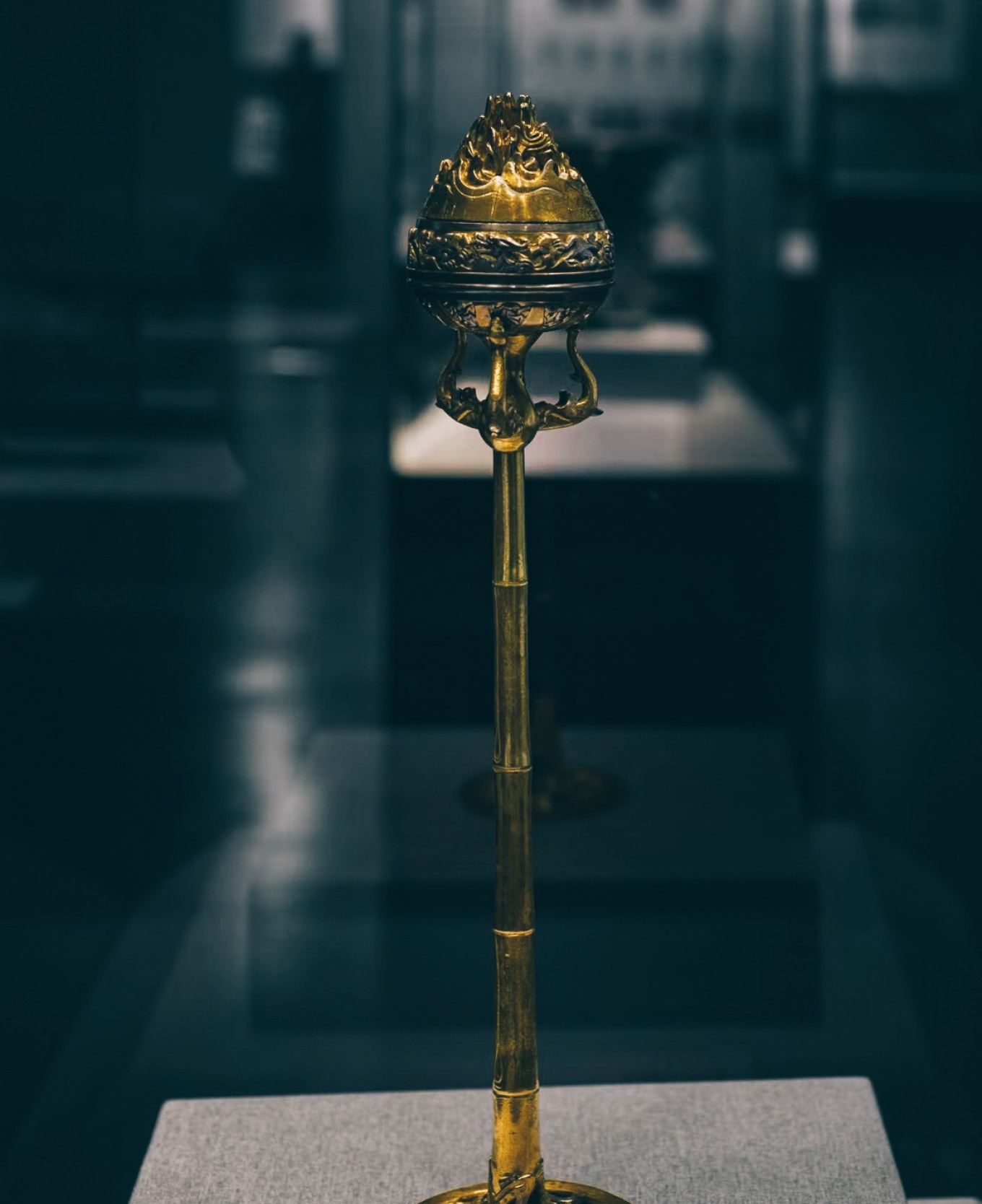
The Gilt Silver Bamboo-Stemmed Bronze Incense Burner (鎏金银竹节铜熏炉) originally belonged to the Weiyang Palace of the Han dynasty and was later given to Princess Yangxin, sister of Emperor Wu. The hemispherical burner has a lid pierced with multiple mountain peaks, and the base is decorated with openwork coiled dragons. The stem is shaped like bamboo with five joints, topped with three gilt dragons with silver claws, whose heads support the burner pan. It is an exquisitely luxurious incense burner.
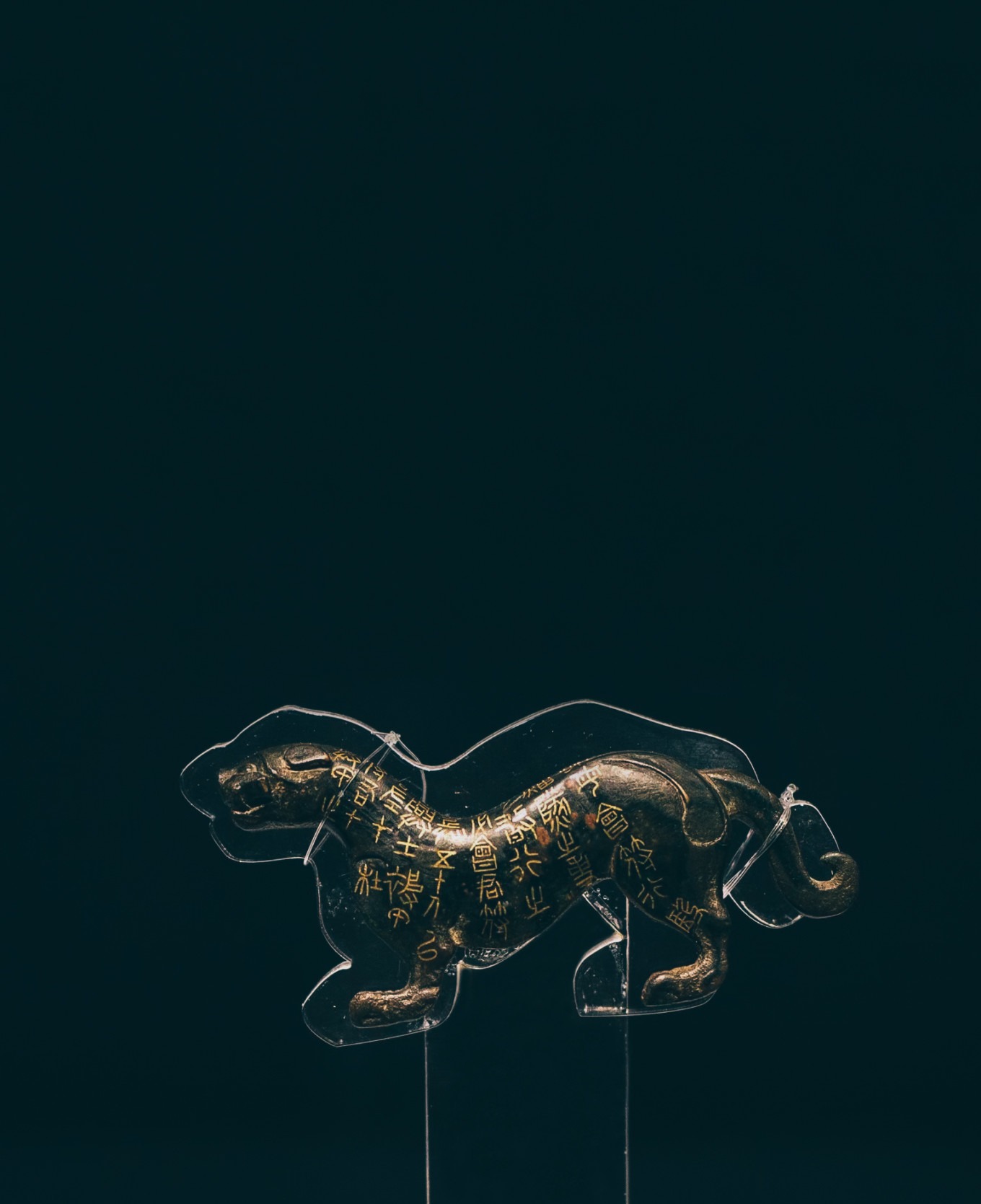
The Du Tiger Tally (杜虎符) is a Qin dynasty military artifact used for troop deployment. This left half of the tally, shaped like a walking tiger, could be matched with the emperor’s right half to mobilize over 50 soldiers, symbolizing the centralized military power of the Qin state. It was featured on the TV show ‘National Treasure’.
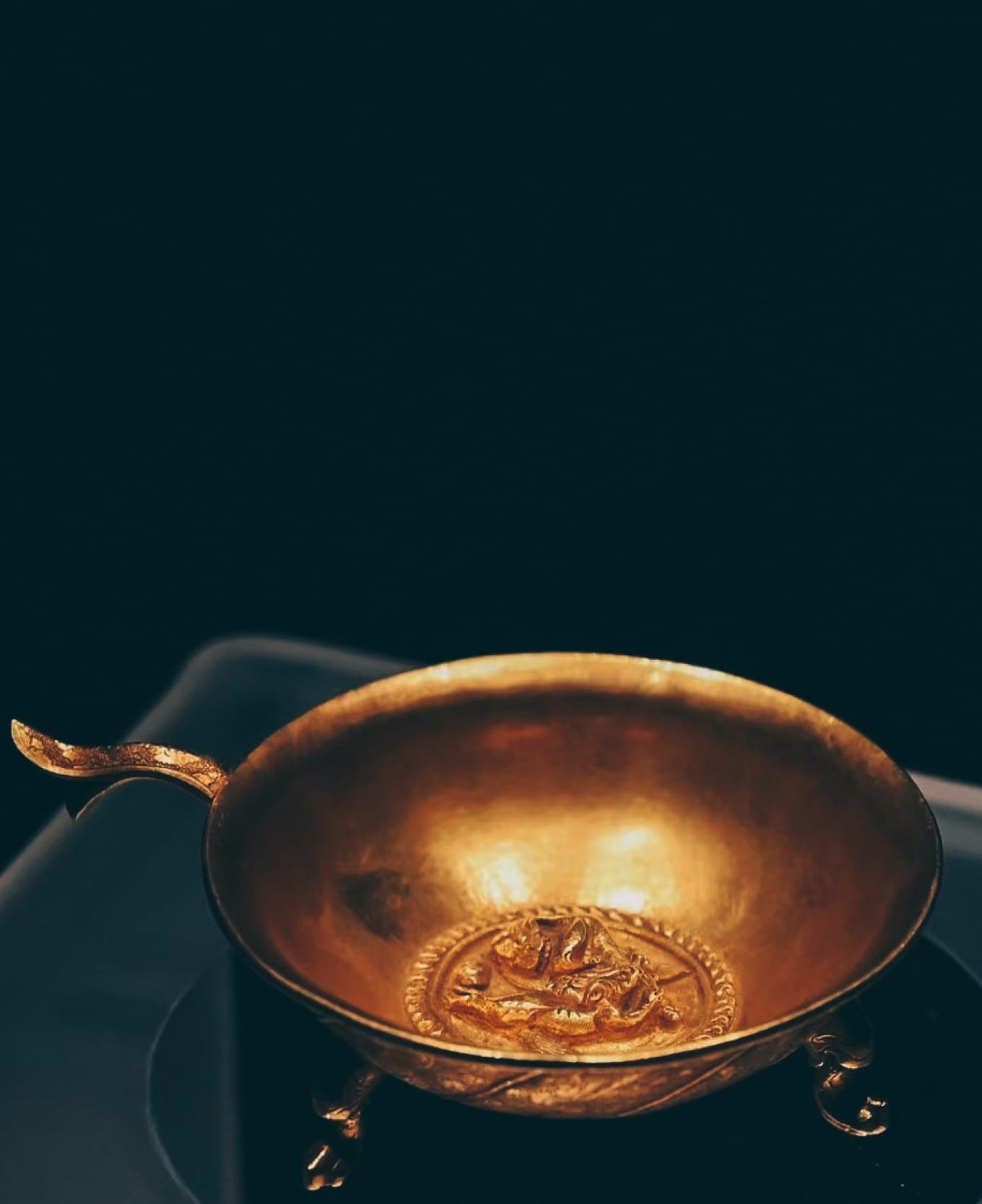
The Gold Vessel with Double Lion Pattern (双狮纹金铛) was also unearthed from the Hejiacun hoard and is housed in the museum. This gold vessel was hammered into shape, with a leaf-shaped handle and three animal feet. The outer bottom is divided into nine S-shaped sections by water-wave lines, each engraved with pairs of birds holding ribbons, squares, lions, and floral motifs. The delicate leaf handle adds a sense of vitality, countering the stiffness of the animal feet. The Tang craftsmen’s artistic skill is truly astonishing. Based on the many alchemical ingredients found in the Hejiacun hoard, this vessel is believed to have been used for making elixirs.
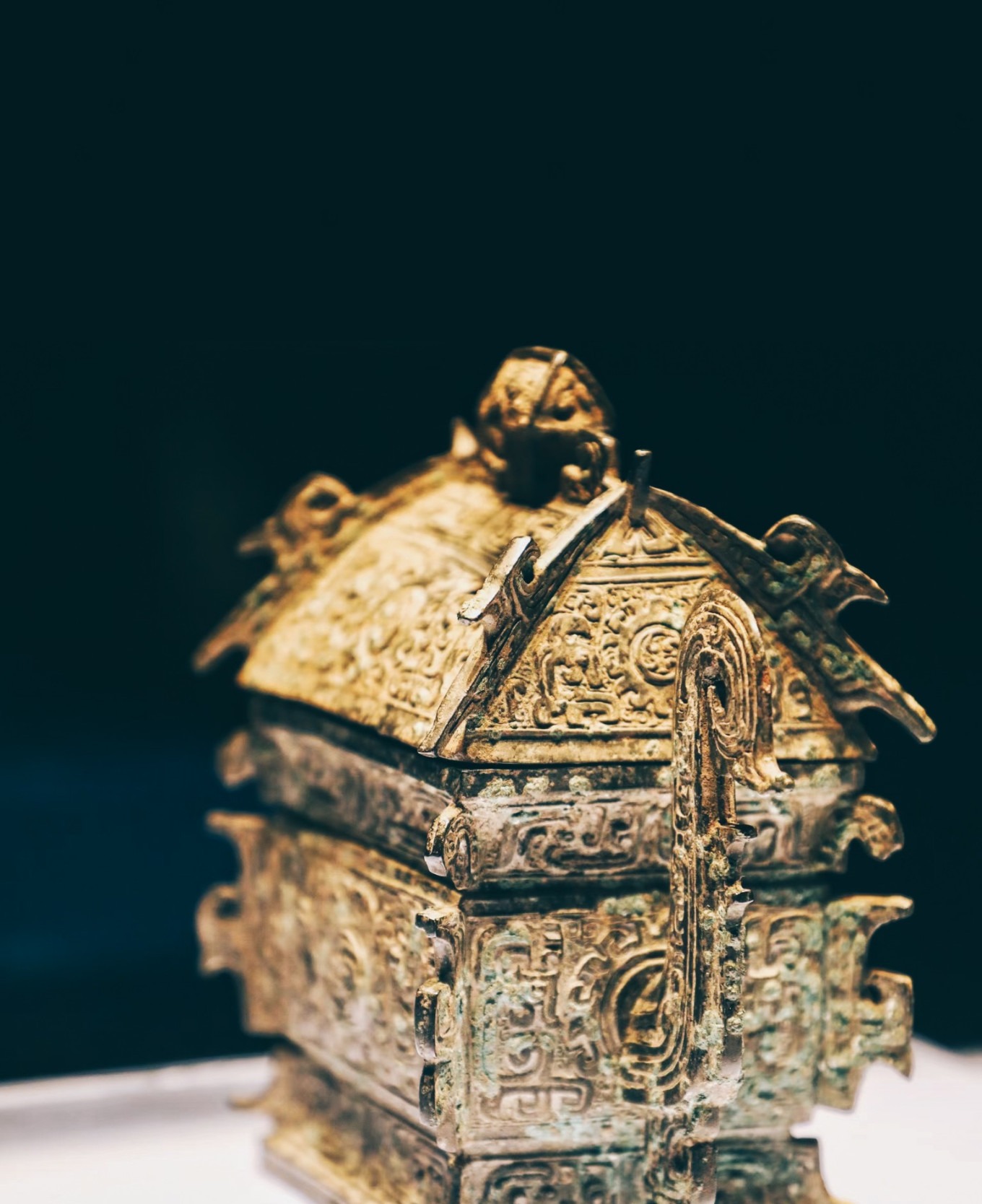
The Western Zhou Bronze Ritual Vessel Yi Fang Yi (盠方彝) is rectangular with a ring foot, a top-style lid, and elephant-trunk-shaped handles. It bears an inscription of 106 characters recording a military appointment during the reign of King Mu of Zhou, involving the command of six armies and eight Yin armies.
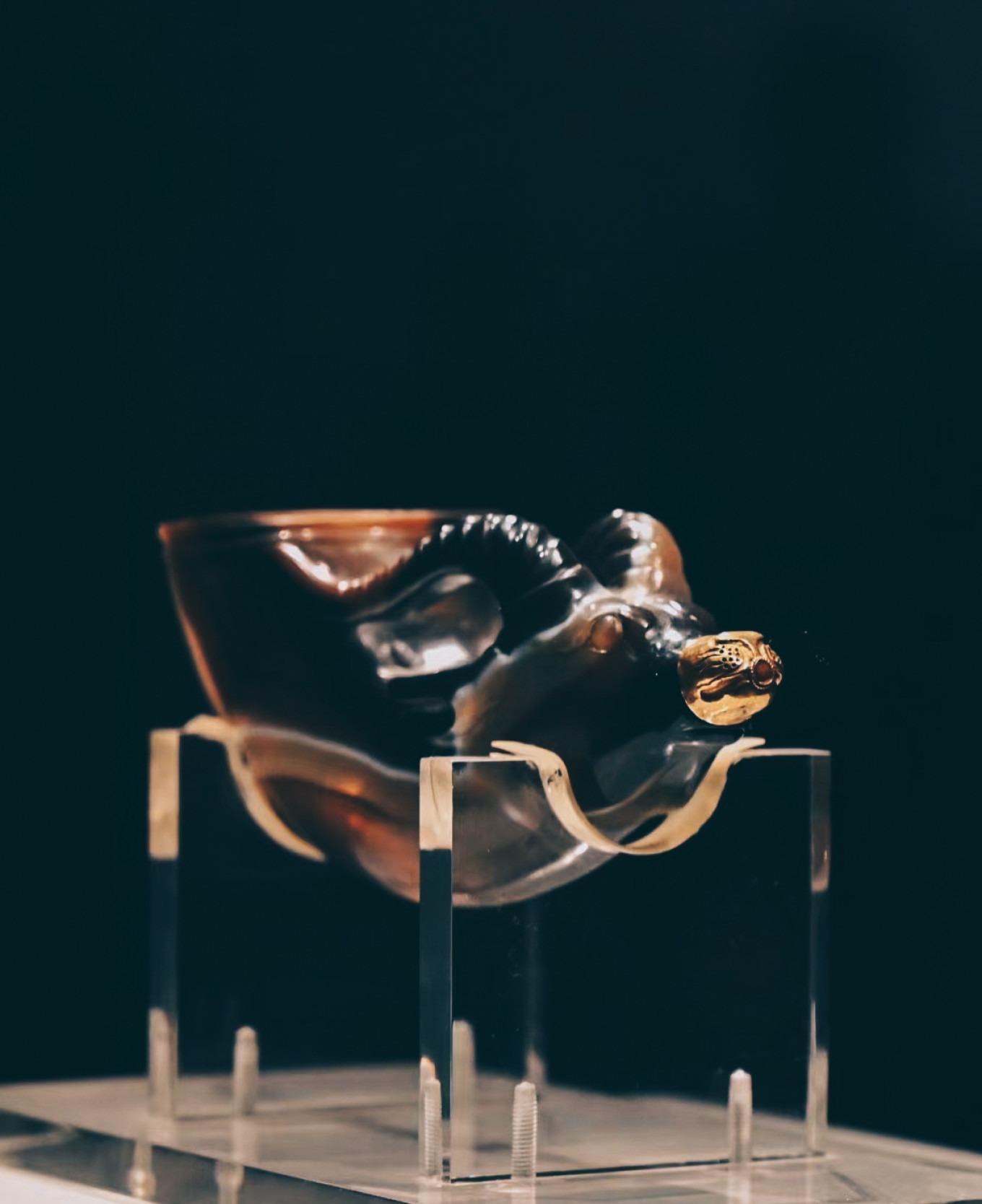
The Agate Cup with Gold Spout (镶金兽首玛瑙杯) is a masterpiece that skillfully uses the natural color and texture of the agate. The cup is shaped like a horned animal head, with the horns forming the handle. The mouth is fitted with a gold cap, and the eyes, ears, and nose are finely carved. This piece reflects cultural exchanges between Tang China and the outside world.
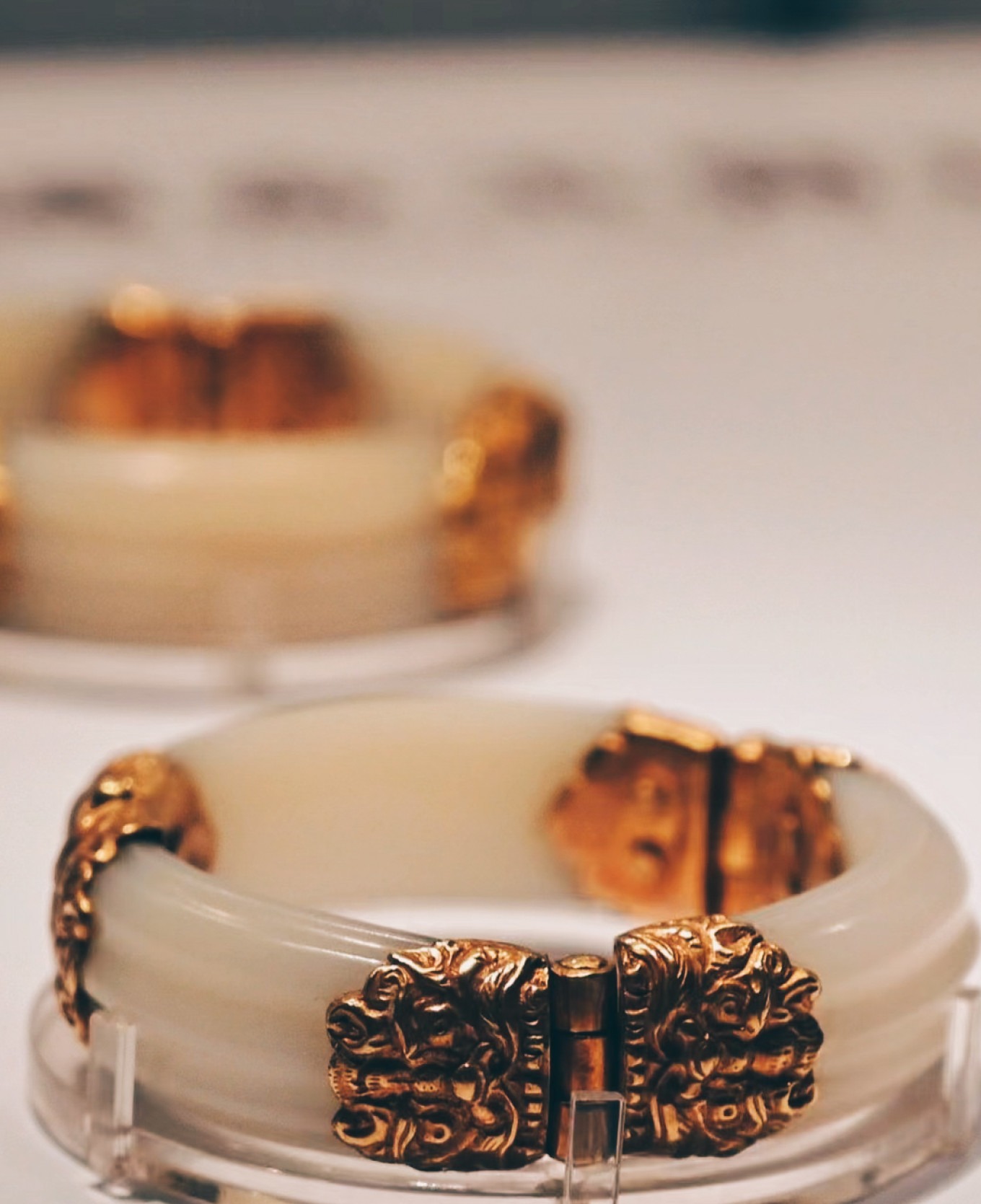
The Gold and Jade Armbands (金玉臂环) from Hejiacun were originally called ‘jade bracelets’ but are now known as ‘armbands’ based on the ink inscription on the silver 罐 (local term) in which they were found. Each armband consists of three curved white jade segments connected by gilt bronze hinges. One pair uses gilt bronze hinges to join the segments, with two segments fixed together and the third opening via a hinge pin. The hinges are decorated with flower shapes, and the central bud holds a purple gem, while the surrounding petals originally held gems as well, with a bead at each corner. Another pair uses gold hinges, each segment wrapped in gold sheet with animal-head hinges that can move freely. One hinge uses a gold pin for opening and closing. In Tang dynasty luxury rankings, jade was considered the finest, followed by gold, then lacquer. These jade-and-gold armbands are extremely rare, with only these examples known from Tang remains.
Soft light falls on the precious artifacts, giving them an enduring charm. Every corner of the museum exudes history, drawing you into a deep dialogue with the past. As you leave the Shaanxi History Museum, you’ll carry with you a profound respect for Chinese civilization and a sense of awe for history. This experience will stay with you, enriching your understanding of China’s magnificent cultural heritage.
Tang Paradise: A Glimpse into Chang’an’s Splendor
Stepping onto the land of Xi’an feels like walking into a river of history. Among the many captivating sights in this ancient capital, Tang Paradise (大唐芙蓉园) shines as a brilliant gem. This large-scale royal garden-themed cultural tourist attraction, centered on the culture of the Tang Dynasty, offers you a chance to experience the grandeur of one of China’s most prosperous eras.
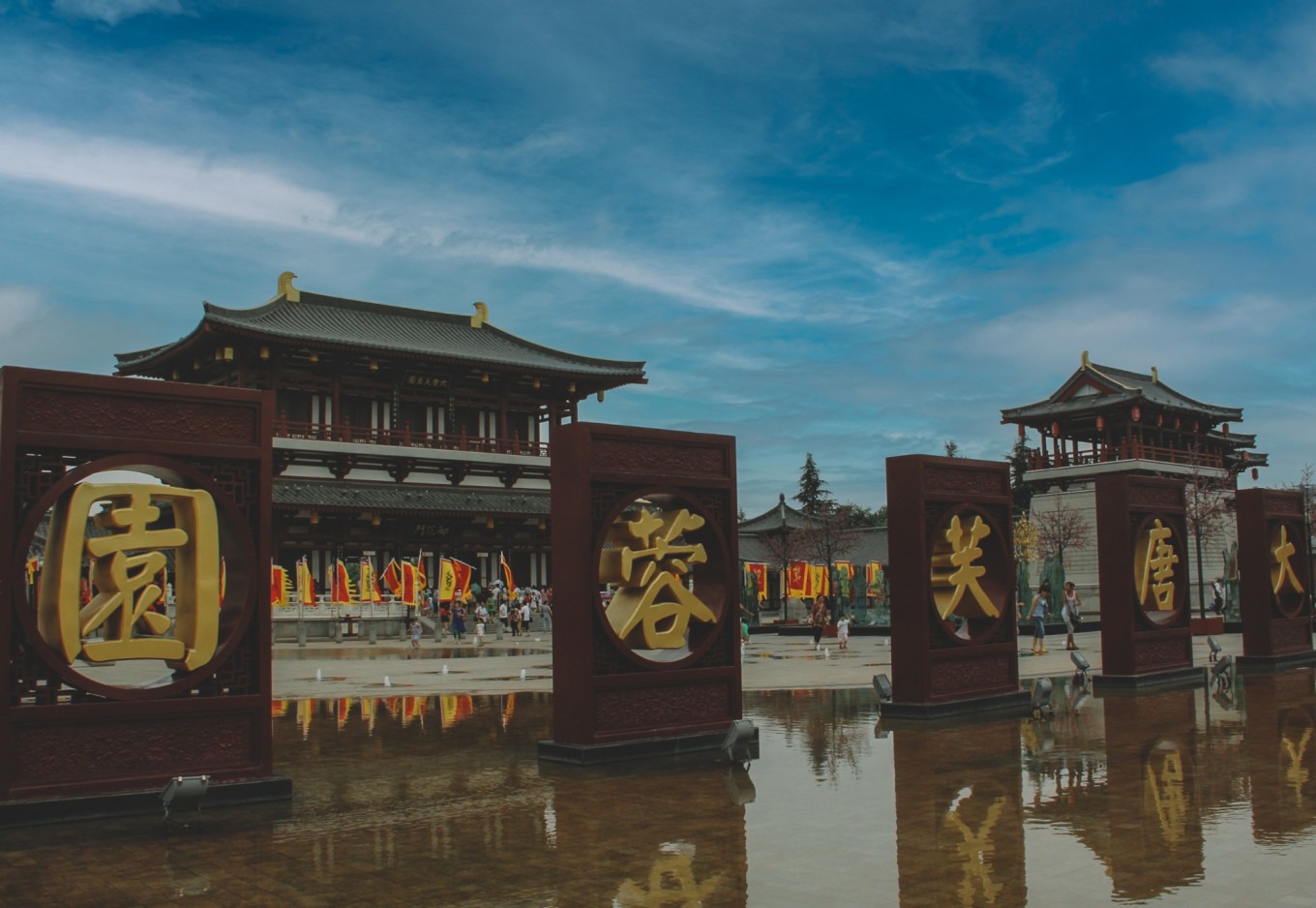
Located near the Giant Wild Goose Pagoda (大雁塔), Tang Paradise covers about 600 mu (approximately 100 acres). It recreates the splendor of a Tang imperial garden using modern construction techniques. As you enter, you’ll be greeted by a grand imperial archway inscribed with the golden characters ‘大唐芙蓉园’ (Tang Paradise). The architecture blends majestic palaces with delicate garden landscapes, making you feel as if you’ve stepped into a beautiful scroll painting.
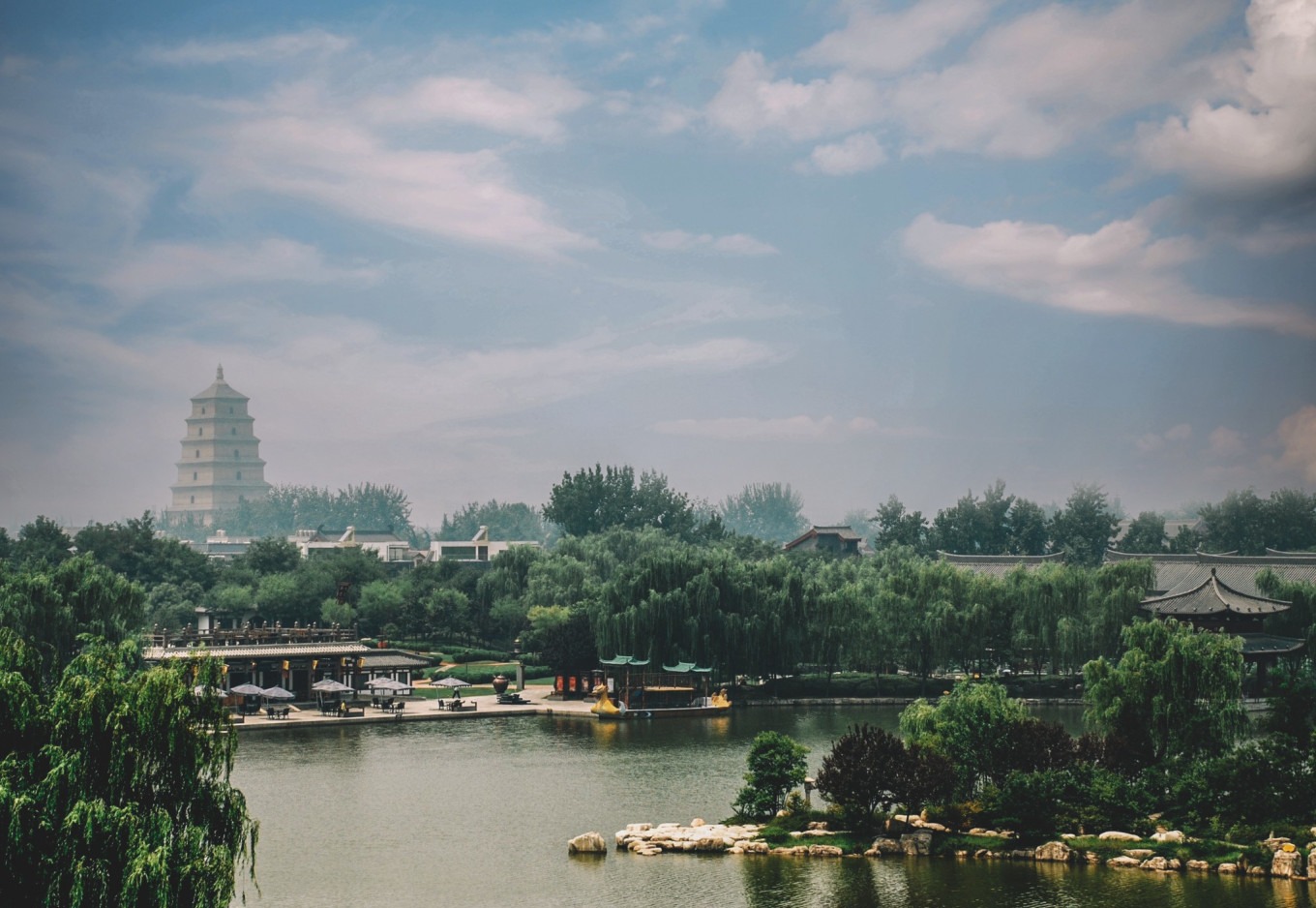
The park features several lakes with crystal-clear waters. In the middle of one lake sits a small island covered with flowers, with a tall pagoda at its center. The harmonious blend of water, architecture, and greenery creates a serene atmosphere. Strolling along the lakeside, you’ll encounter a series of sculptures that vividly depict the prosperity of the Tang Dynasty. Under golden ginkgo trees, lifelike statues show court musicians and dancers, offering a visual feast. A winding path leads to a large sculpture group representing the bustling Silk Road (丝绸之路), evoking images of merchants and cultural exchanges from a thousand years ago.
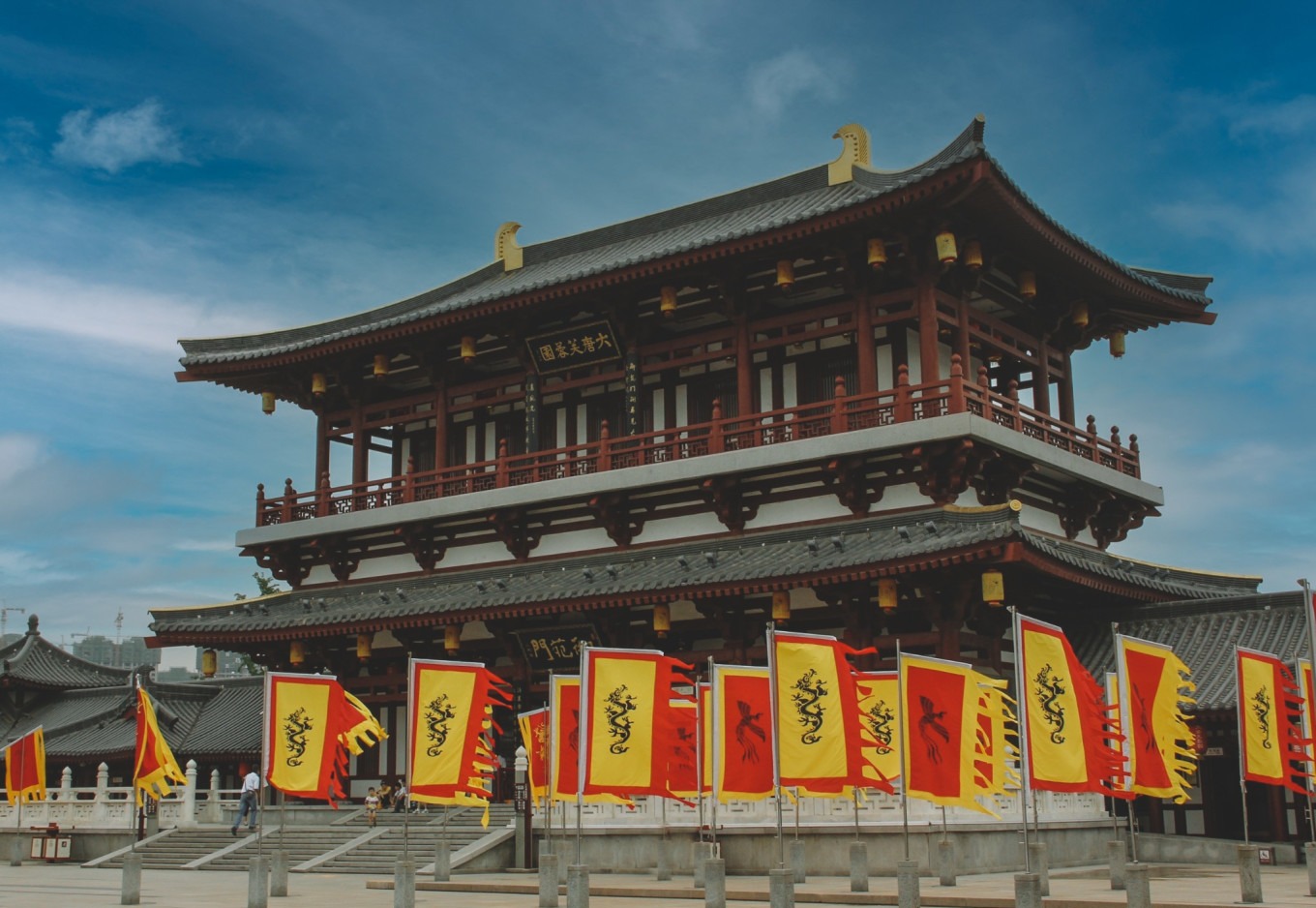
Beyond sightseeing, you can immerse yourself in Tang culture through hands-on activities. Try your hand at pottery or calligraphy, both of which were highly refined during the Tang era. These experiences give you a deeper understanding of the artistic achievements of the time.
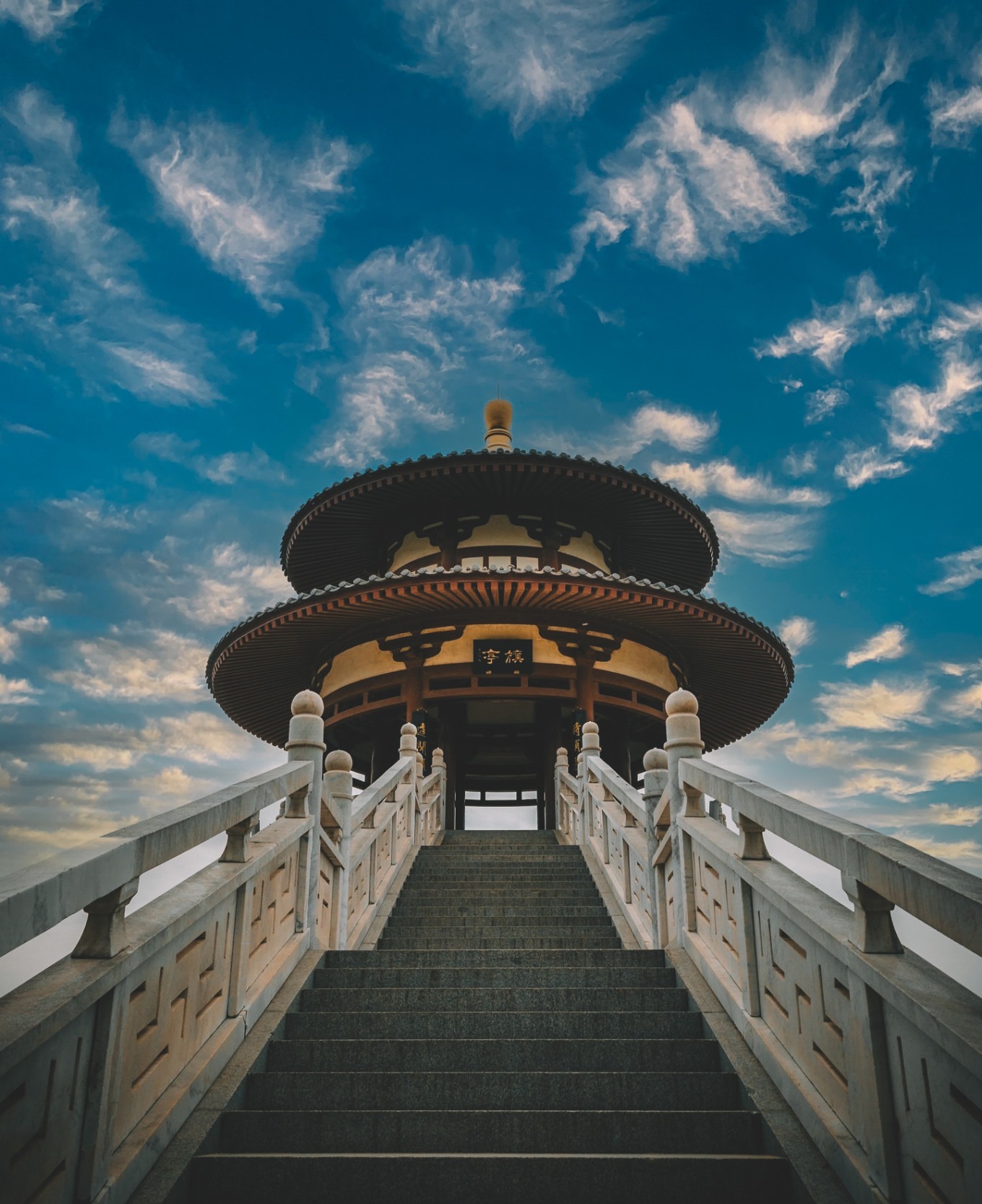
As night falls, the park lights up, and it’s time to watch the spectacular performance ‘Dream Back to Tang Dynasty’ (梦回大唐). This grand show transports you back a thousand years with stunning stage sets, elaborate costumes, and captivating storytelling. You’ll see legendary figures like Emperor Xuanzong and Yang Guifei come to life. The combination of music, dance, and special effects is truly mesmerizing.
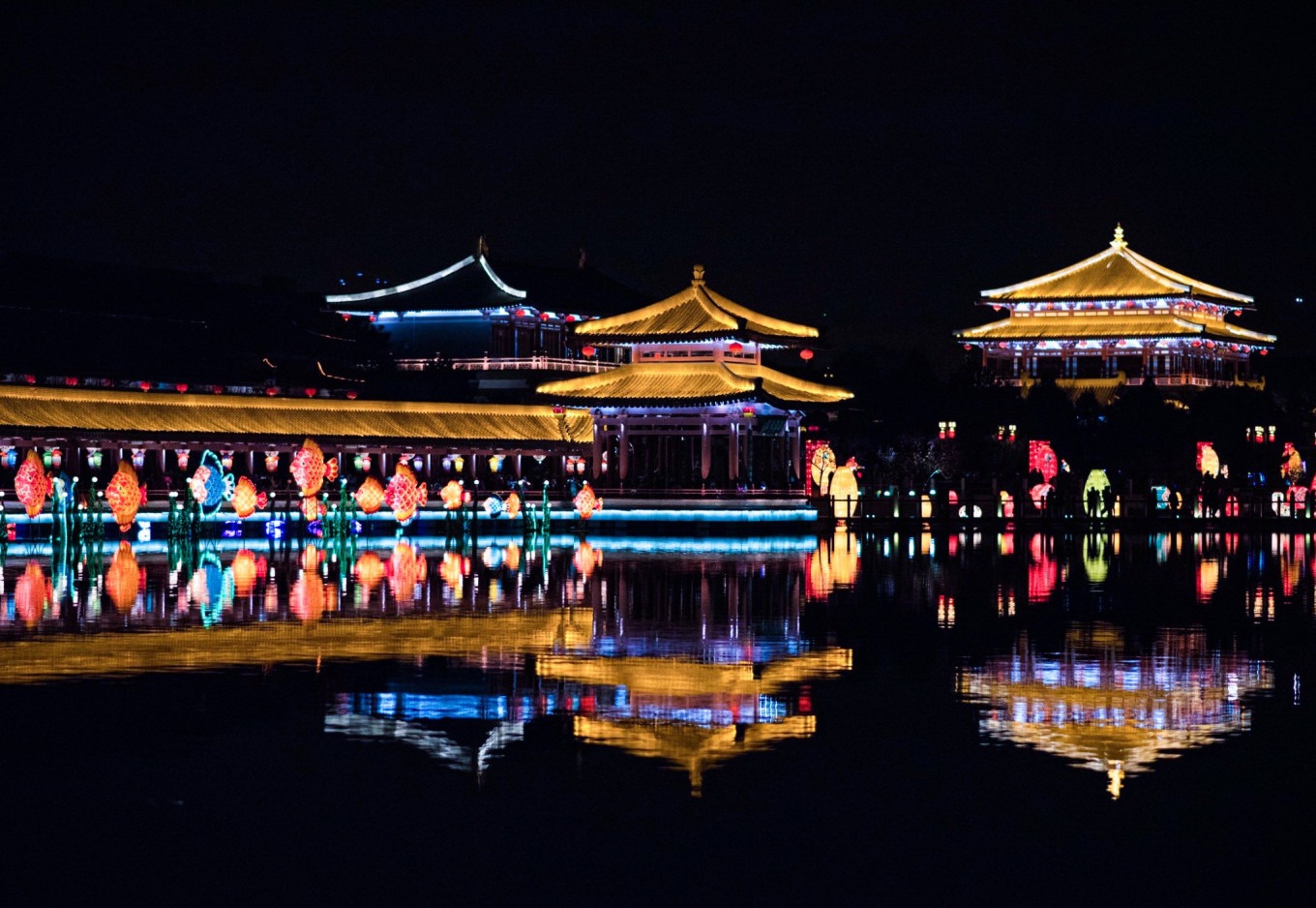
After the performance, take a quiet walk through the park. Moonlight reflects on the lake, creating a dreamy scene. The entire experience—from the daytime gardens to the evening show—feels like turning the pages of a living history book. Tang Paradise is not just a tourist attraction; it’s a journey into the soul of ancient China.
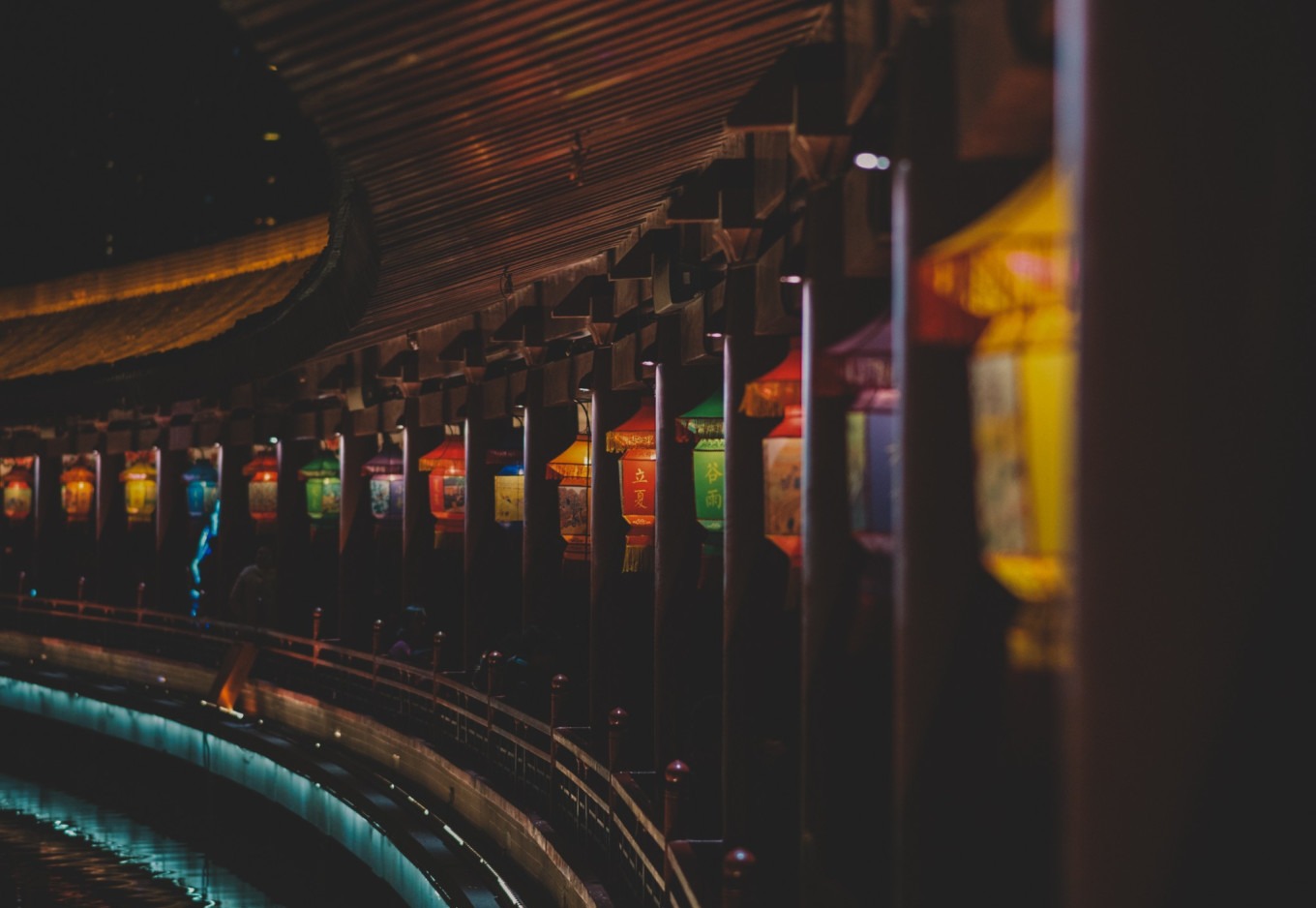
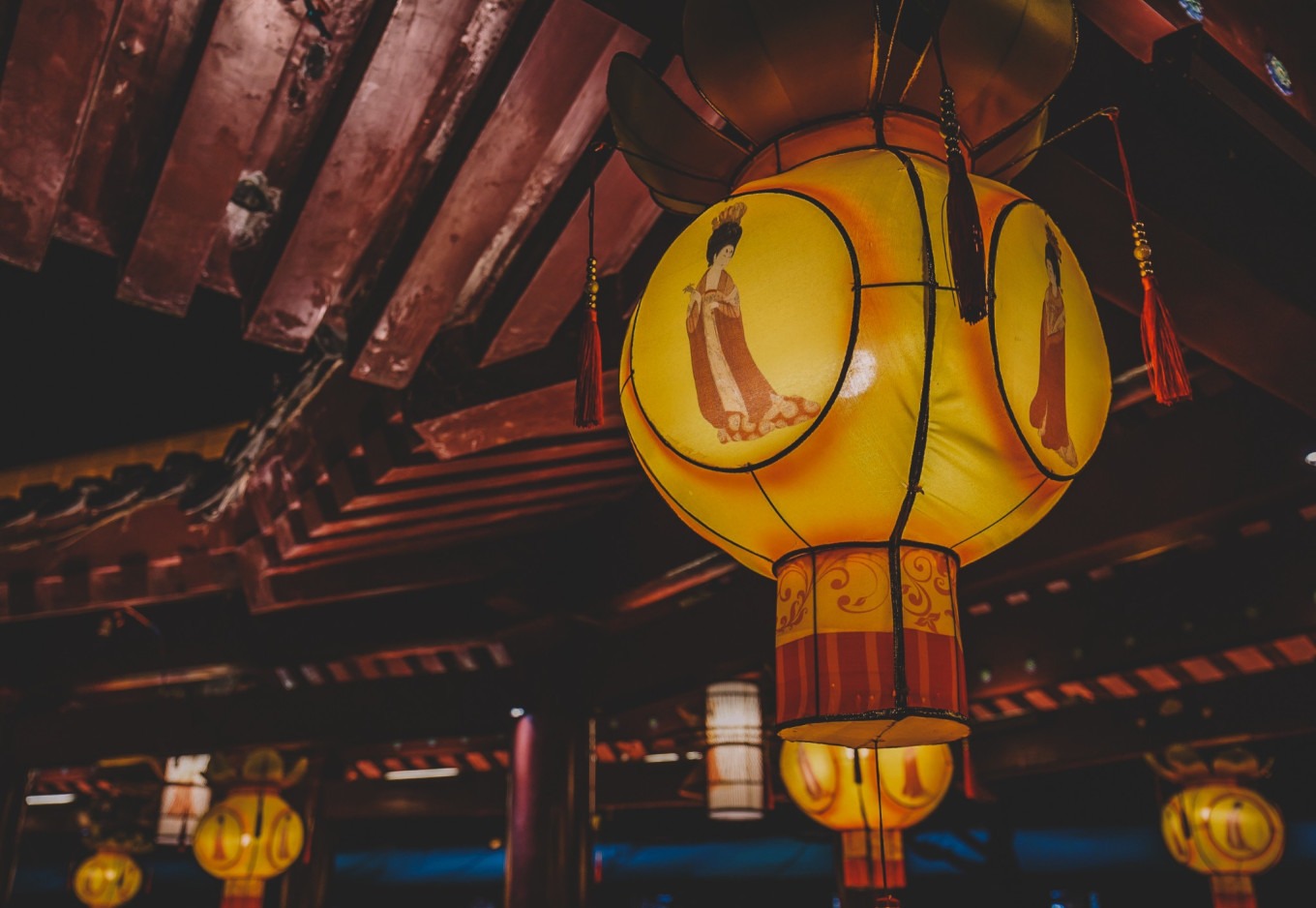
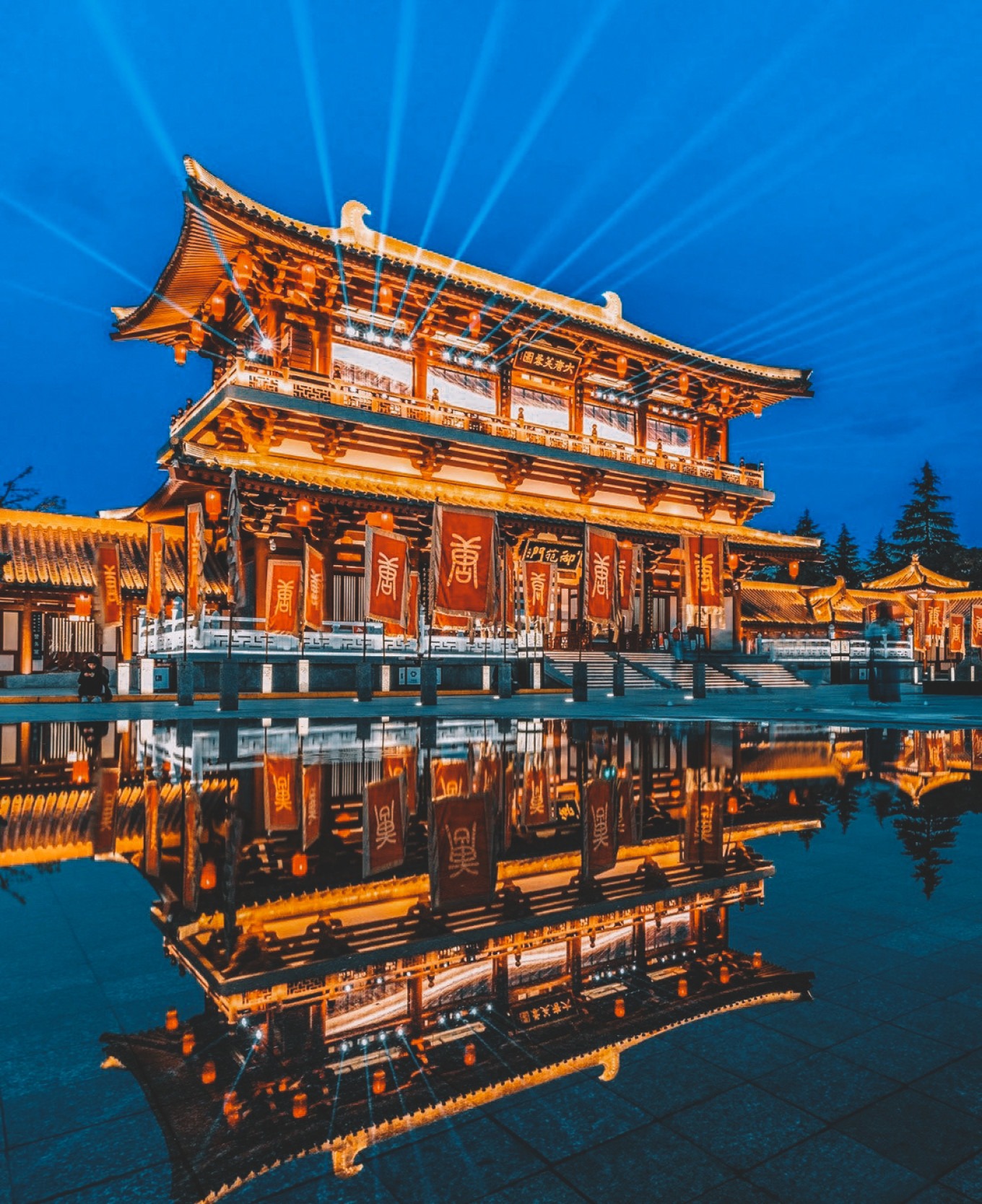
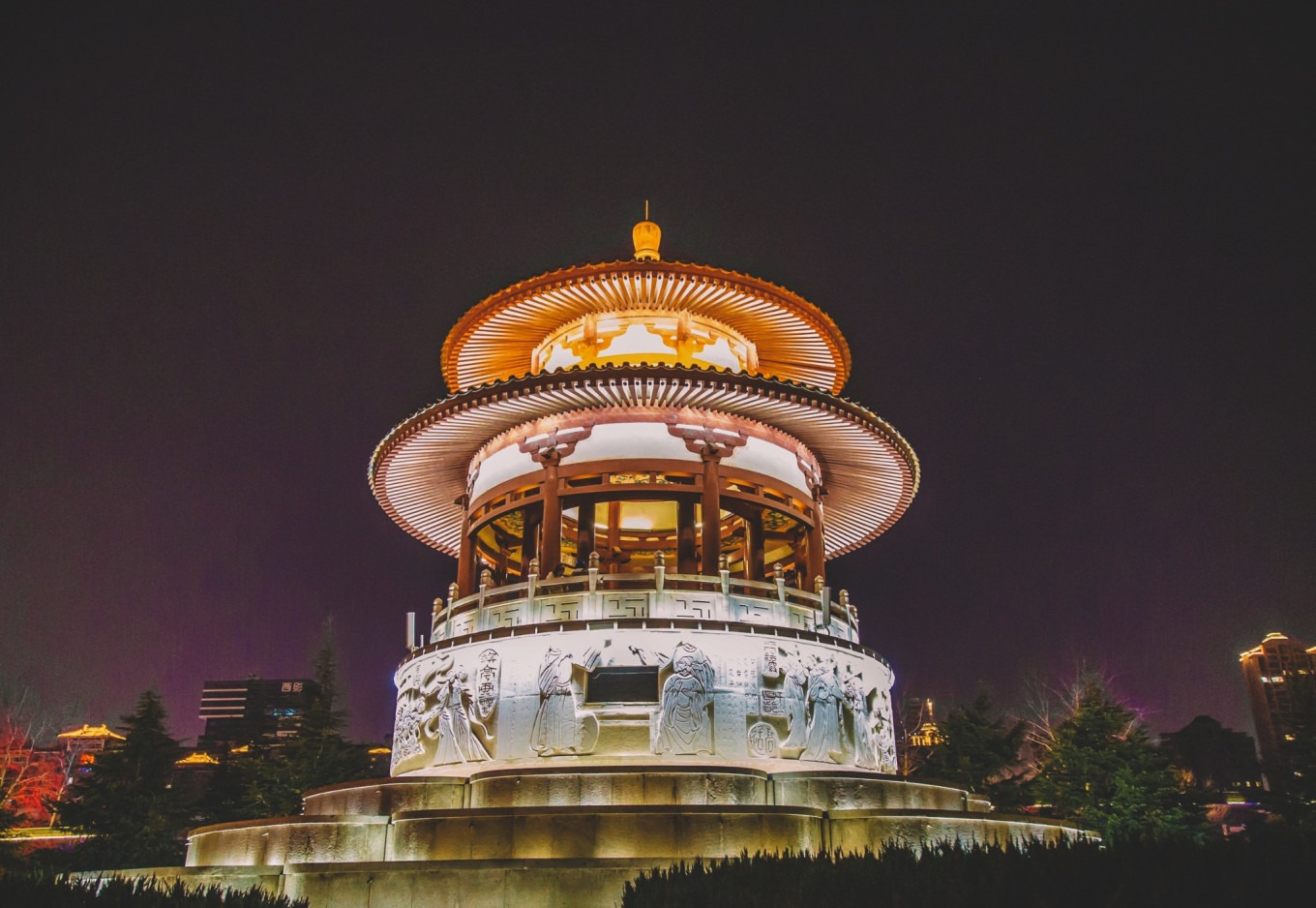
A visit to Tang Paradise is a highlight of any trip to Xi’an. It offers a vivid glimpse into the glory of the Tang Dynasty and leaves you with a deeper appreciation for China’s rich cultural heritage. Make sure to allocate at least half a day to explore the gardens, participate in cultural activities, and catch the evening performance.
Back to the Tang Dynasty: A Dazzling Night
As night falls and the lanterns begin to glow, the Tang Paradise (大唐芙蓉园) transforms into a gateway to the past. The show “Back to the Tang Dynasty” (梦回大唐 (local term)) is an immersive spectacle that combines cutting-edge technology with traditional dance, music, and theater to recreate the splendor of the Tang era. From the moment the music starts, you are transported to a golden palace filled with performers in lavish Tang costumes, depicting the grandeur of the imperial court. The stage sets shift seamlessly between palace halls, landscapes, and flower gardens, all enhanced by dramatic lighting and surround sound. You’ll witness legendary figures like Yang Guifei and Emperor Tang Minghuang come to life, their joys and sorrows unfolding before your eyes. Interactive moments draw you deeper into the narrative, making you feel like a part of the ancient world. By the time the final scene fades into the night, you’ll be left with a profound appreciation for China’s rich cultural heritage.
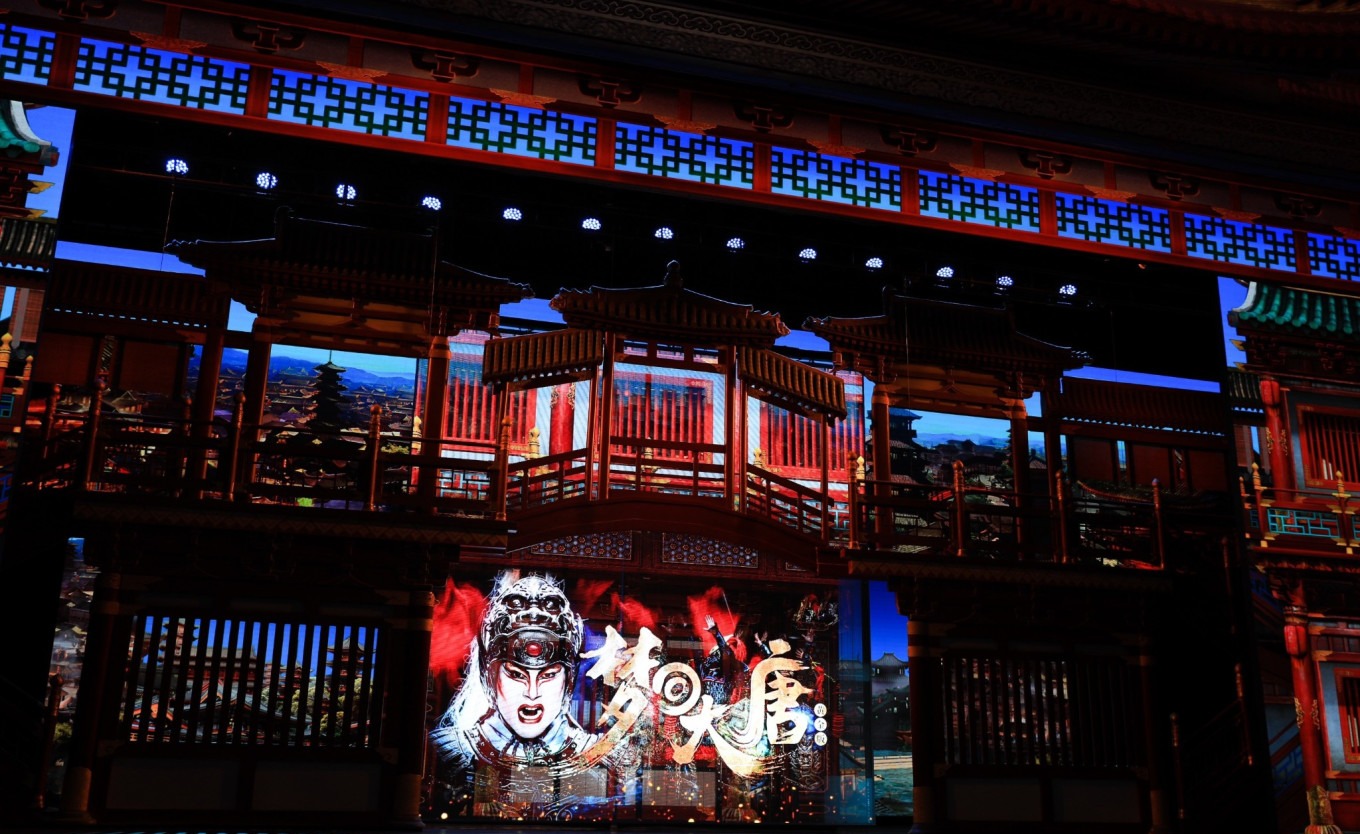
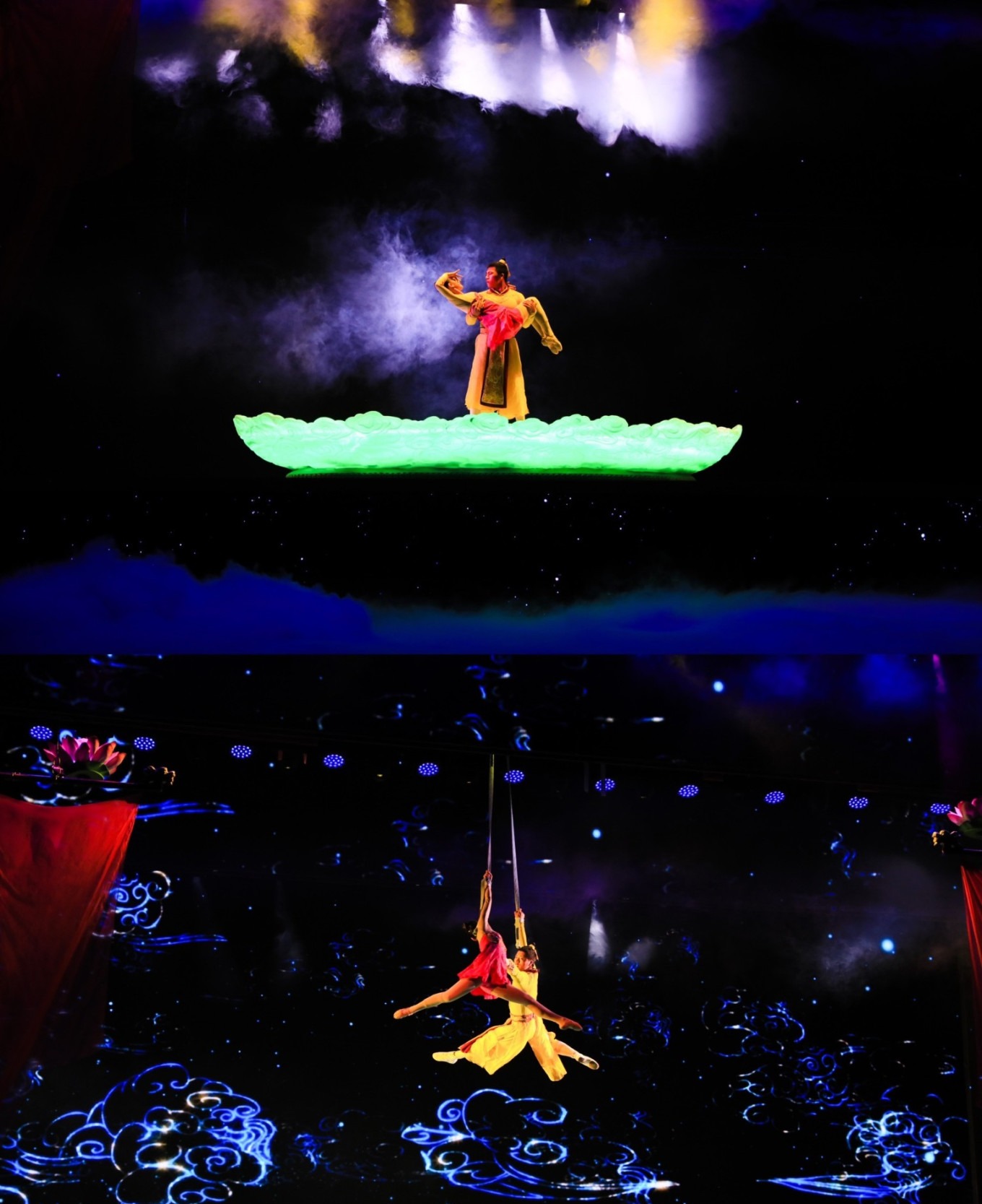
The show is not just a visual feast but also a journey into the soul of Tang culture. The choreography, music, and narrative weave together to tell stories of love, power, and artistry that defined the dynasty. You’ll find yourself cheering, gasping, and even moved to tears as the plot unfolds. After the performance, take a moment to stroll through the moonlit gardens of Tang Paradise. The reflection of lanterns on the lake creates a dreamlike atmosphere, perfect for reflecting on the day’s experiences. This is a must-see for any first-time visitor to Xi’an, offering a vivid glimpse into the city’s glorious past.
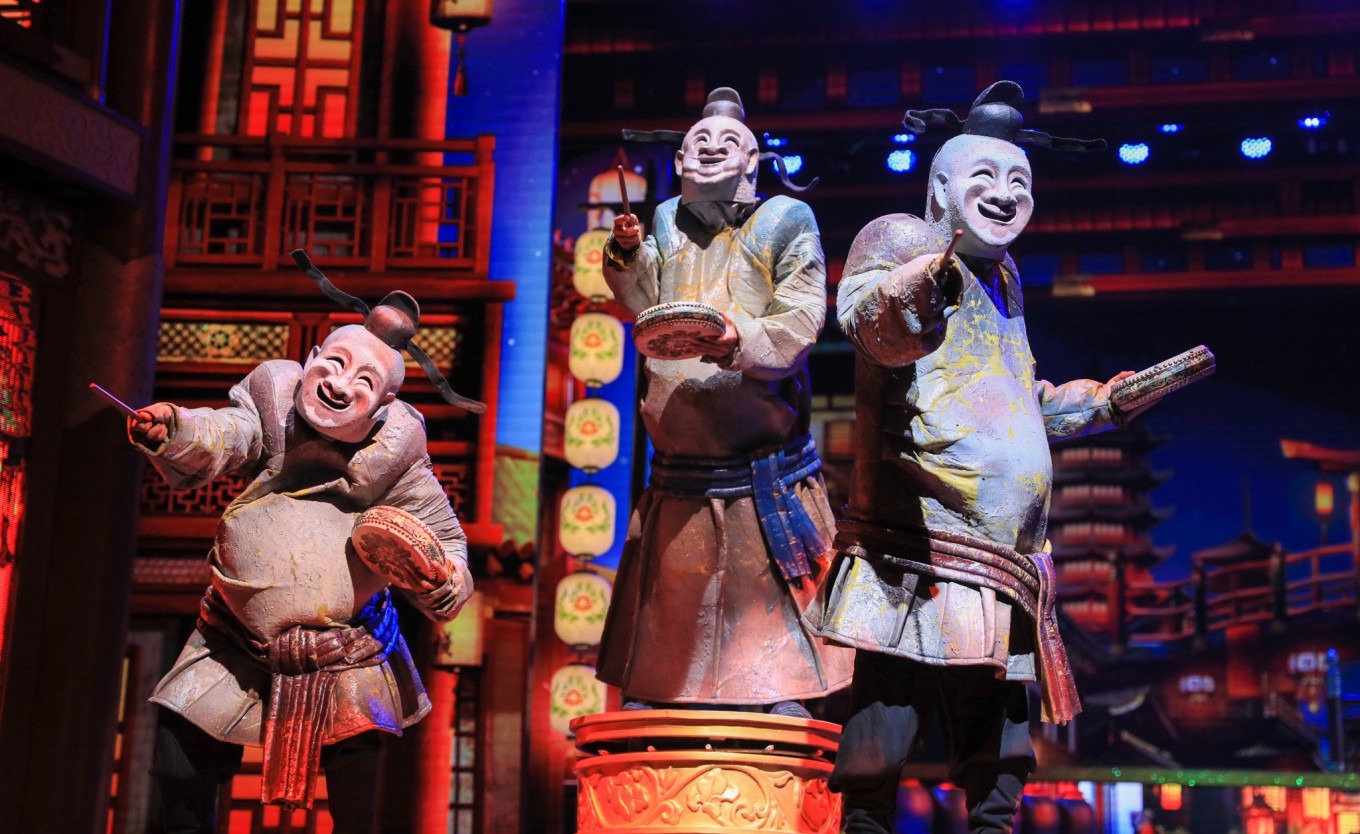
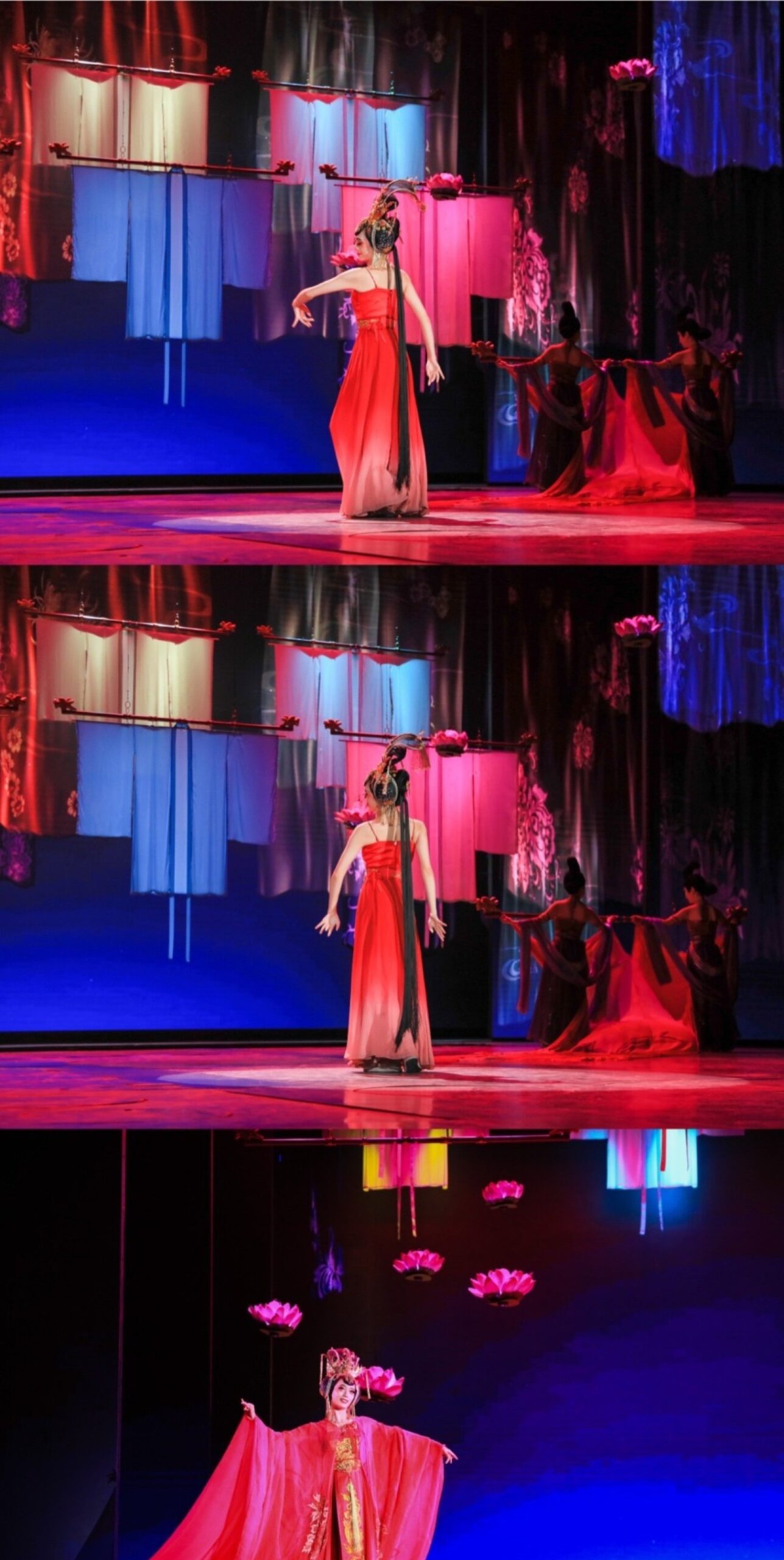
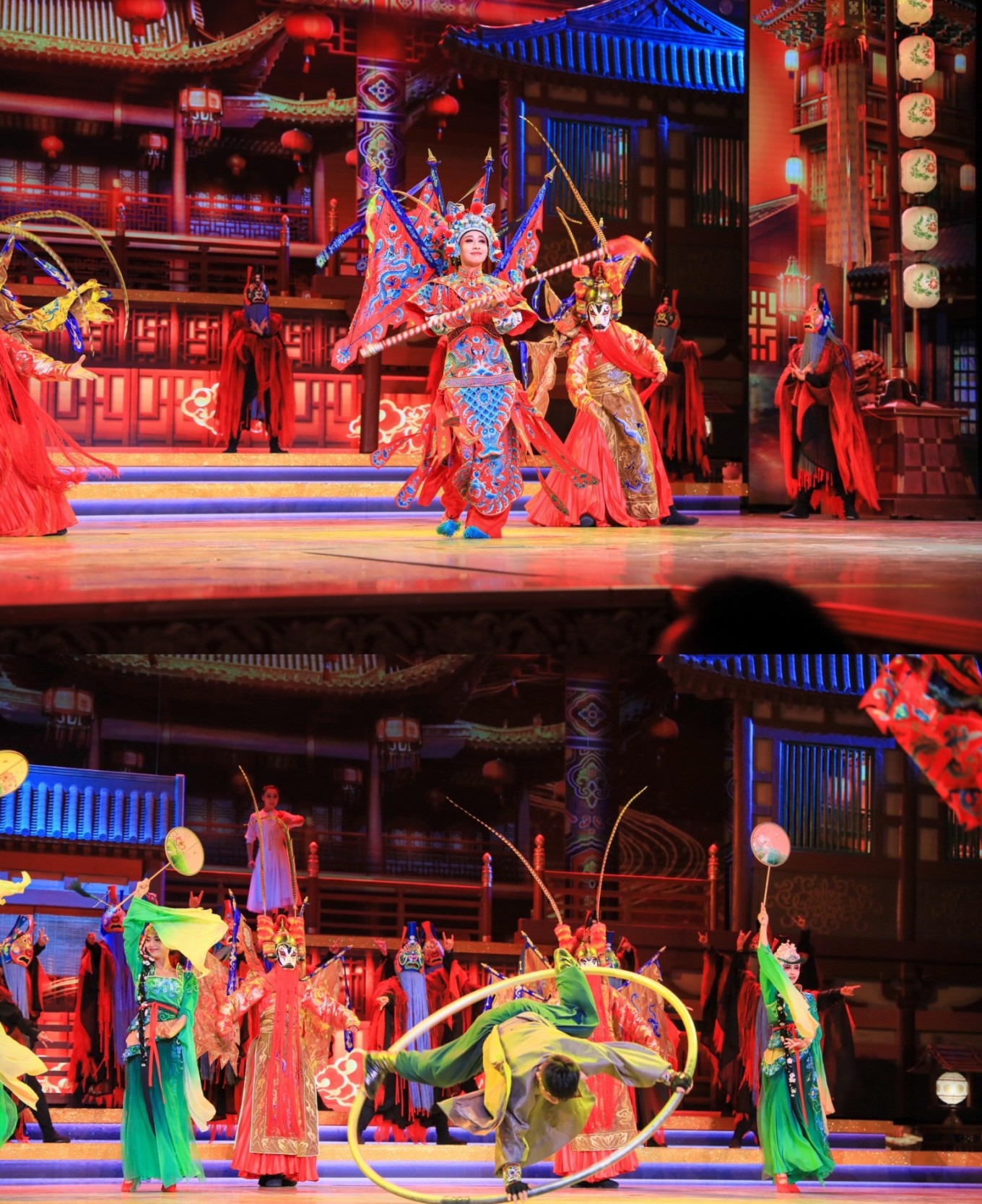
To make the most of your visit, consider arriving early to explore the Tang Paradise grounds before the show. The park itself is a stunning recreation of a Tang imperial garden, with winding paths, ornate pavilions, and serene water features. You can enjoy a leisurely walk, visit the museum, or sample Tang-style snacks from vendors. The show typically runs in the evening, so plan your day accordingly. Tickets can be purchased online or at the gate, but booking in advance is recommended during peak seasons.
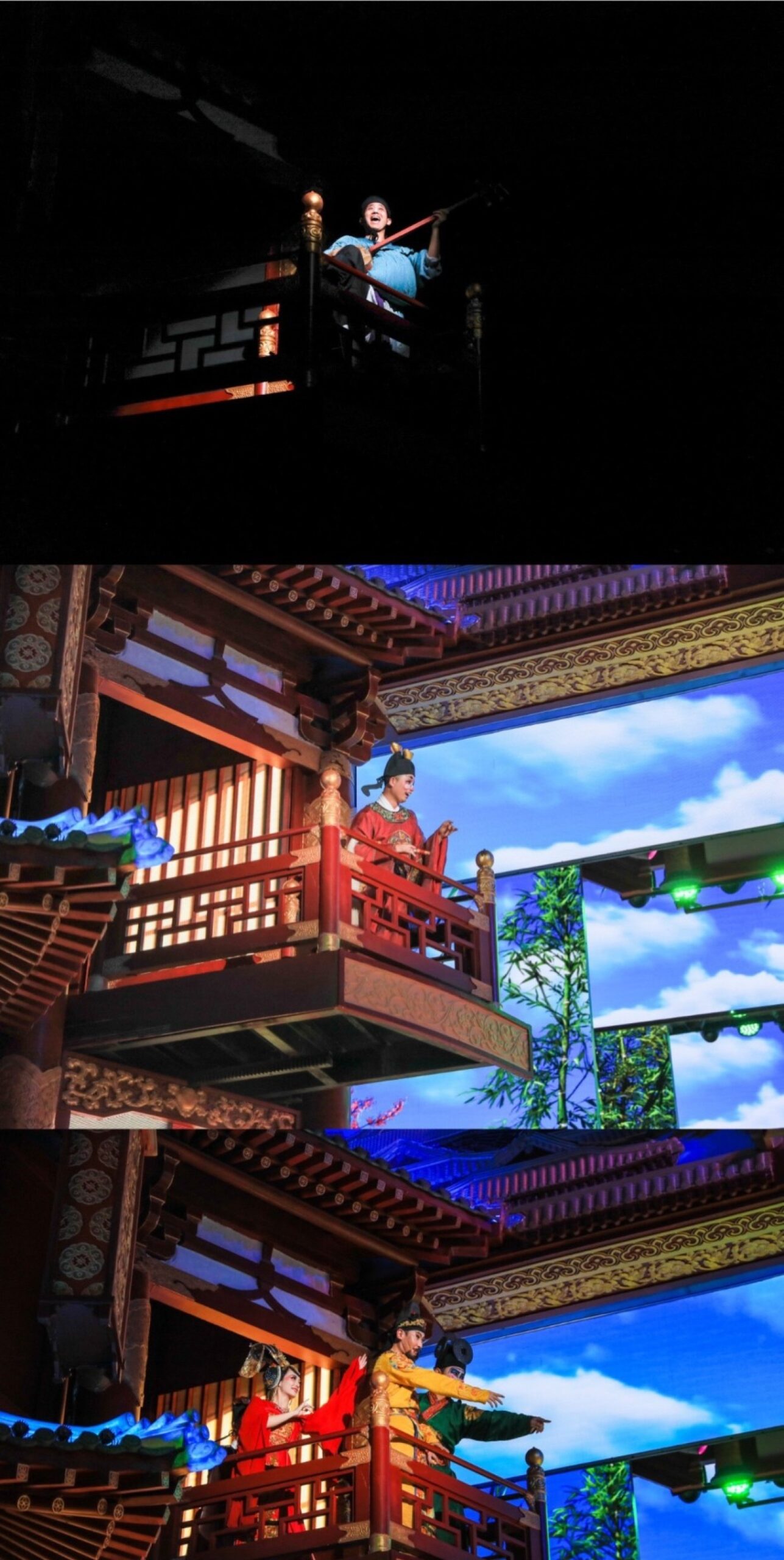
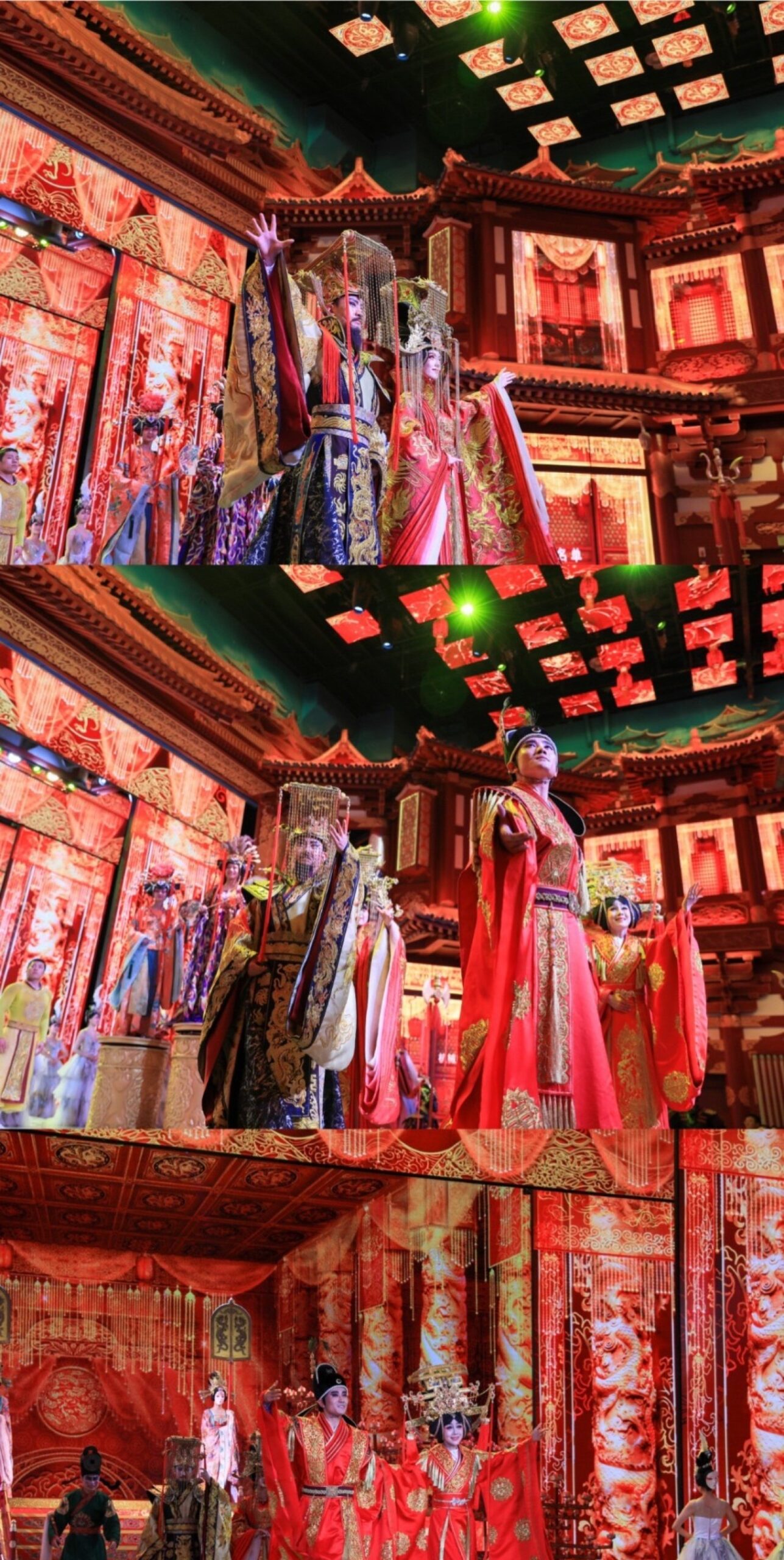
This immersive experience will leave you with a lasting impression of the Tang Dynasty’s magnificence. It’s more than a show—it’s a time machine that brings history to life. Whether you’re a history buff, a culture enthusiast, or simply looking for a memorable evening, “Back to the Tang Dynasty” is an unmissable highlight of any Xi’an itinerary.
Emperor Qinshihuang’s Mausoleum Site Museum: The Eighth Wonder of the World
No trip to Xi’an is complete without visiting the Terracotta Warriors, one of the most significant archaeological discoveries of the 20th century. The museum is built directly over the excavation pits, located in Lintong District, about an hour east of downtown Xi’an. Here you’ll witness thousands of life-sized clay soldiers, horses, and chariots, each with unique facial features, standing in battle formation as if guarding the tomb of China’s first emperor.
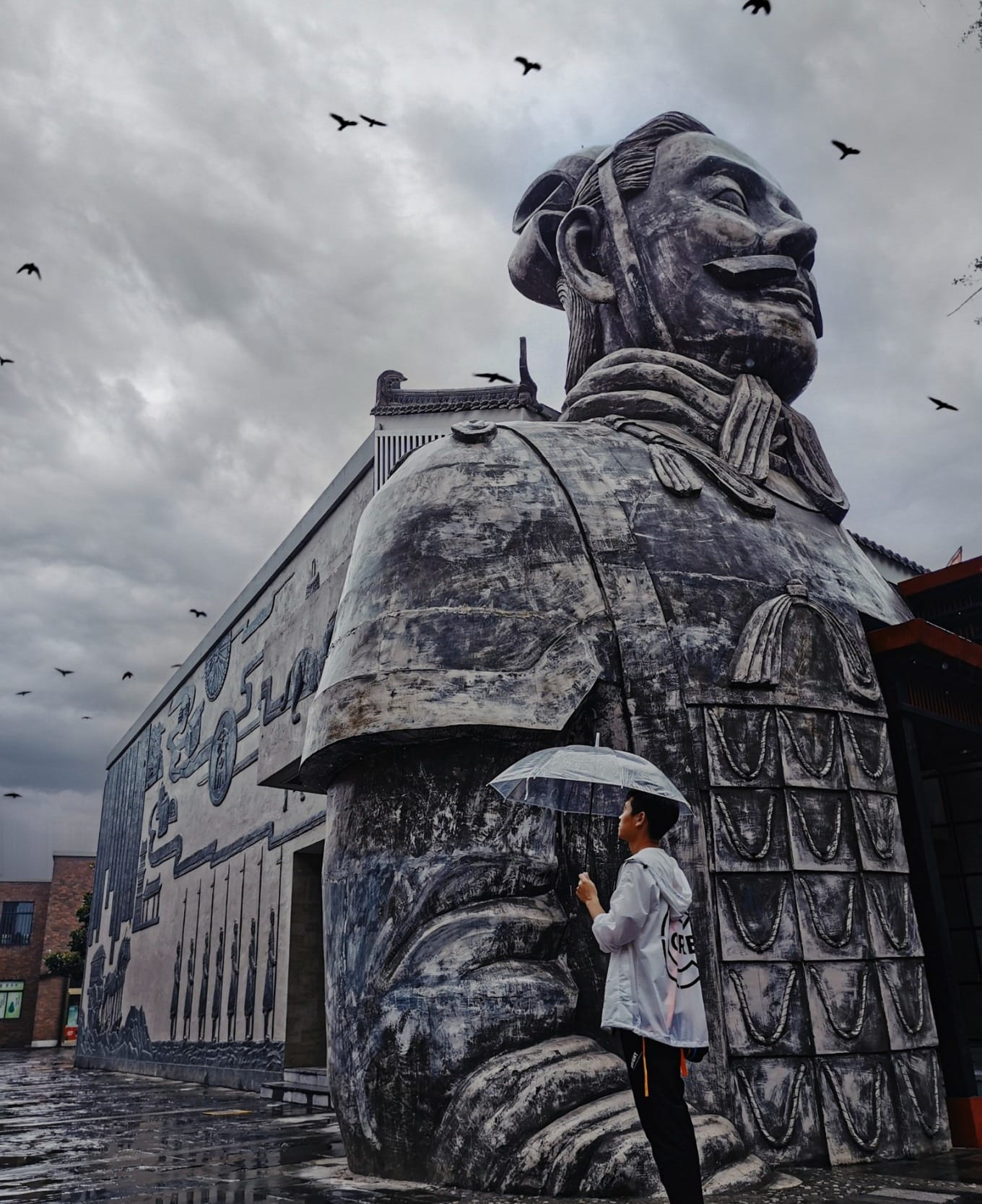
As you enter the main hall, the first view of Pit 1 is unforgettable. More than 6,000 warriors and horses are arranged in precise military ranks, their expressions ranging from stern to fierce. Some hold real bronze weapons, others once drove chariots. The sheer scale and detail make it easy to imagine the might of the Qin army that unified China.
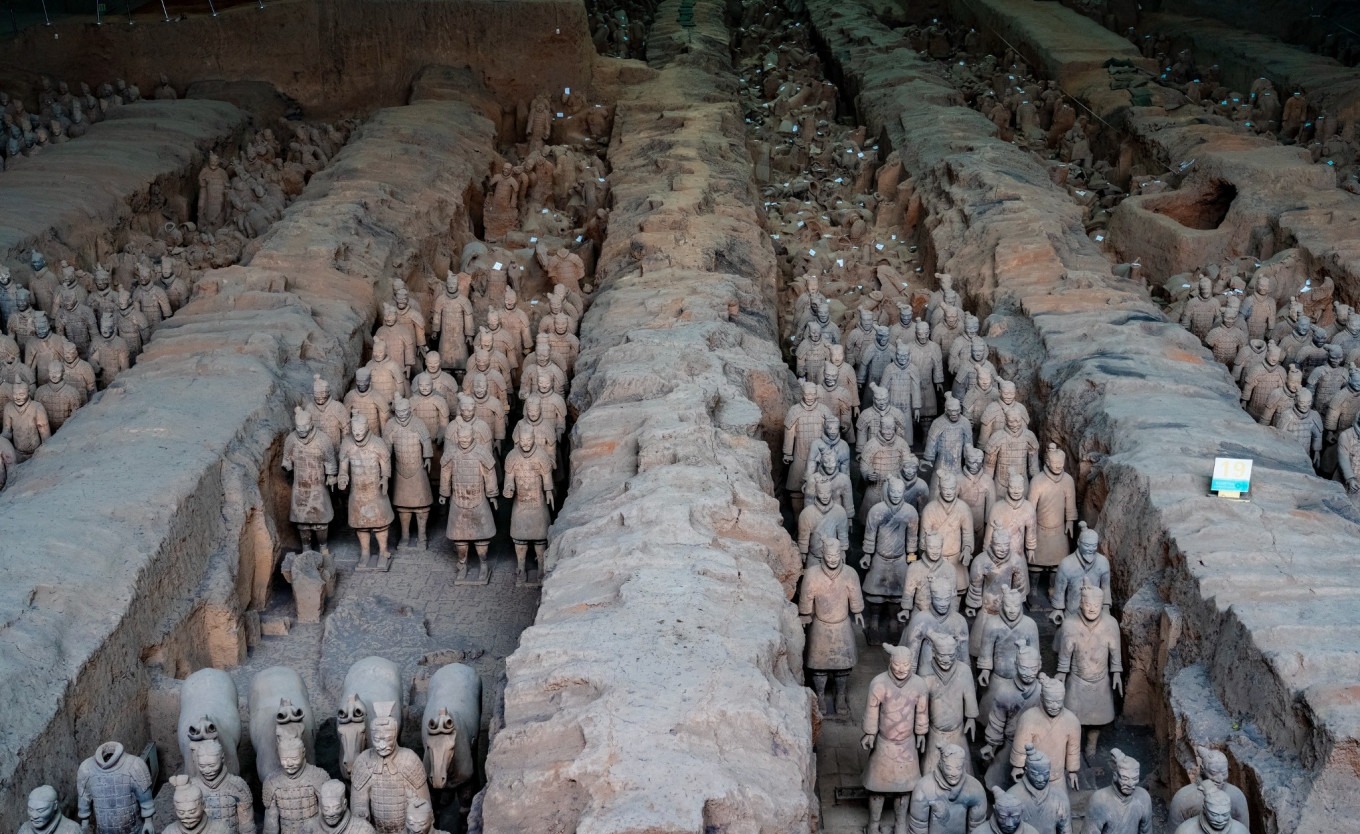
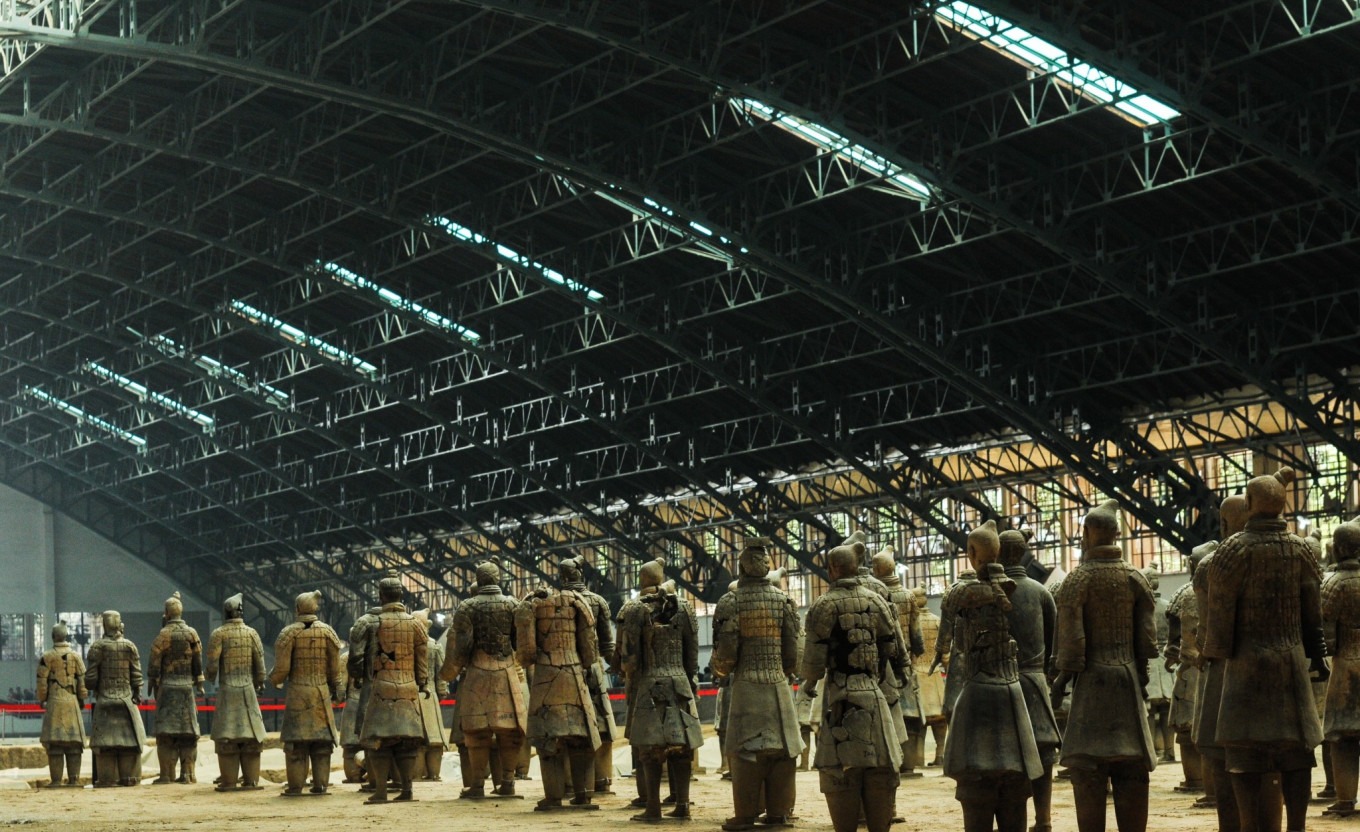
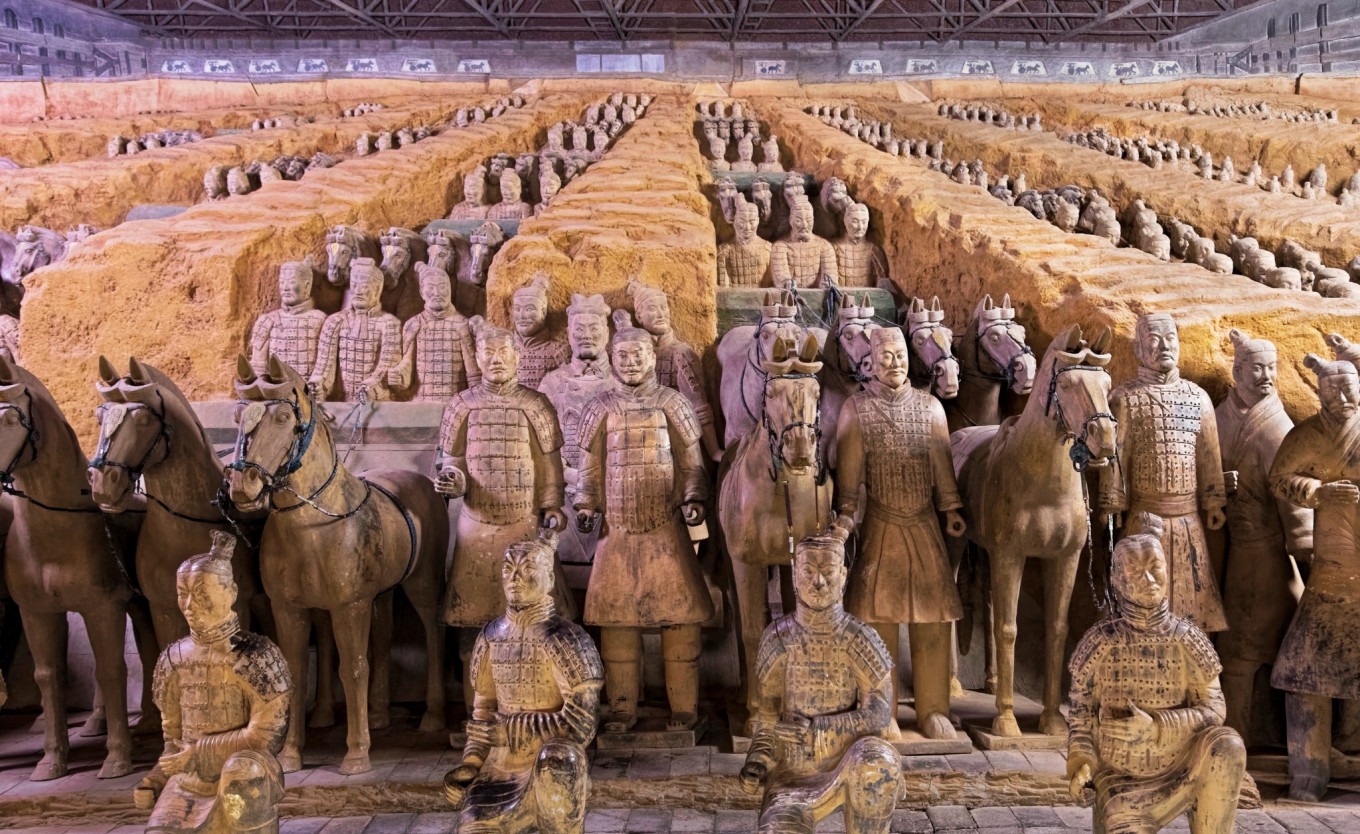
Next, move to Pit 2, which offers a more nuanced look at the army’s composition. Here you’ll find a mix of infantry, cavalry, and archers, along with rare bronze chariots. The warriors wear iron armor and carry bronze weapons, reflecting the advanced metallurgy of the time. Pit 2 also contains exquisite bronze and jade artifacts that showcase the artistic achievements of the Qin dynasty.
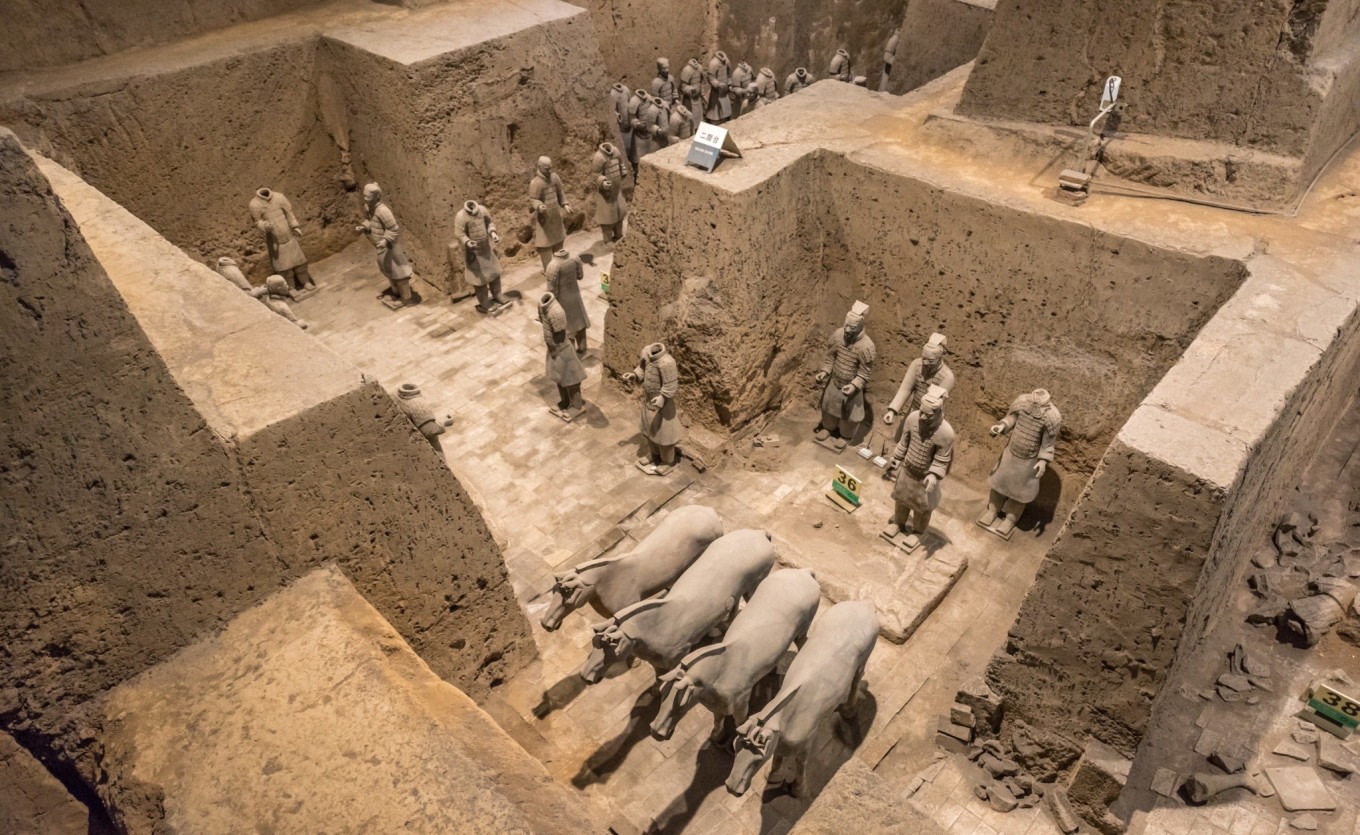
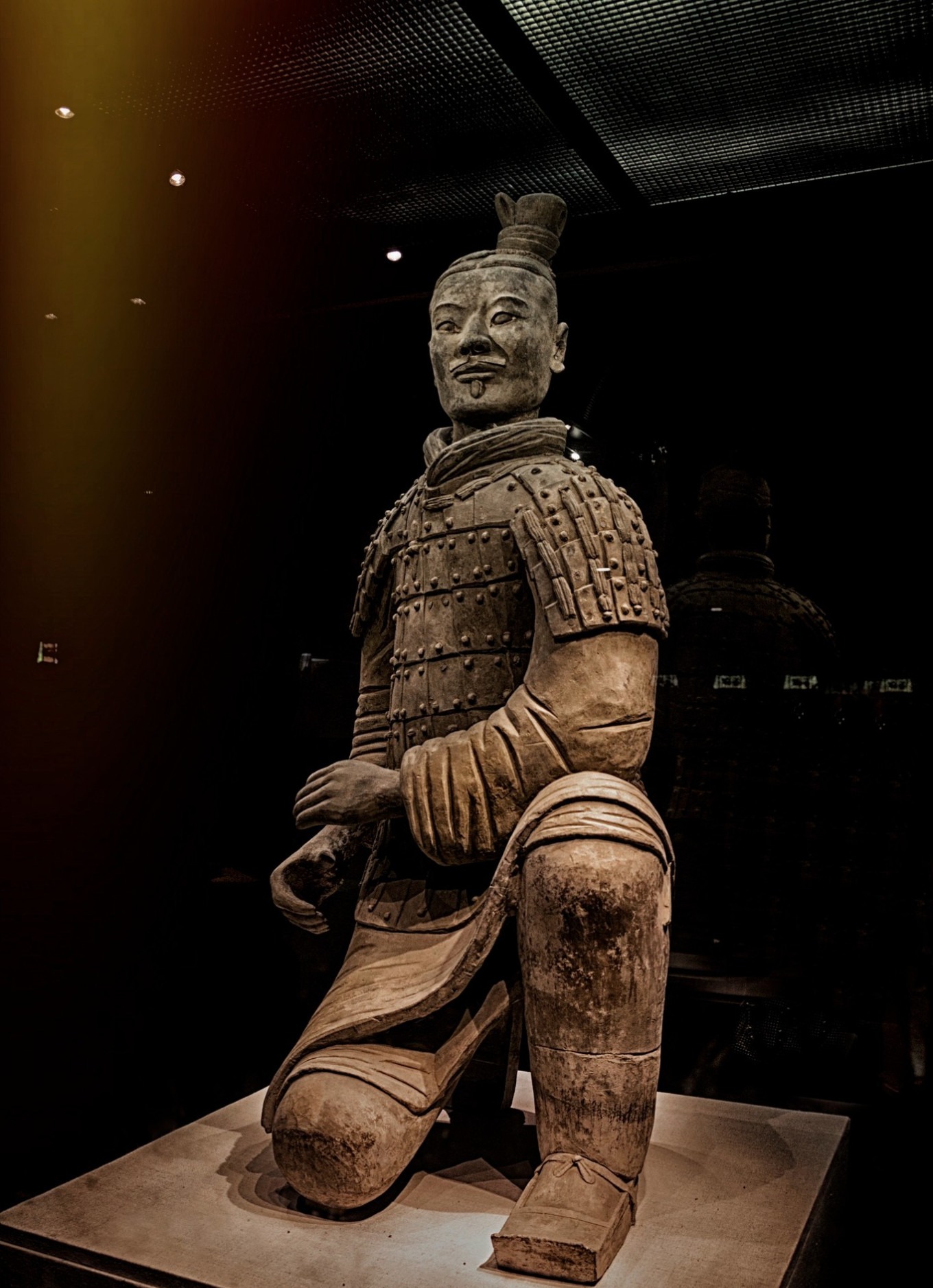
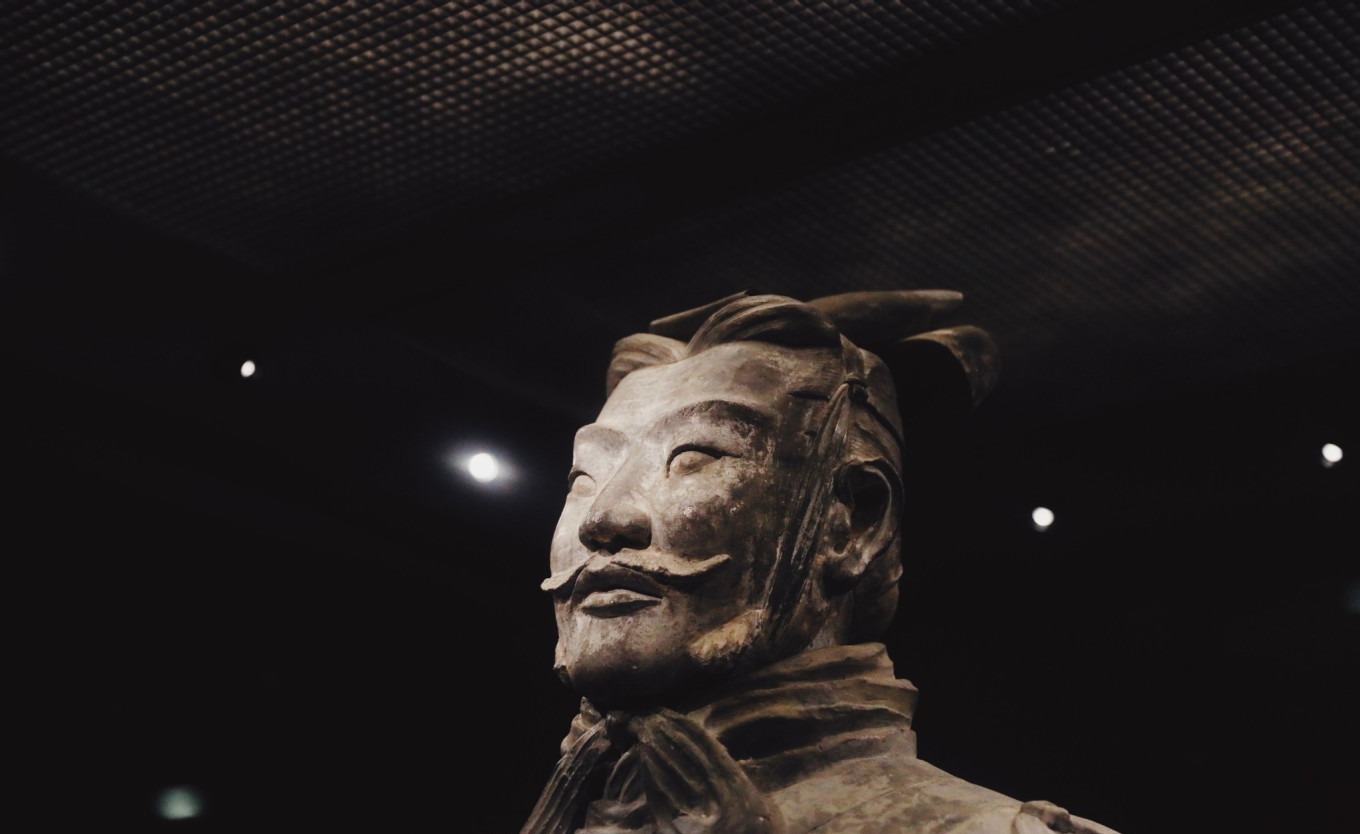
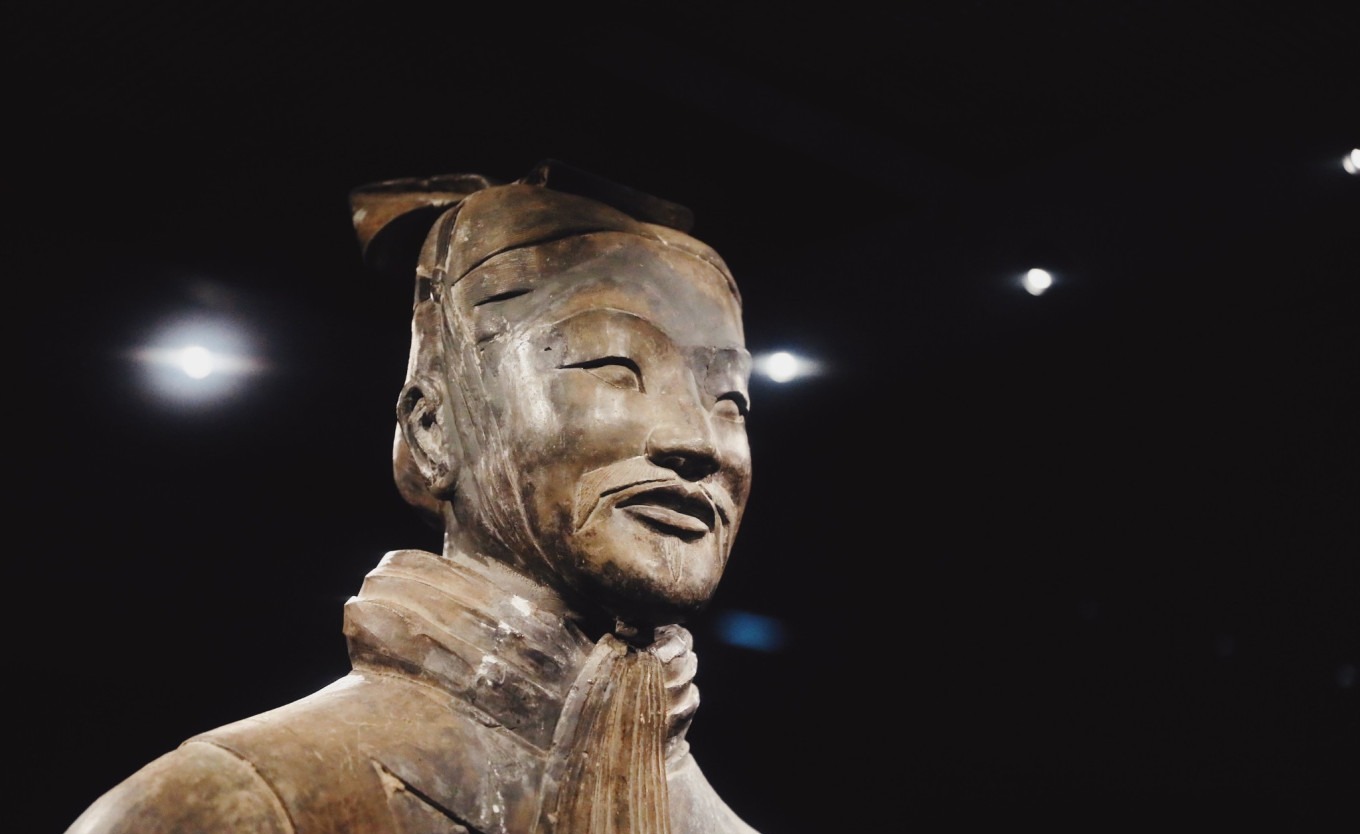
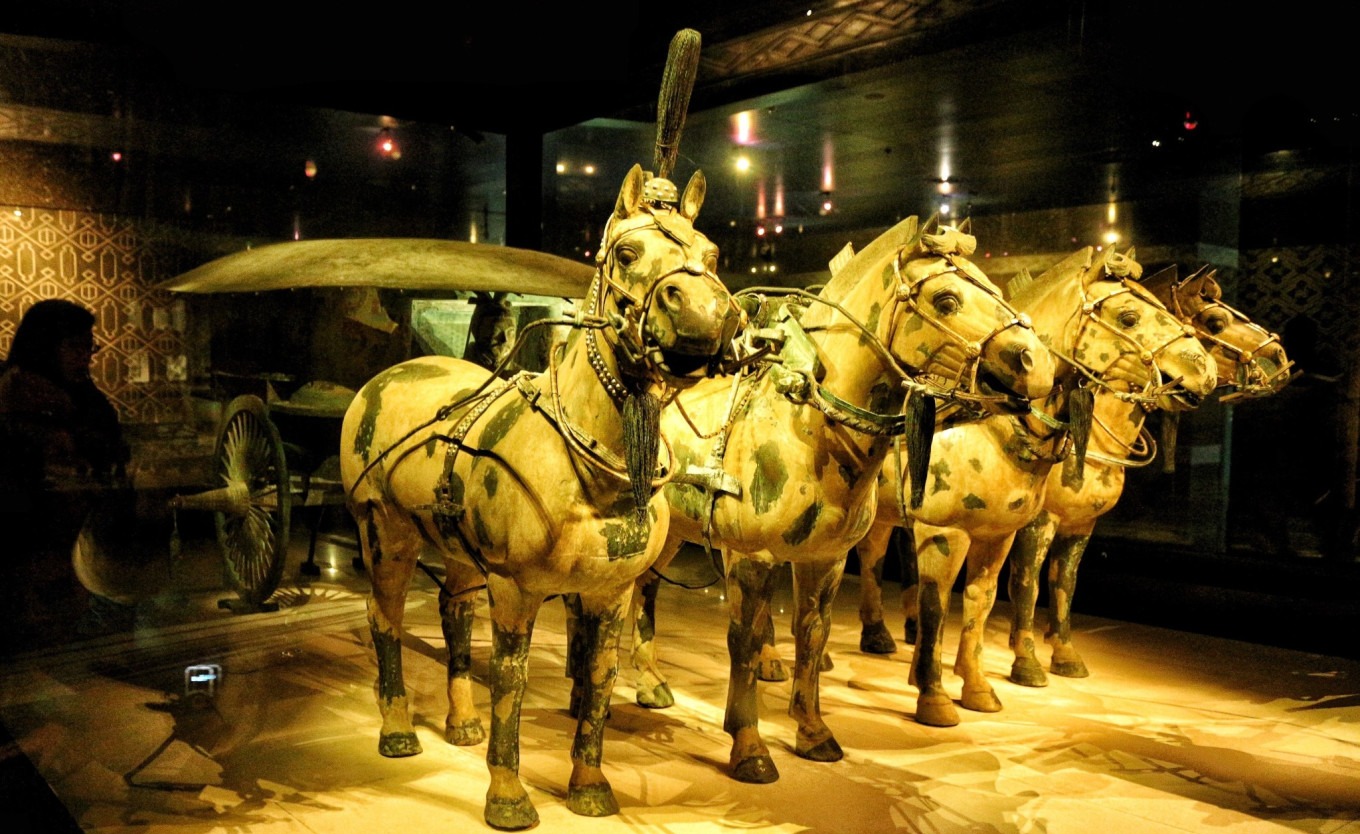
A highlight of the museum is the Bronze Chariots and Horses exhibit. These are half-scale replicas of the emperor’s imperial carriage, complete with intricate gold and silver ornaments weighing 14 kilograms. Unlike earlier wooden chariots that decayed, these bronze versions survived intact, giving you a clear picture of ancient royal transport. The chariots are decorated with colorful patterns and demonstrate extraordinary craftsmanship.
Beyond the pits, the museum complex sits at the foot of Mount Li and near the Wei River, offering pleasant natural scenery. Several exhibition halls display additional Qin-era artifacts, including bronze vessels and pottery, helping you understand the broader historical context. A visit here is not just about seeing ancient statues—it’s a journey into the heart of China’s first imperial dynasty.
To make the most of your visit, arrive early in the morning to avoid crowds. Allow at least three to four hours to explore all three pits and the bronze chariot hall. Guided tours or audio guides are recommended for deeper insight. The museum is easily accessible by public bus from Xi’an Railway Station or by taxi.
Huaqing Palace: Dancing with the Splendor of the Tang Dynasty
When planning a trip to Xi’an, few places evoke the romance and grandeur of ancient China like Huaqing Pool (华清池). Nestled in Lintong District, this historic hot spring palace has been celebrated for centuries as the ‘Number One Hot Spring under Heaven.’ Its crystal-clear waters, set against the backdrop of Li Mountain, have attracted emperors and poets alike. Whether you’re a history buff or simply seeking a scenic escape, Huaqing Pool offers a journey into the heart of Tang Dynasty elegance.
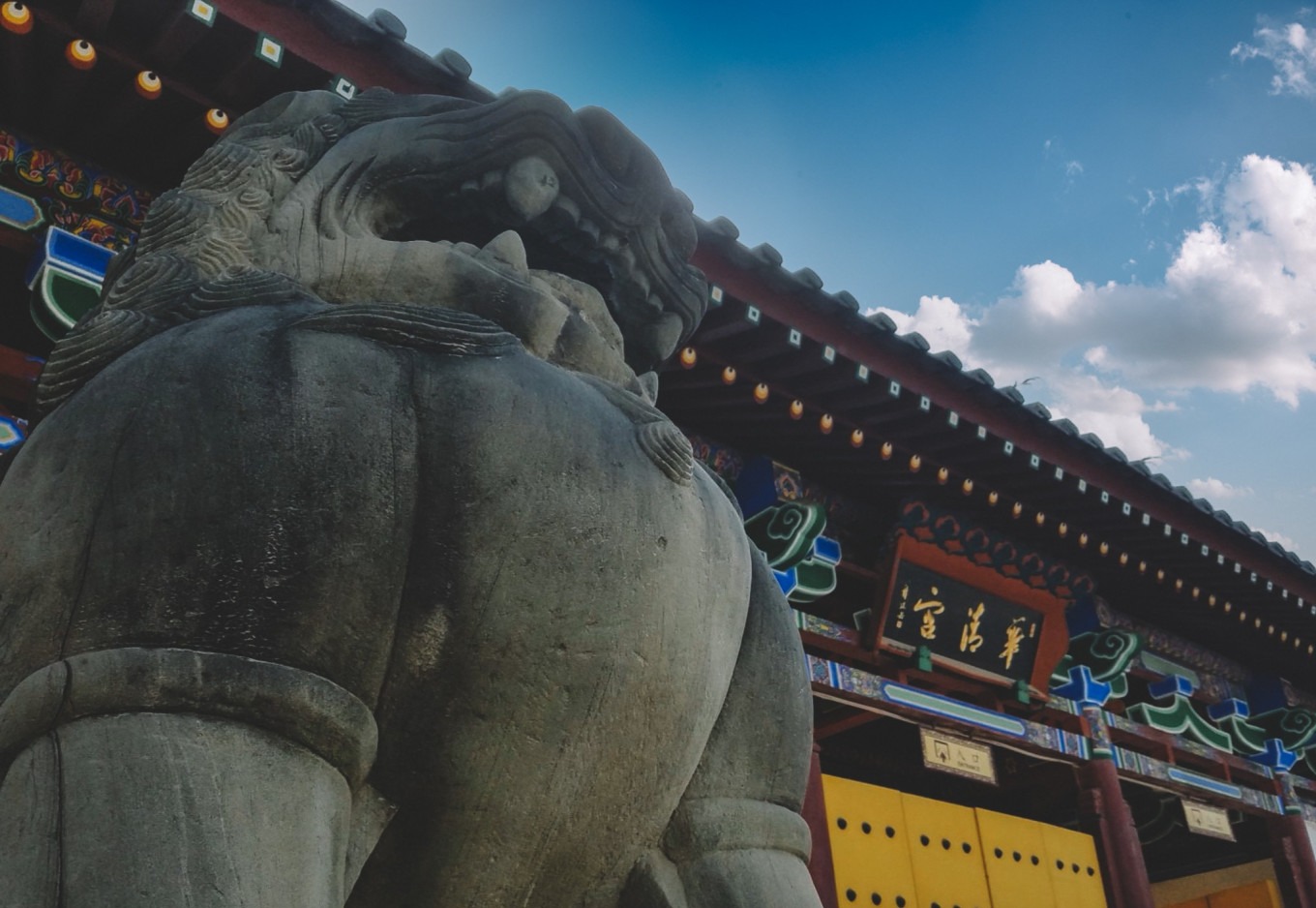
As you stroll along the poolside, you’ll be captivated by the shimmering water, which mirrors the surrounding hills and clouds. The gentle breeze creates ripples that dance like a living painting. The palace complex, with its ornate carvings and golden roofs, exudes imperial majesty. This is where Emperor Hanwu once built his temporary palace, and where the legendary love story of Emperor Xuanzong and Yang Guifei unfolded. Every stone and brick here whispers tales of a thousand years.
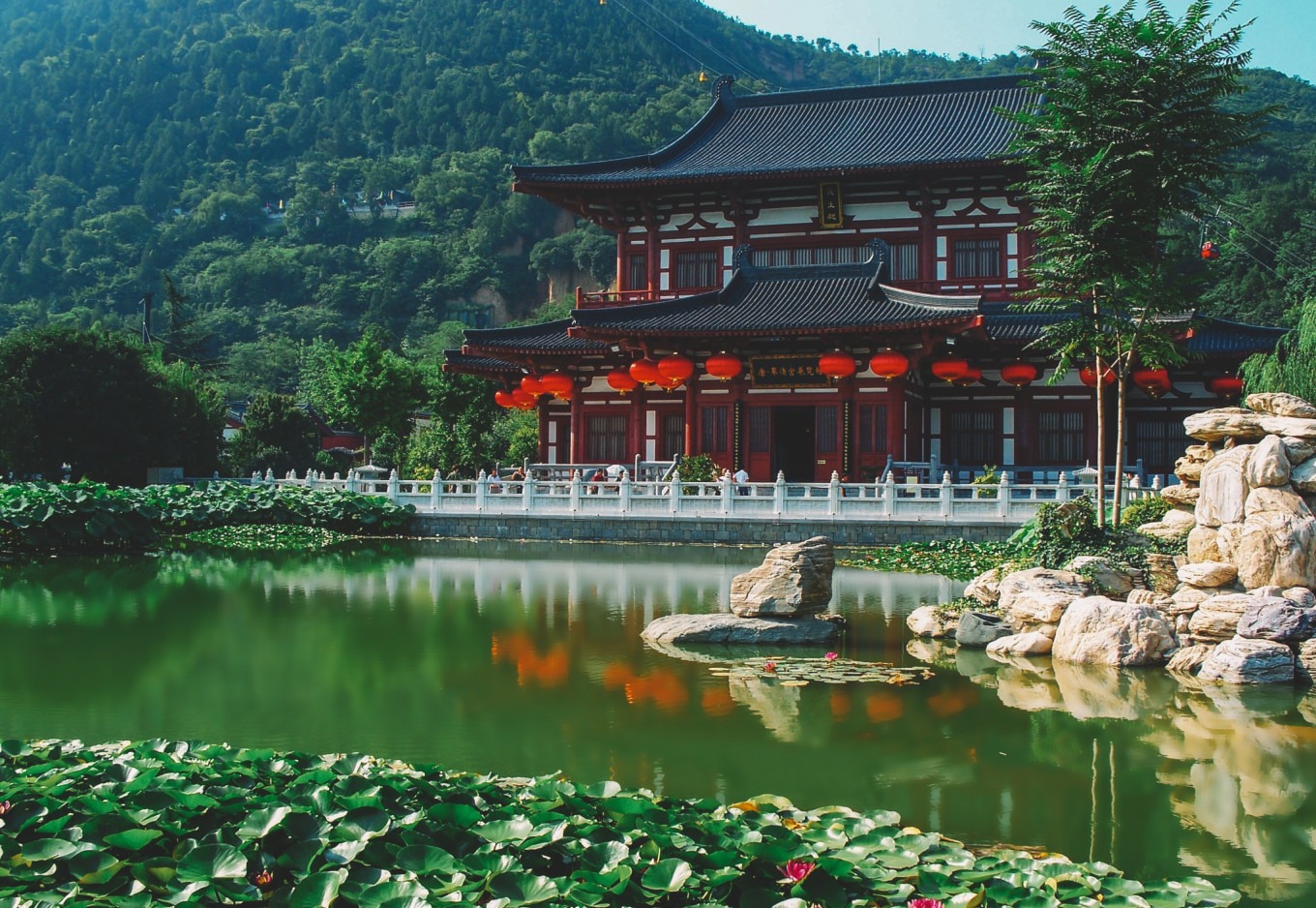
Follow the path to a natural hot spring vent, where steaming water nourishes the surrounding vegetation. It’s easy to imagine ancient royals bathing here, as legends say Emperor Xuanzong and Yang Guifei once did. The site’s mystical charm is palpable, making it a must-see for anyone visiting Xi’an.
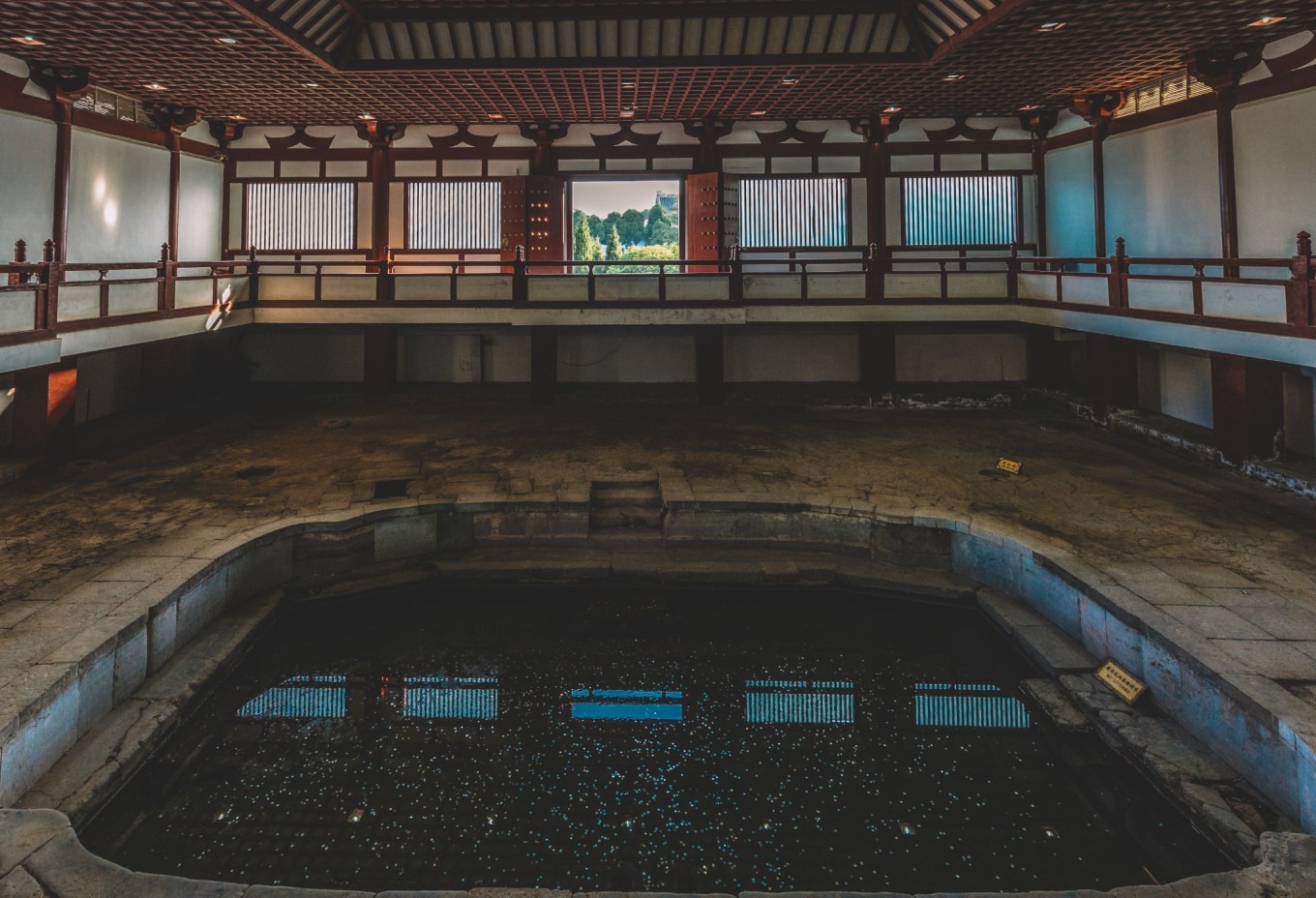
Visiting Huaqing Pool isn’t just about the scenery—it’s about immersing yourself in history. As you wander, you can almost hear the laughter of ancient courtiers and feel the romance of a bygone era. Every ruin and relic tells a story, transporting you back to the Tang Dynasty.
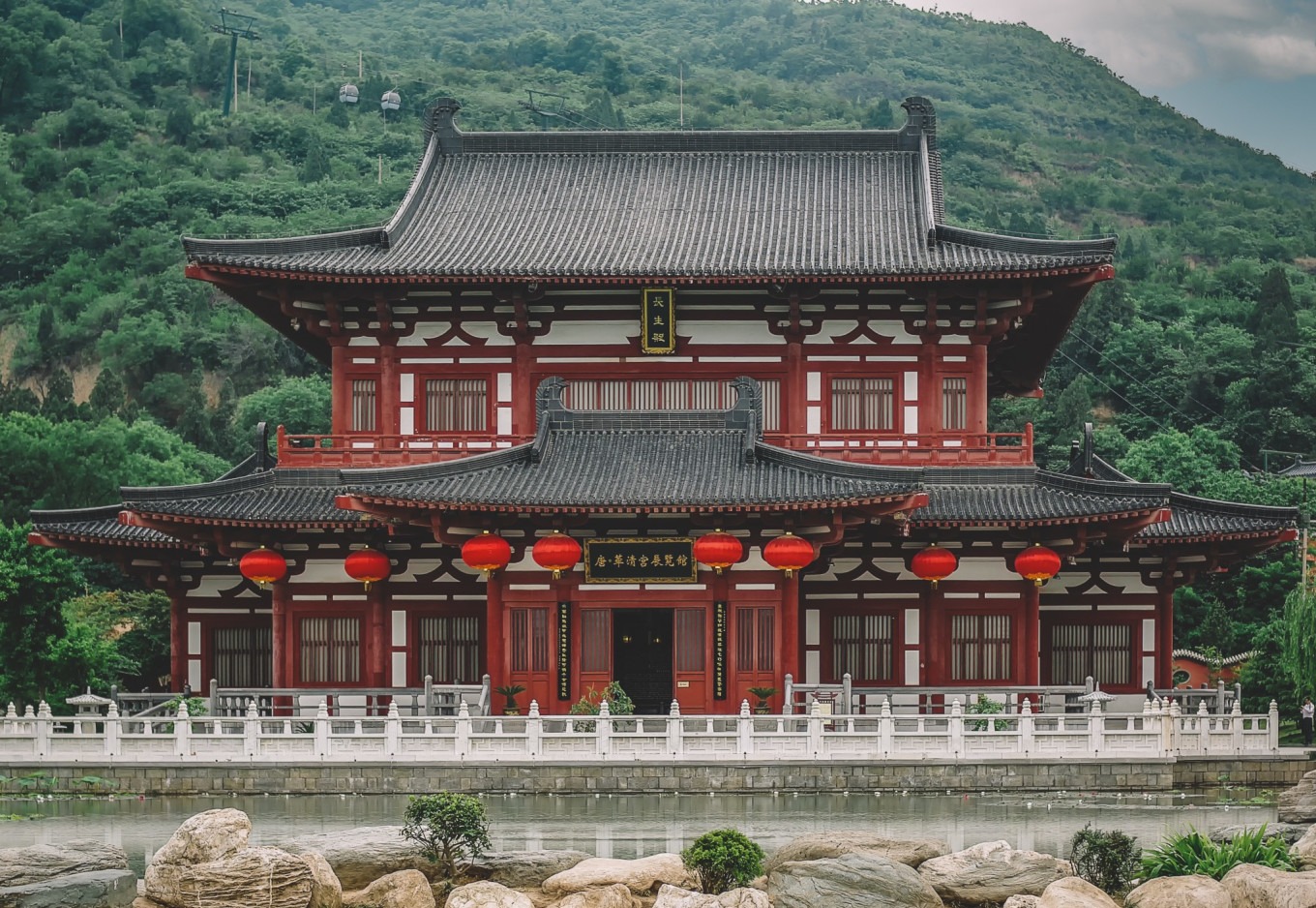
As night falls, Huaqing Pool transforms into a dreamscape. Colorful lights reflect on the water, and moonlight casts a silver veil over the palace. This is the perfect time to watch the grand outdoor performance ‘The Song of Everlasting Sorrow’ (长恨歌), a historical dance drama staged at the actual Huaqing Palace ruins.
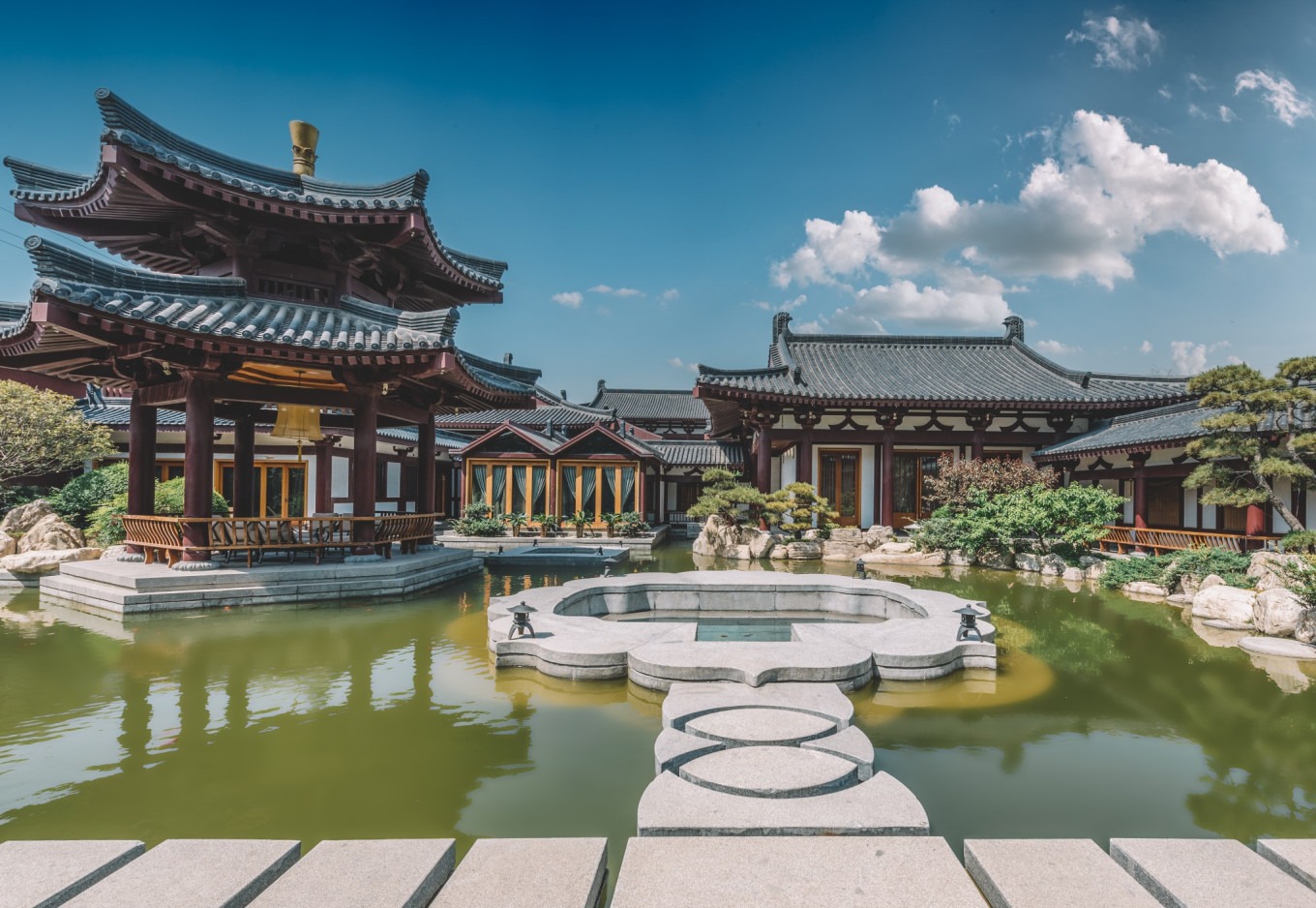
The performance, set against the real palace and Li Mountain, brings to life the tragic love story of Emperor Xuanzong and Yang Guifei, based on Bai Juyi’s famous poem. The show masterfully blends history with art, using the natural landscape—the Nine-Dragon Lake, pavilions, corridors, and willow trees—as its stage. The choreography, music, and costumes are stunning, drawing on Tang Dynasty dance traditions while incorporating modern elements. The lighting and special effects create an ethereal atmosphere, making you feel as though you’ve stepped into a fairy tale.
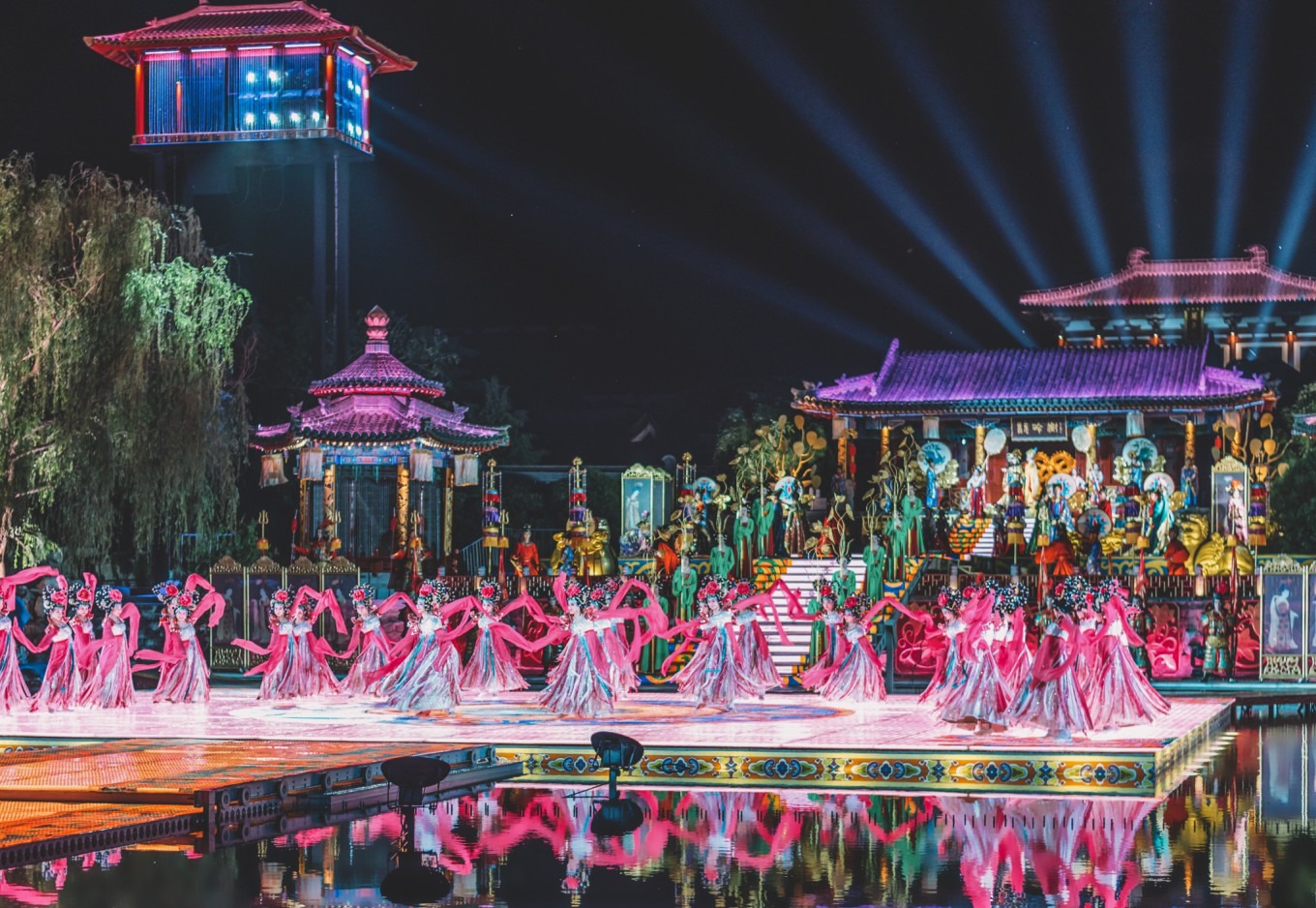
Watching ‘The Song of Everlasting Sorrow’ is an unforgettable experience. It offers a vivid window into Tang culture and a poignant love story that resonates across centuries. The combination of natural beauty, historical authenticity, and artistic excellence makes it a must-see for any visitor.
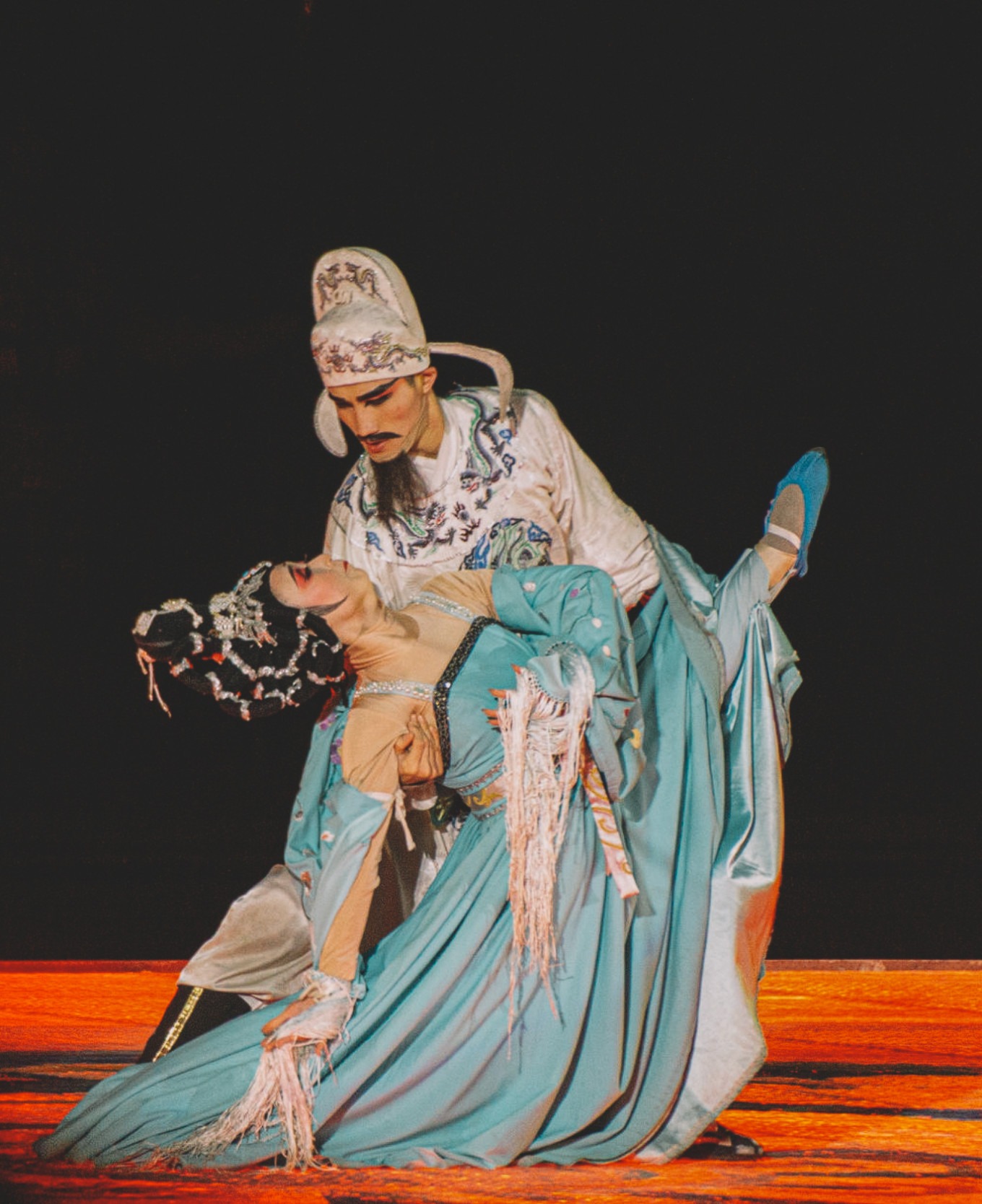
A trip to Huaqing Pool is more than a sightseeing stop—it’s a journey through time. You’ll leave with a deeper appreciation of China’s imperial heritage and a collection of memories that feel like a living painting. Plan to spend at least half a day here, and don’t miss the evening show if possible.
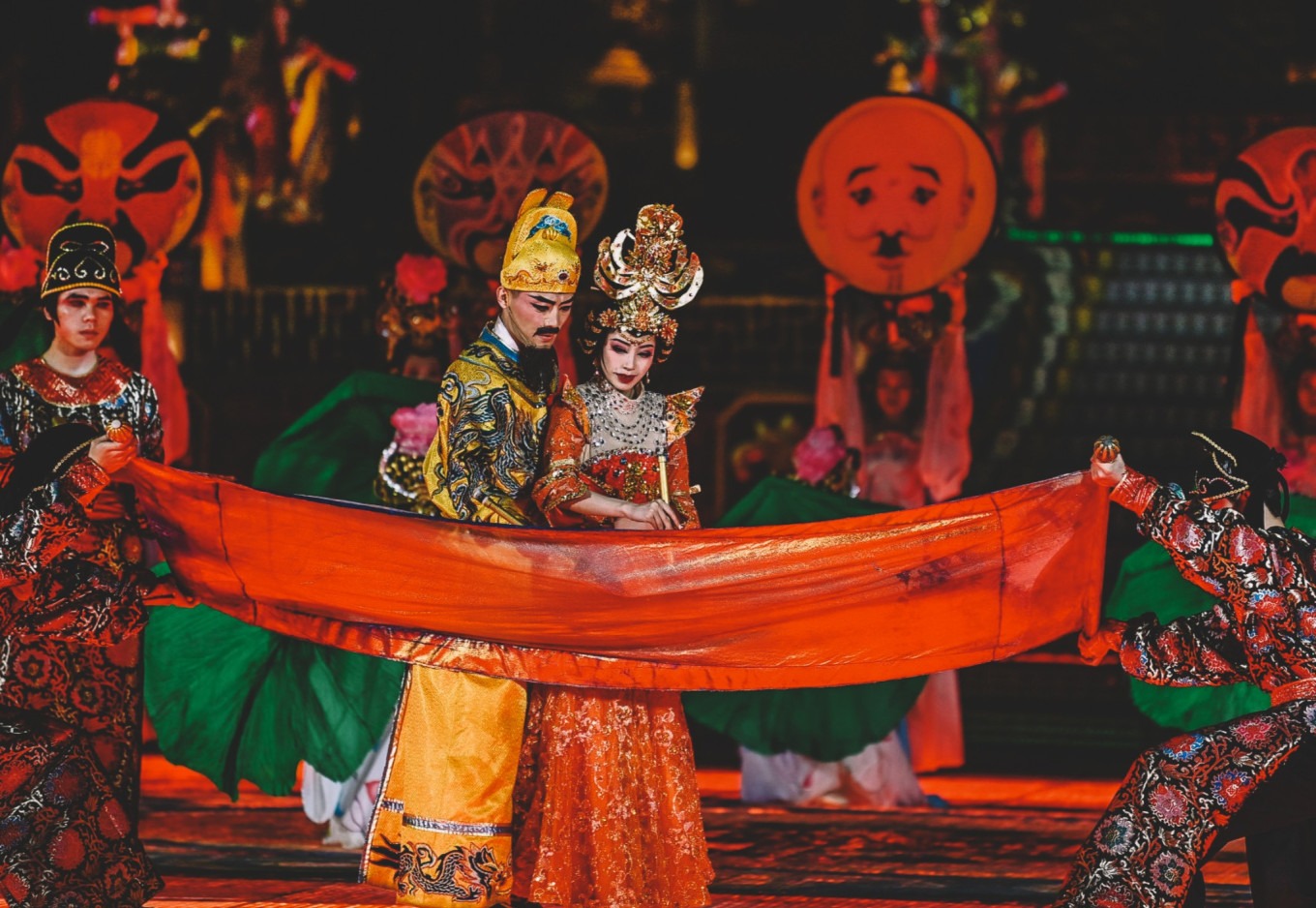
- RestaurantHuaqing Palace Dining (华清宫御膳) – on-site options available
- Address陕西省西安市临潼区华清路38号 (No.
- Recommended dishesLocal Lintong pomegranate (临潼石榴), Xi’an-style cold noodles (凉皮), and lamb skewers (羊肉串)
- Average spend¥80–150 per person for a meal;
Qinling Four Treasures Science Park: Meet the Internet-Famous Qizai
If you’re planning a trip to Xi’an and want a dose of nature and wildlife, head to the Qinling Four Treasures Science Park (秦岭四宝科学公园). Located in Shaanxi Province, this comprehensive nature reserve blends biodiversity, science education, and tourism. Spanning about 260 hectares, the park is often called the ‘bright pearl of the Qinling Mountains.’ Its landscapes feature dramatic peaks and oddly shaped rocks, shaped by millennia of geological forces—some like swords pointing to the sky, others like coiled dragons. Streams meander through the area, creating a serene picture with wildflowers and butterflies along the banks.
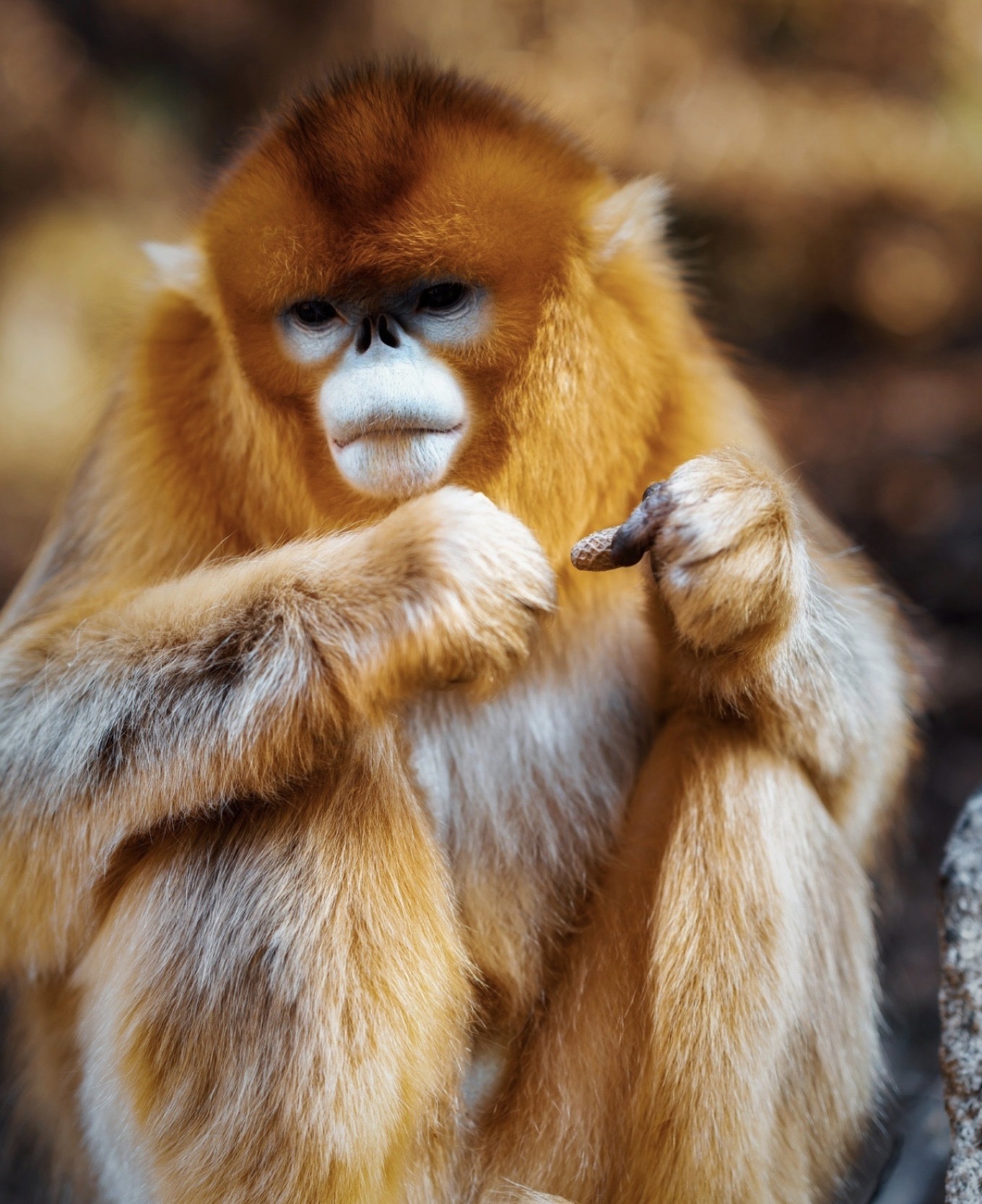
The park’s vegetation is equally diverse, with tall trees and low shrubs. In spring and summer, everything bursts into green; autumn paints the hills in fiery colors; winter cloaks the branches in snow. But the real draw is the wildlife: golden monkeys, giant pandas, takins, and crested ibises—all rare and protected species. You can observe these national treasures in their natural habitats and learn about their behaviors.

The park’s biggest celebrity is Qizai (七仔), the only brown giant panda in captivity. His chocolate-colored coat sets him apart from the typical black-and-white pandas, making him a true ‘panda superstar.’ With a chubby body and silky brown fur that gleams in the sunlight, Qizai is hard to miss. His bright black eyes sparkle with mischief and intelligence. Watch him munch on bamboo, climb trees, or lounge in the shade—his playful and gentle nature will win you over. He’s also incredibly friendly with humans and other pandas, creating a harmonious scene that reminds you of nature’s wonders.

Qizai has a huge appetite, consuming large amounts of bamboo daily. Watching him eat—mouthful after mouthful, sometimes drooling—is oddly mesmerizing. Visiting Qizai is like uncovering a rare miracle; you’ll leave with a deeper appreciation for these animals and the importance of conservation.


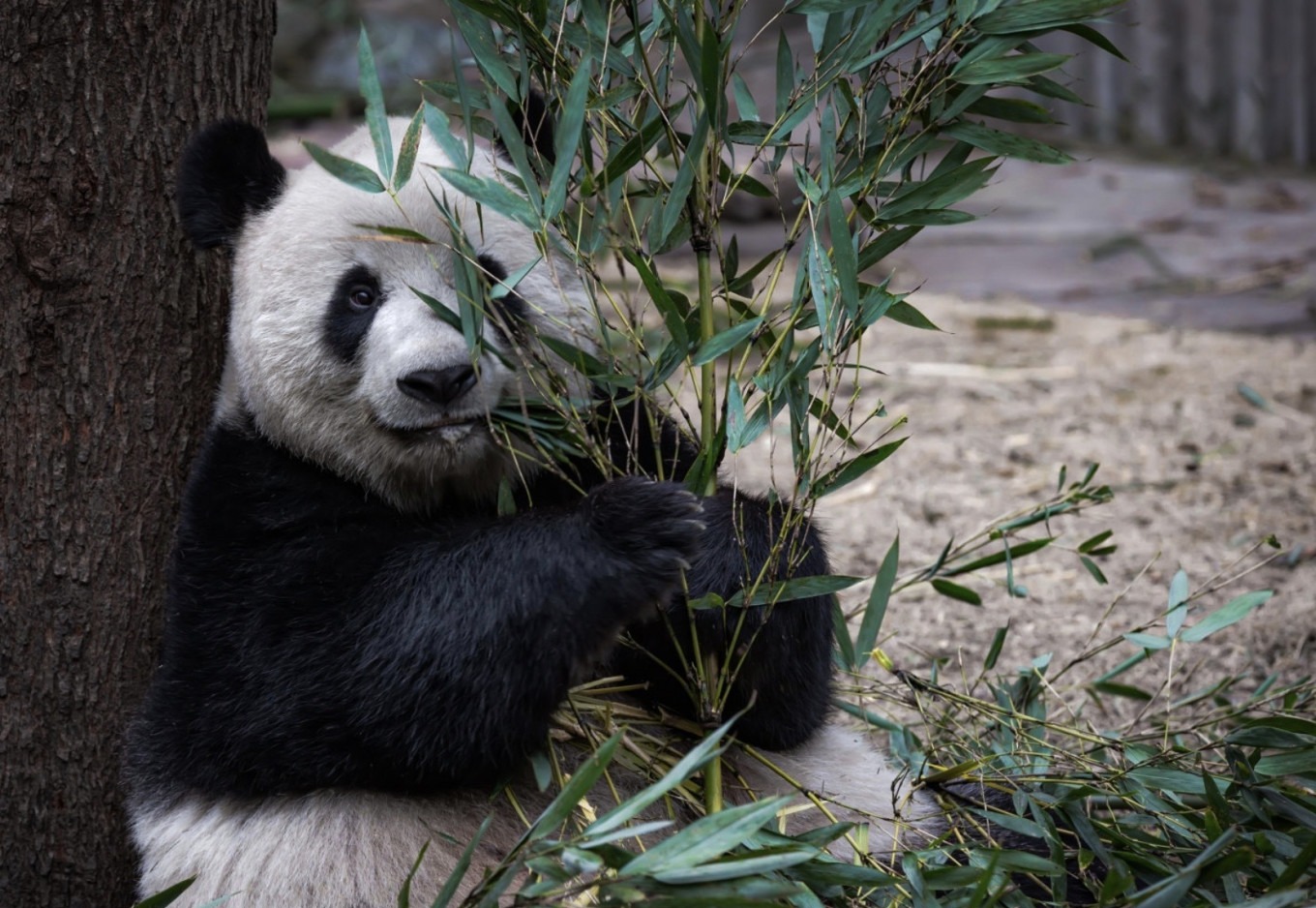
Beyond the animals, the park offers educational exhibits about the Qinling ecosystem and environmental protection. There are also leisure facilities for a relaxing break. In short, the Qinling Four Treasures Science Park is an ecological treasure where you can experience the magic of nature and the harmony between humans and wildlife.

Food: Snap Photos at Huimin Street, Eat at Sajinqiao
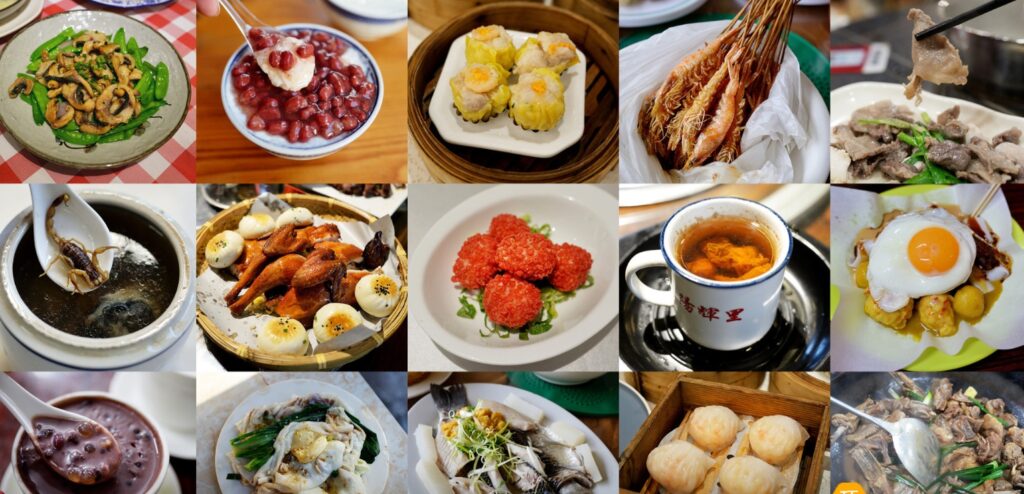
When planning your first food trip to Xi’an, you’ll quickly encounter a classic dilemma: should you head to the famous Huimin Street (回民街) or the increasingly popular Sajinqiao (洒金桥)? The straightforward answer is to do both, but with a clear strategy. Huimin Street is now heavily commercialized, and while it still buzzes with energy, the food quality has declined. Sajinqiao, on the other hand, has emerged as the go-to destination for authentic, delicious local eats. the advice: go to Huimin Street for the atmosphere and photo opportunities, then walk over to Sajinqiao to actually eat.
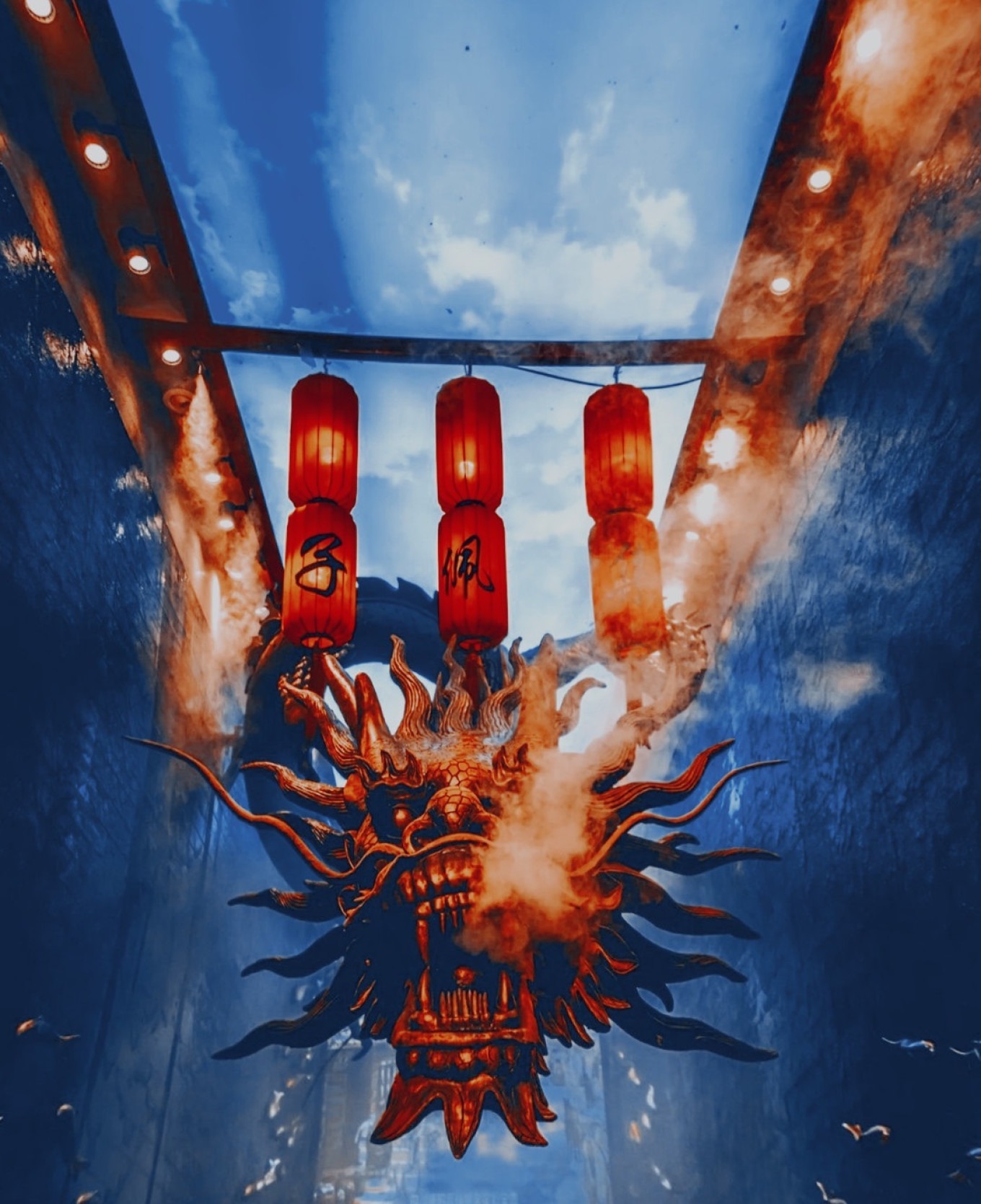
Huimin Street (回民街), located in the heart of Xi’an, is a must-visit for its rich history and unique ethnic atmosphere. The street is lined with Ming and Qing-style wooden archways and intricately carved beams, making you feel as if you’ve stepped back in time a thousand years. During the day, the narrow alley buzzes with vendors selling everything from grilled skewers to hand-pulled noodles. At night, red lanterns light up the street, creating a picture-perfect scene. You’ll find plenty of photo-worthy spots here, but remember: this is a place to snap and explore, not to fill up.
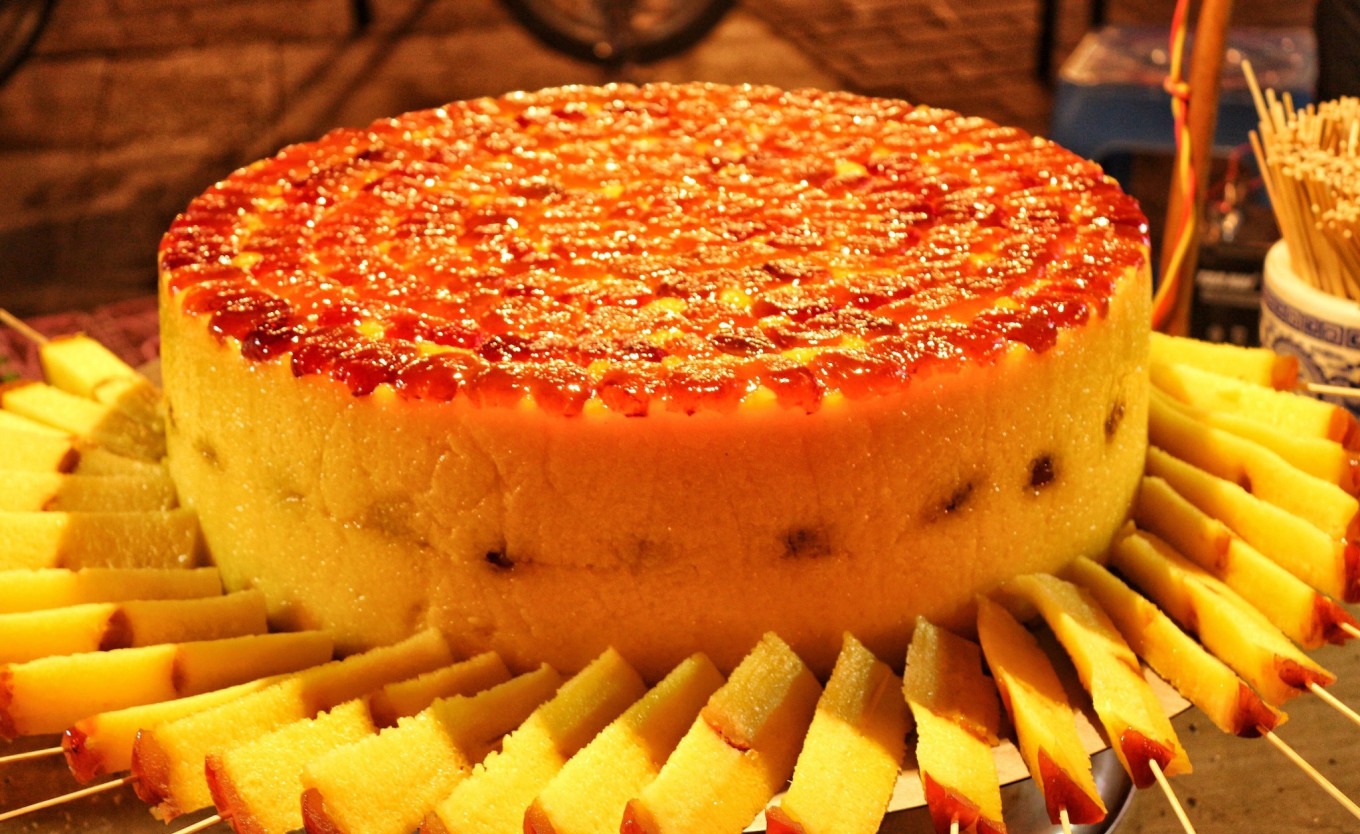
The shopkeepers and staff are mostly Hui Muslim, known for their hospitality. You’ll see them skillfully preparing dishes like 羊肉泡馍 (yangrou paomo, lamb soup with shredded flatbread), 牛肉拉面 (niurou lamian, hand-pulled beef noodles), and 砂锅居 (shaguoju, clay pot dishes). While these dishes are iconic, the versions here tend to be more tourist-oriented and less authentic than what you’ll find at Sajinqiao. So take your photos, enjoy the lively atmosphere, and save your appetite for the real feast.
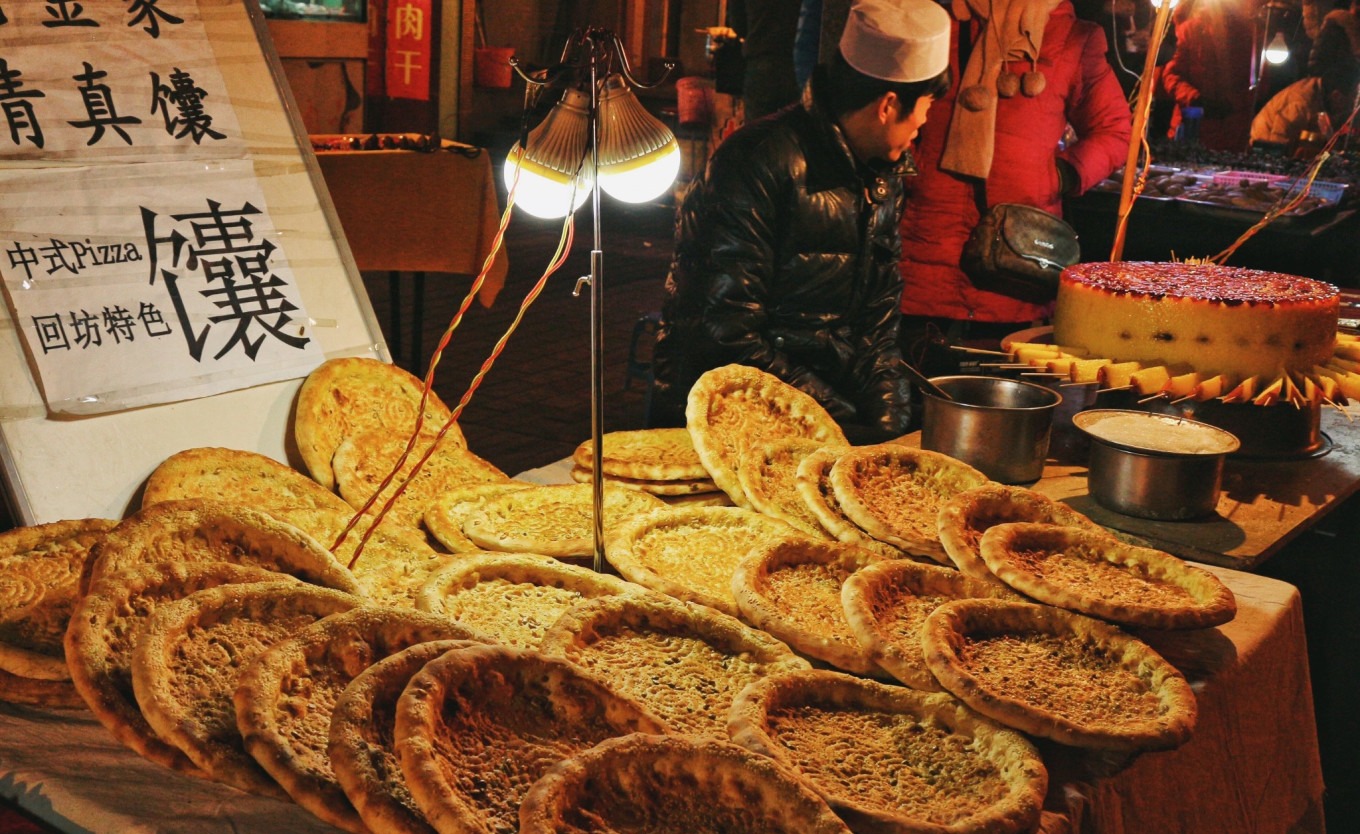
Huimin Street is also a great place to browse traditional handicrafts: silk scarves, embroidered Hui clothing, and unique jewelry. These make memorable souvenirs, but again, don’t linger too long—your stomach awaits.
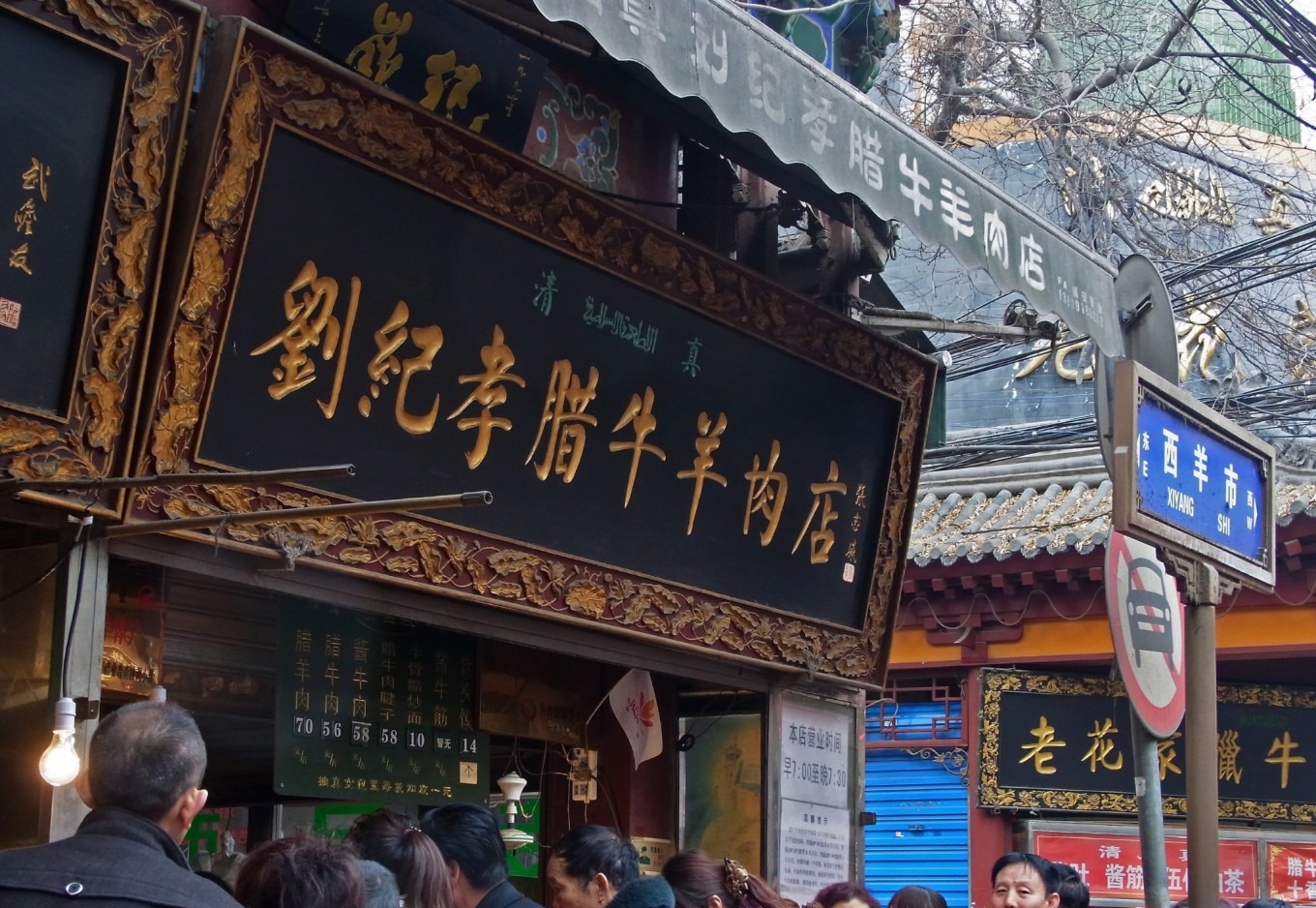
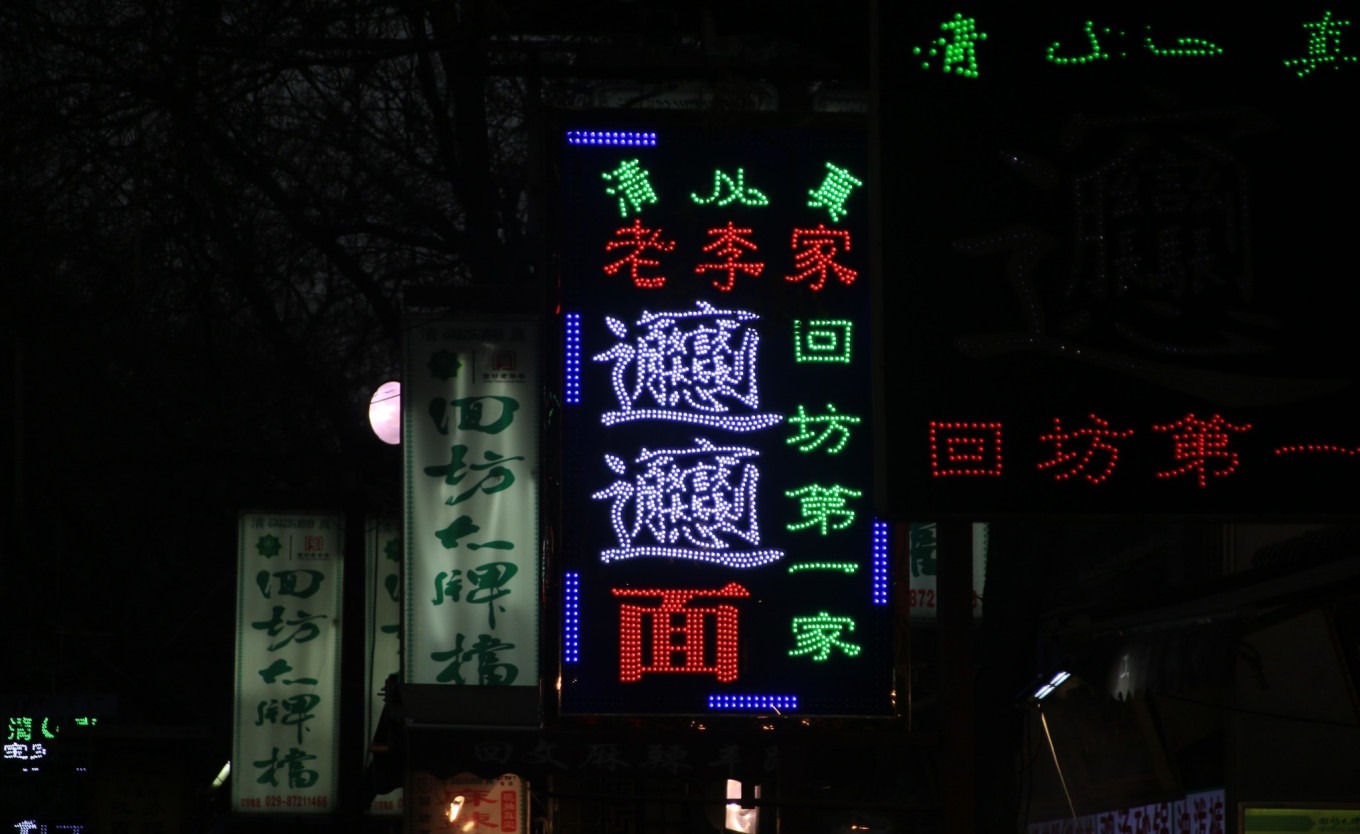
Now, for the serious eating: head to Sajinqiao (洒金桥). This street, also in central Xi’an, has become a food paradise for locals and savvy travelers alike. The aromas of sizzling oil, simmering broths, and freshly baked flatbreads mingle in the air, creating an irresistible symphony. From morning till late night, the stalls and small restaurants serve up dishes that are both traditional and innovative.
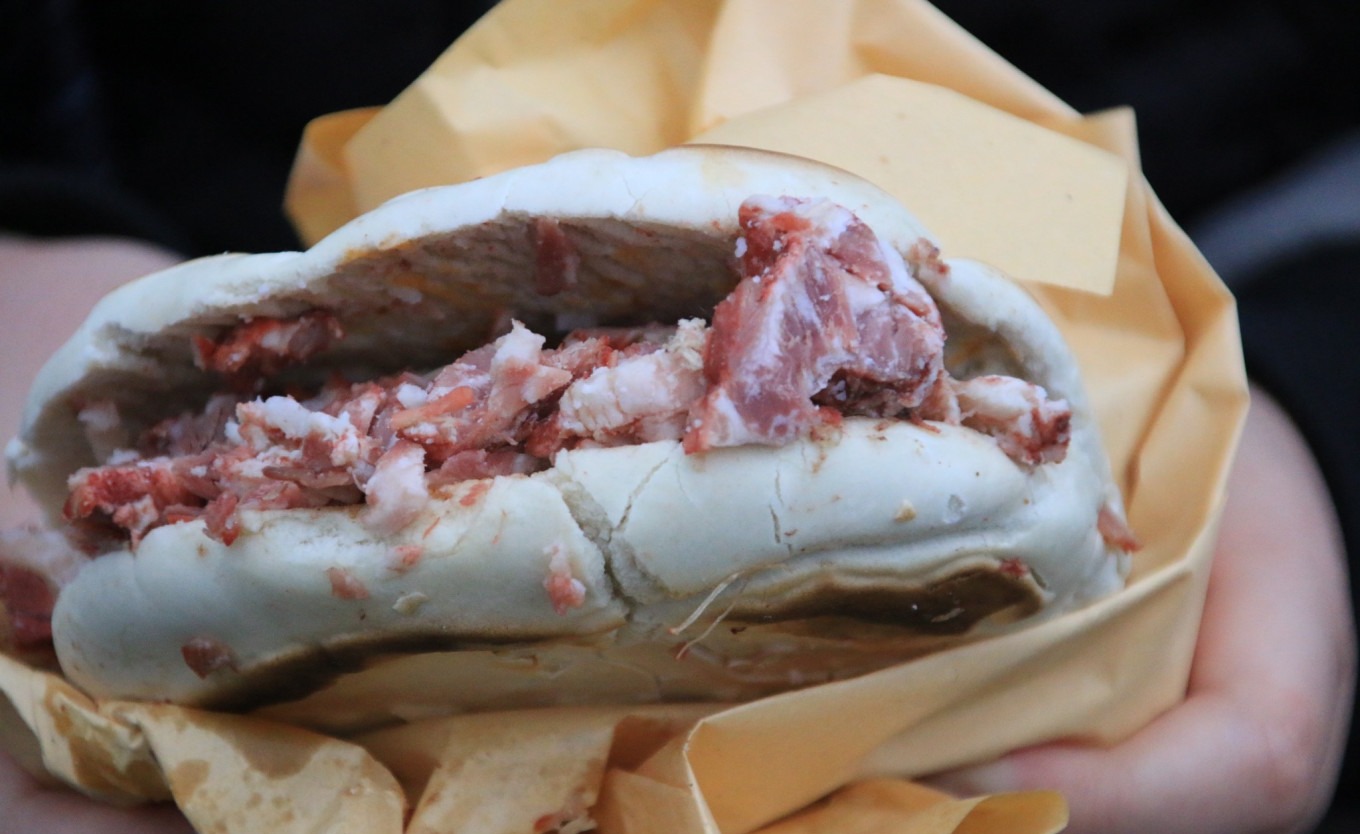
Must-try dishes at Sajinqiao include 羊肉泡馍 (yangrou paomo), 麻辣烫 (malatang, spicy hot pot), 肉夹馍 (roujiamo, Chinese hamburger), and 砂锅居 (shaguoju). But don’t stop there—you’ll also find creative fusions like 分子料理 (molecular gastronomy) and unique fusion dishes that blend traditional Shaanxi flavors with modern techniques. Young chefs here are constantly experimenting, so keep an open mind.
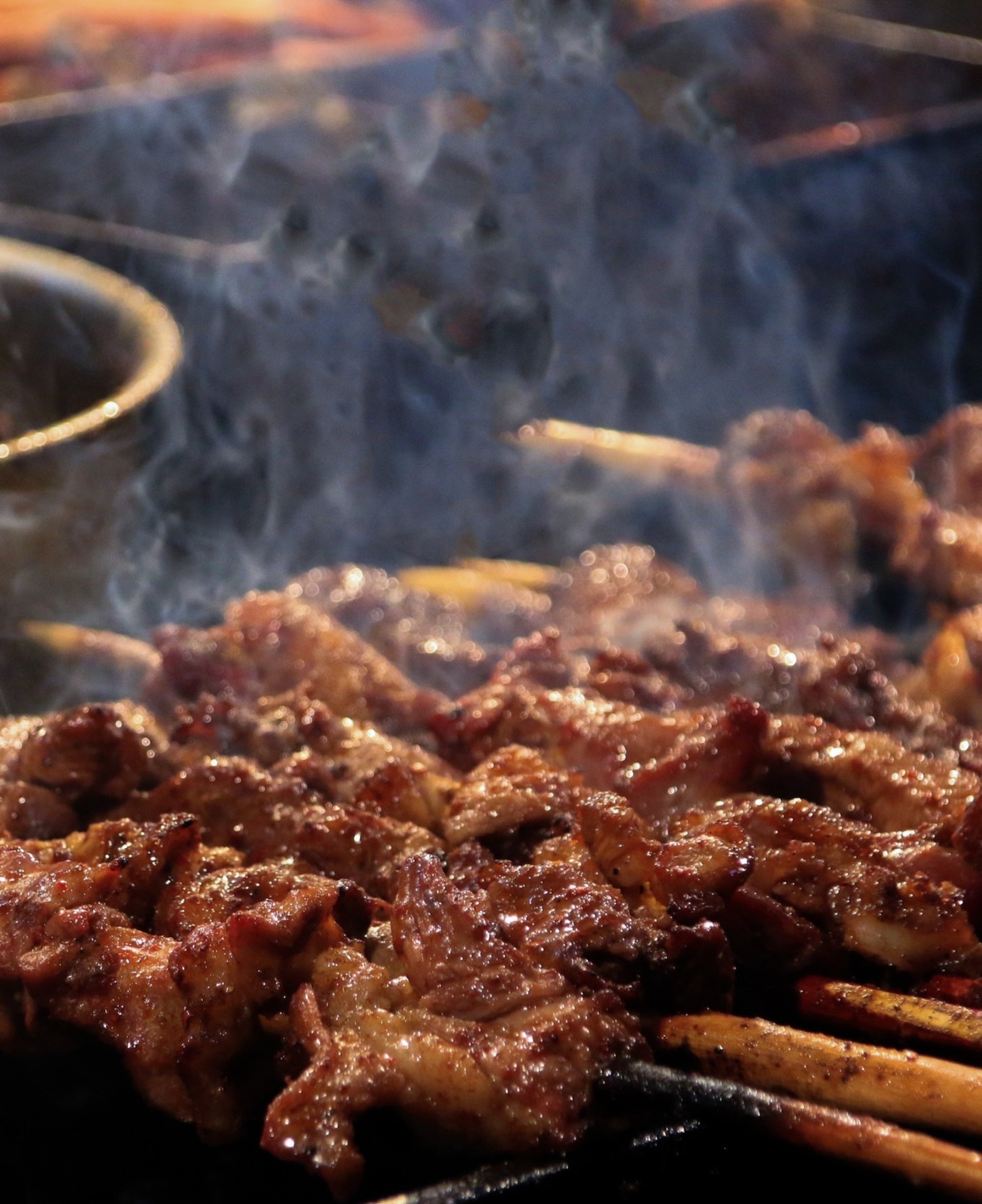
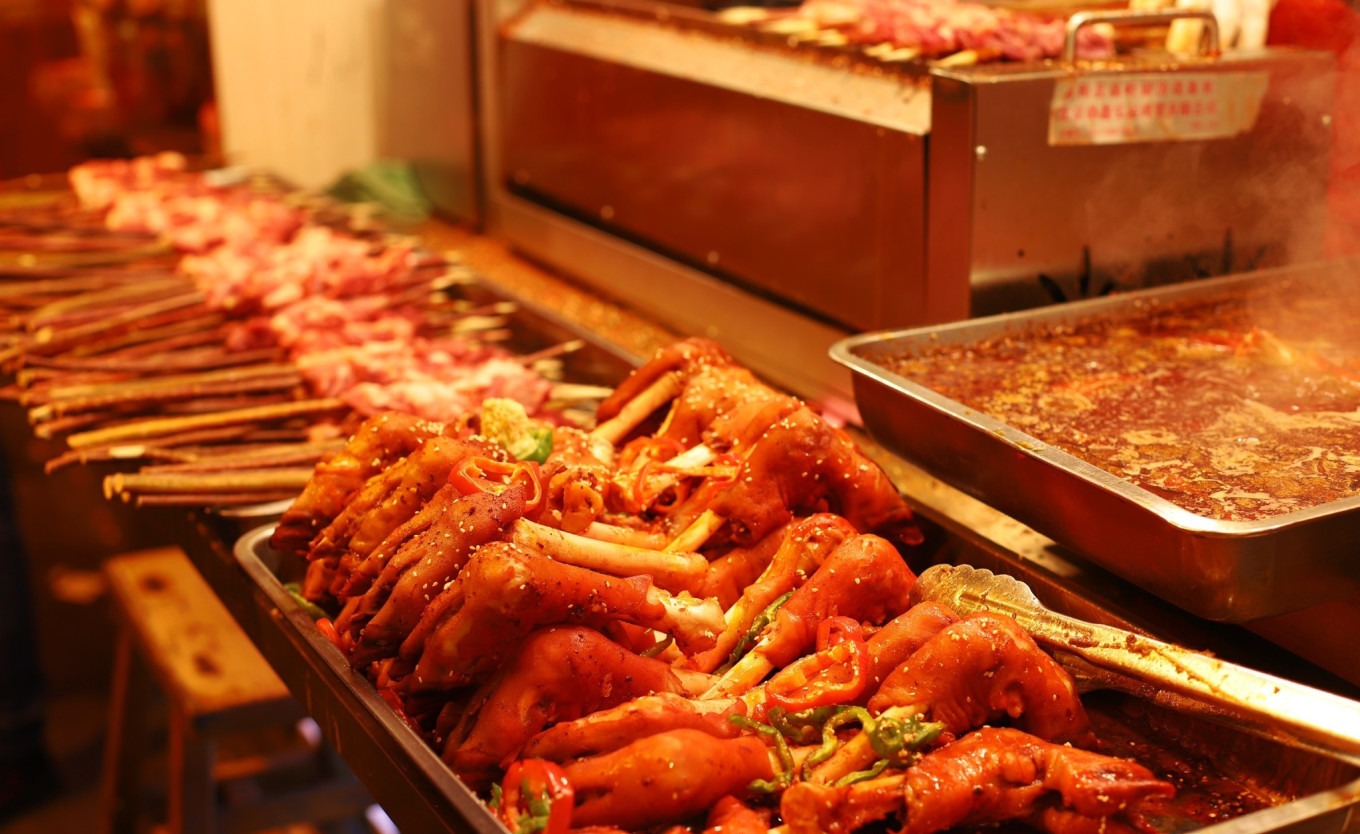
Sajinqiao isn’t just about food—it’s about the experience. You can gather with friends over a shared meal or find a quiet corner to enjoy a bowl of noodles alone. The food here carries the memory and emotion of the city. Every bite tells a story of Xi’an’s past and present.
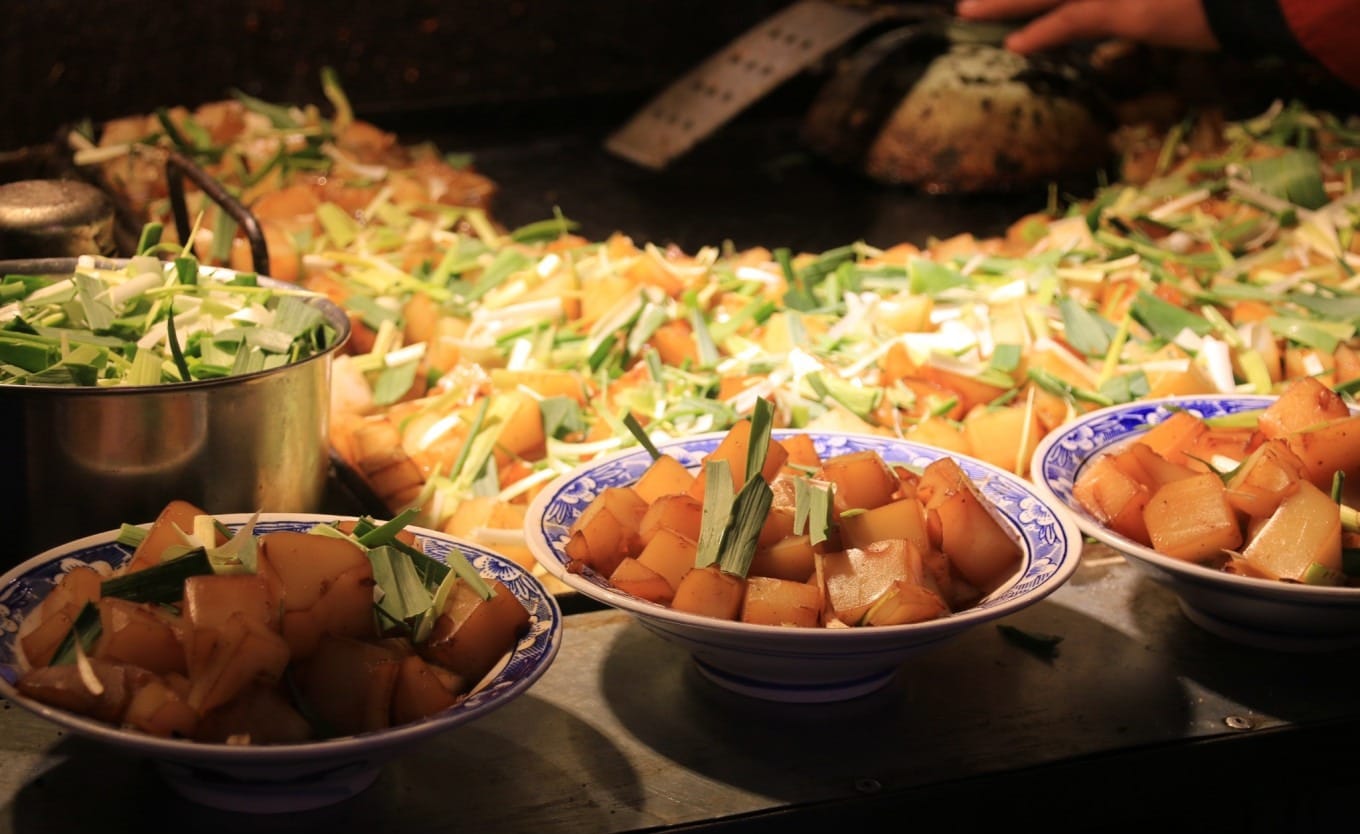
Shaanxi cuisine is all about fresh ingredients and skillful use of spices. Beyond the famous dishes, be sure to try local noodle specialties like 油泼面 (youpomian, oil-splashed noodles) and 凉皮 (liangpi, cold skin noodles). Each type of noodle has its own texture and flavor, reflecting the region’s agricultural heritage. The food here is more than sustenance—it’s a philosophy of life, shared with warmth and generosity.
- RestaurantSajinqiao Food Street (洒金桥美食街) — multiple vendors
- Address西安市莲湖区洒金桥 (Sajinqiao, Lianhu District, Xi’an)
- Recommended dishes羊肉泡馍 (yangrou paomo), 肉夹馍 (roujiamo), 油泼面 (youpomian), 凉皮 (liangpi), 麻辣烫 (malatang)
- Average spend¥30-80 per person depending on dishes
Mount Huashan: Steep Peaks and Breathtaking Scenery
Mount Huashan, known as the “Western Peak” in ancient times, is one of China’s Five Great Mountains and is famously called the “Most Precipitous Mountain Under Heaven.” Located in Huayin City, Weinan, Shaanxi Province, this iconic destination offers a challenging yet rewarding adventure for first-time visitors. As you approach the mountain, the ancient gate with its red walls and golden tiles greets you like a wise elder, bearing witness to centuries of history.
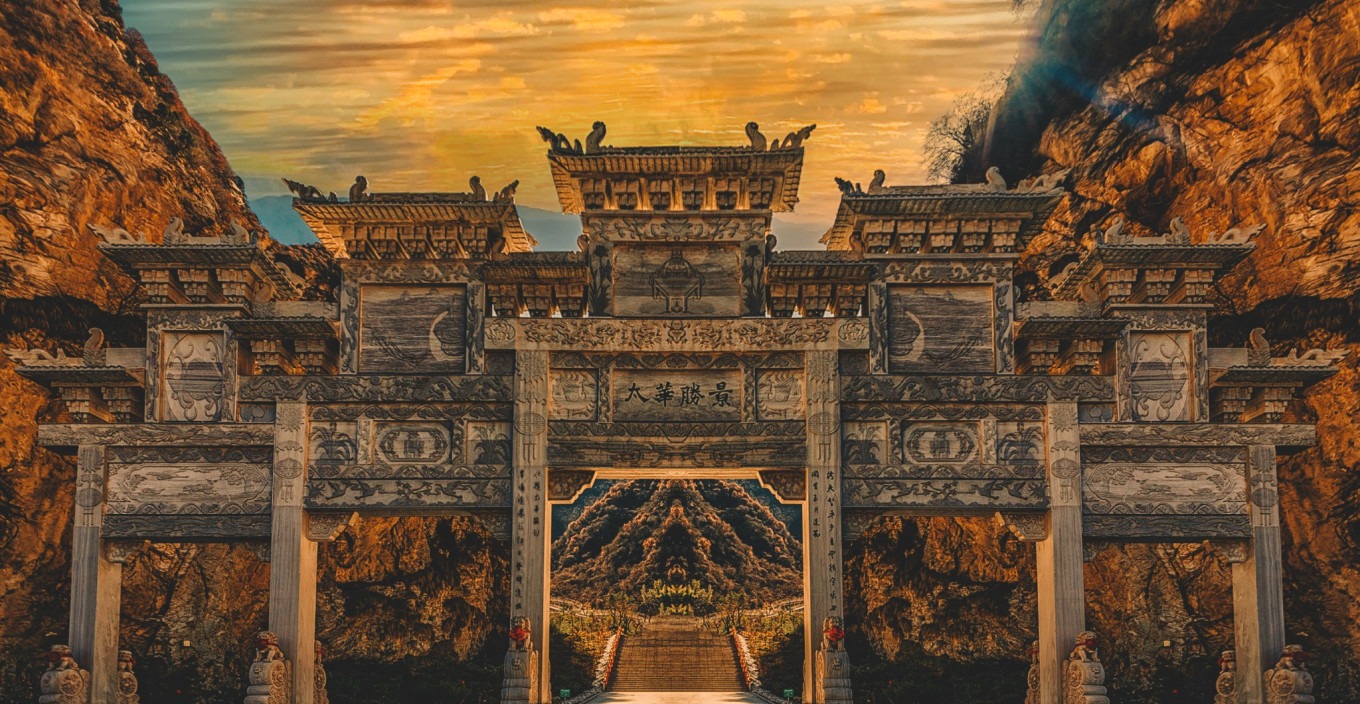
The journey begins along a winding road shaded by lush trees, with birdsong and fragrant flowers accompanying your ascent. The serpentine mountain road curls like a ribbon through the green landscape, and you’ll encounter fascinating rock formations—some jutting out, others towering steeply—that spark the imagination. Huashan’s reputation for danger is well-deserved: sections like Yixiantian (一线天, “A Thread of Sky”), Yaozifanshen (鹞子翻身, “Sparrow Hawk Turning Over”), and Qianchi Chuang (千尺幢, “Thousand-Foot Precipice”) showcase nature’s incredible craftsmanship. It’s awe-inspiring to think how ancient climbers managed these feats without modern equipment.

Beyond the thrill, Huashan also reveals a softer side. Scenic spots like Lianhua Peak (莲花峰, “Lotus Flower Peak”), Cuiyun Palace (翠云宫, “Jade Cloud Palace”), and Wulong Palace (五龙宫, “Five Dragons Palace”) are picturesque and serene. After a rain, mist swirls around the peaks, creating an ethereal, fairy-tale atmosphere. The mountain is also steeped in cultural history—ancient temples such as Xiyue Temple (西岳庙) and Yuquan Temple (玉泉院) dot the landscape, bearing witness to centuries of worship and reverence.
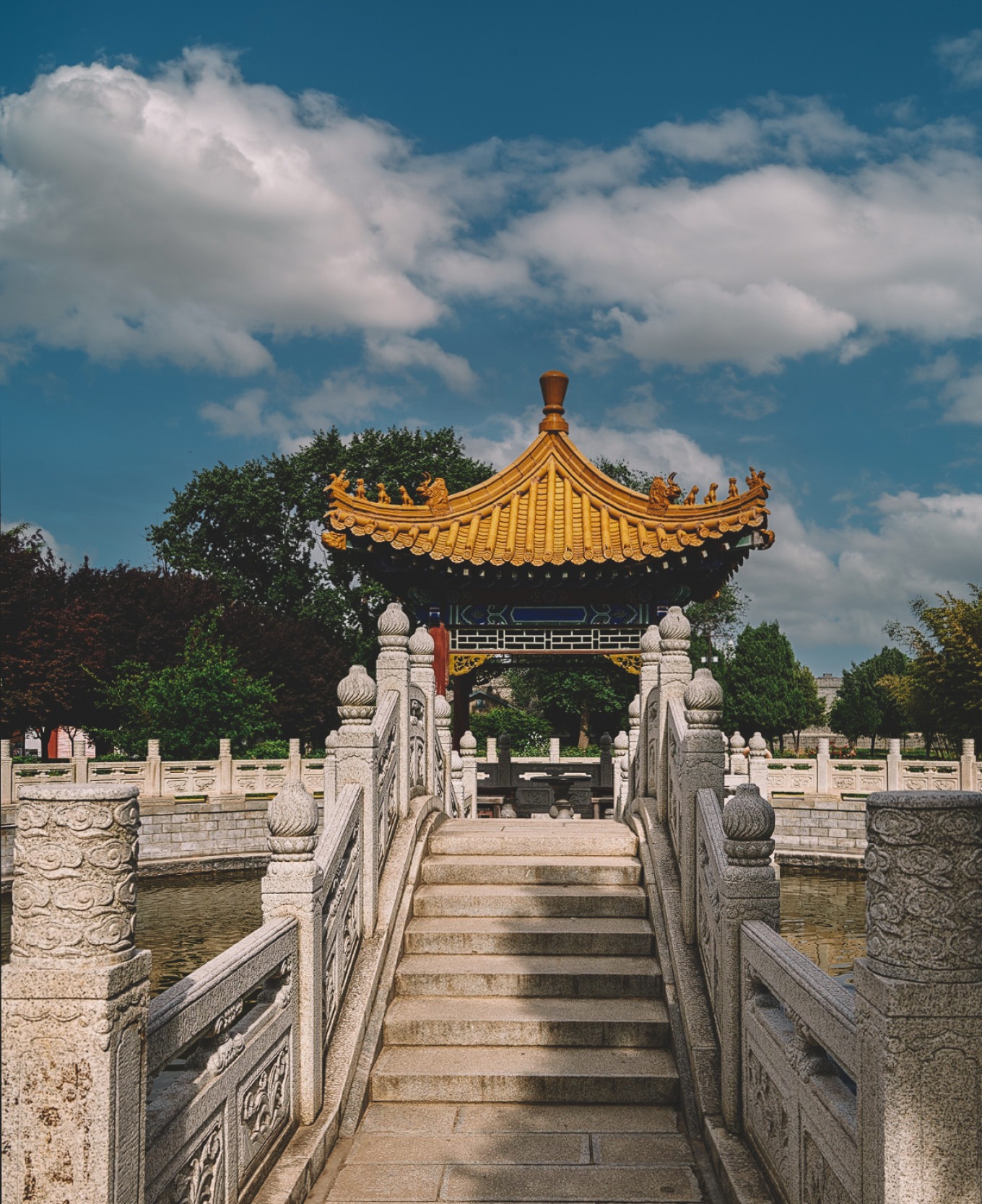
Huashan is deeply connected to Taoist culture. For millennia, Taoist practitioners have meditated here, including famous figures like Chen Tuan (陈抟) and Zhang Sanfeng (张三丰). As you climb, you’ll pass Taoist landmarks such as Yuhuang Ding (玉皇顶, “Jade Emperor Summit”), Nantian Men (南天门, “Southern Heavenly Gate”), and Taiyi Peak (太乙峰). These sites not only impress with their beauty but also spark curiosity about Taoist philosophy. Reaching the summit rewards you with a panoramic view of rolling peaks and a sea of clouds—a scene so magnificent that all the effort fades away, leaving only reverence for nature.
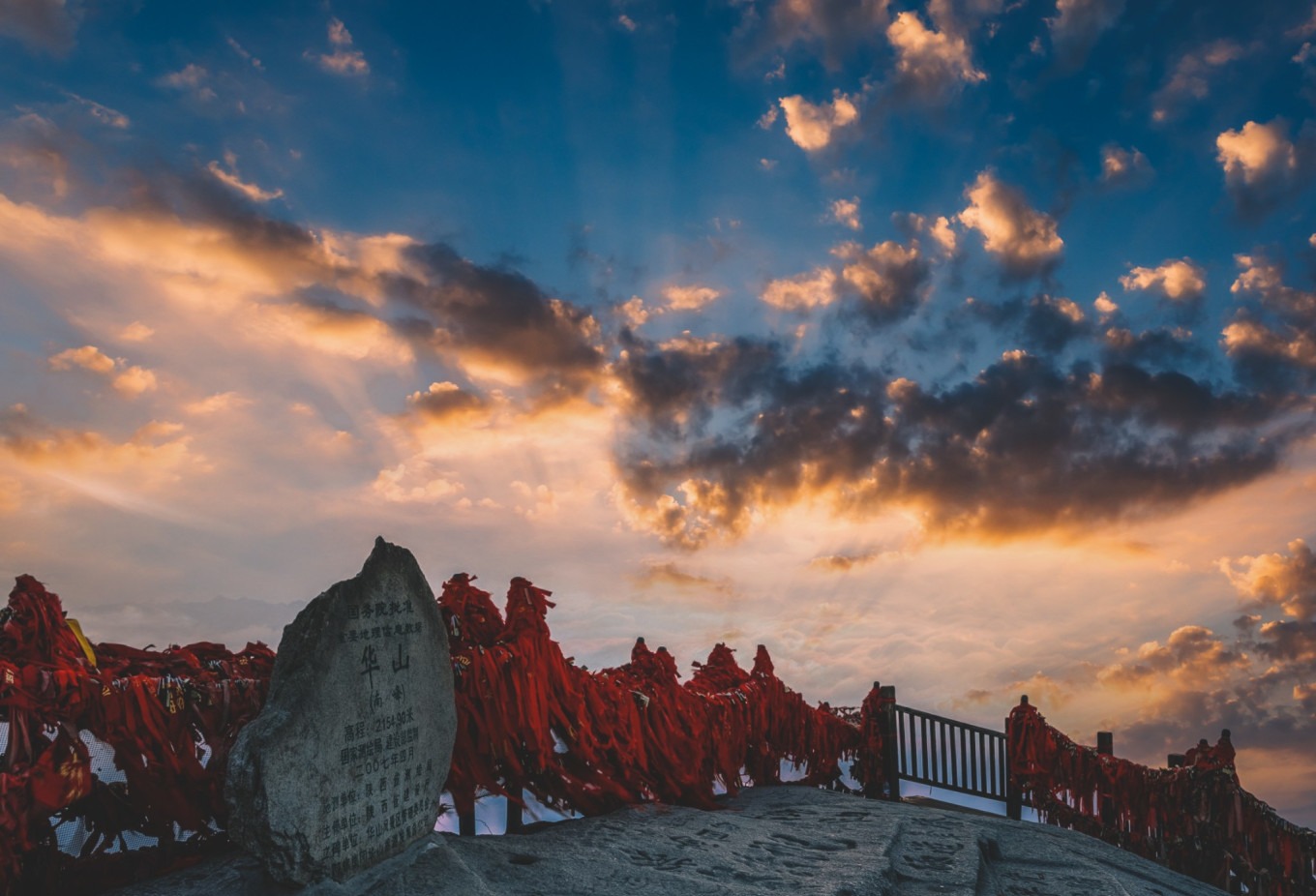
On your descent, don’t miss the sunset. The golden rays paint the mountains in a warm glow, wrapping the landscape in a sheer veil of light. A day trip to Huashan is an unforgettable experience—you’ll carry home not just photos, but a deep appreciation for the mountain’s rugged beauty and rich heritage. Whether you’re a thrill-seeker or a culture enthusiast, Huashan offers something for everyone.
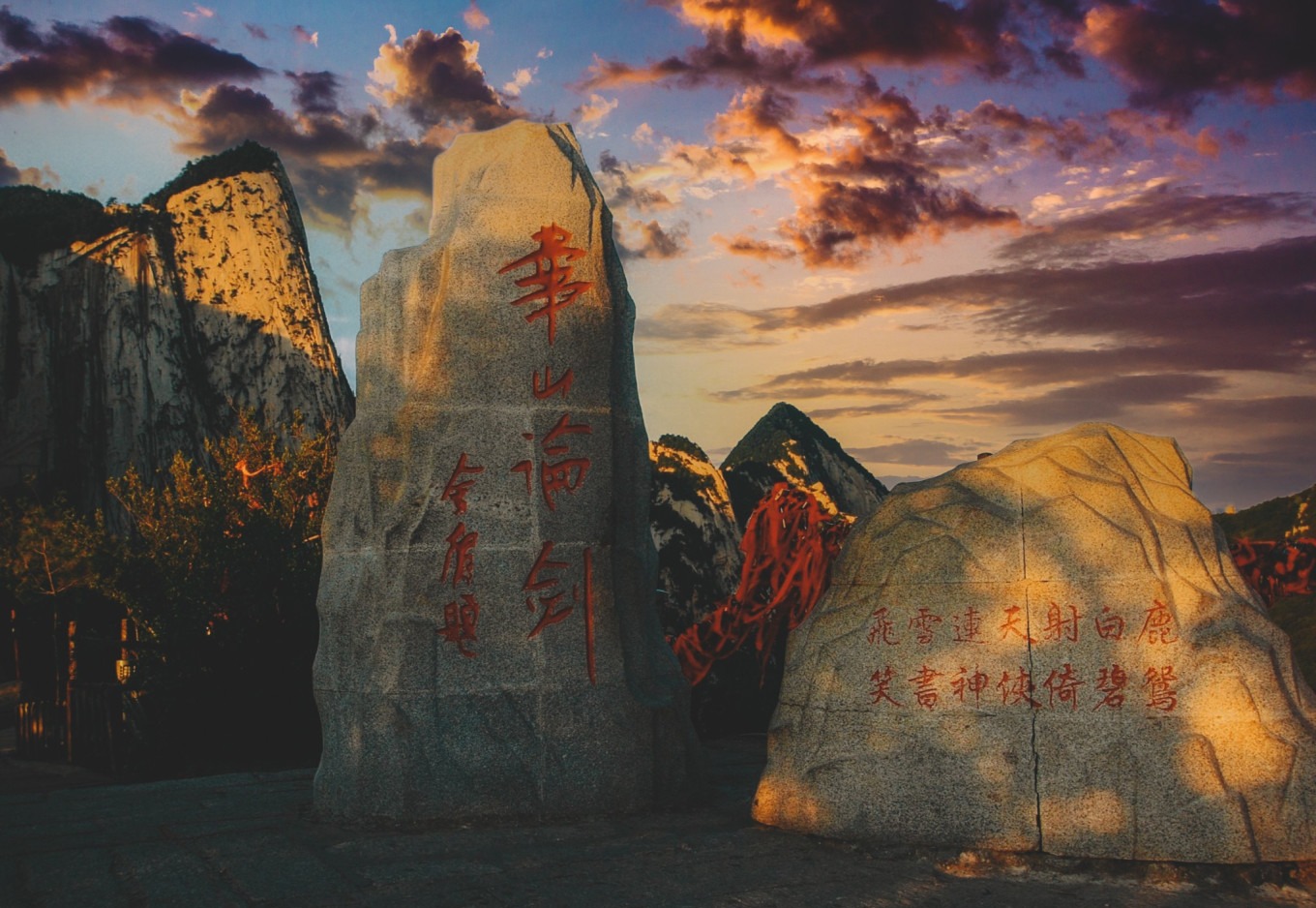
Practical tip: You can prioritize one signature stop around the area, and you should adjust timing and budget based on transport and peak hours.
Afterword: Reflections on Xi’an
Spending five days in Xi’an feels like walking through a living museum of Chinese civilization. Every corner of this ancient capital carries layers of history, from the terra-cotta warriors to the quiet alleys of the Muslim Quarter. As a first-time visitor, you’ll find yourself constantly awed by the depth of culture and the artistry of past dynasties. The city invites you to slow down, savor the moment, and let its timeless charm sink in.
Whether you’re exploring the grand city walls or tasting a bowl of hand-pulled noodles, Xi’an offers a journey that stays with you long after you leave. It’s a place where the past and present coexist seamlessly, reminding you of the enduring legacy of one of the world’s great civilizations.
Practical tip: You can prioritize one signature stop around the area, and you should adjust timing and budget based on transport and peak hours.
Common Traveler Questions
What are the most important cultural sites in Xi’an?
For most travelers, the core set is the City Wall, Stele Forest, Giant Wild Goose Pagoda, Shaanxi History Museum, Muslim Quarter or local food streets, and the Terracotta Warriors.
Do I need to book Xi’an museums in advance?
For major museums and popular shows, advance booking is wise, especially on weekends, holidays, and peak travel seasons. Keep a backup plan in case tickets are gone.
Is this guide better than a normal itinerary?
Use this guide if you want cultural context and site selection. Use the four-day or five-day itinerary if you need a more fixed day-by-day route.
Guide Navigation
Enjoyed this article? Consider buying me a coffee to support more content like this!
💖 0 people have clicked to support this article.