Xi’an 5-Day Itinerary: No-Backtracking Route
A practical, image-rich guide you can actually use.
travel better
On this page
Quick Answer
This Xi’an 5-day itinerary is best if you want to reduce doubling back across the city. It groups museums, pagodas, the Terracotta Warriors, City Wall, Bell and Drum Tower area, Banpo, and food into a calmer route where each day has one clear geographic focus.
Before you go: Use this route when comfort and sequencing matter more than compressing the city into the shortest possible itinerary.
Lessons Learned: Tips for Your First Xi’an Trip
Xi’an is a city that only knows two seasons: peak season and super peak season. It’s incredibly rewarding to explore, but the heat and crowds can be exhausting. Before you go, a solid itinerary is essential — otherwise, the endless street food stalls alone will leave you overwhelmed.
☀️ Weather: In mid-May, Xi’an is mostly sunny but already very hot. The sun is intense during the day, so sun protection is a must. Early mornings and evenings are pleasant for outdoor activities, but plan indoor attractions for midday — otherwise, you’ll feel like you’re melting.
🚇 Transportation: There’s an overnight sleeper train from Beijing to Xi’an that’s cheaper than the high-speed rail. You’ll arrive around 7 a.m., ready to start your day. Getting around is easy by bike or subway — consider getting a local weekly bike pass. If you prefer not to walk or cycle, ride-hailing apps work quickly.
🌸 Clothing & Essentials: Most Xi’an attractions involve a lot of walking, so wear comfortable shoes and clothes. In May, pack sun protection gear (hat, sunglasses, sunscreen).
🍜 Food: Beyond the famous snack streets, areas near attractions are fully commercialized, so you’ll find plenty of dining options everywhere — no need to worry.
🏨 Accommodation: Stay near the Giant Wild Goose Pagoda (大雁塔) or the Bell and Drum Towers (钟鼓楼) for proximity to major sights. If you choose a farther location, make sure it’s near a subway station for convenience (though the morning rush hour subway can be extremely crowded).
DAY 1: Shaanxi History Museum Giant Wild Goose Pagoda Tang Paradise
Start your Xi’an adventure with a trio of iconic sites that cluster around the city’s ancient heart. This route is designed for first-time visitors: you’ll dive into millennia of history, stand before a real Tang-dynasty pagoda, and end the night immersed in a neon-lit recreation of the Tang dynasty’s golden age. The three stops are within easy cycling or walking distance, so you can move at your own pace.
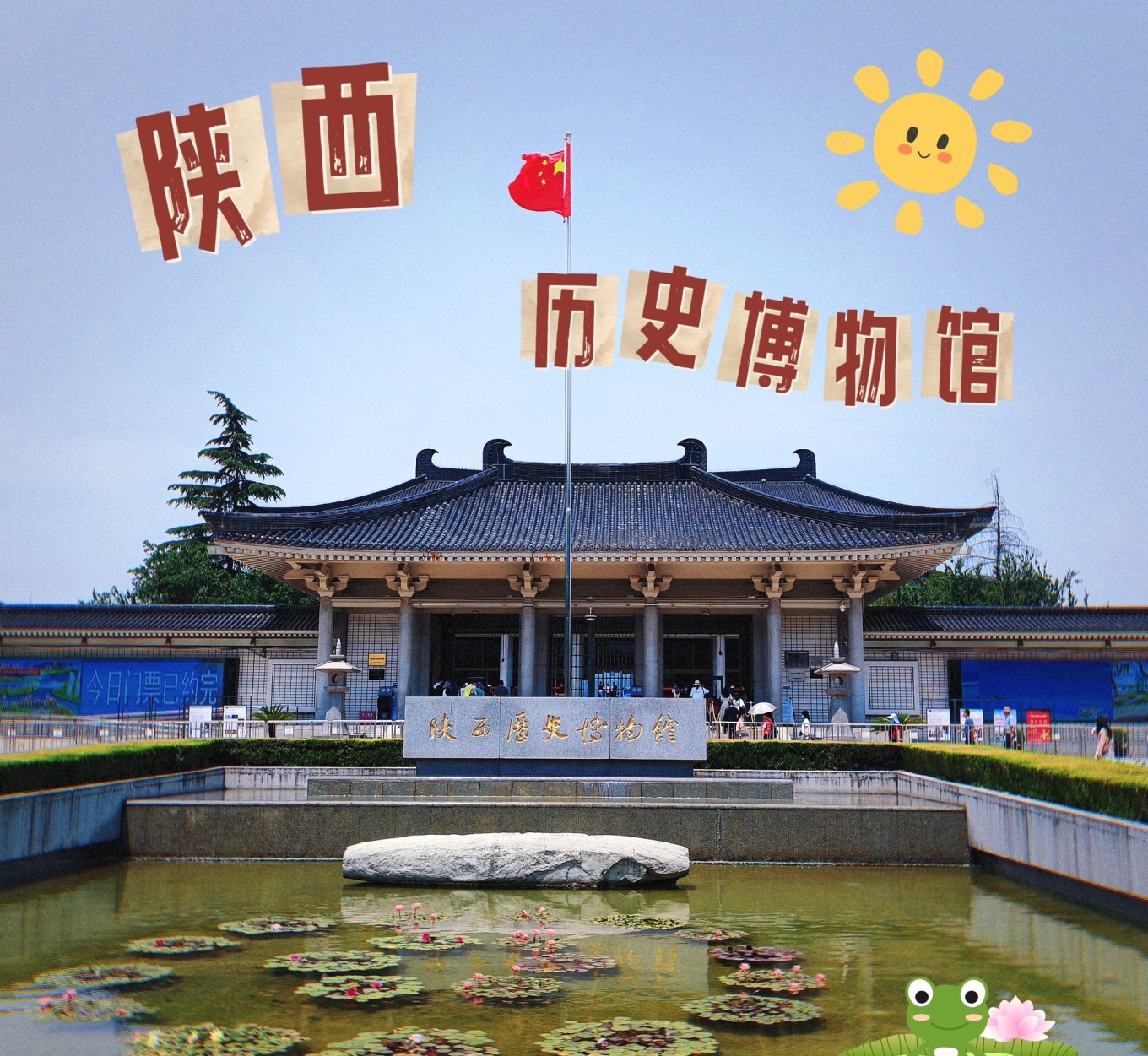
First up is the Shaanxi History Museum (陕西历史博物馆), one of China’s great museums. Admission is free, but you must reserve a ticket in advance – and it’s not easy. Tickets are released in four batches two days ahead: at 10:00, 11:00, 18:00, and 19:00. Use the Meituan app (某团) for faster booking than the official WeChat account. Even on weekdays, tickets vanish within minutes, so set an alarm and be ready to click the instant they drop. The museum is easily reached by bike or subway (Line 2 or 3 to Xiaozhai Station).
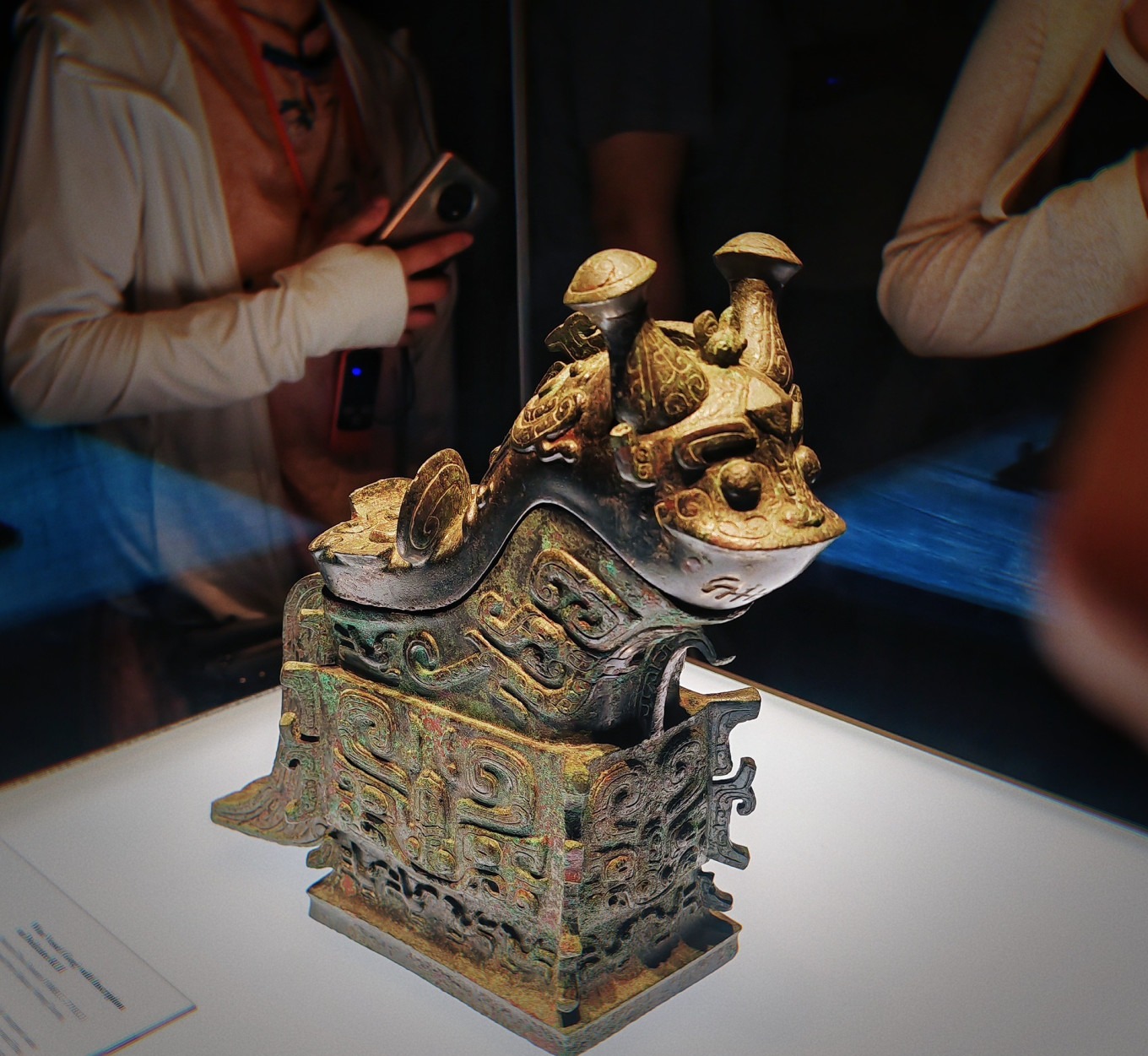
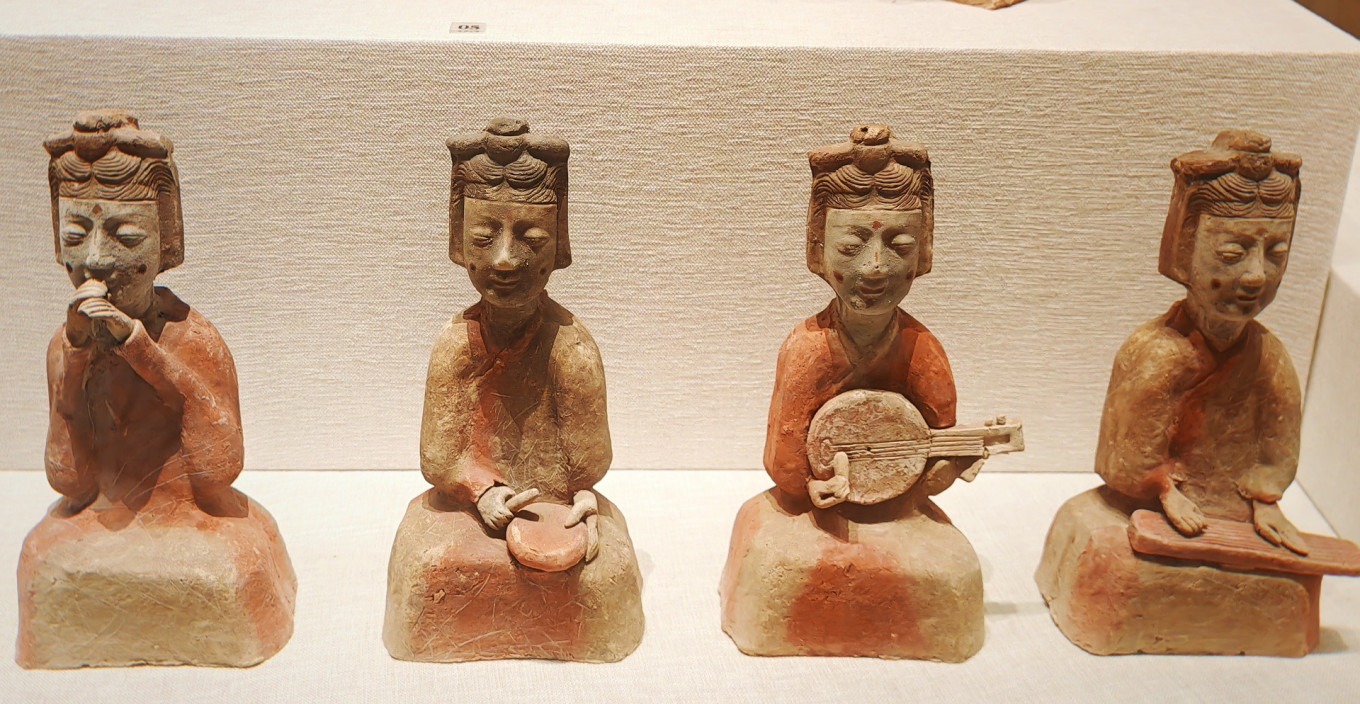
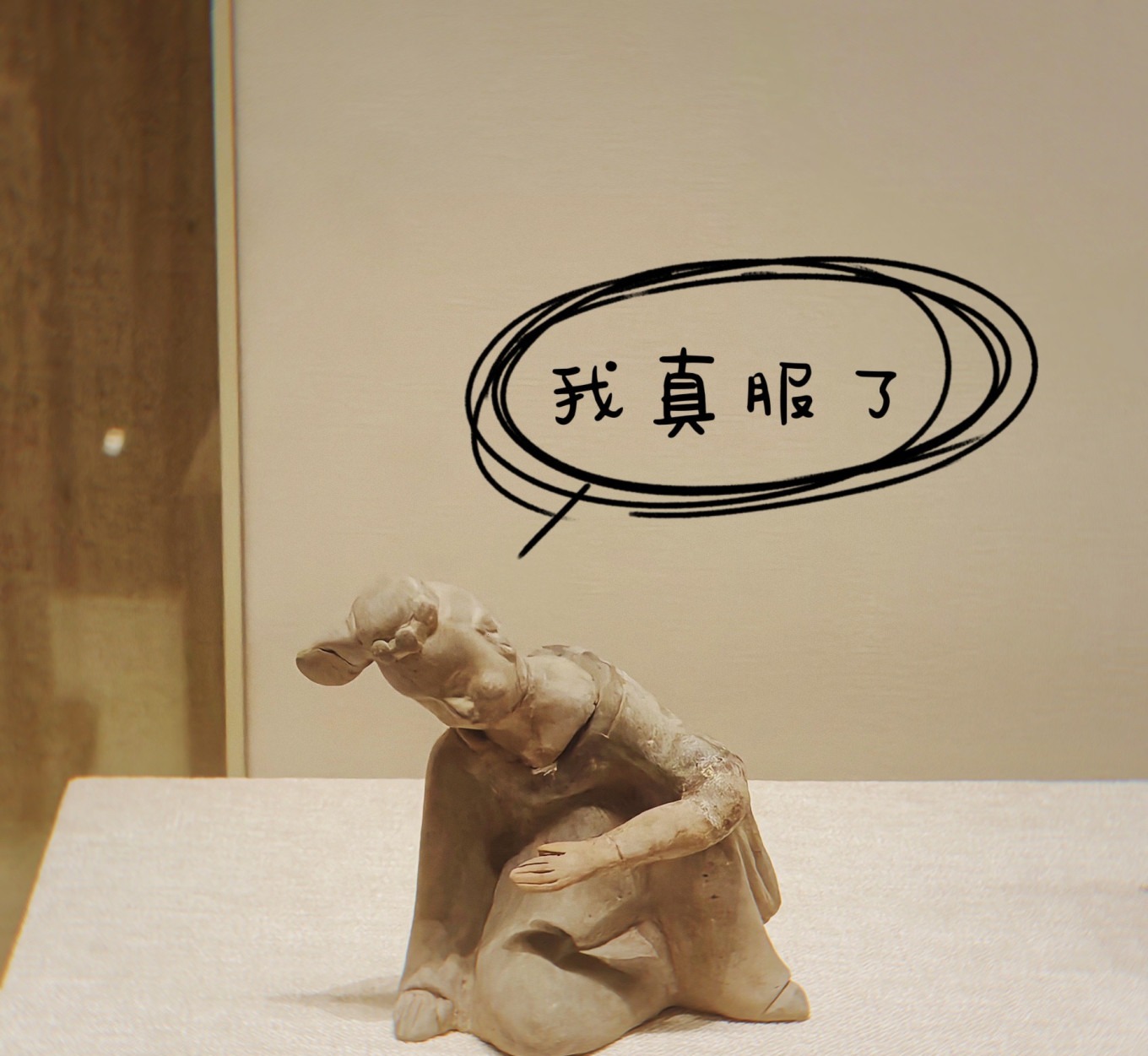
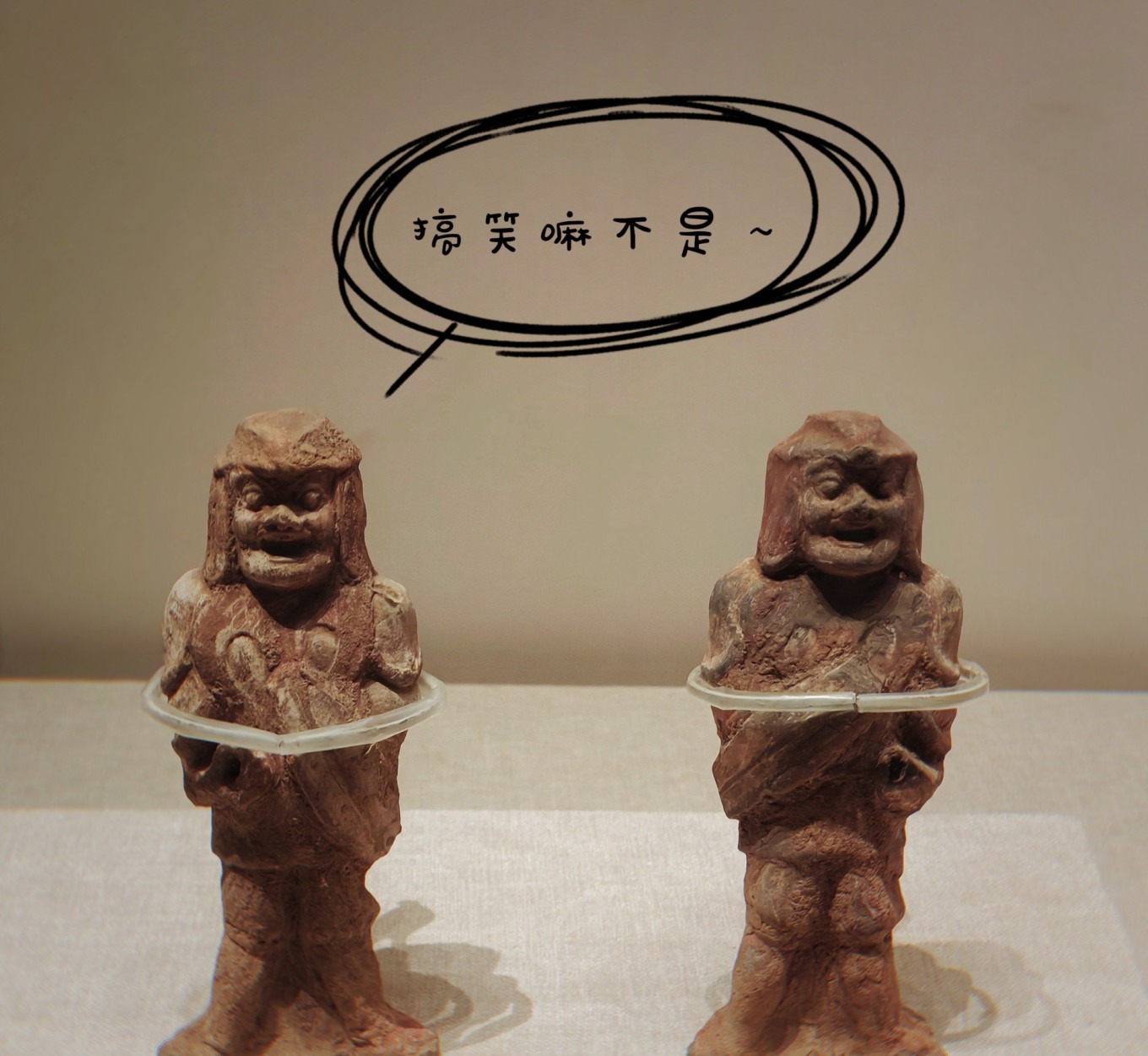
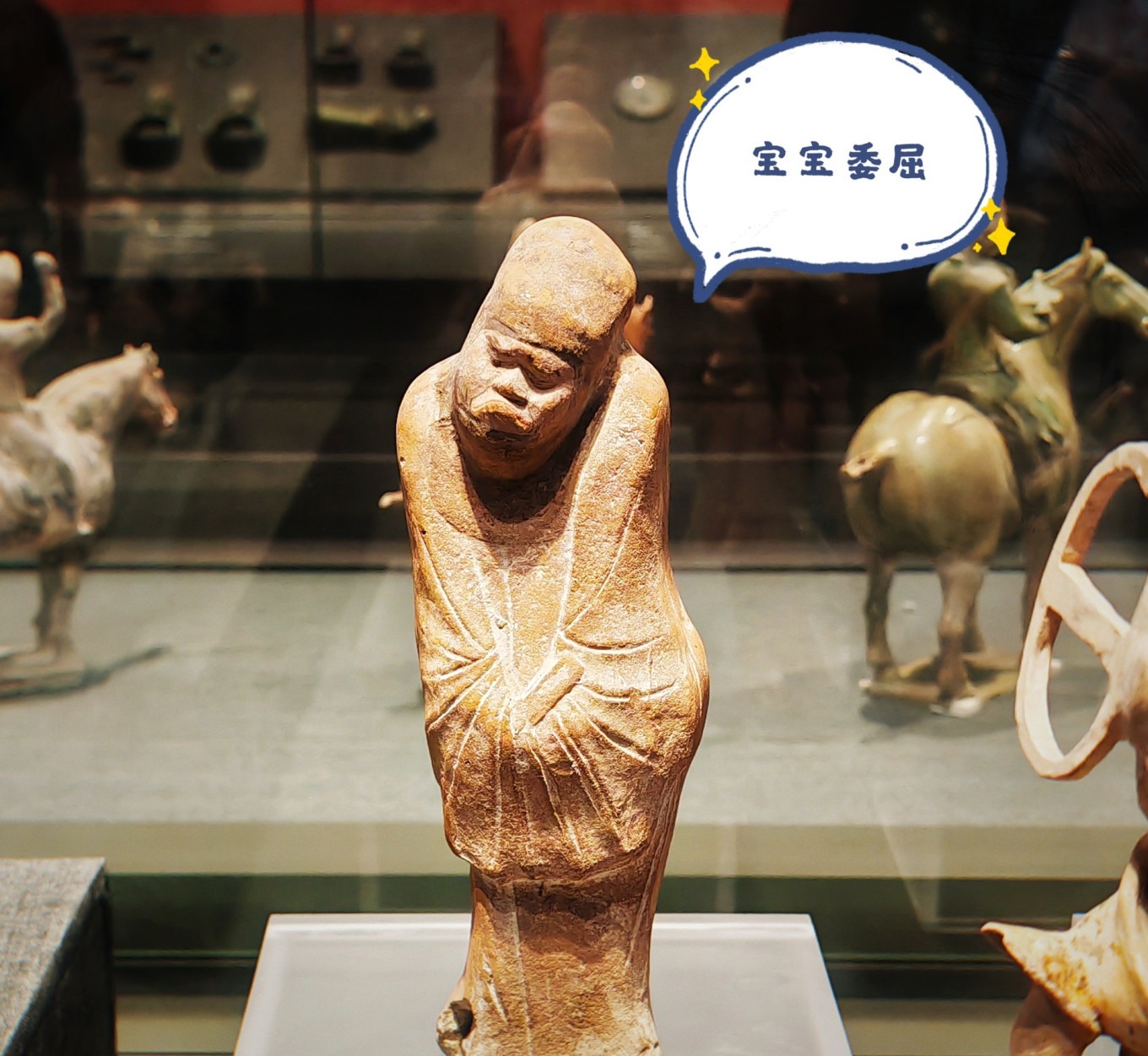
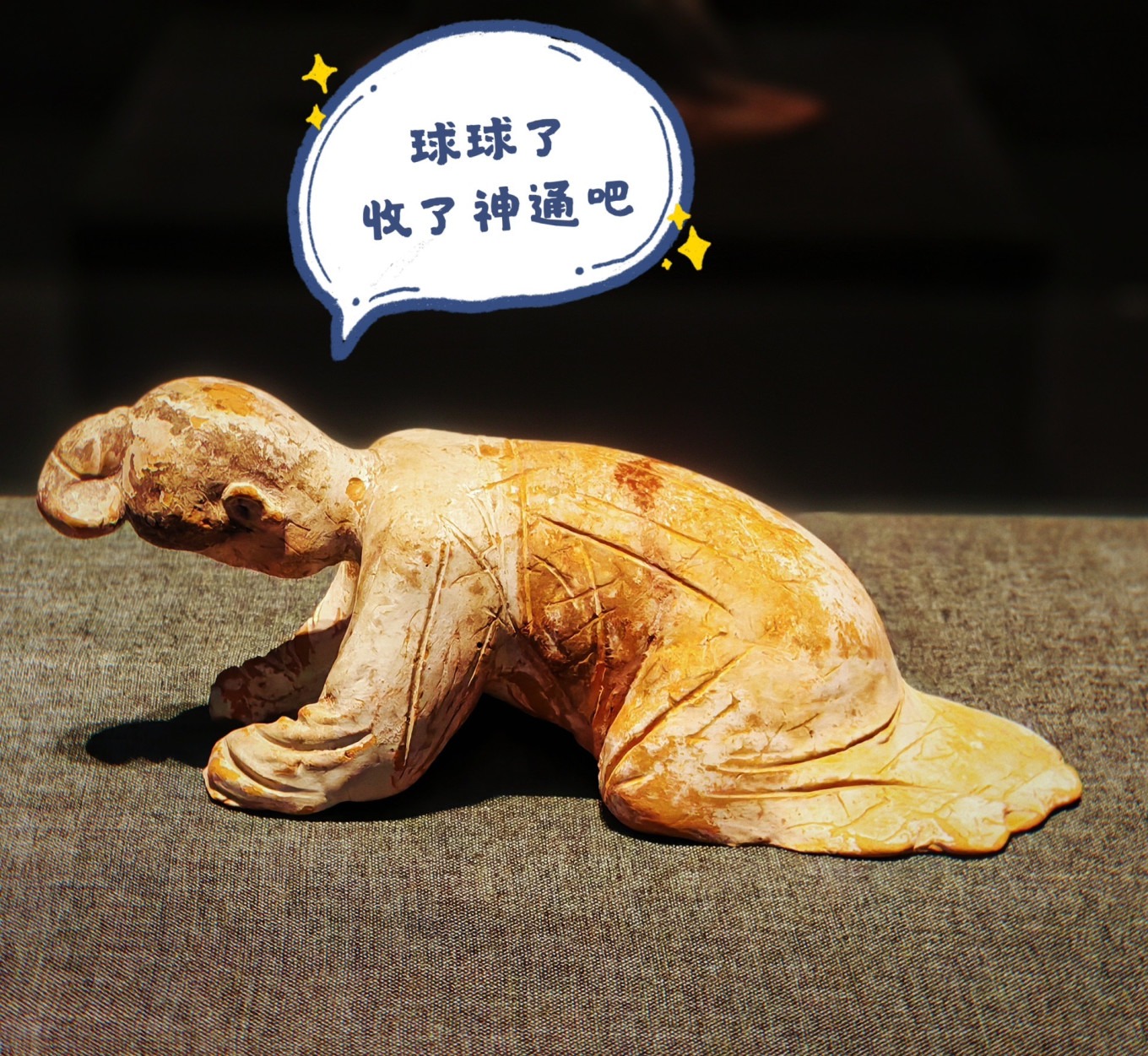
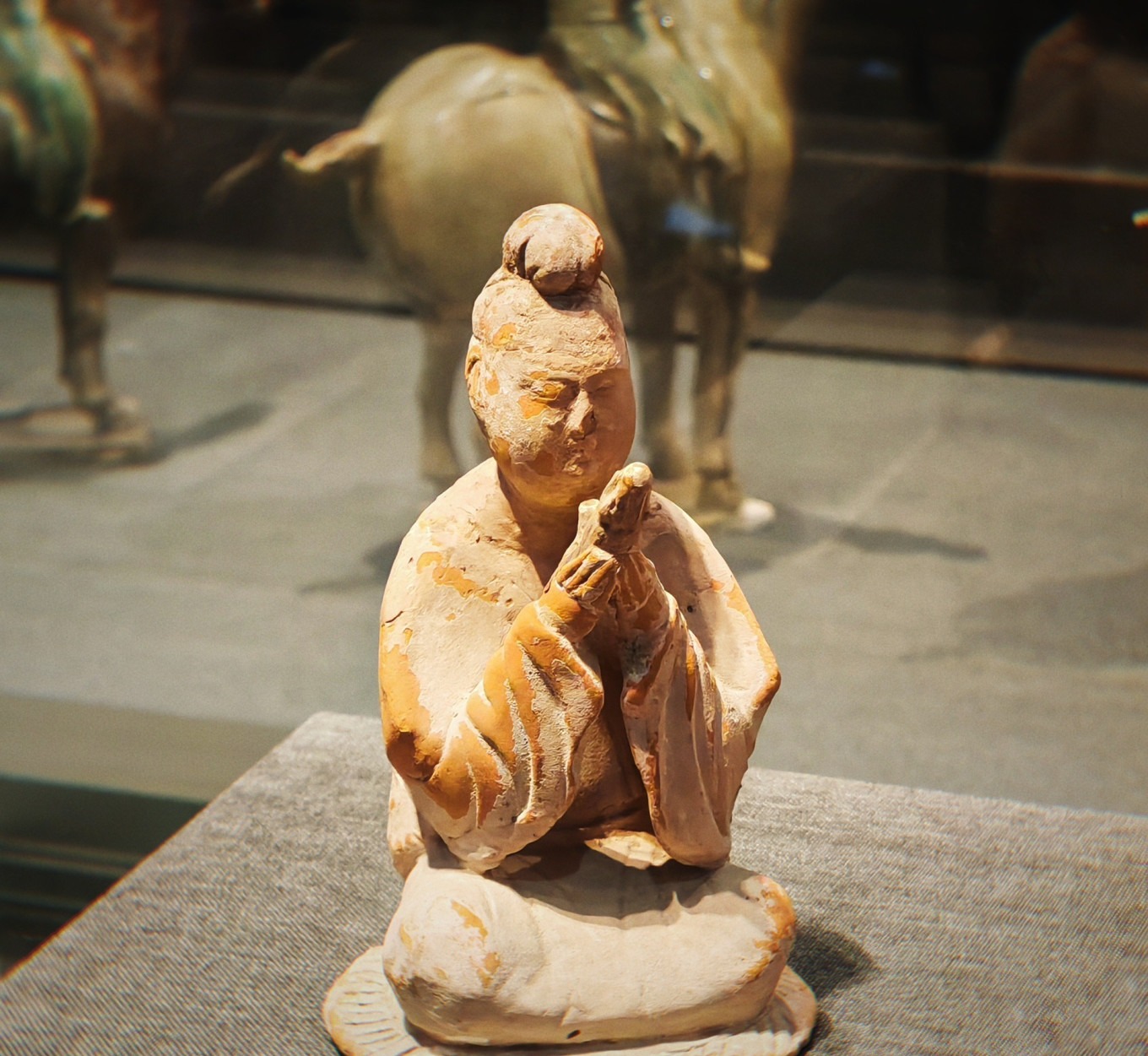
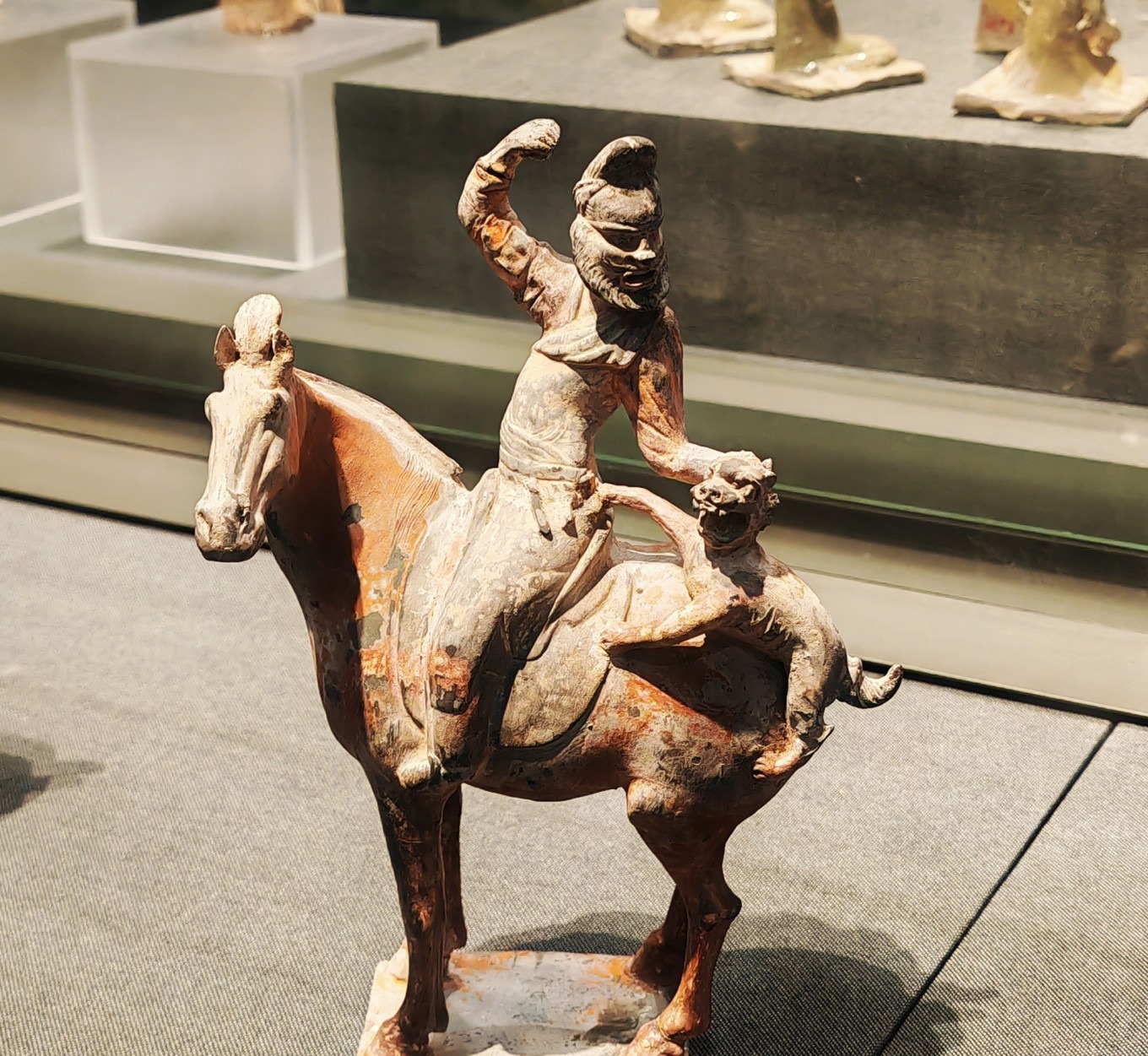
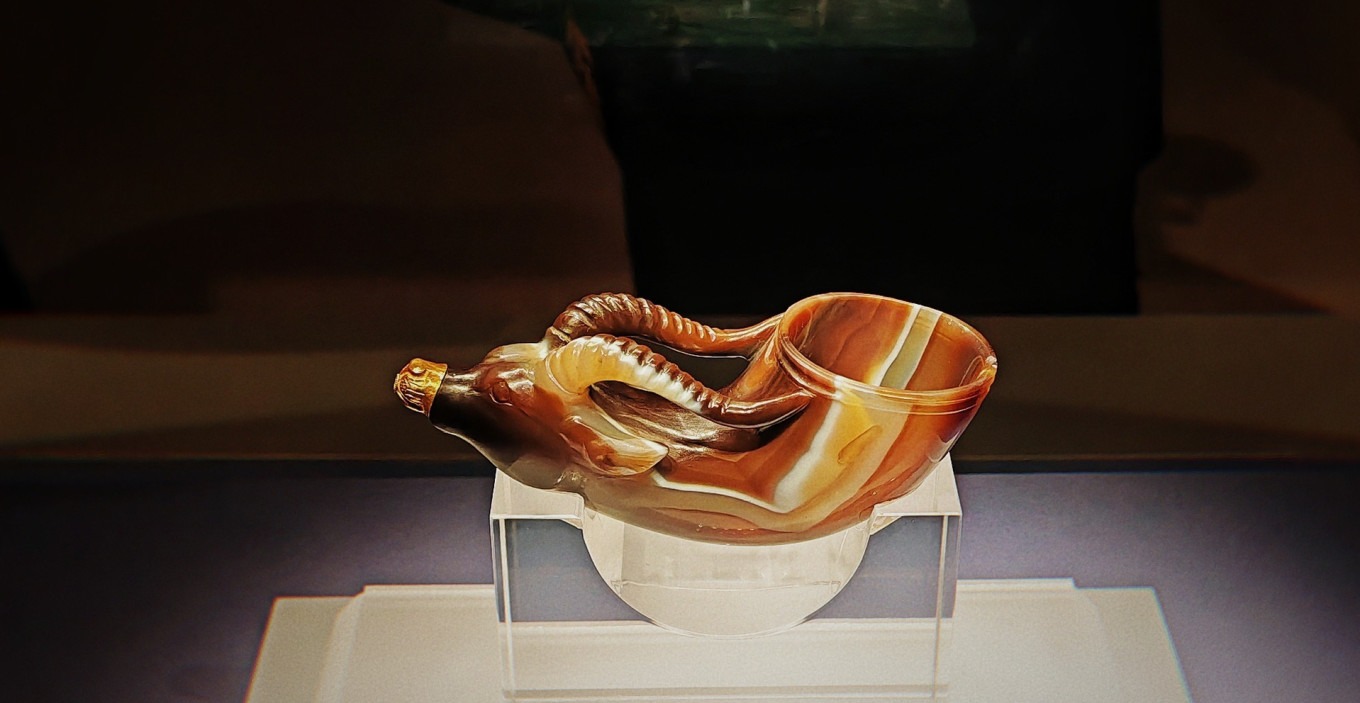
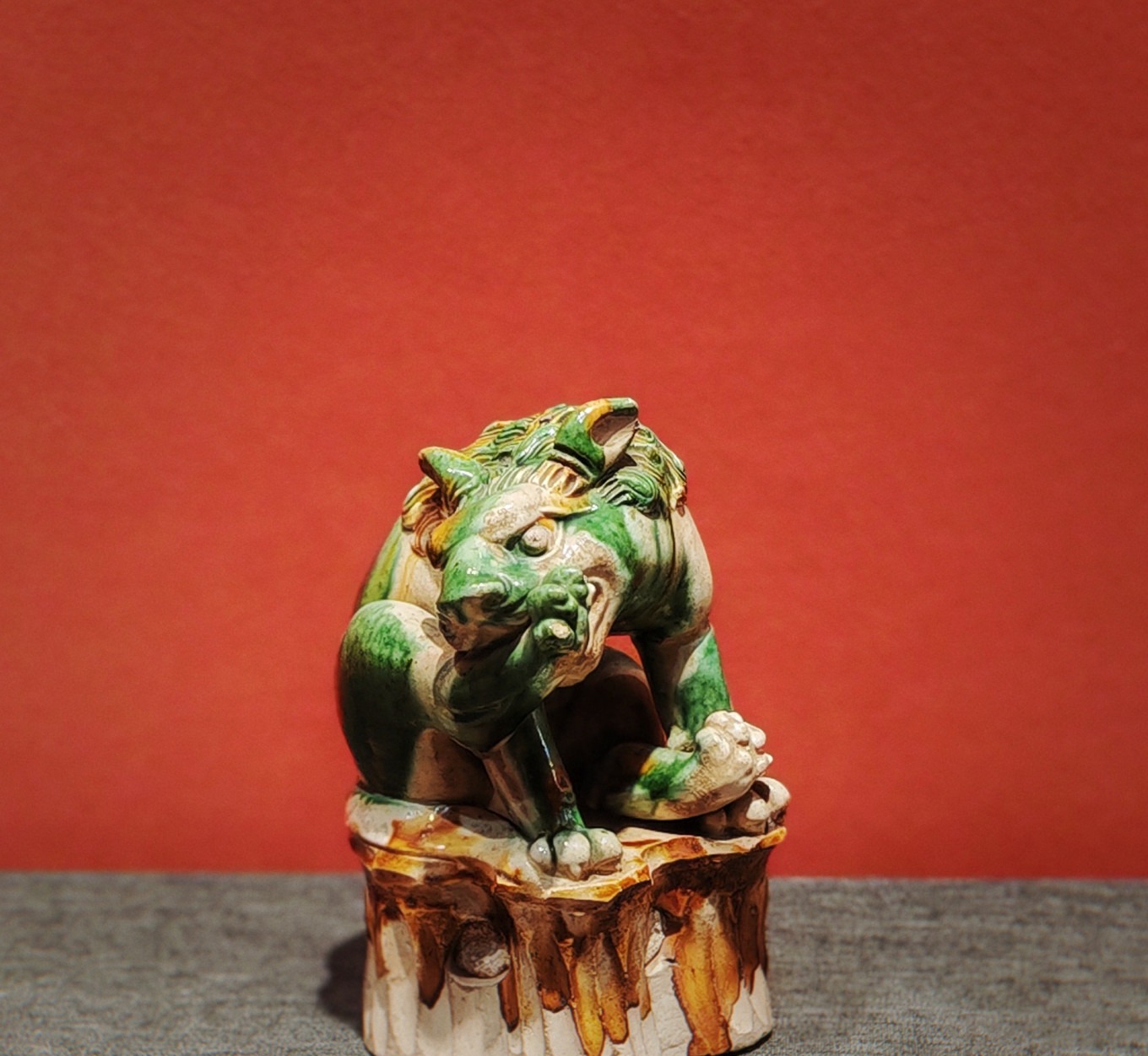
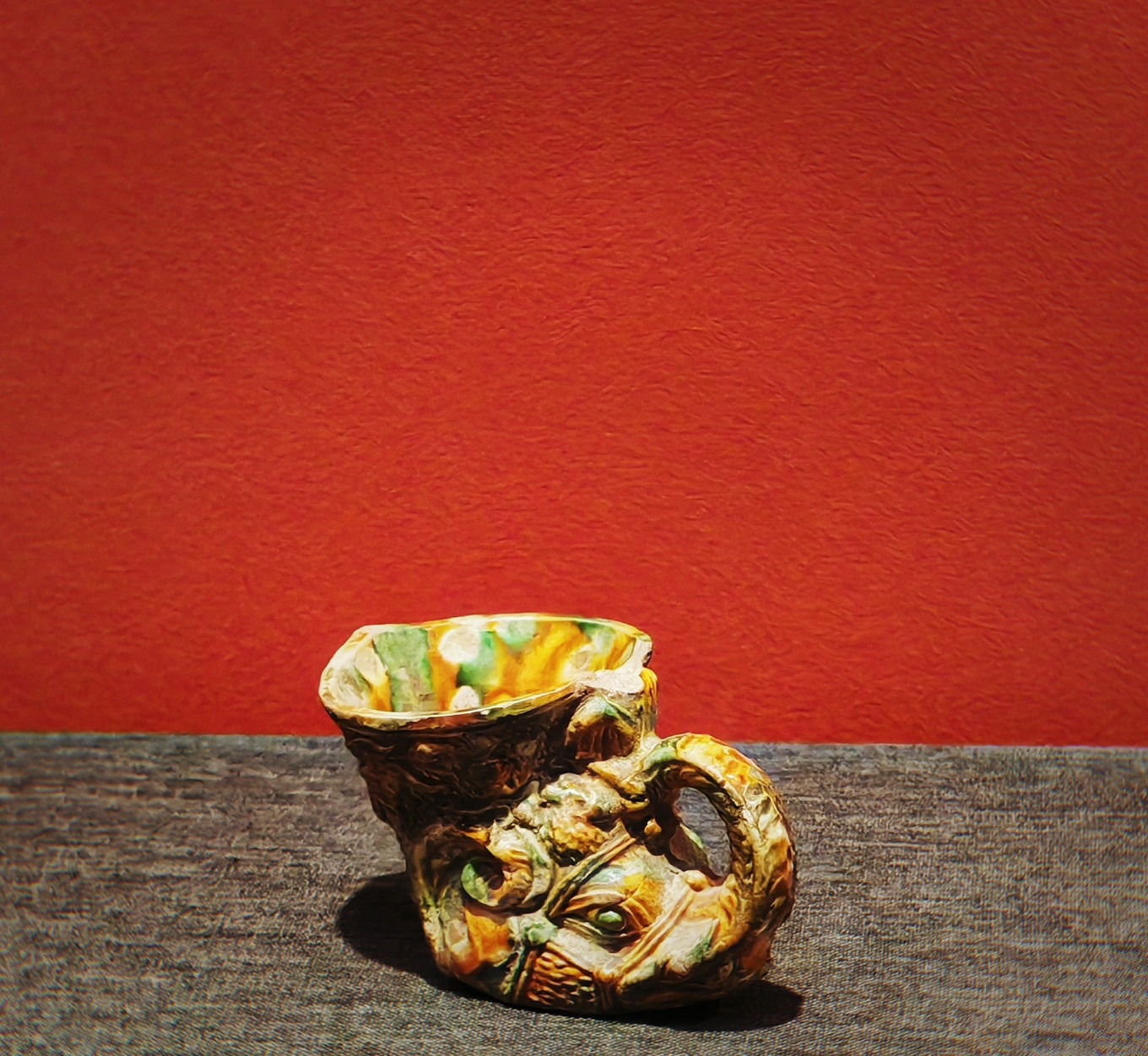
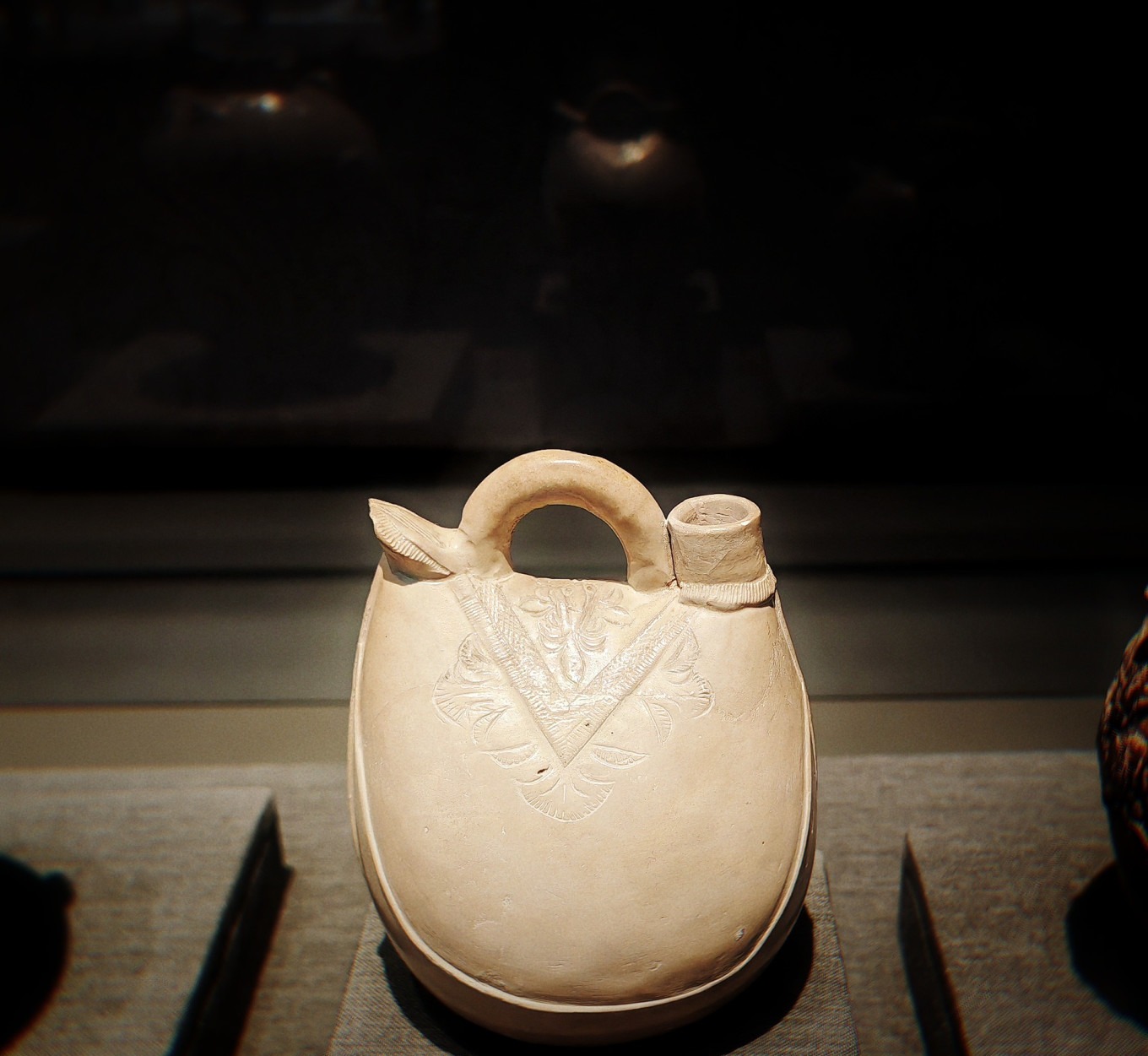
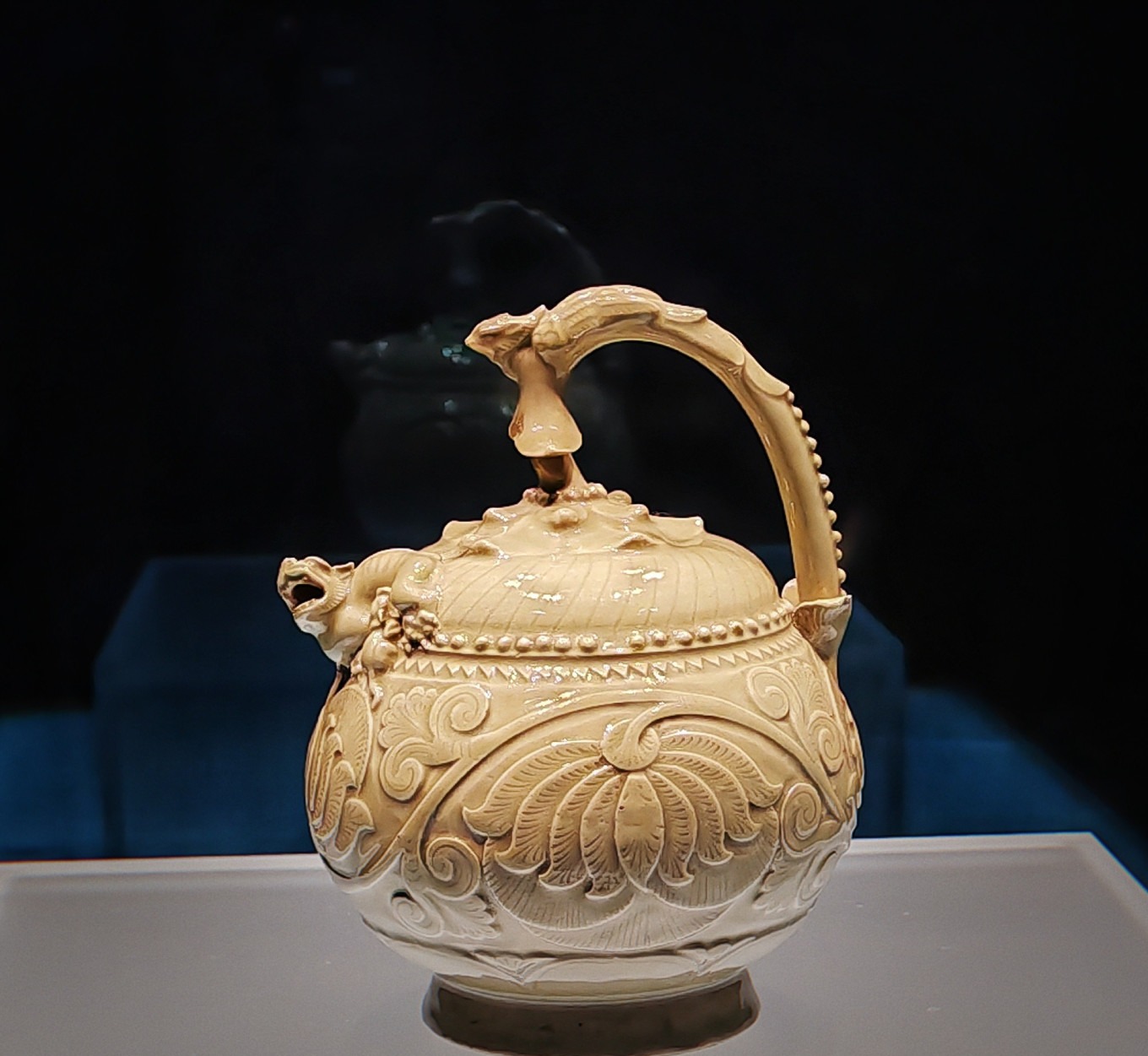
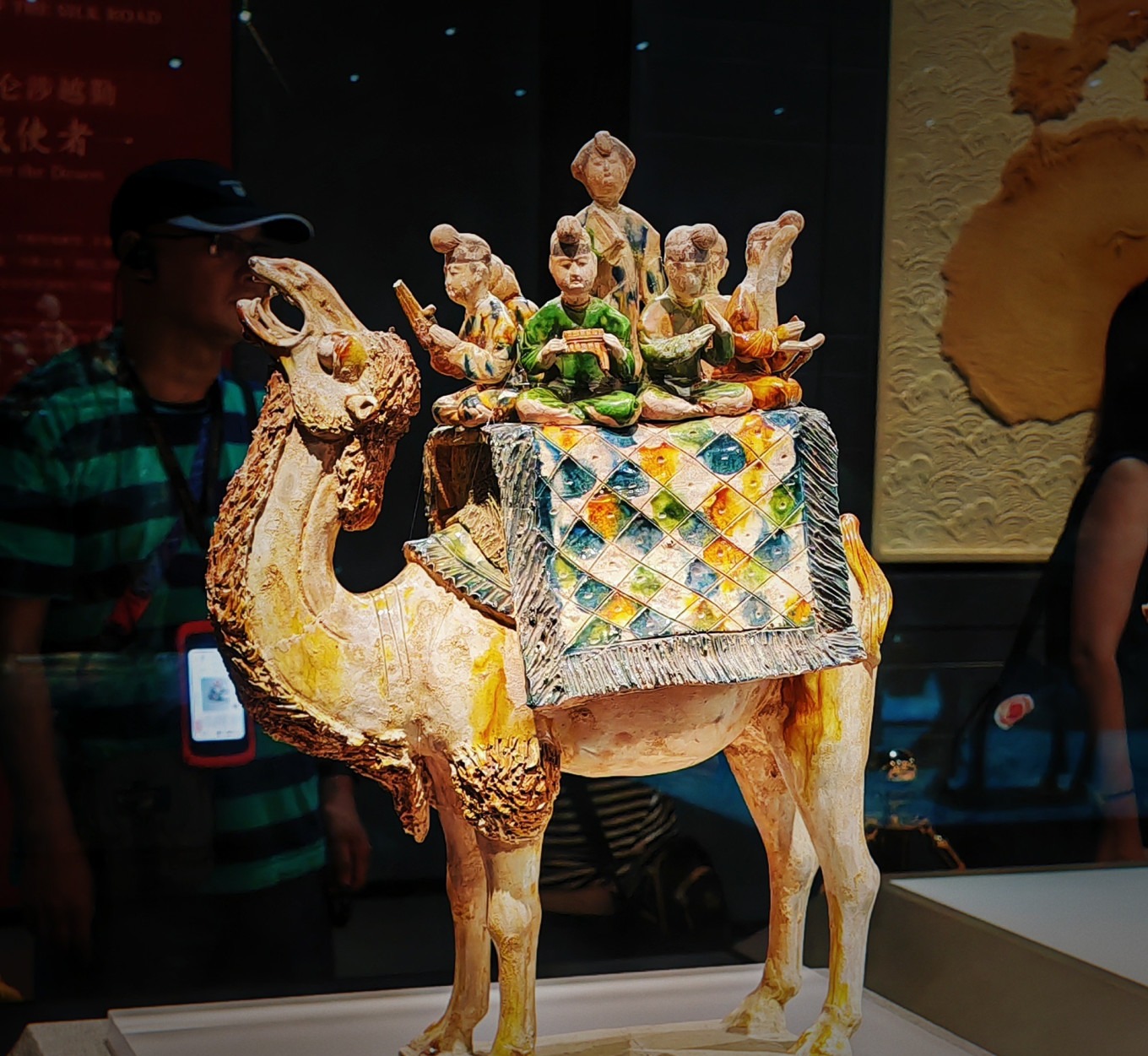
What makes this museum special? The terracotta figurines are incredibly vivid – you’ll find yourself grinning at their lively expressions. It’s like a meme collection from 2,000 years ago. Spend about three hours here, focusing on the Tang dynasty galleries and the famous tri-colored pottery (唐三彩). Don’t miss the ‘显眼包’ (eye-catching pottery figures) that have become internet sensations for their hilarious poses.
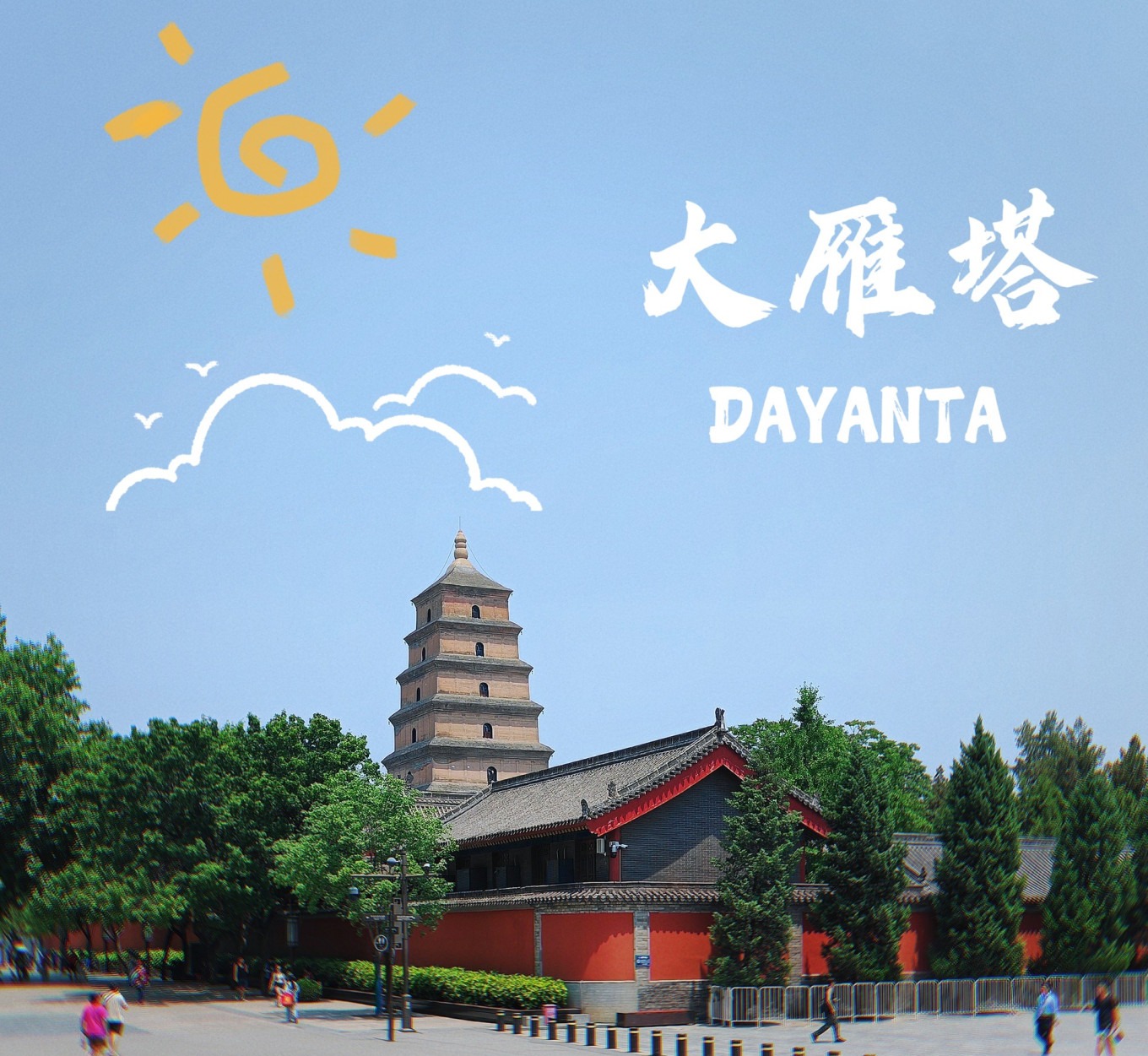
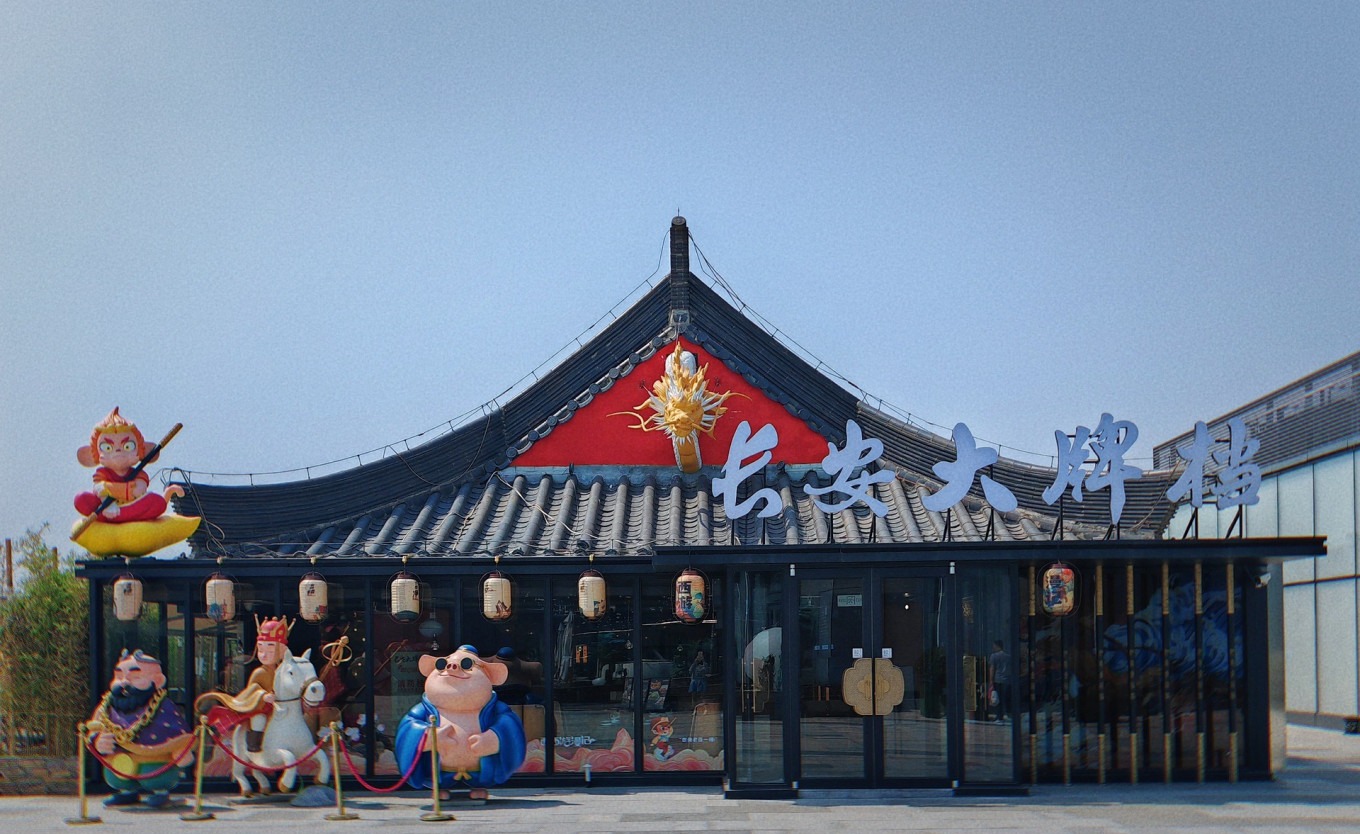
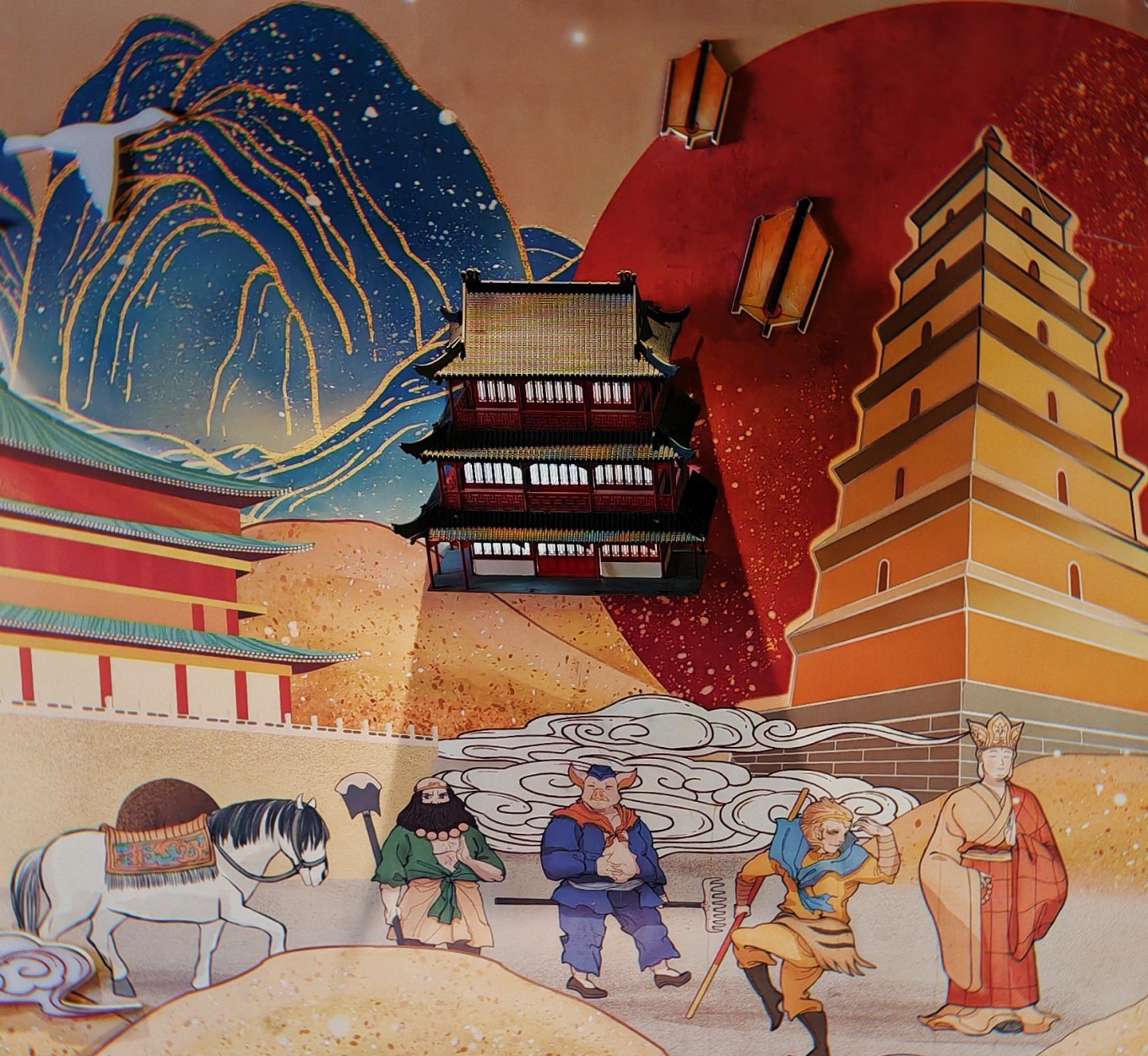
After the museum, hop on a bike for a 10–15 minute ride to the Giant Wild Goose Pagoda (大雁塔). This Tang-dynasty pagoda was built in 652 AD by the monk Xuanzang to house Buddhist scriptures he brought back from India. The entrance fee is 30 RMB, but many travelers find it unnecessary to go inside – the pagoda is best admired from the outside. Instead, explore the free photo spots around it. Top locations include: the steps west of the pagoda near the 霸王茶姬 (Ba Wang Cha Ji) tea shop; the 4th floor of the Dayuecheng Mall (大悦城) and the area near the Heytea (喜茶) entrance; the statue of Xuanzang; the statues of Jianzhen and Konghai; and the stone Buddha statues. Bonus: on the -1 floor of Dayuecheng Mall, you’ll find a giant Sun Wukong (孙悟空) statue, and on the 4th floor, a Zhu Bajie (猪八戒) statue – both perfect for photos.
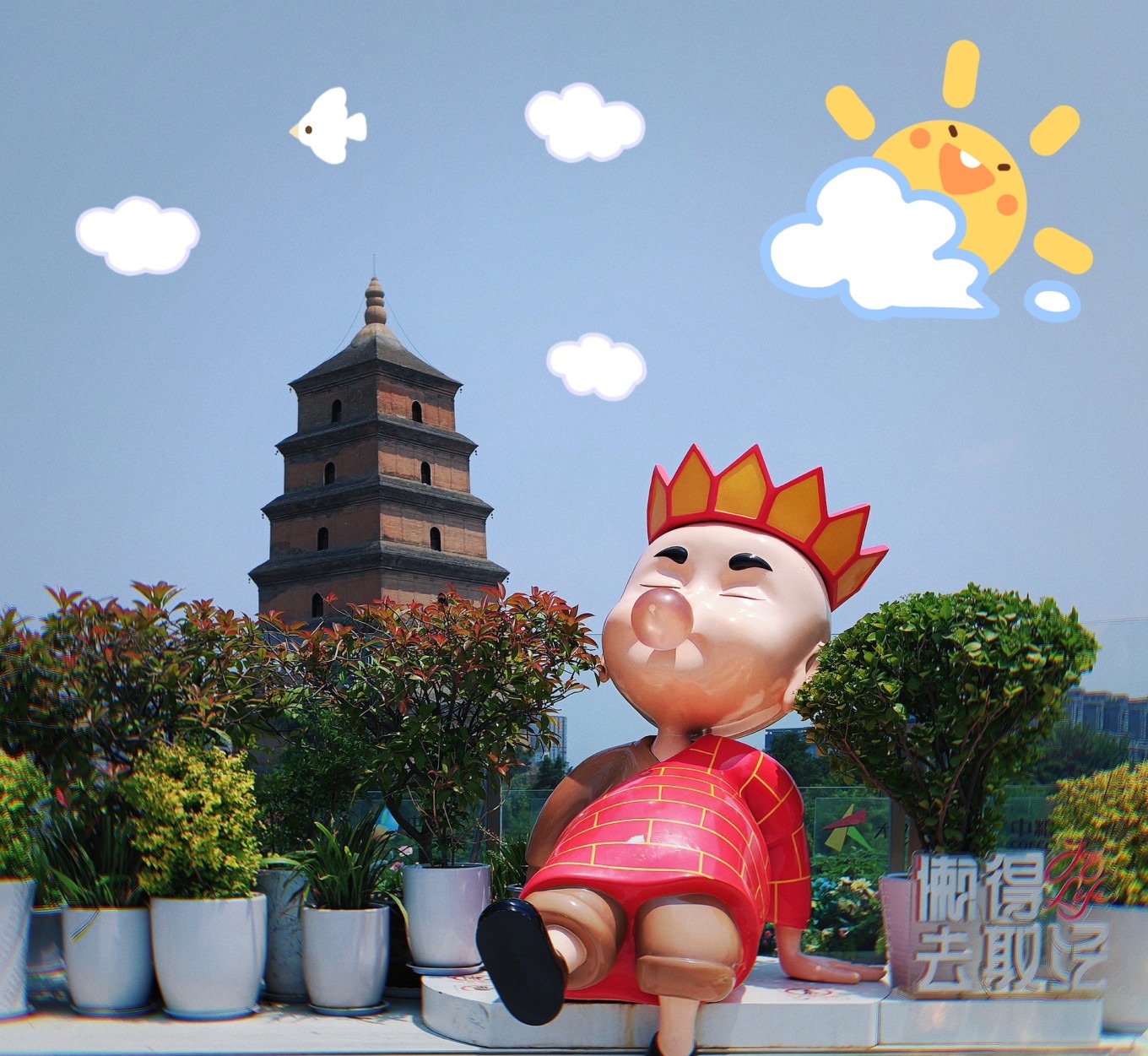
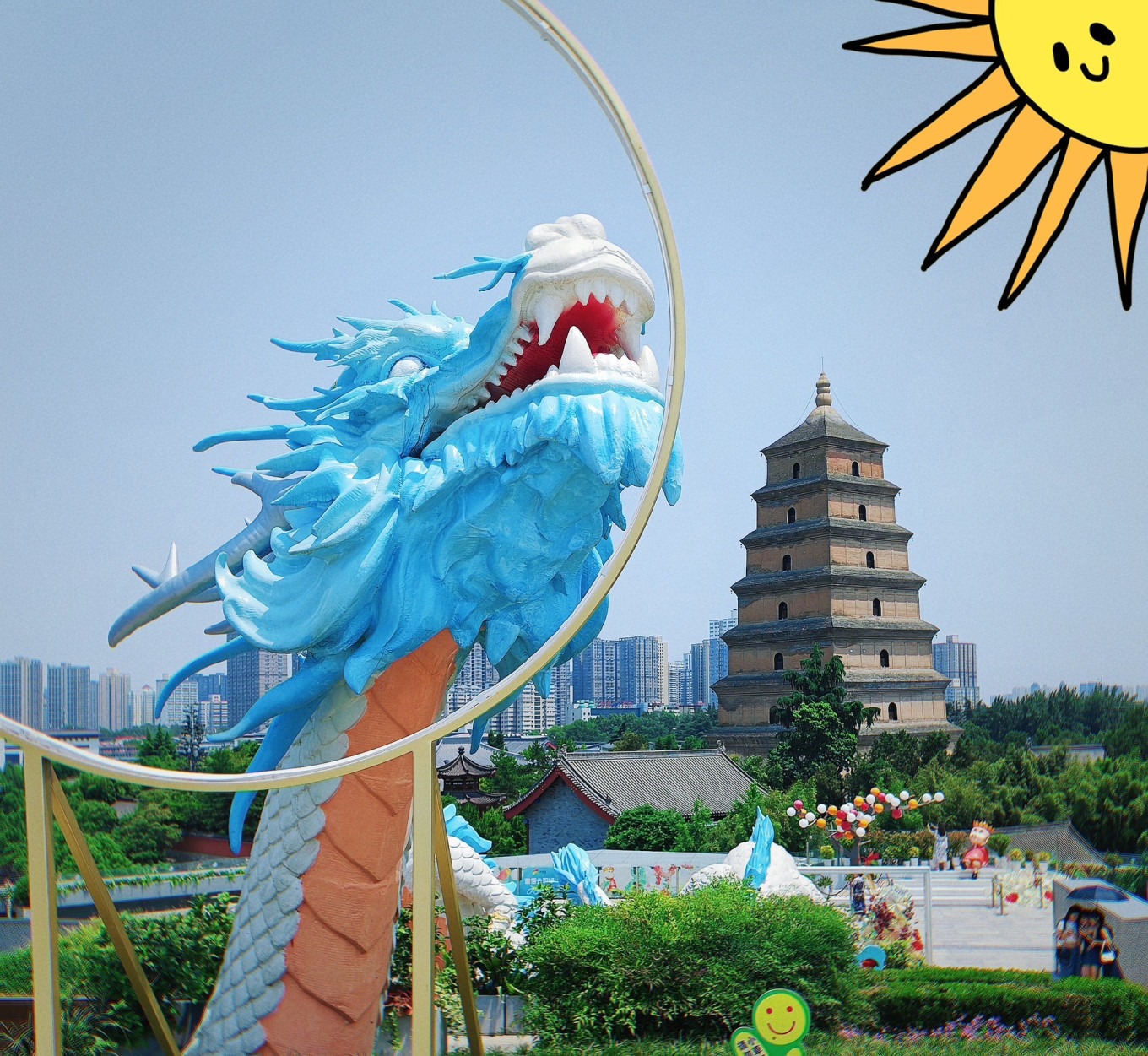
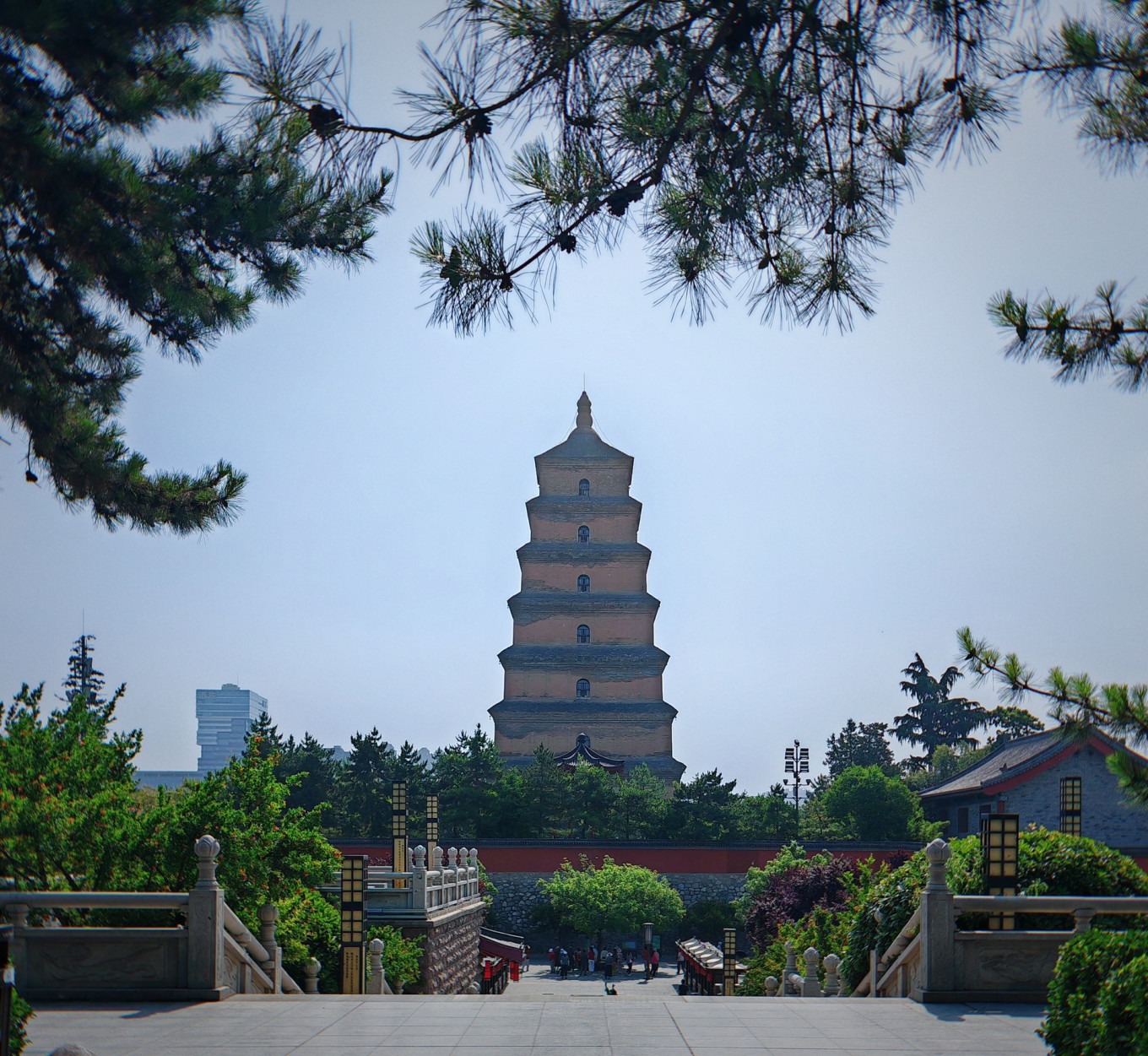
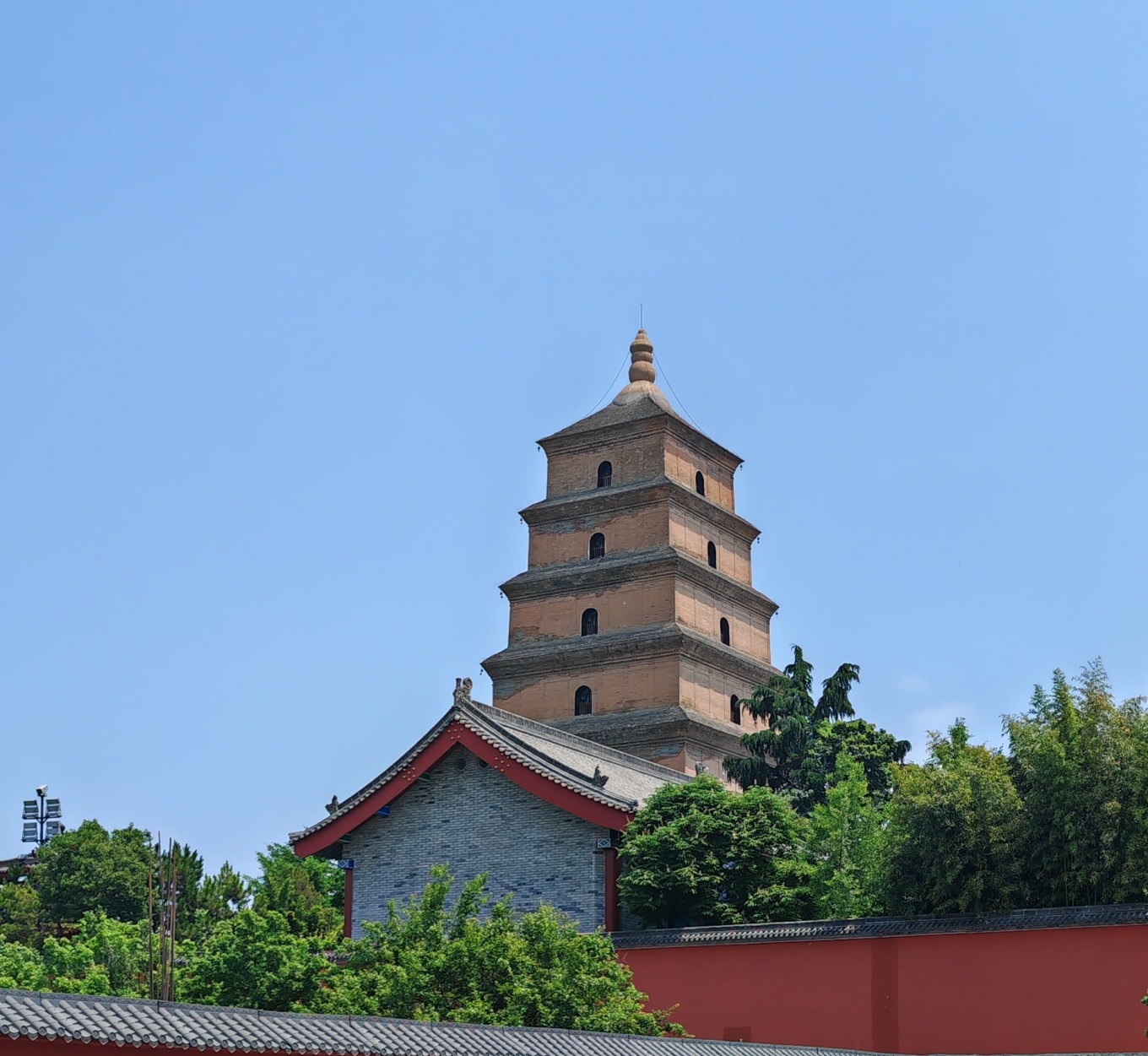
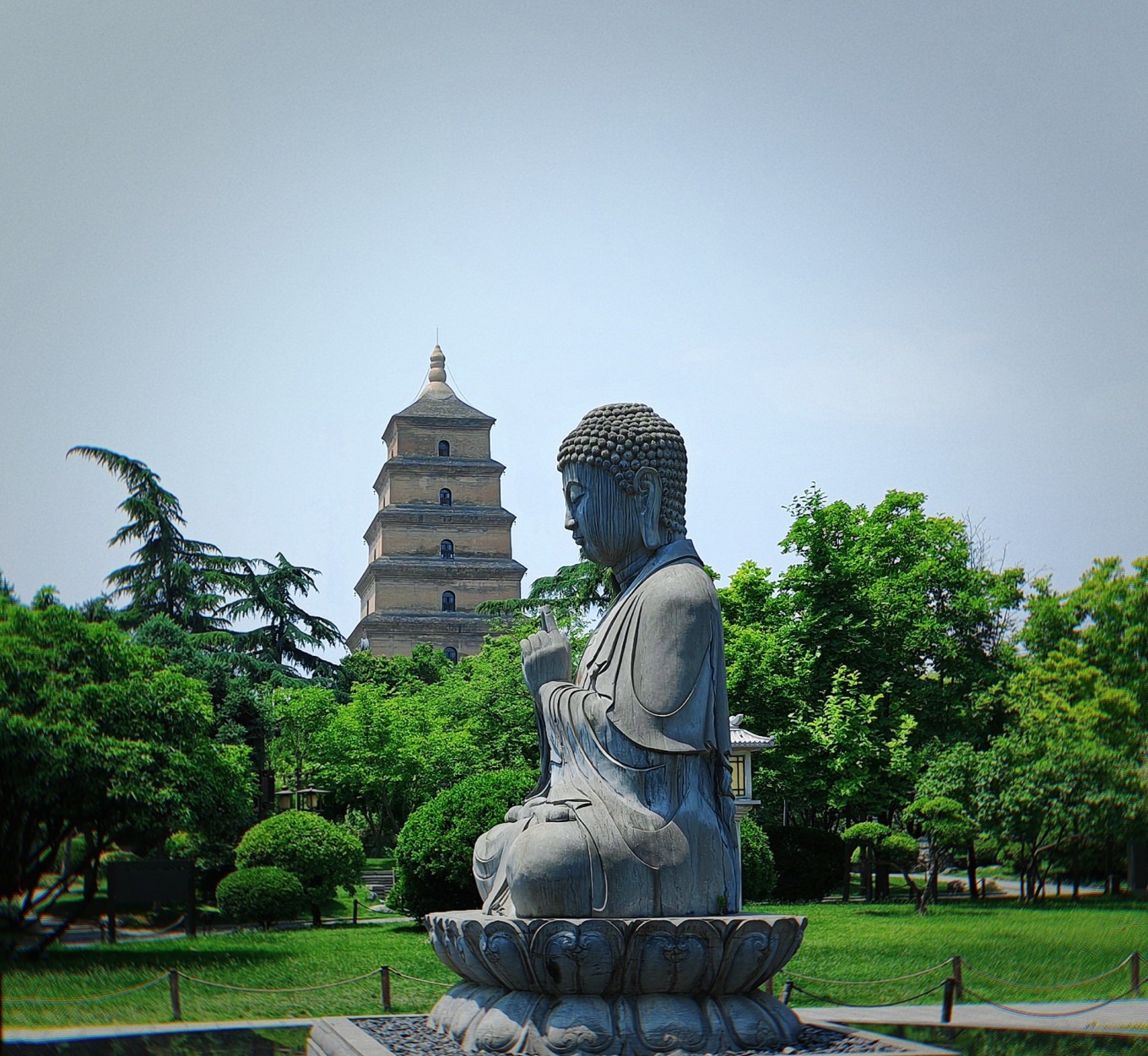
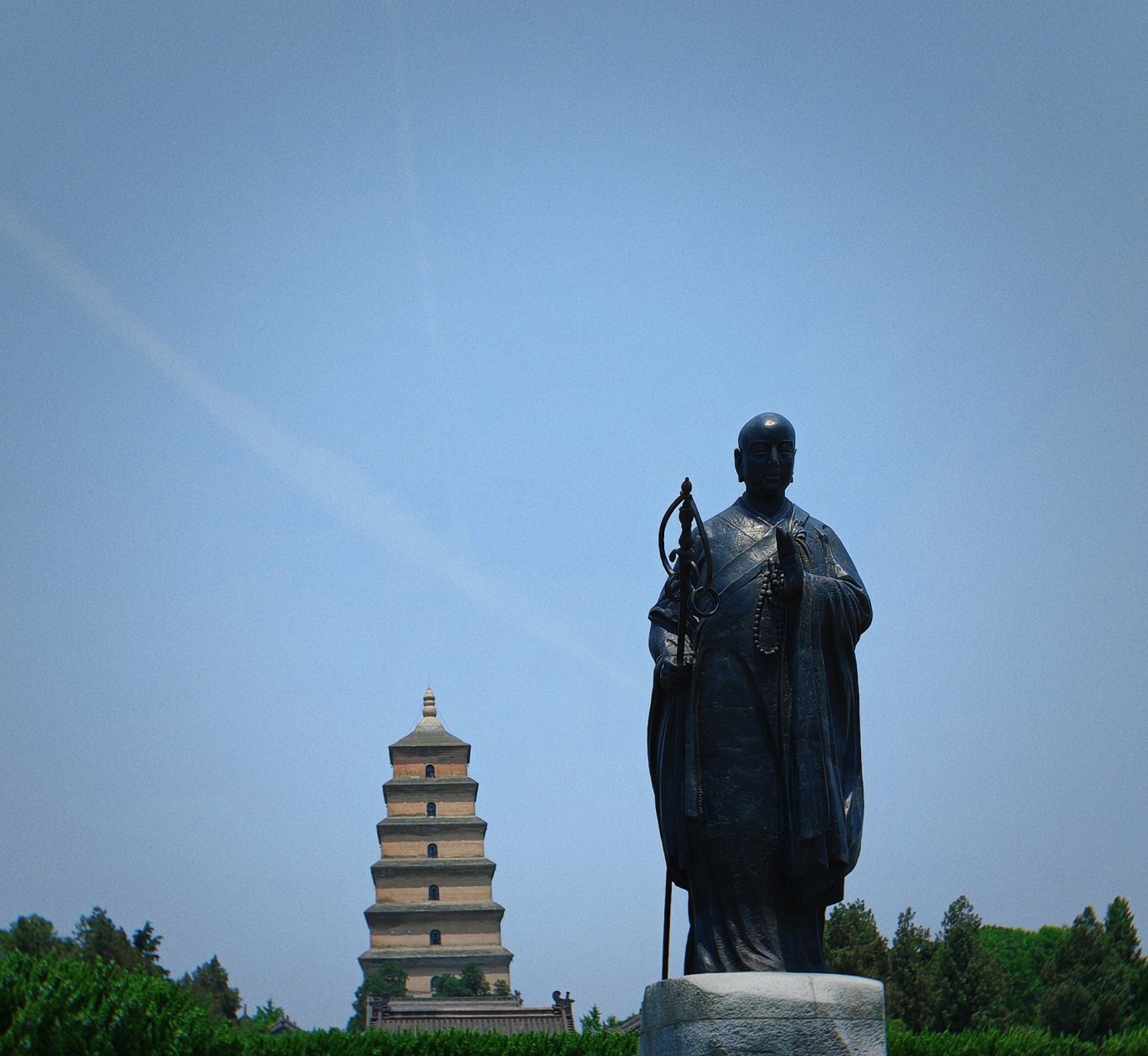
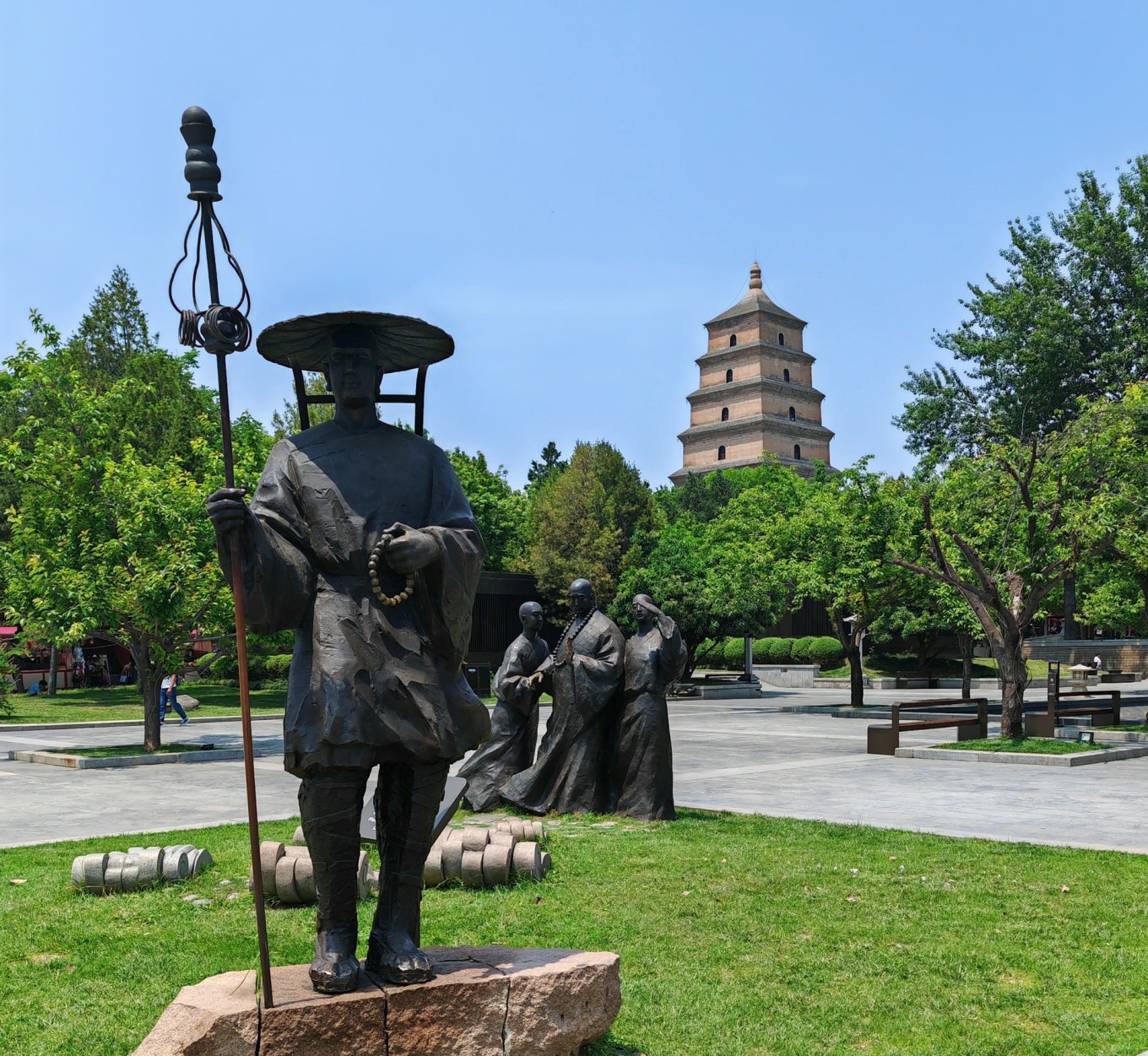
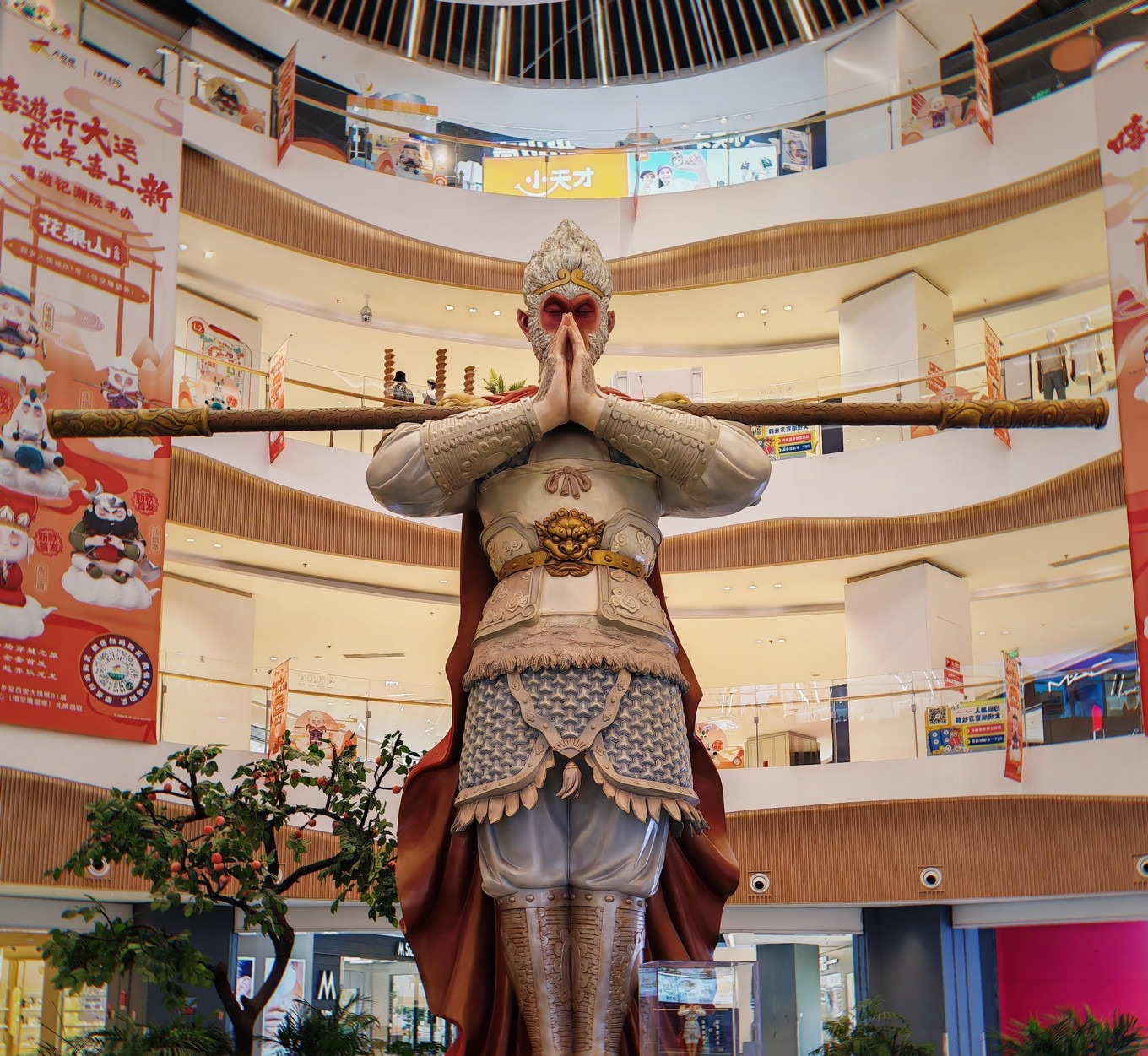
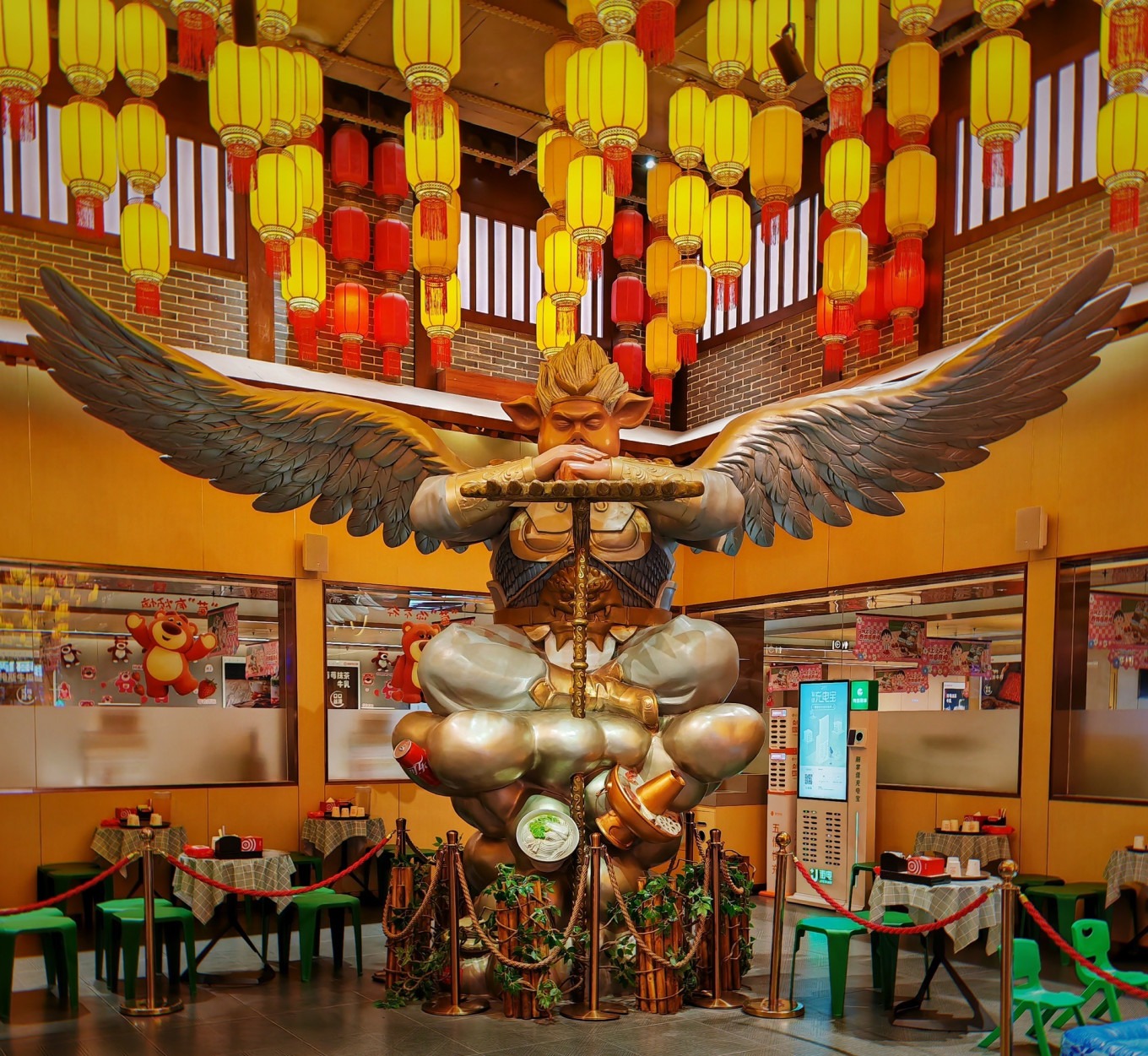
As dusk falls, walk from the pagoda to the adjacent Tang Paradise (大唐不夜城) – it’s just steps away, starting from the fountain square. This pedestrian street is a free, open-air theme park that recreates the glamour of the Tang dynasty. No ticket required. The main attraction is the series of live performances that run from 7 PM onward. Here’s the schedule you should plan around:
- 1900 – 大雁塔水舞光影秀 (Music Fountain Show)
- 1915 – 诗意长安灯组 (Poetic Chang’an Lanterns)
- 1940 – 盛唐密盒 (Prosperous Tang Mystery Box – interactive show, highly recommended)
- 2050 – 华灯太白 (Huadeng Taibai – poetry recitation with Li Bai, highly recommended)
- 2100 – 再回长安 (Return to Chang’an – grand performance)
- 2130 – 不倒翁 (Weng 不倒翁 –不倒翁 performance, absolutely stunning)
For the most popular shows – especially the 不倒翁 (Weng 不倒翁) – you need to line up at least 20 minutes early. If you don’t, you’ll end up watching through other people’s phone screens (trust the advice). Check the official Tang Paradise WeChat account for the latest show times and locations, as schedules can vary. The 盛唐密盒 (Prosperous Tang Mystery Box) invites audience members on stage for quizzes and photos, while 华灯太白 (Huadeng Taibai) has performers reciting Tang poetry with such passion that the crowd cheers. And the 不倒翁 (local term) performer is genuinely mesmerizing – don’t miss it.
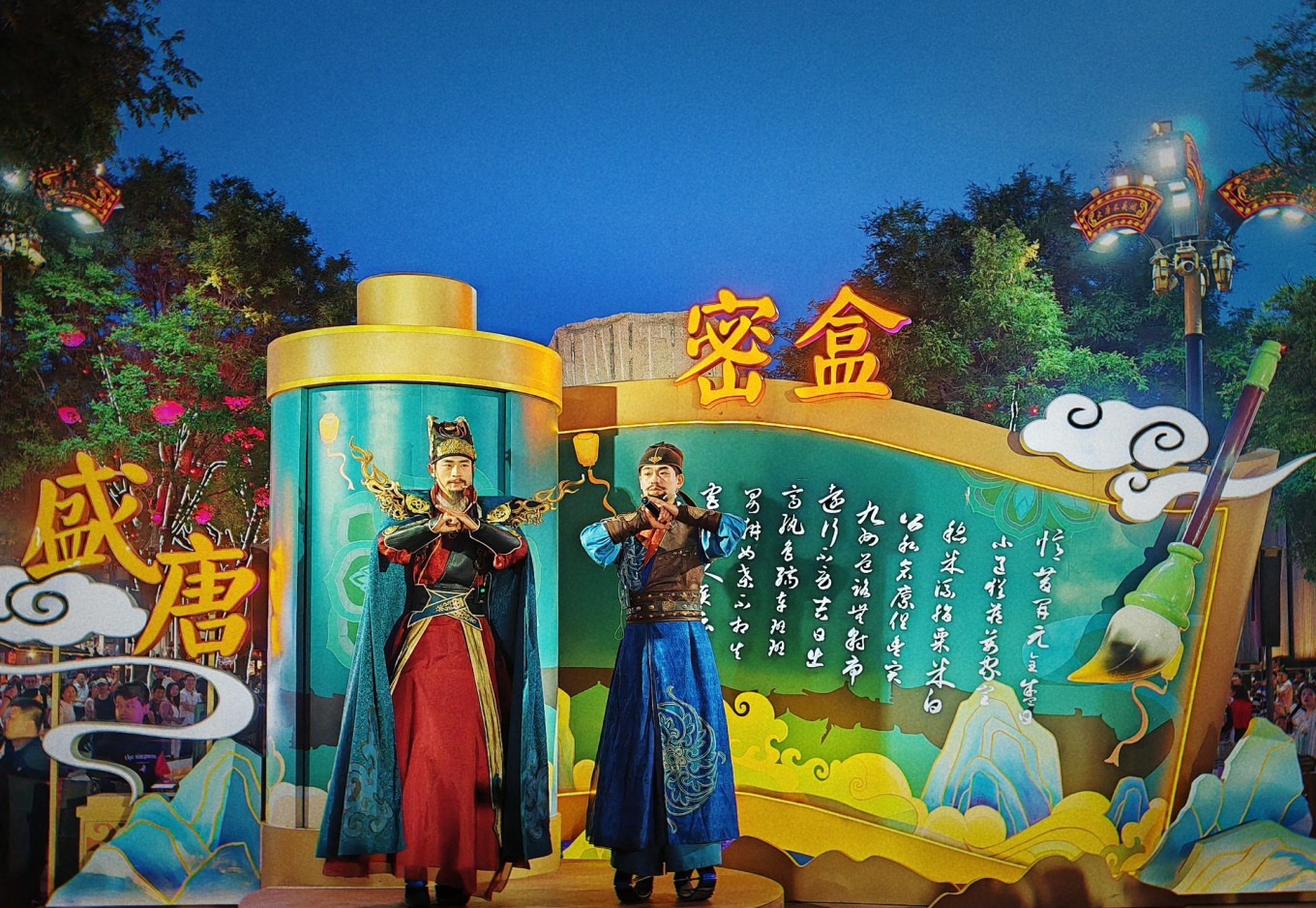
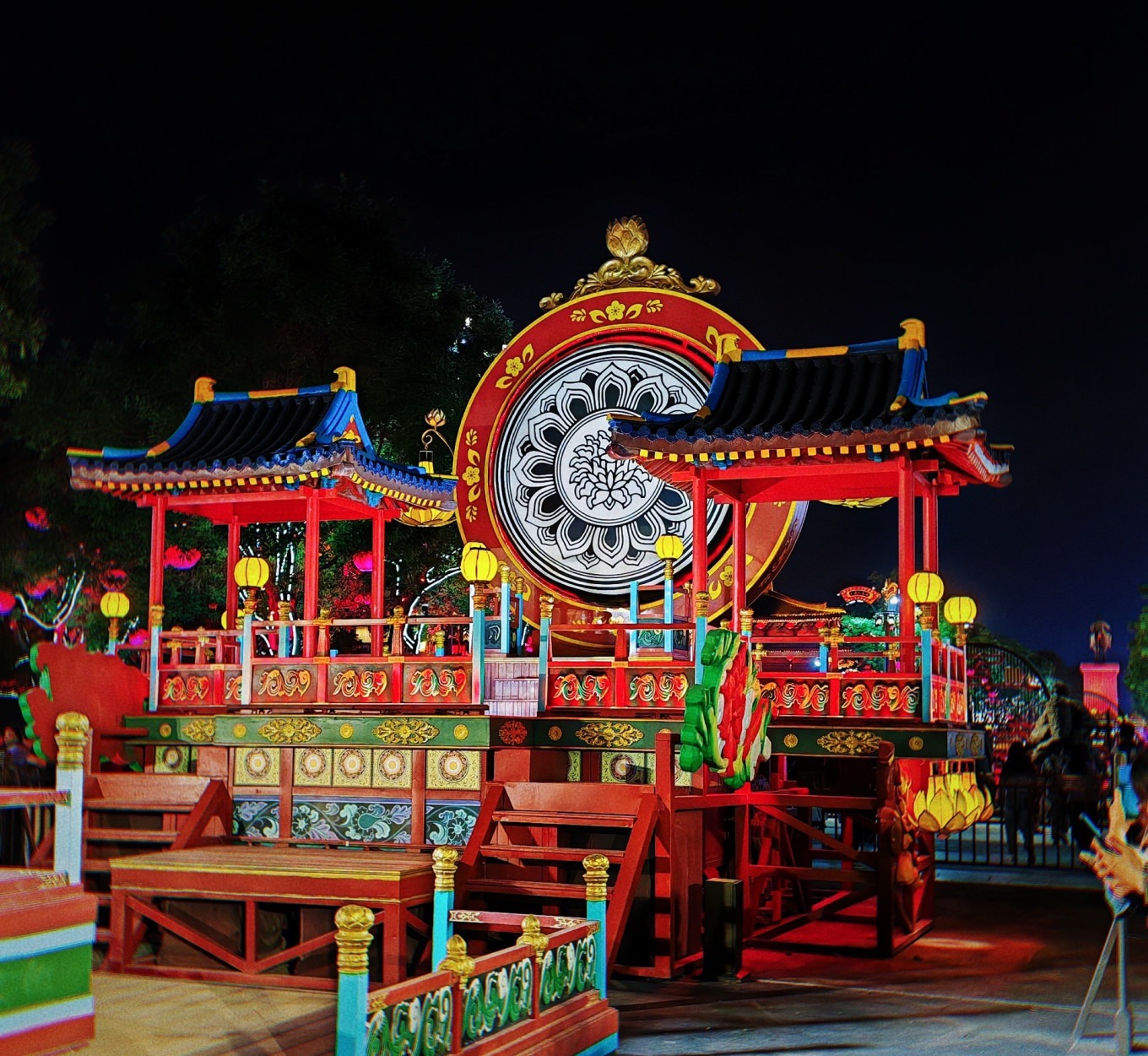
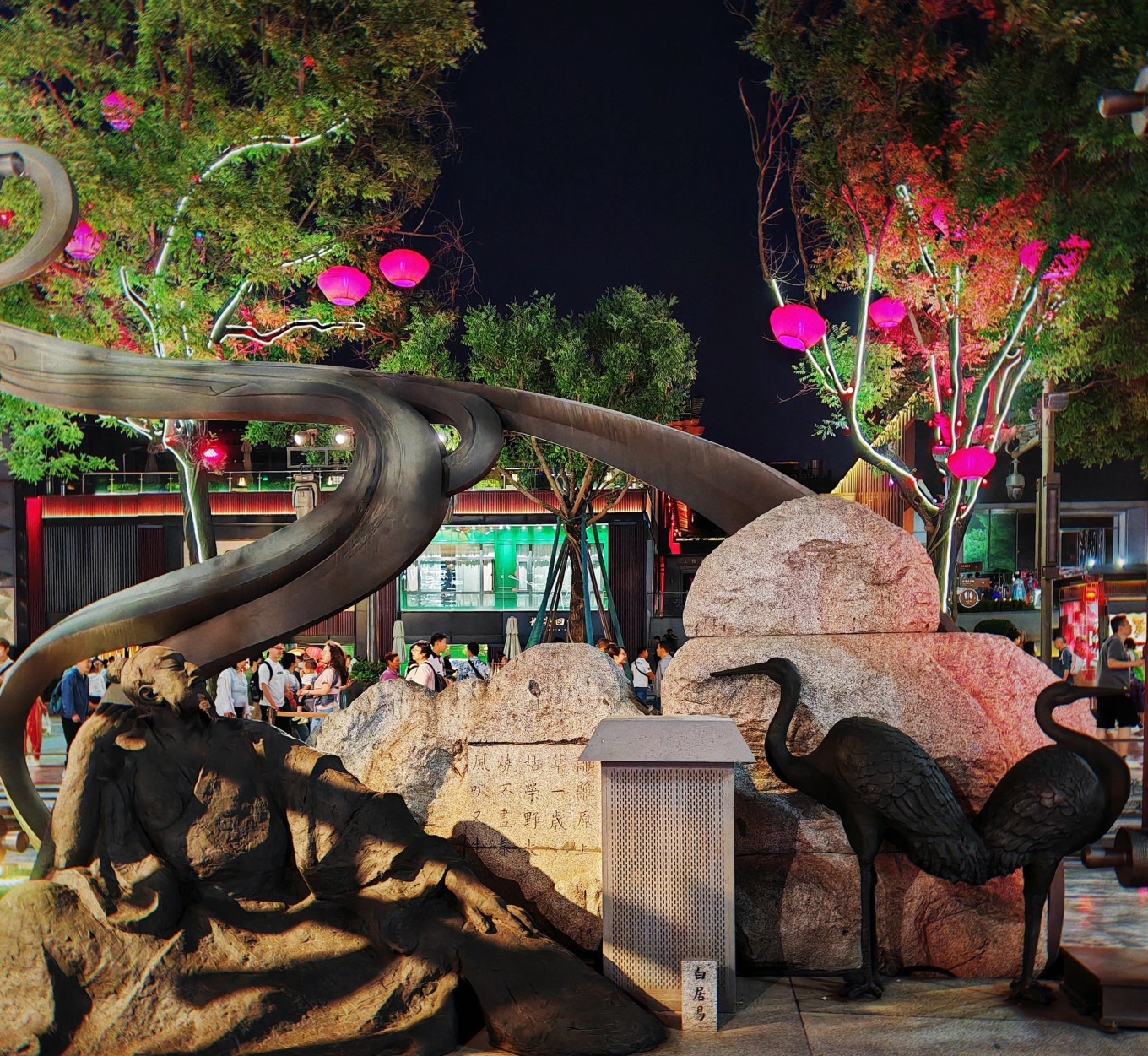
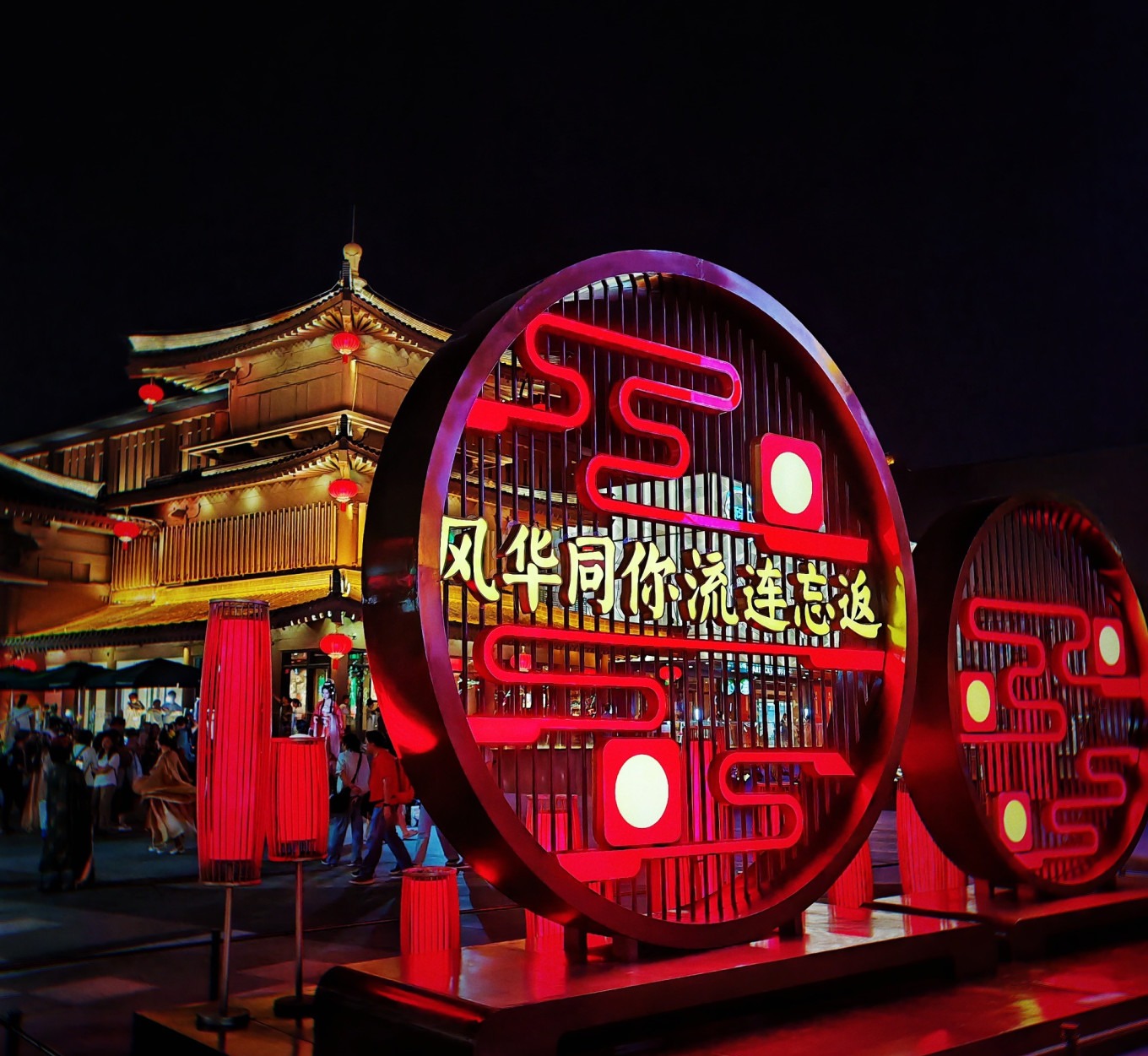
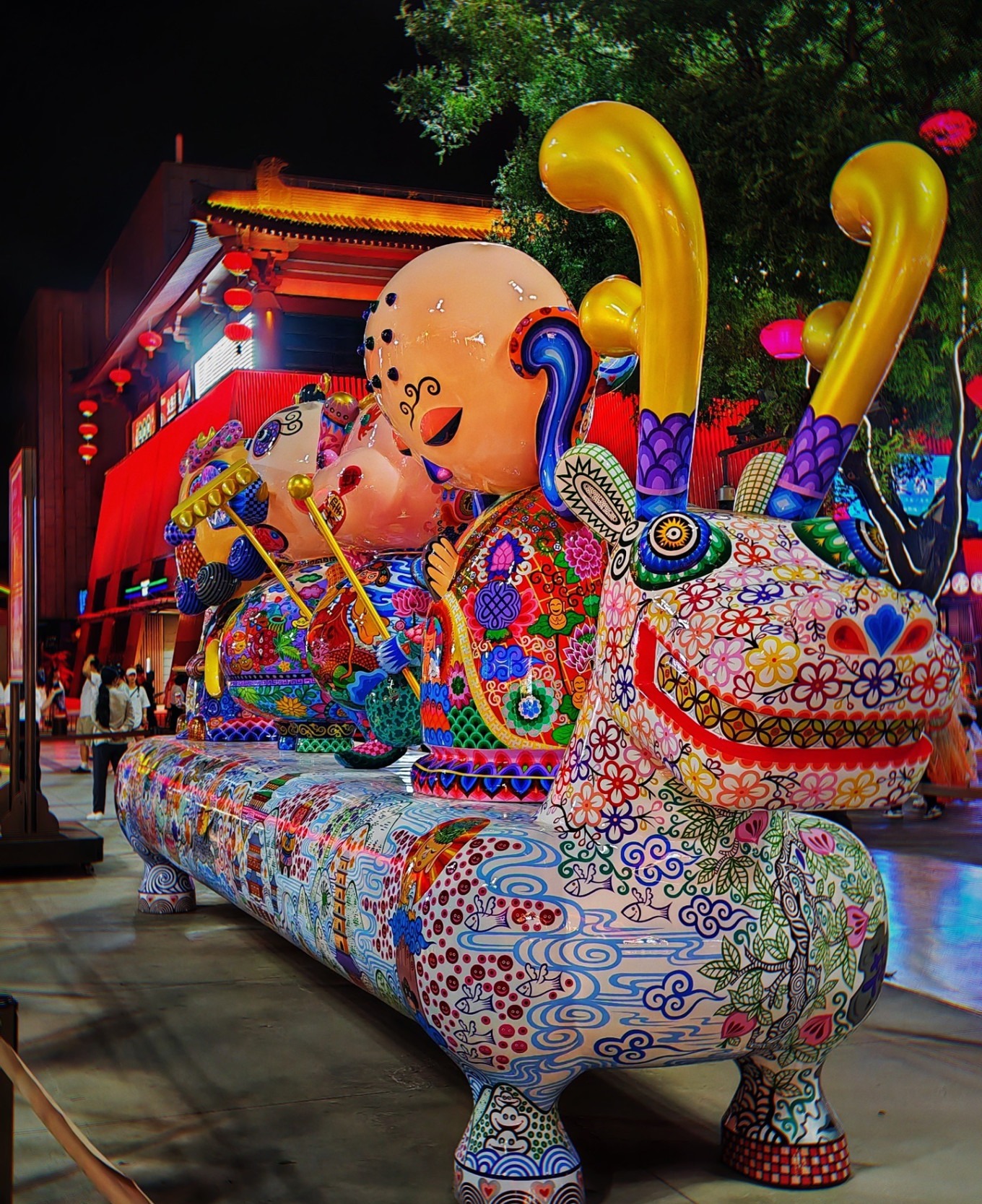
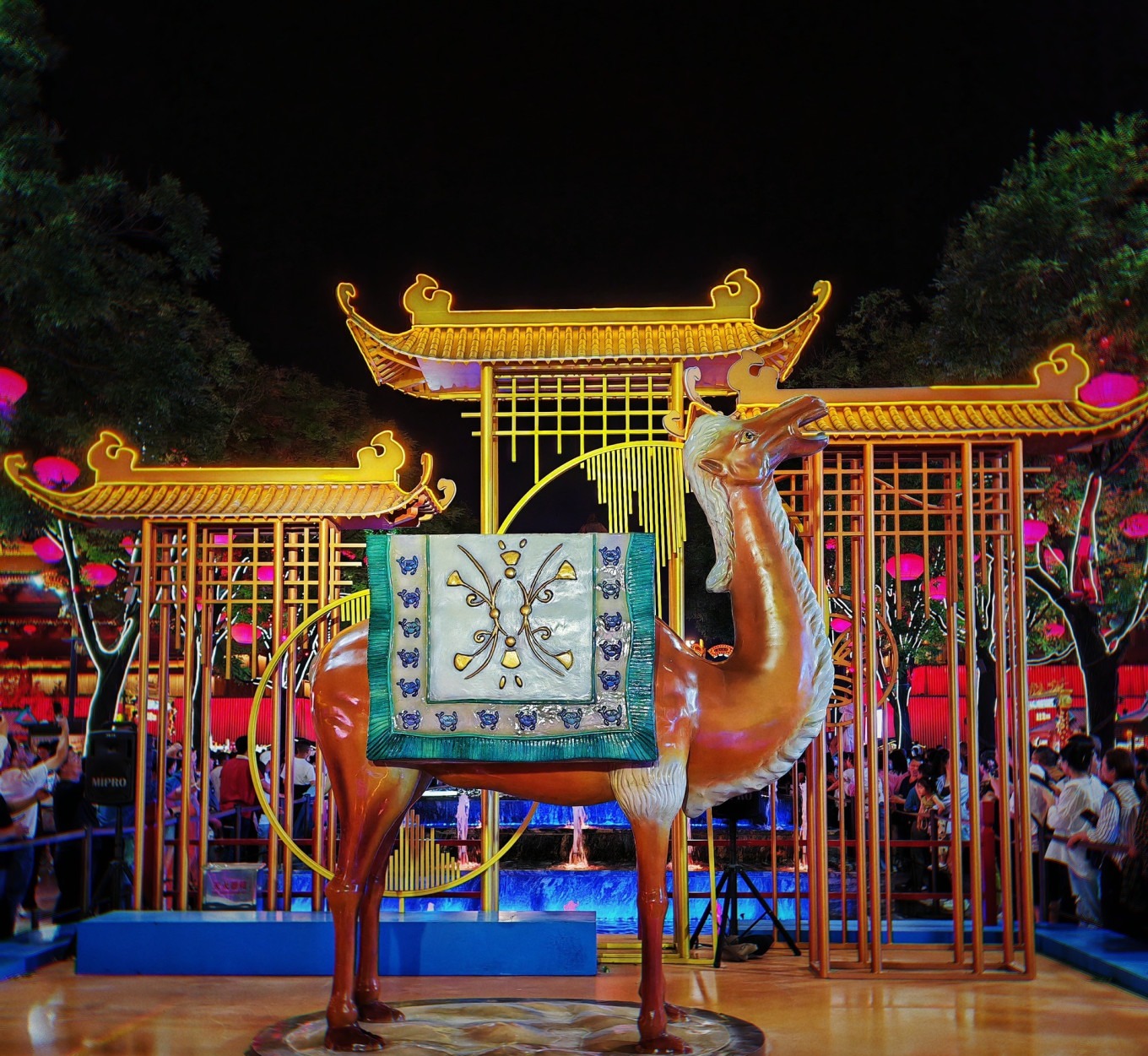
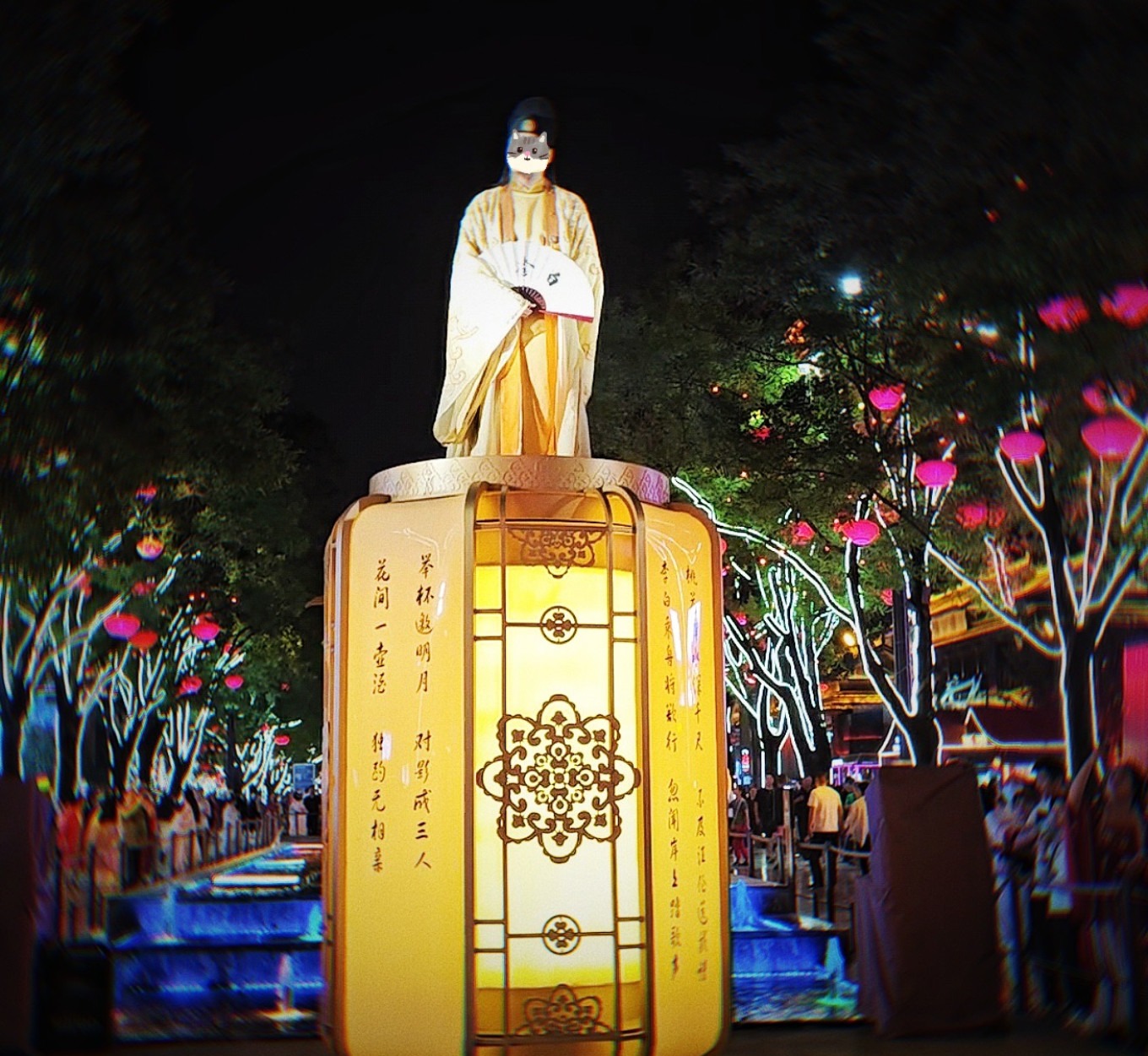
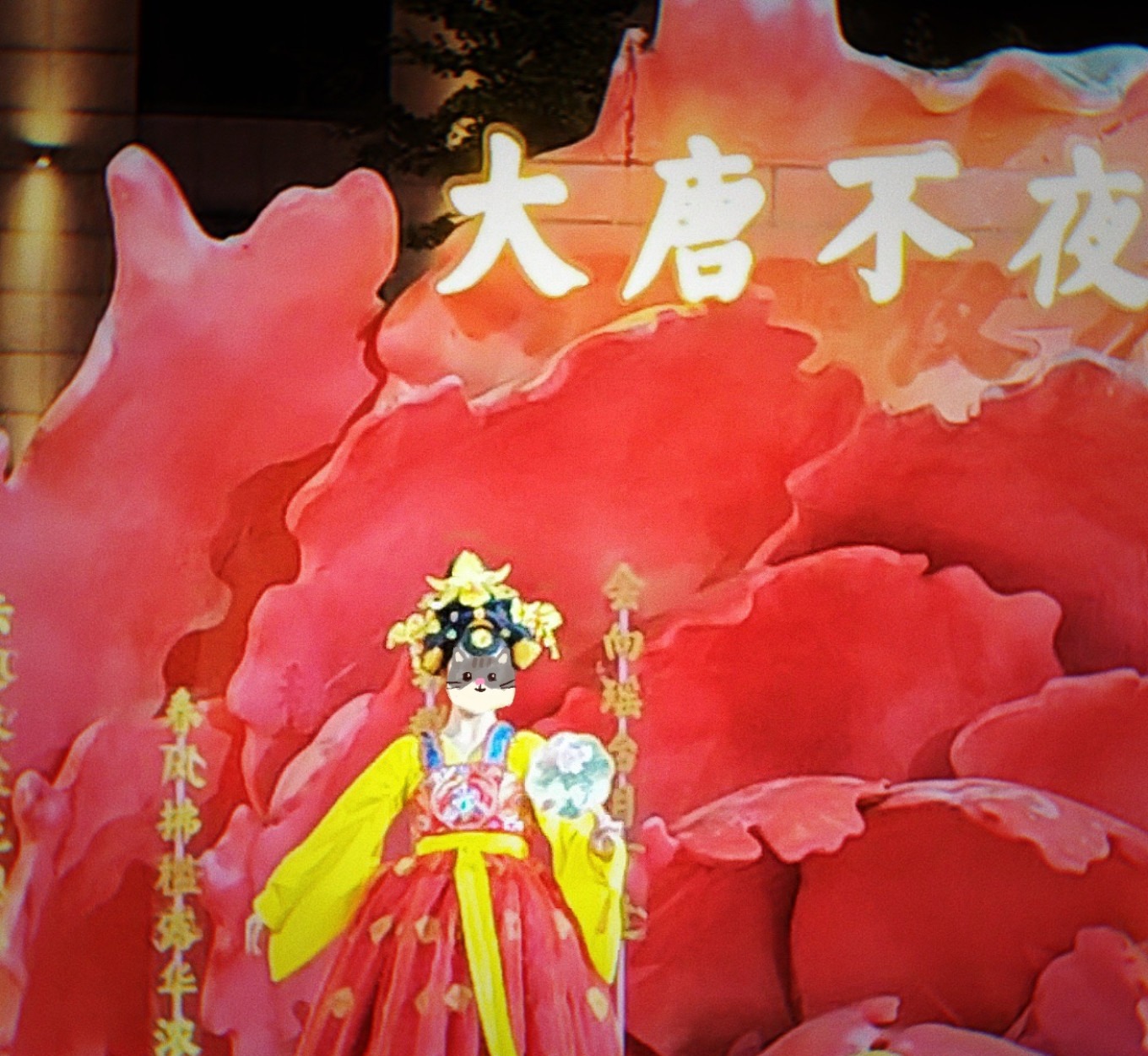
Tang Paradise is not just a walk – it’s an immersive experience. The entire street is designed to make you feel like you’ve stepped back into the Tang dynasty, with elaborate costumes, music, and lighting. Plan to spend about three hours here, wandering from the fountain square all the way south to Kaiyuan Square. It’s a perfect end to your first day in Xi’an.
Day 2: Terracotta Warriors, Huaqing Palace & The Song of Everlasting Sorrow
Your second day in Xi’an takes you east to two of China’s most iconic historical sites: the Terracotta Warriors and Huaqing Palace. End the evening with a spectacular outdoor performance that brings a Tang dynasty love story to life against the backdrop of Lishan Mountain.
Start your morning at the Emperor Qinshihuang’s Mausoleum Site Museum (秦始皇兵马俑博物馆), home to the world-famous Terracotta Warriors. This UNESCO World Heritage site is often called the Eighth Wonder of the World, and for good reason — thousands of life-sized clay soldiers, each with unique facial features and expressions, stand in battle formation as if guarding the emperor’s tomb for eternity. Allow about 3 hours for your visit.
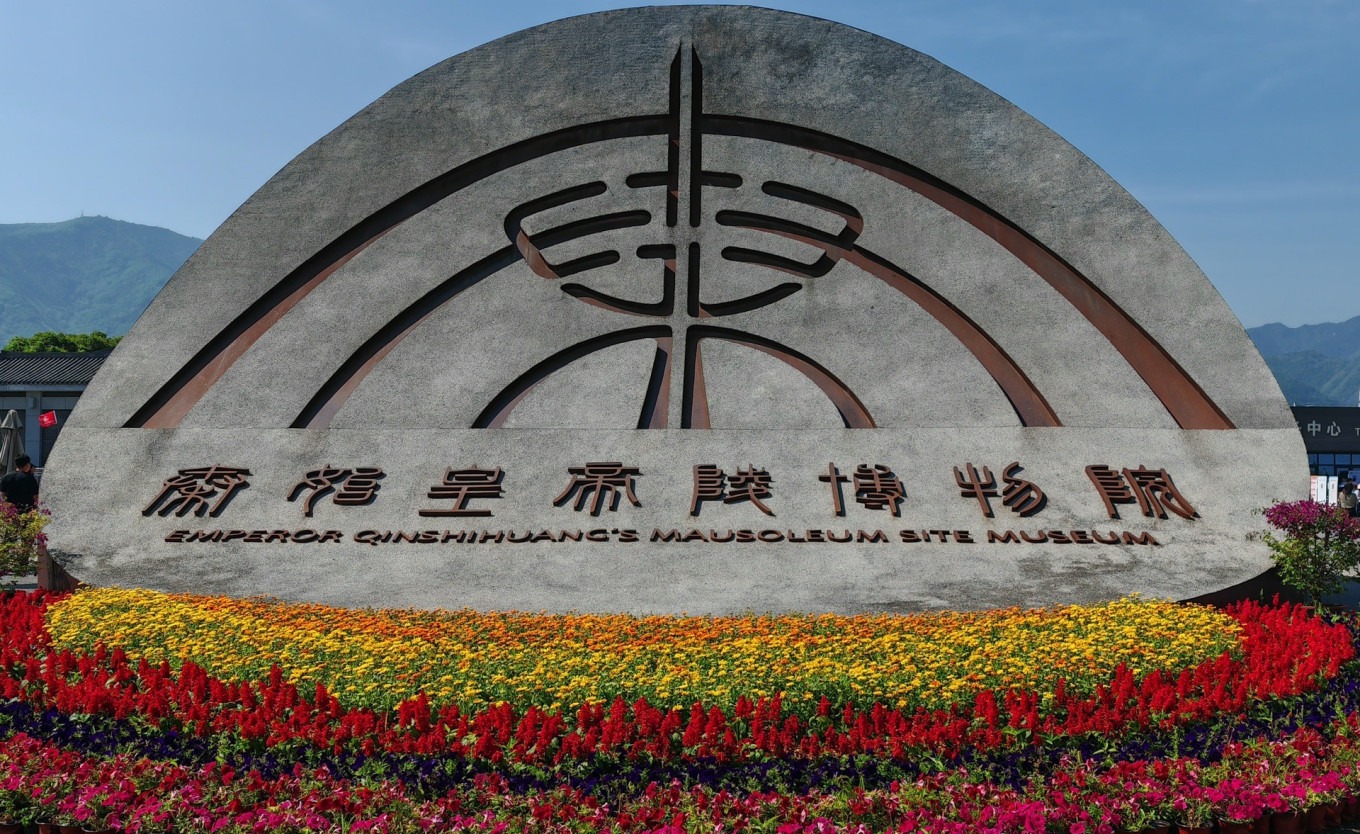
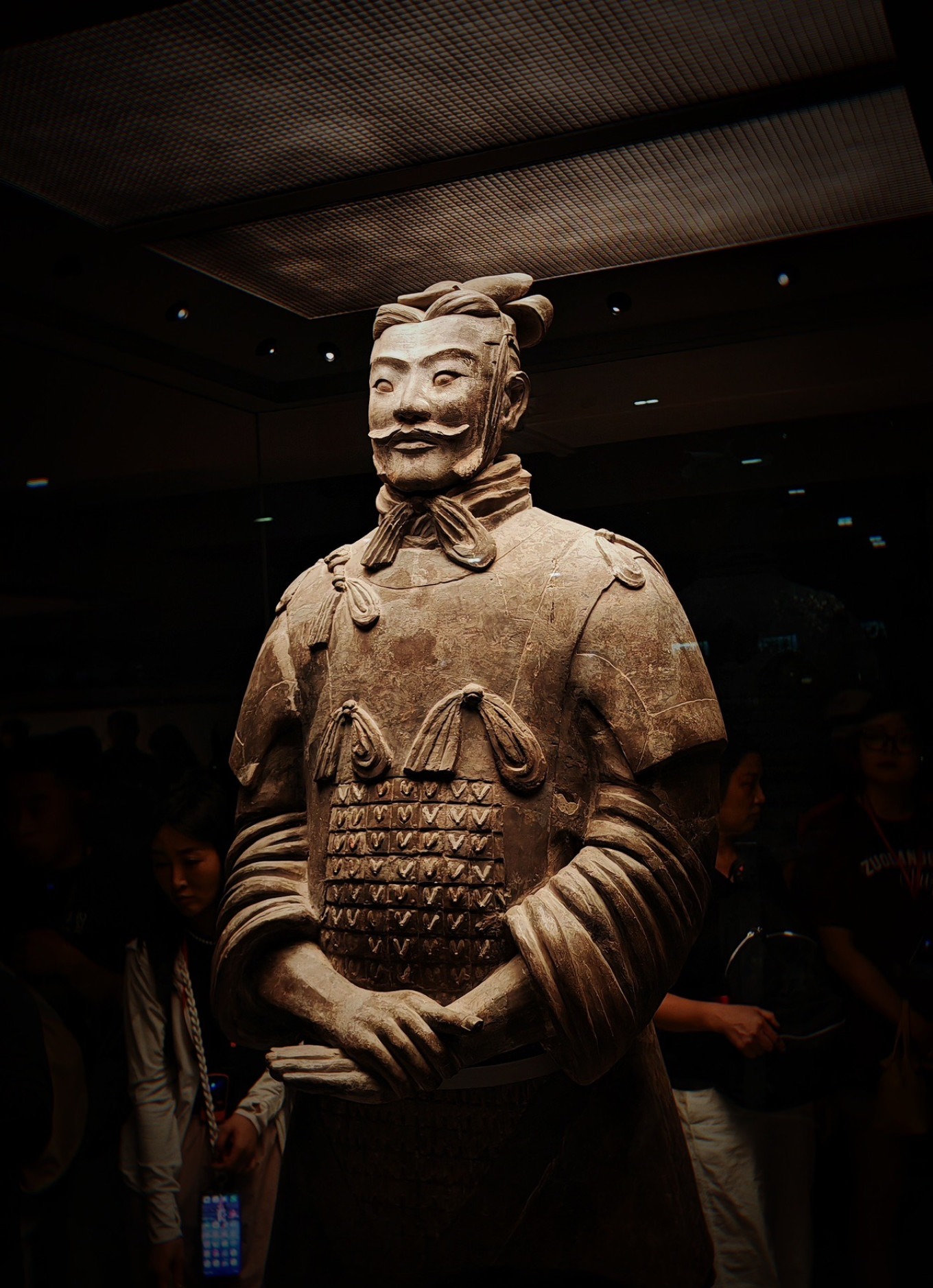
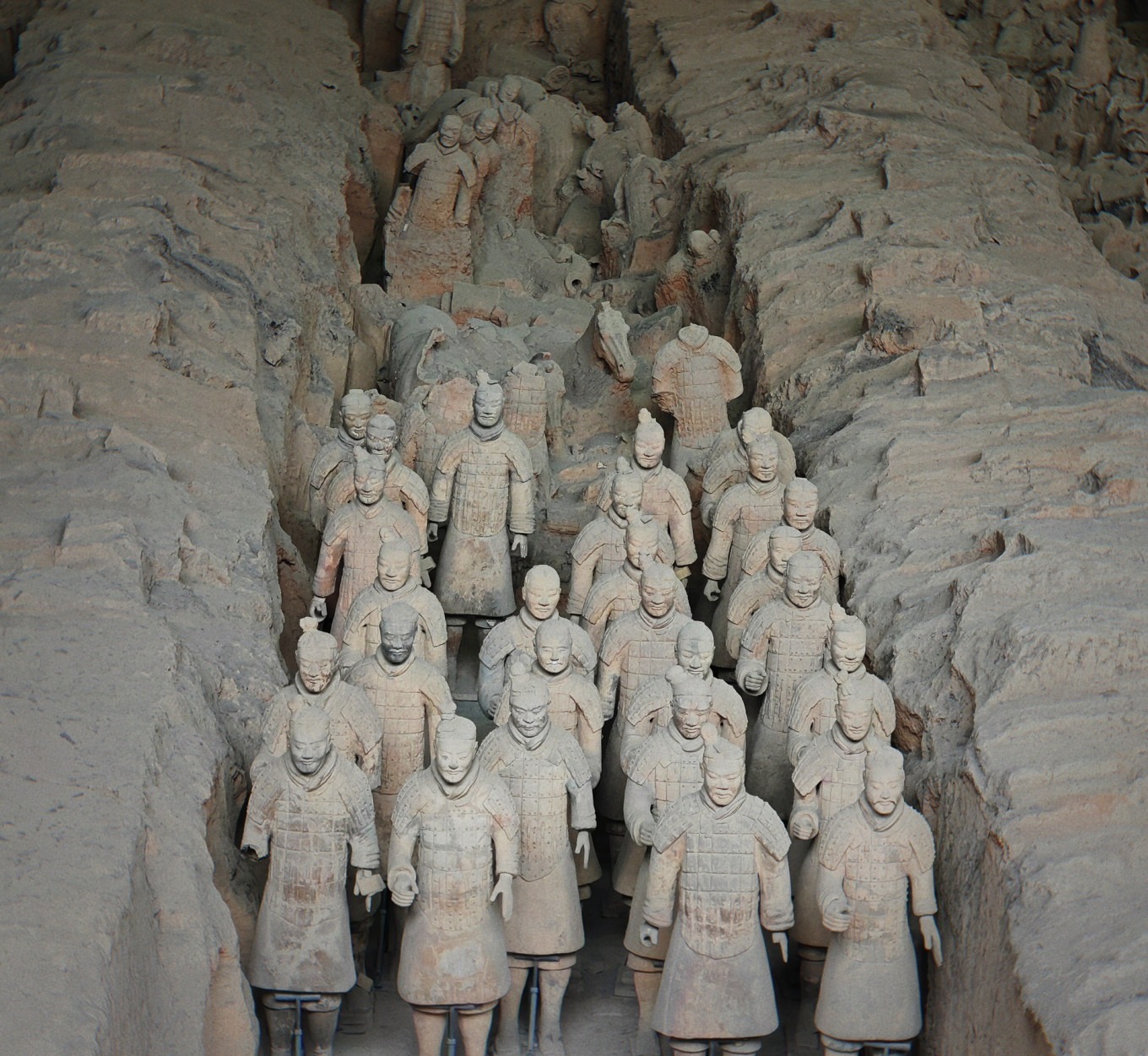
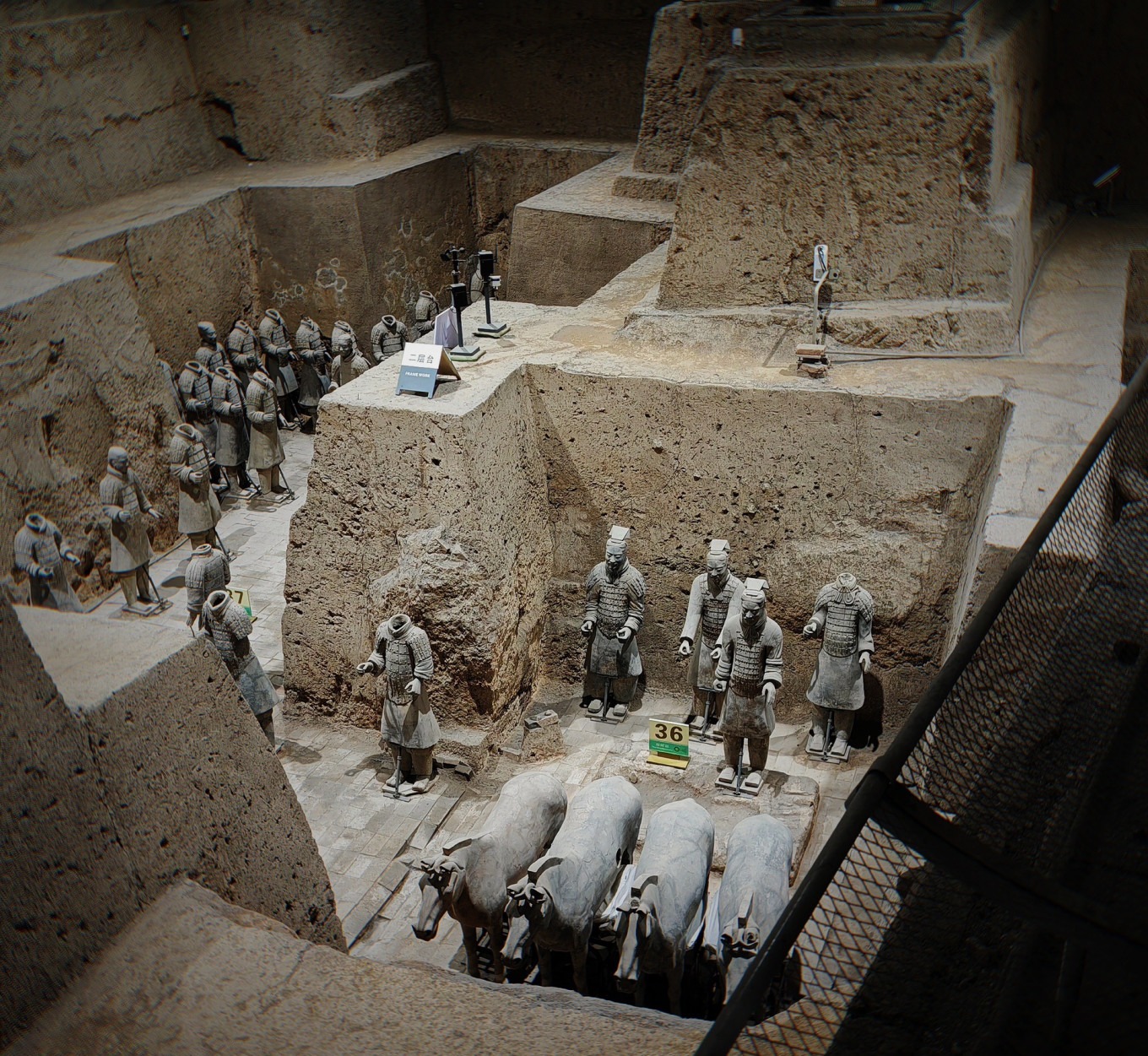
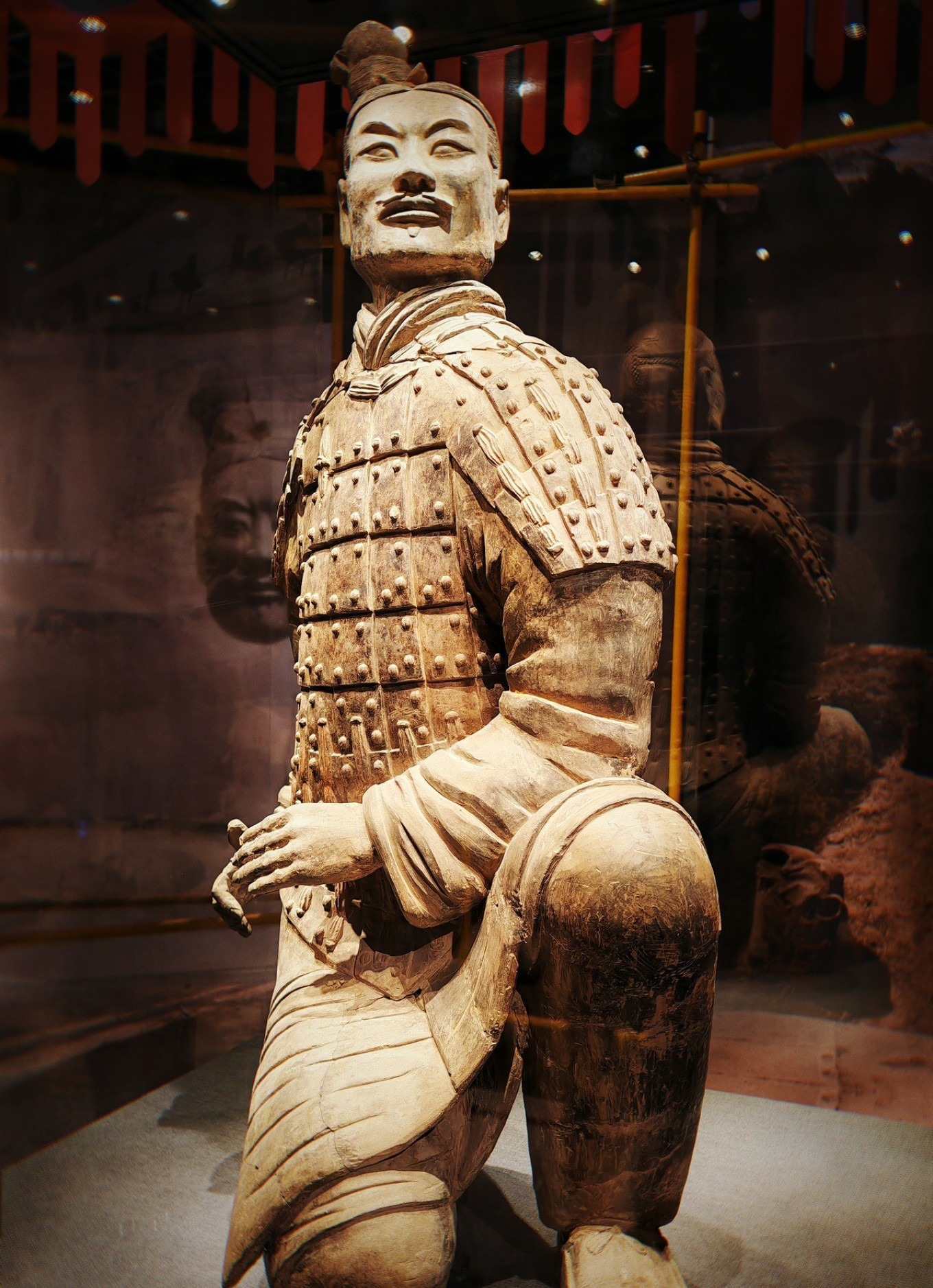
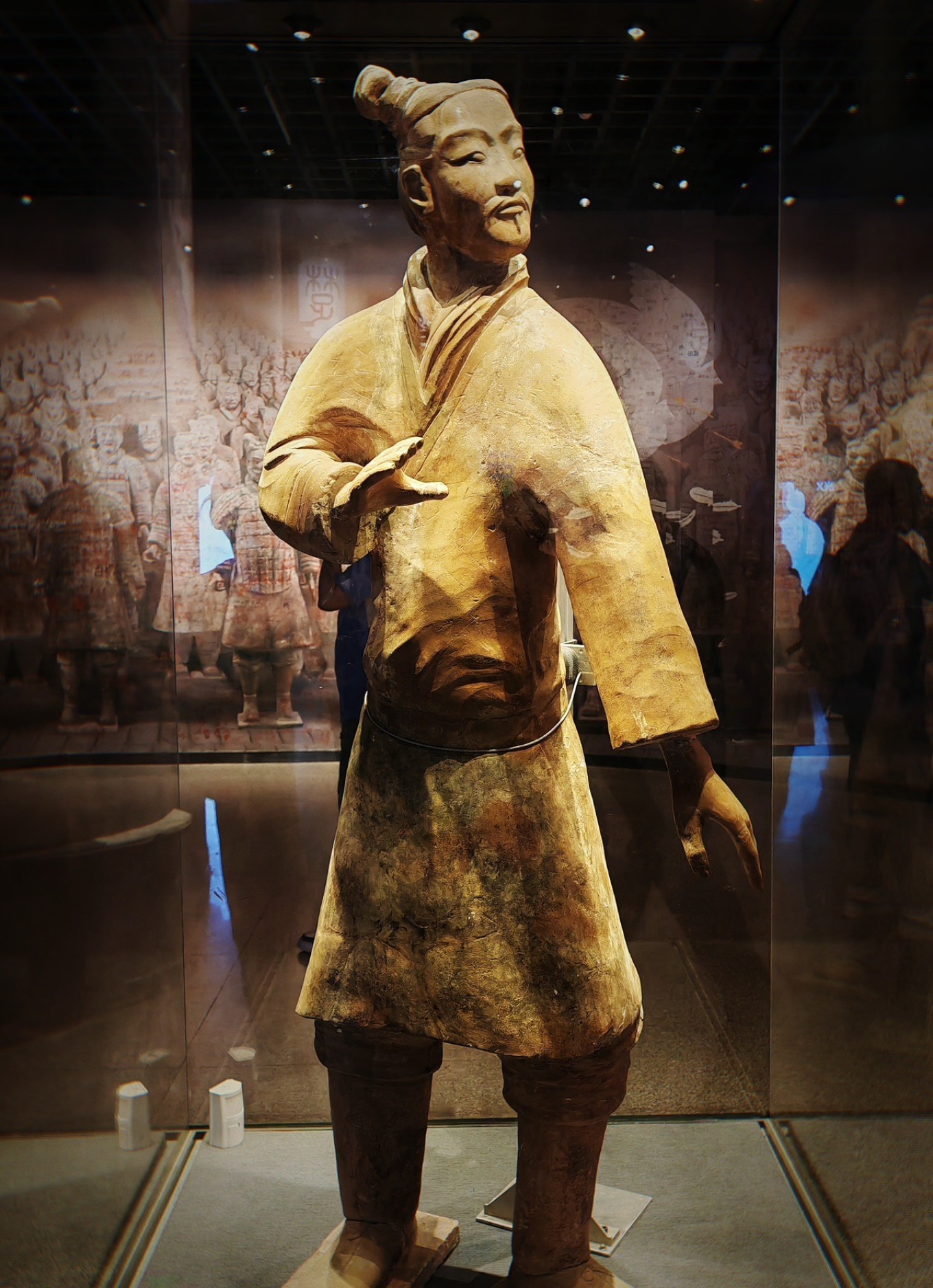

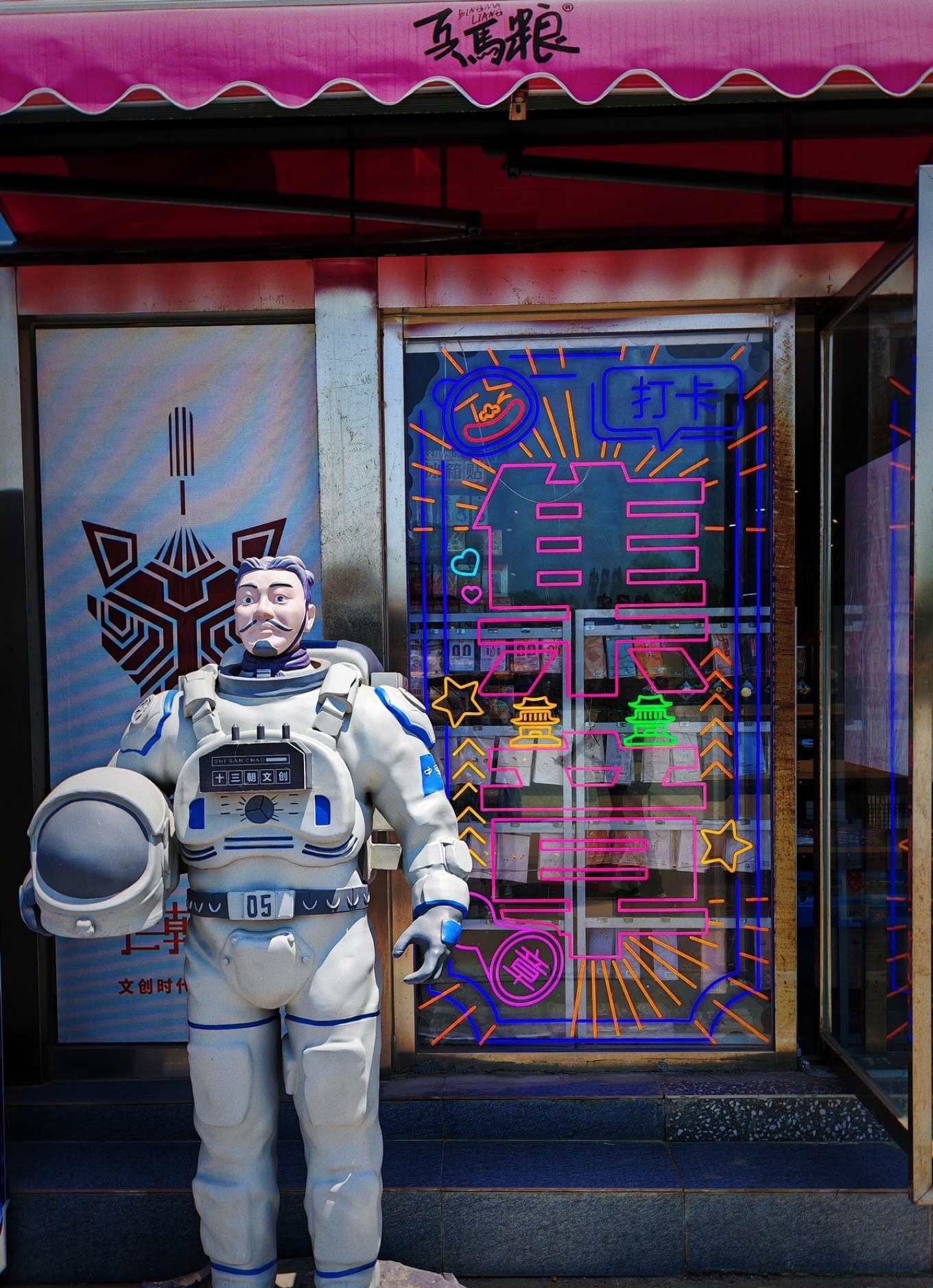
Tickets cost 120 RMB and can be booked up to 7 days in advance on the official WeChat account. During non-holiday periods, tickets are relatively easy to get. To get there, take Metro Line 9 to Huaqingchi Station (华清池站), then take a taxi or rideshare for the remaining distance (about 20 minutes). A direct bus is also available but takes longer. For the best experience, follow this route: Pit 1 → Pit 3 → Pit 2 → the Exhibition Hall of Bronze Chariots. You can rent an audio guide at the site, or download a full commentary video from Bilibili to listen as you walk. Your ticket also includes admission to the Lishan Garden (丽山园), a quieter area with the original tomb mound — worth a visit if you have time.
In the afternoon, head to Huaqing Palace (华清宫), a historic hot spring resort favored by Tang dynasty emperors and imperial consorts. The site is famous for the romantic (and tragic) love story of Emperor Xuanzong and his beloved concubine Yang Yuhuan, immortalized in the poem ‘The Song of Everlasting Sorrow’ by Bai Juyi. Allow about 3.5 hours to explore.
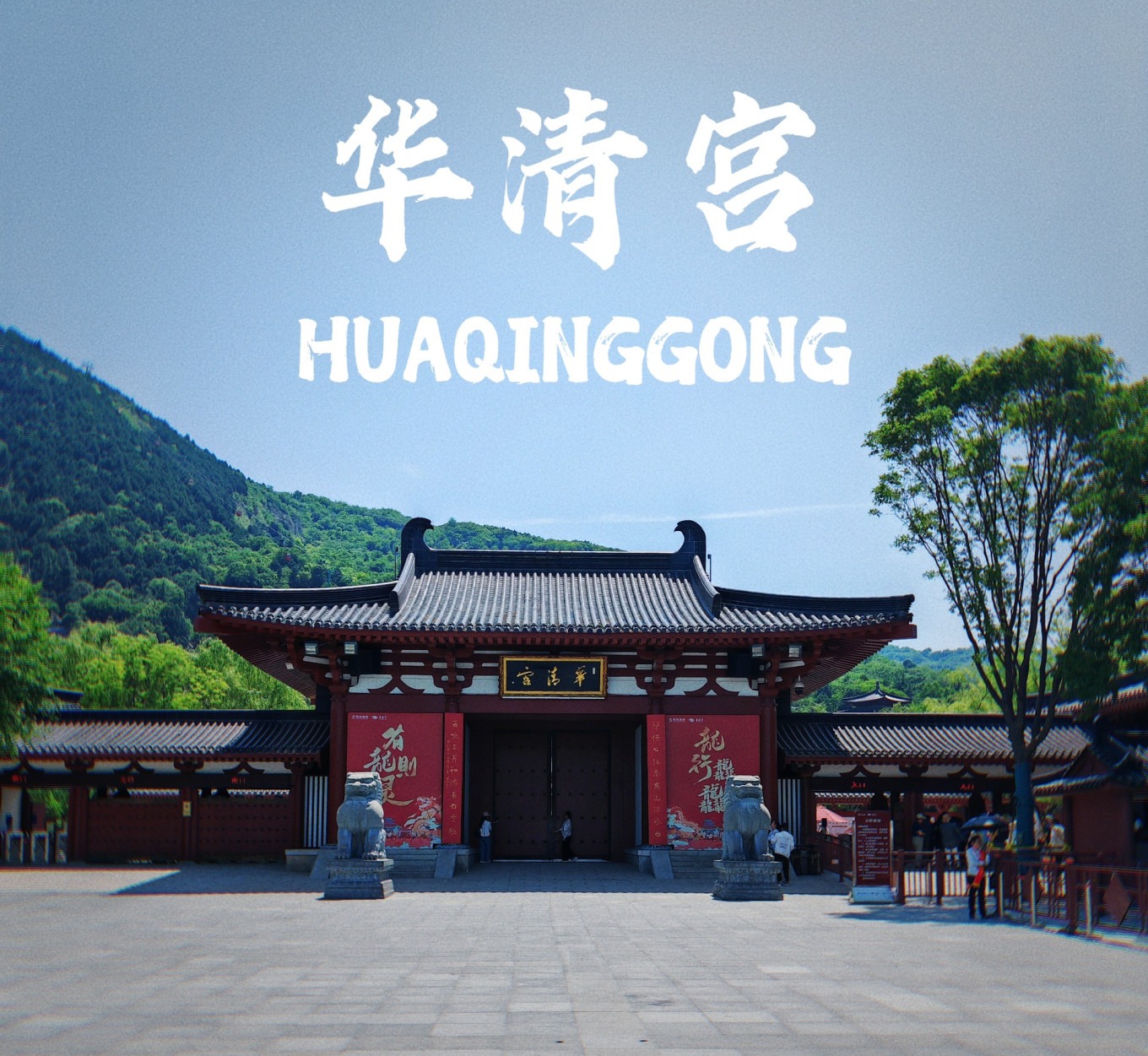
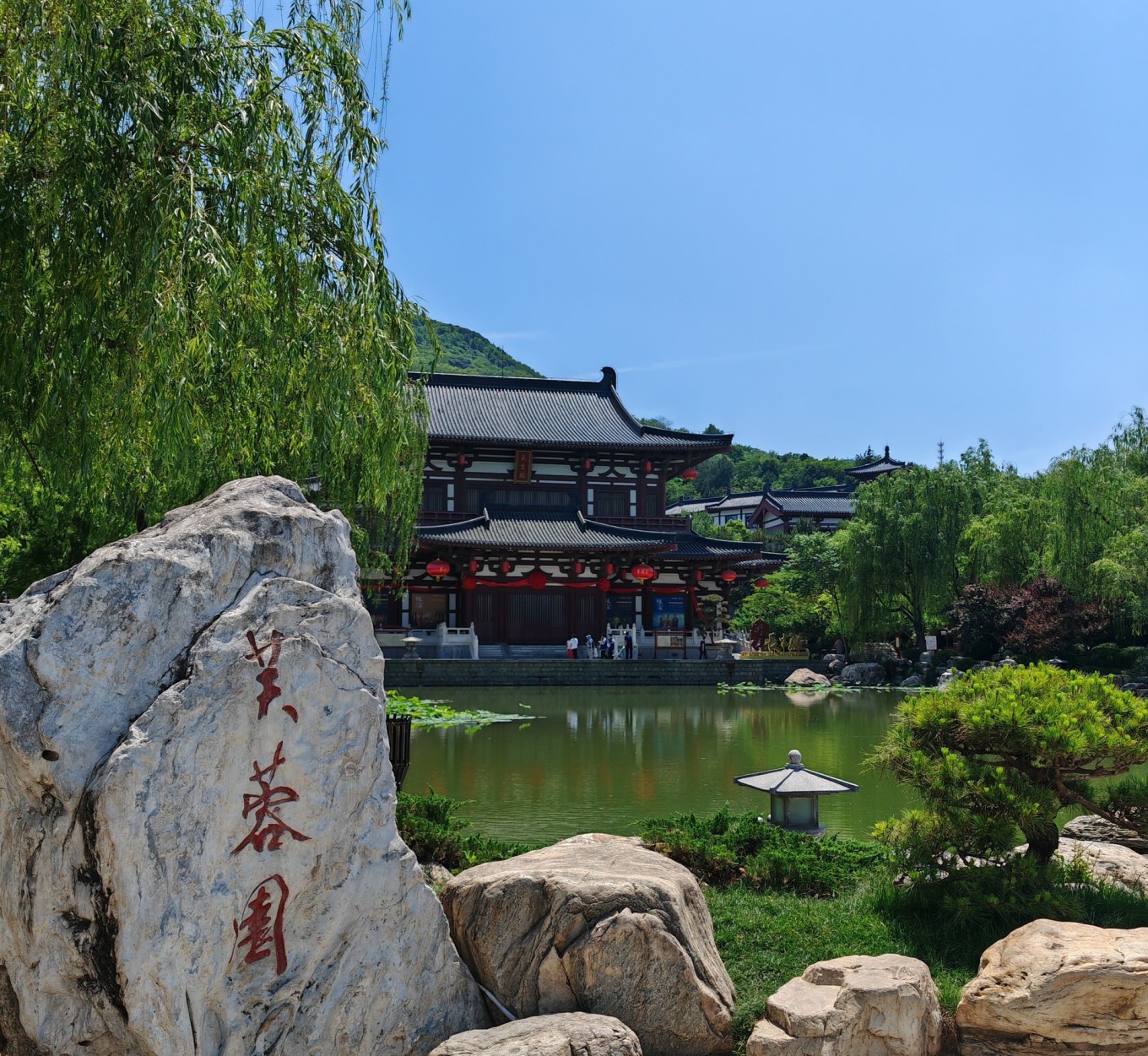
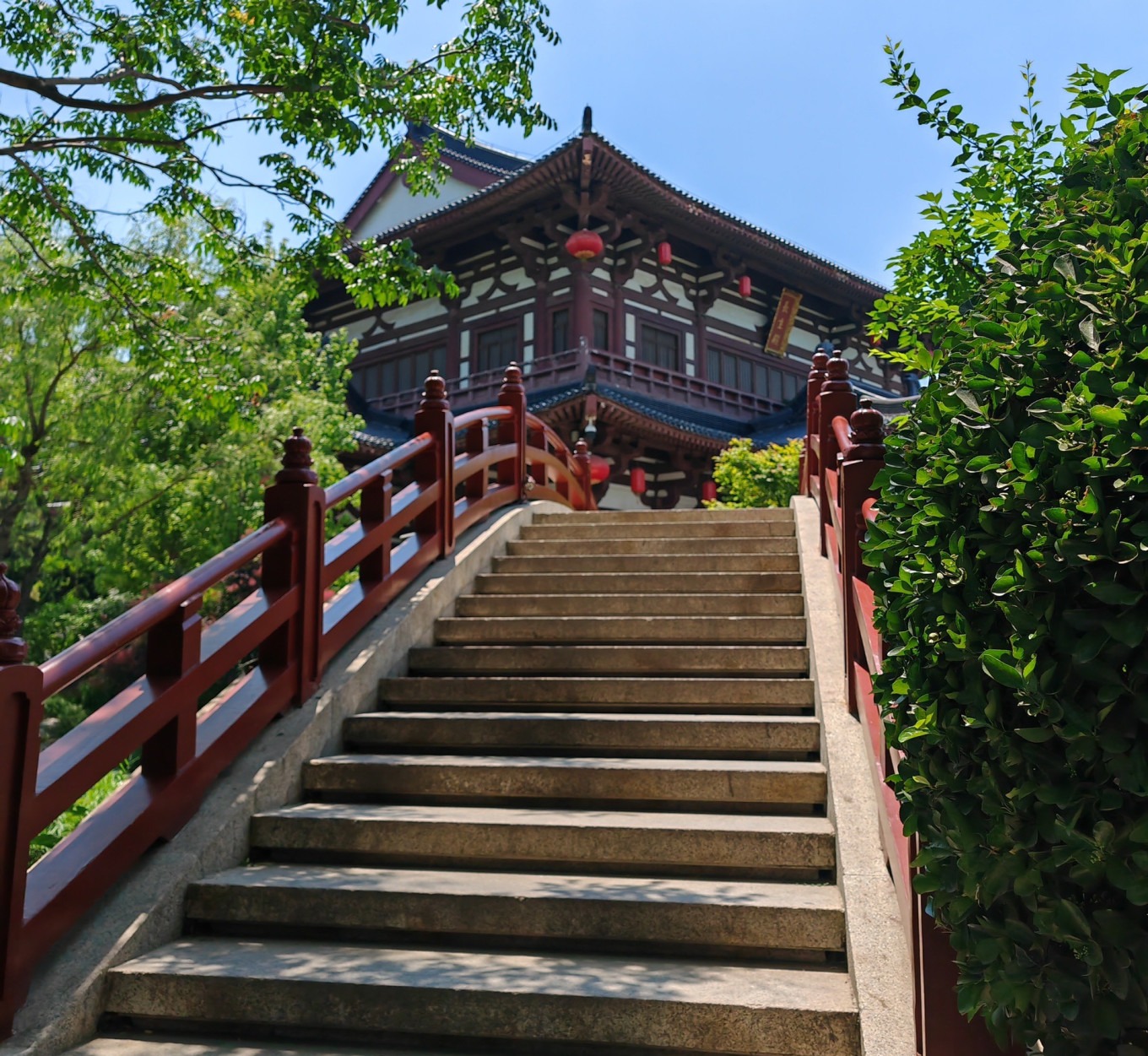
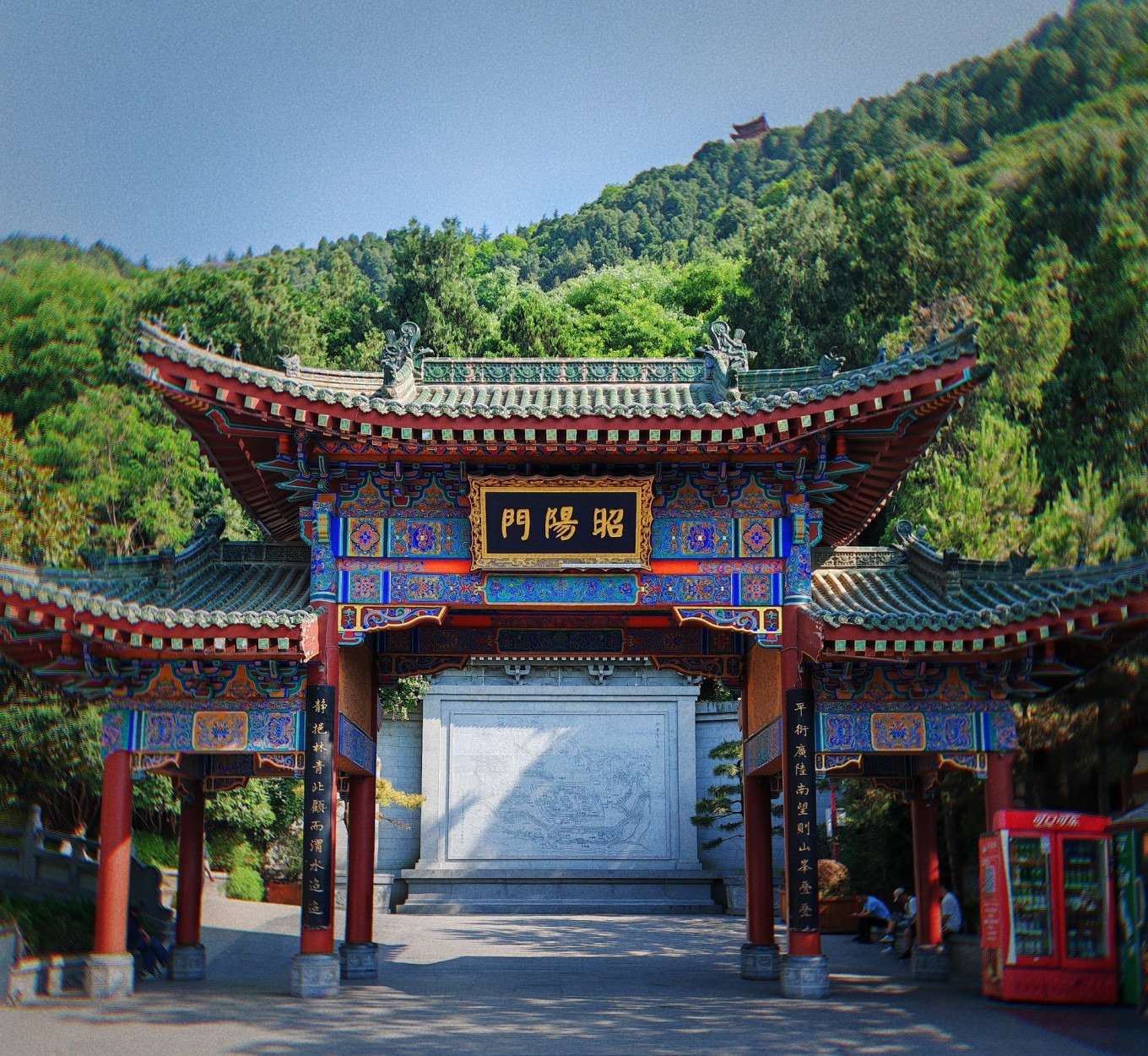
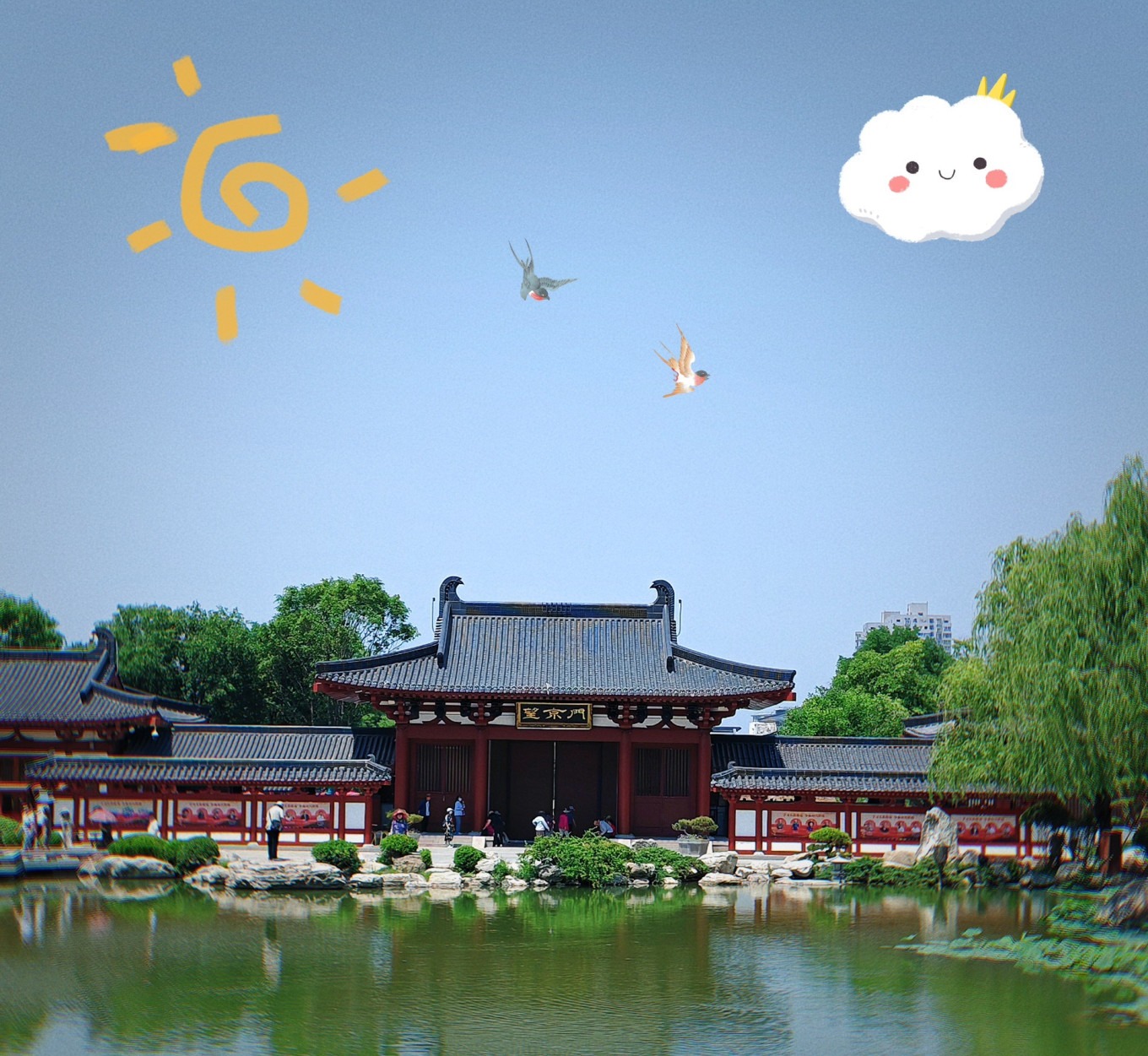
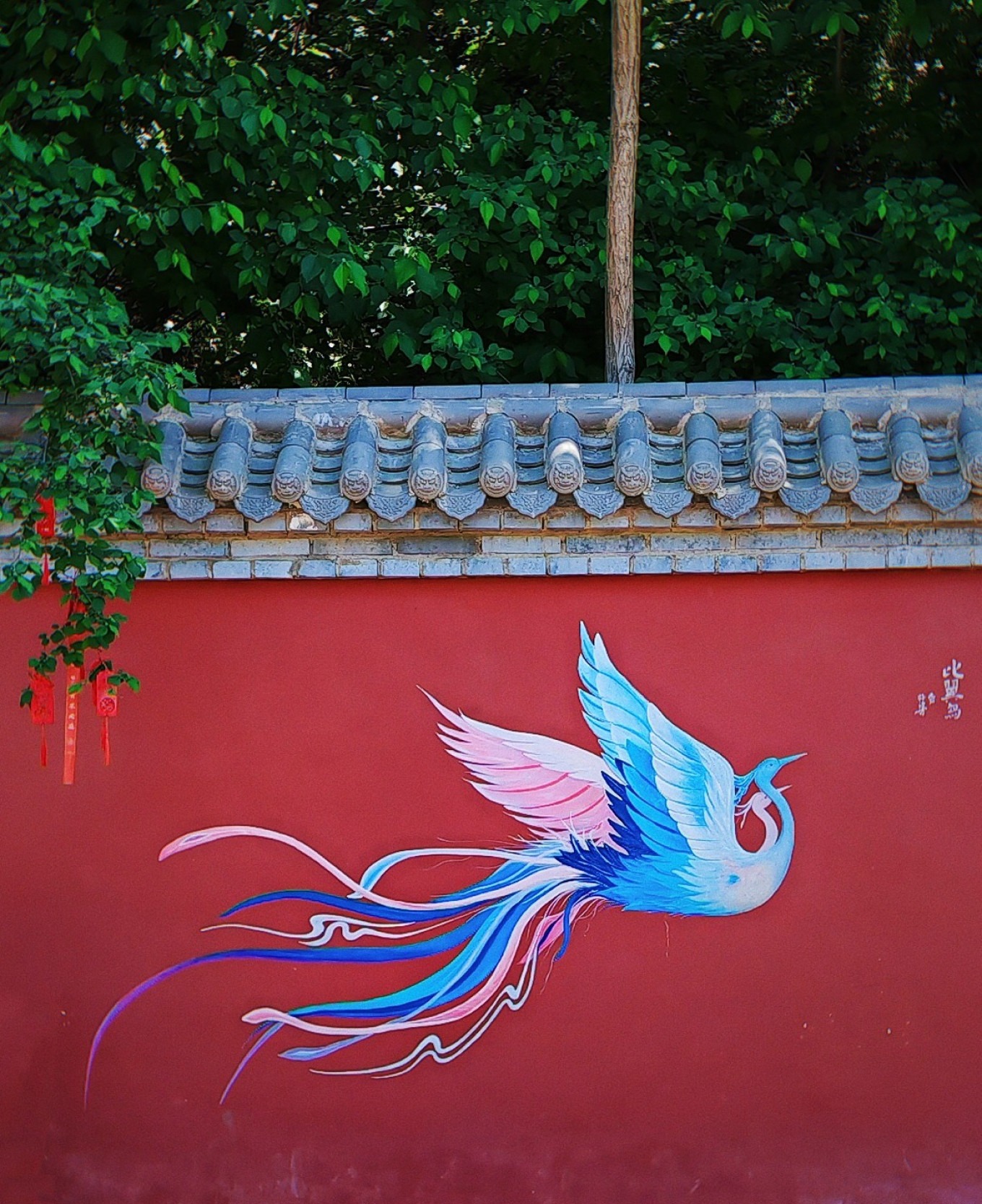
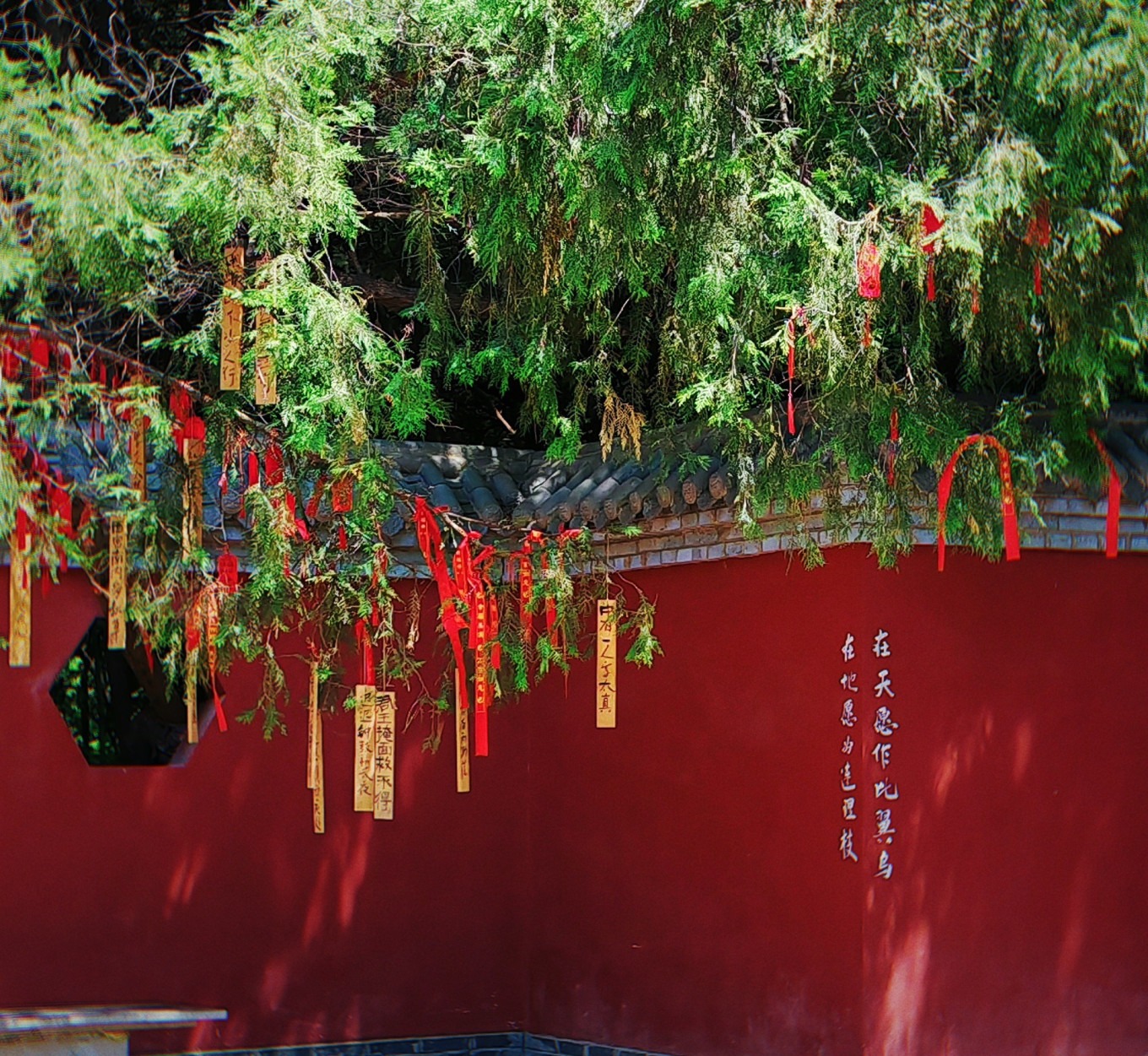
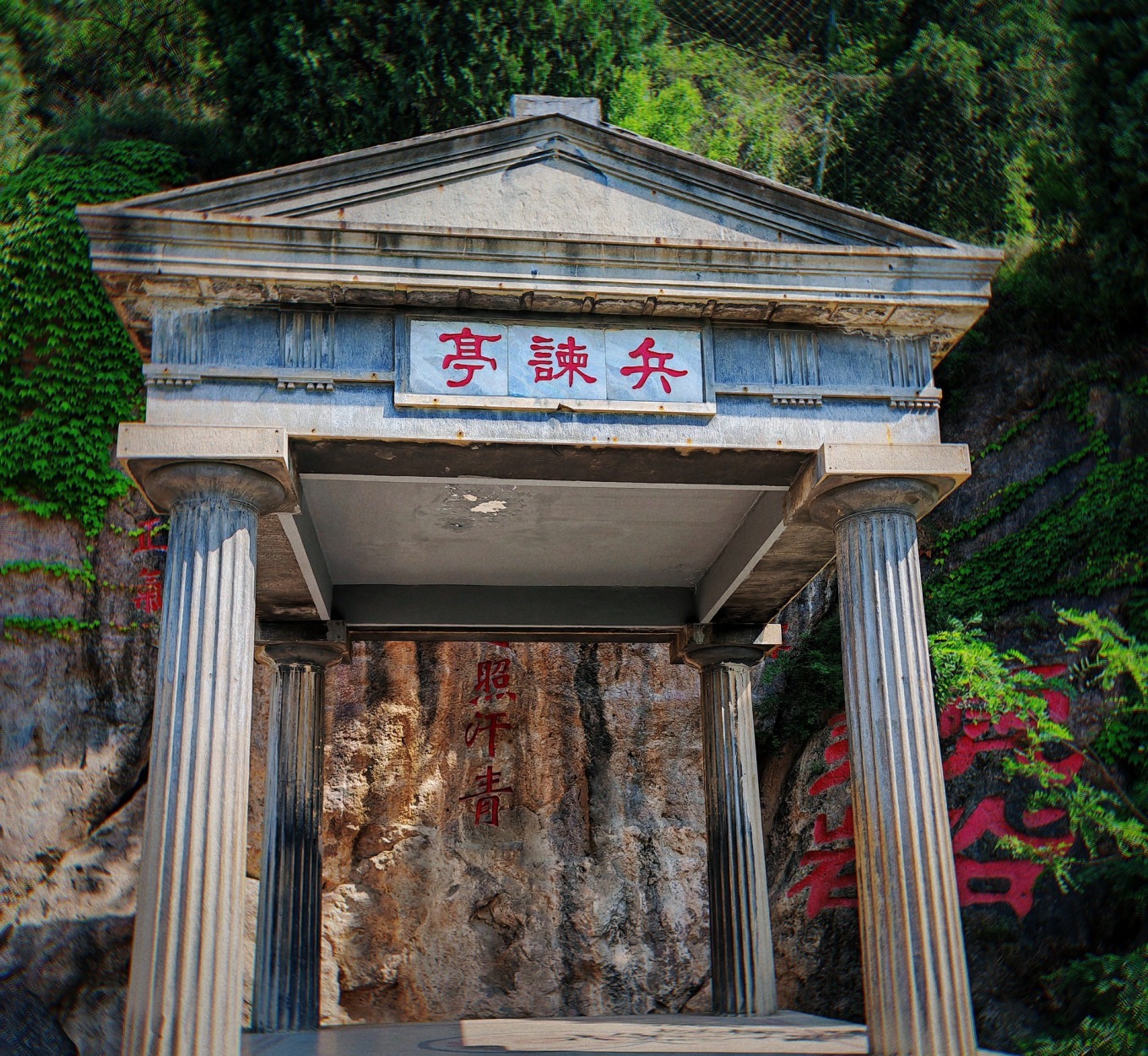
Tickets are 120 RMB and can be reserved via the official WeChat account. From downtown, take Metro Line 9 directly to Huaqingchi Station — the exit is right at the palace gate, about an hour’s ride. A recommended route: take the cable car up Lishan Mountain (骊山) to visit the Laomu Temple (老母殿) and the Bingjian Pavilion (兵谏亭), where the Xi’an Incident took place in 1936. Then walk down through the palace grounds. Note that the downhill path has many stairs, so if you prefer not to walk, consider taking the scenic electric cart. The palace is beautifully set among hills and hot springs — you’ll understand why emperors chose this spot for relaxation.
As evening falls, don’t miss the grand outdoor performance ‘The Song of Everlasting Sorrow’ (长恨歌), staged right within Huaqing Palace. This 1.5-hour show uses the natural backdrop of Lishan Mountain, with hundreds of dancers, stunning costumes, and state-of-the-art lighting and sound effects to tell the tragic love story of Emperor Xuanzong and Yang Yuhuan. It’s widely considered one of China’s best live performances, though tickets are pricey — ranging from 248 to 398 RMB depending on seat location.
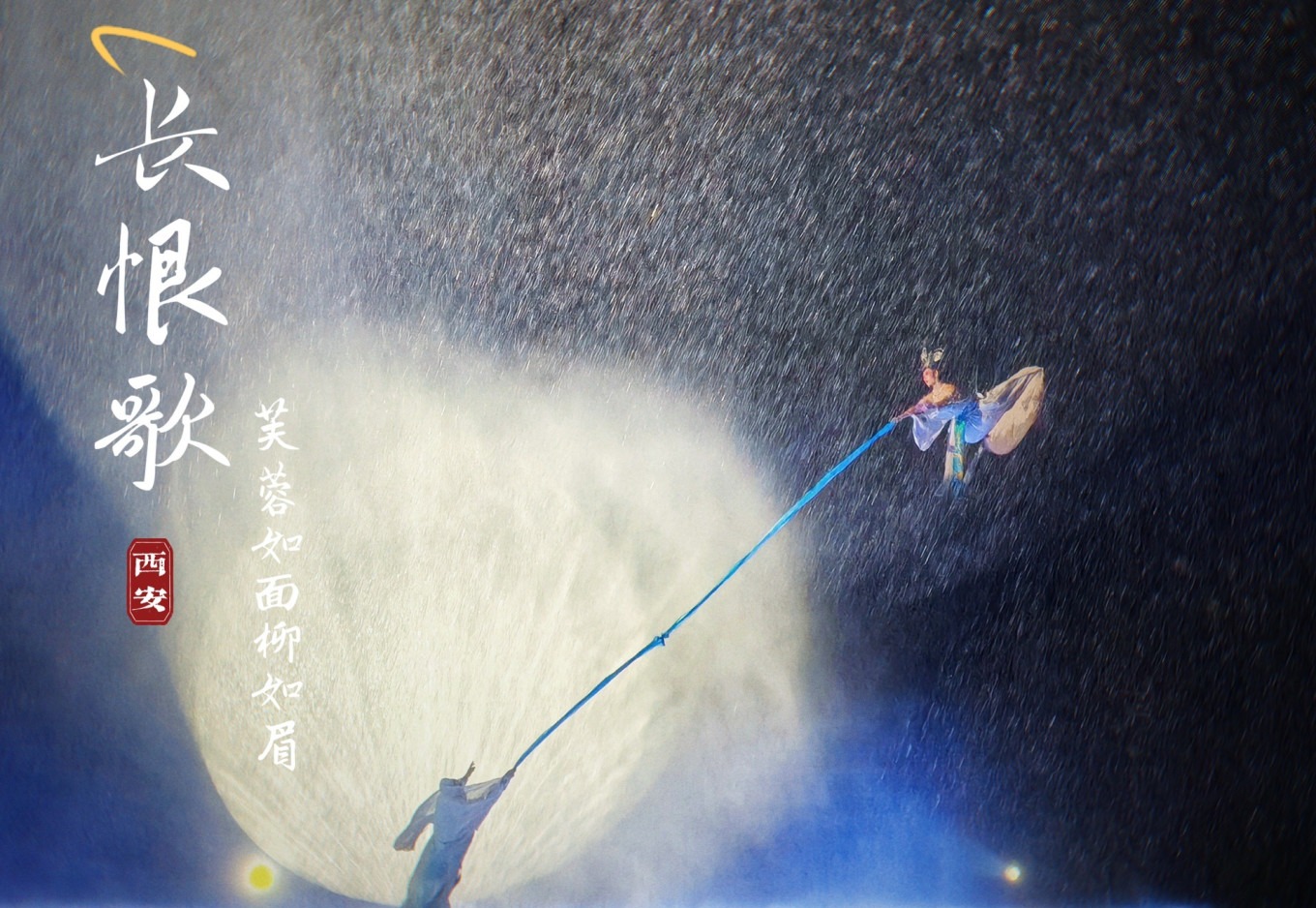
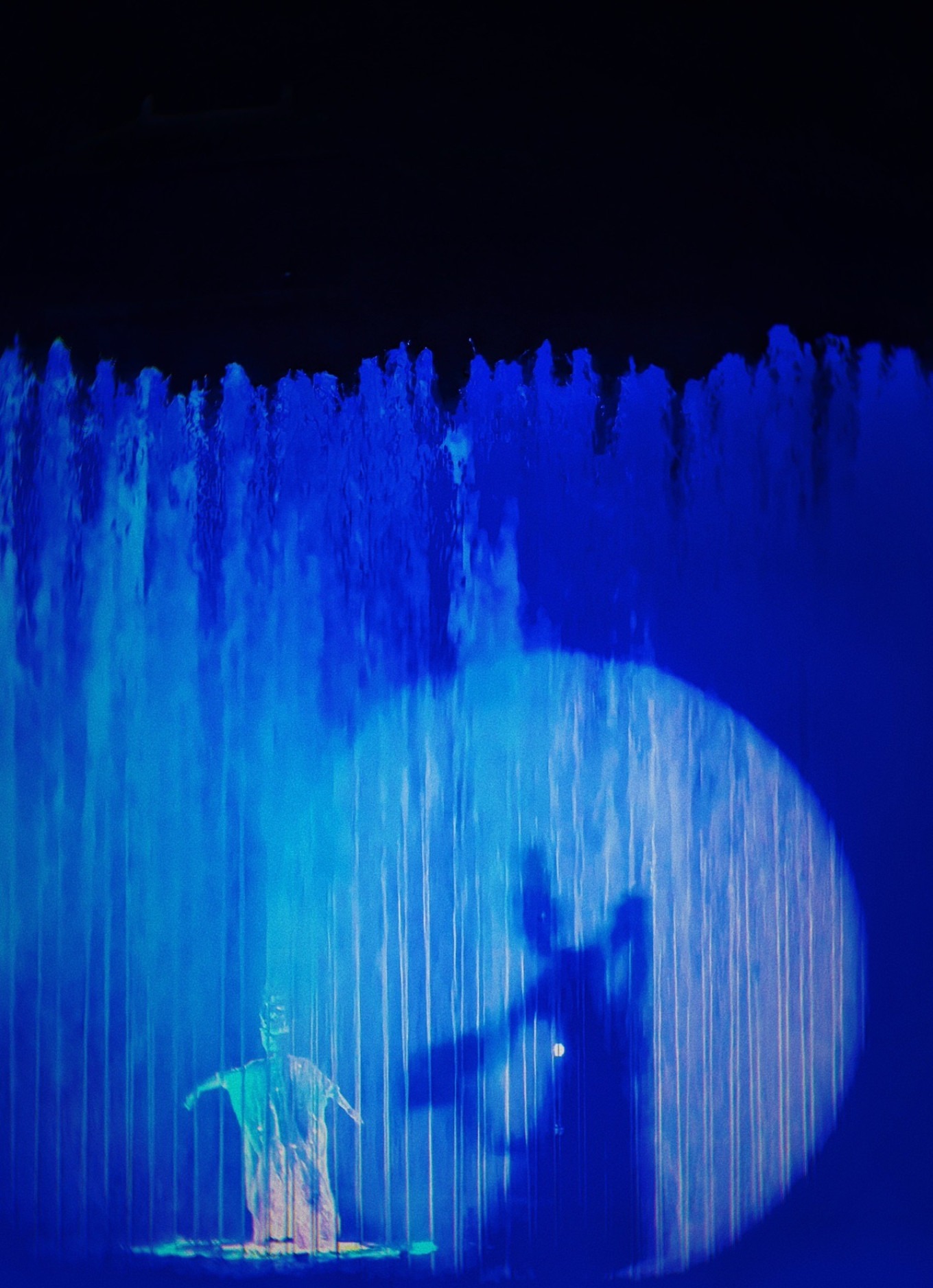
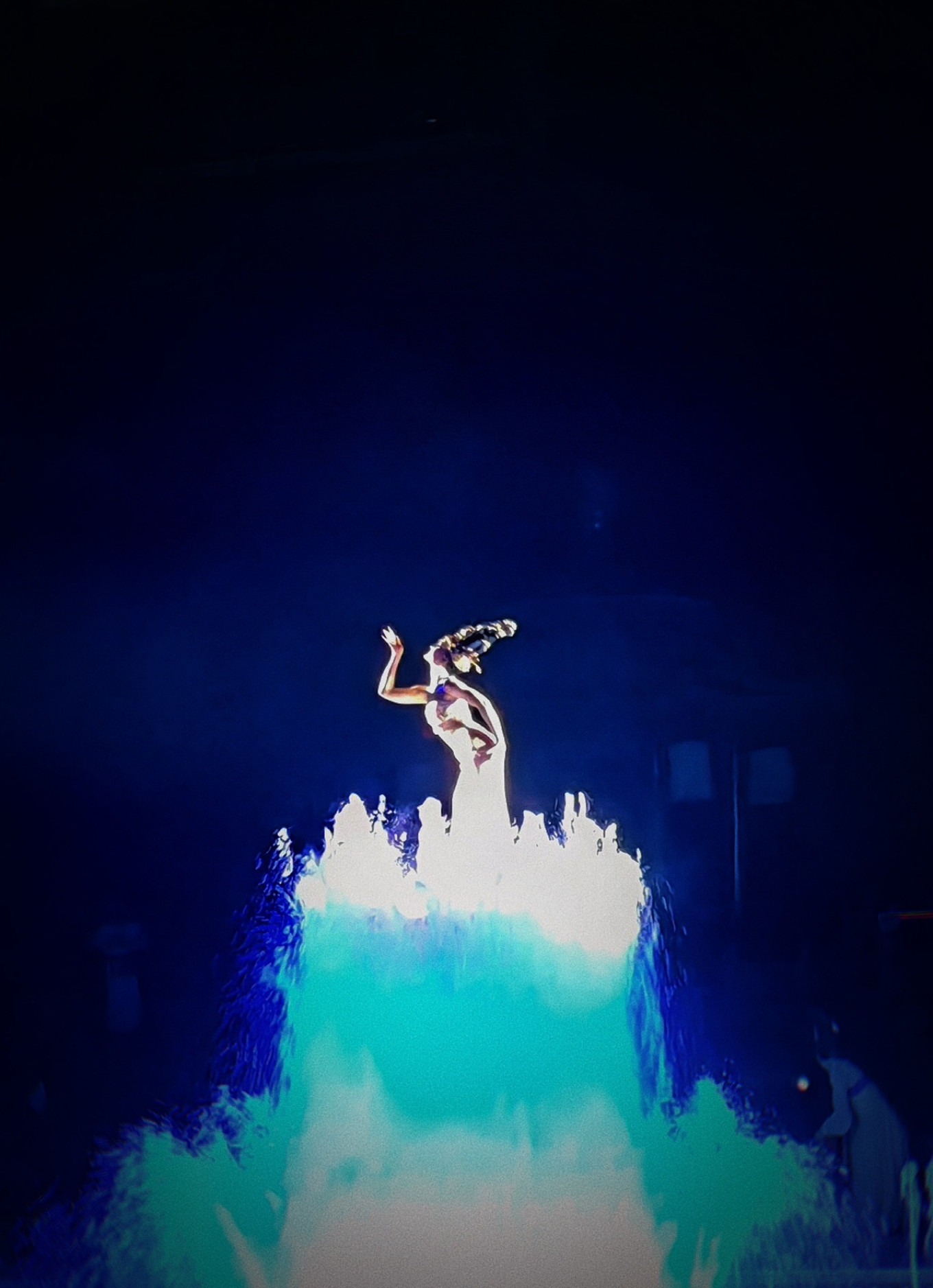
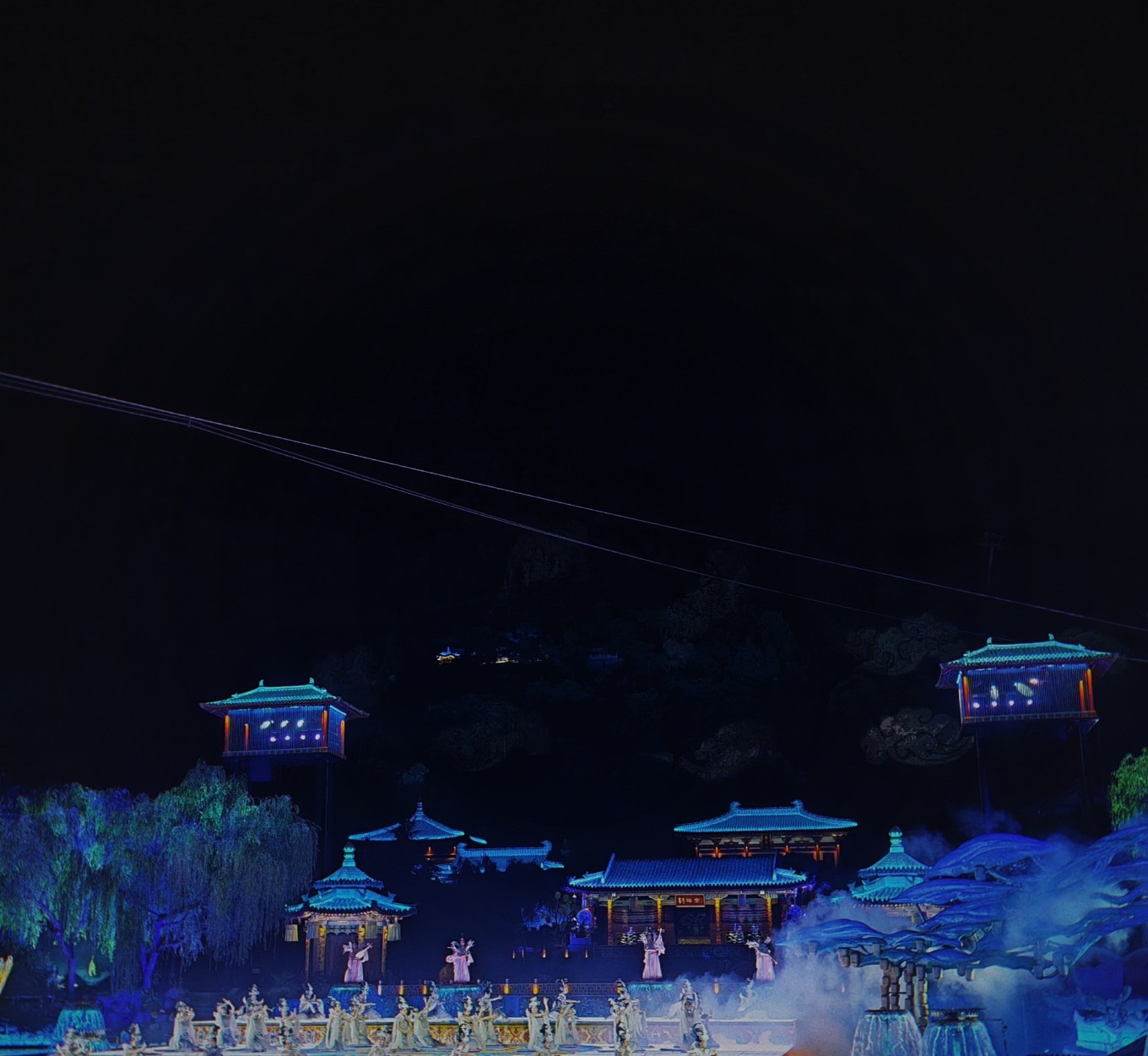
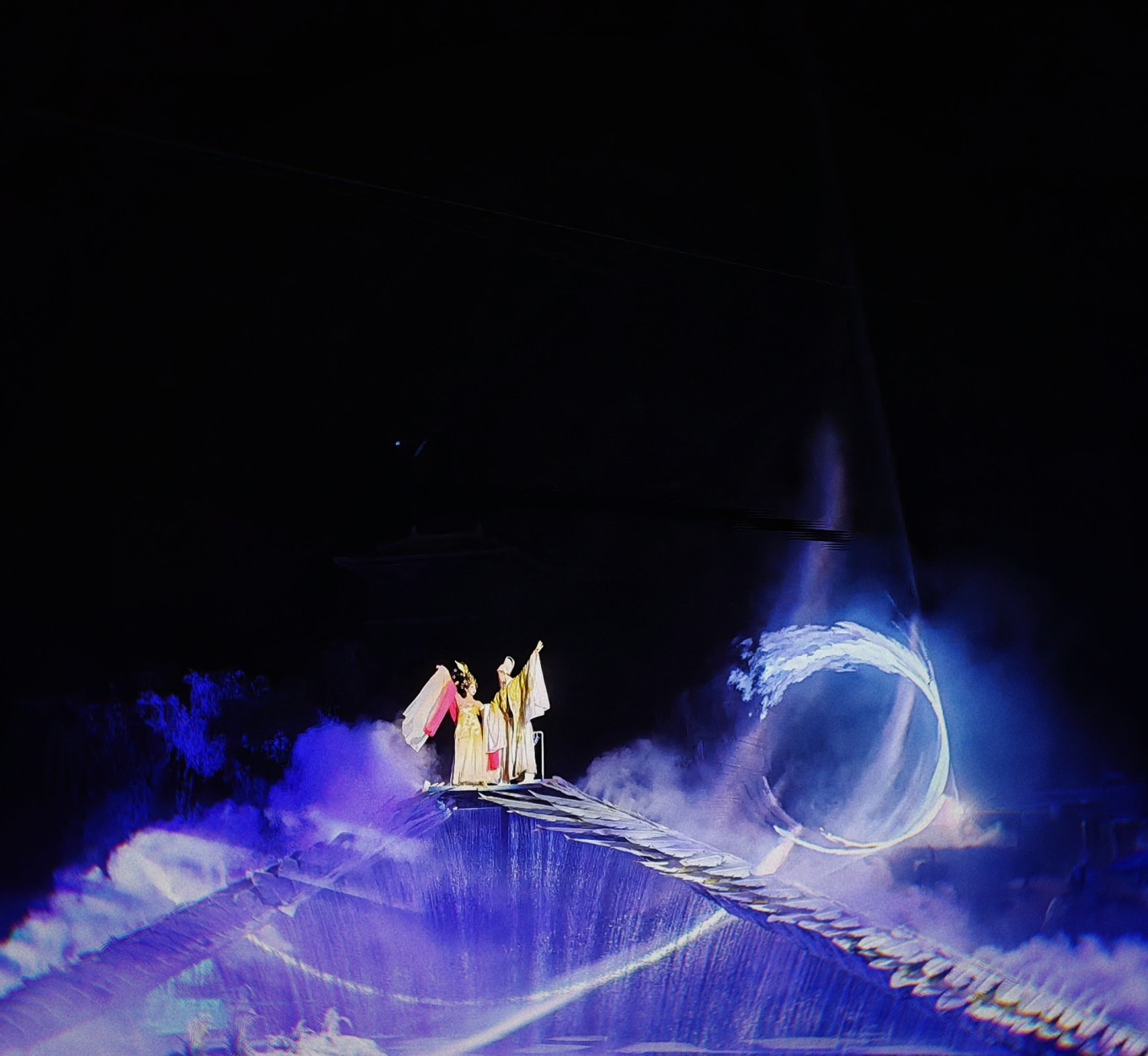
Book your tickets as early as possible through the Huaqing Palace WeChat account — popular seats, especially those near the front, sell out quickly. It’s wise to reserve about a month in advance for good central seats. The performance starts at 20:10, but you should arrive at the queue by 19:30 to secure a good spot and avoid missing the opening. After exploring Huaqing Palace during the day, you can step out for dinner nearby and return for the show. Every moment is visually stunning — audiences often gasp at the beauty of the scenes. Yes, it’s expensive, but many consider it the highlight of their Xi’an trip.
DAY 3: Small Wild Goose Pagoda, City Wall Walk, and Cycling
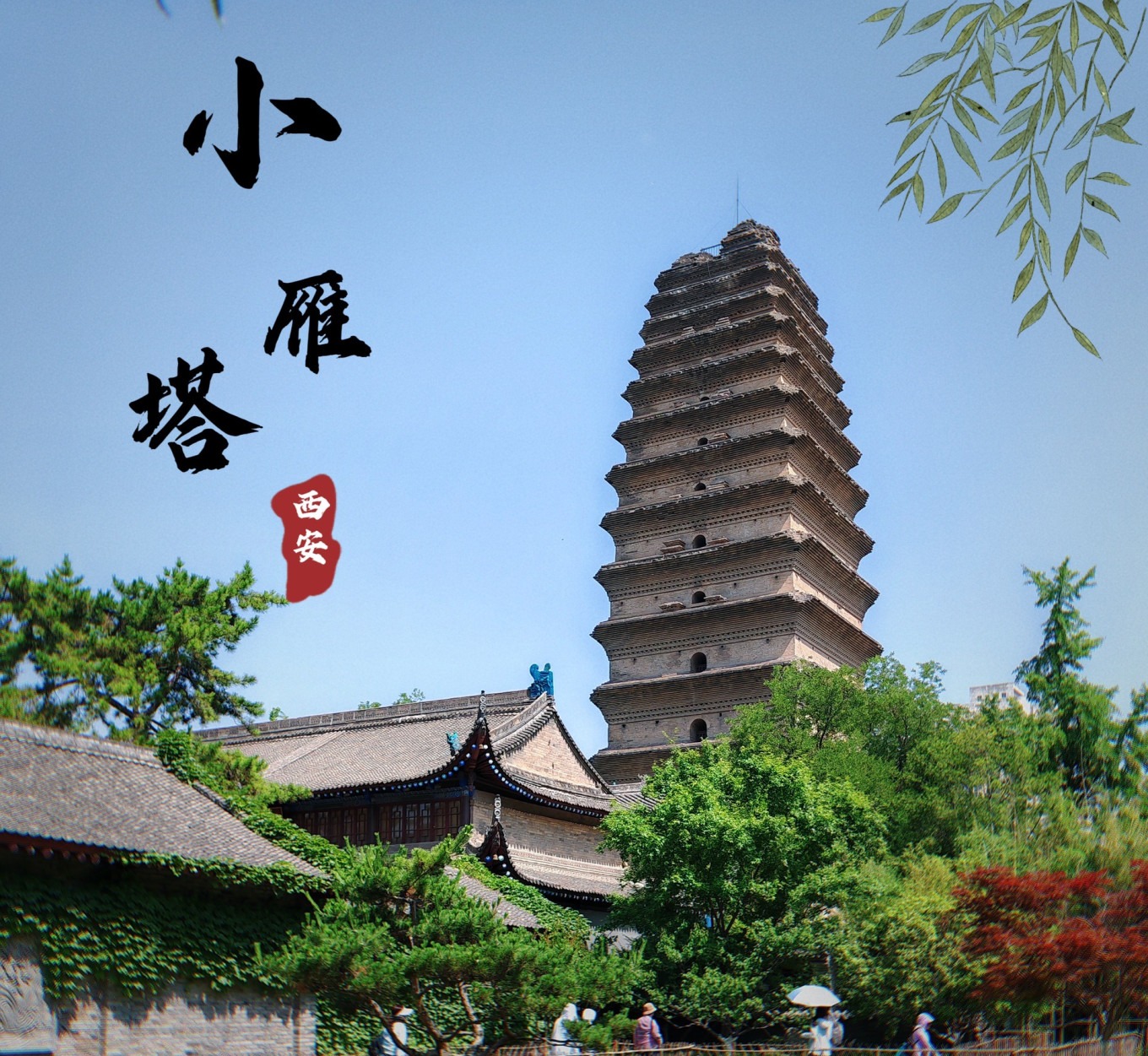
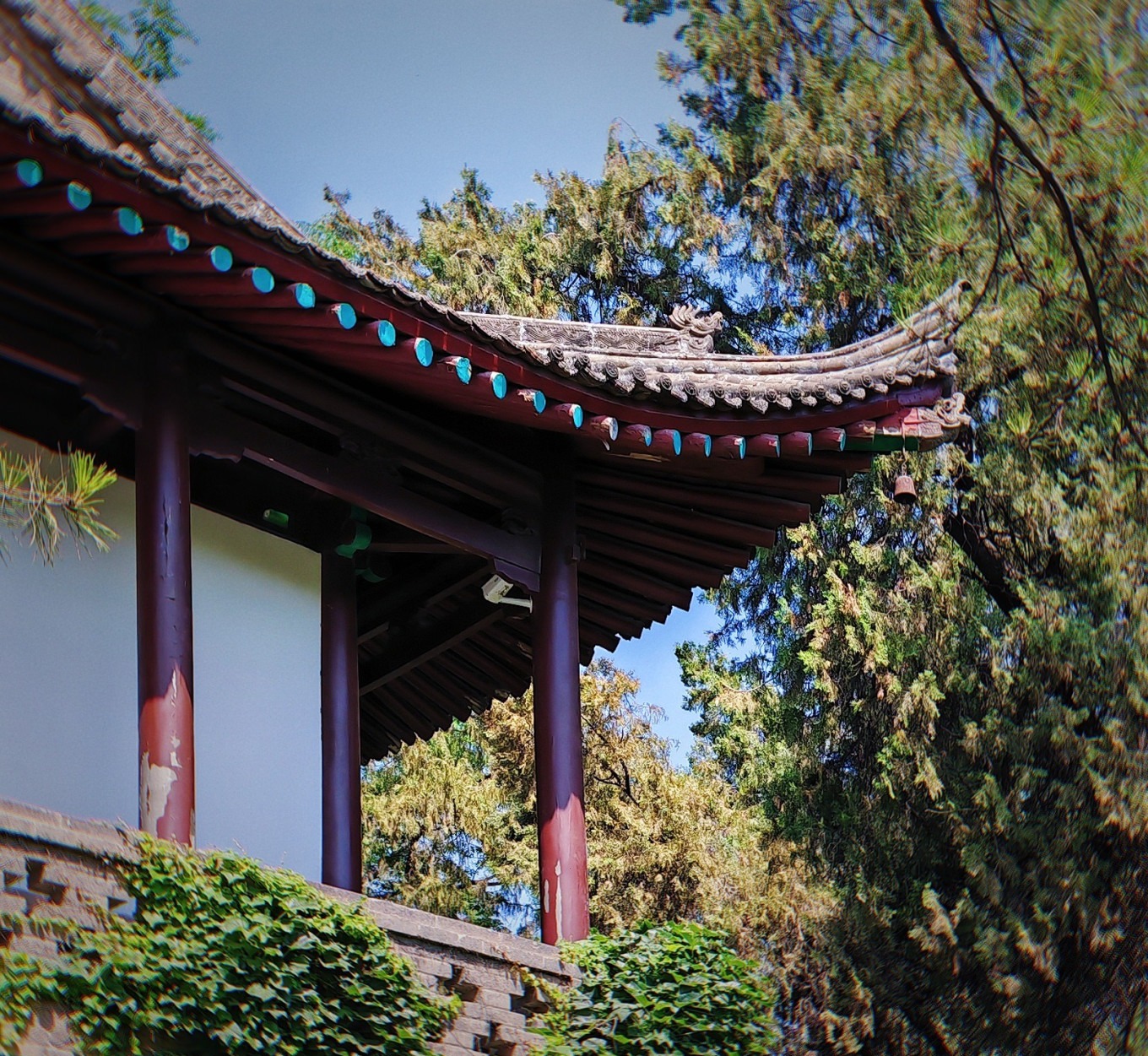
Start your third day with a visit to the Small Wild Goose Pagoda (小雁塔), a Tang dynasty architectural gem. It’s located inside the Xi’an Museum (西安博物院), and admission is free but requires a reservation. You can book tickets up to 7 days in advance through the official WeChat account or travel platforms; non-holiday slots are easy to secure. Cycling is the best way to get there.
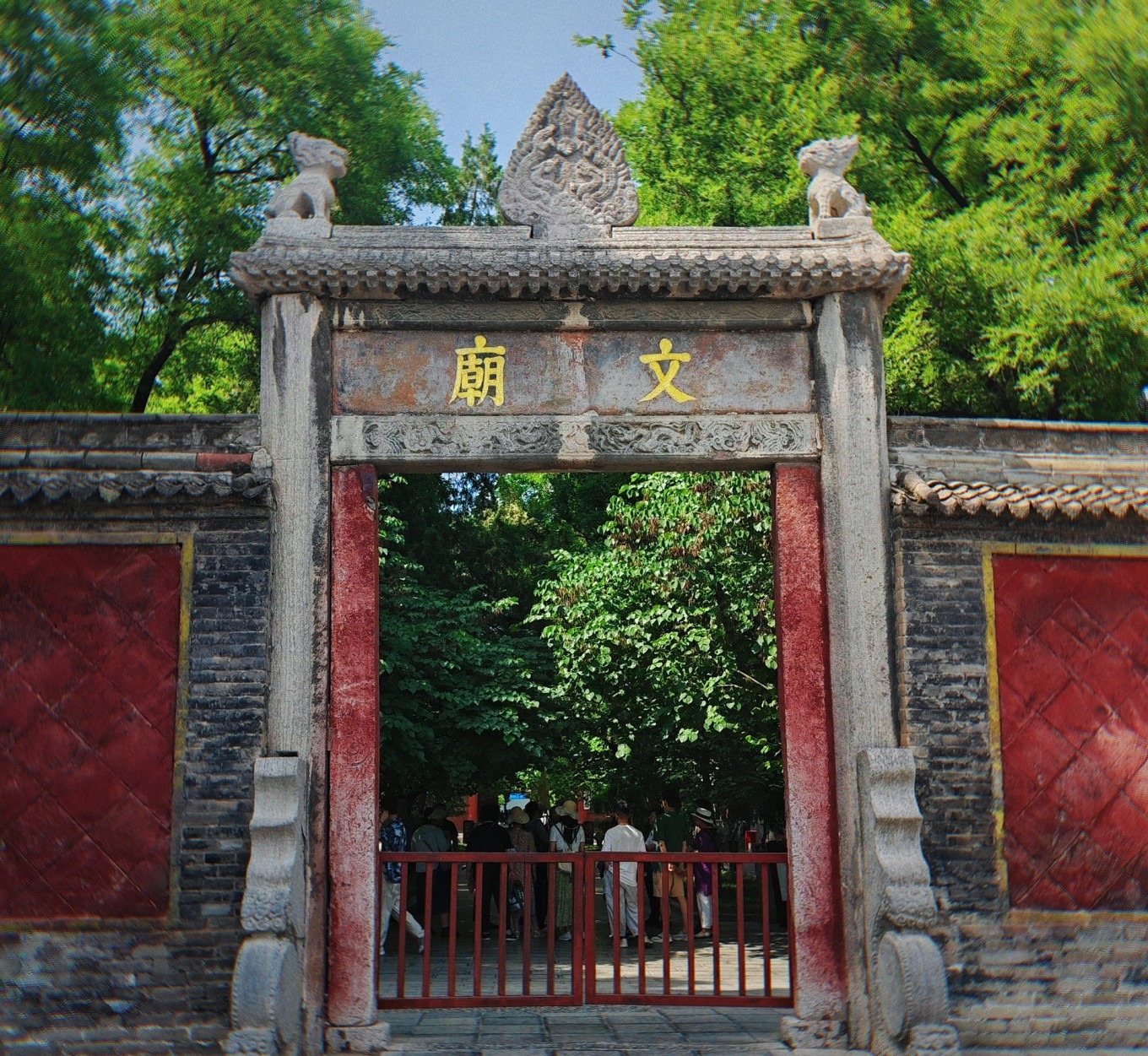
After the pagoda, cycle to the area beneath the city wall for a leisurely walk through several connected pedestrian streets. This route is free and requires no reservation. A recommended walking path: Five Star Street Catholic Church (五星街天主教堂) → Defu Lane (德福巷) → Xiangzimiao Street (湘子庙街) → Stele Forest Museum (碑林博物馆) → Shuyuanmen Pedestrian Street (书院门步行街). The streets are lined with cute little shops perfect for photo ops.
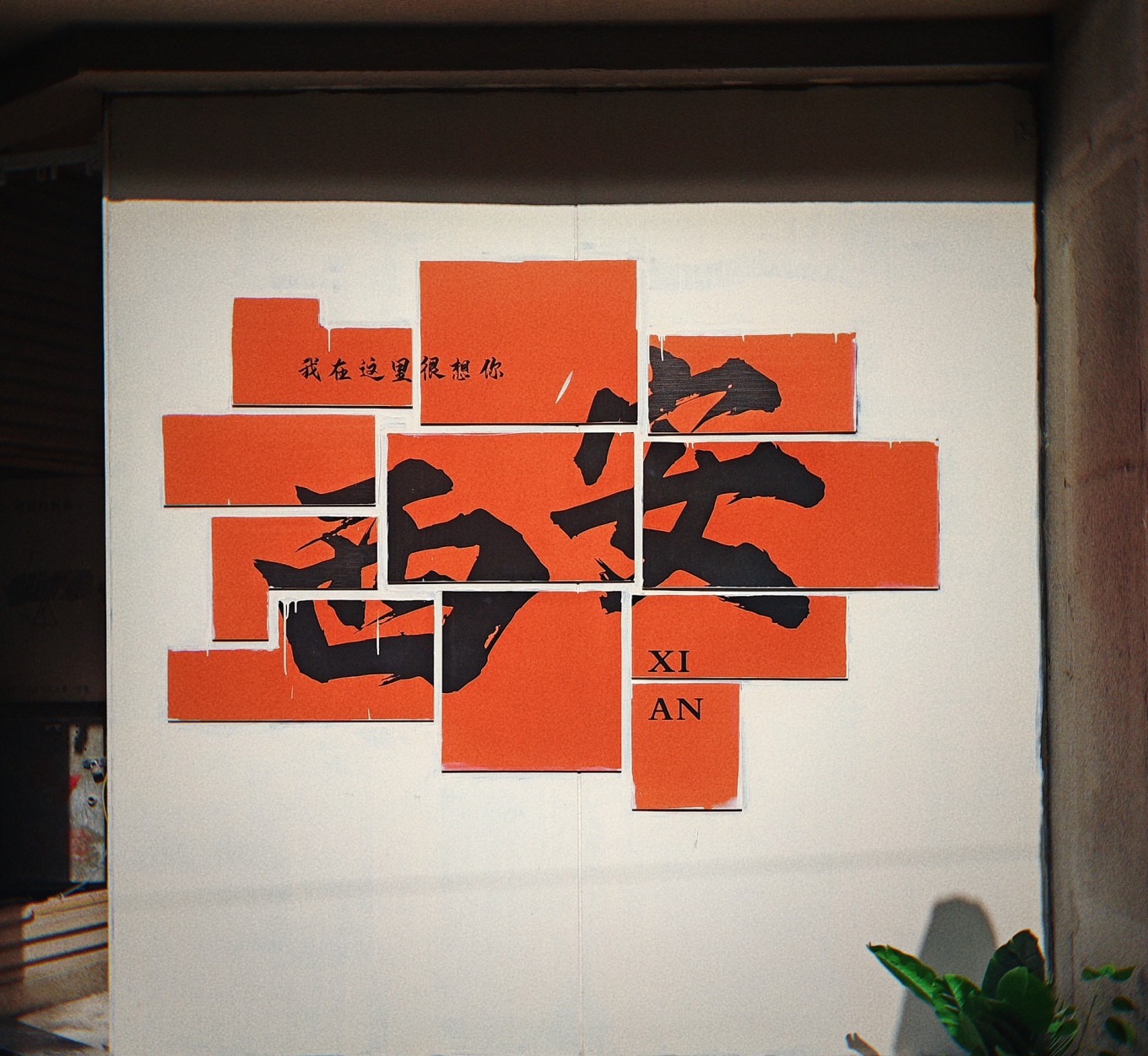
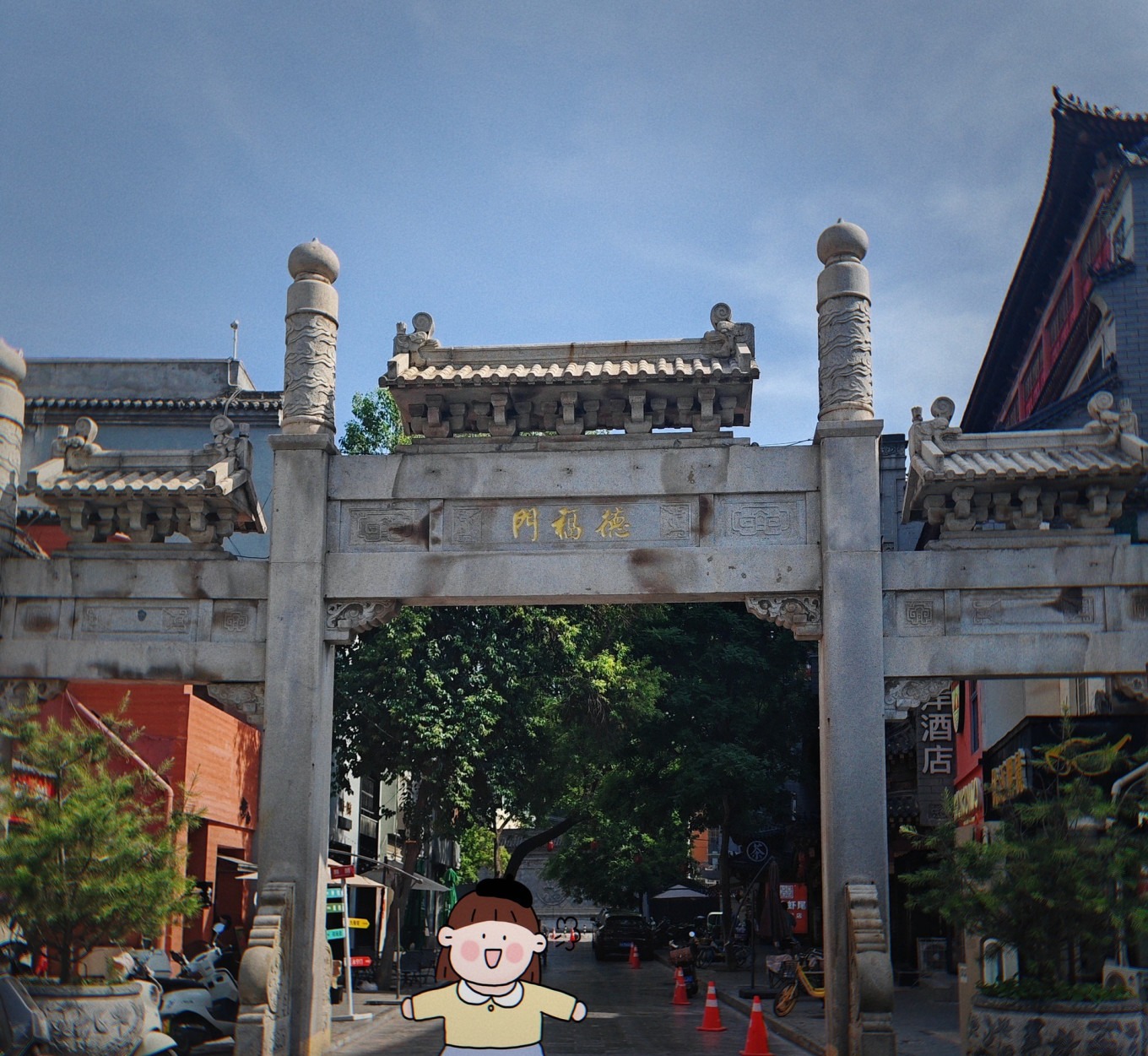
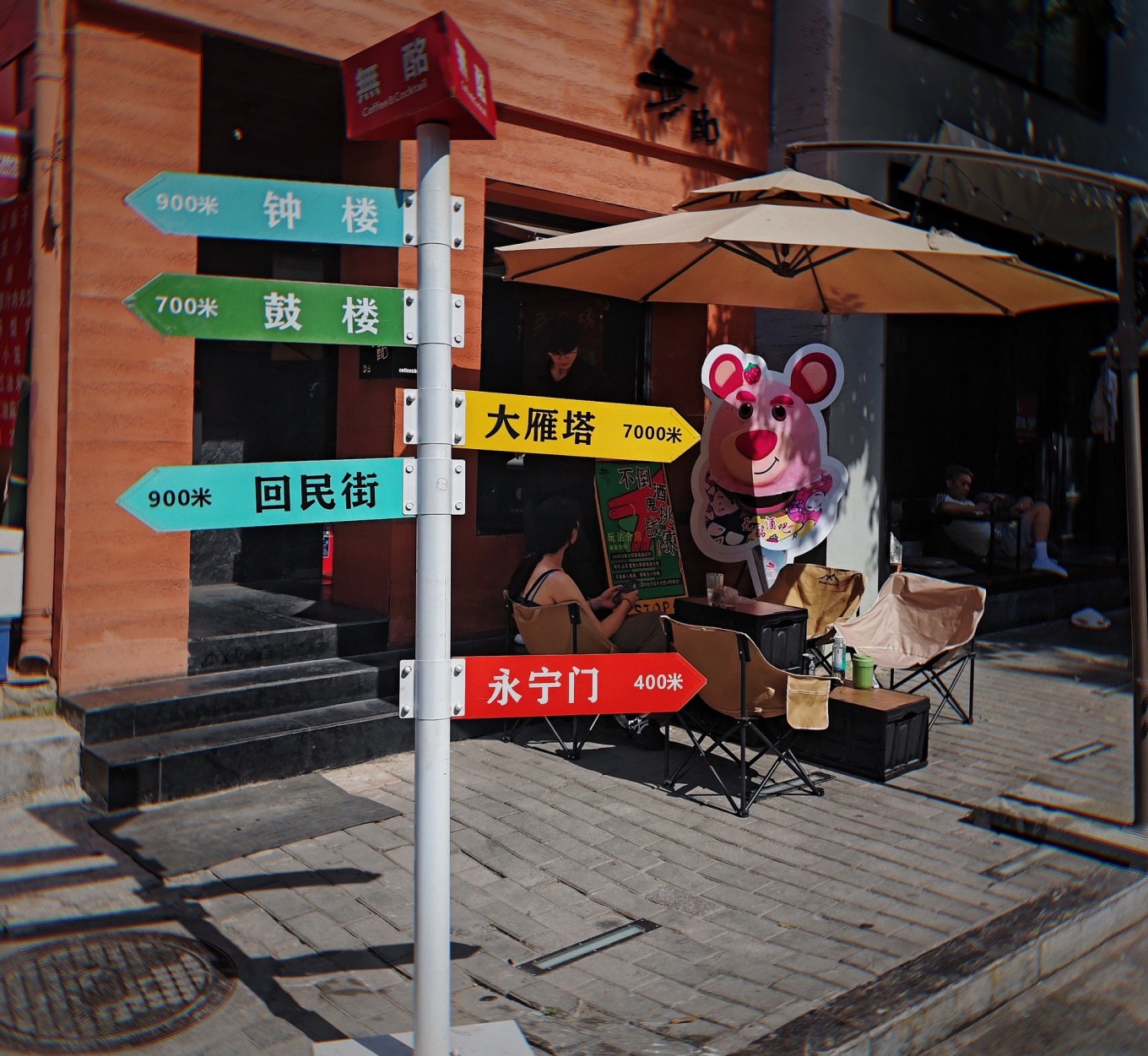
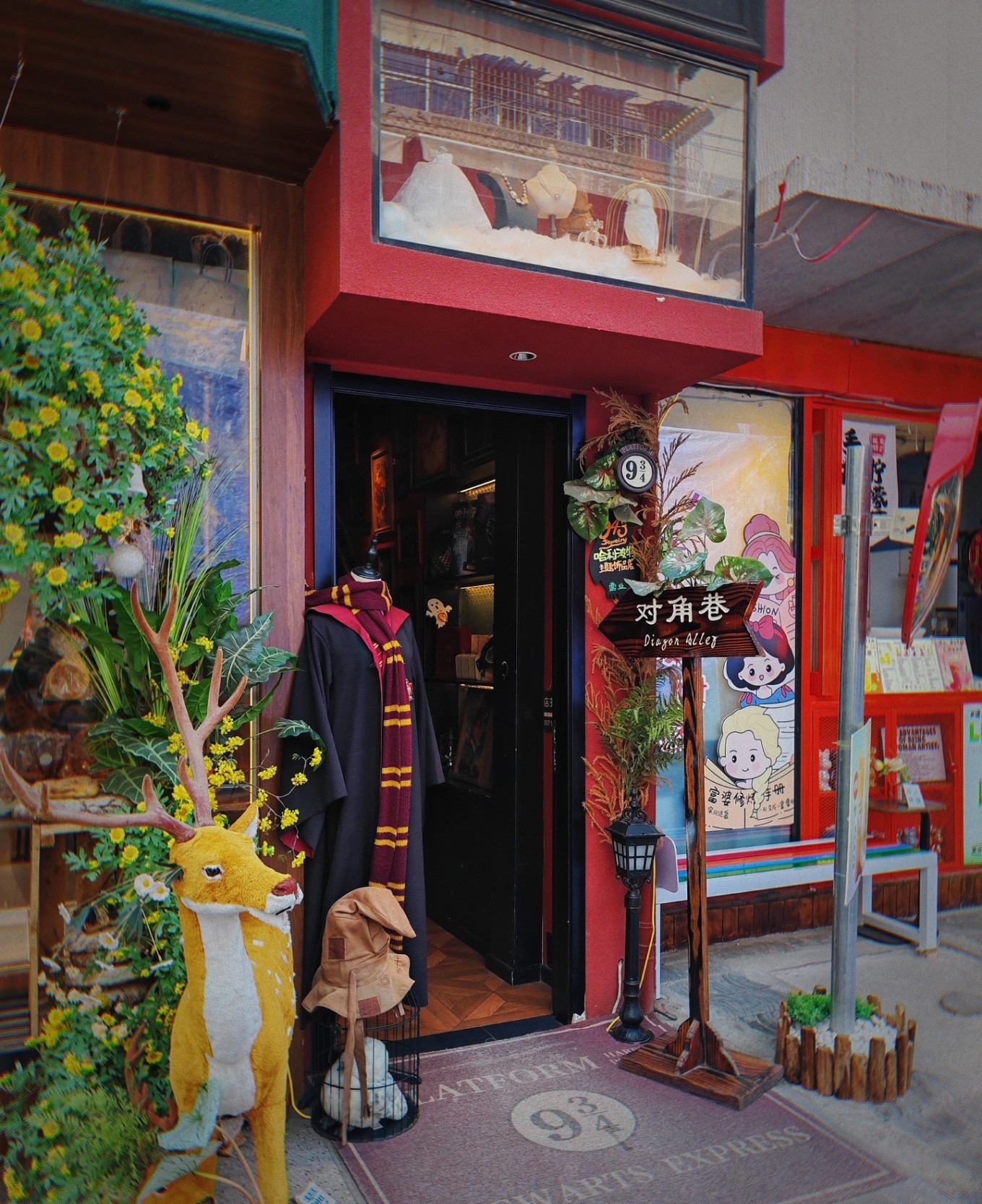
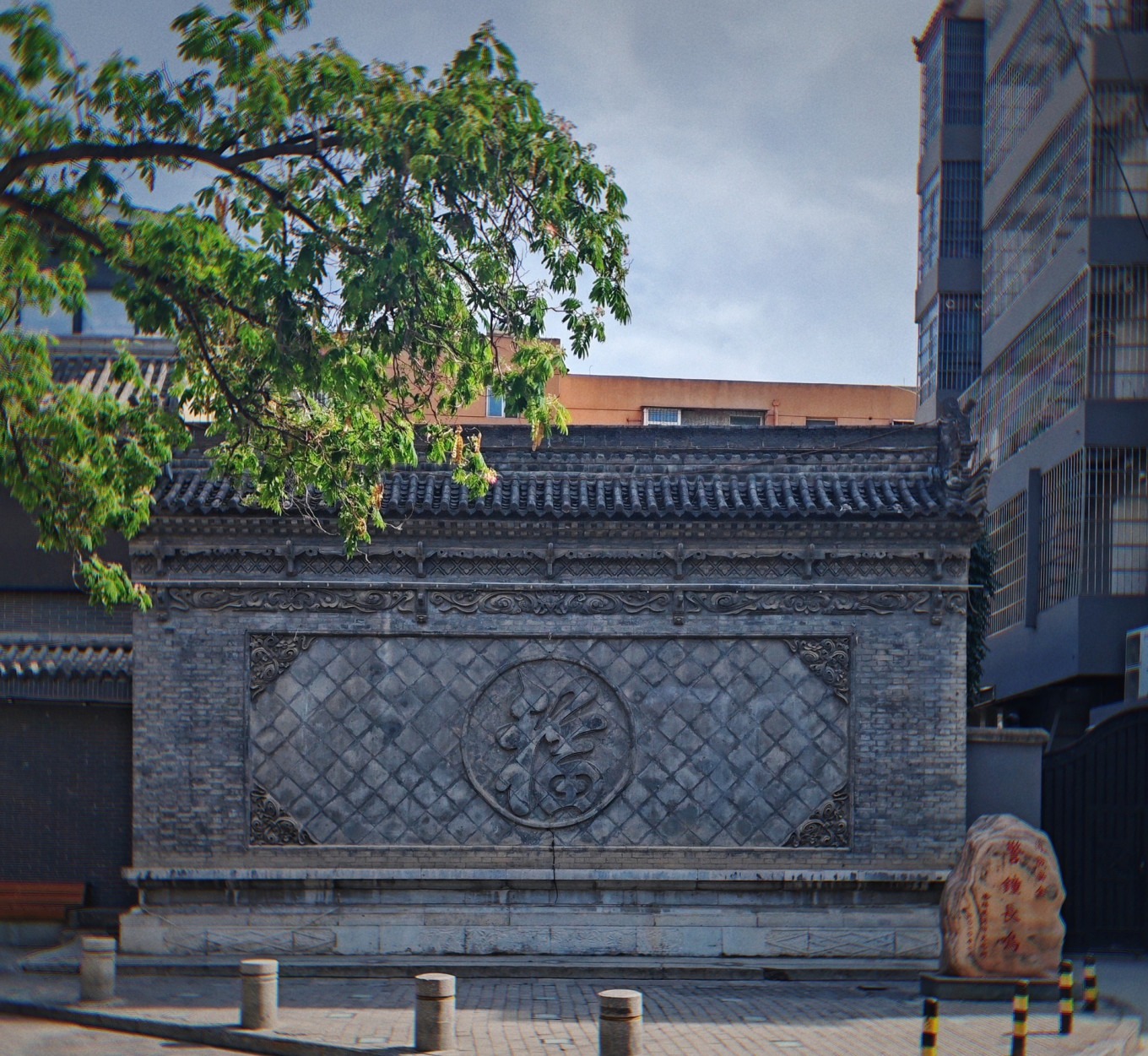
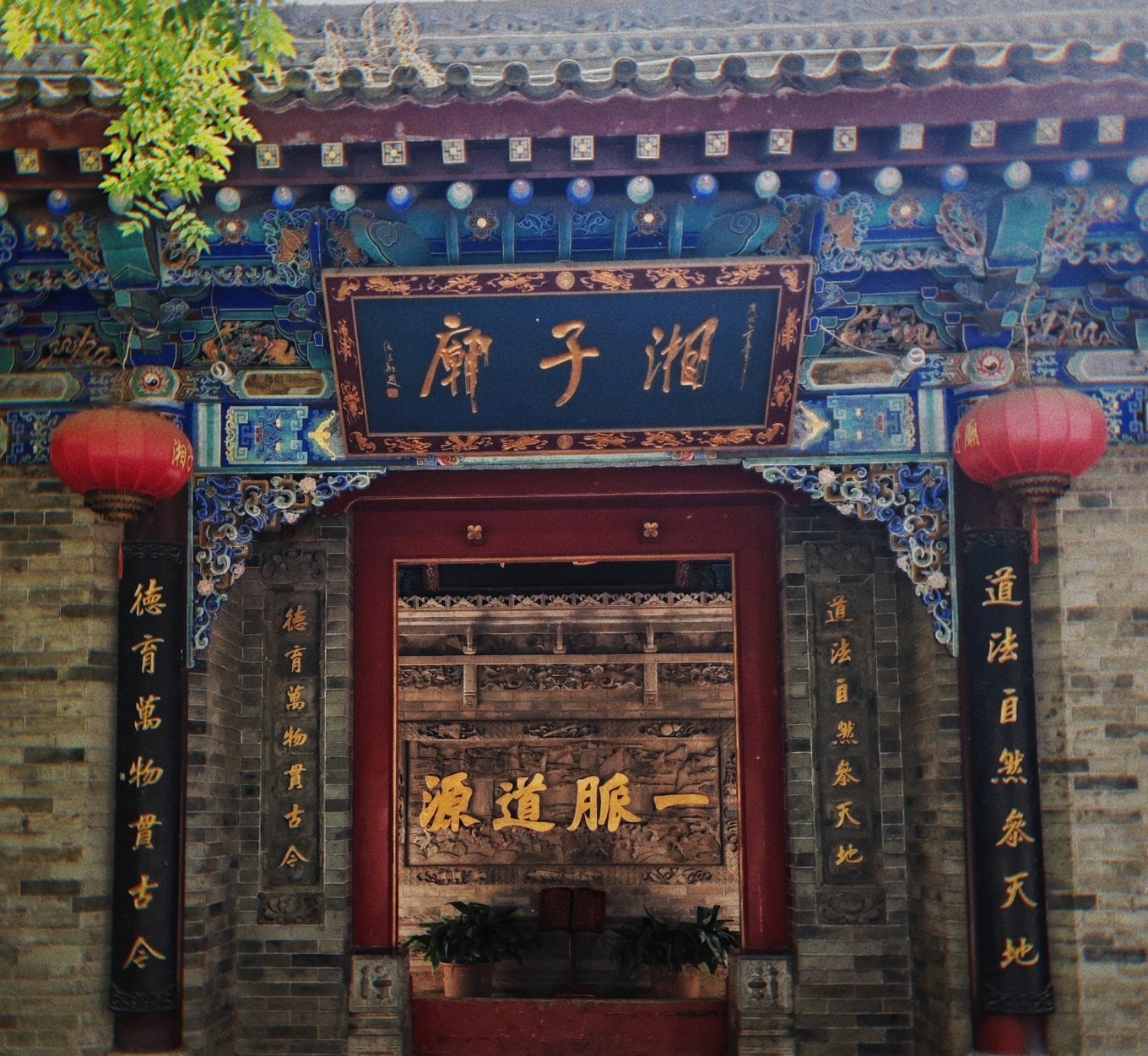
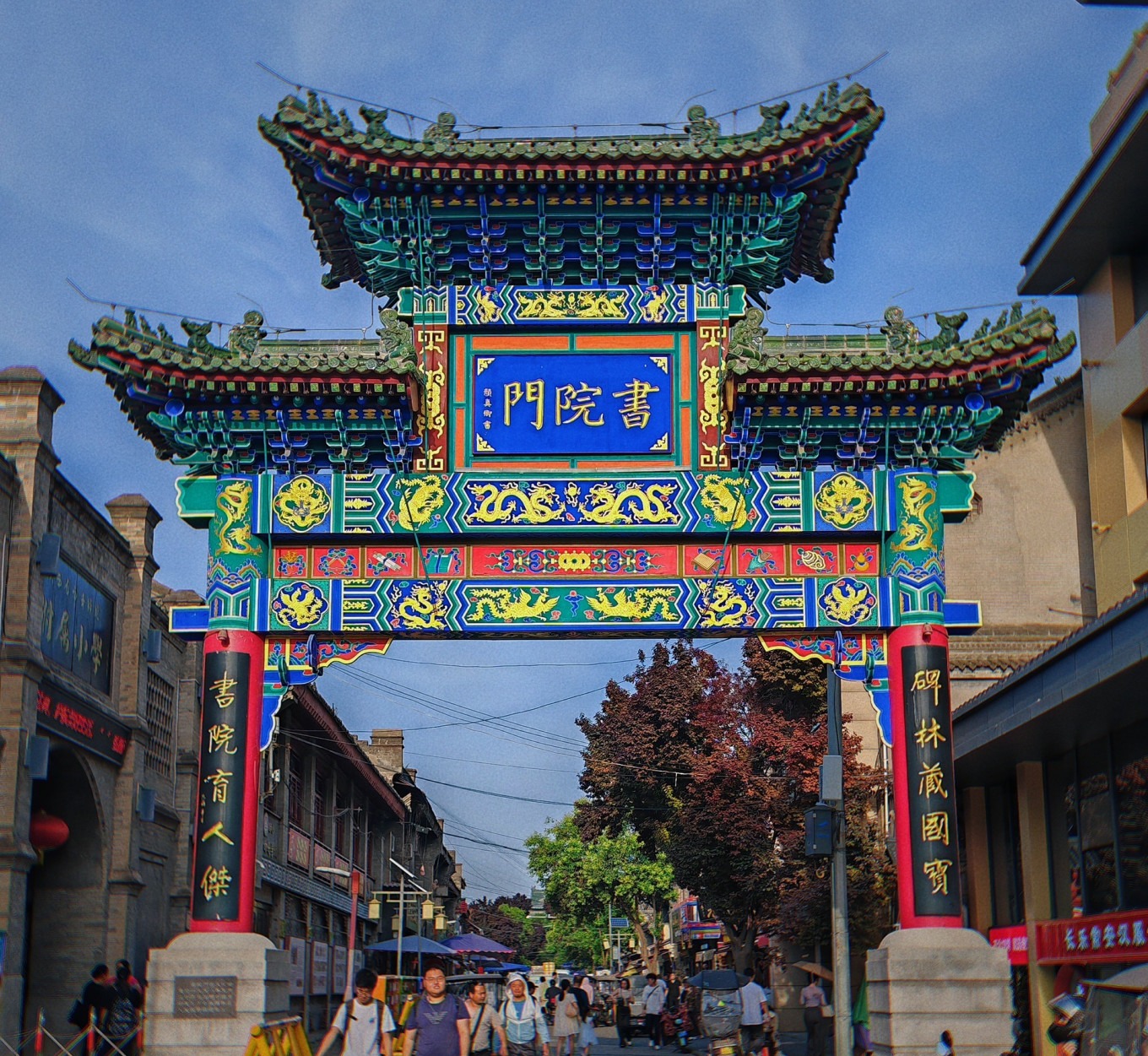
Next, visit the Stele Forest Museum (碑林博物馆), home to famous calligraphy works by masters like Wang Xizhi, Ouyang Xun, Yan Zhenqing, and Huai Su. Note that the museum is currently under renovation, so the core exhibition area is closed and you won’t be able to see the original steles. However, you can still view rubbings, bells, and stone horses—the rubbings are highlights in themselves. If you specifically want to see the steles, check the museum’s official announcements and plan your visit after maintenance ends. Tickets are 10 RMB and can be bought on-site as crowds are light during renovation.
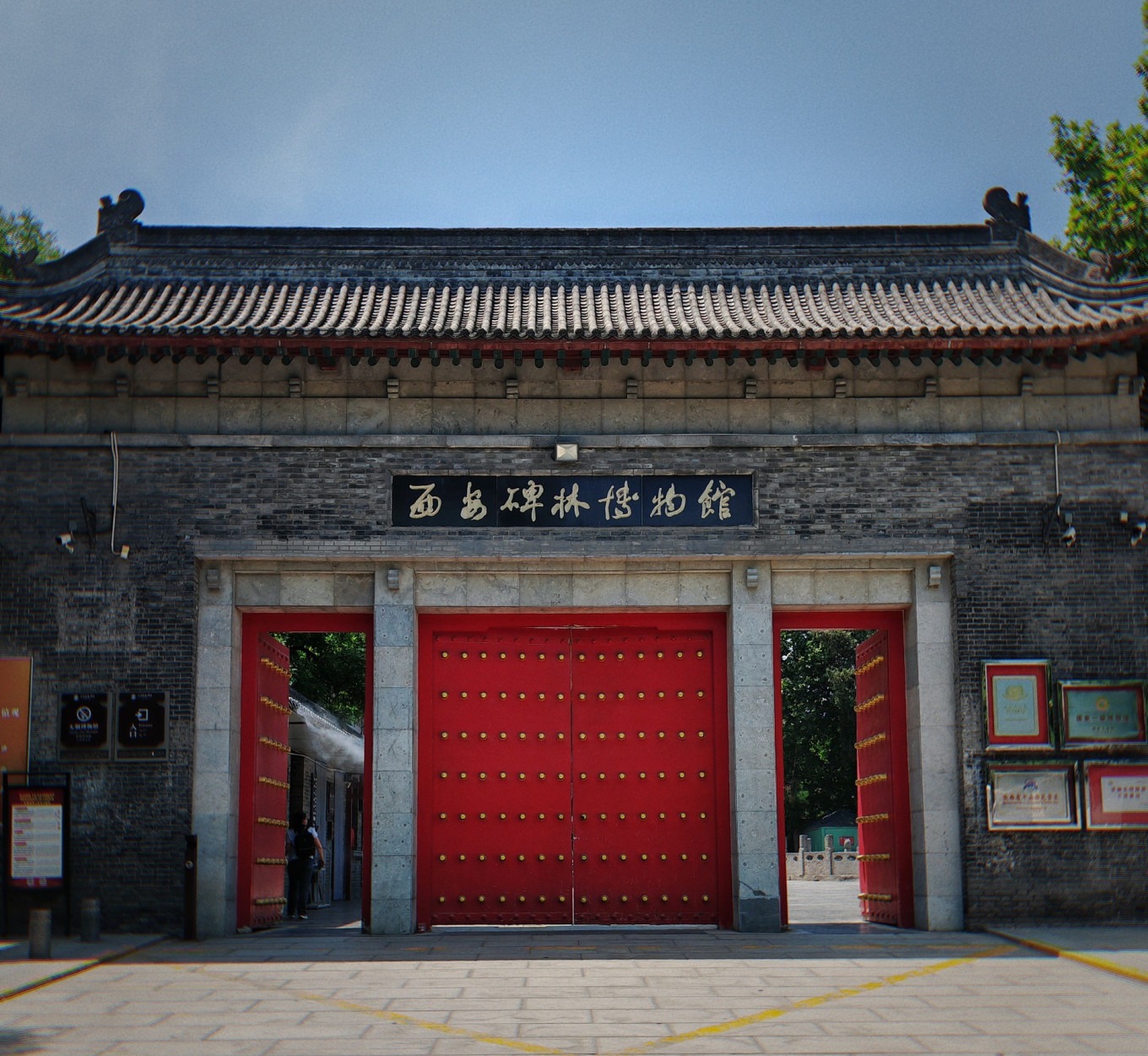
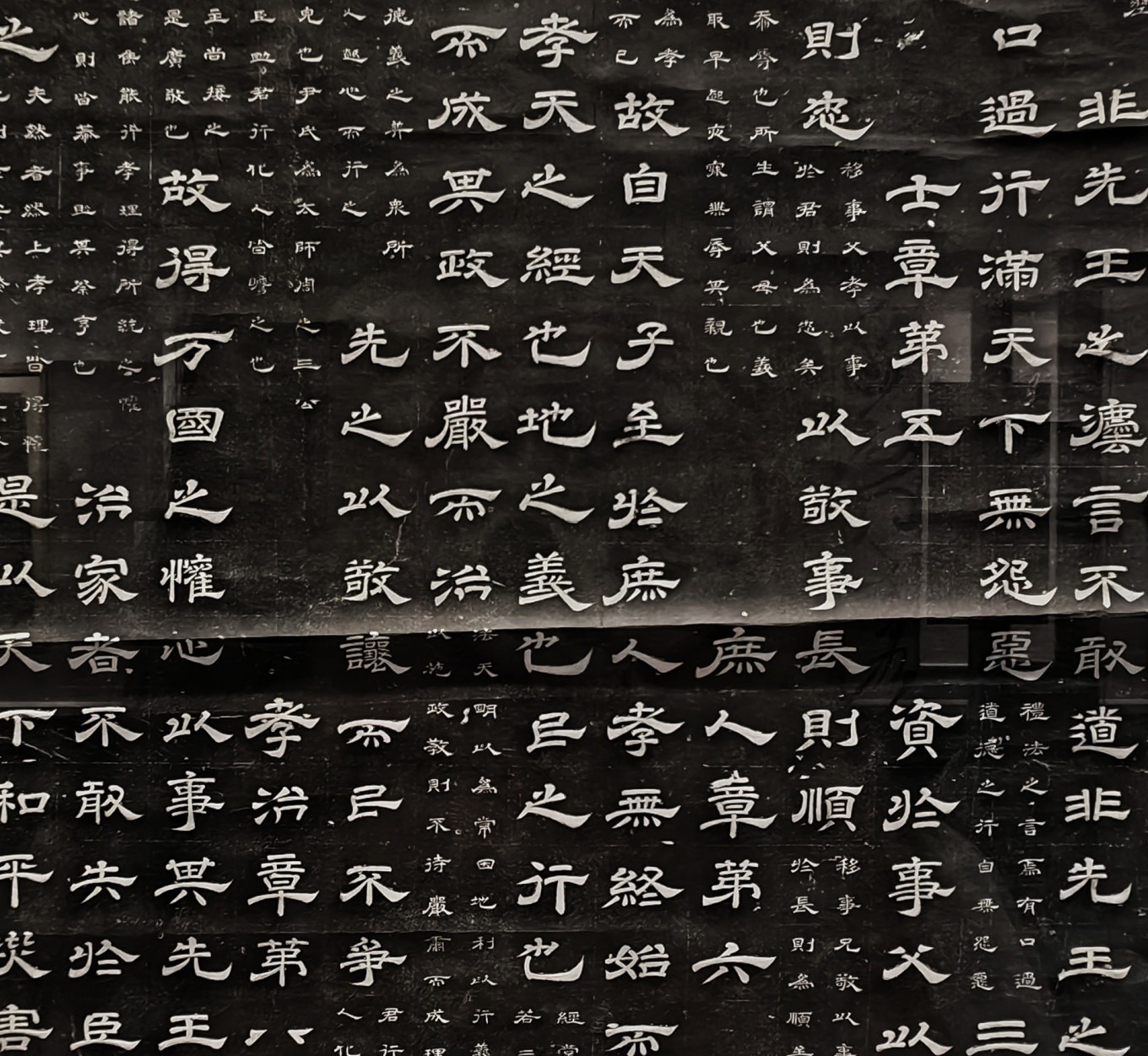
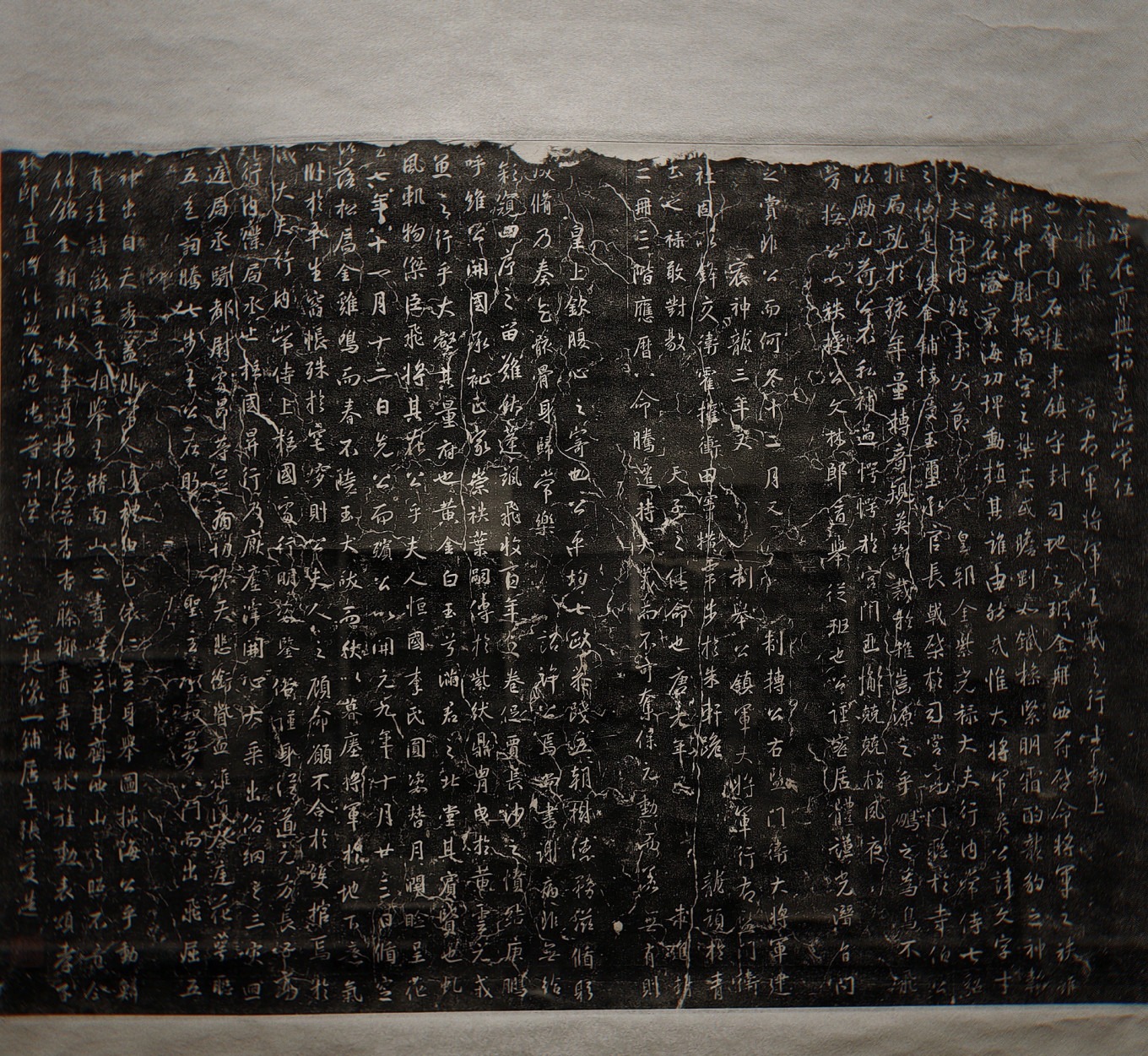
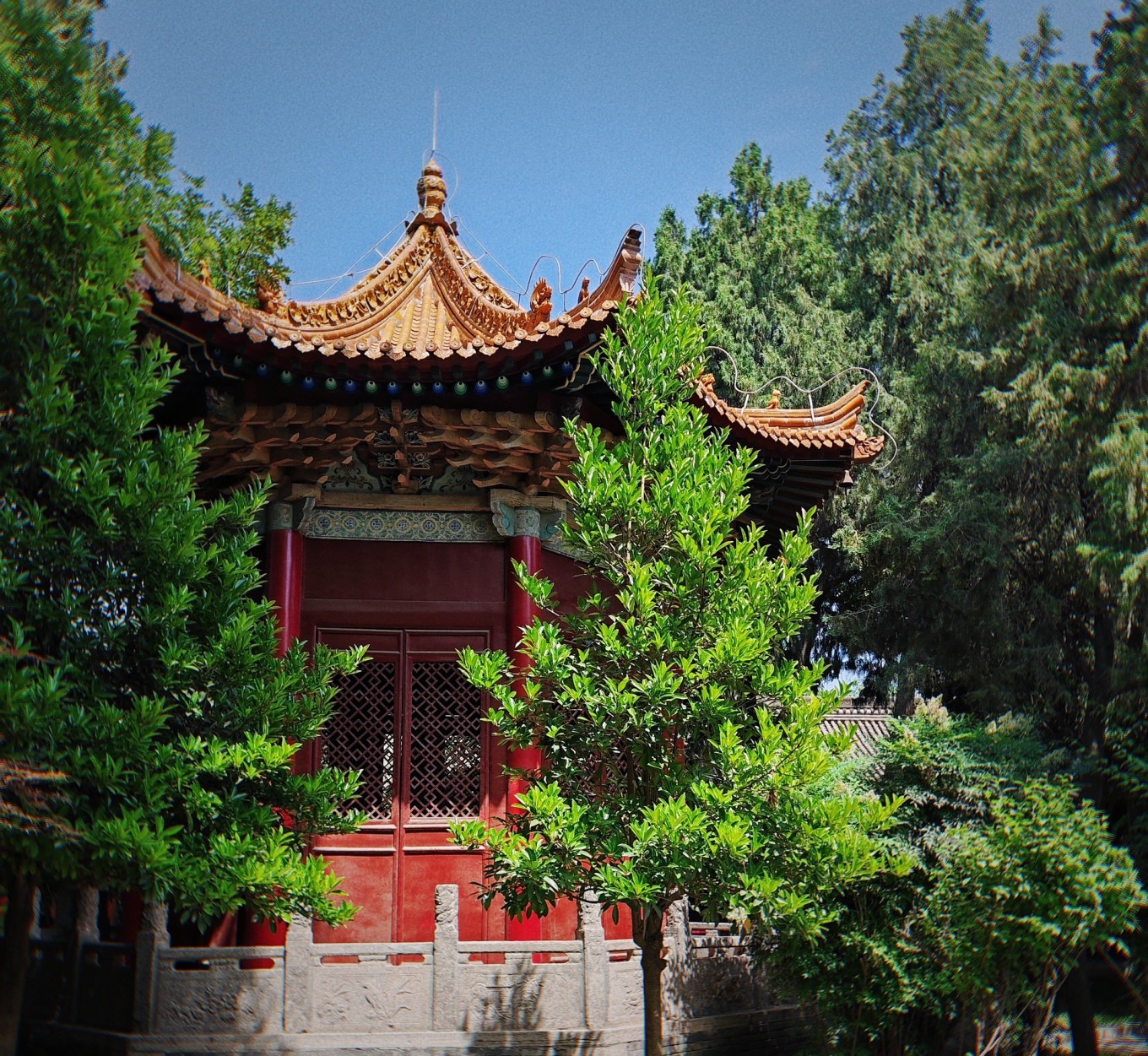
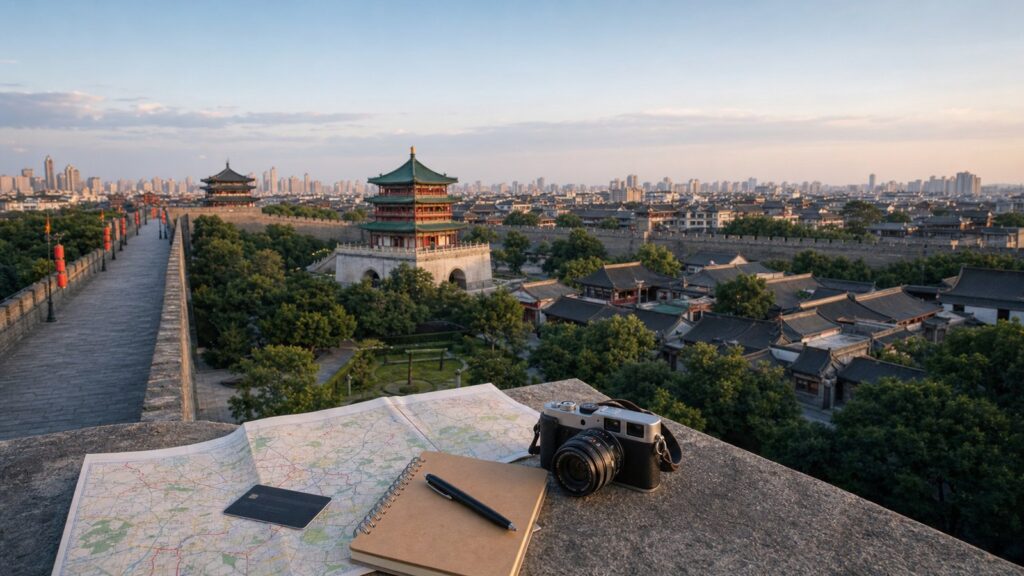
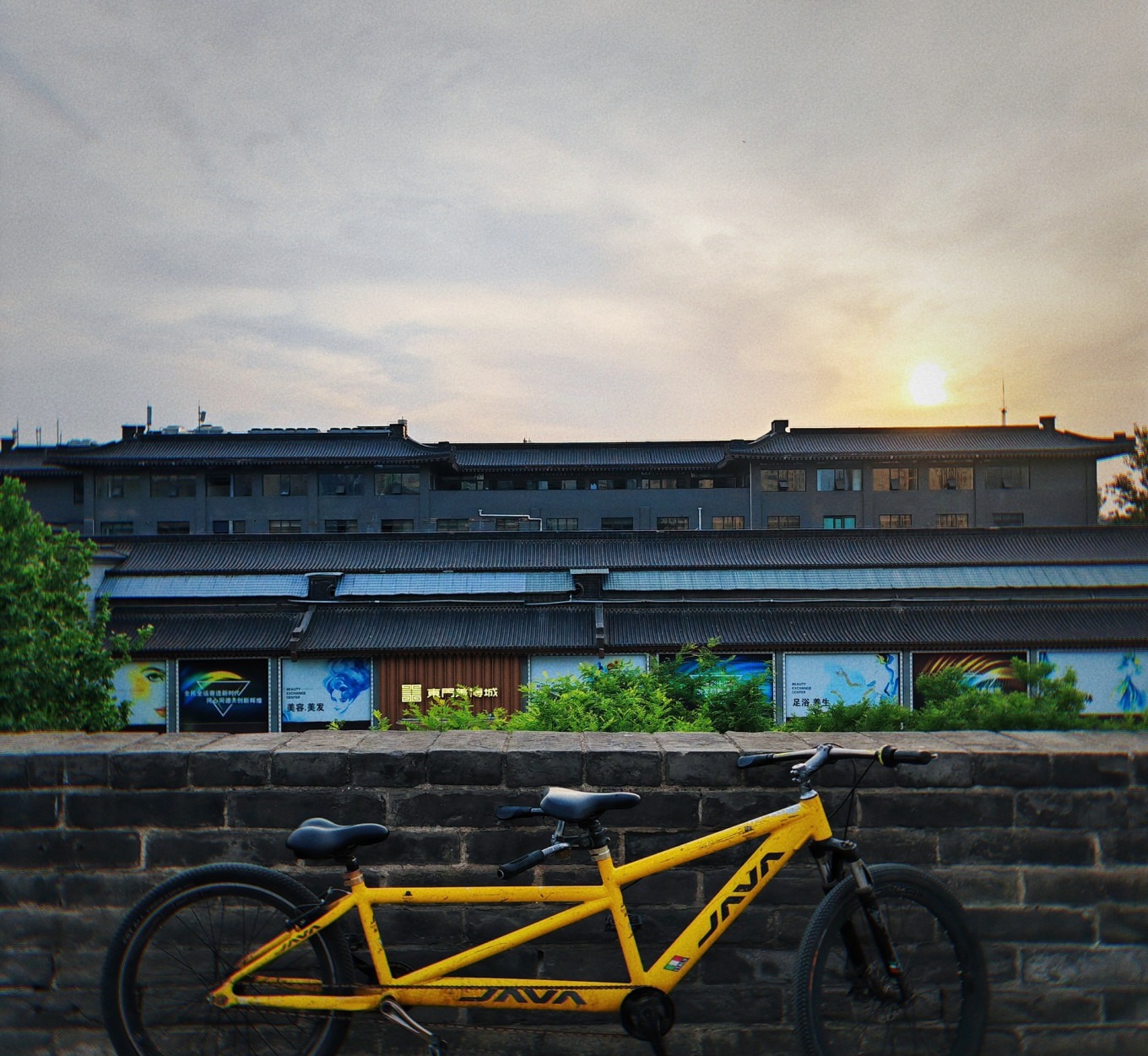
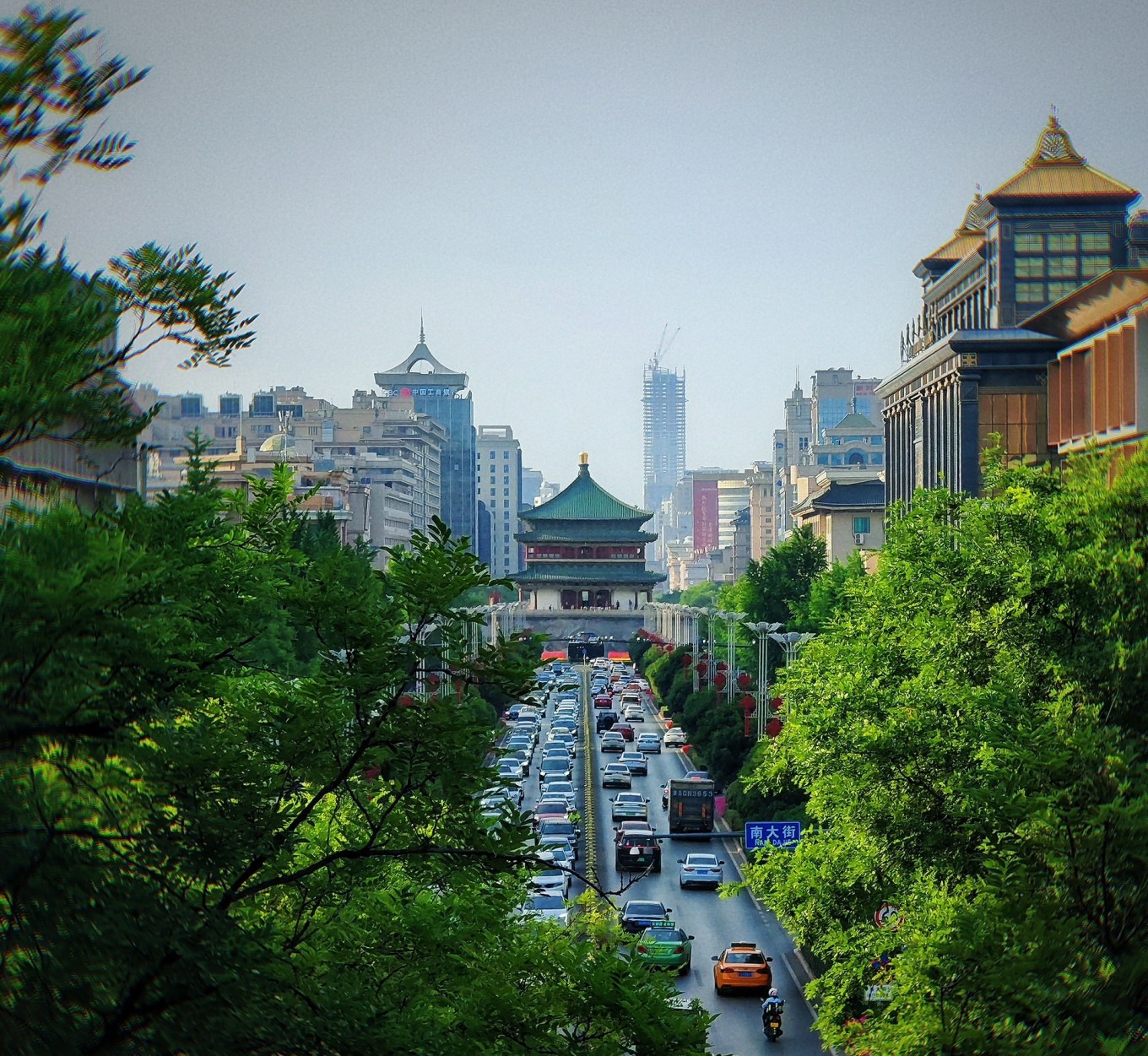
End your day with a bike ride on the Xi’an City Wall. The museum is right below the wall, and you can ascend near Yongning Gate (永宁门). It’s recommended to cycle from Yongning Gate to enjoy the central axis view with the Bell Tower. Tickets are 54 RMB and can be booked up to 7 days in advance via WeChat or travel apps. Once on the wall, walk about 1000 meters to the bike rental point (around 50 RMB per person). Test the bike before renting—double-rider bikes are heavy and have an awkward rear handlebar, so a single bike might be easier. The best time to go is late afternoon to catch the sunset; the wall has no shade, so avoid midday heat. After descending, explore the parks beneath the wall where you’ll find local artists performing Qinqiang opera, choir singing, and folk music.
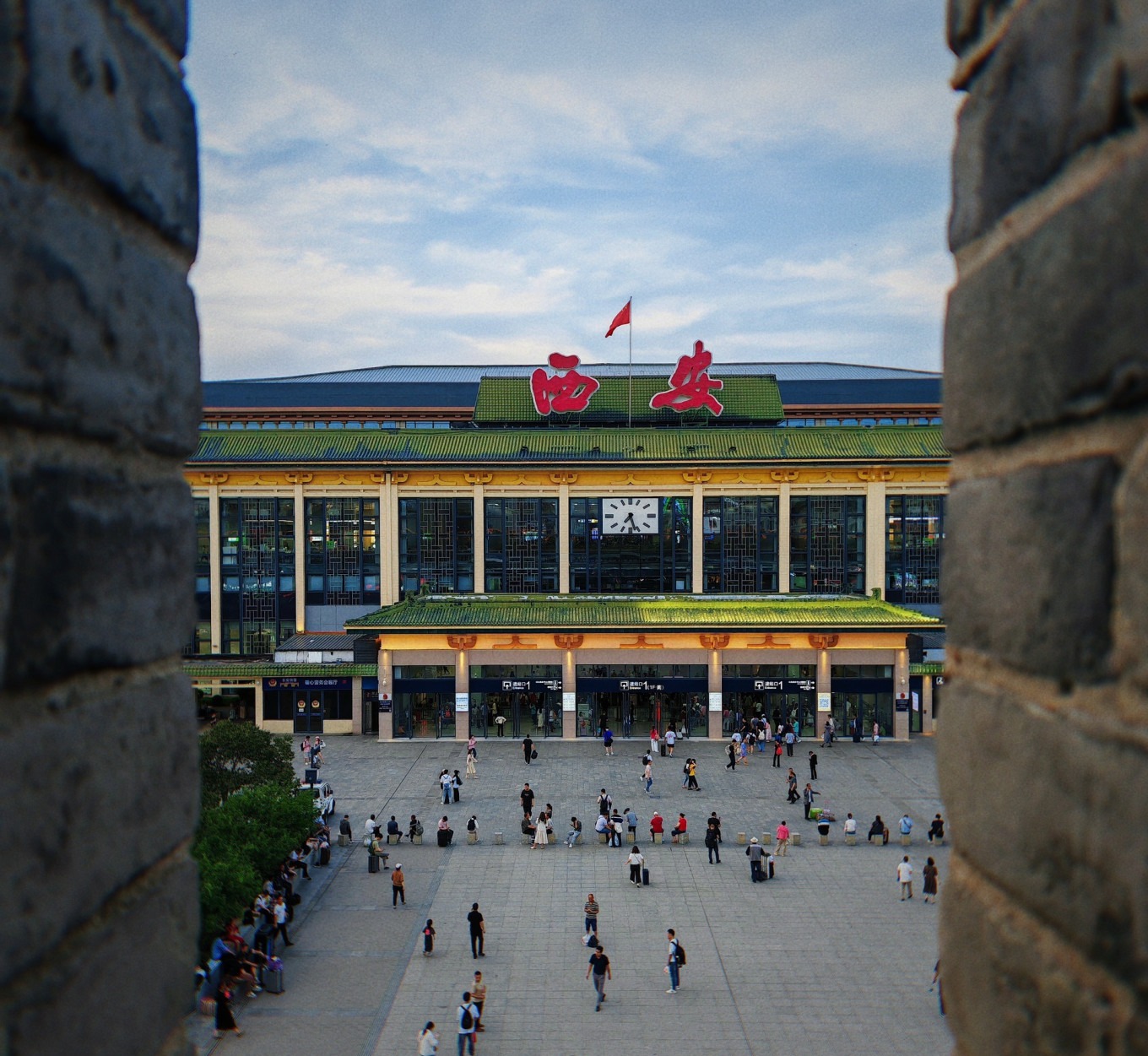
DAY 4: Bell Tower, Drum Tower, Guangren Temple, and Xi’an Fangsuo
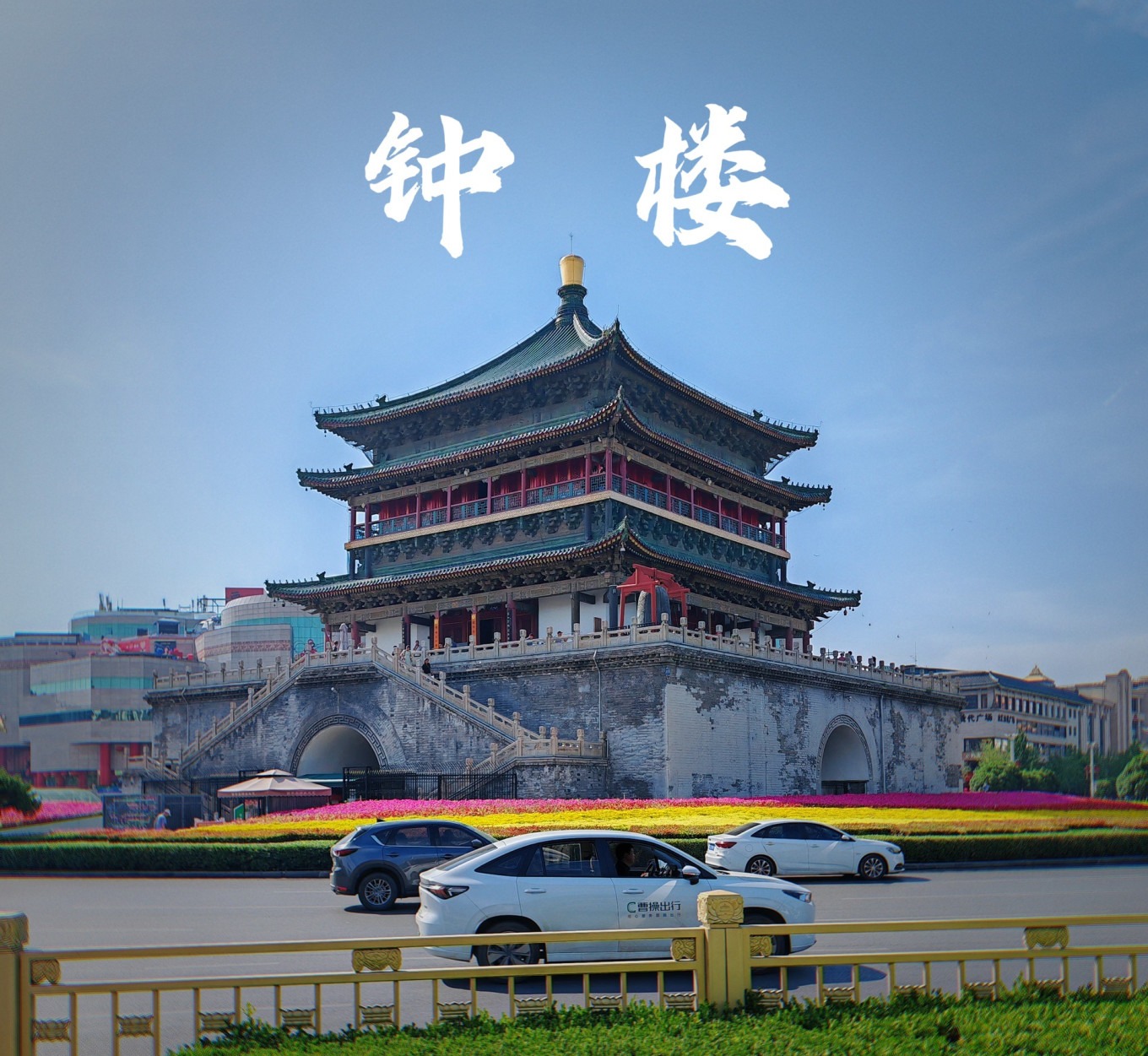
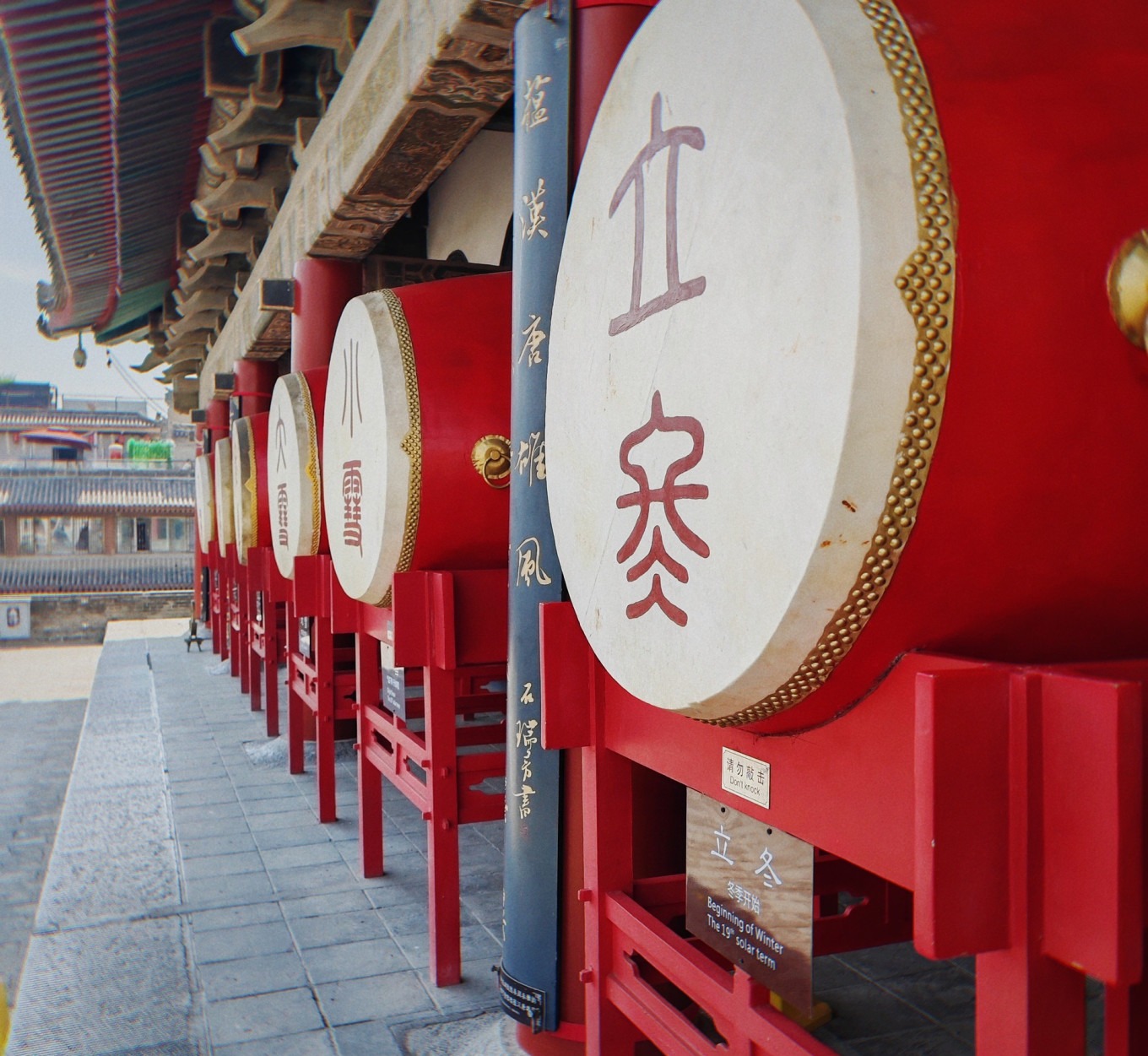
Your fourth day in Xi’an takes you from ancient towers to a hidden Tibetan Buddhist temple and a modern bookstore. Start at the Bell and Drum Towers (钟鼓楼), the iconic heart of the old city. You can admire them from outside for free, but if you want to see the ancient chime bell performance inside the Drum Tower, you’ll need a ticket (¥50, book via 某程 (local term)). The performance runs at fixed times daily—check the schedule before you go. After the show, walk through the bustling Muslim Quarter (回民街) for lunch.
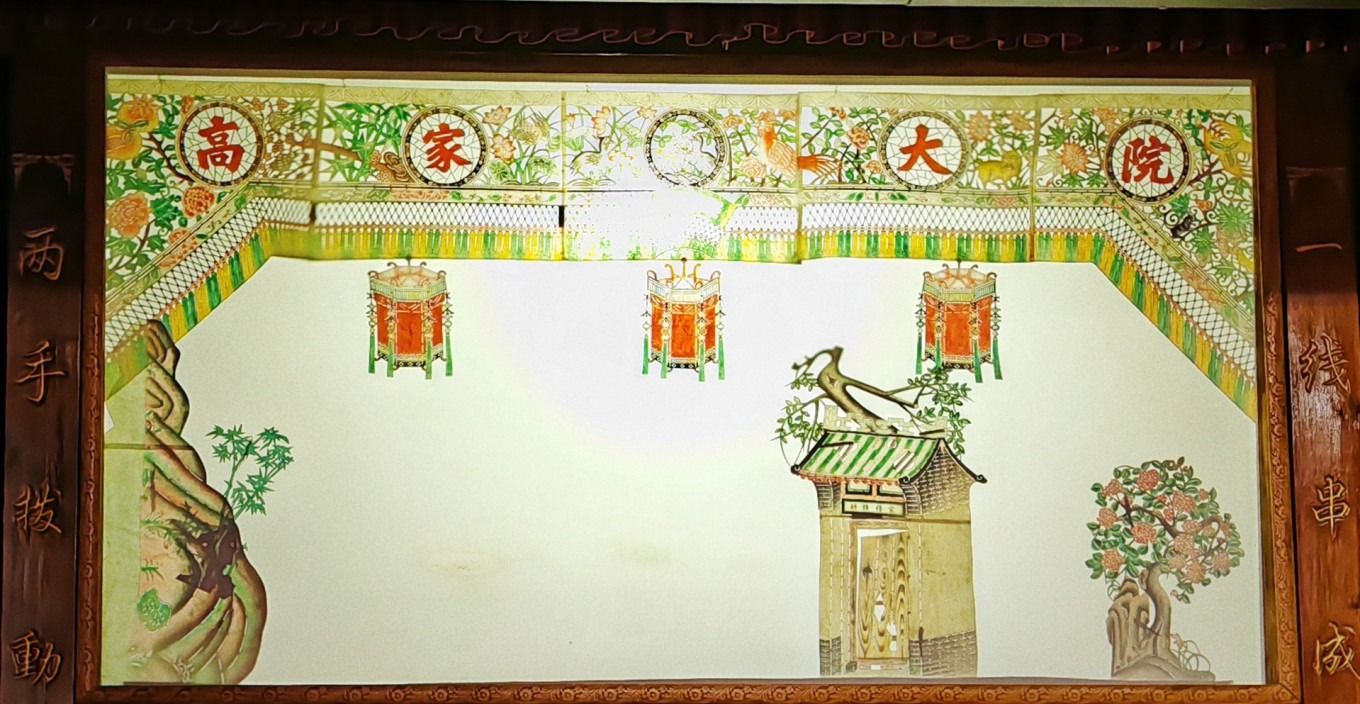
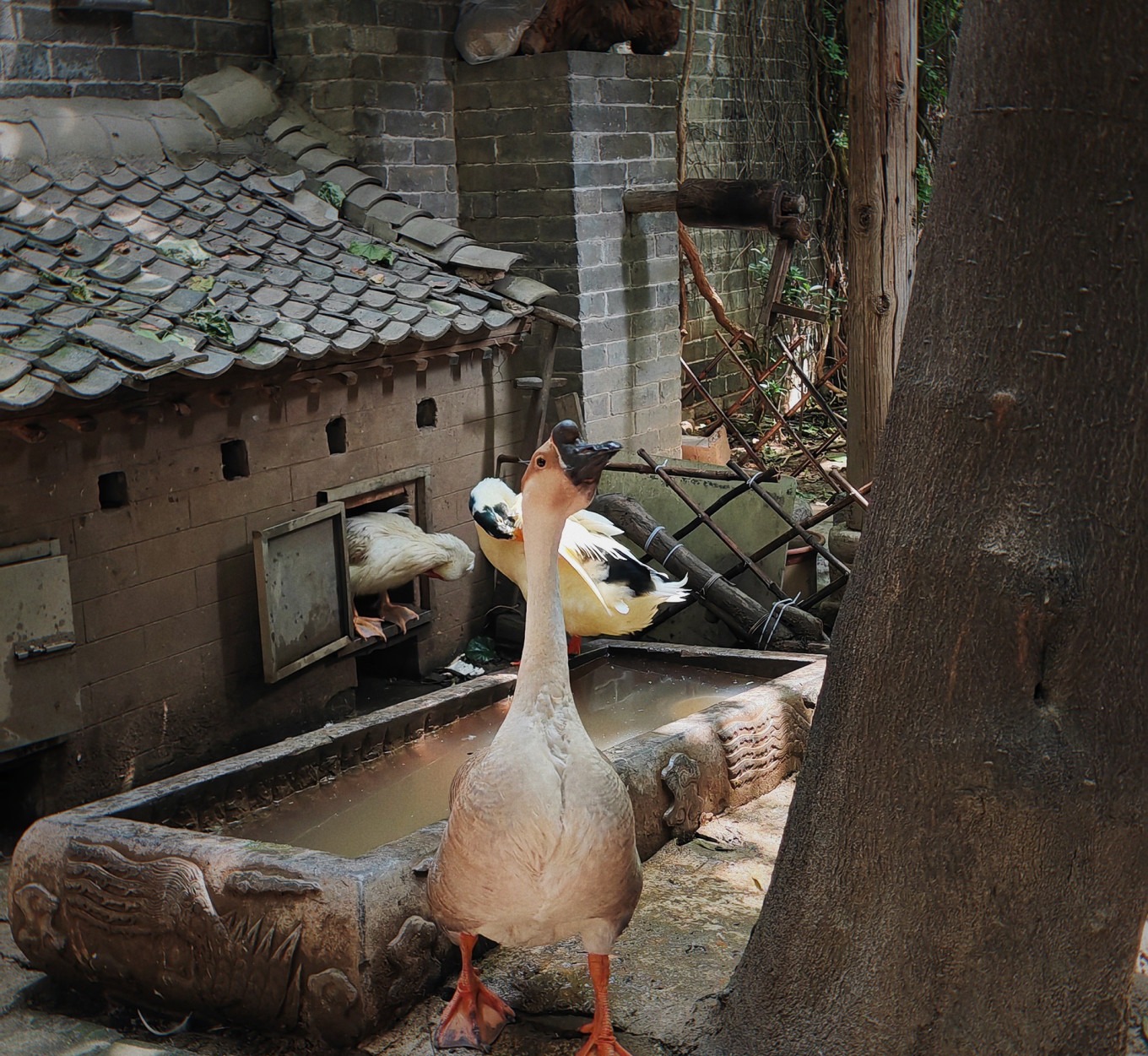
Just steps from the Drum Tower, you’ll find Gao’s Grand Courtyard (高家大院), a historic residence of the Gao family, who produced seven generations of officials. The courtyard itself is pleasant, with geese wandering around, but the main draw is the shadow puppet show (皮影戏). A combined ticket (¥30) includes both entrance and the performance. Arrive about 30 minutes early to get a good seat near the front. While the site feels a bit commercialized, it’s worth a visit to soak in the scholarly atmosphere—the original owner was a top scholar personally appointed by the emperor.
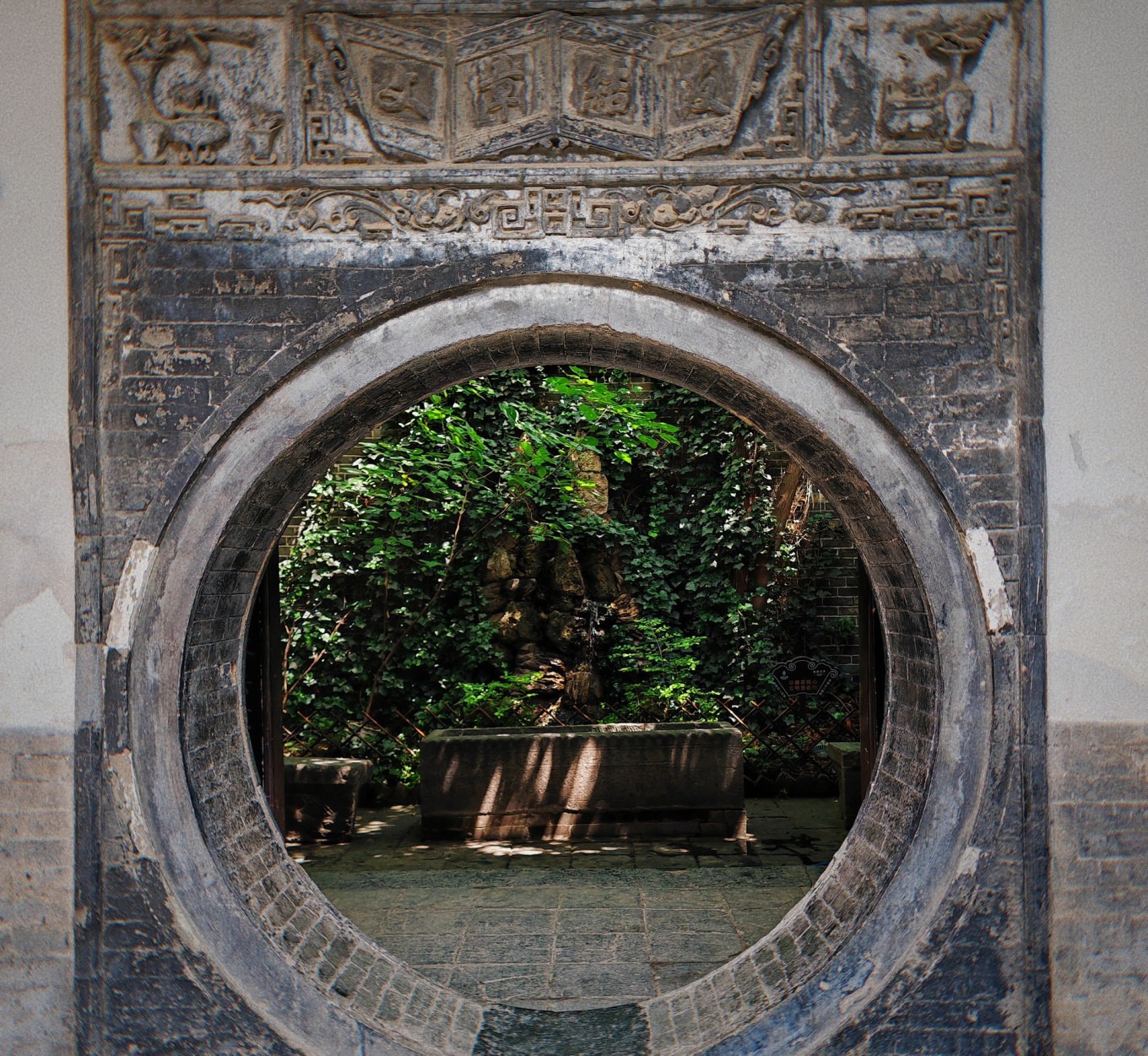
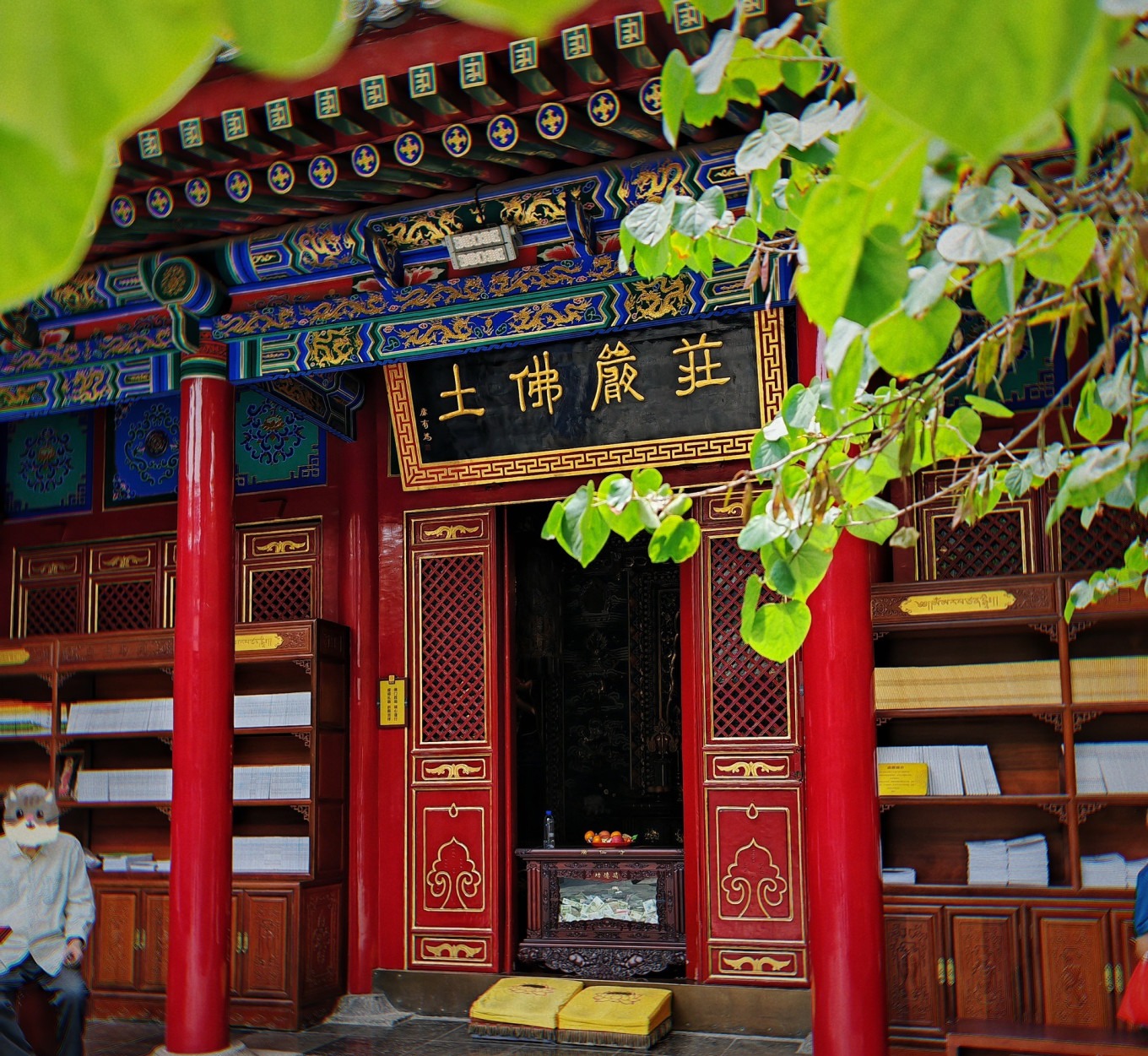
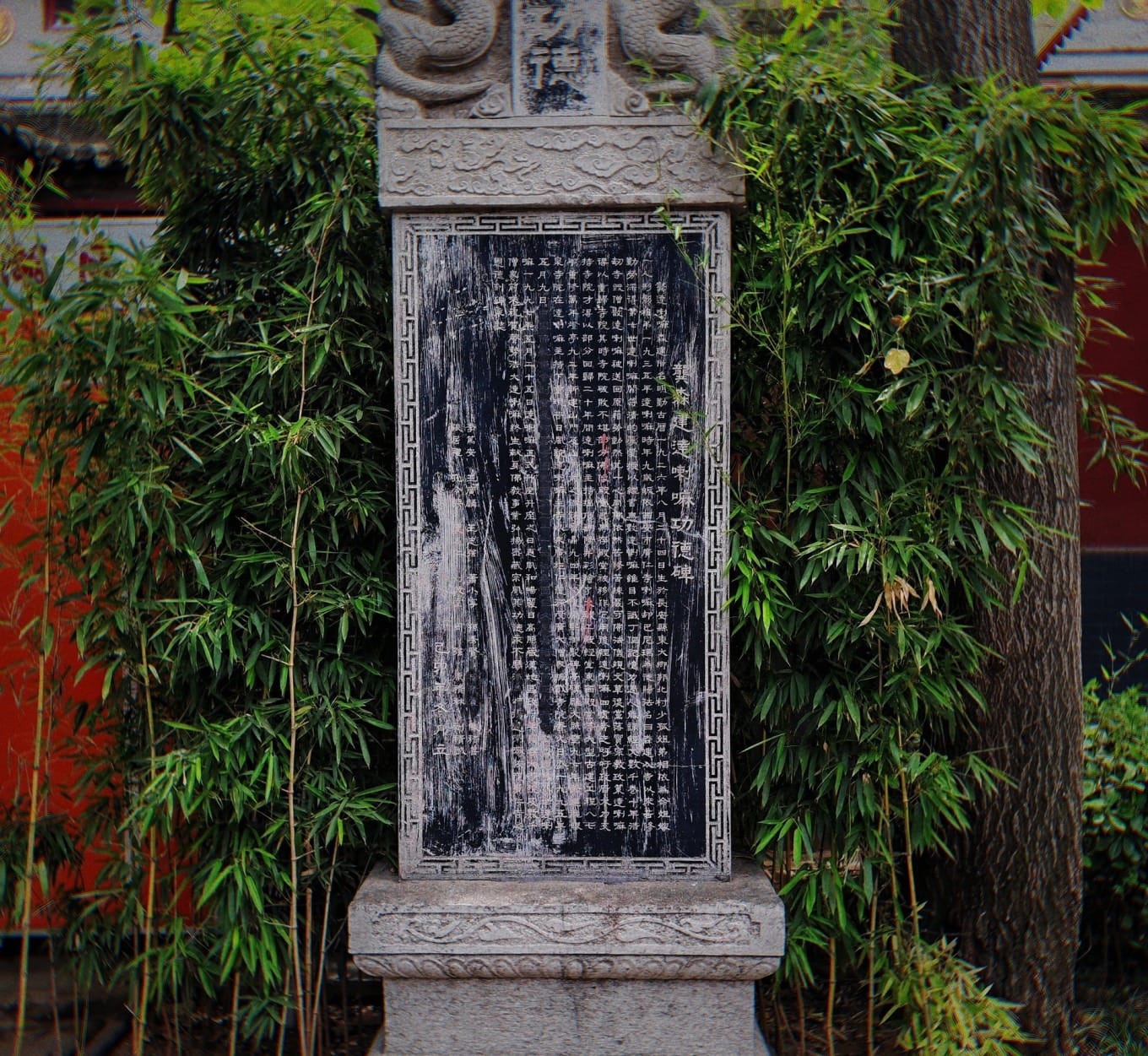
Next, cycle to Guangren Temple (广仁寺), a Tibetan Buddhist monastery and the only Green Tara (绿度母) temple in China. Admission is free—no reservation needed. The temple houses treasures like a stele inscribed by Emperor Kangxi, a white marble lotus gifted by Emperor Qianlong, a plaque calligraphed by Kang Youwei, and an eternal lamp that has burned for centuries. On a hot May afternoon, the staff hand out free bottled water and wet wipes at the gate, adding a warm touch to your visit.
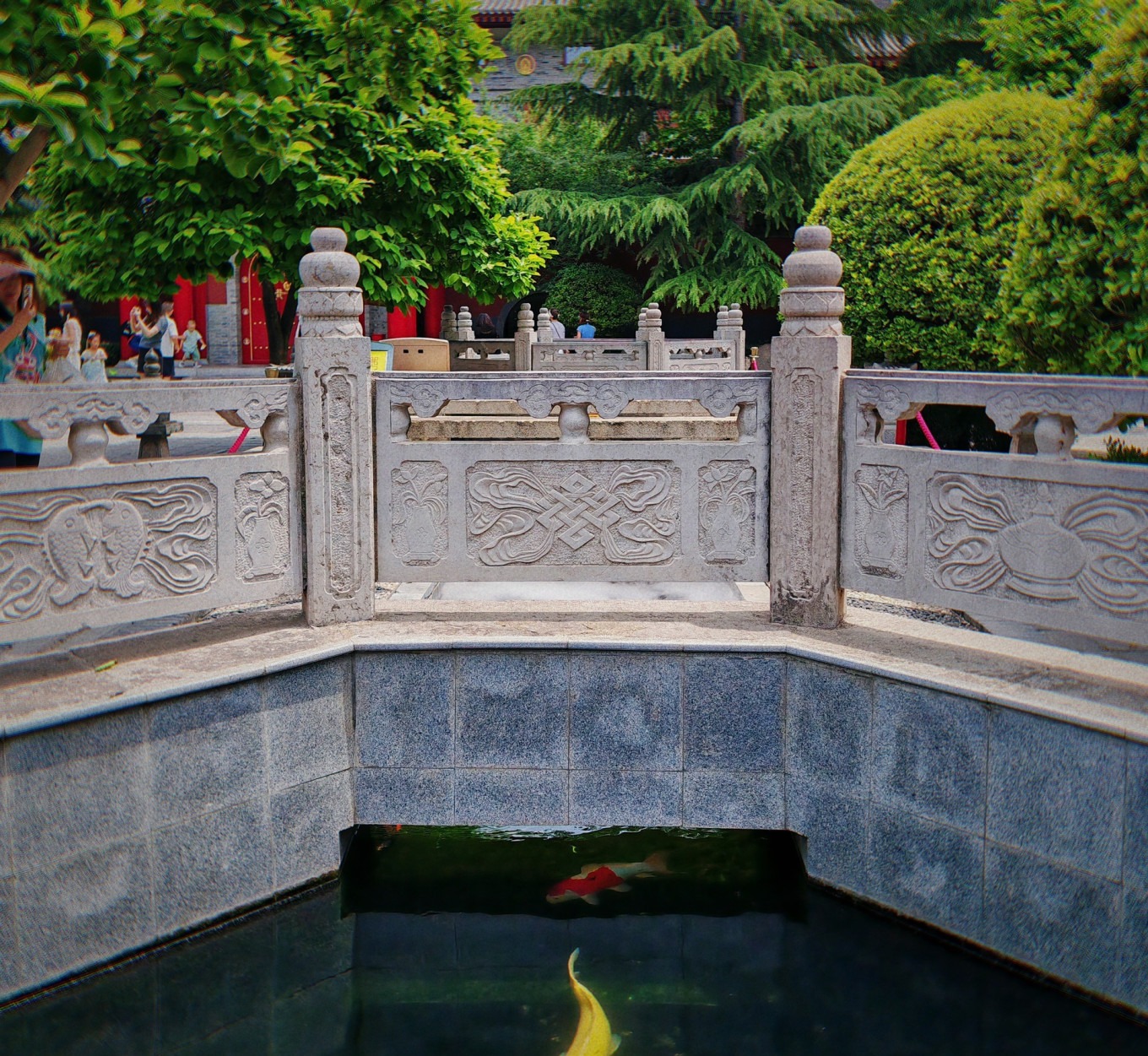
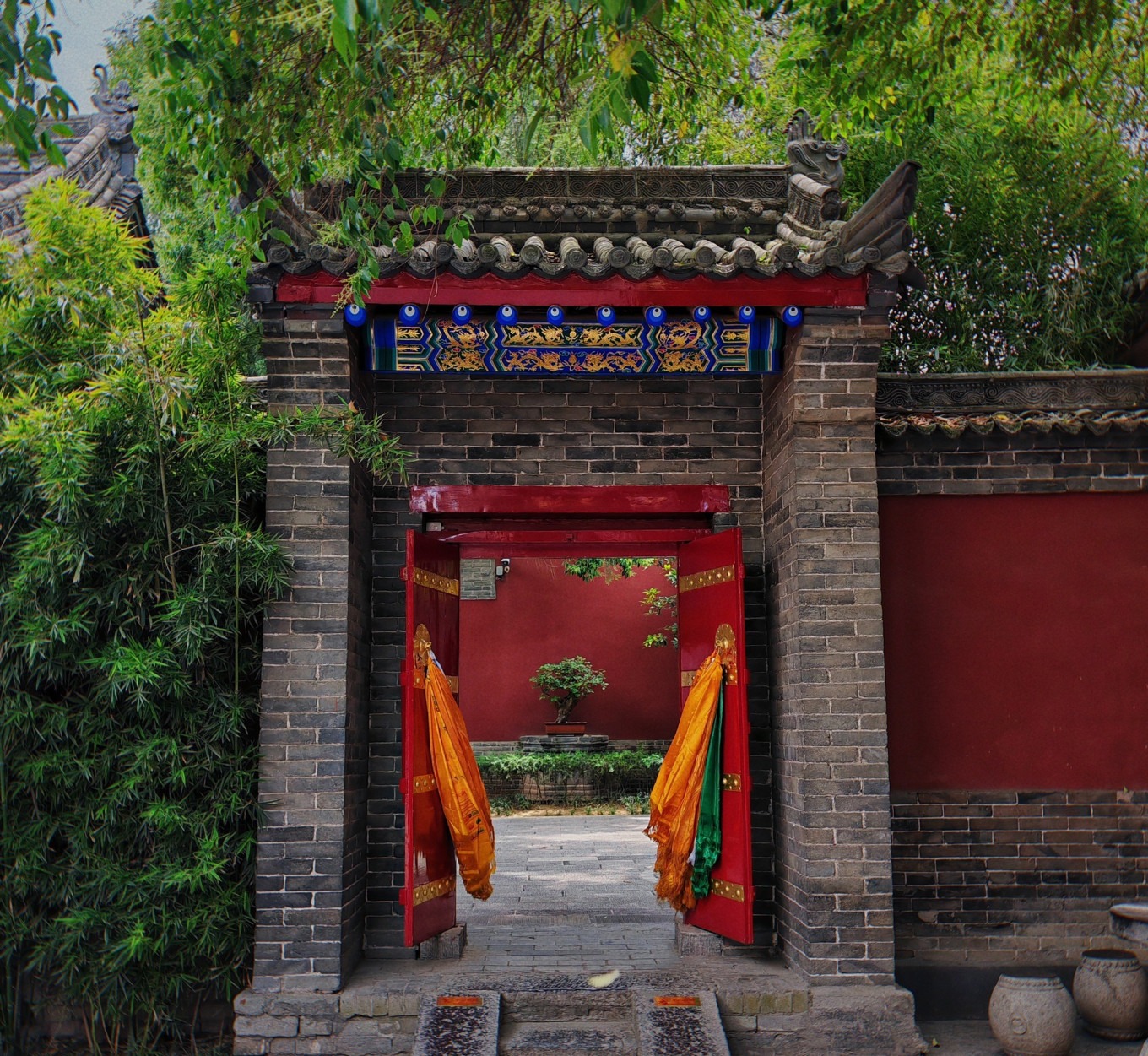
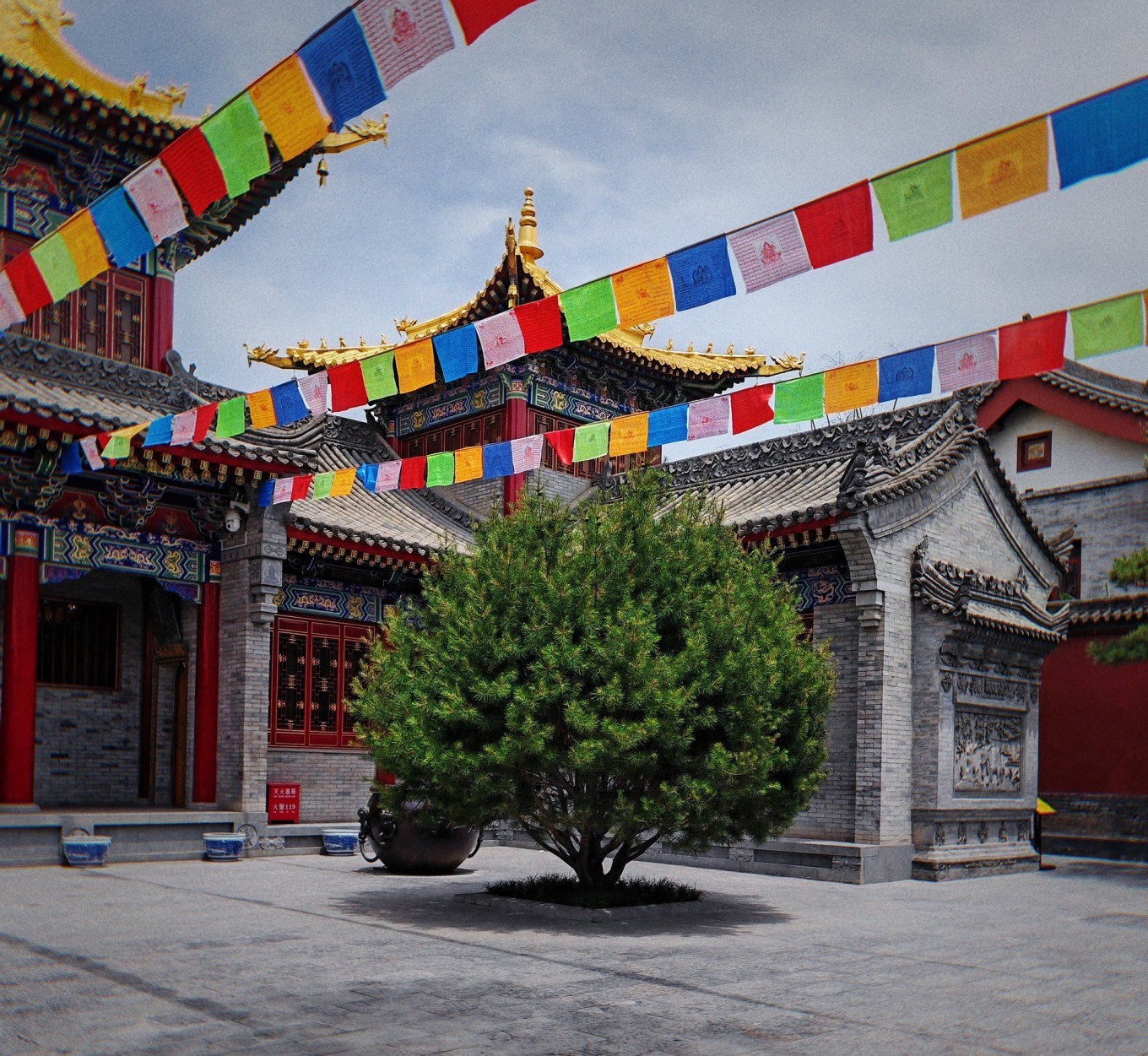
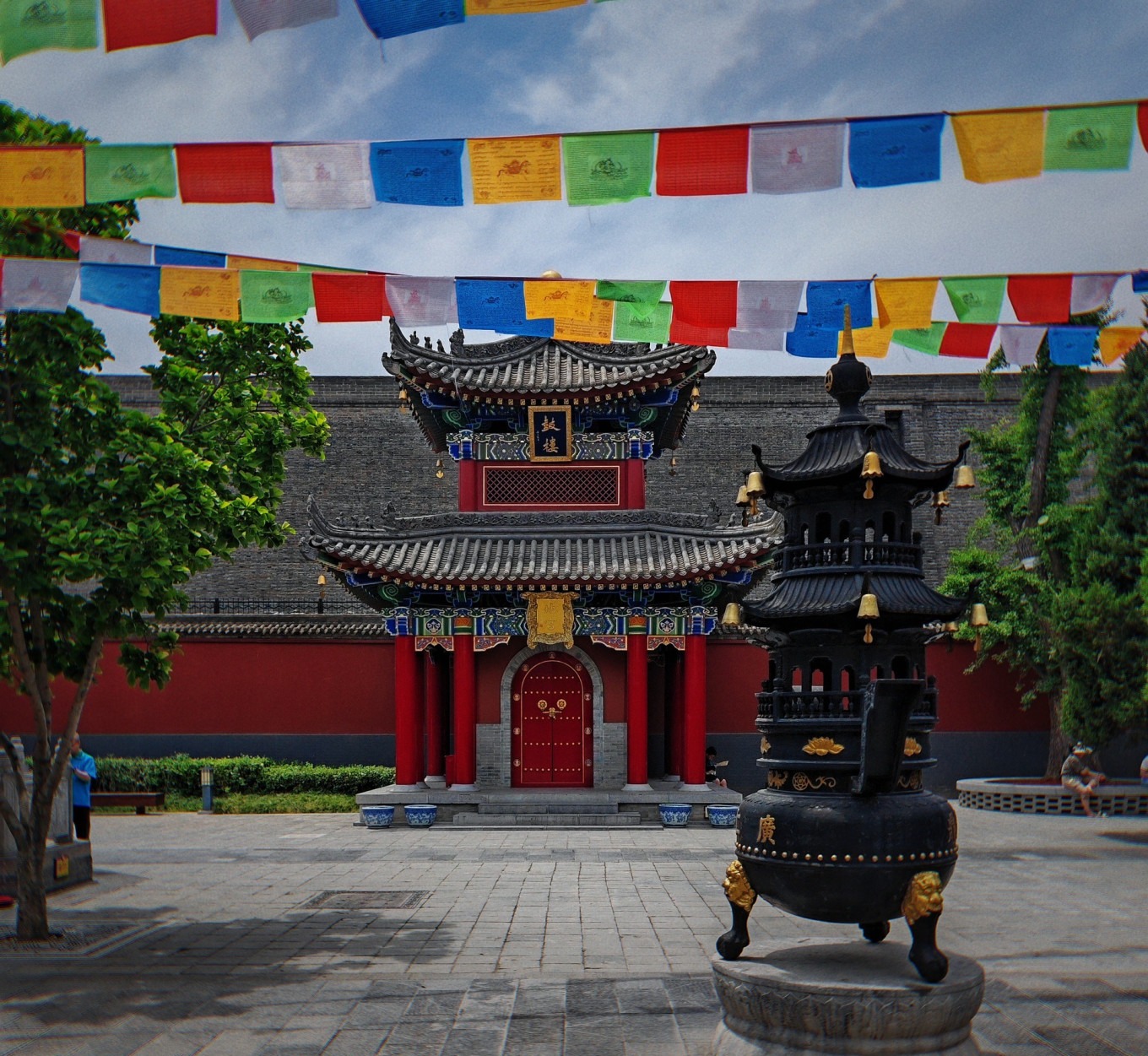
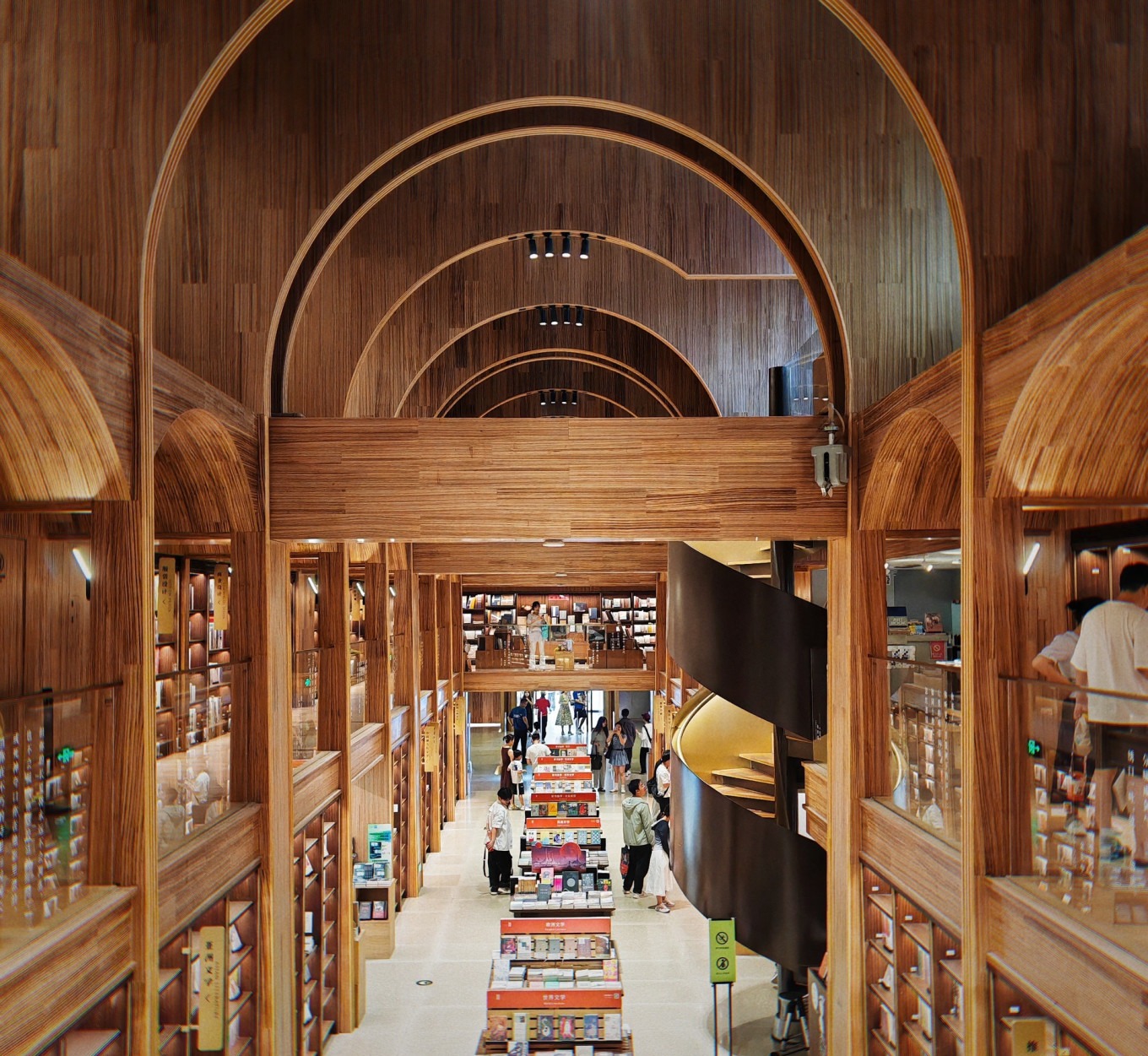
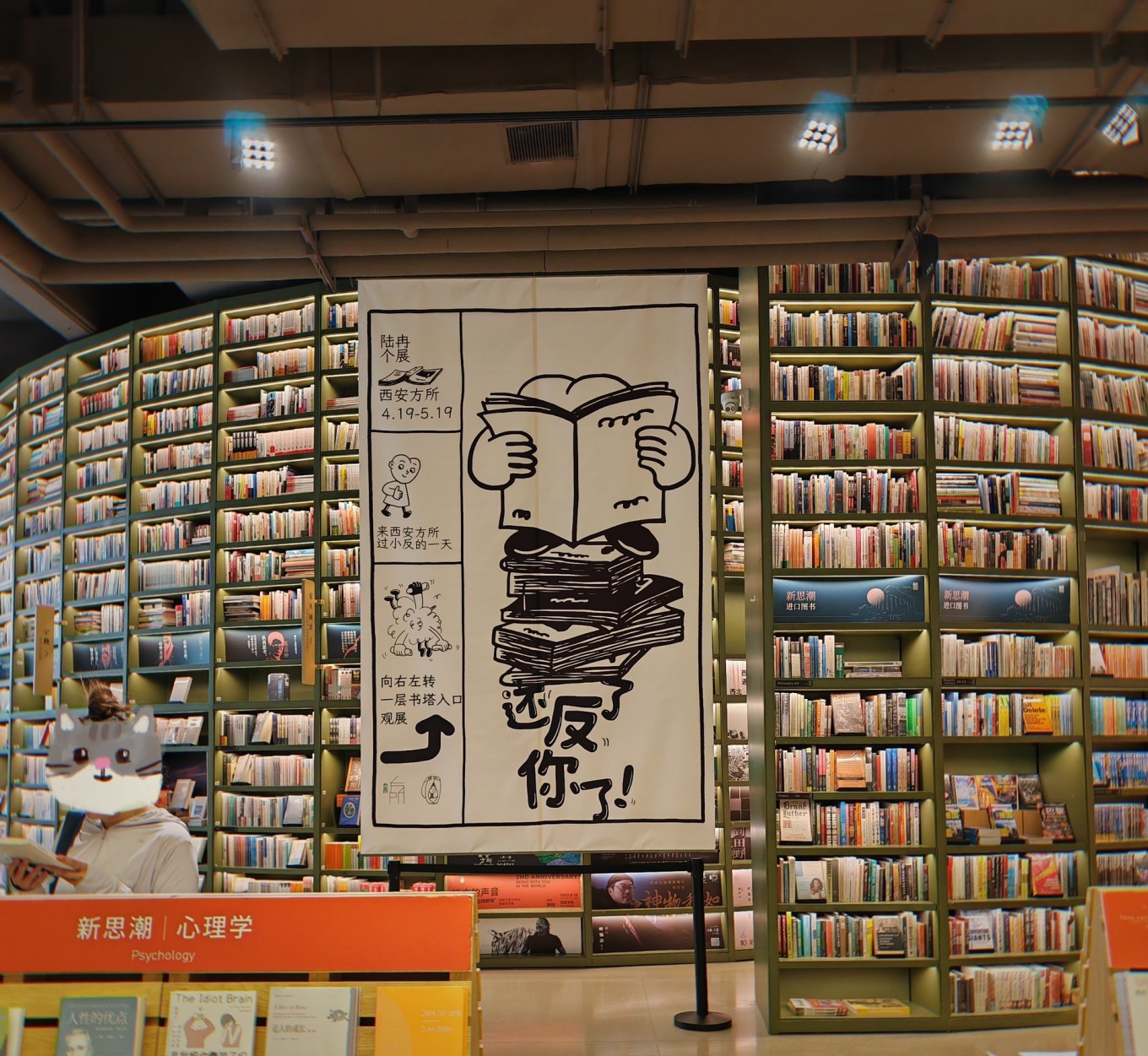
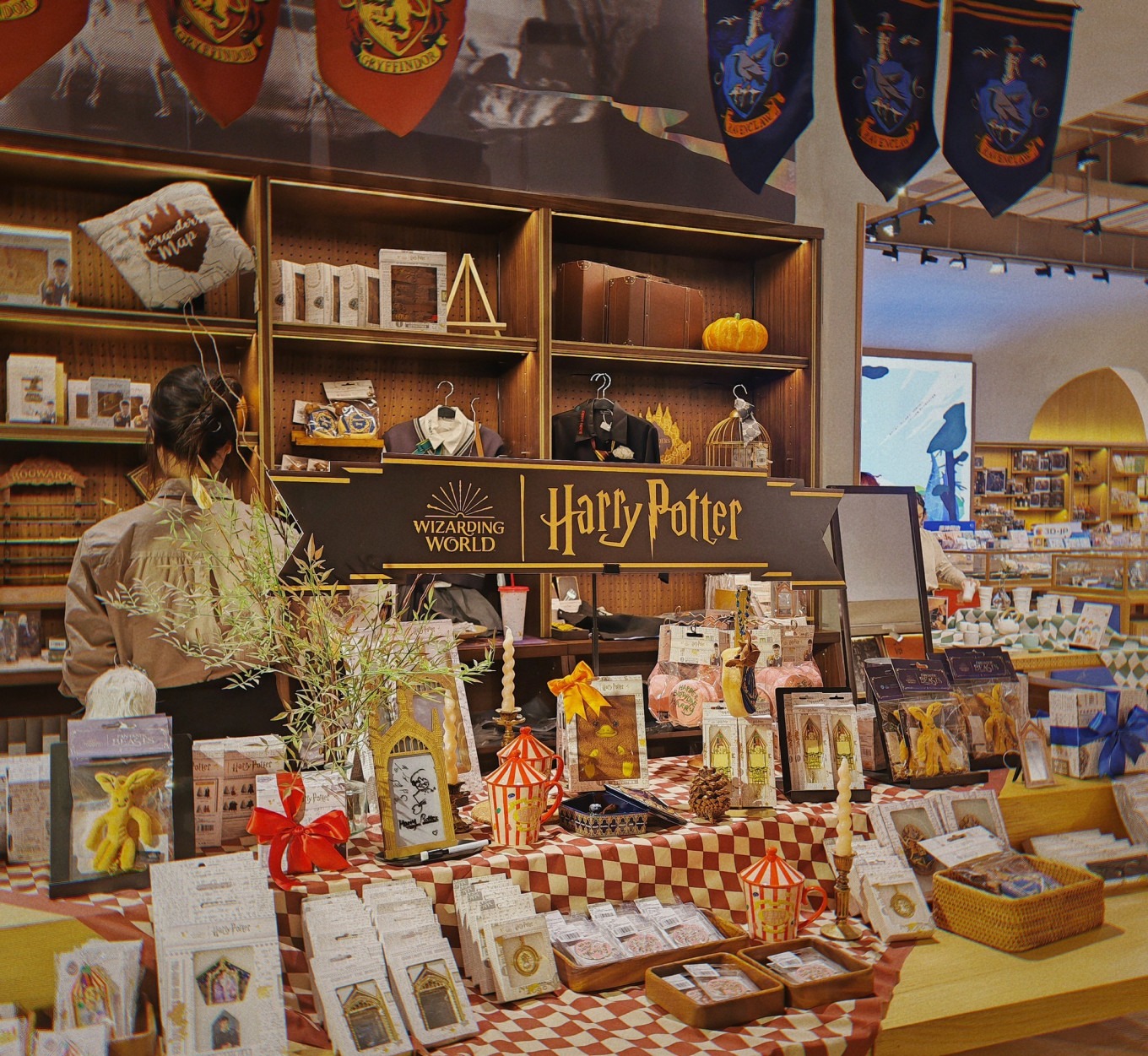
End your day at Xi’an Fangsuo (西安方所), a stunning bookstore often called the ‘Hogwarts Magic Academy’ for its grand, cathedral-like interior. It’s free to enter and a perfect escape from the heat. Browse a wide selection of manga merchandise, art books, and gifts. The air-conditioning is excellent, so you may find yourself lingering longer than planned.
Day 5: Banpo – Prehistoric Civilization Meets Postmodern Art
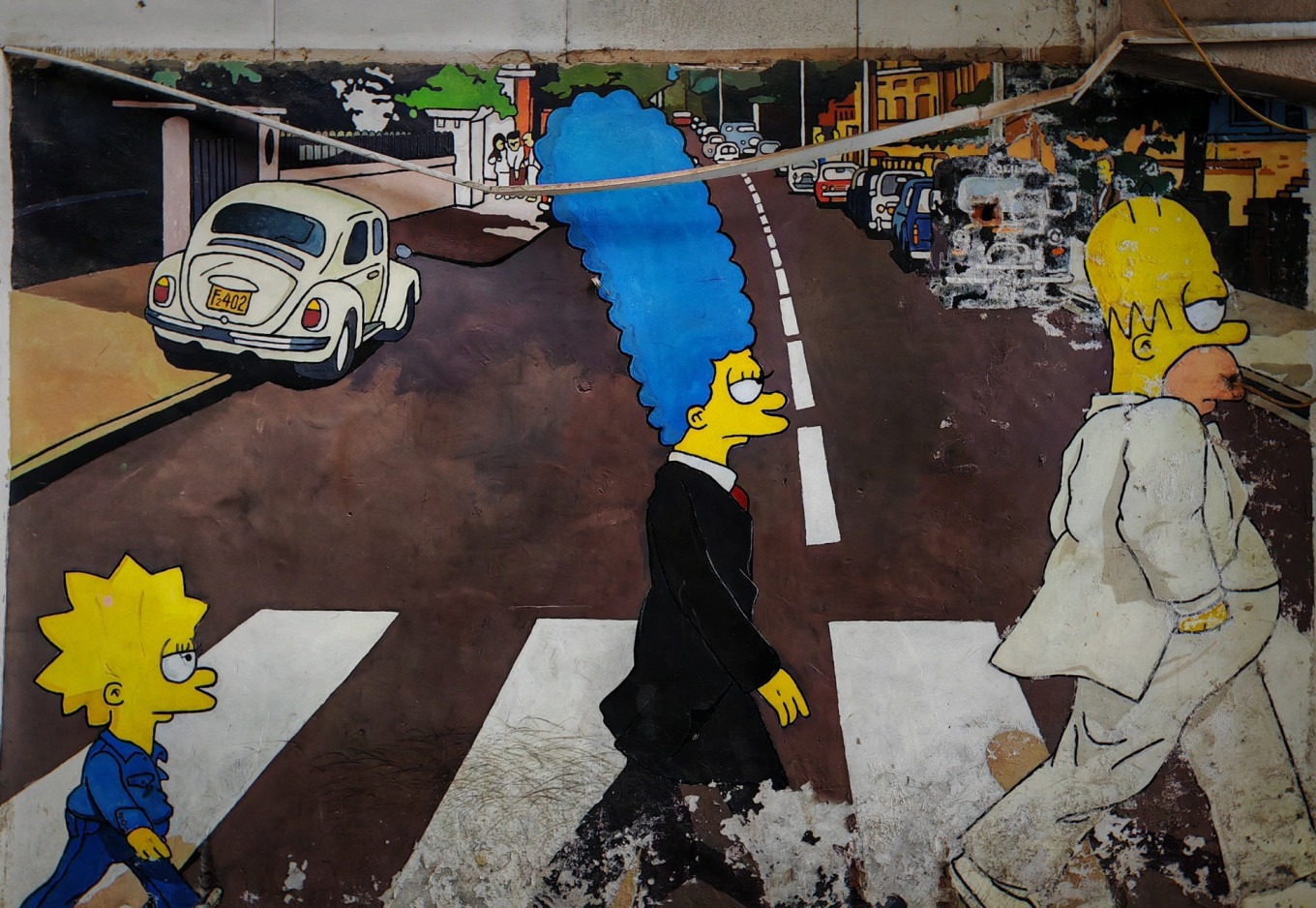
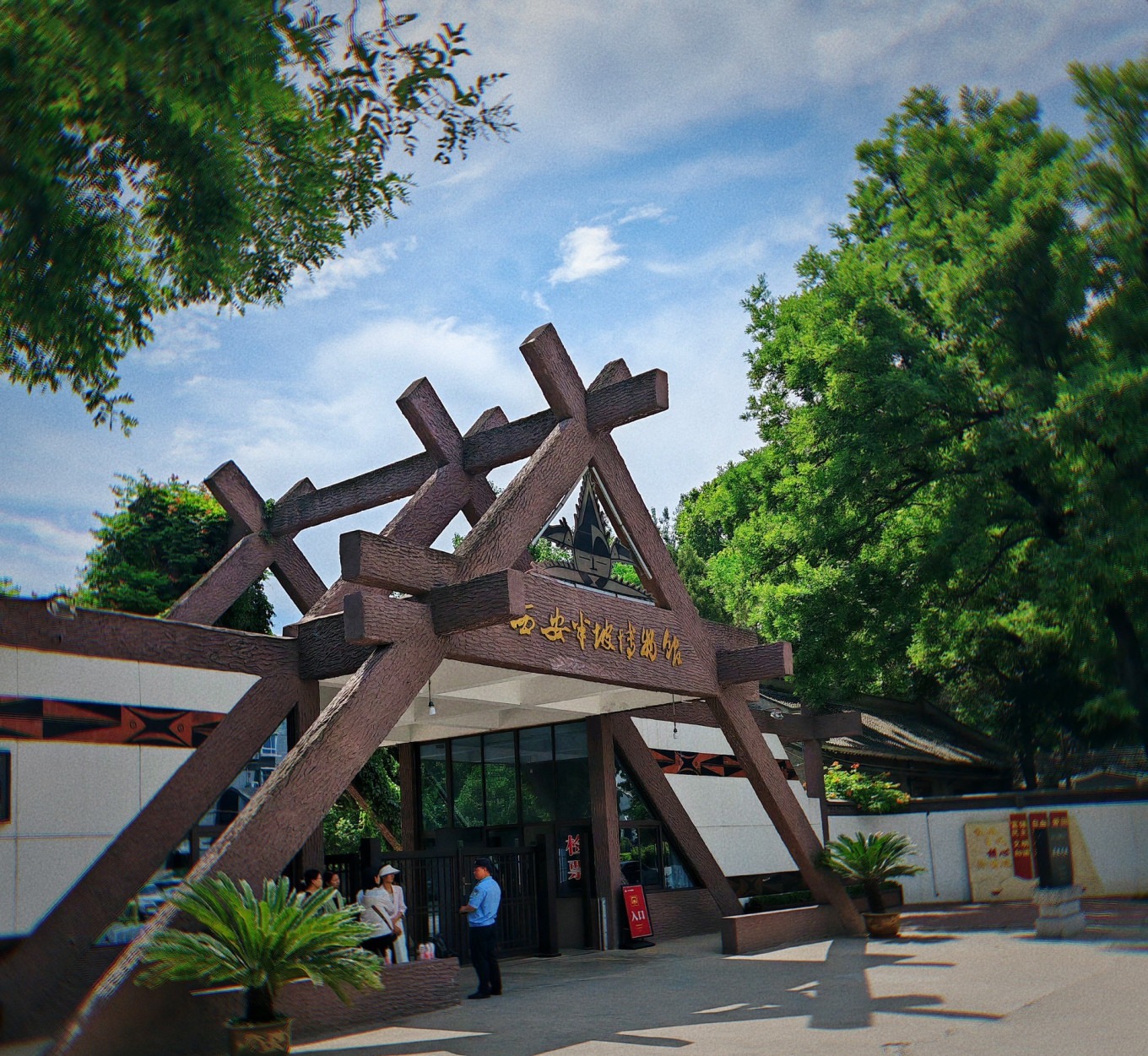
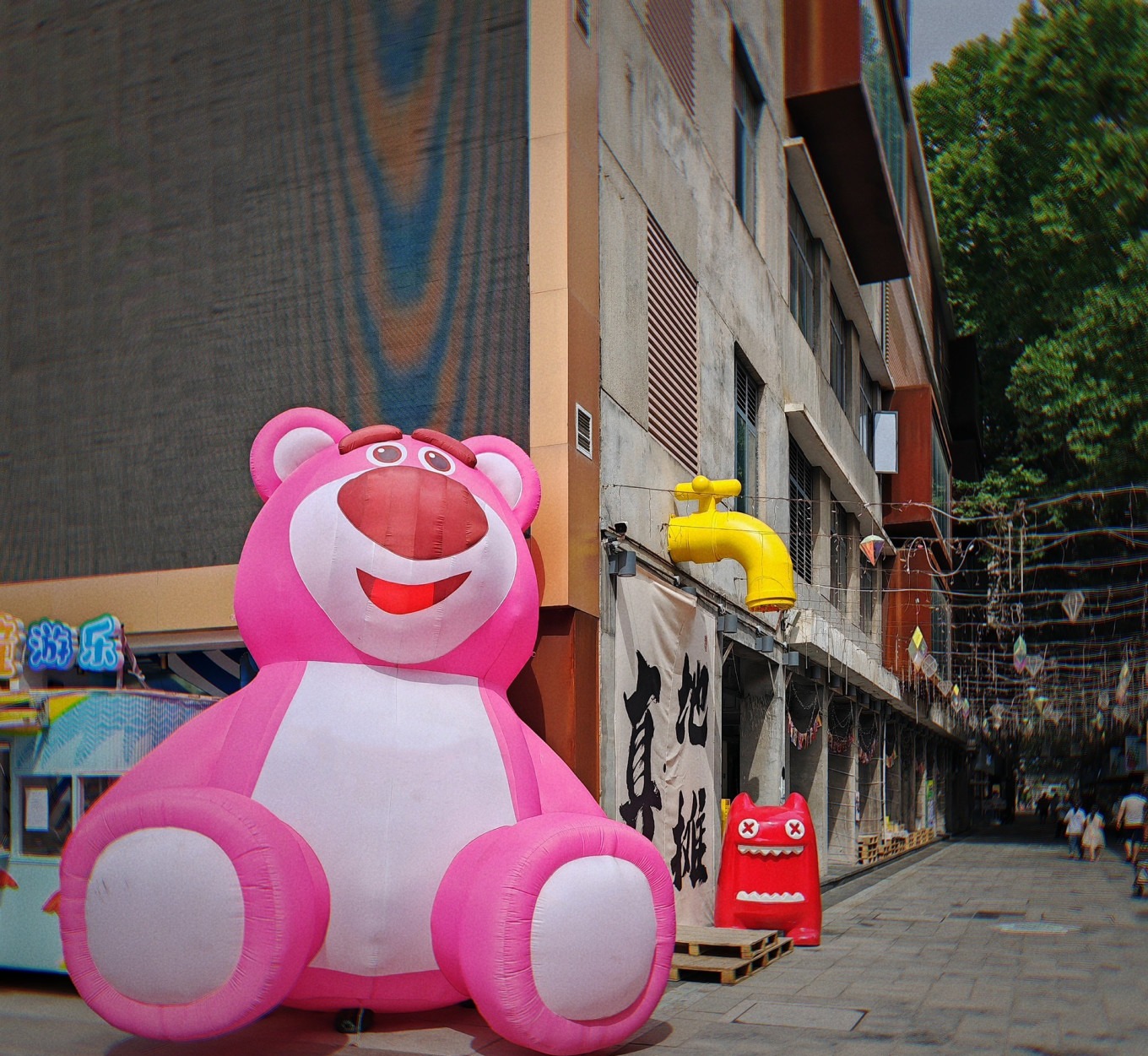
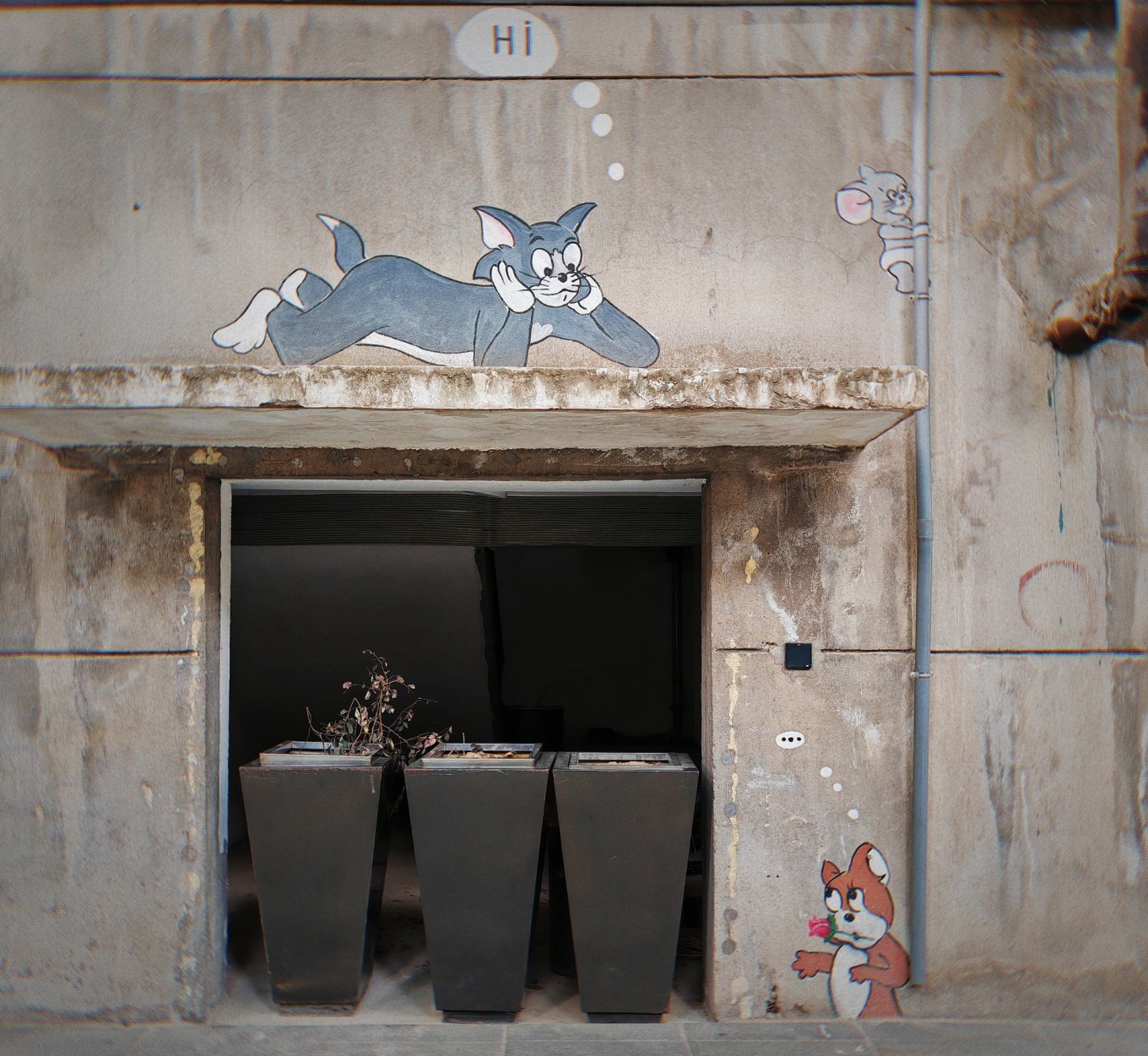
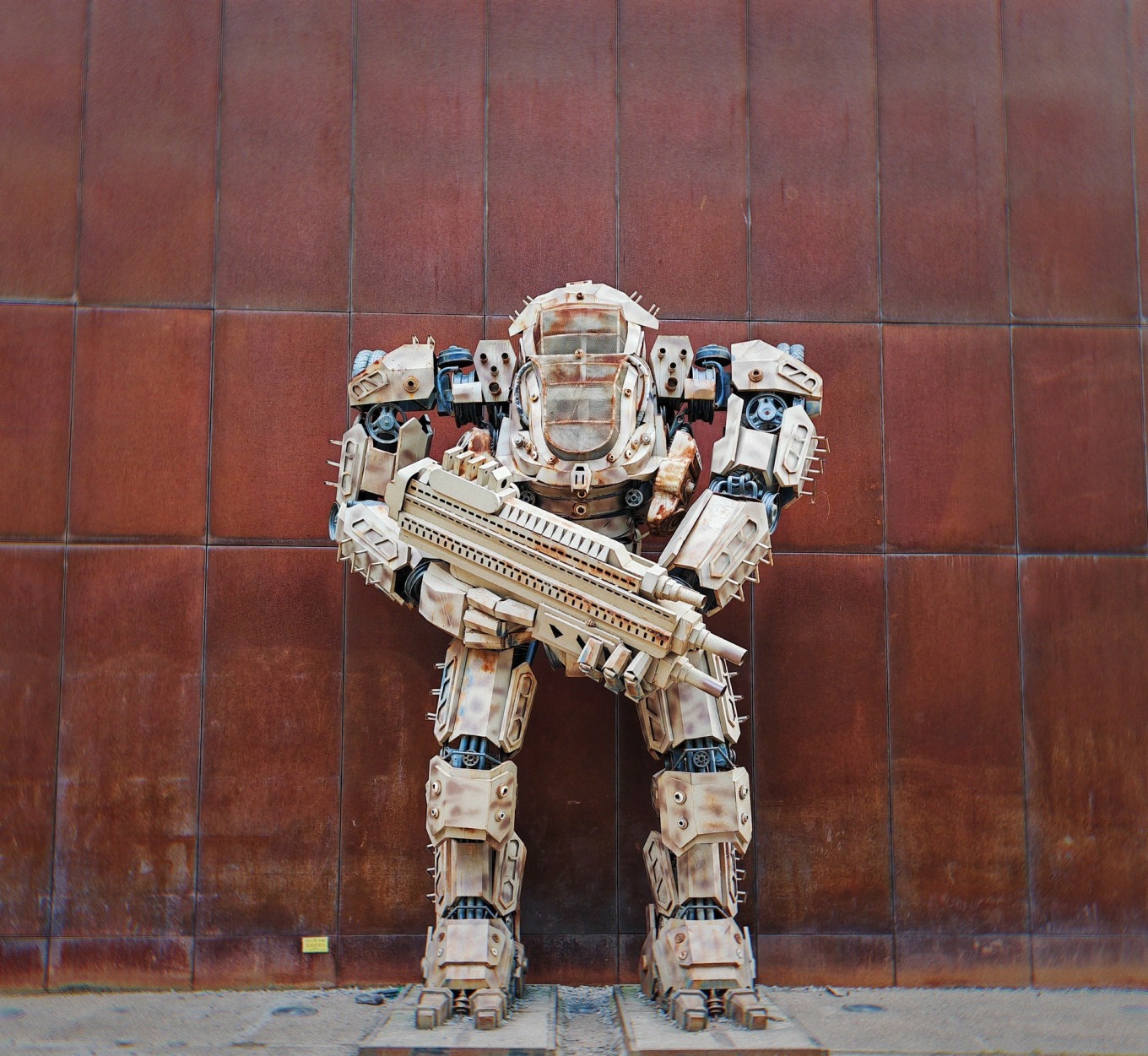
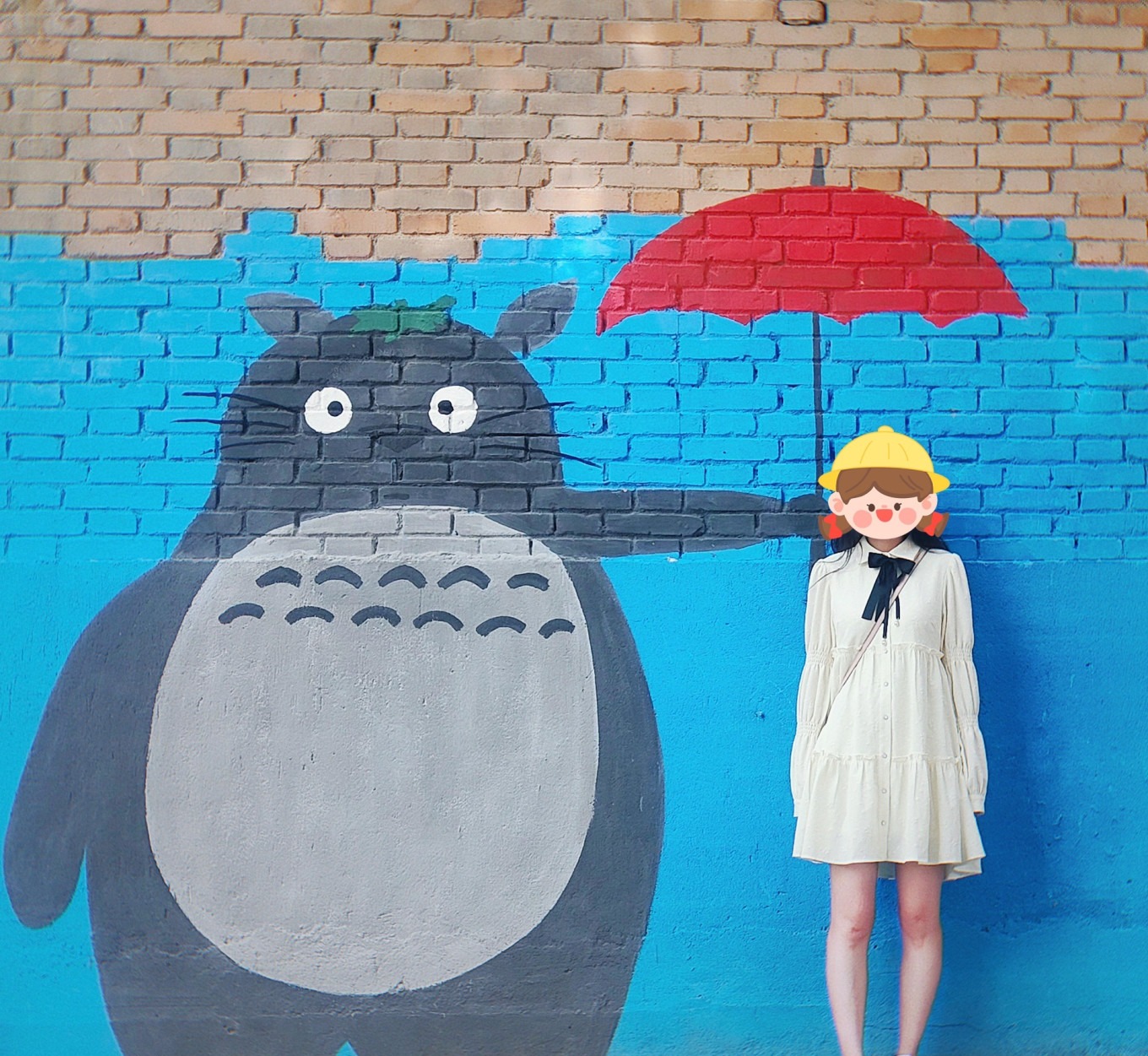
Day 5 takes you on a fascinating journey from prehistoric times to contemporary creativity, all in the Banpo area. Start at the Banpo International Art District (半坡国际艺术区), a free open-air gallery that blends industrial relics with street art. It’s a quick 1-hour stop, and if you’re heading to the Banpo Museum anyway, it’s conveniently located along the way. However, don’t go out of your way just for this – the art installations are limited. The adjacent Locomotive Park (机车公园) is also worth a peek if you’re into train-themed photo ops.
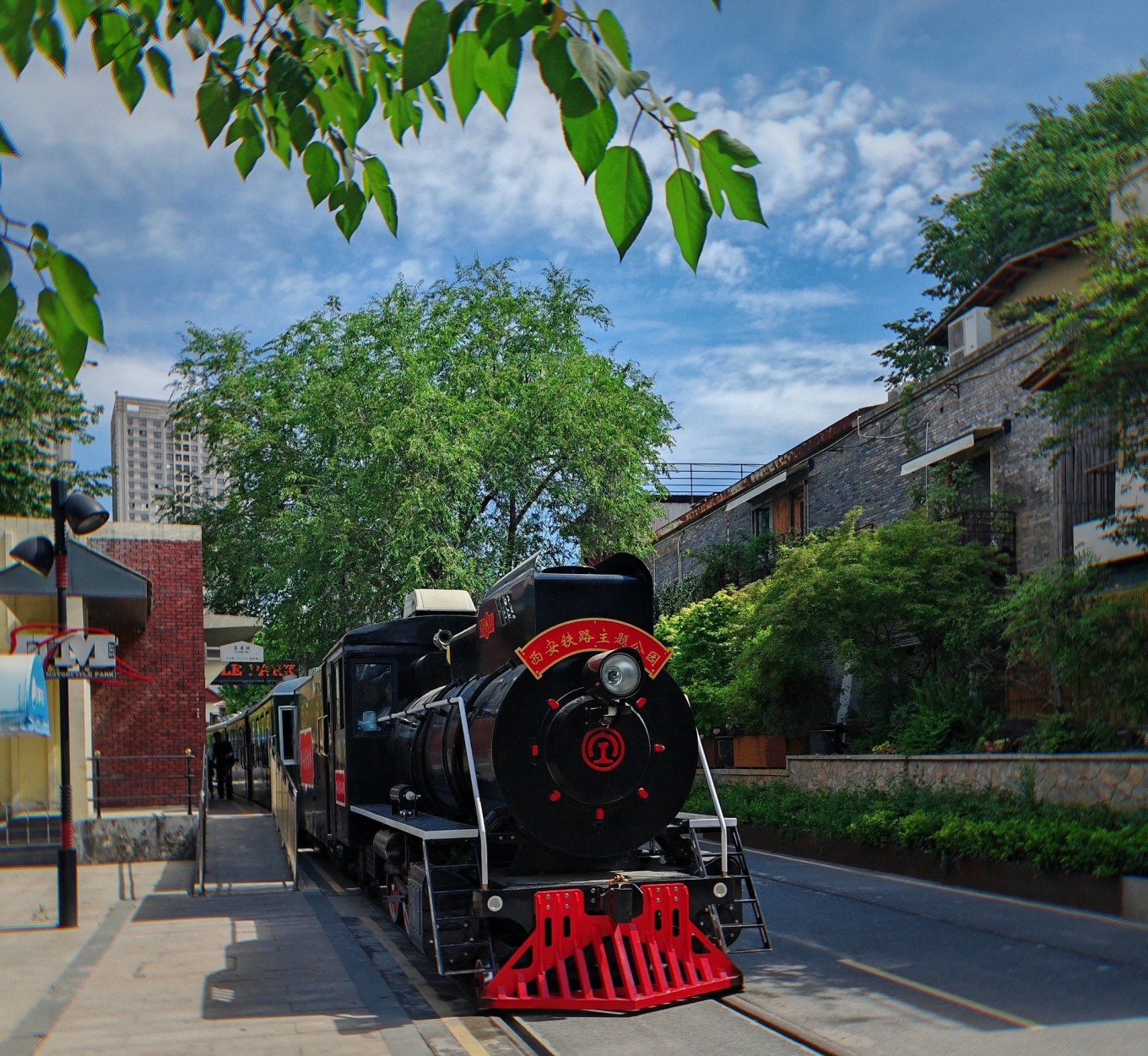
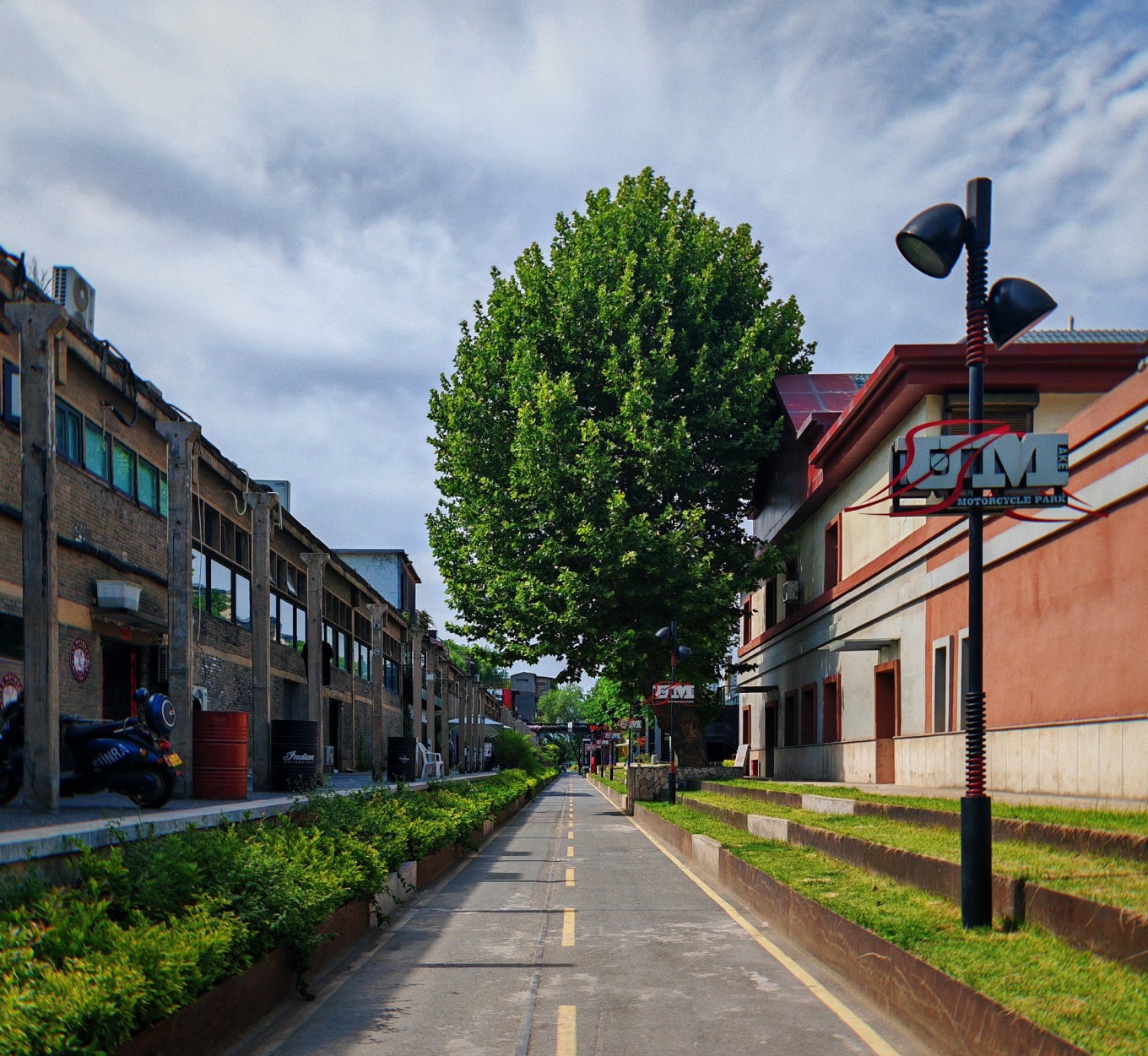
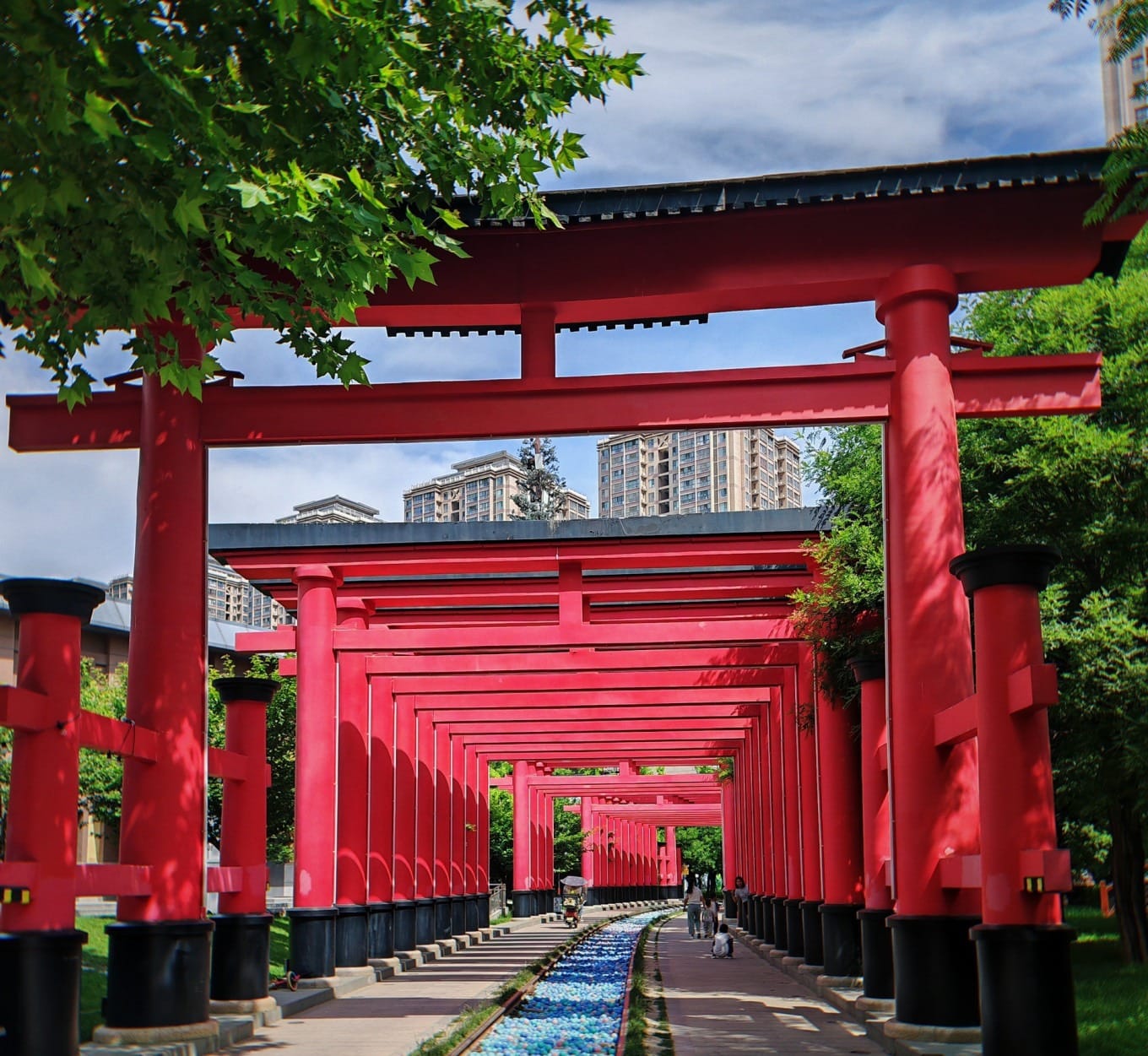
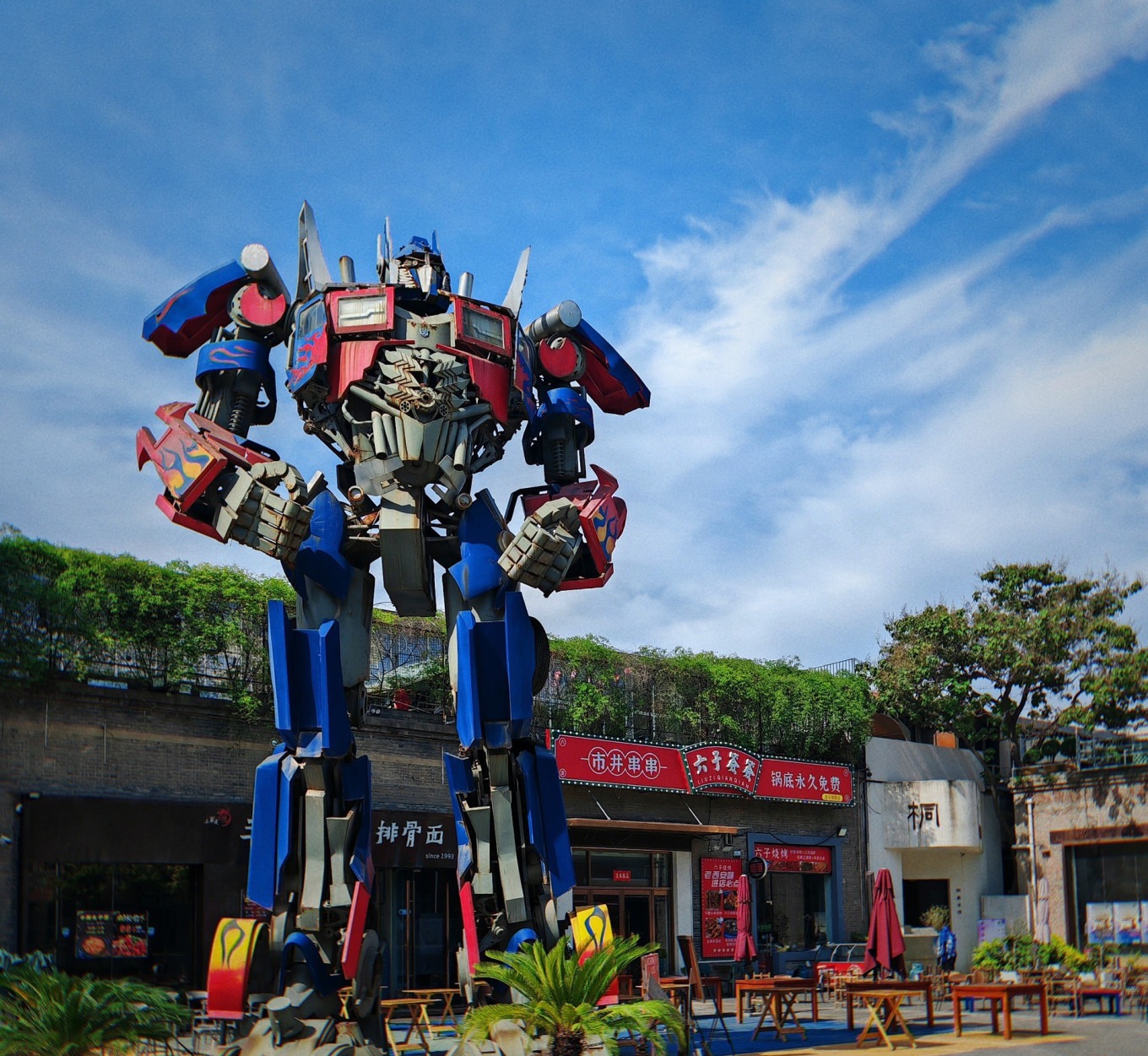
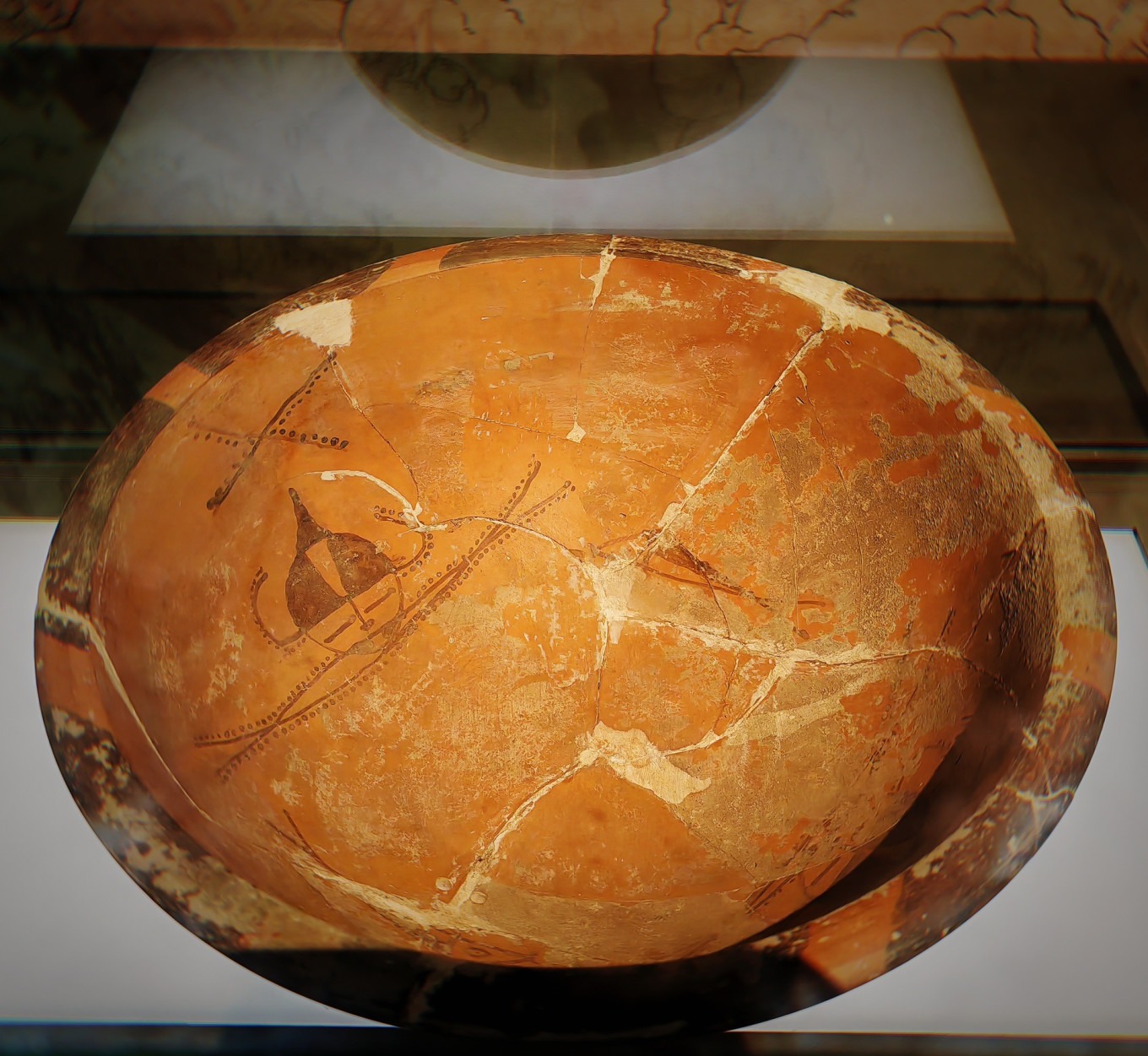
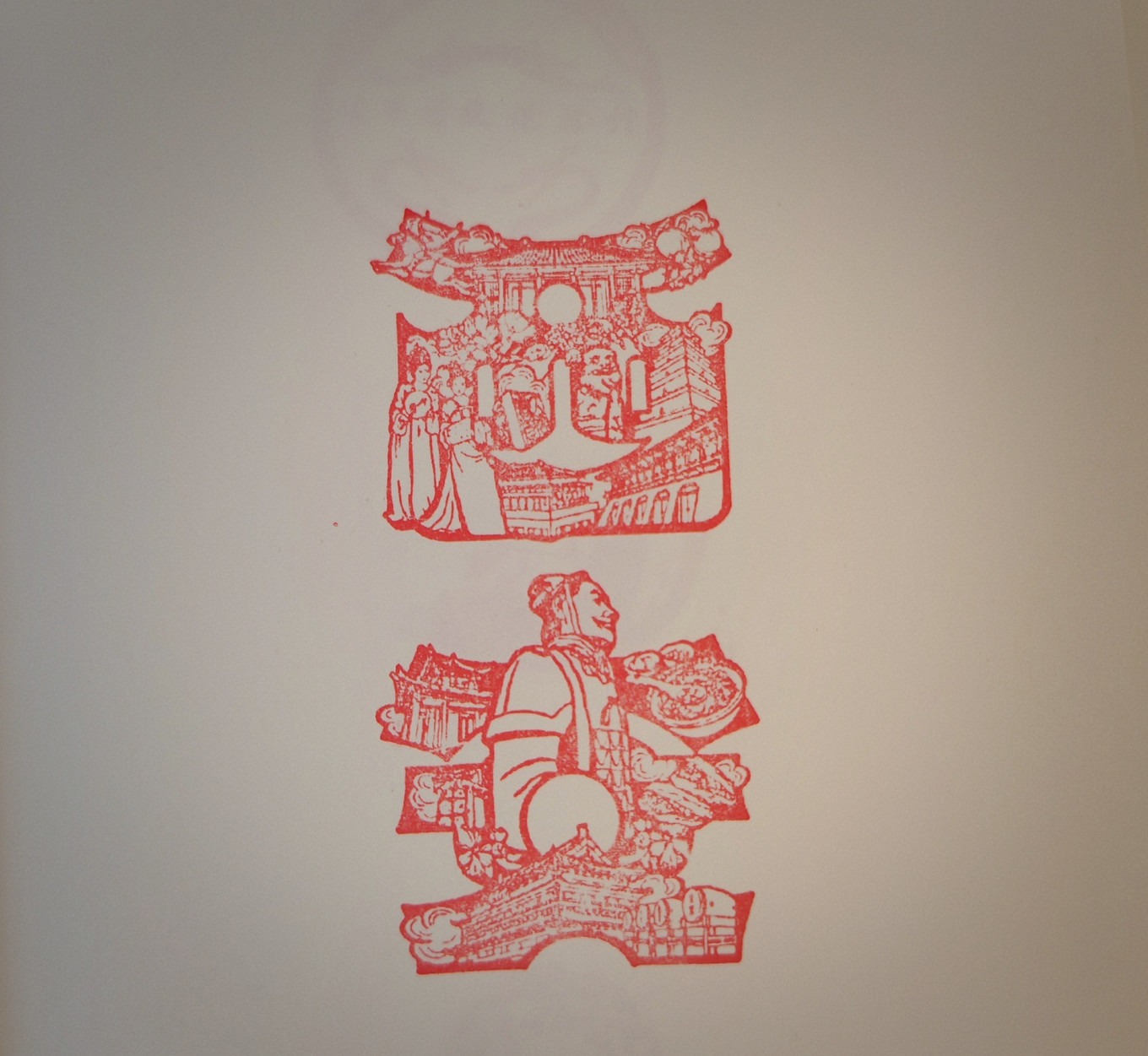
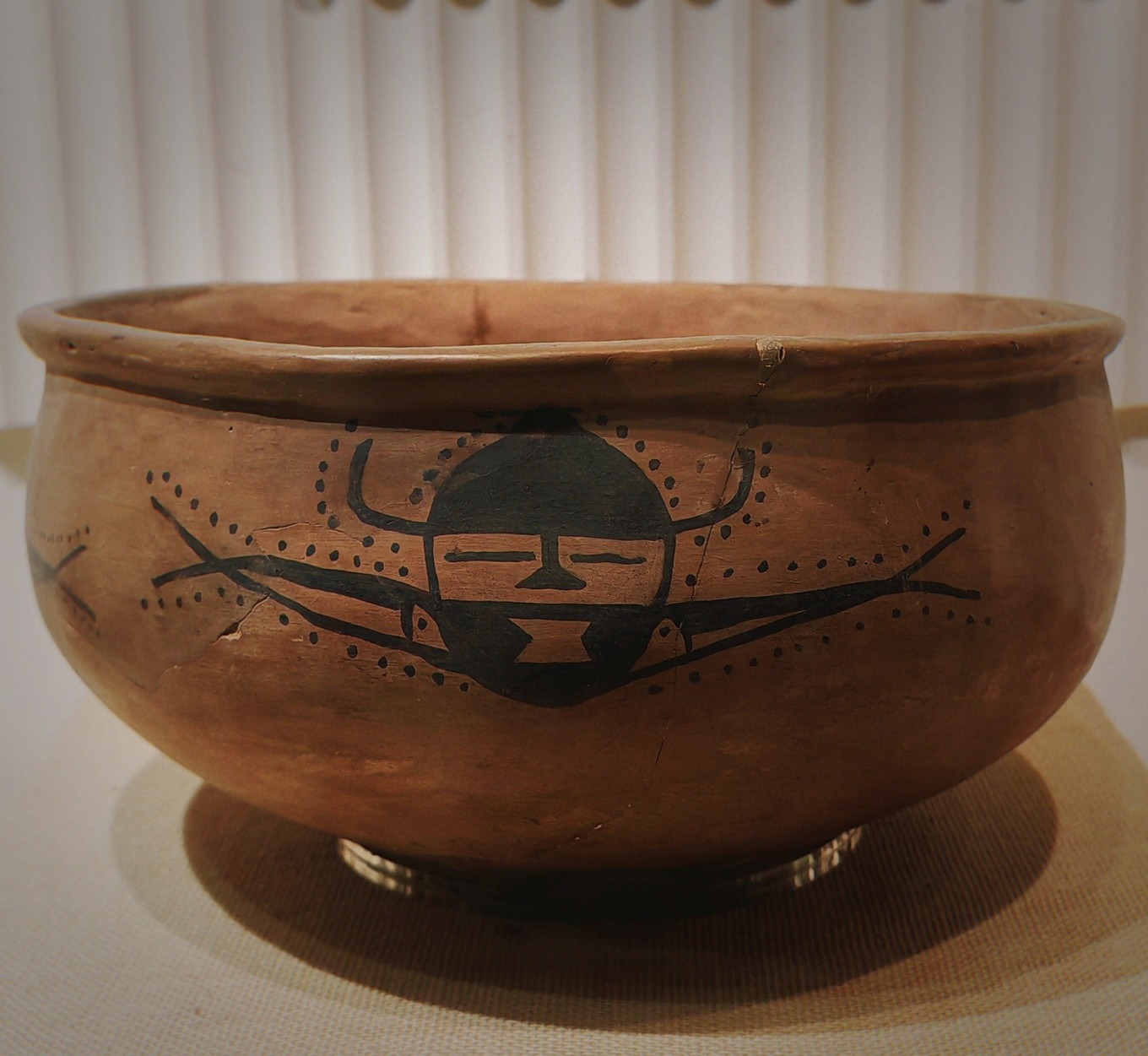
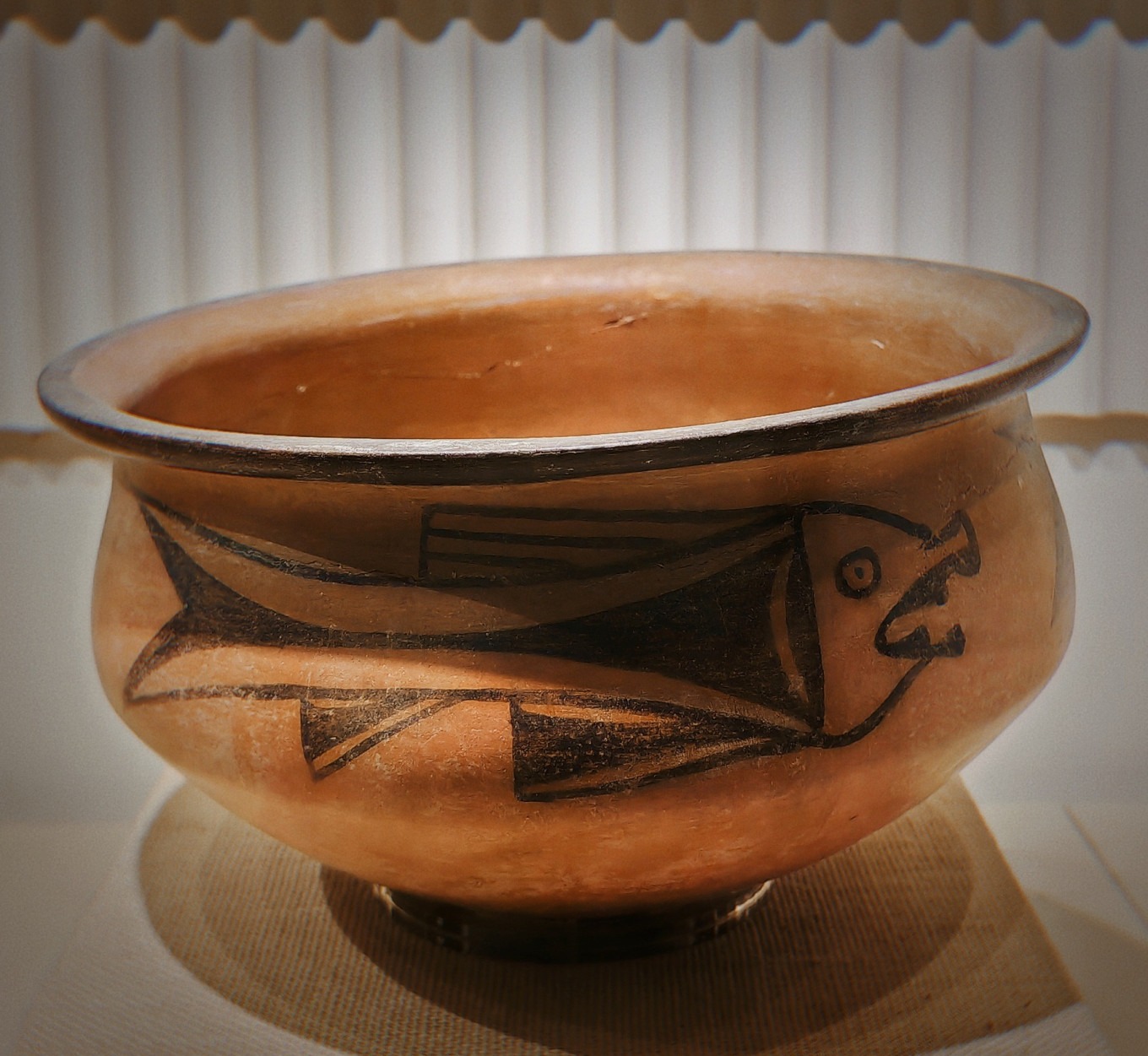
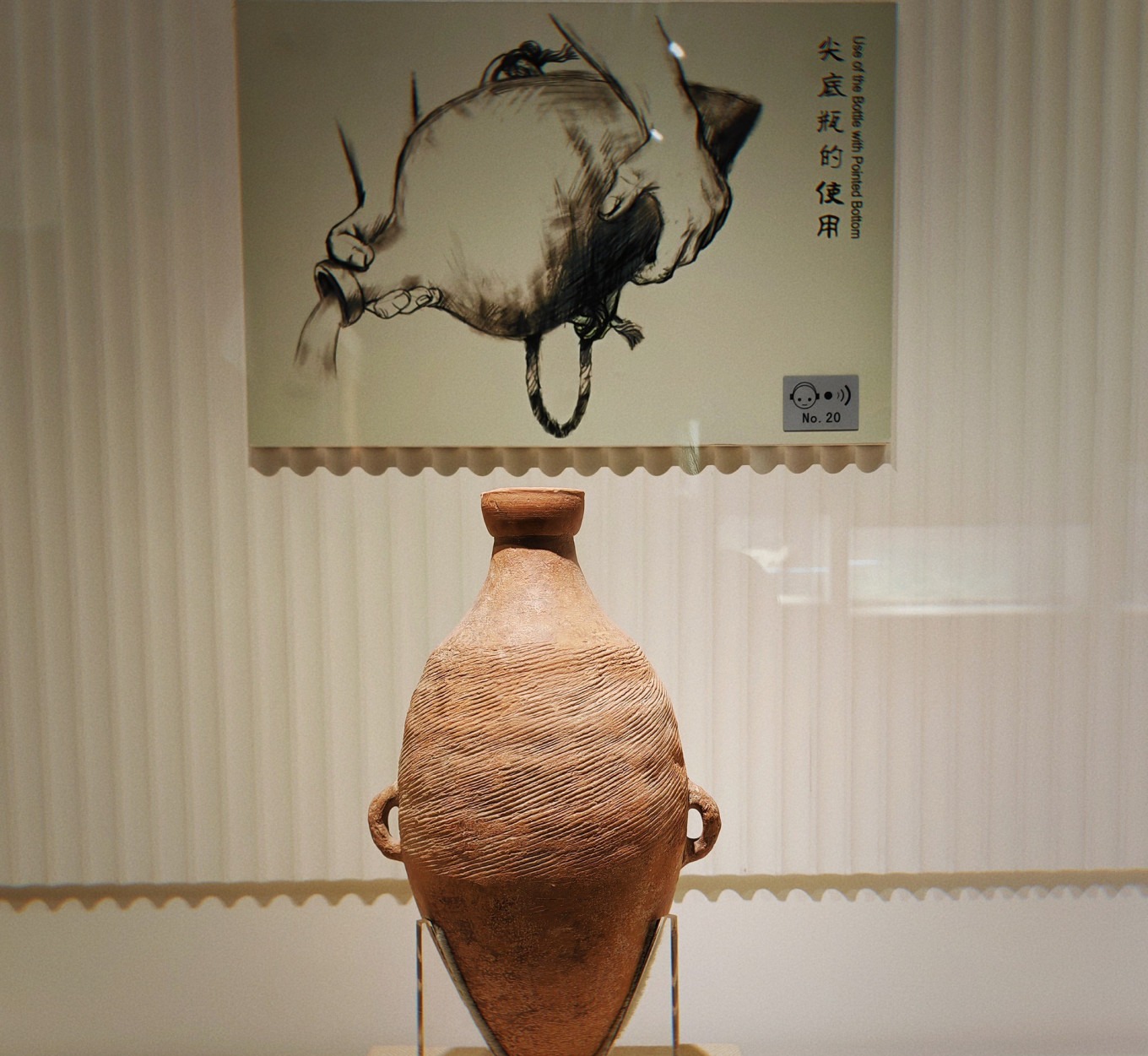
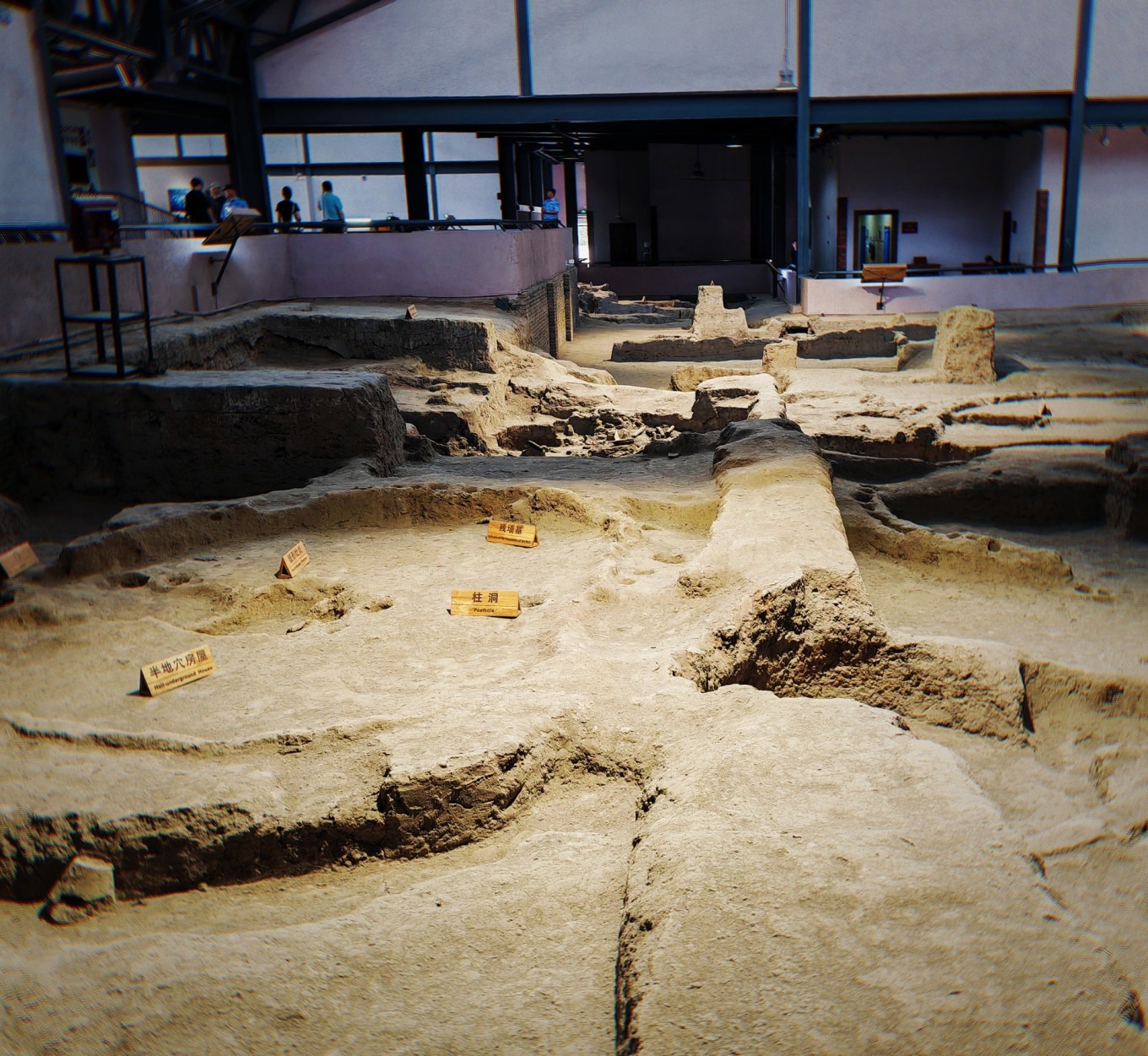
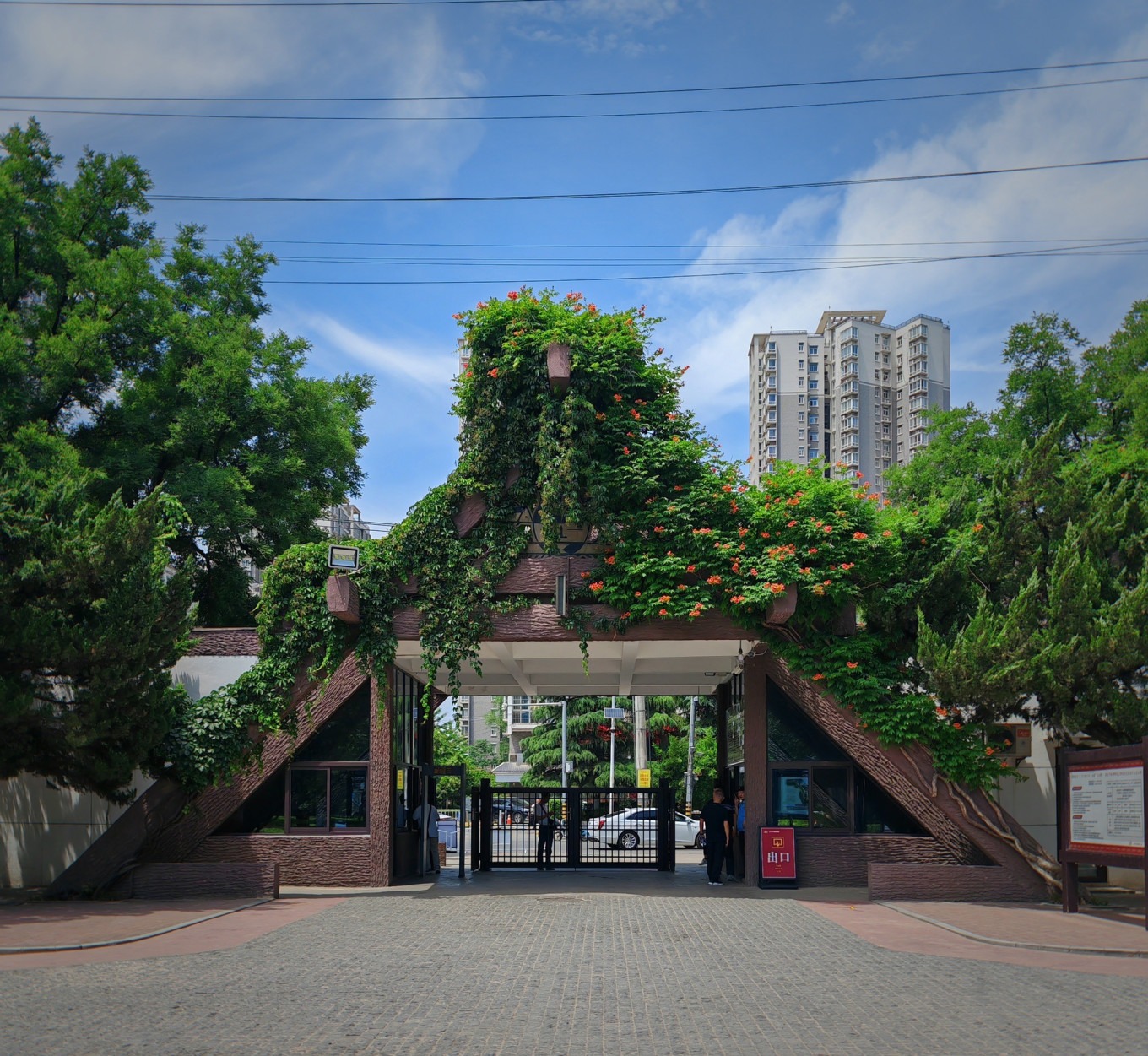
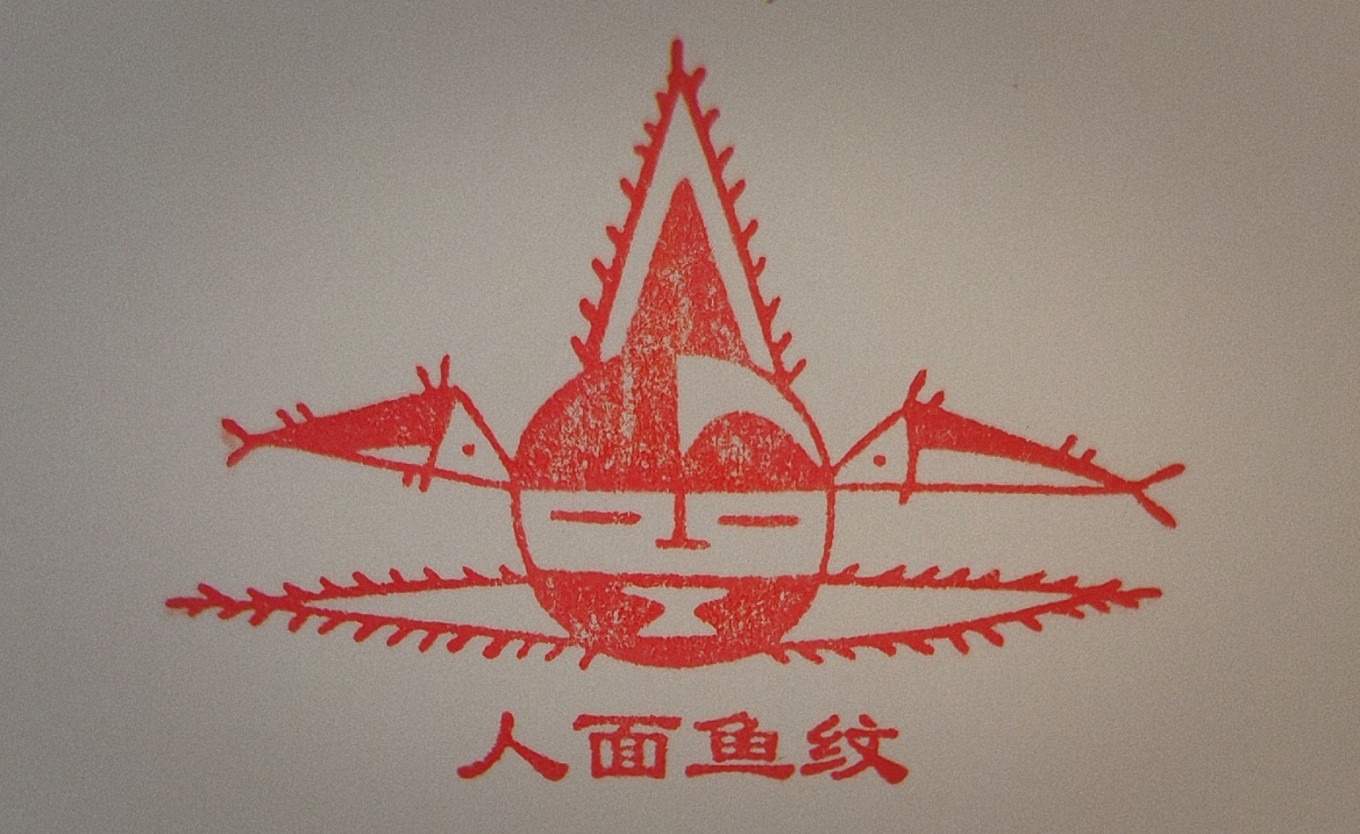
Next, walk to the Banpo Museum (半坡博物馆), which sits right on the actual Banpo archaeological site. Admission is 50 RMB, and you can easily book tickets on Meituan (美团) even on regular days. The museum is a must for history buffs: you’ll see the remains of a 6,000-year-old Neolithic village, including house foundations, pottery kilns, and burial pits. The highlight is the collection of painted pottery, especially the famous human-face fish-motif designs. Don’t miss the souvenir shop – the human-face fish-motif stamp (人面鱼纹印章) is surprisingly well-made and makes a great keepsake. Allow about 2 hours to explore thoroughly.
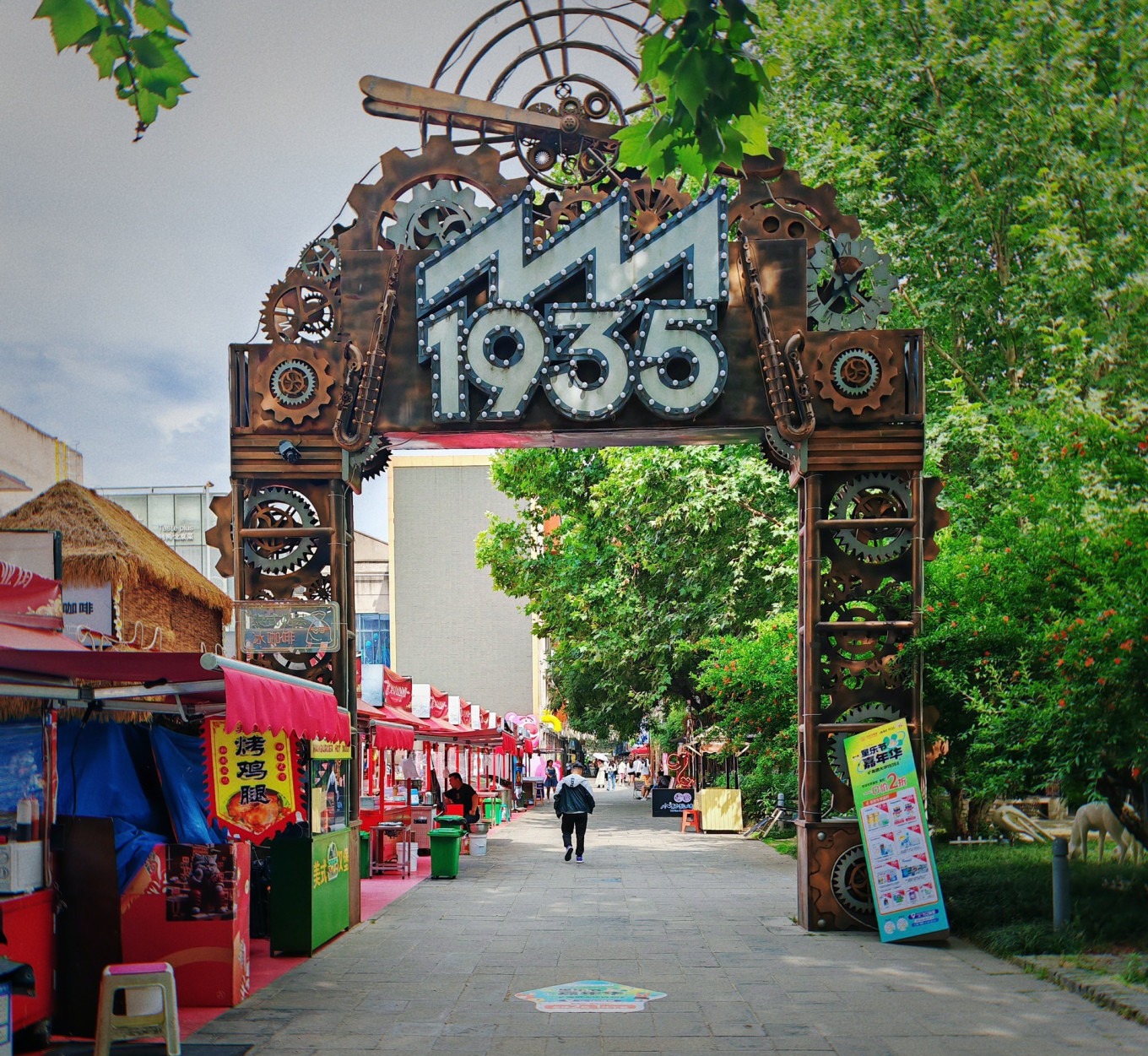
If you have extra time before your train, head to Da Hua 1935 (大华1935), a creative industrial park converted from an old textile mill. It’s free and just a short metro ride away. Spend about 30 minutes strolling through the red-brick buildings, snapping photos of the street art and vintage machinery. It’s a pleasant spot to relax and capture some urban chic shots.
Xi’an Food Guide
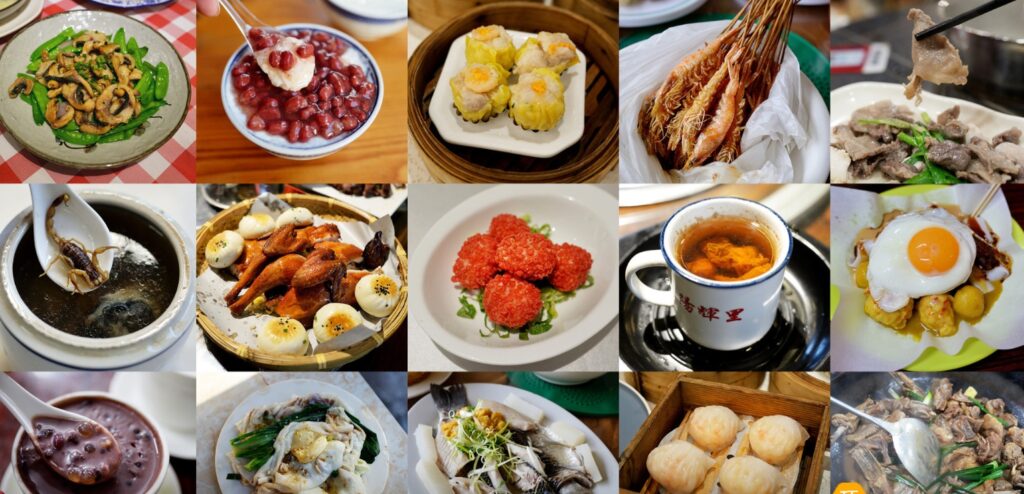
When exploring Xi’an’s food scene, you’ll want to hit the most authentic neighborhoods. Start with Sajinqiao (洒金桥), a street packed with local favorites that consistently deliver great flavors. Here are some must-try spots that won’t disappoint: Laoma Jiaxiang Beef Pie (老马家香酥牛肉饼), Liu Ming Persimmon Paste Cake (刘明柿子糊塌), Liu Xin Lamb Paomo & Stir-fried Paomo (刘信牛羊肉泡馍小炒), and Jia Jia Sweet Shop (贾家甜食). Each offers a distinct taste of Xi’an’s culinary heritage.
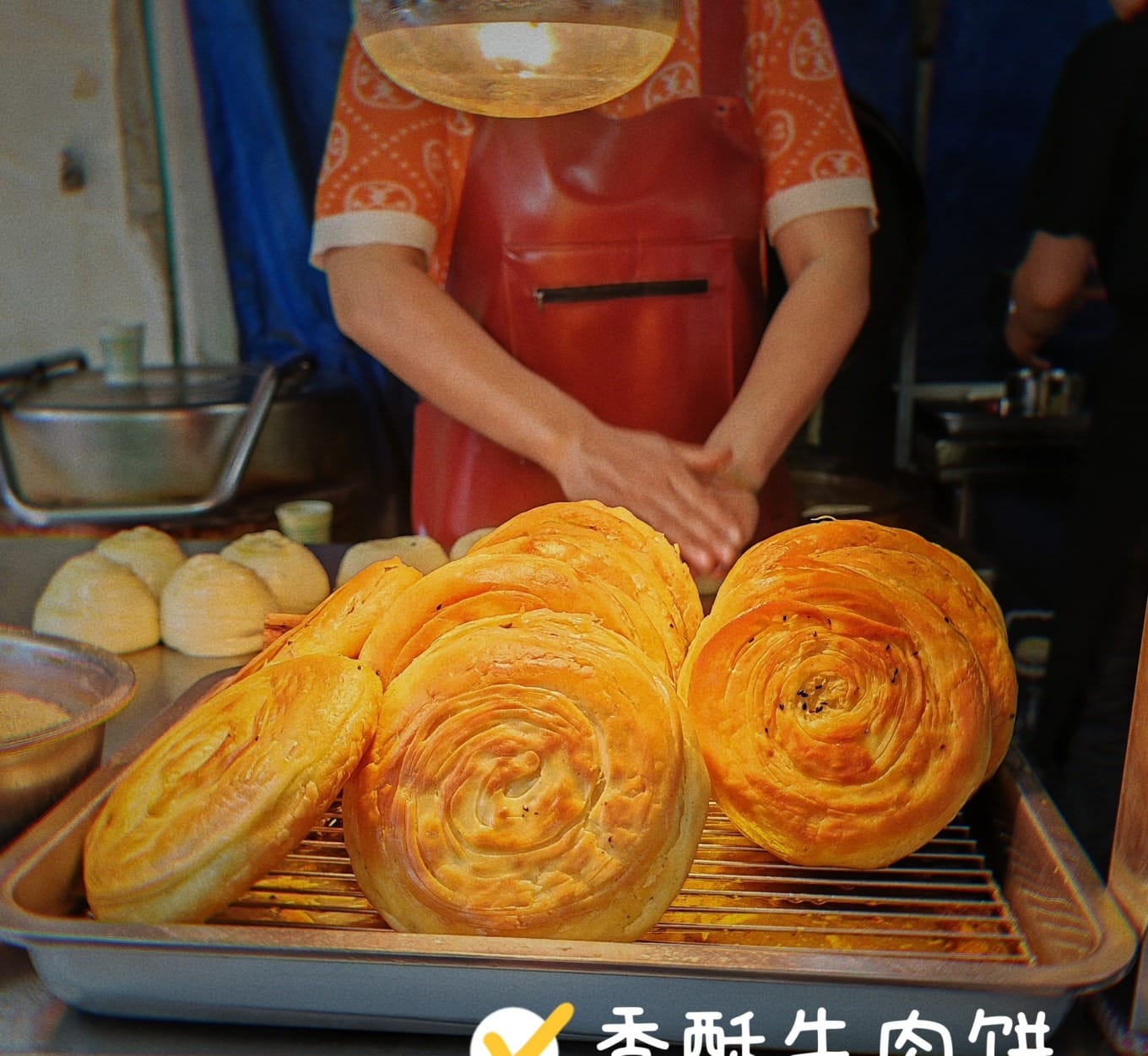
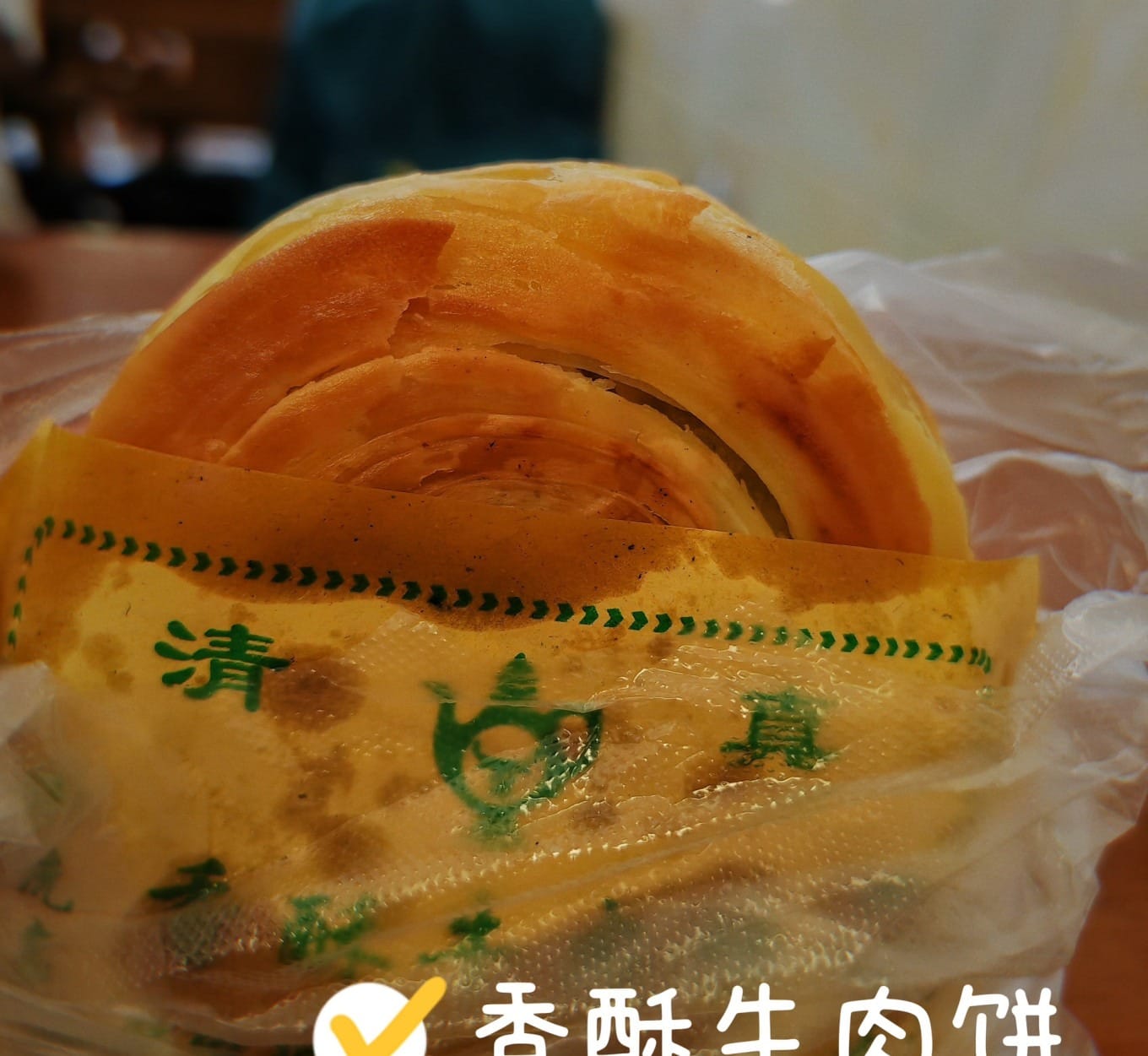
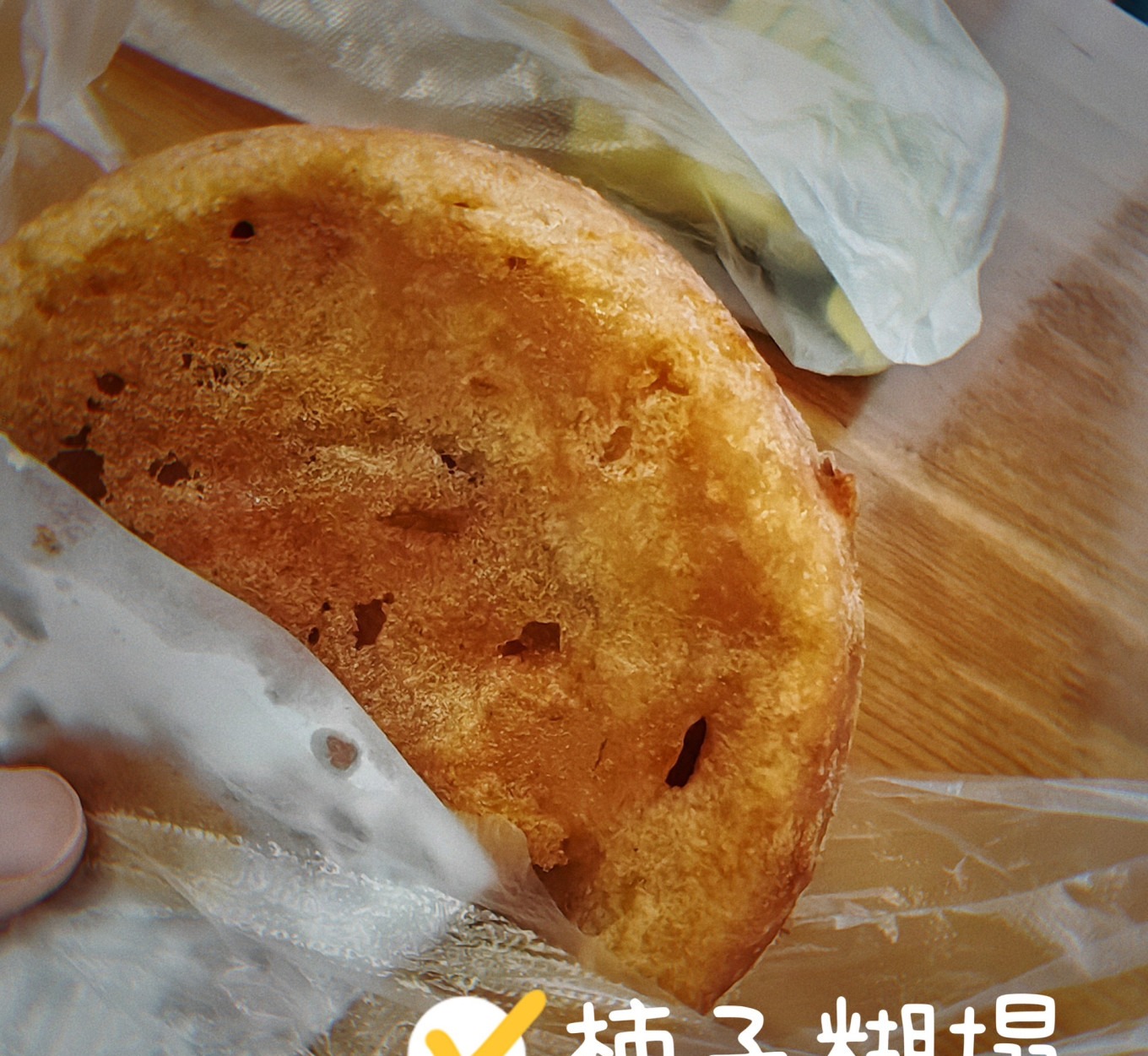
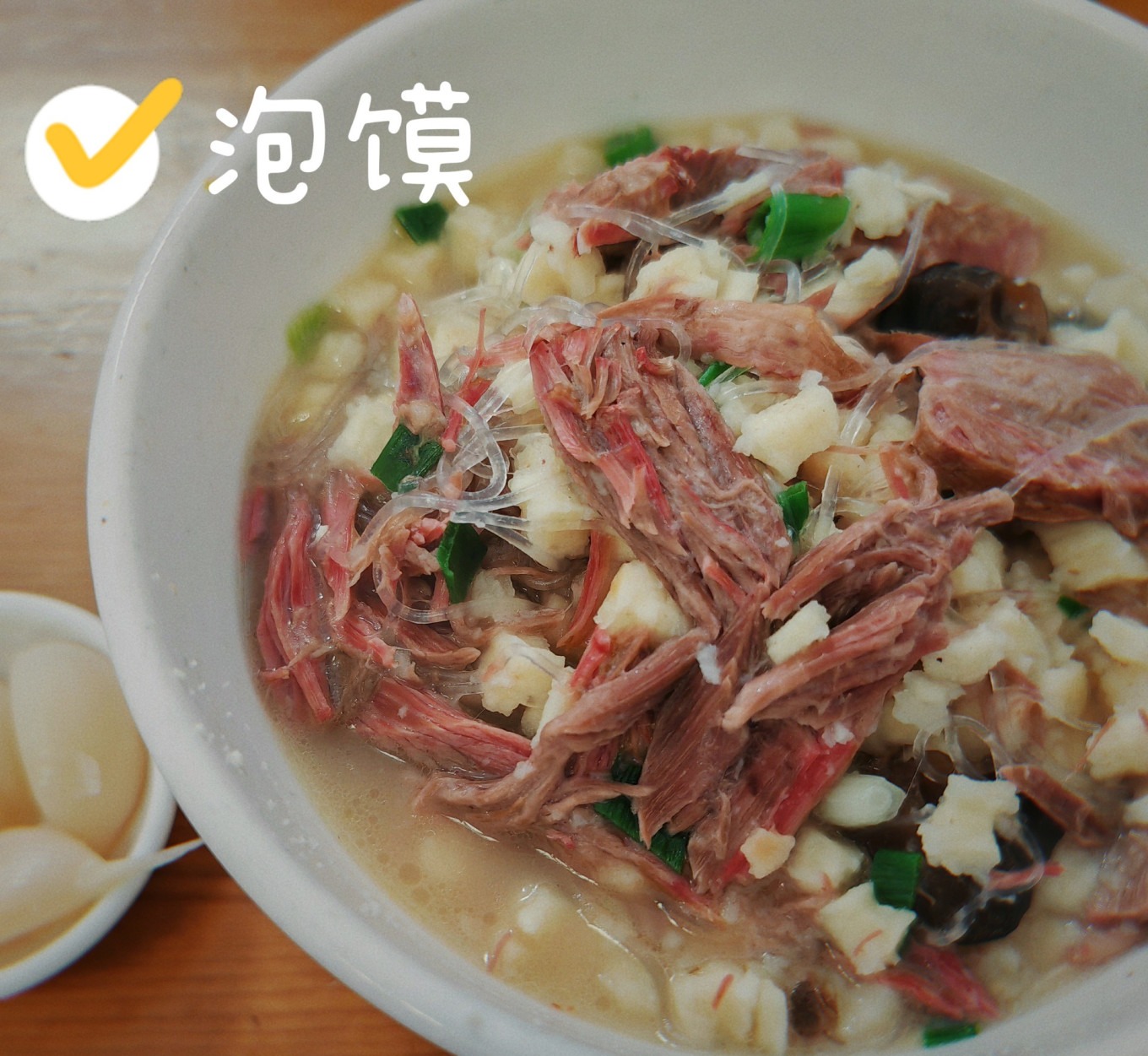
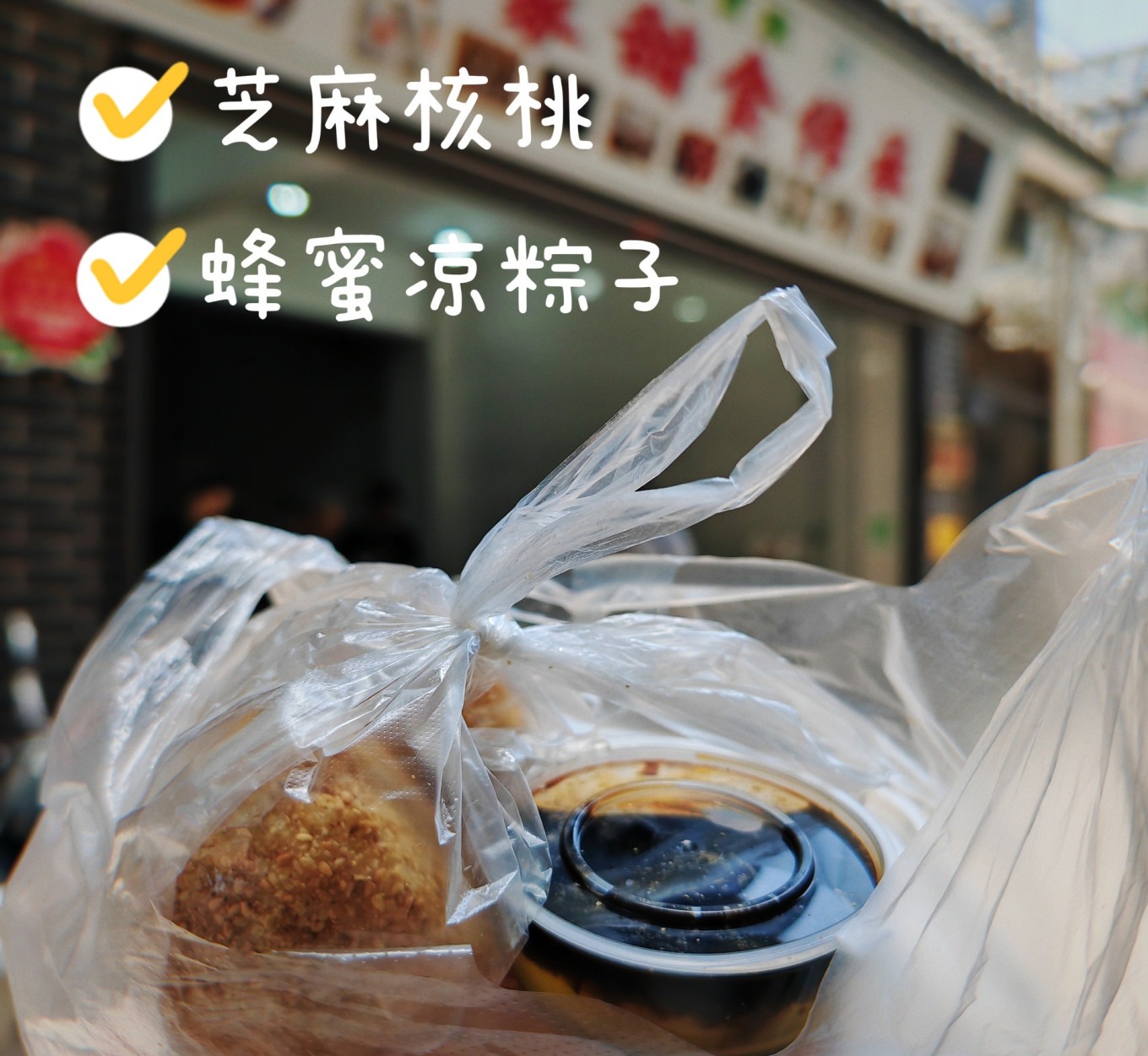
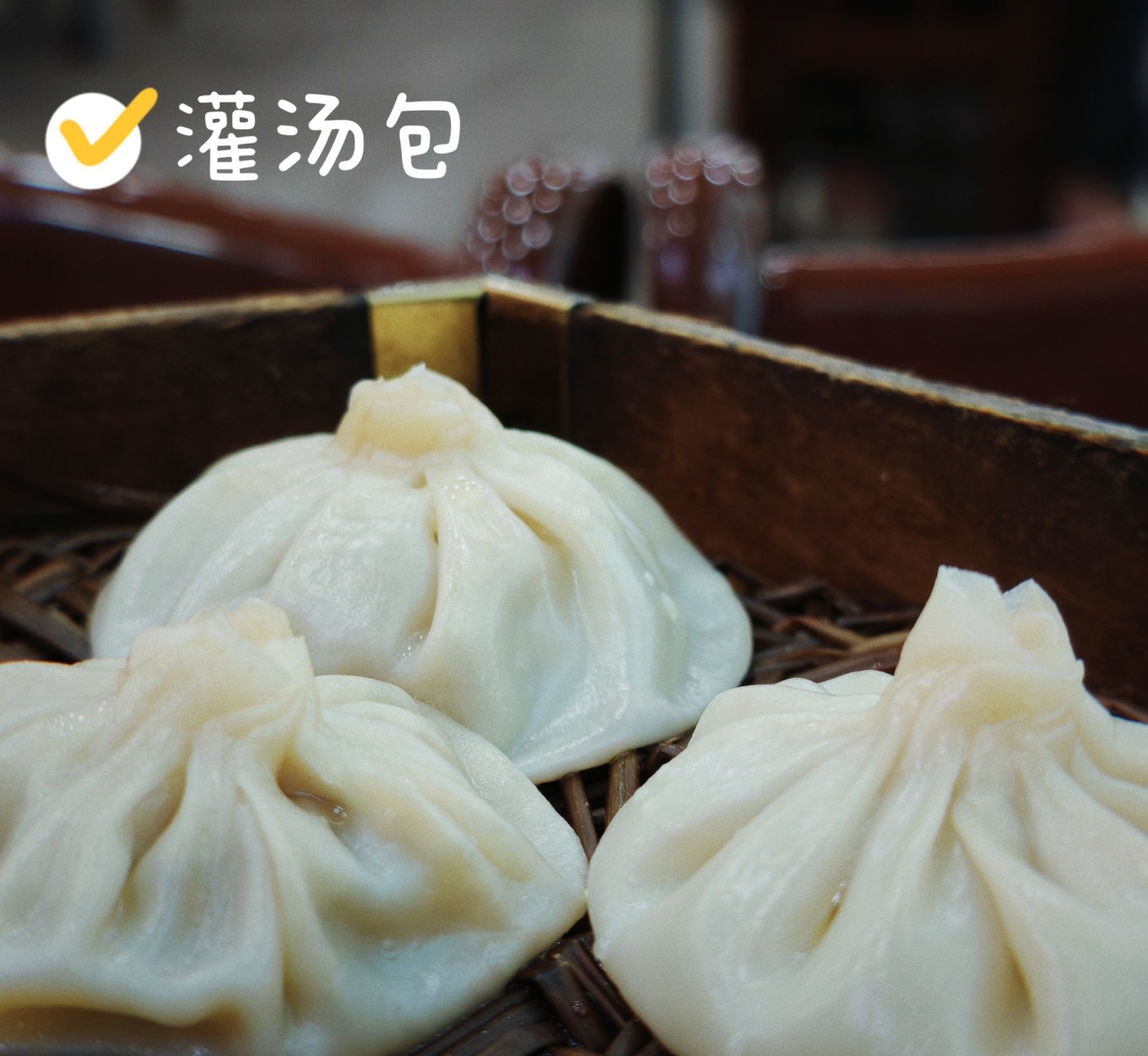
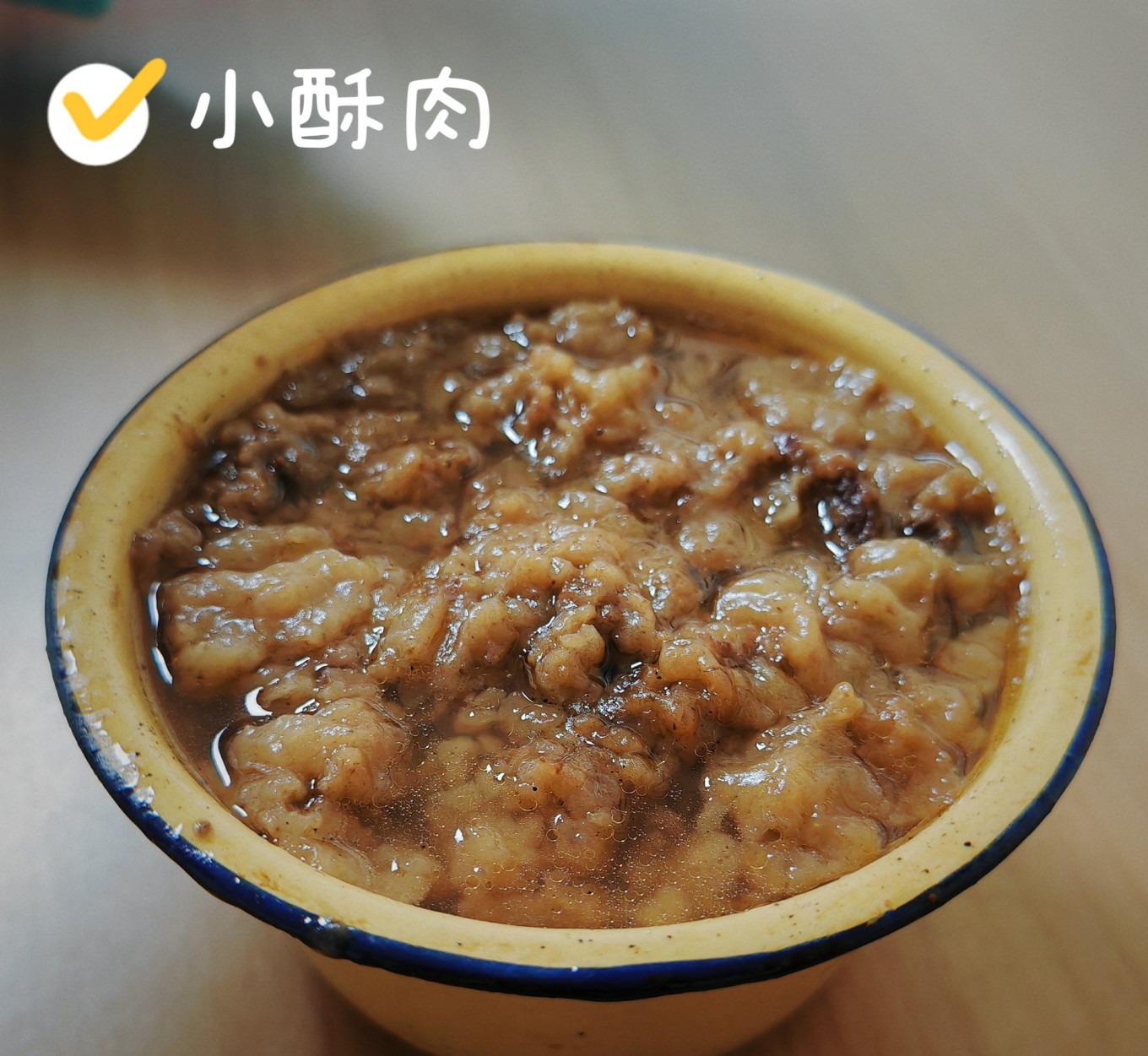
Next, head to Huimin Street (回民街), where you’ll find juicy soup dumplings (灌汤包) that are delicious but can get rich after a few bites – bring a refreshing drink or fruit to balance the flavor. The crispy fried pork (小酥肉) here is generously portioned with real meat, though it can be a bit salty.
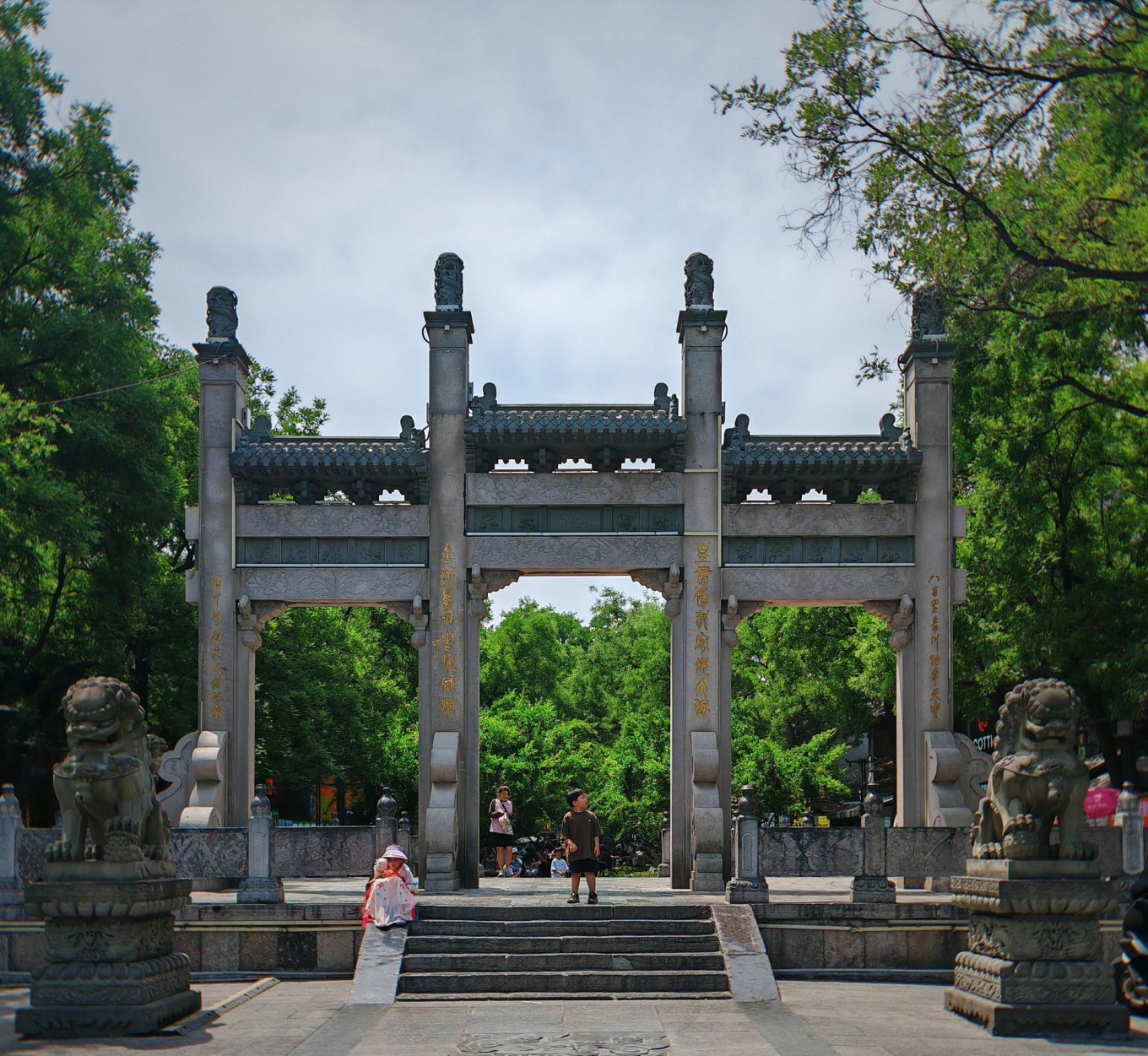
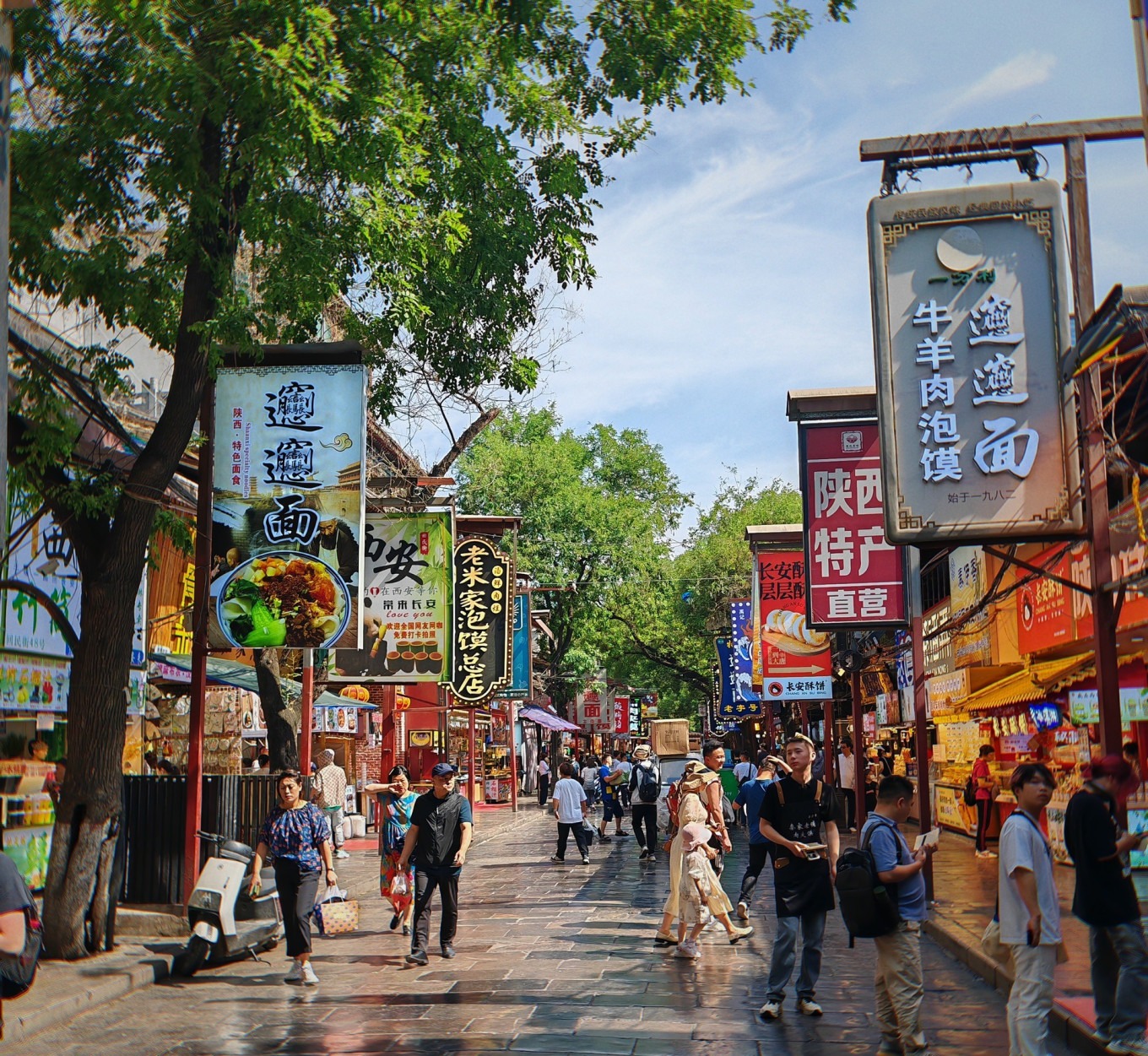
Near the Big Wild Goose Pagoda (大雁塔), head to Qujiang Dayue City Mall (曲江大悦城) and try Xi’an Grand Food Court (西安大排档). The gourd chicken (葫芦鸡) and tofu dishes are standouts, while other items are average. The bonus: you can enjoy live performances while you eat.
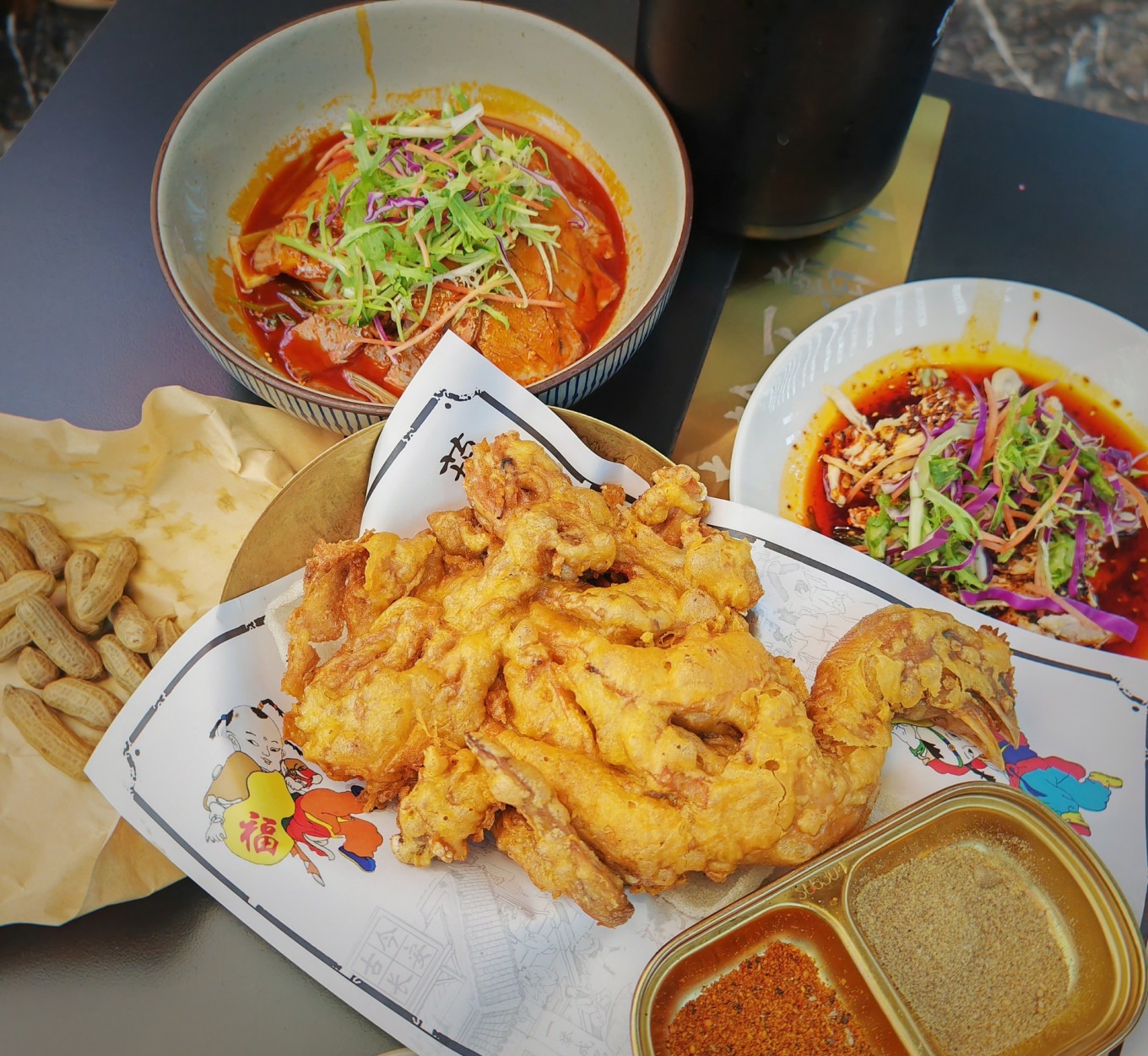
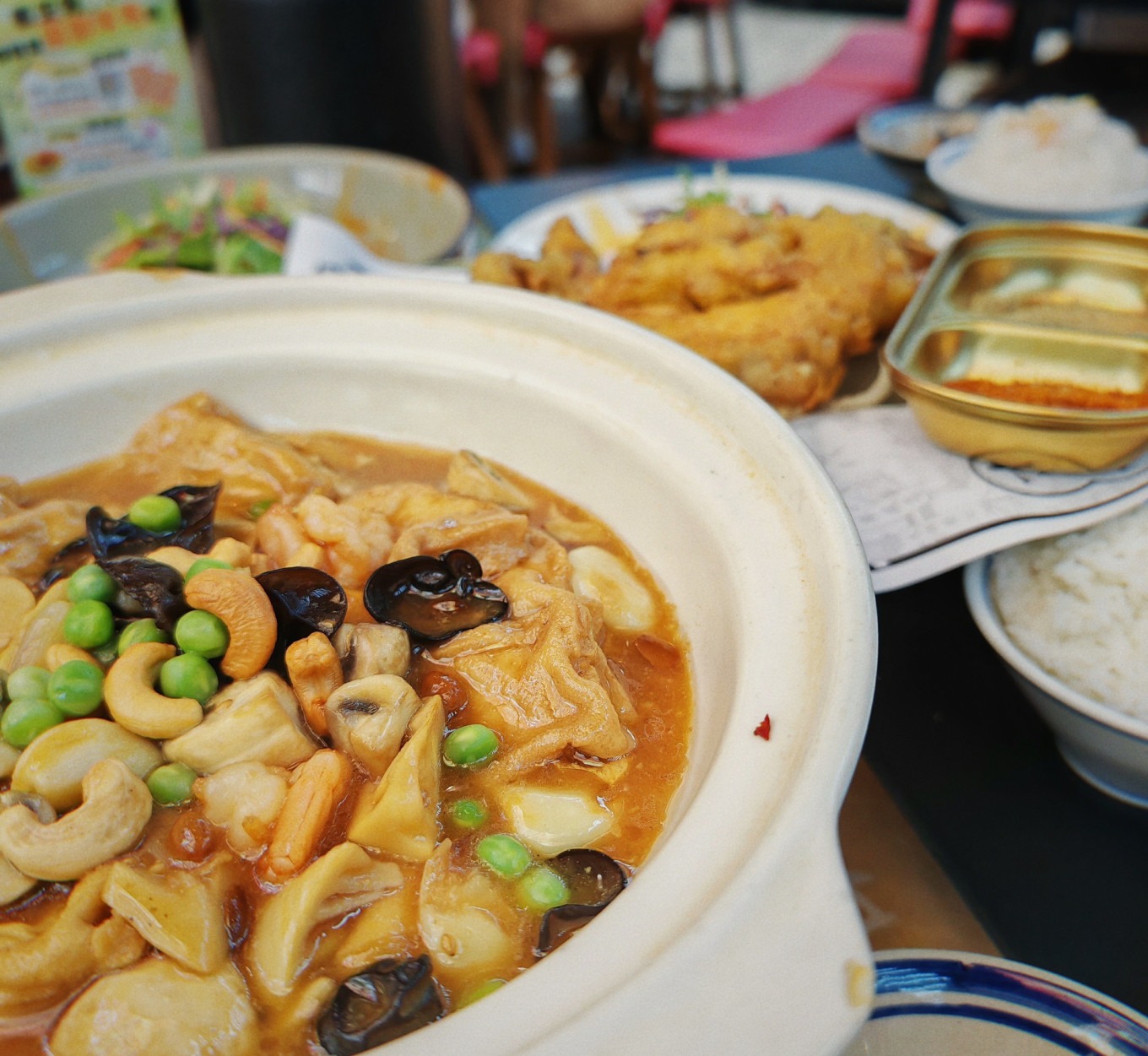
Around the Terracotta Warriors and Huaqing Palace, you’ll find convenient dining options. Near the Terracotta Warriors (兵马俑), the exit leads directly to a snack street with both local specialties and fast food. The roujiamo (肉夹馍) and noodles (面) at one stall are particularly good.
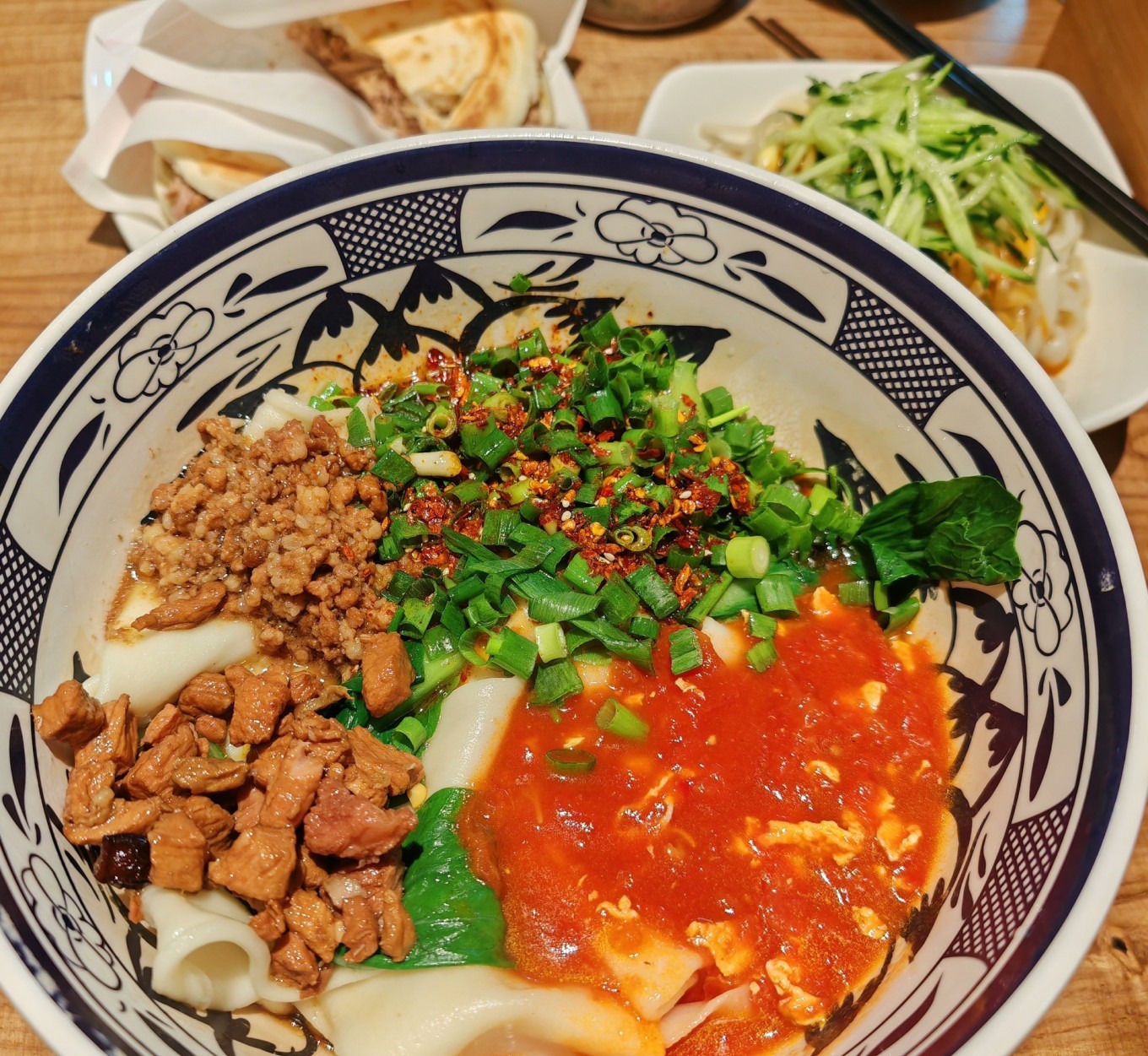
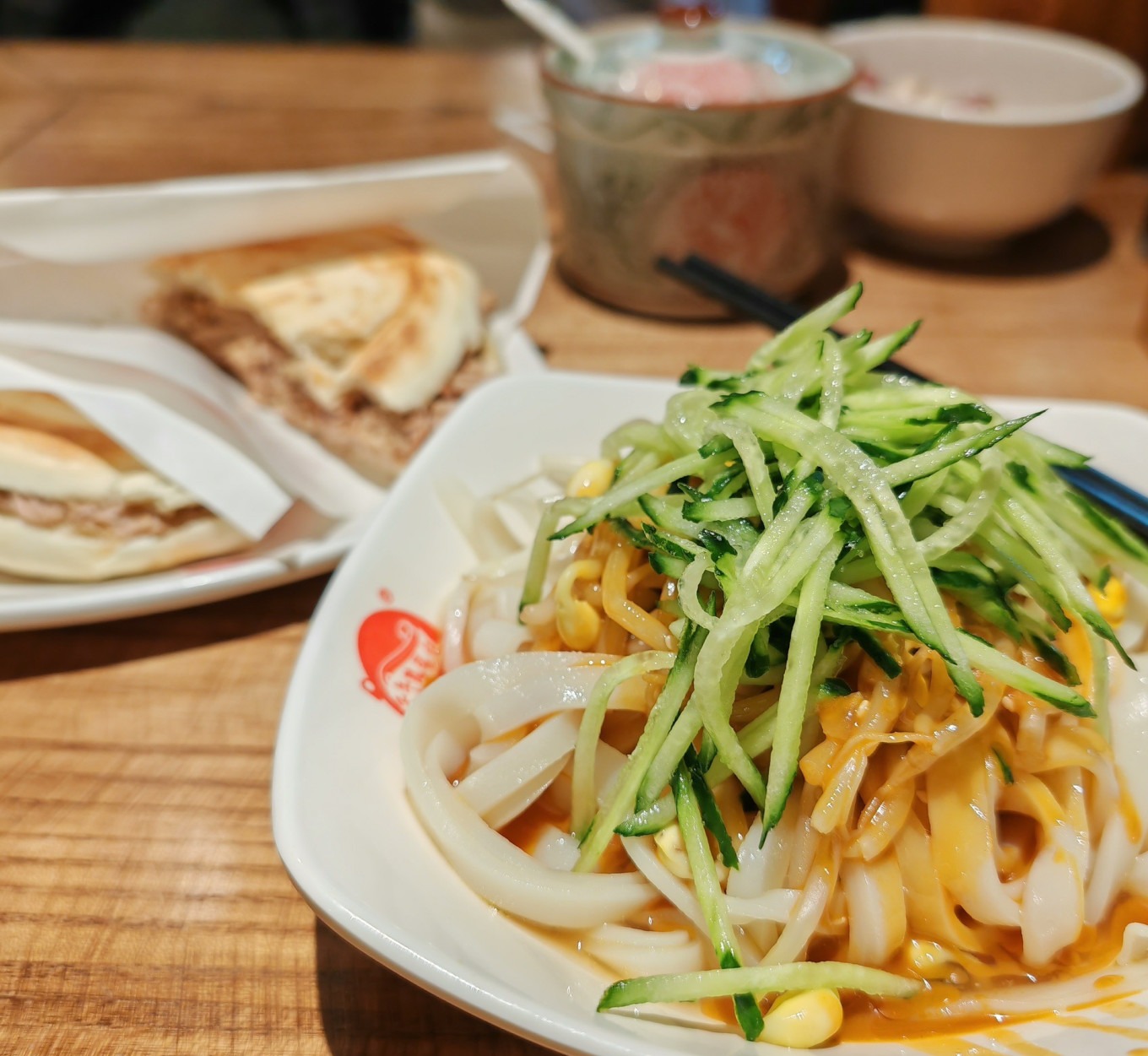
Near Huaqing Palace (华清宫), the subway station exit opens into a commercial area just across the road – perfect for dinner after your visit. Similarly, near the Banpo Museum (半坡博物馆), the subway station area offers a wide variety of eateries, with the nearby Li Mountain (骊山) providing a pleasant setting.
Common Traveler Questions
Is five days too long for Xi’an?
No. Five days is a comfortable pace if you want the Terracotta Warriors, museums, pagodas, City Wall, food, Banpo, and less backtracking across the city.
What does no-backtracking mean in this itinerary?
It means grouping each day by geography and transport logic, so you avoid crossing the city several times for sites that could have been visited together.
Can I shorten this itinerary to four days?
Yes. Remove the least important deeper cultural or Banpo-focused day, then keep the warriors, City Wall, pagoda area, food, and one museum day.
Guide Navigation
Enjoyed this article? Consider buying me a coffee to support more content like this!
💖 0 people have clicked to support this article.