Chongqing Mountain City Guide: 3-Day Route Through 8D Alleyways
A practical, image-rich guide you can actually use.
travel better
On this page
Quick Answer
This 3-day Chongqing guide is best for travelers who want the mountain city on foot: steep stairs, layered alleys, river views, old streets, museums, cableway moments, and night views. Keep the route flexible because short map distances can still mean elevators, stairs, bridges, crowds, and confusing station exits.
Before you go: For a broader southwest plan, pair this shorter walking guide with the Chongqing 5-day itinerary or a Sichuan route rather than adding distant day trips too quickly.
Introduction
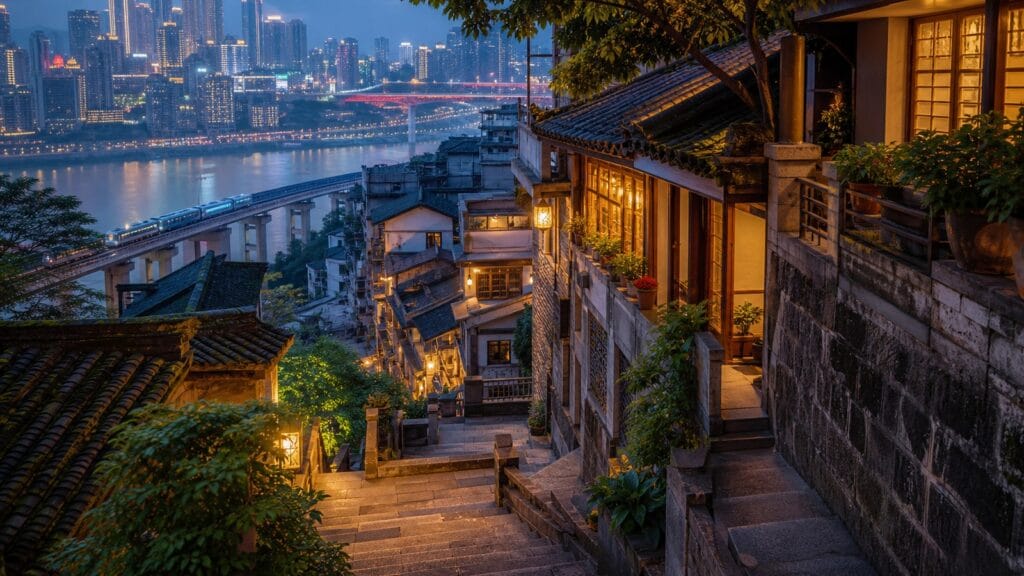
You have to visit Chongqing (重庆) at least once. Feel the evening breeze along the Jialing River (嘉陵江) and soak in the city’s unique mountain charm. Don’t hesitate—set off now for Chongqing, an 8D cyberpunk metropolis that even Amap (高德地图) jokingly calls a ‘navigation nightmare.’ Here, the monorail passes through apartment buildings, rooftops become streets, the first floor opens onto a cliff, and the 23rd floor leads to a flat road. After three days of wandering, you’ll fall in love with this raw, labyrinthine energy where getting lost is part of the adventure.
Practical tip: You can prioritize one signature stop around Introduction, and you should adjust timing and budget based on transport and peak hours.
Suggested 3-Day Itinerary (Follow in Order)
For first-time visitors, this three-day route hits all the iconic spots in a logical order, saving you backtracking and maximizing your time. Each day is designed to flow naturally from one attraction to the next, with evening highlights you won’t want to miss.
Day 1: Start at Jiefangbei (解放碑), then head to Huguang Guild Hall (湖广会馆). Take the Yangtze River Cableway (长江索道) across the river to Xiahaoli (下浩里). Make sure to stay until evening — the night view here is spectacular.
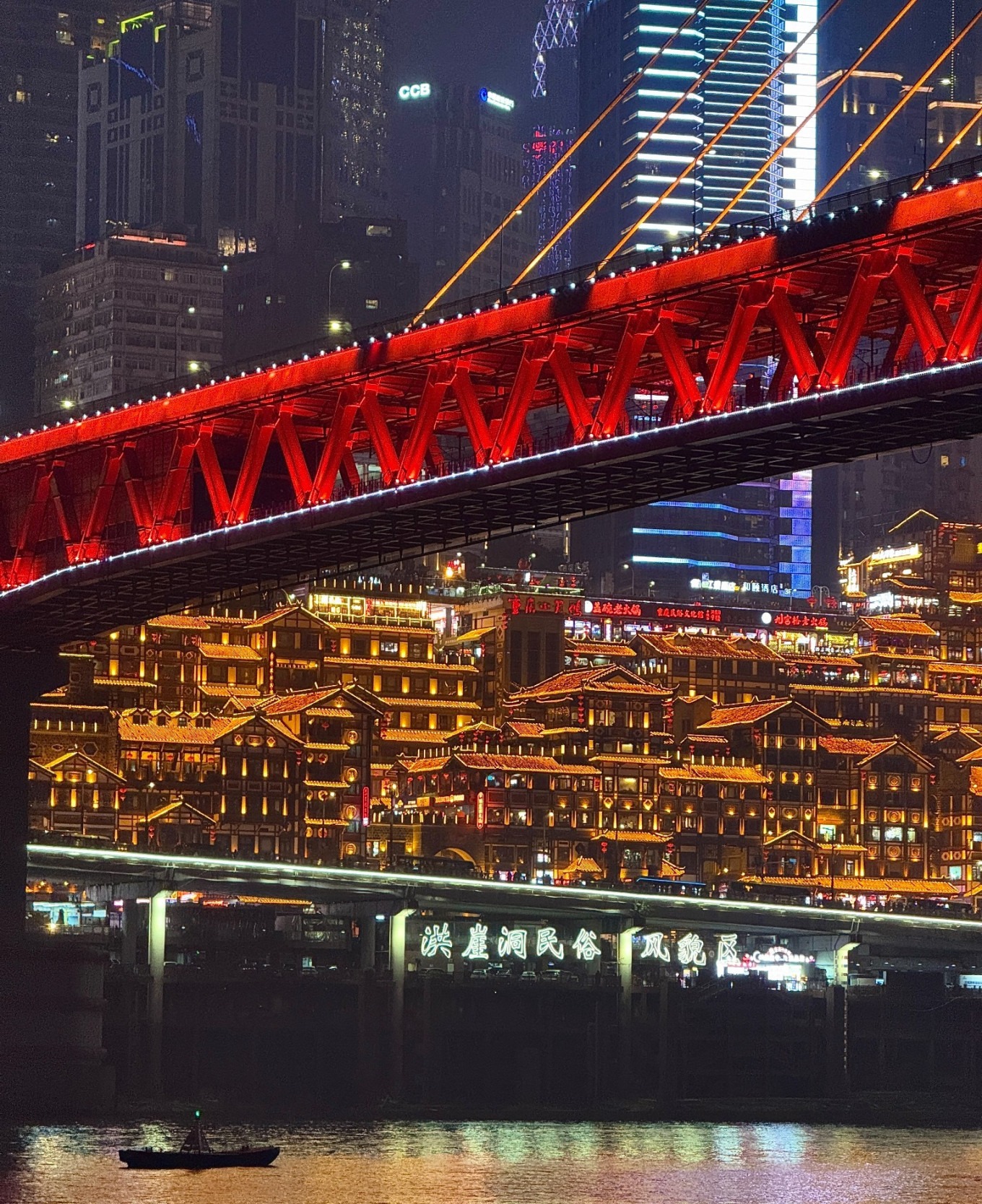
Day 2: Explore Shancheng Alley (山城巷), Shibati (十八梯), Daijia Alley (戴家巷), and finally Hongyadong (洪崖洞). If it’s still light out, walk across the Qiansimen Bridge (千厮门大桥) to the riverside park on the opposite bank for a stunning view of Hongyadong at night. ⚠️ Beware of paid photo services along the riverbank — they can be overpriced and pushy, so stay alert.
Day 3: Visit the Great Hall of the People (人民大礼堂) and the Three Gorges Museum (三峡博物馆) — note the museum is closed on Mondays and requires advance reservation one day prior. Then head to Liziba Light Rail Station (李子坝轻轨站) to see the train passing through a residential building, followed by Xiaohuanglou (小黄楼), Eling Erchang (鹅岭二厂), and Eling Park (鹅岭公园). From the park you can enjoy a panoramic night view of the Yuzhong Peninsula.
📍 Transportation Tips: Taxis and ride-hailing are not recommended during peak hours due to heavy traffic. Buses are also not ideal. The metro (轨道交通) is your best bet — lines 1, 2, and 3 cover most major attractions.
Day 1: Jiefangbei to Xiahaoli
Start your first day in Chongqing at Jiefangbei (解放碑), the iconic monument marking the city’s heart. From there, walk to the Huguang Guild Hall (湖广会馆), a beautifully preserved complex of Qing-era buildings that tells the story of migration along the Yangtze. Next, take the Yangtze River Cableway (长江索道) for a thrilling ride across the river—book tickets in advance to skip long queues. End your day at Xiahaoli (下浩里), an old neighborhood transformed into an artsy enclave with stunning river views. Make sure to stay until after dark: the twinkling city lights and reflections on the river create an unforgettable spectacle.
Night view of Xiahaoli with illuminated buildings and Yangtze River
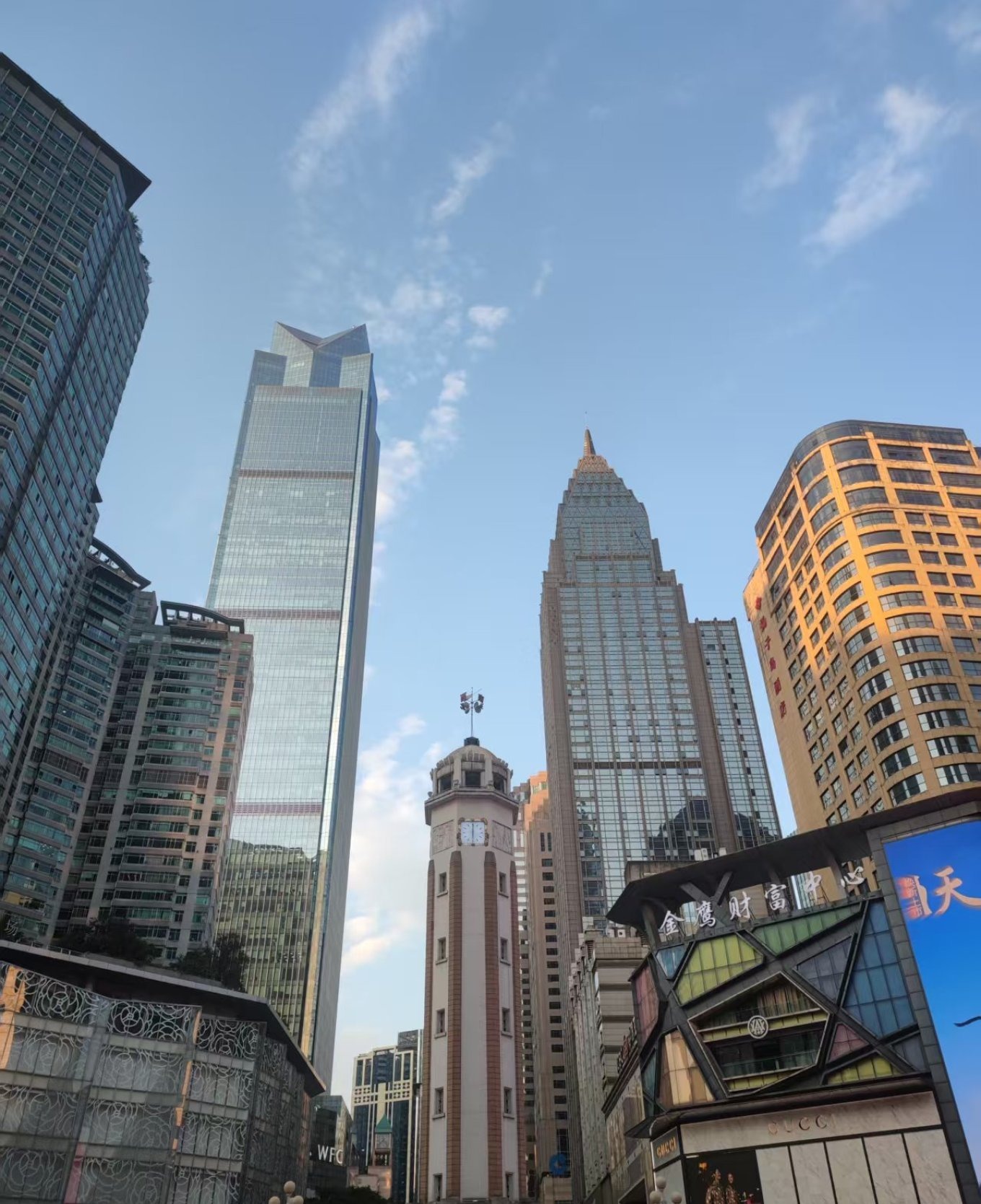
Jiefangbei: Chongqing’s Most Iconic Landmark
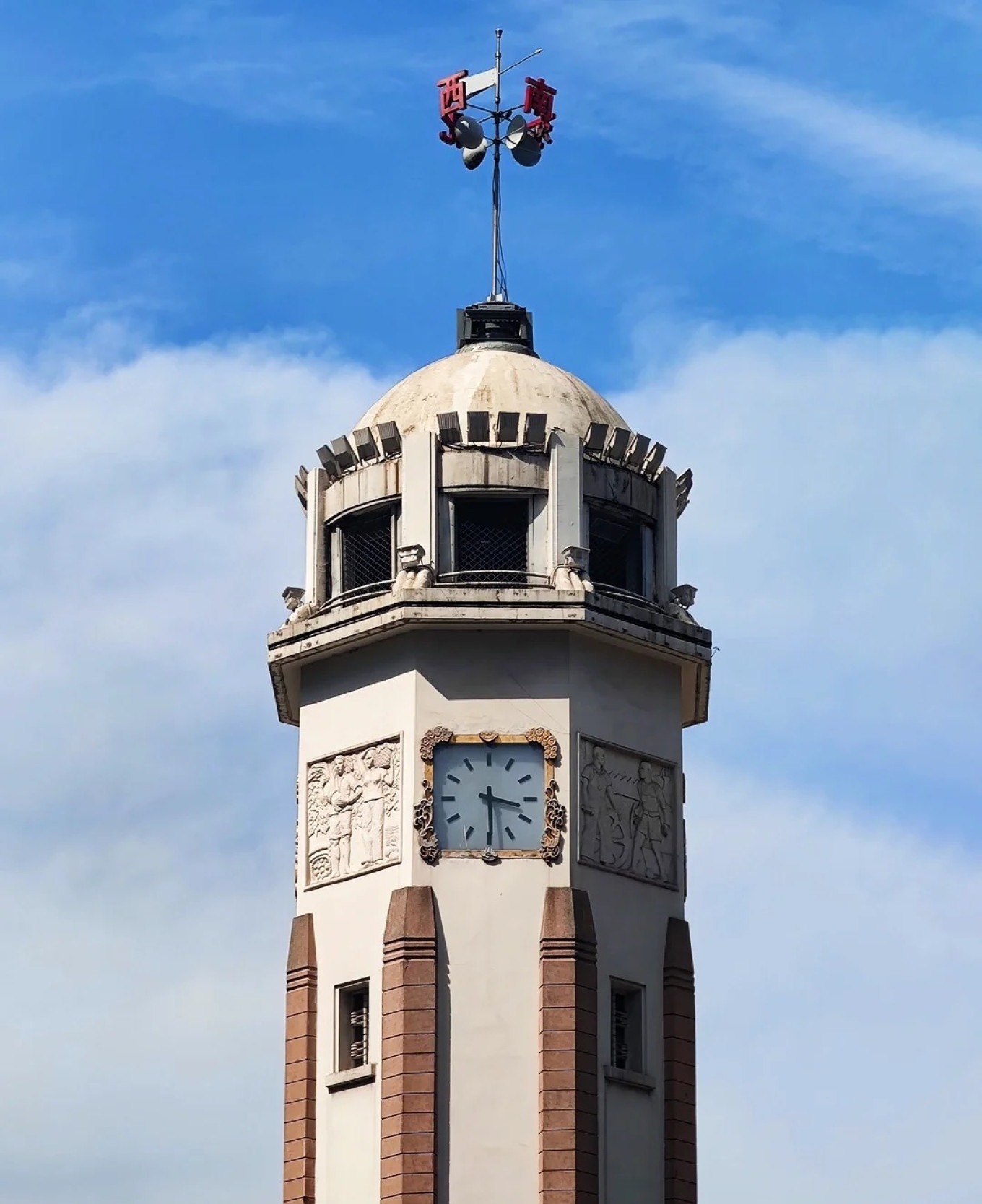
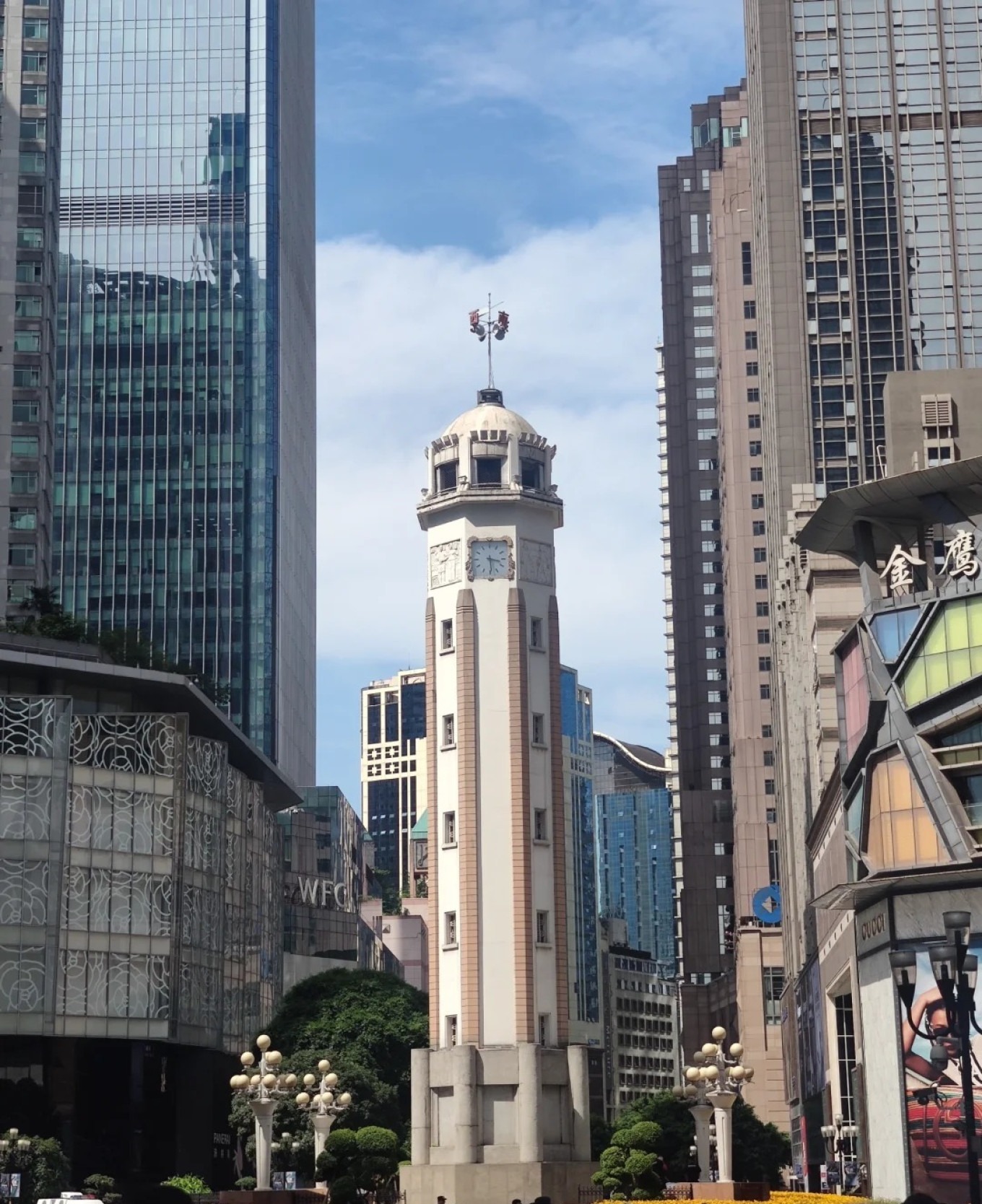
No trip to Chongqing is complete without visiting Jiefangbei (解放碑), the city’s most iconic landmark. Located in the heart of the Jiefangbei Square, this monument was built in 1945 to commemorate the liberation of Chongqing, then the wartime capital of China, after Japan’s surrender. The bold, flowing characters for “liberation” on the stele seem to echo the triumph of the Chinese resistance, making it a must-see for history enthusiasts.
Standing in front of Jiefangbei, you can gaze out toward the Yangtze River and feel as though you’ve stepped back into a pivotal chapter of Chinese history. The monument is surrounded by other major attractions—Luohan Temple (罗汉寺), the Yangtze River Cableway, and Hongya Cave (洪崖洞)—making it a perfect starting point for exploring the city. At night, Jiefangbei becomes part of Chongqing’s dazzling skyline, offering a stunning blend of historic and modern lights.
While Chongqing is often associated with its bustling, bold energy, Jiefangbei represents the city’s deep historical and cultural roots. Visiting this site evokes a profound sense of heritage—it’s a spiritual home for locals and a powerful reminder of the city’s resilience. Take a moment to absorb the atmosphere; you’ll understand why this monument remains the soul of Chongqing.
Huguang Guild Hall: The Largest Guild Hall Complex in Chongqing
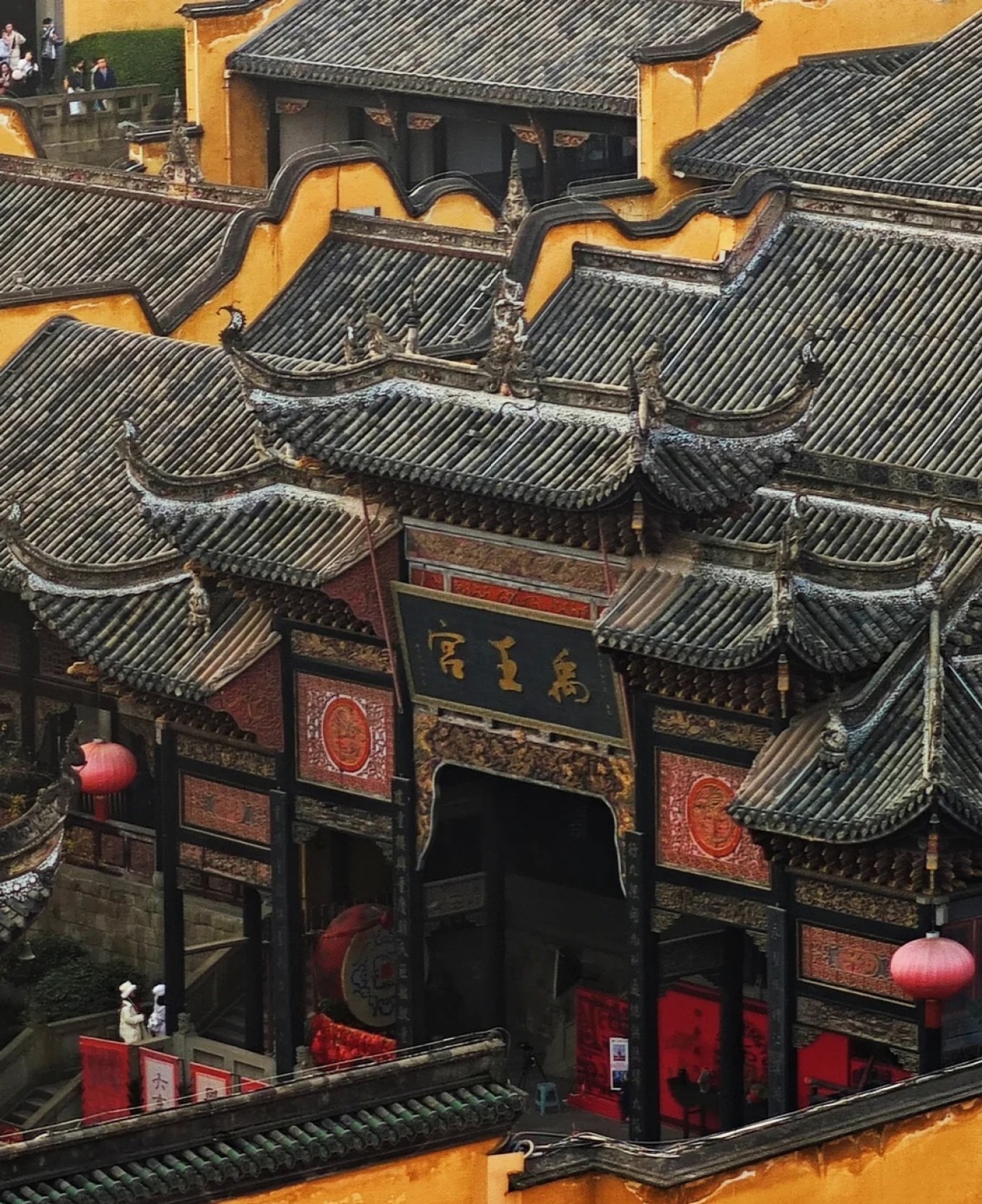
When exploring Chongqing’s historic heart, you’ll want to visit the Huguang Guild Hall (湖广会馆), the largest surviving guild hall complex in any Chinese city center. This collection of early Qing dynasty buildings—including the Guangdong Assembly Hall (广东会所), Qi’an Public Hall (齐安公所), and Yuwang Palace (禹王宫)—once served as a hub for merchants from Hunan, Hubei, Guangdong, and other provinces. The complex is a testament to Chongqing’s past as a bustling commercial port, with grand halls, intricate carvings, and a layout that feels like a maze of courtyards and corridors.
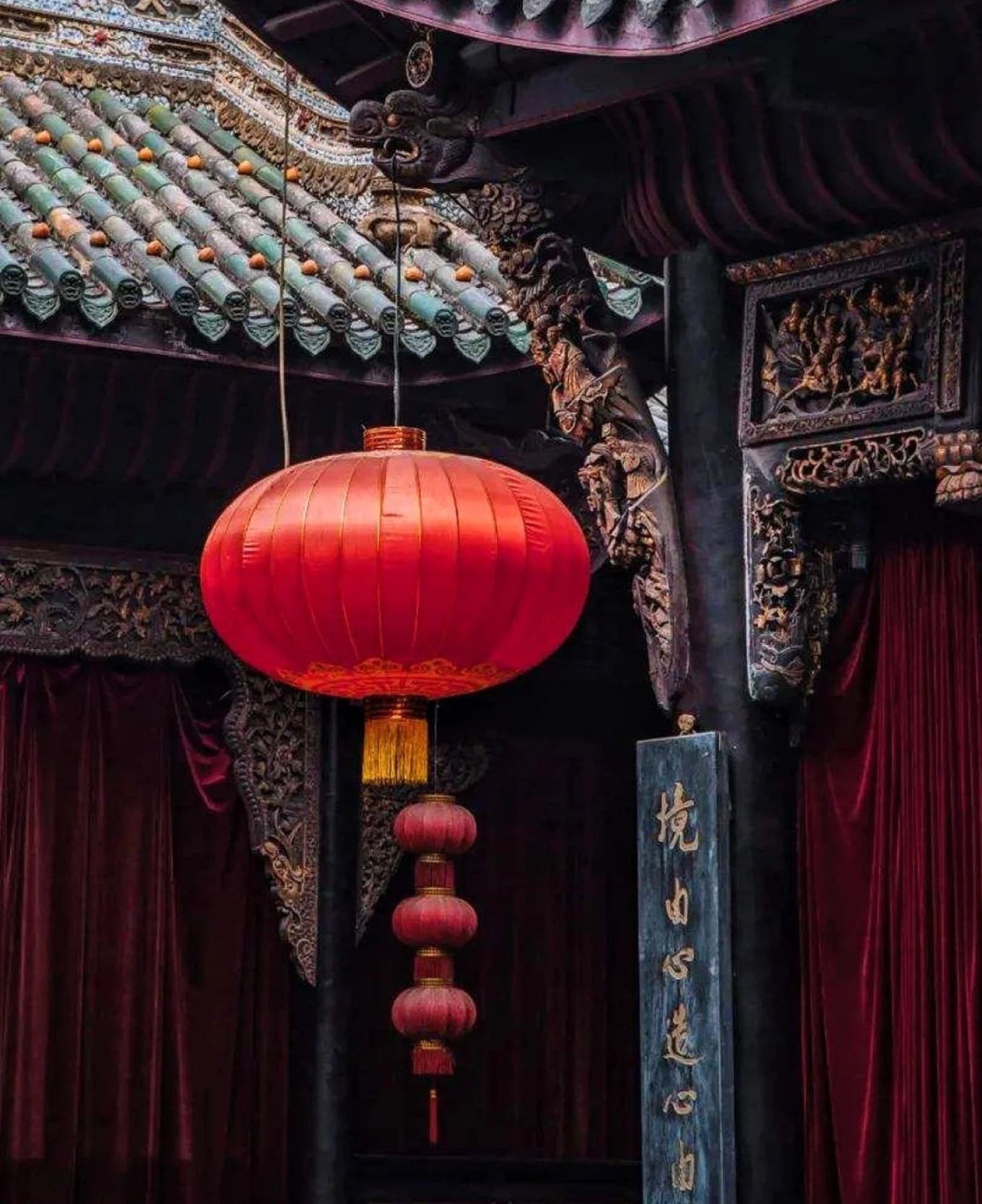
Start your visit at Yuwang Palace (禹王宫), the largest structure in the complex, covering about a third of the total area. Built during the Kangxi reign, it includes a main hall dedicated to Yu the Great, two stages (large and small), side rooms, a meeting hall, and a reception area. The palace is a feast for the eyes: every beam is carved and painted, with gold leaf accents and lifelike figures of people, flowers, birds, and insects adorning the woodwork.
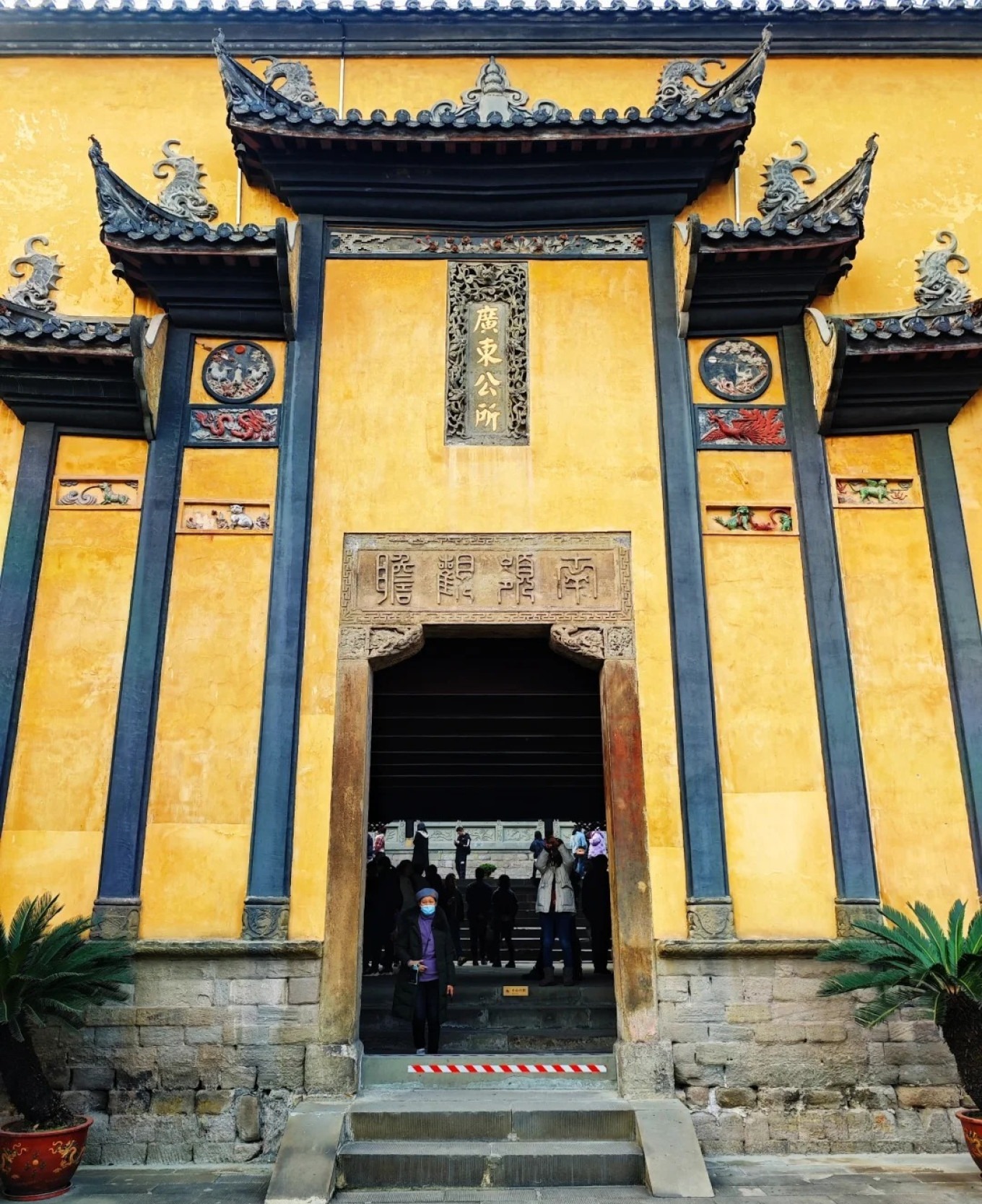
Next, head to the Guangdong Assembly Hall (广东会所), built during the Qianlong era and reconstructed in the Jiaqing period. This hall is a masterpiece of craftsmanship, with a courtyard layout and a focus on ornate decoration. Its stage is the main performance venue of the guild hall, seating up to 300 people. Look up at the bracket sets under the veranda eaves—they are carved with scenes from the classic novel *Fengshen Yanyi* (The Investiture of the Gods). The panels below the stage feature carvings from *Romance of the Three Kingdoms*. On the side galleries, you’ll see plaques inscribed with “游目 (local term)” (feast your eyes) and “骋怀 (local term)” (open your heart), reminding you that watching a performance here is meant to delight the senses and uplift the spirit.
Practical tip: Allow at least 1.5 to 2 hours to explore the entire complex. The halls are interconnected, so follow the signs or a map to avoid missing any section. Entry costs around ¥30, and guided audio tours are available for a small fee. The site is less crowded on weekdays, making it easier to appreciate the intricate details.
Chongqing Yangtze River Cableway: 4 Minutes of Romance Across the Mountain City
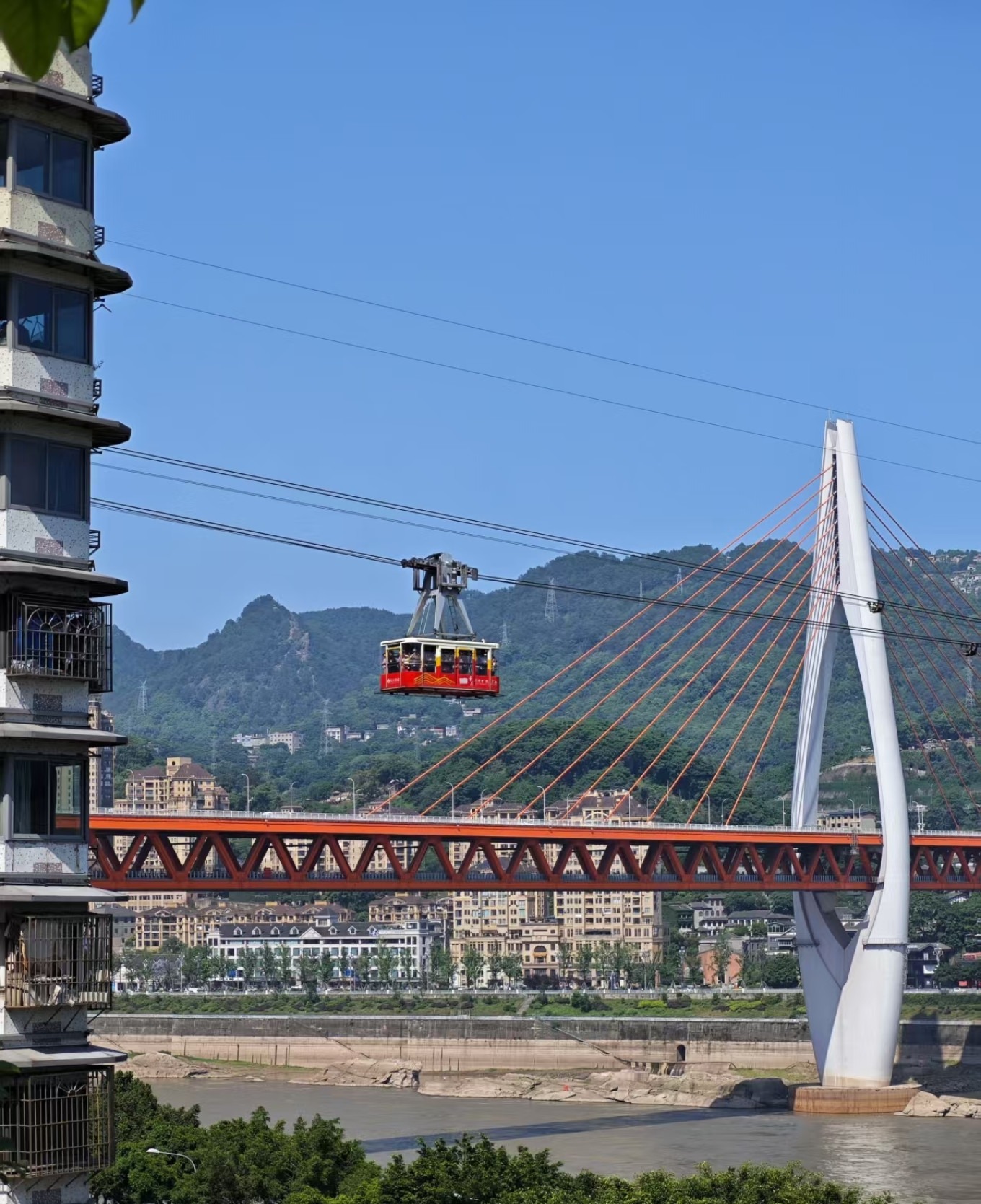
If you think public transport is just about getting from A to B, you haven’t been to Chongqing. The Yangtze River Cableway (长江索道) is a must-ride attraction that doubles as a genuine commute — a 4-minute aerial journey connecting Yuzhong District and Nan’an District. For just 20 yuan, you’ll glide over the mighty Yangtze River with a view that’s pure cyberpunk: the steel-and-glass forest of Yuzhong Peninsula rising on one side, the river flowing beneath your feet. It’s the same iconic perspective featured in the film “Crazy Stone” (疯狂的石头 (local term)), and it’s easily one of the most surreal urban experiences you can have.
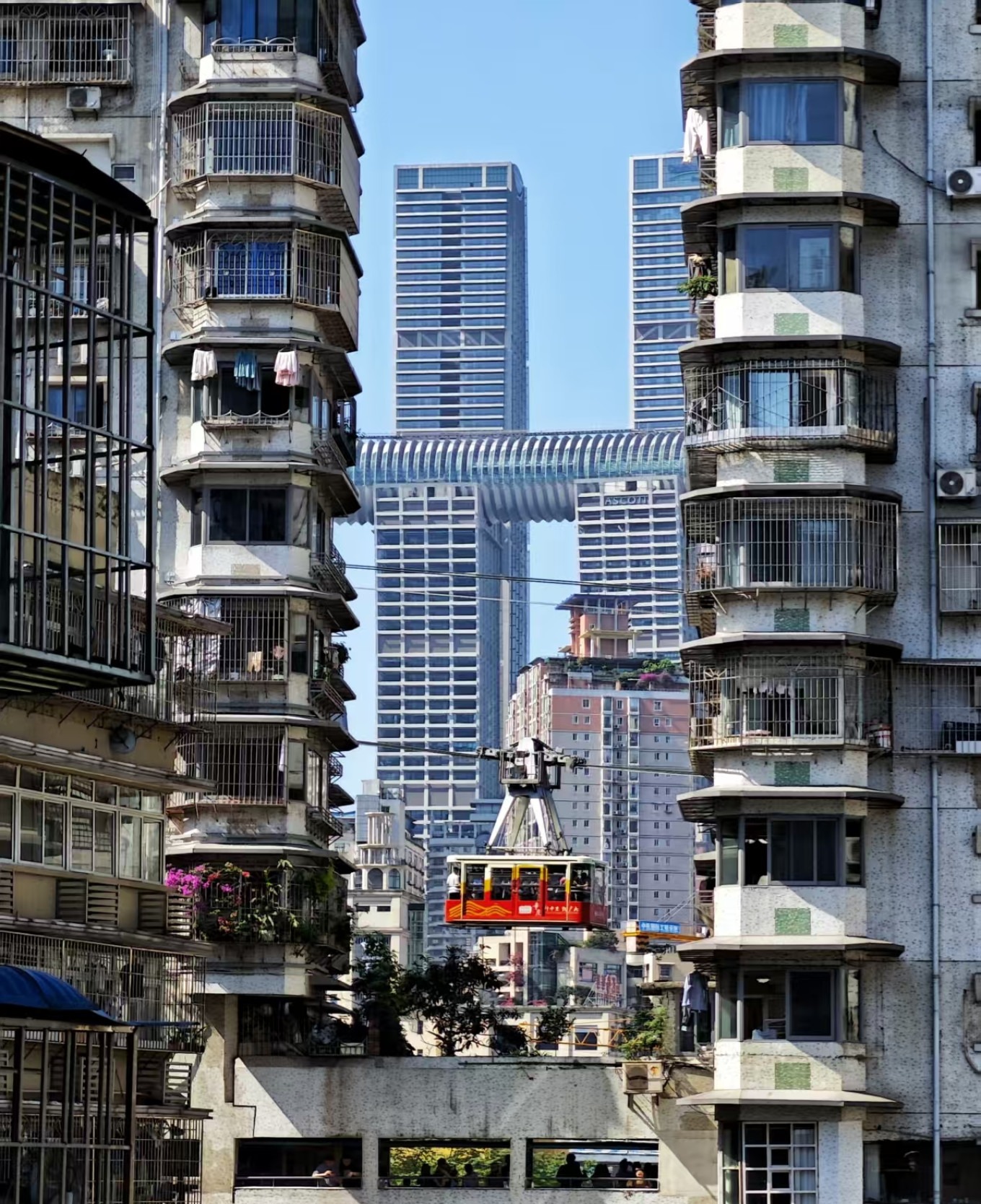
The cableway isn’t just a tourist gimmick — it’s an integral part of the city’s vertical transport system, blending seamlessly with the mountainous terrain and riverside scenery. Board at either the north station (near Xiaoshizi in Yuzhong) or the south station (near Shangxin Street in Nan’an). To avoid long queues, go early in the morning or on weekdays. The ride itself is short but breathtaking, so have your camera ready. If you can, snag a window spot for the best photos.
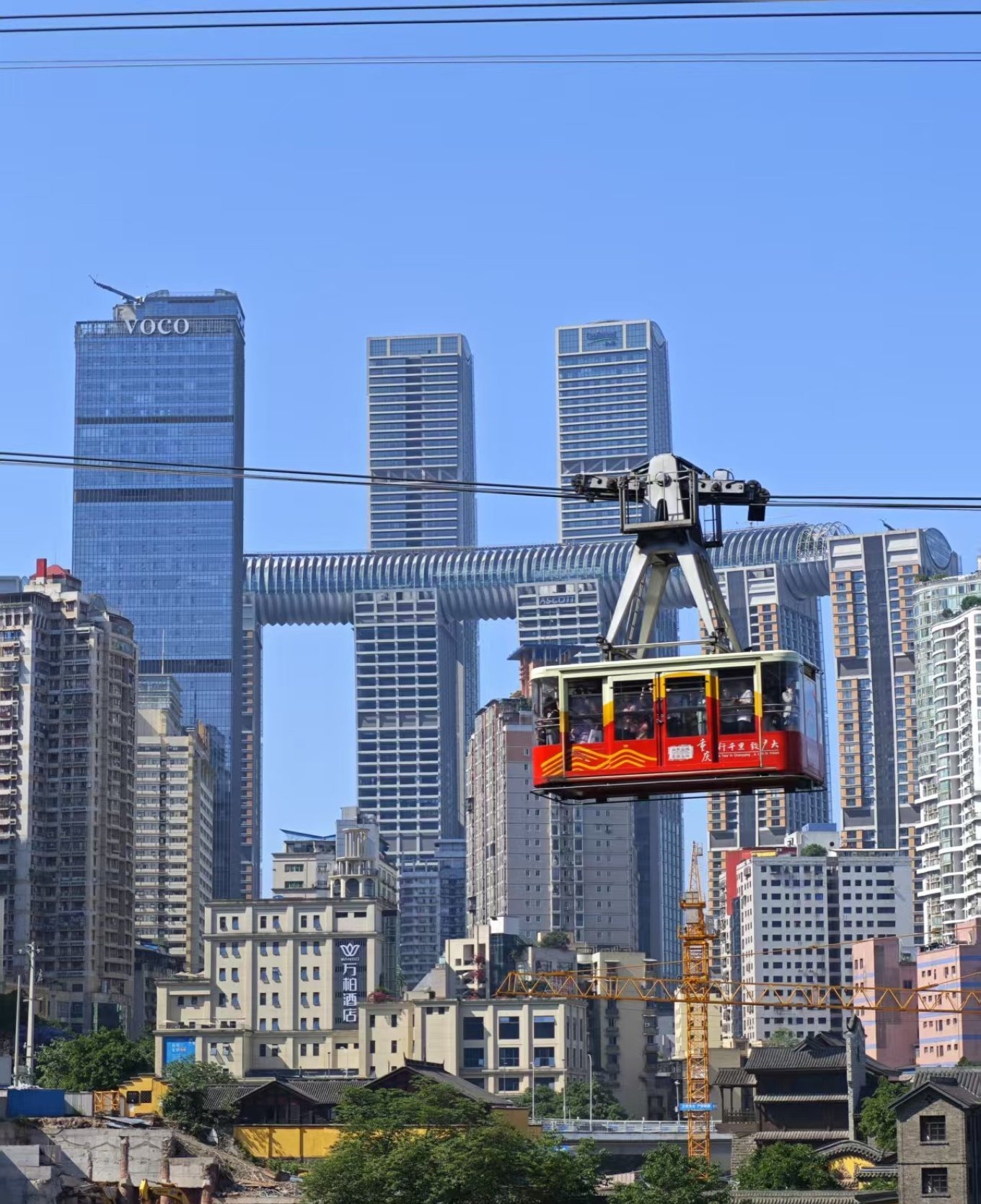
Practical tip: The cableway operates from 7:30 to 22:00 (hours may vary seasonally). You can buy tickets on-site or via the official WeChat mini-program. Consider getting a round-trip ticket to experience both directions — each side offers a different perspective. For the full experience, ride at dusk when the city lights begin to twinkle, turning the skyline into a neon dreamscape.
Xiahao Old Street: A Hidden Gem Far Better Than Hongyadong
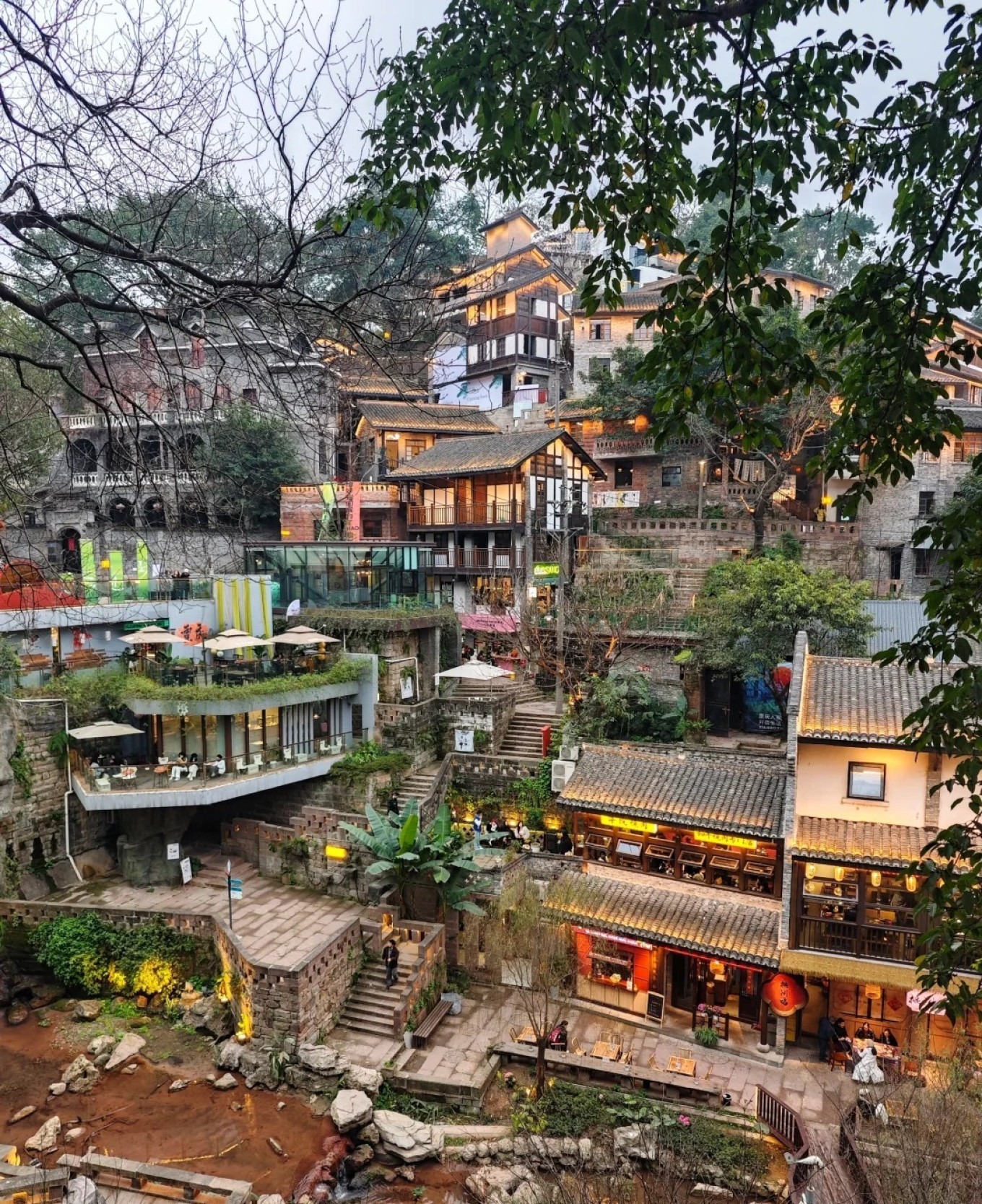
If you’re looking for a more authentic and less crowded alternative to Hongyadong, head to Xiahao Old Street (下浩老街). This is one of Chongqing’s classic old streets, but unlike many others, it still preserves historical sites like former consulates. Here, you’ll experience the true character of old mountain city Chongqing without the overwhelming crowds.
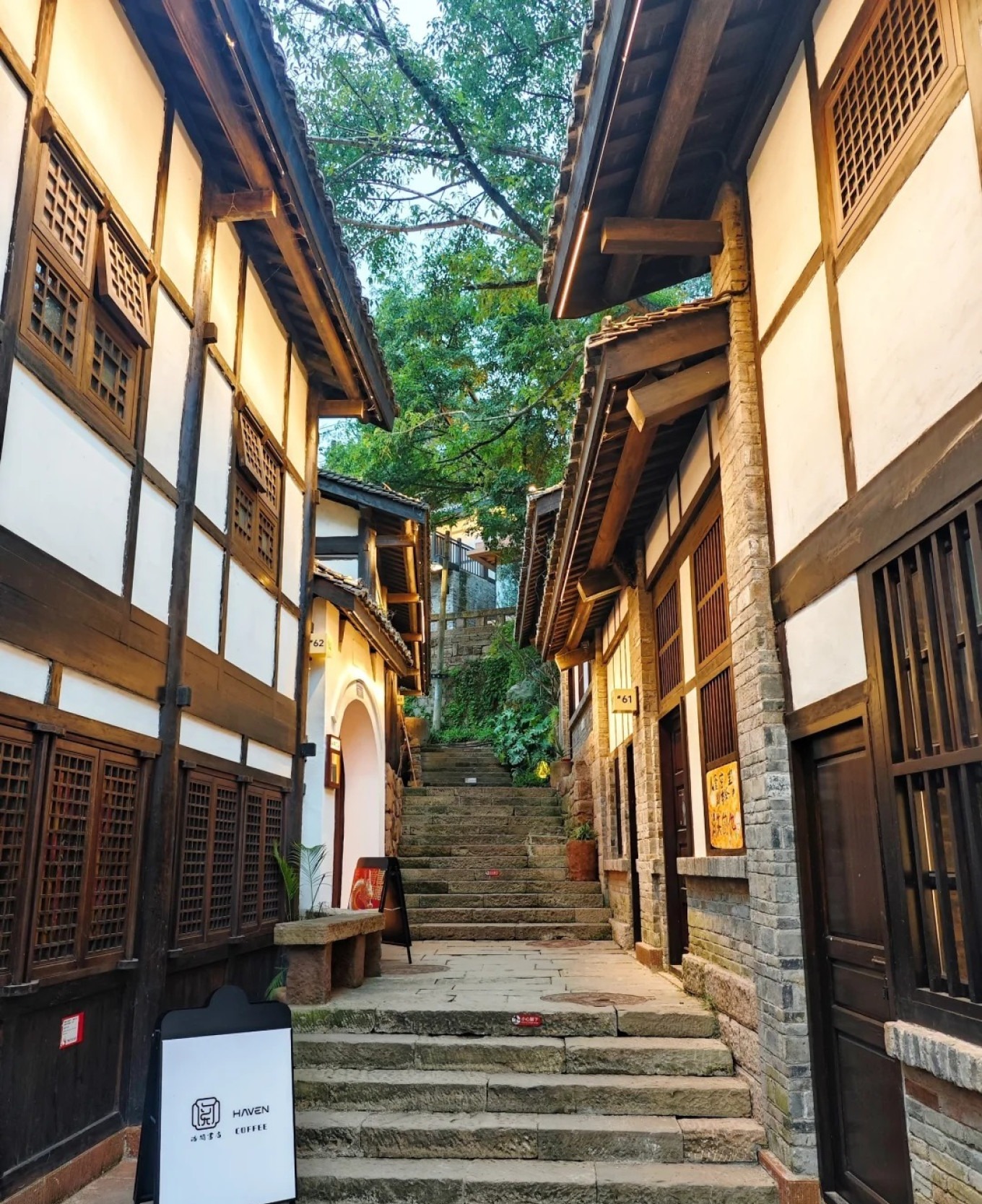
As you wander along the stone steps, you’ll discover charming tea houses, bookstores, and cafes — all perfect for photos. Many local artists display their works here for free, so feel free to step inside and admire the creativity. The street itself is a visual treat, with every corner offering a new backdrop.
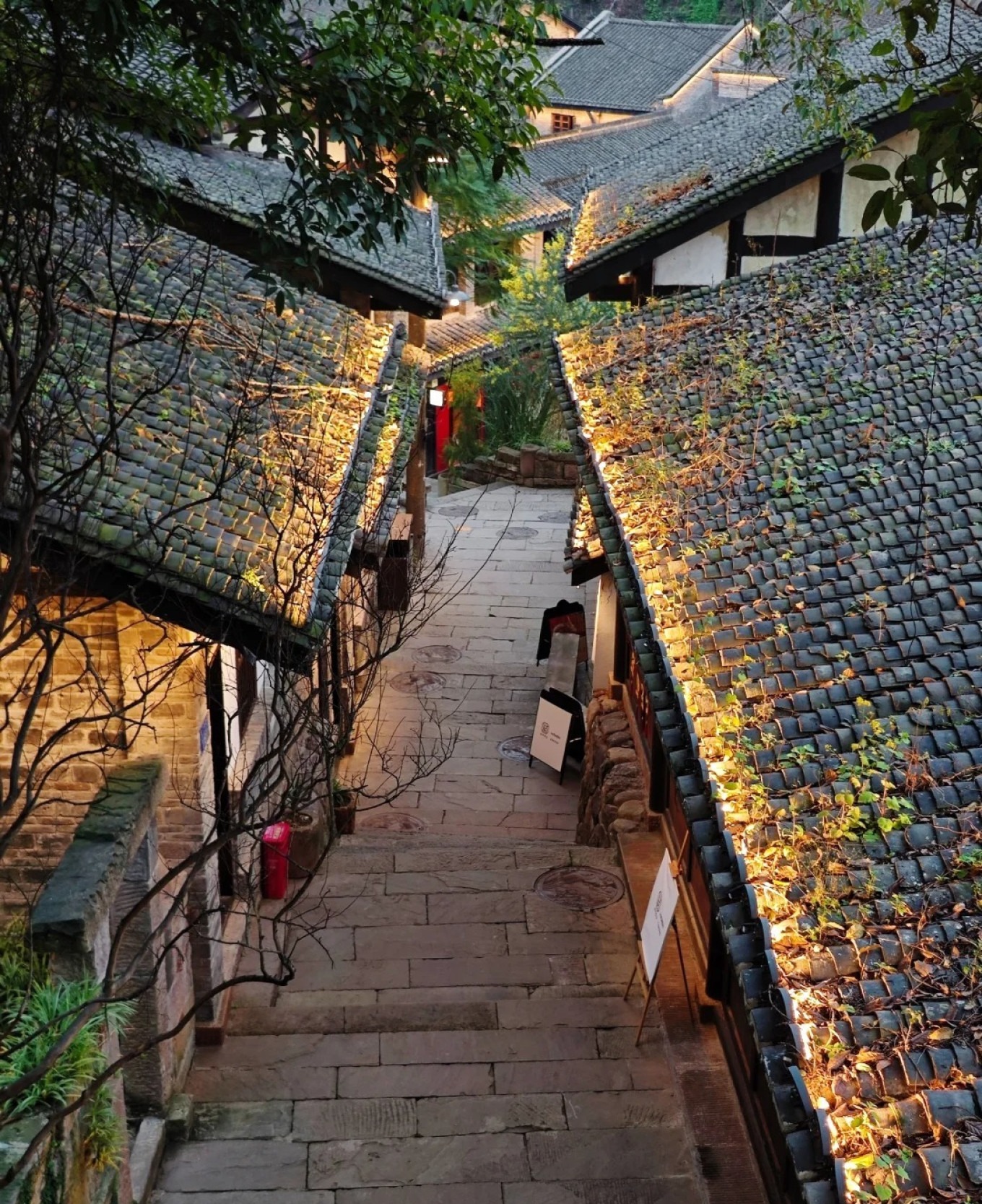
When evening falls, you can enjoy a breathtaking night view of the Yuzhong Peninsula from the street. Nearby, you can also explore Longmenhao Old Street (龙门浩老街), Shangxin Street (上新街), and the Kaibu Ruins Park (开埠遗址公园) — all within walking distance. Together, these spots make for an unforgettable experience.
Day 2: A Walk Through History and Neon Lights
Your second day in Chongqing takes you through the city’s layered history, from old alleyways to the iconic Hongya Cave. Start at Shancheng Lane (山城巷), a narrow alley clinging to the mountainside that offers a glimpse of old Chongqing life. From there, walk down to Eighteen Steps (十八梯), a restored historic district with stone staircases and traditional architecture. Continue to Daijia Lane (戴家巷), a quieter spot with great views of the river and the city skyline. As dusk falls, head to Hongya Cave (洪崖洞), the stunning stilt-house complex that looks like something out of a fantasy film. If it’s still light, consider crossing the Qiansimen Bridge (千厮门大桥) to Jiangtan Park (江滩公园) on the opposite bank for the best panoramic view of Hongya Cave lit up at night. A word of caution: near the riverbank, you’ll encounter photographers offering paid services—be very careful, as some charge exorbitant fees for mediocre results. It’s best to enjoy the view on your own and snap your own photos.
Hongya Cave illuminated at night with crowds on Qiansimen Bridge in Chongqing
Shancheng Alley: Chongqing’s Most Distinctive and Longest Mountain City Trail
Unlike most city alleyways, Shancheng Alley (山城巷) is defined by its endless stone steps (梯坎). It is the longest and most characteristic of Chongqing’s many mountain city trails, stretching from Shi’ampo (石板坡) on Guanyin Rock to Zhongxing Road (中兴路). Along the way, you’ll pass a string of historic sites that capture old Chongqing: Kangjian Hall (抗建堂), the Bodhi Diamond Pagoda (菩提金刚塔), the First Water Plant Tower (第一水厂塔), ancient city walls, Ren’ai Hall (仁爱堂), the Hou Lu Shikumen (厚庐石库门), and of course Shancheng Alley itself.
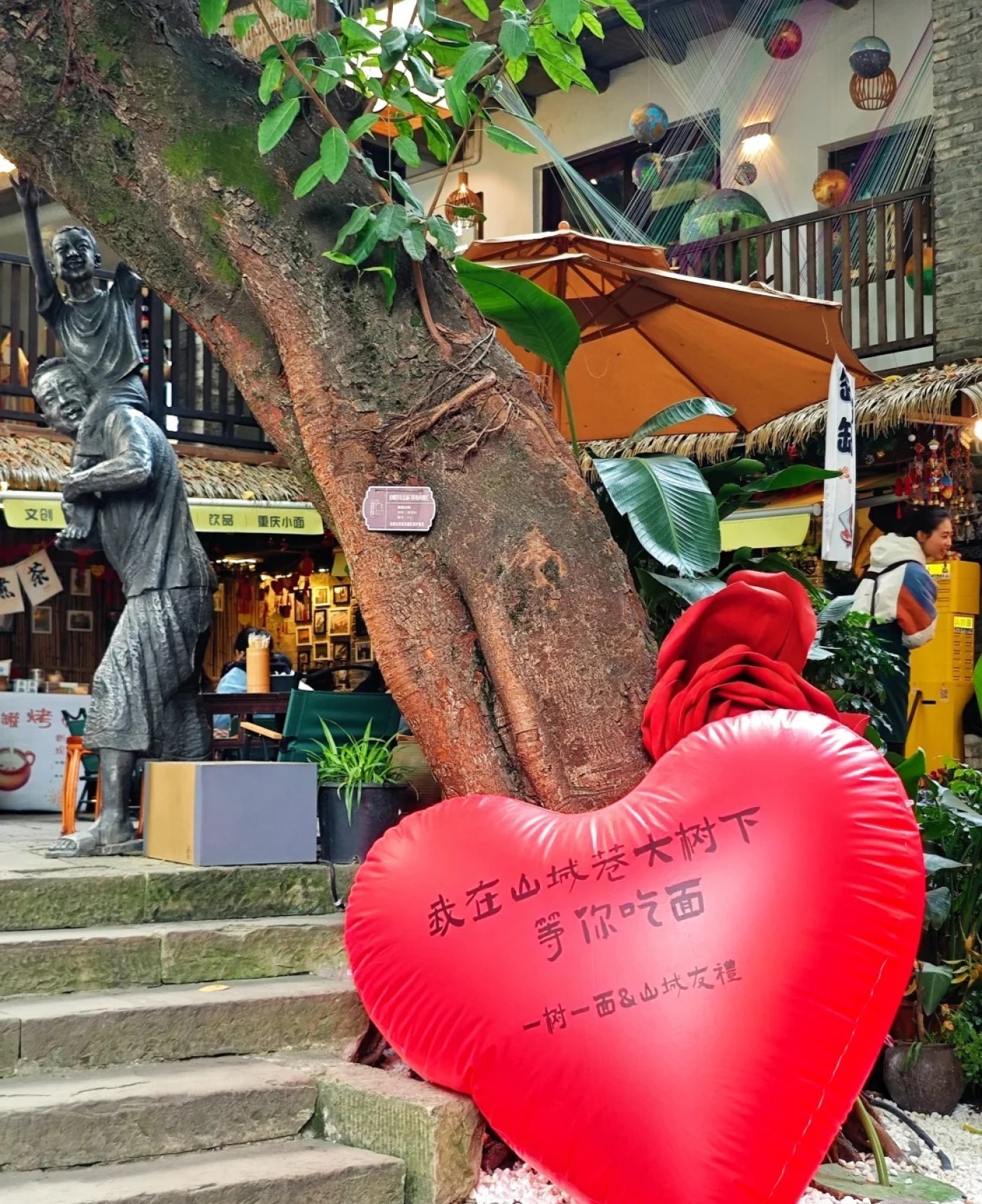
One of the highlights is the cliffside plank walkway built along the Shi’ampo section. This suspended path follows the Jintangmen ancient city wall (金汤门古城墙) along the Yangtze River, offering panoramic views of the southern bank. Stop here to take in the sweeping river scenery — it’s a perfect photo spot.
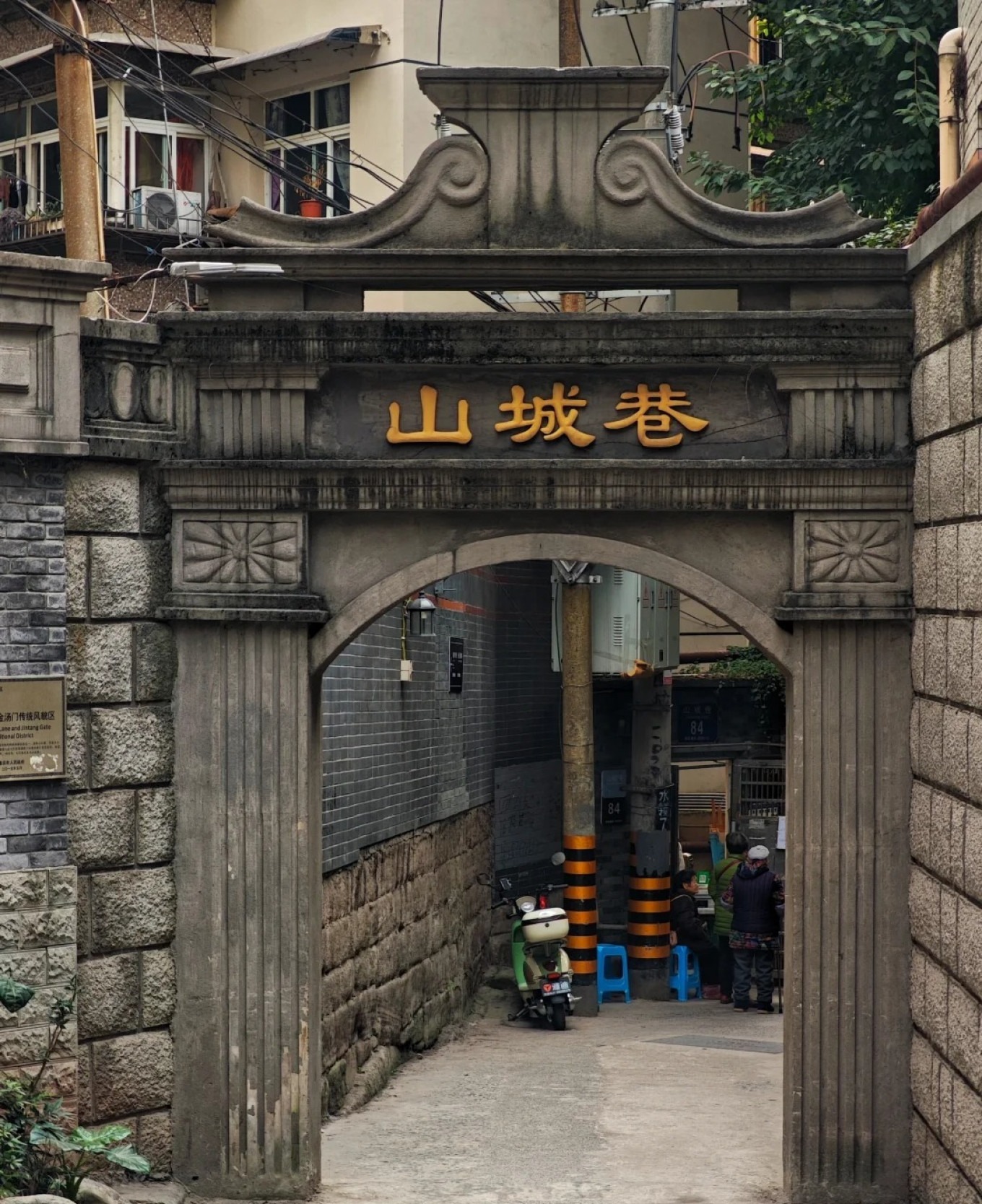
The trail was only fully completed a couple of years ago, so it remains relatively undiscovered by tourists from outside Chongqing. Crowds are still thin, making it an ideal place for a peaceful stroll. Just remember to wear flat shoes — those steps are no joke!
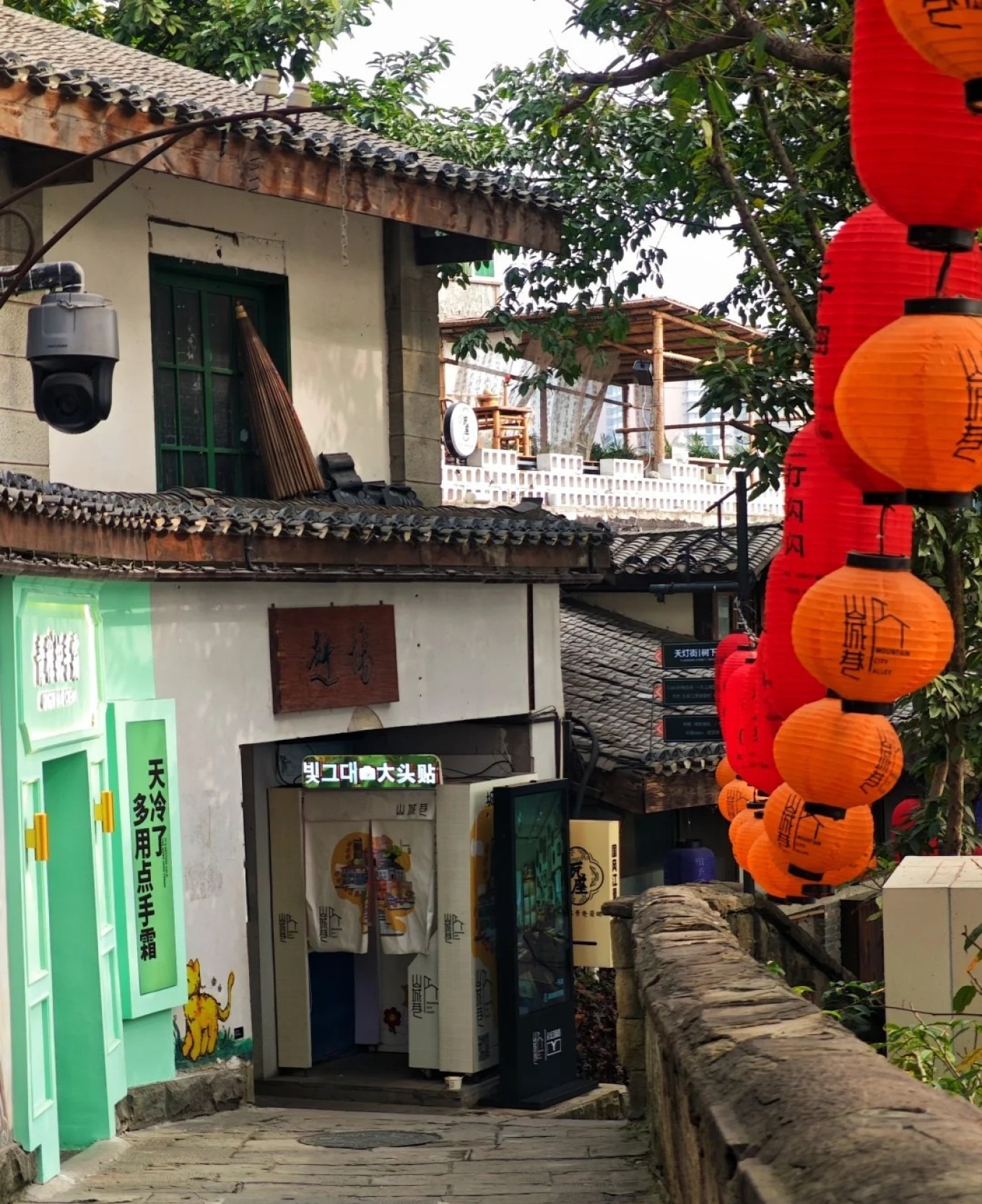
Chongqing Eighteen Ladders: A Time-Traveling Fantasy
Imagine a neighborhood built into a steep hillside, where ancient stone steps connect layers of traditional stilt houses, creating a vertiginous maze that feels straight out of a fairy tale. That’s 十八梯 (Shí Bā Tī / Eighteen Ladders) in Chongqing, a must-visit for any first-time traveler. As you descend the staircases, you’ll feel as if you’ve stepped back in time, surrounded by the city’s rich cultural heritage. Don’t forget your camera — every corner offers a picture-perfect moment.
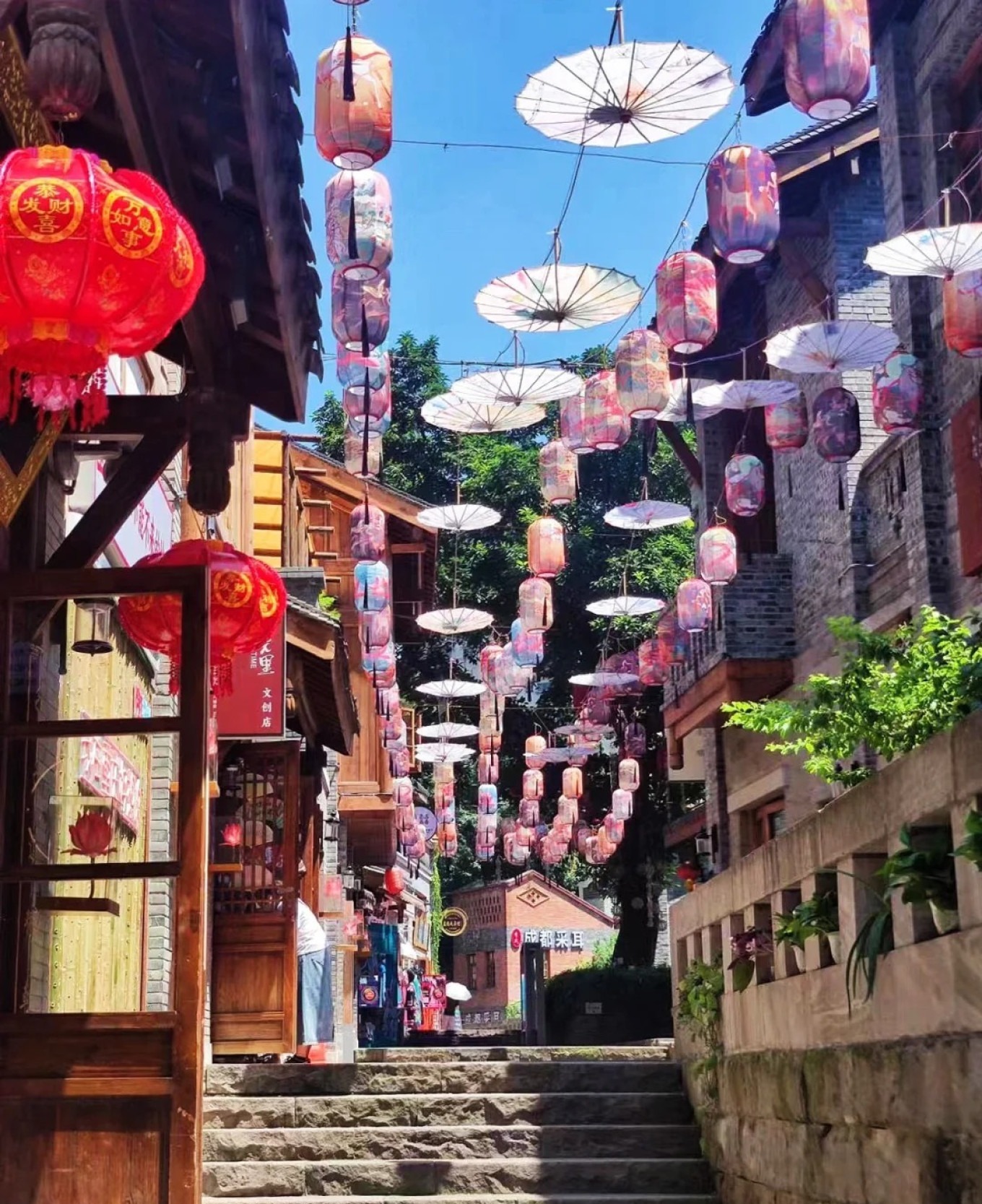
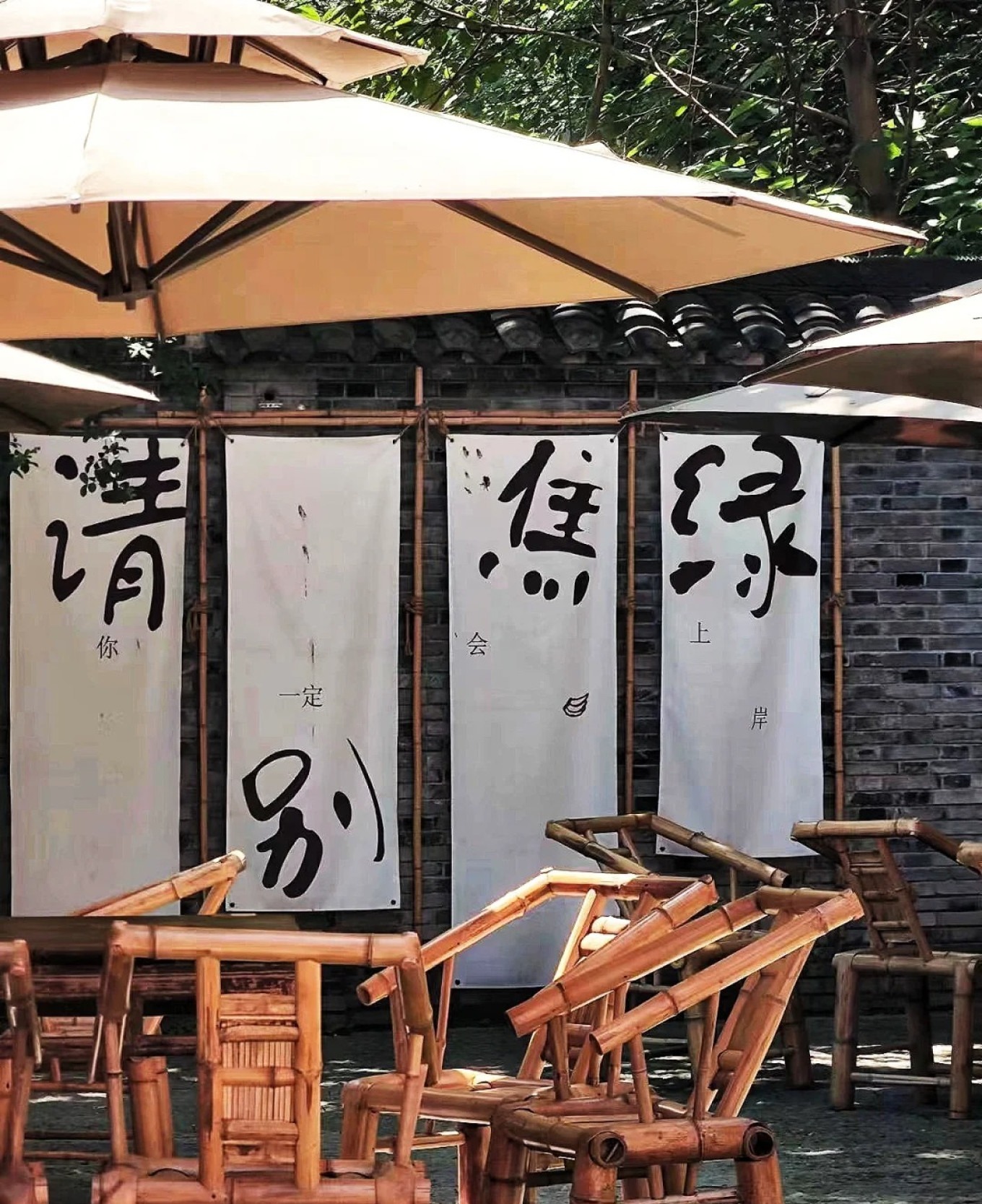
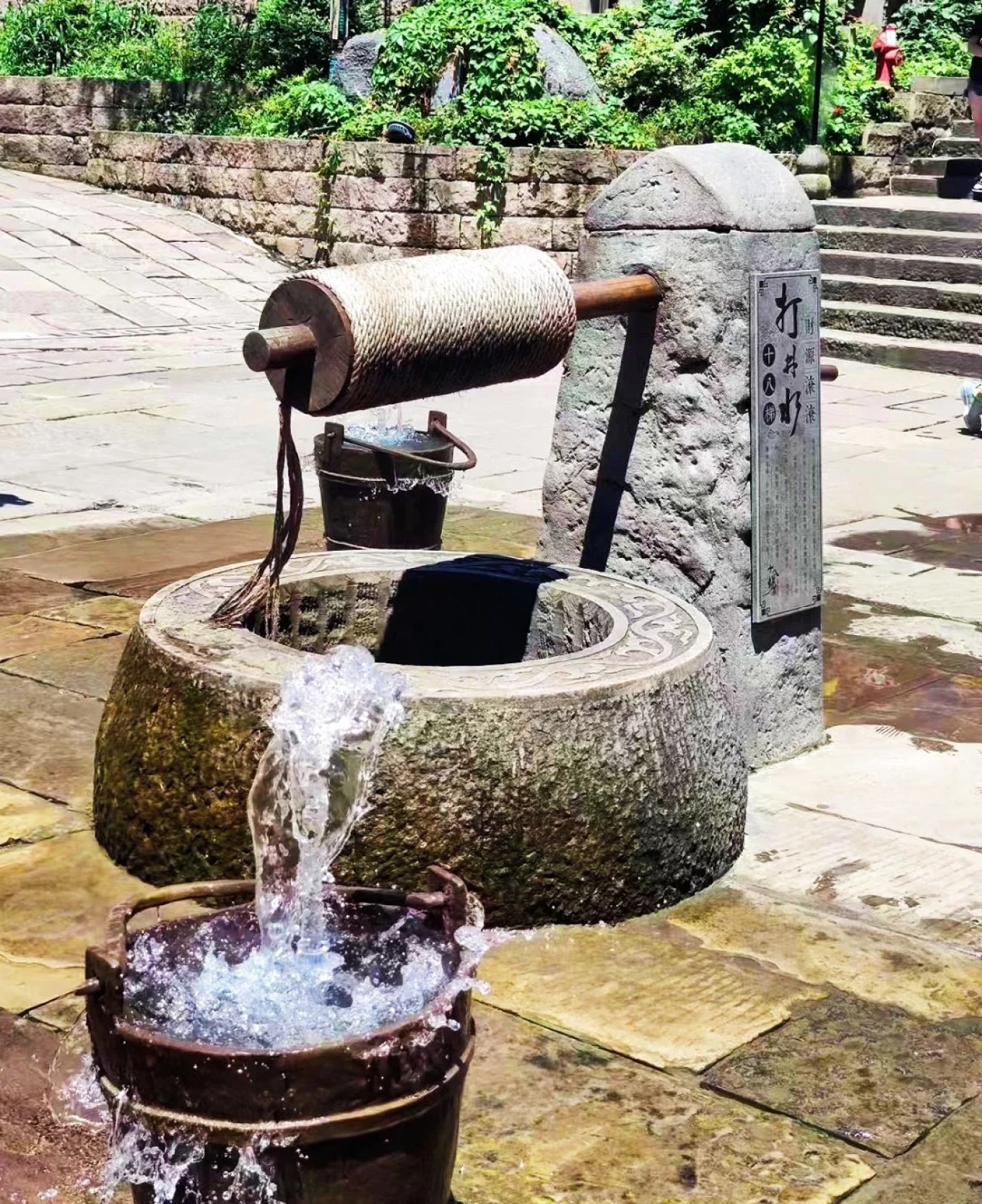
The architectural details here are stunning. Each wooden beam and carved window tells a story of Chongqing’s past, blending Ba-Yu culture with modern creativity. As you wander the narrow alleyways, you’ll discover hidden teahouses, art studios, and snack stalls. Whether you’re a culture lover seeking poetic inspiration or a foodie hunting for authentic local flavors, Eighteen Ladders delivers endless surprises. It’s also a goldmine for unique photos that will make your social media feed stand out.
Practical tip: You can prioritize one signature stop around the area, and you should adjust timing and budget based on transport and peak hours.
Daijia Alley Cliff Walkway: A Quaint Old Street with Fewer Crowds and Great Photo Ops
Tucked away on the cliffs of Yuzhong Peninsula, Daijia Alley (戴家巷崖壁步道) is a charming old street that locals love for its nostalgic views and travelers adore for its photogenic corners. Unlike the crowded tourist hotspots, this hidden gem offers a quieter, more intimate experience of Chongqing’s layered cityscape. As you stroll along the cliffside walkway, you’ll be treated to sweeping vistas of the Jialing River and the futuristic skyline of Jiangbeizui — a perfect spot to capture that iconic “cyberpunk meets mountain city” aesthetic.
The alley itself is a delightful maze of steep staircases, vintage storefronts, and cozy teahouses. You can spend an hour wandering the narrow lanes, peeking into artisan shops, or simply sitting on a bench to watch the cable cars glide across the river. For the best photos, visit during golden hour when the warm light hits the weathered brick walls and the city lights begin to twinkle below.
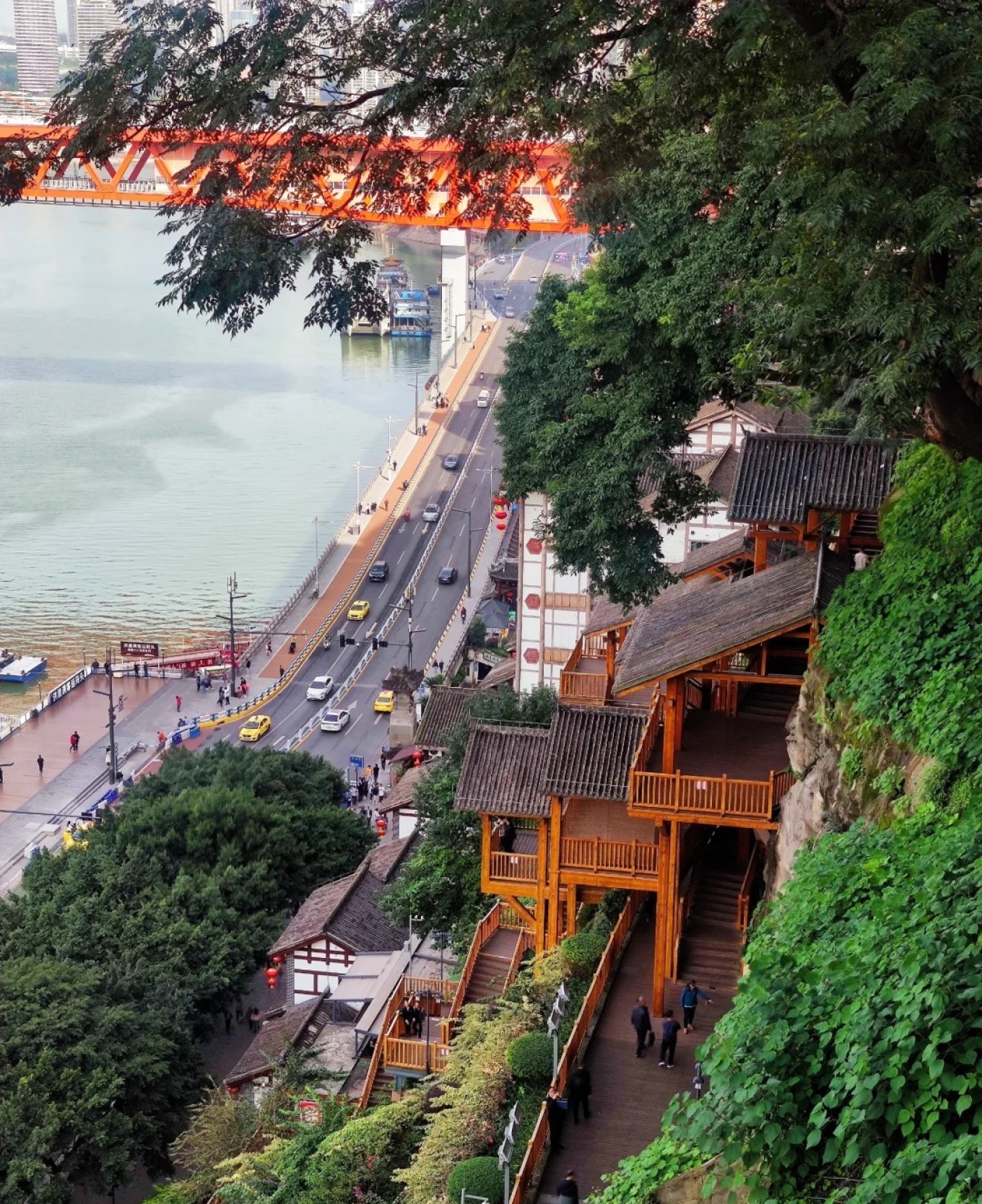
Practical tip: Start your visit at the top entrance near Jiefangbei (解放碑) and walk downhill — the descent is easier and reveals the views gradually. The walkway is free to enter and open 24/7, but evenings are especially atmospheric. Combine this with a visit to nearby Hongya Cave (洪崖洞) for a full evening of Chongqing’s dazzling nightscape.
Hongya Cave: A Dazzling Night Spectacle
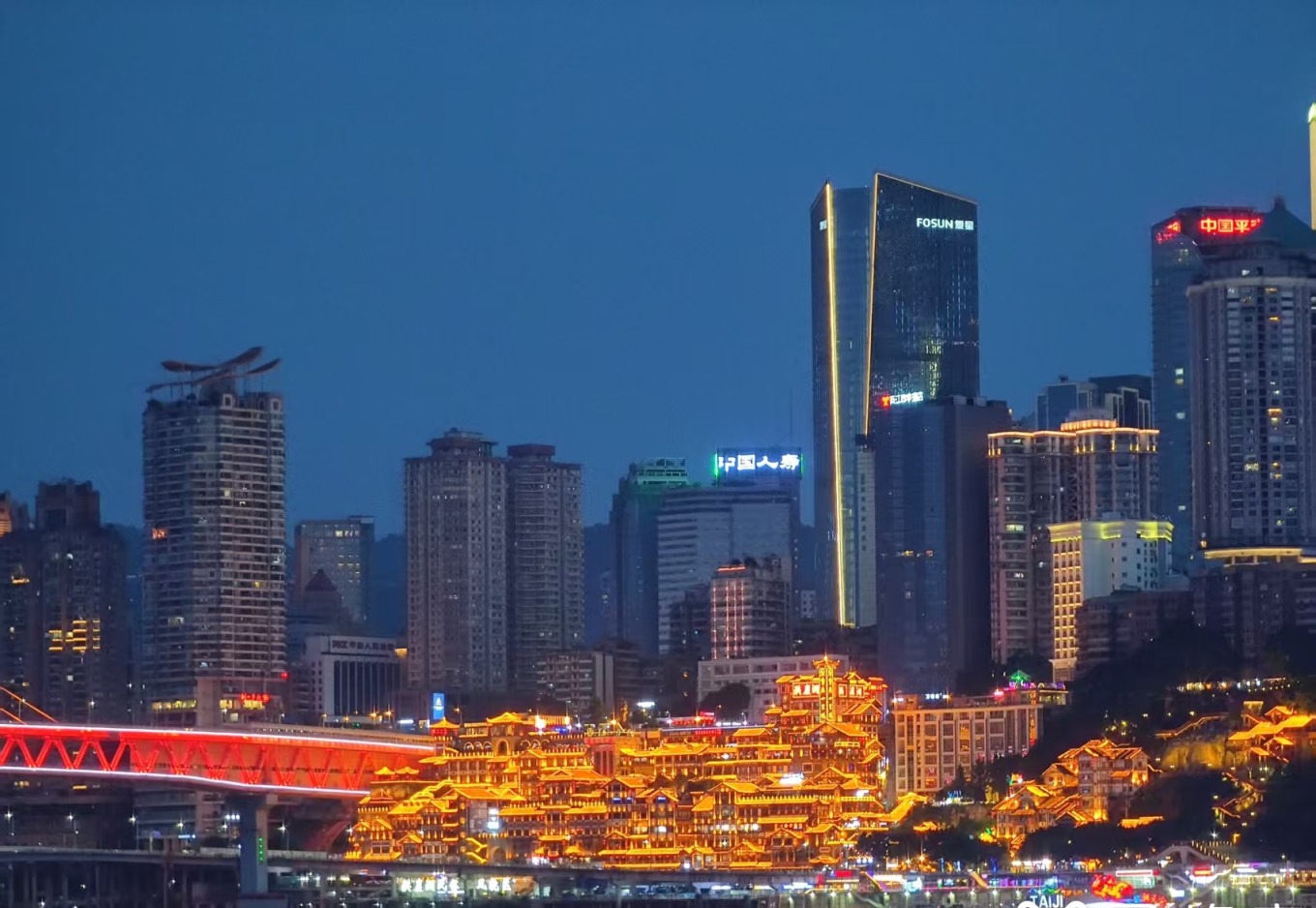
Before your trip to Chongqing, you’ve likely seen countless photos of Hongya Cave (洪崖洞) at night. But seeing it in person is a whole different experience—the golden stilted buildings are so breathtaking that they feel straight out of an anime. Standing on the Qiansimen Bridge (千厮门大桥), you can watch the lights of Hongya Cave flicker on one by one as the river breeze carries the aroma of hotpot. In that moment, you’ll understand why Chongqing leaves such an unforgettable impression.
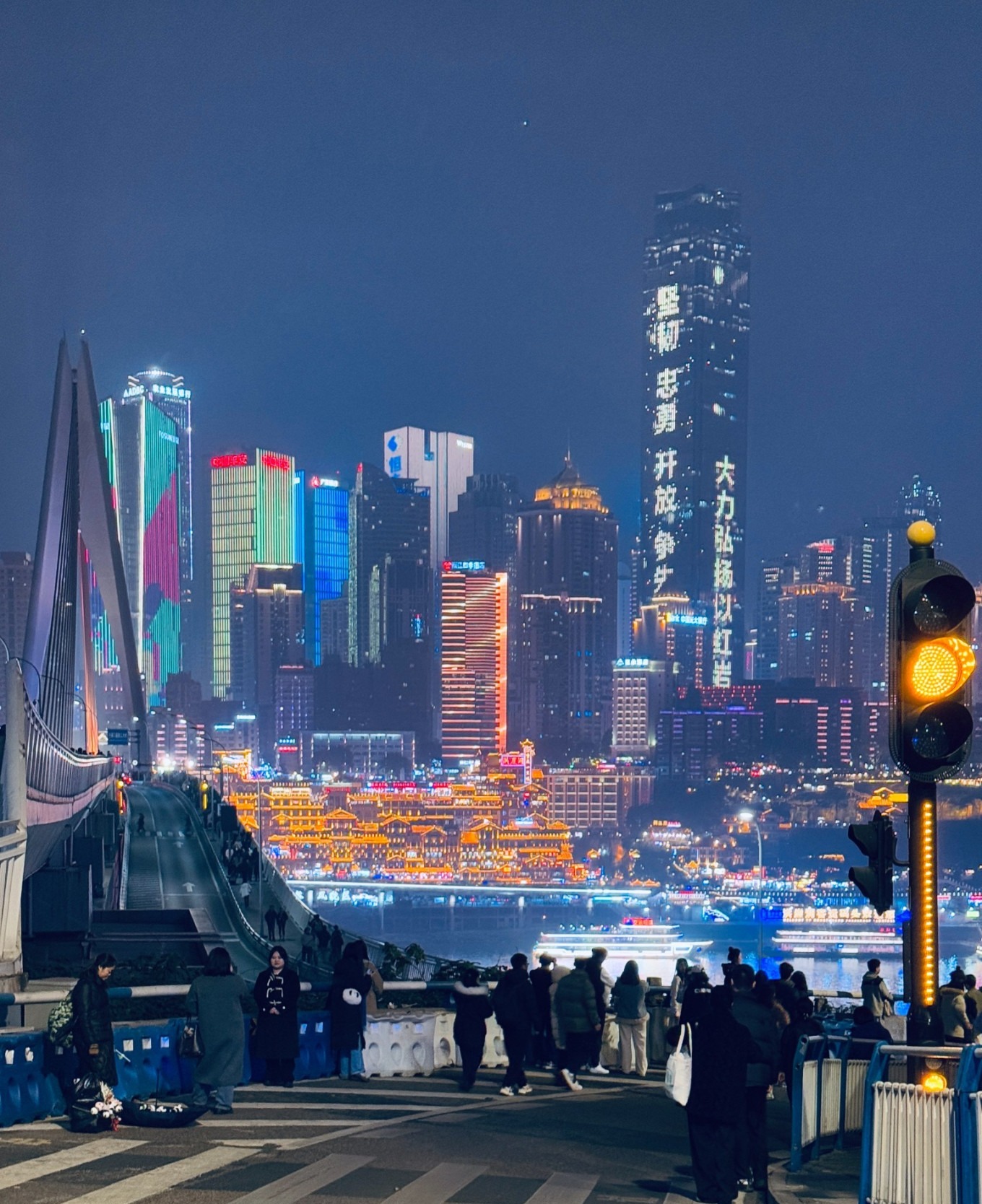
If you arrive before dark, consider walking across Qiansimen Bridge to the Jiangtan Park (江滩公园) on the opposite bank for a panoramic view of Hongya Cave’s night scene. Be cautious: there are paid photography services along the riverbank, and some can be overpriced, so keep your eyes open to avoid a rip-off.
Day 3: Highlights of Yuzhong Peninsula
Your third day in Chongqing takes you through the heart of the city’s cultural and architectural landmarks. Start at the magnificent People’s Great Hall (人民大礼堂), a grand Soviet-style building that dominates the skyline. Then head next door to the Three Gorges Museum (三峡博物馆), which offers deep insights into the region’s history and the massive dam project. Note: the museum is closed on Mondays, so plan accordingly, and make sure to reserve your free ticket a day in advance online.
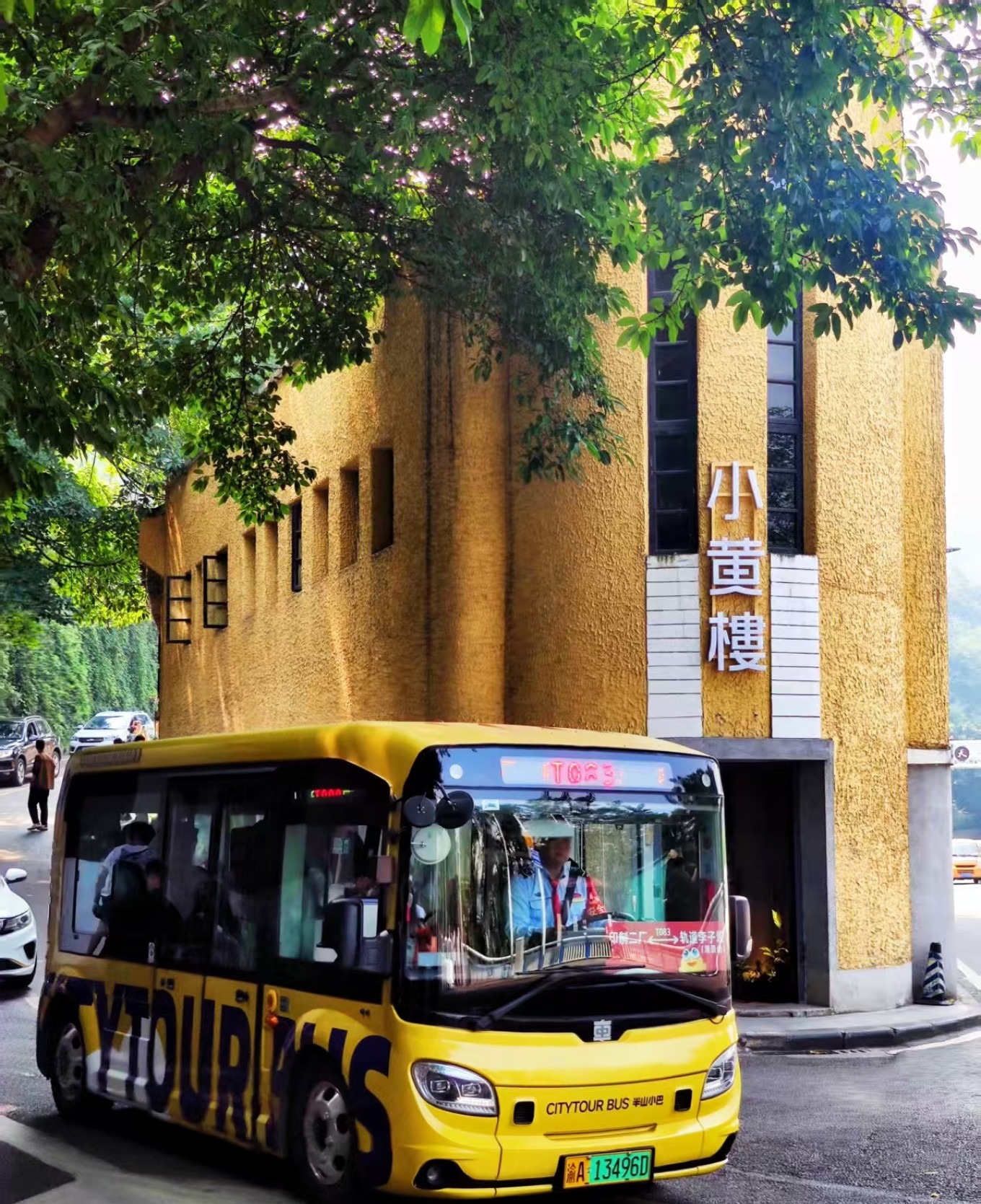
After soaking in the culture, take the metro to Liziba Station (李子坝轻轨站) to see the famous train passing through a residential building. It’s a quick photo stop before exploring the adjacent Xiaohuanglou (小黄楼), a charming yellow building complex with boutiques and cafes. From there, walk or take a short taxi to Eling Erchang (鹅岭二厂), a revitalized industrial area turned creative park with art installations, shops, and great city views.
As dusk falls, make your way to Eling Park (鹅岭公园), perched on a hilltop. This is the perfect spot to watch the sunset and see the Yuzhong Peninsula light up in a sea of neon. The park offers a panoramic view of the city’s skyline, and it’s free to enter. Bring a jacket as it can get breezy. End your day here, soaking in the magical transformation of Chongqing from day to night.
Chongqing Great Hall of the People: A Fusion of Eastern and Western Architecture
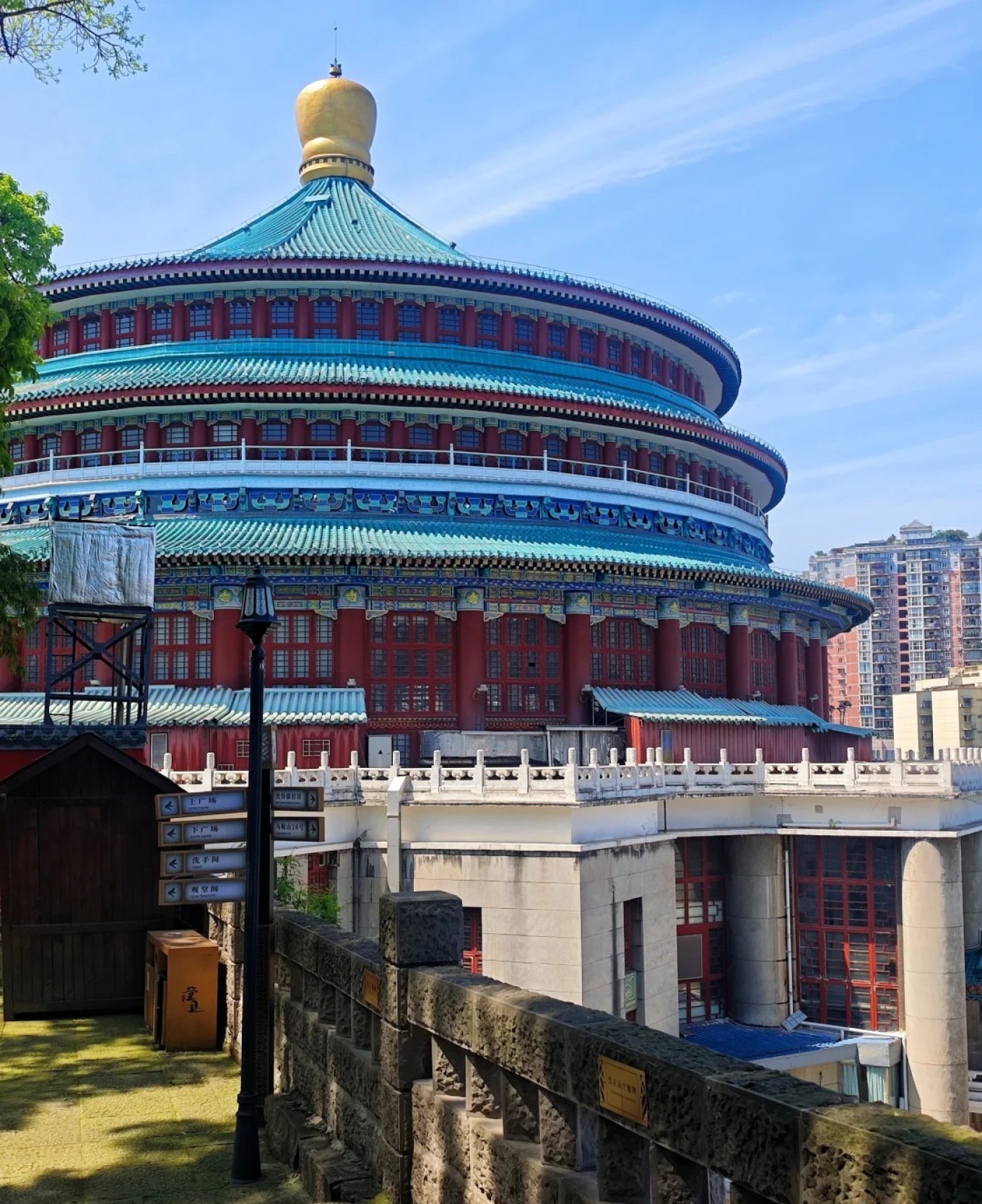
One of Chongqing’s most iconic landmarks, the Chongqing Great Hall of the People (重庆市人民大礼堂) is a stunning example of Eastern-style neoclassical architecture. Originally built in the 1950s as the Southwest Administrative Committee Hall, it was renamed in 1956 and remains a symbol of the city’s heritage. The hall was even listed among the Ten Great Buildings of the People’s Republic of China.
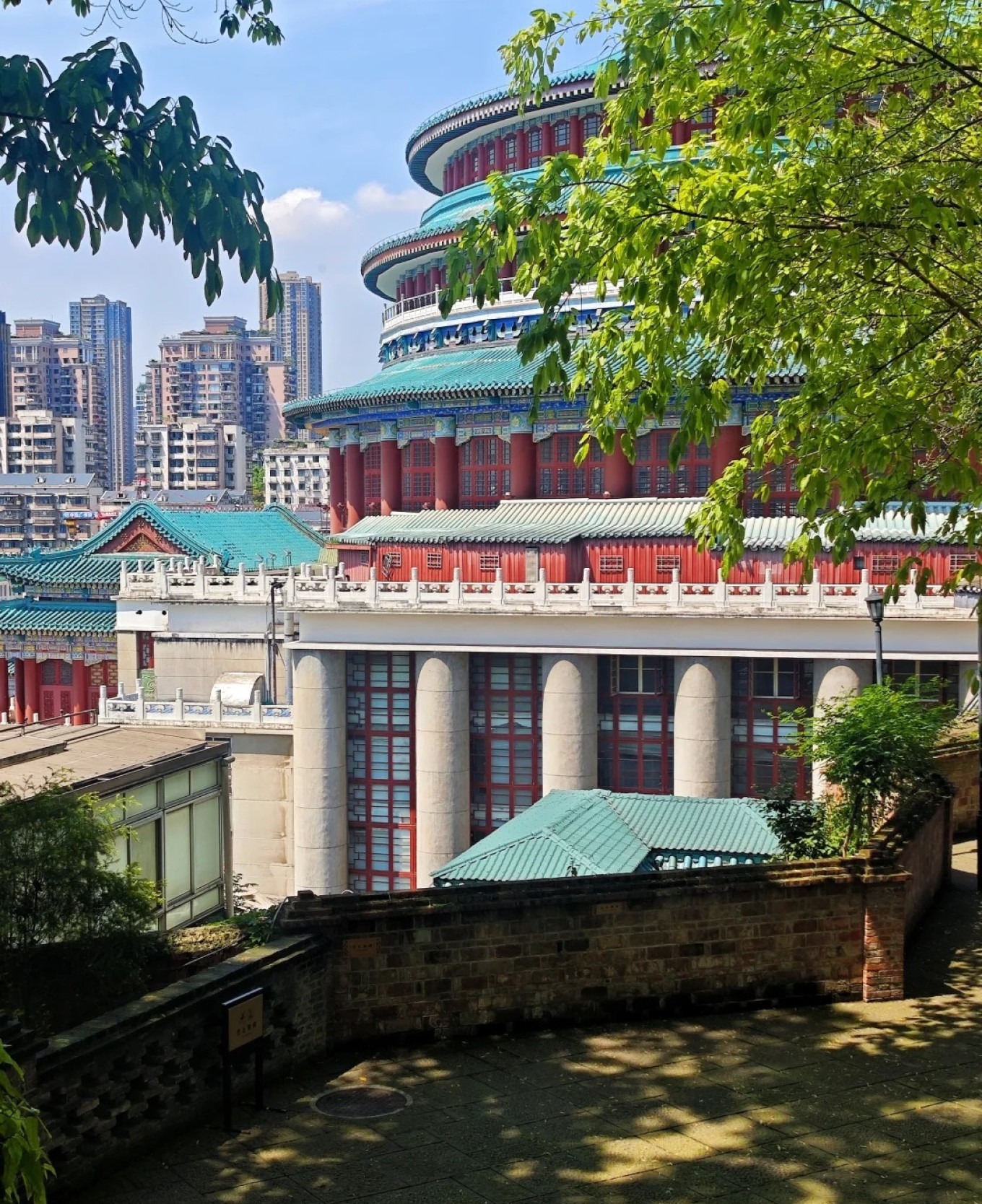
The design draws heavily from classical Chinese architecture: the central golden dome mimics the Temple of Heaven in Beijing (北京天坛), symbolizing prayers for national peace and prosperity. The overall layout follows Ming and Qing palace traditions with axial symmetry, colonnaded wings, and a tower at each end. The central cylindrical watchtower echoes Tiananmen (天安门), while the north and south wings incorporate corner towers reminiscent of the Forbidden City (紫禁城).
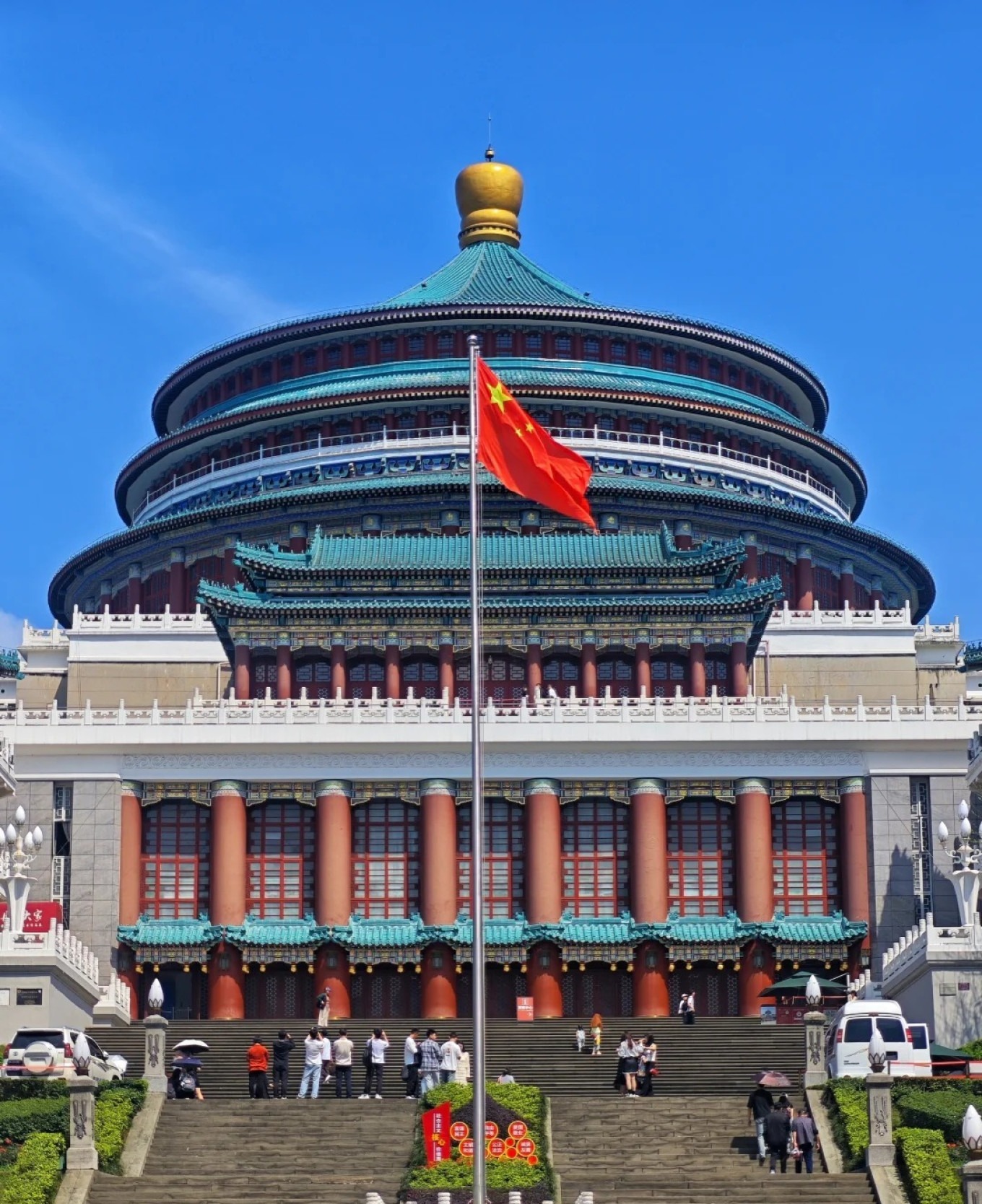
Building this architectural marvel was a monumental challenge. Without large cranes, workers used a ‘stacking method’ with over 35,000 bamboo poles and wooden planks to lift and assemble the dome’s steel framework. The semi-spherical roof weighs over 280 tons, consists of a double-layer steel frame nearly 1 meter thick, and is held together by more than 40,000 rivets. The 36 lattice trusses were then supported by concrete columns.
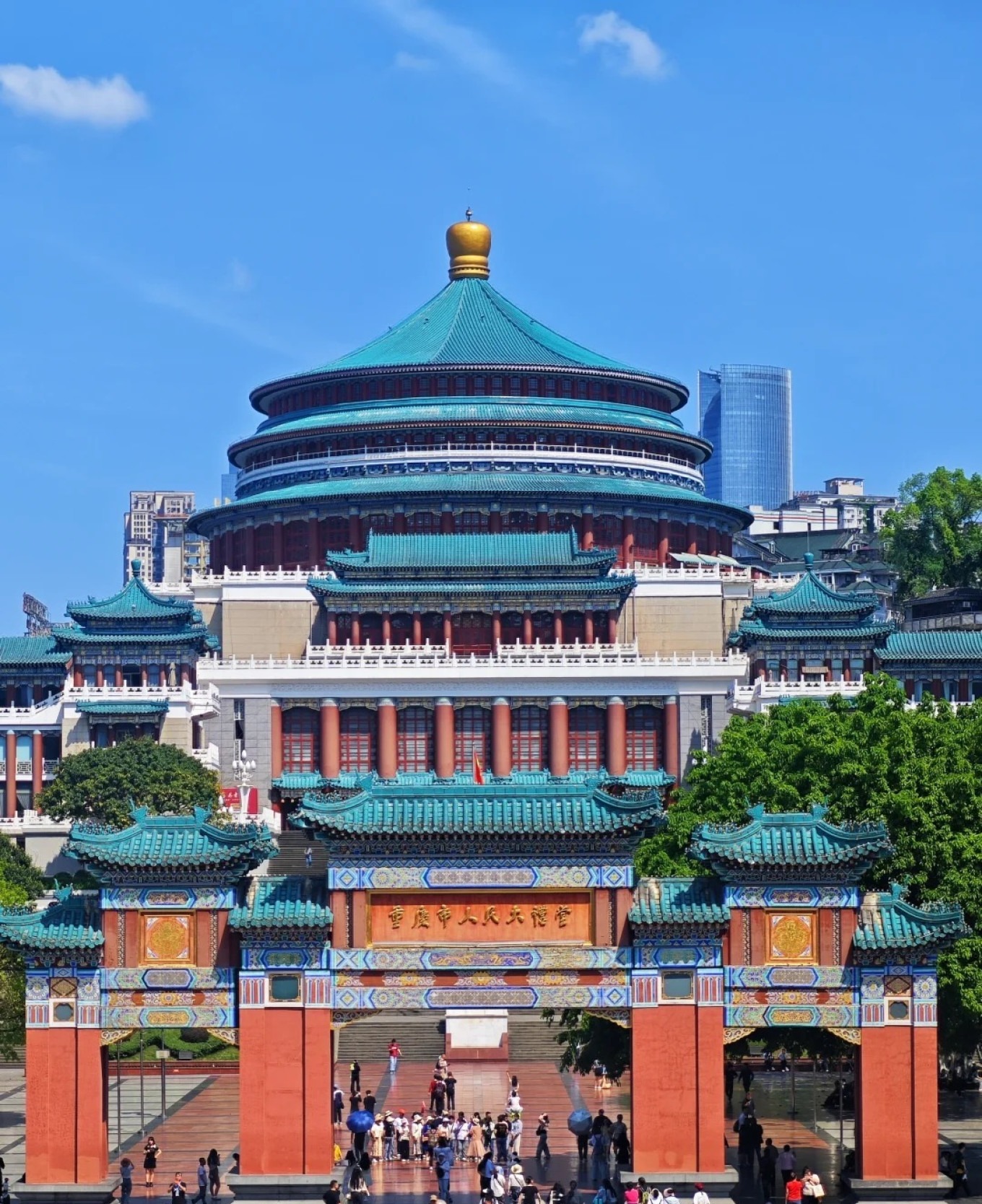
When you visit, take time to admire both the exterior and interior. The hall is open to the public and often hosts performances and events. It’s located at 173 Renmin Road, Yuzhong District (渝中区人民路173号), easily accessible by metro (Line 10, Zengjiayan Station). Consider combining your visit with a stroll through nearby People’s Square (人民广场) for a full cultural experience.
Chongqing Three Gorges Museum: A 3,000-Year Journey Through Bayu History
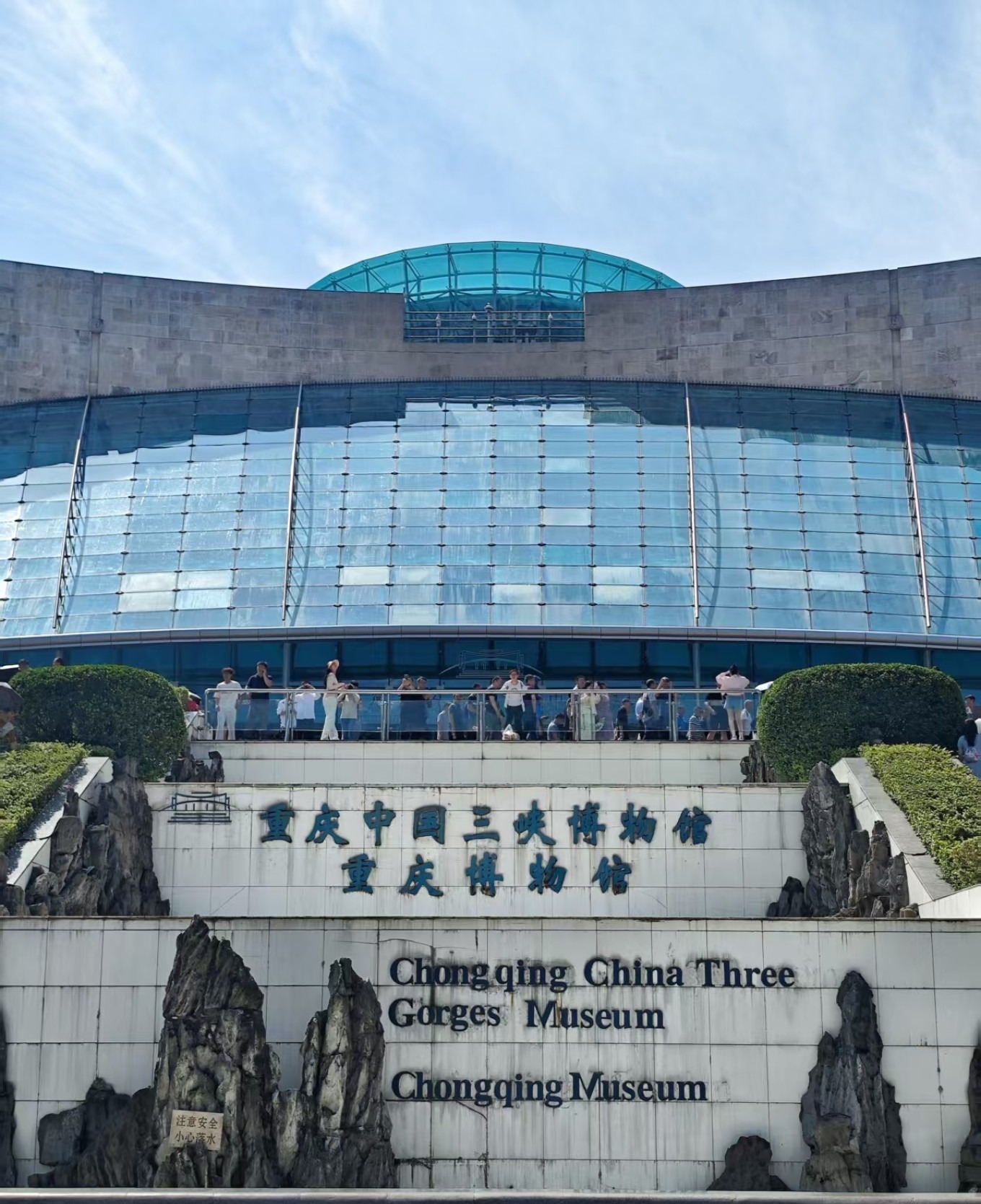
If you want to truly understand Chongqing beyond the dazzling lights of Hongya Cave, head to the Three Gorges Museum (重庆三峡博物馆). This is where the soul of the mountain city lives—a place that condenses 3,000 years of history into a single immersive experience. From the ancient Ba kingdom to the war-torn 20th century, from the majestic Three Gorges to vibrant folk art, a three-hour visit here feels like reading a living, three-dimensional history book.
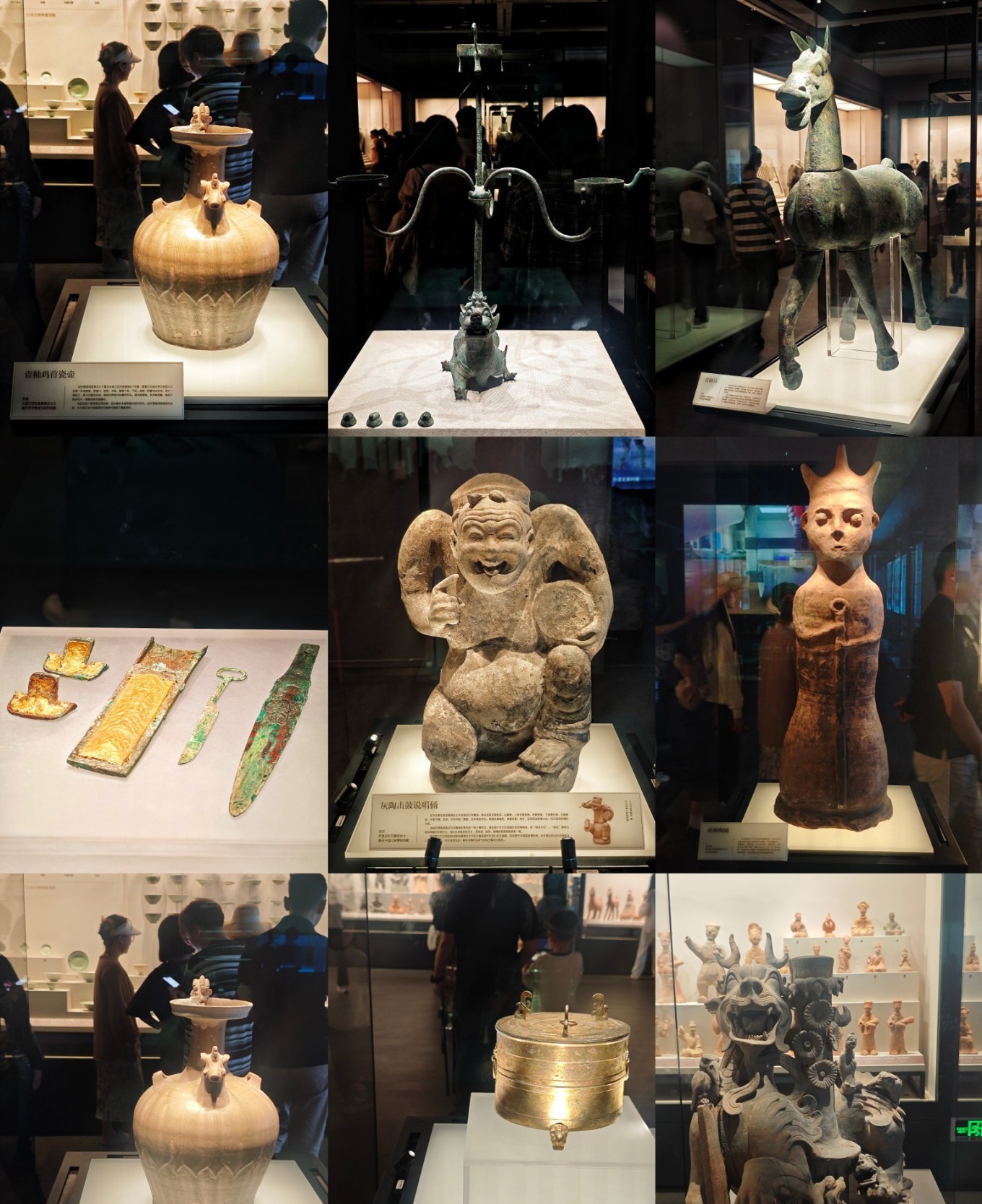
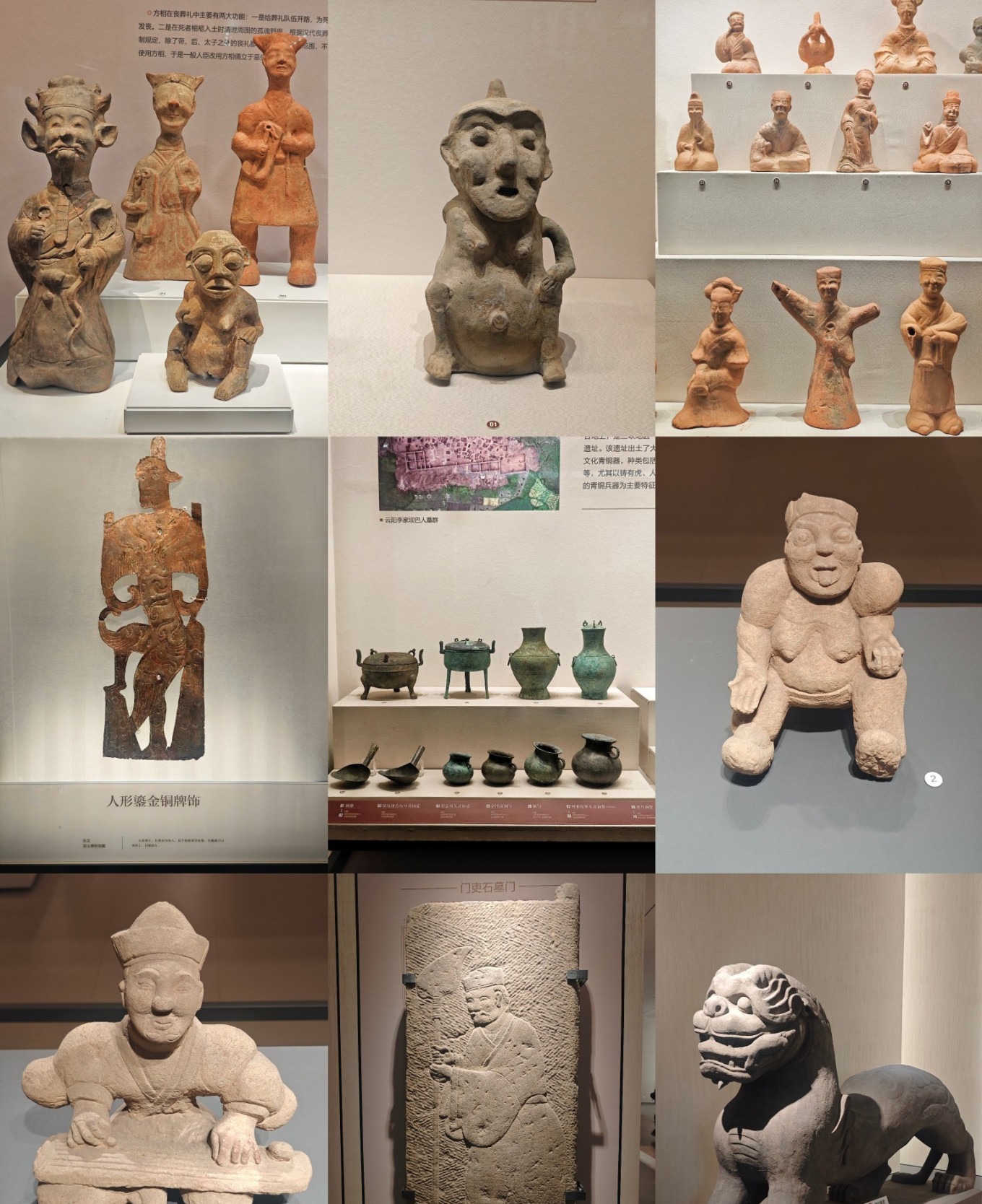
Plan at least three hours to explore the permanent exhibitions. Start with the ‘Magnificent Three Gorges’ hall to grasp the geography and the epic relocation project. Then move to the ‘Ancient Ba and Shu’ gallery for bronze weapons and pottery that tell of early civilizations. Don’t miss the ‘Chongqing: City of the Anti-Japanese War’ section, which offers a sobering look at the capital during the war years. Practical tip: book your free ticket online in advance (search ‘重庆三峡博物馆预约 (local term)’) to skip the queue. The museum is located at No. 236 Renmin Road, Yuzhong District (渝中区人民路236号), right opposite the Great Hall of the People.
Liziba: Chongqing’s Famous Monorail Through a Building
In Chongqing, even the monorail can perform ‘wall-piercing’ magic! 🚇💥 Watching a train burst out of a residential building mid-air is a jaw-dropping sight—this is the 8D magical city, where transportation itself feels cyberpunk. Here’s how to capture that viral photo and explore hidden gems nearby.
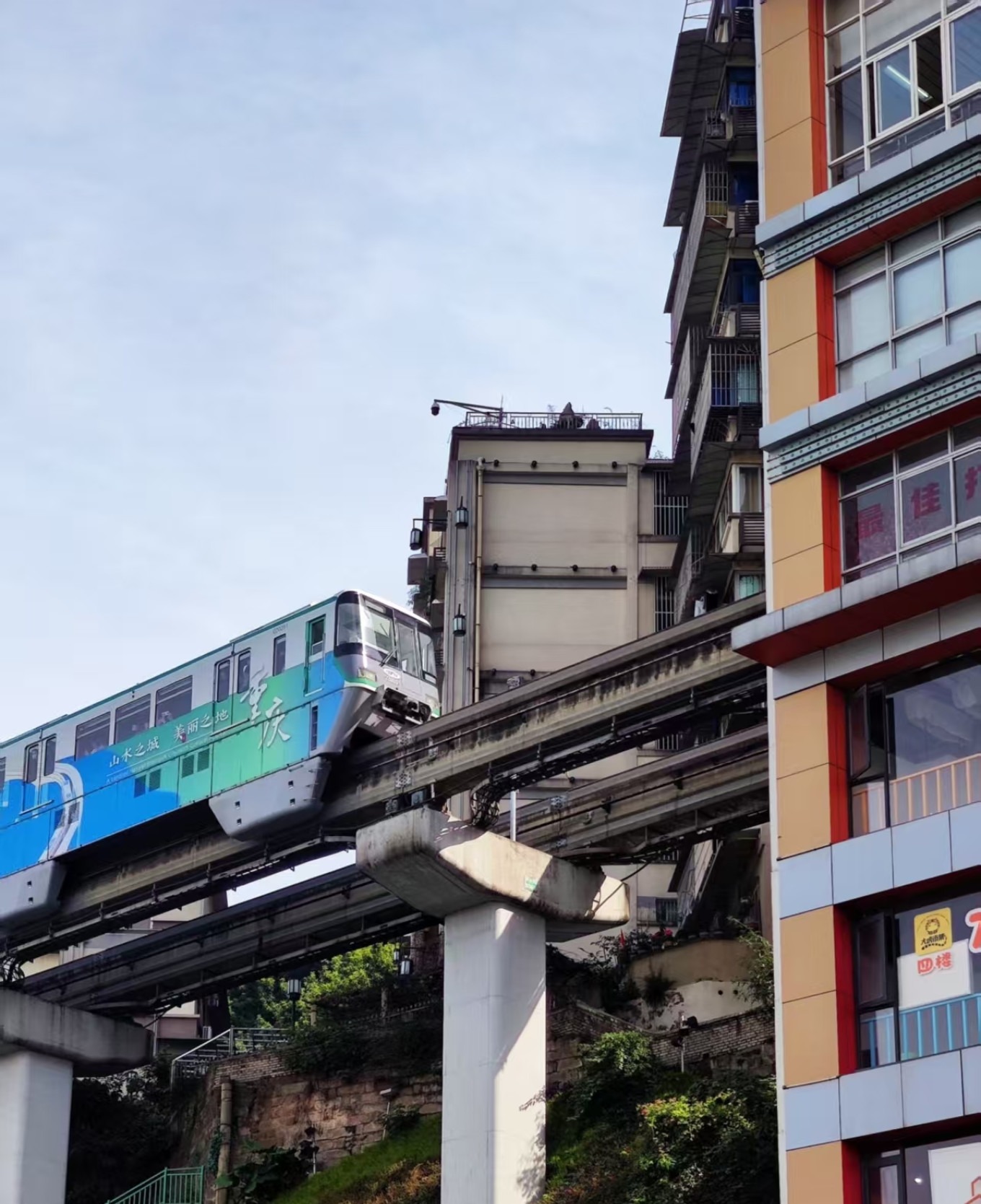
Right next to Liziba monorail station, you’ll find the newly popular ‘Little Yellow Building’ (小黄楼). This row of grayish Republican-era buildings actually has a cultured name: Jueyuan (觉园). It once served as the office building of the Bank of Communications, later became the residence of the American ambassador, and then for decades housed ordinary citizens. Since the ‘monorail-through-building’ went viral, the surrounding old neighborhoods have been spruced up with renovation after renovation.
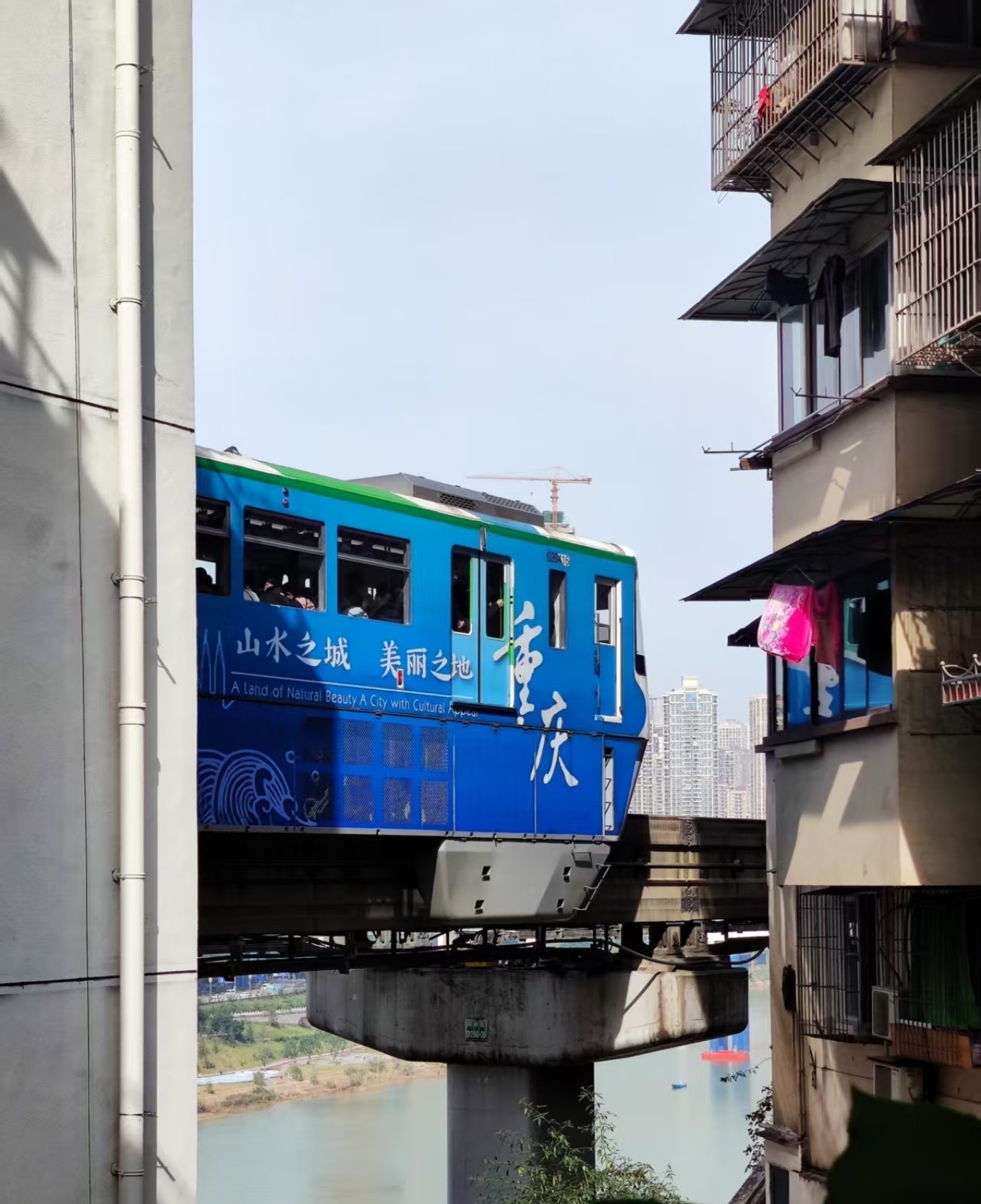
For the best photo ops, head to the Liziba observation deck on Binjiang Road. You can also try creative shots like holding up the train with your hand or pretending to catch it. After snapping the train, wander over to Jueyuan for some retro architecture shots. Nearby, there are plenty of tea houses and snack stalls where you can sample local street food. Consider visiting on a weekday to avoid crowds.
- RestaurantJueyuan Teahouse (觉园茶馆)
- Address重庆市渝中区李子坝正街66号 / No.
- Recommended dishes盖碗茶 (Gaiwan tea), 重庆小面 (Chongqing small noodles), 酸辣粉 (Suanla fen / hot and sour noodles)
- Average spend¥30-50 per person
Eling Er Factory: The Rooftop from ‘I Belonged to You’
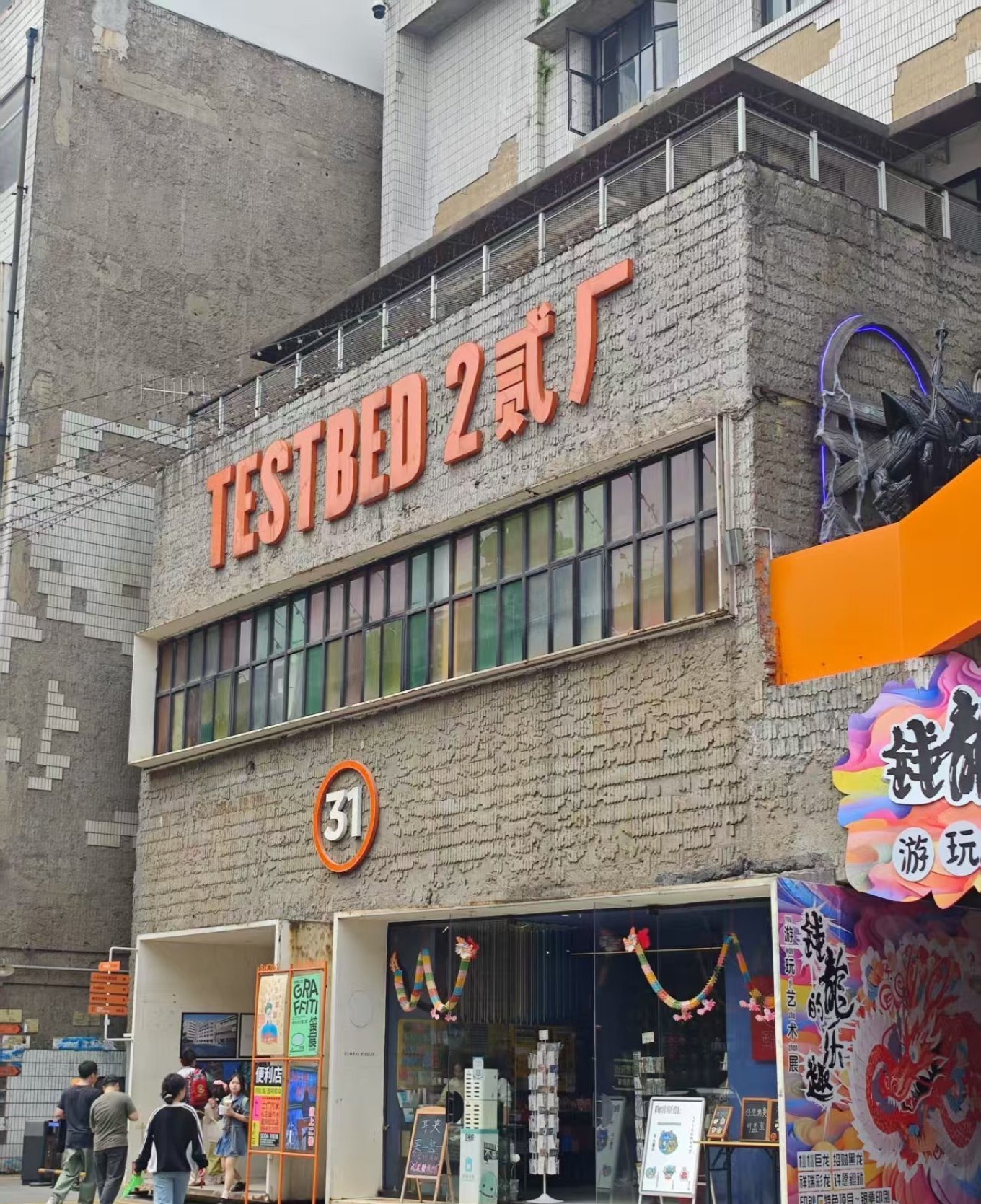
Imagine watching the sunset from a rooftop that once belonged to an abandoned printing factory—that’s the magic of Eling Er Factory (鹅岭贰厂文创公园), a cultural and creative park transformed from old industrial buildings. Here, industrial rough edges meet artistic souls: rusted steel gears sit next to ins-style cafés, and mottled concrete walls are covered with colorful graffiti. Every visitor can find their own cinematic frame.
Located at 1 Eling Main Street, Yuzhong District, Chongqing (重庆市渝中区鹅岭正街1号), the park follows the traditional ‘courtyard’ layout of industrial complexes, enclosing over 20 factory buildings and offices. It spans 25,000 square meters and features a central square and three streets, making it a labyrinth of photo-worthy corners.
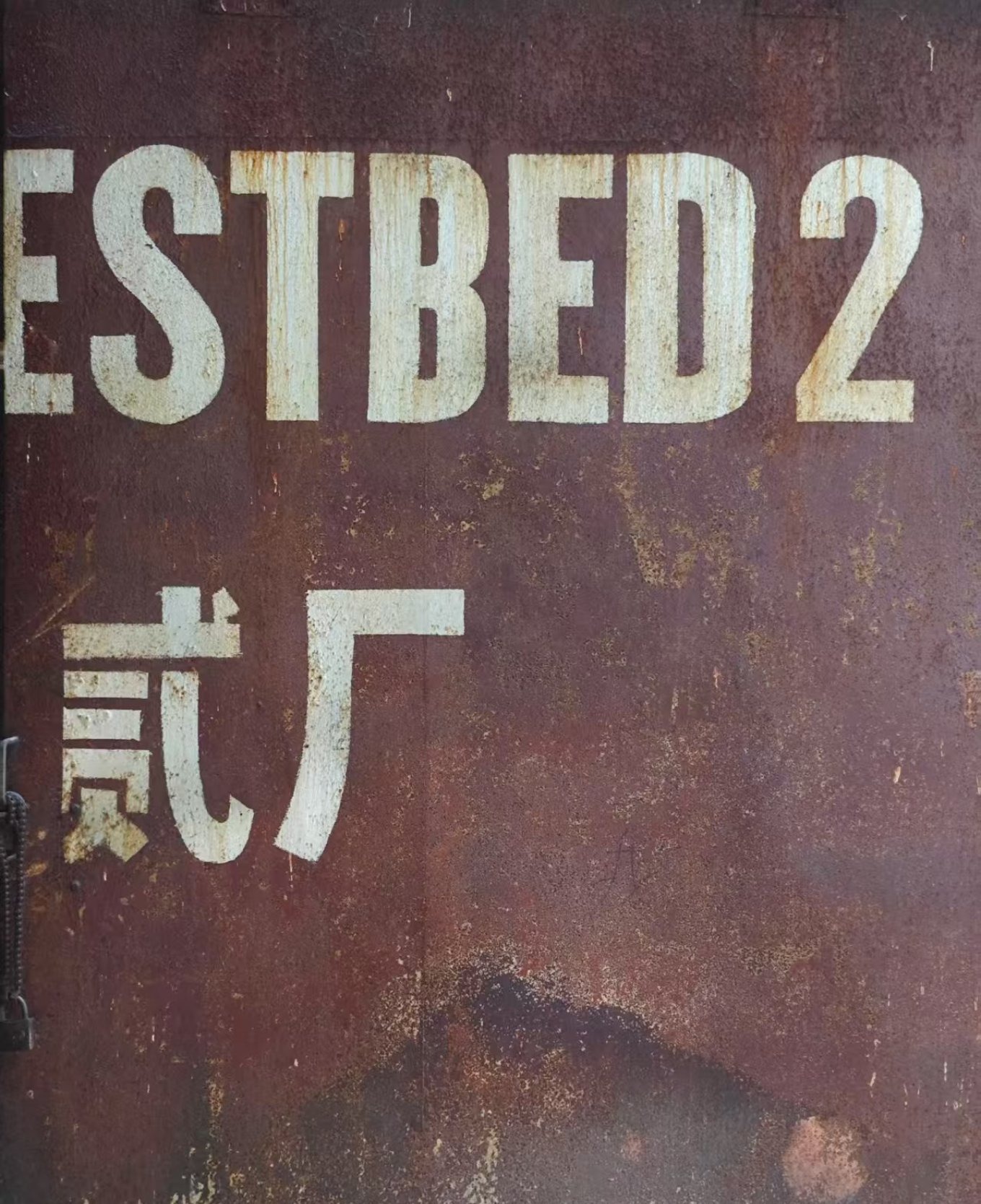
Don’t miss the rooftop that appeared in the film ‘travelers Belonged to You’ (从你的全世界路过). It’s the perfect spot to wait for sunset and capture the city’s skyline. The park also houses trendy shops, art galleries, and eateries, making it ideal for a leisurely afternoon.
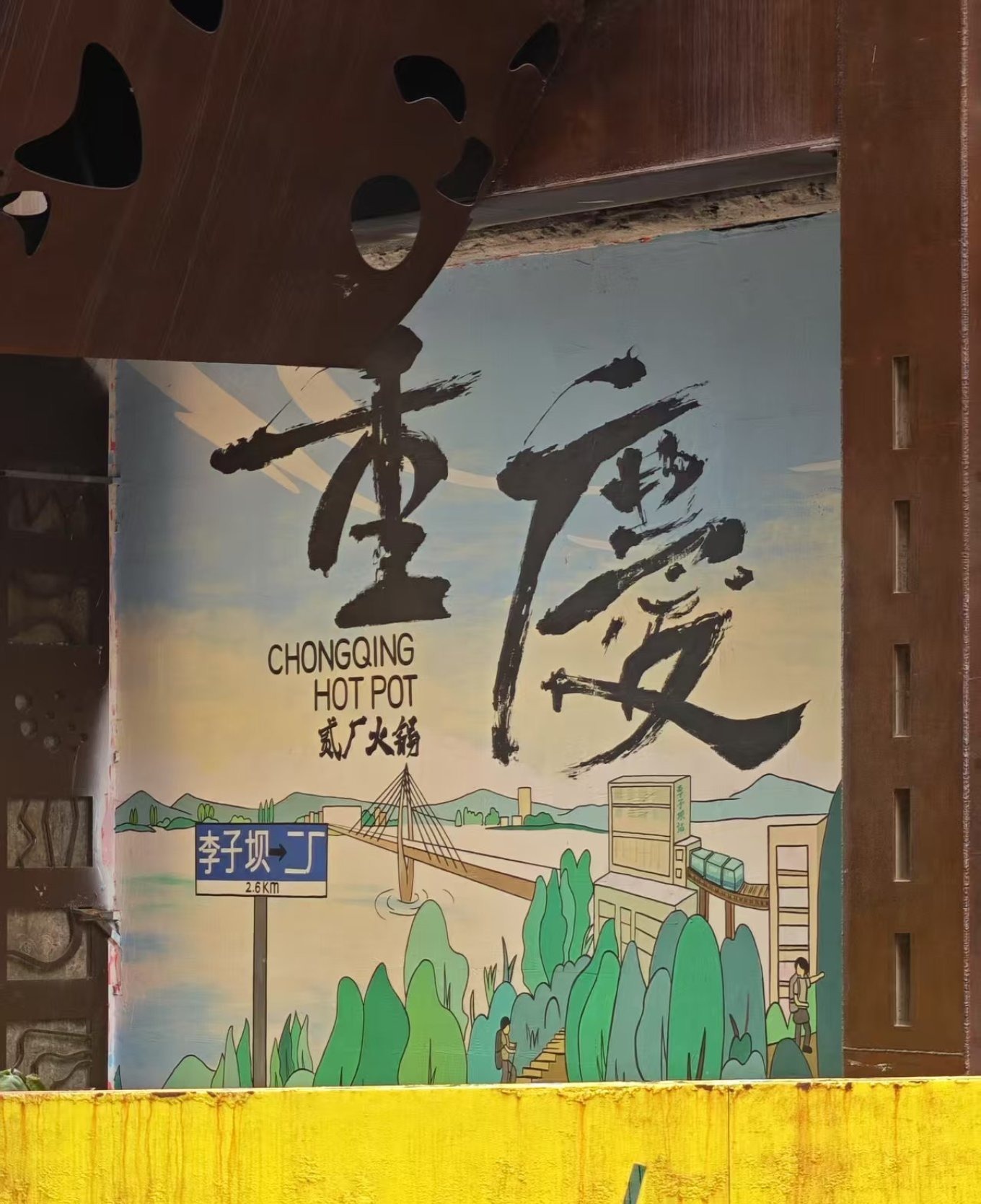
Eling Park: A Suzhou-style Garden Hidden in Chongqing’s City Center
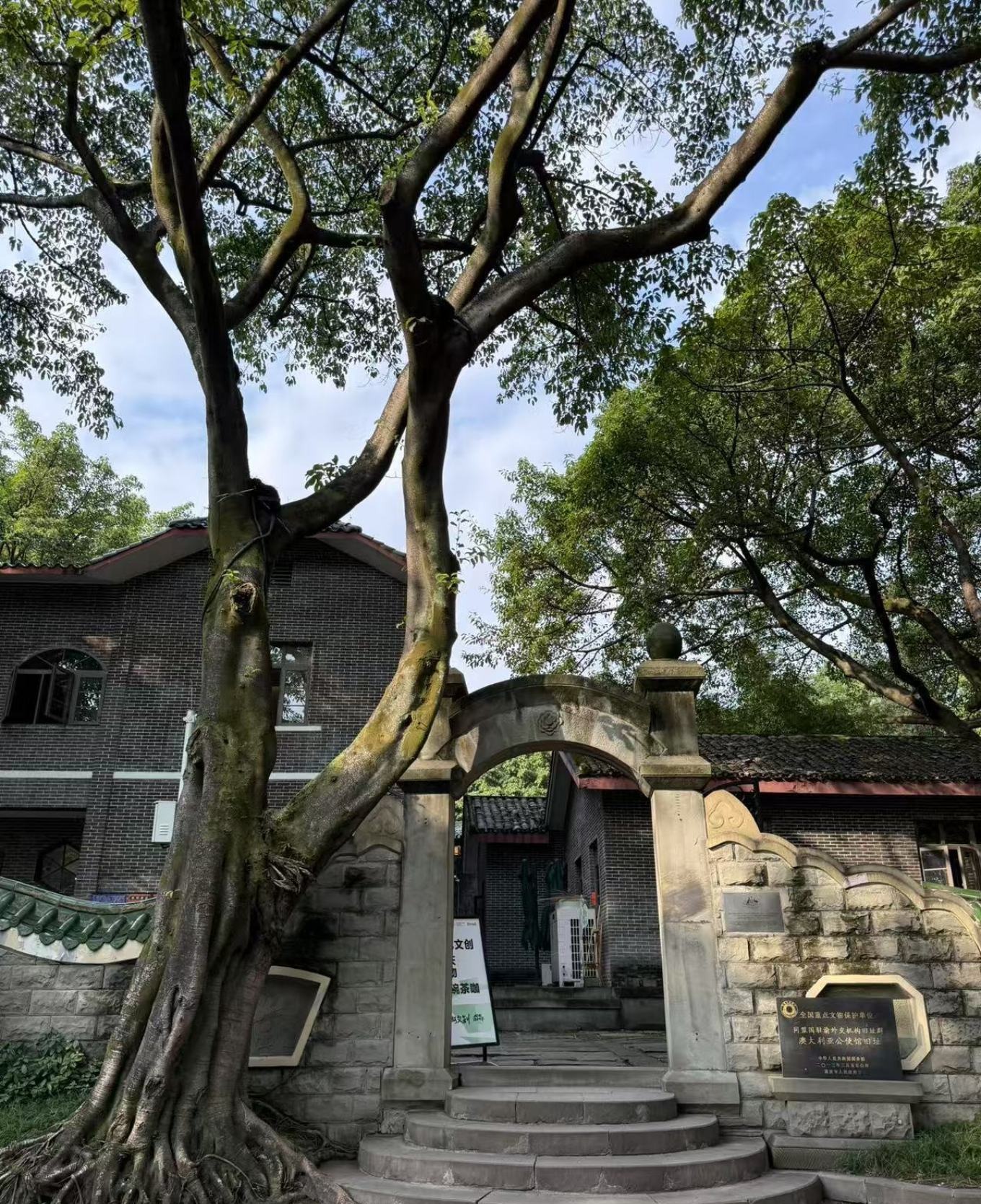
Perched on the highest point of Chongqing, Eling Park (鹅岭公园) is a serene Suzhou-style garden that feels a world away from the city’s futuristic skyline. With its ornate pavilions, winding paths, and stunning views where the Yangtze and Jialing rivers converge, this century-old park is a must-visit — and best of all, it’s completely free.
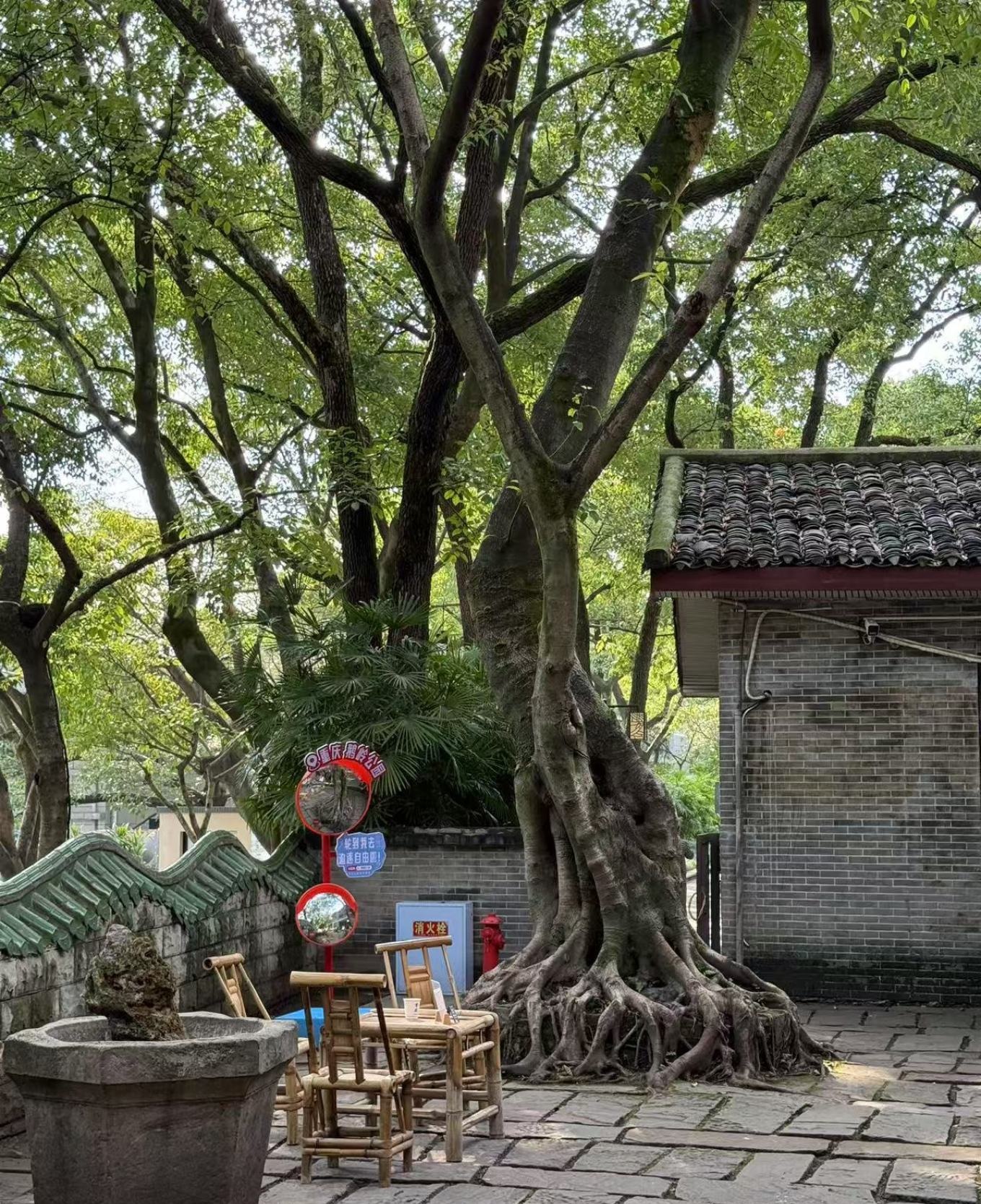
As you wander through the park, you’ll discover a series of beautifully preserved structures, including the iconic two-story pavilion that offers a 360-degree view of the city. The park’s layout is designed to reveal new scenes at every turn — a stone bridge over a koi pond, a bamboo grove framing a distant skyscraper, or a quiet teahouse where you can rest. Plan at least an hour to explore the main paths, and don’t miss the chance to climb the central pavilion for photos.
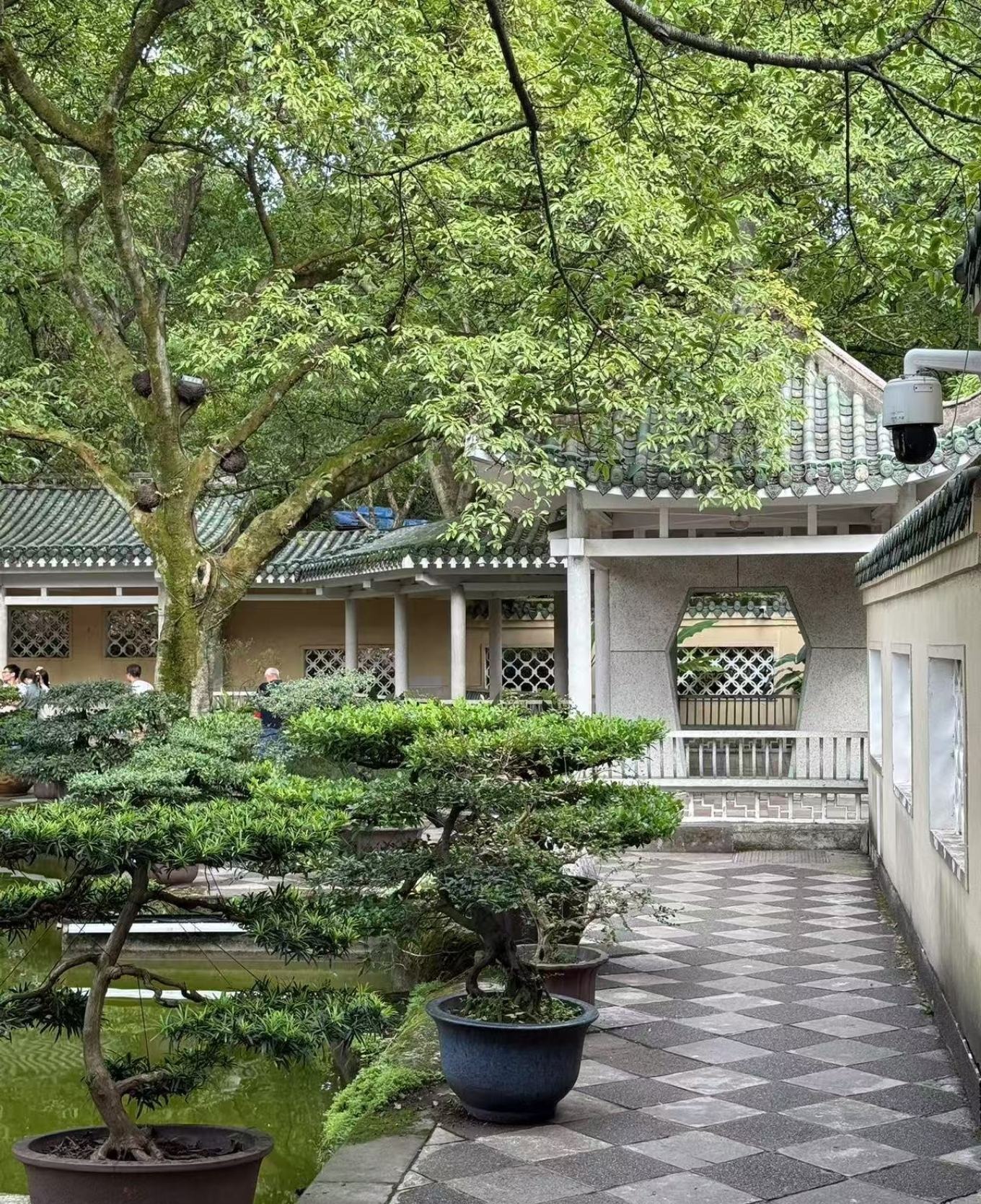
Practical tip: Visit in the late afternoon to enjoy the golden light and stay for sunset over the rivers. The park is easily accessible by metro (Line 1, Eling Station, Exit 2) and is a perfect prelude to an evening exploring the nearby Eling Second Factory cultural district.
Where to Stay in Chongqing
Choosing the right base can make your trip smoother. Here are three popular areas to consider, each with its own vibe and trade-offs.
**Jiefangbei (解放碑)** is your top pick for convenience. Located in the city center and surrounded by shopping malls, restaurants, and metro lines, it puts you within easy reach of most attractions. If you want to minimize travel time, this is the place.
**Guanyinqiao (观音桥)** is a lively hub popular with younger crowds. It’s packed with eateries, bars, and entertainment options, but getting to major sights can be less convenient compared to Jiefangbei.
**Nanbin Road (南滨路)** offers stunning night views of the Yangtze River and the city skyline. Many hotels here are riverside properties with panoramic vistas. However, public transport is limited—taxis or ride-hailing are your best bet.
Common Traveler Questions
Is three days enough for Chongqing?
Three days is enough for a focused central Chongqing walking route. Add more time if you want Wulong, a slower food route, or less crowded viewpoints.
Is Chongqing hard to navigate?
It can be confusing because the city is built vertically. Use Chinese map apps, check station exits, and do not trust walking distances without checking elevation and stairs.
Should I choose this 3-day guide or the 5-day Chongqing itinerary?
Choose this guide for a compact walking-focused city visit. Choose the 5-day itinerary if you want a fuller route with more food, viewpoints, and Wulong planning.
Guide Navigation
Enjoyed this article? Consider buying me a coffee to support more content like this!
💖 0 people have clicked to support this article.