Chongqing 5-Day Guide: Independent Itinerary & Mountain Routes
A practical Chongqing 5-day independent itinerary with Hongyadong, Ciqikou, Yangtze cableway, Wulong karst, hotpot, city transport tips, and route-planning context.
travel better
On this page
A practical, image-rich guide you can actually use.
Introduction
Chongqing, a sprawling metropolis built on steep hills where the Yangtze and Jialing rivers converge, offers an unforgettable blend of futuristic cityscapes, spicy cuisine, and natural wonders. This five-day, four-night itinerary is designed for first-time visitors, balancing iconic landmarks with hidden gems. You’ll navigate the city’s dizzying verticality via metro and cable cars, savor authentic hotpot and street snacks, and escape to nearby karst landscapes. A key tip: wear comfortable walking shoes and prepare for humid subtropical weather—Chongqing’s nickname ‘furnace city’ is well-earned in summer.
The city’s unique topography means that a building’s first floor might be another’s tenth floor, and the metro system is your best friend for getting around. Consider purchasing a Chongqing public transportation card for convenience. English signage is common in tourist areas, but having a translation app handy helps when exploring local markets. This guide prioritizes efficiency, grouping attractions by geographic proximity to minimize travel time.
Chongqing 5-Day Itinerary
Planning a practical itinerary for Chongqing? This 5-day itinerary packs in the city’s iconic sights, spicy eats, and natural wonders. From the dazzling skyline of Hongya Cave to the surreal karst landscapes of Wulong, here’s how to make the most of your visit.
**Day 1: Arrival & Downtown Highlights** Start at Chongqing North Station (重庆北站), then head to Jiefangbei (解放碑) — the city’s central monument and shopping hub. Stroll through Bayi Food Street (八一好吃街) for local snacks like spicy skewers and sour-spicy noodles. In the evening, walk across Qiansimen Bridge (千厮门大桥) for a stunning view of Hongya Cave (洪崖洞) lit up at night.
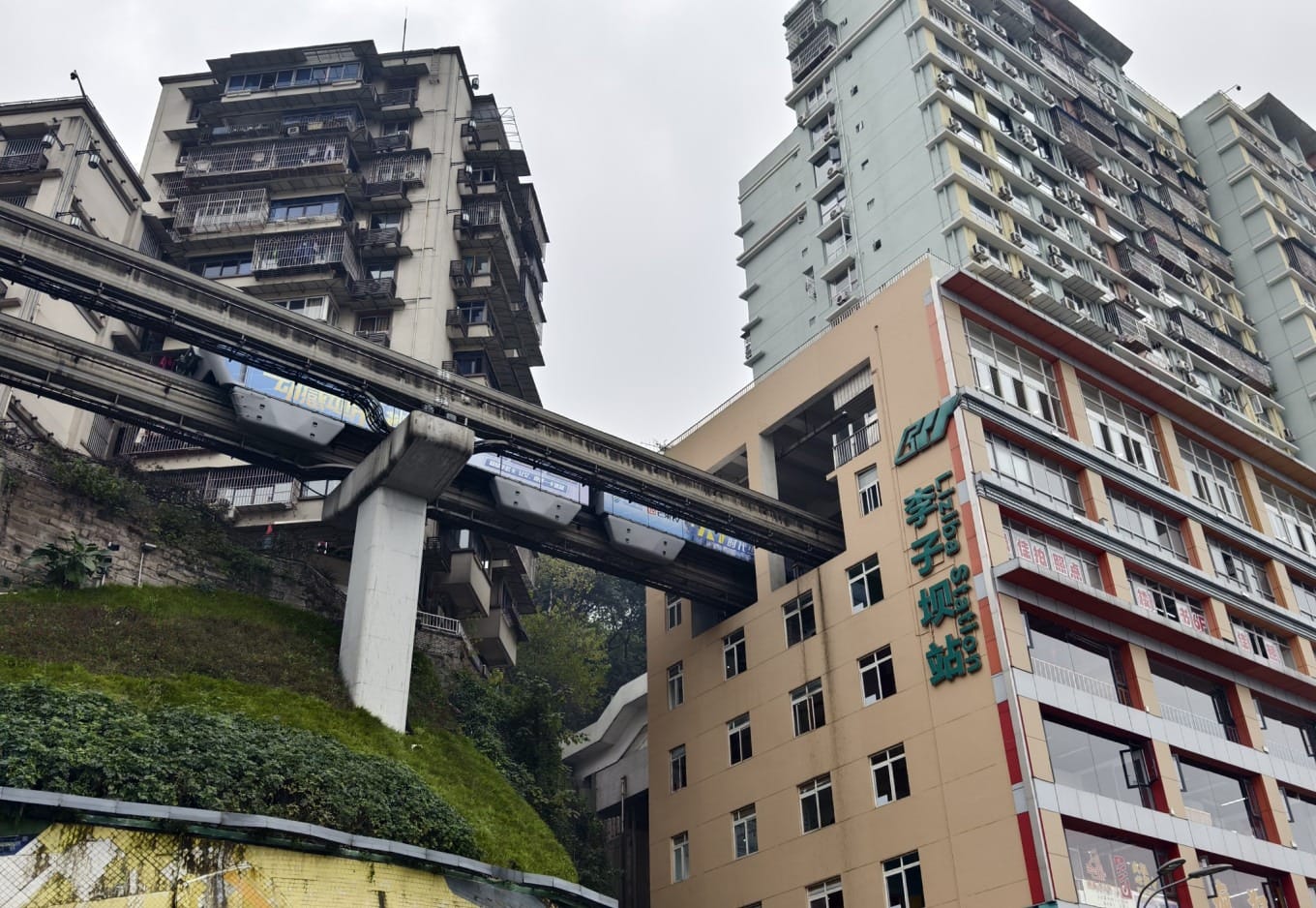
**Day 2: Art, Metro & History** Visit Eling Er Chang (鹅岭二厂), a creative industrial park with art galleries and cafes. Next, head to Liziba Station (李子坝穿楼观景) to see the metro train pass through a residential building — a must-photo spot. Then explore Chongqing Three Gorges Museum (重庆三峡博物馆) for regional history. For lunch, try authentic hotpot at Wan Dong Xiang Hotpot (万洞巷火锅). In the afternoon, visit Bai Mansion (白公馆) and Zhazidong (渣滓洞) — former prisons with revolutionary history — followed by a stroll through Ciqikou Ancient Town (磁器口古镇).
**Day 3: Wulong Natural Wonders** Take a day trip to Wulong Karst (武隆天坑地缝景区), a UNESCO World Heritage site. Explore the massive Tiankeng (Heavenly Pit) and Difeng (Earthly Crack), with towering cliffs and lush vegetation. You can join a tour or take a bus from Chongqing’s main bus station.
**Day 4: Riverside & Old City** Start at Raffles City (来福士), a futuristic skyscraper complex, then walk to the confluence of the Yangtze and Jialing rivers (两江交汇口). Visit Huguang Guild Hall (湖广会馆), a historic assembly hall with intricate architecture. Next, explore Baixiangju (白象居), an old residential area with classic Chongqing stairways. For lunch, head to Shancheng Laotangkou (山城老堂口川菜) for authentic Sichuan cuisine. Afterward, walk the Mountain City Trail (山城步道) and Shibati (十八梯) — ancient stone steps lined with shops. End the day at Nanshan Yikeshu (南山一棵树) for a panoramic night view of the city.
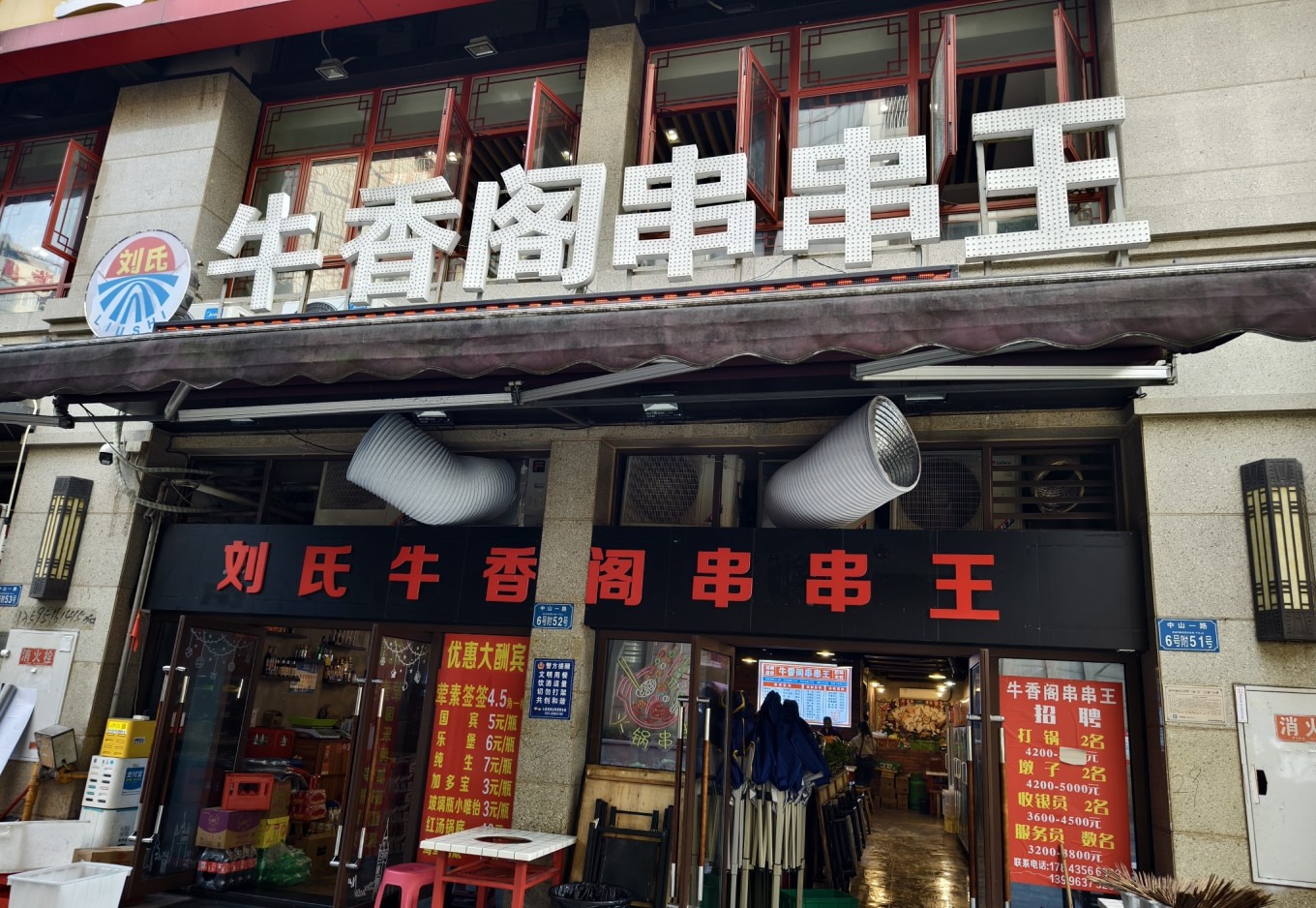
**Day 5: Cable Cars & Farewell** Ride the Yangtze River Cableway (长江索道) for a bird’s-eye view across the river. Then head to Skywalk (云端之眼), a rooftop observation deck with 360° views. For a final meal, try Niuxiangge Chuanchuanwang (牛香阁串串王) — a popular skewer hotpot spot. Then return to Chongqing North Station (重庆北站) for departure.
Day 1: From Arrival to Iconic Night Views
Your first day in Chongqing kicks off with a high-speed train from Shijiazhuang (石家庄) – the G51 departs at 7:57 AM and arrives at Chongqing North Station at 1:57 PM, a smooth six-hour ride. Once you step out of the station, take Metro Line 10 to Qixingang Station (七星岗), exit 4A (there’s a 7-floor escalator). Check into the Chongqing Timi Apartment Hotel (重庆提米公寓酒店) nearby, drop your bags, and you’re ready to explore.
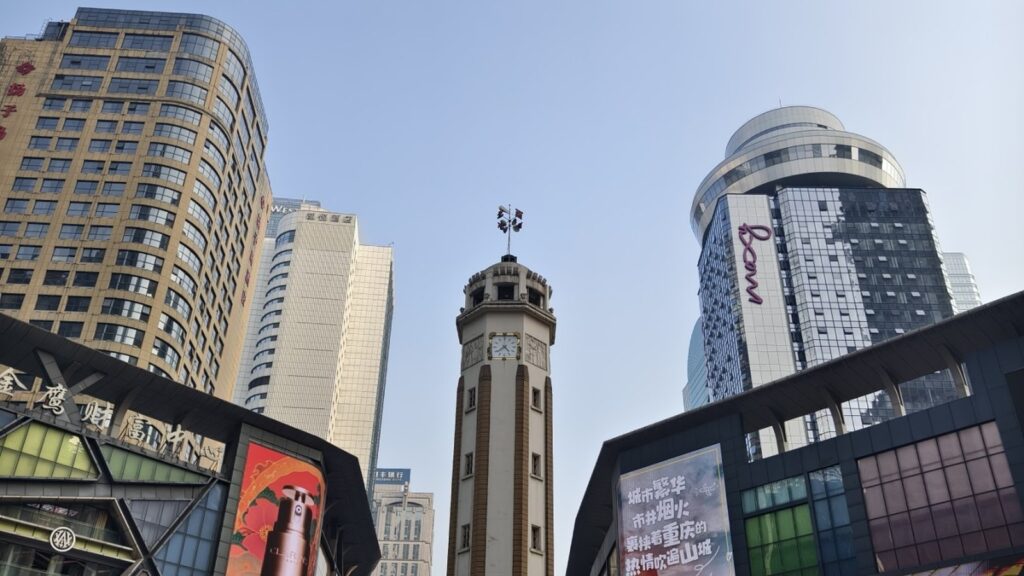
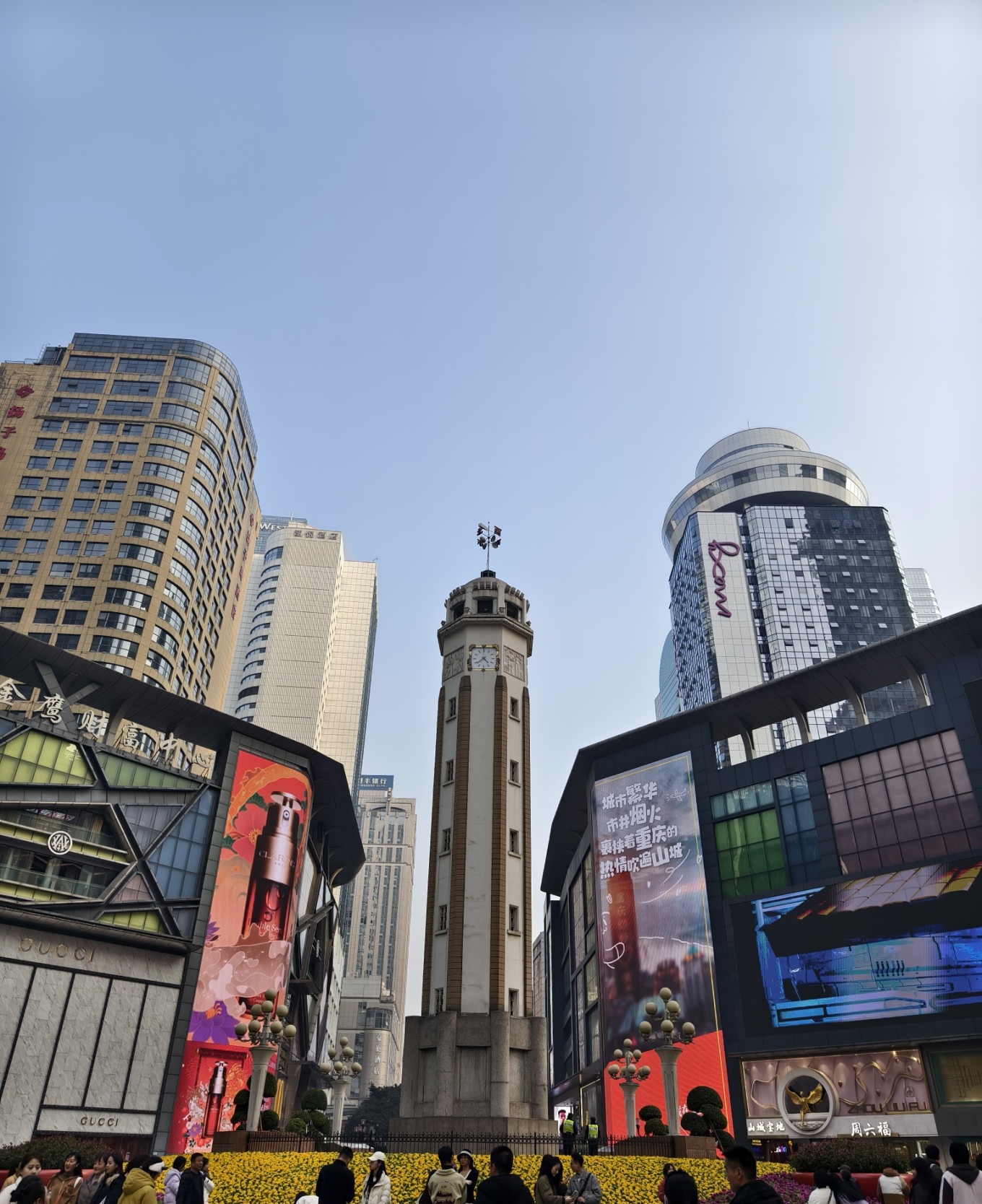
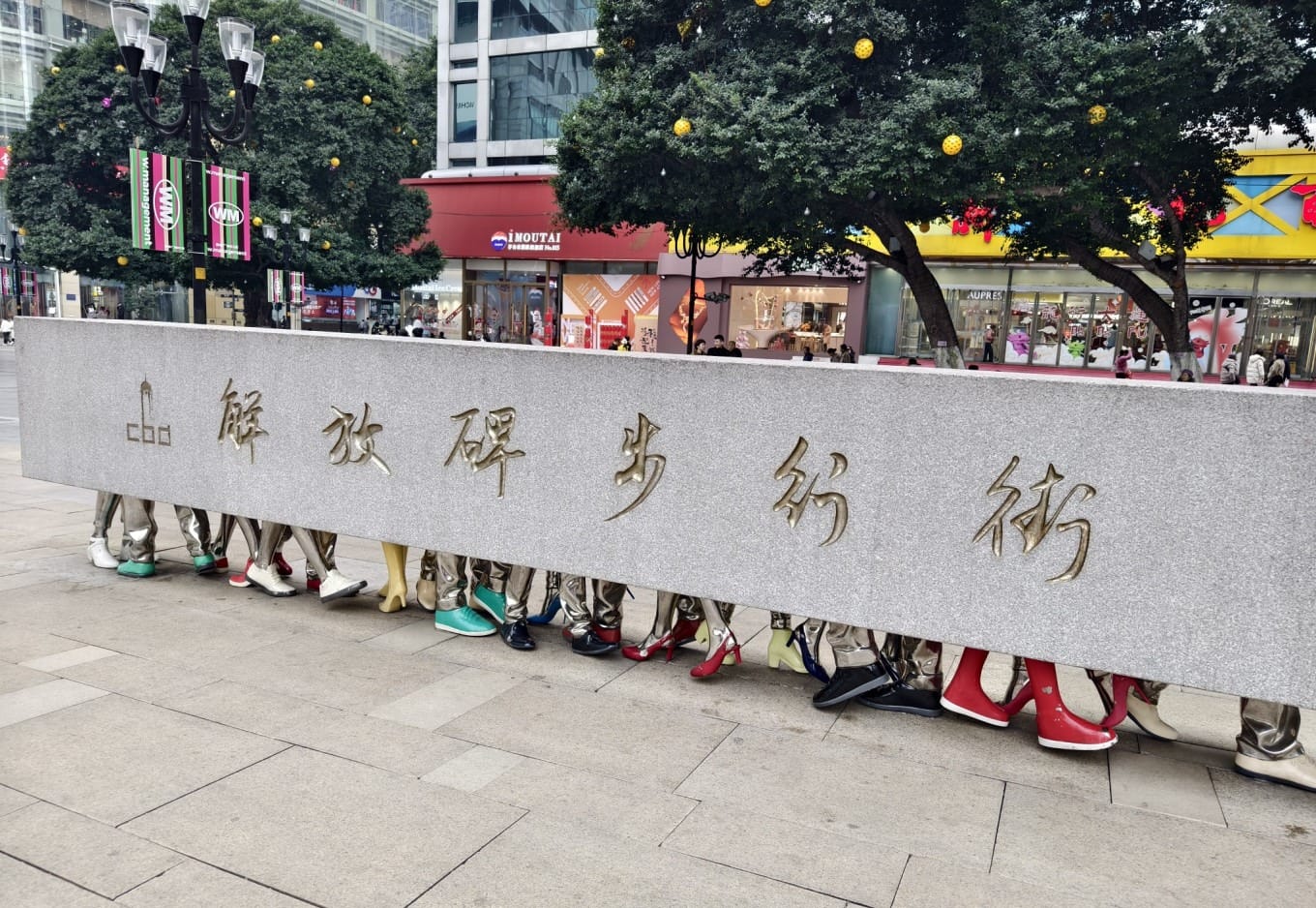
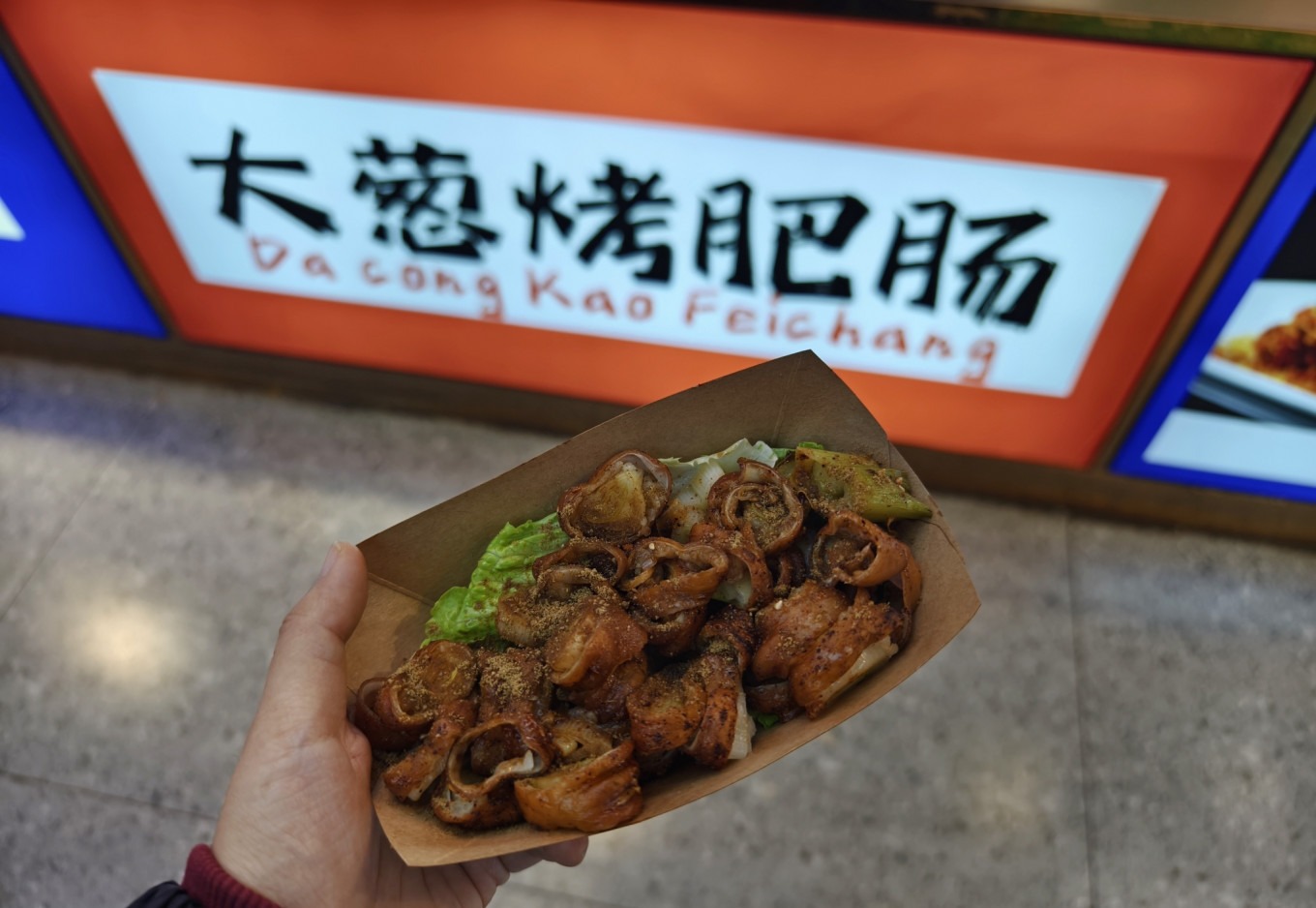
Start with a short walk to the first stop: Jiefangbei (解放碑), the iconic People’s Liberation Monument. Stroll through the surrounding pedestrian street for photos and the bustling vibe. From there, it’s just a 100-meter walk to Bayi Good Food Street (八一好吃街), a paradise for street food lovers. Grab a sugar-coated hawthorn stick (糖葫芦), yuanyang buns (鸳鸯包), grilled pork intestines (烤肥肠), shredded sweet potato jelly (苕皮), spicy boiled chicken feet (钵钵鸡), and refreshing ice jelly (冰粉) – all local favorites.
After refueling, head toward Qiansimen Bridge (千厮门大桥) for the best panoramic view of Hongya Cave (洪崖洞) at night. There’s a little-known shortcut to the bridge – search for tips on Xiaohongshu (小红书) to find the secret passage. Once on the bridge, you’ll be treated to a stunning skyline. The bridge leads directly to the 11th-floor entrance of Hongya Cave, so you can walk down floor by floor, which is much easier than climbing up. When you reach the ground floor, don’t forget to step back and capture the full illuminated facade.
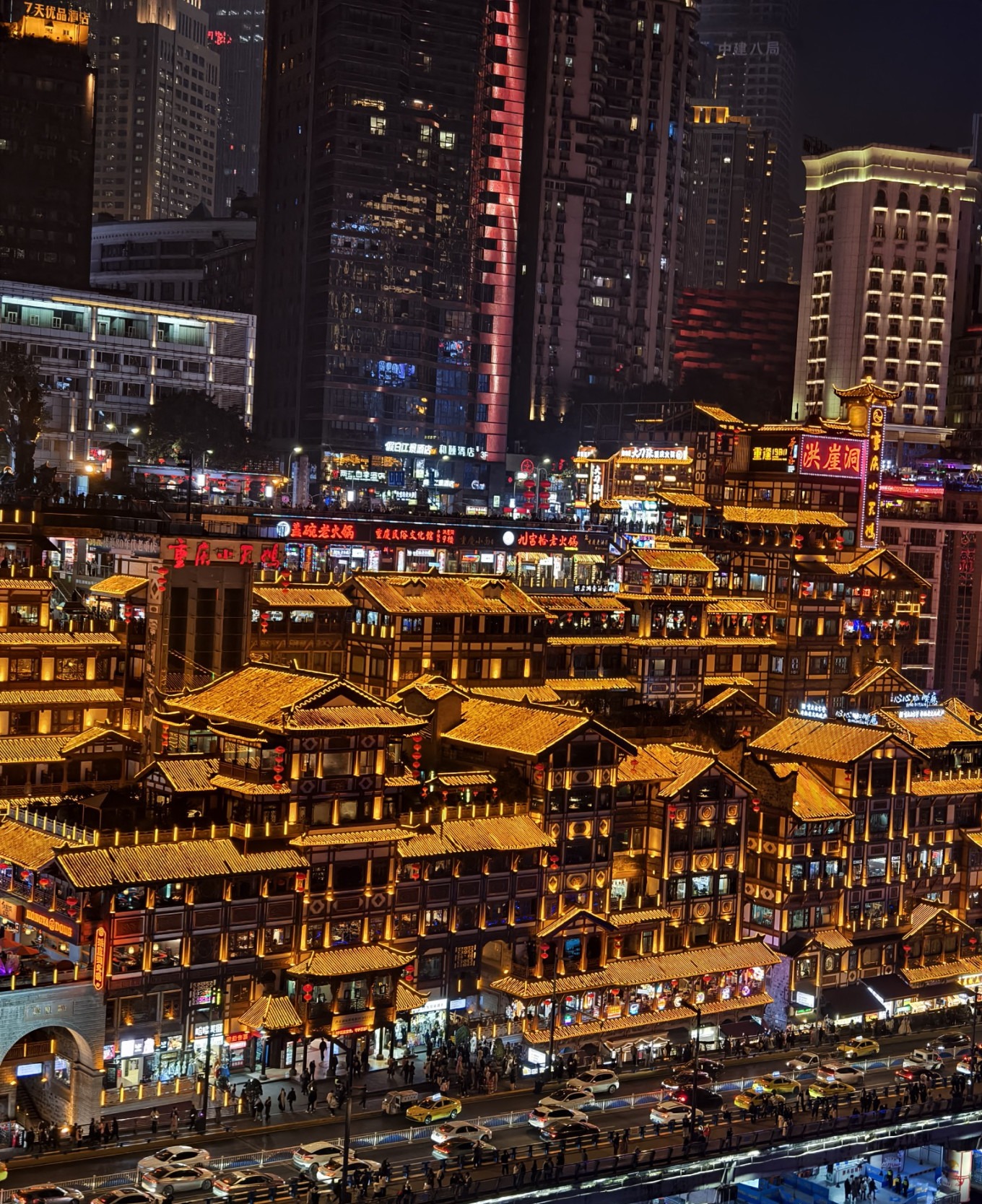
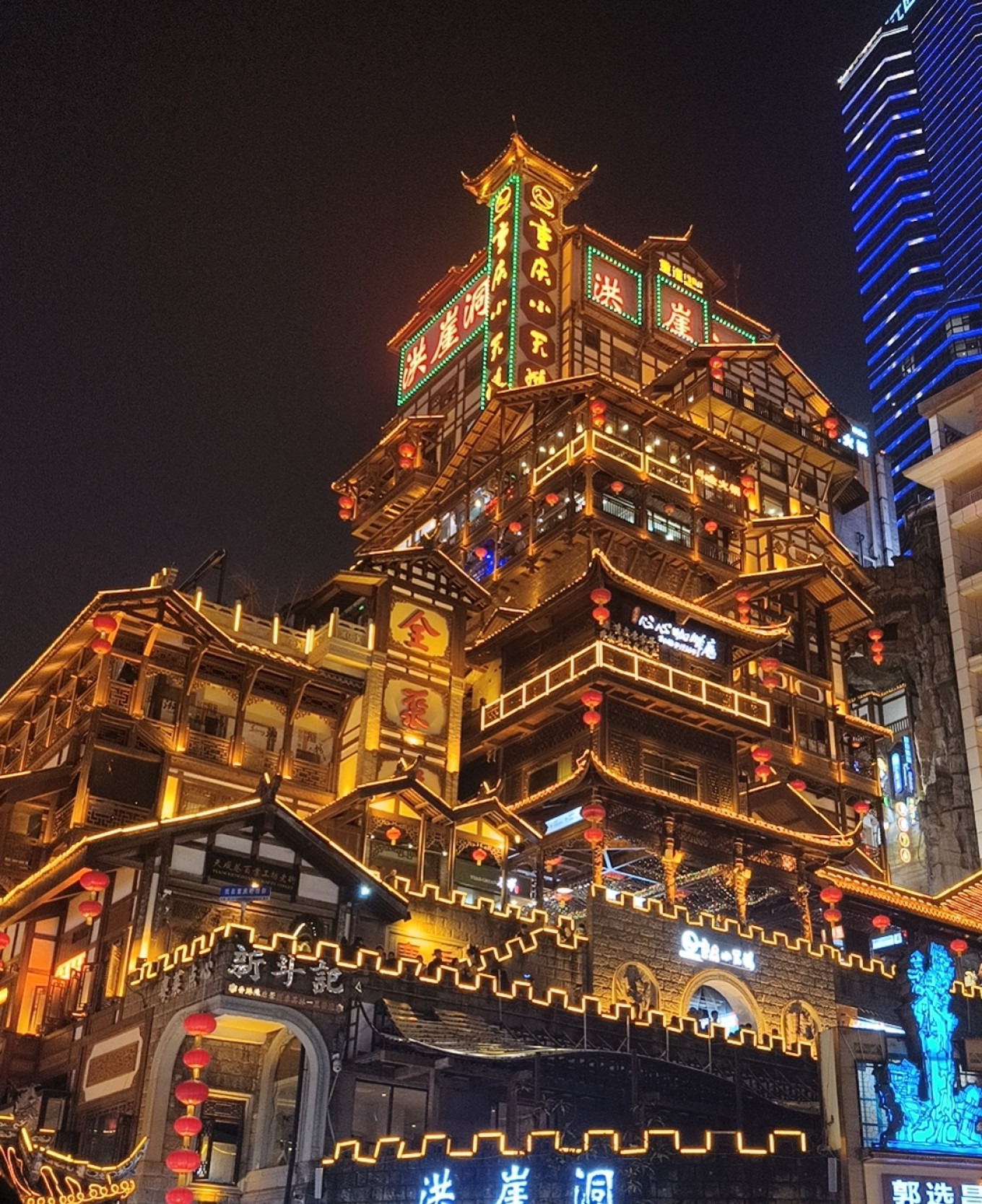
When you’ve had your fill of the views, grab a taxi back to your hotel. The easiest pickup point is near the Home Inn Hongyadong (如家洪崖洞店). The fare should be around ¥10. It’s a short ride, and you’ll be back in time to rest up for another day of adventure.
Day 2: Exploring Chongqing’s Icons from Eling to Ciqikou
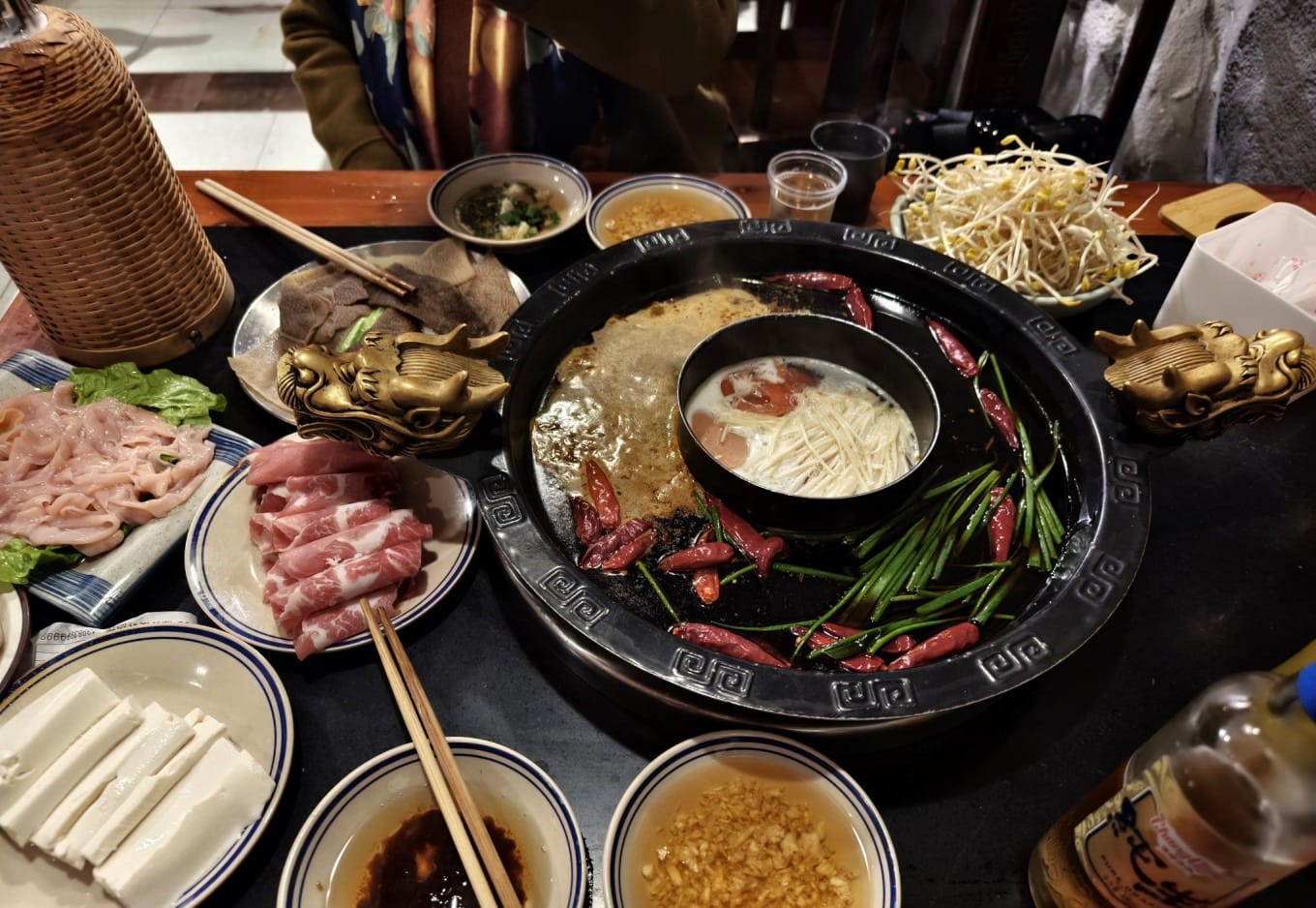
- Restaurant万洞巷火锅 (Wandongxiang Hotpot)
- Address236 236 Renmin Road, Yuzhong District, Chongqing (重庆市渝中区人民路236号)
- Recommended dishes鸭血 (duck blood curd), 重庆纯生 (Chongqing Pure Draft beer)
- Average spend80–120 yuan per person
Start your day early (around 8:00) with a hearty Chongqing breakfast: order a bowl of 老麻抄手 (spicy wontons) and 豌杂面 (pea and minced pork noodles). Then hop on bus 462, get off at Eling Station, and walk uphill about 900 meters to reach 鹅岭二厂 (Eling Erchang), a former printing factory turned creative arts district. The industrial-chic courtyards and rooftop views make it a perfect first stop.
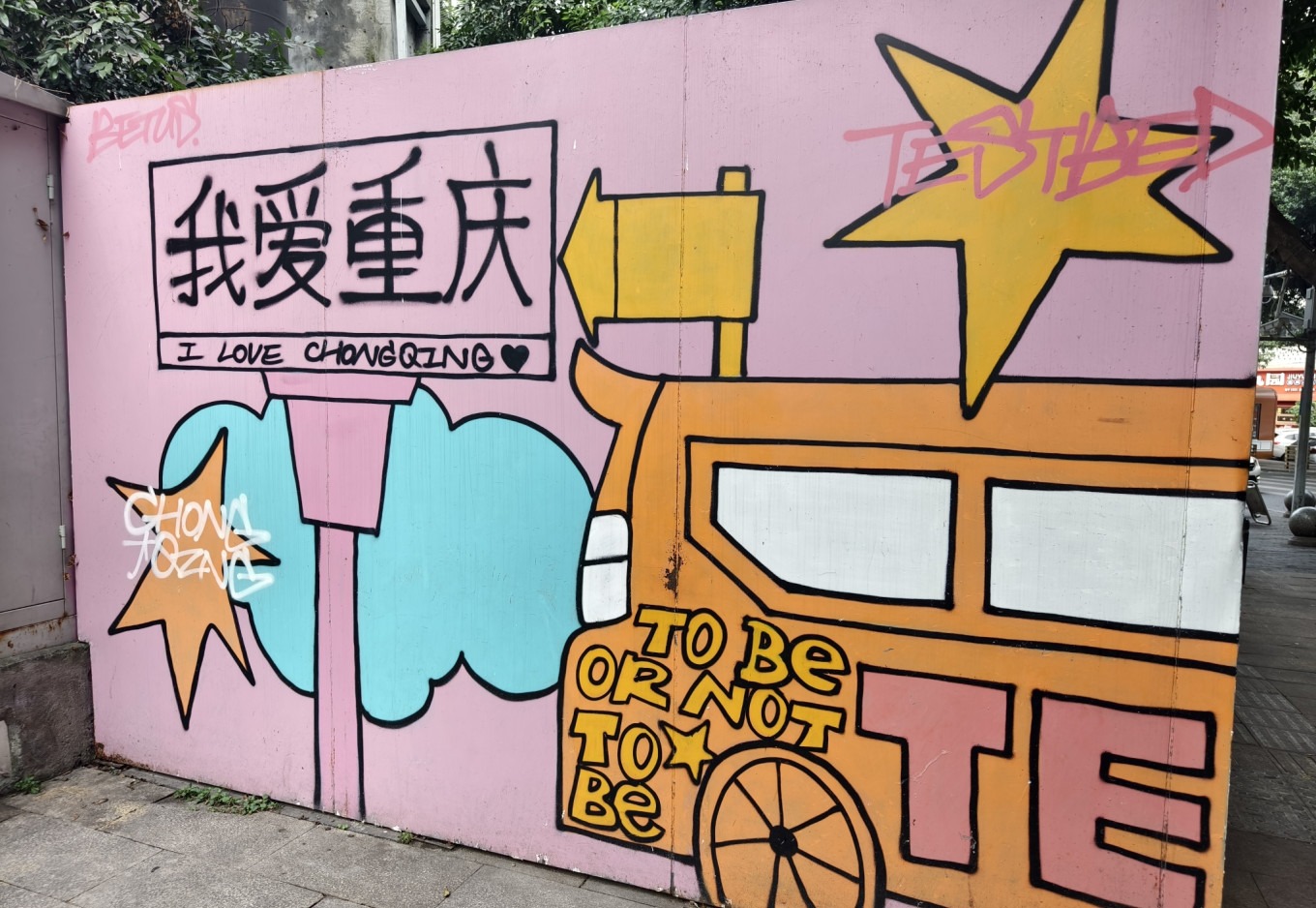
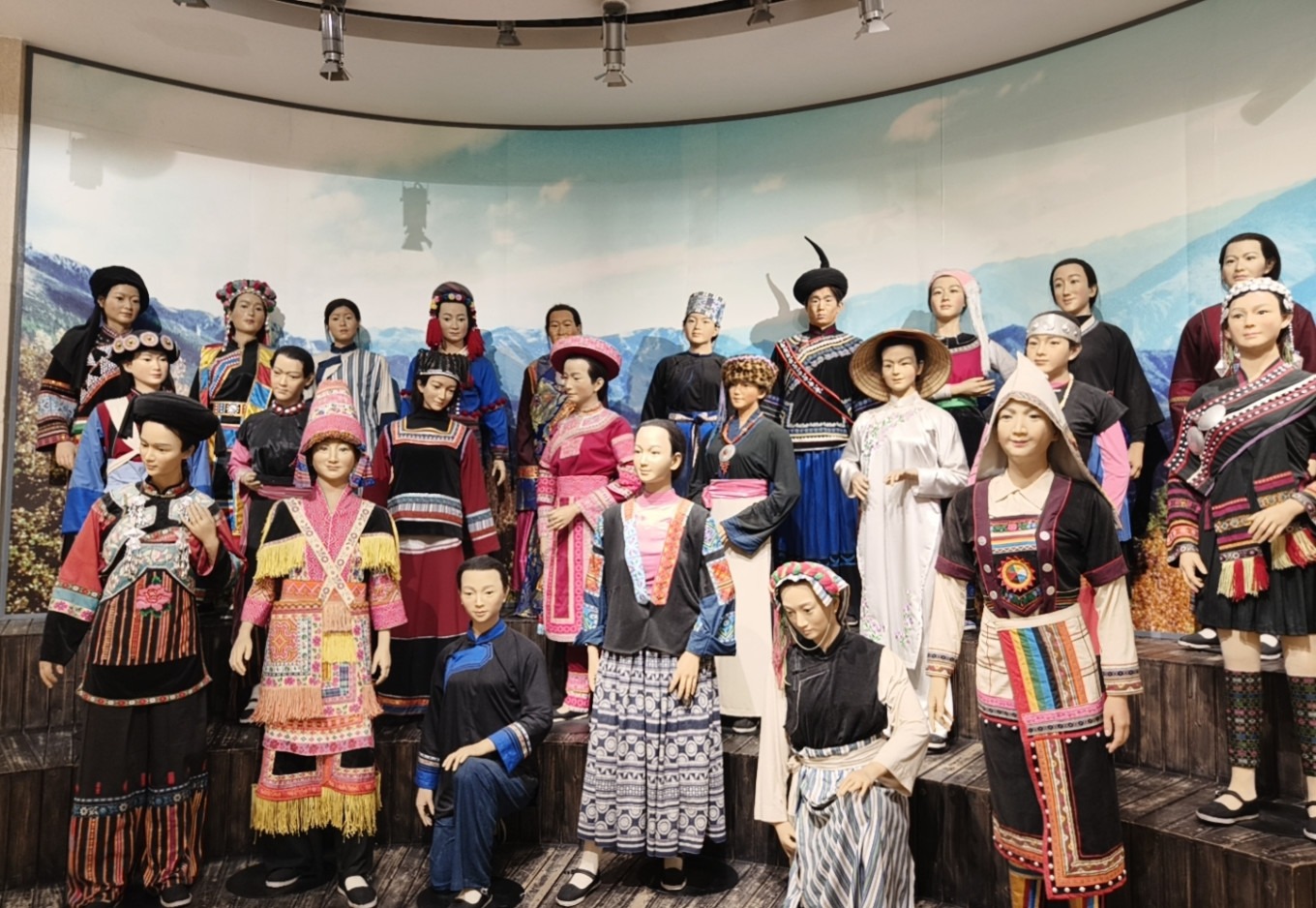
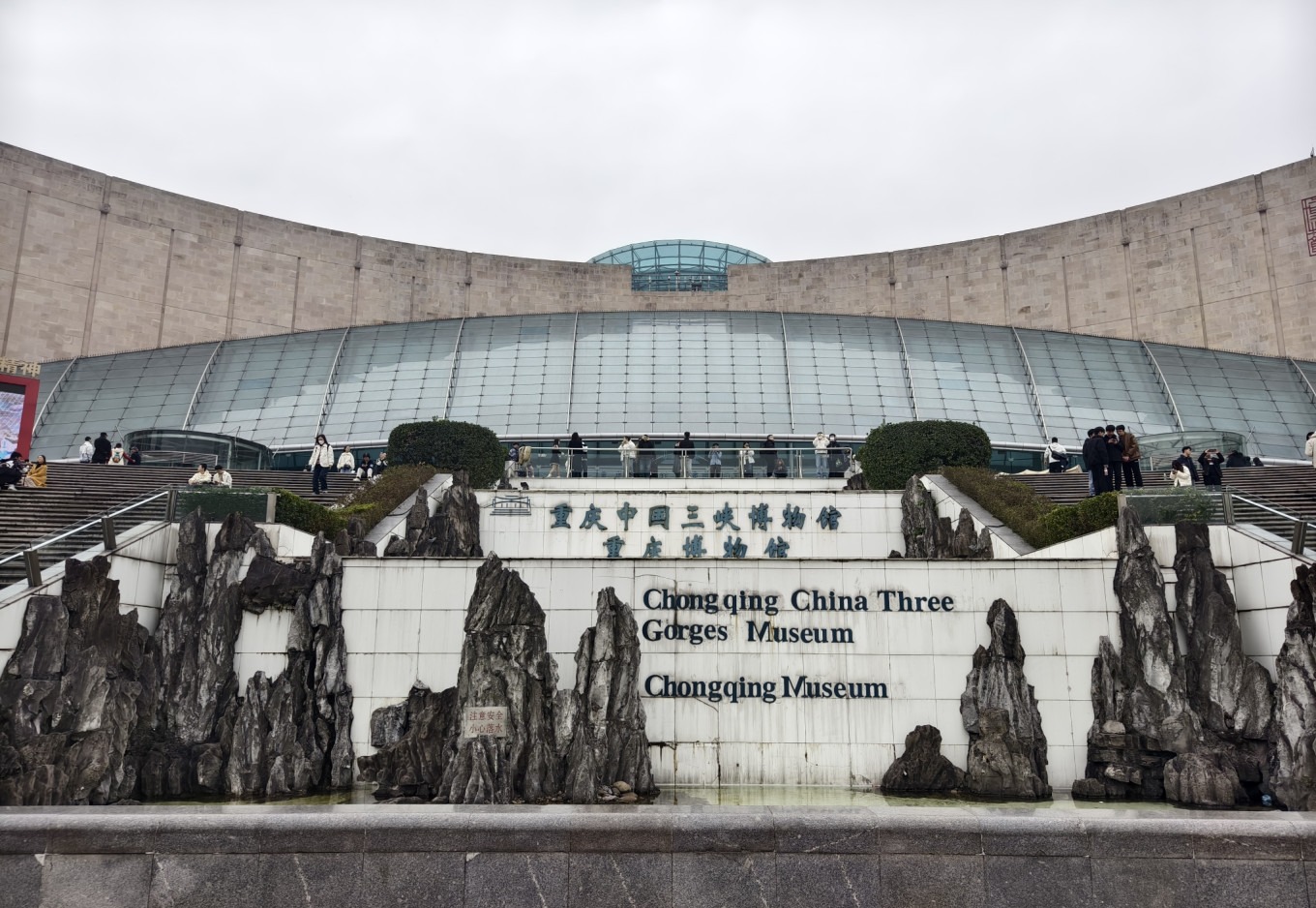
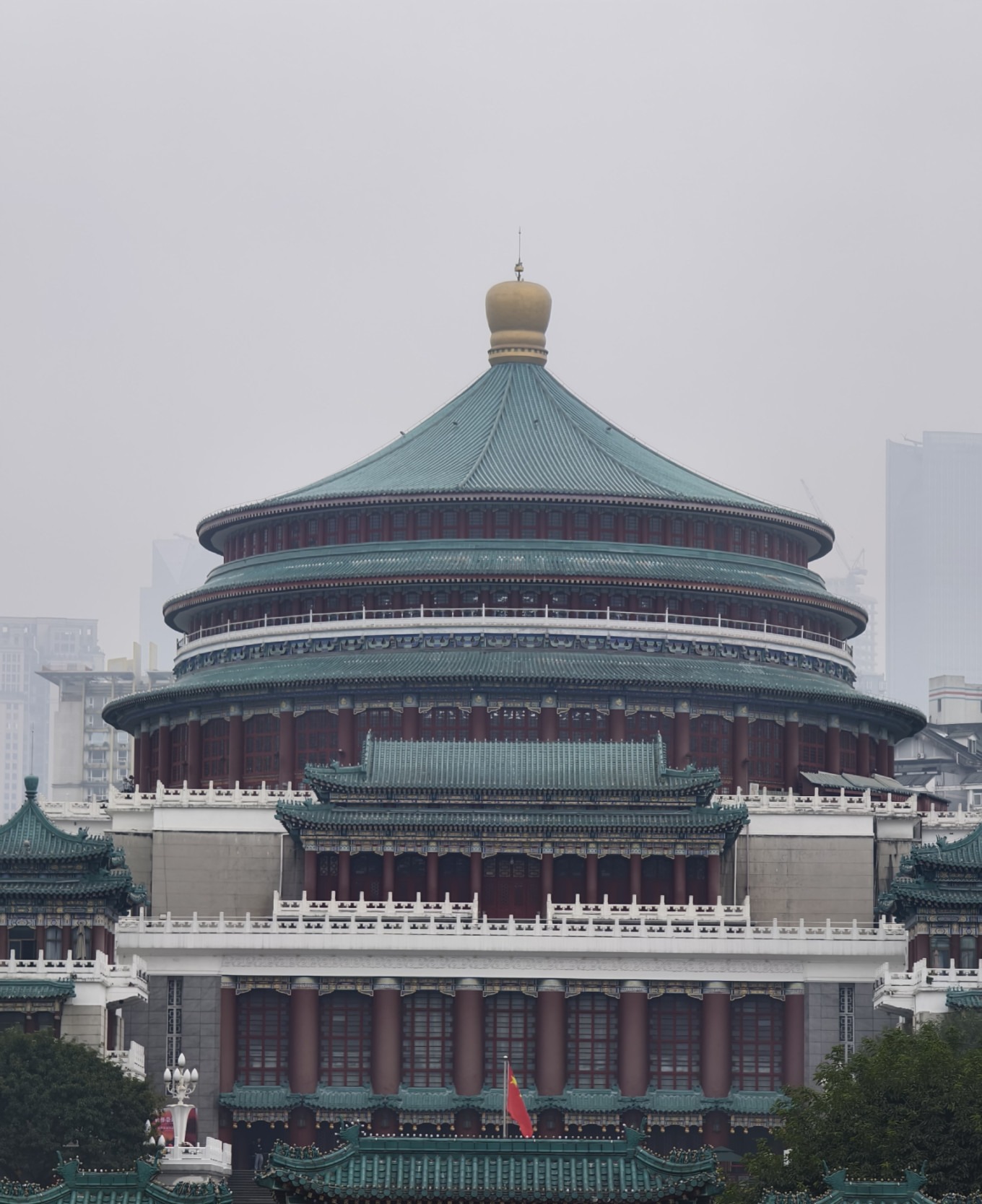
From Eling Erchang, walk downhill all the way to 李子坝轻轨站 (Liziba Light Rail Station). Head to the first-floor observation deck to watch the iconic metro train pass right through a residential building – a must-see Chongqing spectacle. After snapping photos, take Line 2 to Zengjiayan Station, Exit 3. Just 100 meters ahead you’ll find the 重庆三峡博物馆 (Chongqing Three Gorges Museum), which offers deep insight into the region’s history and culture. Directly opposite stands the 重庆大礼堂 (Chongqing Great Hall of the People), often called the ‘Little Temple of Heaven’ for its striking resemblance to Beijing’s Temple of Heaven.
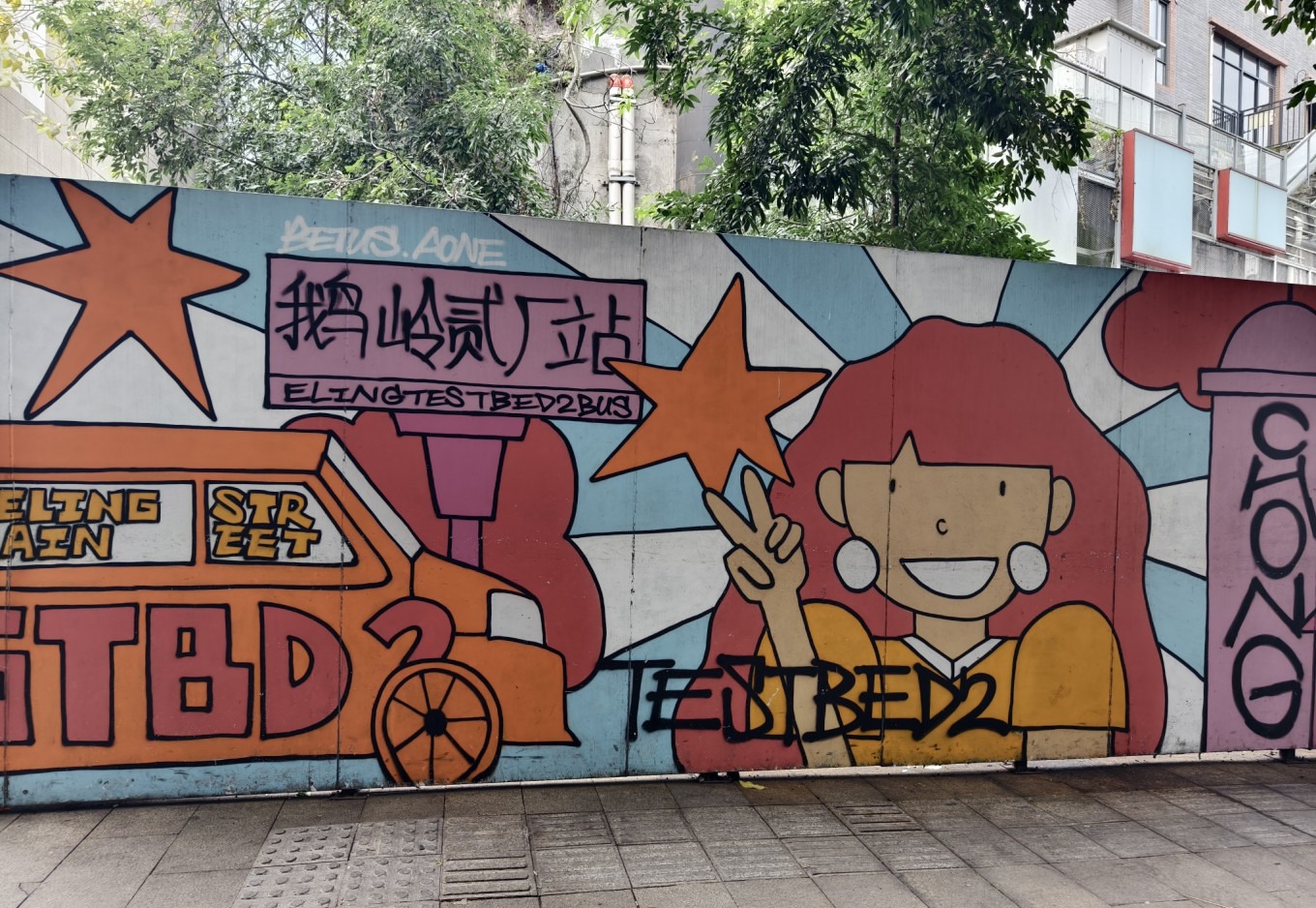
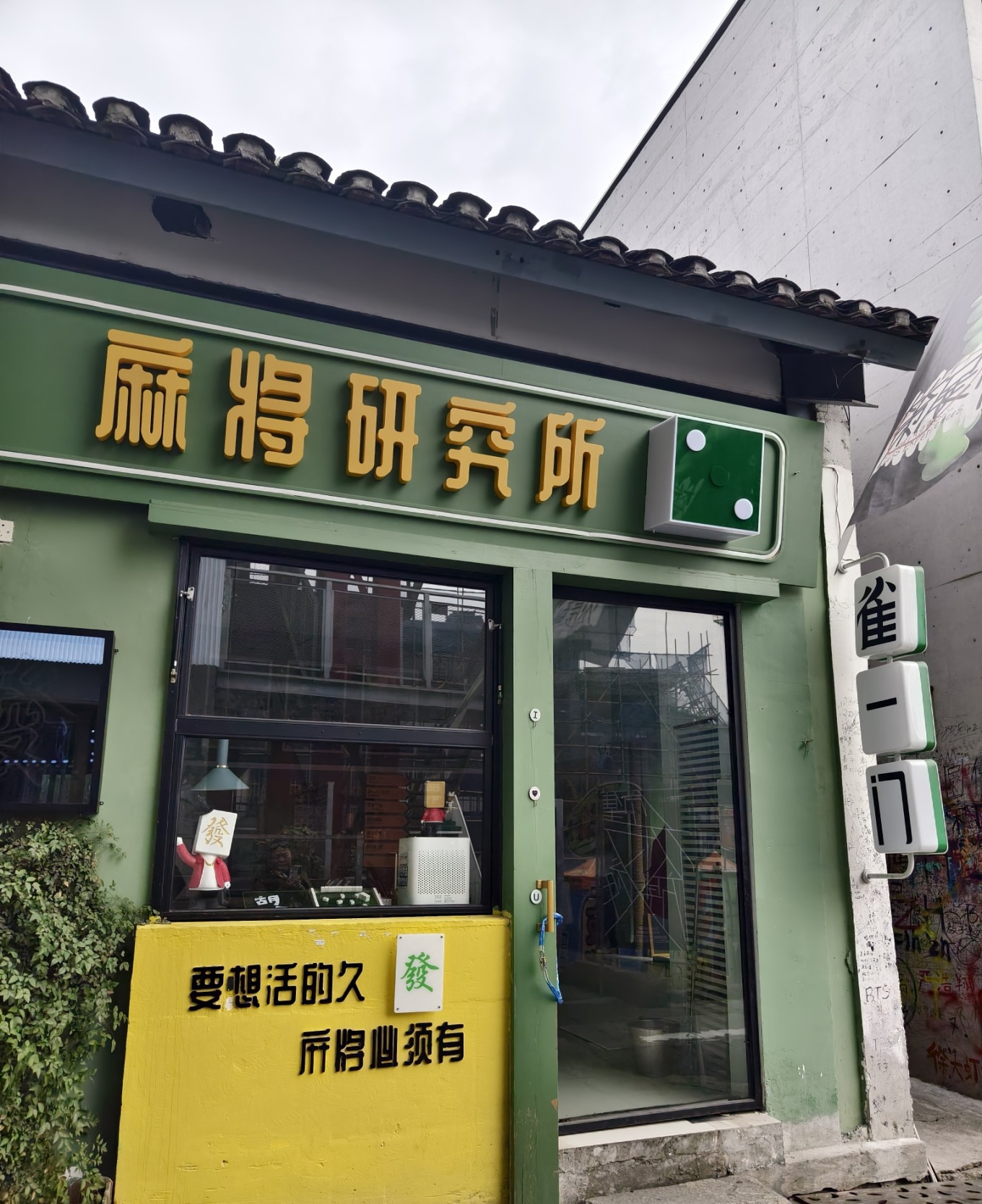
A short 500-meter walk brings you to 万洞巷火锅 (local term) (Wandongxiang Hotpot (万洞巷火锅)) for lunch. Their 鸭血 (duck blood curd) is incredibly tender and melts in your mouth – a true standout. Pair it with a bottle of 重庆纯生 (Chongqing Pure Draft beer) for the perfect midday meal.
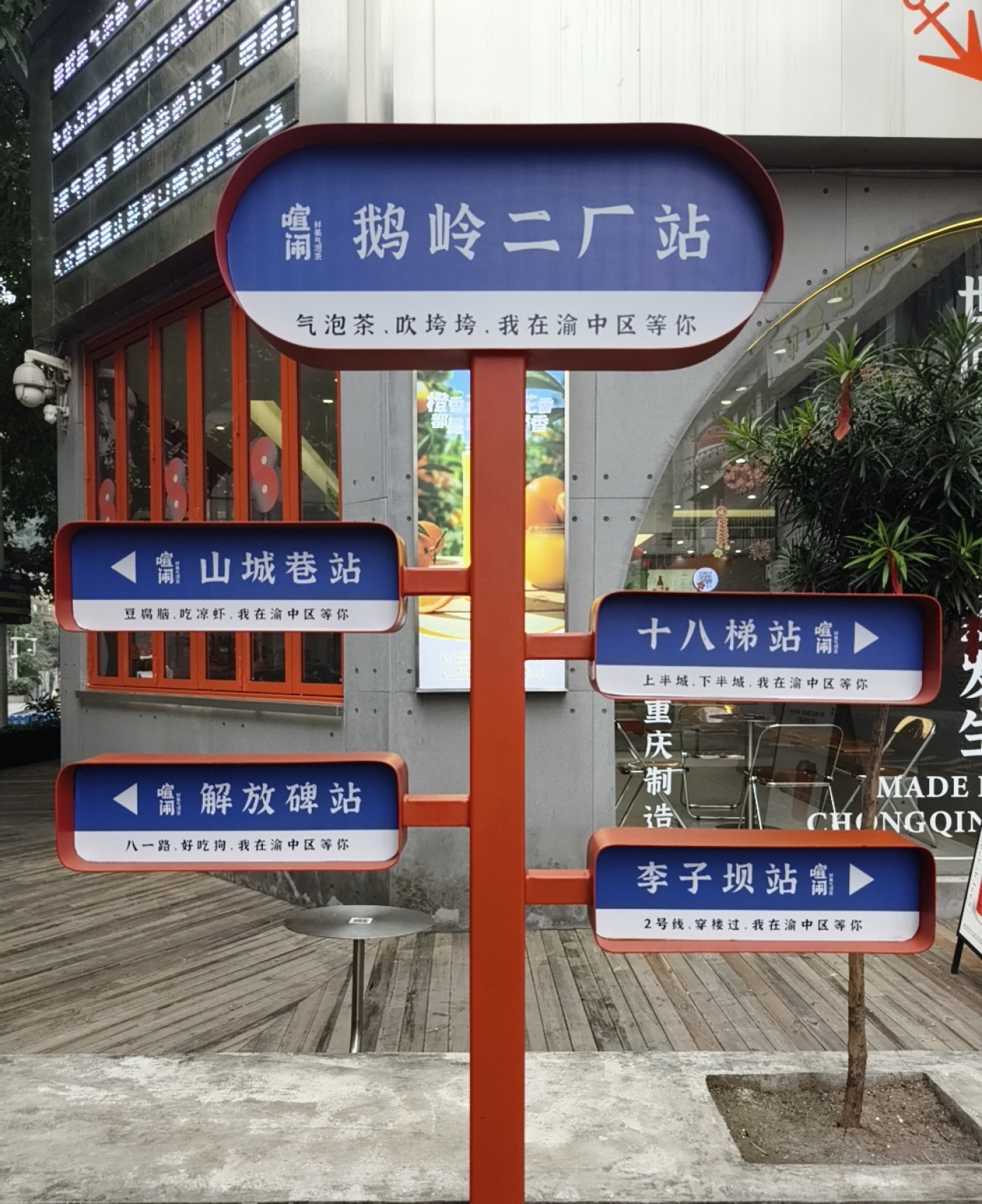
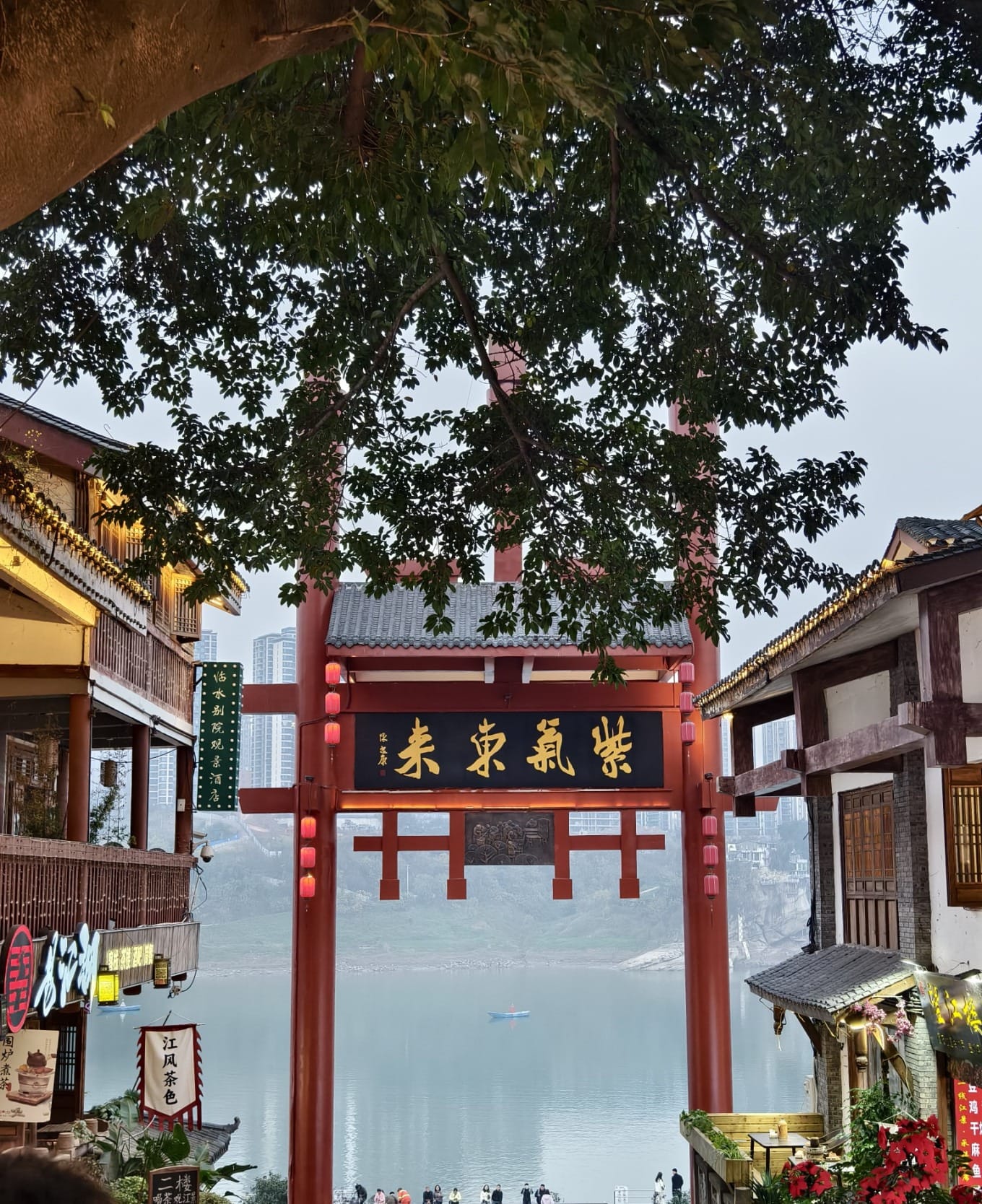
After lunch, take bus 210 to the terminus at 白公馆 (Bai Gongguan), a former prison turned historical site. From there, walk about 800 meters to 渣滓洞 (Zhazidong), another infamous prison. Important: Zhazidong stops admitting visitors at 4:30 PM, so you’ll need to move quickly between the two sites. Once finished, take a taxi to 磁器口古镇 (Ciqikou Ancient Town) – the fare is about 10 yuan. Make sure to set your destination to the southeast gate (东南门); enter there and exit through the back street, which conveniently leads to Line 1 of the metro for your return to the hotel.
Day 3: Wulong Tiankeng and Difeng Adventure
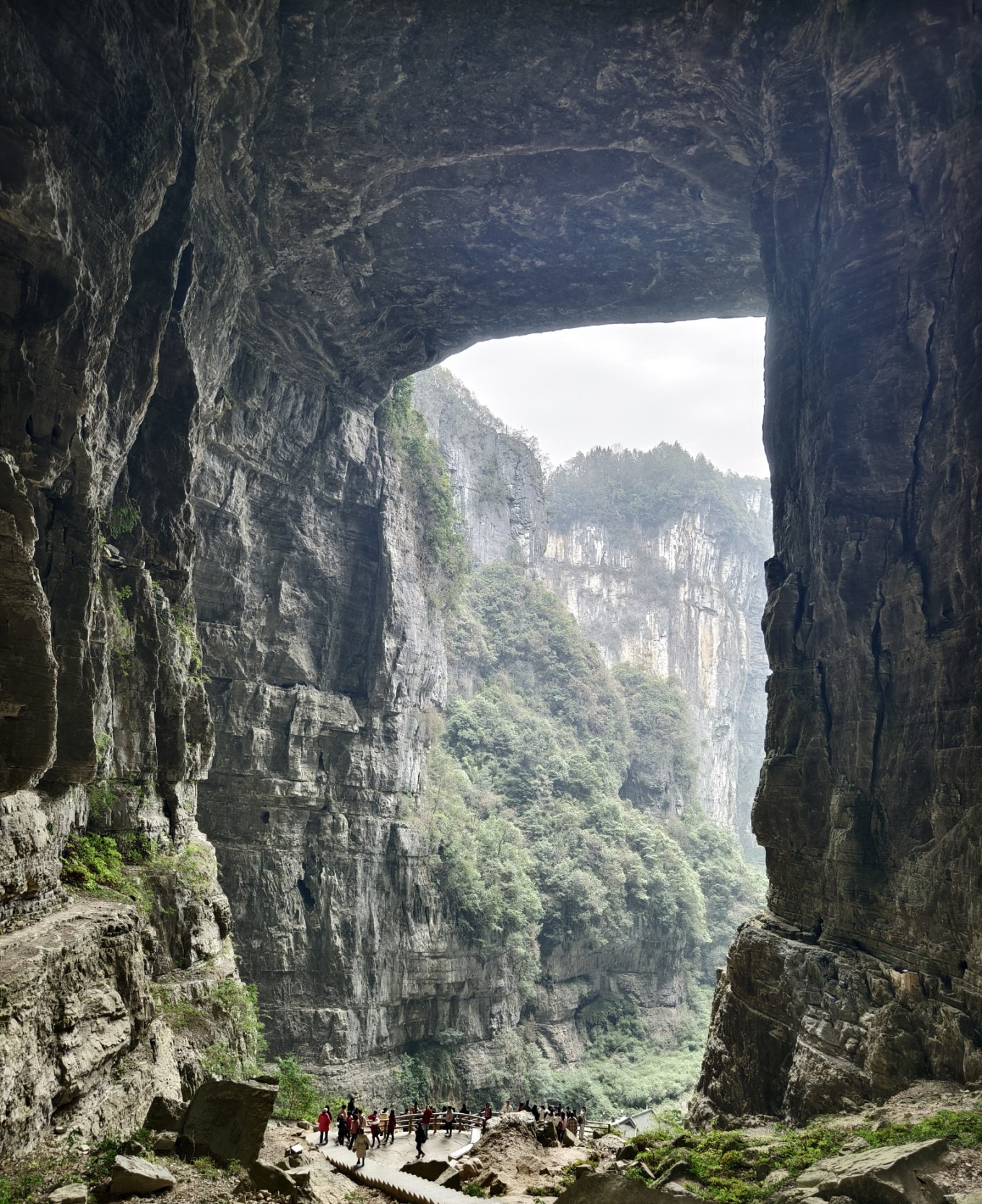
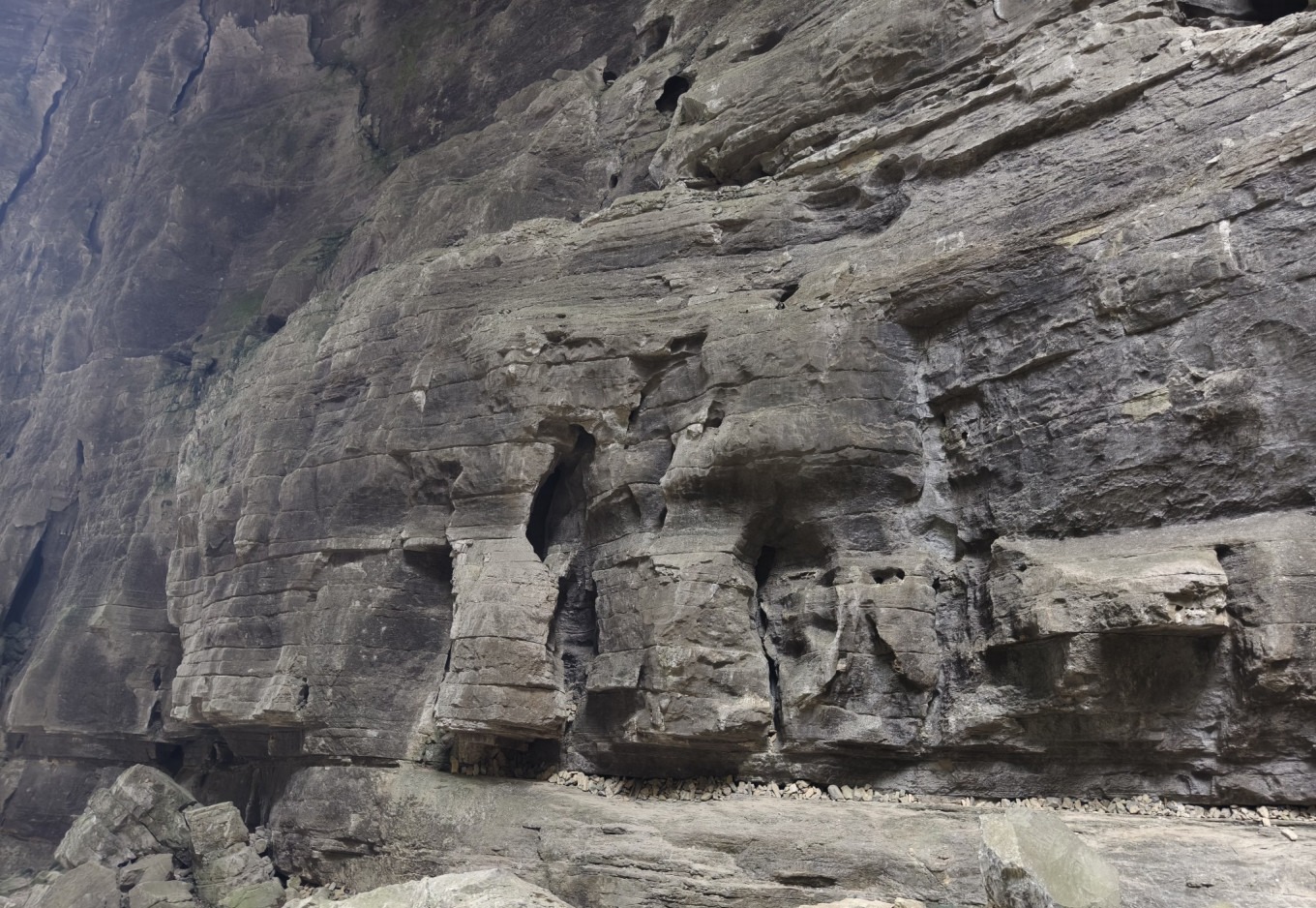
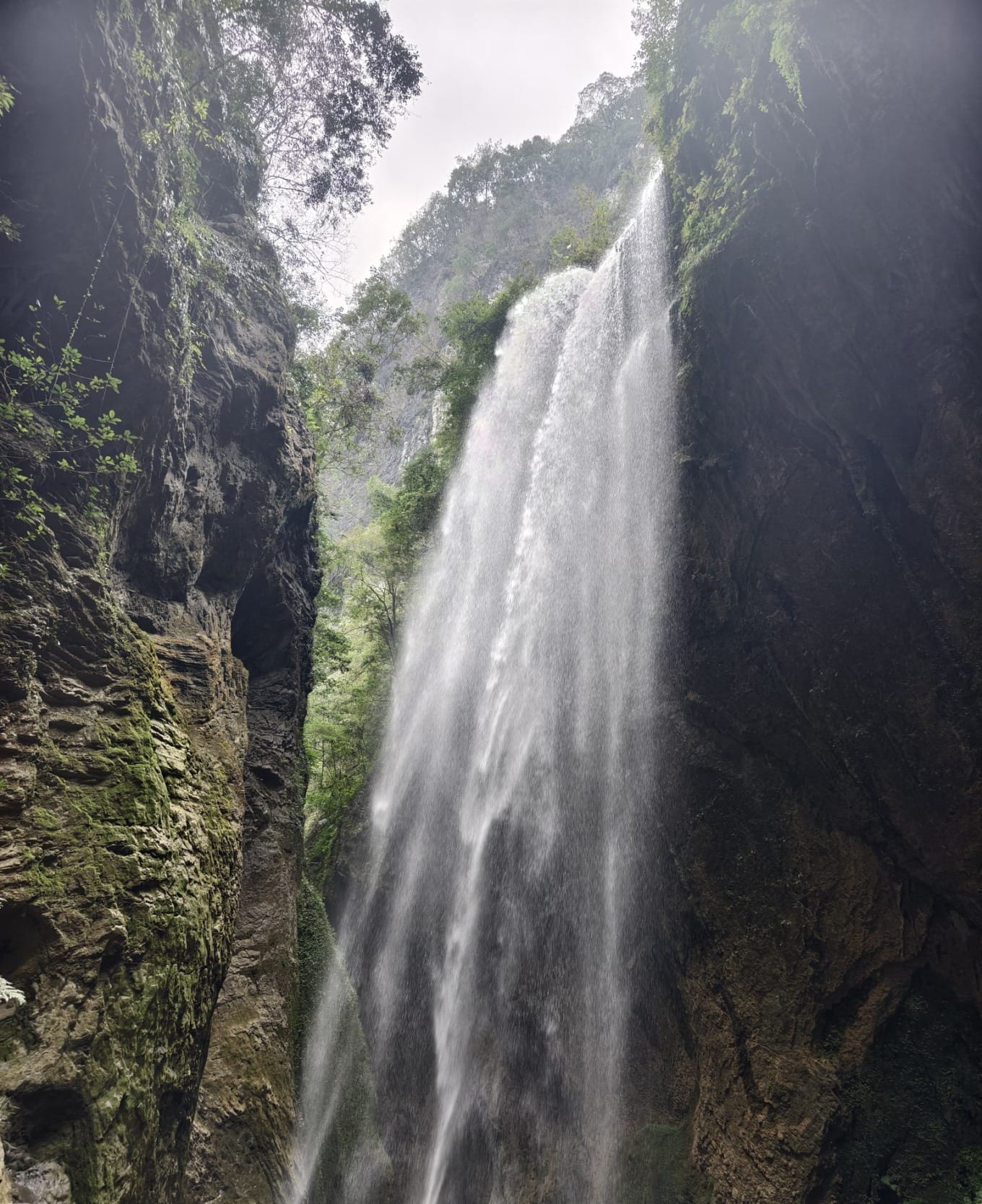
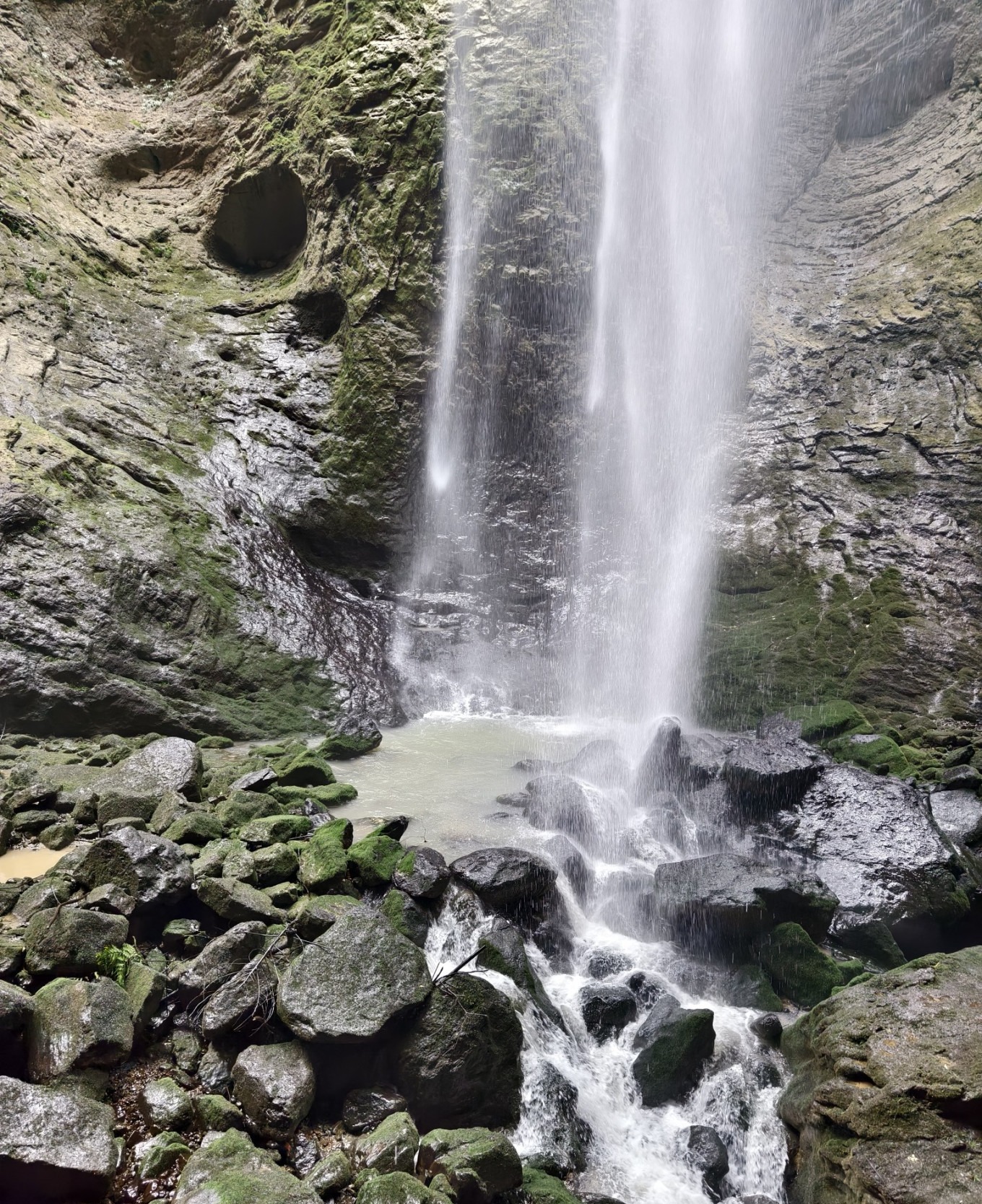
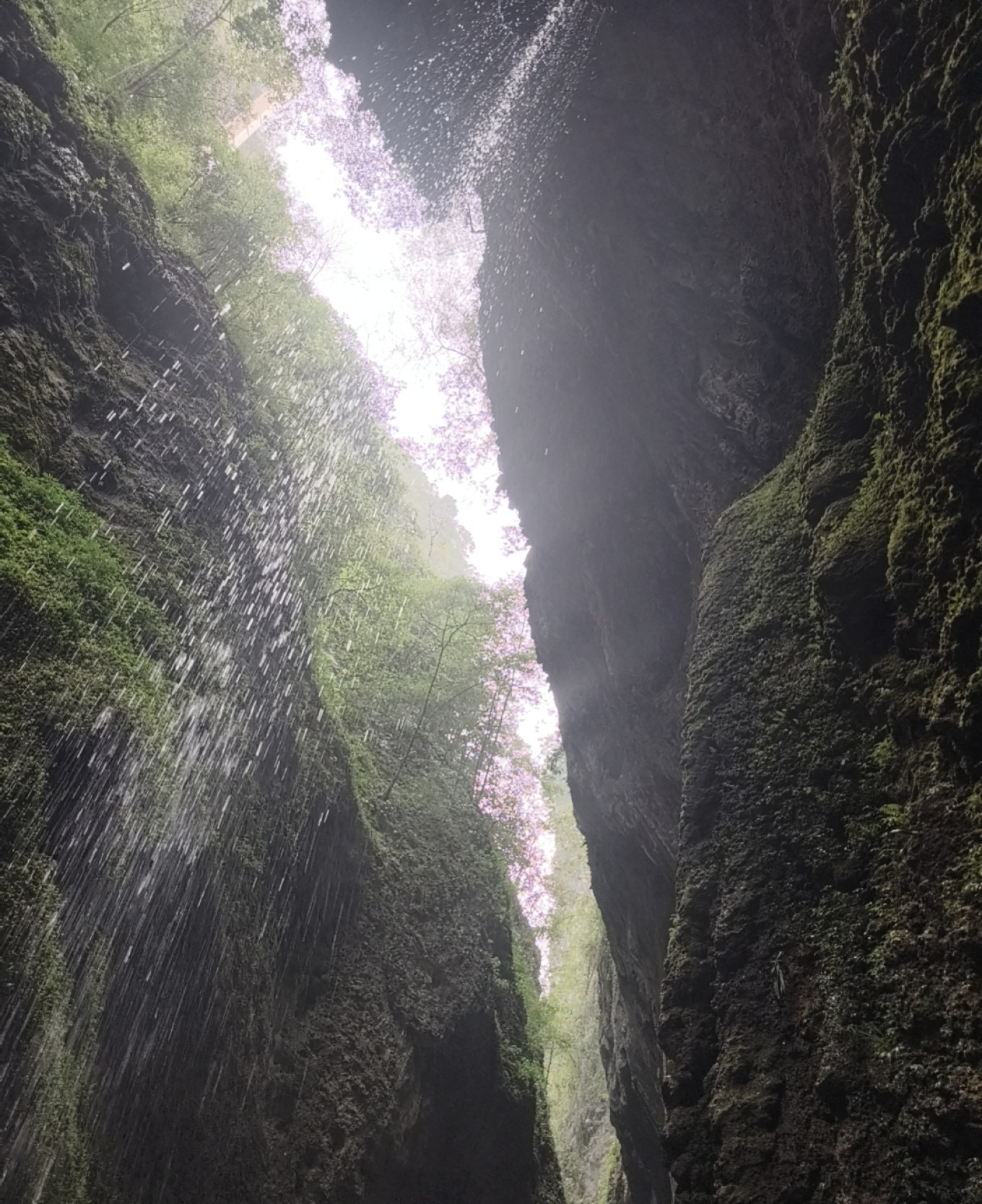
For a full-day immersion into Wulong’s natural wonders, consider joining a local day tour from Jiefangbei. Tours typically depart around 7:30 AM and cost about 280 yuan per person. The drive to Wulong takes roughly 3 hours, so you’ll arrive at the Tiankeng (Heavenly Pit) area around 11:40 AM. The main attraction here is the Three Natural Bridges (天生三桥), a UNESCO World Heritage site featuring colossal stone arch bridges formed by erosion. The recommended walking route is: Tianlong Bridge → Sky Tiankeng → Qinglong Bridge → Shenying Tiankeng → Heilong Bridge, which takes about 2 hours. After exiting Heilong Bridge, take the scenic area shuttle from Qingfeng Pavilion to the Difeng (Ground Fissure) scenic area (龙水峡地缝景区), famous for its waterfall. The Difeng hike takes about 1.5 hours. Afterwards, another shuttle brings you to the Fairy Mountain Visitor Center. The return trip to Jiefangbei takes another 3+ hours, so you’ll be back around 8:50 PM—perfect timing for a late dinner at Bayi Good Food Street (八一好吃街).
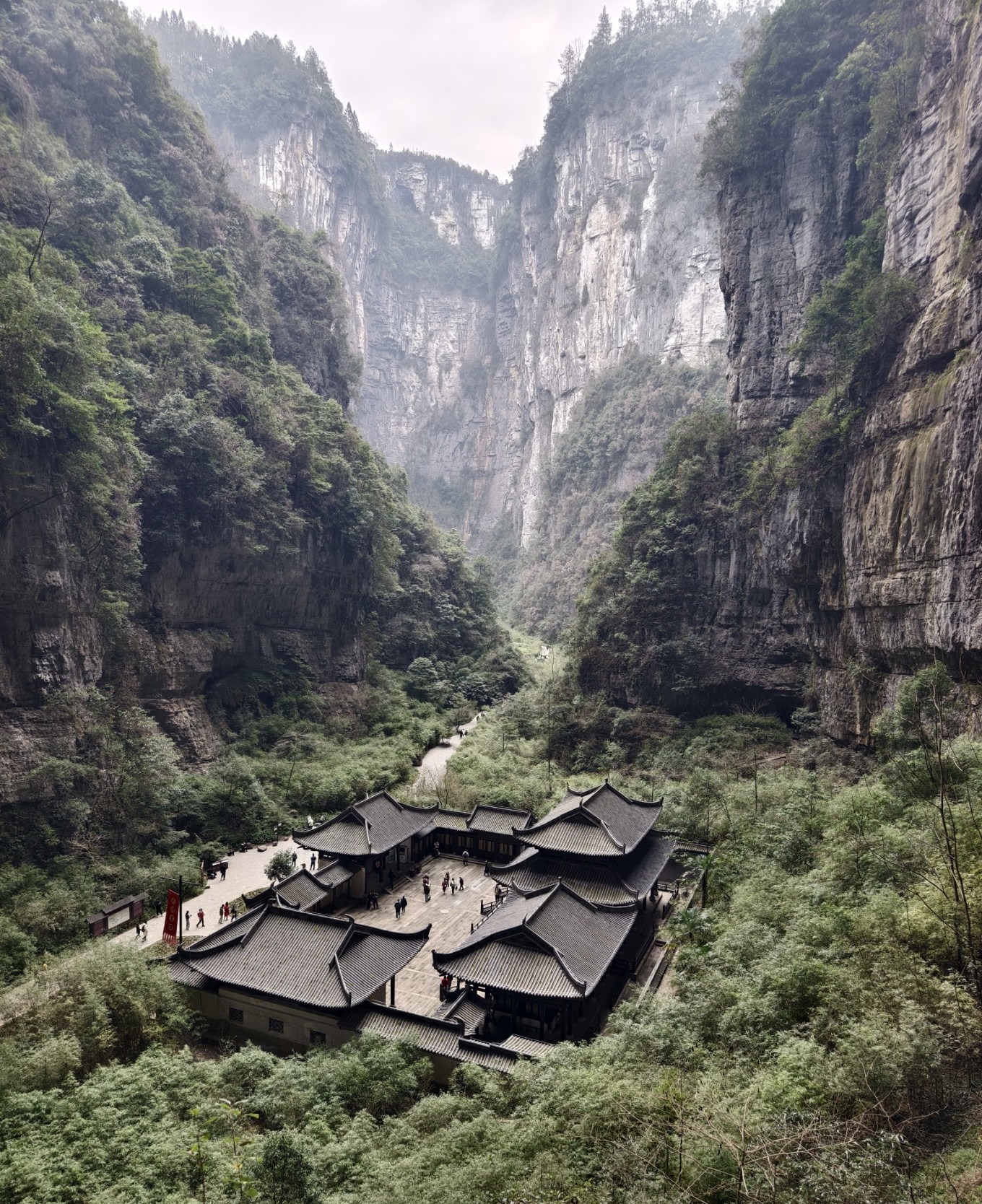
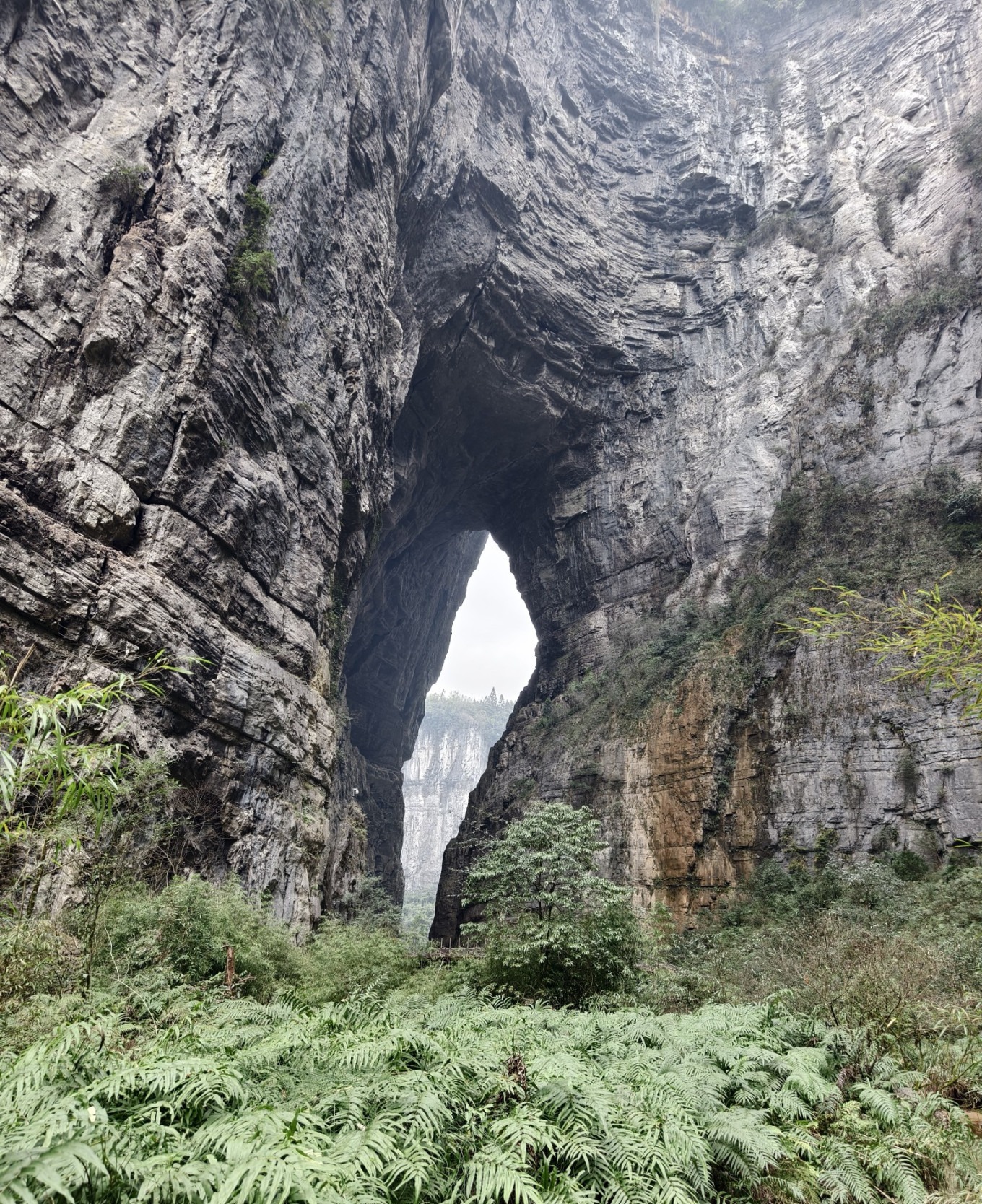
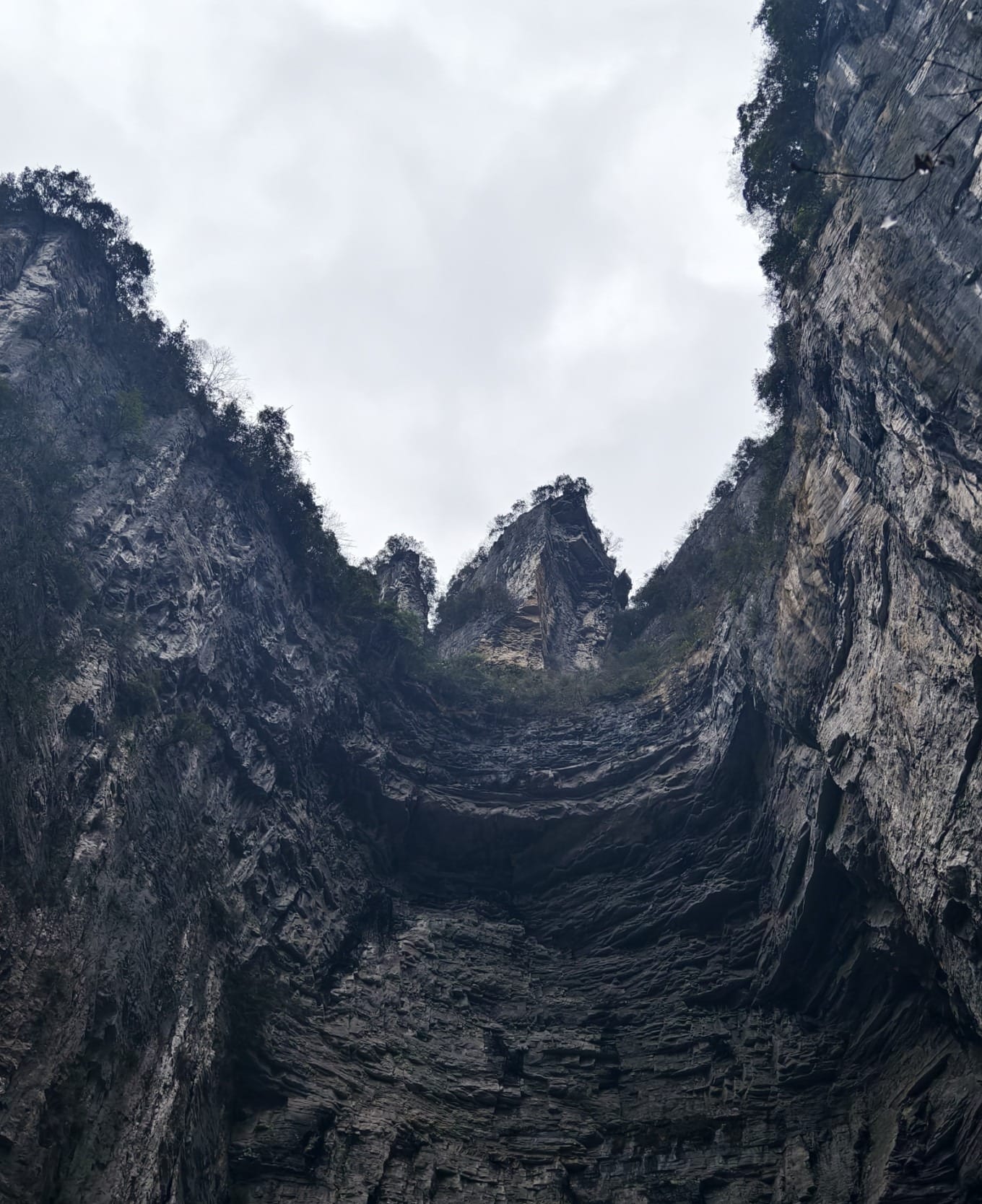
Once back at Bayi Good Food Street, you can refuel with local street food. Popular choices include fried baby potatoes (炸小土豆), fried mushrooms (炸蘑菇), Chongqing soup dumplings (重庆灌汤包), and ice jelly (冰粉). After dinner, a taxi back to your hotel costs around 7.5 yuan.
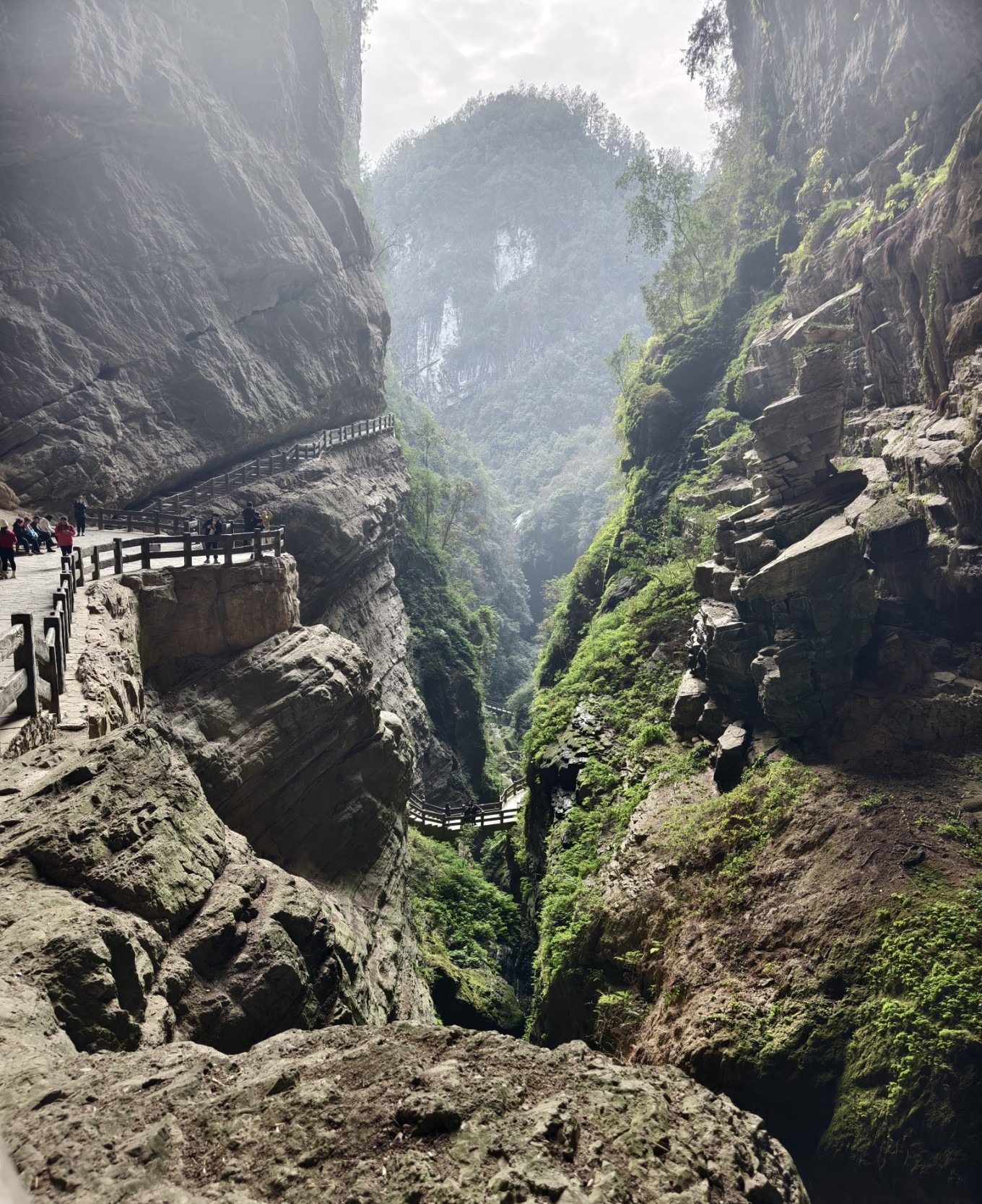
Day 4: From Confluence to City Views
- RestaurantShancheng Laotangkou (山城老堂口川菜)
- Address重庆市渝中区解放碑街道八一路177号 (No.
- Recommended dishesBraised trotter soup (蹄花汤), Mapo tofu (麻婆豆腐), Laziji (辣子鸡)
- Average spend¥60–80 per person
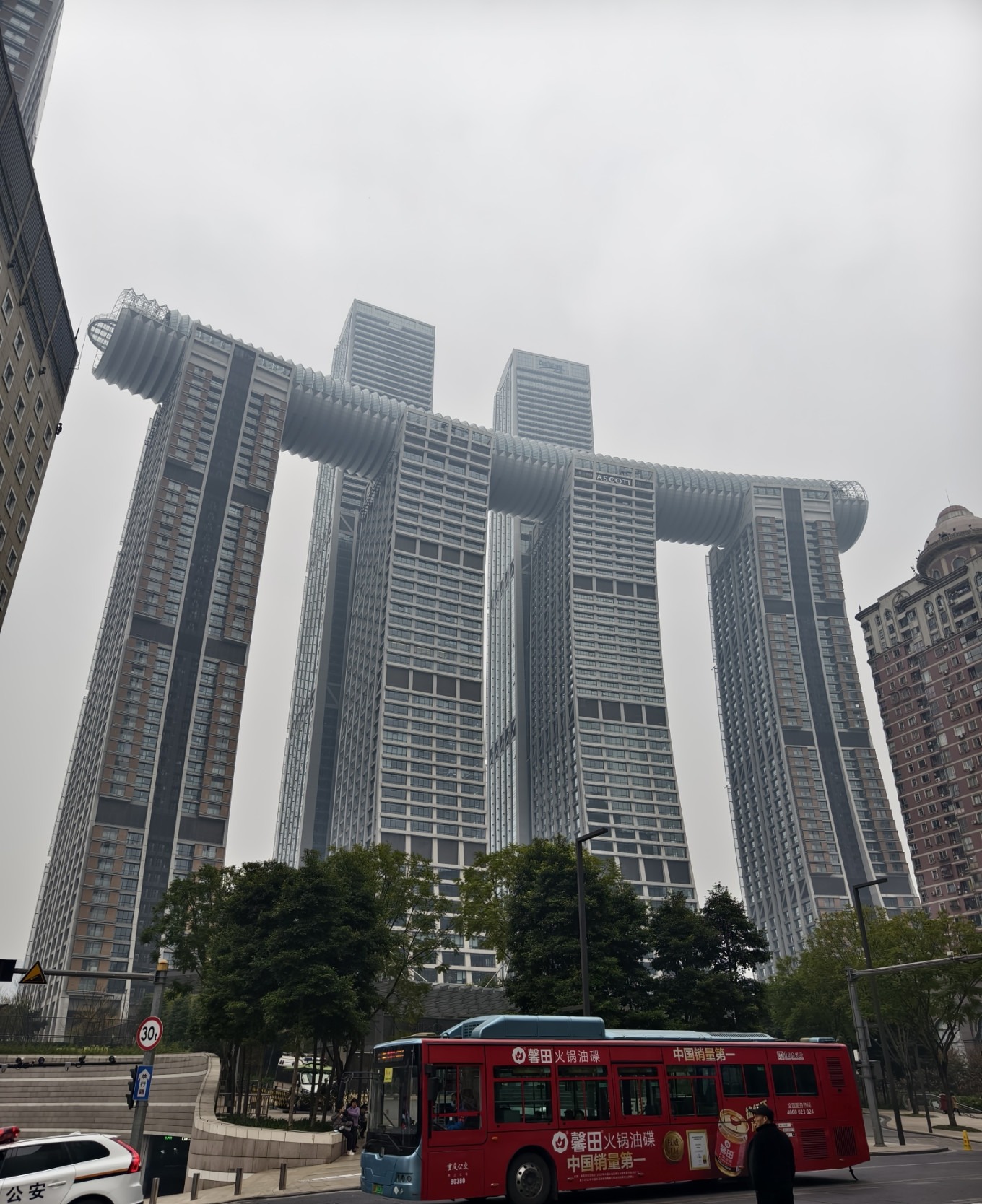
Start your day at the iconic Raffles City (来福士), easily reached by Metro Line 1 to Chaotianmen Station. The futuristic skyscrapers dominate the skyline, and you can snap photos from the plaza outside. From there, walk along the riverside promenade to the observation deck at the confluence of the Yangtze and Jialing rivers — the famous two-river junction. Next, head to Huguang Guild Hall (湖广会馆), about 600 meters away on foot. The entrance fee is ¥25 per person, and the historic architecture and exhibits offer a glimpse into Chongqing’s migration history.
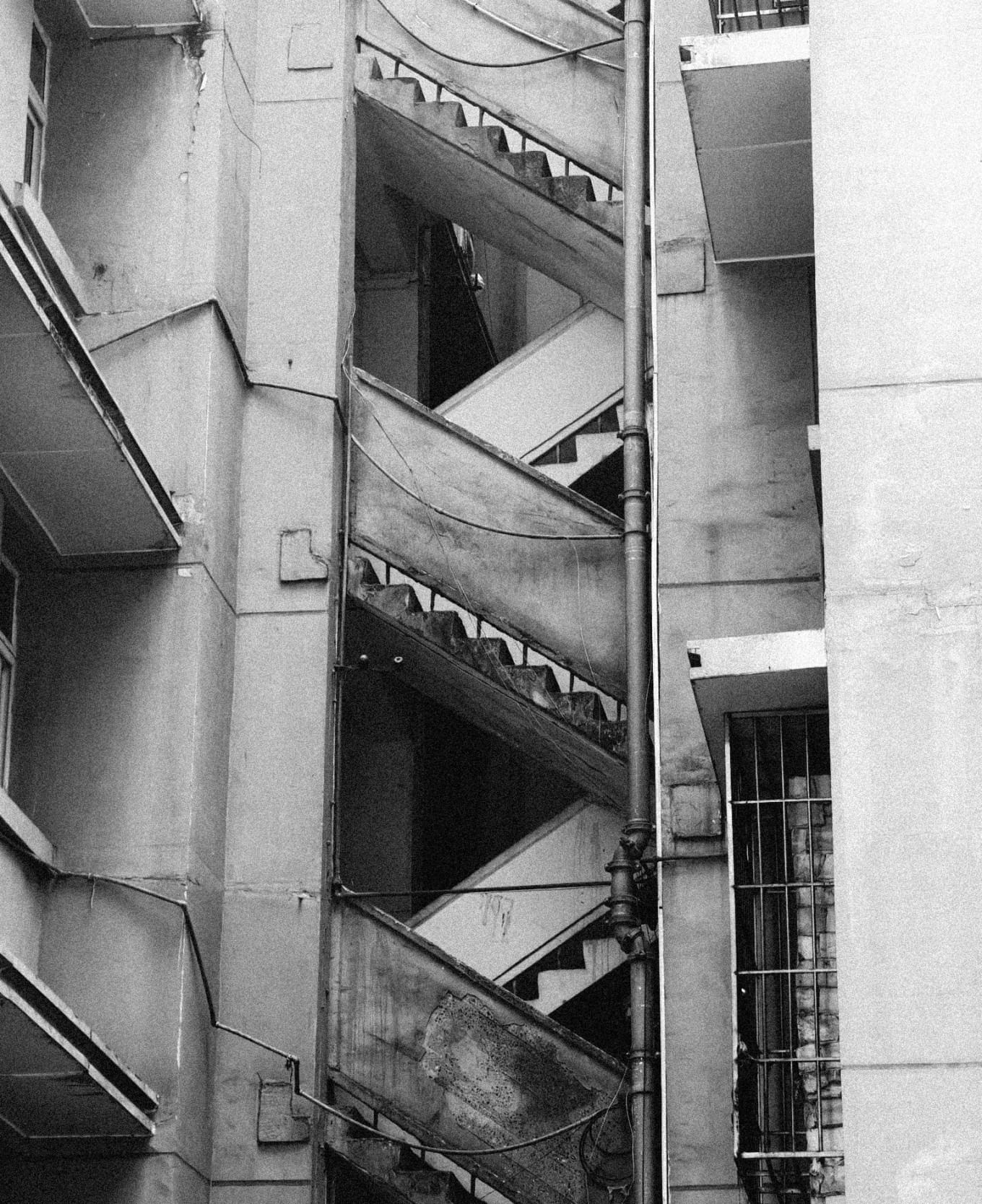
After exploring the guild hall, walk to Baixiangju (白象居), a residential complex famous for its photogenic staircases and elevated walkways. Follow the tips from Xiaohongshu to find the best spots: Pangge Noodle Shop (胖哥面庄) at the entrance, the 12th-floor viewing platform, and the crisscrossing staircases between Building 3 and Building 4. The chaotic geometry makes for incredible photos.
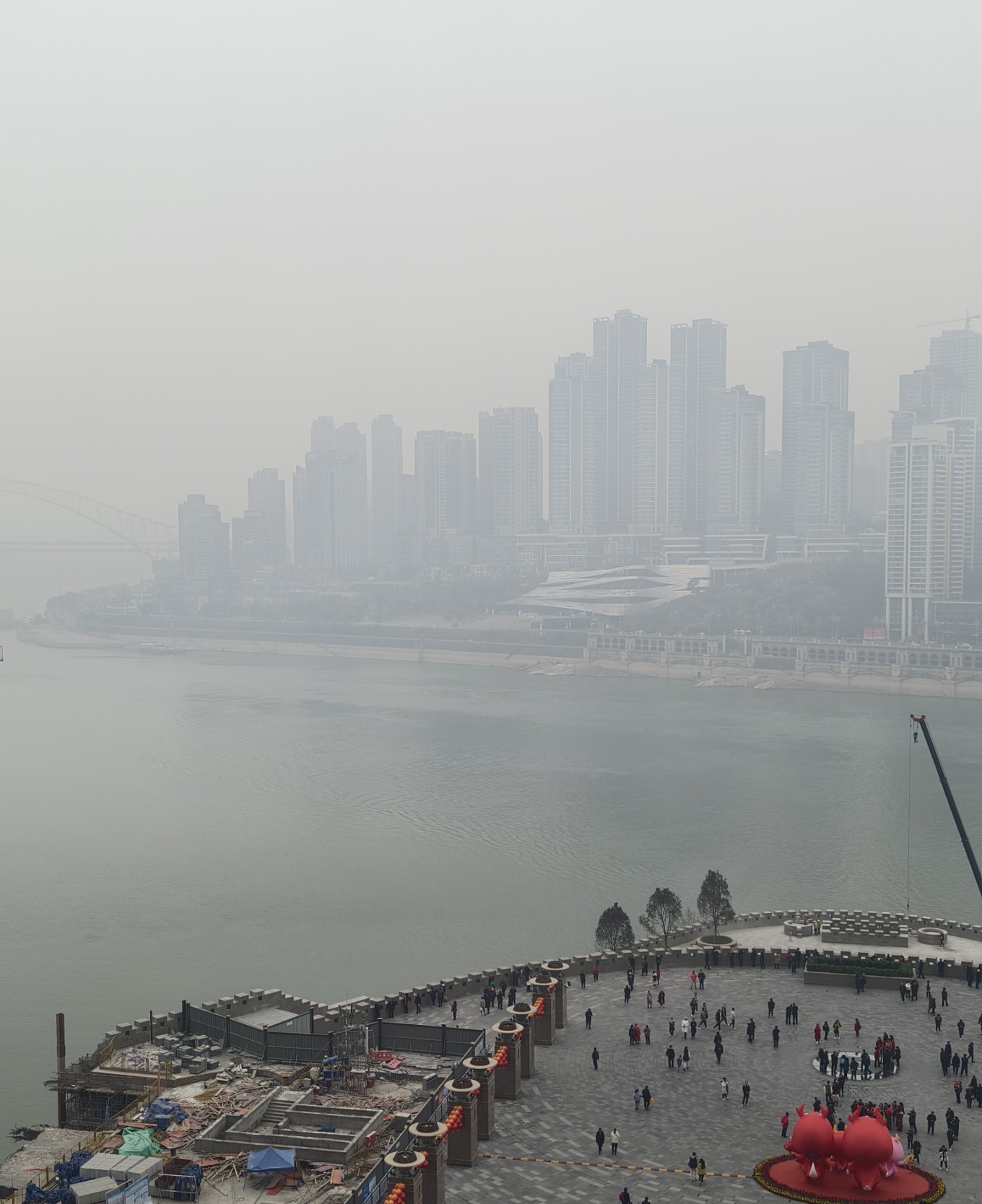
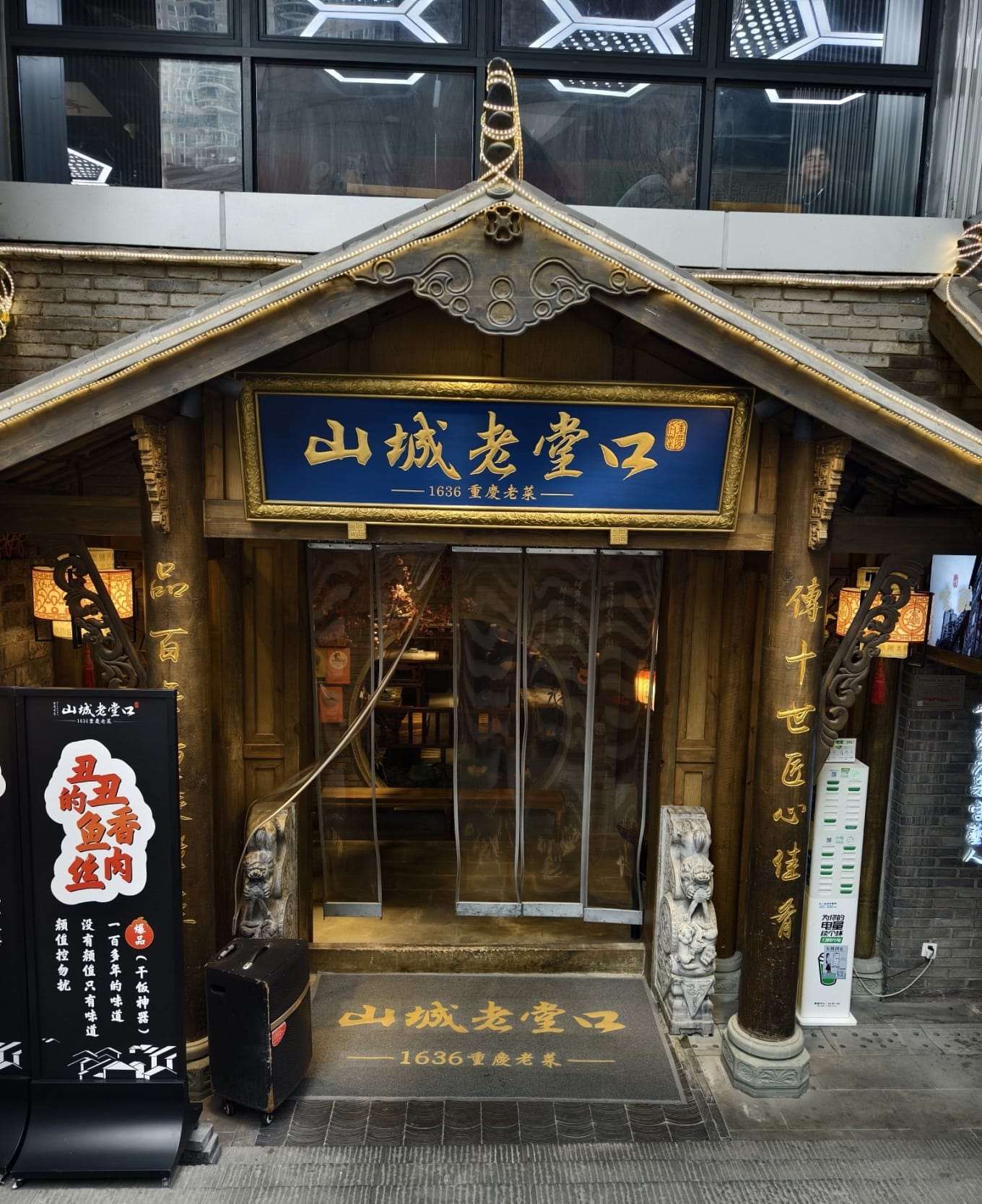
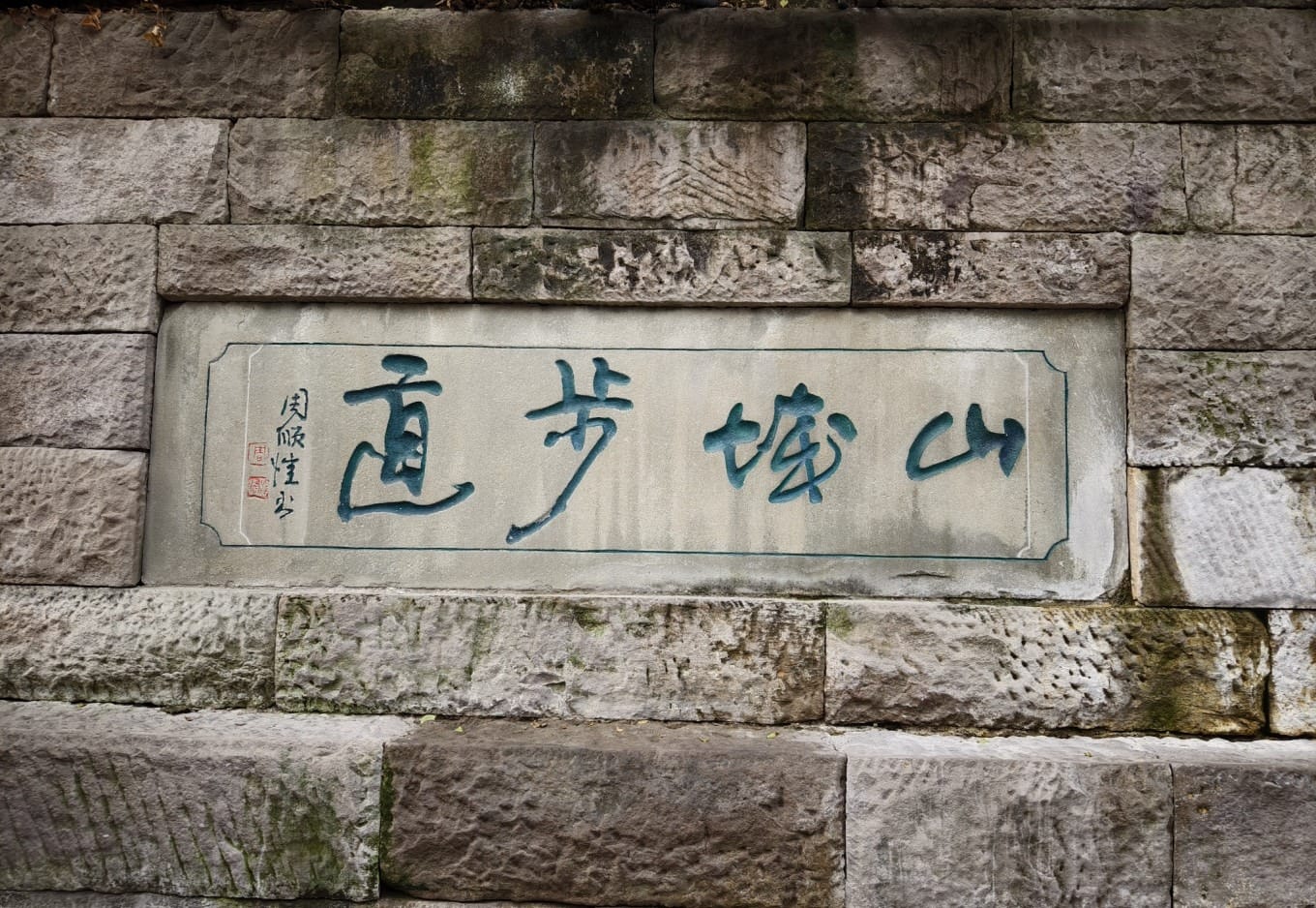
For lunch, take a short taxi ride (about ¥7.5) to Shancheng Laotangkou (山城老堂口川菜), a local favorite for authentic Sichuan cuisine. Don’t miss the braised trotter soup (蹄花汤), a rich and gelatinous specialty. After your meal, another quick taxi (around ¥6.5) brings you to Shancheng Pedestrian Walkway (山城步道). This elevated pathway winds through old neighborhoods, offering glimpses of daily life and panoramic city views. If you finish early, consider returning to your hotel to rest until evening.
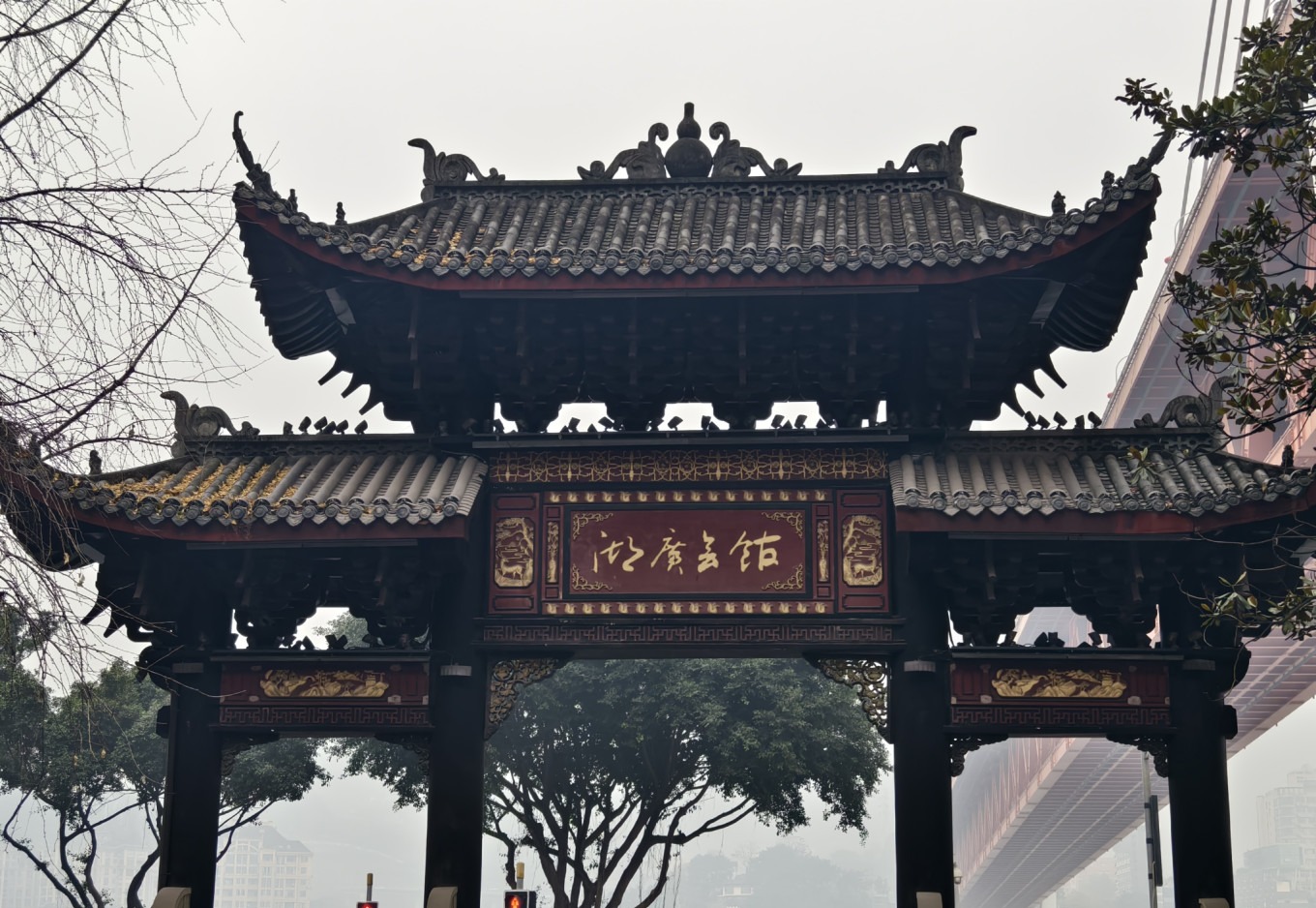
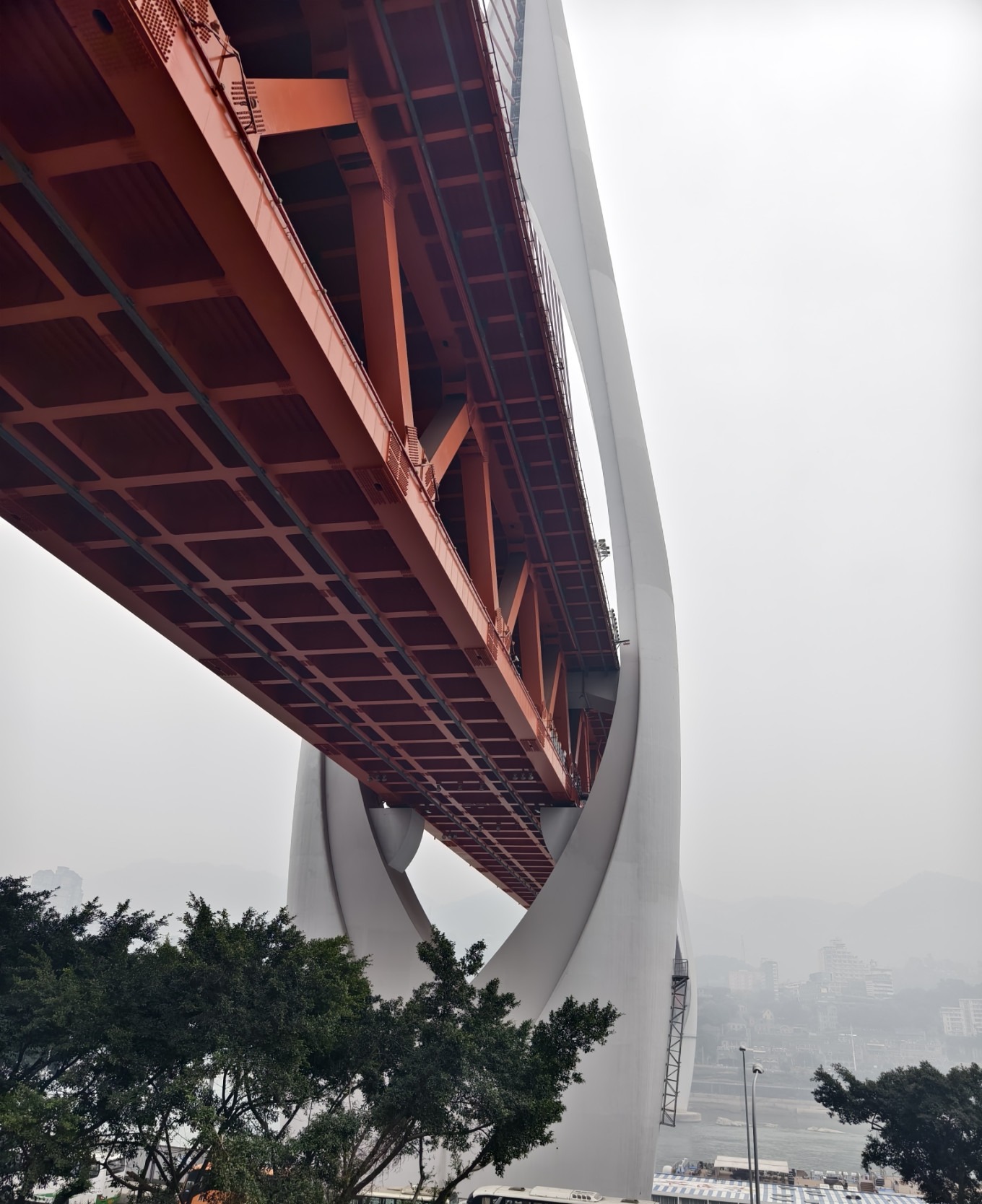
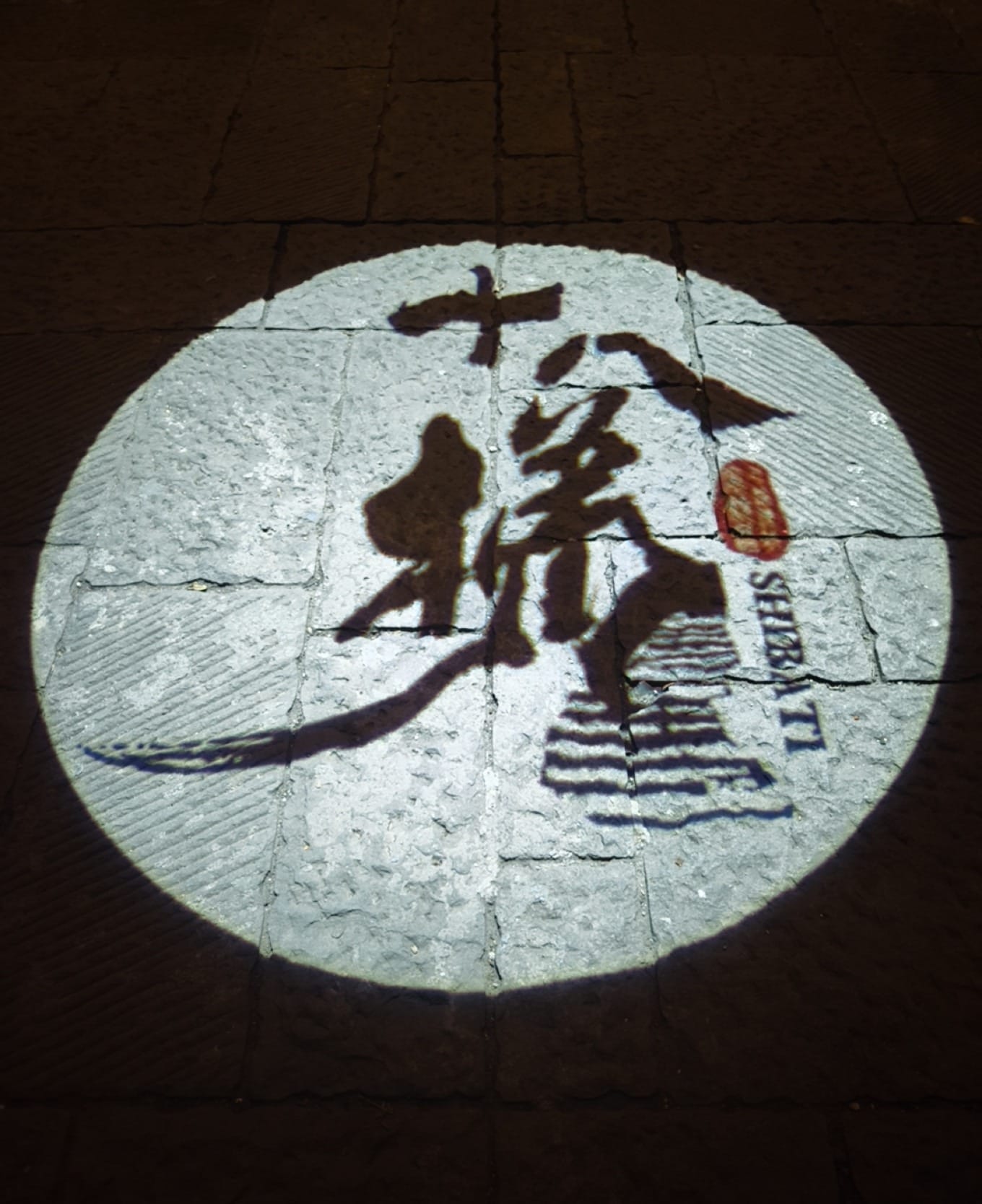
In the evening, walk 900 meters from your hotel to the north entrance of Eighteen Ladders (十八梯). Explore this historic stairway neighborhood from top to bottom — it’s best to go downhill. At the bottom, grab some grilled meat skewers and oden (关东煮) from street vendors. Around 8 PM, take a taxi (about ¥14) to Nanshan Yikeshu (南山一棵树) observation deck for the city’s best night panorama. The entrance fee is ¥15 per person in low season (¥30 in peak season). Make sure to set your destination to Gate 2 ticket office. Start at the main viewing platform, then head up to the 6th–7th floor indoor observatory for an even higher perspective. After soaking in the glittering skyline, a taxi back to your hotel costs around ¥13.
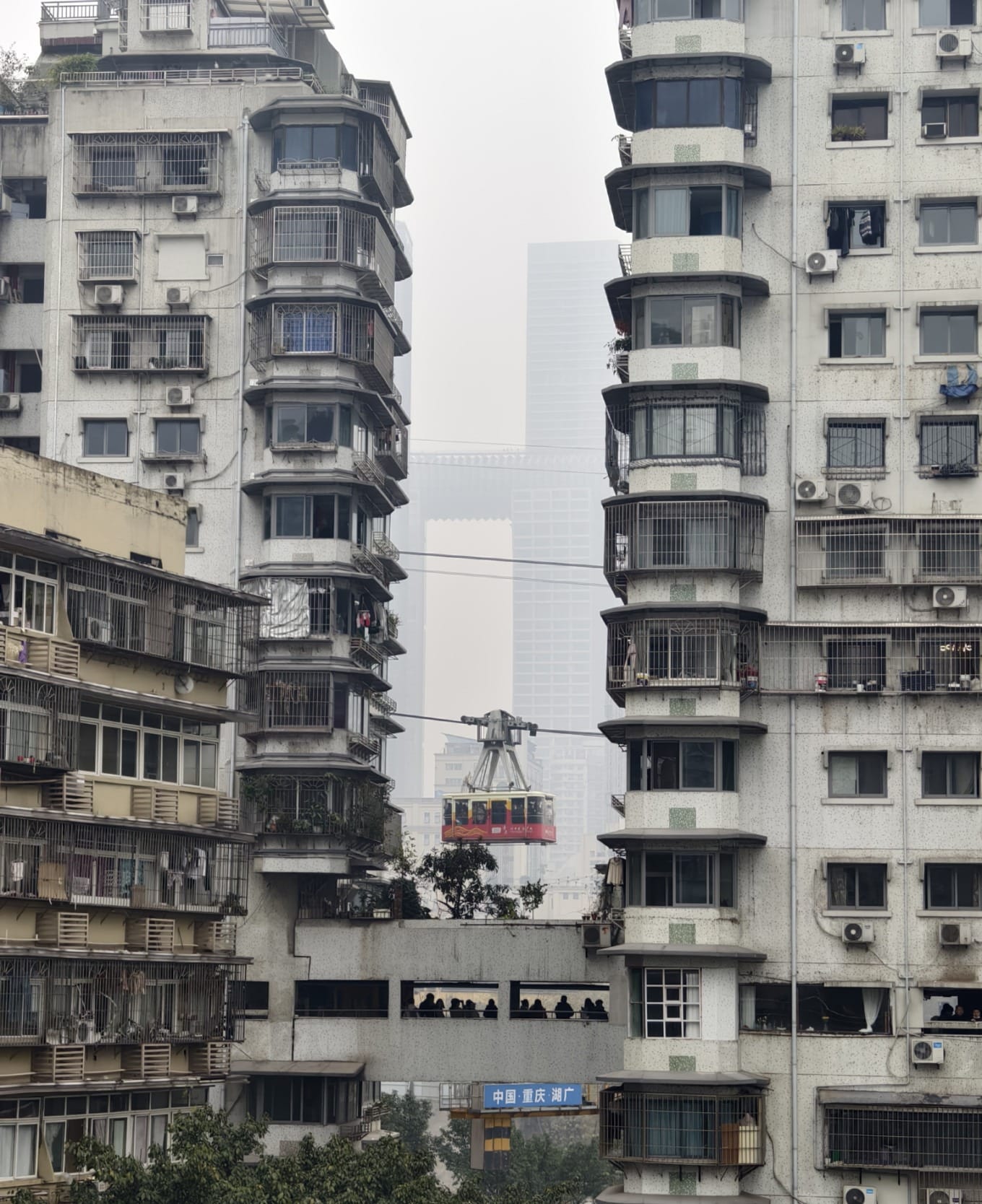
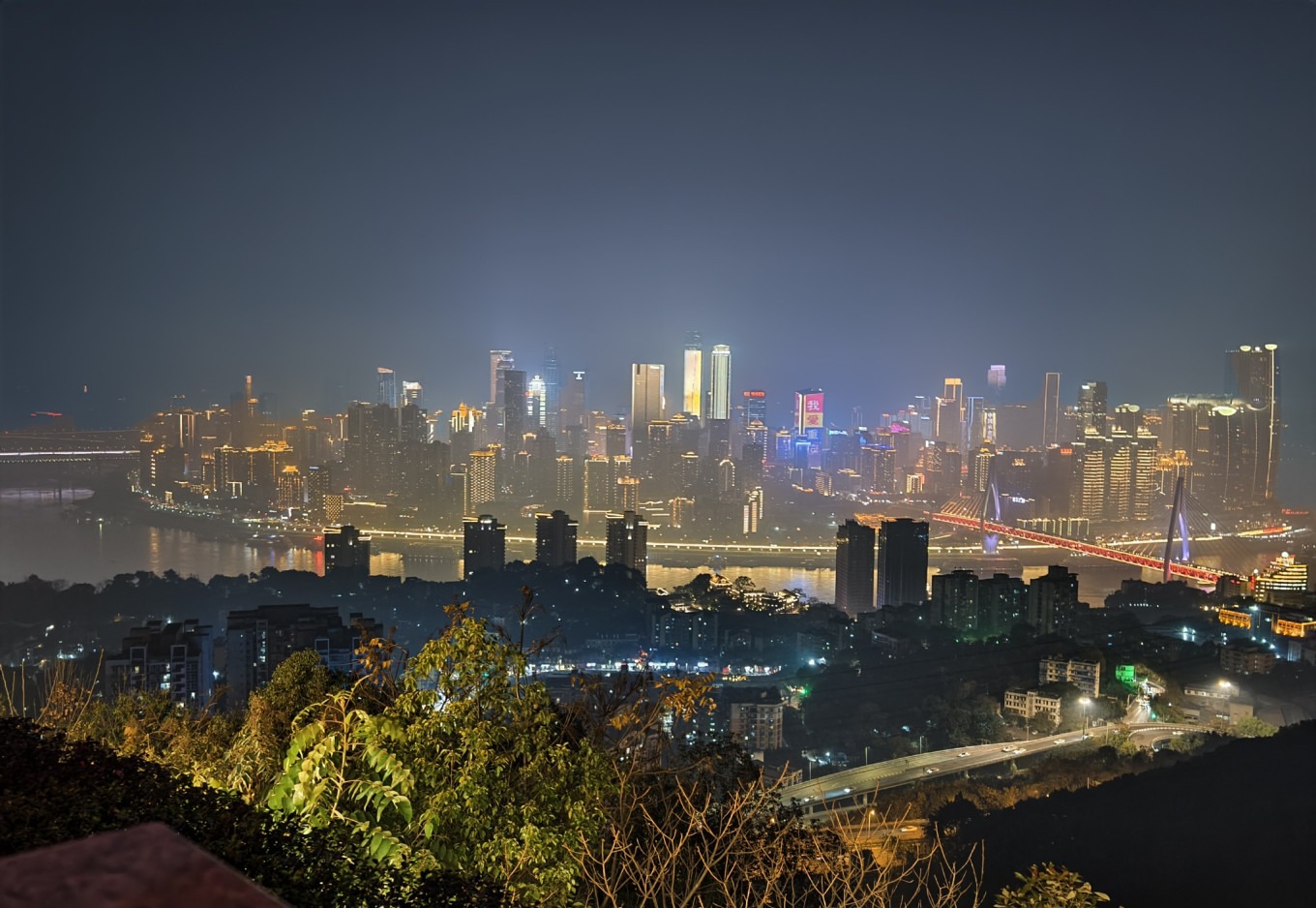
Day 5: Cable Cars, City Views, and a Spicy Finale
- RestaurantNiuxiangge Chuanchuan Wang (牛香阁串串王)
- Address重庆市渝中区解放碑附近 (near Jiefangbei, Yuzhong District, Chongqing)
- Recommended dishes麻辣牛肉串 (spicy beef skewers), 毛肚 (beef tripe), 郡肝 (chicken gizzards)
- Average spend60–80 yuan per person
Your final day in Chongqing can be packed with iconic experiences before heading home. Start by taking a taxi (around 8.5 yuan) to the Yangtze River Cableway (长江索道) visitor center. A round-trip ticket costs 30 yuan per person. The single journey takes about 4 minutes, and you must disembark at the opposite bank. Take time to enjoy the viewing platform before queuing for the return trip.
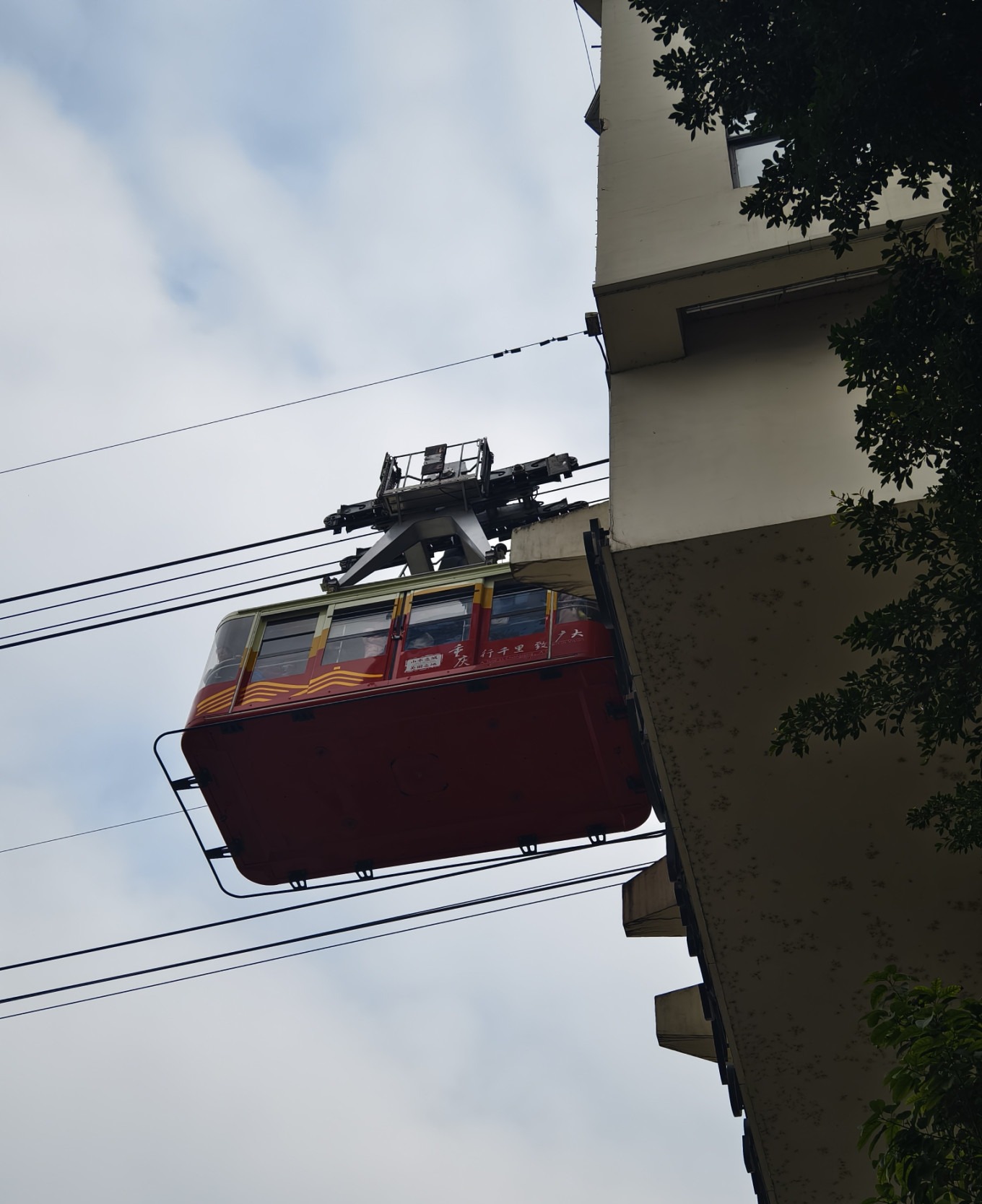
After exiting the return station, you’ll find yourself near the Skywalk (云端之眼), a popular observation deck. Entry costs 68 yuan per person. If you’re short on time or budget, you can skip it and head back to the hotel area.
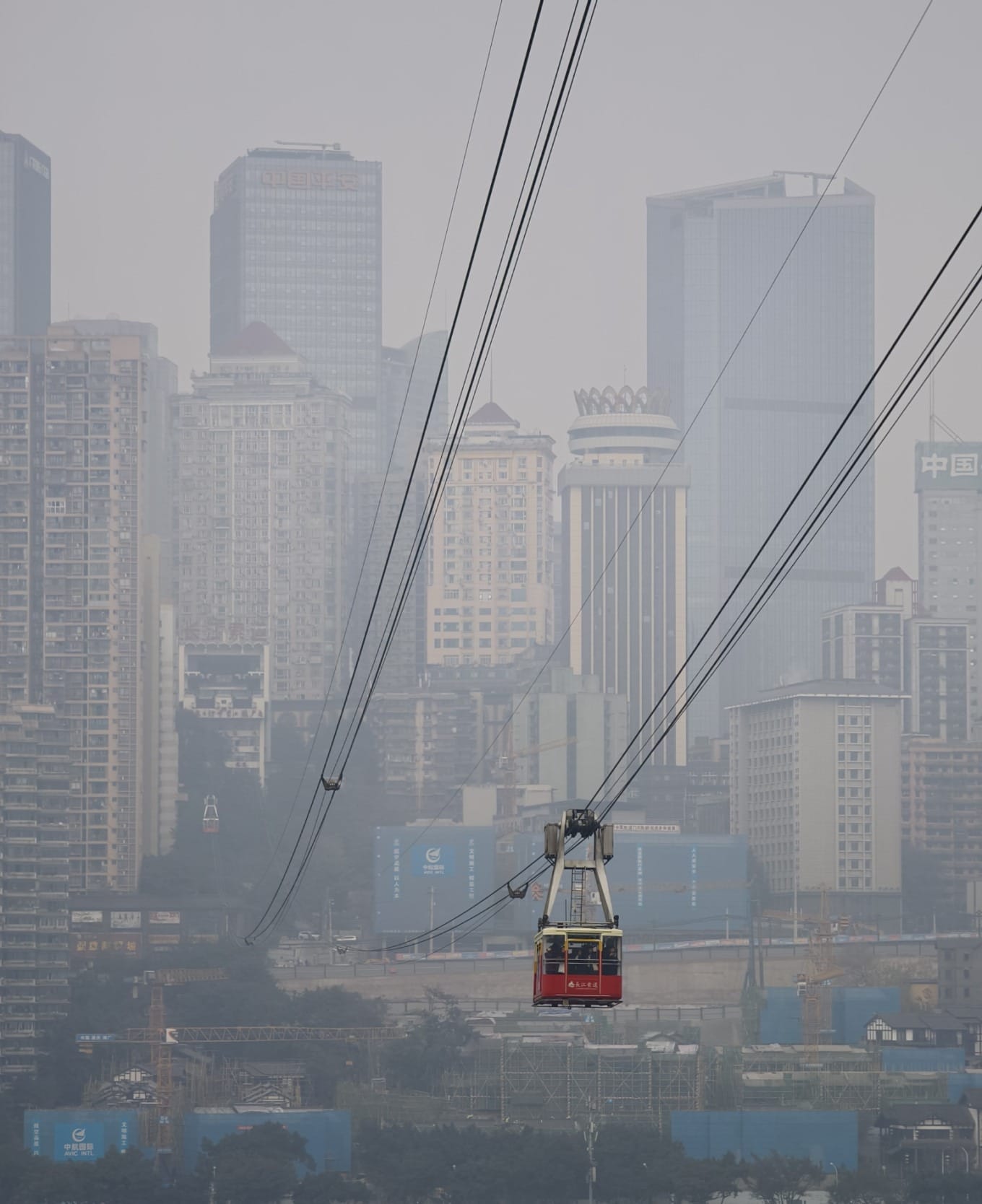
Before checking out, make a stop at a popular local skewer restaurant: Niuxiangge Chuanchuan Wang (牛香阁串串王). This bustling spot is known for its spicy and flavorful skewers cooked in a bubbling pot — a must-try for first-time visitors.
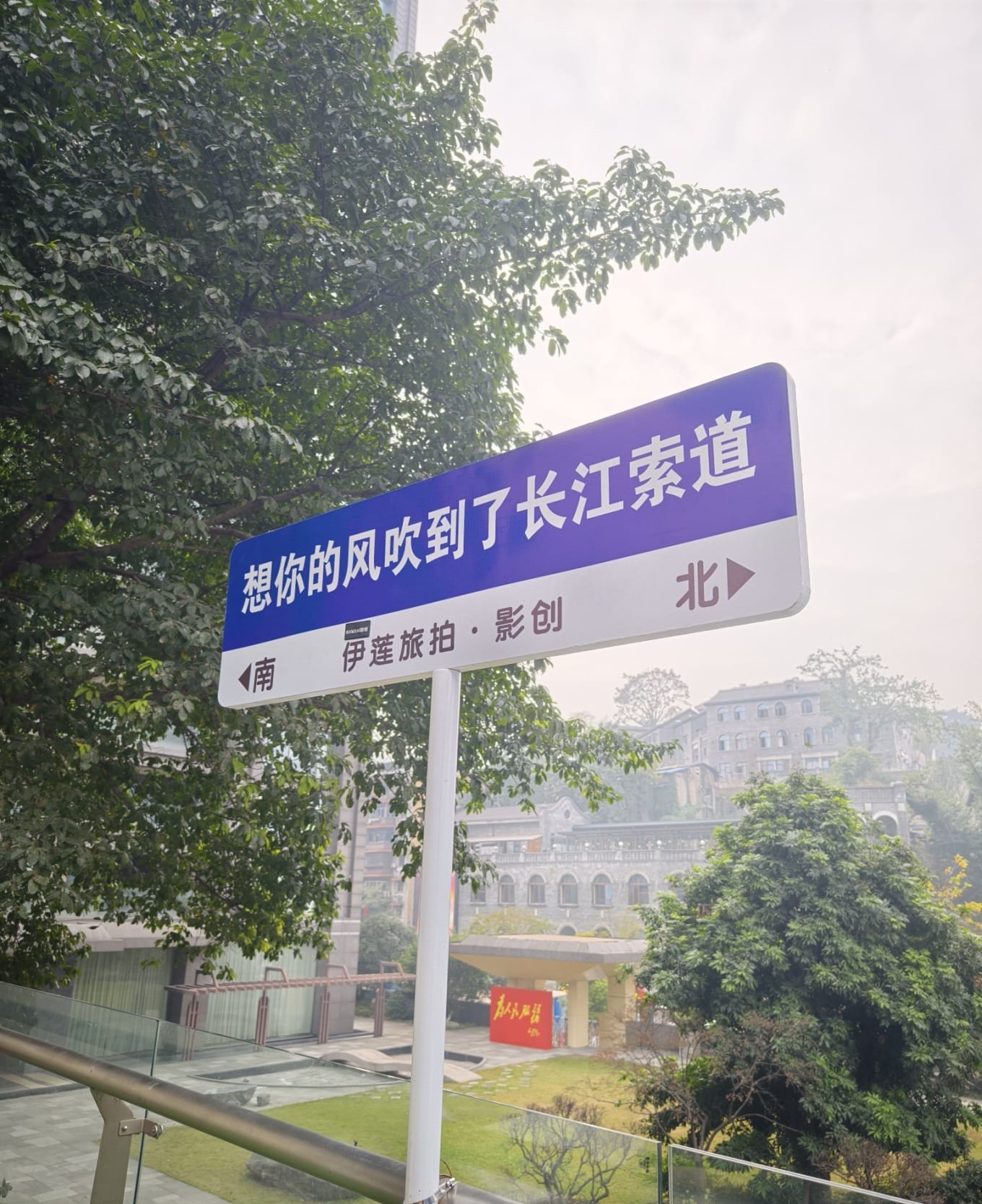
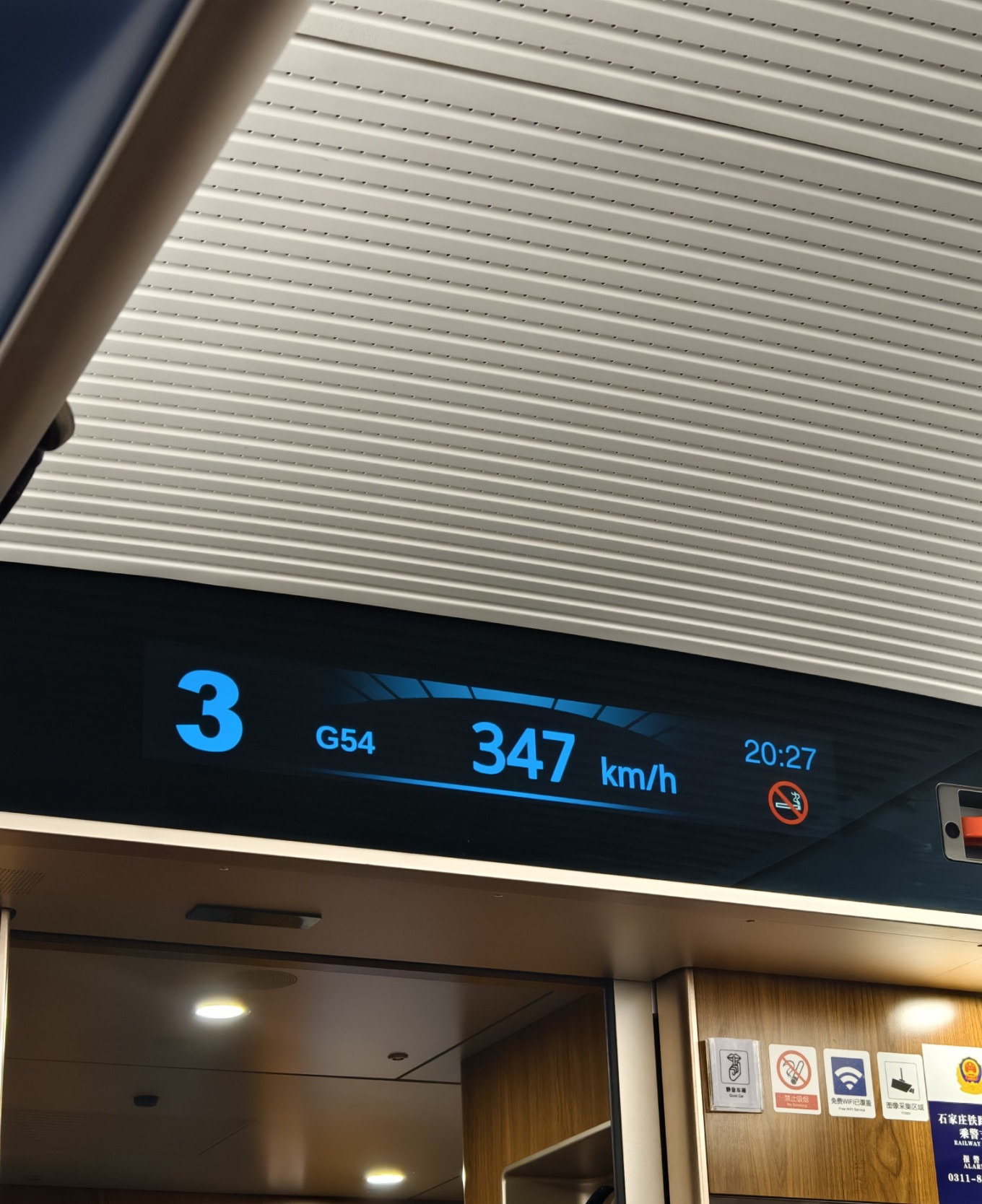
After your meal, return to the hotel to pack up and check out. Then head to Chongqing North Station (重庆北站) to catch the G54 high-speed train back to Shijiazhuang. The journey runs from 14:32 to 20:32 — exactly 6 hours, just like the trip in.
Chongqing: A Magical Mountain City and Misty Capital
As your journey in Chongqing comes to an end, you’ll likely find yourself already planning a return trip. This city, with its dramatic landscapes of mountains and rivers, layers of elevated roads and bridges, and the ever-present mist that softens the skyline, leaves an indelible impression. The nickname “Misty Capital” (雾都 (local term)) is well-earned, especially in the cooler months when fog rolls in from the Yangtze and Jialing rivers, turning the city into a dreamlike, almost cinematic backdrop. Whether you’ve been exploring the futuristic skyline of Jiangbeizui, navigating the dizzying maze of Hongya Cave, or simply savoring a bowl of fiery noodles from a local canteen, Chongqing’s energy is addictive. The city’s unique geography means that what looks like a ground-floor entrance might actually be on the 10th floor of another building, and a short walk can feel like a vertical climb. It’s this surreal, layered quality that makes Chongqing unlike any other city in China — a place you don’t just visit, but experience with all your senses.
For first-time visitors, the key to enjoying Chongqing is to embrace its chaos and verticality. Don’t try to follow a rigid itinerary; instead, let the city surprise you. One practical tip: wear comfortable walking shoes, as you’ll be climbing stairs and steep slopes constantly. Also, consider using the light rail not just for transport but as a sightseeing tool — lines like Line 2 offer thrilling rides that skim between residential towers and cross the river with stunning views. And of course, no trip is complete without diving into the local food scene. From the numbing spice of Chongqing hotpot (重庆火锅) to the street-side skewers of spicy hot pot (麻辣烫), every meal is an adventure. If you have time, take a night cruise on the Yangtze to see the city lights reflected on the water — it’s a fitting farewell to a city that truly never sleeps.
When you finally say goodbye, you’ll carry with you not just photos, but the feeling of being part of something vast and energetic. Chongqing doesn’t just show you its sights; it pulls you into its rhythm. And that’s why, like so many before you, you’ll find yourself thinking: travelers will come back.
FAQ
How many days do you need in Chongqing?
Five days is a comfortable first visit if you want city views, old streets, food, cable cars, and a Wulong karst day trip without rushing every transfer.
Is Chongqing easy for independent travelers?
Yes, but its layered hills, river crossings, and station exits can be confusing. Keep mobile data working, use Chinese map apps, and leave buffer time between viewpoints.
Should I add Wulong to a Chongqing itinerary?
Add Wulong if you have a full day for karst scenery and do not mind a longer transfer. If your trip is short, prioritize central Chongqing and save Wulong for a slower route.
Enjoyed this article? Consider buying me a coffee to support more content like this!
💖 0 people have clicked to support this article.