Four Days in Xi’an: A Practical Guide to China’s Ancient Capital
A practical, image-rich guide you can actually use.
travel better
On this page
Quick Answer
This Xi’an 4-day itinerary is best for first-time visitors who want the ancient-capital essentials without reducing the city to one Terracotta Warriors day. Use one day for the City Wall and old center, one for the warriors and east-side history, one for Tang-era pagodas and night atmosphere, and one flexible day for museums, food, or slower repeats.
Before you go: If you have five days, compare this with the no-backtracking Xi’an route before locking hotels and timed tickets.
Prologue: A Spring Journey to Xi’an
Visiting Xi’an during the Qingming Festival (Tomb-Sweeping Day) is a brilliant choice. The city is in full bloom—flowers blossom, trees sprout fresh green, and the air brims with spring vitality. It’s the season that inspired the classic line: ‘The most beautiful is the April sky, a river of spring water green as blue.’ Xi’an has long been a destination on many travelers’ minds, and for good reason. Here you can immerse yourself in the historical depth of an ancient capital that witnessed the unification of China under Qin Shi Huang, the heroic journeys of Zhang Qian to the Western Regions, the pilgrimage of Xuanzang for Buddhist scriptures, and the tragic romance of Emperor Xuanzong and Yang Yuhuan. Today, Xi’an is a thriving modern metropolis, a testament to the relentless march of history. As you explore, you’ll feel the profound changes over millennia—a reminder that learning from the past paves the way for a lasting future.
Before diving into the details, here’s a preview of the city’s iconic landmarks and experiences:
Itinerary Planning
Xi’an’s attractions are mainly clustered in three areas, which you can easily navigate using the metro. Around the Bell Tower (钟楼) on Line 2, you’ll find the Bell Tower, Drum Tower (鼓楼), Muslim Quarter (回民街), Gao’s Grand Courtyard (高家大院), Xi’an City Wall (西安明城墙), the Stele Forest Museum (西安碑林博物馆), Yongxing Fang (永兴坊), Small Wild Goose Pagoda (小雁塔), Xi’an Museum (西安博物院), Daming Palace National Heritage Park (大明宫遗址公园), Guangren Temple (广仁寺), and Sajin Bridge (洒金桥). In the Giant Wild Goose Pagoda (大雁塔) area, where Lines 3 and 4 intersect, you can visit the Big Wild Goose Pagoda, Ci’en Temple (大慈恩寺), Dayanta Joy City (大悦城), the Tang Paradise (大唐芙蓉园), Shaanxi History Museum (陕西历史博物馆), Xiaozhai Saibo International (小寨赛博国际), the Qinglong Temple (乐游原-青龙寺), and Qujiangchi Relic Park (曲江池遗址). For the eastern Lintong (临潼) line, Line 9’s Huaqingchi Station (华清池站) gives you access to Huaqing Palace (华清宫), Mount Li (骊山), and the Song of Everlasting Sorrow (长恨歌) performance, while nearby are the Mausoleum of the First Qin Emperor and the Terracotta Warriors (秦始皇陵兵马俑) and Lishan Garden (丽山园).
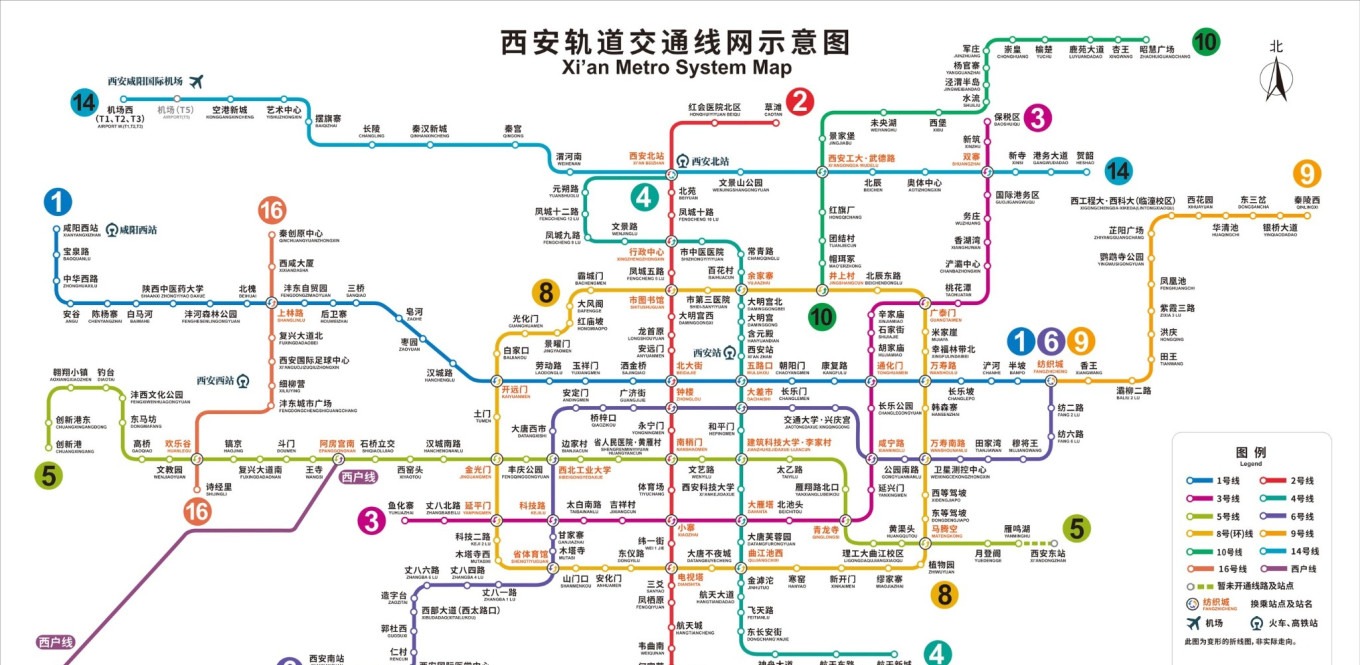
With limited time, you can plan a compact four-day itinerary covering the highlights. A sample schedule: Day 1 (April 4) – arrive in Xi’an, then visit the City Wall, Big Wild Goose Pagoda, and the 大唐不夜城 (Tang Dynasty Night Market). Day 2 (April 5) – Shaanxi History Museum, Saibo International, Xi’an World Expo Park (西安世博园), Xi’an Eternal Love show (西安千古情), Bell and Drum Towers, Muslim Quarter, and Gao’s Grand Courtyard. Day 3 (April 6) – Terracotta Warriors, Huaqing Palace, Mount Li, the Song of Everlasting Sorrow evening performance, and a return to the Tang Dynasty Night Market. Day 4 (April 7) – Qinglong Temple (乐游原青龙寺), Small Wild Goose Pagoda, Xi’an Museum, Yongxing Fang, and the Big Wild Goose Pagoda before departure. Mount Huashan can wait for a future trip.
Xianyang of Qin, Chang’an of Han
Though Xianyang (咸阳) is not part of Xi’an administratively, Xi’an’s story is inseparable from this neighboring city. Over 2,000 years ago, Ying Zheng (the First Emperor) declared himself emperor here, launching China’s feudal dynastic era. When Liu Bang founded the Han dynasty, he chose to build his capital in Chang’an (modern Xi’an) within the Guanzhong region. As the ancient capital of 13 dynasties, Xi’an has weathered countless storms and witnessed the rise and fall of empires. While you may not have time to visit the Weiyang Palace ruins of the Han dynasty, a trip to the Mausoleum of the First Qin Emperor alone will immerse you in the grandeur of history.
The Terracotta Warriors: A Lifetime Must-See
The Emperor Qinshihuang’s Mausoleum Site Museum ticket covers two sites: the Terracotta Warriors Museum and the Lishan Garden (丽山园). To beat the crowds, aim to arrive right when the gates open at 8:00 AM. You can join a small group guided tour (up to 10 people) for a more in-depth experience. However, be prepared for possible delays—special VIP visits can cause long queues, sometimes over two hours, which may force you to skip Lishan Garden.
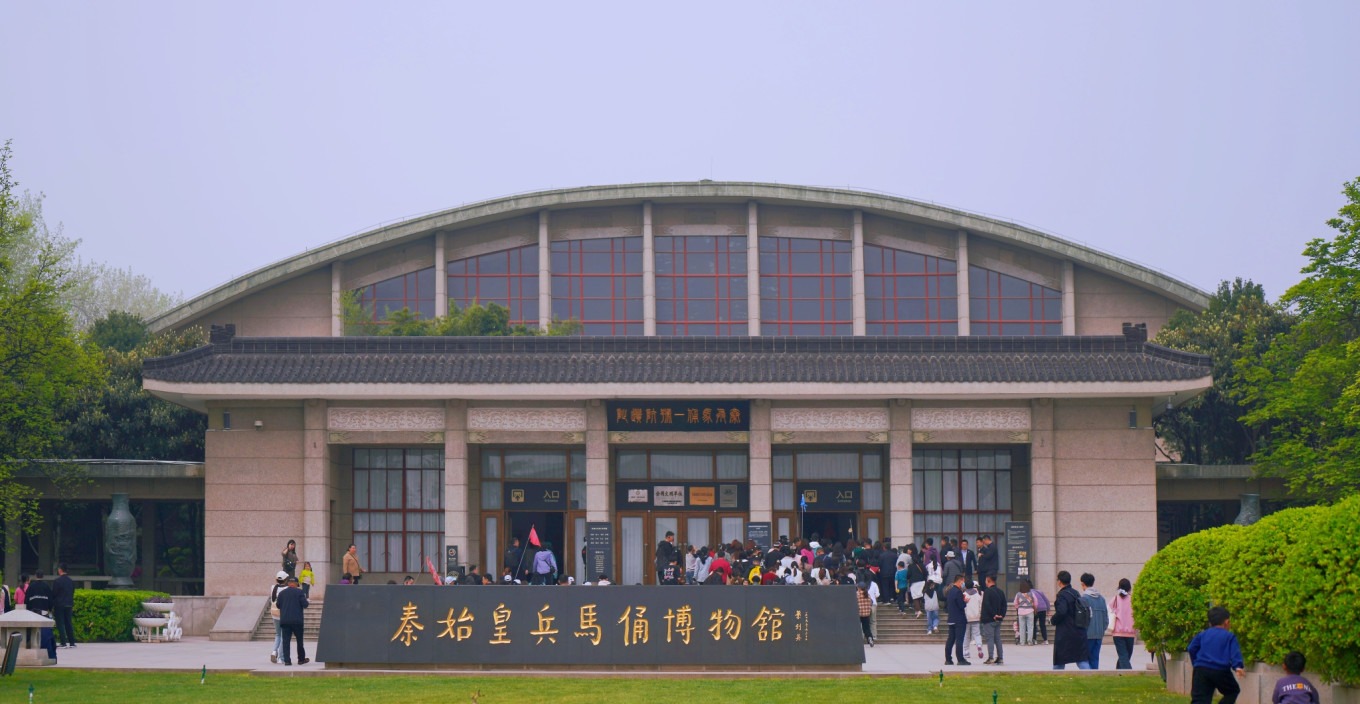
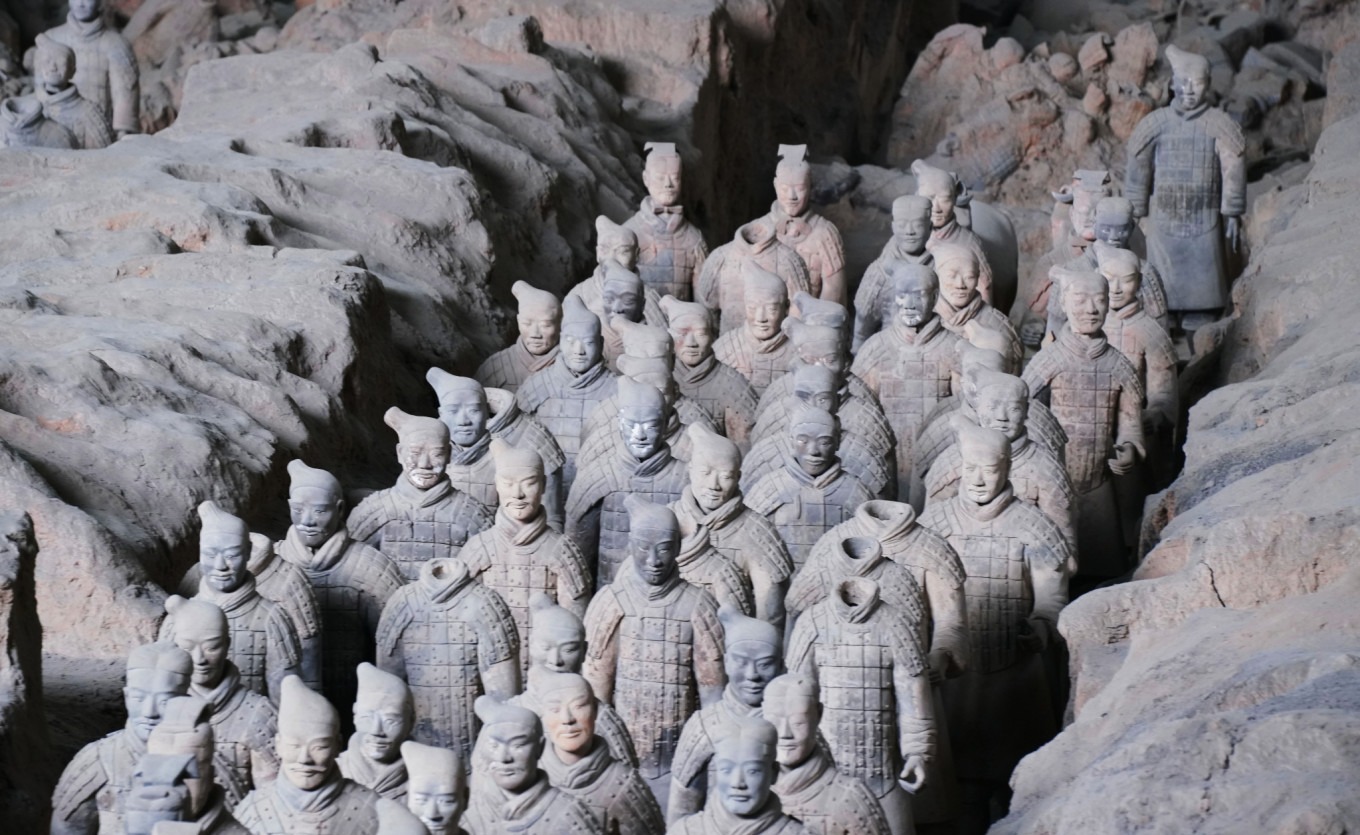
Currently, only three pits are open: Pit 1, Pit 2, and Pit 3. Pit 1 is the largest and most famous, often featured in history textbooks. Due to the massive crowds, you’ll only get a few moments at each spot, and the guide moves quickly. Consider doing a second lap on your own after the guided tour to absorb the details.
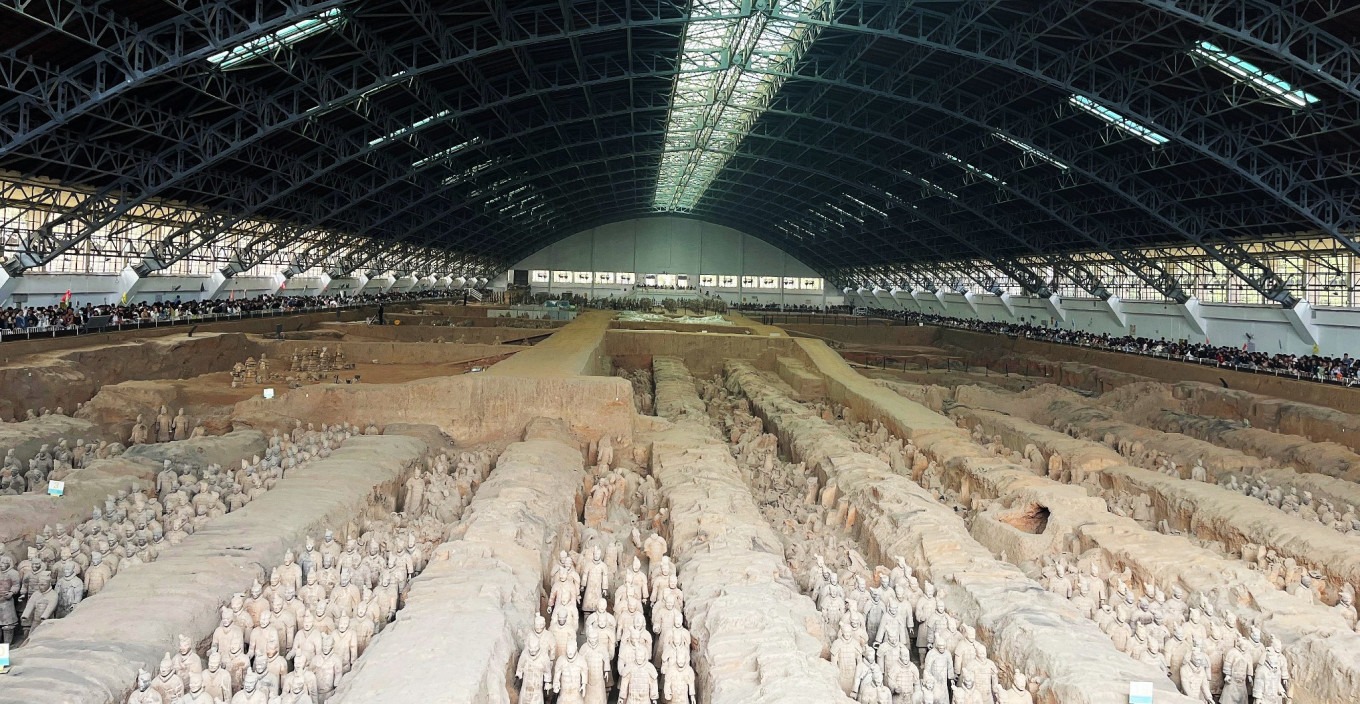
Ordinary visitors are not allowed to enter the pits, but special VIPs (like the Taiwanese delegation mentioned) can get up close. The warriors were originally painted in vibrant colors, but exposure to air causes the pigments to fade and peel. To preserve them, excavation has been halted after only a small portion was unearthed. Even without color, the craftsmanship of over 2,000 years ago is awe-inspiring.
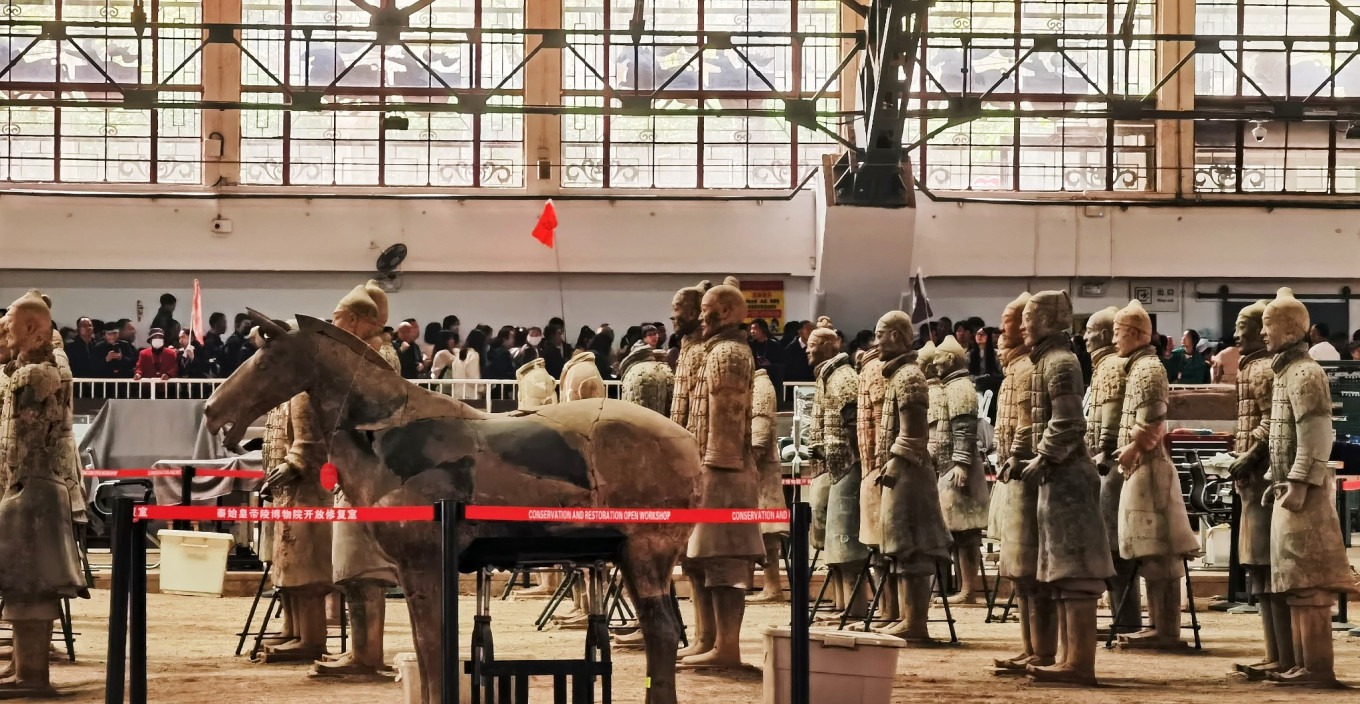
Pit 1 also contains Qin Dynasty bricks (秦砖), which are incredibly valuable.
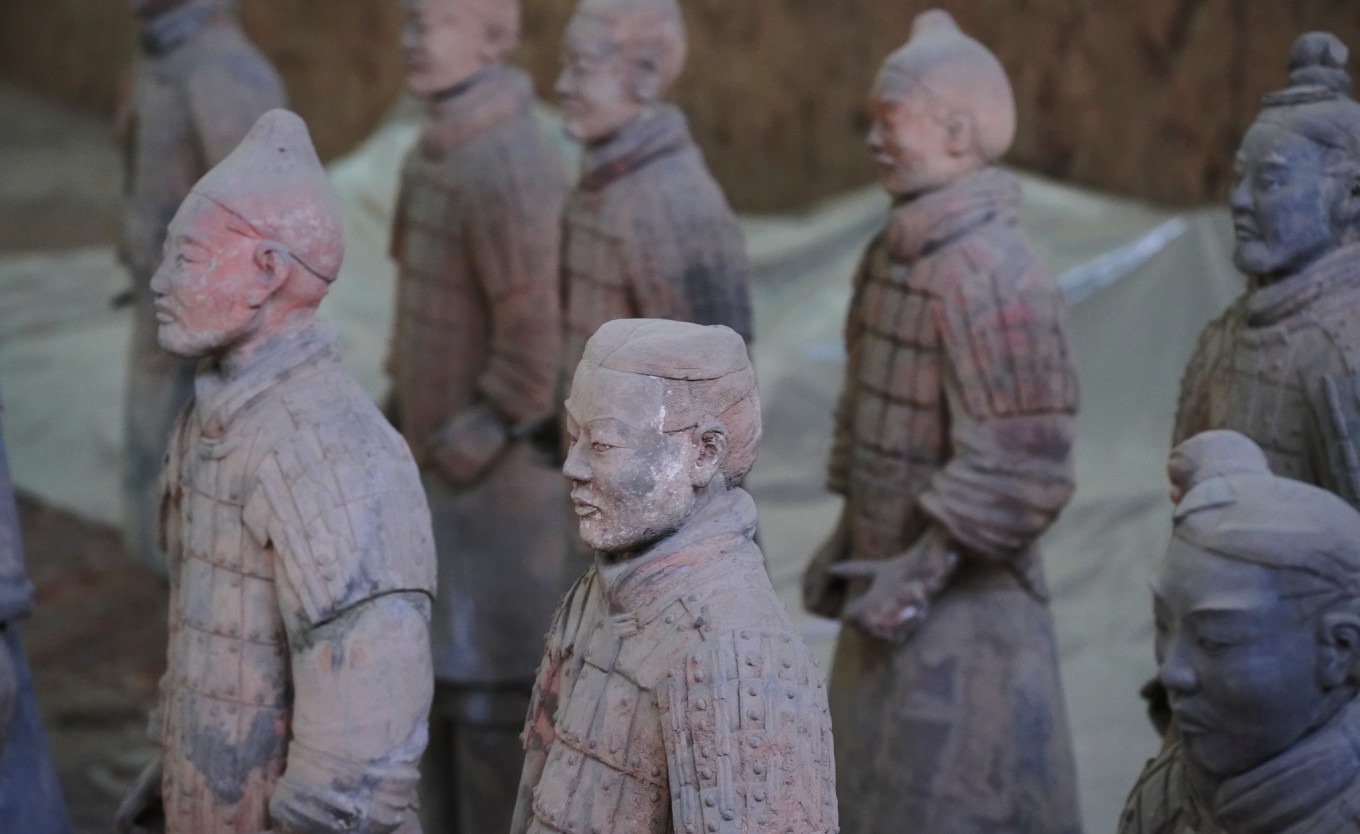
Pit 3 served as the command center, showcasing the extreme organization of labor during the late slave society.
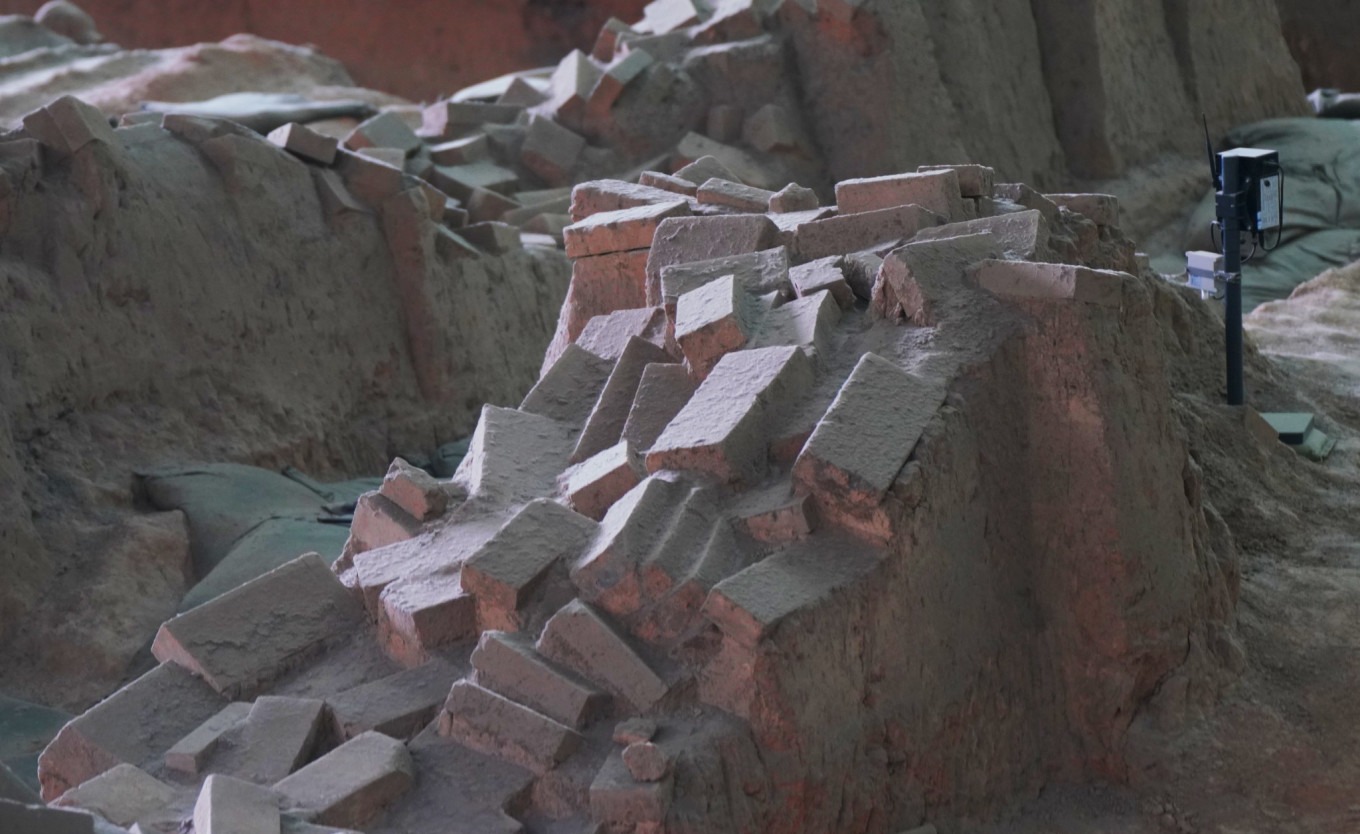
Pit 2 remains largely unexcavated, with wooden logs still covering the surface. Nearby, there’s an immersive photo booth (沉浸体验照相馆) where you can find a warrior that resembles you—costing 68 RMB per person. The results are essentially photoshopped, but it does offer a glimpse of simulated colored warriors.
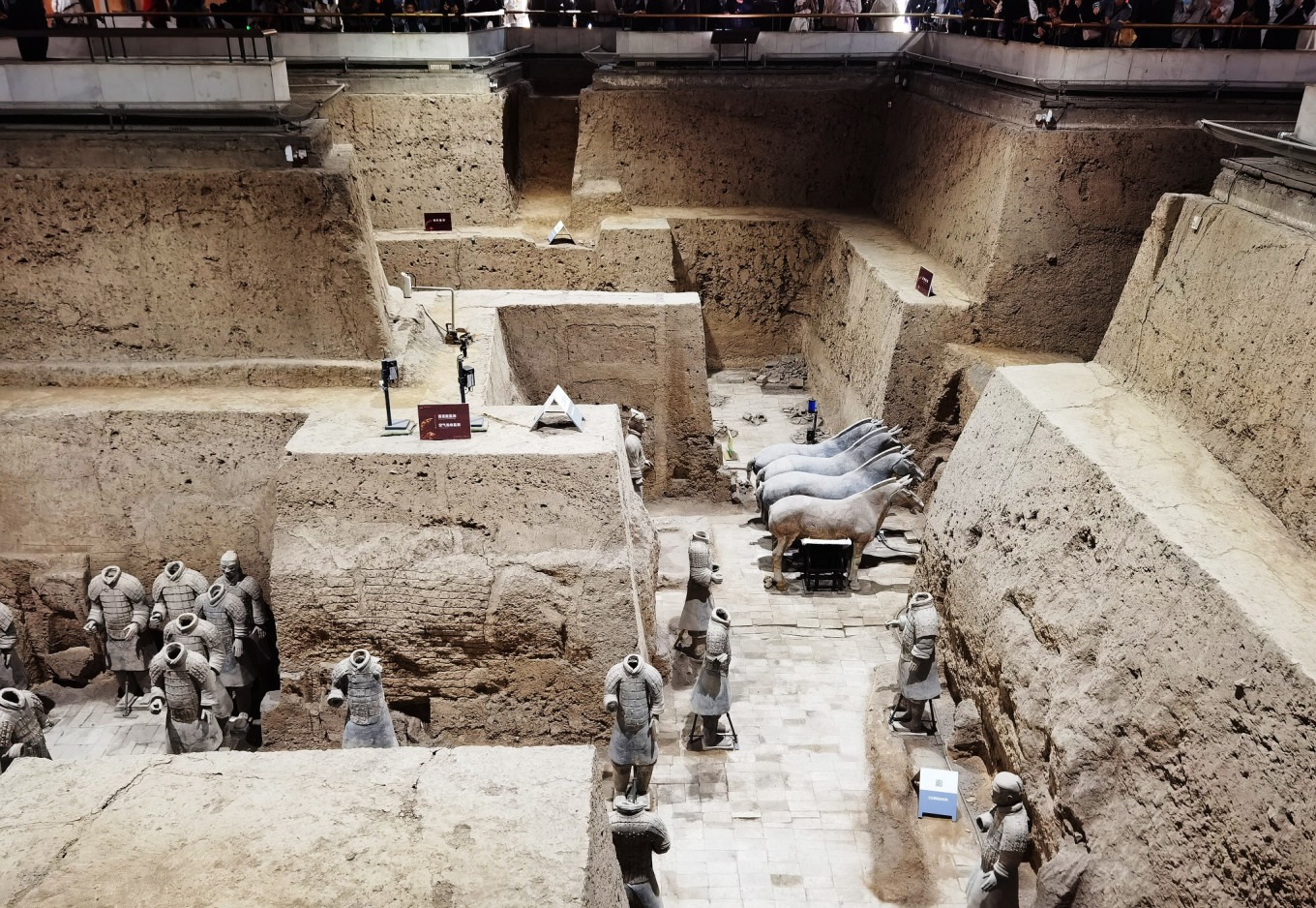
In Pit 2, five special warrior statues are displayed individually: the Kneeling Archer (跪射俑), the General (大将军), the Civil Official (文官俑), the Cavalryman (骑兵), and the Archer (弓箭俑). One kneeling archer bears a striking resemblance to the famous livestreamer Dong Yuhui, which once trended on social media.
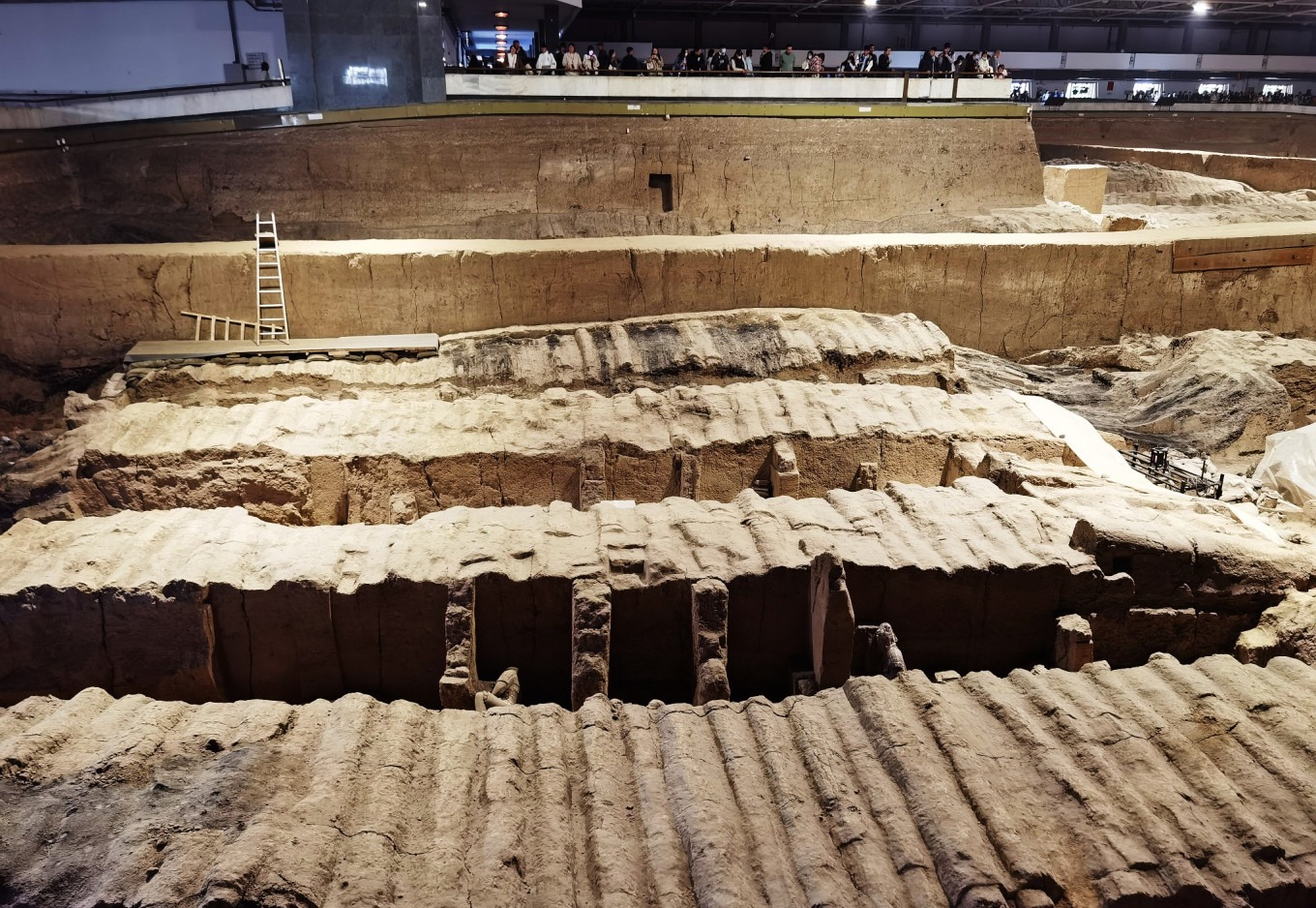
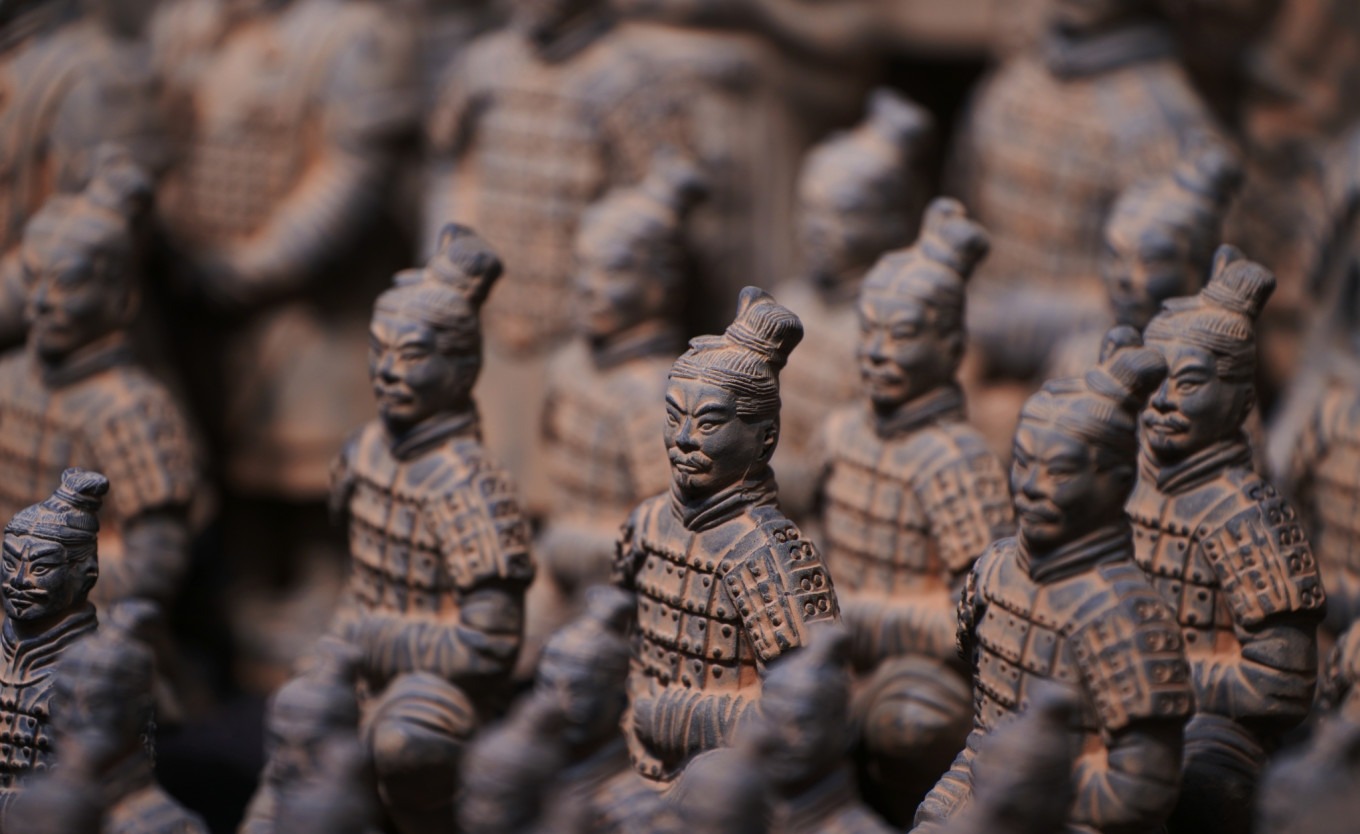
Along the way, you’ll pass through a souvenir shop selling miniature warriors made from the pit’s actual soil.
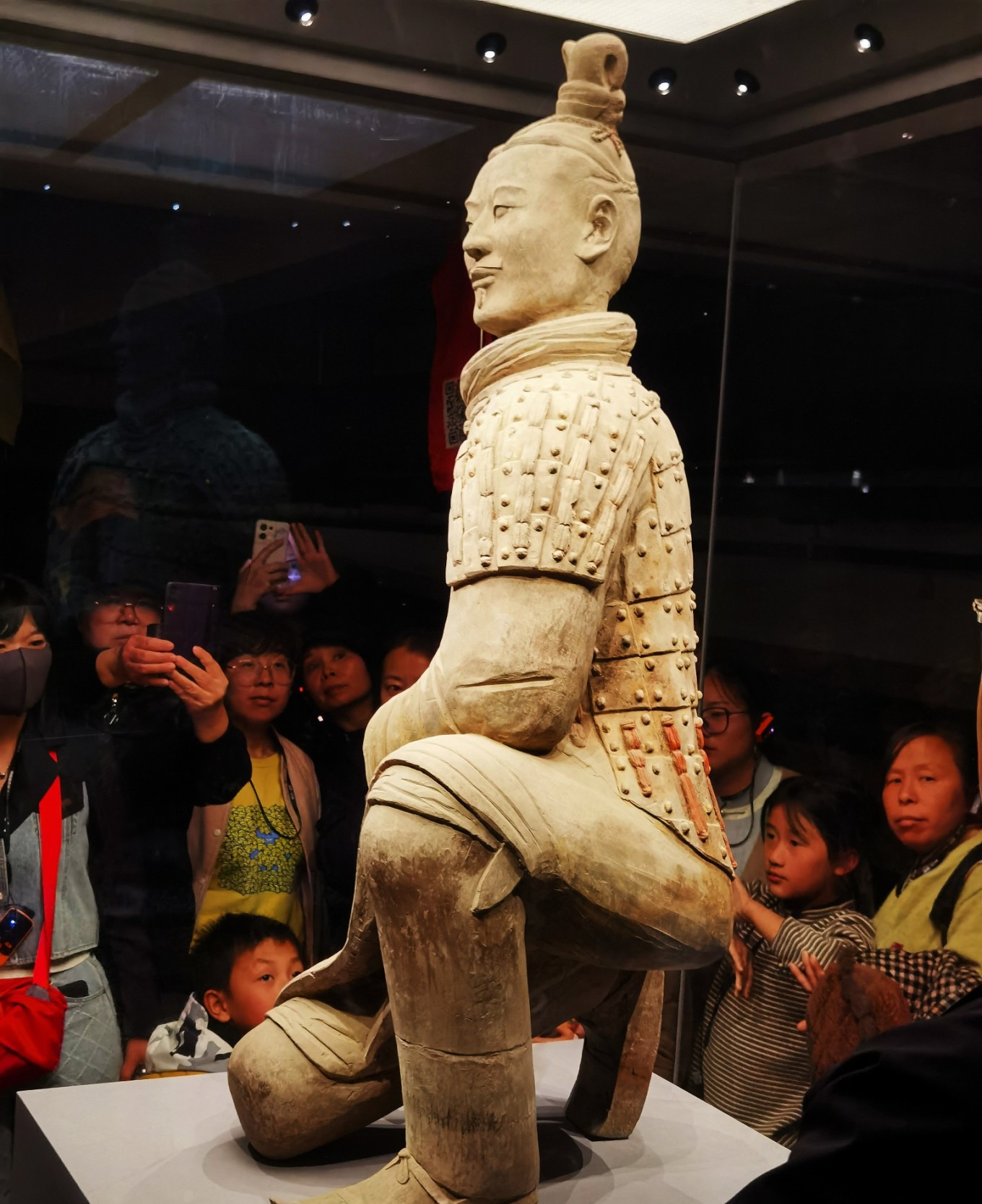
Though only a fraction of the warriors are on display, the Terracotta Army remains a once-in-a-lifetime destination.
The Splendor of Tang: Chang’an Never Sleeps
After the Wei and Jin dynasties came the Sui and Tang. The Sui dynasty reunified China, and the Tang dynasty brought it to its golden age. Under Emperor Taizong, the ‘Heavenly Khan,’ the foundations were laid for the Kaiyuan 盛世 (local term), creating the world-famous Tang Empire. At its peak, the capital Chang’an (modern Xi’an) was a cosmopolitan city that attracted travelers from across the globe. Today, you can still feel that grandeur as you walk through the city’s historic streets and cultural landmarks.
Giant Wild Goose Pagoda (Dayan Pagoda)
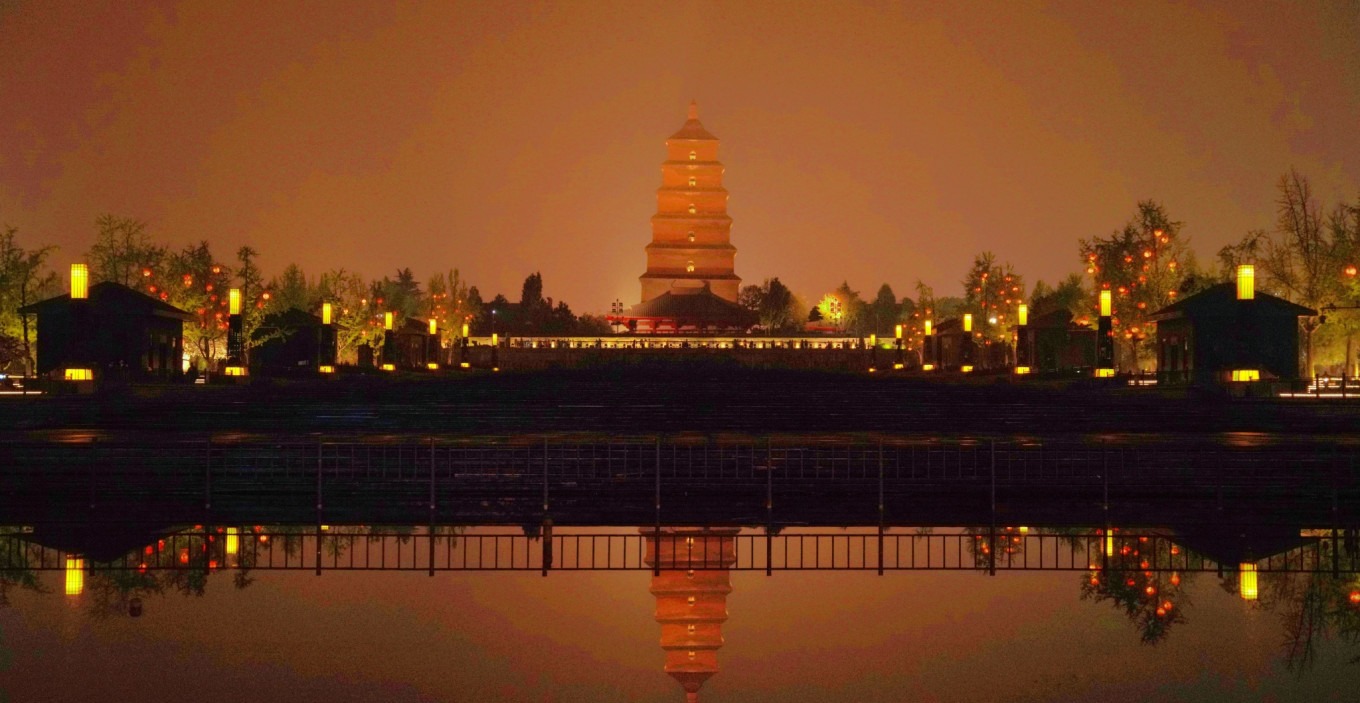
The Giant Wild Goose Pagoda (大雁塔) stands within the Daci’en Temple (大慈恩寺), a historic landmark built over 1,300 years ago by the famed monk Xuanzang to house the Buddhist scriptures and relics he brought back from India along the Silk Road. For first-time visitors, this iconic pagoda offers not only a glimpse into Tang Dynasty history but also fantastic photo opportunities. Here are six prime spots to capture the perfect shot.
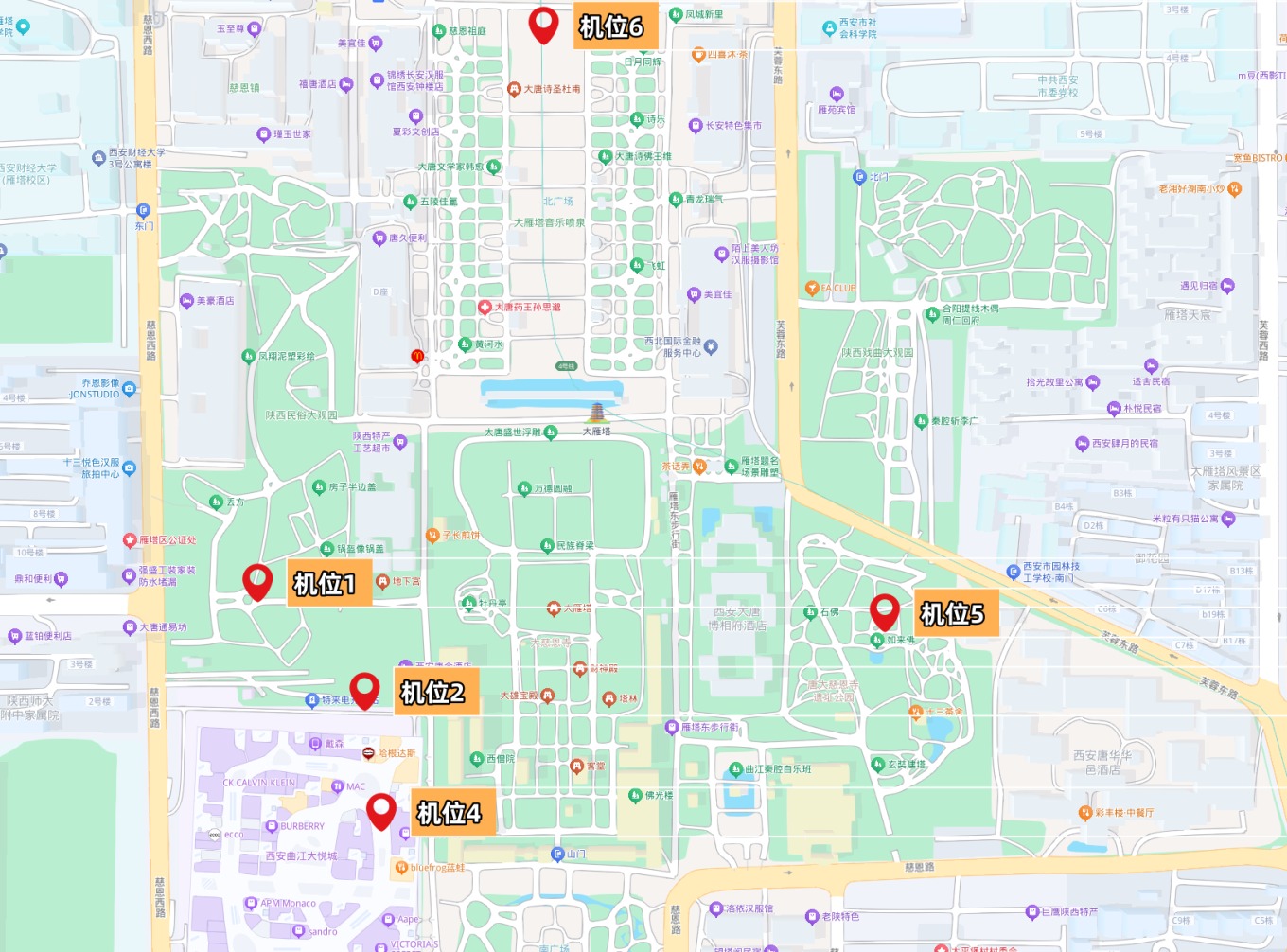
First, head to the white marble balustrade above the underground palace (地下宫上方的白玉栏杆处) for a classic elevated view.
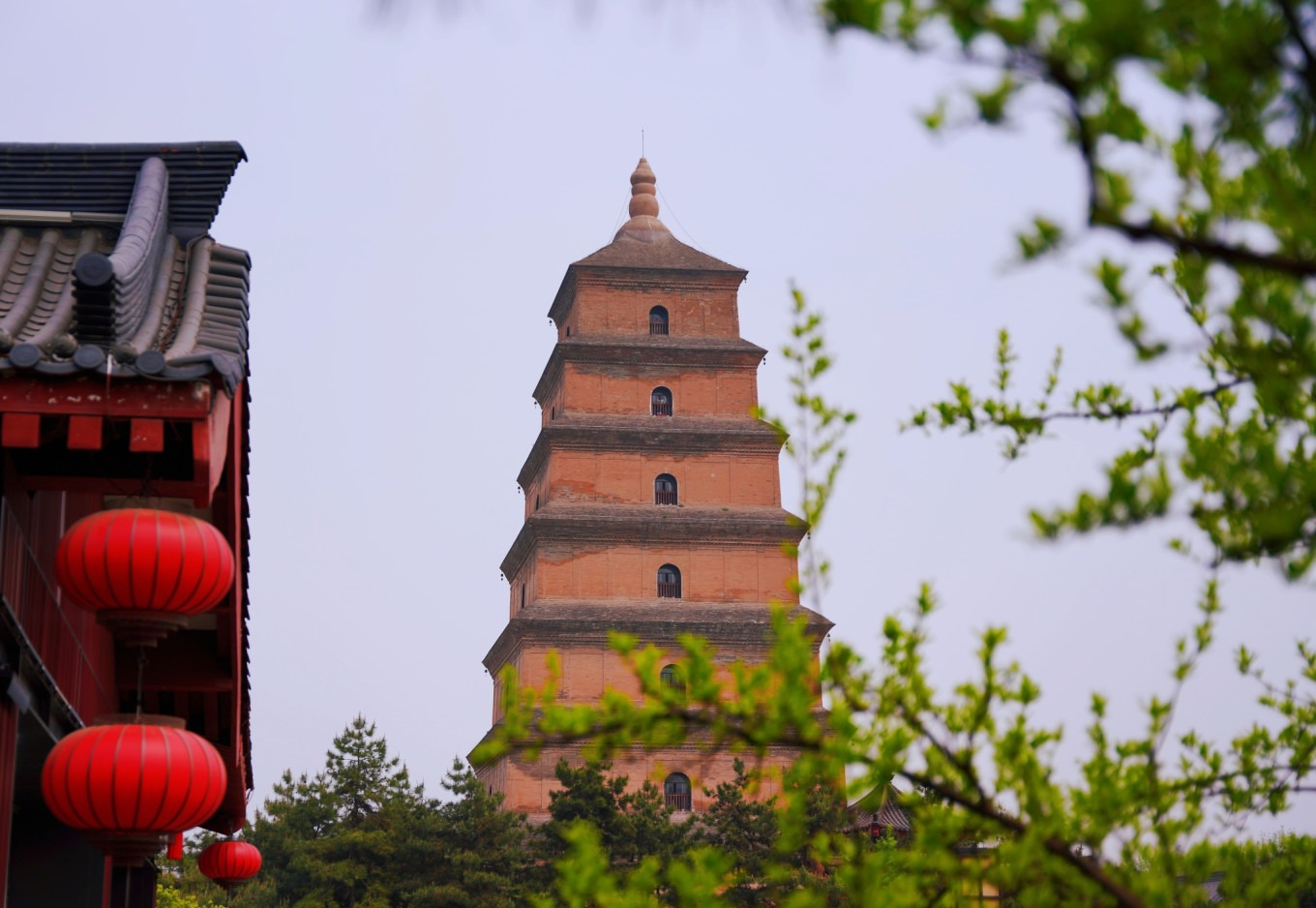
Second, walk to the red wall (红墙) on the road beside the Dayuecheng (大悦城) shopping mall for a vibrant foreground.
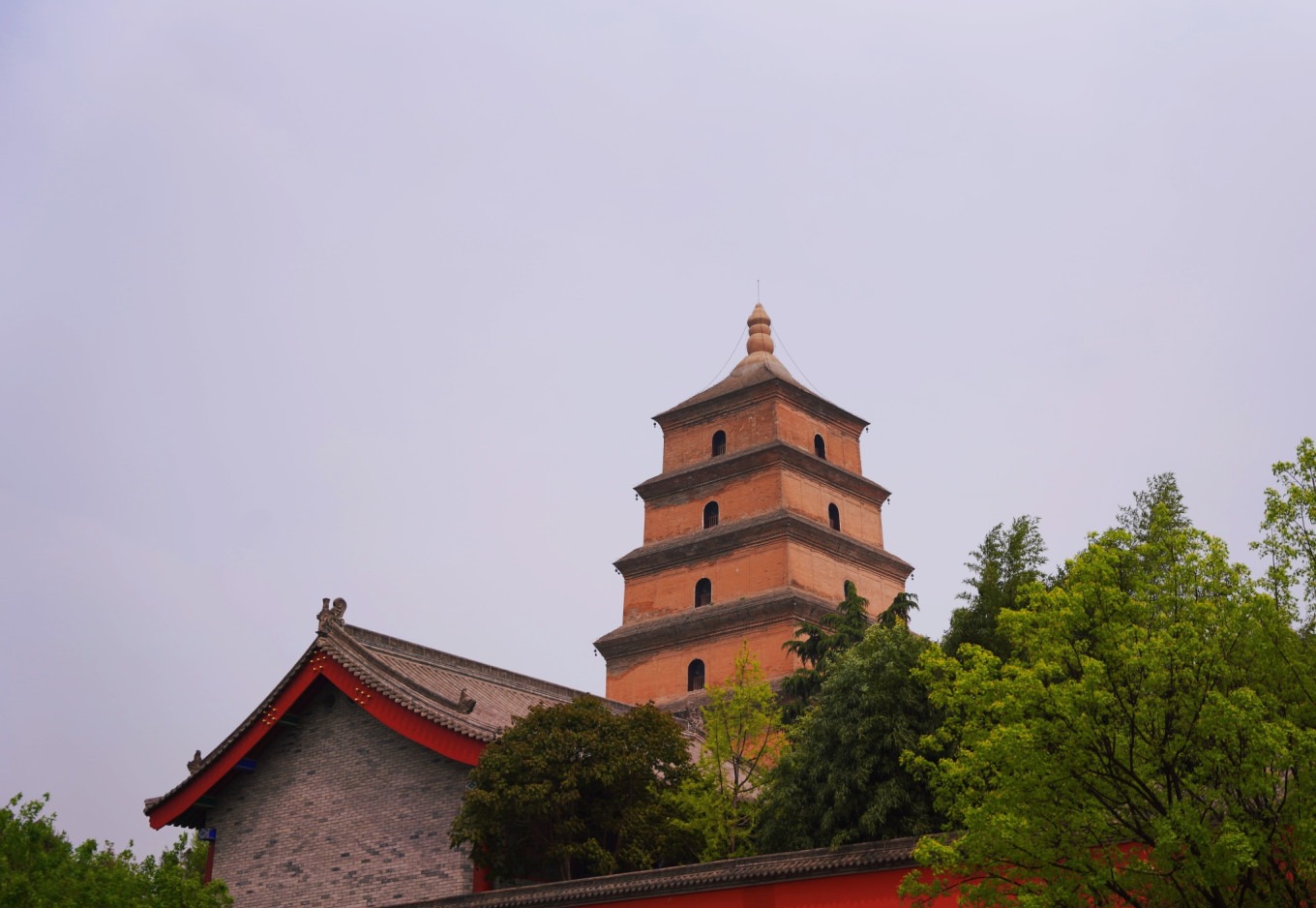
Third, the south square (南广场) features a statue of Xuanzang (玄奘像) — a must-photo spot with the pagoda in the background.
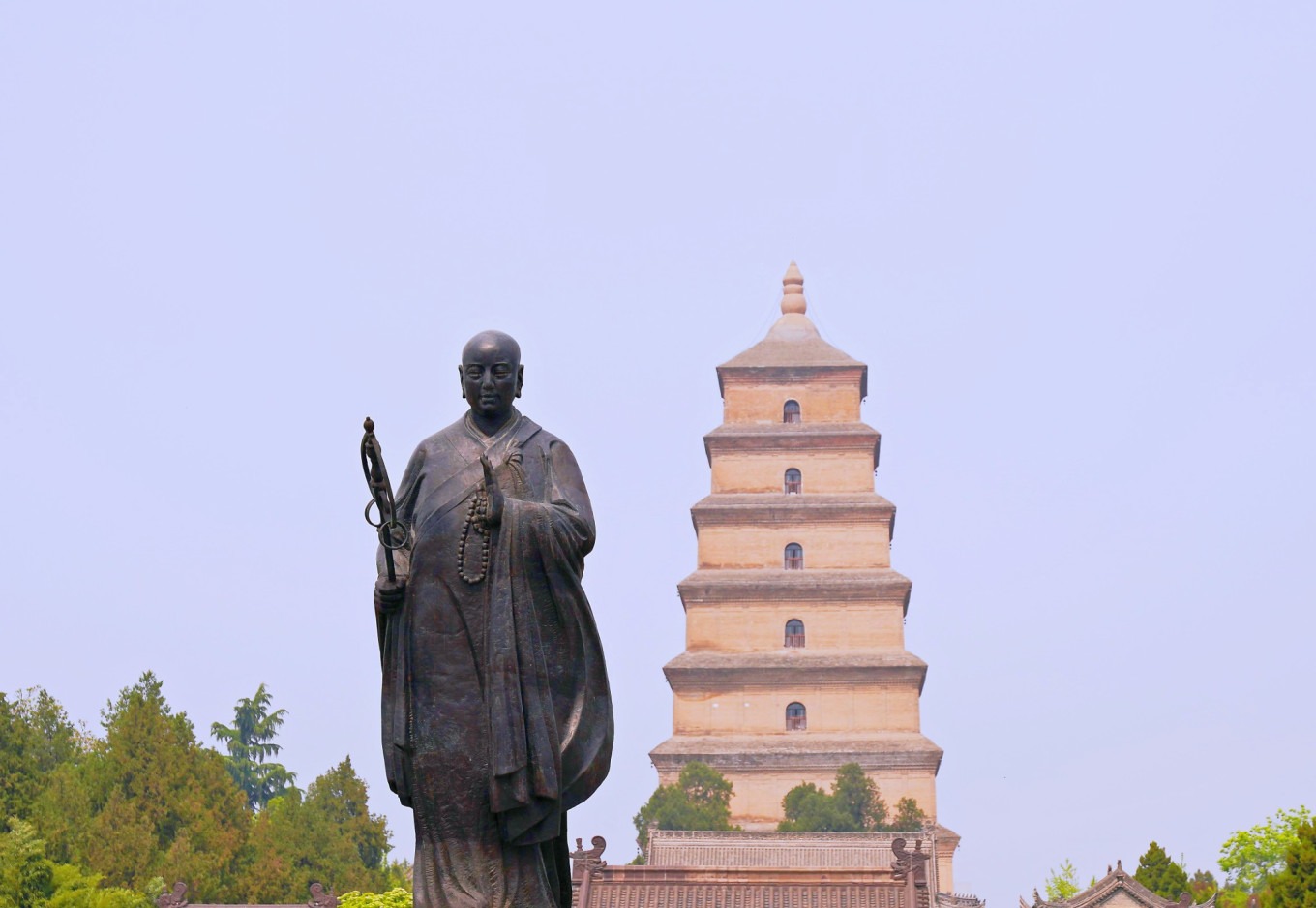
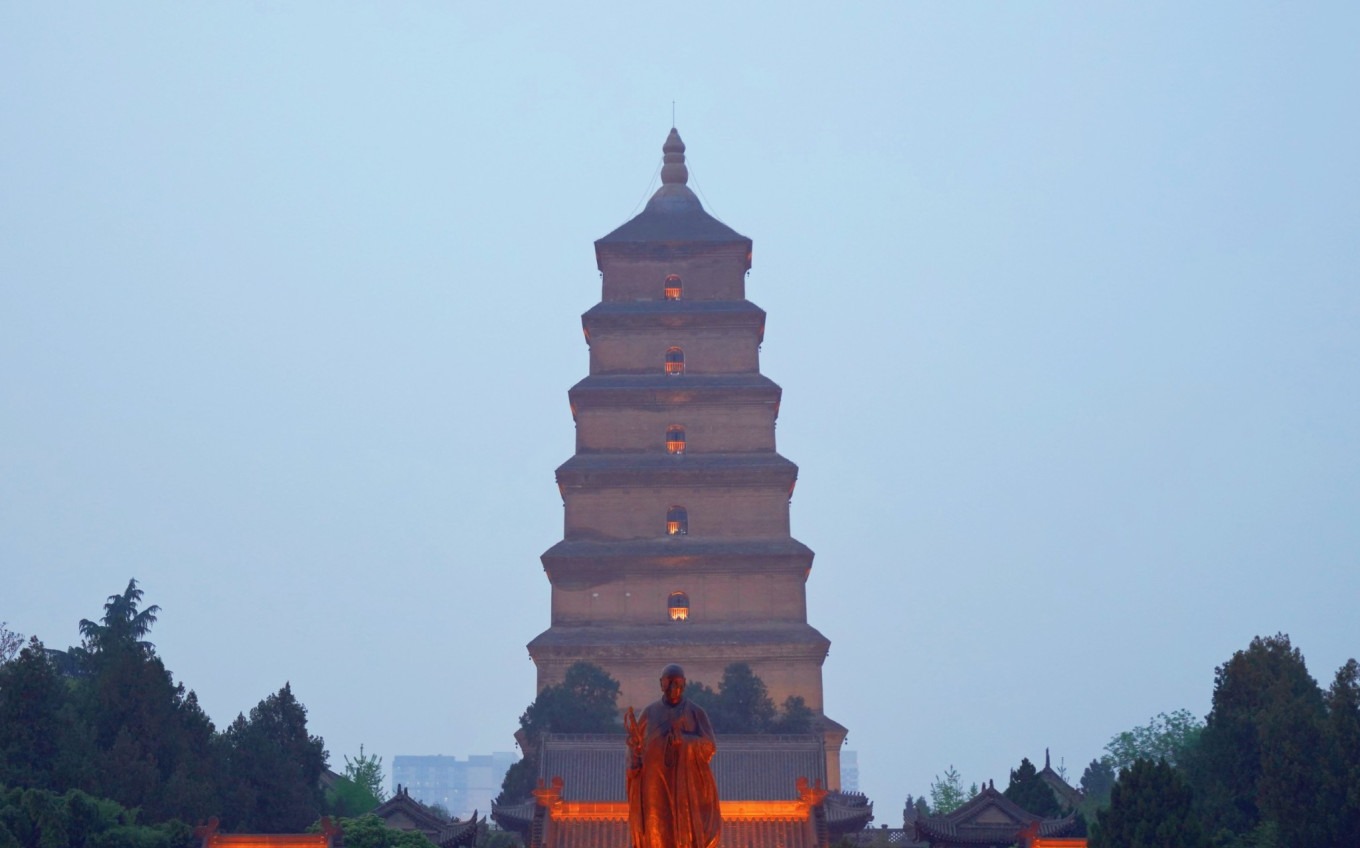
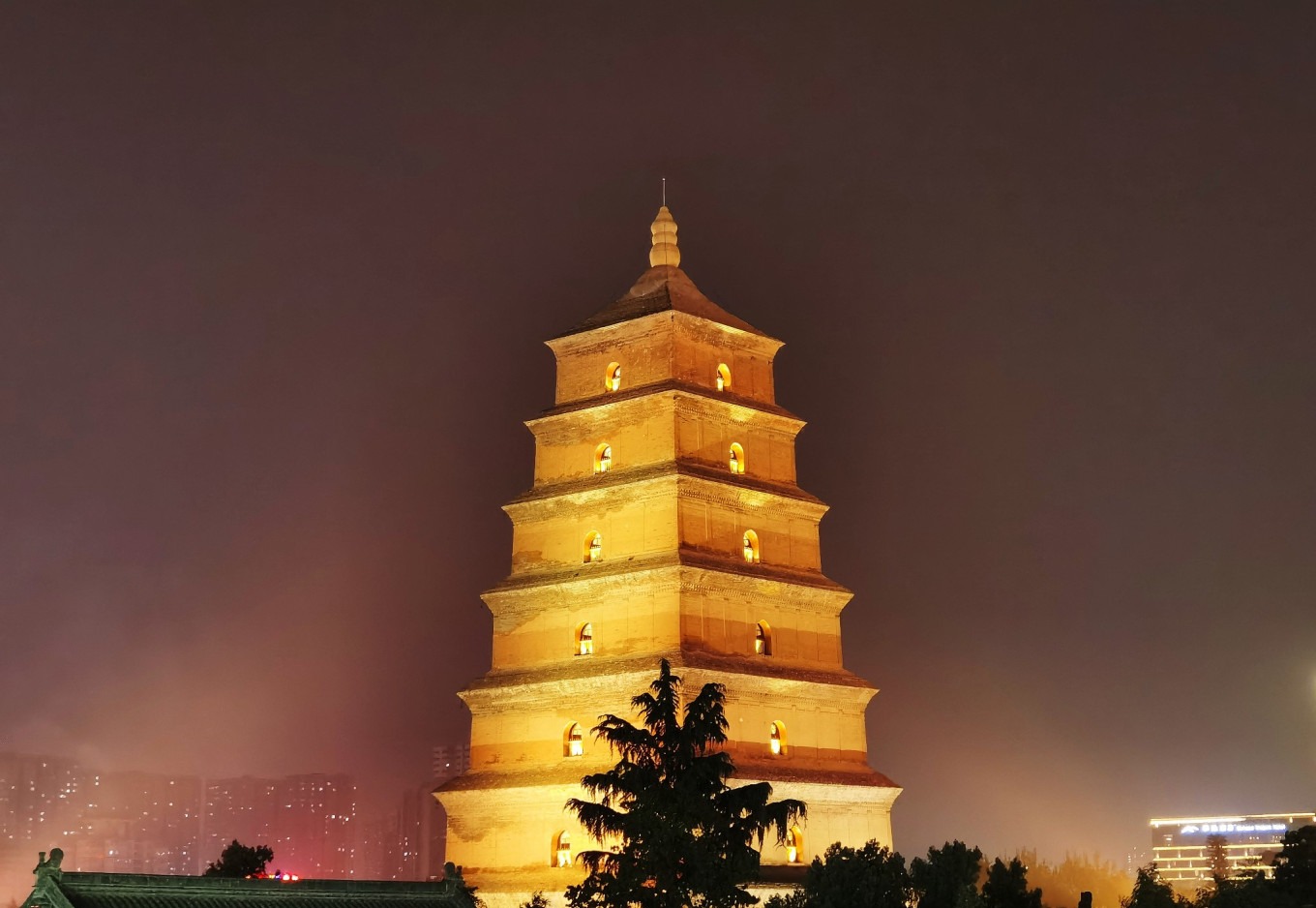
Fourth, go to the fourth-floor open-air terrace (四楼露天平台) inside Dayuecheng for an elevated perspective.
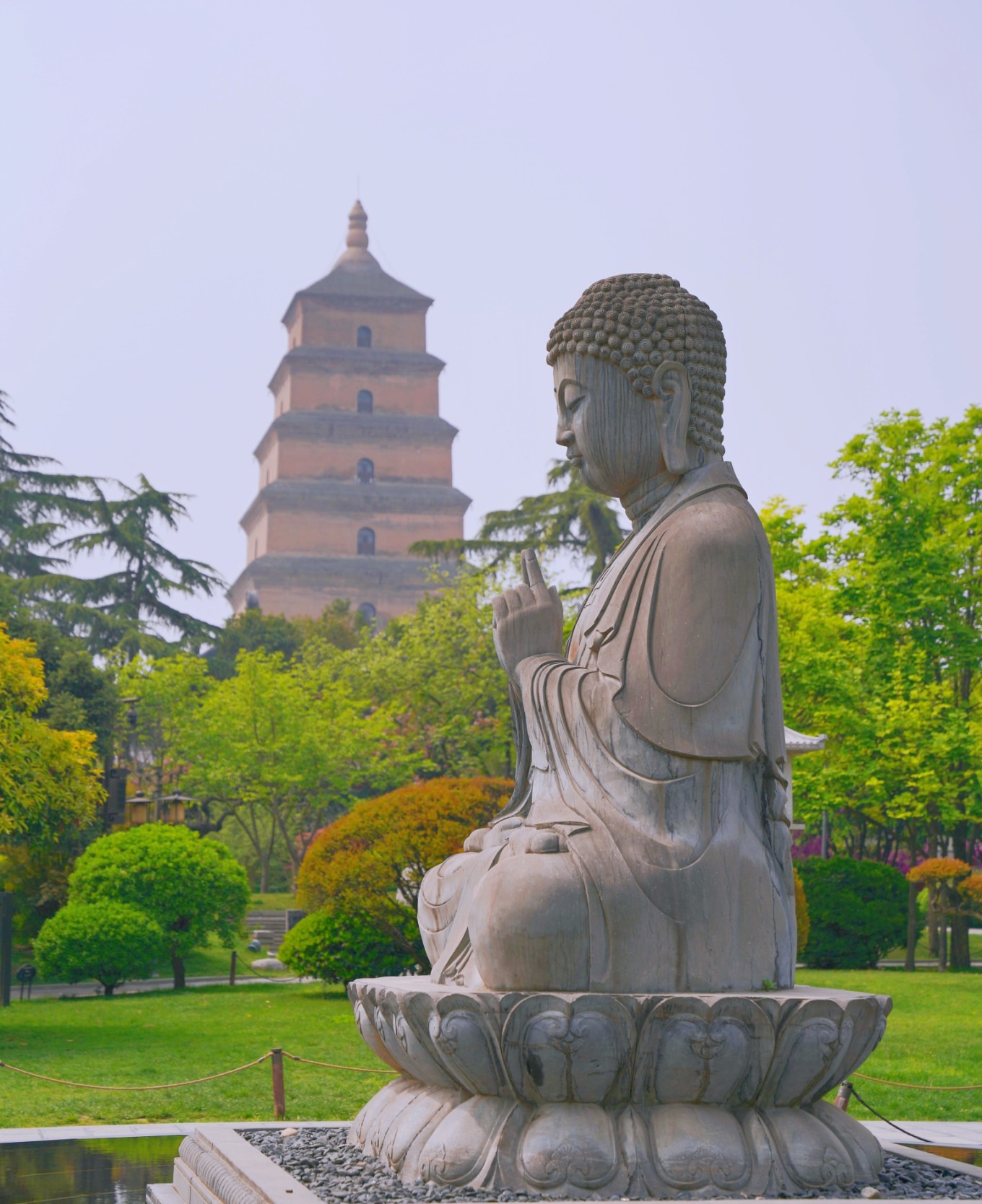
Fifth, on the east side of the pagoda, you’ll find a statue of the Tathagata Buddha (如来佛像) — another great angle.
Sixth, the north square (北广场) features a musical fountain (音乐喷泉) — perfect for dynamic shots.
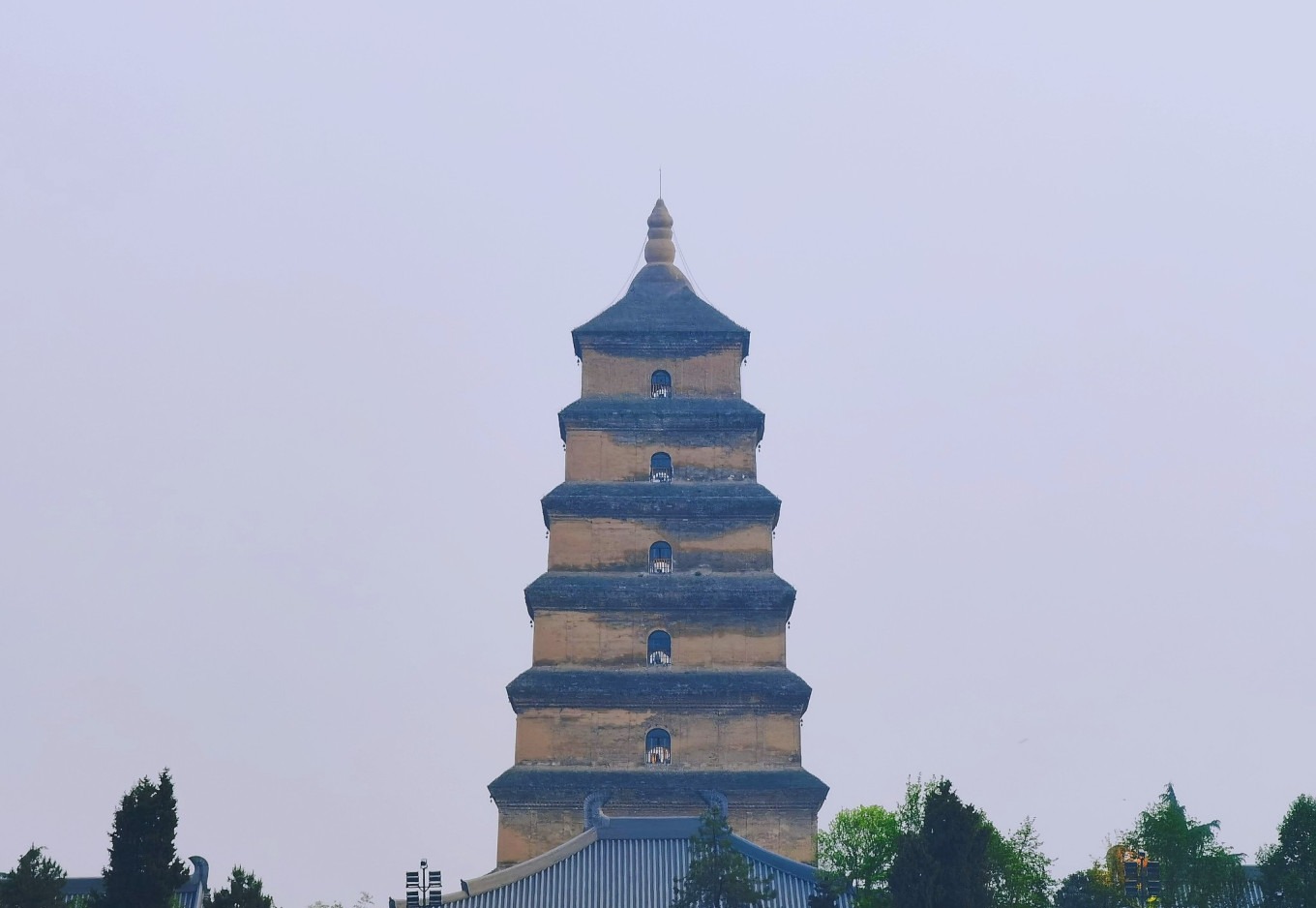
The musical fountain shows run four times daily: at 12:00, 16:00, 19:00, and 21:00. In the evening, a light show (灯光秀) illuminates the area. Don’t miss the other spontaneous spots along the streets — the fragrance of flowers fills the air.
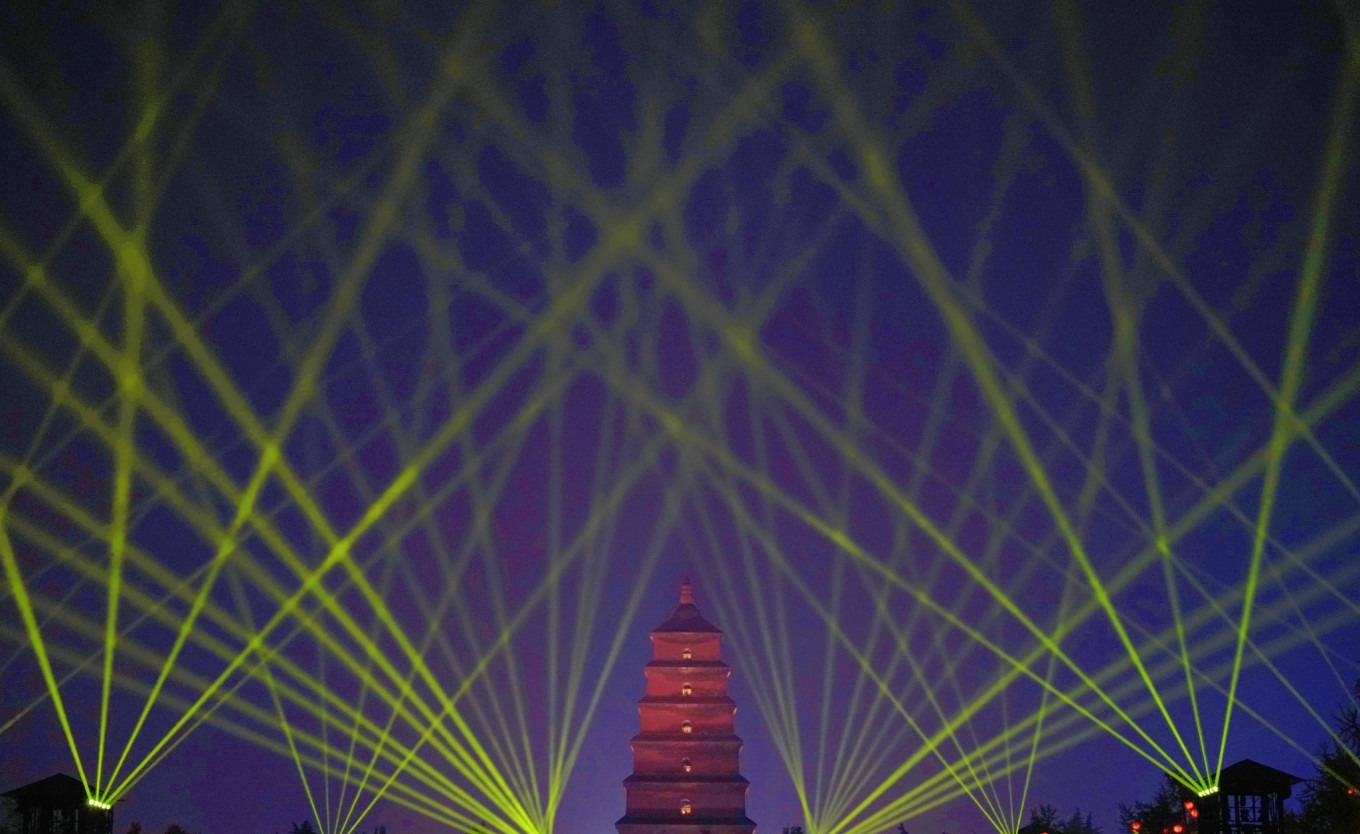
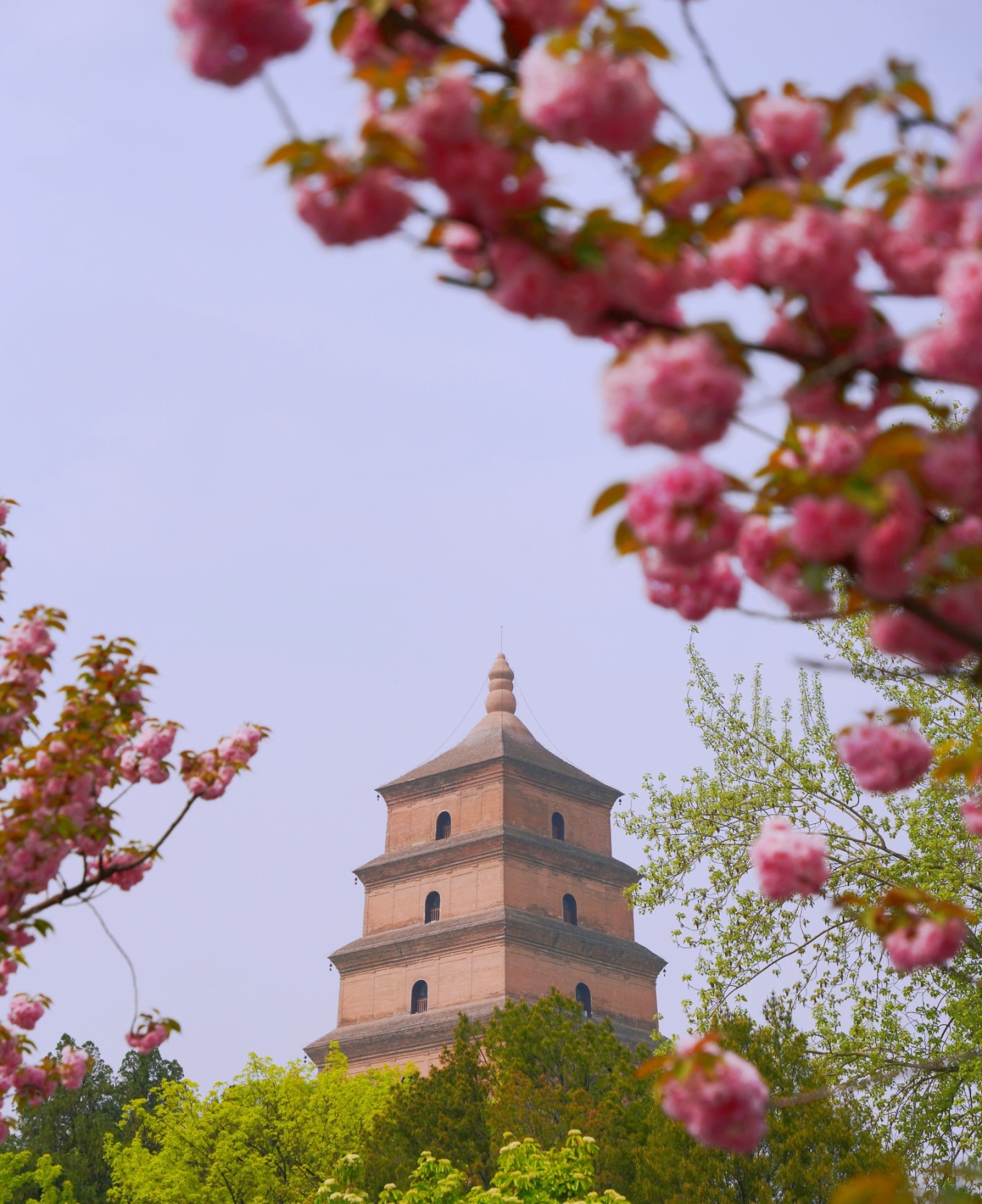
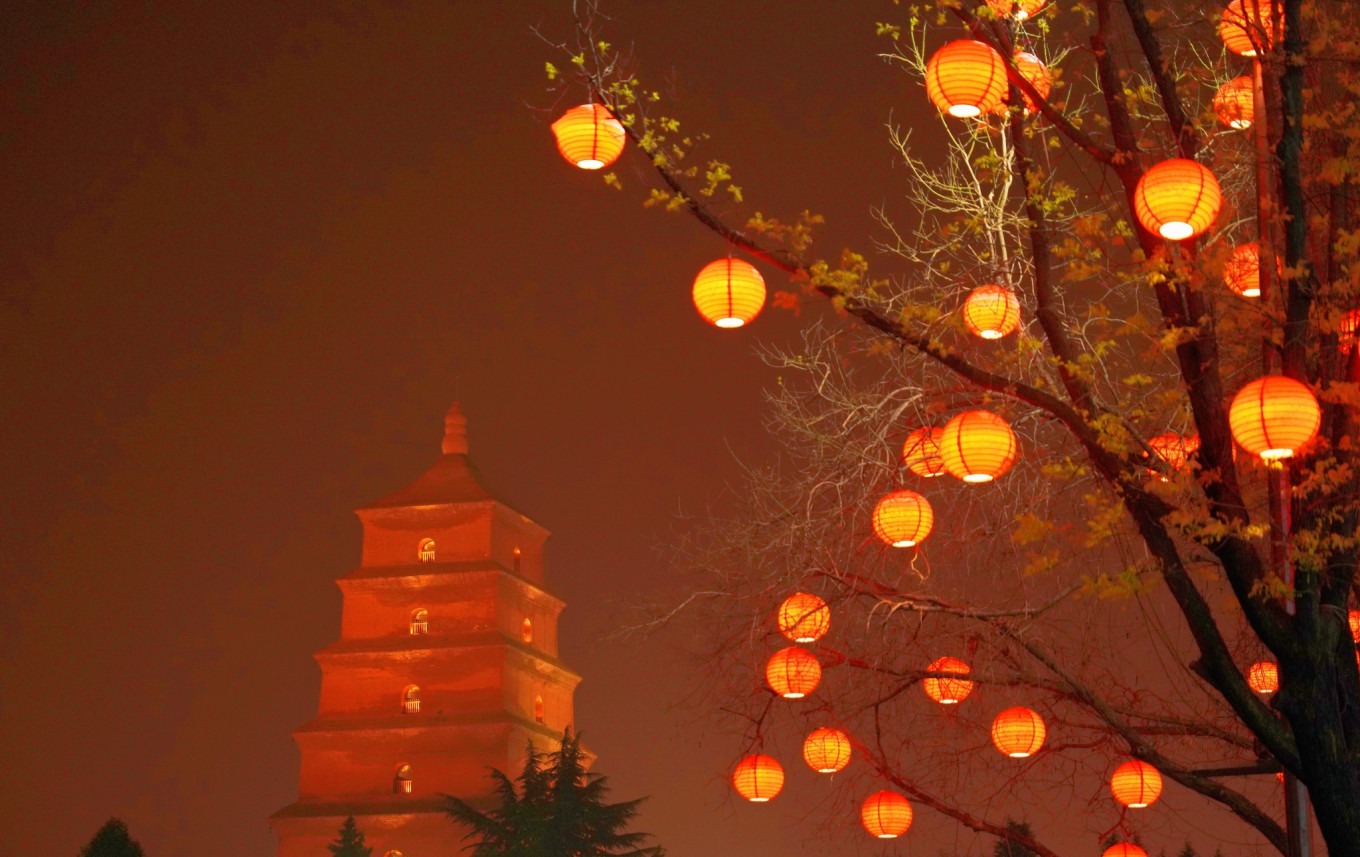
The night scenery is equally enchanting. For a unique perspective, try the footbridge (天桥) on Xiaozhai East Road (小寨东路).
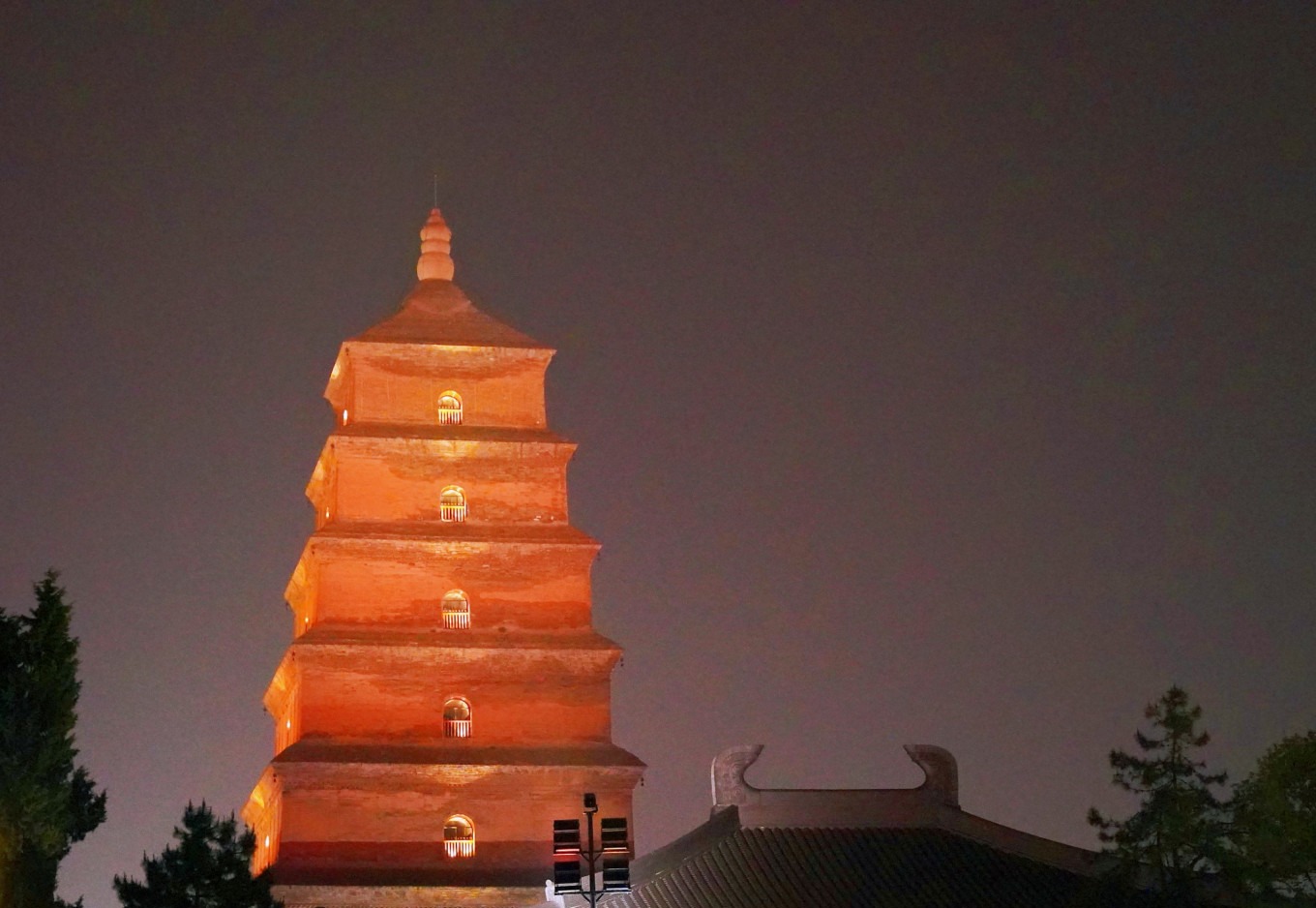
Small Wild Goose Pagoda
As a UNESCO World Heritage site, the Small Wild Goose Pagoda (小雁塔) within Jianfu Temple (荐福寺) is a must-visit landmark that showcases the fusion of Buddhism with Han Chinese culture. It’s now part of the Xi’an Museum complex, making it easy to combine with a museum visit.
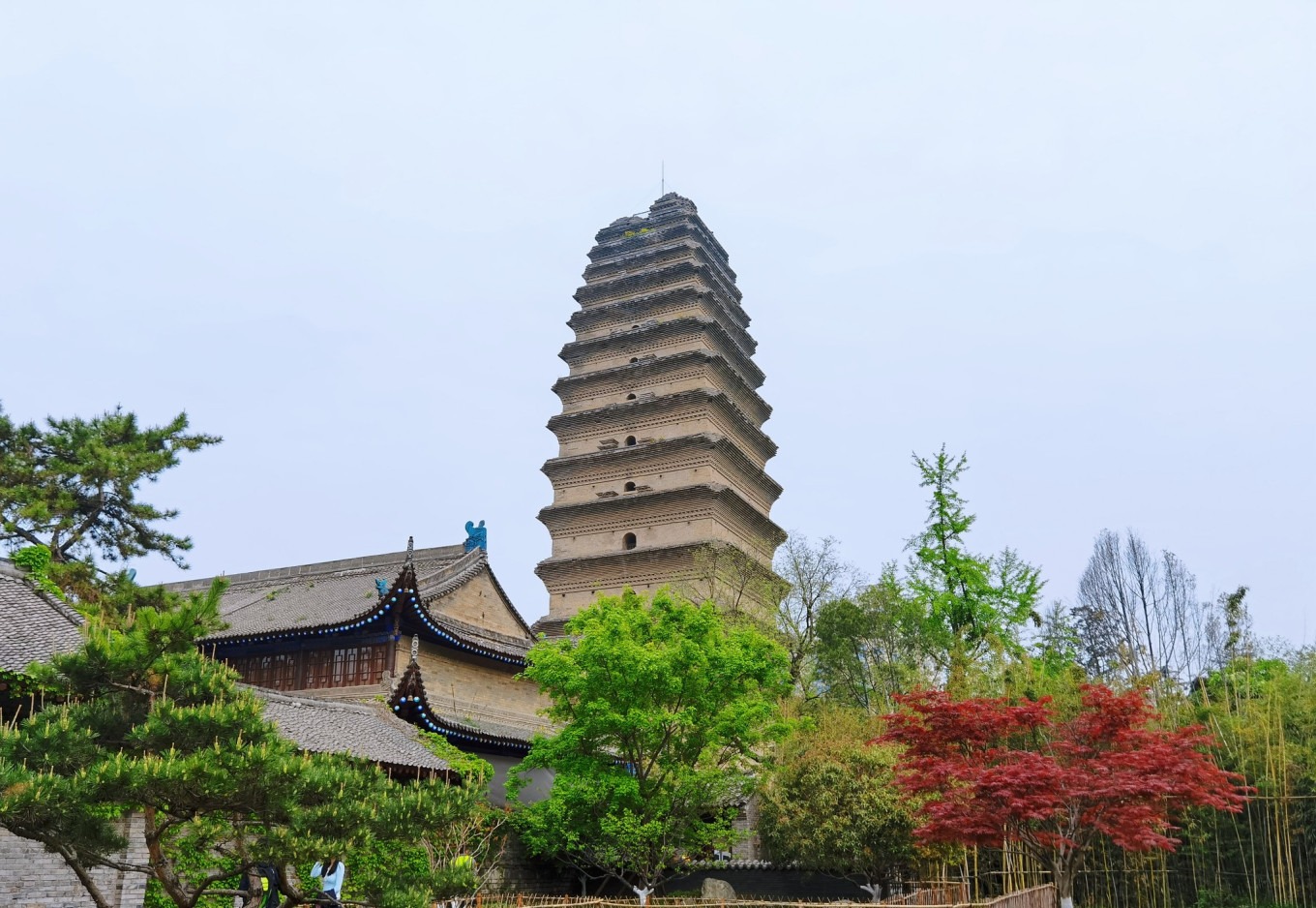
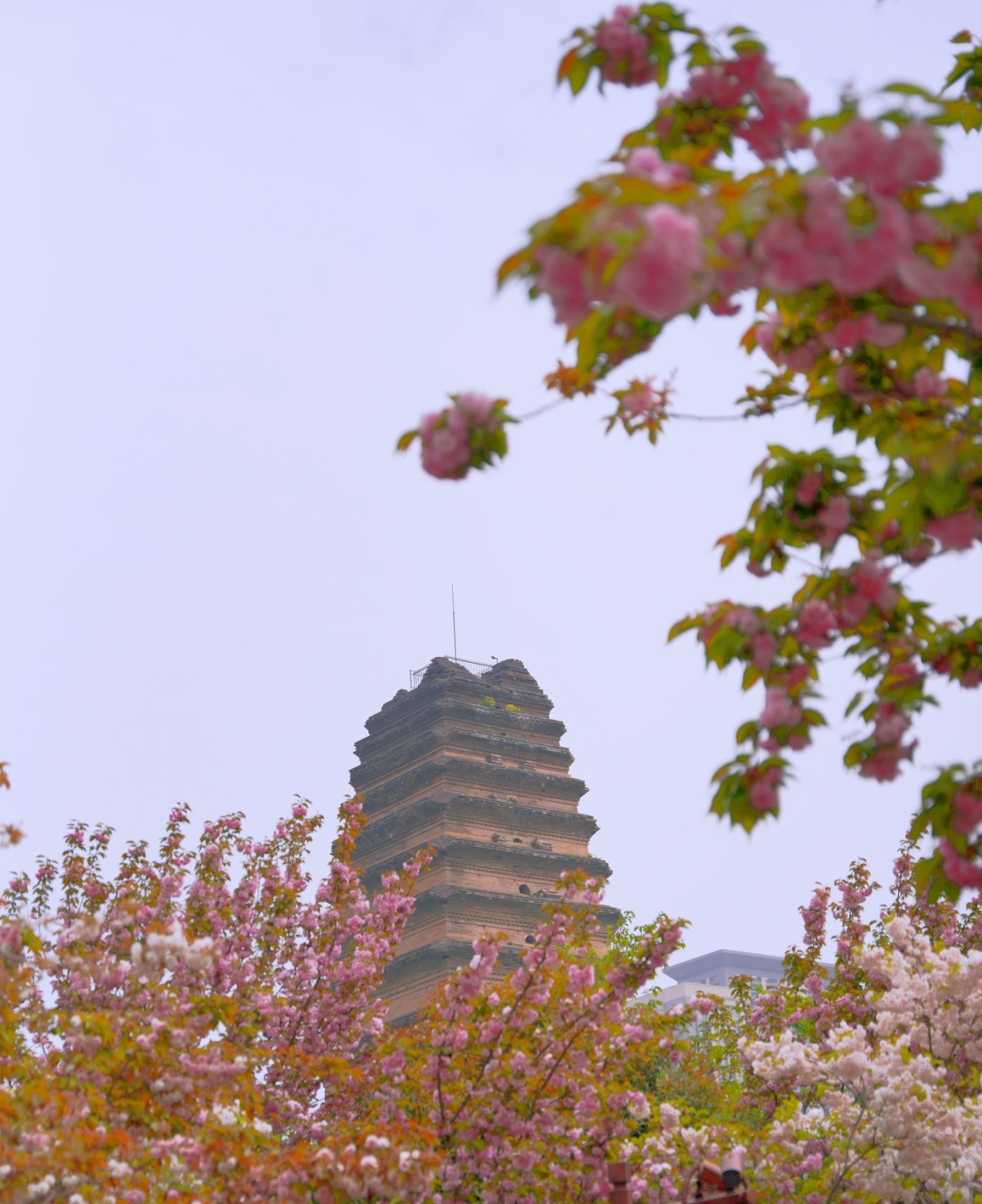
One of the top attractions here is the “Morning Bell at the Wild Goose Pagoda” (雁塔晨钟 (local term)), a famous scene from the “Eight Sights of Guanzhong” (关中八景 (local term)). You can experience this historic charm by visiting early in the morning.
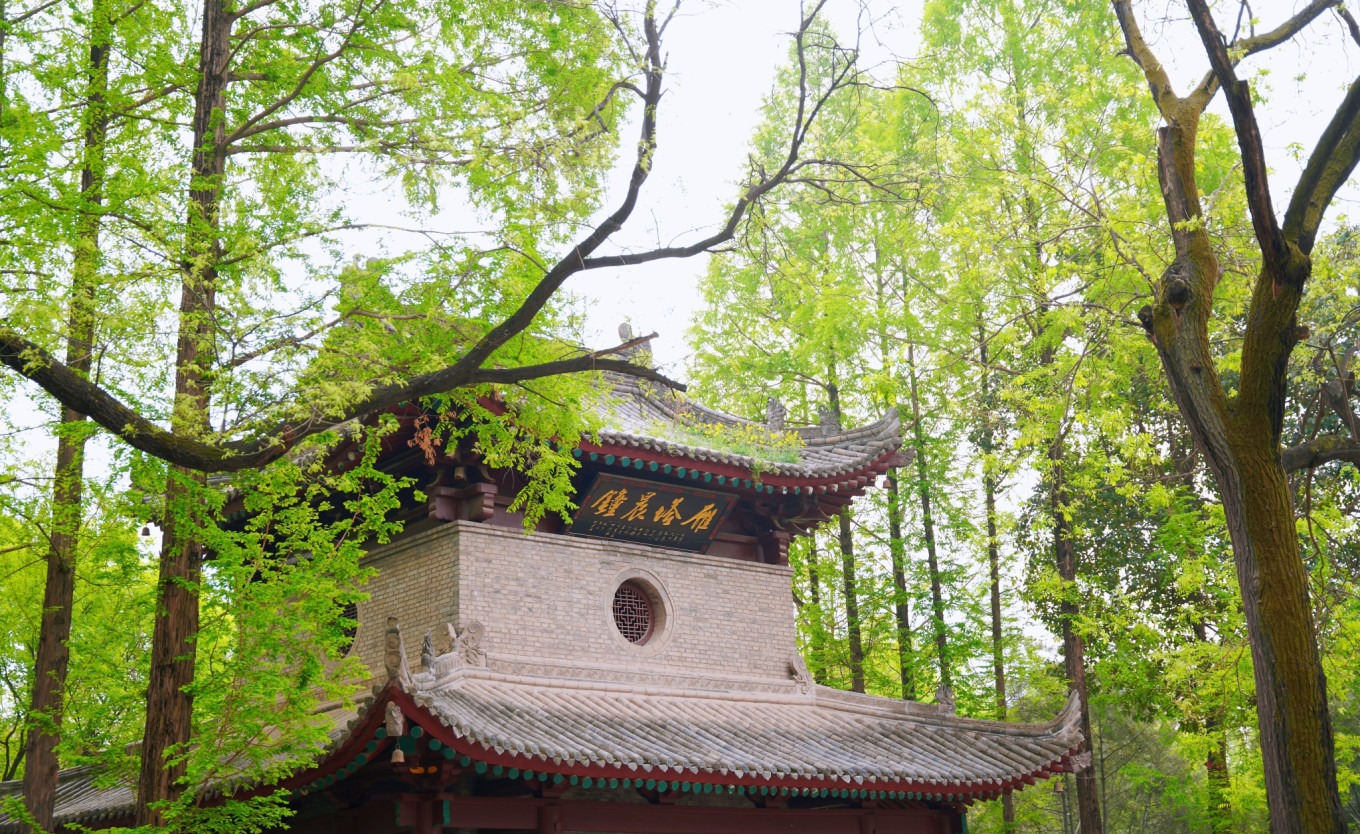
Today, the area has become a peaceful public park, but the pagoda itself remains a powerful symbol of time’s passage. As you walk around, you’ll feel a deep sense of history and change—a contrast between the ancient structure and the modern city around it.
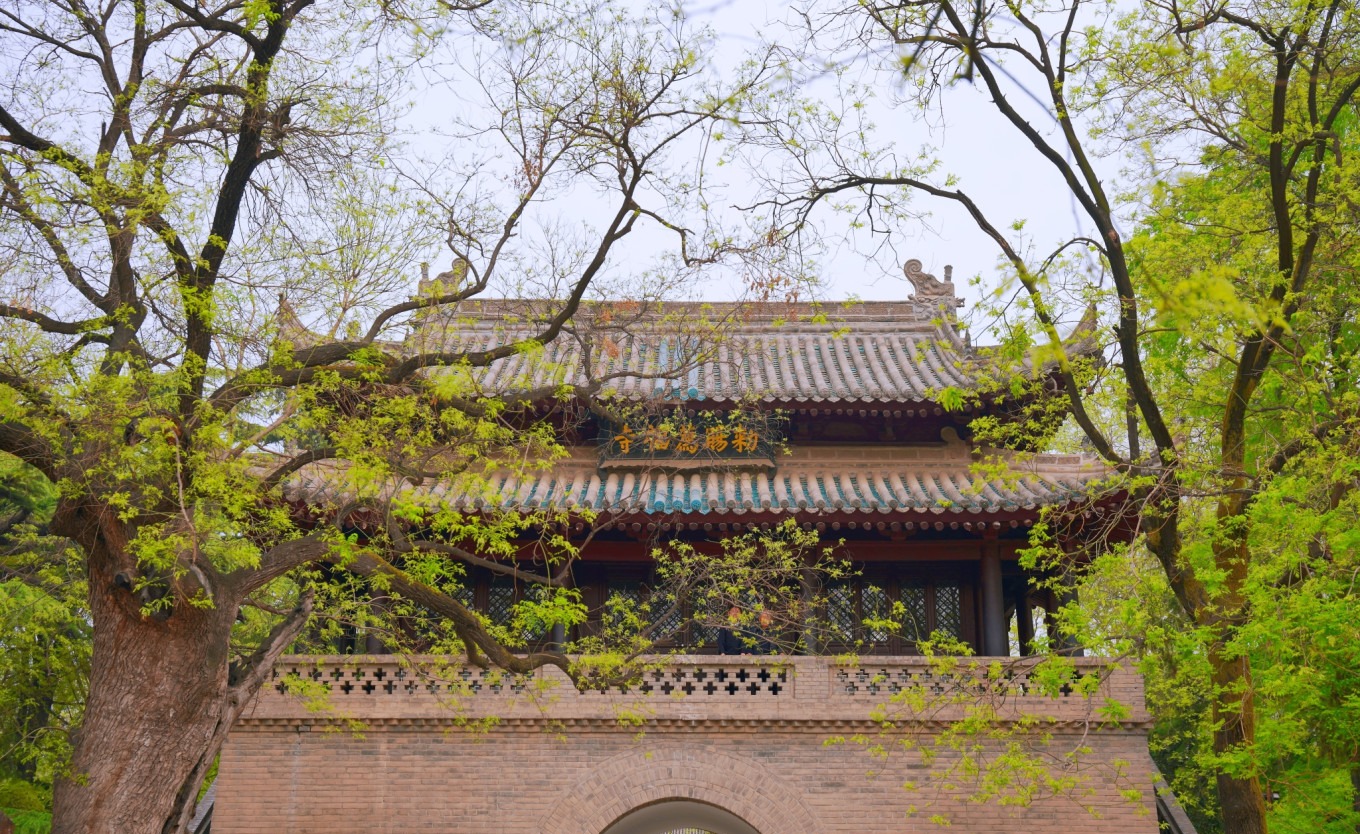
Huaqing Palace & Mount Li
Huaqing Palace (华清宫), also known as the Hot Springs Palace (汤泉宫), was a royal retreat for Tang Dynasty emperors, nestled at the foot of Mount Li (骊山). It reached its golden age under Emperor Xuanzong, who spent many winters here with his beloved consort Yang Yuhuan. Today, the complex offers a fascinating glimpse into imperial leisure and romance.
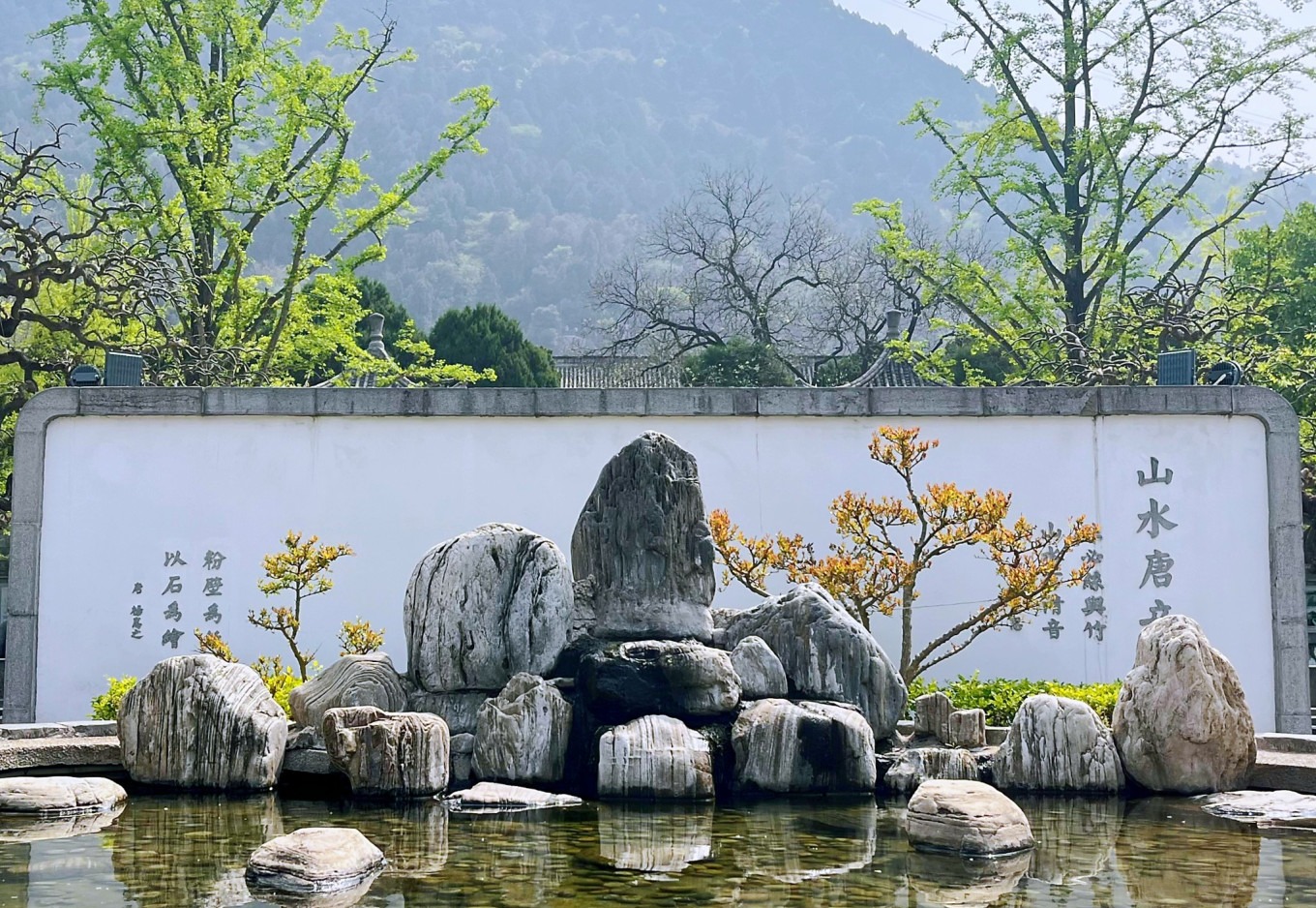
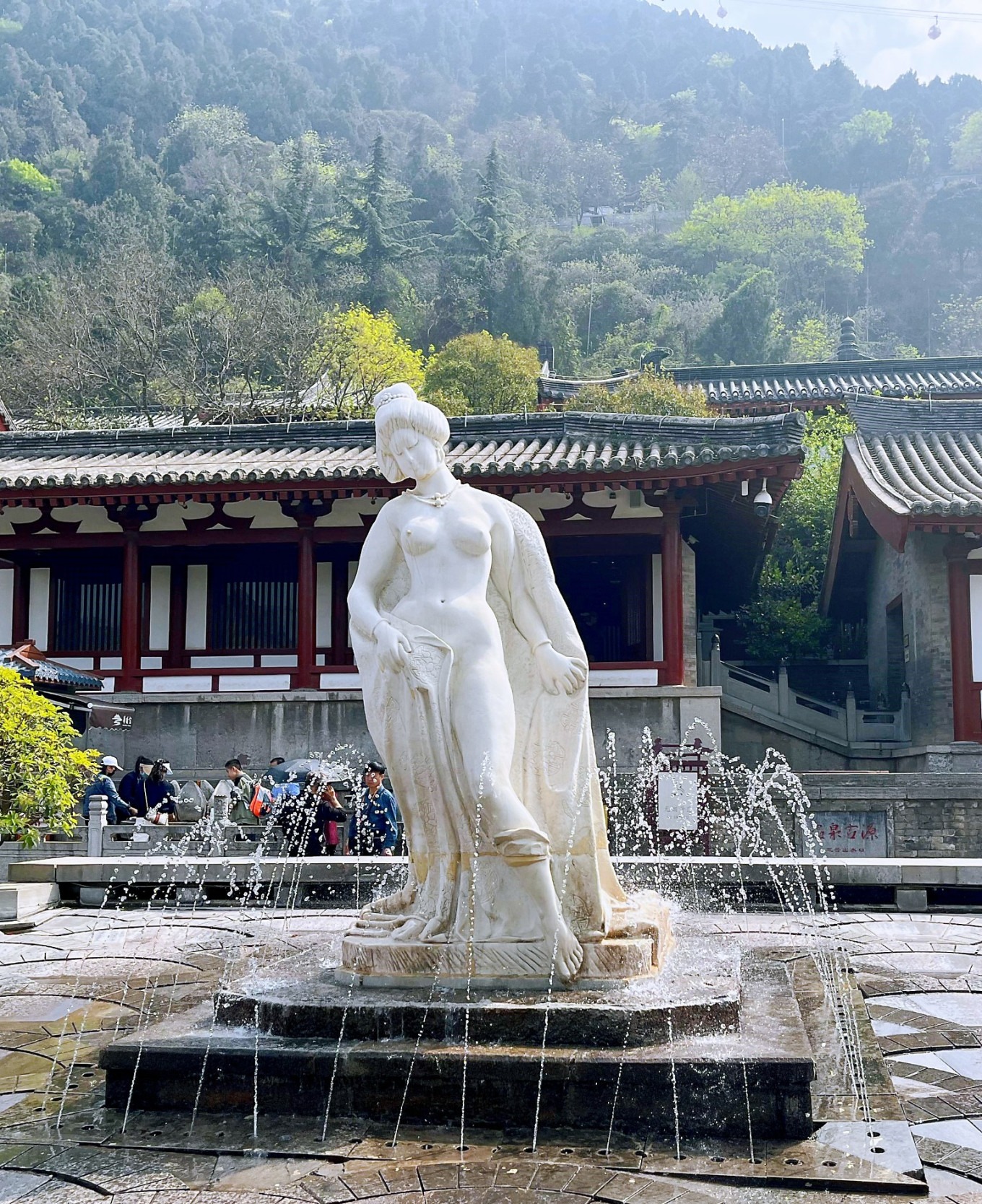
The most famous spot within the palace grounds is the Huaqing Pool (华清池), where Yang Yuhuan is said to have bathed. A marble statue of Yang Yuhuan stands nearby, capturing her legendary beauty.
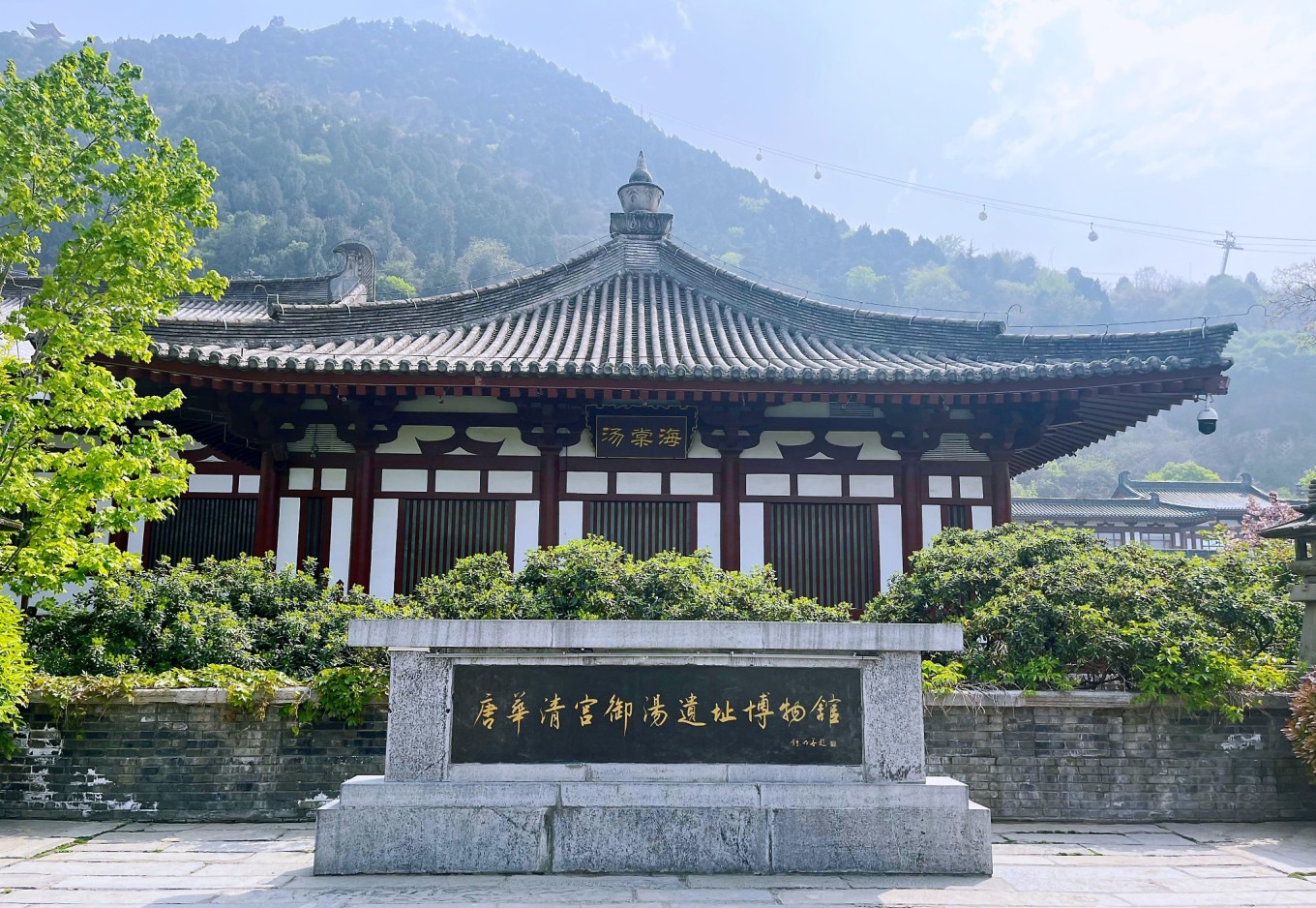
Several imperial bathing pools have been preserved. The Begonia Pool (海棠汤) is where Yang Yuhuan bathed; the Lotus Pool (莲花汤) was reserved for Emperor Xuanzong; and the largest, the Star Pool (星辰汤), is believed to have been used by Emperor Taizong.
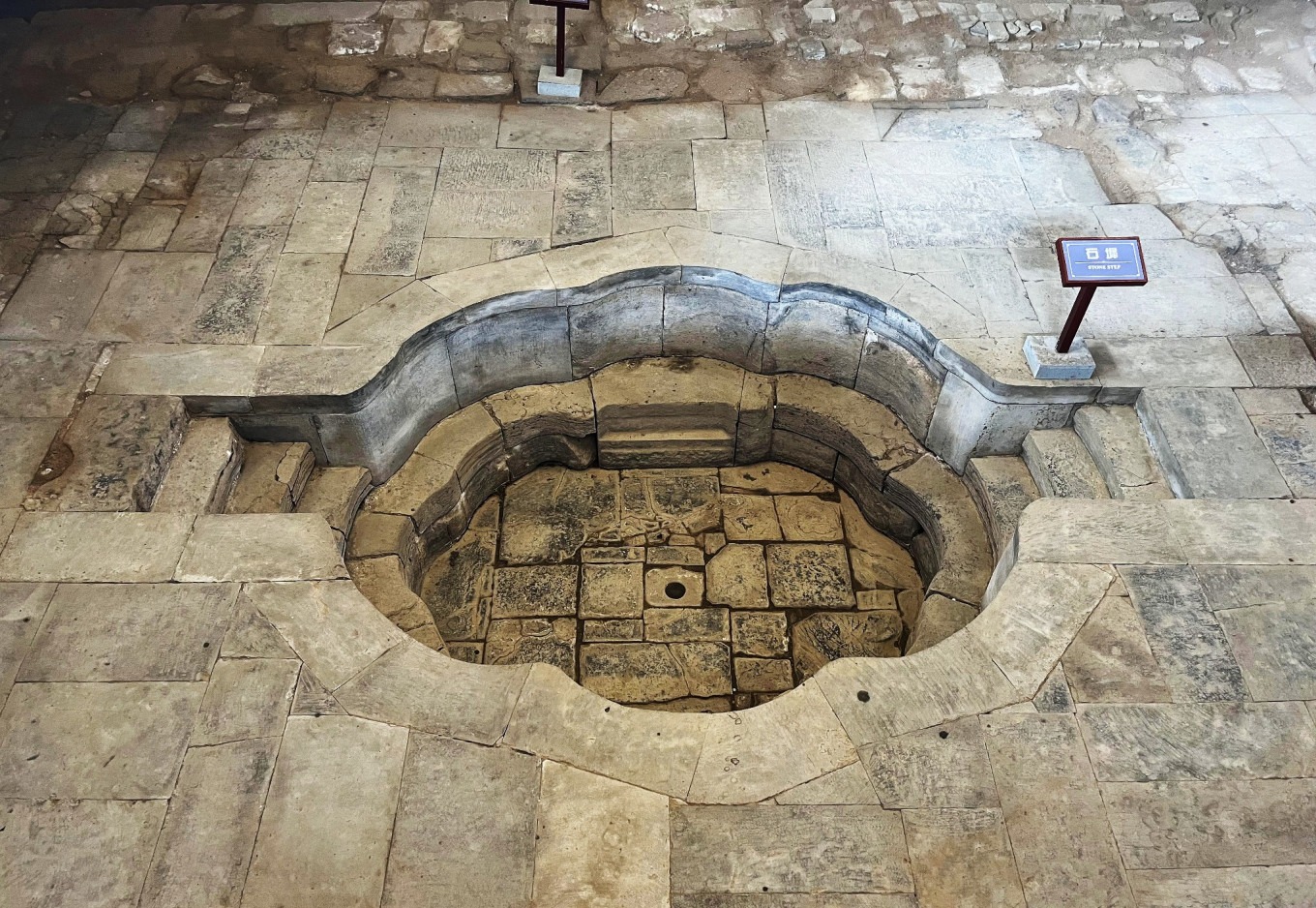
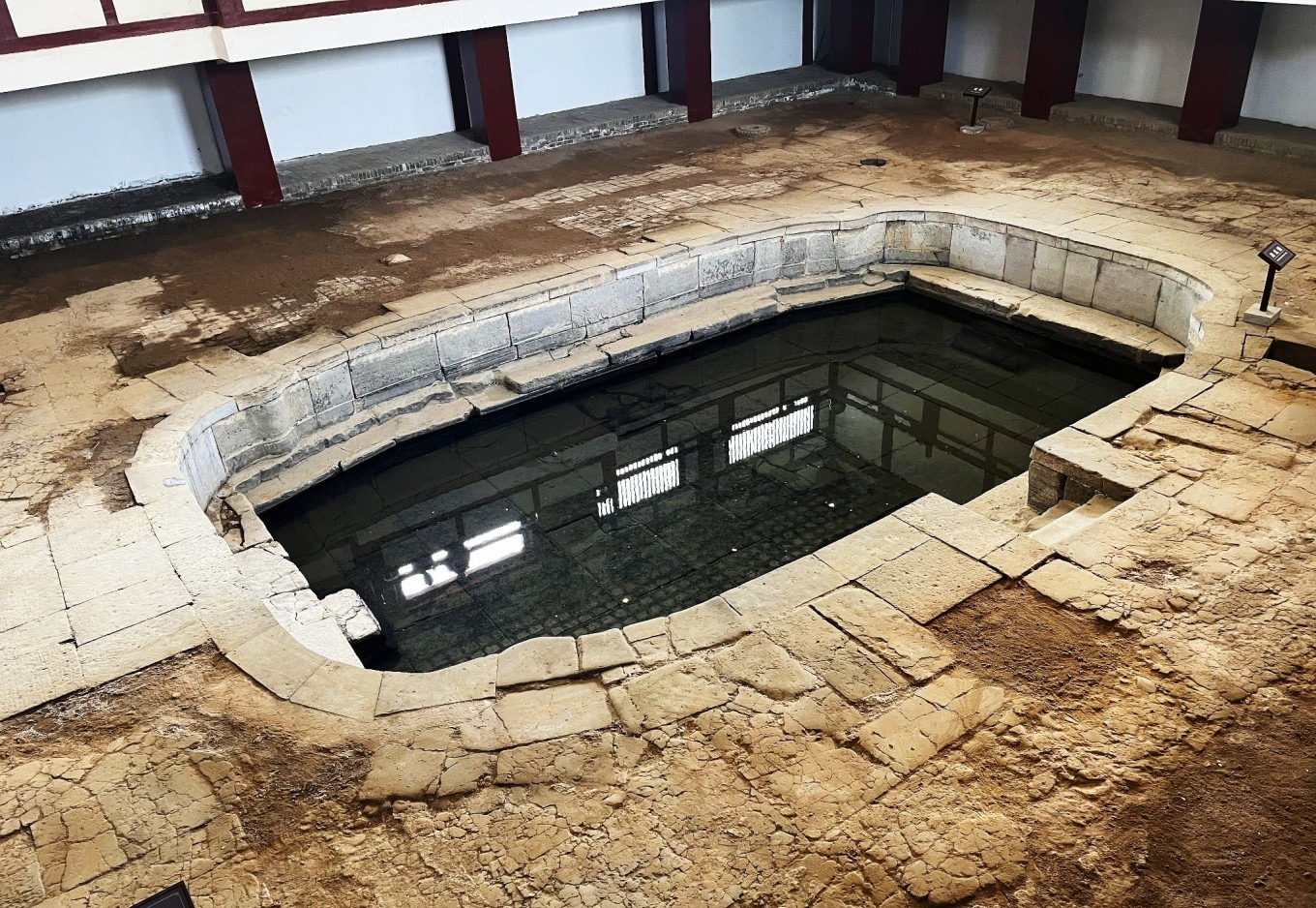
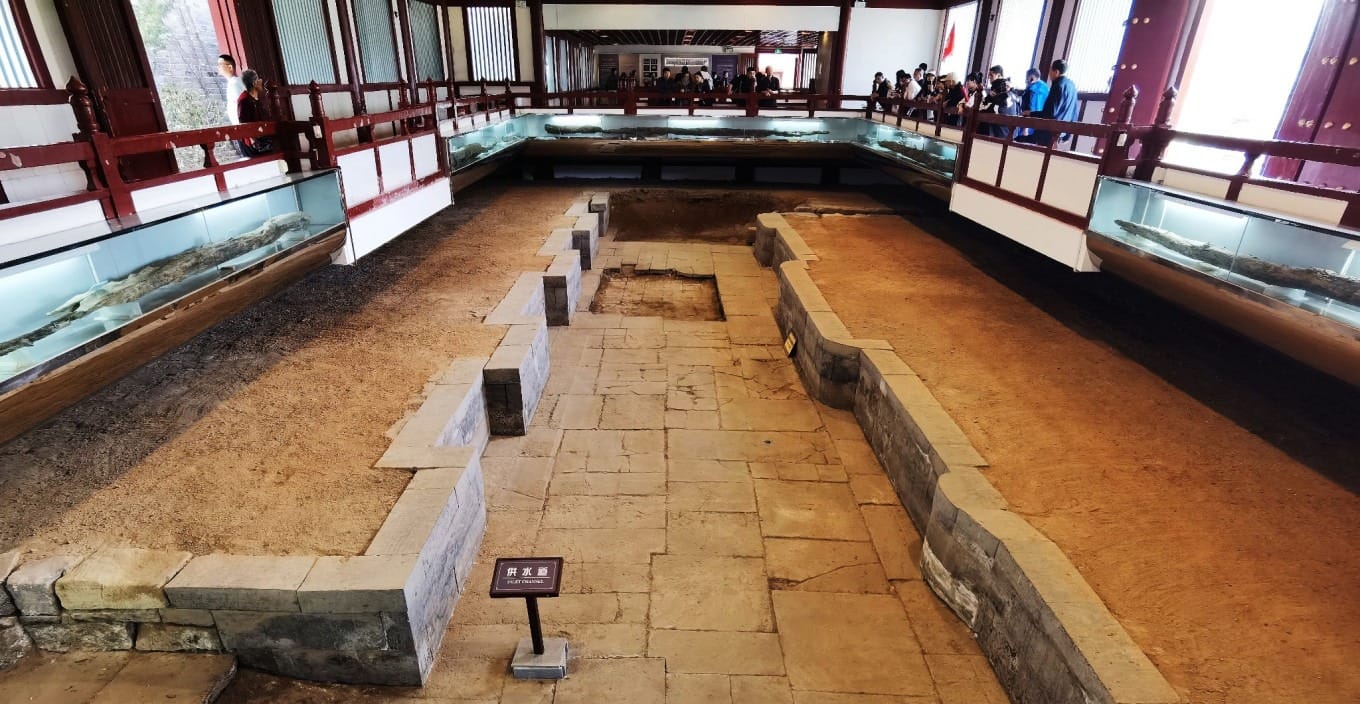
Don’t miss the reconstructed Hall of Eternal Life (长生殿), which commemorates the love story of Xuanzong and Yang Yuhuan.
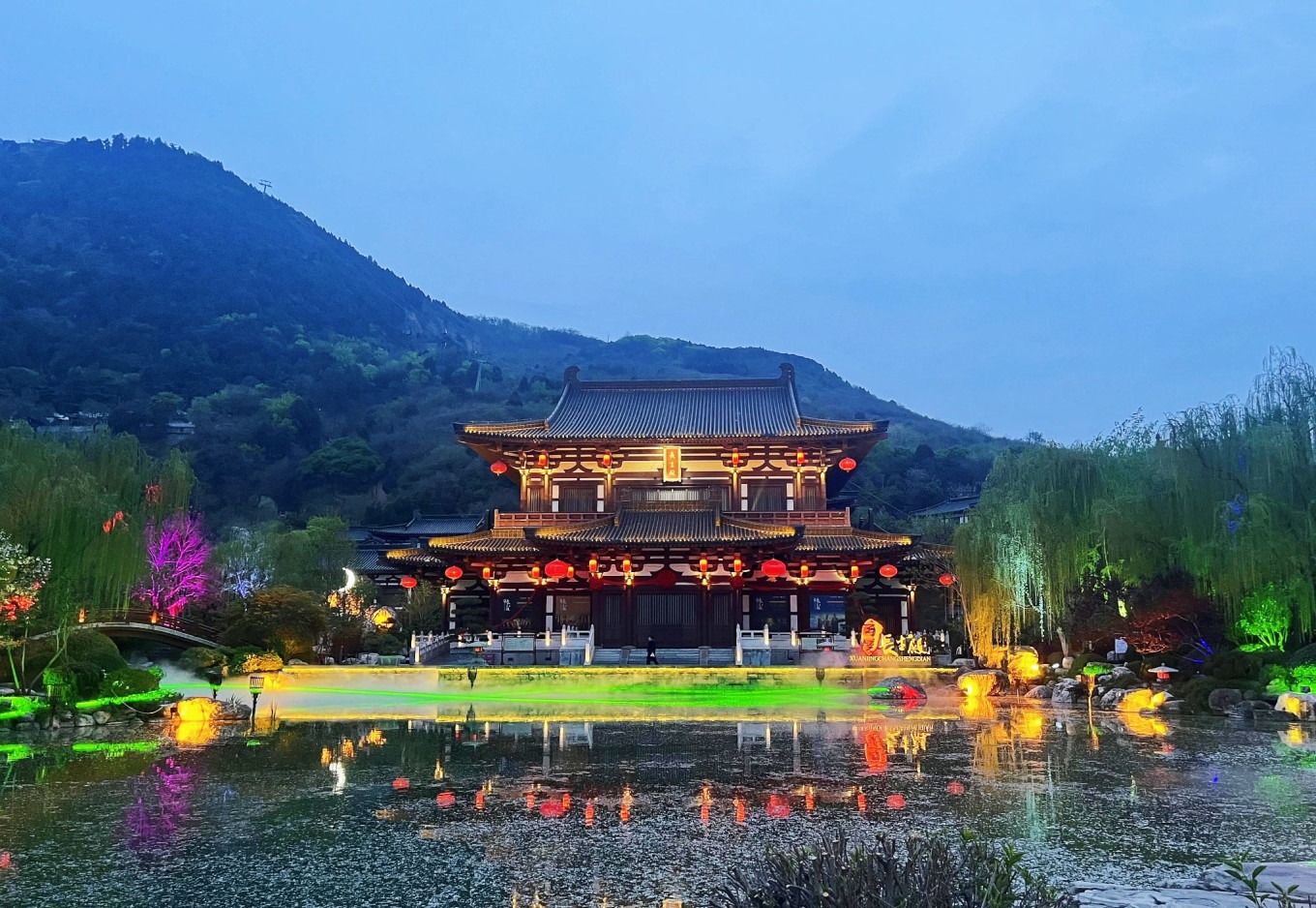
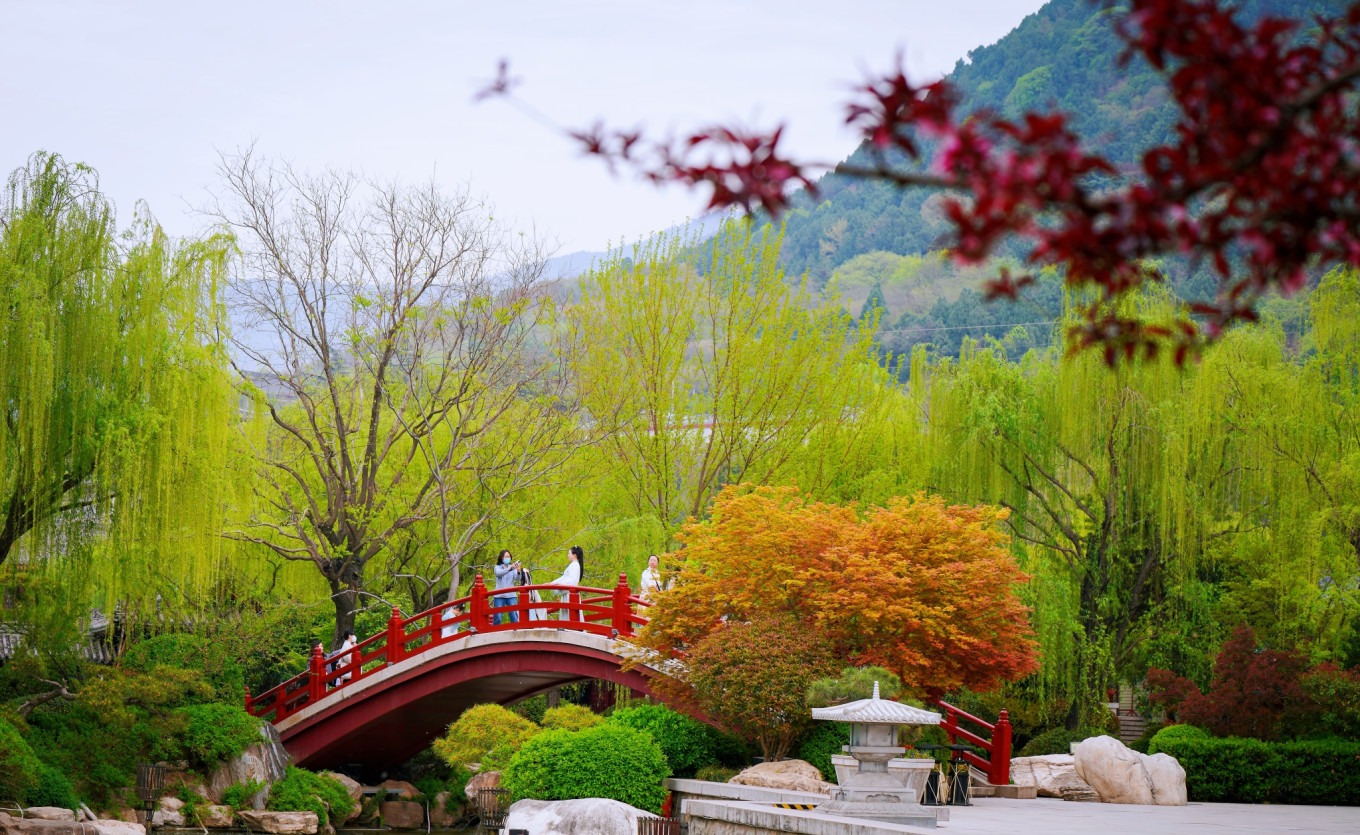
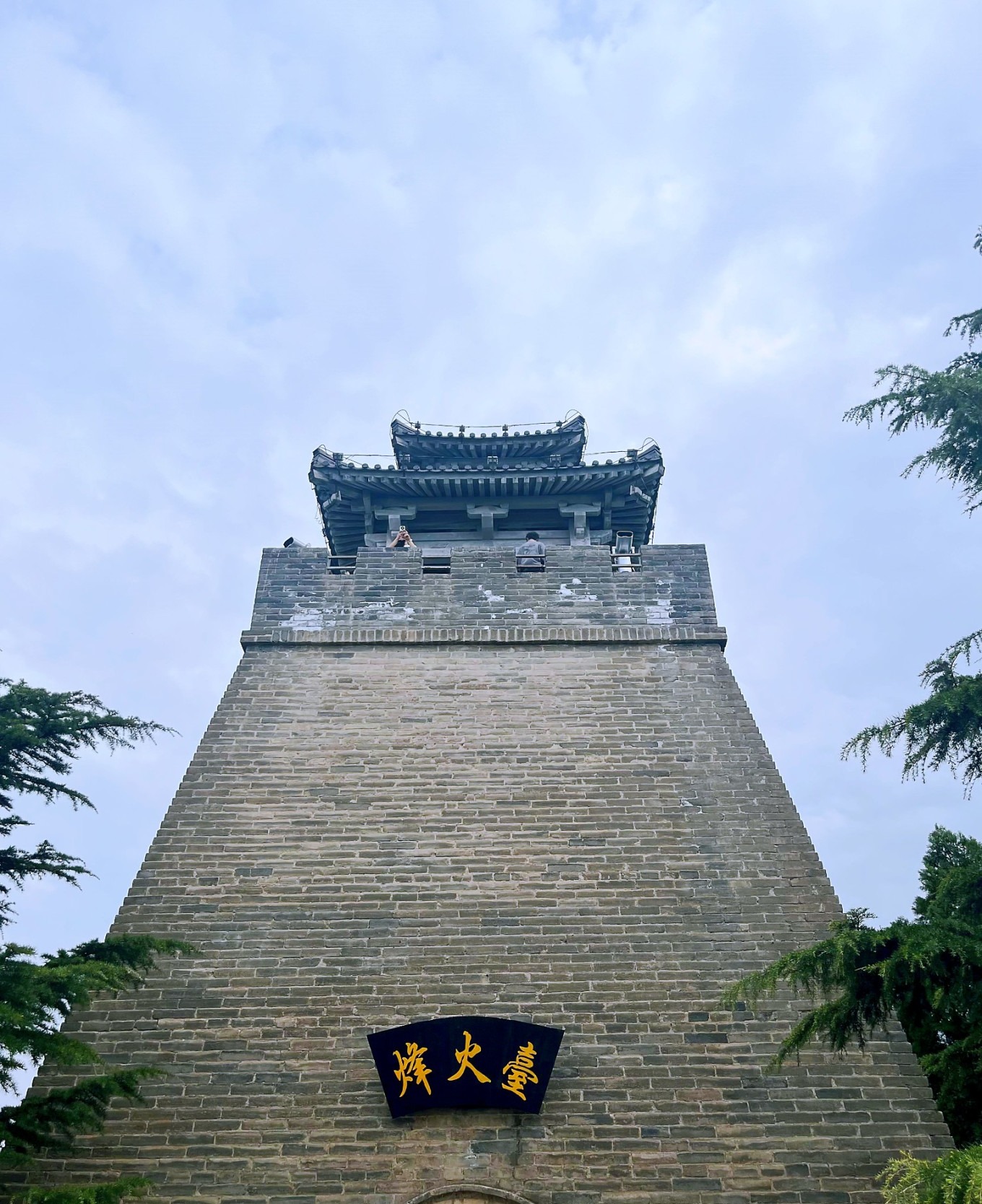
From Huaqing Palace, you can hike or take a cable car up Mount Li. At the top of the cable car, visit the Old Mother Palace (老母宫), a temple dedicated to the goddess Nüwa. Then climb over 2,000 steps to reach the Beacon Tower (烽火台) on the summit, where the famous story of King You of Zhou fooling his lords with beacon fires for his concubine Baosi took place.
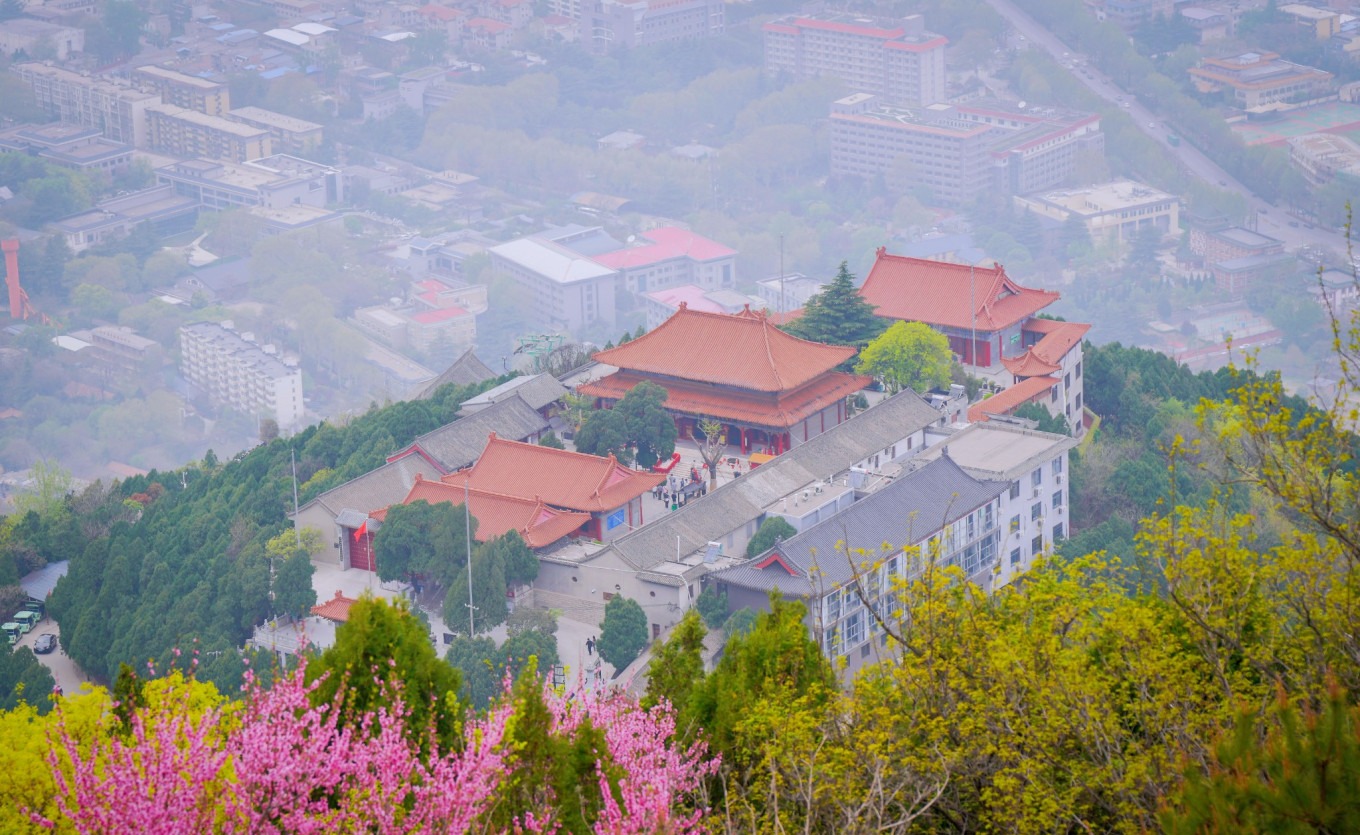
After descending, you can re-enter Huaqing Palace with the same ticket to explore more areas and find great photo spots.
Leyouyuan & Qinglong Temple
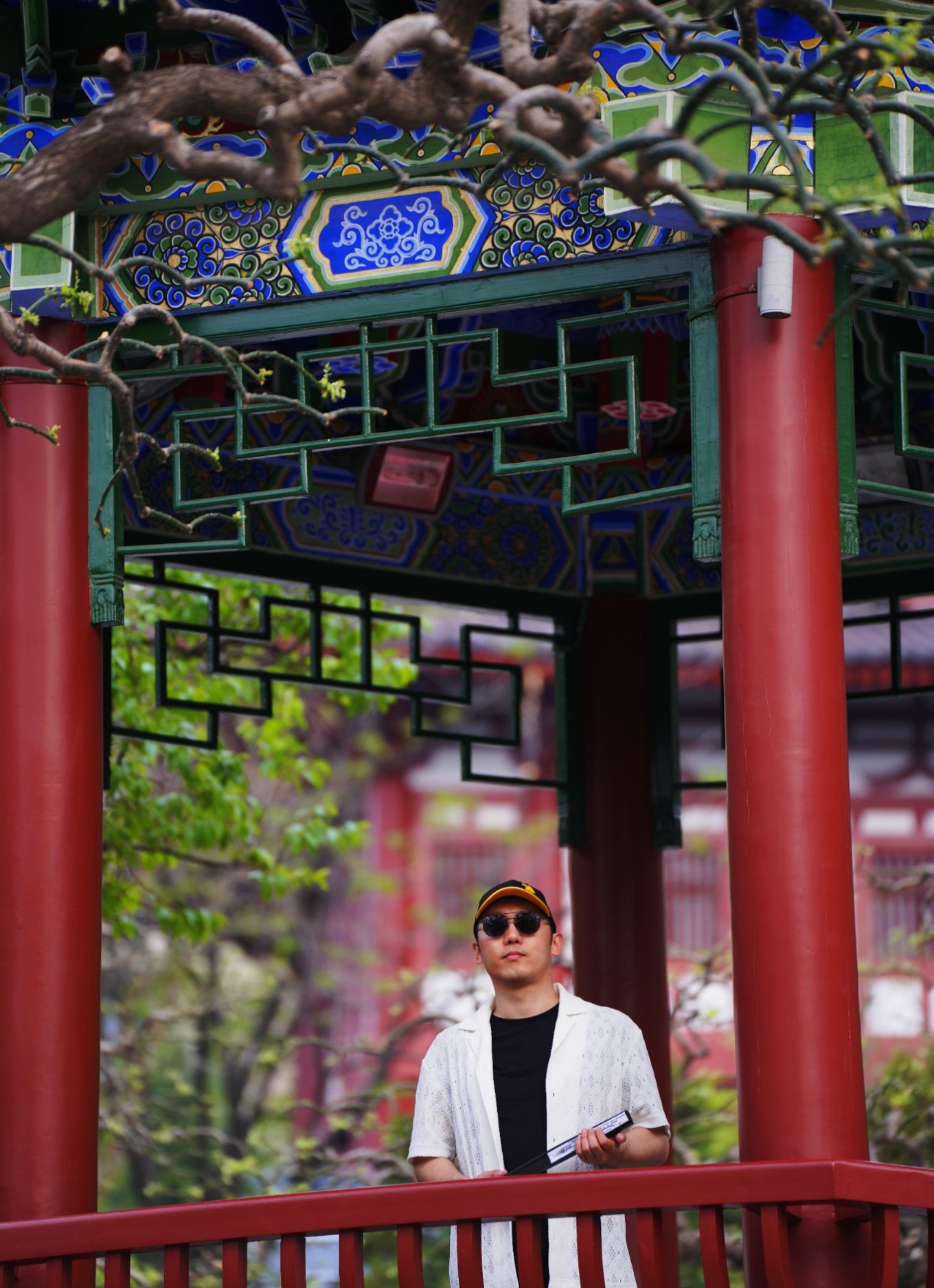
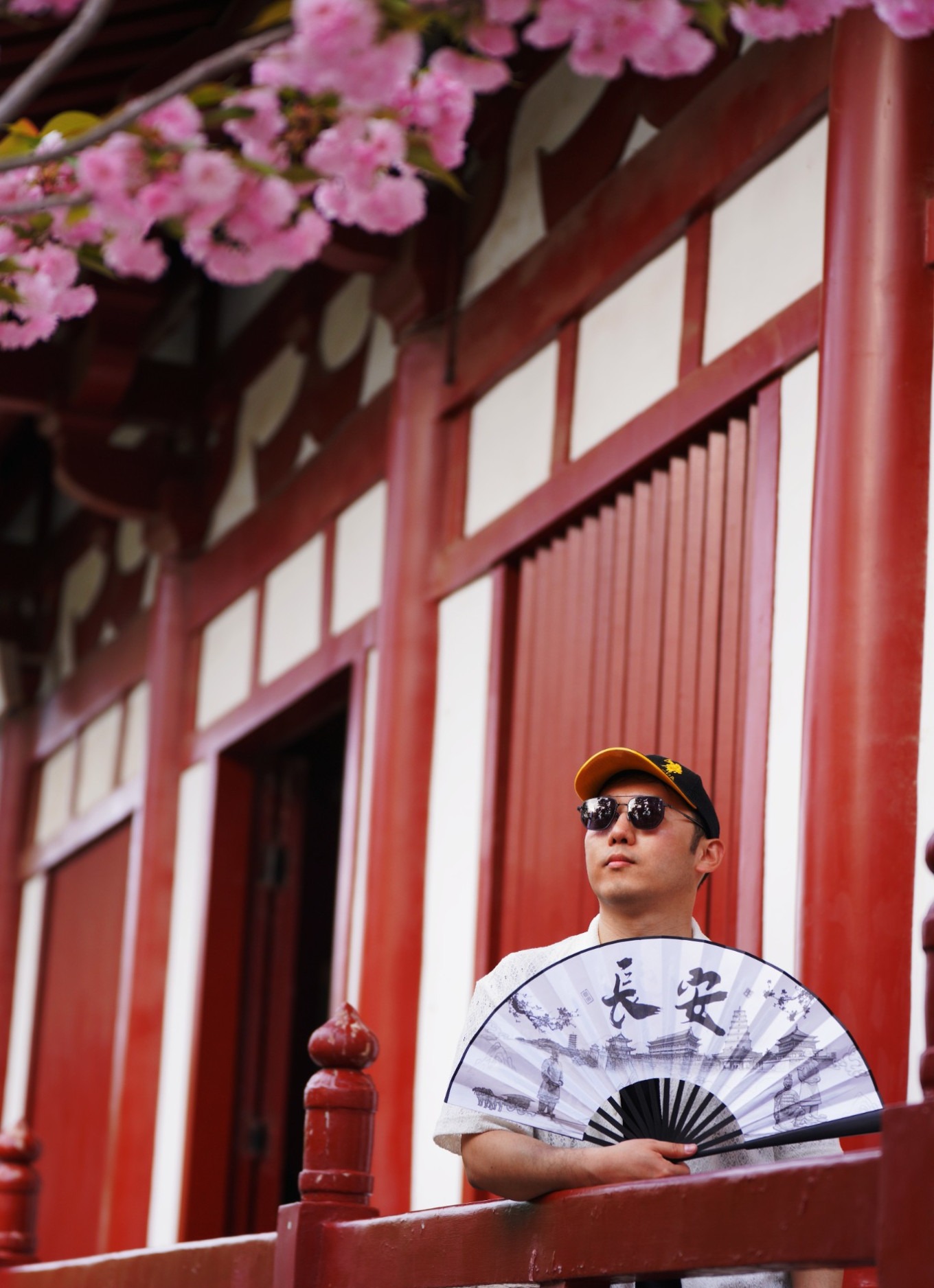
For a peaceful escape from the city buzz, head to Leyouyuan (乐游原), a historic scenic area dating back to the Qin and Han dynasties. During the Tang dynasty, the renowned Qinglong Temple (青龙寺) was built here, offering panoramic views: the Giant Wild Goose Pagoda and Qujiang Pool to the south, and the imperial palace to the north. It was at this very spot that the poet Li Shangyin penned the famous lines, ‘The setting sun is infinitely beautiful, but only near dusk.’
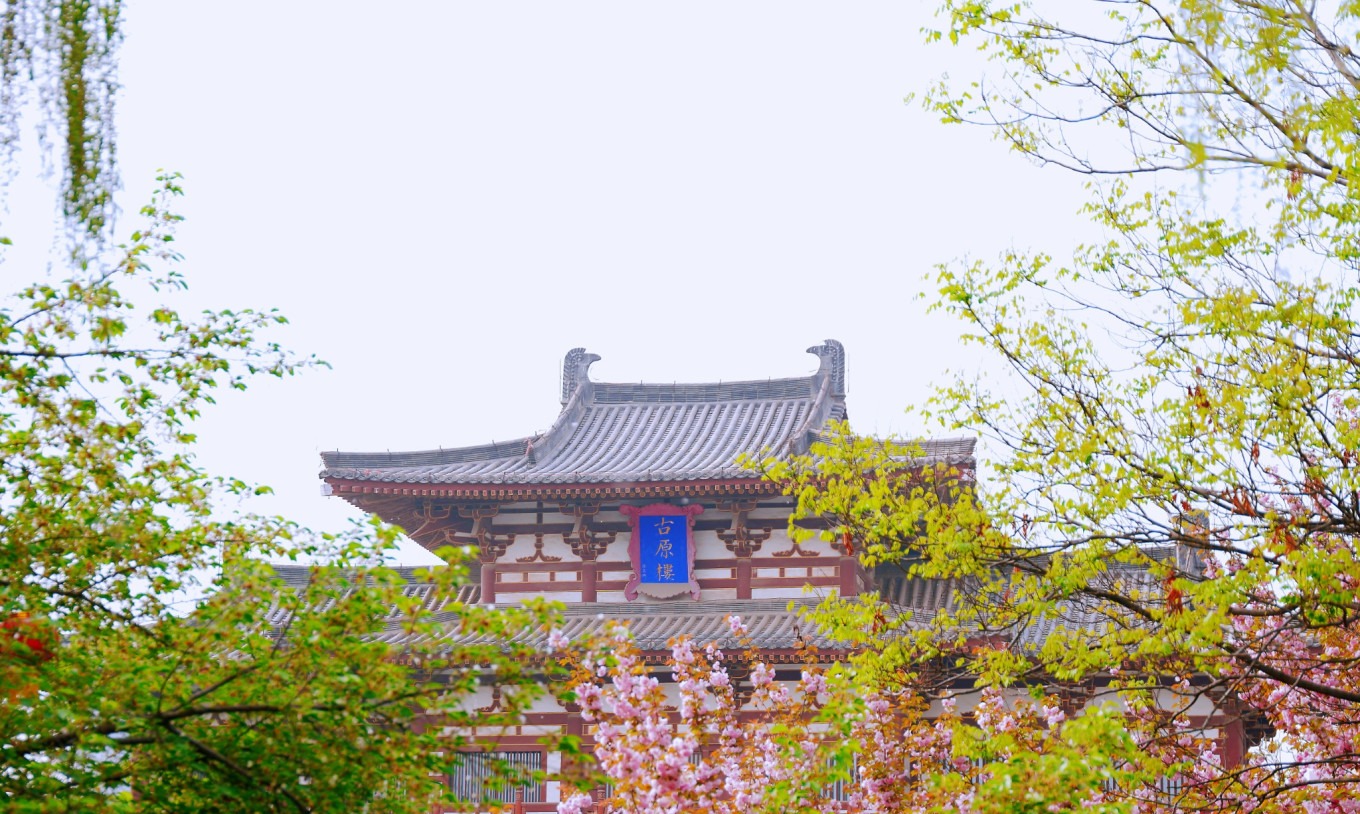
Today, while the Tang-era grandeur has faded, the site has transformed into a lovely city park where locals stroll and relax. The biggest draw in spring is the cherry blossom display — hundreds of trees burst into pink and white blooms, creating a dreamy atmosphere. It’s a perfect spot for a leisurely walk, a picnic, or simply to sit and enjoy the flowers.
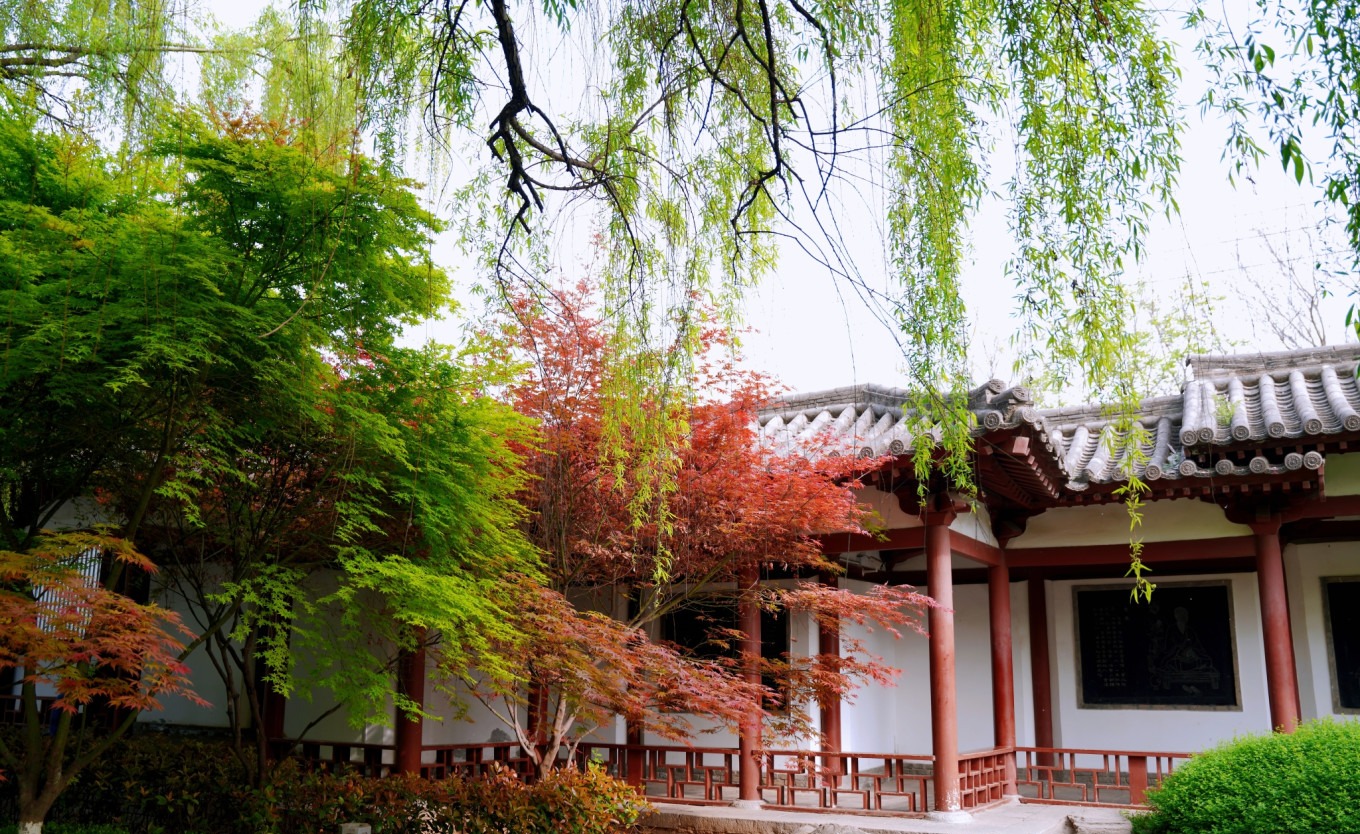
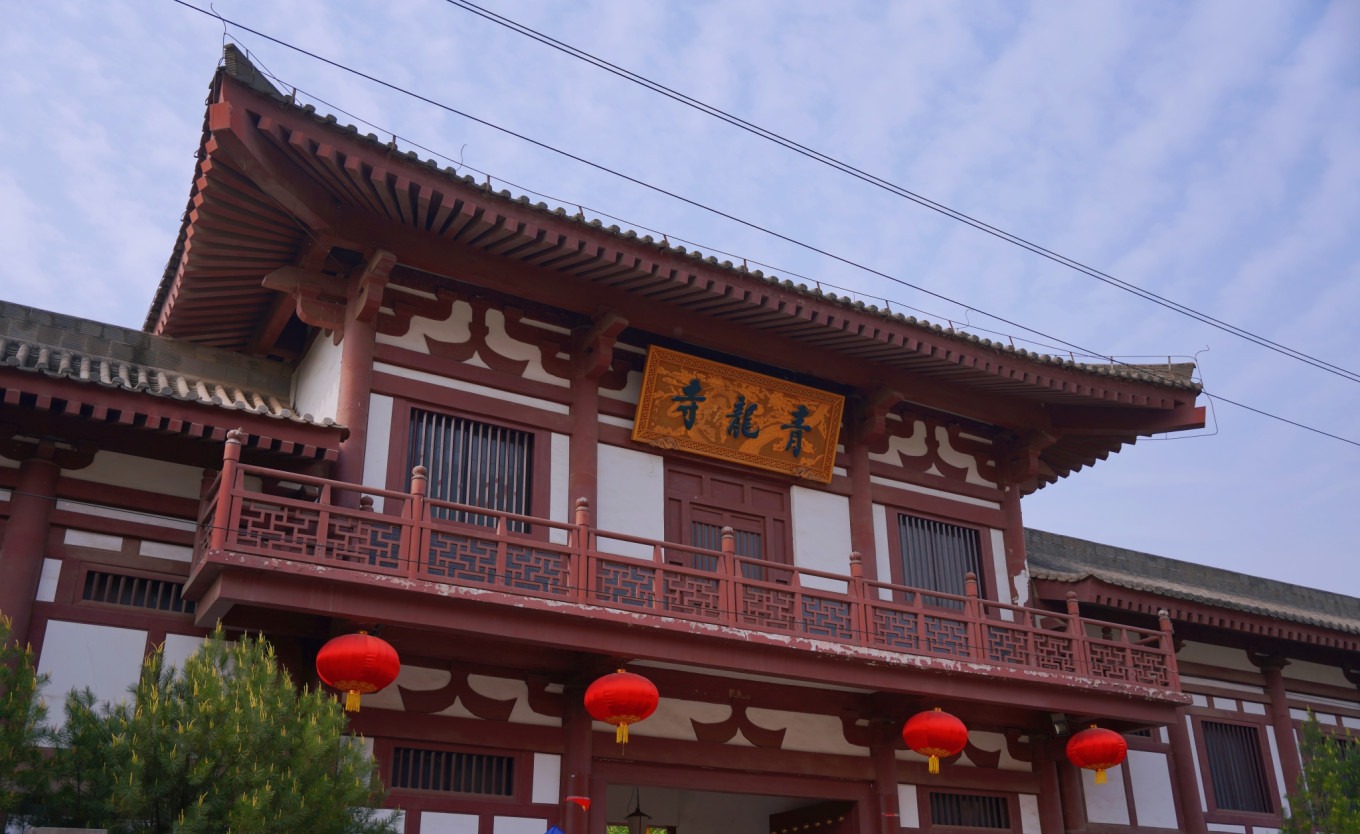
If you’re visiting Xi’an in late March to mid-April, don’t miss the cherry blossoms at Leyouyuan. The park is free to enter and easily reached by bus or taxi. It’s less crowded than other cherry blossom spots, making it a hidden gem for a serene spring outing.
Practical tip: You can prioritize one signature stop around the area, and you should adjust timing and budget based on transport and peak hours.
Datang Everlasting City
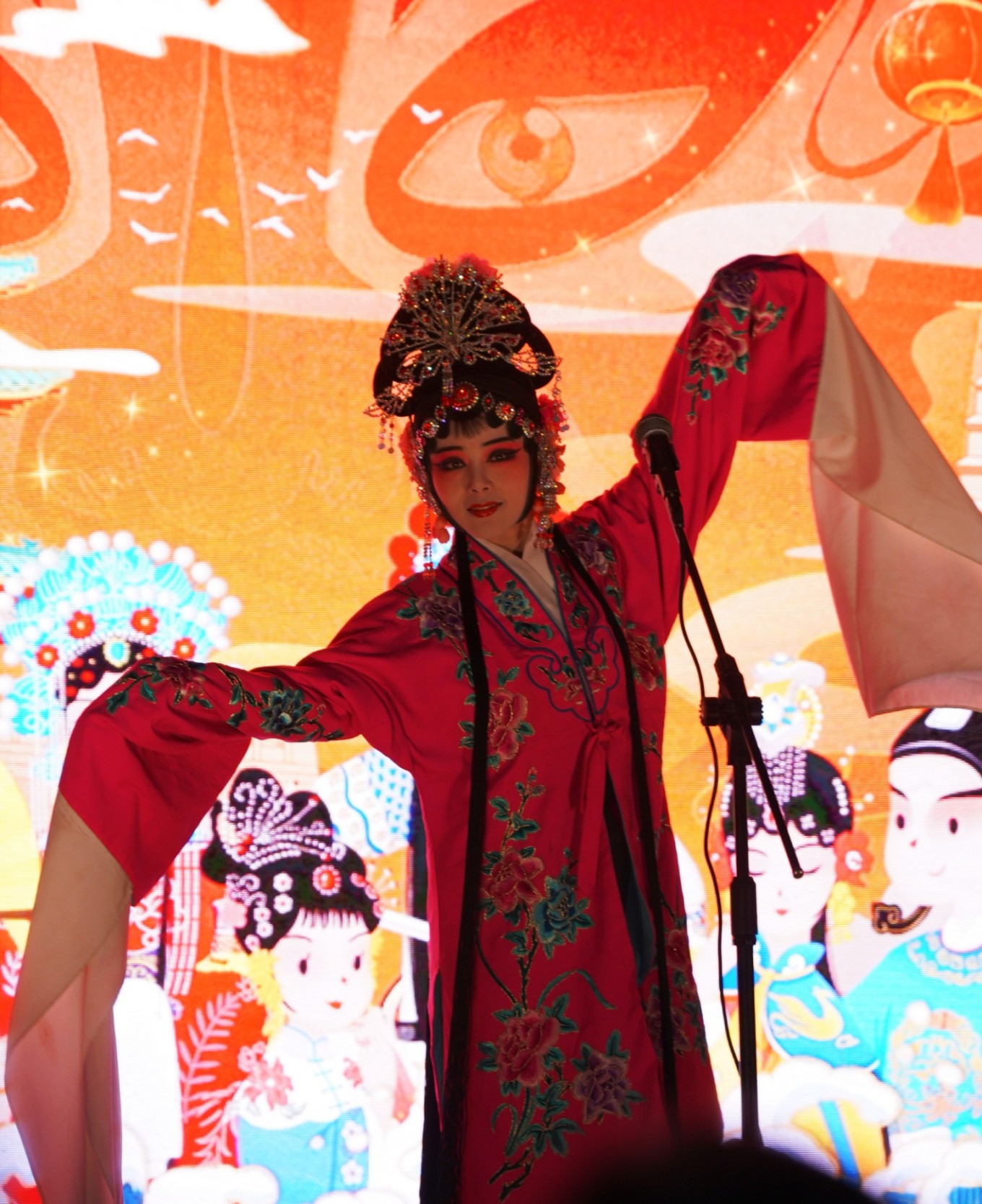
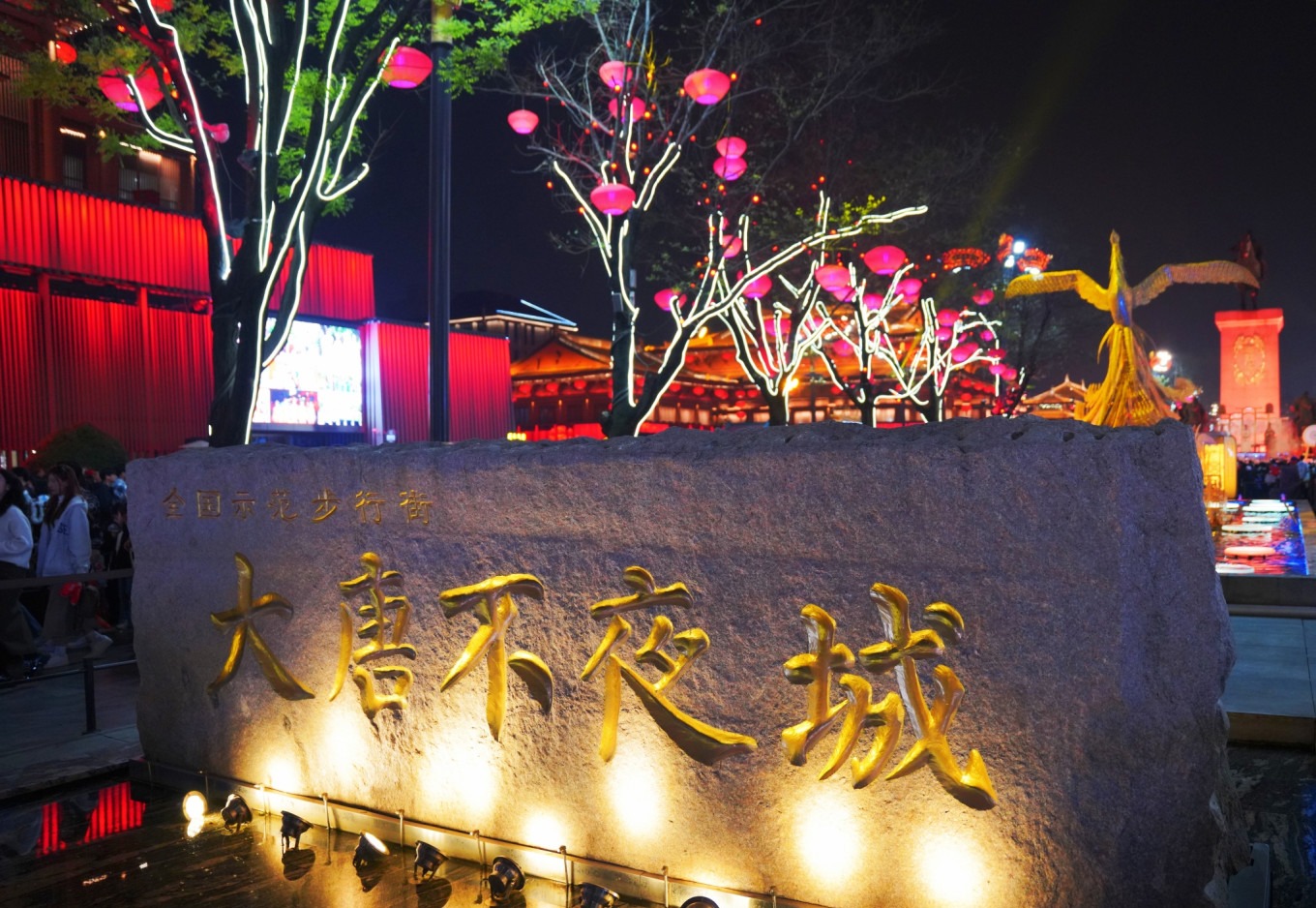
To experience the grandeur of the Tang Dynasty, you must visit the Datang Everlasting City (大唐不夜城). This pedestrian street, designed with Tang-style architecture, is the only large-scale Tang-themed commercial block in China. It’s a national model street where every detail immerses you in the culture of the Tang era.
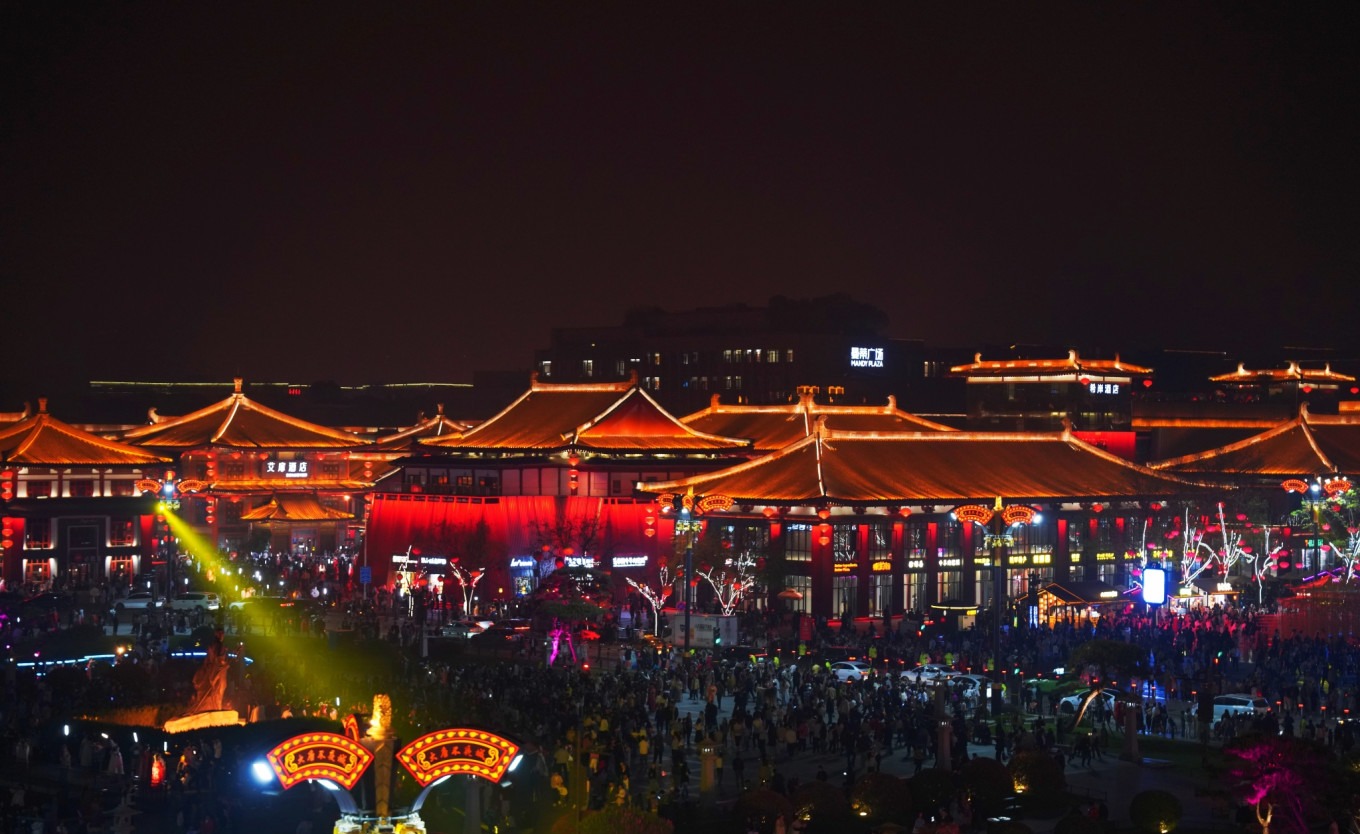
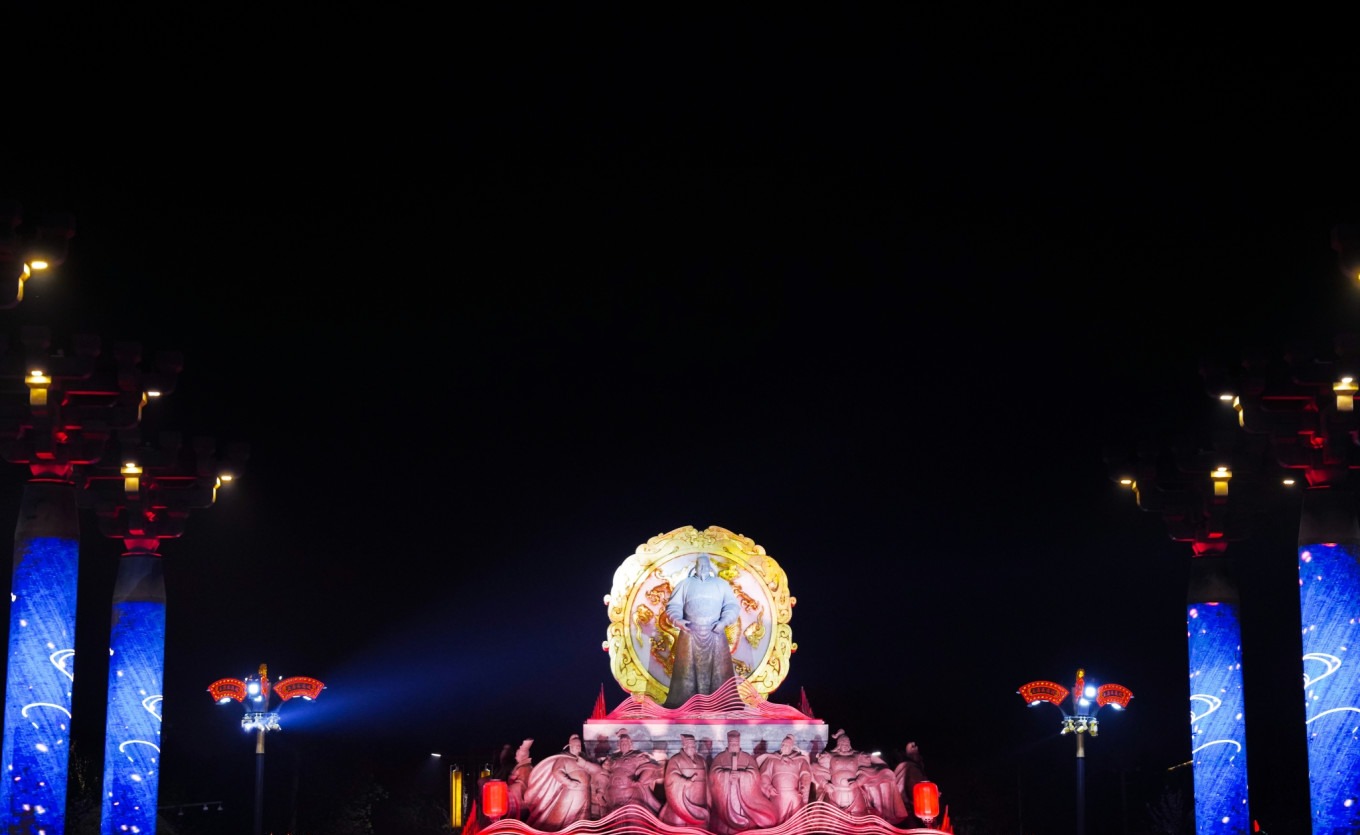
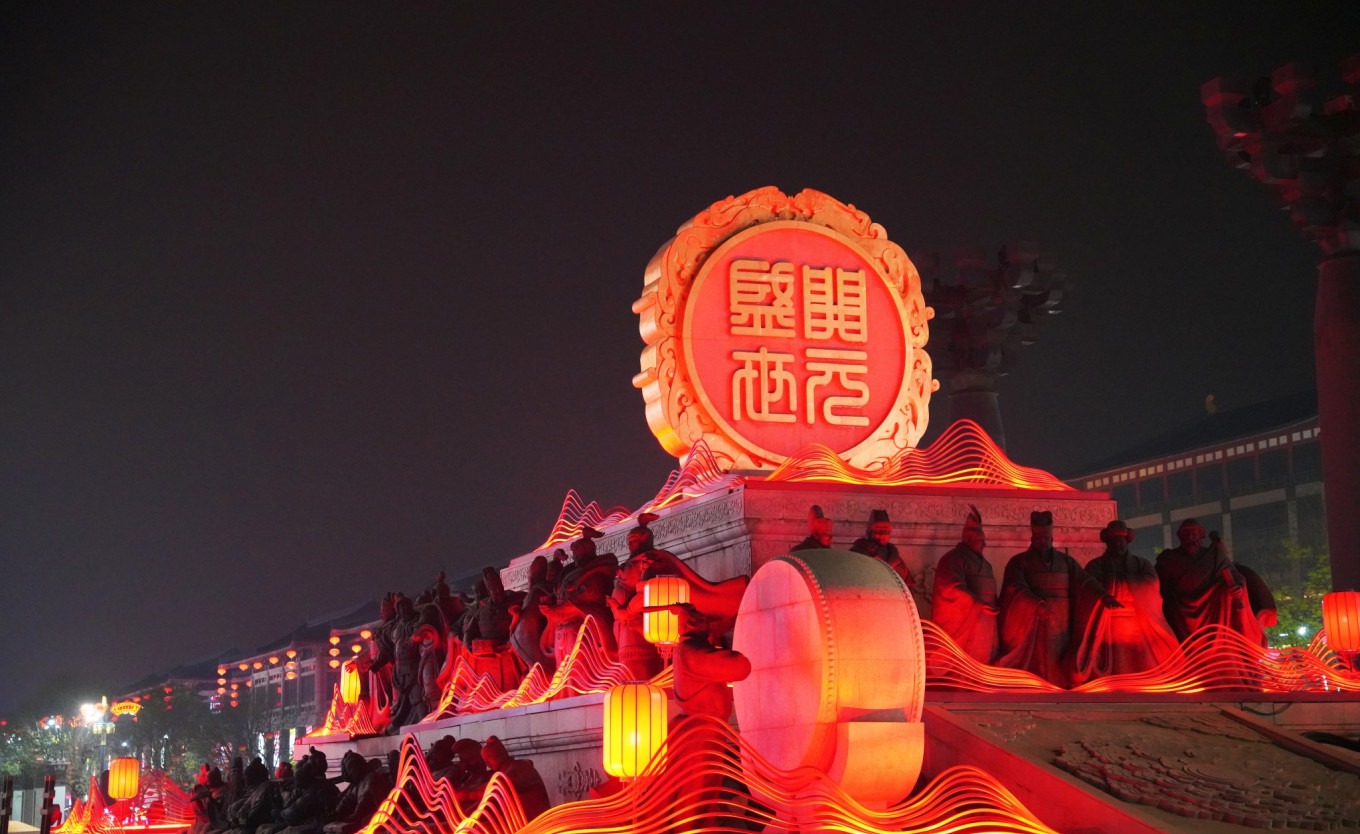
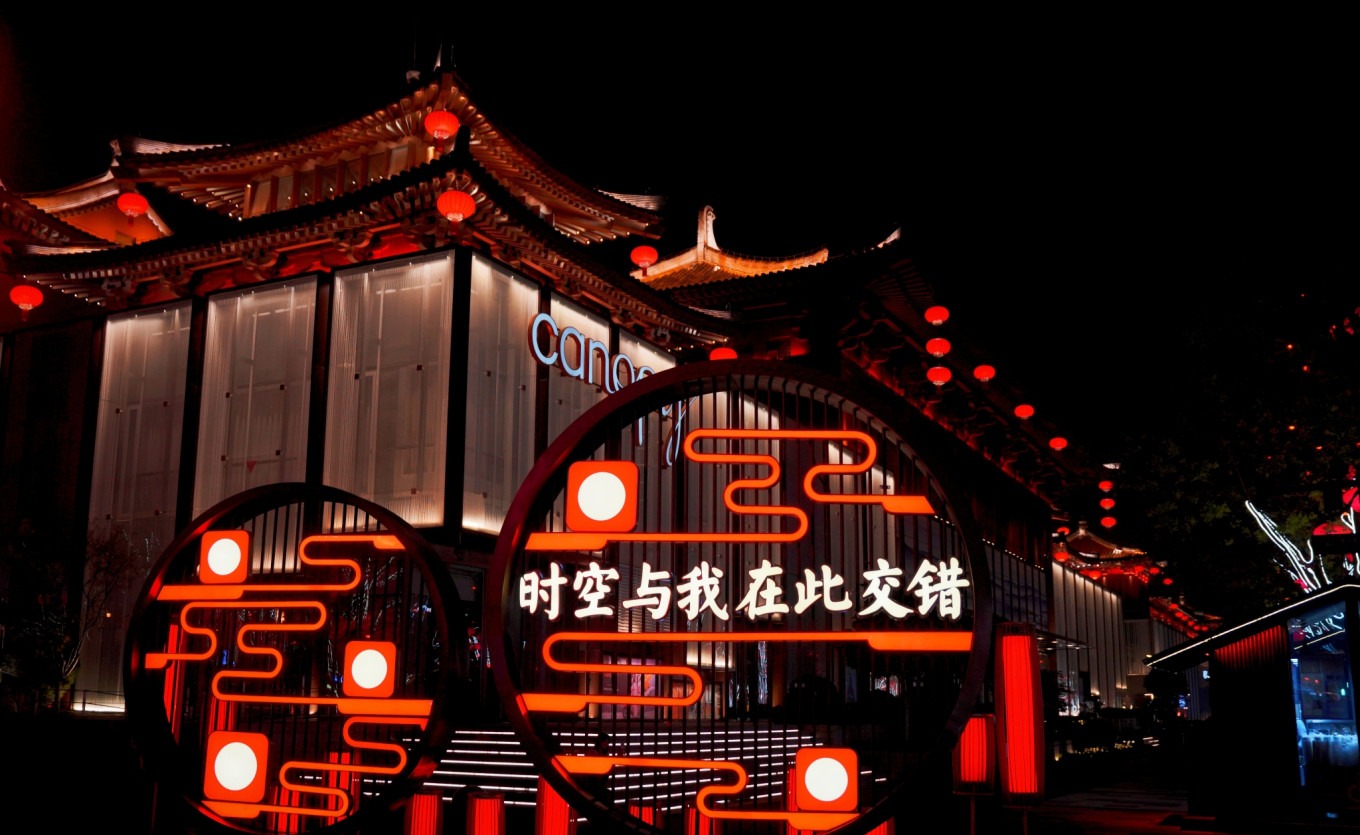
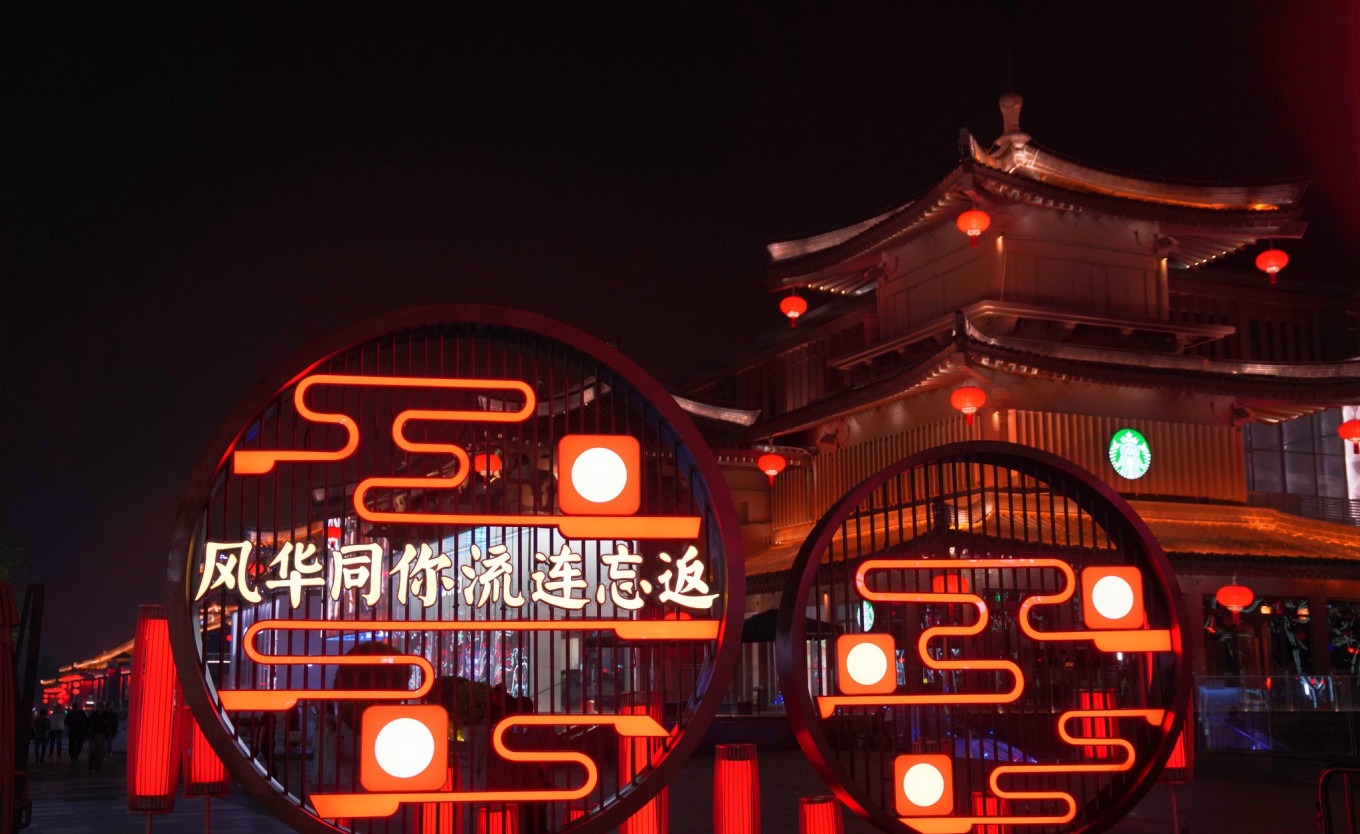
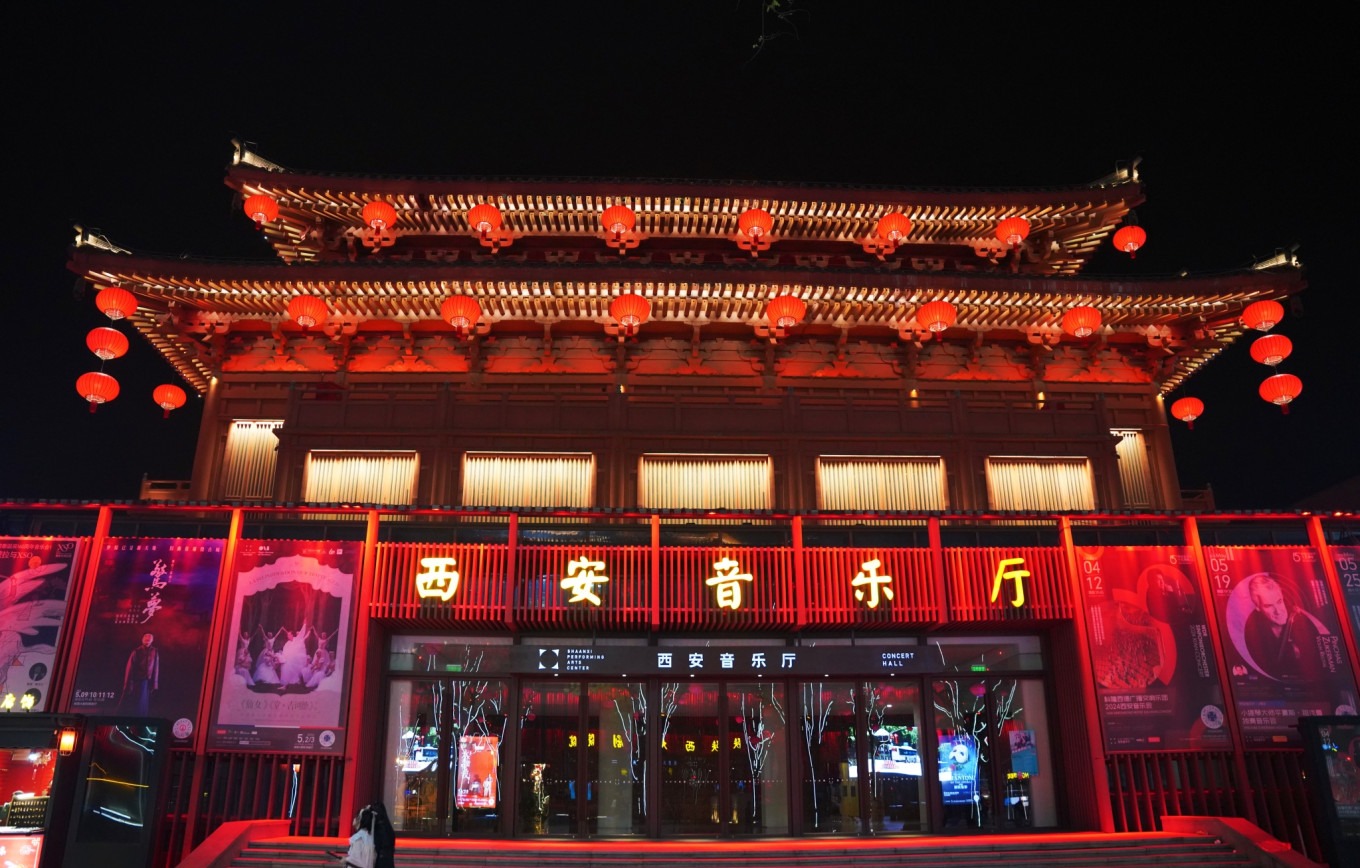
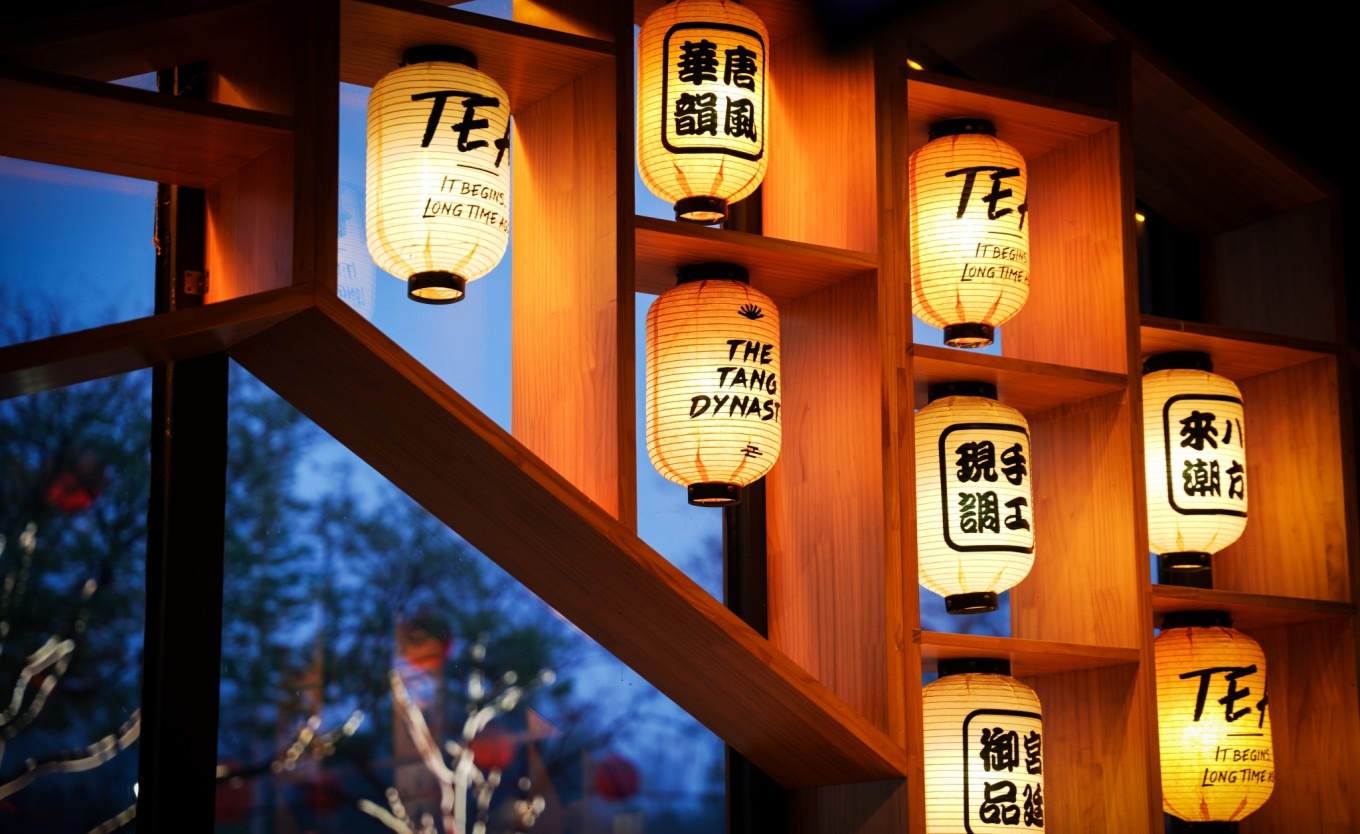
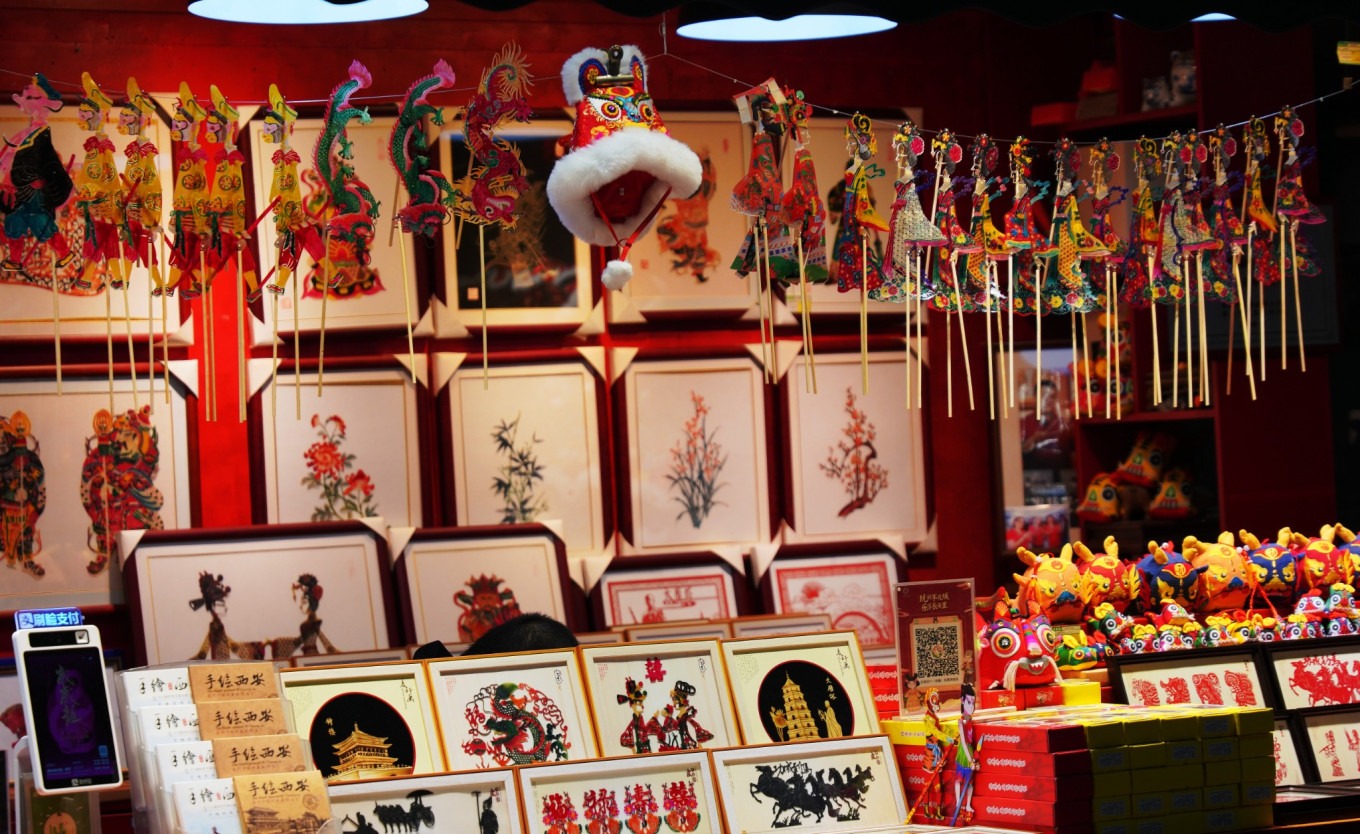
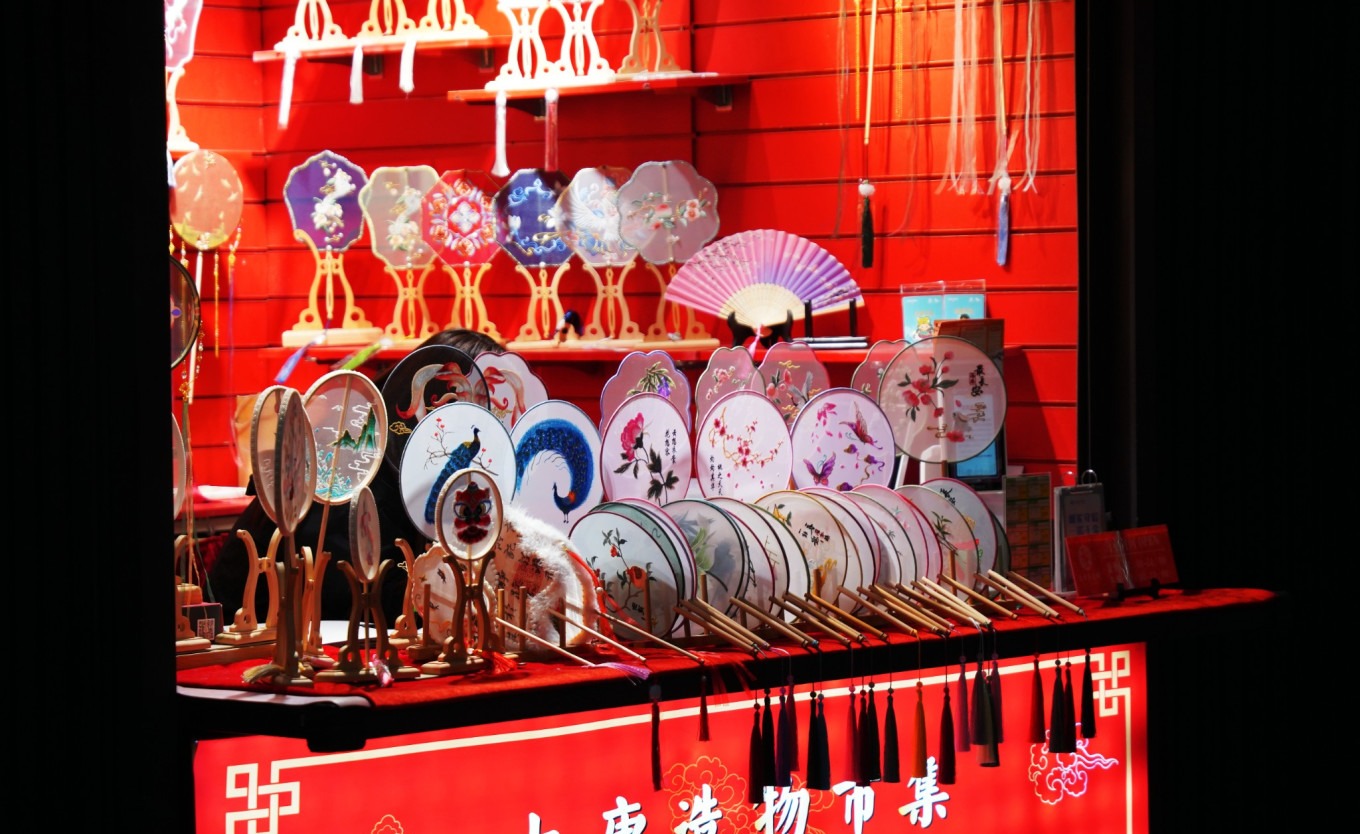
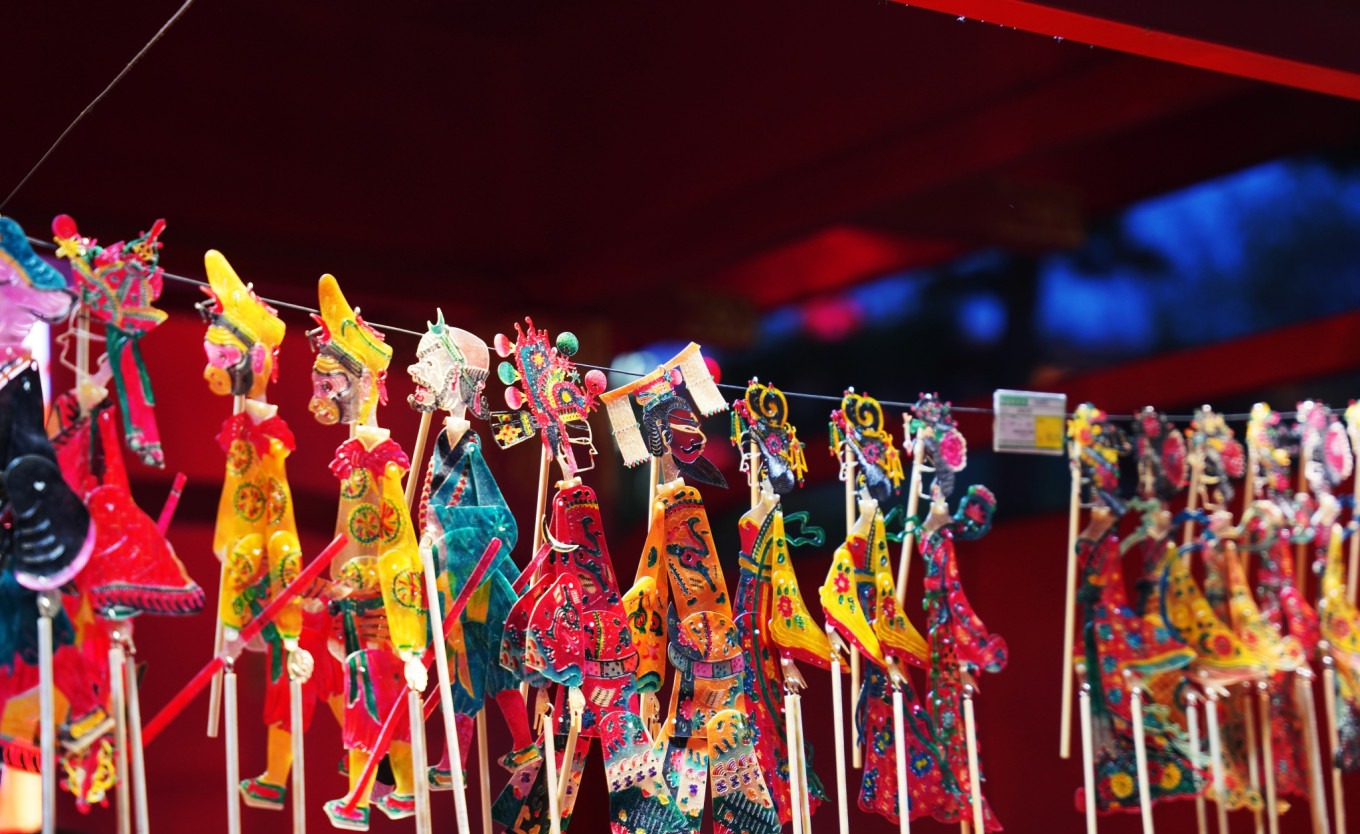
The street hosts numerous performances daily, but the schedule can change, so check the official announcements from Qujiang Cultural Tourism (曲江文旅) before your visit. The popular ‘Shengmi He’ (盛唐密盒) show is no longer held here, as the performers ‘Lord Fang’ (房大人) and ‘Lord Du’ (杜大人) have moved to the Datang West Market (大唐西市). If you want to see them, head there instead.
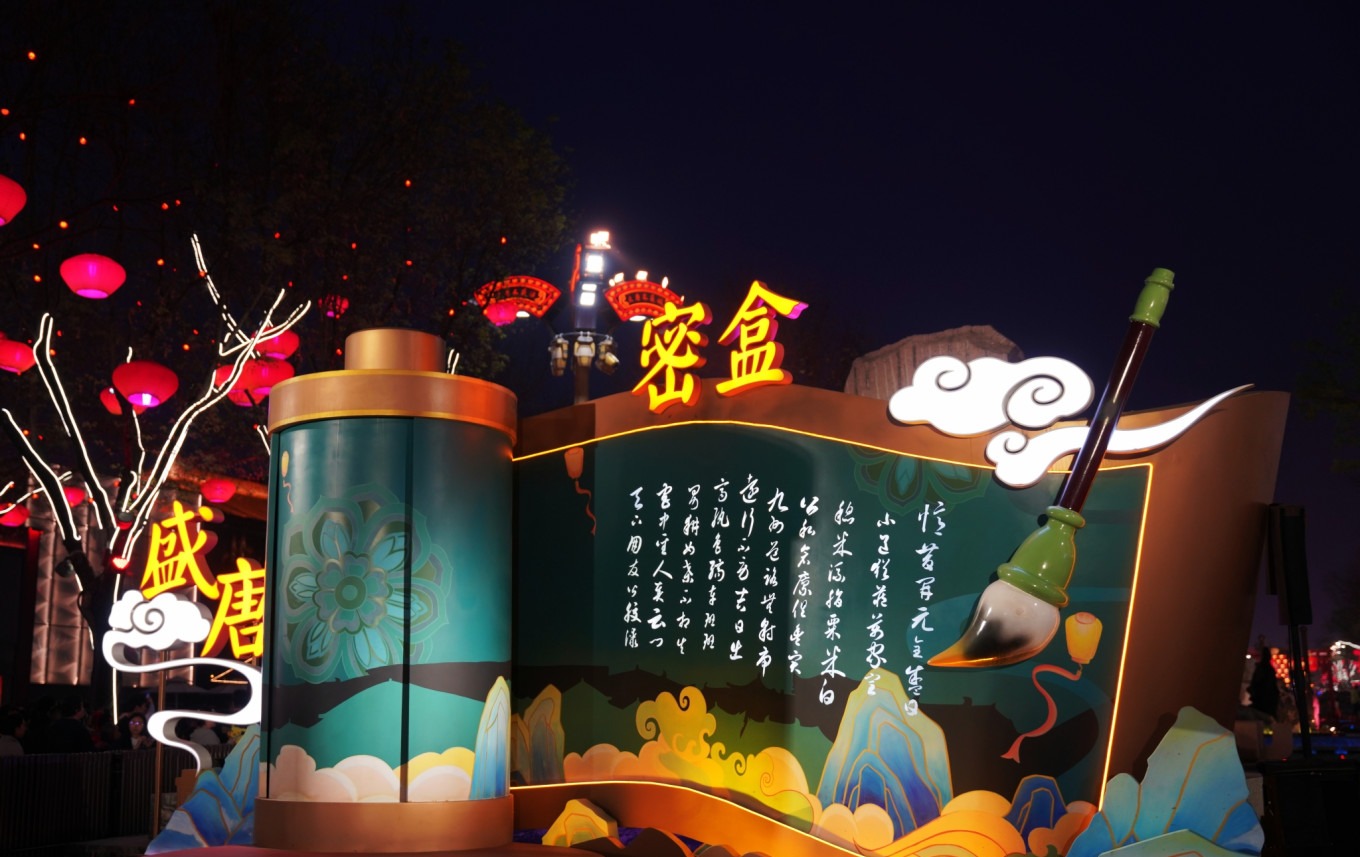
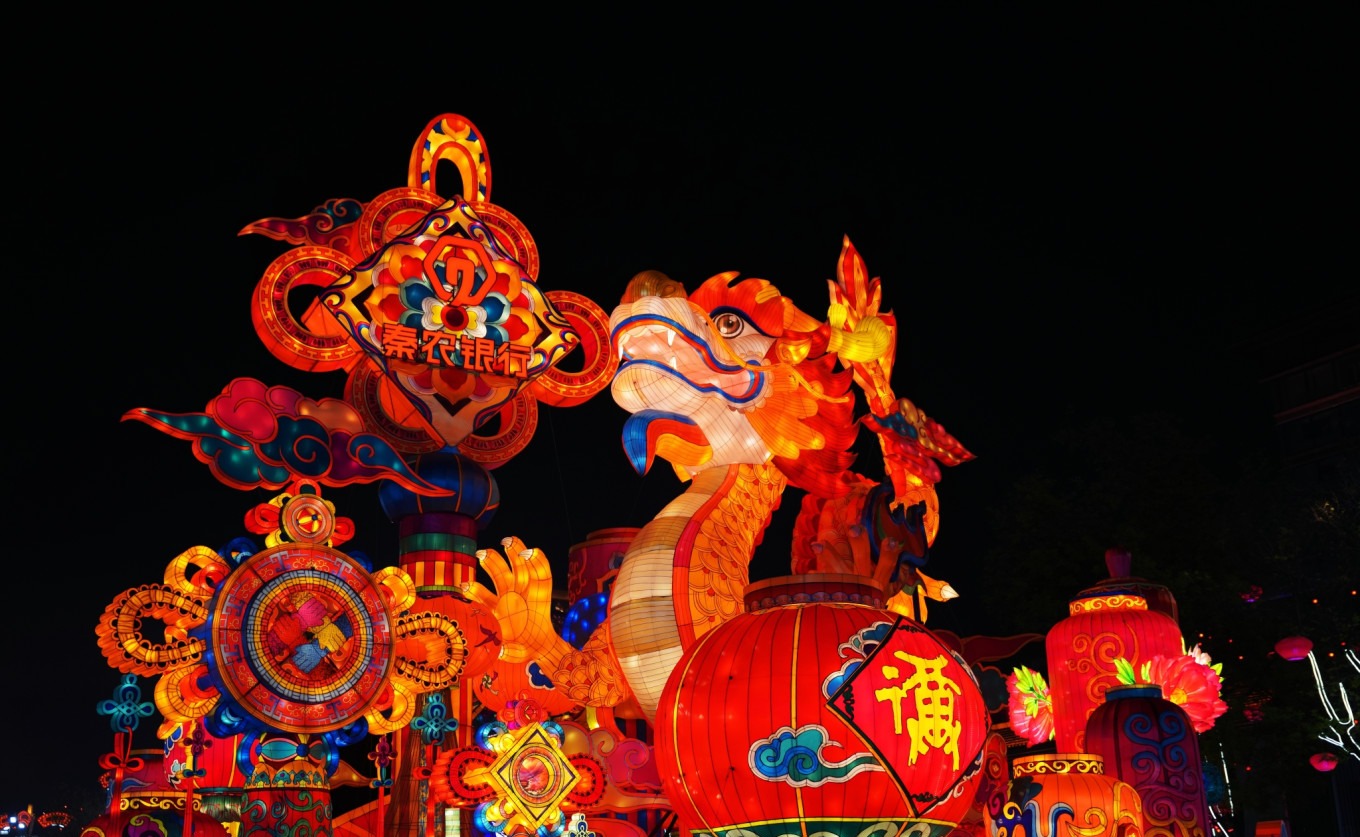
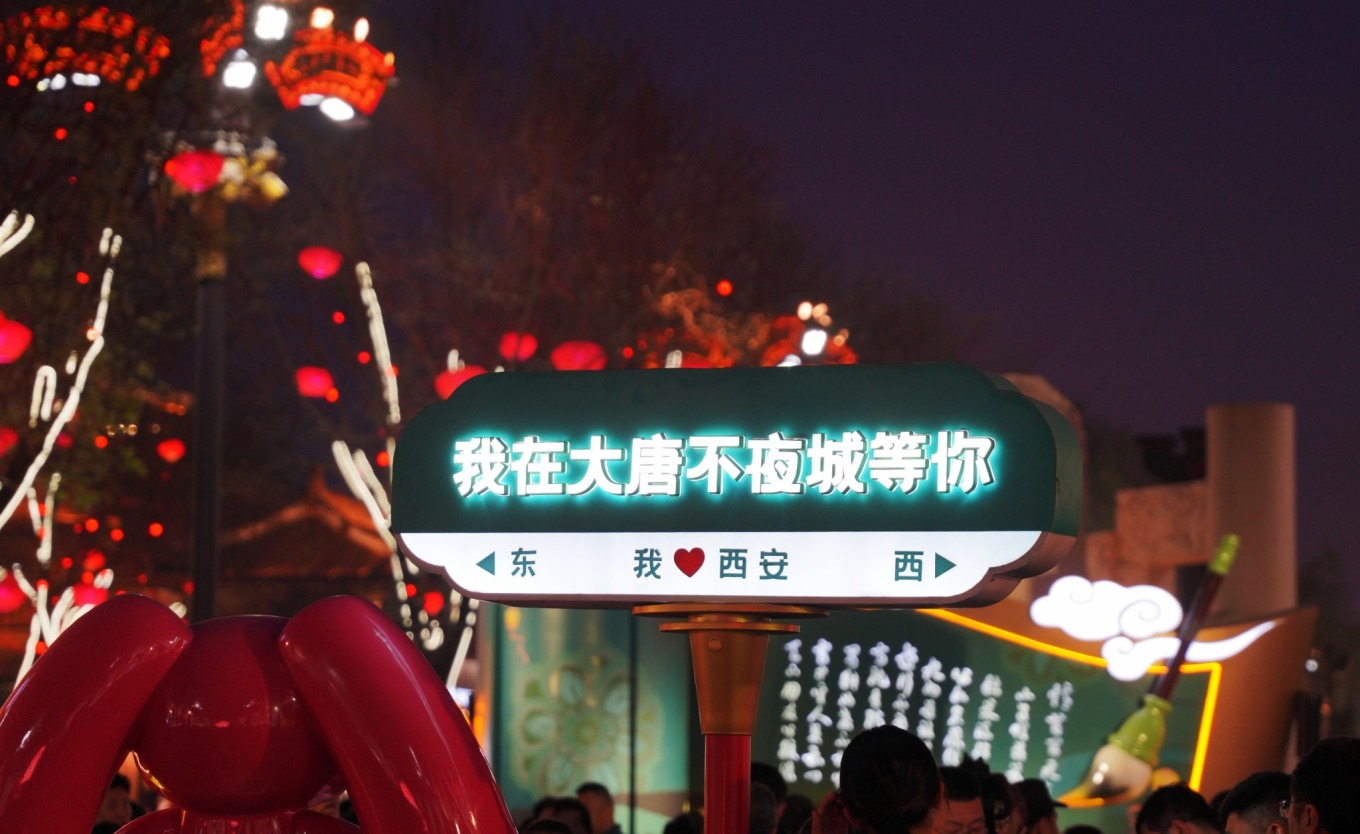
One practical tip: the lights at Datang Everlasting City go out exactly at midnight. If you stay late, you might witness the sudden darkness, as many visitors have.
Xi’an in the Ming and Qing Dynasties
Even though Xi’an was no longer the national capital during the Ming and Qing dynasties, it remained a critically important city. The name “Xi’an” itself carries the meaning of “pacifying the northwest,” reflecting its strategic role in governing the region. As you explore the city, you’ll find that many of its most iconic landmarks—such as the ancient city walls and the Bell Tower—were built or significantly expanded during this period, offering a tangible link to Xi’an’s later imperial history.
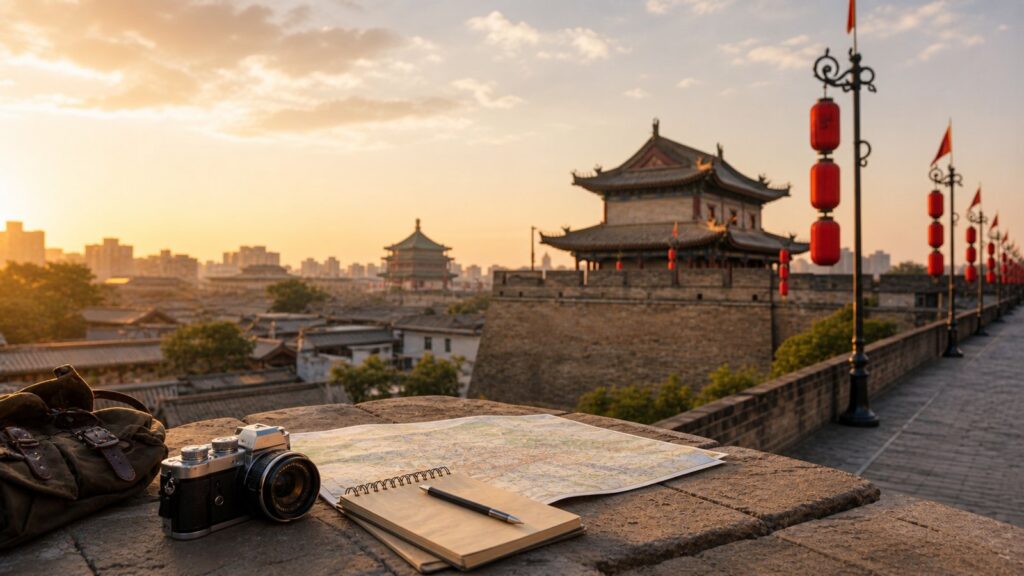
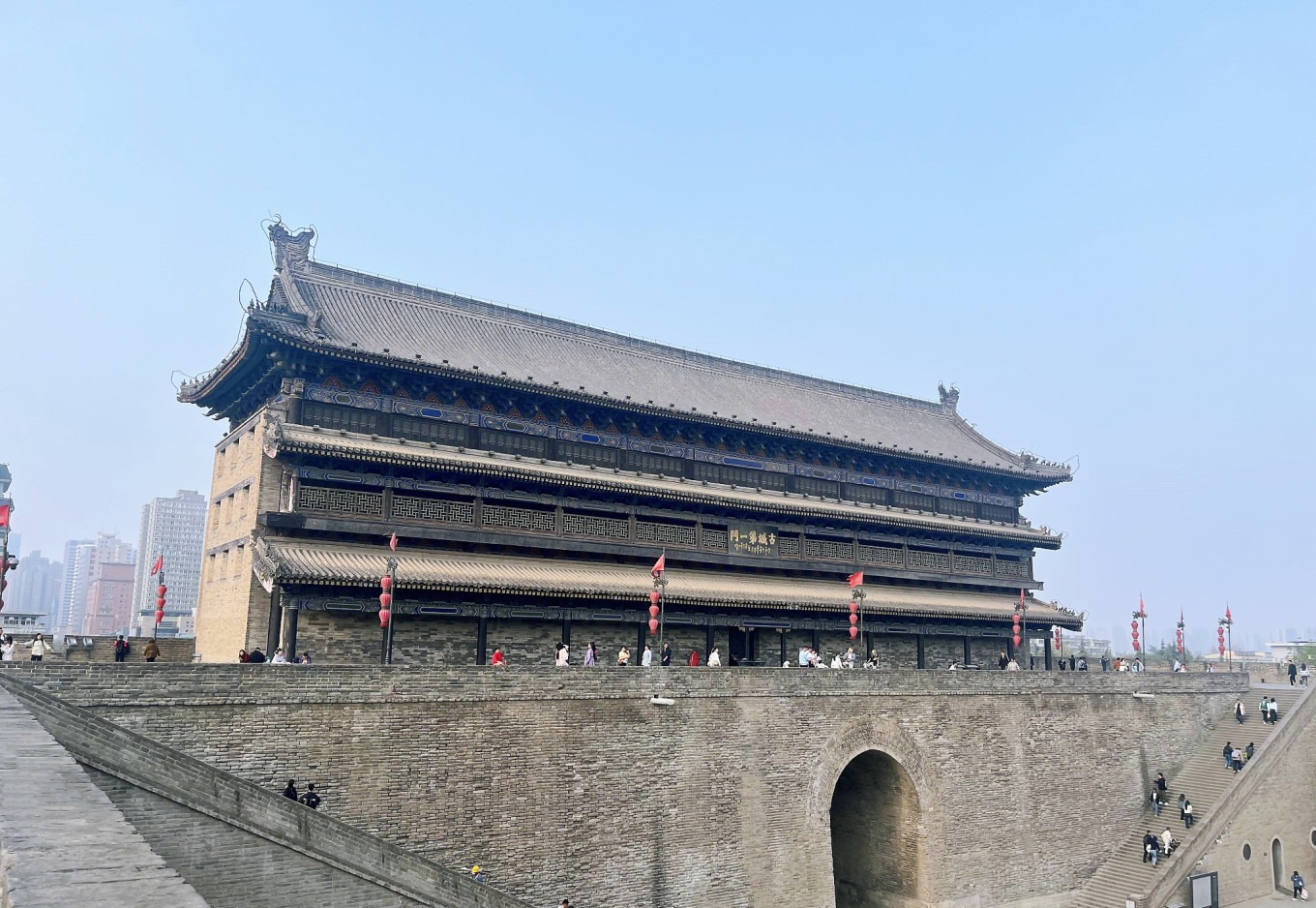
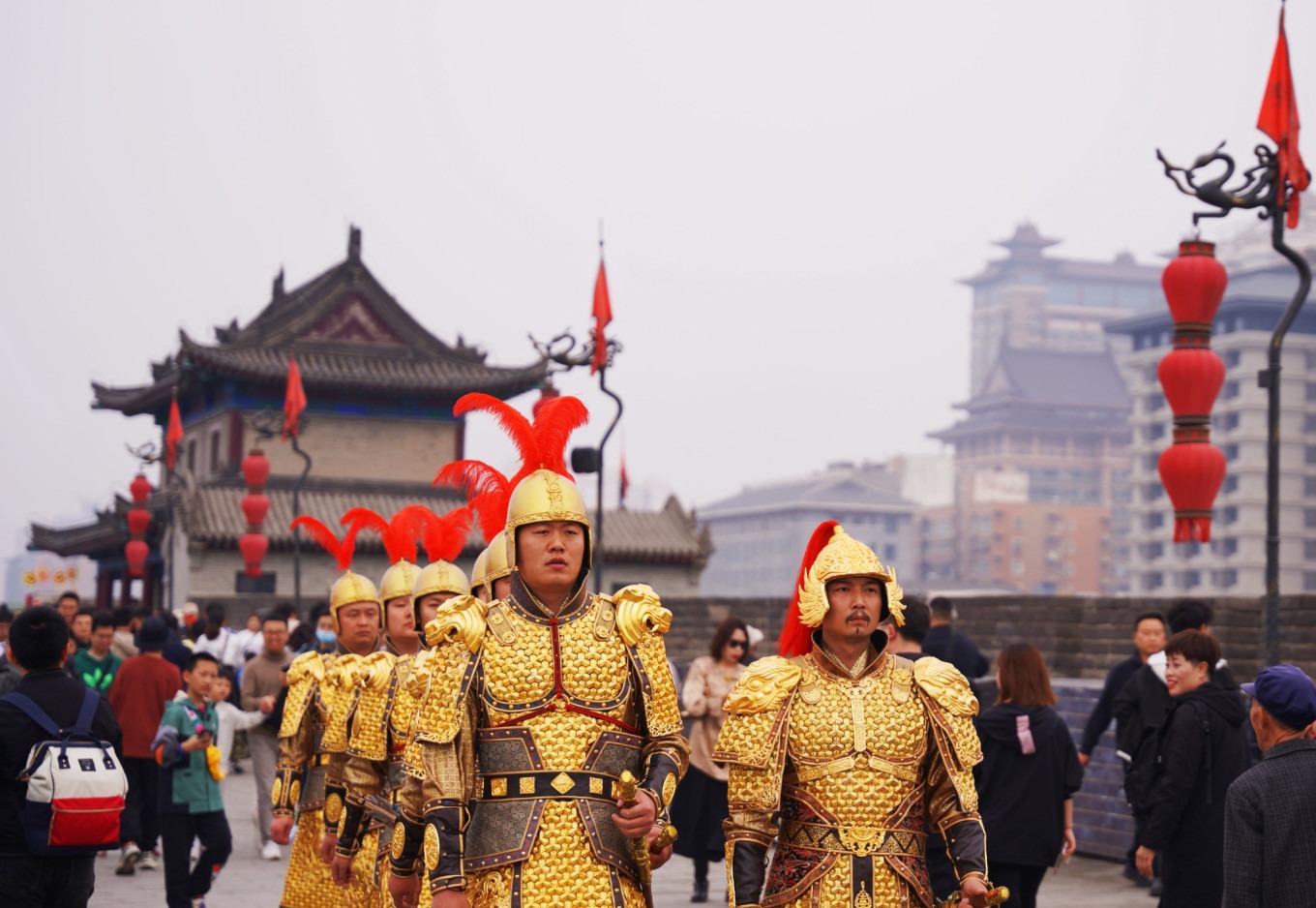
A great way to start your Ming-Qing journey is by walking the Xi’an City Wall (西安城墙), which was extensively renovated under the Ming dynasty. You can rent a bicycle and cycle the full 14-kilometer perimeter, taking in views of both the old city and the modern skyline. Don’t miss the South Gate (永宁门), the most grandly restored entrance, where you can often catch a traditional guard-changing ceremony.
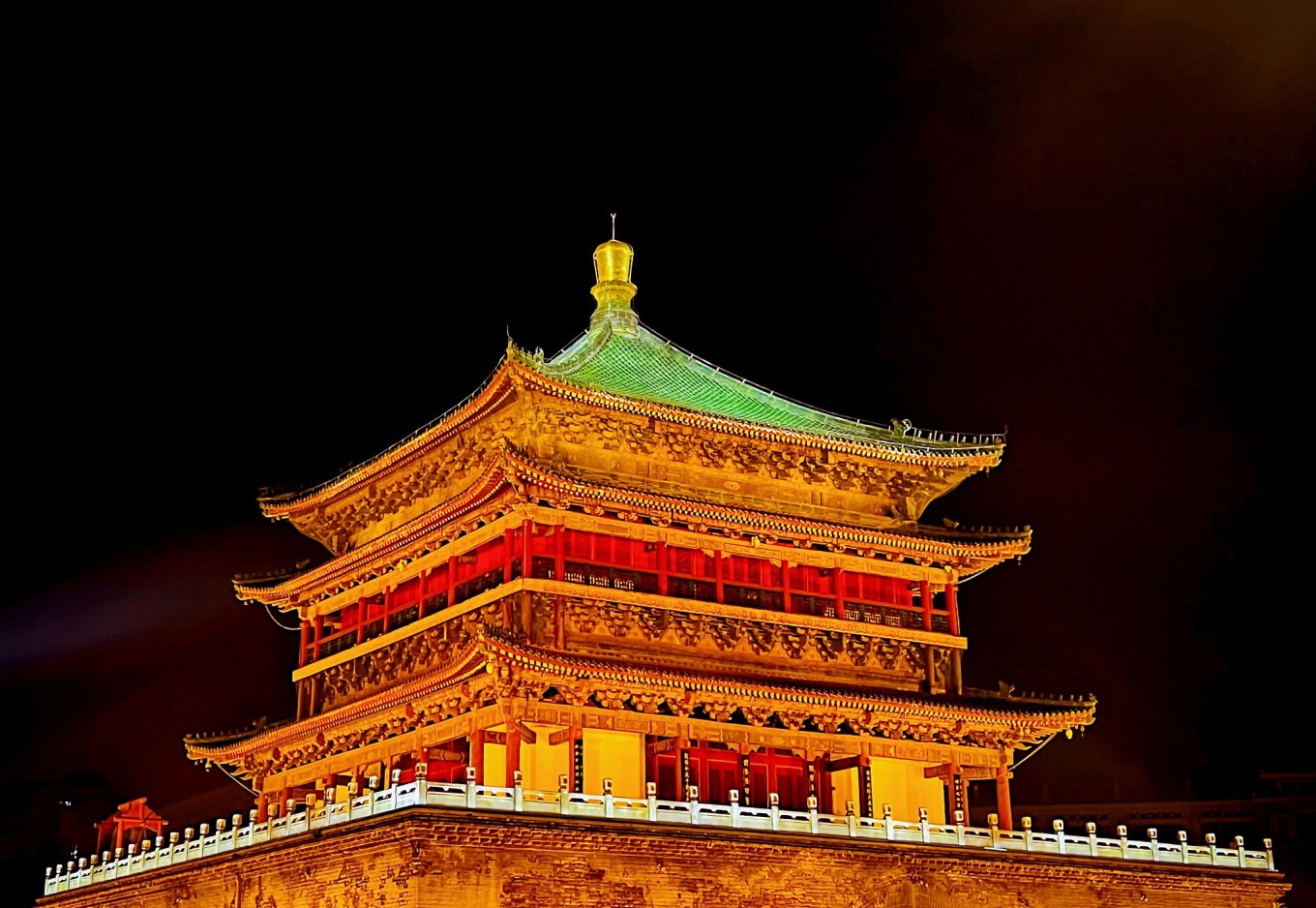
Another must-visit is the Bell Tower (钟楼), situated at the very center of the city. Originally built in 1384 during the Ming dynasty, it was moved to its current location in 1582. Climb to the top for a panoramic view of the four main avenues radiating outward. Nearby, the Drum Tower (鼓楼) is equally impressive and houses a collection of ancient drums. Together, they mark the historic heart of Xi’an.
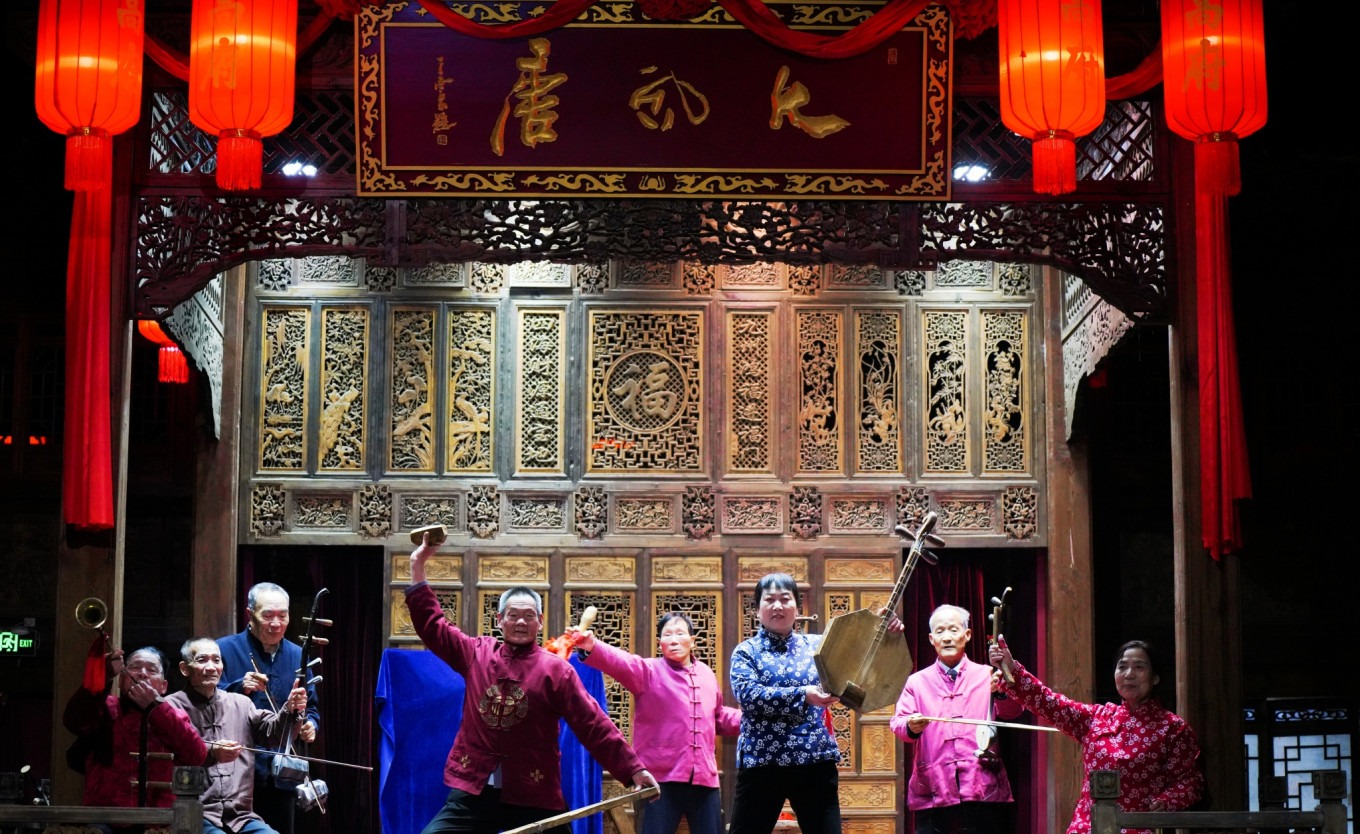
For a taste of Ming-Qing residential architecture, head to the Gao Family Courtyard (高家大院) on Beiyuanmen Street. This well-preserved courtyard house offers a glimpse into the life of a wealthy official family from the Qing dynasty. You can also catch a shadow puppet show or a traditional Qin opera performance in its small theater.
To round off your exploration, wander through the Muslim Quarter (回民街), which has been a bustling commercial area since the Ming dynasty. Here, you can sample local snacks like yangrou paomo (羊肉泡馍, lamb soup with bread) and enjoy the lively atmosphere of narrow lanes filled with food stalls and souvenir shops.
Bell Tower and Drum Tower
No visit to Xi’an is complete without seeing the iconic Bell Tower (钟楼) and Drum Tower (鼓楼), two historic landmarks at the heart of the city. The Bell Tower, built during the Ming Dynasty, is the largest and best-preserved bell tower in China. For the best photo spot, head to the second-floor platform of the Kaiyuan Shopping Center (开元商场), which offers a perfect elevated view of the tower.
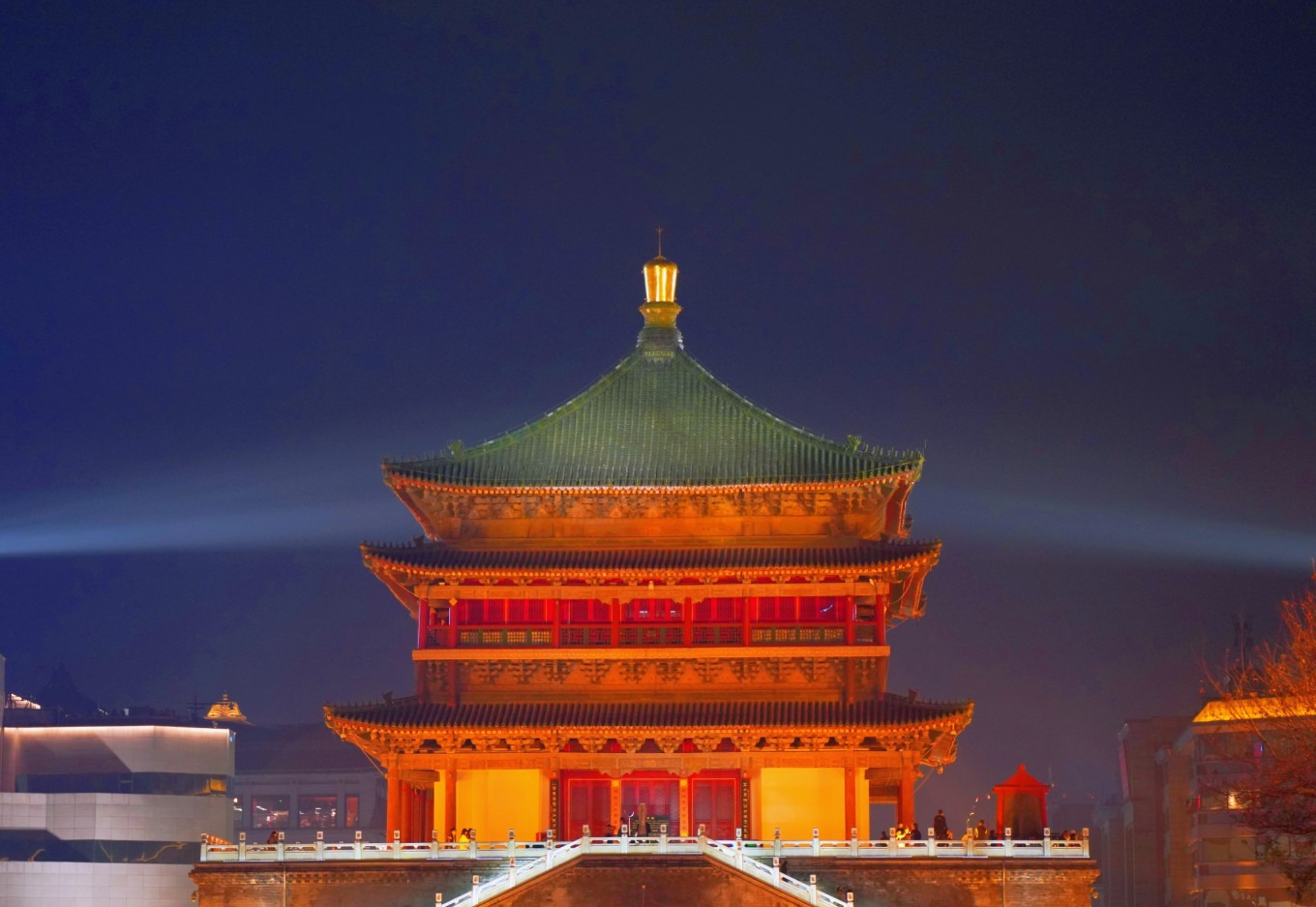
The Drum Tower is just a short walk from the Bell Tower. Inside, you can catch daily chime bell performances — but you’ll need to purchase a ticket to enter and watch. Both towers are beautifully lit at night, making for a memorable evening stroll.
Ming City Wall
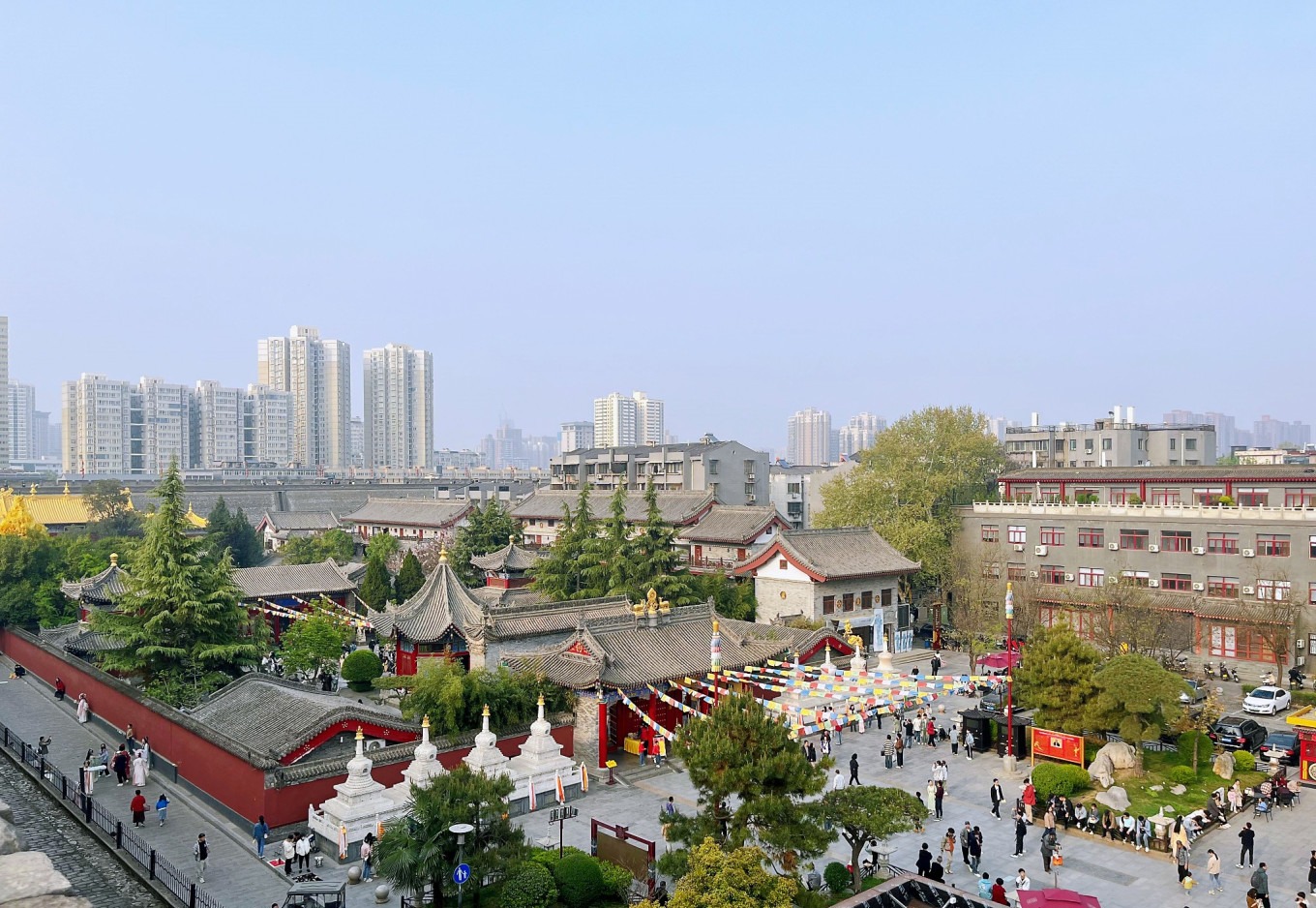
Xi’an’s City Wall, built during the Ming Dynasty, is the largest and best-preserved ancient city wall in China. Most first-time visitors enter from the South Gate (永宁门 / Yongning Gate), which conveniently has a metro station right at the entrance.
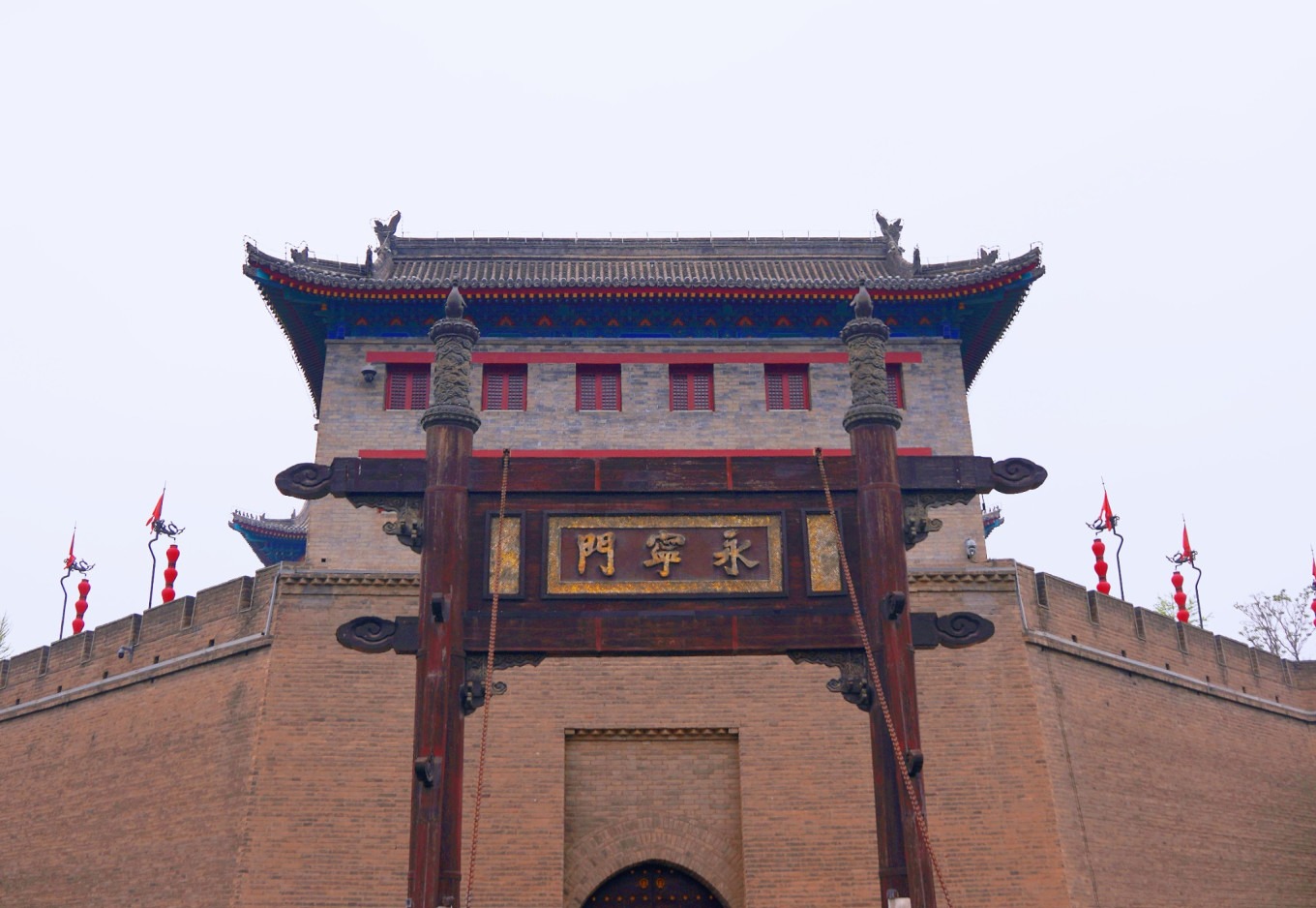
This is the best spot on the wall for taking photos. Once you step onto the wall from Yongning Gate, you’ll find a pedestrian-only stretch of about 800 meters in both directions. To cover more ground, you can rent a bicycle—but be prepared: the bikes have off-road tires and are a bit heavy, and the wall’s stone surface is uneven, making for a bumpy ride. Cycling the entire circuit is a popular way to experience the wall’s grandeur.
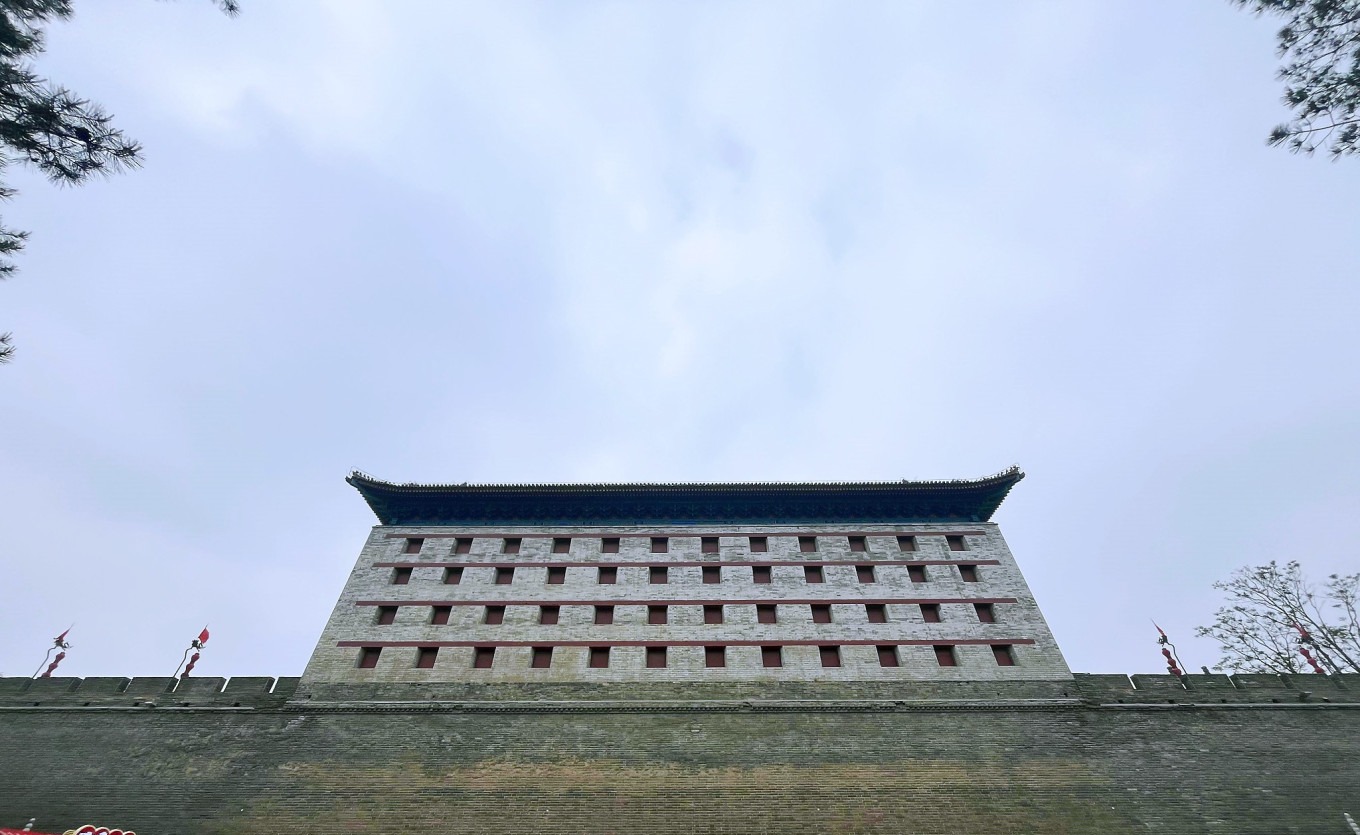
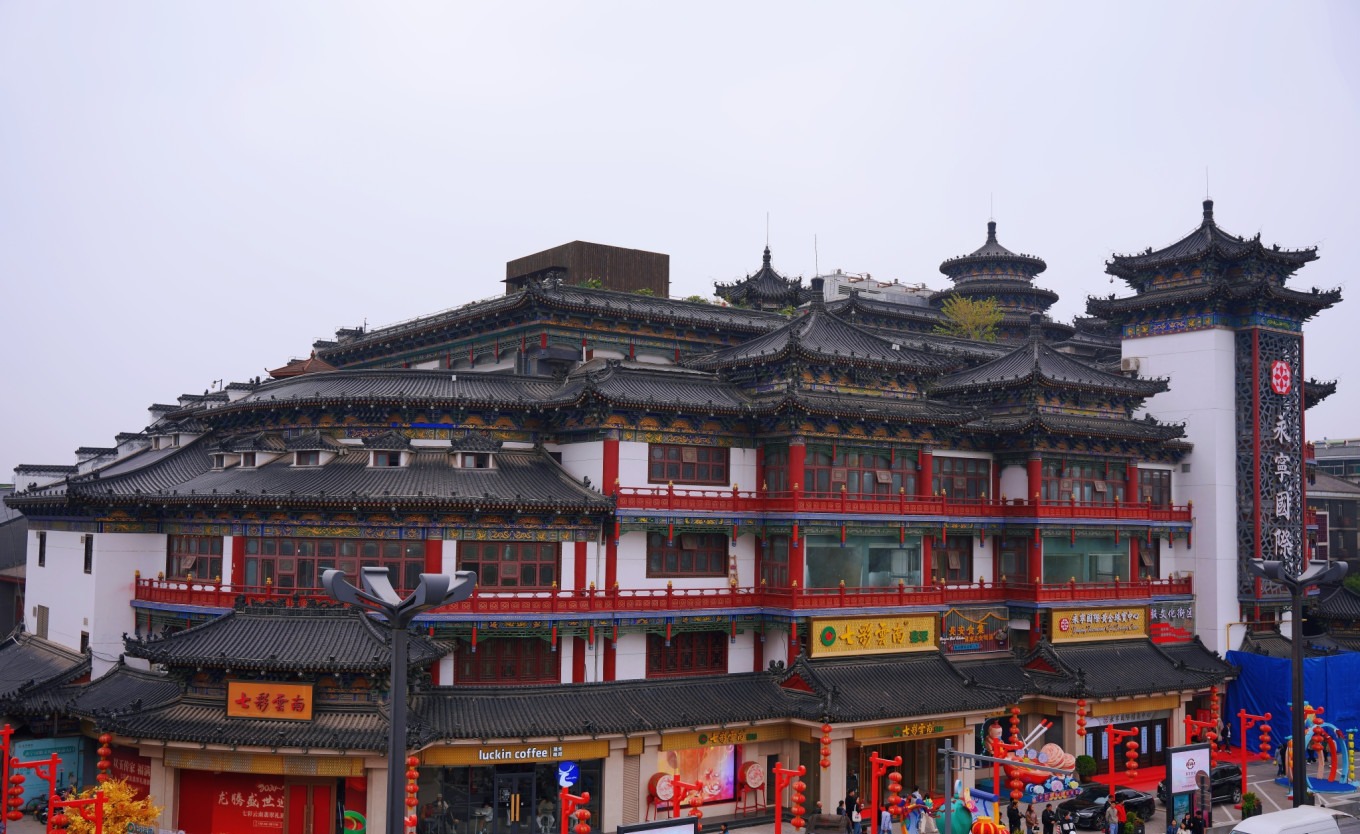
From the wall, you can look down the central axis of the old city. Along the way, you’ll see corner towers and gates such as the East Gate (长乐门 / Changle Gate).
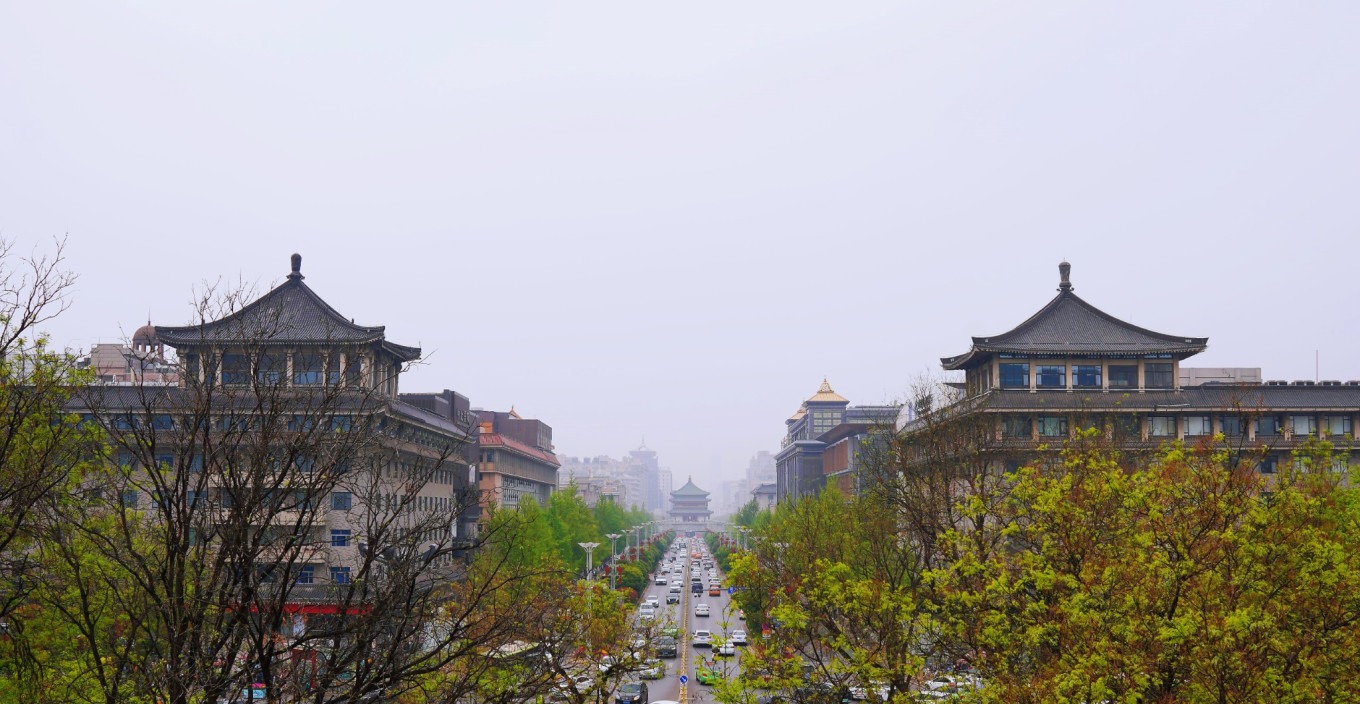
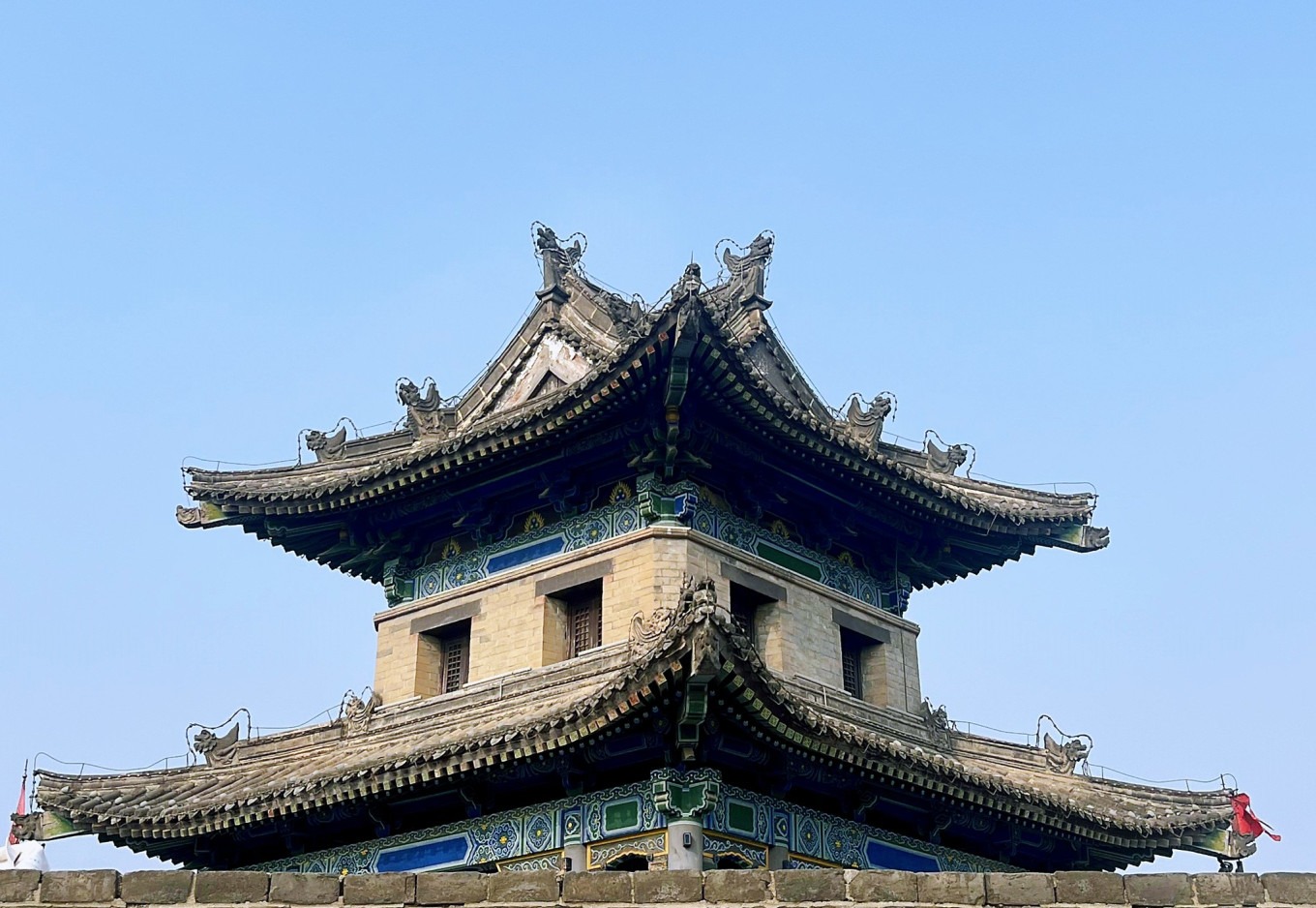
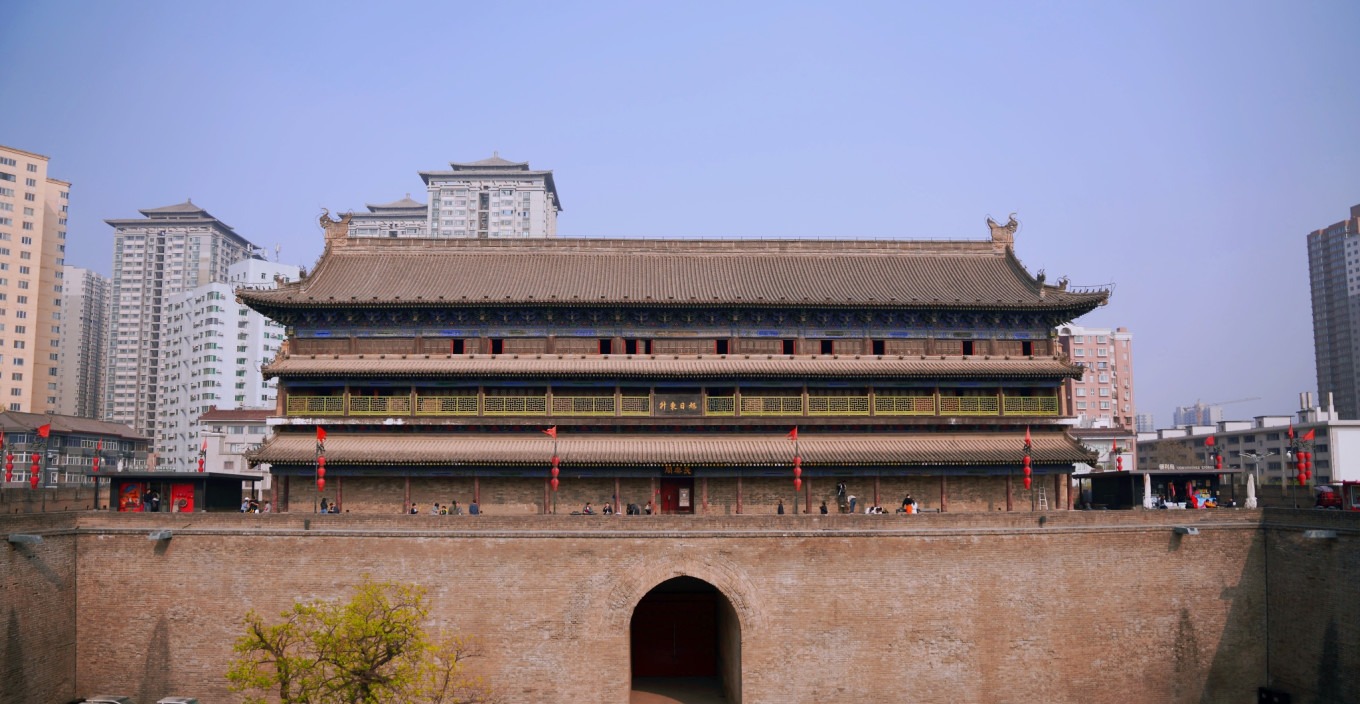
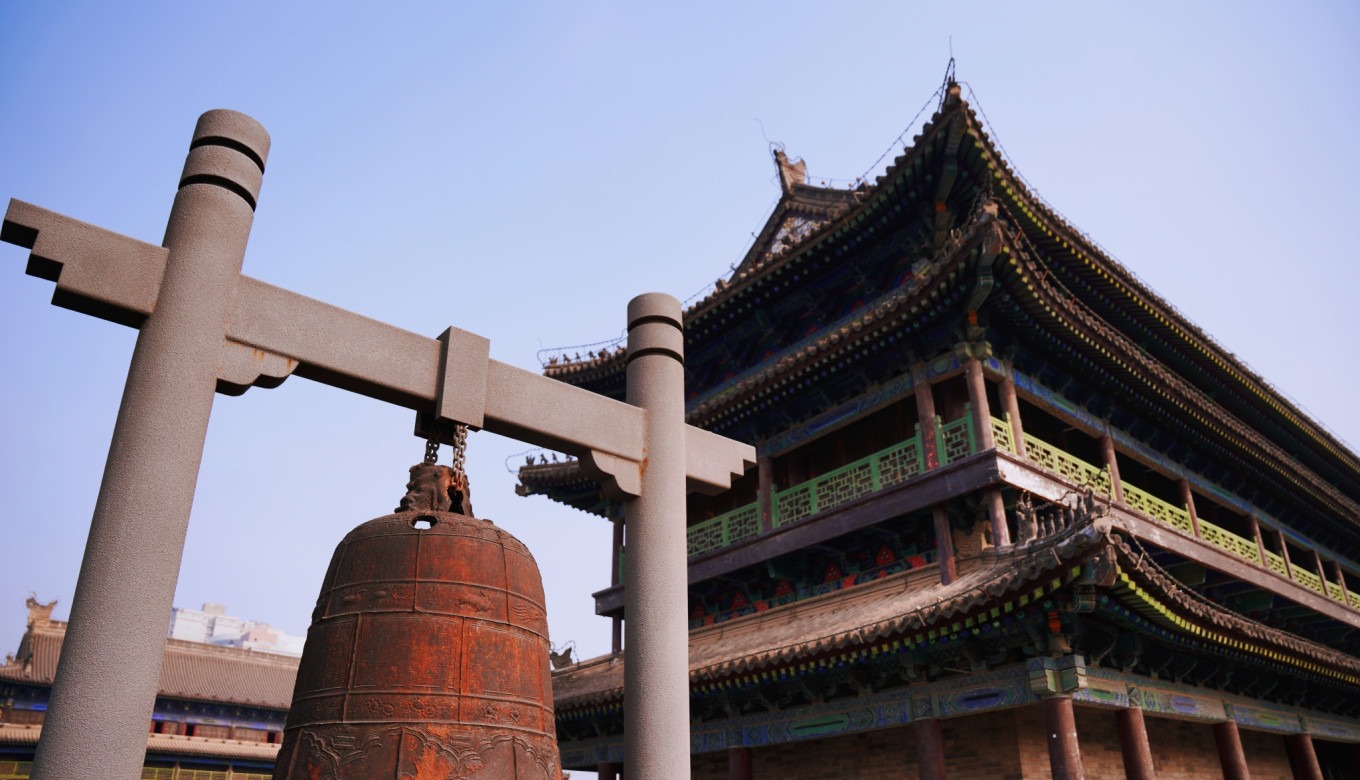
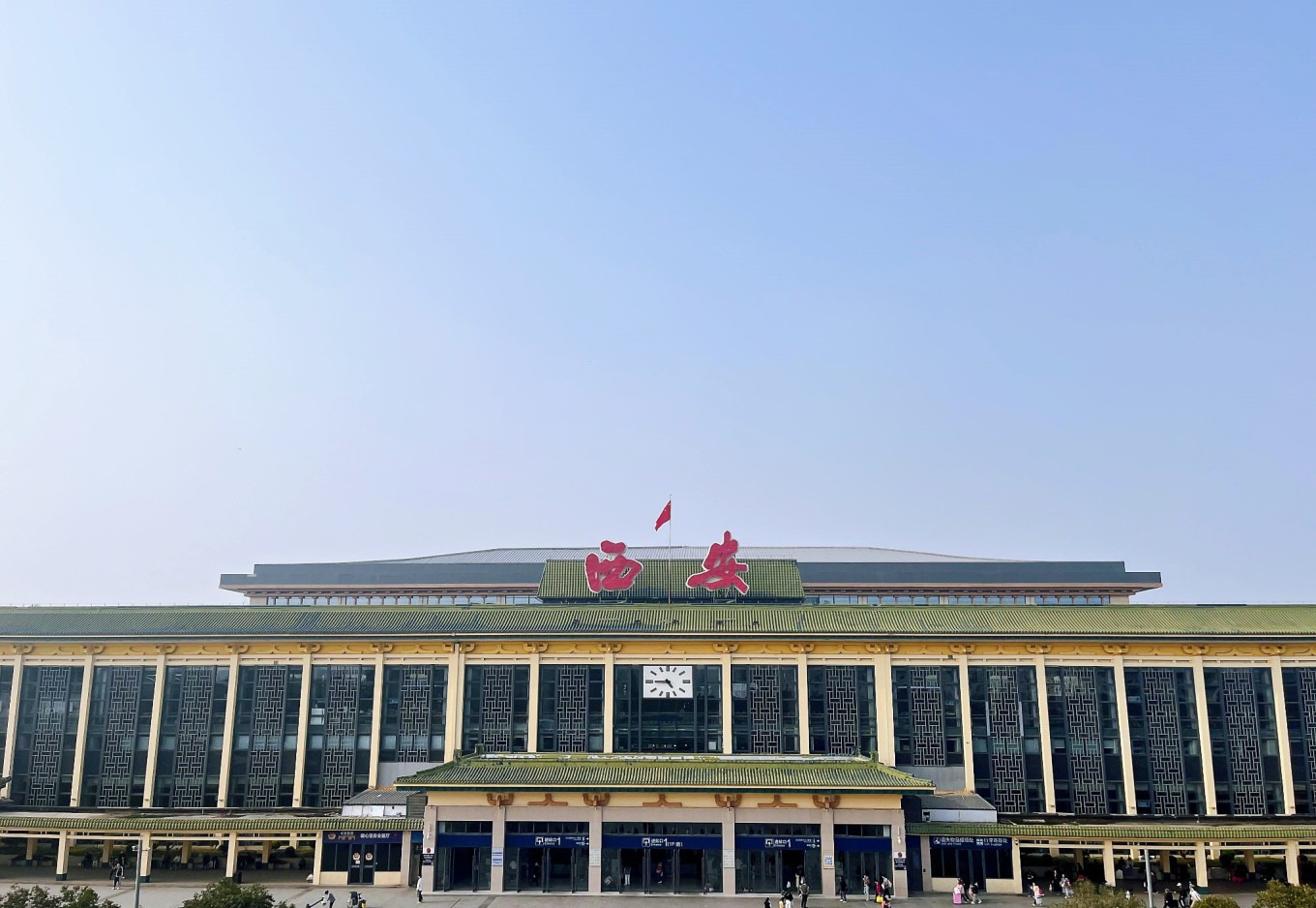
When you cycle to the north side, you’ll get a clear view of Xi’an Railway Station. The North Gate (安远门 / Anyuan Gate) is another major landmark.
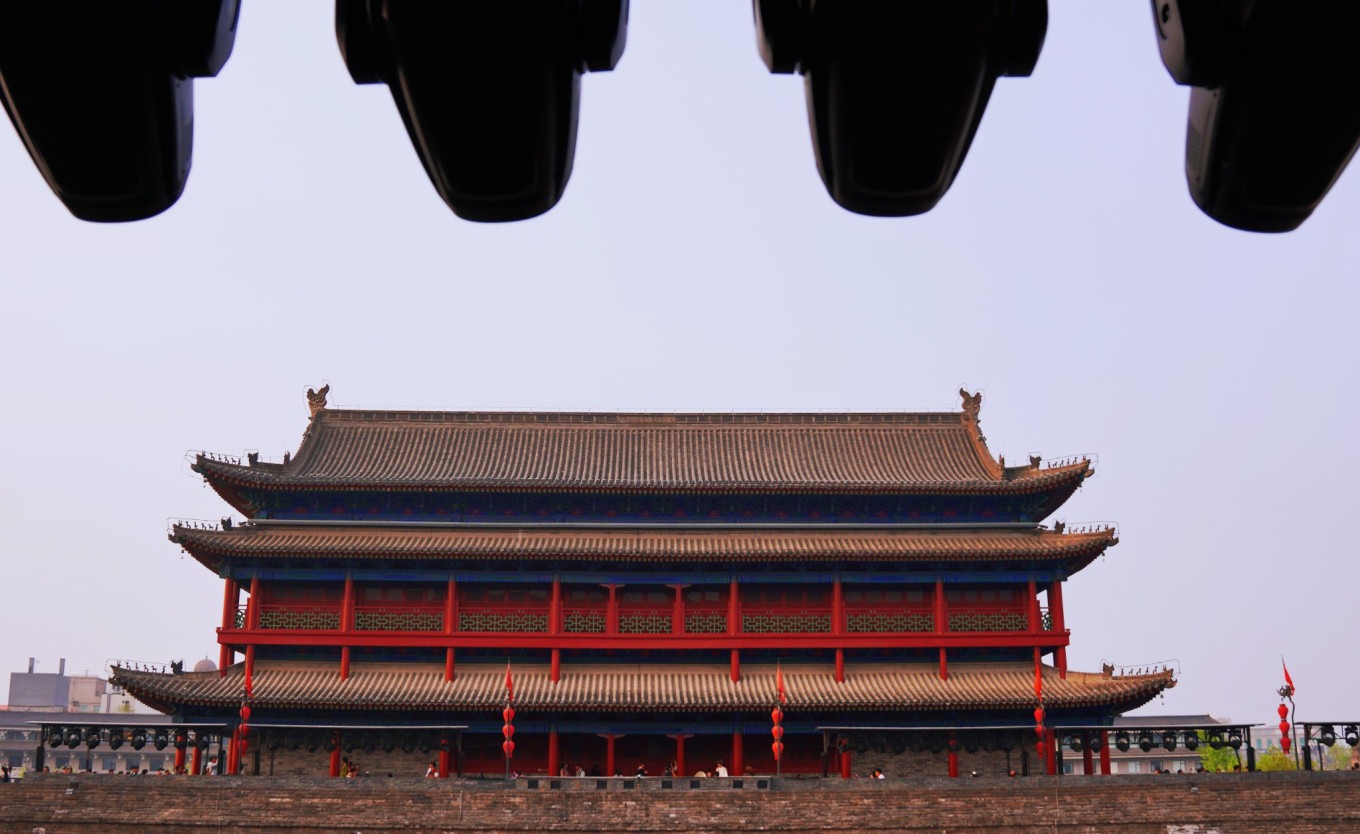
The wall also hosts various performances; check the schedule at the entrance for showtimes.
At the northwest corner of the wall, you’ll spot a Tibetan Buddhist temple called Guangren Temple (广仁寺 / Guangren Si), built during the Qing Dynasty. It is the only Gelug sect (Yellow Hat sect) Tibetan Buddhist monastery in Shaanxi Province.
Gao’s Grand Courtyard
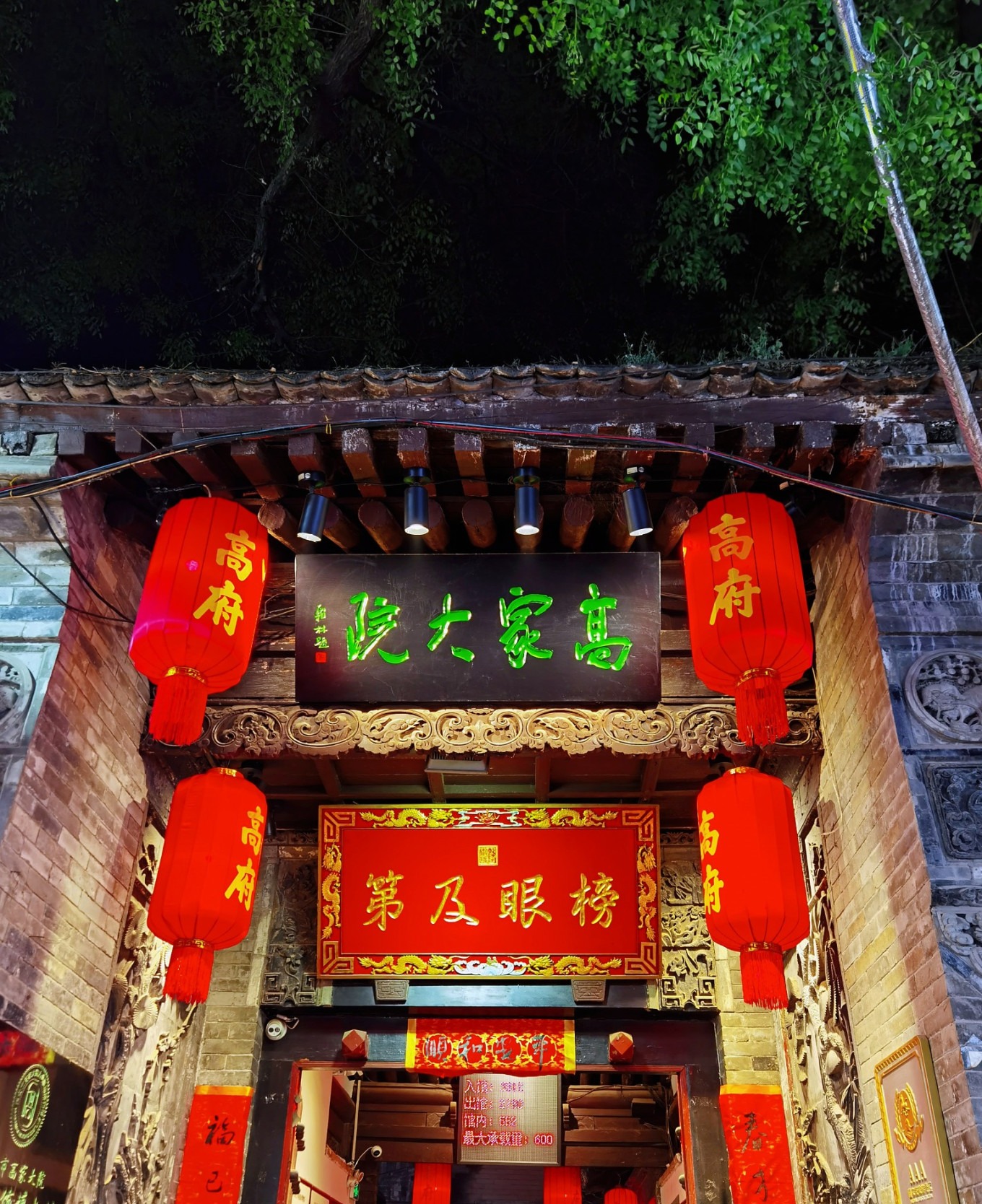
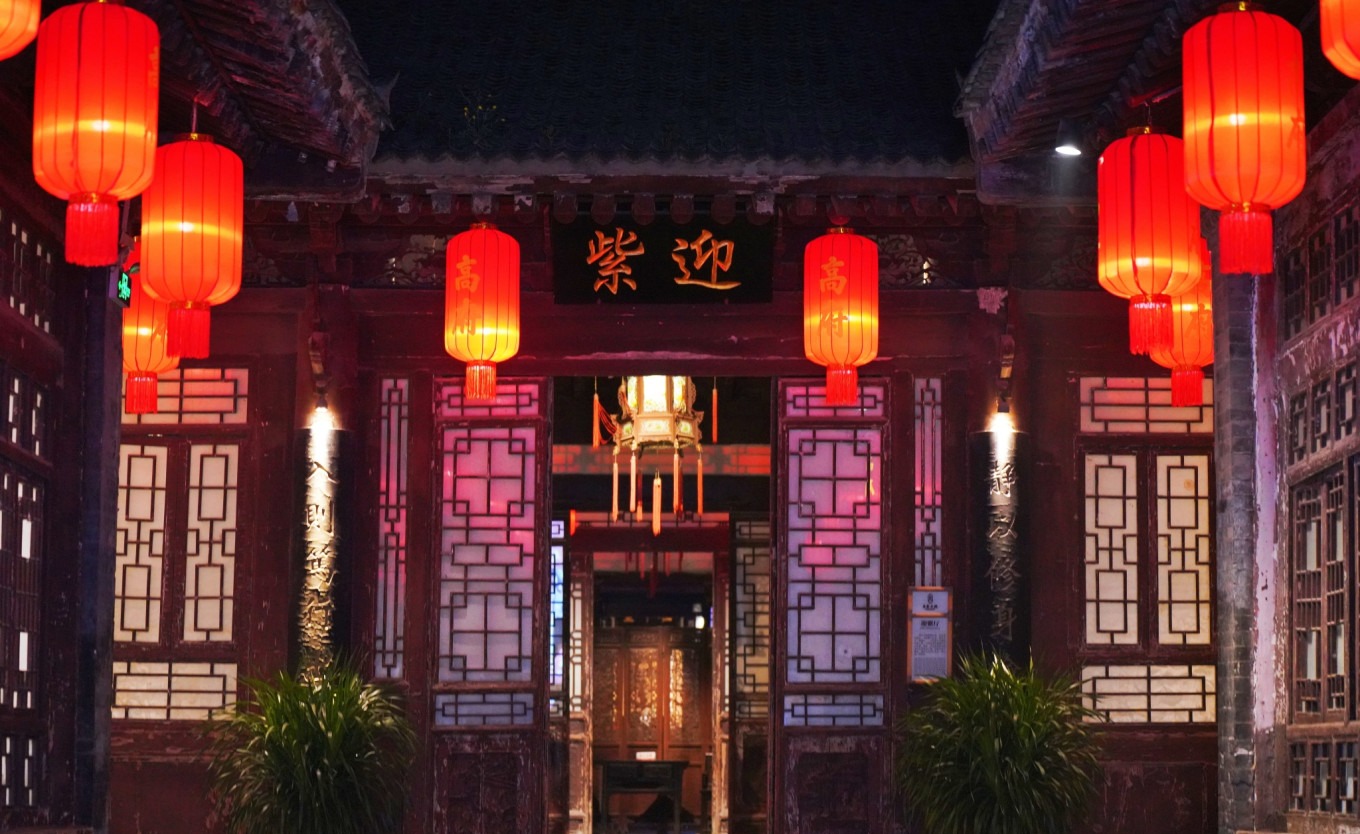
Tucked away on Huimin Street (回民街), Gao’s Grand Courtyard (高家大院) is the former residence of Gao Yuesong, a top-ranking scholar (bangyan) from the Qing dynasty. This historic courtyard offers a glimpse into traditional Chinese architecture and family life, making it a worthwhile stop for culture enthusiasts.
Beyond the architecture, the courtyard hosts live performances. You can catch the last show of the day featuring Huayin Old Tune (华阴老腔) and shadow puppetry (皮影戏), both recognized as intangible cultural heritage. It’s a fantastic way to immerse yourself in local folk arts.
Xi’an: A City of Spectacular Performances
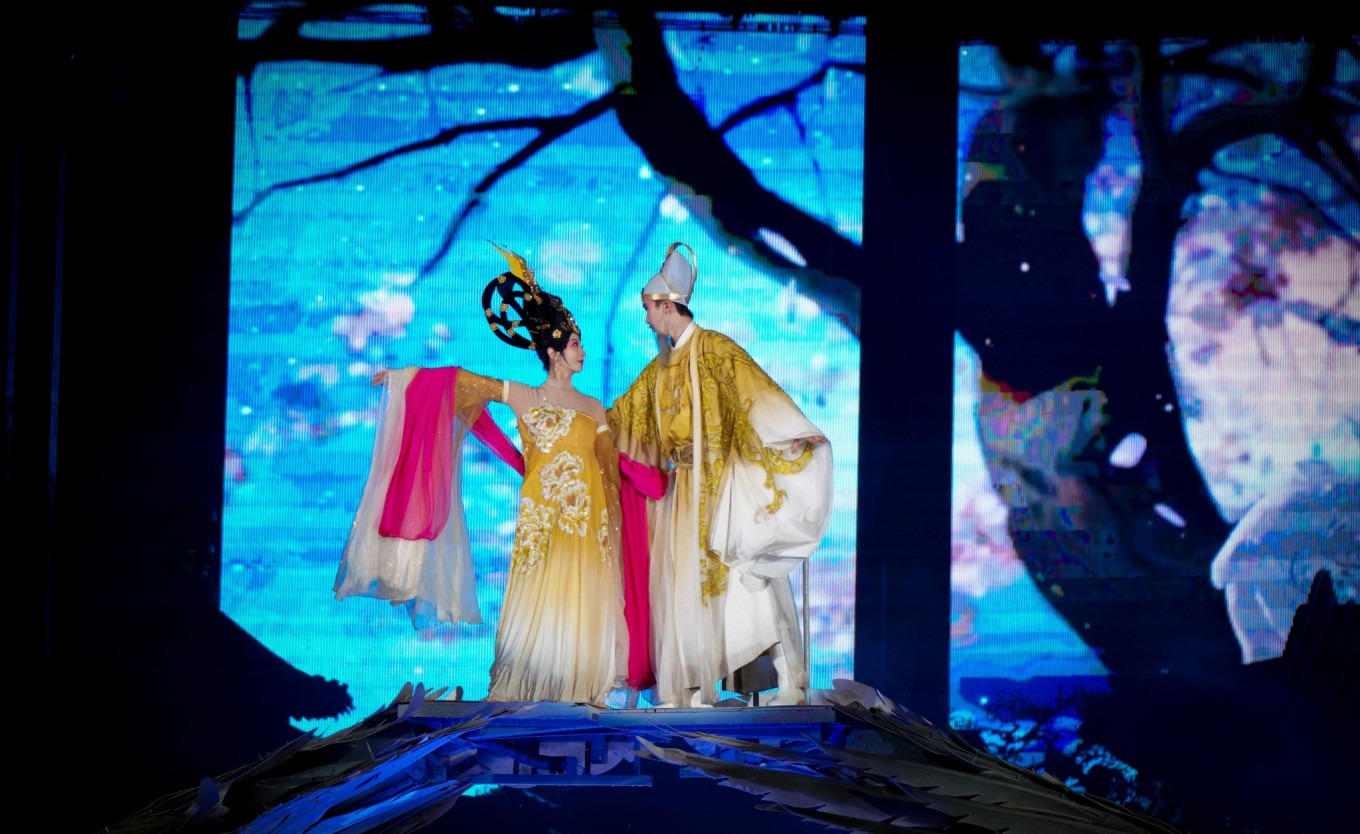
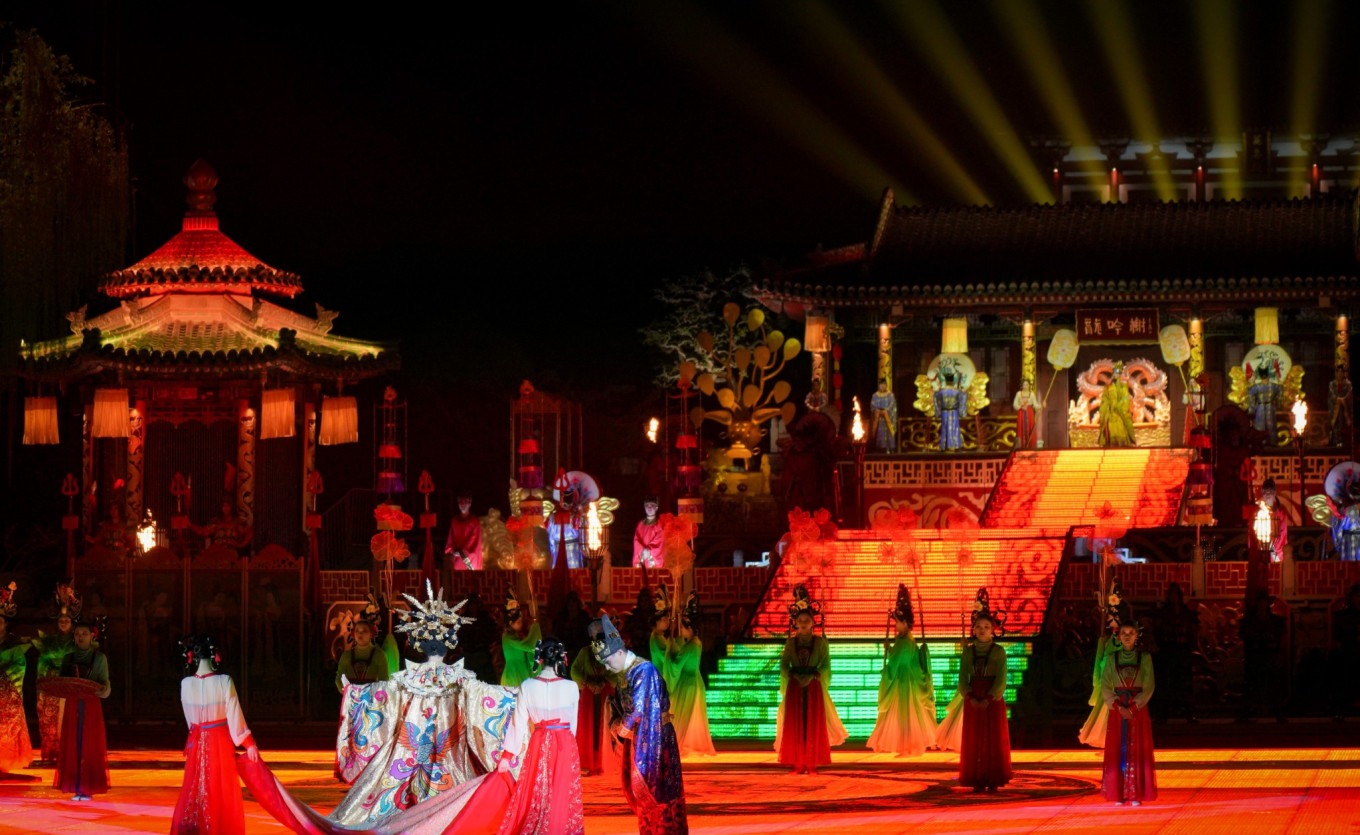
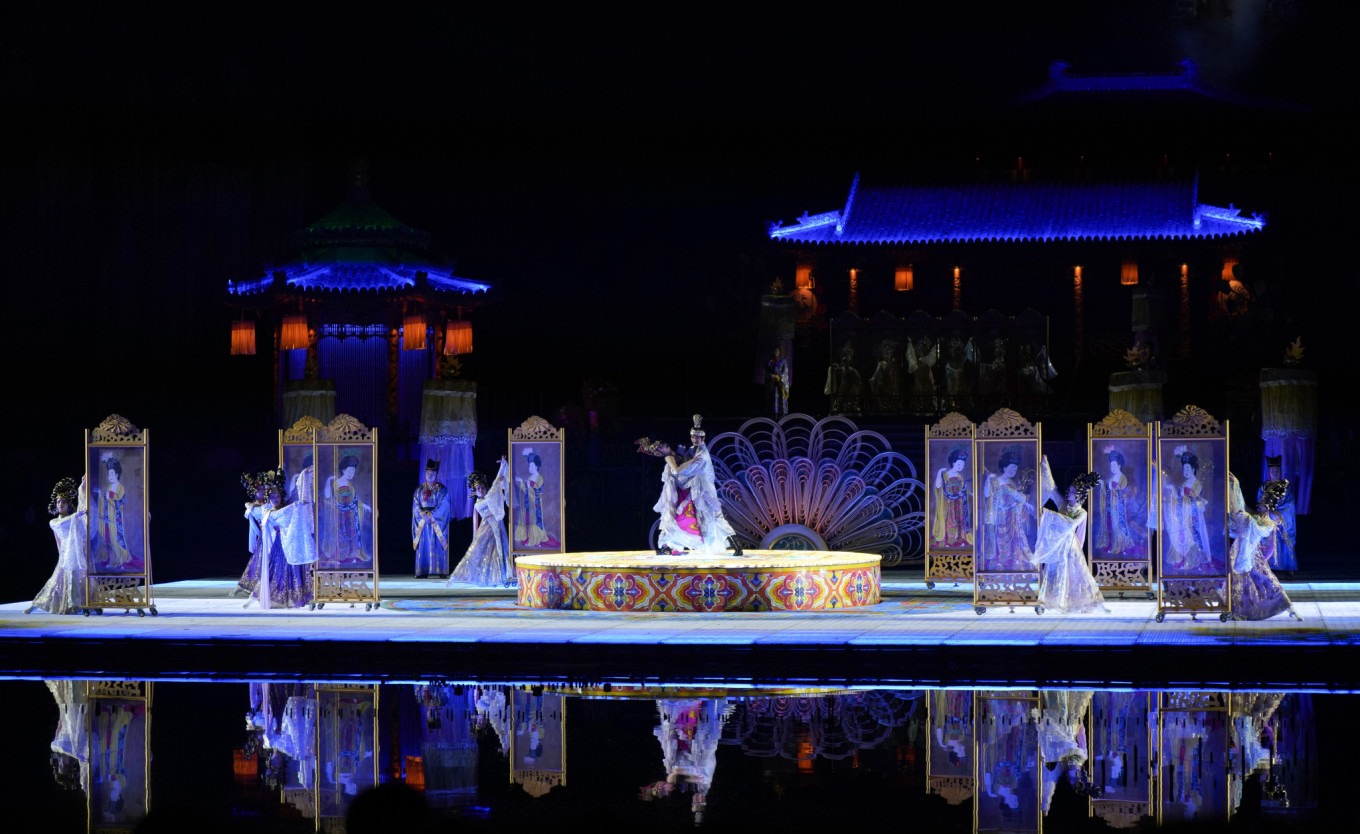
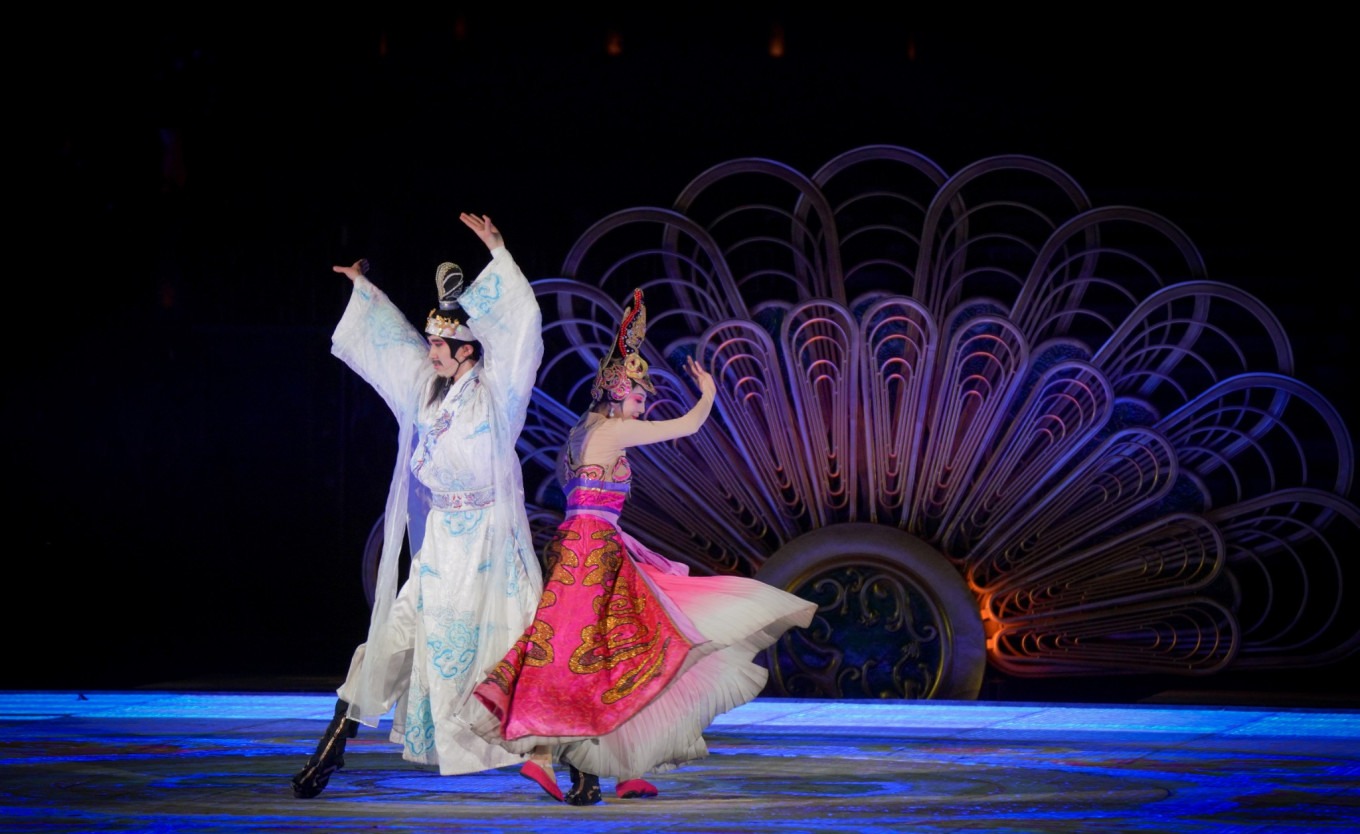
Xi’an is a city of performances, with a dazzling array of shows taking place every day. But if you have to choose just one, make it the timeless classic: *The Song of Everlasting Sorrow* (长恨歌 (local term)). This grand outdoor musical, staged against the backdrop of the real Huaqing Palace (华清宫) and the Li Mountain (骊山), brings to life the tragic love story of Emperor Xuanzong and Yang Yuhuan. The performance combines stunning choreography, elaborate costumes, and cutting-edge lighting to create an unforgettable spectacle. It’s widely considered the must-see show in Xi’an, and for good reason.
To make the most of your experience, book your tickets in advance—especially during peak seasons, as seats sell out quickly. The show runs nightly, typically with two performances (first show around 19:30, second around 21:00). Arrive early to explore the Huaqing Palace grounds by day, then settle in for the evening performance. For the best views, opt for the central seats in the middle rows; avoid the far sides or the very front, where you might miss some of the wide-angle scenes. Bring a light jacket, as evenings near the mountain can be cool even in summer.
The Song of Everlasting Sorrow
For a truly unforgettable evening in Xi’an, don’t miss the outdoor performance “The Song of Everlasting Sorrow” (长恨歌 (local term)), staged against the backdrop of Lishan Mountain. Based on Bai Juyi’s classic poem, this 70-minute spectacle uses dazzling lights, sound effects, and large-scale choreography to recreate the grandeur of the Tang Dynasty and the poignant love story of Emperor Xuanzong and Yang Yuhuan. The show begins as dusk falls, with the entire mountain sparkling like a starry sky. You’ll feel the heat of real fire during the An Lushan Rebellion scene and see cascading water symbolizing the emperor’s tears. It’s a breathtaking experience from start to finish.
Practical tip: You can prioritize one signature stop around the area, and you should adjust timing and budget based on transport and peak hours.
Xi’an Expo Park
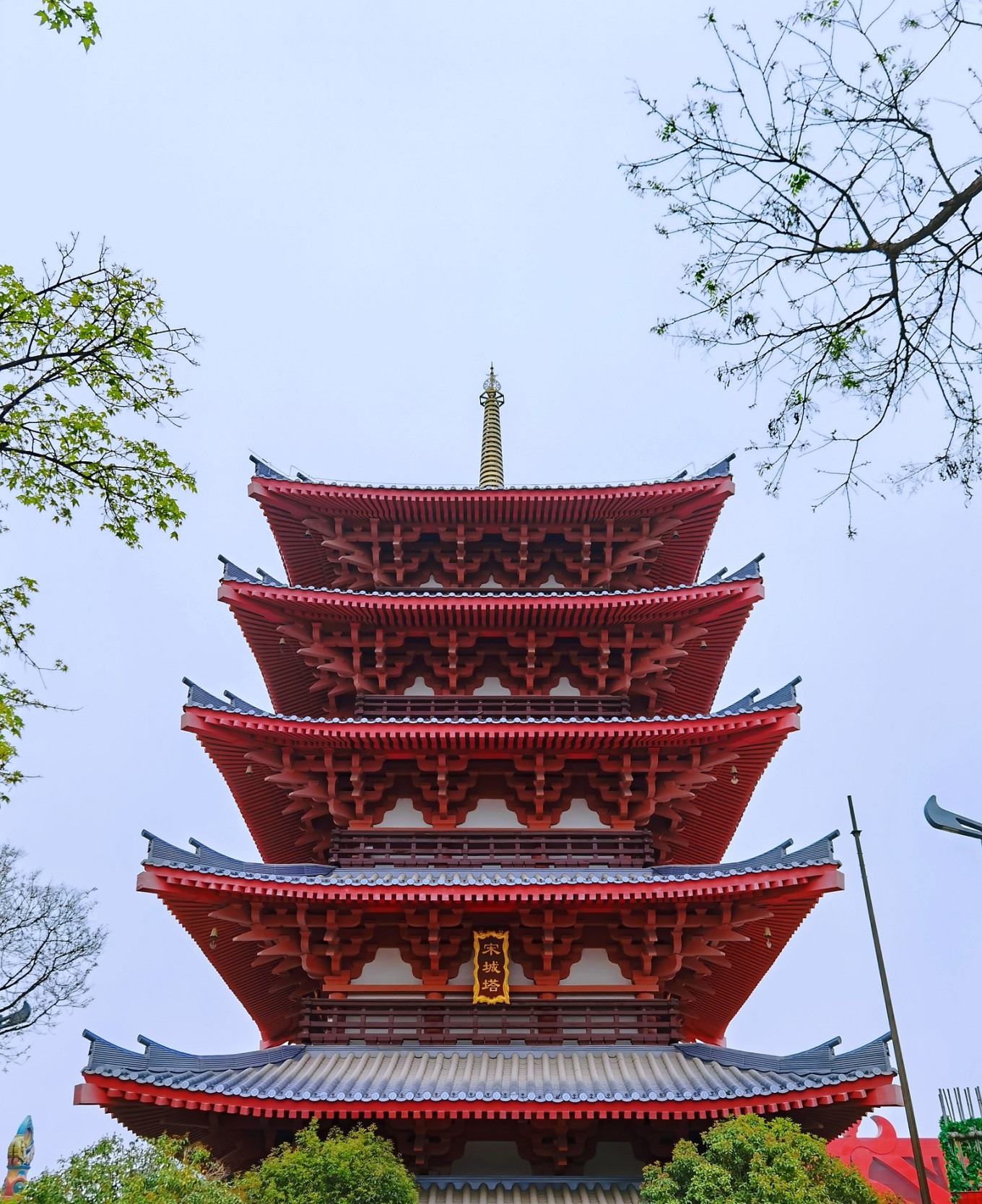
Xi’an Expo Park (西安世博园) is included here because it shares the same site as the Songcheng Romance Show (千古情). After getting off the metro, you’ll need to walk through the park to reach the theater.
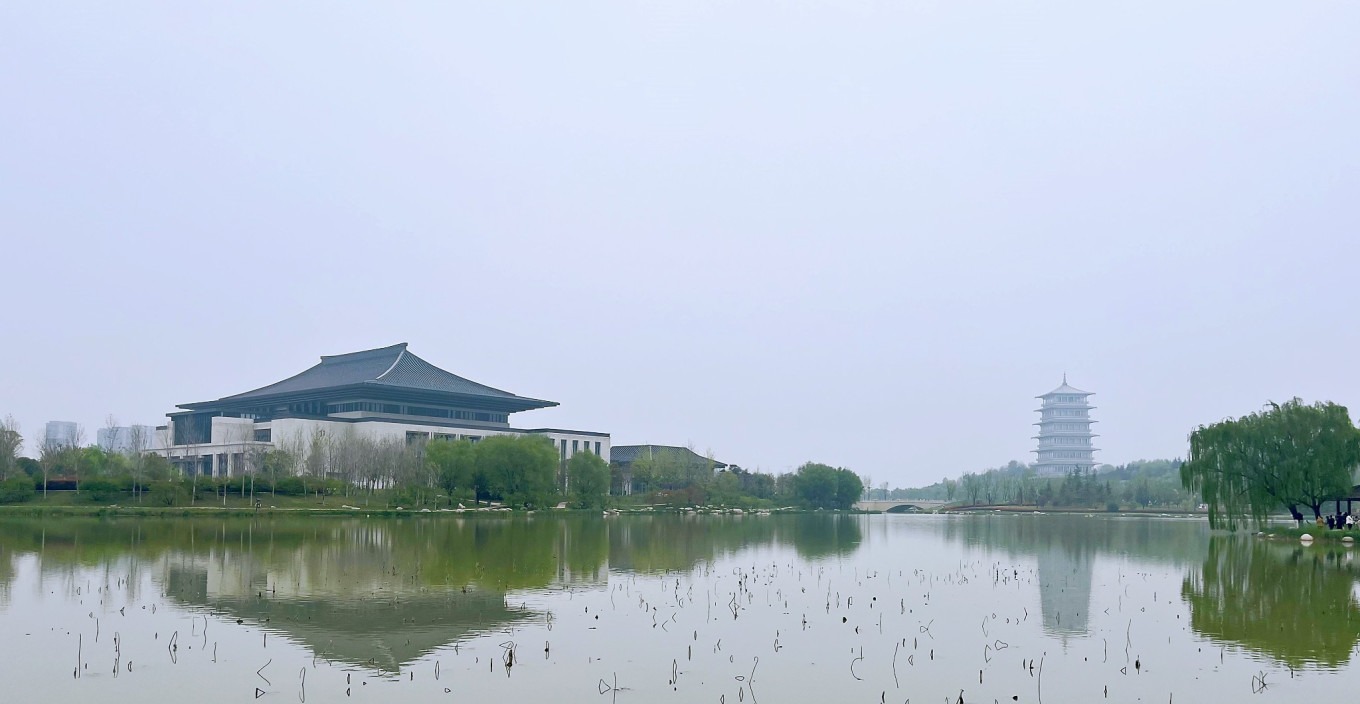
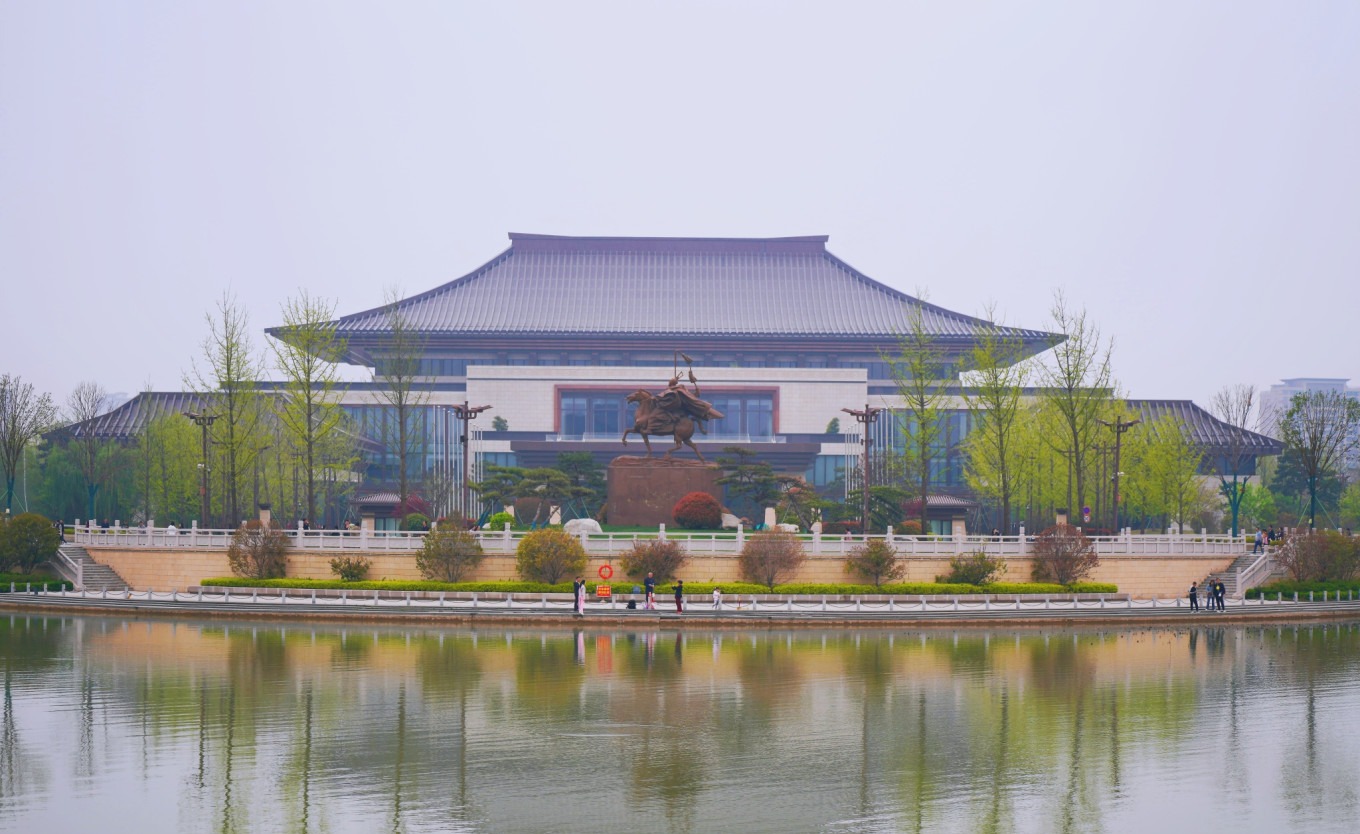
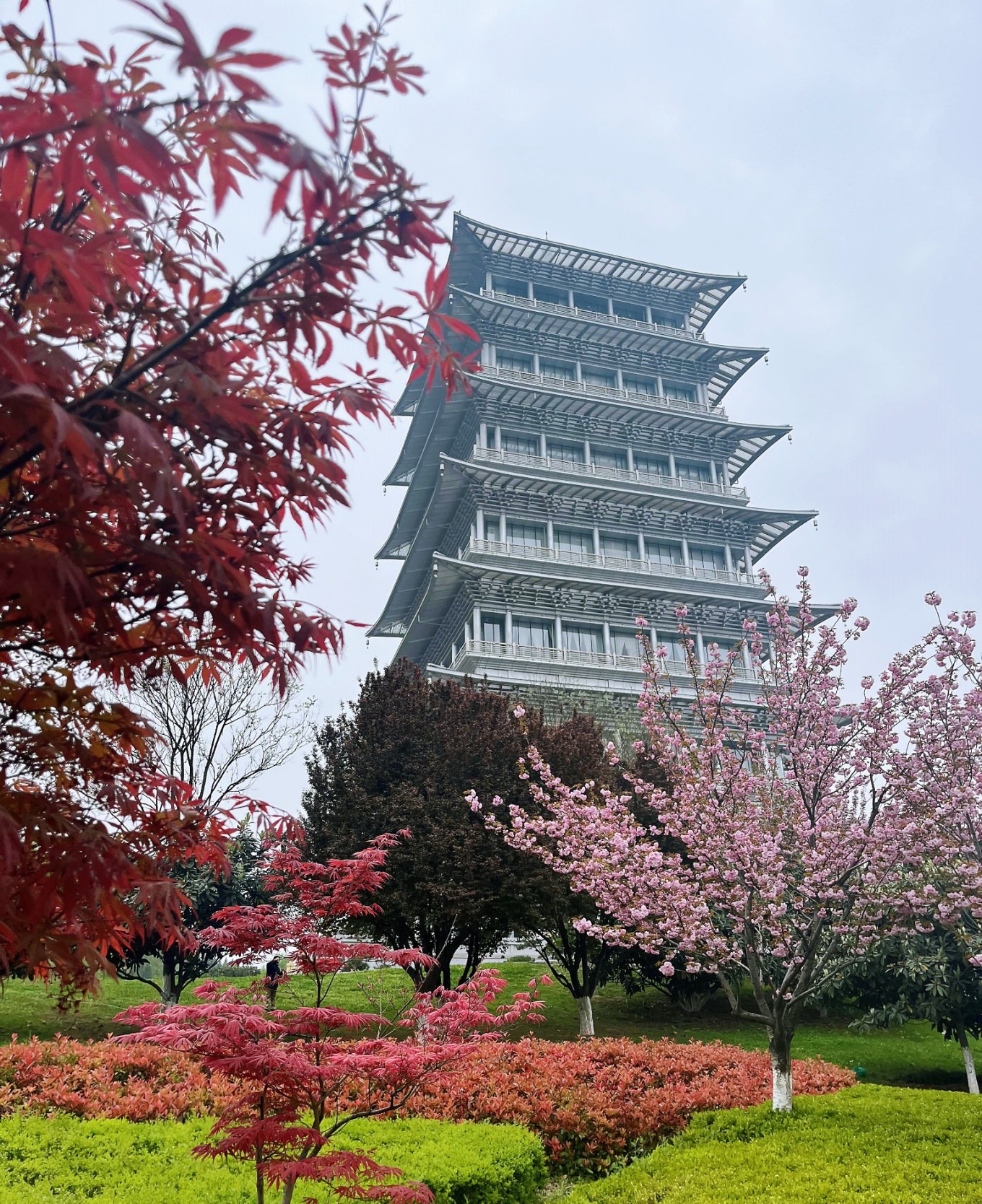
The park is home to the Chang’an Pagoda (长安塔), which is surrounded by blooming flowers — a perfect photo spot.
Practical tip: You can prioritize one signature stop around the area, and you should adjust timing and budget based on transport and peak hours.
Xi’an Eternal Love Show
Xi’an Eternal Love (西安千古情) is a spectacular performance produced by Songcheng Group. The show follows a young overseas Chinese girl returning to her roots, unfolding across four acts that bring to life the history of Xi’an through the prehistoric, Zhou, Qin, Han, and Tang dynasties. It’s an immersive journey through time that no first-time visitor should miss.
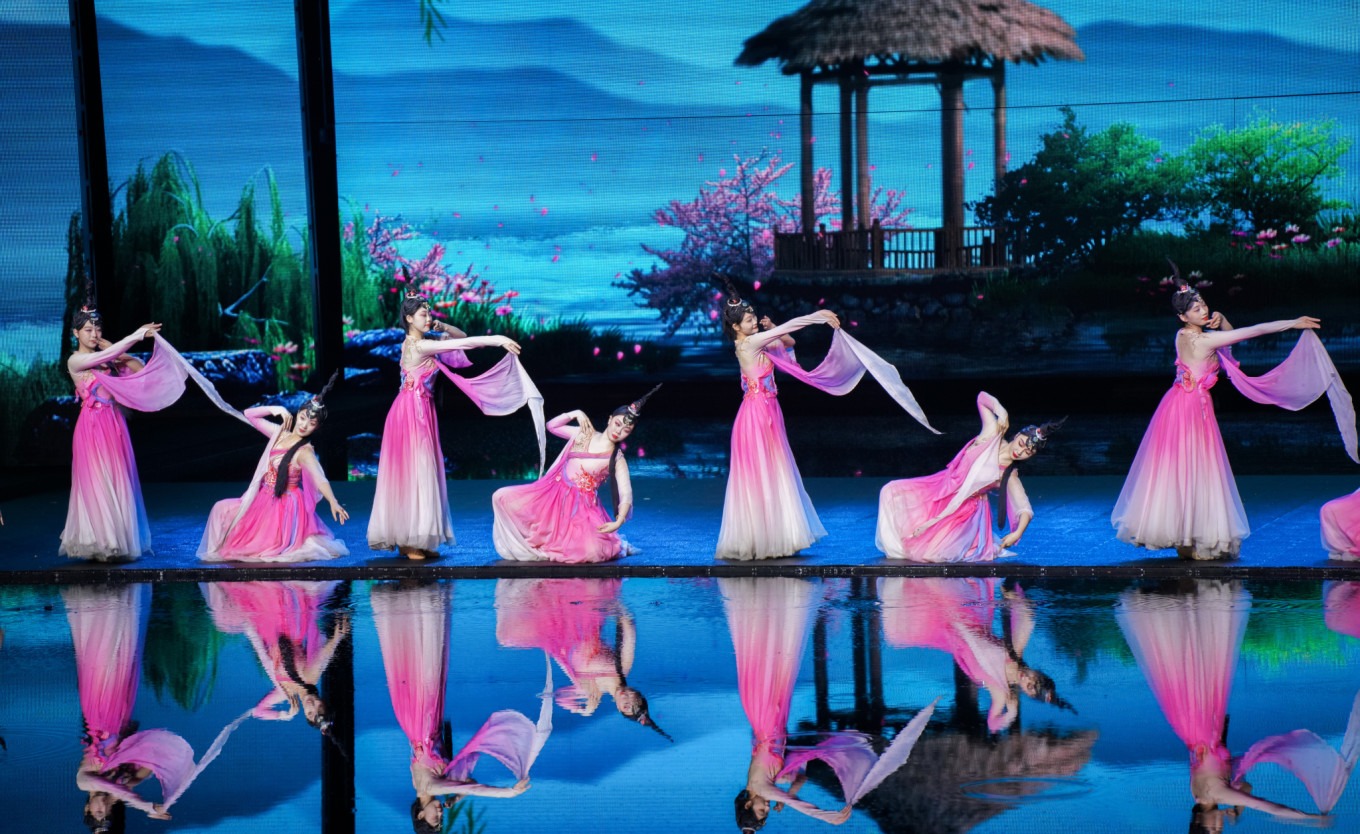
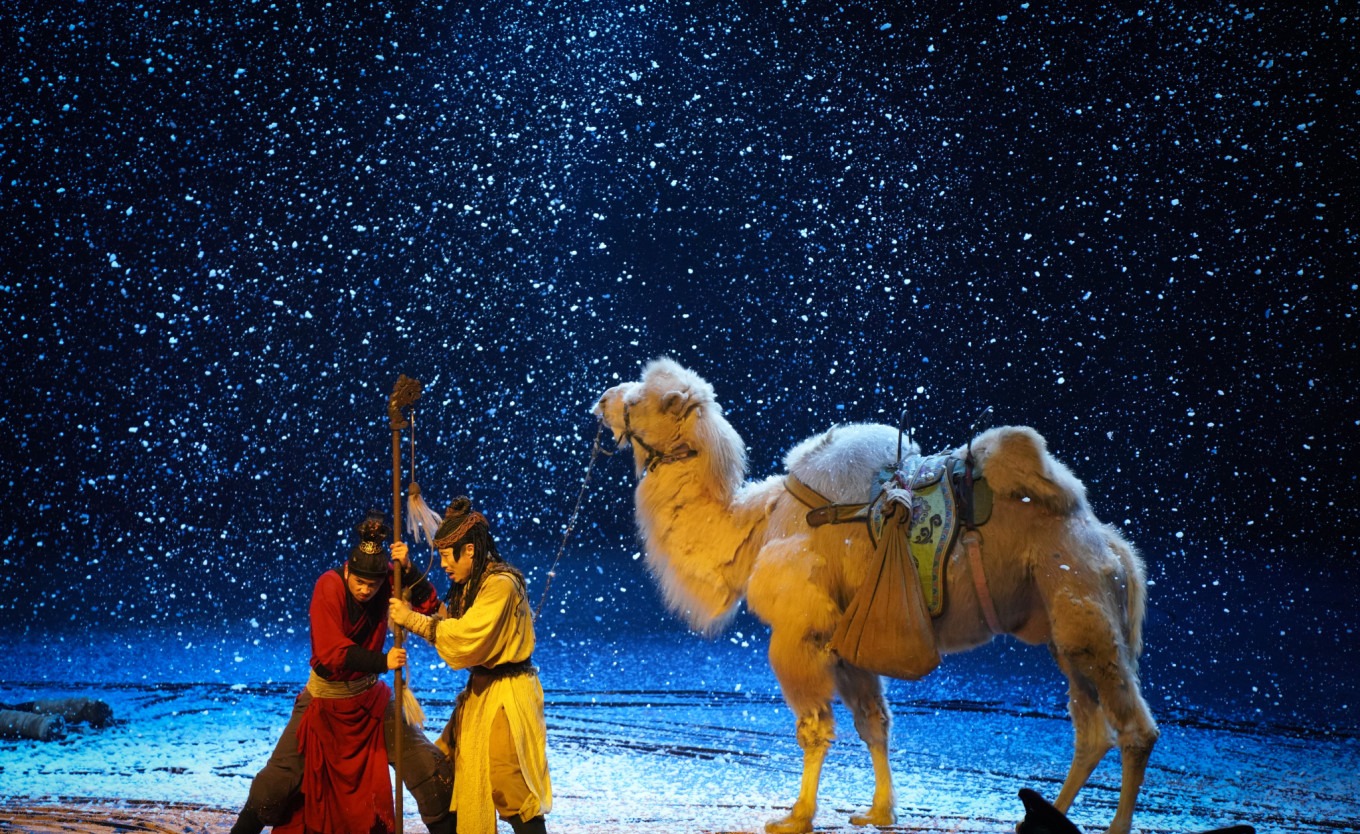
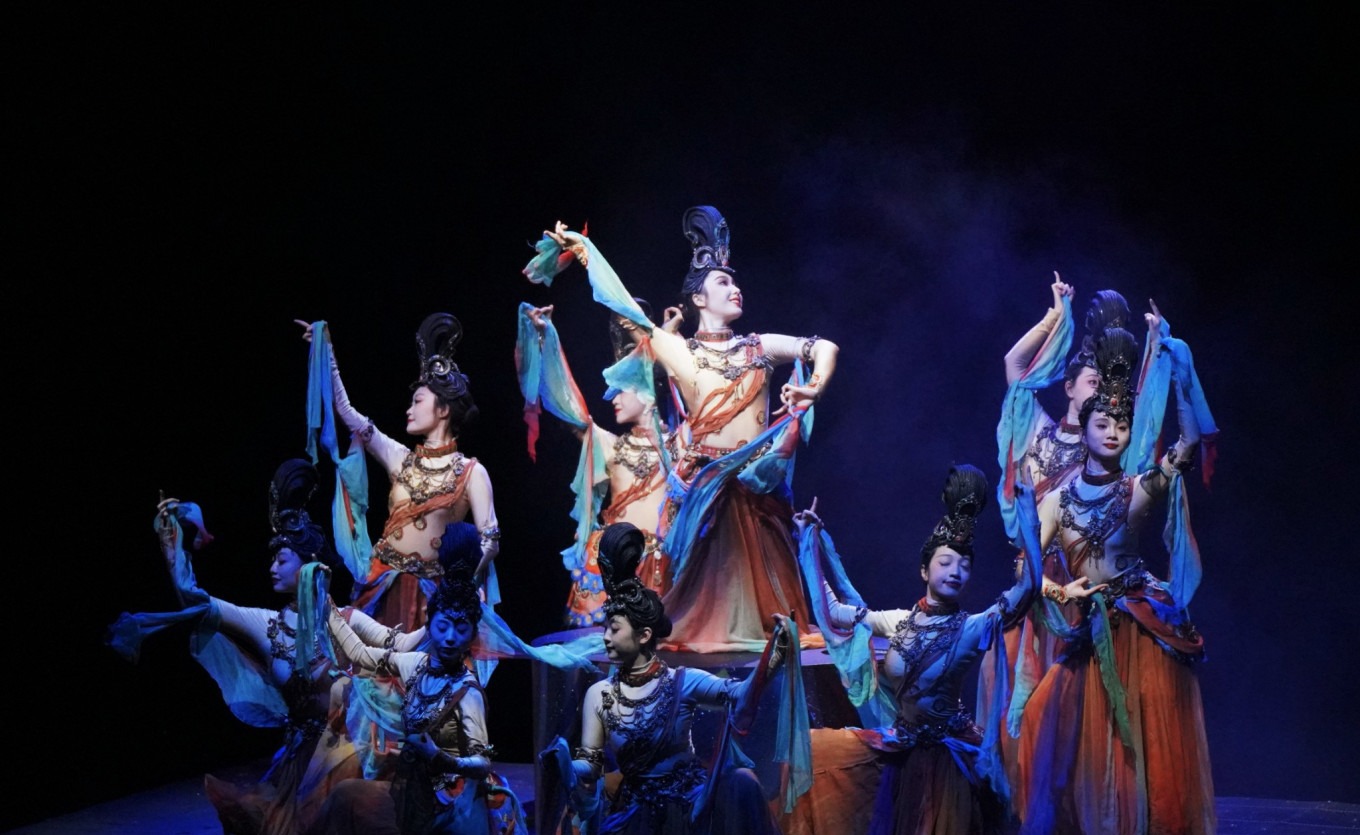
Beyond the main show, the theme park offers a variety of attractions: the Weird Street (怪街), Yan’an Battle (延安保卫战) simulation, a haunted house, a virtual roller coaster, and a light-and-shadow show. For the latest schedule and ticket details, check the official Songcheng Tourism website.
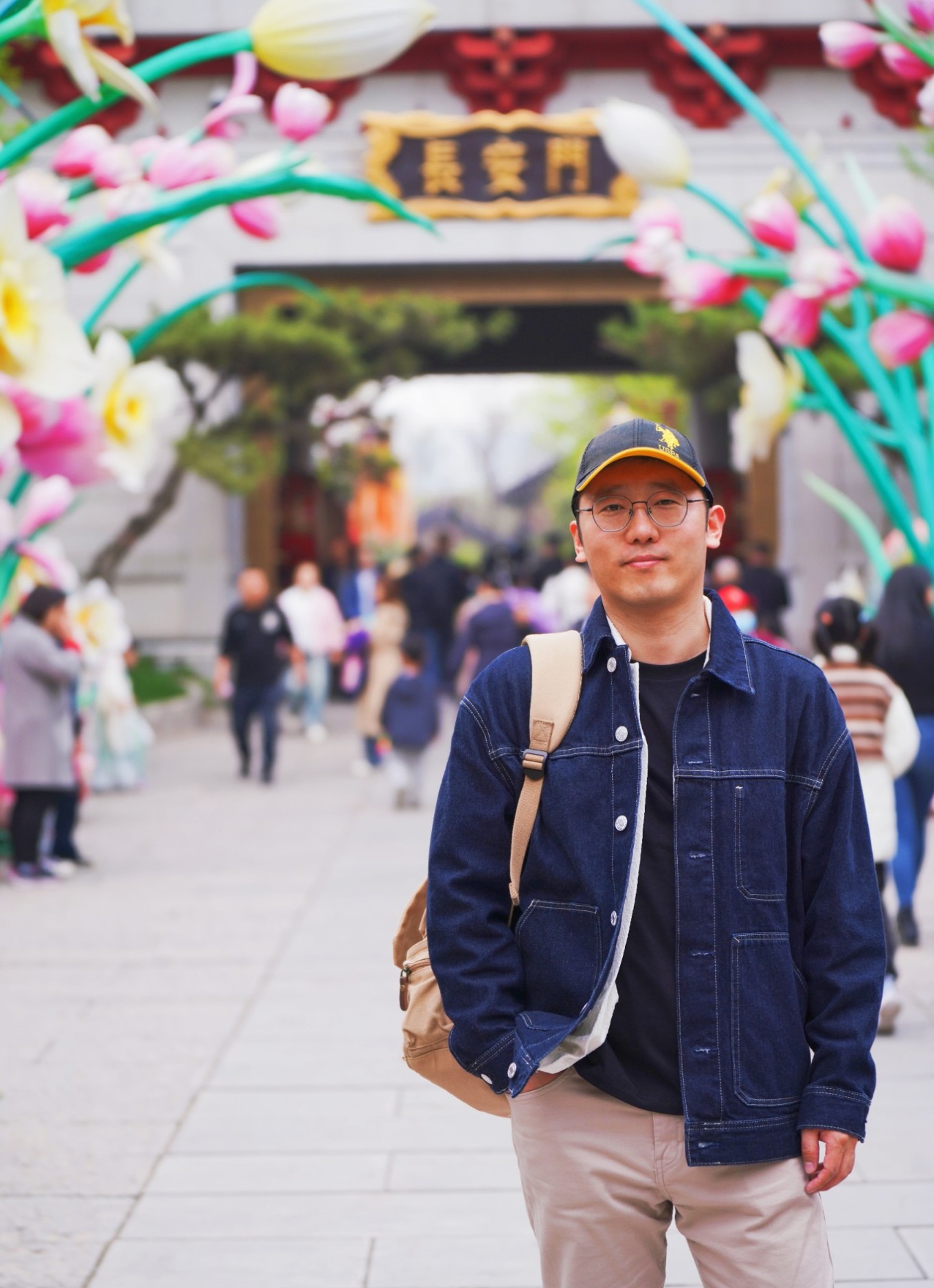
Practical tip: You can prioritize one signature stop around the area, and you should adjust timing and budget based on transport and peak hours.
Exploring Museums: A Journey Through Millennia
Xi’an, often called a ‘living history museum,’ is home to countless cultural relics and ancient sites. Among its many museums, two stand out as must-visits: the Shaanxi History Museum (陕西历史博物馆) and the Xi’an Museum (西安博物院). The former is notoriously difficult to get into, so advance booking is essential.
At the Shaanxi History Museum, you can trace China’s dynastic history through a stunning collection of artifacts, from prehistoric pottery to Tang dynasty gold and silver. The Xi’an Museum, meanwhile, offers a more intimate look at the city’s past, with exhibits on local history and a peaceful garden setting.
Shaanxi History Museum
Tickets for the Shaanxi History Museum (陕西历史博物馆) are notoriously difficult to secure—plan ahead and be prepared to try for several days. The museum houses seven exhibition halls: Halls 1–3 cover prehistoric times through the Qin, Han, and Tang dynasties; Hall 4 is the Treasure Hall (珍宝馆), home to the Hejiacun Tang Dynasty Treasures (何家村大唐遗宝); Hall 5 currently hosts a special exhibition on the Korean War relics; Hall 6 is closed; and Hall 7 features a Silk Road (丝绸之路) exhibition. There is also a separate Tang Dynasty Mural Hall (唐代壁画厅).
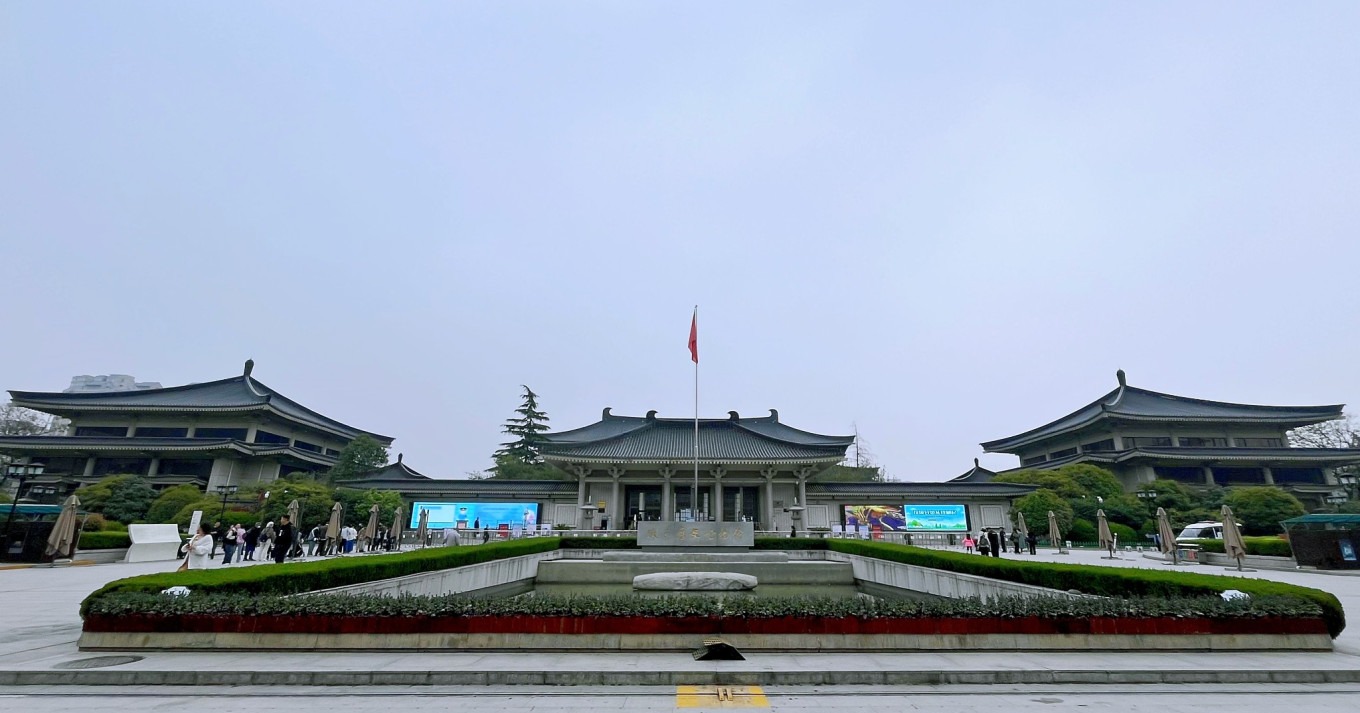
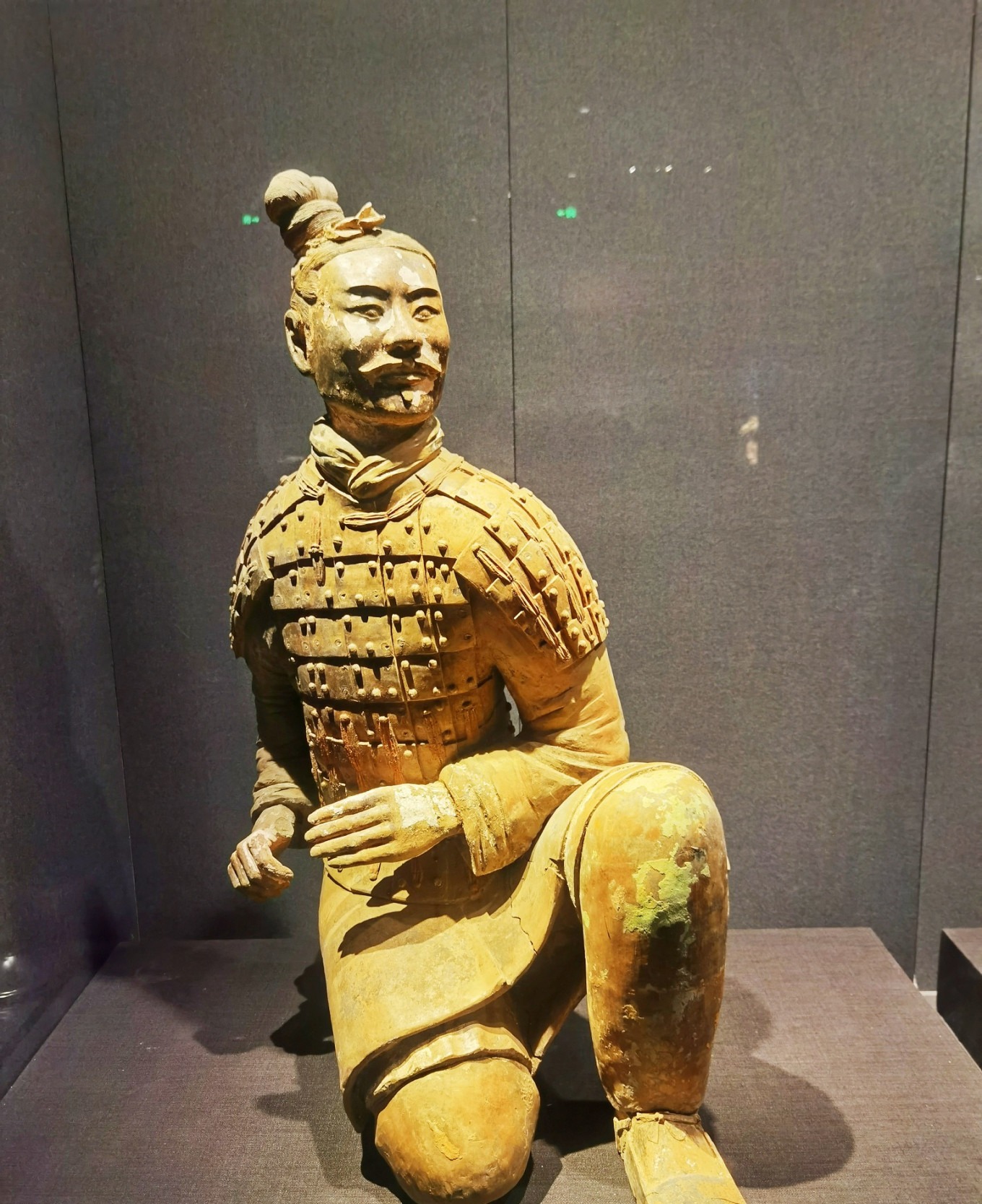
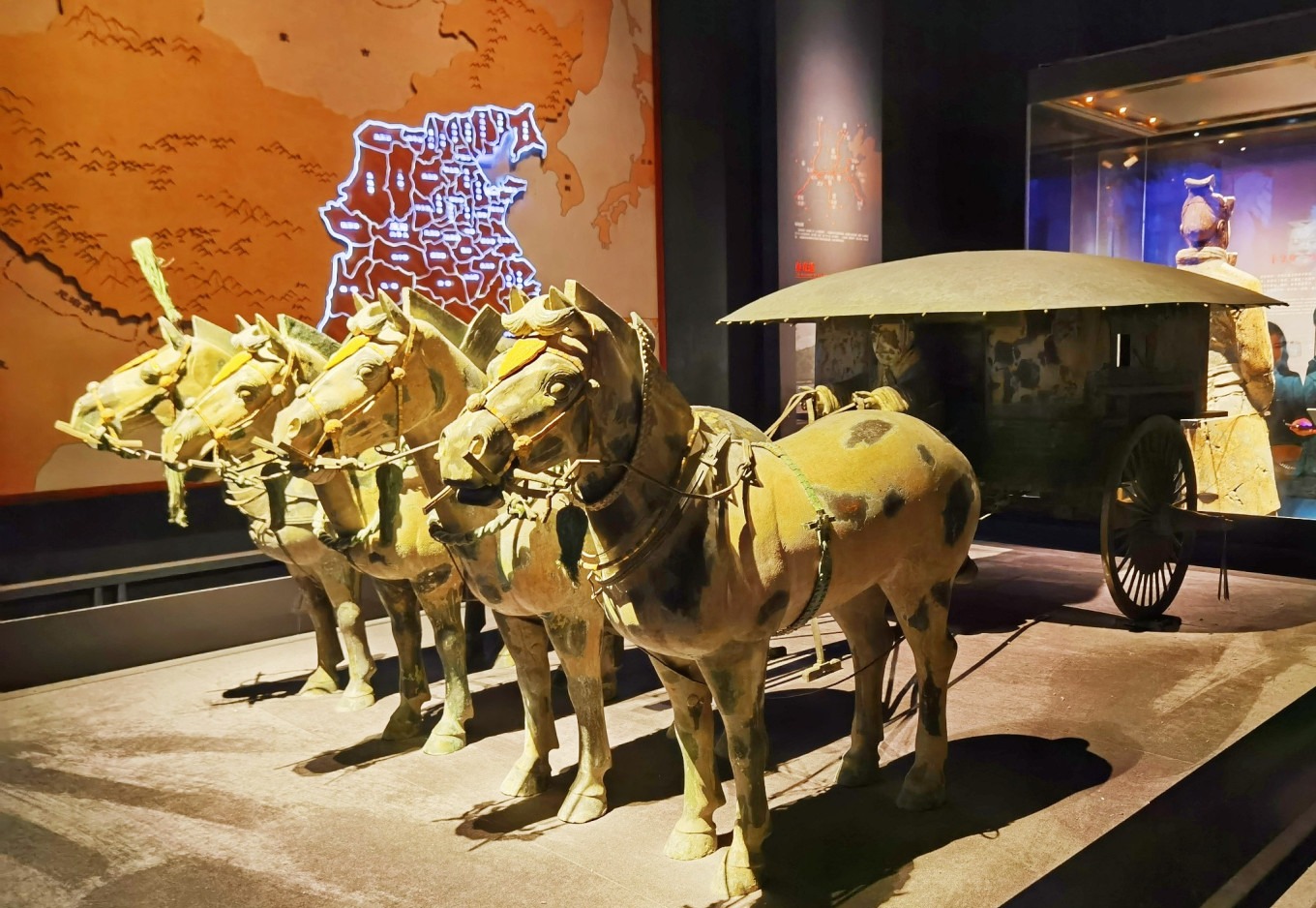
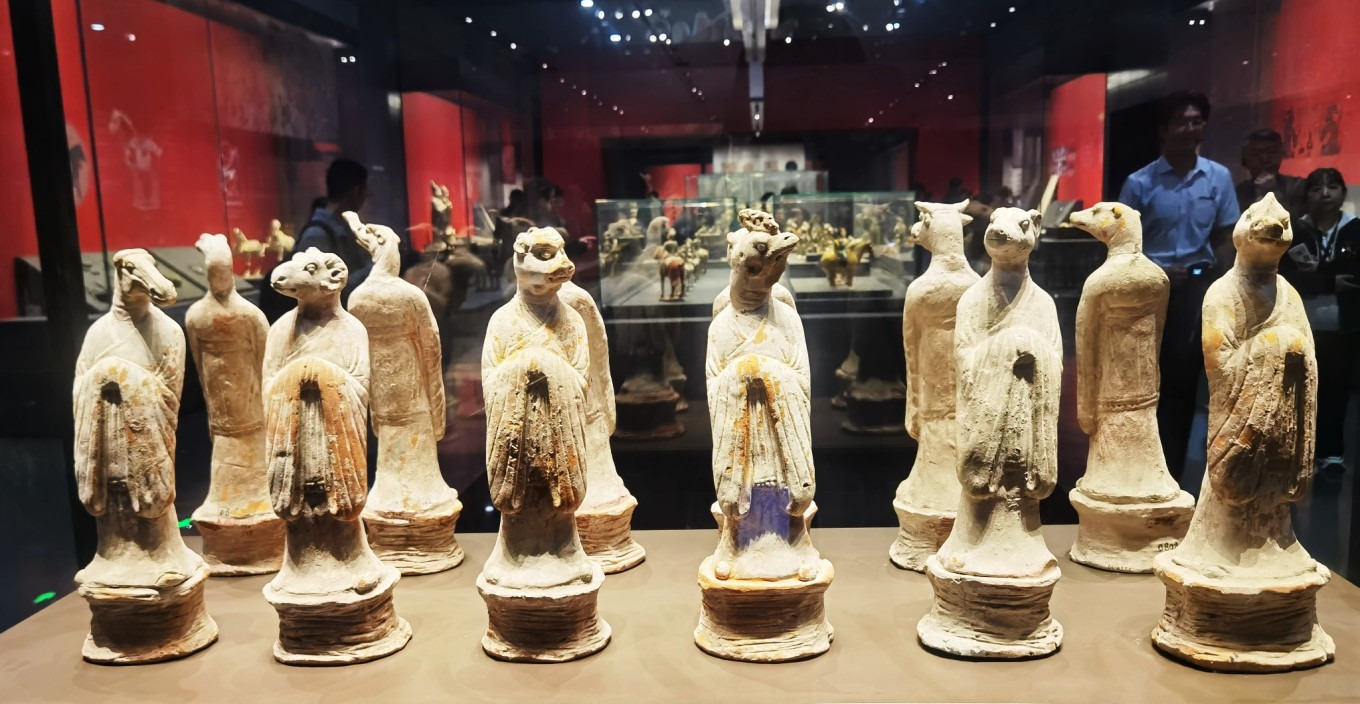
Among the highlights, you’ll see a replica of the kneeling archer (跪射俑) from the Terracotta Army, the bronze chariots and horses (秦铜车马) from the Mausoleum of Qin Shihuang, the twelve zodiac animal heads (十二兽首), a Tang tri-colored glazed pottery camel with musicians (唐三彩载乐骆驼俑), a Ming dynasty painted pottery figurine procession (明彩绘仪仗俑群), and a model of the Zhongshan Grotto Temple (子长钟山石窟).
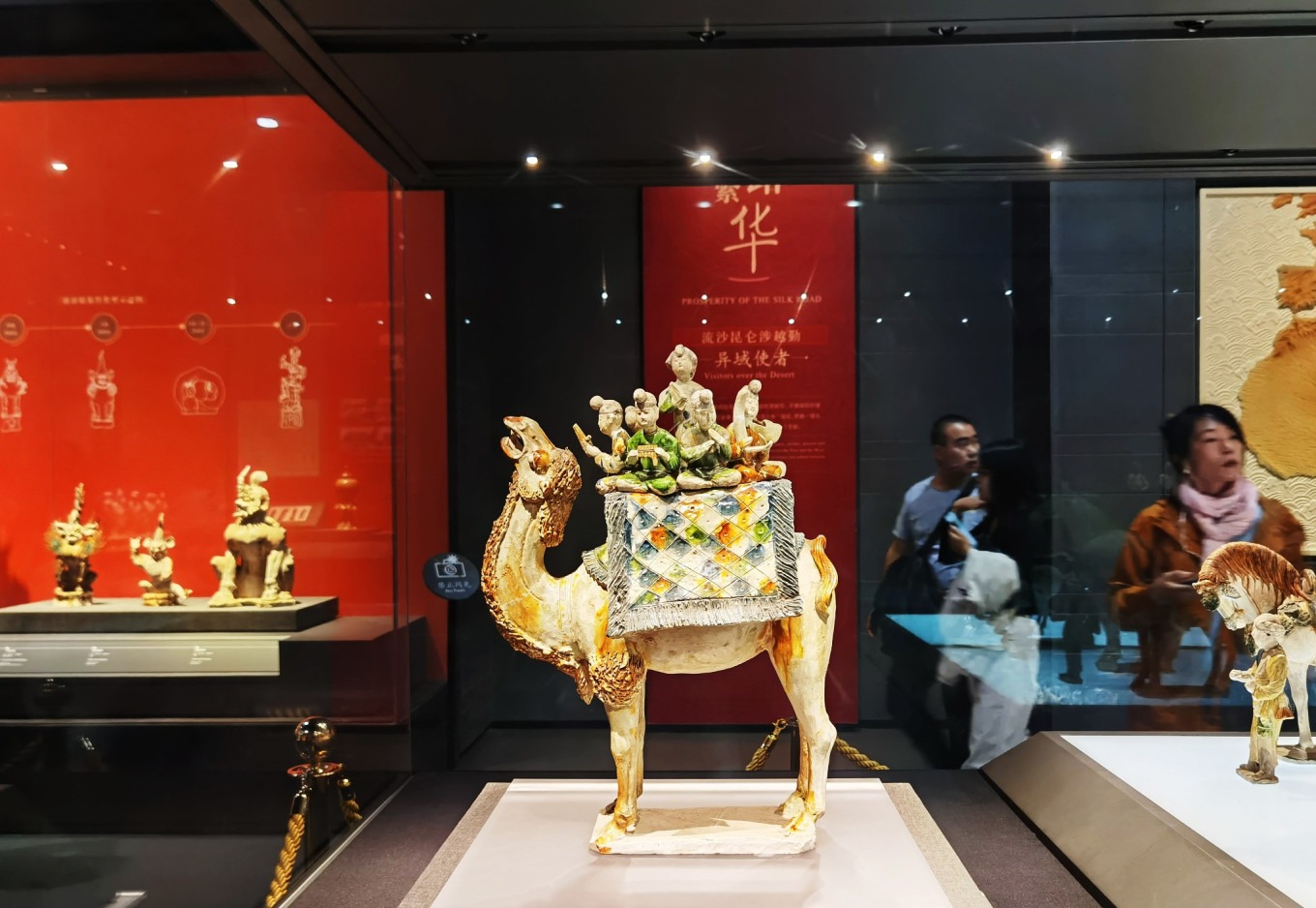
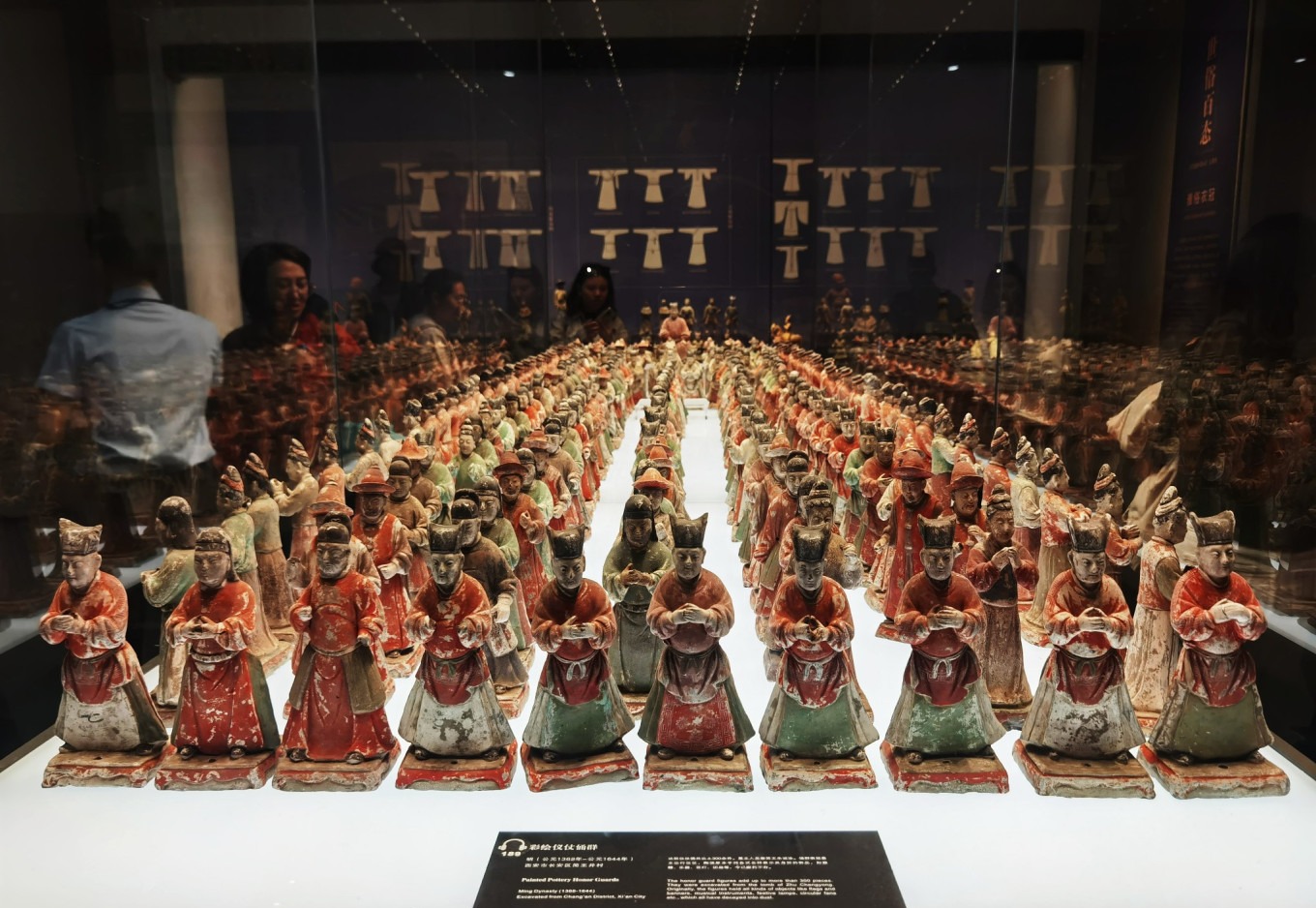
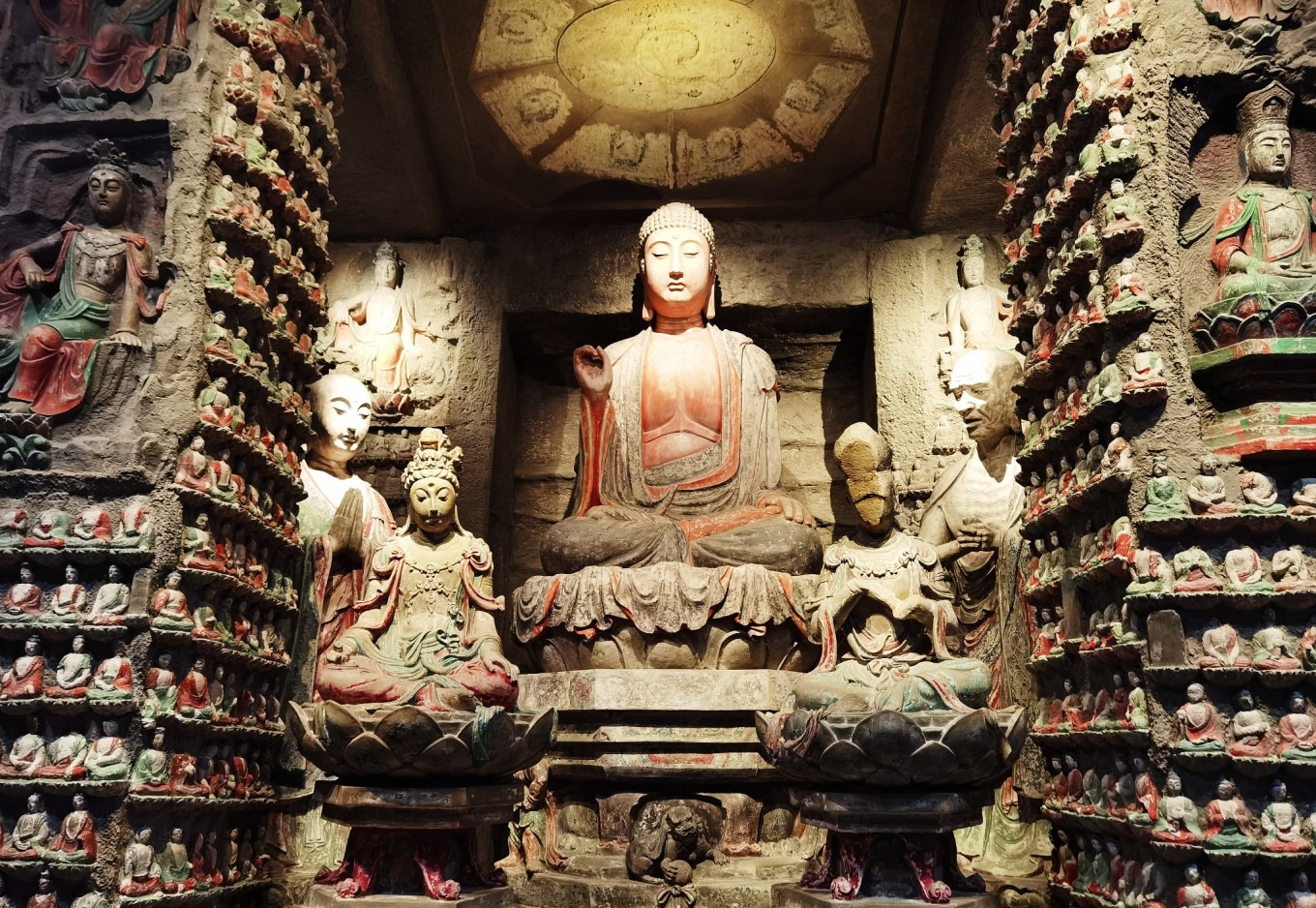
The Treasure Hall (珍宝馆) contains the most precious artifacts. A practical tip: exhibits with dim lighting are usually genuine pieces. Here are some of the treasures you can expect to see.
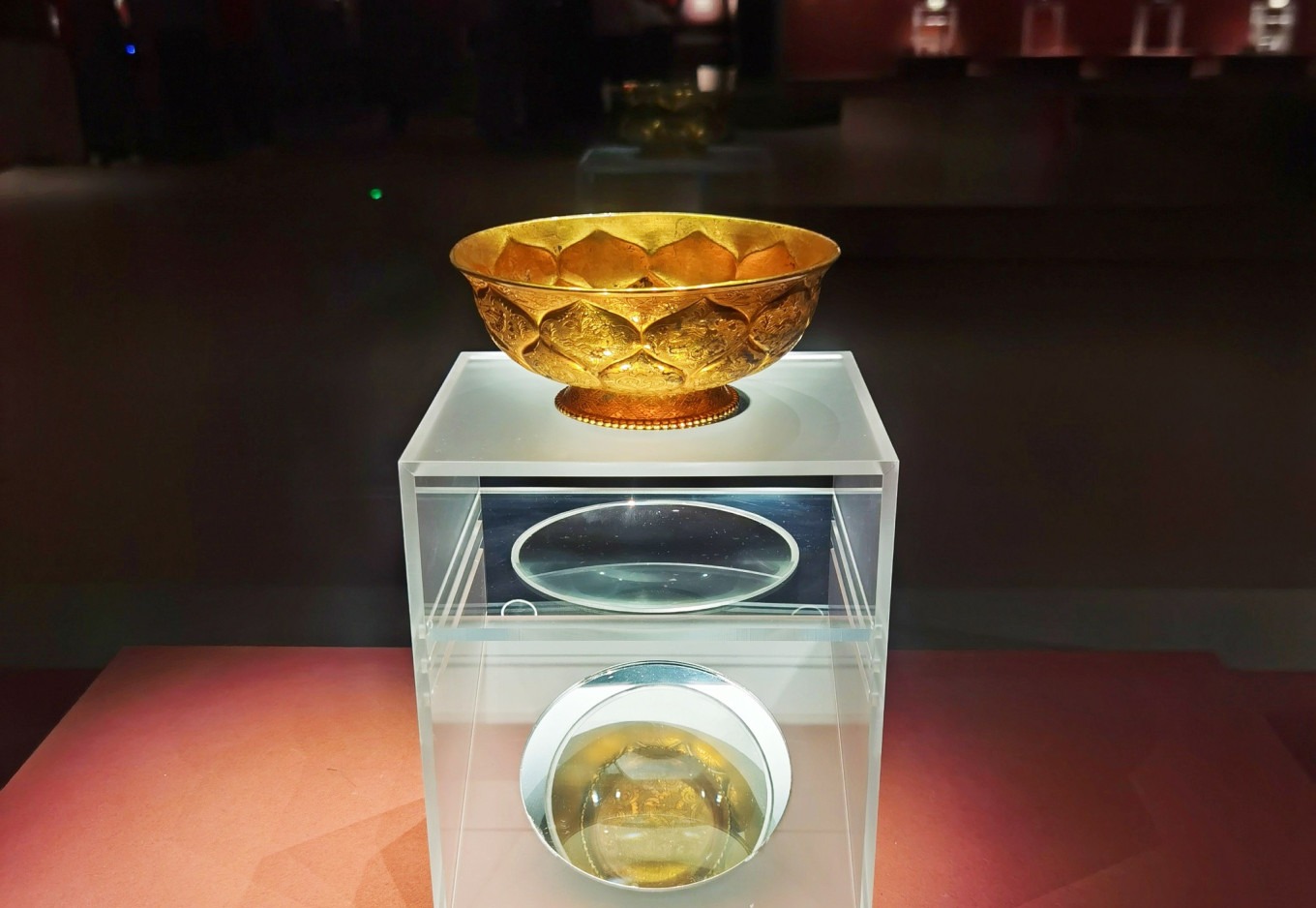
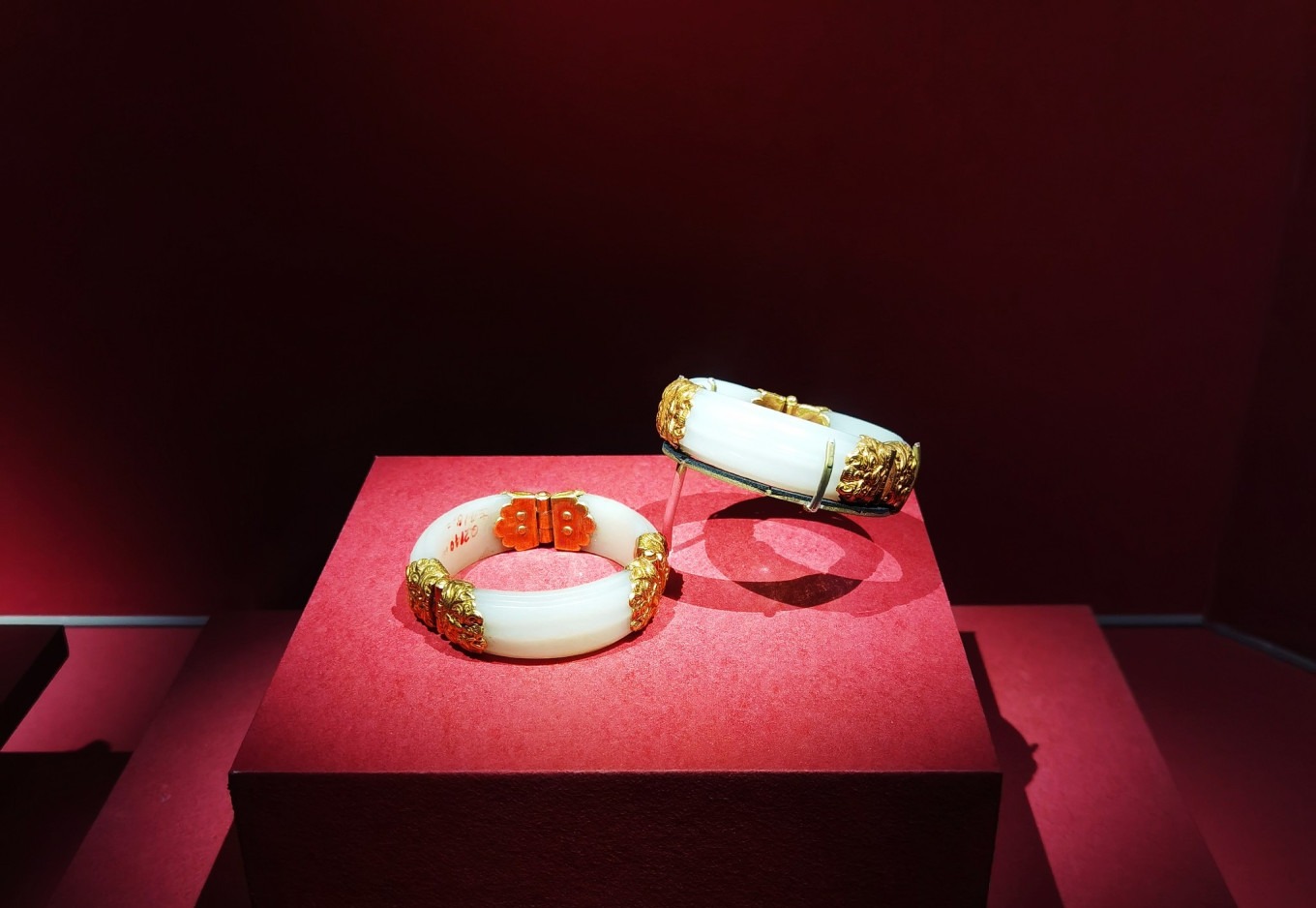
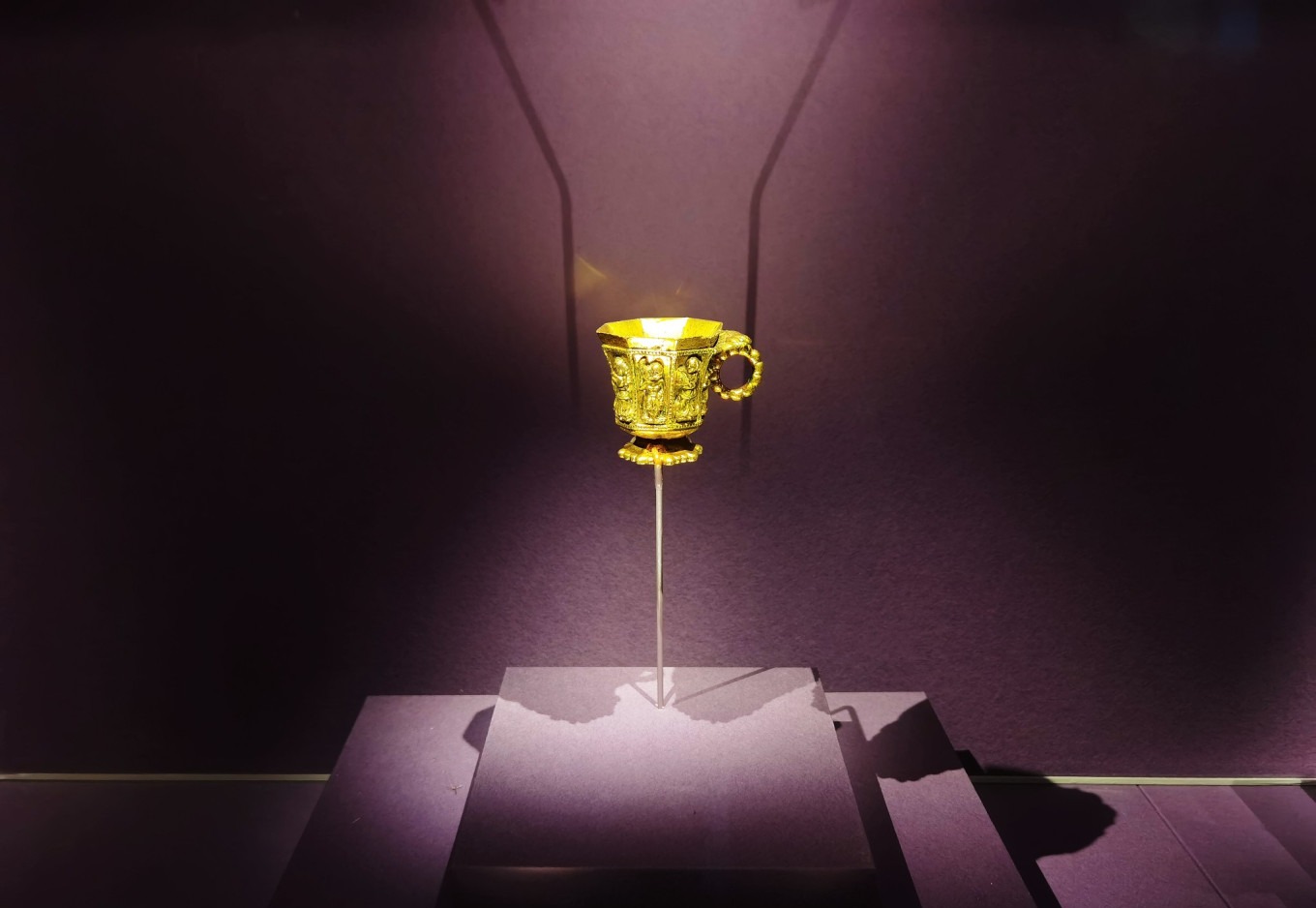
Xi’an Museum
Located together with the Small Wild Goose Pagoda, Xi’an Museum (西安博物院) is a must-visit for history enthusiasts. The museum’s collection primarily features ancient Buddha heads and statues, offering a serene glimpse into the region’s Buddhist heritage. If you’re planning a visit, allocate at least an hour to explore the exhibits and the adjacent pagoda grounds.
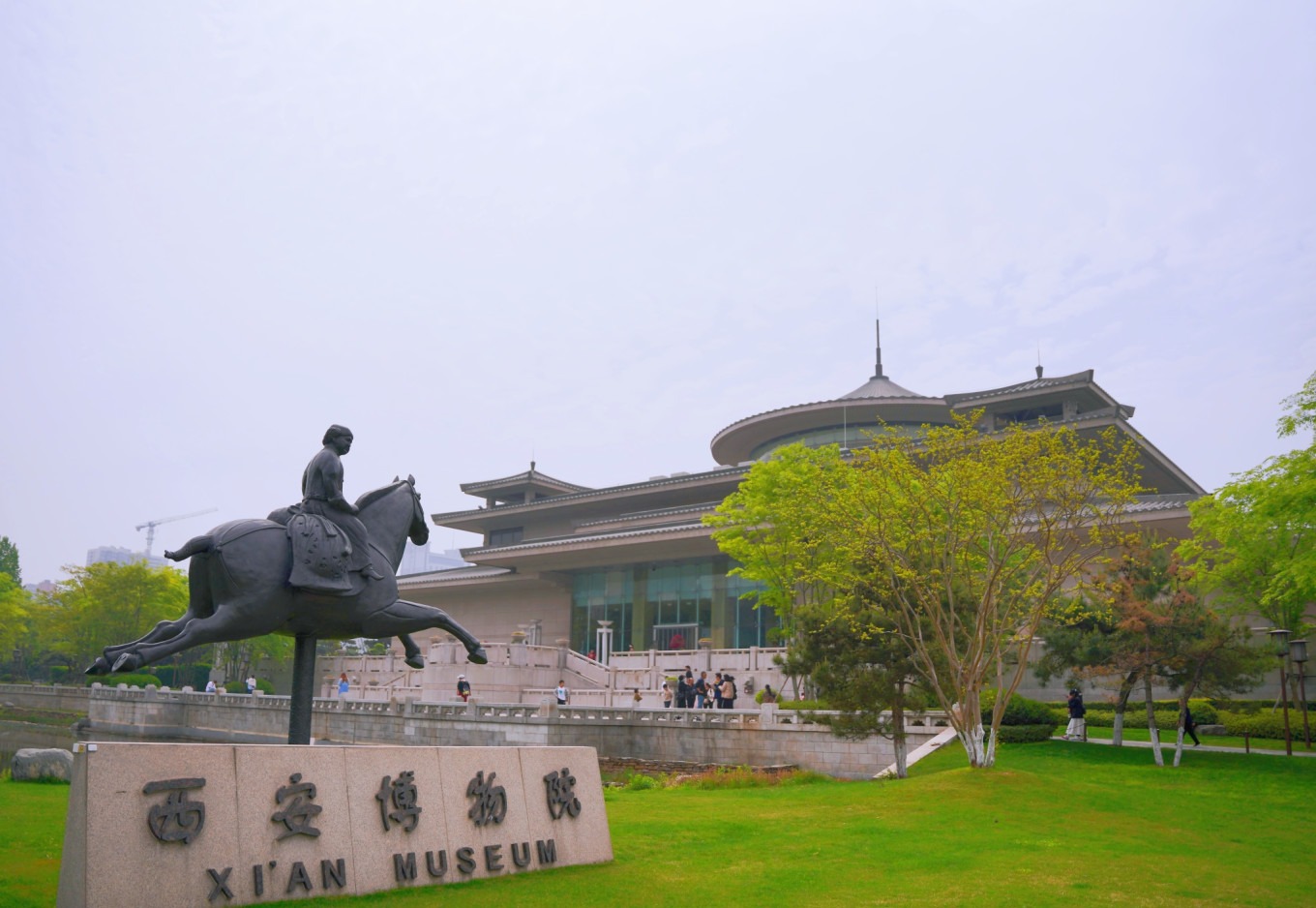
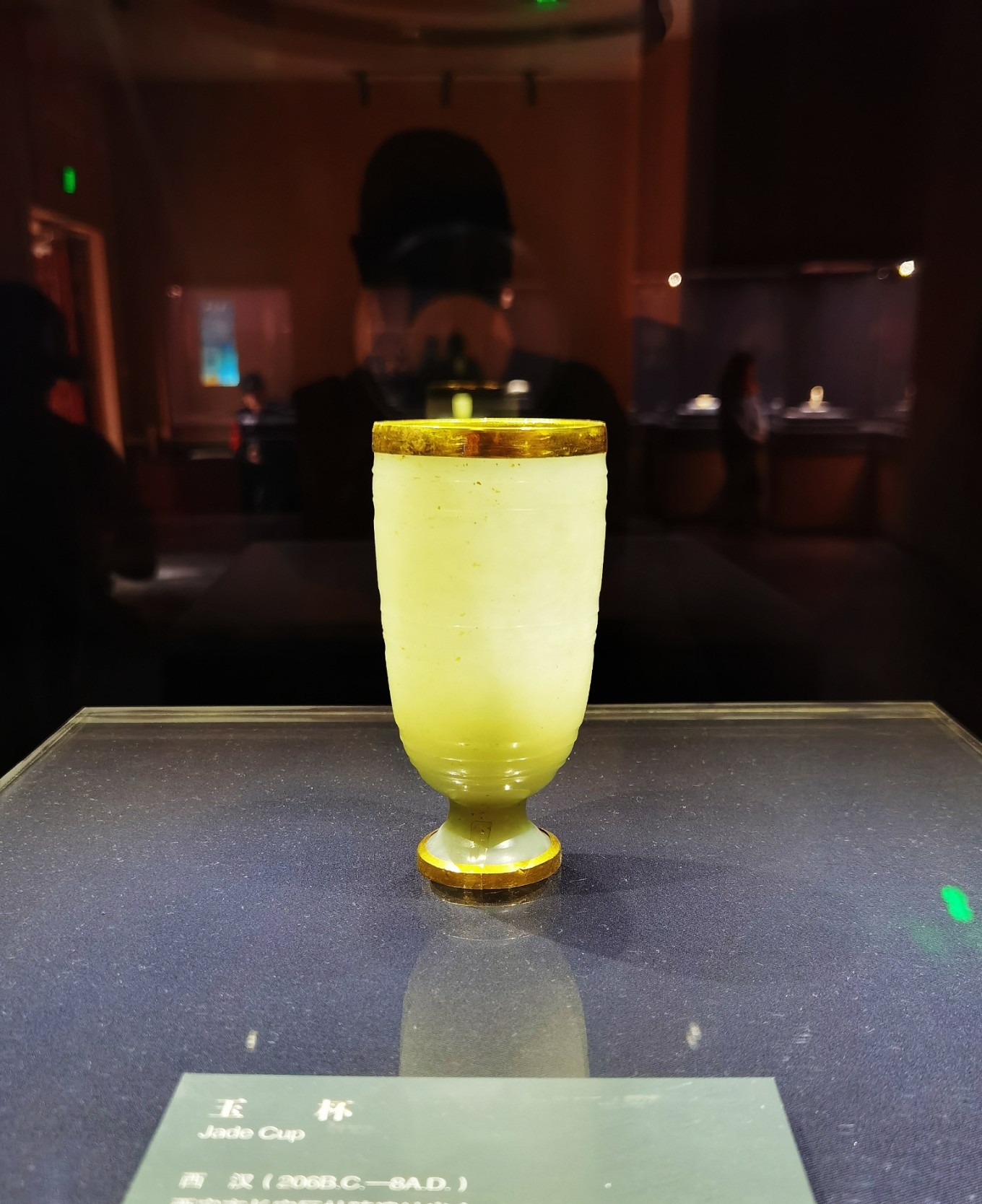
As the museum shares its site with the Small Wild Goose Pagoda, you can easily combine both attractions in one visit. Note that the museum can be tiring if you’ve been sightseeing all day, so consider visiting earlier in your trip when your energy levels are higher. Photography is allowed, but the low lighting in some galleries may require a steady hand or a camera with good low-light performance.
Shopping Street Food Crawl
Xi’an is home to three famous shopping and food streets: Muslim Quarter (回民街), Yongxing Fang (永兴坊), and Sajinqiao (洒金桥). For first-time visitors, the first two are must-visits. Start your exploration at Muslim Quarter, located right next to the Drum Tower. This bustling pedestrian street is packed with 小吃 (local term) stalls and souvenir shops, but according to online tips, it’s better to look than to buy here—many locals recommend saving your appetite for other spots.
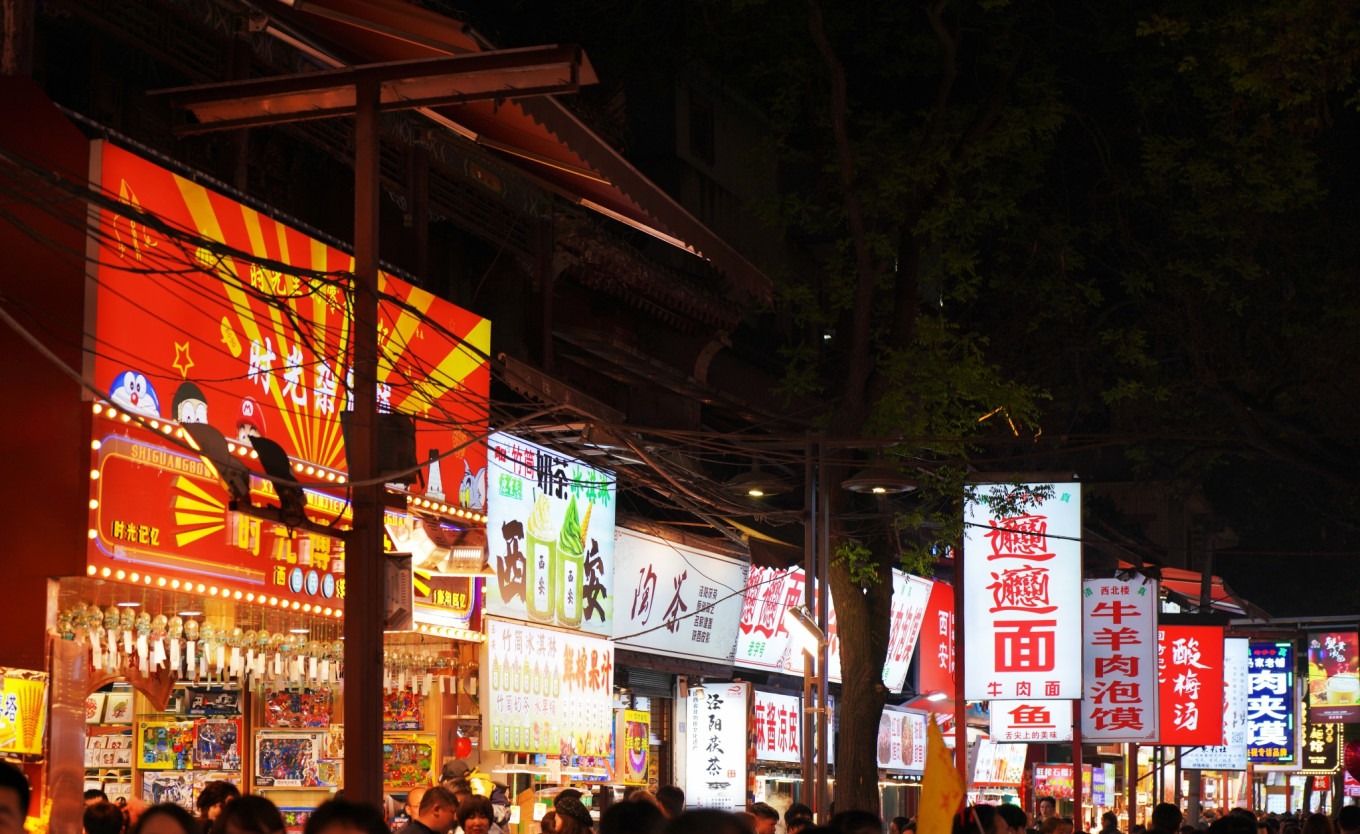
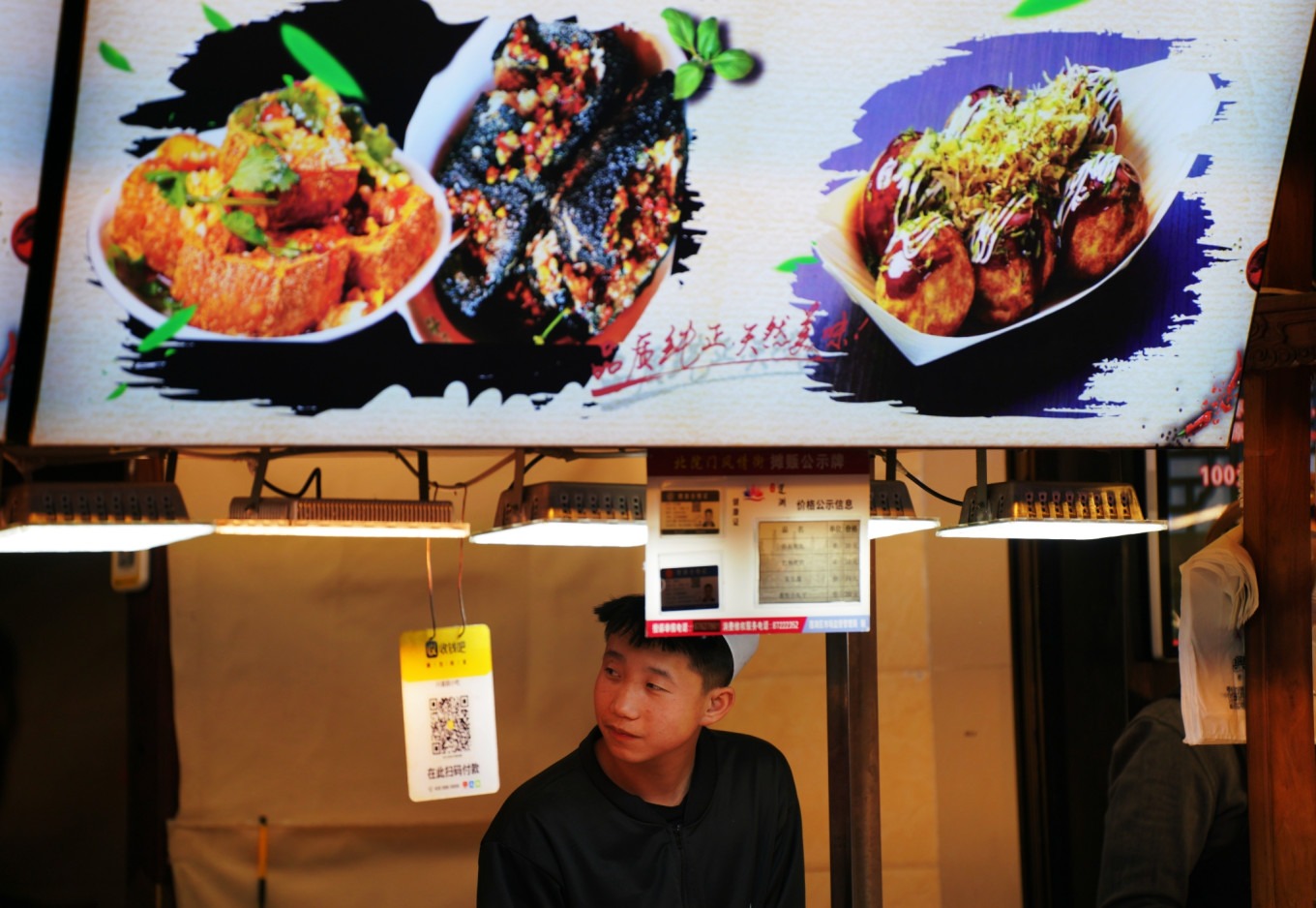
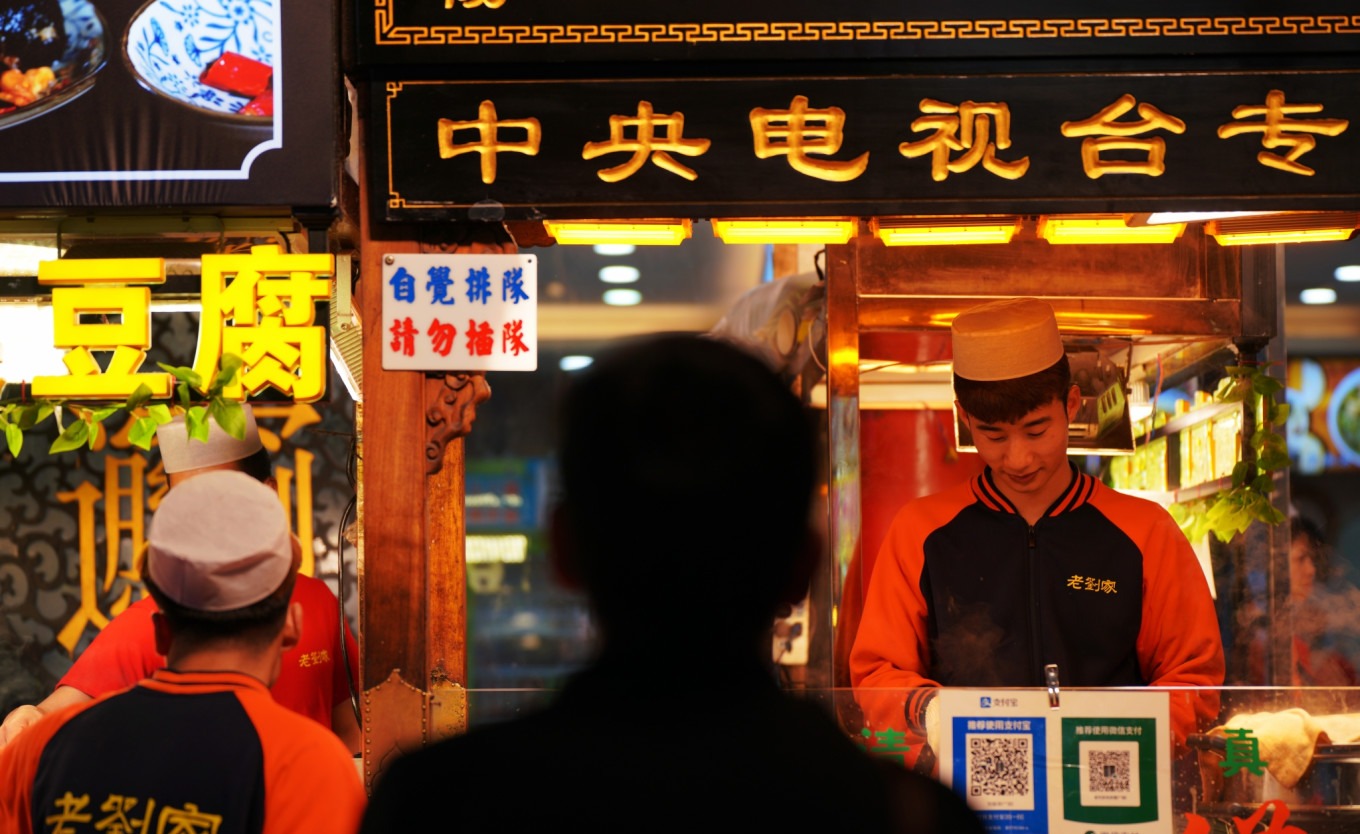
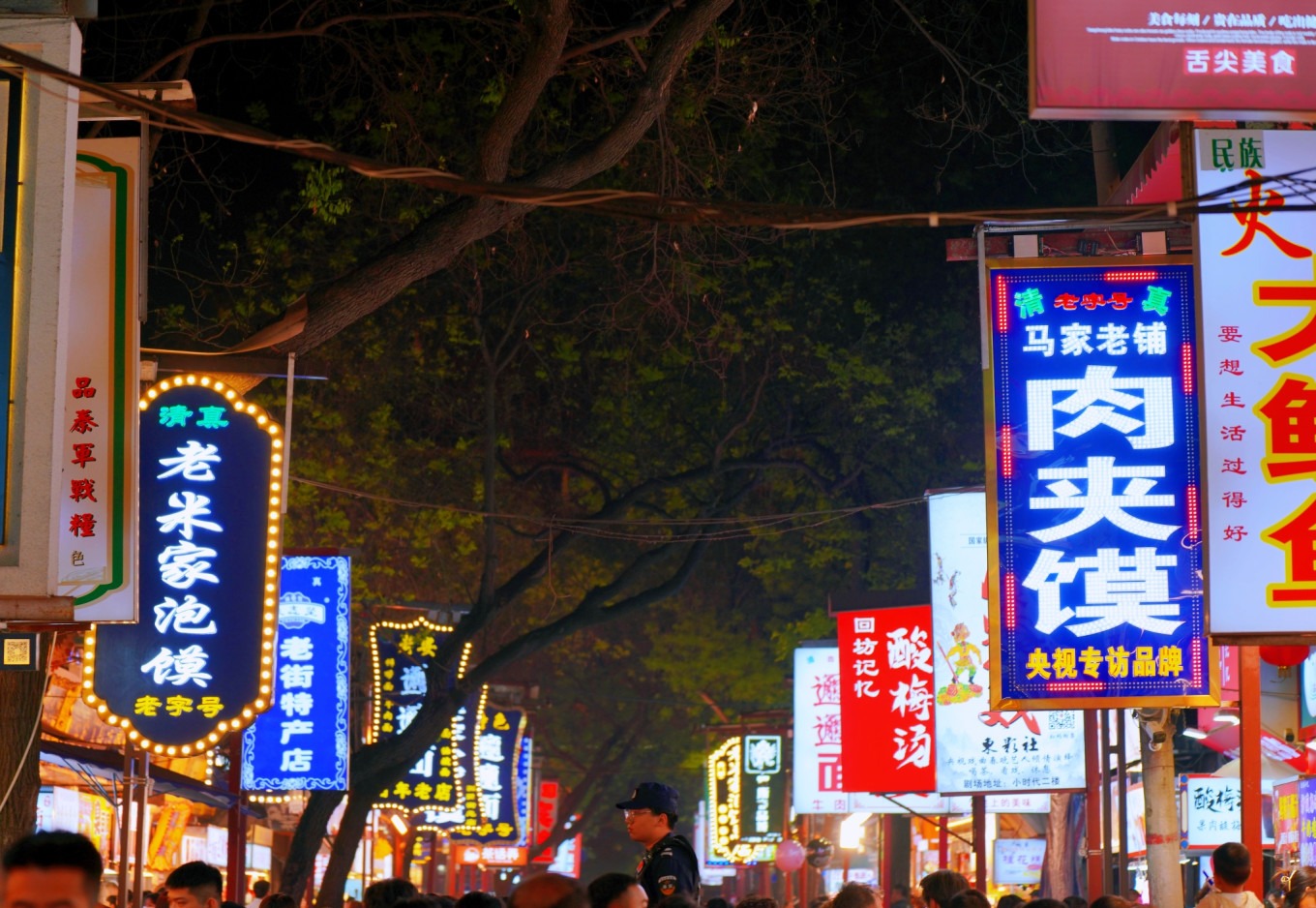
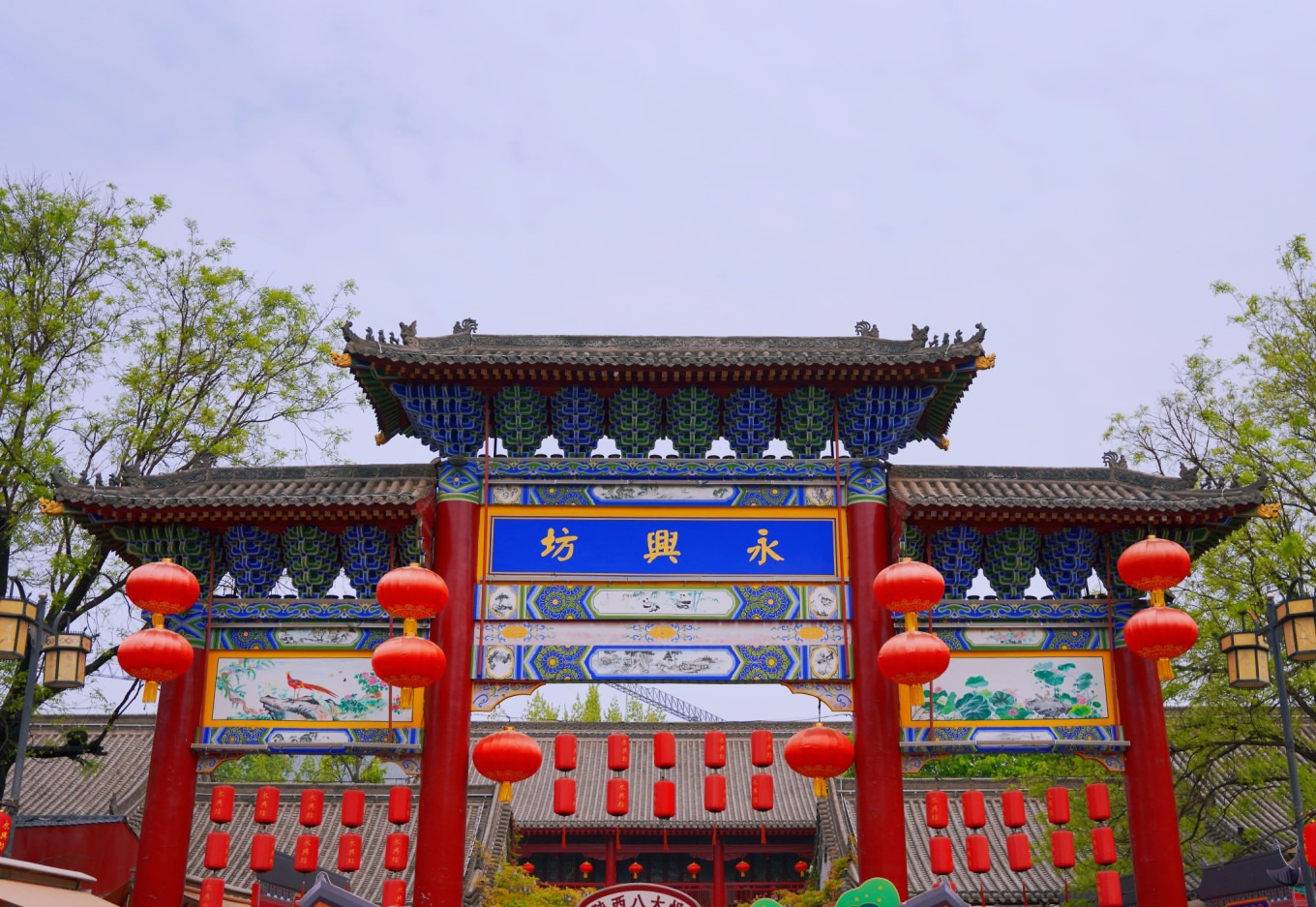
Next, head to Yongxing Fang (永兴坊), located near the Zhongshan Gate (中山门) of the Xi’an City Wall. This is China’s first themed block dedicated to ‘intangible cultural heritage food culture’ (非遗美食文化). It’s a fantastic place to sample regional specialties from all over Shaanxi province in one spot.
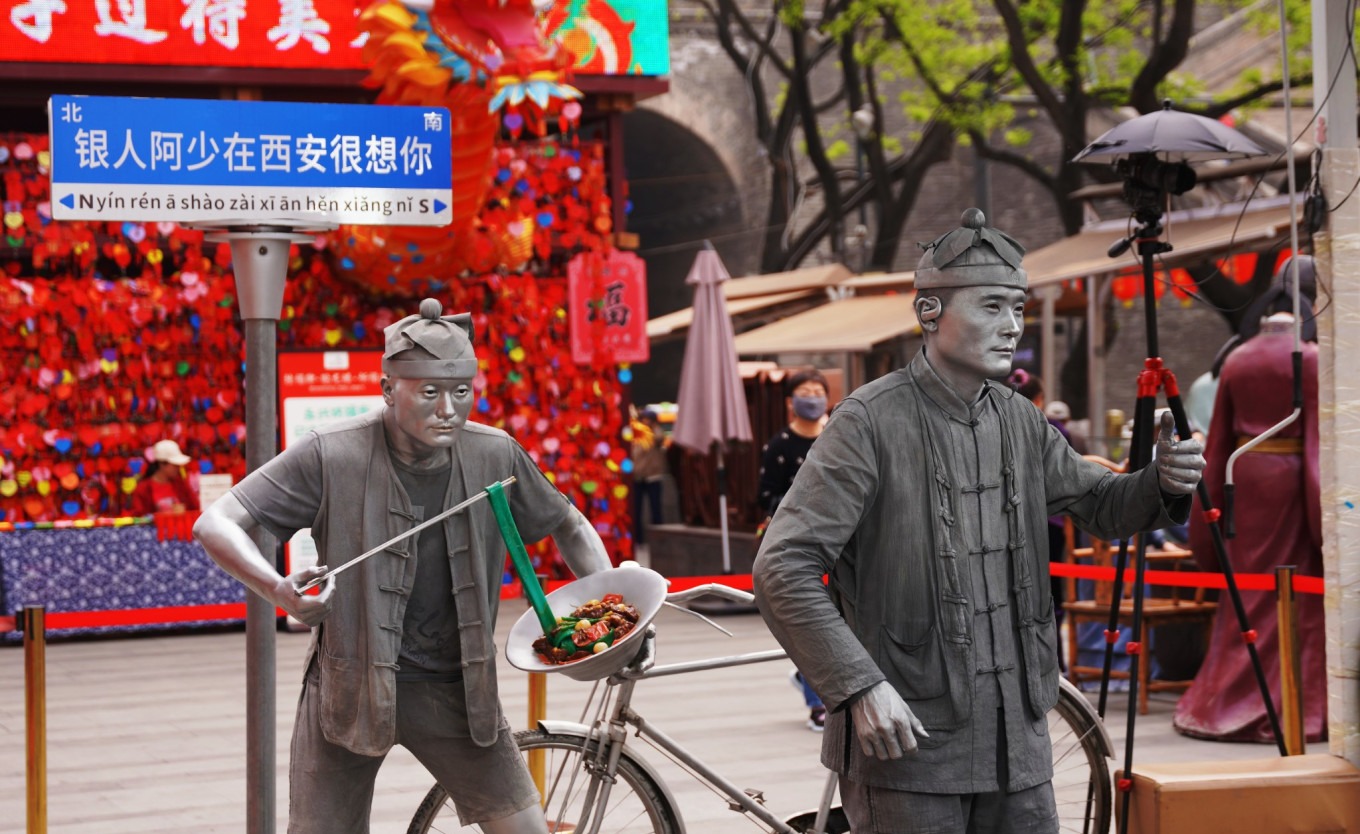
One of the most Instagrammable characters here is the ‘Silver Man’ (银人阿少), a street performer painted entirely silver who stands perfectly still—a fun photo opportunity. You’ll also find displays of intangible cultural heritage crafts and performances.
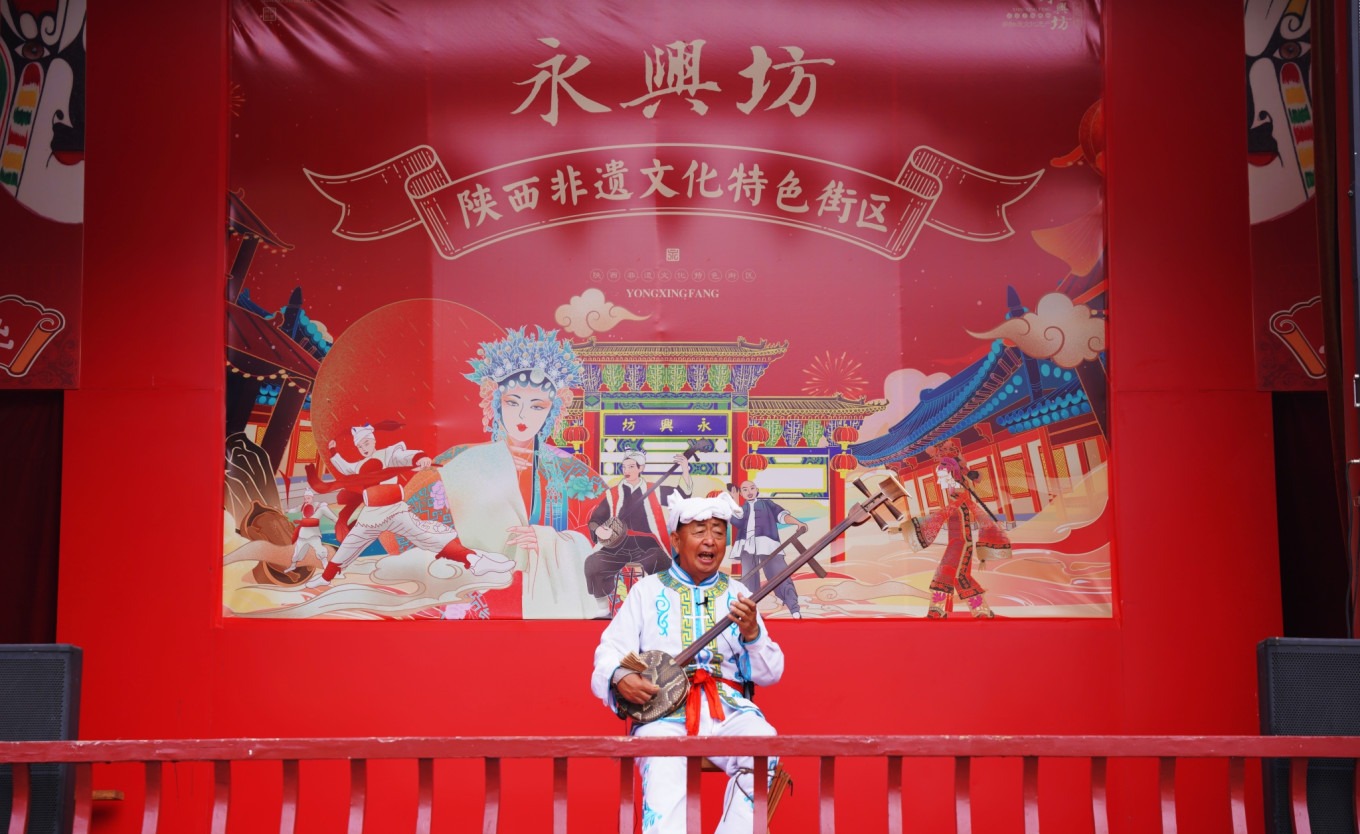
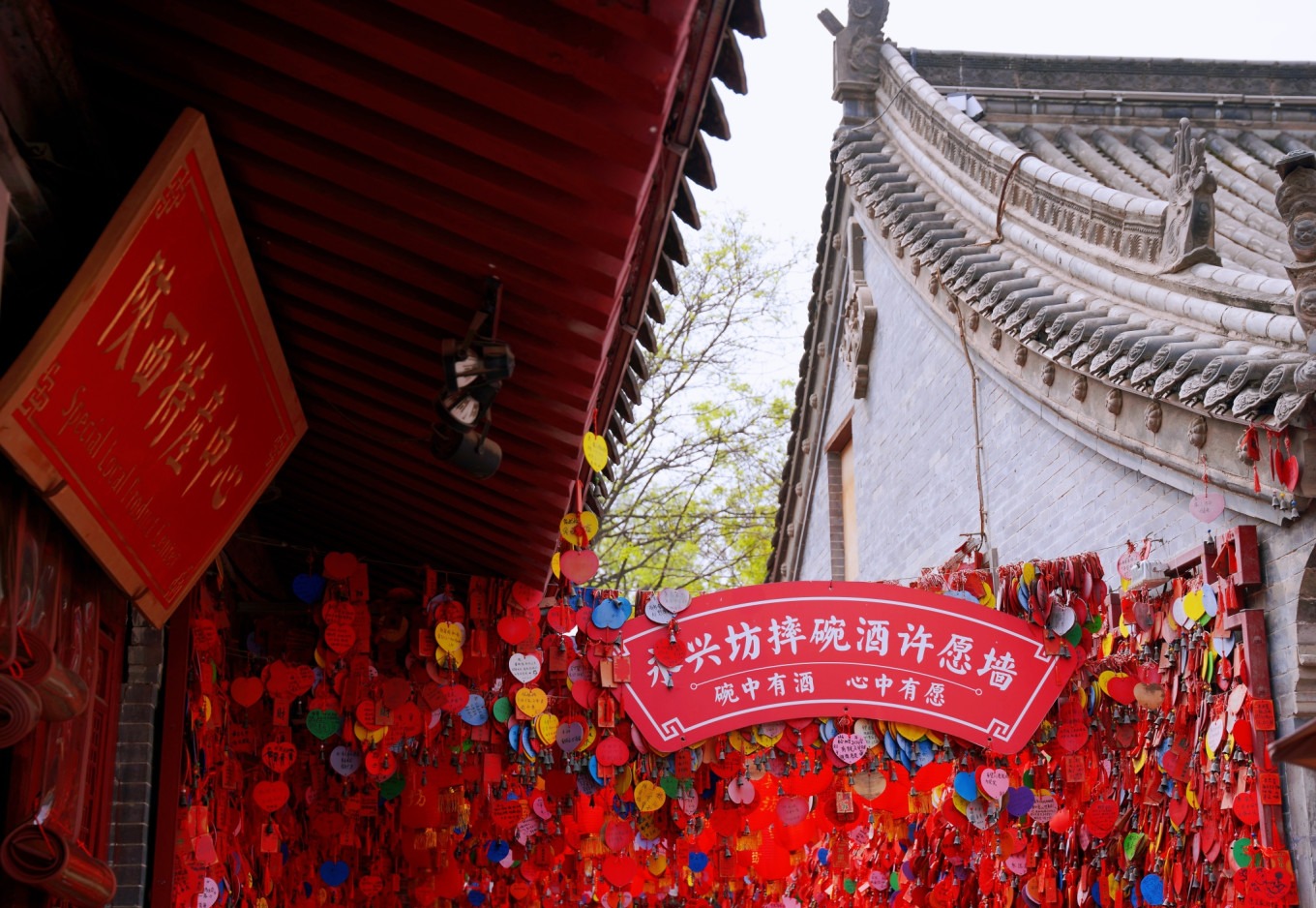
Don’t miss the famous ‘Smashing Bowl Wine’ (摔碗酒) experience, which went viral online. You buy a small bowl of rice wine, drink it, then smash the bowl against a designated pile—a symbolic gesture said to bring good luck and ward off evil. It’s a fun, participatory ritual that many travelers enjoy.
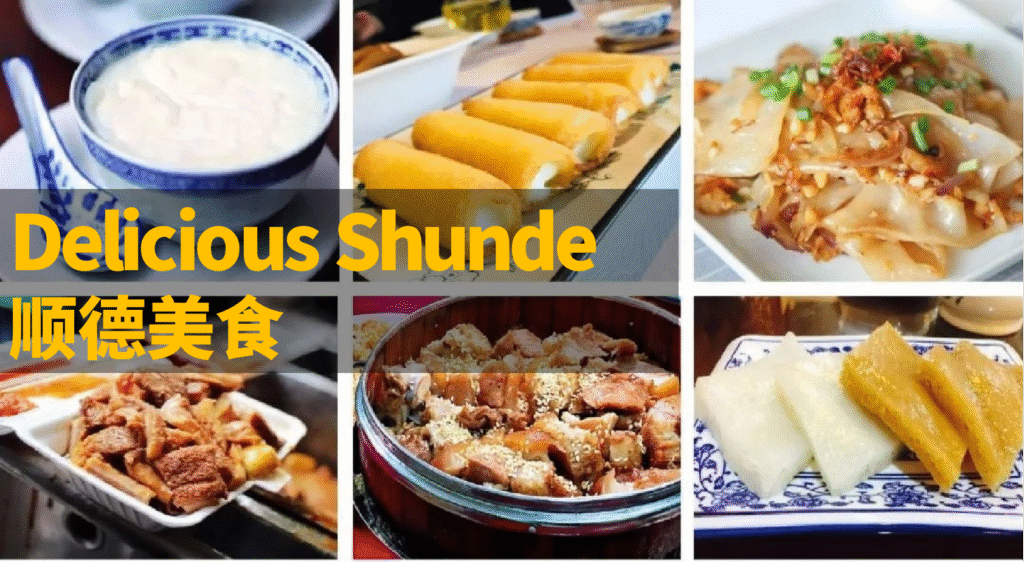
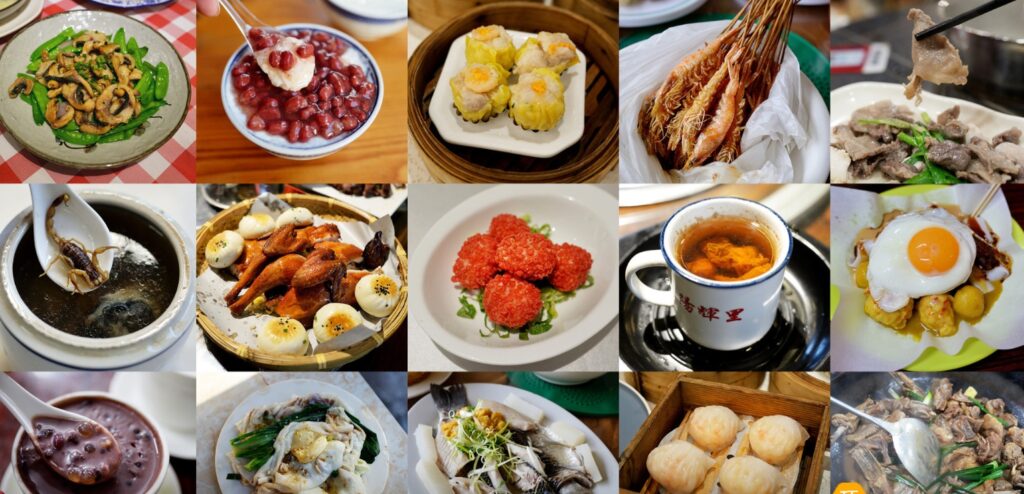
A Culinary Journey Through Xi’an
Xi’an’s food scene is so vast that even a multi-day visit won’t cover it all. Here’s a curated guide to some standout spots, from street-side noodles to upmarket Shaanxi cuisine.
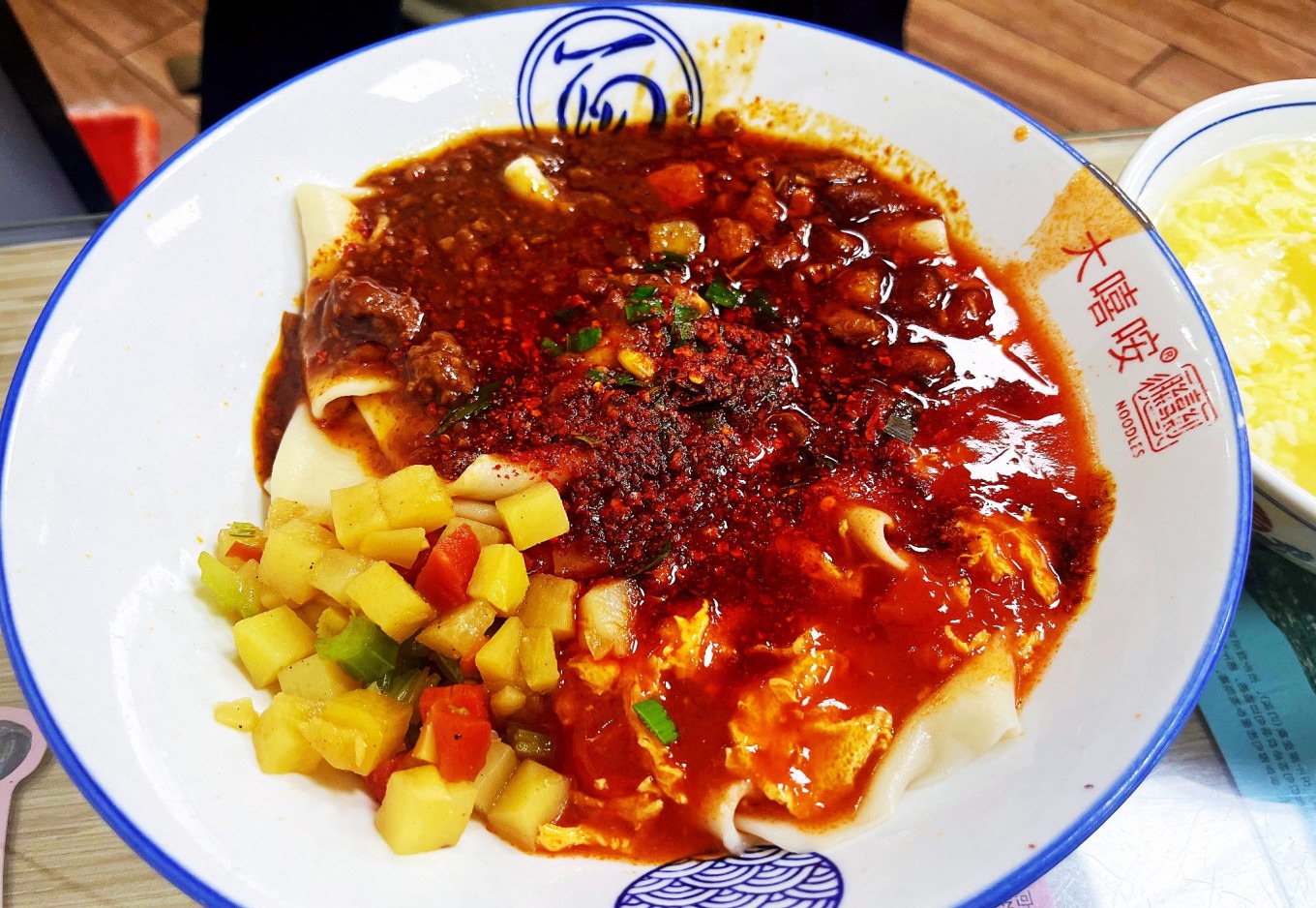
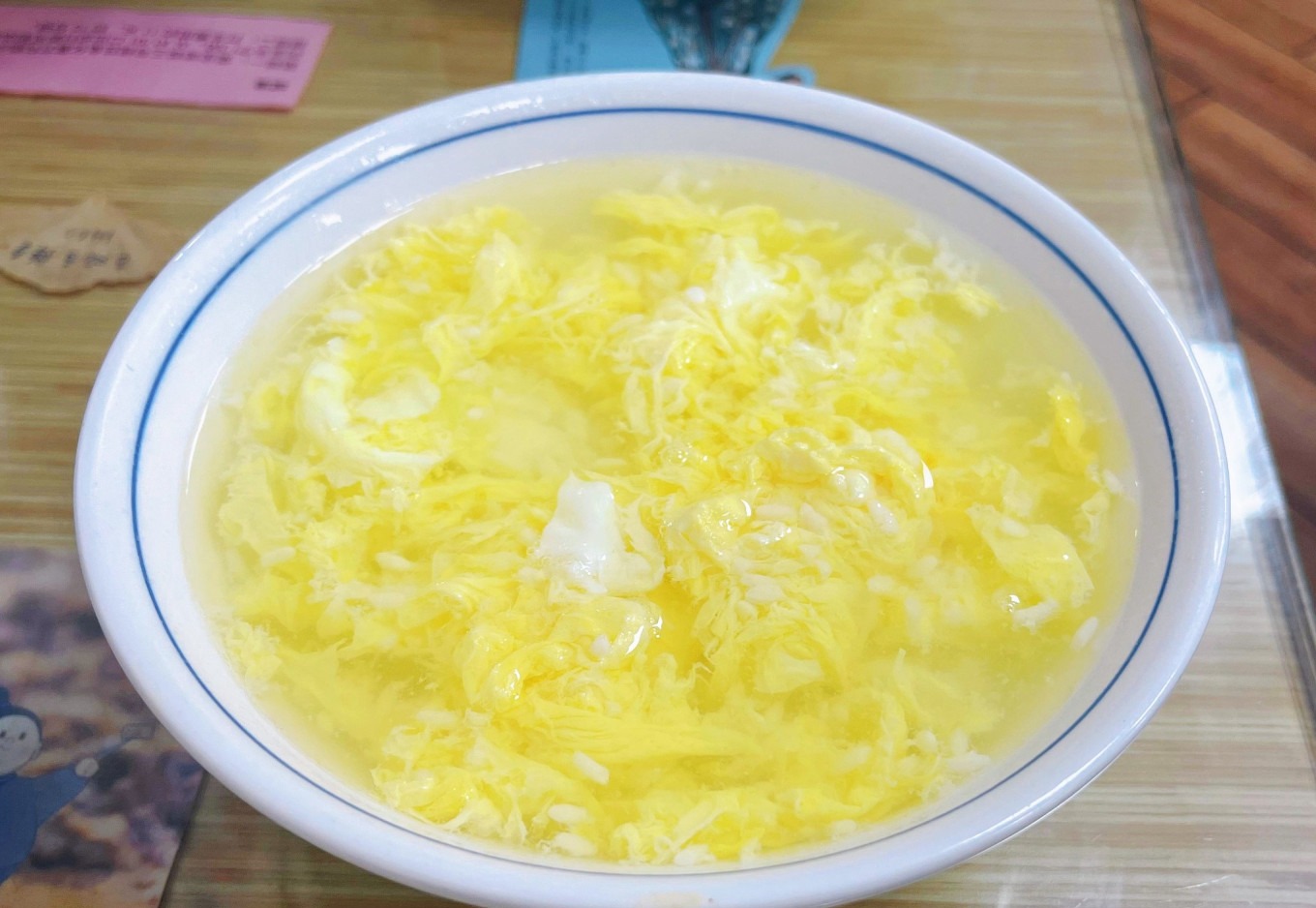
Start with a classic: biangbiang noodles (biangbiang 面 (local term)). You’ll find them everywhere, but a popular spot is right under your hotel. A bowl costs around 20 yuan. Pair it with egg and fermented rice soup (鸡蛋醪糟) for 8 yuan.
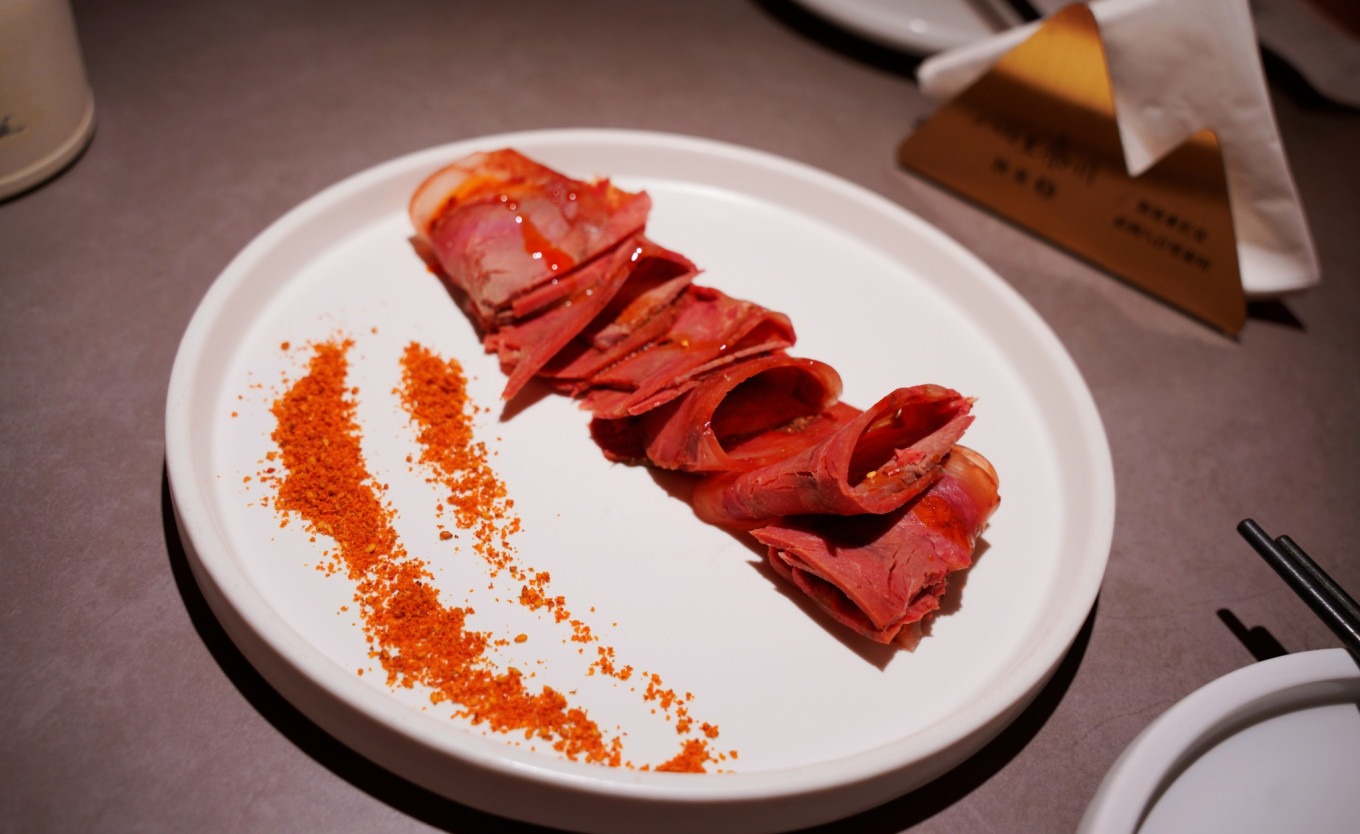
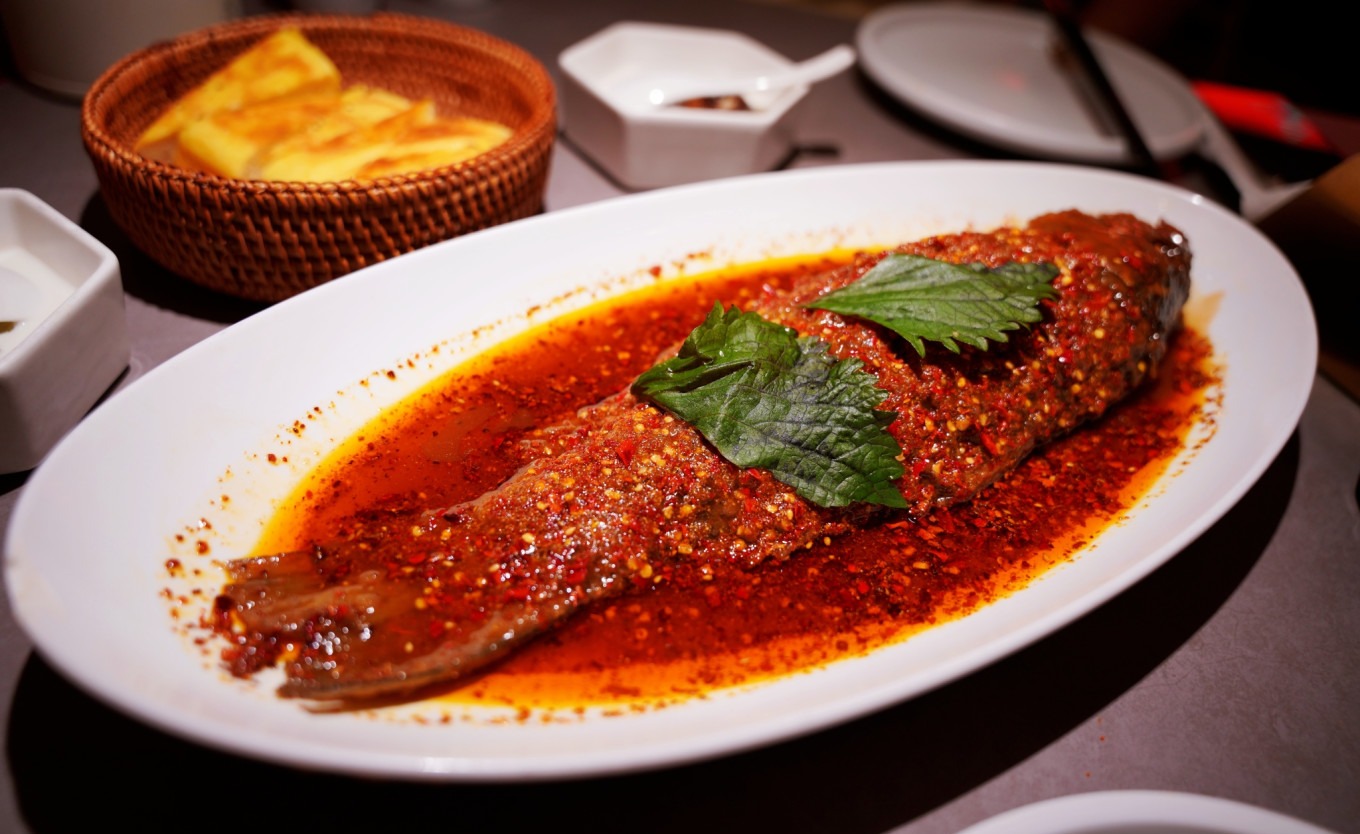
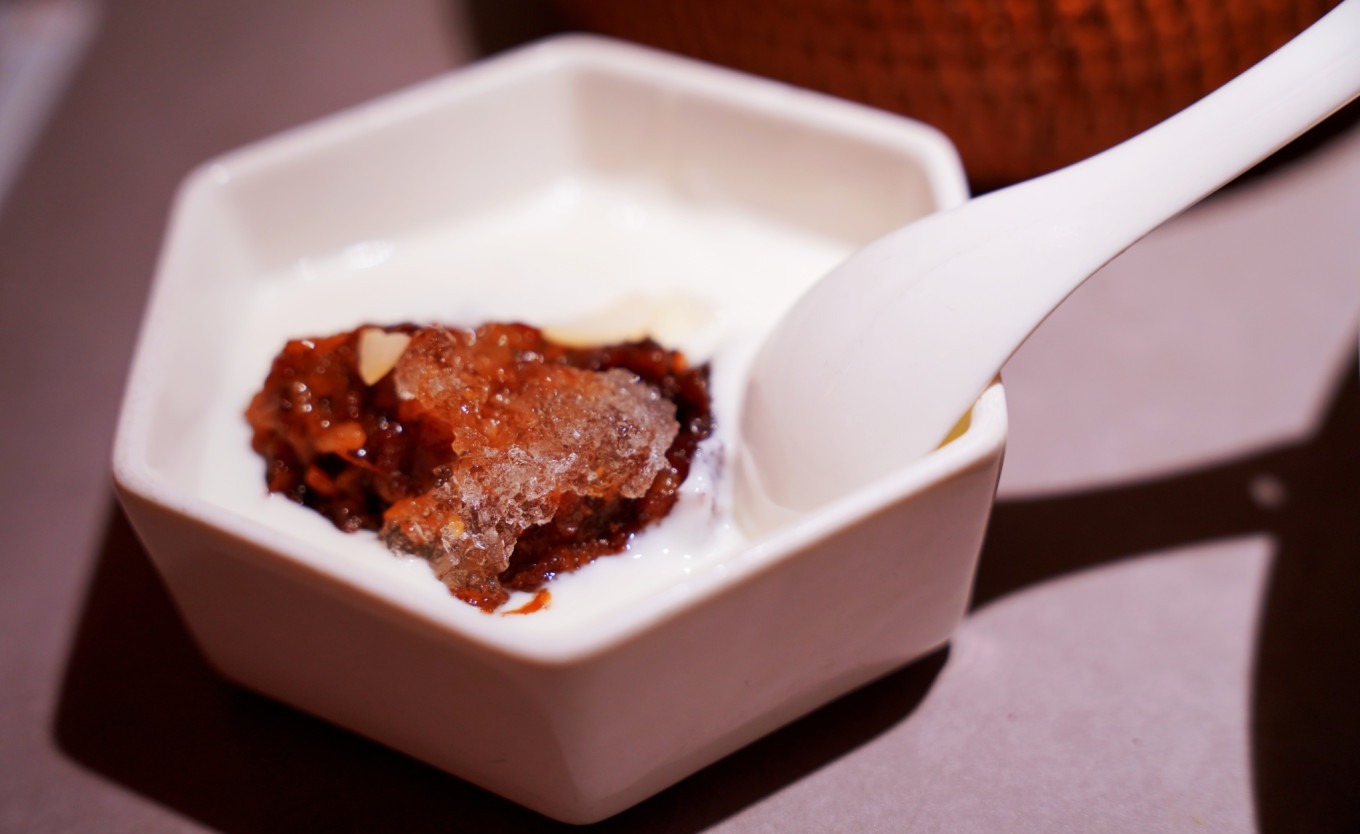
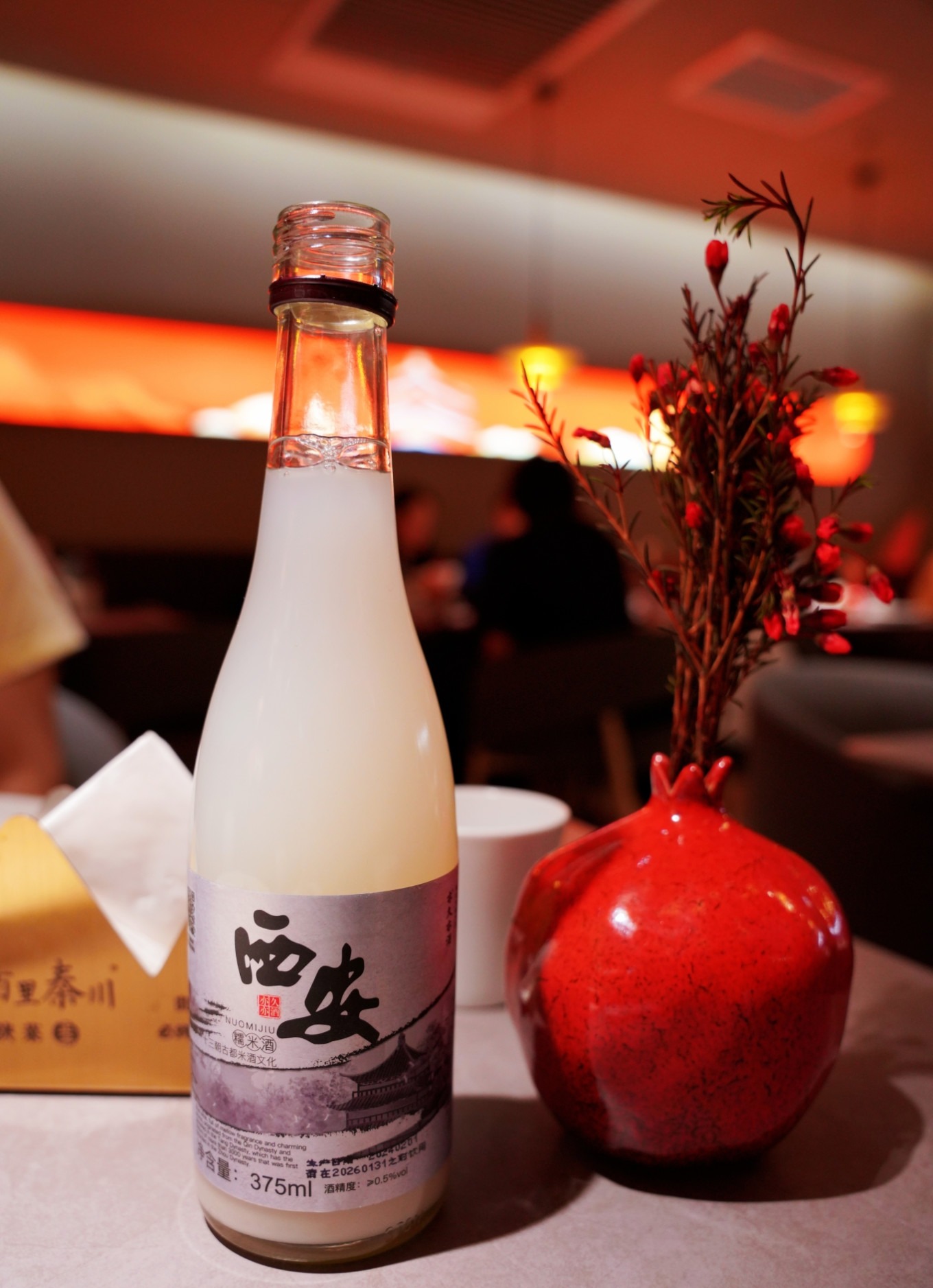
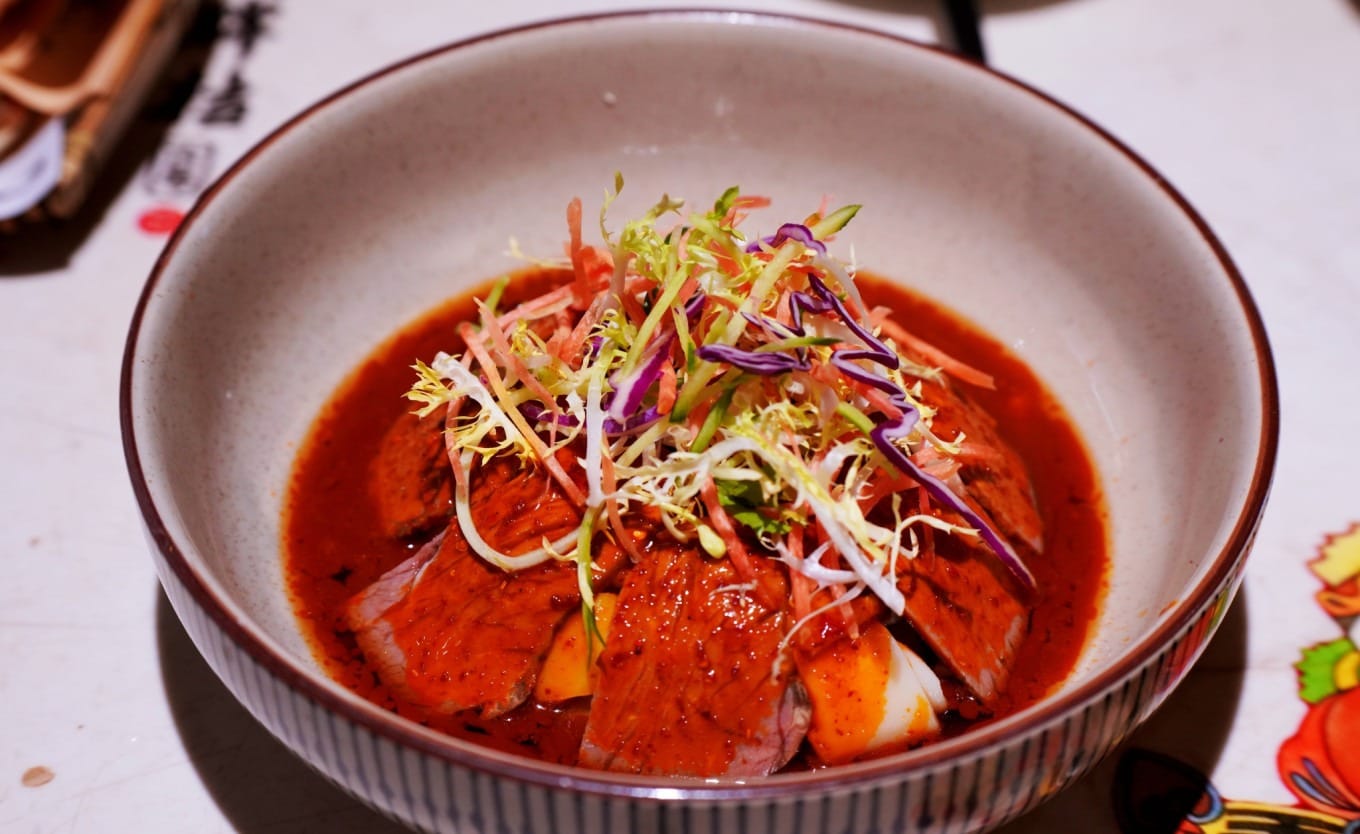
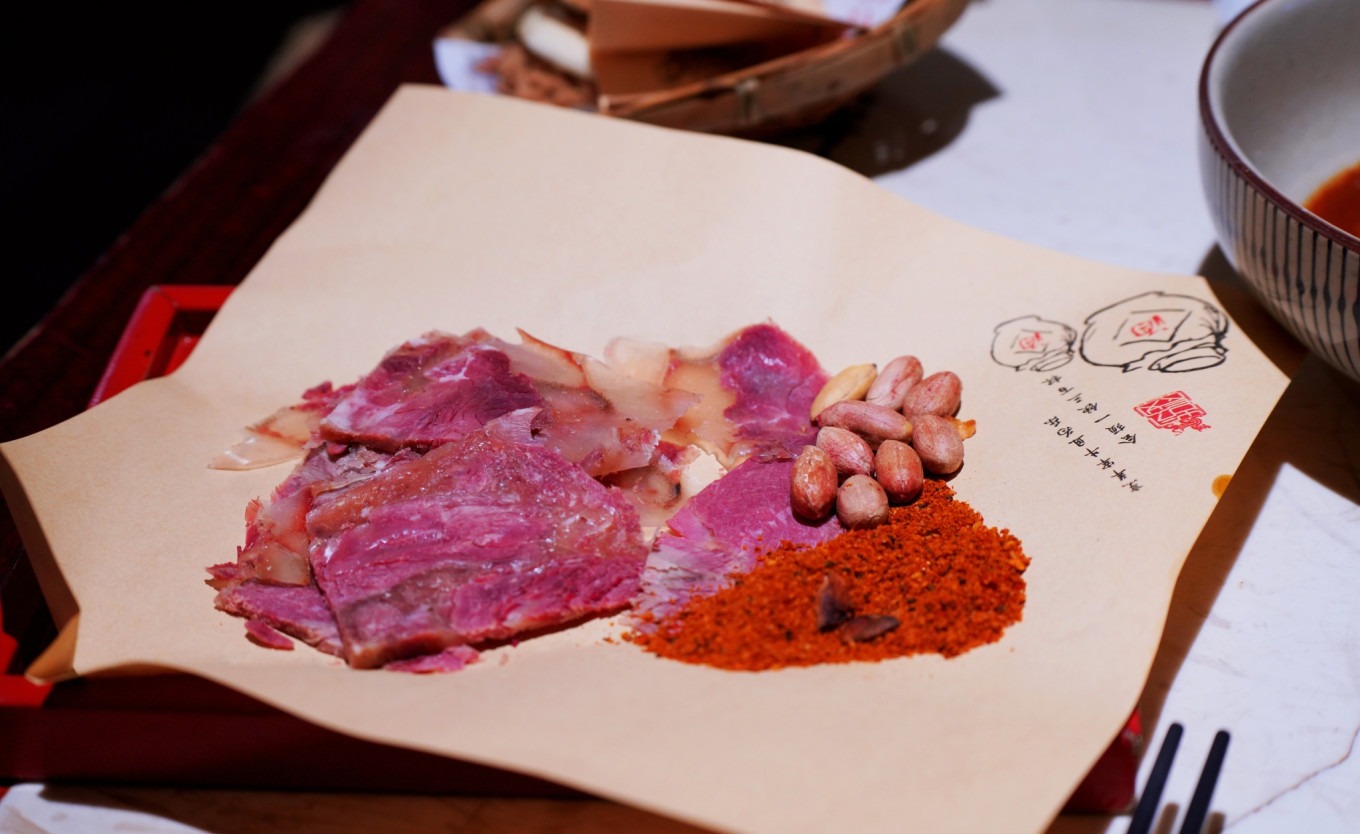
For a more upscale experience, head to 八百里秦川 (Eight Hundred Li Qinchuan) inside Dayanta Joy City (大悦城). Their Qinfeng-style beef (秦风大刀牛肉) is 59 yuan, and the Yellow River carp with sesame flatbread (潼关黄河大鲤鱼配胡麻饼) is 98 yuan. Don’t miss the snow swallow yogurt zenggao (雪燕酸奶甑糕) at 18 yuan and the local rice wine (当地米酒) at 28 yuan—it’s incredibly good.
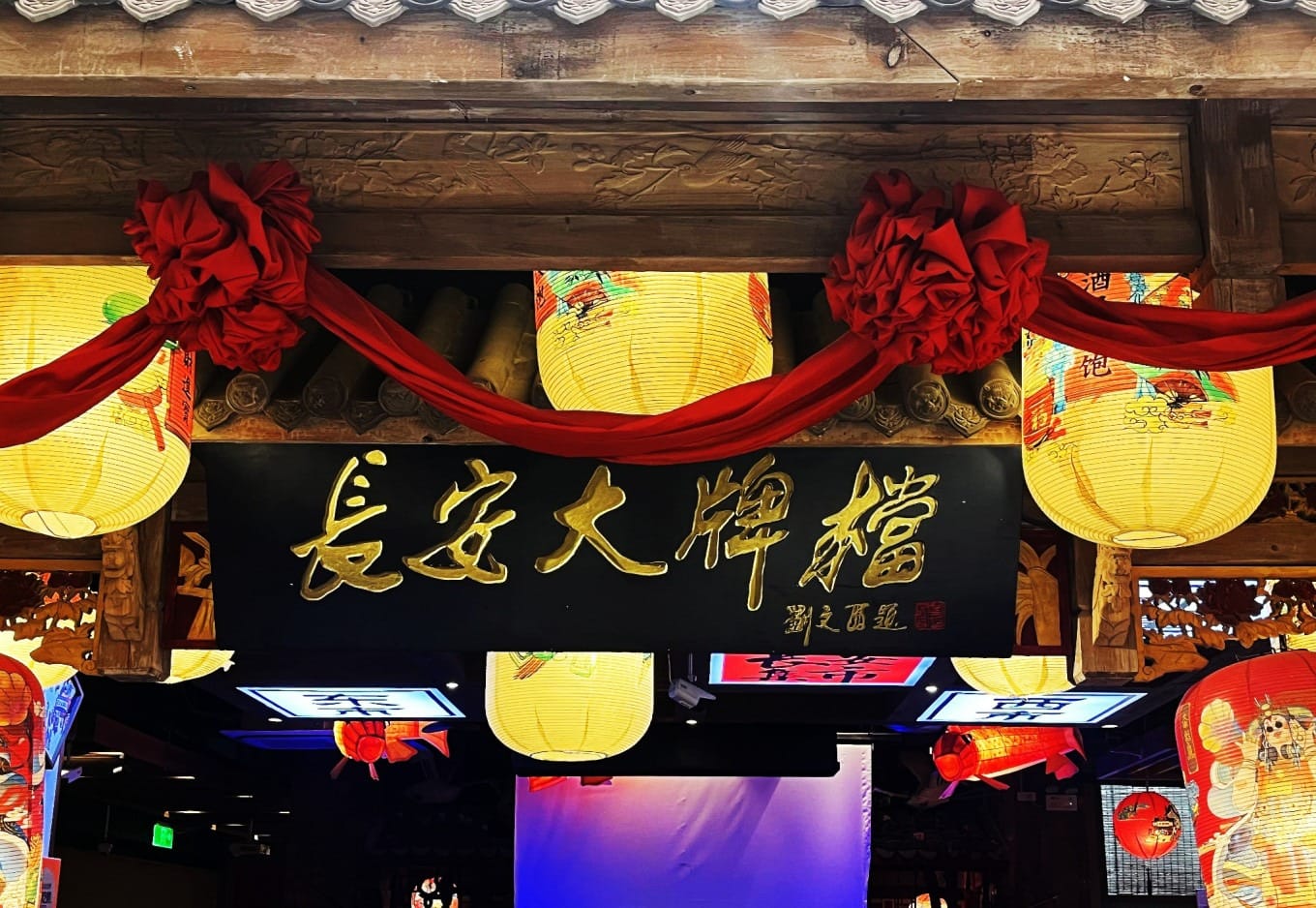
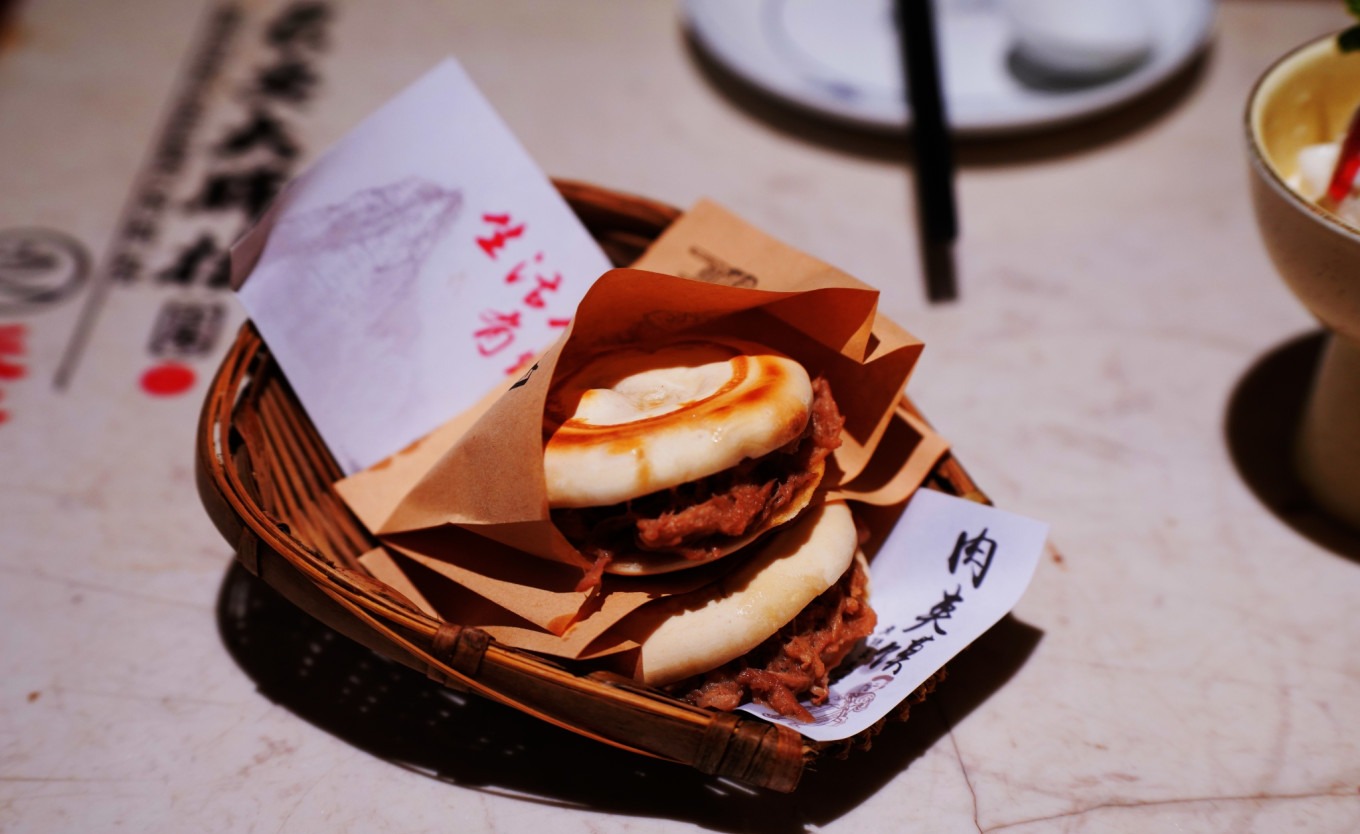
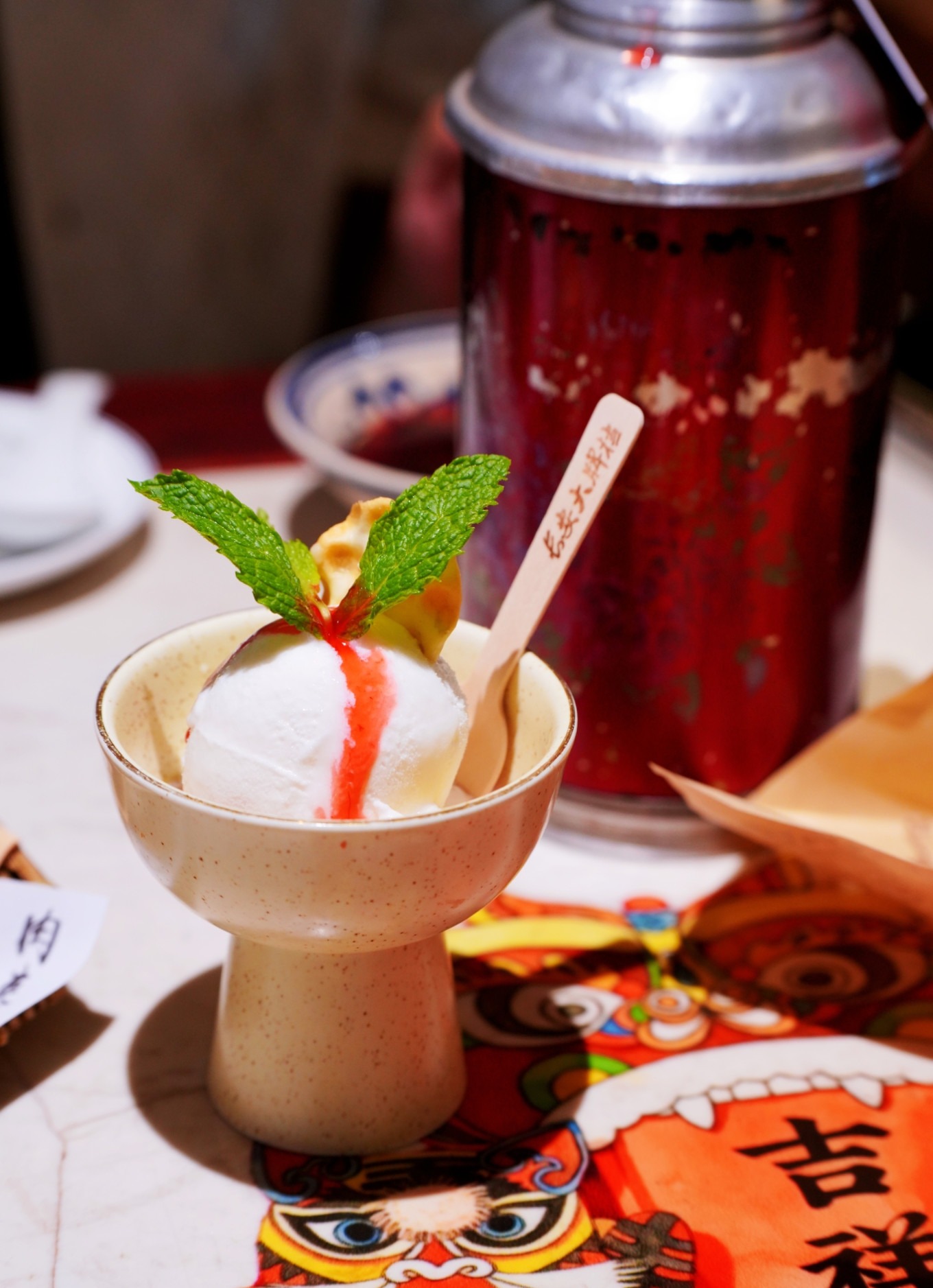
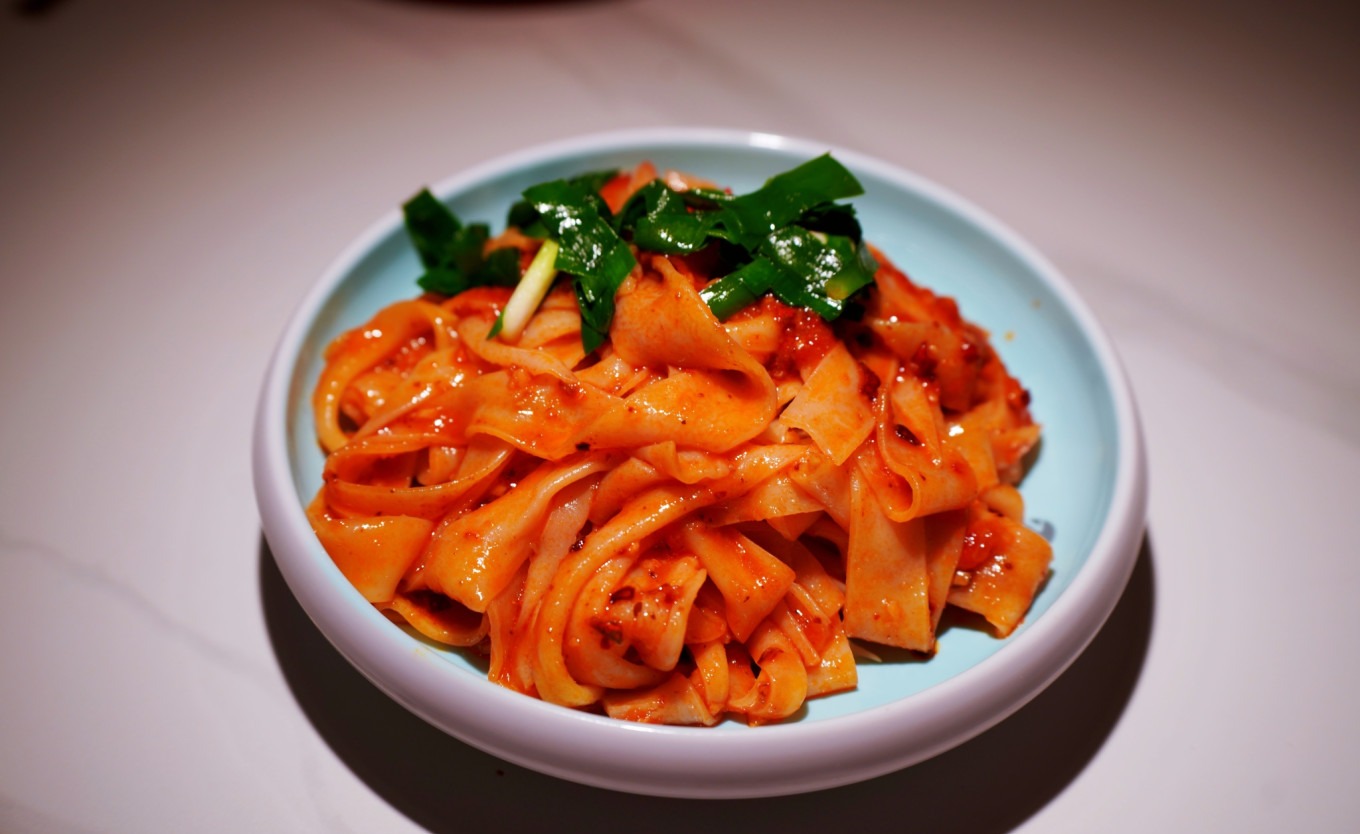
Another must-visit is 长安大排档 (Chang’an Food Stall), a budget-friendly chain that’s a rite of passage for first-timers. Try the Chang’an gourd chicken (长安葫芦鸡) at 78 yuan, hand-pulled beef with noodles (手工面皮捞牛肉) at 42 yuan, and the big knife beef (大刀牛肉) at 18 yuan—a cheaper version than the one at 八百里秦川 (local term), but you get what you pay for. The roujiamo (肉夹馍) is only 3 yuan each, and the fermented rice ice cream (醪糟冰淇淋) is 16 yuan. Wash it down with a pot of sour plum soup (酸梅汤) for 28 yuan.
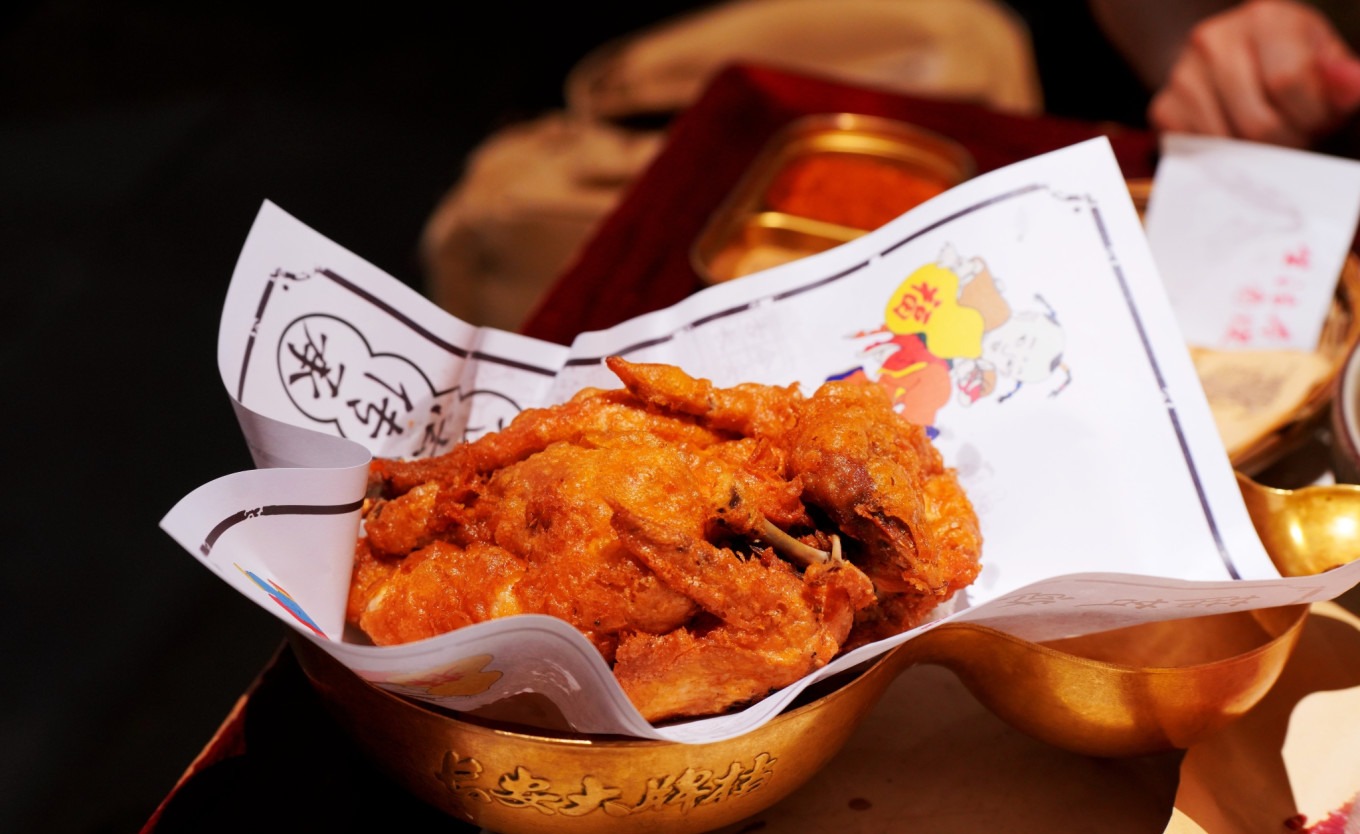
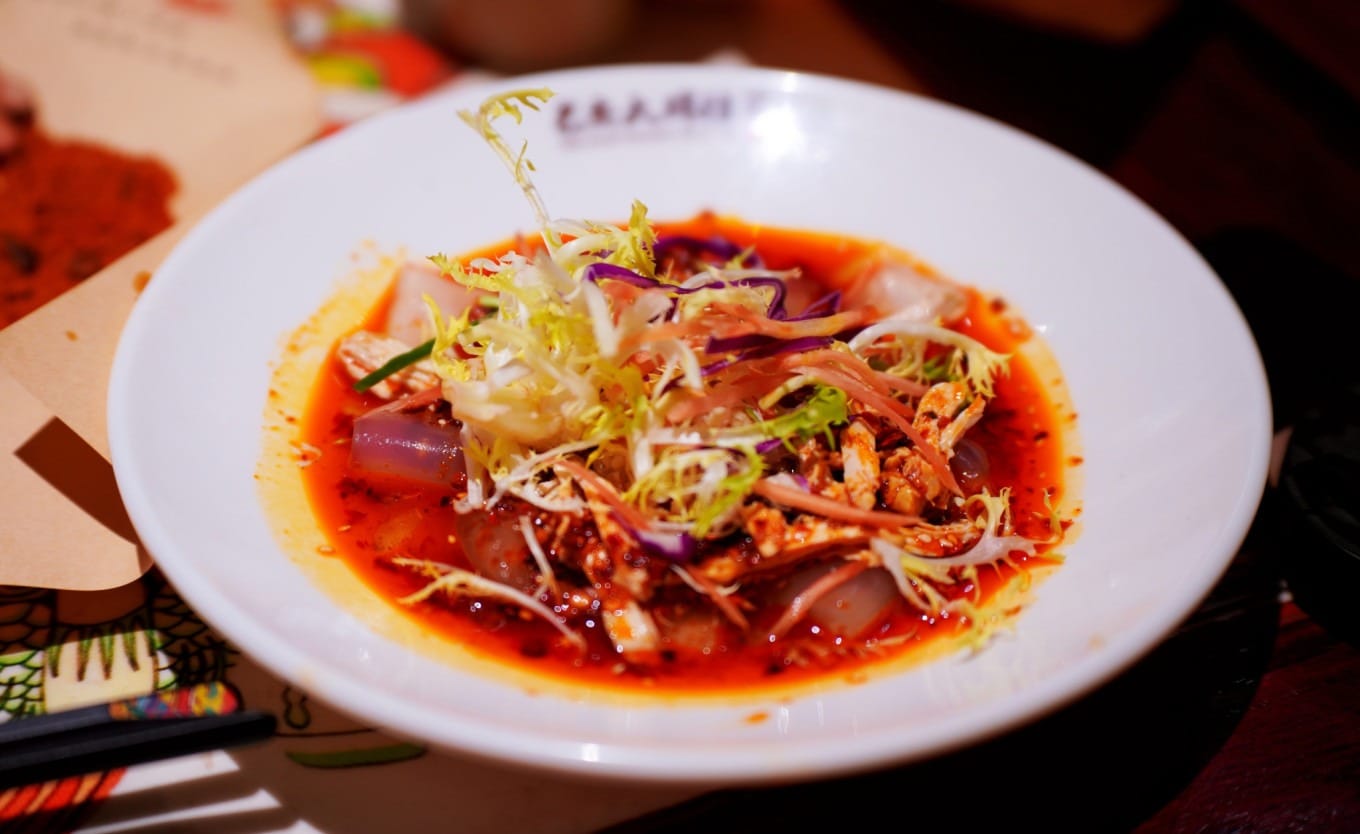
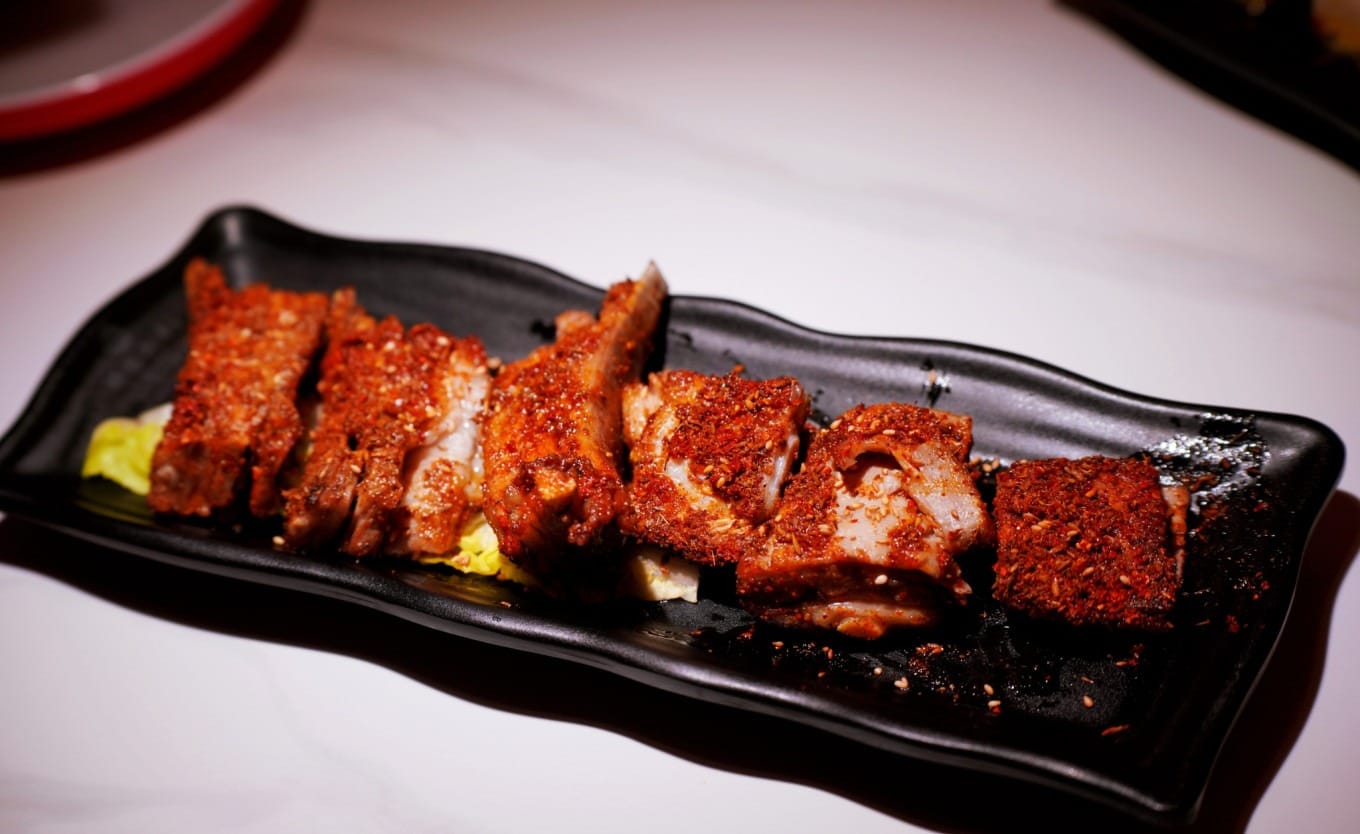
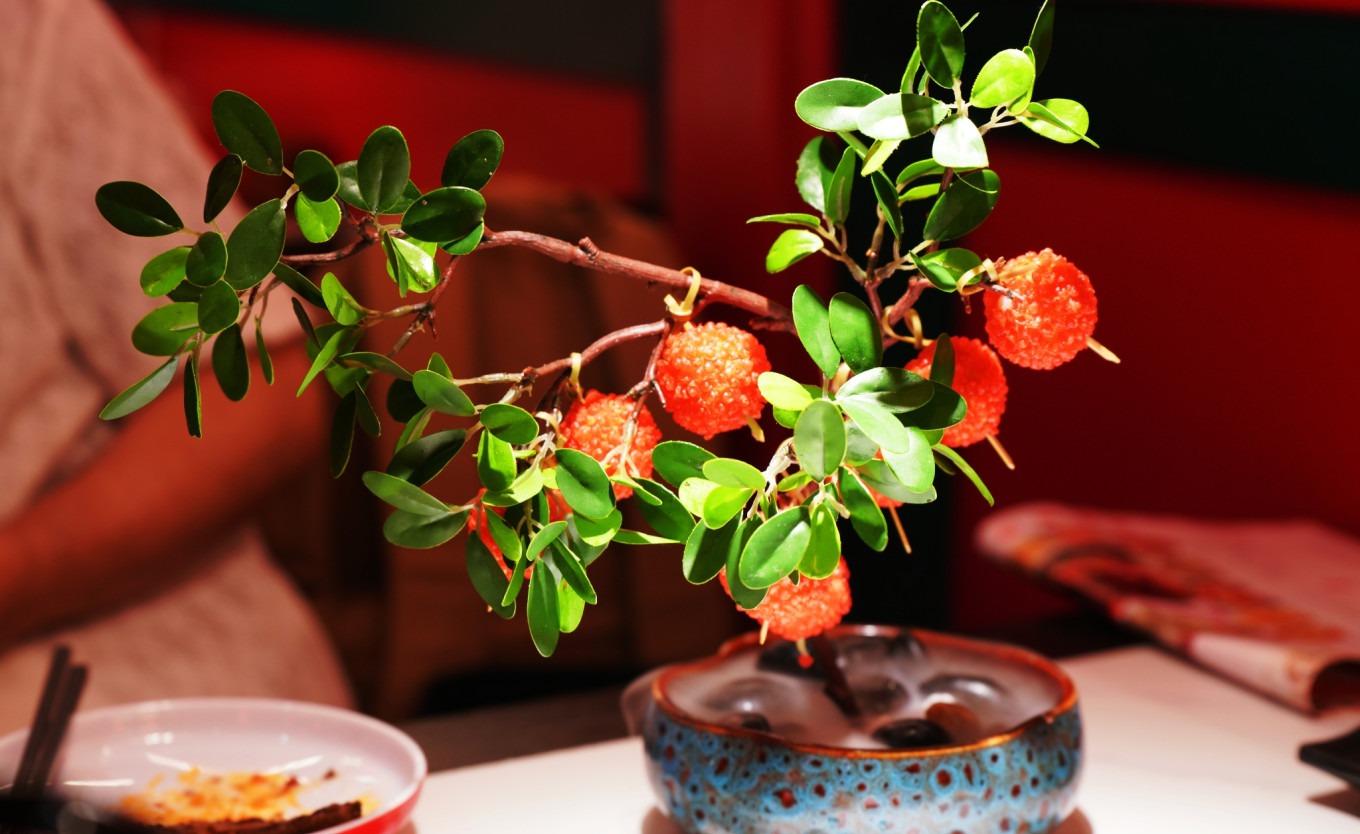
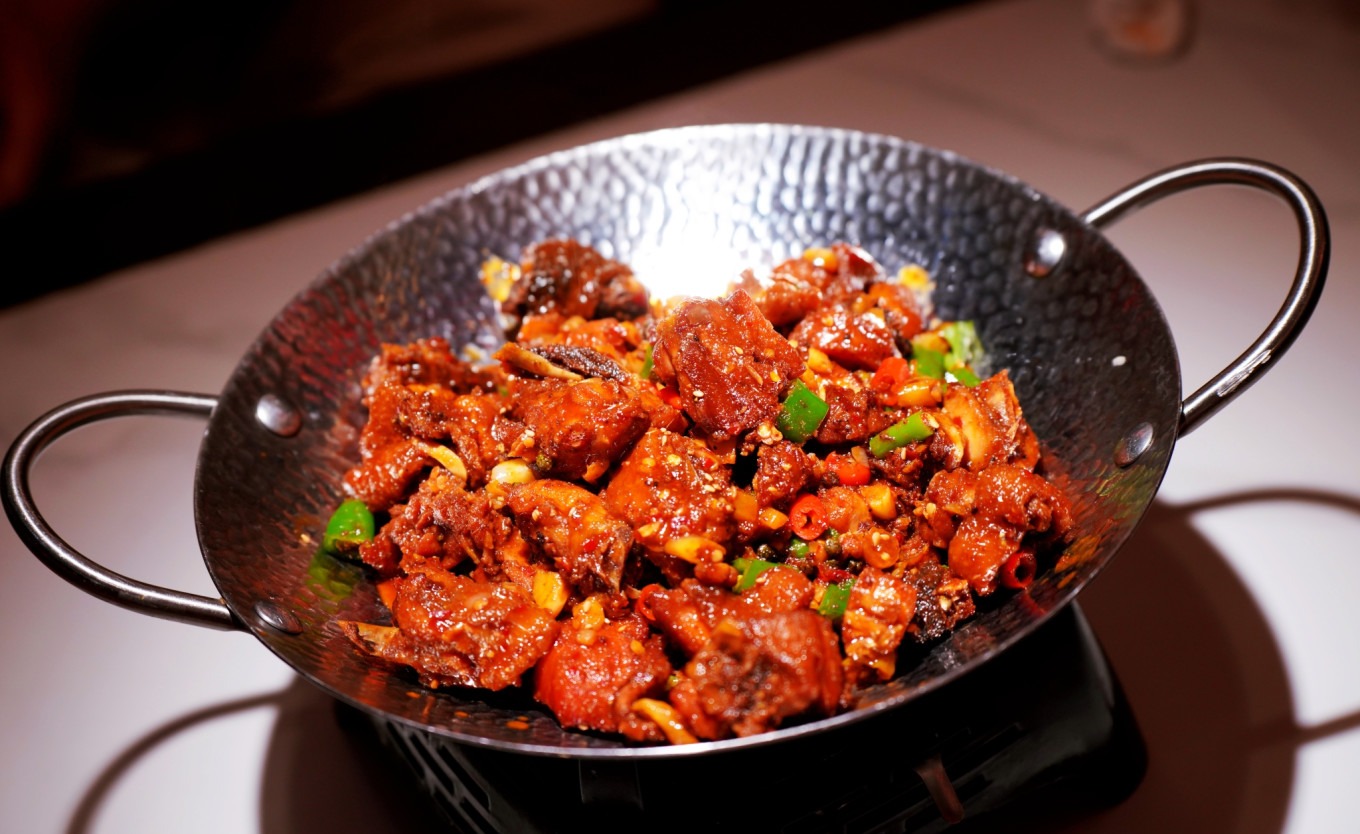
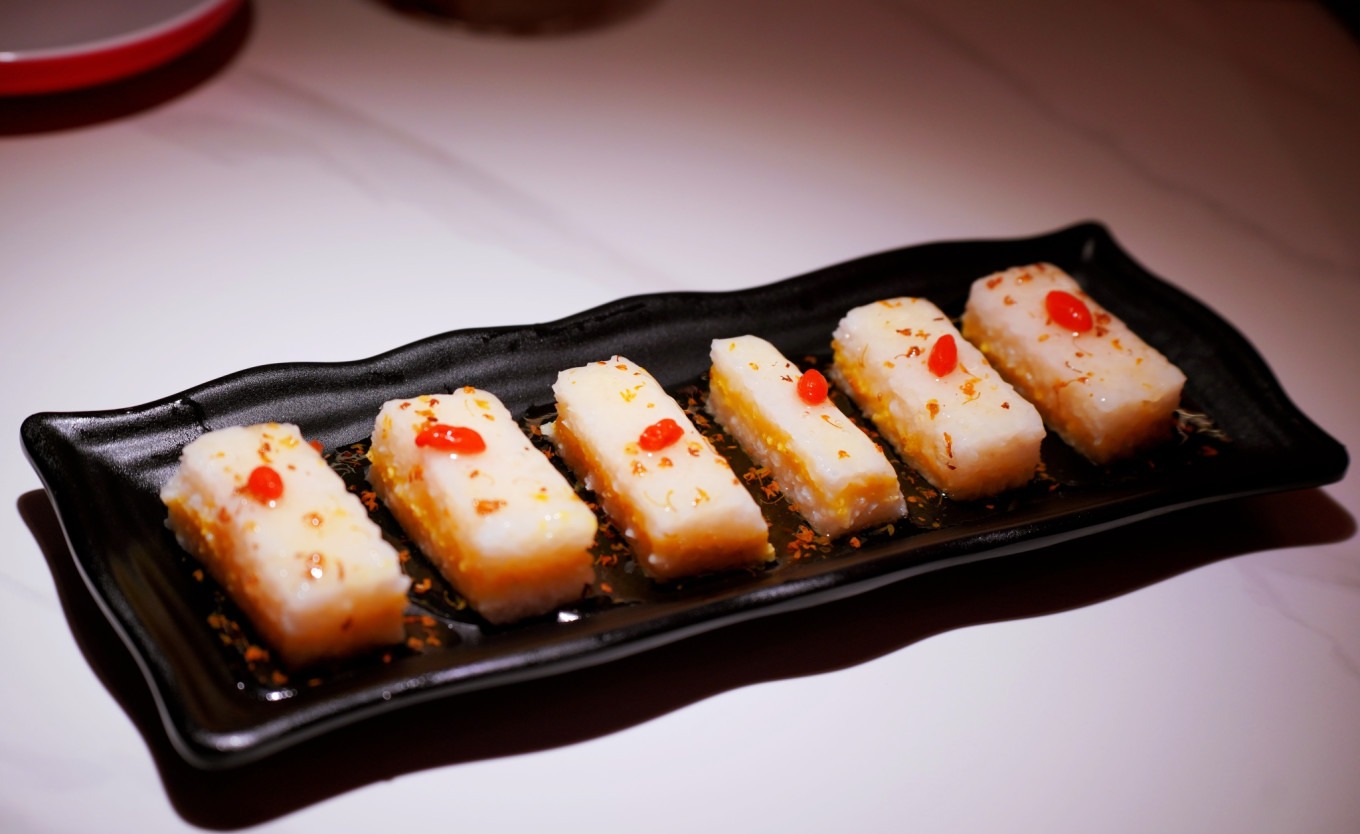
For a meal with a view, try 醉美长安 (Drunken Beauty Chang’an) inside Kaiyuan 商城 (Kaiyuan Mall). The roasted lamb ribs (烤羊排) are 78 yuan, and the ‘Concubine’s Smile’ (妃子笑)—shrimp balls shaped like lychees—is 46 yuan. They also have a novelty dish called ‘brush pastry’ (毛笔酥), but you might want to skip it. The Drunken Beauty stir-fried chicken (醉美炒鸡) is 68 yuan, and the osmanthus cold cake (桂花凉糕) is 26 yuan. Don’t miss the liangpi (酿皮) at a promotional 3 yuan, though it’s not as good as the ones in Gansu or Qinghai. Finish with ice powder (冰粉) at 10 yuan or yogurt (酸奶) at 12 yuan.
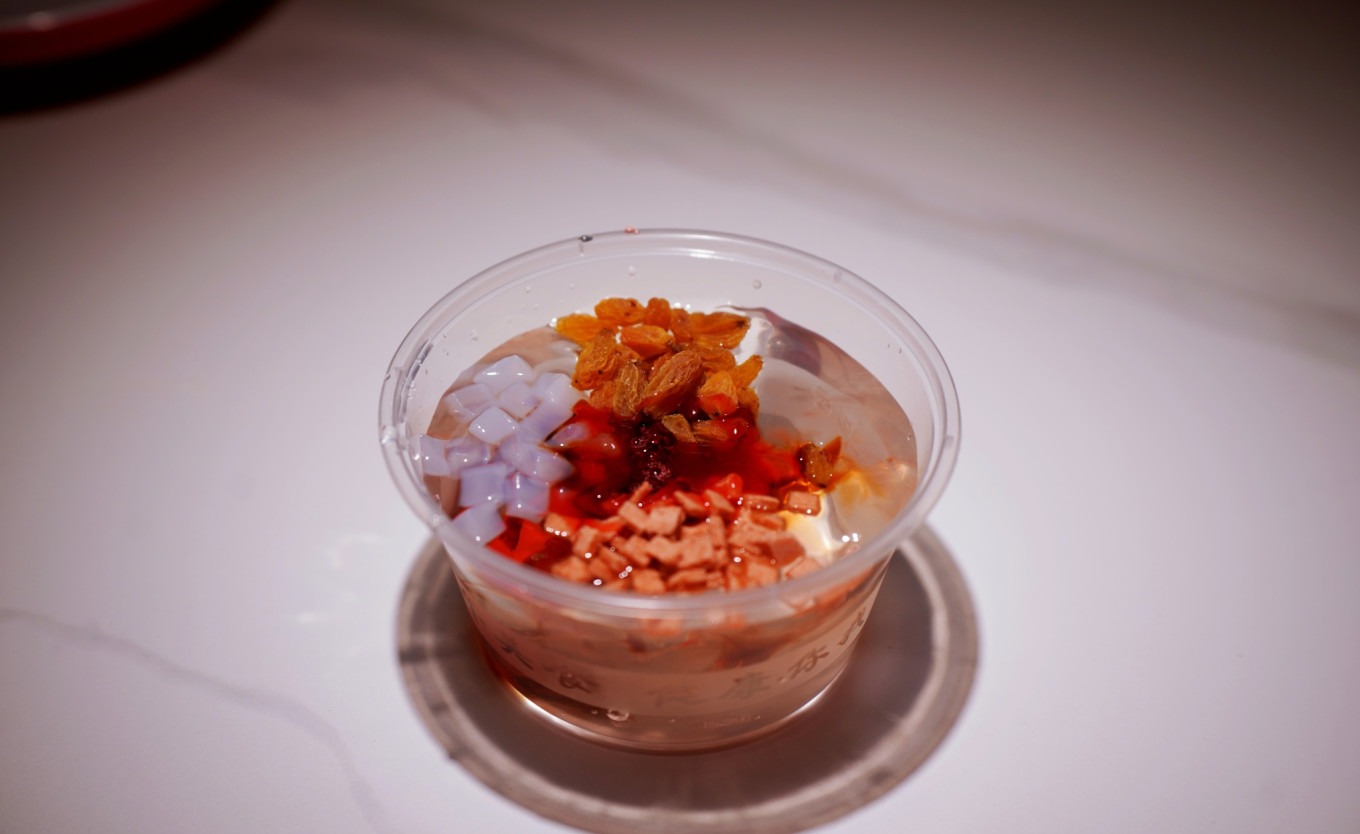
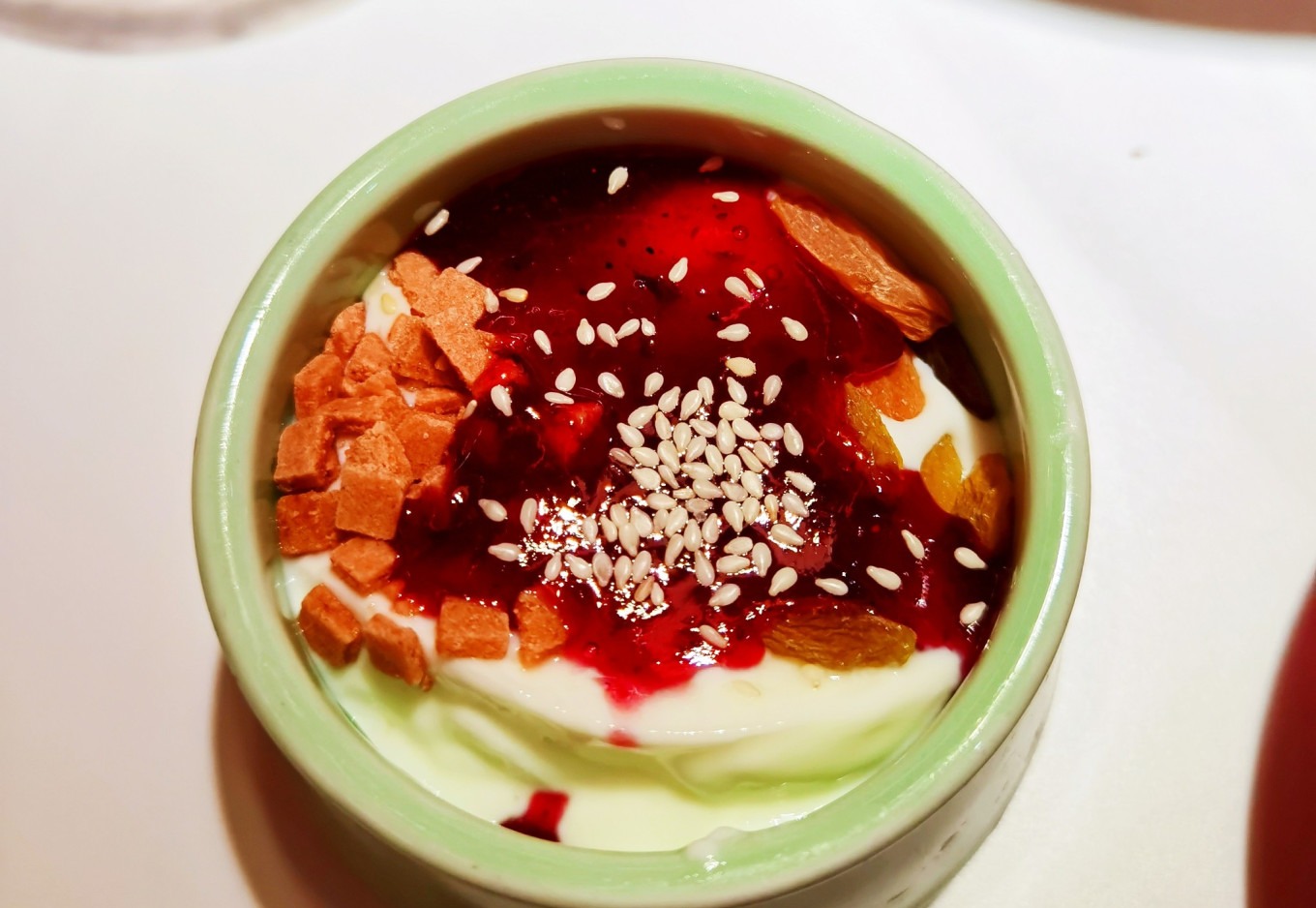
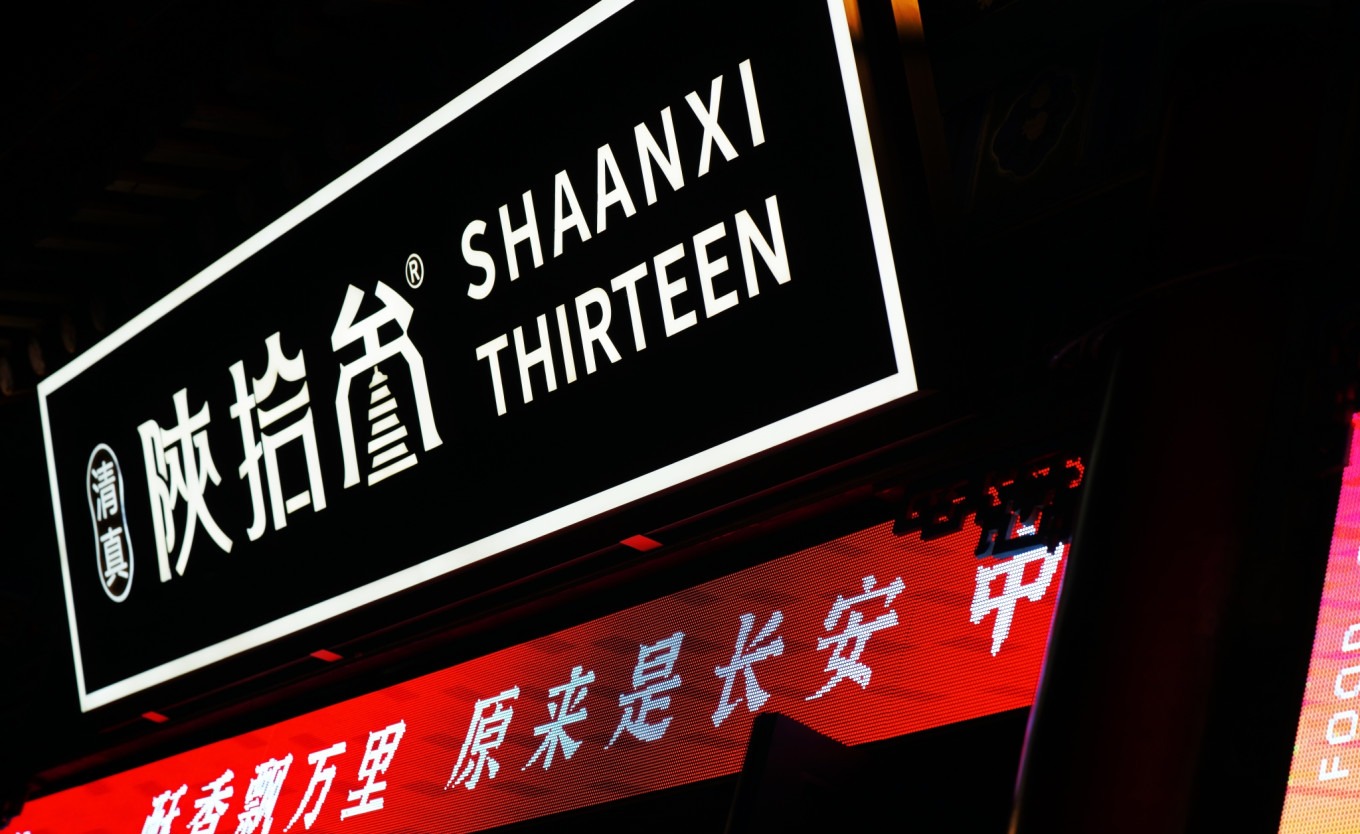
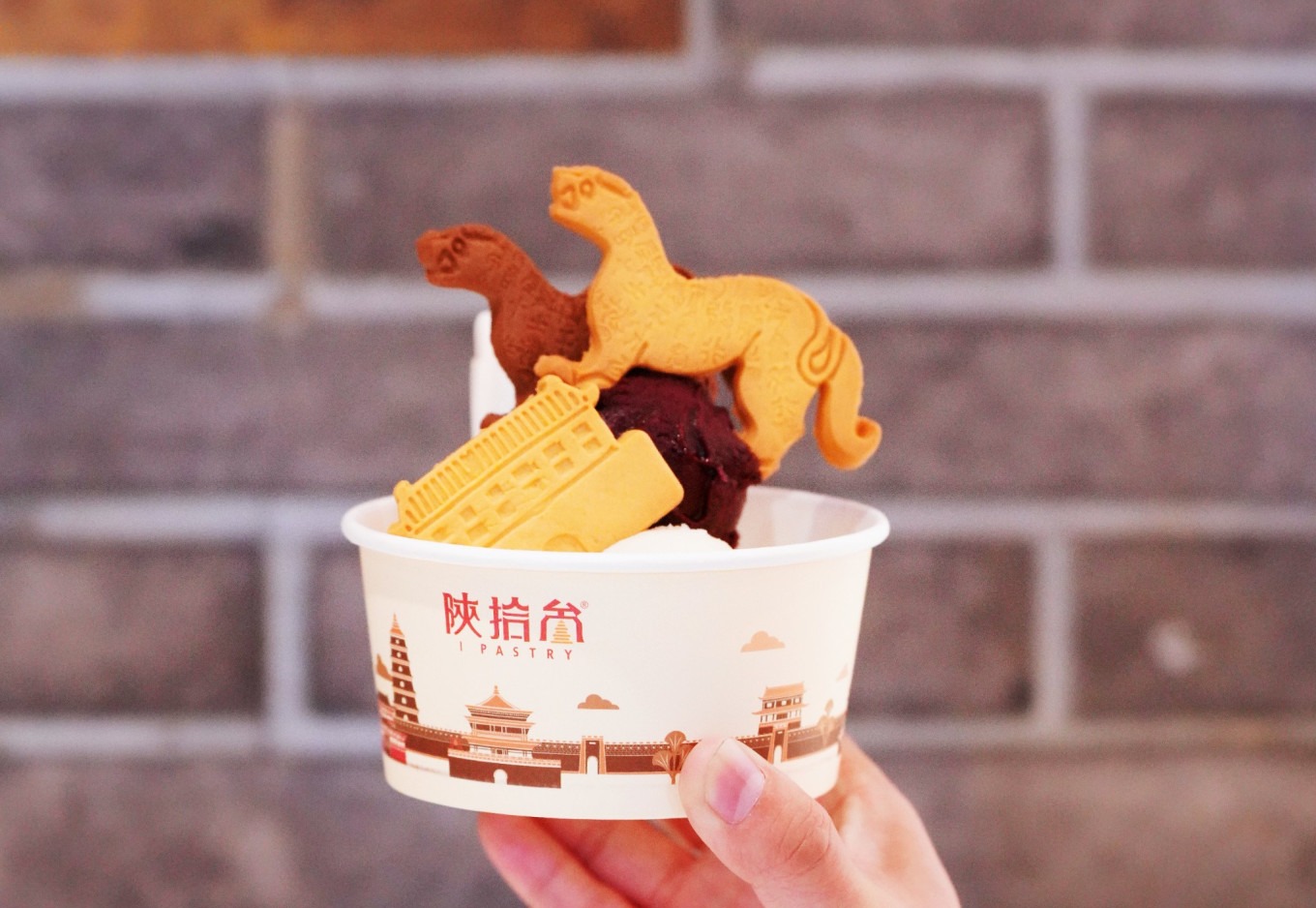
A colleague’s strong recommendation led to a stop at 陕拾叁 (Shaanxi Thirteen), located at the end of Muslim Quarter (回民街). It’s an ice cream shop with adventurous flavors. Try the four-flavor combo: oil-splashed chili (油泼辣子), osmanthus fermented rice (桂花醪糟), Chinese tofu (中华豆腐), and mulberry (桑葚). Only the fermented rice one is relatively tasty.
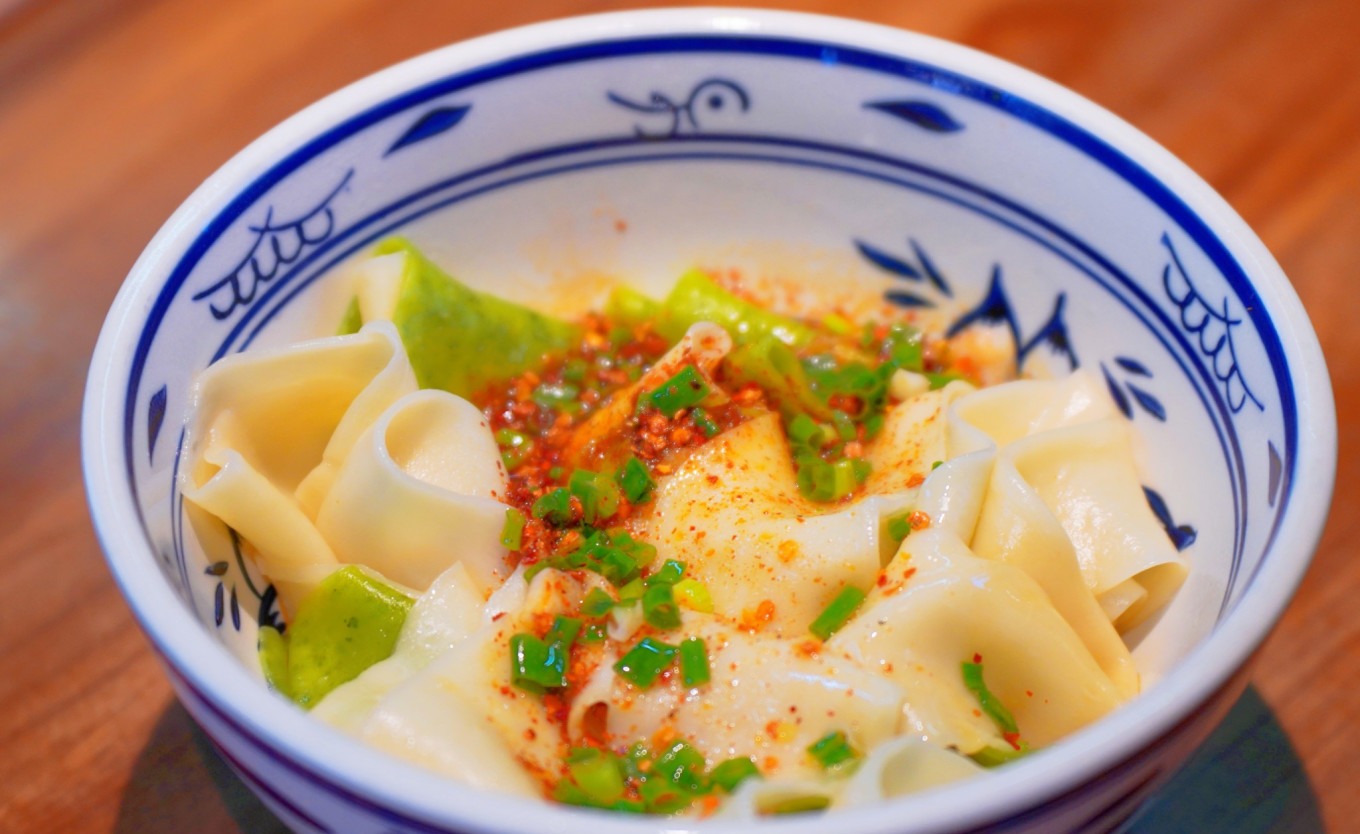
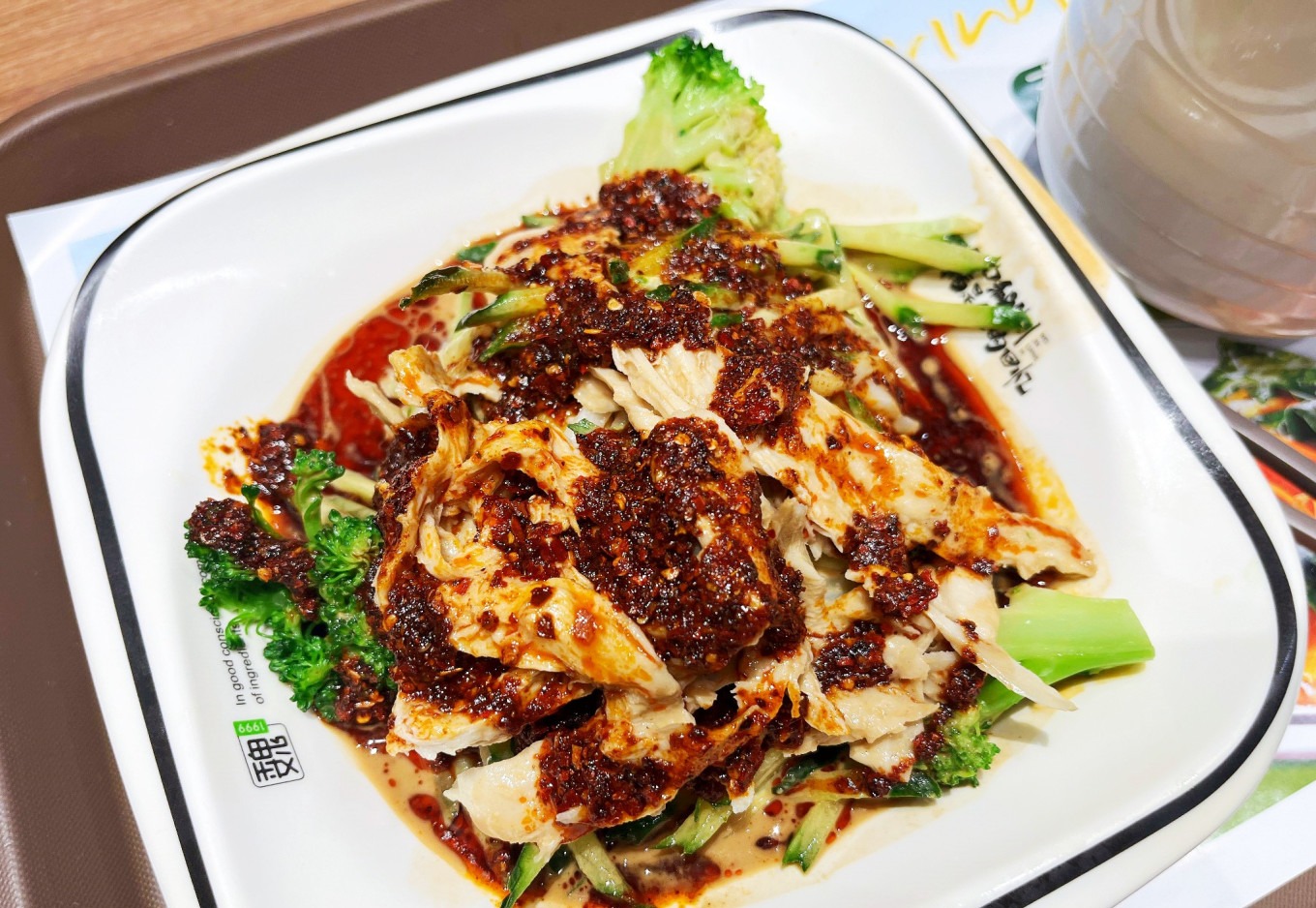
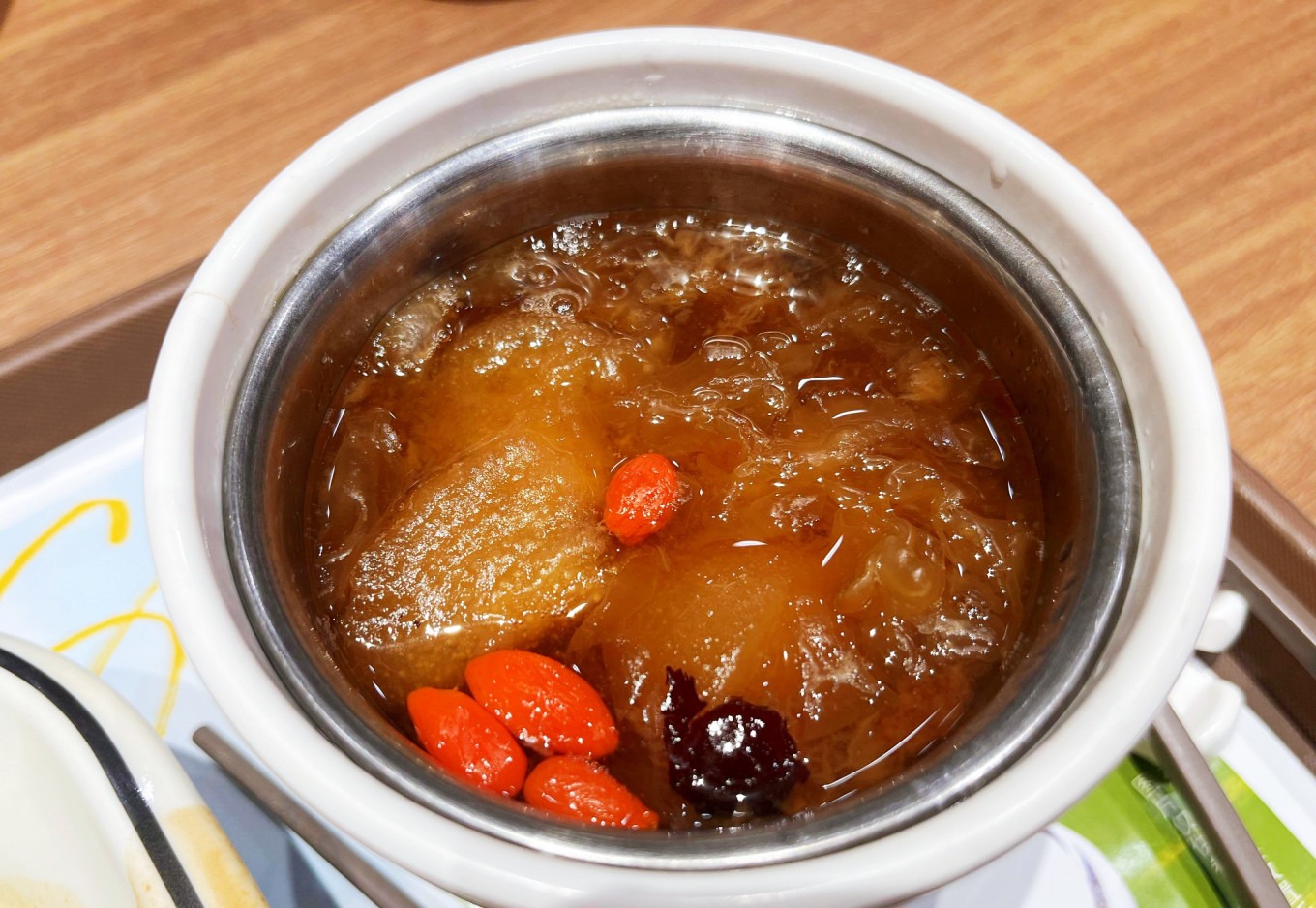
For a quick bite, 老米家泡馍 (Old Mi’s Paomo) on the shopping street near the Terracotta Warriors exit is a chain, but the quality is disappointing. A bowl of youpo noodles (油泼面) costs 25 yuan. Better to try 魏家凉皮 (Wei’s Liangpi) near the Huaqing Palace exit, north side of the metro station. It’s a reliable chain with affordable and tasty options: sesame sauce liangpi (麻酱凉皮) at 11 yuan and snow pear with tremella soup (雪梨银耳羹) at 12 yuan.
Finally, 唐猫小吃荟 (local term) (Tang Cat Snack Collection (唐猫小吃荟)) on the southeast side of the Giant Wild Goose Pagoda South Square offers a variety of Shaanxi snacks. Their couple’s set meal (双人套餐) is 117 yuan and includes dishes like vermicelli with lamb blood (粉丝羊血), boiled beef tripe (涮牛肚), soup-filled crispy pork (灌汤小酥肉), and Qishan noodles with minced meat (岐山臊子面). Sit by the window for a hidden photo spot of the pagoda—enjoying the view while you eat.
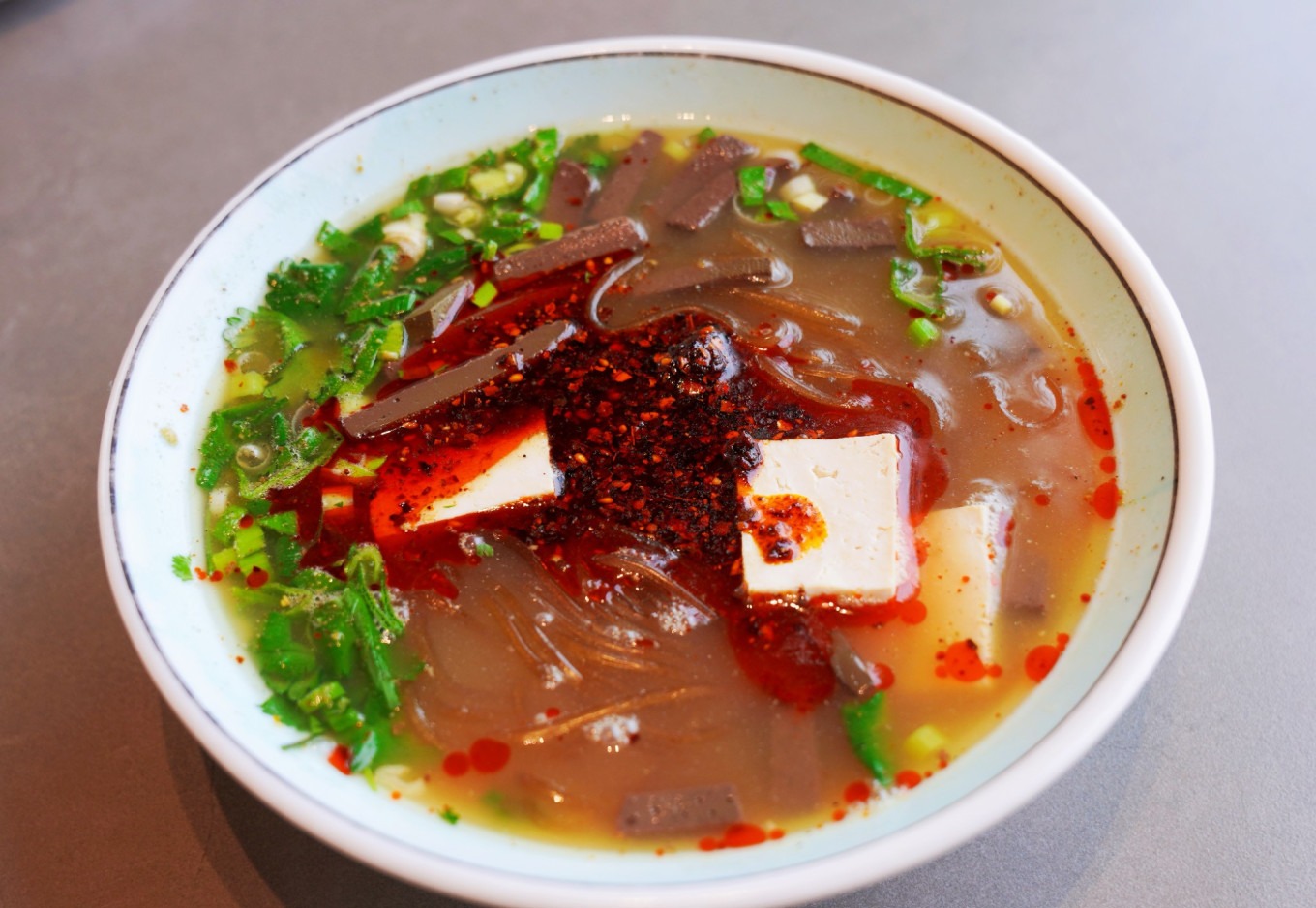
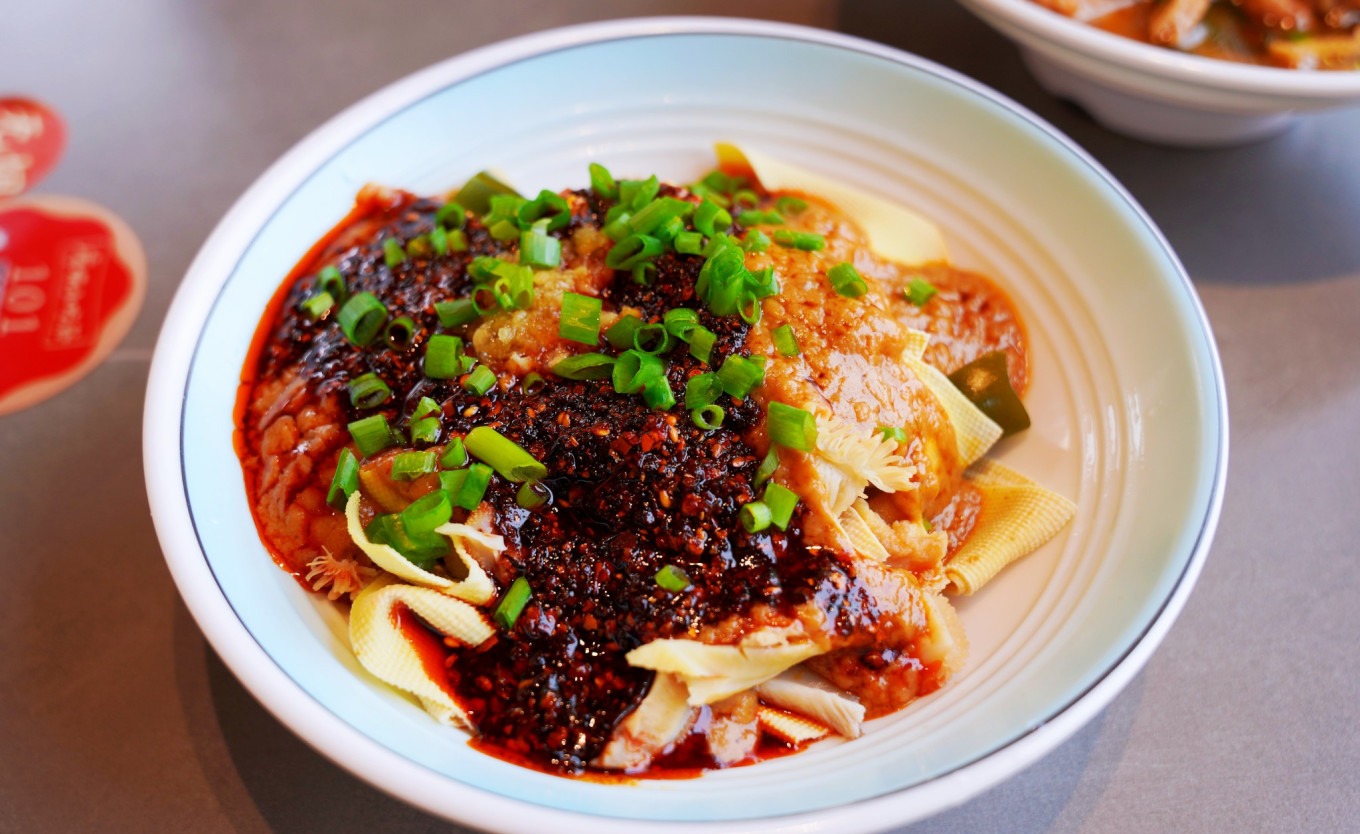
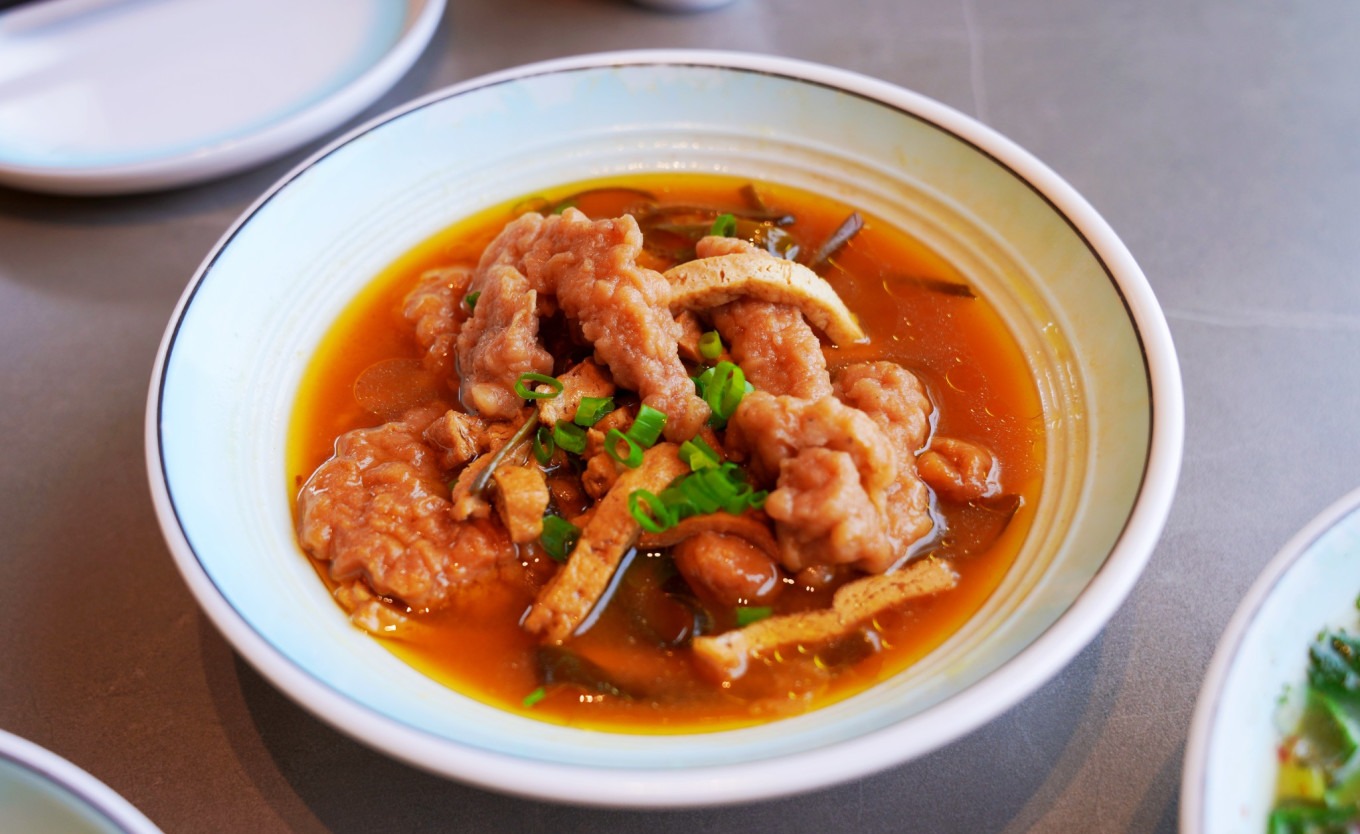
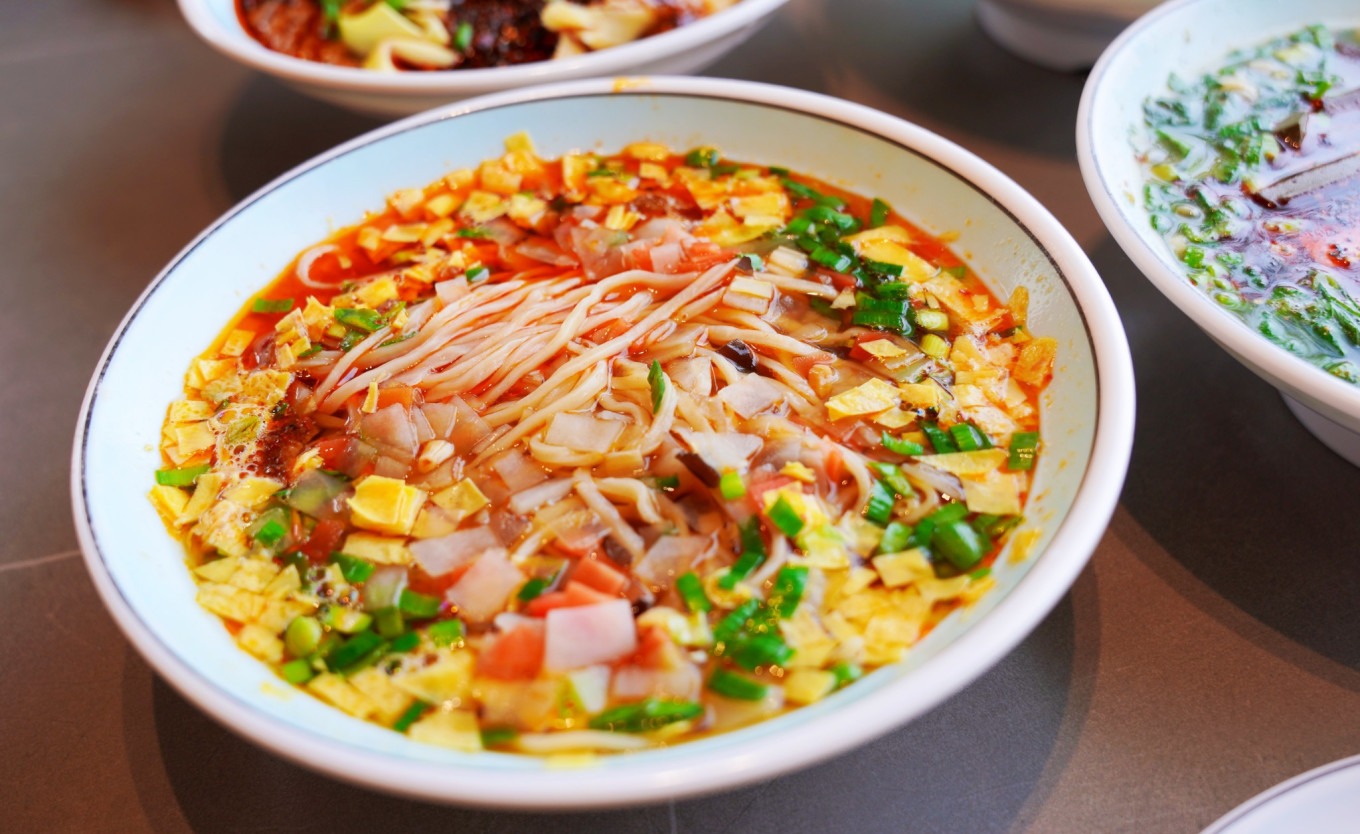
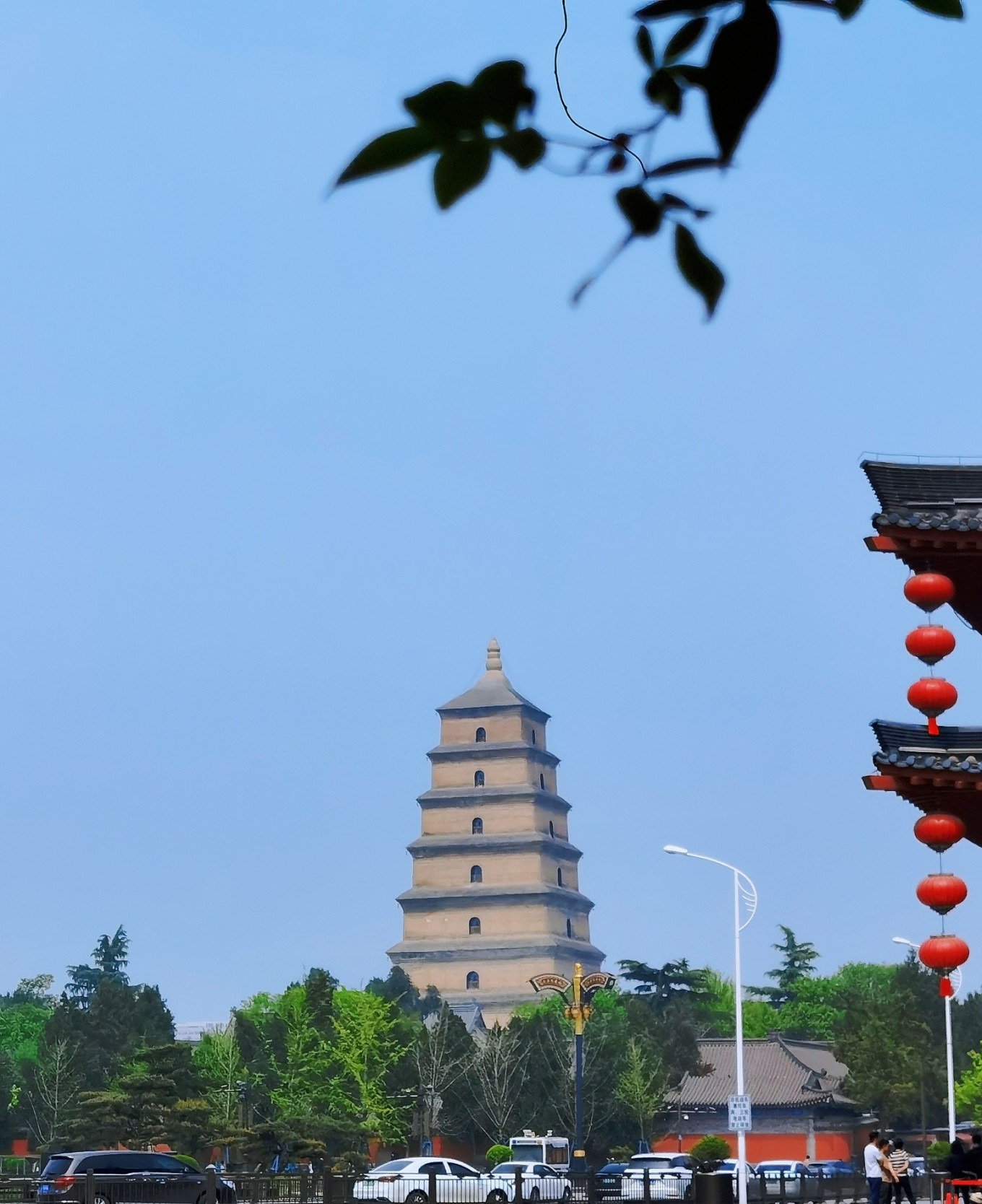
- Restaurant唐猫小吃荟 (Tang Cat Snack Collection)
- Address大雁塔南广场东南侧 (Southeast side of Giant Wild Goose Pagoda South Square)
- Recommended dishes粉丝羊血 (vermicelli with lamb blood), 涮牛肚 (boiled beef tripe), 灌汤小酥肉 (soup-filled crispy pork), 岐山臊子面 (Qishan noodles with minced meat)
- Average spend117 yuan for couple’s set meal
Transportation & Accommodation
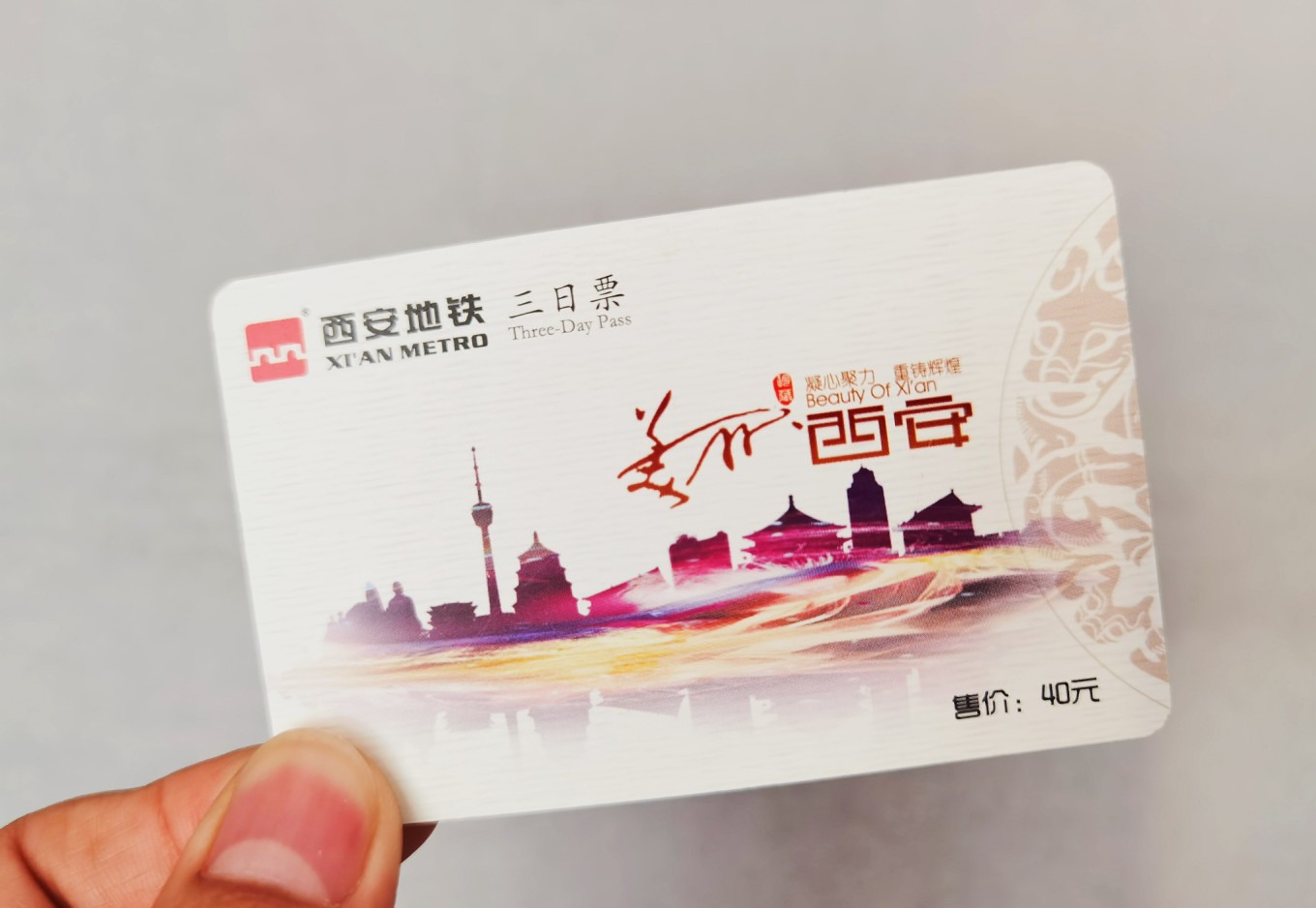
Getting around Xi’an is easy, as most attractions are concentrated and accessible on foot or by metro. Consider purchasing a Xi’an metro day pass — the card itself is a souvenir and not returned. Options include a 1-day pass for 15 RMB (valid 24 hours) or a 3-day pass for 40 RMB (valid 72 hours). For the trip from Huaqing Palace (华清宫) to the Terracotta Warriors (兵马俑), take direct bus 613 for 5 RMB per person; you can scan a QR code at the bus stop to pay. Yongxing Fang (永兴坊) is a bit far from the metro, so taking a taxi is a convenient and affordable option.
For accommodation, book at least one month in advance during holidays, as prices can double. Staying near Bell Tower (钟楼) or Big Wild Goose Pagoda (大雁塔) is recommended for easy metro access. One practical choice is the Hanting Hotel Xi’an Dayanta Branch (汉庭酒店大雁塔店), located near the metro station. From there, you can walk to the Tang Paradise and the Shaanxi History Museum in the evening.
Ticket Guide & Key Information
If you’re a collector of paper tickets, you’ll appreciate that many Xi’an attractions still offer physical souvenir tickets at the ticket window. Here’s a practical rundown of ticketing details for the must-see spots.
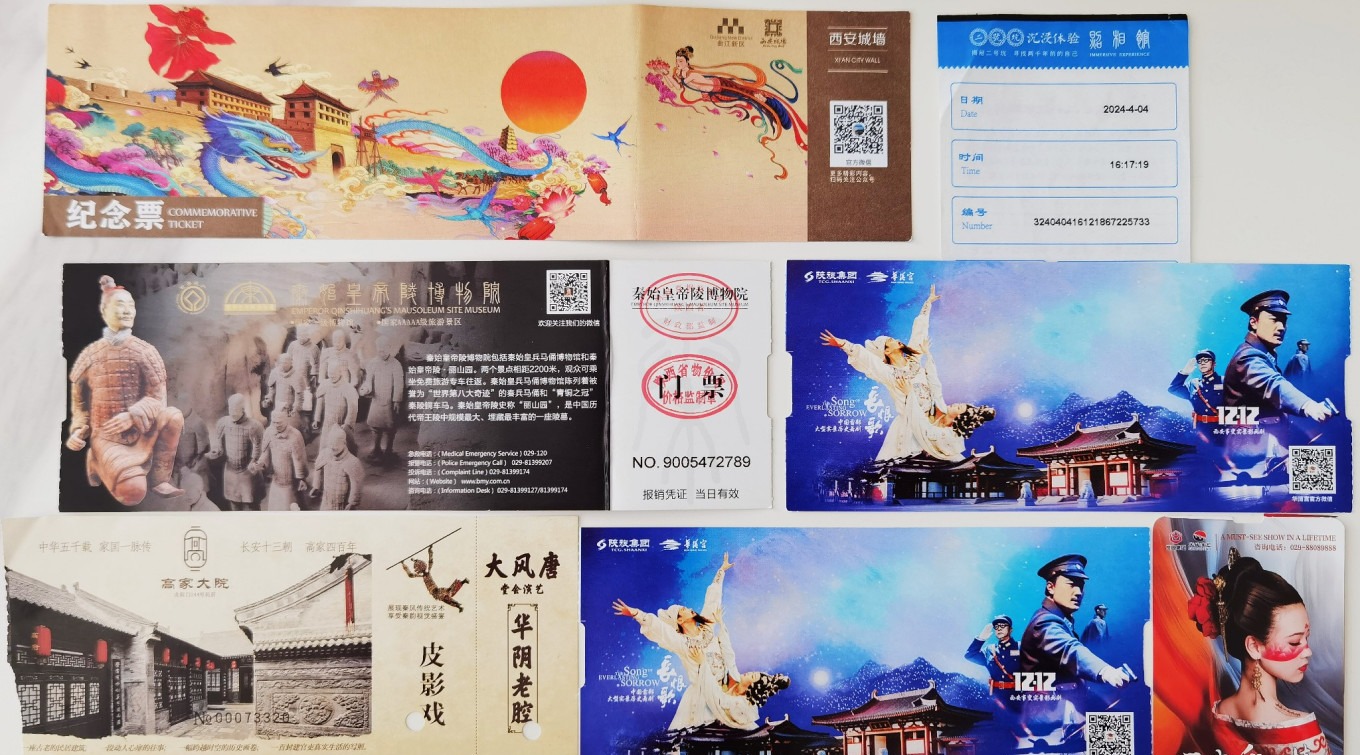
**秦始皇陵兵马俑 (Emperor Qinshihuang’s Mausoleum Site Museum / Terracotta Warriors)**
- Ticket: 120 RMB; audio guide 38 RMB/person
- Booking: Real-name reservation via official WeChat account; tickets released 7 days in advance
- Souvenir ticket: Exchange with ID card at ticket window
- Refund: Available before ticket check
- Entry: Scan ID card
- Hours: 8:30–17:00
- Free shuttle bus between the Terracotta Warriors and Lishan Garden (丽山园)
- Tip: Arrive before 8:00 to avoid crowds
**华清宫 (Huaqing Palace / Huaqing Hot Springs)**
- Ticket120 RMB; Lishan Mountain cable car round-trip 60 RMB
- BookingReal-name reservation via Huaqing Palace WeChat account; tickets available anytime
- Souvenir ticketExchange with ID card at ticket window
- RefundAvailable before ticket check
- EntryScan ID card
- Hours7:30–18:00
**长恨歌 (The Song of Everlasting Sorrow) Performance** — notoriously hard to get tickets.
- TicketFirst show Zone A (中 A) 398 RMB — try to get Zone A (中 A) for best view
- BookingReal-name reservation via Huaqing Palace WeChat account; tickets released 10 days in advance at 9:00 AM daily; pre-enter your ID info
- Souvenir ticketExchange with ID card at ticket window
- RefundNon-refundable
- EntryScan ID card
- Show timesFirst show 19:40, second 21:05; extra shows on holidays. First show is best — Huaqing Palace closes at 18:00, so you won’t wait long, and the metro will still be running after the show
**陕西历史博物馆 (Shaanxi History Museum)** — extremely hard to book.
- TicketFree; Treasure Gallery 30 RMB; Mural Gallery 270 RMB (includes Treasure Gallery); audio guide 30 RMB (deposit 100 RMB)
- BookingReal-name reservation via official WeChat account or Meituan (美团); tickets released on the hour at 10:00, 11:00, 18:00, 19:00 daily. Regular days: tickets 3 days in advance; holidays: 7 days in advance. Meituan has a higher success rate. Book for one person at a time — booking for multiple people often fails
- Souvenir ticketNone
- RefundAvailable
- EntryScan ID card
- Hours8:30–18:00
- TipArrive before 8:00 to beat the crowds
**西安城墙 (Xi’an City Wall)**
- Ticket: 54 RMB; bicycle rental 45 RMB for 3 hours (deposit 100 RMB)
- Booking: Walk-up purchase; real-name required
- Souvenir ticket: Exchange at the service center near the entrance
- Refund: Anytime
- Entry: Scan ID card
- Hours: 8:00–22:00
- Cycling the full circuit takes about 1 hour
**乐游原青龙寺 (Qinglong Temple / Green Dragon Temple)**
- TicketFree
- BookingReal-name reservation via Meituan; book in advance
- Souvenir ticketNone
- RefundAnytime
- EntryScan ID card
- Hours8:30–18:00
- TipArrive before 8:00 to avoid the flower-viewing crowds
**小雁塔 (Small Wild Goose Pagoda)**
- TicketFree
- BookingReal-name reservation via Meituan; book in advance
- Souvenir ticketAsk staff to exchange
- RefundAnytime
- EntryScan ID card
- Hours9:00–18:00
**高家大院 (Gao’s Grand Courtyard)**
- TicketCombo ticket for entrance + shadow puppetry + Huayin Old Tune (华阴老腔) 50 RMB
- BookingBuy on-site; you’ll get a paper ticket
- Hours10:00–22:00
- NoteOther courtyards in the area don’t require tickets unless you’re really interested
Final Thoughts
If you’re torn between destinations, consider Xi’an over Dandong—even if your original plan was a spring trip to the border city. Xi’an delivers an immersive journey through Tang Dynasty splendor. Stroll through the 大唐不夜城 (Great Tang All Day Mall) at night to feel the pulse of that golden age. Then, watch the outdoor performance《长恨歌 (local term)》(The Everlasting Regret) at the Huaqing Palace, which traces the dynasty’s rise and fall. Later, wander the same streets in the quiet hours after midnight, when the crowds have thinned, and you might glimpse the melancholic twilight of the late Tang. Though the Tang lanterns have long been extinguished, today’s Xi’an has rekindled its former glory. As the poet said, ‘The time will come to ride the wind and cleave the waves; travelers’ll set the cloud-white sail and cross the sea.’ But ultimately, ‘All those far-gone days are past; the truly great spirits are found in the present.’
Common Traveler Questions
Is four days enough for Xi’an?
Yes. Four days is enough for the City Wall, Terracotta Warriors, Giant Wild Goose Pagoda, Tang-style evening areas, food, and one flexible museum or neighborhood block.
Should I visit the Terracotta Warriors as a half-day or full-day trip?
Treat it as most of a day once you include transport, tickets, crowds, and nearby Huaqing Palace or Mount Li options. Squeezing it between downtown stops usually feels rushed.
Where should I stay for a first Xi’an trip?
Most first-time visitors do well near the Bell Tower, South Gate, or a convenient metro corridor, depending on whether they prioritize evening walks, food, or transport.
Guide Navigation
Enjoyed this article? Consider buying me a coffee to support more content like this!
💖 0 people have clicked to support this article.