Language Barriers in China: Translation Apps, Offline Tools, and Useful Phrases
A practical 2026 guide to language barriers in China, with translation apps, offline tools, Pleco, Chinese addresses, menu help, taxi phrases, and useful travel phrases.

travel better
A practical 2026 communication guide for menus, taxis, hotels, stations, payments, markets, and everyday travel moments.
Last updated: May 17, 2026
Quick Answer
You can travel in China without speaking Chinese, but you should prepare before arrival. Install at least two translation tools, download offline Chinese-English packs, save hotel and destination addresses in Chinese, keep screenshots of key places, and learn a few phrases for taxis, restaurants, toilets, prices, and help.
For most visitors, the best setup is a translation app for full sentences, Pleco for Chinese words and characters, screenshots for addresses, and a phrase list for moments when your phone or data fails. Pair this with the China travel apps guide and the Chinese city transport guide.
China’s language barrier is real, but it is manageable. The hardest situations are not usually tourist attractions; they are small restaurants, taxis, ride-hailing pickup points, local buses, pharmacies, markets, and hotel check-in details. A little preparation makes these moments much easier.
The Best Translation Toolkit for China
Do not rely on one app. Apps can fail because of internet access, account region, VPN status, battery, microphone permissions, or blocked services. A layered setup is safer.
Use Google Translate, Microsoft Translator, Baidu Translate, or another app you have tested before arrival.
Use Pleco when you need to understand a Chinese word, character, menu item, or sign more precisely.
Save hotel names, addresses, station names, restaurant names, allergies, and emergency contacts in Chinese.
Use tools by situation
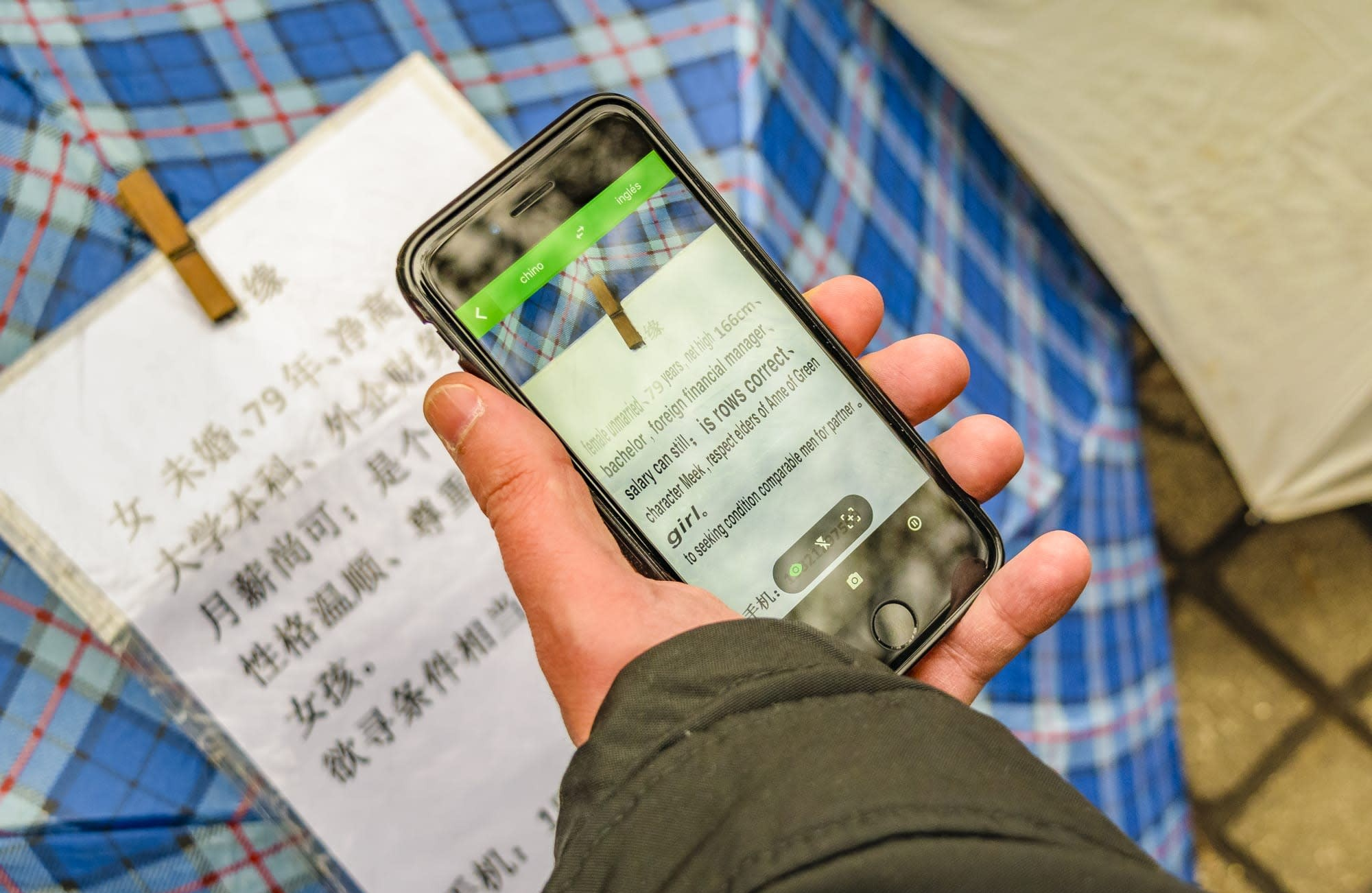
- Use camera translation for menus, signs, and machines.
- Use typed translation for hotel, pharmacy, and station questions.
- Use screenshots for taxi and ride-hailing pickup points.
- Use Pleco for single words, dish names, and Chinese characters.
- Use simple English sentences before translating; avoid idioms.
Offline Translation Setup
Offline tools are useful when mobile data is weak, Wi-Fi requires a local phone number, or an app cannot reach its cloud service. Download offline language packs before the trip and test them in airplane mode. Do not discover a broken setup at a taxi pickup point.

What offline translation can and cannot do
- Good for: basic signs, menus, addresses, simple text, saved phrases.
- Less reliable for: dialects, noisy speech, handwritten menus, slang, and complex requests.
- Still needed: screenshots, Chinese addresses, and patience.
- Test: text translation, camera mode, and phrase playback before departure.
Common Travel Scenarios
| Scenario | Best approach | Useful phrase |
|---|---|---|
| Taxi or ride-hailing pickup | Show the destination in Chinese and confirm the license plate or pickup point. | 我要去这里. Wǒ yào qù zhèlǐ. I want to go here. |
| Restaurant ordering | Use photos, point, ask about spice, and translate allergies carefully. | 不要辣. Bú yào là. Not spicy. |
| Hotel check-in | Show passport, booking name, and Chinese hotel address. | 我有预订. Wǒ yǒu yùdìng. I have a reservation. |
| Payment problem | Try another app/card, ask if cash is possible, and keep the sentence short. | 可以用现金吗? Kěyǐ yòng xiànjīn ma? Can I use cash? |
| Train or metro station | Show station name and train number; ask staff at a staffed counter if confused. | 这个入口对吗? Zhège rùkǒu duì ma? Is this the right entrance? |
| Pharmacy or emergency | Use written translation and photos; for serious issues, ask hotel staff for help. | 我需要帮助. Wǒ xūyào bāngzhù. I need help. |
Useful Chinese Phrases for Travelers
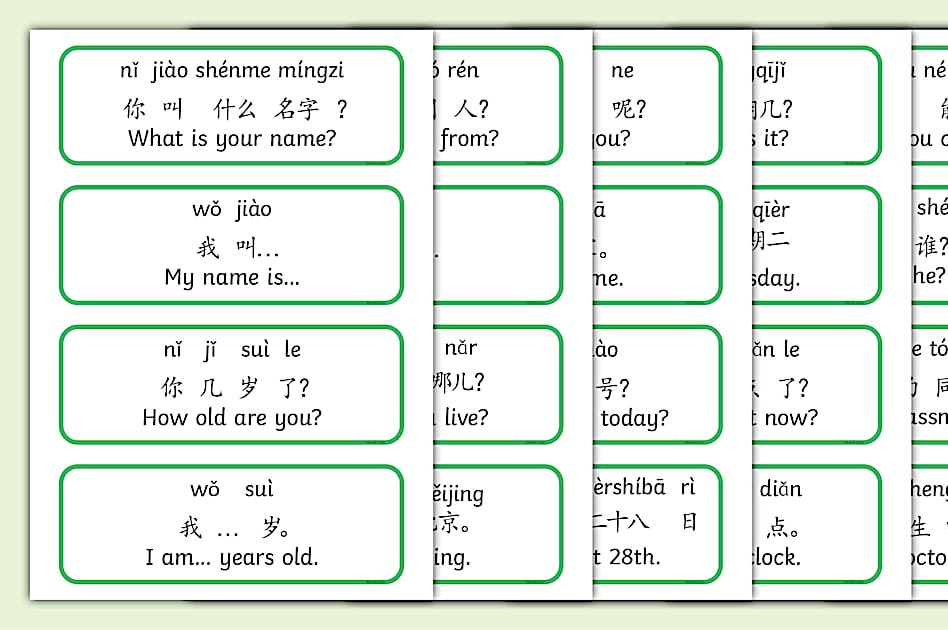
Learning pinyin is helpful, but Chinese characters are often more useful in real travel because locals can read them even if your pronunciation is not clear. Save this table as a screenshot.
Essential phrases
- Hello: 你好 / Nǐ hǎo
- Thank you: 谢谢 / Xièxie
- This one: 这个 / Zhège
- How much is it? 多少钱? / Duōshǎo qián?
- I cannot speak Chinese: 我不会说中文 / Wǒ bú huì shuō Zhōngwén
- Please write it down: 请写一下 / Qǐng xiě yíxià
- Where is the toilet? 洗手间在哪里? / Xǐshǒujiān zài nǎlǐ?
- Please use the meter: 请打表 / Qǐng dǎbiǎo
Communication Habits That Work
Speak or type short sentences. Translation quality gets worse when you write long, idiomatic English. “I need to go to Shanghai Railway Station” translates better than “Could you possibly take me over to the train station if it is not too much trouble?”
Use pictures and map pins. For food, a photo is often better than a translated dish name. For transport, a map pin plus Chinese address is better than an English landmark. For hotels, show the full Chinese name and phone number.

Practical habits
- Keep your phone charged and carry a power bank.
- Save offline maps or screenshots before a long transfer.
- Let hotel staff write addresses in Chinese when needed.
- Use numbers on your phone calculator for prices.
- Confirm allergies and medical issues with written Chinese.
Official App References and Related Guides
For current app functions, check the official Google Translate offline language help, Microsoft Translator language support, and Pleco official site.
Language Barriers in China FAQ
Can I travel in China without speaking Chinese?
Yes, especially in major cities, but you should prepare translation apps, offline language packs, Chinese addresses, screenshots, and a few essential phrases. Smaller restaurants, taxis, markets, and rural areas require more patience.
Which translation app should I use in China?
Use more than one tool. Google Translate is familiar if you prepare access and offline packs, Pleco is excellent for Chinese characters and dictionary lookup, and a China-based translation app can be useful when Google services are unreliable.
Do offline translation apps work well in China?
Offline translation helps with basic text, menus, signs, and saved phrases, but it is weaker for nuanced speech, dialects, slang, and complex conversations. Download language packs before travel and test them before you need them.
What Chinese phrases should I learn first?
Learn greetings, thank you, this one, how much, no spicy, where is the toilet, I want to go here, please use the meter, and I cannot speak Chinese. Save the Chinese characters as well as pinyin.
Enjoyed this article? Consider buying me a coffee to support more content like this!
💖 0 people have clicked to support this article.