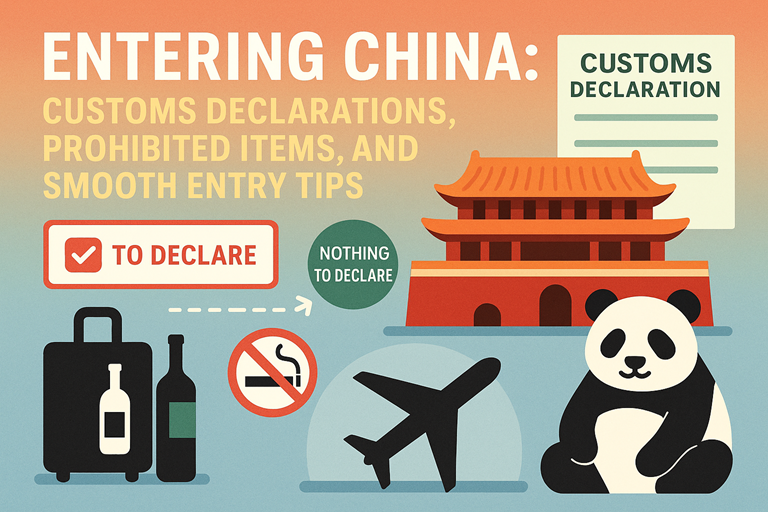
Entering China: Customs Declarations, Prohibited Items, and Smooth Entry Tips
2,103 words, 11 minutes read time.
travel better
On this page
For most tourists, entering China means two separate steps after landing: immigration first, then customs. Immigration checks your passport, visa or visa-free eligibility, arrival card, and entry permission. Customs checks goods, cash, food, medicine, animals/plants, commercial items, and anything restricted or prohibited.
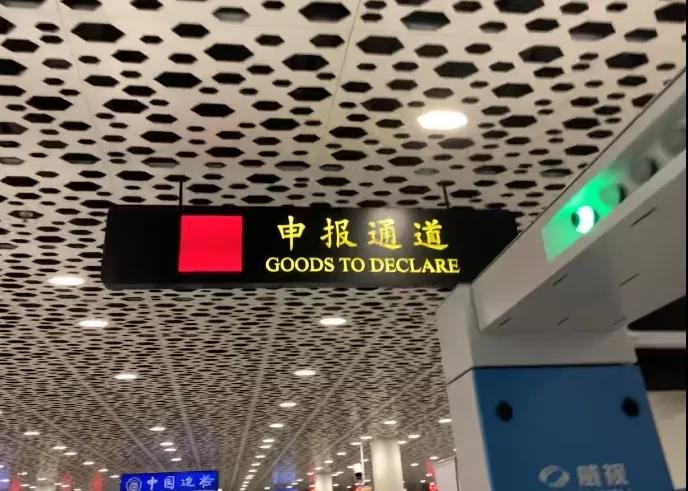
Use the Green Channel: if you have nothing to declare and are carrying normal personal luggage within allowances.
Use the Red Channel: if you carry declarable cash, restricted goods, commercial samples, animals/plants, certain medicines, or anything you are unsure about.
Last checked: May 15, 2026. For the official baseline, check the General Administration of Customs of China and your airline/airport notices before travel.
Welcome to China! You’ve navigated the visa process (or are enjoying visa-free entry!), booked your flights, and are ready for an incredible journey. The final step before you can truly start exploring is clearing immigration and customs. As a local, I want to help make this process as smooth and stress-free as possible for you.
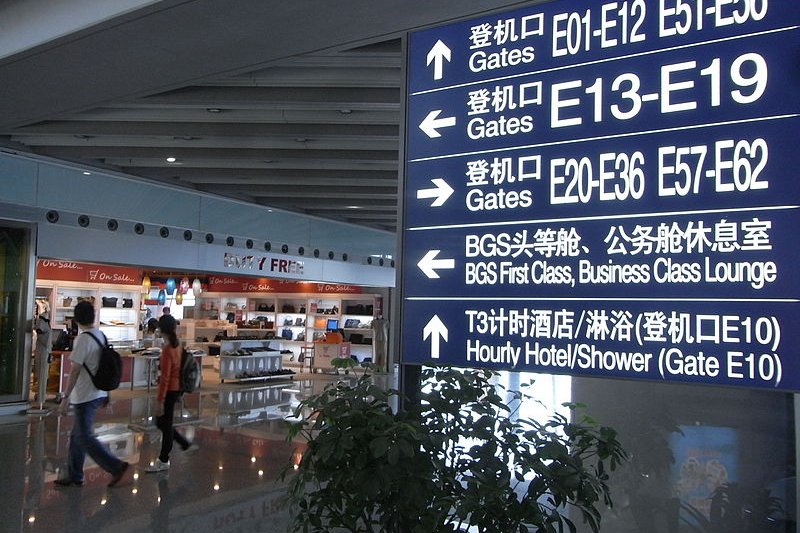
Major Chinese airports have clear signage in both Chinese and English
Understanding China’s customs regulations is key to a hassle-free arrival. This guide will cover what you need to declare, what’s prohibited, and some general tips for a swift passage through customs.
If you are entering China under the 240-hour visa-free transit policy, look for the temporary entry or visa-free transit counter before using normal immigration lanes. Exact signs and procedures vary by airport.
Look for signage such as “24/240-hour Transit Area”, “Visa-Free Transit”, or “Temporary Entry Permit Application.”
You will need to fill out a specific blue/white arrival card specifically for temporary entry, present your connecting flight ticket to a third country/region, and get the permit sticker in your passport before collecting your luggage and passing through customs.
📖 Further Reading on Visas
Confused about the latest rules? Start with China’s Visa-Free Policies Explained, then check the dedicated 240-hour transit guide if you are transiting to a third country or region.
✈️ Need a connecting flight?
To qualify for 240-hour visa-free transit, you must hold a confirmed onward ticket to a third country or region and meet the current route, nationality, and port rules. Check flights here:
Upon arrival, or sometimes distributed on your flight, you might encounter a “Customs Declaration Form for Inbound/Outbound Passengers.” Many major ports of entry have also implemented electronic declaration systems (e.g., via WeChat mini-program “海关旅客指尖服务” – Customs Passenger Fingertip Service, or dedicated kiosks).
Red Channel (Goods to Declare)
If you are carrying items that need to be declared (see list below), you must choose the Red Channel and present your declaration form (or complete the electronic declaration) to a customs officer.
Important: Even if you believe you have nothing to declare, customs officers reserve the right to inspect your luggage. Honesty is always the best policy.
Green Channel (Nothing to Declare)
If you are not carrying any declarable items, you can proceed through the Green Channel.
It’s crucial to declare the following items to avoid potential fines, confiscation, or other penalties:
Currency
Foreign Currency: If you are carrying foreign currency exceeding USD 5,000 (or its equivalent in other foreign currencies) in cash, you must declare it.
Chinese Yuan (RMB): If you carry more than RMB 20,000 in cash, you must declare it.
💡 Pro Tip: Not sure how much cash to bring or how ATMs work here? Read our guide on Understanding Chinese Yuan (RMB) & Currency Exchange.
Note: There are no limits on the amount of foreign currency you can bring in if declared, but taking large amounts out of China is restricted.
Personal Articles Intended to Remain in China
Valued Over RMB 2,000 (for Chinese residents) or RMB 5,000 (for non-residents, if staying longer than 180 days, or for certain high-value items even for shorter stays):
This typically applies to items like high-value cameras, laptops, or other electronics that you intend to leave in China. If they are for personal use and you will take them out when you depart, they usually fall under “personal effects.” However, if you have multiple new items or very expensive single items, it’s wise to inquire.
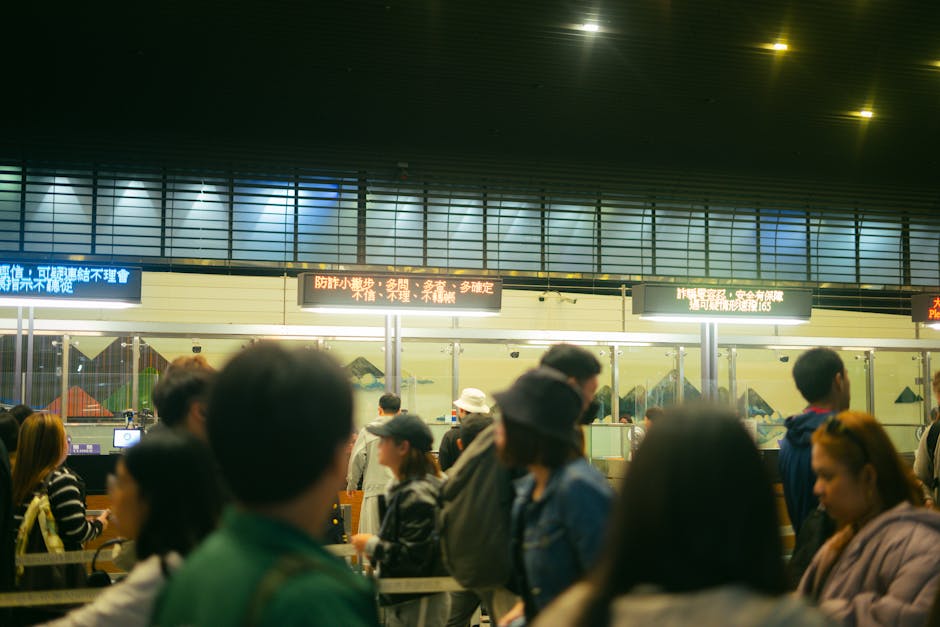
Customs officers may inspect luggage for undeclared items
Commercial Goods, Samples, or Articles Beyond Personal Use
If you are carrying items for business purposes, trade samples, or quantities that exceed what’s considered reasonable for personal use, these must be declared.
Animals, Plants, and Their Products
This is a highly restricted category due to biosecurity concerns. You MUST declare any:
- Live animals (pets require specific quarantine permits and health certificates obtained well in advance)
- Plants, seeds, fruits, vegetables
- Animal-derived products (e.g., certain meats, dairy, eggs)
- Soil
My Tip: It’s generally best to avoid bringing fresh produce or unprocessed animal products unless you have confirmed they are permissible and have the necessary documentation.
Radio Transmitters/Receivers and Communication Security Equipment
Items like walkie-talkies with a wide frequency range or specialized communication devices may require declaration and approval. Standard mobile phones, laptops with Wi-Fi, and Bluetooth devices are generally fine.
Other Articles Restricted or Prohibited by Chinese Law
This is a catch-all. If you are unsure about an item, it’s always safer to declare it or inquire.
Separately Shipped Luggage
If you have luggage being shipped separately, you must declare this.
Attempting to bring these items into China can lead to severe penalties, including fines, detention, and legal action.
Absolutely Forbidden Items
- Weapons, Ammunition, and Explosives of all kinds. This includes imitation firearms, air guns, and controlled knives.
- Counterfeit Currencies and Counterfeit Negotiable Securities.
-
Printed Matter & Maps with “Incorrect Borders”:
Be extremely careful with maps, globes, or travel guidebooks. China is strict about its territorial integrity. Maps that depict Taiwan as a separate country or do not include the “Nine-Dash Line” in the South China Sea are considered illegal and will be confiscated. This also applies to digital maps stored on devices if inspected.
-
Politically Sensitive Materials:
Books, magazines, or notes that are critical of the Chinese government, or promote religious extremism/cults.
- Poisons of all kinds.
- Addictive Drugs: Opium, morphine, heroin, marijuana (cannabis), cocaine, and other addictive narcotics and psychotropic substances.
- Animals, Plants, and their Products carrying dangerous germs, pests, or other harmful organisms. This includes many raw food items, uninspected animal products, and soil.
- Food, medicine, and other articles coming from epidemic-stricken areas if they are harmful to human and animal health or are capable of spreading diseases.

Chinese customs clearly marks prohibited items with universal symbols
🎒 Don’t stress about what to pack!
Now that you know what is prohibited, make sure you have everything you actually need.
View the Ultimate China Packing List »Tobacco and Alcoholic Beverages (Duty-Free Allowances for Adults aged 18+)
For passengers arriving from outside Hong Kong and Macau SARs:
- Tobacco: Up to 400 cigarettes, OR 100 cigars, OR 500 grams of cut tobacco.
- Alcohol: Up to 1.5 liters of alcoholic beverages (12% ABV or higher).
For passengers arriving from Hong Kong or Macau SARs:
- Tobacco: Up to 200 cigarettes, OR 50 cigars, OR 250 grams of cut tobacco.
- Alcohol: Up to 0.75 liters of alcoholic beverages (12% ABV or higher).
Note: Amounts exceeding these allowances must be declared and are subject to duty.
Personal Articles
For non-resident visitors, personal articles for the journey, in reasonable quantities, are generally allowed duty-free provided they will be taken out of China upon departure. This includes clothing, toiletries, a personal camera, a portable computer, etc. “Reasonable quantity” is key.
Prescription Medications
🚨 CRITICAL WARNING: Stimulants & Psychotropic Drugs
Adderall, Ritalin, and Cannabis products (CBD/THC) are strictly controlled.
Medications commonly prescribed in the West for ADHD (containing amphetamines) or strong painkillers (containing codeine) are classified as psychotropic substances in China. Do not bring these unless absolutely necessary. If you must, you strictly need:
- A formal medical diagnosis certificate.
- The doctor’s prescription.
- Quantity strictly limited to the duration of your trip.
- Declaration at Customs (Red Channel).
CBD Oil and THC products are illegal in China and are treated as narcotics. Do not bring them under any circumstances.
- Carry a reasonable amount for personal use during your trip.
- Keep medications in their original packaging.
- Bring a copy of your doctor’s prescription and a letter from your doctor explaining your condition and why you need the medication. This is especially important for controlled substances or injectable medications.
It’s wise to check if any of your medications contain substances that are controlled or restricted in China. Your doctor or the Chinese Embassy can sometimes provide guidance.
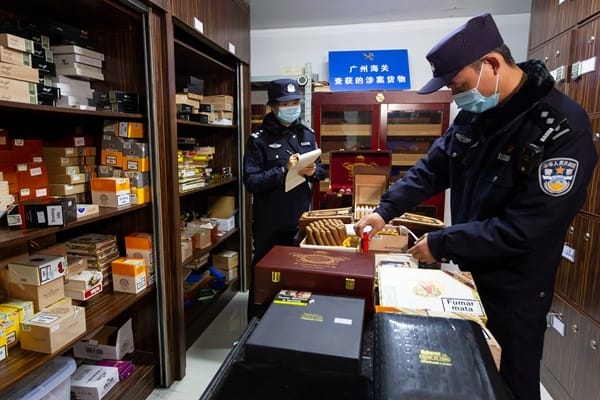
Alcohol and tobacco products are restricted to certain quantities
Non-resident visitors carrying articles for personal use with a total value not exceeding RMB 5,000 (or a reasonable quantity for personal use if staying less than 180 days and the items are intended to be taken out of China) are generally exempt from duty.
For items exceeding this value that are intended to remain in China, duty will be levied.

Duty Calculation
If you need to pay duty, it’s typically calculated as:
Duty = (Total Value – Duty-Free Allowance) × Duty Rate
Duty rates vary depending on the type of goods, usually between 10-50%.
Example: If you bring in a laptop worth RMB 8,000 and intend to leave it in China, you might pay duty on RMB 3,000 (8,000 – 5,000 allowance) at the applicable rate for electronics.
Be Honest and Cooperative
If a customs officer asks you questions or wants to inspect your luggage, be polite, honest, and cooperative.
Pack Smart
Electronics & Power Banks
Power Banks: Must carry clear labeling of capacity. Power banks over 160Wh are generally prohibited. Those between 100Wh-160Wh usually require airline approval. Do not put power banks in checked luggage; carry them with you.
Digital Content: While rare for tourists, customs officers have the authority to check the content of electronic devices. Ensure you do not carry strictly prohibited digital files (pornography, sensitive political content).
- Don’t pack prohibited items.
- If carrying declarable items, keep them easily accessible.
- Avoid carrying items for others if you are unsure of their contents.
Know the Rules
Familiarize yourself with the basic customs regulations before you travel.
Arrival Card
You will also need to fill out an Arrival Card (usually distributed on the flight or available in the immigration hall). Fill it out completely and accurately. Keep the departure portion (if applicable) safe with your passport.
Language
While major airports have English-speaking staff, knowing a few basic Mandarin phrases like:
- “你好 (Nǐ hǎo – Hello)”
- “谢谢 (Xièxie – Thank you)”
- “我不明白 (Wǒ bù míngbái – I don’t understand)”
can be helpful. However, to truly navigate smoothly, you need the right digital tools.
- Must-Have Apps: Check our list of Essential Apps For Traveling In China (Maps, Payment, Taxi).
- Communication: Worried about the language? Download these Best Offline Translation Tools before you board your flight.
Patience
Airports can be busy. Allow ample time for immigration and customs procedures.
Electronic Declaration
If available, using the electronic customs declaration system (e.g., WeChat mini-program “Customs Passenger Fingertip Service” – 海关旅客指尖服务) can sometimes expedite the process. Check for signs or ask airport staff.
Airport Wi-Fi can be tricky to connect to without a Chinese phone number. To access translation apps or the Customs Fingertip Service mini-program smoothly, I highly recommend setting up an eSIM from Airalo before you fly. It works instantly upon landing and bypasses the firewall.
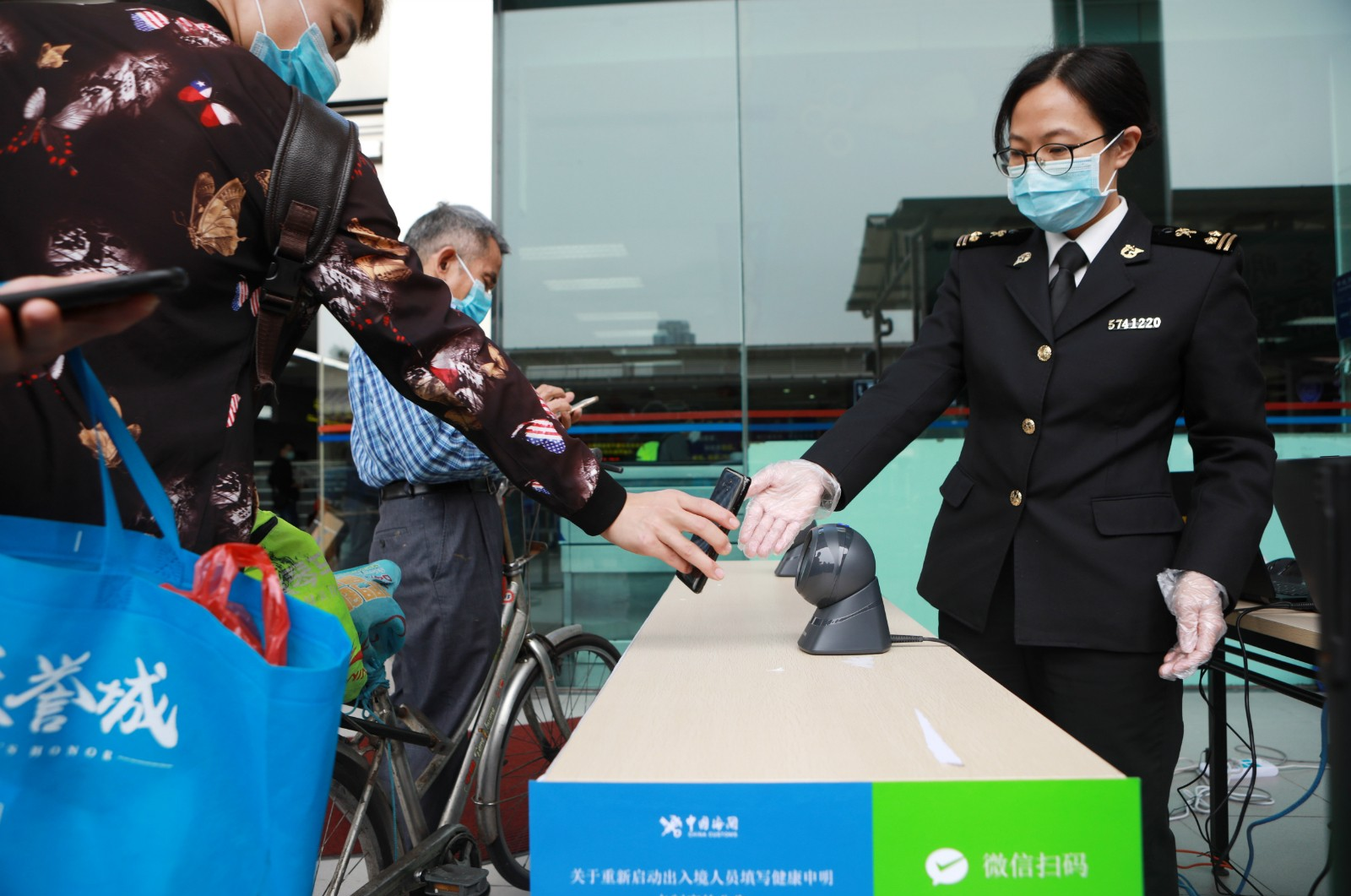
Essential Documents Checklist
- Valid passport with Chinese visa (if required)
- Completed arrival card
- Customs declaration form (if applicable)
- Hotel reservation details
- Return/onward ticket
- Emergency contacts and embassy information
For the most accurate and up-to-date customs regulations, always refer to official sources:
General Administration of Customs of the People’s Republic of China (GACC – 中国海关总署)
- Website: http://english.customs.gov.cn/ (English version)
- Website: http://www.customs.gov.cn/ (Chinese version, often more detailed and updated faster)
Look for sections on “Passenger Service,” “Guide for Inward/Outward Passengers,” or “Prohibited & Restricted Articles.”
Chinese Embassies and Consulates
The website of the Chinese Embassy or Consulate in your country often has a section on customs information for travelers.
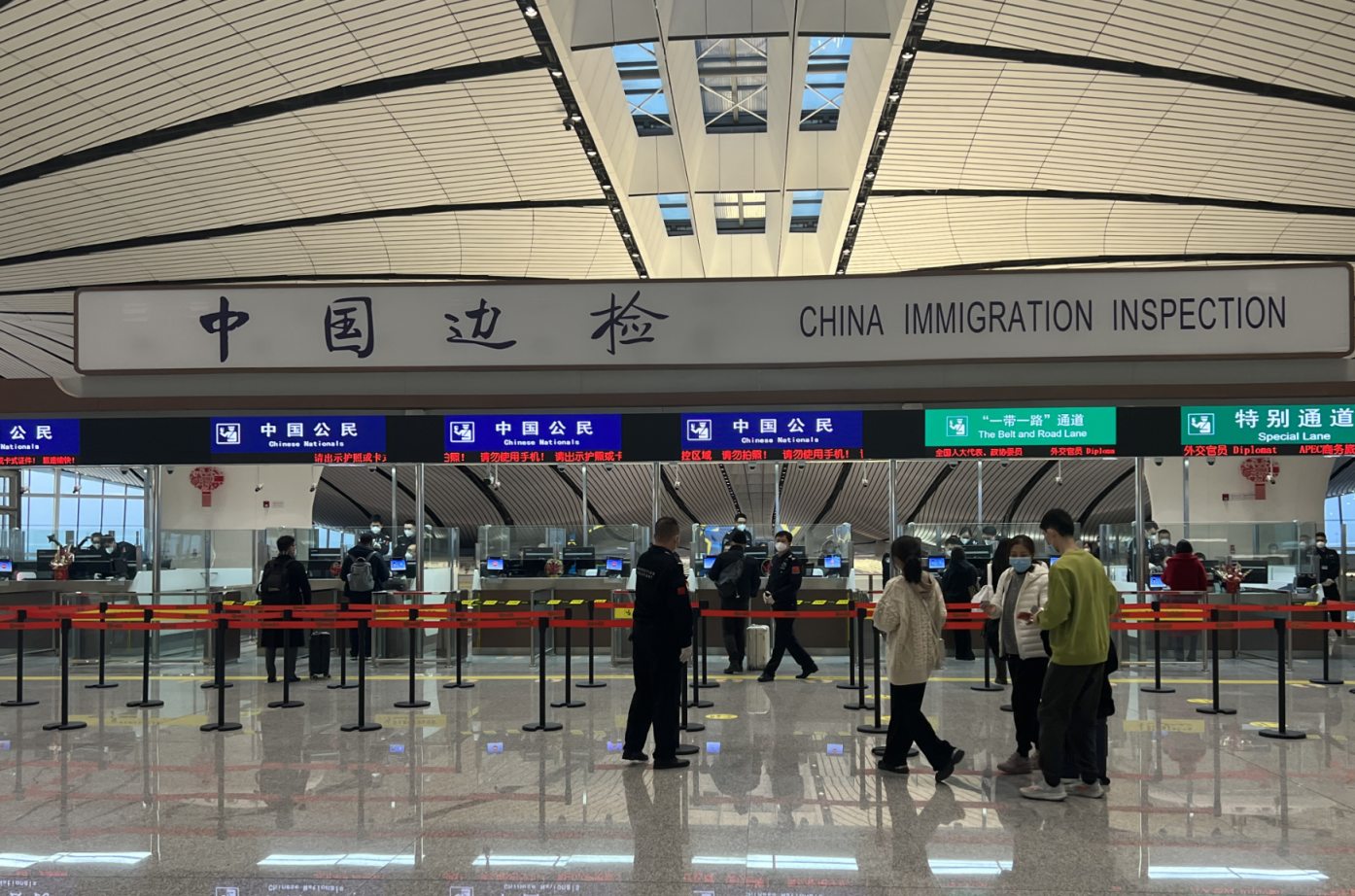
Clearing customs is a standard part of international travel. By being informed and prepared, you can navigate this step smoothly and begin your exploration of China’s incredible culture, history, and landscapes without any unnecessary delays.

With proper preparation, your arrival in China can be smooth and stress-free
As someone who loves sharing the authentic side of China, I truly hope your arrival is pleasant and marks the beginning of a memorable journey.
🚖 Final Step: Getting to Your Hotel
You’ve cleared customs! To avoid taxi scams or long queues with heavy luggage, pre-book a reliable airport transfer.
👉 Book Airport Pickup on Trip.comDrivers usually wait with a name sign at the arrival hall.
⚠️ Safety Note: While airports are safe, be wary of overly enthusiastic drivers approaching you in the arrival hall. Learn how to spot them in our guide on Common Scams in China, or read our full guide on Getting Around Chinese Cities to travel like a local.
Disclaimer: This article provides general customs and arrival guidance for international travelers, checked on May 15, 2026. Customs laws, inspection practices, health/quarantine rules, and airline restrictions can change. Always consult the official General Administration of Customs of China, your airline, and the nearest Chinese Embassy or Consulate for current requirements.
Common Traveler Questions
What is the difference between immigration and customs in China?
Immigration checks whether you can enter China, while customs checks what you bring with you. You may pass immigration smoothly and still need to declare restricted goods, large amounts of cash, or items that require inspection.
Should I use the green channel or red channel?
Use the green channel only if you have nothing to declare. Use the red channel if you are unsure, carrying restricted items, carrying declaration-level cash, or need staff to confirm your situation.
What should I prepare before landing in China?
Keep your passport, visa or visa-free documents, arrival details, onward tickets if relevant, hotel address, and any declaration information easy to access before you reach the inspection area.
Enjoyed this article? Consider buying me a coffee to support more content like this!
💖 0 people have clicked to support this article.