
Shanghai Travel Guide for First-Time Visitors
Plan Shanghai as a real destination: city walks, museums, food, neighborhoods, transport, and lower Yangtze routes for first-time visitors.
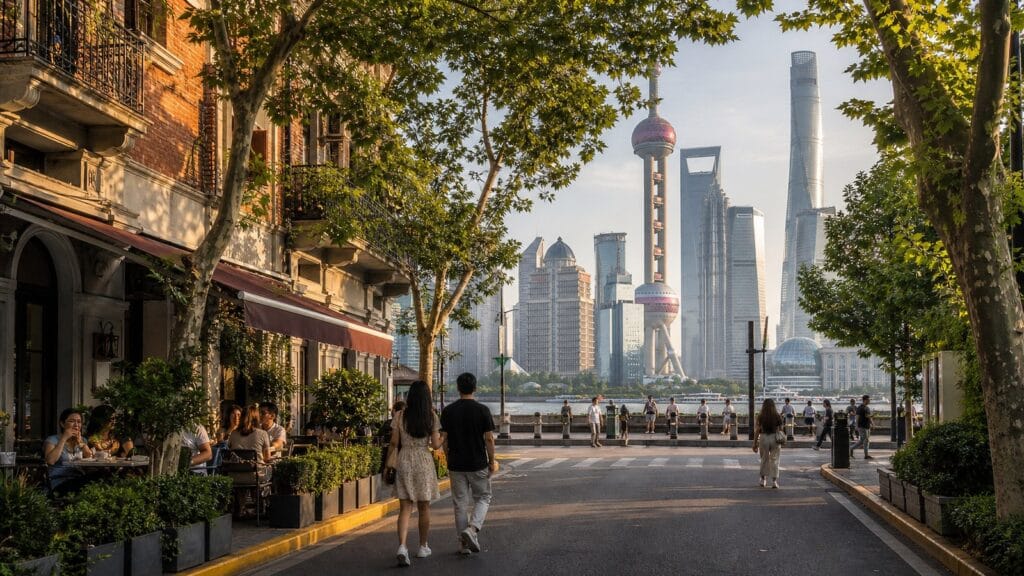
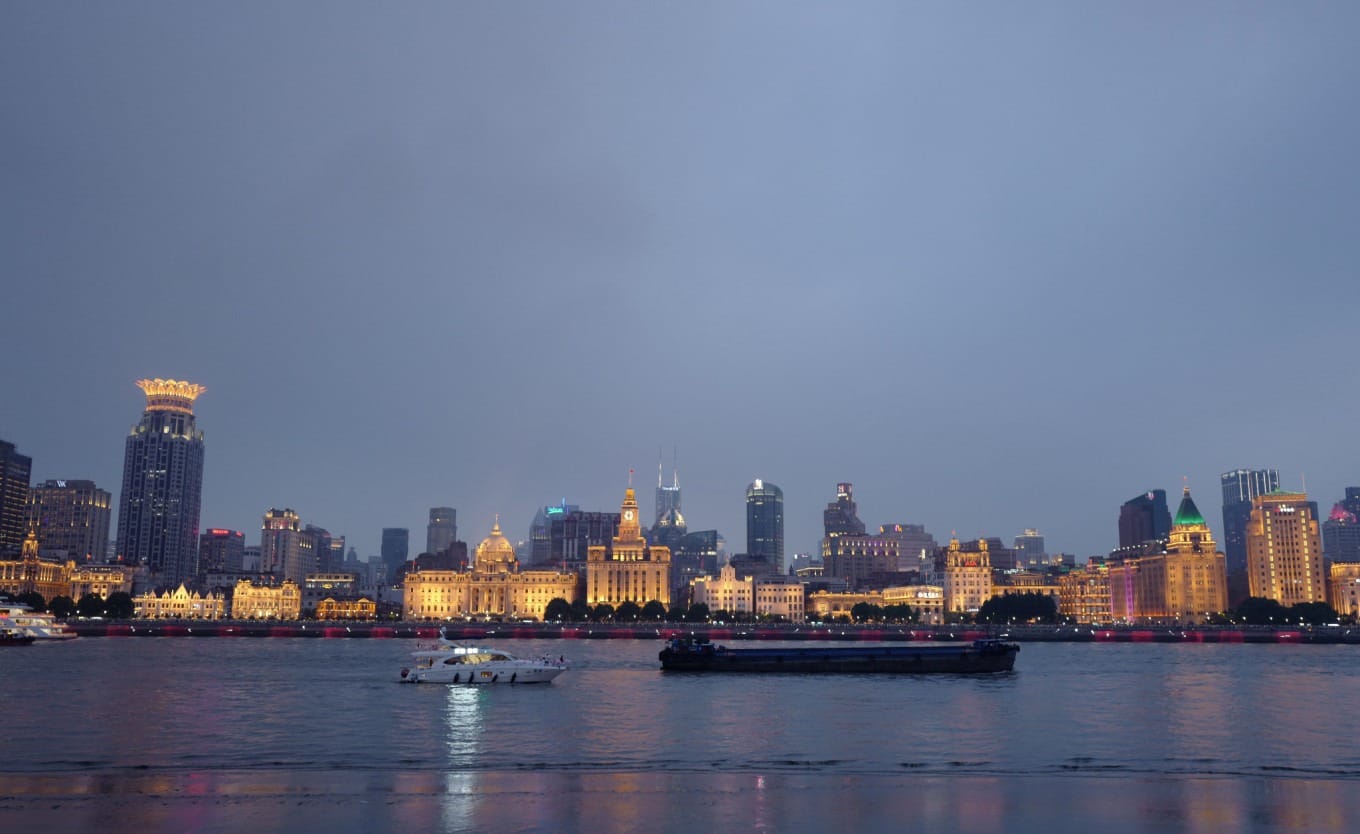
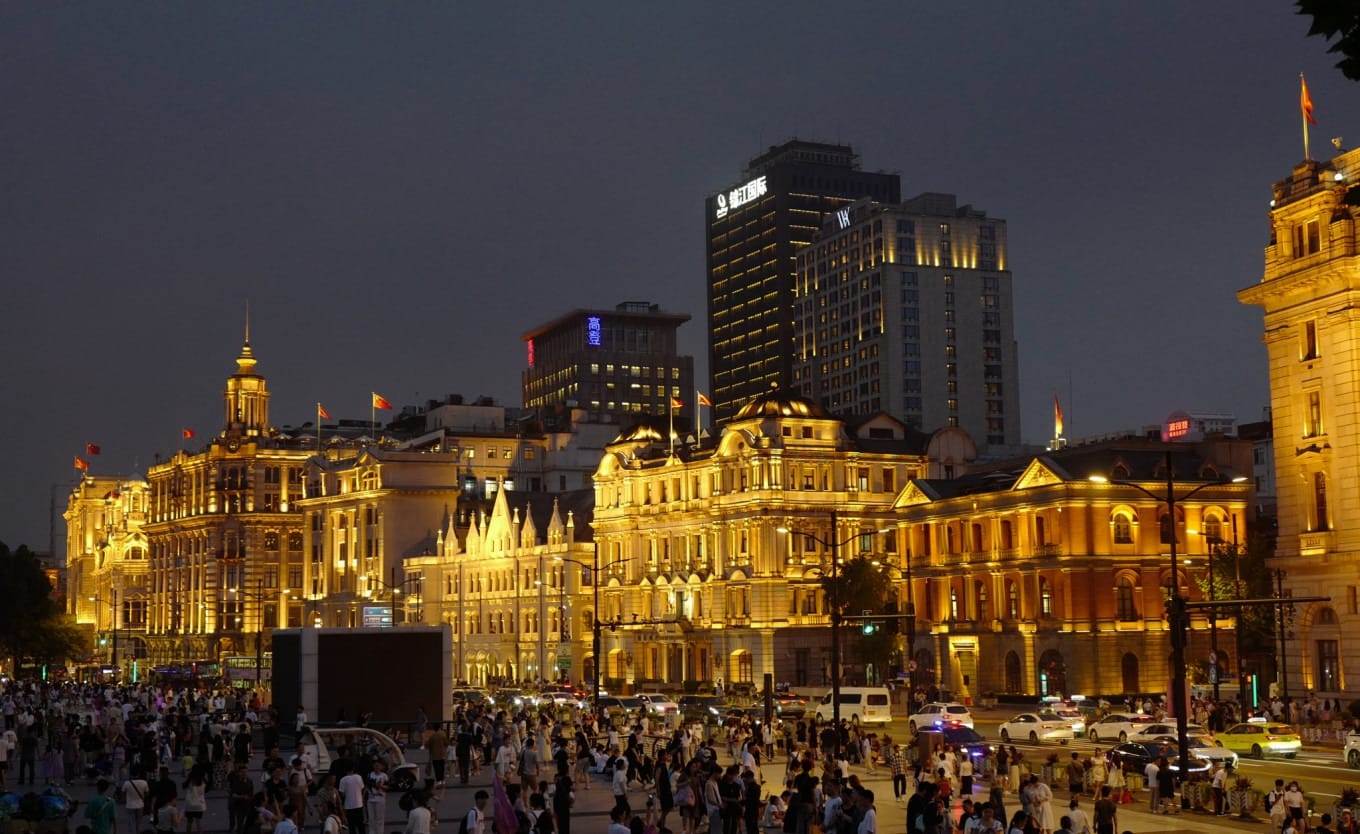
travel better
On this page
A practical city guide for using Shanghai well: museums, riverside walks, local neighborhoods, food, transport, and lower Yangtze route planning without turning the city into a Bund-only checklist.
Last updated: May 17, 2026
Quick Answer
Shanghai is best for travelers who want a soft landing into modern China: strong international flights, simple metro coverage, excellent museums, riverside views, historic streets, and easy rail access to Suzhou, Hangzhou, and Nanjing. It is a strong first or last city, but it should be chosen because it fits the route, not because every China trip must include it.
For most visitors, plan three to four full days in Shanghai. Use two days for the Bund, Suzhou Creek, People’s Square, museums, and old neighborhoods; use one day for the French Concession, Xuhui, Jing’an, or food walks; keep one flexible day for weather, exhibitions, Pudong views, or a nearby day trip. For a ready route, use the four days in Shanghai itinerary after reading this hub.
Who Should Choose Shanghai?
Shanghai is not the best answer for every traveler. It is not a mountain route, not an ancient-capital route, and not the deepest food region in China. Its value is different: it lets you understand urban China through rivers, concessions, museums, transit, architecture, cafes, old apartment lanes, neighborhood restaurants, and the contrast between highly polished districts and ordinary residential streets.
City walkers, museum travelers, first arrivals, business travelers adding days, and anyone who likes architecture and food.
Travelers whose main goal is mountains, ancient capitals, minority villages, or a purely low-cost trip.
Use Shanghai as an entry city, departure city, lower Yangtze base, or modern-city contrast after a history route.
If you are still deciding whether Shanghai belongs in your first trip, compare it with the broader where to go in China for a first trip guide. Shanghai works best when it has a purpose: city walks, museums, lower Yangtze rail, or a practical international gateway.
Best Shanghai Areas for First-Time Visitors
Shanghai becomes easier when you stop treating it as one skyline. The city is a group of different walking areas, each with its own rhythm. Choose two or three areas per day, not six. Long metro transfers are easy, but they still break the feeling of the city.
Bund, Suzhou Creek, and People’s Square
This is the strongest first-day combination if you want orientation. The Bund gives the visual drama, Suzhou Creek adds bridges and early modern architecture, and People’s Square gives museum access. It is also easy to connect with classic snack stops and older commercial streets.
Use this area for the Shanghai Museum, riverside views, historic buildings, and a first long walk. Check museum rules close to the date because special exhibitions and holidays can change the practical process.
| Area | Use it for | Best timing |
|---|---|---|
| The Bund and Huangpu River | First-night views, river walks, historic bank buildings, Pudong skyline | Late afternoon into evening |
| Suzhou Creek | Bridges, old warehouses, quieter architecture walks, photo stops without rushing | Morning or late afternoon |
| People’s Square | Shanghai Museum, urban history, central metro access | Museum day or rainy day |
| French Concession and Xuhui | Plane trees, cafes, lilong texture, small museums, slower streets | Late morning to evening |
| Jing’an | Easy hotels, temple contrast, shopping, restaurants, central metro links | Flexible base area |
| Hongqiao | Rail station, airport access, Suzhou/Hangzhou/Nanjing departures | Transfer-focused stays |
How Many Days to Spend in Shanghai?
Do not judge Shanghai only by famous sights. The city needs walking time. A rushed one-night stop can feel like airports, hotels, and a skyline. Three or four days gives enough space for museums, neighborhoods, food, and one slow evening.
Use one day for the Bund, Suzhou Creek, and People’s Square; one day for French Concession, Xuhui, Jing’an, or Pudong. This is a short city taste.
The best first-visit length. Add museums, food stops, flexible weather time, and a less crowded neighborhood walk. Use the detailed 4-day Shanghai itinerary.
Add Suzhou, Hangzhou, Nanjing, or a water-town day trip. Keep the route lower Yangtze instead of adding distant cities without enough time.
Use Shanghai as part of a broader route: lower Yangtze plus Guangdong food, a history route ending in Shanghai, or a flight gateway after another region.
Route logic: Shanghai combines naturally with Suzhou, Hangzhou, and Nanjing because the rail corridor is compact. It does not need to be forced into a Yunnan, Guangdong, or northern history route unless flights and days make the connection sensible.
Food, Neighborhoods, and Local Texture
Shanghai food travel is not only one meal of xiaolongbao. Look for shengjian, scallion oil noodles, braised pork, local bakeries, old canteens, breakfast stalls, coffee streets, and neighborhood restaurants that sit between older residential life and the city’s newer design culture.
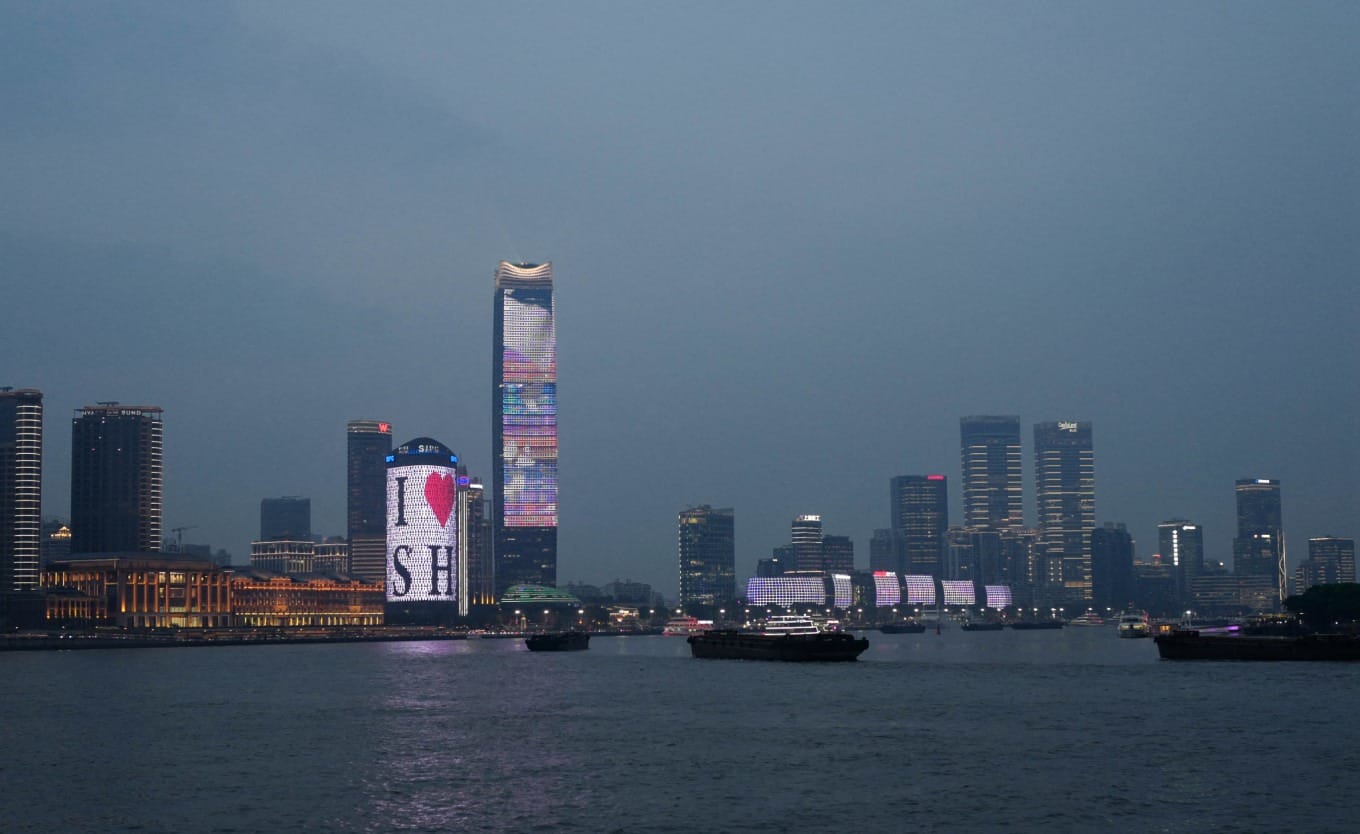
How to avoid a shallow Shanghai trip
Spend mornings in older neighborhoods before cafes and shopping streets get crowded. Walk one area slowly instead of using ride-hailing between every stop. If a museum day is heavy, make the evening simple: noodles, a riverside walk, or one temple and dinner.
For broader cost planning, use the China travel budget guide. Shanghai can be expensive if you choose luxury hotels and high-end restaurants, but metro travel, local food, and neighborhood walks can keep the trip balanced.
Shanghai Transport and Route Planning
Shanghai has two major airports and one of China’s most useful rail hubs. Pudong is the main long-haul international airport. Hongqiao is excellent for domestic flights and high-speed rail to Suzhou, Hangzhou, Nanjing, Beijing, and many other cities. Before booking, check whether your hotel is better for Pudong arrivals, Hongqiao rail departures, or city-center walking.
Inside the city, the metro is usually the easiest first choice. Ride-hailing and taxis are useful at night or with luggage, but traffic can erase the advantage. Prepare your payment setup, maps, and translation tools before arrival using the China travel apps guide, the Chinese city transport guide, and the language barriers guide.
Best Time to Visit Shanghai
Spring and autumn are usually the most comfortable for walking. Summer can be hot, humid, and stormy. Winter is colder and grayer, but museums, food, cafes, and architecture still work well. If your route depends on long outdoor walks, check the best time to visit China guide before choosing dates.
Common Shanghai Planning Mistakes
- Only seeing the Bund. The skyline is important, but the city is richer in Suzhou Creek, Xuhui, Jing’an, local food streets, museums, and old residential lanes.
- Booking the wrong airport or station area. Pudong, Hongqiao Airport, and Hongqiao Railway Station solve different problems.
- Overloading day trips. Suzhou and Hangzhou are useful, but not if they erase your only real Shanghai walking day.
- Ignoring museum rules. Opening days, exhibition access, and reservation rules can change.
- Treating Shanghai as mandatory. It is excellent when it fits the route, but a Guangdong food route or Yunnan slow route may not need it.
Official Sources and Next Guides
For current museum and city information, check the Shanghai Museum official visitor page, the official Meet in Shanghai travel site, and Shanghai’s official inbound travel updates. For rail planning, use the official 12306 China Railway English site.
Shanghai Travel FAQ
How many days do I need in Shanghai?
Three full days is enough for a focused first visit. Four days feels better if you want museums, Suzhou Creek, the Bund, a slower French Concession walk, and food stops. Five to seven days works if you add Suzhou, Hangzhou, or another lower Yangtze side trip.
Is Shanghai worth visiting on a first China trip?
Yes, if you like city walks, museums, architecture, food, and easy transport. Shanghai is not mandatory for every China route, but it is one of the easiest cities for arrival, departure, and lower Yangtze planning.
Should I stay near the Bund or in the French Concession?
The Bund is best for first-night impact and river views. The French Concession and Xuhui are better for slower walks, cafes, lanes, and a more local evening rhythm. Jing’an and People’s Square are practical central compromises.
Can Shanghai be combined with Suzhou or Hangzhou?
Yes. Shanghai, Suzhou, Hangzhou, and Nanjing form a natural lower Yangtze route with strong rail links. Keep it compact instead of adding distant regions without enough days.
Do Shanghai museums need reservations?
Rules vary by museum, exhibition, holiday, and current policy. Check official museum pages close to your date, especially for Shanghai Museum and major special exhibitions.
Enjoyed this article? Consider buying me a coffee to support more content like this!
💖 0 people have clicked to support this article.