Chengdu Culinary Travel Guide: Where to Eat and What to Order
A practical, image-rich guide you can actually use.
travel better
On this page
Quick Answer
This Chengdu food guide is best used as a meal-planning companion, not a restaurant checklist. Build the day around one serious hotpot or local meal, then add snacks, tea-house breaks, noodles, wontons, and nearby streets so the food still feels enjoyable.
Before you go: Chengdu food is rich and spicy. Pace meals around sightseeing, keep breakfast lighter when hotpot is planned, and use map apps for current branch details.
Introduction
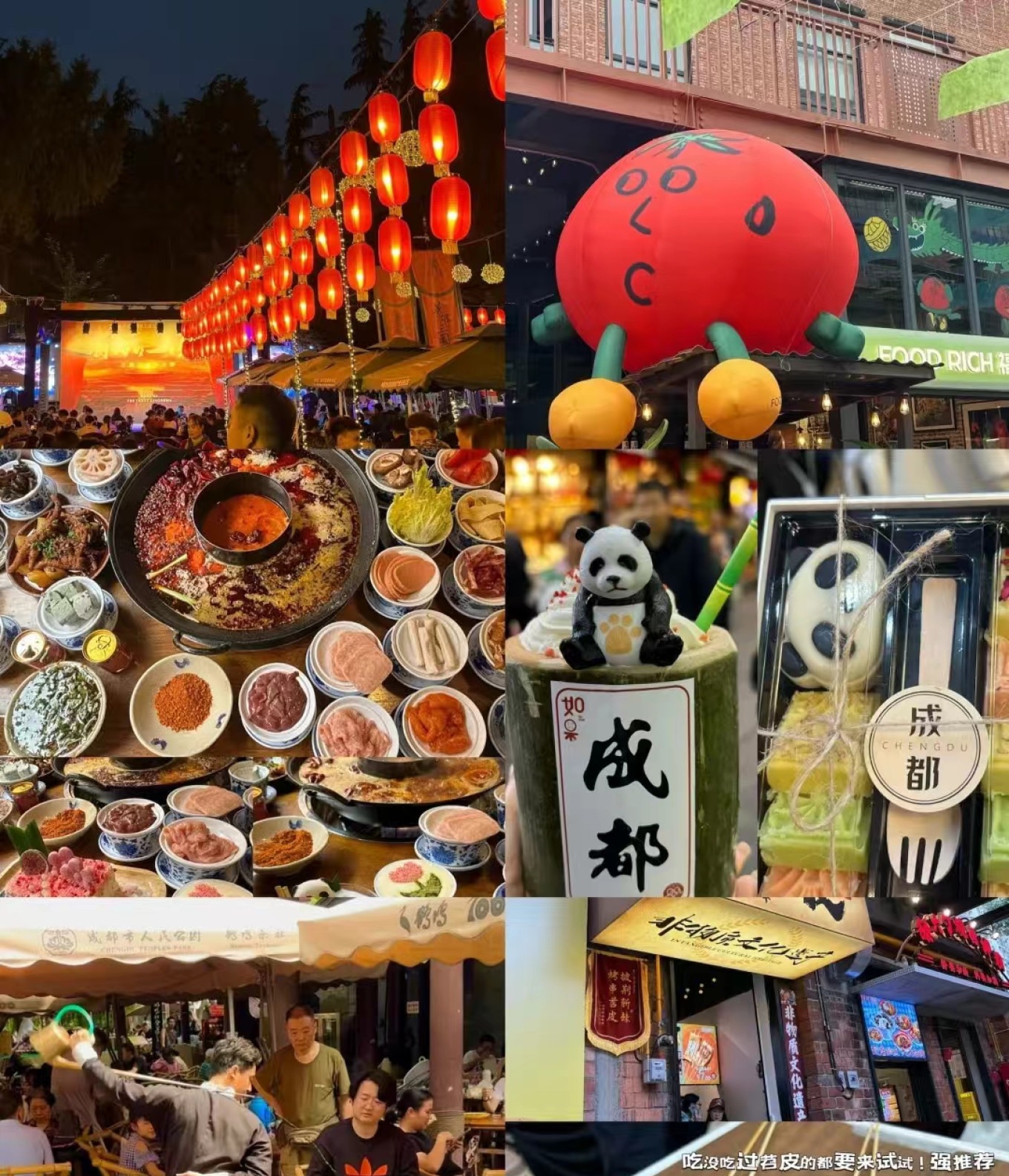
Chengdu is a city you’ll never want to leave. It’s not just about the laid-back lifestyle and deep cultural heritage—it’s the food that keeps you coming back. From sizzling hot pot to an endless array of street snacks, Chengdu’s culinary scene sparkles like a string of pearls, each with its own unique charm. Let’s embark on a food journey through this gastronomic capital and discover the feast that awaits your taste buds. 💖
Practical tip: You can prioritize one signature stop around Introduction, and you should adjust timing and budget based on transport and peak hours.
Chengdu Food Overview
Chengdu, located in the western part of the Sichuan Basin, enjoys a mild and humid climate that yields abundant produce—the perfect foundation for its legendary food scene. The city’s cuisine is world-famous for its bold, numbing-spicy flavors, from classic Sichuan dishes to humble street snacks. Every bite reveals the warmth and vitality of this city. 😋
Practical tip: You can prioritize one signature stop around the area, and you should adjust timing and budget based on transport and peak hours.
A Guide to Chengdu’s Signature Snacks
Chengdu’s street food scene is legendary, and no visit is complete without sampling its iconic snacks. From delicate dumplings to fiery skewers, each dish offers a unique taste of the city’s culinary culture. Here’s what you need to try and where to find them.
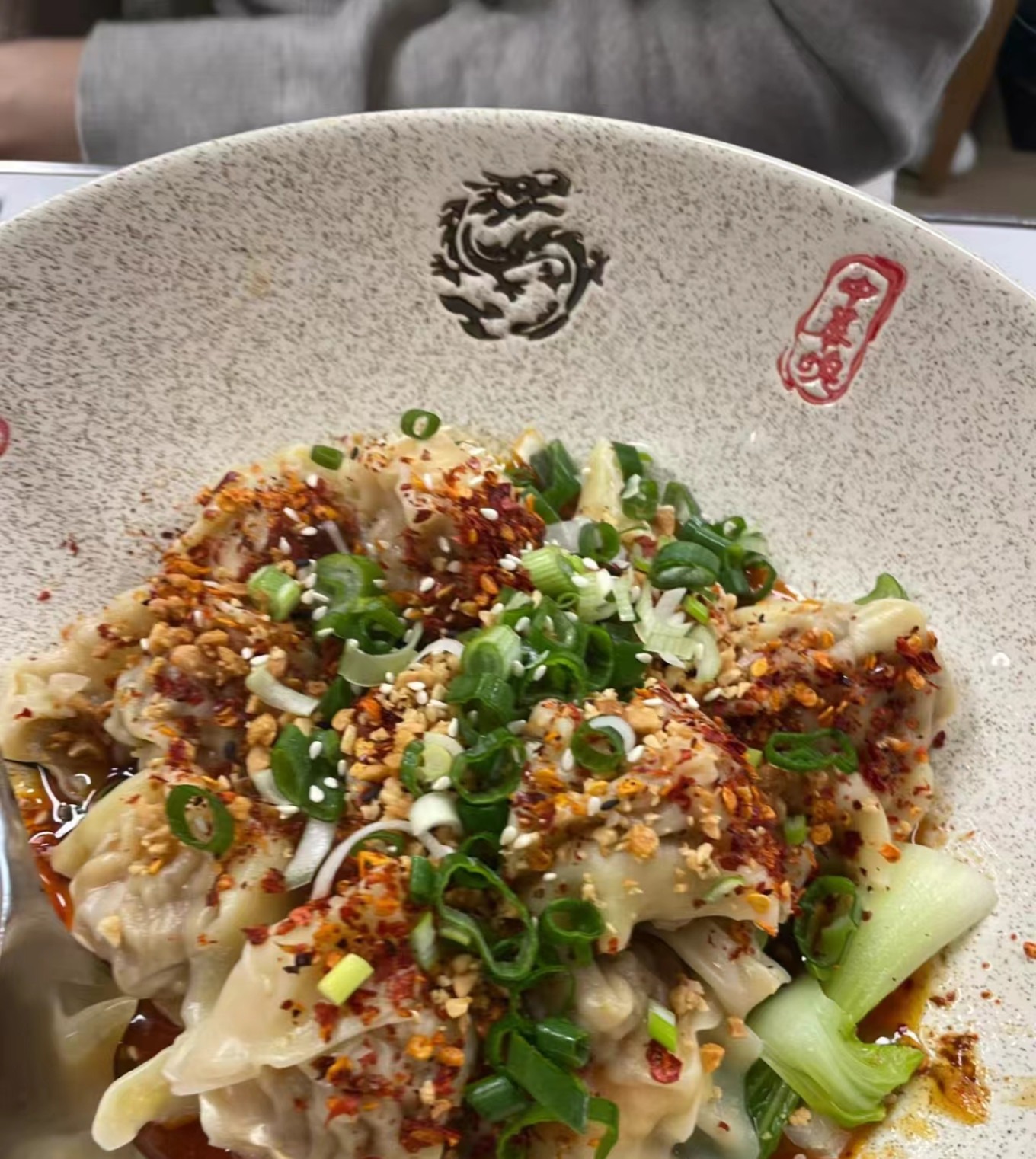
Start with **Long Chao Shou** (龙抄手 (local term)), a classic wonton dish. The wrappers are exceptionally thin, and the filling – choose from pork, chicken, or shrimp – is juicy and flavorful. The broth, slow-cooked with chicken, duck, and pork bones, is rich and aromatic. A bowl typically costs between 10 and 20 RMB, depending on the filling and restaurant.
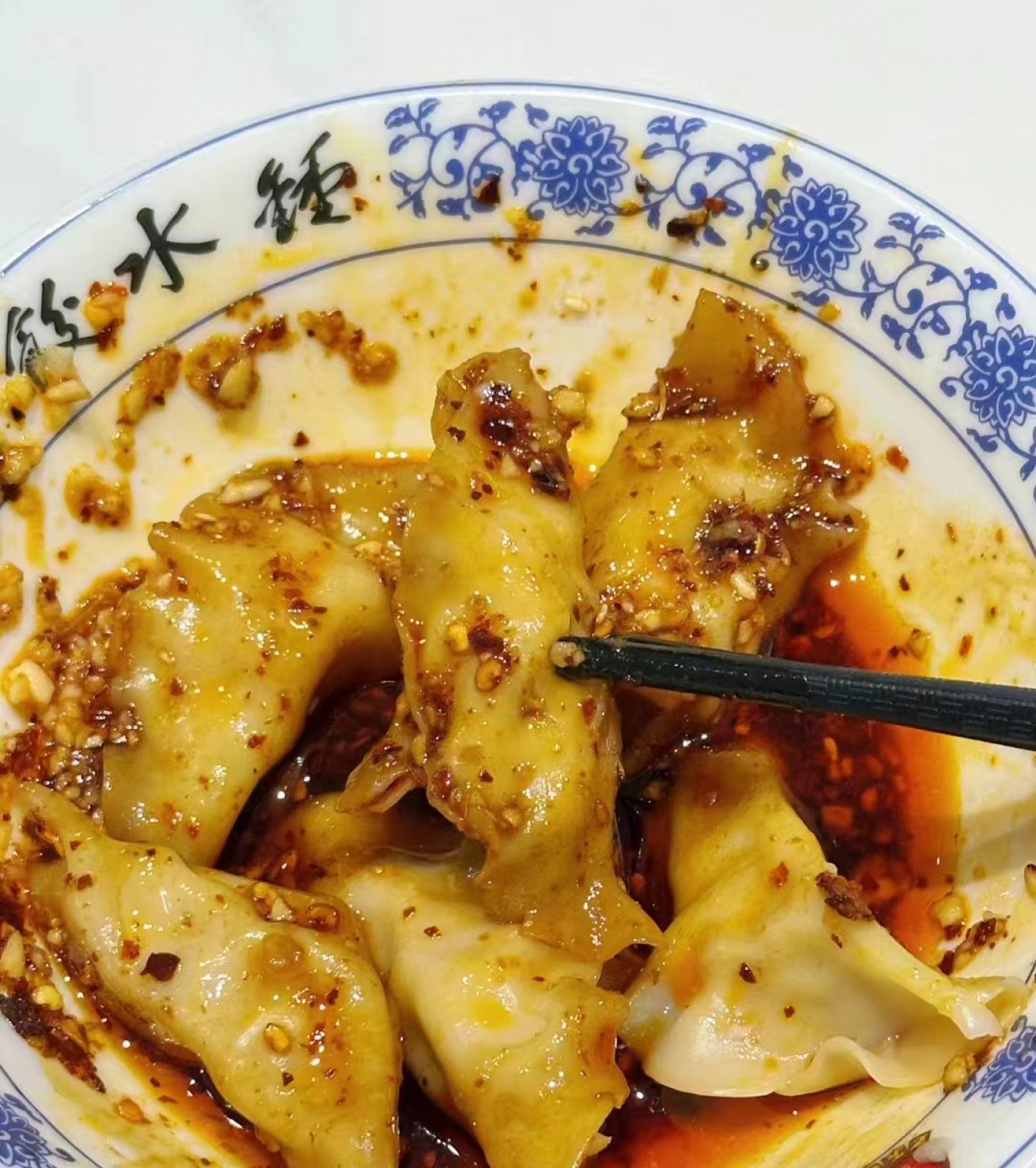
Next, try **Zhong Shui Jiao** (钟水饺 (local term)), another Chengdu staple. These pork dumplings are served in a bold red chili oil sauce made with garlic, sesame oil, and spices. The sauce is the soul of the dish – bright red, fragrant, and moderately spicy. A portion costs around 10–15 RMB.
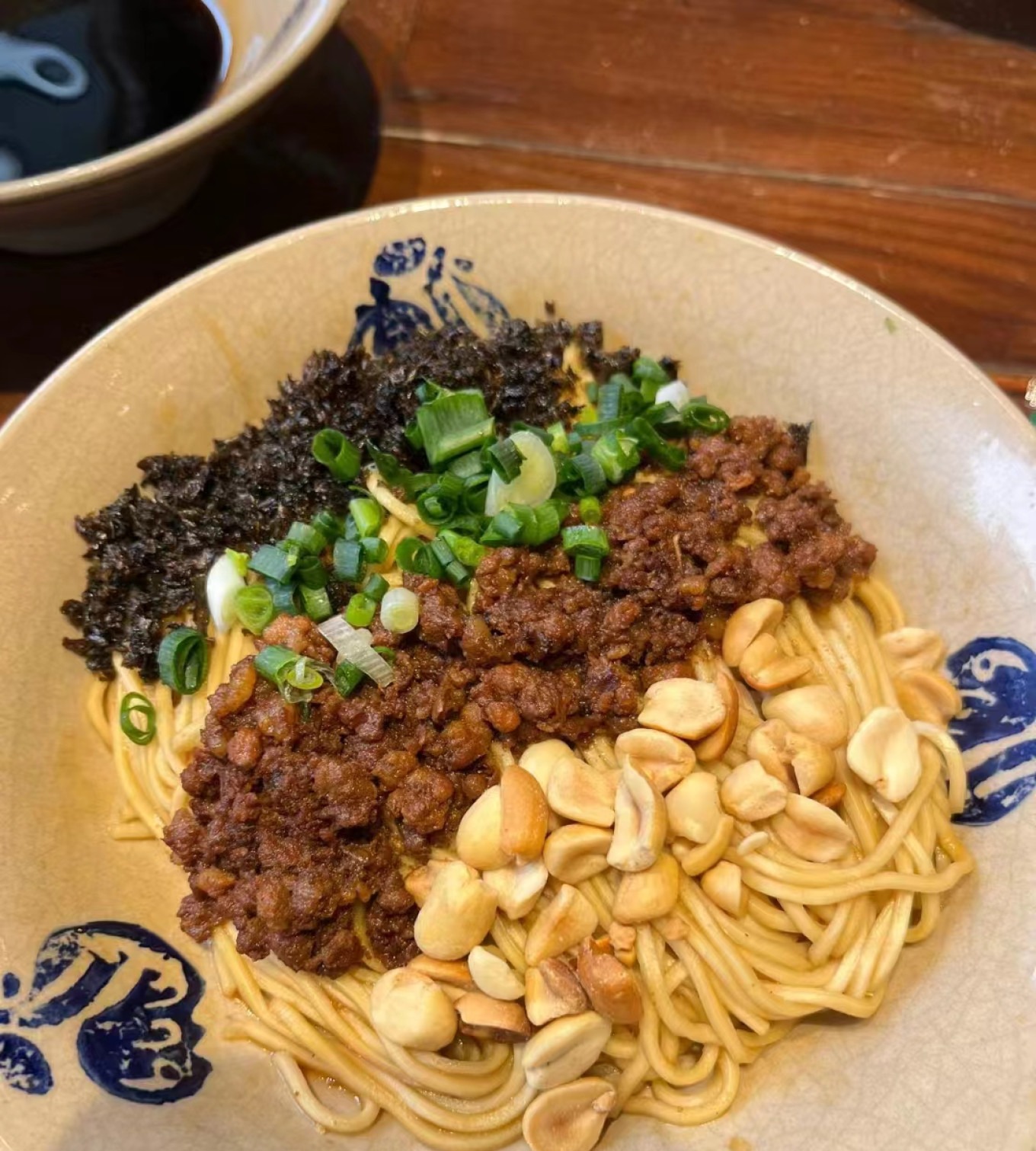
**Dan Dan Mian** (担担面 (local term)) is a must-try noodle dish. Named after the shoulder poles vendors used to carry their wares, these thin noodles are topped with a savory minced pork sauce, pickled mustard greens, and crushed peanuts. The flavor is salty, slightly spicy, and incredibly aromatic. A bowl ranges from 8 to 15 RMB.
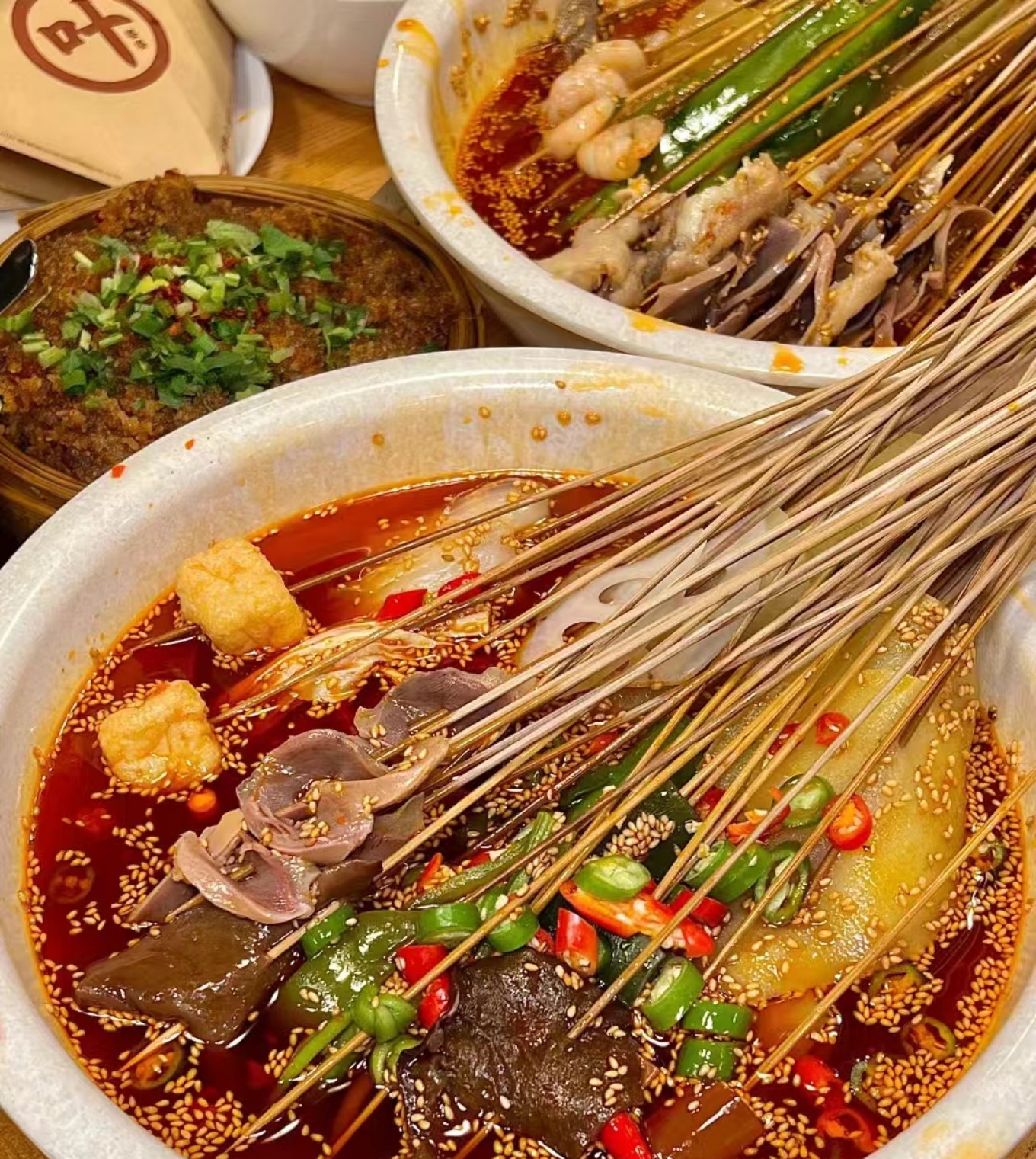
For a fun, shareable snack, look for **Bo Bo Ji** (钵钵鸡 (local term)), cold skewers soaked in a seasoned broth. You can choose between a spicy chili broth or a numbing Sichuan pepper (藤椒) version. Skewers come with chicken, beef, vegetables, and more – each costing 1–3 RMB. It’s a perfect way to sample multiple ingredients.
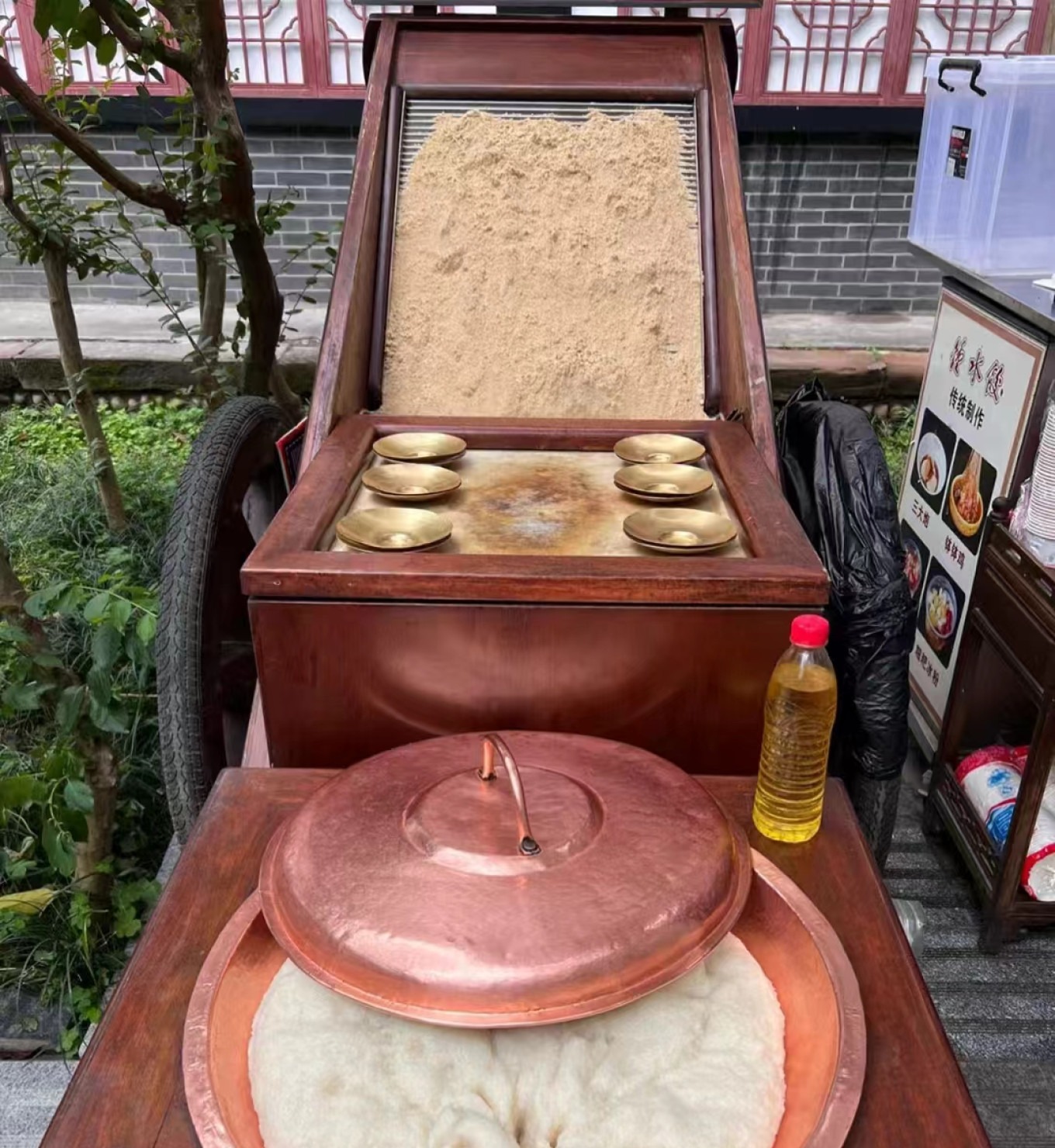
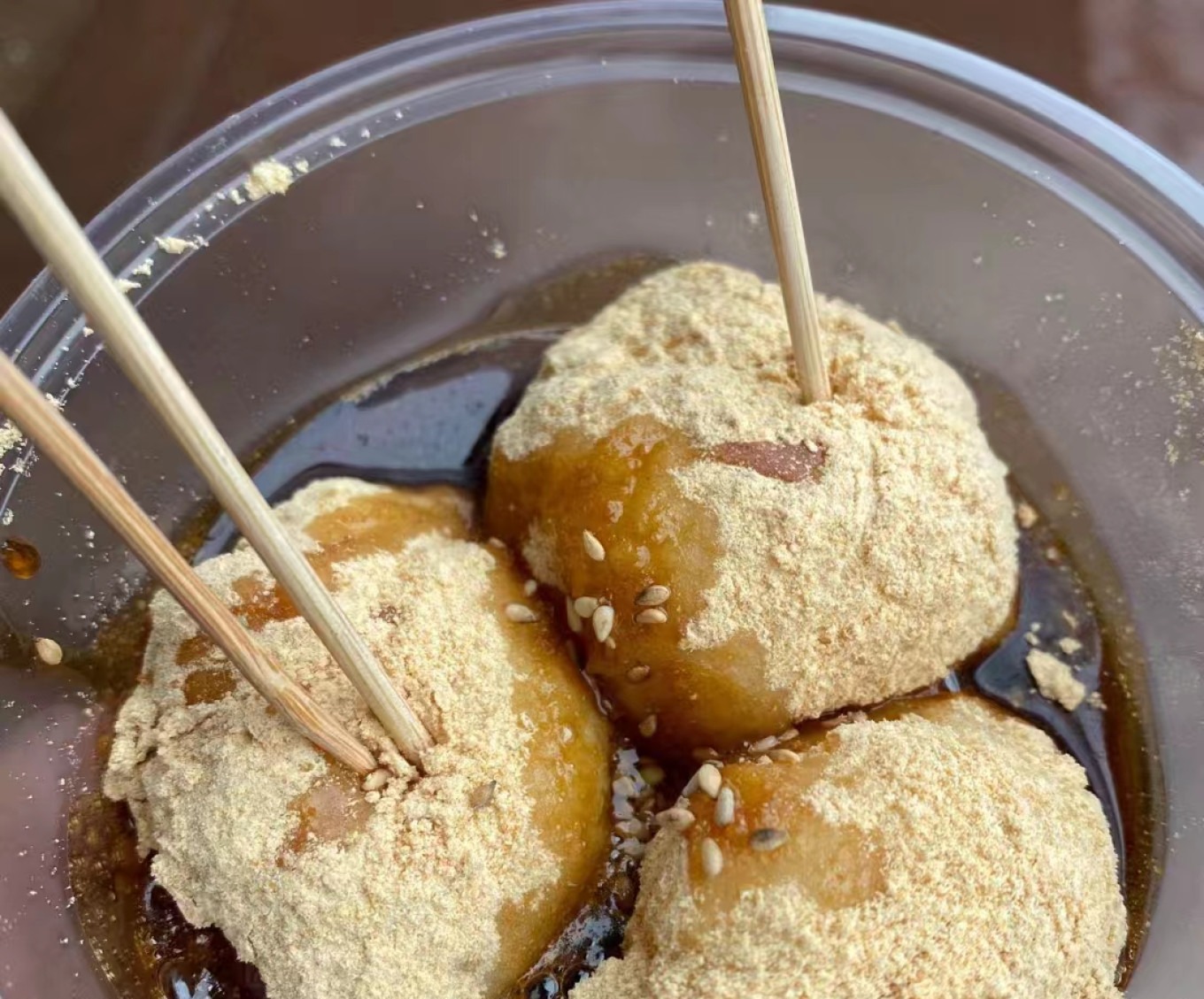
**San Da Pao** (三大炮 (local term)), or ‘Three Cannons,’ is as entertaining as it is delicious. Sticky rice balls are thrown onto a wooden board, producing three loud thuds, then coated with brown sugar syrup and soybean flour. The texture is soft and chewy, with a sweet finish. A serving costs about 10 RMB.
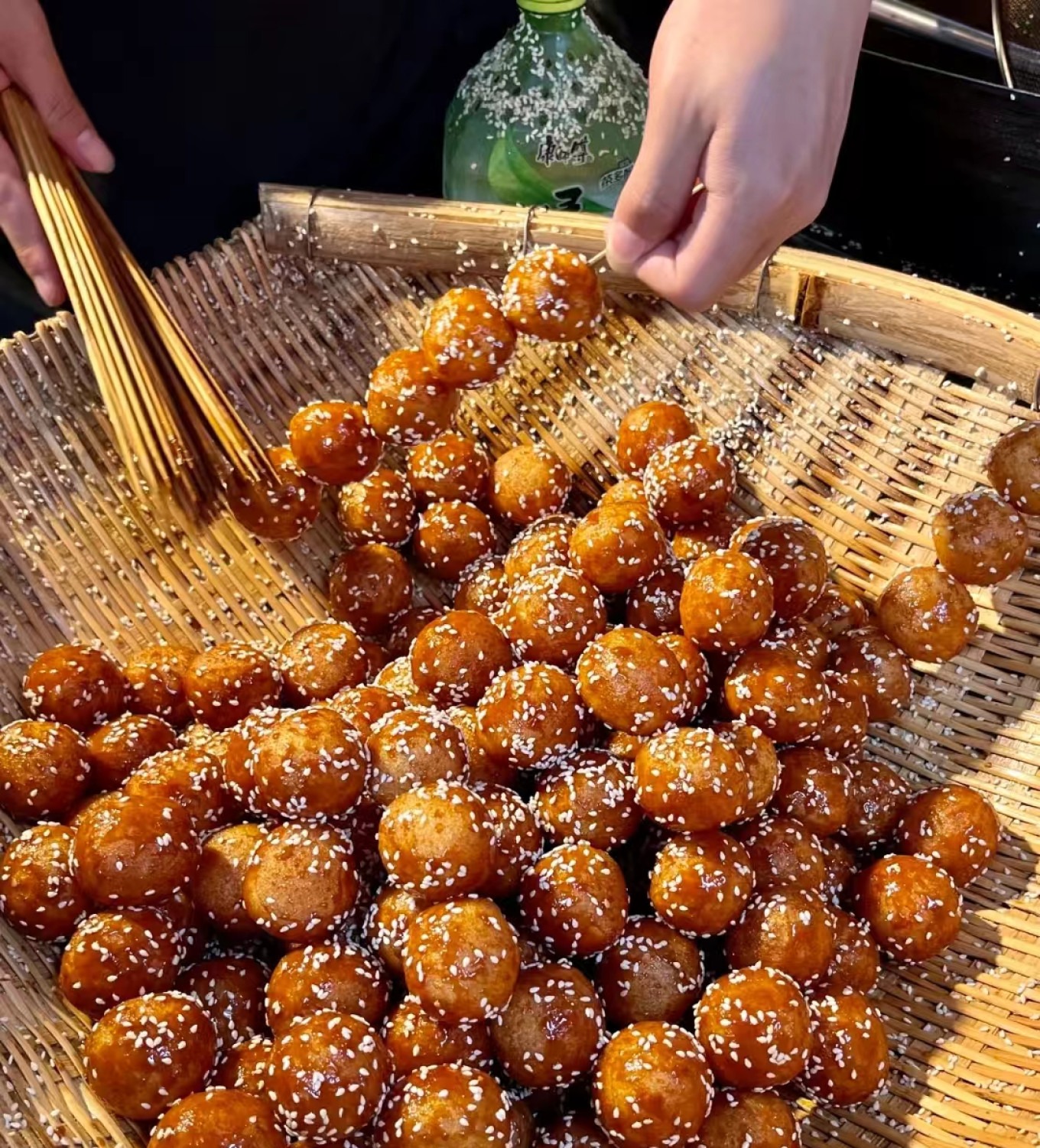
For a quick sweet bite, grab **Tang You Guo Zi** (糖油果子 (local term)) from a street stall. These deep-fried glutinous rice balls are coated in caramelized brown sugar and white sesame seeds. They’re crispy on the outside, chewy inside, and cost just 3–5 RMB per skewer.
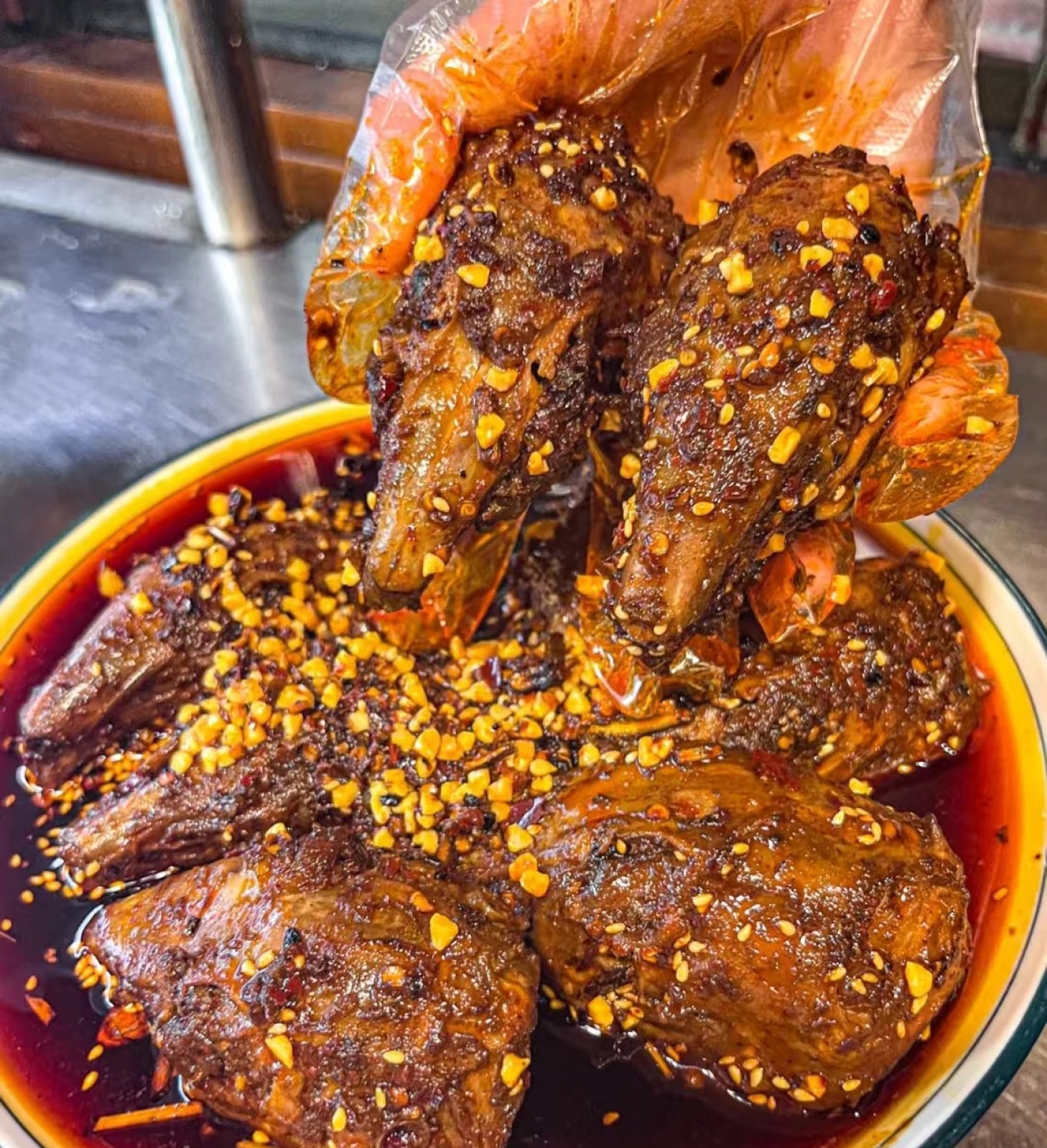
Adventurous eaters should try **Rabbit Head** (兔头 (local term)), a beloved local snack. The meat is tender and infused with a complex blend of spices – choose from spicy or five-spice versions. It’s a popular accompaniment to beer. One head costs 10–20 RMB.
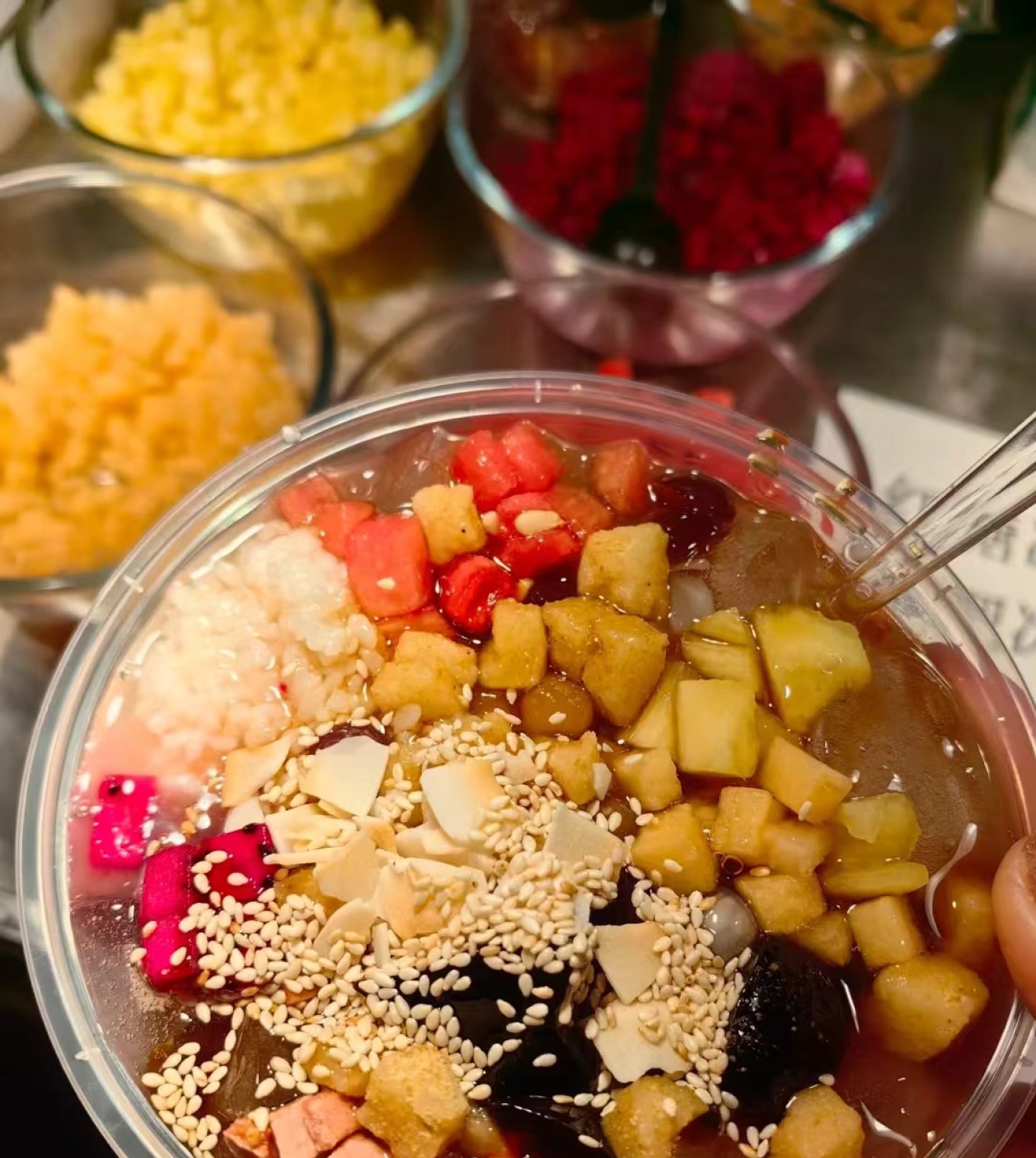
Finish your snack crawl with **Bing Fen** (冰粉 (local term)), a refreshing jelly made from fig seed extract. Served chilled with brown sugar syrup, fruits, and nuts, it’s the perfect palate cleanser on a hot day. A bowl costs 5–10 RMB.
Chengdu’s Signature Hot Pot Recommendations
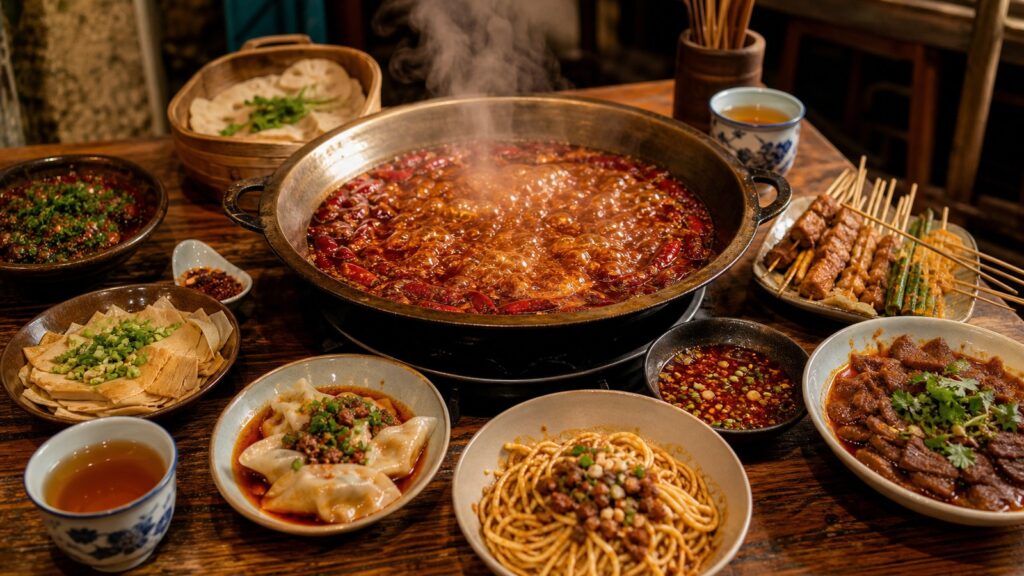
When exploring Chengdu’s food scene, hot pot is an absolute must-try. The city is home to a variety of hot pot chains, each with its own unique character. From theatrical wuxia-themed dining to impeccable service, here are four iconic hot pot restaurants that will give you a true taste of Chengdu.
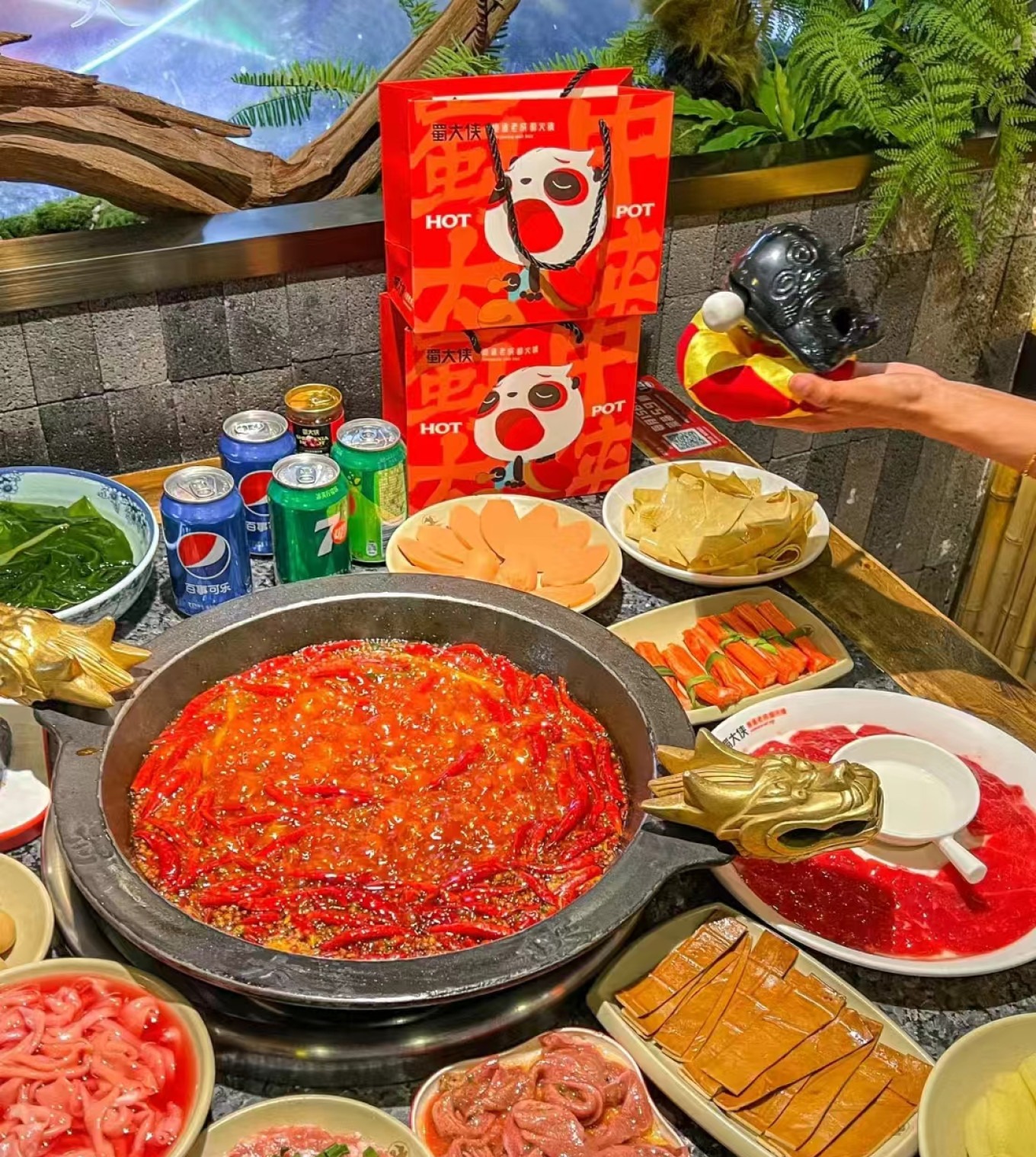
Start your hot pot journey at **Shu Daxia Hot Pot (蜀大侠火锅)**, known for its bold Sichuan flavors and immersive martial arts theme. The broth is slow-cooked with a blend of chilies and spices, delivering a numbing, spicy kick that lingers. Must-try dishes include Hua Qian Gu (花千骨) – marinated pork ribs, Glacier Goose Intestines (冰川鹅肠), and Daxia Water Buffalo Tripe (大侠水牛毛肚). The restaurant’s decor transports you into a wuxia world, making the meal an adventure in itself. Average spend: around 80–120 RMB per person.
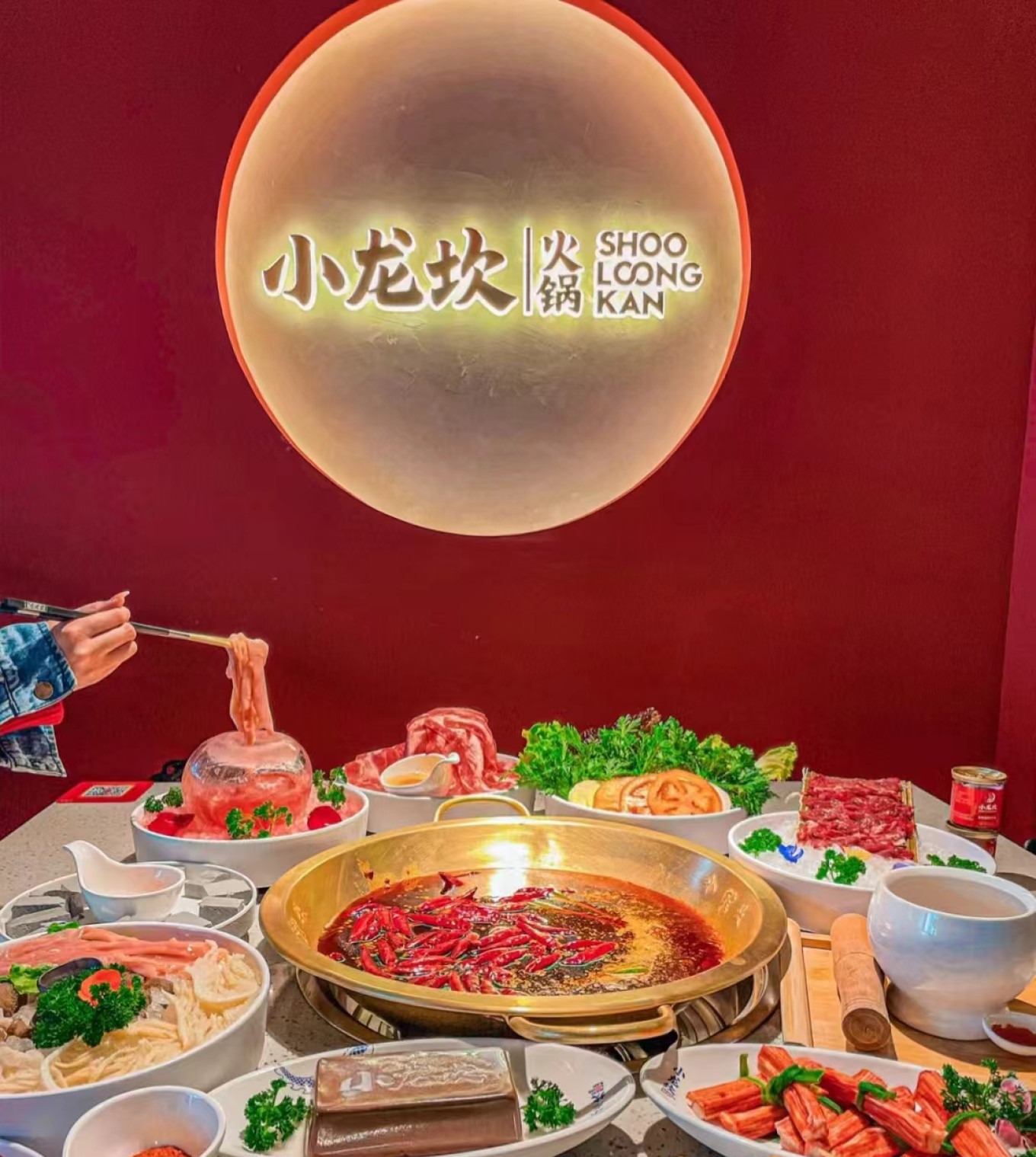
Next up is **Xiao Long Kan Hot Pot (小龙坎火锅)**, a household name in Chengdu for its authentic, rich broth and reliable quality. The spicy base is deeply flavorful, and the menu features fresh ingredients like King Beef (霸王牛肉), Sliced Tripe (鲜毛肚), and Goose Intestines (鹅肠). With numerous branches across the city, you’ll easily find one nearby. Average spend: 90–130 RMB per person.
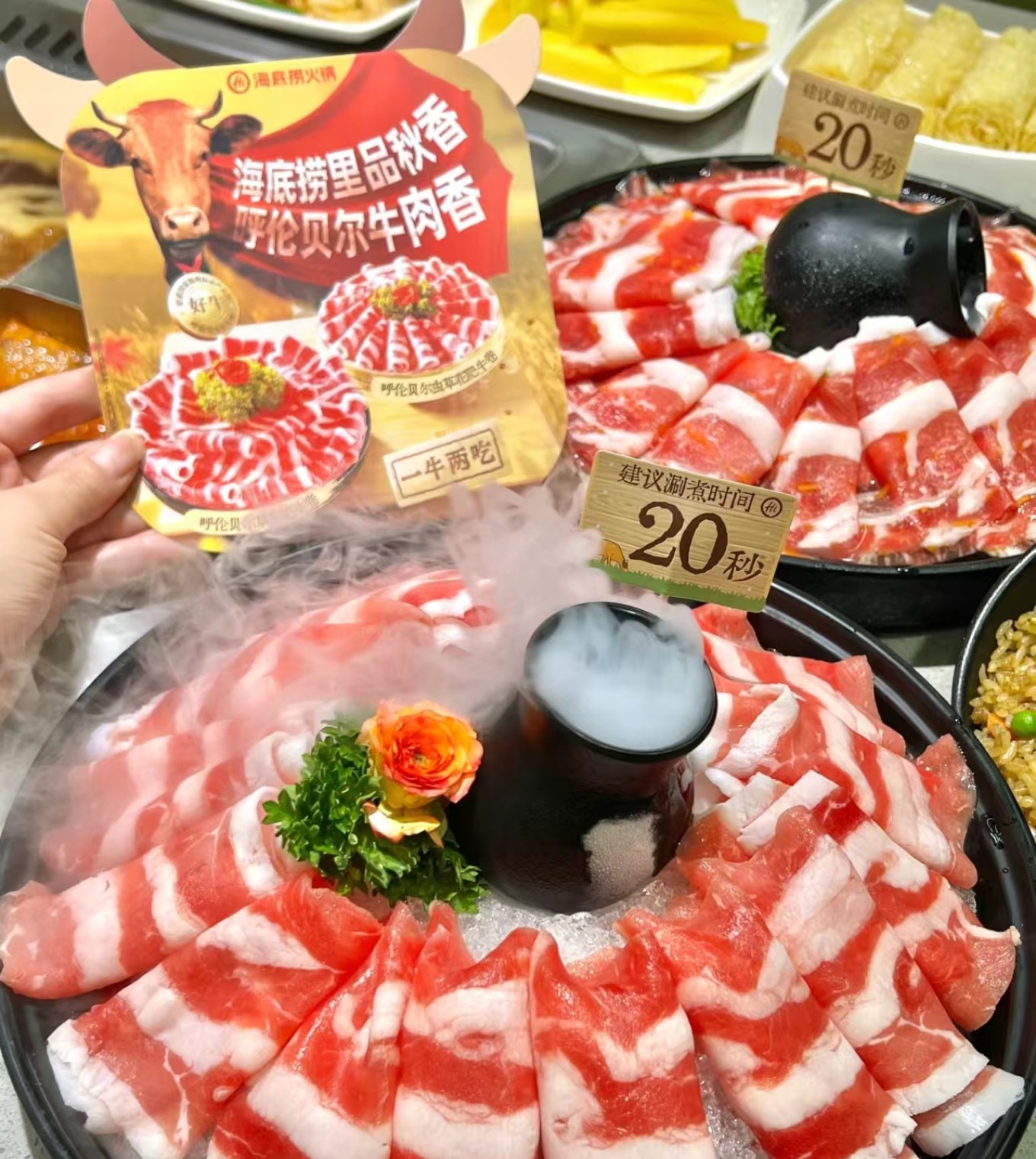
For those who value service as much as flavor, **Haidilao Hot Pot (海底捞火锅)** sets the standard. Known for its attentive staff, free nail art, and shoe-shining services, Haidilao makes dining a pampering experience. The broth comes in multiple varieties to suit all palates, and signature dishes like Sliced Beef (捞派滑牛肉), Shrimp Paste (虾滑), and Tofu Pudding (豆花) are consistently excellent. Average spend: 100–150 RMB per person.
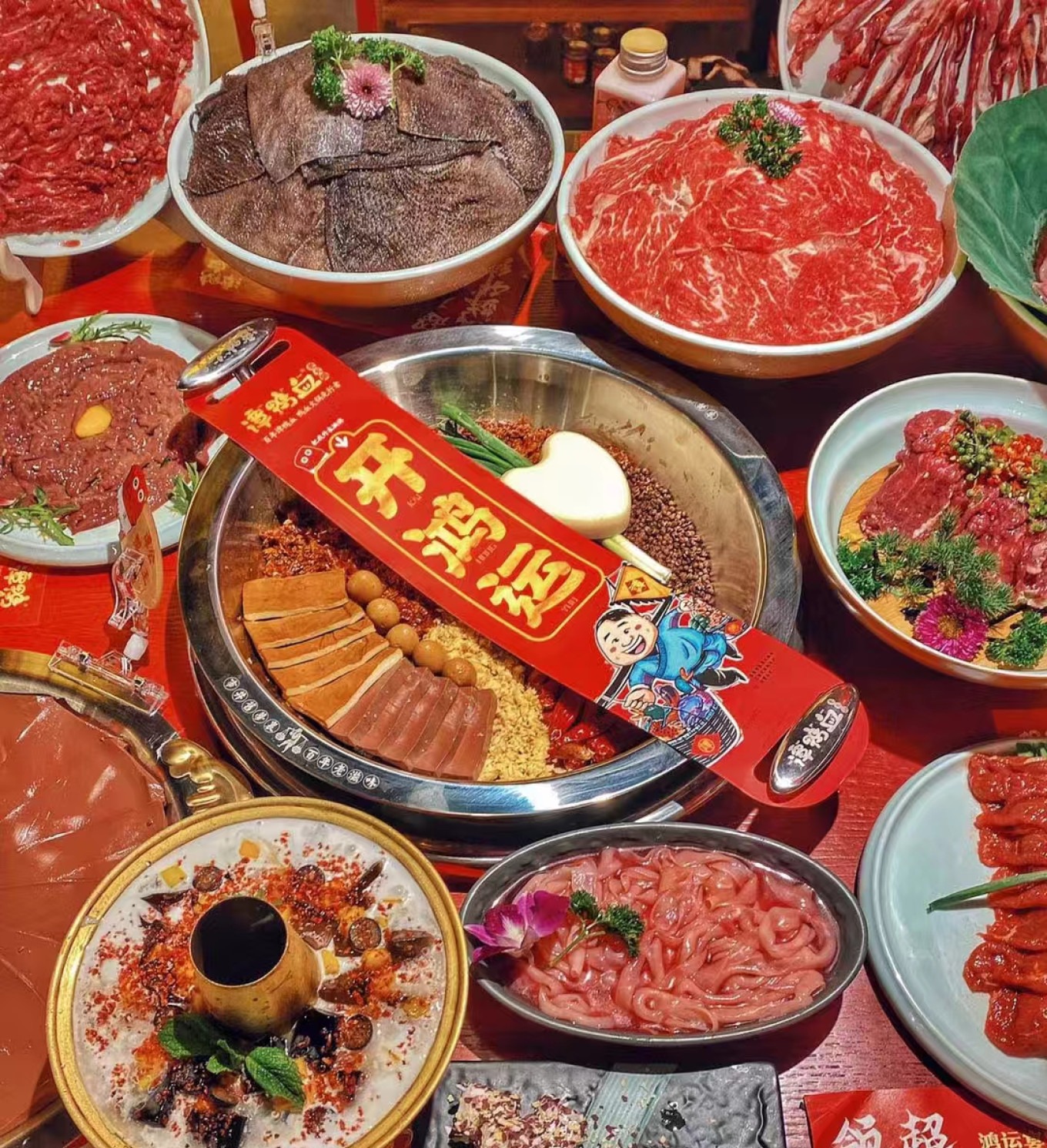
Finally, **Tan Yaxue Old Hot Pot (谭鸭血老火锅)** specializes in duck blood and braised dishes. The broth includes duck blood and tofu, which absorb the spicy flavors beautifully. Don’t miss their braised items like Braised Pork Intestines (卤肥肠), Braised Tofu (卤豆干), and Braised Quail Eggs (卤鹌鹑蛋). The restaurant’s vintage decor adds to the authentic Chengdu atmosphere. Average spend: 80–120 RMB per person.
- RestaurantShu Daxia Hot Pot (蜀大侠火锅)
- AddressMultiple locations across Chengdu check online for nearest branch (地址)
- Recommended dishesHua Qian Gu (花千骨), Glacier Goose Intestines (冰川鹅肠), Daxia Water Buffalo Tripe (大侠水牛毛肚)
- Average spend80–120 RMB per person
Chengdu Food Street Recommendations
Chengdu is a paradise for food lovers, and its famous food streets offer an immersive experience into the city’s culinary culture. Whether you’re strolling through ancient alleyways or modern shopping districts, each area has its own unique flavors and atmosphere. Here are the must-visit food streets for any first-time traveler.
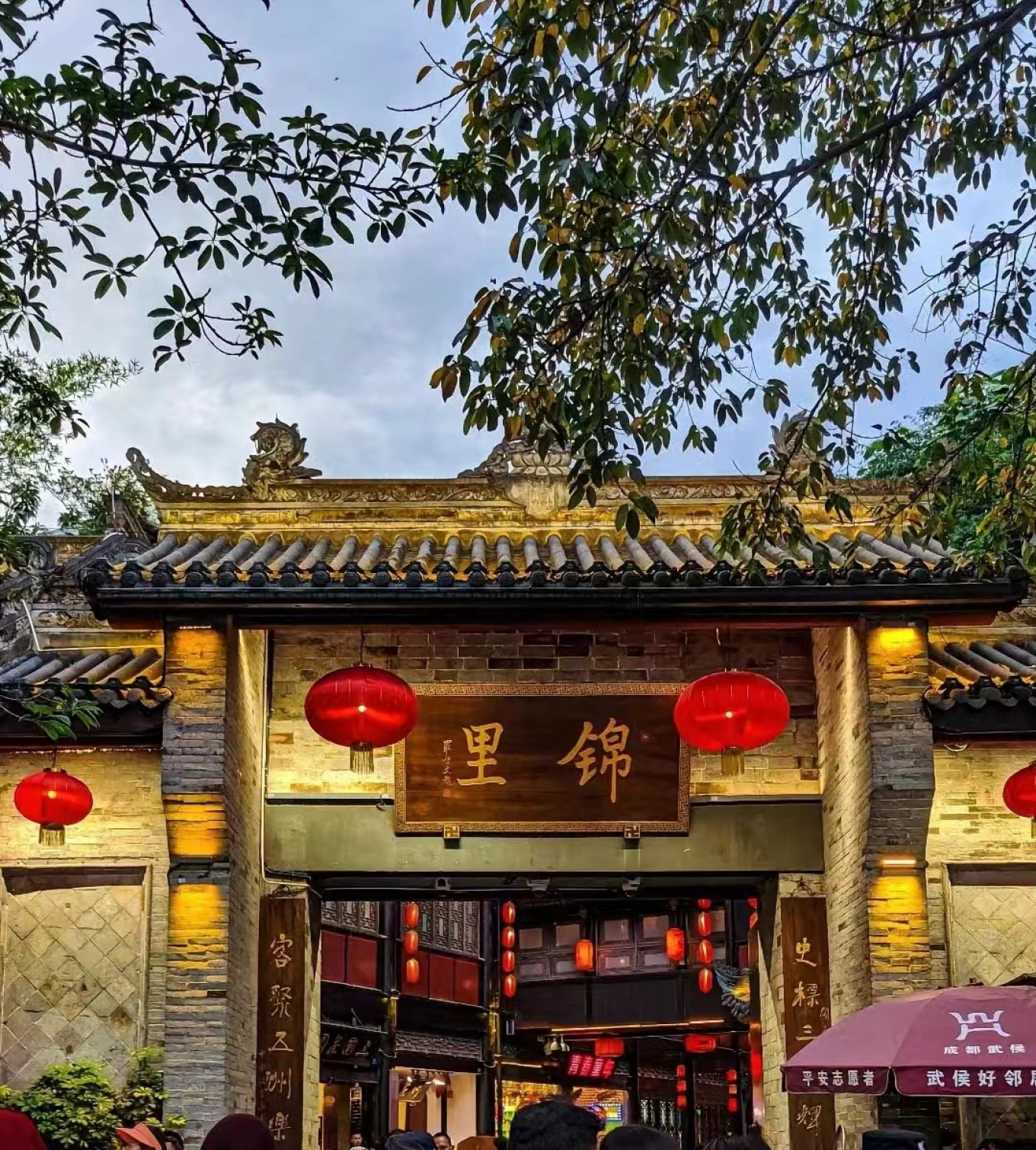
**Jinli Ancient Street (锦里古街)** is one of Chengdu’s most iconic food streets, lined with stalls selling local snacks and traditional handicrafts. As you walk along the cobblestone path, you can sample treats like **三大炮 (Three Big Cannons)**, a glutinous rice dessert served with soybean powder and syrup, **糖油果子 (Sugar Oil Fruit)**, deep-fried dough balls coated in caramel, and **牛肉焦饼 (Crispy Beef Pancake)**. The ancient architecture and occasional cultural performances add to the charm.
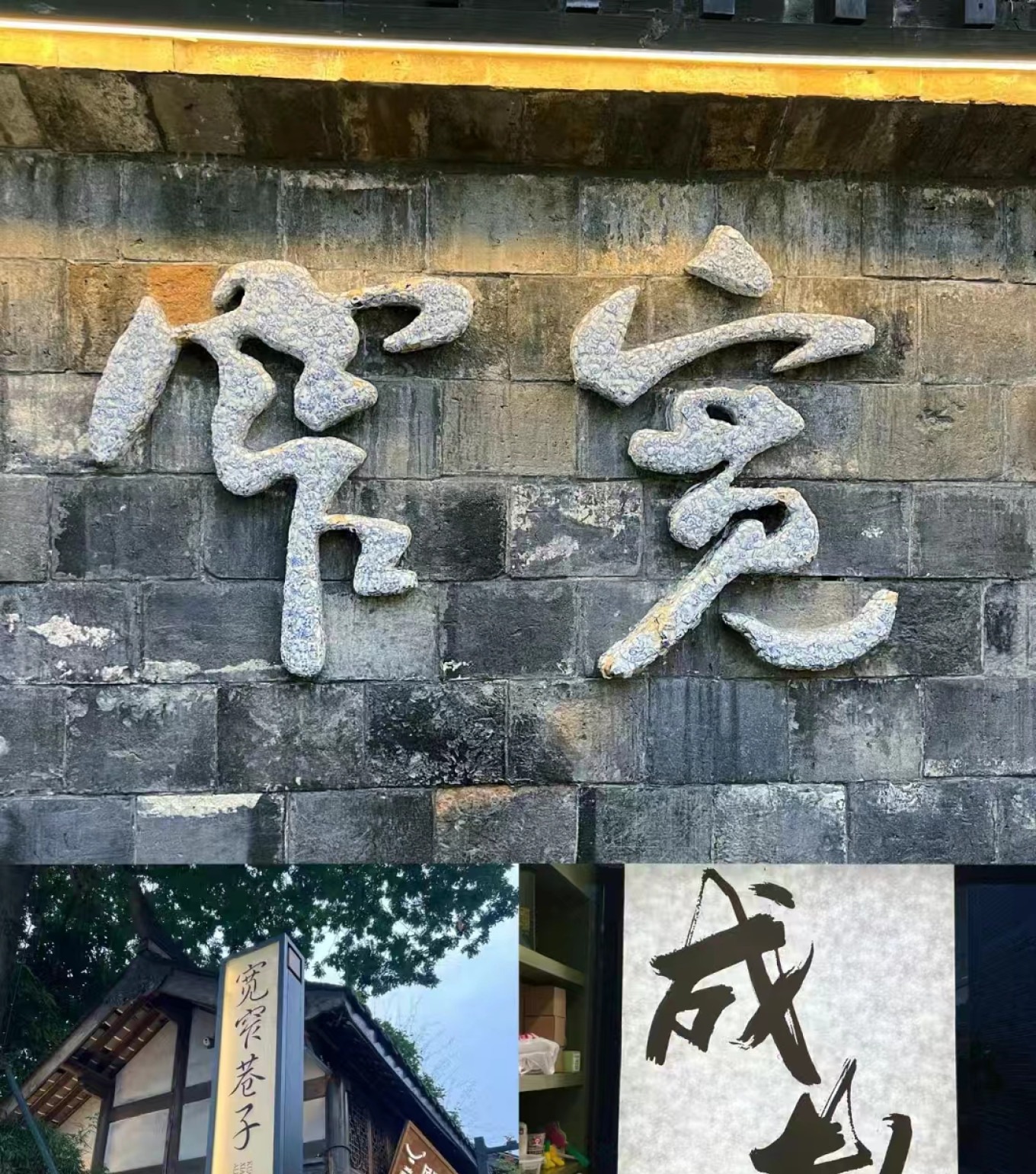
**Kuanzhai Alley (宽窄巷子)** is a historic district where you can find authentic Sichuan restaurants and snack stalls. The area consists of three parallel alleys—Wide, Narrow, and Well—each with its own character. Here you can try **龙抄手 (Long Chao Shou)**, a type of wonton in spicy broth, **钟水饺 (Zhong Dumplings)**, boiled dumplings with a sweet-spicy sauce, and **担担面 (Dan Dan Noodles)**, noodles with minced pork and chili oil. The traditional courtyard houses and relaxed pace make it a perfect spot to soak up Chengdu’s leisurely vibe.
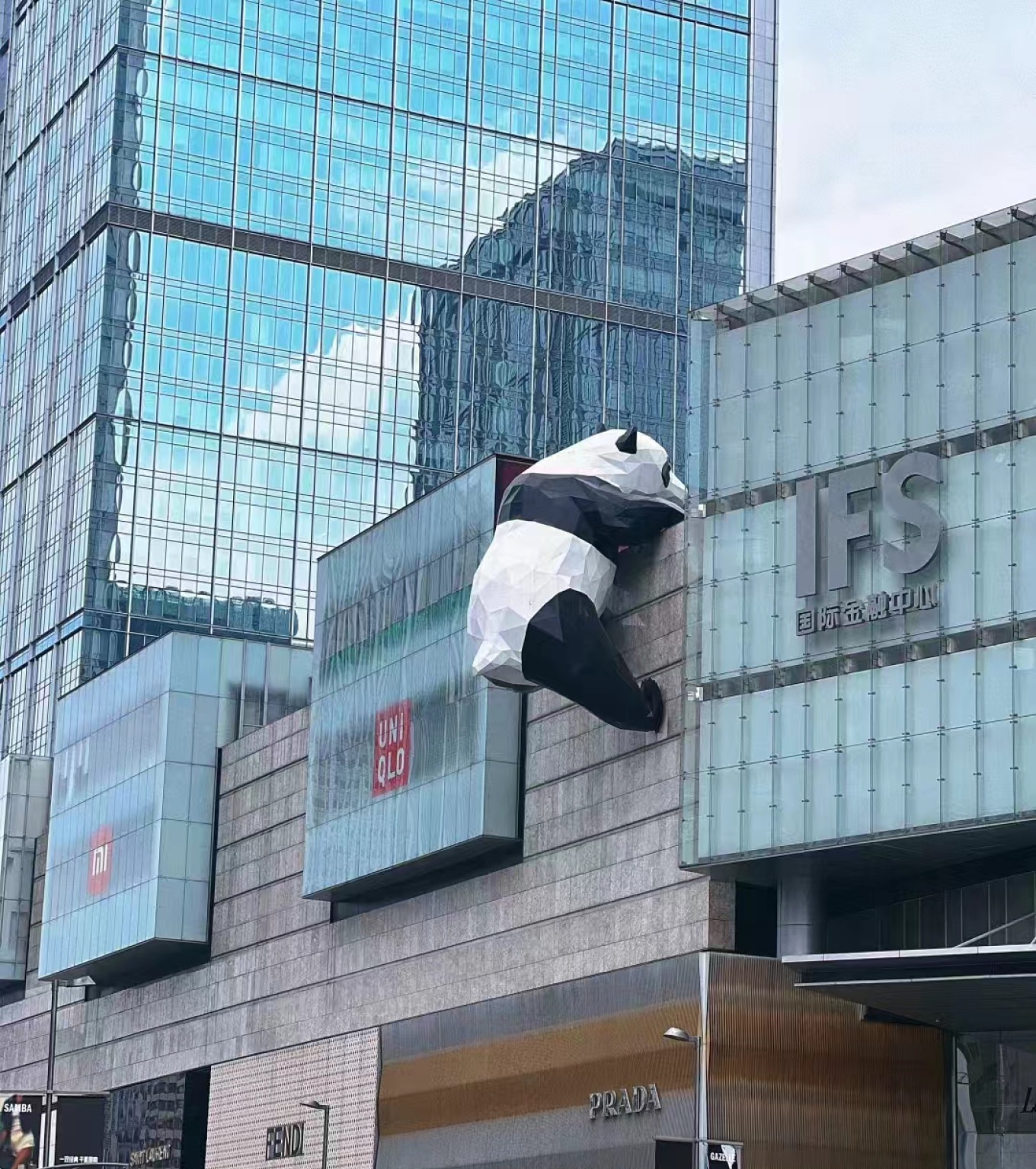
**Chunxi Road (春熙路)** is Chengdu’s most bustling commercial area, offering a mix of upscale restaurants and street food. It’s a great place to enjoy **钵钵鸡 (Bobo Chicken)**, cold skewers of chicken and vegetables in a spicy sesame broth, **冰粉 (Ice Jelly)**, a refreshing dessert made from plant seeds, and **烤串 (Grilled Skewers)**. After eating, you can shop at the many boutiques or simply watch the neon-lit cityscape.
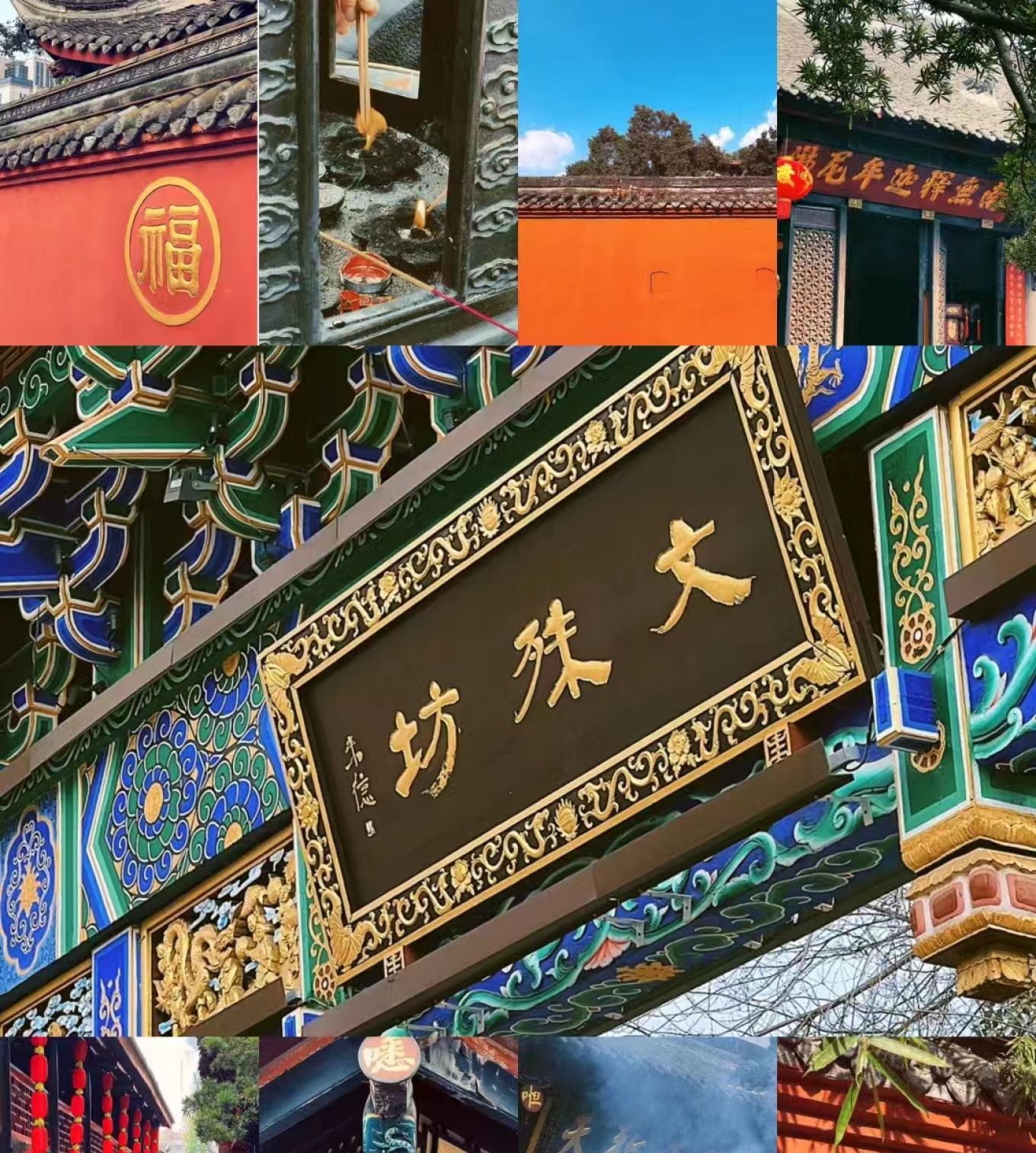
**Wenshu Monastery Food Street (文殊院美食街)** is a traditional food area near the serene Wenshu Monastery. It features many long-established eateries and local favorites. Don’t miss **洞子口张老二凉粉 (local term) (Dongzikou Zhang Lao Er Liang Fen (洞子口张老二凉粉))**, a cold jelly noodle dish with a secret sauce, **甜水面 (Sweet Water Noodles)**, thick noodles with a sweet and spicy soy-based sauce, and **黄凉粉 (Yellow Cold Jelly)**. The peaceful temple atmosphere adds a spiritual touch to your culinary journey.
- Restaurant洞子口张老二凉粉 (Dongzikou Zhang Lao Er Liang Fen)
- Address39 , 39 Wenshuyuan Street, Chengdu (文殊院街39号)
- Recommended dishes凉粉 (Cold Jelly), 甜水面 (Sweet Water Noodles)
- Average spend¥15–30 per person
Chengdu Food Tips: A Practical Guide
When exploring Chengdu’s vibrant food scene, a few practical tips can help you make the most of your culinary adventure. First, always prioritize food safety: choose reputable restaurants and street stalls to avoid stomach issues, and steer clear of raw or unclean foods and untreated water. Chengdu’s cuisine offers a spectrum of flavors—from numbing spicy (麻辣) and aromatic spicy to sweet and sour—so don’t hesitate to try different tastes to fully appreciate the city’s culinary diversity. Since much of the local food is spicy, balance your meals with plenty of vegetables and fruits to prevent overheating. Finally, note that food districts and restaurants are spread across the city; use Chengdu’s efficient metro, buses, taxis, or rental cars to get around easily. Whether you crave the bold, fiery notes of classic Sichuan dishes or the comforting bite of street snacks, Chengdu is a true food paradise. This guide aims to help you navigate its flavors and create unforgettable memories.
Common Traveler Questions
What food is Chengdu most famous for?
Chengdu is famous for Sichuan hotpot, dan dan noodles, wontons in chili oil, mapo tofu, skewers, rabbit dishes, tea-house snacks, and a wide range of numbing-spicy flavors.
How spicy is Chengdu food for travelers?
It can be very spicy and numbing, but many restaurants can adjust heat levels. Start mild or medium if you are not used to Sichuan peppercorn and chili oil.
How should I fit Chengdu food into a Sichuan itinerary?
Use Chengdu as the relaxed food base before or after mountain travel. It pairs well with Jiuzhaigou, Dujiangyan, Leshan, and Chongqing if you leave enough days.
Guide Navigation
Enjoyed this article? Consider buying me a coffee to support more content like this!
💖 0 people have clicked to support this article.