
Chengdu to Jiuzhaigou: 9-Day Summer Route Through Sichuan
A practical, image-rich guide you can actually use.
travel better
On this page
Quick Answer
This 9-day Sichuan route is best for travelers who want Chengdu food and culture, pandas, Dujiangyan, Sanxingdui, Leshan, and Jiuzhaigou in one summer trip. It works better as a paced regional route than as a rushed checklist because mountain weather, tickets, and long transfers can shape the day order.
Before you go: For a wider route choice, compare this with the Sichuan EV road trip, the Chongqing hub, and the broader where-to-go-first guide before adding too many cities.
Preface: Planning Your Chengdu Adventure
Planning a summer trip to Sichuan? You’re in for a treat. While destinations like Gannan, Western Sichuan, Guizhou, and Yunnan are always tempting, Chengdu and its surrounding wonders offer an unbeatable mix of nature, culture, and cuisine. This guide is designed for first-time visitors who want to explore beyond the city center without the stress of a packed itinerary. Think nine days of immersive travel, hitting highlights like the fairy-tale Jiuzhaigou Valley (九寨沟), the giant Buddha in Leshan (乐山), the Sanxingdui Museum (三星堆) with its ongoing archaeological surprises, the Dujiangyan Irrigation System (都江堰), and Chengdu’s own walkable urban gems. To avoid summer rain disruptions, aim for mid-August departure. Spend a week on pre-trip planning—booking tickets for attractions, trains, flights, and accommodations, and jotting down tips for each site. A solid plan not only saves time but also helps you stay calm when unexpected weather hits, and increases your chances of meeting friendly locals and enjoying clear skies. The golden rule: skip the rushed, punch-list sightseeing. Base yourself in downtown Chengdu to avoid hauling luggage, use a mix of public transit, ride-hailing, and high-speed rail, and savor as many local dishes as you can—yes, including the spicy ones.
9-Day Chengdu Itinerary: Pandas, Ancient Wonders, and Sichuan Flavors
Planning a practical itinerary for Chengdu and beyond? This 9-day itinerary takes you from the city’s vibrant food streets and historic sites to the engineering marvel of Dujiangyan, the mysterious Sanxingdui ruins, the giant Leshan Buddha, and finally the fairy-tale landscapes of Jiuzhaigou. Each day is packed with highlights, practical tips, and local flavors.
**Day 1: Arrive in Chengdu** – Fly into Chengdu from Dalian. Start your exploration with Yulin Road Food Street (玉林路美食街) for an authentic taste of local snacks. Then visit Du Fu Thatched Cottage (杜甫草堂), the former residence of the great poet, and Wenshu Monastery (文殊院), a serene Buddhist temple. In the evening, catch a Sichuan opera at Liyuan Guild Hall (梨园会馆) and wander through Kuixinglou Food Street (奎星楼美食街) for dinner.
**Day 2: Dujiangyan** – Head to Dujiangyan, home to the ancient irrigation system. Start with a visit to Panda Valley (熊猫谷) to see giant pandas in a lush setting. Then stop by Yangtianwo Square (仰天窝广场) for a photo with the famous selfie panda sculpture. Spend the afternoon exploring the Dujiangyan Scenic Area (都江堰景区), a UNESCO World Heritage site.
**Day 3: Guanghan** – Travel to Guanghan to visit Luocheng Park (雒城公园), a peaceful local park, and then the world-famous Sanxingdui Museum (三星堆博物馆), where you’ll see mysterious bronze masks and artifacts from the ancient Shu kingdom. End the day at Bairan Night Market (百燃夜市) for street food and local snacks.
**Day 4: Leshan** – Take a trip to Leshan to see the colossal Leshan Giant Buddha (乐山大佛), carved into a cliff face. Afterward, explore the nearby Shangzhongshun Food Street (上中顺美食街) and Zhanggongqiao Food Street (张公桥美食街) for local specialties like bobo chicken and tofu pudding.
**Day 5: Chengdu to Jiuzhaigou via Huanglong** – Travel from Chengdu to Jiuzhaigou with a stop at Huanglong Scenic Area (黄龙景区), known for its colorful travertine pools and snowy peaks. Arrive in Jiuzhaigou in the evening.
**Day 6: Jiuzhaigou** – Spend a full day exploring the Jiuzhaigou Scenic Area (九寨沟景区), with its turquoise lakes, multi-tiered waterfalls, and autumn foliage. Take the park shuttle to maximize your time.
**Day 7: Jiuzhaigou to Chengdu** – On the return, visit Zhongcha Valley (中查沟) and Xiaoxitian (小西天), two lesser-known but beautiful spots for hiking and Tibetan culture. Drive back to Chengdu.
**Day 8: Chengdu City Tour** – Explore Chengdu Museum (成都博物馆), Wuhou Shrine (武侯祠), and the adjacent Jinli Ancient Street (锦里). Then stroll through Kuanzhai Alley (宽窄巷子) and Chunxi Road (春熙路) for shopping. End the day at Zhongba Mei Food District (中坝美食街区) for a final feast.
**Day 9: Departure** – Fly back to Dalian from Chengdu.
Day 1: Arriving in Chengdu Let the Eating and Exploring Begin
For a practical itinerary for Chengdu, book the earliest flight and aim for Shuangliu Airport (双流机场) – it’s much closer to the city center than Tianfu Airport (天府机场), which some travelers joke is practically in Chongqing. If you’re arriving with heavy luggage (like four people with four suitcases), consider arranging an airport pickup service for convenience. Coming from a cooler city like Dalian (where 30°C already feels unbearable) to a forecasted 36°C in Chengdu, you’ll quickly understand why summer trips with school-age kids and moms require extra courage!
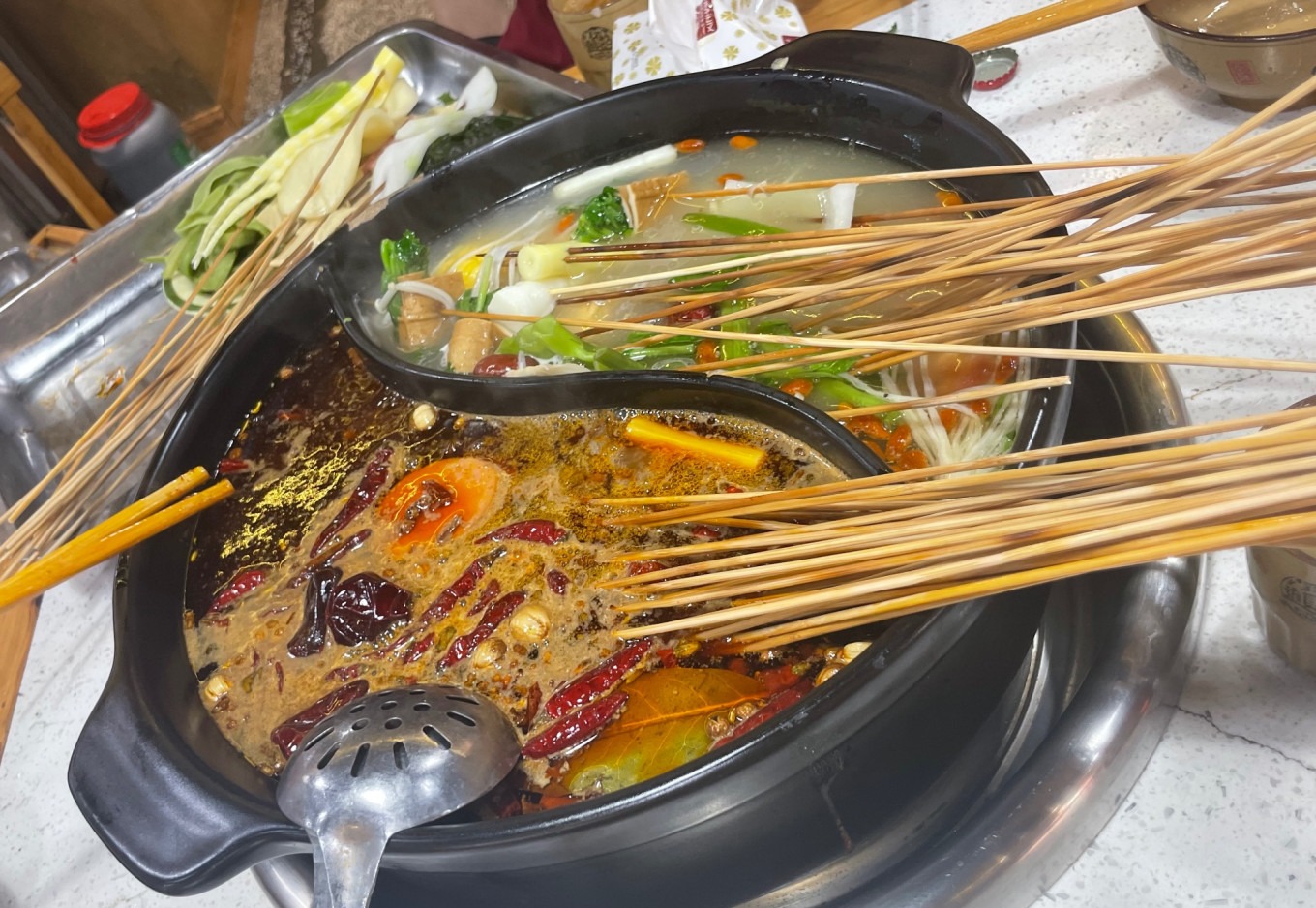
By 11 a.m., you’ll be ready to drop your bags at the hotel and head straight for food. If your hotel is near Yulin Road (玉林路) food street – as many are – you’ll find plenty of options. One solid choice is a medium-sized malatang hotpot restaurant (串串火锅店). The staff will likely ask if you want a yuan yang (鸳鸯锅) split pot (mild and spicy) and what spice level you prefer. For northerners new to Sichuan heat, ‘micro-spicy’ (微辣) is a safe start. Because of the heat and spice, cold drinks and bing fen (冰粉, ice jelly) are your best friends. You might even see a local elderly lady buying a bowl from a street vendor across the road – it’s a daily staple here. Overall, your first meal in Chengdu won’t disappoint; it’s a gentle introduction to the local spice tolerance. Remember: sesame oil dipping sauce (麻油蘸料) helps cut the heat. Duck blood (鸭血) and duck intestines (鸭肠) are fresh and taste even better in the spicy broth. Leafy greens are limited – you’ll find something that looks like spinach (but might not be), plus napa cabbage, baby bok choy, asparagus, potatoes, bamboo shoots, and a small handful of dried 贡菜 (gong cai, a kind of stem lettuce) that expands a lot when cooked.
- RestaurantYulin Road Hotpot (玉林路串串火锅店)
- AddressYulin Road Food Street, Chengdu (玉林路美食街)
- Recommended dishesDuck blood (鸭血), duck intestines (鸭肠), sesame oil dip (麻油蘸料), ice jelly (冰粉)
- Average spendApproximately 80–120 RMB per person
Visiting the Humble Cottage of China’s Great Poet Du Fu
Step into the world of Du Fu, China’s revered Tang Dynasty poet, at his former residence in Chengdu. After fleeing the An Lushan Rebellion in 759 AD, Du Fu settled here for nearly four years, composing over 240 poems. The site, painstakingly restored and expanded over centuries, preserves the architectural layout from the Ming (1500) and Qing (1811) dynasties. Covering nearly 300 mu (about 50 acres), the complex features a central axis of structures: the screen wall, main gate, grand hall, Poetry History Hall, wood gate, and the Ministry of Works Shrine, flanked by symmetrical corridors. Tickets cost 50 RMB, with half-price for students under 18. Reserve in advance via the “杜甫草堂 (local term)” WeChat official account.
At the entrance, you’ll encounter student guides offering tours—bargain from 40 RMB to 30 RMB per person. After purchasing, head inside to collect a headset and join a small group. The 90-minute tour is detailed and engaging, often including students and parents eager to learn during holidays. It’s a worthwhile investment to truly appreciate the site.
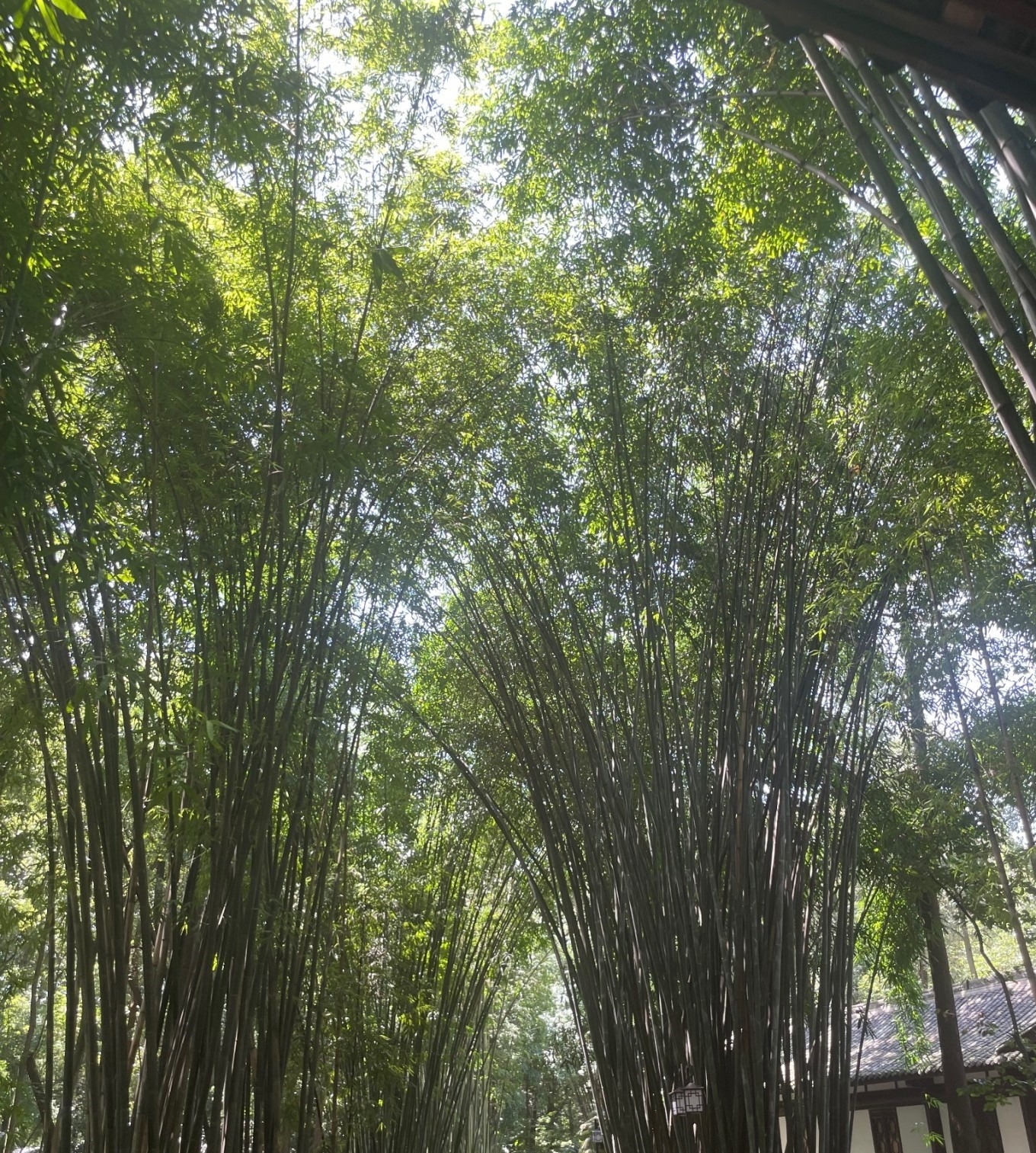
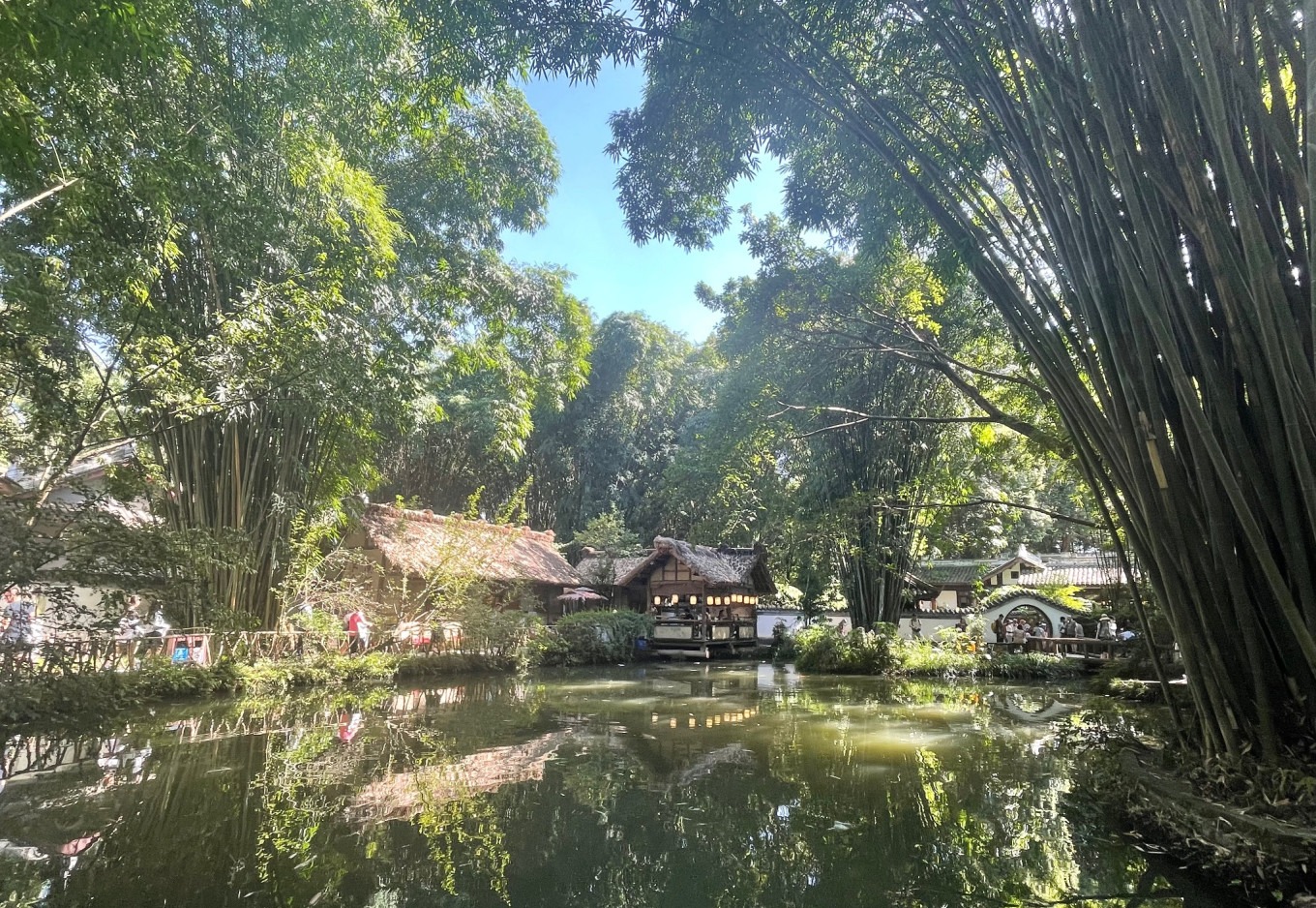
The cottage grounds are lush with bamboo groves. The arched bamboo along the paths creates a natural canopy, offering a refreshing coolness even on scorching 35–36°C days—a soothing contrast that echoes Du Fu’s compassionate spirit.
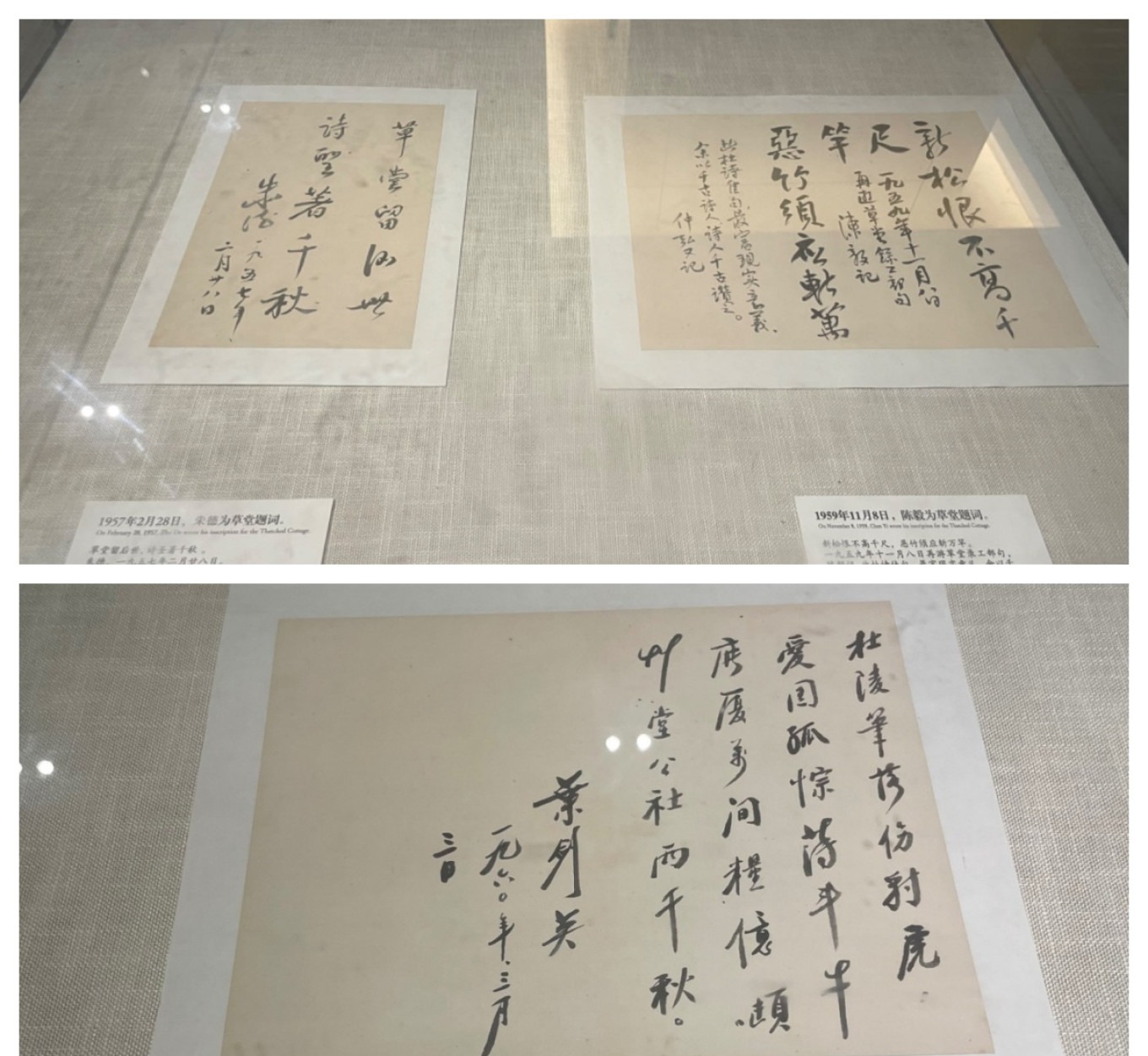
Since the founding of the People’s Republic, many national leaders, foreign dignitaries, and renowned writers have visited, leaving behind inscriptions. Originals are displayed in a small exhibition hall, while famous couplets hang on pillars throughout the site. The image above shows original calligraphy by Zhu De, Chen Yi, and Ye Jianying.
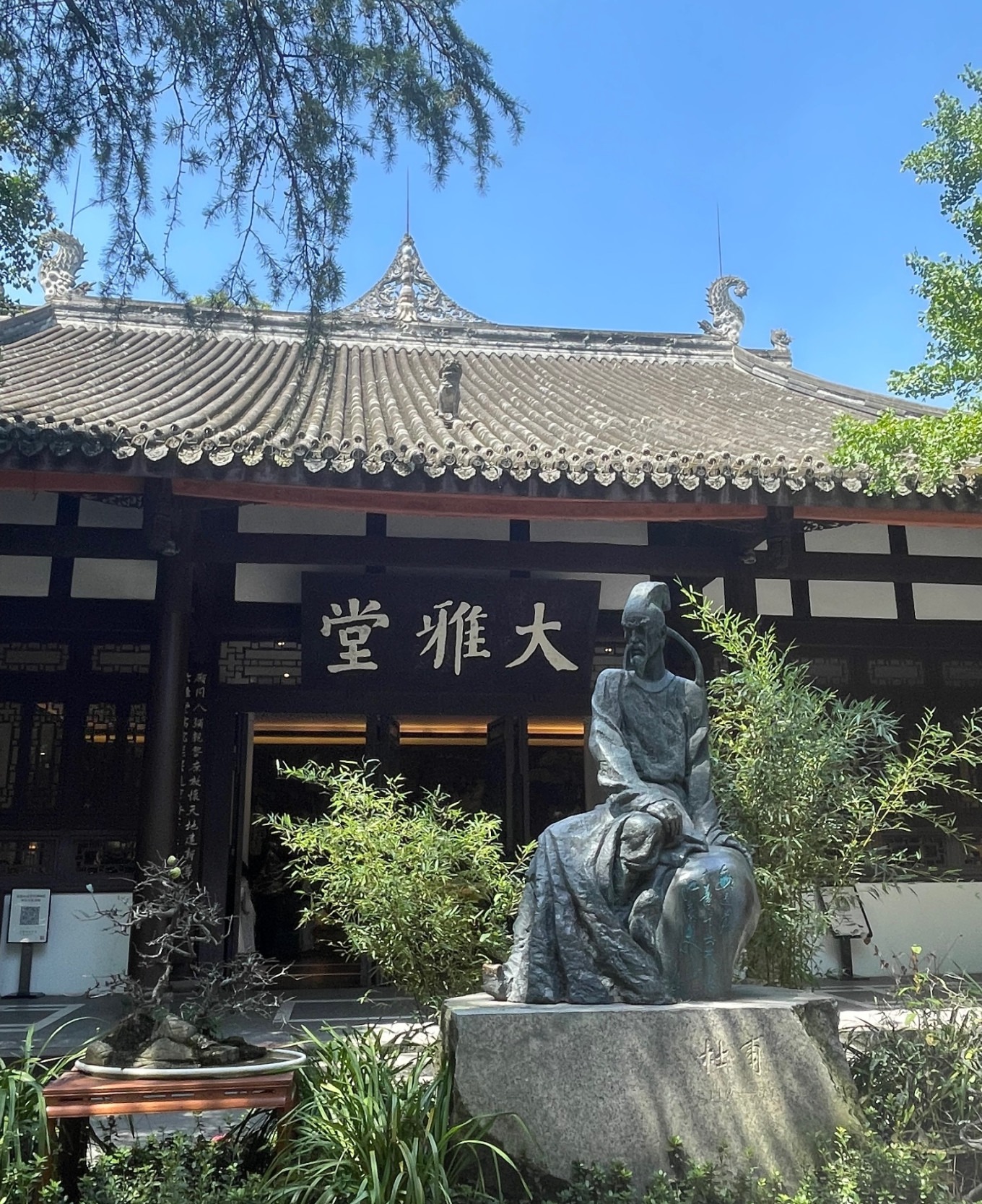
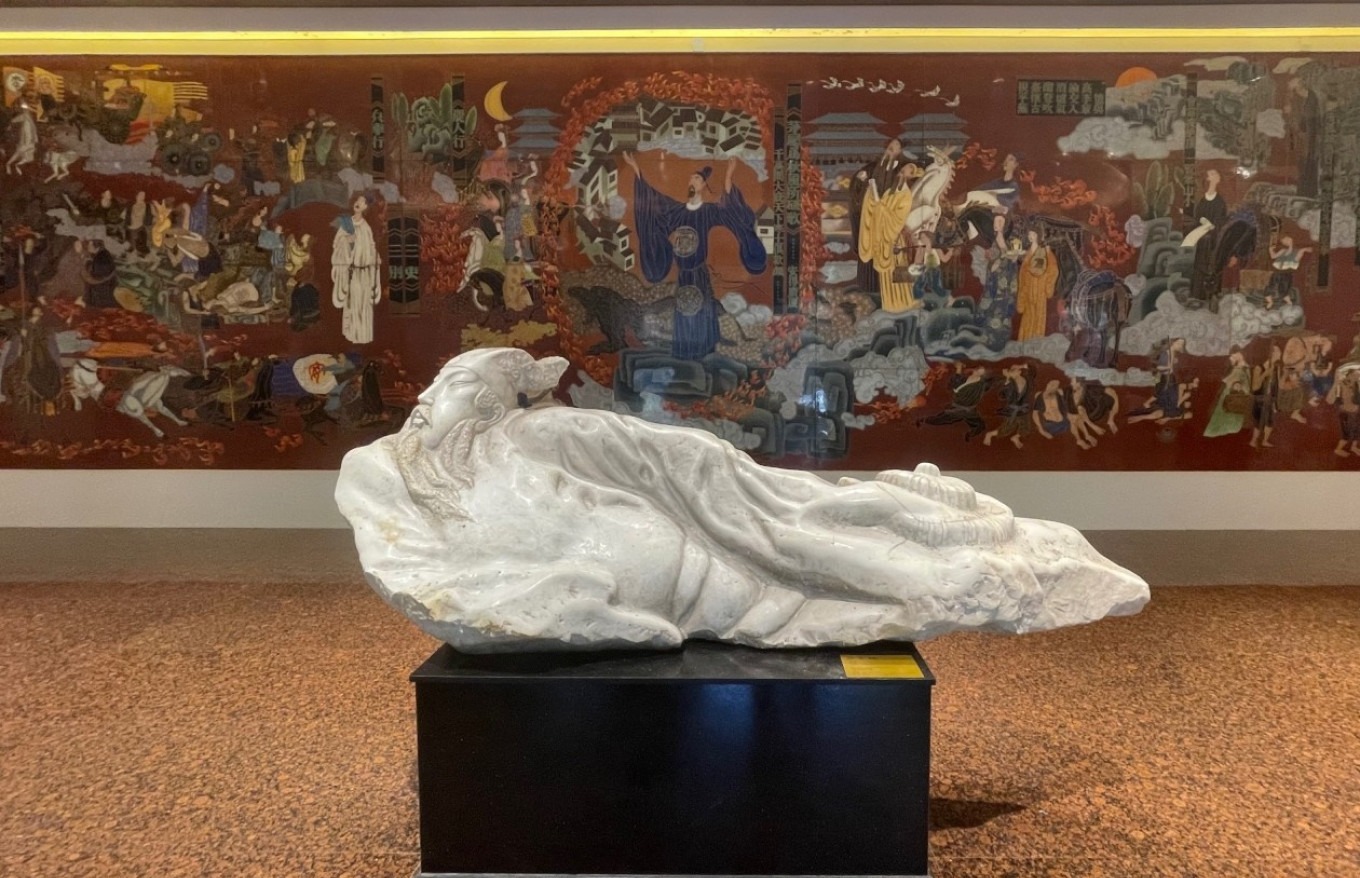
Inside the Grand Elegance Hall (大雅堂), you’ll find statues of famous poets from Qu Yuan through the Tang and Song dynasties. The guide lingers here, recounting Du Fu’s life, his reasons for entering Sichuan, and his masterpieces like “the Thatched Roof Is Ruined by the Autumn Wind” and the “Three Officials and Three Partings” series.
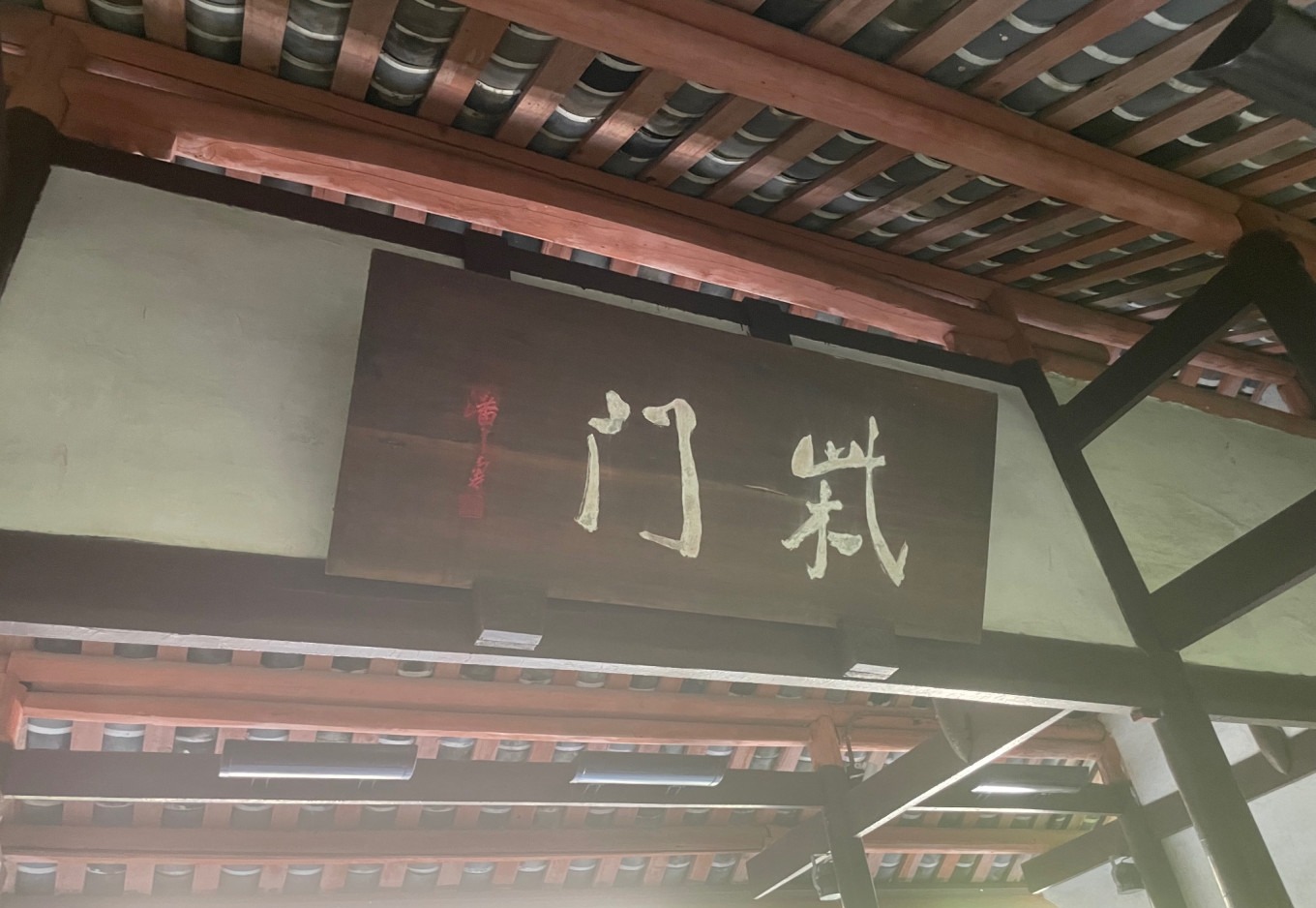
The “Wood Gate” (柴门 (local term)) leads to the reconstructed thatched cottage. From a distance, the cottage appears picturesque and serene—ideal for contemplation. Du Fu relied on friends’ support to settle here. The tour concludes at the cottage, ensuring you leave with a deeper connection to the realist poet’s inner world.
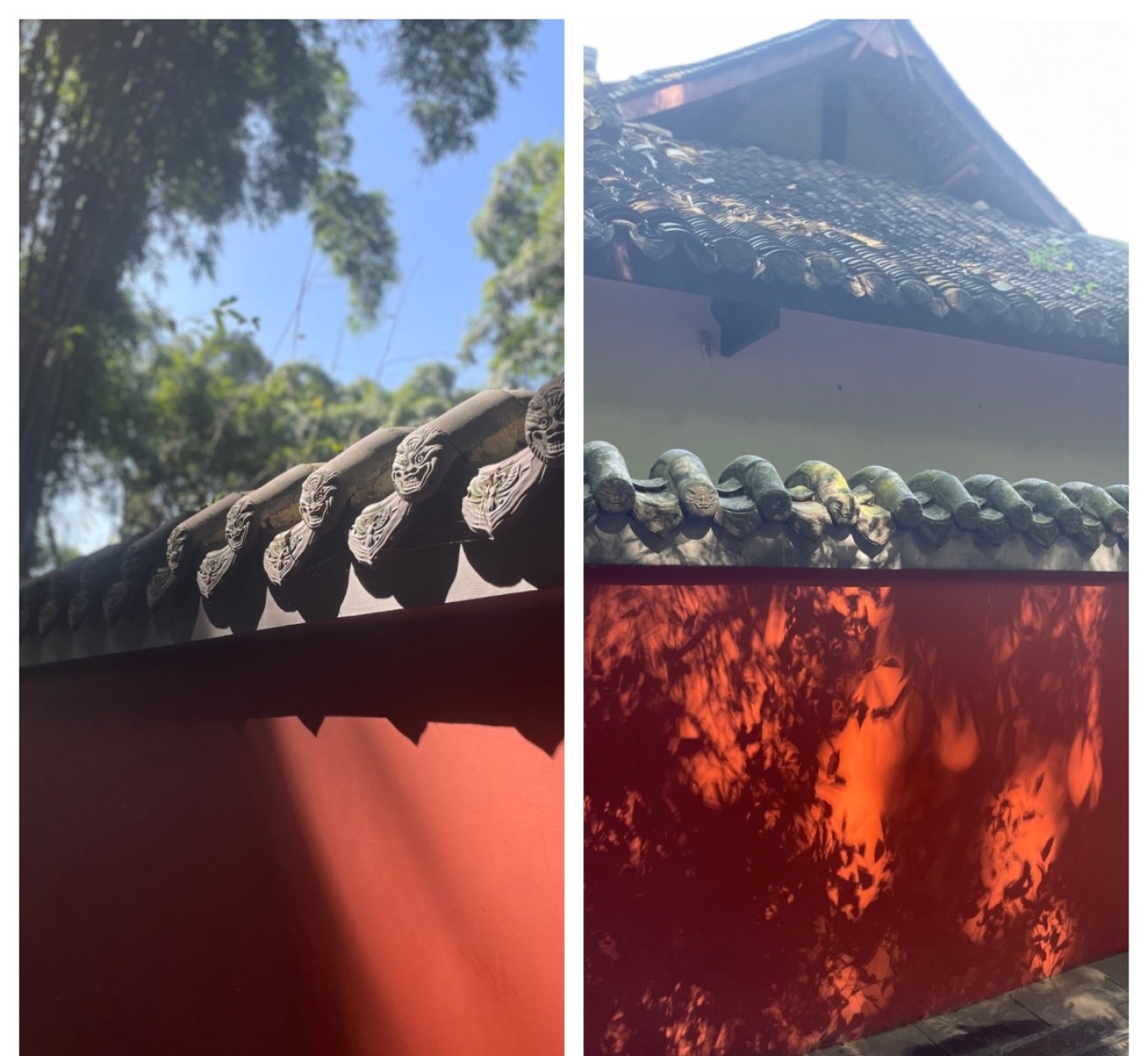
Don’t miss the iconic red wall with bamboo shadows—a photographer’s dream. Even without people, the interplay of light, bamboo, and the crimson wall is mesmerizing. Historical figures have posed here, leaving their silhouettes; capturing a clean shot without crowds takes patience.
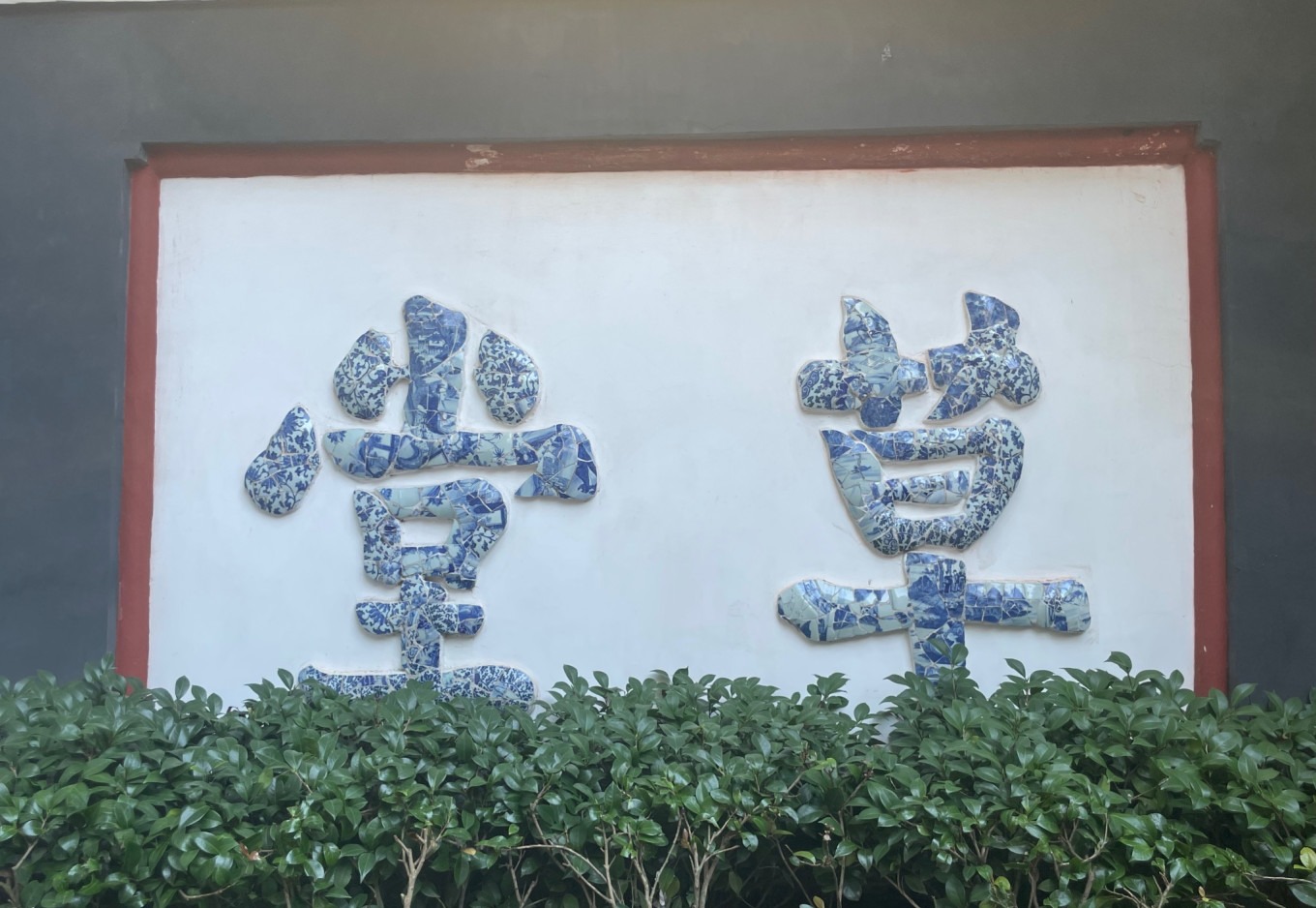
Wenshu Monastery, Kuixinglou Street Food, and Sichuan Opera at Liyuan Guild Hall
Start your afternoon at Wenshu Monastery (文殊院), one of Chengdu’s best-preserved Buddhist temples. Located just a short walk from Du Fu Thatched Cottage, the monastery closes at 5:00 PM, so plan to arrive early. The temple, also known as Konglin Hall, covers over 20,000 square meters and was first built during the Sui Dynasty (605–617 AD). Its current structure dates to the Qing Dynasty, featuring classic Sichuan-style wooden architecture with six main halls aligned on a central axis. Admission is free, but note that the gates shut promptly at 5 PM.
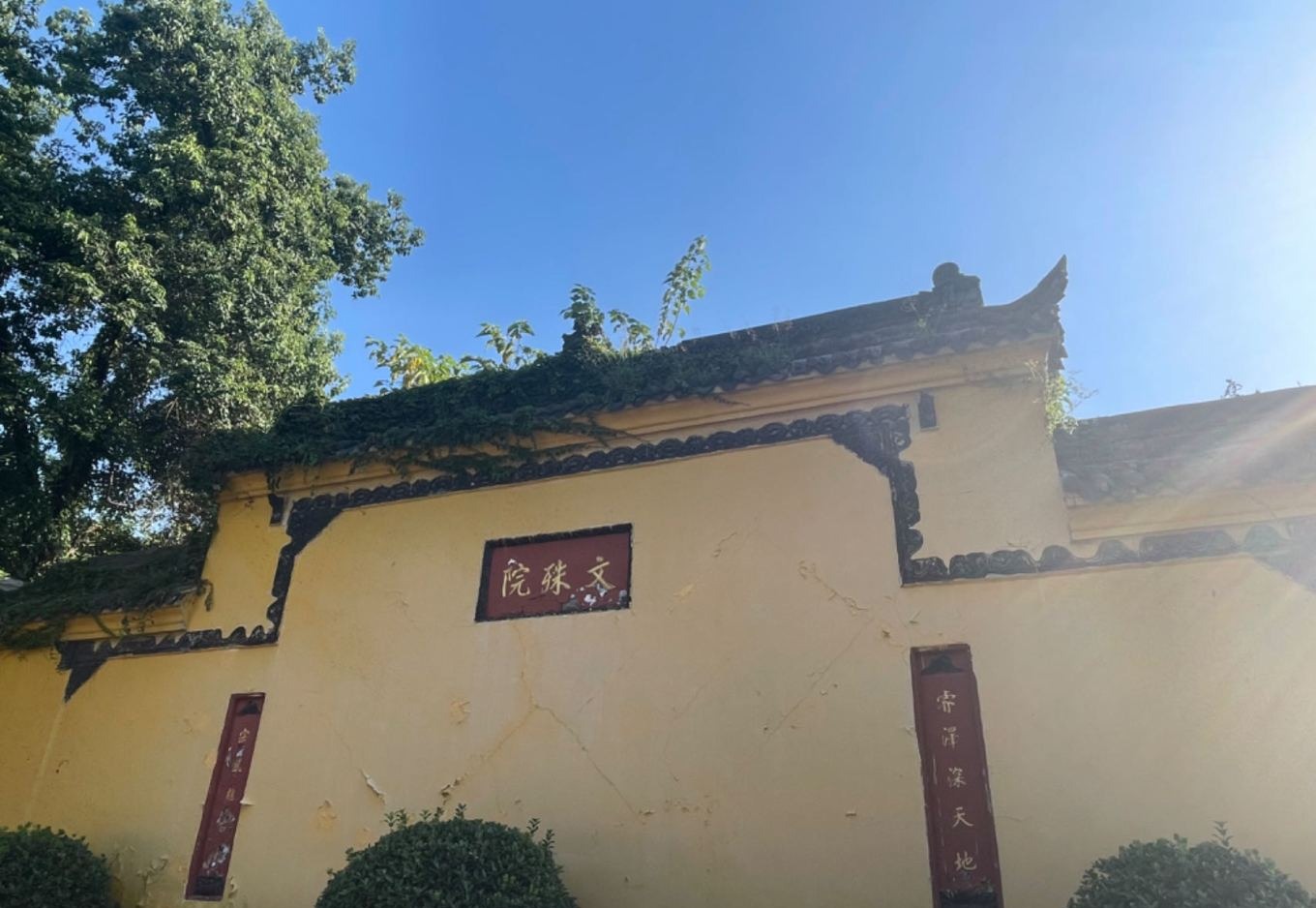
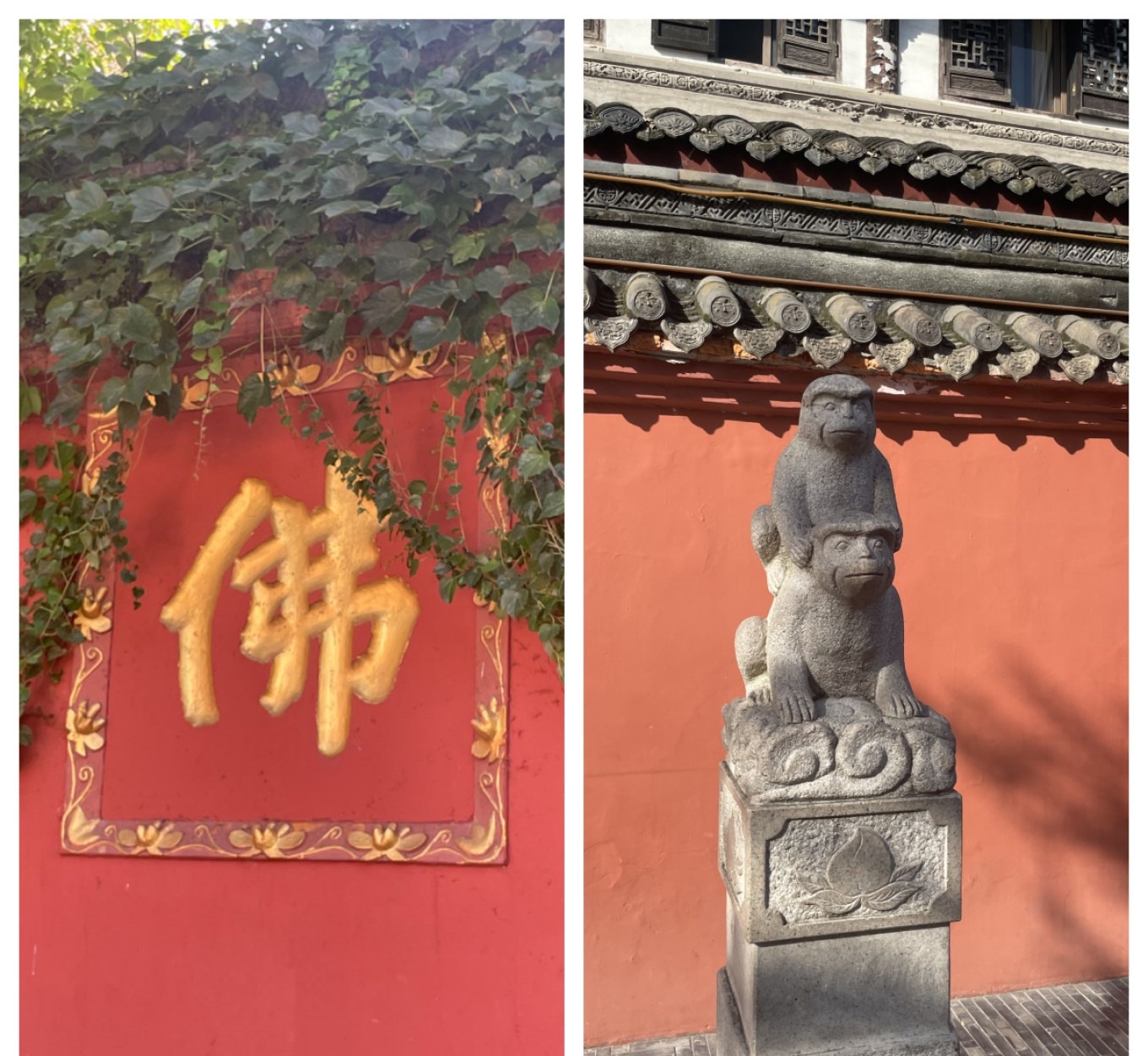
If you arrive after closing, don’t worry—the exterior is worth a stroll. The vermilion walls are inscribed with the words ‘World Peace, Human Happiness’ (世界和平、人类幸福), making a beautiful photo backdrop. Nearby, a commercial street offers snacks and souvenirs, but for a more authentic food experience, head to Kuixinglou Street (奎星楼街), a popular foodie destination recommended by many locals.
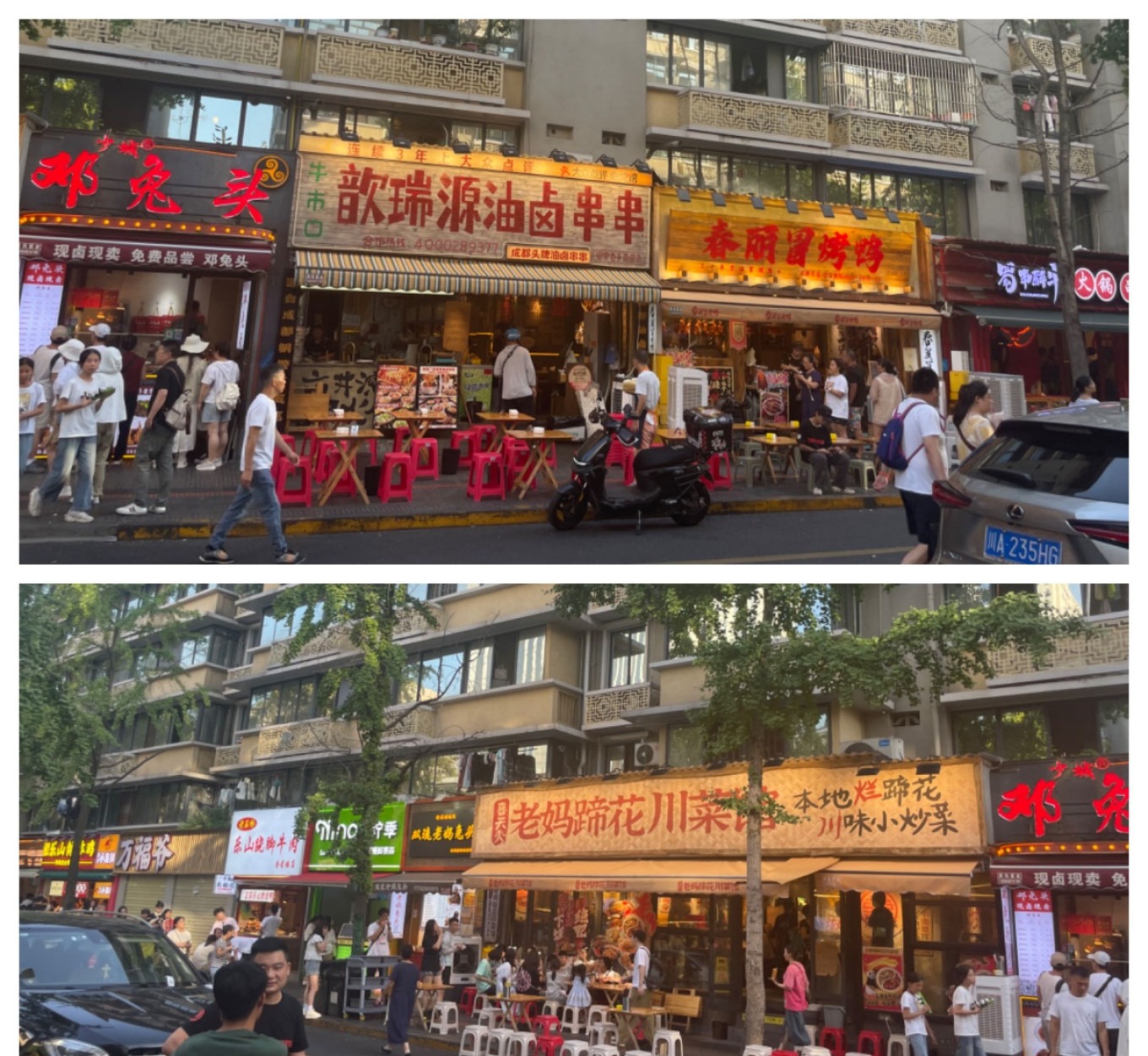
Kuixinglou Street is lined with casual eateries, many of which have long queues—a good sign of local approval. However, be warned: the food here is authentically spicy and may not suit all palates, especially if you’re from northern China. Must-try items include the five-spiced rabbit head (五香兔头), coated in crushed peanuts, and the super-spicy skewers (串串). For a milder option, try the panda-shaped coconut milk ice (熊猫造型椰奶冰). If you’re not a fan of bony snacks like chicken or duck heads, rabbit head might be a challenge—it comes with teeth, eyes, and tongue. Overall, Kuixinglou offers a down-to-earth, local dining scene. If you prefer a more polished setting, the area around Wenshu Monastery also has stylish chain restaurants.
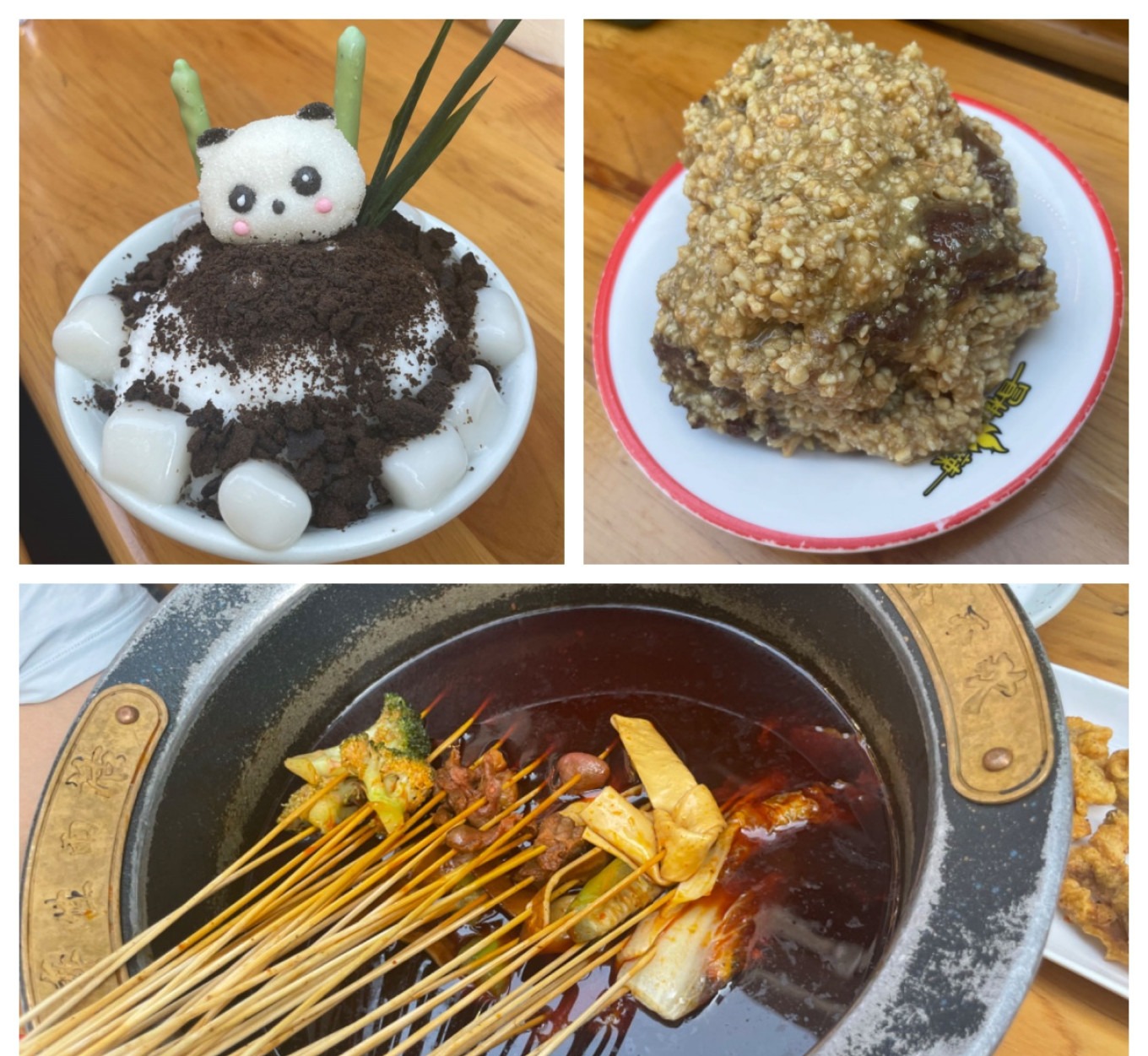
After dinner, head to Liyuan Guild Hall (梨园会馆) near Wenshu Monastery for a 50-minute Sichuan opera performance. The show features face-changing (变脸),杖头木偶 (rod puppet), water sleeves (水袖), hand shadow puppetry (手影戏), opera singing, fire-spitting (吐火), and kung fu tea ceremony (功夫茶道). It’s a compact, beginner-friendly introduction to Sichuan opera—perfect for families. Tickets are 63 RMB per person, a great value compared to larger venues like Shufeng Yayun (蜀风雅韵), where good seats cost over 150 RMB and require advance booking. At Liyuan, performers walk down the aisle for close-up face-changing, and you can order a cup of tea to enjoy during the tea ceremony. Arrive early to snag a seat near the aisle for the best experience.
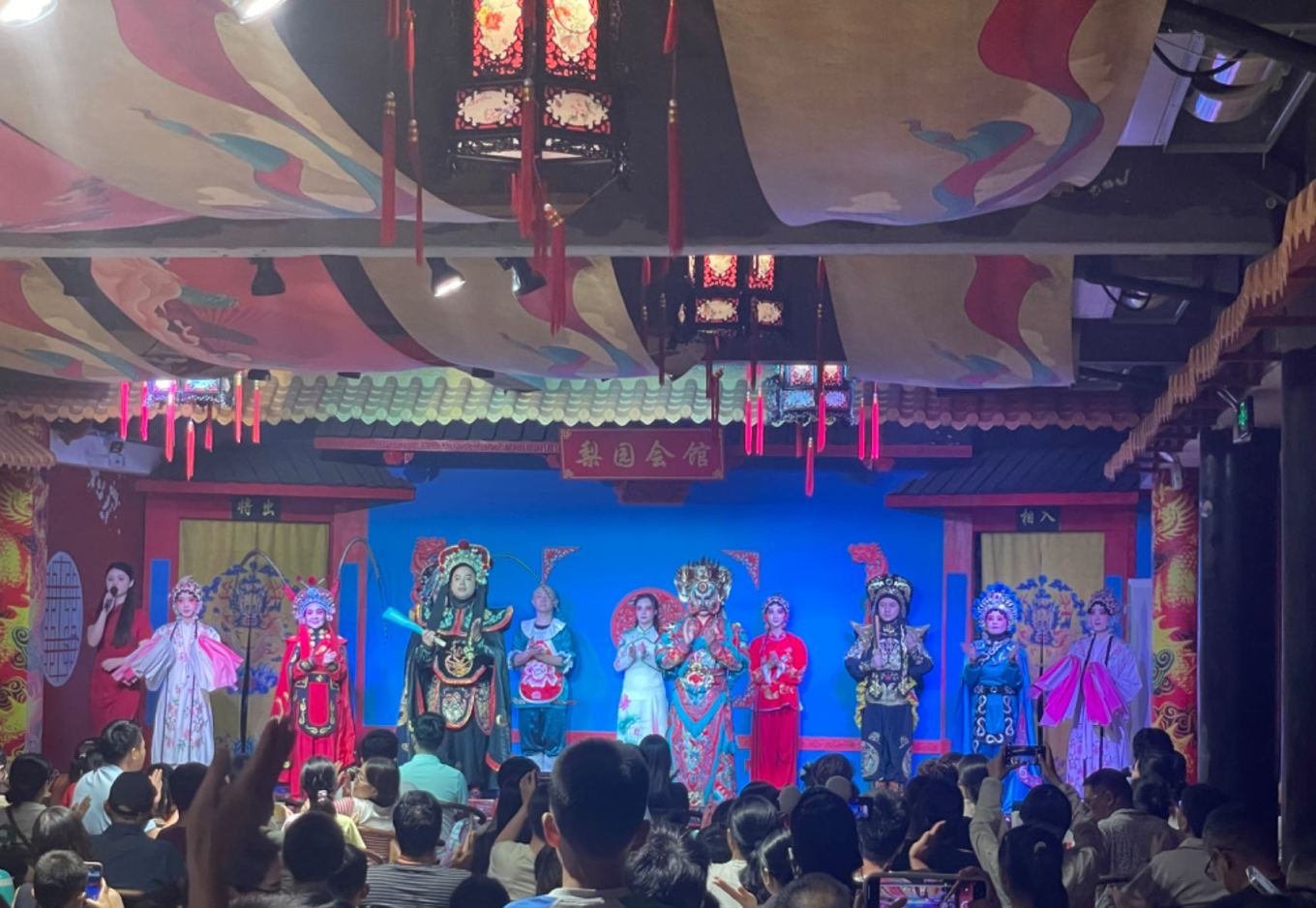
- RestaurantLiyuan Guild Hall (梨园会馆)
- Addressnear Wenshu Monastery, Chengdu (文殊院附近)
- Recommended dishesTea (茶), optional snack
- Average spend63 RMB per person (show ticket)
Day 2: Panda Encounters at Panda Valley and Li Bing Exploration at Dujiangyan
No trip to Sichuan and Chengdu is complete without seeing the national treasure – the giant panda. If you’re not set on seeing the celebrity panda Hua Hua, skip the crowded and less green Chengdu Research Base of Giant Panda Breeding and head to Panda Valley (熊猫谷), which is closer to Dujiangyan. The valley is smaller, allowing for closer observations of giant pandas, and also features free-ranging red pandas. A tip: arrive as early as possible.
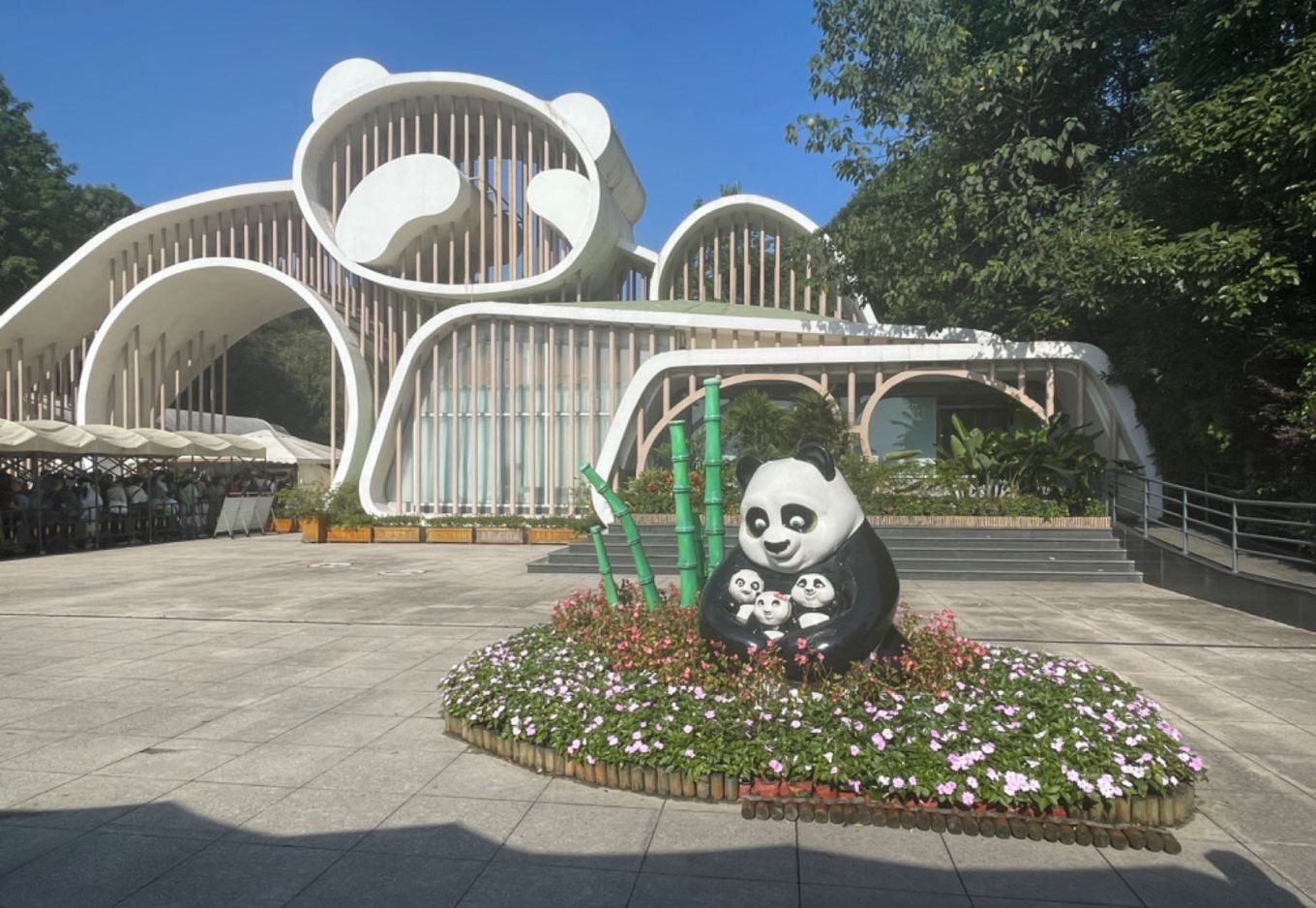
Getting to Panda Valley from downtown Chengdu is about 70 kilometers – roughly 1.5 hours by taxi. Alternatively, you can take a high-speed train from Chengdu East Station to Dujiangyan Station, then taxi to the valley. Trains run frequently, so you can schedule accordingly. Tickets must be reserved via the WeChat official account “熊猫谷 (local term)”; adult tickets are 55 RMB, student tickets half price at 27 RMB.
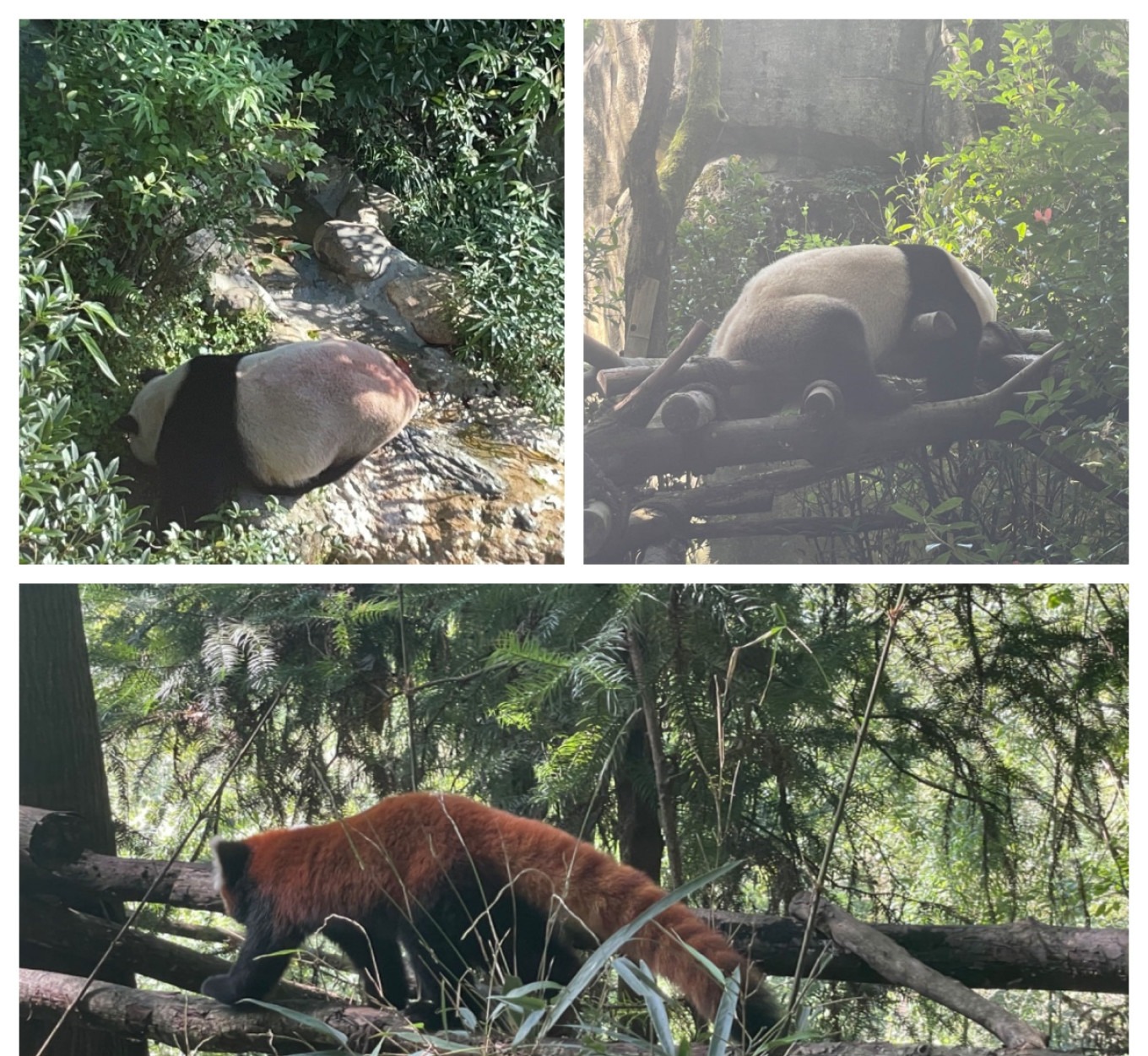
If you arrive around 9:30 am, expect about a 30-minute queue to enter. The pandas on display here are all adults – if you want to see cubs, you’ll need to visit the base, and even then, it’s a matter of luck. The valley is beautifully landscaped; walking along the forested paths, you’ll barely feel the sun, even on hot days. Several pandas may be out in their outdoor enclosures. One might be engrossed in a live eating show – watching them up close, you’ll see their charmingly clumsy and adorable nature, despite their large size.
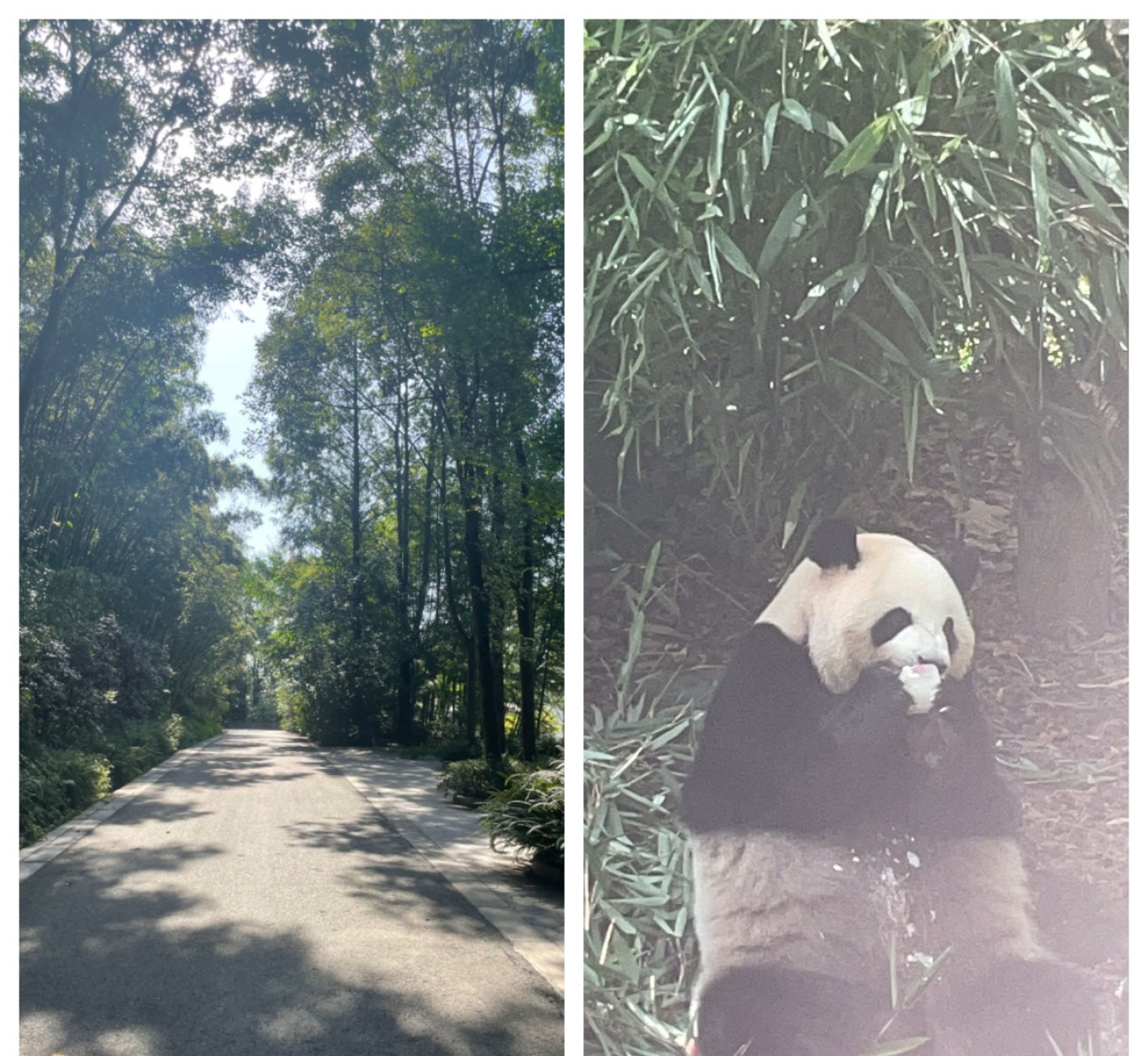
Two other pandas might be sleeping outdoors, their big fluffy backsides facing the crowd. The park opens at 7:30 am, and pandas often nap after breakfast, so arriving early is recommended. The red pandas roam in a free-range area, dashing across specially built wooden beams among the trees – they’re incredibly fast, and you might not even catch a frontal photo. On lucky days, they may come down to the walking path, bringing you even closer. The valley isn’t huge; a round trip on foot takes about 2 hours.
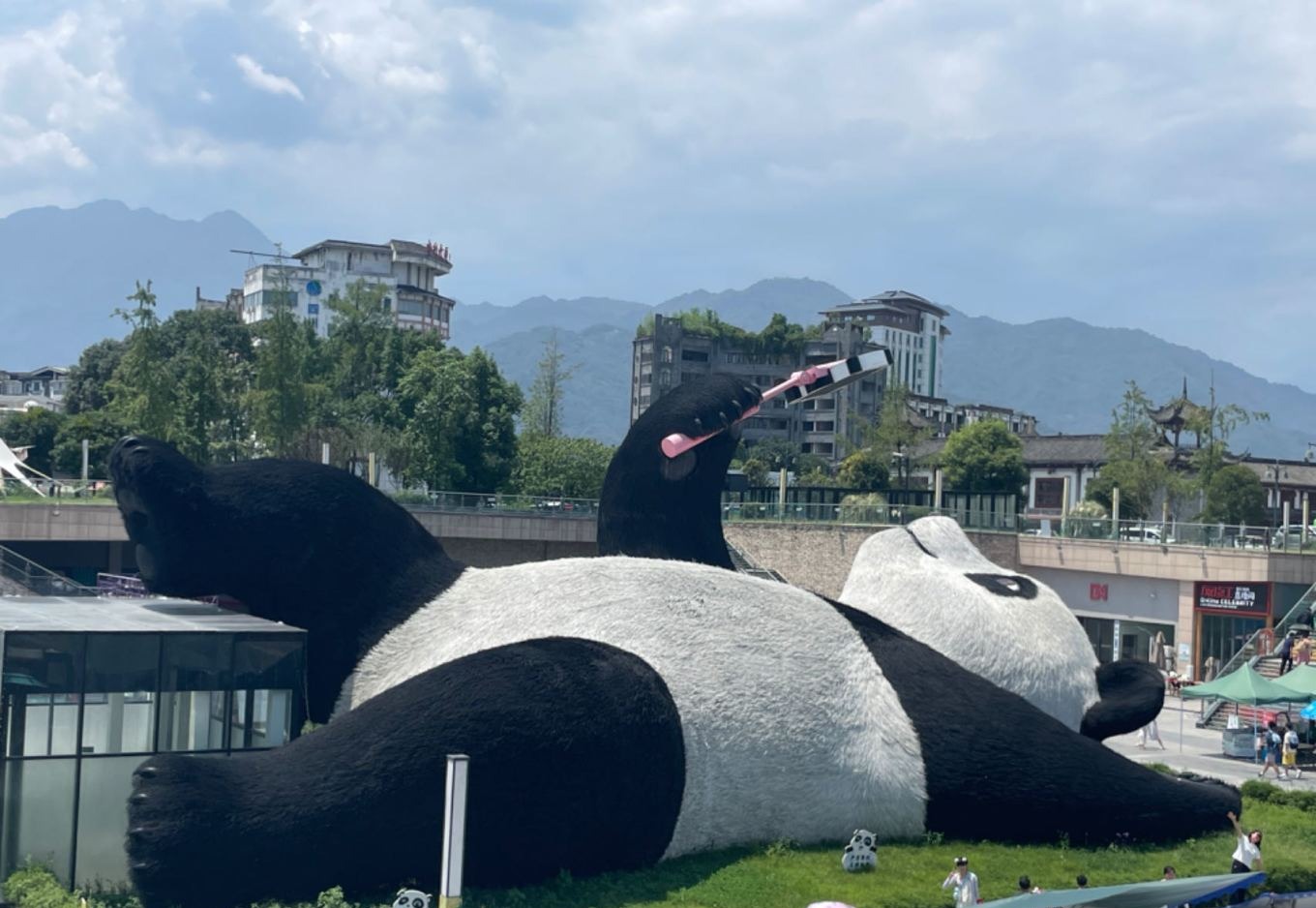
As you exit, you’ll see a steady stream of visitors still lining up to enter – panda watching is undeniably a top attraction. After a morning of walking, you’ll be hungry. Take a taxi to Yangtianwo Square (仰天窝广场), which is close to the Dujiangyan Lidui entrance and has a nearby food street. Note: a bus from Panda Valley to the square or Dujiangyan Lidui entrance costs 10 RMB per person; if you’re in a group of two or more, a ride-hailing service is more economical.
During your ride, chat with the driver – friendly locals often share insights about local customs, hidden eateries, and transport tips. One driver explained that Dujiangyan, though green and low-rise, has infrastructure that hasn’t fully caught up due to the 2008 Wenchuan earthquake, which devastated the city (only 20 km from the epicenter in Yingxiu). After the quake, Shanghai helped rebuild Dujiangyan, and as a token of gratitude, Shanghai residents still enjoy a special ticket price of 15 RMB (the same as locals) when visiting the Dujiangyan scenic area – a heartwarming gesture of remembrance.
At Yangtianwo Square, snap a photo with the iconic giant panda sculpture. The heat is intense – the forecast says 35°C, but it feels even hotter. On the food street near Lidui Park, you can grab a bowl of noodles. Options include 红烧牛肉面 (braised beef noodles) and 酸菜肉沫面 (pickled vegetable and minced pork noodles, not spicy). For dessert, try 桃胶醪糟 (peach gum fermented rice) and 红糖冰粉 (brown sugar jelly). To beat the heat, stop at a coffee stand run by a young man who looks Tibetan and order a 糌粑奶茶 (tsampa milk tea). Kids say it tastes like rice milk – refreshing and unique. Rest up before continuing your afternoon exploration.
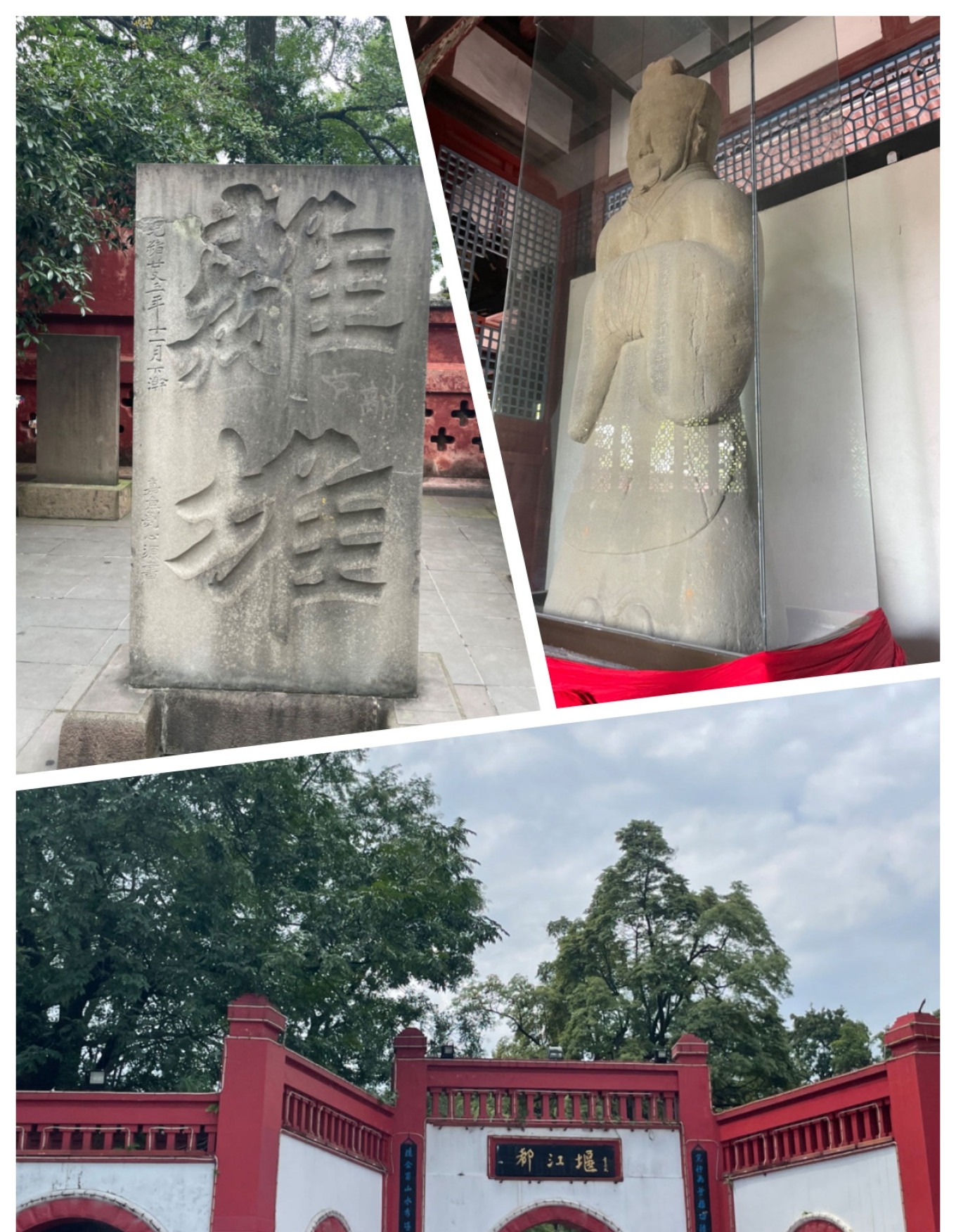
The stone statue pictured above is 2.9 meters tall, 0.96 meters wide at the shoulders, with a bottom tenon 0.18 meters long, weighing about 4.5 tons, carved from grayish-white sandstone. It features a broad forehead, round face, full cheeks, sunken mouth corners, relaxed brows and eyes, and a gentle smile, wearing a 进贤冠 (Jinxian crown) and a 介帻 (headband). The figure is dressed in a wide-sleeved robe with right-side closure, a belt at the waist, and hands folded in front. Three lines of clerical script are inscribed on the sleeves and hem. On the front of the robe, below the folded hands, are the characters “故蜀郡李府君讳冰 (local term)” (the late Prefect of Shu Commandery, Li Bing). Experts confirmed that this dignified, benevolent, smiling stone figure depicts none other than Li Bing, the creator of the Dujiangyan irrigation system over 2,000 years ago. It was named the “Li Bing Stone Statue” and was used to suppress floods, praying for eternal protection from disasters. Li Bing is truly a great benefactor who has safeguarded the Chengdu Plain and the Dujiangyan project for generations.
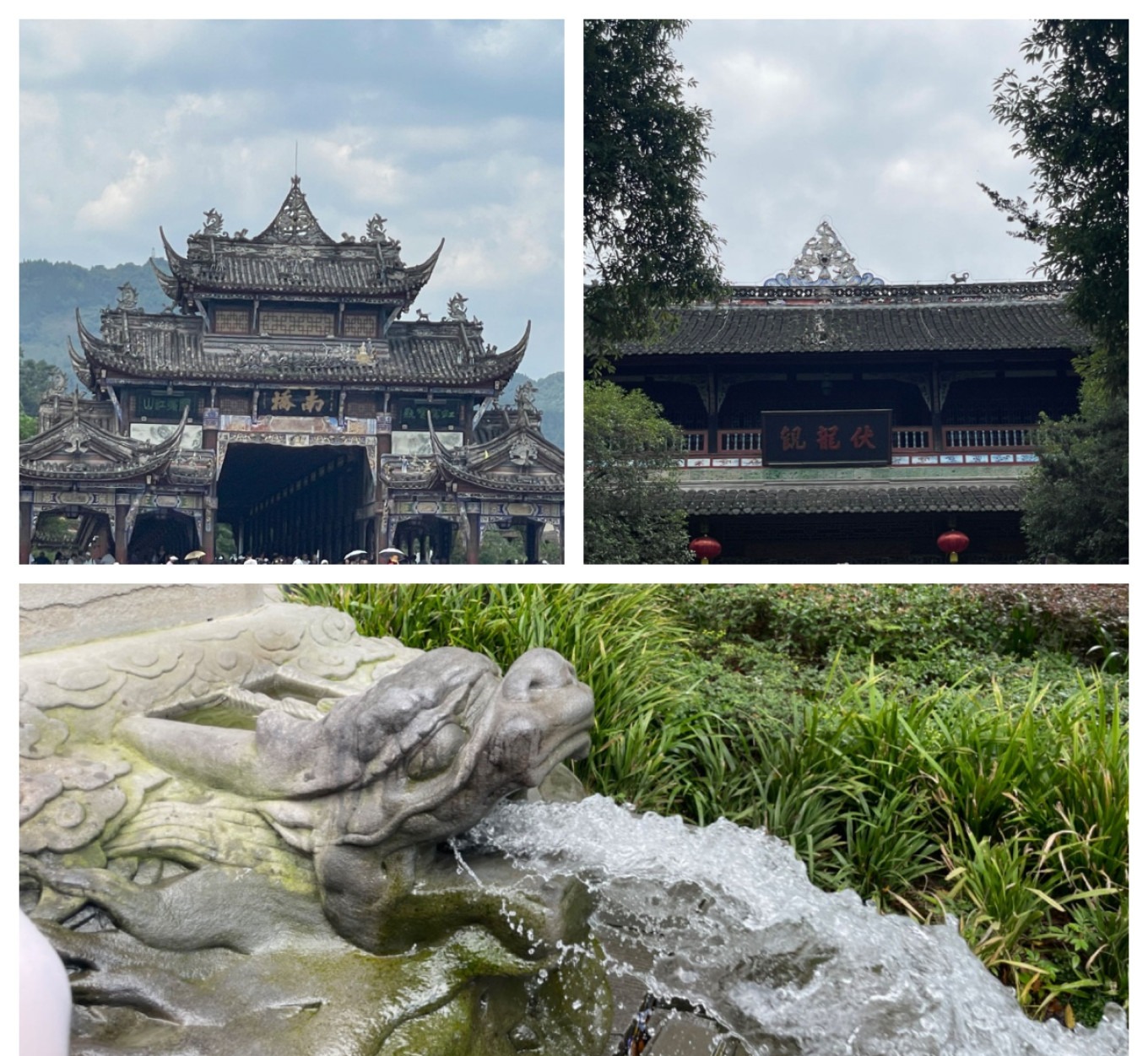
Dujiangyan (都江堰) is located in Dujiangyan City, west of Chengdu, Sichuan, on the Min River at the western edge of the Chengdu Plain. It is a vast engineering system comprising the headwork (Fish Mouth Levee, Flying Sand Weir, and Precious Bottle Neck), various diversion channels, structures, and reservoirs. The headwork covers an area of over 200 mu (about 13.3 hectares). Dujiangyan is the world’s oldest and only surviving large-scale water conservancy project without a dam, utilizing the natural topography – higher in the northwest and lower in the southeast – and the river’s specific terrain and flow. It guides water naturally, allowing self-flow irrigation, and integrates levees, diversion, flood discharge, sand sluicing, and flow control into a harmonious system. Its greatest achievement is that it has functioned continuously for over 2,250 years, with increasing benefits.
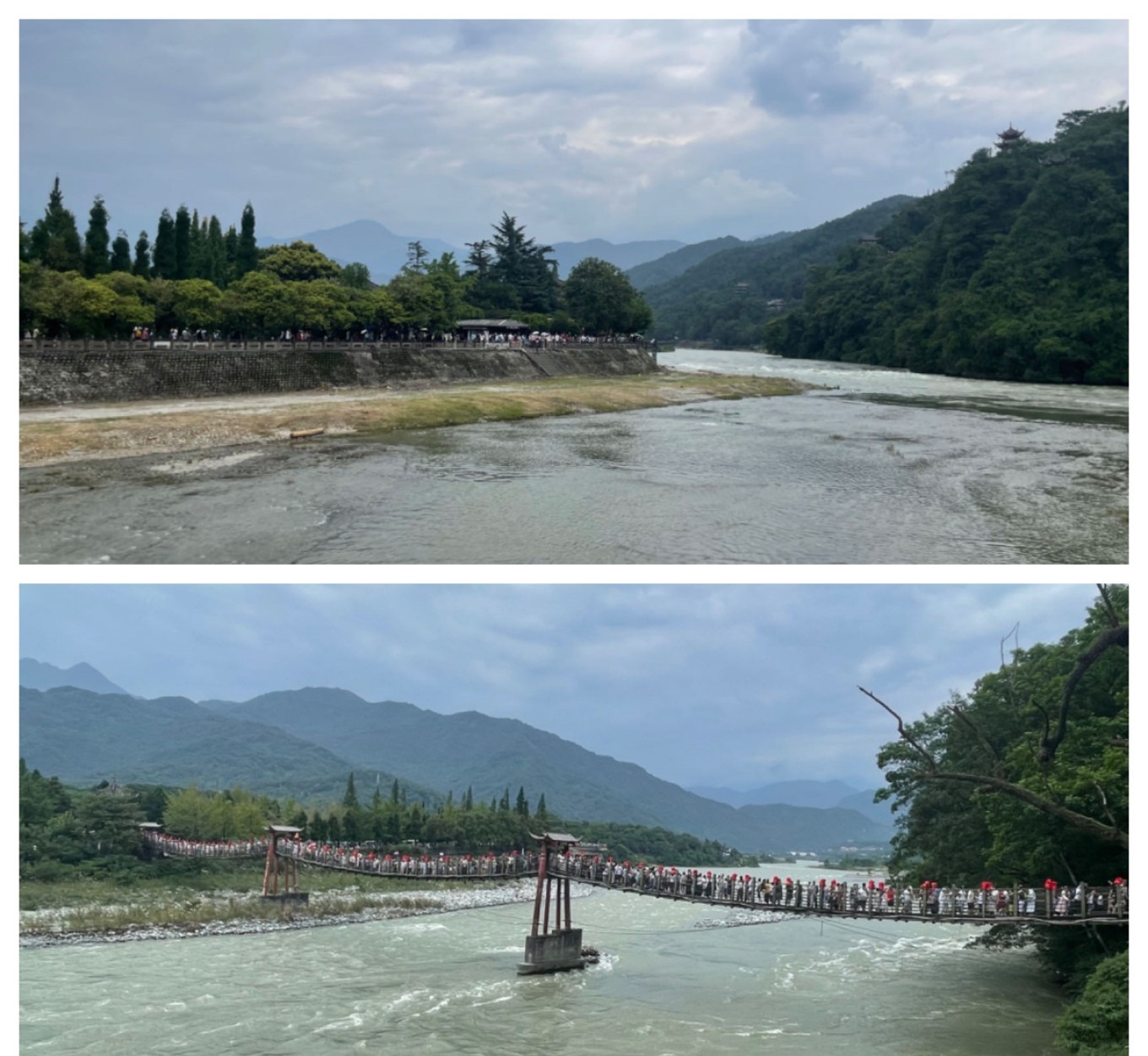
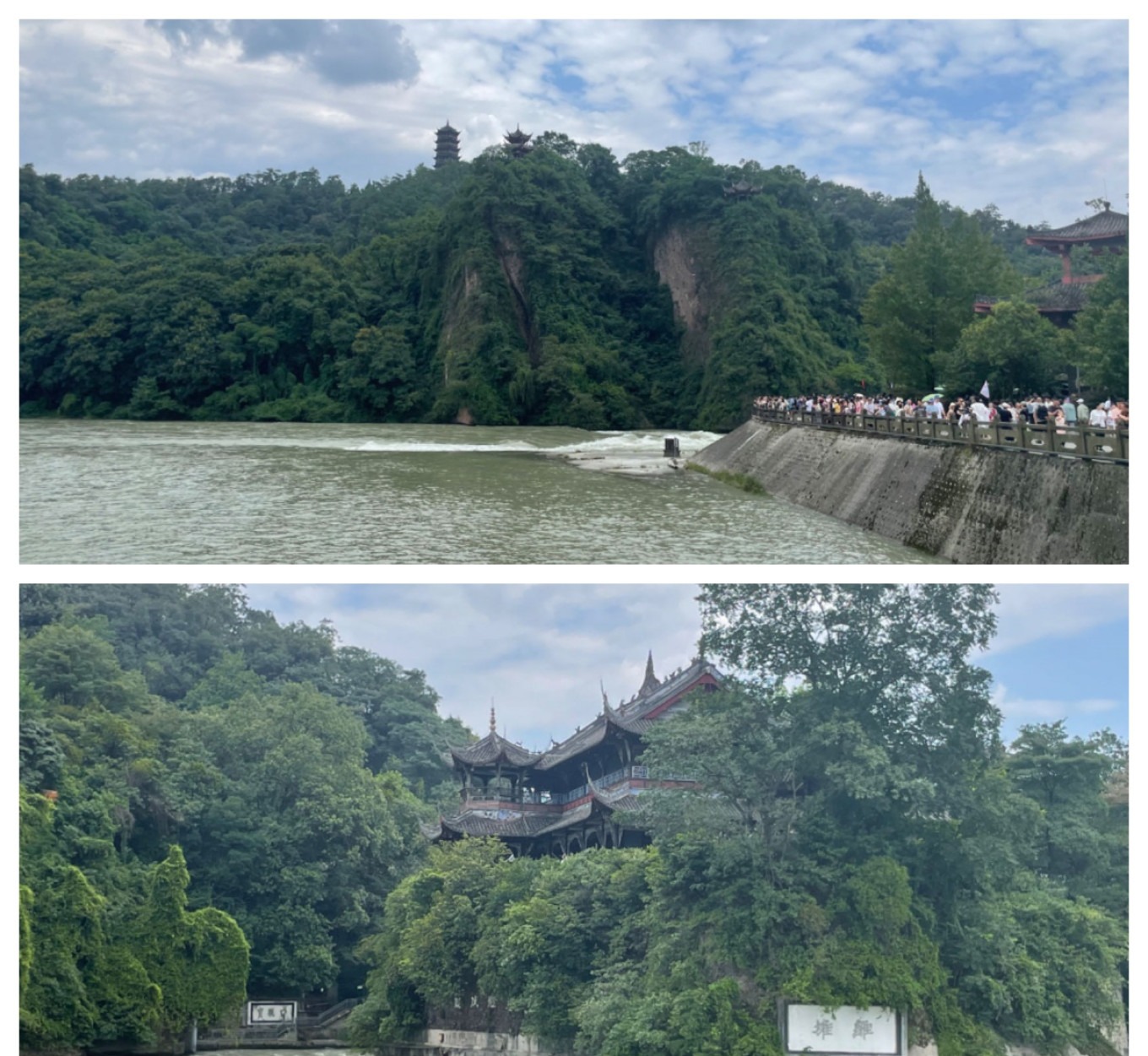
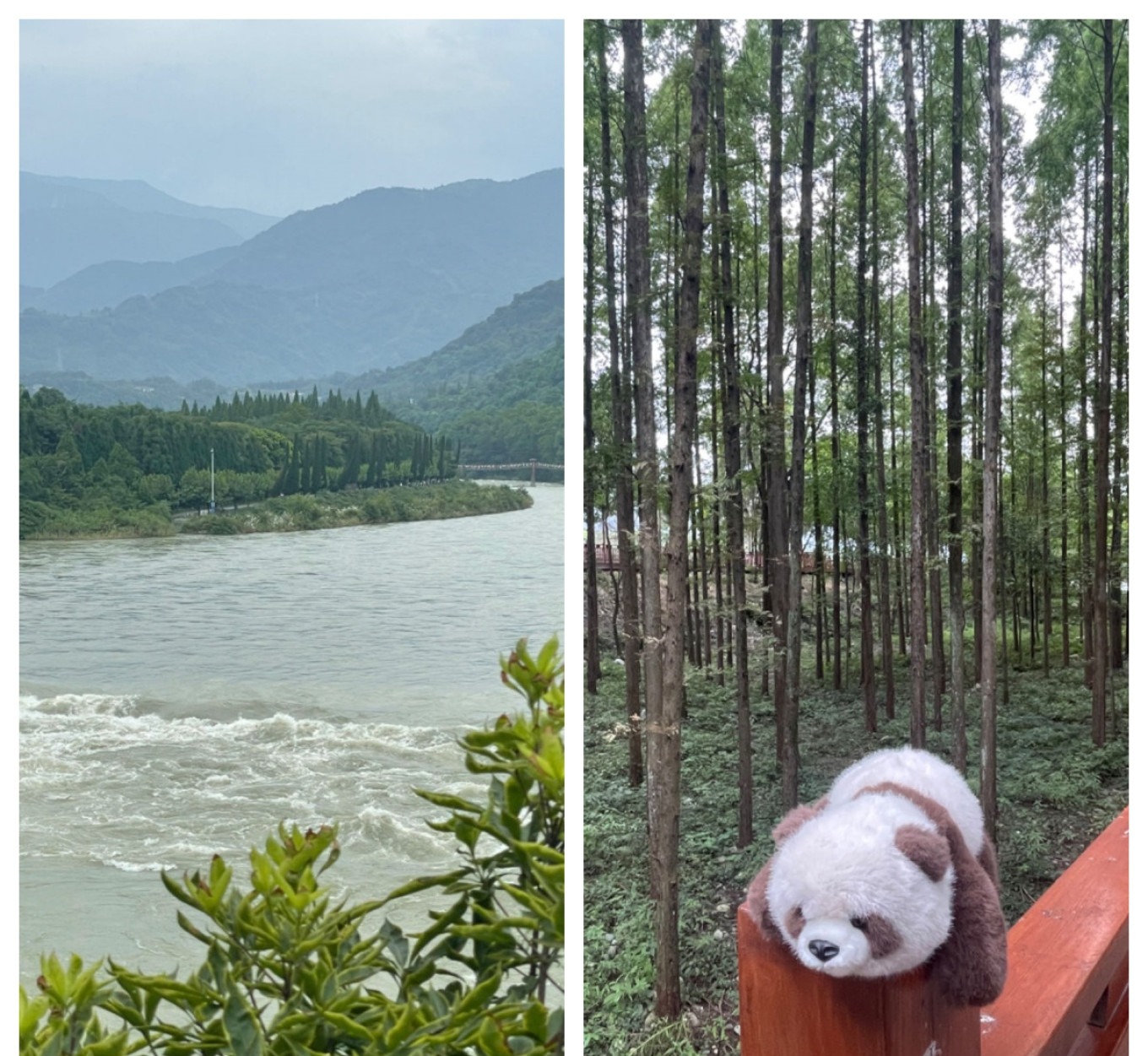
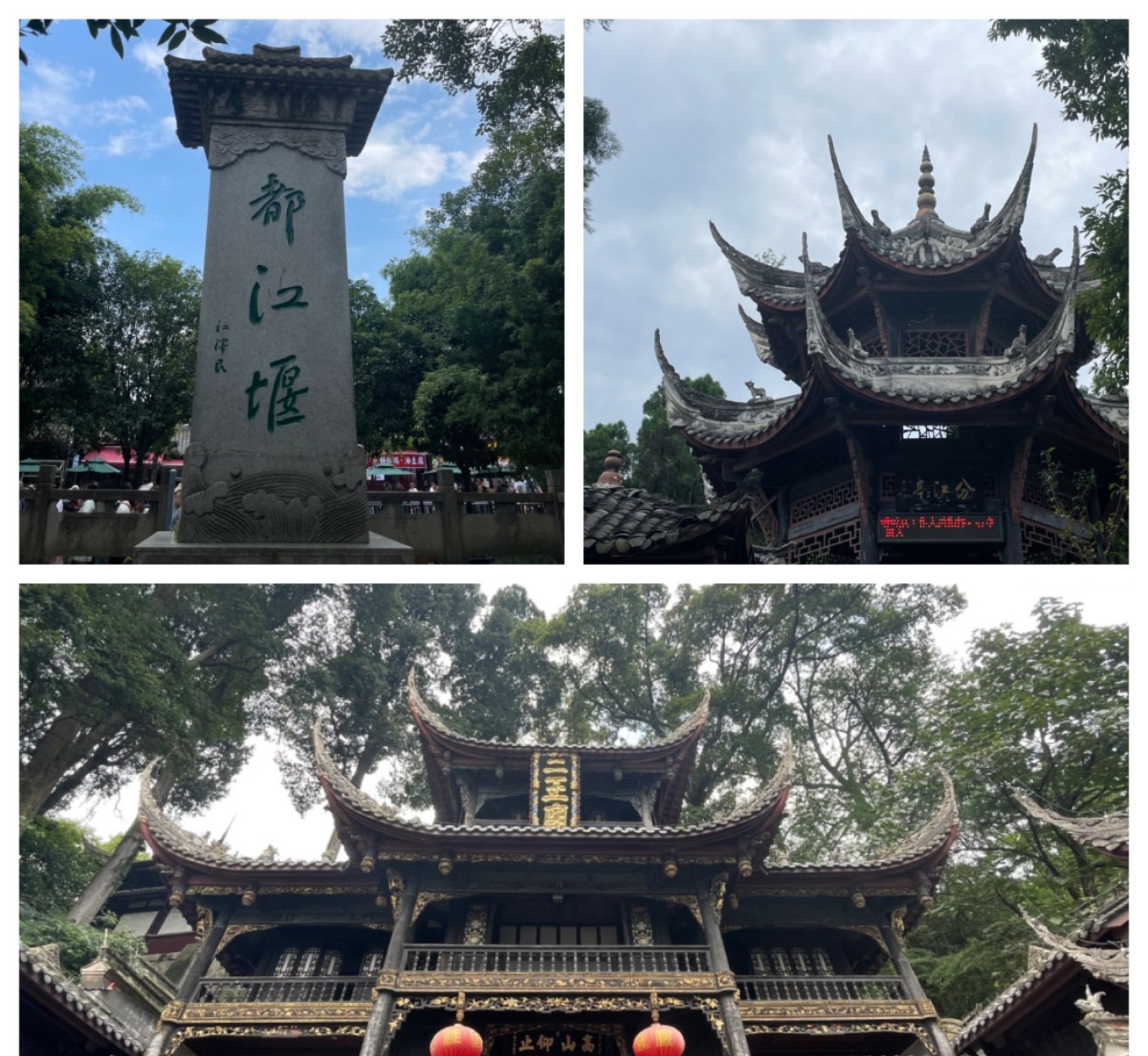
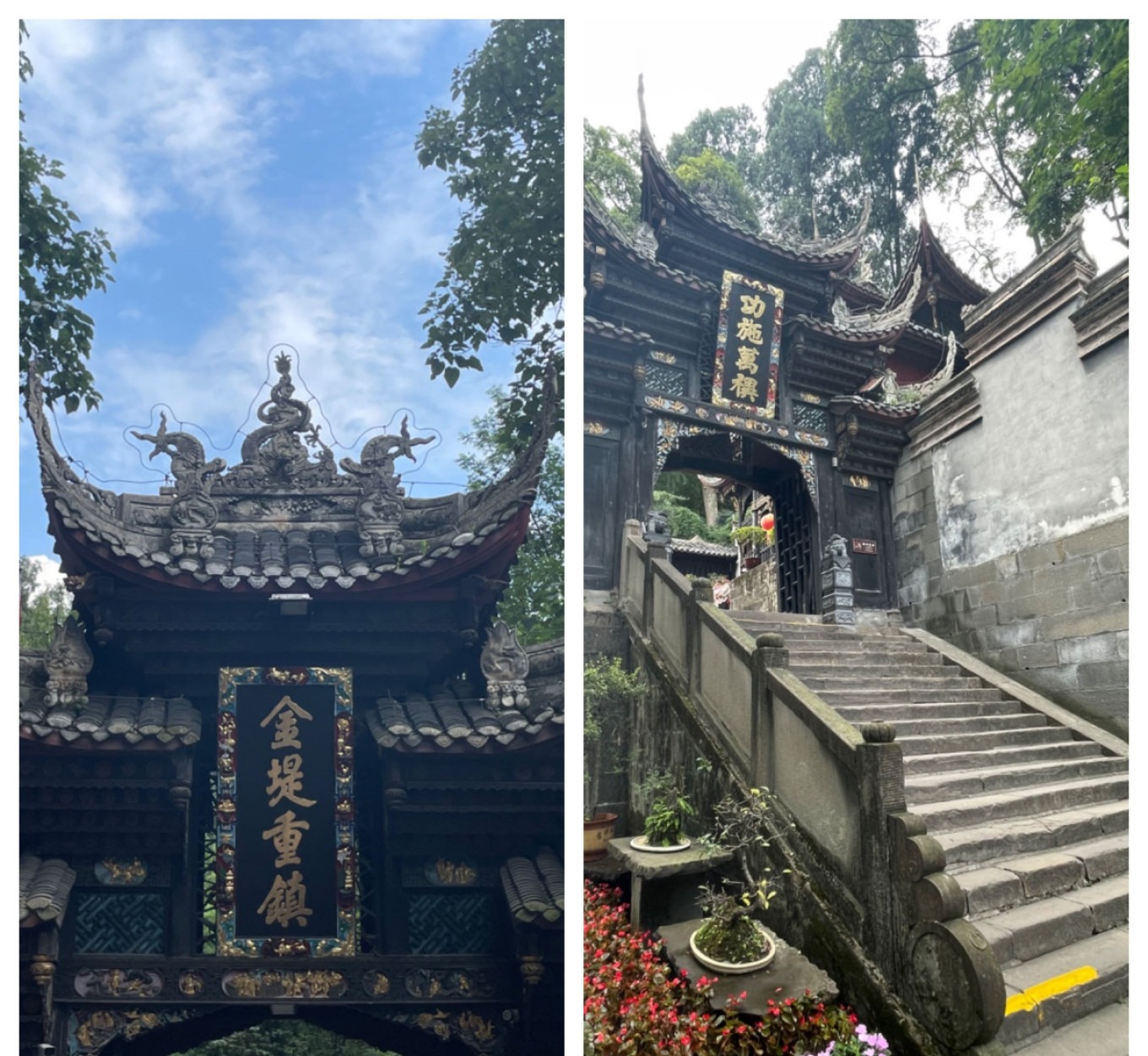
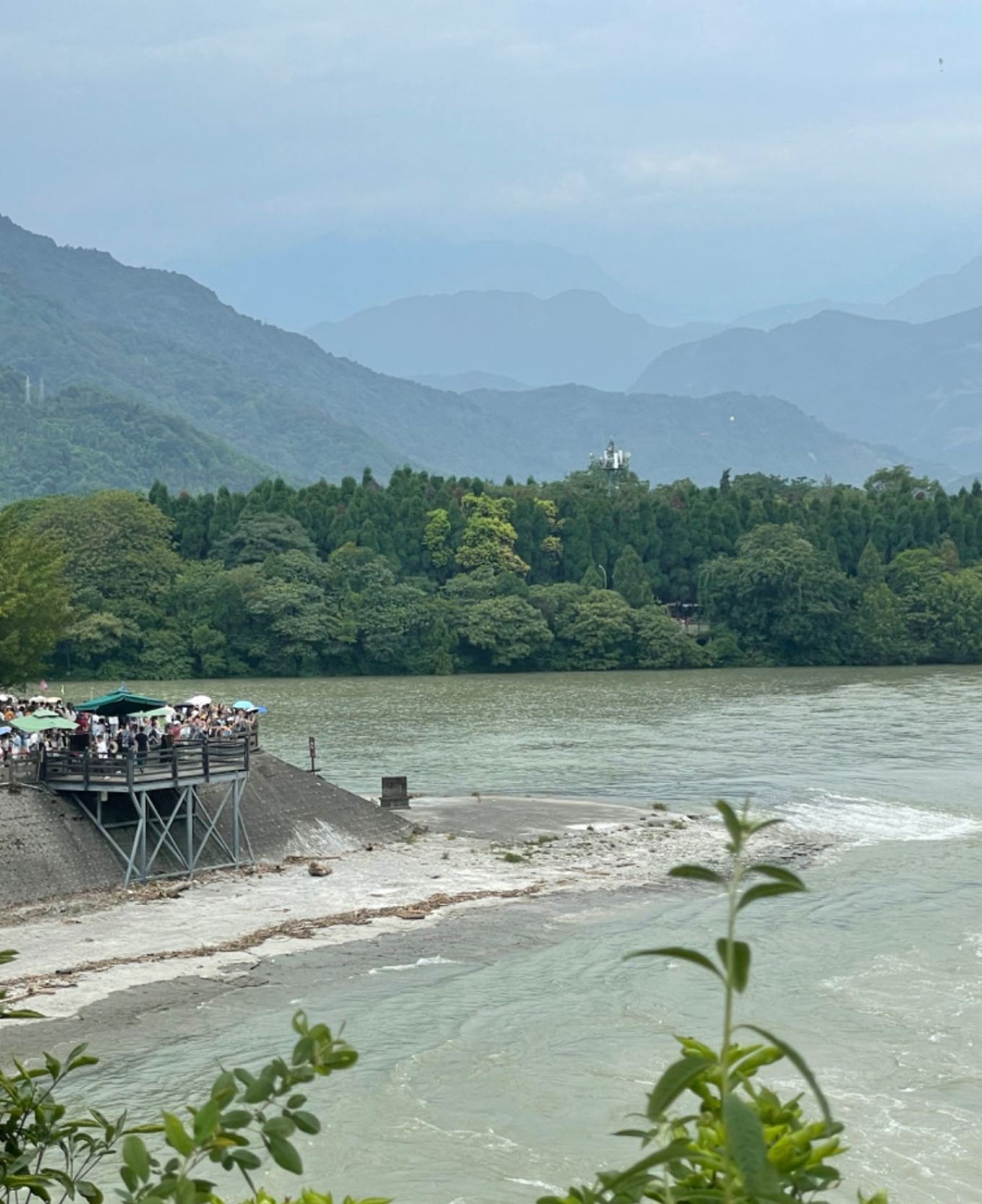
The Dujiangyan scenic area is large, so plan your route to save time and energy. Many online guides suggest entering from the Qinyan Tower (秦堰楼) entrance for a bird’s-eye view before descending – but that route is crowded. To avoid the masses, try this: enter from the Lidui Park (离堆公园) main gate, walk along the Yonggong Path (堰功道), ascend Fulguan (伏龙观) to view the Precious Bottle Neck from above, then go down to the water. Cross the small, wobbly suspension bridge (one-way only) to get close-up views of the Precious Bottle Neck, Flying Sand Weir, and Fish Mouth Levee. Then queue in reverse across the Anlan Suspension Bridge (安澜索桥) to visit Erwang Temple (二王庙), and exit through the north gate. The entire tour takes about 2 hours and involves roughly 20,000 steps – quite a workout. When you exit the north gate, you’ll see a queue stretching 2–3 kilometers of people waiting to enter – you’ll feel your route choice was absolutely right.
Be sure to purchase your return high-speed train ticket to Chengdu in advance. If you wait until you exit the north gate, tickets on the 12306 app may already be sold out. In that case, find a friendly taxi driver at the north gate; a metered ride back to Chengdu plus round-trip tolls is reasonable for three people – and a relief for your tired legs.
Back in Chengdu, it’s still early enough for a big dinner. Search for a highly-rated hotpot restaurant on Dianping and join the queue online in advance. If the wait is too long, look for a nearby place specializing in 毛肚 (beef tripe) and 鹅肠 (goose intestines). One child loved it so much they finished two portions of each. However, the long fried pork strips (酥肉) were just average – not as good as the regular version. Remember: for popular restaurants, queue online early to secure a spot at prime dining time.
Day 3: Unraveling the Mysteries of the Ancient Shu Civilization at Sanxingdui Museum
For a day trip from Chengdu to Sanxingdui, you’ll want to plan your timing carefully. Take a ride-hailing car to Guanghan city around 9:30 am; the journey takes about 1.5 hours. Note that you’ll need to pay for round-trip tolls and an empty-return fee, as cross-city pickups aren’t allowed for ride-hailing or taxis. Aim to arrive in Guanghan around noon so you can enjoy lunch before heading to the museum. Guanghan is known for its local specialties: 缠丝兔 (silk-wrapped rabbit) and 金丝面 (golden-thread noodles). Don’t miss the four small dim sum items—they’re unlike northern-style snacks, resembling salty stuffed glutinous rice balls. The dried rabbit leg, in particular, is more approachable than the rabbit head you might find elsewhere; it’s well-marinated with a texture similar to chicken.
After lunch, take a taxi directly to the Sanxingdui Museum. You’ll need to queue at the official guide booking counter in advance. A guided tour costs 400 RMB for groups of 1 to 10 people. By 12:30 pm, the line is already long, and visitors spontaneously form groups of 10 to share the cost. For example, you might team up with a family of four from Shaanxi and a mother with two sons—maximizing value for everyone. The tour starts at 2:50 pm, so use the waiting time to explore the museum’s cultural creative shop and the on-site 文物修复中心 (Cultural Relics Restoration Center) within the complex. This is a rare opportunity to see how artifacts are excavated, restored, and studied before becoming stunning exhibits. The Sanxingdui site has yielded many exquisite gold items, such as the famous gold mask, which was originally crushed by soil and required scientific and creative restoration. Bronze and ivory artifacts undergo similar processes. This restoration center is unique to Sanxingdui and allows you to observe the meticulous work up close.
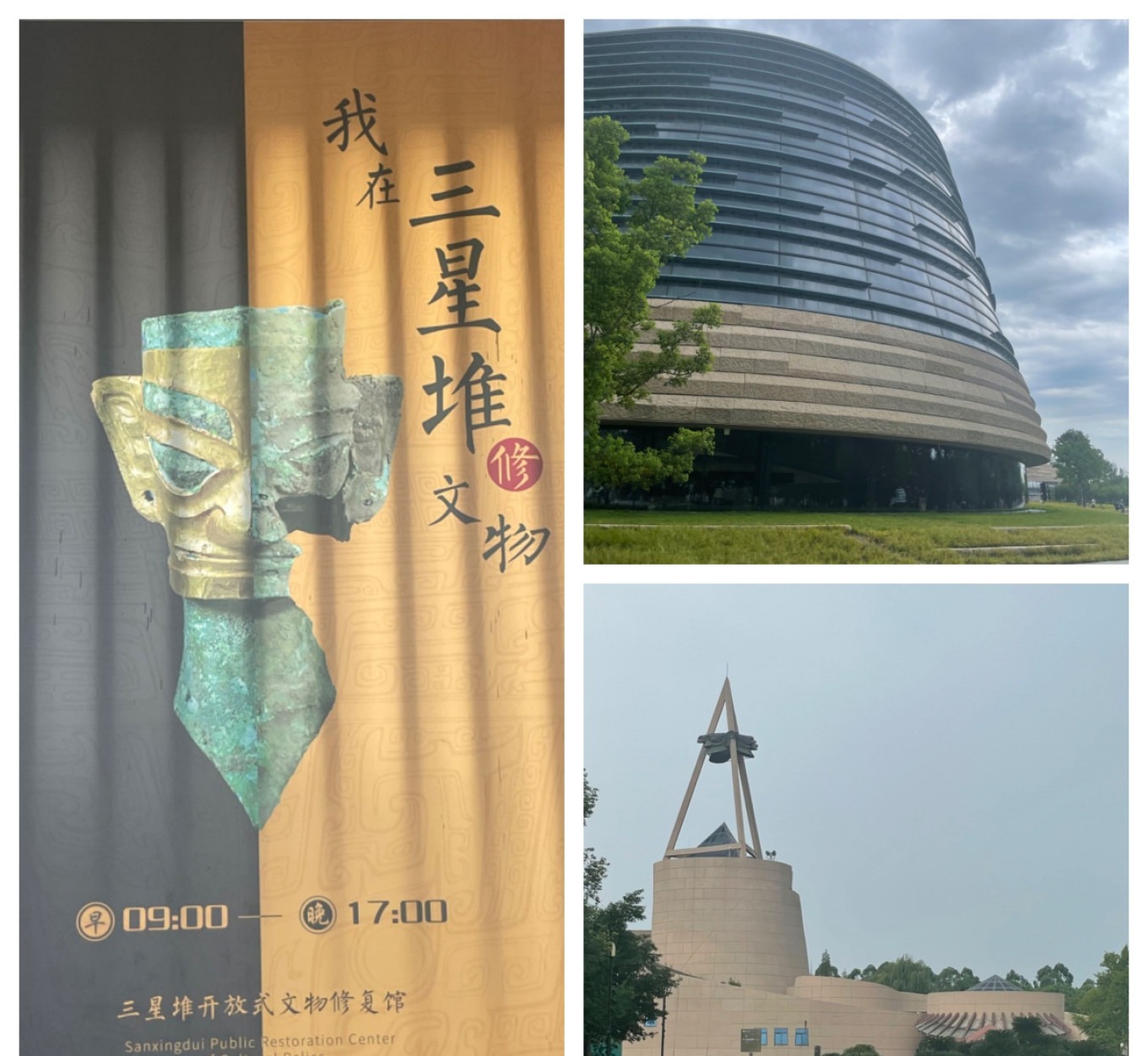
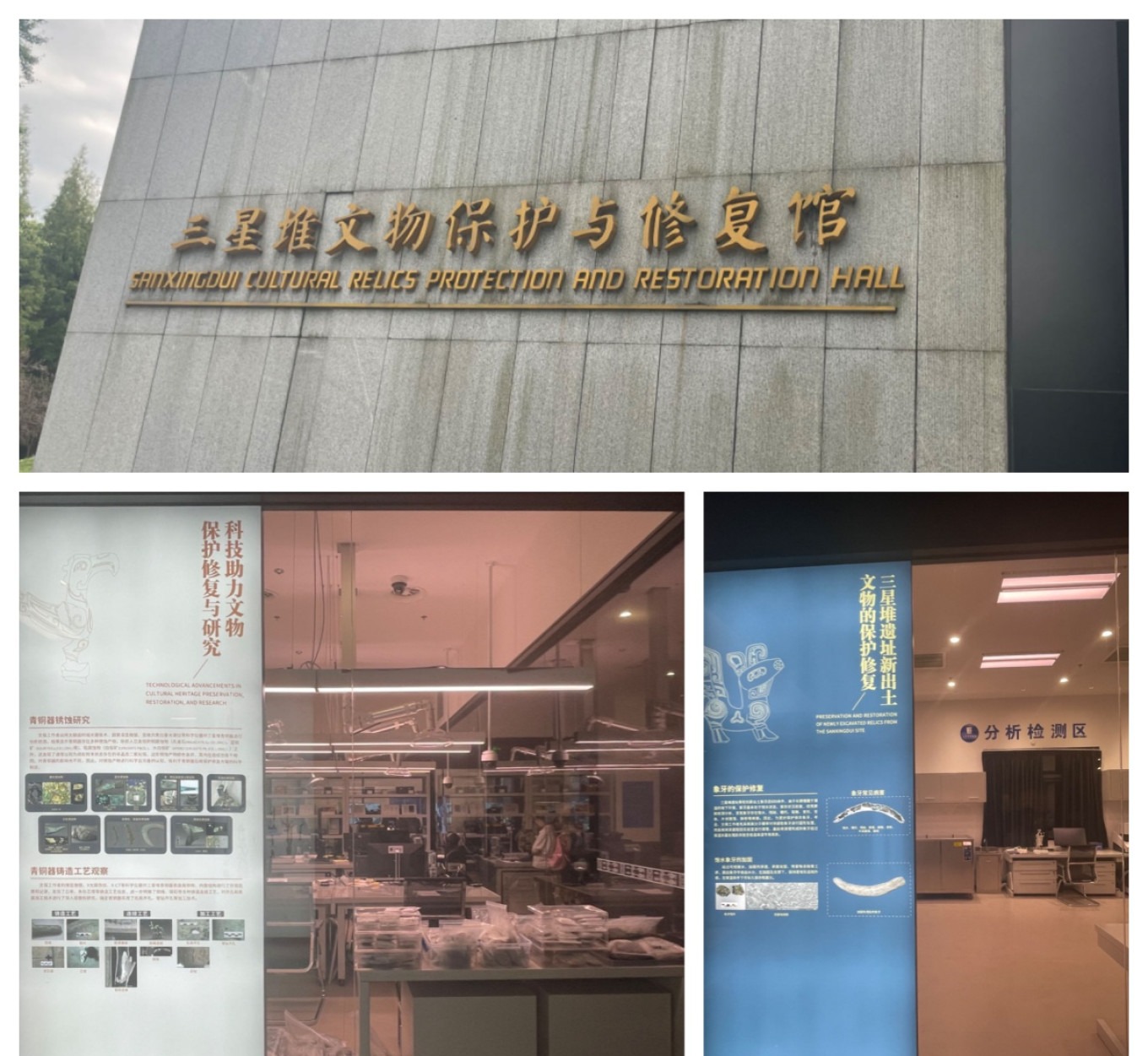
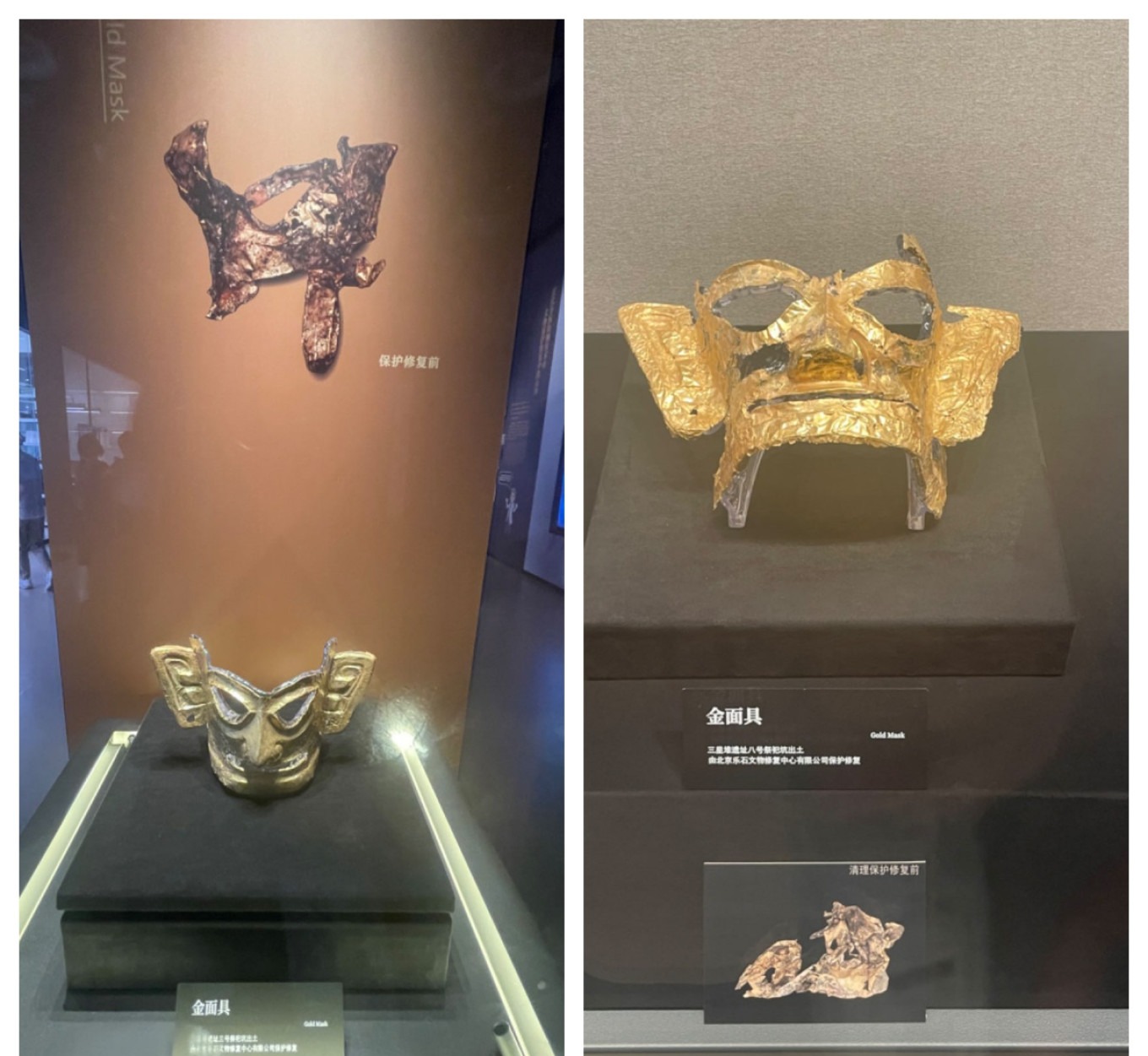
Step into the Mysterious Ancient Shu Kingdom
The Sanxingdui Ruins, one of China’s most significant archaeological discoveries, were first uncovered in 1929 when a local farmer named Yan Daocheng accidentally unearthed a pit of jade artifacts while dredging a ditch. This chance find marked the beginning of a century-long journey into the enigmatic ancient Shu civilization. In 1934, a team led by American professor David C. Graham from West China Union University conducted the first scientific excavation, uncovering artifacts that hinted at a sophisticated culture distinct from the Central Plains. The photo below shows field notes from that pioneering dig.
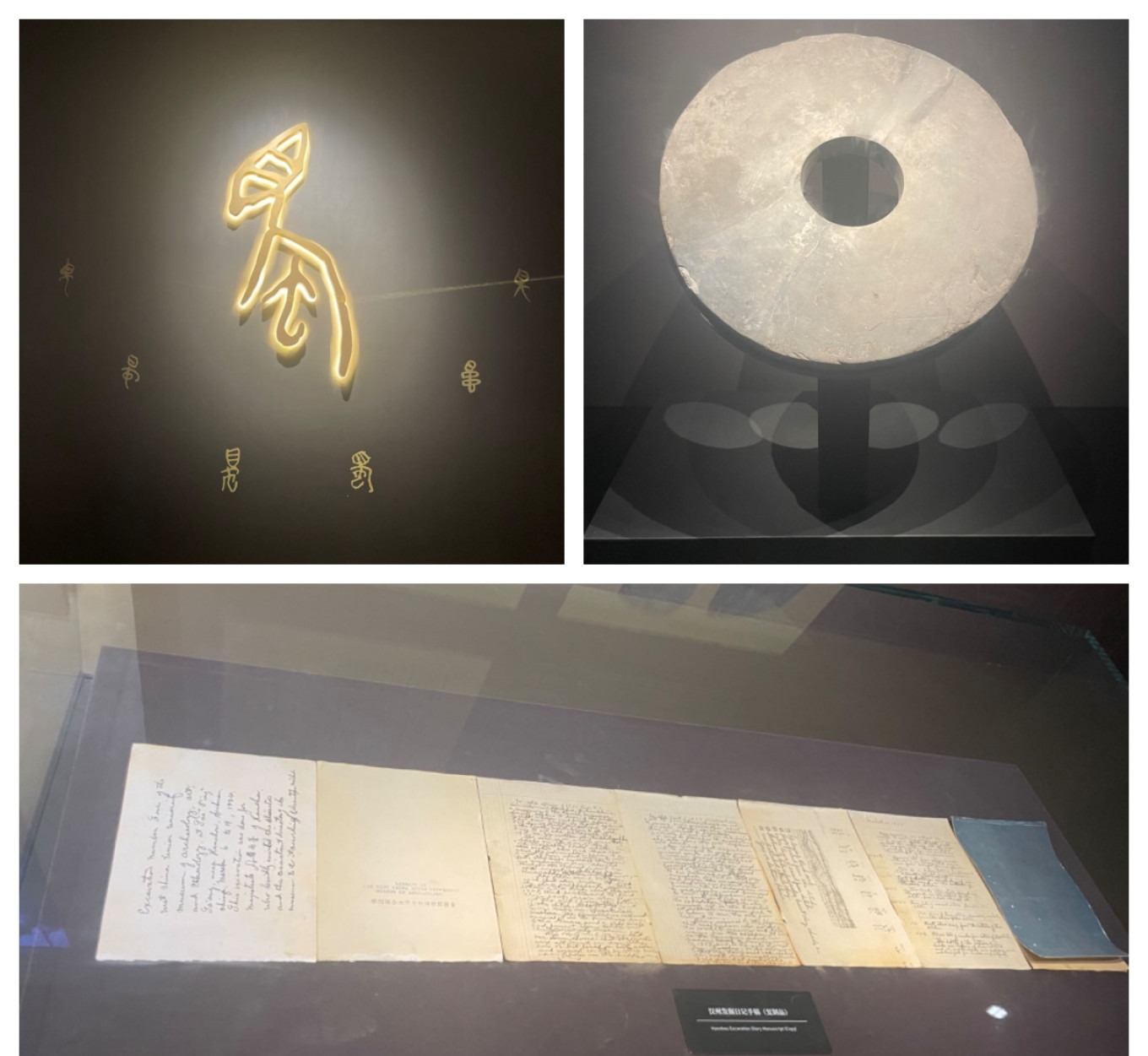
Over the following decades, excavations continued to unveil the secrets of the Shu kingdom. As of June 2024, nearly 13,000 numbered artifacts have been recovered from sacrificial pits No. 3 to No. 8. Yet the excavated area covers less than 20,000 square meters—only about 0.1% of the total site. This makes Sanxingdui a truly ‘living museum,’ where ongoing digs and restoration work constantly yield new wonders. The civilization thrived between 5,000 and 3,000 years ago, producing exquisite bronze masks, gold foil, and ritual objects that reflect both unique local traditions and interactions with the Central Plains culture. For deeper insight, consider watching the CCTV documentary ‘Sanxingdui Revisited’ (又见三星堆) before your visit.
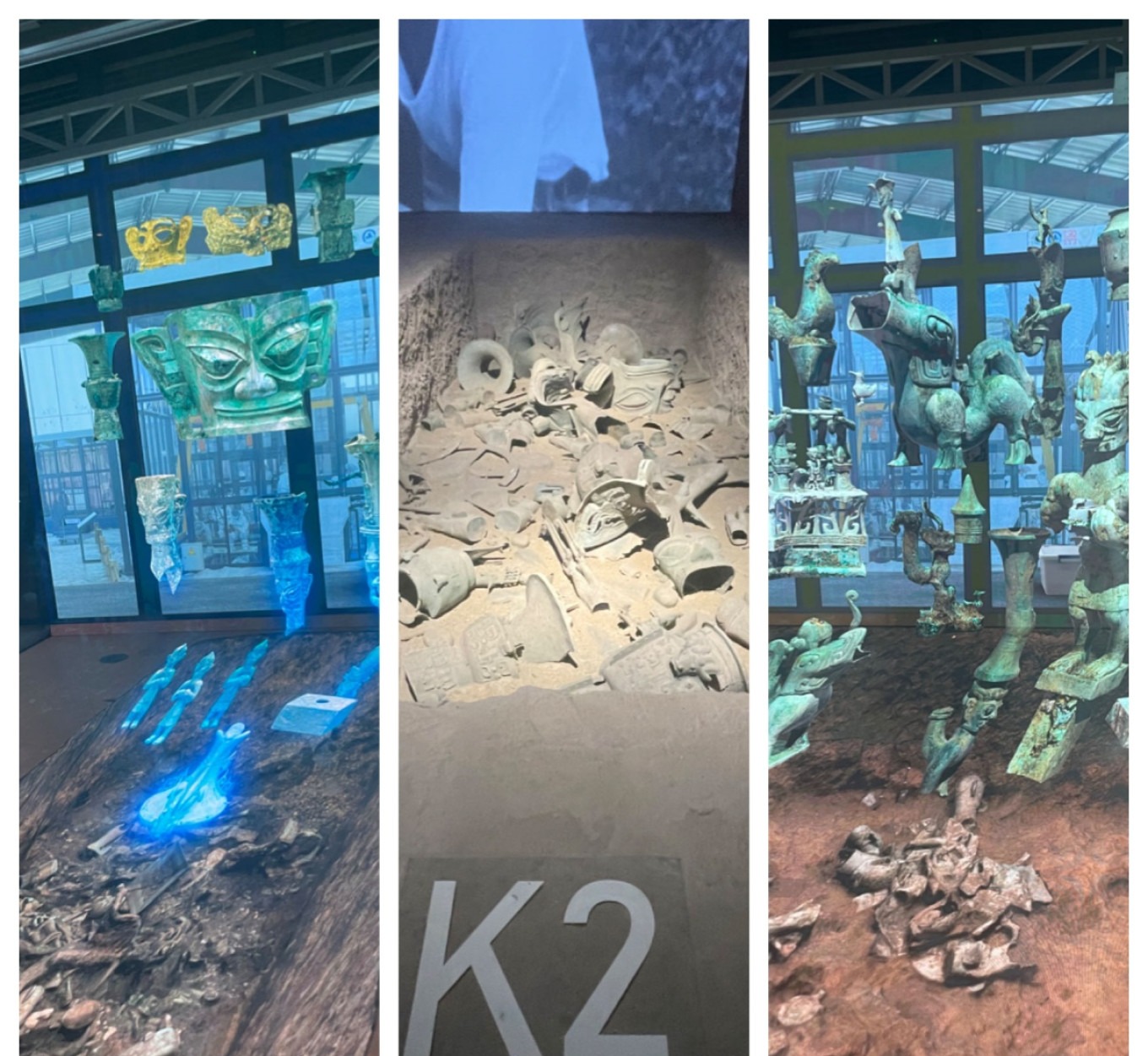
Most of the iconic artifacts on display—including the famous bronze masks and the bronze sacred tree—were unearthed from two large sacrificial pits. The museum presents them in arrangements that mimic their original excavation state, allowing you to appreciate the incredible skill of restorers. Because the artifacts were deliberately smashed or burned before being buried, reconstruction is painstakingly difficult. The pits also yielded a vast number of elephant tusks, whose origin remains a mystery.
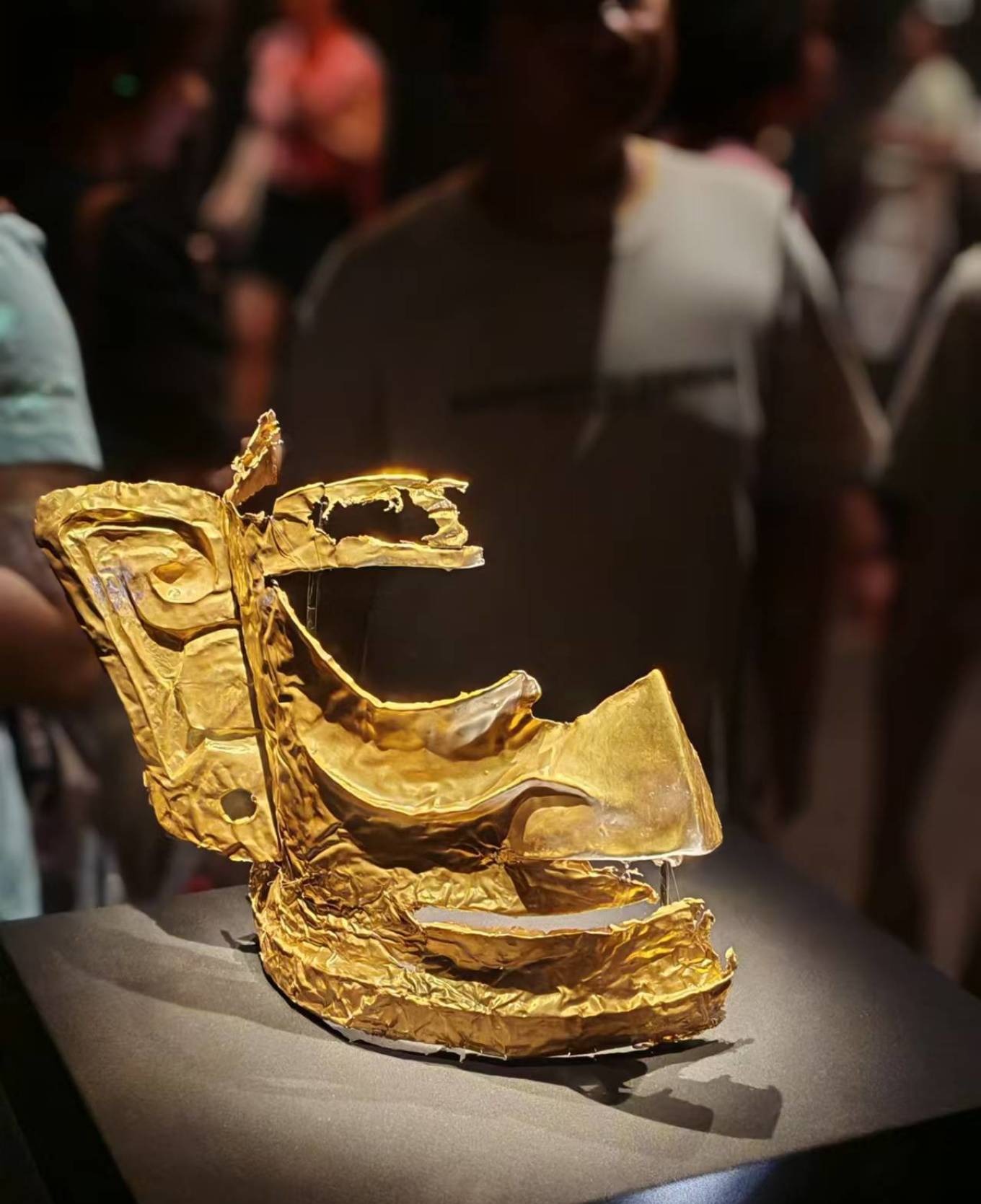
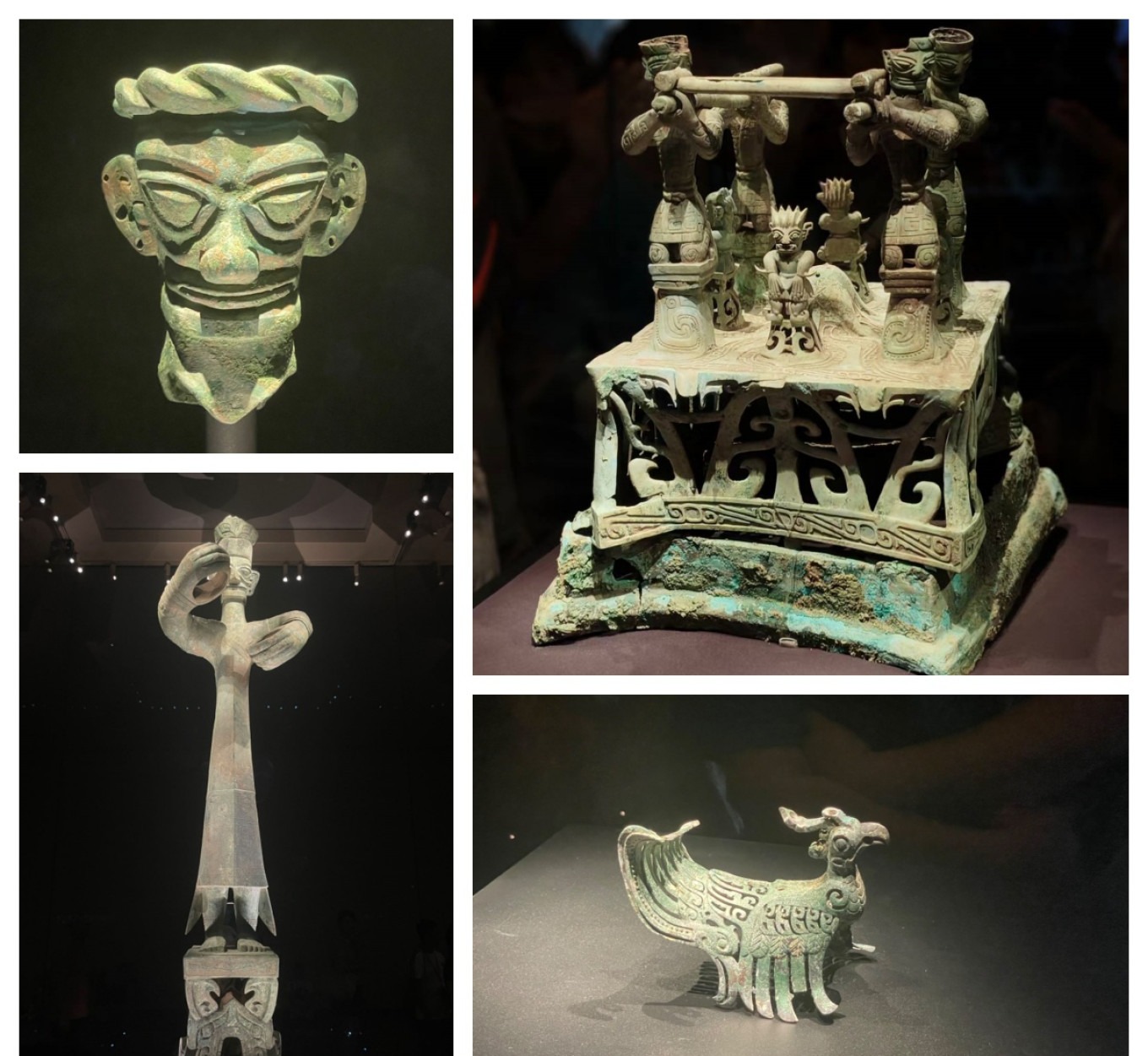
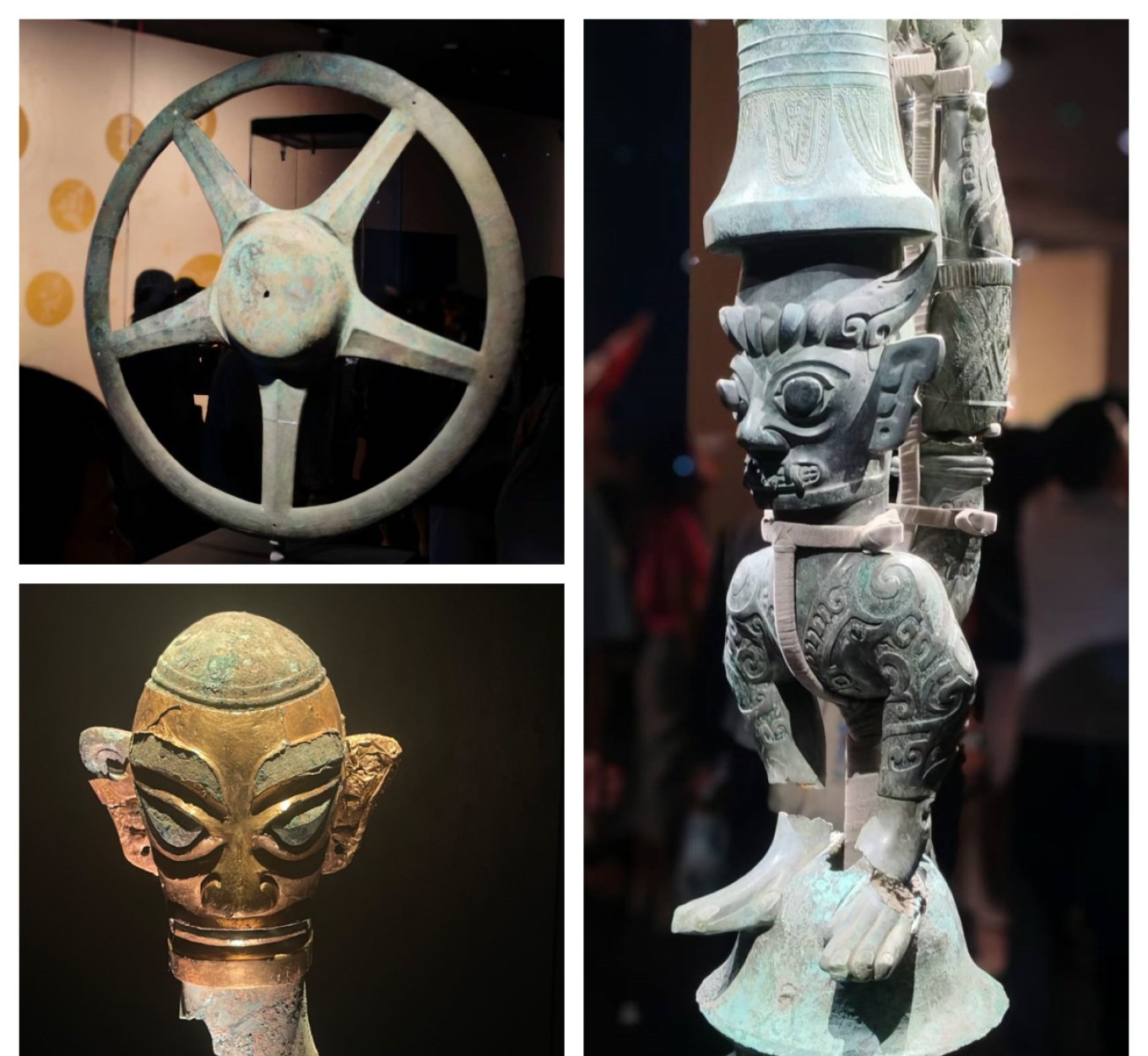
The ancient Shu people worshipped the sun, and legend says the three early kings were named after birds. This sun-and-bird symbolism appears frequently in the artifacts.
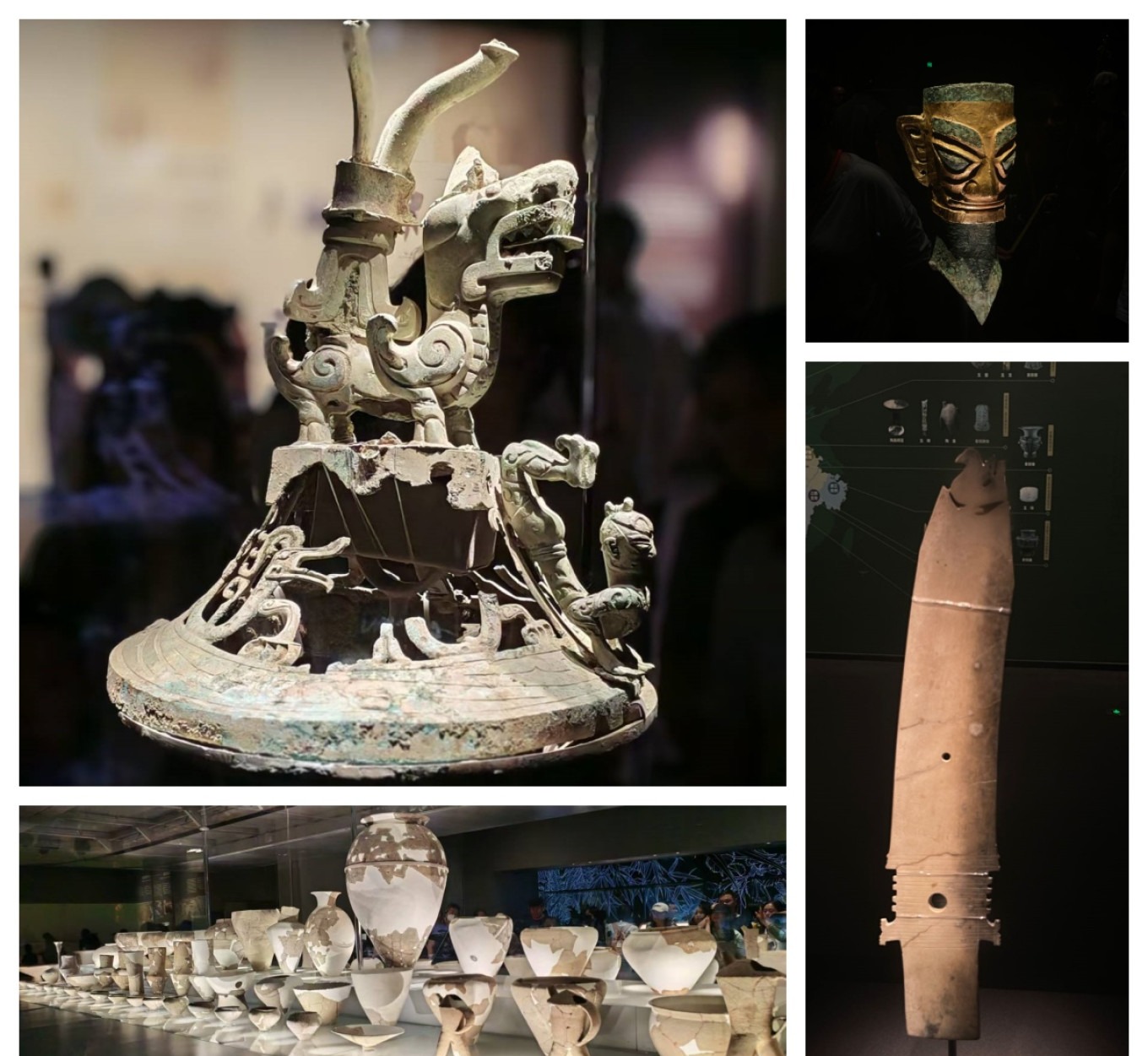
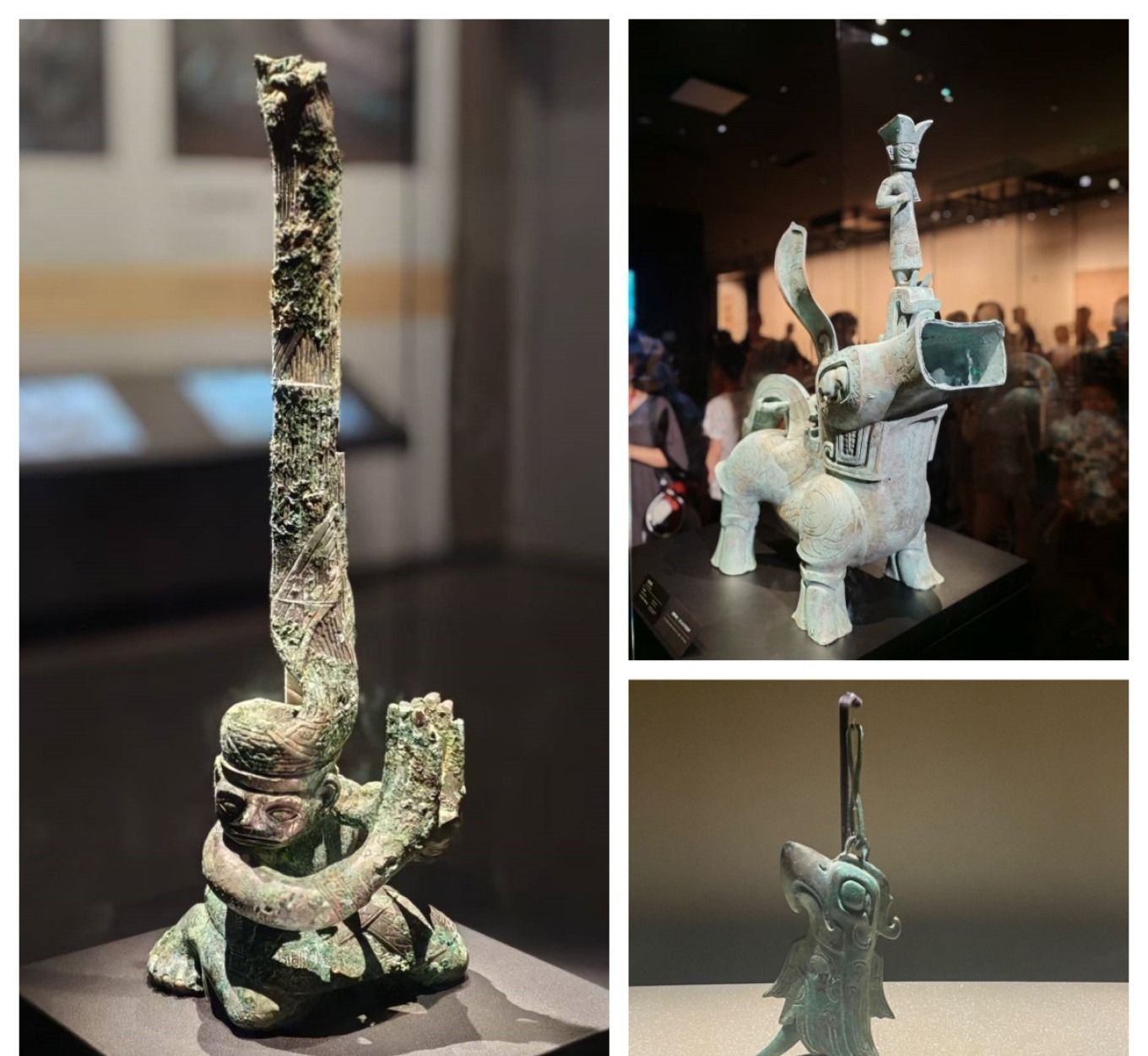
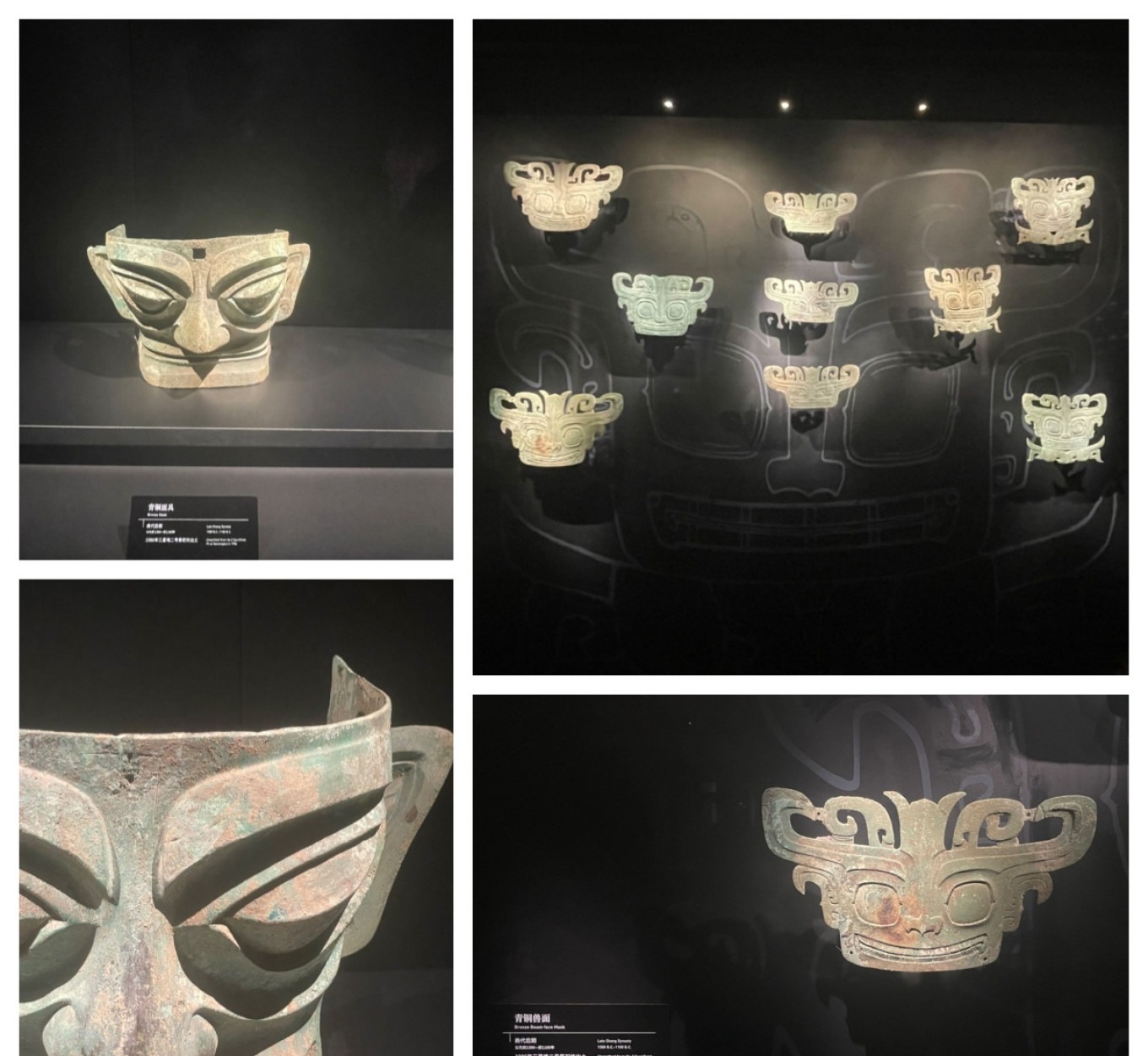
Sanxingdui’s bronze industry was highly advanced. Many masks have square holes on the forehead, likely for attaching additional components. Some masks show traces of trial-and-error carving techniques. The variety of headgear—caps, scarves, or bare heads—suggests they may represent different tribal chieftains. One particularly vivid mask appears to wear a feathered crown.
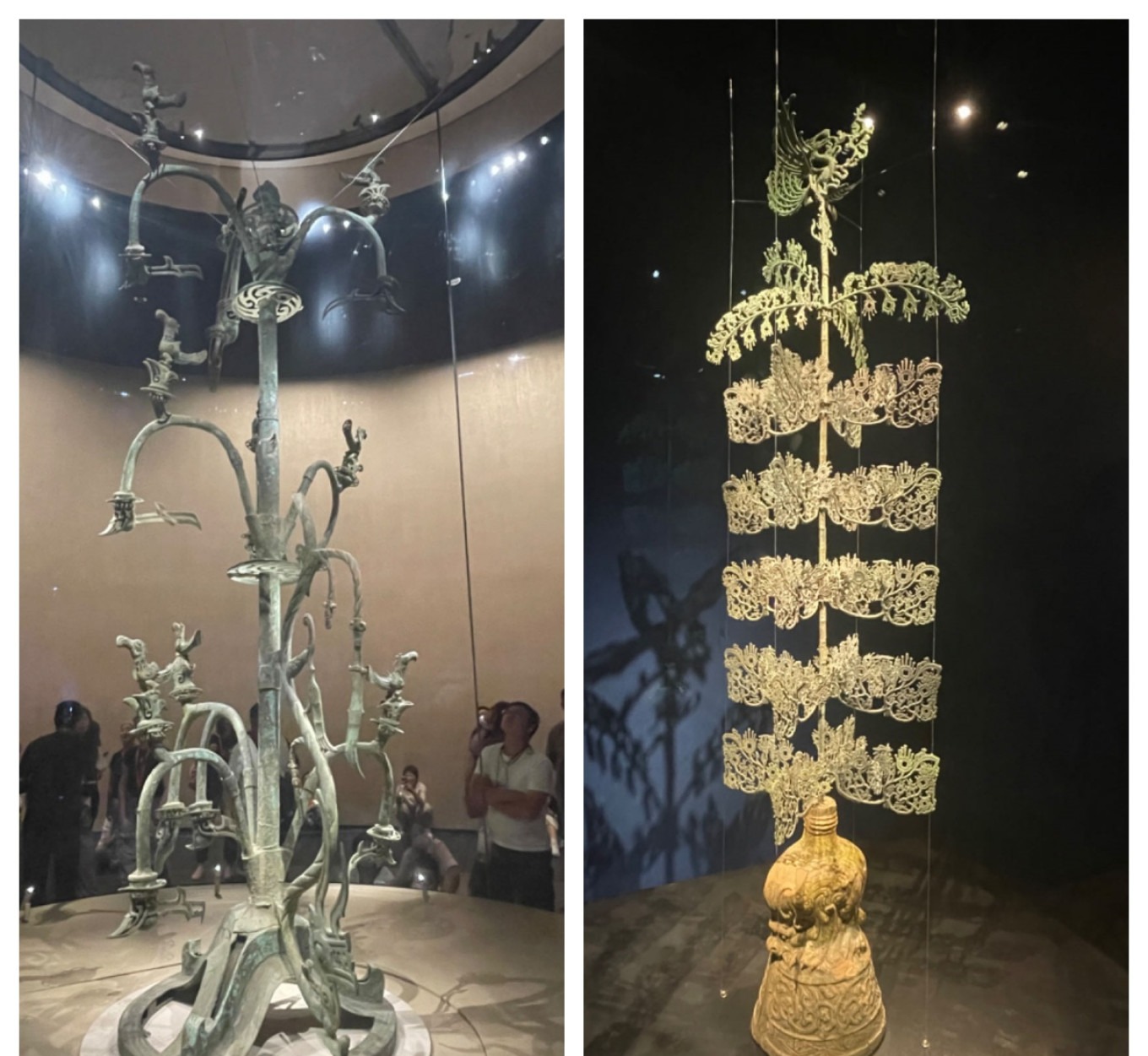
Despite the abundance of ritual objects, no written script has been found at Sanxingdui, leaving many questions unanswered. The richest layers date back over 3,000 years, contemporary with the Shang dynasty in the Central Plains. Highlights include bronze money trees, the bronze sacred tree, masks with non-Han facial features, gold masks, wheel-shaped bronzes possibly linked to sun worship, and finely crafted jade ritual vessels. The two-floor exhibition is packed with wonders. The official guided tour is highly recommended—it includes the latest publicly available archaeological findings, so repeat visitors often find something new. Many travelers return every two or three years, a testament to Sanxingdui’s enduring fascination. Beyond the museum, Guanghan city also offers the Luo City Ruins Park (雒城遗址公园) with Three Kingdoms-era city walls, and the Jinyan Wetland Park (金雁湿地公园). If time allows, these are worth a visit.
Day 4: Visit the Leshan Giant Buddha and Savor Leshan’s Food
Leshan, known as the backyard garden of Chengdu’s food scene, is a must-stop for any food lover. The city’s culinary reputation has been spread far and wide by food shows, and your taste buds will thank you for the detour. But first, let’s pay a visit to another iconic Leshan landmark—the Leshan Giant Buddha. Then you can dive into the feast.
Booking tickets for the Leshan Giant Buddha can be a bit tricky. There are two ways to experience it: by mountain (walking) or by river (boat). Mountain tickets can be bought and refunded anytime, but river tickets are released only at 7:30 am the day before, and they might not be available at all. If no river tickets appear on the official WeChat account, you’ll have to buy them on-site at the visitor center. It’s wise to buy mountain tickets in advance as a backup and then try your luck at the dock.
Take a morning intercity train from Chengdu East Station to Leshan Station. From there, taxi to the visitor center at Jiazhou Ferry Terminal. Be prepared: the queue for on-site river tickets can stretch far, and due to low water levels, the boat ride extends from 30 minutes to 90 minutes, with an uncertain departure time. If the wait seems too long, it’s perfectly fine to switch to the mountain route.
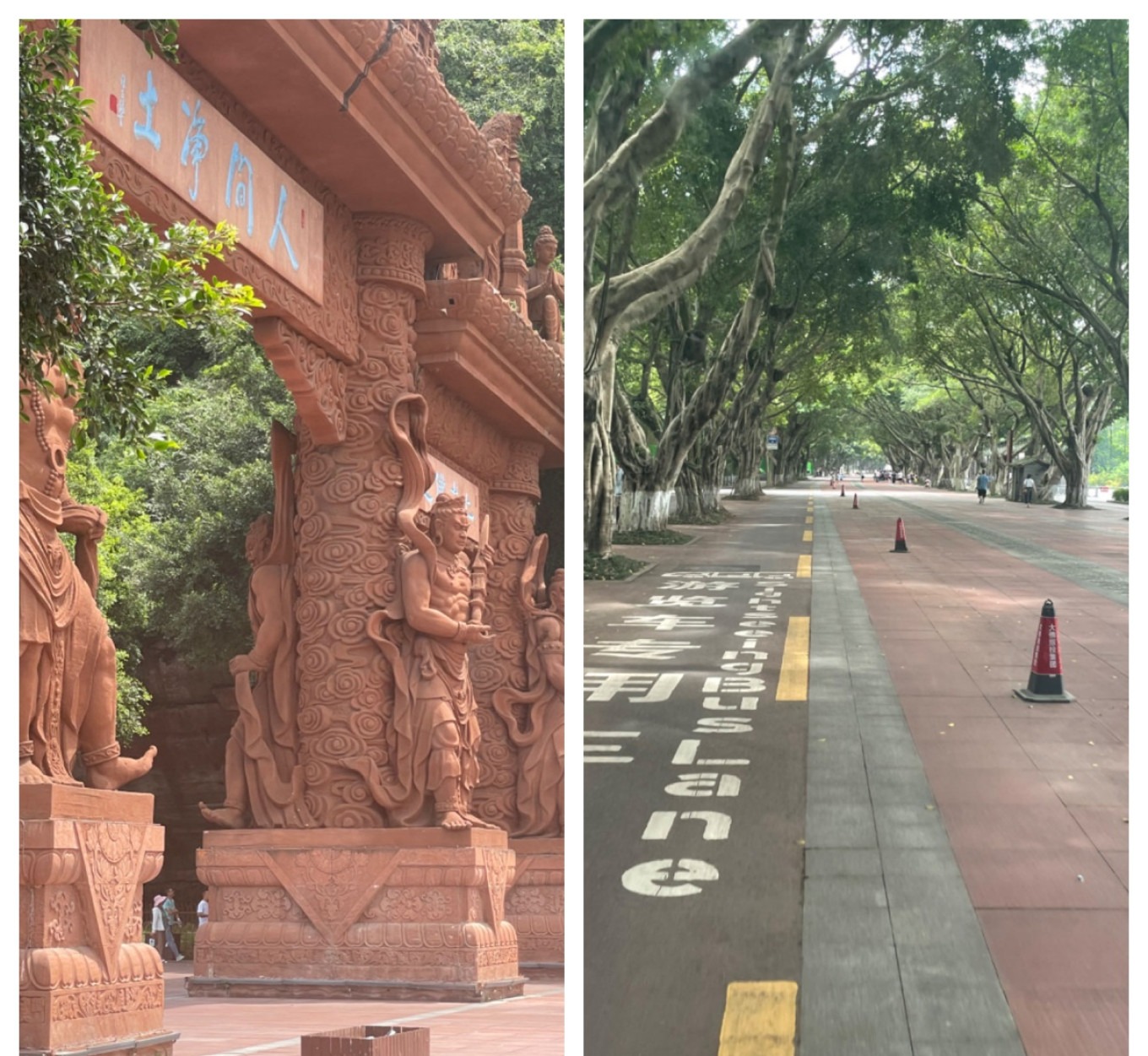
After entering through the gate marked ‘人间净土’ (Pure Land on Earth), you can take a free shuttle bus that zips along a dedicated road to the north gate. From the north gate, pass through the Buddha gate and walk the 333-step ancient pilgrimage path. Along the way, you’ll see Longqiu (Dragon Pool), Huxue (Tiger Cave), Tushuai Palace, the mountain gate, and Dongpo Tower, eventually reaching the Leshan Giant Buddha next to Lingyun Temple. The path is gentle, making it manageable for most visitors.
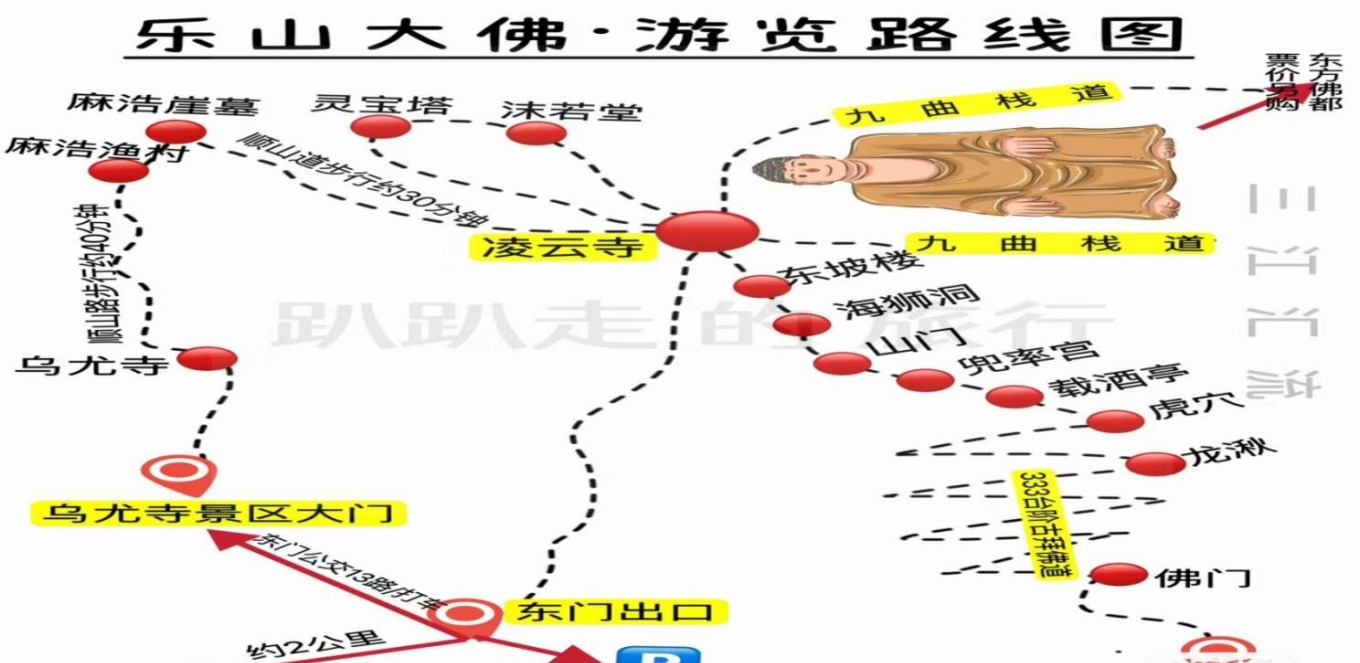
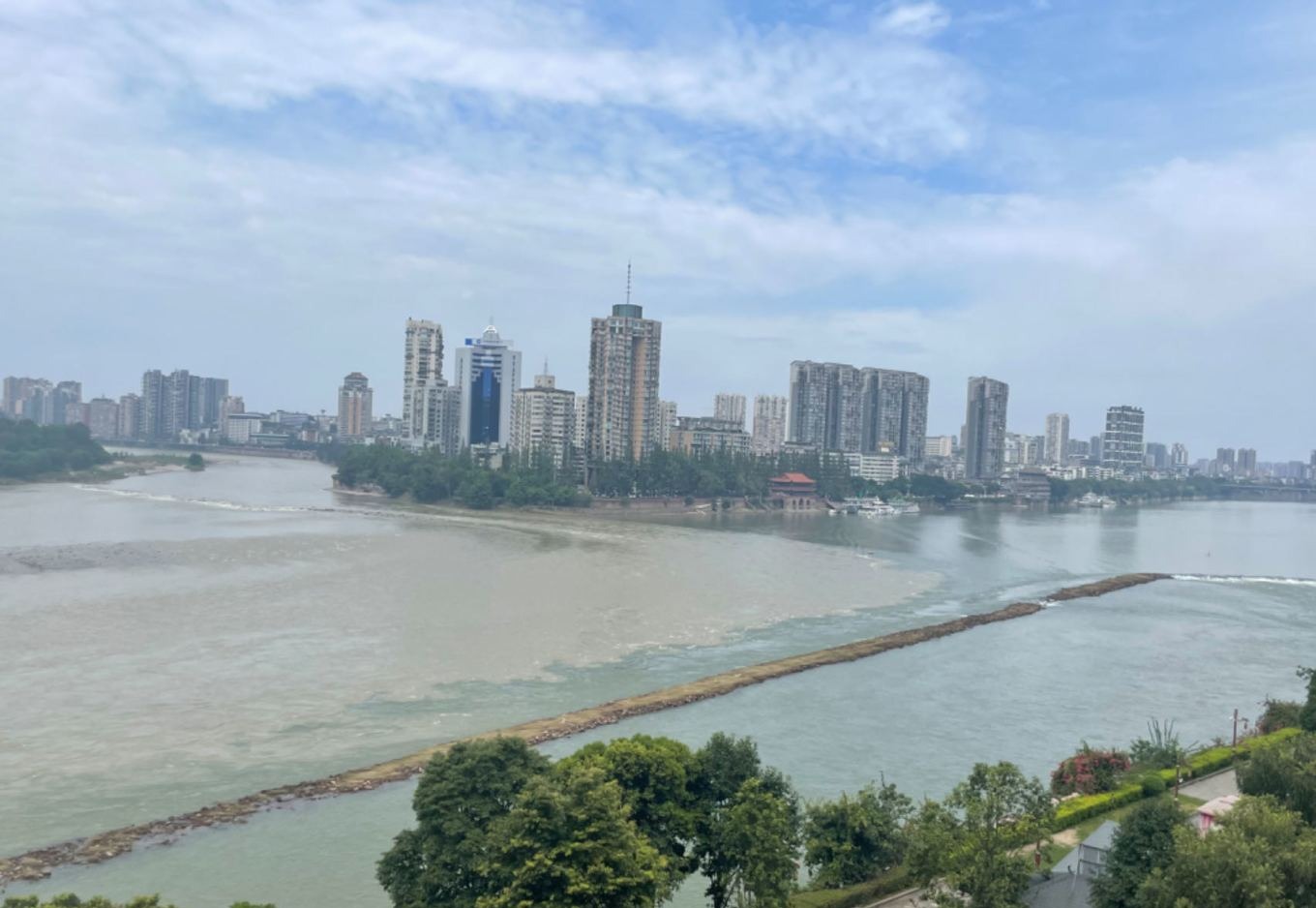
The Leshan Giant Buddha (乐山大佛), also called the Lingyun Giant Buddha, is a 71-meter-tall seated Maitreya statue carved into the cliff face at the confluence of the Min, Dadu, and Qingyi rivers. Construction began in 713 AD during the Tang dynasty and took about 90 years to complete. The Buddha’s head alone is 14.7 meters high and 10 meters wide, with 1,051 hair buns. On both sides, there are two 16-meter-tall guardian kings carved into the cliff. A nine-turn ancient plank road on the right side was the construction and pilgrimage path, steep and winding. A multi-story pavilion once covered the statue but was repeatedly destroyed. The site is a UNESCO World Heritage candidate and a marvel of ancient engineering.
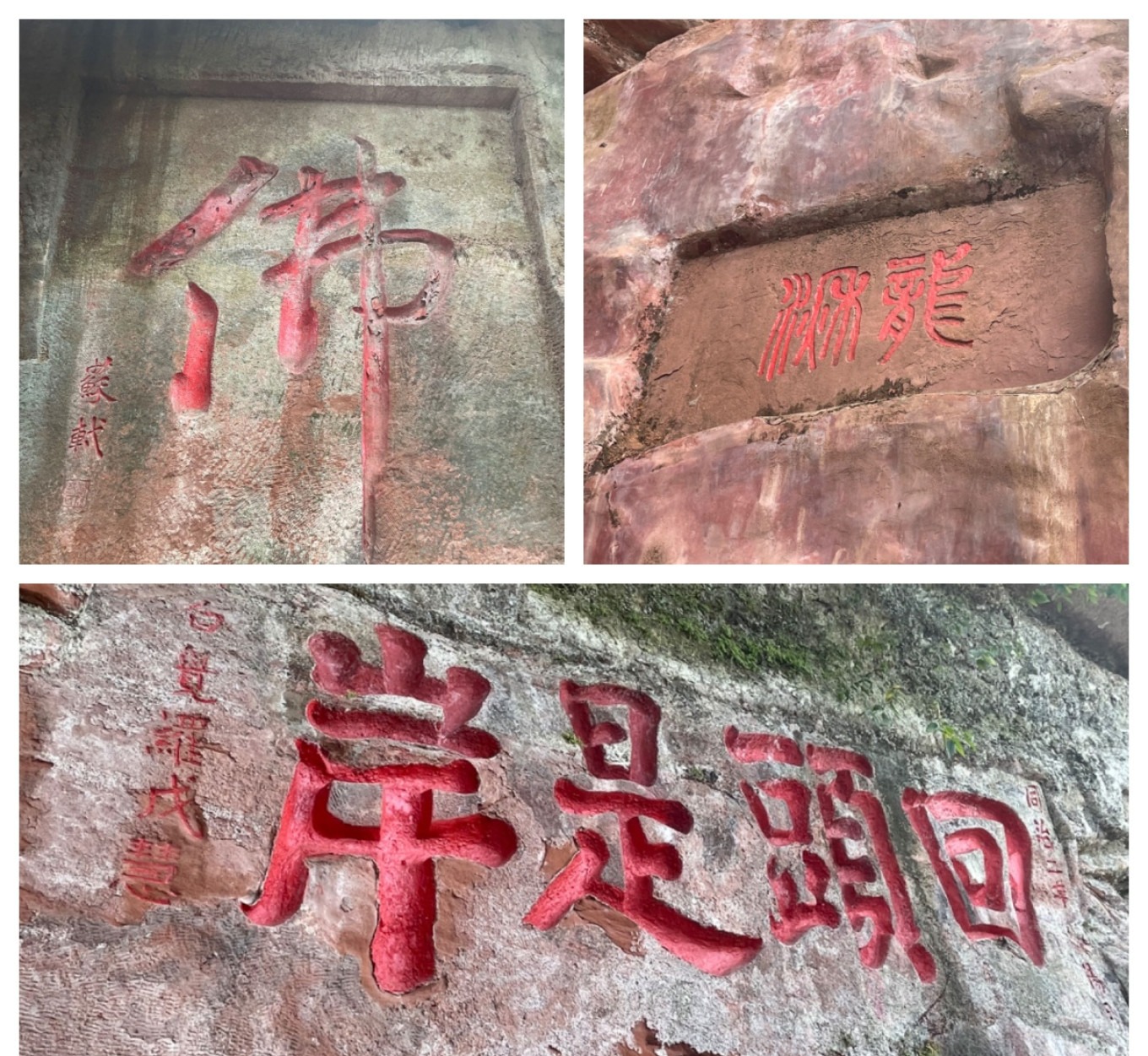
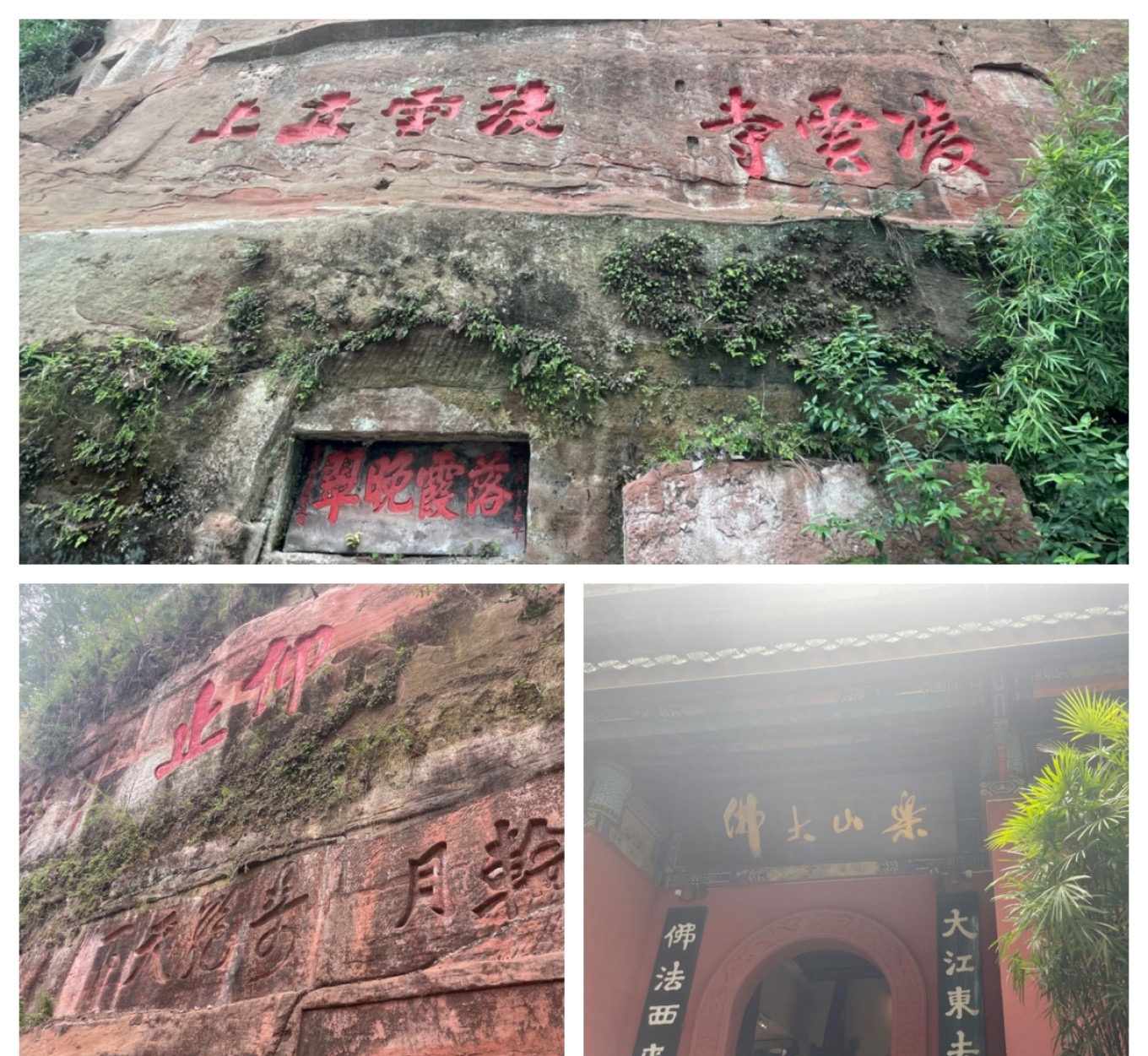
Along the ancient path, you’ll see cliffside inscriptions from various dynasties on the left. At the closest viewing point, you can clearly see the Buddha’s facial features and hair buns. For a full-body view, the boat tour is better, but if time is limited, the mountain route offers a satisfying experience. Many visitors find that paying respects to the Buddha brings good luck for the rest of the trip.
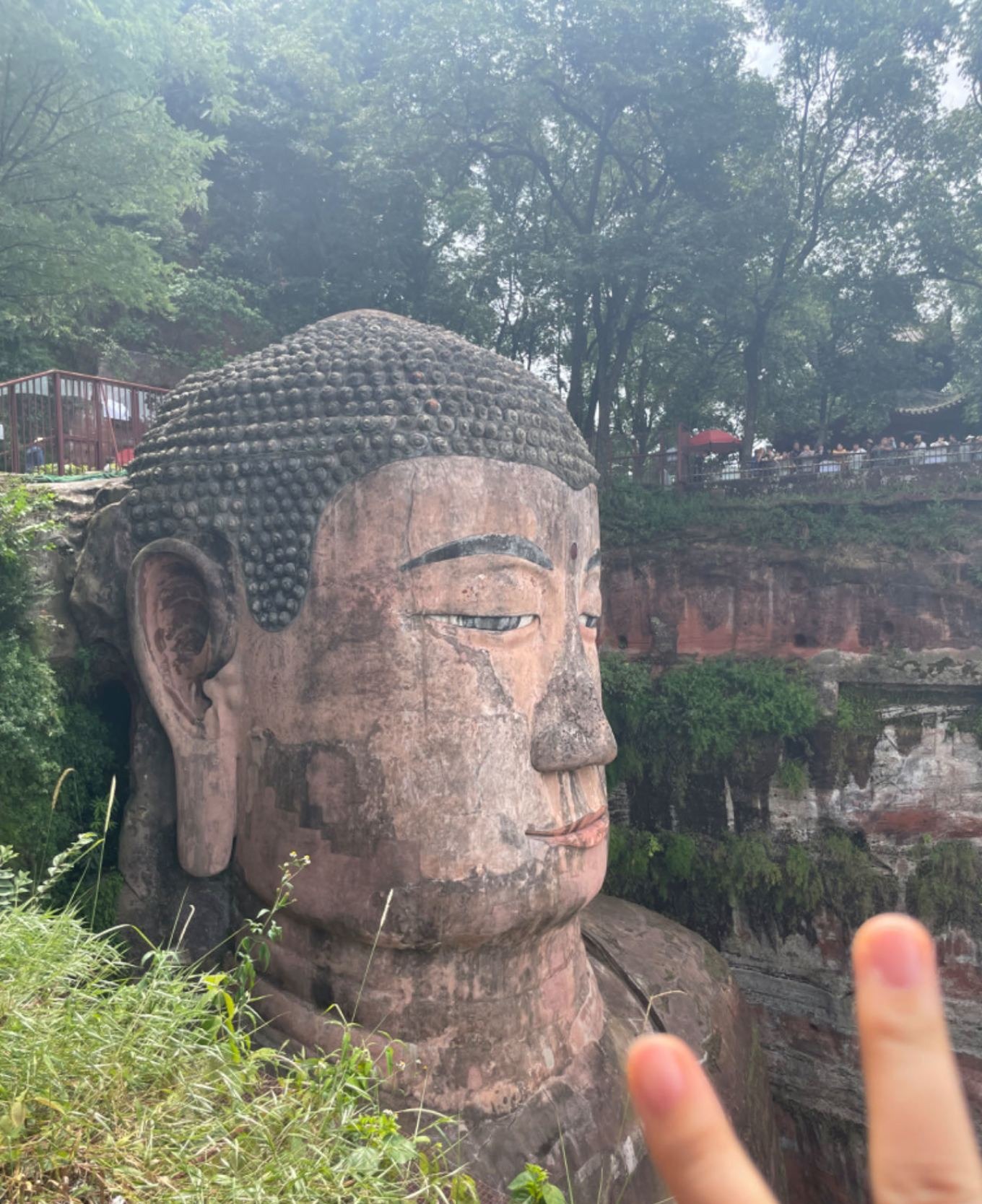
After visiting Lingyun Temple, you may skip the nine-turn plank road to the Buddha’s feet, as it often requires a long wait and 1,800 steps back up. Instead, head toward the east gate exit via Moruo Hall. If you want to visit Wuyou Temple, get off the free shuttle one stop early; otherwise, you might miss it. The entire scenic area takes about 2 hours to explore, with gentle slopes.
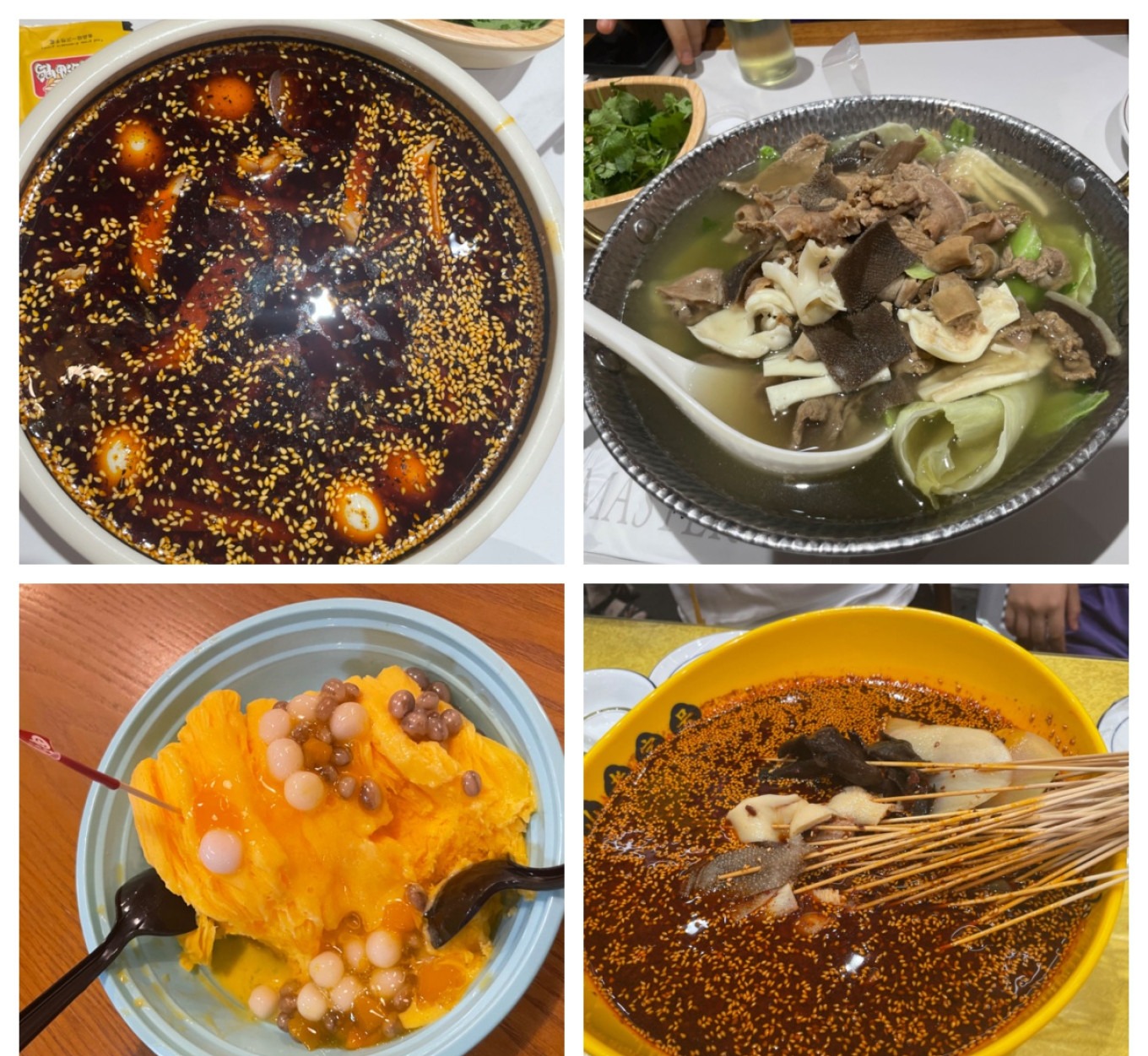
Now for the food! Take a taxi to Shangzhongshun Food Street (上中顺美食街). A local driver might recommend a time-honored shop for sweet-skinned duck (甜皮鸭) — grab half a duck to start. Then head to a restaurant and order local specialties like qiaojiao beef (跷脚牛肉) and bobo chicken (钵钵鸡). Don’t forget to pair your meal with a bowl of bingfen (冰粉) for a refreshing finish. For dessert, try mianmian bing (绵绵冰) from a popular shop that also sells egg puff cakes (蛋烘糕).
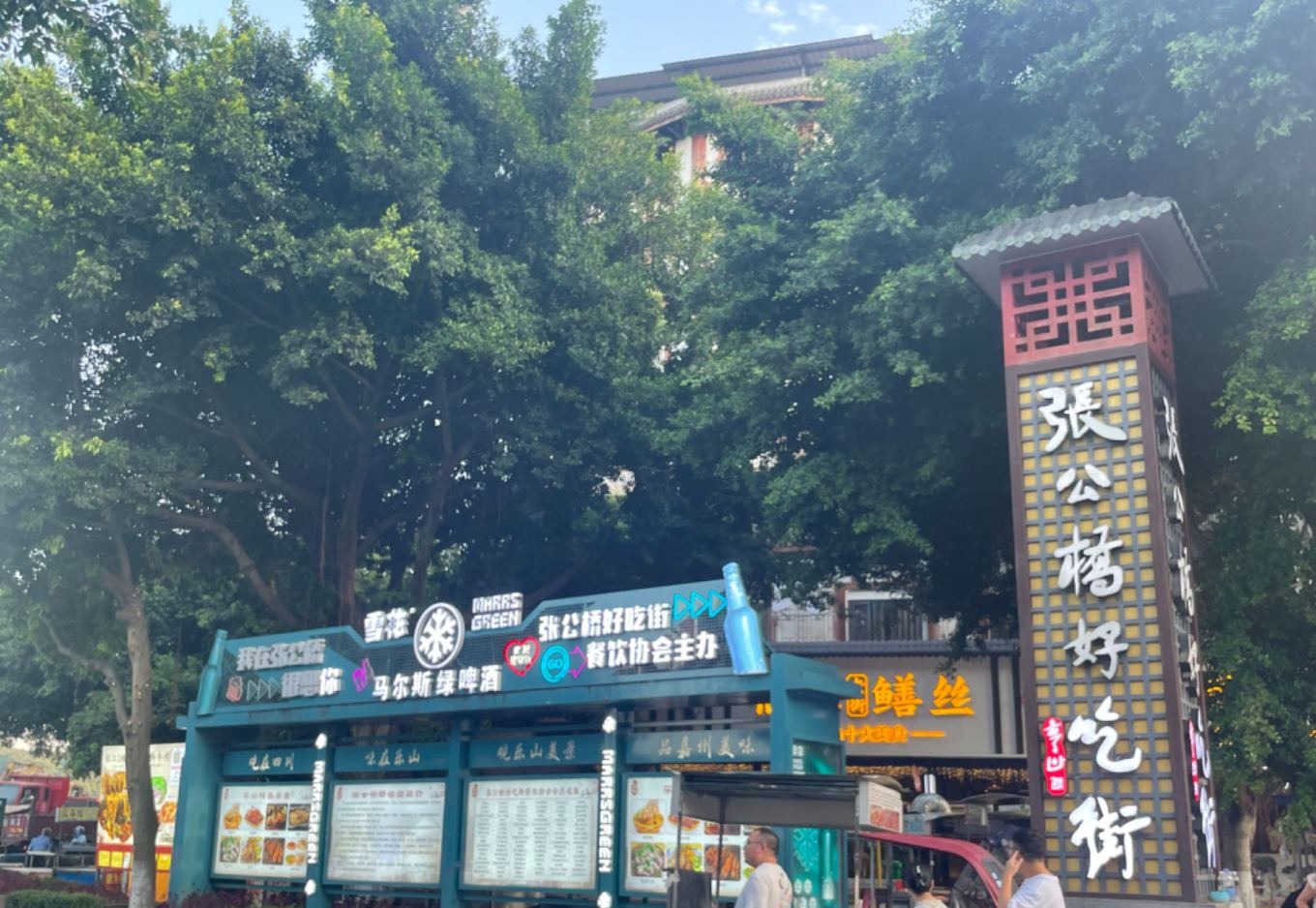
After your meal, walk about 2 kilometers to Zhanggongqiao Food Street (张公桥好吃街) to burn off some calories and make room for more. This street is packed with stalls selling all the famous Leshan dishes. Grab some milk tea, more sweet-skinned duck, and find a chuanchuanxiang (串串香) shop. If the spicy broth is too much, ask for a non-spicy option with just Sichuan pepper.
Local drivers often say that Leshan is the birthplace of many Sichuan specialties, and the best food is hidden in small alleys and local homes. Do your research, explore, and you’ll be rewarded. For a quick trip, take the intercity train from Shuangliu Airport Station to Leshan Station (40 minutes).
- Restaurant甜皮鸭老字号 (Time-honored Sweet-skinned Duck Shop)
- Address上中顺美食街, Leshan / Shangzhongshun Food Street, Leshan
- Recommended dishes甜皮鸭 (Sweet-skinned Duck), 跷脚牛肉 (Qiaojiao Beef), 钵钵鸡 (Bobo Chicken), 冰粉 (Bingfen), 绵绵冰 (Mianmian Ice)
- Average spend50-80 CNY per person
Day 5: Pack Up and Head for Jiuzhaigou
On your fifth day, it’s time to switch hotels and make your way to Jiuzhaigou (九寨沟). To keep the morning relaxed, pack your bags the night before. Around 8:30, take a taxi to Chengdu East Station (成都东站), where the high-speed train to Zhenjiangguan (镇江关) departs at 9:39 sharp. This marks the start of a three-day mini-trip to Jiuzhaigou.
When planning your route, you have a few options: direct bus from Chengdu to Jiuzhaigou, high-speed train to Zhenjiangguan then a bus to Jiuzhaigou, or high-speed train to Zhenjiangguan followed by a private car. The private car allows you to add stops like Huanglong (黄龙) along the way. Note that there is road construction between Zhenjiangguan and Jiuzhaigou; if conditions are bad, a detour can add over 30 minutes. The train takes about 1 hour 40 minutes, and the road journey takes over 3 hours. For a group of four with luggage, balancing comfort and time, the best choice is high-speed train plus a private 7-seater car, which covers all transfers plus visits to Huanglong, Zhongcha Valley (中查沟), and Xiaoxitian (小西天) over three days. This decision proves wise. When booking your return train ticket, aim for an afternoon or early evening departure to avoid missing the train due to unexpected traffic.
The second-class seats on the high-speed train are comfortable, and the 1.5-hour ride goes smoothly. Before arriving, remember that you’re entering the Aba Tibetan and Qiang Autonomous Prefecture (阿坝藏族羌族自治州) in northern Sichuan, where temperatures drop and UV levels are high. Escape the heat by putting on a light UV-protective jacket before getting off. The moment you step out of the station, you’ll be greeted by a stunning view – as shown below.
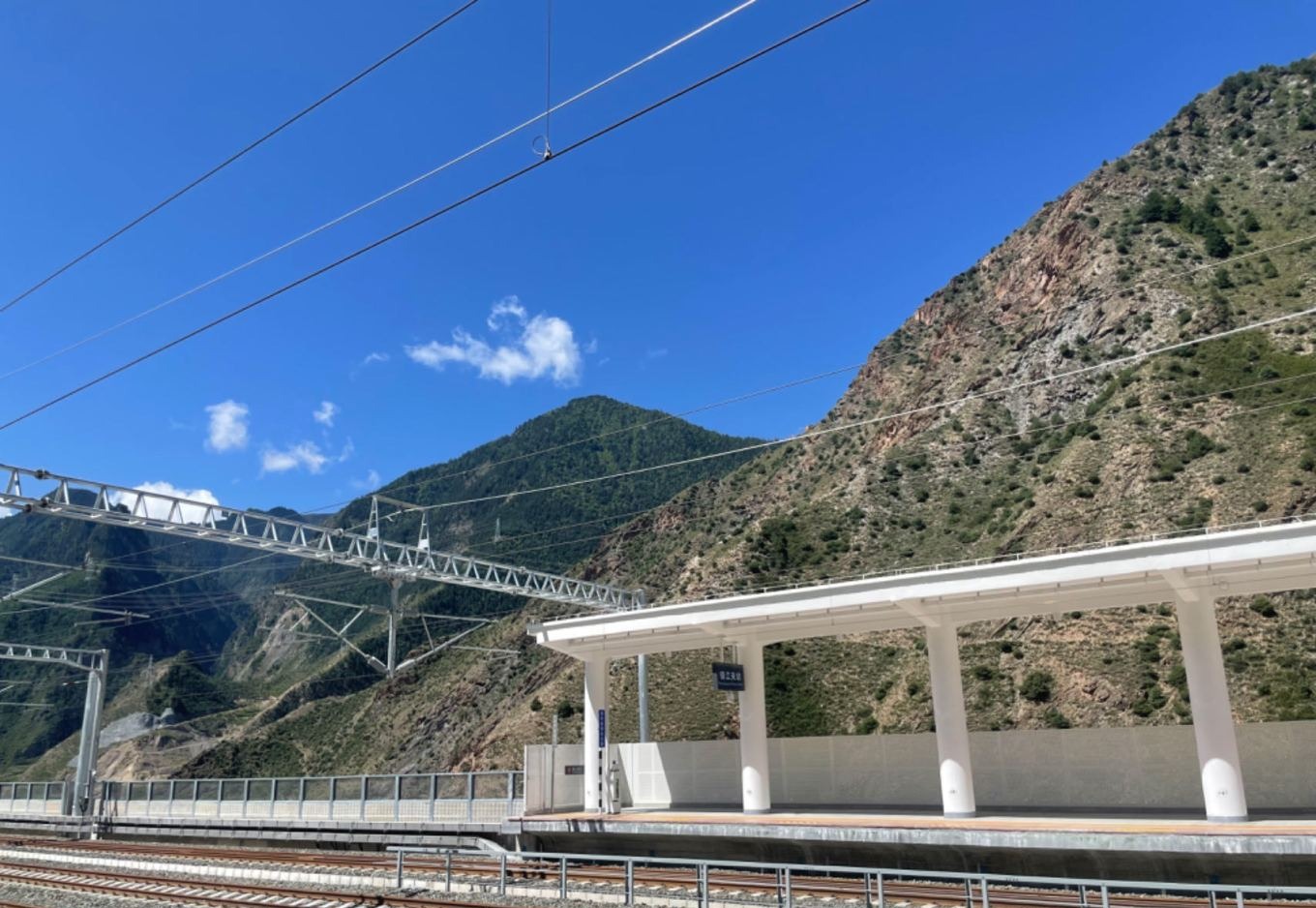
The small station is charming with an even bluer sky. Originally designed as a transit hub, the waiting area is just a long corridor, and exiting involves a long staircase that’s tricky with luggage (the elevator wait can be long – just bear with it). The new Jiuzhaigou Huanglong Station (九寨黄龙站) is under construction and expected to open in early September, which will cut the road journey by another hour. On the way, you’ll see the new station taking shape – it’s much larger than Zhenjiangguan.
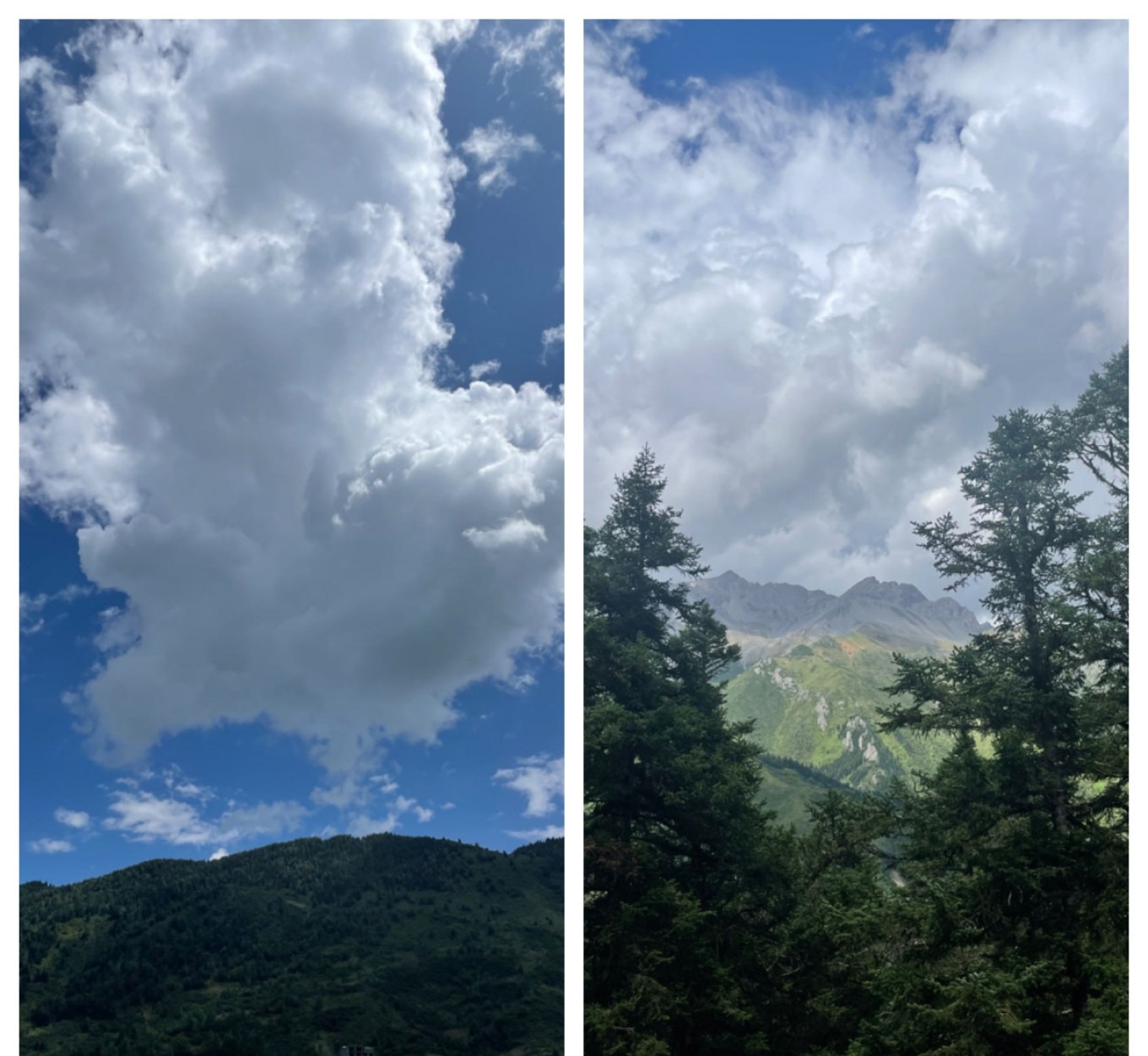
As you drive from Zhenjiangguan to Huanglong, the window frames scenes straight out of a Studio Ghibli animation. Your Tibetan driver proudly explains that the area is rich in natural beauty and resources. Local Tibetan families often raise yaks and harvest wild cordyceps and fritillaria by season, selling them in specialty shops. Life here is low-pressure and in tune with nature – it’s easy to feel a sense of happiness in such an idyllic setting.
Online, many travelers complain about being pressured into buying local products, altitude sickness remedies, or oxygen canisters on group tours. This does happen. On the way to Huanglong, you’ll pass towns and villages where tour buses line up outside souvenir shops, with large signs warning about altitude sickness and restroom markers. While it may seem contradictory, locals rely on these resources for their livelihood. As a traveler, your best bet is to choose cost-effective services that give you more freedom and avoid unnecessary hassles.
For Huanglong, you should pre-purchase tickets including the uphill cable car, and also snag one of the daily 5,000 shuttle bus tickets. On the way, you might debate whether to buy the downhill cable car. According to reliable intel, the most famous spot – Five-Color Pond (五彩池) – sits at around 4,000 meters. If you hike down, it’s about 4 kilometers of downhill trail, taking 1–2 hours. Since you have a full day at Jiuzhaigou tomorrow, save your legs and opt for the downhill cable car.
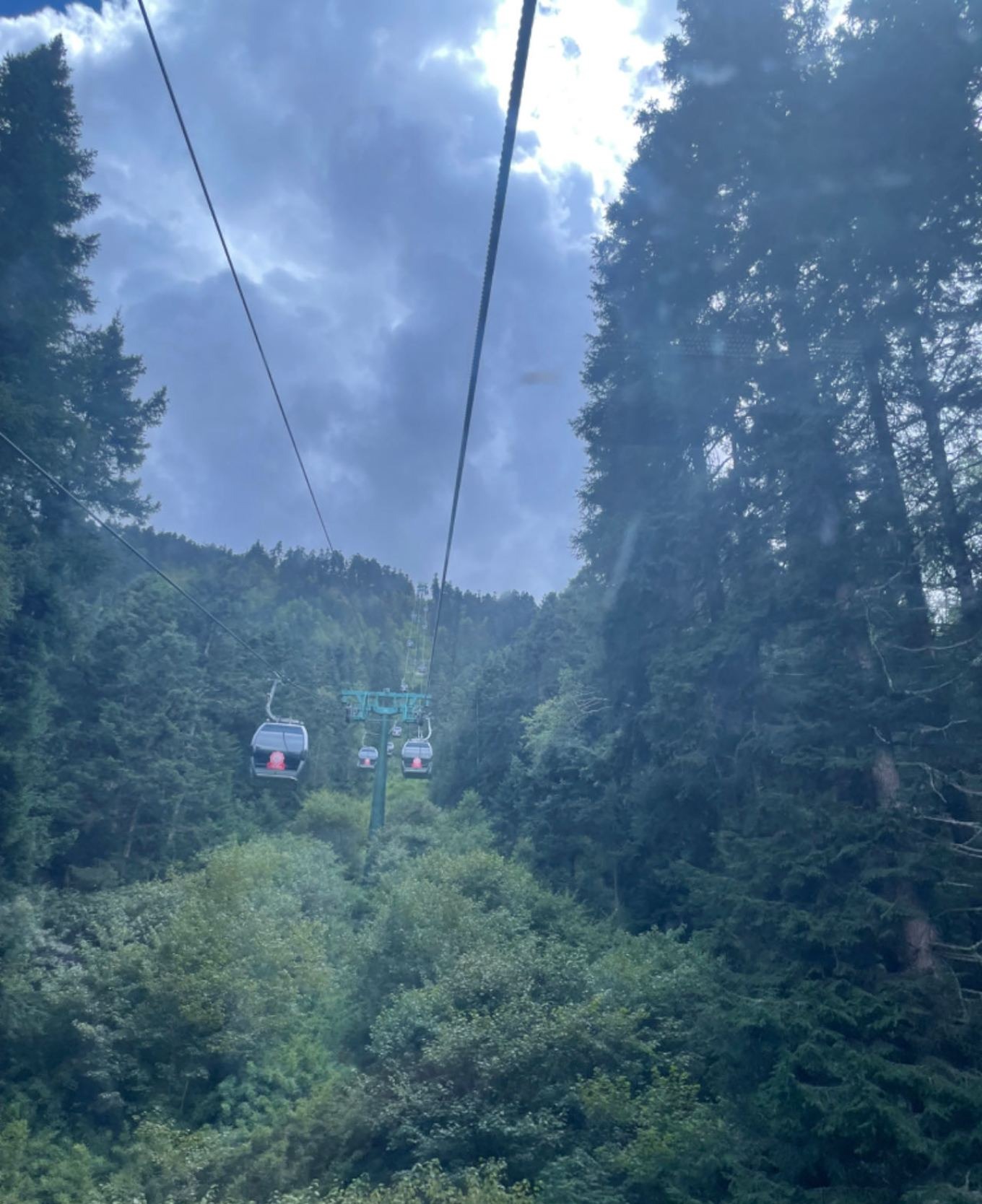
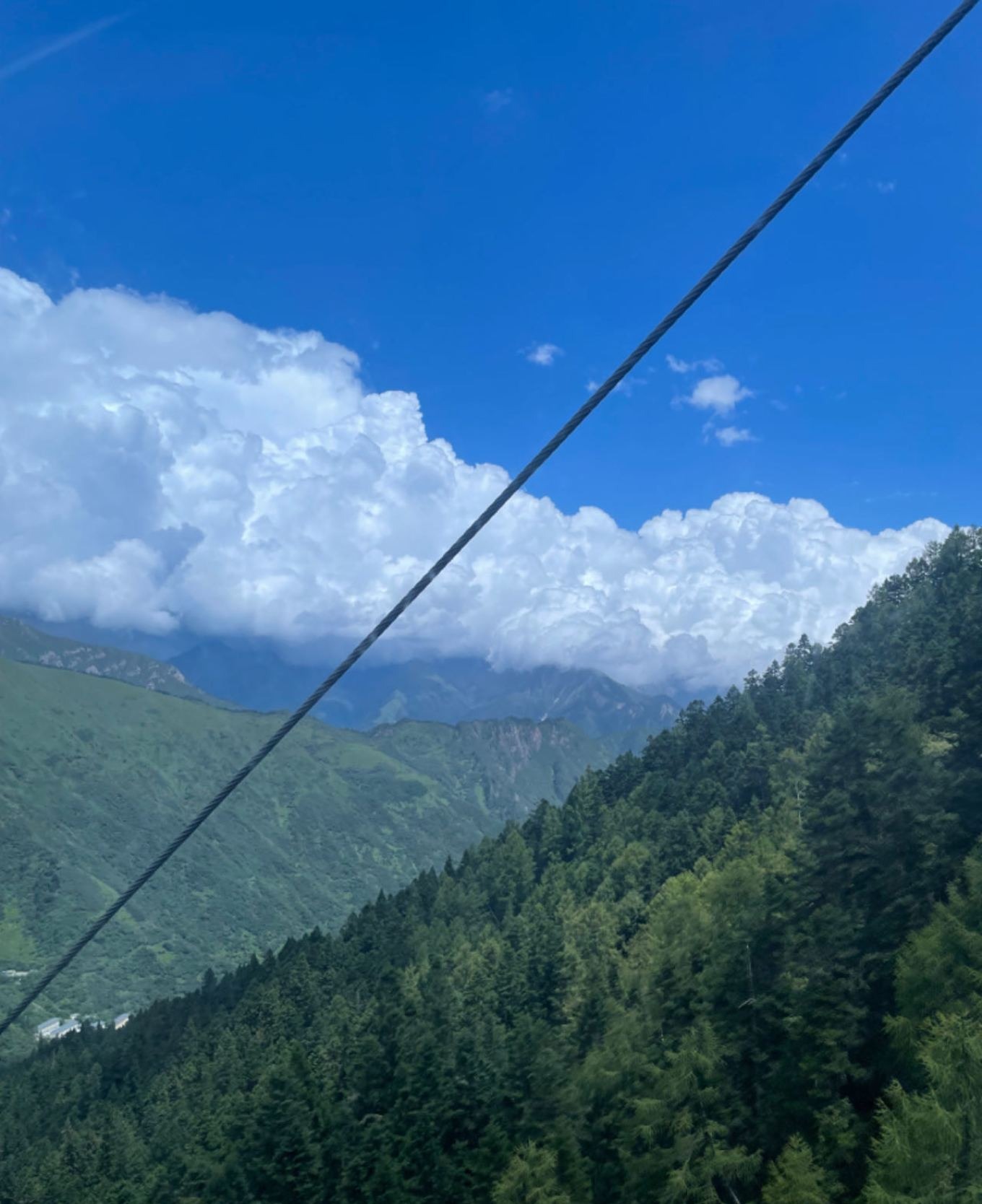
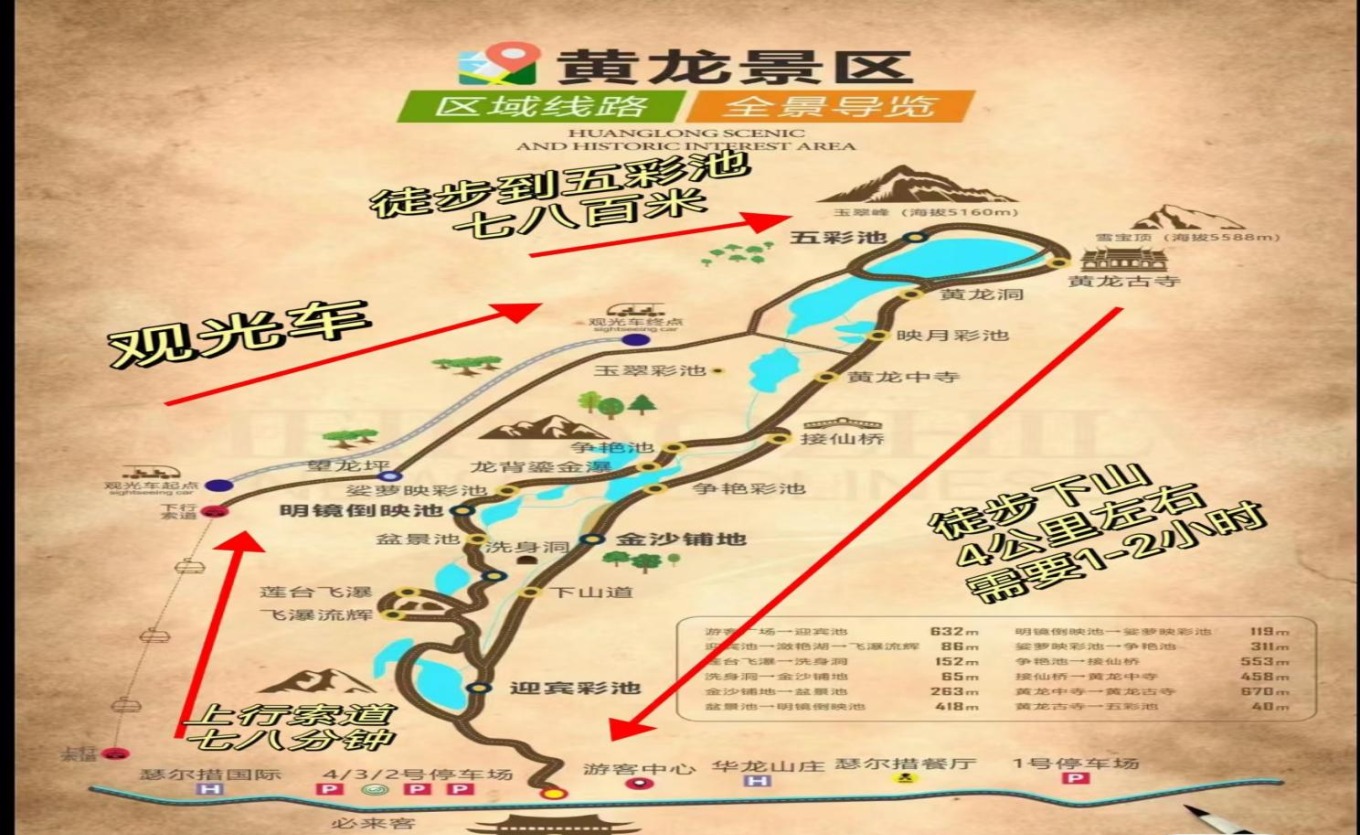
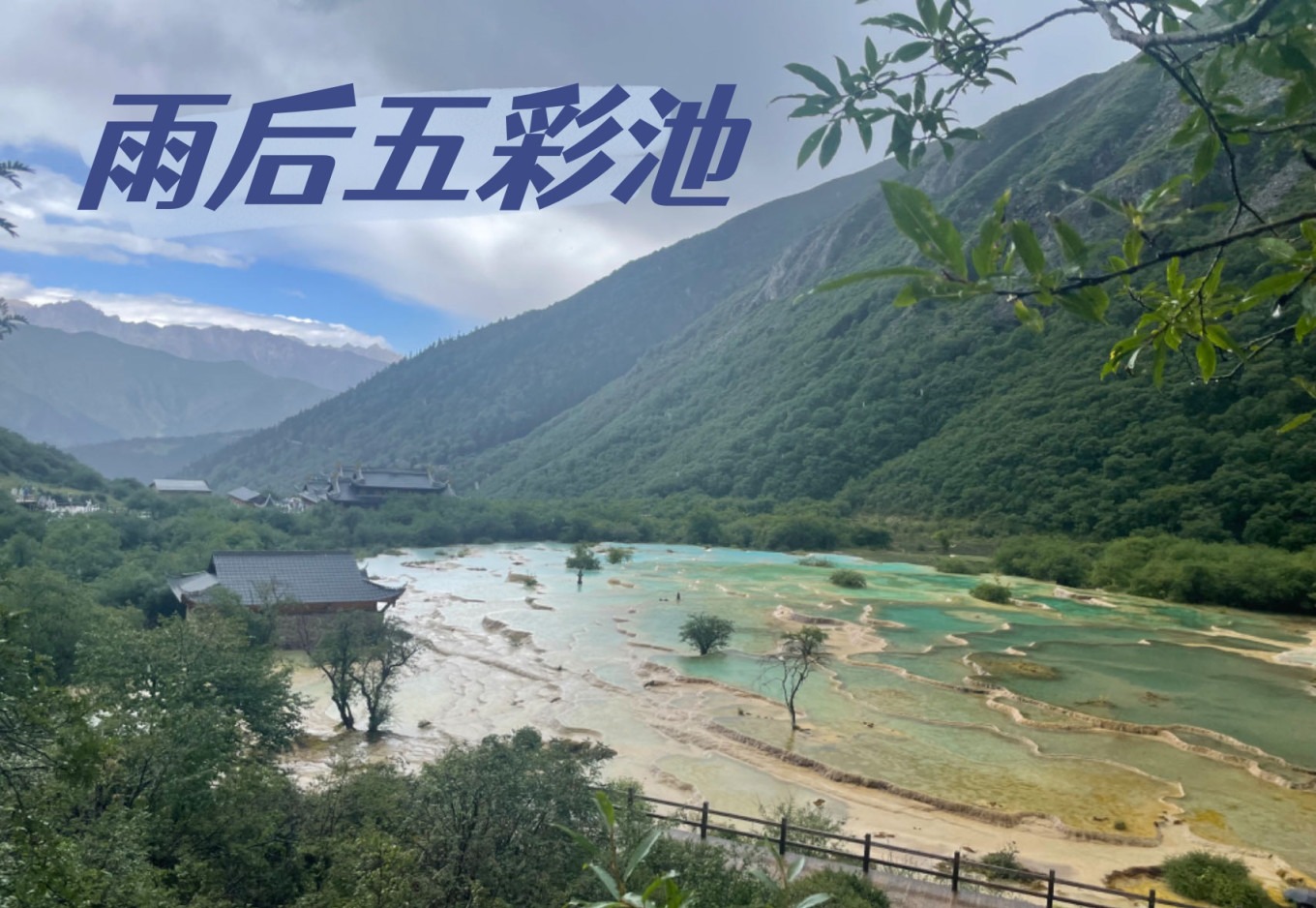
Huanglong Scenic Area (黄龙风景名胜区), located in Songpan County (松潘县), Aba Prefecture, is China’s only well-preserved high-altitude wetland. It spans 700 square kilometers, about 100 km from Jiuzhaigou, with elevations from 1,700 to 5,588 meters. The core area features over 3,000 colorful ponds, with the main attraction being the unique travertine (calcium carbonate) formations along the 3.6 km Huanglong Valley. The area is rich in flora and fauna.
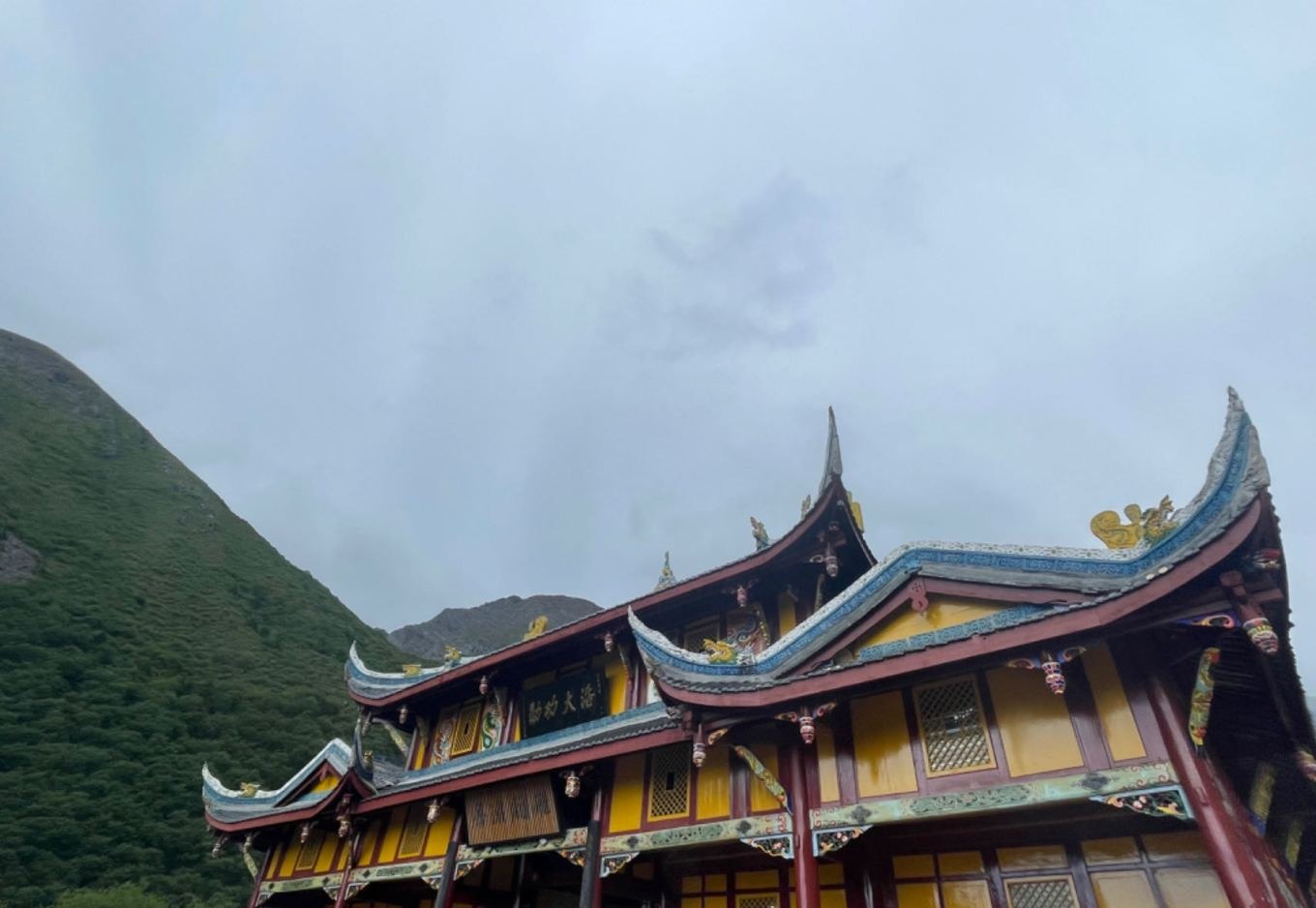
After the cable car and shuttle bus, on the way to the Five-Color Pond, you’ll spot a striking yellow-and-red Tibetan Buddhist temple amid the green mountains and clear waters.
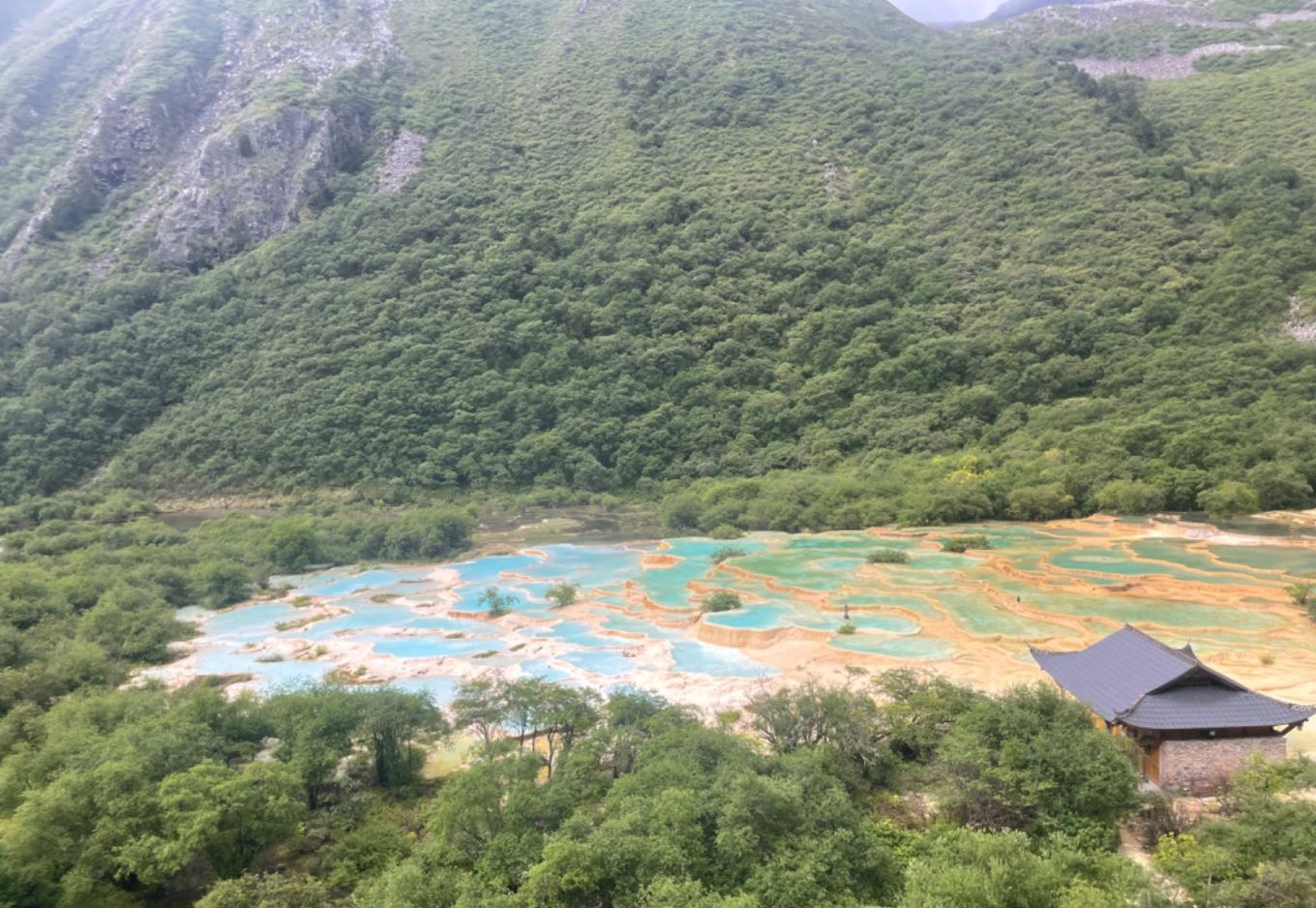
As you marvel at the layered, color-graduated travertine pools, a sudden thunderstorm may catch you off guard. There’s a small pavilion on the viewing platform where many people take shelter – a lifesaver. At high altitude with heavy rain, if you left your jacket at the sunny base, at least you have an umbrella. Shivering, three of you share one umbrella and dash to the pavilion. Thunder rolls from higher peaks – the rain might last a while. Your driver warned you that the weather here is unpredictable: thunderstorms come and go quickly, so always carry rain gear. Lesson learned!
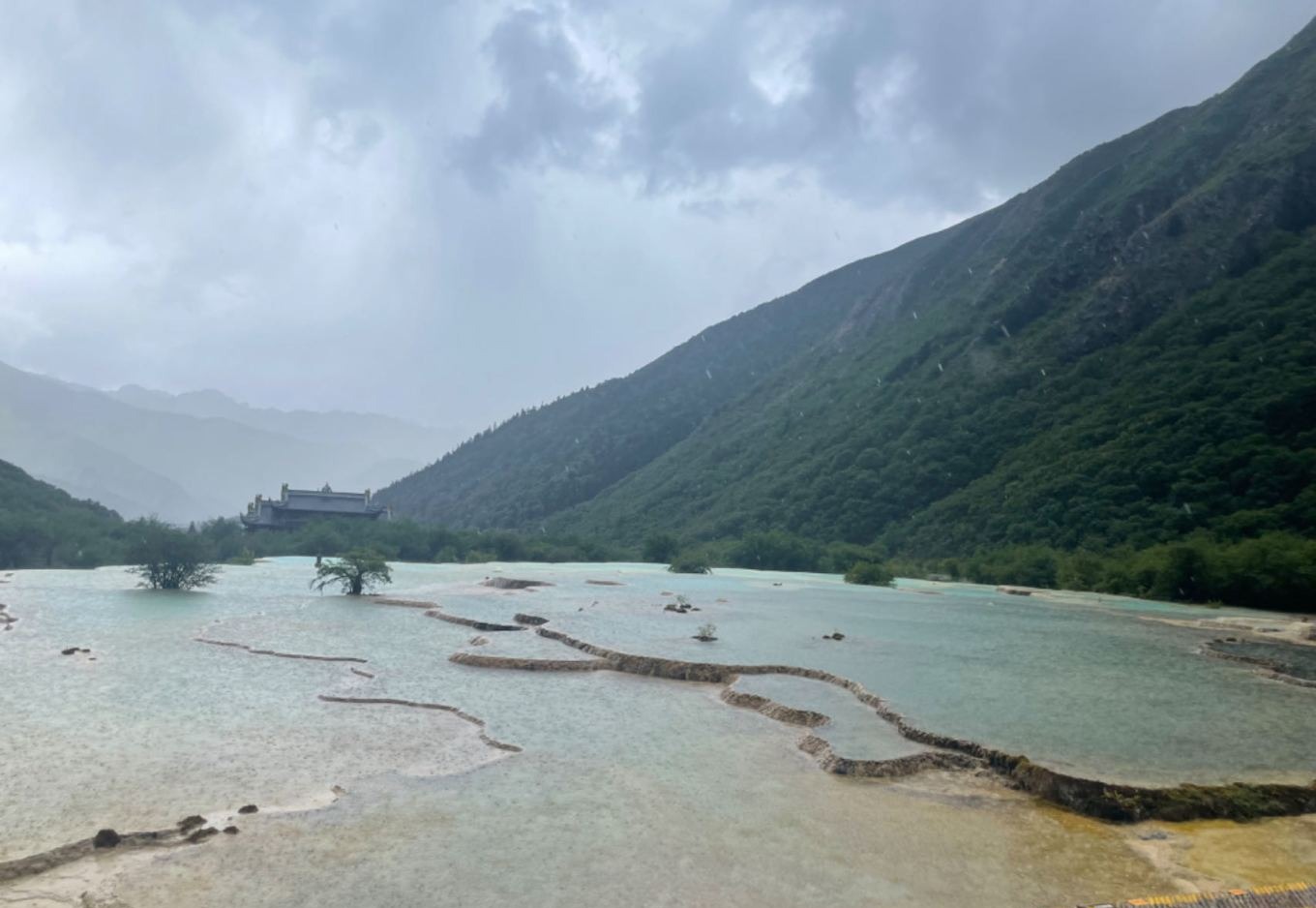
While sheltering, you watch the rain clouds drift slowly, revealing more blue sky. Within half an hour, the rain stops, leaving the colorful ponds as vibrant as ever, with only glistening droplets on leaves as evidence of the downpour.
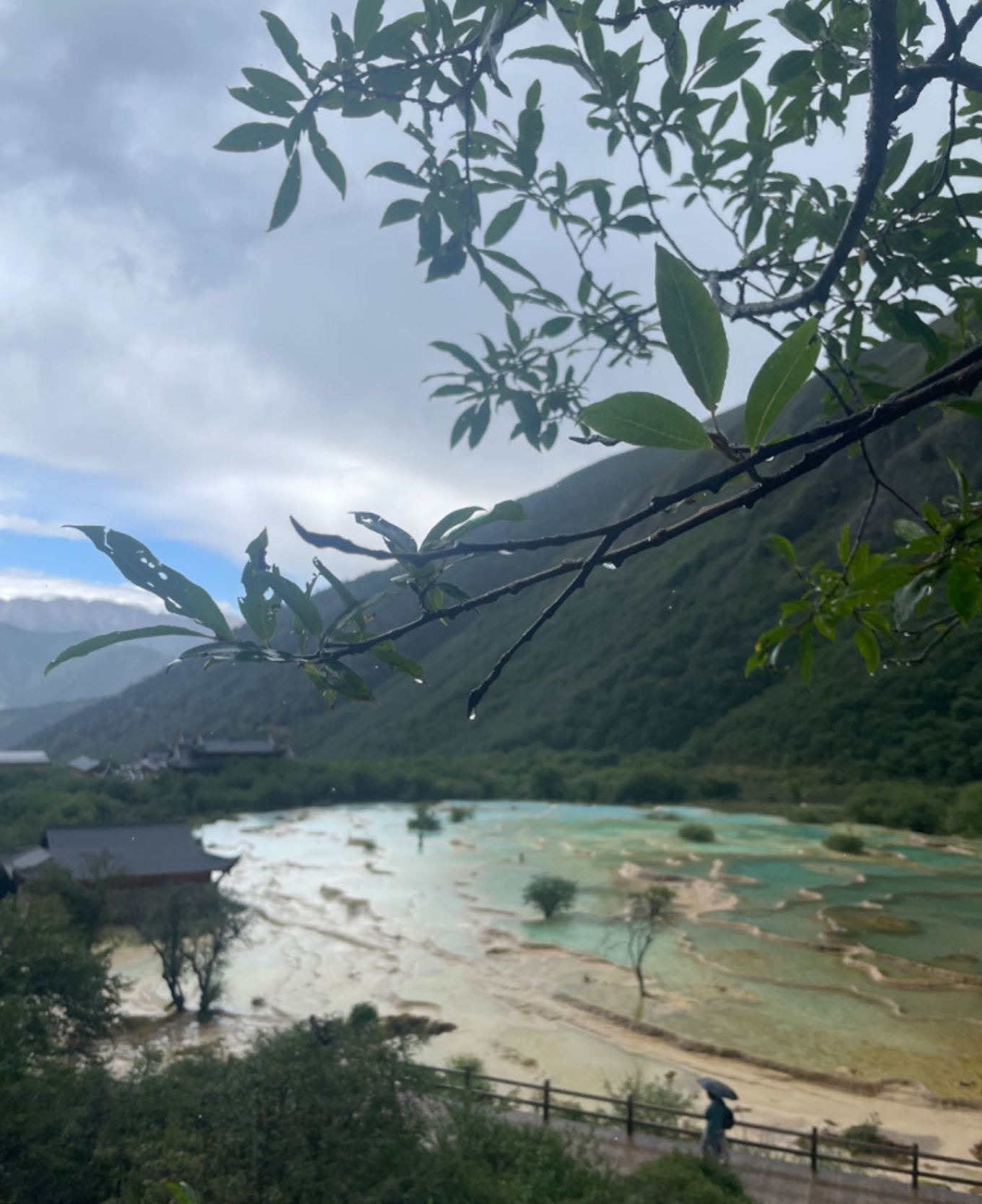
This experience teaches you to be prepared, but if caught off guard, embrace the unexpected with curiosity and a calm heart. Huanglong’s altitude is high, but in a group of four, only one person (an older companion) may feel short of breath on stairs and need to go slowly. The other three feel fine. If you’re not in great shape, bring an oxygen canister, don’t rush, and pace yourself. Small shops along the trail sell raincoats, oxygen, cookies, and Snickers. Since temperatures drop from the base to the Five-Color Pond, layering is essential – some passersby even wear thin down jackets. Avoiding a cold is your top priority.
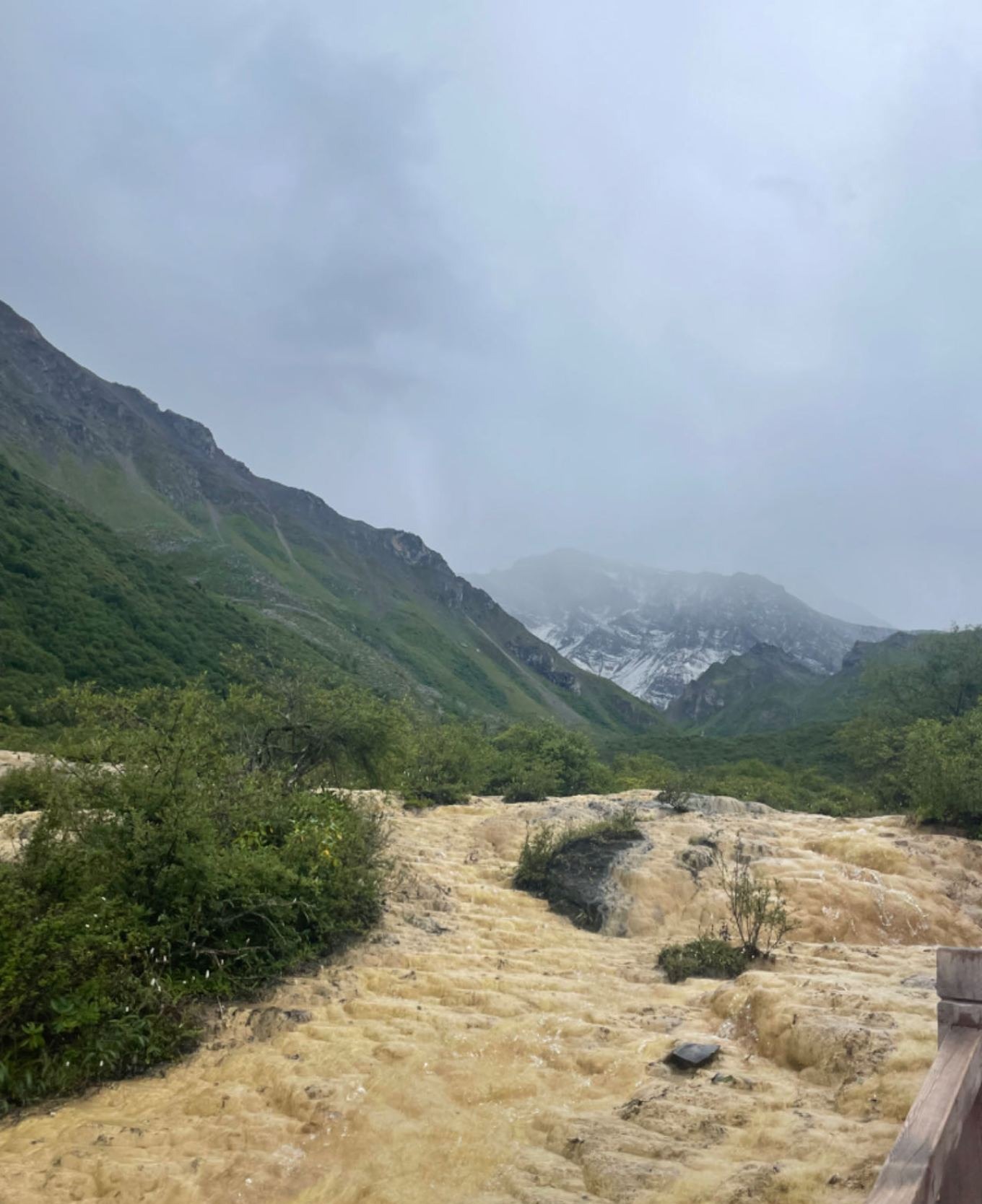
Return via the shuttle bus, and given the chance of more rain and to save energy, take the downhill cable car directly to the exit. Some travelers hike down and enjoy the scenery, but if you have a full day at Jiuzhaigou tomorrow, the cable car is recommended – tomorrow’s views are even more spectacular and require more walking.
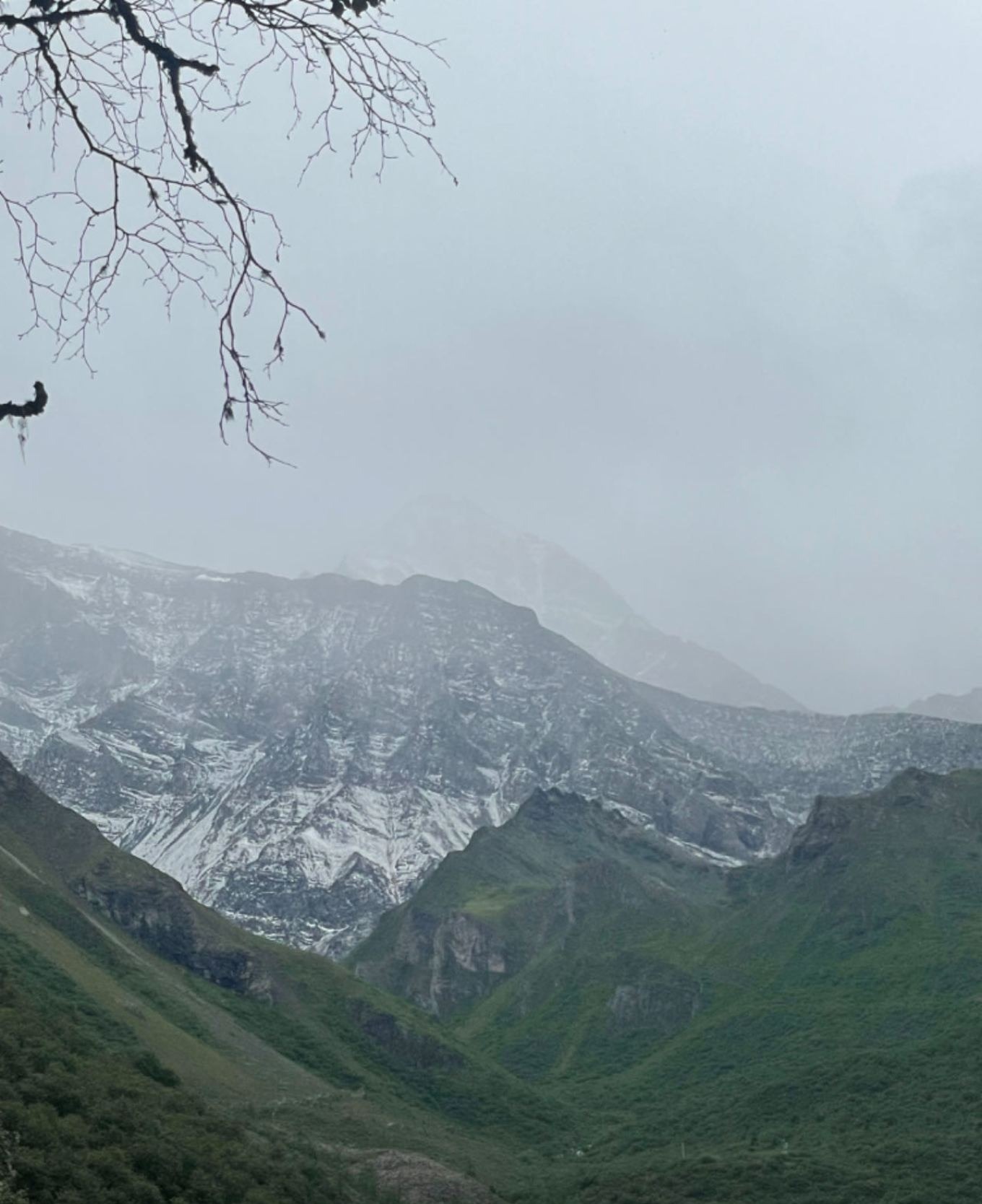
After exiting the scenic area, you’ll continue along National Highway 544. For nearly half an hour, you’re still under the rain clouds, only escaping near Jiuzhaigou County. Along the way, you pass the 8-km Zhangzha Tunnel (漳扎隧道), a testament to the difficulty of road construction in this region.
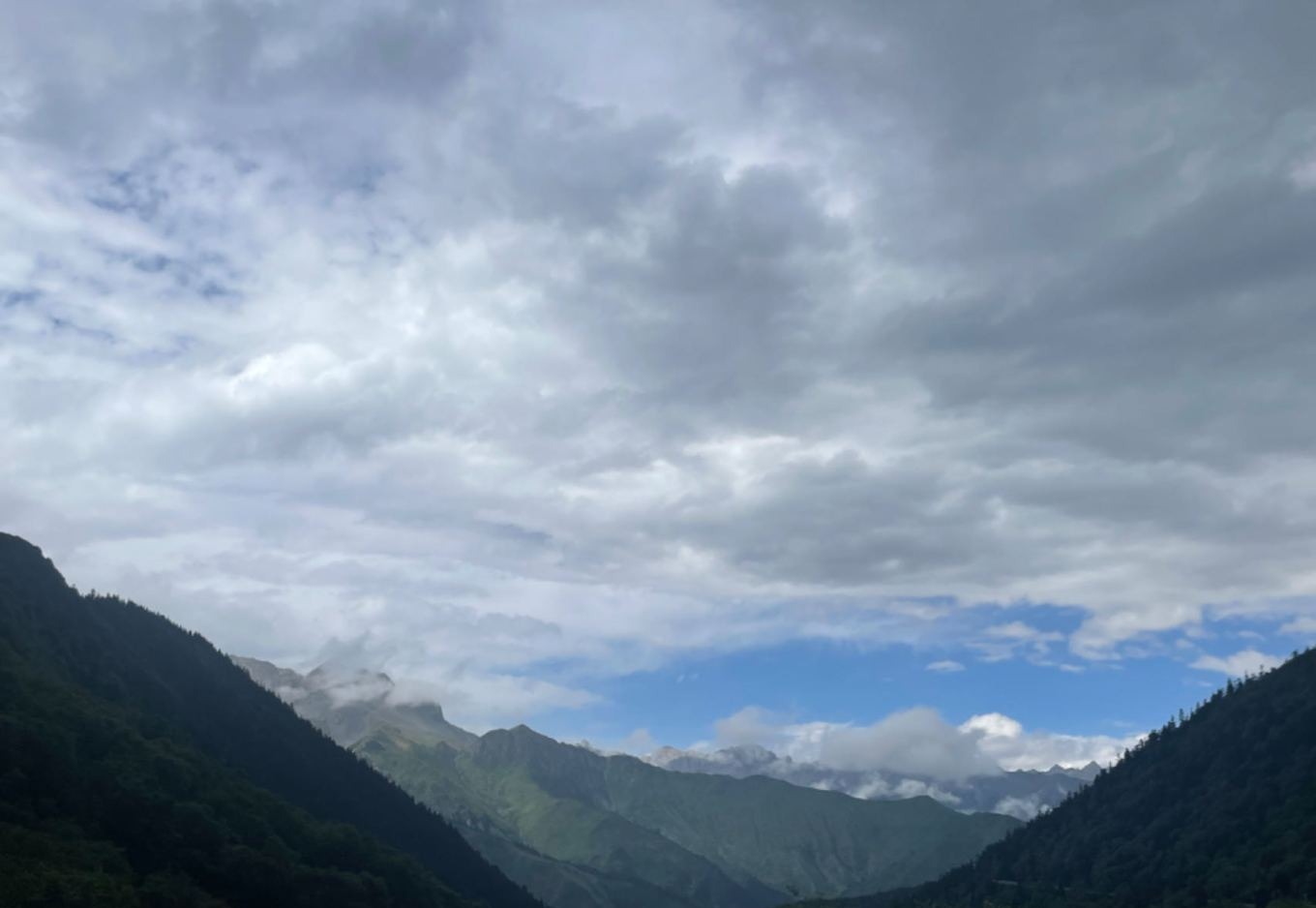
Aba Tibetan and Qiang Autonomous Prefecture (阿坝藏族羌族自治州) is located in northwestern Sichuan, on the southeastern edge of the Qinghai-Tibet Plateau. It borders Gansu and Qinghai to the north and northwest, and Mianyang, Deyang, and Chengdu to the east and southeast. The average elevation exceeds 3,000 meters, with distinct vertical climate zones. The prefecture is home to Jiuzhaigou, Huanglong, Wolong, Four Girls Mountain (四姑娘山), and giant panda habitats, as well as cultural sites like the Zhuokeji Tusi Official Village (卓克基土司官寨), Songgang Diaolou (松岗直波碉楼), and Songpan Ancient City Wall (松潘古城墙). This brief introduction shows that Aba is a uniquely fascinating region in terms of geography, climate, ecology, and culture.
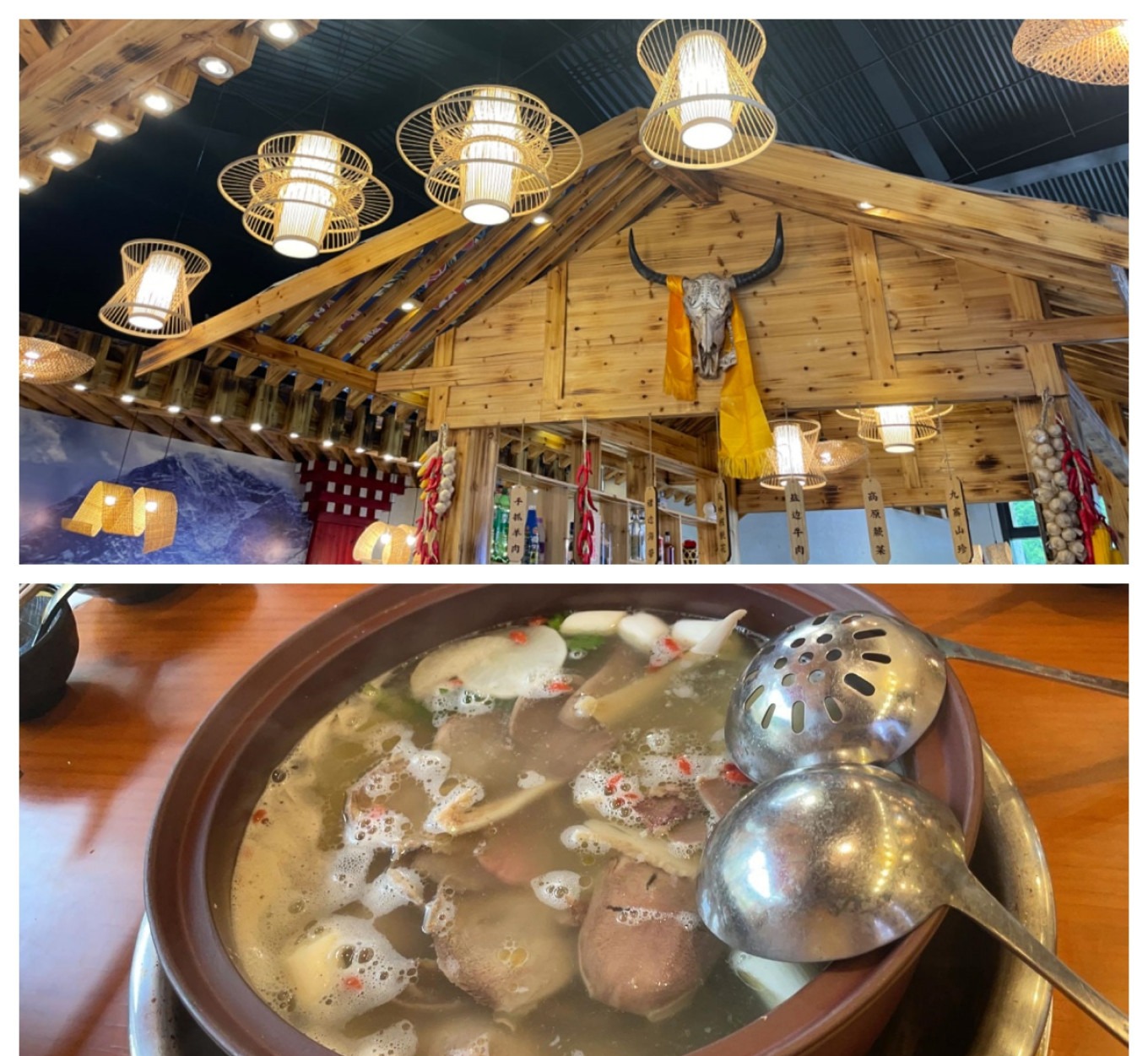
Finally, you arrive at your base in Jiuzhaigou: the Jiuzhai Hua Mei Sheng Di Resort (九寨华美胜地度假区). After dropping off your luggage, your stomach is growling – time for dinner. Near the hotel, there’s an excellent Yak Meat Hotpot (牦牛肉汤锅) restaurant. The broth is incredibly savory. Order half a jin (250g) each of yak meat and yak offal, with radish and lettuce in the pot, plus add some crown daisy and tofu. Four people eat to their heart’s content. The highland barley cake (青稞饼) is also delicious – highly recommended for carb lovers. The dipping sauce includes a special white fermented tofu, giving it a unique flavor.
- RestaurantYak Meat Hotpot (牦牛肉汤锅) – near Jiuzhai Hua Mei Sheng Di Resort
- Address九寨华美胜地度假区附近 / Near Jiuzhai Hua Mei Sheng Di Resort, Jiuzhaigou
- Recommended dishesYak meat hotpot (牦牛肉汤锅), yak offal (牦牛杂), highland barley cake (青稞饼), dipping sauce with white fermented tofu (白豆腐乳蘸水)
- Average spendApproximately 150–200 CNY per person
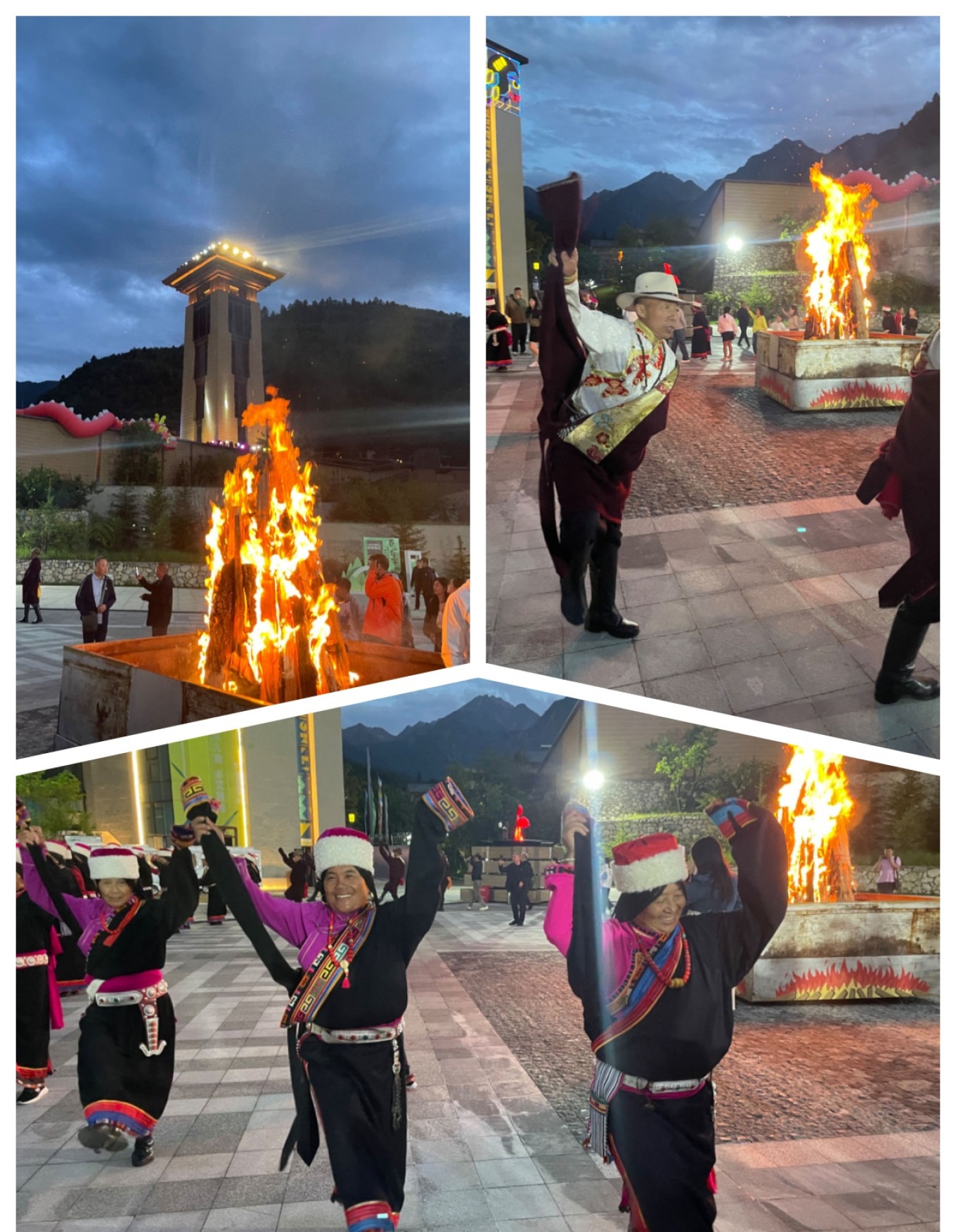
On the way back to the hotel, you encounter a lively bonfire party. Tibetan elders and locals dance to upbeat music, inviting travelers from all over to join the Guozhuang dance. Dive in – nobody knows you, so even if your moves are awkward, your heart is free.
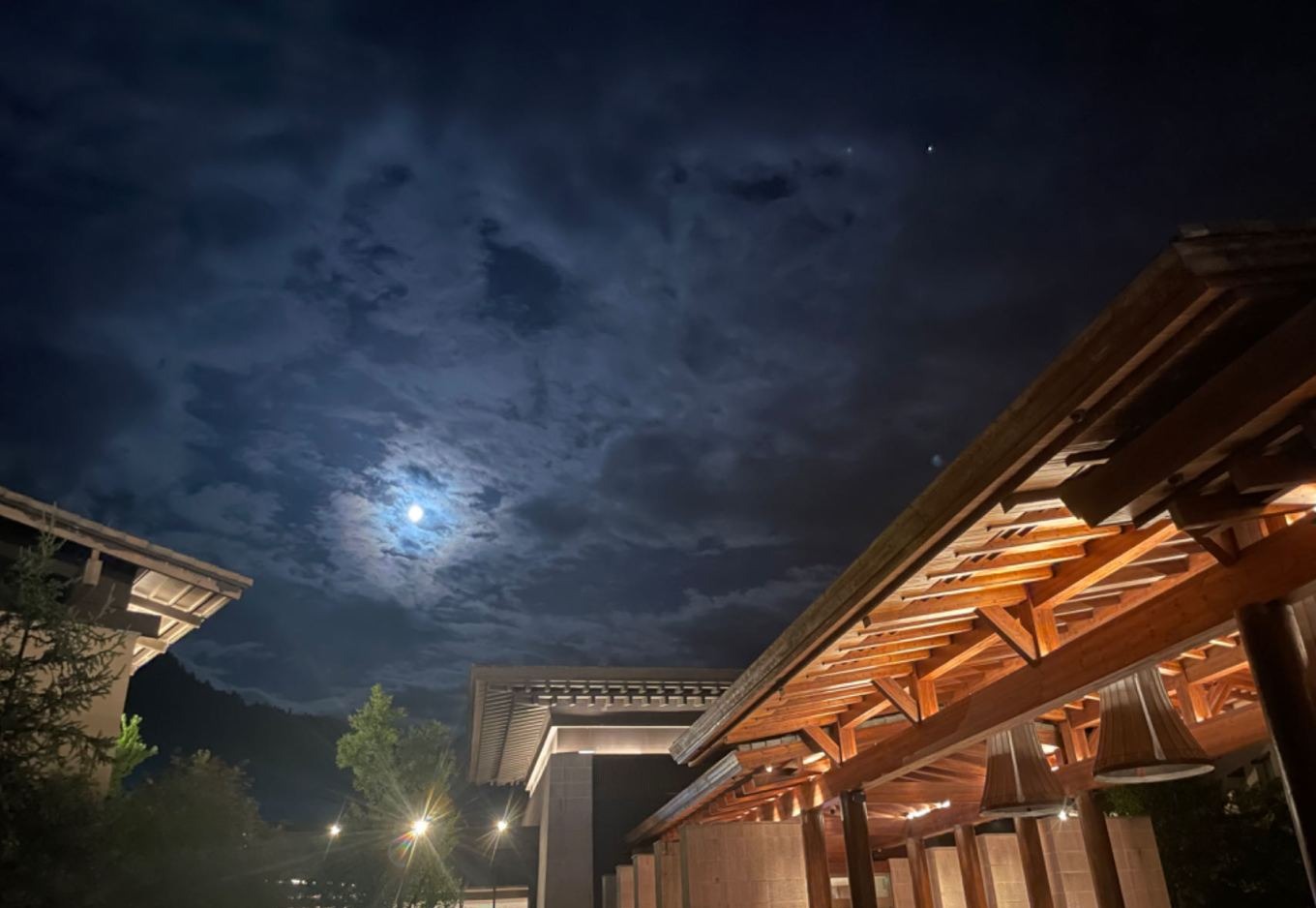
Here’s hoping for good weather tomorrow. Good night!
Day 6: The Enchanting Jiuzhaigou – A Must-Visit in Your Lifetime
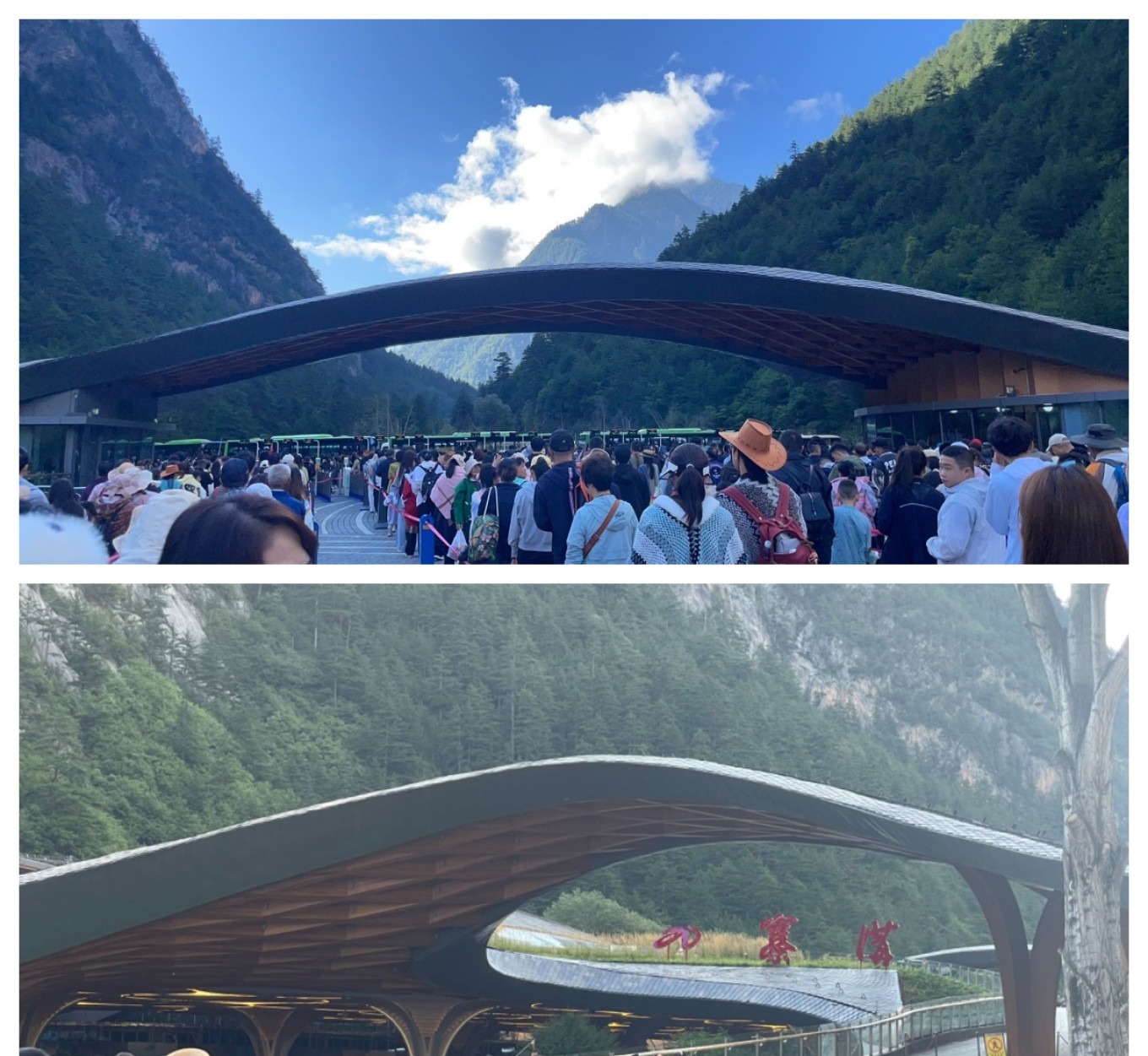
Imagine arriving at the gate of Jiuzhaigou (九寨沟) at 9 a.m. to two pieces of good news: the weather is perfect, and there are only around 20,000 visitors that day – a manageable number given the park’s maximum capacity of 40,000. During peak summer, daily entries can drop to 20,000–30,000 after mid-August, making it a relatively uncrowded time to explore. Keep an eye on the official channel for real-time entry numbers when planning your trip.
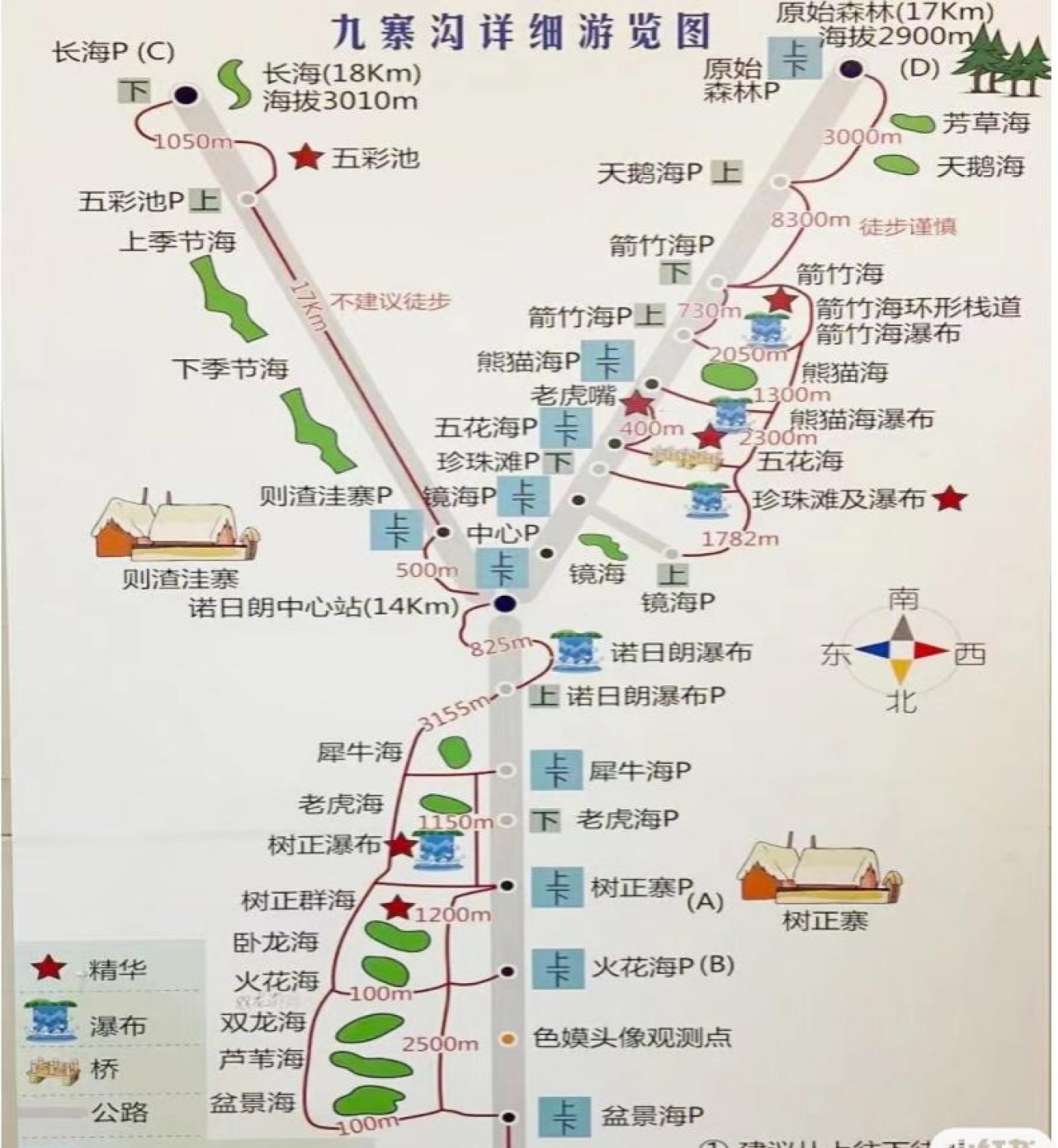
Known as a fairy-tale world and earthly paradise, Jiuzhaigou is located in Jiuzhaigou County, Aba Tibetan and Qiang Autonomous Prefecture, northwestern Sichuan. Nestled on the southeastern edge of the Qinghai-Tibet Plateau at an altitude of 2,000–4,300 meters, it is a tributary valley of the Jialing River system. The name “Jiuzhaigou” means “nine-village valley,” referring to the nine Tibetan villages within. The scenic area is shaped like a “Y” formed by three main valleys: Zechawa (则查洼), Rize (日则), and Shuzheng (树正). Within this lush landscape lie 114 alpine lakes (called “haizi” or seas) in terraced distribution, 17 waterfalls, 11 rapids, and 5 calcified shoals, all sparkling like pearls on a necklace amid dense primeval forests. The park offers four main sightseeing routes: Shuzheng, Rize, Zechawa, and Zharu, stretching over 60 kilometers. Key attractions include Shuzheng, Nuorilang, Jianyan, Changhai, Zharu, and Tianhai, with 118 lakes, 5 shoals, 12 waterfalls, 10 streams, and numerous springs. The scenery changes dramatically with the seasons: spring brings a riot of colors, summer offers lush greenery, autumn is a tapestry of gold and red, and winter presents a pristine icy wonderland. Autumn is particularly stunning. Jiuzhaigou’s beauty is so profound that photos can barely capture a fraction of its magic – you simply have to see it for yourself.
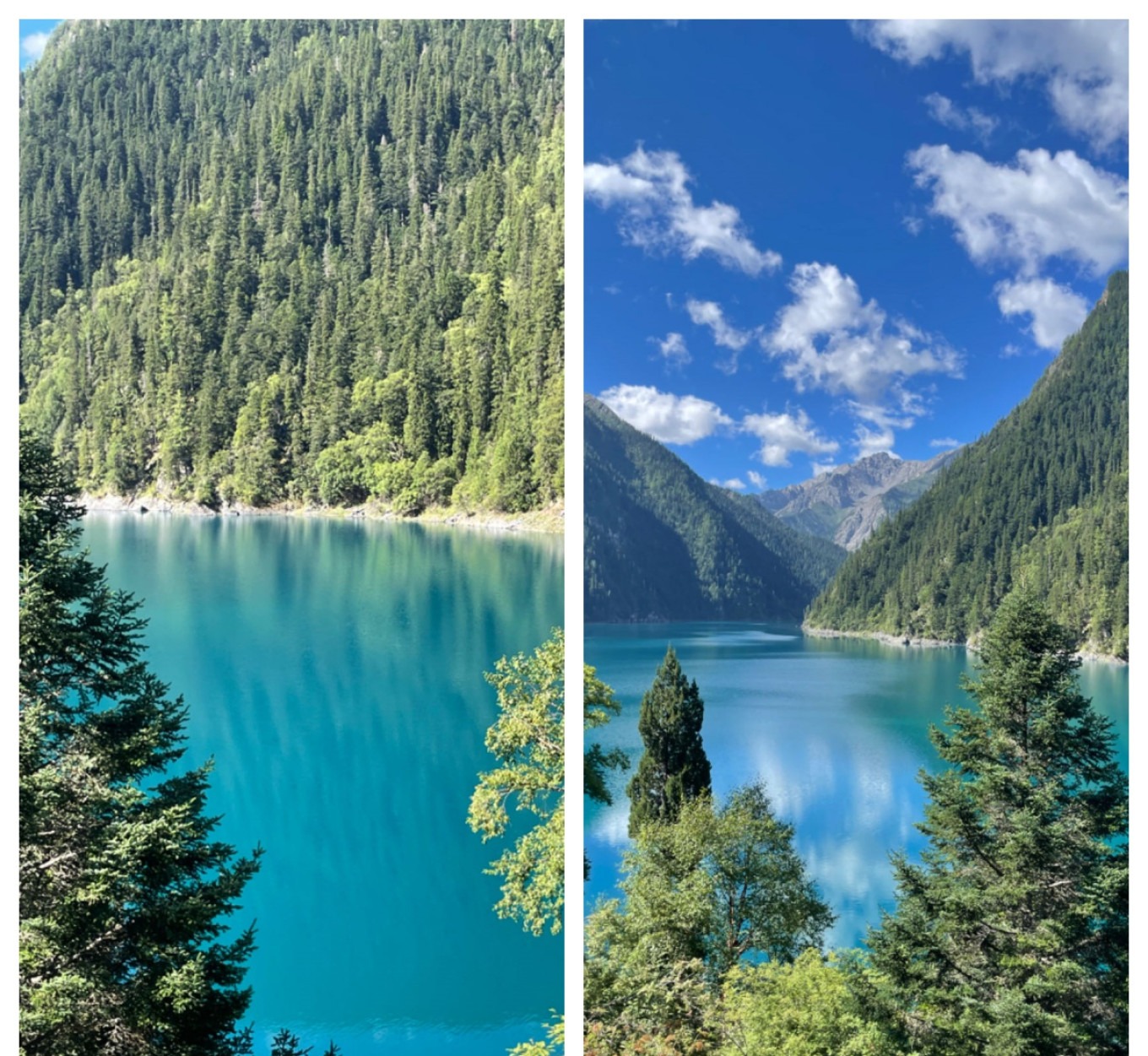
Start your journey at Changhai (长海), the highest and widest lake in Jiuzhaigou, located at the top of the left branch (Zechawa Valley). Its deep ink-blue water comes from melted snow, and its vastness is breathtaking. Upon entering the park, you’ll board a sightseeing bus equipped with a guide. The bus will take you to either the left or right branch based on traffic control – a bit of fate that adds to the adventure. Disembark at Changhai for an unforgettable first impression.
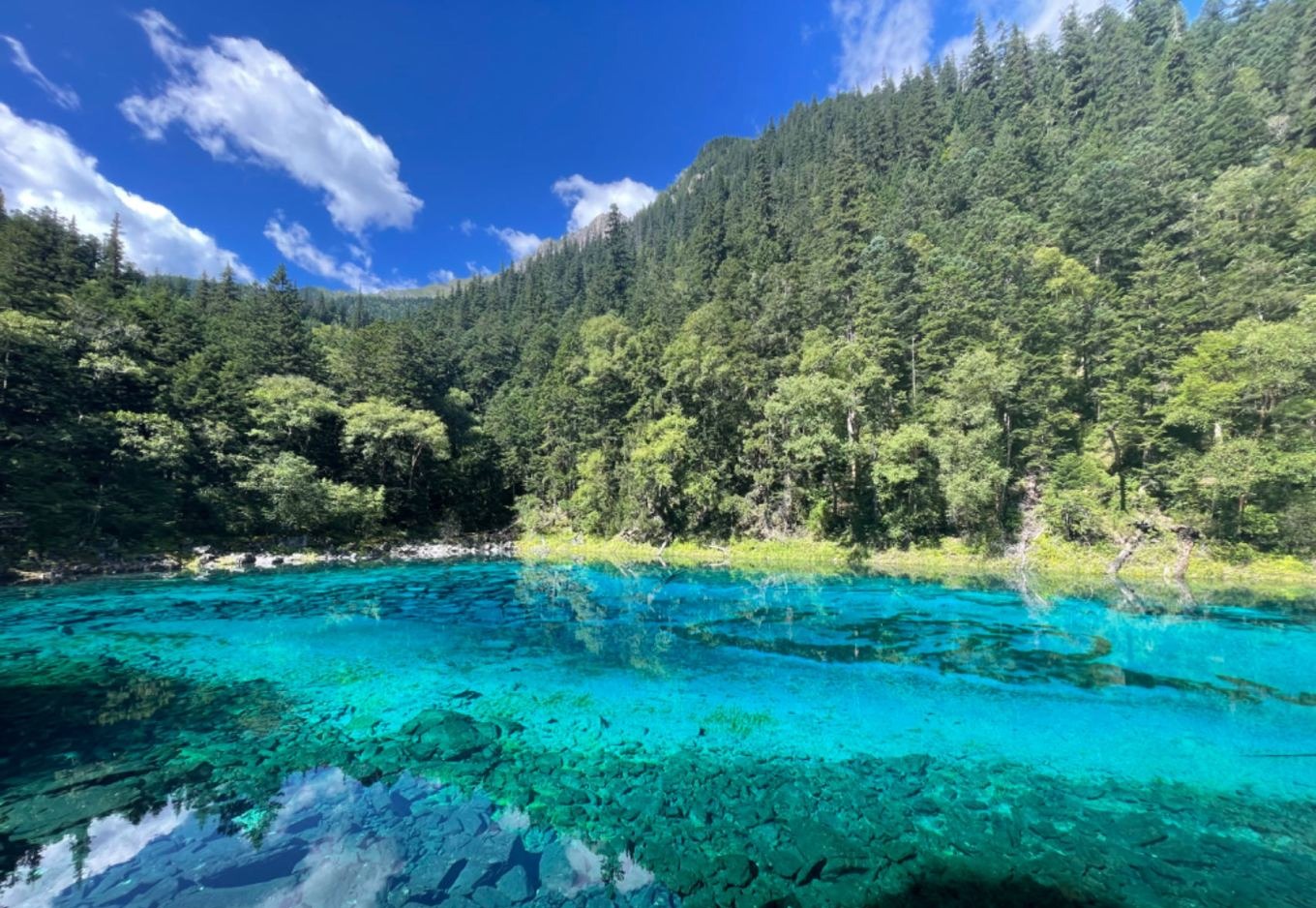
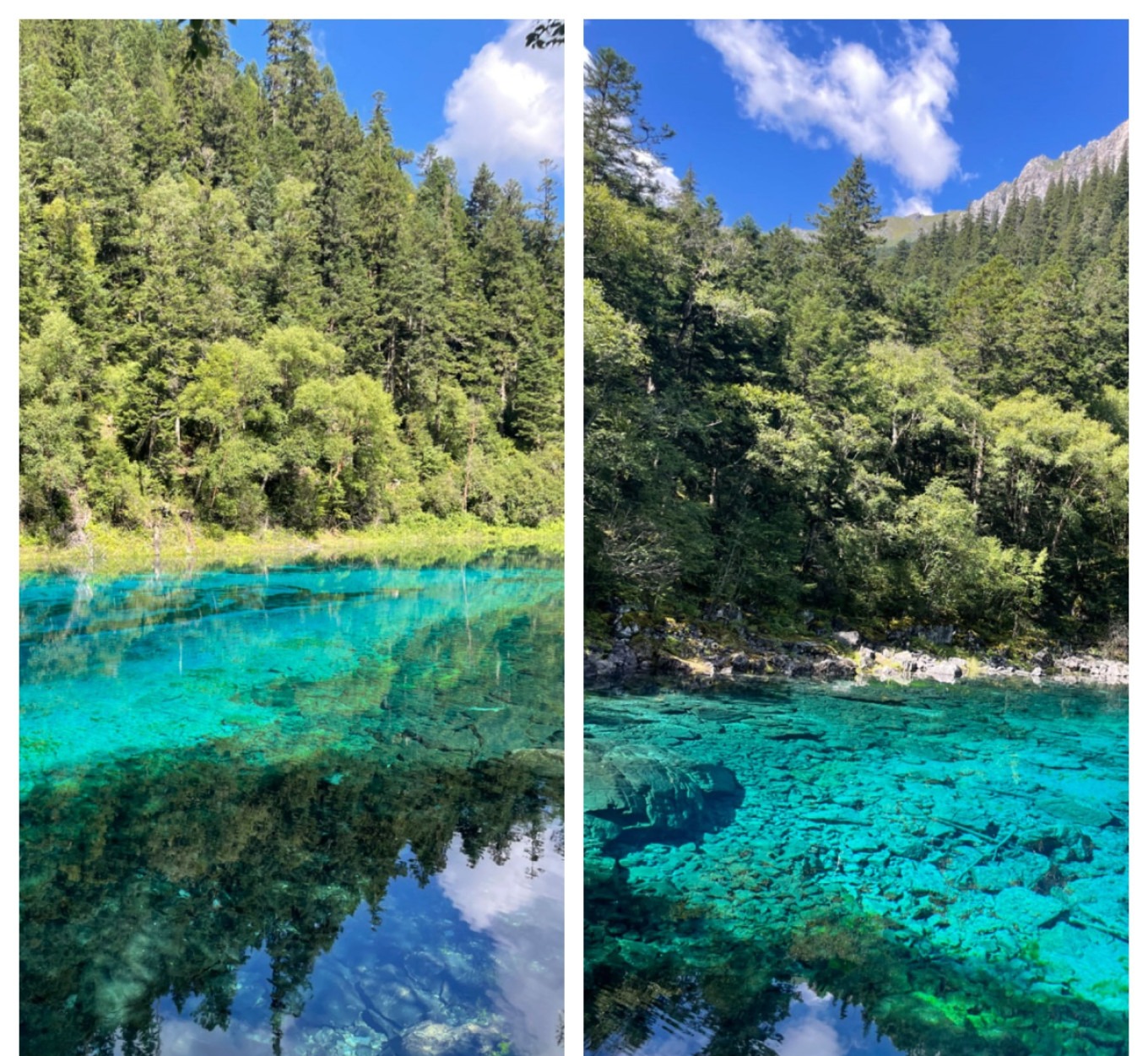
From the Changhai stop, walk about 1.5 km down the forest boardwalk to reach Wucai Chi (五彩池), or Five-Color Pond. The water is so clear it mirrors the sky and trees, and when you emerge from the woods, the sight is stunning. This photo was taken with an iPhone without any editing – that’s how vivid it is. In Jiuzhaigou, lakes are called “haizi” (sons of the sea) because locals, living far from the ocean, named the abundant lakes after the sea. Other notable haizi include Mirror Lake, Panda Lake, Reed Lake, and Arrow Bamboo Lake.
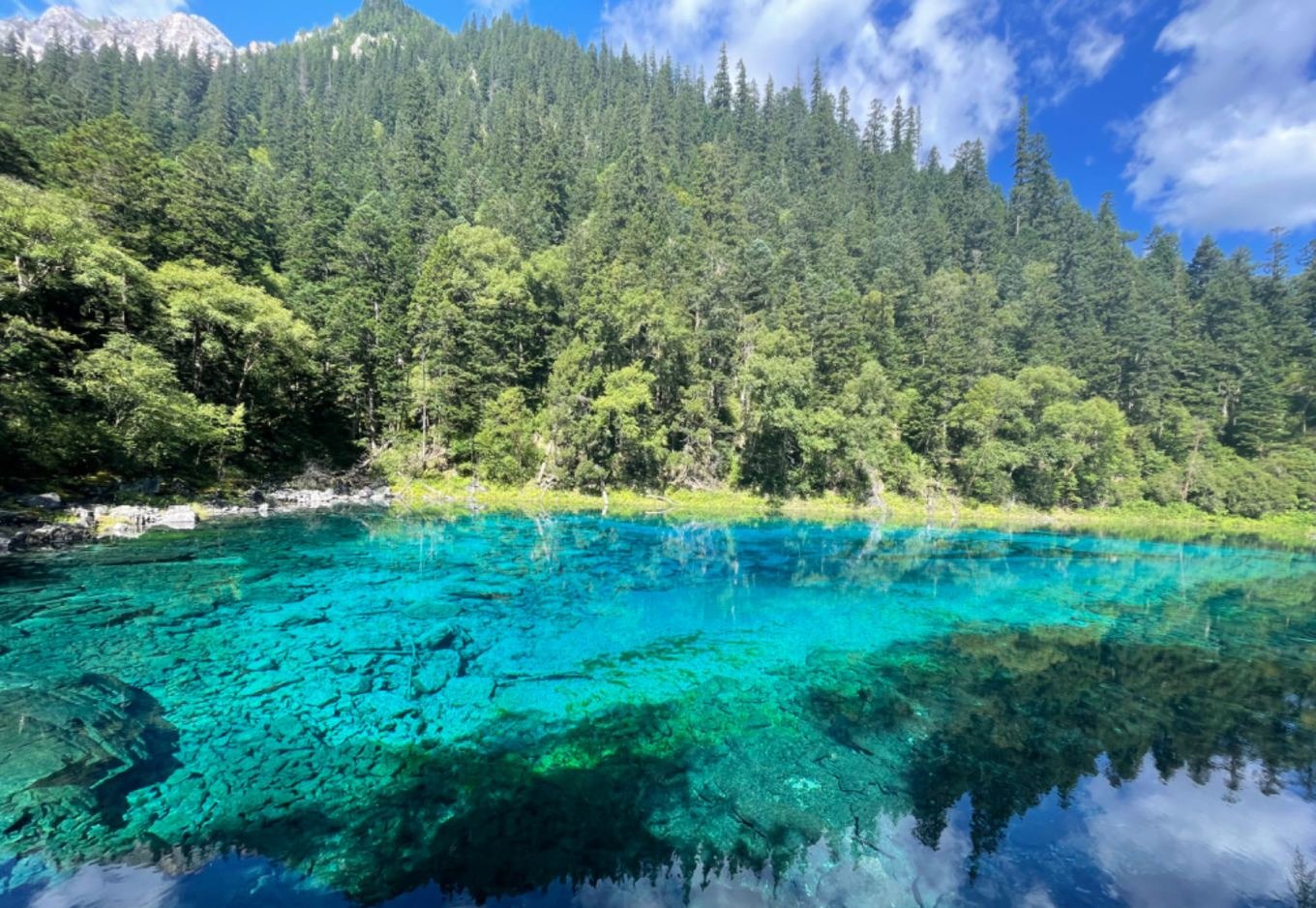
Don’t confuse this Wucai Chi with the one in Huanglong – they are completely different. In autumn, the surrounding deciduous trees reflect in the water, creating a truly colorful spectacle. Each season offers a unique charm, which is why many enthusiasts return again and again.
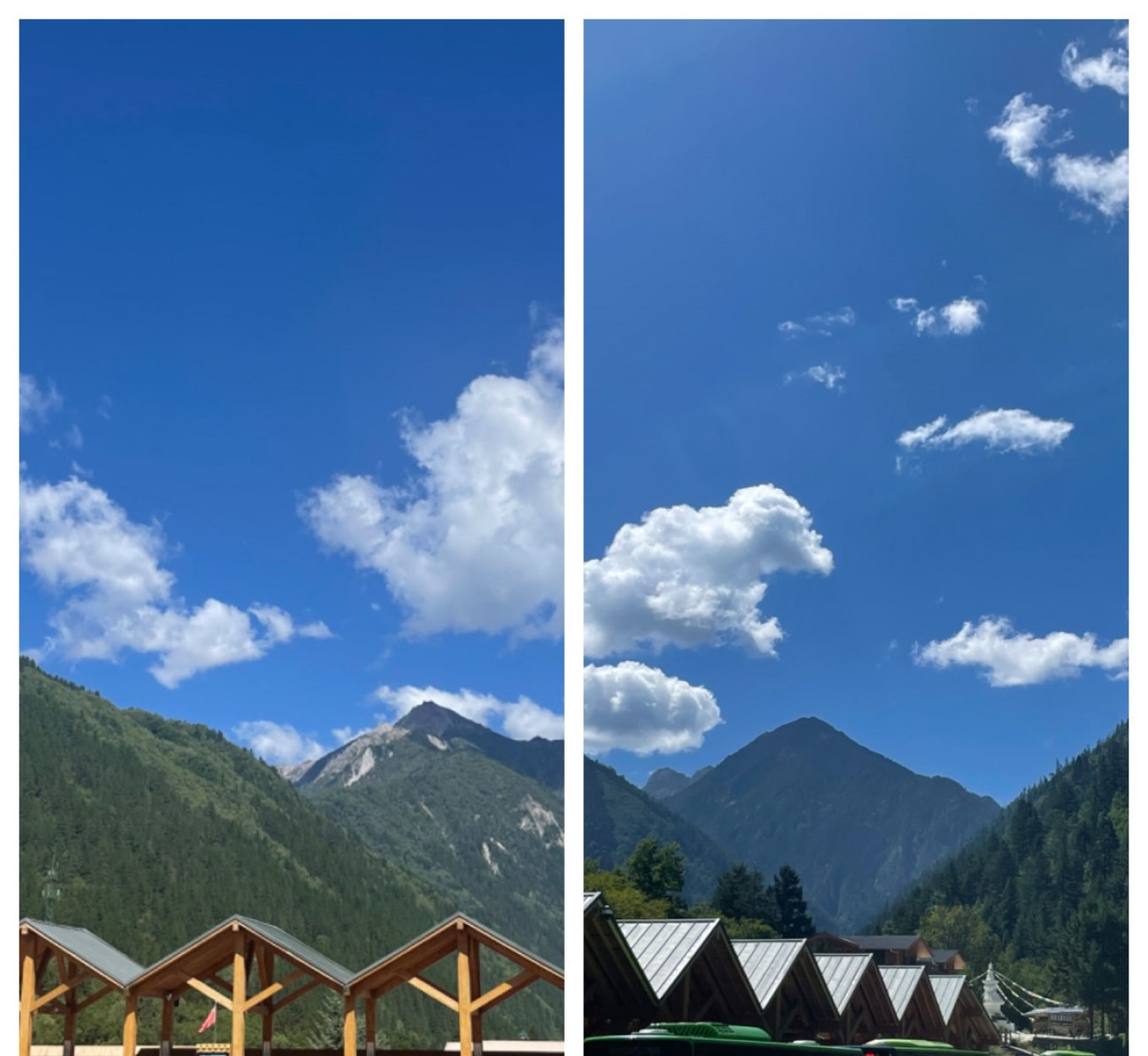
After visiting the left branch, take the bus back to Nuorilang Center (诺日朗中心站), the main transfer hub for the right branch and the Y-trunk. This is also the largest dining and souvenir area, with many costume and photography shops. If you’re interested, you can rent traditional Tibetan clothing, get a braid with colorful cords, and have dramatic sun-kissed makeup – a memorable experience against Jiuzhaigou’s backdrop. Prices are similar, so shop around. If that’s not your thing, just use your eyes, mind, and heart to absorb the beauty – your camera can’t capture even a tenth of it anyway.
From Nuorilang, take a bus to the right branch. Instead of going all the way to Primitive Forest, get off at Jianzhu Hai (箭竹海), or Arrow Bamboo Lake.
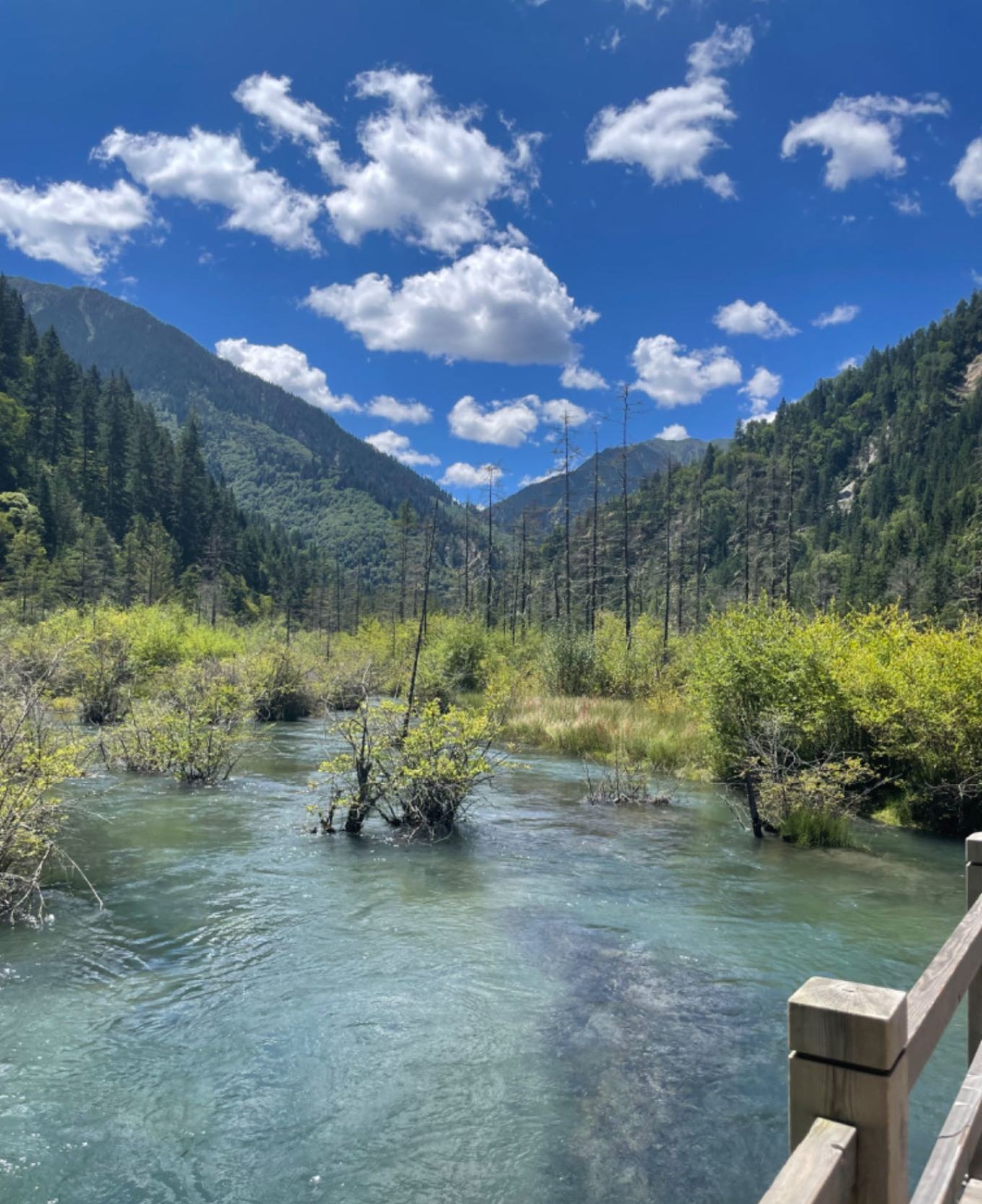
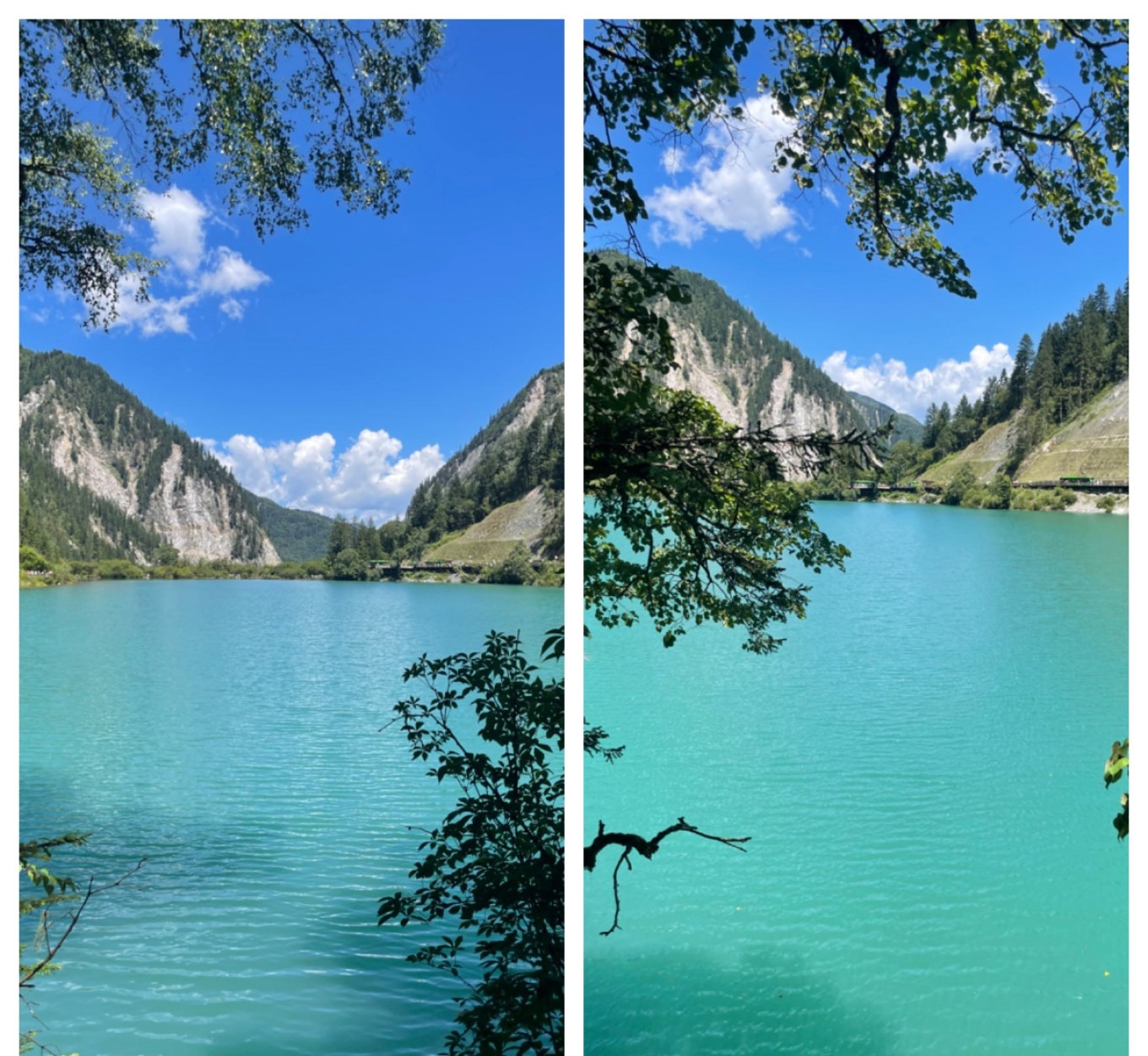
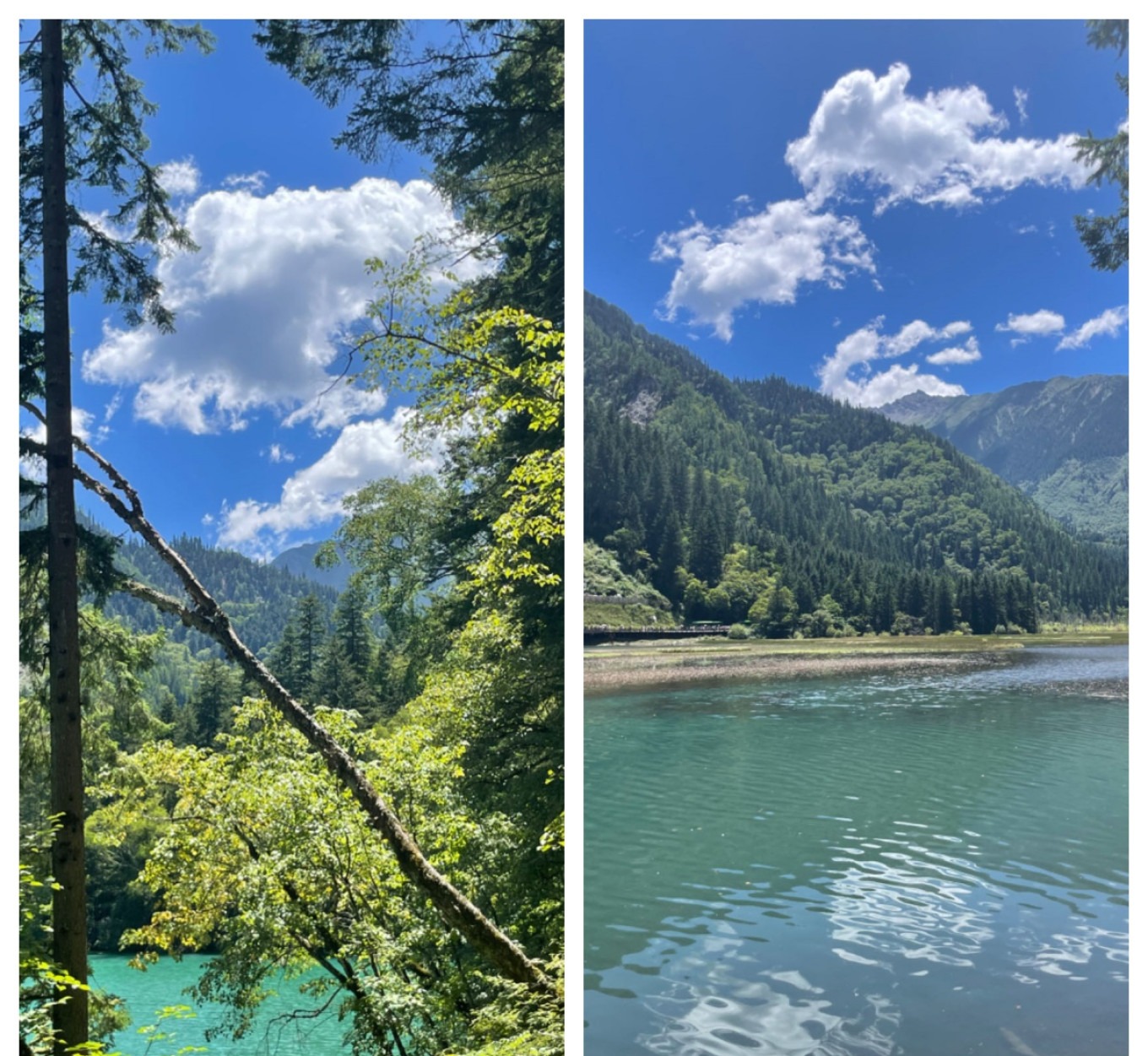
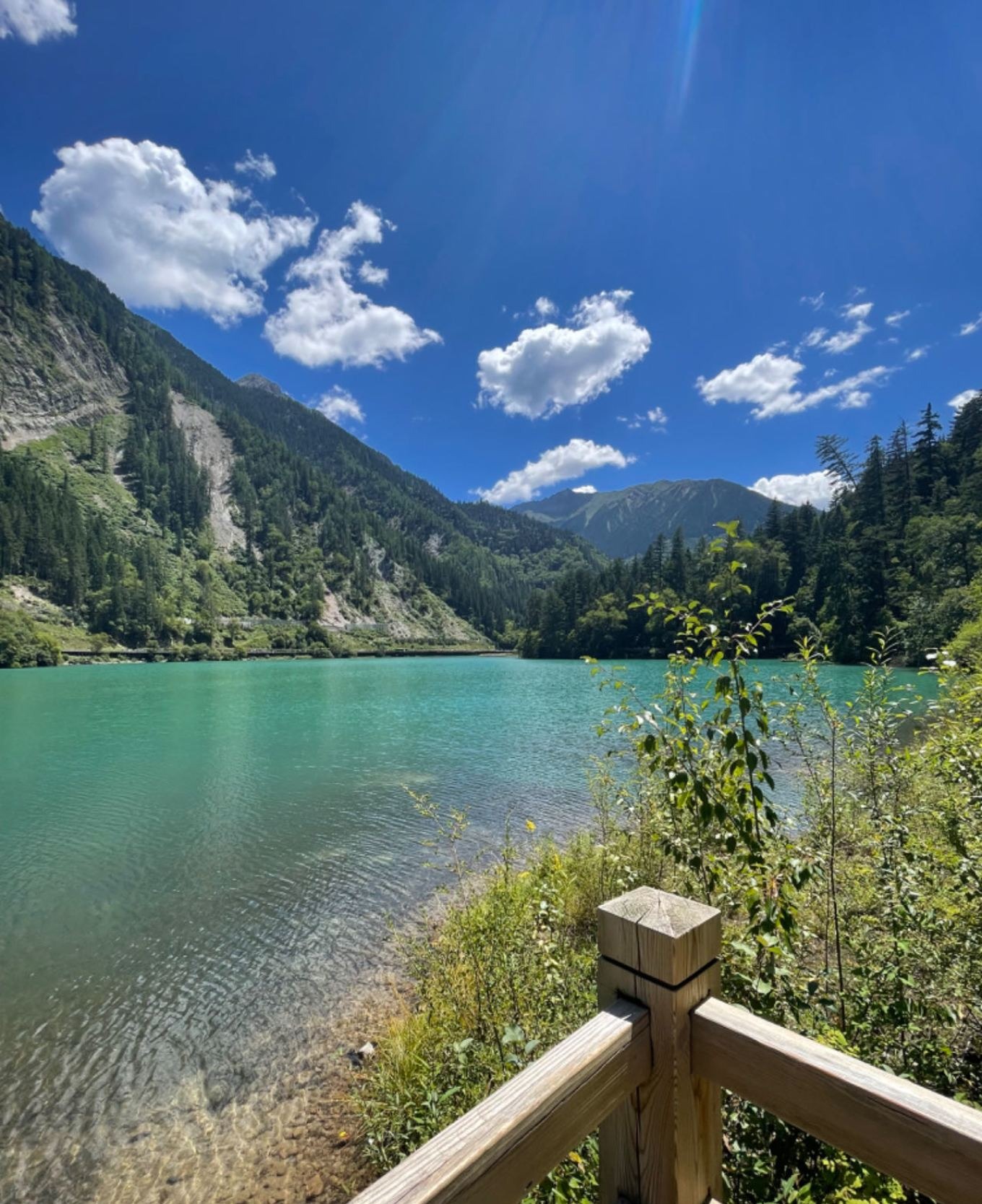
Jianzhu Hai is a large lake with two boardwalk loops. Choose the one closer to the mountain for some shade and take your time – you’ll need energy for the many sights ahead.
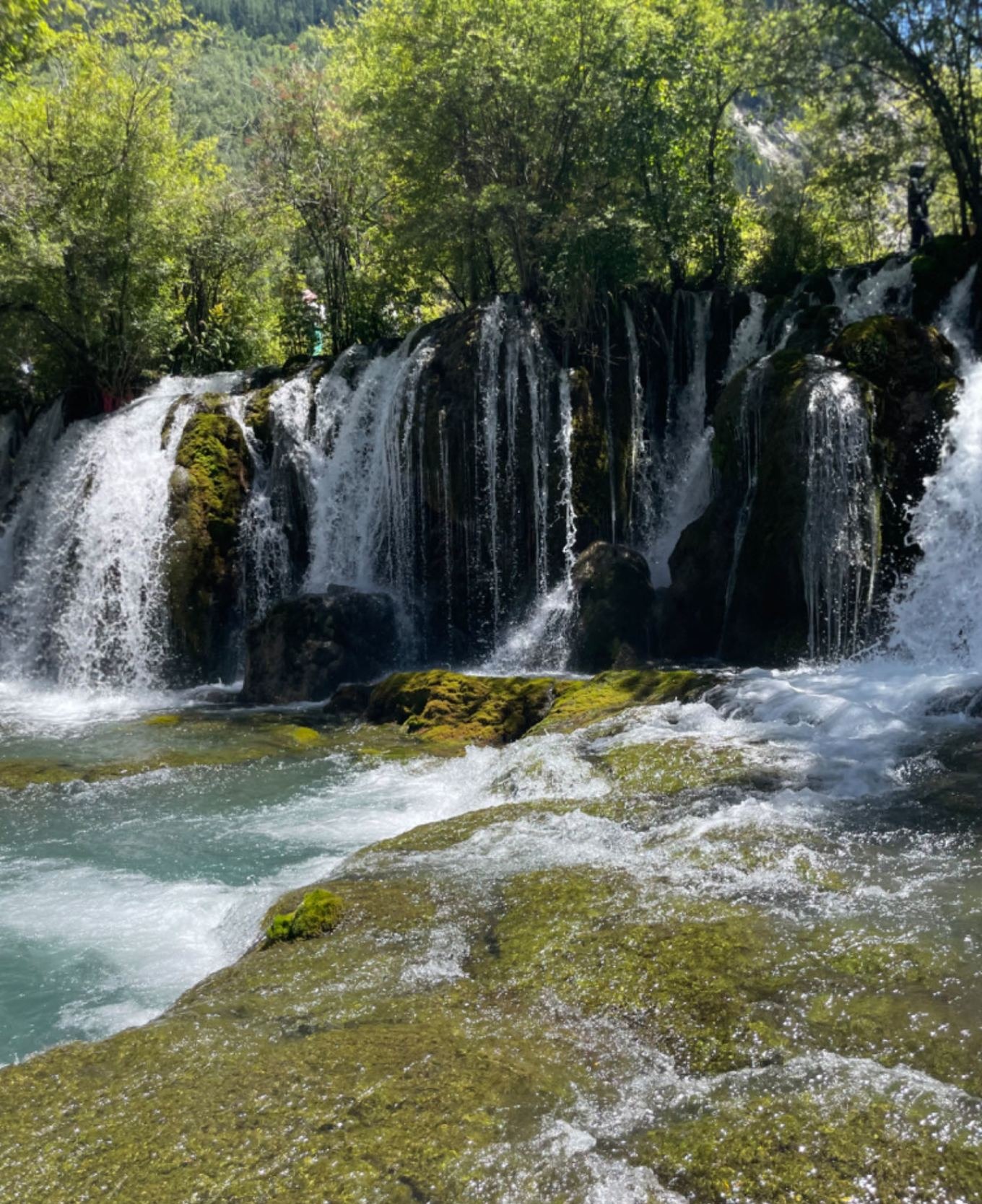
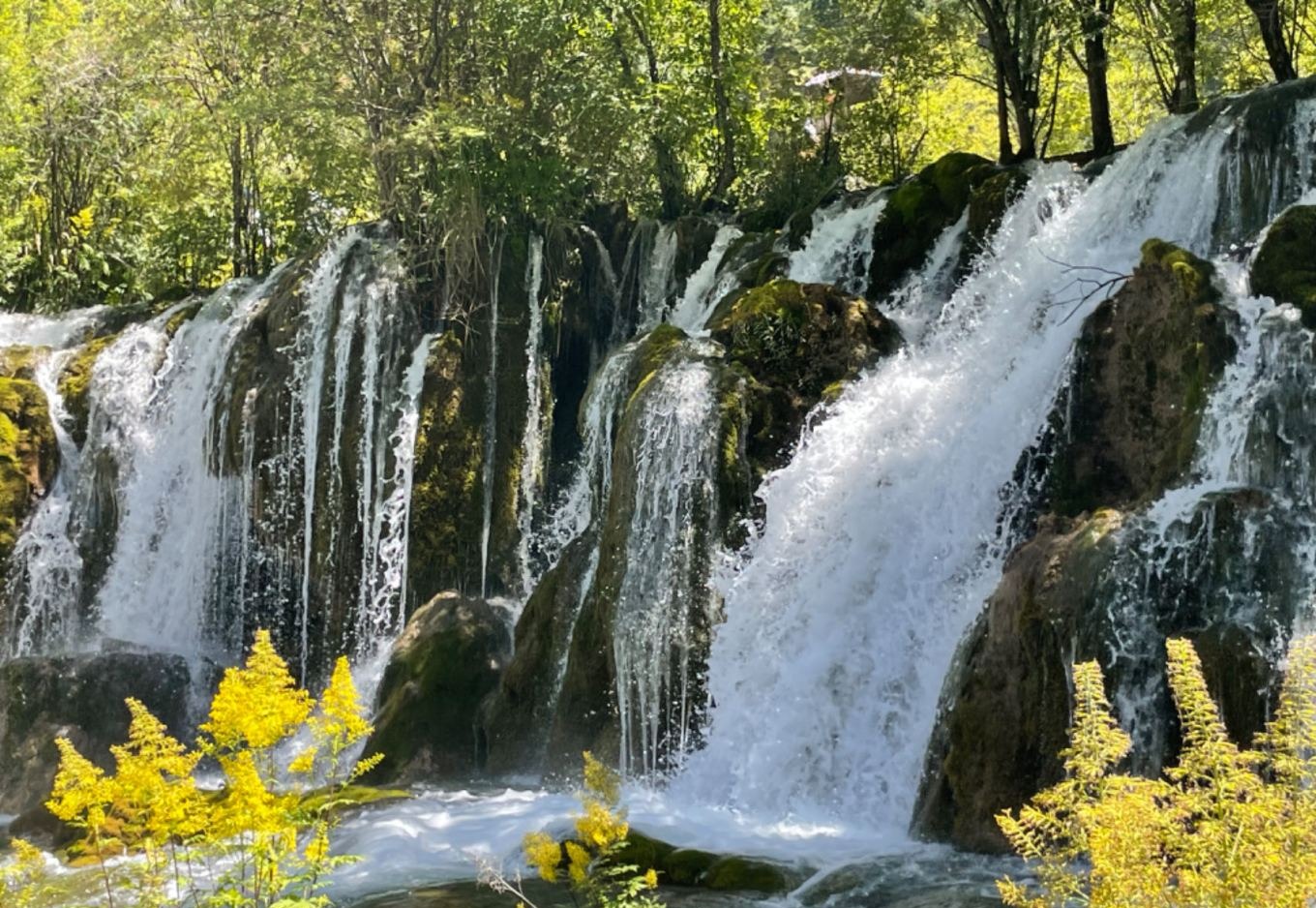
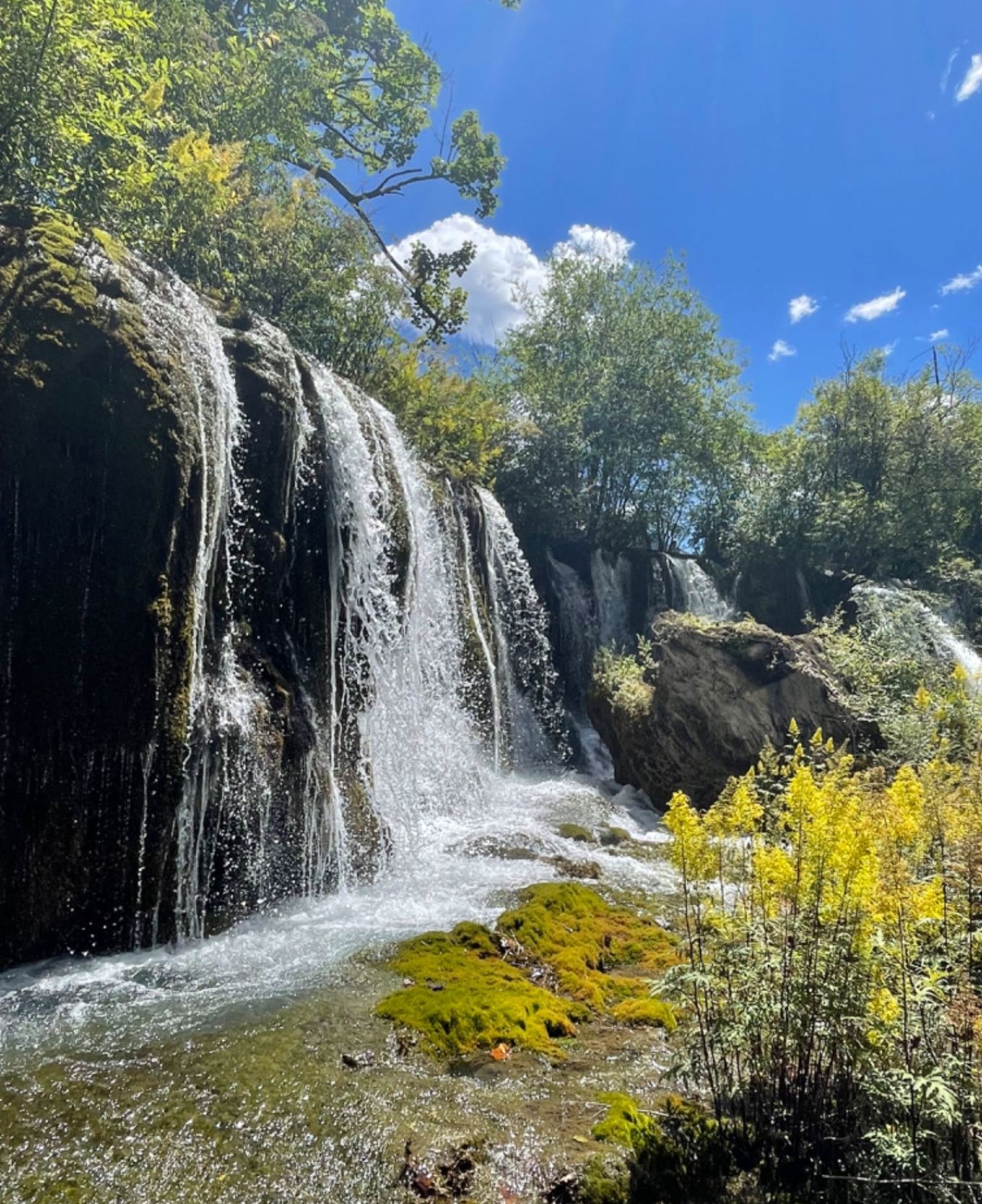
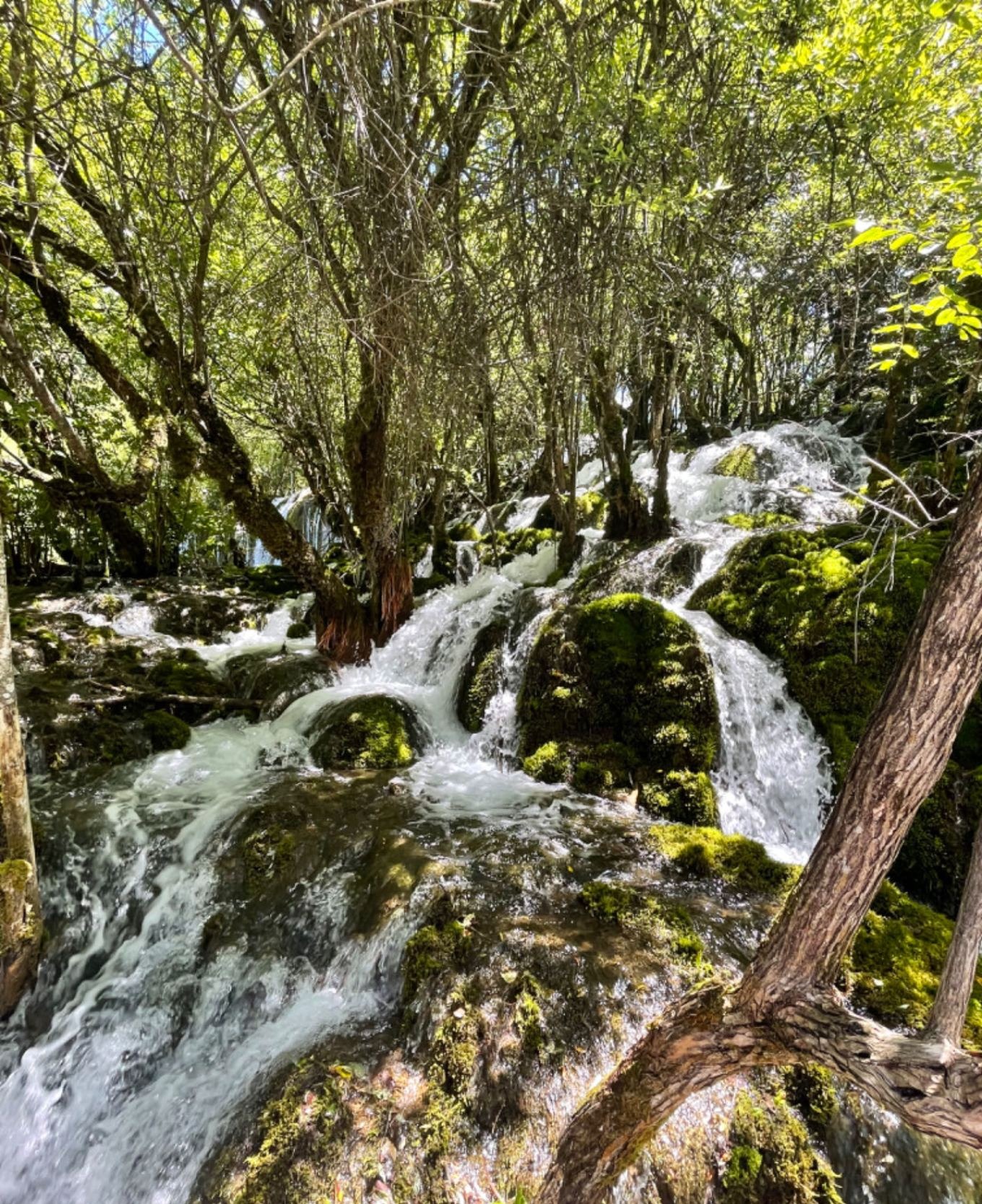
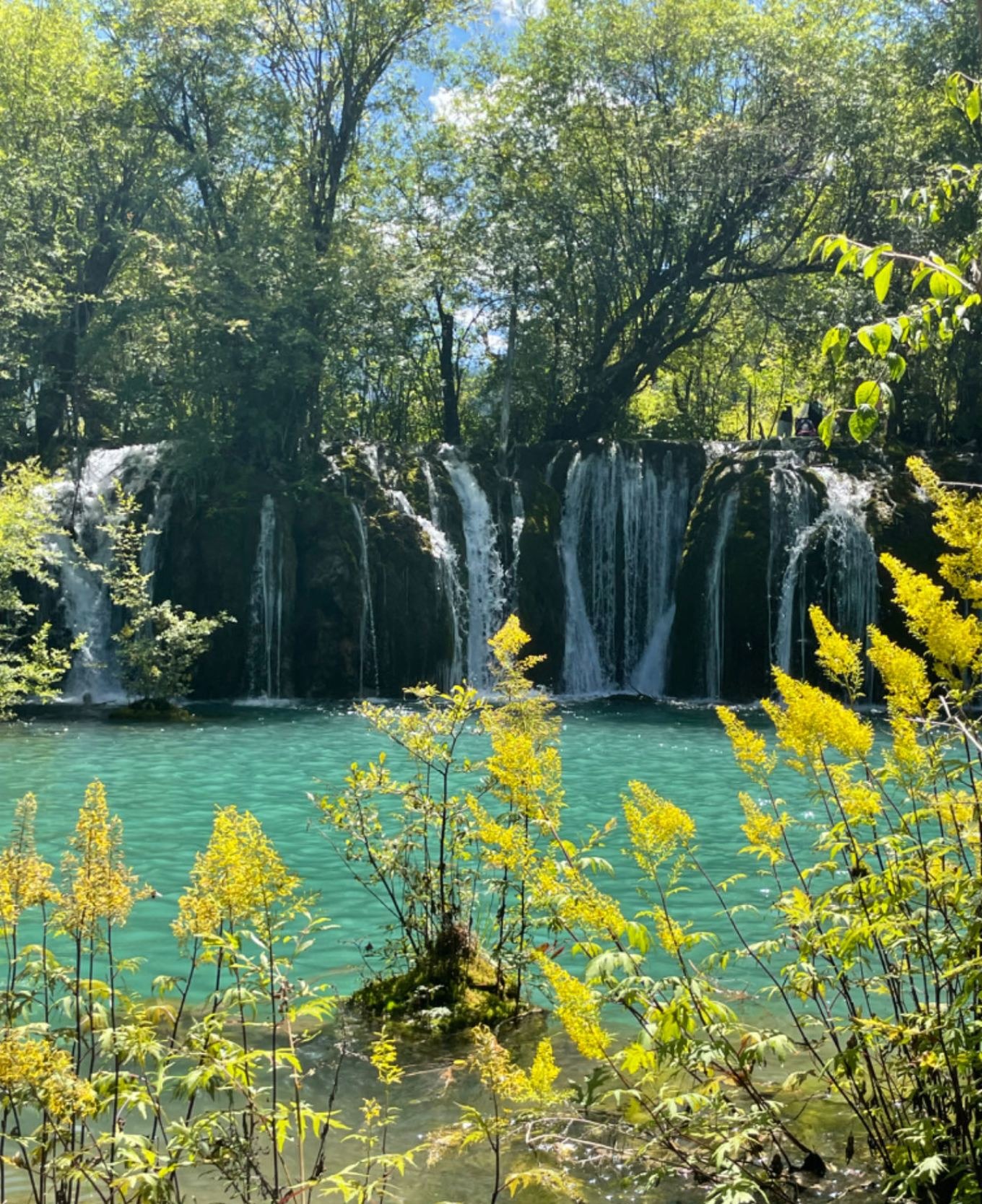
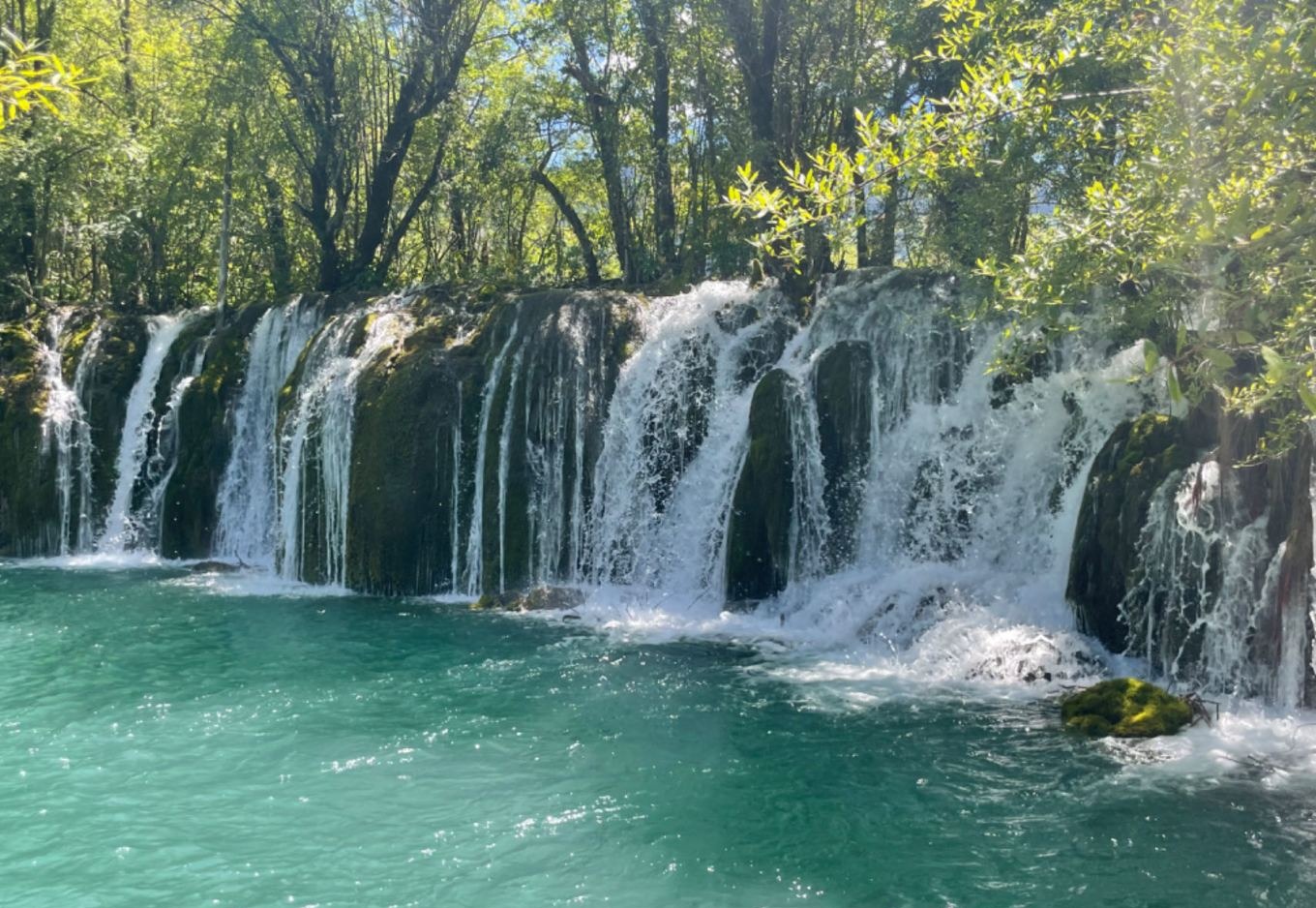
Jianzhu Hai Waterfall (箭竹海瀑布) is the first waterfall you’ll encounter in Jiuzhaigou. Every photo is a masterpiece – you’ll be reluctant to create collages. While the lakes are serene (still as a maiden), the waterfalls are dynamic (lively as a rabbit). The sound of water grows from a gentle stream to a thunderous roar as it plunges into deep blue pools, creating mist and rainbows in the sunlight.
Despite fatigue, you’ll want to keep walking rather than take the bus, so you don’t miss the details. Continue on the boardwalk toward Panda Lake (熊猫海).
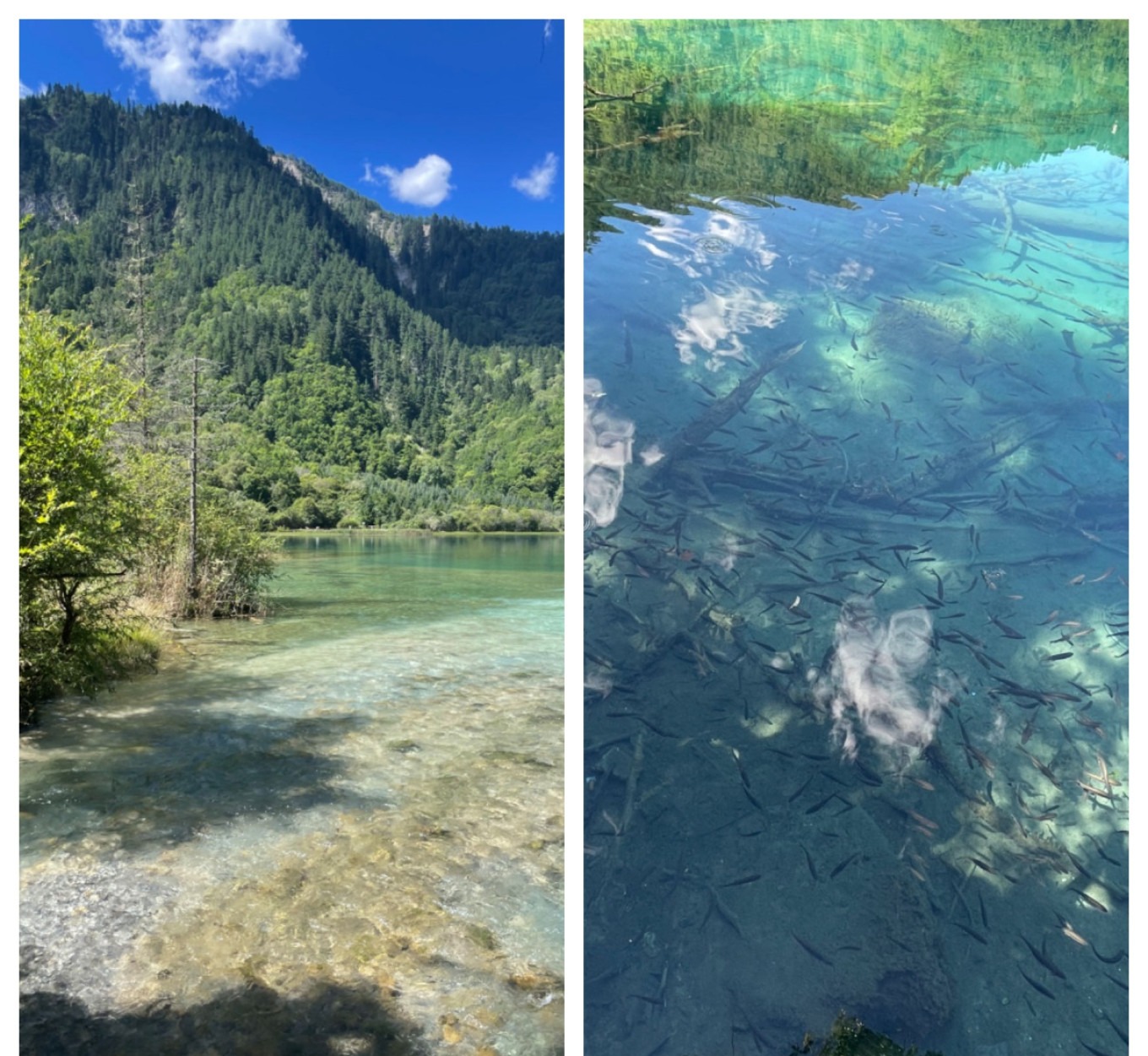
You’ll spot small fish naturally living in the lake.
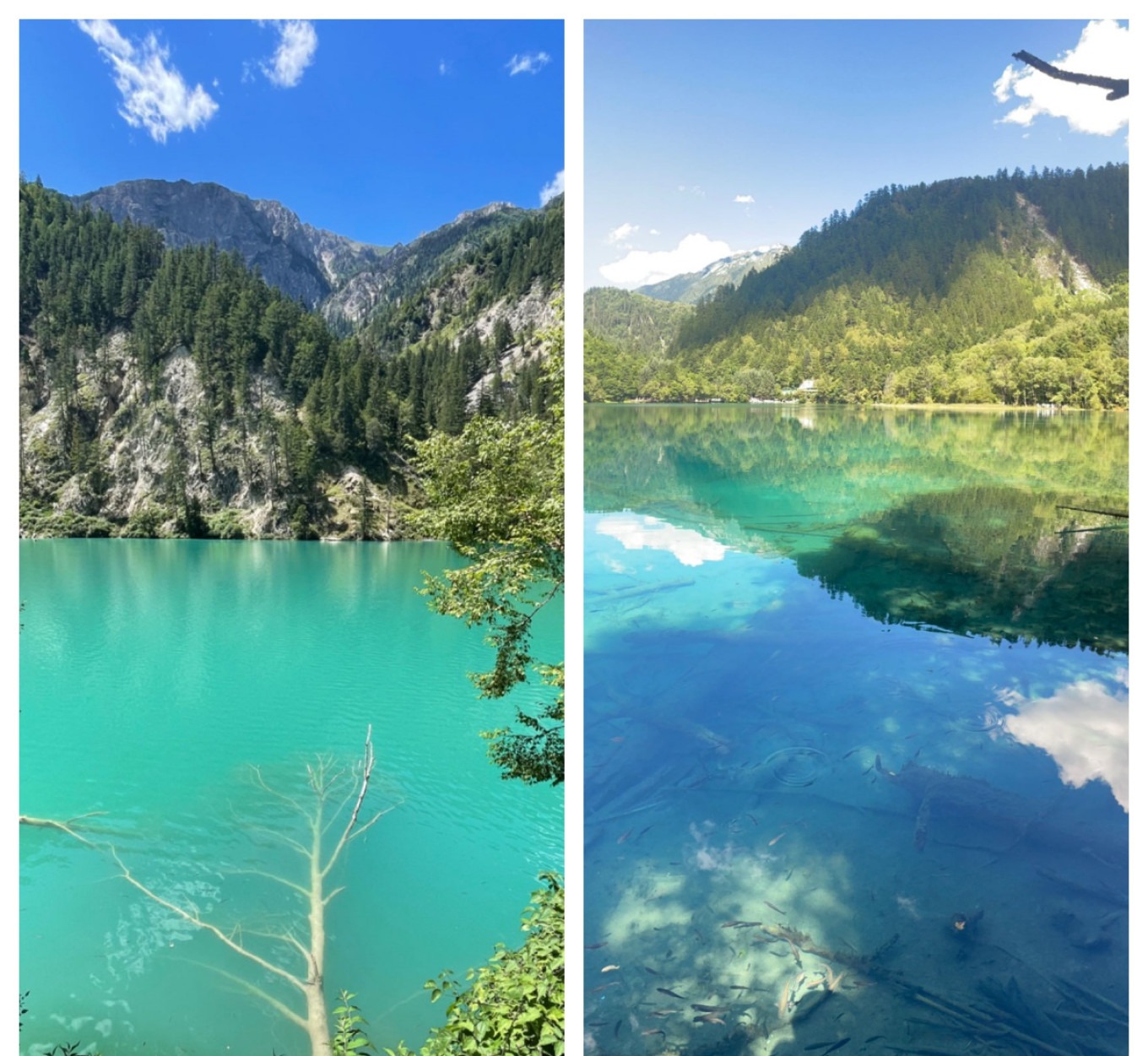
Panda Lake (熊猫海) is located at an altitude of 2,587 meters, 14 meters deep, covering 90,000 square meters. Pandas are known to visit here. The rock textures on the shore are reflected in the water, and underwater white stones with black patterns resemble pandas, creating a delightful scene.
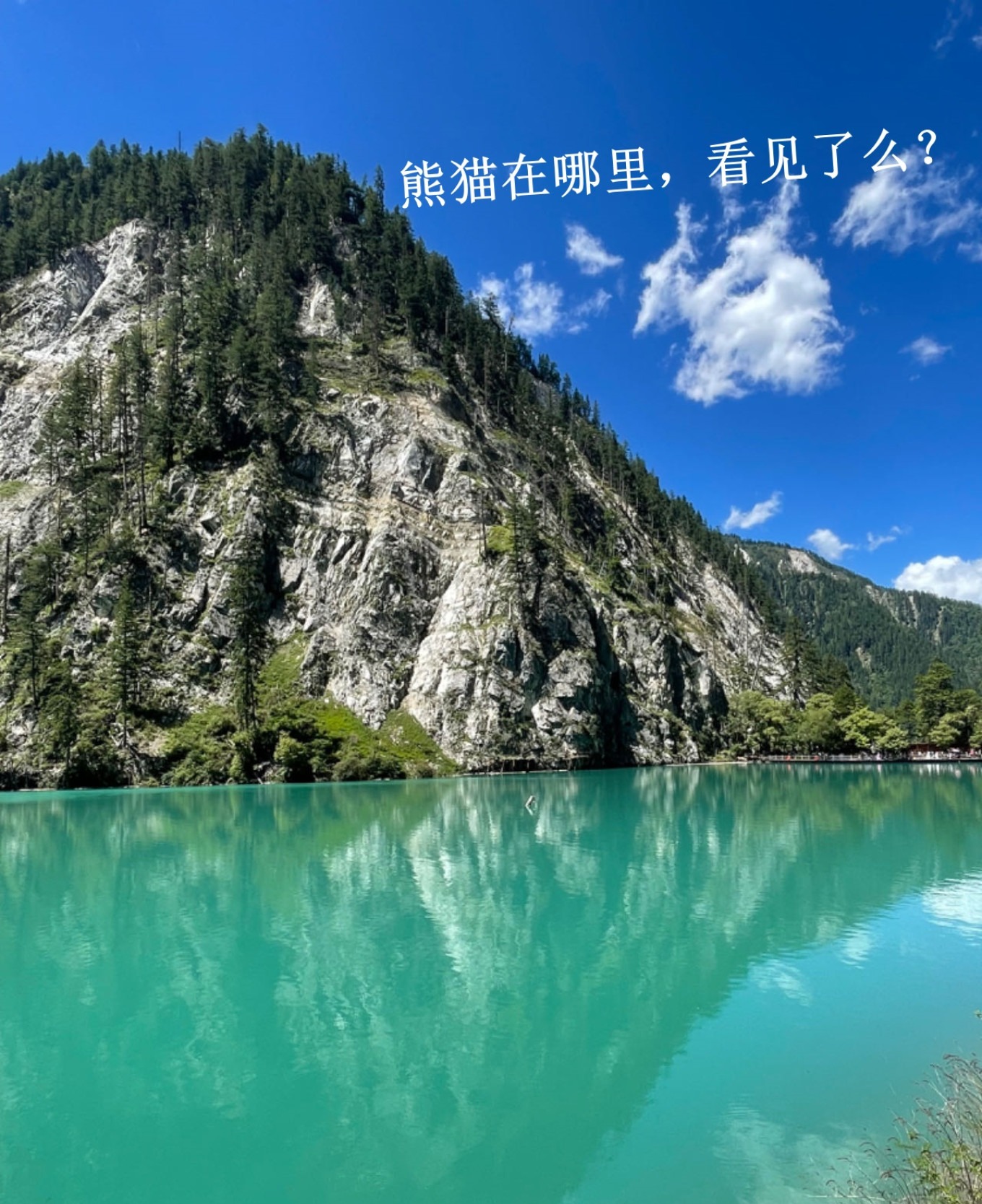
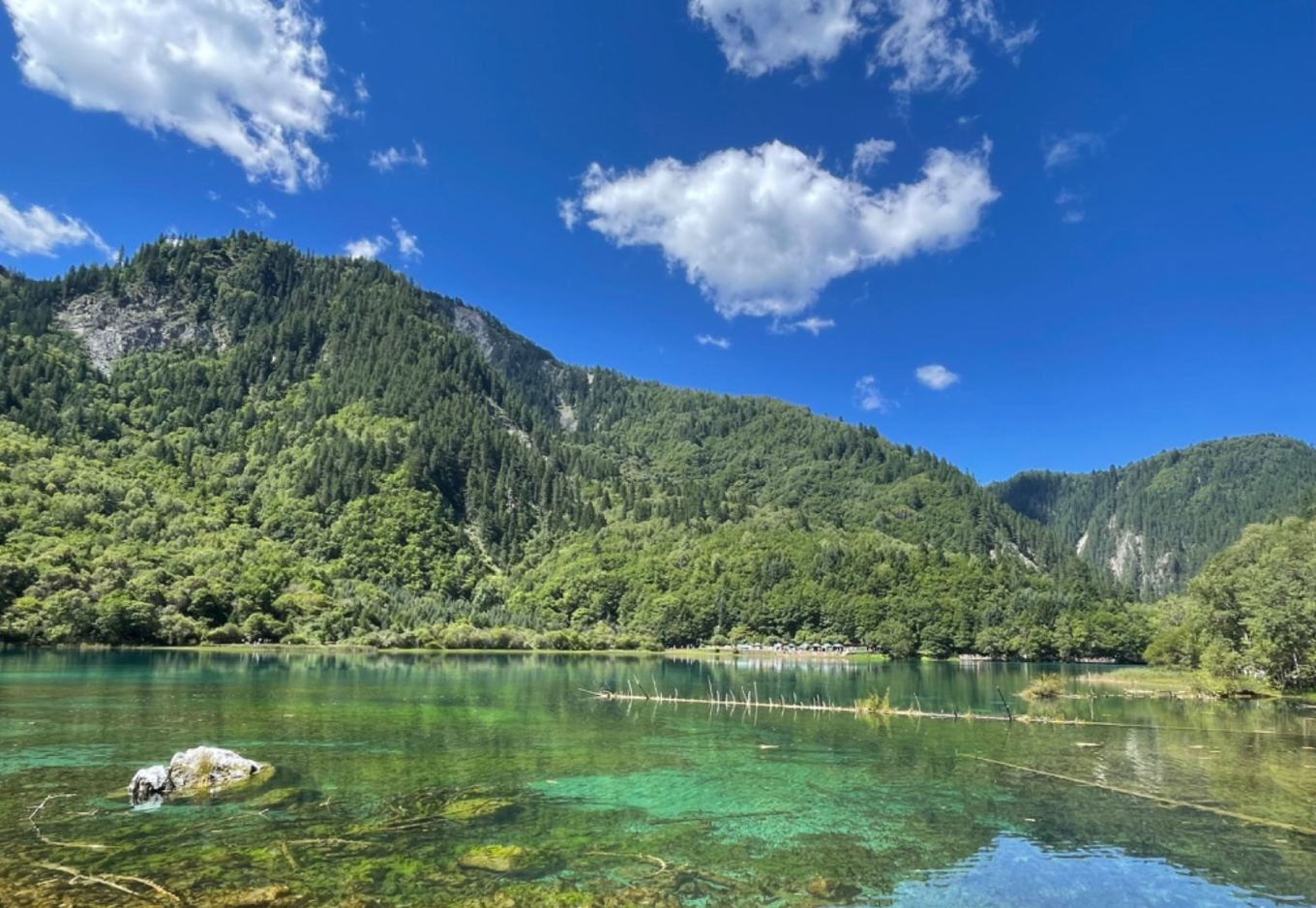
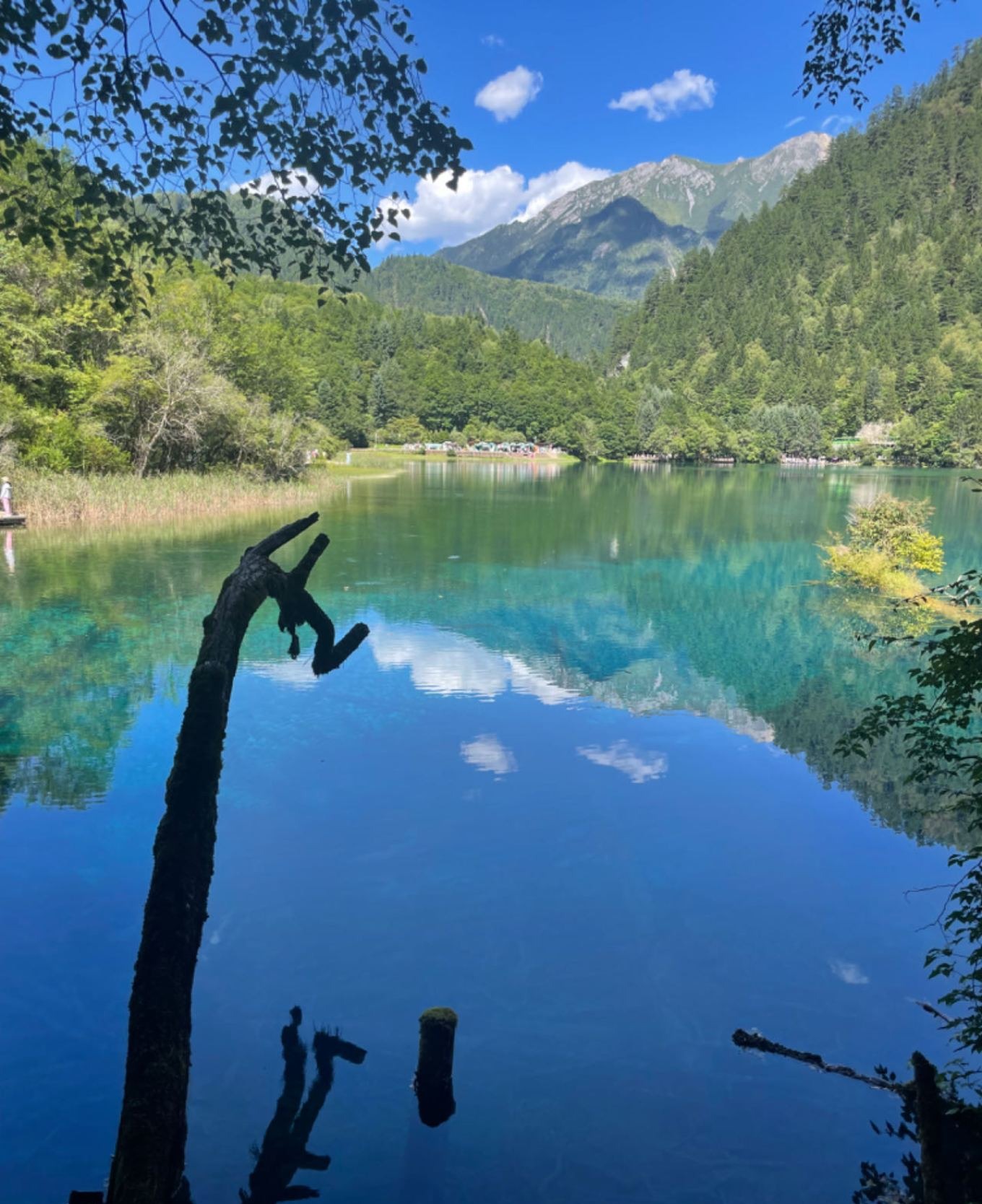
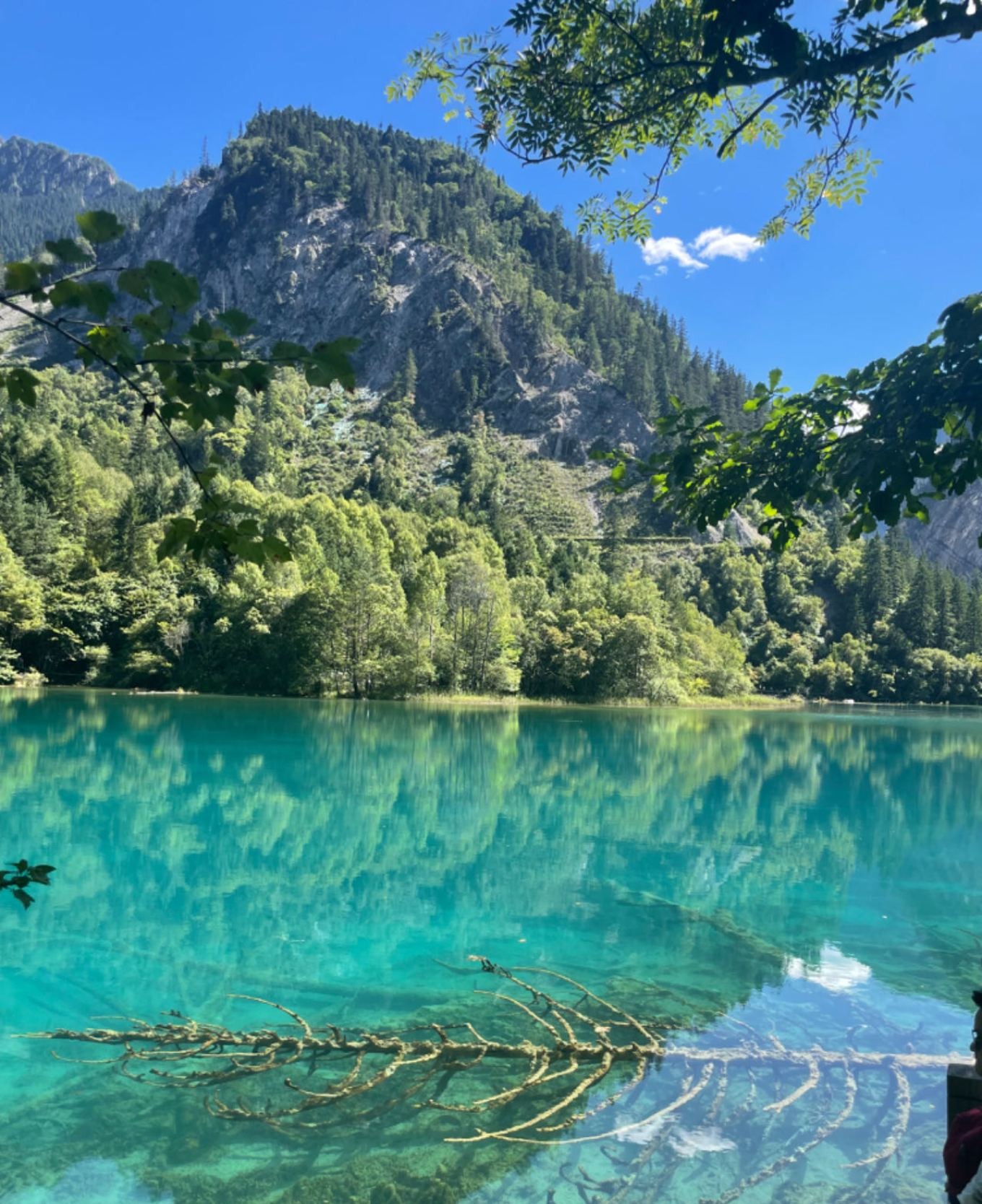
Trees that have fallen into the lake lose their leaves, and over time, their trunks become encrusted with calcium carbonate deposits, preserving them without decay.
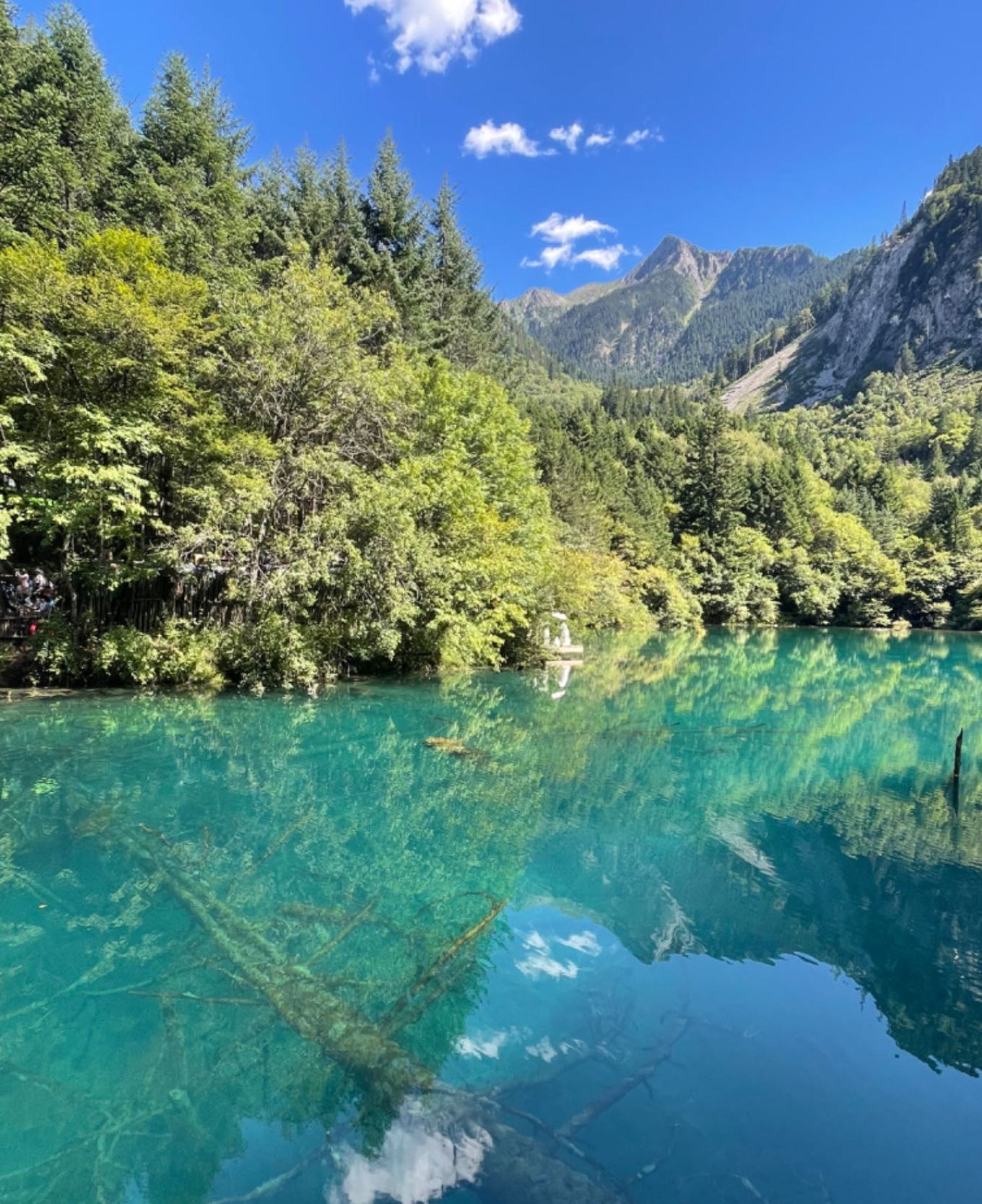
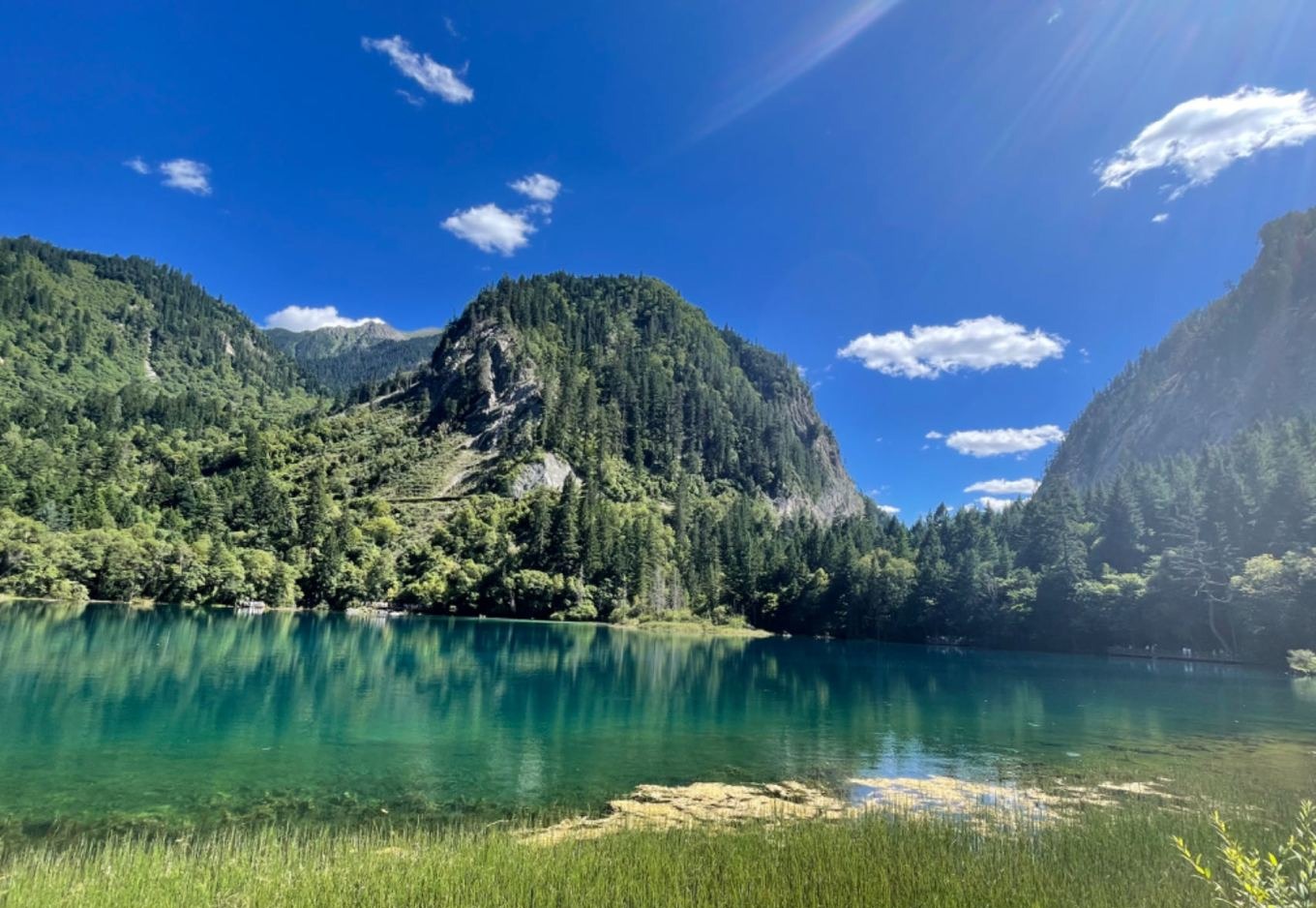
Along the shore, dense reeds and water plants thrive.
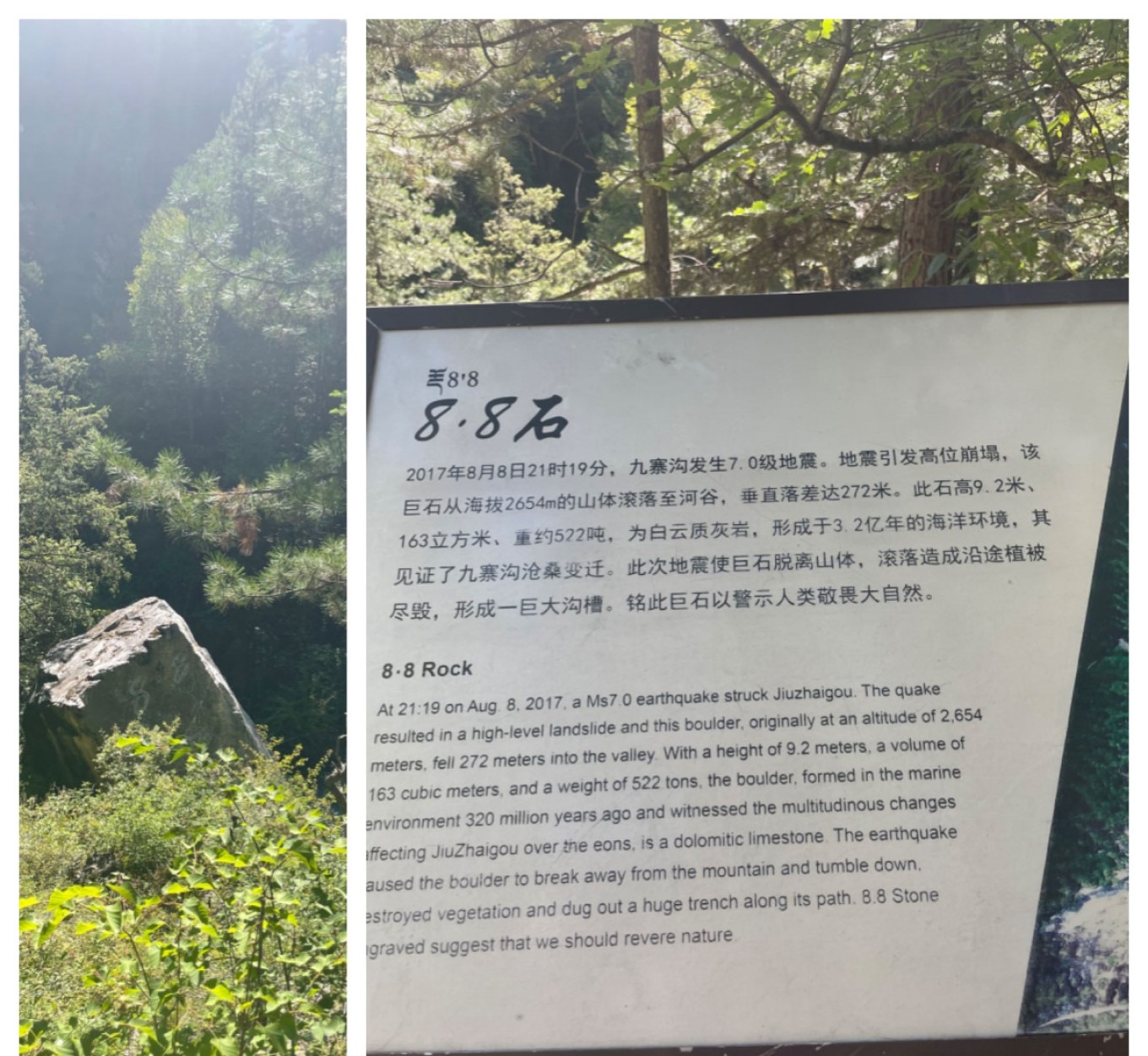
The 7.0-magnitude earthquake in 2017 divided Jiuzhaigou into pre- and post-2017 eras. Nuorilang Waterfall was damaged but restored through human intervention. Spark Lake disappeared, while a new waterfall – Shuanglonghai Waterfall (双龙海瀑布) – emerged.
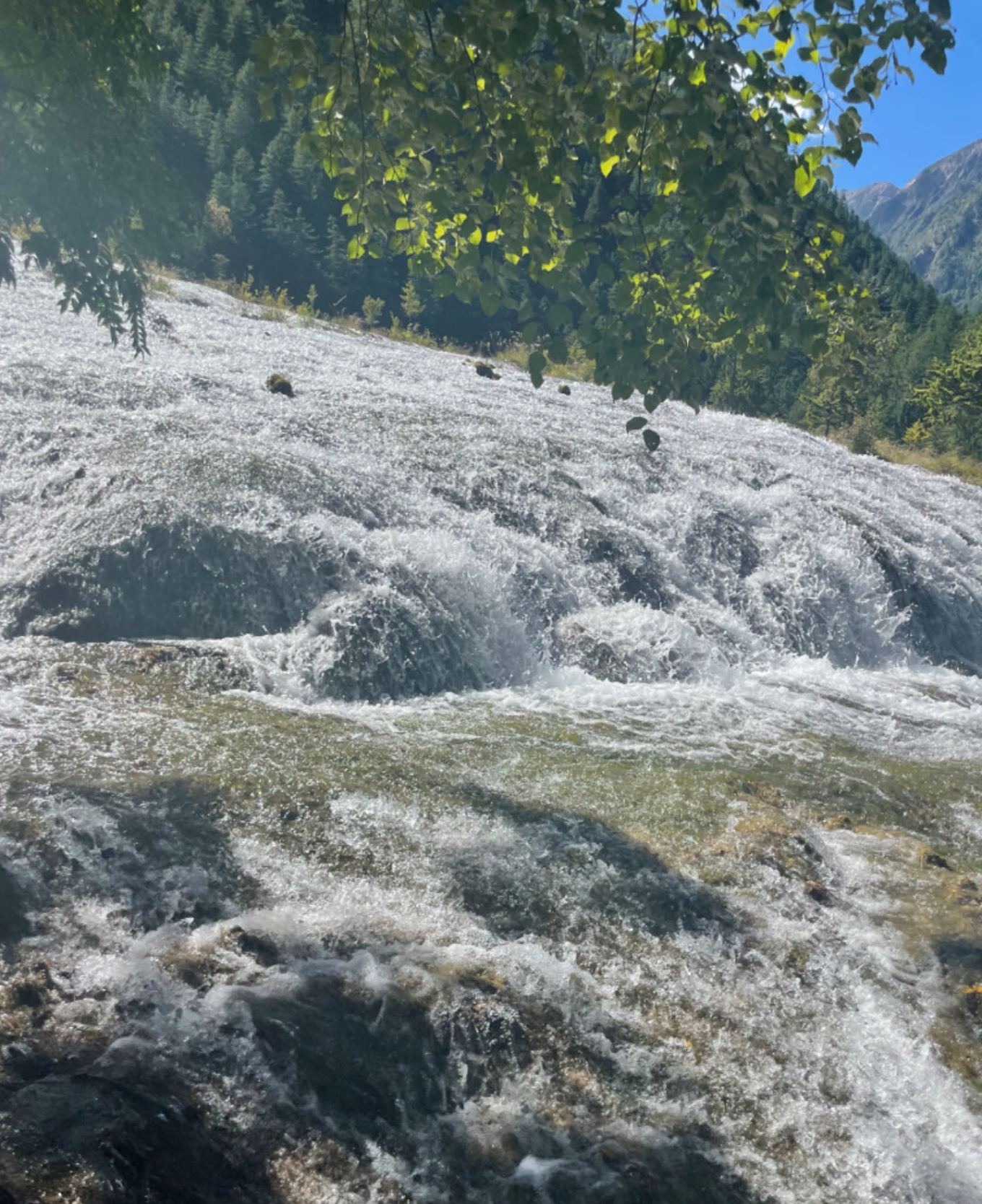
Pearl Shoal (珍珠滩) is the filming location for the ending credits of the 1987 TV series “Journey to the West.”
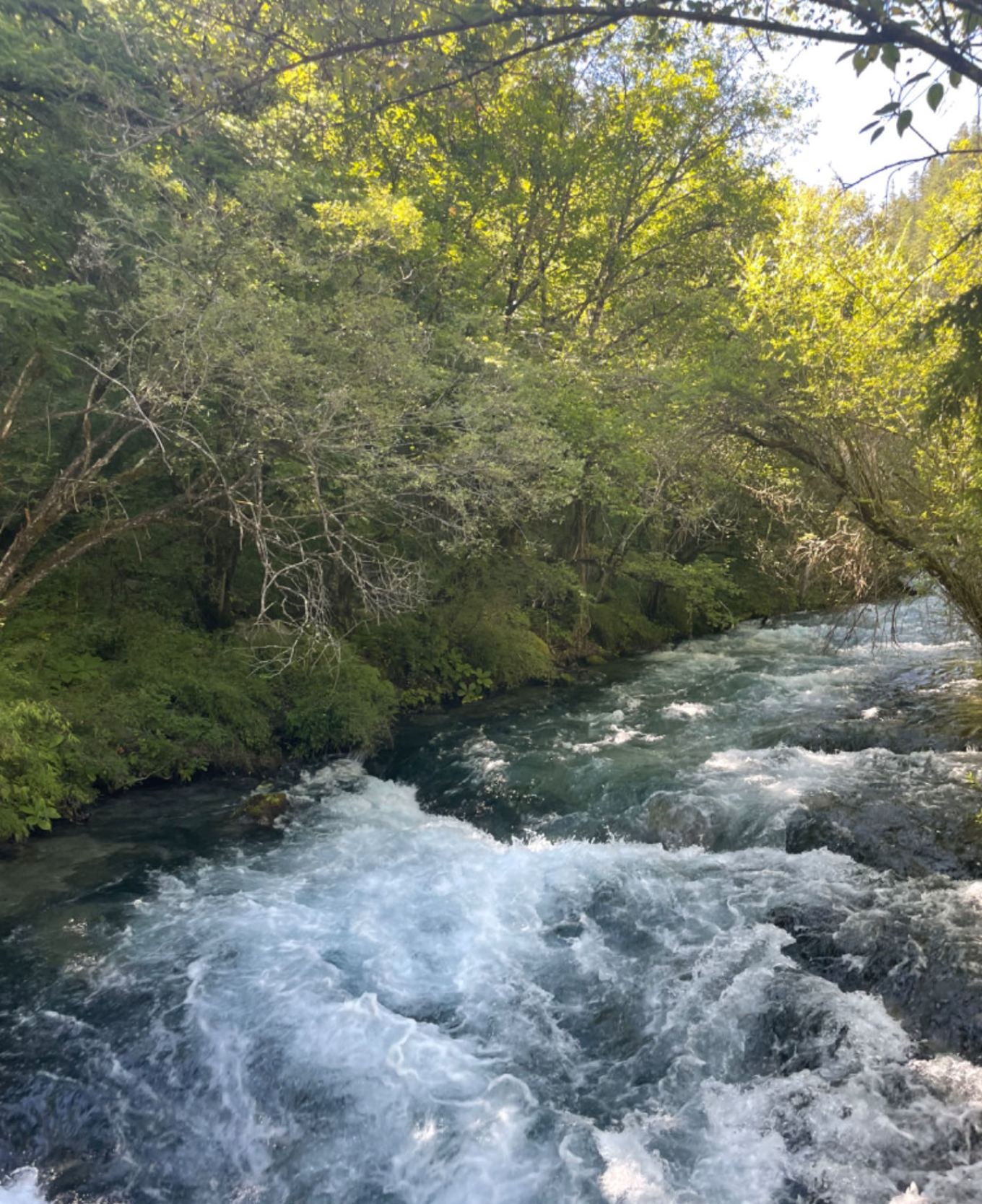
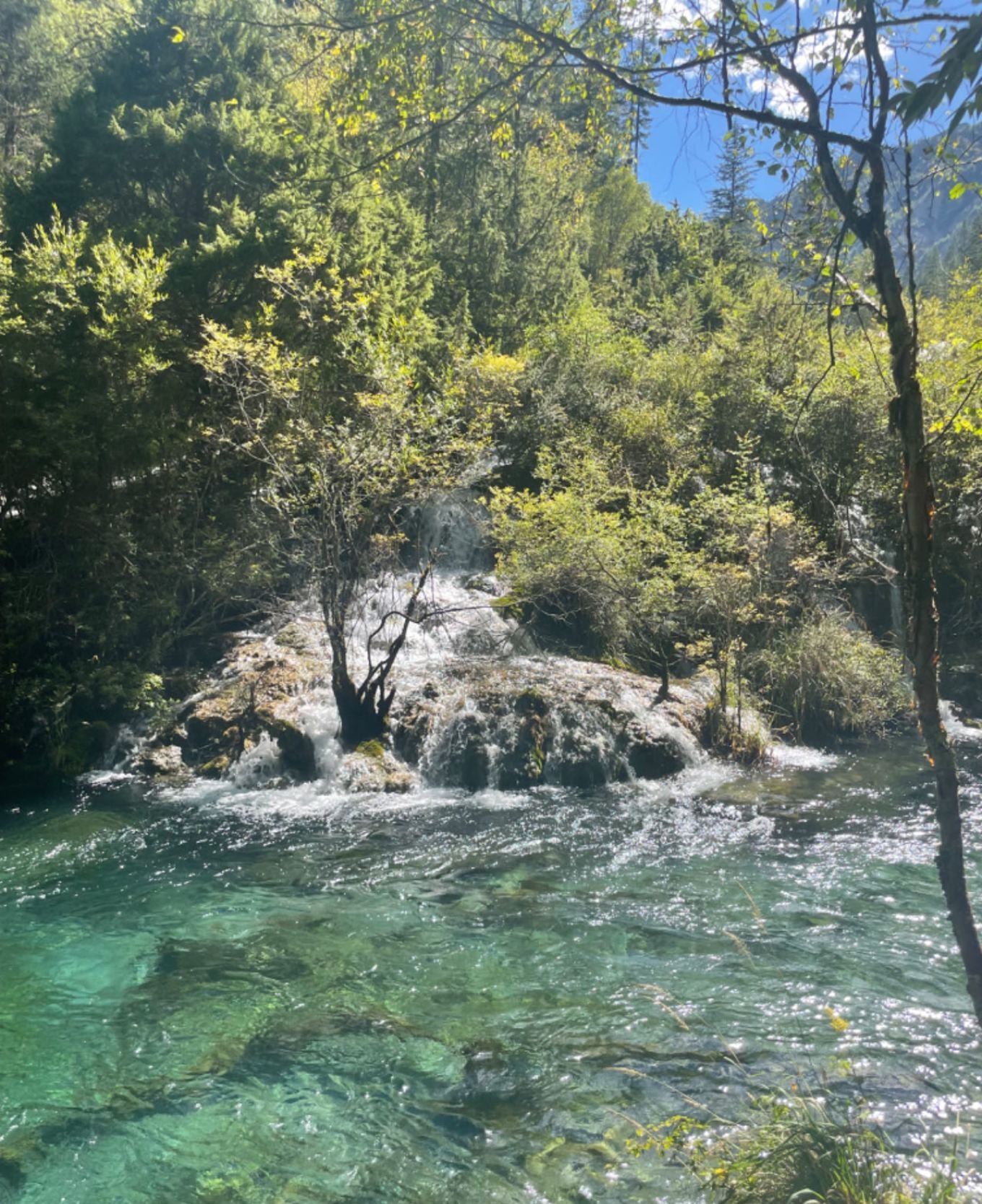
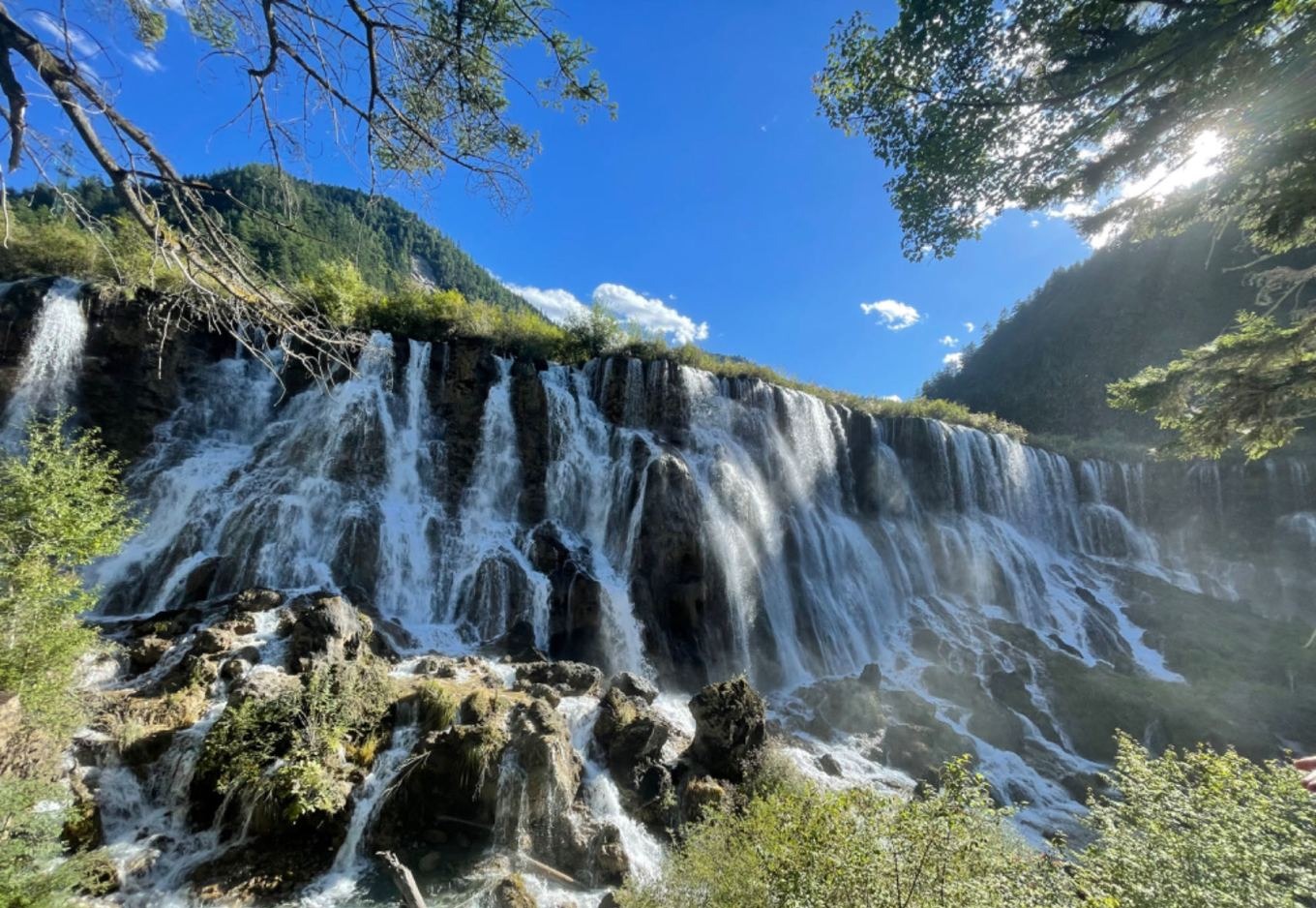
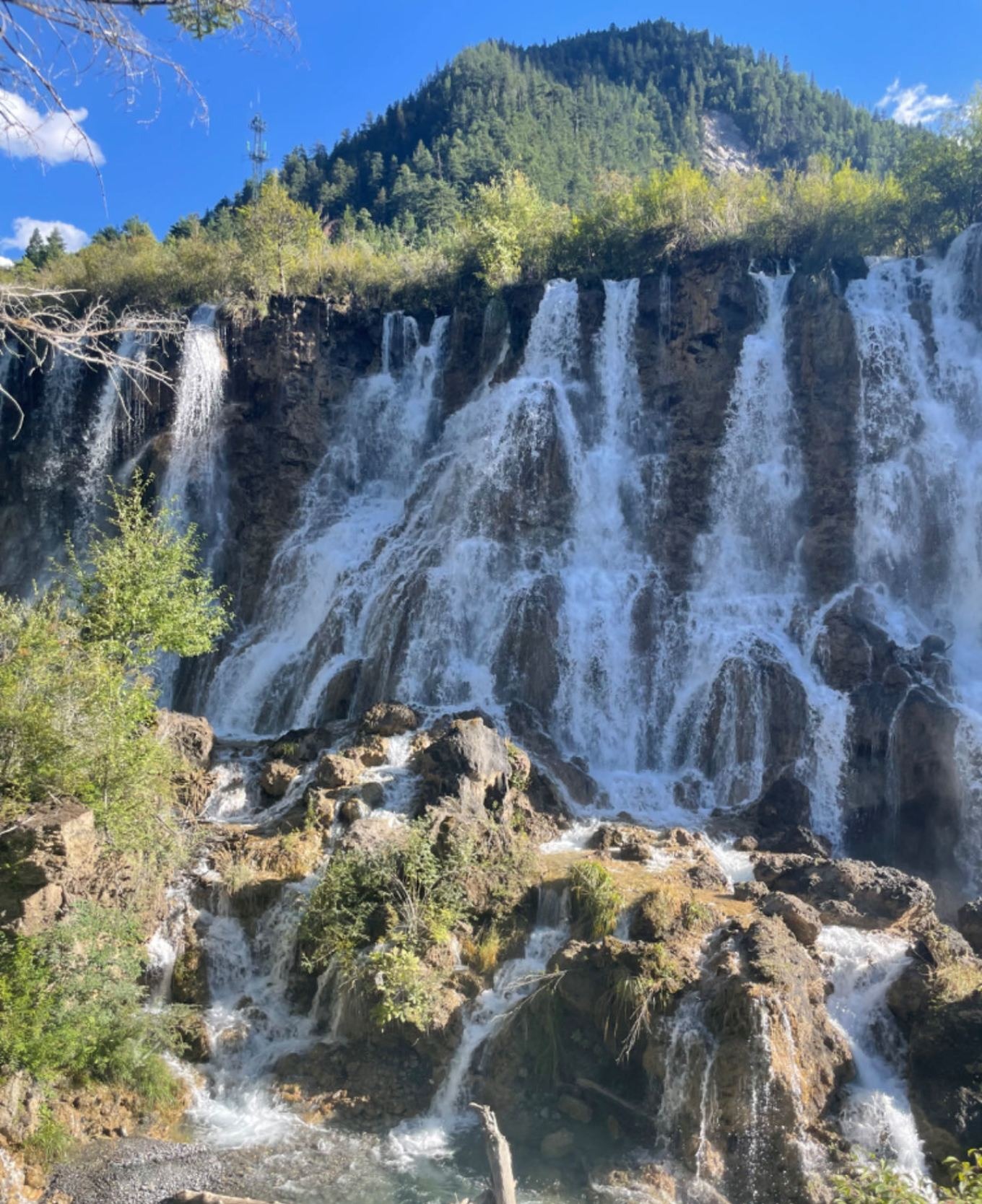
Nuorilang Waterfall (诺日朗瀑布) is located at an altitude of 2,365 meters, 270 meters wide, and 24.5 meters high. It is one of China’s largest calcified waterfalls and the widest in Jiuzhaigou. In Tibetan, “Nuorilang” means tall and majestic. The water thunders down from Nuorilang Lakes, creating a misty spectacle. By 6 p.m., you’ll have covered the main sights on both branches and the central Nuorilang area. The Y-trunk still has Shuzheng Lakes and Shuzheng Waterfall, but time may be short. Consider allocating two days for Jiuzhaigou to fully appreciate its beauty without rushing.
At the Nuorilang transfer station, you can take a bus back to the entrance. Saying goodbye to magical Jiuzhaigou is hard – each season has its own allure, and you might find yourself dreaming of returning, perhaps in autumn for even more vibrant colors.
A note on the sightseeing buses: they operate like city buses, circulating and stopping at designated points throughout the 65,000-hectare park. They are the only mode of transport and are included in your ticket, allowing unlimited rides for the day. The roads are fenced to prevent pedestrians from crossing, ensuring safety and speed. Underground passages are built where necessary. These measures, along with crowd management, allow Jiuzhaigou to handle a high volume of visitors. As of July 6, 2024, the park had received over 2 million visitors that year, setting a new record.
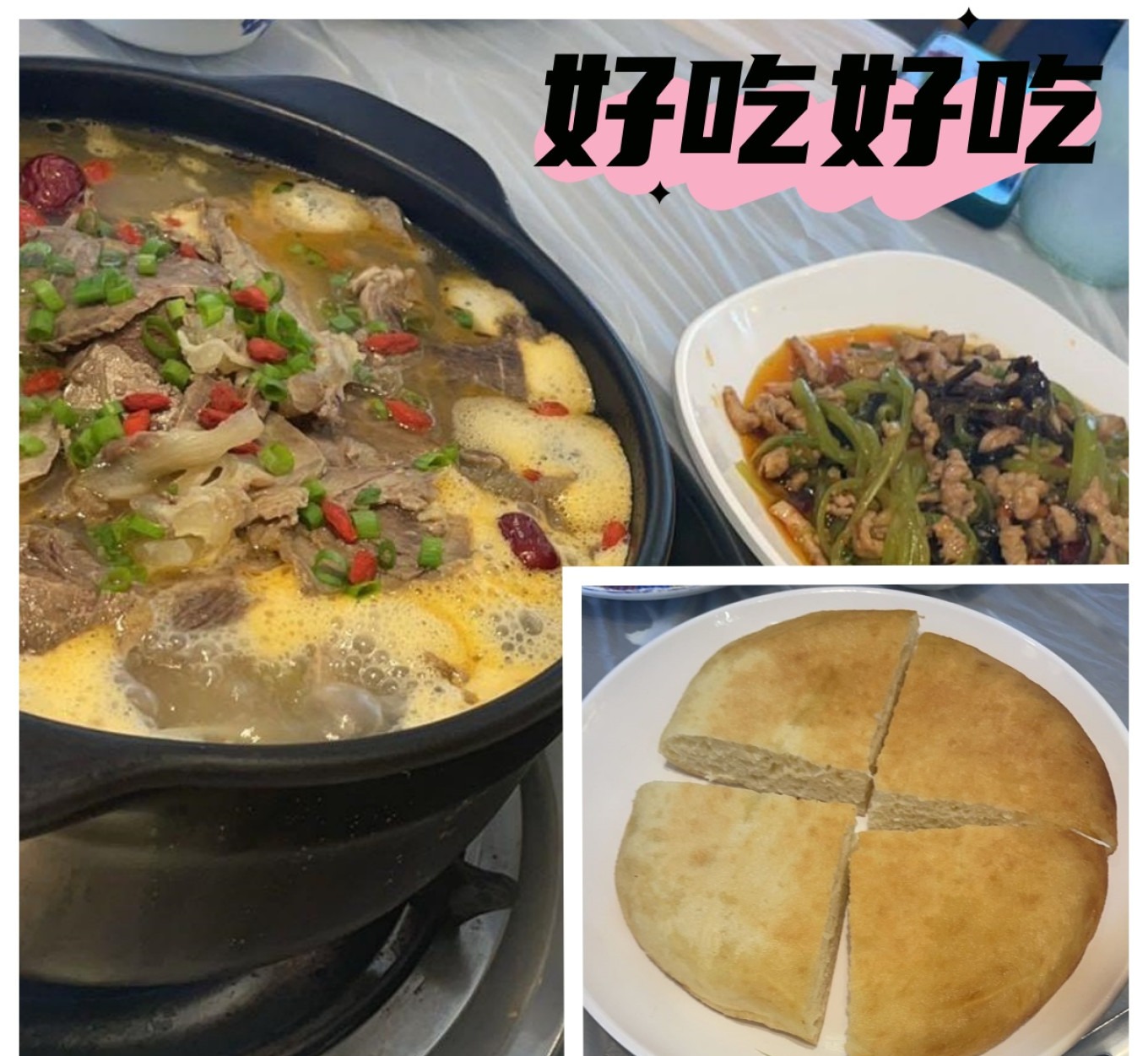
For dinner, head to the bustling street near the entrance of the Eternal Love (Songcheng) scenic area, where you’ll find many restaurants and accommodations. Try a Sichuan Restaurant (川菜馆子) – the yuxiang rousi (鱼香肉丝, fish-fragrant shredded pork) and highland barley cake (青稞饼) come highly recommended, and the yak meat hotpot (牦牛肉锅) is also good. After a day of 20,000 steps, rest early to recharge.
- Restaurant川菜馆子 (Sichuan Restaurant) near the Eternal Love scenic area
- Address九寨沟沟口最繁华的街道 (the busiest street near Jiuzhaigou entrance)
- Recommended dishes鱼香肉丝 (Fish-fragrant shredded pork), 青稞饼 (Highland barley cake), 牦牛肉锅 (Yak meat hotpot)
- Average spendApproximately 80–120 CNY per person
Horseback Riding in Zhongcha Valley and a Glimpse of Xiaoxitian
Tucked away in Jiuzhaigou County’s Zhangzha Town, Zhongcha Valley (中查沟) is a stunning canyon just one mountain ridge away from the Jiuzhaigou Scenic Area. Stretching about 10 kilometers in length and 3.5 kilometers in width, with an elevation ranging from 2,189 meters at the mouth to around 4,000 meters at the summit, this valley boasts rich flora and fauna. The name “Zhongcha” is a transliteration of the Tibetan “Qiongcha,” meaning “the place where the divine eagle lands.” Beyond its natural beauty, the valley is dotted with ancient Tibetan villages, offering a glimpse into mysterious Tibetan customs and culture.
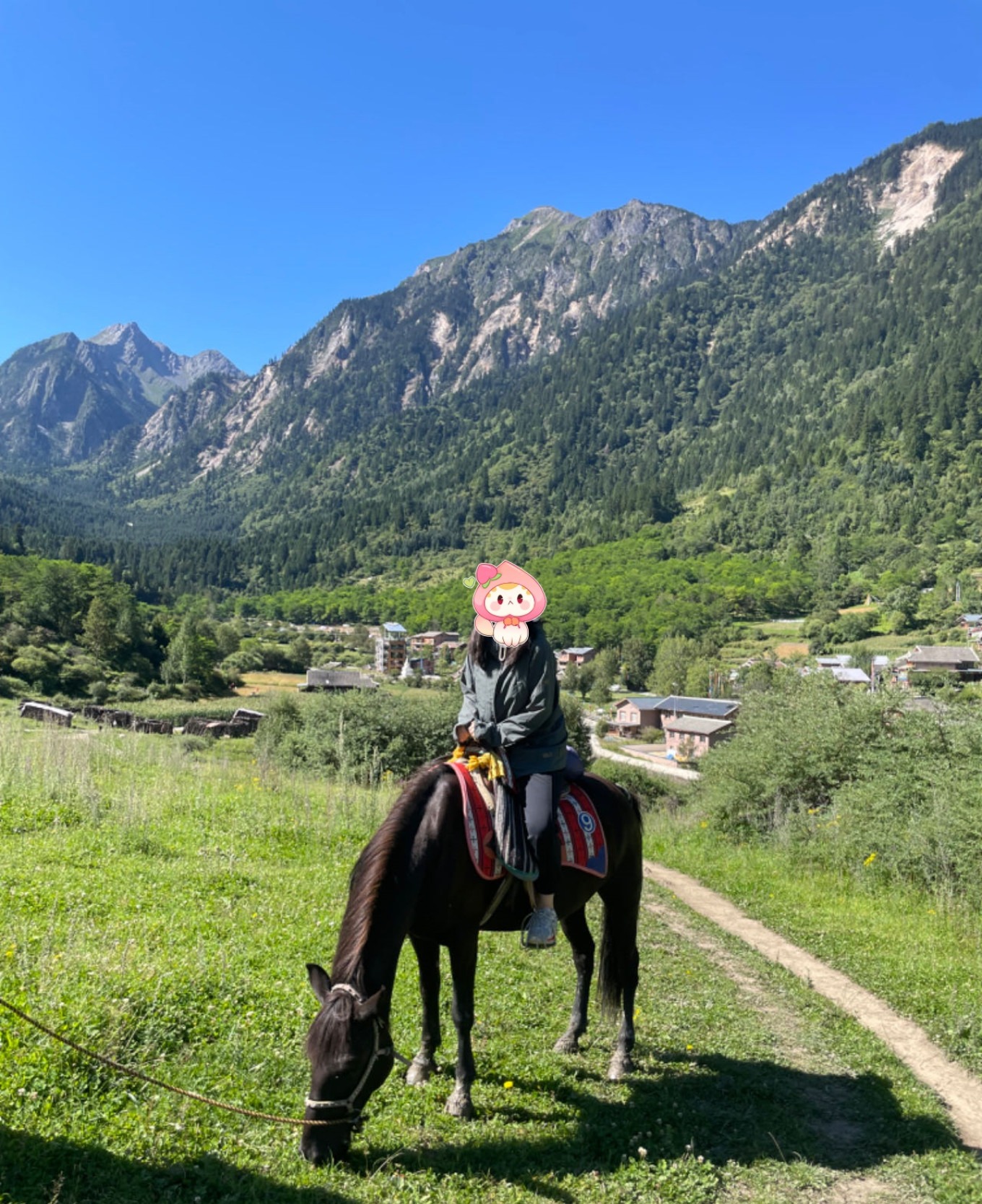
Many Tibetan families in the valley run horseback riding tours. There are three routes to choose from; the shortest one is perfect if you’re short on time. Kids especially love it—one young rider had a greedy male horse that kept stopping to nibble grass. For just 5 yuan, you can buy corn to feed the horse (though it’s uncertain if the horse actually gets to eat it all!).
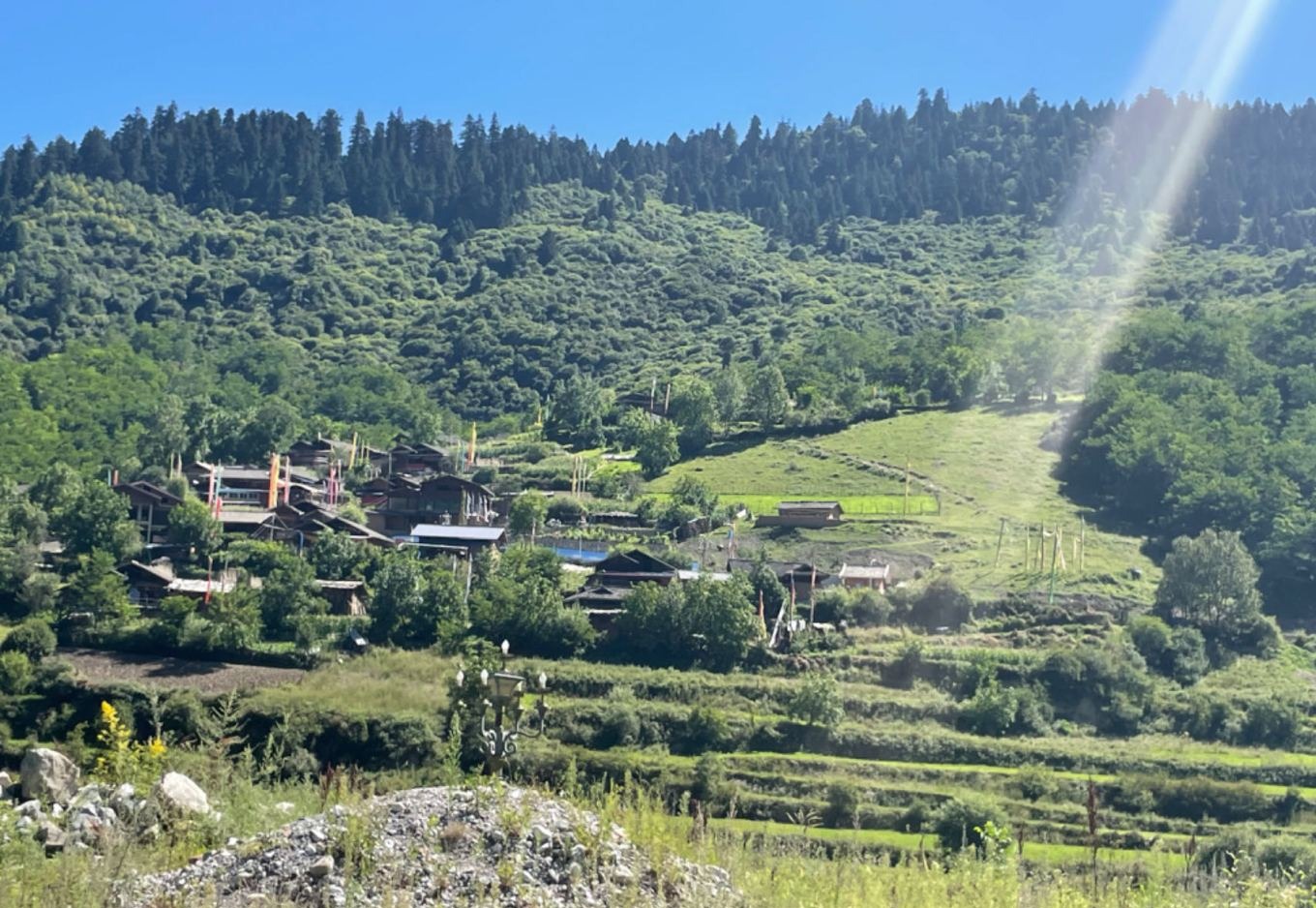
The distant Tibetan villages are still inhabited, making this an excellent spot for a Tibetan-style photoshoot. Unlike the crowded scenic spots inside Jiuzhaigou, here you can take photos at a leisurely pace with plenty of space.
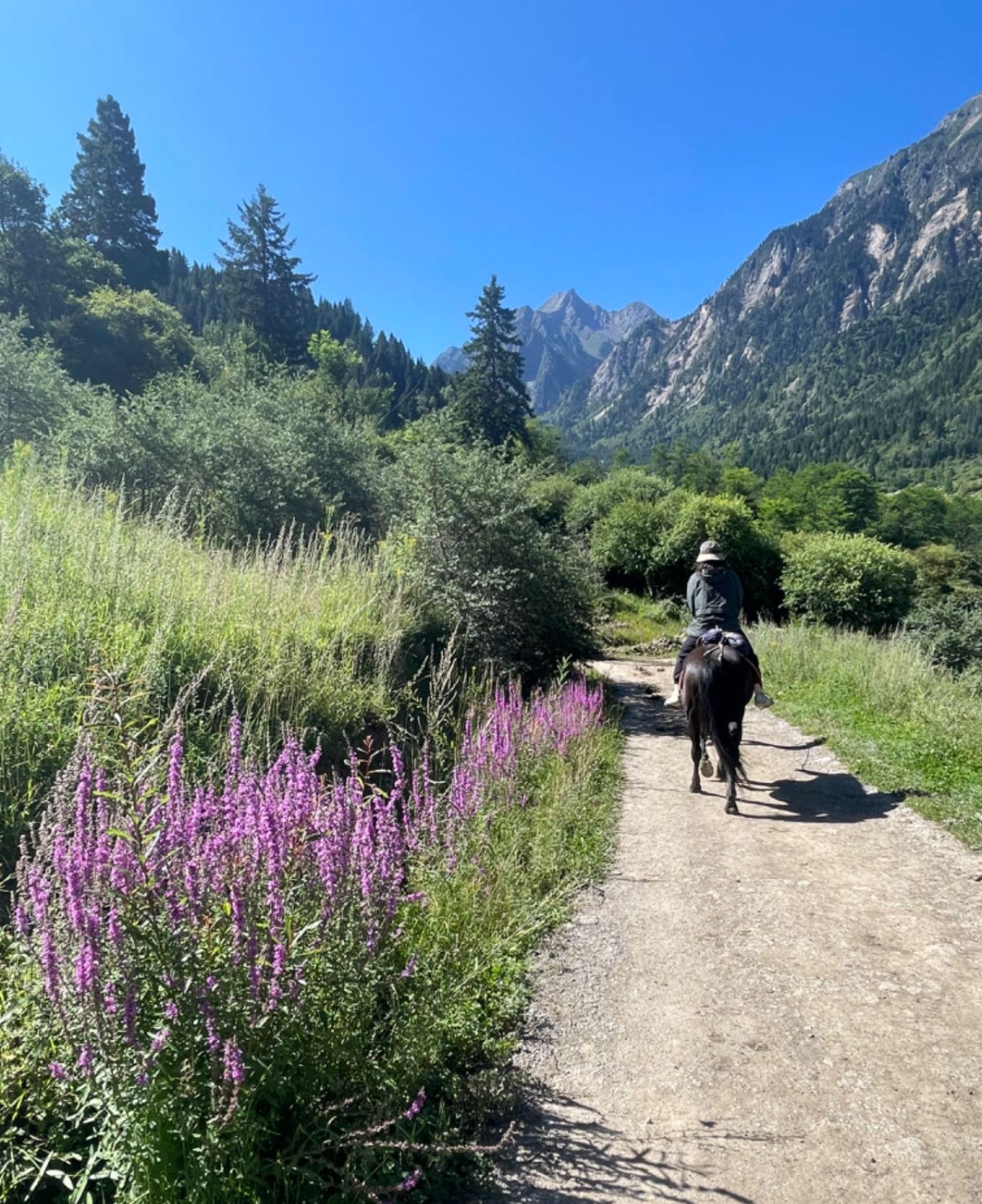
You’ll notice wildflowers that look like lavender along the trail. Even if you’re a bit nervous about riding, kids often feel bold—some want to gallop instead of being led!
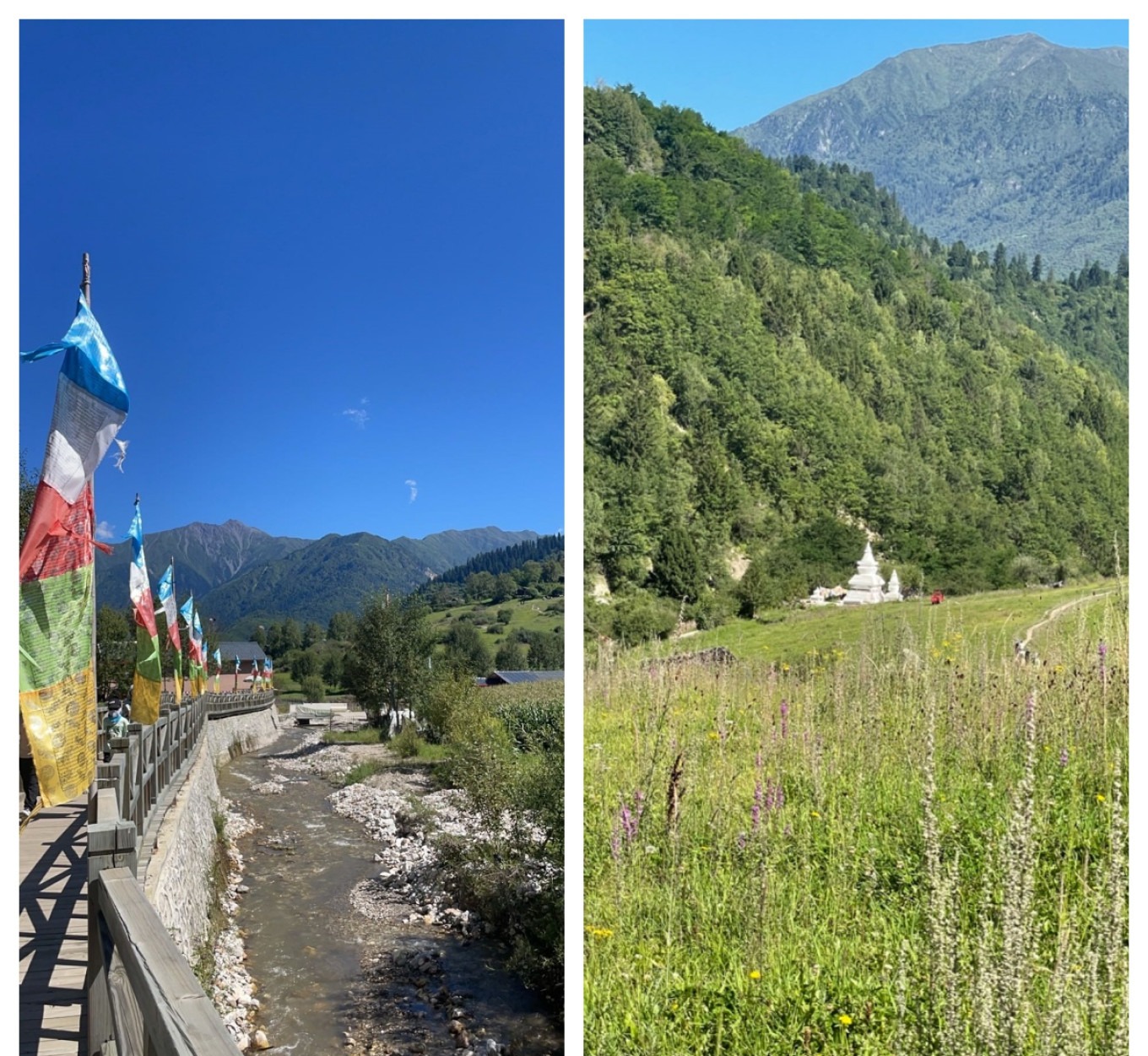
After the ride, your chartered driver can take you and your luggage toward Zhenjiangguan (镇江关). On the way, make a brief stop at Xiaoxitian (小西天), a Tibetan Buddhist temple where you can spin the prayer wheels. If time permits, consider visiting Chuanzhusi (川主寺) town, which has a larger temple complex and places to eat. Tibetan Buddhist temples look distinctly different from Han Chinese temples, with their vibrant prayer wheels and richly decorated golden roofs.
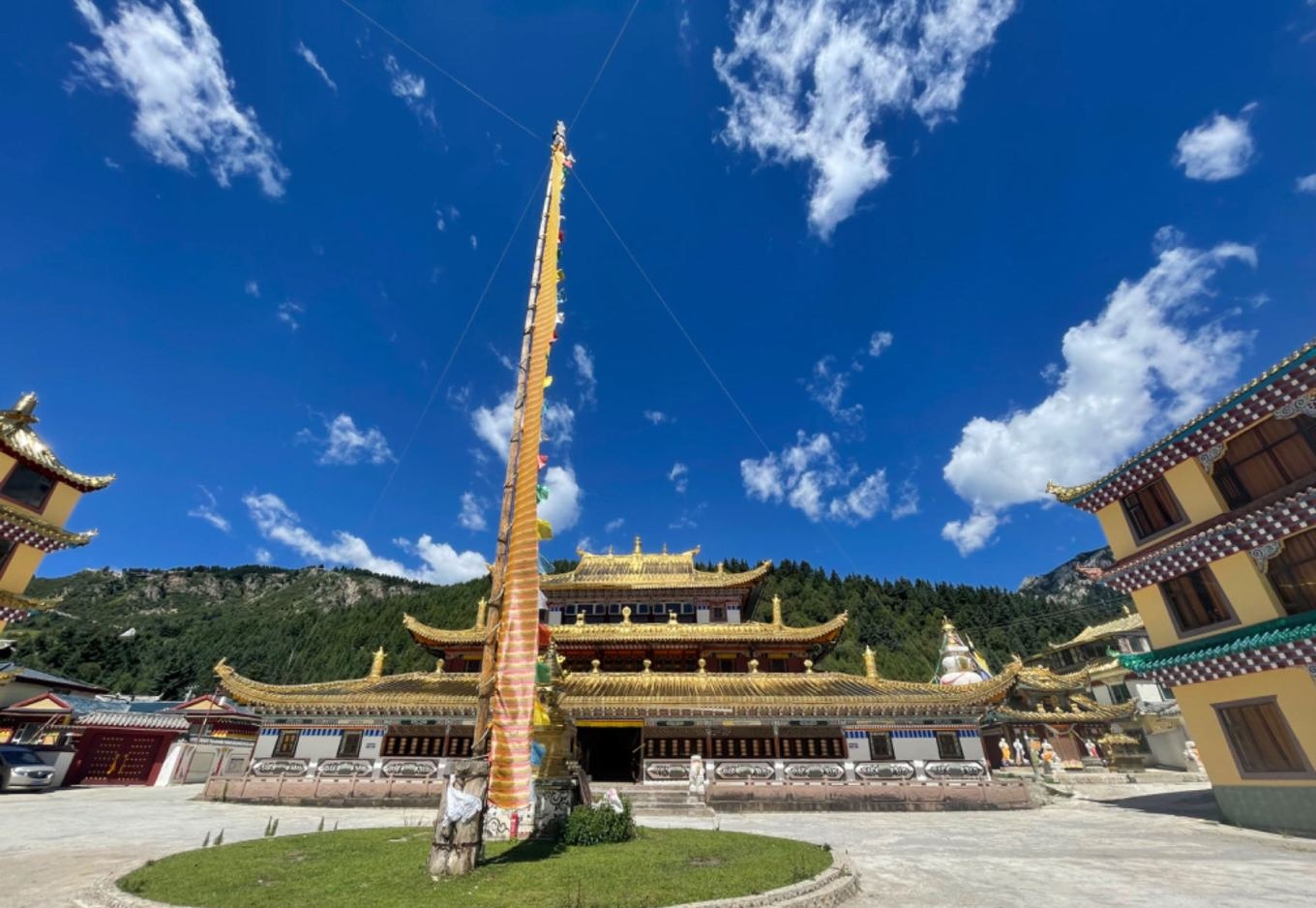
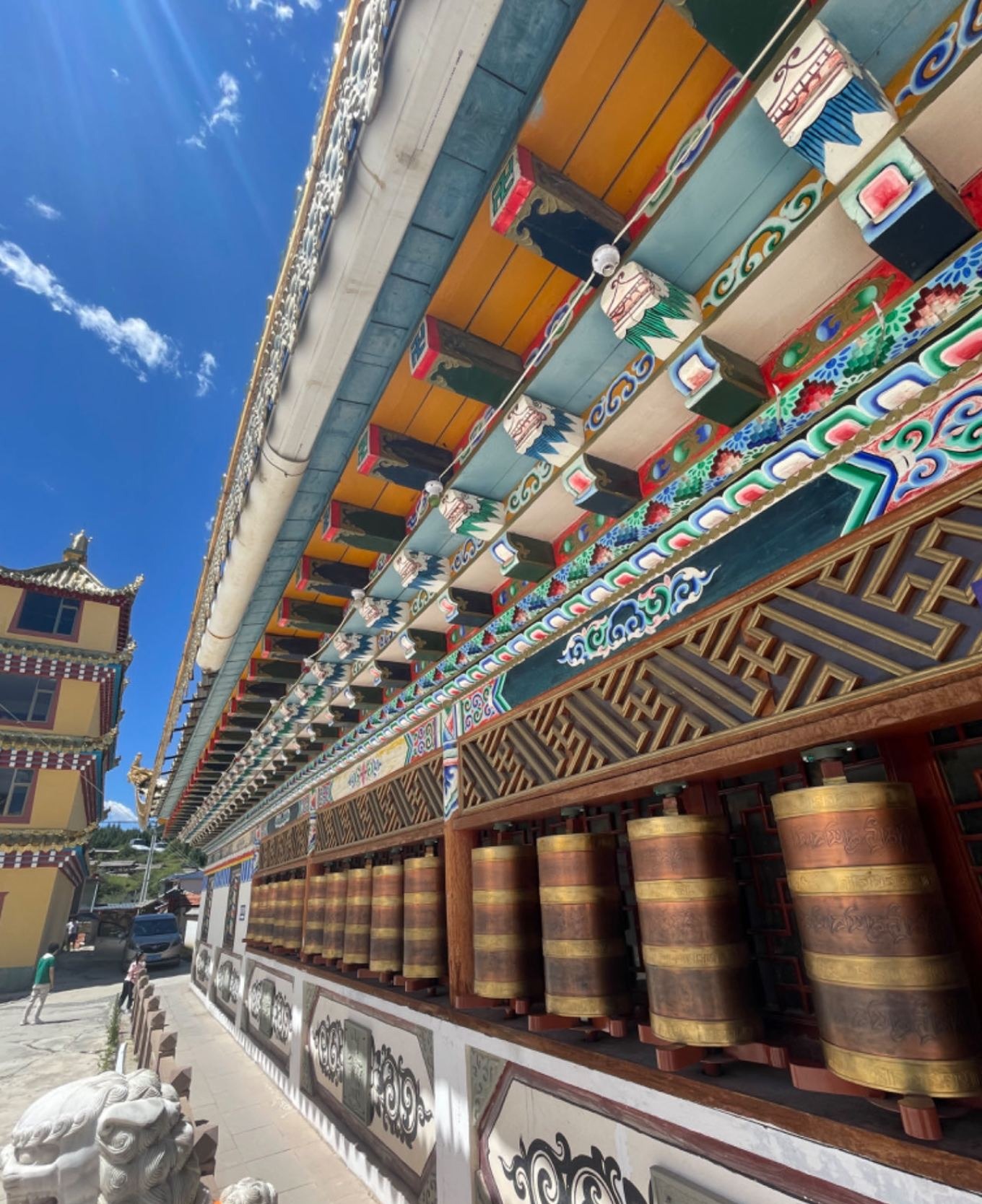
During your three days exploring Jiuzhaigou, you’ll meet many local Tibetans—charter drivers, braid-sellers, souvenir vendors, and horse tour guides. Most belong to the Amdo Tibetan group, distinct from Khampa and Baima Tibetans in language and customs, yet all share Tibetan Buddhism. They are hardworking, optimistic, and run small businesses with a touch of cleverness. Education is not overly competitive here; children who excel are supported, while others find work locally. The drive to Zhenjiangguan takes about 3.5 hours without traffic. At the station, you can enjoy a bowl of Hongyou Chaoshou (红油抄手, spicy wontons) at nearby eateries before boarding. Note that Zhenjiangguan Station has limited capacity—the waiting hall is narrow with only one row of seats, so expect to stand in line.
As of August 30, the new section of the Chuanqing Railway from Zhenjiangguan to Huangshengguan has opened, allowing direct high-speed access to Huanglong Jiuzhai Station. This cuts travel time by about 1.5 hours. Many travelers say a trip to Jiuzhaigou requires at least three days and involves a tiring bus-train combo. But the effort is worth it—the pristine natural scenery rewards those who endure the journey. Just remember: the more untouched the landscape, the more fragile it is. Construction always impacts nature, so be patient and pack rain gear (raincoat and umbrella) regardless of the forecast. Weather changes instantly—after travelers left, a heavy hailstorm hit the Jiuzhaigou entrance!
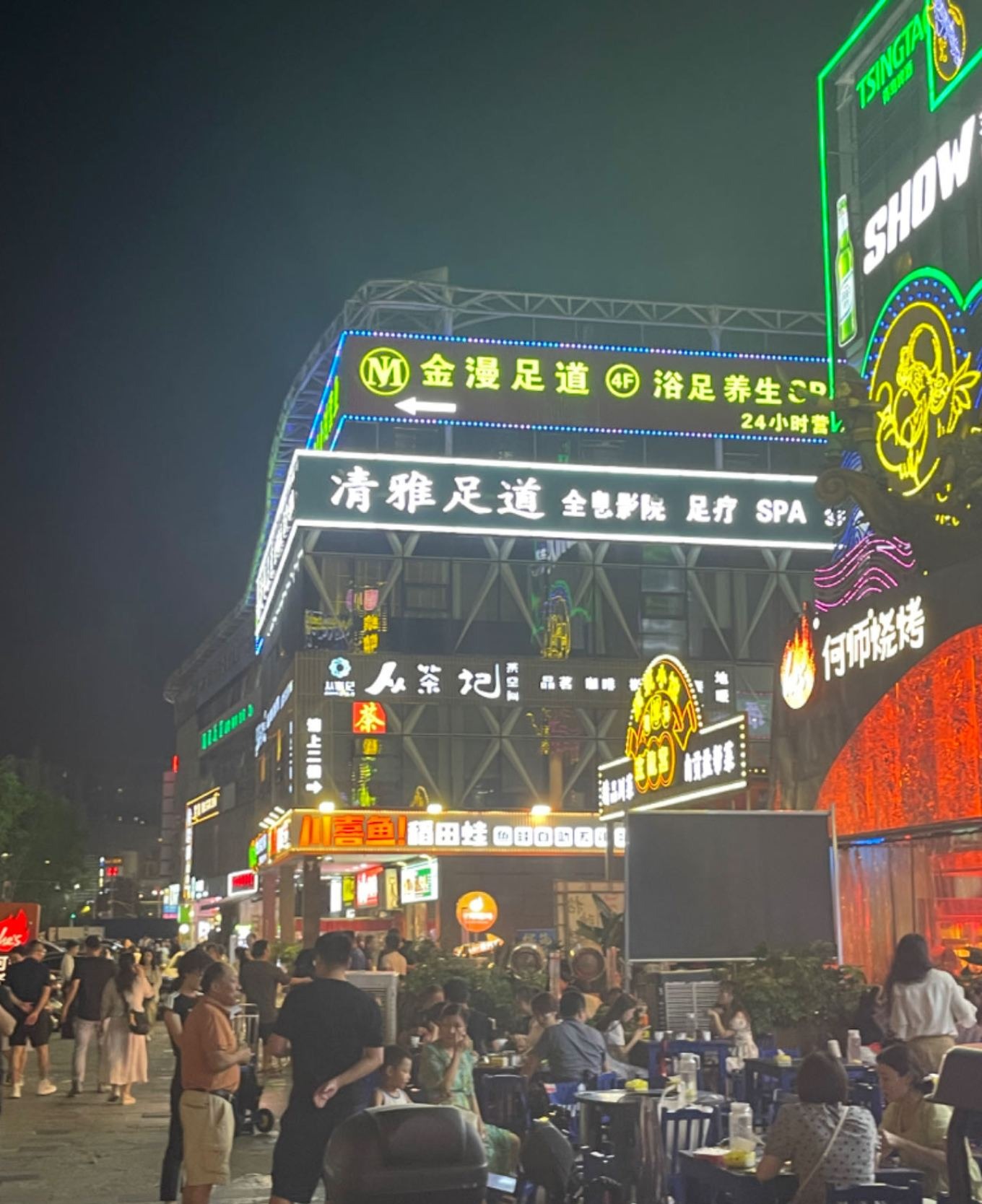
Back in Chengdu, stay near the Zhongba area west of the train station. There’s plenty of food—start with a bowl of Bingfen (冰粉, ice jelly) to cool down. A tip: at Guanghua Road Food Street (光华路美食街), choose chain stores with proper seating over street stalls for better food safety. Even on a weekday night around 10 PM, the area buzzes with neon lights and crowds—a true taste of Chengdu’s lively nightlife.
Day 8: Chengdu Museum, Kuanzhai Alley, Wuhou Shrine & Jinli
If you find yourself wishing for more time in Chengdu, consider extending your stay by a day. That extra day opens up a relaxed city walk through the Chengdu Museum, Kuanzhai Alley (宽窄巷子), Wuhou Shrine (武侯祠), and Jinli (锦里) — a perfect blend of history, culture, and local life.
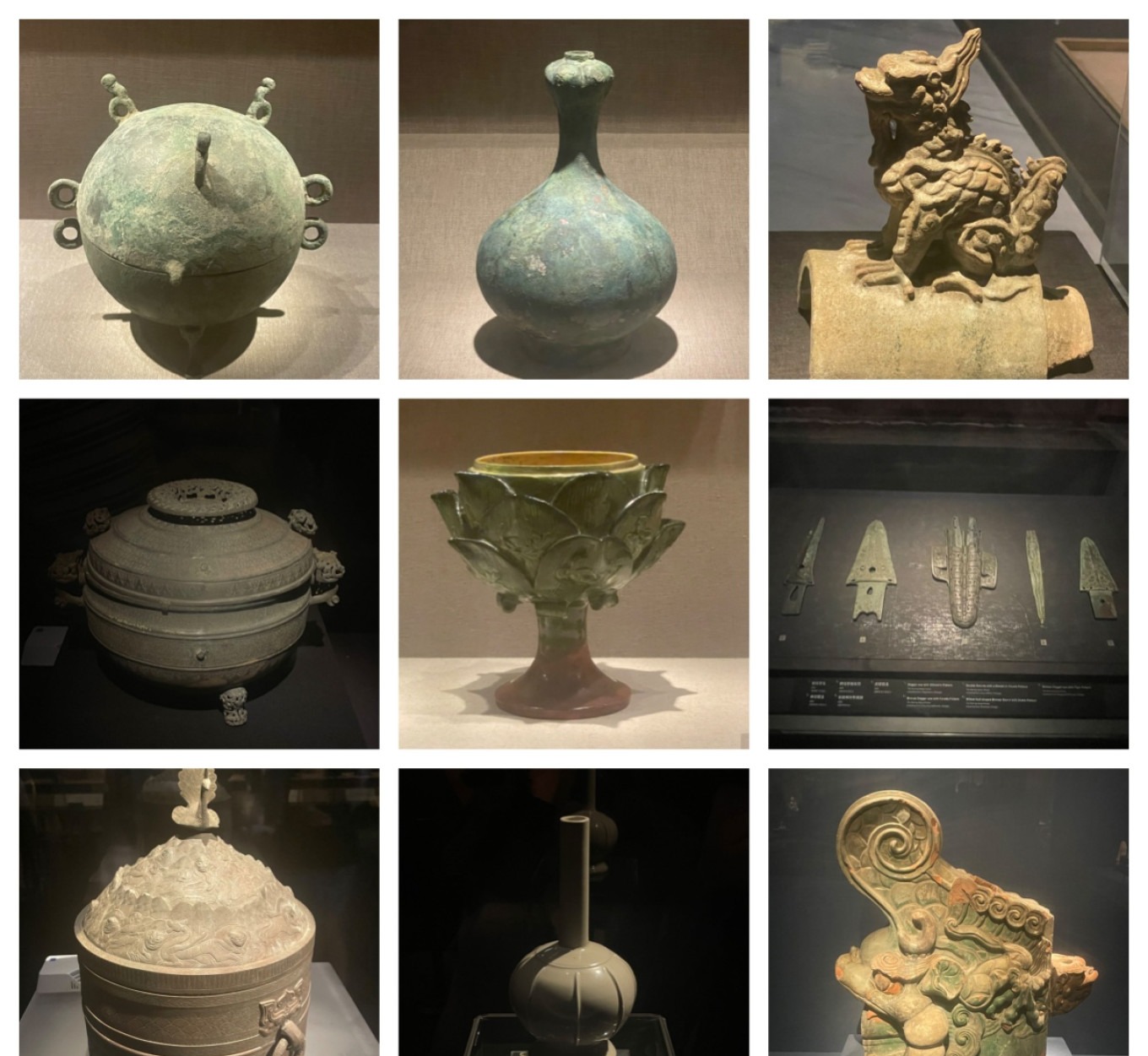
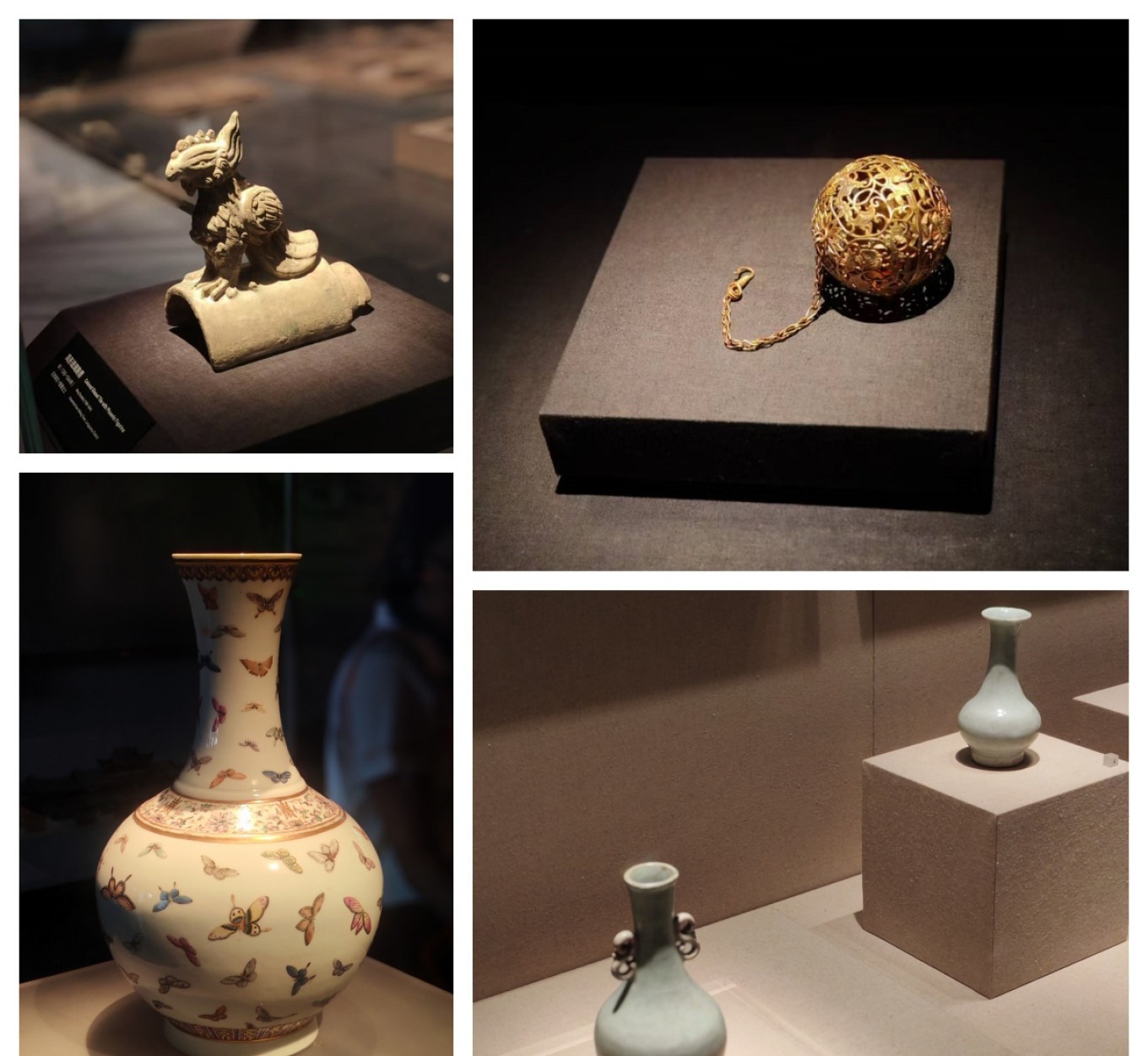
After visiting major museums like Sanxingdui, the Chengdu Museum (成都博物馆) may not have the largest collection, but its exhibition design and unique artifacts stand out. Look for bronze vessels shaped like garlic-head bottles or multi-handled grenades, a small green-glazed ceramic dragon perched on a roof ridge, and the star of the show: a small yet exquisite three-color lotus lamp (三彩莲花盏) that draws your eyes from across the room.
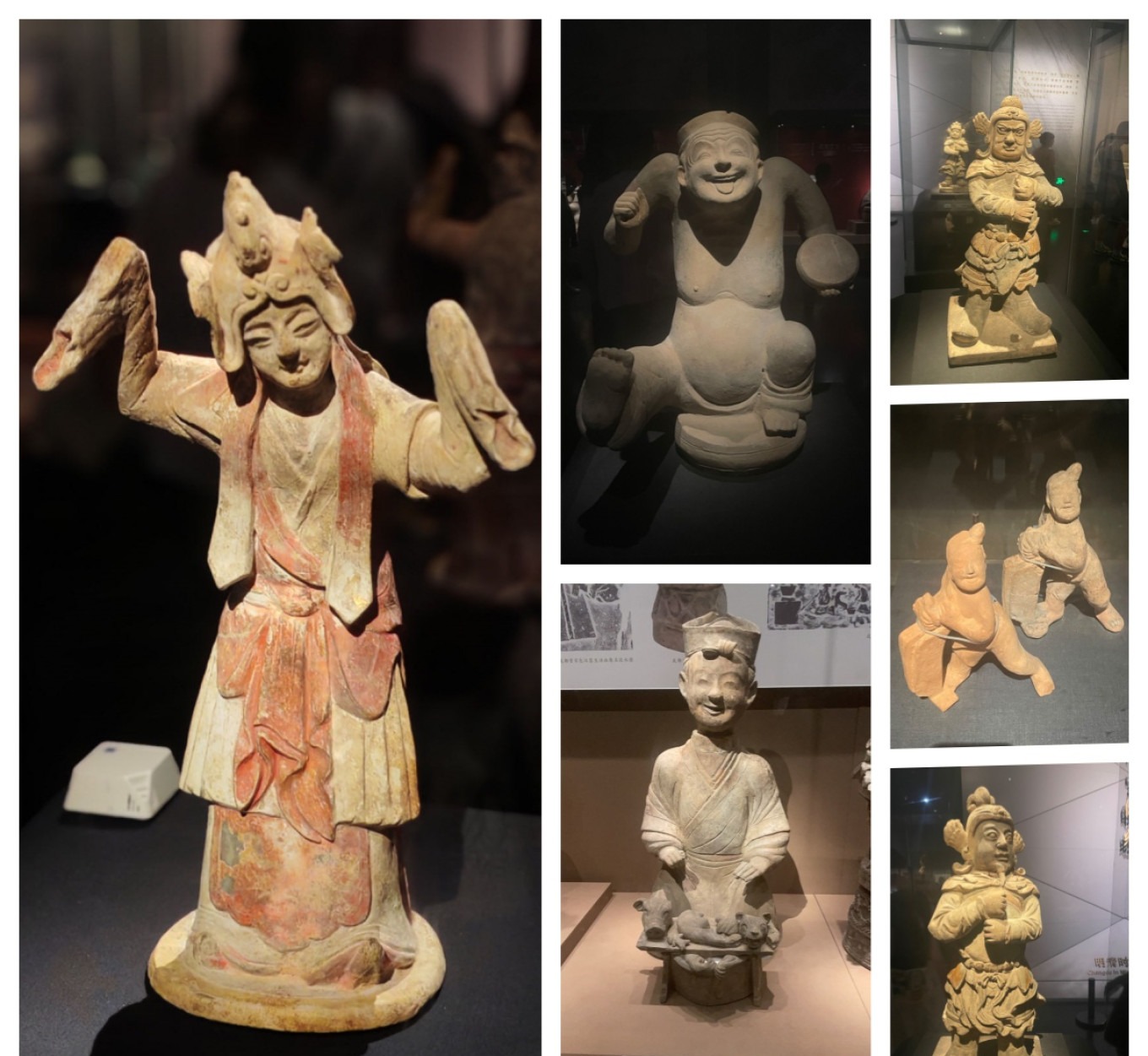
Throughout your time in Chengdu, you’ll notice the locals’ attitude toward life — not just passion, but genuine enjoyment. This spirit is reflected in ancient artifacts: a dancer figurine with flowing sleeves, a smiling chef figurine preparing food, the famous pot-bellied storytelling figurine, acrobats in perfect sync, and a majestic armored warrior. These pieces reveal the prosperity and vibrant cultural life of ancient Sichuan.
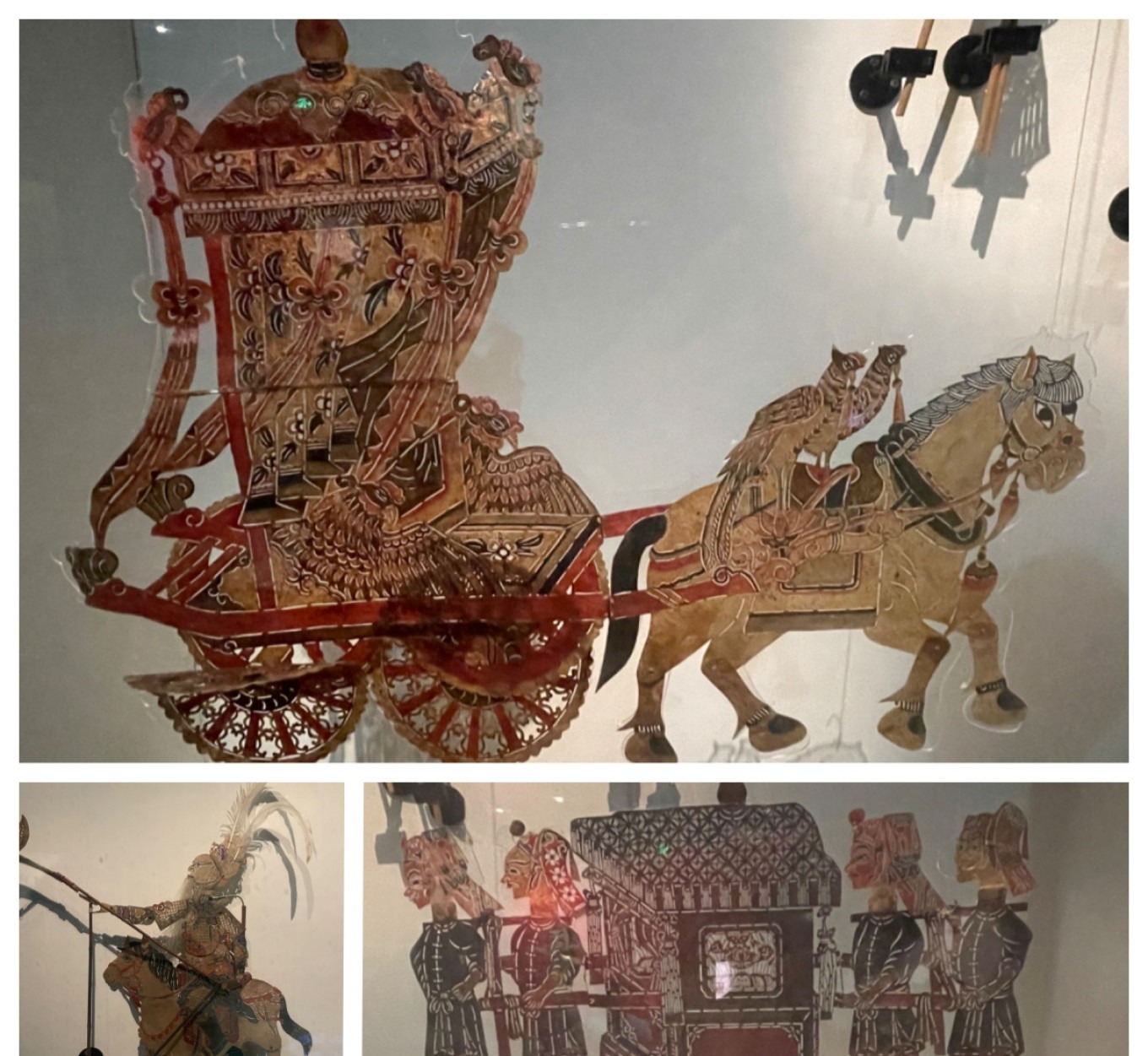
Don’t miss the fifth floor, which houses a shadow puppet and puppet exhibition with intricately carved large pieces. For lunch, head to the underground pedestrian street at Tianfu Square (天府广场) for some Sichuan cuisine before continuing to Wuhou Shrine.
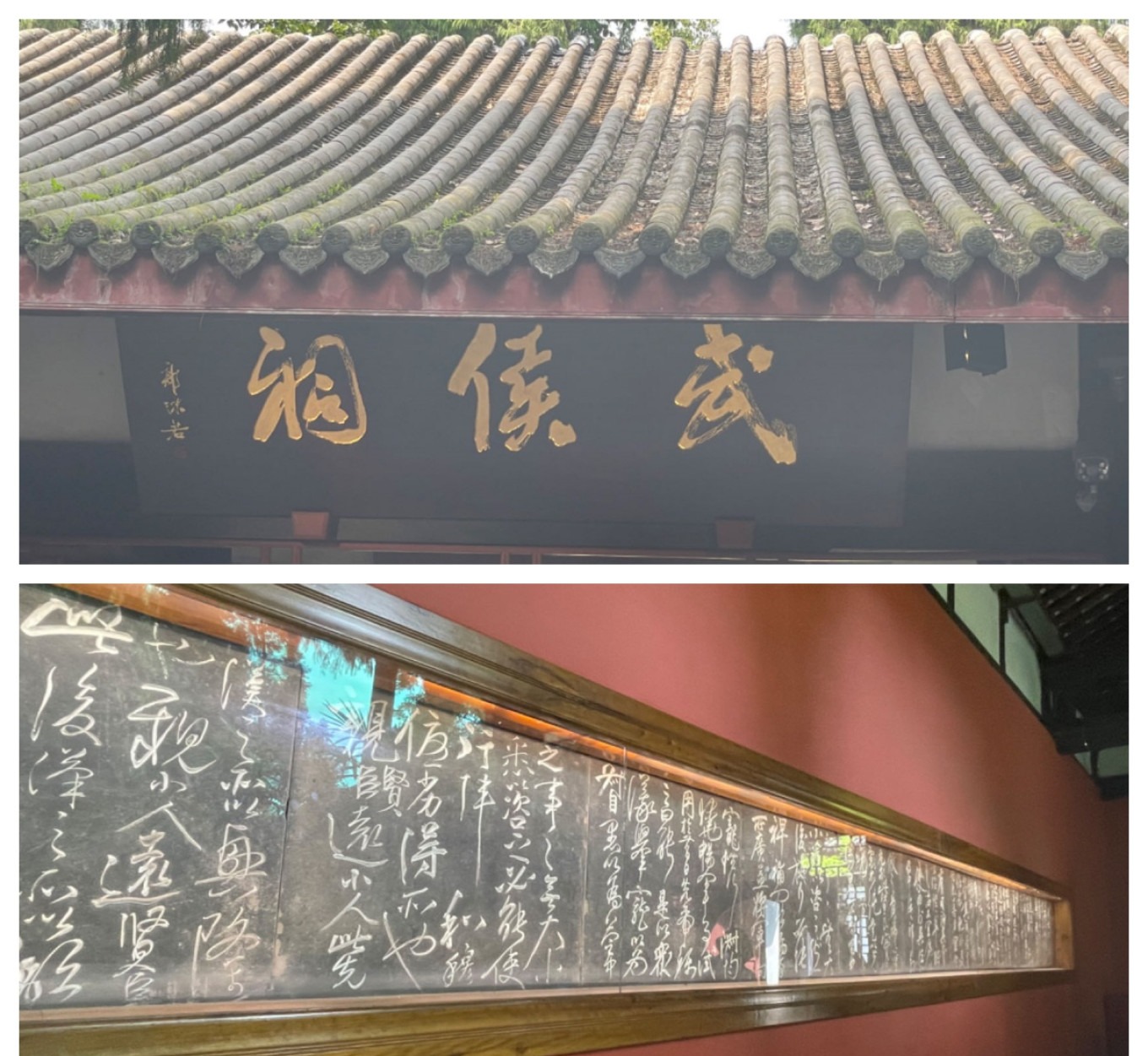
Wuhou Shrine (武侯祠), first built in 221 AD, was originally a temple dedicated to Zhuge Liang. It later became a combined shrine for the emperor and his minister. The walls are inscribed with the ‘Chu Shi Biao’ (出师表), recounting Liu Bei’s three visits to Zhuge Liang’s thatched cottage and Zhuge’s lifelong dedication to the Shu Han kingdom.
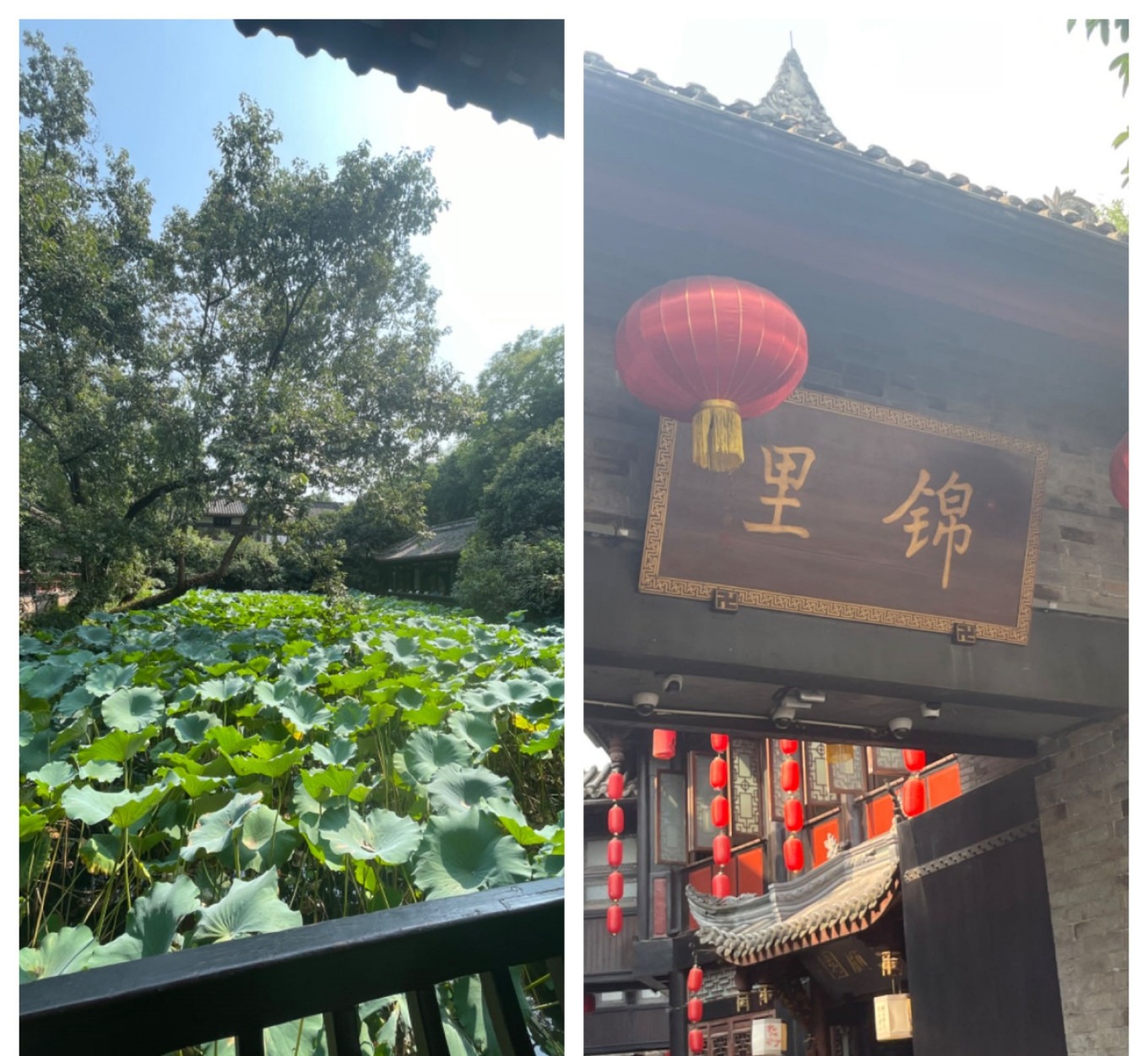
Wuhou Shrine is adjacent to Jinli (锦里), an ancient-style commercial street with shops, tea houses, and small theaters offering Sichuan opera face-changing performances. After exploring the shrine, you can easily walk over to Jinli.
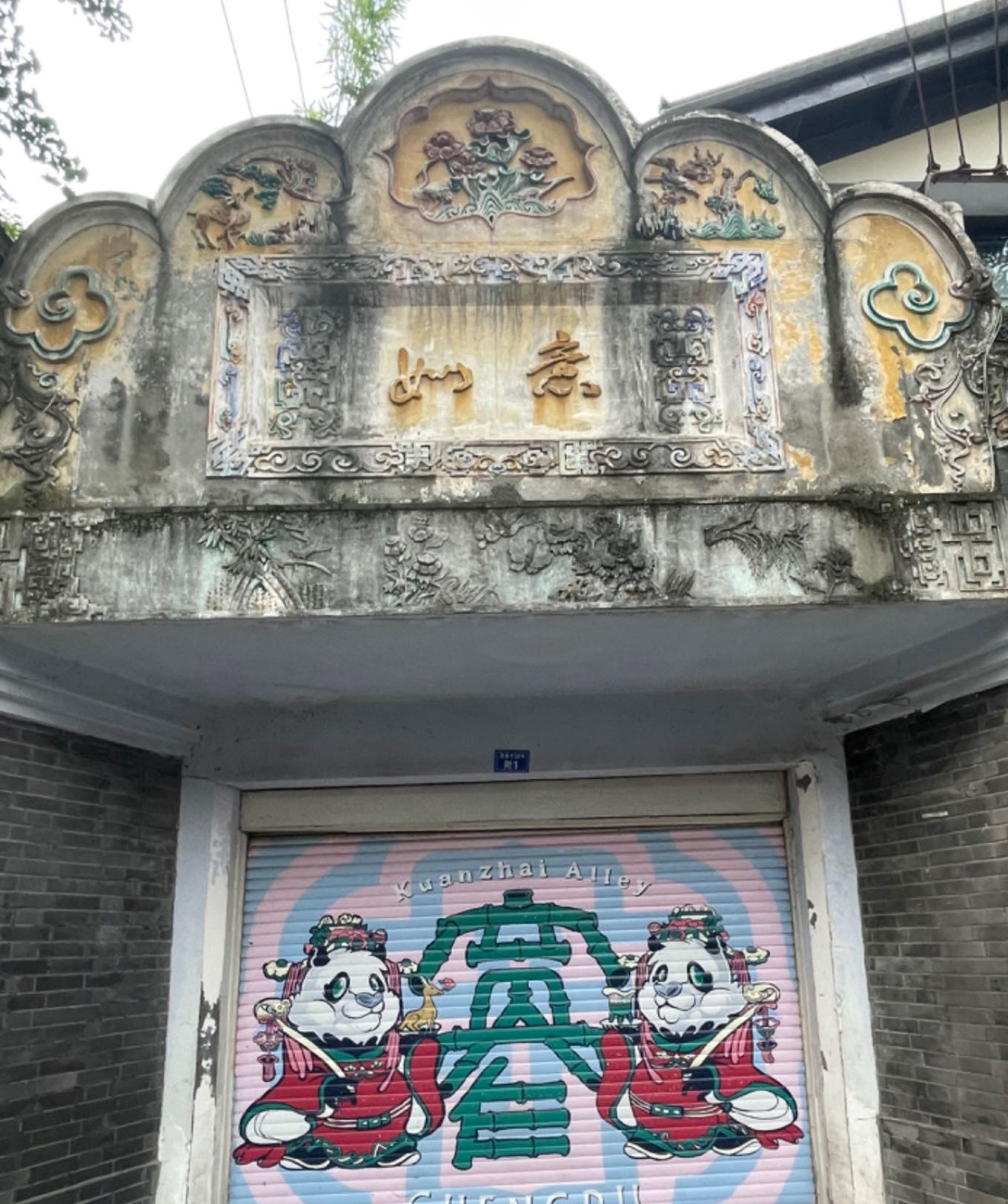
From Jinli, head to Kuanzhai Alley (宽窄巷子), actually two parallel lanes — Kuan Zhai Zi (wide alley) and Zhai Zi (narrow alley). The area retains its classic charm, though you’ll notice new murals and souvenir shops. One change since previous years: the giant panda Hua Hua (花花) has become a local celebrity, with panda-themed merchandise everywhere.
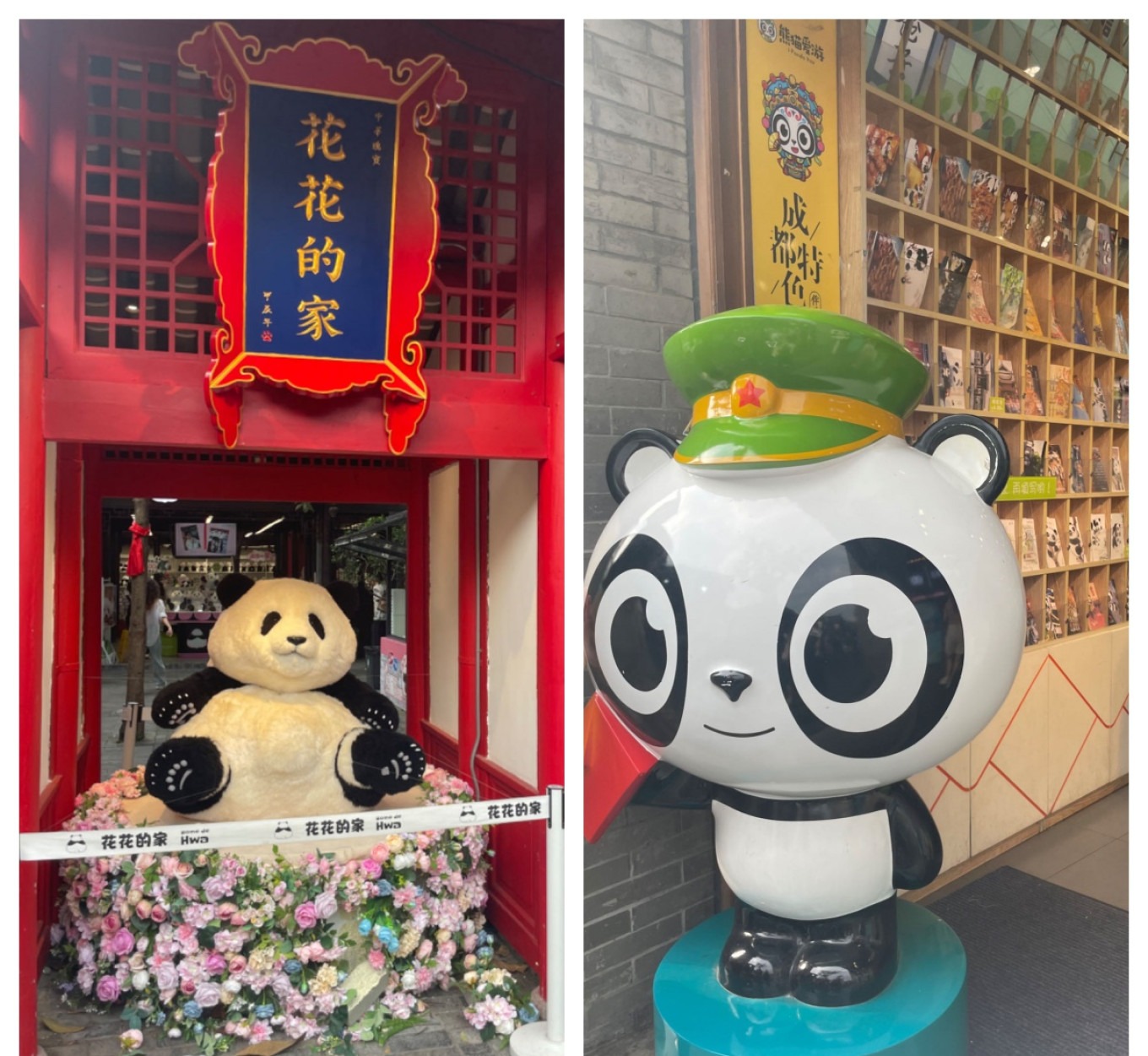
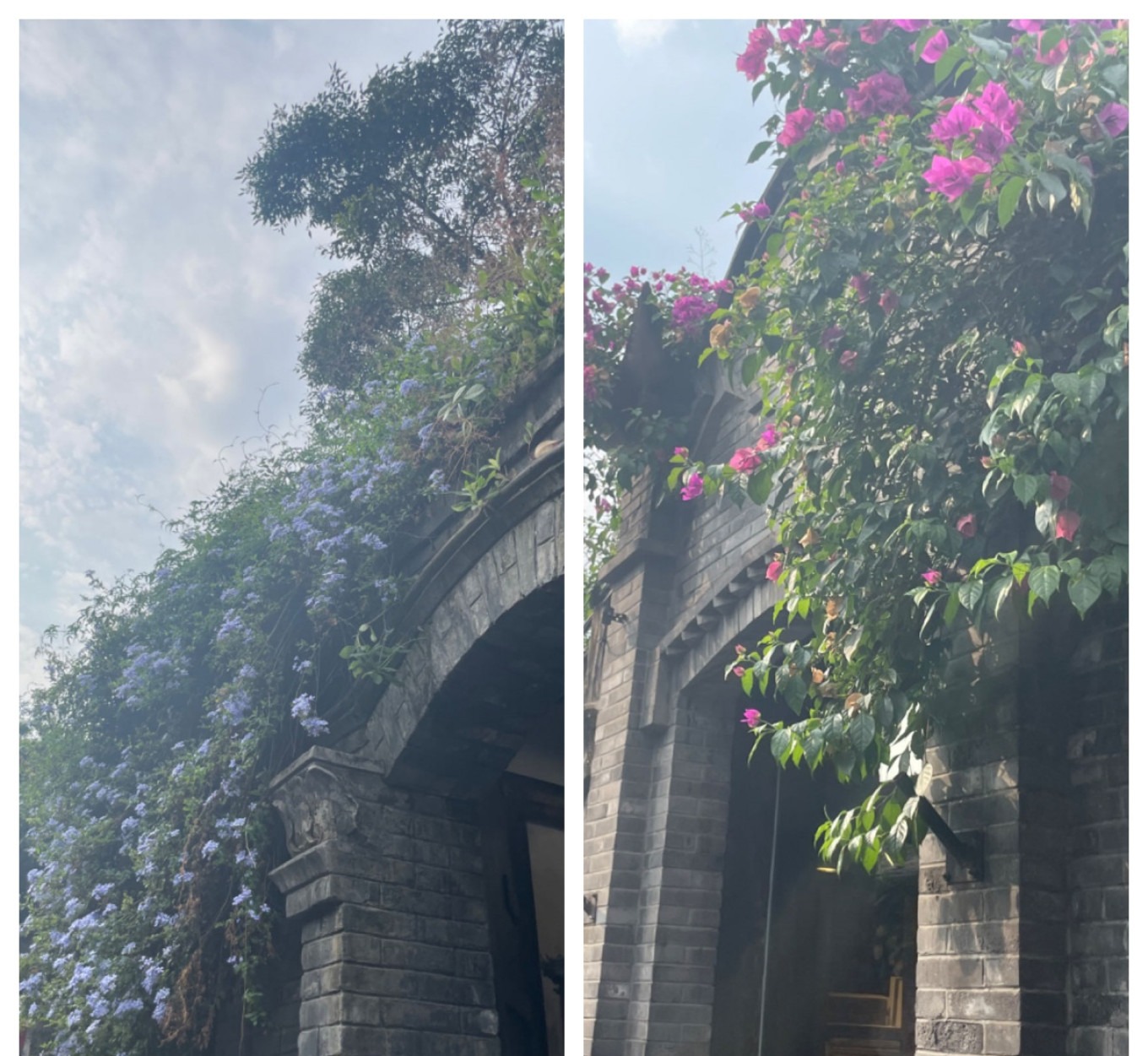
After Kuanzhai Alley, make your way to Chunxi Road (春熙路), a famous shopping street. It’s a bustling area perfect for people-watching and soaking up the city’s energy.
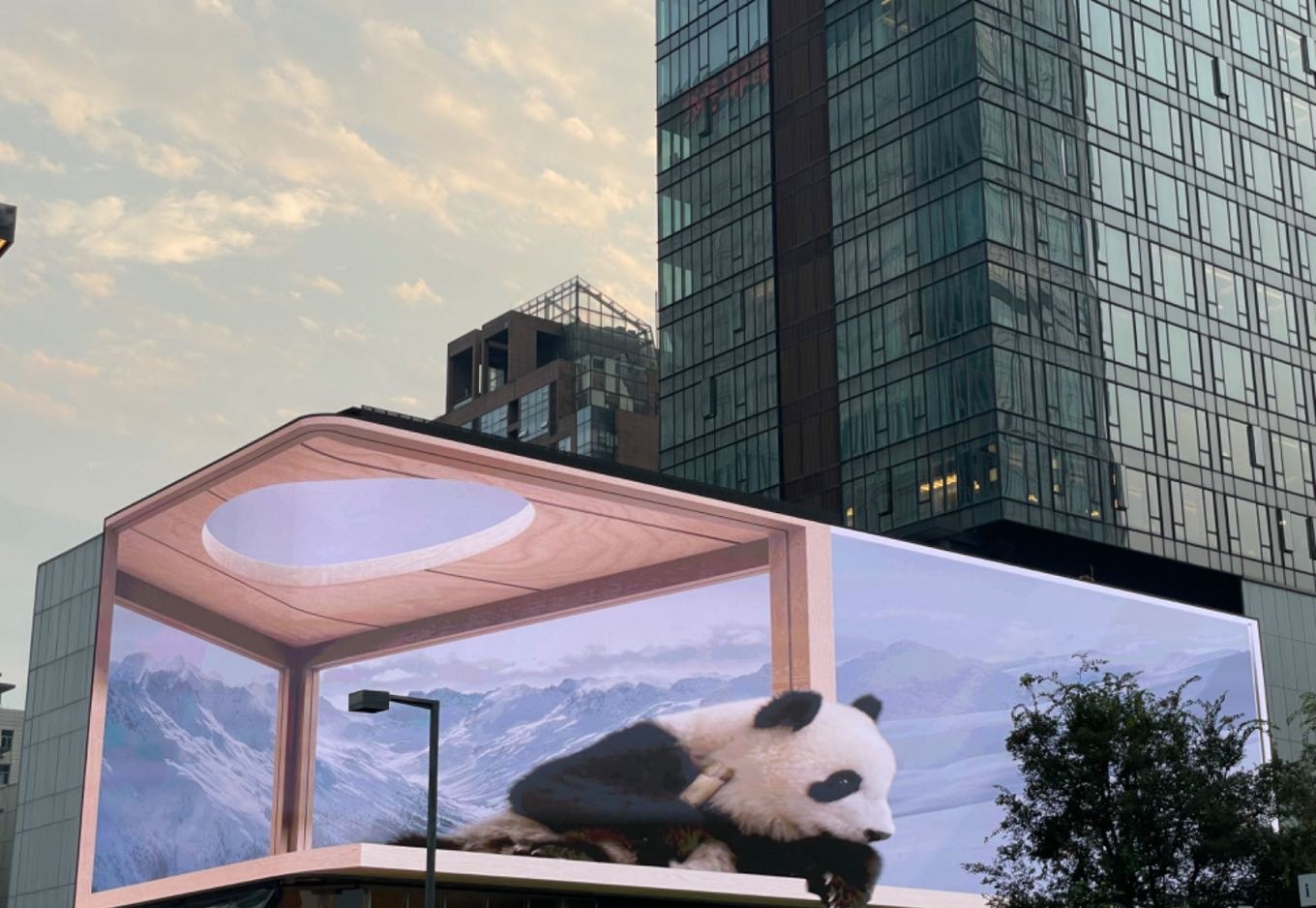
For dinner, treat yourself to a local hotpot experience. Many restaurants serve only oil dipping sauce (油碟) — no sesame sauce. Opt for a yuanyang (鸳鸯) pot to balance spicy and mild broths. Must-order items include duck blood (鸭血), duck gizzards (郡肝), and tripe (毛肚). It’s addictive — you’ll wish you could take the taste home.
Day 9: Wake Up Naturally, Farewell to Chengdu
Your final day in Chengdu is all about taking it easy before heading home. After eight action-packed days exploring the city and its surrounding treasures—Dujiangyan, Leshan, Sanxingdui, and Jiuzhaigou—you’ll leave with a mix of satisfaction and a few lingering what-ifs. But the highlights far outweigh the missed opportunities, making departure a little less bittersweet.
For a traveler from a coastal region used to fresh seafood and milder flavors, Sichuan is a revelation. You’ll witness dramatic landscapes—from misty mountains to lush valleys—taste bold, numbing-spicy dishes that linger on your tongue, and experience weather that can shift from sweltering to cool within the same day. The cultural depth is equally impressive: the gentle pandas at the Chengdu Research Base, the mesmerizing face-changing opera, a soul-warming yak broth hotpot, the serene Leshan Giant Buddha, and the unforgettable street food of Leshan. You can’t pack these moments into your suitcase, but they’ll stay vivid in your memory, ready to be revisited whenever you crave a taste of Chengdu.
Souvenirs and Little Treasures: Another Joy of Travel
One of the greatest pleasures of travel is bringing back small keepsakes that spark memories long after the trip ends. For many travelers, the must-haves include postcards, fridge magnets, and beautifully stamped cultural and creative seals (文创章). Destinations with strong tourism culture often offer an array of irresistible trinkets that can easily lighten your wallet—but in a good way. The key is to focus on quality over quantity: pick a few meaningful items that truly resonate with you, rather than trying to collect everything. A notebook filled with stamped seals from iconic spots becomes a visual diary, reinforcing your memories of classic landmarks and intricate details. It’s a popular and rewarding travel ritual.
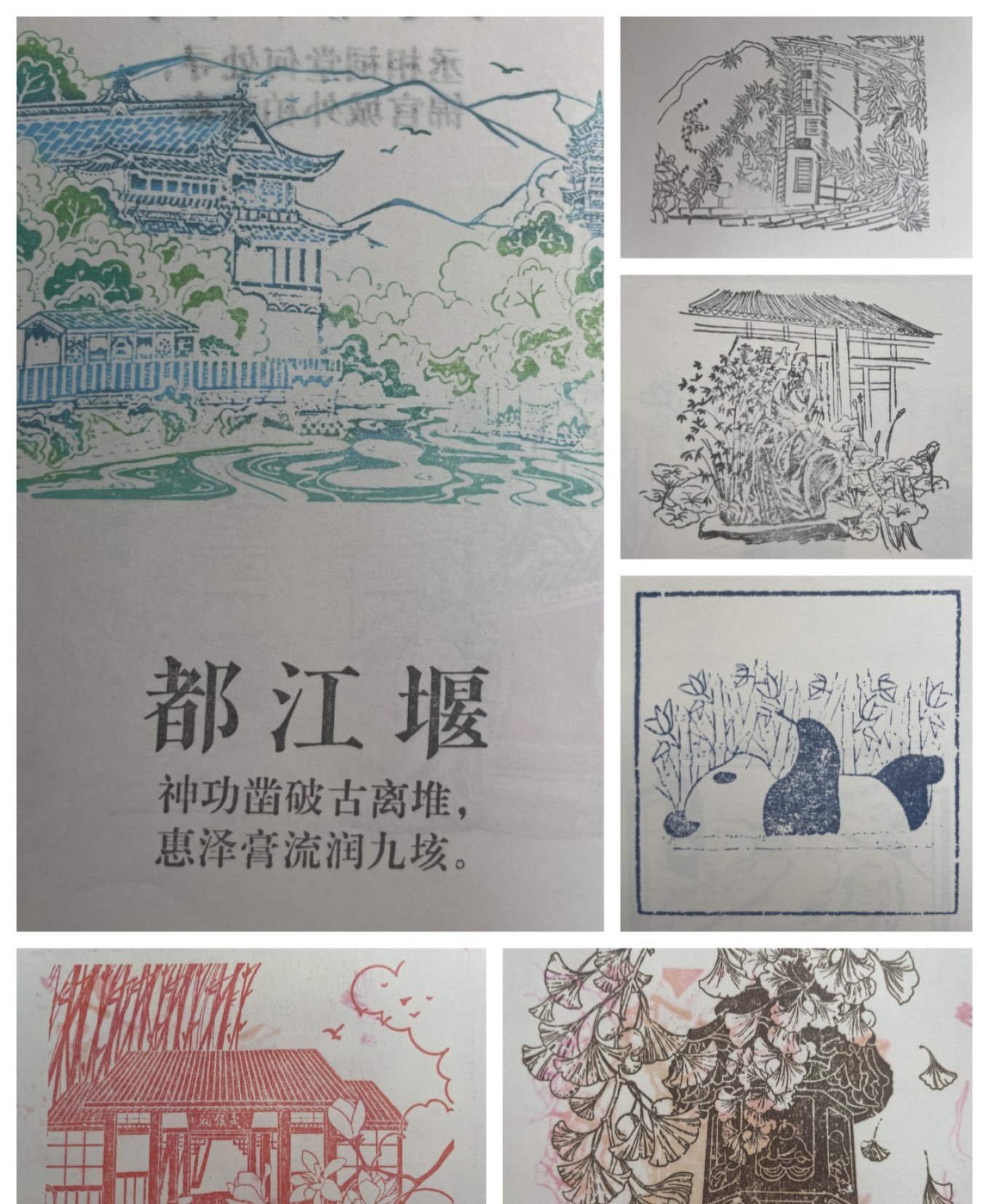
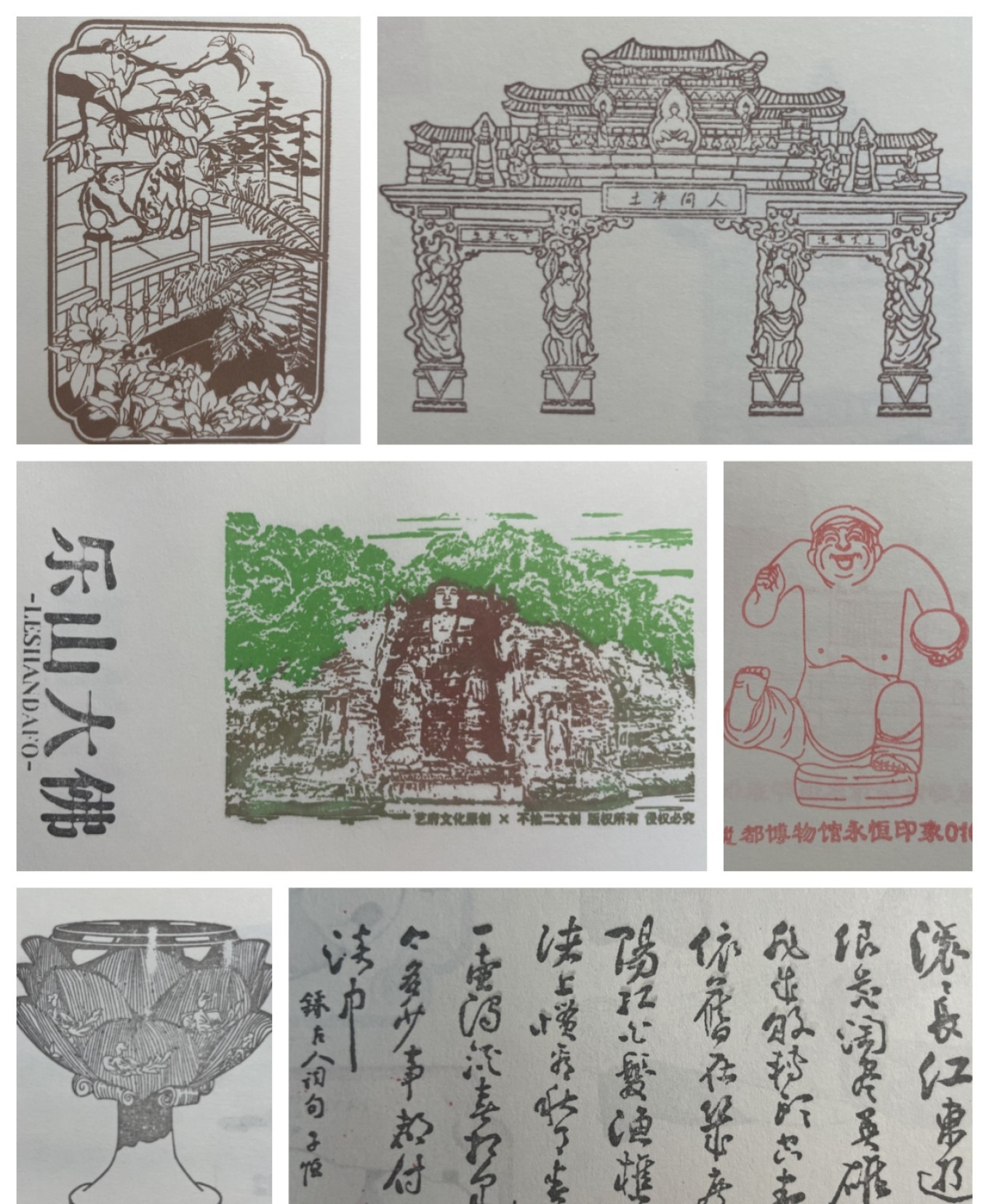
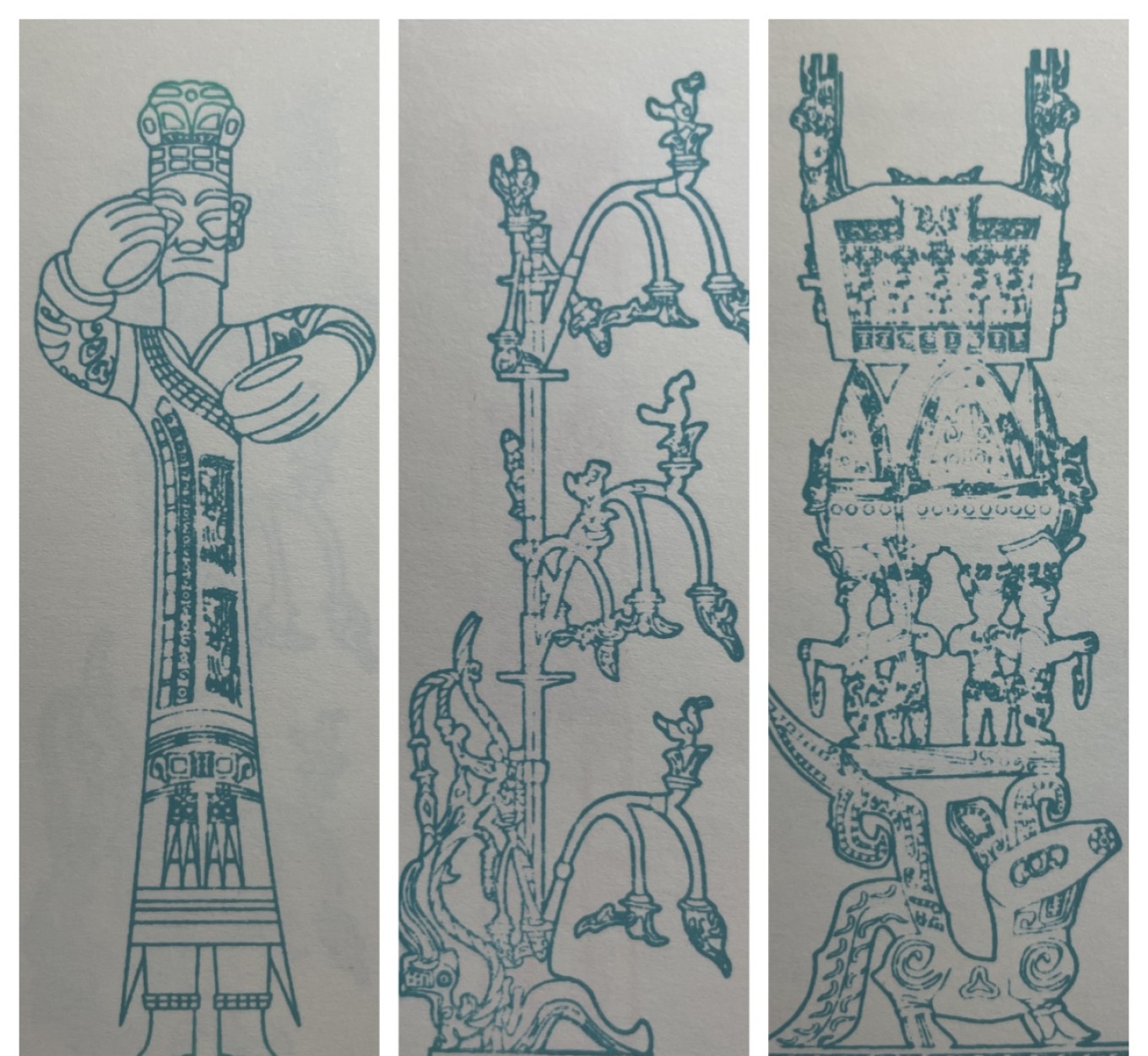
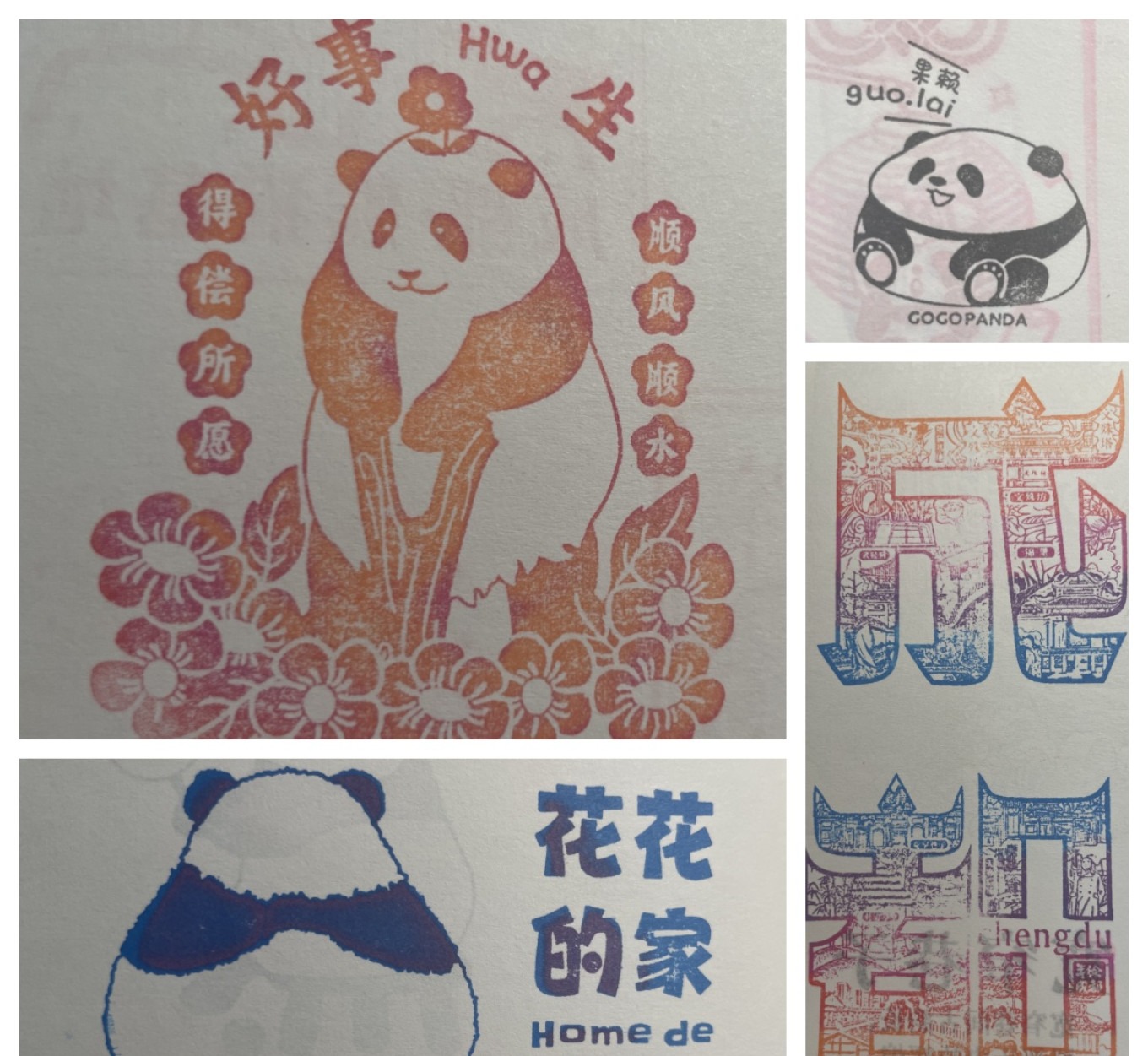
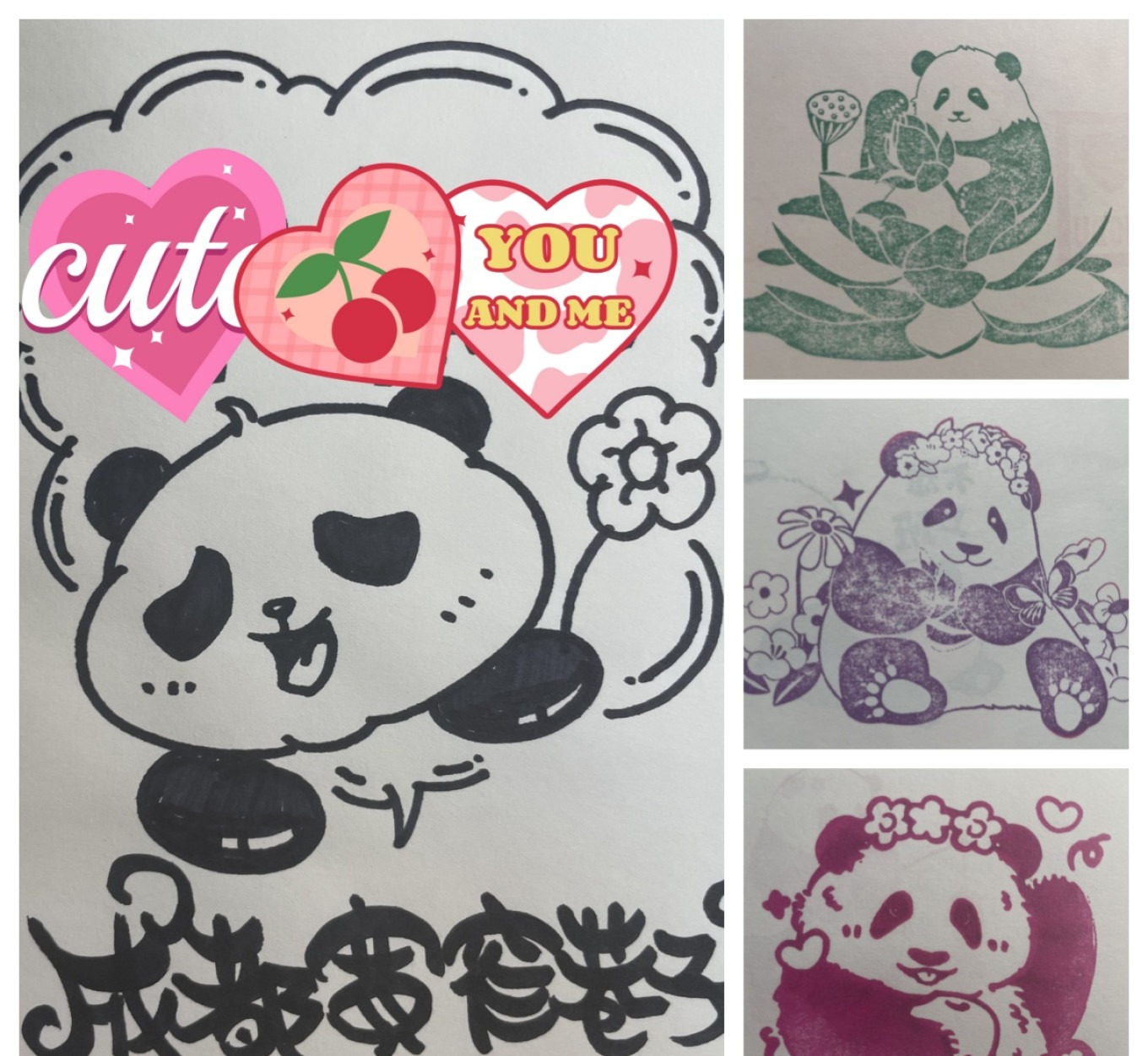
A particularly charming find is a live drawing of your name alongside a panda—a personalized souvenir that captures a moment of joy. Such items make for unique mementos that you’ll treasure.
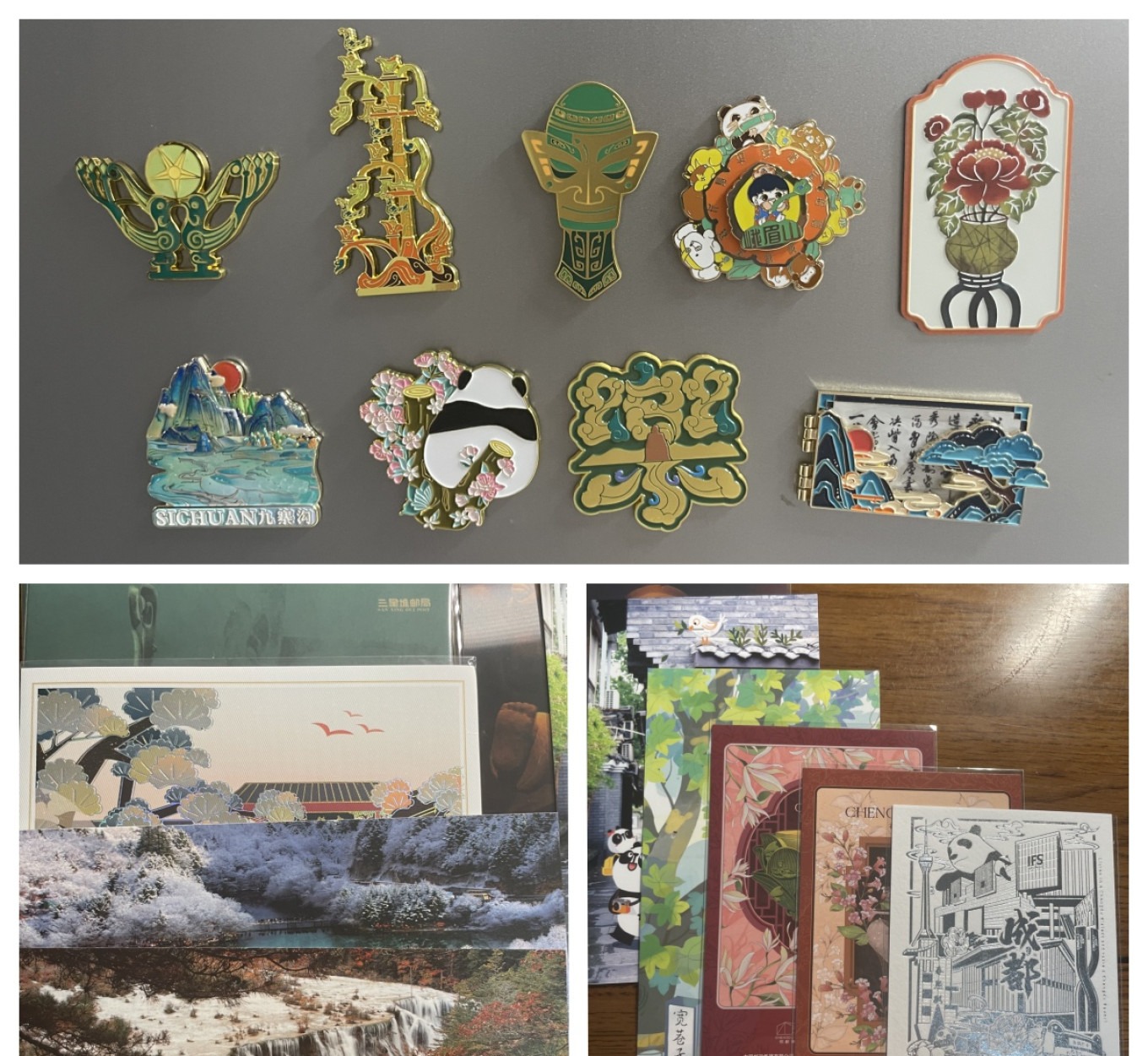
Practical tip: You can prioritize one signature stop around the area, and you should adjust timing and budget based on transport and peak hours.
Common Traveler Questions
Is nine days enough for Chengdu and Jiuzhaigou?
Yes. Nine days gives enough room for Chengdu, Dujiangyan, Sanxingdui, Leshan, and Jiuzhaigou without treating every stop as a rushed transfer.
When is this Chengdu to Jiuzhaigou route best?
It is strongest in late spring through autumn, especially summer travelers who want green mountain scenery. Check rainfall, road conditions, and park ticket availability before departure.
Should I combine this Sichuan route with Chongqing?
Only if you have extra days. Chongqing pairs naturally with Sichuan, but adding it to a nine-day Jiuzhaigou route can make the trip feel transfer-heavy.
Guide Navigation
Enjoyed this article? Consider buying me a coffee to support more content like this!
💖 0 people have clicked to support this article.