8-Day Sichuan Electric Car Itinerary: Jiuzhaigou to Chengdu
A practical, image-rich guide you can actually use.
travel better
On this page
Quick Answer
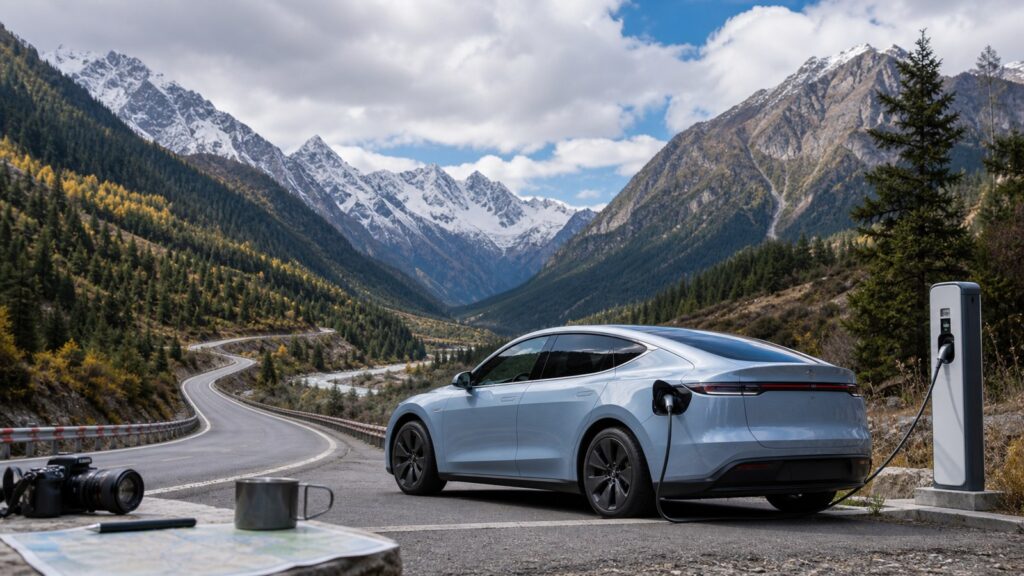
This 8-day Sichuan EV itinerary is for travelers comfortable with mountain roads, charging stops, altitude planning, and flexible day order. It links Jiuzhaigou, Huanglong, Dujiangyan, Panda Valley, Leshan, and Chengdu, so the route needs more buffer than a normal city-to-city itinerary.
Before you go: Treat the car as flexibility, not permission to add every scenic stop. A calmer route is safer and usually more enjoyable in western Sichuan.
Introduction
A spontaneous trip can be one of the most thrilling adventures. Imagine deciding to go and having only four days to prepare—that’s exactly the kind of energy that makes travel unforgettable. During that short window, you’ll need to research routes, plan an itinerary, shop for essentials, and pack your bags. To save time, consider ordering items like self-heating meals and oxygen canisters online (from Taobao, for example) and having them shipped directly to your hotel in Chengdu. If you time it right, they’ll arrive the same day you check in.
Day 1: Fly from Chengdu to Jiuzhaigou
Start your adventure by flying into Chengdu Tianfu International Airport (成都天府国际机场) in the morning. Upon arrival, pick up your rental car directly at the airport and hit the road toward Jiuzhaigou (九寨沟). The drive takes about 6 hours, so you’ll arrive in the evening — perfect for checking into a nearby hotel and resting up for an epic day of exploration.
Many travelers consider spending the afternoon in downtown Chengdu, visiting popular spots like Chunxi Road (春熙路) and Taikoo Li (太古里), then staying overnight before driving to Jiuzhaigou the next morning. However, to maximize your time in the stunning Jiuzhaigou Valley, a better strategy is to pick up your car, grab any pre-shipped packages from your hotel, take a quick stroll through Chunxi Road, and then drive straight to Jiuzhaigou that evening. This way, you’ll have a full day ahead to dive deep into the park without wasting daylight on the road. It’s the optimal choice for first-time visitors eager to make the most of their trip.
Jiuzhaigou One-Day In-Depth Tour
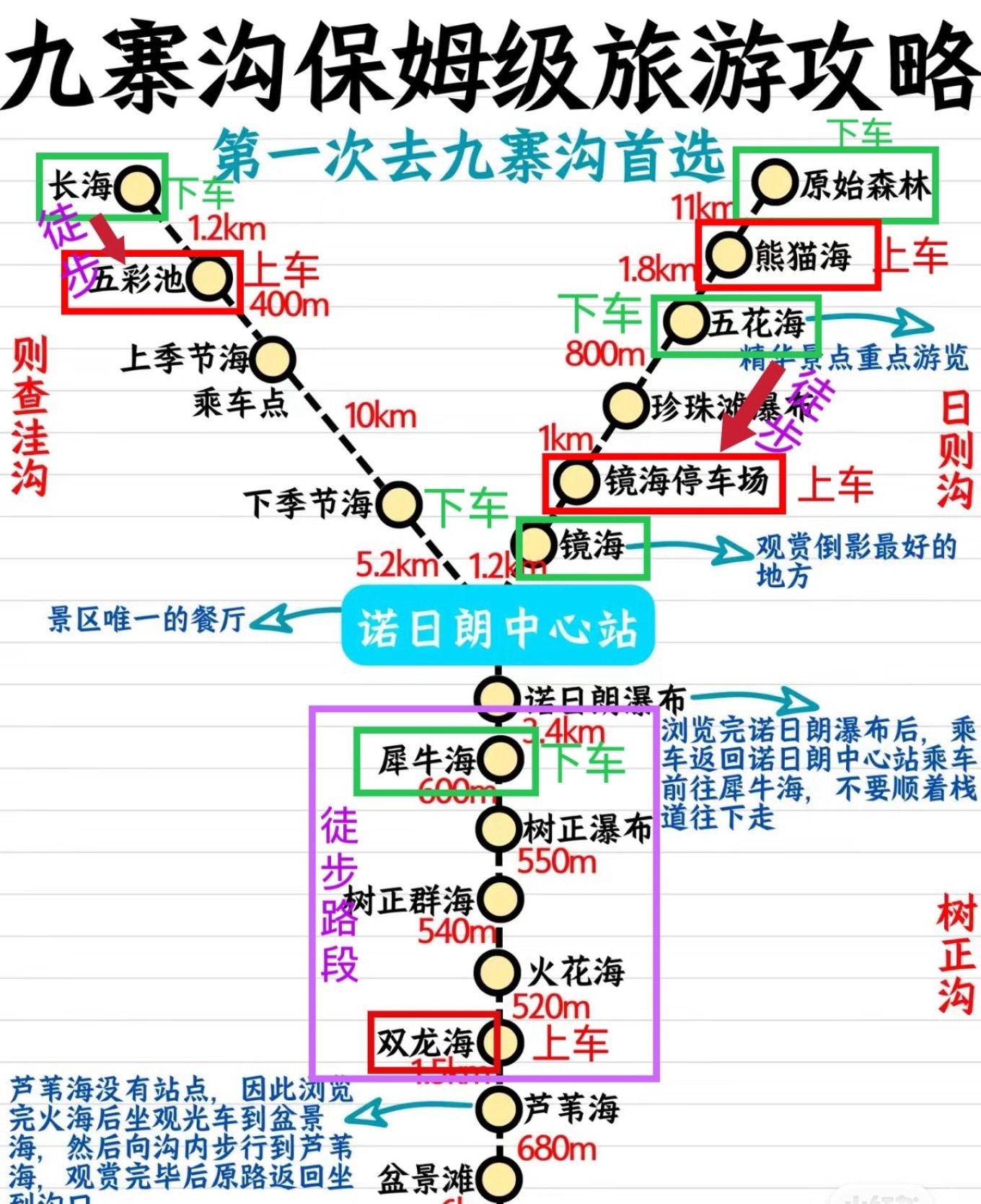
A full day at Jiuzhaigou (九寨沟) typically takes 6–8 hours to explore. The scenic area is shaped like a ‘Y’, with three main branches: Zechawa Valley (则查洼沟), Rize Valley (日则沟), and Shuzheng Valley (树正沟). After purchasing your ticket (including the mandatory sightseeing bus), you’ll board a bus that randomly drops you at the top of either Rize Valley or Zechawa Valley—you can’t choose which, as it’s based on crowd control. From there, you walk downhill, exploring the sights, and meet at the central Nuorilang Center (诺日朗中心站) for lunch. After a break, take another bus to the top of the other branch, then continue down to Nuorilang again. Finally, explore Shuzheng Valley on your way out. The sightseeing buses stop at every scenic spot, making transfers easy. You can bring your own lunch (e.g., self-heating meals), as food is only available at Nuorilang Center.
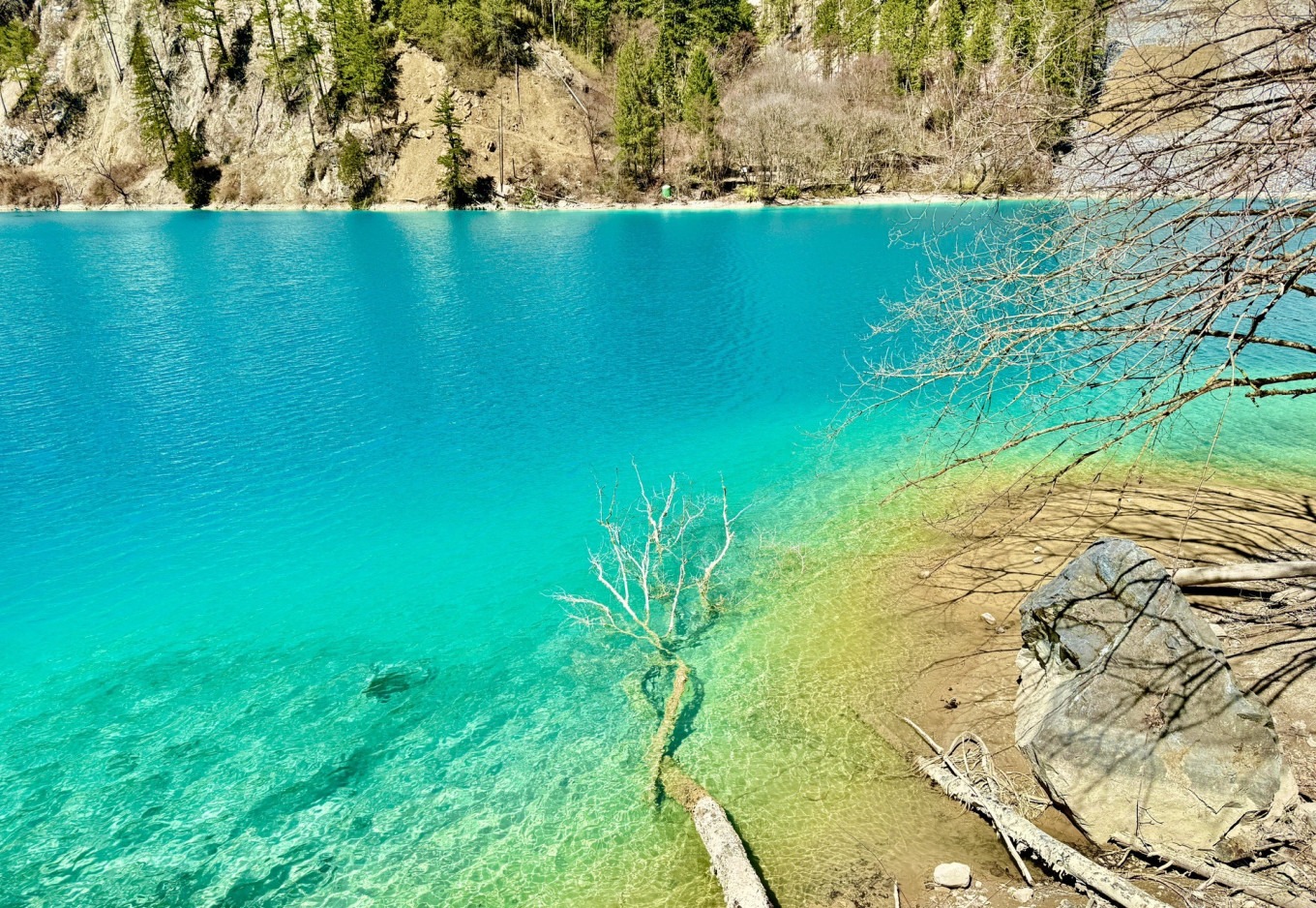
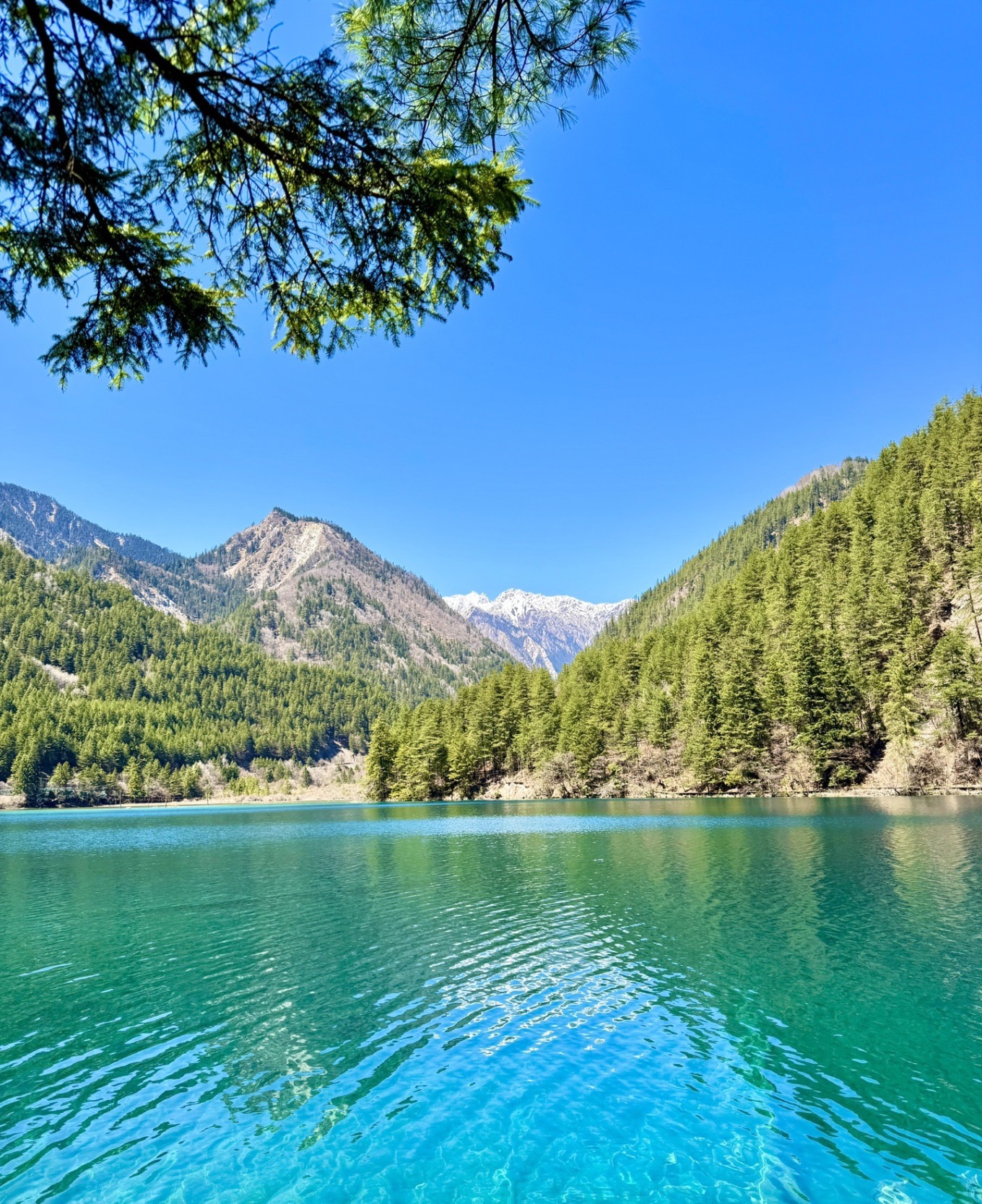
Start with Rize Valley (日则沟), the most scenic branch. Here you’ll find iconic spots like the Arrow Bamboo Lake, Panda Lake, and Five Flower Lake.
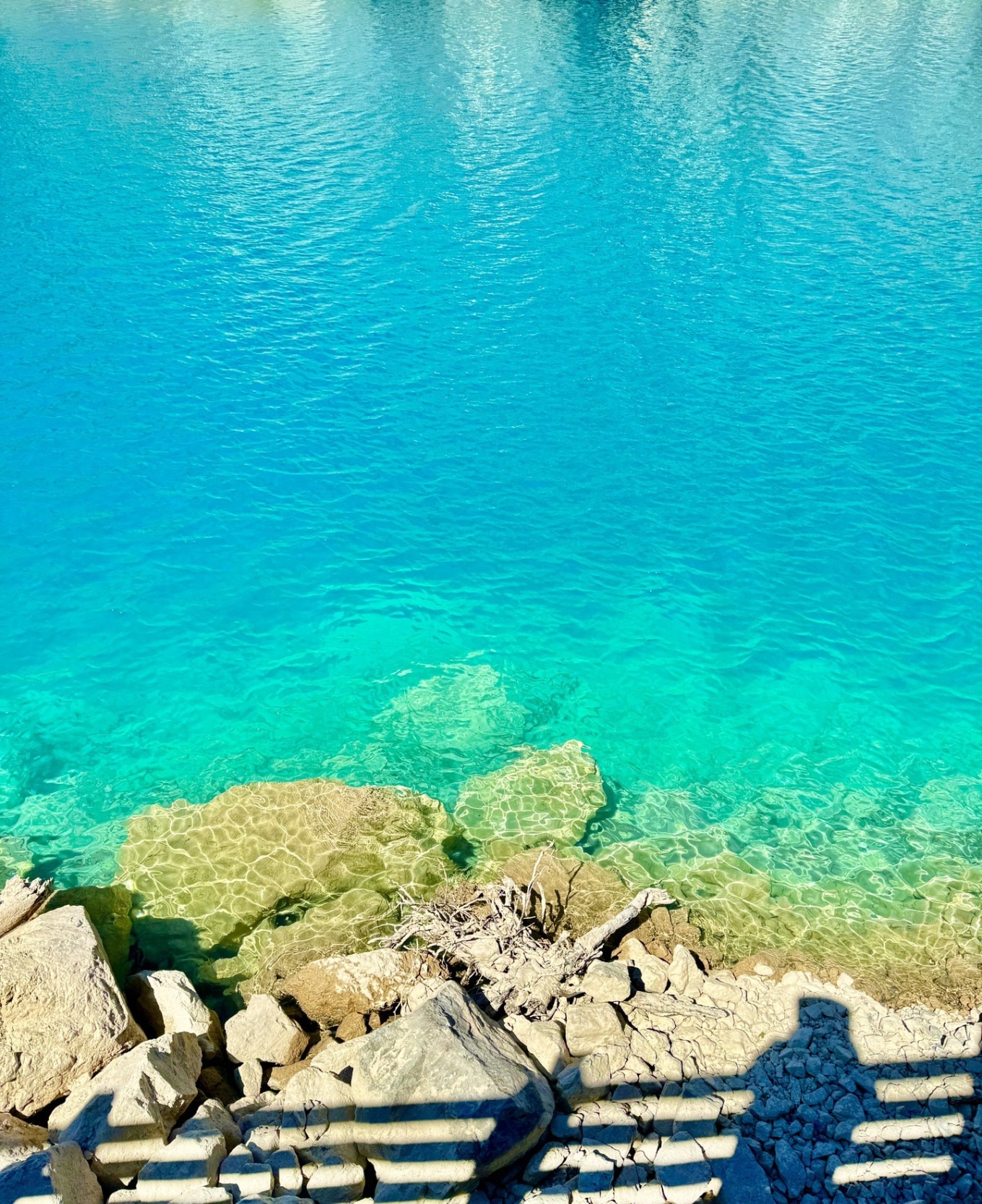
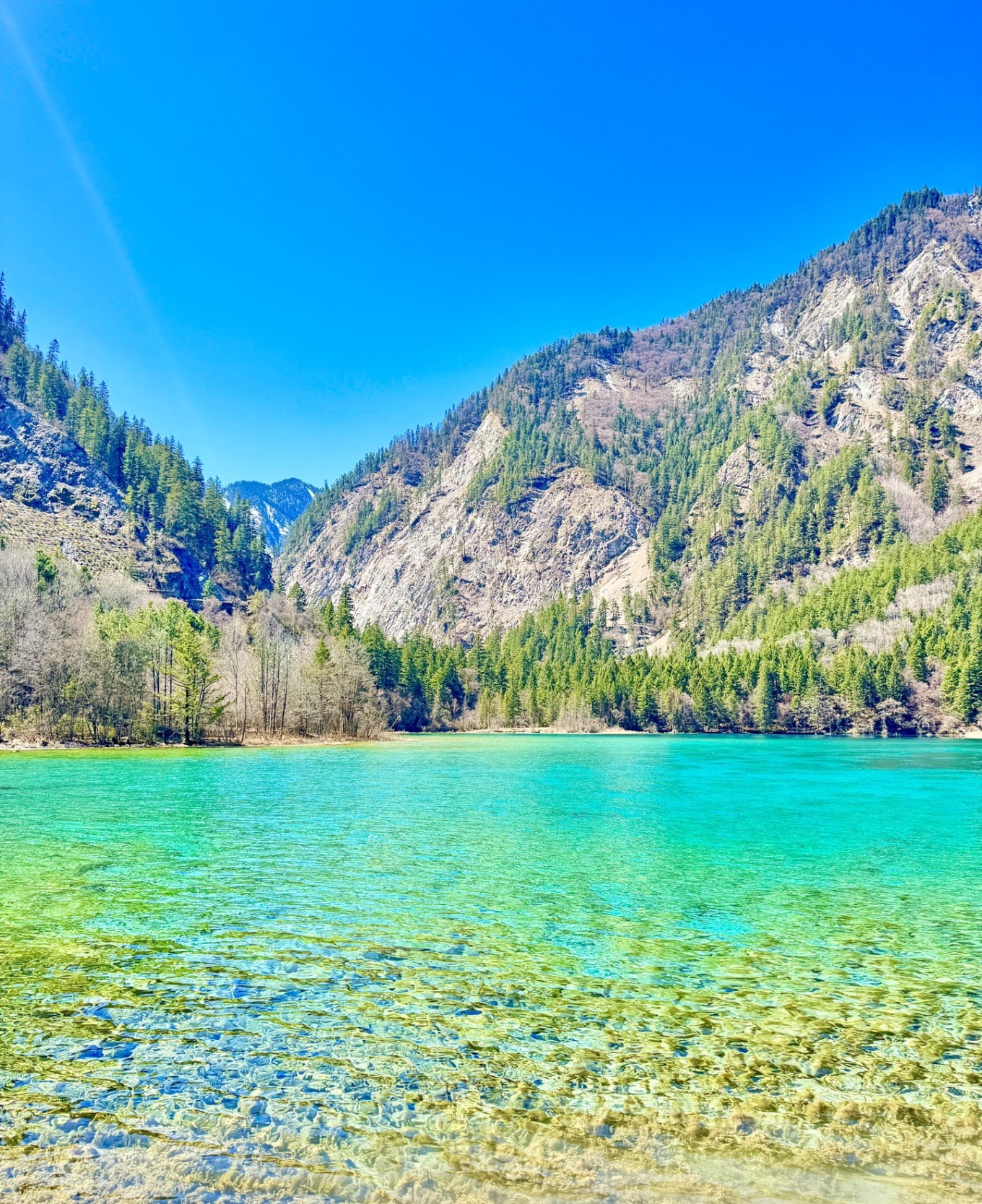
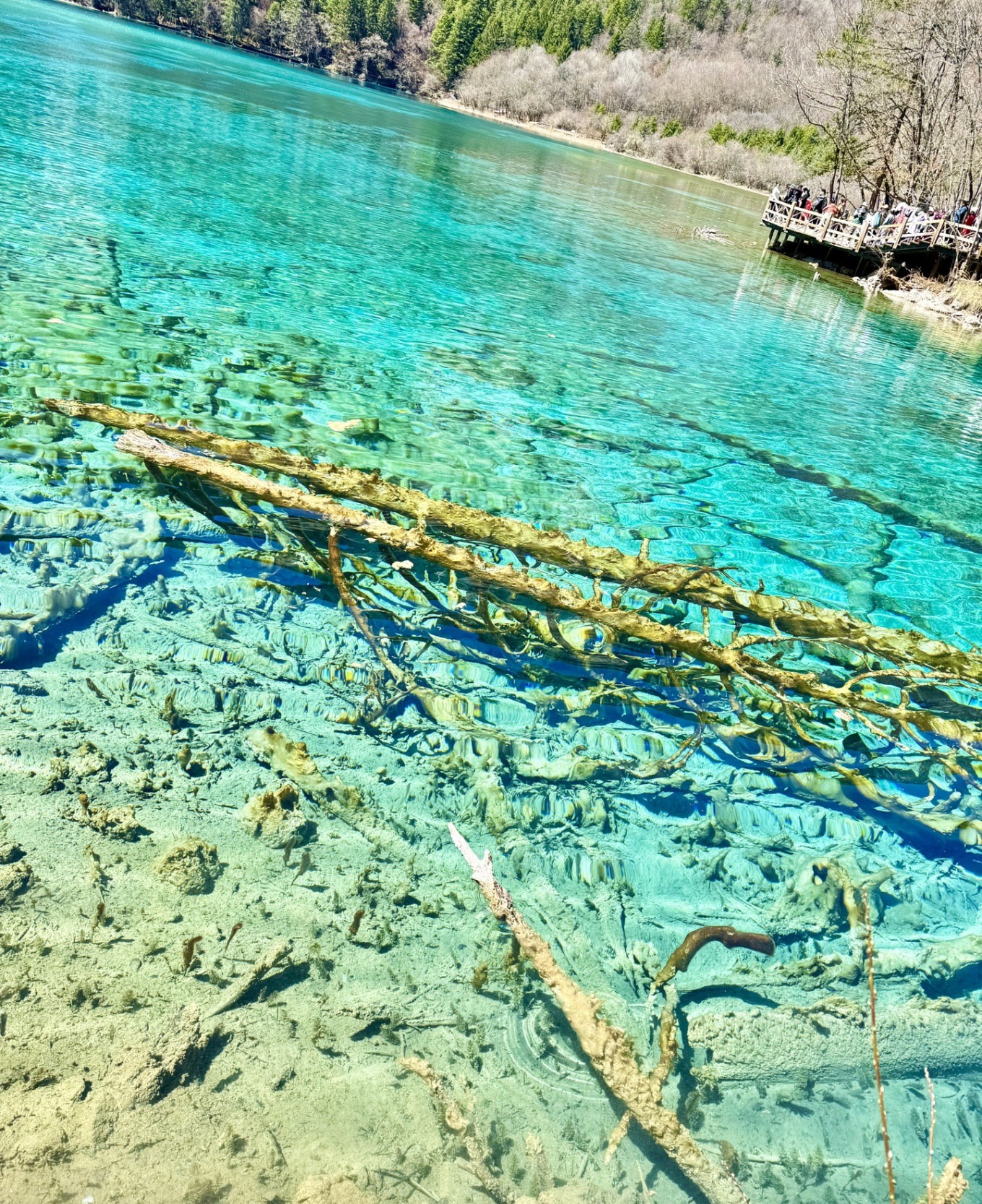
Next, head to Zechawa Valley (则查洼沟), which features the highest lake, Long Lake, and the colorful Five-Color Pond.
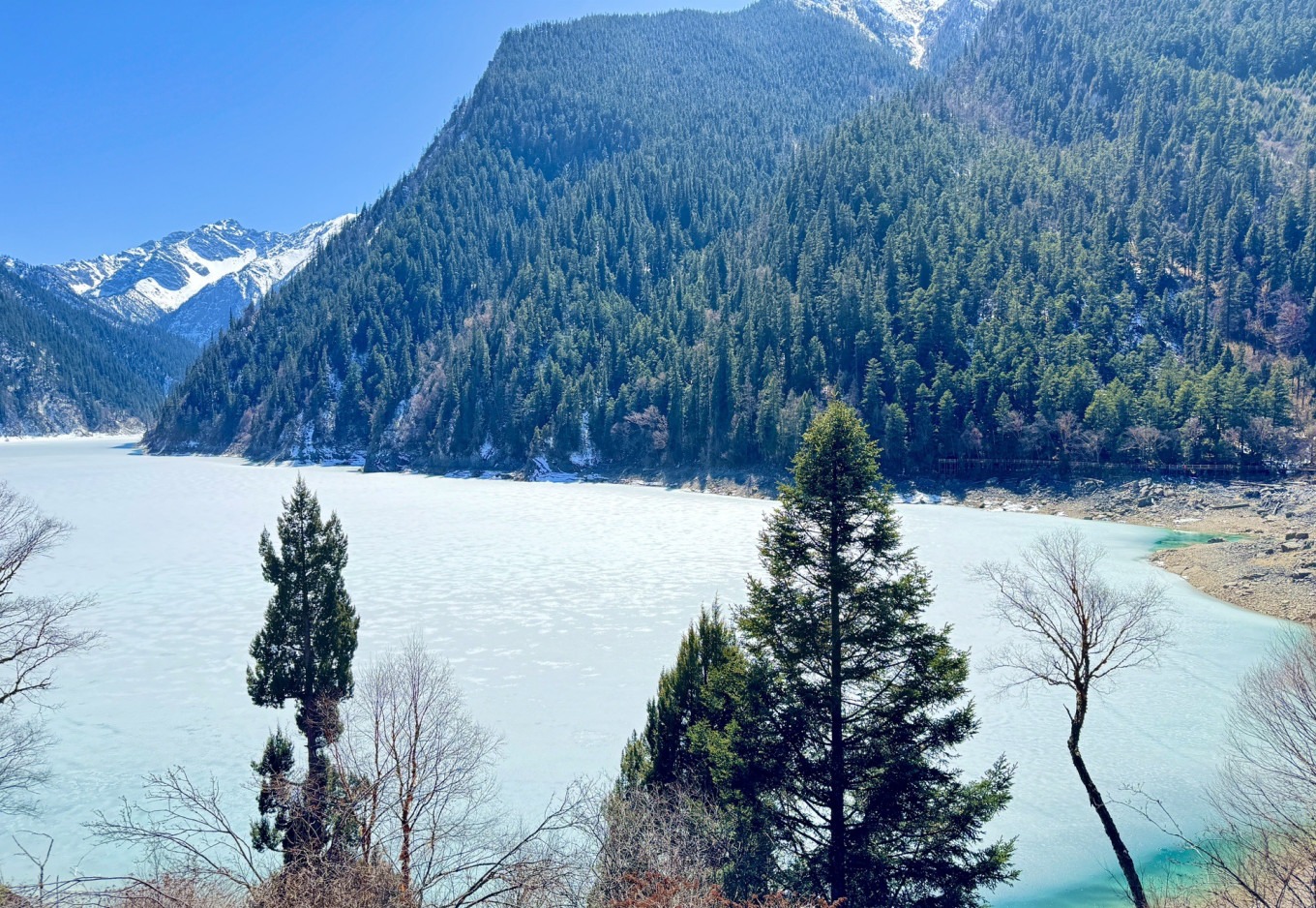
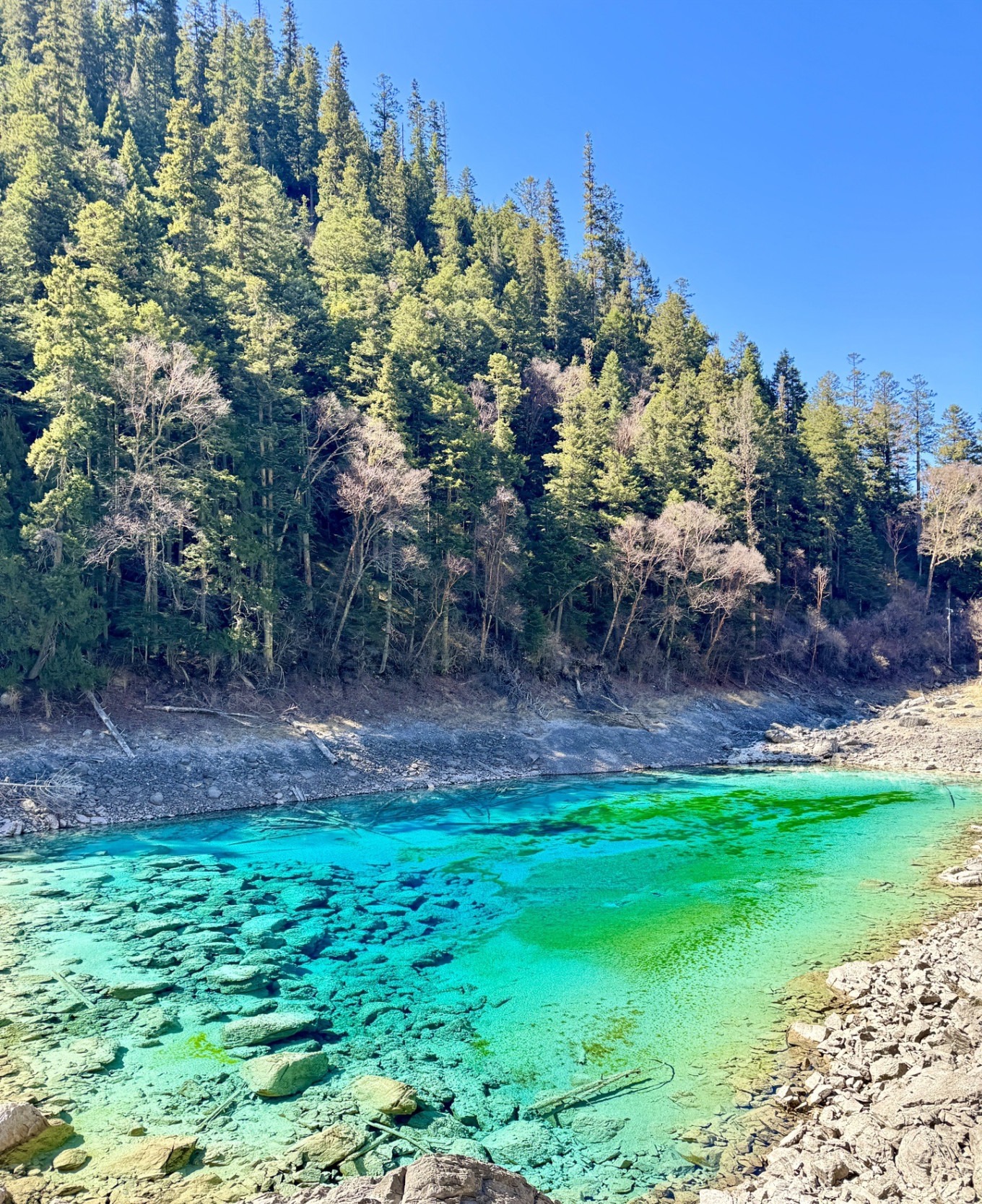
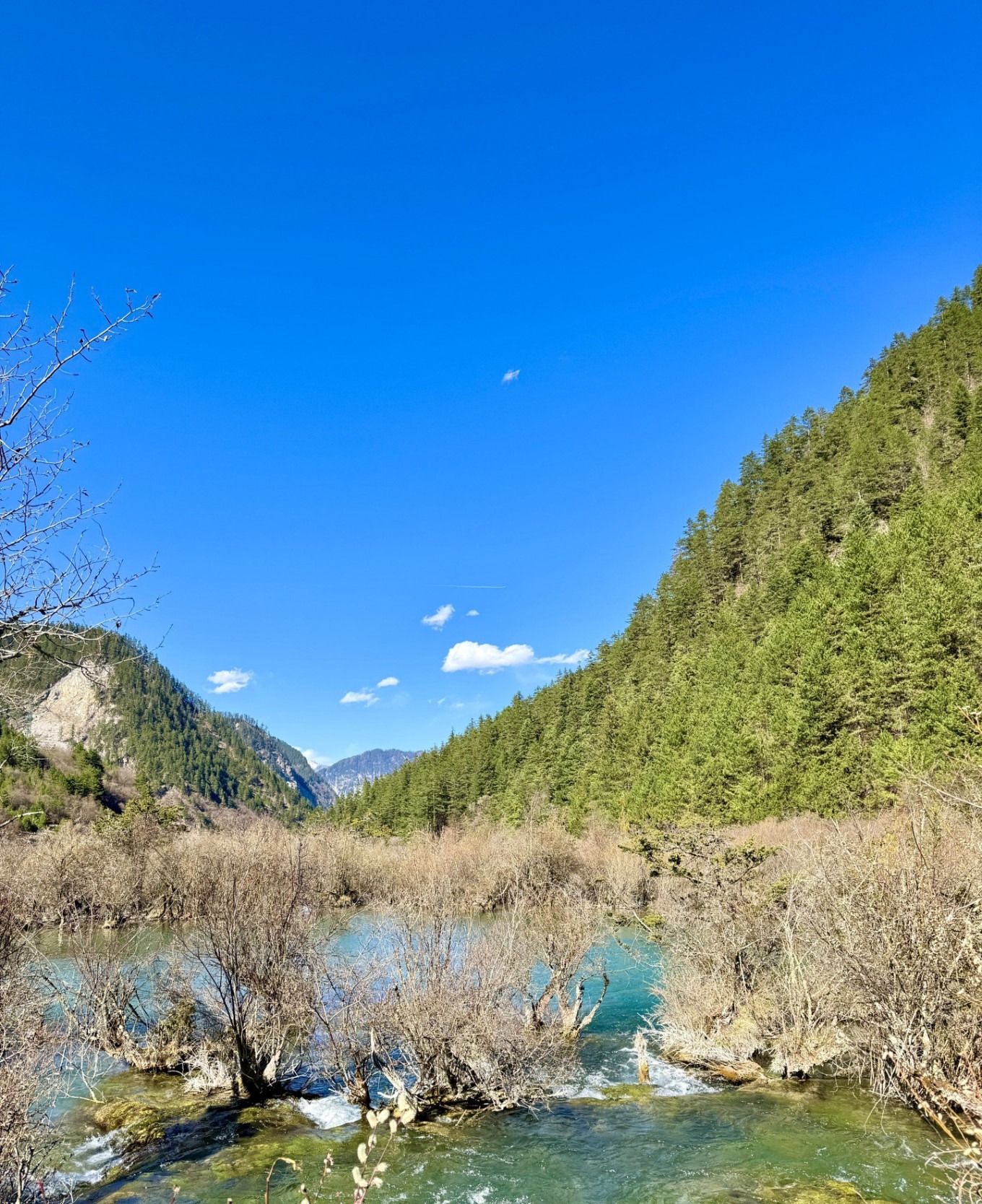
Finally, explore Shuzheng Valley (树正沟), which is the longest branch and includes the Nuorilang Waterfall, Shuzheng Lakes, and the Reed Lake.
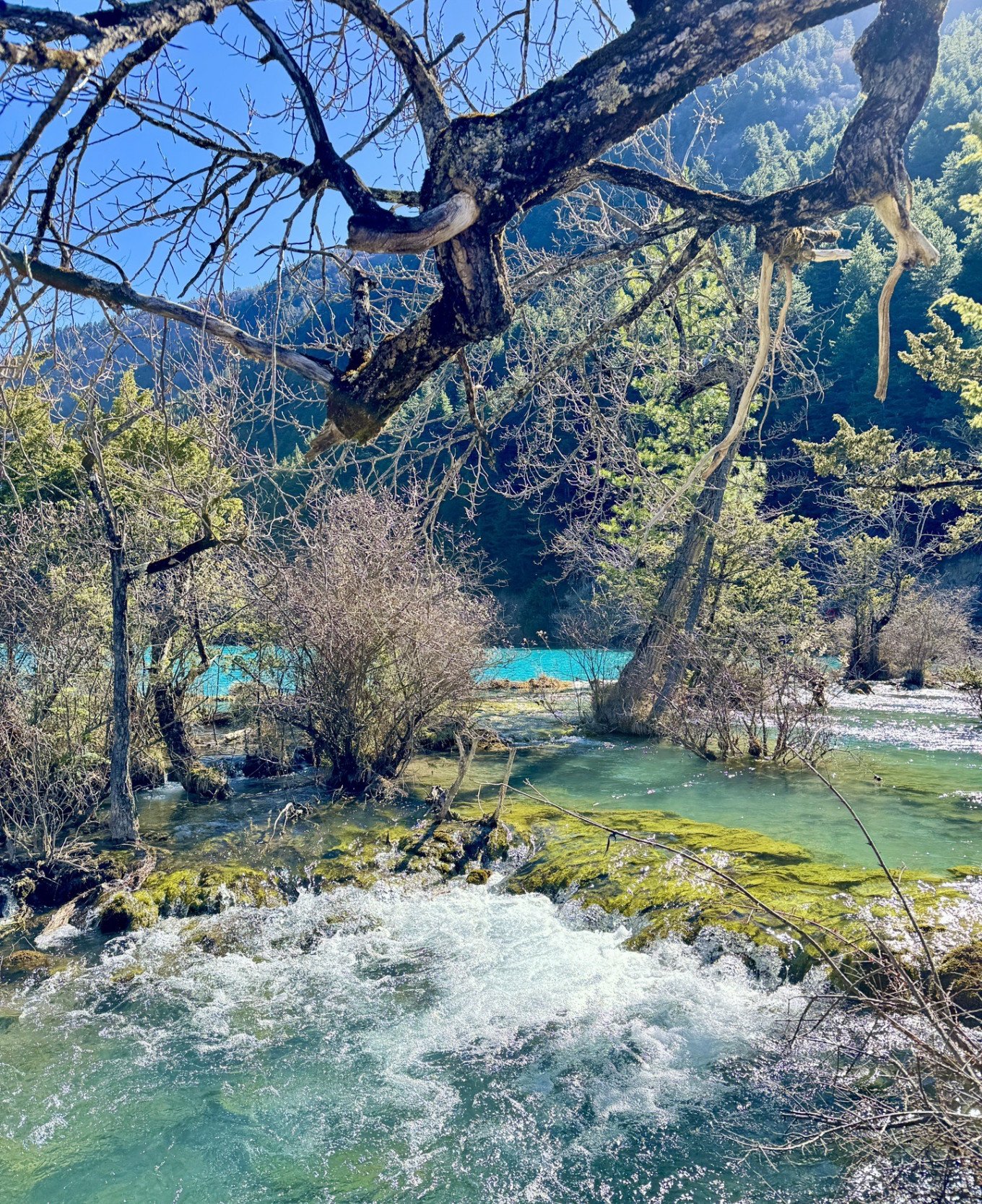
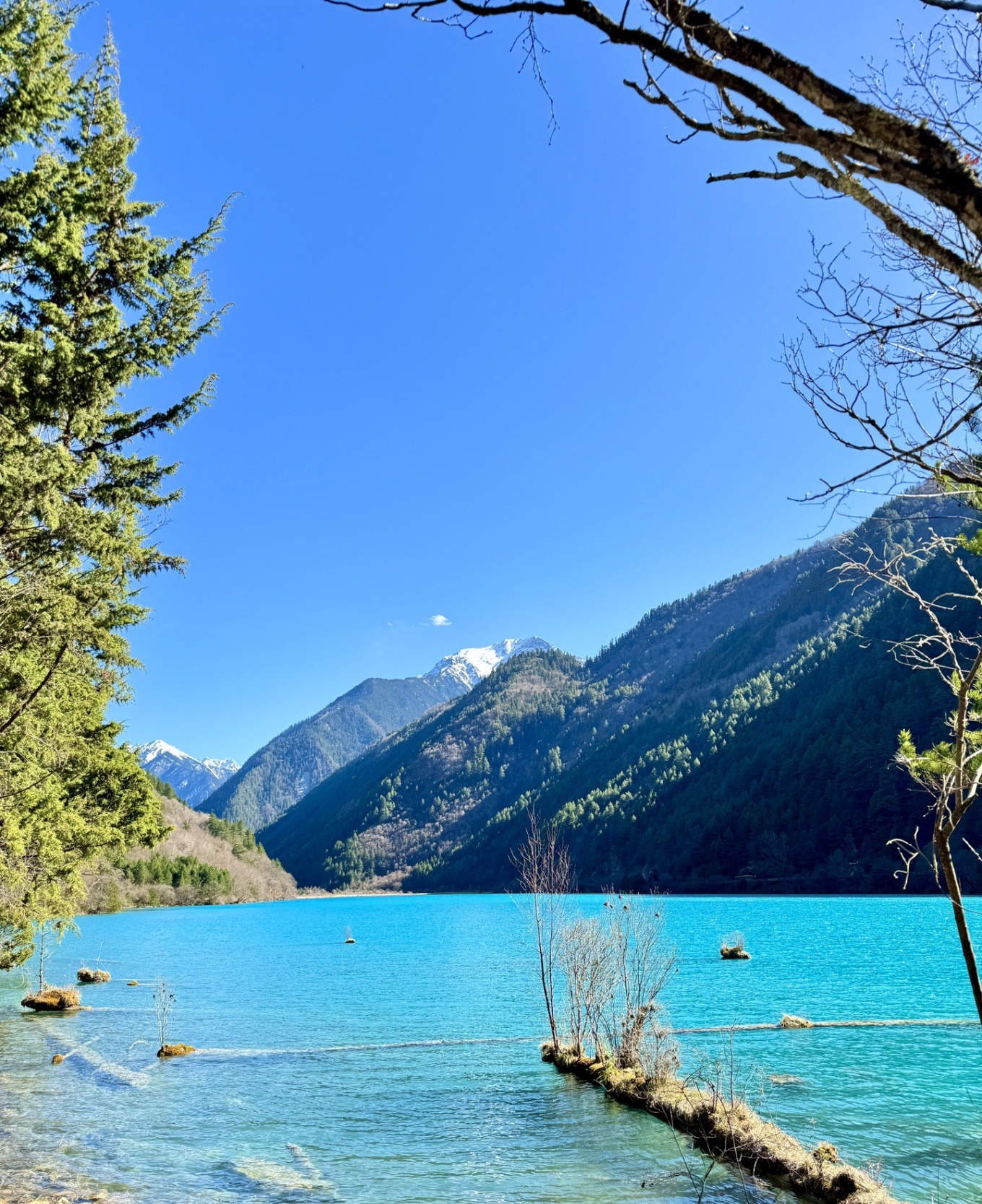
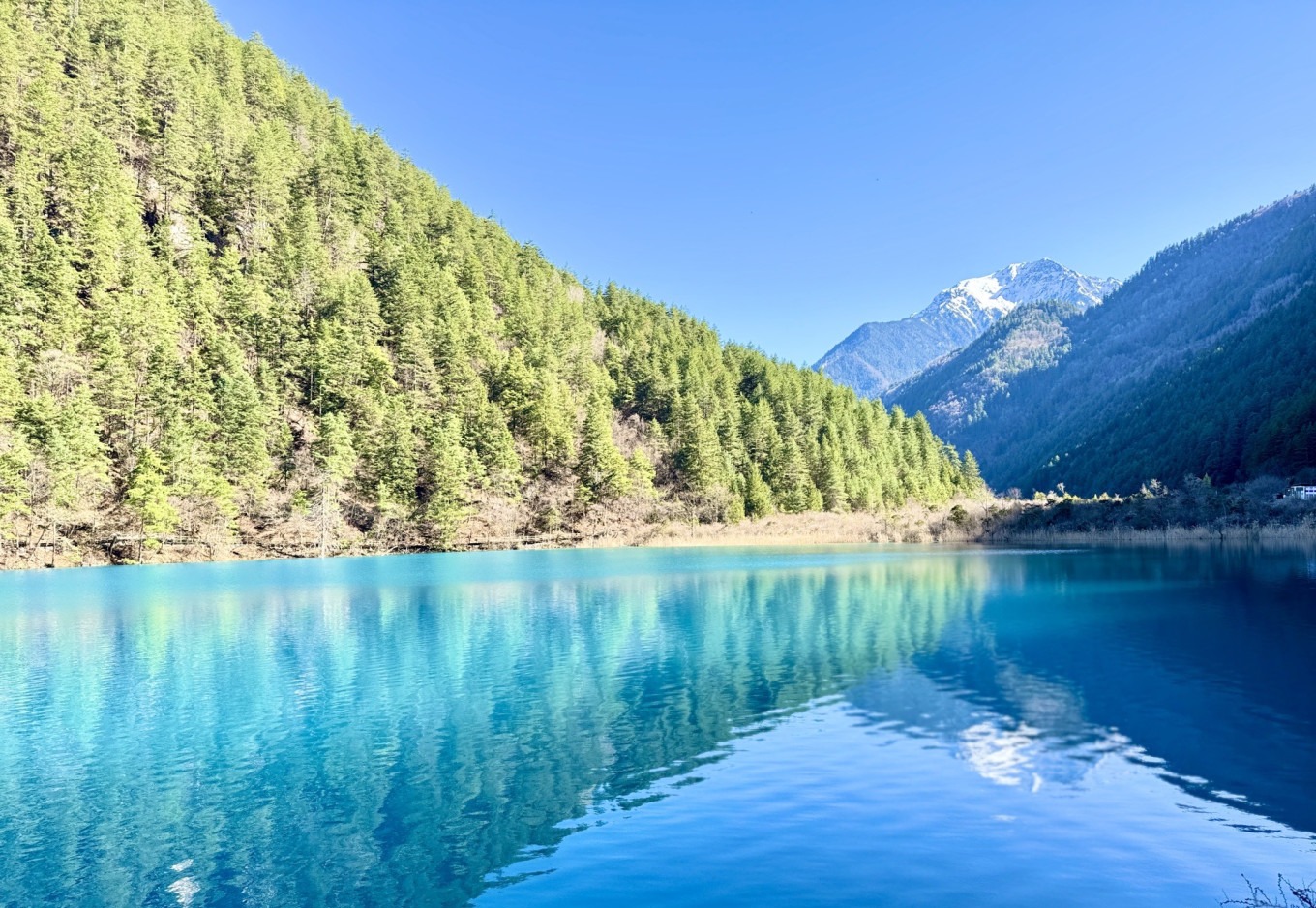
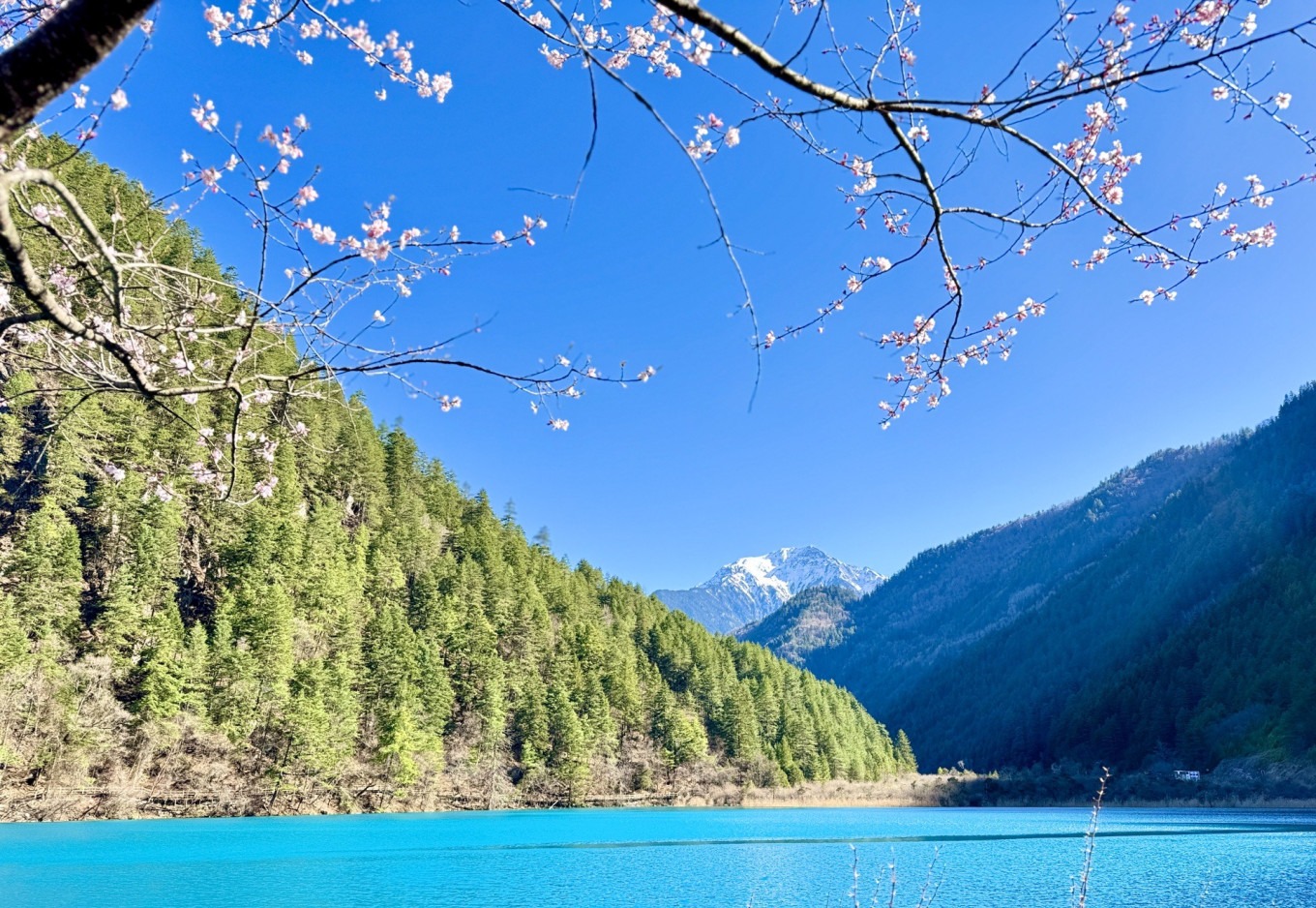
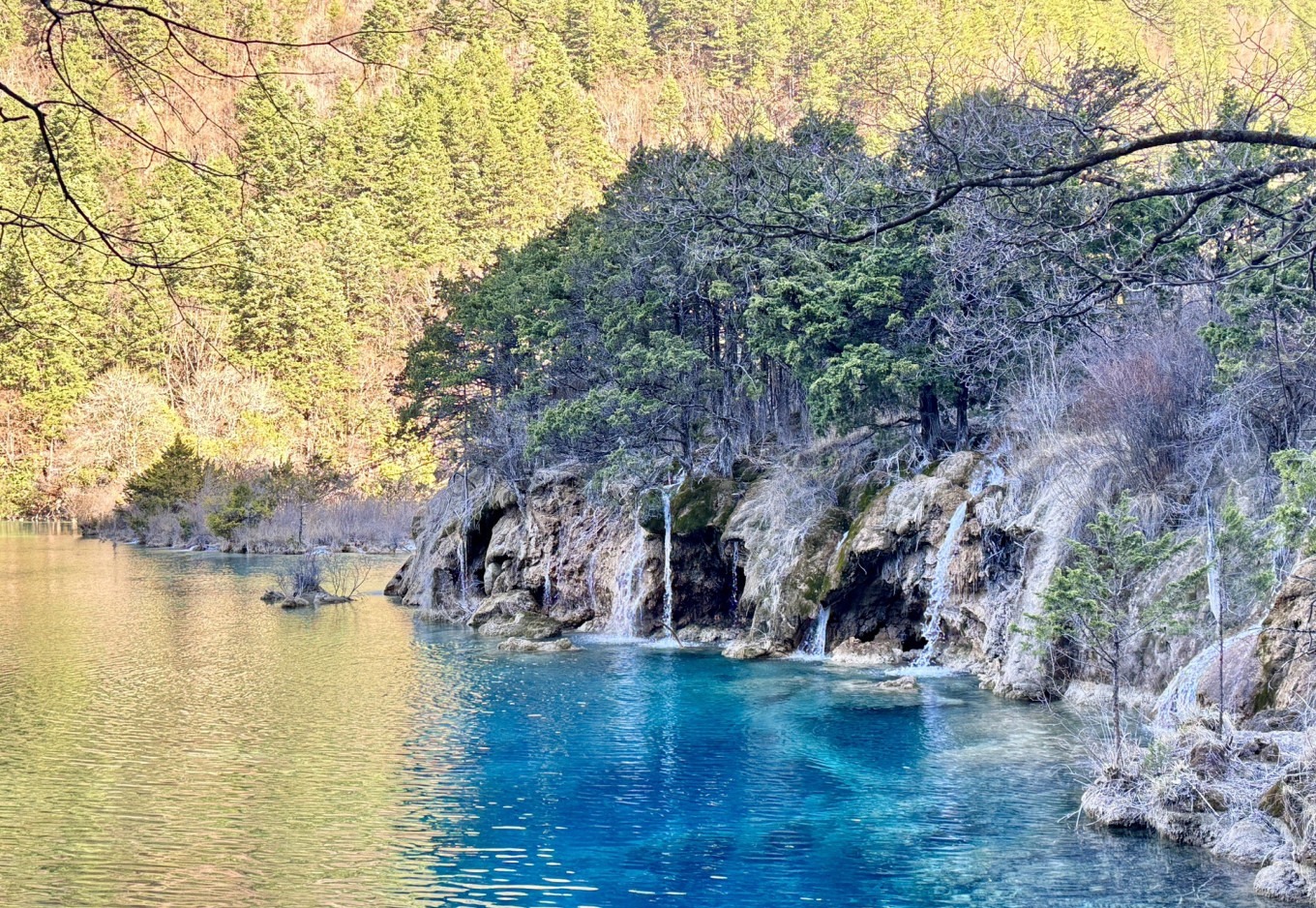
After finishing your Jiuzhaigou tour in the late afternoon, drive to the Chuanzhusi (川主寺) area for the night — it’s about a 1.5-hour drive. Staying there puts you in a great position for an early start at Huanglong the next day. For dinner, try the local specialty: yak meat hotpot (牦牛肉汤锅) near Chuanzhusi.
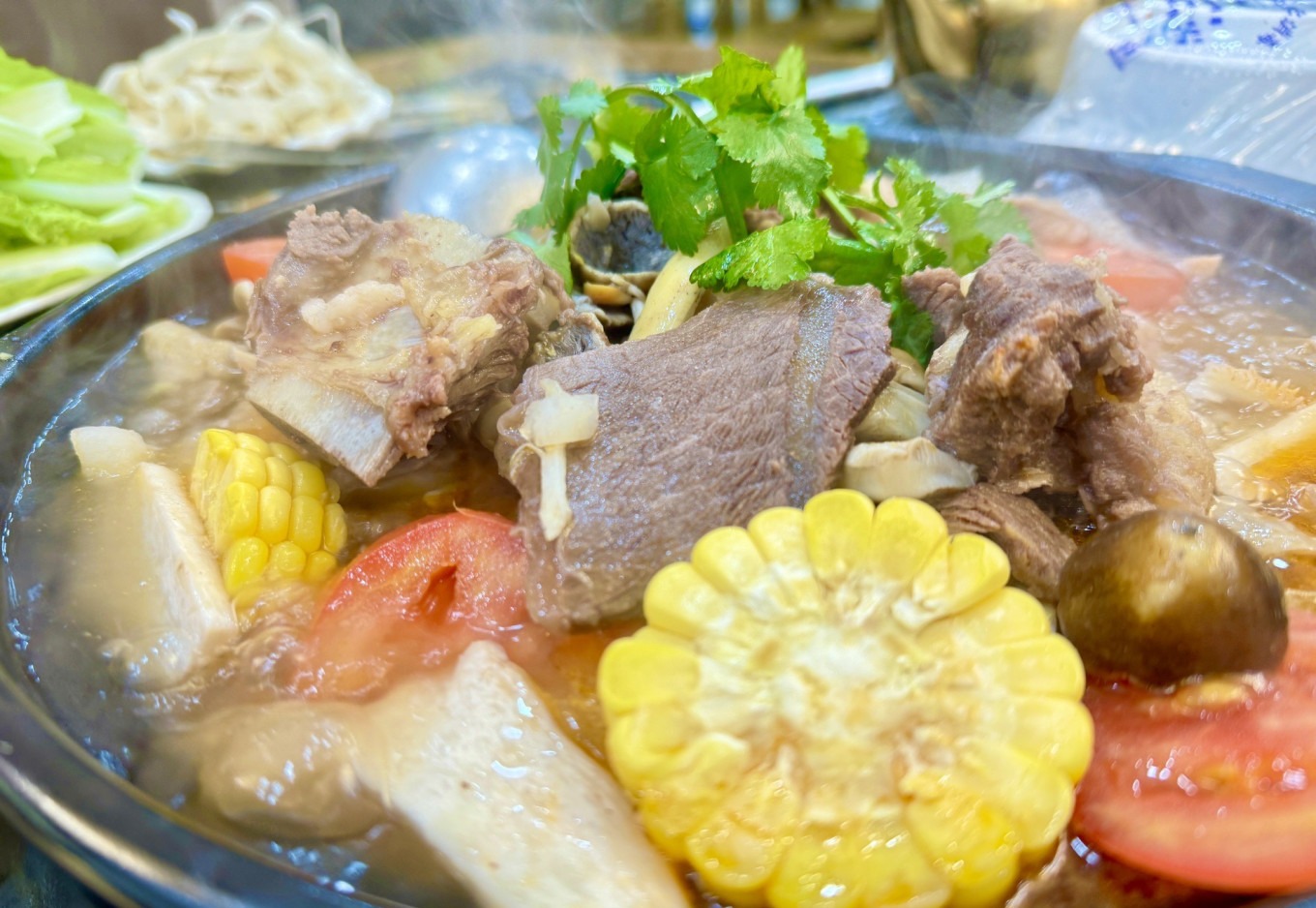
Huanglong to Dujiangyan via Chuanzhusi and Songpan Ancient Town
Plan about 4–6 hours for a full tour of Huanglong (黄龙). Start early from your accommodation — a half-hour drive gets you to the scenic area. The mountain is cold with mild altitude sickness possible, so bring an oxygen canister. The most energy-saving route is to take the cable car up, then the sightseeing bus (only 5,000 tickets daily — book well in advance!), followed by an 800-meter walk to the colorful Wucai Chi (五彩池). After enjoying the pools, walk downhill to see other attractions. If you experience severe altitude sickness, definitely take both the cable car and the sightseeing bus.
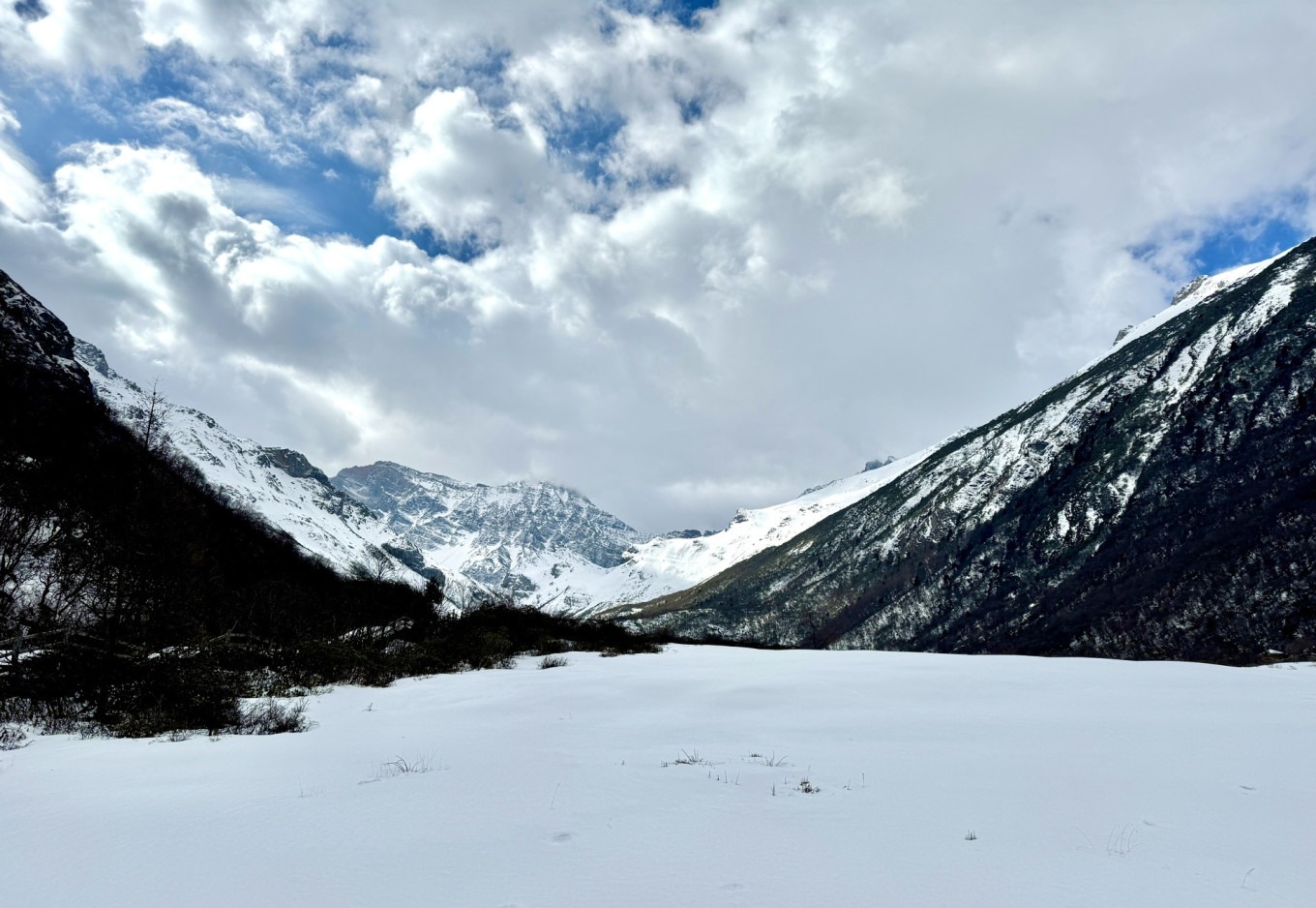
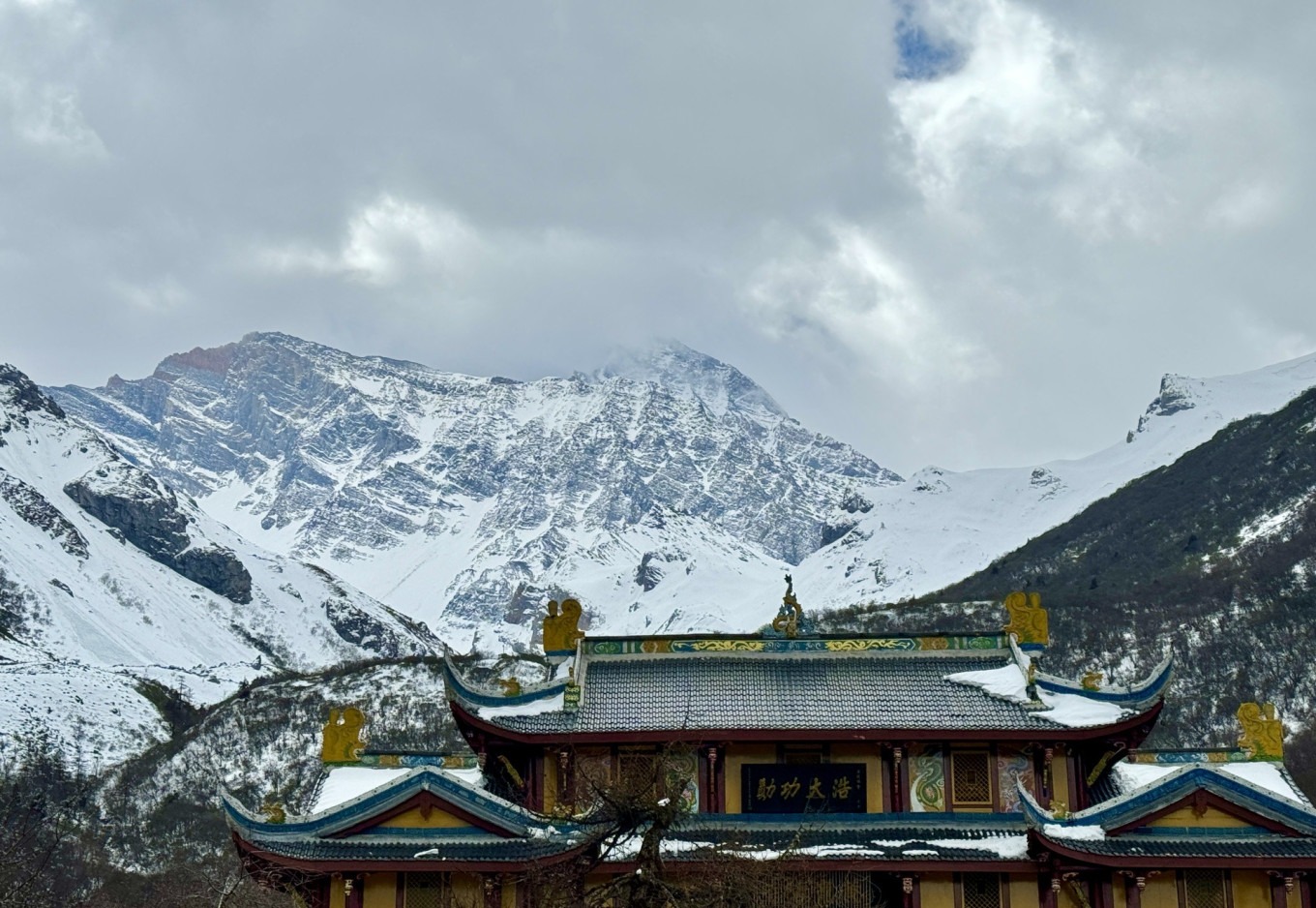
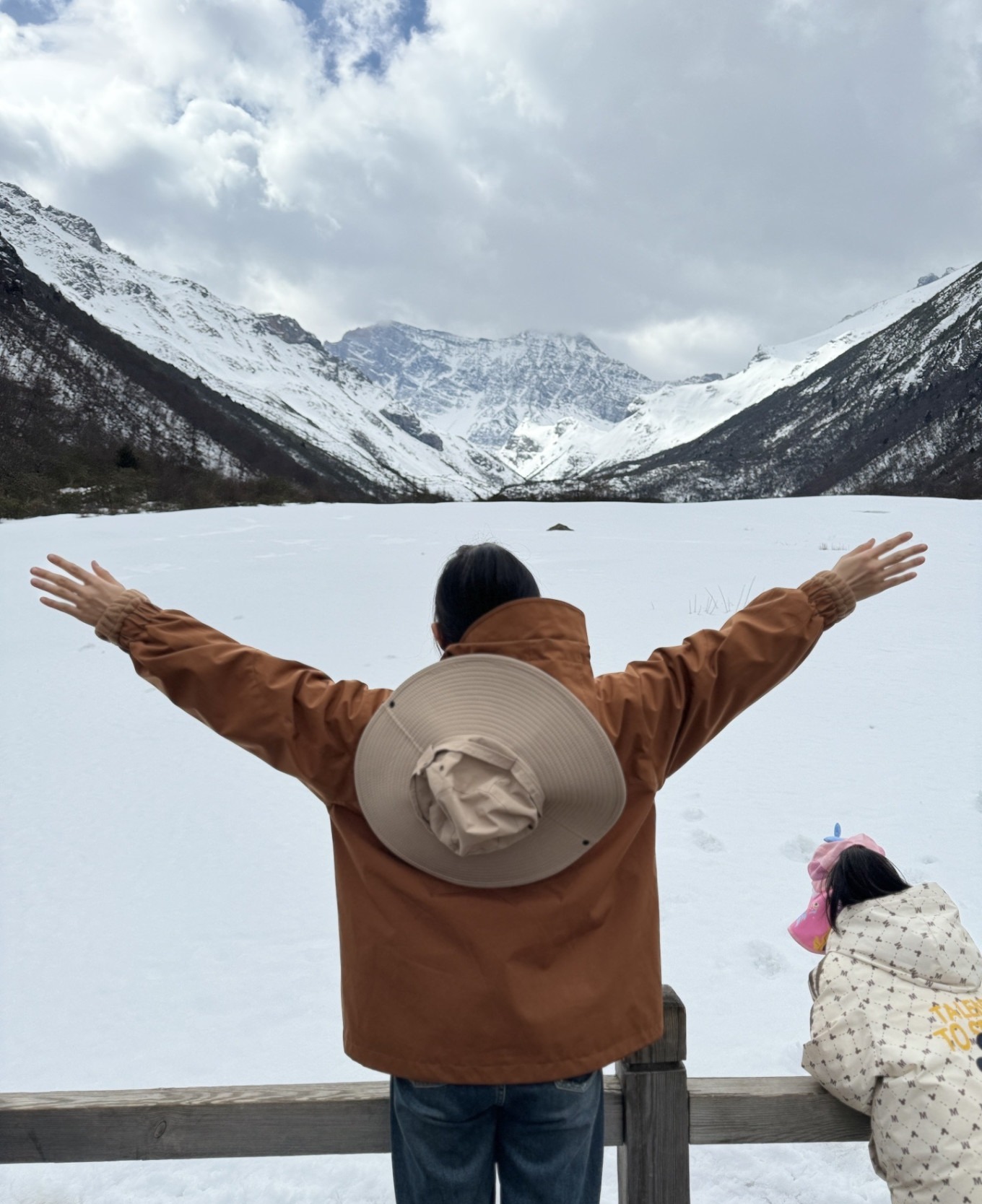
In late March to early April, temperatures hover just above freezing during the day and drop below zero at night. This is the dry season, so many of the calcified pools along the downhill path are still covered in snow. Even so, Wucai Chi is already beautiful, and the low-season crowds make the visit worthwhile.
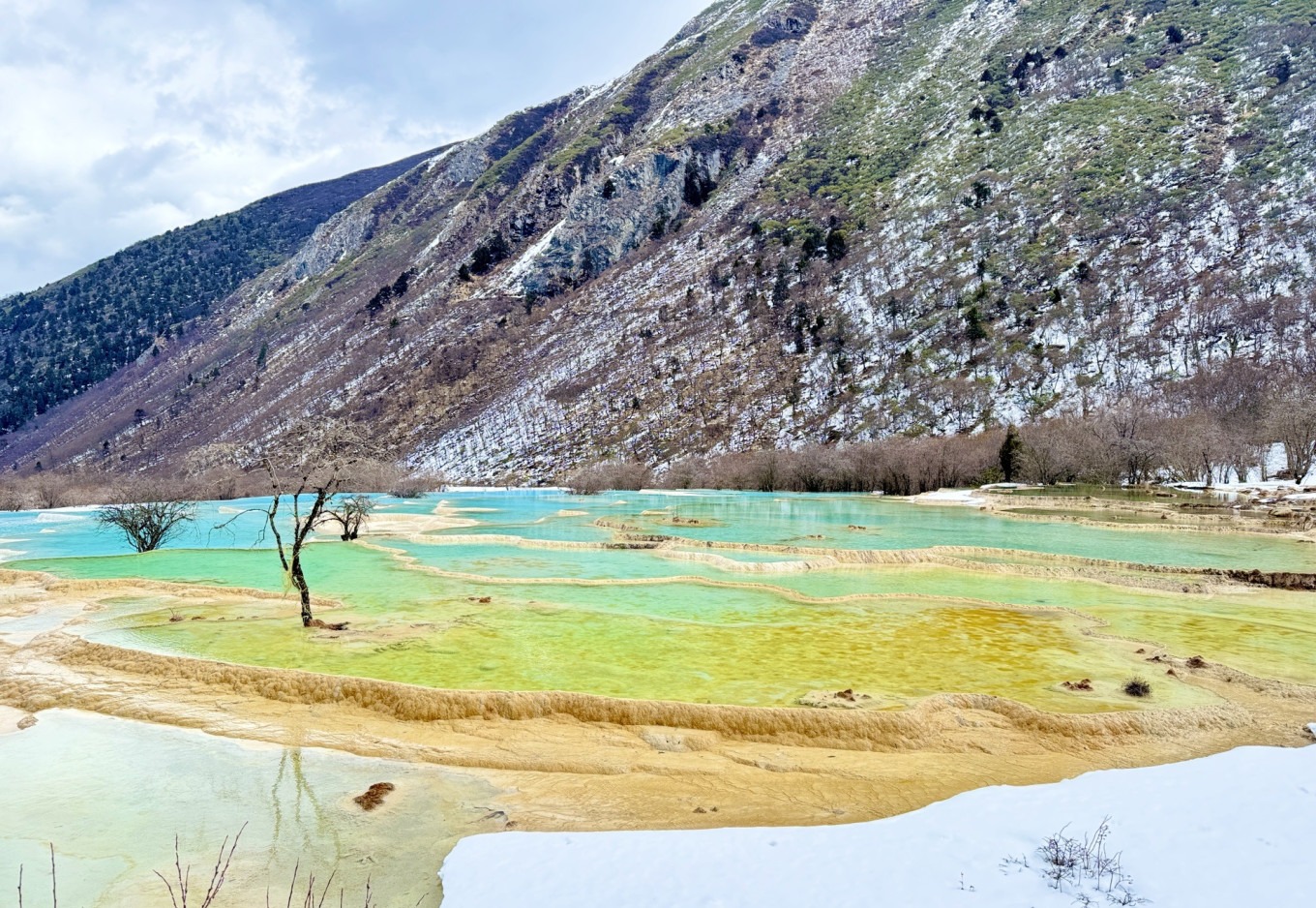
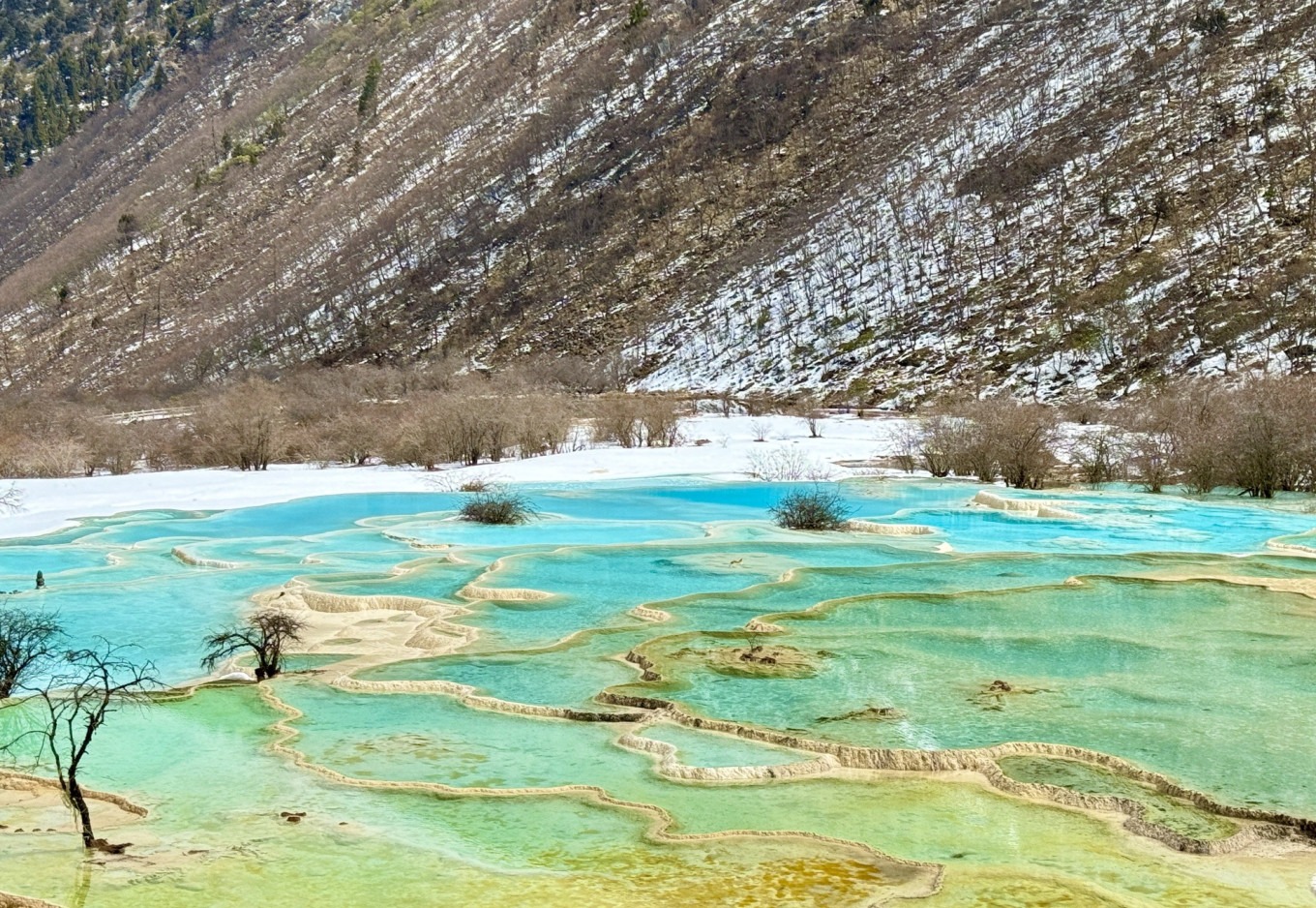
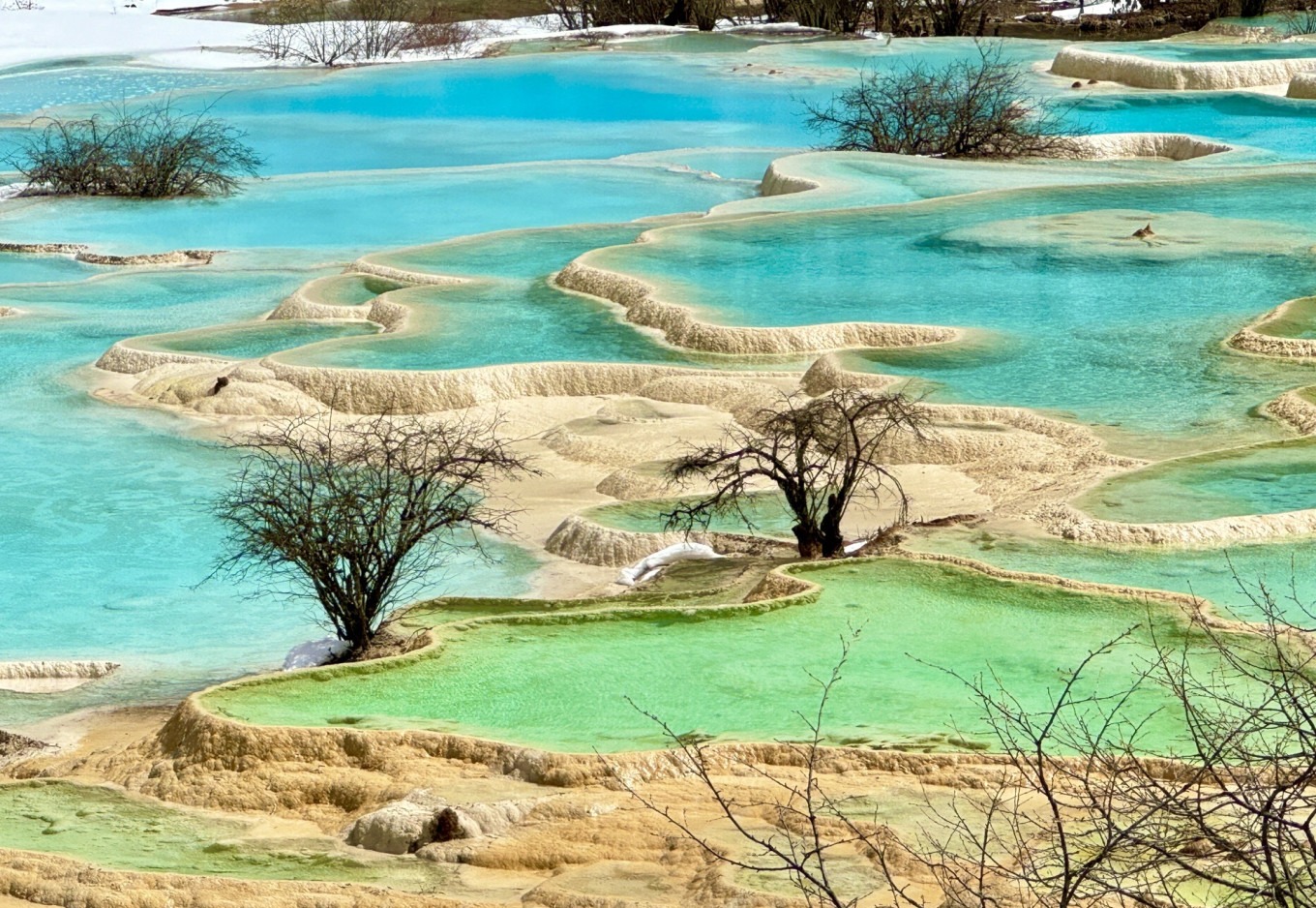
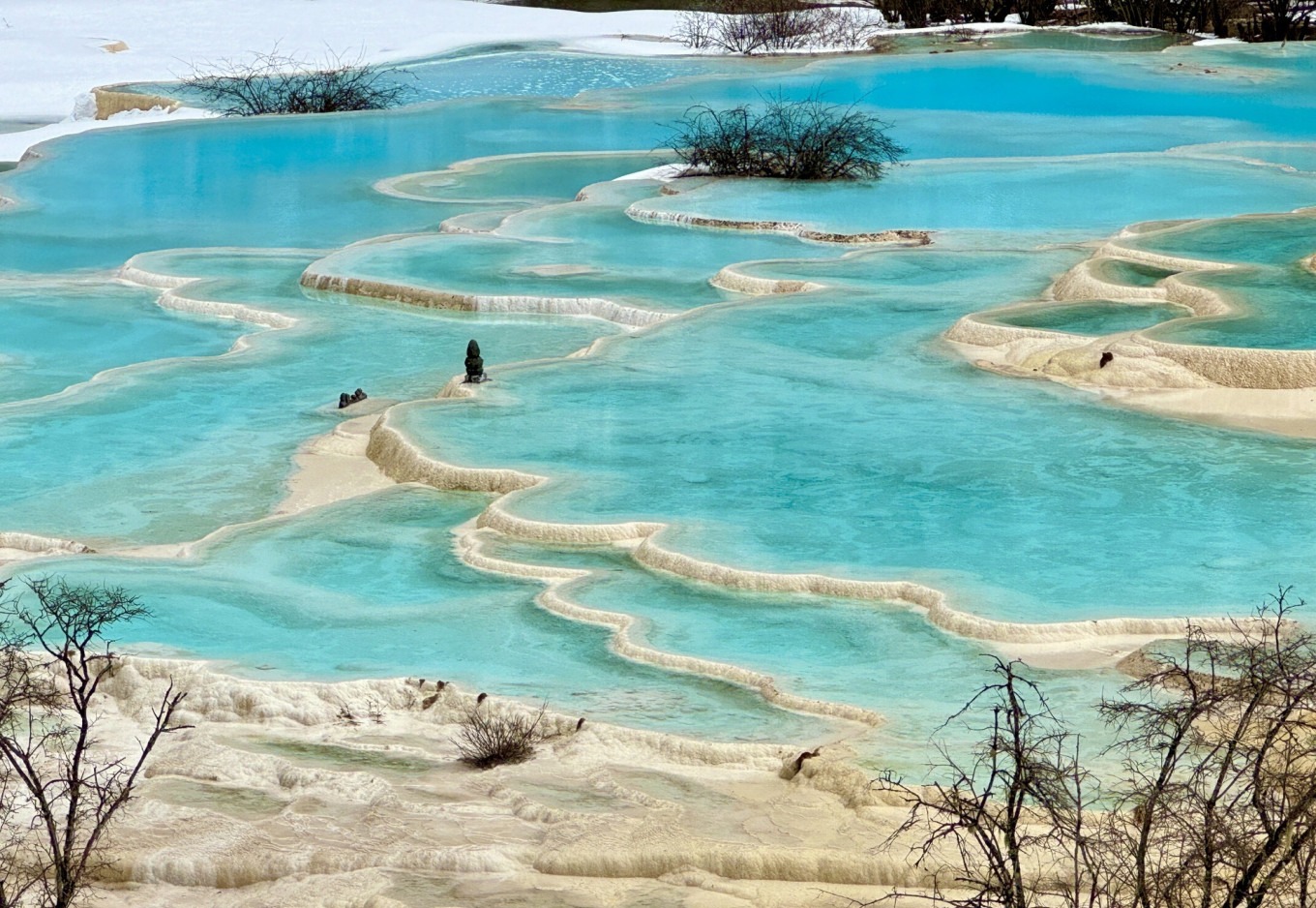
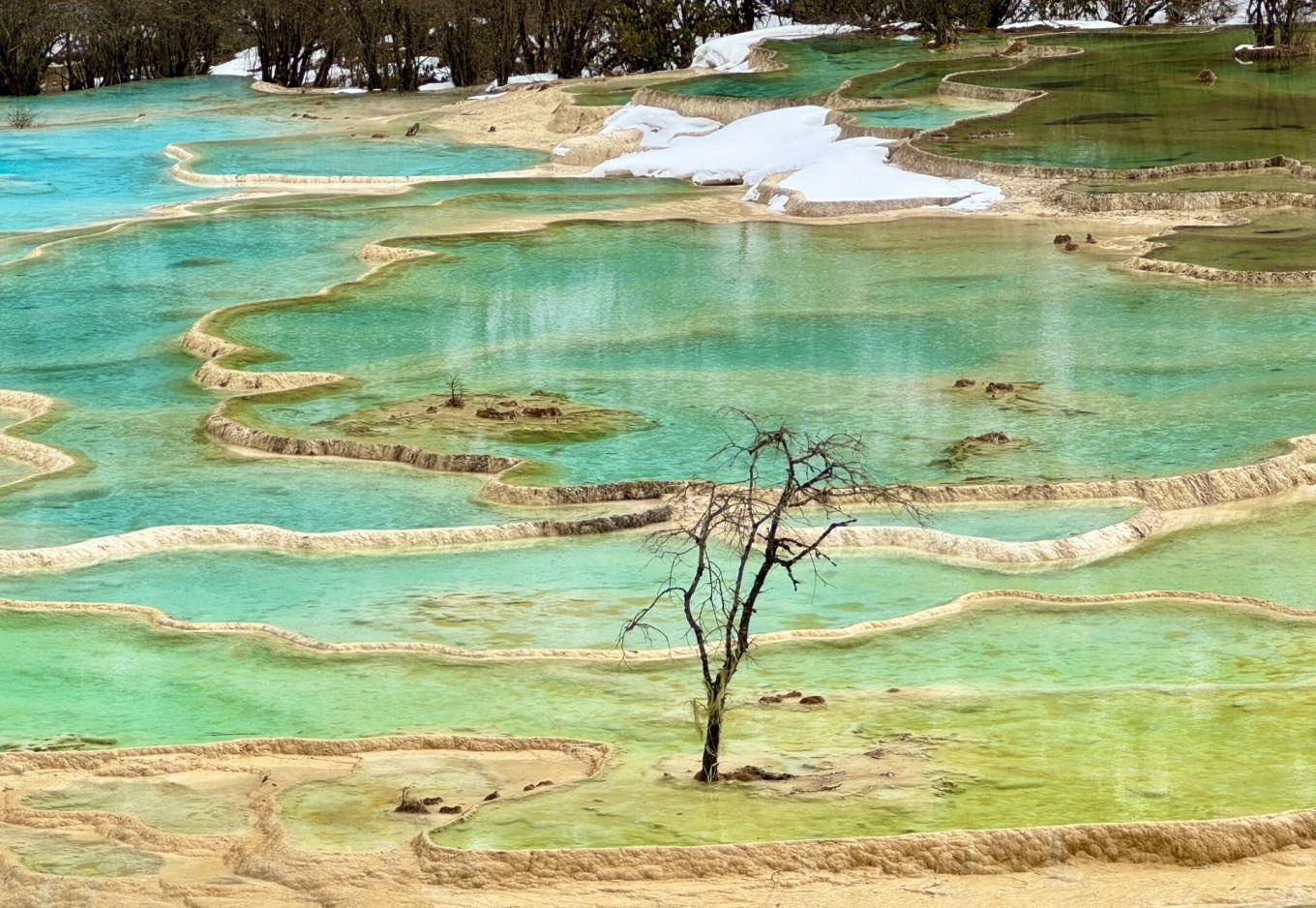
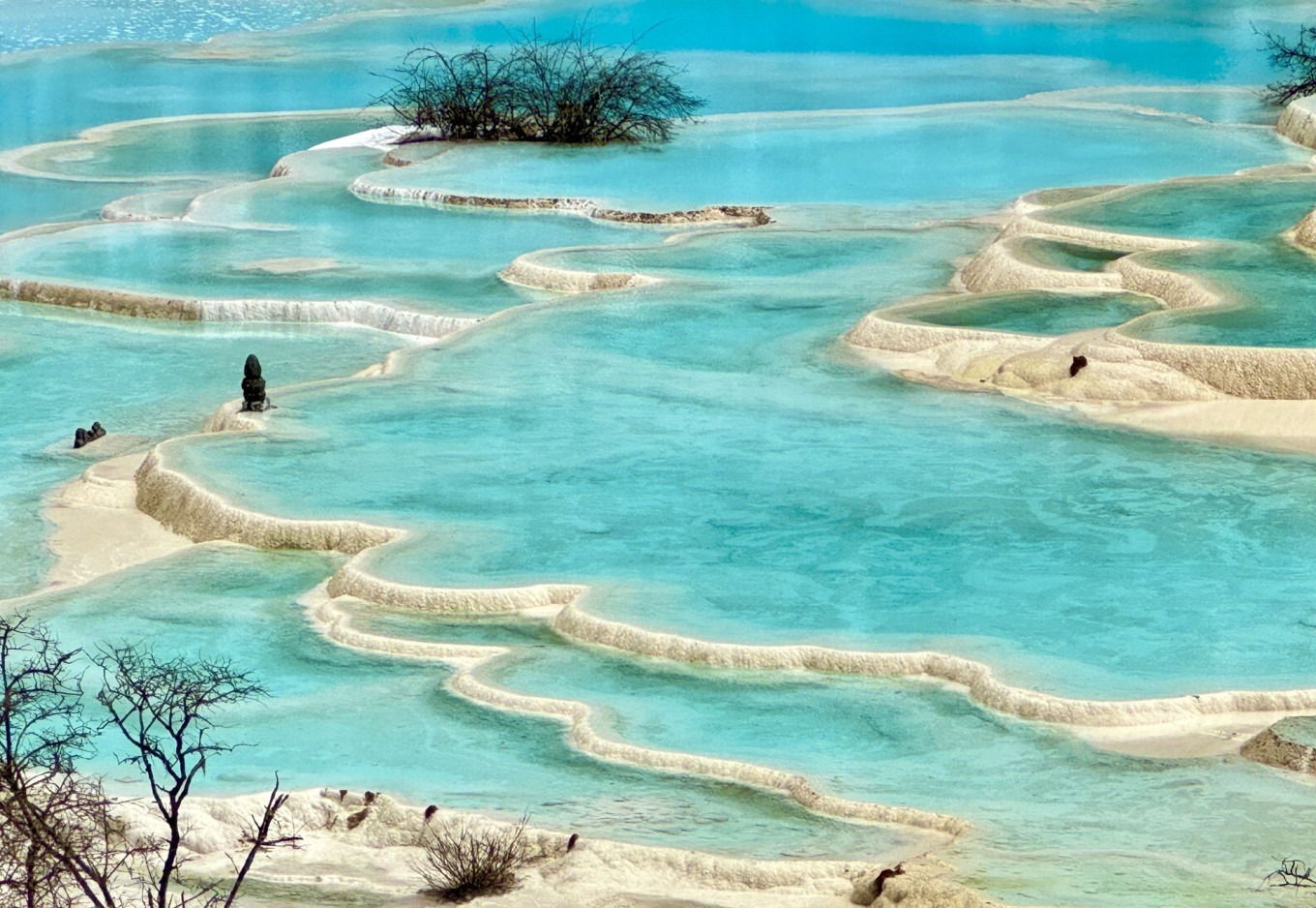
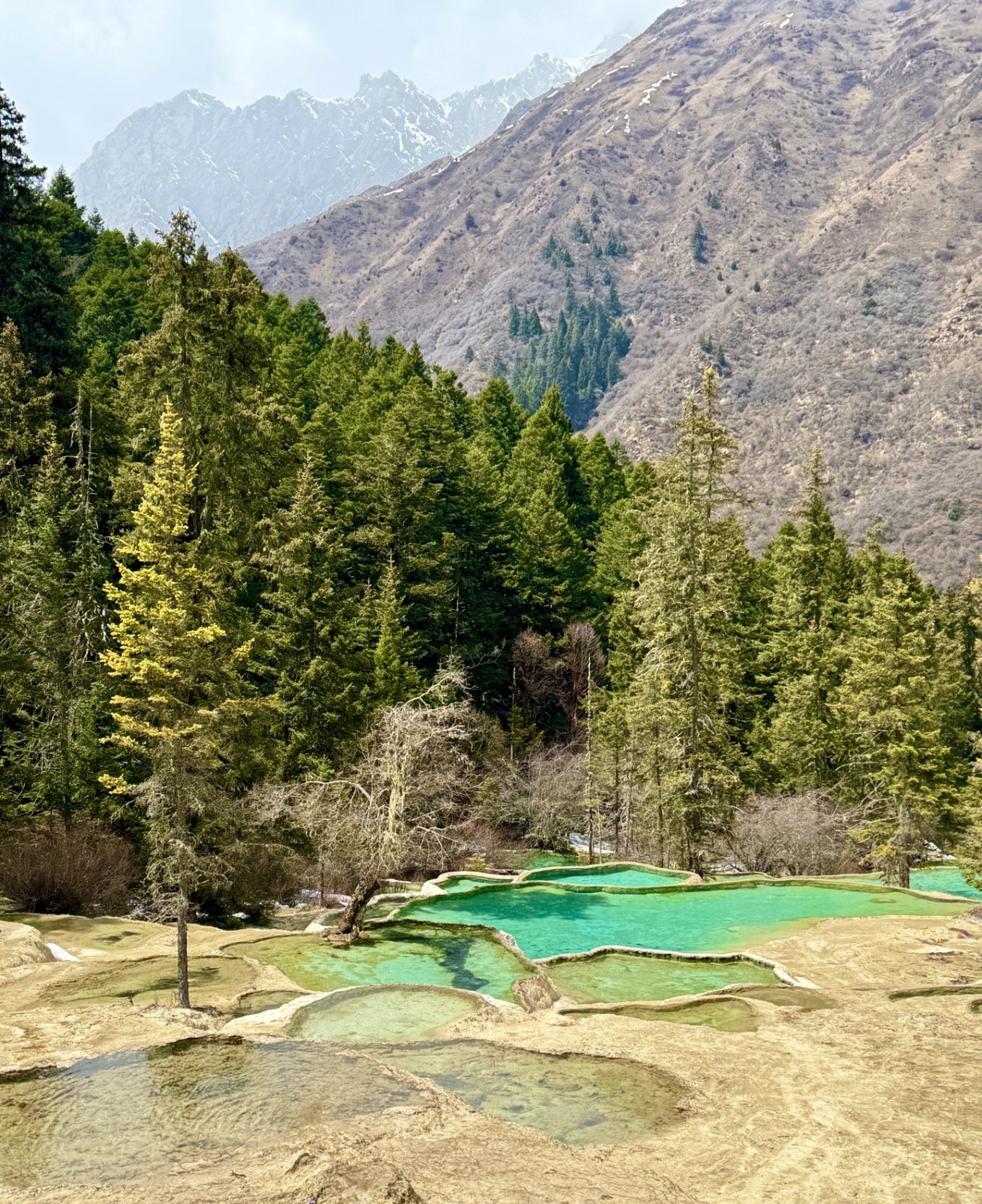
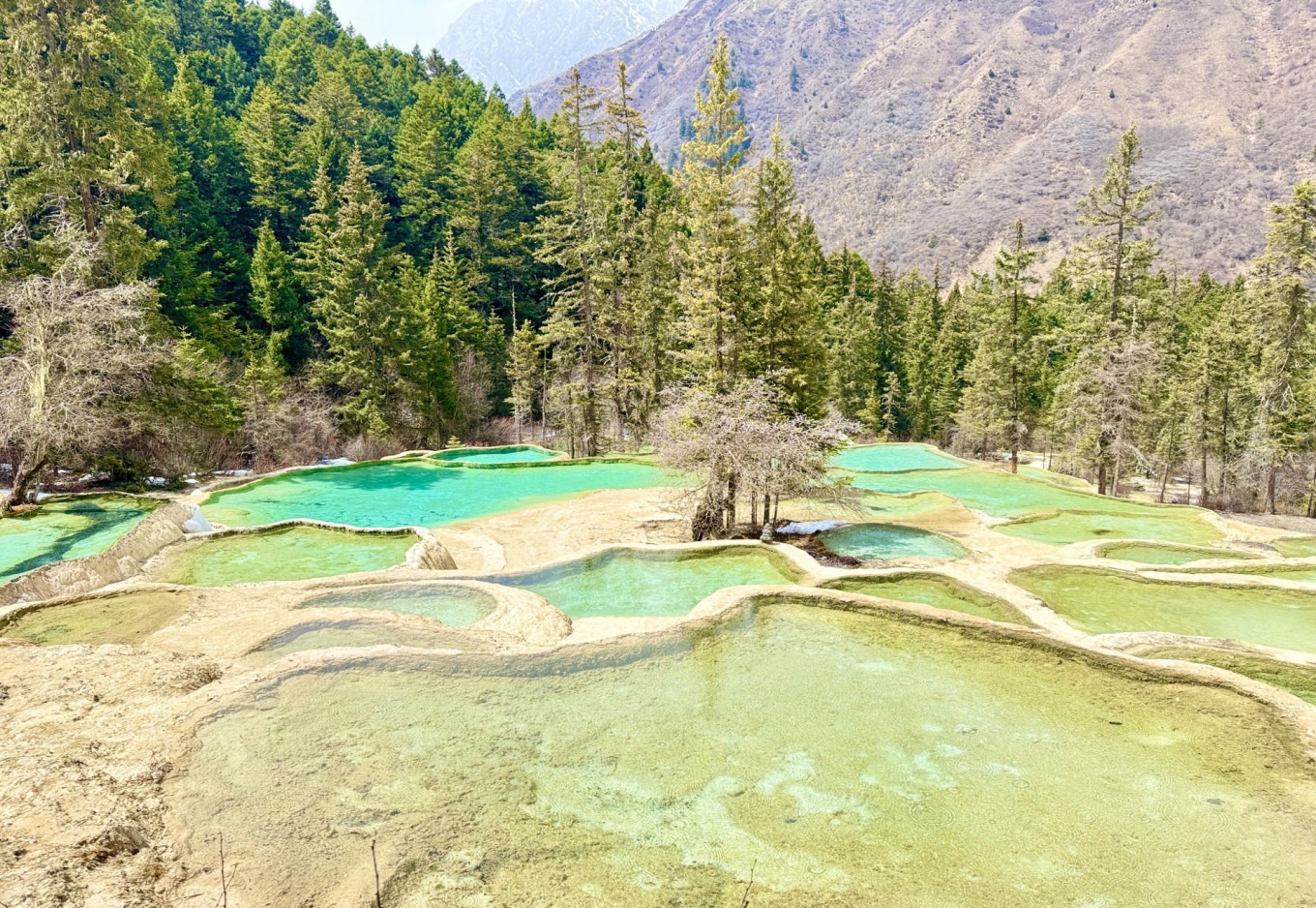
After descending from Huanglong, head toward Dujiangyan (都江堰). If time allows, make a stop at Chuanzhusi (川主寺) — a small 4A scenic area — and Songpan Ancient Town (松潘古城). Both are worth a brief visit.
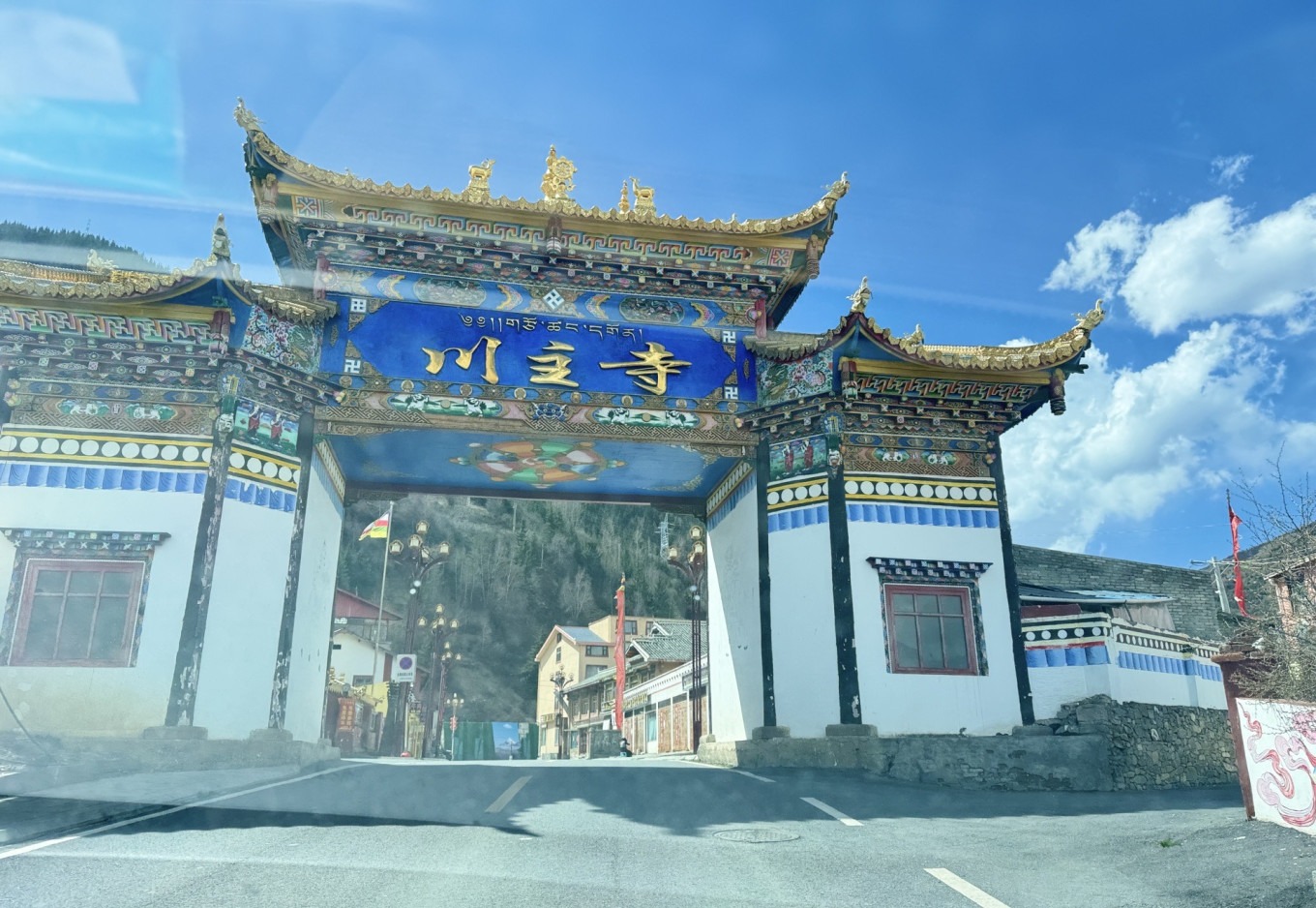
Arrive in the Dujiangyan area by evening and find accommodation. Alternatively, stay near the Panda Valley (熊猫谷) to visit the giant pandas early the next morning.
Panda Valley, Yangtianwo, Dujiangyan, and Nanqiao Bridge
Start your day early at Panda Valley (熊猫谷) — pandas are most active between 9:00 and 10:00 AM, when they’re usually munching on bamboo. You’ll get to see these national treasures up close as they snack adorably. Note: There are many souvenir shops between the parking lot and the entrance, but prices can be inflated, so compare before buying.
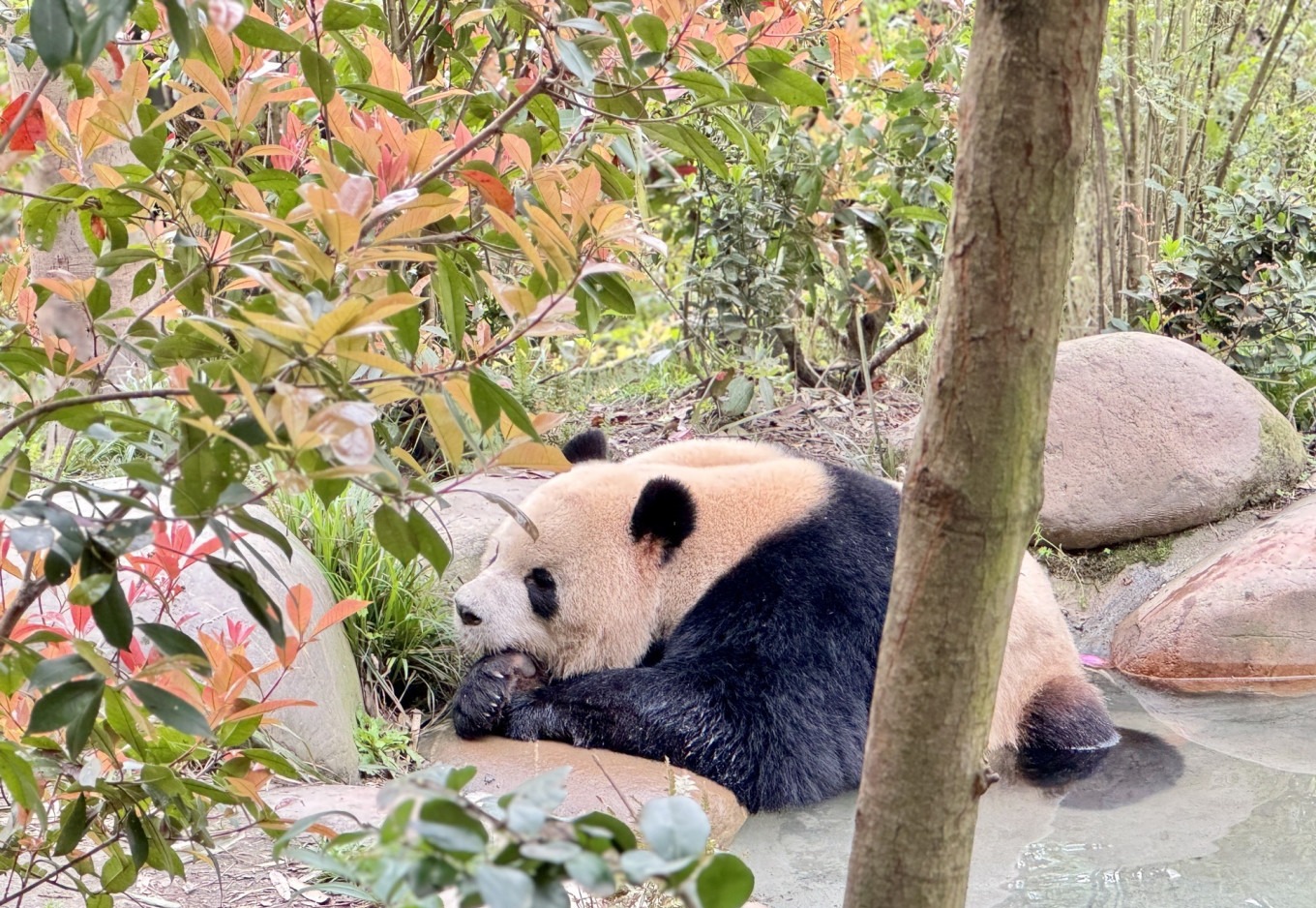
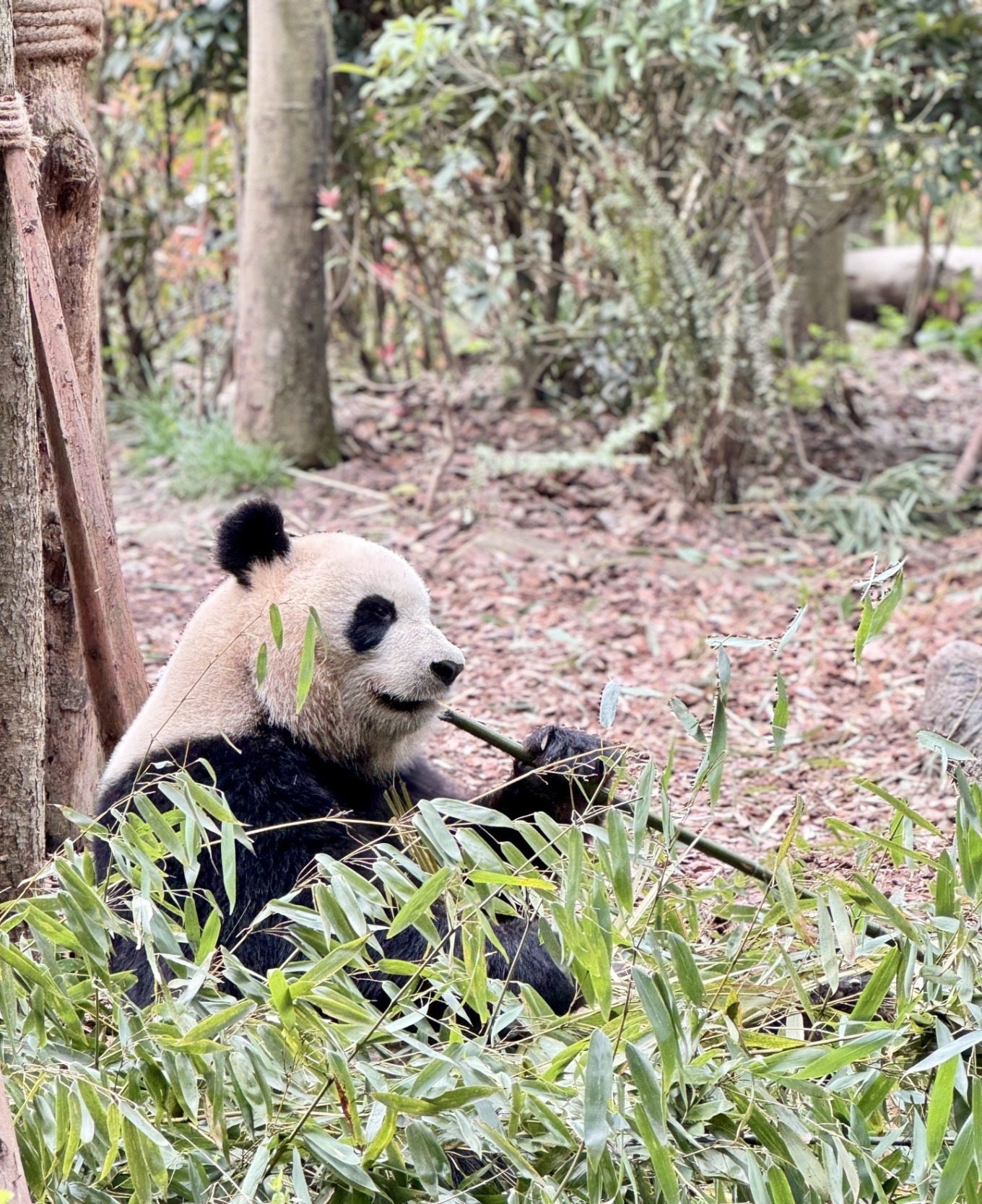
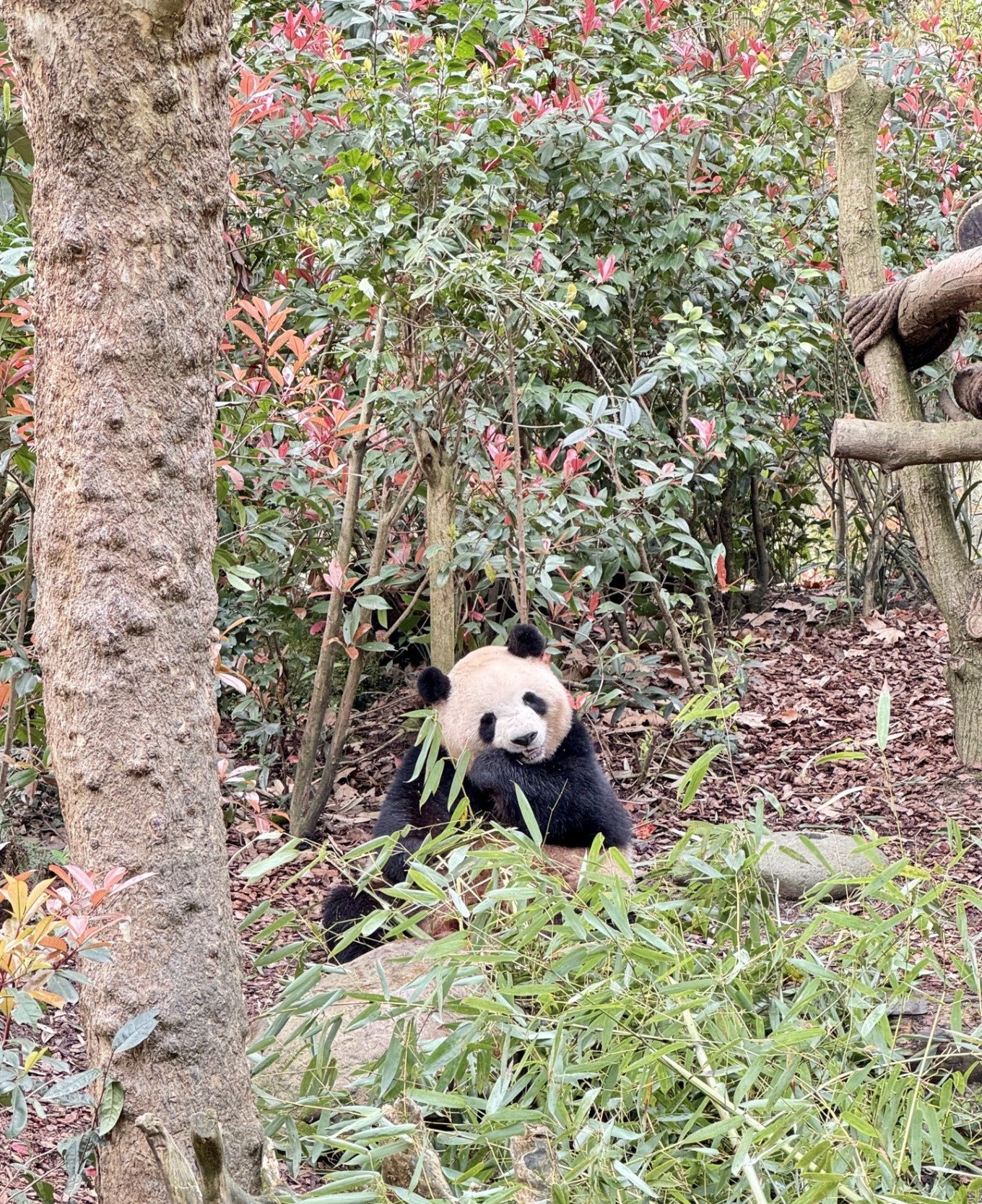
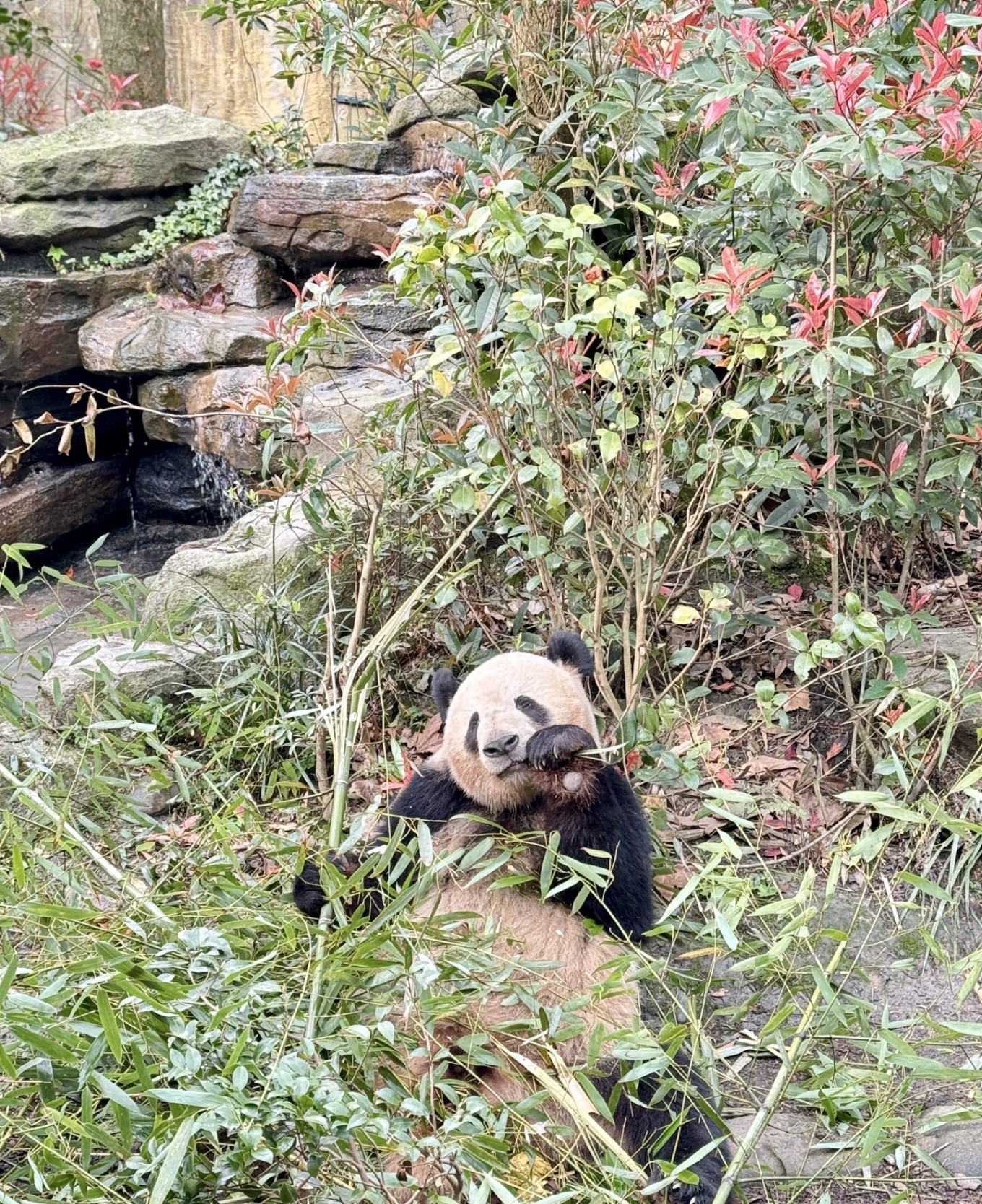
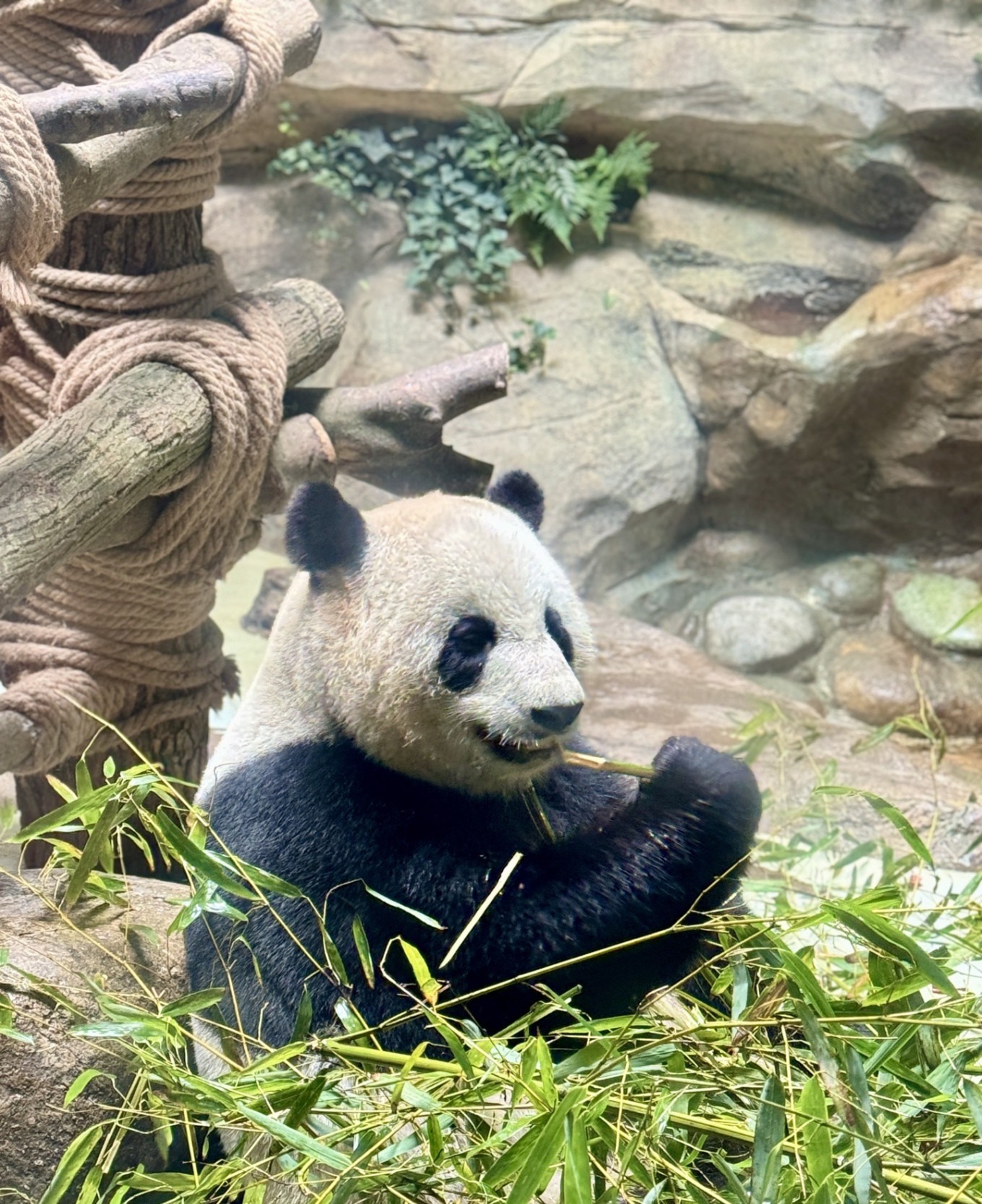
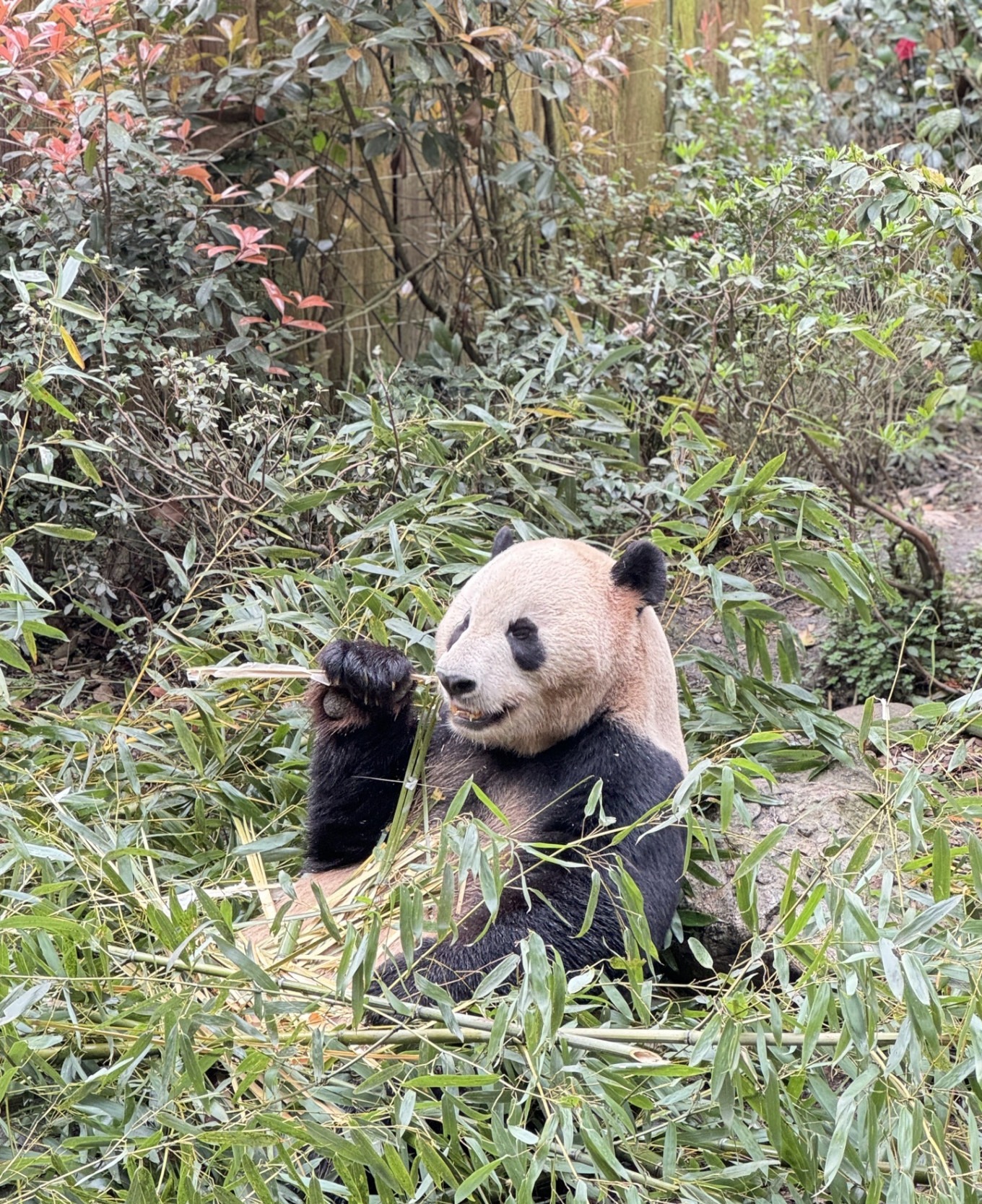
If you only want to see pandas, Panda Valley is the better choice — you can observe both giant pandas and red pandas (小熊猫) at close range. For a chance to see the famous panda Hua Hua (花花), you’d need to go to the Chengdu Panda Base, but be warned: it’s huge, crowds are massive, and you might only catch a glimpse of Hua Hua’s rear after queuing for hours. The experience at Panda Valley is far superior.
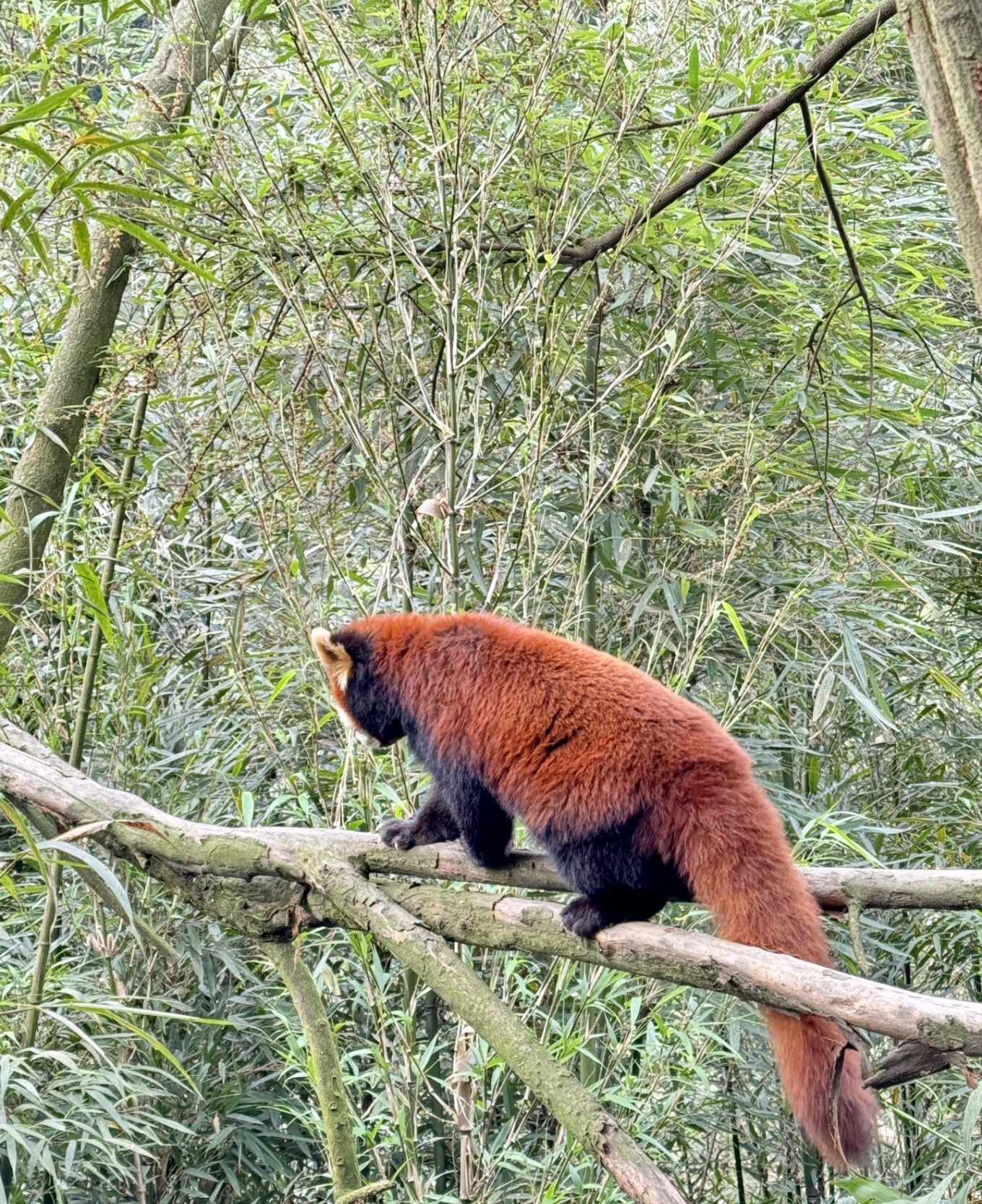
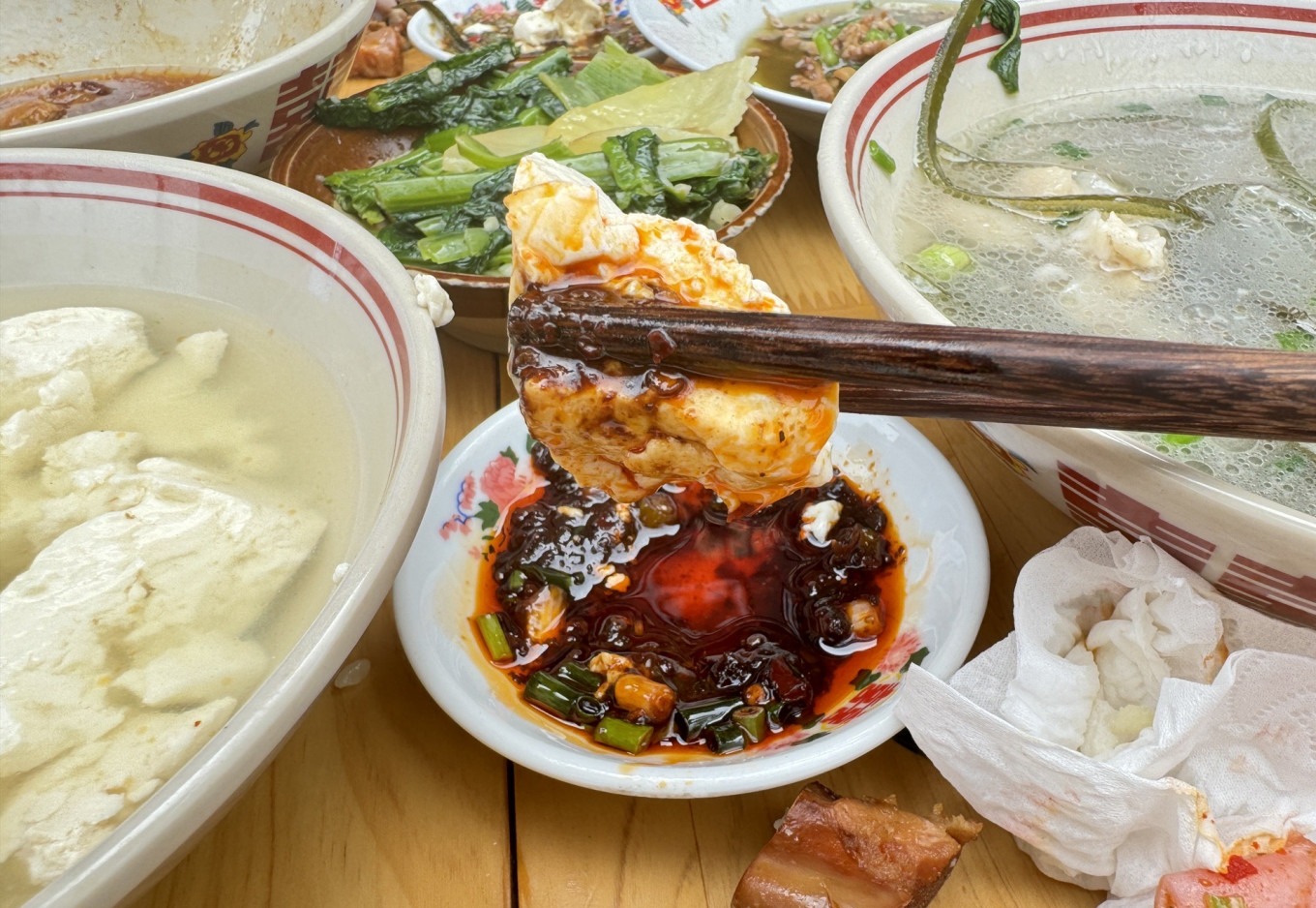
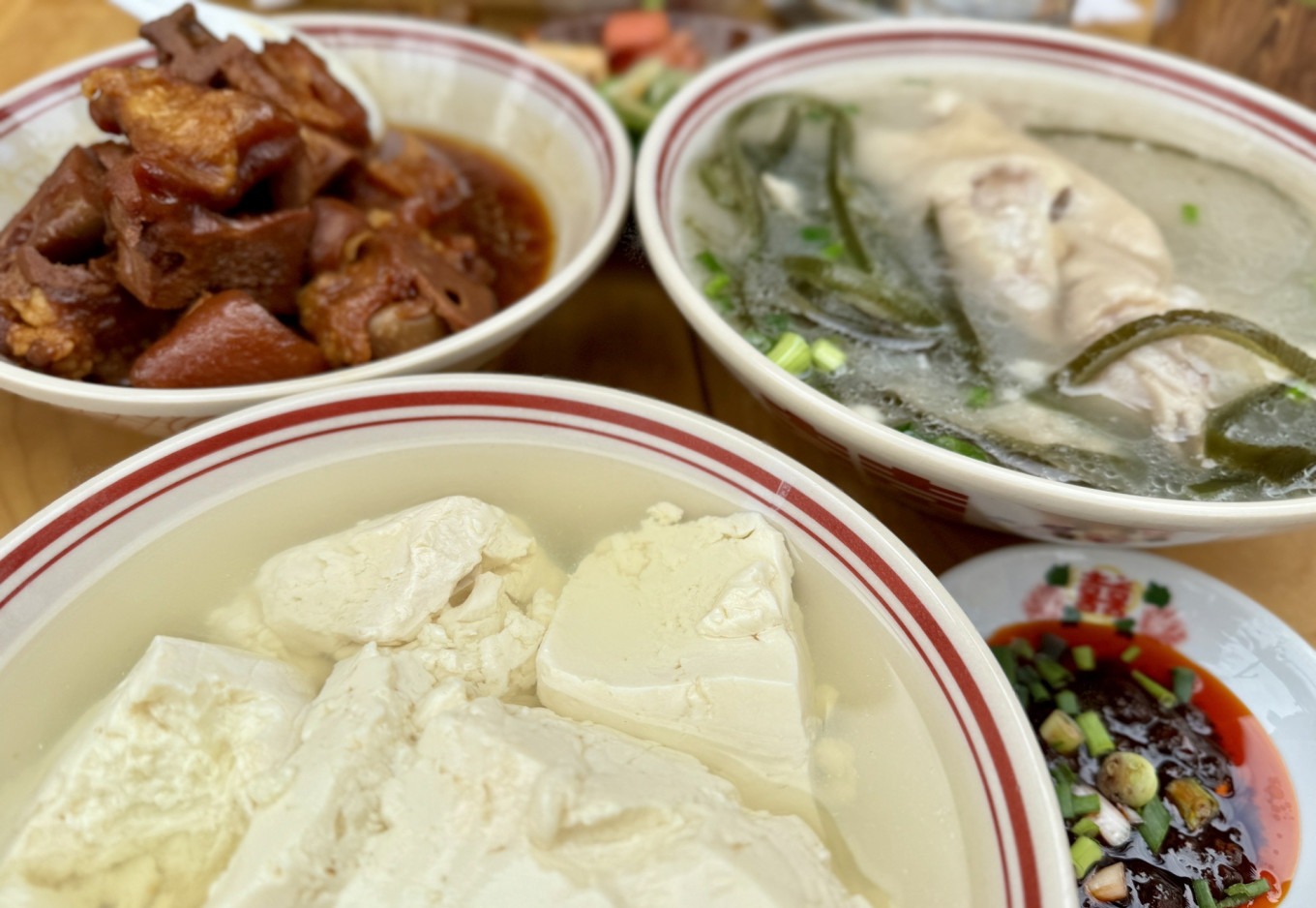
After Panda Valley (around 10:30 AM), head to Yangtianwo (仰天窝) to see the giant panda sculpture. Grab lunch nearby — local favorites include pig trotters (蹄花) and tofu pudding (豆花). Then continue to Dujiangyan (都江堰).
Food recommendation: Try 蹄花 (pig trotters) and 豆花 (tofu pudding) at local eateries.
Once at Dujiangyan, consider hiring a guide to explain the three major water-control projects: Baopingkou (宝瓶口), Feishayan (飞沙堰), and Yuzui (鱼嘴堰). To save energy between Feishayan and Yuzui, you can buy a round-trip ticket for the sightseeing car.
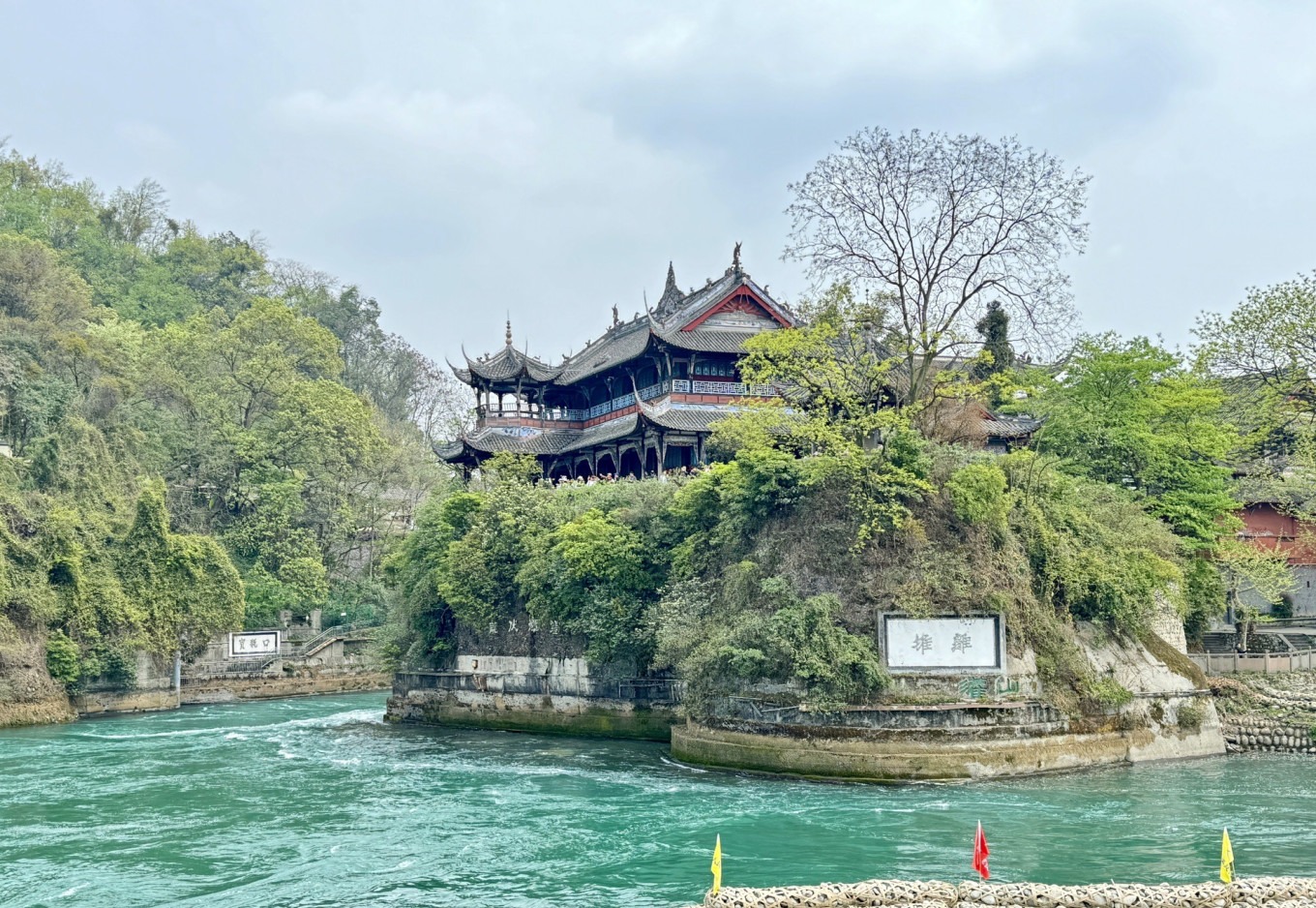
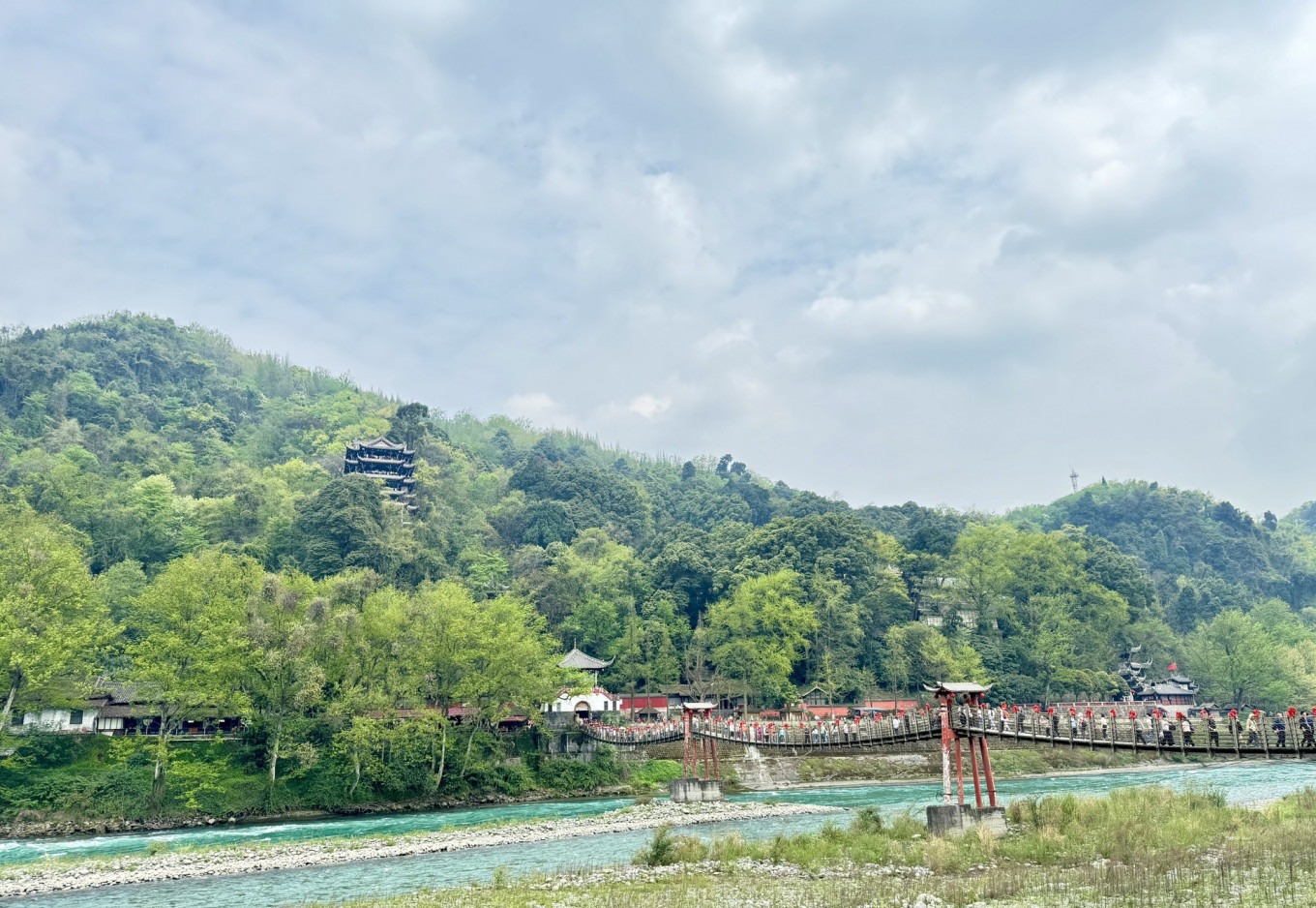
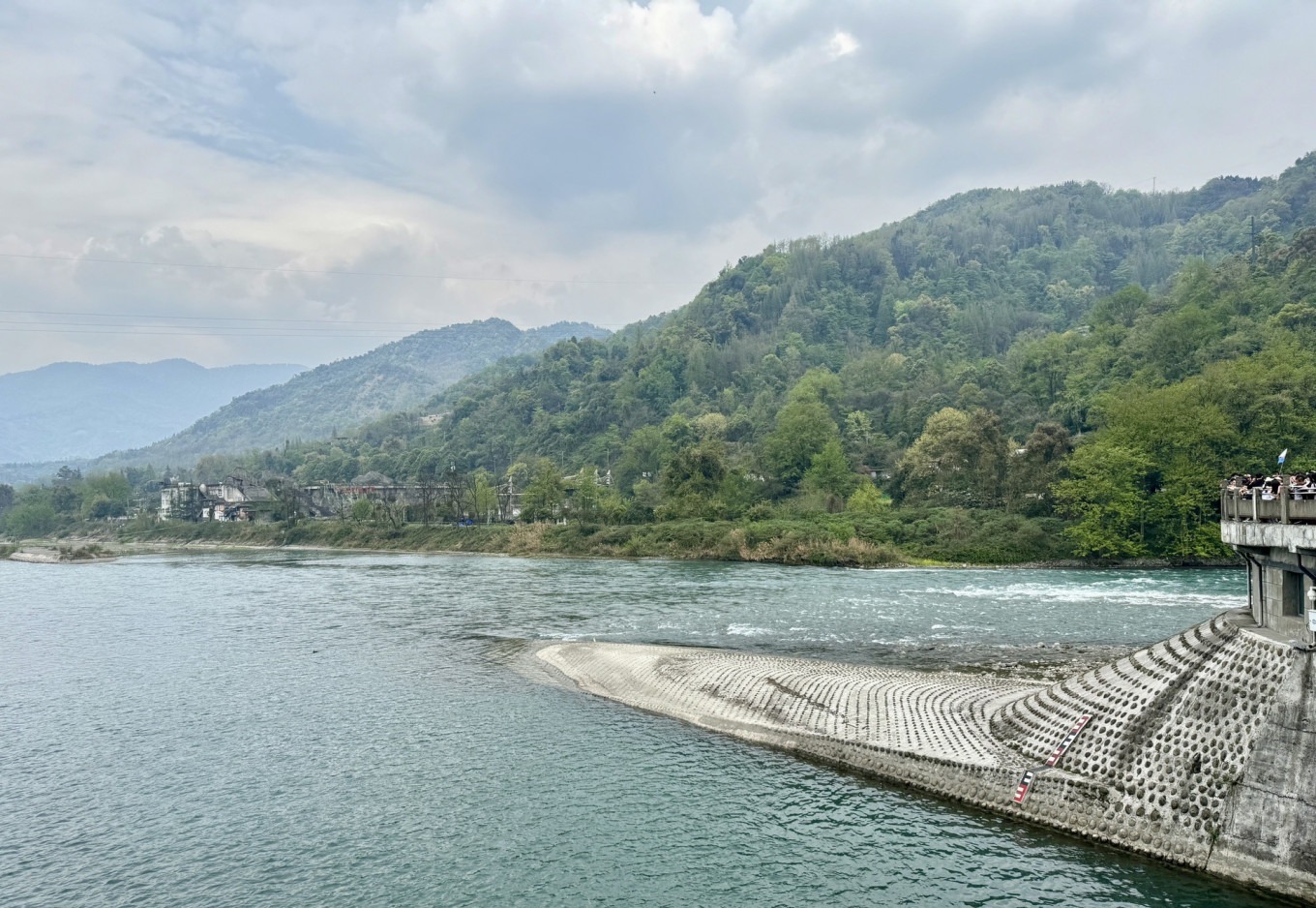
After Yuzui, cross the Anlan Bridge (安澜桥), known as the ‘First Couple’s Bridge under Heaven,’ and head to Qinyan Tower (秦堰楼) for a panoramic view of the entire irrigation system.
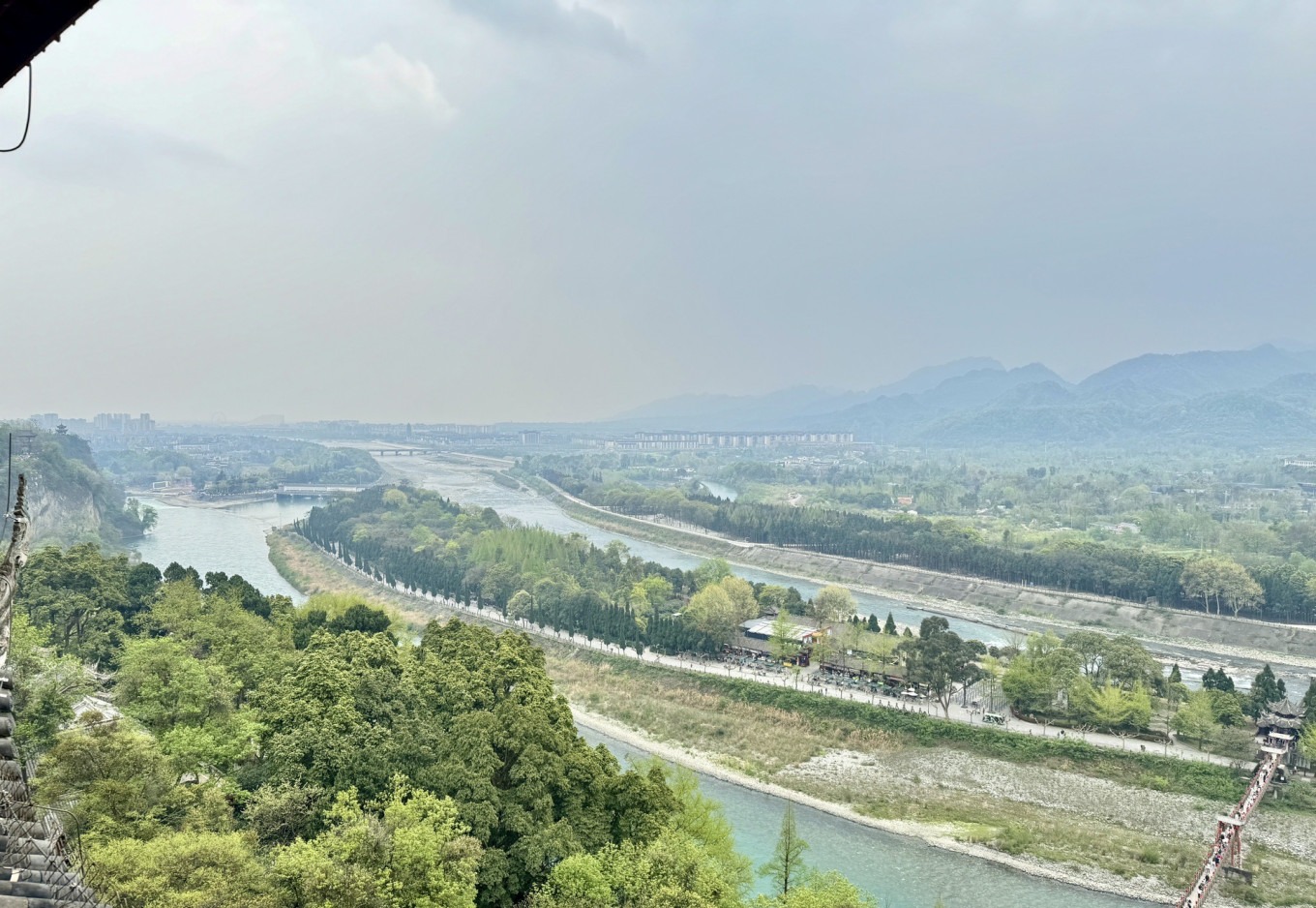
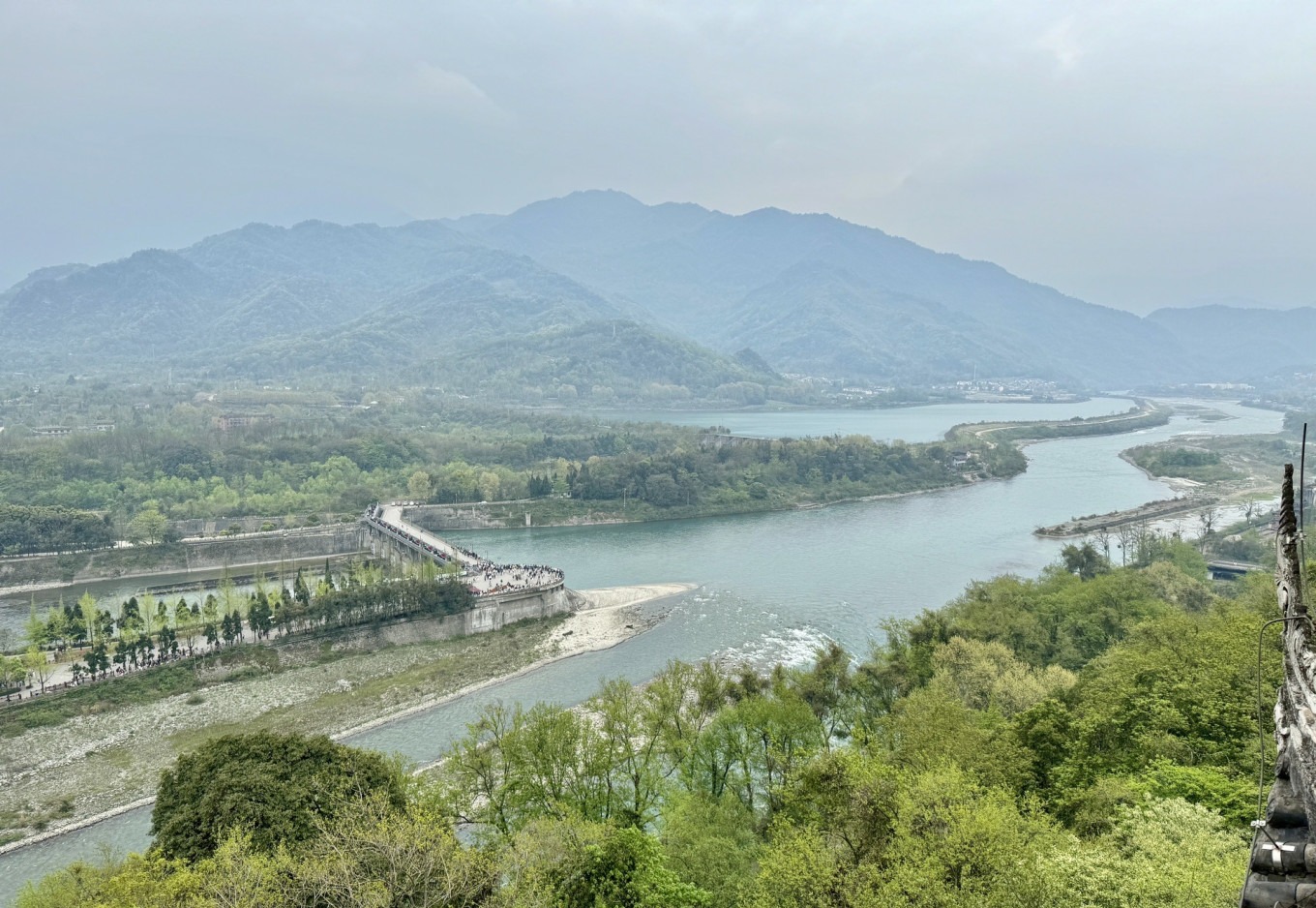
On the way down, you can visit Erwang Temple (二王庙). From there, you have two options: return the same way and take the sightseeing car out through Gate 1, or walk downhill directly to the West Street (西街) and North Street (北街) exit, which leads to a food street with local specialties — you’re unlikely to go wrong with any choice.
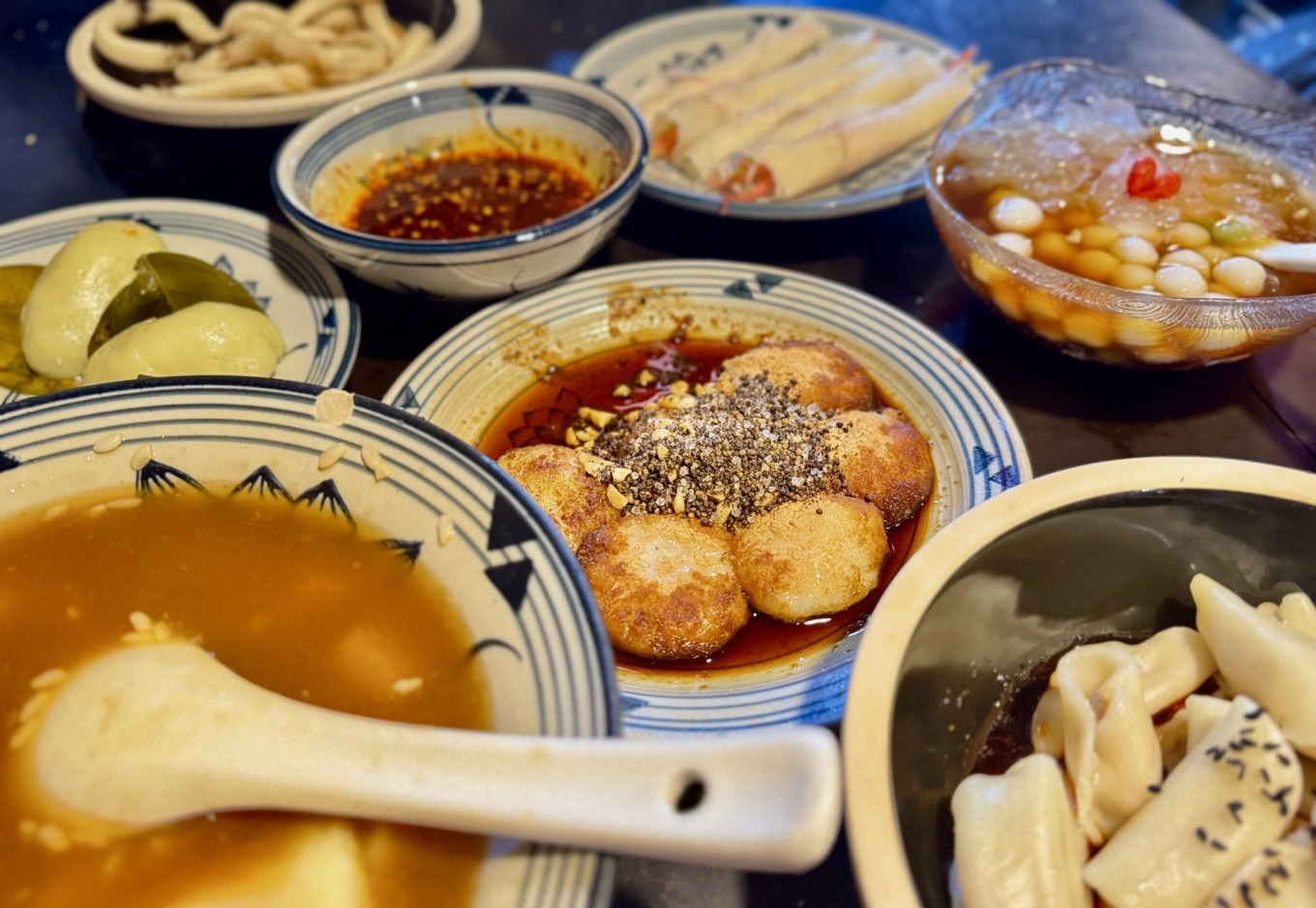
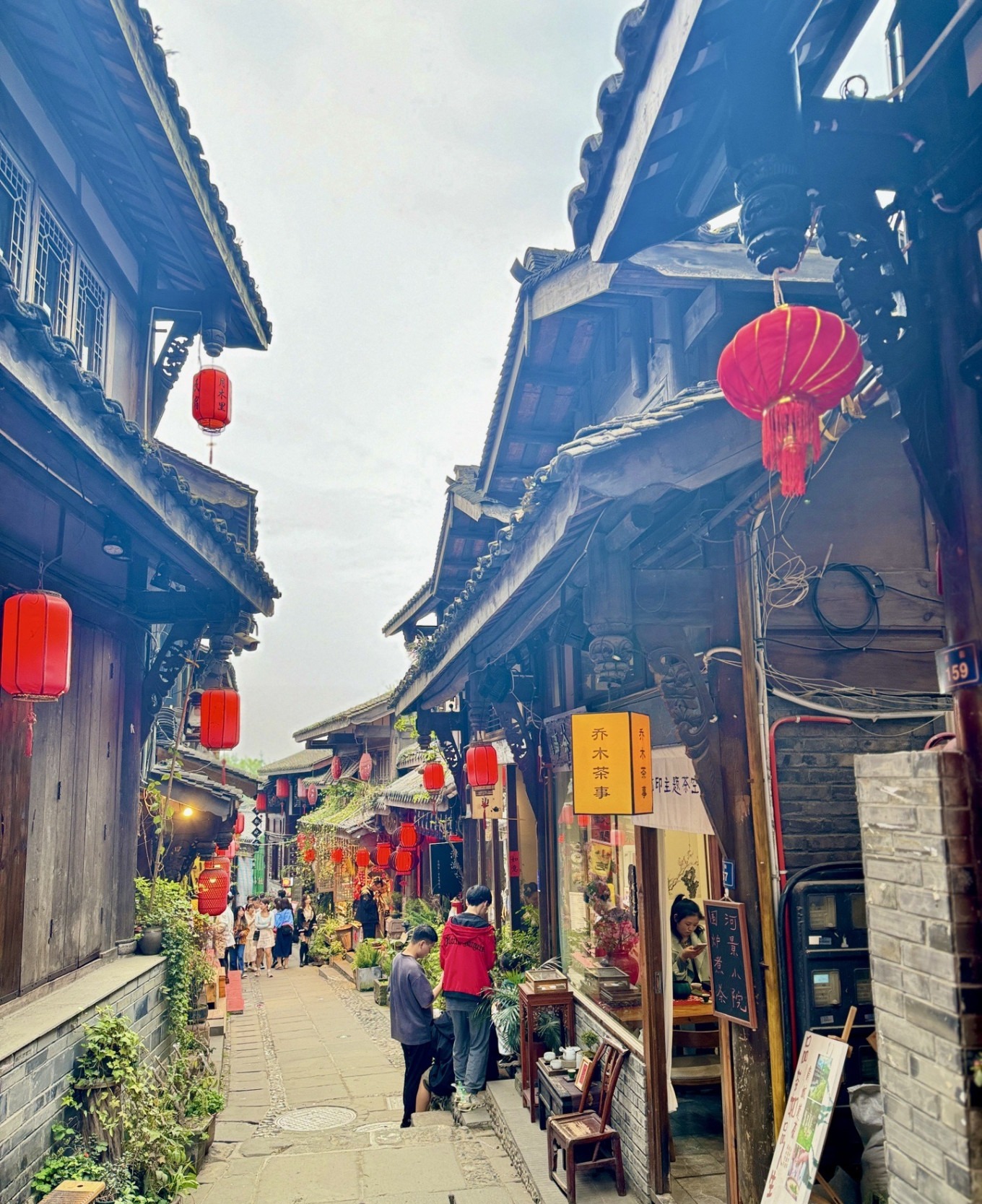
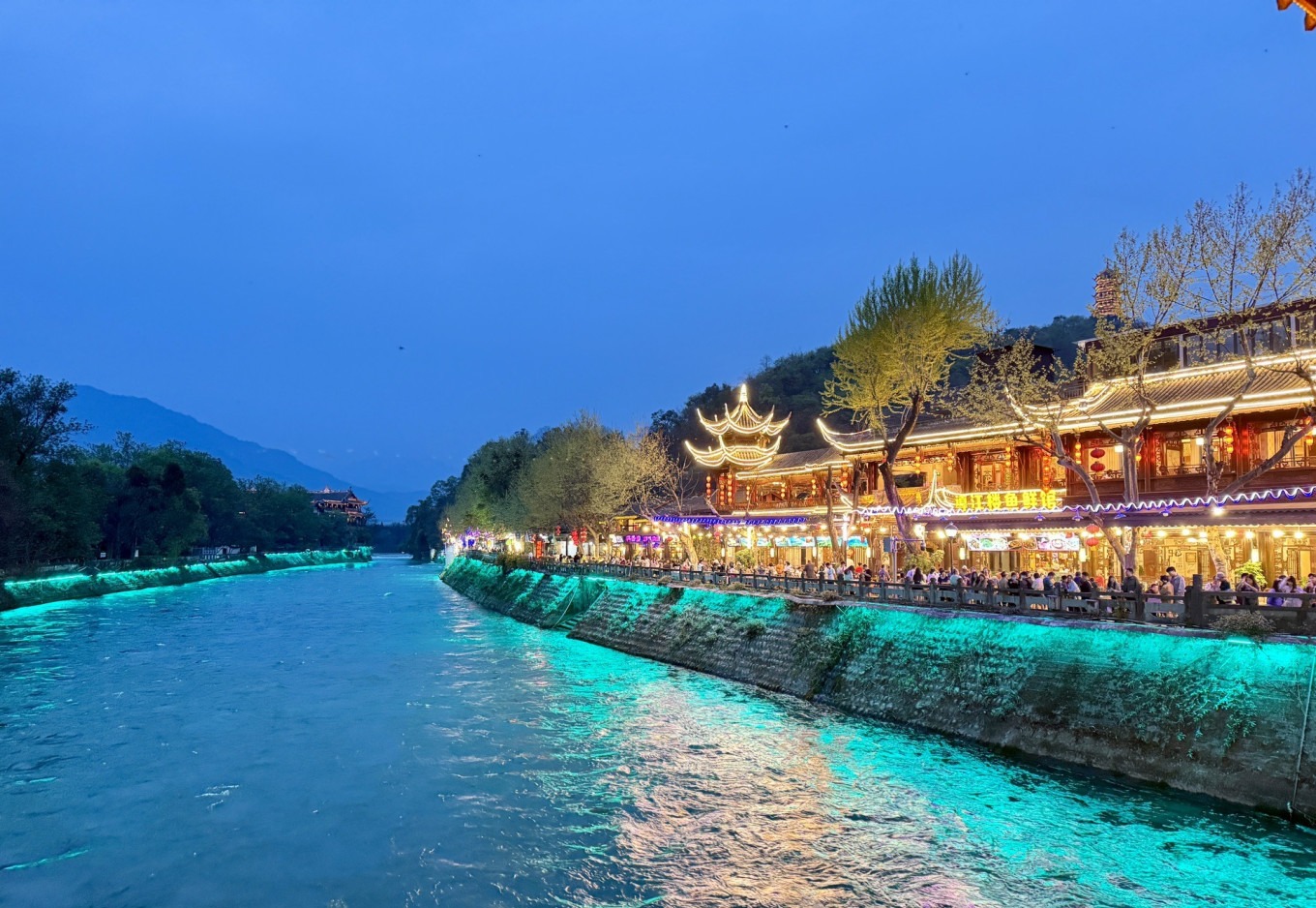
travelers had dinner on West Street, strolled and took photos, then around 7:00 PM when the sky dimmed, headed to Nanqiao Bridge (南桥) to see the ‘Blue Tears’ (蓝眼泪) — the bridge lit up with blue lights creates a stunning reflection on the water.
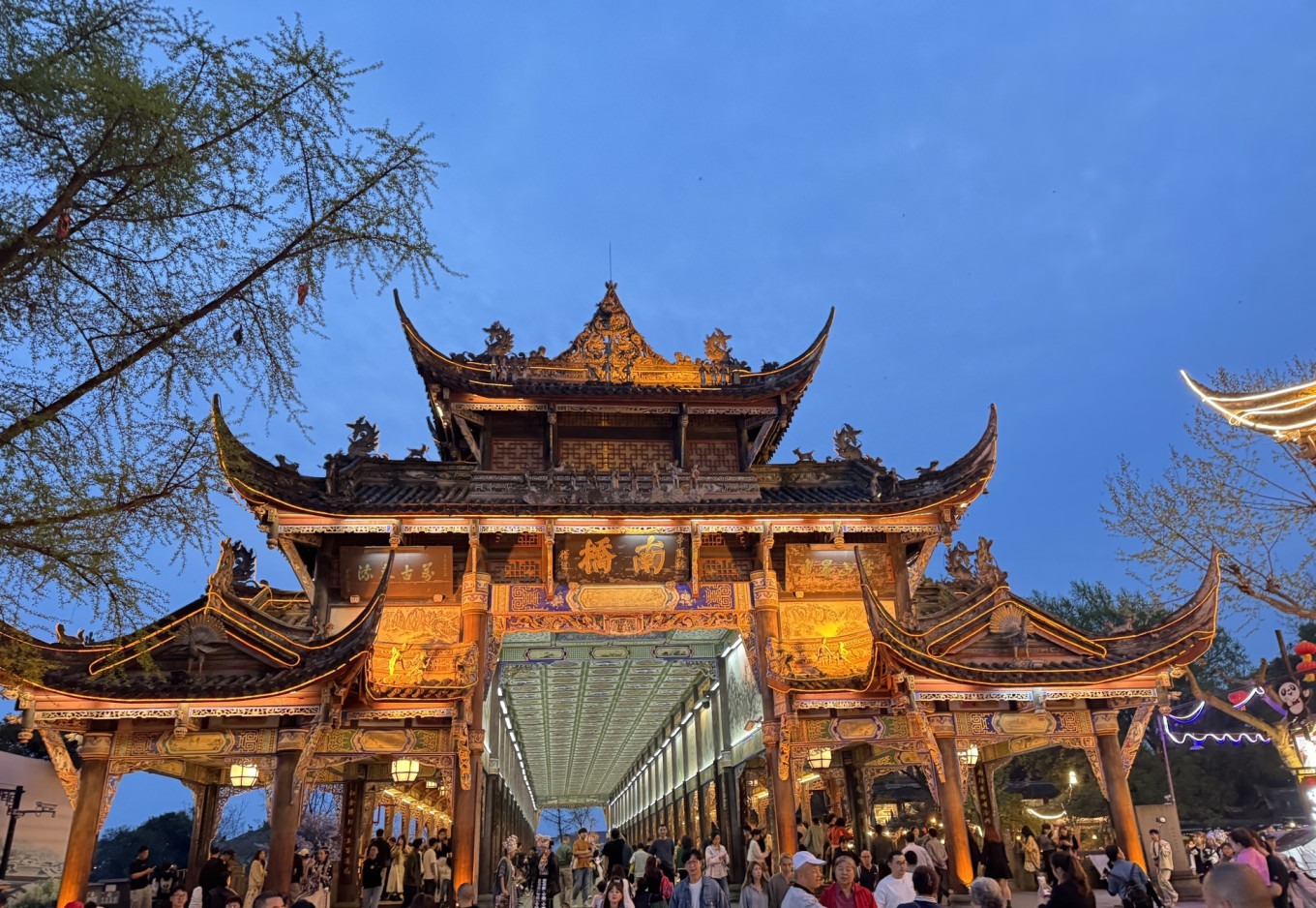
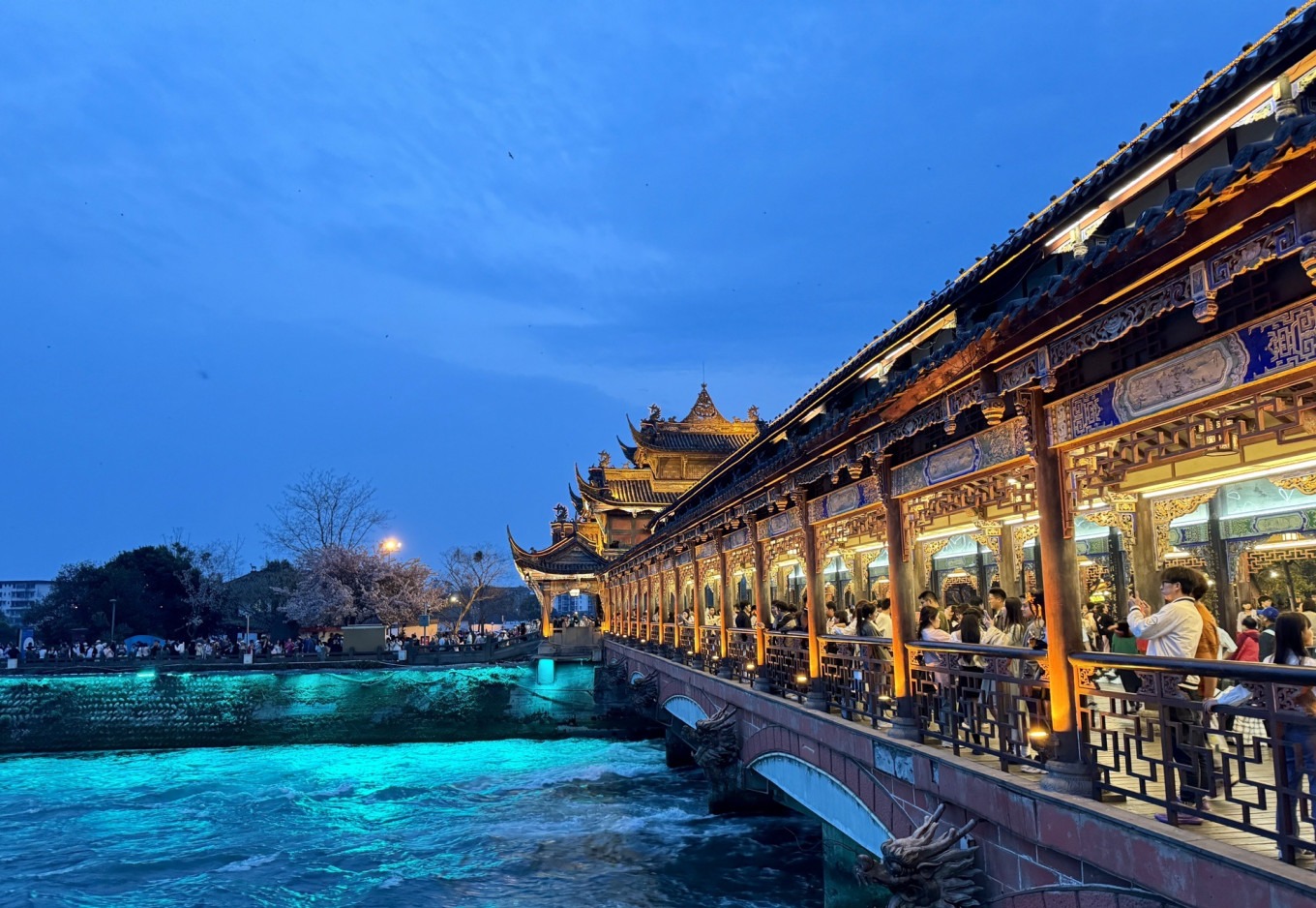
Around 8:00 PM, depart for your hotel near Qingcheng Mountain (青城山).
Mount Qingcheng & Leshan Giant Buddha
Start your day at Mount Qingcheng (青城山), one of the birthplaces of Taoism, where lush green peaks and ancient temples create a serene atmosphere. Plan about 4–5 hours for the visit. Enter from the high-speed rail station entrance, and buy a round-trip ticket for the scenic shuttle bus (观光车) to the base of the mountain. From there, hike up to Laojun Pavilion (老君阁), the highest point on the mountain, for panoramic views of the entire area. After soaking in the scenery, take the cable car (缆车) down, then walk back to the shuttle bus stop to exit the scenic area.
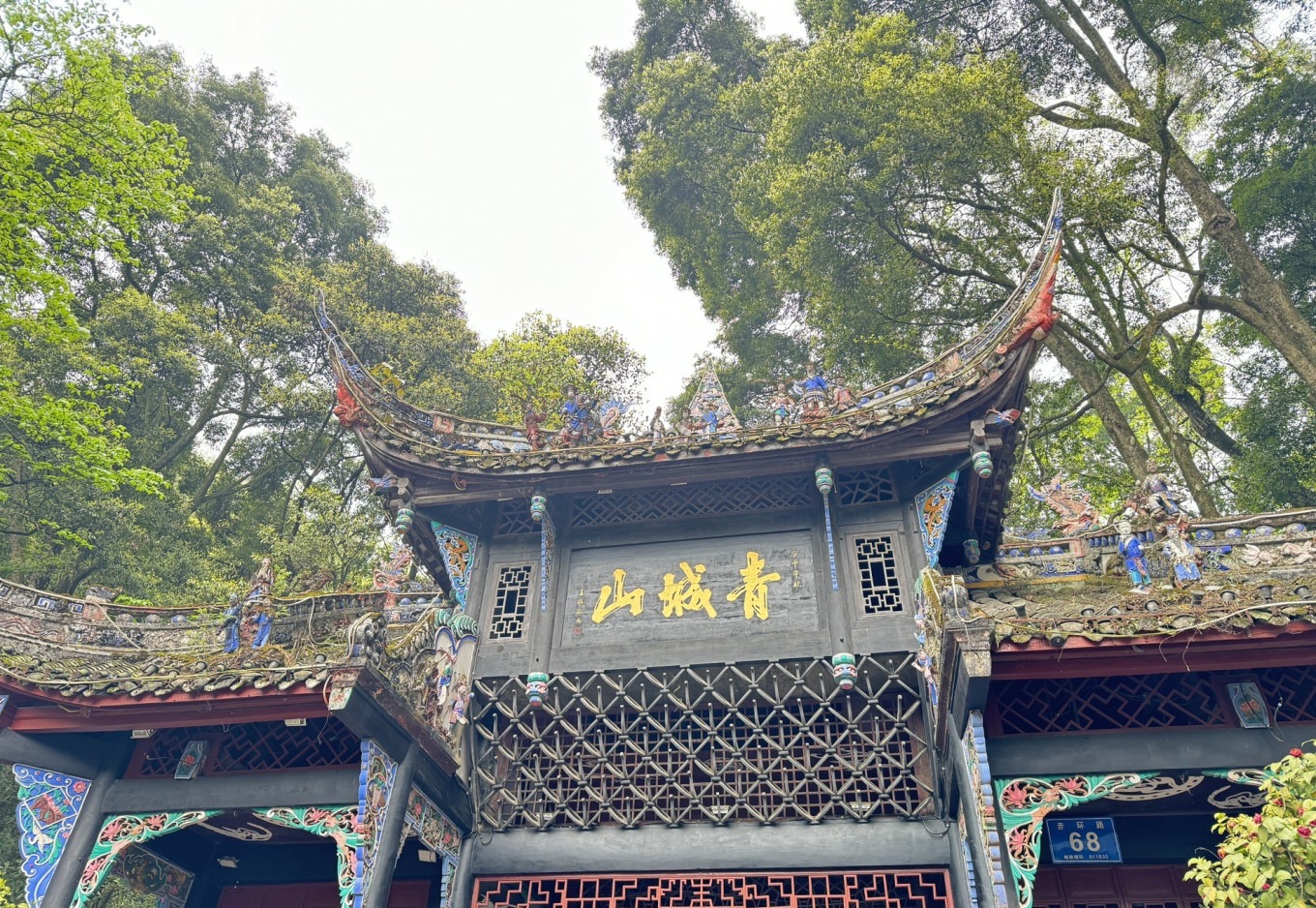
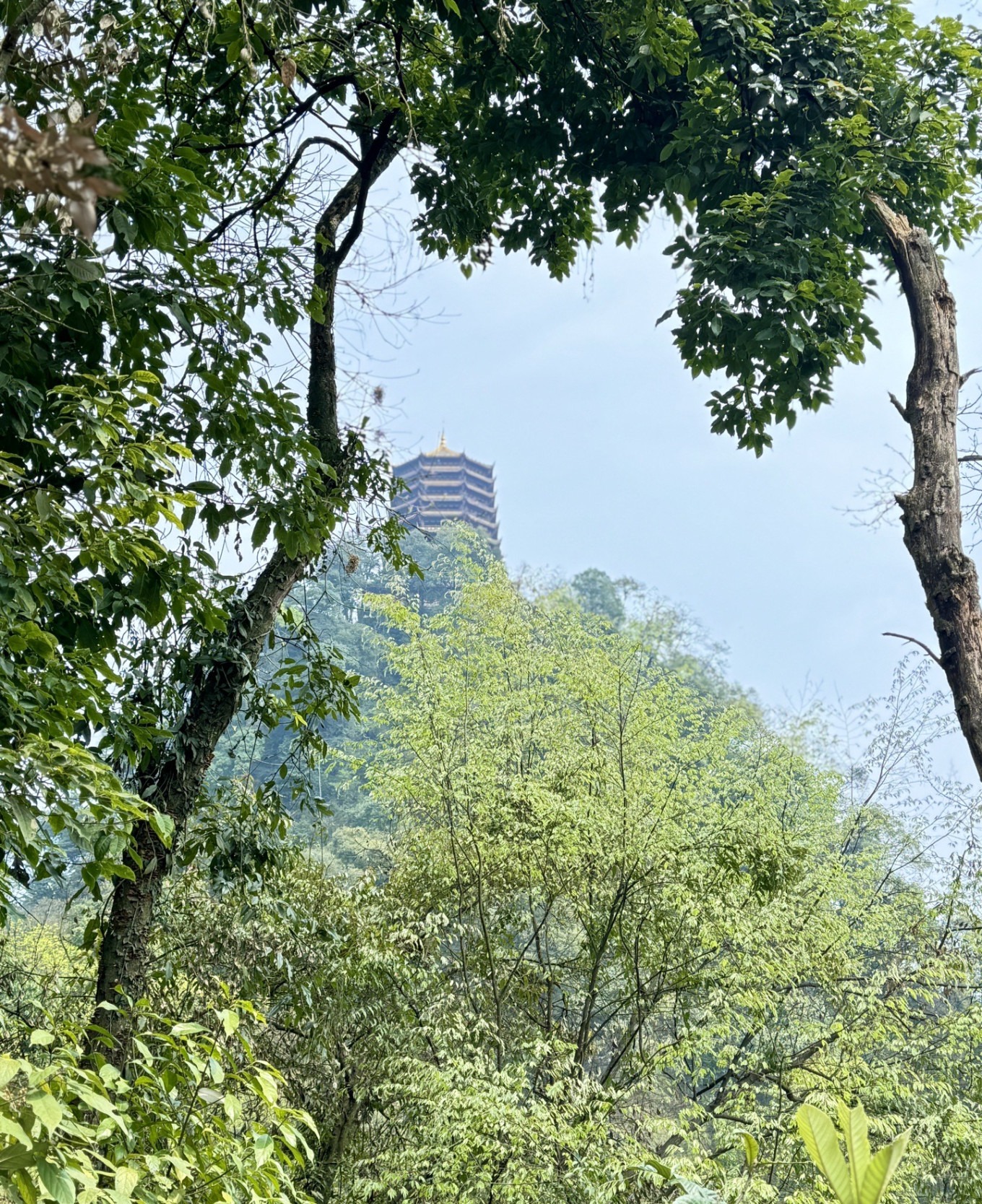
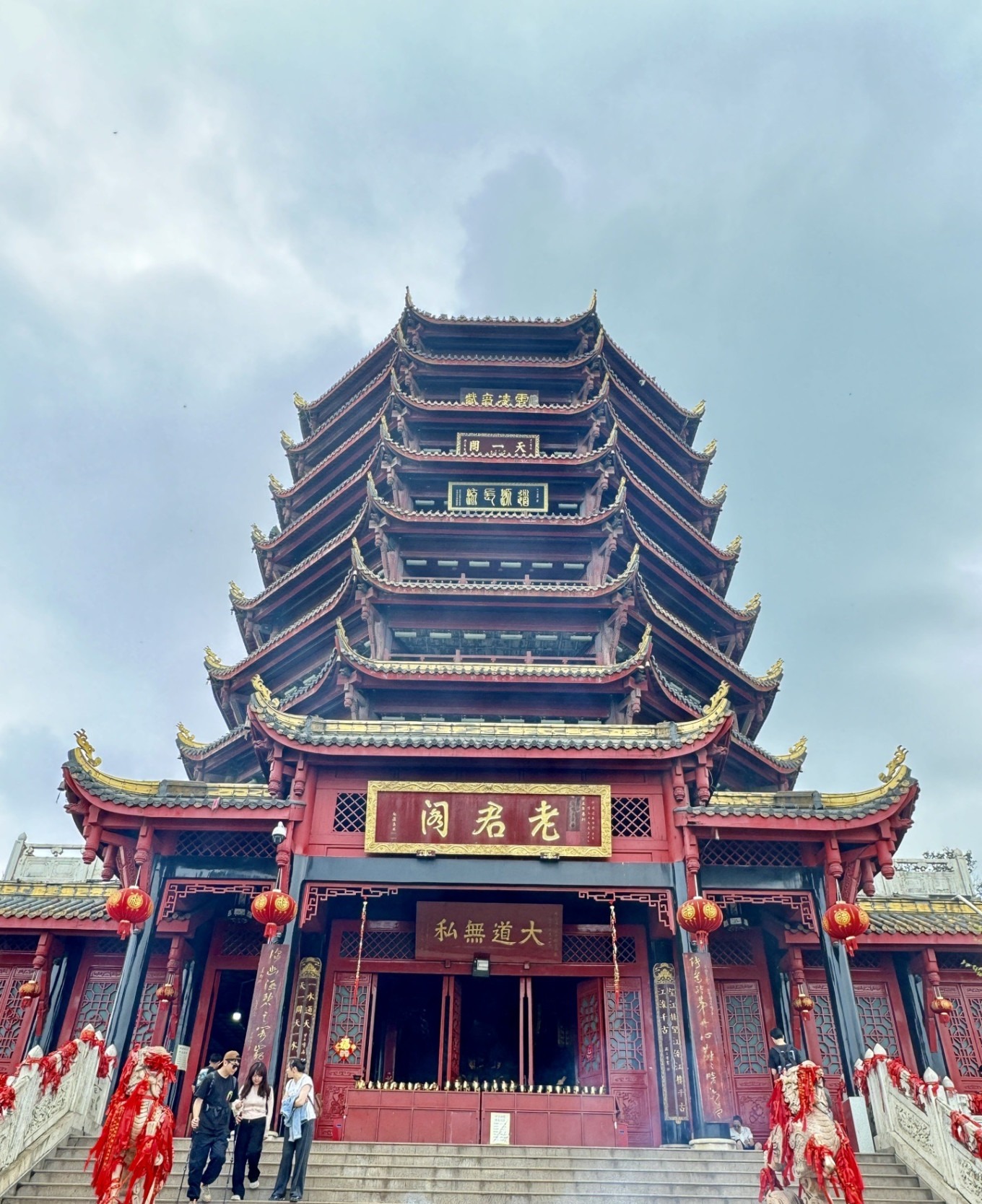
After descending, head directly to Leshan to see the Giant Buddha (乐山大佛). For a convenient stay, consider a zen-style guesthouse near the scenic area that offers complimentary electric shuttle service directly to the Buddha site. This saves you time and hassle, letting you focus on the awe-inspiring 71-meter-tall cliff carving.
Leshan Giant Buddha and Shangzhongshun Food Street
To make the most of your visit to the Leshan Giant Buddha (乐山大佛), consider hiring a guide through your hotel. A guide can provide insightful commentary as you walk from the entrance up to the top of the Buddha’s head. While some visitors opt for a boat cruise, the guide may advise against it—and you’ll likely agree once you experience the site on foot. You can descend to the Buddha’s feet and climb back up, which takes about 1–2 hours. During off-peak periods, the crowds are manageable, making the climb even more enjoyable.
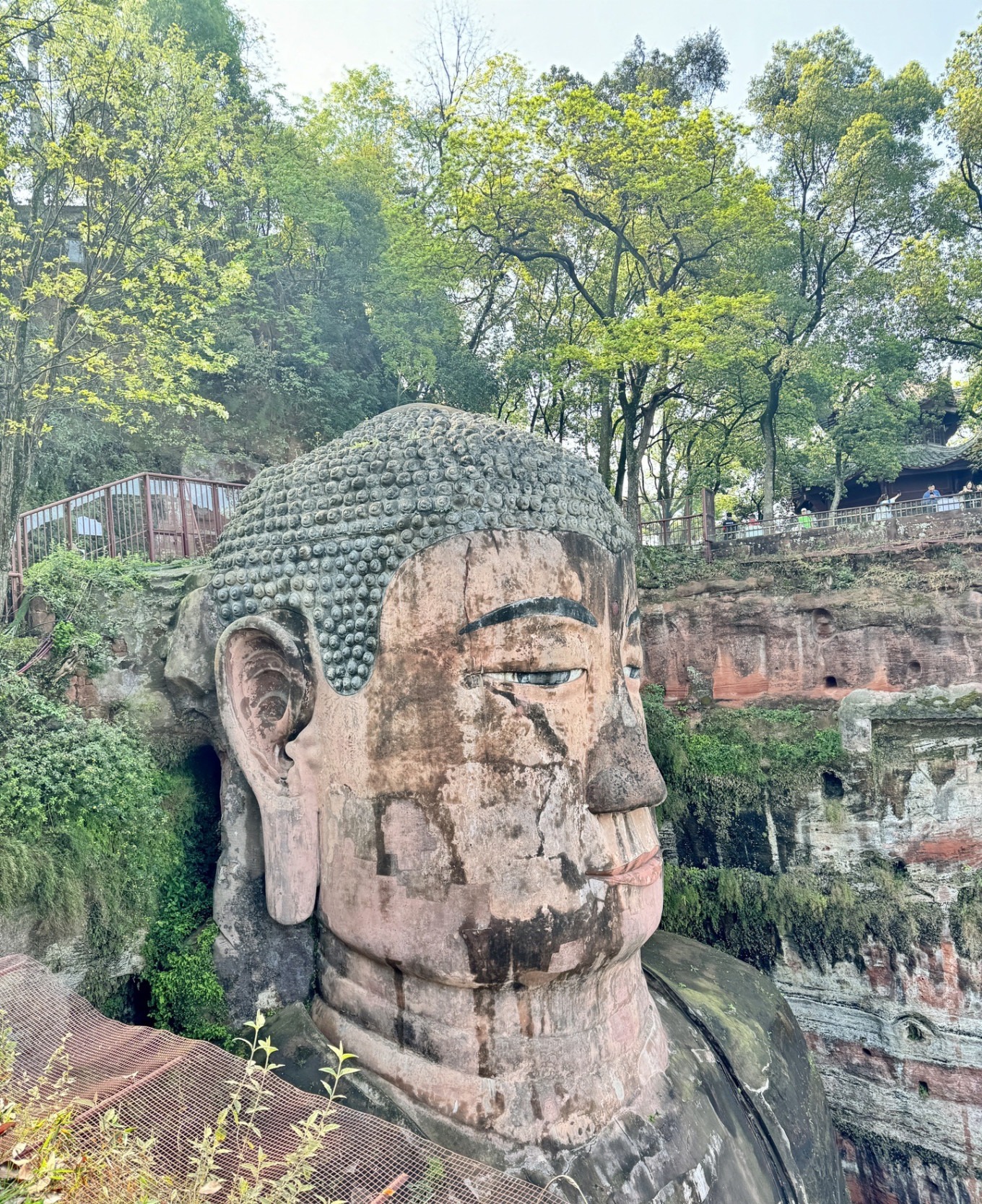
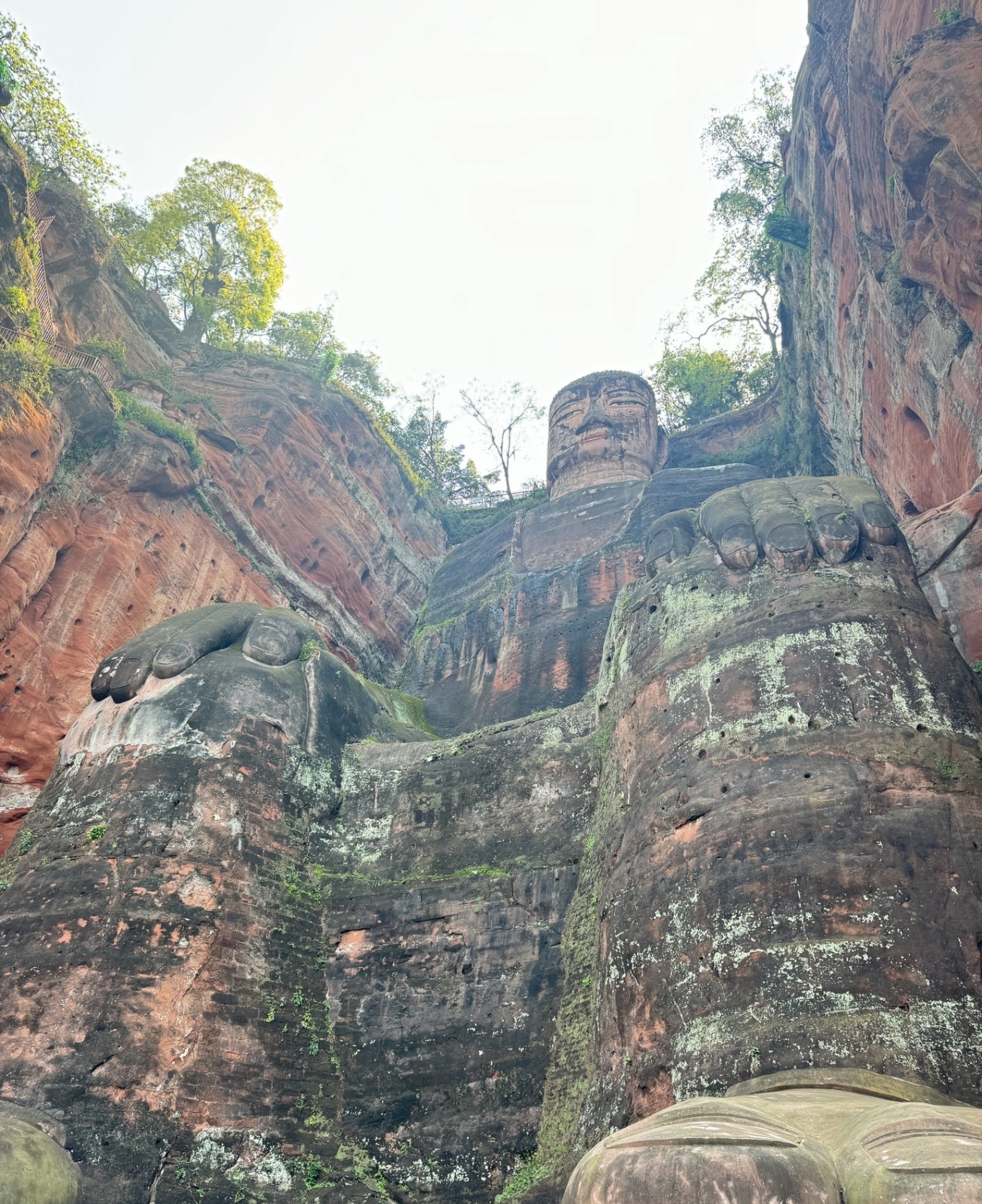
After exiting the scenic area around noon, you might stumble upon a food street called Shangzhongshun (上中顺). This bustling culinary hub is packed with local specialties, and you’ll quickly realize one stomach isn’t enough. Plan to eat, stroll, and eat again—and don’t forget to take away some egg puffs (蛋烘糕) and sweet-skin duck (甜皮鸭) for later.
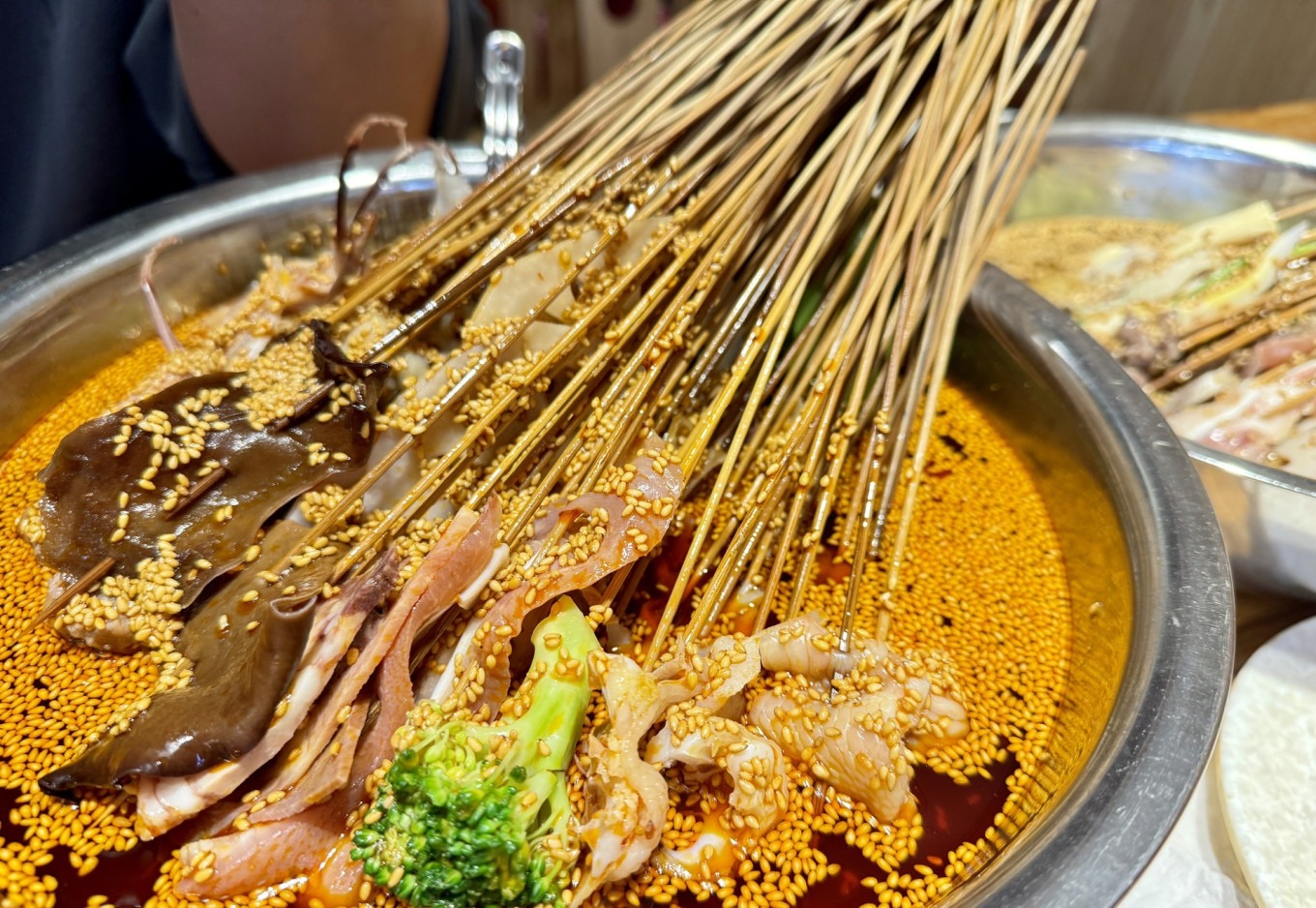
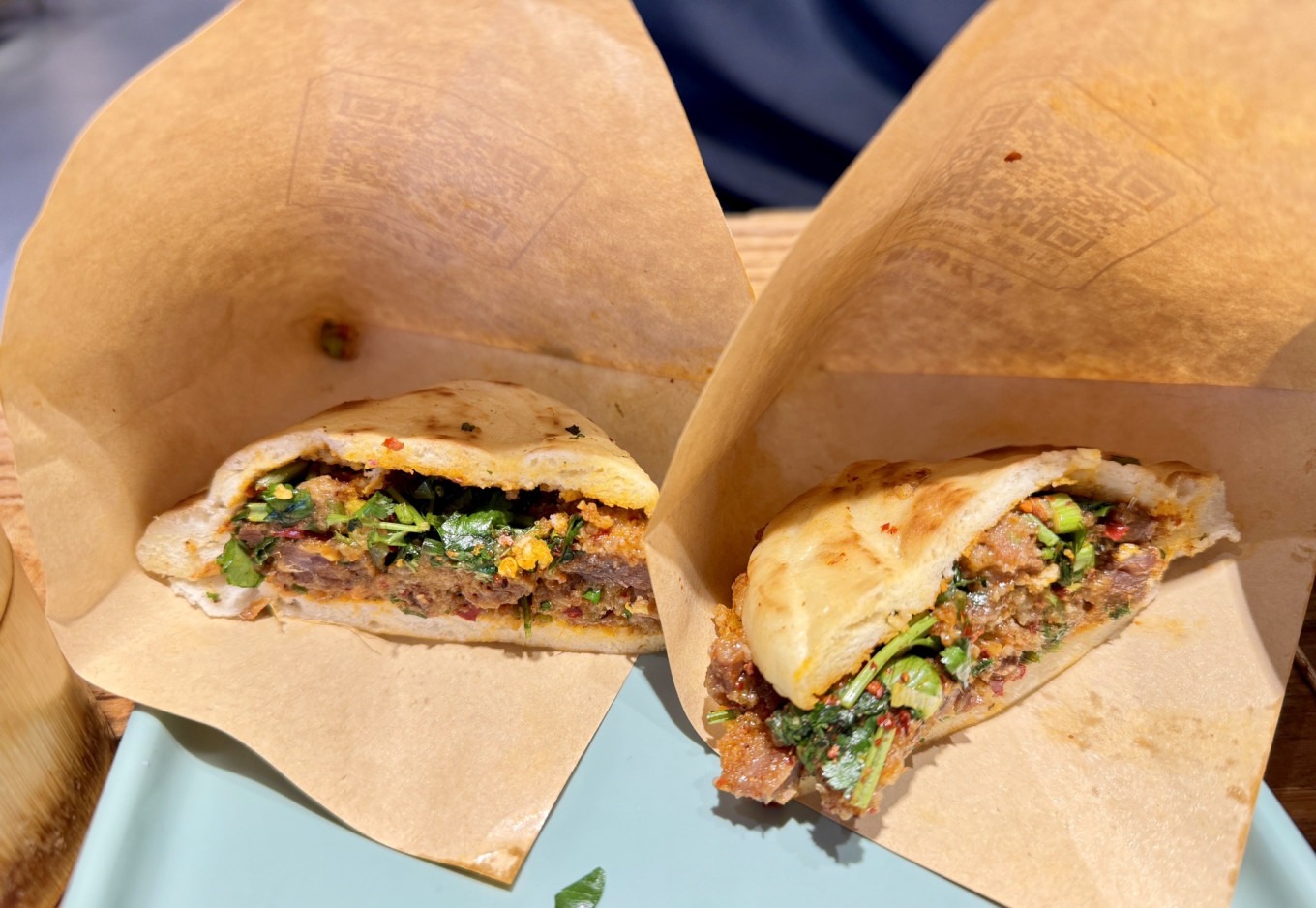
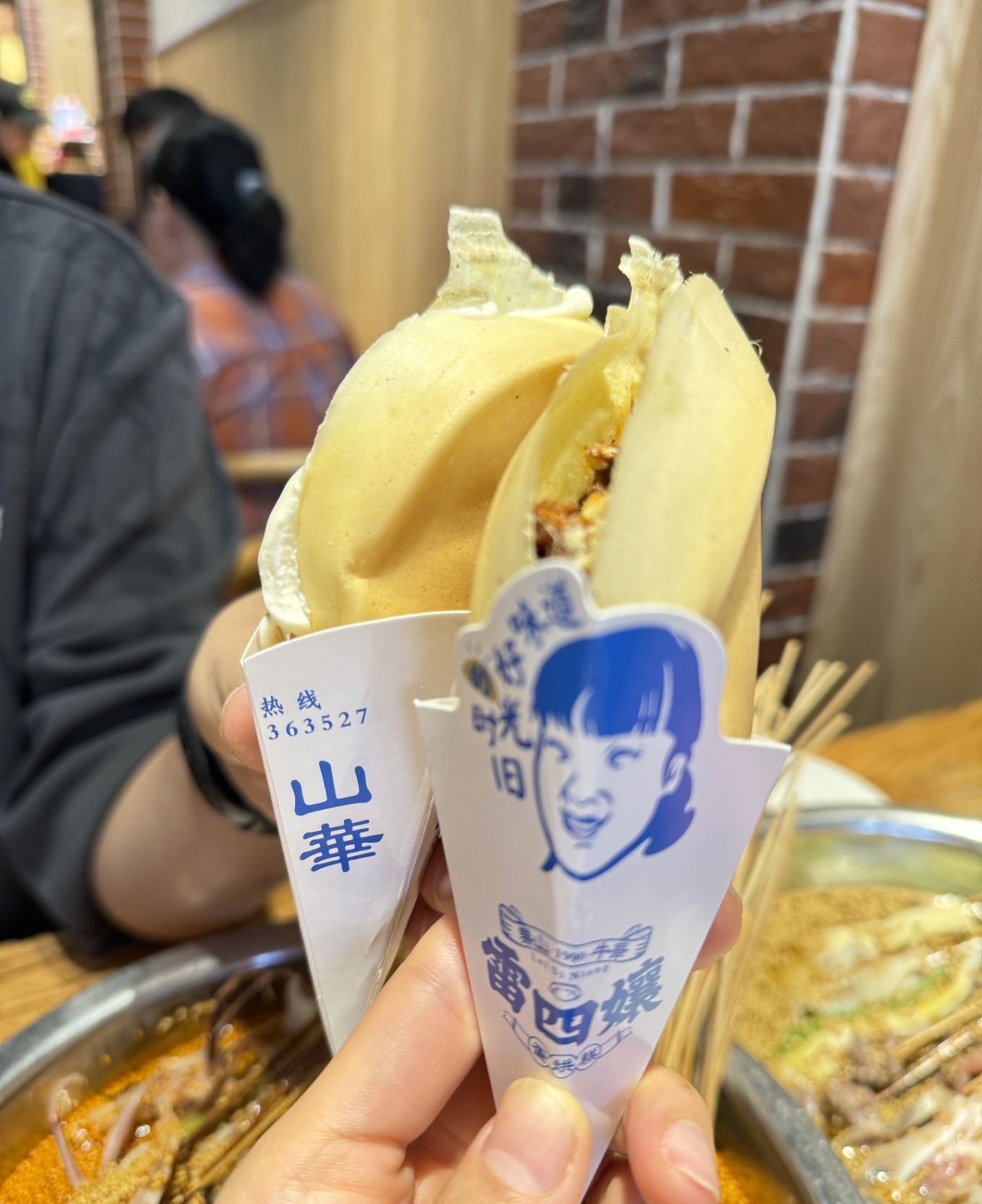
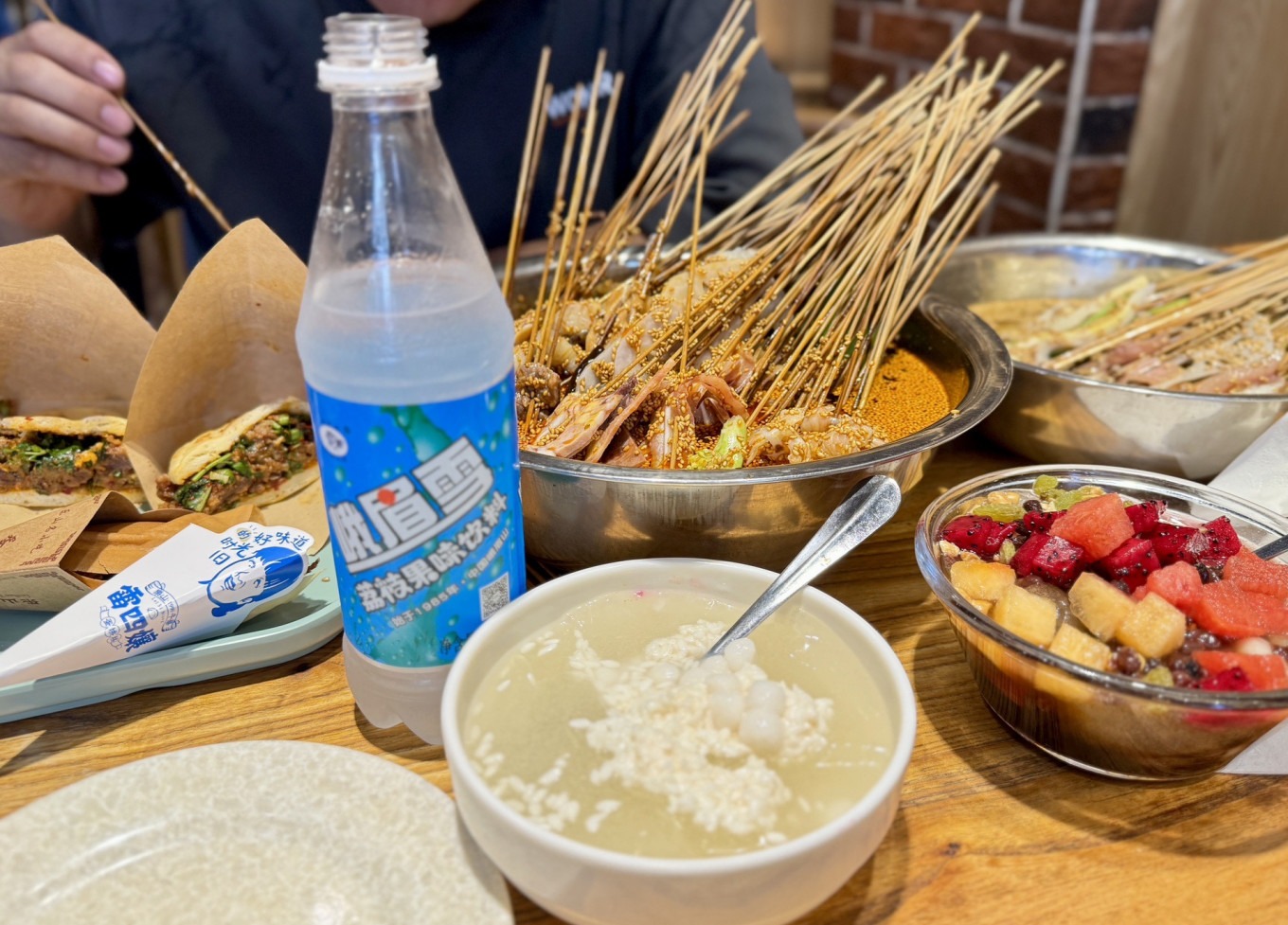
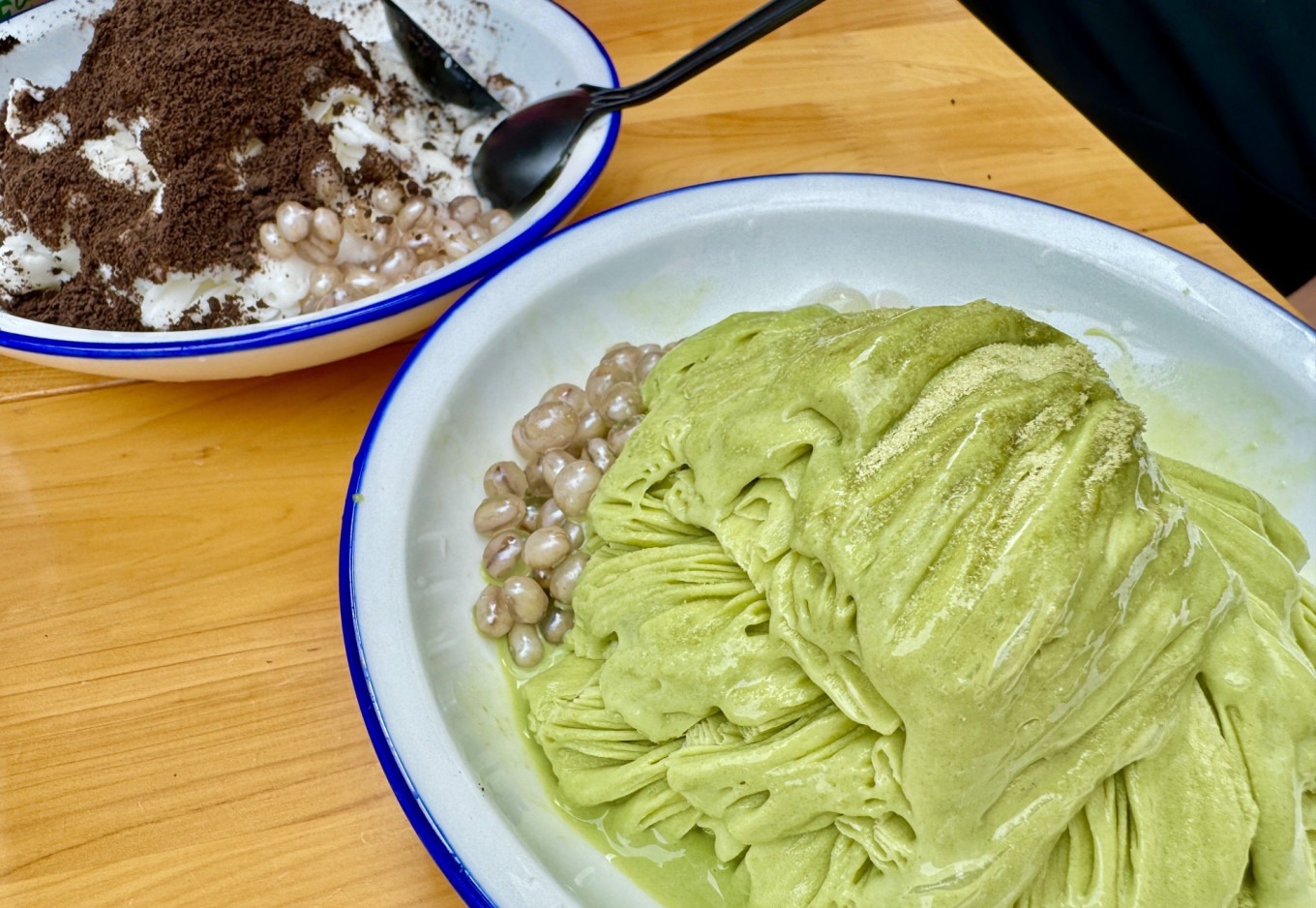
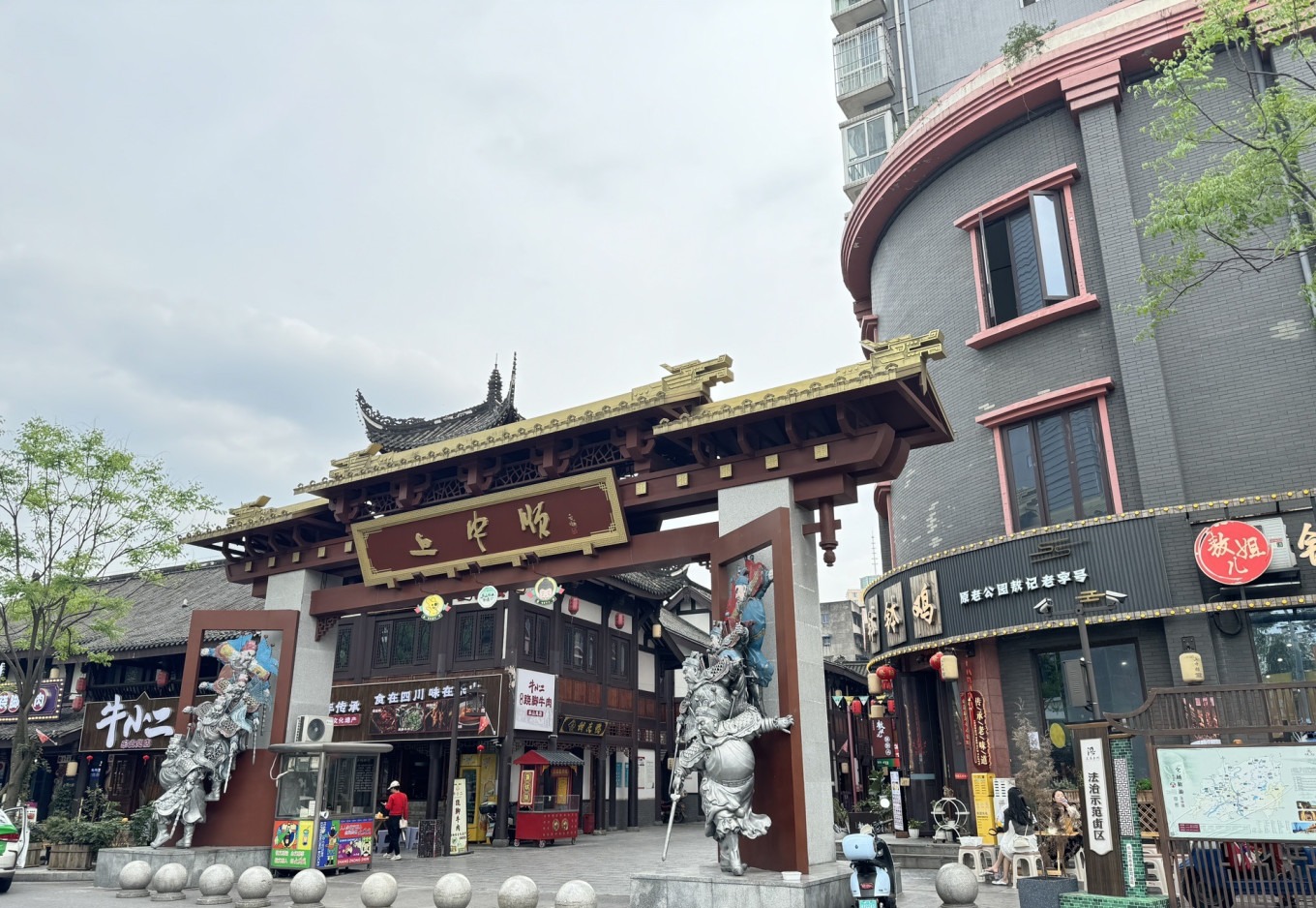
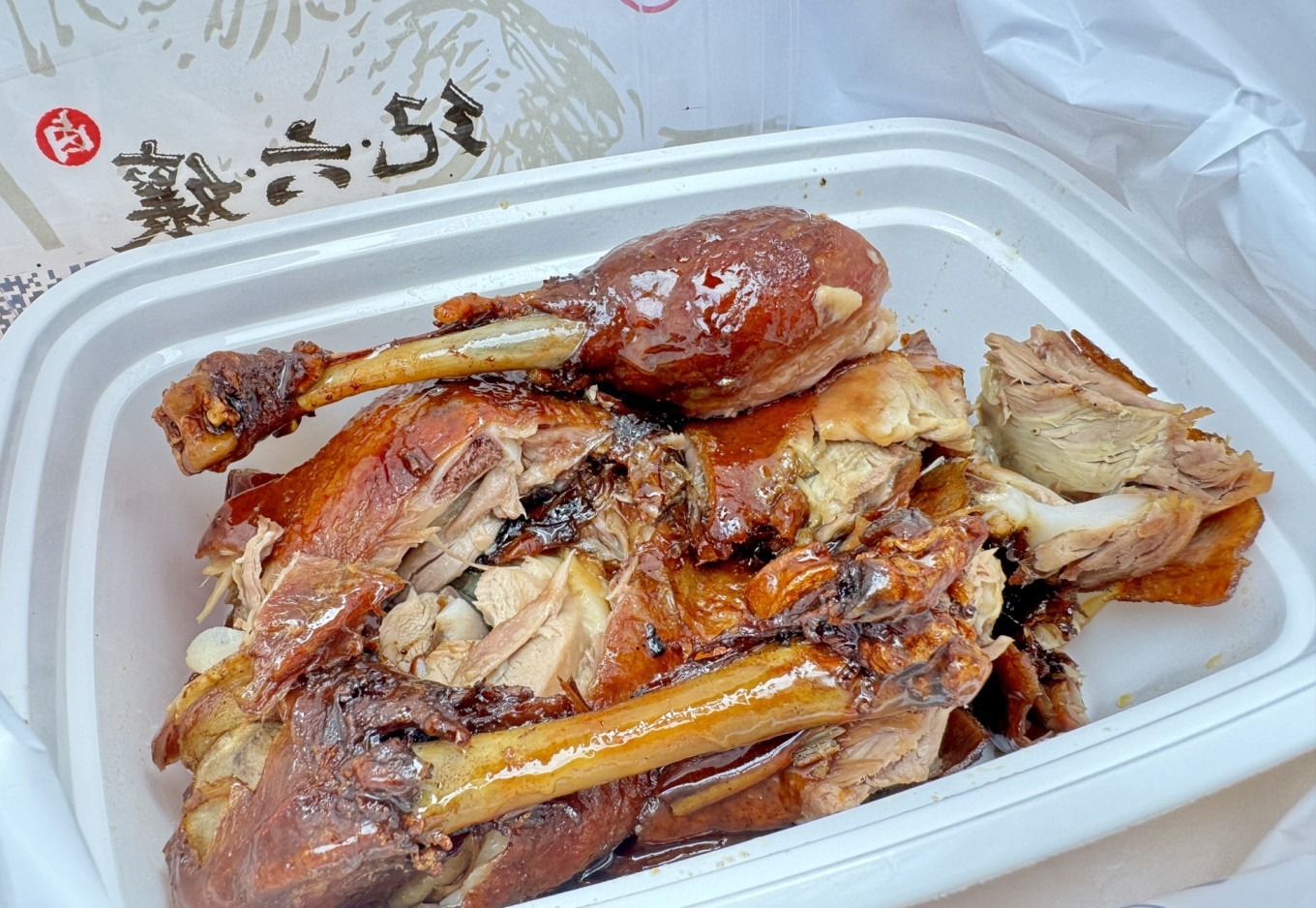
Leshan is a treasure trove of street food, and with limited time, you won’t be able to try everything. Prioritize these local favorites: Boboji (钵钵鸡) – cold skewers in spicy broth, Qiaojiao Niurou (跷脚牛肉) – beef offal soup, egg puffs (蛋烘糕), sweet-skin duck (甜皮鸭), and Mianmian Bing (绵绵冰) – fluffy shaved ice. In the evening, head back to Chengdu. If you’re too tired to go out, ordering delivery to your hotel is a wonderfully relaxing option.
- RestaurantShangzhongshun Food Street (上中顺美食街)
- Address乐山市中区上中顺街 (Shangzhongshun Street, Shizhong District, Leshan)
- Recommended dishesBoboji (钵钵鸡), Qiaojiao Niurou (跷脚牛肉), egg puffs (蛋烘糕), sweet-skin duck (甜皮鸭), Mianmian Bing (绵绵冰)
- Average spend¥50–100 per person
Day 7: Kuanzhai Alley, Du Fu Thatched Cottage, Wuhou Shrine, and Sichuan Opera
Start your day at Kuanzhai Alley (宽窄巷子), a historic district of wide and narrow lanes lined with Qing Dynasty architecture, teahouses, and souvenir shops. After a morning stroll, head to nearby Kuixinglou Street (奎星楼街) for lunch, a popular food street known for its local eateries and creative dishes.
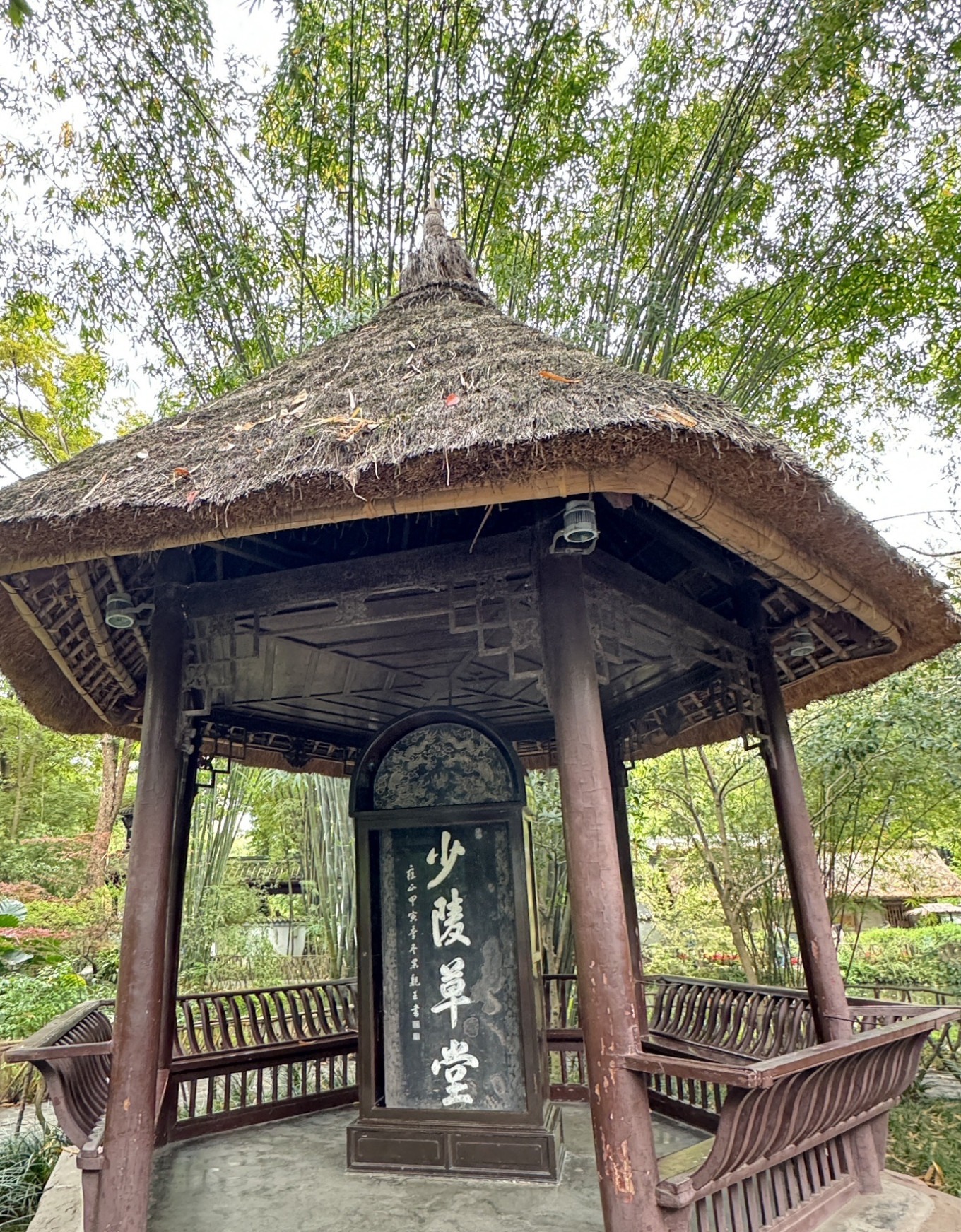
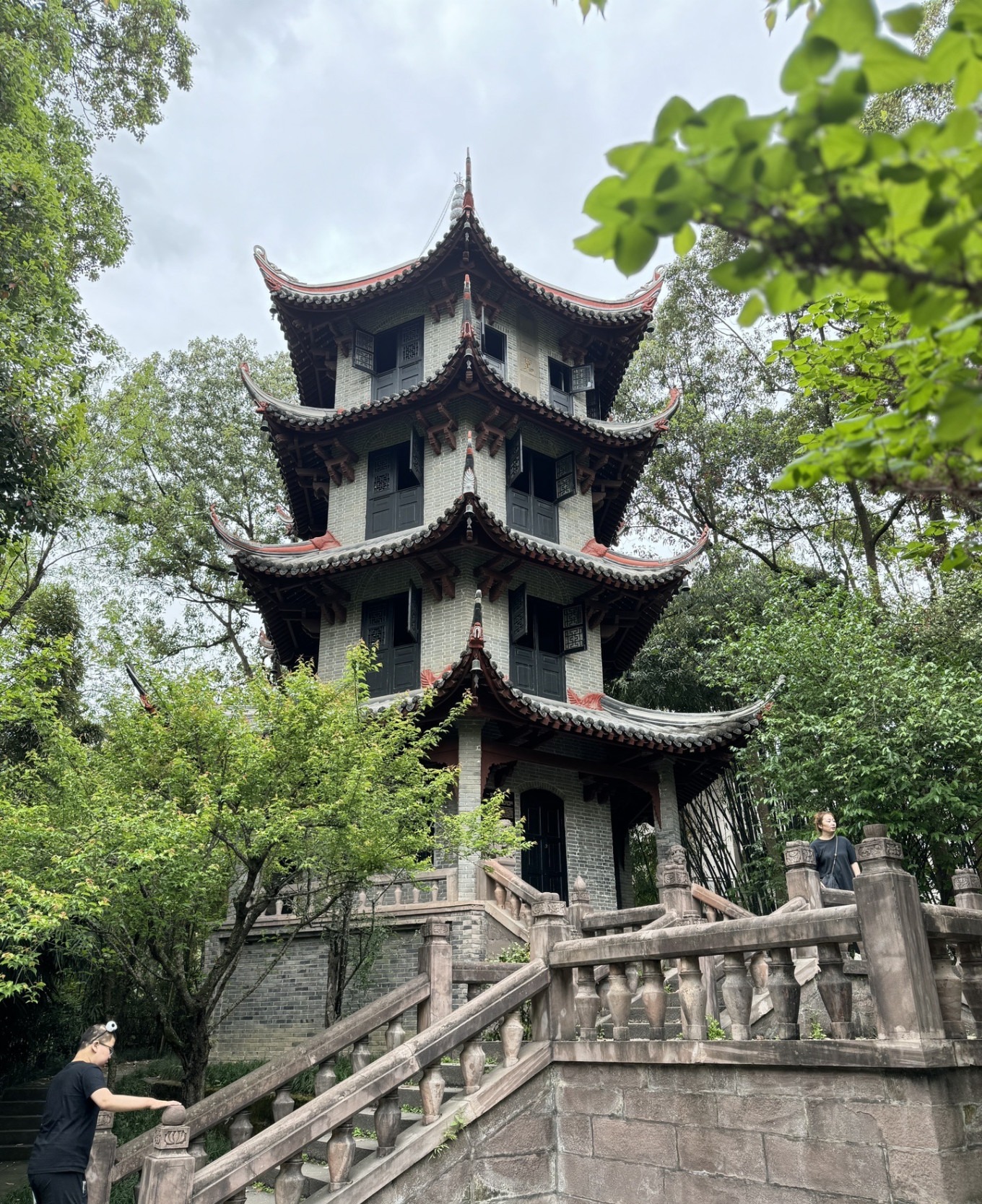
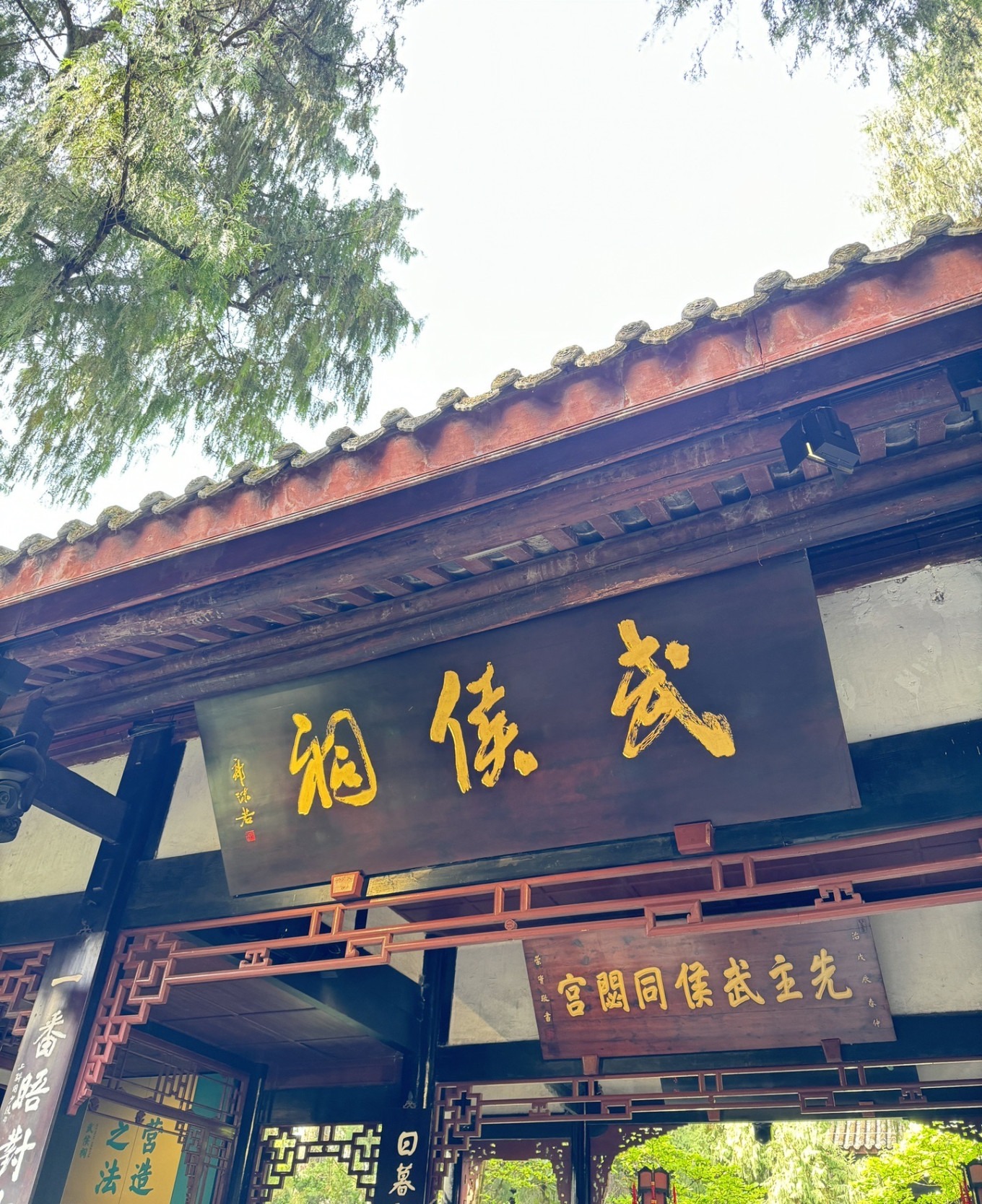
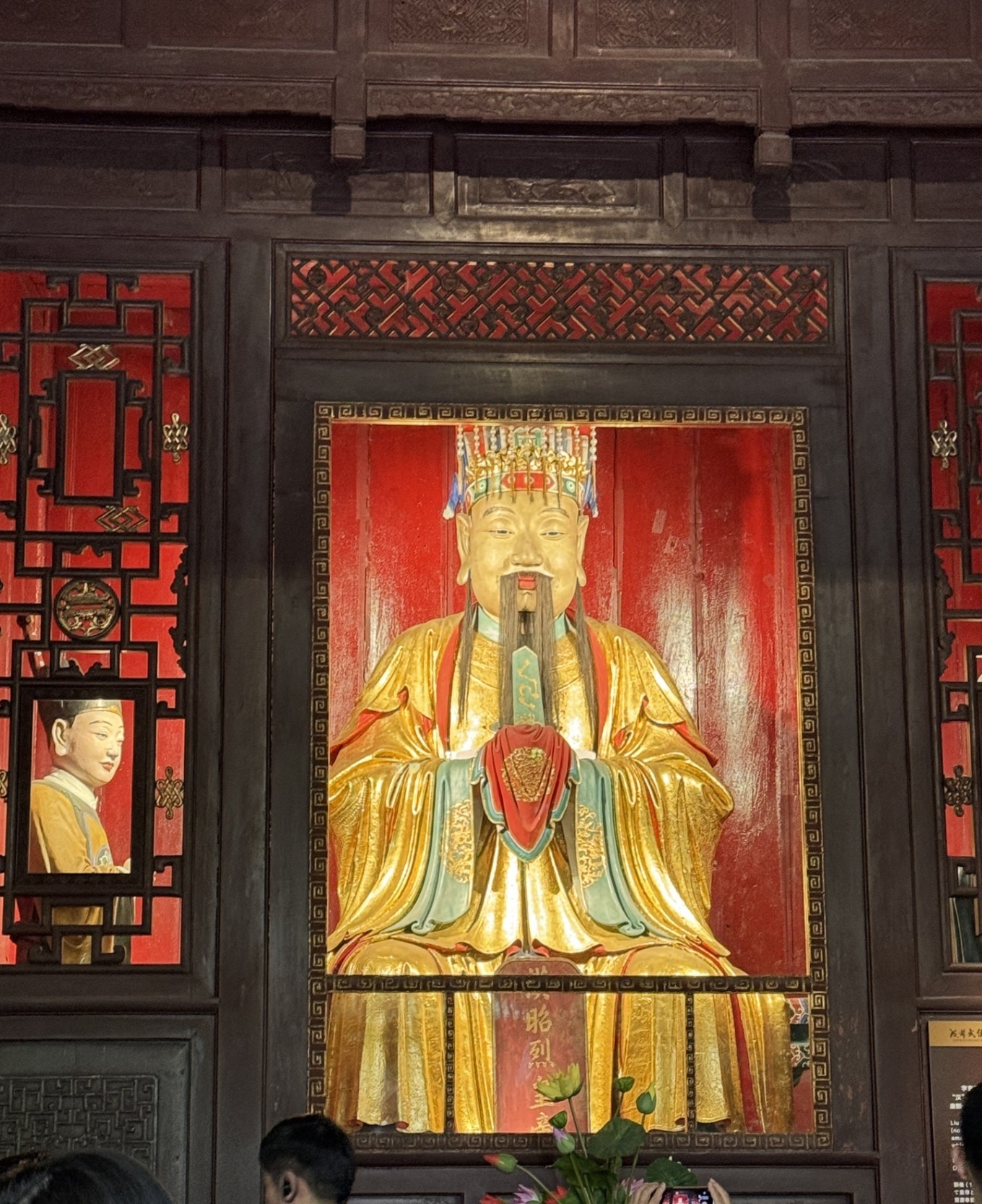
In the afternoon, visit two of Chengdu’s most iconic cultural sites: Du Fu Thatched Cottage (杜甫草堂) and Wuhou Shrine (武侯祠). Both are rich in history and best experienced with a guided tour or audio guide to fully appreciate the stories behind the poet Du Fu and the Three Kingdoms era. Consider hiring a guide at the entrance or using a portable audio device.
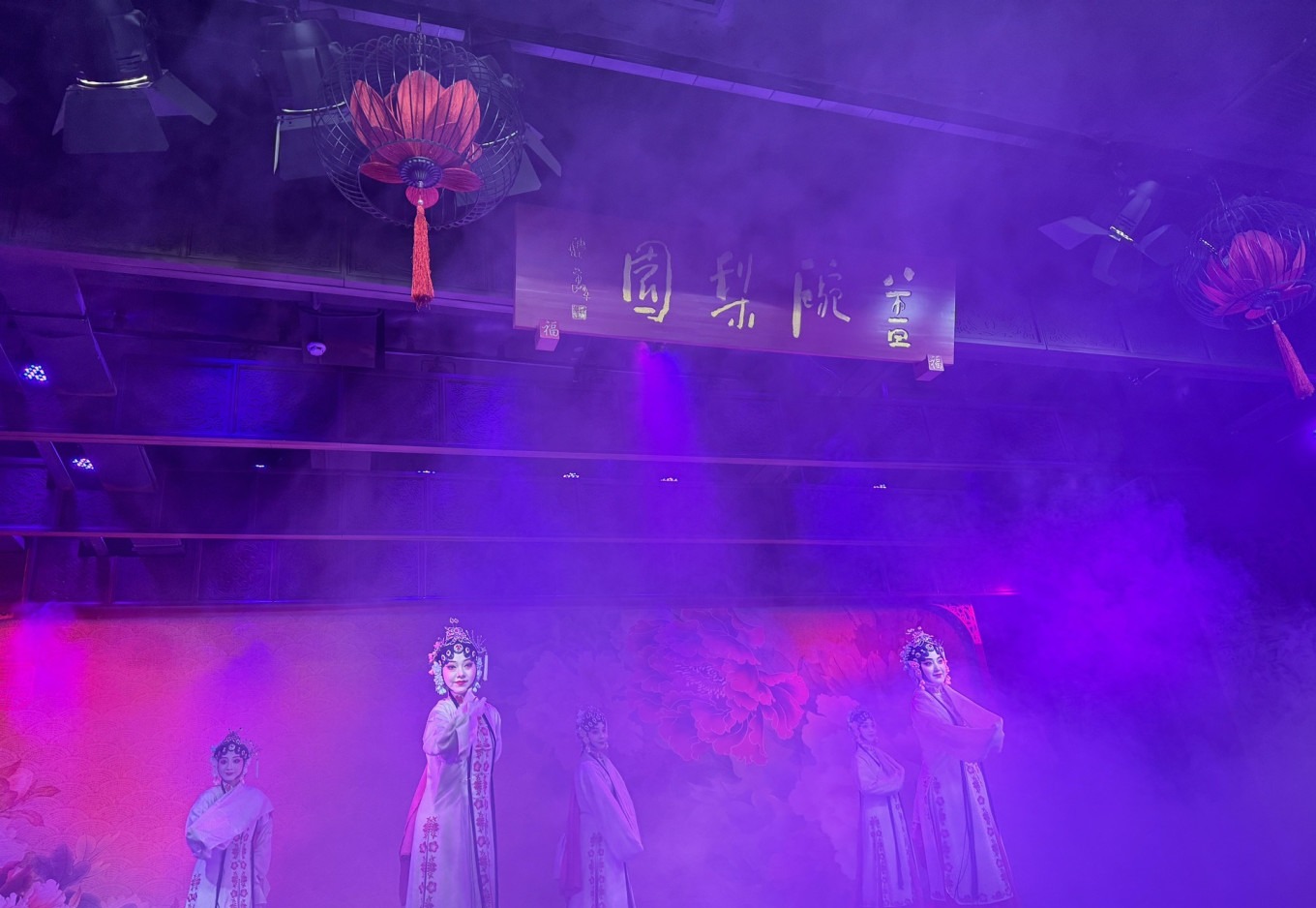
As evening falls, you have two excellent options. For a cultural show, head to Gaiwan Liyuan (盖碗梨园) at Tianfu Square (天府广场) basement level to watch a Sichuan opera face-changing performance (川剧变脸). Alternatively, skip the show and explore Jinli Ancient Street (锦里) next to Wuhou Shrine for a vibrant night market atmosphere, or head to Jianshe Road (建设路) for a legendary street food crawl.
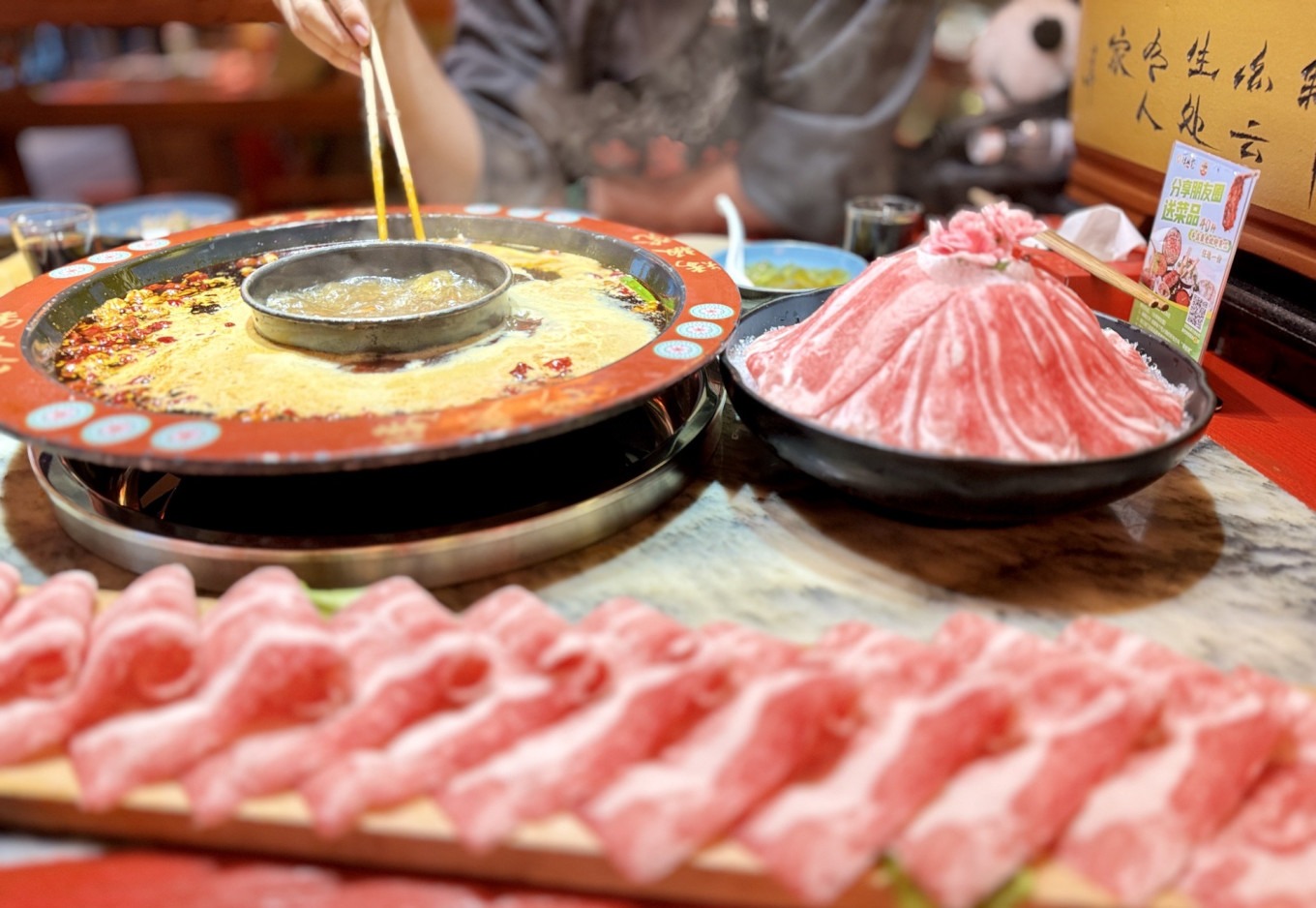
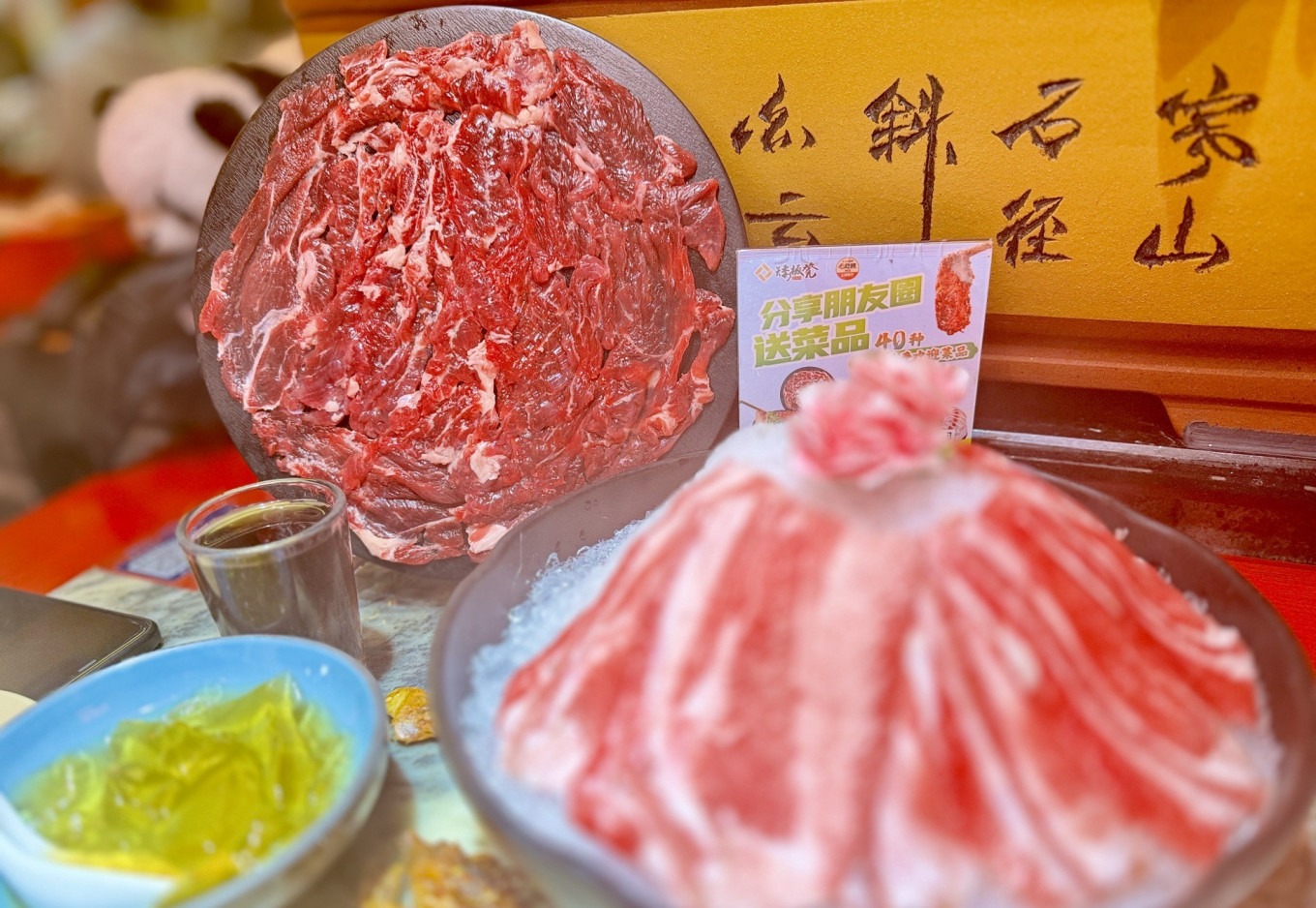
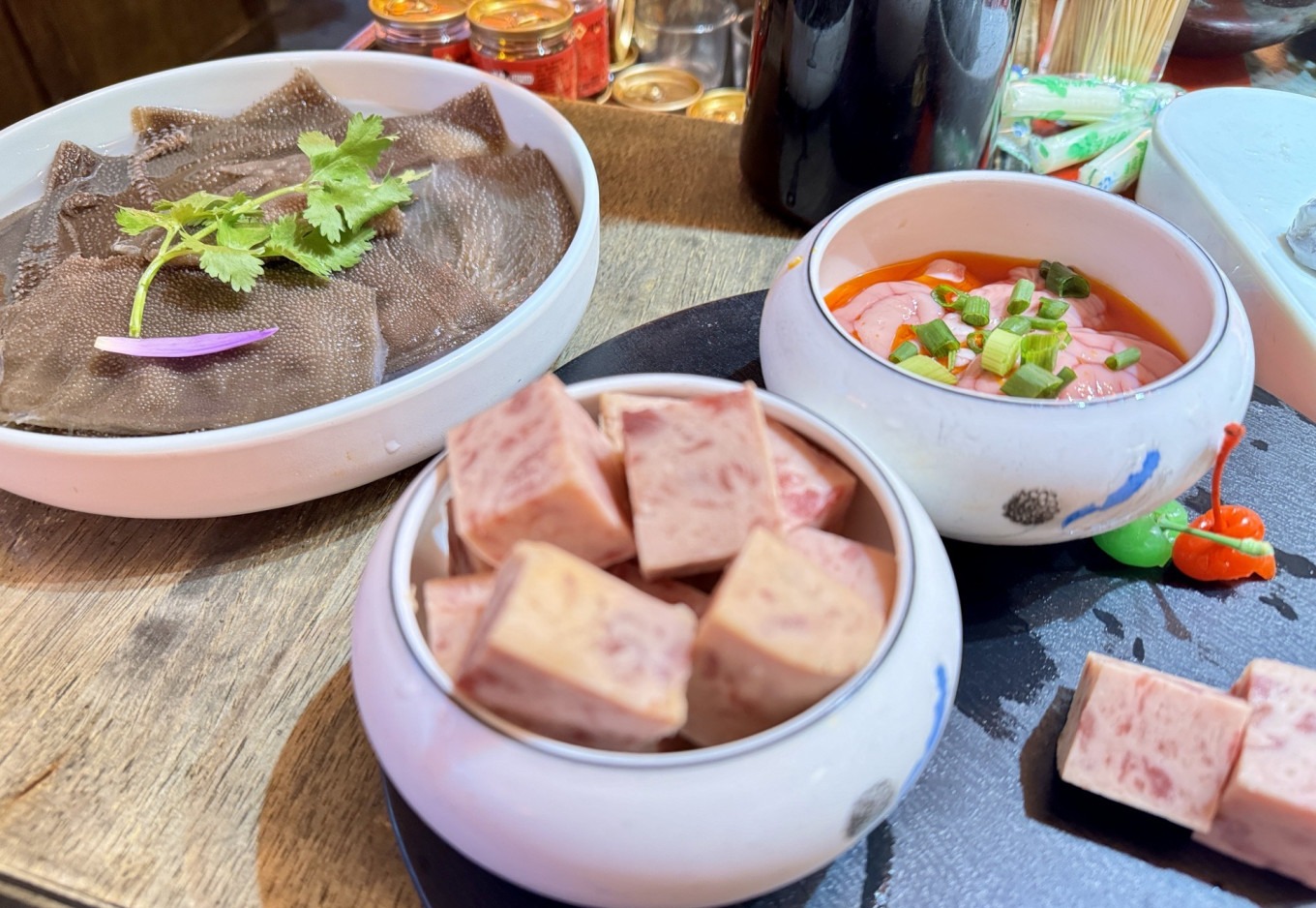
For dinner, a highly recommended hotpot restaurant is Ai Bandeng Hotpot (矮板凳火锅) near Tianfu Square. It offers excellent service, great value, and the bonus of live Sichuan opera face-changing performances right in the restaurant — so you can enjoy both a delicious meal and the show without going elsewhere.
- RestaurantAi Bandeng Hotpot (矮板凳火锅)
- Address天府广场负一楼 (B1, Tianfu Square, Chengdu)
- Recommended dishes麻辣锅底 (spicy broth), 毛肚 (tripe), 鹅肠 (goose intestine), 酥肉 (crispy pork)
- Average spend¥80-120 per person
Chunxi Road, Taikoo Li, and Heading Home
On your final day in Chengdu, with a 7 PM flight home, you still have plenty of time to explore the city’s most vibrant districts. Chunxi Road (春熙路), Taikoo Li (太古里), and nearby spots like IFS, Daci Temple (大慈寺), Wangping Street (望平街), and Jiuyanqiao Bridge (九眼桥) are all within easy reach by car or metro. These areas are perfect for last-minute shopping, people-watching, and soaking up Chengdu’s modern energy.
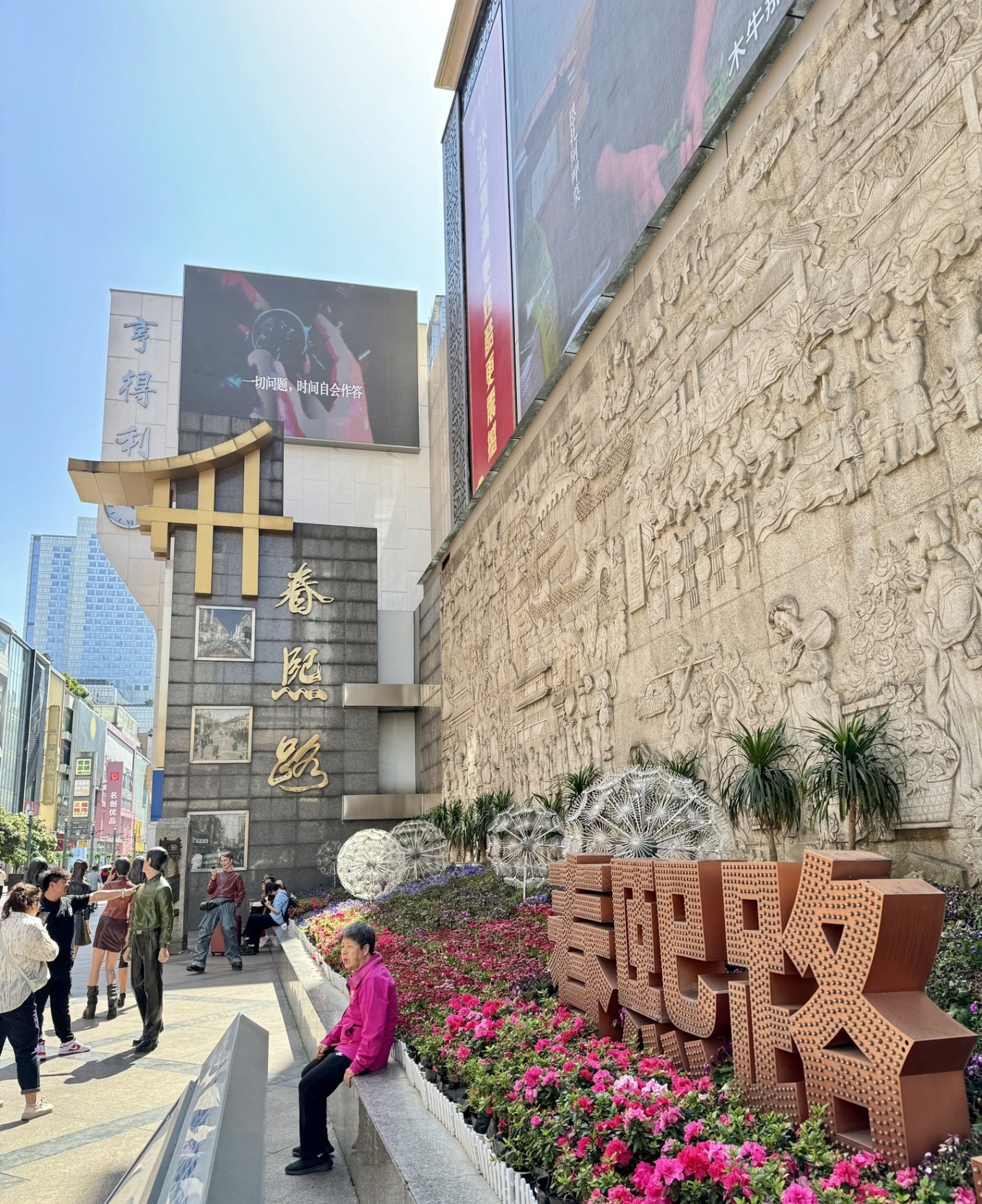
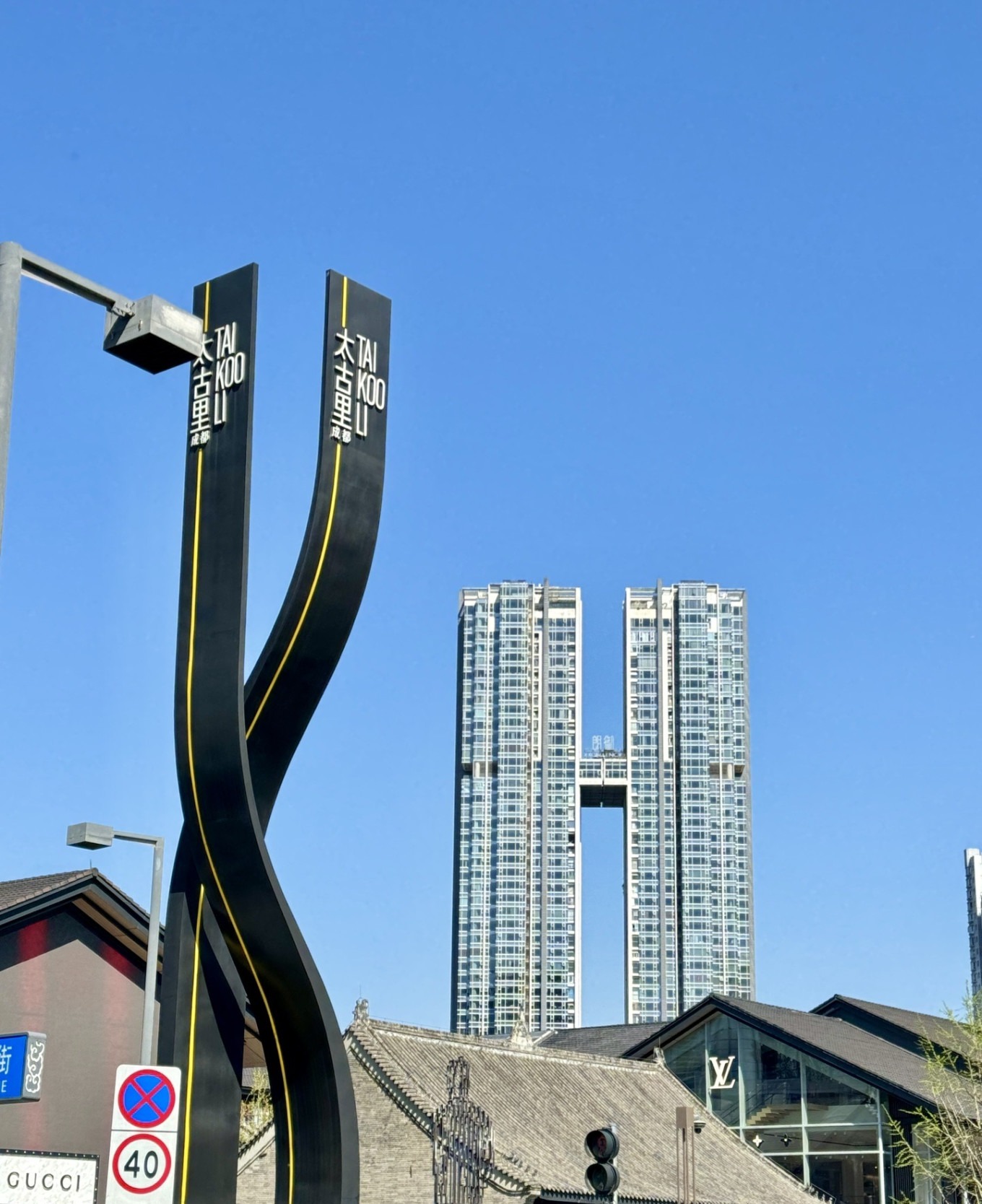
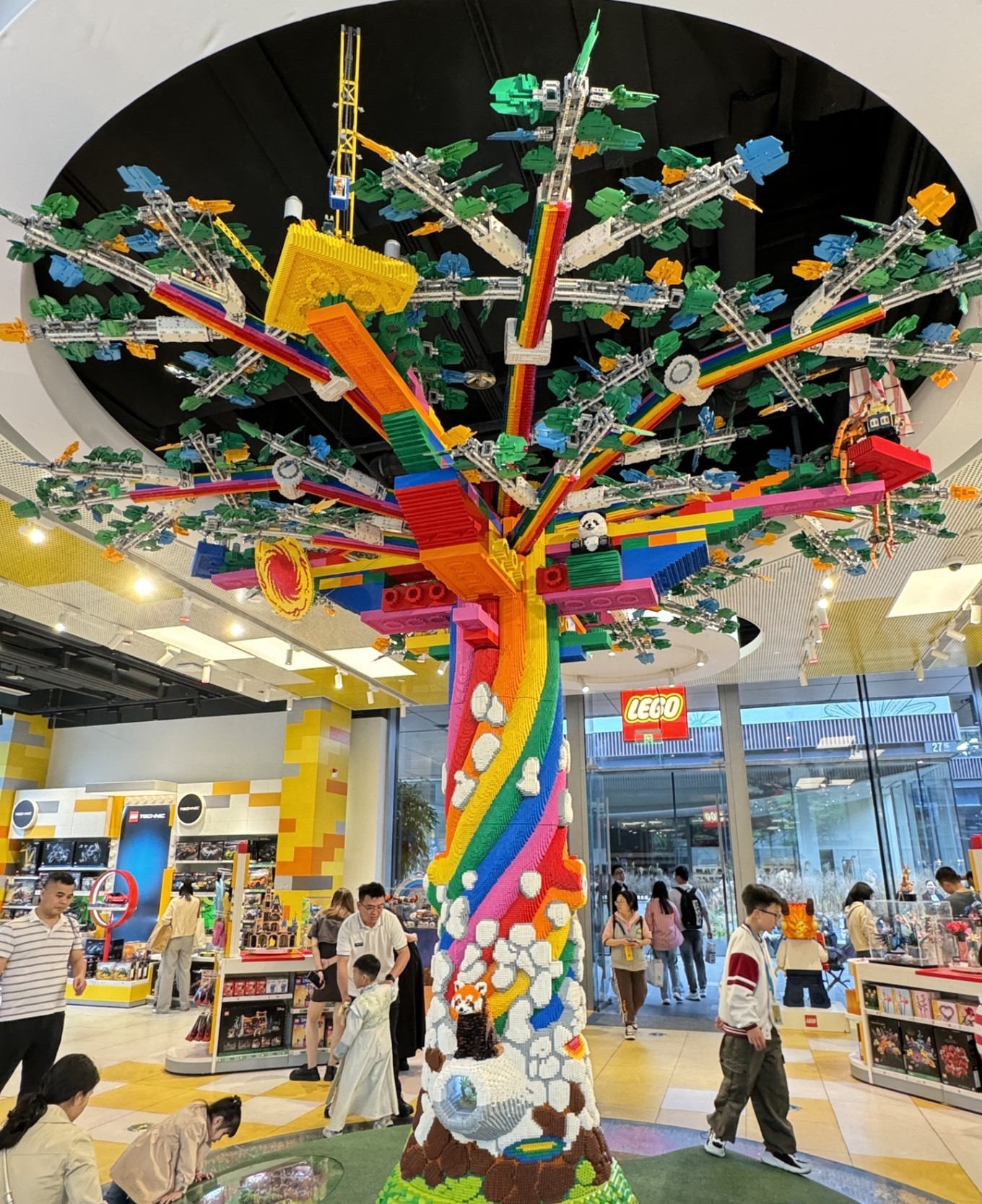
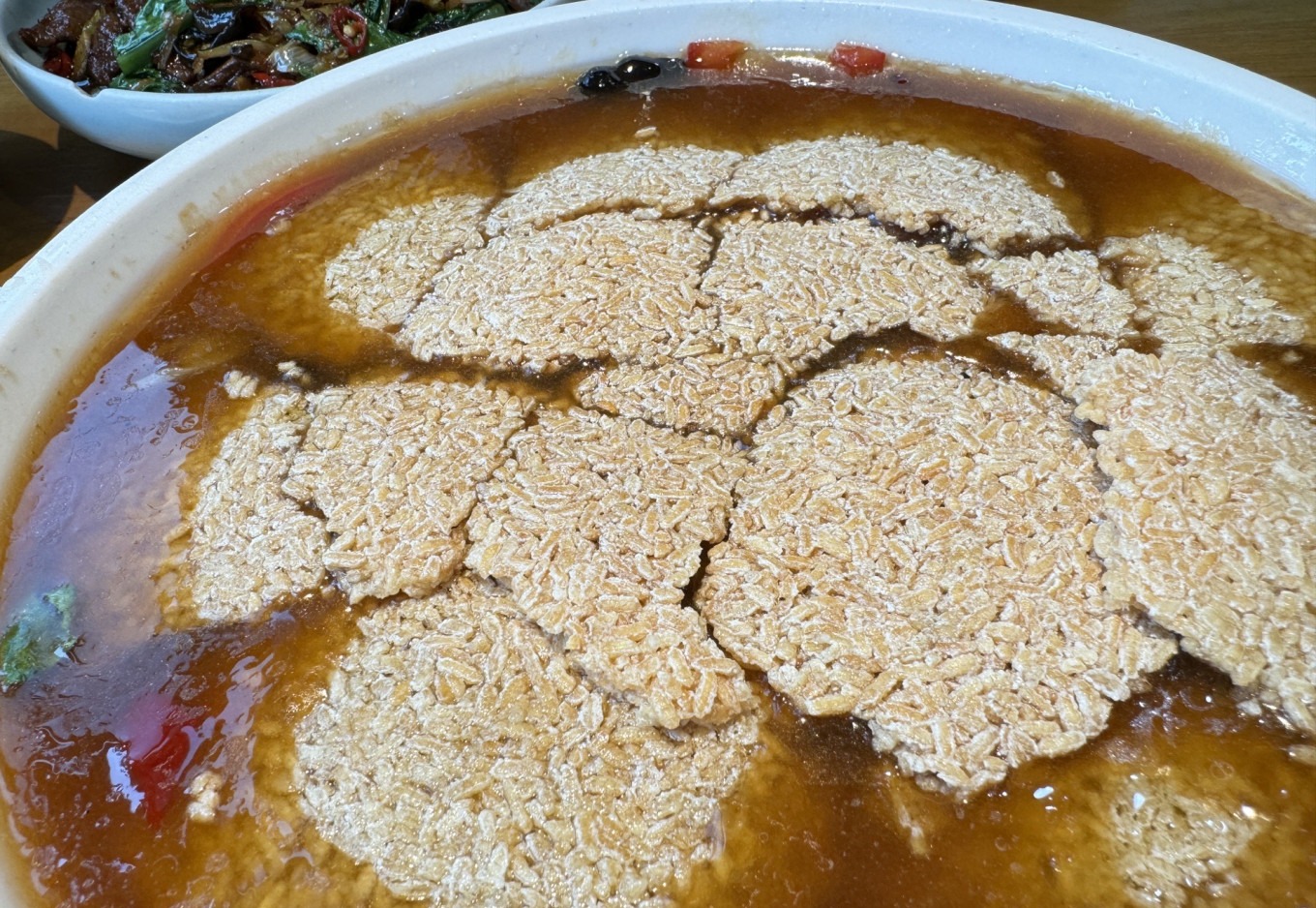
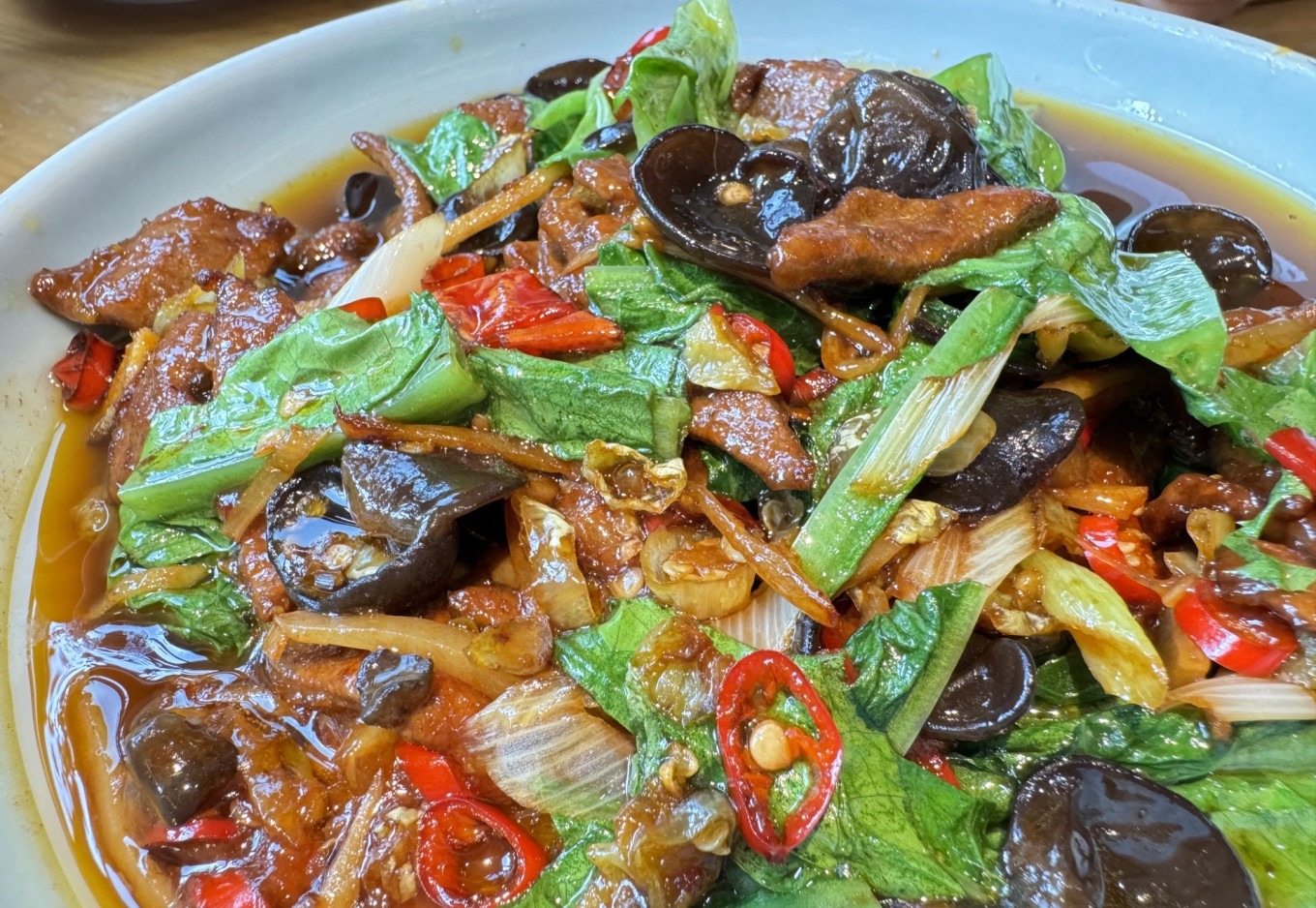
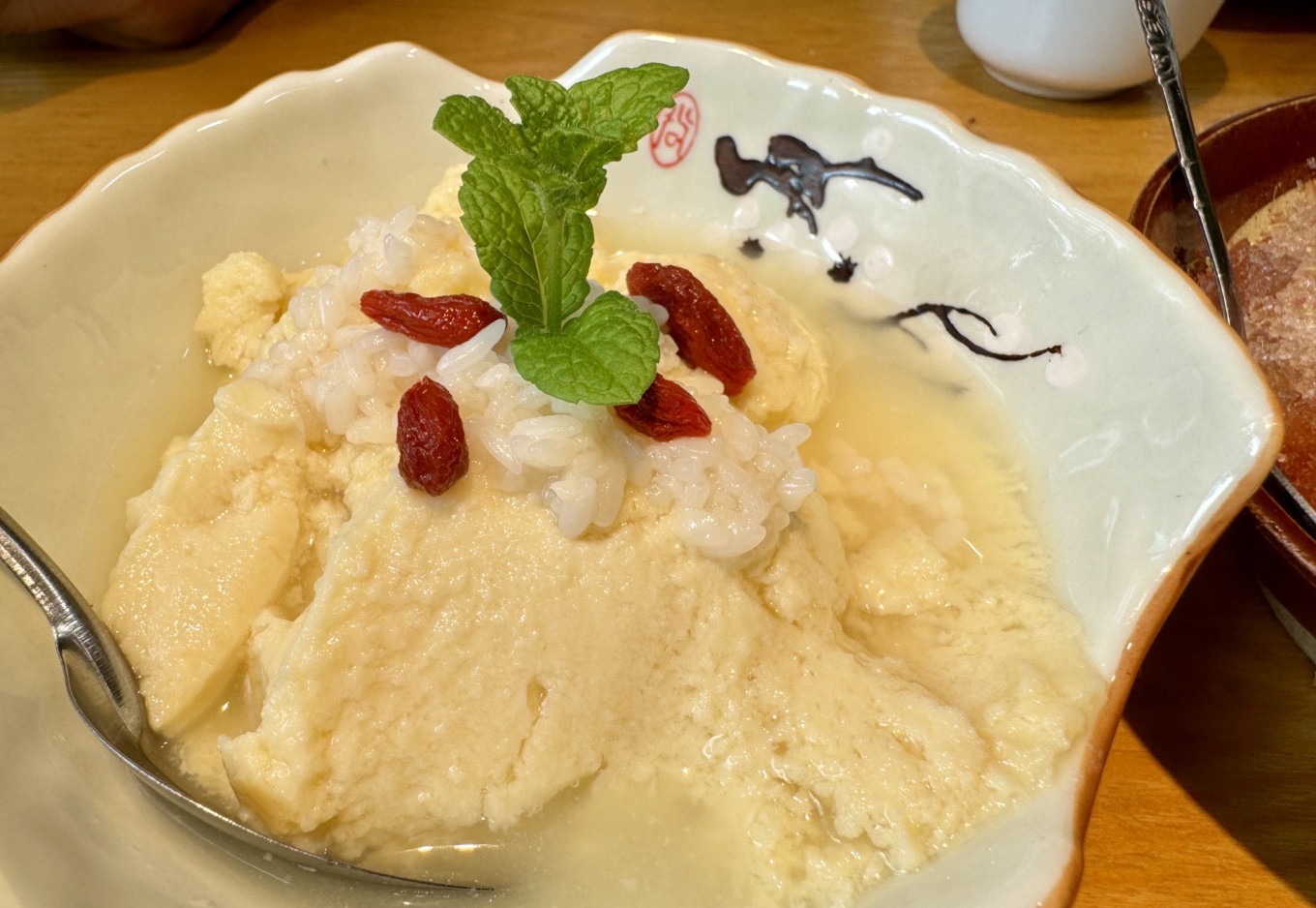
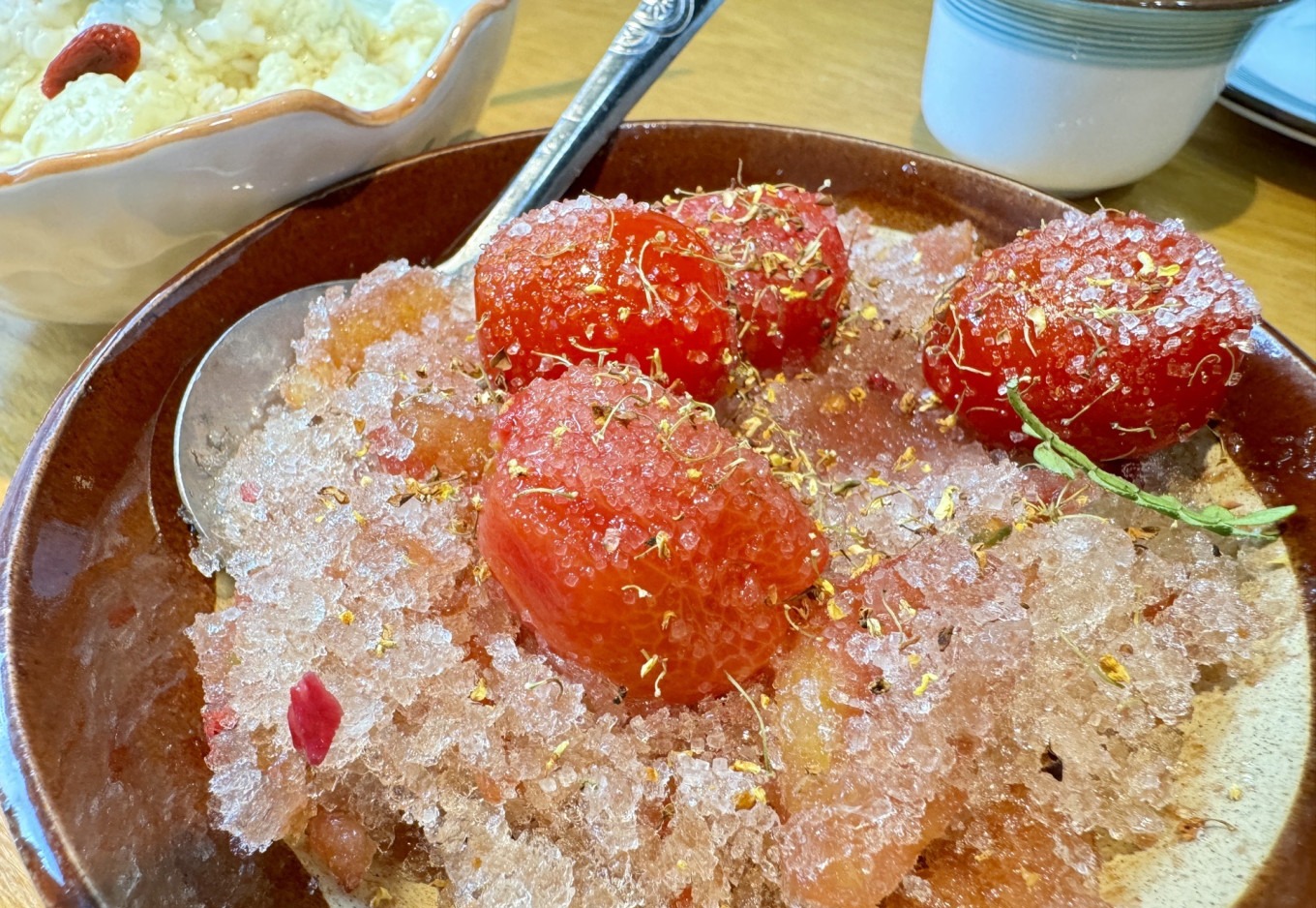
For lunch, you might be tempted by the international options in Taikoo Li, such as Middle Eastern cuisine. However, many travelers find that sticking with local Sichuan dishes is more rewarding. One reliable choice is Rongcheng Xiaoguan (蓉城小馆), a Sichuan restaurant that serves classic fiery fare. Keep in mind that Sichuan food can be quite oily and numbing – if you prefer lighter flavors, you might enjoy Hunan cuisine or hotpot instead.
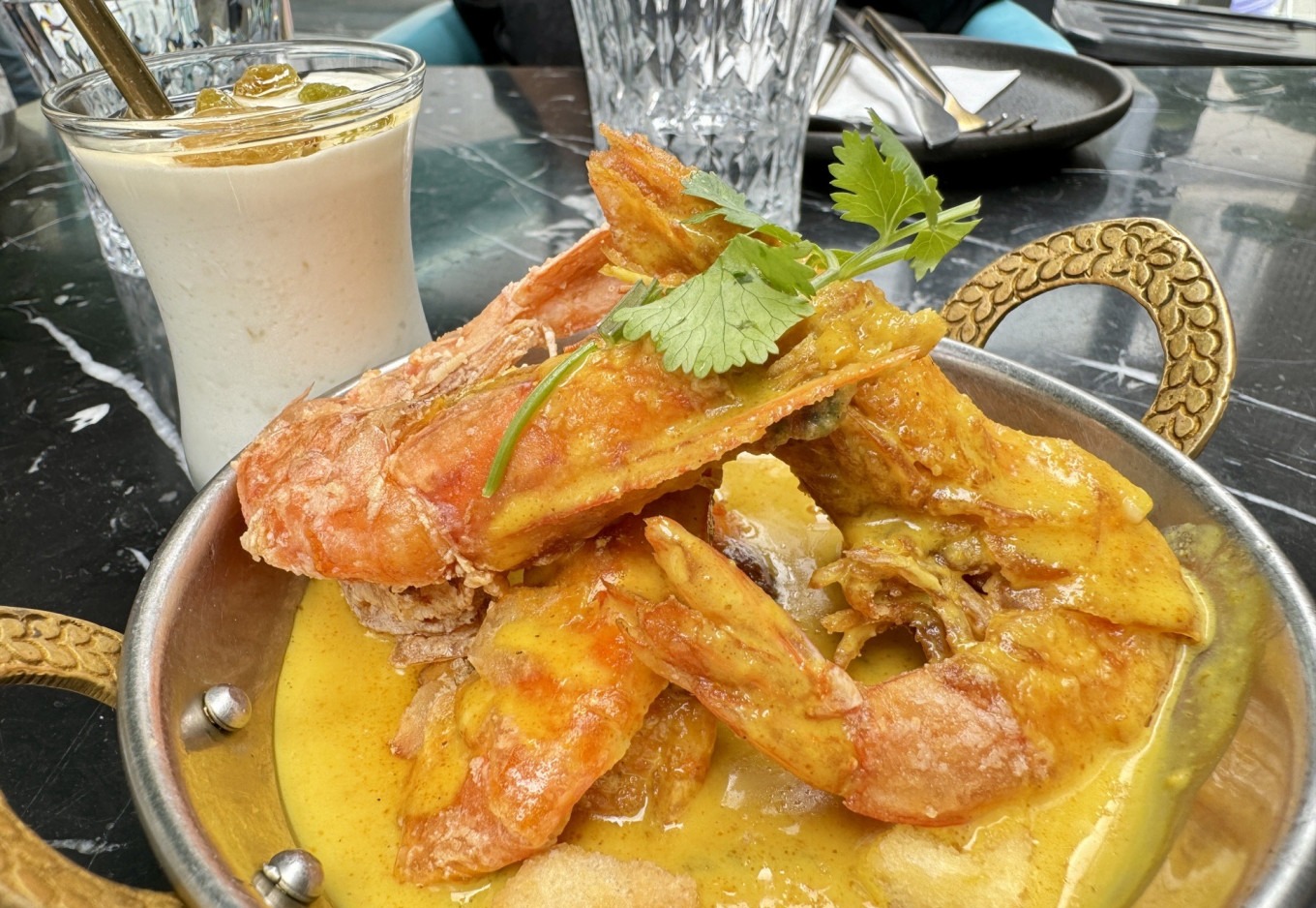
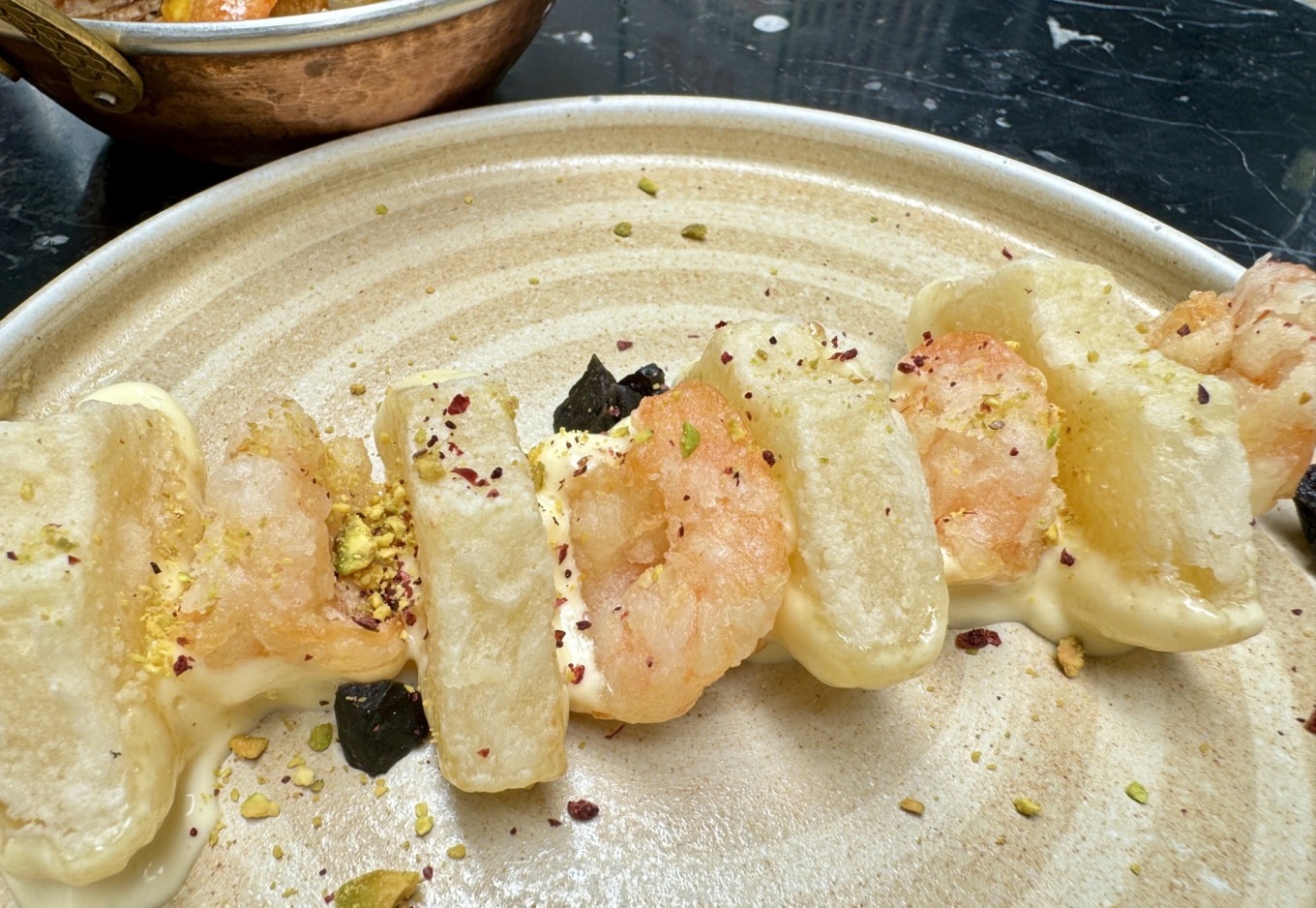
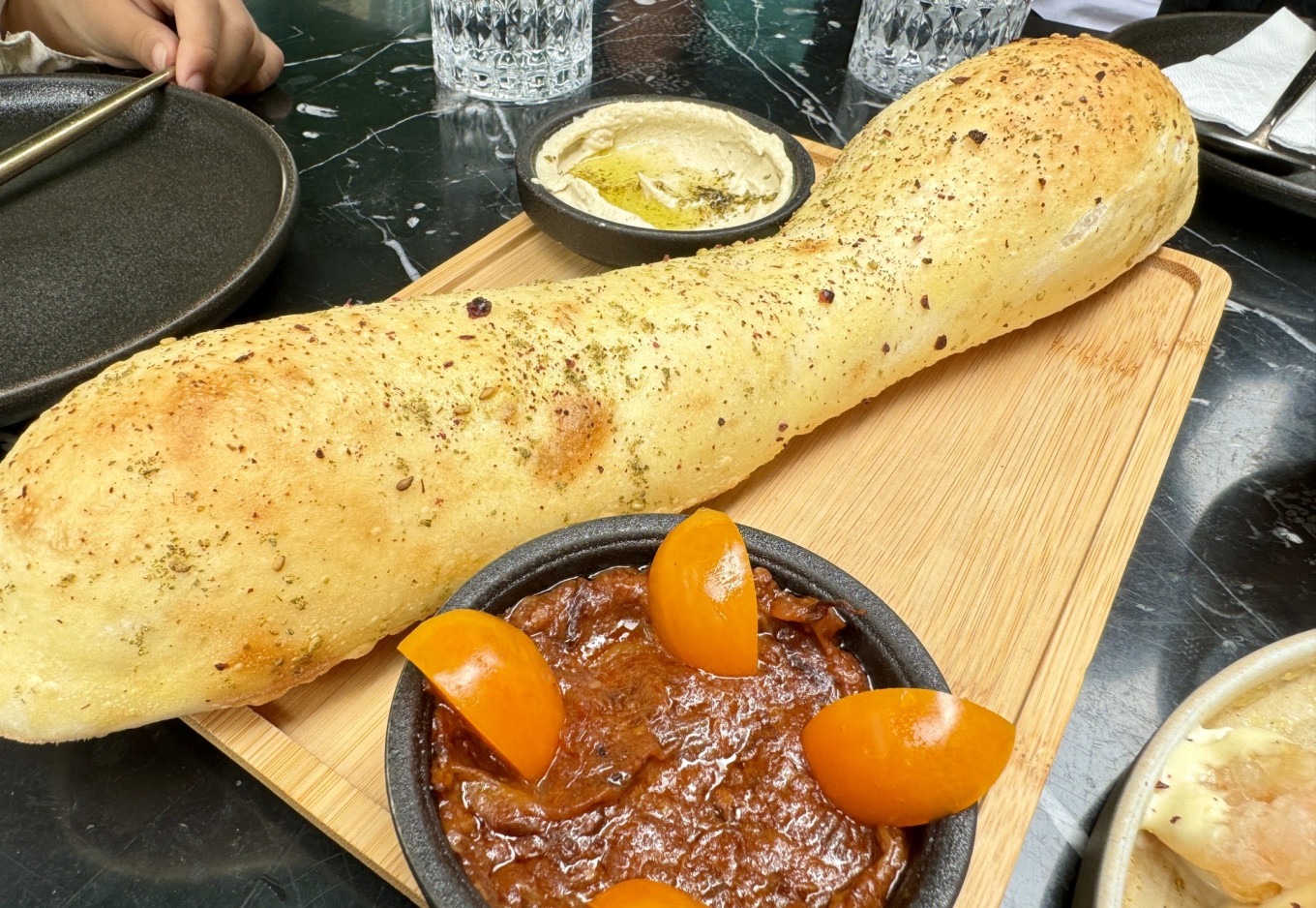
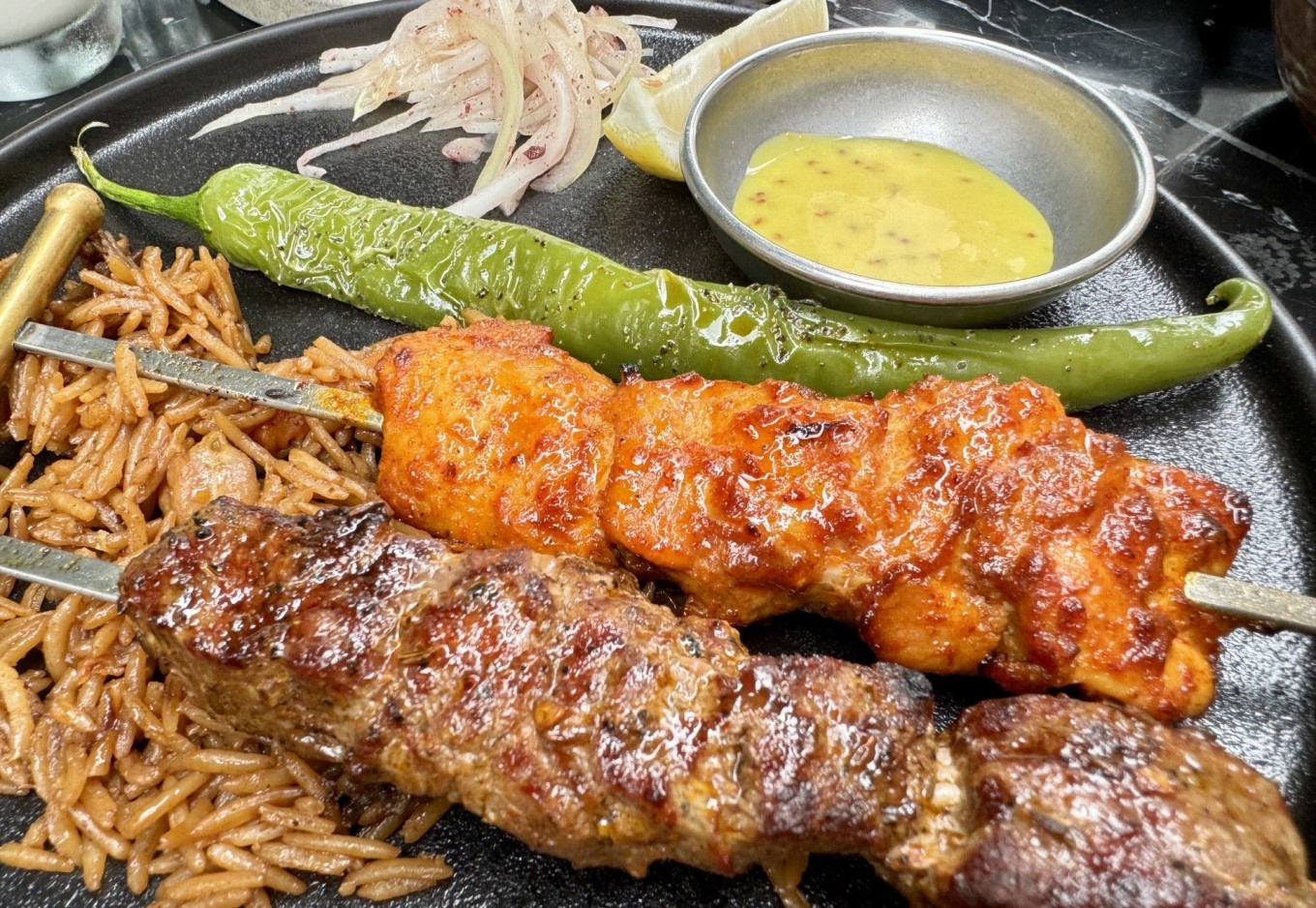
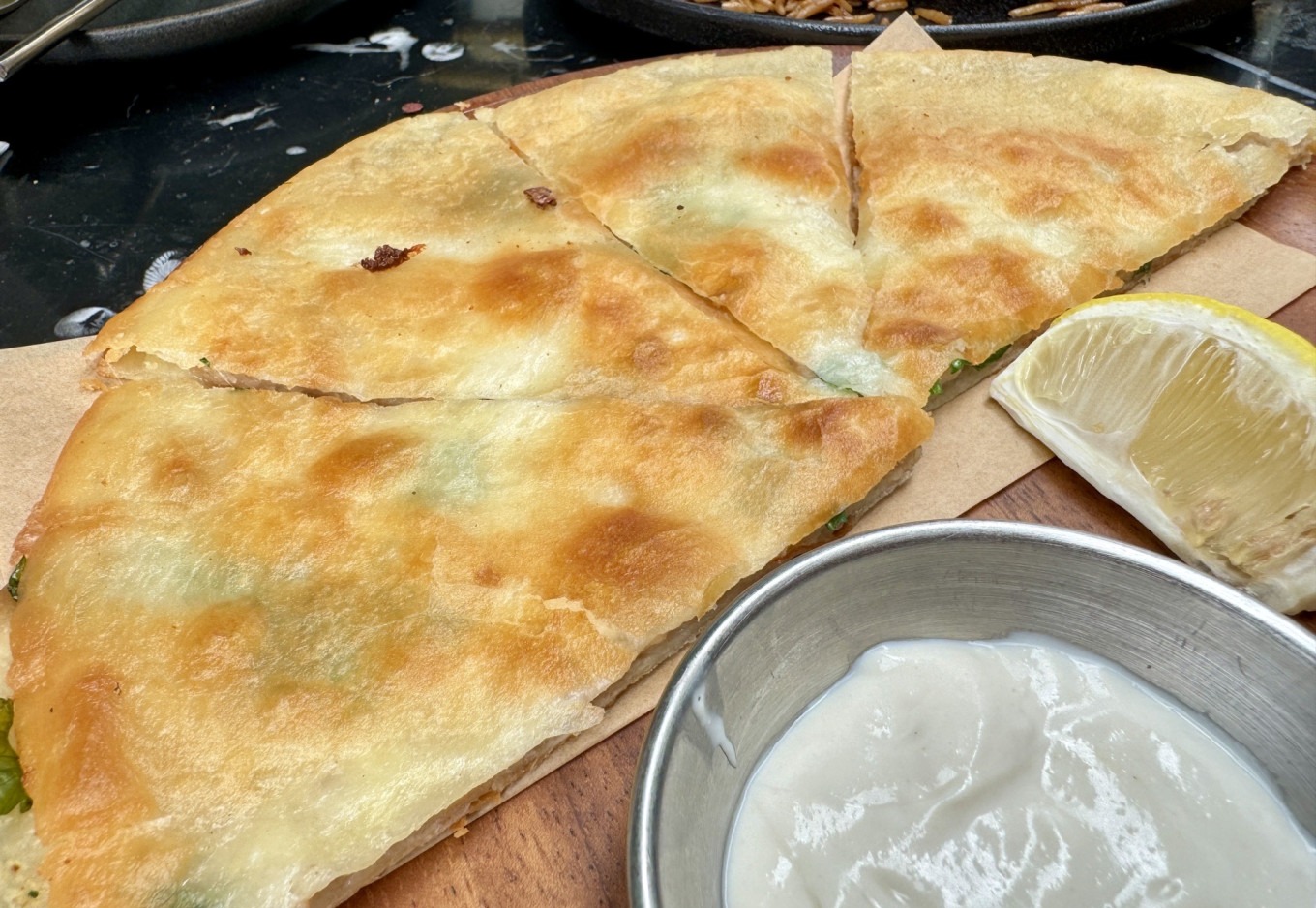
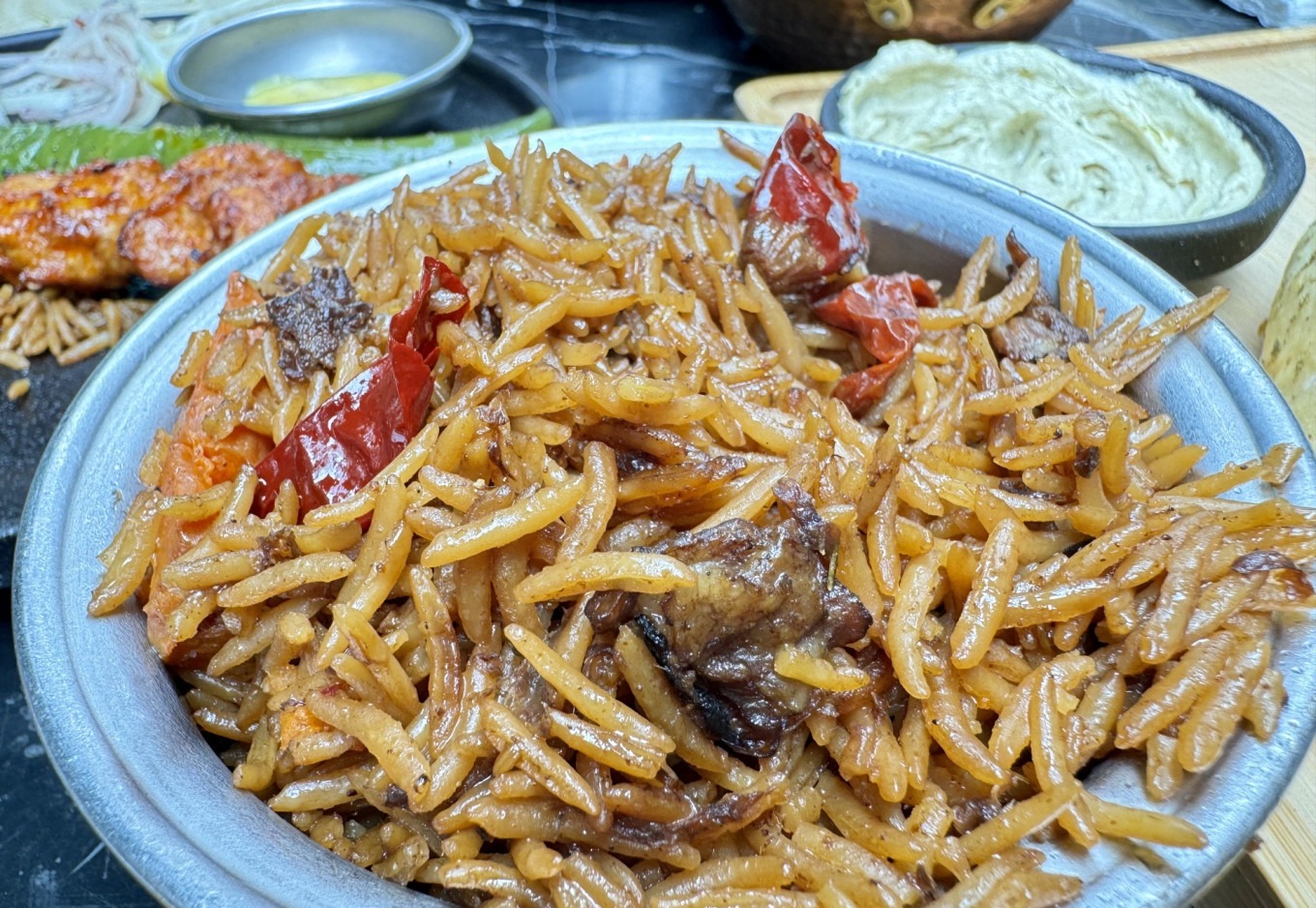
If you decide to try Rongcheng Xiaoguan (蓉城小馆), expect bold, oily dishes typical of Sichuan cuisine. The restaurant is well-regarded among locals, but if you’re not used to heavy oil and spice, you might find it overwhelming. Hotpot, on the other hand, is a crowd-pleaser and widely available in the area.
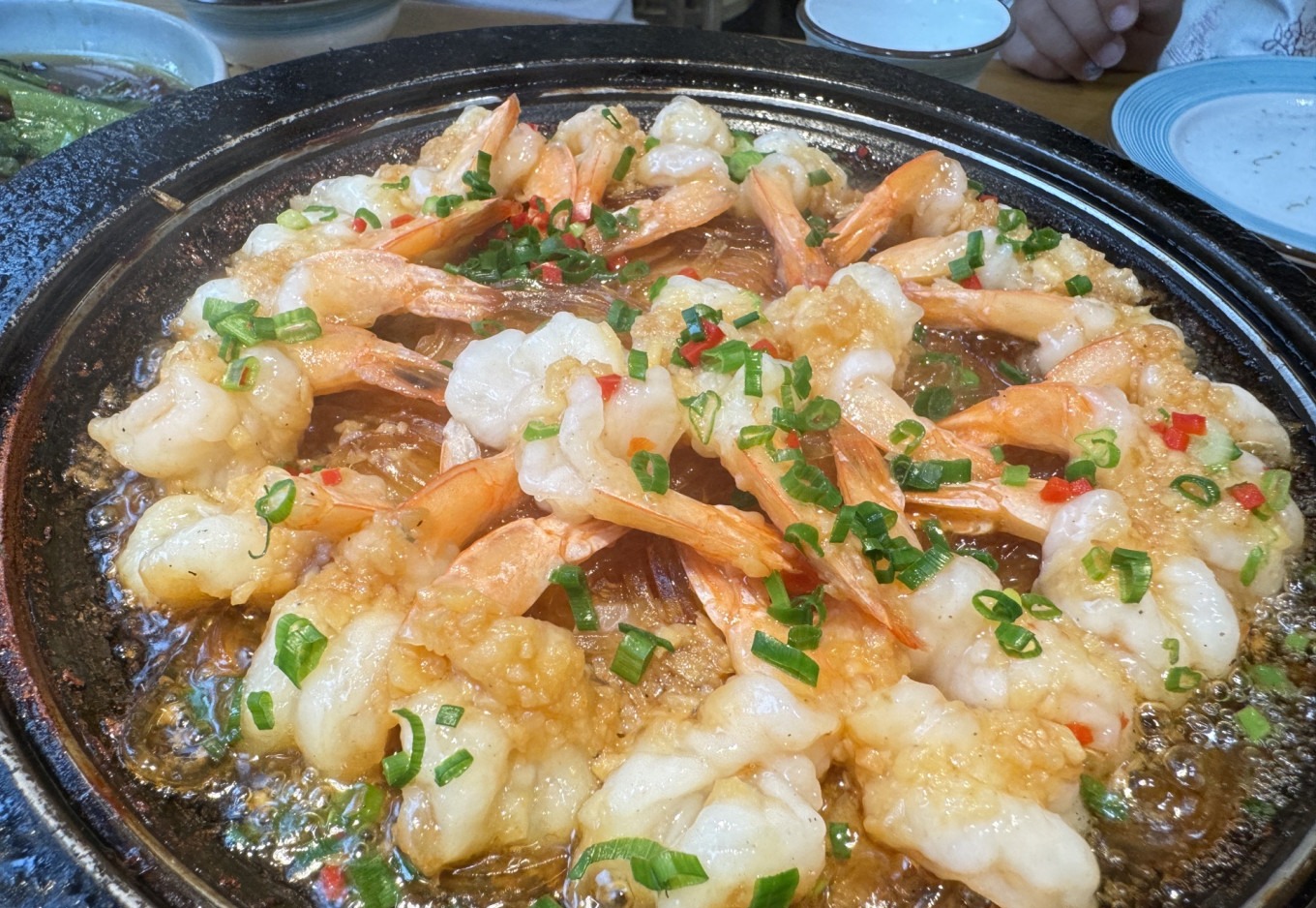
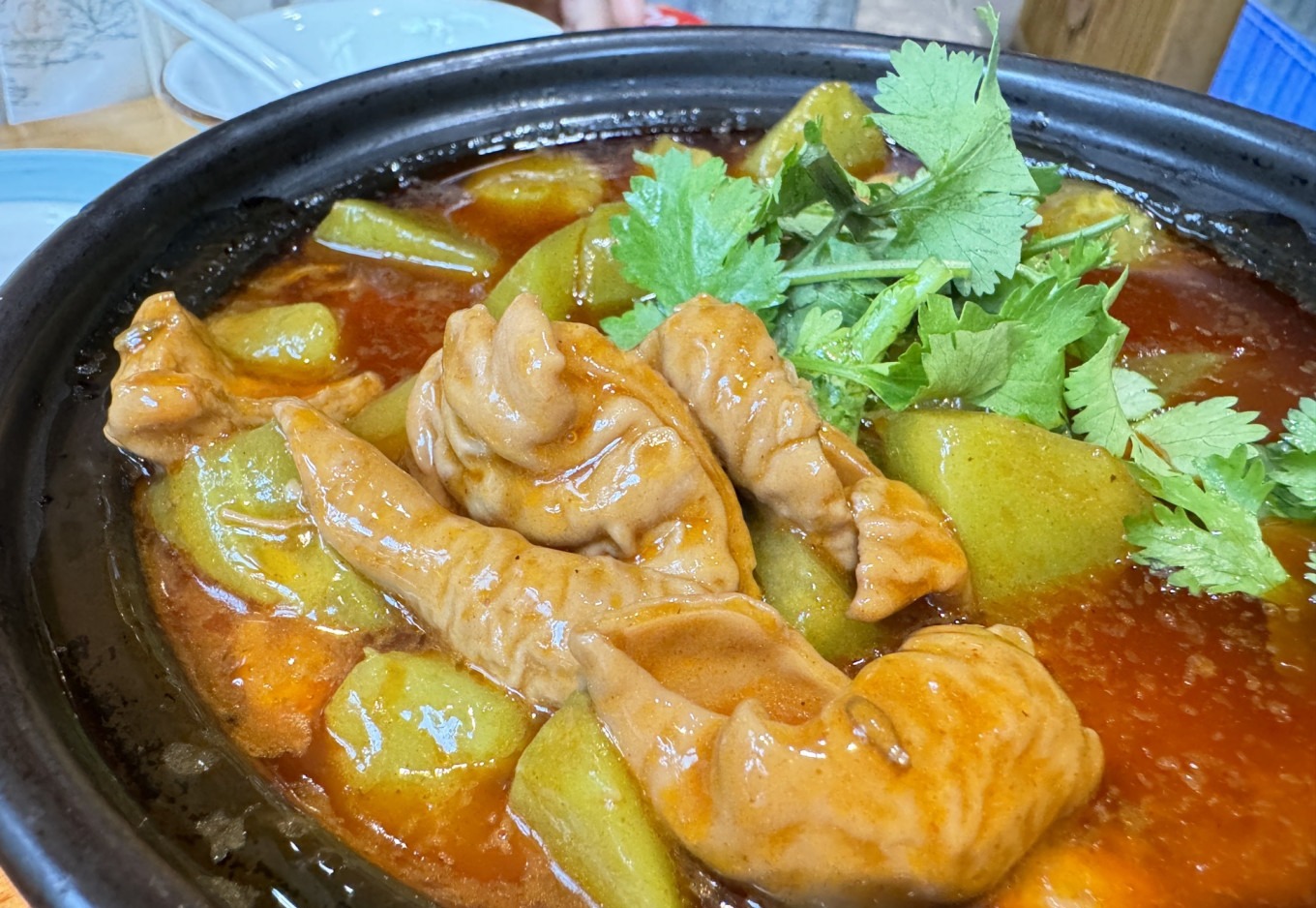
- RestaurantRongcheng Xiaoguan (蓉城小馆)
- Address成都市锦江区东大街下东大街段66号 (No.
- Recommended dishesMapo tofu (麻婆豆腐), Kung Pao chicken (宫保鸡丁), Sichuan hotpot (四川火锅)
- Average spend¥80–120 per person
Chengdu: A City of Leisurely Pleasures
In Chengdu, time slows down. This is a city that wears its leisure like a badge of honor—where mahjong tables spill onto sidewalks, tea houses hum with conversation, and the aroma of spicy hotpot fills the air. Locals know how to savor life: a game of mahjong captures the street scene, a pot of tea reflects the world, a bubbling hotpot embodies the passion, and an ancient alley tells stories of generations. It’s all about being ‘巴适得板’ (truly comfortable).
Practical tip: You can prioritize one signature stop around the area, and you should adjust timing and budget based on transport and peak hours.
Essential Tips for High-Altitude Travel
Before you set off, stock up on oxygen canisters — you can’t bring them on a plane, so have them shipped to your hotel in advance. Glucose tablets and chocolate are also handy for a quick energy boost and to help ease altitude sickness. Pack stomach medicine, as unfamiliar food might upset your digestion, and cold medicine, since temperature swings between day and night are significant. Ibuprofen can relieve headaches and dizziness caused by altitude. Not everyone gets altitude sickness, but it’s better to be safe. Plan your itinerary to visit Jiuzhaigou first, then Huanglong, giving your body time to acclimatize — Huanglong has a higher risk of altitude sickness. And remember: move slowly during your hikes to avoid oxygen depletion.
Sichuan Travel Map
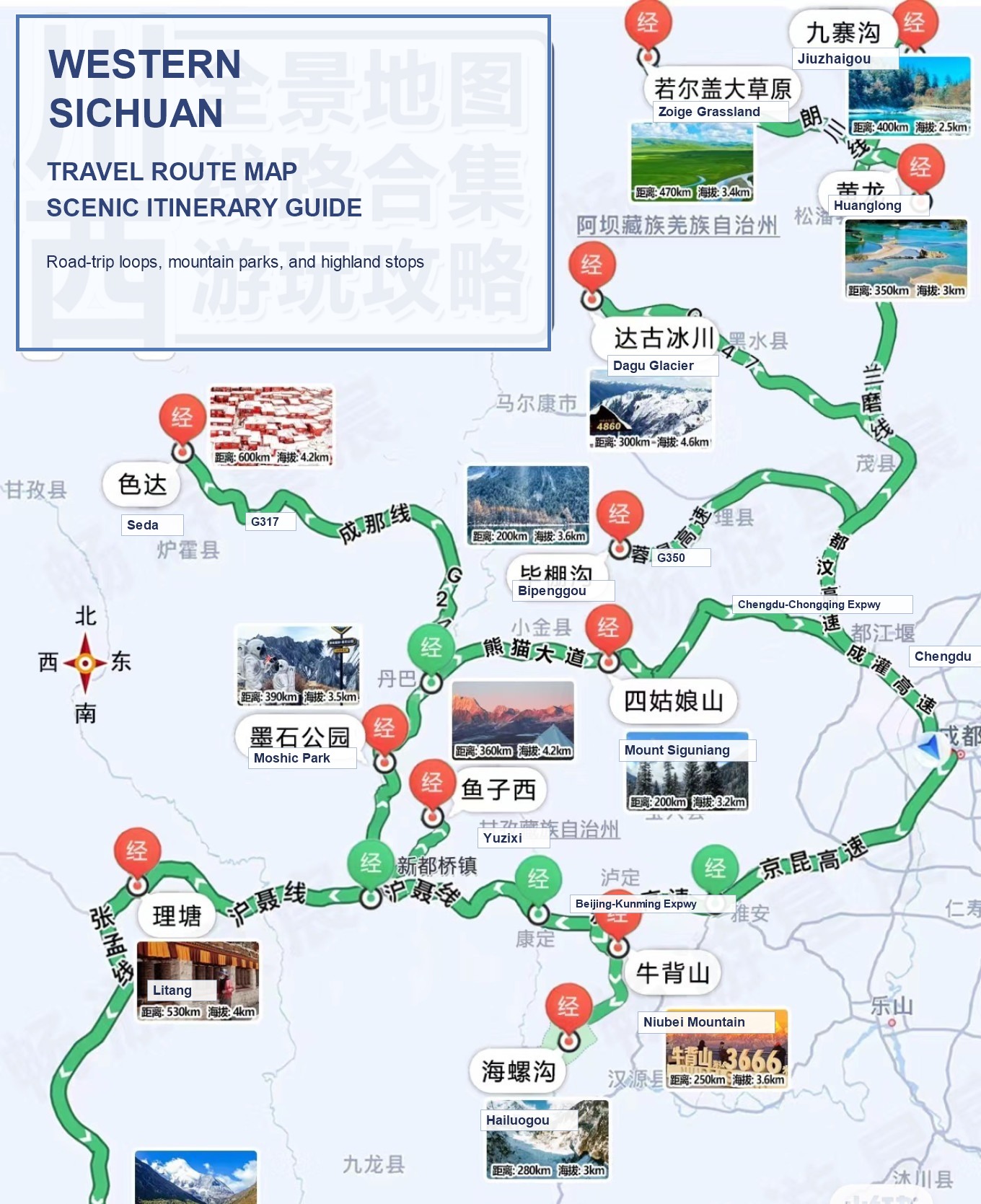
Before you set off, take a moment to study Sichuan’s travel map. The province is vast, with attractions spread across high plateaus, deep valleys, and urban centers. A good map helps you visualize distances, plan your driving route, and decide which areas to prioritize. Key destinations like Chengdu, Jiuzhaigou, Huanglong, and Mount Emei are well connected by highways, but mountain roads can be winding. Consider using a digital map with real-time traffic updates, and always download offline maps for areas with weak signals. Whether you’re chasing pandas, spicy food, or stunning landscapes, a clear map is your first step to a smooth journey.
The Journey Home: Reflections on Sichuan
Every bend in the road brings a new surprise — from the dizzying heights of altitude sickness to the deep satisfaction of a packed itinerary. This is a trip that fills every hour, leaving you tired but exhilarated. You’ll cross mountains, discover your own limits, and soak in landscapes and cultures that feel worlds apart. Sichuan — the land of Ba and Shu, the ‘Heavenly Country’ — stays with you long after you leave. As the saying goes, ‘Better to chase the wind than wait for it.’ So keep your passion alive and set off for the next adventure.
Practical tip: You can prioritize one signature stop around the area, and you should adjust timing and budget based on transport and peak hours.
Route for Ample Energy Levels
If you have plenty of stamina and want to pack in as many highlights as possible, use this seven-day route as a flexible framework. Drop or slow down any day that feels too full.
Day 1Jiuzhaigou (九寨沟) full-day tour, then transfer toward Huanglong (黄龙).
Day 2Huanglong (黄龙) — Chuanzhusi (川主寺) or Songpan Ancient Town (松潘古城) — Bipenggou (毕棚沟).
Day 3Bipenggou (毕棚沟) — Ganbao Tibetan Village (甘堡藏寨) — Mount Siguniang (四姑娘山).
Day 4Mount Siguniang (四姑娘山) — Dujiangyan (都江堰).
Day 5Panda Valley (熊猫谷) — Yangtianwo (仰天窝) — Dujiangyan (都江堰) — Nanqiao (南桥).
Day 6Mount Qingcheng (青城山) — Leshan Giant Buddha (乐山大佛) — Shangzhongshun Food Street (上中顺美食街).
Day 7Chengdu (成都): Chunxi Road (春熙路), Taikoo Li (太古里), Kuanzhai Alley (宽窄巷), Wuhou Shrine (武侯祠), and Du Fu Thatched Cottage (杜甫草堂).
For the Chengdu day, choose fewer stops if you want a slower food-and-teahouse pace.
Common Traveler Questions
Is an EV road trip in Sichuan practical for foreign travelers?
It can be practical if you can use Chinese map and charging apps, confirm charging locations, and understand local rental requirements. First-time visitors may prefer trains, flights, taxis, or a driver.
Do I need to worry about altitude on this route?
Yes. Jiuzhaigou, Huanglong, and nearby mountain roads can affect travelers differently. Sleep well, avoid rushing, hydrate, and descend or seek help if symptoms feel serious.
How should I compare this route with the 9-day Chengdu to Jiuzhaigou itinerary?
Use the EV route if road flexibility matters; use the 9-day Chengdu route if you want easier city-based pacing with less driving pressure.
Guide Navigation
Enjoyed this article? Consider buying me a coffee to support more content like this!
💖 0 people have clicked to support this article.