Renting a Car and Driving in China: Rules and Challenges
2,475 words, 13 minutes read time.

travel better
On this page
Quick Answer
Most foreign travelers should not make driving in China their first transport plan. A foreign license or International Driving Permit alone is not enough; you generally need a Chinese temporary driving permit or Chinese license, plus a rental company that will accept your documents.
Last checked: May 17, 2026. Driving rules are high-stakes. Confirm current permit requirements with the local vehicle administration office, rental company, and your insurer before paying for a car. Official city pages for Shanghai and Beijing both make clear that foreign licenses or IDPs alone are not enough for normal mainland driving.
Driving in China offers freedom but comes with unique challenges
The idea of a self-drive tour through China, with the freedom to explore vast landscapes, remote villages, and bustling megacities at your own pace, is undeniably alluring for many independent travelers. However, unlike renting a car in many Western countries, navigating the process and the roads in China as a foreigner presents a distinct set of rules, regulations, and significant challenges.
This guide aims to provide a clear overview of what you need to know before you even consider getting behind the wheel in the People’s Republic of China.
I. The Crucial First Step: Can Foreigners Legally Drive in China?
This is the most critical hurdle, and the answer is generally no, not with just your home country’s license or an International Driving Permit (IDP).
International Driving Permits (IDPs) are NOT Recognized:
China is not a signatory to the UN Convention on Road Traffic that standardized IDPs. Therefore, an IDP issued in your home country is not valid for driving in Mainland China.
A Chinese Driver’s License is Required:
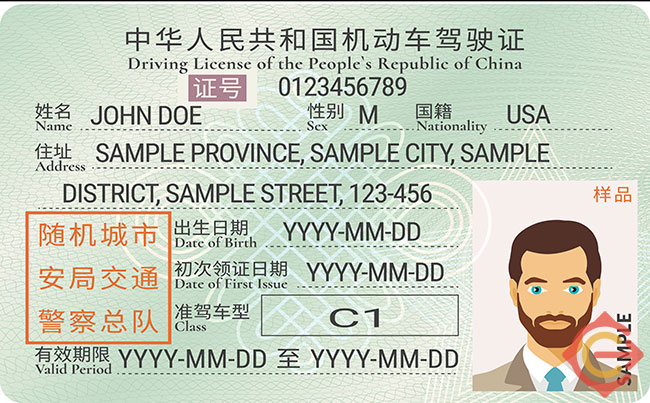
To legally drive in China, you must possess a valid driver’s license issued by the People’s Republic of China.
Obtaining a Chinese Driver’s License:
For Short-Term Visitors (e.g., Tourists):
Temporary Driving Permits: Short-stay foreign visitors can apply for a Chinese temporary driving permit in some cities through the traffic police or vehicle management office, but this is not the same as simply showing your foreign license at a rental counter.
- Shanghai official guidance: Shanghai’s International Services portal says visiting foreigners who need to drive in Shanghai can apply for a temporary driving permit. It lists passport or other entry-exit identity documents, a foreign driving license, and a Chinese translation if the license is not in Chinese. It also says the permit is normally valid for three months for stays under three months, and can be extended up to one year for longer stays.
- Rental vehicle category: For rented motor vehicles in China, Shanghai’s official guidance says the temporary permit only allows small-size vehicles (C1) or small-size automatic vehicles (C2). Beijing’s traffic-management rules say the same for rental vehicles.
- Where to apply: Shanghai lists vehicle management office branches, airport police service counters, and an official online platform. Beijing has also reported airport-based provisional permit service at Capital Airport and Daxing Airport, but you should confirm current opening hours and document requirements before arrival.
- Rental acceptance: Even with a temporary permit, a rental company may still reject the booking, require a large deposit, limit vehicle types, or restrict where the car can be driven. Confirm this in writing before paying.
Official Checks Before You Pay a Deposit
- Shanghai: How to apply for a temporary driving permit
- Beijing: IDP cannot be used to drive in mainland China
- State Council/Xinhua: Beijing airport temporary driving license service
Rules and service counters can vary by city. If your route depends on self-driving, verify the local vehicle-management office, the rental company, and insurance coverage before building the itinerary around a car.
Self-drive rental for typical short-term tourists remains very difficult and uncommon due to the licensing hurdle.
Consequences of Driving Illegally:
Driving without a valid Chinese license can lead to severe penalties, including hefty fines, vehicle impoundment, and potentially detention or deportation. Your travel insurance will also likely be invalidated.
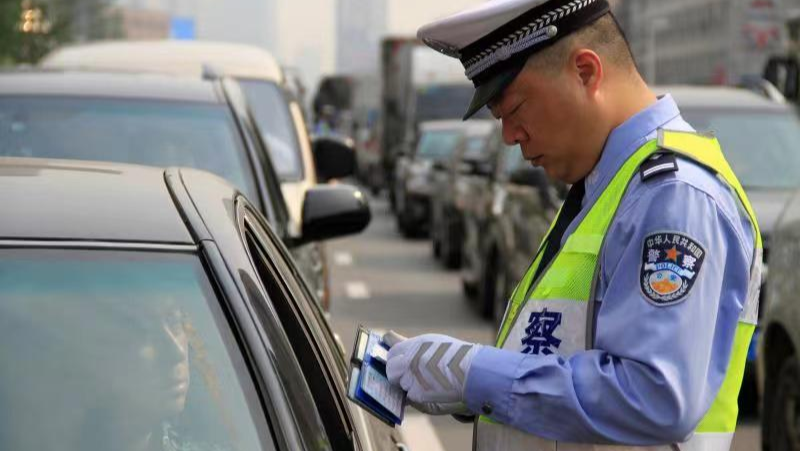
Police checks are common and driving without proper documentation can lead to serious consequences
II. Renting a Car in China (Assuming You Have a Valid Chinese License)
If you have successfully obtained a valid Chinese driver’s license or temporary permit recognized by rental agencies, here’s what to expect:
Rental Agencies:
- Major International Chains: Companies like Hertz and Avis have a presence in China, often through joint ventures with local partners (e.g., Hertz with CAR Inc.). Their processes might be more familiar to international visitors, and they may have more experience dealing with foreign clients who possess Chinese licenses.
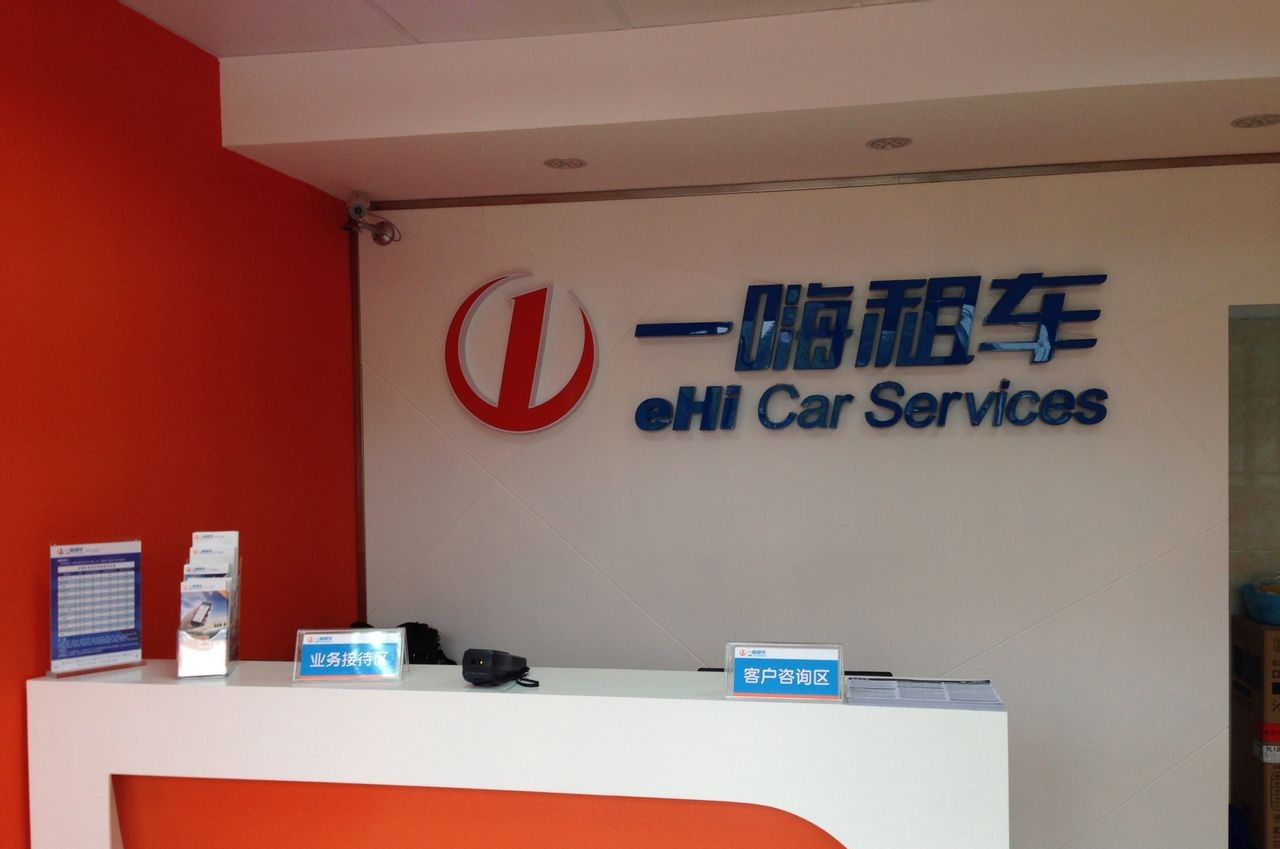
- Large Local Companies: China has several large domestic car rental companies, such as CAR Inc. (神州租车 – Shénzhōu Zūchē) and eHi Car Services (一嗨租车 – Yīhāi Zūchē). They have extensive networks across the country and often offer competitive pricing. Their English language services may vary.
- Smaller Local Agencies: Numerous smaller, local rental outfits exist, but using them might be more challenging due to language barriers and potentially less standardized practices.
Documents Required for Rental:
- Valid PRC Driver’s License (or recognized temporary permit)
- Original Passport and valid Chinese Visa (or residence permit)
- Credit Card or Deposit Method: A valid international credit card with sufficient funds for the rental fee and a significant security deposit is often required. Some agencies may accept Alipay or WeChat Pay for parts of the payment, but deposits and refunds vary by company. See the China mobile payment guide and backup payment methods guide before relying on one payment method.
- Sometimes, a Chinese phone number is requested.
Insurance (非常重要 – Fēicháng Zhòngyào – Extremely Important!):
- Basic insurance is typically included in the rental fee, covering third-party liability and vehicle damage waiver (with an excess/deductible).
- Strongly consider purchasing comprehensive coverage (often called Collision Damage Waiver – CDW with zero deductible, and Theft Protection – TP) to minimize your financial liability in case of an accident or theft. Read the terms carefully.
- Personal Accident Insurance (PAI) for the driver and passengers might also be offered.
The Rental Process:
- Booking: Can usually be done online (many major companies have English websites/apps), via phone, or in person.
- Vehicle Inspection: Before driving away, meticulously inspect the vehicle for any existing damage (scratches, dents, etc.) with the rental agent. Ensure all damages are noted on the rental agreement form to avoid being charged for them later. Take photos/videos as evidence.
- Check Fuel Policy: Understand whether the car needs to be returned with a full tank, same level, etc.
- Contract: Read the rental agreement carefully before signing, paying attention to mileage limits (if any), late return penalties, and emergency contact information.

Thorough inspection of the rental vehicle is crucial to avoid disputes later
III. Key Driving Rules in Mainland China
Understanding and adhering to local traffic laws is paramount.
Driving Side:
Drive on the right-hand side of the road and overtake on the left.
Seatbelts:
Mandatory for all occupants (driver and all passengers). Enforcement is increasing.
Drinking and Driving:
Zero tolerance. Penalties are extremely severe, including license revocation, heavy fines, and potential imprisonment, especially if an accident is caused. Do NOT drink any alcohol if you plan to drive.
Mobile Phones:
Using a handheld mobile phone while driving is illegal. Hands-free systems are permitted.
Speed Limits (General Guide – Always Obey Posted Signs):
- Urban roads: 30-60 km/h (18-37 mph).
- National highways (G-roads, S-roads): 60-100 km/h (37-62 mph).
- Expressways (高速公路 – Gāosù Gōnglù): 100-120 km/h (62-75 mph). Minimum speed limits also apply.
Speed cameras are ubiquitous.
Traffic Lights:
Red means stop, green means go, yellow means proceed with caution (often treated as “hurry up before it turns red”). Some intersections allow right turns on red unless specifically prohibited by a sign (a red arrow pointing right means no turn).
Pedestrian Crossings (Zebras):
Legally, vehicles must yield to pedestrians on marked crossings. In practice, this is often not observed, so exercise extreme caution.
Use of Horn:
Used frequently by many drivers, often as a warning or to signal intent.
Children’s Safety Seats:
While laws are evolving, the use of appropriate child safety seats is highly recommended and increasingly enforced in some cities. It’s best to bring your own or confirm availability with the rental company.
Tolls:
Most expressways and some major highways are toll roads. Payment can be made in cash (CNY) at toll booths or via Electronic Toll Collection (ETC) if your rental car is equipped and your rental company facilitates it. ETC is becoming dominant.
Roundabouts:
Traffic already in the roundabout generally has priority, but always be cautious.
Emergency Numbers:
- Police: 110
- Ambulance: 120
- Traffic Accidents: 122

Driving in China requires strict adherence to traffic rules and awareness of local practices
IV. Major Challenges of Driving in China
Beyond the rules, the practical experience of driving in China can be demanding for foreigners.
Driving Culture & Behavior:
- Often described as aggressive or assertive by Western standards.
- Lane discipline can be poor, with vehicles frequently weaving or cutting in.
- Sudden stops or turns without signaling are common.
- Patience is key, and defensive driving is a must.
- Pedestrians and cyclists/e-bike riders may not always follow traffic rules and can appear unexpectedly.
Traffic Congestion:
Major cities often experience severe traffic jams, especially during peak hours. Plan travel times accordingly.
Navigation & Signage:
- Road Signs: Major road signs on expressways and in large cities are usually bilingual (Chinese and English Pinyin). However, in rural areas or smaller towns, signs may be in Chinese only.
- GPS/Navigation Apps: Google Maps has limited functionality and accuracy in China due to restrictions. Local apps like Baidu Maps (百度地图 – Bǎidù Dìtú) and Amap/Gaode Maps (高德地图 – Gāodé Dìtú) are excellent and widely used by locals but are primarily in Chinese (though Amap has a fairly usable basic English interface for navigation). You’ll likely need a local SIM card for data. Some rental cars come with built-in GPS, often in Chinese.
Language Barrier:
Beyond signage, interactions with traffic police, other drivers in case of an incident, or staff at petrol stations can be challenging if you don’t speak Mandarin.
Parking:
Finding legal parking in busy urban areas can be difficult and expensive. Understand parking signs to avoid fines or towing.
Road Conditions:
China’s expressway network is modern and generally excellent. However, rural and mountain roads can vary significantly in quality, may be poorly lit, or subject to weather conditions (landslides, snow).
Accidents & Legal Procedures:
In case of an accident:
- Stop immediately in a safe place if possible.
- Call the police (122 for traffic accidents, 110 for general police).
- Do not move the vehicles unless it’s a very minor incident and both parties agree (and take photos first).
- Exchange information (license, insurance, contact details).
Dealing with the aftermath can be complicated by language barriers and different legal processes. Having good insurance and the rental company’s support is crucial.
V. Alternatives to Self-Driving in China
Given the complexities, most tourists opt for alternatives:
Hiring a Car with a Driver:
This is a very popular and often recommended option.
- Pros: Stress-free, driver knows local roads and conditions, can help with basic translation or local tips, no need for a Chinese license or navigating rentals/insurance yourself.
- Cons: More expensive than self-driving (but potentially less than the cost of an accident or fines), less spontaneity.
Can be arranged through hotels, travel agencies, or dedicated car service companies (including local ones and apps that may have this service).
Excellent Public Transportation:
- High-Speed Rail (HSR): Connects almost all major cities efficiently and comfortably.
- Domestic Flights: Extensive network for covering long distances.
- Buses & Coaches: Reach even smaller towns.
- Urban Transport: Subways/metros in major cities are excellent. Taxis and ride-hailing services (like DiDi Chuxing – 滴滴出行) are widely available and relatively inexpensive.
VI. Is Self-Driving in China Right for You?
Carefully weigh the pros and cons:
Pros:
- Ultimate flexibility and freedom to set your own itinerary.
- Ability to access remote areas not easily reached by public transport.
- A unique and adventurous travel experience (for some).
Cons:
- Significant legal hurdle of obtaining a Chinese driver’s license/permit.
- Stressful driving conditions and unfamiliar traffic culture.
- Language barriers in navigation and communication.
- Potential for high costs (rental, fuel, tolls, parking, insurance, potential fines or accident costs).
- Complex procedures in case of accidents or issues.
Self-driving in China is generally more feasible for:
- Long-term foreign residents who have obtained a full Chinese driver’s license.
- Very adventurous, experienced travelers with strong nerves, some Mandarin language skills, and who have thoroughly researched and obtained a valid temporary permit in a region where it’s genuinely accessible for rental.
- Travelers on specialized, pre-arranged self-drive tours organized by companies that handle the licensing and support logistics (these are rare and expensive).
For the average tourist on a typical vacation, the challenges and requirements often outweigh the benefits.
VII. Final Tips if You Decide to (and Can Legally) Drive:
- Thorough Research: Confirm the latest temporary permit rules for your specific city, rental pickup location, vehicle type, and route long before your trip.
- Get Comprehensive Insurance.
- Obtain a Local SIM Card: For data, navigation, and communication.
- Download Local Navigation Apps: Amap or Baidu Maps, and familiarize yourself with them.
- Learn Basic Mandarin Phrases: Especially those related to driving, directions, and emergencies.
- Have Emergency Contacts: Rental company, local contacts, embassy/consulate.
- Drive Defensively and Patiently.
- Always Carry All Documents: Temporary permit or Chinese license, foreign license, Chinese translation if required, passport, visa or visa-free entry documents, rental agreement, and insurance documents.
Conclusion: While the dream of a Chinese road trip is enticing, self-driving in China is a serious undertaking with significant legal and practical hurdles for most international visitors. The primary obstacle is the non-recognition of IDPs and the need for a Chinese-issued driving credential. For most travelers, utilizing China’s excellent public transport network or hiring a car with a local driver will provide a far more relaxed, efficient, and safer way to explore the wonders of the Middle Kingdom.
Always verify the latest regulations with official sources, especially the local traffic-management bureau or vehicle-management office in the city where you plan to pick up the car. A rule that works in Shanghai or Beijing may not be implemented the same way by every rental counter or destination.
Common Traveler Questions
Can I drive in China with an International Driving Permit?
No, not by itself. China generally does not treat an IDP or foreign license alone as enough for legal driving. Short-term visitors usually need a Chinese temporary driving permit or a full Chinese license.
Is renting a car in China a good idea for first-time visitors?
Usually no. Trains, metro systems, taxis, ride-hailing, and hired drivers are simpler for most first-time China trips, especially in large cities.
When does renting a car make sense in China?
It can make sense for experienced travelers with the right permit, insurance, and route plan, especially for rural scenery, flexible regional travel, or places with weaker public transport.
Enjoyed this article? Consider buying me a coffee to support more content like this!
💖 0 people have clicked to support this article.