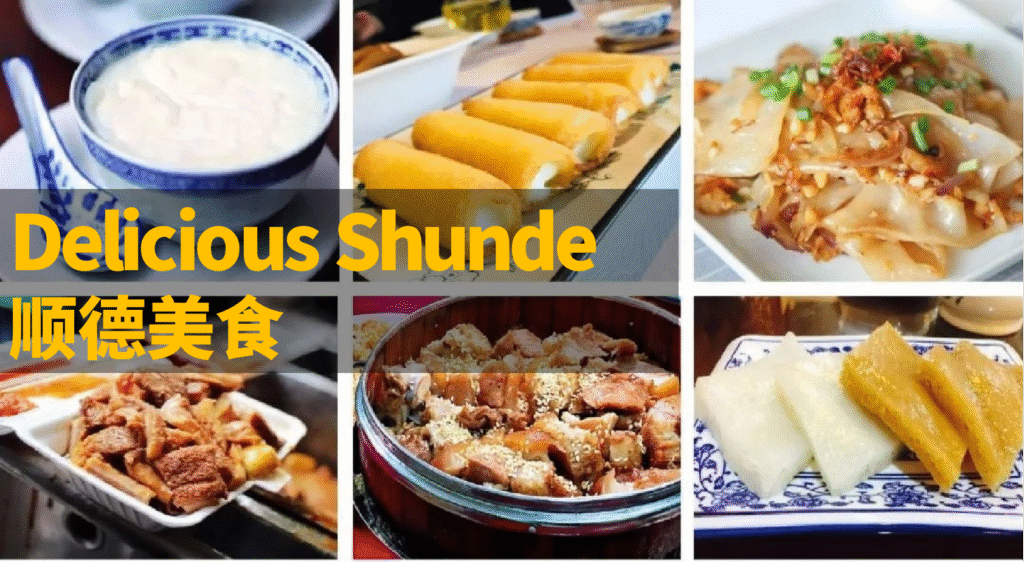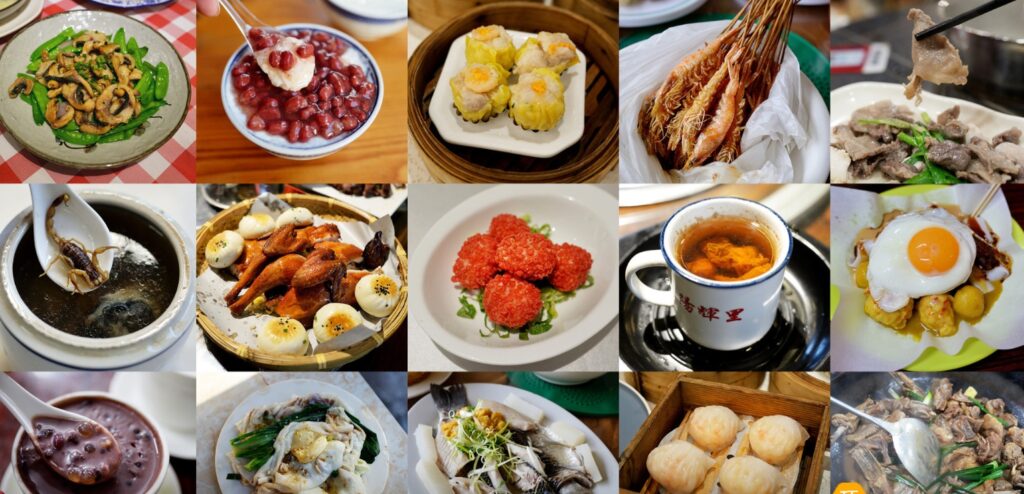
Four Days in Shanghai: Museums, Walks, and Iconic Landmarks
A practical, image-rich guide you can actually use.
Shanghai Preview: A Visual Introduction
Before you dive into Shanghai’s vibrant streets and cultural treasures, let this visual preview spark your imagination. These images capture the essence of what makes Shanghai a captivating destination for first-time visitors—a dynamic blend of historic charm and modern energy waiting to be explored.
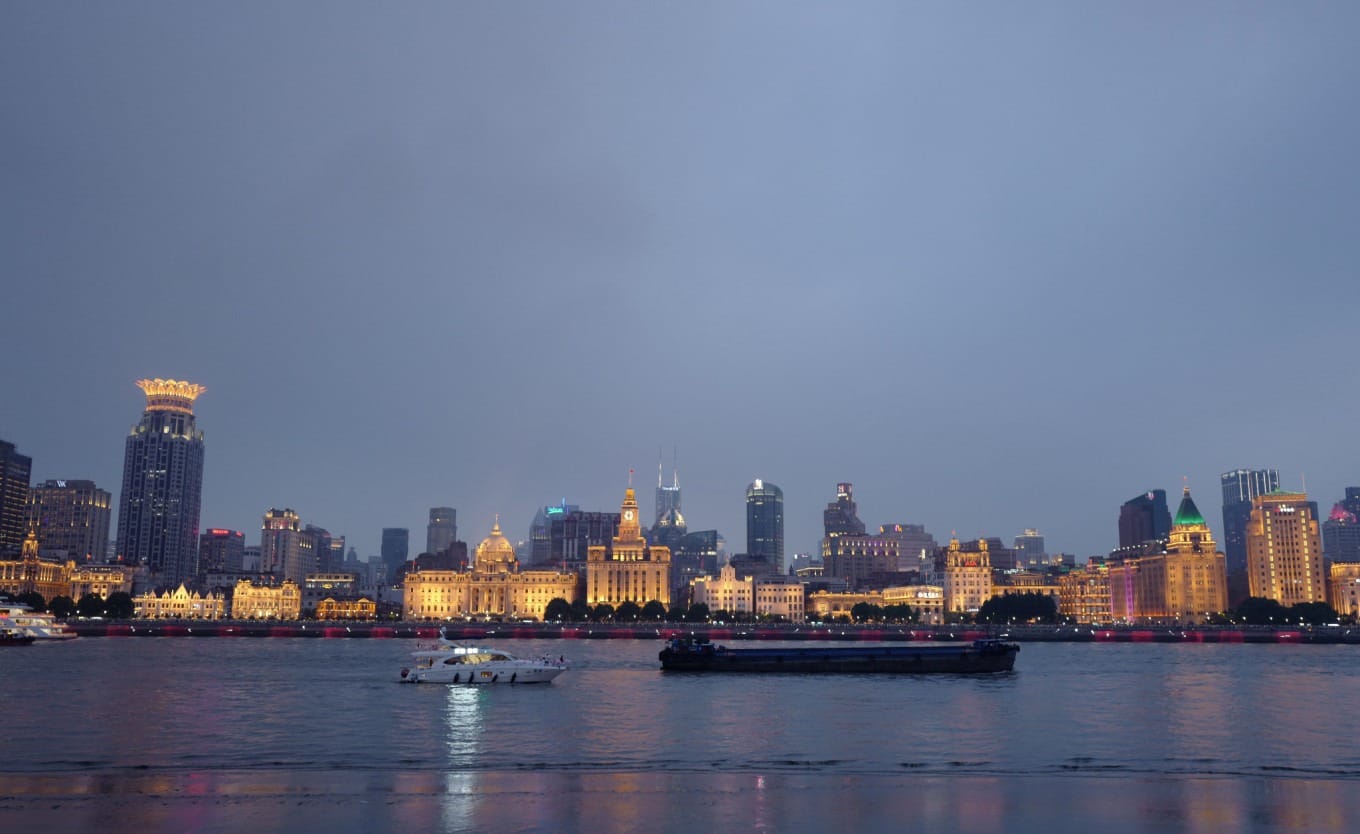
As you plan your trip, consider how these scenes translate into real experiences. You can wander through neighborhoods where old meets new, visit world-class museums, and discover the city at your own pace. This preview offers a glimpse of the visual feast that awaits, helping you prioritize what resonates with your travel style.
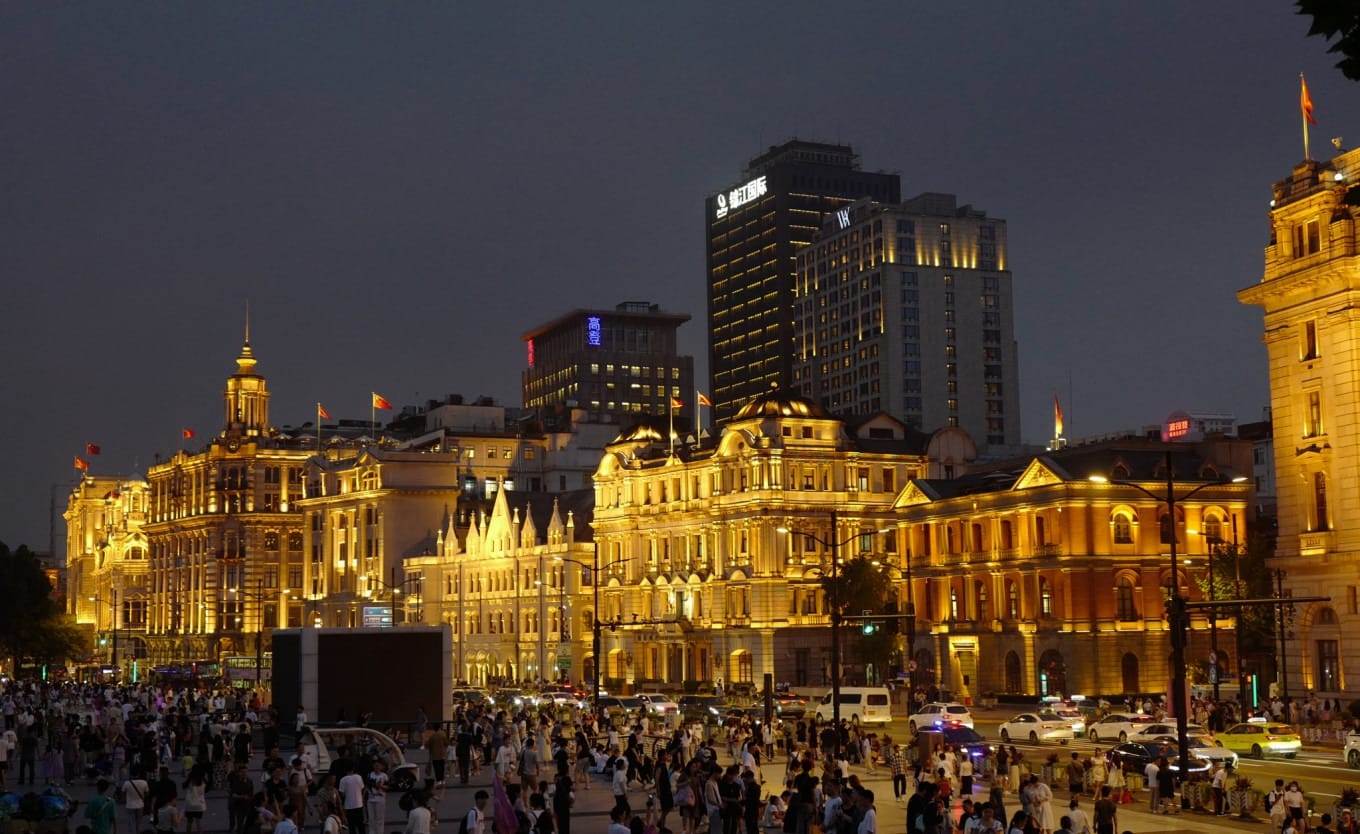
Use these images as inspiration to craft your itinerary. Whether you’re drawn to architectural marvels, artistic hubs, or lively markets, Shanghai delivers diverse experiences. Keep this visual introduction in mind as you read on for practical tips on making the most of your visit.
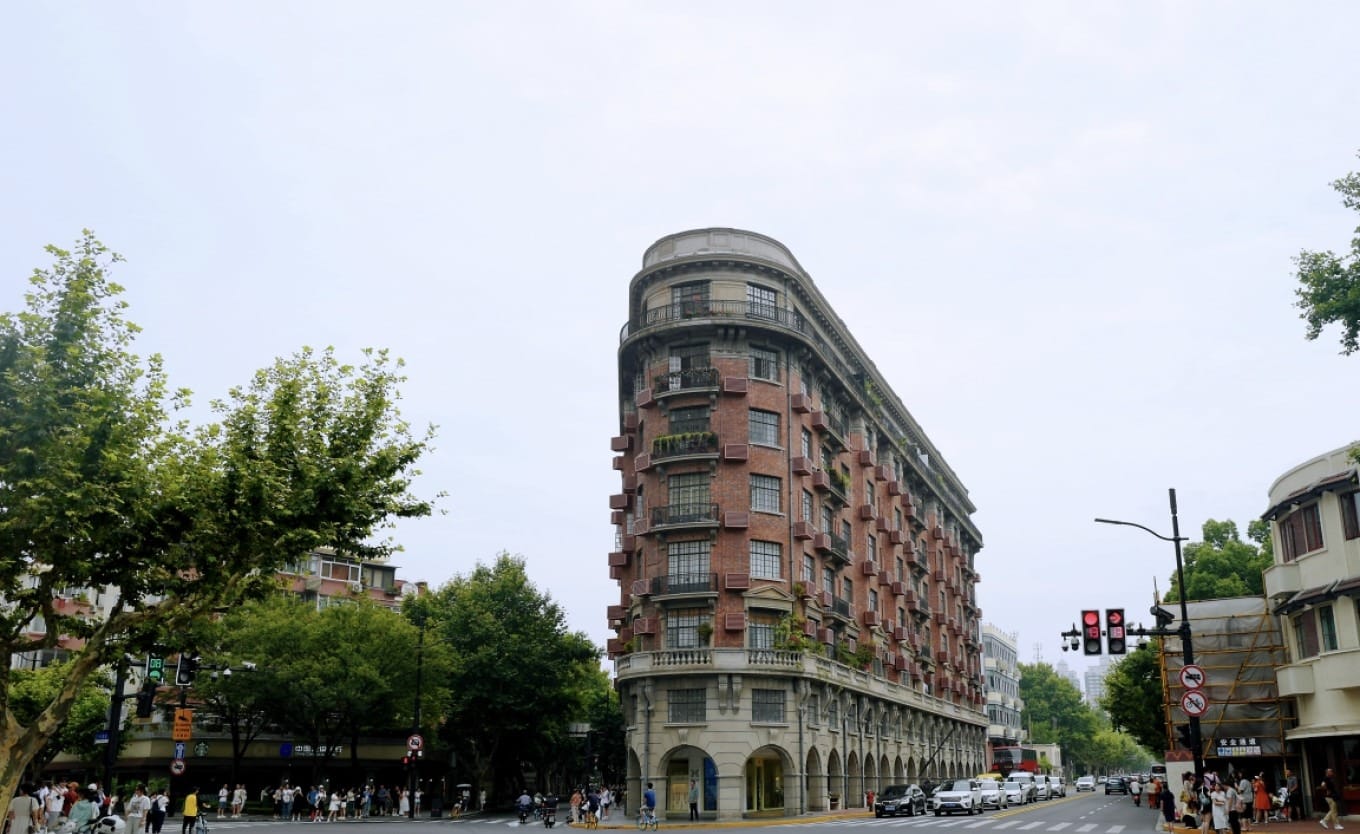
Arrival in Shanghai: First Impressions and Practical Tips
When planning your train journey from Beijing to Shanghai, note that most high-speed trains arrive at Shanghai Hongqiao Station, while a smaller number terminate at Shanghai Railway Station. The latter is more centrally located, offering easier access to downtown areas upon arrival. For travelers seeking convenience, selecting a train that arrives at Shanghai Station can save you the additional transit time from Hongqiao or the airports.
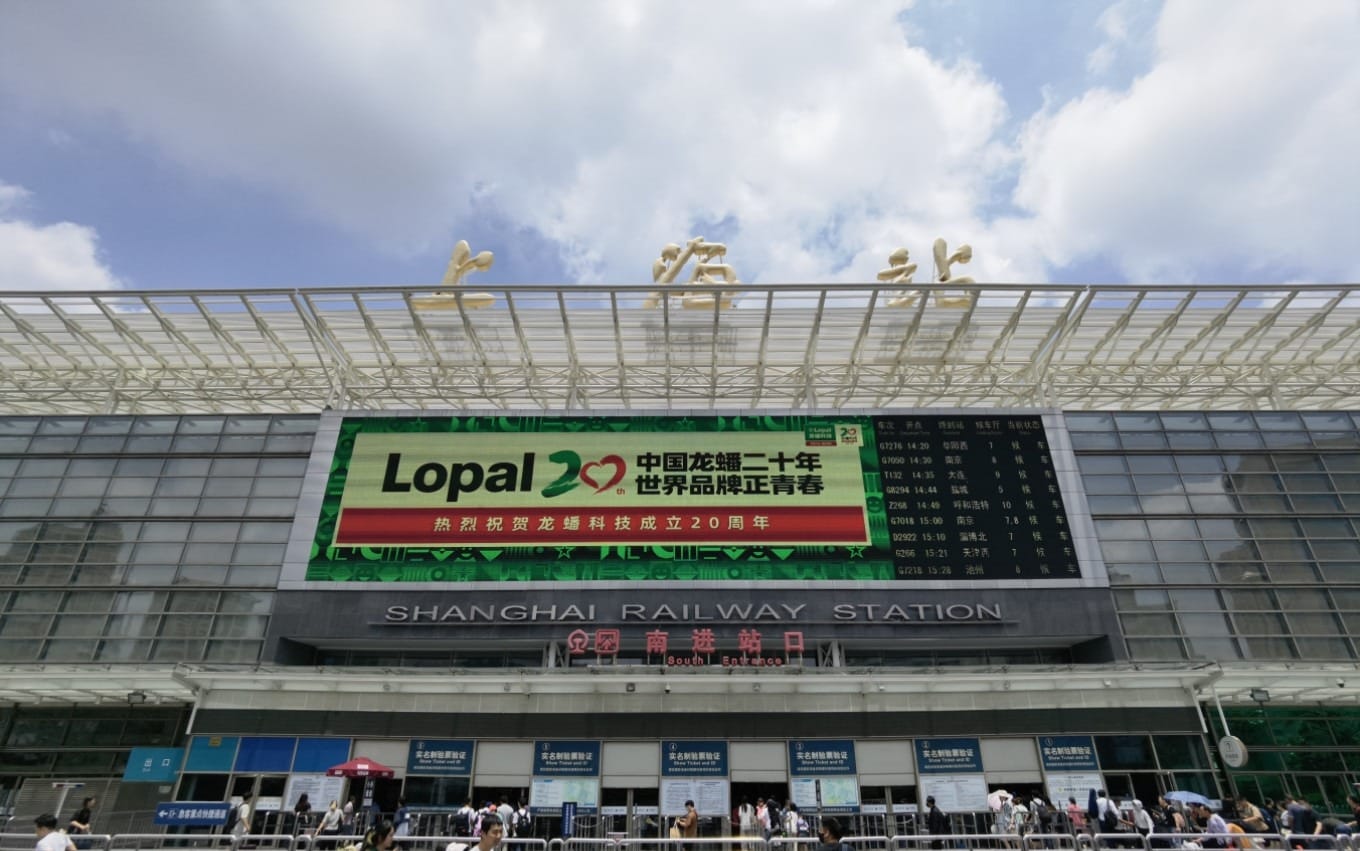
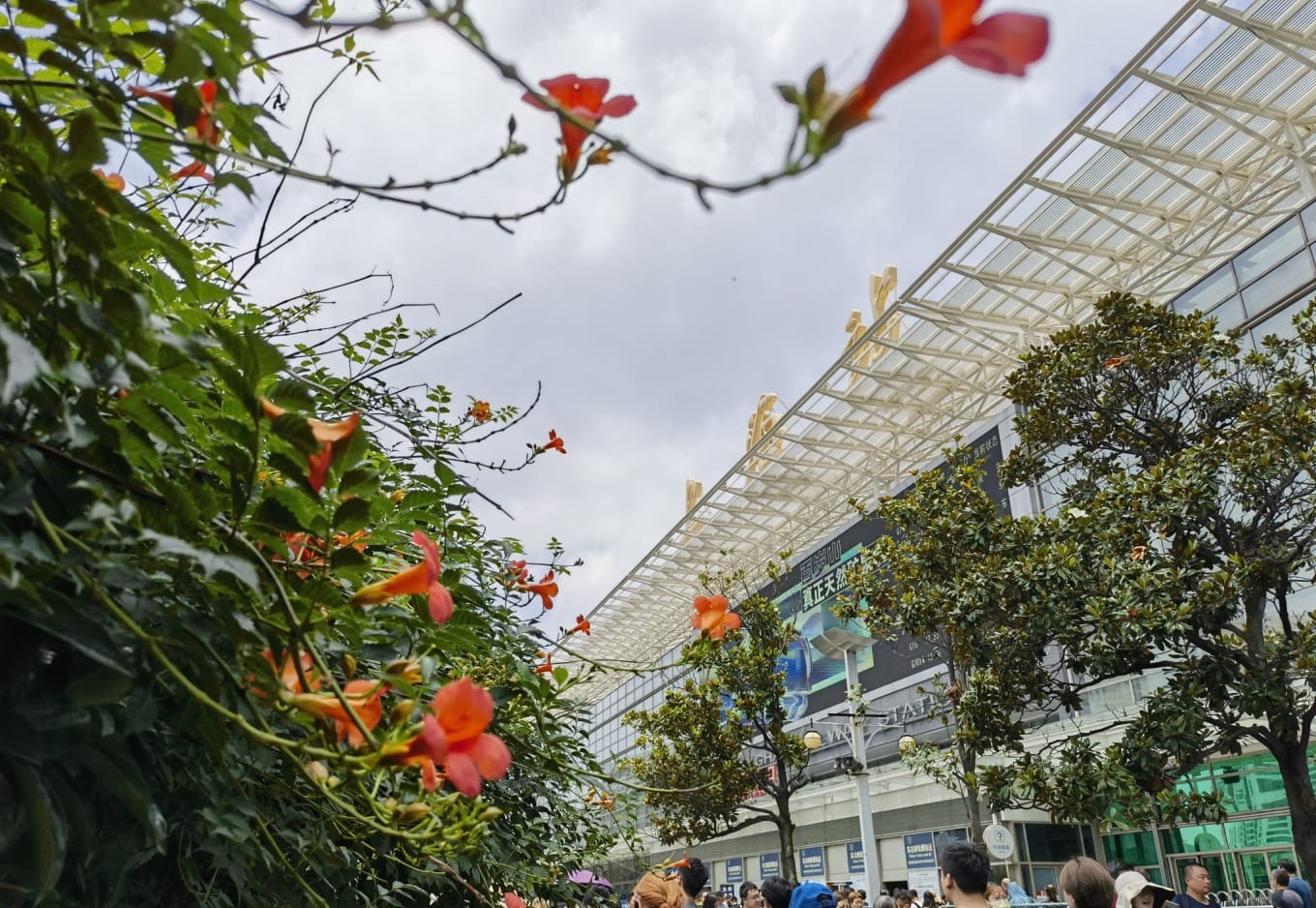
As you exit Shanghai Station, you’ll be greeted by vibrant displays of climbing trumpet vines (凌霄花, língxiāo huā) adorning the station square—a cheerful welcome to the city.
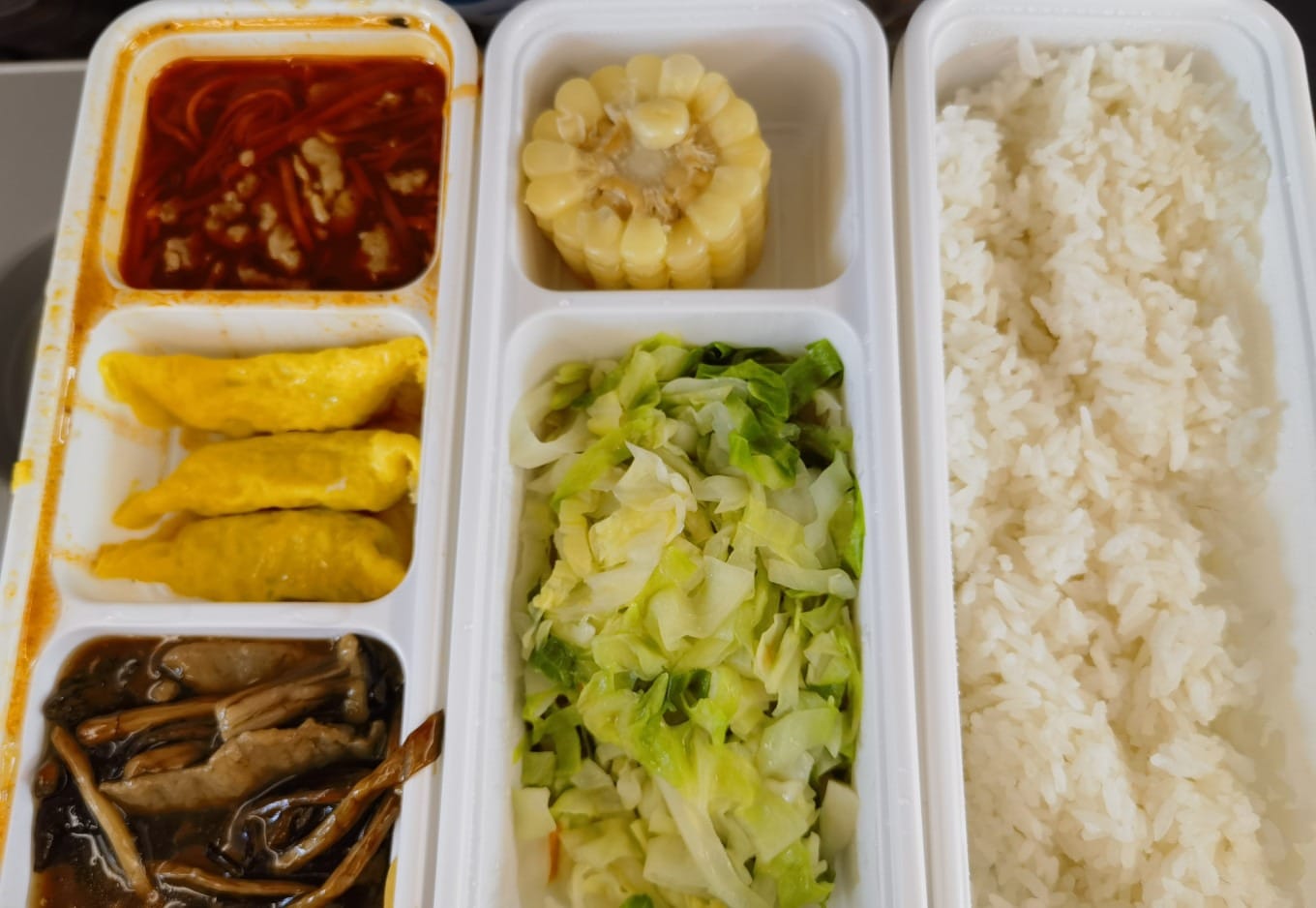
If you’re arriving hungry—perhaps after an early breakfast or a slightly delayed train—consider ordering lunch onboard. High-speed trains between Beijing and Shanghai offer boxed meals (盒饭, héfàn) that are prepared at Nanjing South Station and served hot. These meals often provide a balanced mix of meat and vegetables, and they’re generally better than the stereotypical train food you might expect.
The First National Congress of the Communist Party of China Memorial Hall and Site
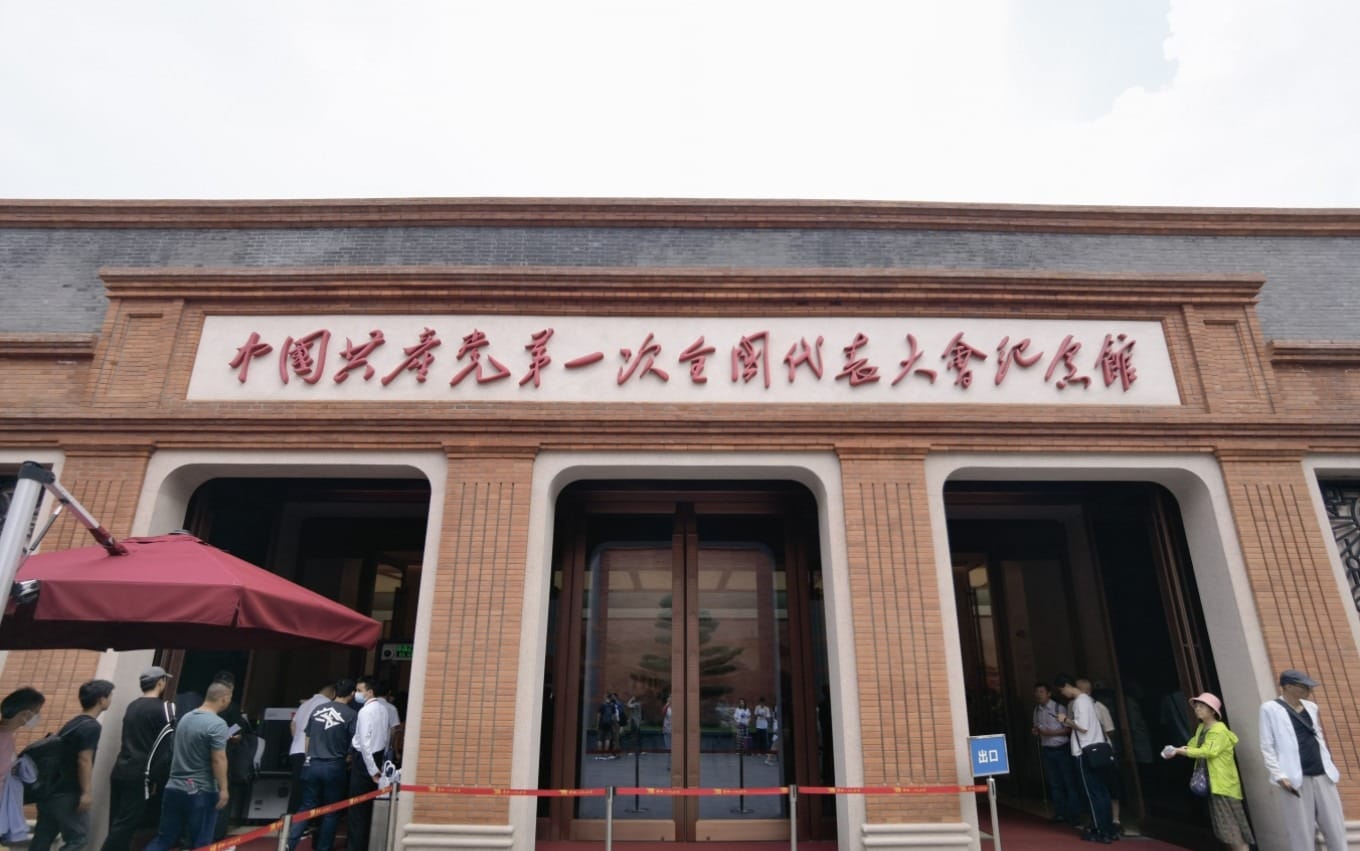
For travelers interested in modern Chinese history, the First National Congress of the Communist Party of China Memorial Hall and its original meeting site are essential stops in Shanghai. Located close to each other in the Huangpu District, these two sites are housed within a classic Shikumen (石库门) architectural complex, representing a pivotal moment in the nation’s history.
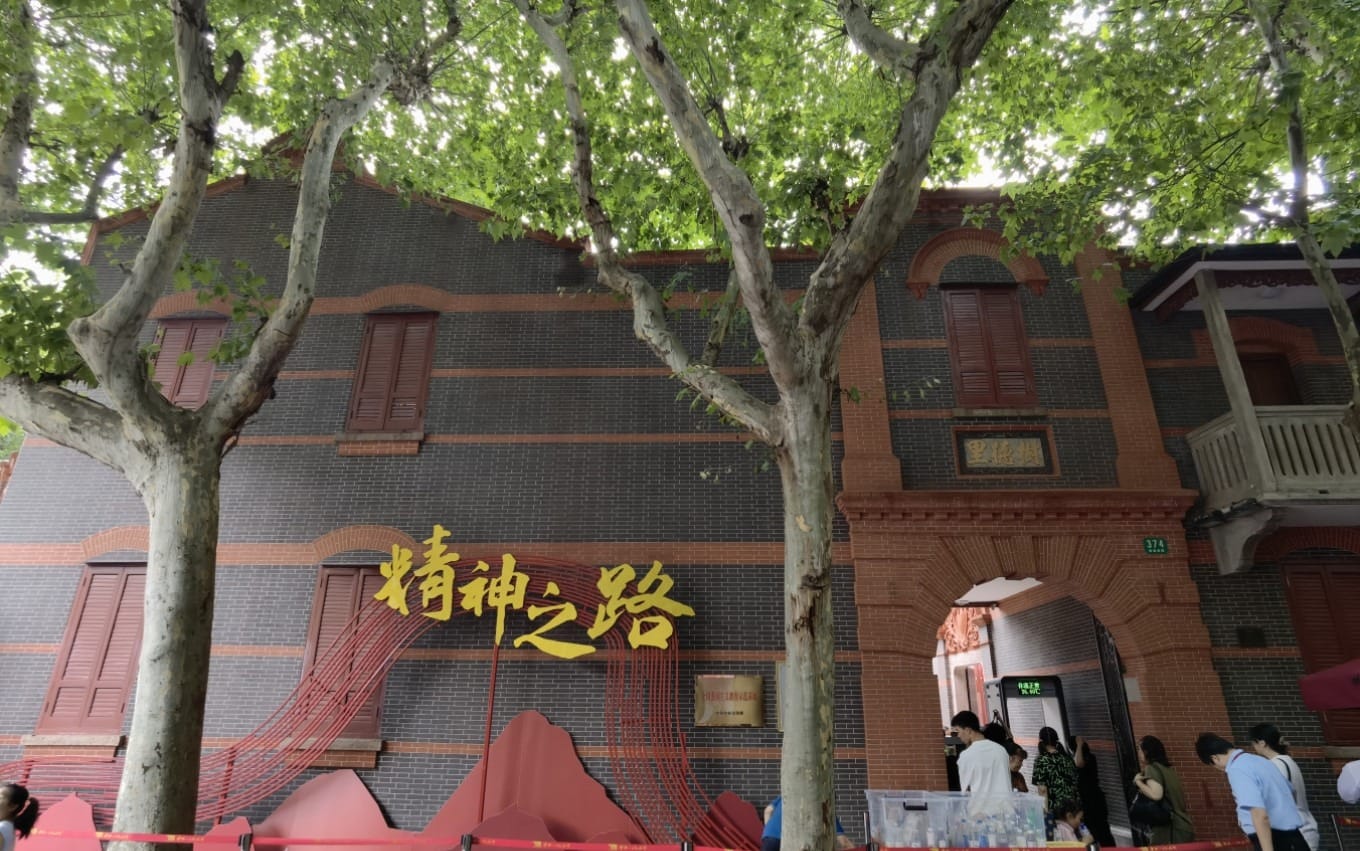
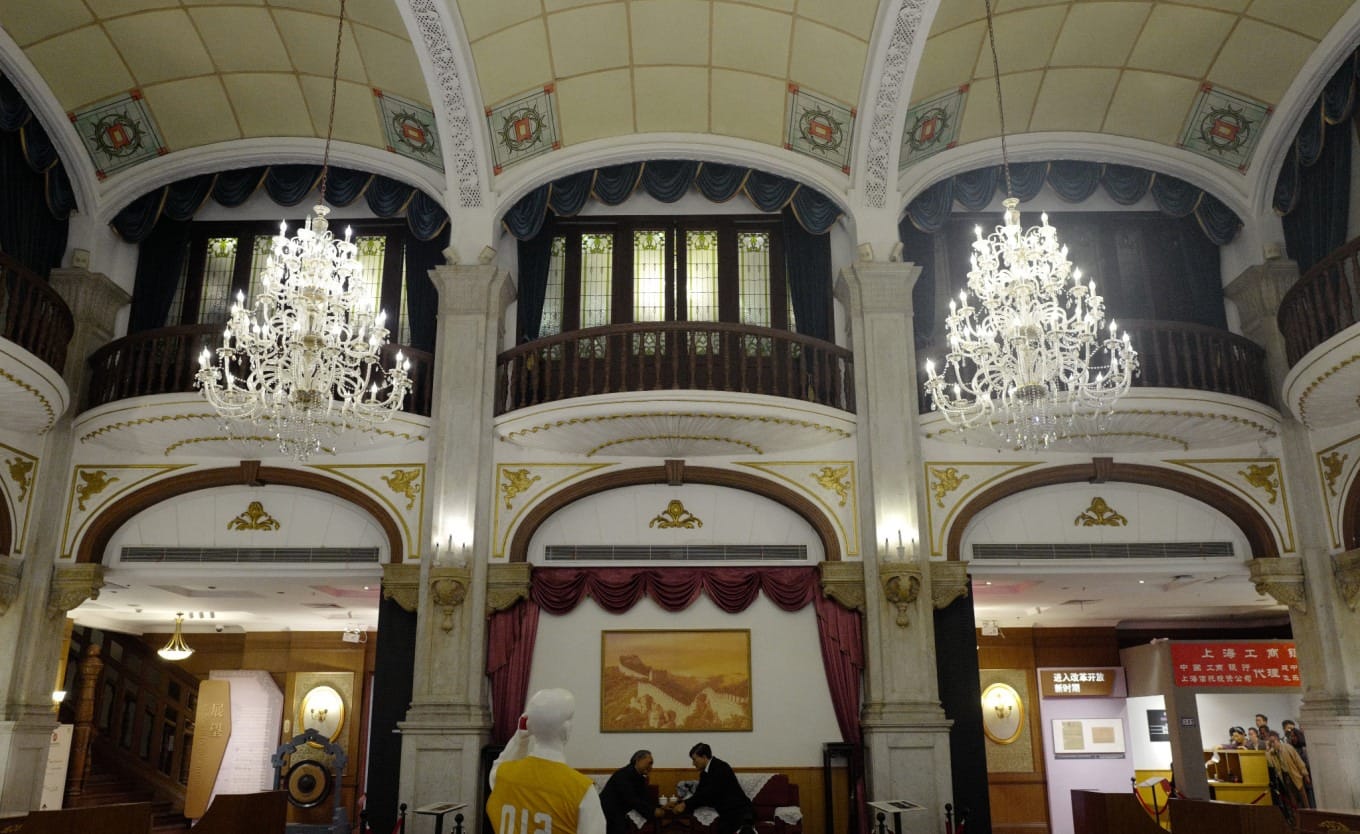
You can find the memorial hall at 374 Huangpi South Road (黄陂南路374号), while the original meeting site is just around the corner at 76 Xingye Road (兴业路76号). The area was part of the former French Concession, not far from the bustling Bund. Visiting offers a stark contrast: in 1921, while the glamorous Bund was developing with landmarks like the Hongkong and Shanghai Banking Corporation (HSBC) Building—which later became the Shanghai Municipal Government office—much of the city faced poverty and social strife. This context helps explain why this historic meeting took place in Shanghai.
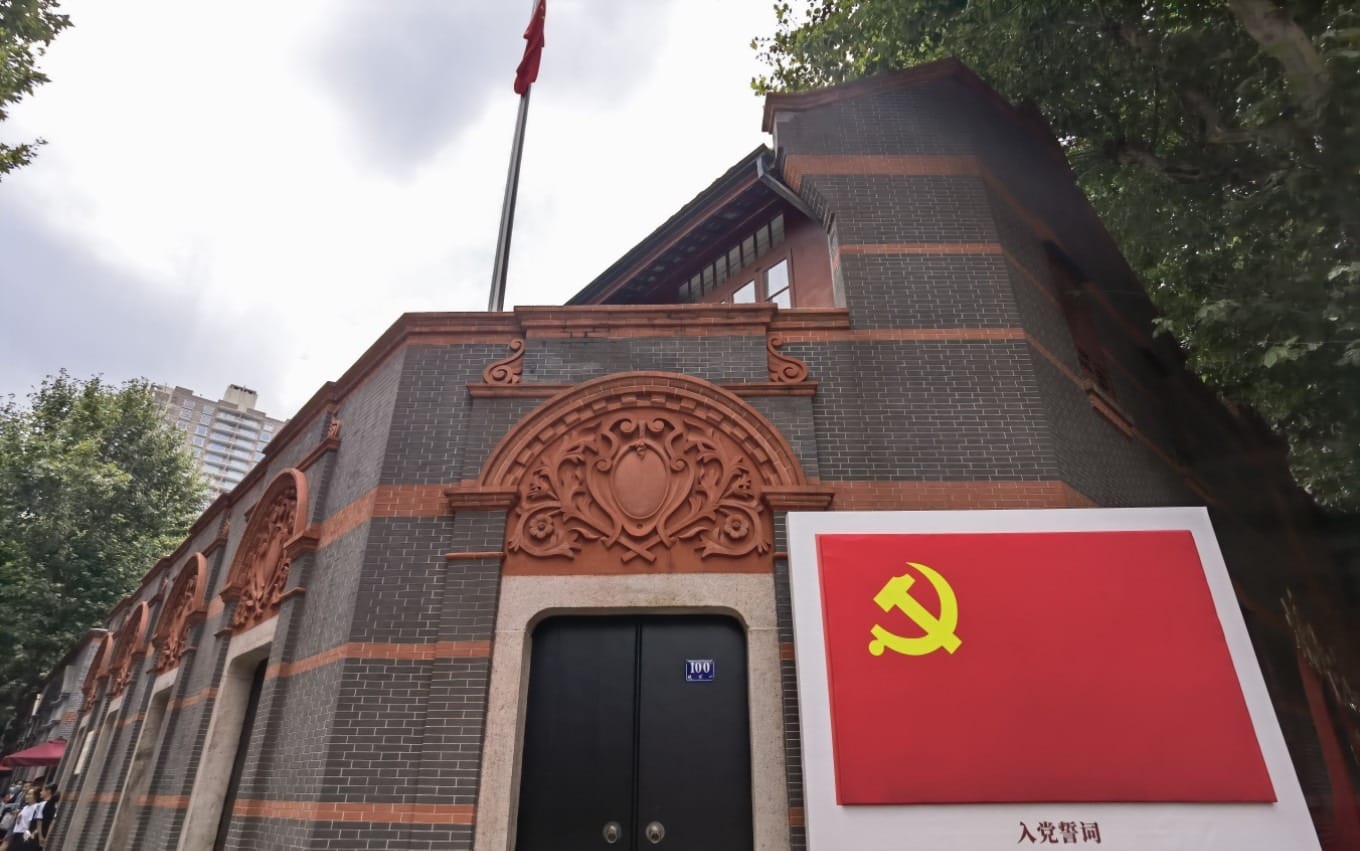
Be prepared for crowds, especially around significant dates like July 1st, when both group and individual visitors form long queues. If you’re short on time, consider viewing the exterior and architecture without entering, or plan your visit for a weekday morning to avoid peak hours. The sites are a short taxi ride from Pudong, making them a convenient part of a broader Shanghai itinerary.
Aurora Museum: Ancient Treasures in a Modern Landmark
Nestled on the first floor of the Aurora Building in Lujiazui, the Aurora Museum offers a compact yet refined collection of ancient Chinese artifacts. While the 60 RMB admission might seem steep for its size, the quality of exhibits and the serene, well-designed viewing environment make it a worthwhile stop for art and history enthusiasts exploring Pudong.
The permanent exhibition is thoughtfully divided into four thematic galleries: Ancient Pottery Figurines, Historical Jade Ware, Blue-and-White Porcelain, and Buddhist Sculptures. You can tailor your visit by starting with the galleries that most intrigue you. A practical tip: the museum offers a paid audio guide via a mini-program, but note that its access is time-limited (typically 24 or 48 hours), so plan your listening during your visit as you cannot replay it later.
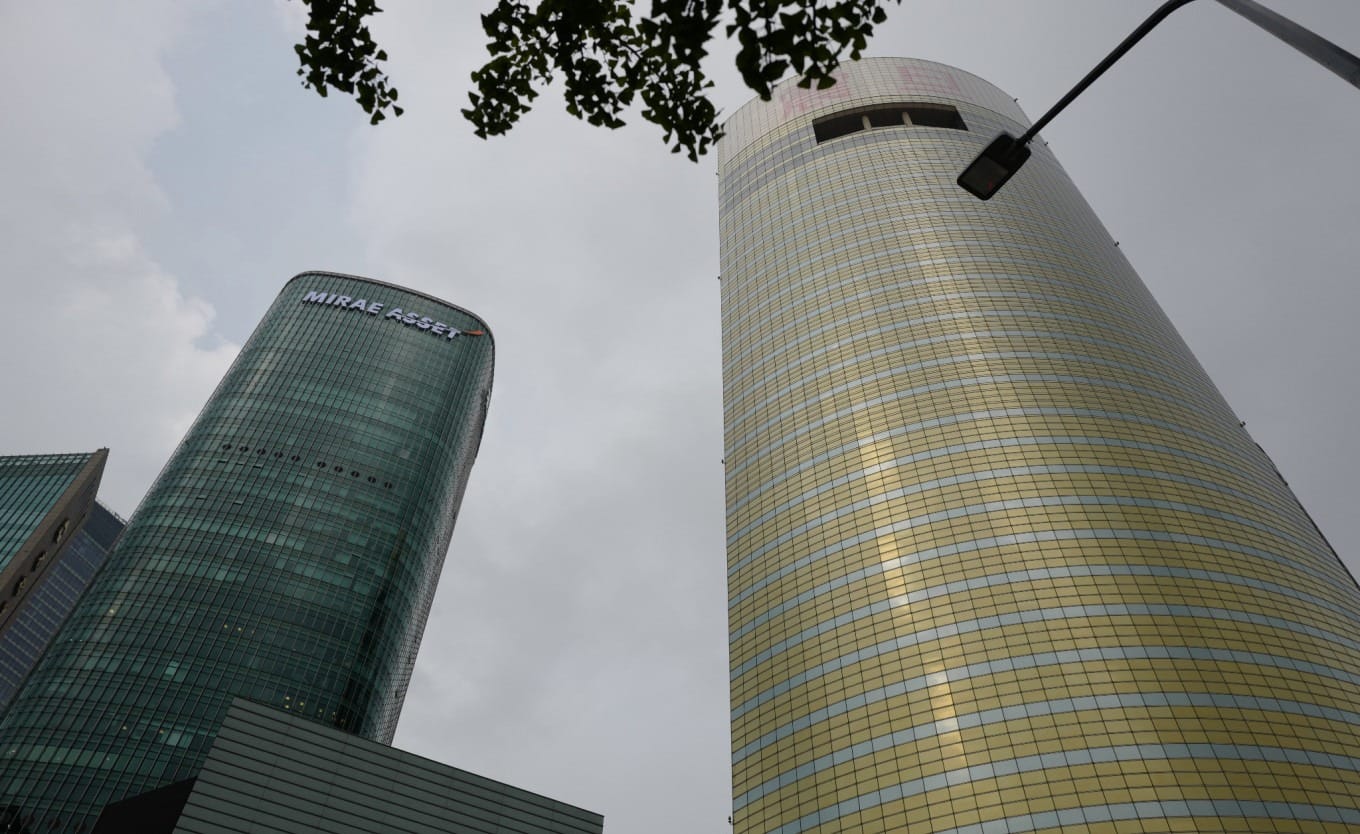
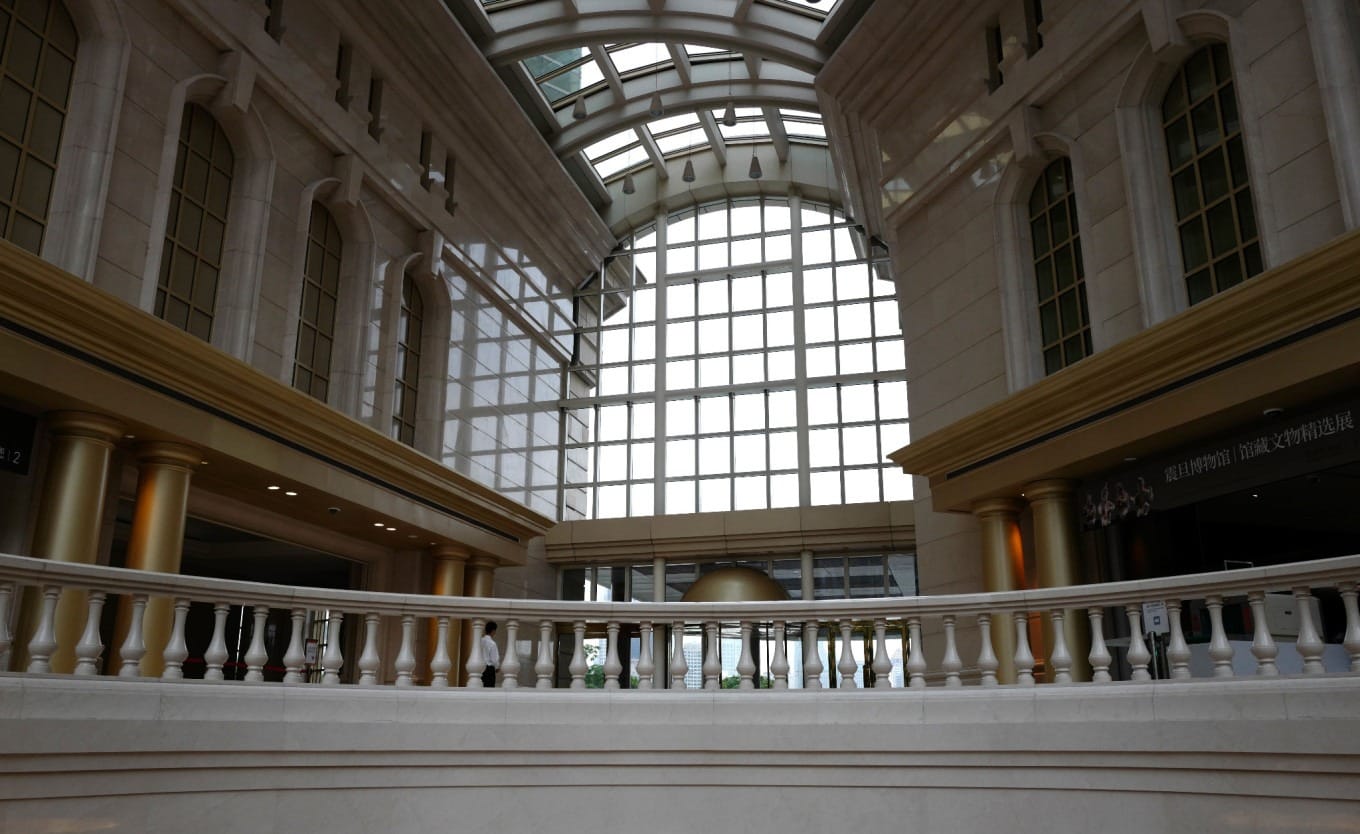
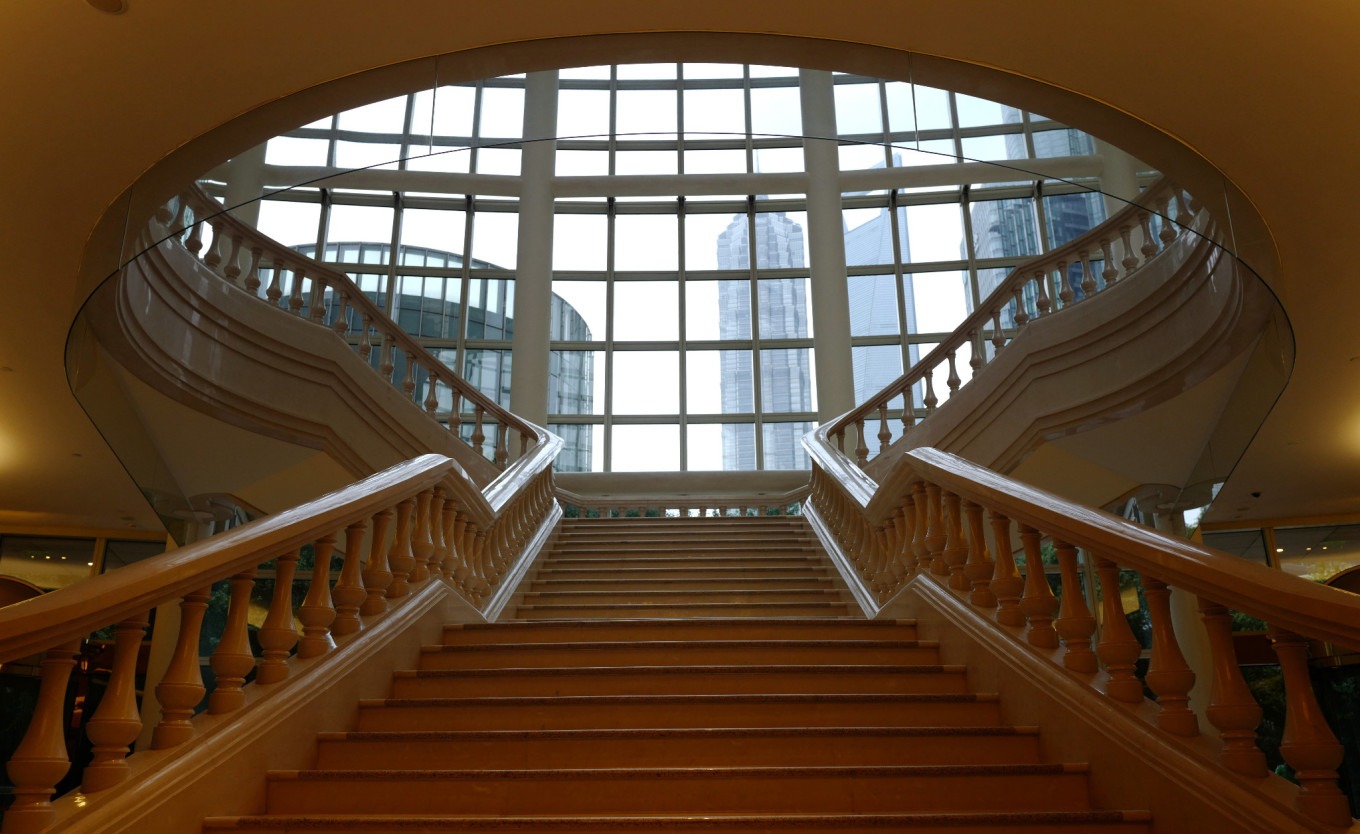
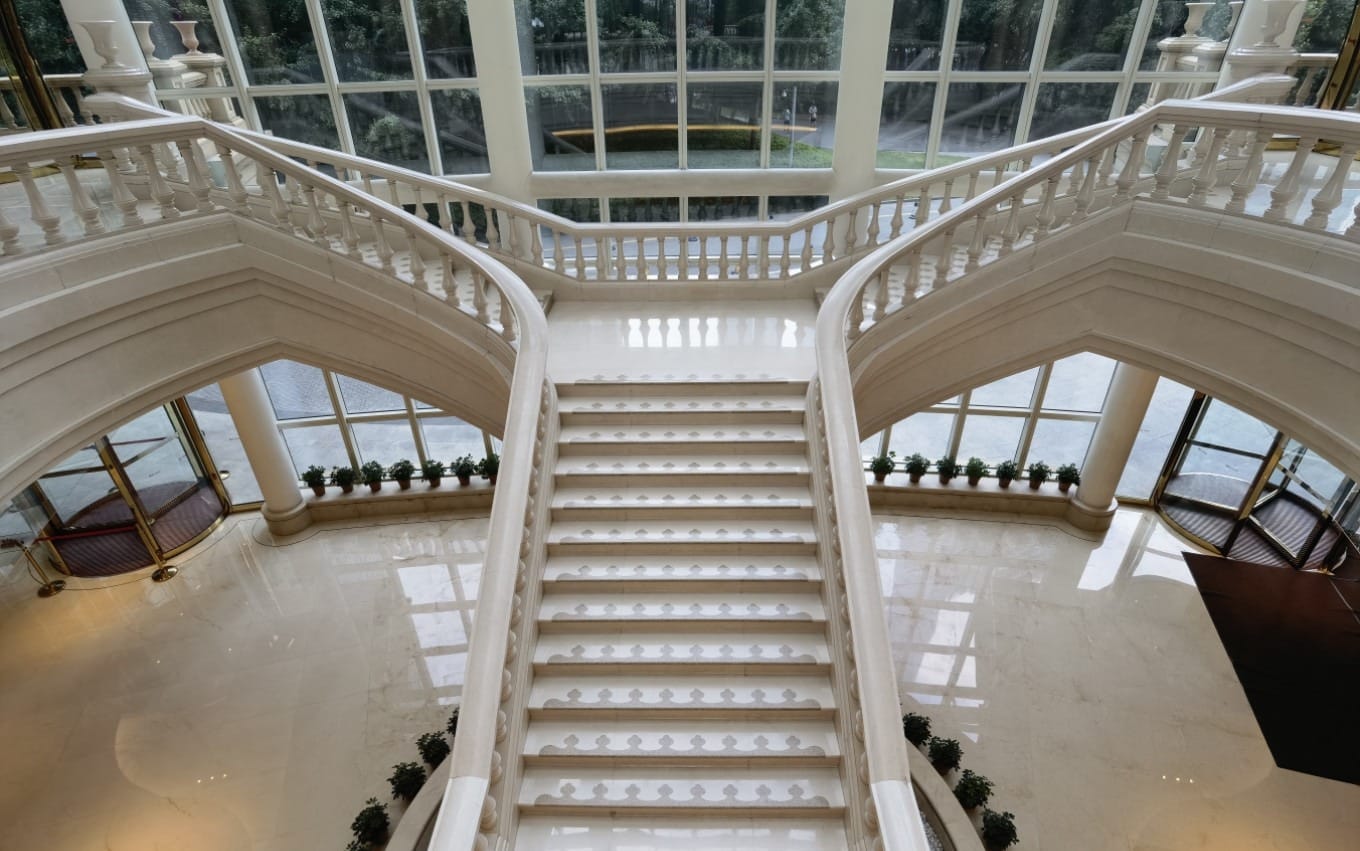
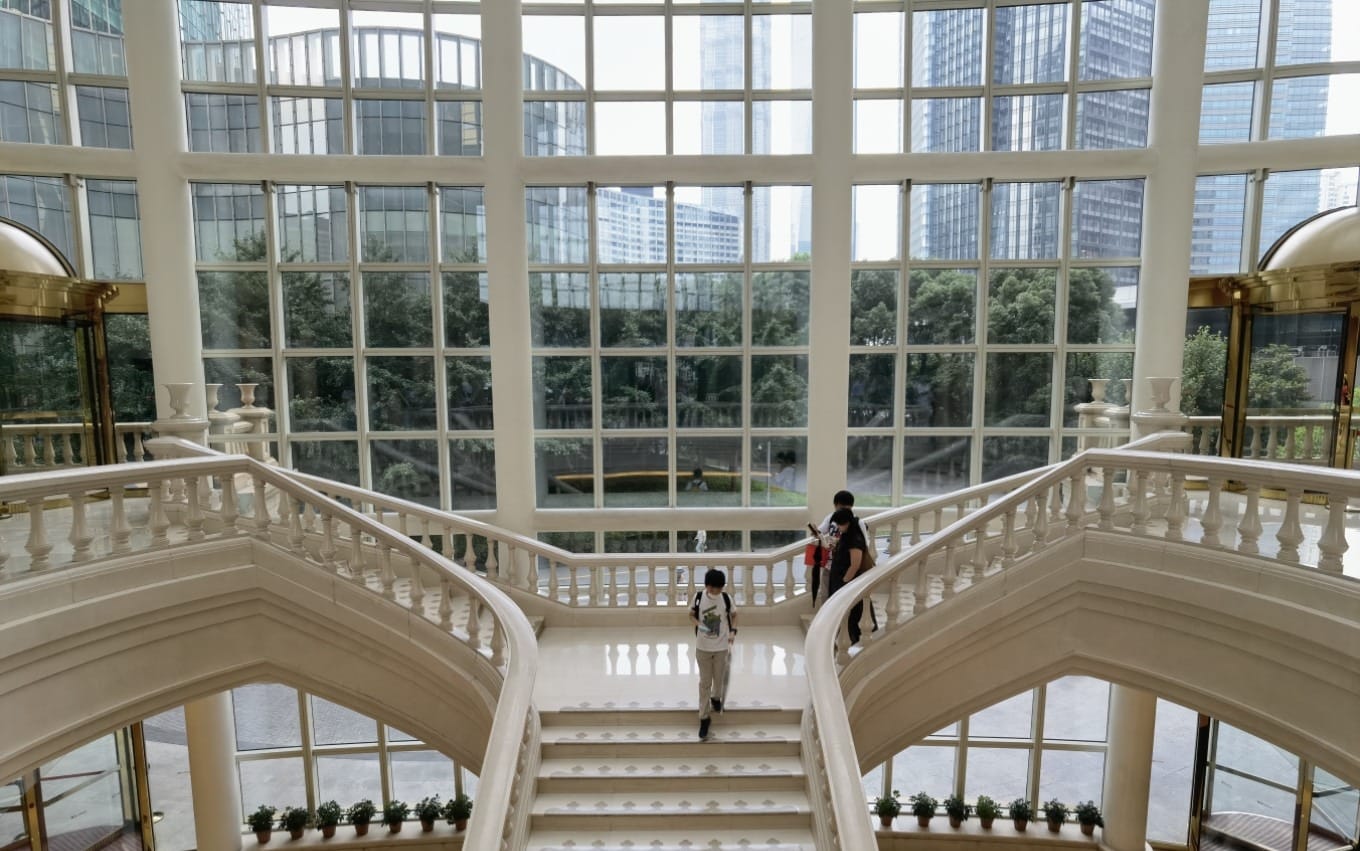
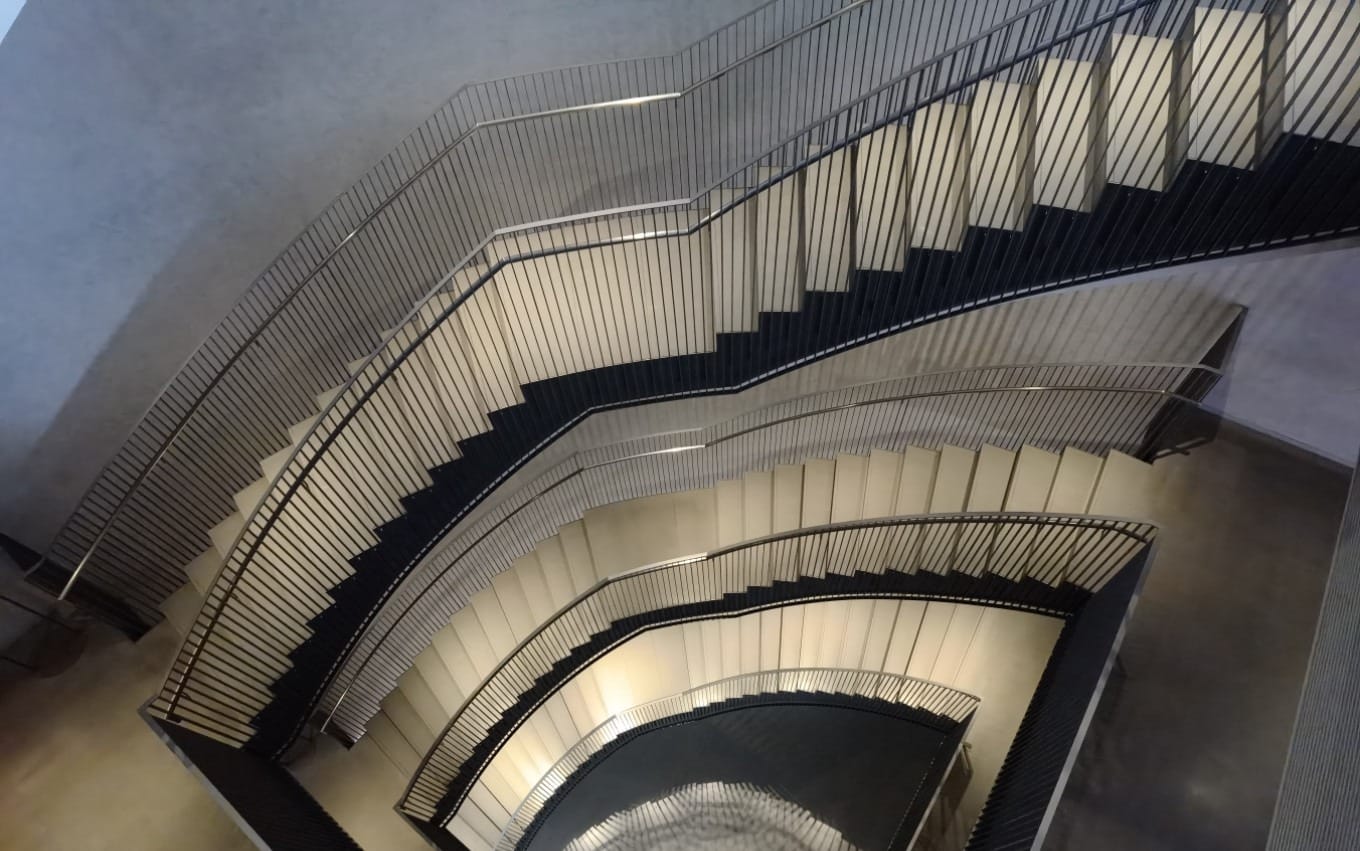
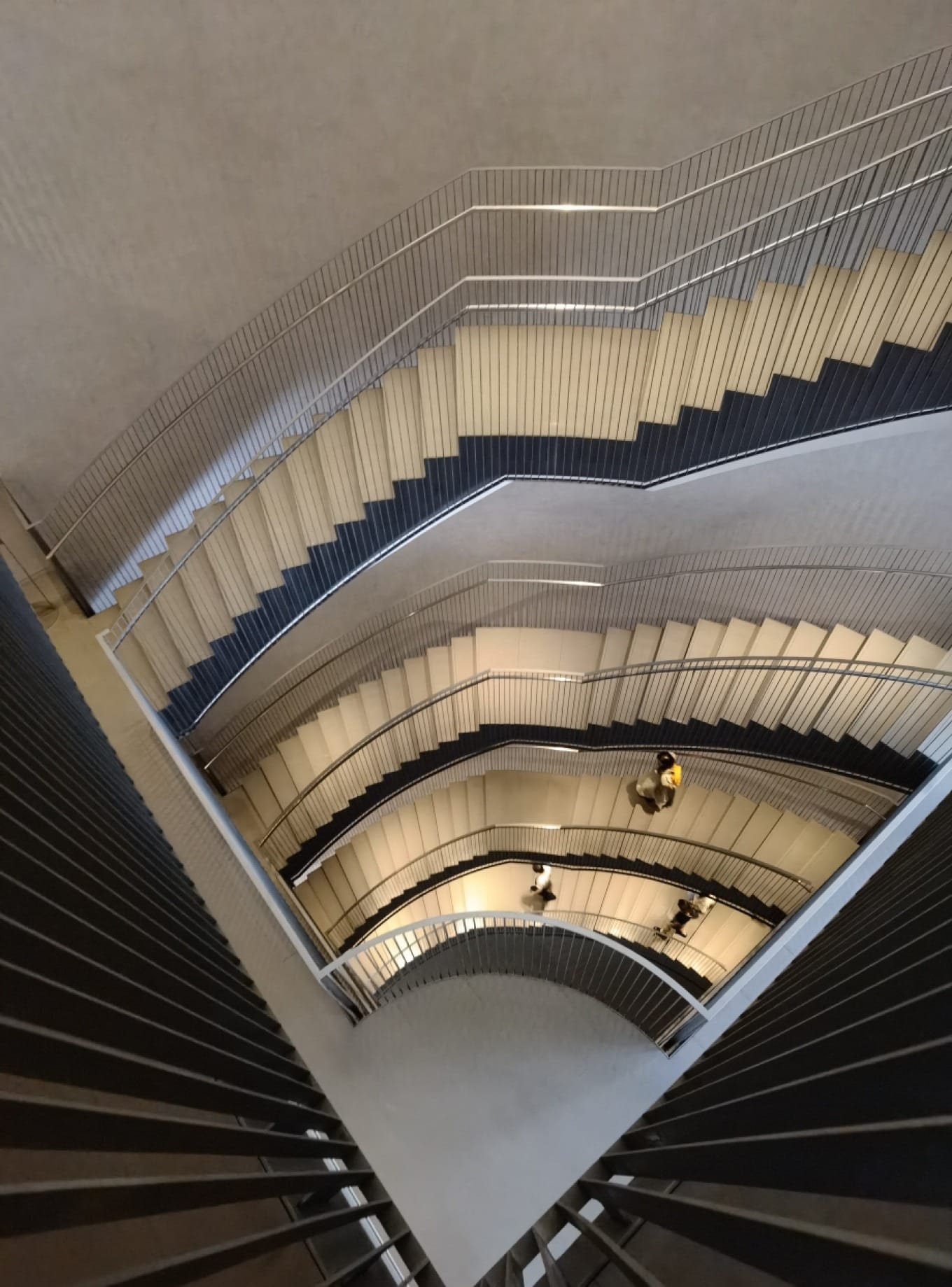
The museum’s architecture itself is a highlight, featuring sleek, modern design that complements the ancient artifacts. For photography enthusiasts, consider staying near closing time when crowds thin out, allowing for clearer shots of the exhibits and spaces.
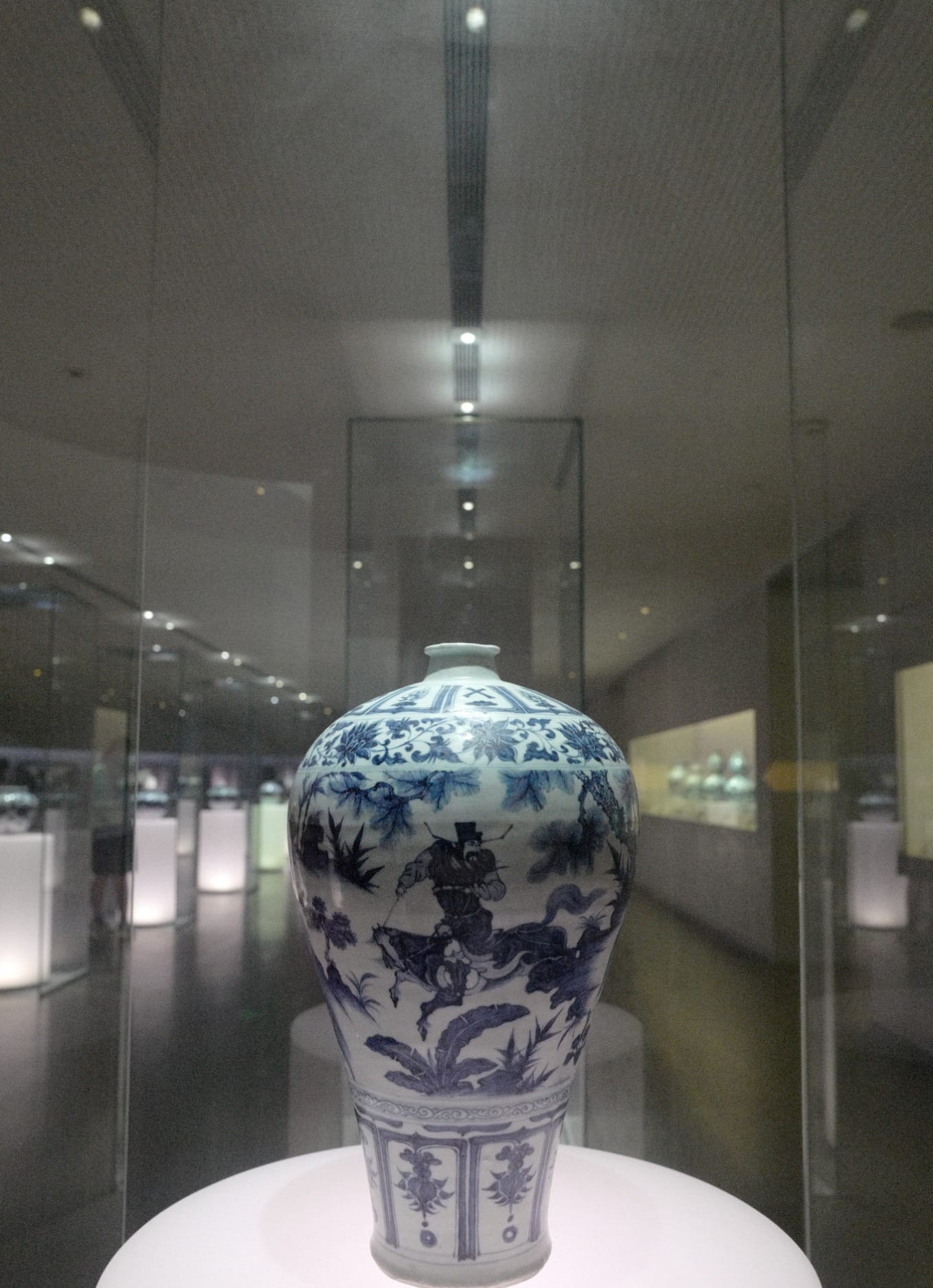
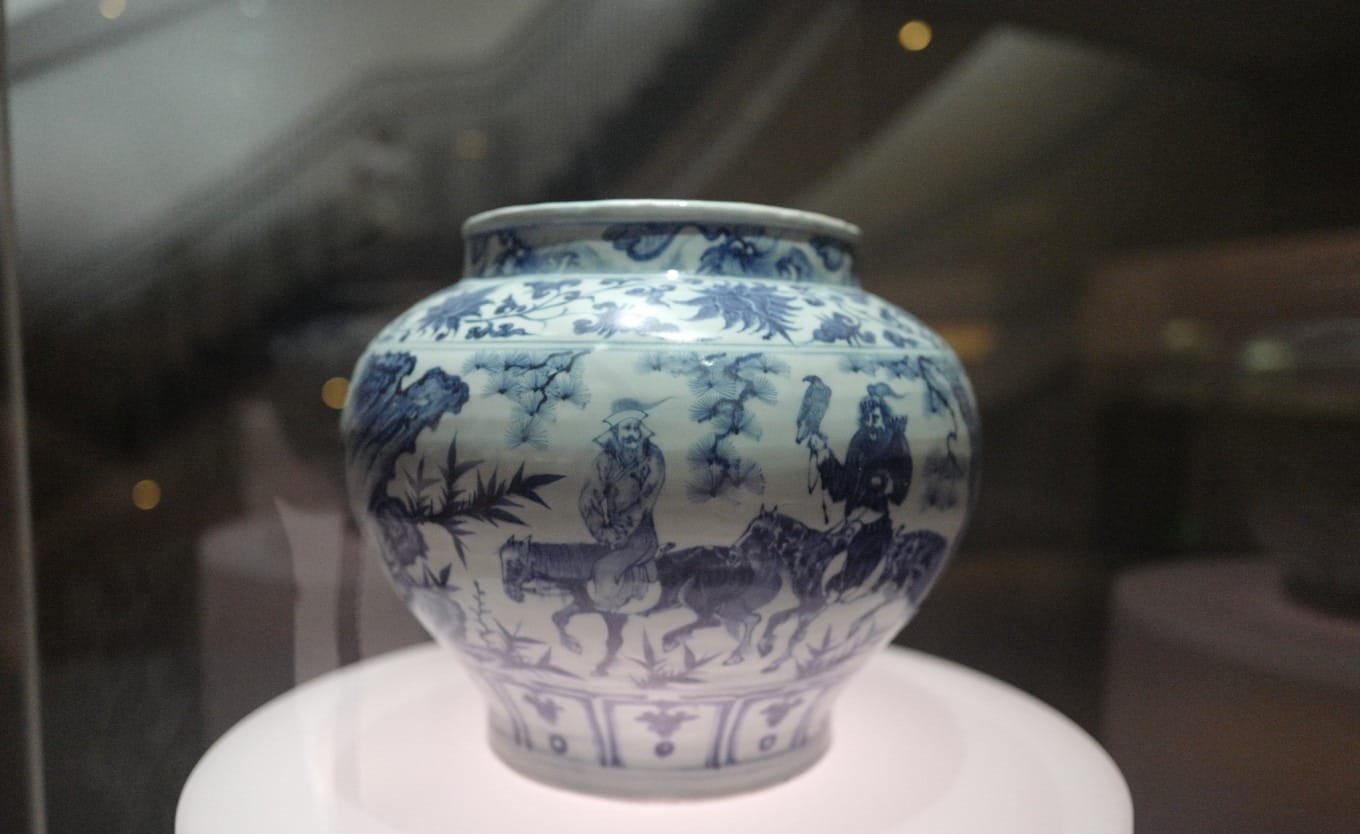
Among the collection, two notable Yuan Dynasty blue-and-white porcelain pieces stand out for their intriguing histories. The first is a Meiping vase depicting the story ‘Xiao He Chasing Han Xin Under the Moon’ (萧何月下追韩信). A similar vase, considered a national treasure, is housed in the Nanjing Museum and is prohibited from leaving China. It was excavated from the tomb of Mu Ying. Remarkably, only three such vases were reportedly found; one sold at auction in 2011 for over 800 million HKD, another’s whereabouts are unknown, and the provenance of Aurora Museum’s piece remains unclear.
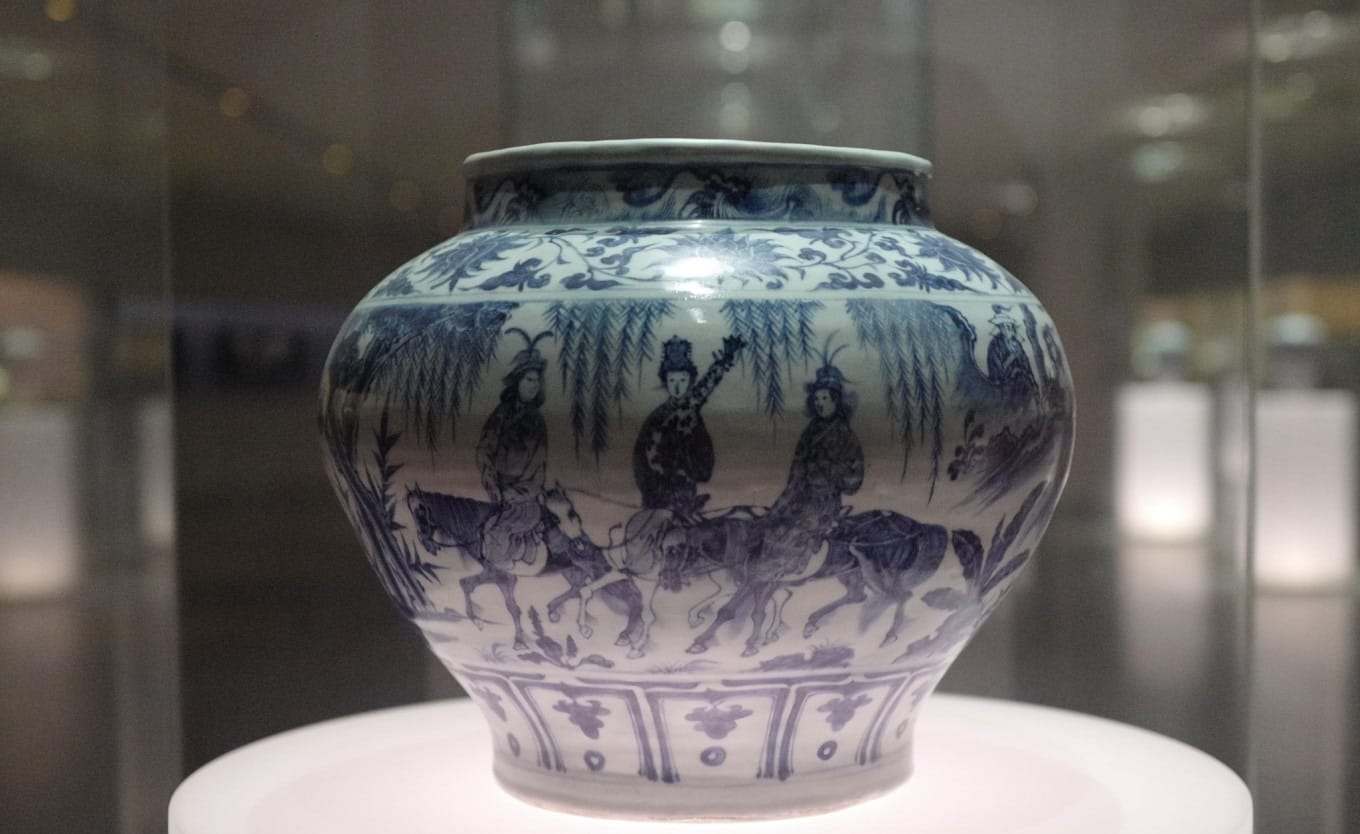
The second is a large jar illustrating ‘Wang Zhaojun Departing the Frontier’ (昭君出塞). The popularity of such narrative themes on porcelain is linked to the development of Yuan-era drama and woodblock printing. While a similar jar resides in Japan’s Idemitsu Museum, the origin of Aurora Museum’s specimen is also undocumented.
- RestaurantNot applicable for this museum section (店名)
- Address99 1 / 1F, Aurora Building, 99 Fucheng Road, Pudong New District, Shanghai (上海市浦东新区富城路99号震旦国际大楼1层)
- Recommended dishesNot applicable (菜名)
- Average spendMuseum admission is 60 RMB per person
Afternoon Tea at the Aurora Museum Caf
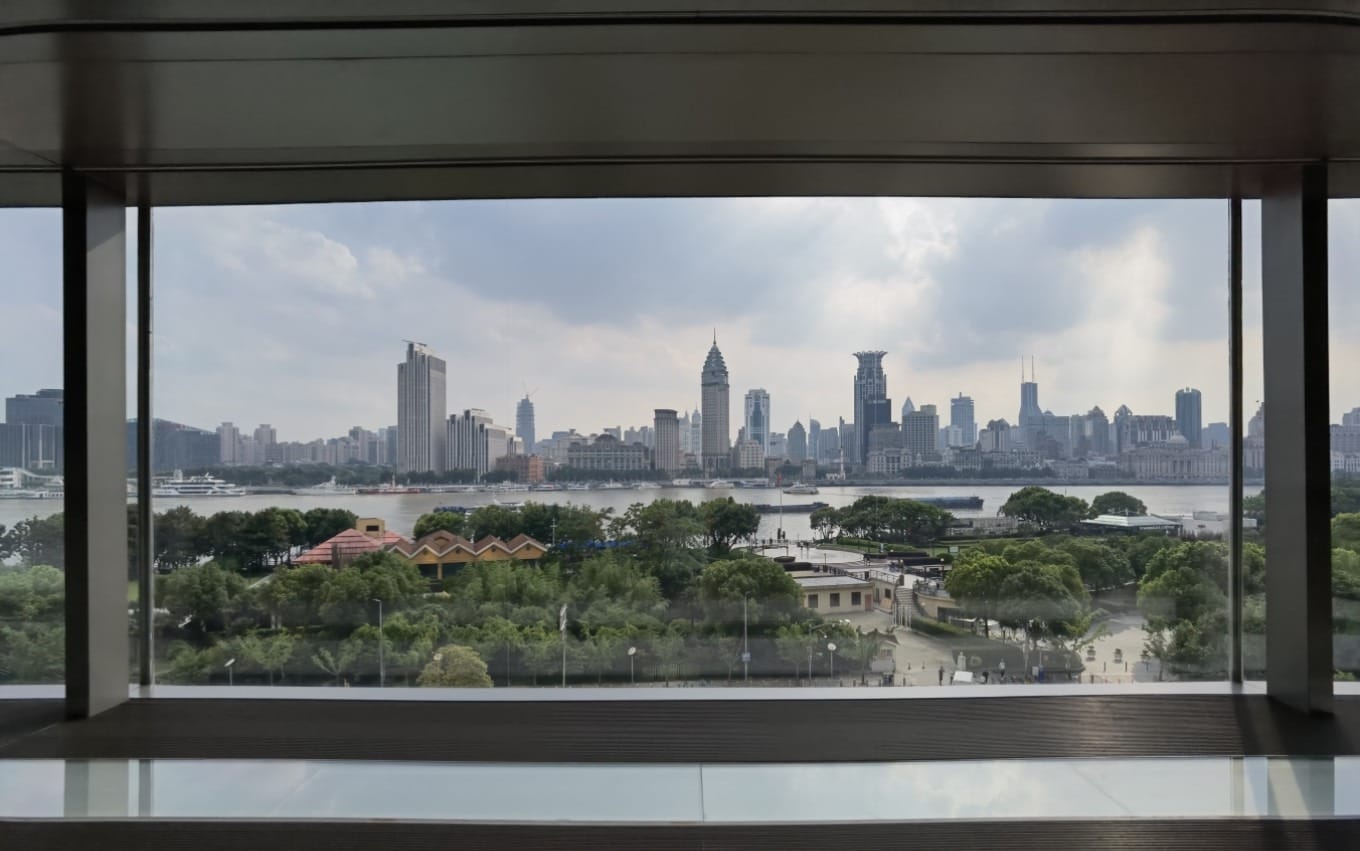
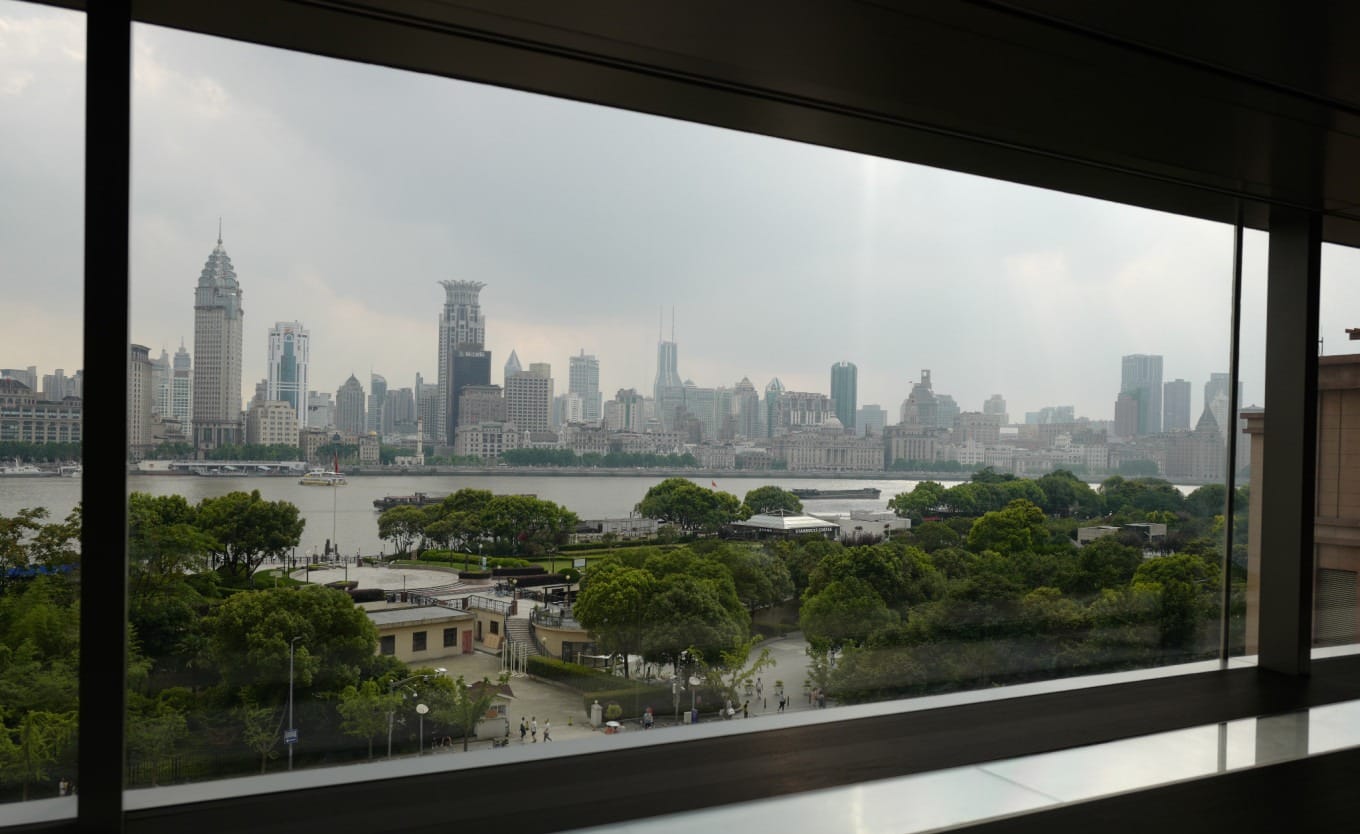
Exploring the Aurora Museum can work up an appetite, and the on-site café offers the perfect spot to refuel with a view. Positioned along the Huangpu River, the café faces the Bund directly, providing a stunning backdrop for your break. While morning light might be ideal for photography, the afternoon offers a dramatic silhouette effect against the iconic skyline.
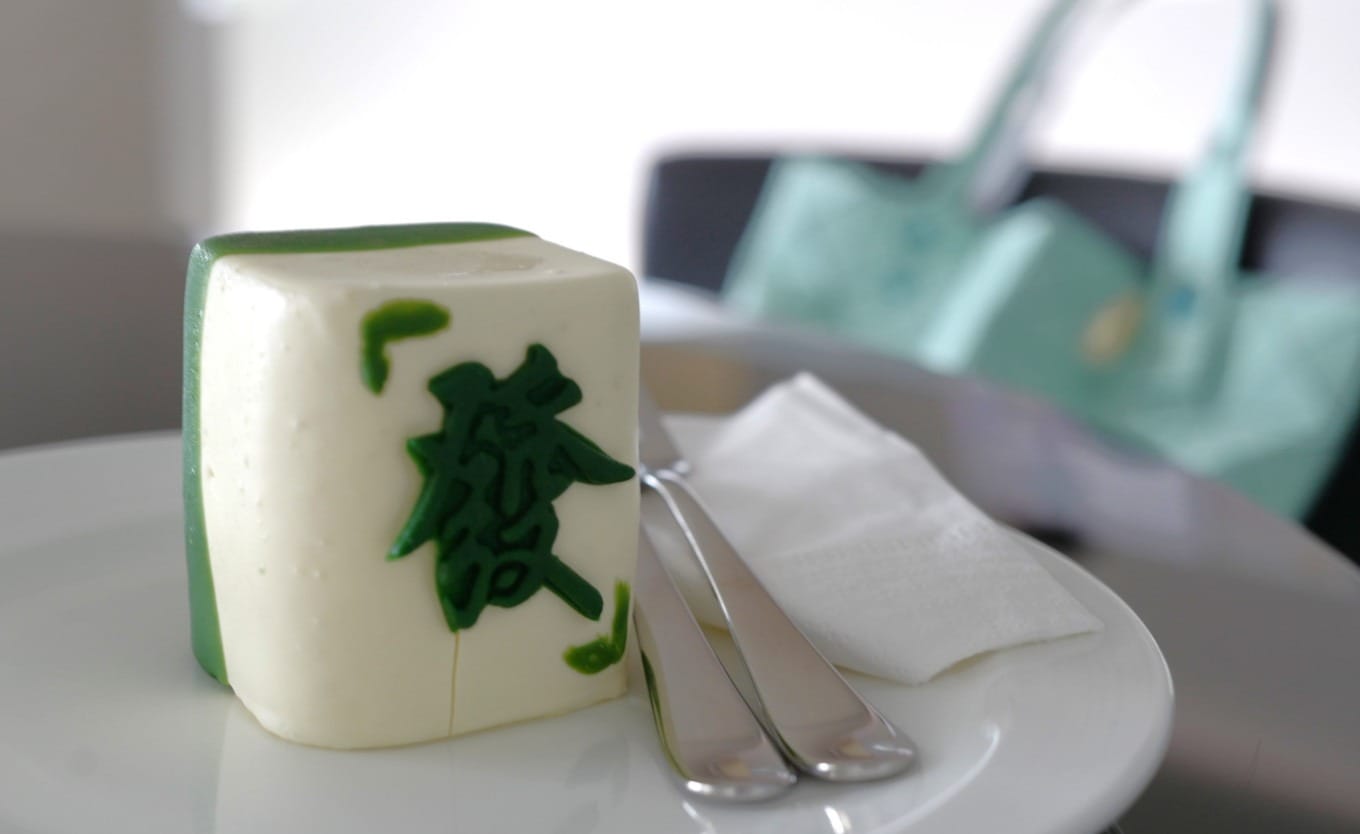
For a unique treat, consider ordering the signature dessert shaped like a mahjong tile. Named 发财 (Fācái), meaning ‘prosperity’ or ‘wealth,’ this creative sweet blends citrus flavors of orange, mandarin, lemon, and kumquat into a light milk mousse. The result is a refreshing, subtly sweet palate cleanser. At 52 yuan, it’s a bit pricey but offers a novel taste experience worth trying.
- RestaurantAurora Museum Caf (震旦博物馆咖啡厅)
- Address99 / 99 Fucheng Road, Pudong New Area, Shanghai inside Aurora Museum (上海市浦东新区富城路99号震旦博物馆内)
- Recommended dishes发财 (Fācái) dessert
- Average spendAround 50–60 yuan per person
The Bund Night View: A Guide to Shanghai’s Iconic Skyline
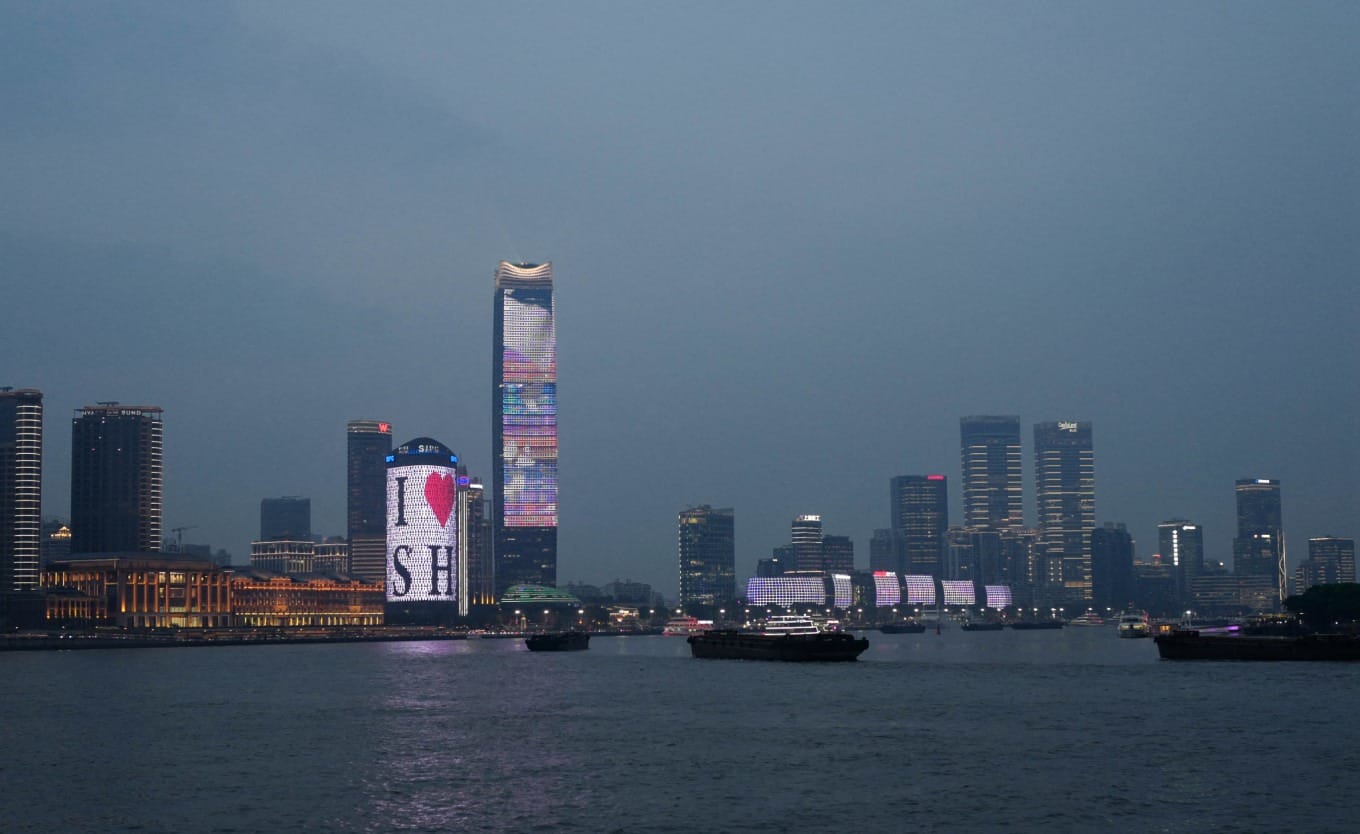
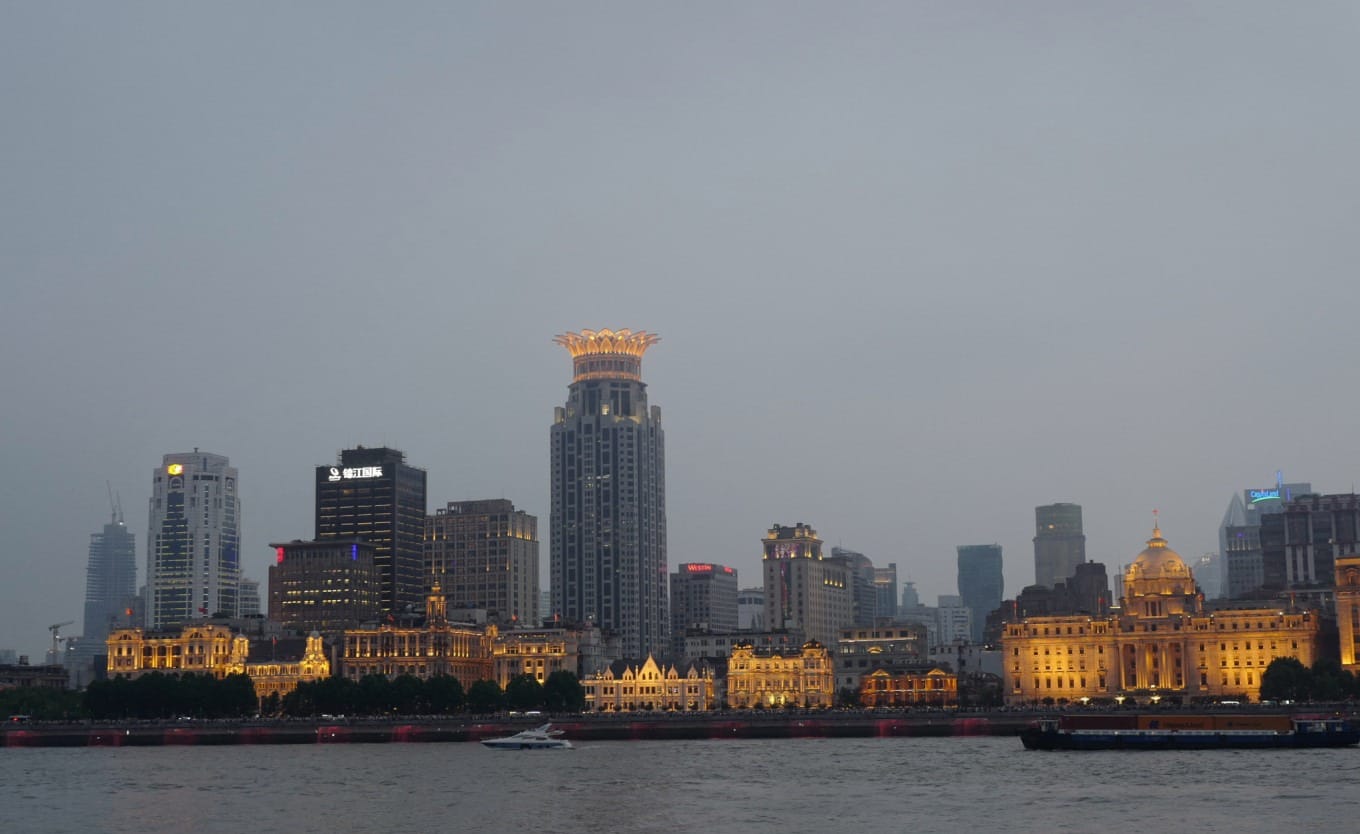
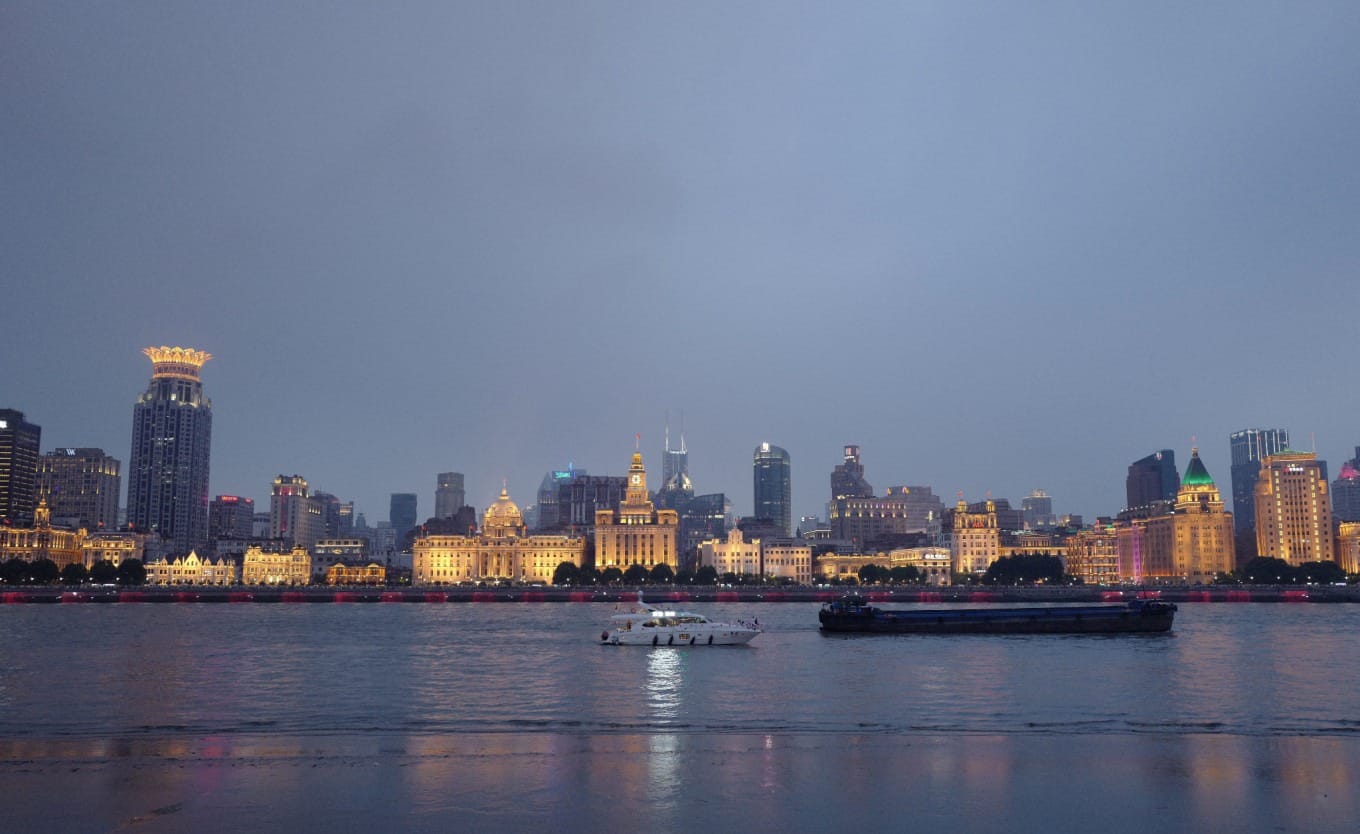
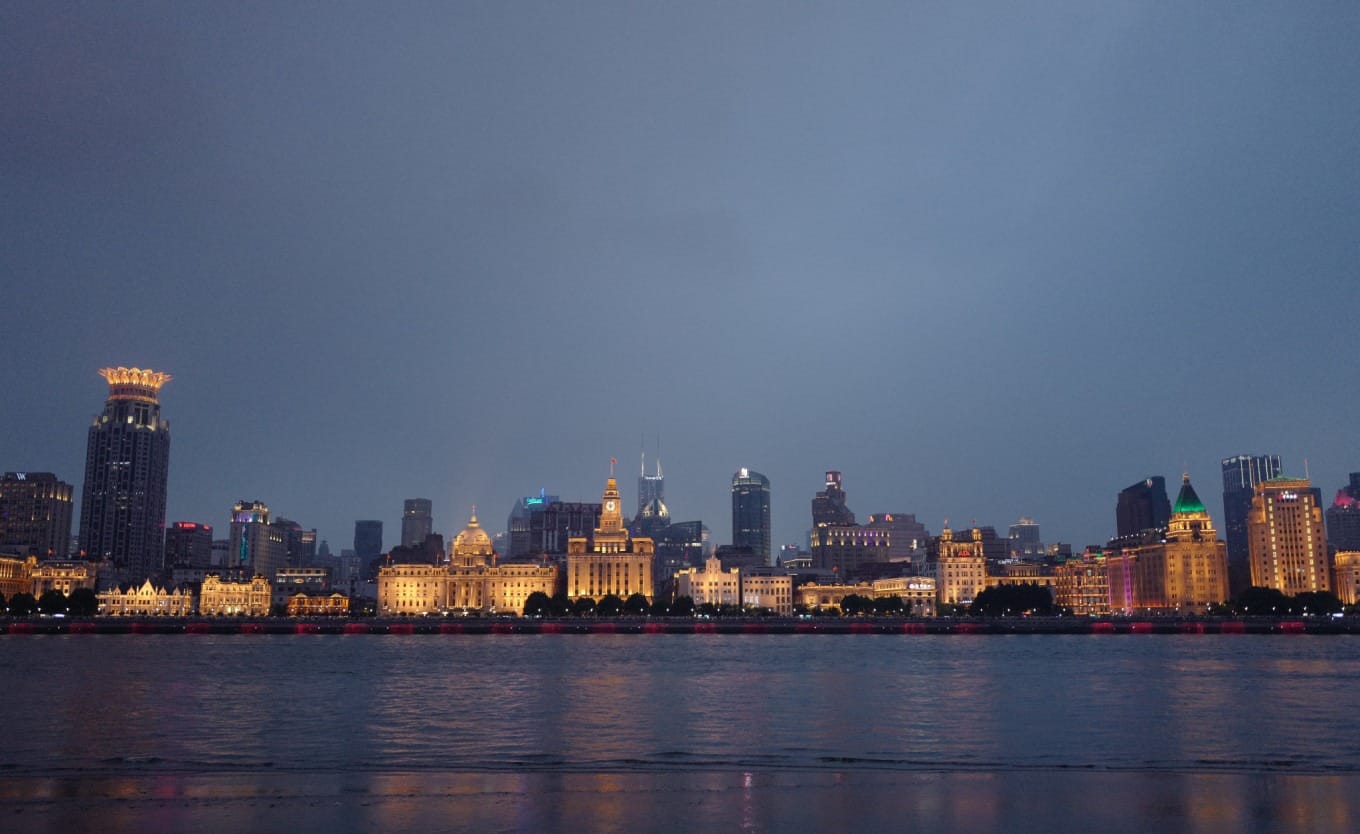
When experiencing Shanghai’s famous Bund night view, you have two classic perspectives: viewing the modern Pudong skyline from the historic Puxi side, or admiring the colonial-era Bund architecture from Pudong. For the most spectacular experience, plan to visit during the ‘blue hour’—the half-hour after sunset when the sky glows with deep blue tones and city lights begin to sparkle. This guide focuses on the Pudong vantage point, where you can watch the historic buildings across the Huangpu River illuminate against the darkening sky.
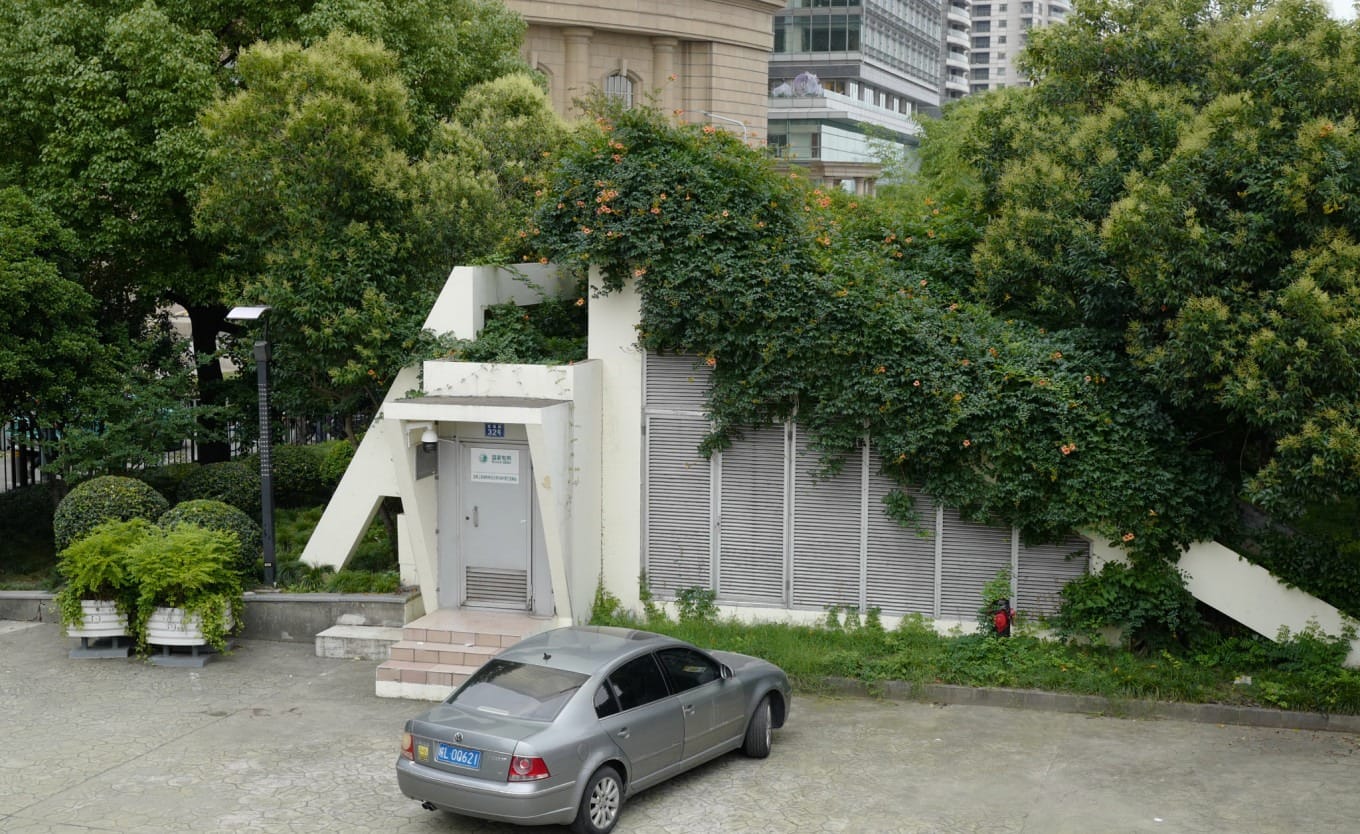
As you stroll from the Aurora Museum toward the riverfront, you might notice trumpet creepers in full bloom during summer. Be aware that these fast-growing vines can quickly overtake gardens if not properly maintained. The humid summer air often creates atmospheric conditions where mist shrouds the upper floors of skyscrapers, adding dramatic effect to the urban landscape.
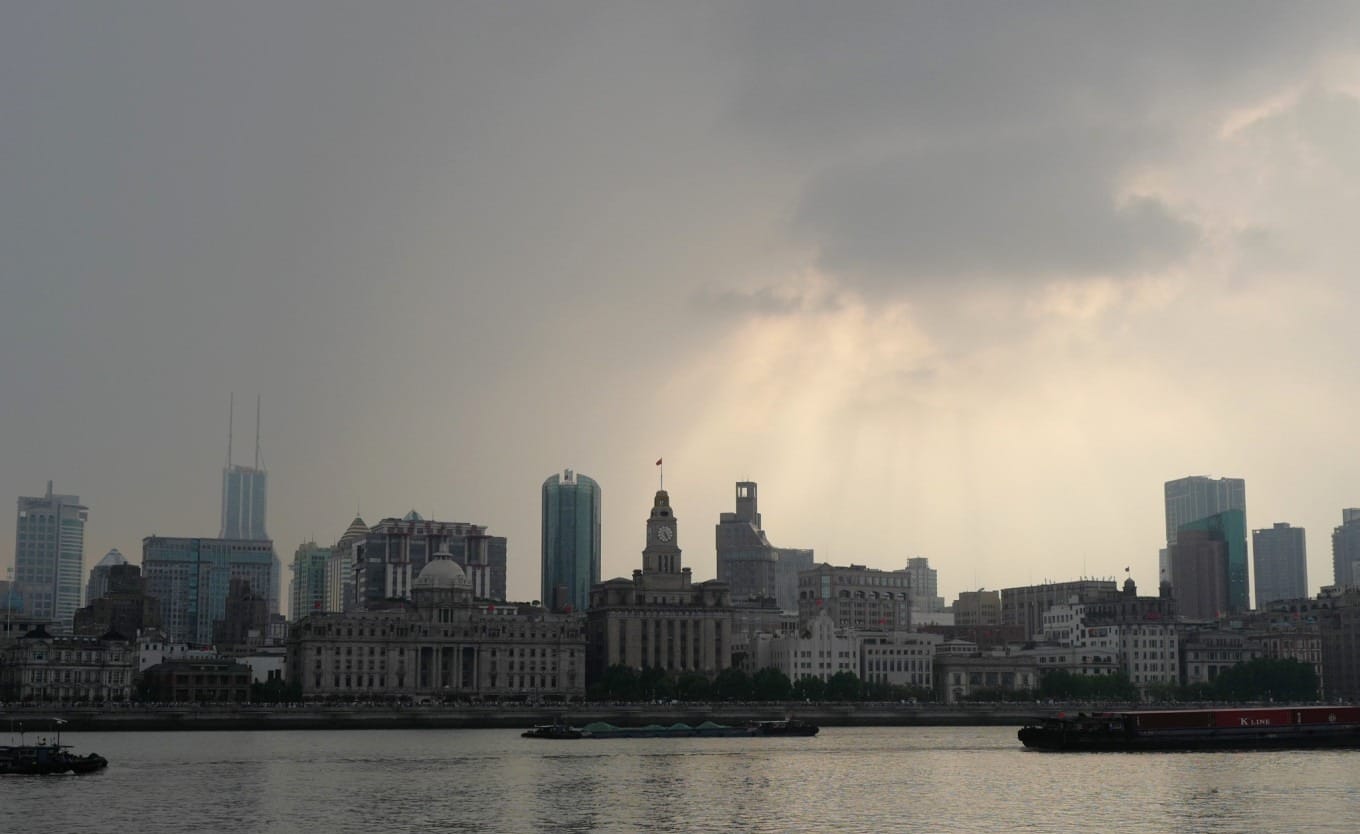
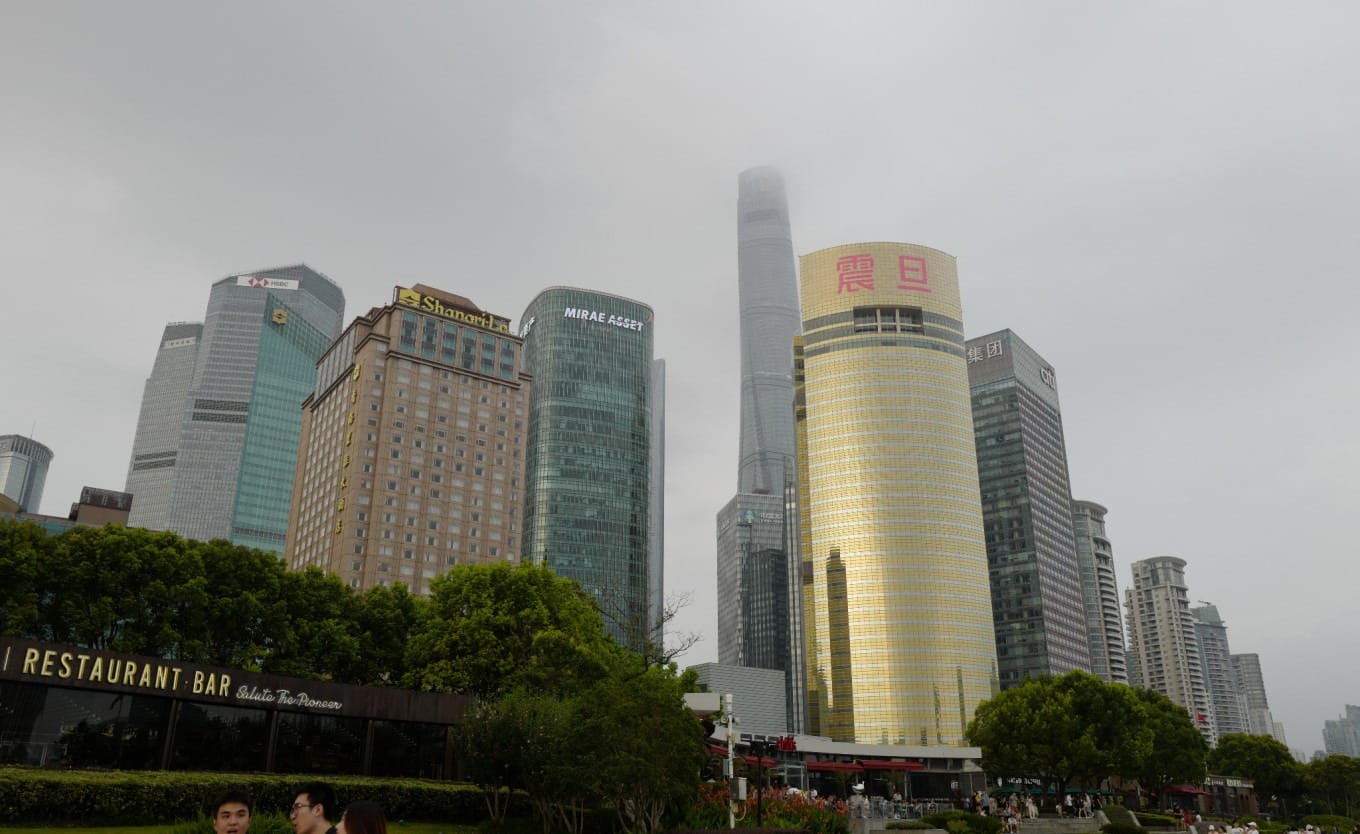
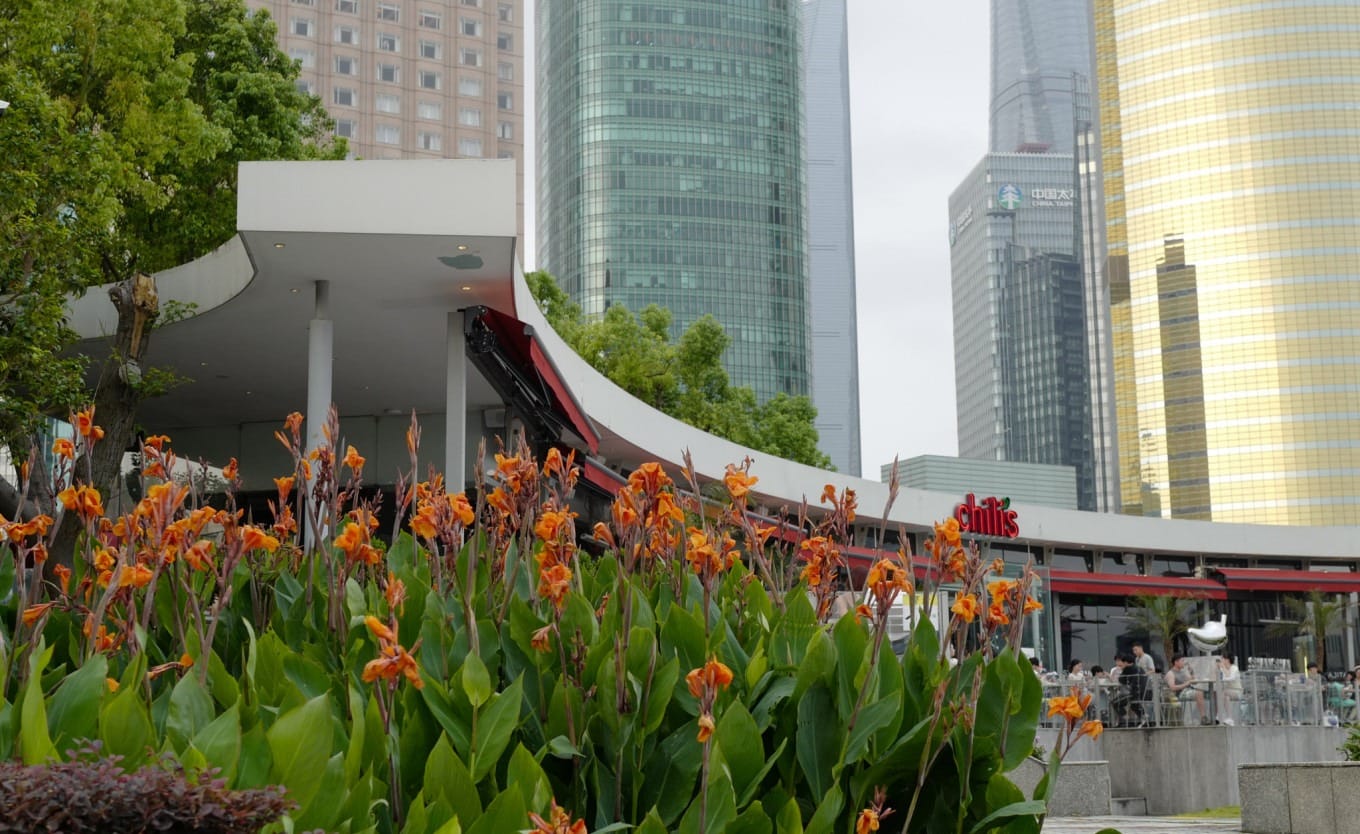
Riverfront restaurants with prime views fill quickly during peak hours. If you hope to dine with a view, consider making reservations well in advance or arriving early—wait times can exceed two hours during busy periods. While waiting, you can explore the beautifully maintained waterfront gardens featuring summer-blooming plants like daylilies and globe amaranth.
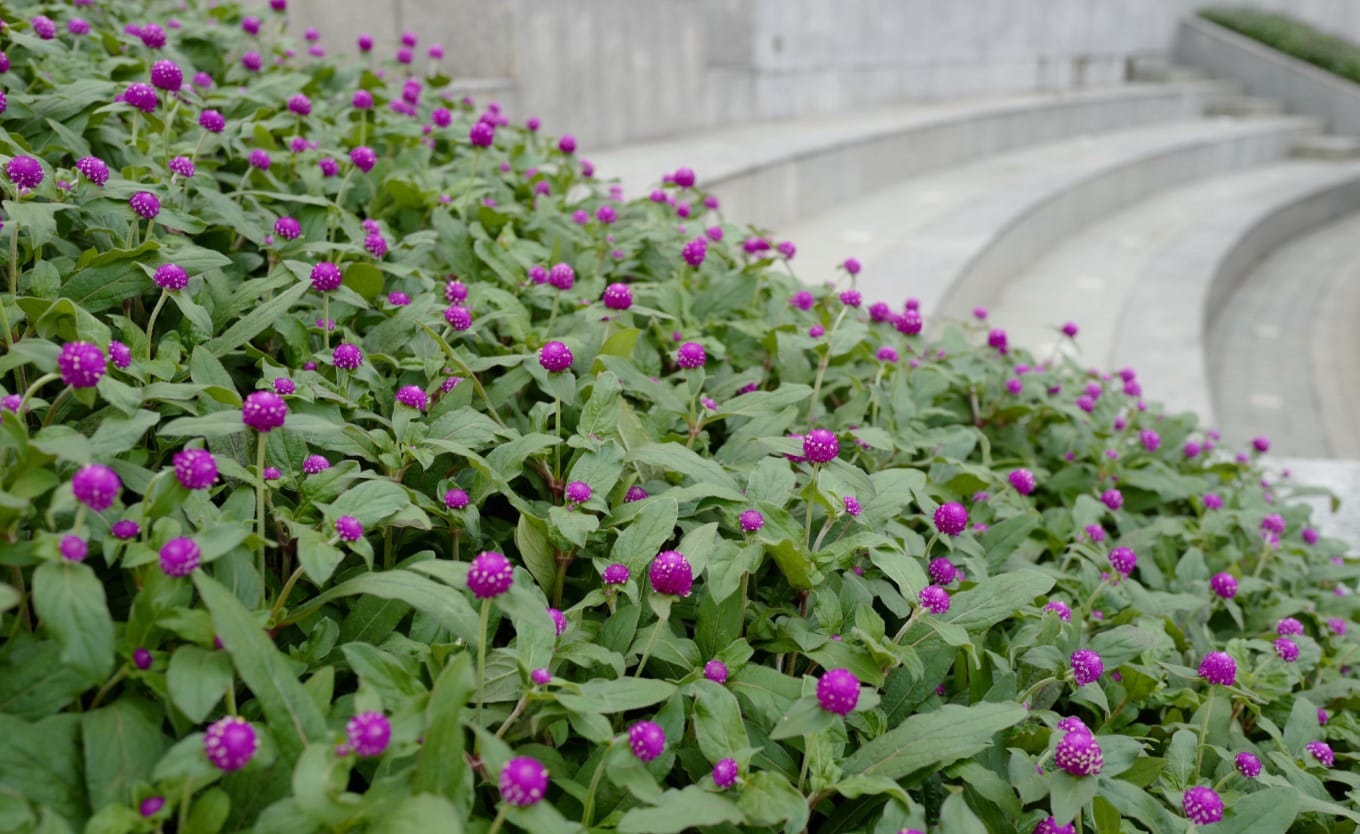
For the best unobstructed views, continue north along the promenade past the crowded tourist areas. The architecture of the Pudong Art Museum (MAP) offers an interesting modern contrast with its distinctive design that some visitors compare to WALL-E from Disney’s ‘Toy Story’.
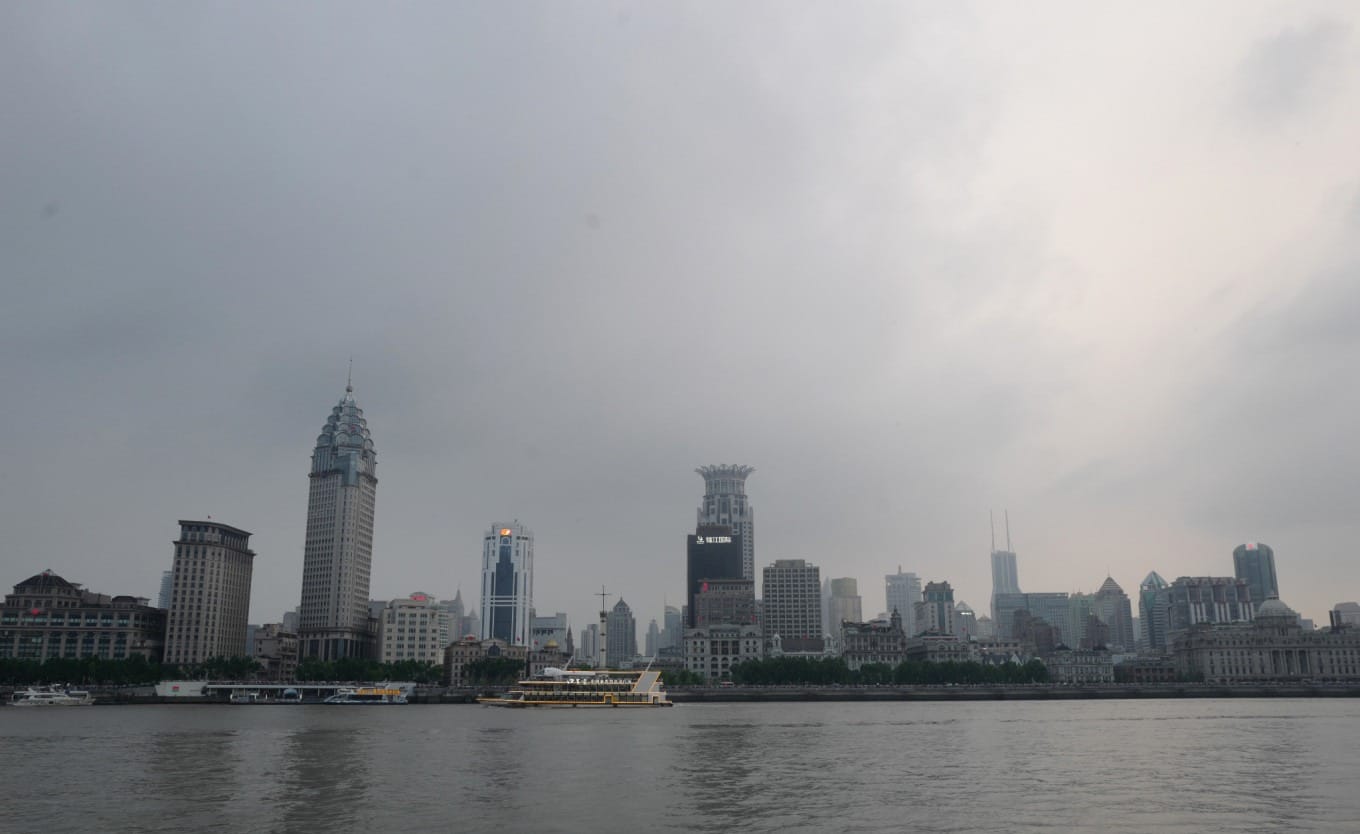
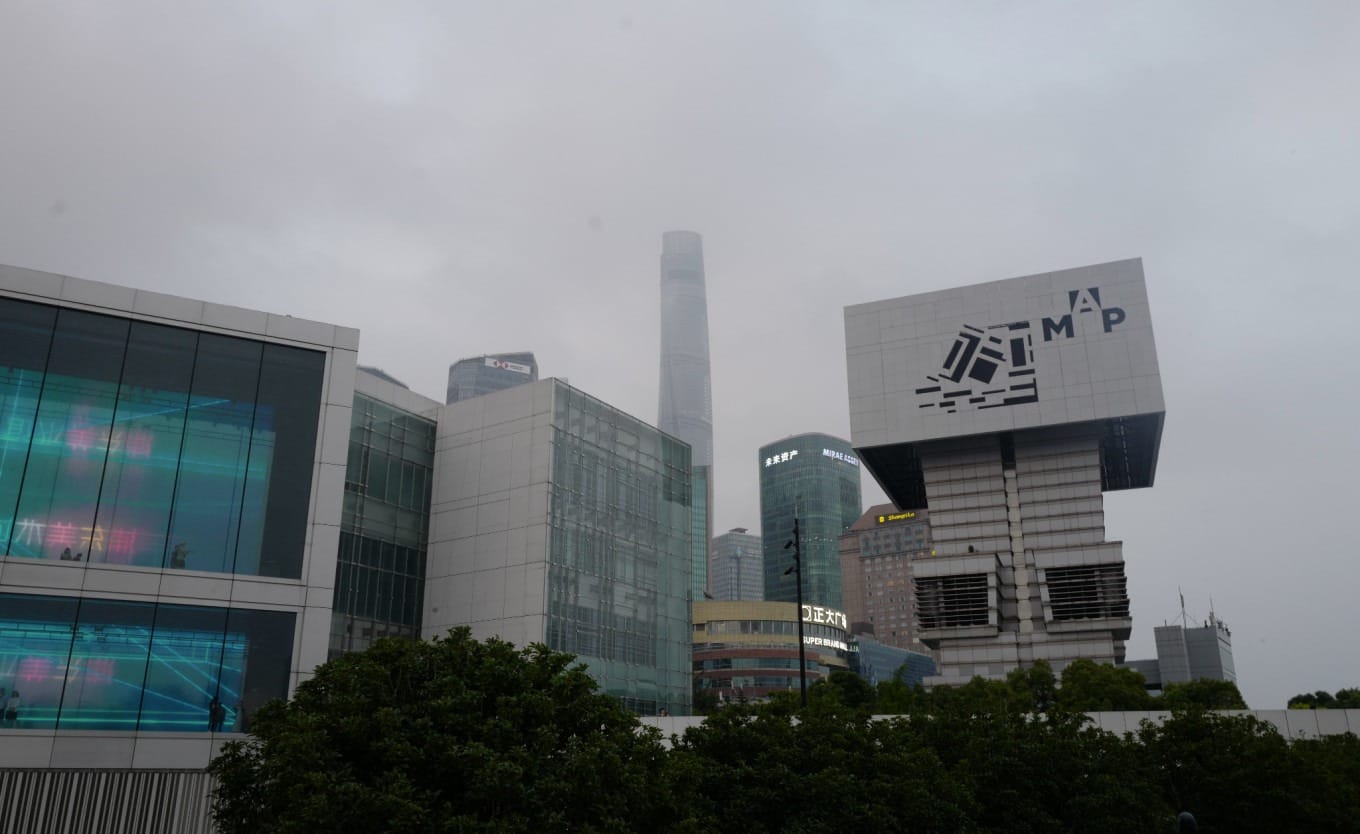
The area directly in front of the Pudong Art Museum provides one of the best viewing platforms for the lighting ceremony. Here you’ll find raised platforms perfect for setting up cameras or phone tripods to capture time-lapse footage. The lights typically illuminate at 7:00 PM sharp, with different sections of the skyline lighting up in sequence—a moment that often draws audible gasps from the watching crowd.
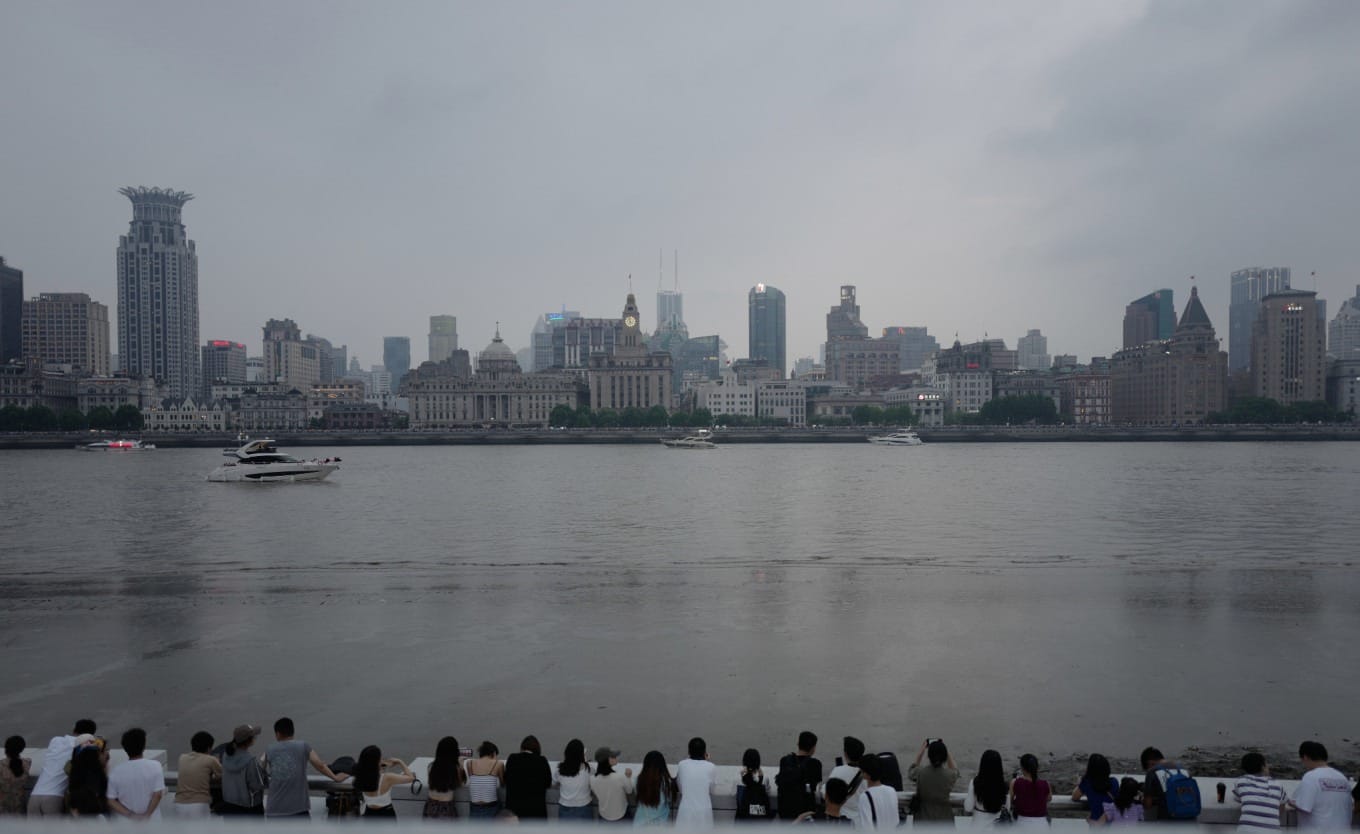
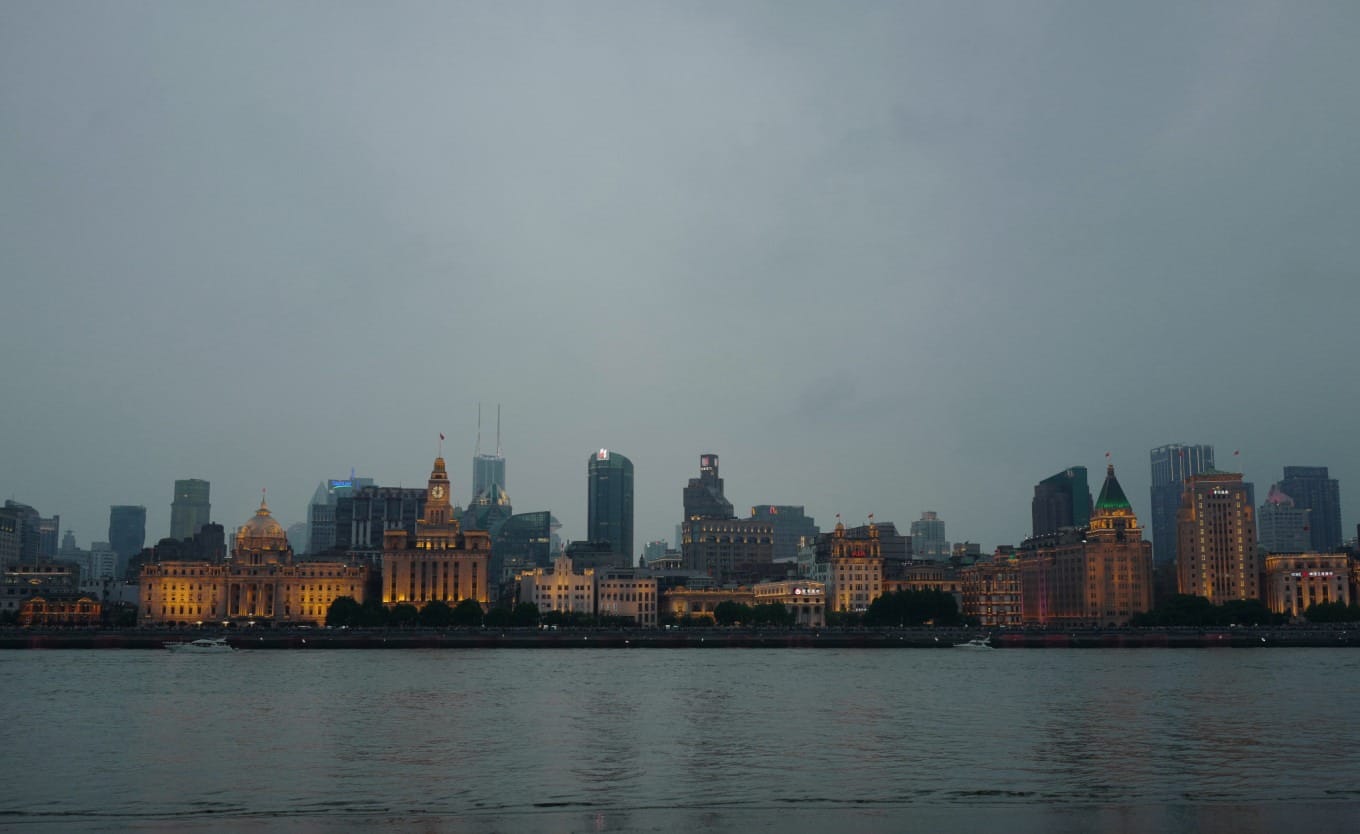
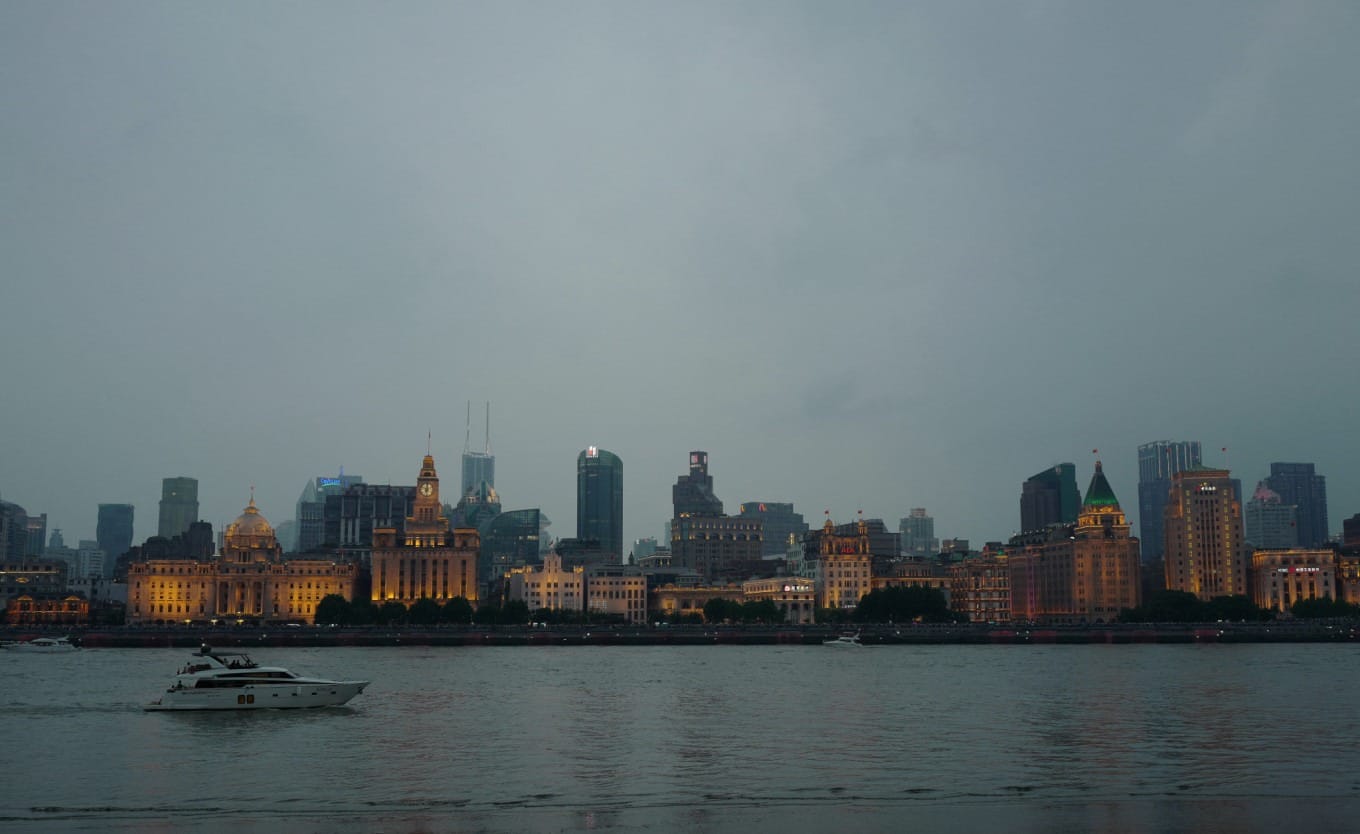
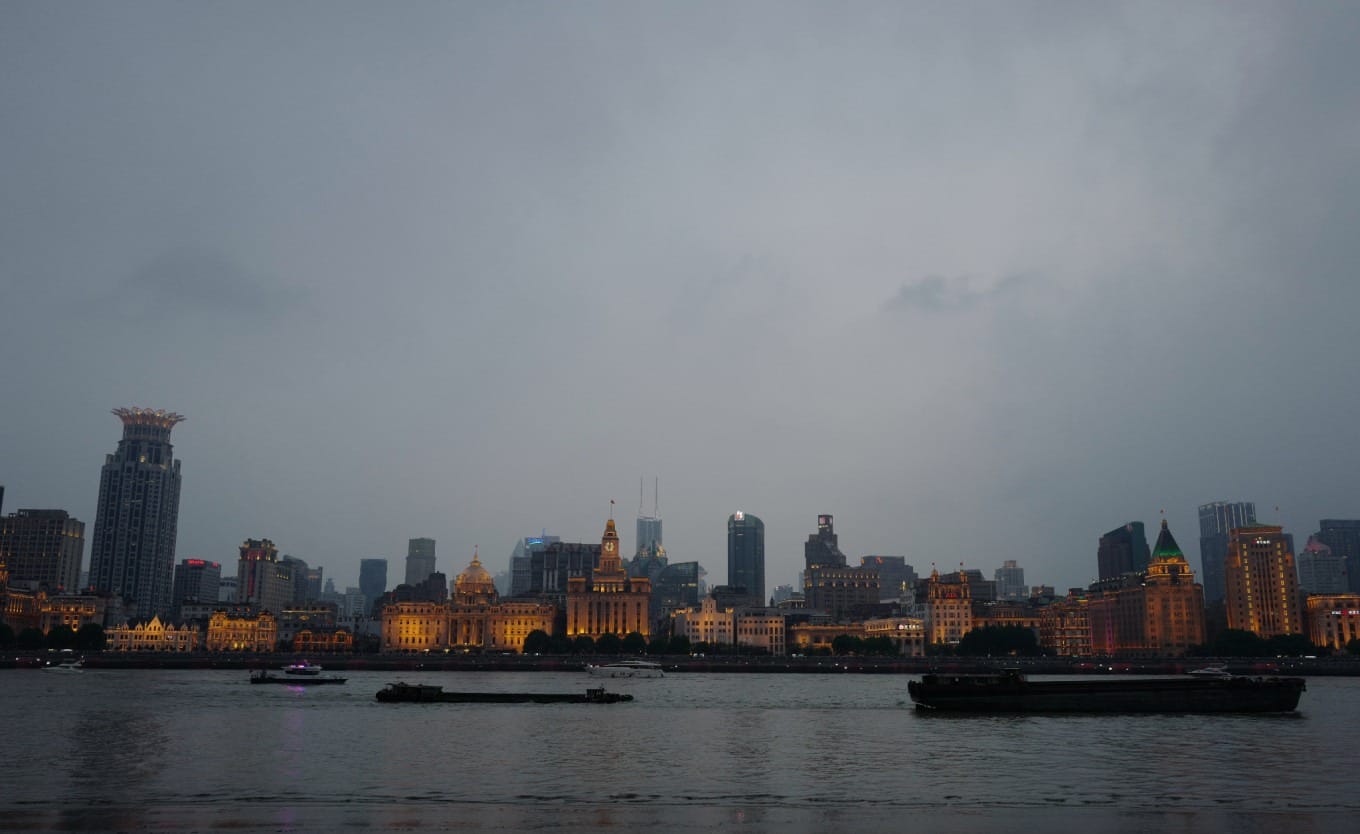
From this vantage point, you can appreciate Shanghai’s architectural contrasts: the historic European-style buildings of the Bund across the river, while behind you stand modern landmarks including the Oriental Pearl Tower, Shanghai International Convention Center, and Pudong Art Museum. The museum itself becomes part of the spectacle when its glass facade transforms with projected images—during certain displays, visitors moving before the windows become silhouetted against animated backgrounds, creating scenes reminiscent of science fiction films.
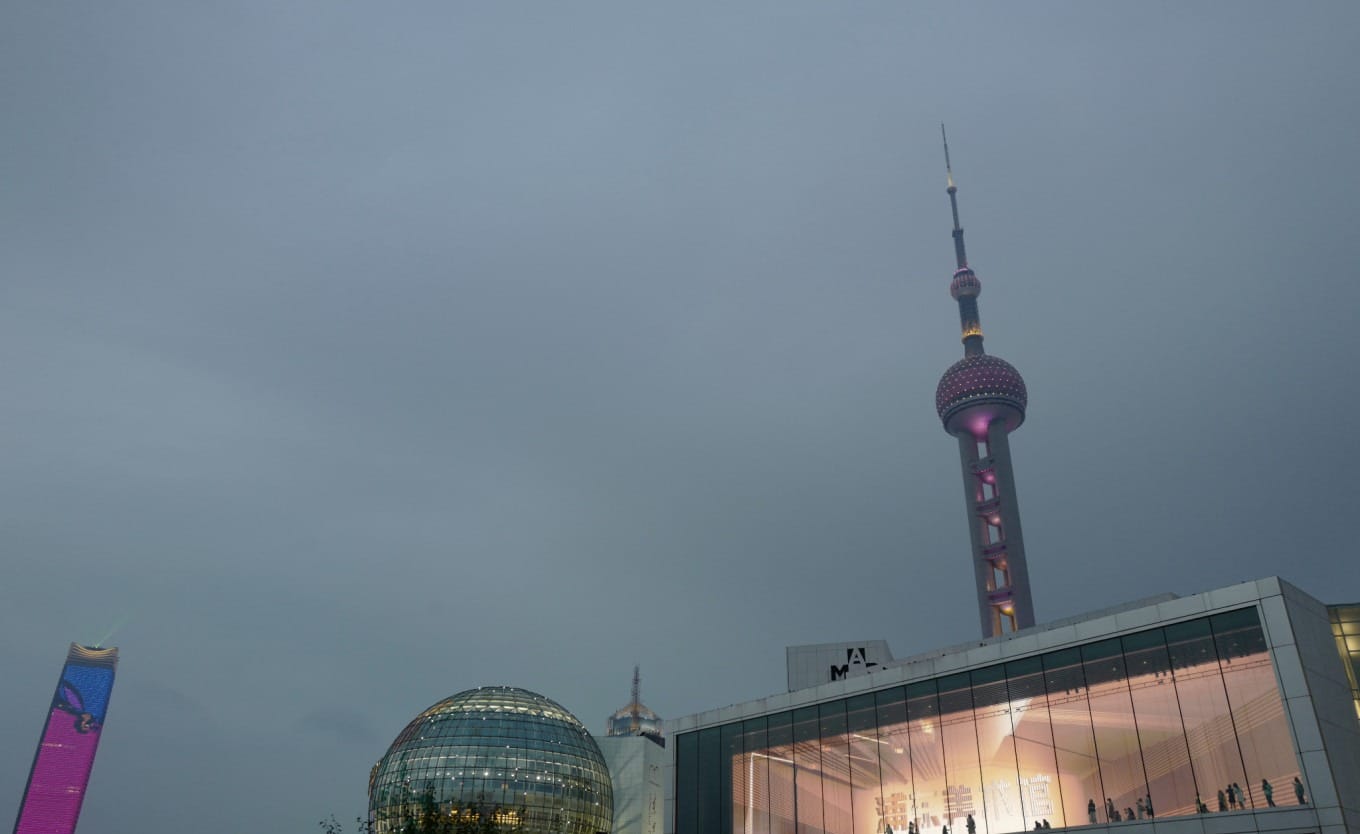
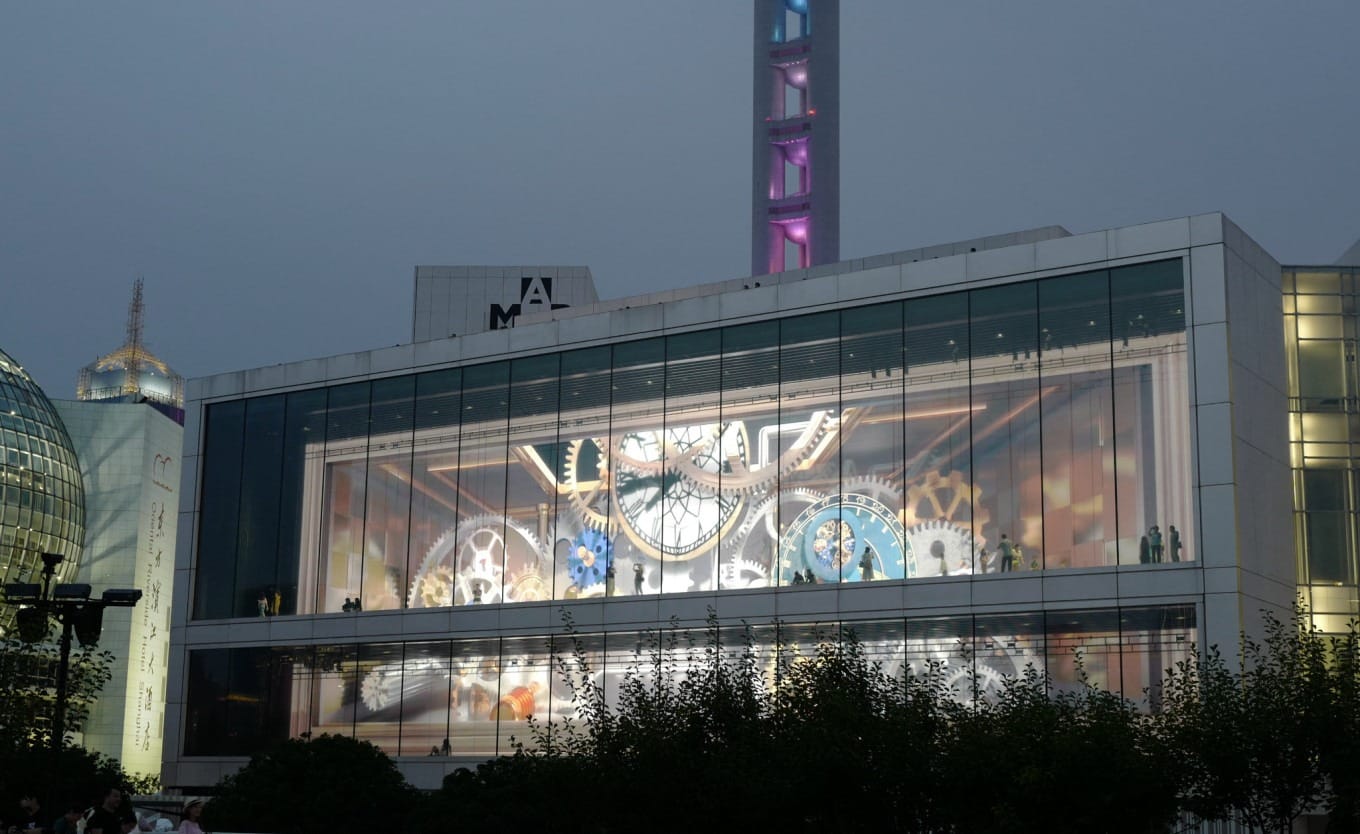
Timing is crucial for the best night viewing experience. The ideal window occurs approximately 30 minutes after sunset when the sky retains enough blue light to provide contrast with the illuminated buildings. During winter months, sunset occurs earlier, which means complete darkness may arrive before the scheduled lighting—plan accordingly based on seasonal sunset times. Don’t worry if you can’t identify individual buildings across the river from this distance; you can explore the Bund architecture up close during daytime visits.
The Oriental Pearl Tower
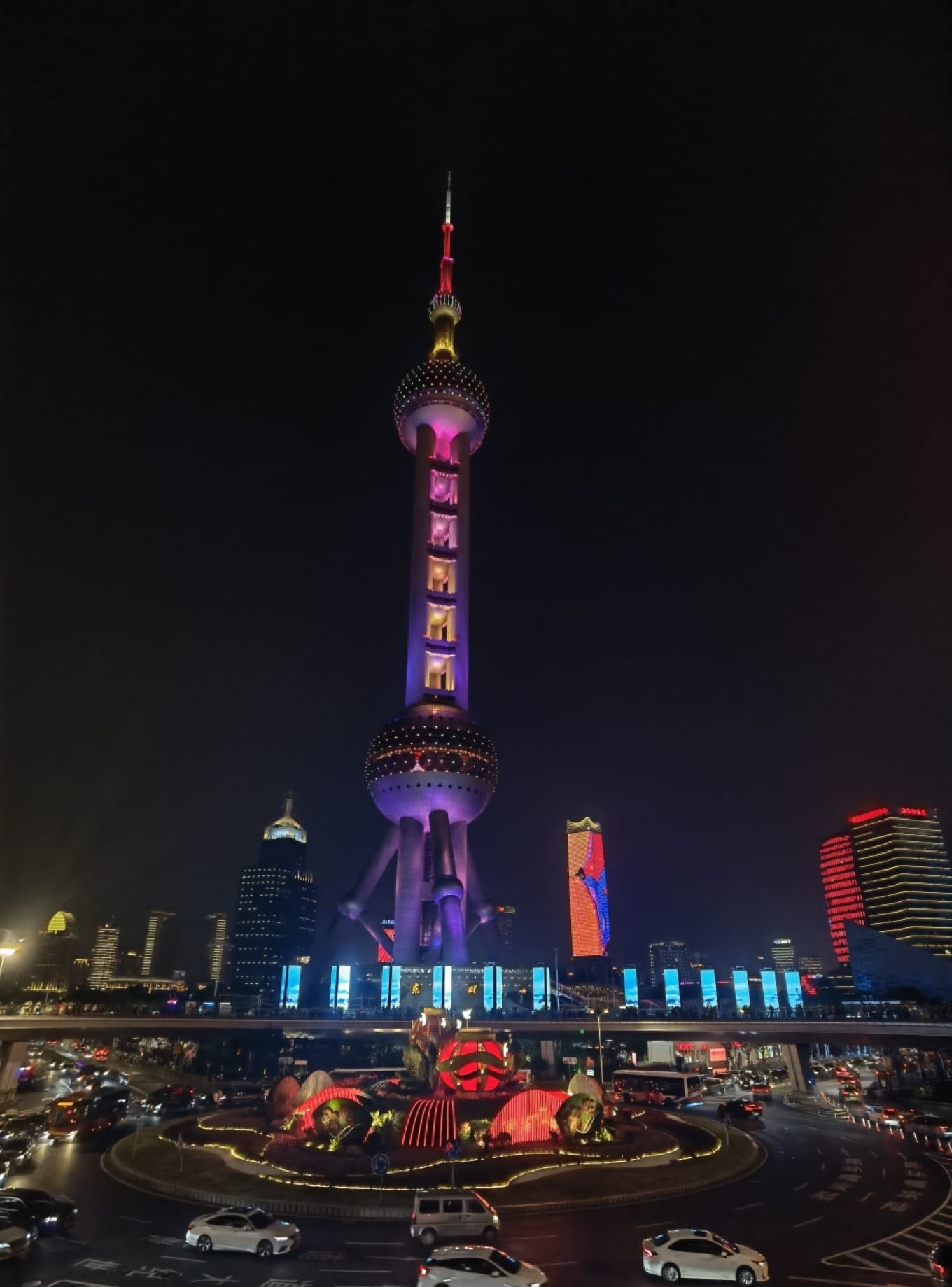
No trip to Shanghai is complete without seeing the iconic Oriental Pearl Tower. Located at 世纪大道1号 (local term), Pudong New District (1 Century Avenue, Pudong New District), this landmark offers a classic photo opportunity even if you choose not to go up. While the observation decks provide panoramic views, many travelers note that the glass windows can diminish the clarity of the nighttime cityscape in photos. For first-time visitors, simply admiring the tower’s unique architecture from the ground and capturing its reflection against the modern skyline is a memorable experience in itself.
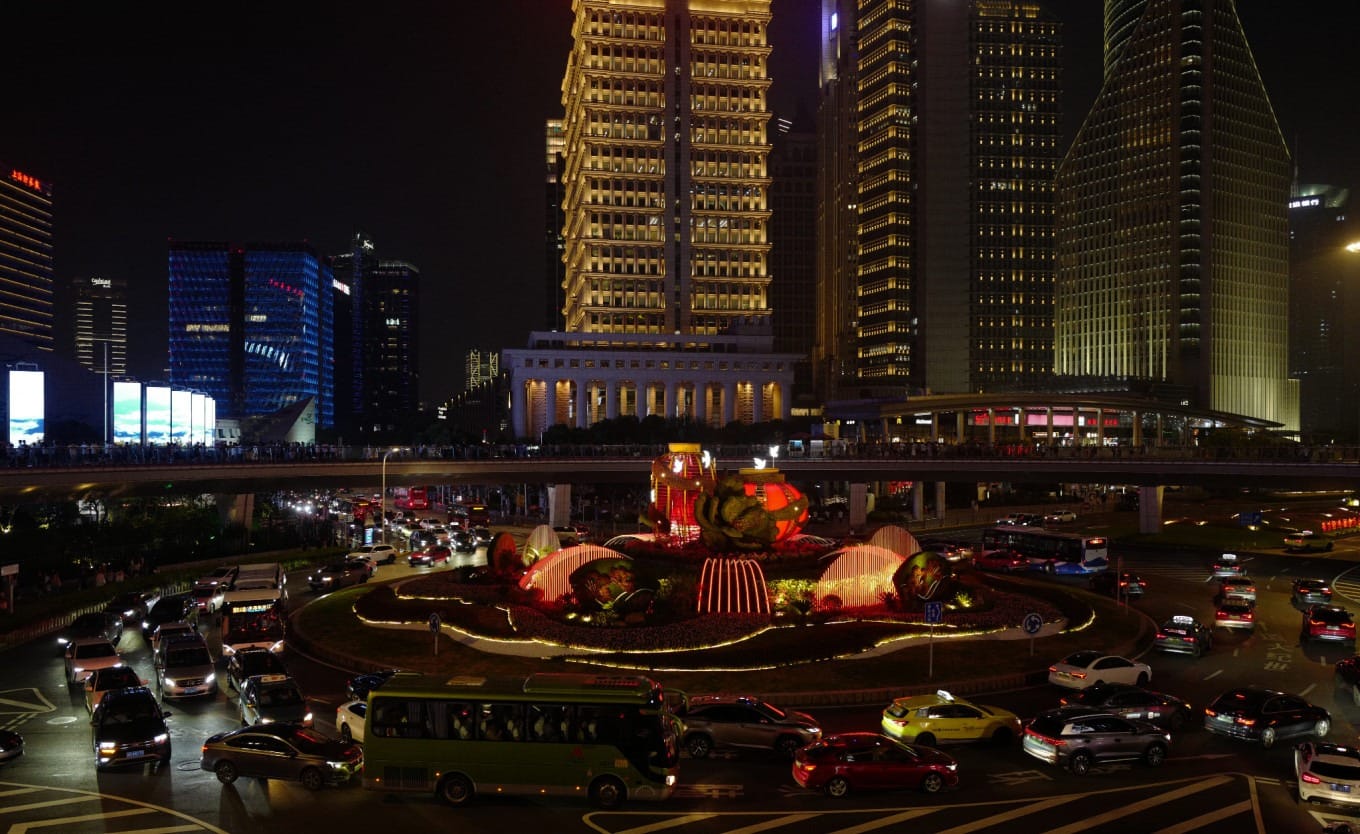
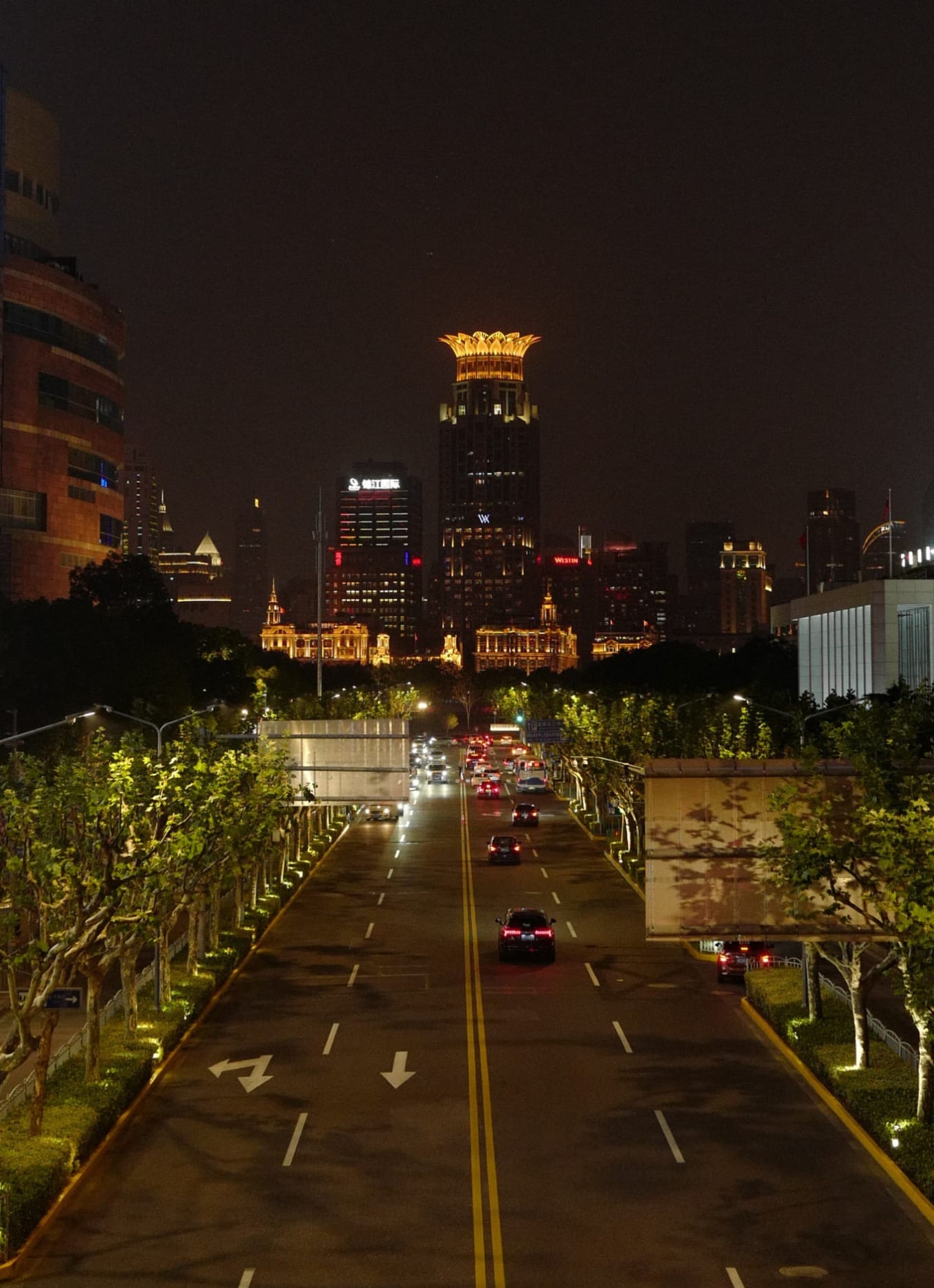
Directly across the street, you’ll find the Shanghai IFC Mall (国金商场 Guójīn Shāngchǎng), one of the city’s most prestigious shopping destinations. This luxury mall is a hub of high-end retail and dining, making it a popular spot for both visitors and local professionals. Its prime location opposite the tower creates a striking contrast between historic and contemporary Shanghai, ideal for panoramic photographs that capture the city’s evolution.
Jing’an Temple: A Glittering Nighttime Landmark
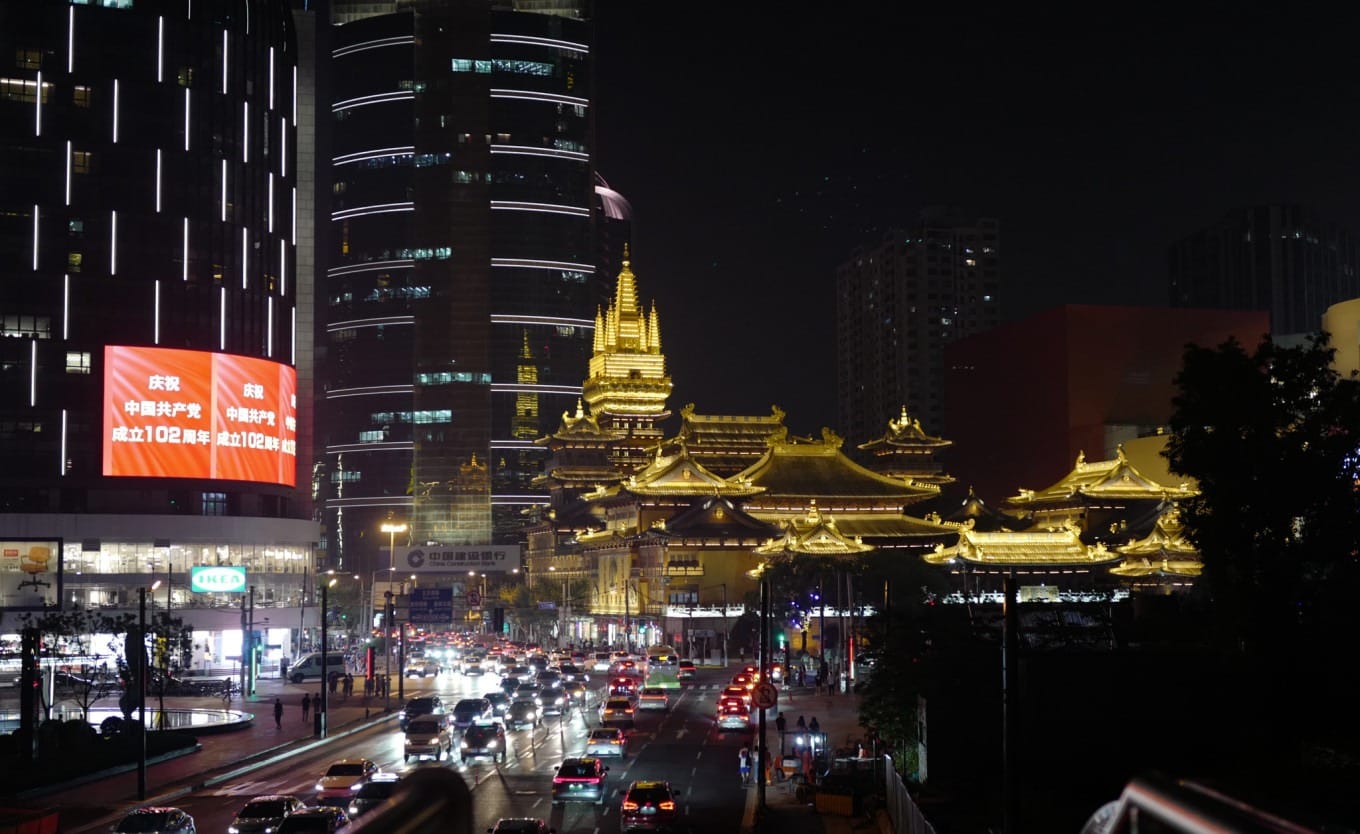
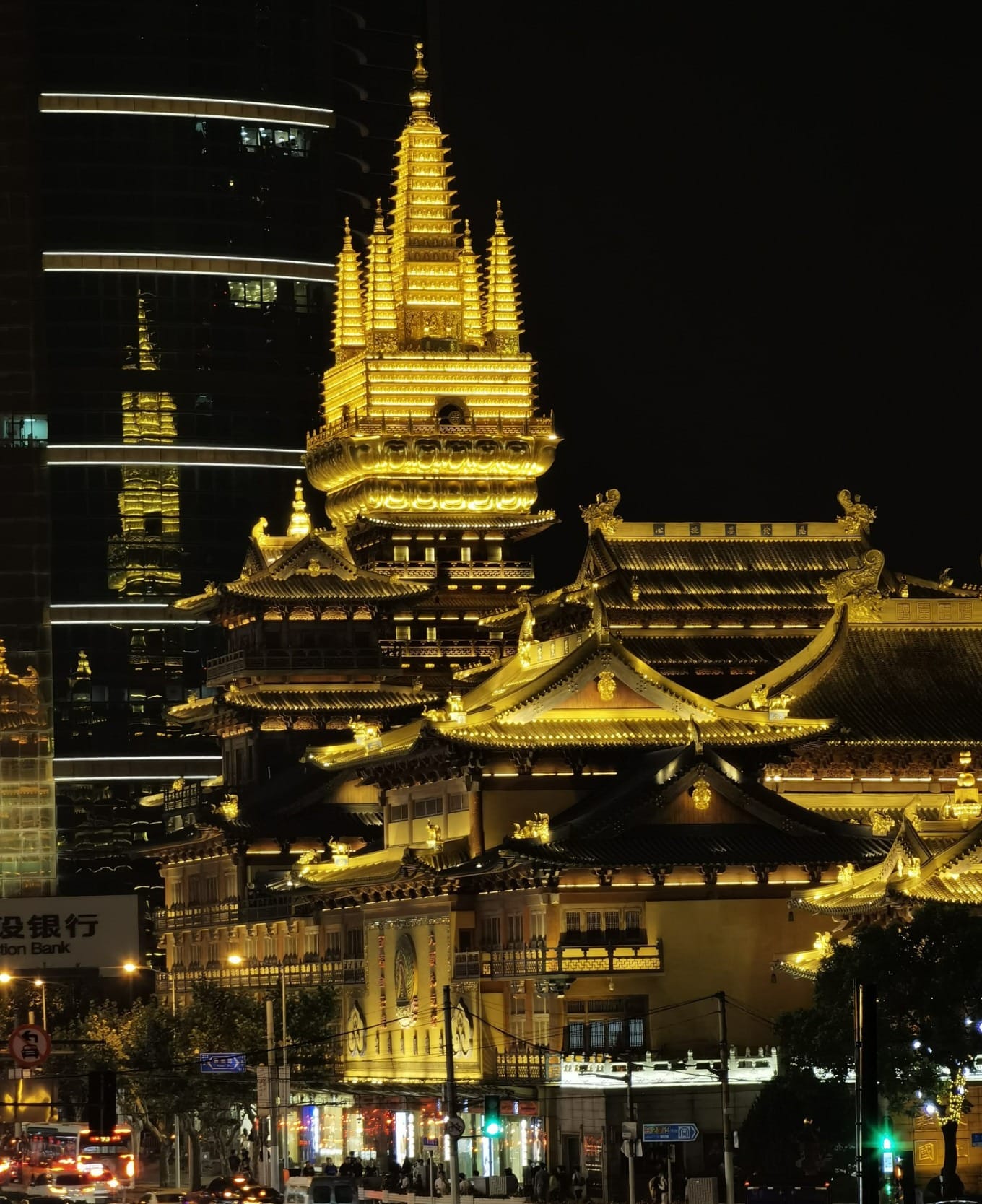
Even if your day is winding down, a visit to Jing’an Temple (静安寺) makes for a spectacular evening detour. Located conveniently by subway in Shanghai’s city center, this area is well-lit and safe for travelers exploring after dark. The temple itself is a stunning sight against the night sky, renowned for its dazzling golden architecture that sets it apart from other temples in China.
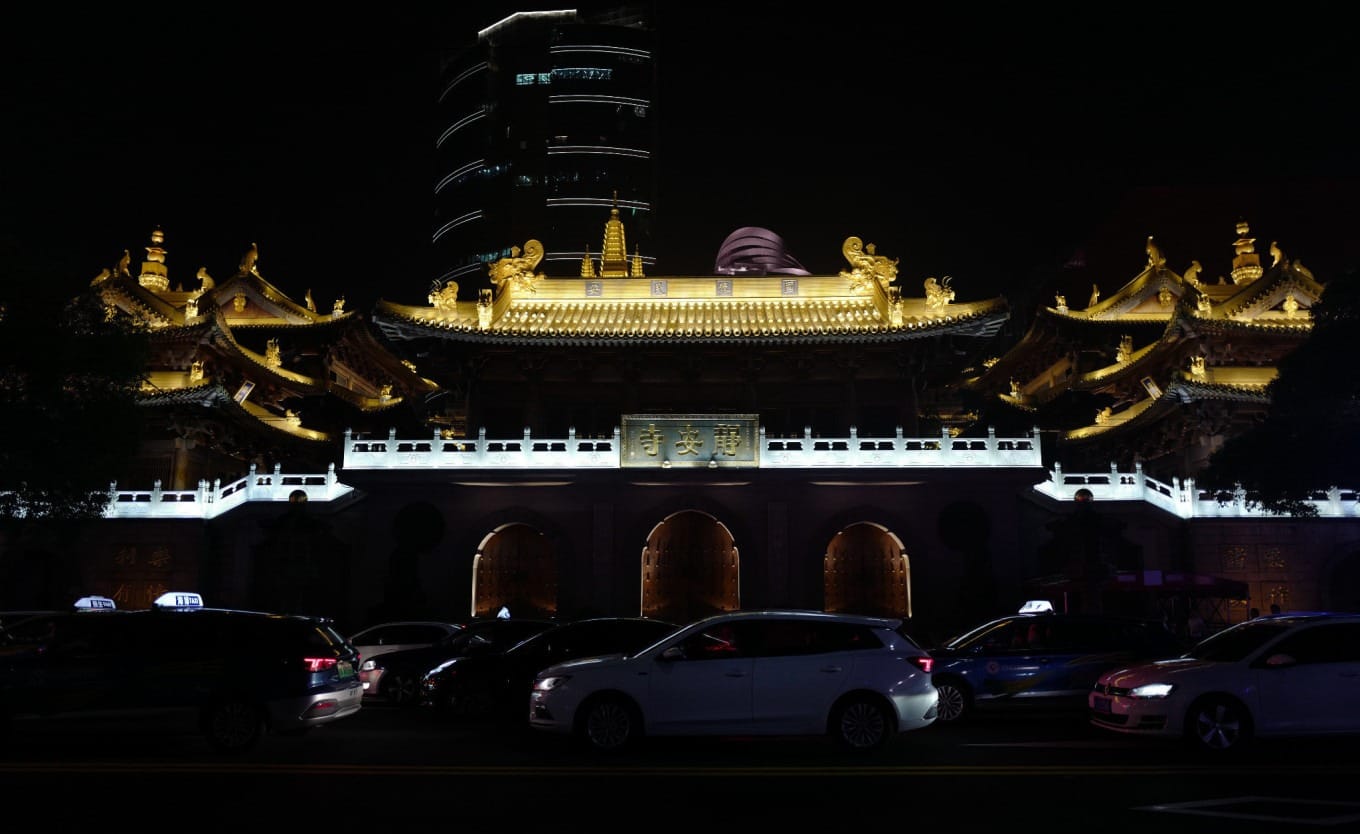
While the current structure dates from the 1980s, Jing’an Temple’s history stretches back to the Three Kingdoms period, with its location settled during the Southern Song dynasty. For photography, the pedestrian overpass nearby offers one of the best vantage points. Be aware that maintenance work can sometimes obstruct parts of the view, but you can still capture great shots through railings or from alternative angles.
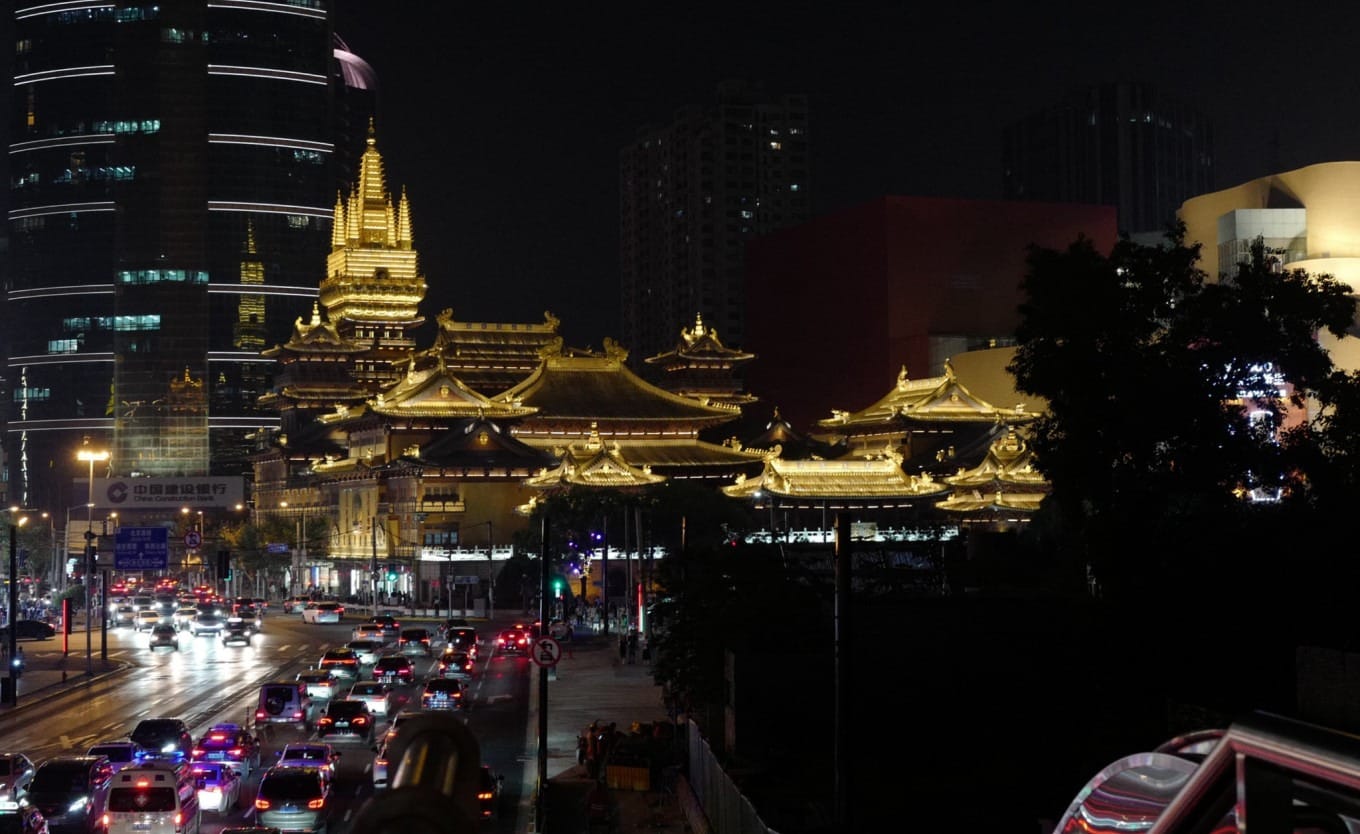
Directly across from the temple, a large digital screen often displays distinctive local slogans, adding a layer of contemporary Shanghai character to the scene. This spot is also excellent for long-exposure photography of the bustling traffic below if you have a tripad.
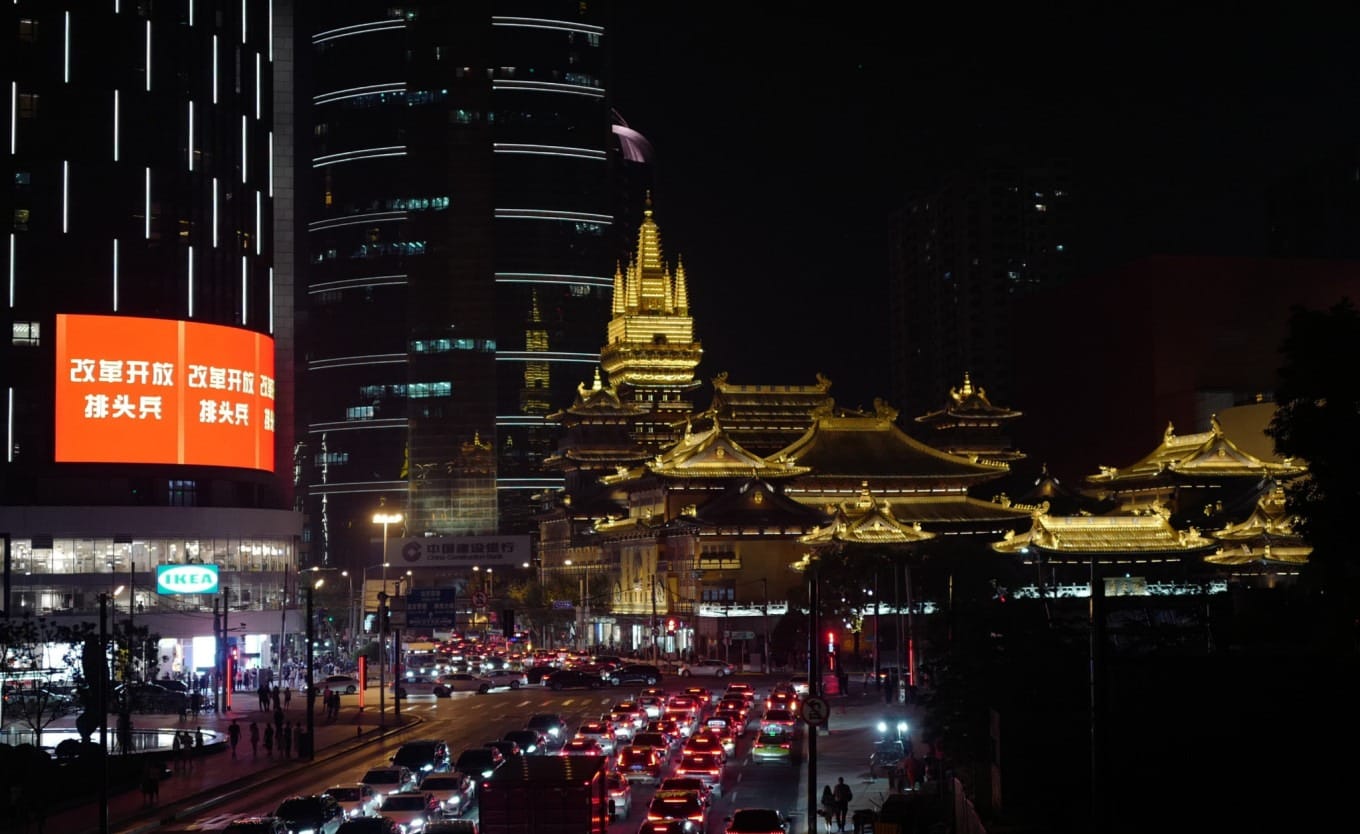
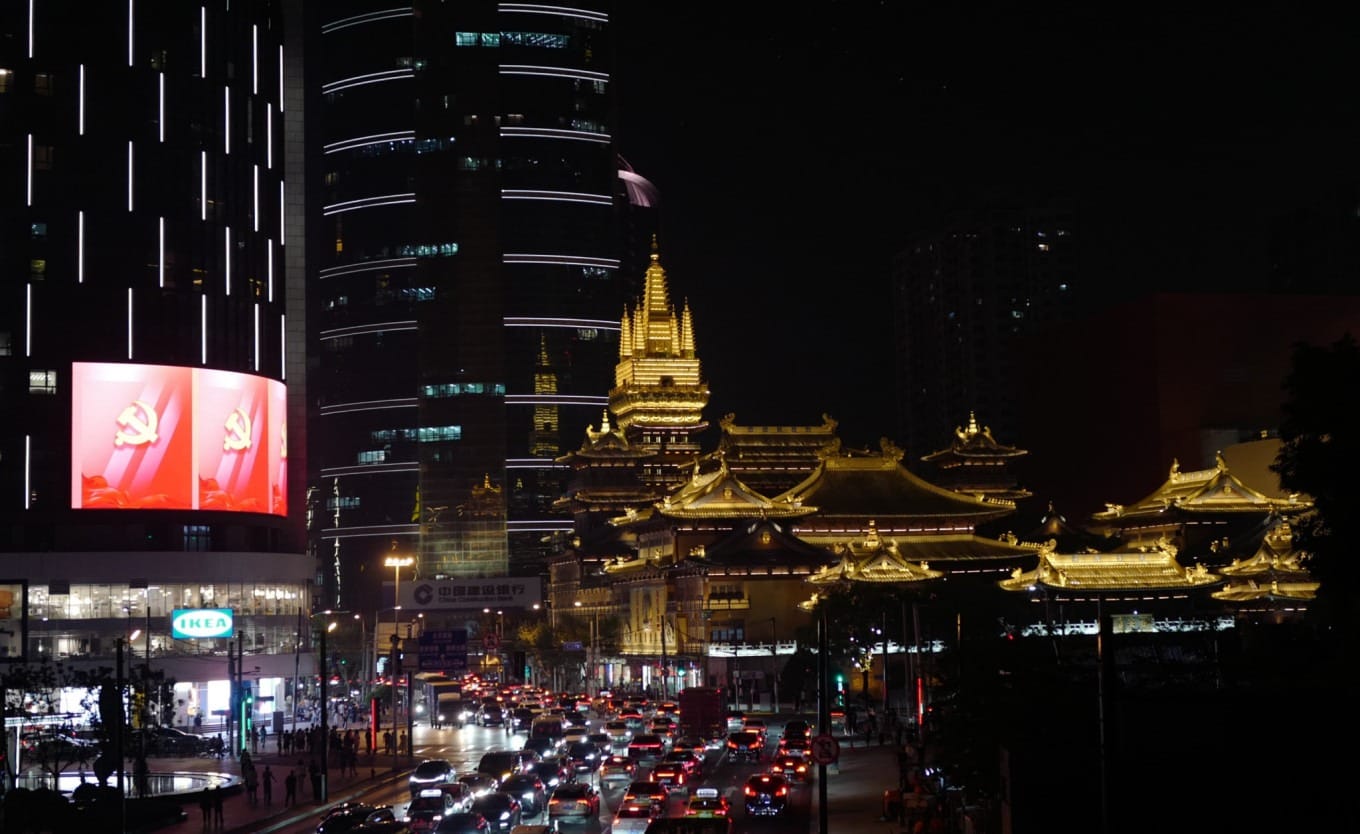
After taking in the temple’s radiant night views, you can easily head back to your hotel. If you’re looking for a quick bite nearby, you’ll find familiar options like McDonald’s for a simple meal to end your day of exploration.
Day 2: Exploring Shanghai’s Culinary and Cultural Gems
Your second day in Shanghai offers the perfect opportunity to dive into the city’s vibrant food scene and rich cultural heritage. Start your morning with a visit to the Shanghai Museum, where you can explore ancient Chinese art and artifacts. After immersing yourself in history, head to the nearby People’s Square area for lunch.
For an authentic local dining experience, consider visiting Pinxiang Restaurant (品香餐厅), a popular spot known for its traditional Shanghainese cuisine. The restaurant’s cozy atmosphere and attentive service make it a favorite among both locals and visitors. When ordering, you’ll want to try some classic dishes like xiaolongbao (小笼包, soup dumplings), hongshao rou (红烧肉, braised pork belly), and xiefen doufu (蟹粉豆腐, crab roe tofu). These flavorful options showcase the region’s culinary expertise.
After lunch, take a leisurely stroll along Nanjing Road, Shanghai’s famous shopping street. Here you can browse everything from high-end boutiques to traditional souvenir shops. As evening approaches, make your way to the Bund to witness the spectacular skyline illuminated against the night sky. The contrast between historic colonial buildings and modern skyscrapers creates a breathtaking view that’s not to be missed.
- RestaurantPinxiang Restaurant (品香餐厅)
- Address123 Nanjing East Road, Huangpu District, Shanghai / 上海市黄浦区南京东路123号
- Recommended dishesxiaolongbao (小笼包, soup dumplings), hongshao rou (红烧肉, braised pork belly), xiefen doufu (蟹粉豆腐, crab roe tofu)
- Average spend¥150-200 per person
Shanghai Postal Museum: A Historic Landmark with Cinematic Connections
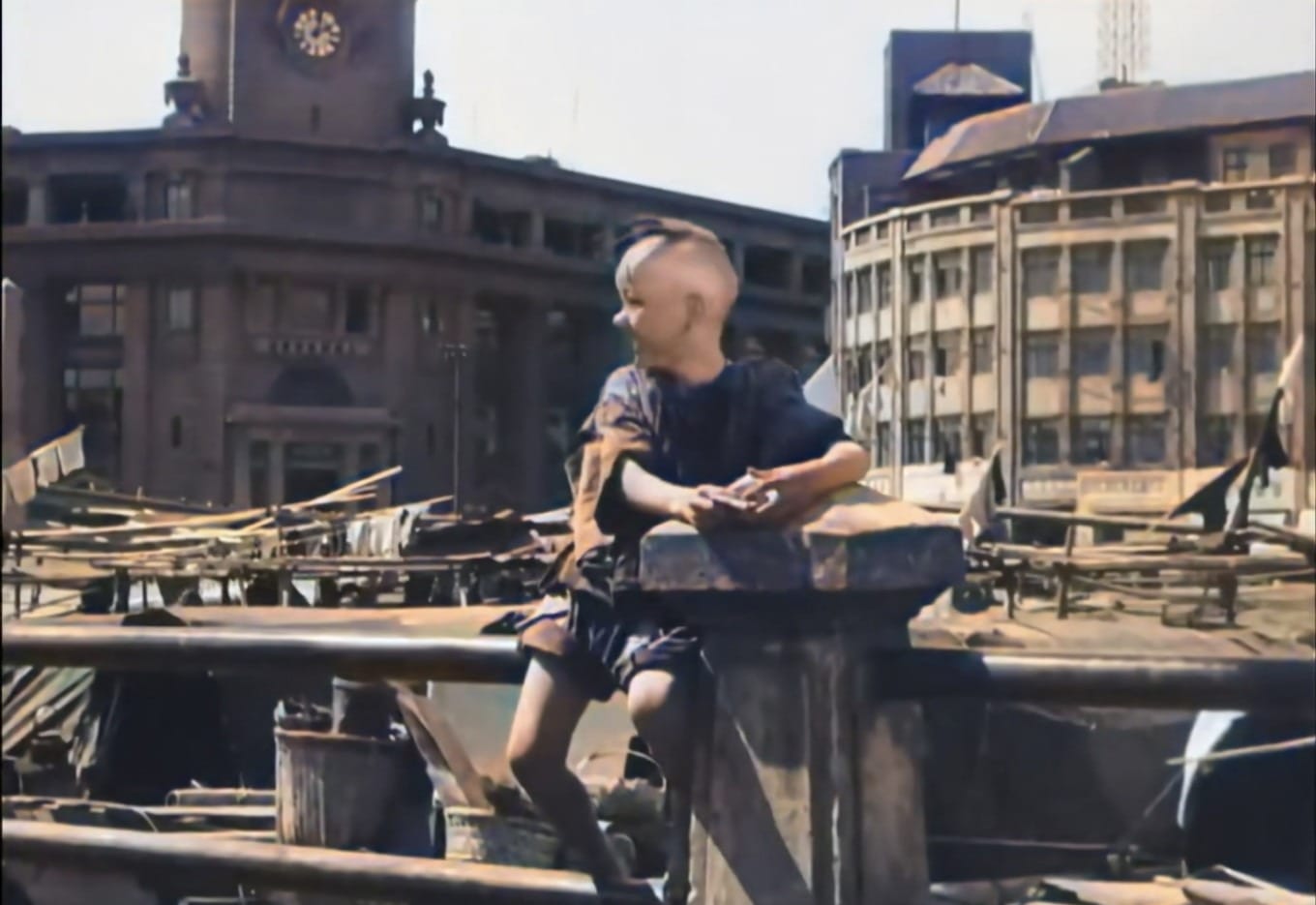
For a dose of history and architecture, the Shanghai Postal Museum (上海邮政博物馆) is a fascinating and free stop. Housed in a grand building constructed between 1922 and 1924, its exterior has remained largely unchanged for decades. Film buffs might recognize it from the classic Chinese movie ‘San Mao’s Adventures’ (《三毛流浪记 (local term)》), which features several scenes shot here and in the surrounding area.
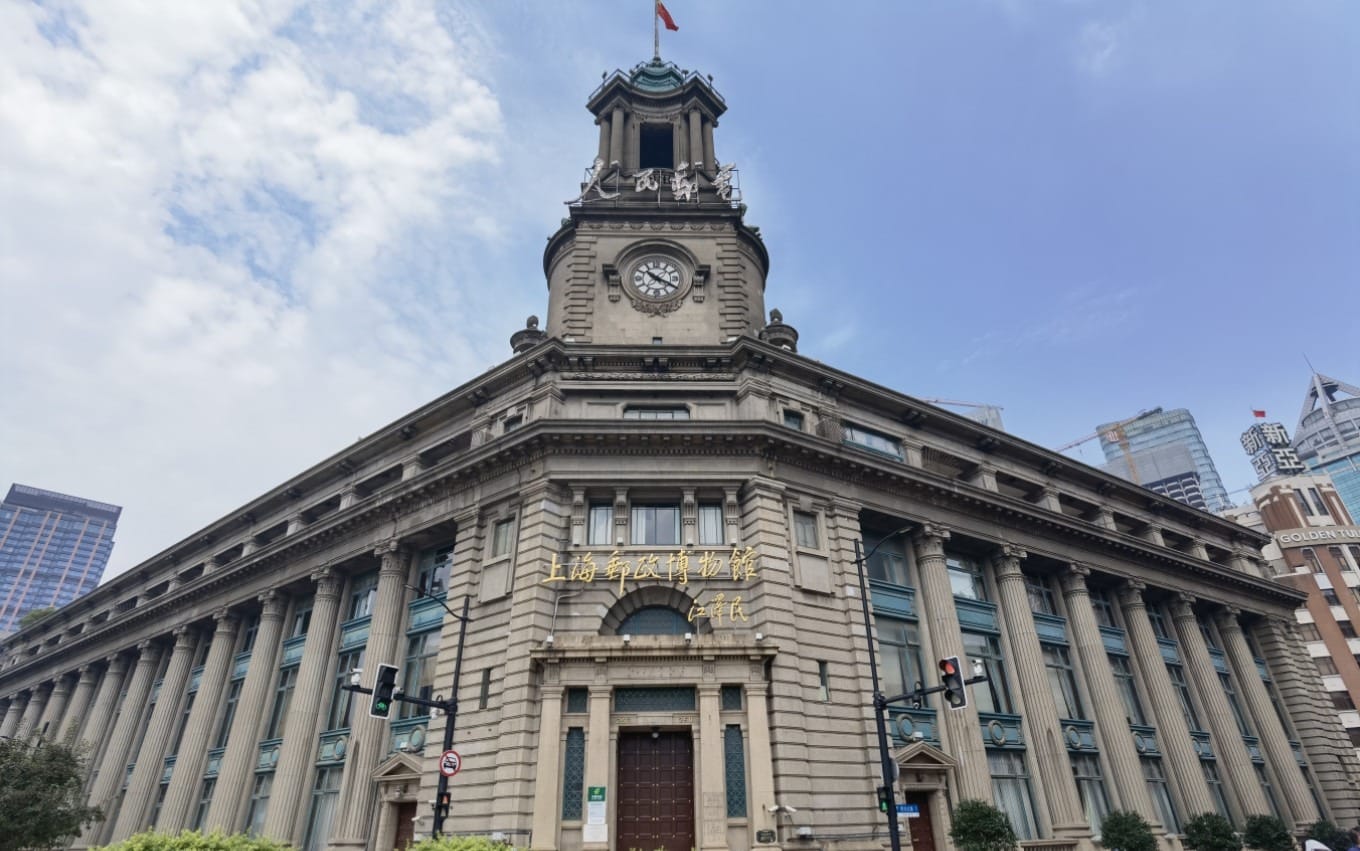
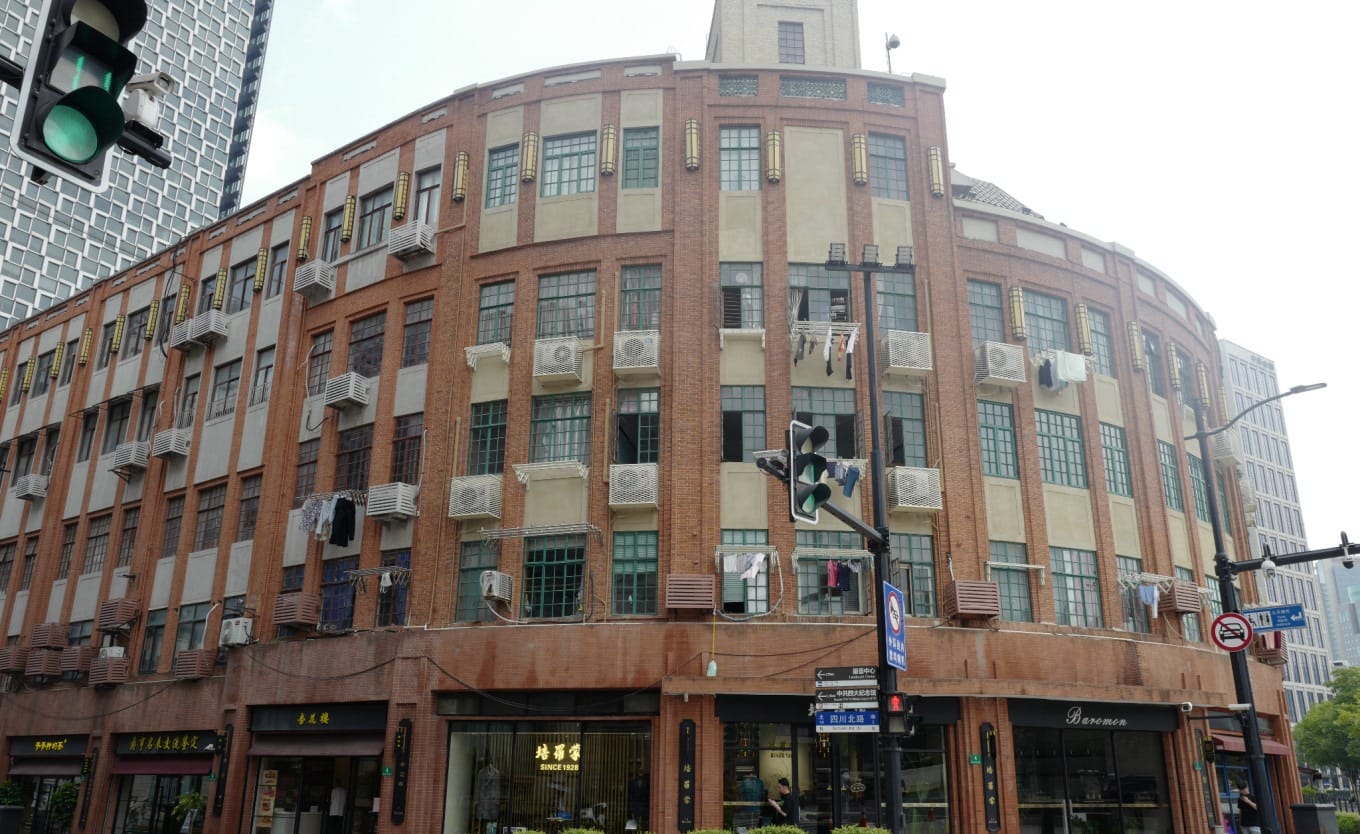
Plan your visit carefully, as the museum is only open on Wednesdays, Thursdays, Saturdays, and Sundays. Its address is 2nd Floor, 395 Tiantong Road, Hongkou District (虹口区天潼路395号2楼). A popular photo spot involves framing the Oriental Pearl Tower through the museum’s main doors, but note that the main entrance is sometimes closed; visitors often use the north entrance instead.
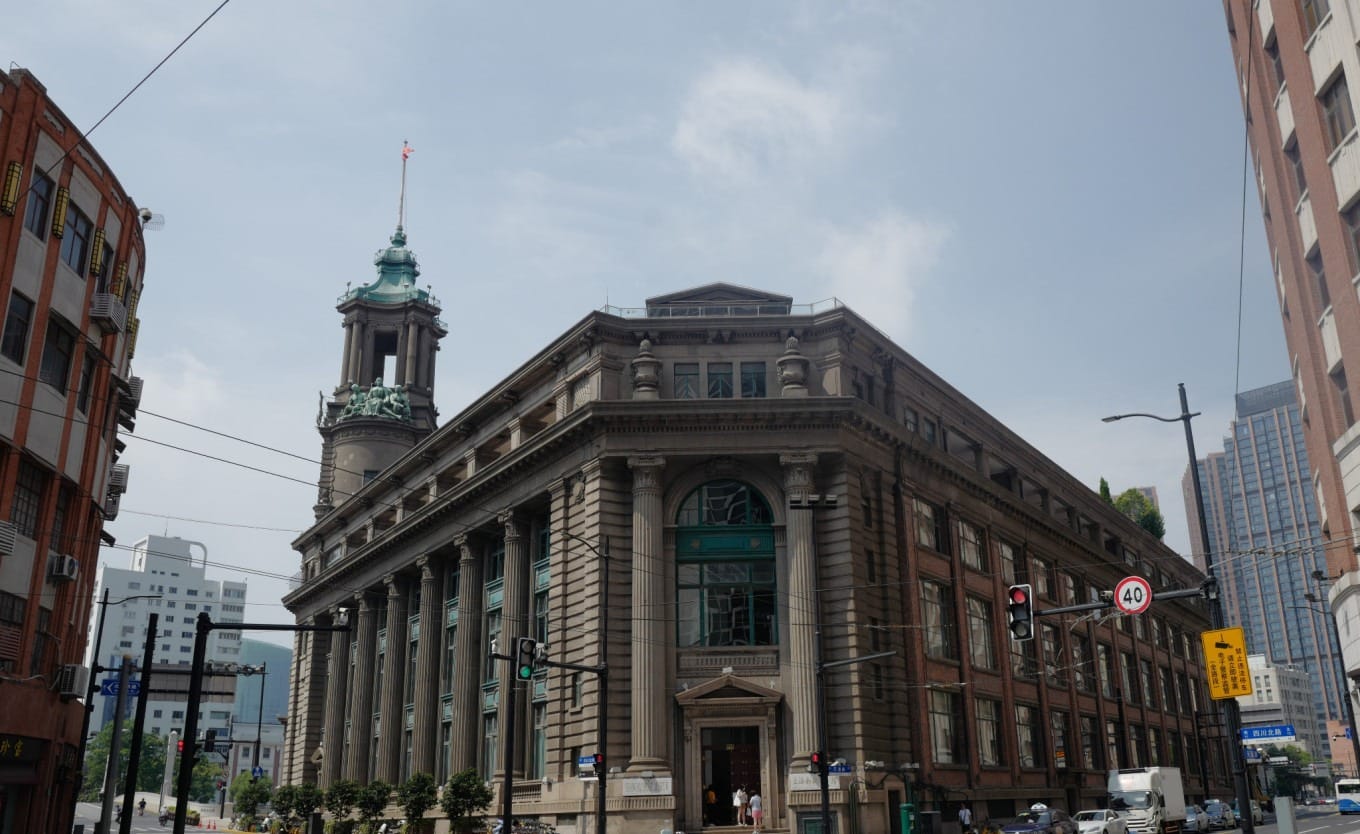
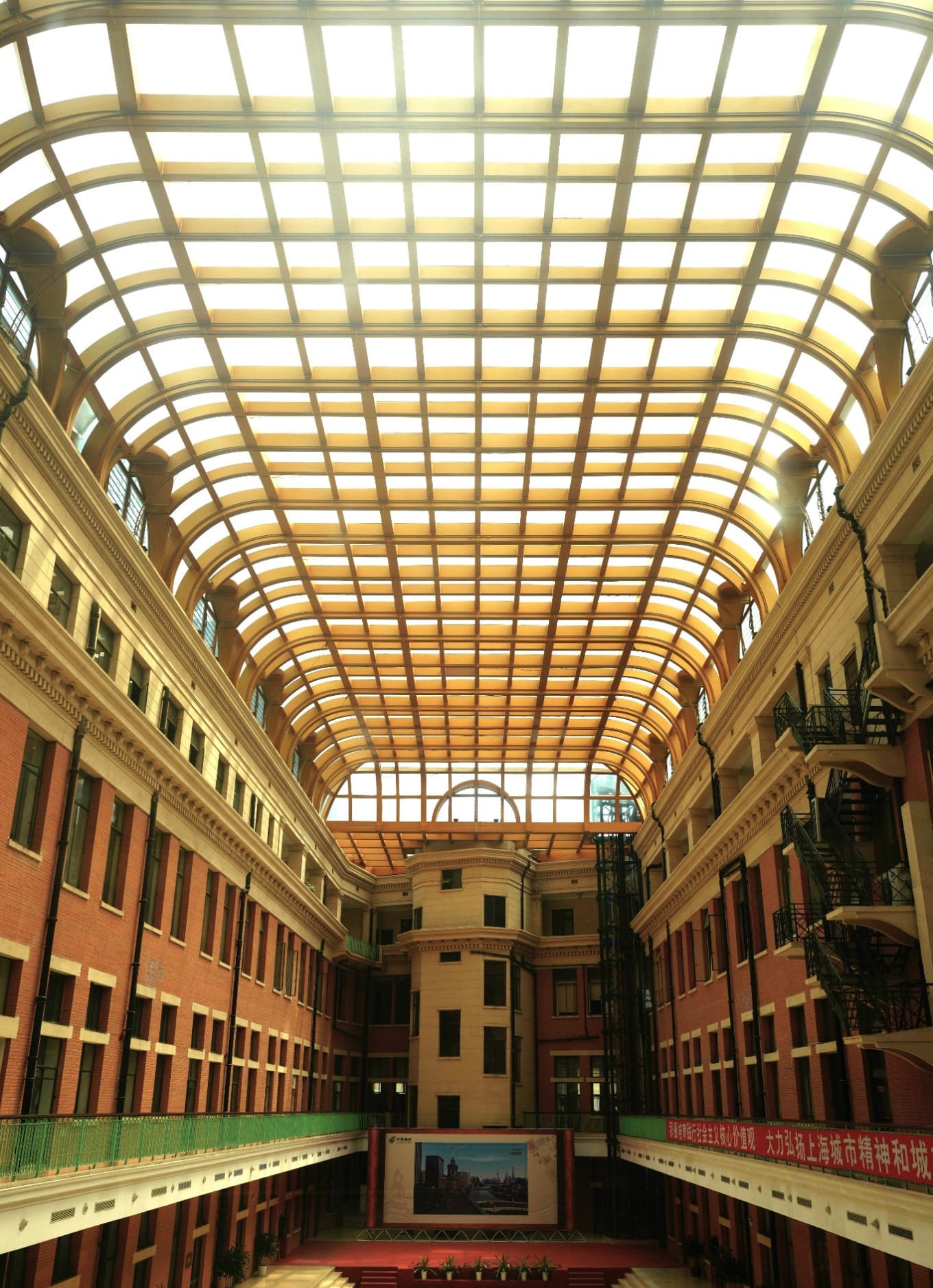
The area around Sichuan North Road (四川北路) has a distinct, almost cinematic urban feel. Inside, you’ll find scale models showing the building’s unique ‘C’-shaped layout. On a hot day, the air-conditioned exhibits offer a welcome respite from the Shanghai heat.
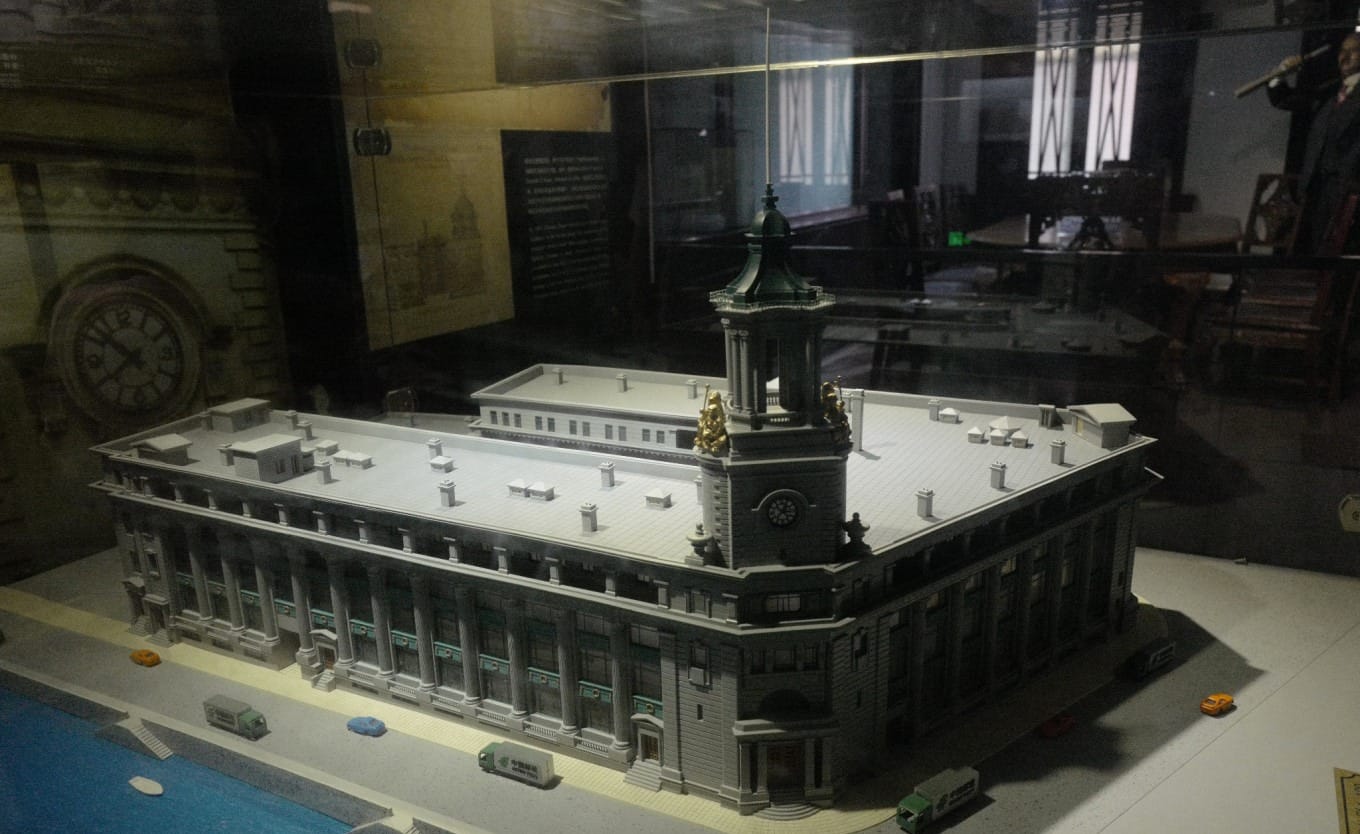
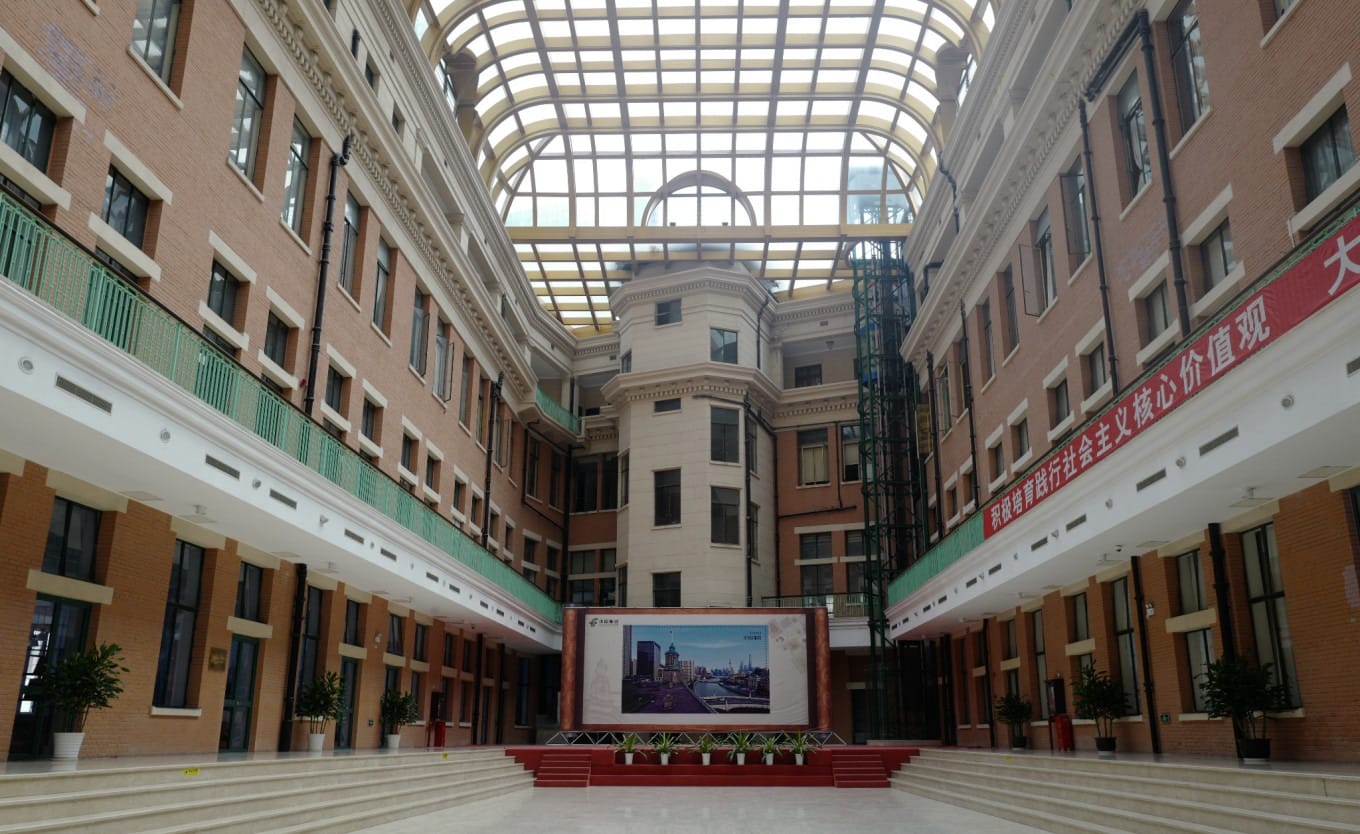
For a unique perspective, take the elevator down and look out through the tinted glass windows—the view casts the city in a moody, darkened hue. As you explore, you’ll notice details that speak to local life, like laundry drying outside windows, a common sight in humid Shanghai that adds to the neighborhood’s authentic character.
Sichuan Road Bridge and Historic Suzhou Creek Architecture
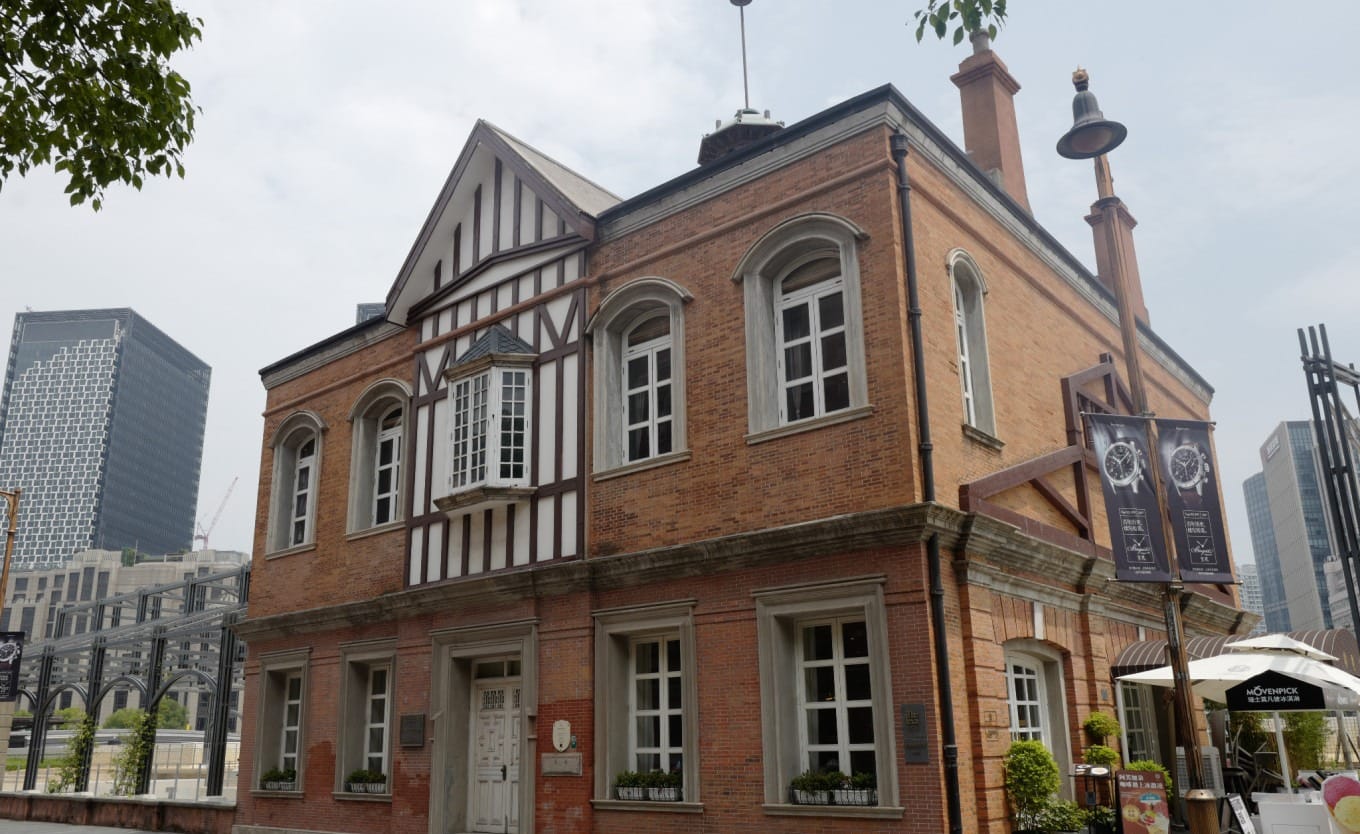
When exploring Shanghai’s historic Bund area, you’ll cross the Sichuan Road Bridge (四川路桥), which connects Sichuan North Road (四川北路) and Sichuan Middle Road (四川中路). Originally built in 1878 during the Qing Dynasty and reconstructed in 1922, this bridge played a strategic role during the 1949 Battle of Shanghai as a key defensive point for Nationalist forces along the Suzhou Creek’s northern bank. Today, you can still see preserved bullet holes in the glass of the nearby Shanghai Postal Museum—a tangible reminder of this history.
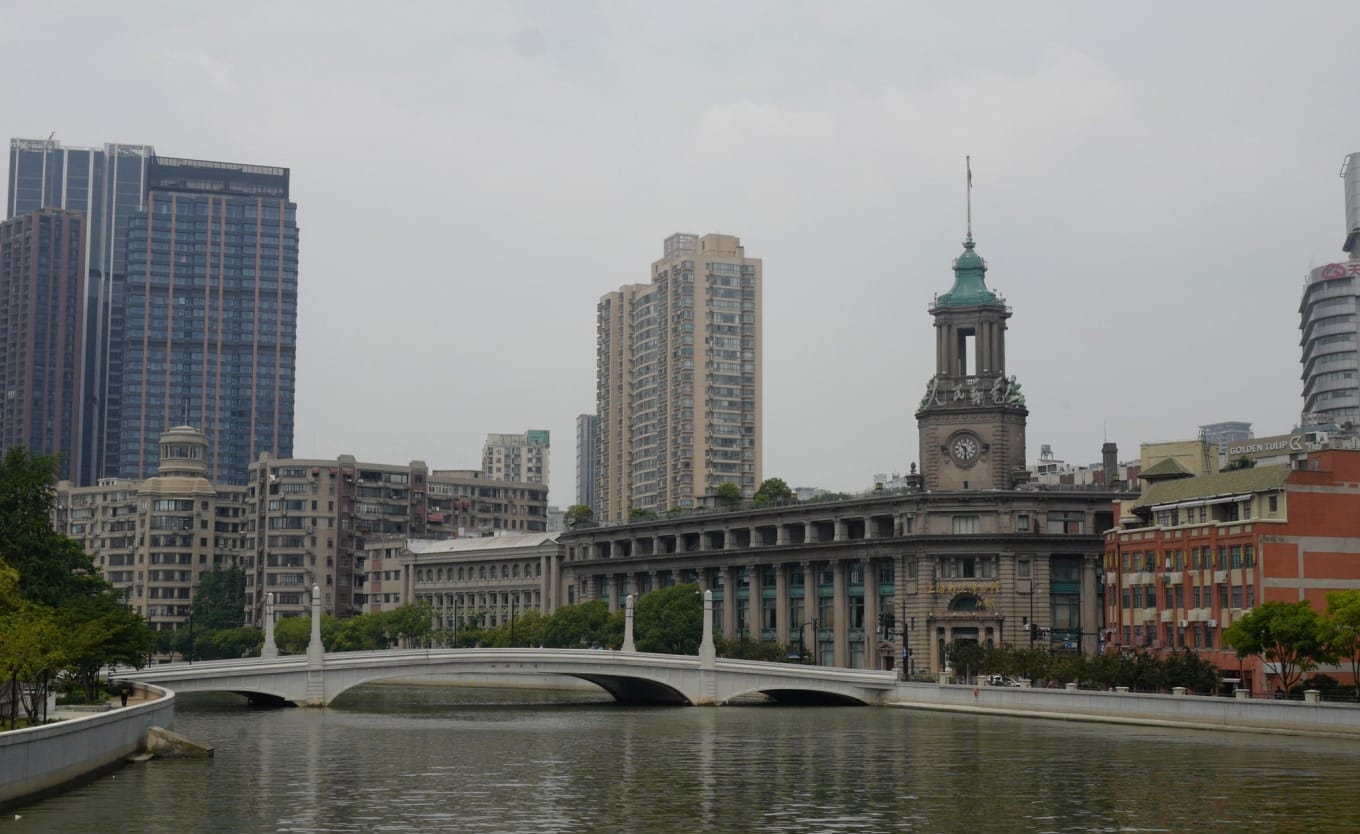
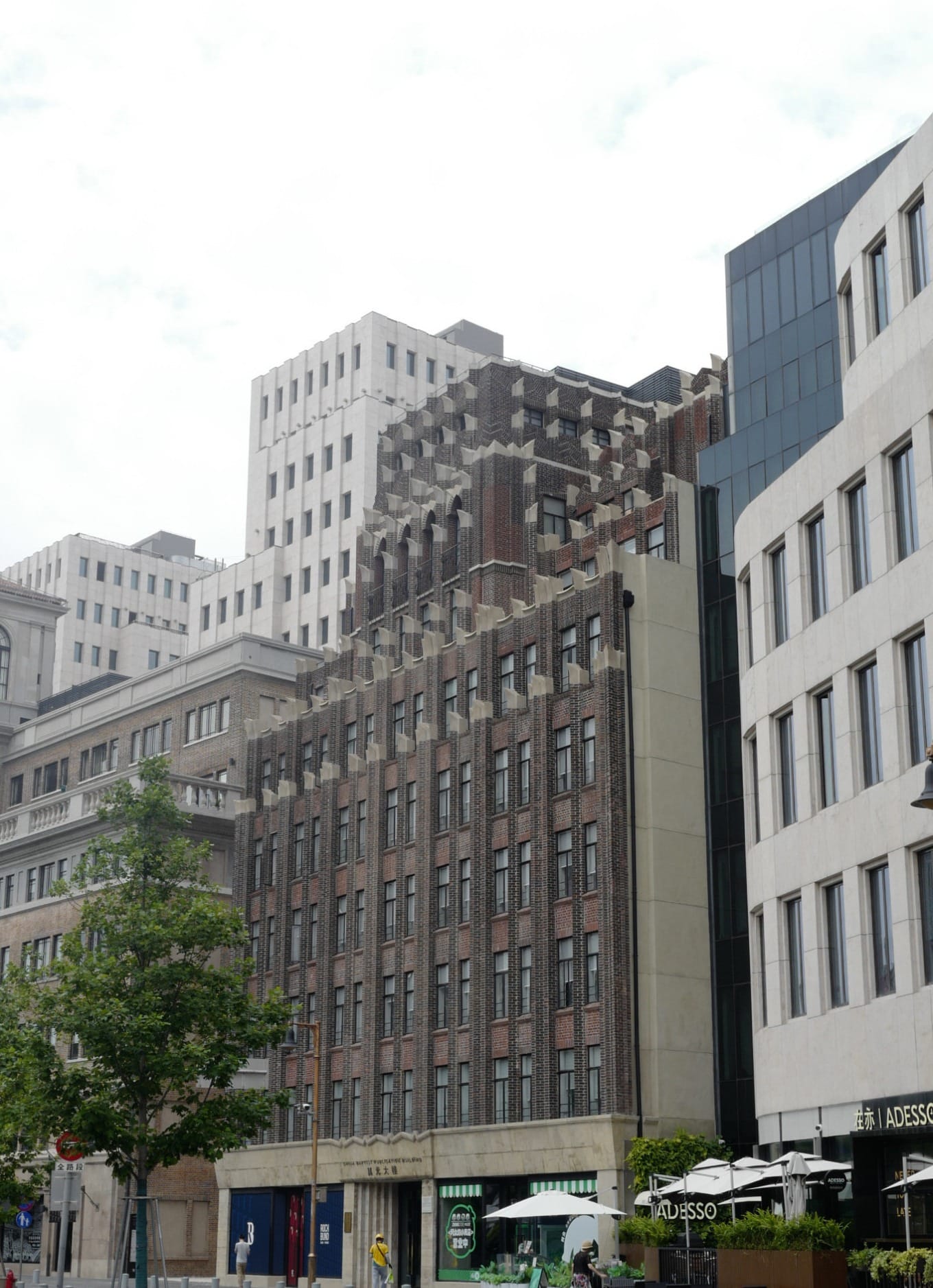
After crossing the bridge from the Bund side, you’ll notice several architectural landmarks along Suzhou Creek that showcase Shanghai’s international heritage. Start at the Guanglu Building (光陆大楼) at 142 Huqiu Road, Huangpu District (黄浦区虎丘路142号). Completed in 1928, this distinctive structure originally housed the Guanglu Theater in its lower floors. Just south along the creek, you’ll find two historic religious buildings: the former New Union Church (原新天安堂) at 103 South Suzhou Road, Huangpu District (黄浦区南苏州路103号) and the adjacent Missionary Apartments (教会公寓旧址) at 79 South Suzhou Road, Huangpu District (黄浦区南苏州路79号).
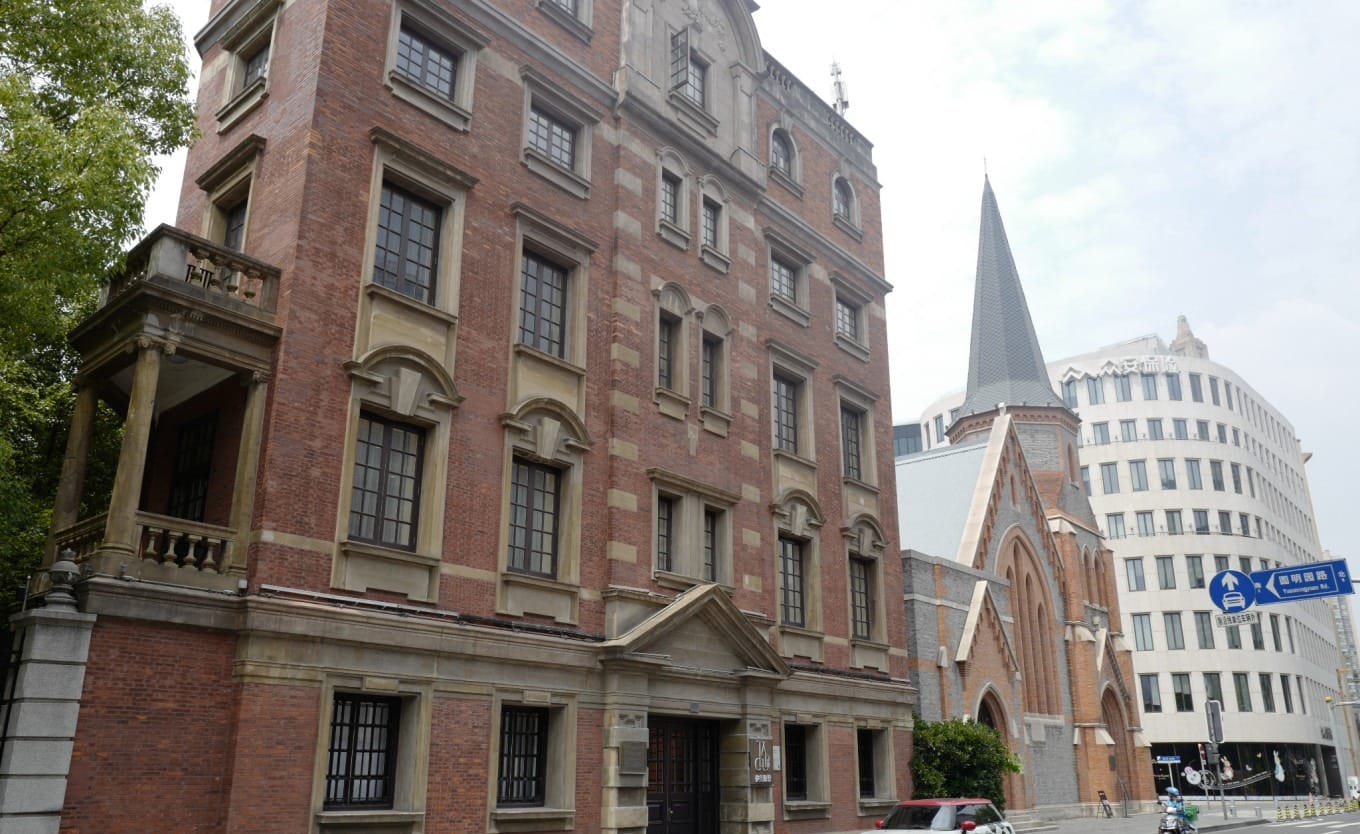
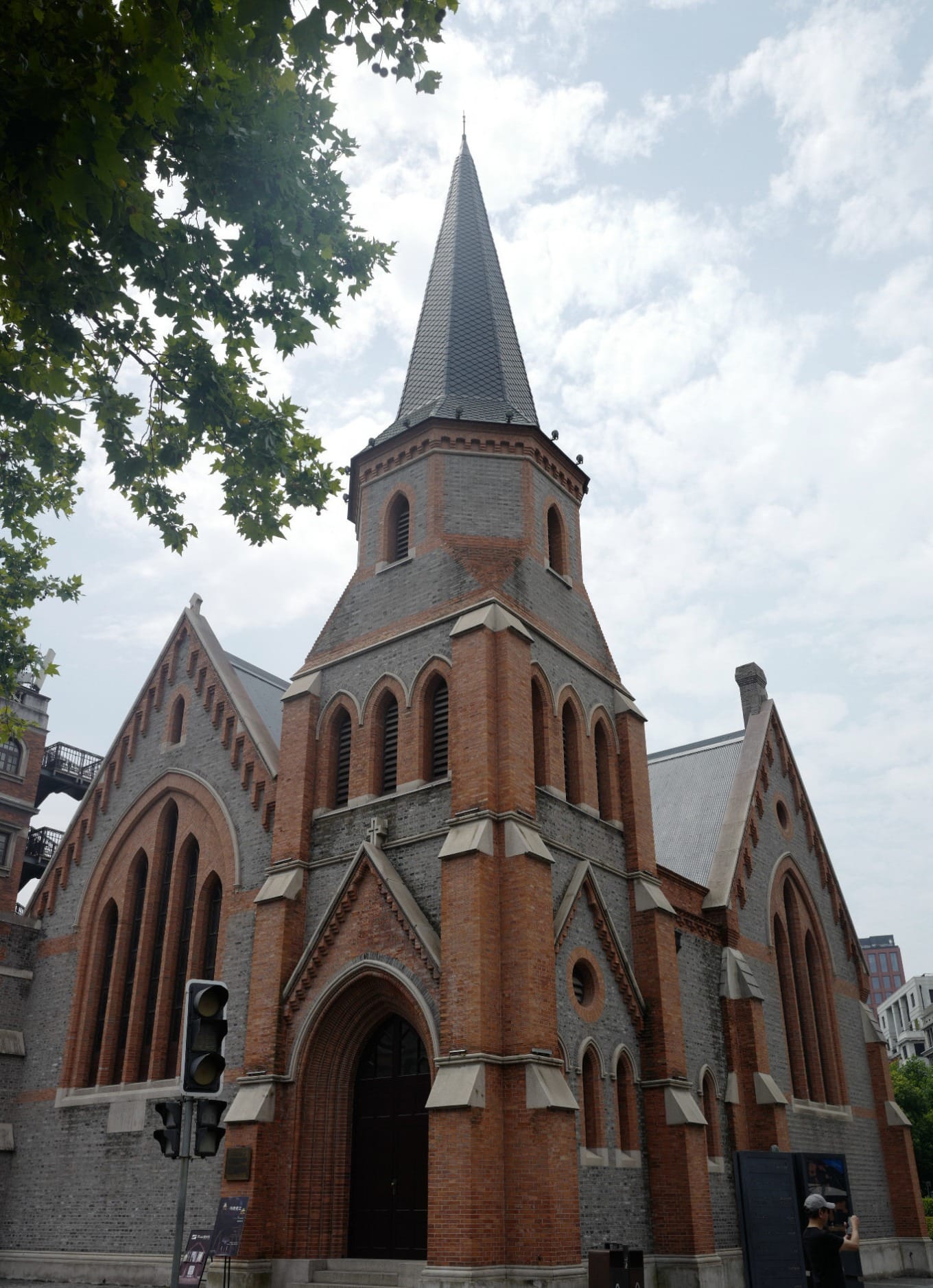
The New Union Church appears newly reconstructed because it was indeed rebuilt after a devastating fire about fifteen years ago. Originally constructed in the 19th century by British expatriates living in Shanghai, the current structure preserves the original Gothic revival design. Across from the church stands the former Rowing Club (原划船俱乐部) at 76 South Suzhou Road, Huangpu District (黄浦区南苏州路76号)—a surprisingly modern concept for early 20th-century Shanghai. Consider that British residents established this club before the 1911 Revolution, highlighting how international communities shaped Shanghai’s social life.
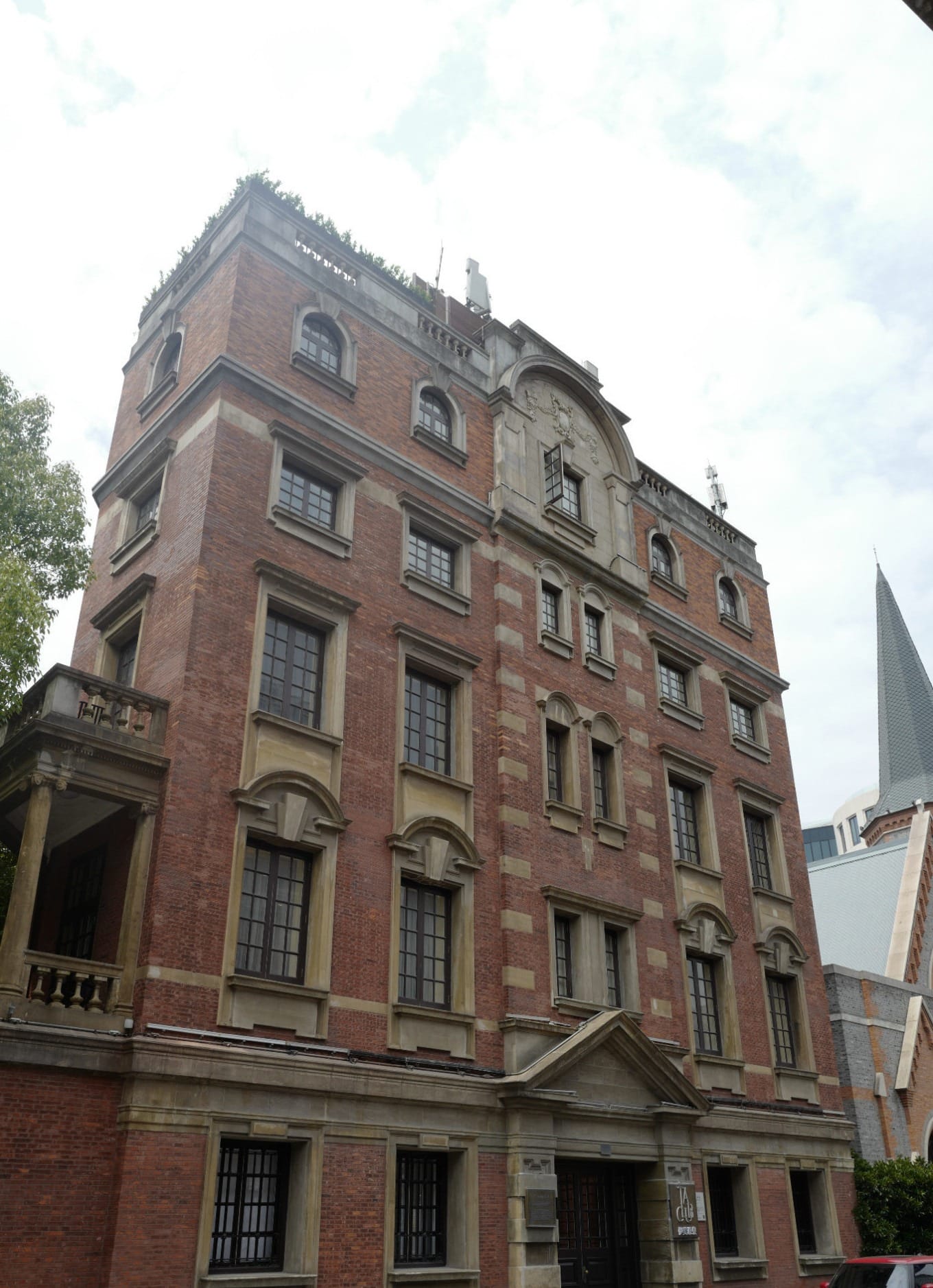
The Missionary Apartments, completed in 1899, present classic neoclassical architecture with their five-story red brick facade. This brick-concrete structure demonstrates the architectural transition happening in late 19th-century Shanghai. As you walk this section of Suzhou Creek, you’re tracing layers of Shanghai’s history—from Qing Dynasty infrastructure to British colonial institutions to wartime landmarks—all within a few blocks.
Shanghai Mansions: A Historic Landmark on the Suzhou Creek
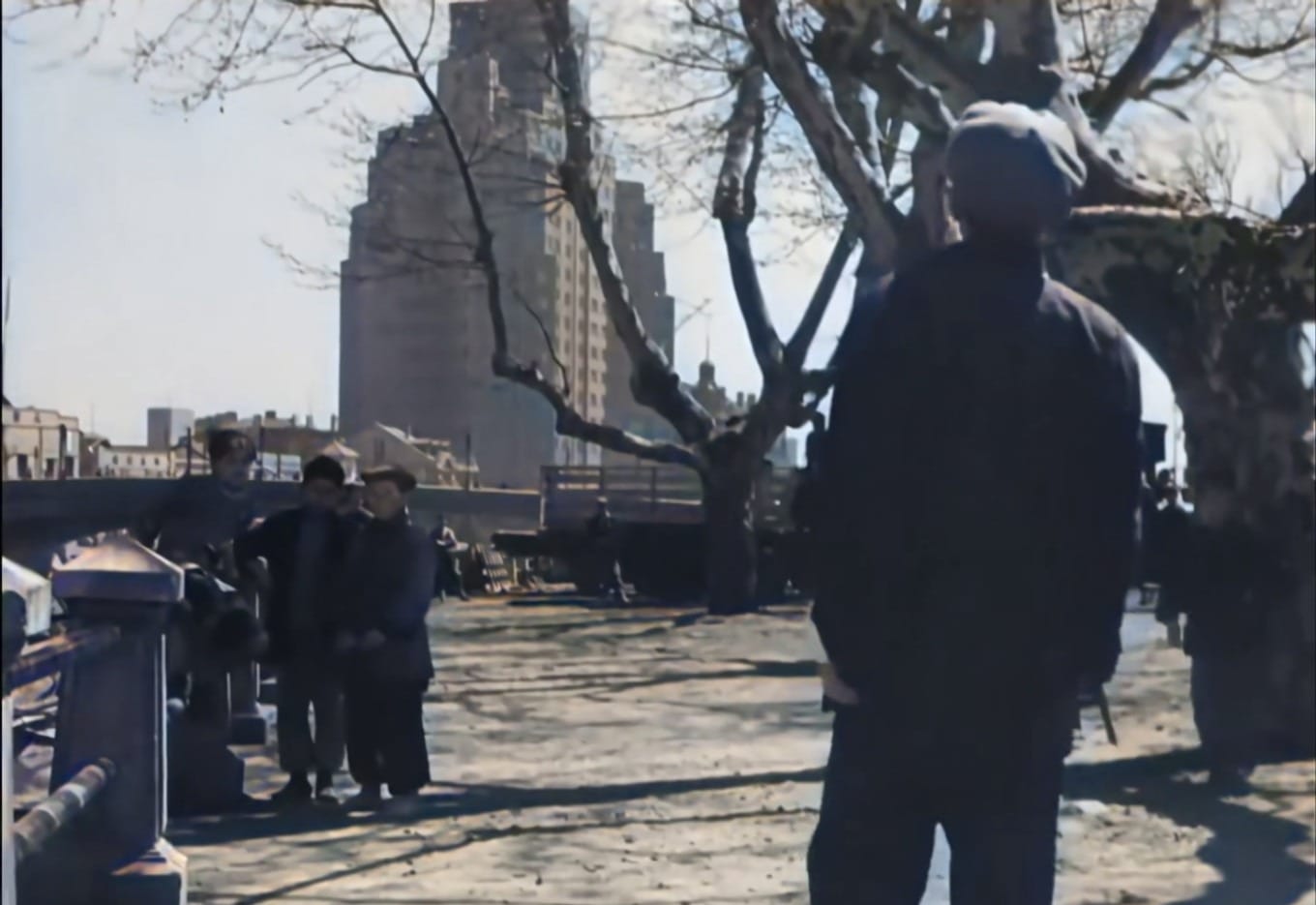
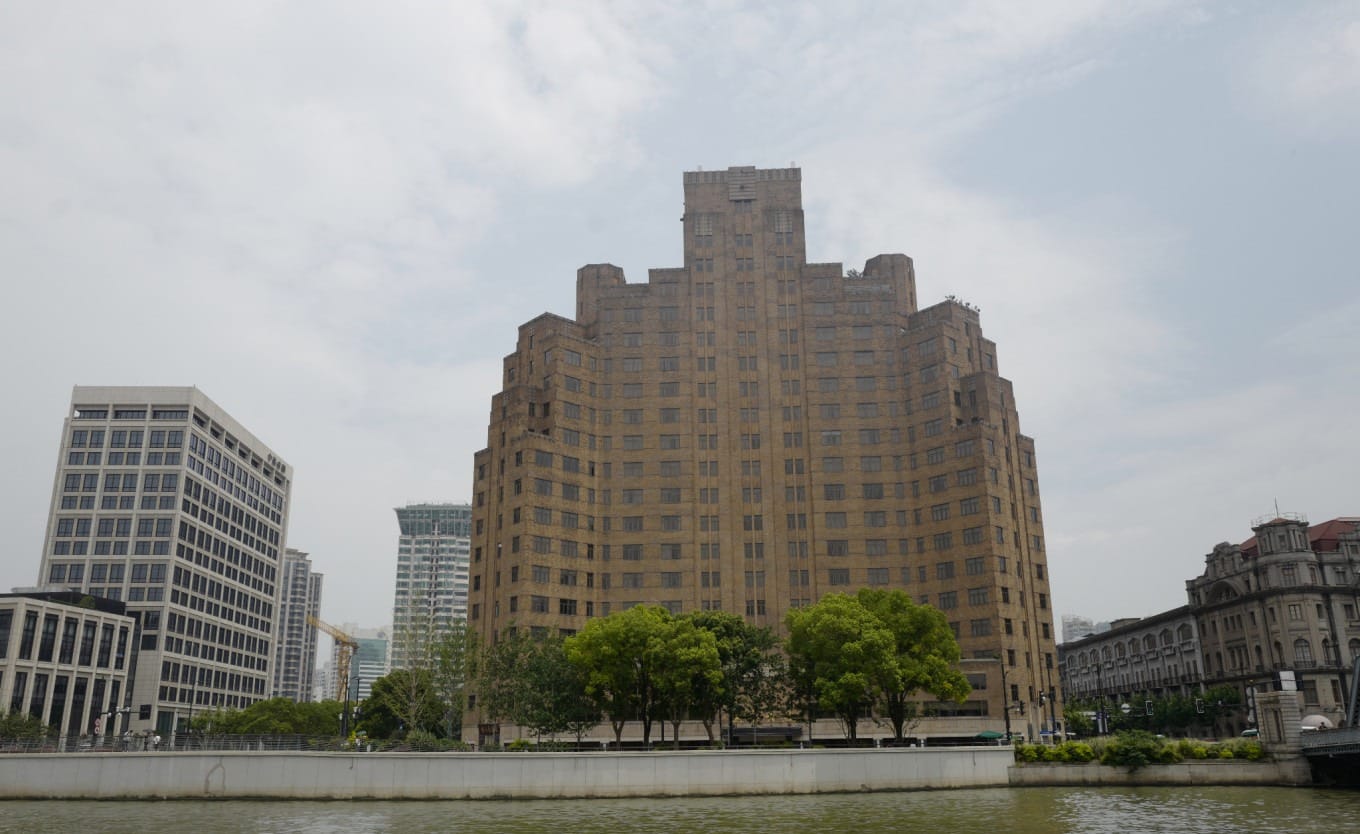
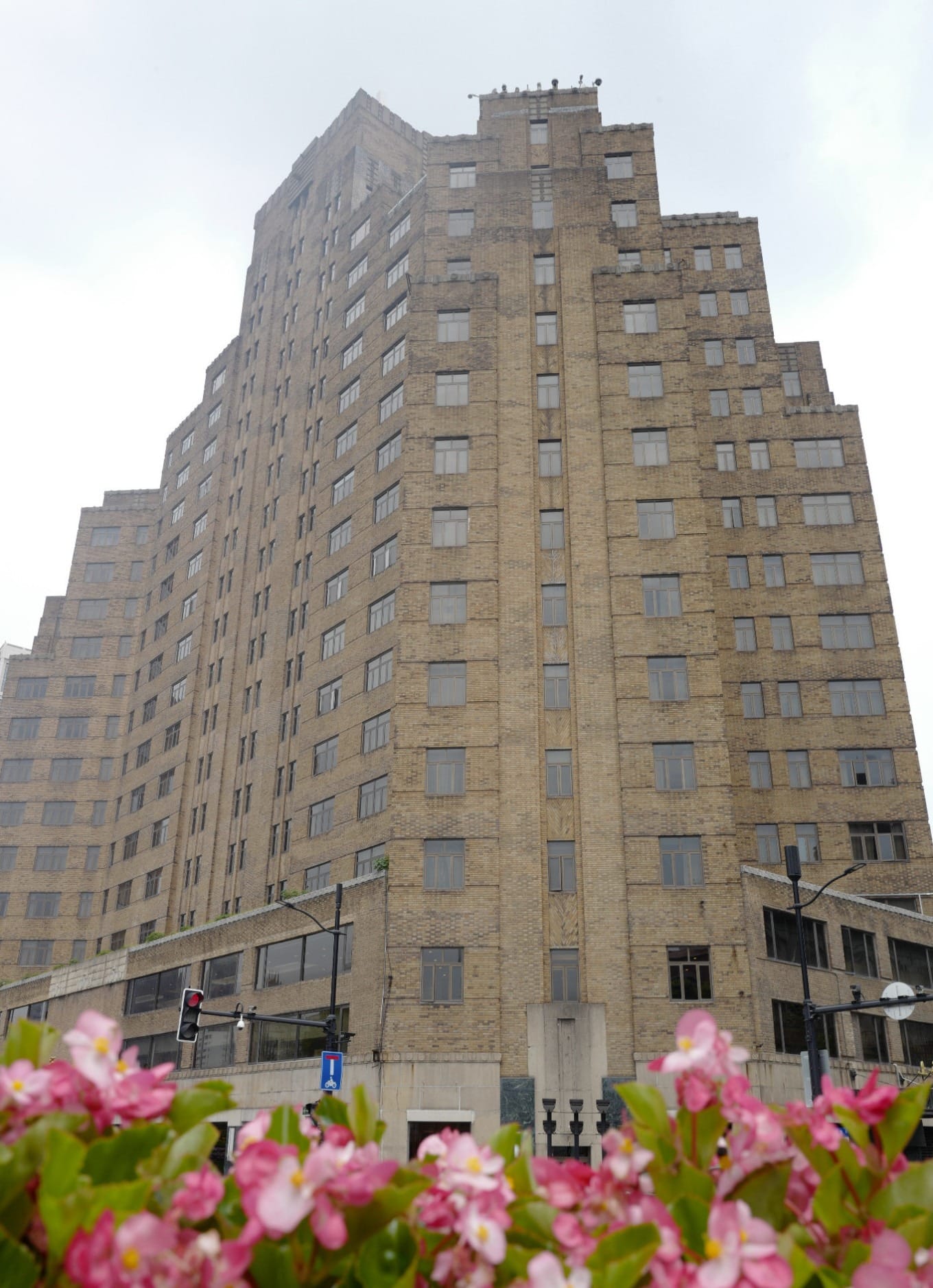
For a striking piece of Shanghai’s architectural and historical tapestry, make your way to the Shanghai Mansions (上海大厦). Located at 20 North Suzhou Road (北苏州路20号) in Hongkou District, this Art Deco landmark was originally known as the Broadway Mansions when it was built by British merchants in 1934. For decades, it dominated the skyline on the north bank of Suzhou Creek, standing as the city’s second-tallest building after the Park Hotel before 1949. Its strategic position made it a critical and perilous stronghold during the Battle of Shanghai, a fact that adds a profound layer to its grandeur when you view it from the nearby Waibaidu Bridge.
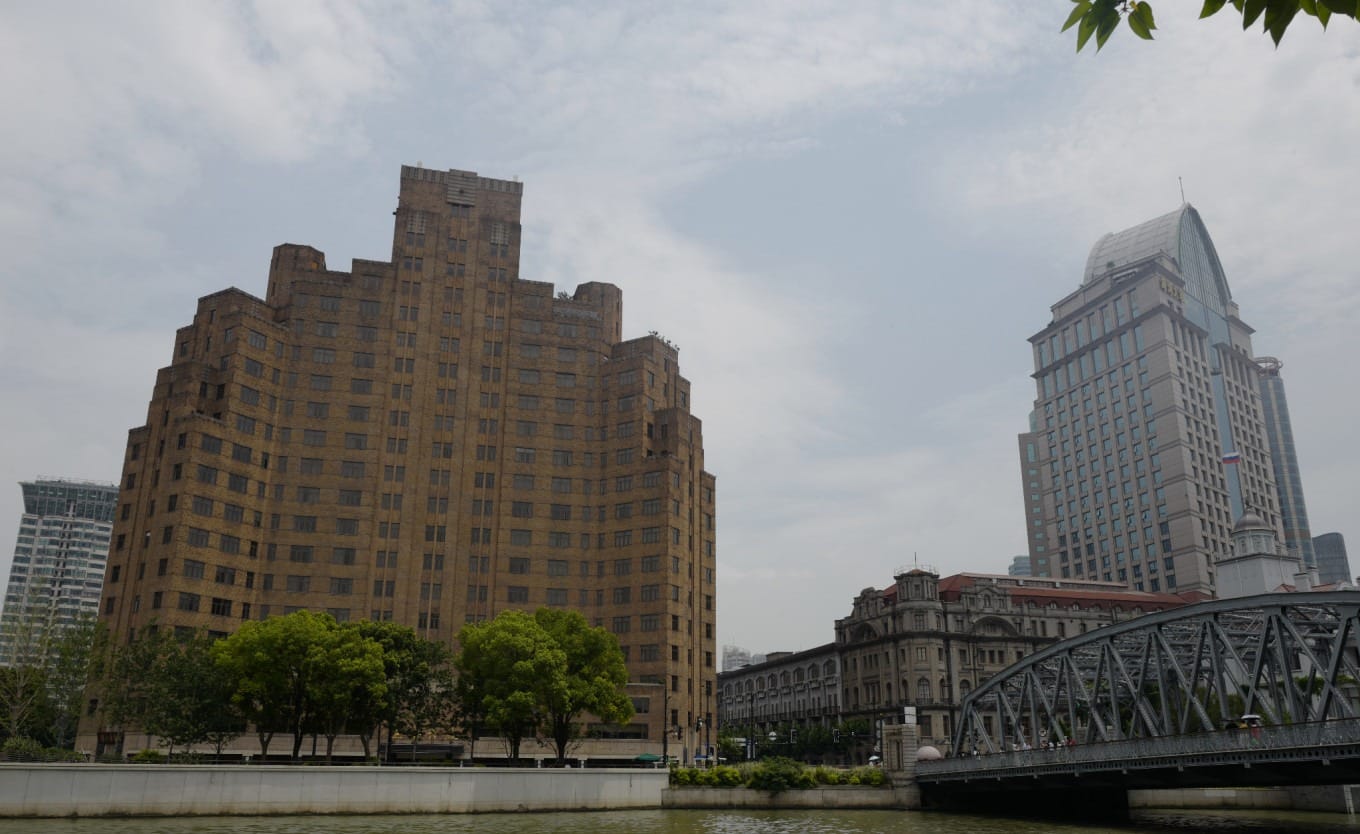
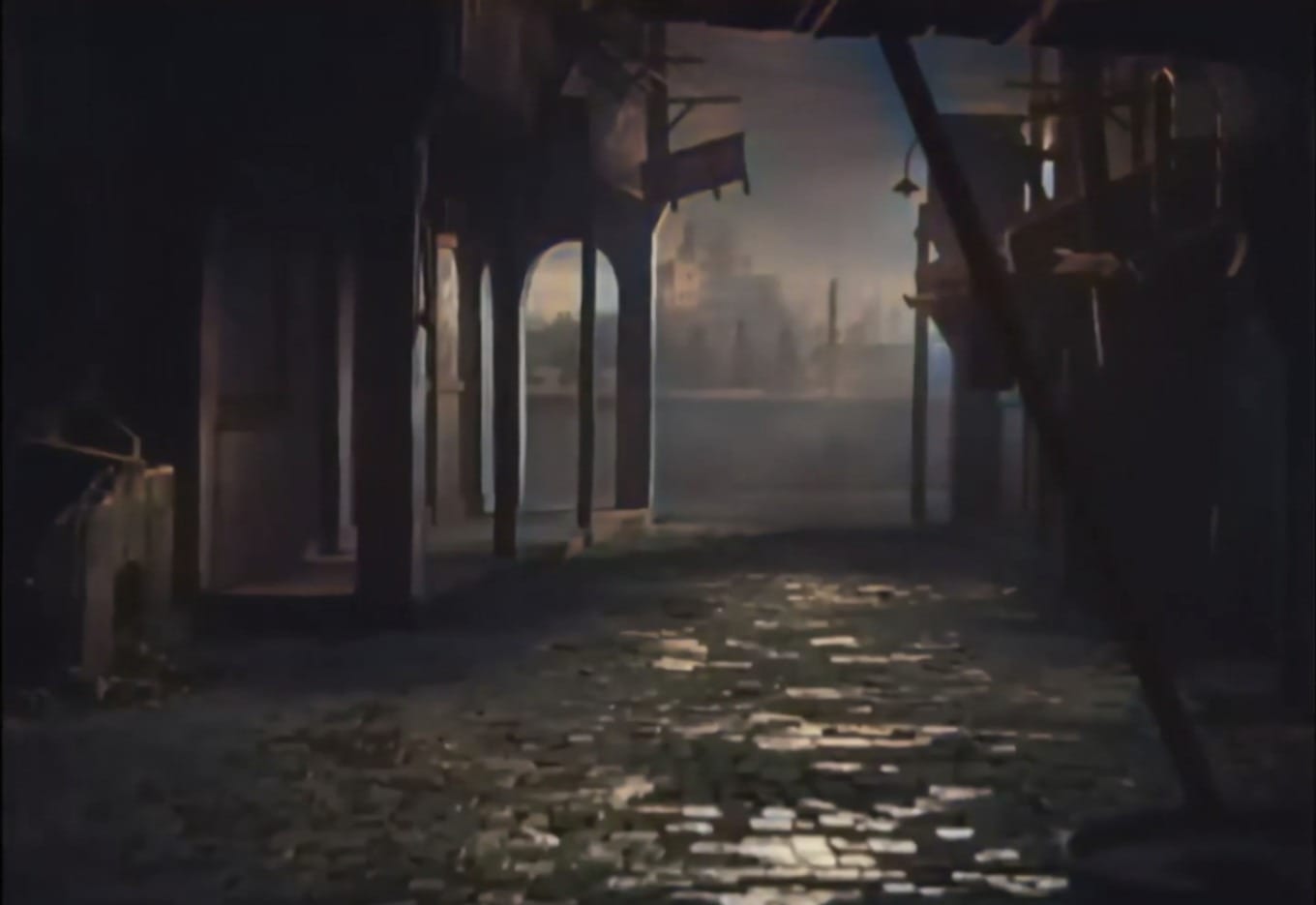
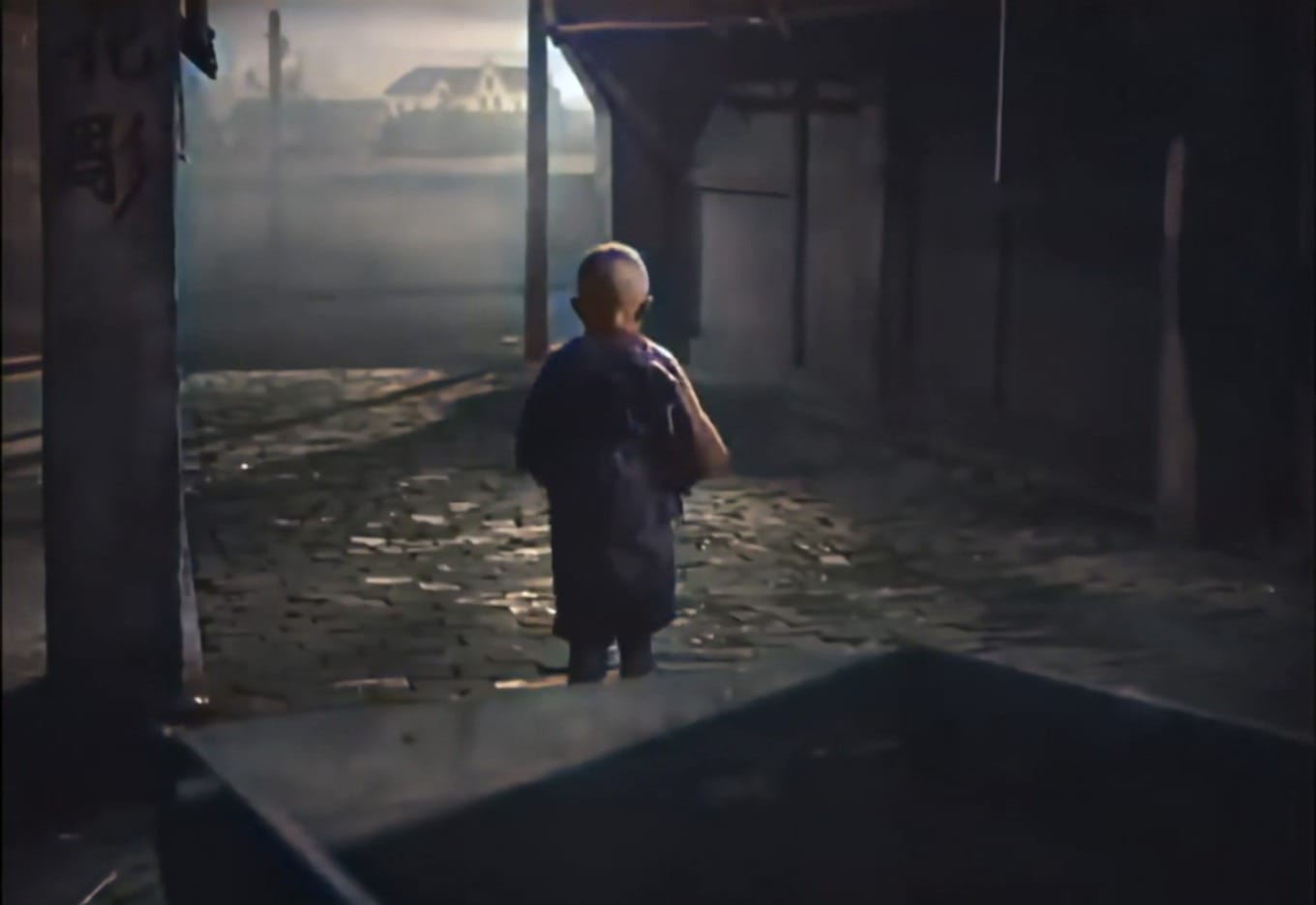
You can appreciate its enduring presence by comparing its modern appearance with its cinematic fame. The building features prominently in the classic film ‘San Mao’s Ordeal’ (《三毛流浪记 (local term)》), offering a poignant glimpse into old Shanghai’s stark social contrasts. In the movie’s opening scenes, the homeless child San Mao makes his makeshift home directly across the Suzhou Creek, with the then-named Broadway Mansions looming in the background—a powerful visual metaphor for the era’s inequality.
Waibaidu Bridge: Shanghai’s Historic River Crossing
Spanning the Suzhou Creek, Waibaidu Bridge (外白渡桥) connects Shanghai’s Huangpu and Hongkou districts. This steel truss bridge offers one of the city’s most iconic views, where historic architecture meets modern skyline.
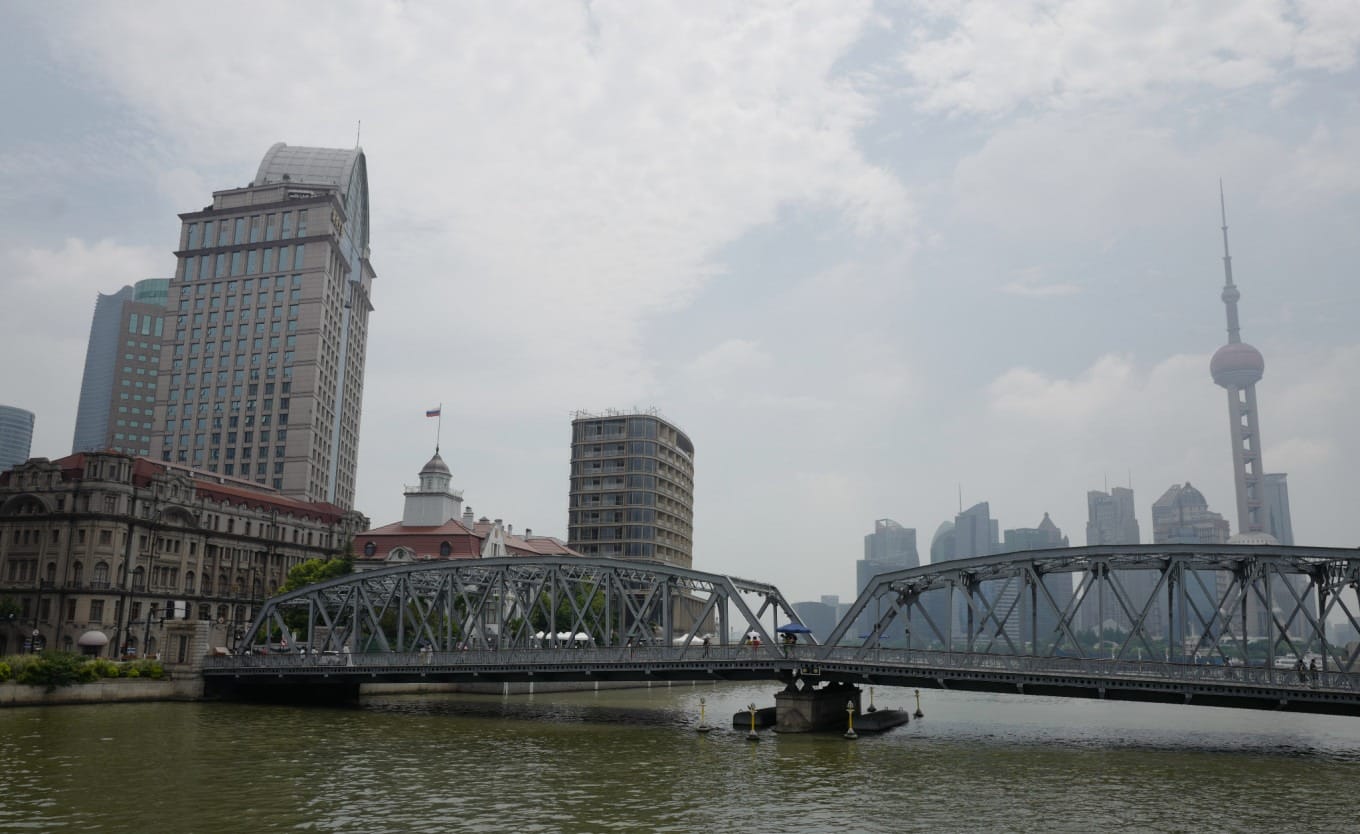
The bridge holds significant historical importance. During the Liberation of Shanghai in 1949, to preserve the city’s infrastructure, the People’s Liberation Army avoided using heavy artillery against Nationalist forces positioned in the Shanghai Mansion (上海大厦). The resulting two-hour battle at Waibaidu Bridge caused heavy casualties before forces eventually crossed via Sichuan Road Bridge (四川路桥).
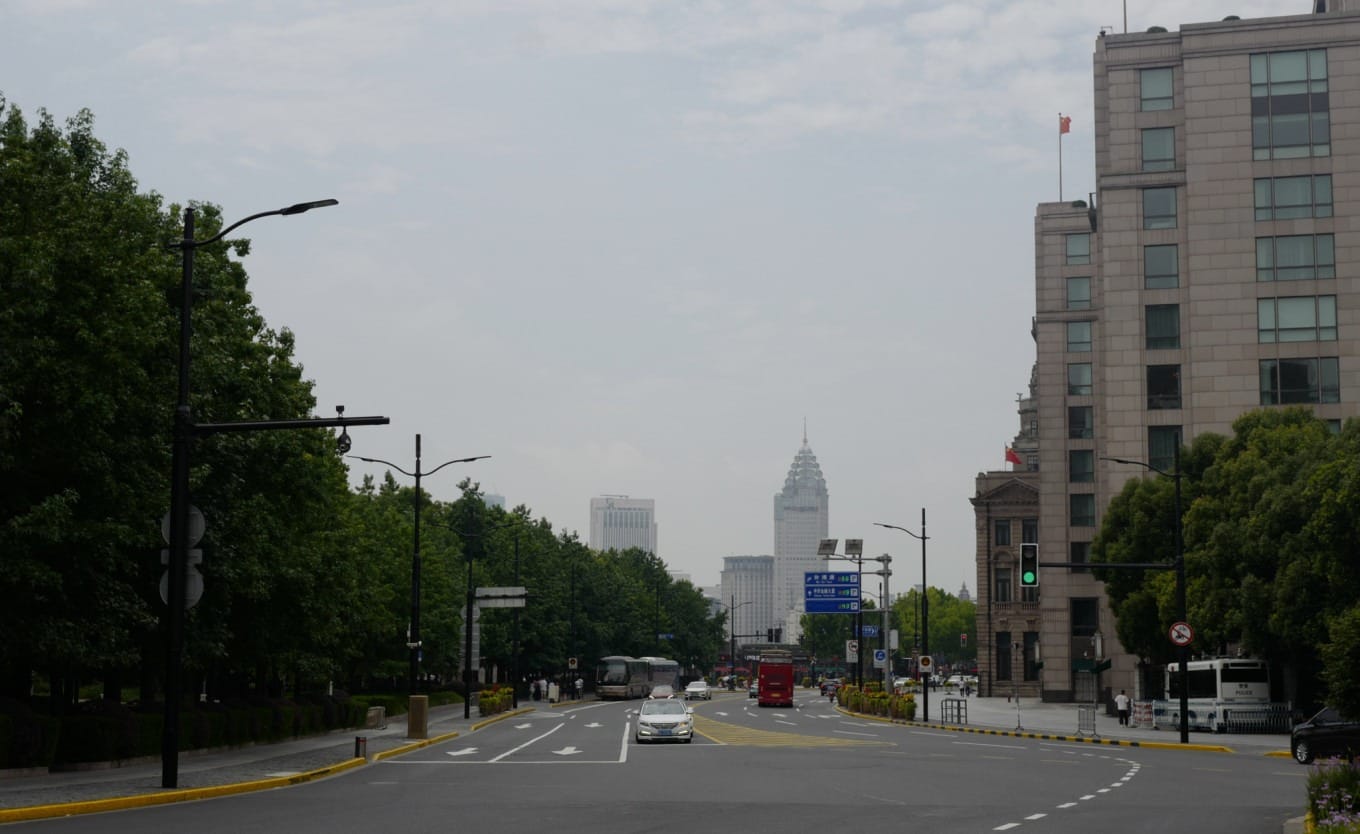
Pop culture fans might recognize Waibaidu Bridge from the classic Chinese drama ‘Romance in the Rain’ (情深深雨濛濛), where a memorable scene features the character Yiping jumping from the bridge.
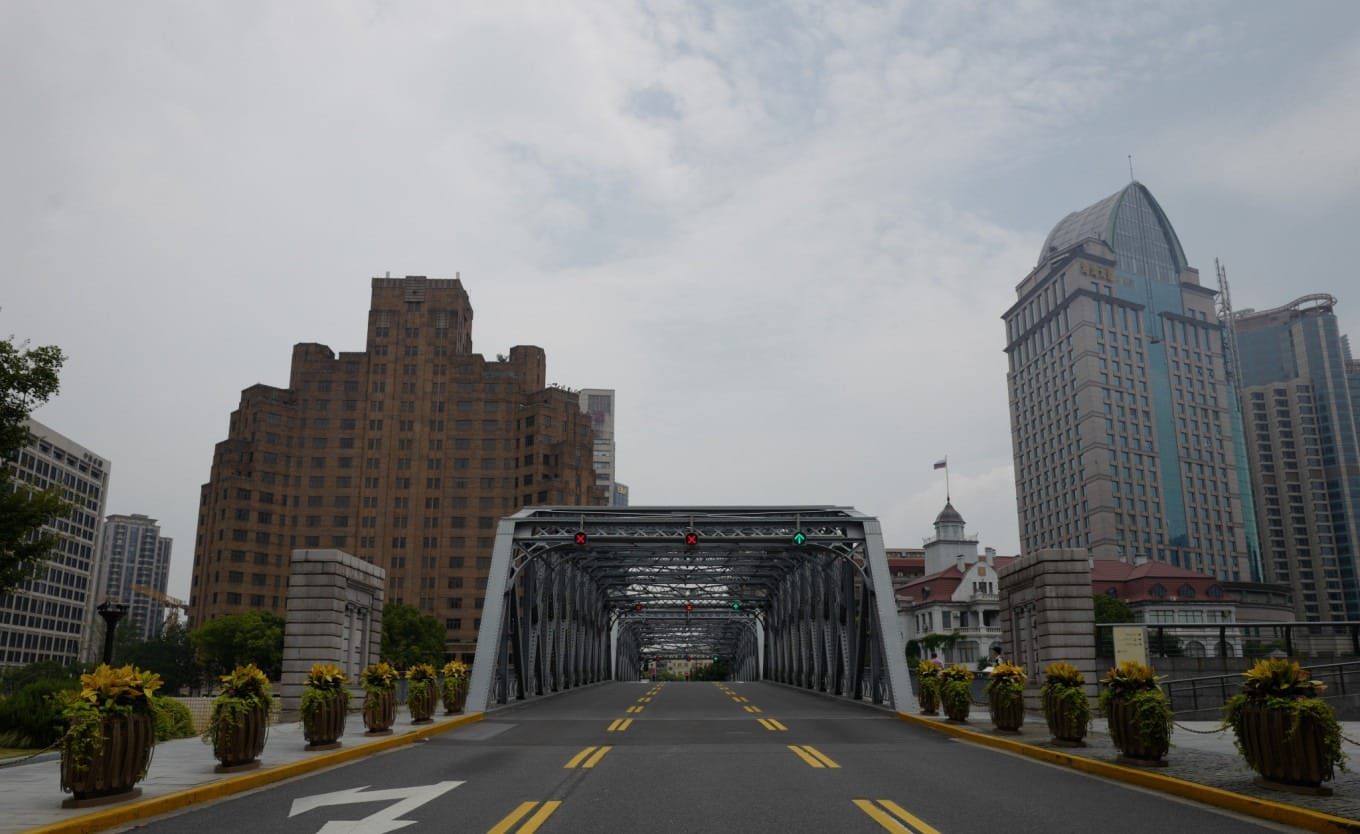
From the bridge’s vantage point, you can enjoy spectacular views across the Huangpu River toward Pudong’s modern skyline and the nearby People’s Heroes Monument (人民英雄纪念塔). This contrast between historic Bund architecture and futuristic Pudong towers creates one of Shanghai’s most photographed perspectives.
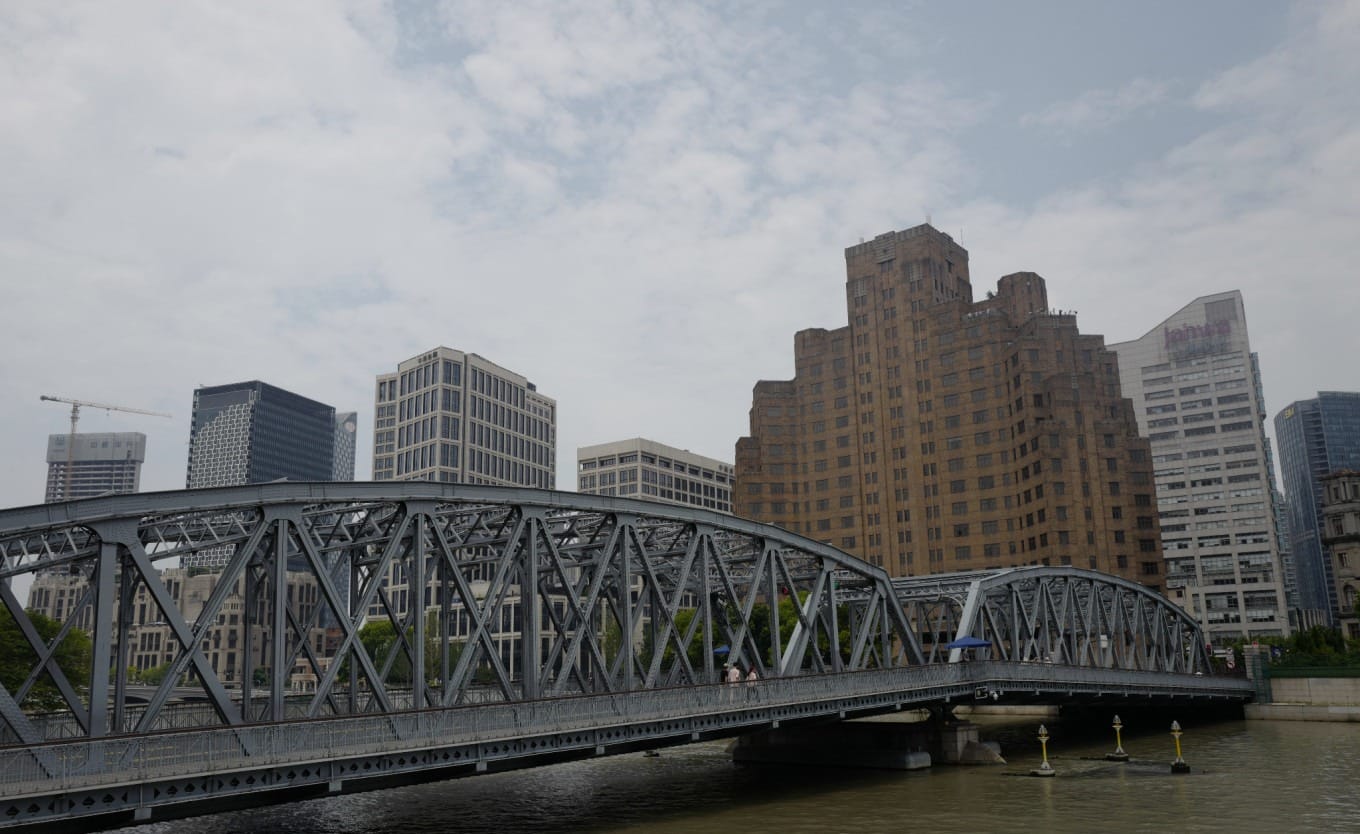
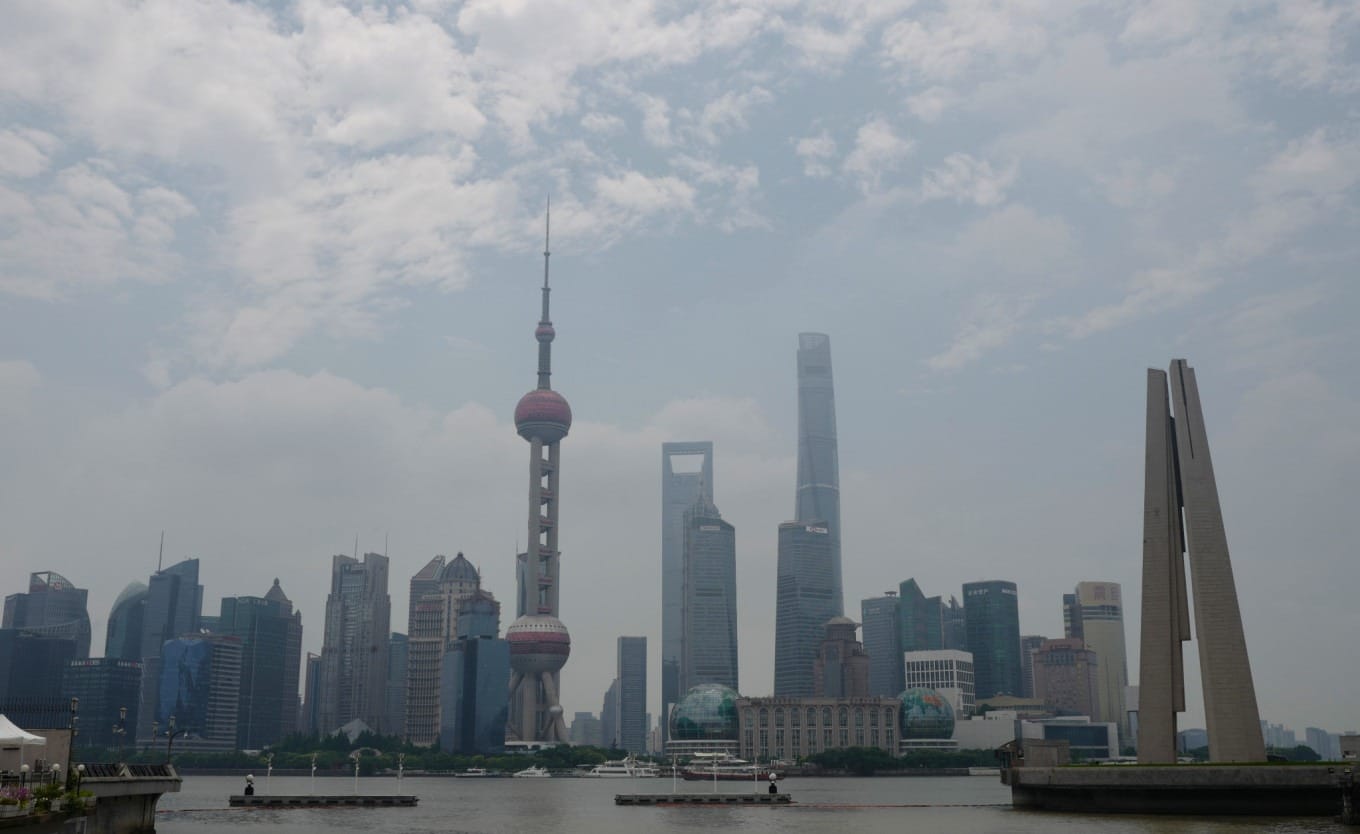
After crossing the bridge, consider walking to the nearby Shanghai Mansion (上海大厦) at 111 North Suzhou Road, Hongkou District (虹口区北苏州路111号). Standing before this historic building, you can reflect on how Shanghai has preserved its century-old Bund while developing the vibrant Pudong district across the river—a testament to the city’s ability to honor its past while embracing the future.
China Securities Museum: History in a Baroque Hotel
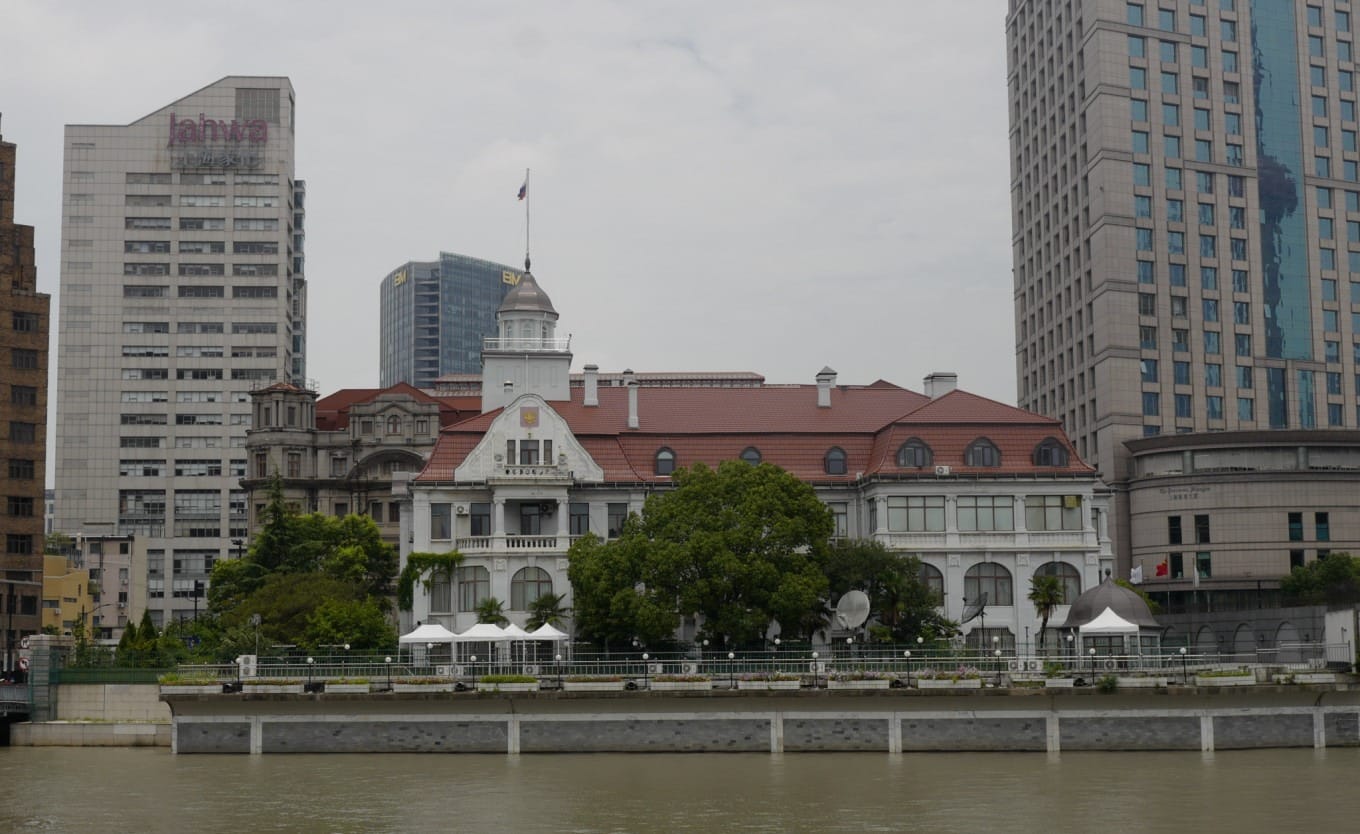
For a unique blend of financial history and architectural grandeur, head to the China Securities Museum in Hongkou District. Housed within the historic Astor House Hotel (浦江饭店, Pujiang Fandian), this free-admission museum occupies a building that’s a landmark in itself. Constructed during the Daoguang era of the Qing dynasty, this Baroque-style structure was China’s first Western-style hotel for foreign merchants. It witnessed several national firsts: the country’s first electric light was illuminated here, its first telephone call was connected, and its earliest social dance parties were held. The museum details the long-term lease of the space by the Shanghai Stock Exchange.
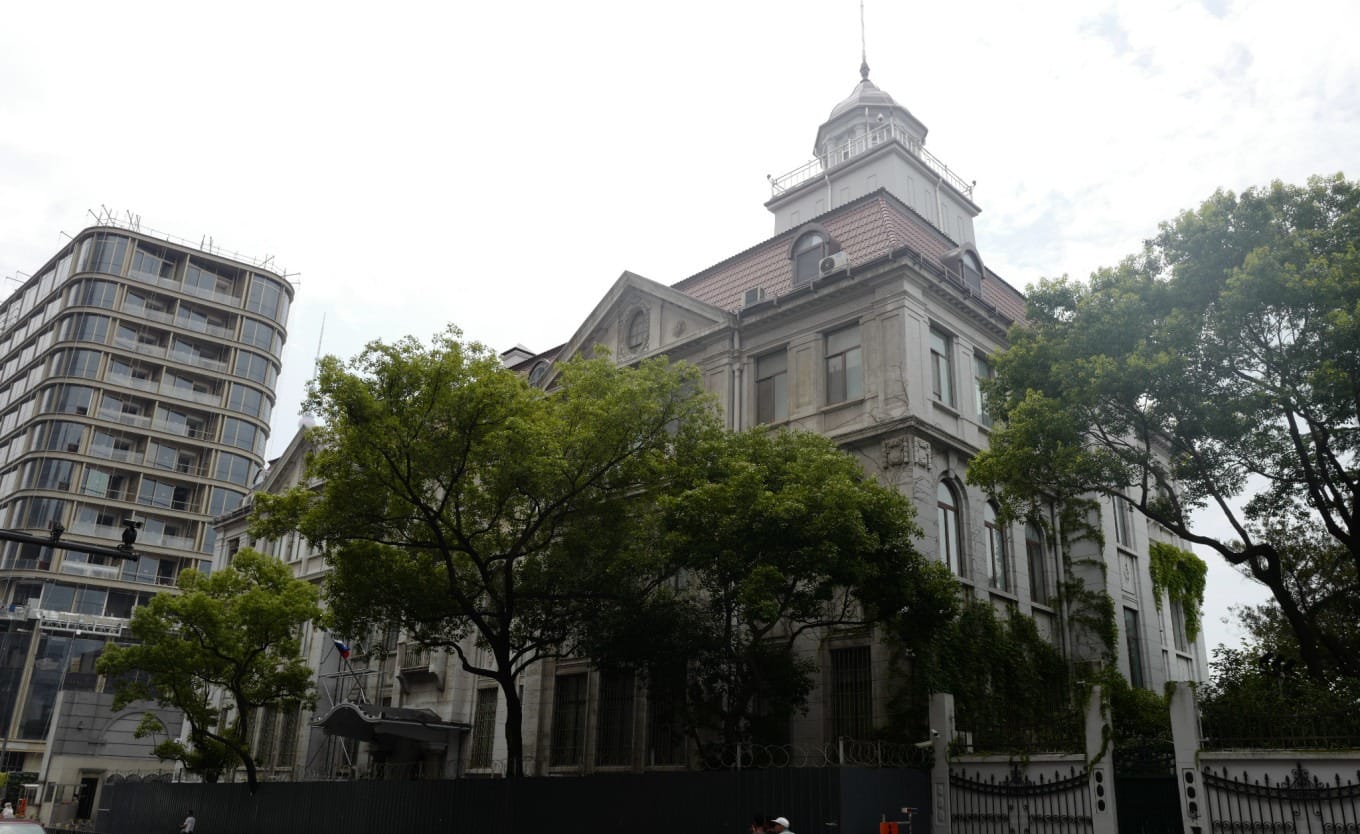
A visit offers a cool respite on a hot day, but be prepared: the space can attract social media influencers filming content. You might witness inappropriate behavior like using flash photography or even changing clothes in public areas, despite staff intervention. It’s a reminder to be respectful of the museum’s rules and other visitors.
Just outside the museum, you’ll find the Consulate General of the Russian Federation in Shanghai (俄罗斯驻上海总领事馆 (local term), Eluosi Zhu Shanghai Zong Lingshiguan), adding another layer of historical and diplomatic significance to the area.
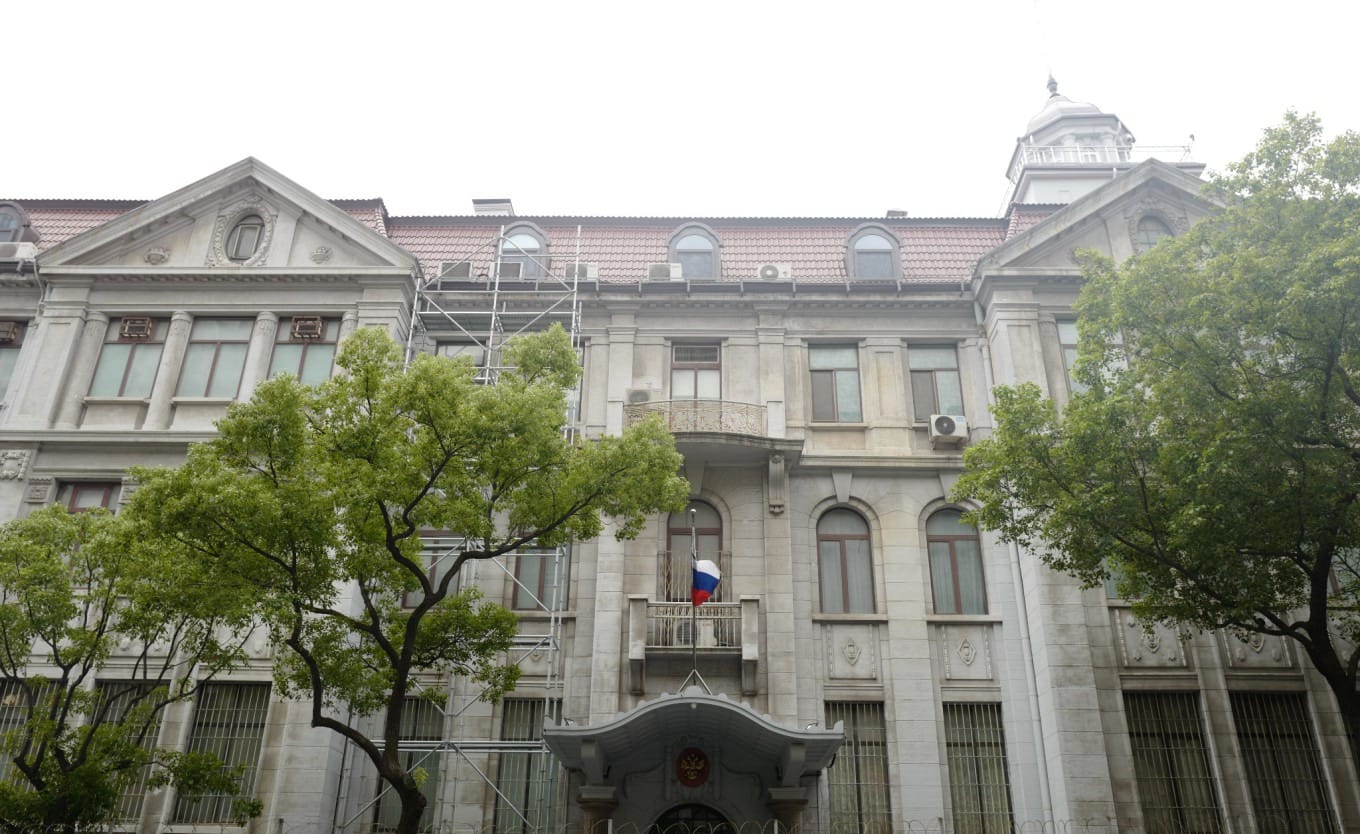
- AttractionChina Securities Museum (中国证券博物馆)
- Address15 / 15 Huangpu Road, Hongkou District (虹口区黄浦路15号)
- AdmissionFree
- NoteThe museum is housed in the historic Astor House Hotel (浦江饭店).
Practical tip: You can prioritize one signature stop around the area, and you should adjust timing and budget based on transport and peak hours.
UNRRA Historical Site and Huangpu River Views
For a unique perspective on Shanghai’s history and waterfront, head to the former United Nations Relief and Rehabilitation Administration (UNRRA) site in Hongkou District. This organization provided crucial aid to Allied nations after World War II, and its former headquarters at 106 Huangpu Road (黄浦路106号) offers a quiet historical counterpoint to the bustling Bund nearby.
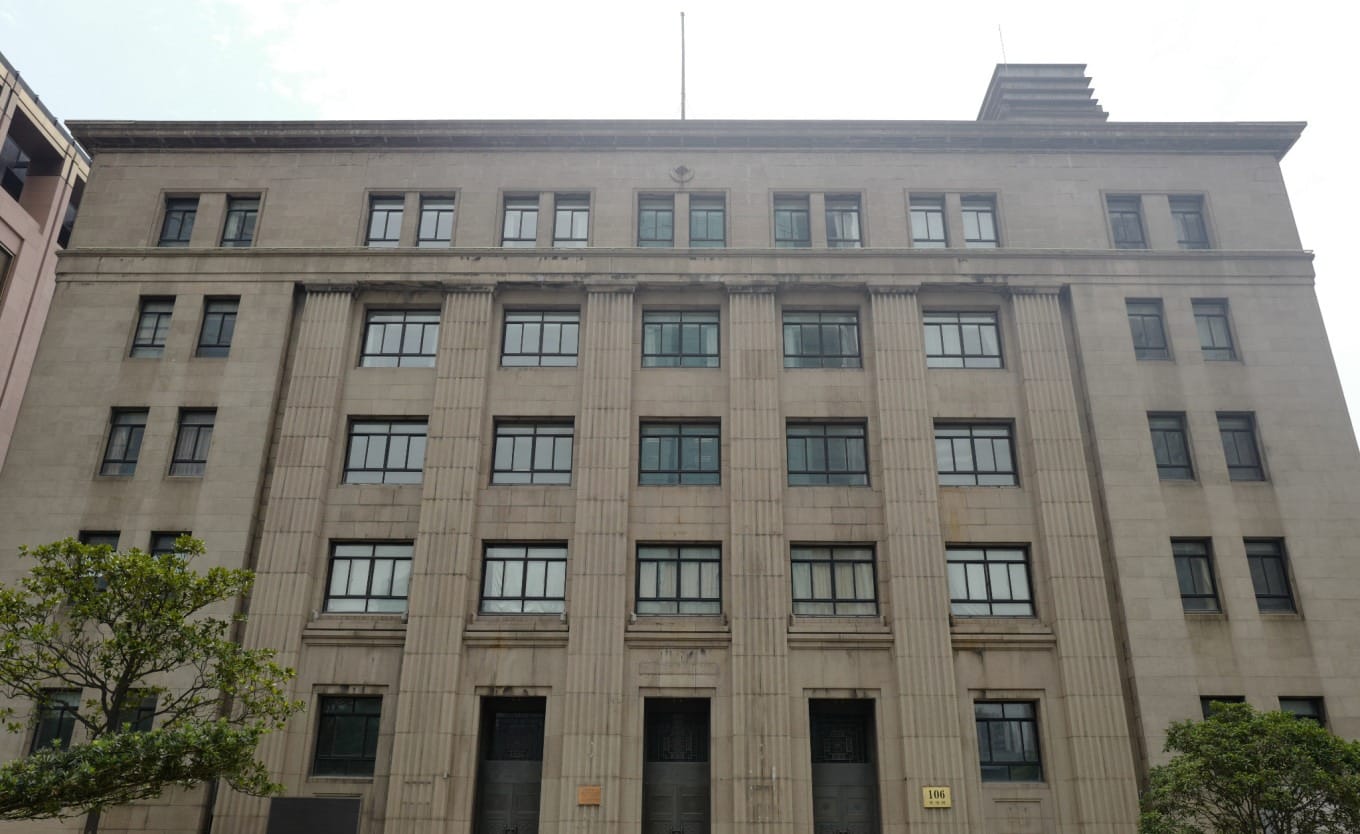
From here, you can stroll along the Suzhou Creek to reach a riverside viewing platform. While the Bund is typically crowded, especially on weekends, this platform often remains surprisingly peaceful, providing a more secluded spot to take in the scenery.
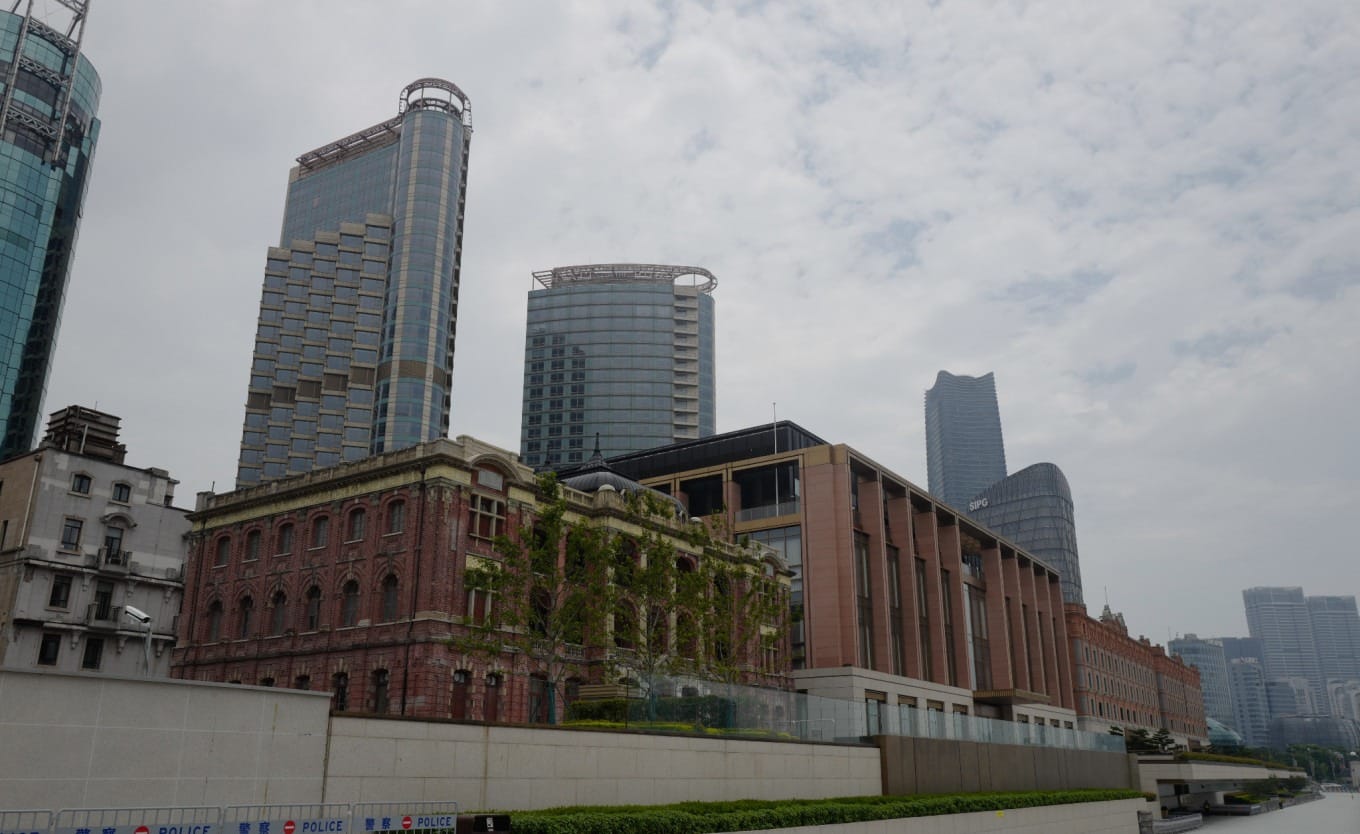
The platform delivers a fantastic panoramic view. To one side, you’ll see the modern skyline of Pudong with the iconic Oriental Pearl Tower, while the classic architecture of the Bund stretches out on the opposite bank. Midday sun can create harsh lighting for photography, but the vantage point itself is exceptional.
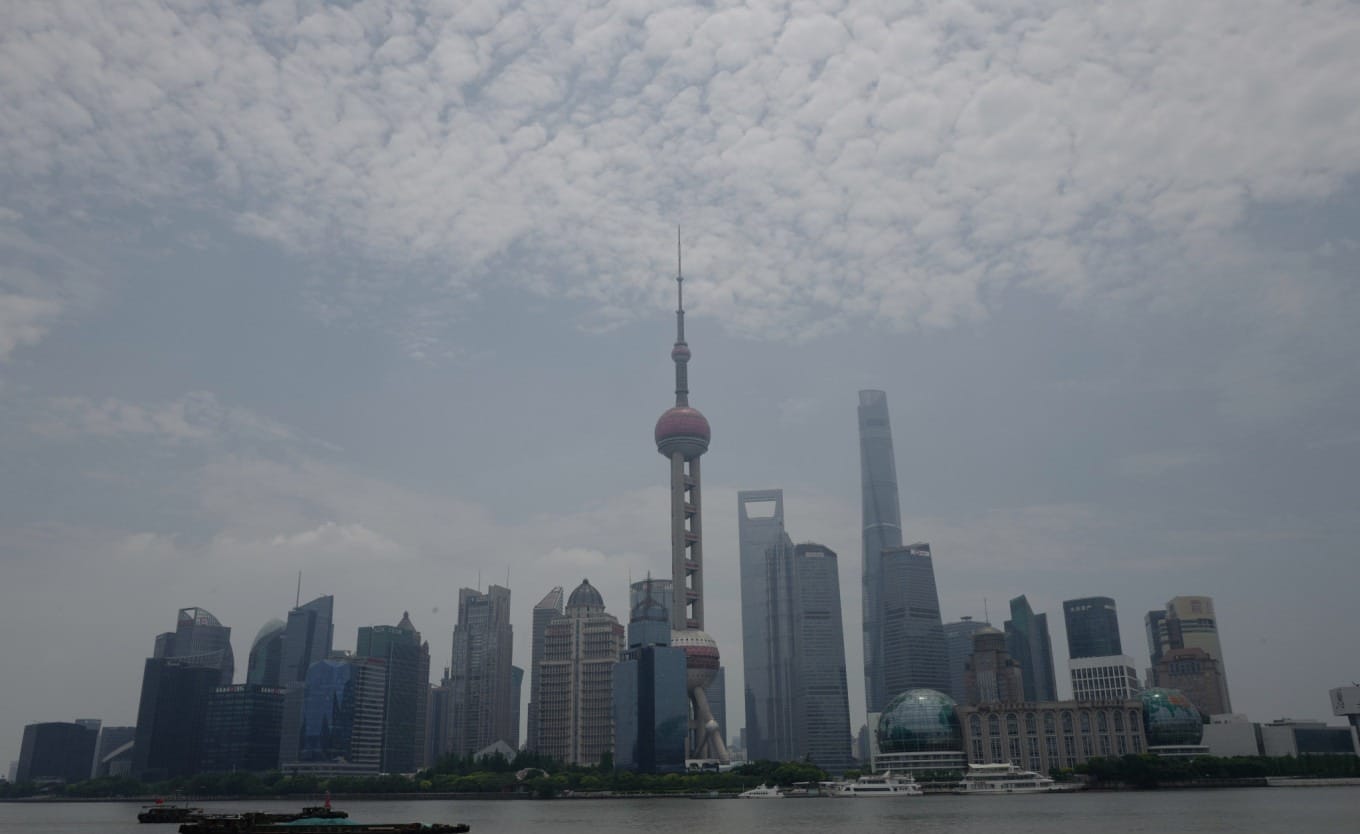
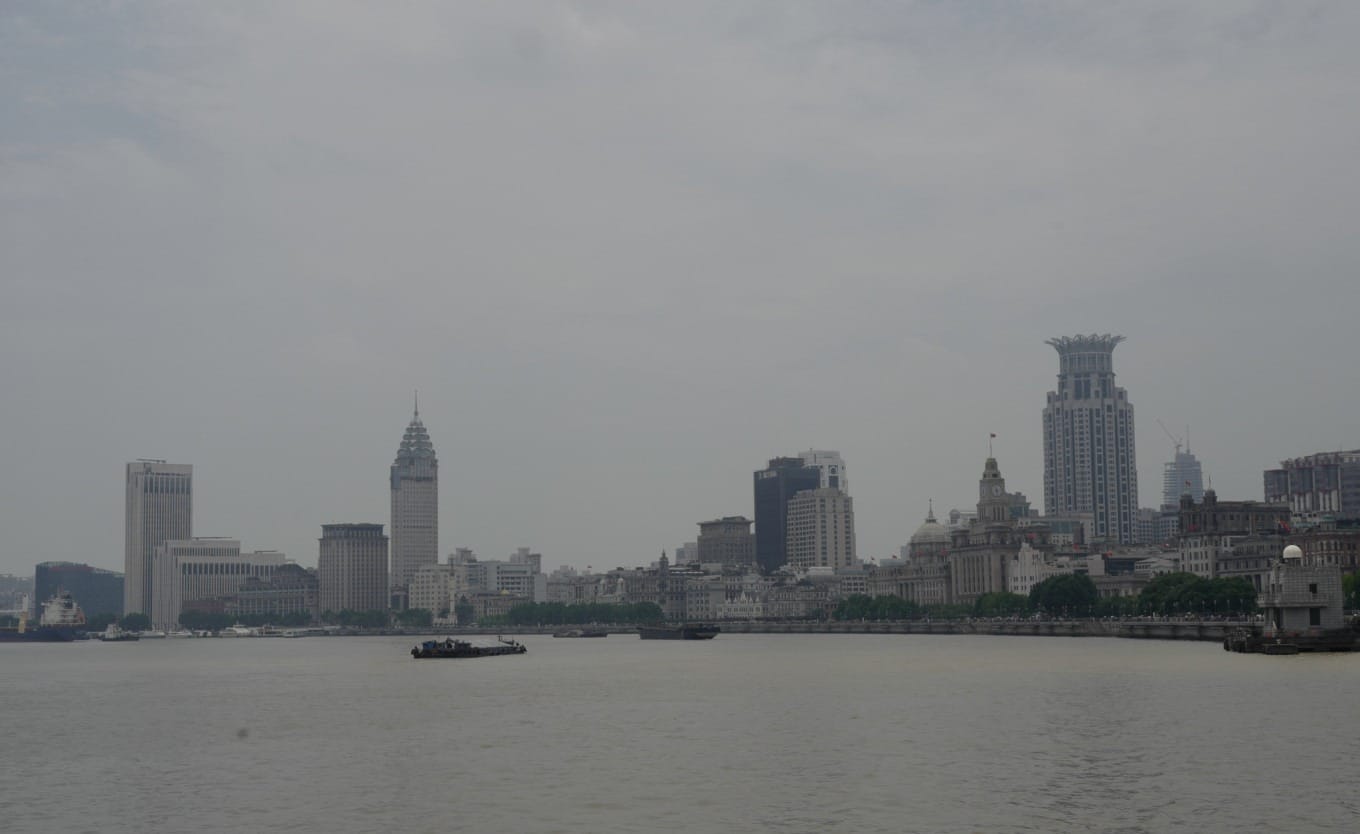
Consider walking across the nearby Waibaidu Bridge (外白渡桥) toward the Bund. From the bridge or the Bund, you can look across the river at two significant landmarks: the Consulate General of the Russian Federation in Shanghai (俄罗斯驻上海总领事馆) and the China Securities Museum, which is housed in the historic Astor House Hotel building (前礼查饭店). Film buffs might recognize the hotel’s exterior from the classic movie ‘San Mao’s Wanderings’ (‘三毛流浪记 (local term)’), though its appearance has evolved over time.
Monument to the People’s Heroes
When exploring the Bund, make sure to visit the Monument to the People’s Heroes (上海市人民英雄纪念塔). Completed in 1993, this striking memorial stands within Huangpu Park at the confluence of the Huangpu River and Suzhou Creek. Its three towering pillars rise from the ground like silent monuments, honoring the revolutionary pioneers who sacrificed their lives for Shanghai’s liberation across three historical periods: 1840-1921, 1921-1949, and 1949.
The monument commemorates a remarkable chapter in military history: the Battle of Shanghai. Unlike most urban warfare, this battle was fought with extraordinary precision to protect the city’s infrastructure. The strategy was described as ‘catching mice in a china shop’—liberating Shanghai while preserving its water supply, electricity, and economic foundations intact.
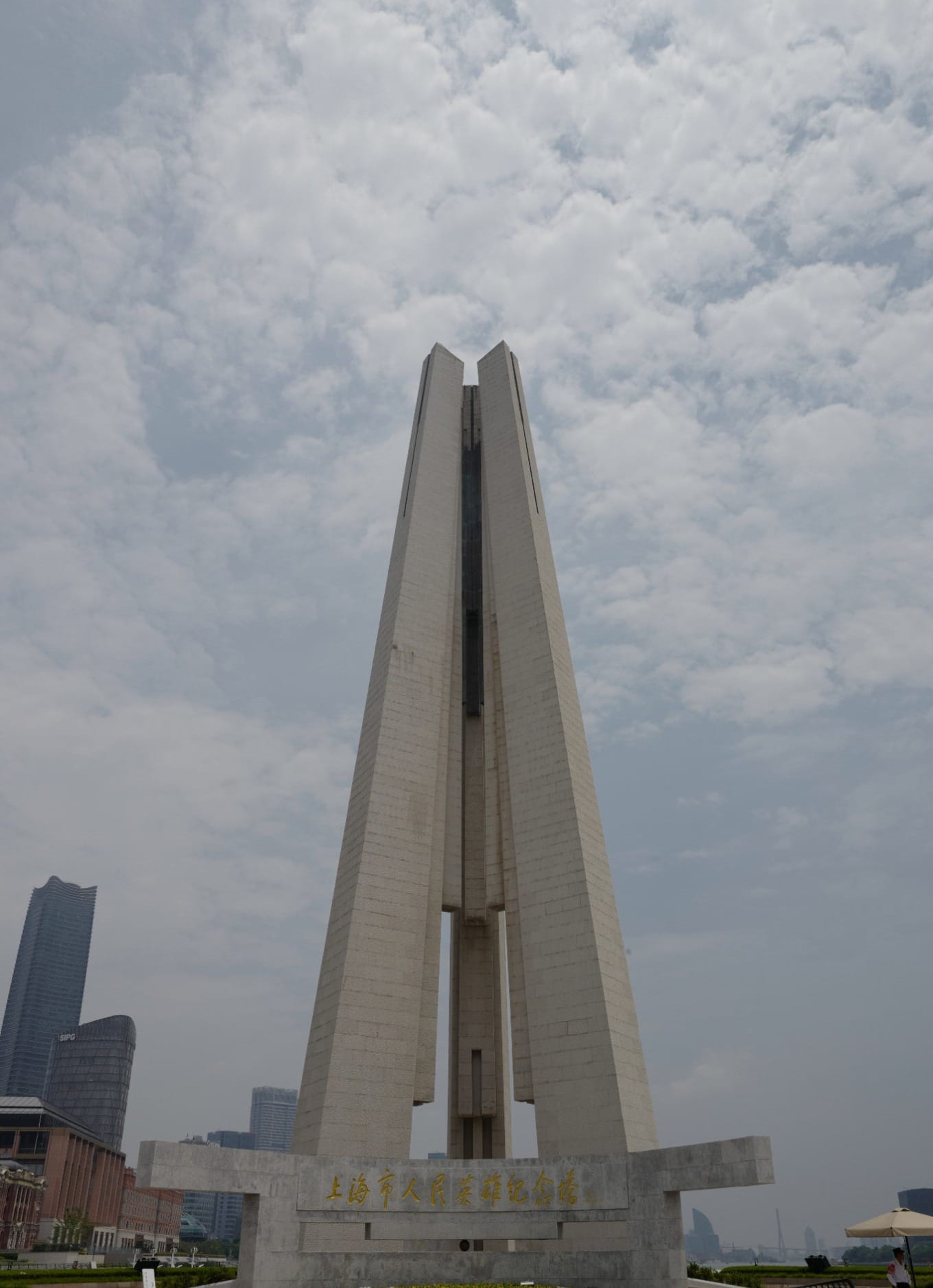
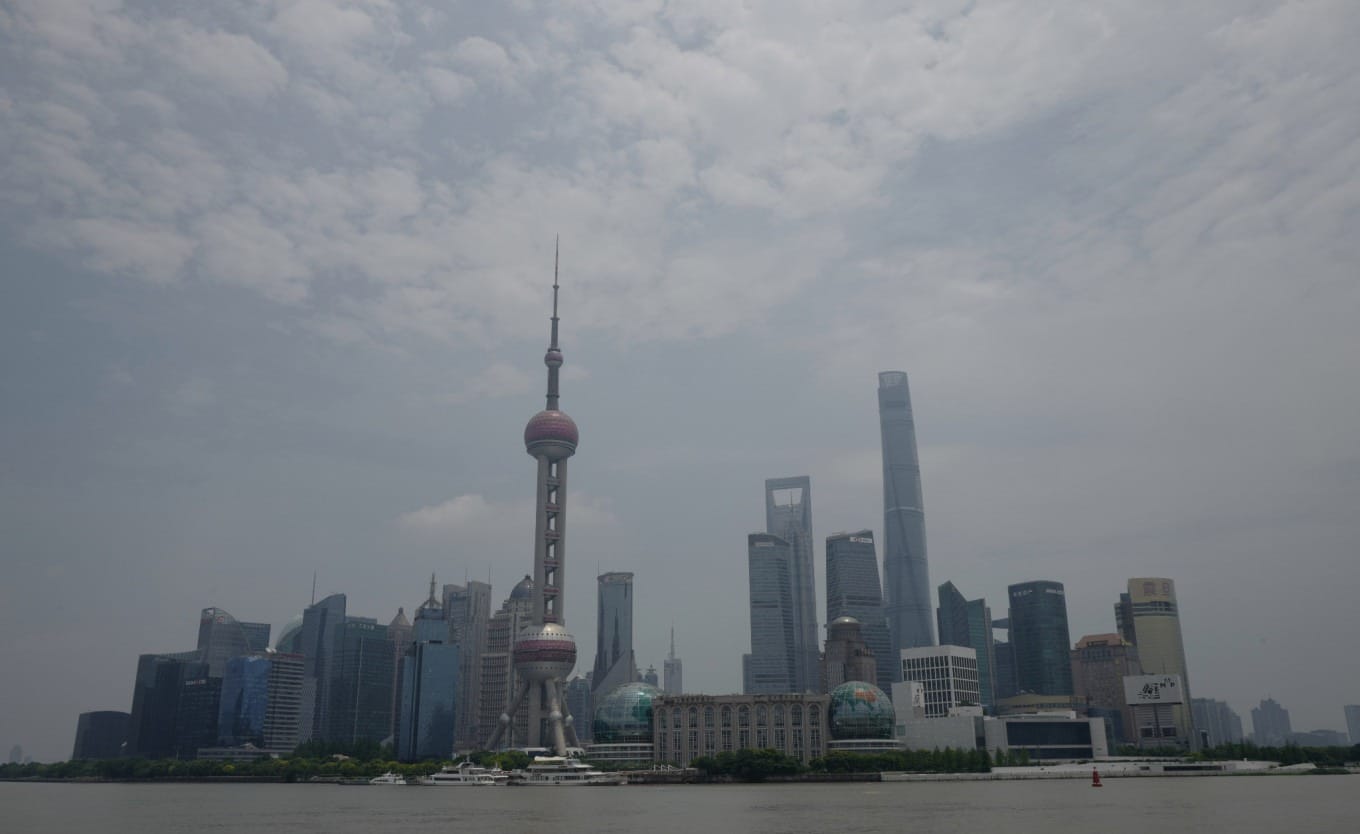
Practical tip: You can prioritize one signature stop around the area, and you should adjust timing and budget based on transport and peak hours.
The Bund: A Walk Through History
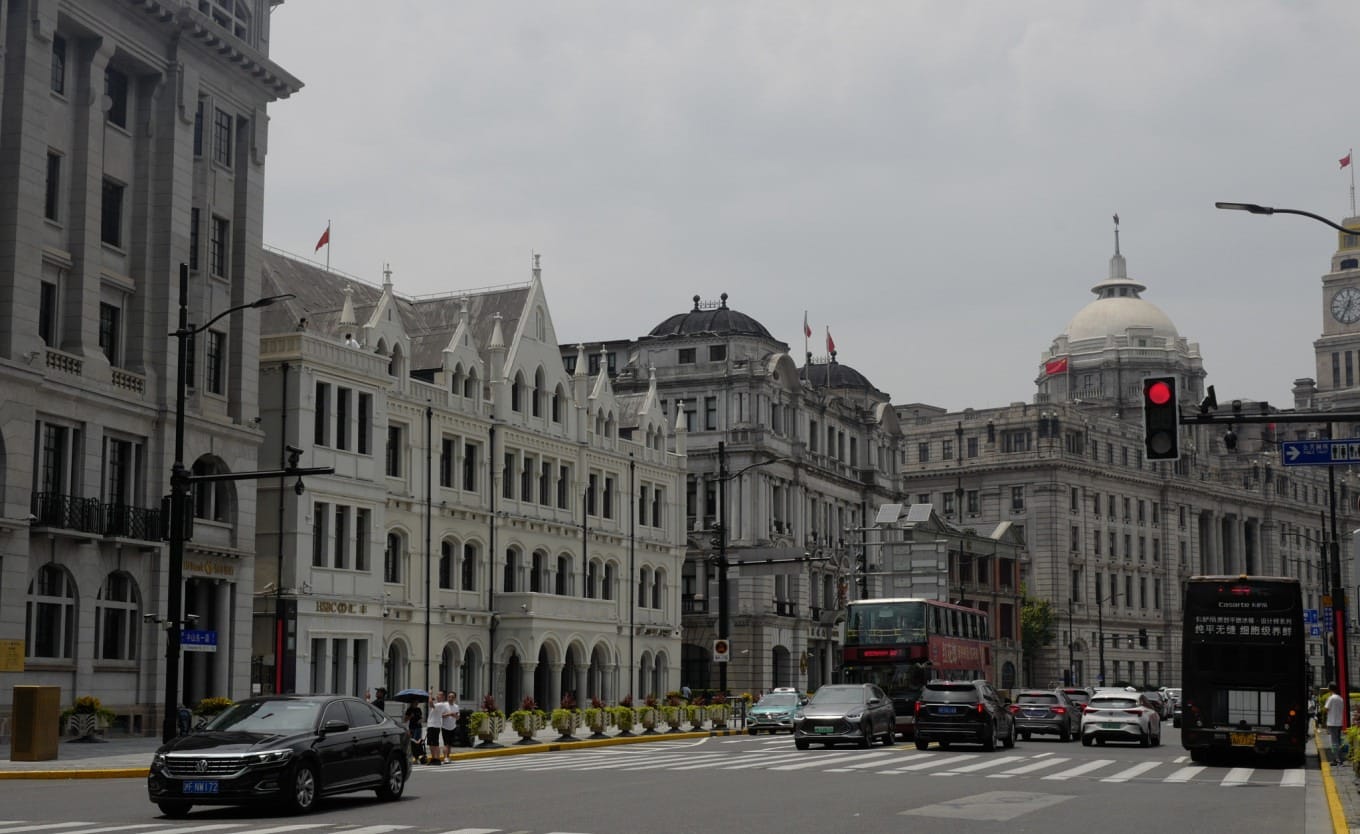
When you hear ‘The Bund’ (外滩), you might wonder if there’s an ‘Inner Bund’ in Shanghai. The answer is no, but there is a ‘Li Tan’ (里滩). The name’s origin lies in Shanghai’s historical geography. In the late Qing Dynasty, the Huangpu River (黄浦江) was a major waterway. For centuries, trackers pulled boats upstream, their footsteps wearing a winding path along the riverbank known as the ‘tracker’s path’—the earliest form of The Bund. In local naming conventions, the upstream section of a river is called ‘Li’ (里), and the downstream ‘Wai’ (外). A small tributary called Shanghai Pu (上海浦), now vanished, once flowed near the old city. The riverbank upstream from its mouth was called ‘Li Huangpu Tan’ (里黄浦滩), or ‘Li Tan’, while the downstream section became ‘Wai Huangpu Tan’ (外黄浦滩), later shortened to ‘The Bund’ (外滩).
The area’s modern story began in the Daoguang era of the Qing Dynasty when 830 acres of land west of The Bund were designated as the British Concession. This led to the construction of the British Consulate and various foreign trading houses. French colonists soon followed, establishing the French Concession. From the Xianfeng era through the Republic of China period, over a dozen foreign and Chinese banks set up operations here, shaping the financial heart of old Shanghai. While the city has transformed, the essential architectural framework of The Bund remains remarkably intact, a fact you can appreciate by comparing it to scenes from classic films like ‘San Mao’s Wanderings’.
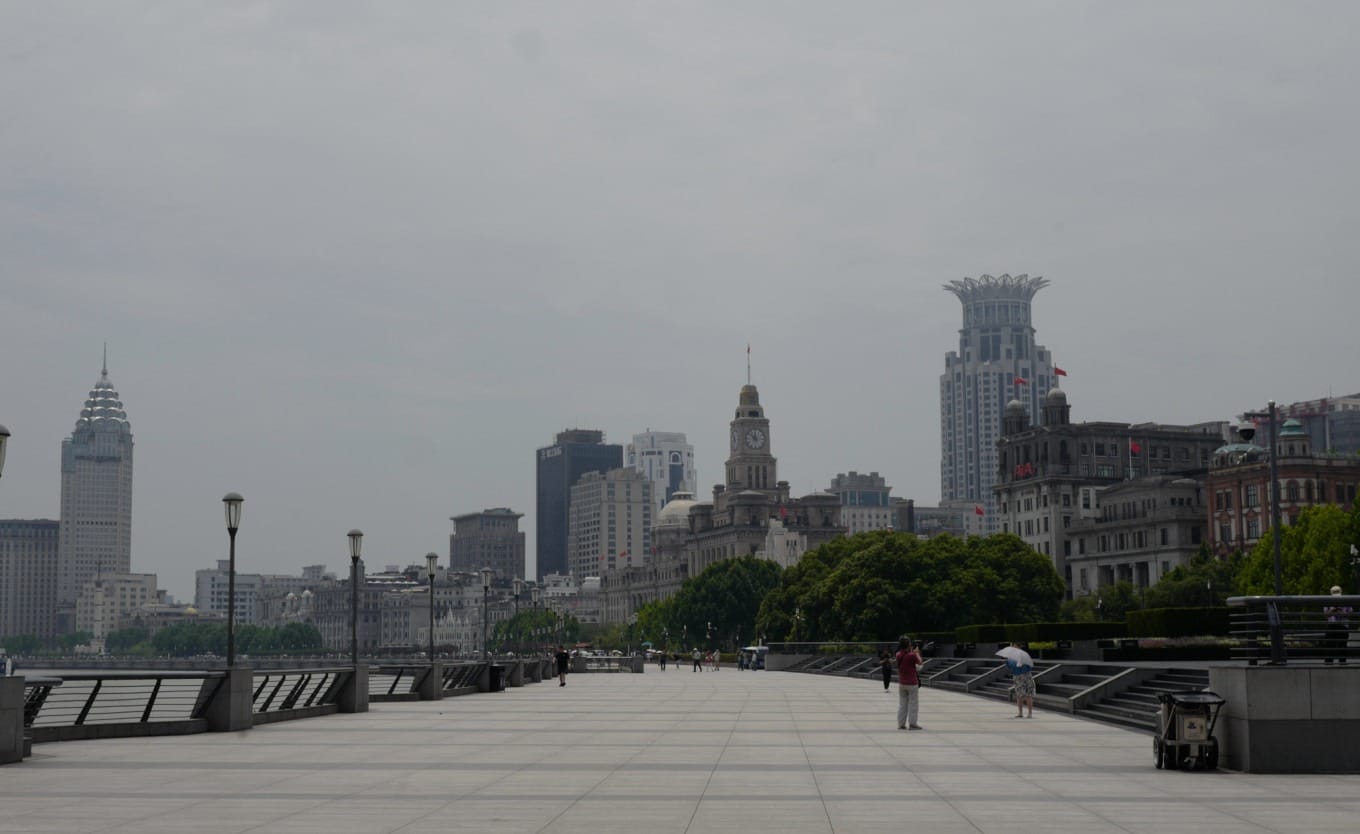
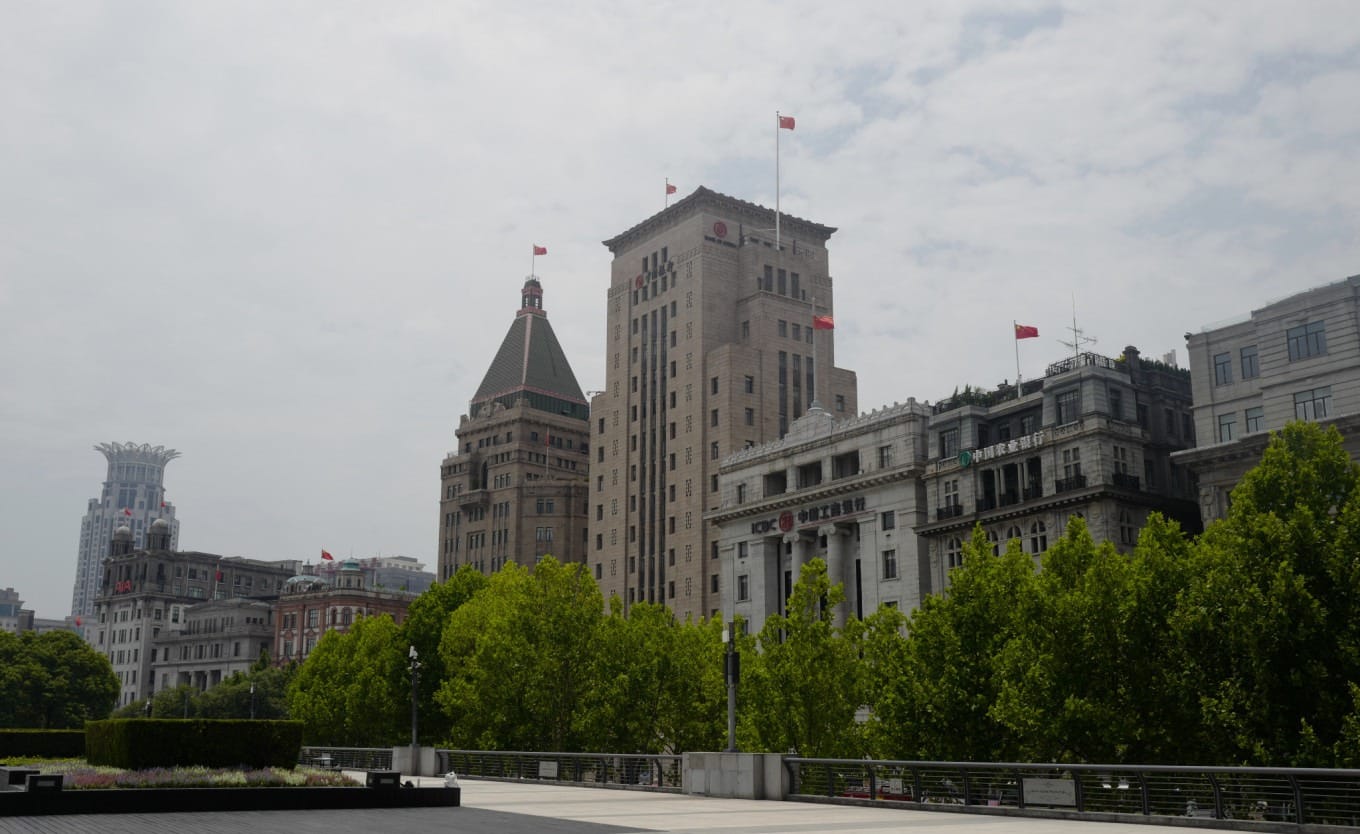
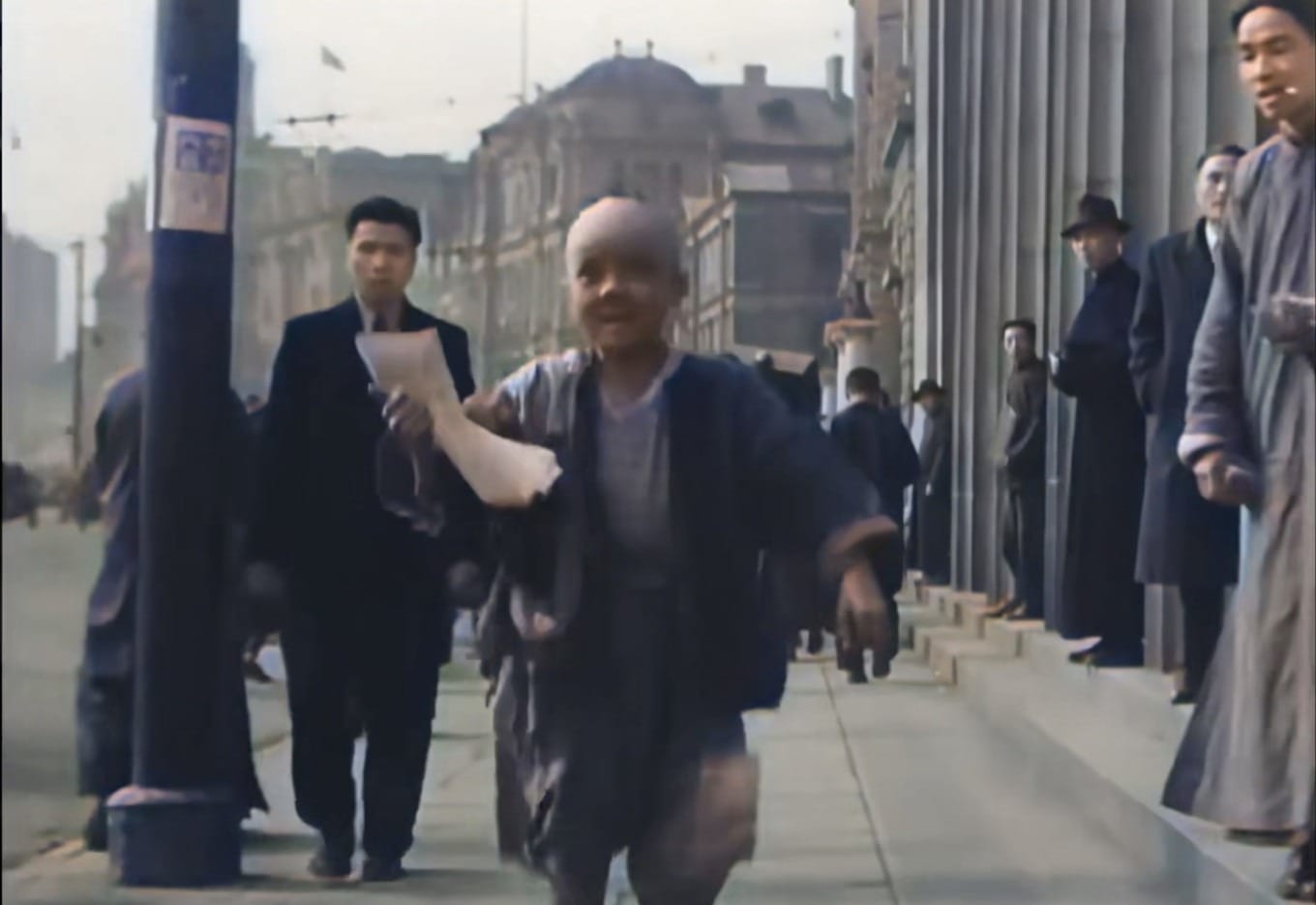
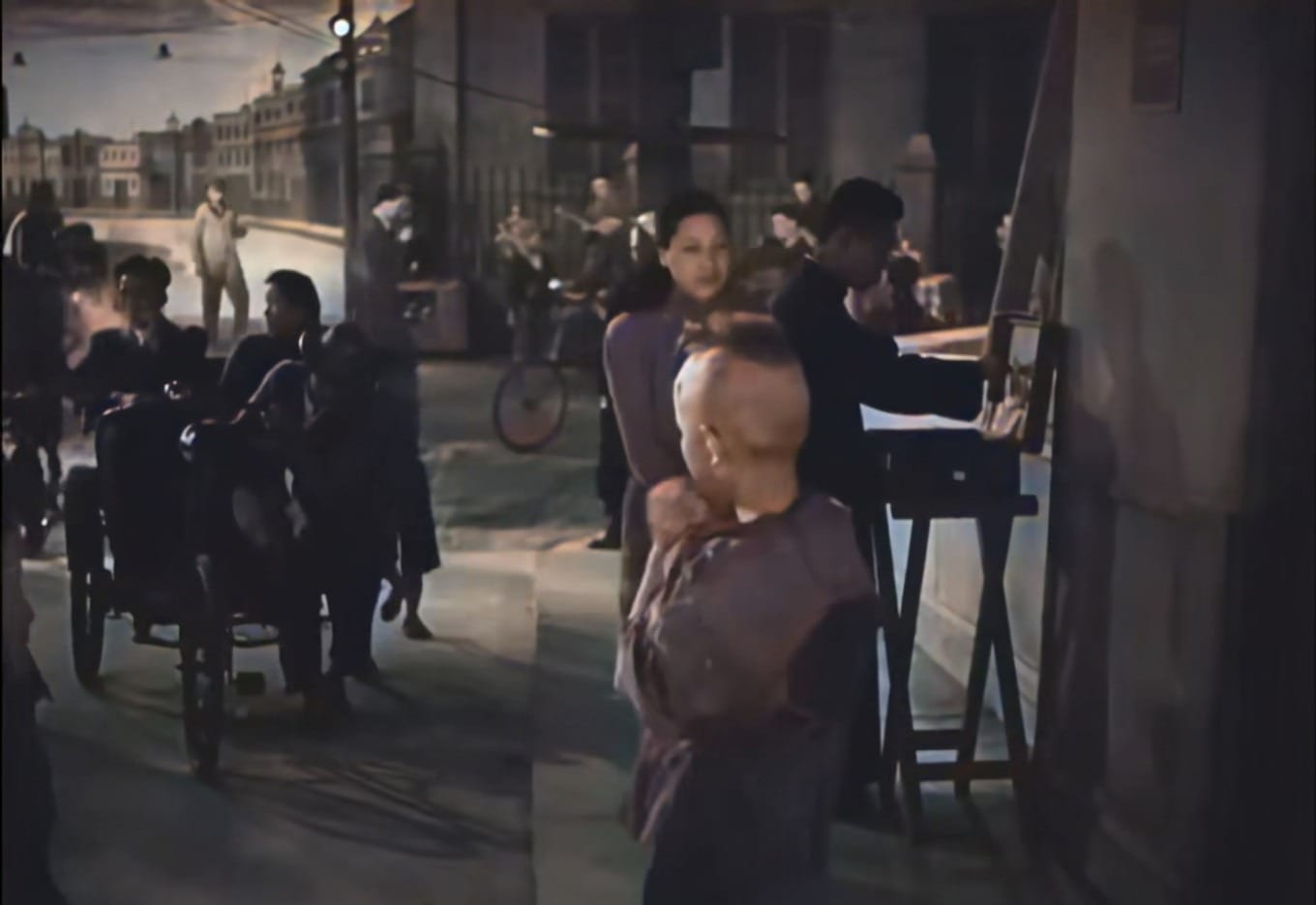
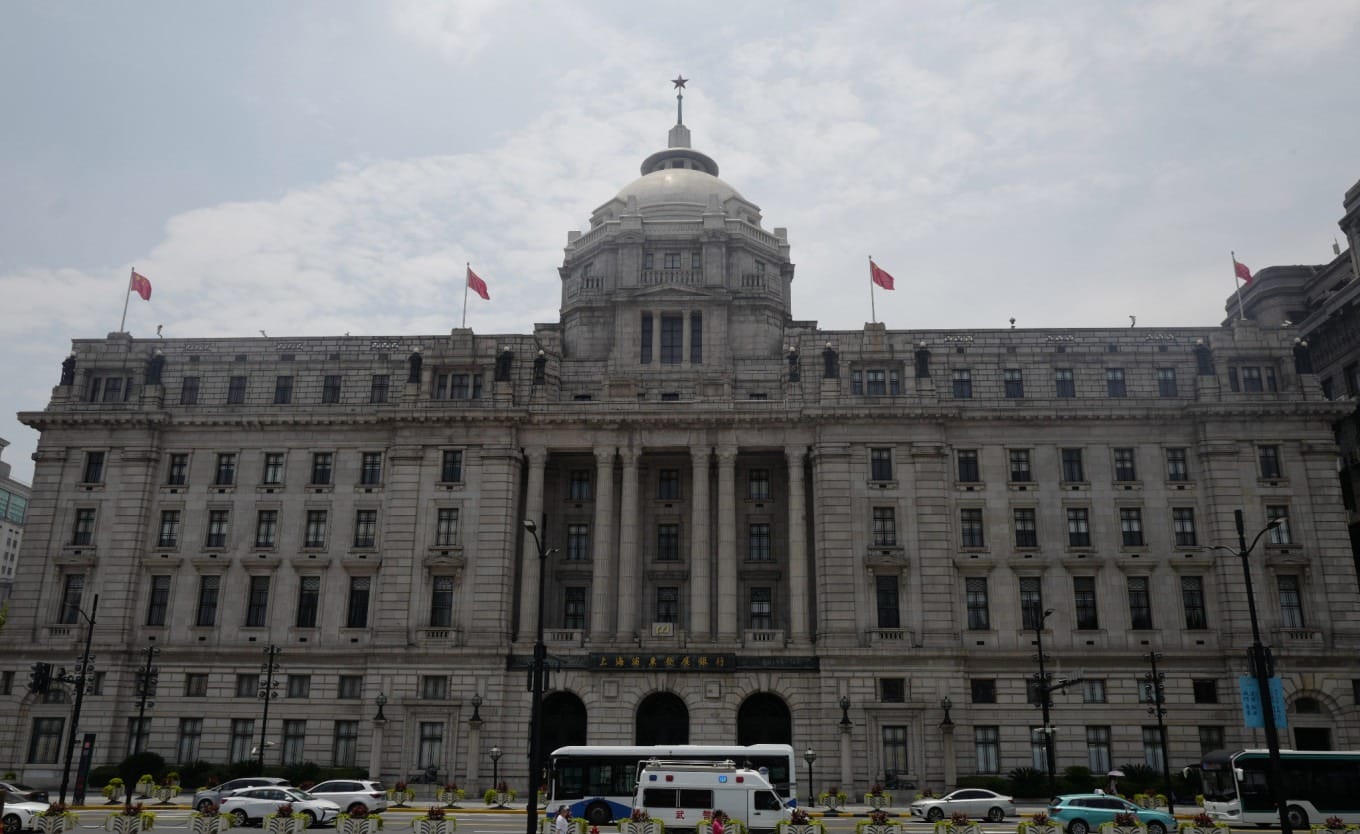
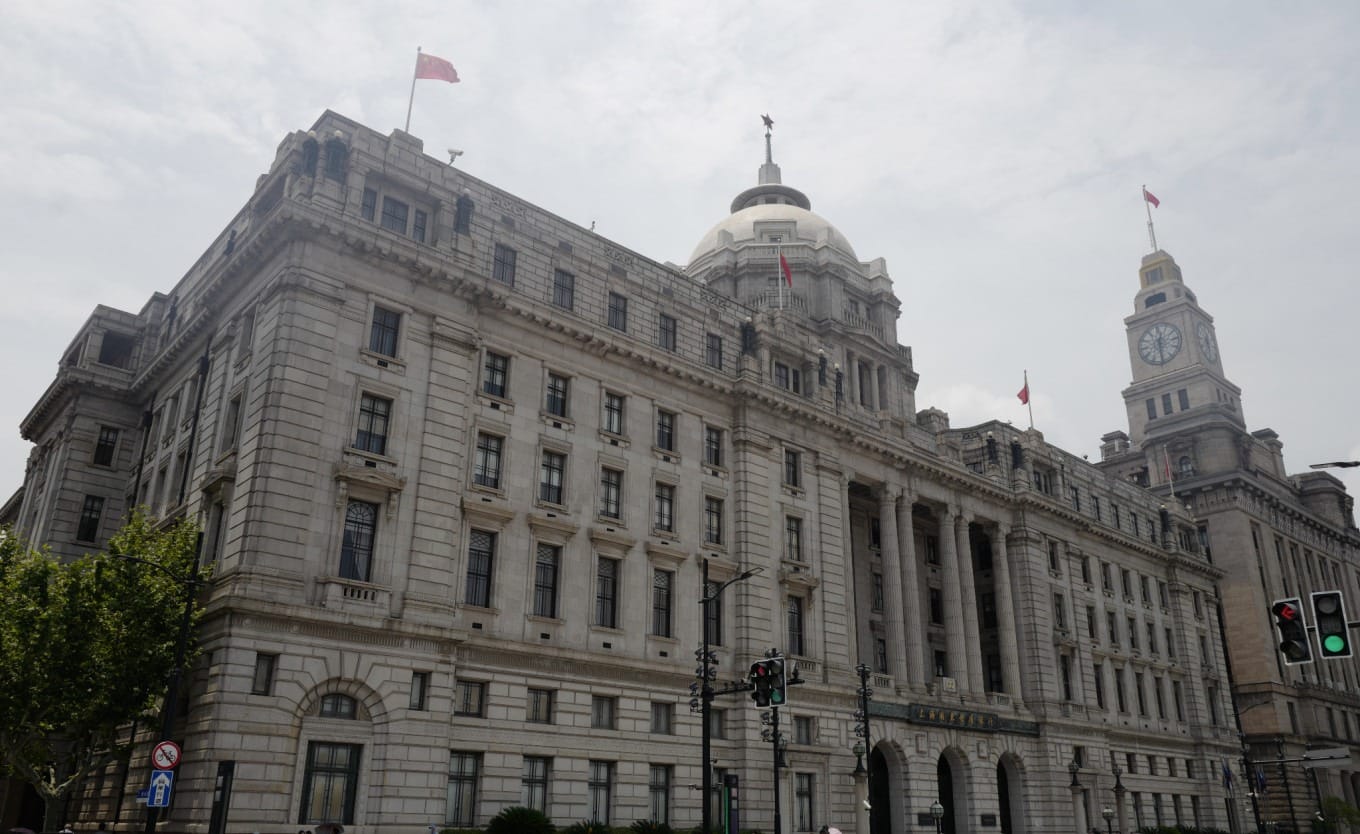
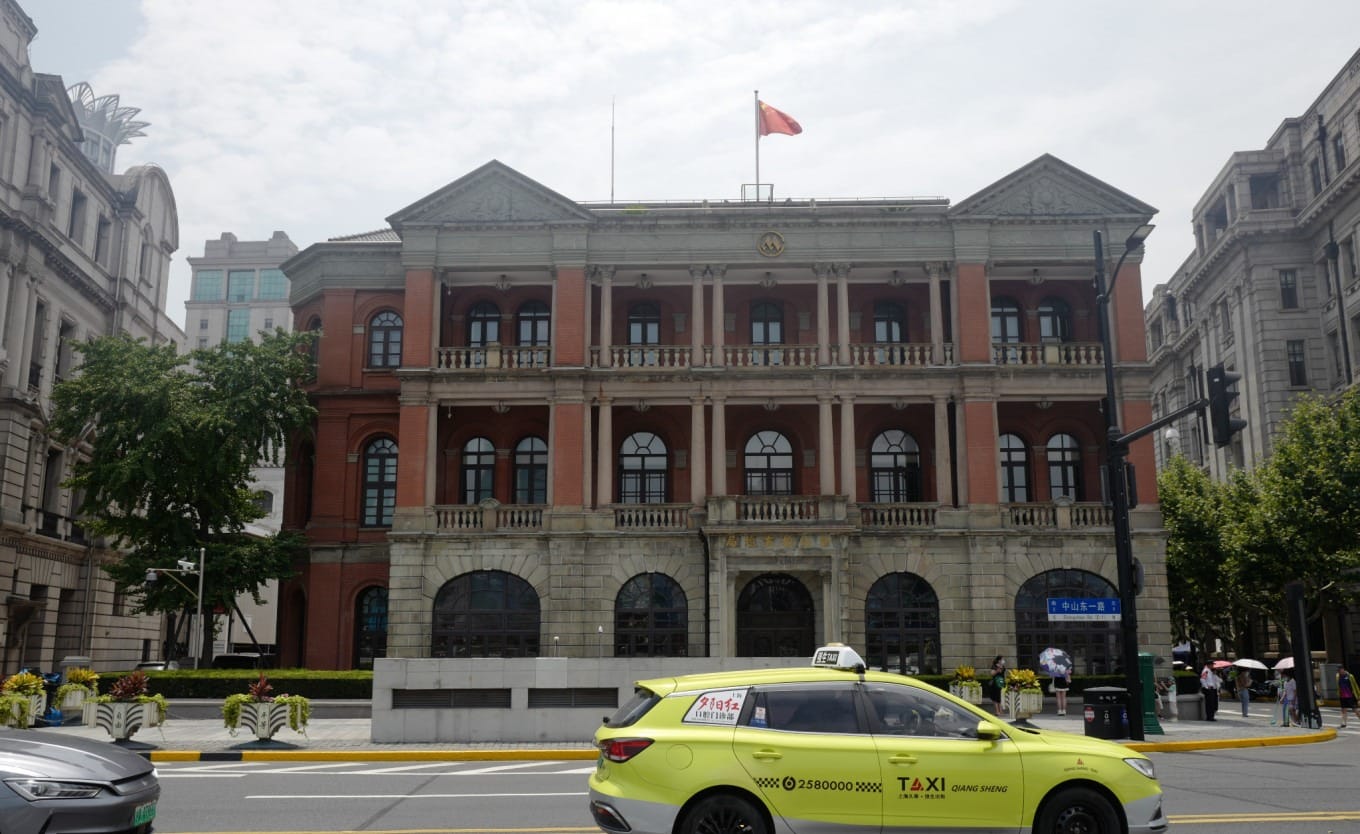
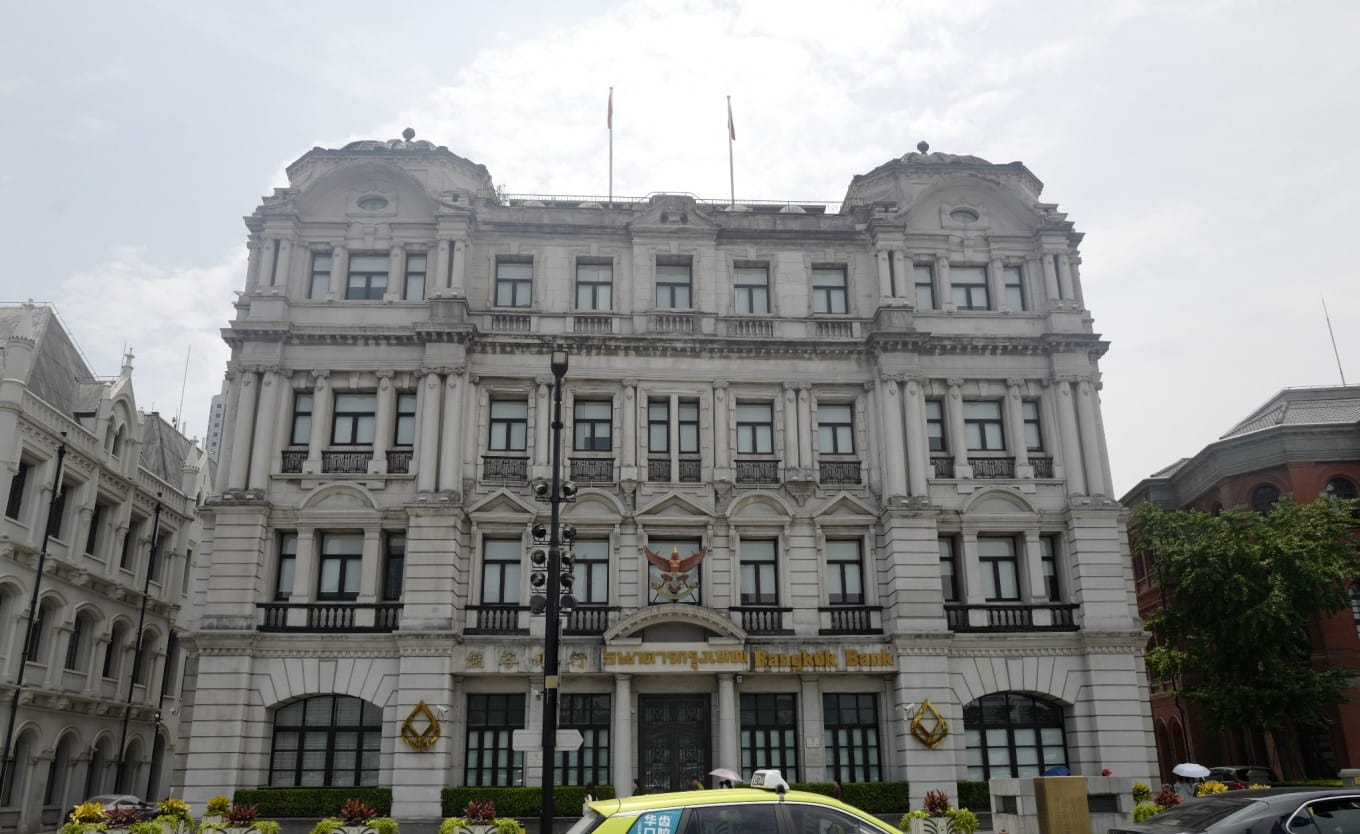
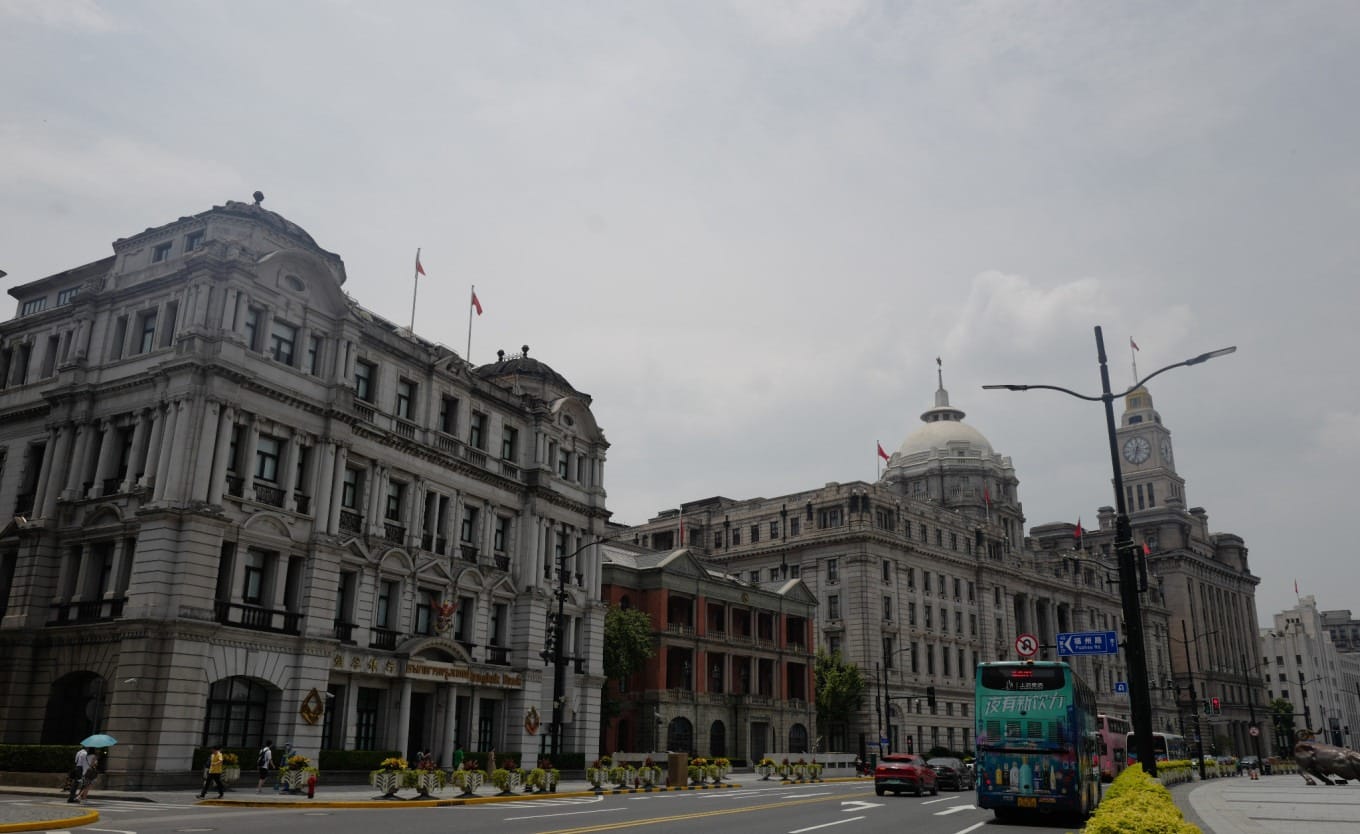
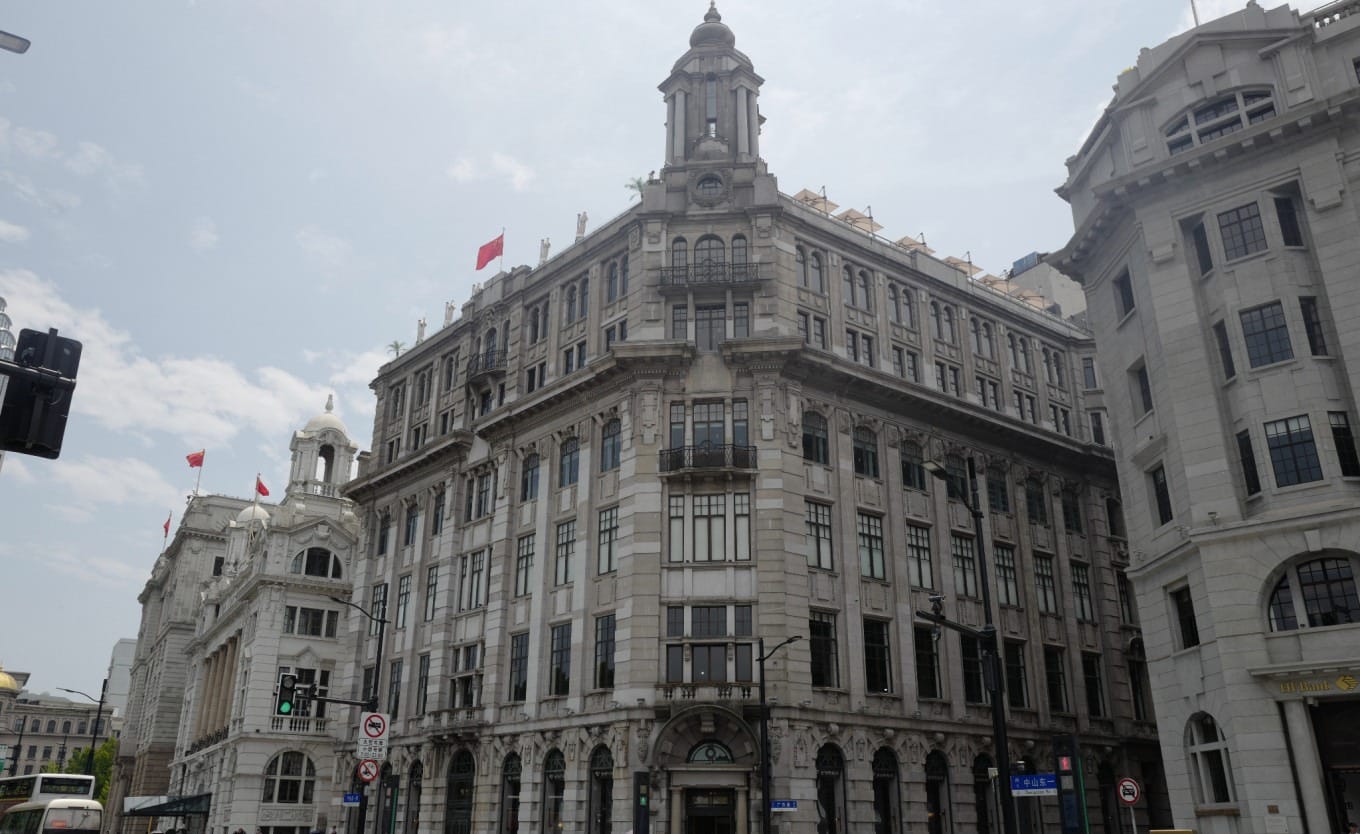
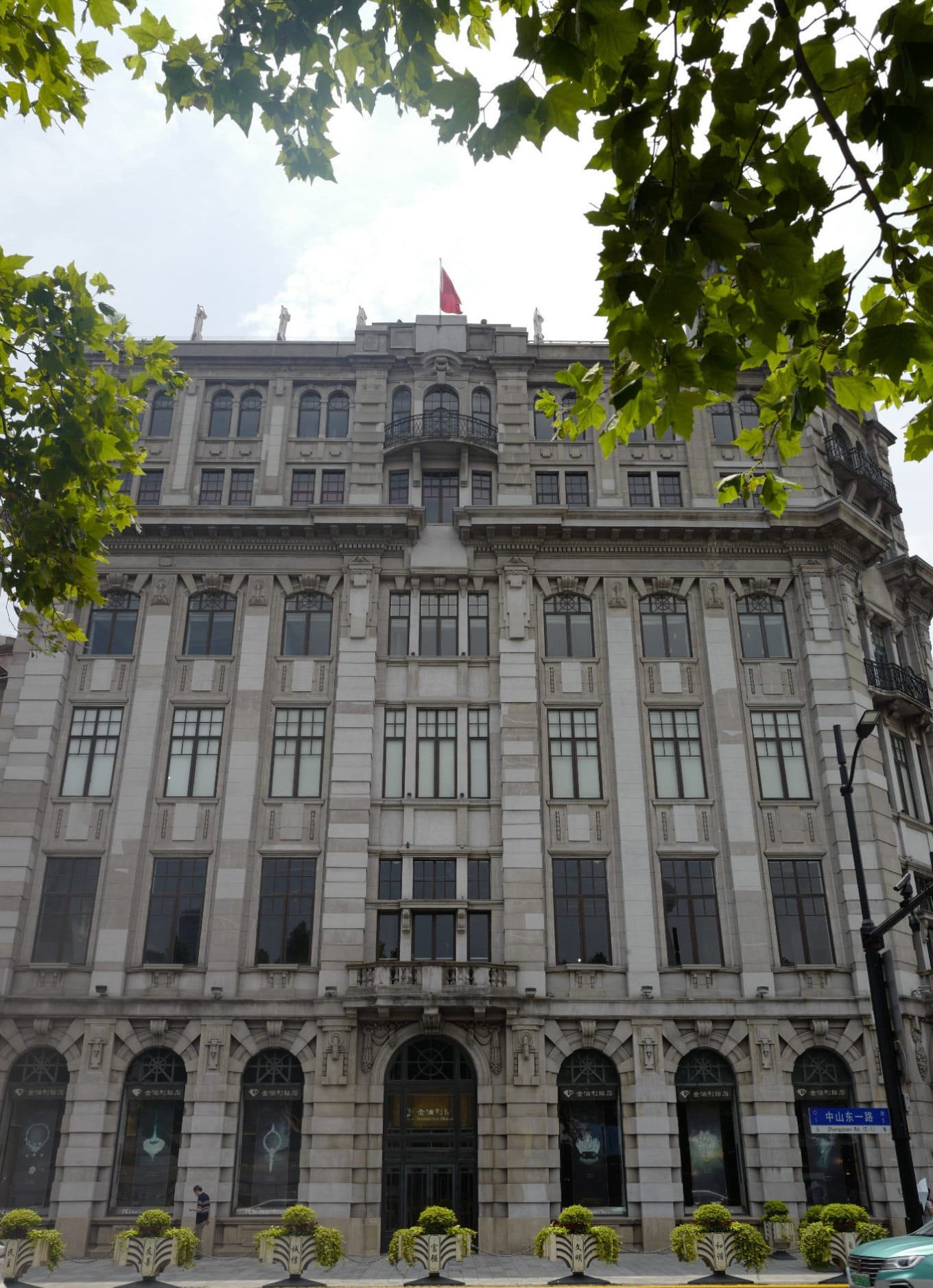
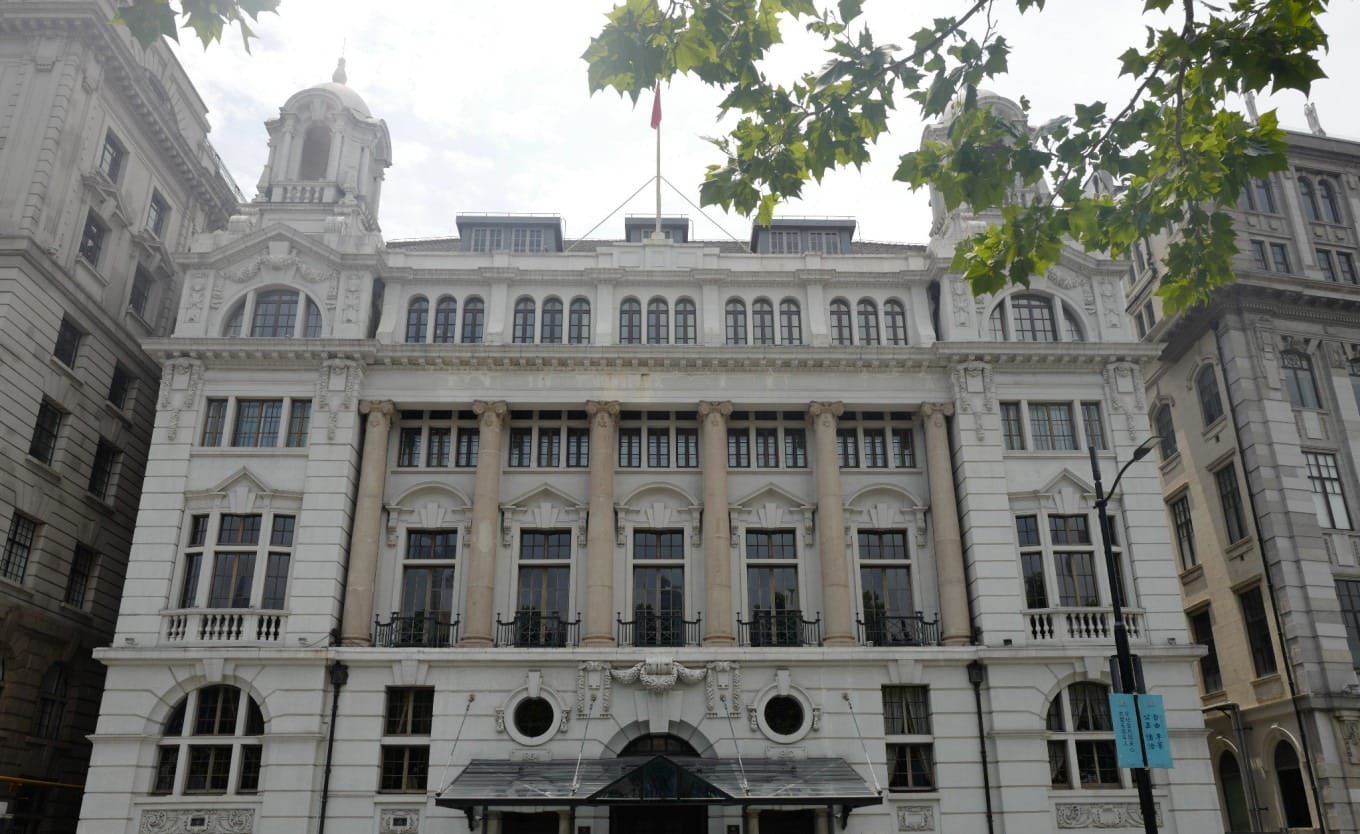
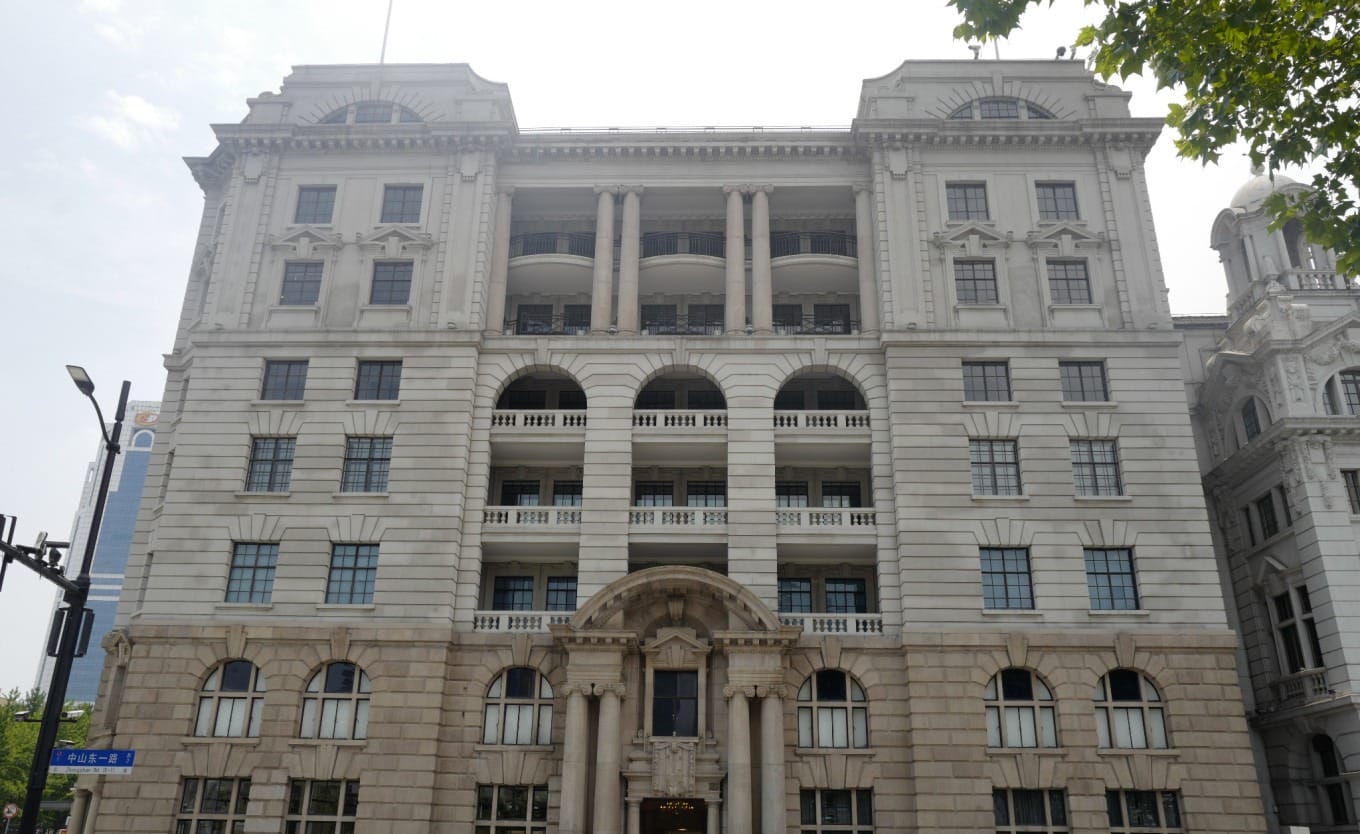
As you stroll south to north along Zhongshan East Road No. 1 (中山东一路), you’ll encounter a stunning collection of historic buildings, each with its own story. Here is a guide to some of the key architectural landmarks:
- **Glen Line Steamship Co. Building (格林邮船大楼旧址)**: Now the Shanghai Clearing House (上海清算所). Address: 2 Beijing East Road, Huangpu District (黄浦区北京东路2号). This 7-story reinforced concrete structure, designed by British architects Palmer & Turner, features a Neoclassical Renaissance style. It once housed Shanghai People’s Broadcasting Station.
- **Banque de l’Indochine Building (东方汇理银行大楼旧址)**: Now China Everbright Bank, Shanghai Bund Branch (中国光大银行上海外滩支行). Address: 29 Zhongshan East Road No. 1, Huangpu District (黄浦区中山东一路29号). A 3-story Classical-style building designed by British architects Atkinson & Dallas.
- **Jardine Matheson Building (怡和洋行大楼旧址)**: Now The Roosevelt (罗斯福公馆). Address: 27 Zhongshan East Road No. 1, Huangpu District (黄浦区中山东一路27号). This 7-story (expanded to 9 in 1983) Neoclassical building houses restaurants and bars.
- **Yangtze Insurance Building (扬子大楼)**: Now Agricultural Bank of China, Shanghai Bund Branch (中国农业银行上海外滩支行). Address: 26 Zhongshan East Road No. 1 (中山东一路26号). An Eclectic-style building designed by Palmer & Turner.
- **Yokohama Specie Bank Building (正金银行大楼旧址)**: Now Industrial and Commercial Bank of China, Shanghai Municipal Branch (中国工商银行上海市分行营业部). Address: 24 Zhongshan East Road No. 1 (中山东一路24号). A Neoclassical building from 1924.
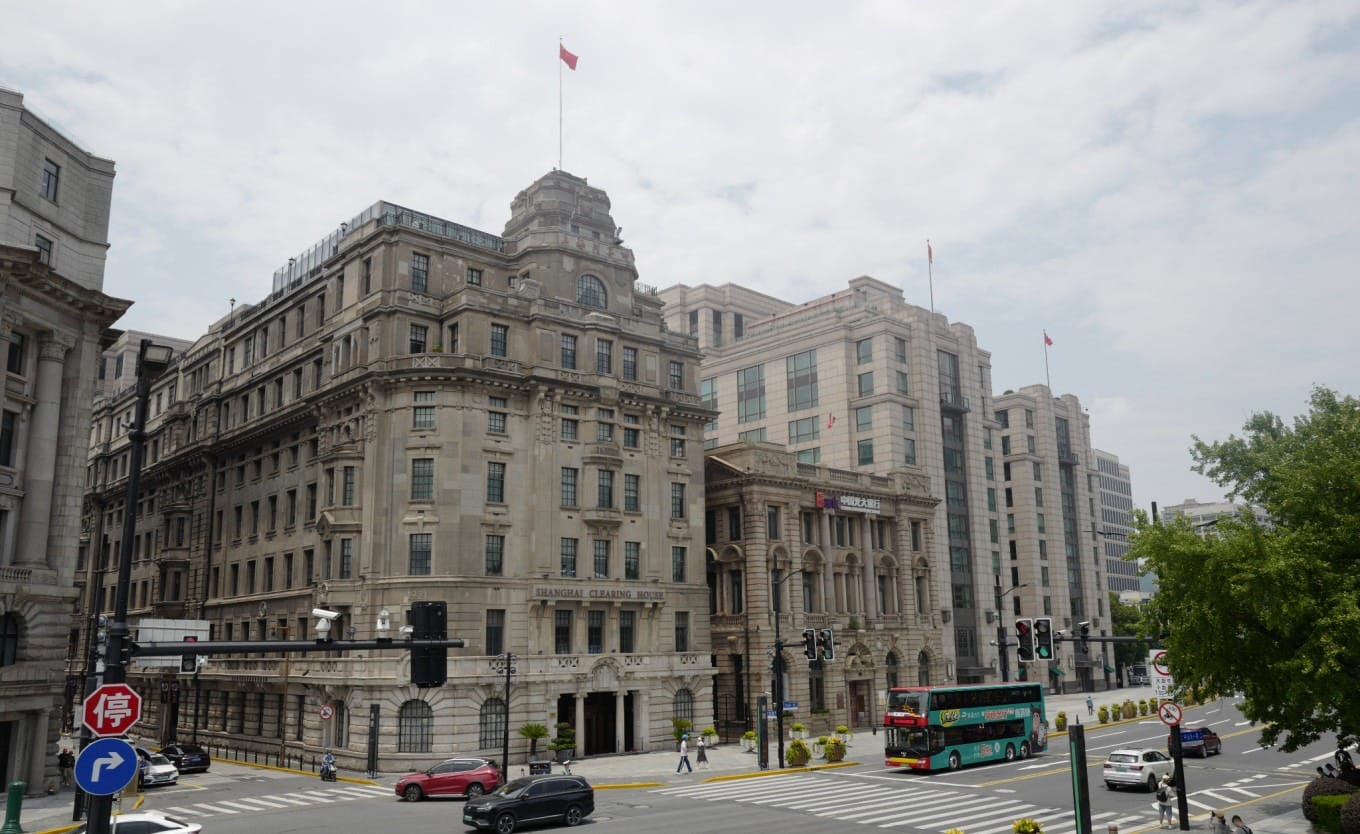
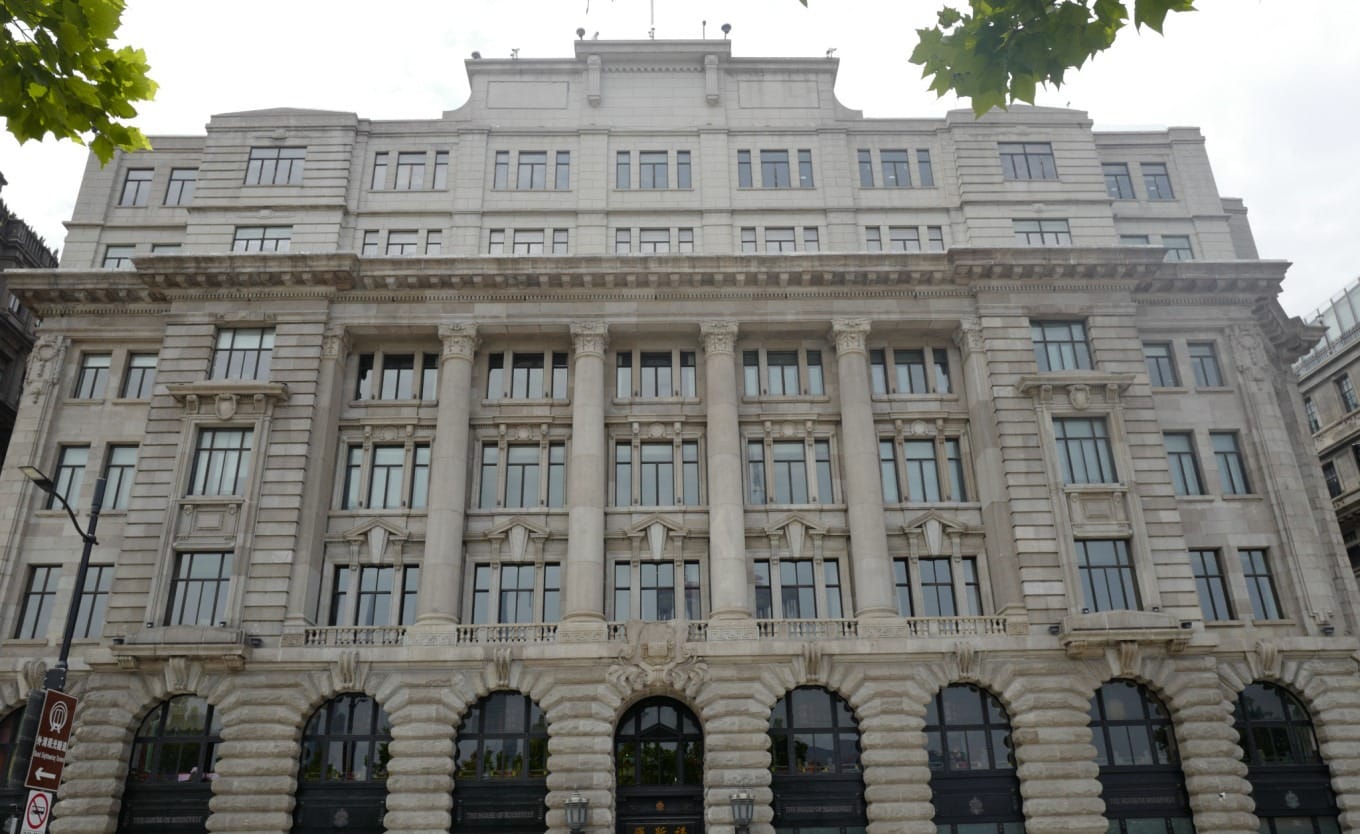
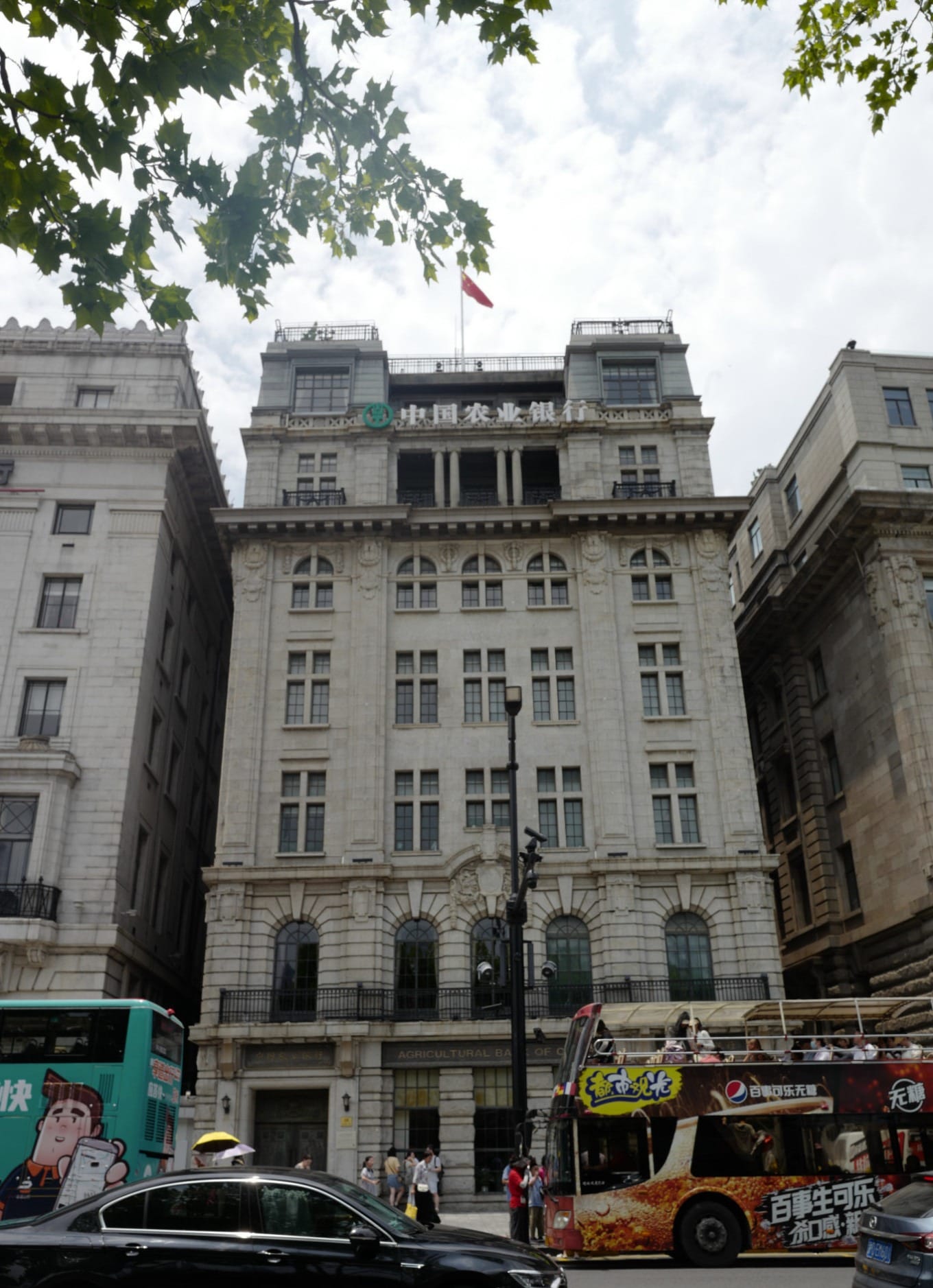
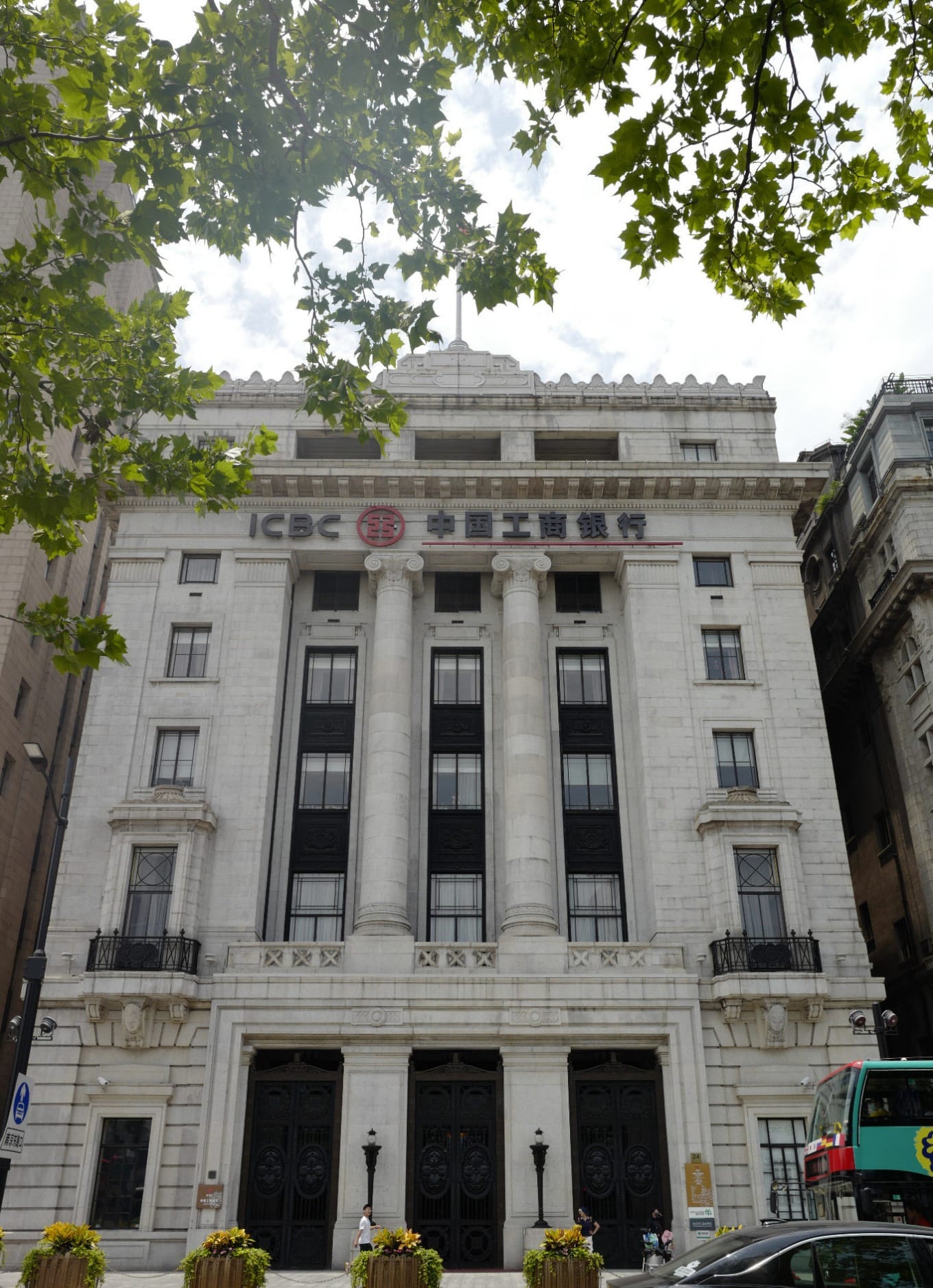
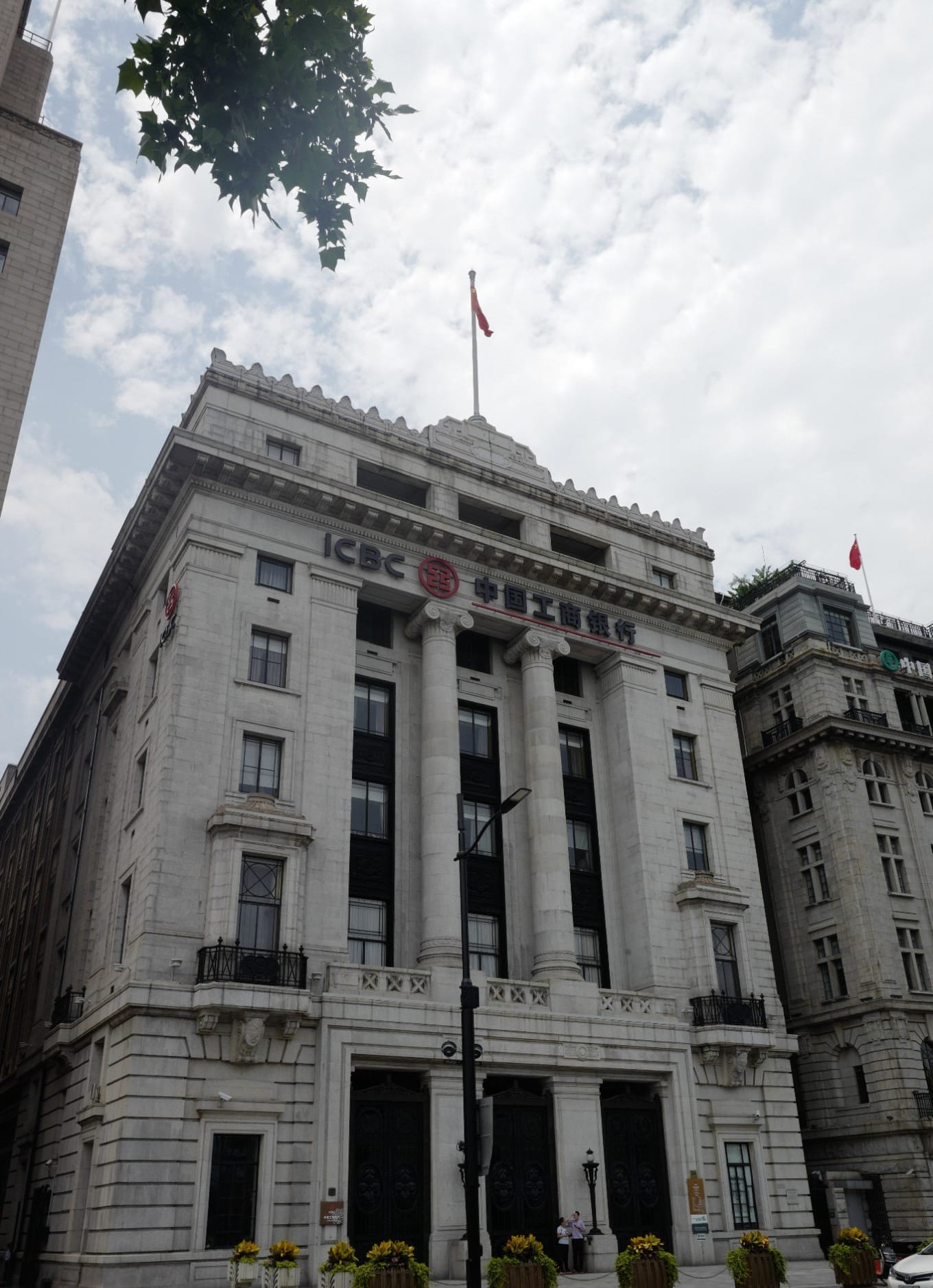
- **Former German Club Building (德国总会大楼旧址)**: Now Bank of China, Shanghai Branch (中国银行上海市分行). Address: 23 Zhongshan East Road No. 1 (中山东一路23号). This 17-story steel-frame Art Deco building, co-designed by Chinese architect Luke Him Sau, was the only major high-rise on The Bund designed by a Chinese architect in the 1930s.
- **Sassoon House (沙逊大厦旧址)**: Now the Fairmont Peace Hotel (和平饭店). Address: 20 Zhongshan East Road No. 1 (中山东一路20号). An iconic 12-story Early Modernist building, famous from films and TV. It was the tallest building on The Bund.
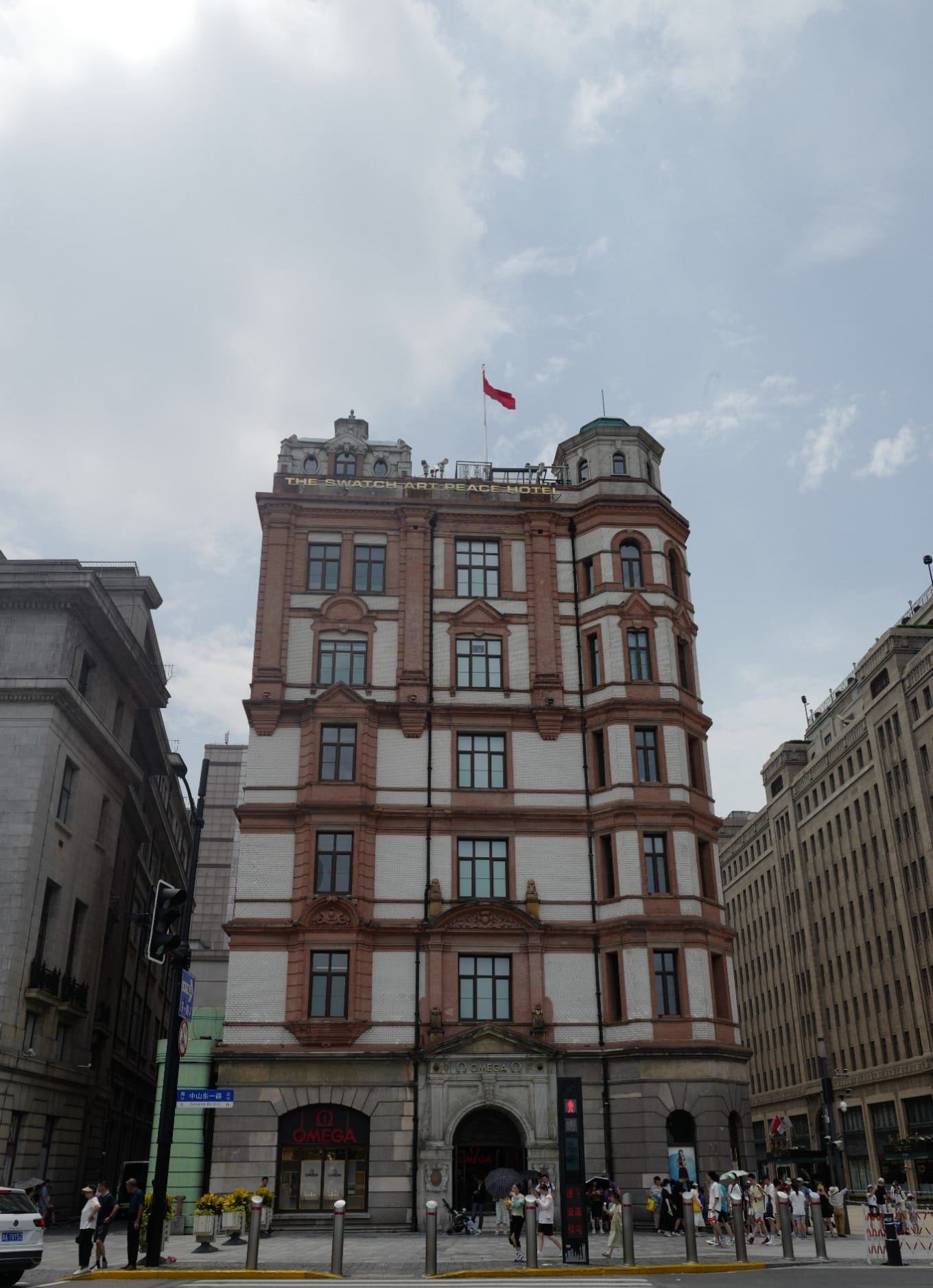
- **Palace Hotel (汇中饭店)**: Address: 19 Zhongshan East Road No. 1 (中山东一路19号). A 6-story brick-and-timber Renaissance-style building, now the Swatch Art Peace Hotel.
- **Former Chartered Bank Building (麦加利银行大楼旧址)**: Address: 18 Zhongshan East Road No. 1 (中山东一路18号). Originally a 3-story British-style building, expanded to 4 stories in 1922.
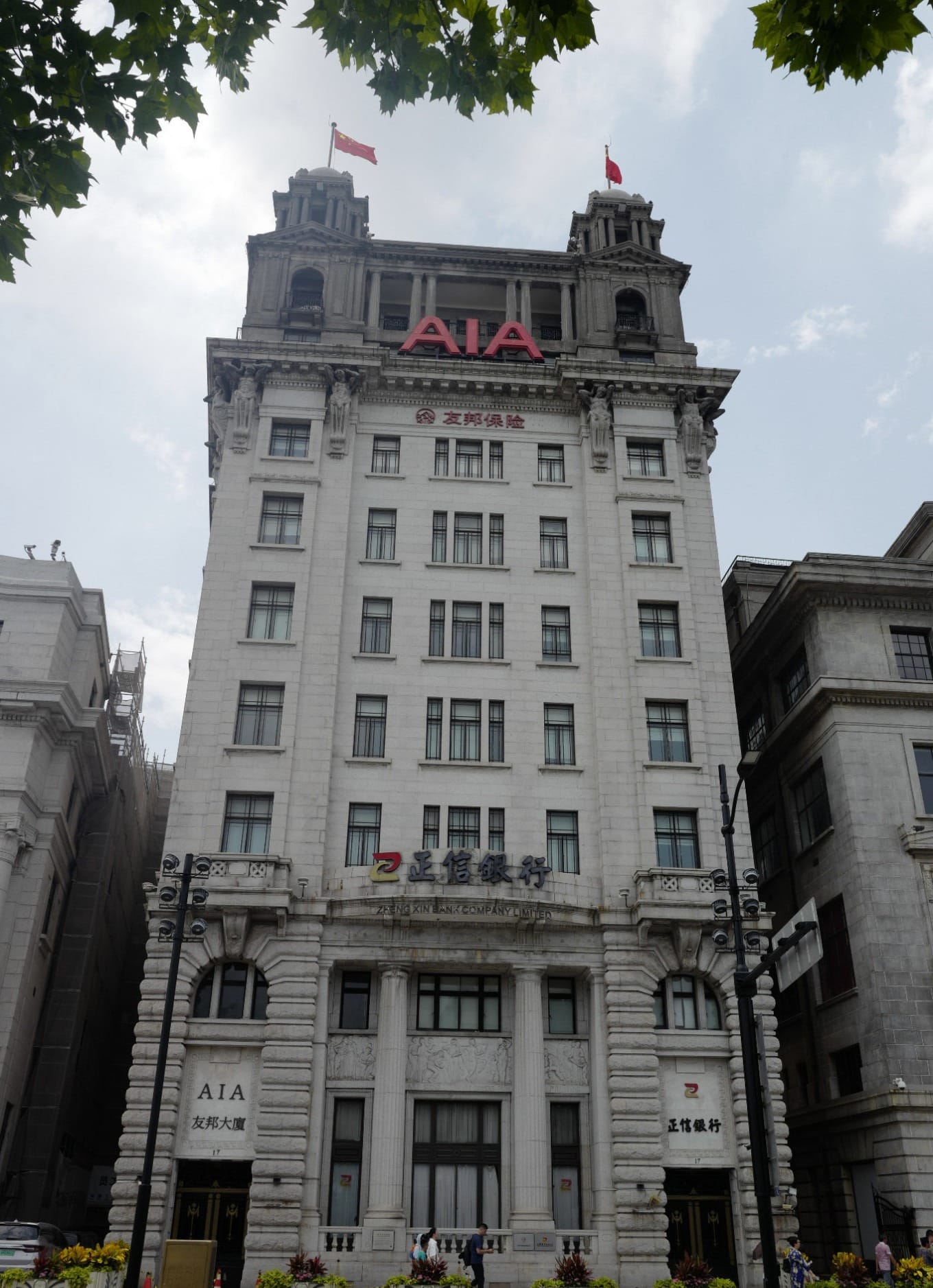
- **North China Daily News Building (字林大楼)**: Now the AIA Building (友邦大厦). Address: 17 Zhongshan East Road No. 1, Huangpu District (黄浦区中山东一路17号). An 8-story building blending Neoclassical and modern styles, named for the newspaper that moved there in 1901.
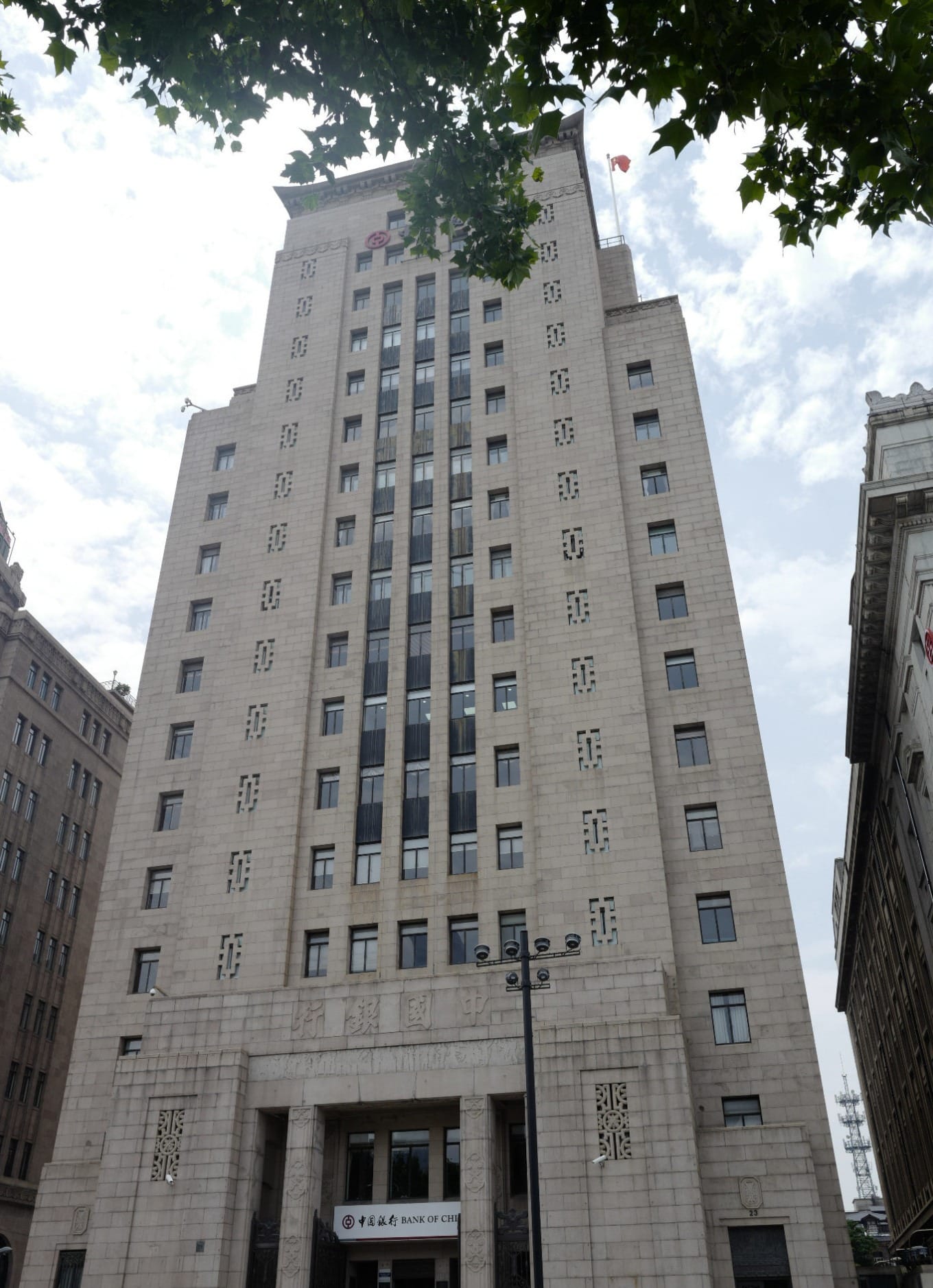
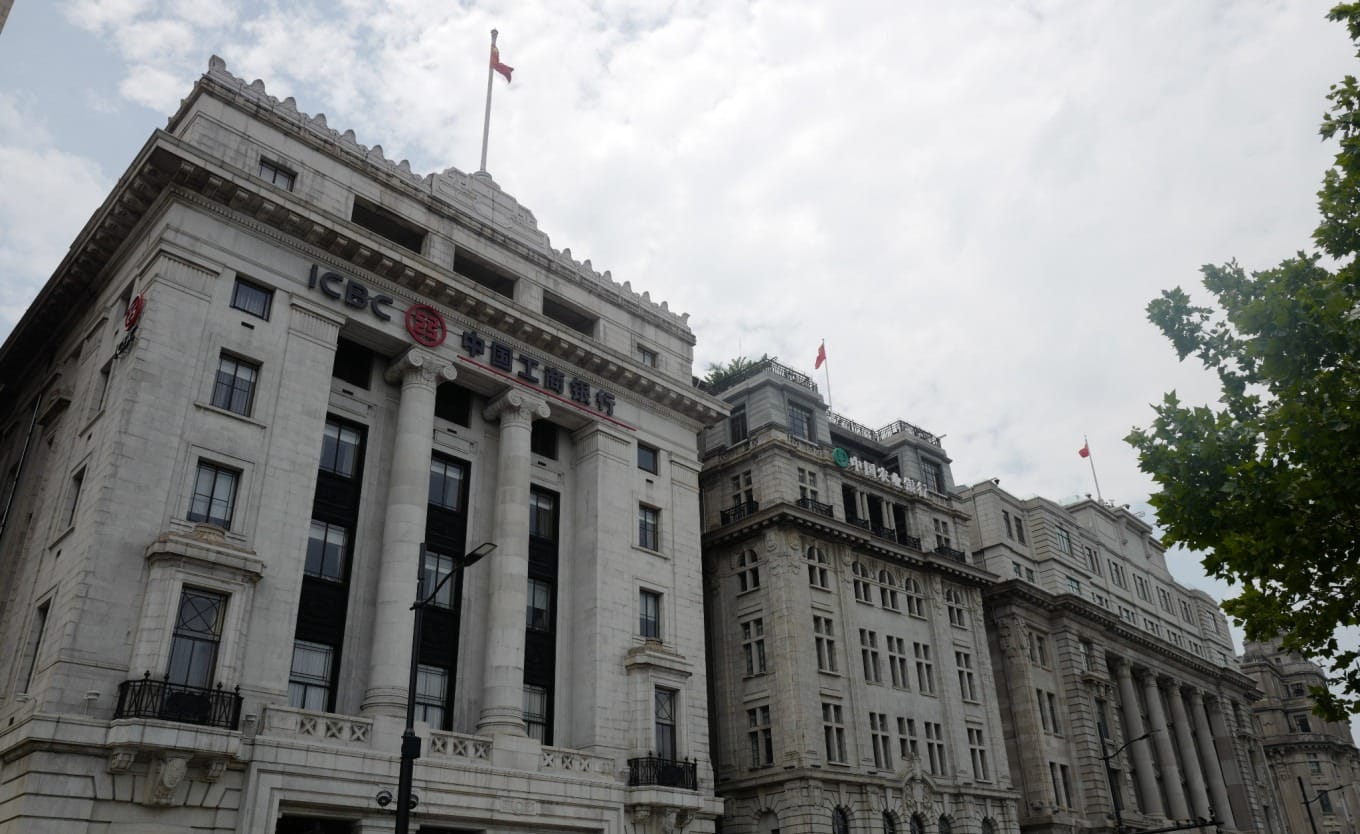
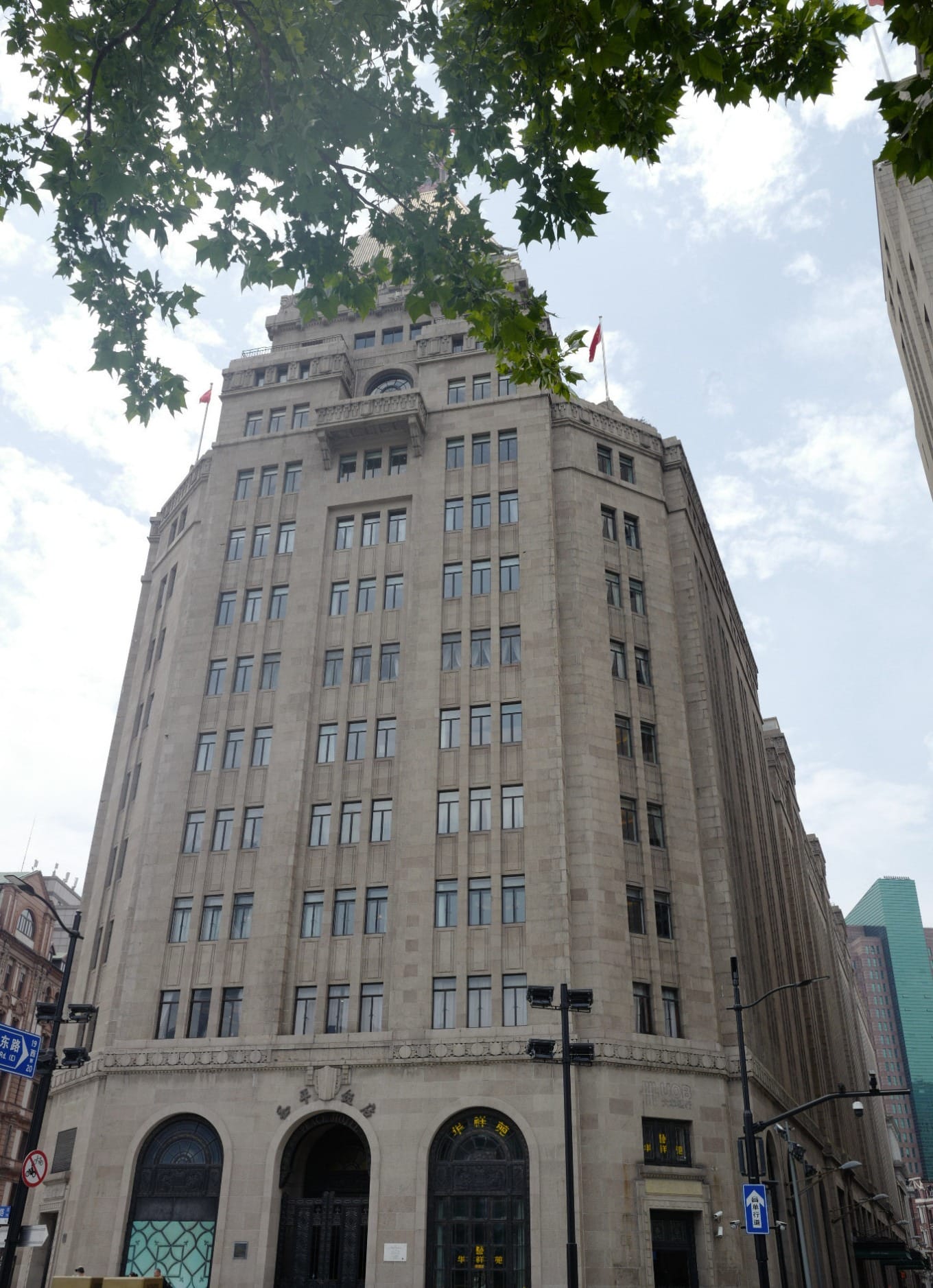
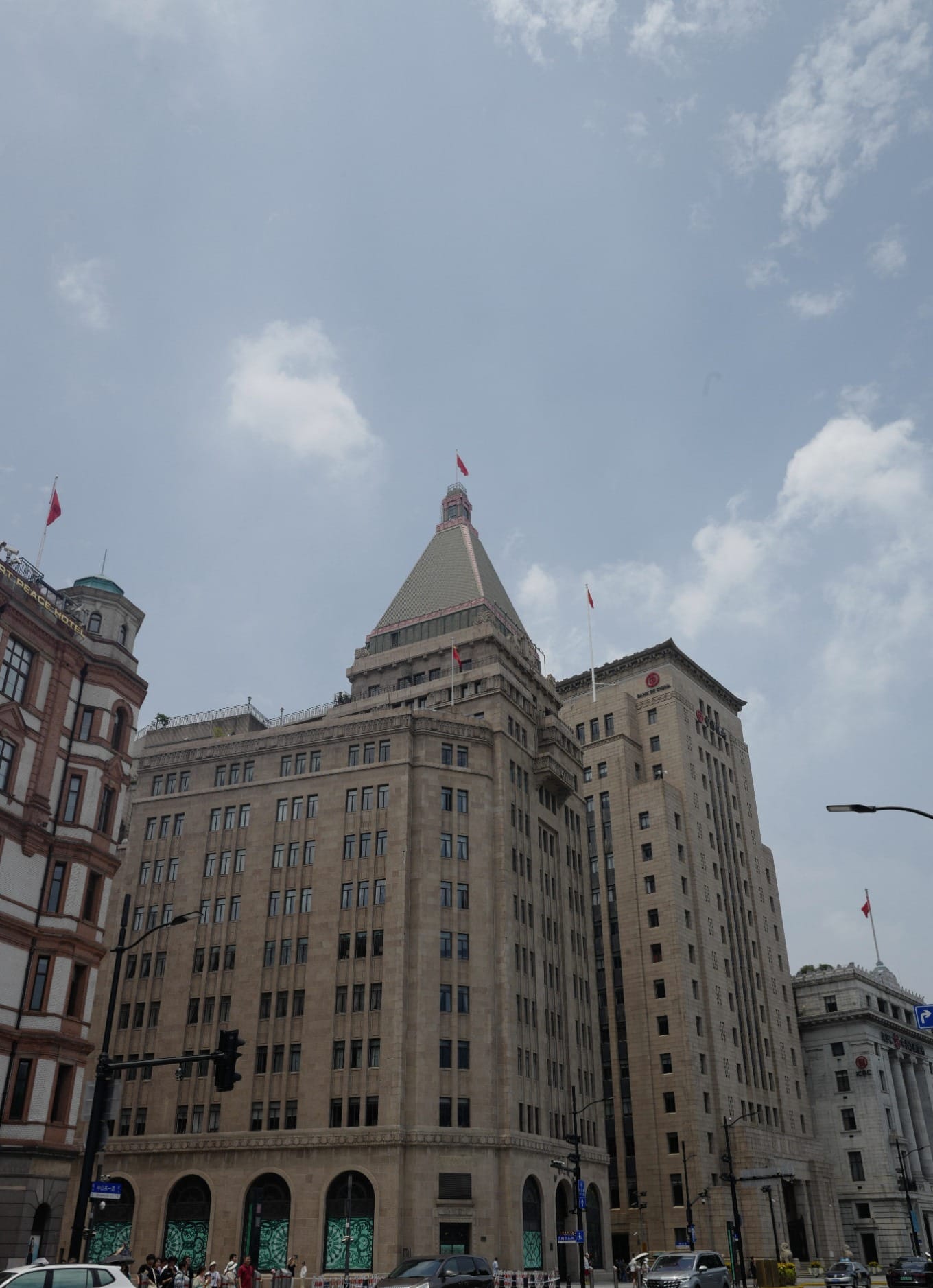
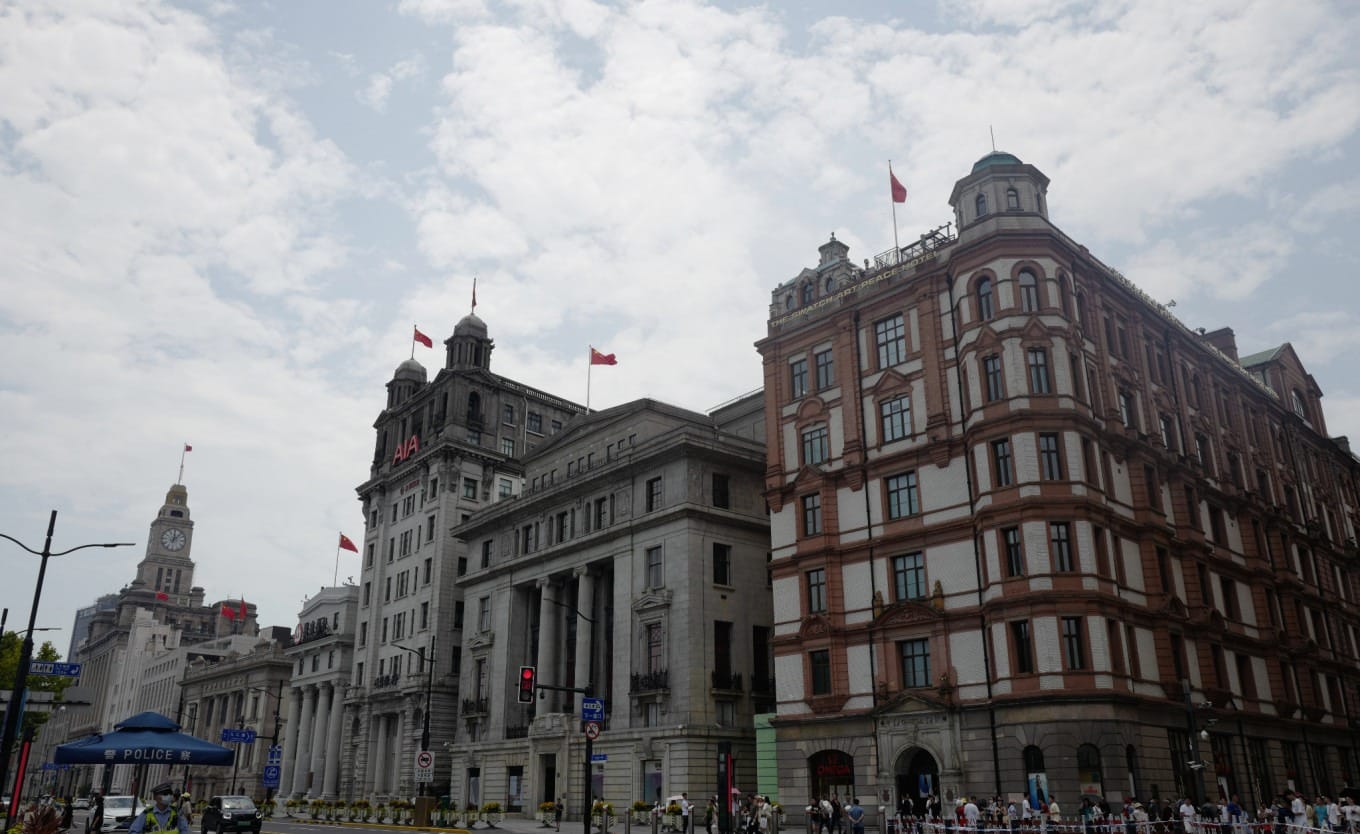
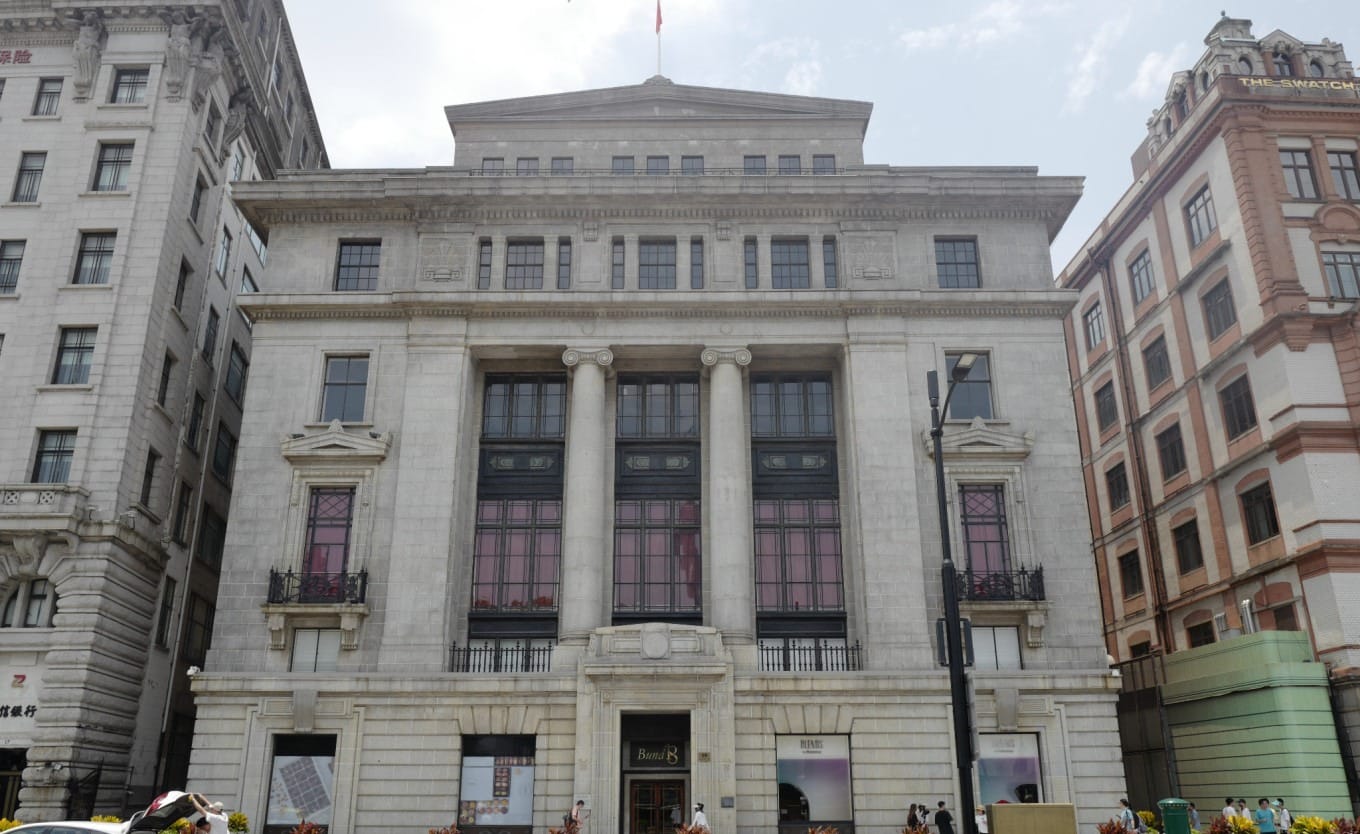
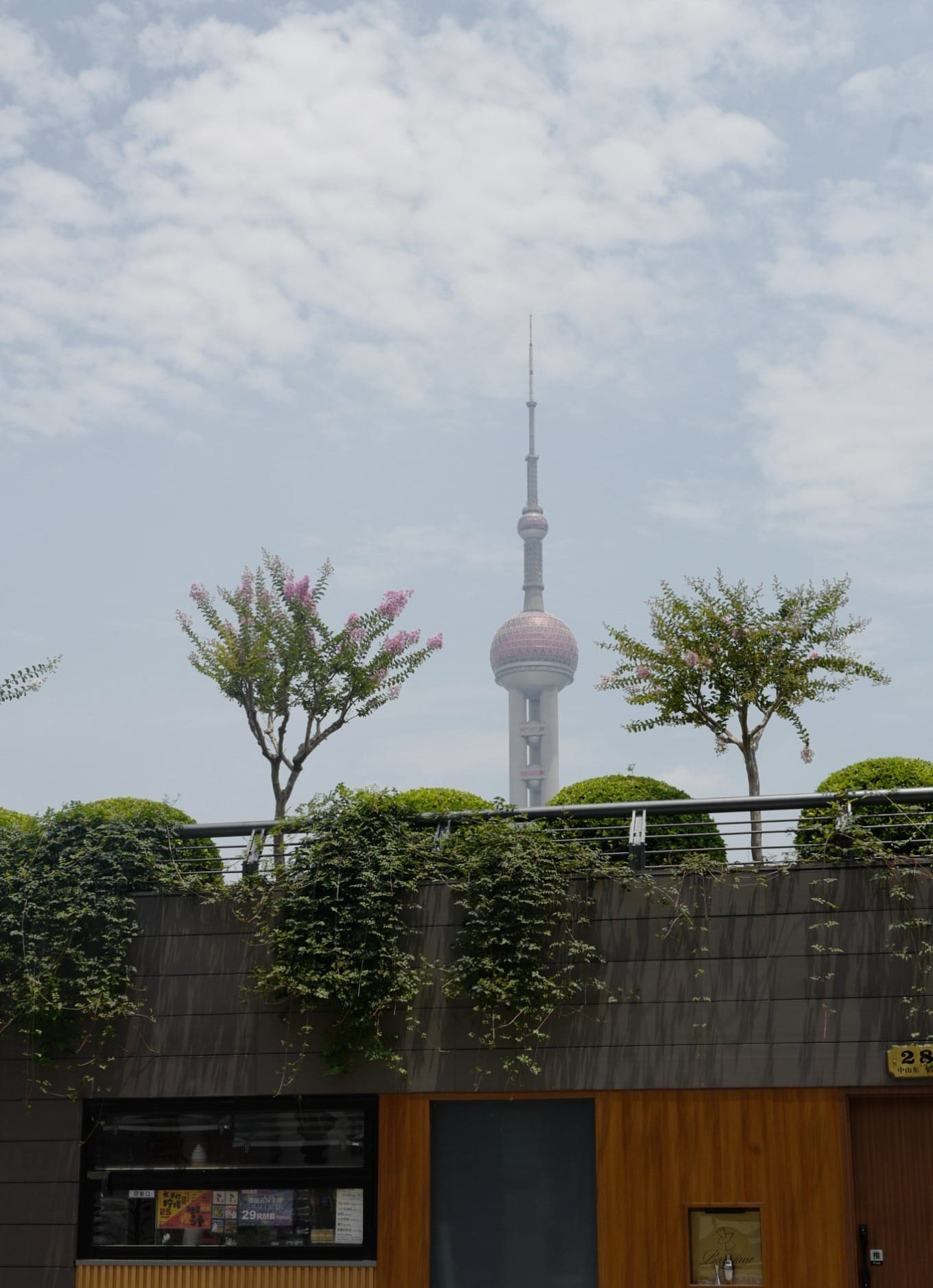
Continuing north, you’ll find more architectural gems. The former Bank of Taiwan Building (台湾银行大楼) at No. 16 is now a China Merchants Bank branch, a 4-story structure in Japanese Modern Western style. At No. 15, the Russo-Asiatic Bank building (华俄道胜银行), now the China Foreign Exchange Trade Center, is a 3-story French Classical building notable for having one of China’s earliest elevators. As you walk, be sure to glance across the river to Pudong, where you might catch seasonal blooms like crape myrtle flowers.
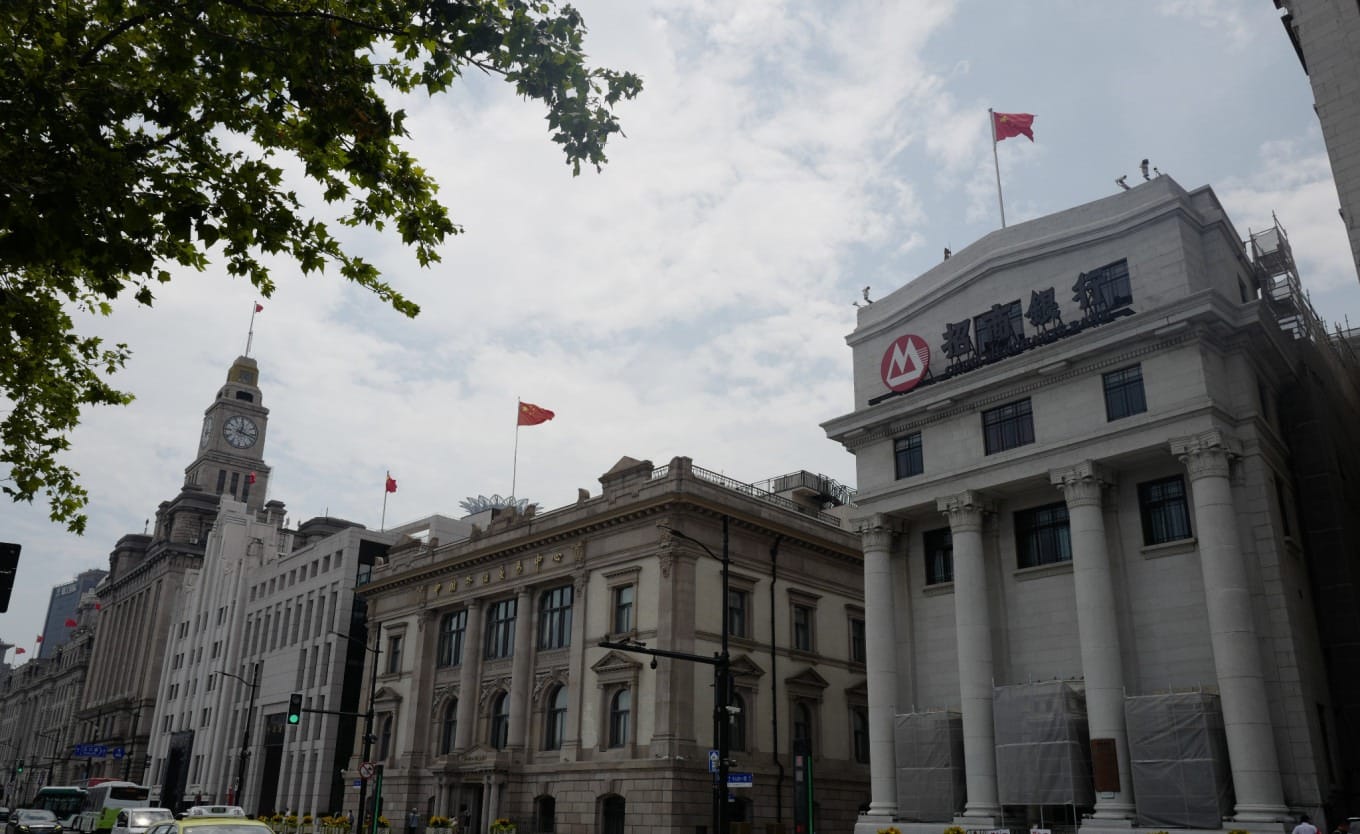
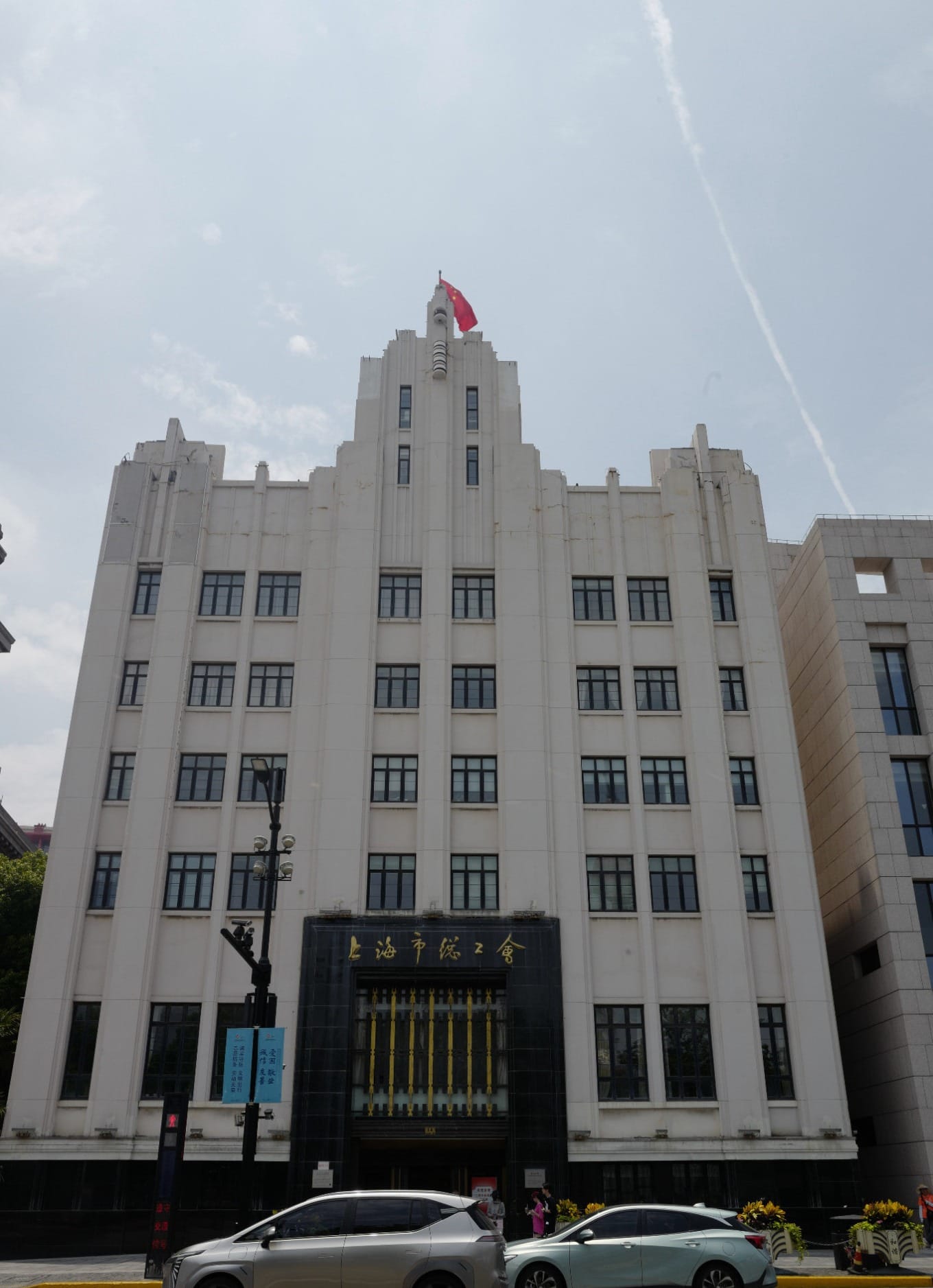
- **Former Bank of Communications Building (交通银行大楼旧址)**: Now Shanghai Federation of Trade Unions (上海市总工会). Address: 14 Zhongshan East Road No. 1 (中山东一路14号). Completed in 1948, this 6-story building is the most modern of the Bund structures.
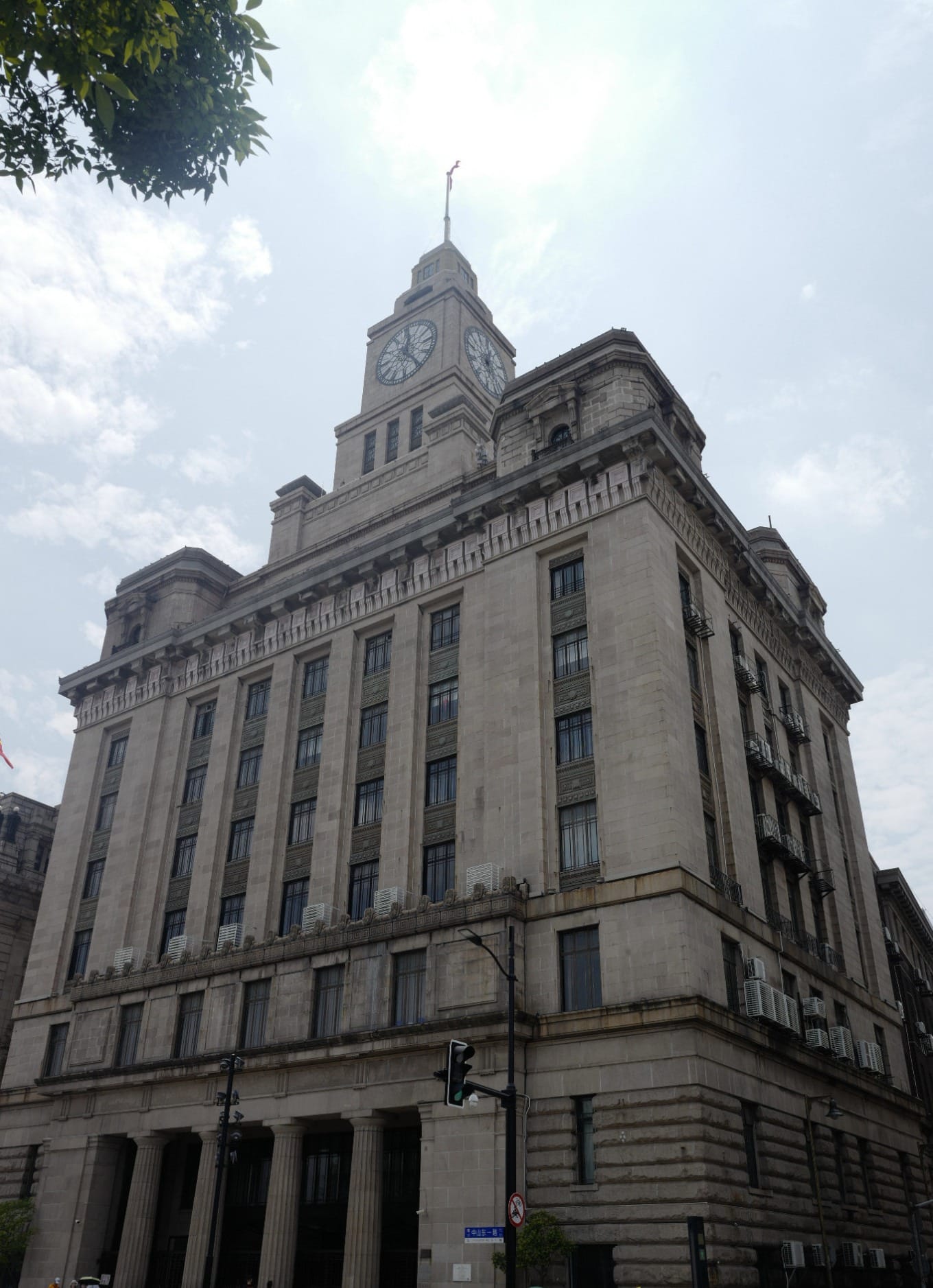
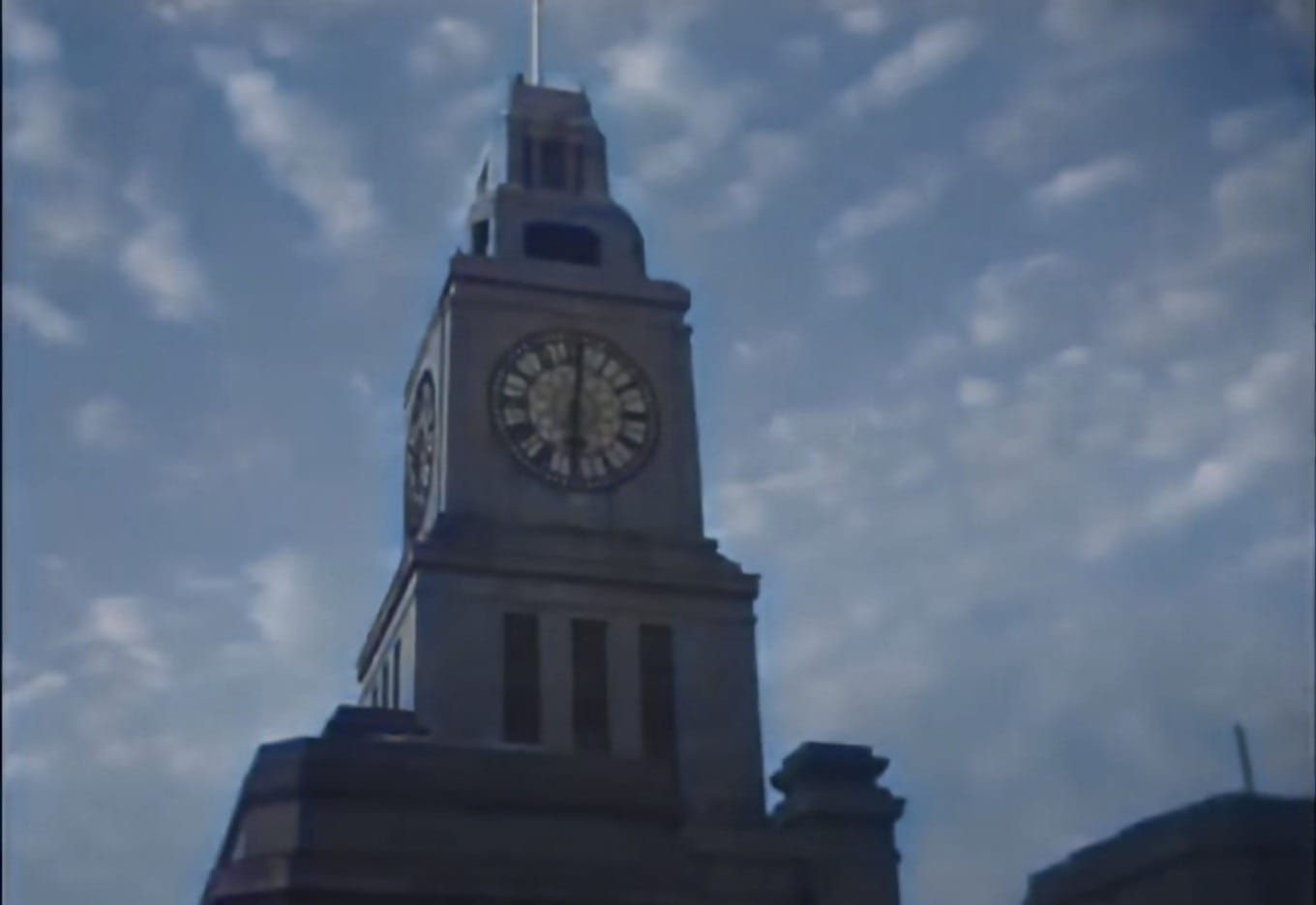
- **Customs House (江海关大楼)**: Address: 13 Zhongshan East Road No. 1 (中山东一路13号). An 11-story Greek Neoclassical landmark with a iconic Gothic clock tower, familiar from old photos and films.
- **Former HSBC Building (汇丰银行大楼旧址)**: Now Shanghai Pudong Development Bank, Shanghai First Business Department (上海浦东发展银行上海第一营业部). Address: 12 Zhongshan East Road No. 1, Huangpu District (黄浦区中山东一路12号). A majestic 5-story Greek Neoclassical building from 1923. Its interior is famously opulent, but note it’s closed on Sundays.
- **Former China Merchants Steam Navigation Company Building (轮船招商总局旧址)**: Now Shanghai Archives (上海档案馆). Address: 9 Zhongshan East Road No. 1, The Bund Subdistrict (外滩街道中山东一路9号). A 3-story brick-and-timber building.
- **Former Great Northern Telegraph Company Building (北电报公司大楼旧址)**: Now Bangkok Bank, Shanghai Branch (盘谷银行上海分行). Address: 7 Zhongshan East Road No. 1, Huangpu District (黄浦区中山东一路7号). A 5-story Renaissance-style building.
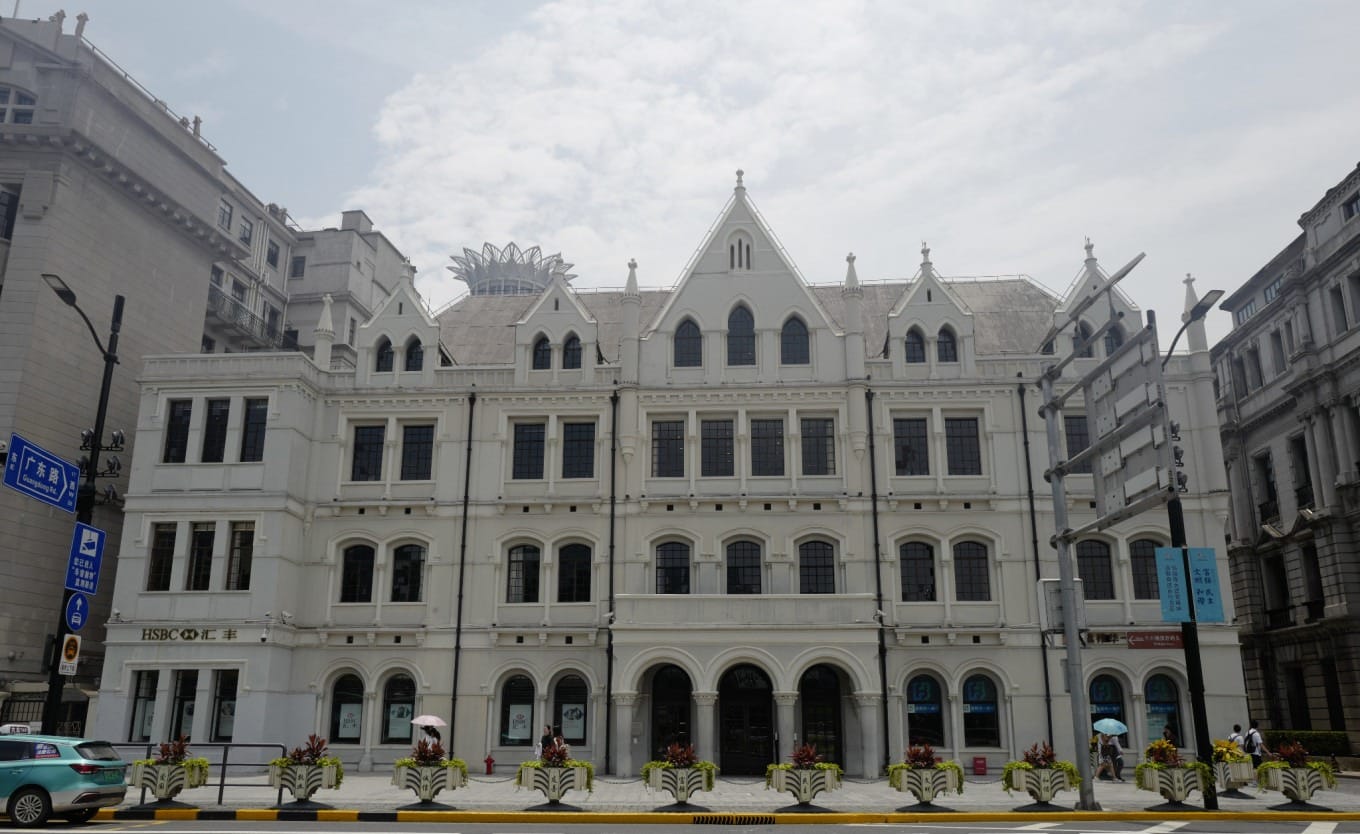
- **Yuen Fong Building (元芳大楼) / Former Commercial Bank of China (中国通商银行旧址)**: Address: 6 Zhongshan East Road No. 1 (中山东一路6号). A 4-story Gothic-style building.
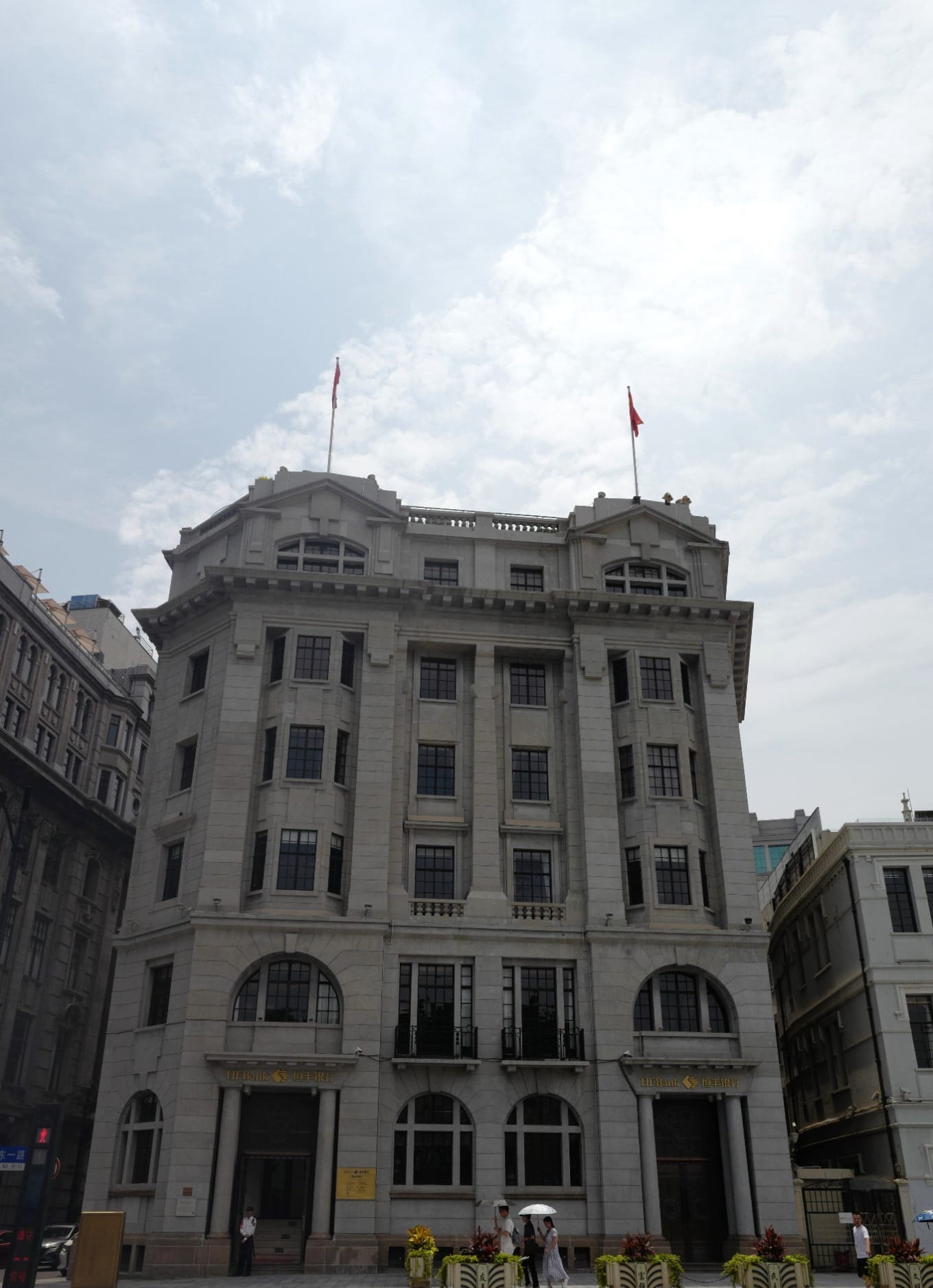
- **Nisshin Building (日清大楼)**: Now Bank of Hengfeng, Shanghai Bund Branch (恒丰银行上海外滩支行). Address: 5 Zhongshan East Road No. 1 (中山东一路5号). A 6-story European Revivalist building from 1921.
- **Former Mercantile Bank of India Building (有利银行旧址)**: Address: 4 Zhongshan East Road No. 1 (中山东一路4号). A 6-story New Renaissance-style steel-frame building.
- **Shanghai Club Building (上海总会大楼)**: Now Waldorf Astoria Shanghai on the Bund (华尔道夫酒店). Address: 2 Zhongshan East Road No. 1 (中山东一路2号). A 6-story British Classical building with Baroque elements, internally modeled after Tokyo’s Imperial Hotel.
- **Asia Building (亚细亚大楼)**: Now China Pacific Insurance Building (太平洋保险公司大楼). Address: 1 Zhongshan East Road No. 1 (中山东一路1号). An 8-story Eclectic-style building with Baroque frontage and Ionic columns.
Lunch at Da Hu Chun: Shanghai’s Classic Shengjian
When exploring Shanghai’s food scene, asking local friends for recommendations is a smart move. You’ll often hear about shengjianbao (pan-fried soup dumplings) as a beloved childhood staple, not fancy Western fare. One iconic spot locals mention is the time-honored Da Hu Chun (大壶春). The name might sound familiar—it’s a chain with outlets across the city, possibly even near your hotel. Don’t let its simple, unassuming storefront fool you; this is where you’ll find some of Shanghai’s most authentic shengjian.
For a satisfying lunch, consider ordering a combo set from their menu. A popular choice is the double portion featuring Da Xia Xian Rou Shengjianbao (大虾鲜肉生煎包 / shrimp and pork shengjian) paired with Niu Rou Fen Si Tang (牛肉粉丝汤 / beef vermicelli soup). The shengjian are crispy on the bottom, fluffy on top, and filled with juicy, well-seasoned filling—perfectly capturing the classic Shanghai taste. The beef soup, rich and comforting, makes an ideal accompaniment. A practical tip: handle the soup bowl carefully to avoid spills, as it’s served piping hot.
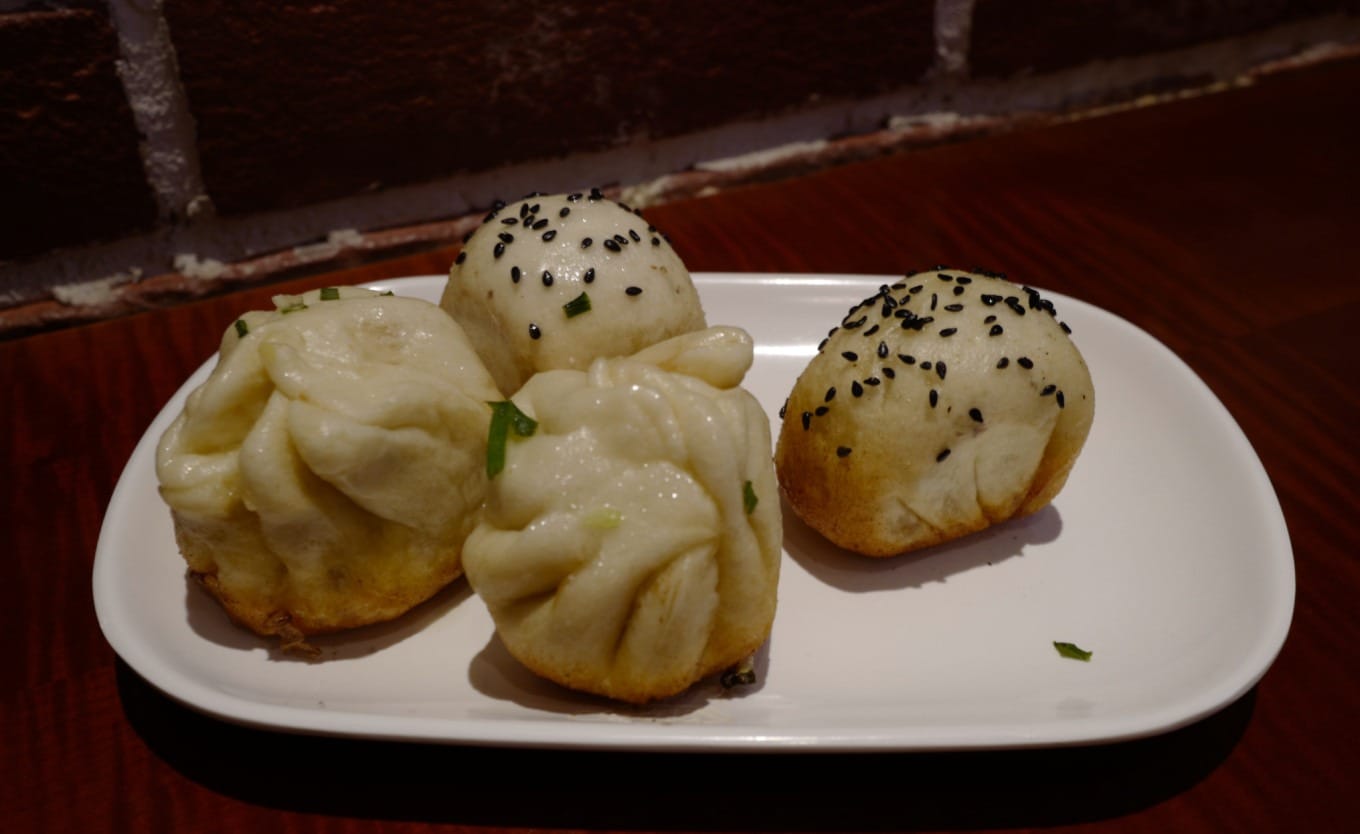
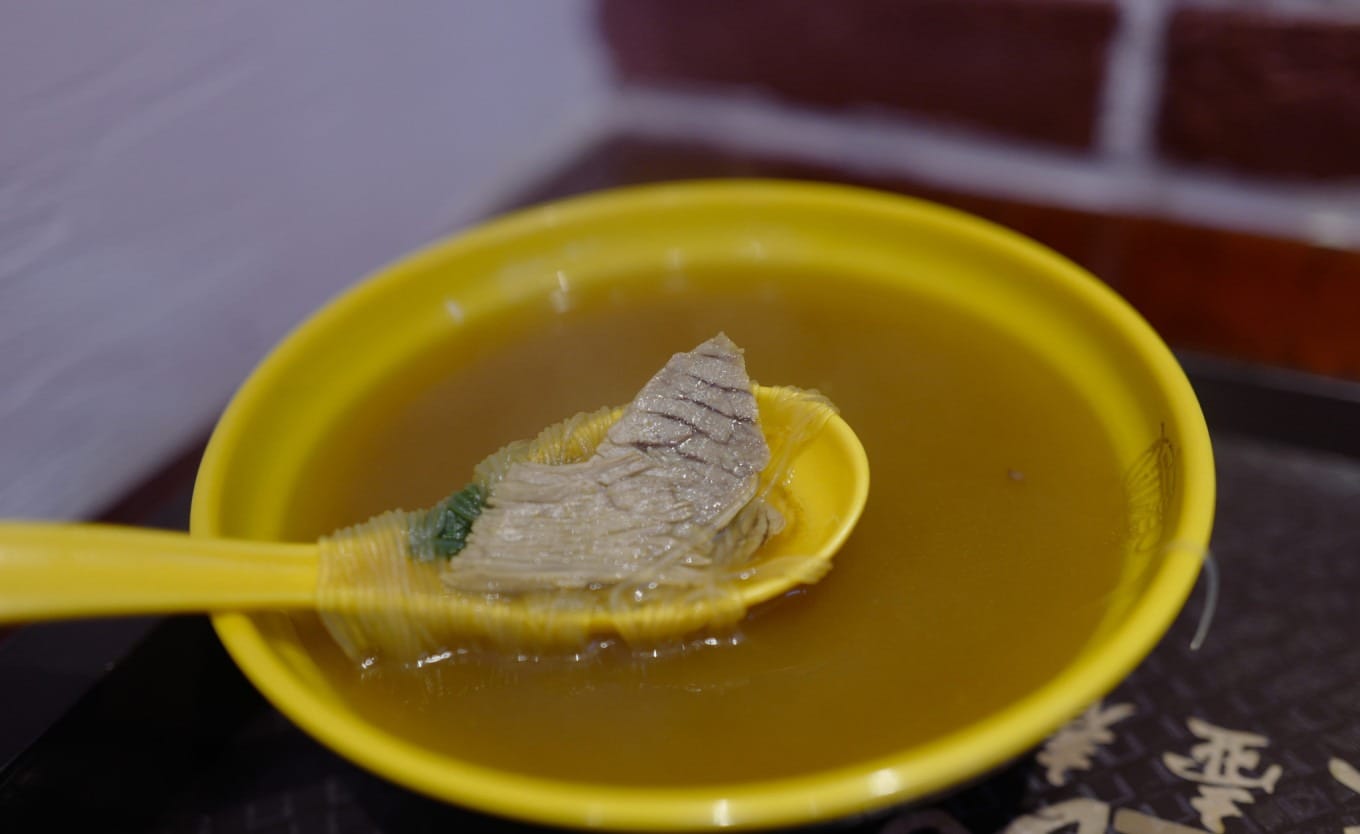
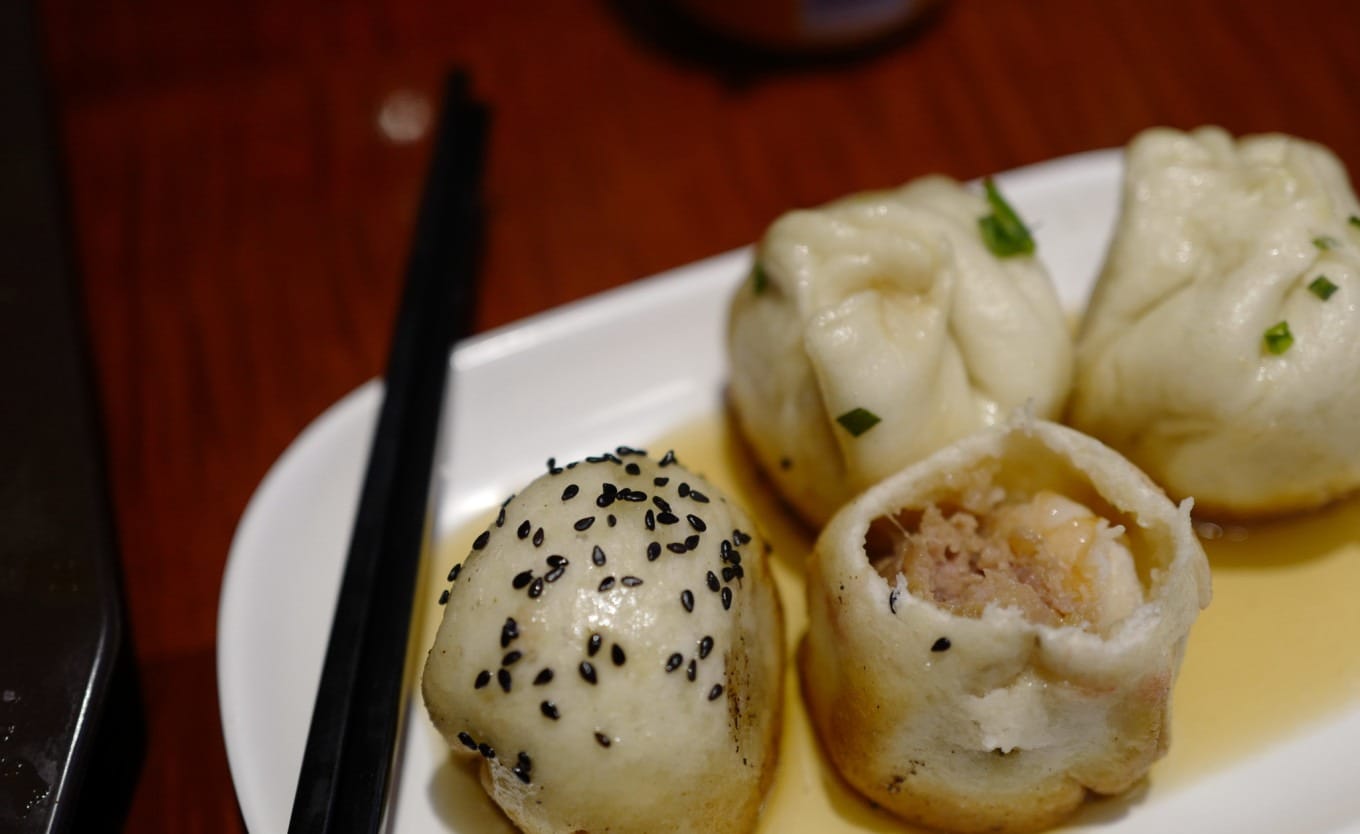
- RestaurantDa Hu Chun (大壶春)
- AddressMultiple locations across Shanghai;
- Recommended dishesDa Xia Xian Rou Shengjianbao (大虾鲜肉生煎包 / shrimp and pork shengjian), Niu Rou Fen Si Tang (牛肉粉丝汤 / beef vermicelli soup)
- Average spendAround ¥30–50 per person
A Stroll Down Sinan Road: Historic Mansions and a Hidden Park
Sinan Road (思南路) is one of Shanghai’s most charming historic streets, lined with elegant European-style mansions that whisper tales of the city’s past. It’s a perfect area for a leisurely afternoon walk, where you can admire architecture and peek into history before discovering a surprising green oasis. While exploring, it’s wise to use a reliable ride-hailing app; occasional navigation hiccups with drivers have been reported, but you can always file a complaint through the app for a fare adjustment if a route seems excessively long.
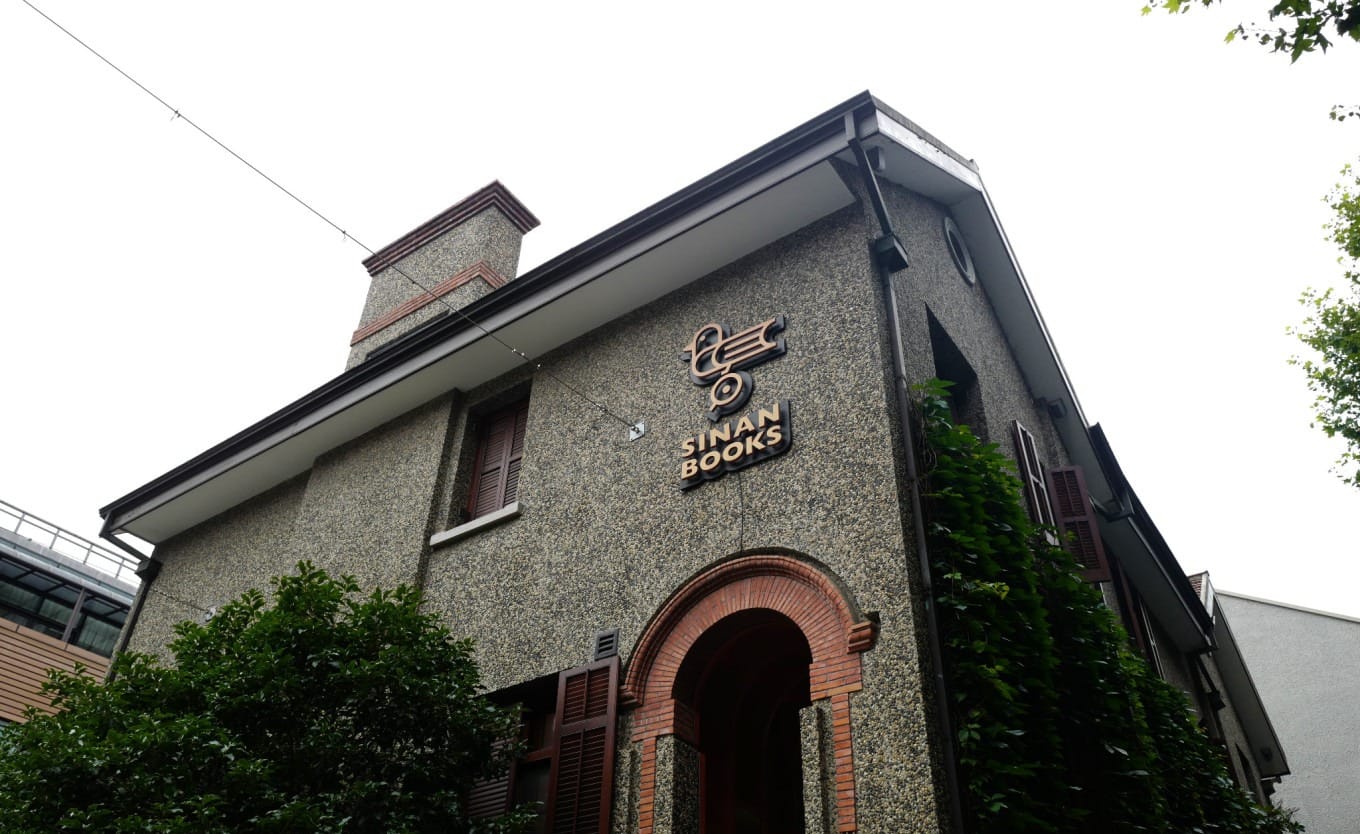
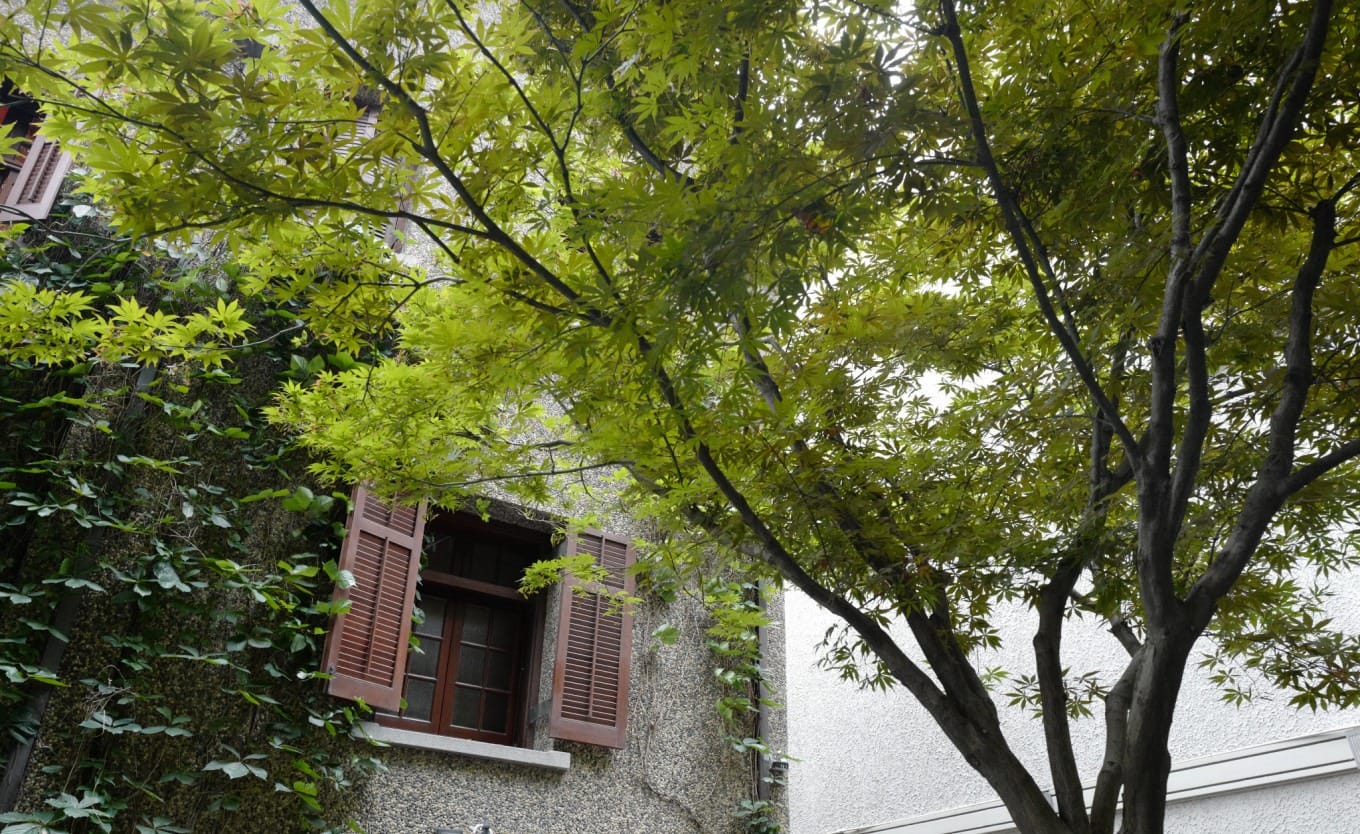
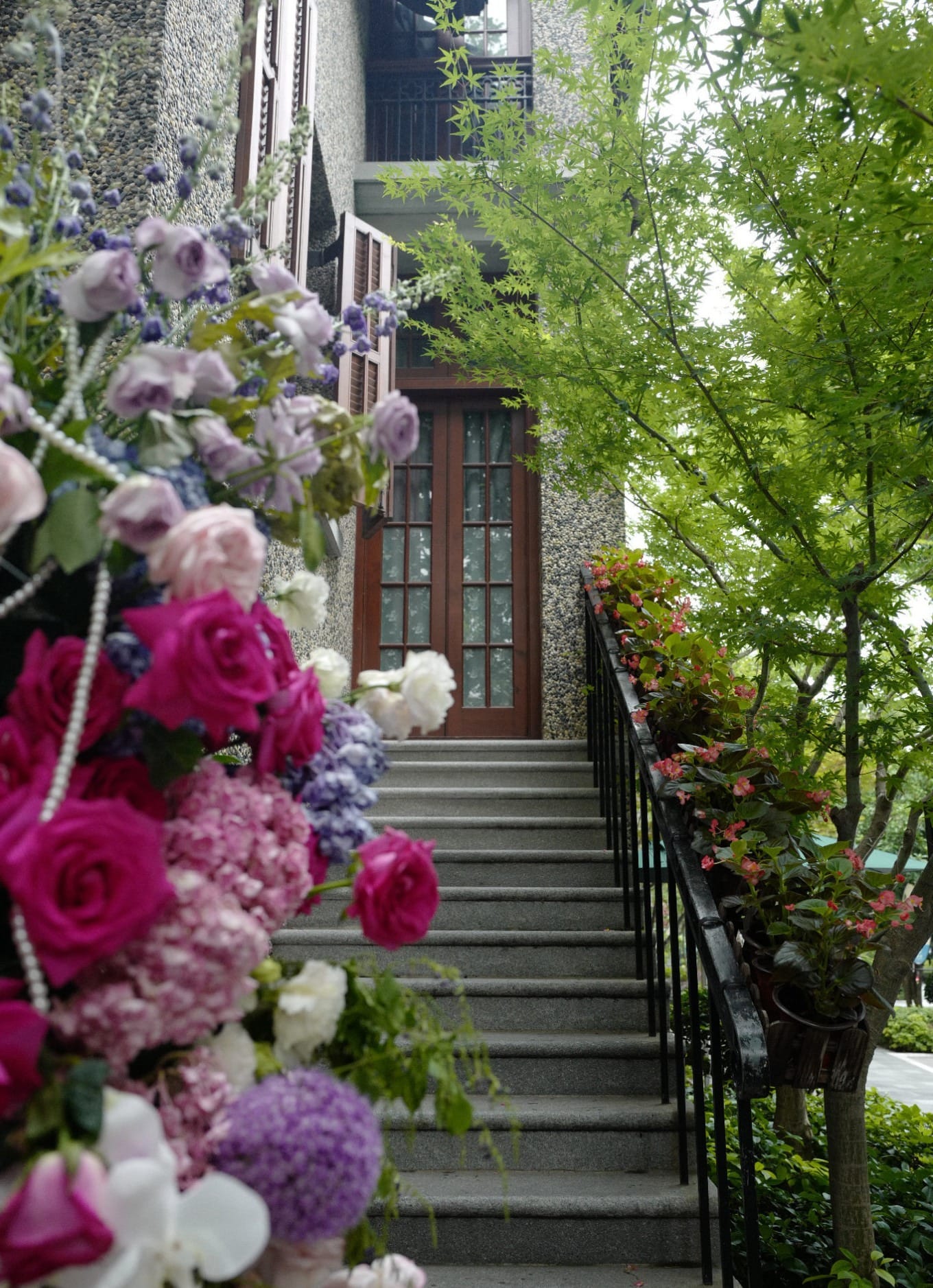
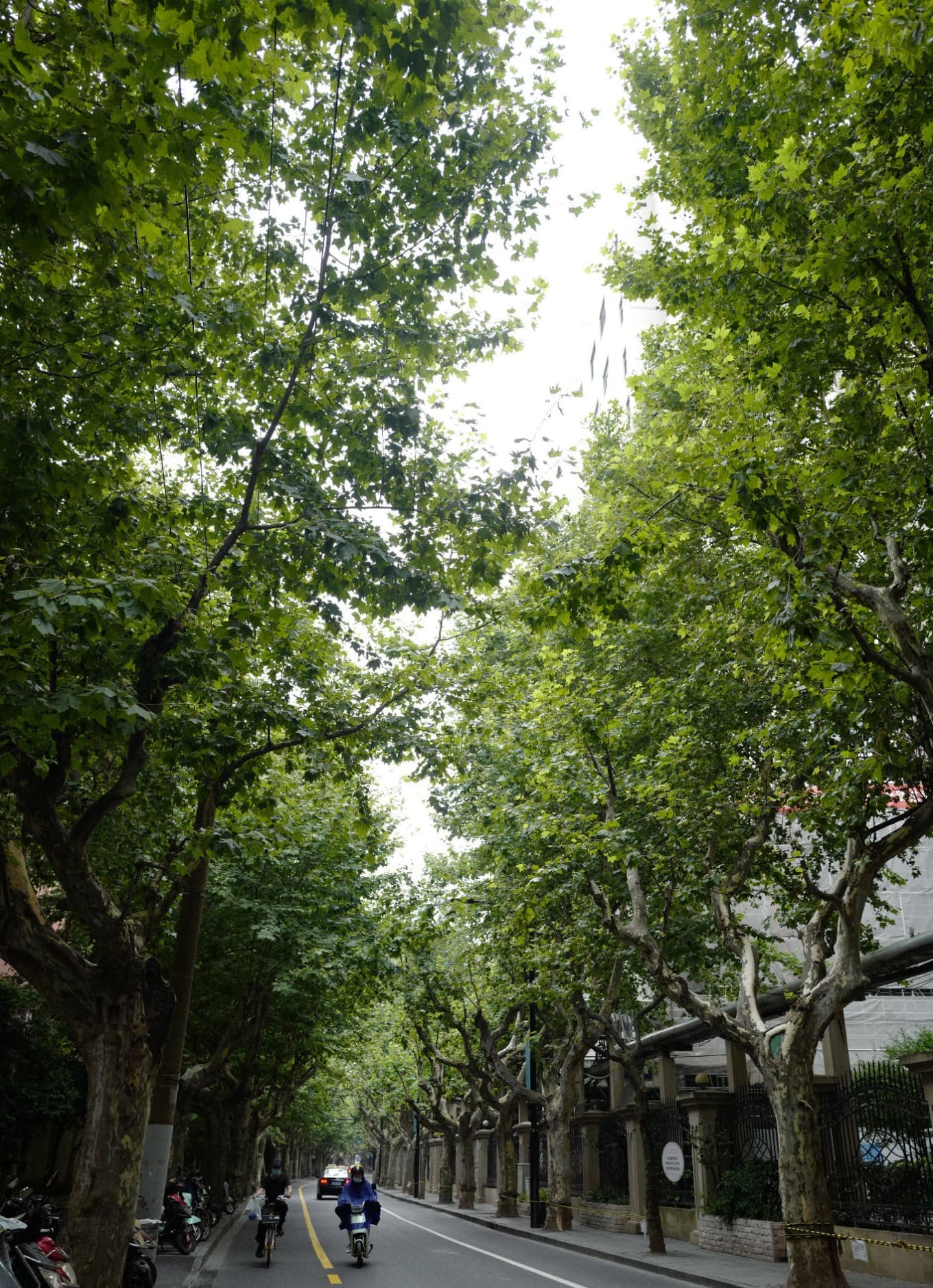
Your stroll can begin at the Sinan Bookstore (思南书馆), a cultural spot set in a charming old house. The architecture itself is the main attraction. Out front, you’ll find maple trees that remain lush and green through much of the year, offering a particularly beautiful scene if you visit in late autumn.
As you walk down the road, you’ll pass numerous historic residences, many now repurposed as restaurants or cultural sites. Look for the former homes of notable figures, each marked with plaques. At 517 Fuxing Middle Road (复兴中路517号), you’ll find a French Modern-style garden villa that was once home to Feng Yuxiang and later the poet Liu Yazi. Nearby, at 61 Sinan Road (思南路61号), is the French-style, three-story garden house that belonged to Xue Dubi; it now operates as a restaurant. The area collectively known as Sinan Mansions (思南公馆) isn’t a single building but a cluster of these historic properties, many of which house dining establishments like the one at Building 53.
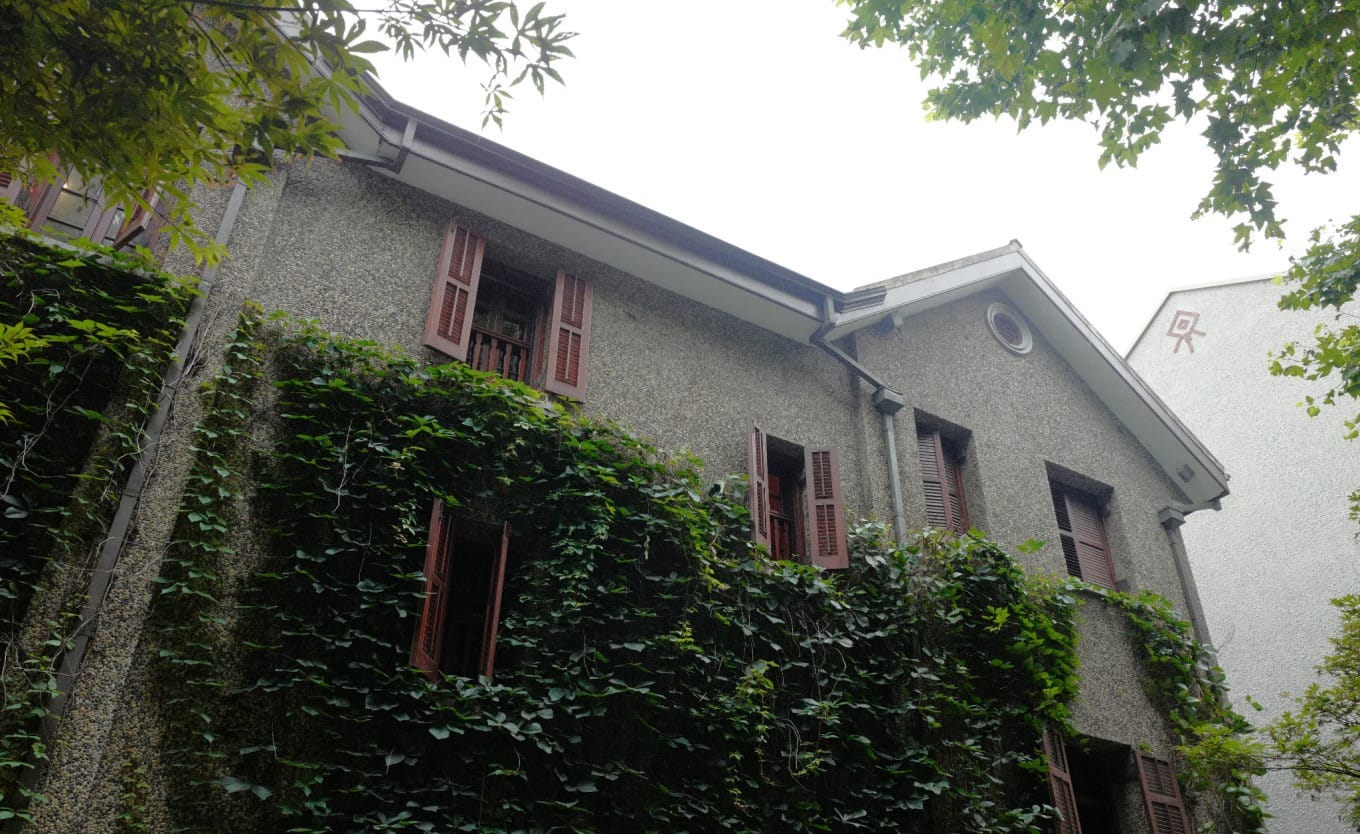
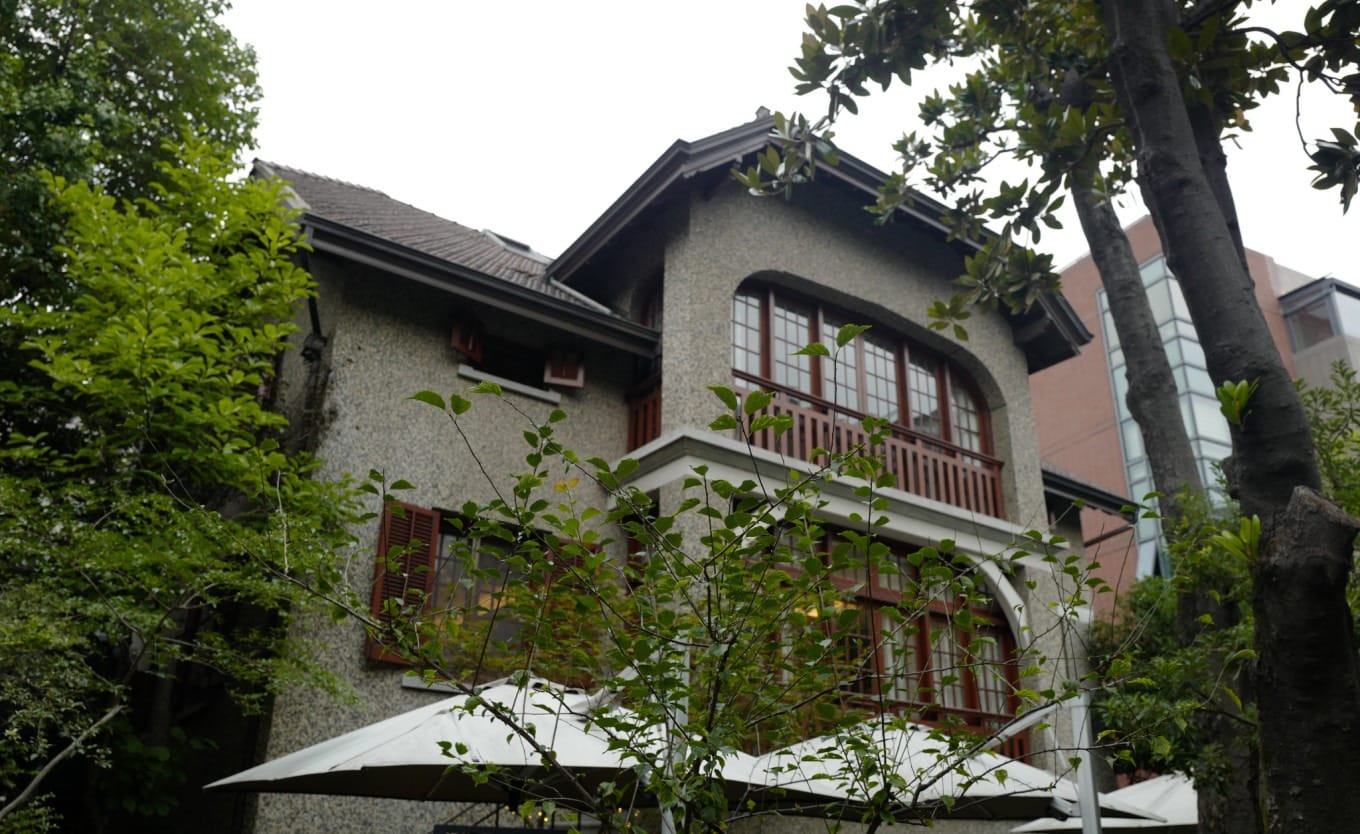
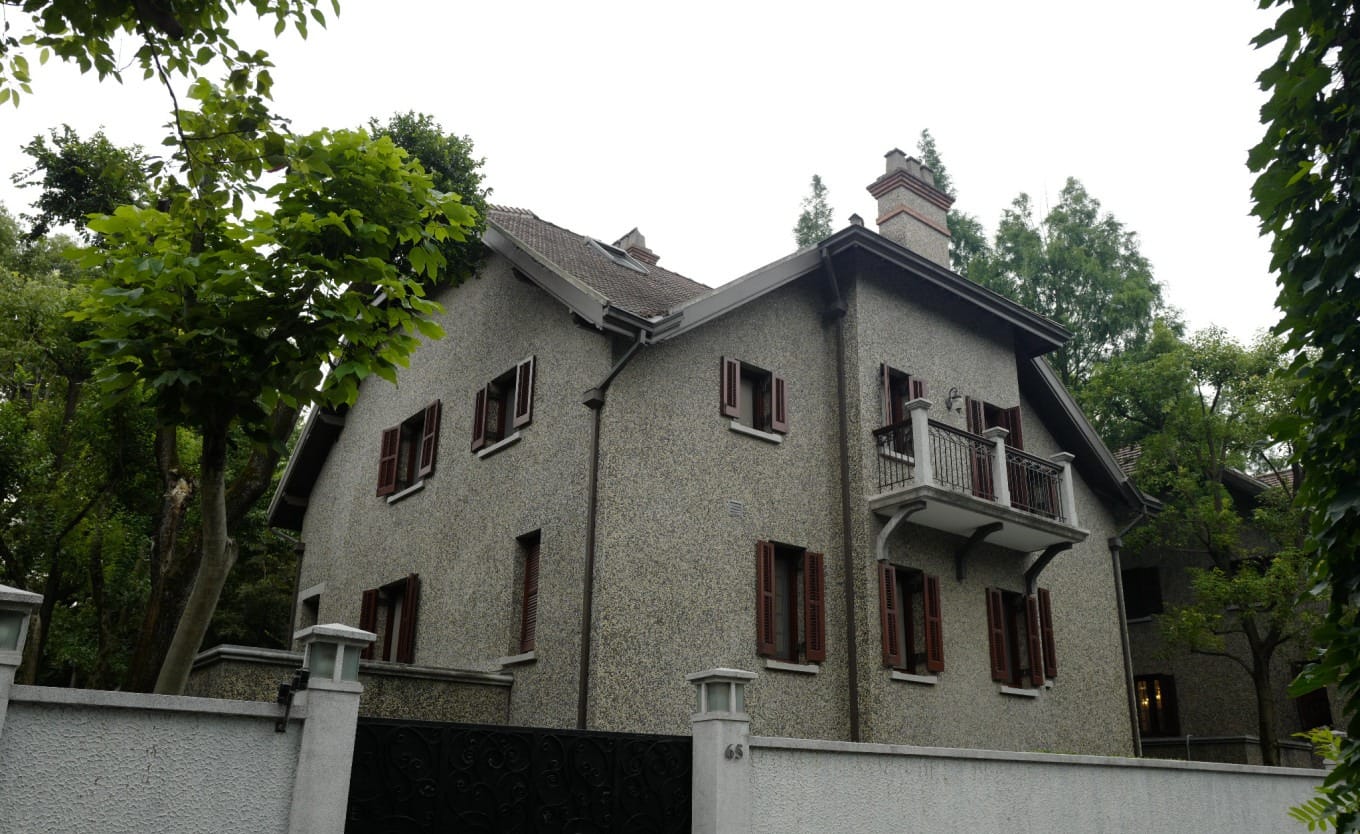
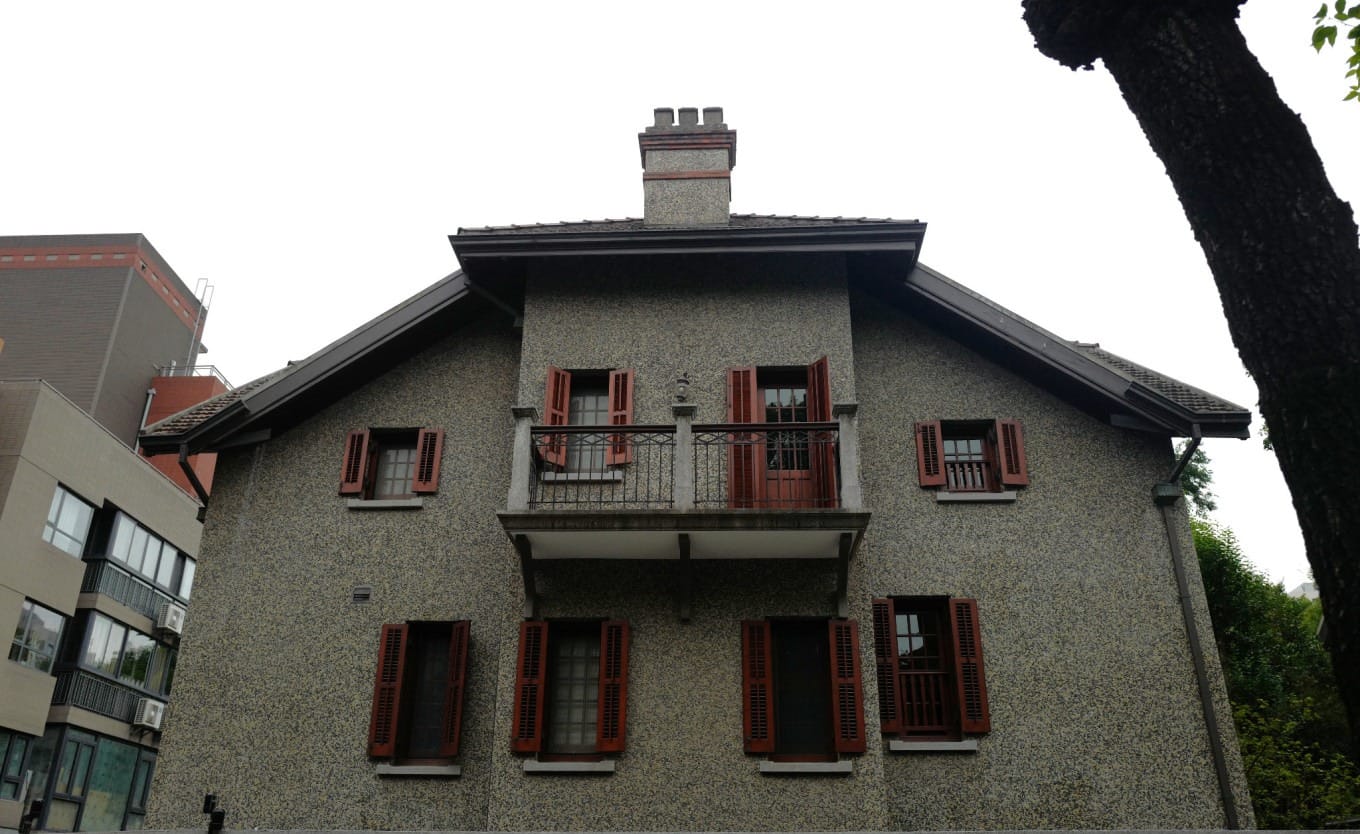
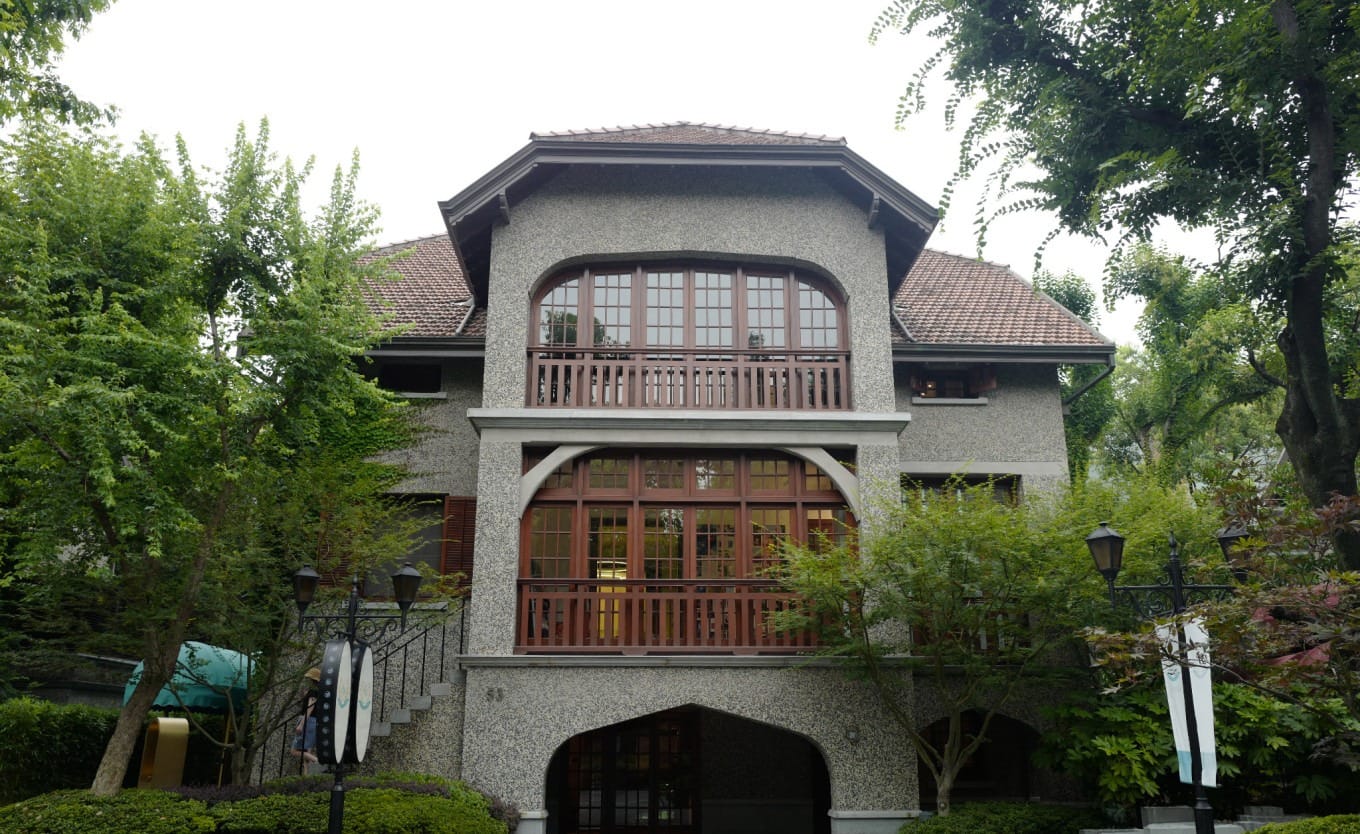
Other significant addresses include the former residences of Zhu Shaoliang (50-70 Sinan Road), Zhang Jingjiang (60-70 Sinan Road), and Li Shizeng (52-70 Sinan Road), a key figure in the Work-Study Movement in France and the first director of the Palace Museum. A highlight is the Memorial of the CPC Delegation to Shanghai (周公馆) at 73 Sinan Road. Built in 1920, this was the Shanghai office of the Chinese Communist Party delegation during the 1946-1947 peace negotiations, where Zhou Enlai worked and lived.
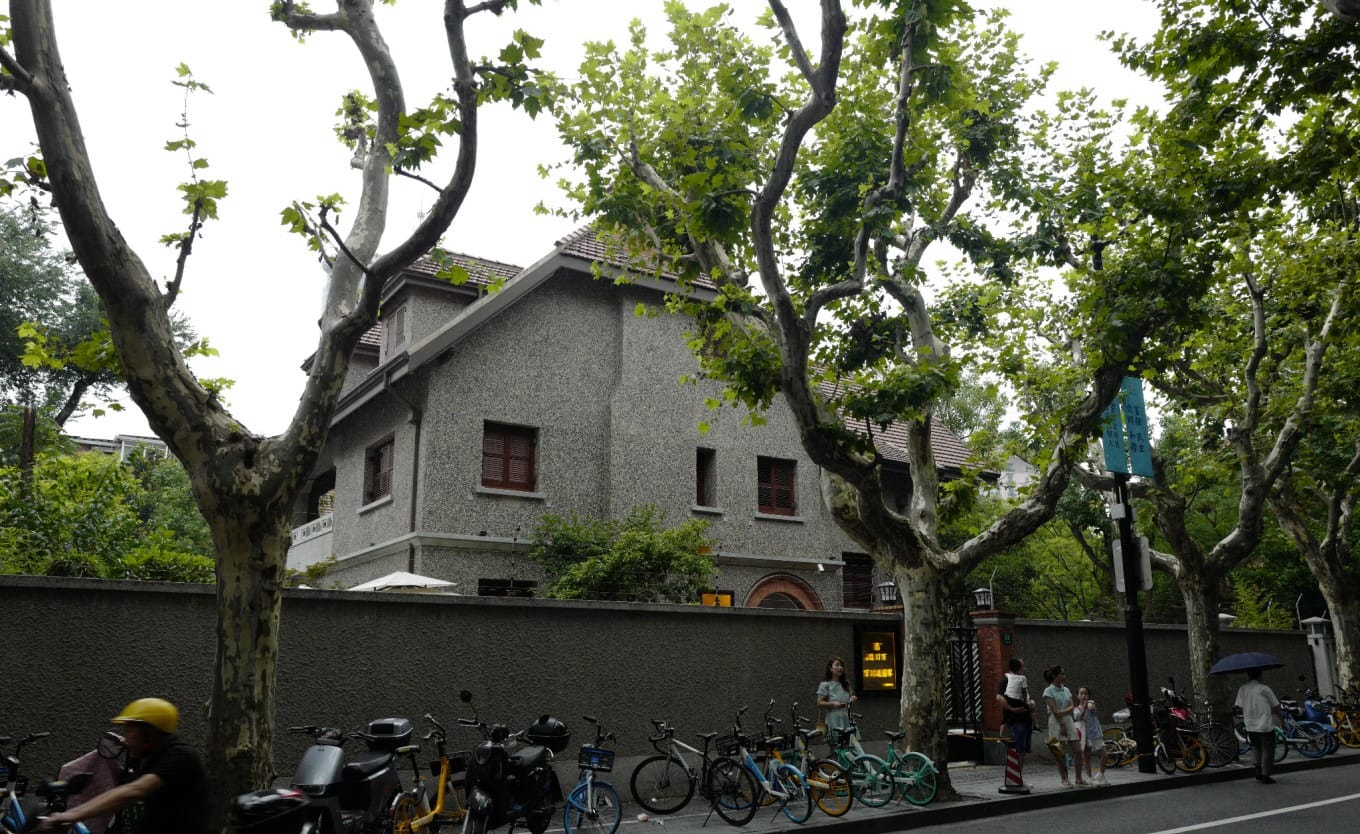
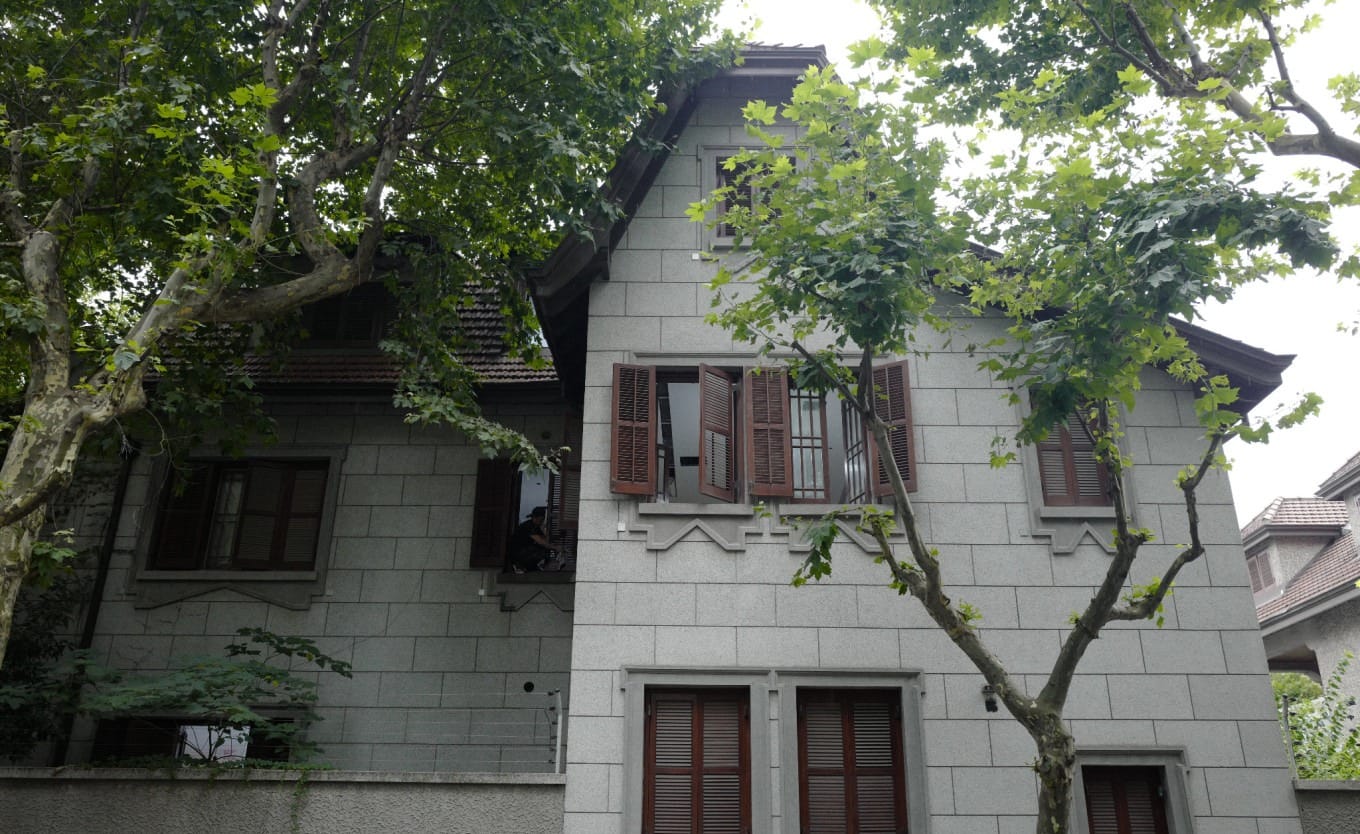
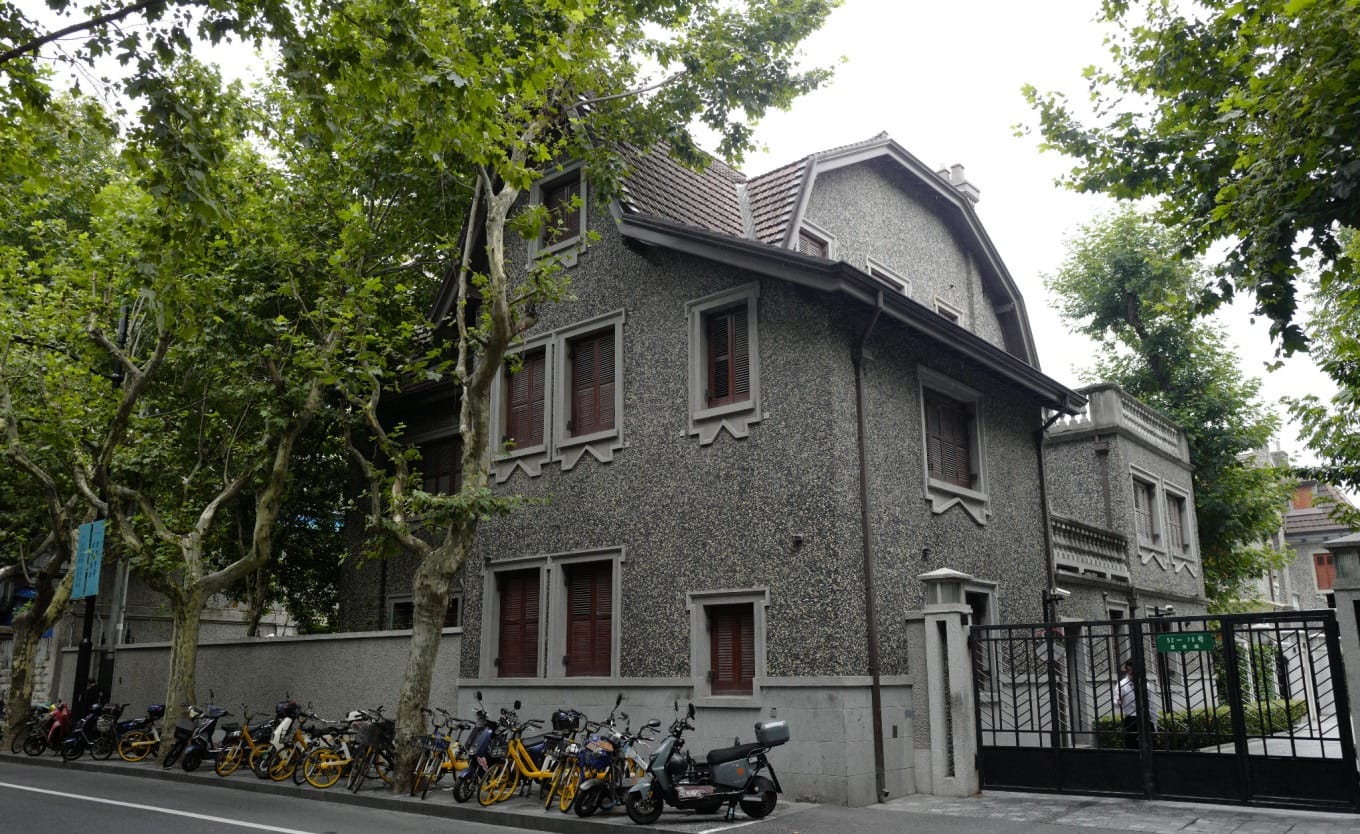
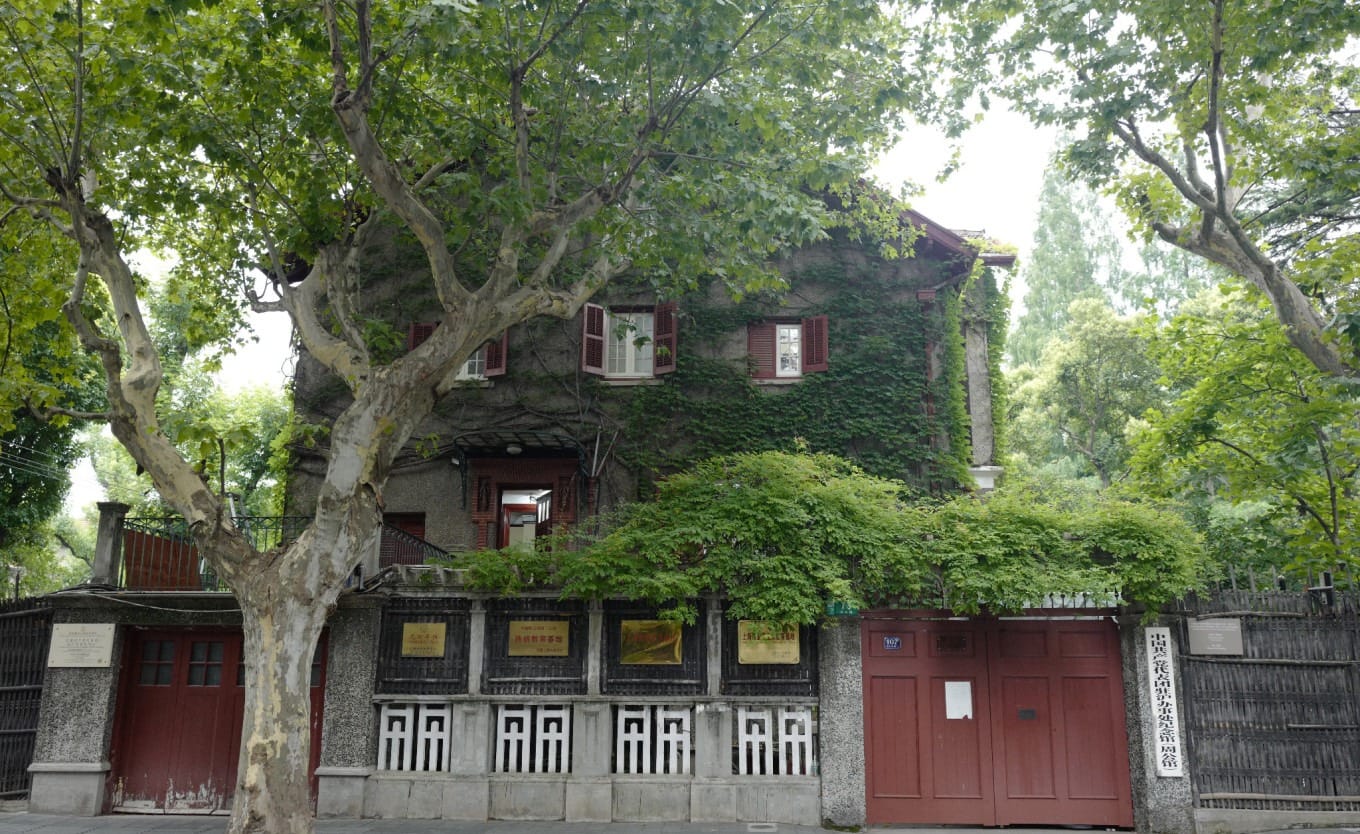
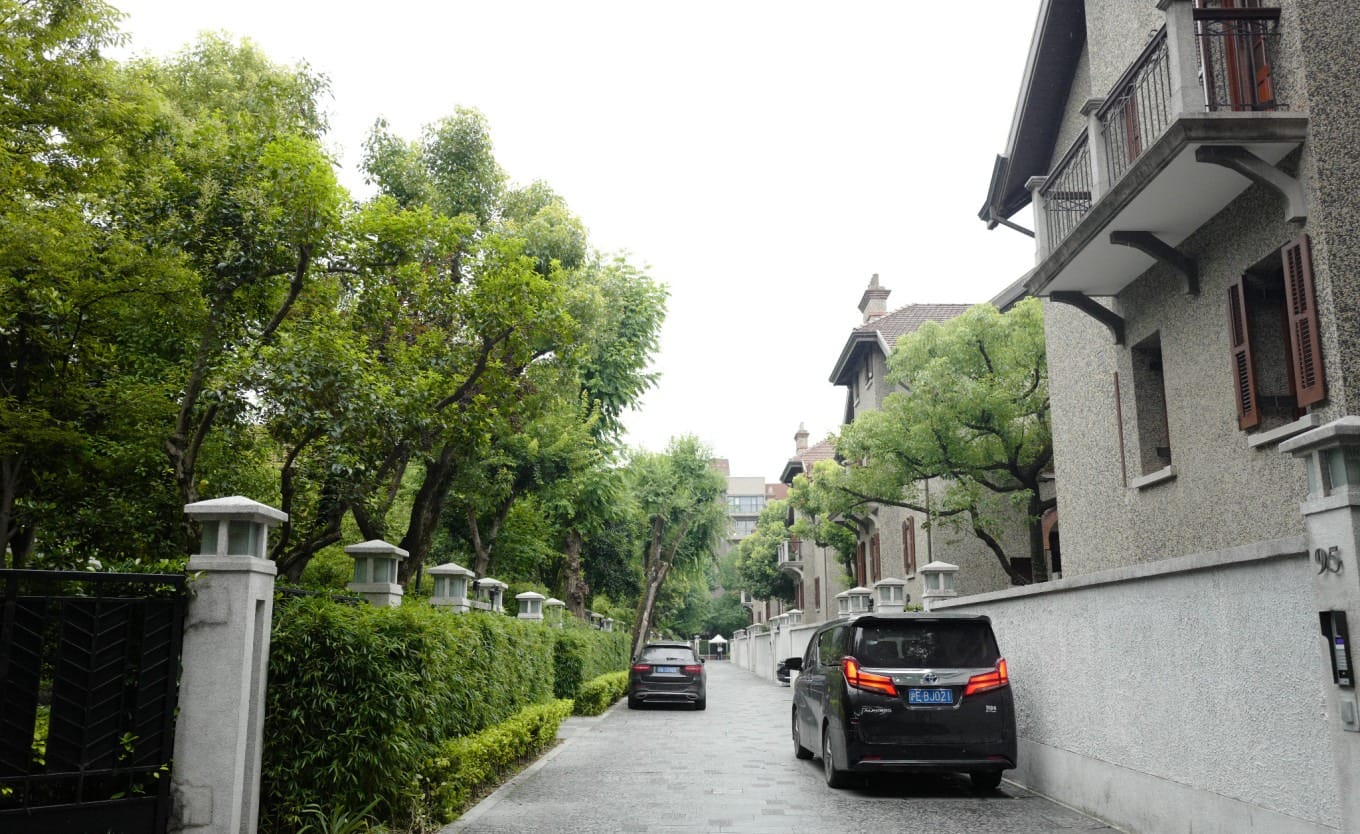
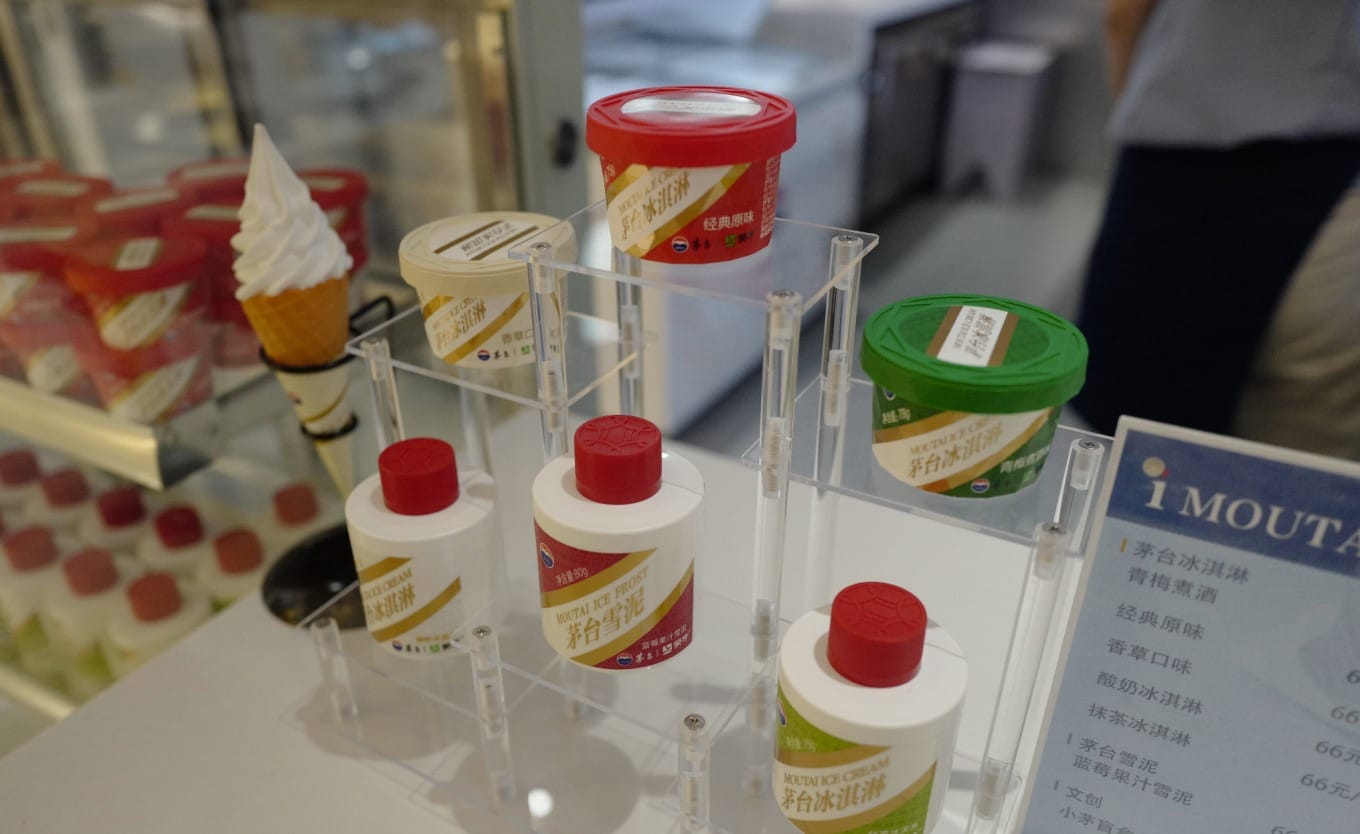
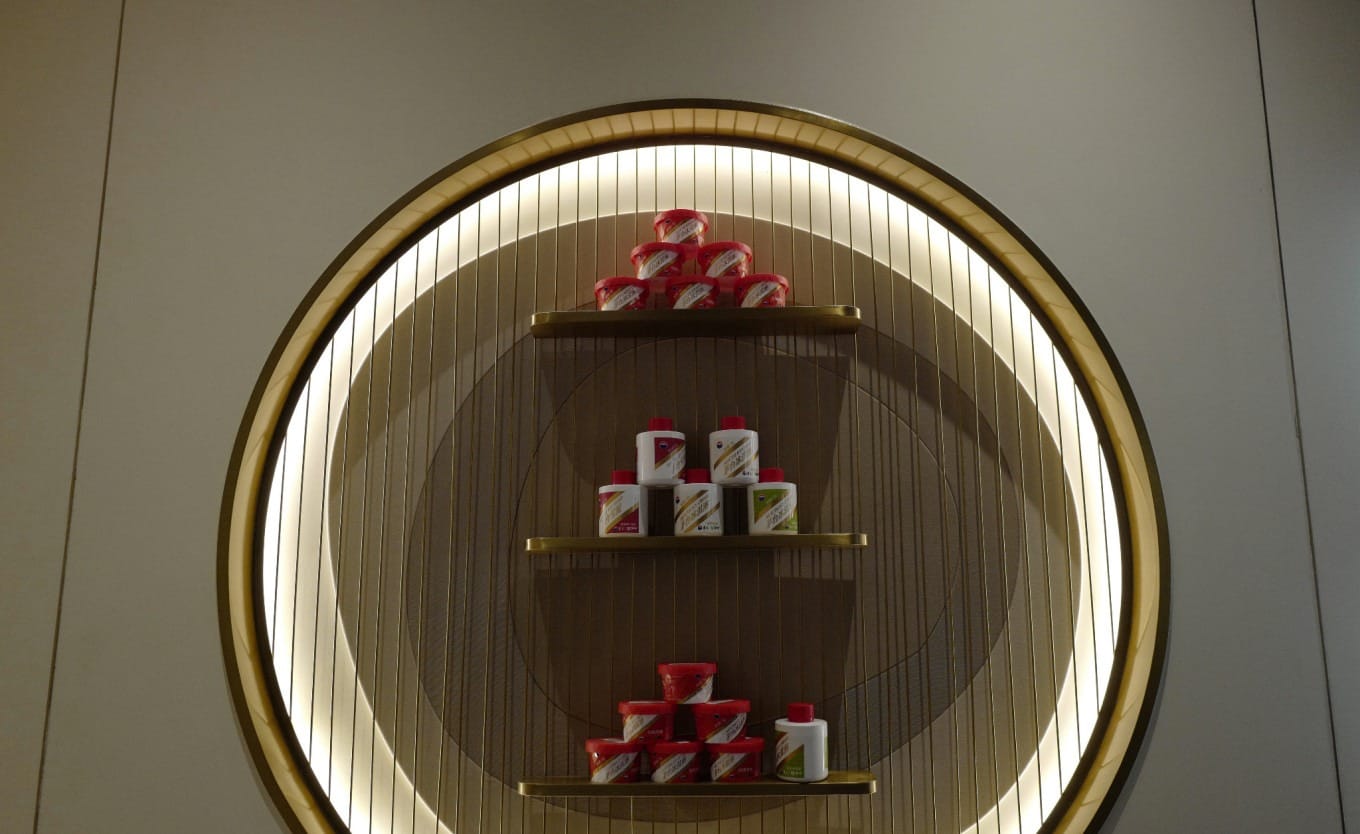
The street eventually opens into a more commercial section with various shops. If you encounter a rainy Shanghai afternoon, consider ducking into the Moutai Ice Cream (茅台酒冰淇淋店) shop to sample their unique—and somewhat divisive—flavor. The combination of sweet ice cream with the sharp, alcoholic notes of baijiu makes for an interesting, if not universally loved, taste experience.
A key reason to walk Sinan Road is its proximity to Fuxing Park (复兴公园). Retrace your steps to find this open, public park—a rare and welcome green space in central Shanghai. Enter to find a lotus pond, a water-side pavilion and 长廊 (long corridor) typical of Chinese gardens, and artificial hills with a waterfall. The park’s unique charm lies in its blend of Chinese and French classical landscaping styles, offering a serene, European-esque retreat right in the city.
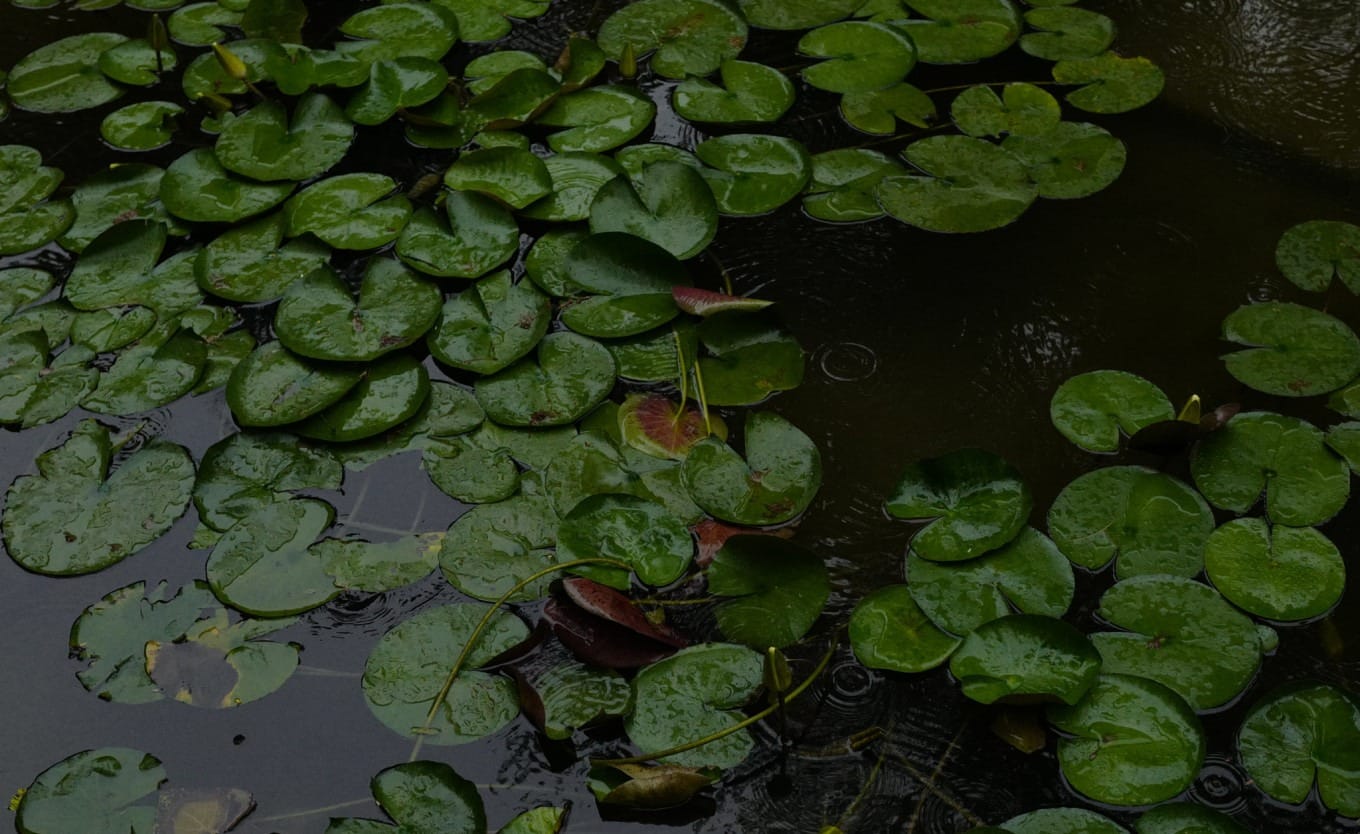
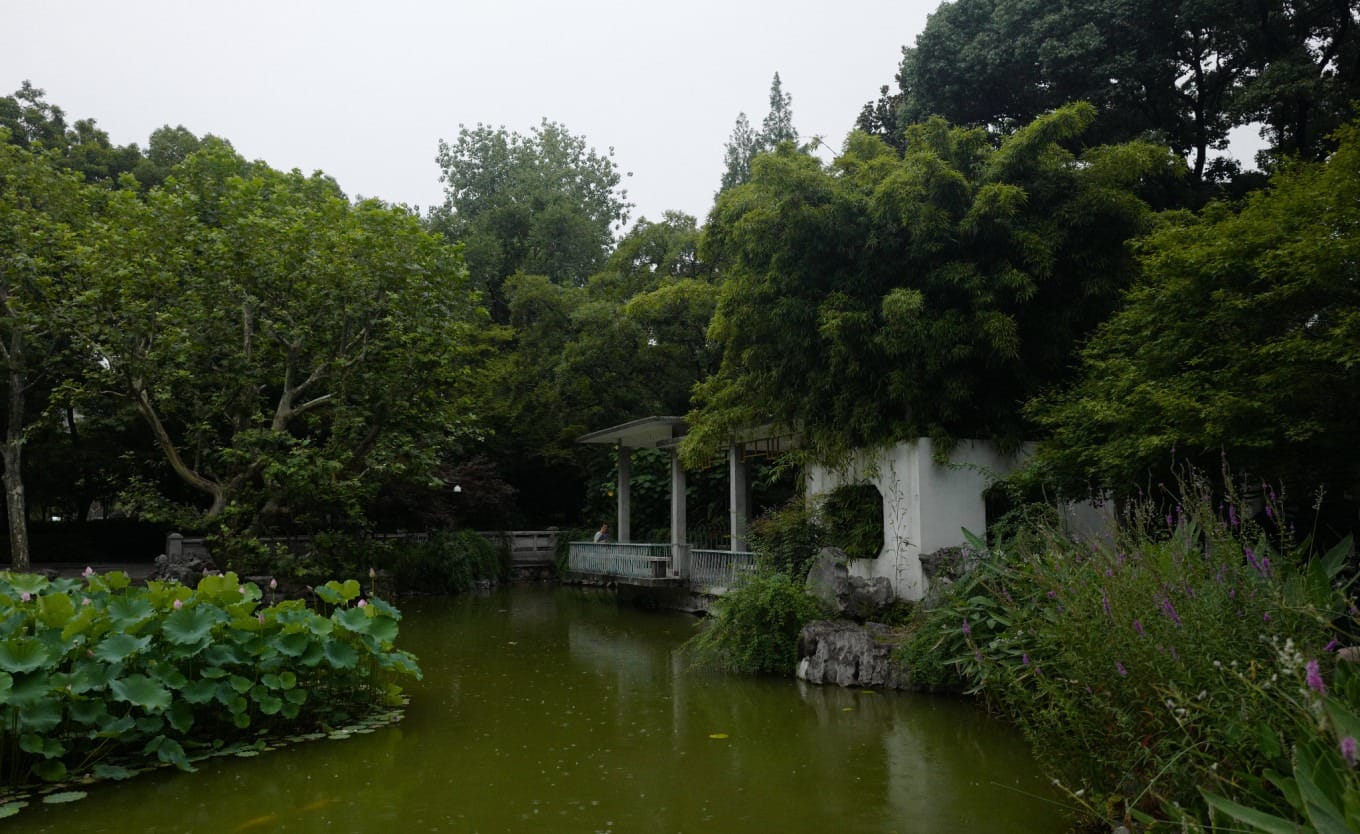
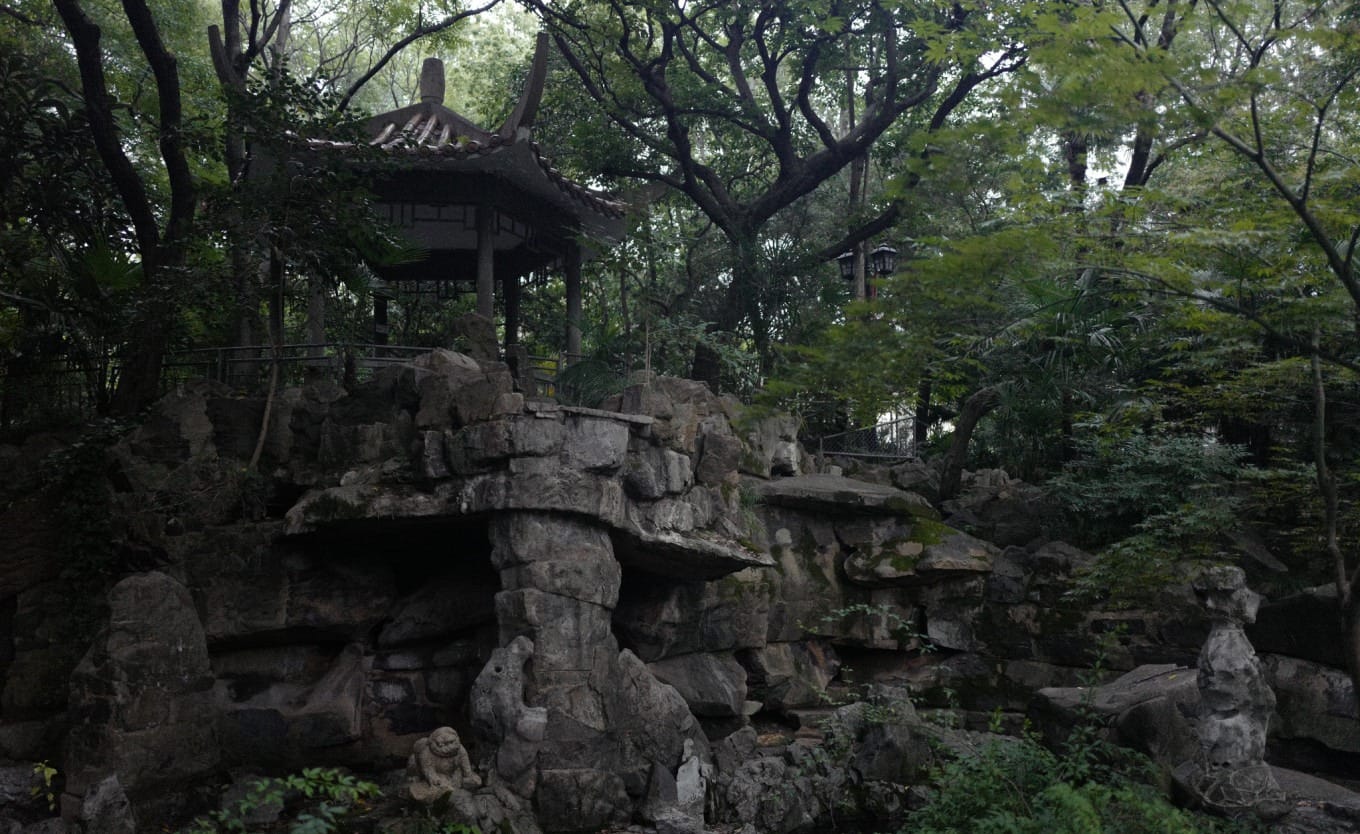
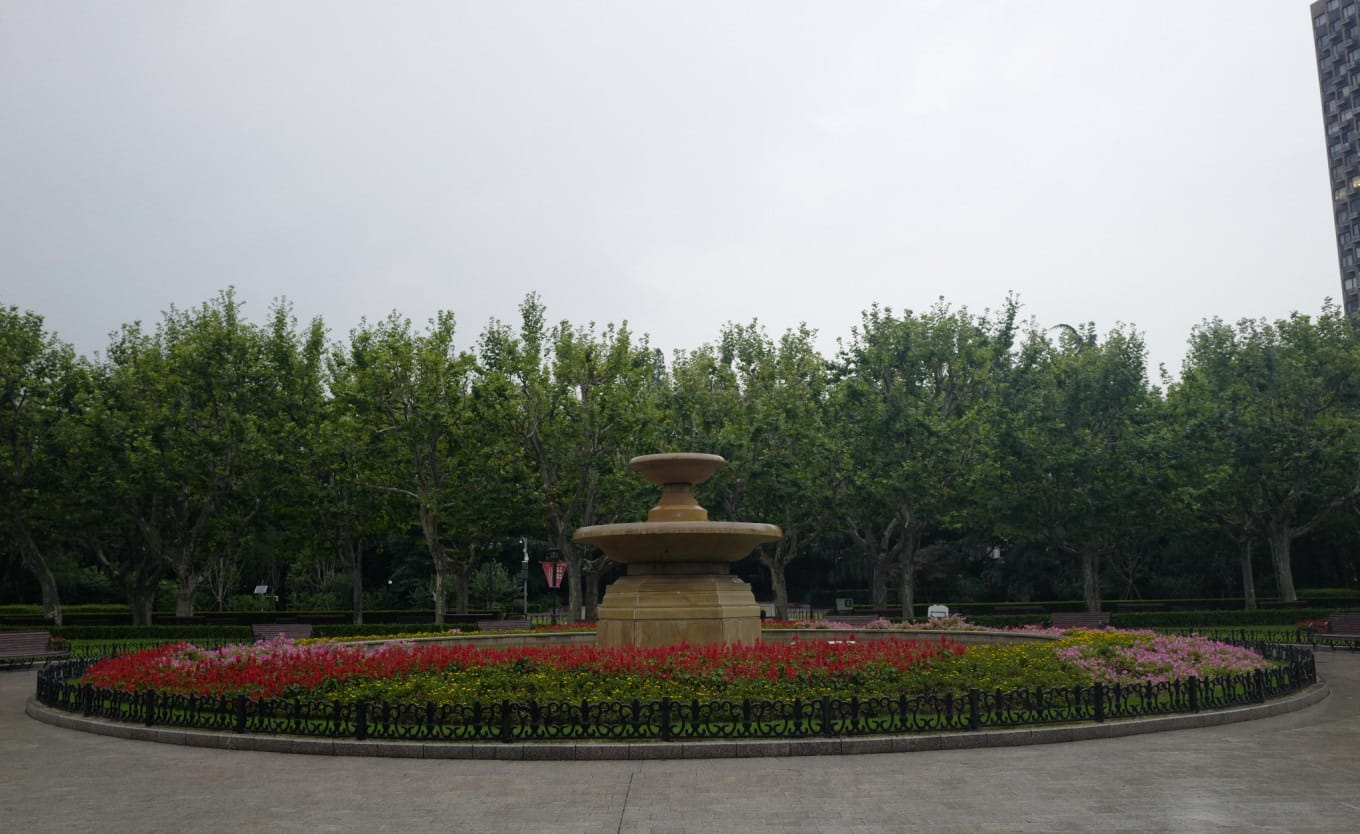
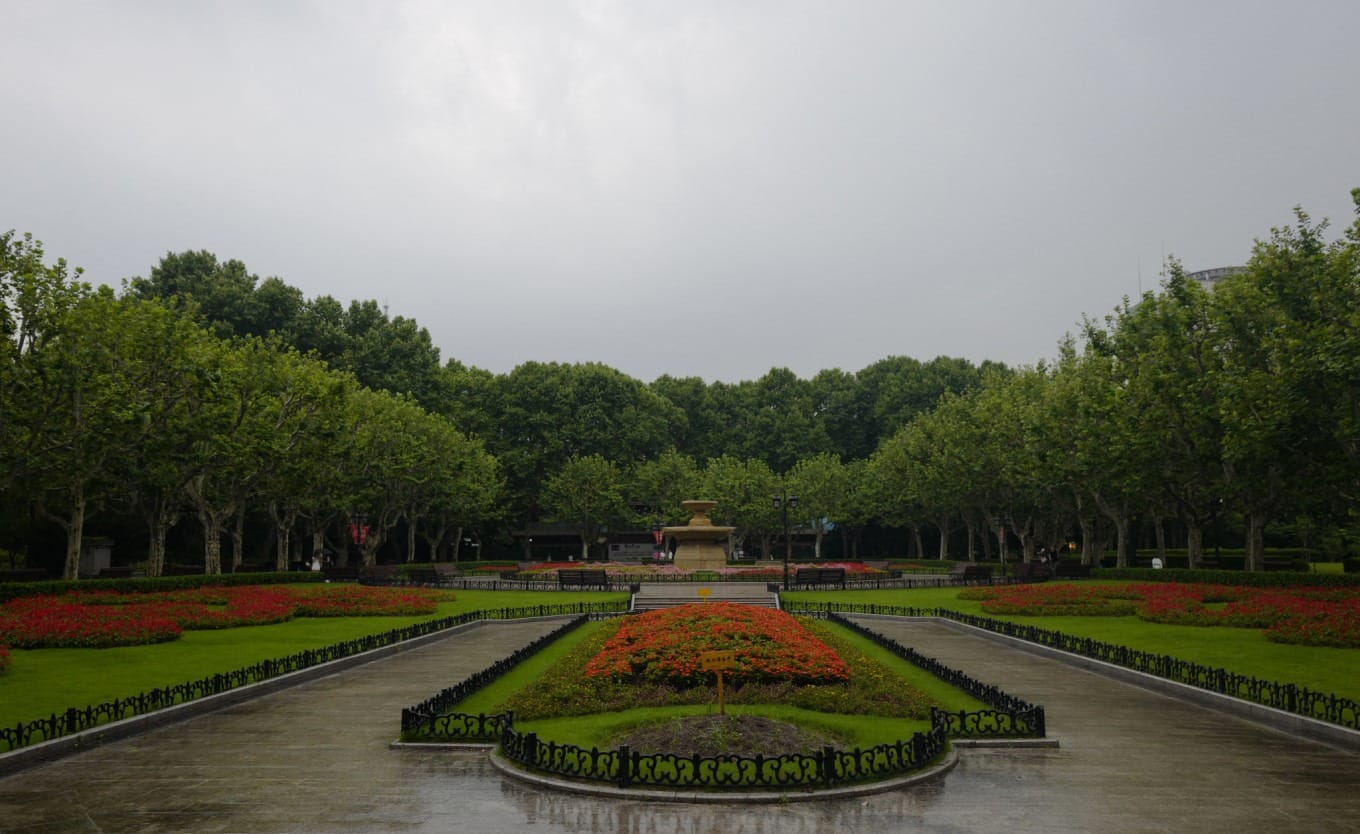
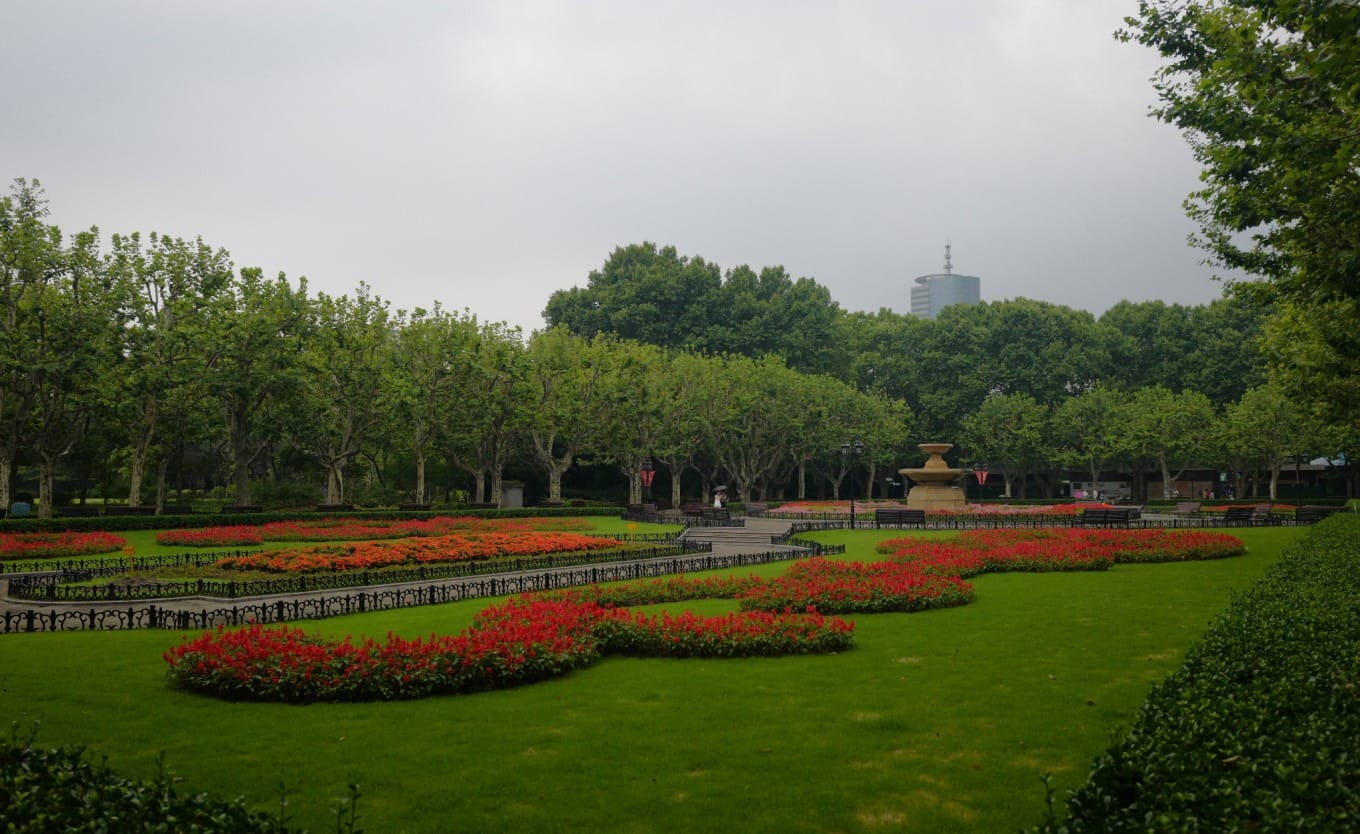
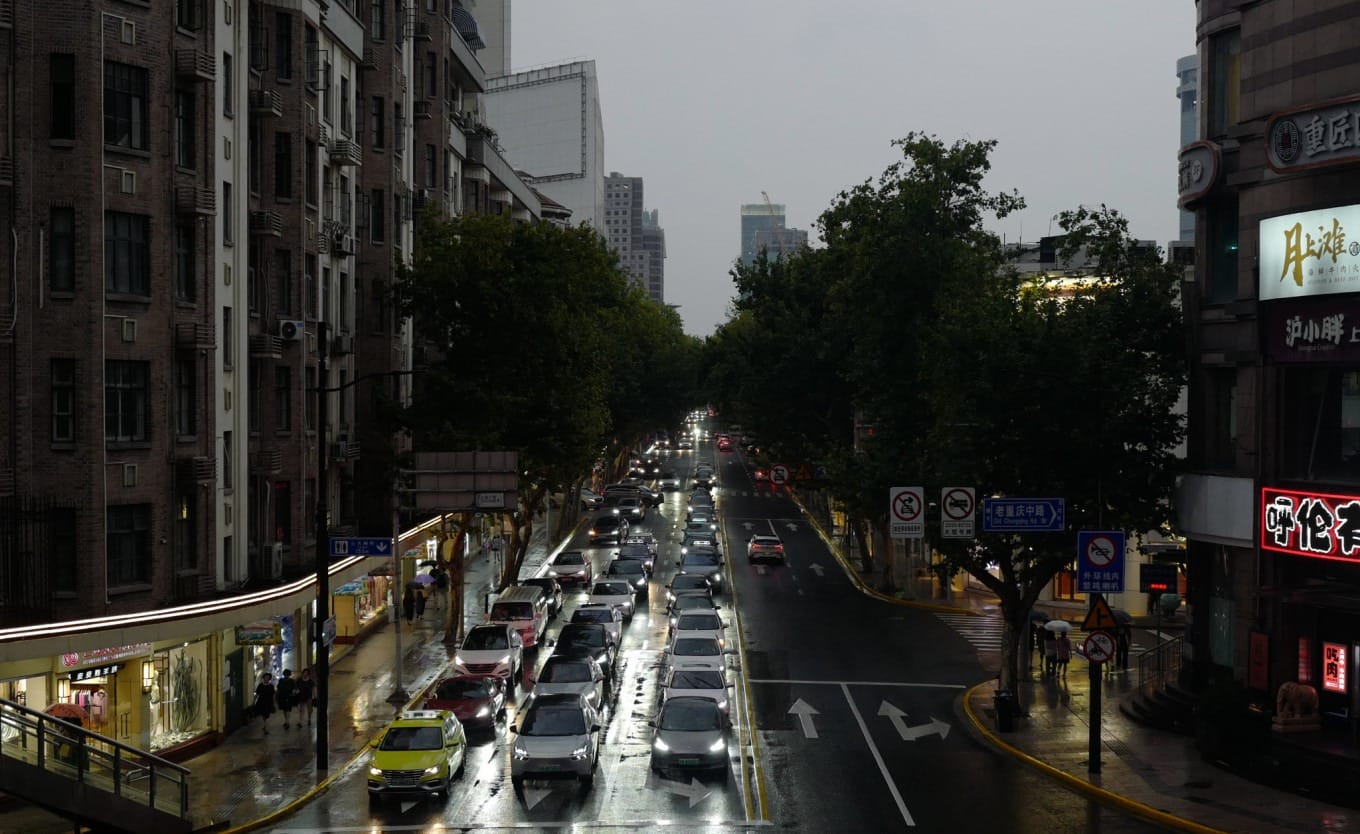
After the park, you can continue your journey towards the Bund. An elevated highway offers a dramatic view of the cityscape, especially atmospheric when glistening with rain.
- RestaurantMoutai Ice Cream (茅台酒冰淇淋店)
- AddressSinan Road, Huangpu District, Shanghai (上海市黄浦区思南路)
- Recommended dishesMoutai-flavored ice cream (茅台口味冰淇淋)
- Average spendApproximately 30-50 RMB
Pudong Night Views from the Bund
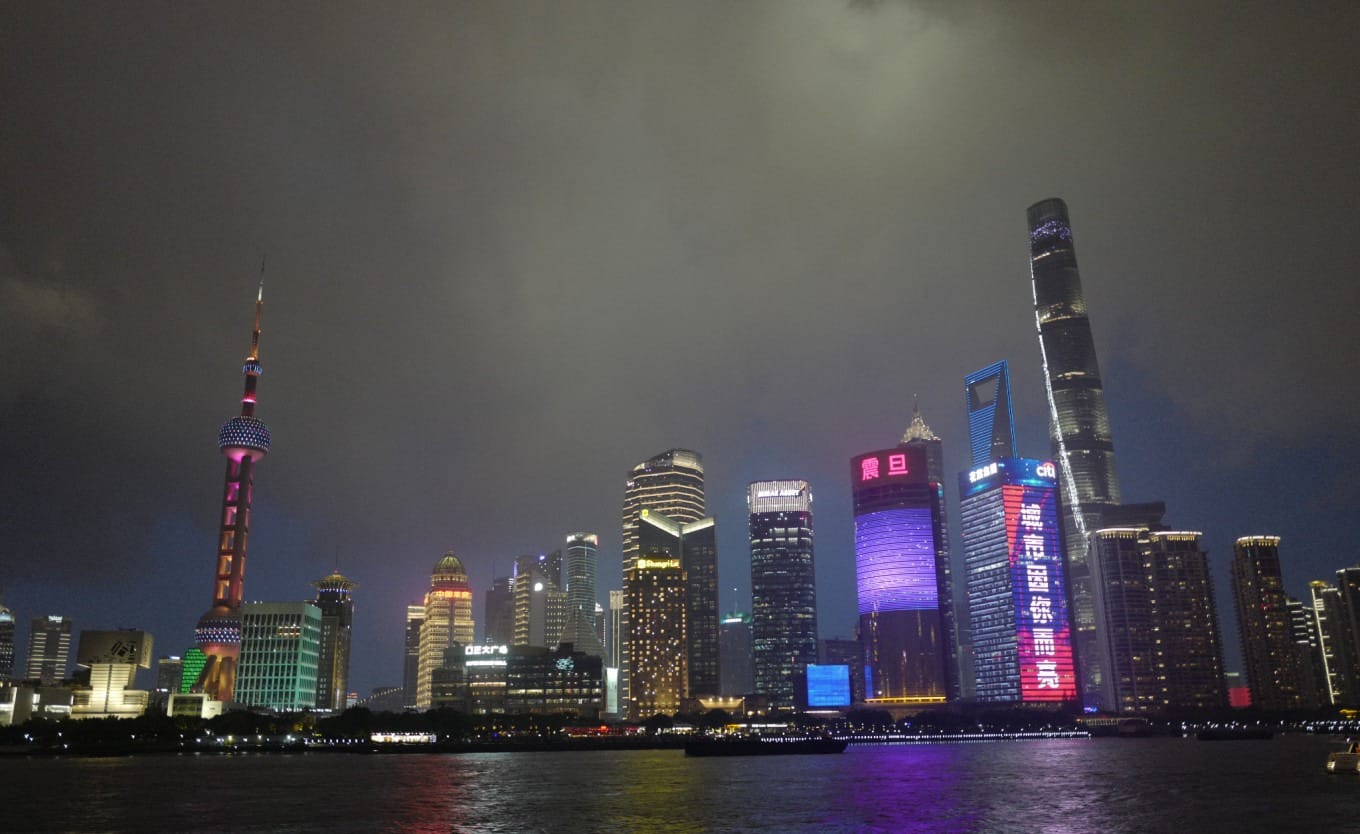
For one of Shanghai’s most iconic experiences, head to the observation deck opposite the Dongyi Art Museum on the Bund to watch Pudong’s skyscrapers light up at dusk. The view across the Huangpu River is spectacular, transforming the modern skyline into a glittering panorama.
Be prepared for crowds, especially on summer weekends, when the Bund becomes packed with visitors. Arrive early to secure a good spot along the railing, as space fills up quickly. Weather can be unpredictable—Shanghai’s summer showers can arrive suddenly. It’s wise to check the forecast and carry a compact umbrella or rain jacket, but note that heavy downpours can still leave you drenched.
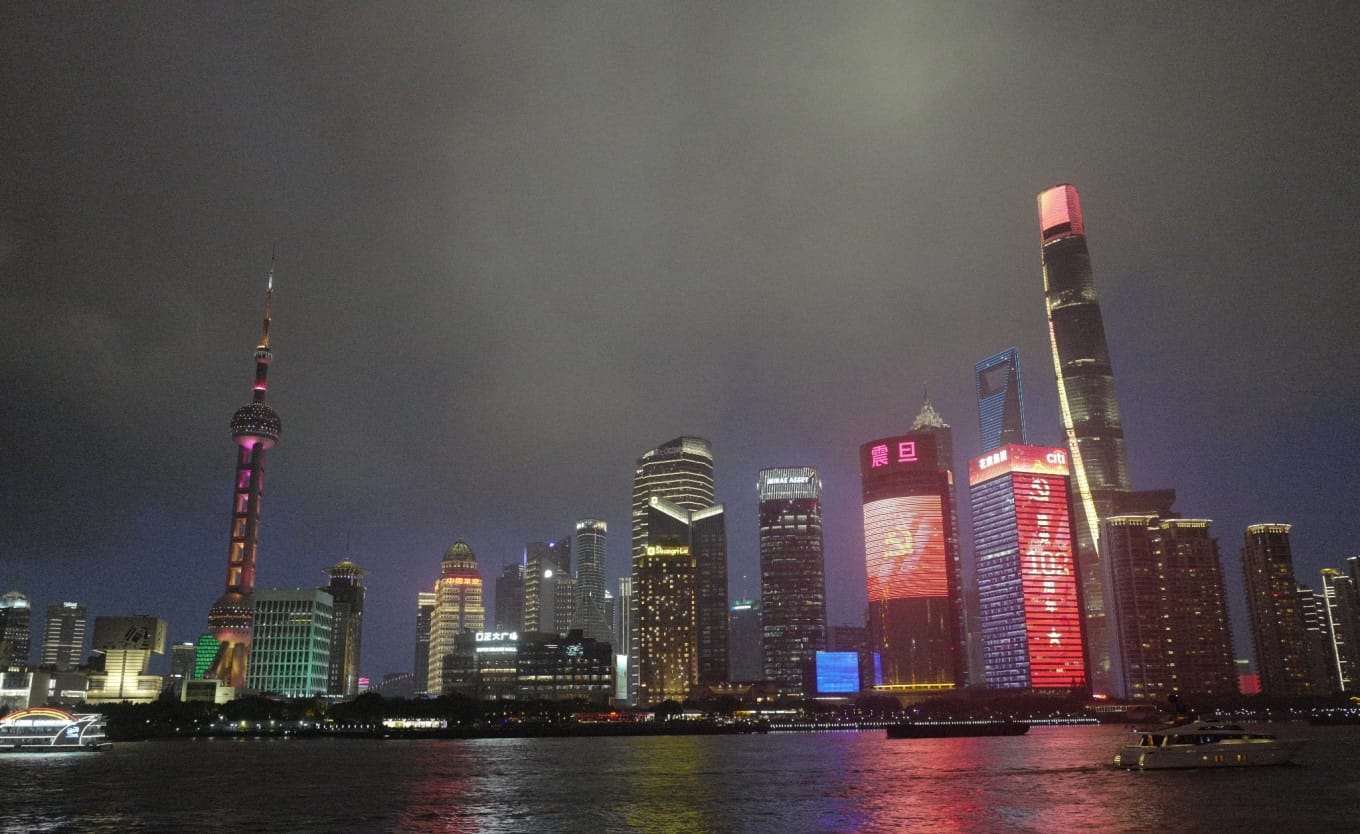
The lights typically switch on around 7:00 PM, but timing can vary. If rain clouds gather, you might only have a brief window to capture photos before the weather turns. Embrace the moment—even a quick snapshot in challenging conditions can result in a memorable shot of the illuminated towers against a dramatic sky.
Evening Noodles: Yuxingji Noodle House and Its Crab Roe Noodles
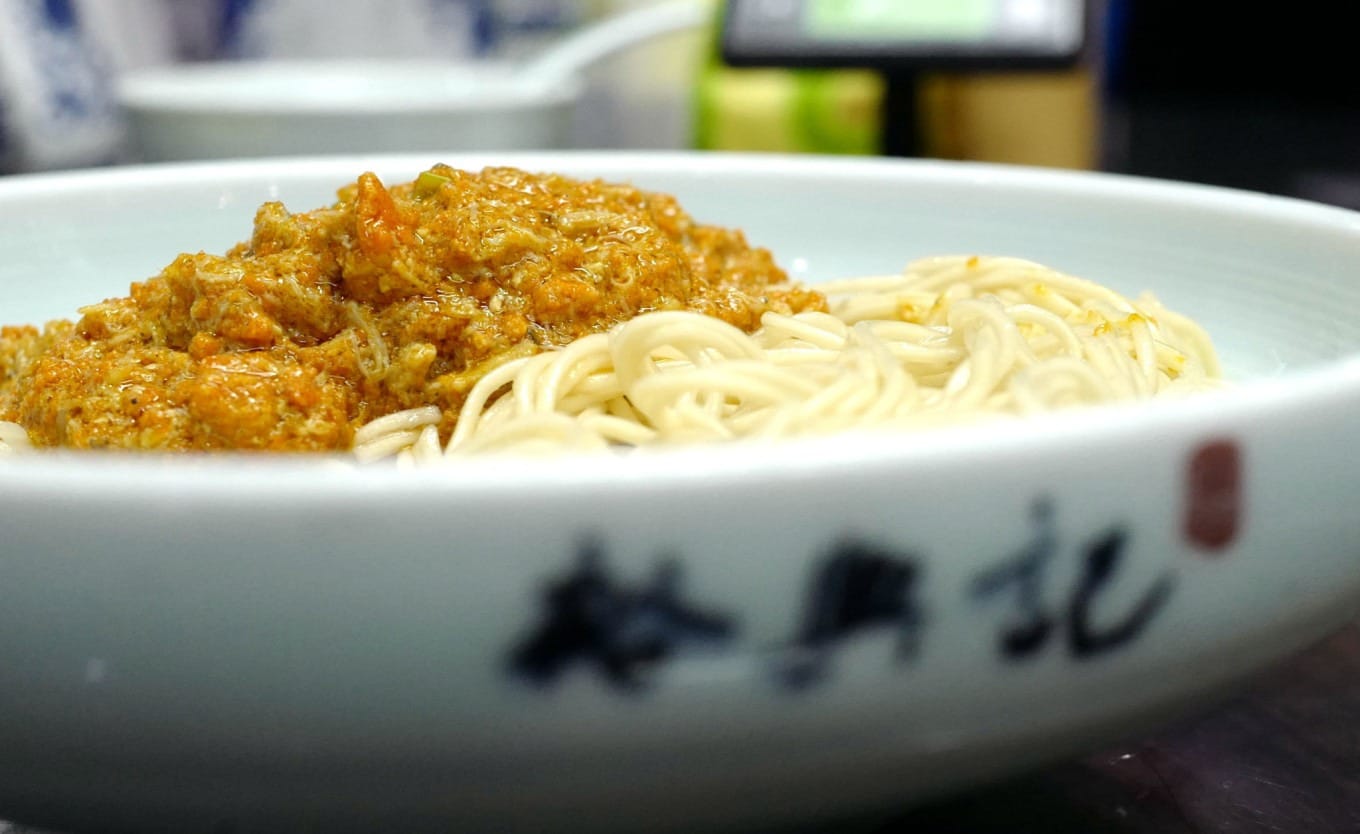
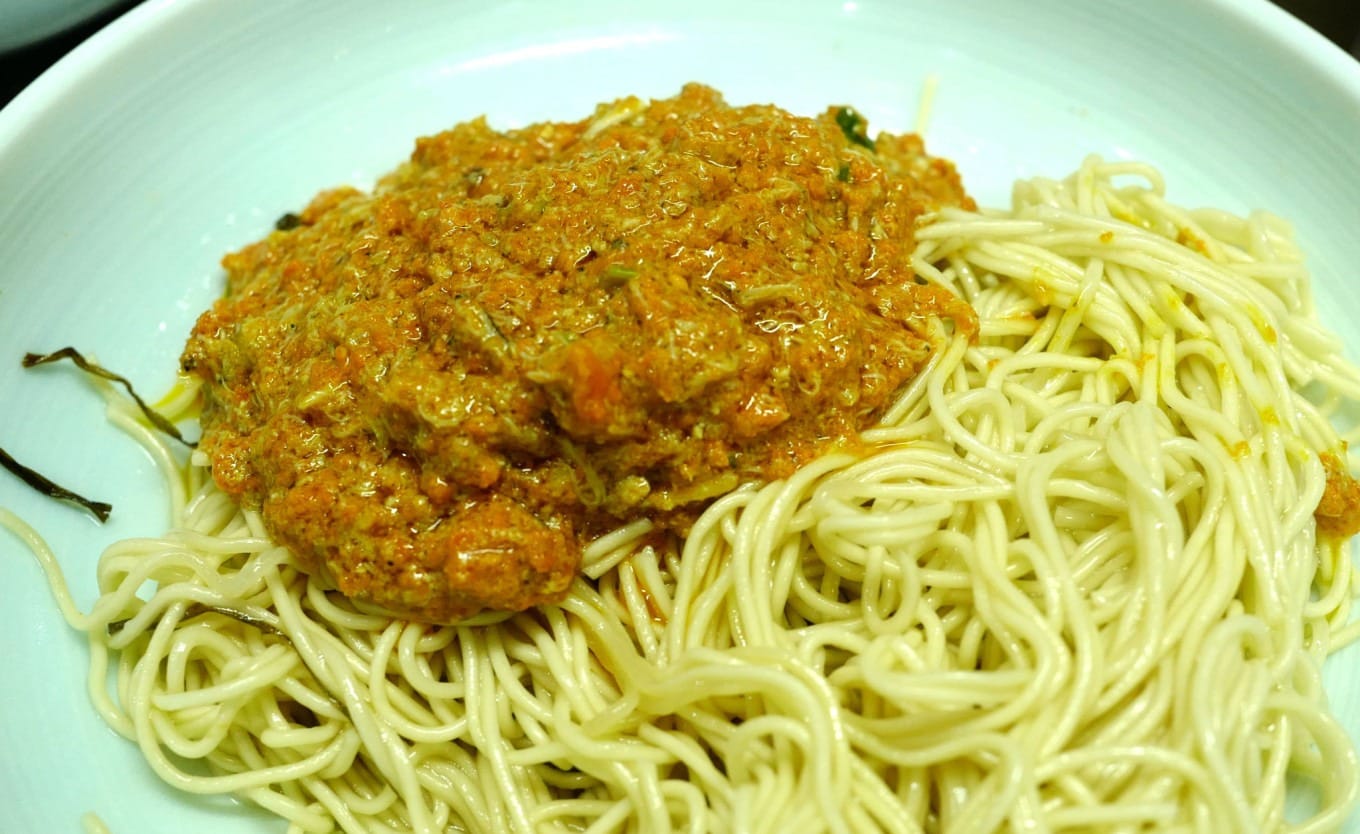
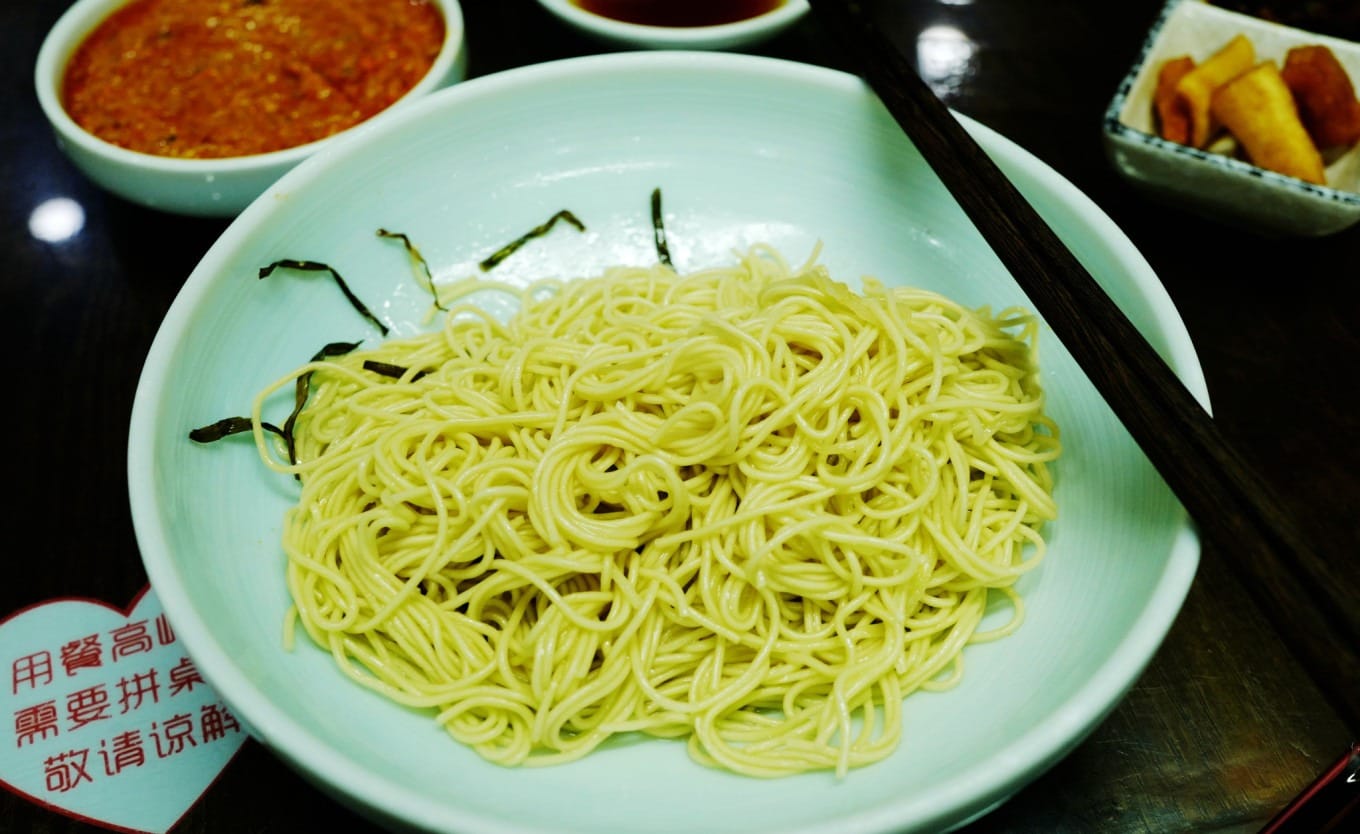
For a quintessential Shanghai noodle experience, make your way to Yuxingji Noodle House (裕兴记面馆), a local favorite renowned for its luxurious crab roe noodles. Don’t let a little rain deter you—this dish is worth the journey, even if it involves a combination of public transport and a short walk, as taxis can be scarce. While the price tag of over 100 RMB per bowl might give you pause, the first taste justifies the cost with its rich, unforgettable flavor. The dish features a generous helping of savory crab roe sauce, though the portion of noodles themselves is modest, and the actual crab meat is sparing. If you’re a fan of crab, this is a must-try culinary highlight that will linger in your memory long after your trip.
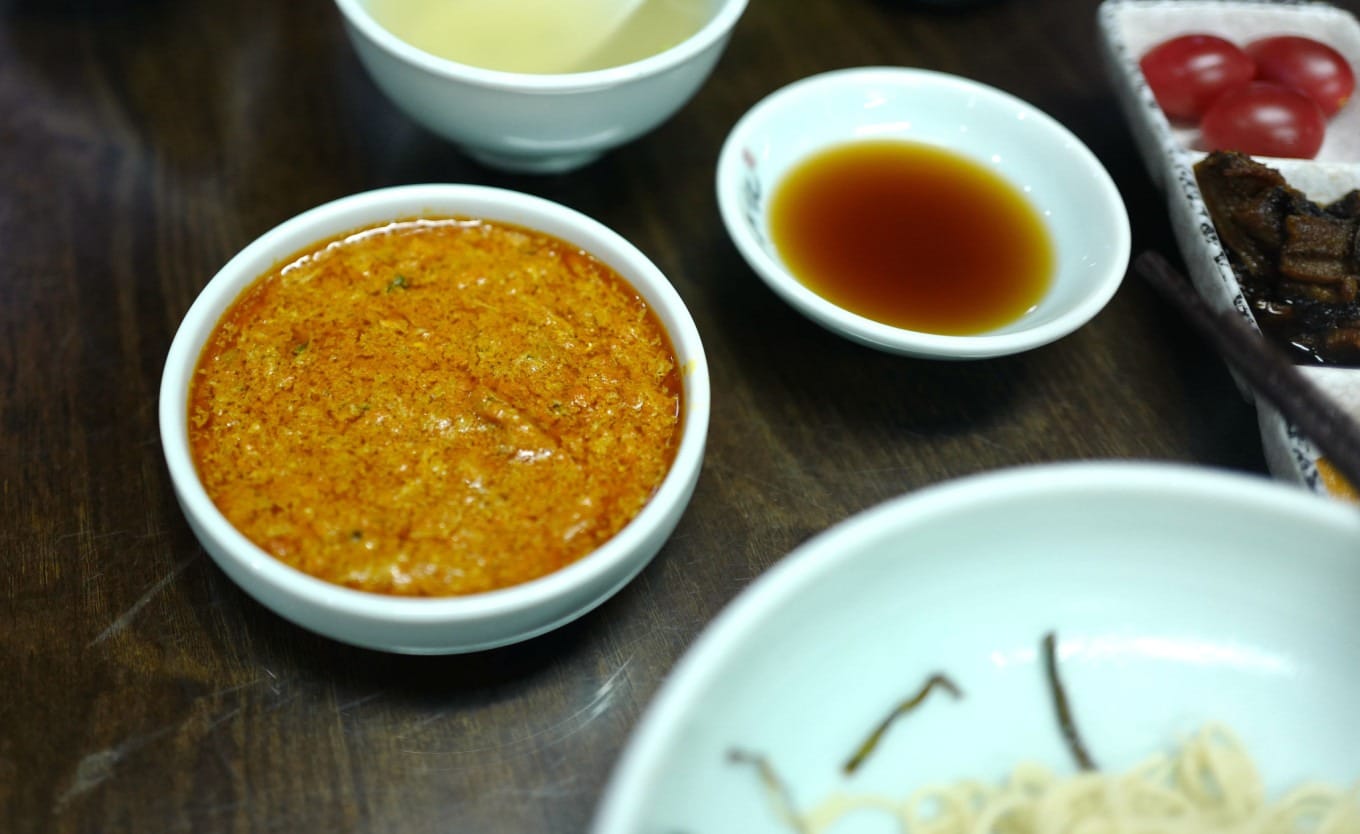
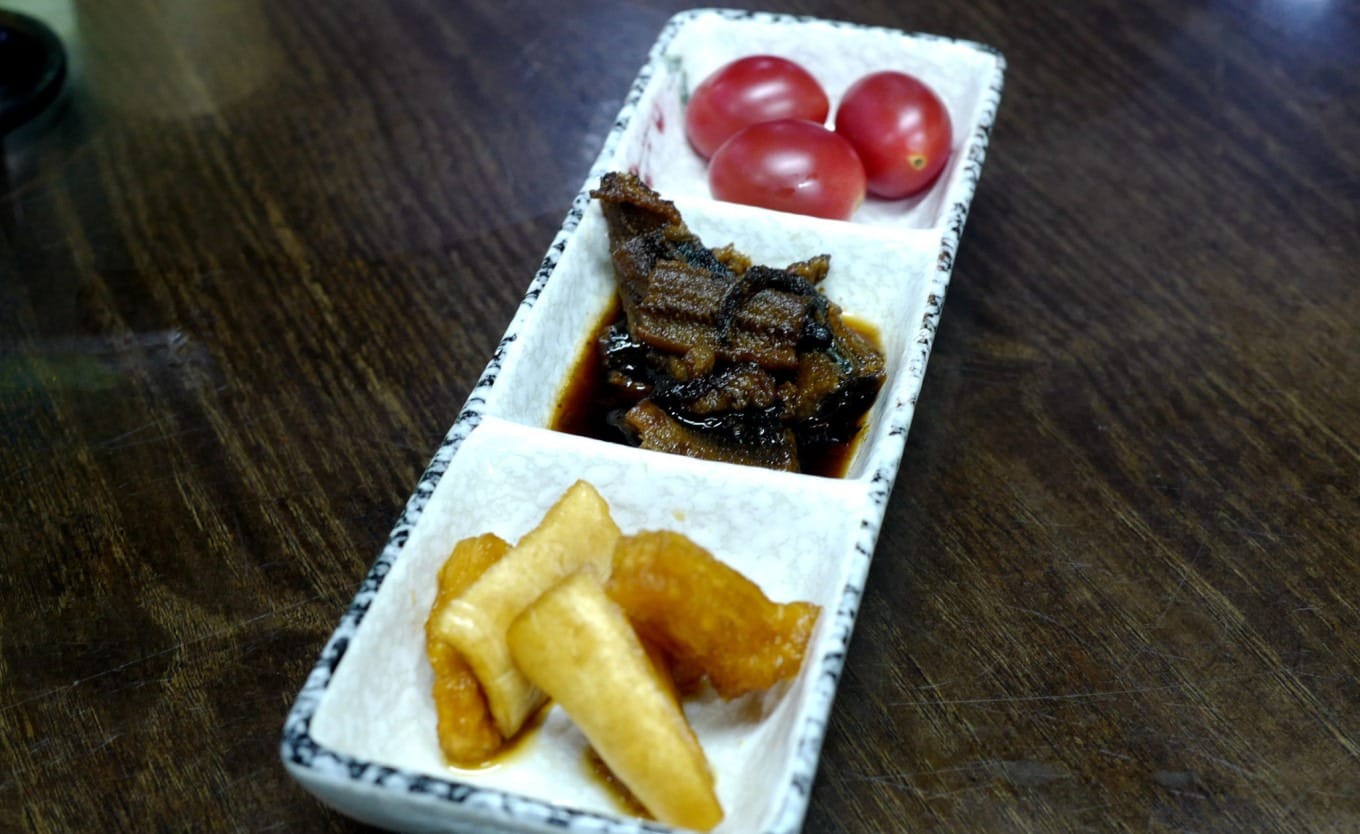
- RestaurantYuxingji Noodle House (裕兴记面馆)
- Address100 / 100 Yunnan South Road, Huangpu District, Shanghai (上海市黄浦区云南南路100号)
- Recommended dishesCrab Roe Noodles (蟹黄面)
- Average spendAround 100-120 RMB per person
Day 3: Exploring Shanghai’s Culinary and Cultural Gems
Your third day in Shanghai offers a perfect blend of culinary discovery and cultural immersion. Start your morning with a visit to the Shanghai Museum, where you can explore China’s rich artistic heritage through ancient bronzes, ceramics, and calligraphy. The museum’s comprehensive collections provide fascinating insights into thousands of years of history, making it an essential stop for understanding the region’s cultural depth.
For lunch, venture to the charming Pinxiang Restaurant (品香餐厅), a local favorite known for its authentic Shanghainese cuisine. This unassuming spot delivers exceptional flavors that capture the essence of the city’s culinary traditions. The restaurant’s cozy atmosphere and attentive service create an inviting dining experience that feels both authentic and welcoming to visitors.
At Pinxiang, you should definitely try their signature dishes: Hongshao Rou (红烧肉) – braised pork belly in a rich, sweet soy sauce; Xiaolongbao (小笼包) – delicate soup dumplings filled with savory broth and minced pork; and Shengjian Mantou (生煎馒头) – pan-fried pork buns with a crispy bottom and juicy filling. Each dish showcases the balance of flavors that defines Shanghainese cooking – slightly sweet, savory, and incredibly satisfying.
After your meal, take a leisurely stroll along the nearby streets to experience Shanghai’s vibrant street life. You’ll encounter local markets, traditional tea houses, and boutique shops that offer a glimpse into daily life in this dynamic city. The area around the restaurant provides excellent opportunities for photography and people-watching, with its mix of old Shanghai architecture and modern influences.
Consider visiting in the late afternoon when the light is particularly beautiful for photography, and the streets are alive with locals going about their evening routines. This timing allows you to experience the transition from day to night in Shanghai, when the city takes on a different, equally captivating character.
- RestaurantPinxiang Restaurant (品香餐厅)
- Address123 Nanjing Road West, Huangpu District, Shanghai / 上海市黄浦区南京西路123号
- Recommended dishesHongshao Rou (红烧肉) – braised pork belly, Xiaolongbao (小笼包) – soup dumplings, Shengjian Mantou (生煎馒头) – pan-fried pork buns
- Average spend¥80-120 per person
Wukang Road: A Historical Stroll Through Shanghai’s Former French Concession
Wukang Road (武康路) offers a captivating walk through Shanghai’s architectural and historical heritage. While it’s a popular spot, the experience is what you make of it. To avoid the heaviest crowds, consider visiting on a weekday. The key to enjoying Wukang Road isn’t just snapping photos at famous facades; it’s about understanding the stories behind the buildings. This guide provides a detailed walking route and historical context to help you plan a meaningful visit.
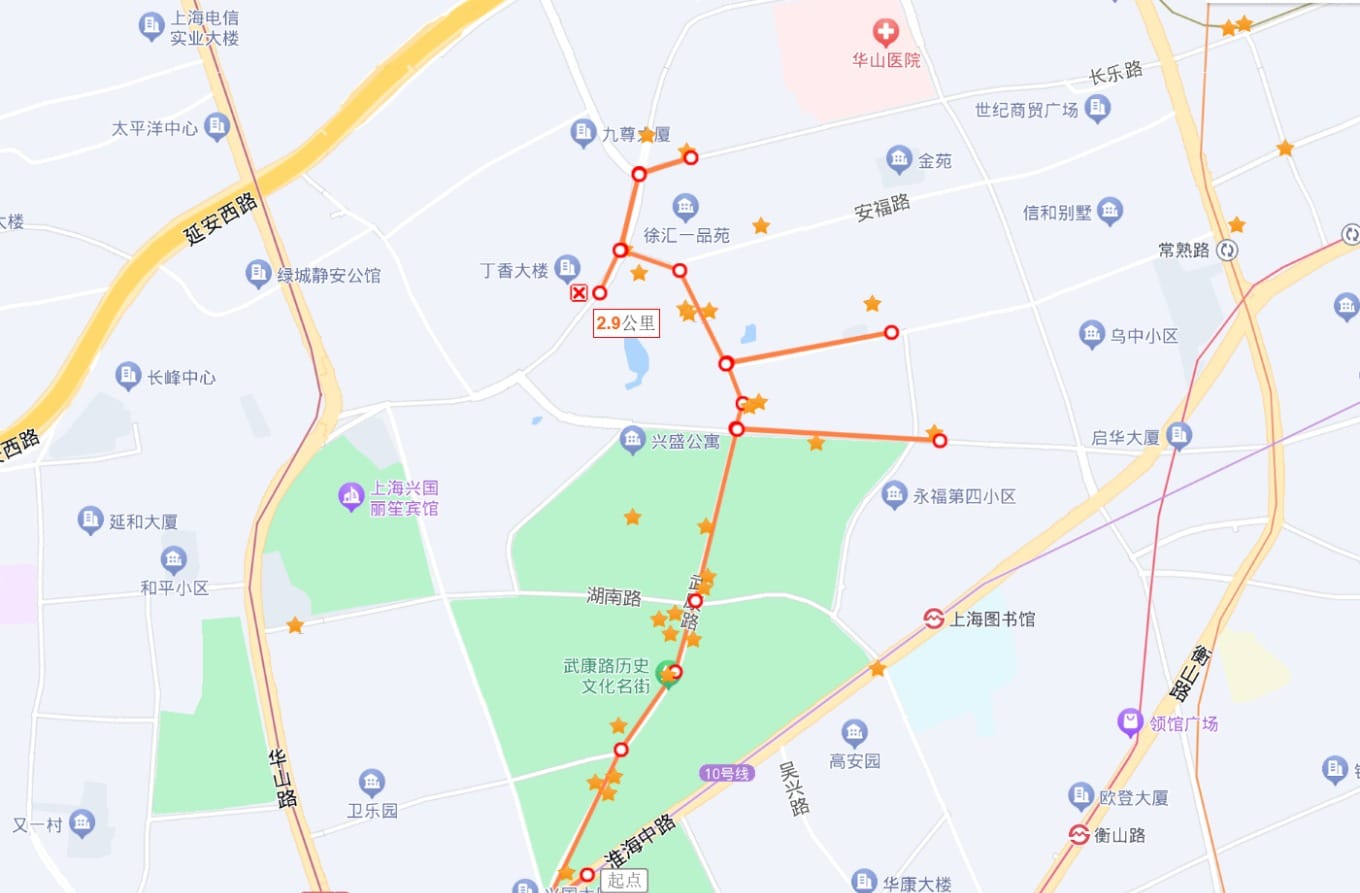
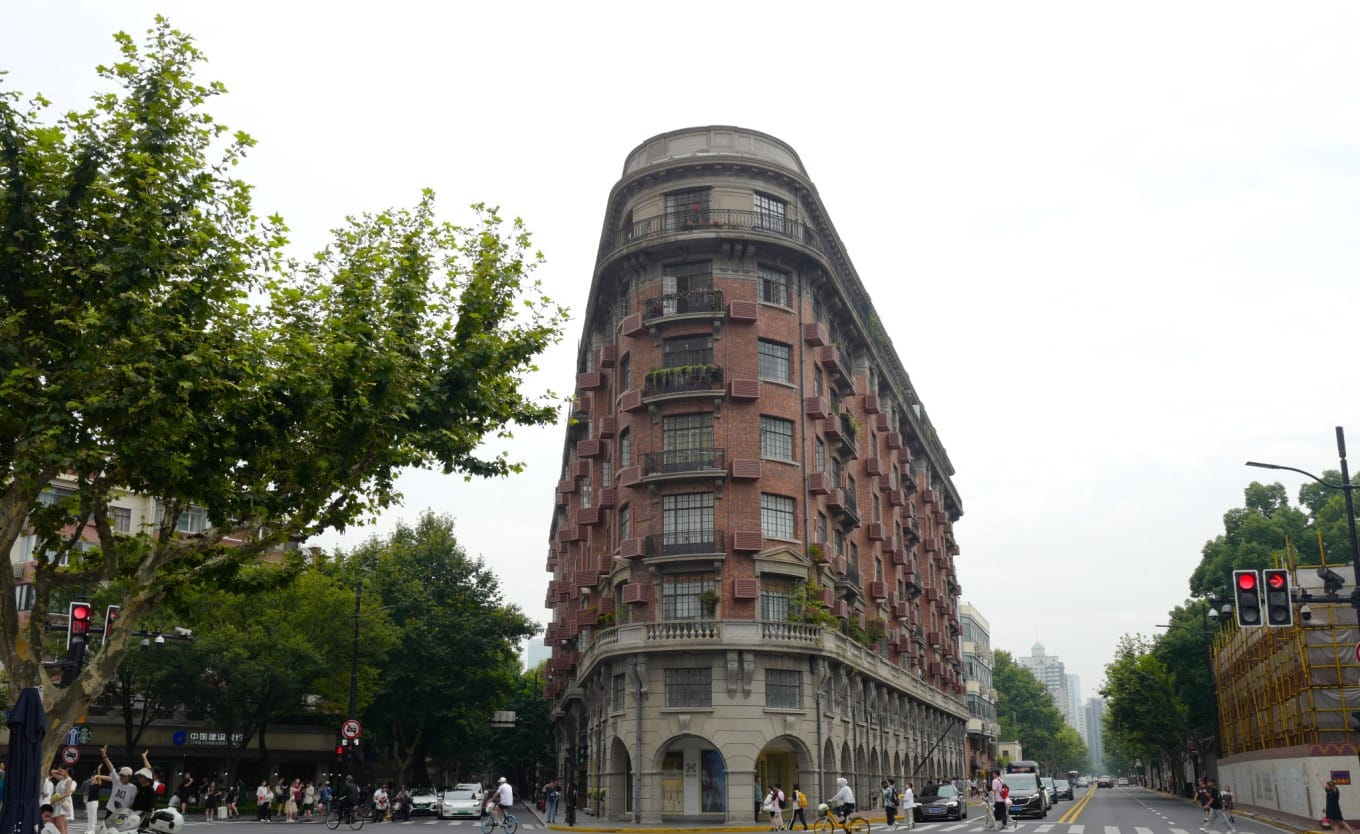
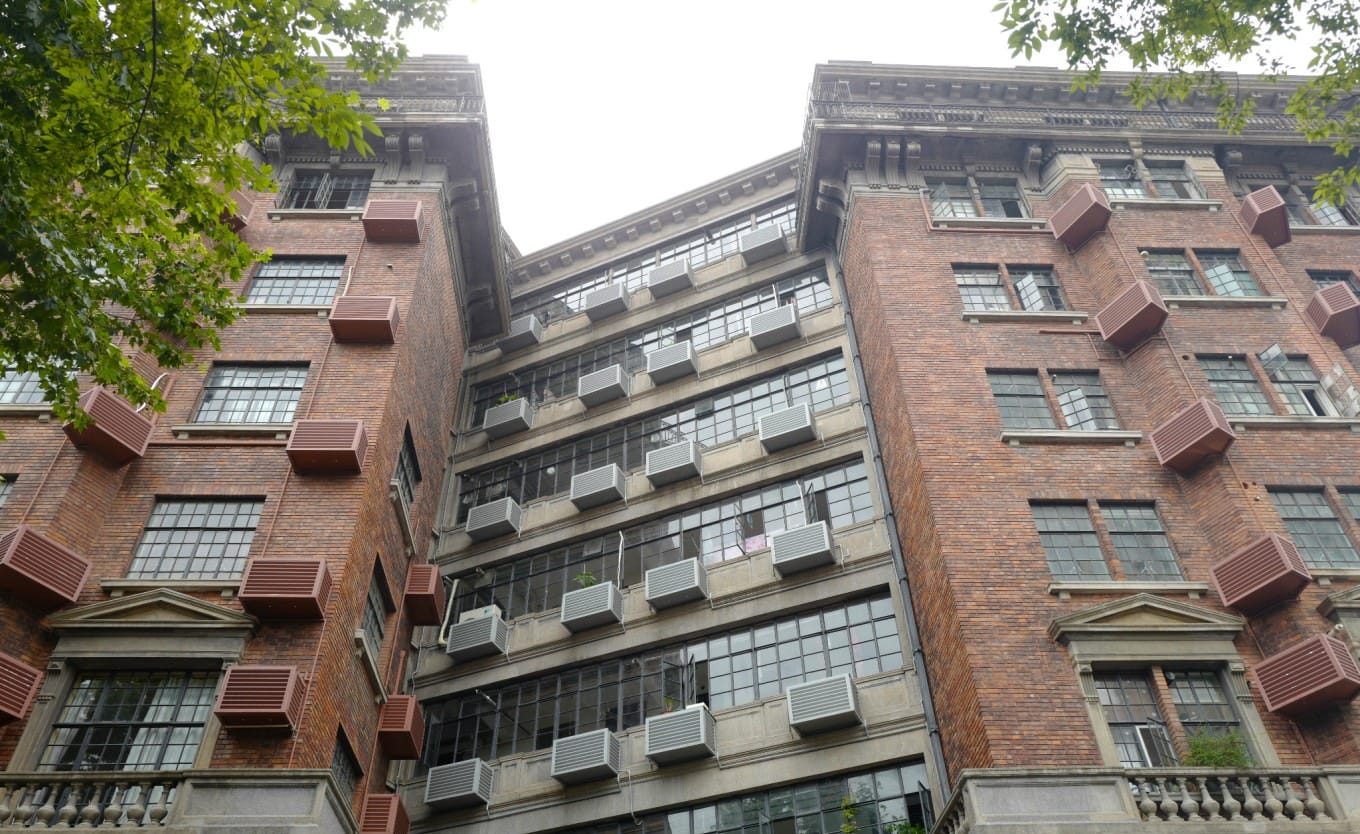
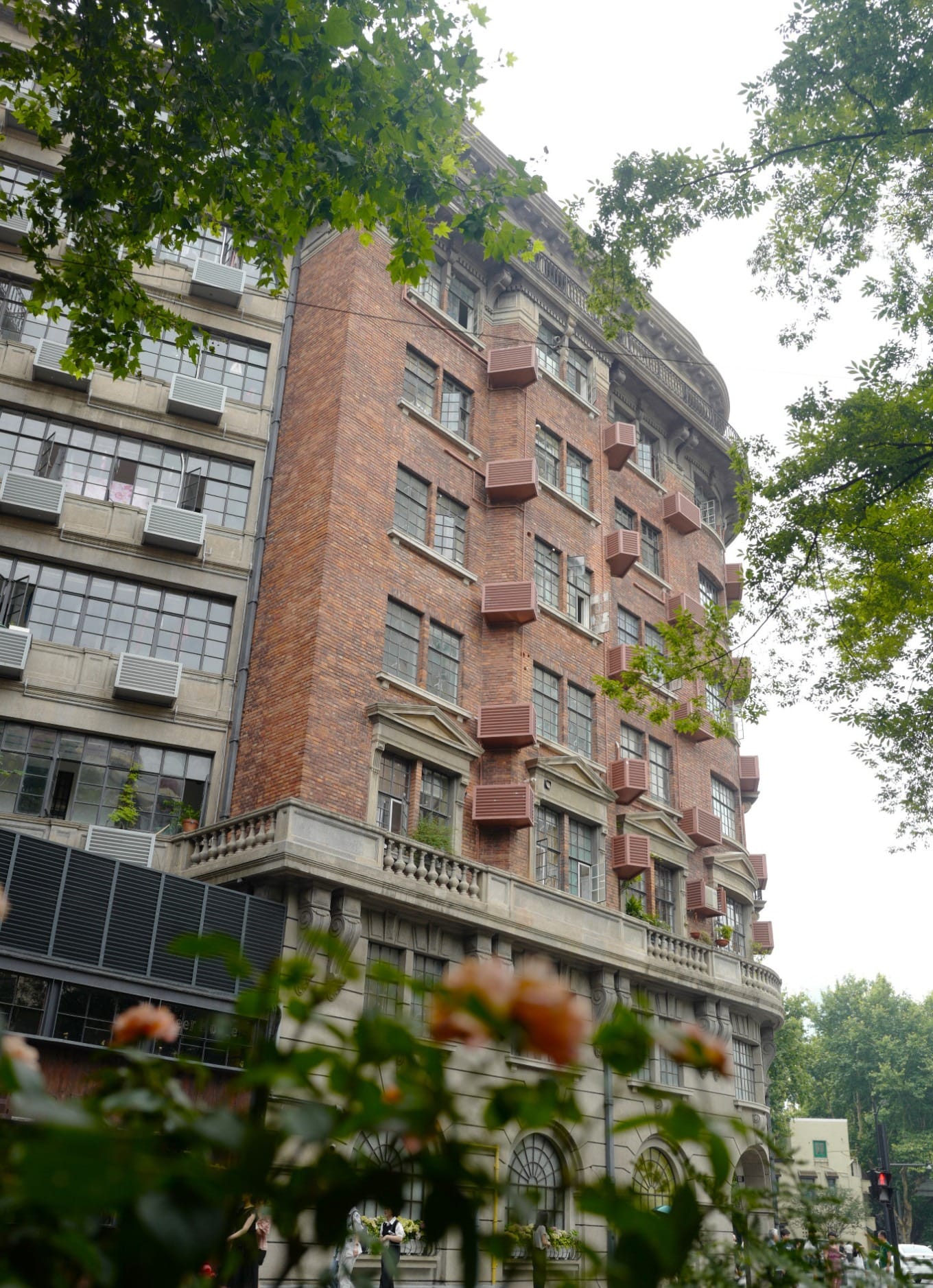
Your exploration can begin near the iconic Wukang Building (武康大楼). Built in the 1920s as the Normandie Apartments, it was one of Shanghai’s first modern high-rise apartments, primarily housing foreign elites. This eight-story, French Renaissance-style landmark is a classic photo spot. For the best shot, cross to the opposite side of the small street; standing directly in front often doesn’t capture its full scale. Note that the building’s uniform external boxes are designed to conceal air conditioning units for a cleaner aesthetic.
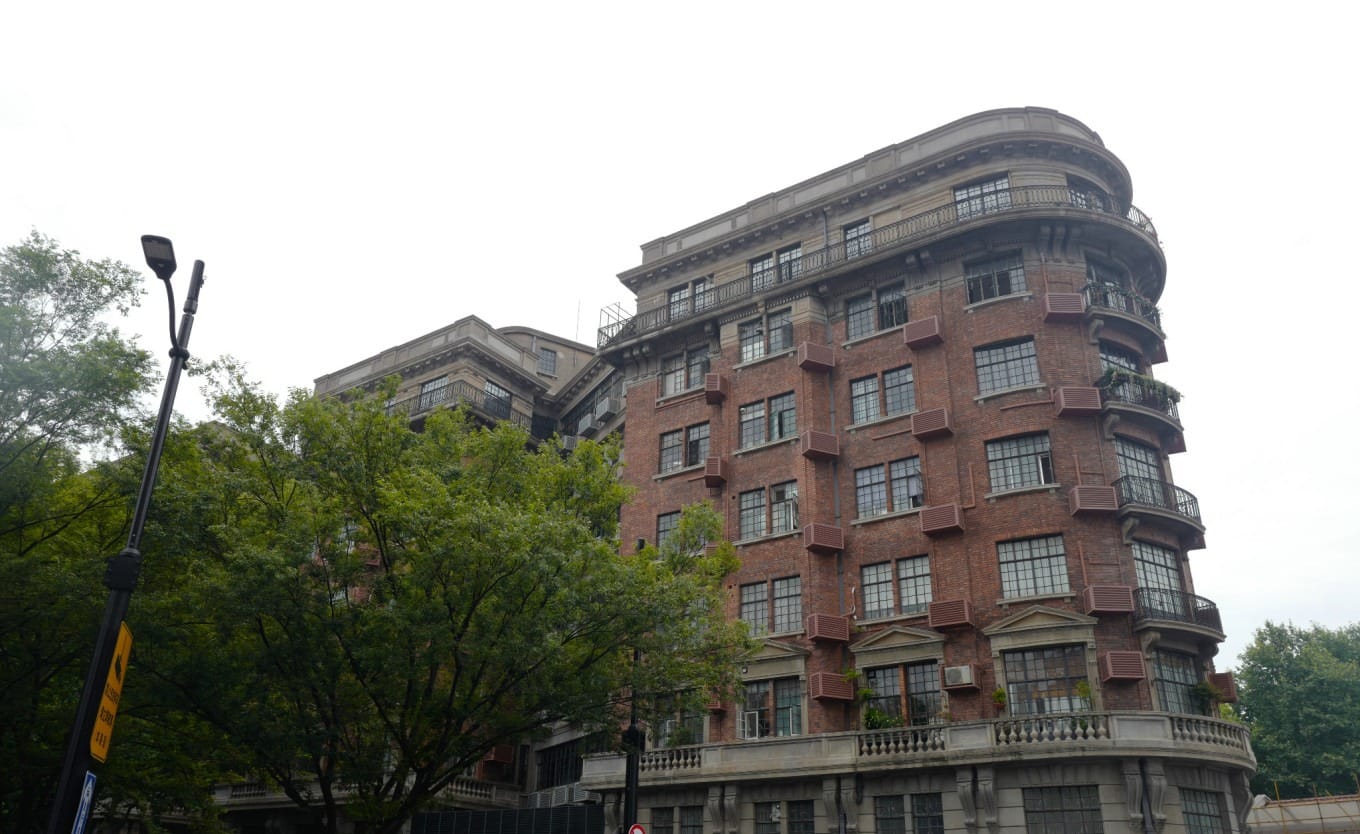
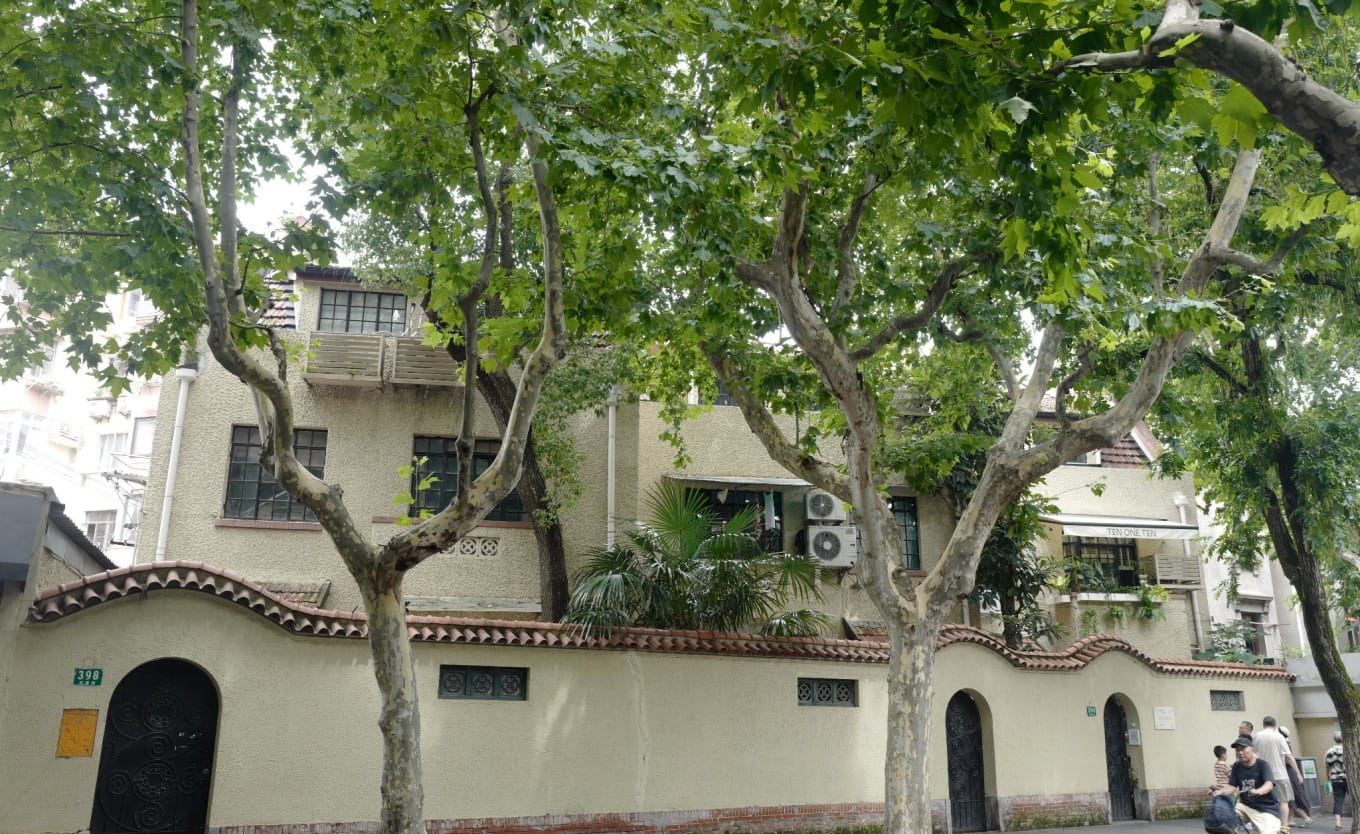
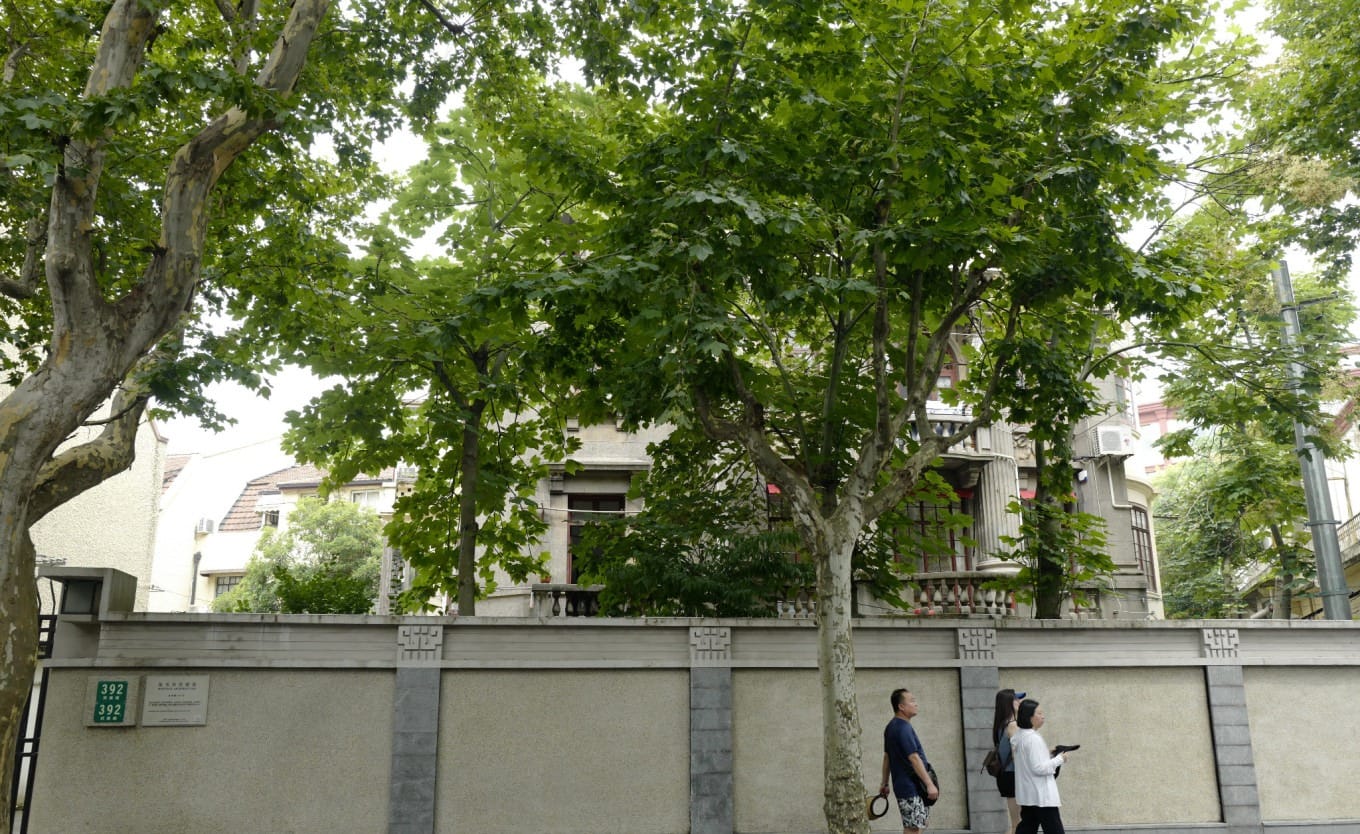
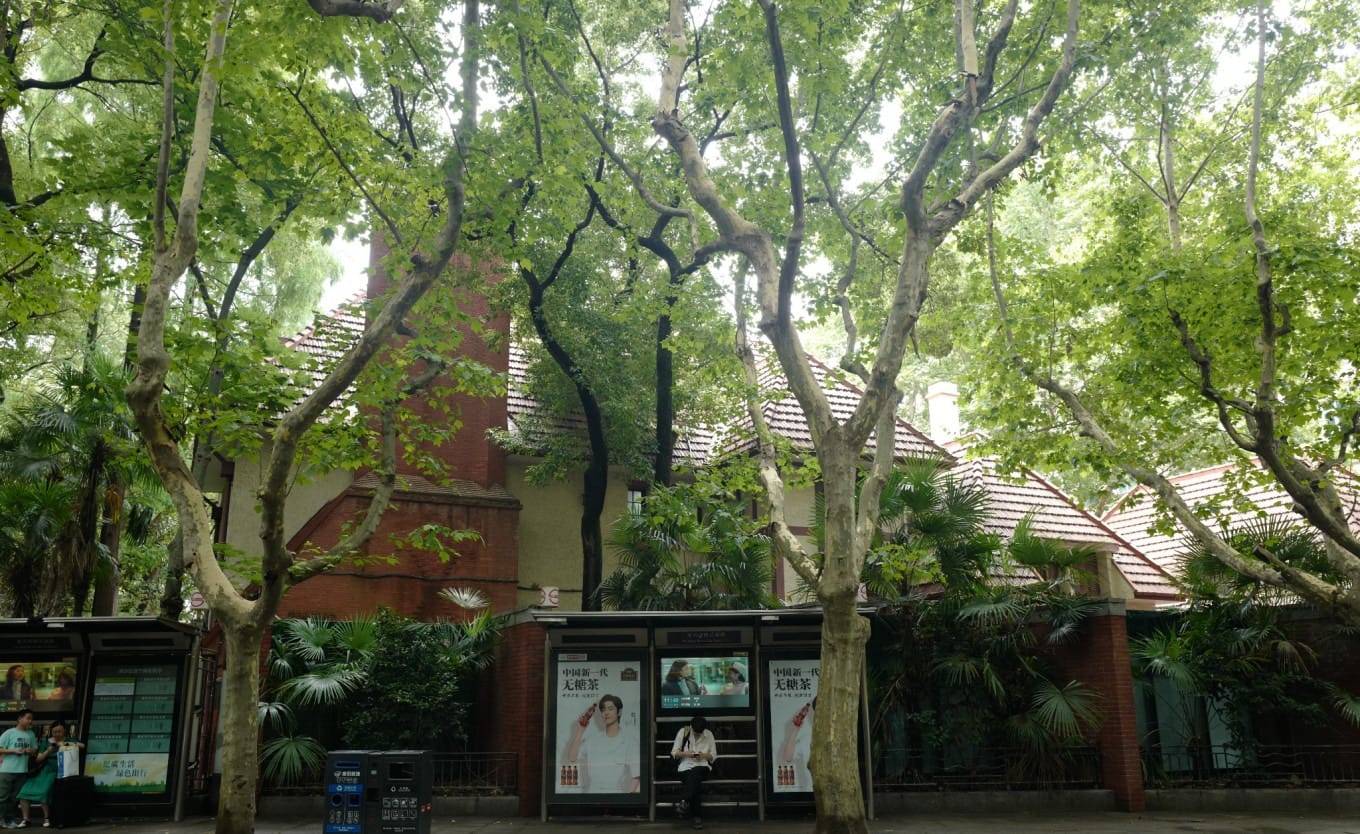
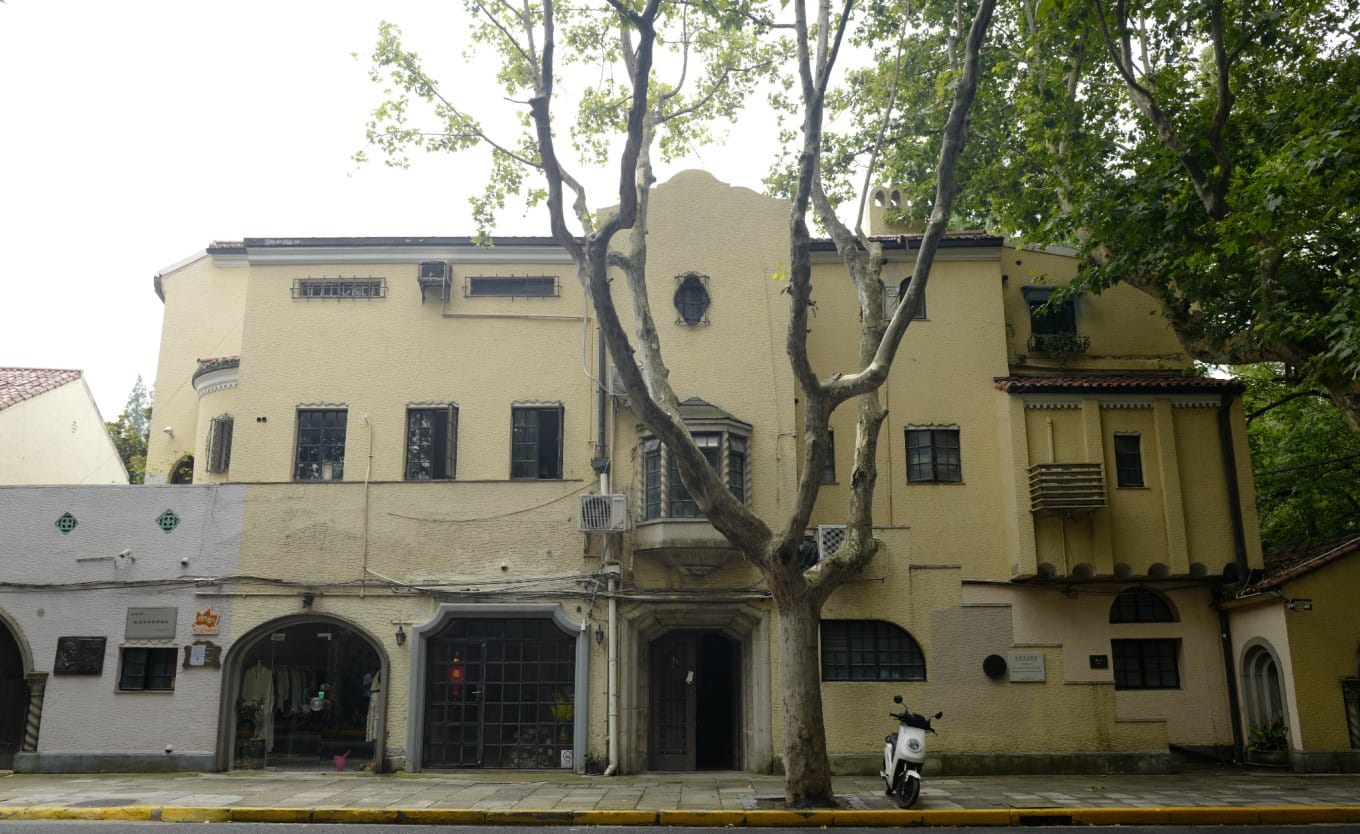
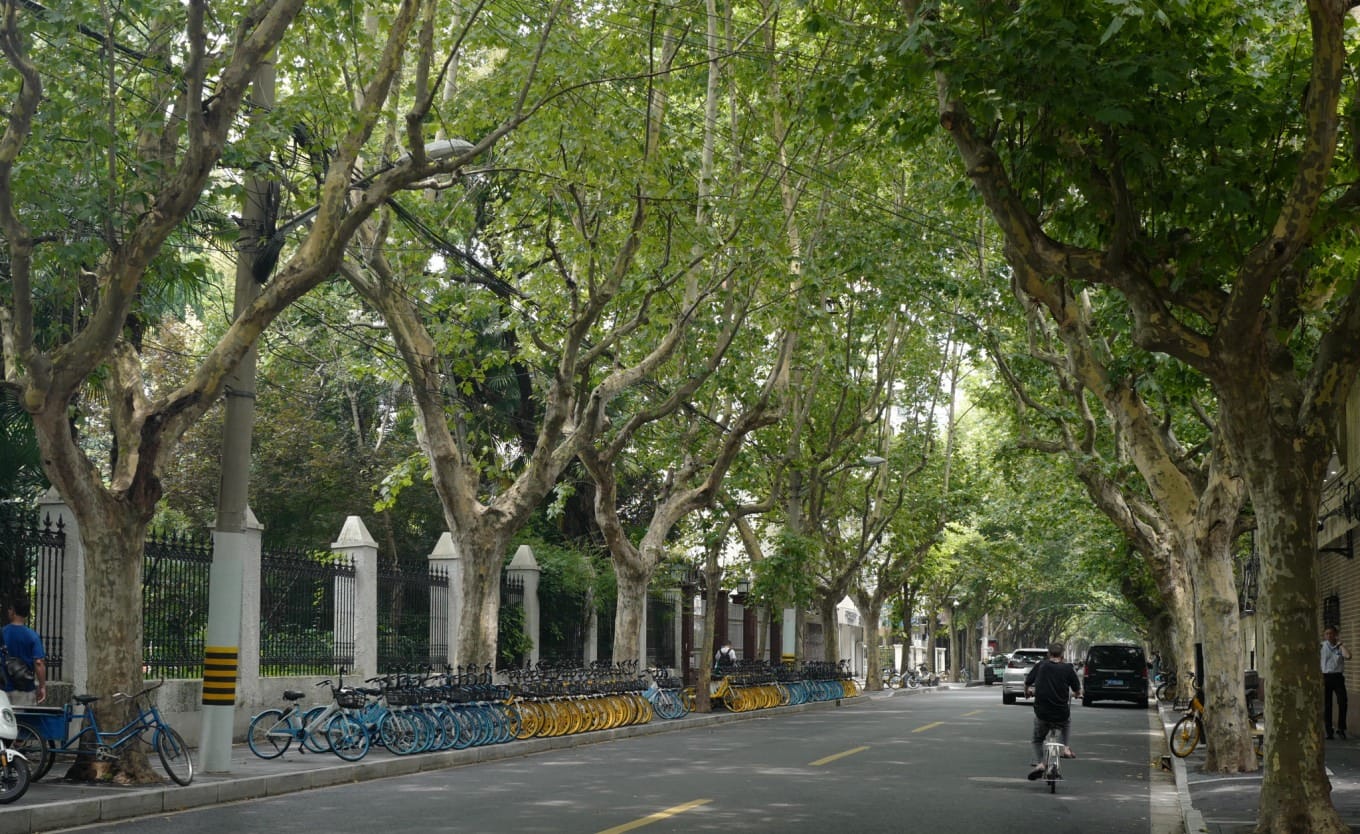
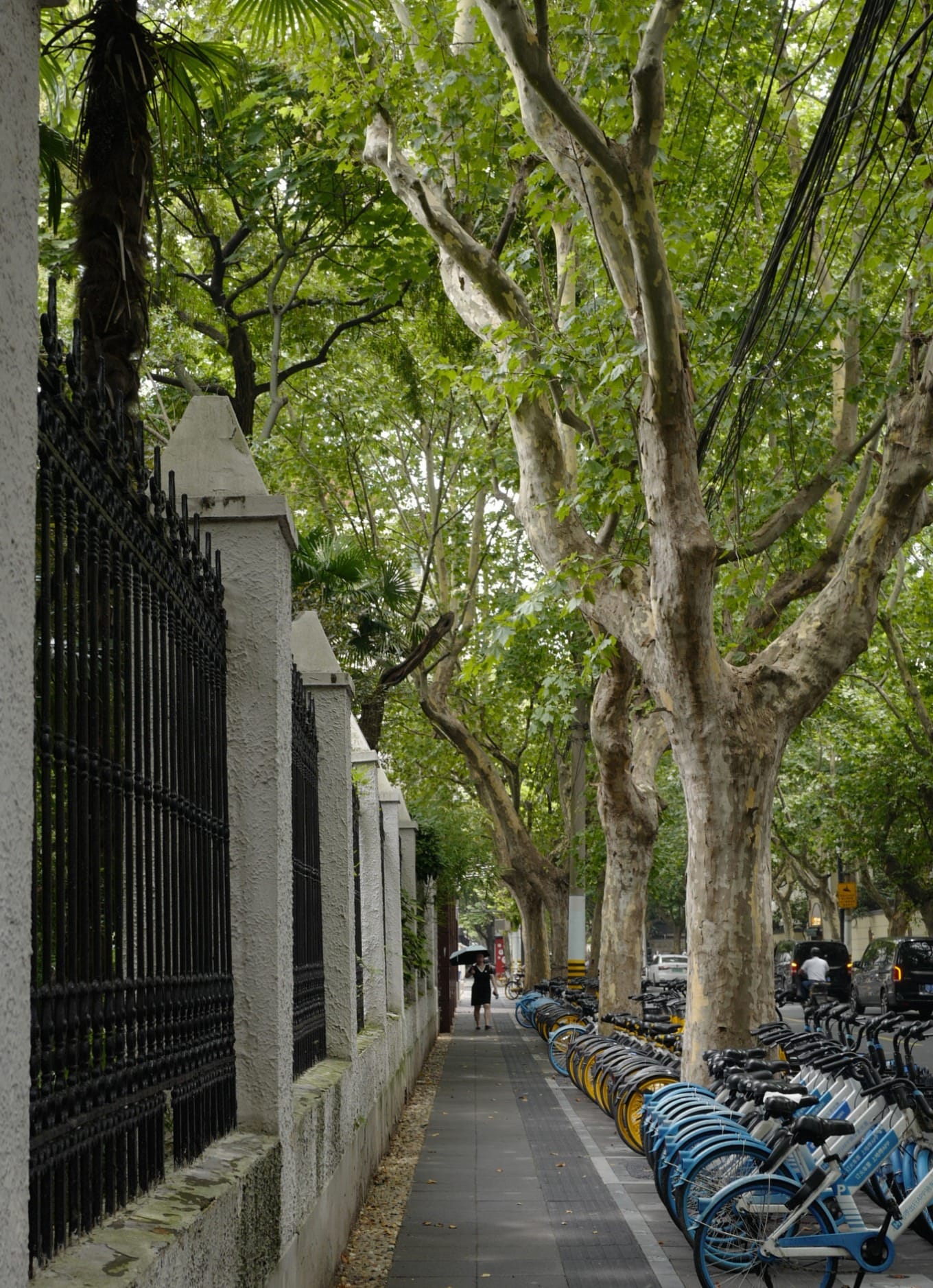
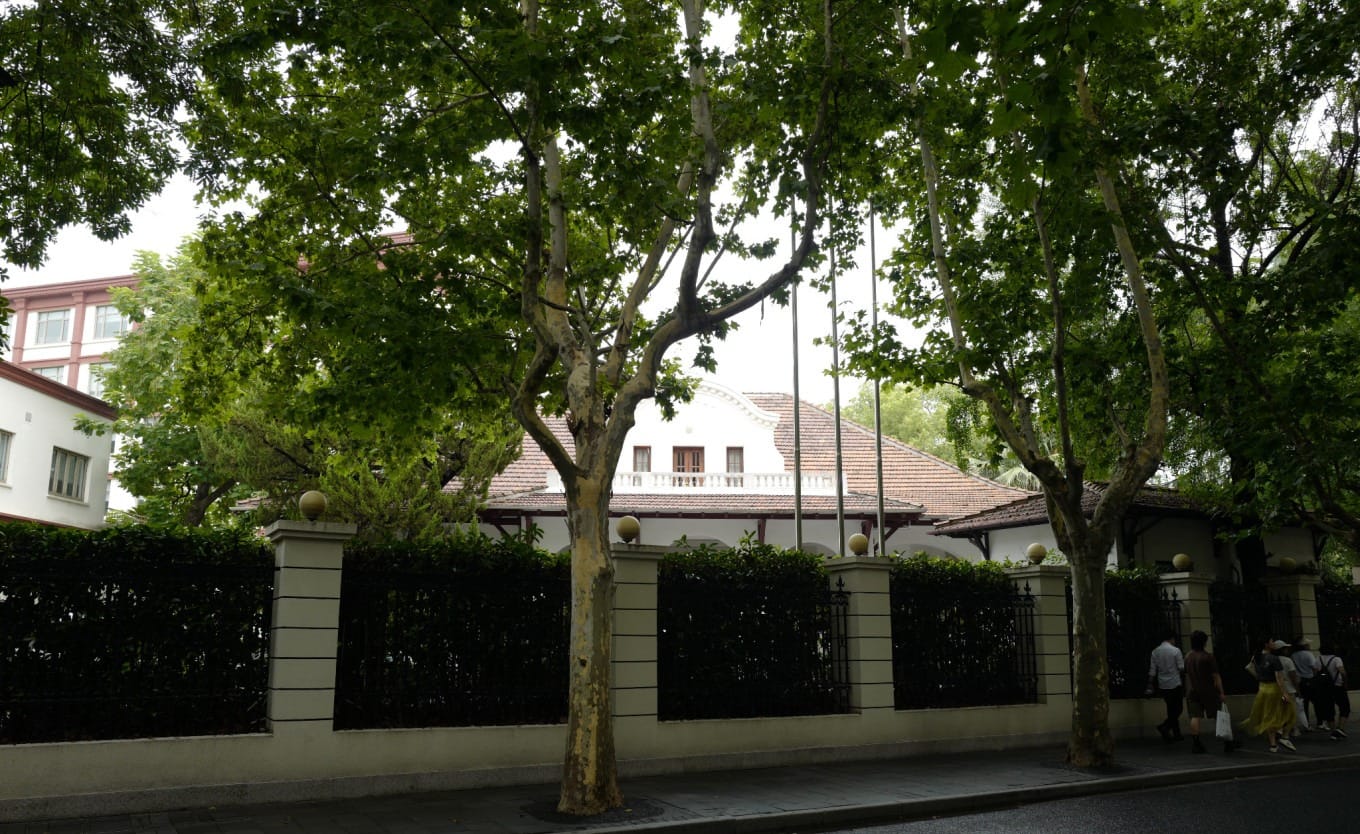
As you walk south, you’ll pass numerous historic villas. At No. 398, 396, and 394, look for the wall with three arched gateways leading to a light yellow, square building. The lush greenery lining the road is beautiful but can partially obscure views; peeking through the foliage often reveals elegant details like the ornate columns and railings on the balcony at No. 392.
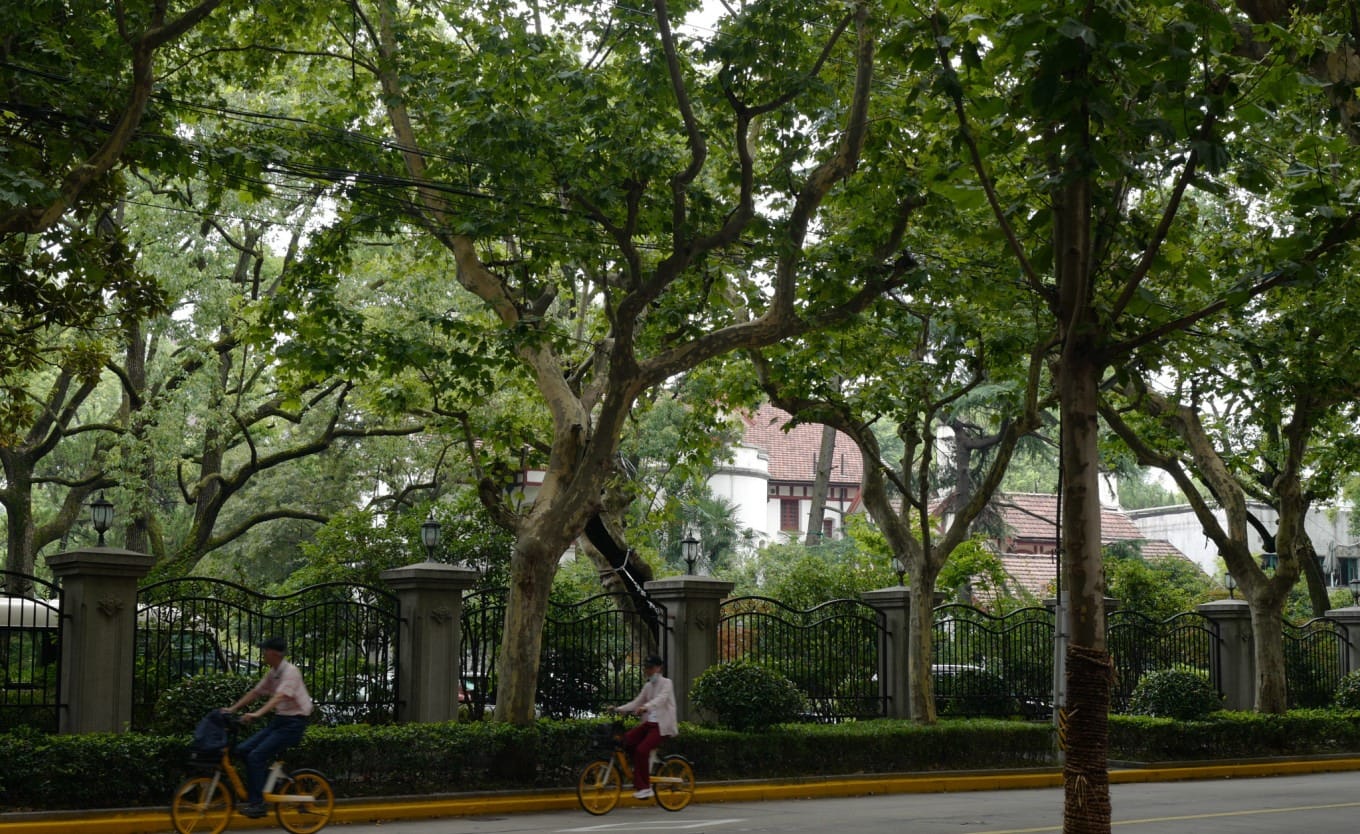
Given the road’s length, consider using a shared bicycle (共享单车) to cover more ground comfortably. Key historical sites are well-marked. At No. 395, you’ll find the former World Society Building (世界社旧址), a 1926 Baroque-style structure now housing the Shanghai Film Actors’ Troupe.
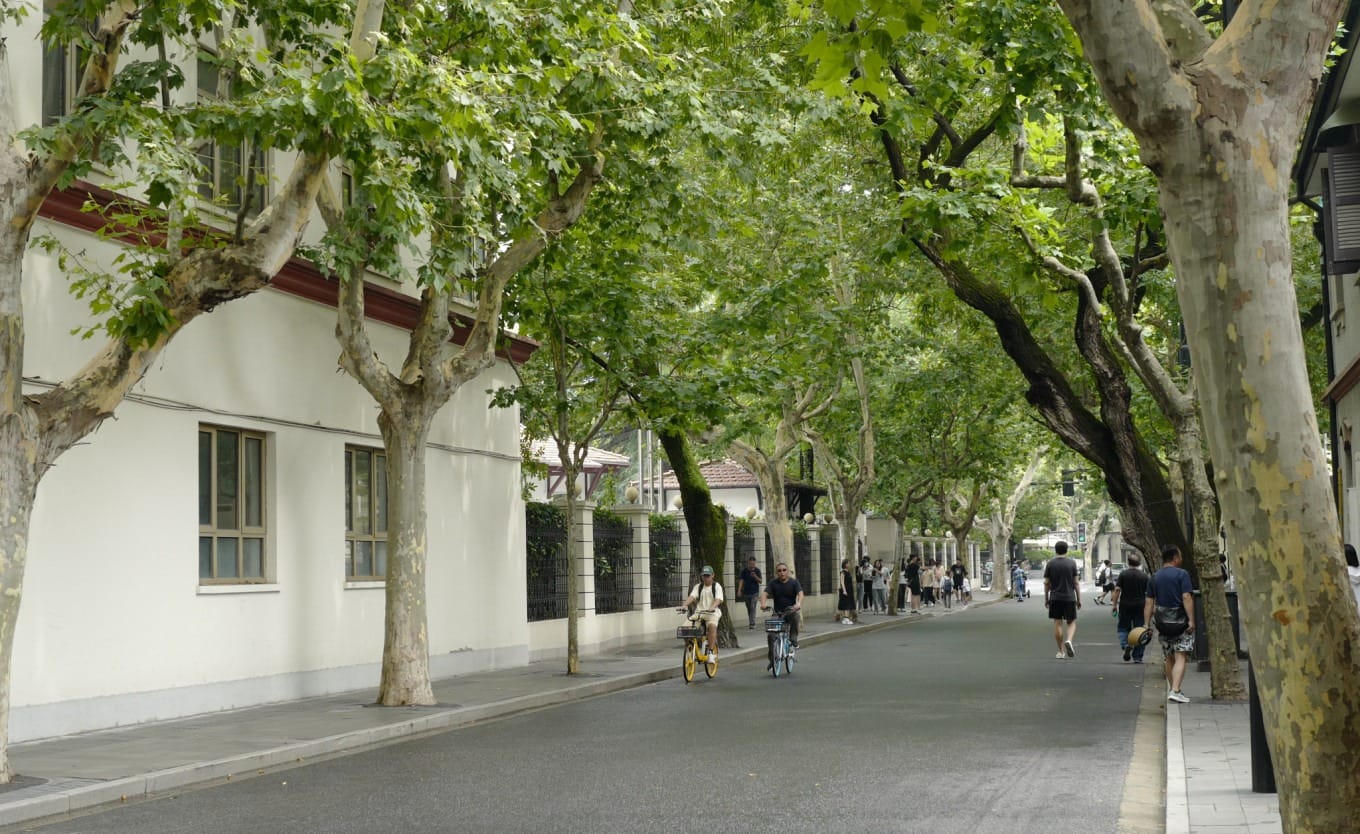
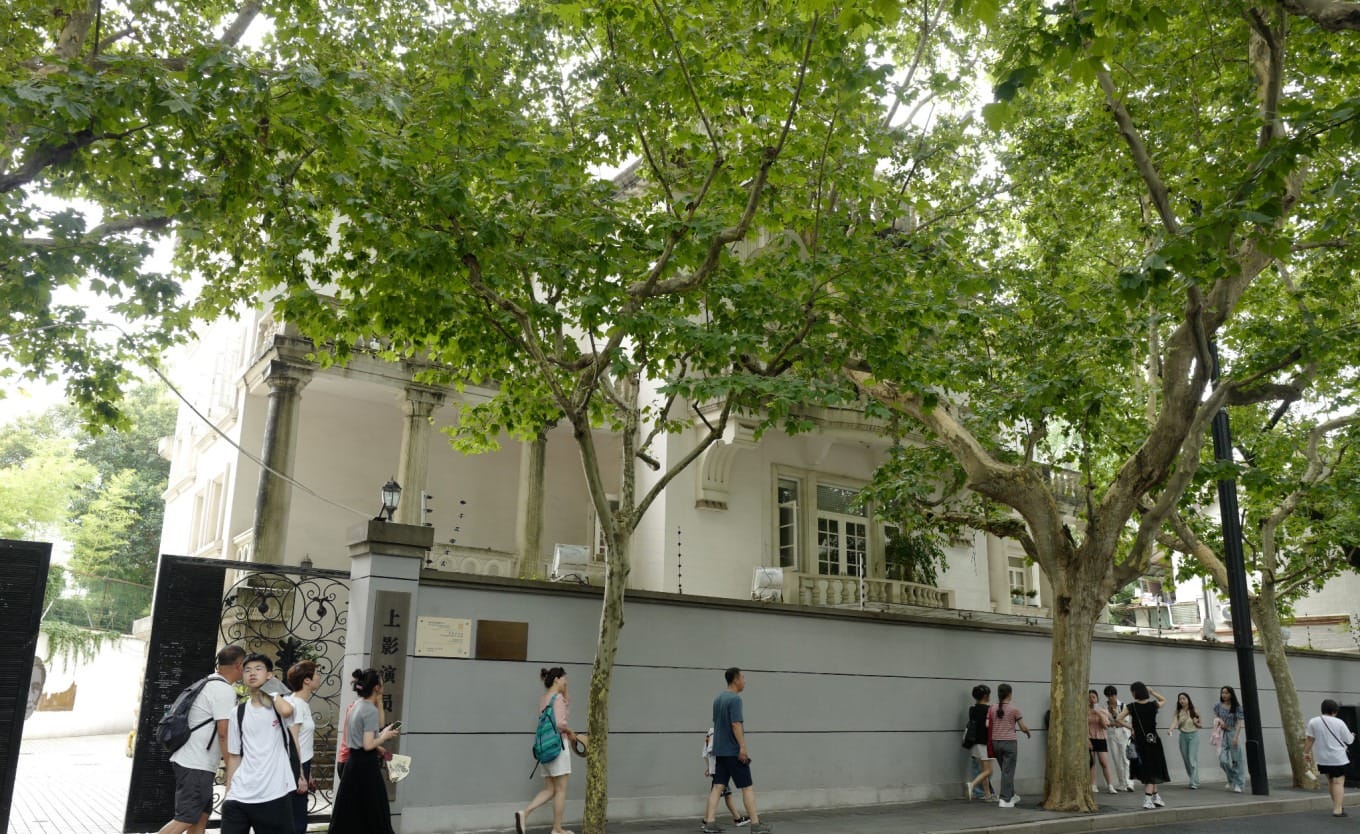
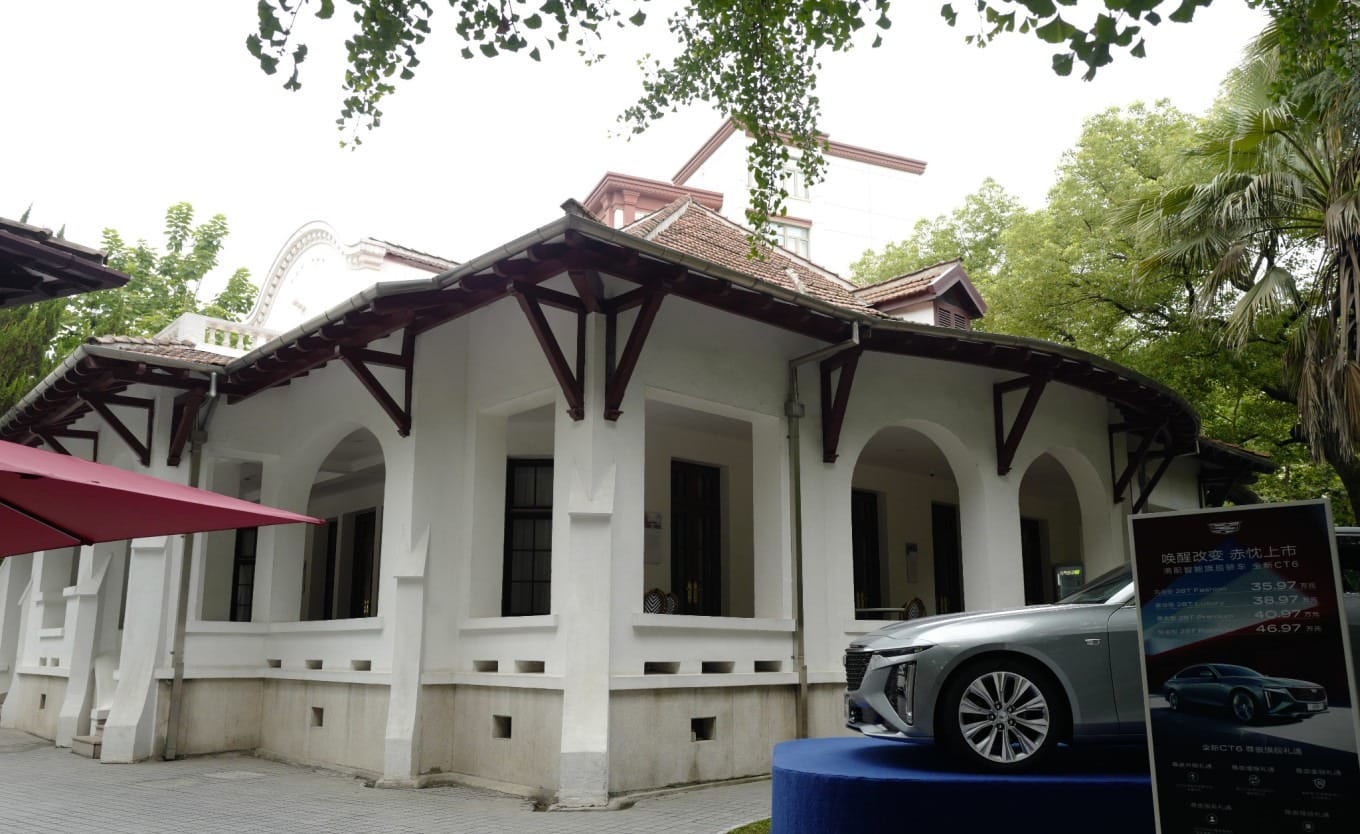
Nearby, the former Italian Consulate (意大利总领事馆旧址) at No. 390 is a Mediterranean-style garden villa, now used by an automotive company (visits may be by appointment). Its distinctive red-tiled, hipped roof is clearer to see from a distance. At No. 393 is the former residence of Huang Xing (黄兴旧居), a key figure in the 1911 Revolution. The building, with its Art Deco facade emphasizing horizontal and vertical lines, now partly serves as the Wukang Road Tourist Information Center.
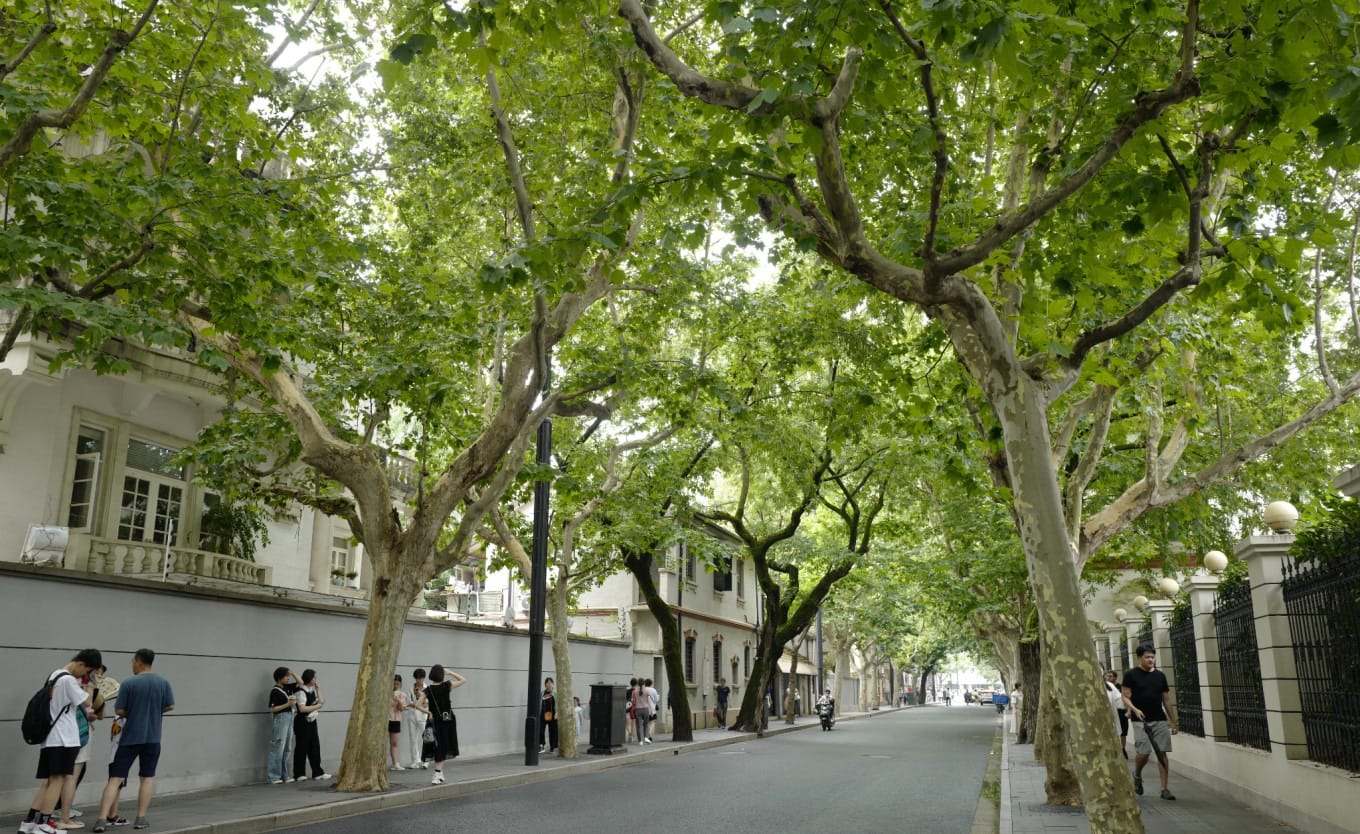
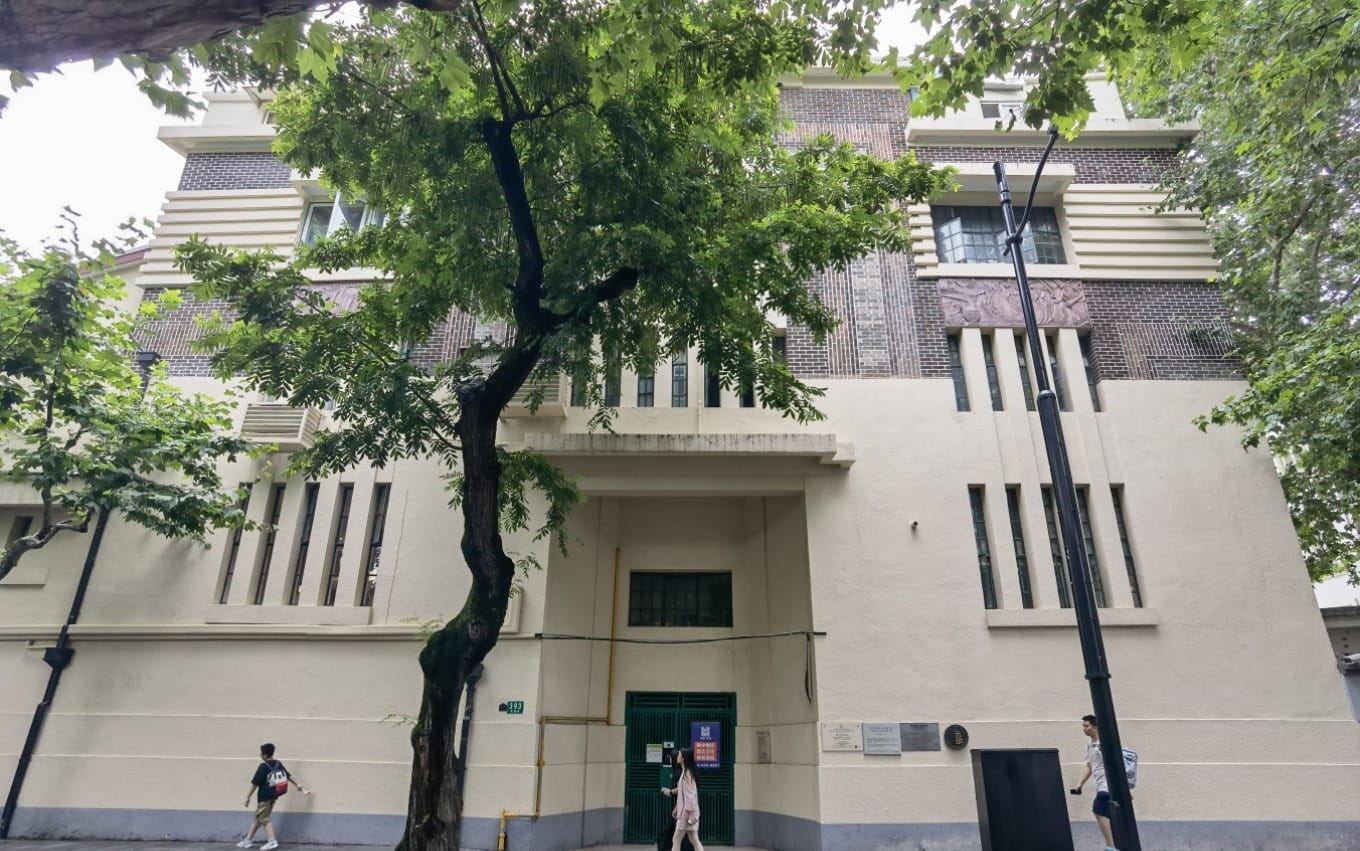
The winding streets of the Xuhui District create picturesque corners. At No. 391, Lane 1-5, is the unassuming former home of the famous singer Zhou Xuan (周璇). Further along, Wukang Court (武康庭) at Nos. 376-378 is a complex blending a red-brick Republican-era diplomat’s mansion with a 1970s white office block, now home to boutiques, galleries, and cafes.
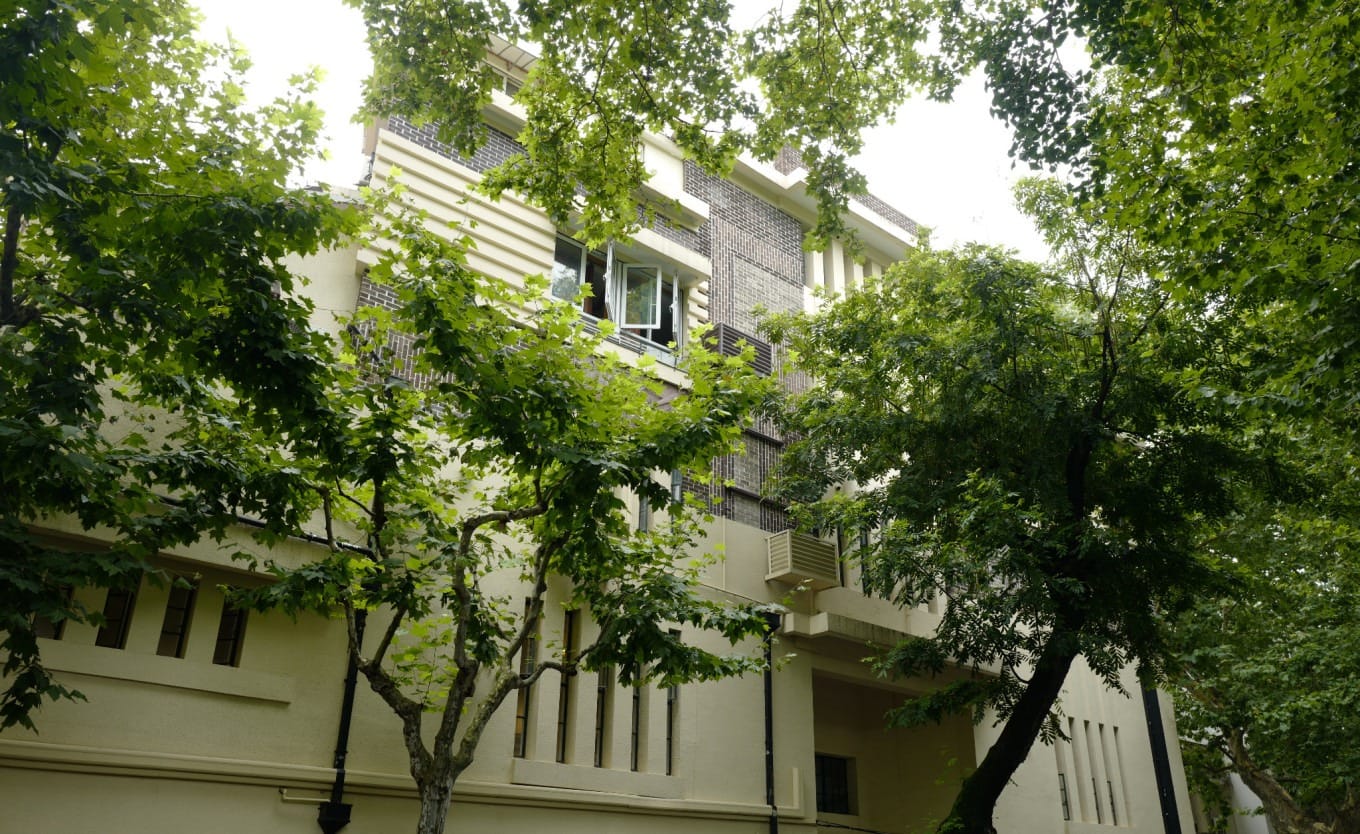
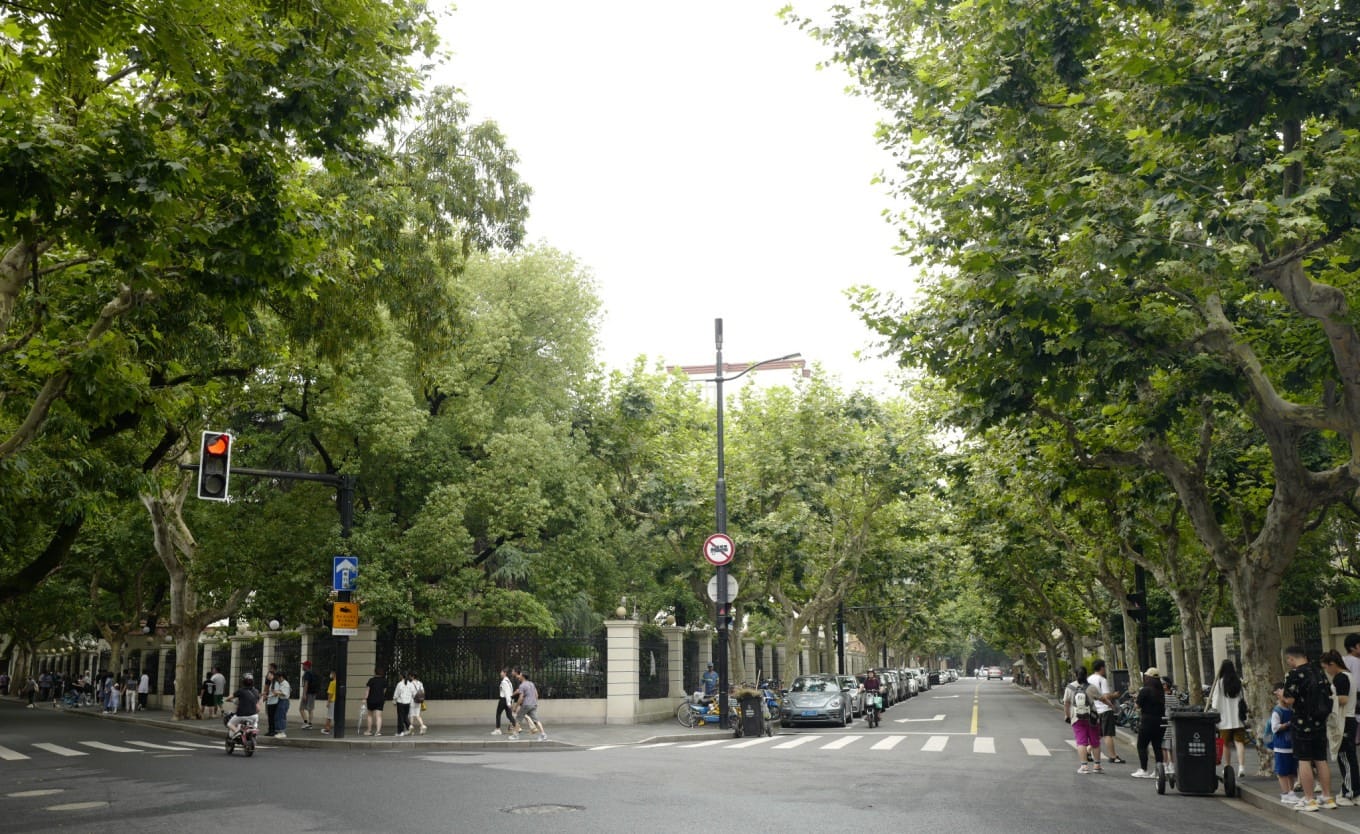
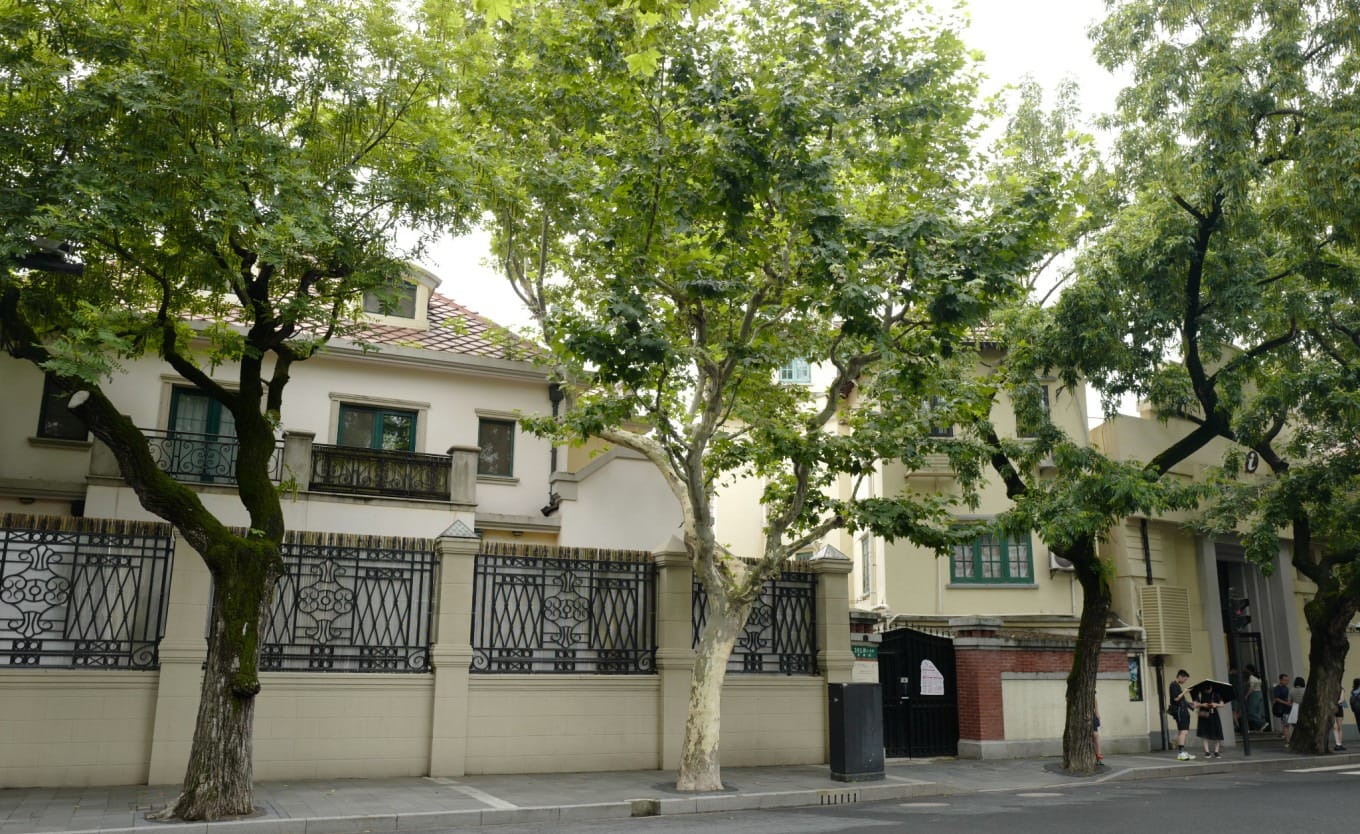
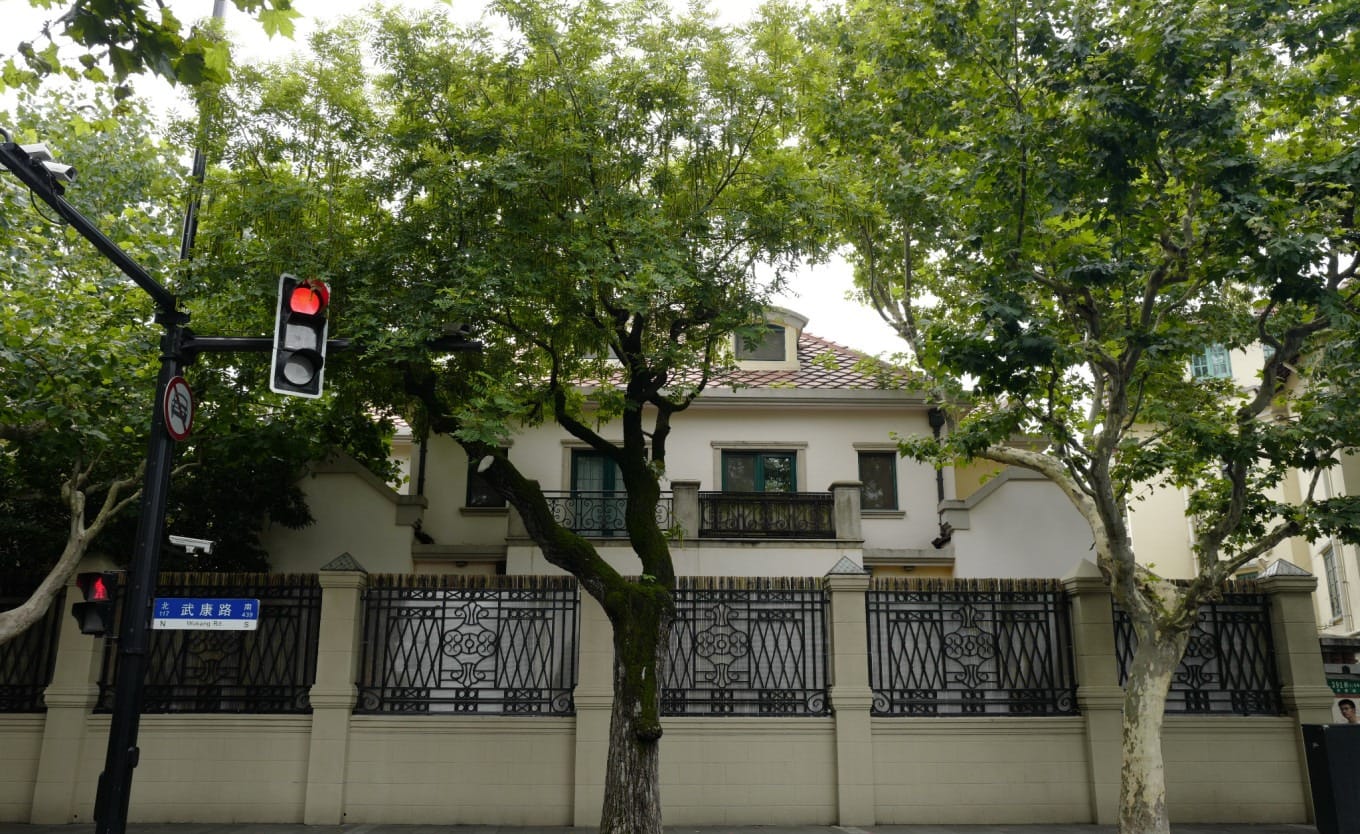
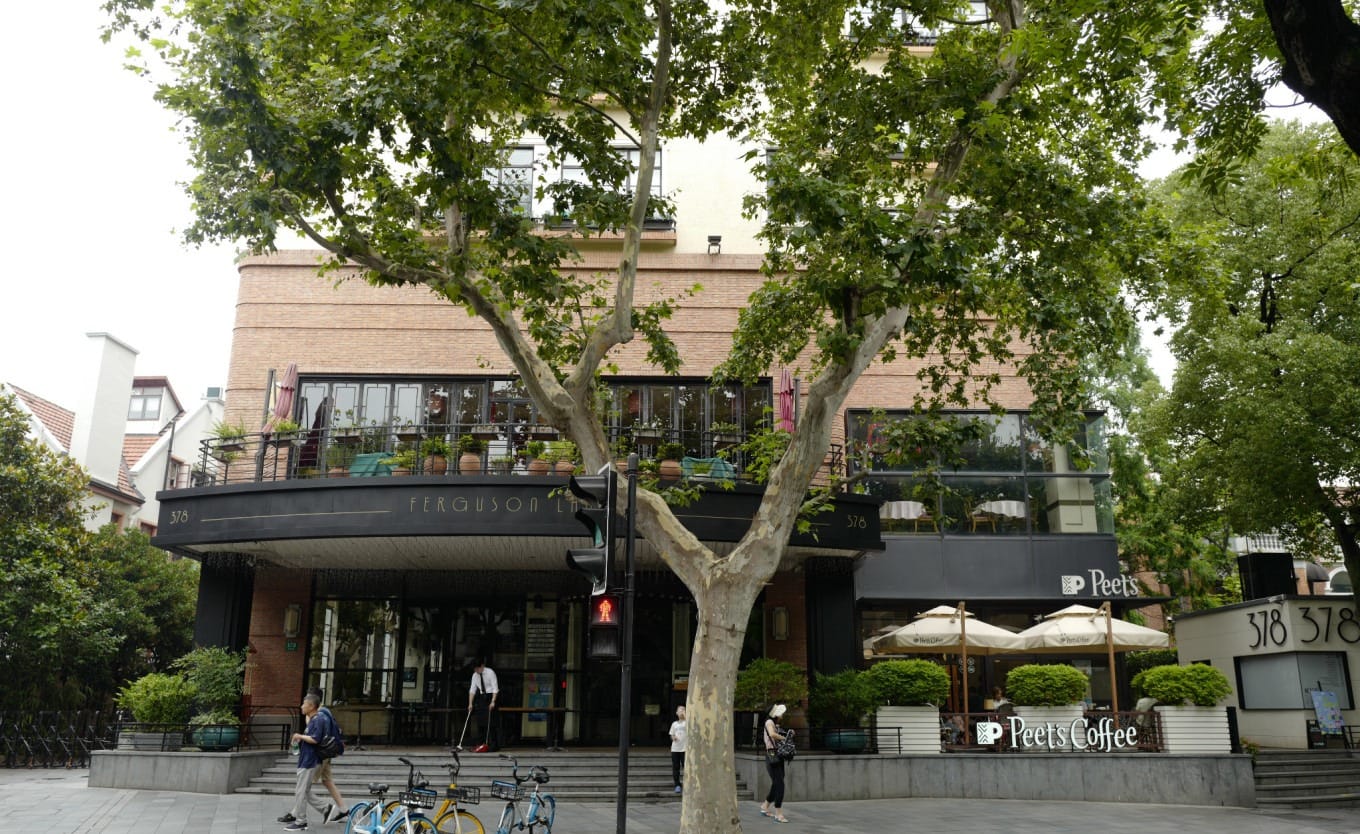
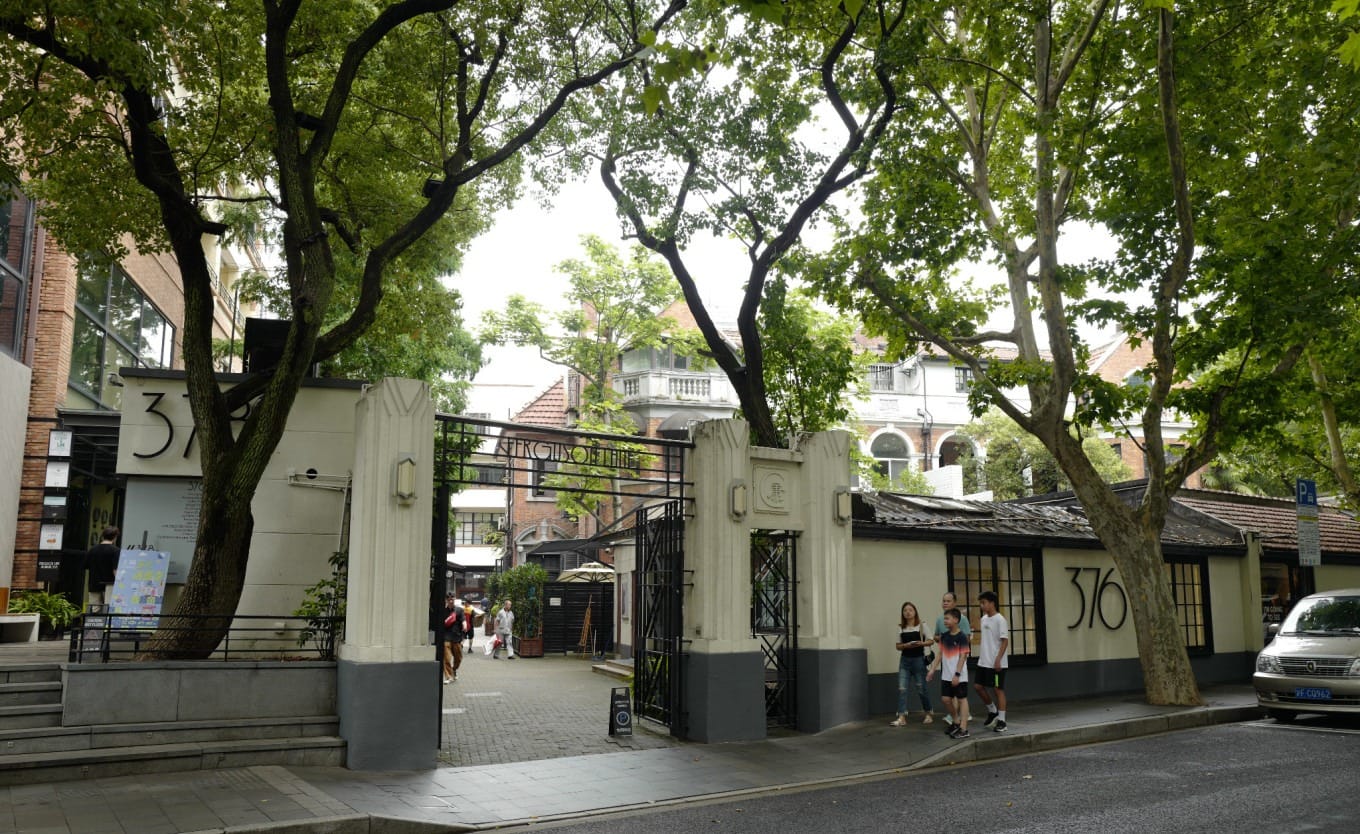
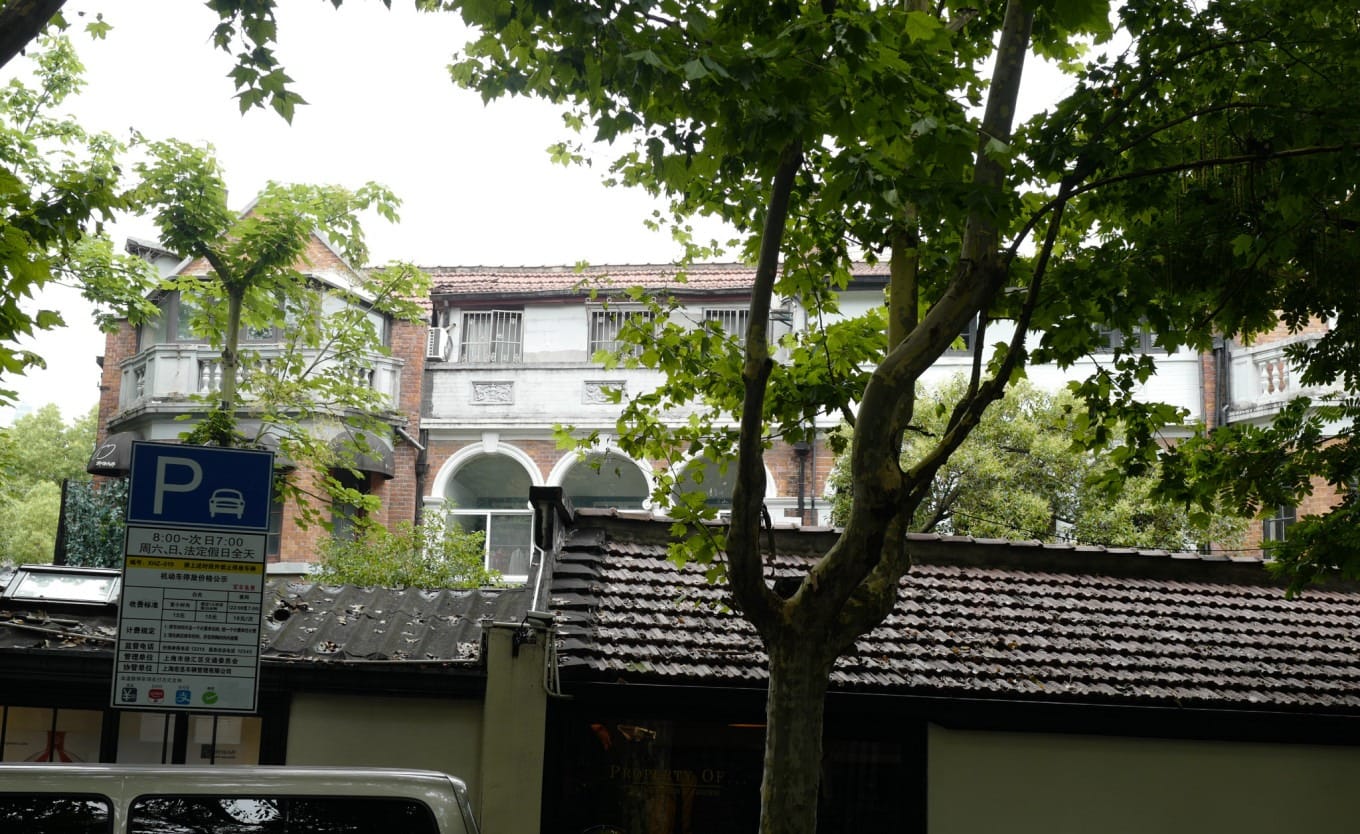
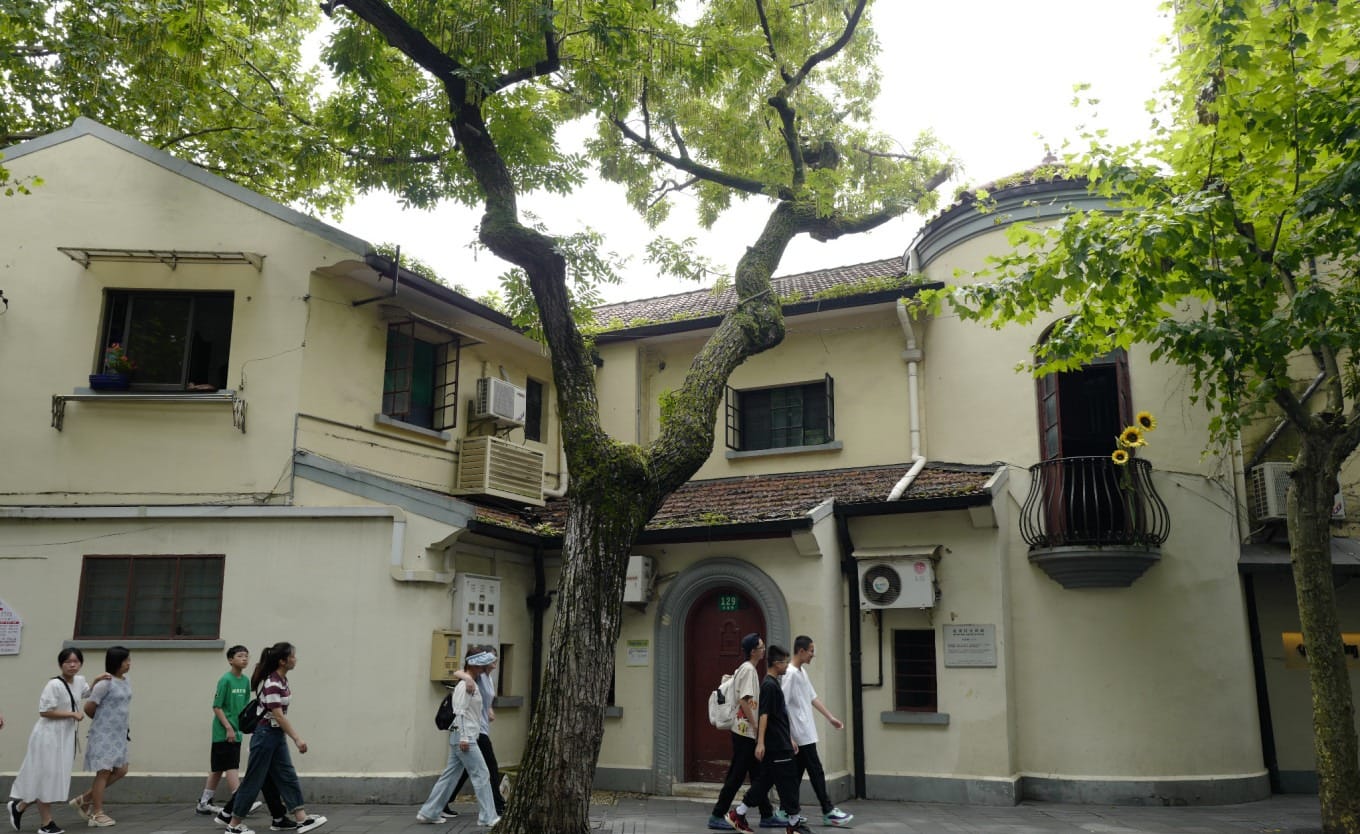
Notable residences continue. No. 137 houses a ground-floor cafe. No. 129 is a Spanish-style house famous for a pink bow once tied to its balcony; it has since been replaced with sunflowers. At No. 286, a 70-year-old red-brick house features large windows and is often adorned with hydrangeas (绣球花), also known as ‘Endless Summer’. Nos. 117/1 and 117/2 are Spanish garden villas.
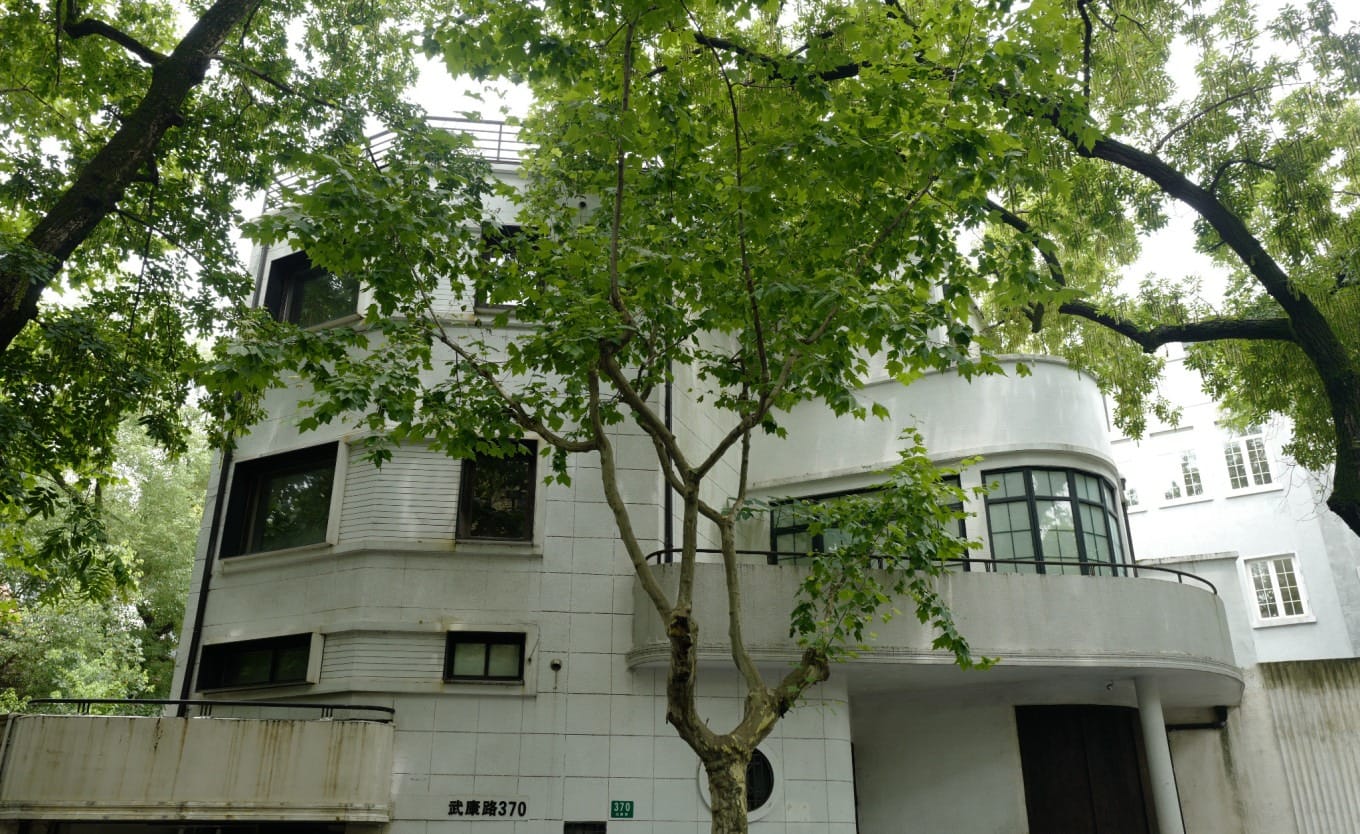
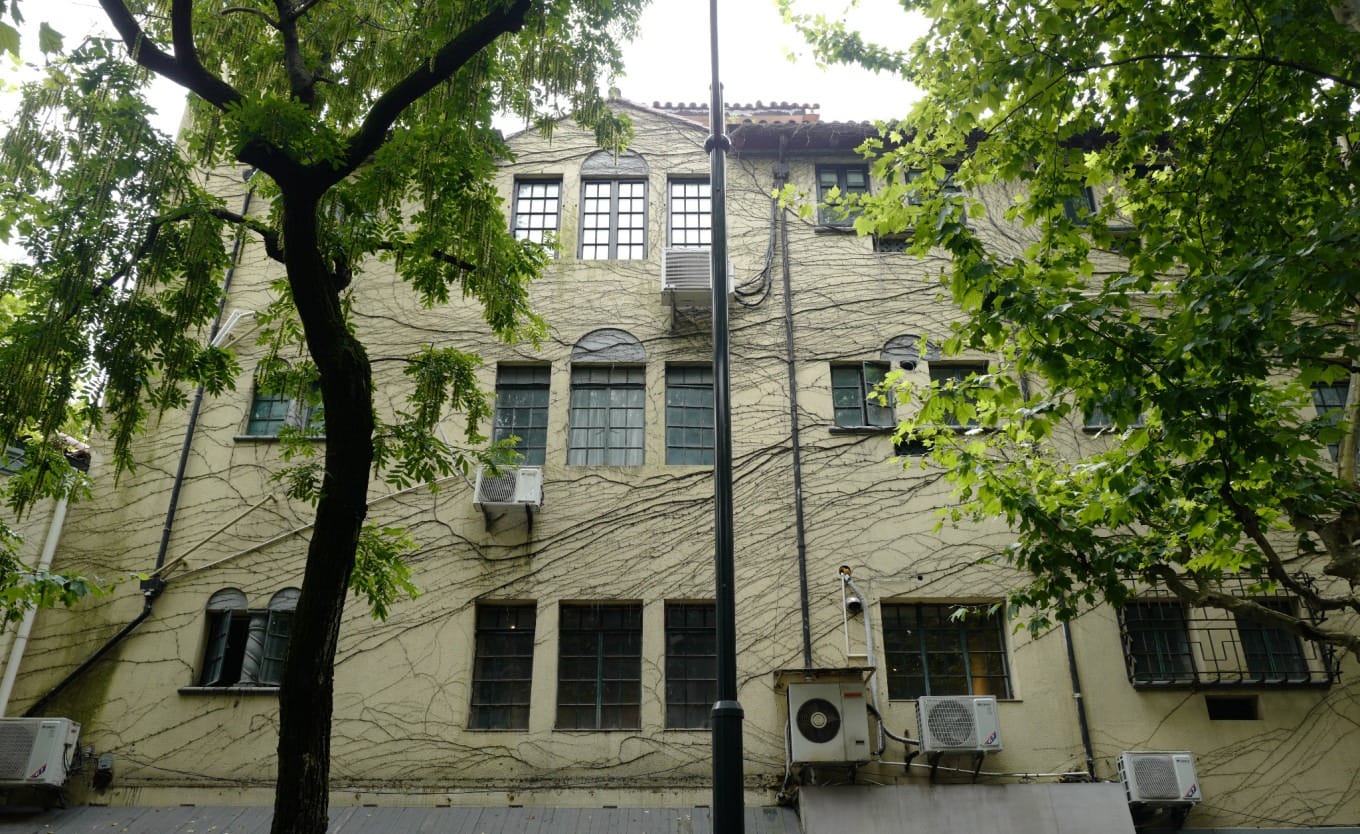
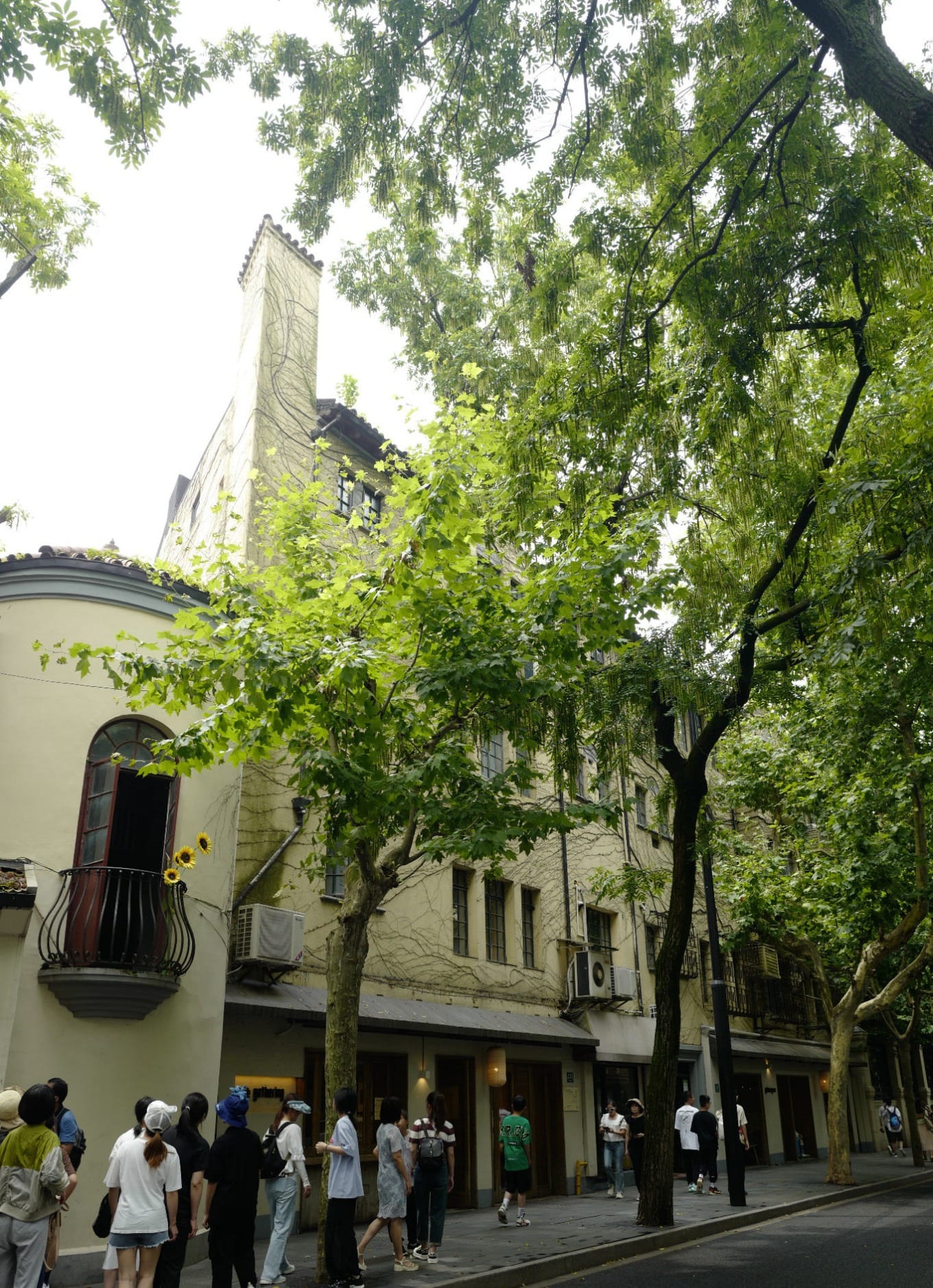
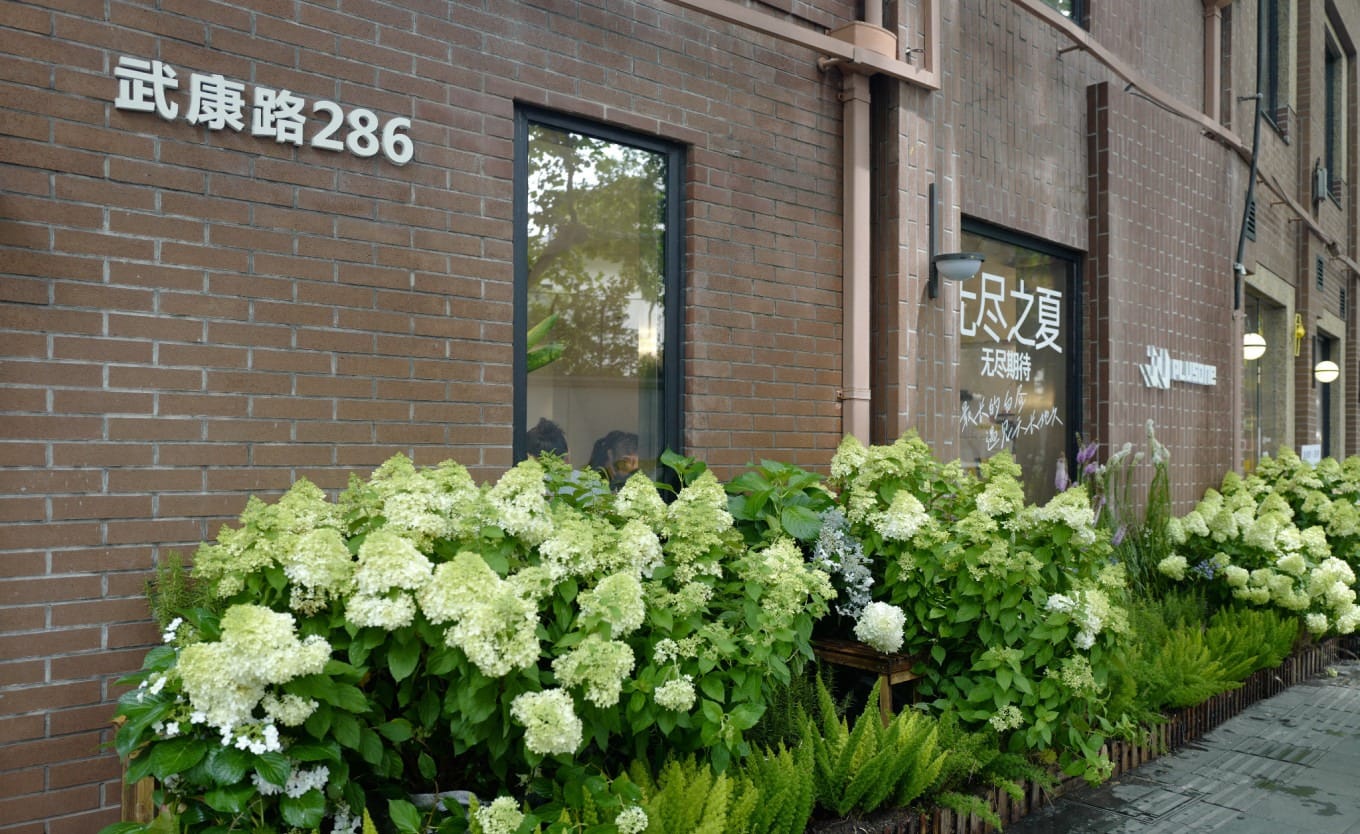
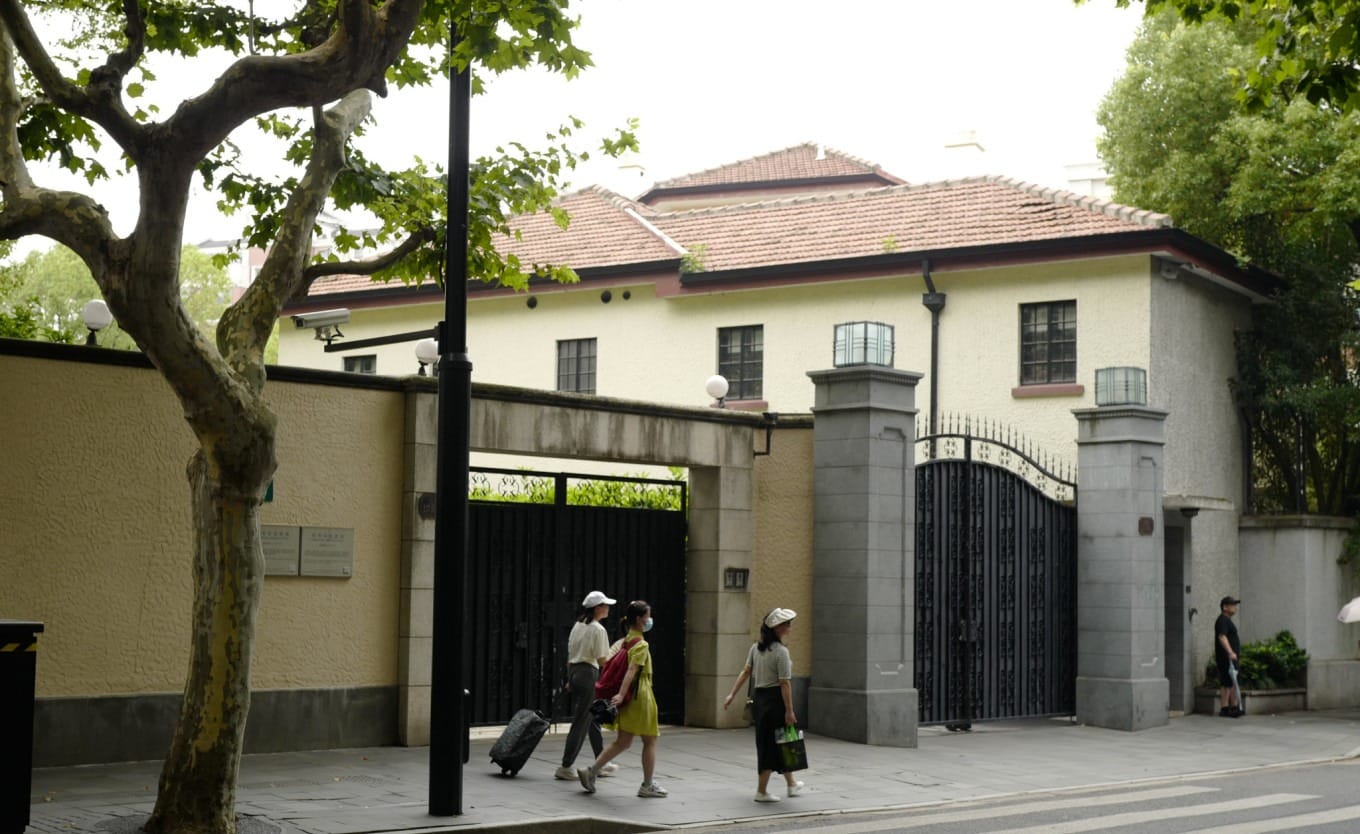
Easily missed at No. 274 is the former residence of General Zheng Dongguo (郑洞国旧居), known for his role in the War of Resistance against Japan. At No. 278 is Sixian Lou (思贤楼), originally a school history building. No. 286 now hosts a brand clothing store.
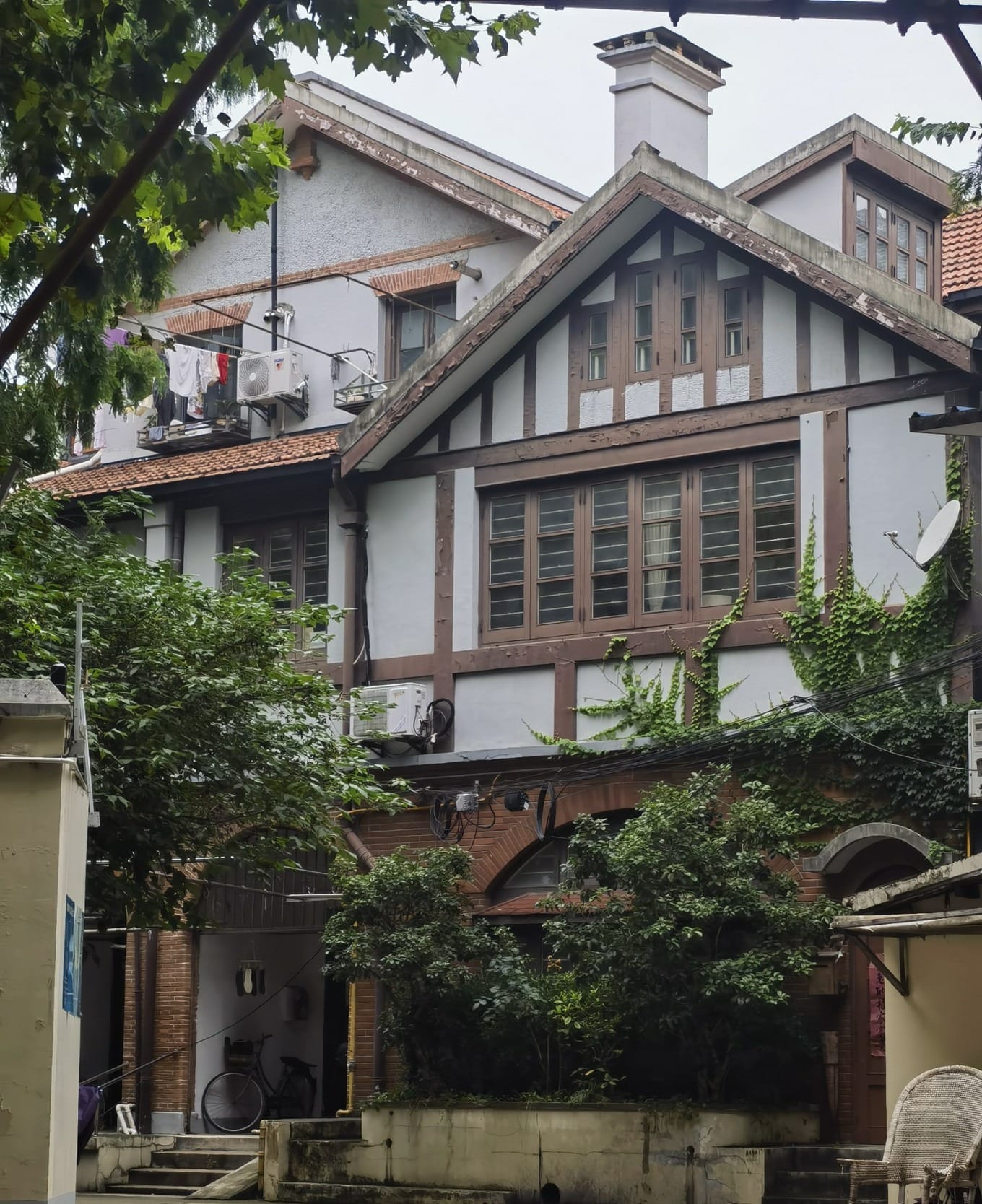
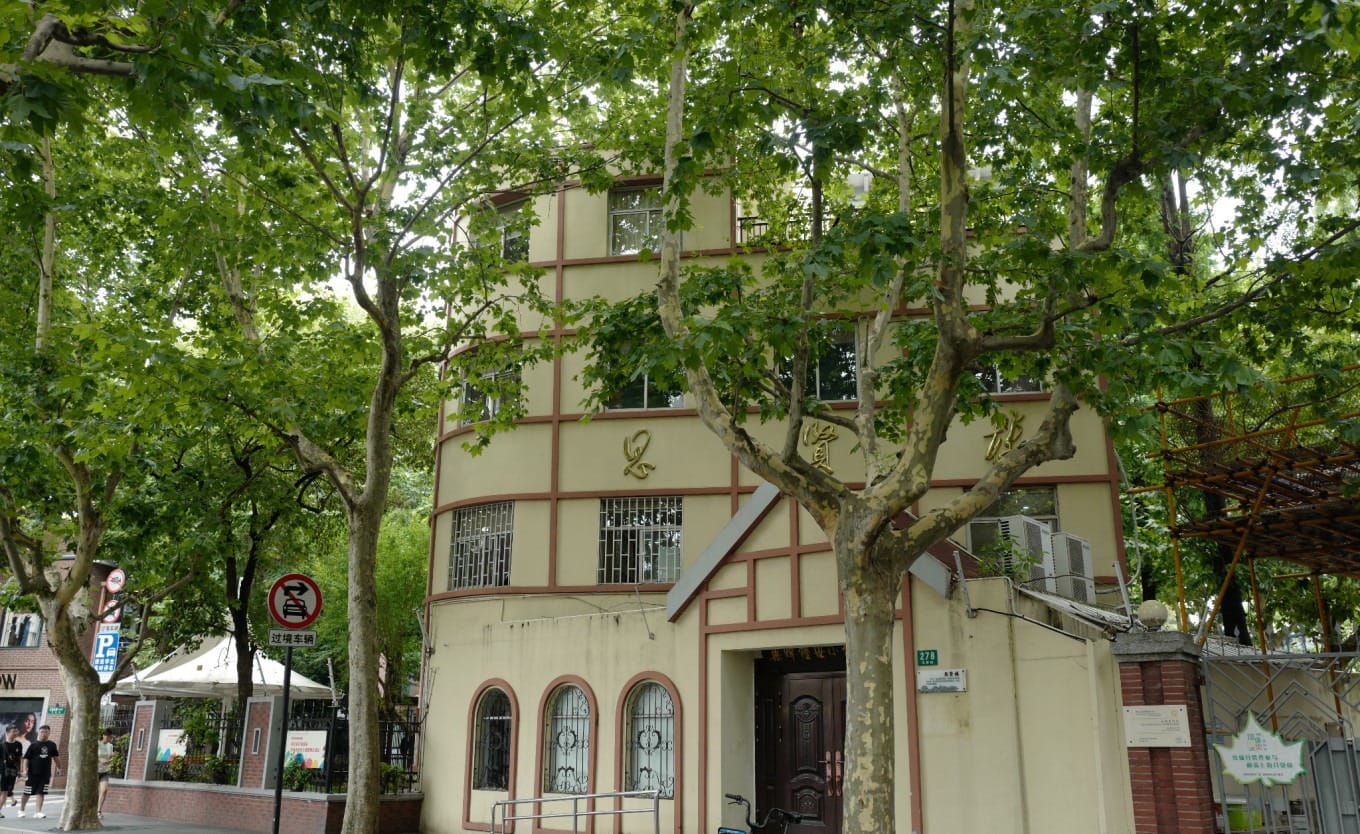
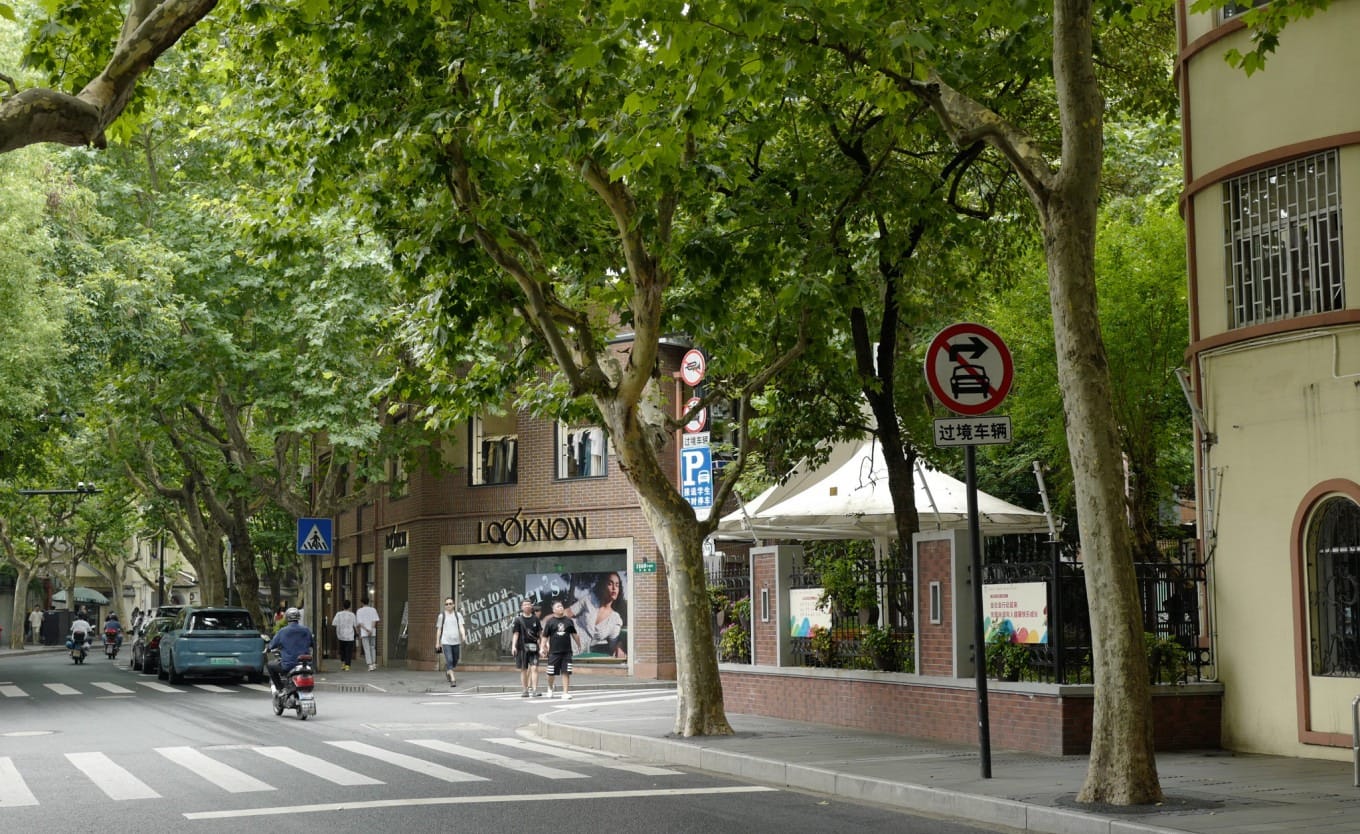
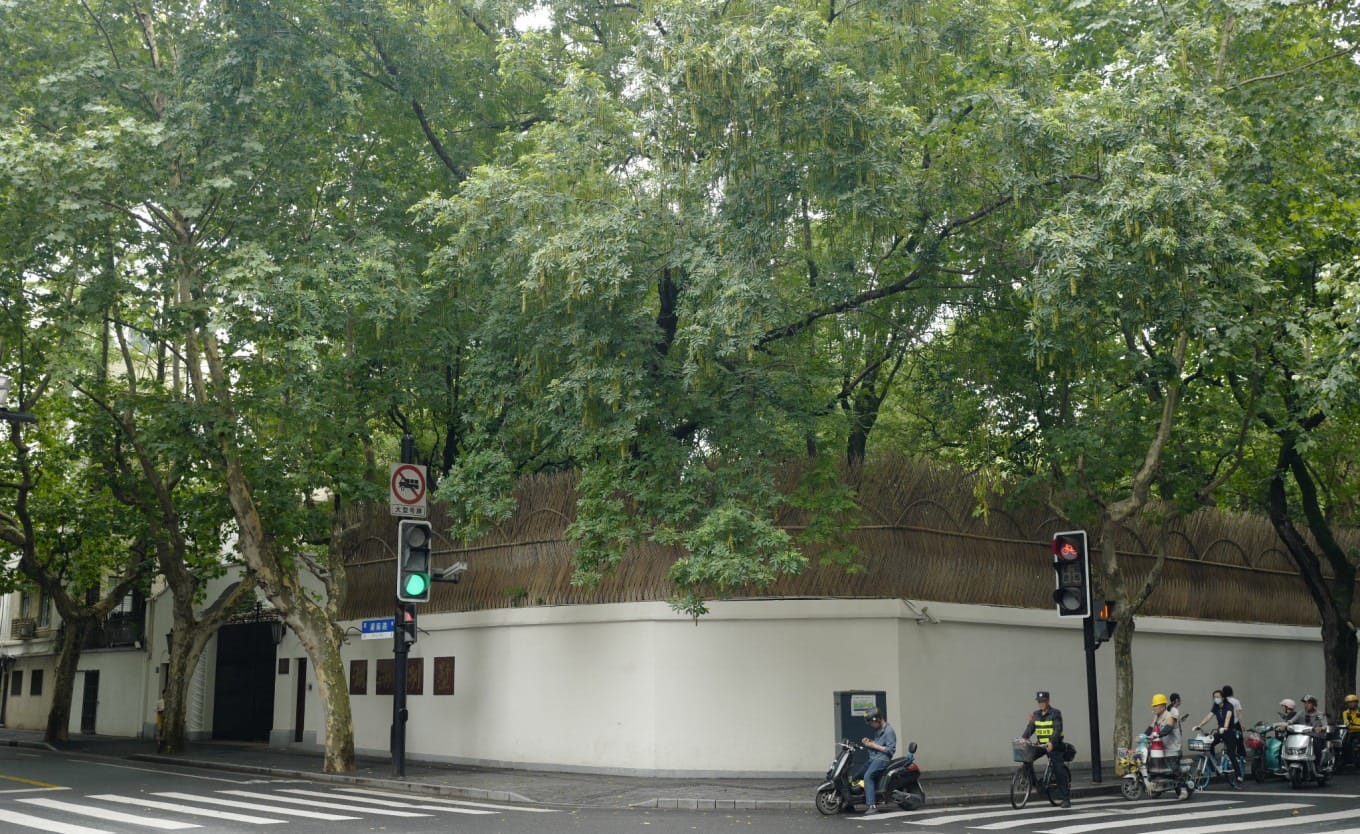
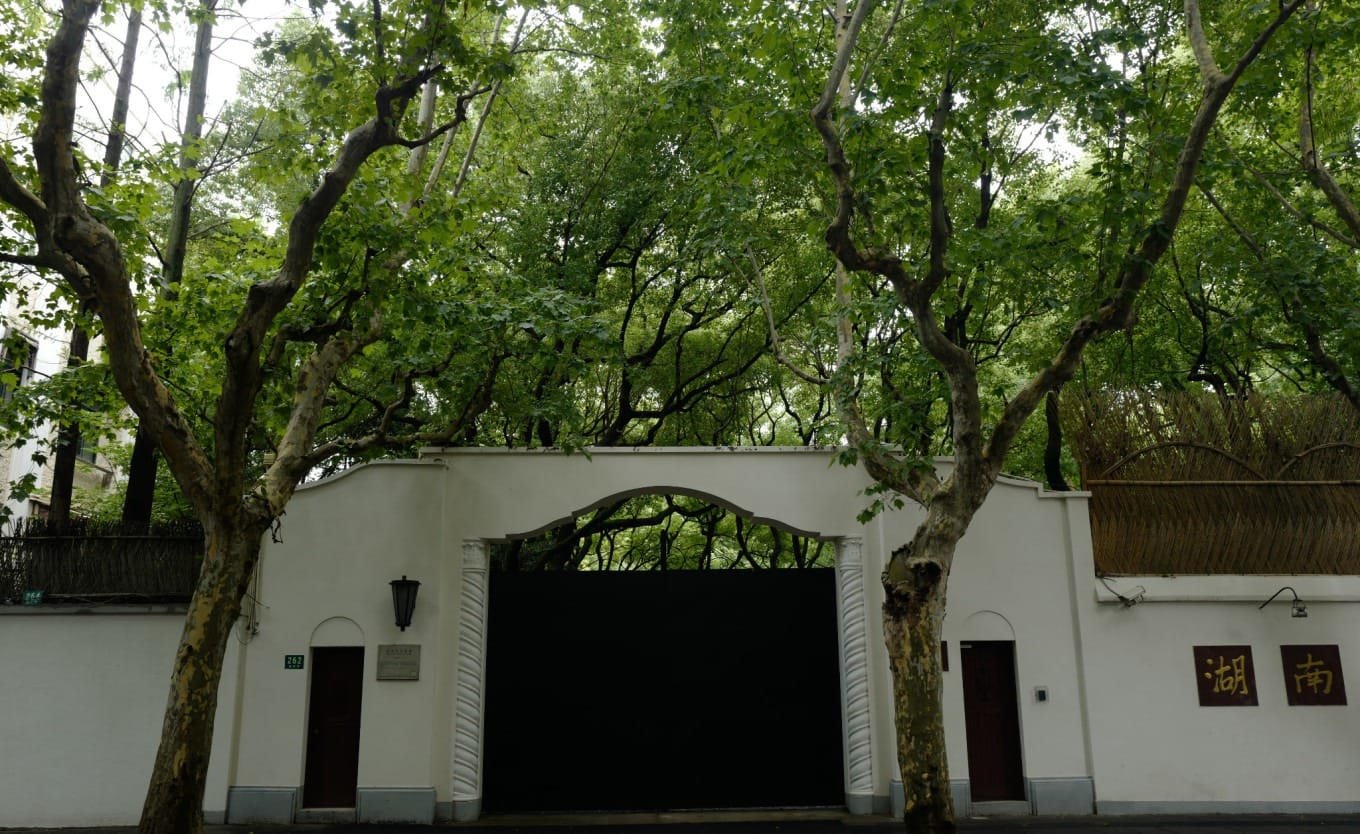
A short detour onto Hunan Road (湖南路) is worthwhile. No. 262 is a garden villa bought by Zhou Fohai, a minister in the Wang Jingwei regime, who renamed the road after his home province. Its high walls hide a French-style garden.
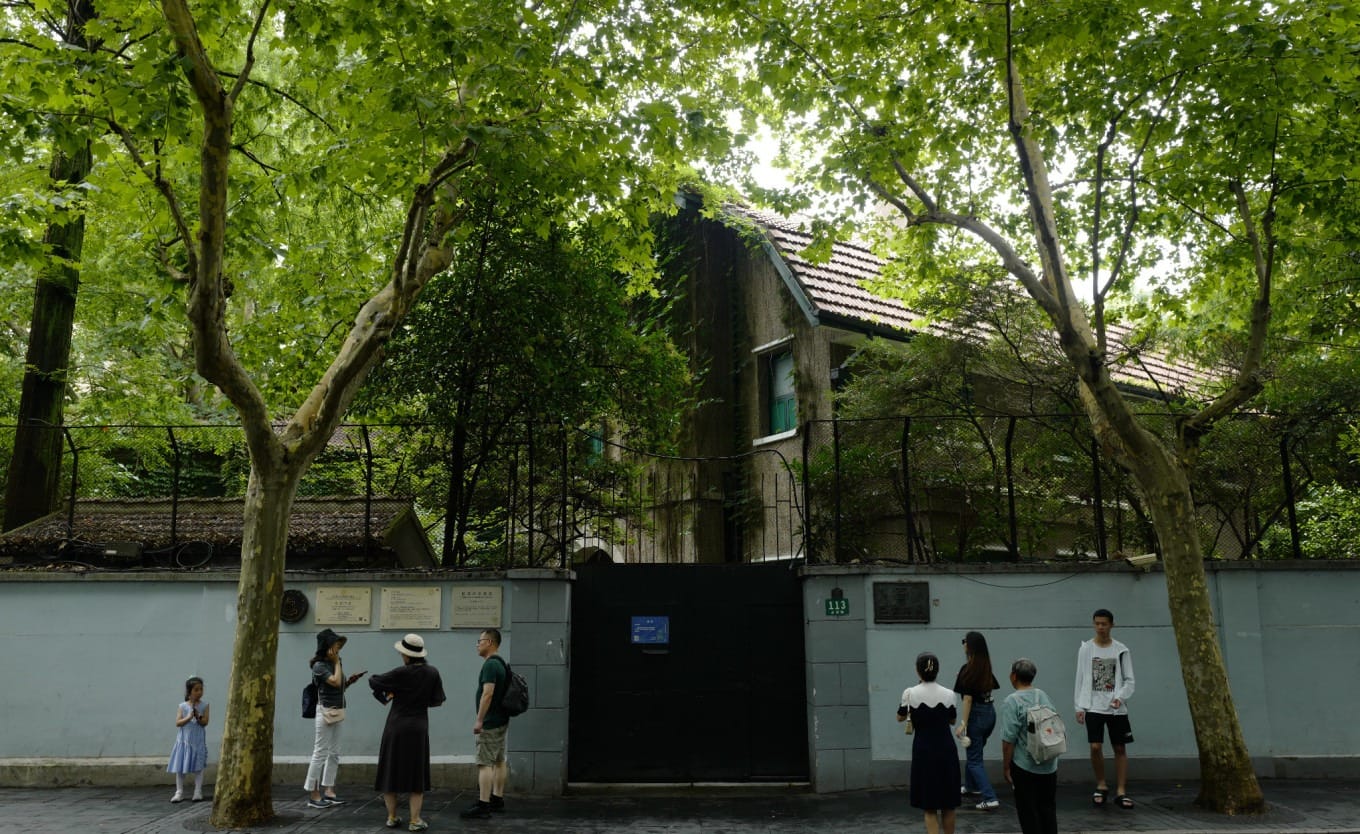
Back on Wukang Road, a must-visit for literature lovers is the former residence of Ba Jin (巴金旧居) at No. 113, where he wrote ‘Random Thoughts’. Nearby, Nos. 216 and 214 were built in 1924; the former housed a French Concession police superintendent, the latter a Republic of China minister to France (now a shop). At Nos. 111 and 109 are adjacent villas; No. 109 is an English country-style garden villa, the former home of General Gu Zhutong.
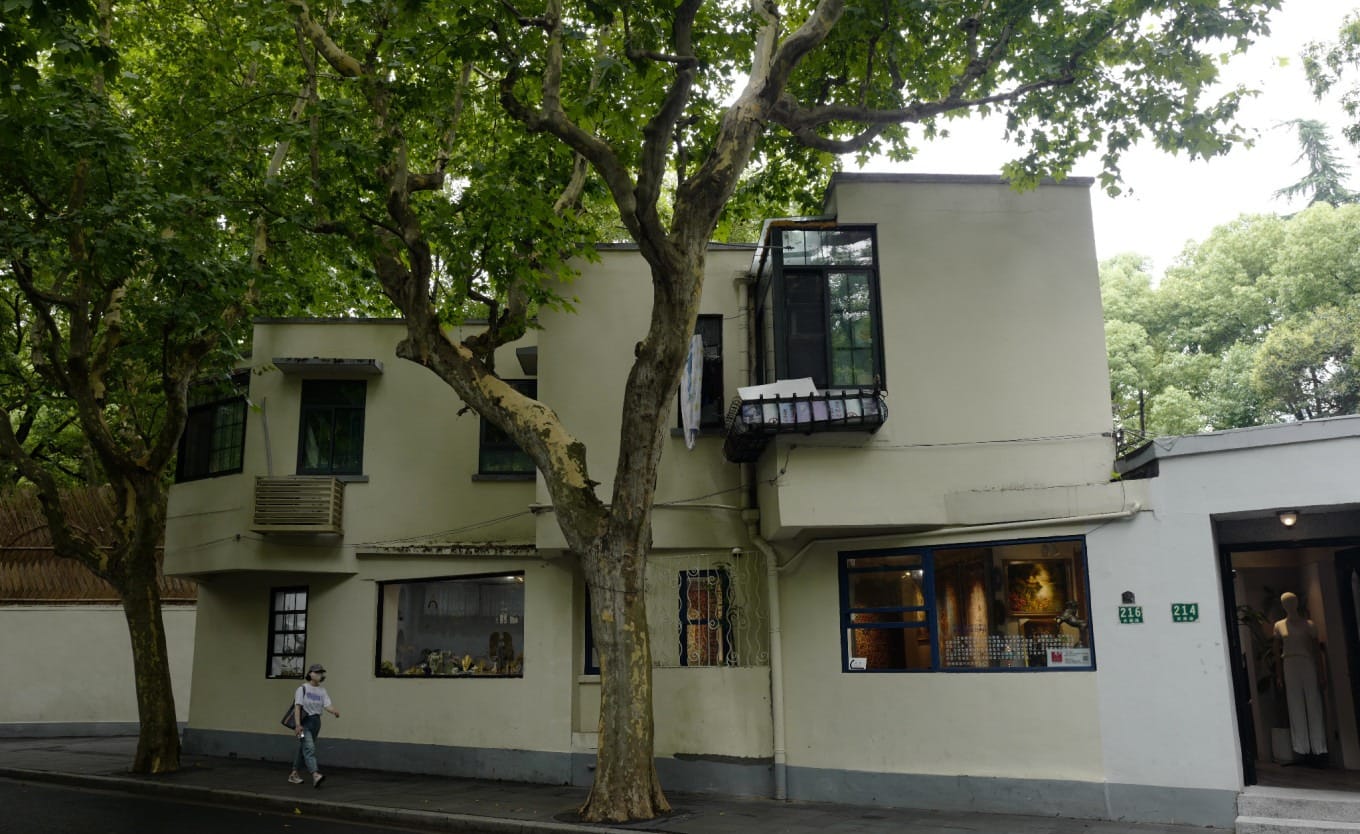
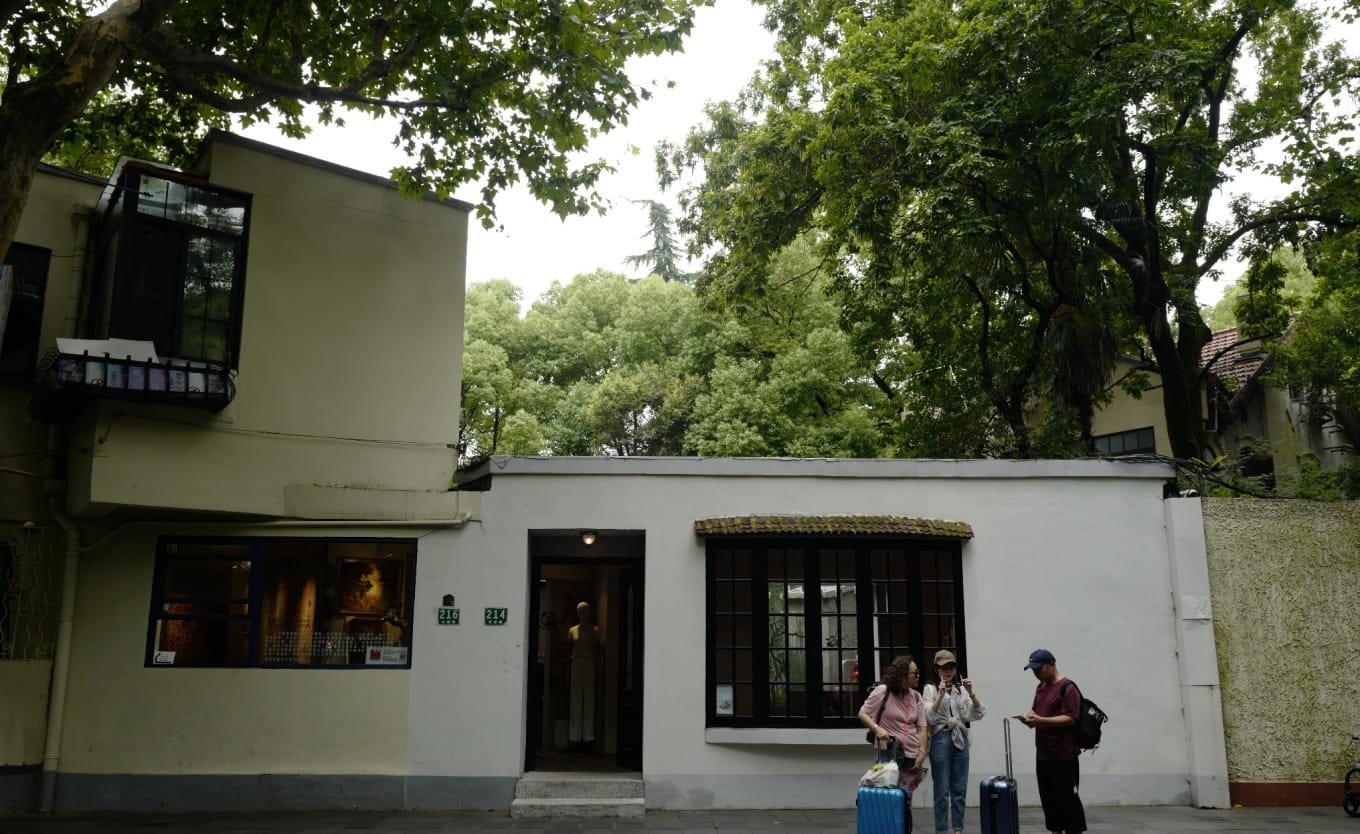
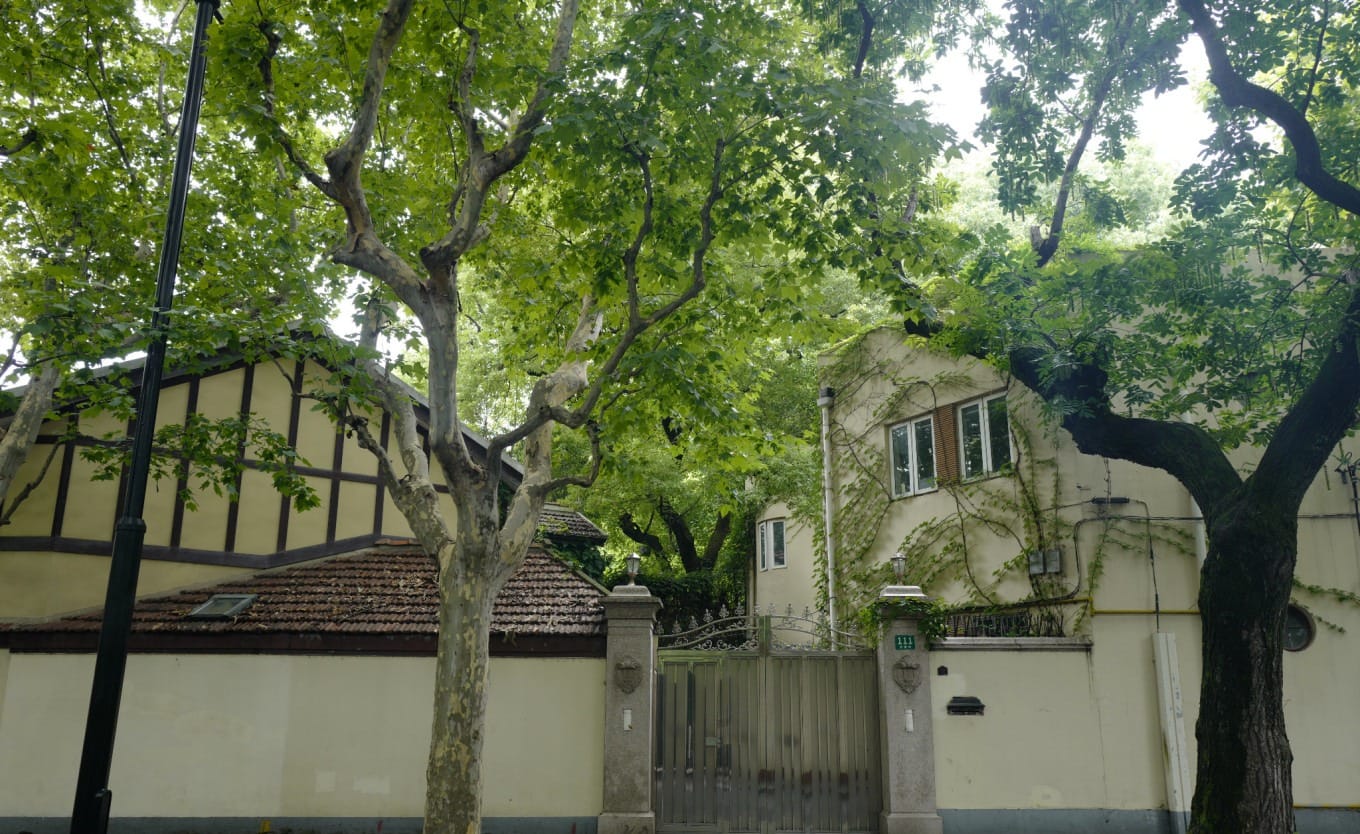
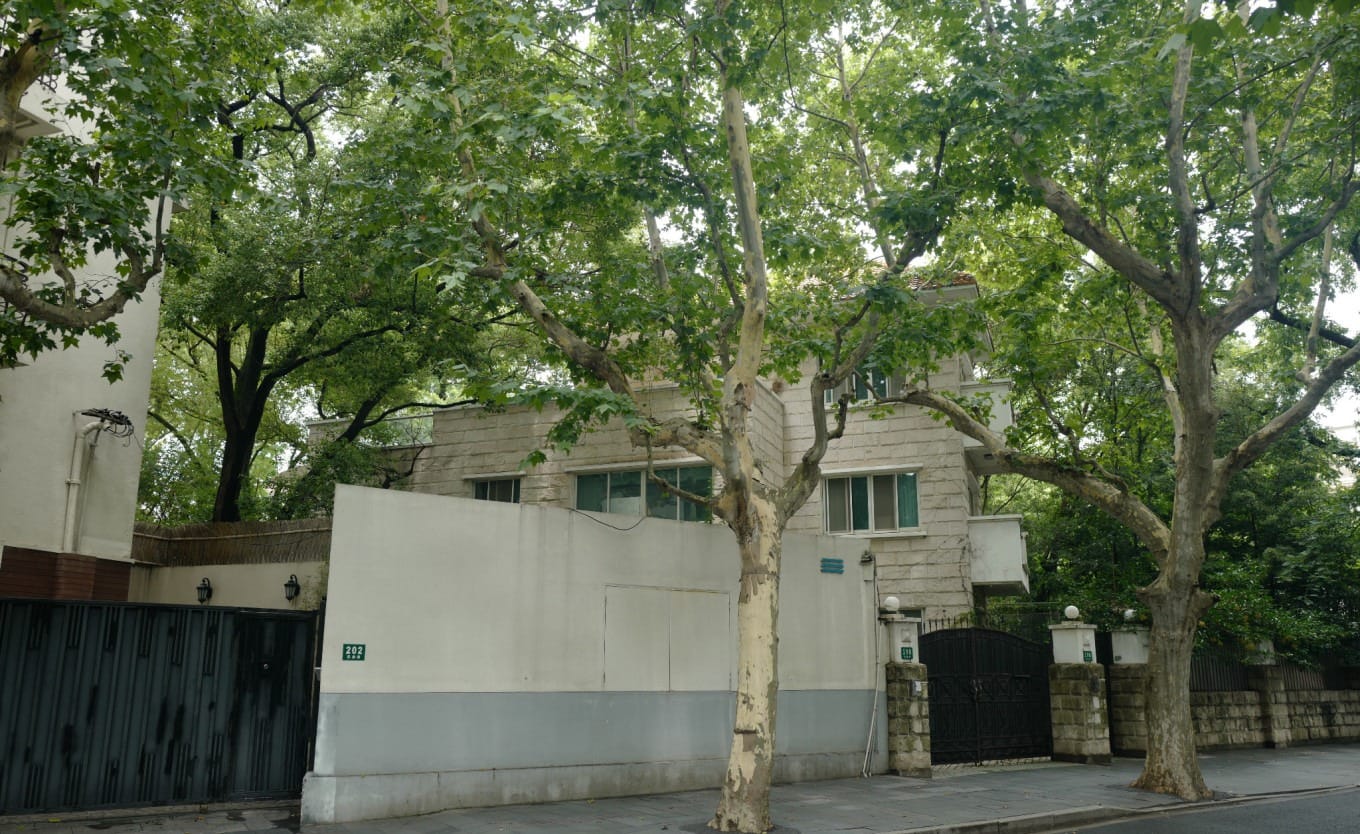
To keep the walk engaging, especially if with children, consider researching the historical figures beforehand. At No. 210, look for the ‘Romeo Balcony’ (罗密欧阳台), a small curved balcony reminiscent of Shakespeare’s play. Many houses on Wukang Road, like No. 202, are built at an angle to maximize sunlight. The section around No. 198 has fewer officially marked sights but retains its charm.
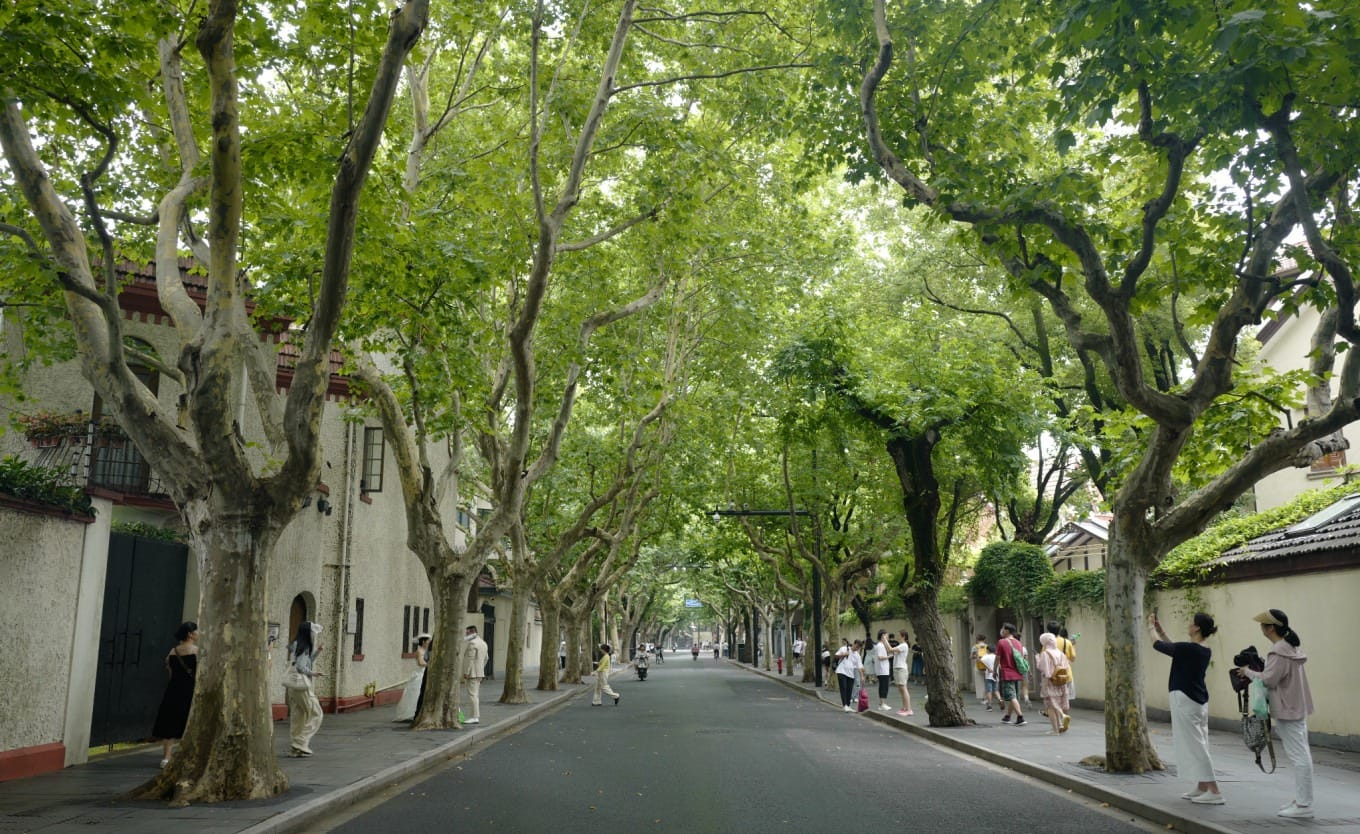
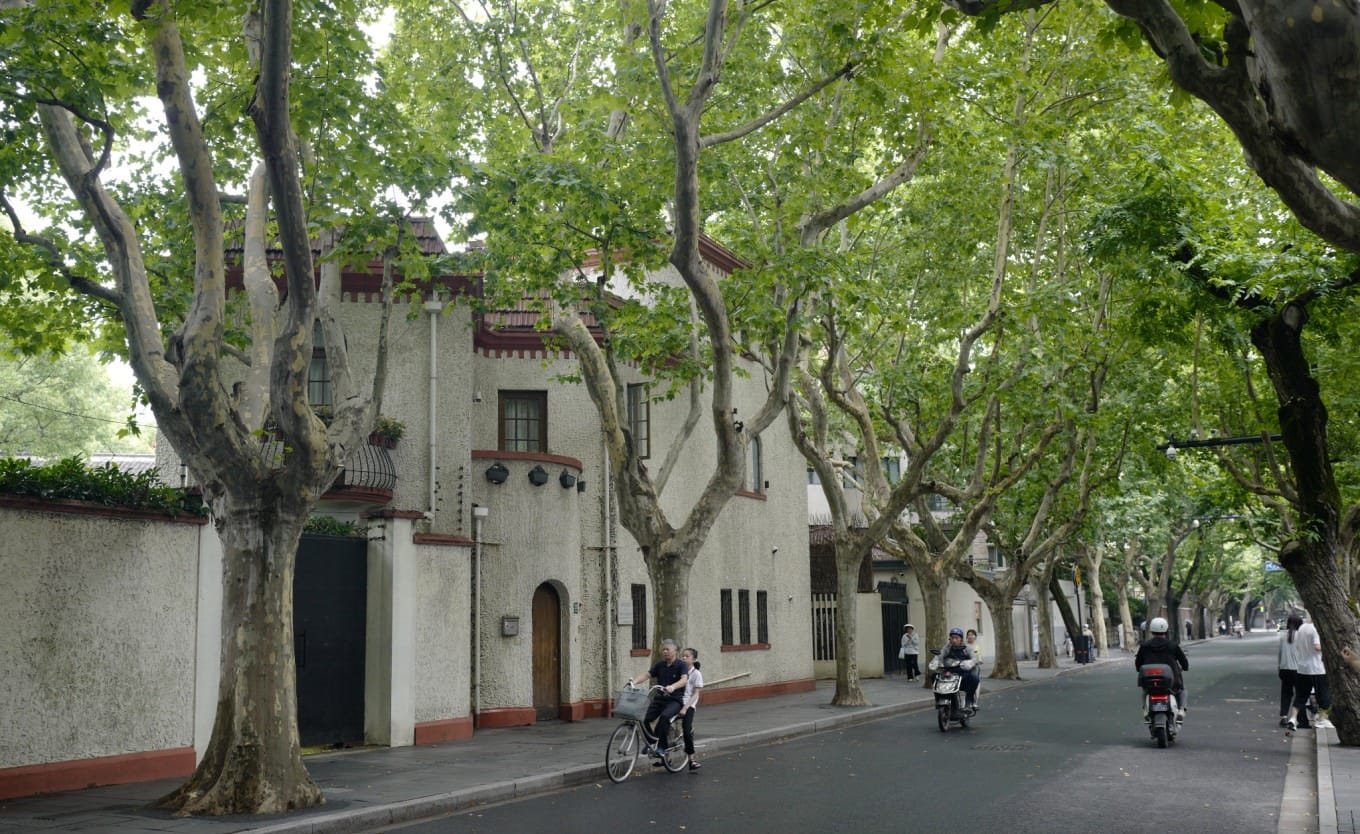
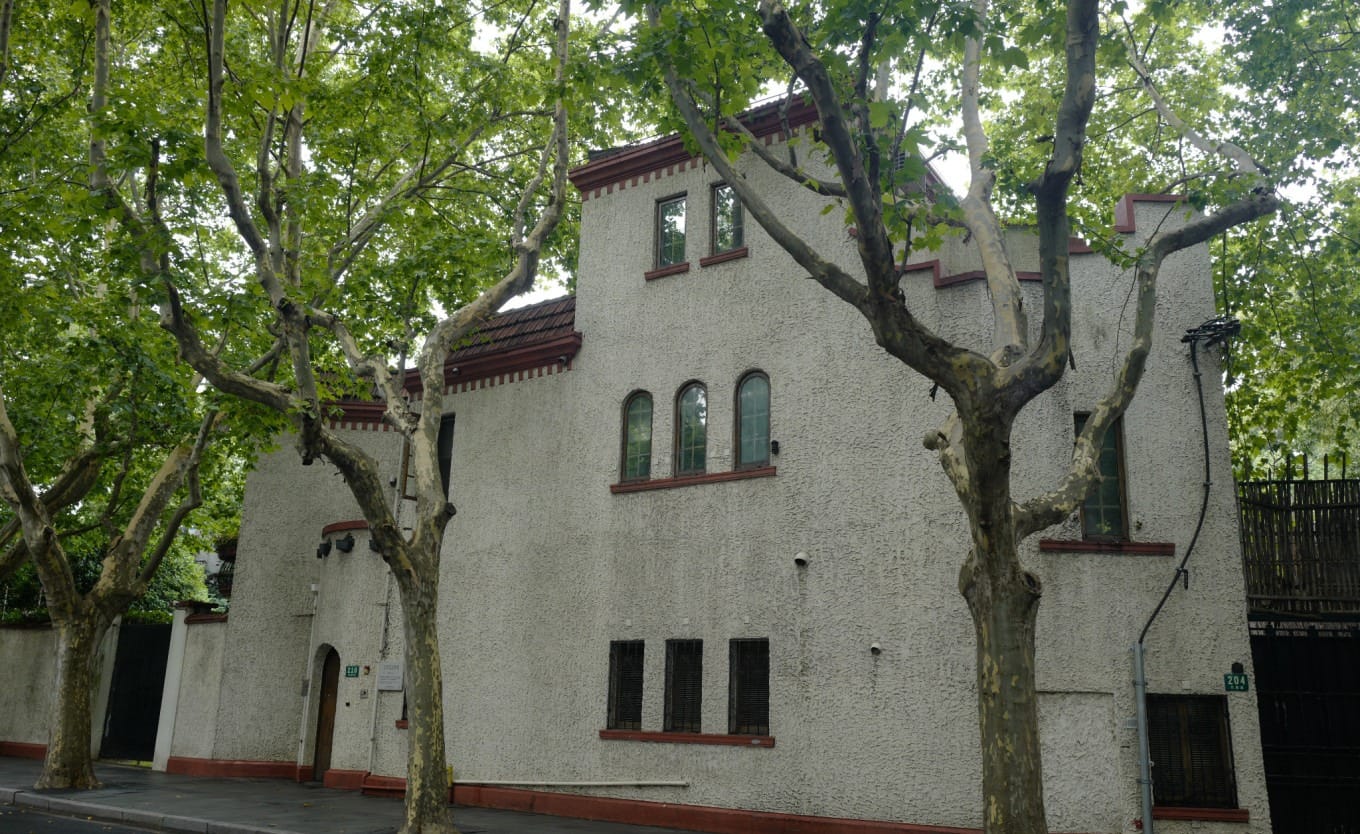
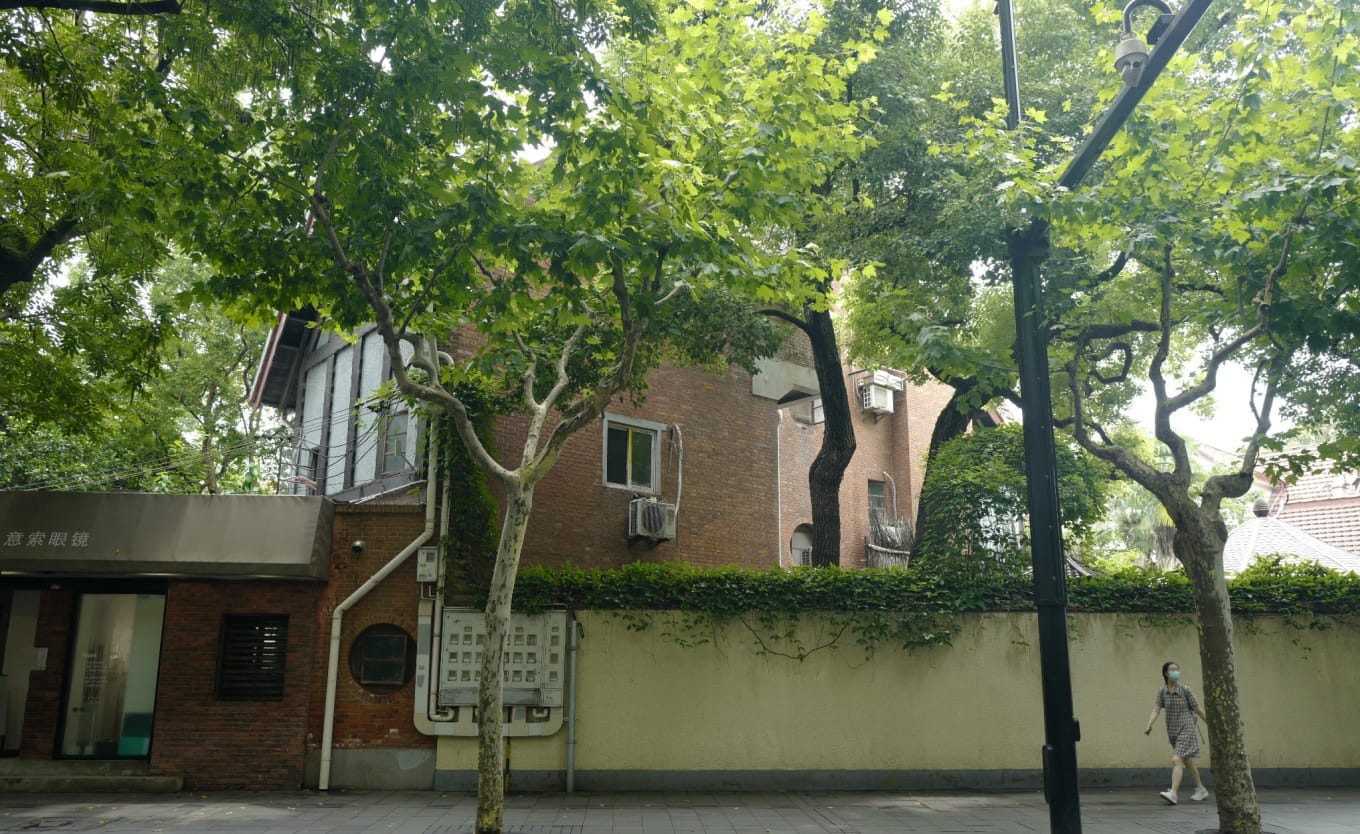
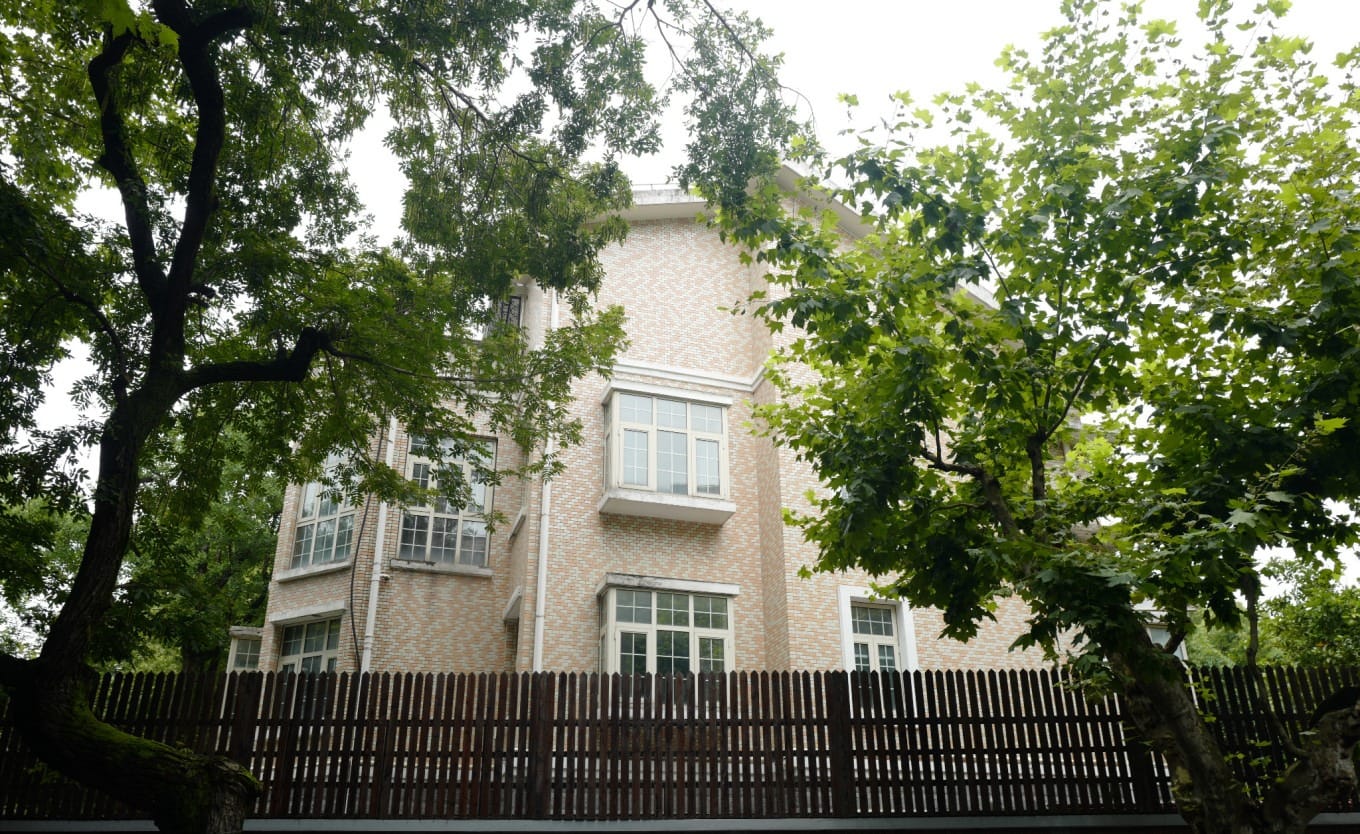
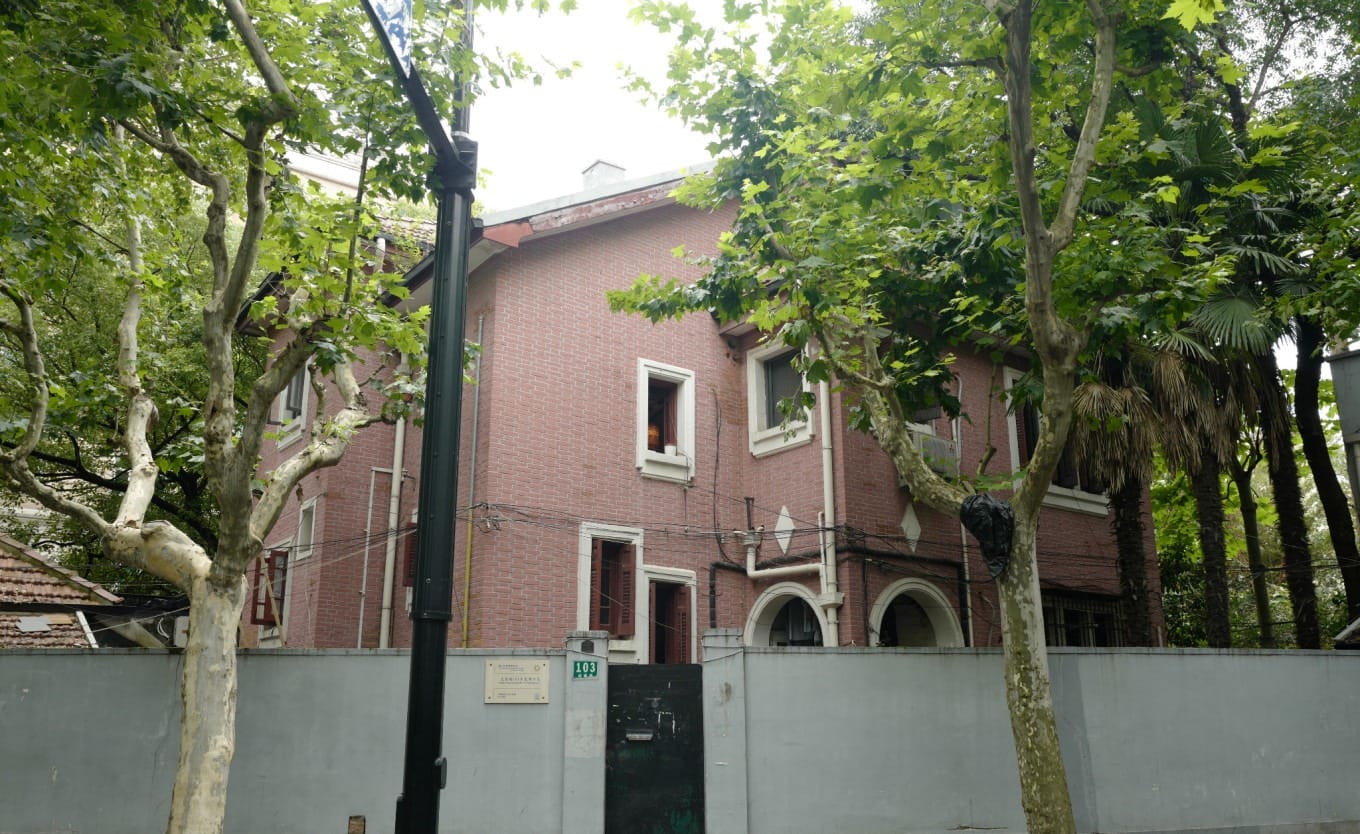
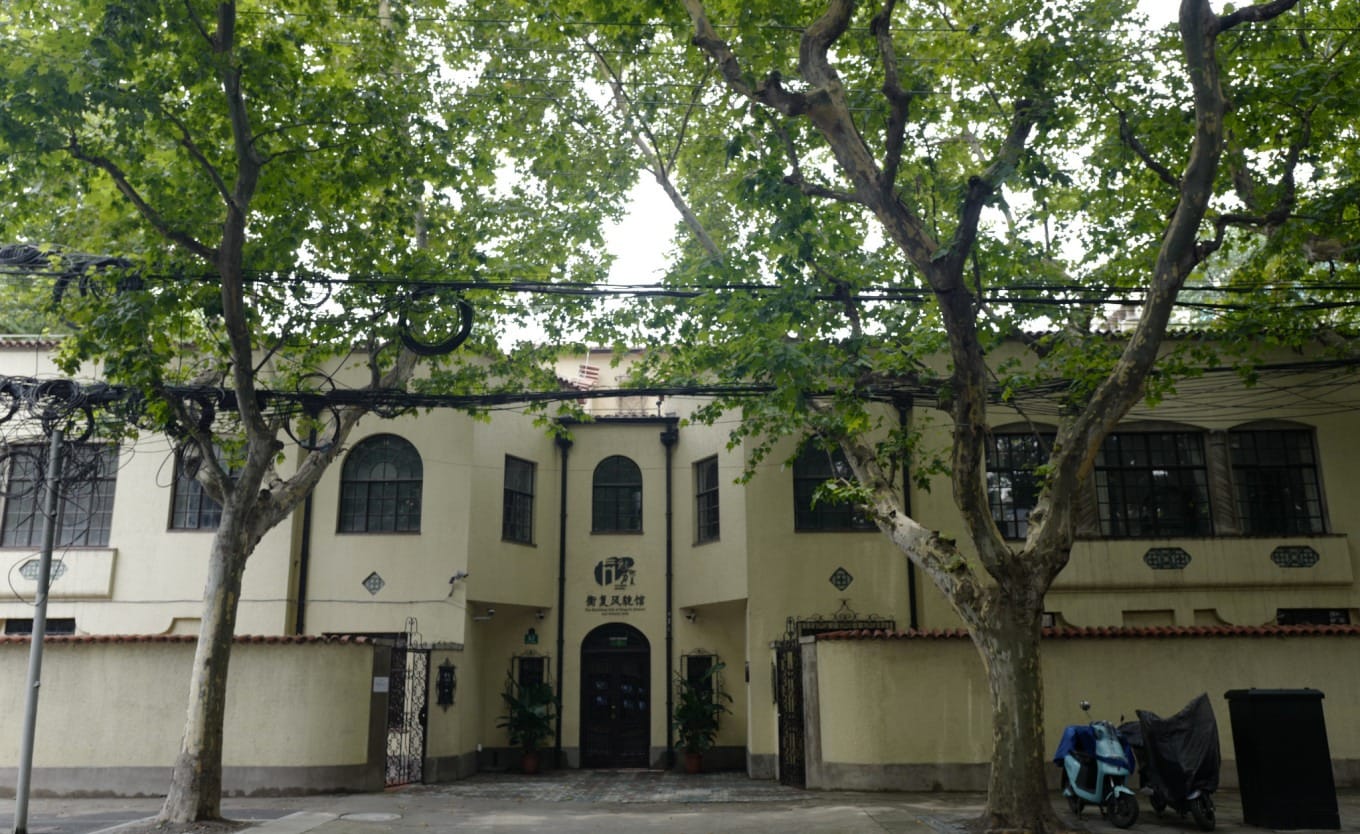
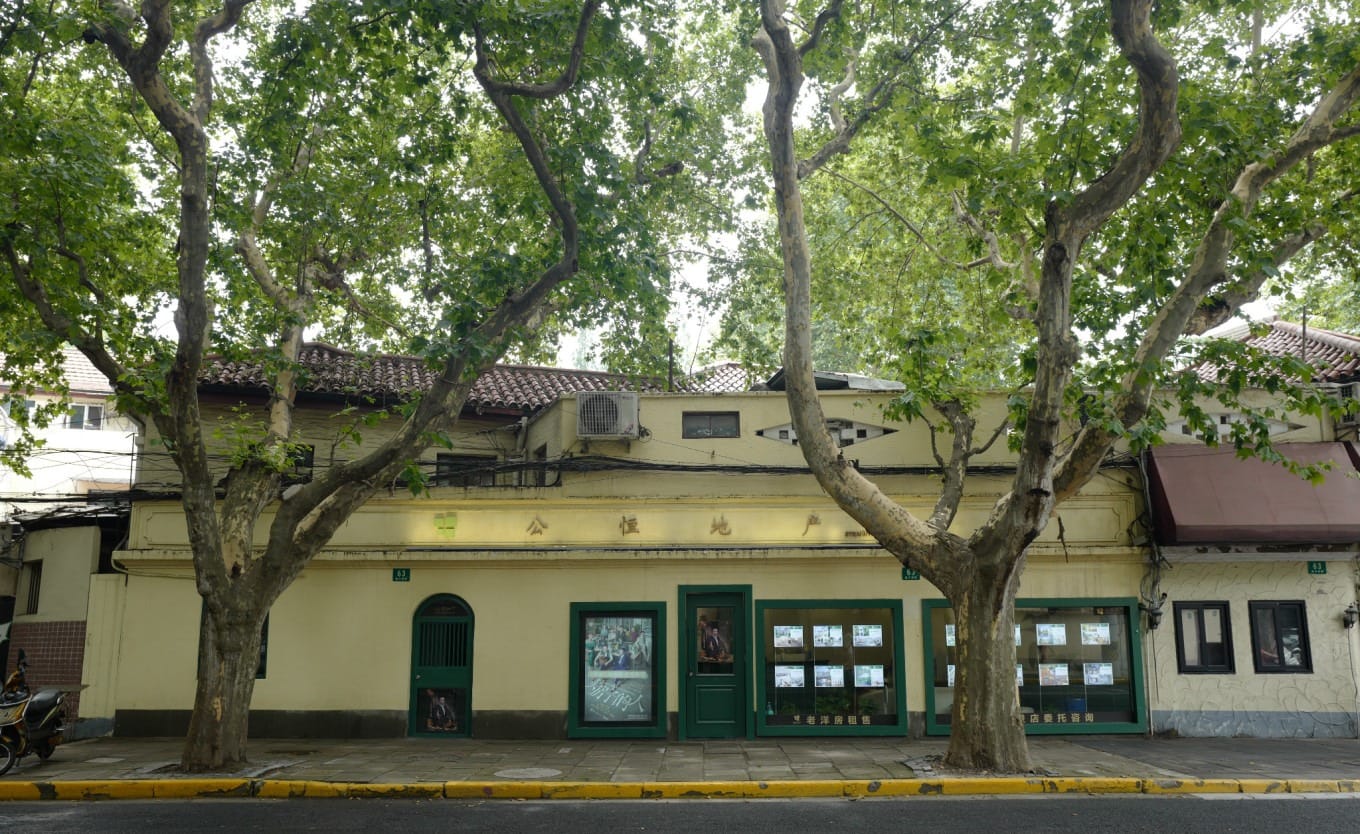
No. 103 is a 1932 modern European-style garden house, once for senior bank staff. For a change of scenery, detour onto Fuxing West Road (复兴西路). No. 193 is a 1930s English country villa, now the Shanghai Real Estate Science Research Institute. A key stop is the former residence of writer Ke Ling (柯灵故居) at No. 147, a representative of ‘Shanghai 孤岛文学 (local term)’. Nearby, the Hengfu Style Museum (衡复风貌馆) at No. 62, originally the Cloister Apartments, was a British wool mill owner’s home. No. 63 is a real estate agency where you can glimpse local property prices.
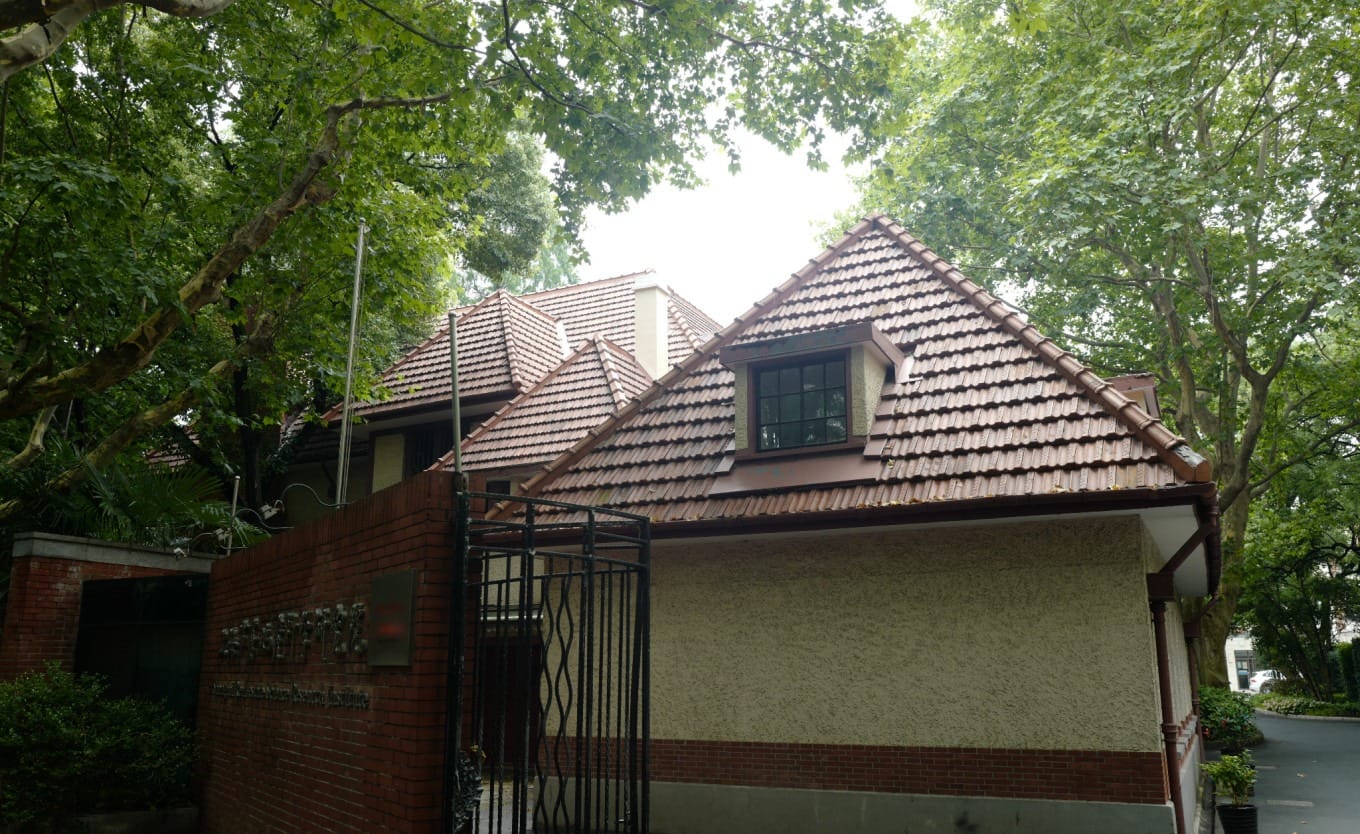
Returning to Wukang Road, No. 97 is a garden house at the intersection. No. 99 is the former residence of industrialist Liu Jingji (刘靖基旧居), a 1928 English country villa. The area has a mix of residences and businesses.
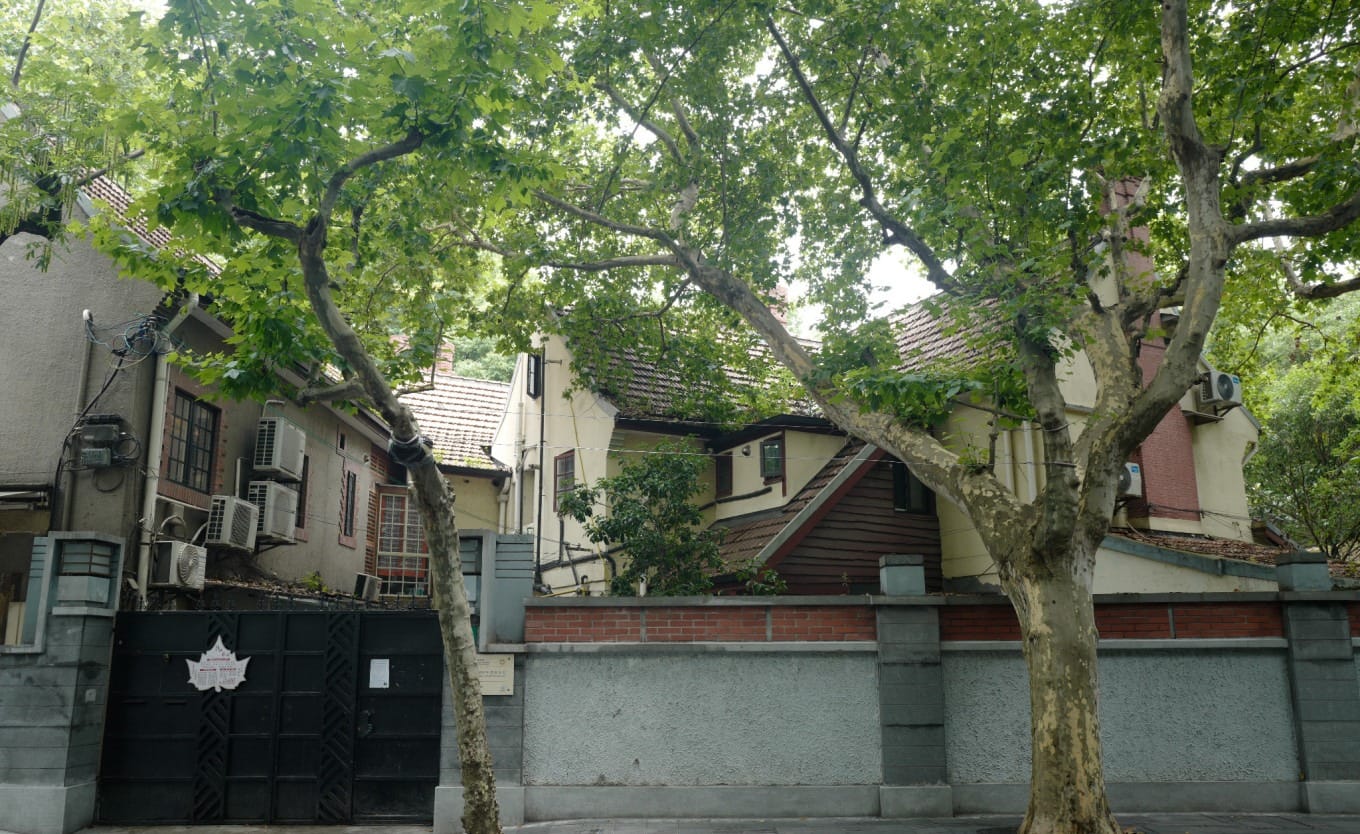
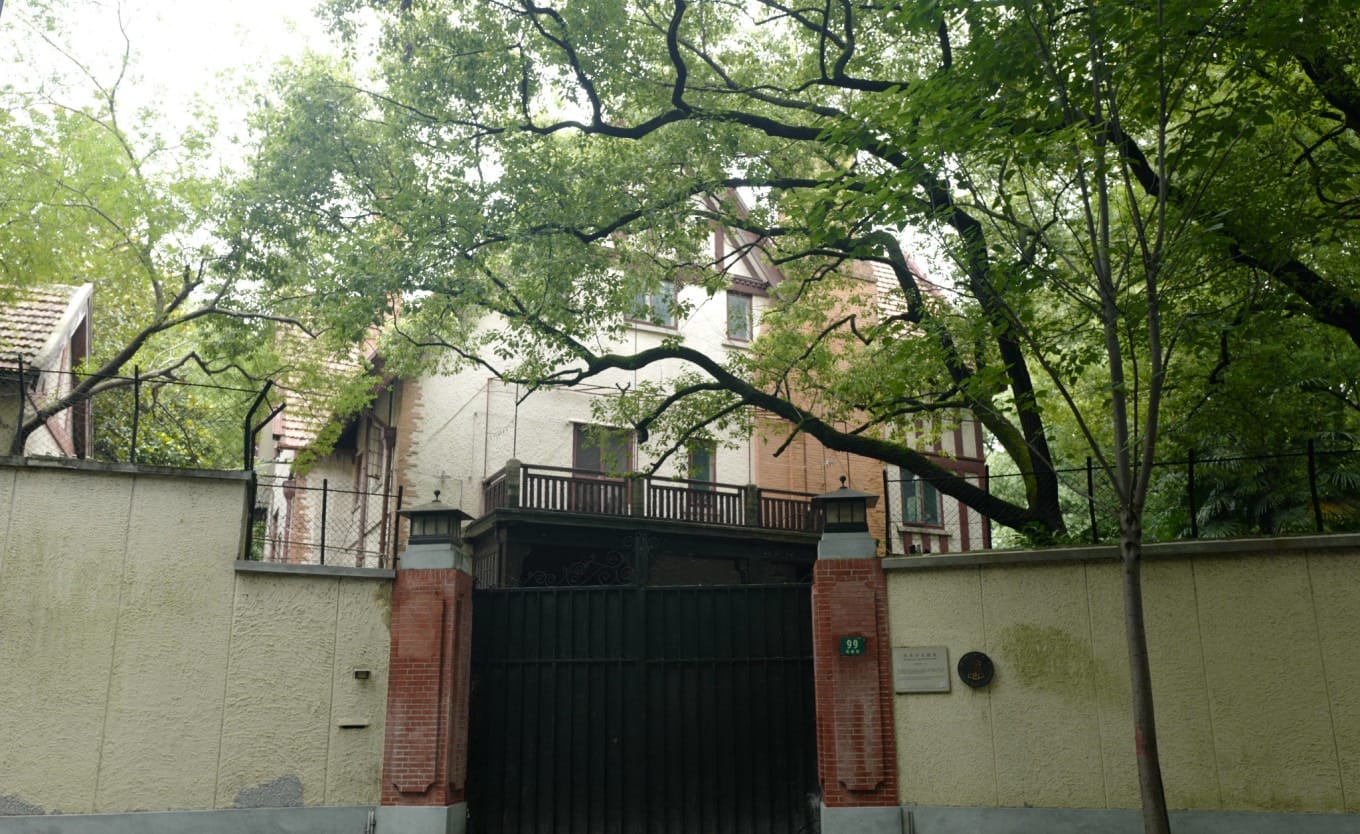
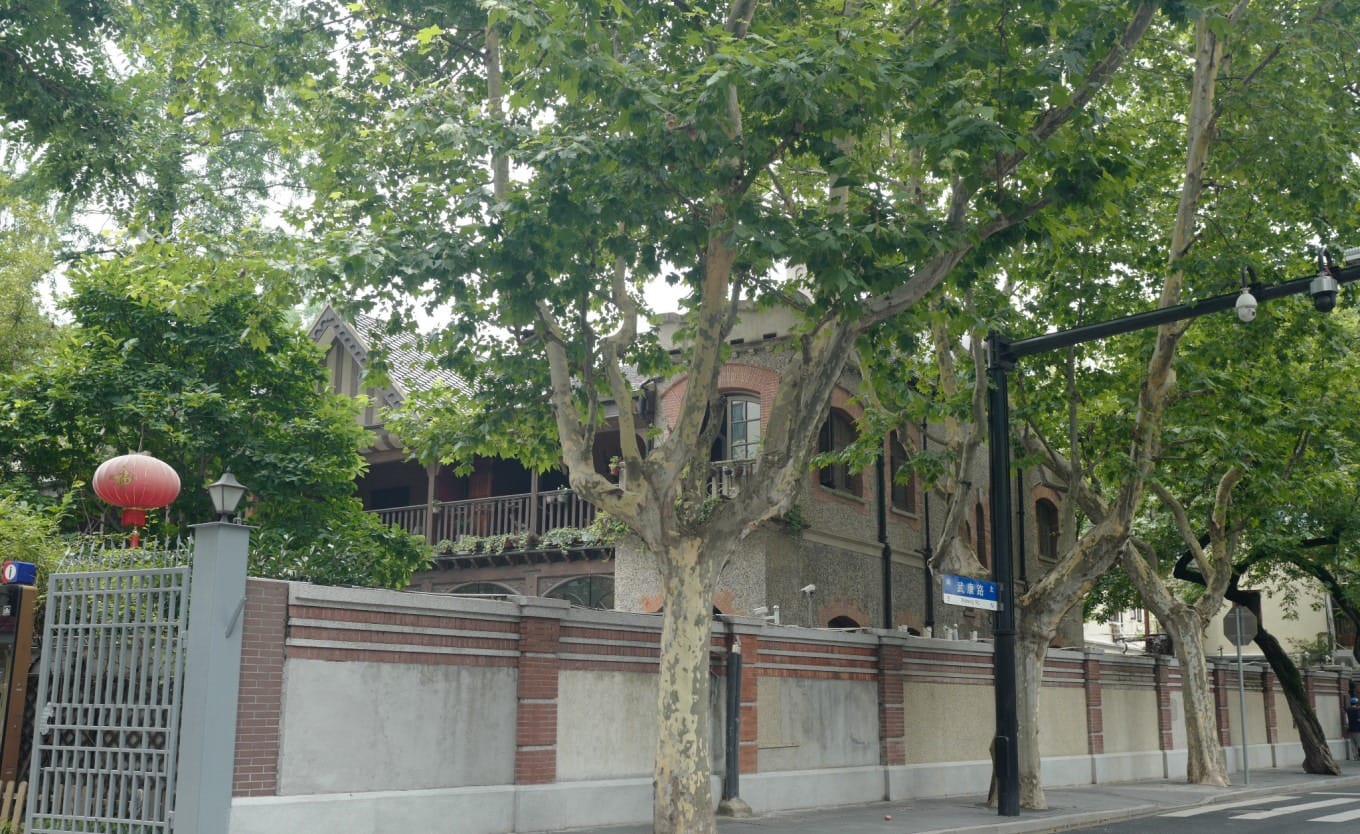
Another detour leads to Wuyuan Road (五原路) to see the former residence of cartoonist Zhang Leping (张乐平故居) at No. 288, Lane 3, creator of ‘Sanmao the Vagrant’. Note it’s closed on Mondays. Using a shared bike is efficient for these detours.
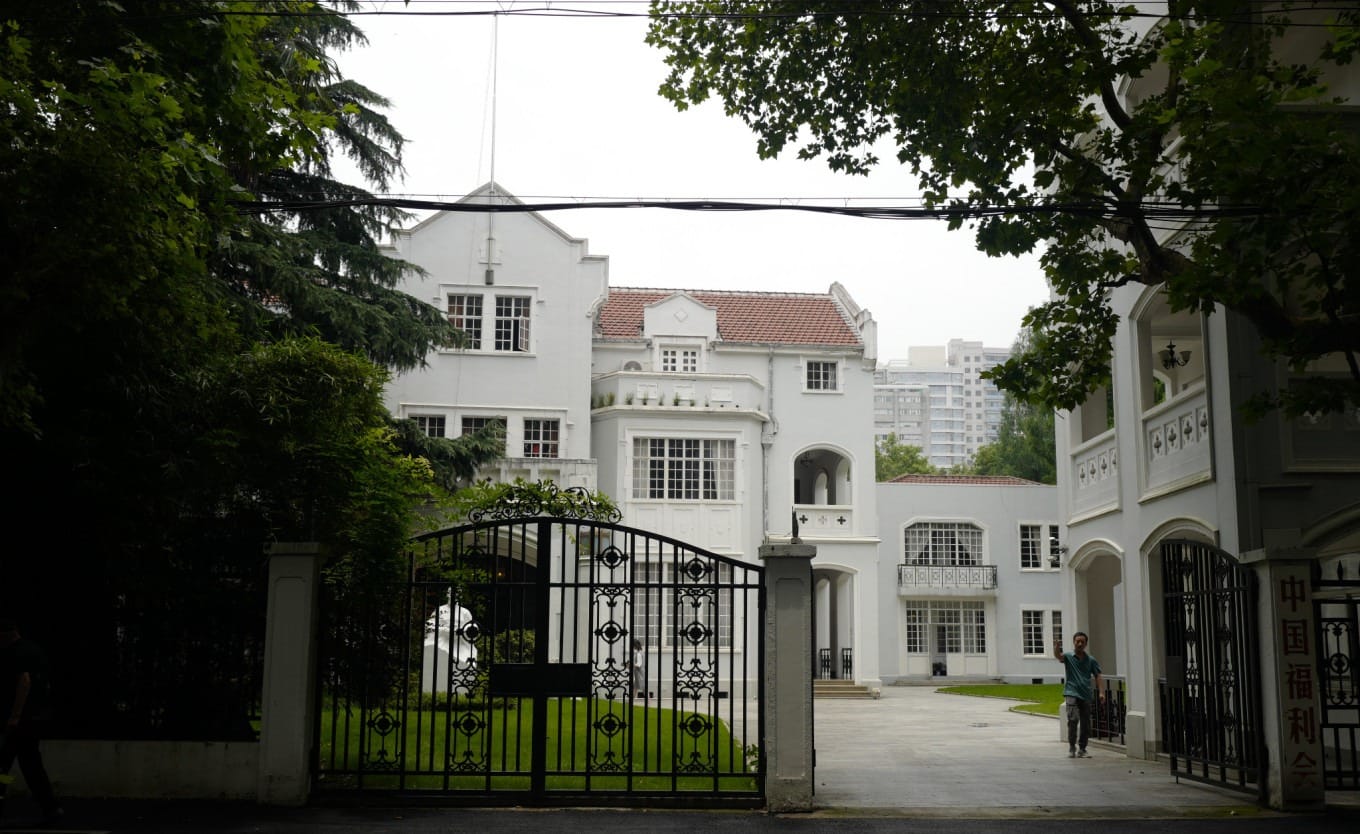
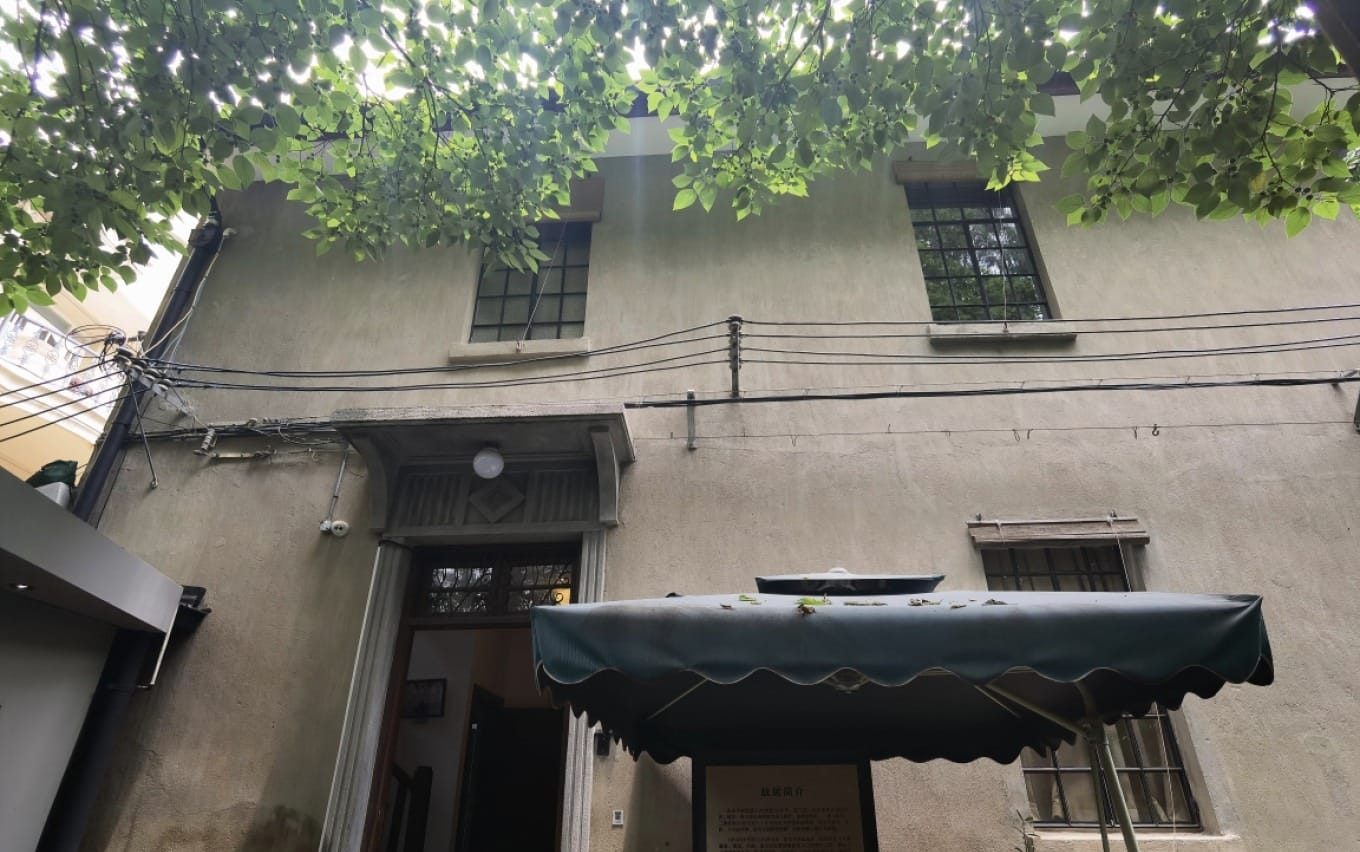
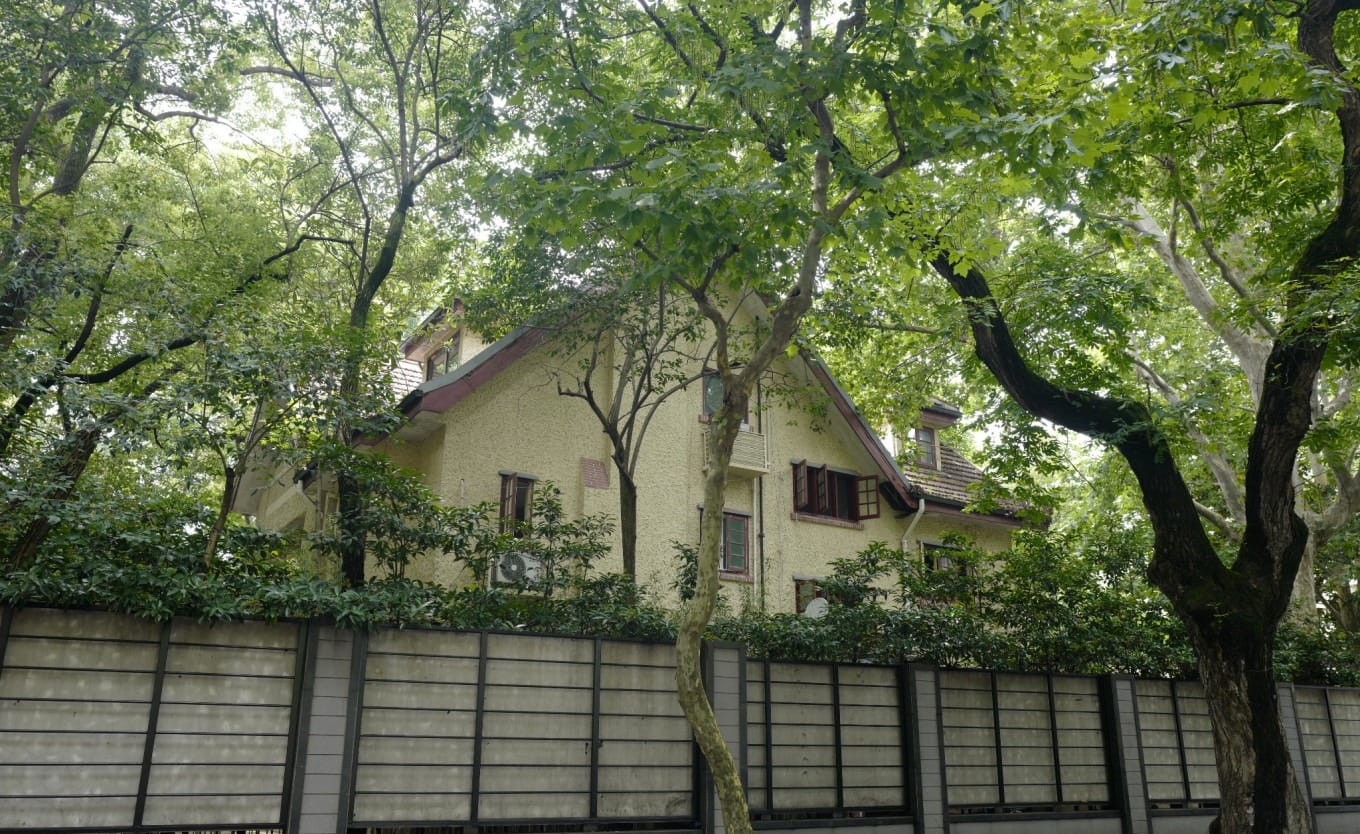
Back on Wukang Road’s northern end, important sites cluster around No. 40, which contains the former residences of medical pioneer Yan Fuqing (颜福庆旧居) and Premier Tang Shaoyi (唐绍仪旧居). Opposite at No. 67 is the former home of Chen Lifu (陈立夫故居), a key political figure. Look for the decorative flowers on the balcony at No. 12. Nos. 4 and 2 are connected; No. 2 was the home of Mo Shangqing (莫殇清旧居), a ‘Silk King’ whose family inspired the novel ‘Midnight’.
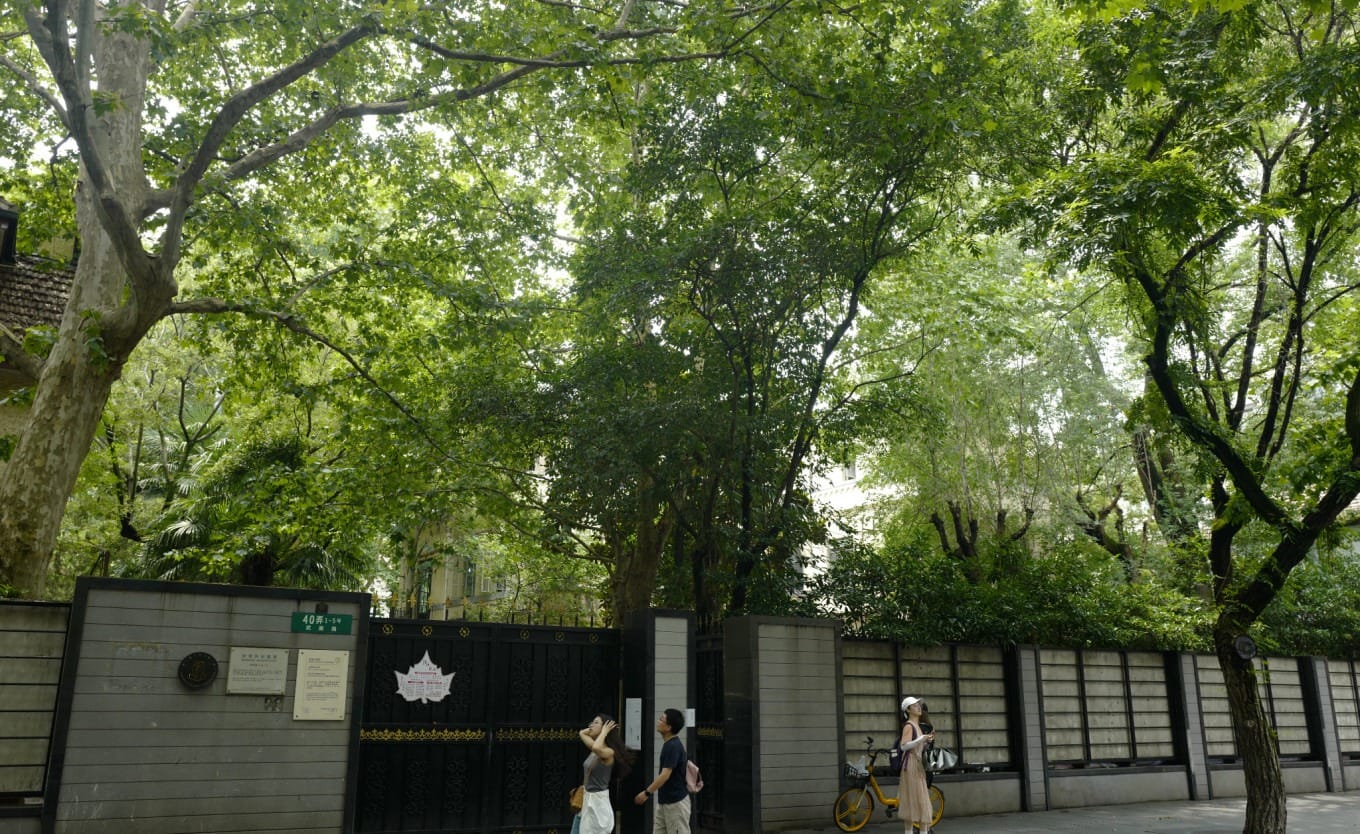
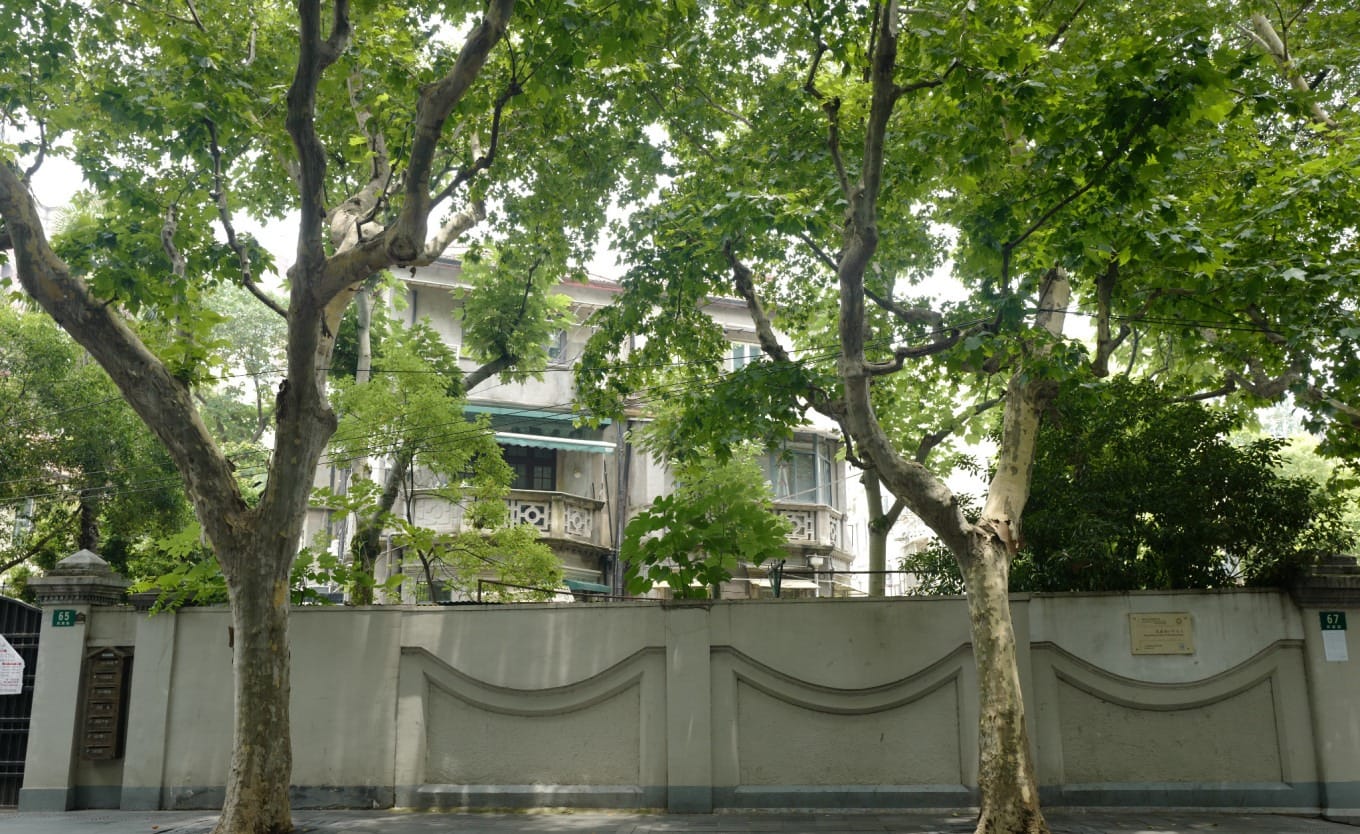
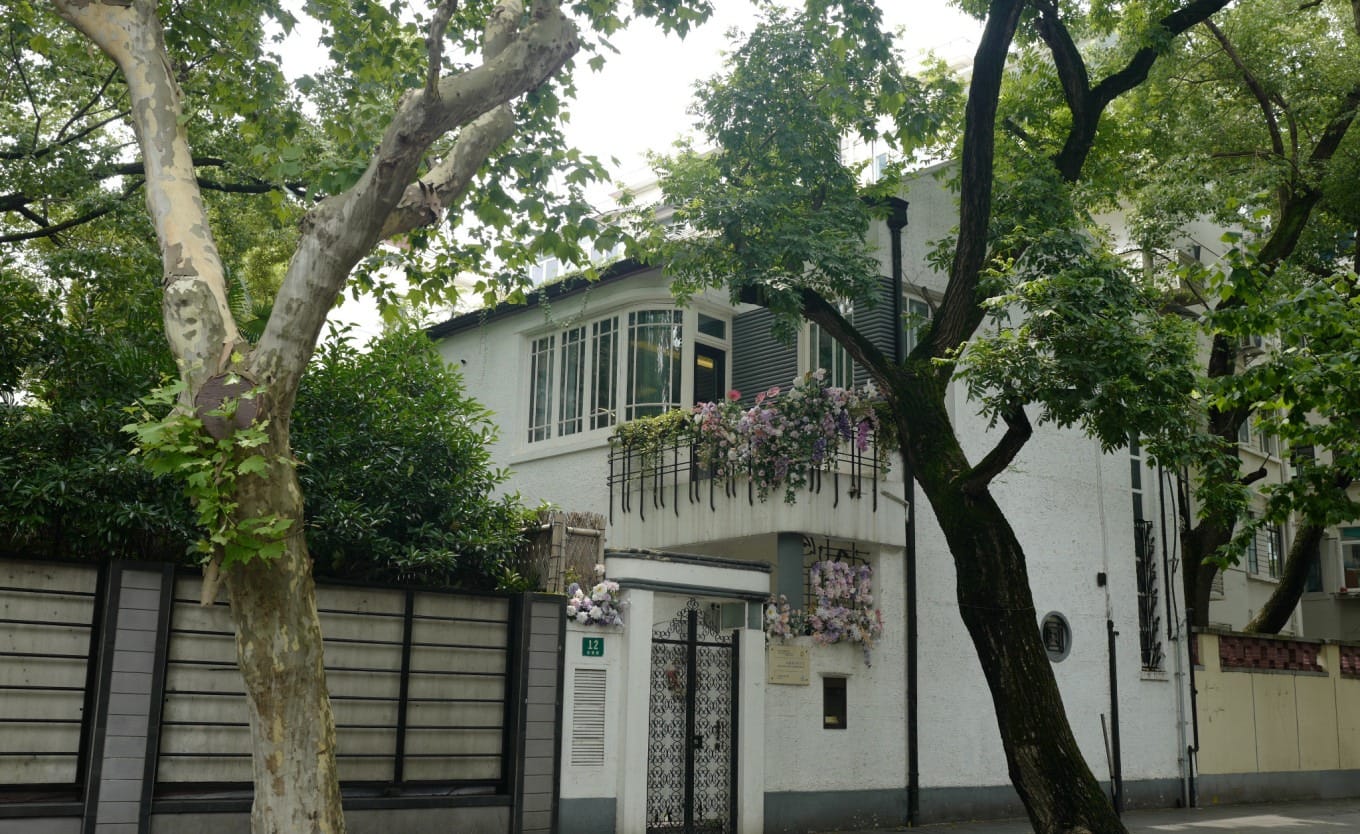
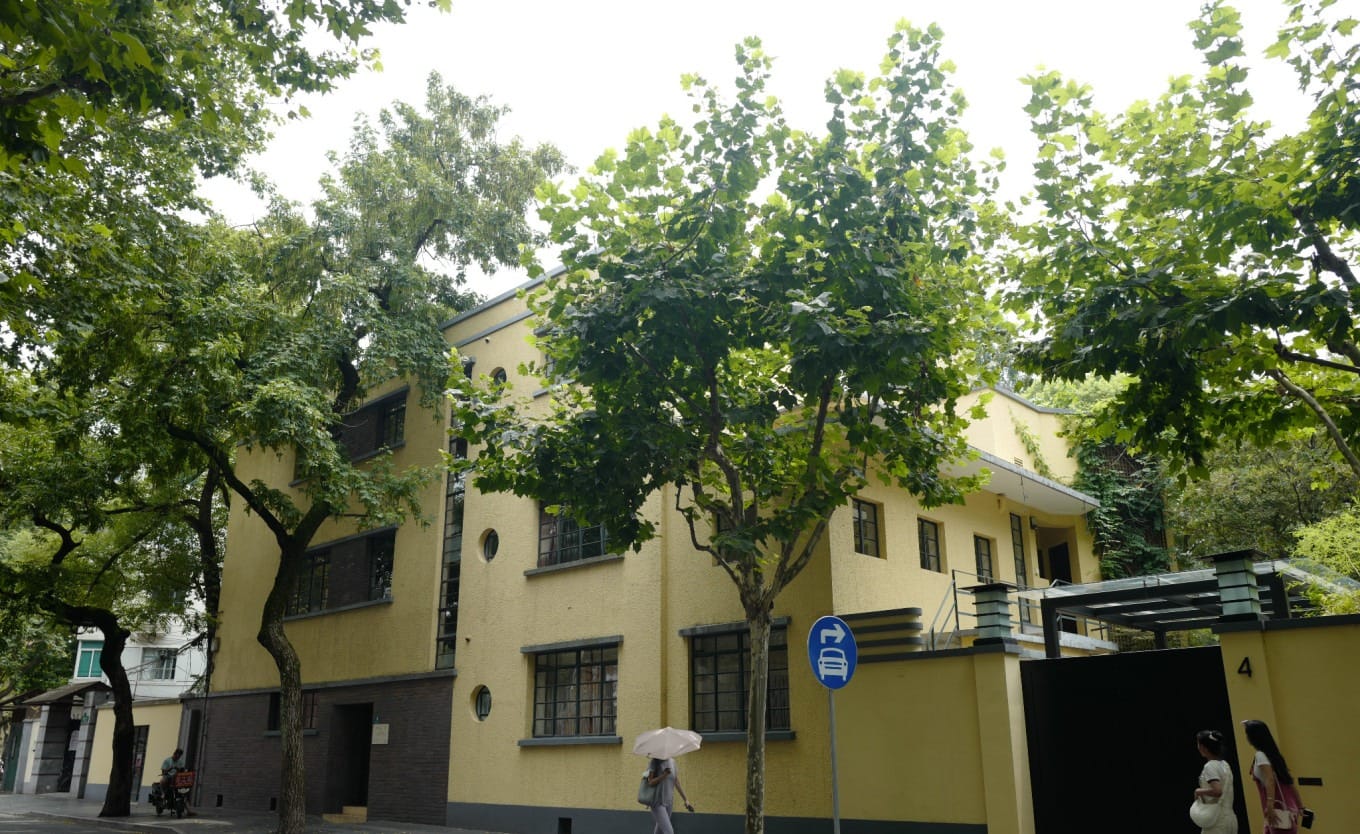
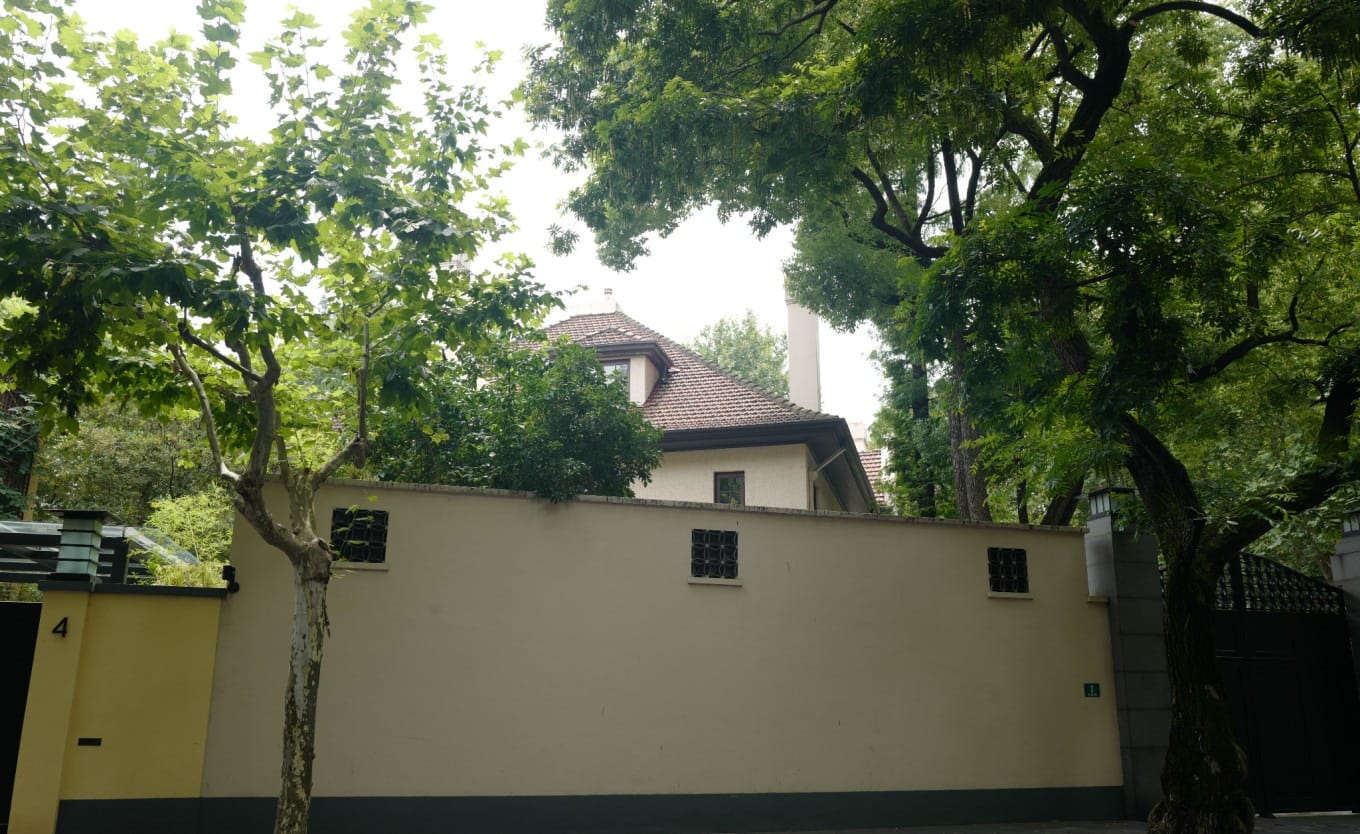
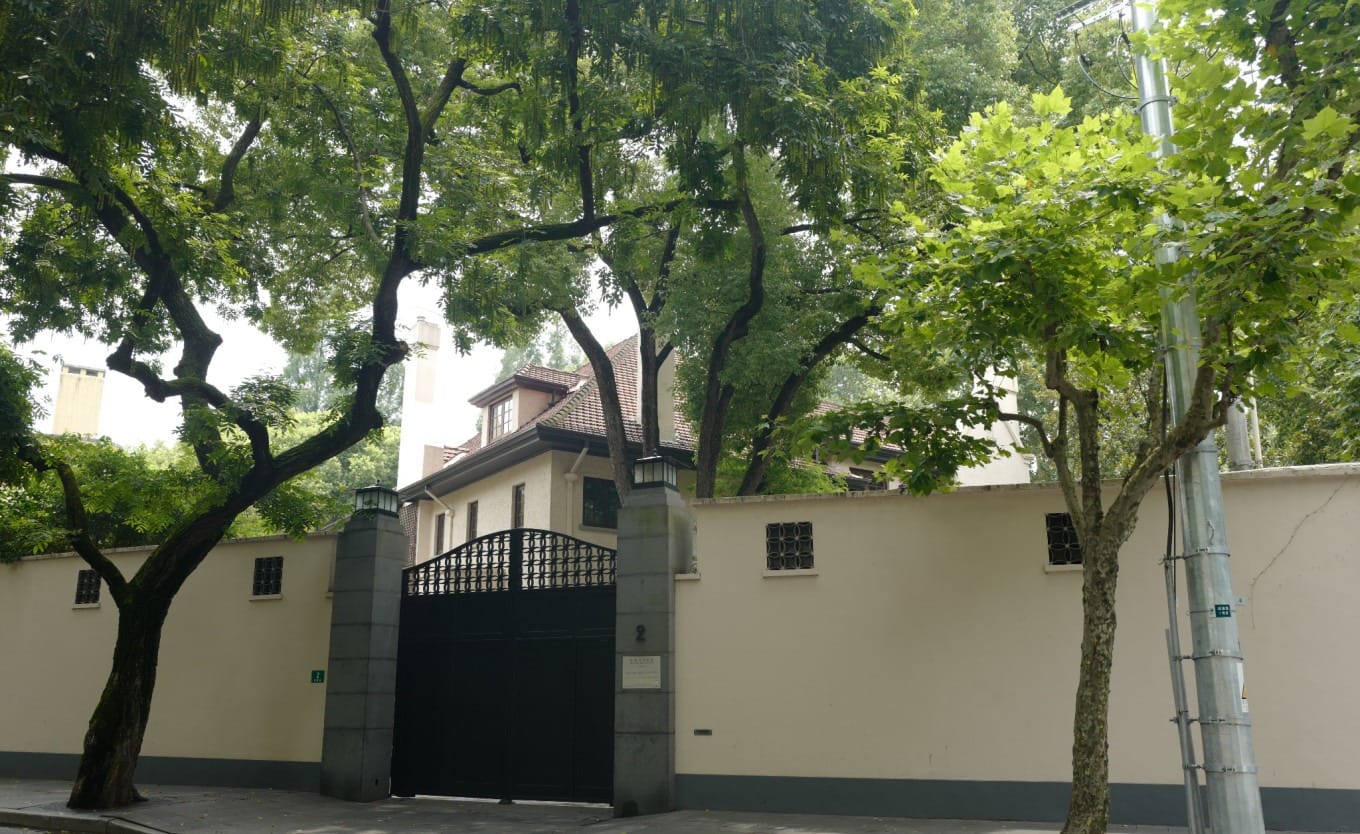
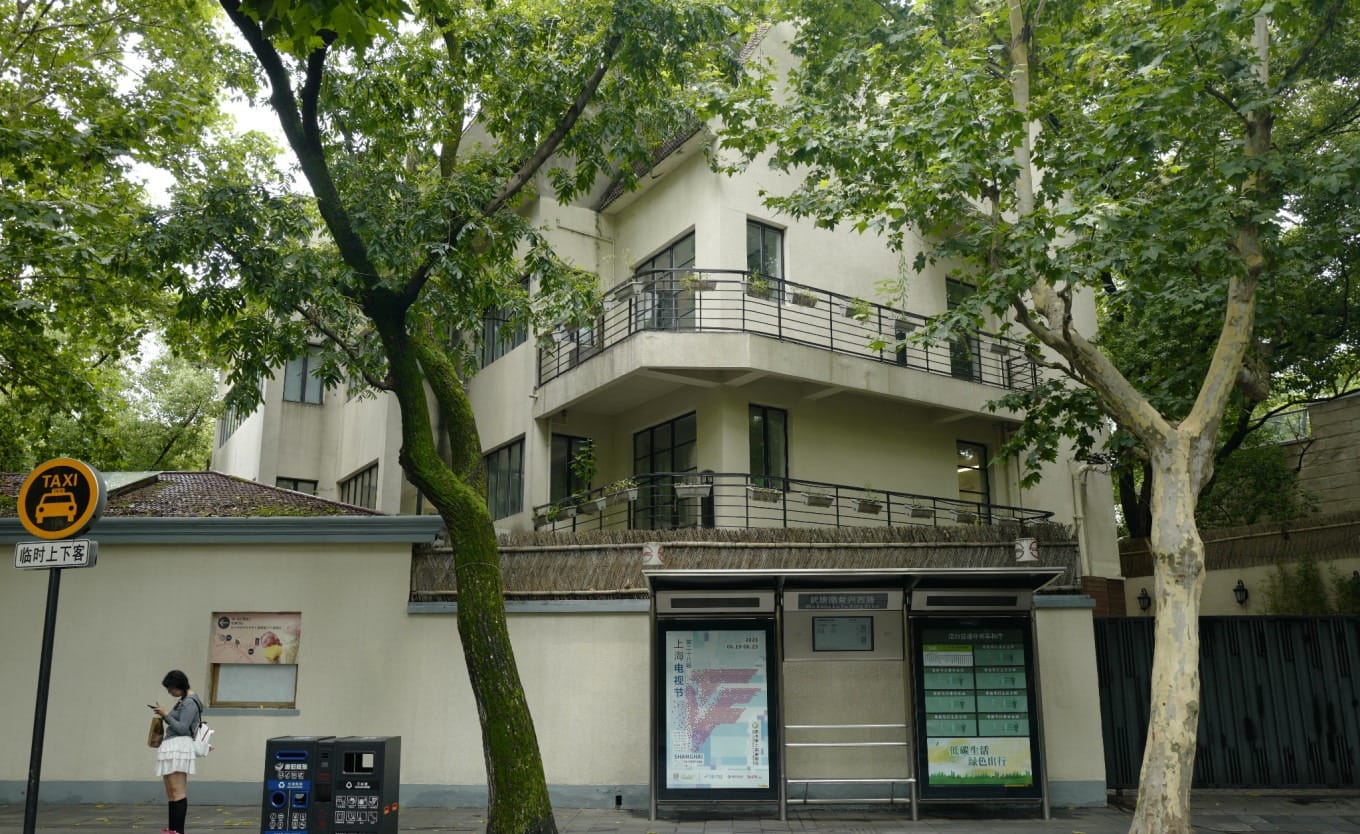
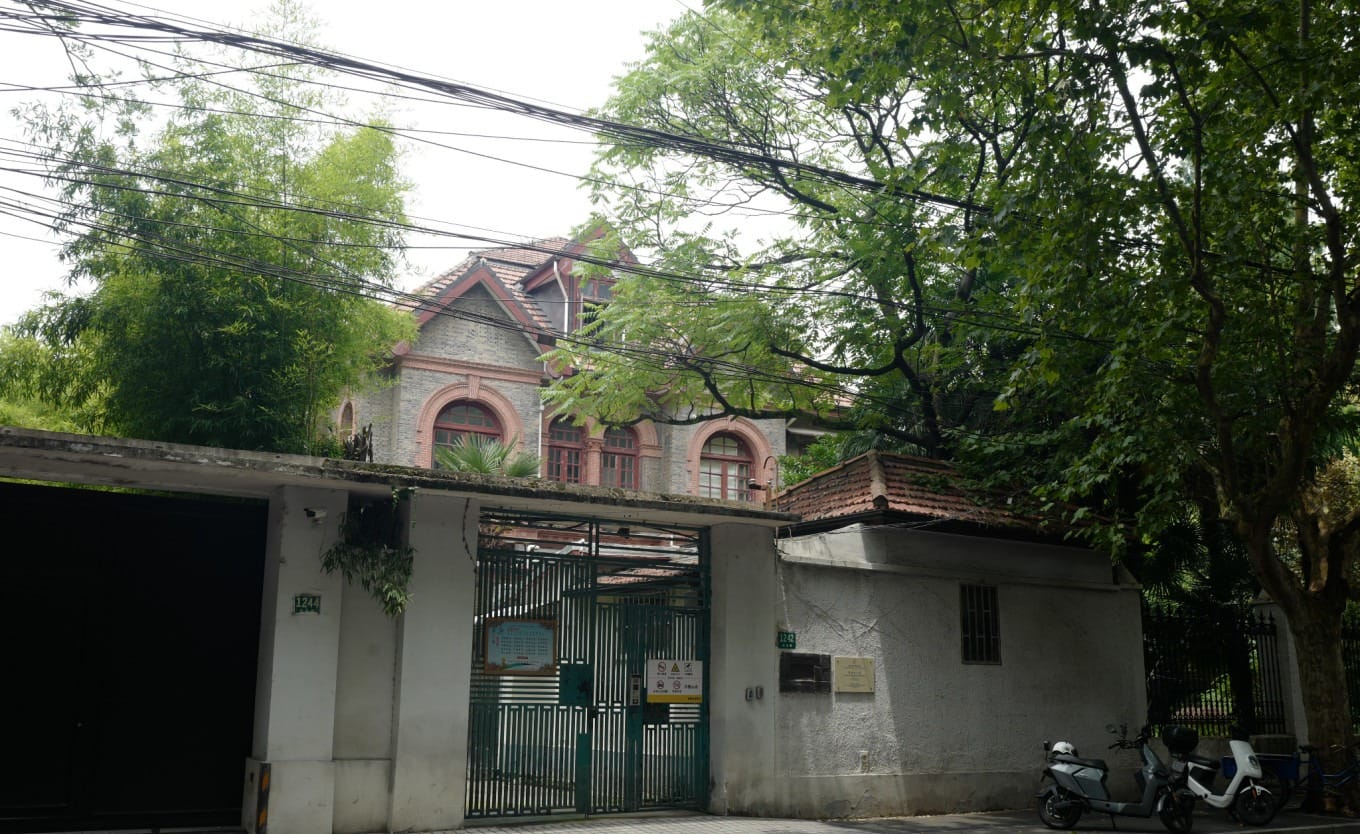
To conclude, head onto Huashan Road and detour onto Changle Road (长乐路). Near the start of this 3km road, at No. 1242, is the former residence of industrialist Rong Desheng (荣德生旧居), father of the famous entrepreneur Rong Yiren. Your walk might end at a bus stop on Huashan Road, facing yet another garden villa, a final reminder of the area’s rich architectural tapestry.
For a refreshment stop during your walk, consider the cafe at 137 Wukang Road. It offers a convenient spot to rest amidst your historical exploration.
- RestaurantCafe at No.
- Address137 Wukang Road, Xuhui District, Shanghai (上海市徐汇区武康路137号)
- Recommended dishesCoffee, Pastries (菜名)
- Average spend¥30-60
Lunch at Shake Shack
When exploring Shanghai, you might wonder why you’d choose an international burger chain like Shake Shack for lunch. But sometimes, convenience and a quick bite win out, especially when you’re hungry and spot its familiar sign in a mall. It’s a perfectly acceptable option for a fast, satisfying meal.
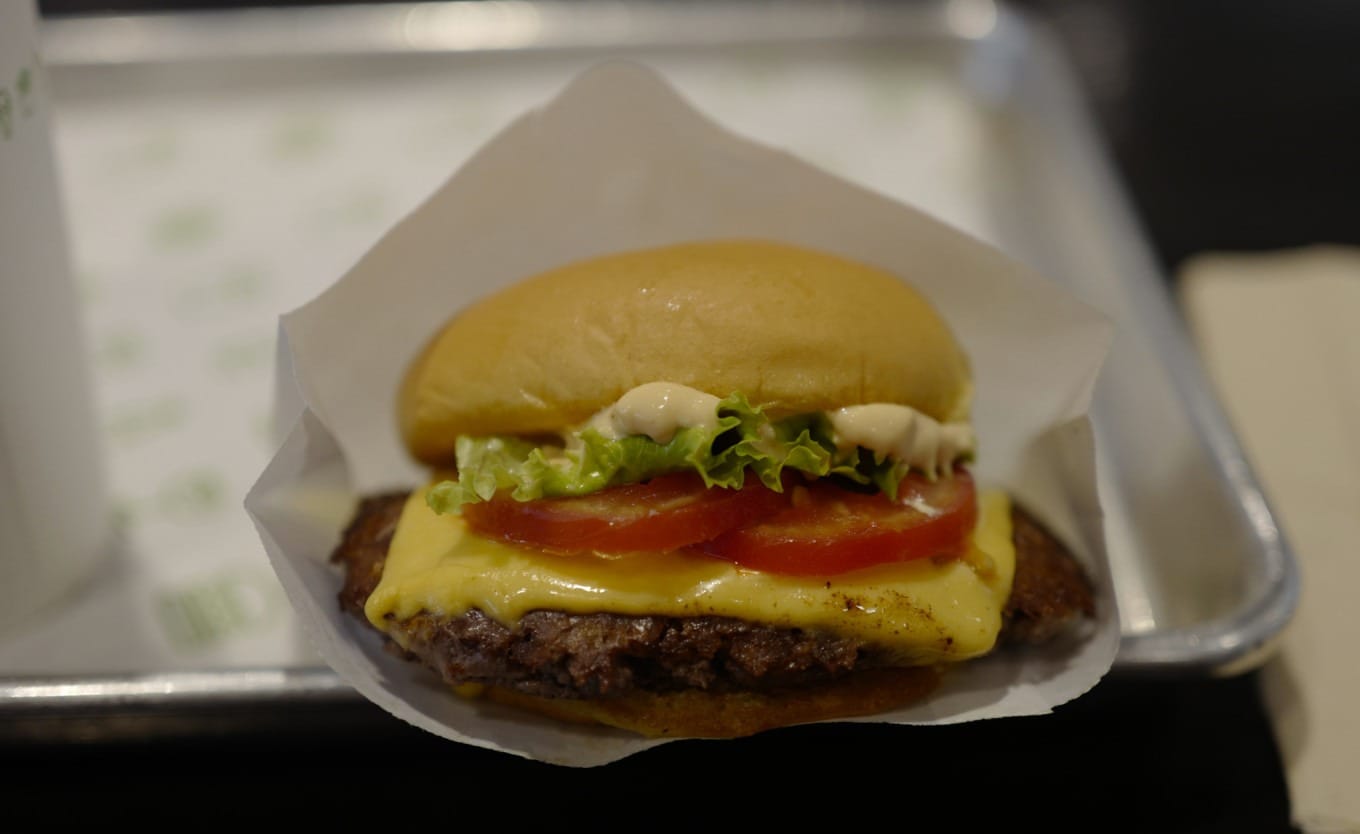
Shake Shack offers a different take on the classic burger compared to typical Western fast food. The buns are notably soft, and the beef patties have a tender, less-dense texture. The overall flavor is quite good, though you’ll find the prices are on the higher side for a quick-service meal.
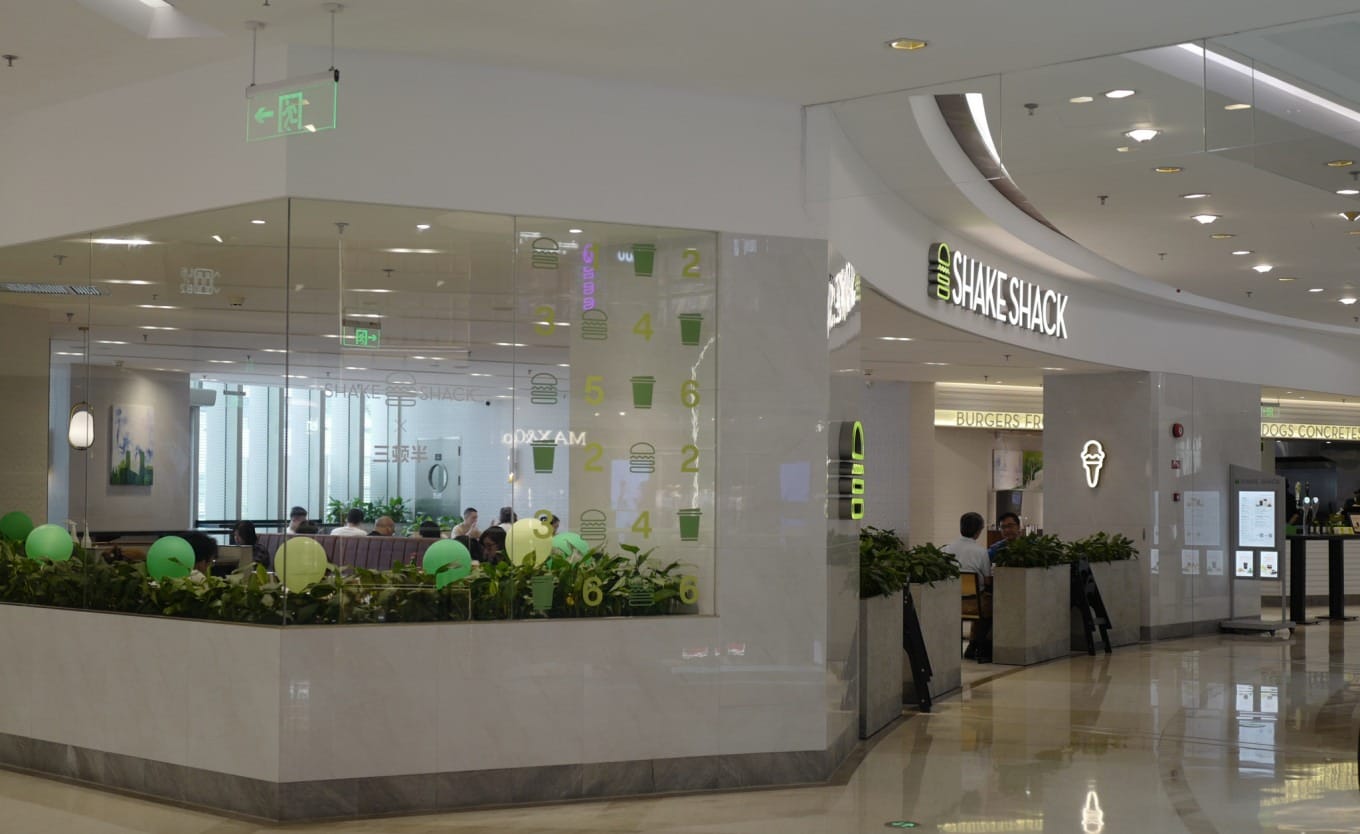
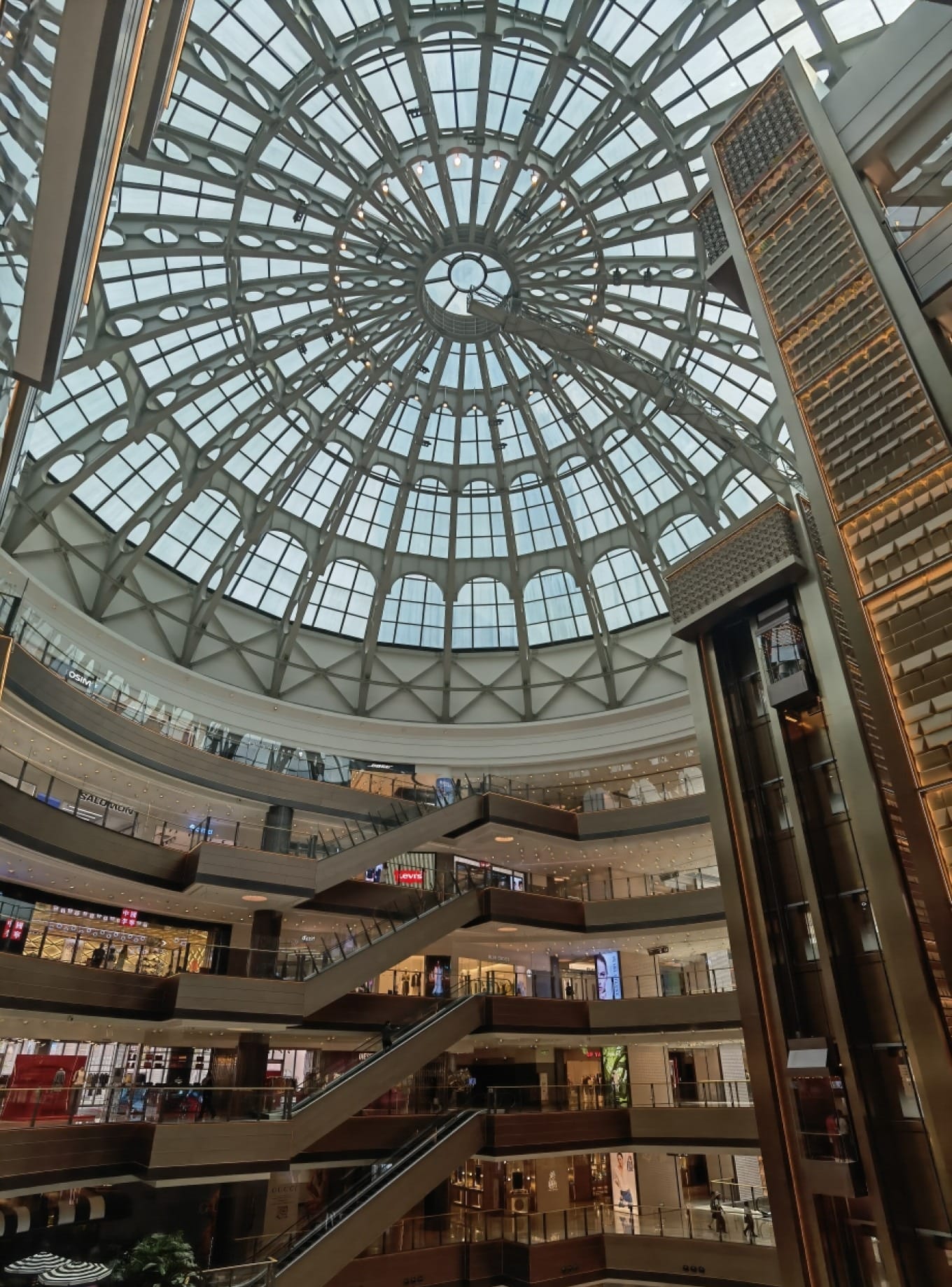
- RestaurantShake Shack Shake Shack (店名)
- AddressVarious locations in Shanghai malls;
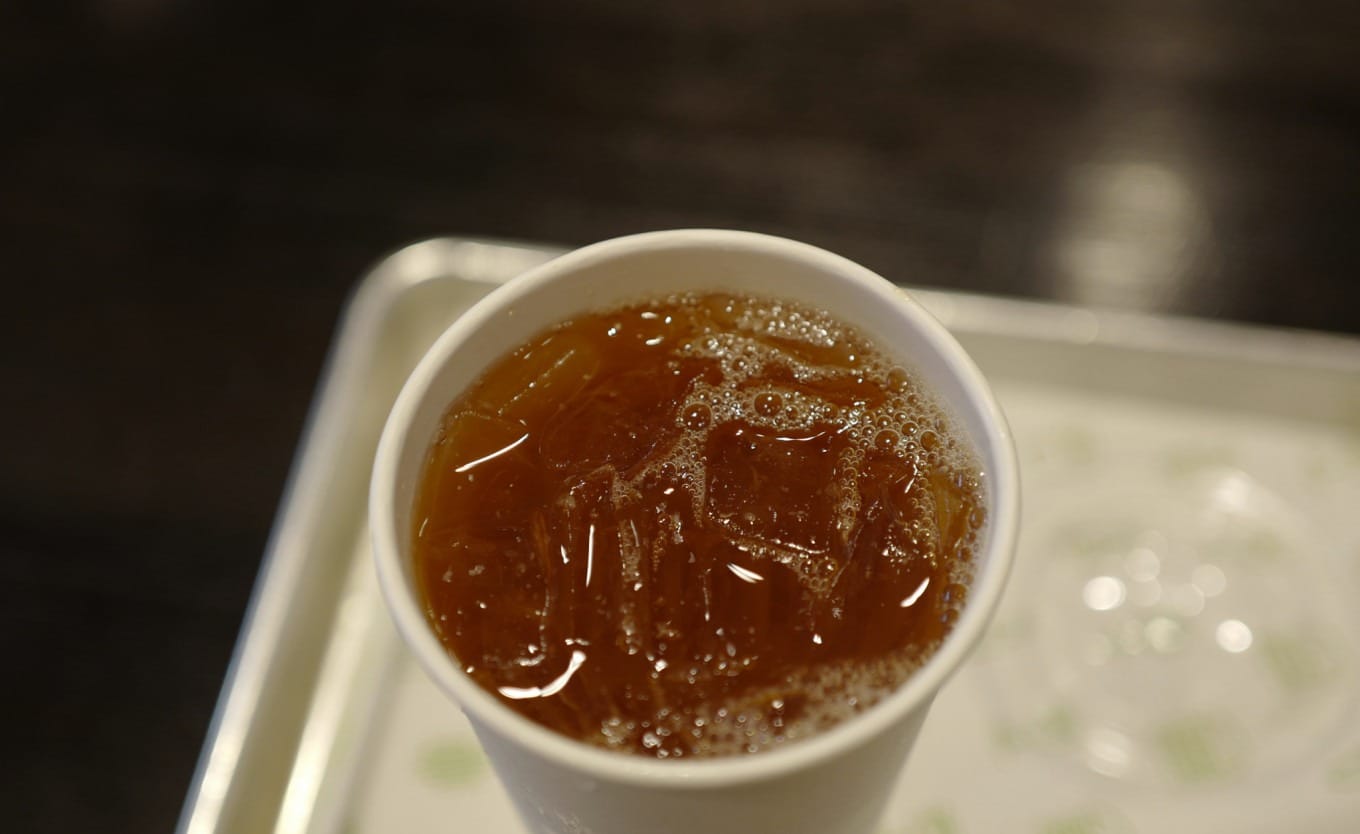
- Recommended dishesShackBurger (ShackBurger), Crinkle-Cut Fries (波纹薯条), Concrete (奶昔)
- Average spend¥80-120 per person
Xujiahui: A Walk Through Shanghai’s Historic Cultural Hub
Xujiahui (徐家汇) presents a fascinating blend of Chinese and Western history in the heart of Shanghai. As you explore, you’ll discover why this district uniquely combines a Catholic cathedral, a historic observatory, a centuries-old library, a prestigious school, and a park dedicated to a Ming Dynasty scientist. The answer lies with Xu Guangqi (徐光启), a 16th-century Chinese scholar-official and scientist who was also a Catholic convert. His legacy attracted French missionaries, making Xujiahui a cradle of cultural exchange and a key site in Shanghai’s modernization.
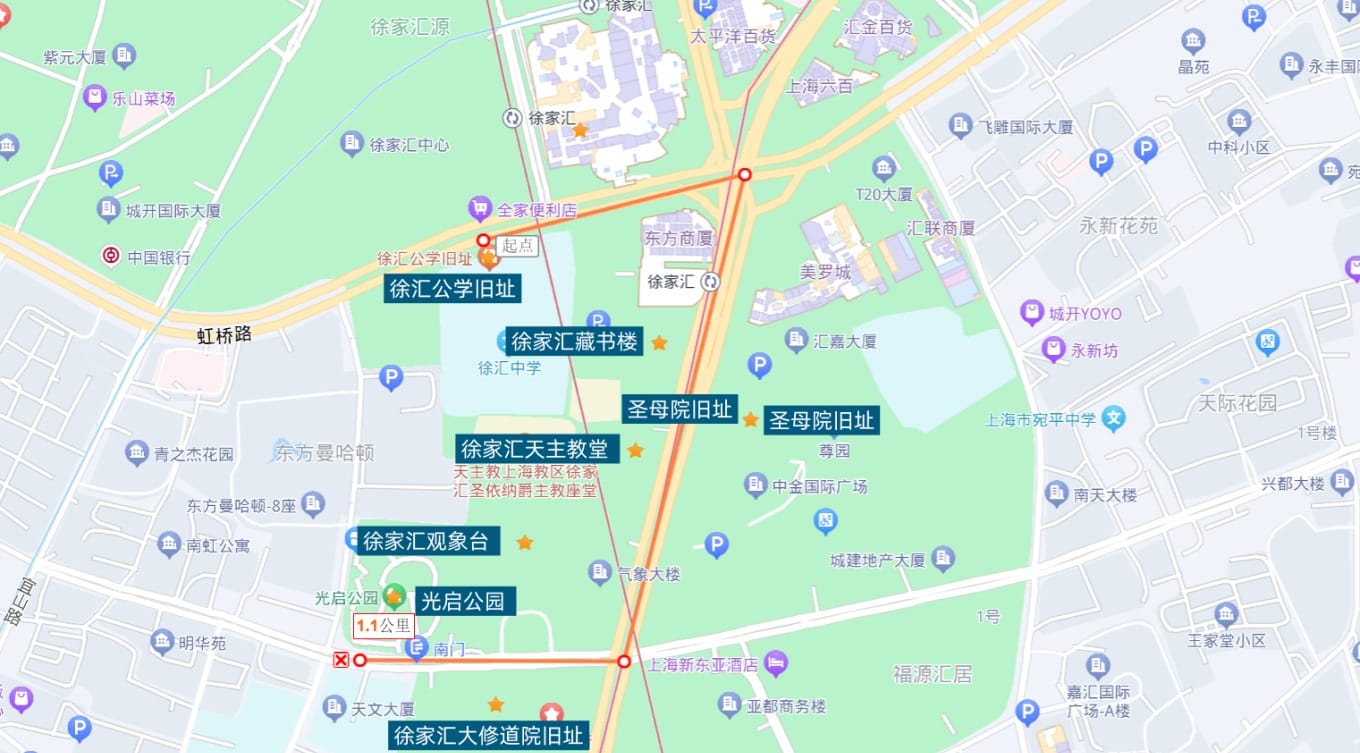
A logical starting point for your walk is Xuhui High School (徐汇中学), easily spotted from the bus stop. Its predecessor, Xuhui Public School (徐汇公学), founded in 1850, was one of Shanghai’s first Western-style schools. Check if the historic Chongsi Building (崇思楼) is open for public tours during your visit; it sometimes offers free access on specific days. The school’s first Chinese principal, Ma Xiangbo, was a pivotal educator who also co-founded Fudan University.
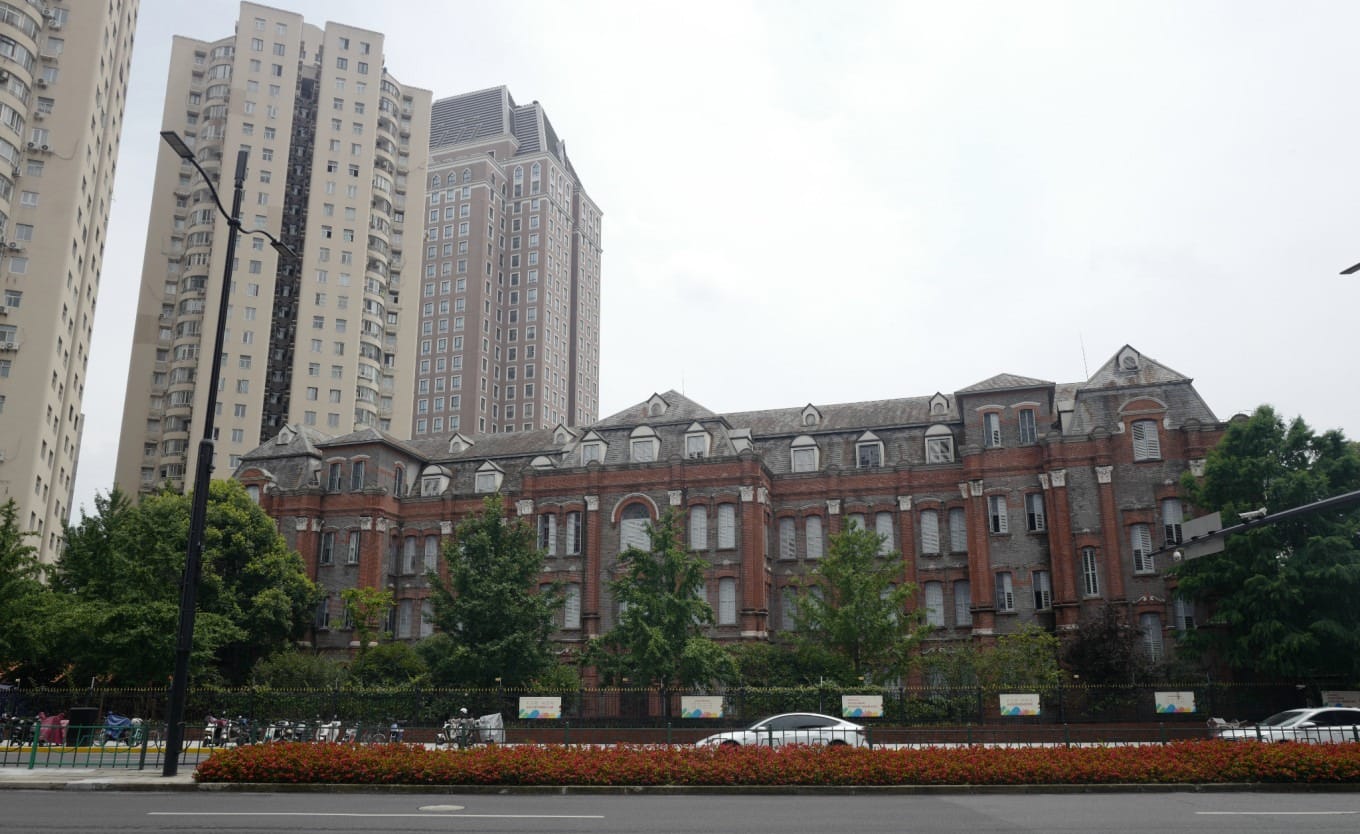
After seeing the school, you can head underground. The pedestrian tunnels here often feature commendable public service advertisements worth a glance.
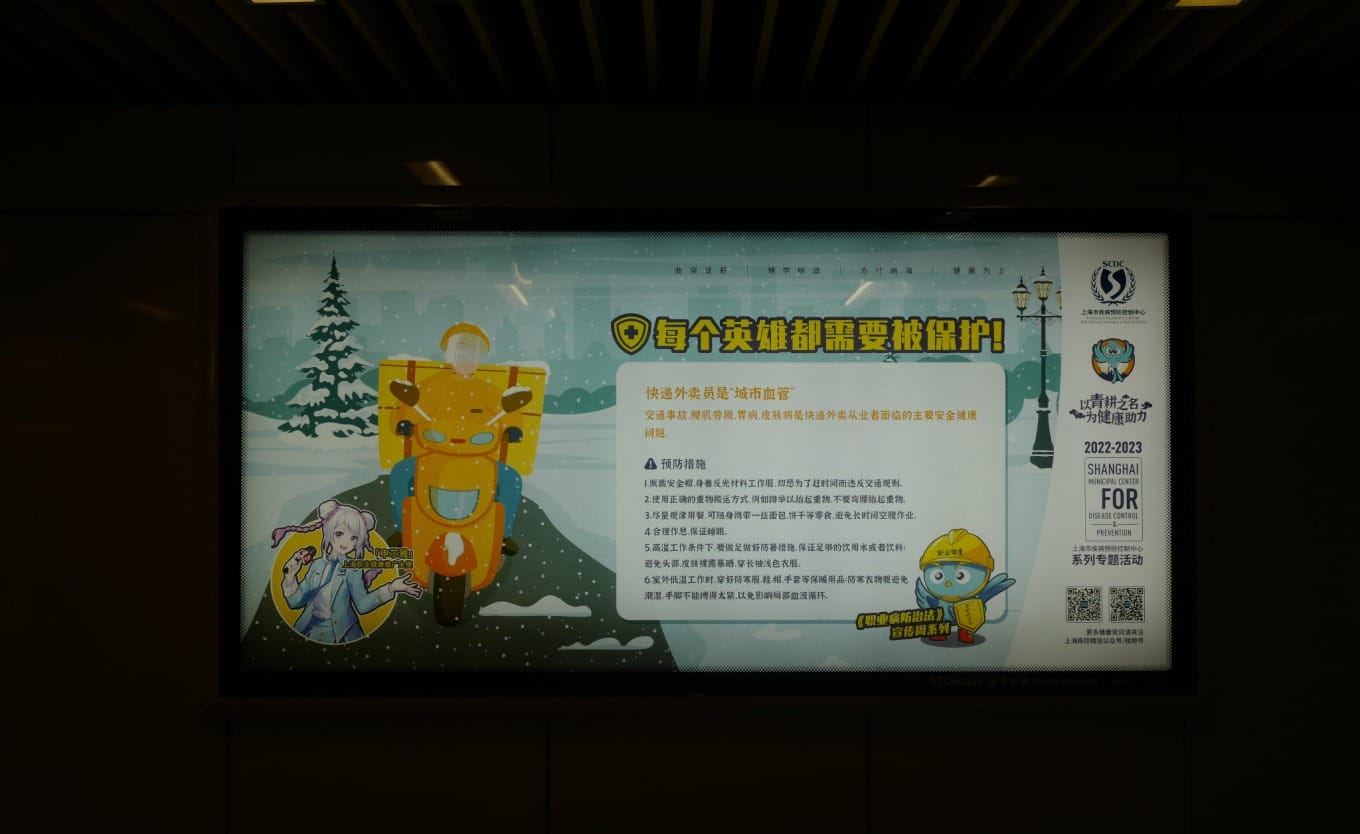
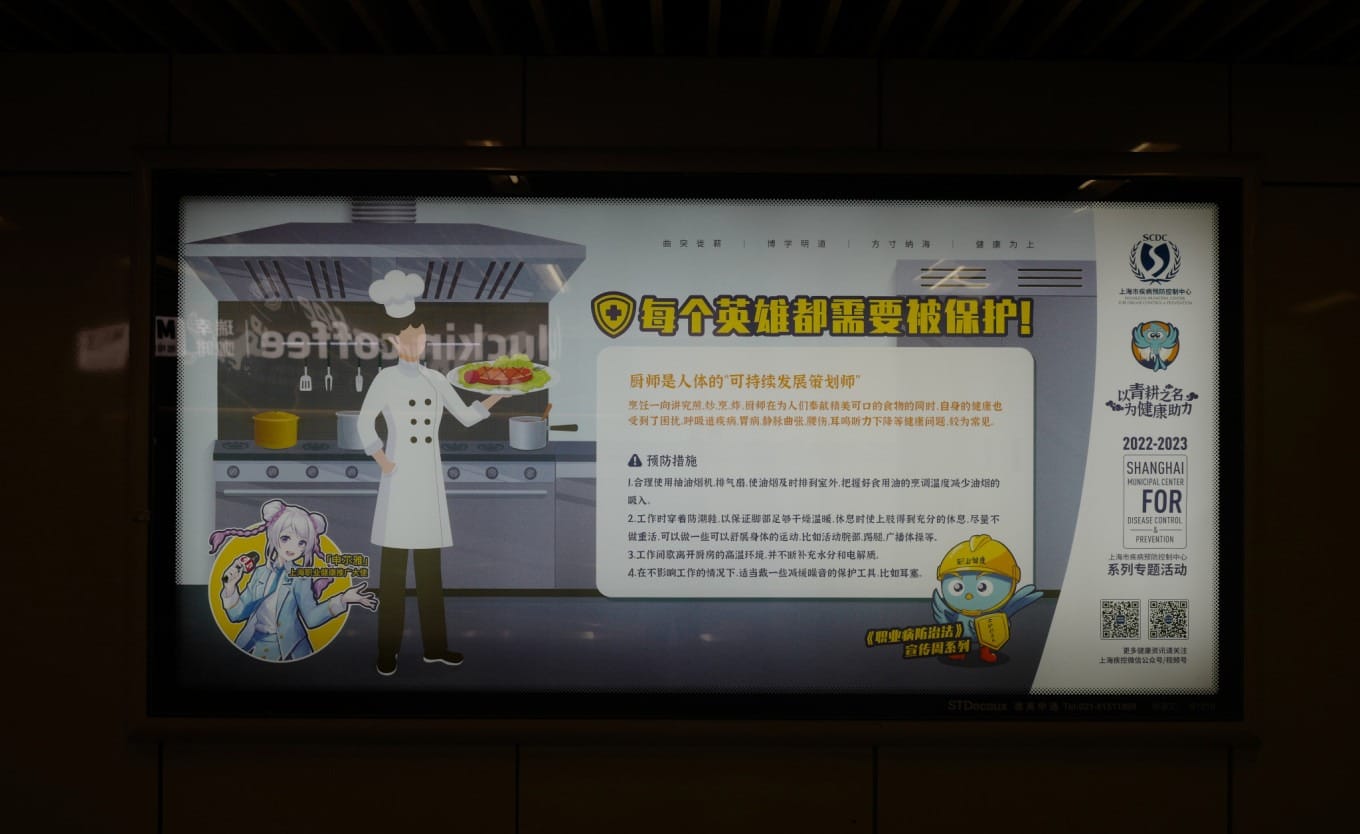
Emerging from the tunnel, look for a four-story white building nestled behind greenery: the Xujiahui Library (徐家汇藏书楼). Established in 1847, it’s Shanghai’s oldest modern library, though the interior is not open to the public. The visible south building, originally a priests’ residence, dates to 1931. The north building houses the grand library hall, with an upper floor designed like the Vatican Library for Western books and a lower floor in the style of a Ming Dynasty Chinese library.
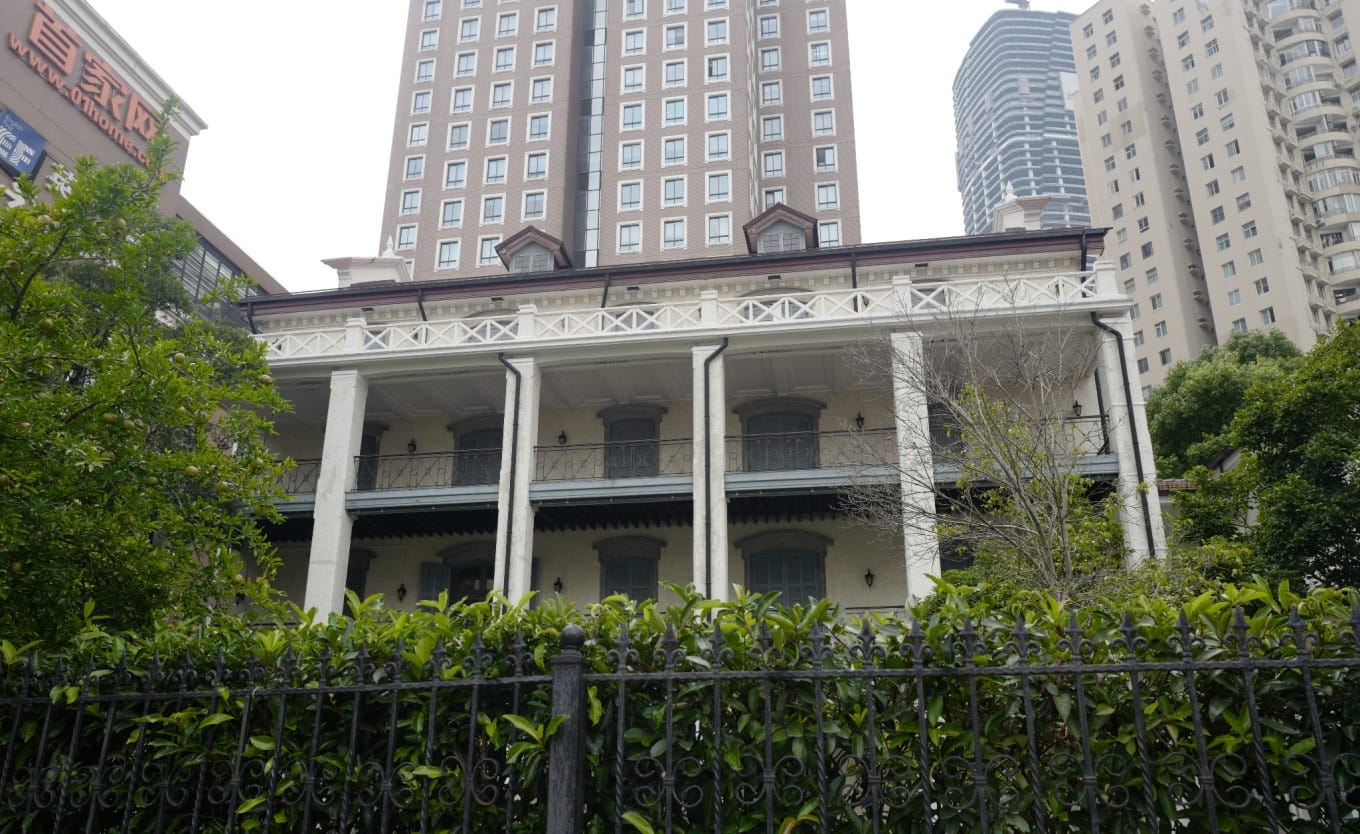
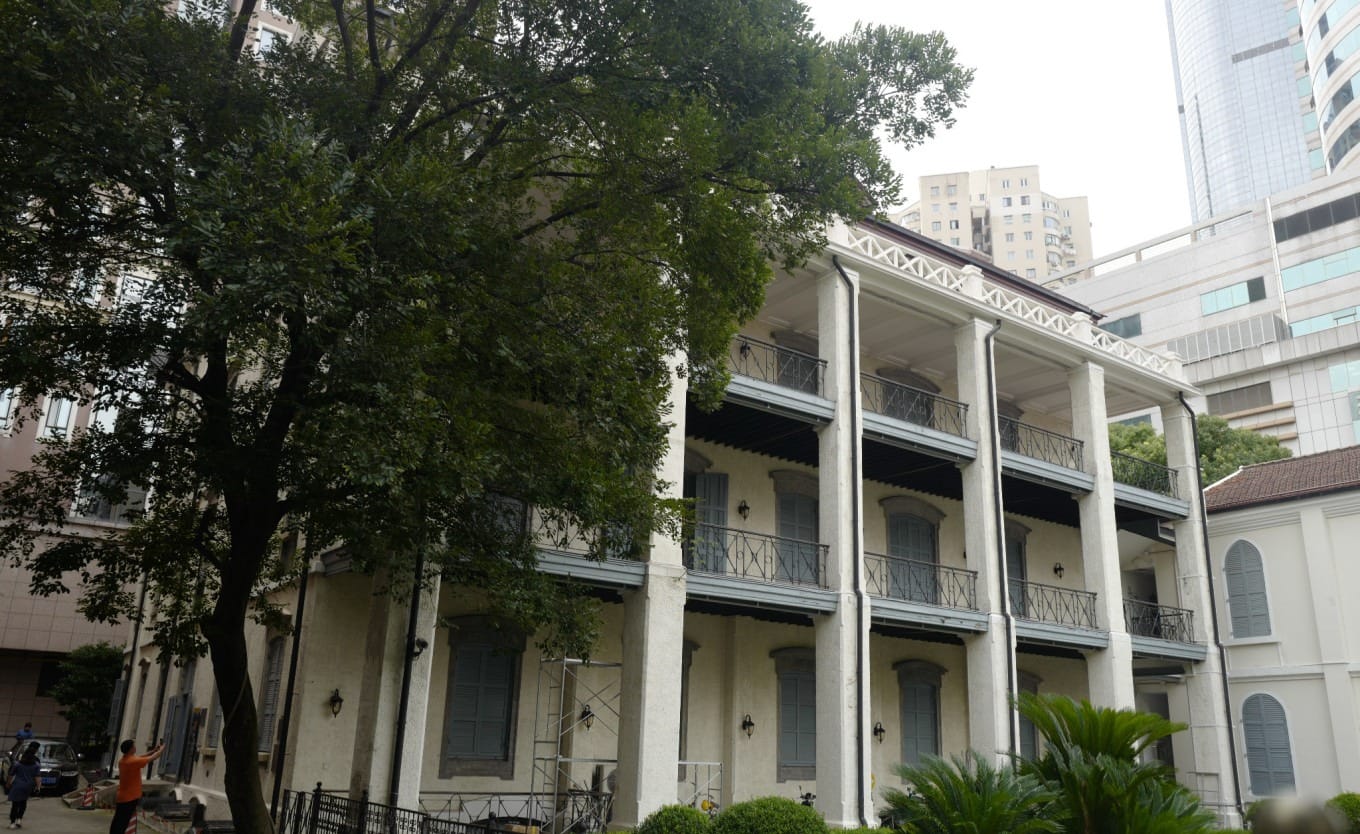
Across the street, the striking white former Convent of the Sacred Heart (徐家汇圣母院旧址), built in 1926, is hard to miss. Next to it, a more modest building houses the Shanghai Social Sciences Hall (上海社会科学会堂), notable for its inscription by Wang Daohan, a key figure in cross-strait diplomacy. As you wander Xujiahui, you’ll notice many such inscriptions that reflect Shanghai’s distinctive character.
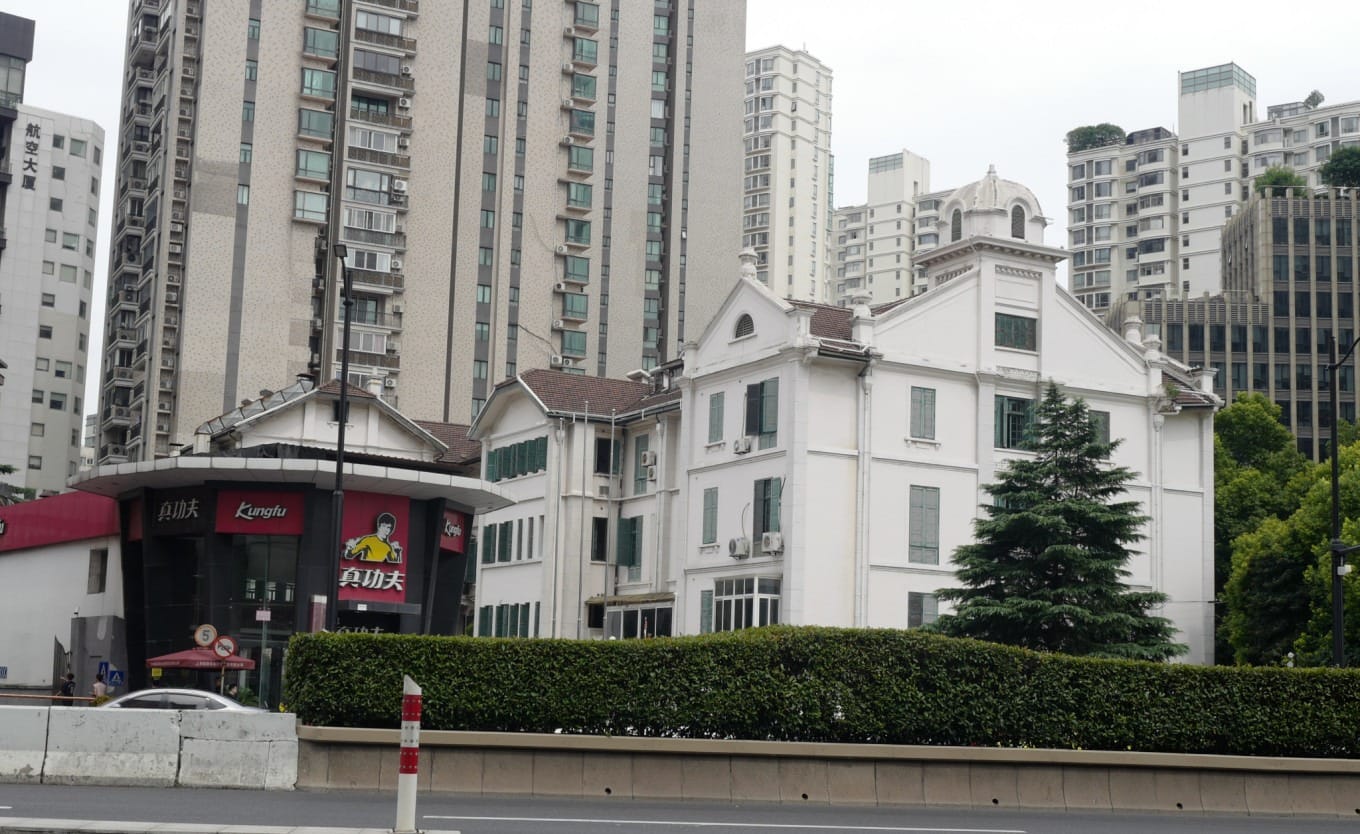
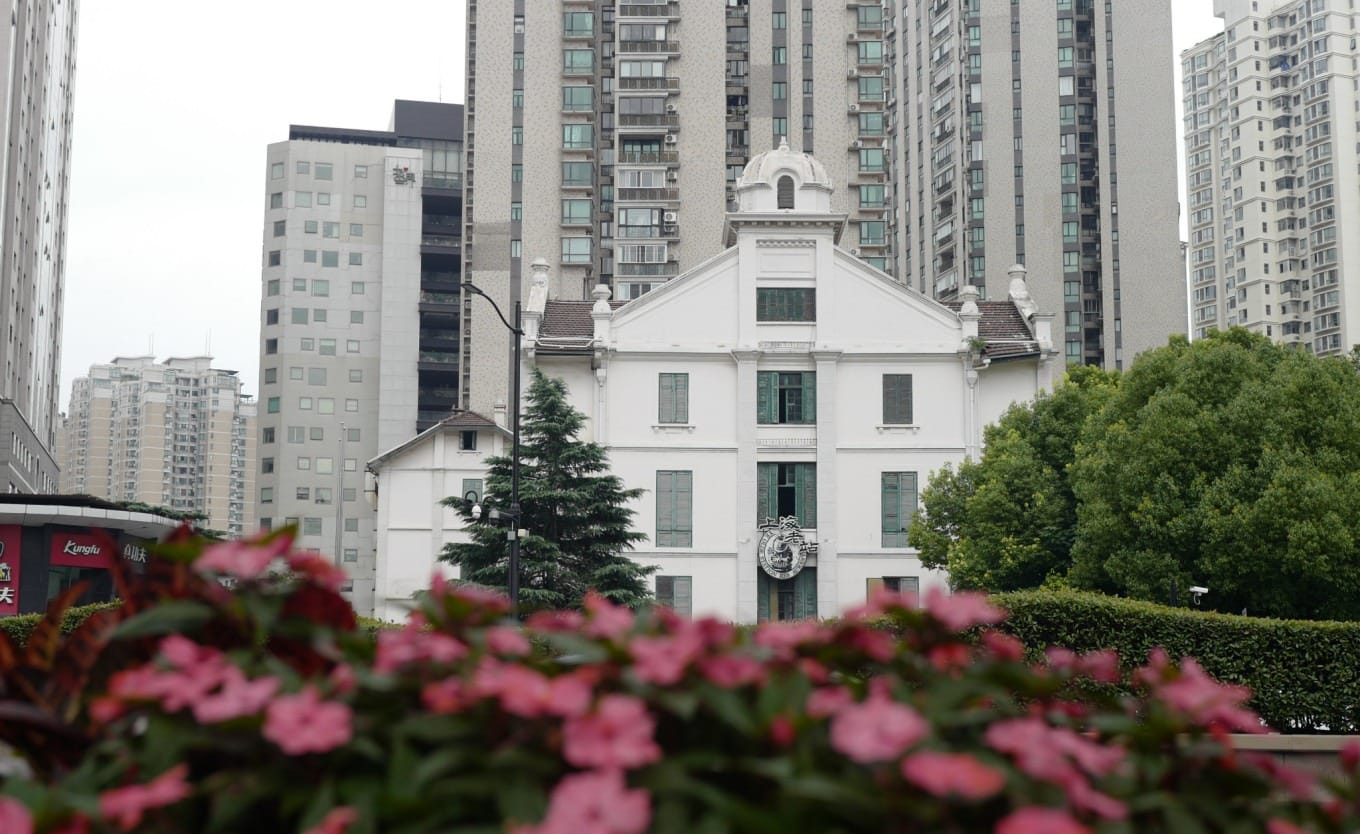
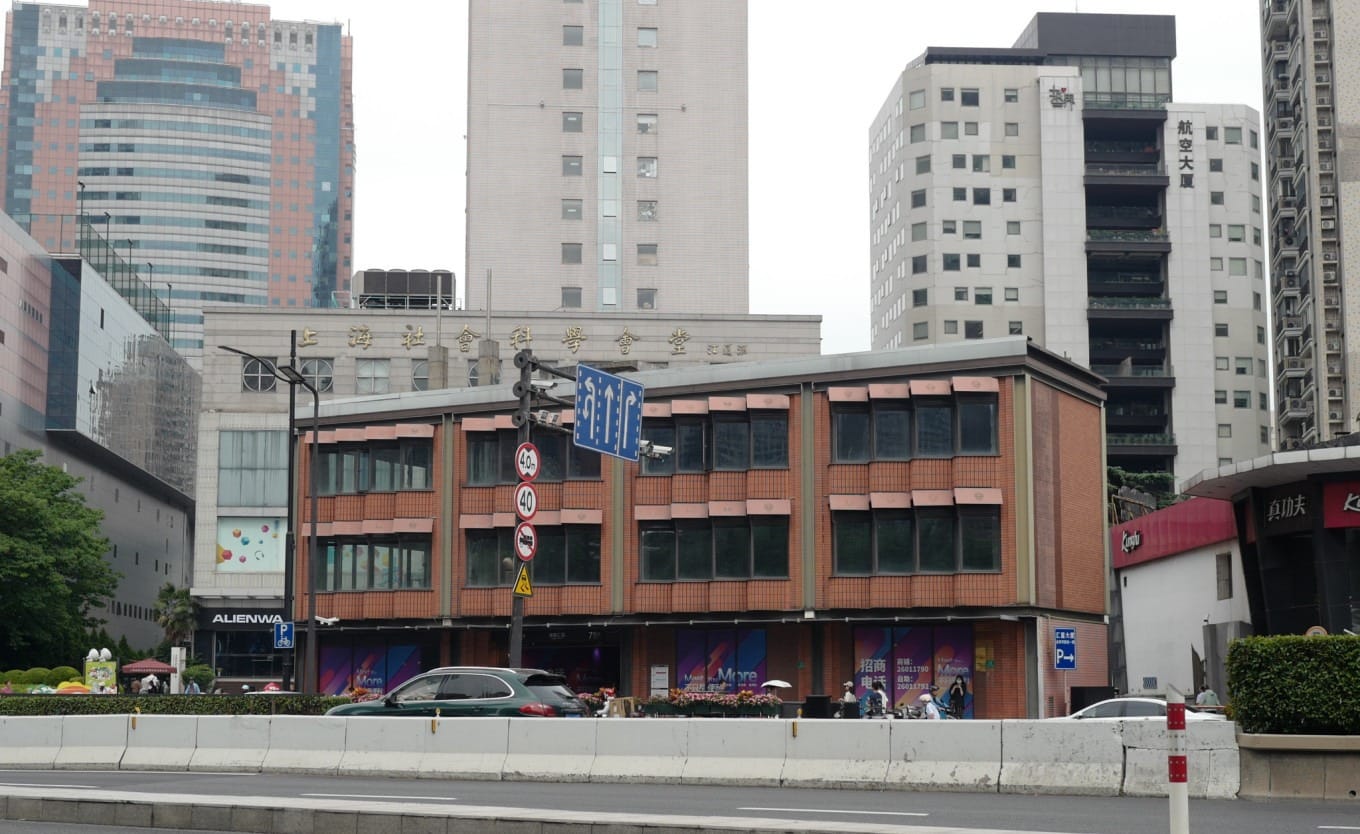
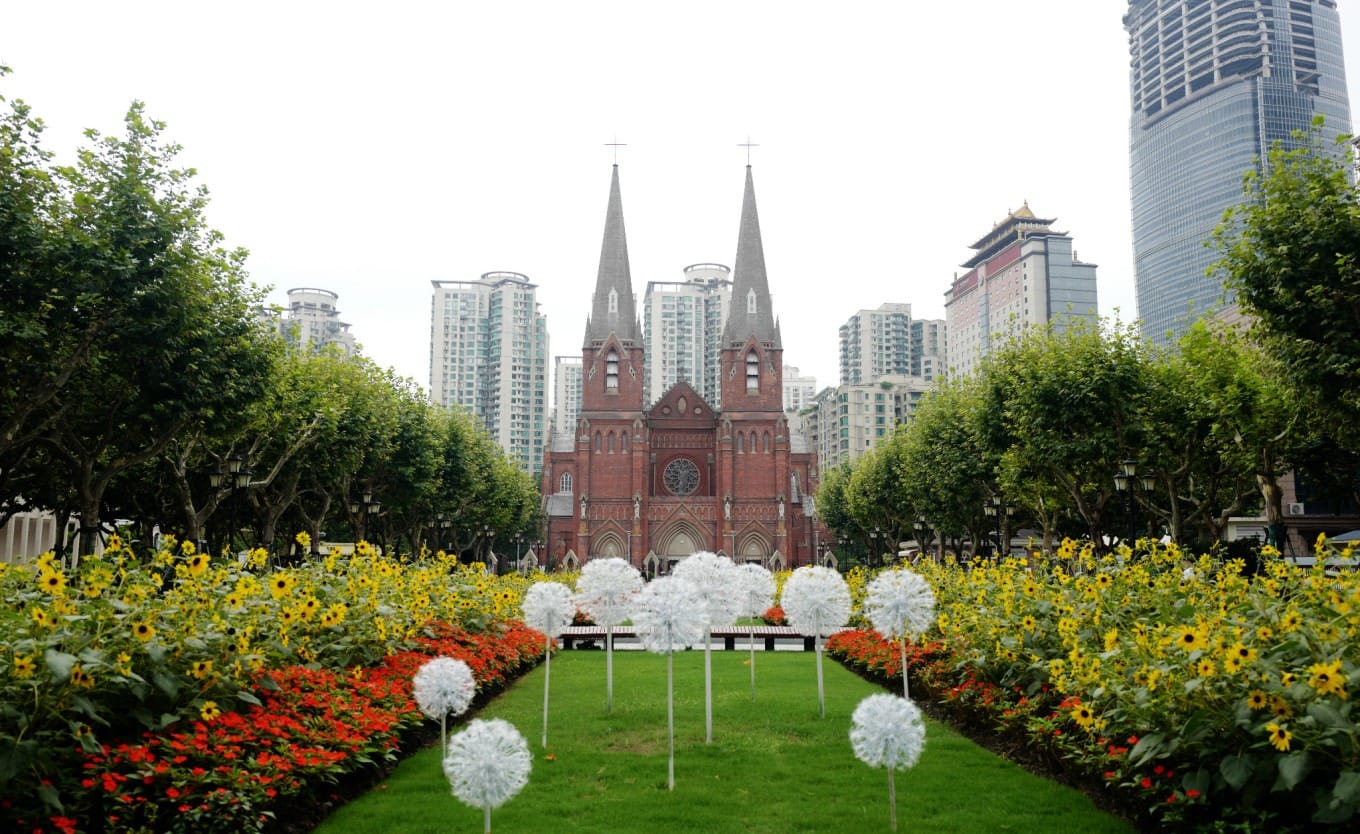
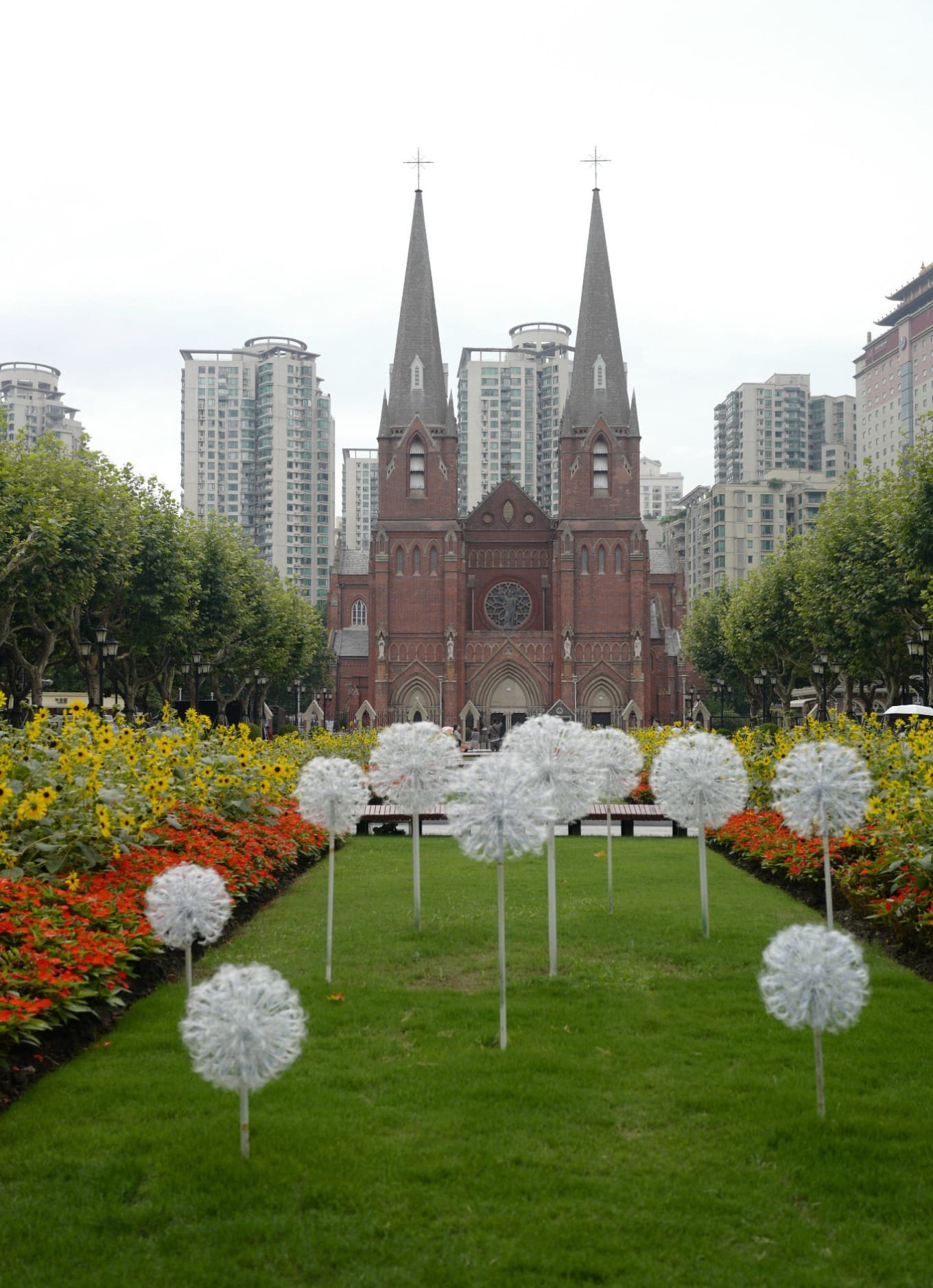
Follow the floral displays to the district’s centerpiece: the Cathedral Square and the Xujiahui Catholic Church (徐家汇天主堂). Built between 1904 and 1910 in a French Gothic Revival style, its spires dominate the skyline. The square’s segmented lawns, each with benches facing the church, are perfect for a rest or photos.
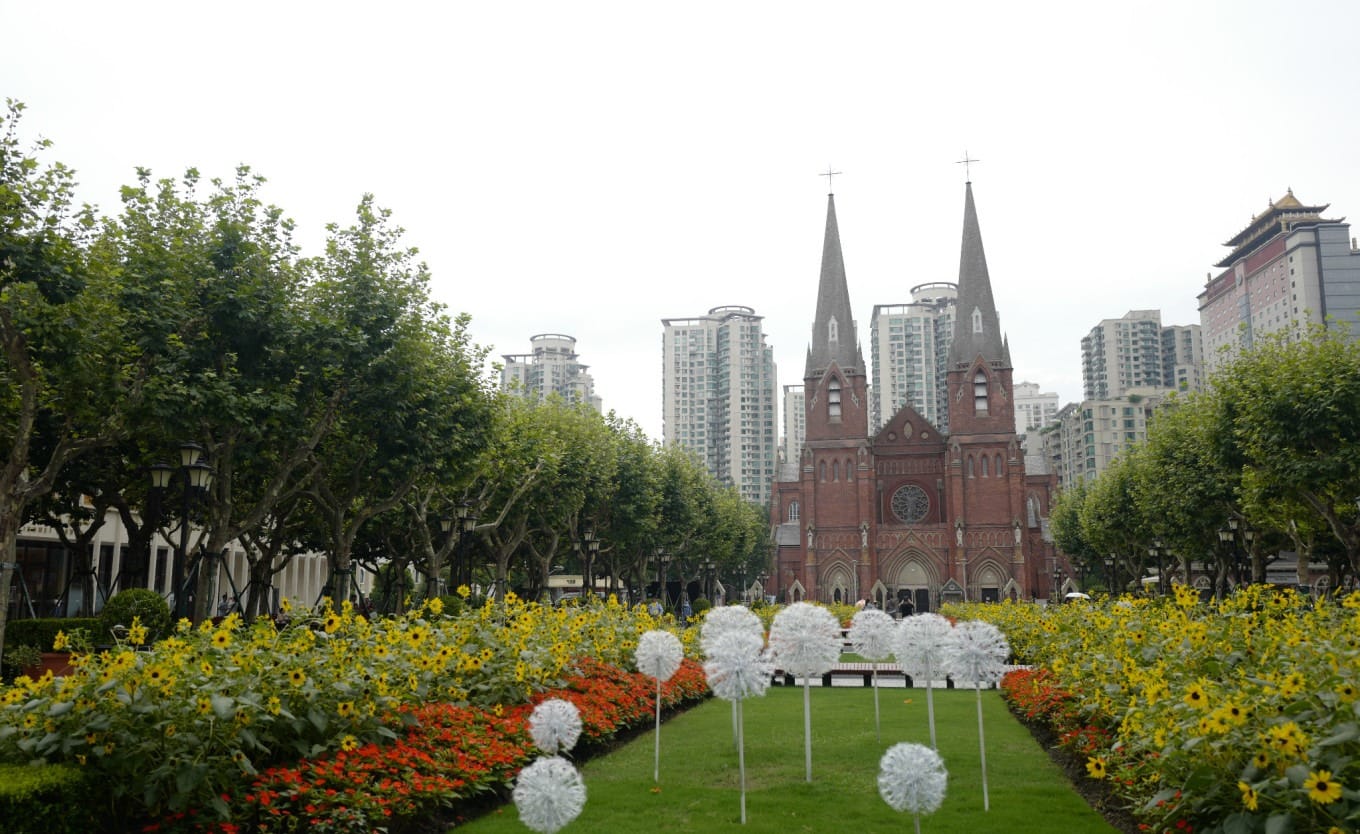
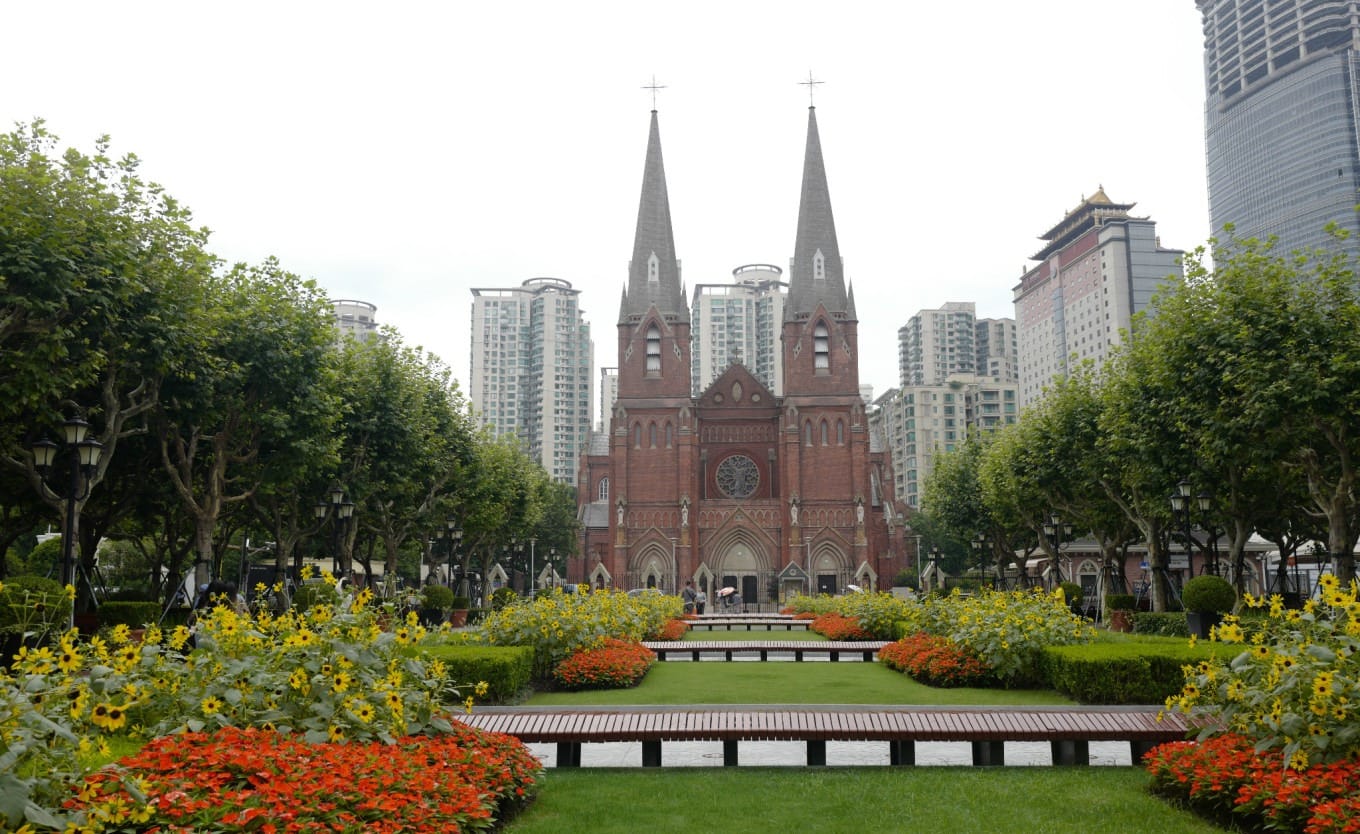
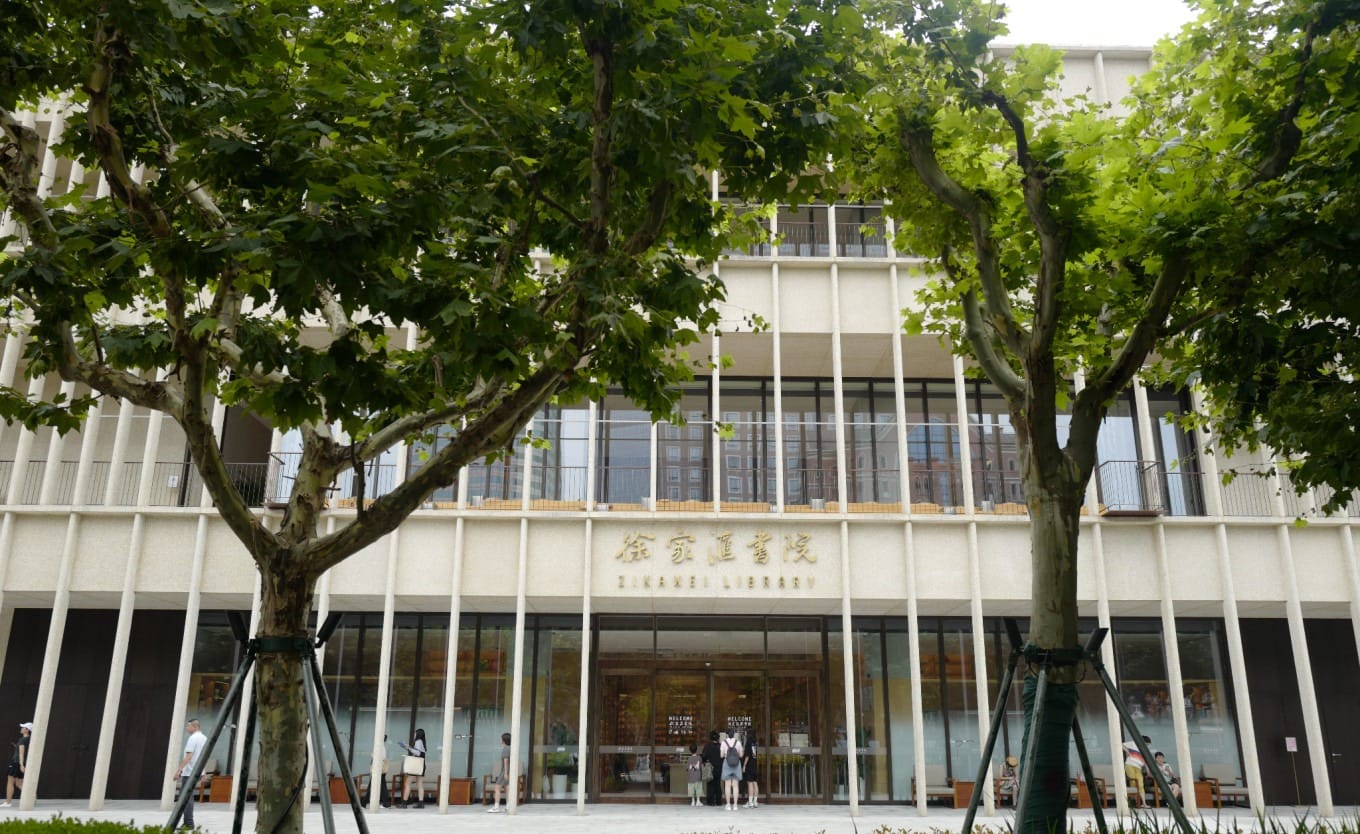
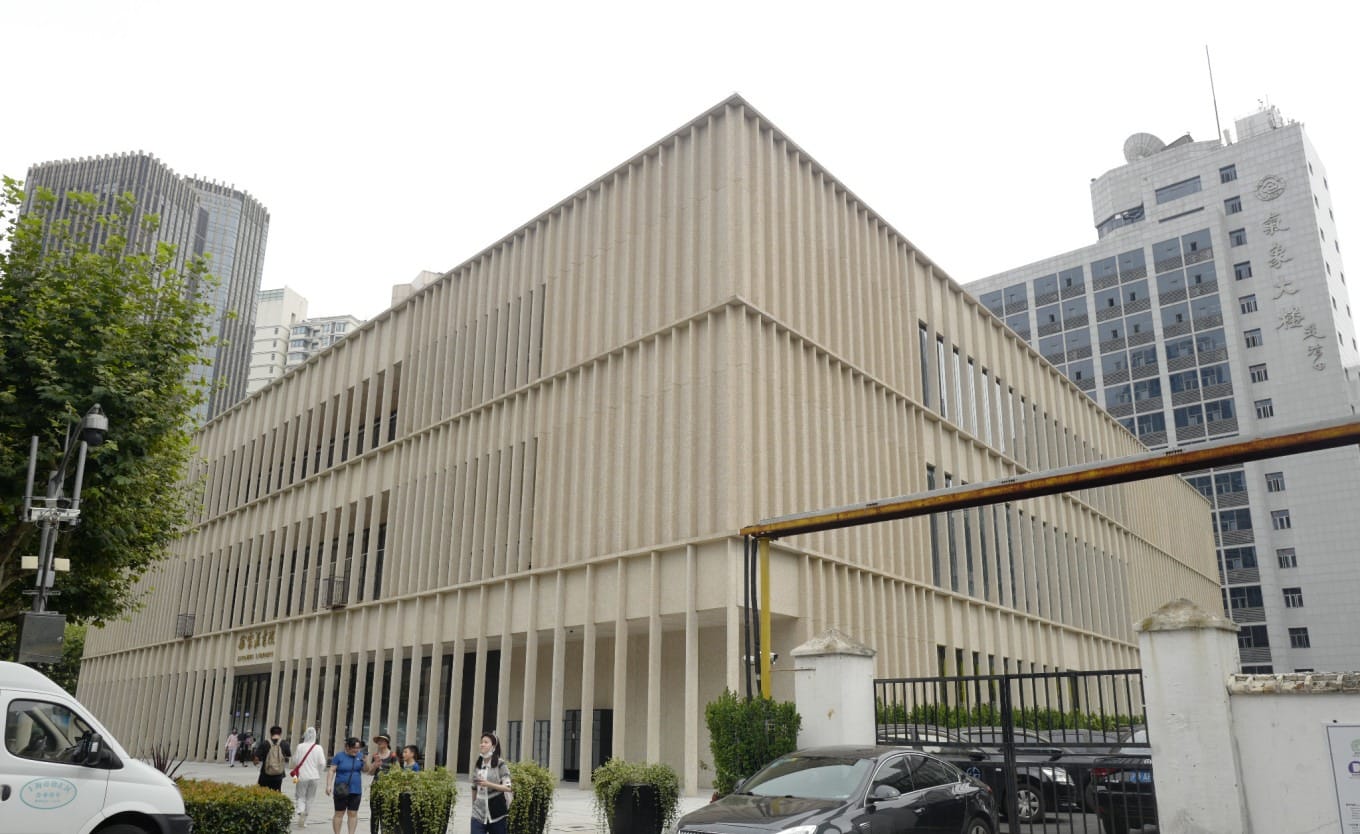
On the other side of the square stands the Xujiahui Library (徐家汇书院), a modern cultural venue. Check its opening status, as it occasionally hosts events. From a distance, its facade of rhythmically spaced columns creates a striking visual effect. Behind it, the ‘Meteorological Building’ bears an inscription by General Chi Haotian, a legendary figure in Shanghai’s liberation. Nearby, a construction site offers a chance to capture the contrast between old and new Shanghai.
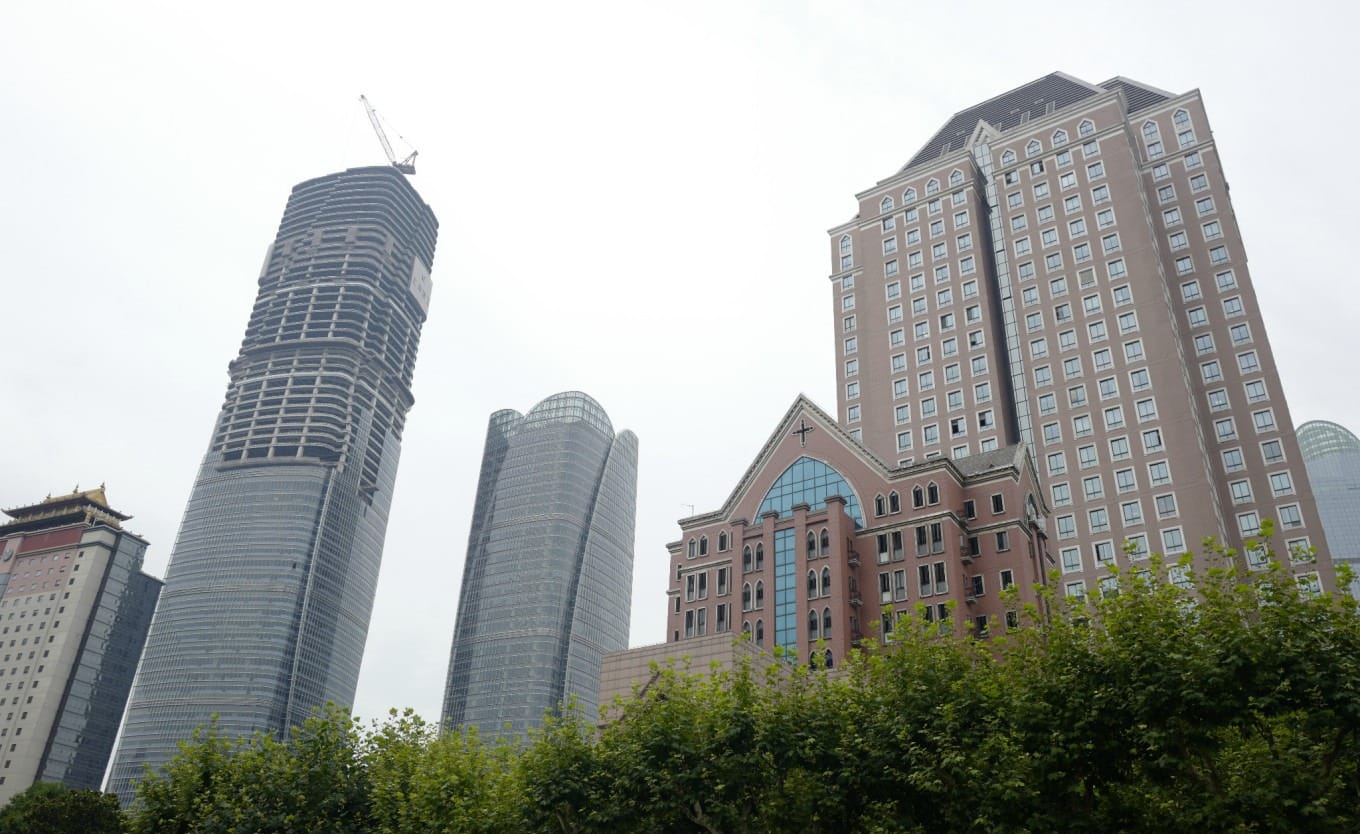
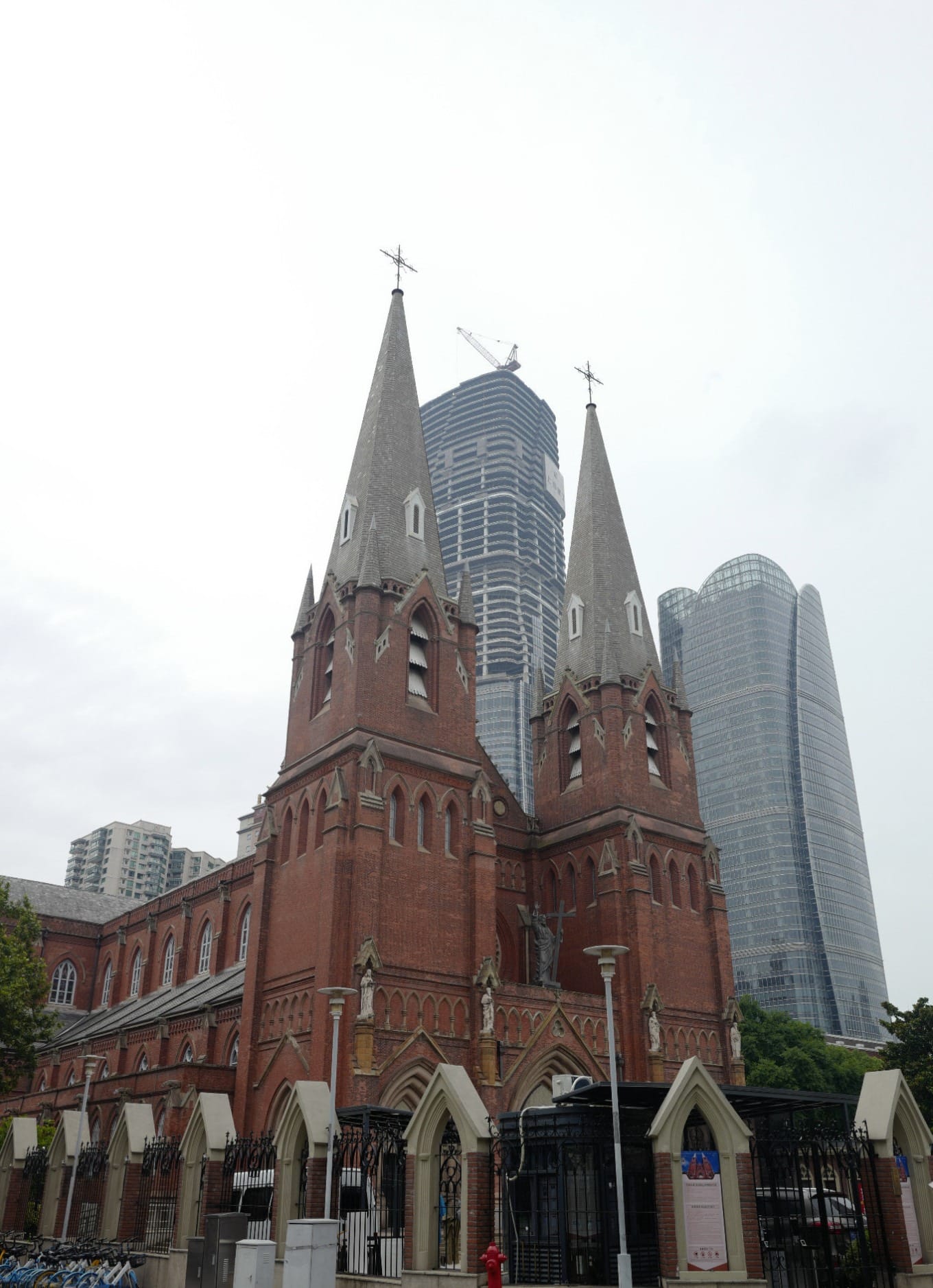
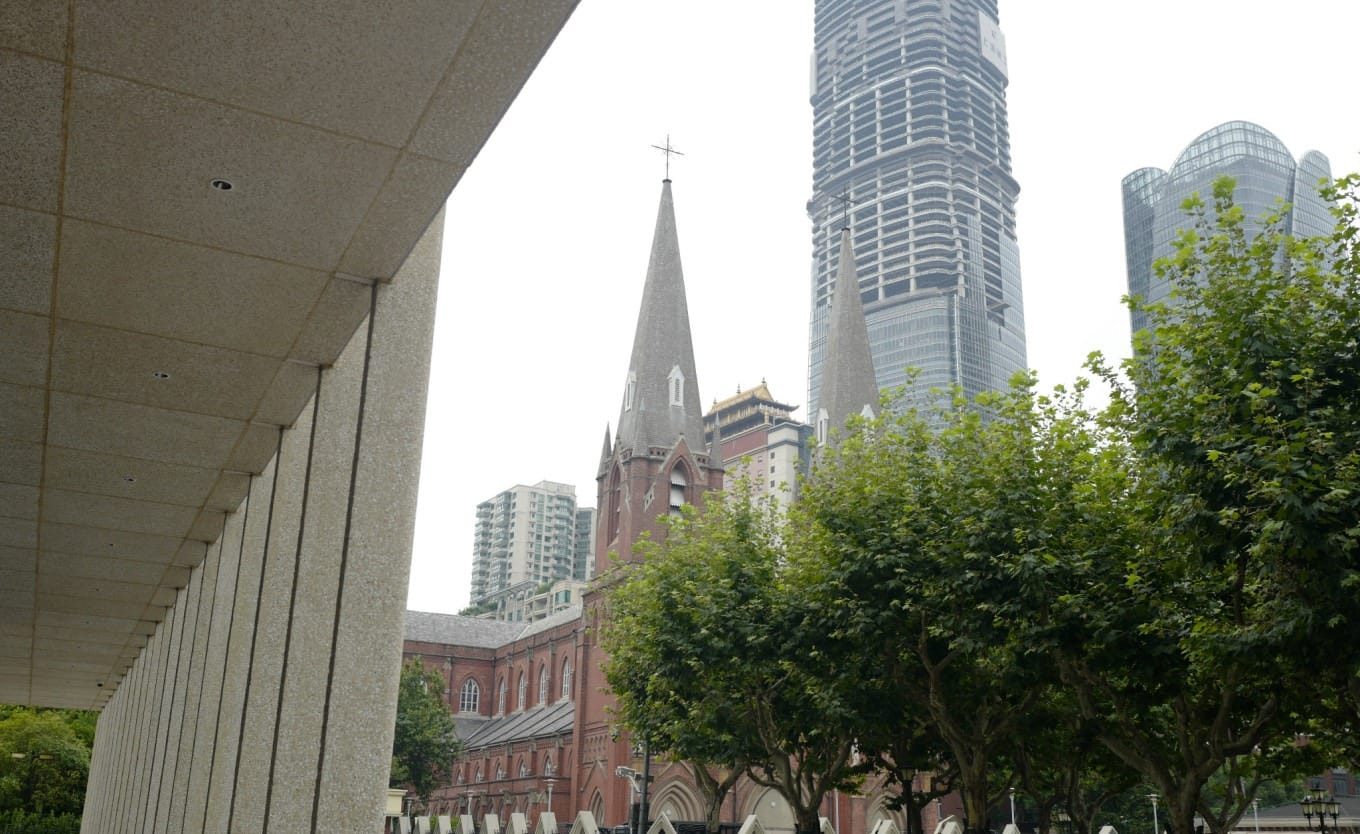
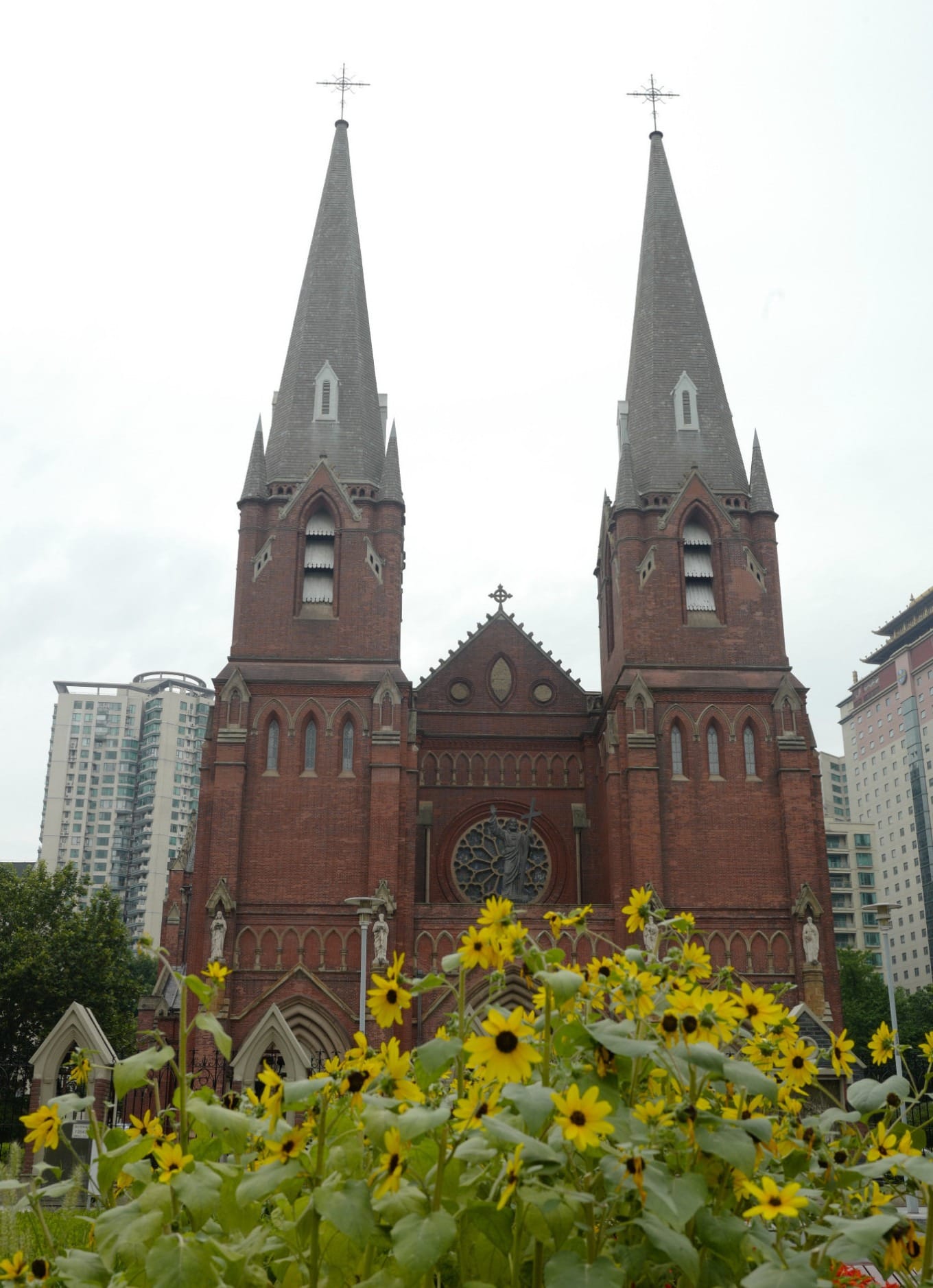
A discreet entrance near the church leads to the Shanghai Meteorological Bureau, where you’ll find the 旧址 (local term) of the Xujiahui Observatory (徐家汇观象台). Founded by Catholic missionaries in 1872, it’s China’s oldest weather station. While the government compound isn’t open for tours, you can take photos at the entrance.
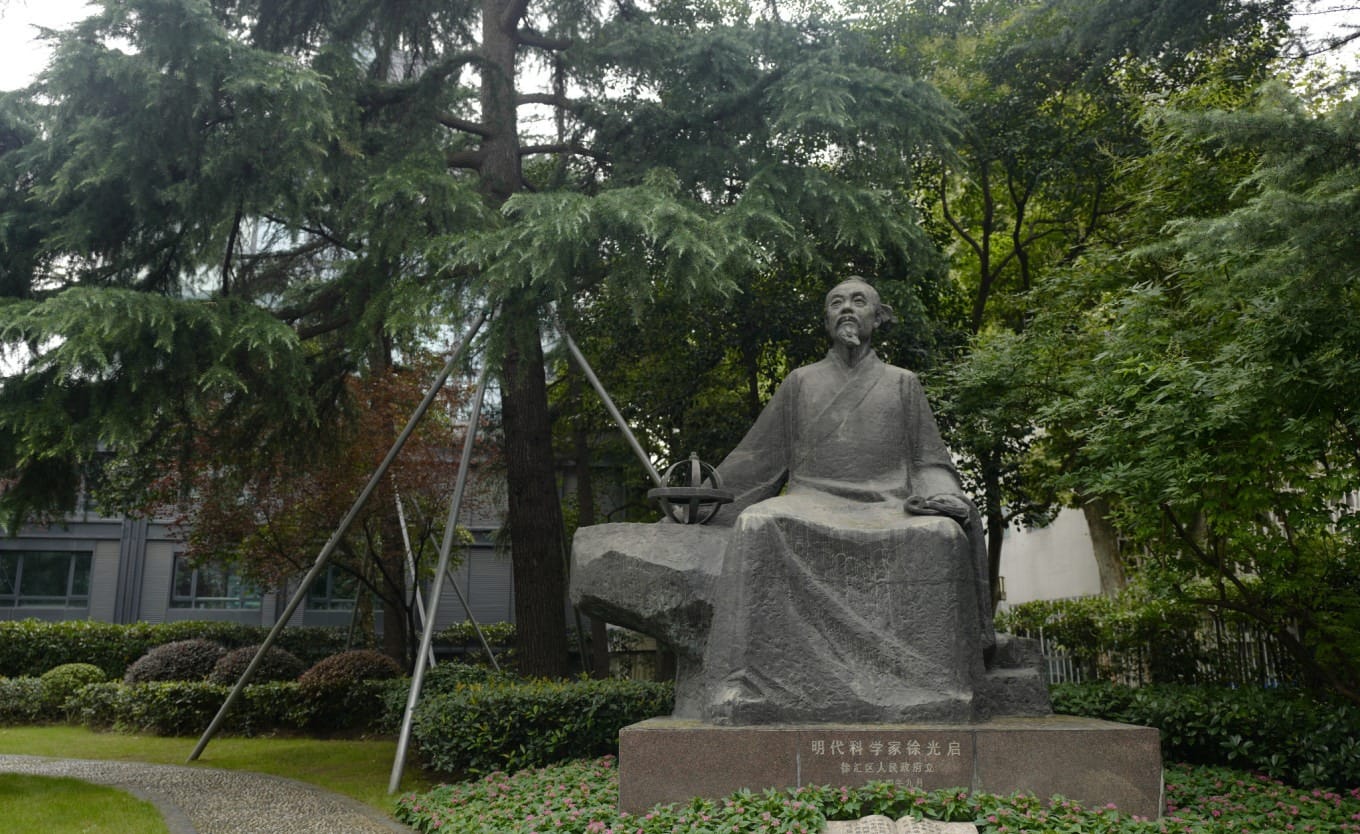
Continuing from the square, look for the seated statue of Xu Guangqi by the roadside. While you may know him from his agricultural masterpiece, the ‘Nong Zheng Quan Shu’ (《农政全书 (local term)》), his role here as a Catholic scholar-official who bridged East and West is Xujiahui’s defining story.
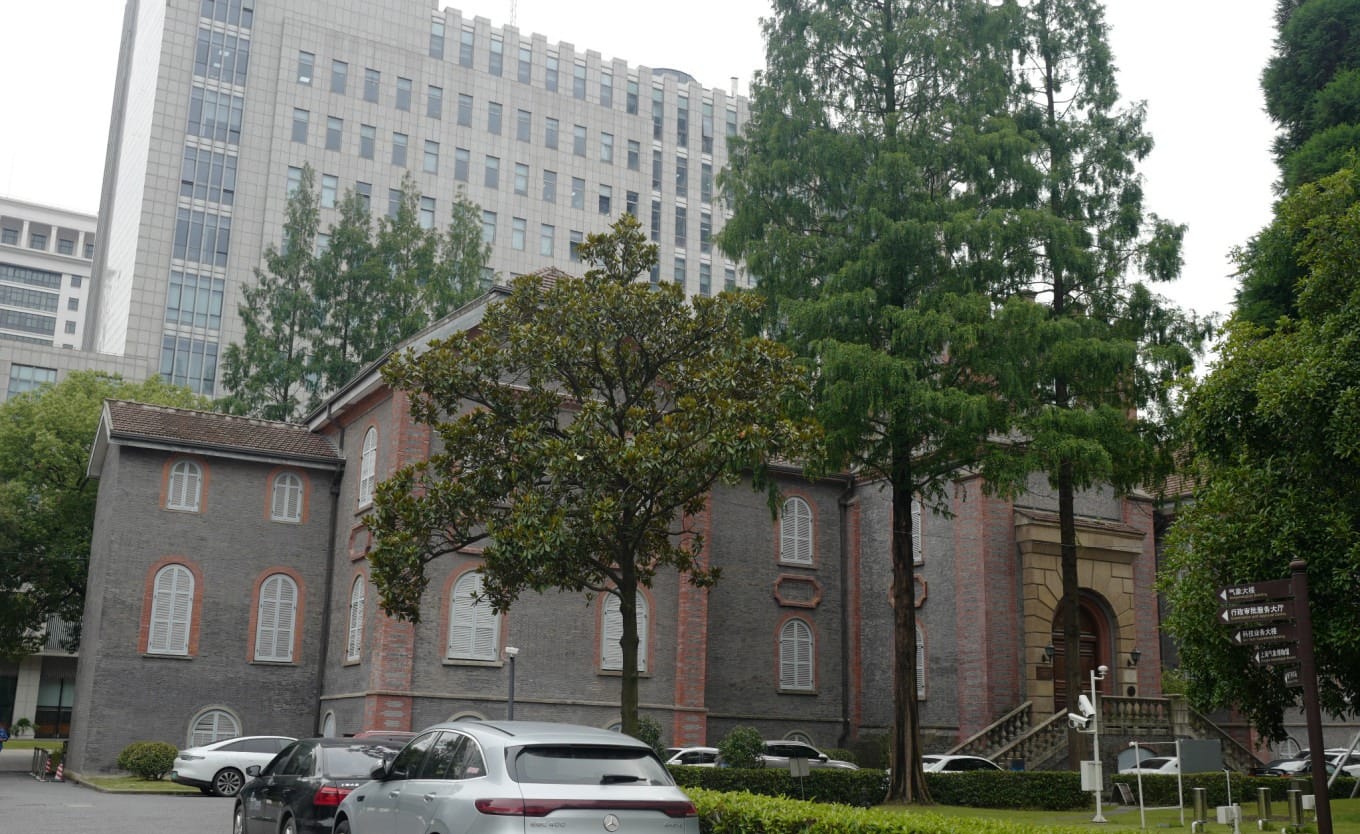
Around the corner, you’ll see the former Xujiahui Major Seminary (徐家汇大修道院旧址), a building that appears U-shaped from one angle and mountain-shaped from the front. Not far off, the distinctive Tibet Mansion (西藏大厦), with architecture reminiscent of the Potala Palace, adds another layer to the area’s eclectic mix.
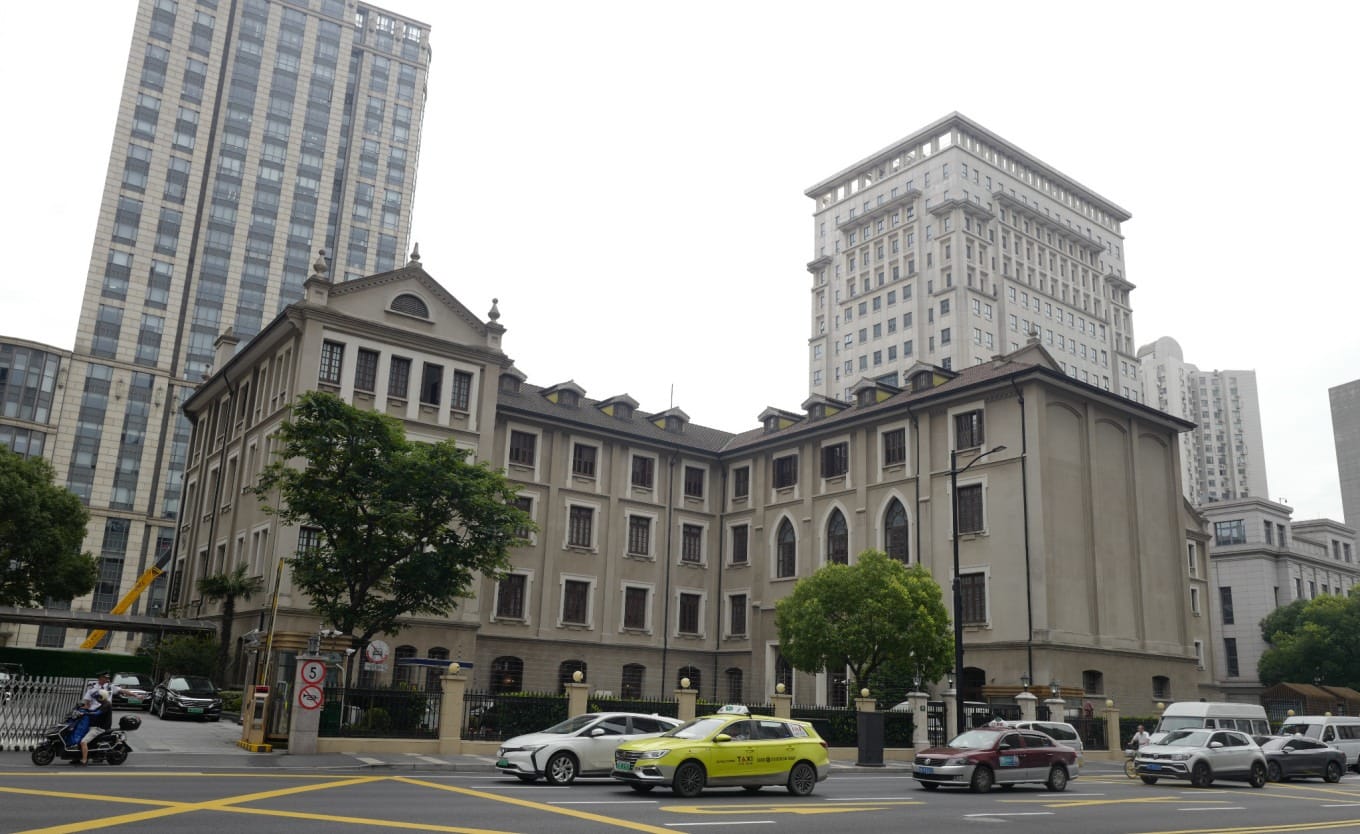
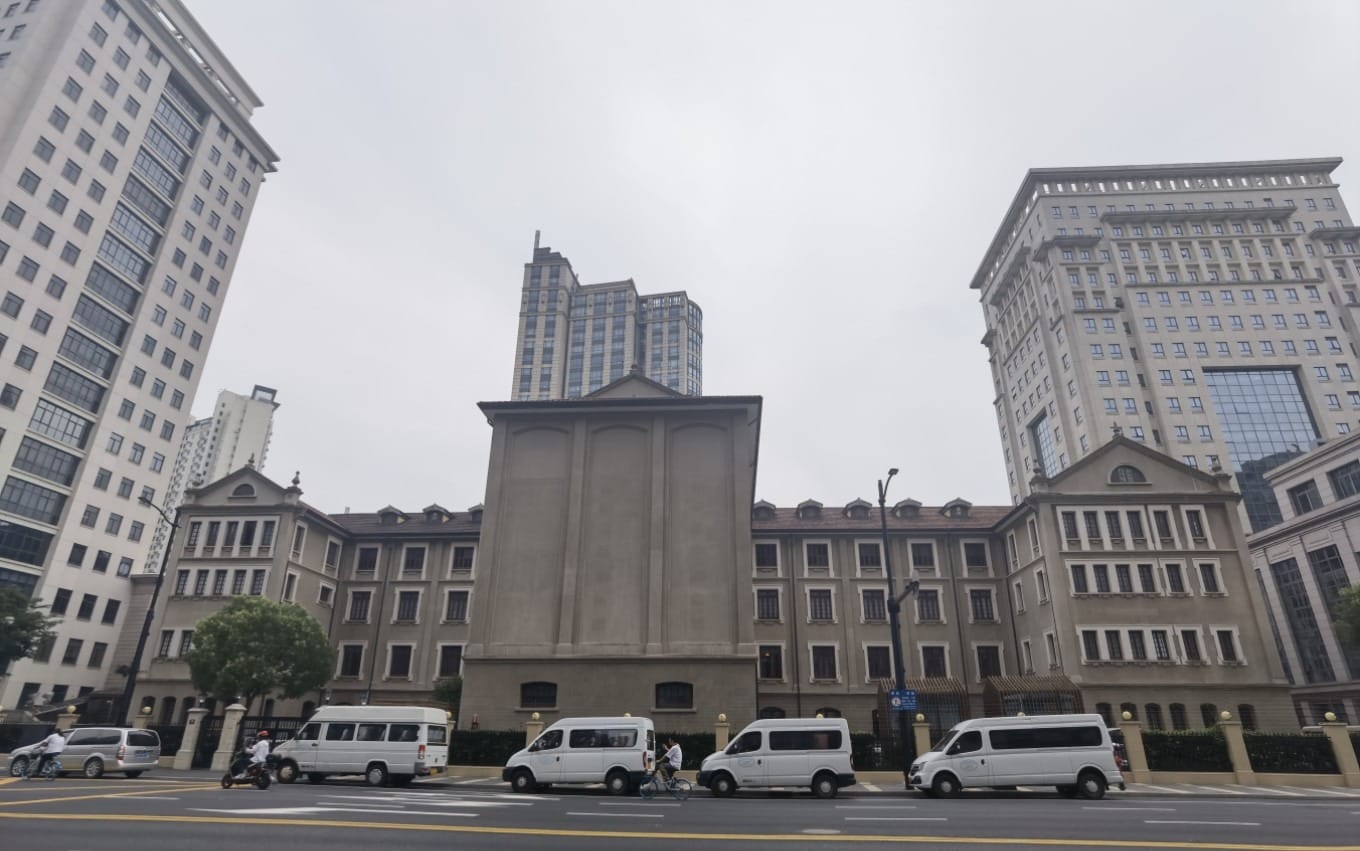
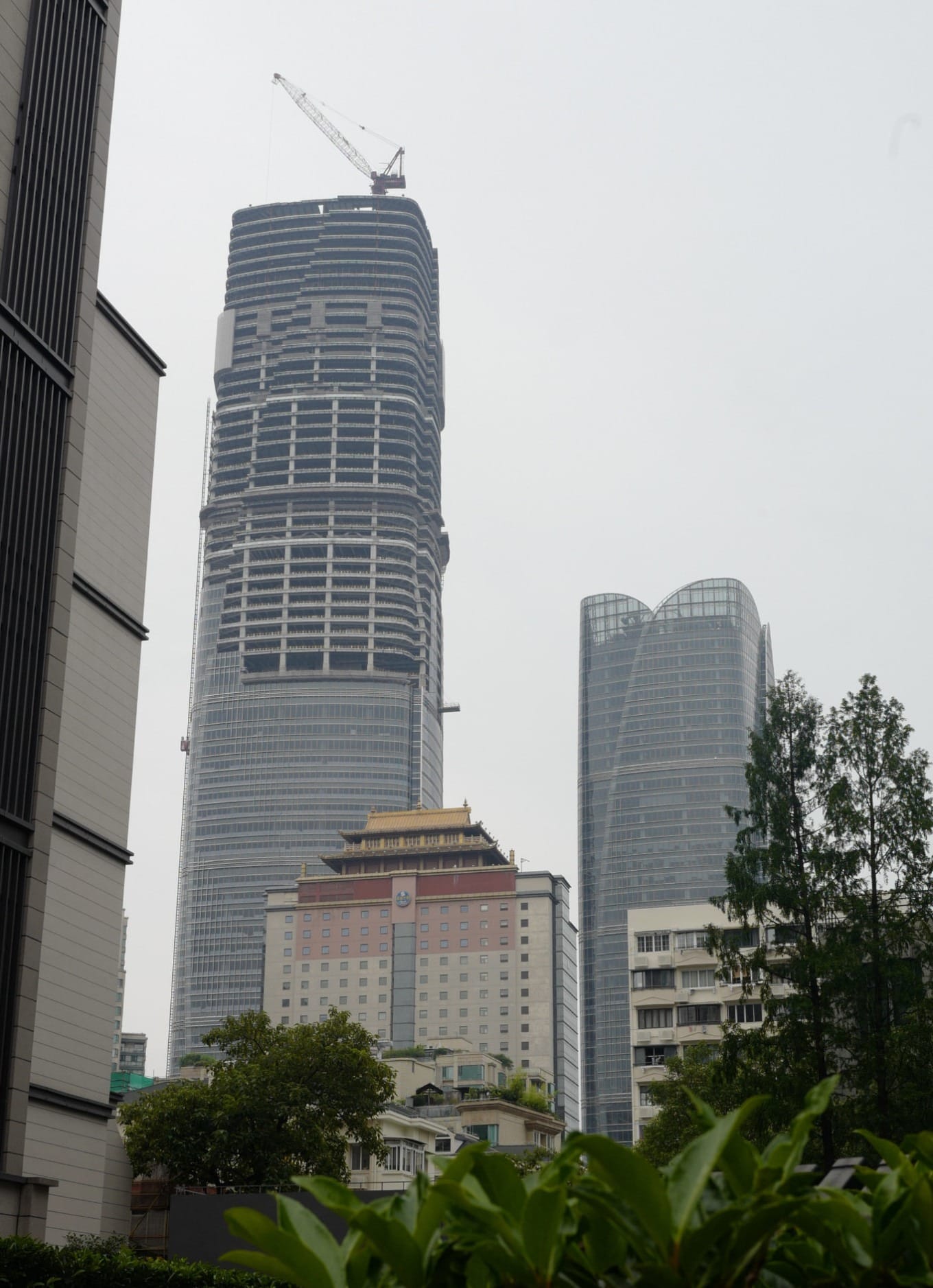
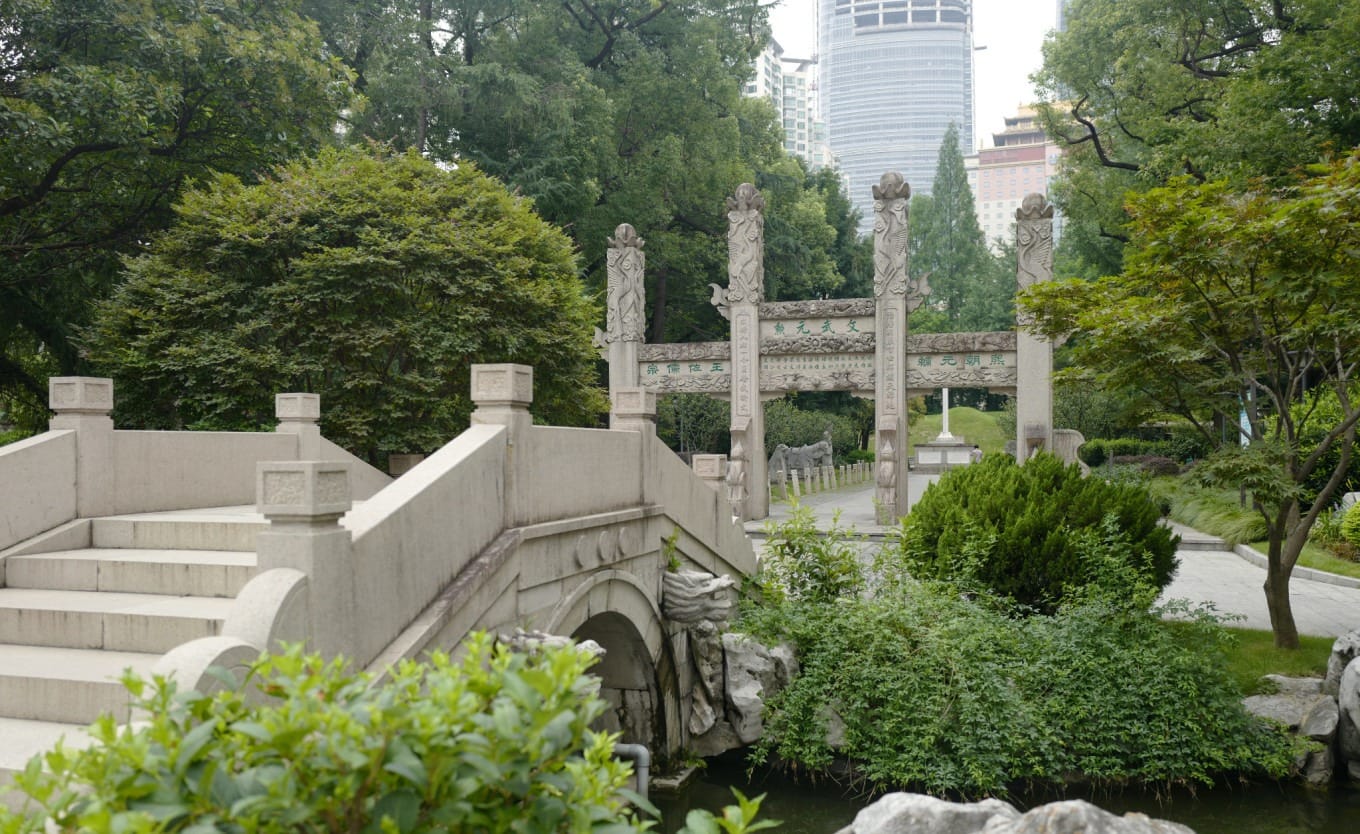
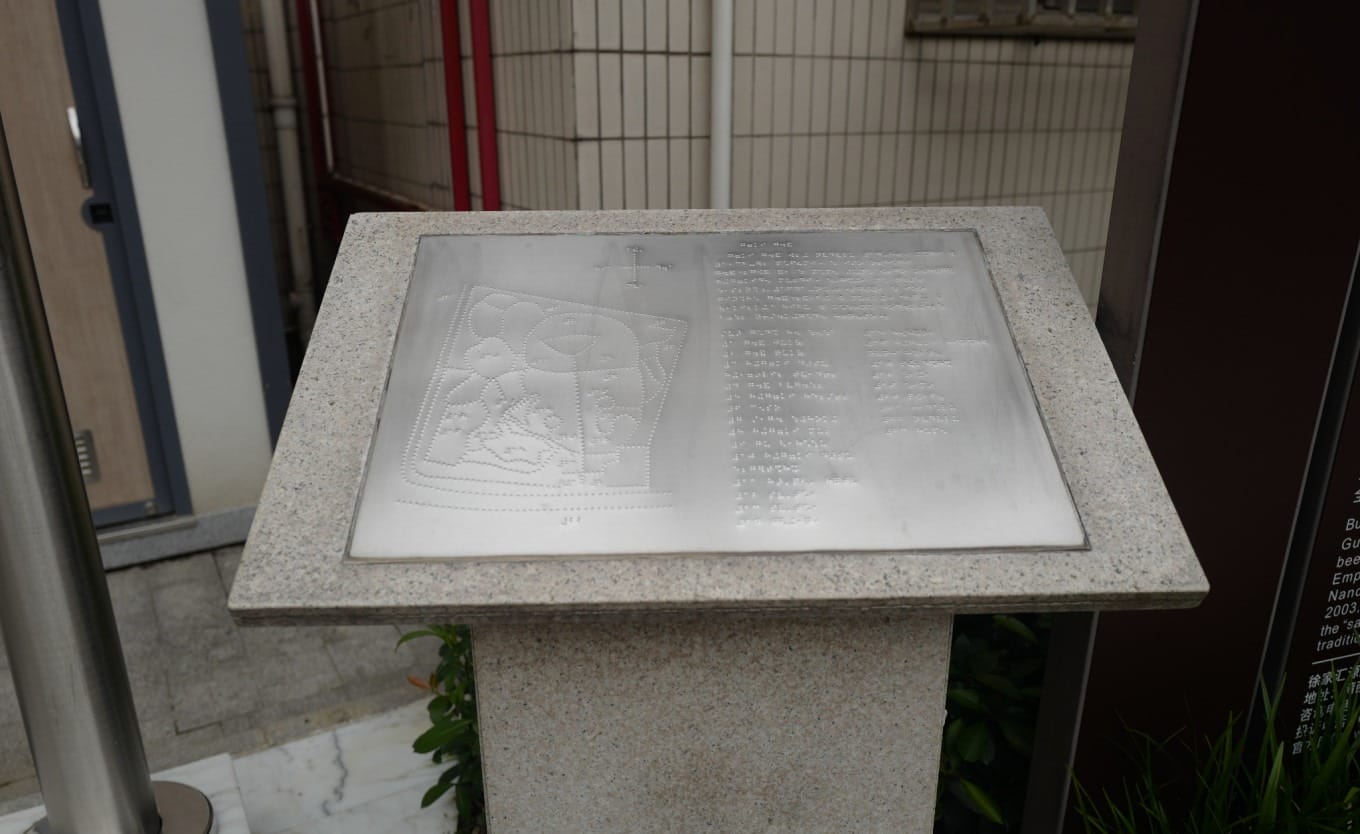
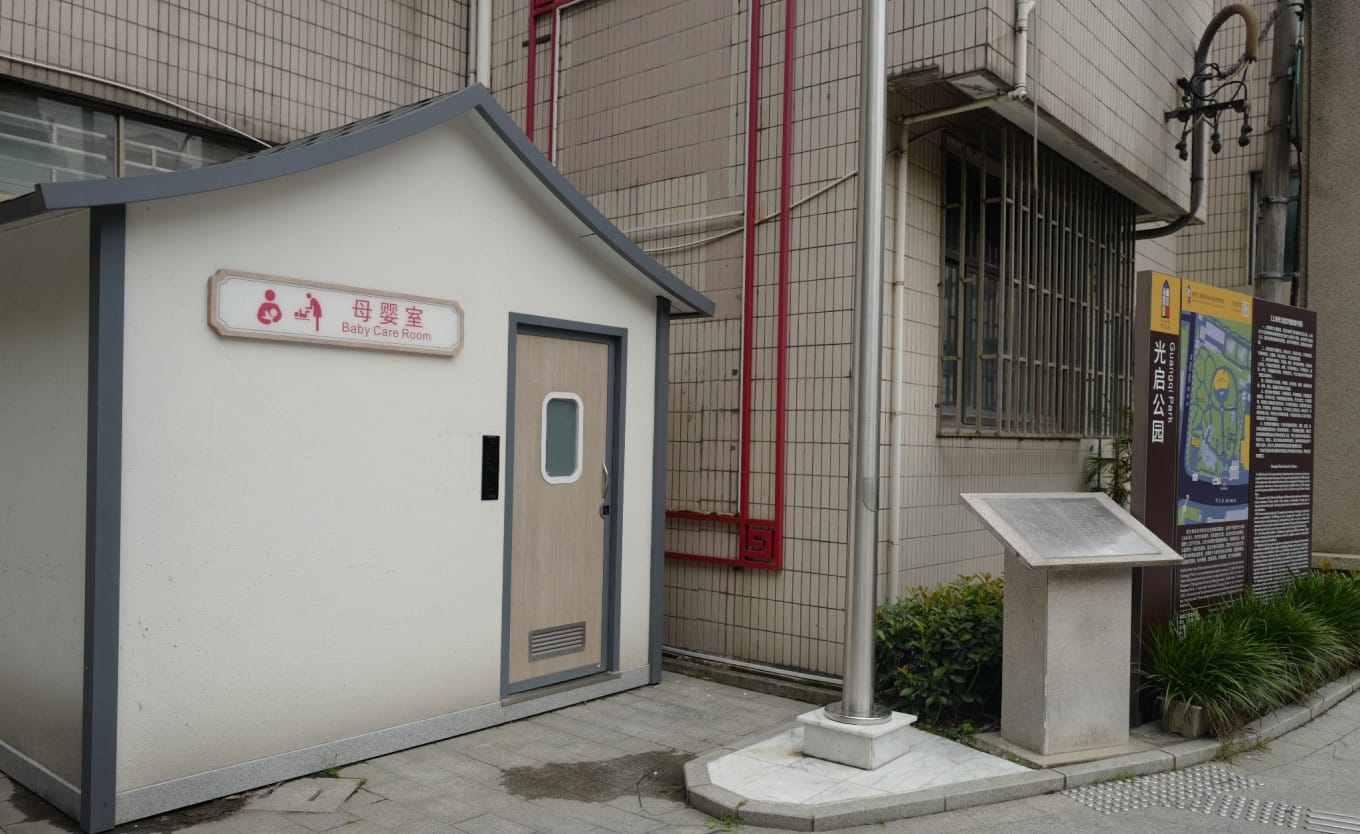
Your walk culminates at the open-access Guangqi Park (光启公园), dedicated to Xu Guangqi. Enter through a small bridge and a memorial archway (牌坊) inscribed with high praise for his achievements. The park is thoughtfully designed, featuring Braille information boards connected by tactile paving for visually impaired visitors, as well as a nursing room for families.
Here, you can connect textbook history with the physical space. Xu Guangqi was not just an agronomist but a high-ranking Ming official who made contributions to mathematics, military science, and cultural exchange, having studied with the Jesuit missionary Matteo Ricci. His tomb within the park is a rare fusion of traditions: a Chinese burial site marked by a Christian cross, reflecting his unique faith.
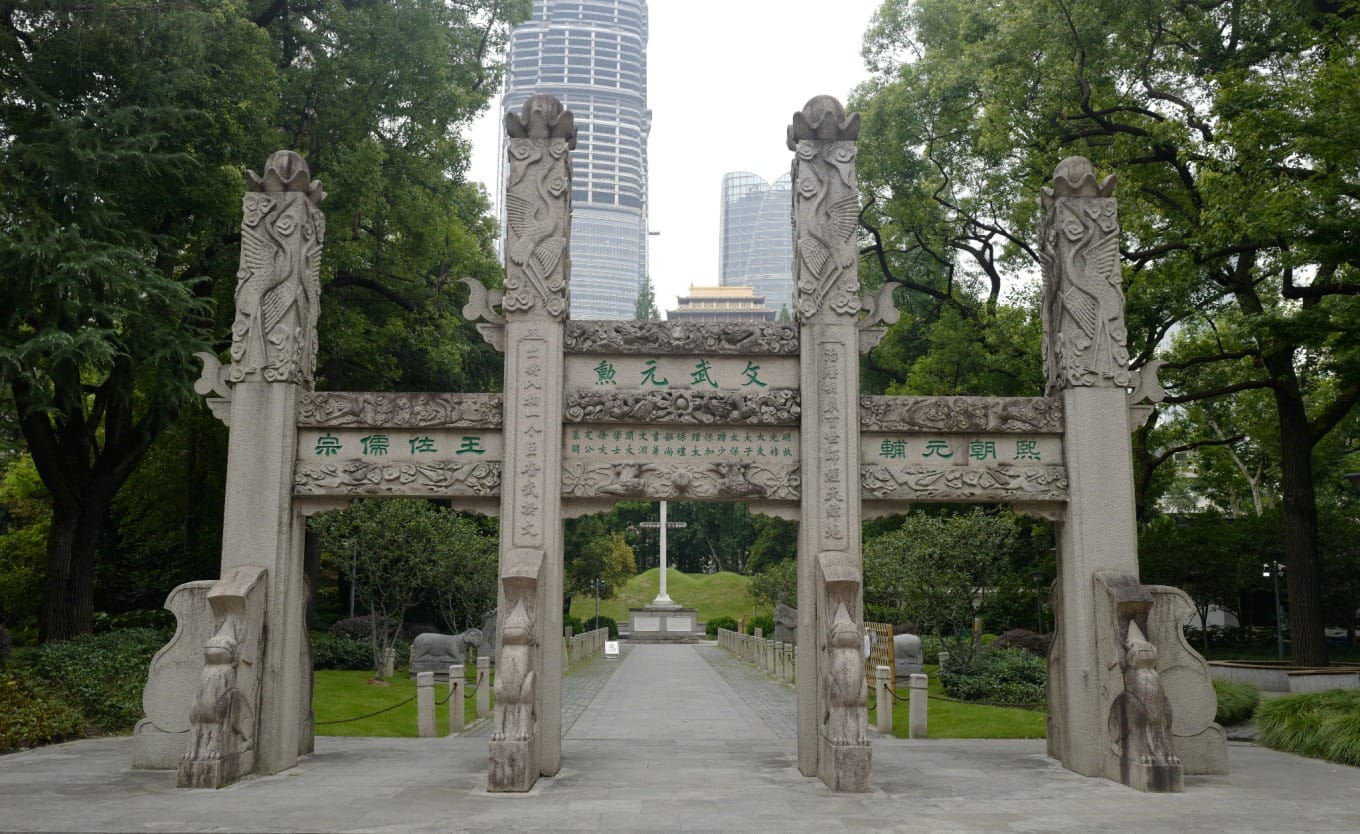
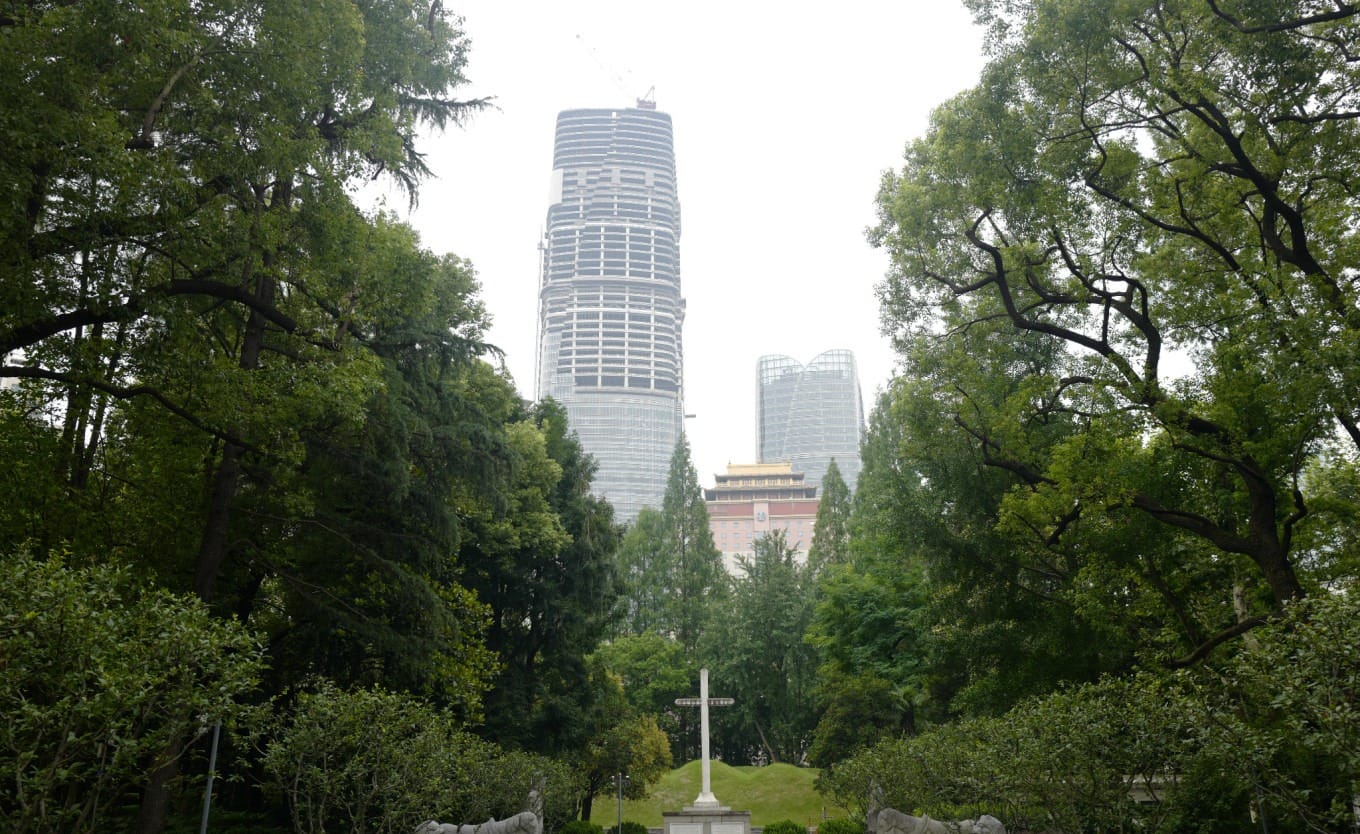
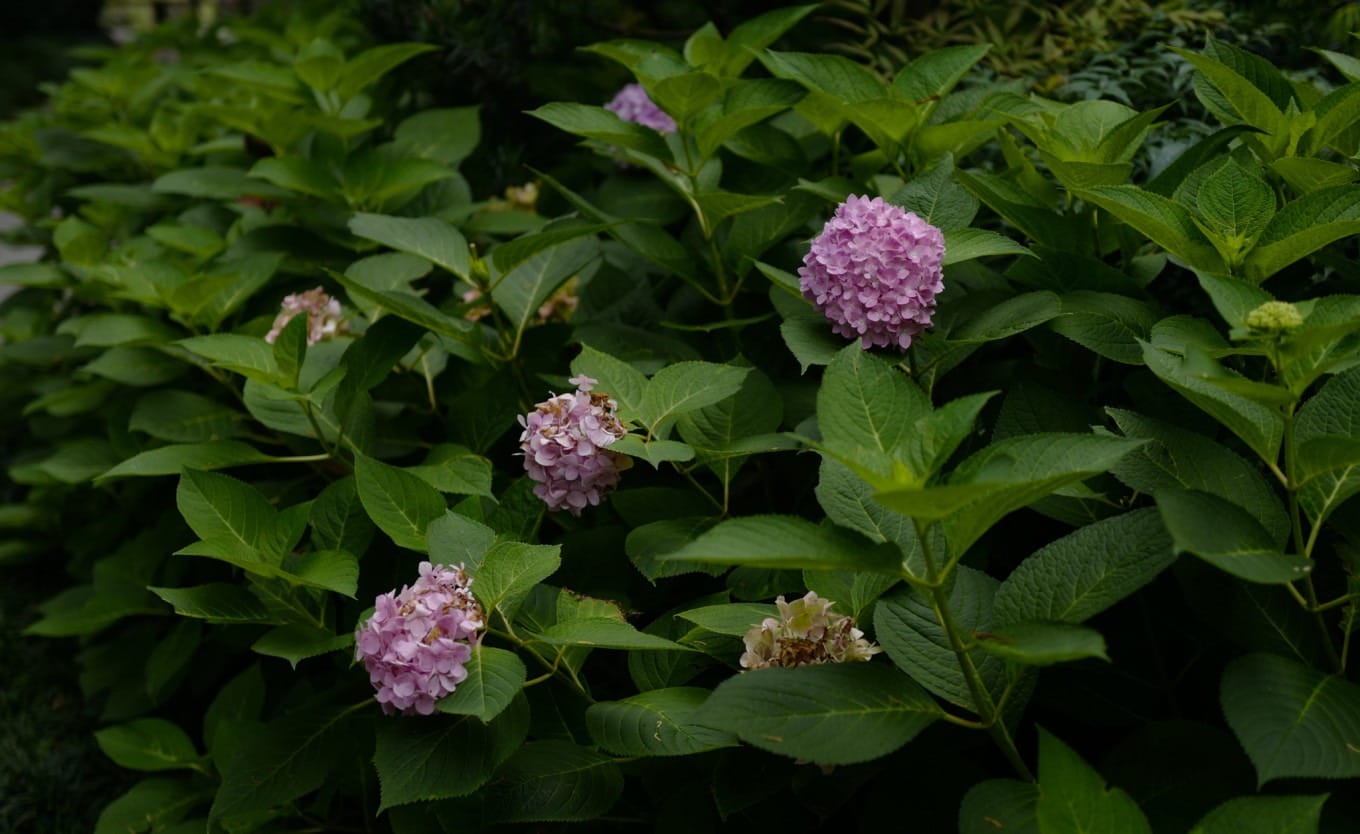
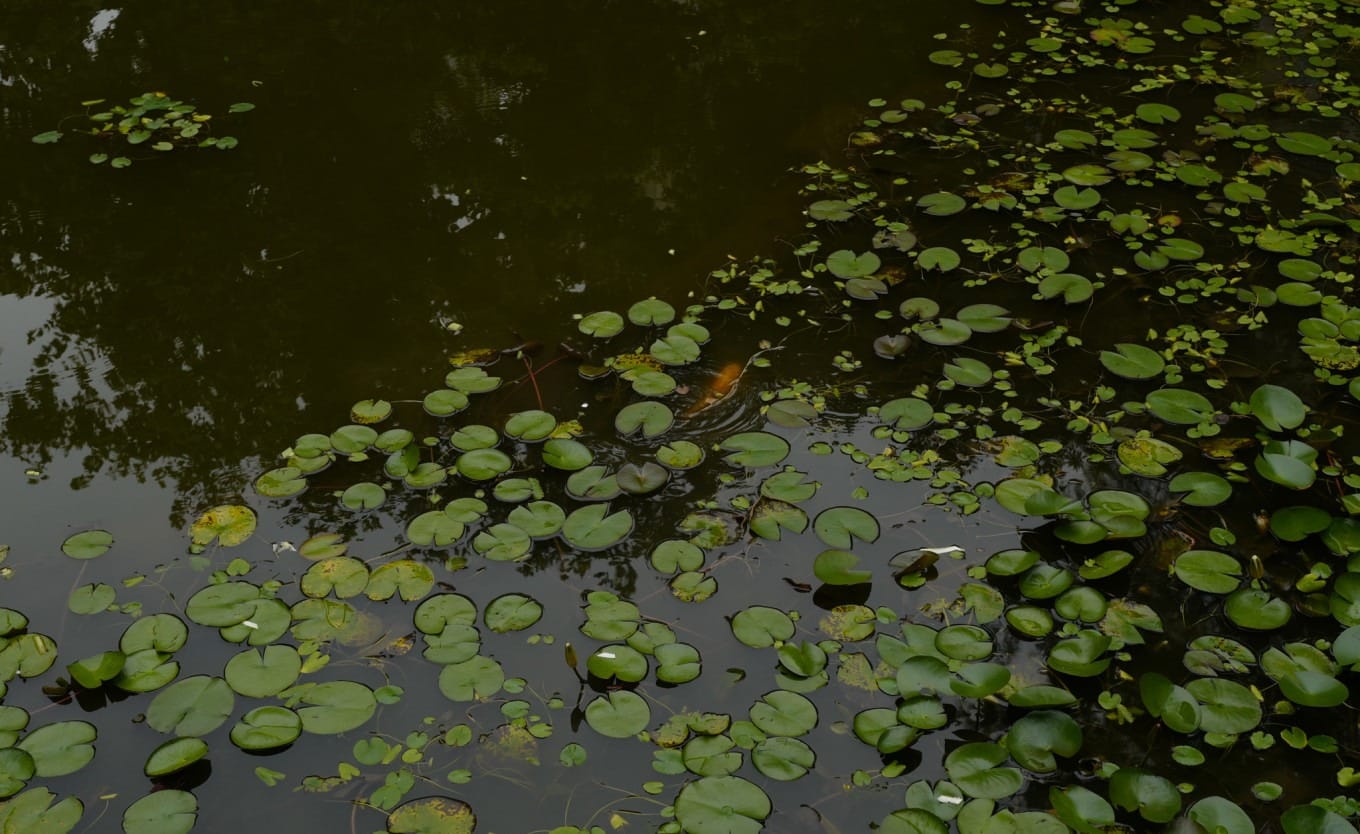
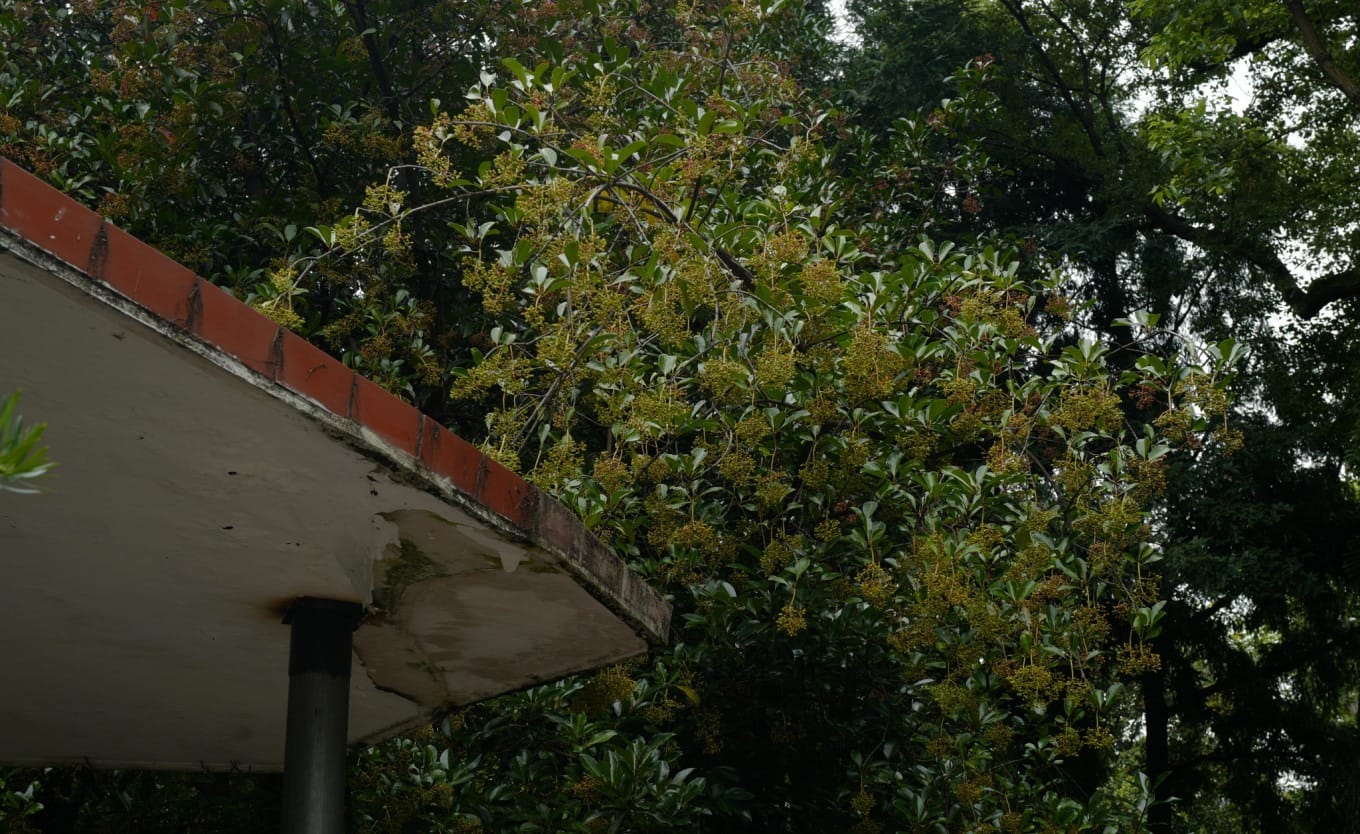
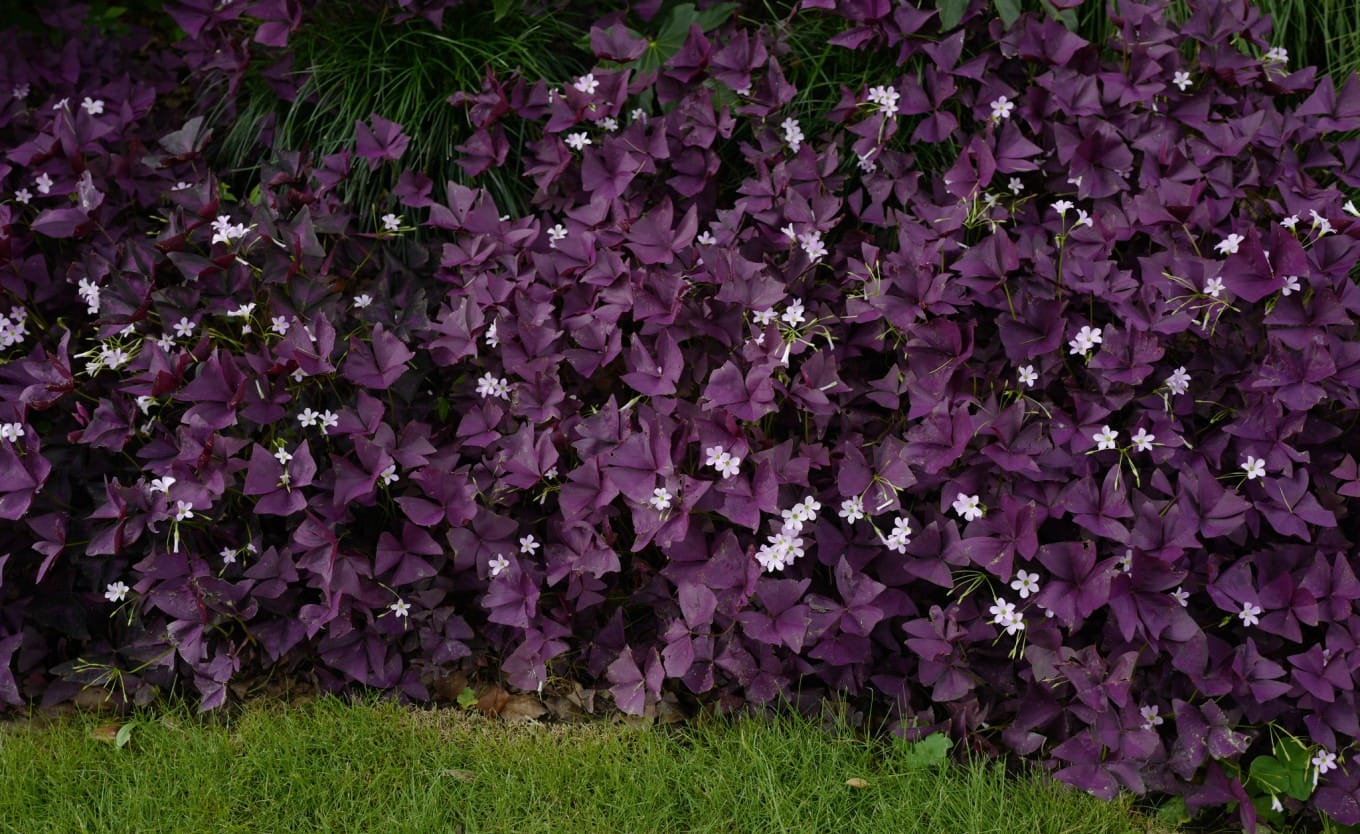
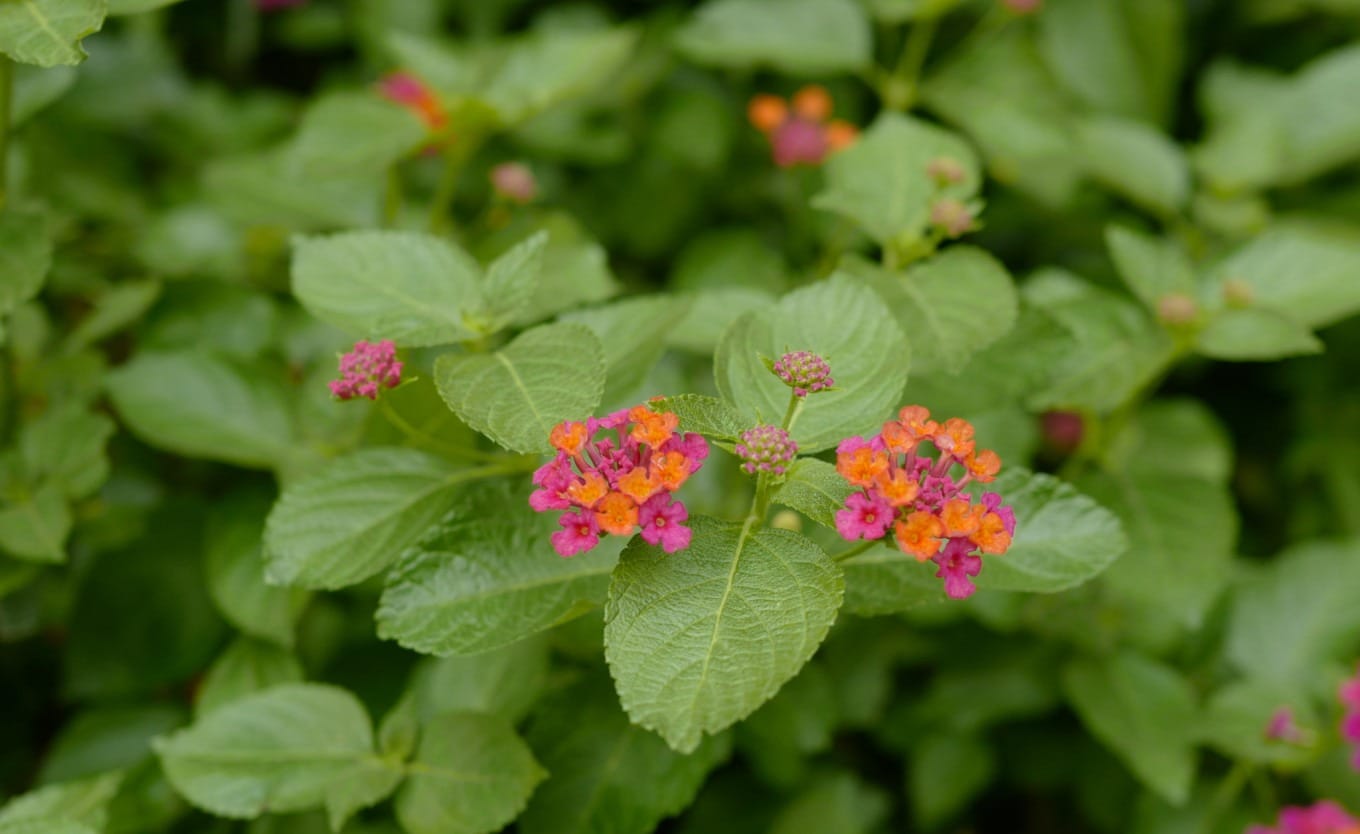
The park itself is a pleasant green oasis. Stroll through gardens featuring purple hydrangeas, watch koi fish glide among lotus leaves, and spot plants like coralberry bushes—symbolizing ‘happiness for tomorrow’—three-leaf purple oxalis, and the commonly seen lantana flowers.
A Walk Through Changshu, Changle, and Fumin Roads
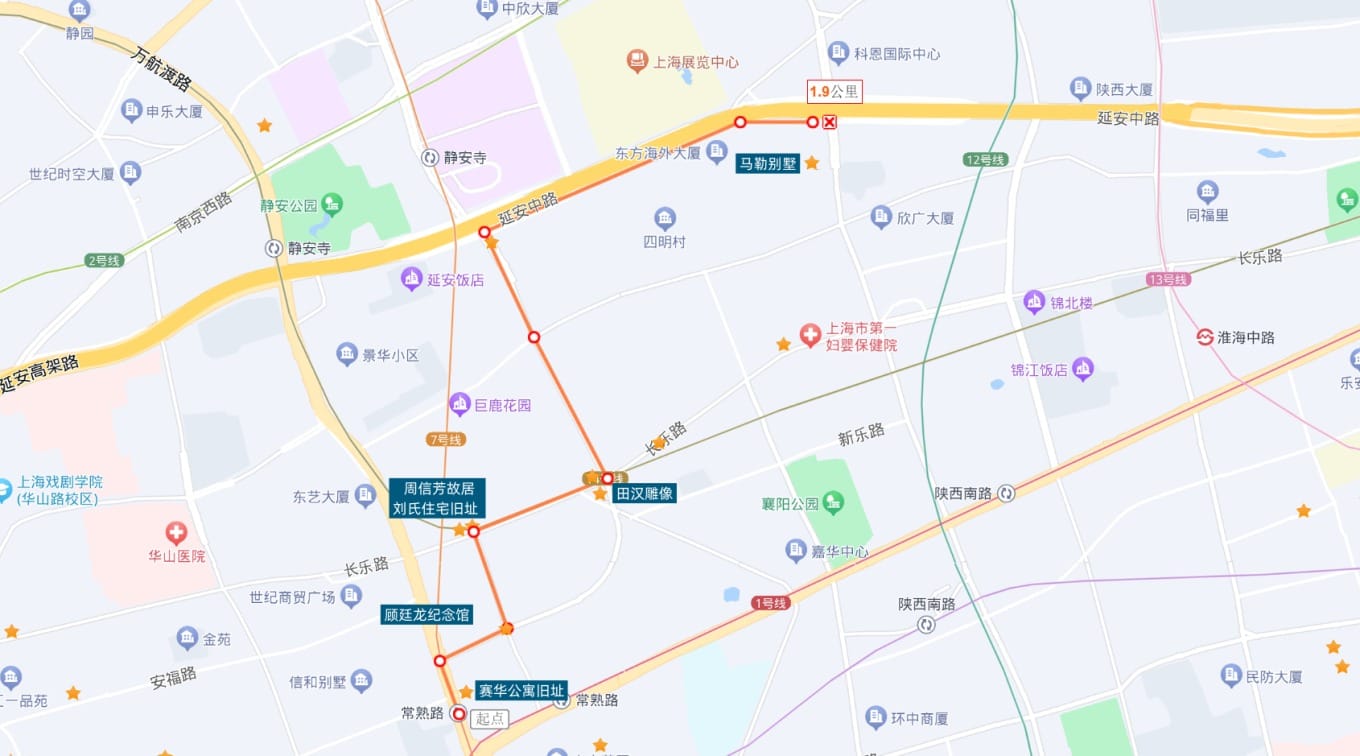
After exploring Xujiahui, you can take the metro to Changshu Road (常熟路) to begin a delightful walking and cycling tour. A suggested route is to start on foot along Changshu Road, then pick up a shared bicycle as you turn onto Fumin Road (富民路). This area offers a quieter, more local alternative to the famous Wukang Road, showcasing Shanghai’s historic architecture and leafy streets.
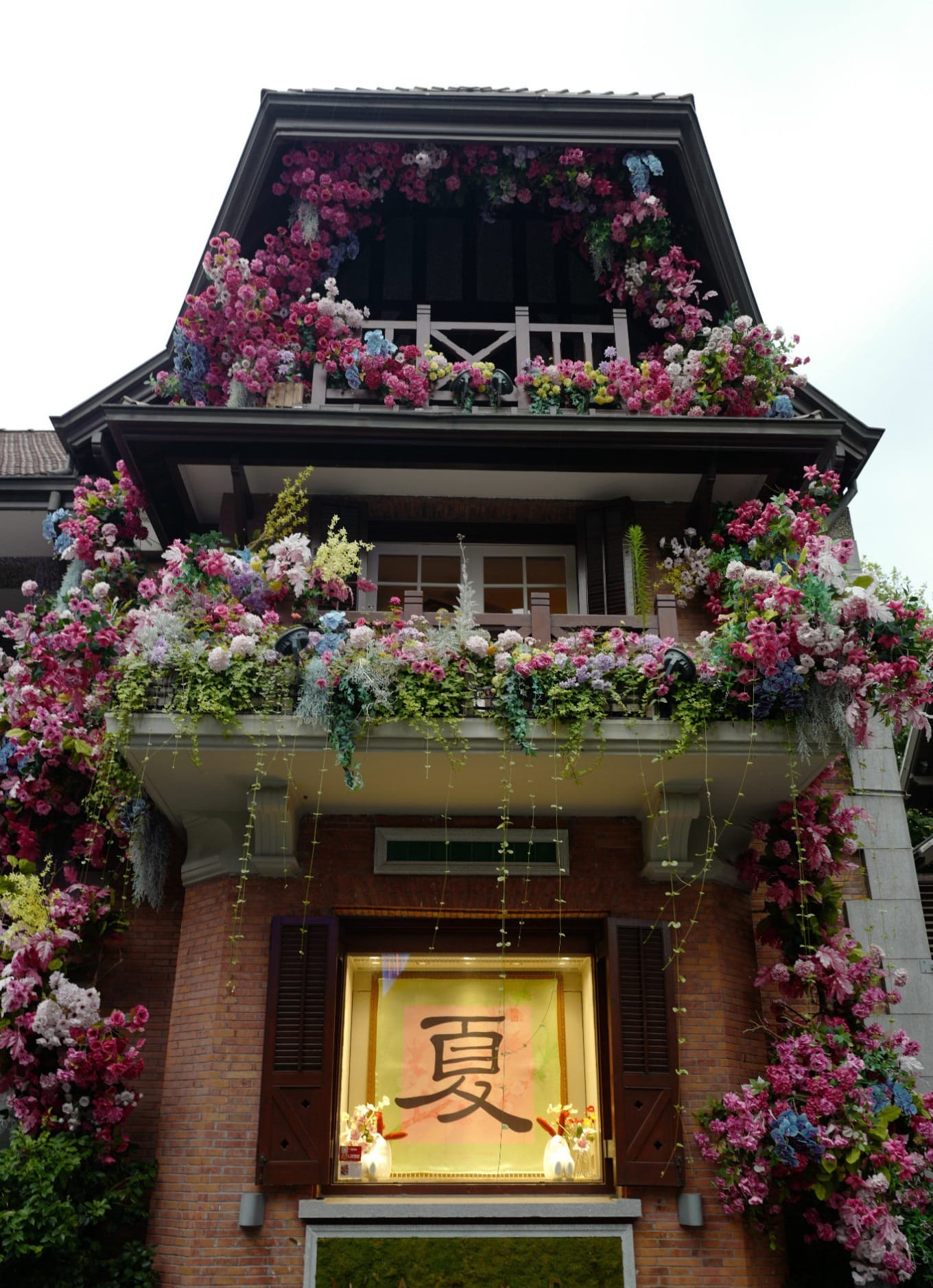
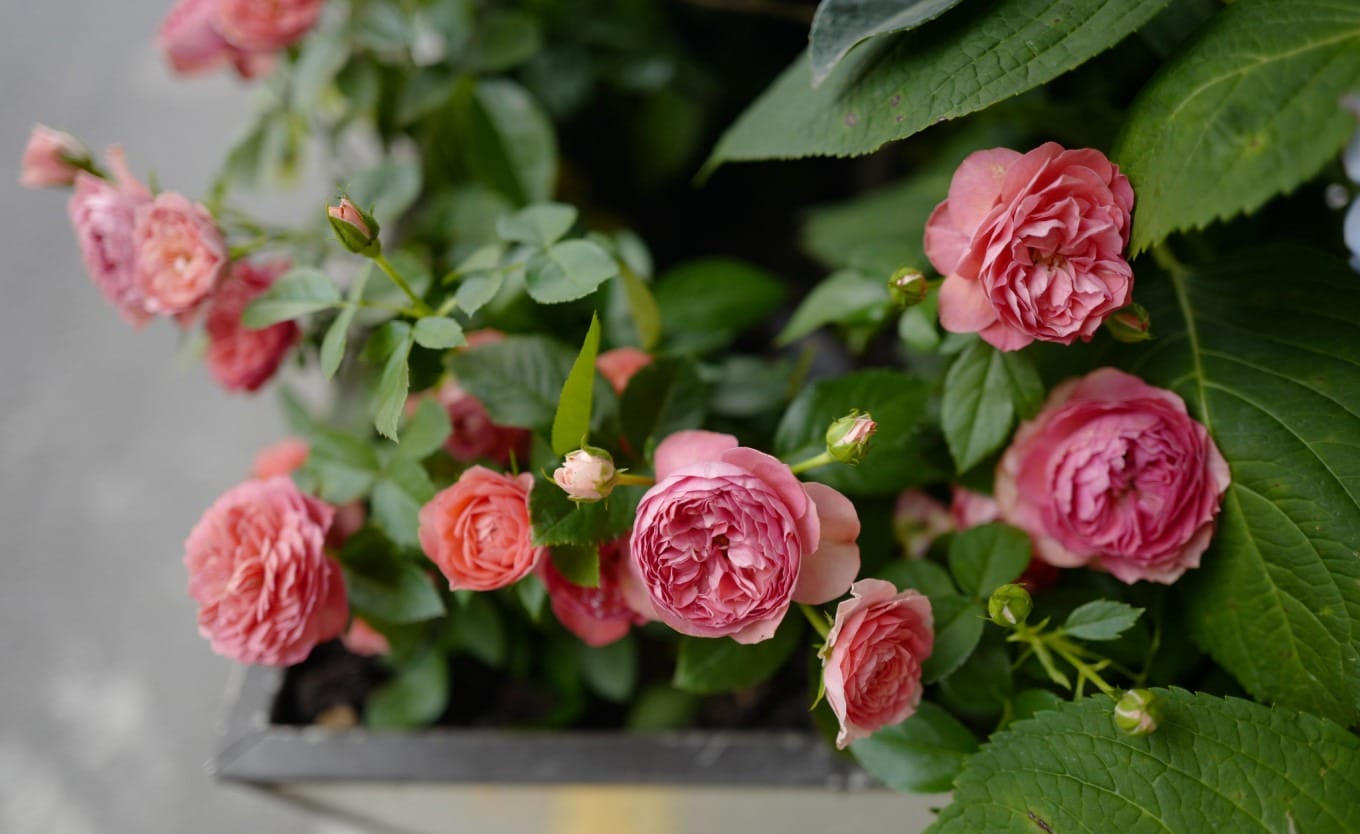
Exiting the metro, you’re greeted by neatly trained climbing roses. While Wukang Road gets most of the attention, streets like these offer a more serene walking experience.
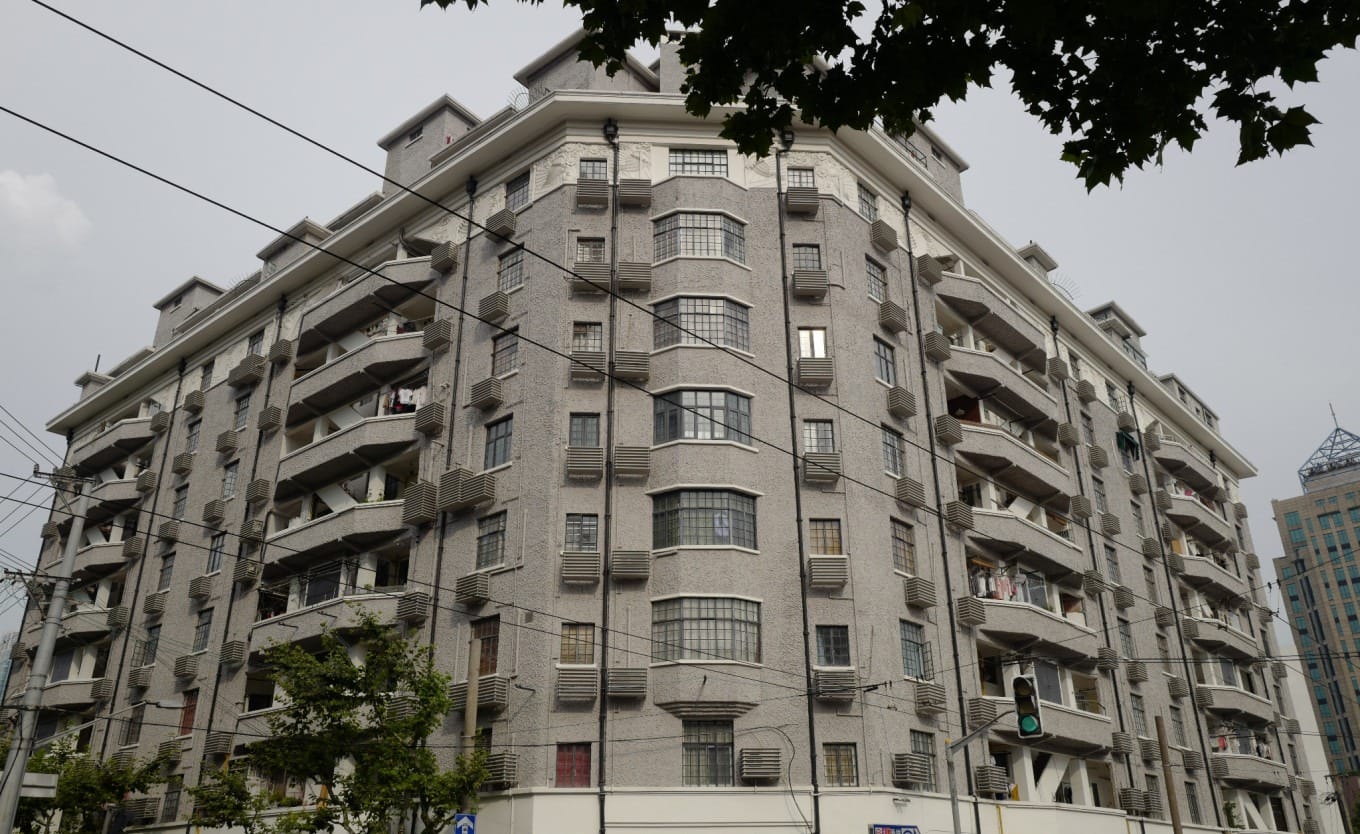
Look for the former Saihua Apartments (赛华公寓旧址) at 209 Changshu Road (上海市徐汇区常熟路209号). This gray, minimalist corner building is just as architecturally striking as its more famous counterpart on Wukang Road.
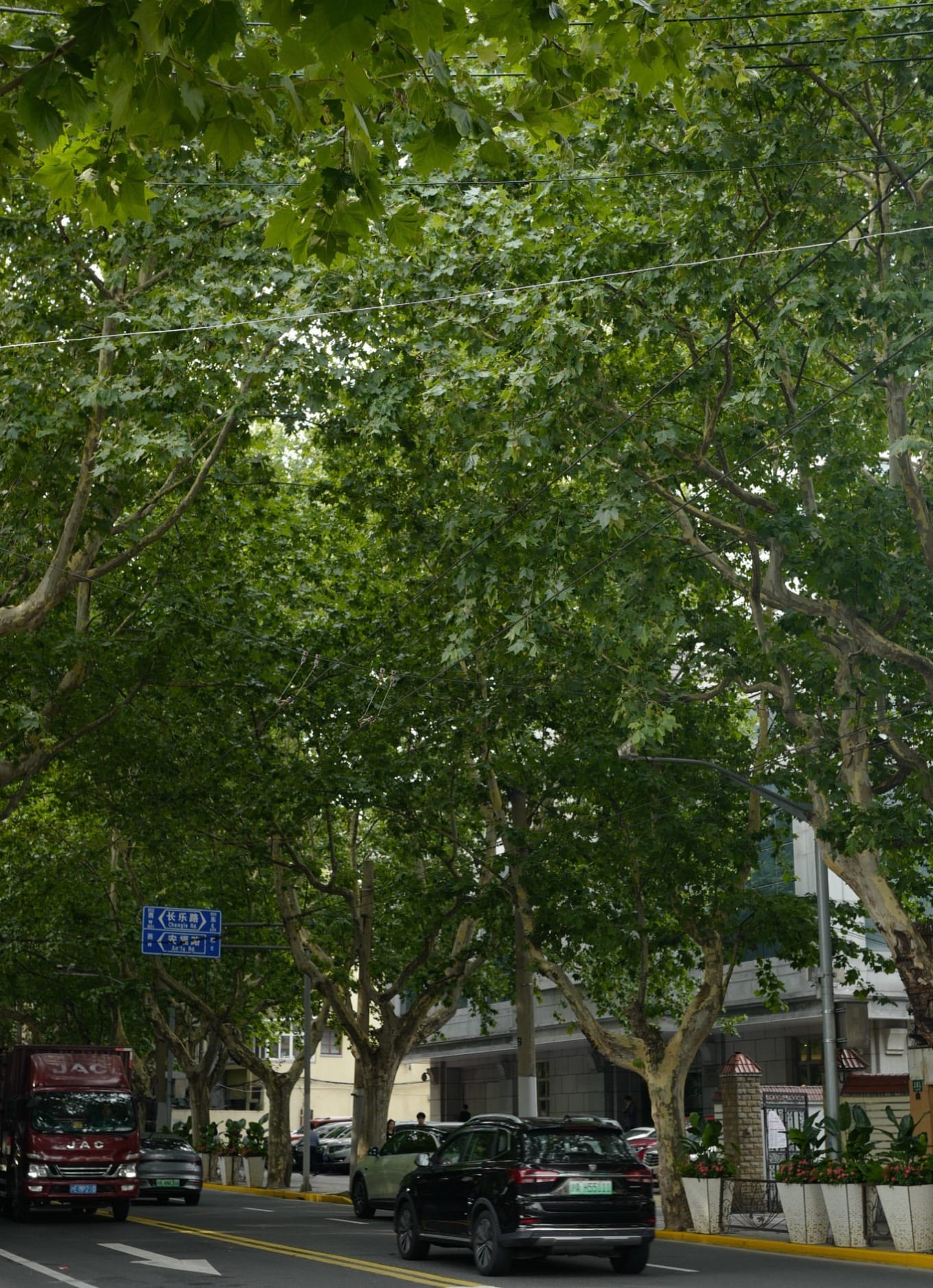
The tree canopy here is created by London plane trees, locally known as ‘French Parasol Trees’ (法国梧桐). Despite the romantic name, they are not native to France but were introduced to Shanghai’s former French Concession. Their broad leaves resemble those of the Chinese parasol tree, hence the name.
Turn onto Yanqing Road (延庆路), a charming, curved street that follows the path of a filled-in creek. It was named after Beijing’s Yanqing District during the Wang Jingwei regime. Notice the well-preserved Western-style houses at numbers 155 and 157.
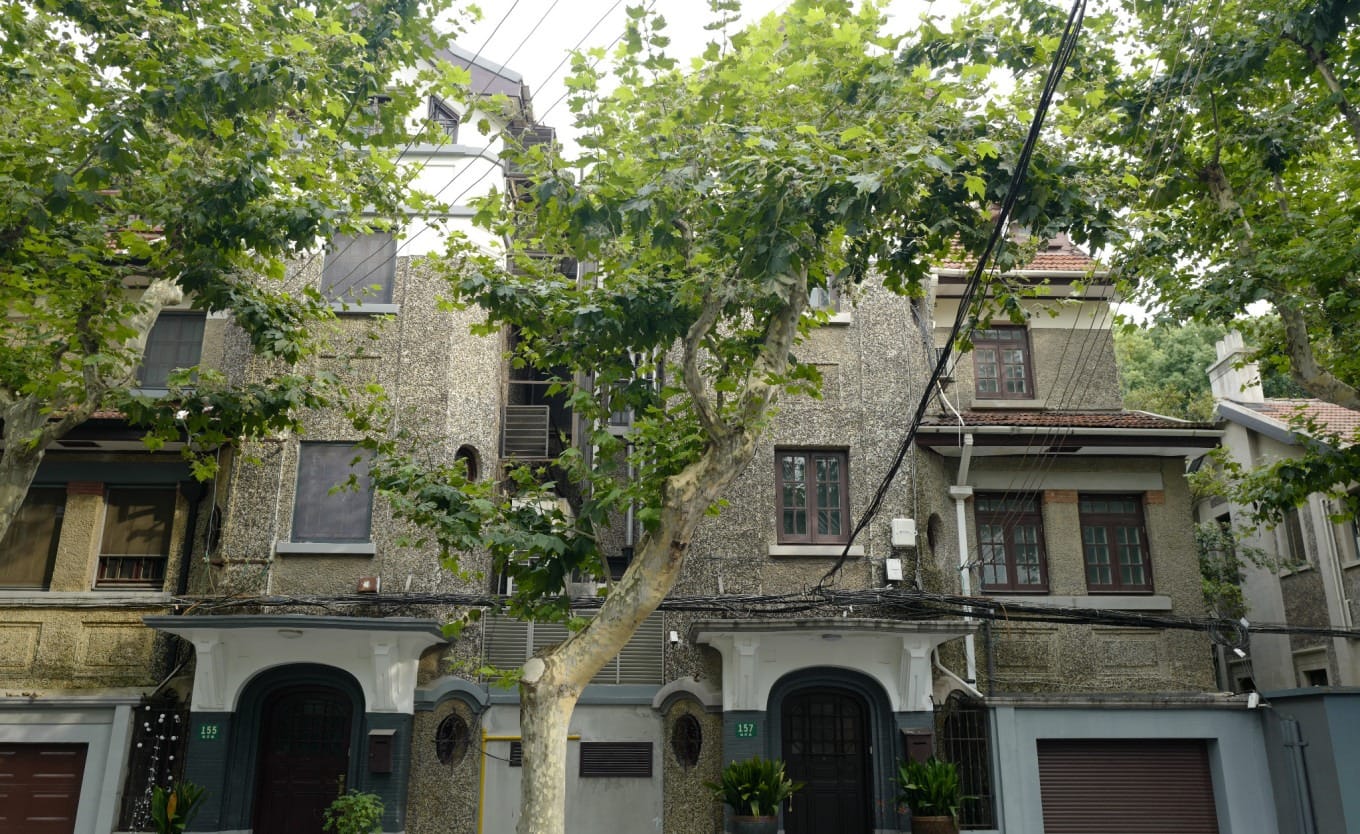
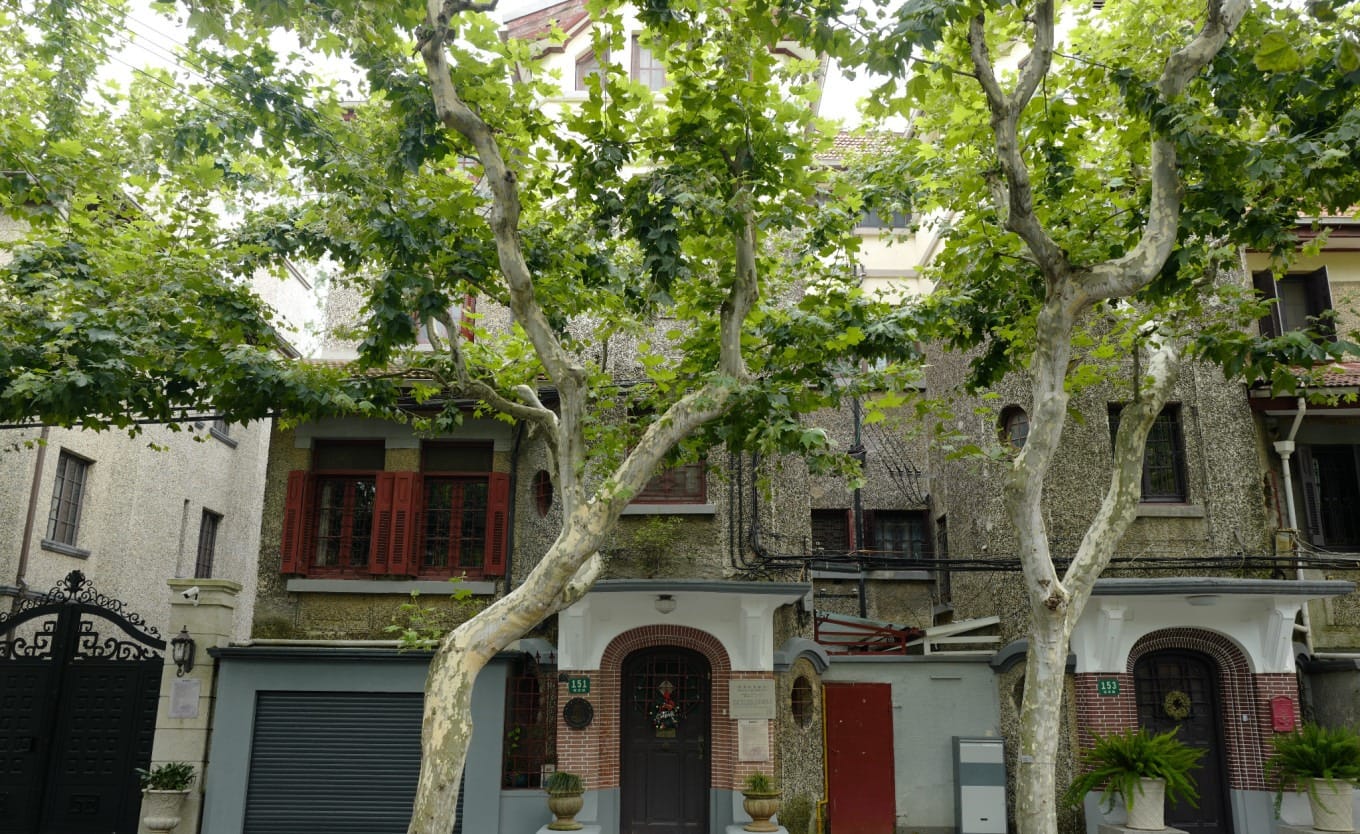
Numbers 153, 155, and 157 form a connected row of brick-and-wood townhouses built in 1934, now divided into multiple residences. The street is also home to quiet, elegant boutiques that blend seamlessly with the historic environment. A practical tip: consider bringing insect repellent during warmer months, as mosquitoes can be active in these shaded, green areas.
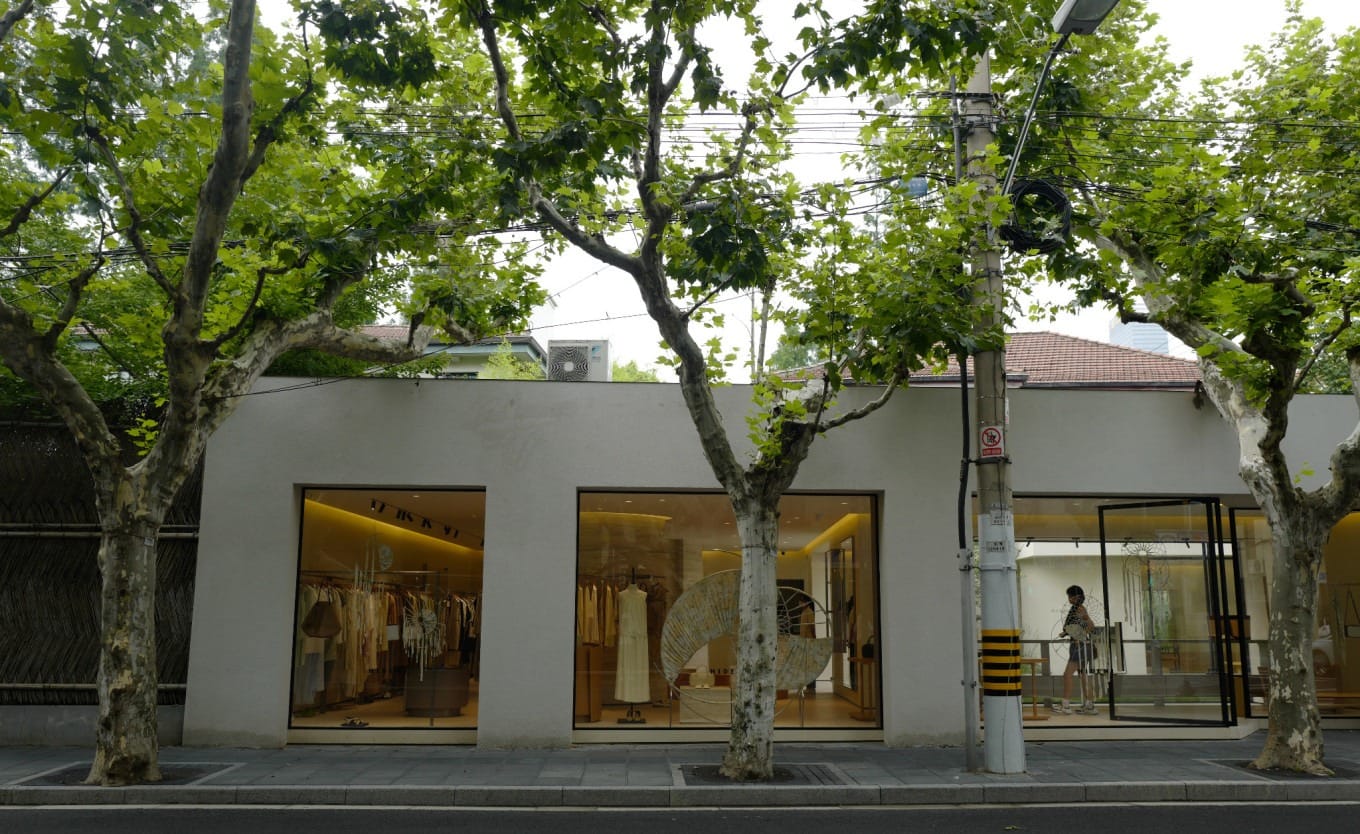
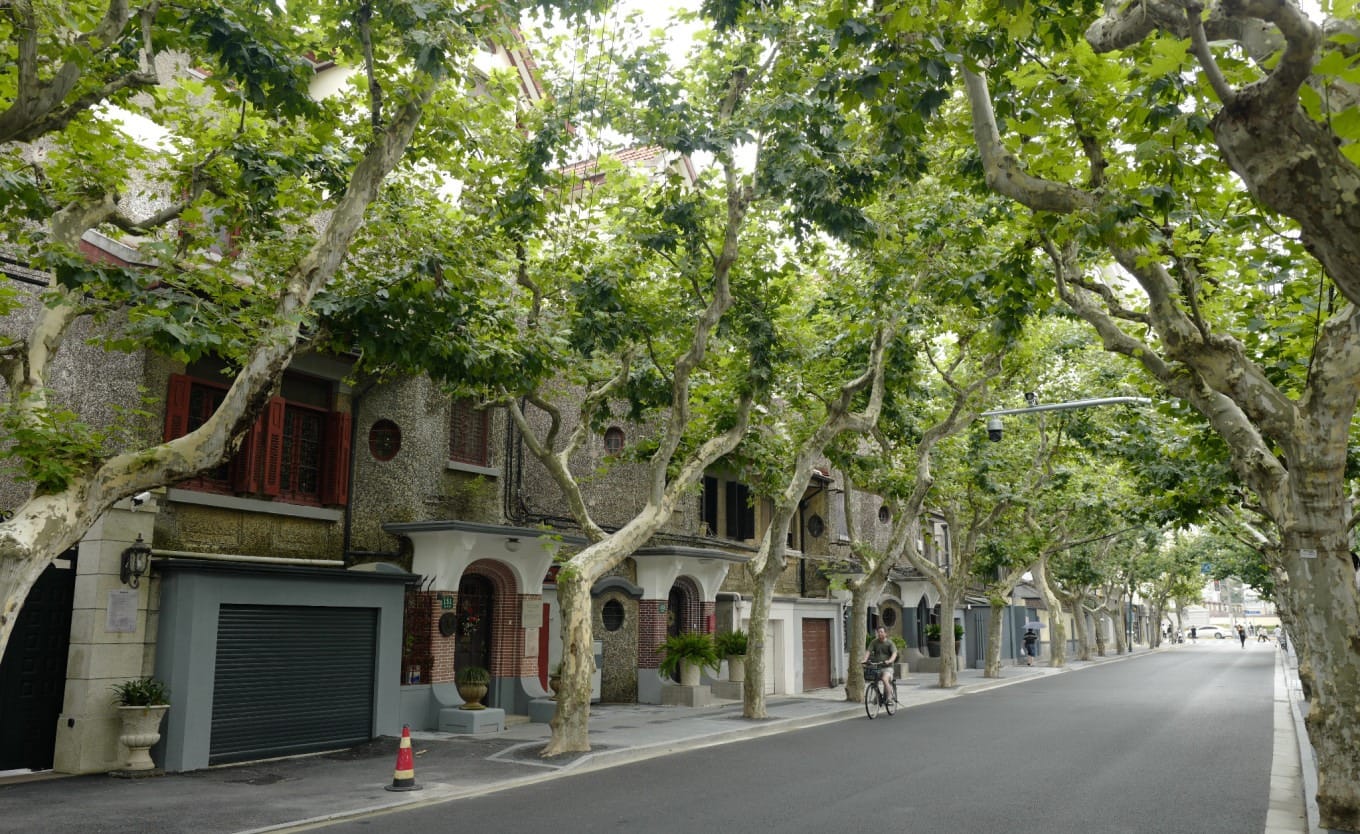
The clean, shaded, and tranquil atmosphere of Yanqing Road embodies the classic Shanghai streetscape many travelers imagine.
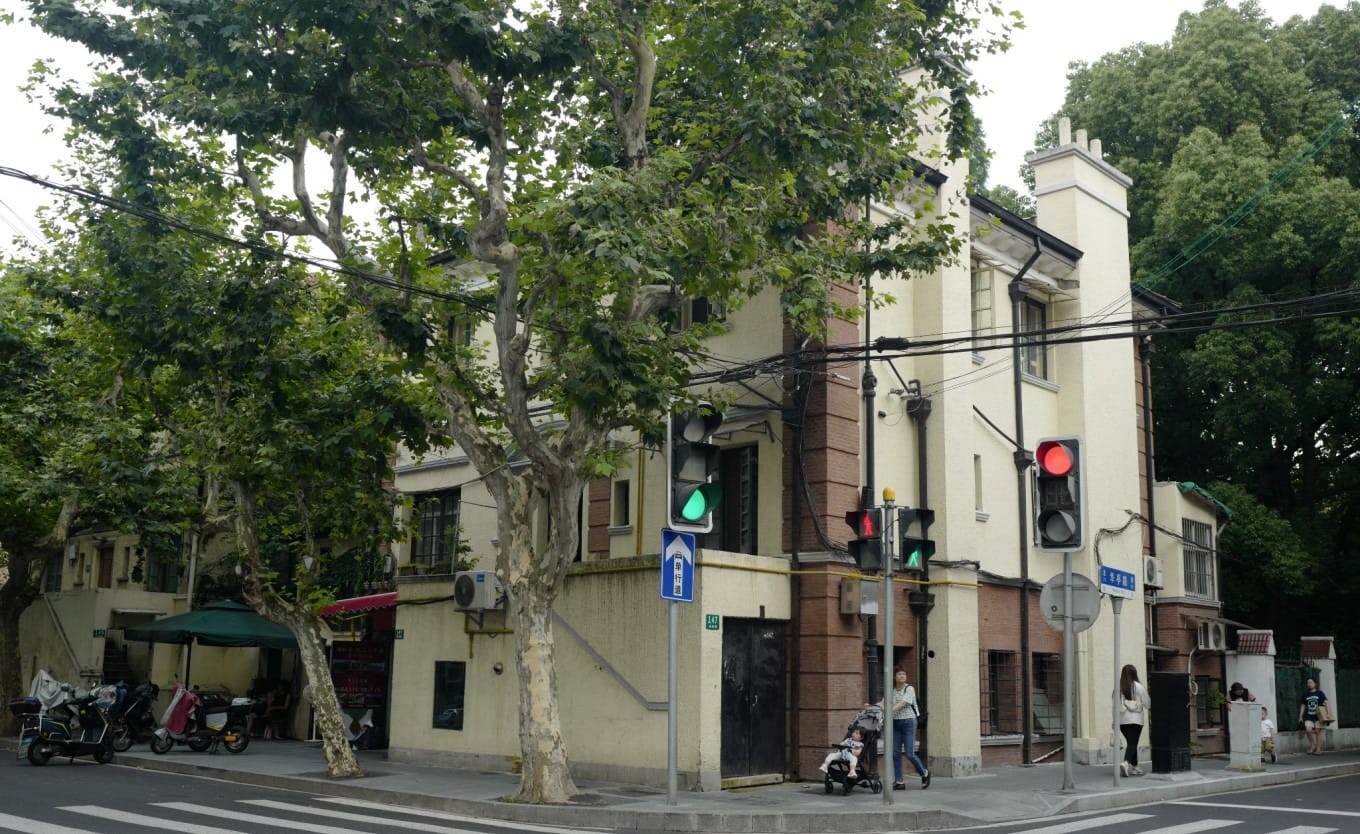
From Yanqing Road, turn onto Changle Road (长乐路), a major east-west artery in the former French Concession that opened in 1914. It’s associated with many notable modern figures.
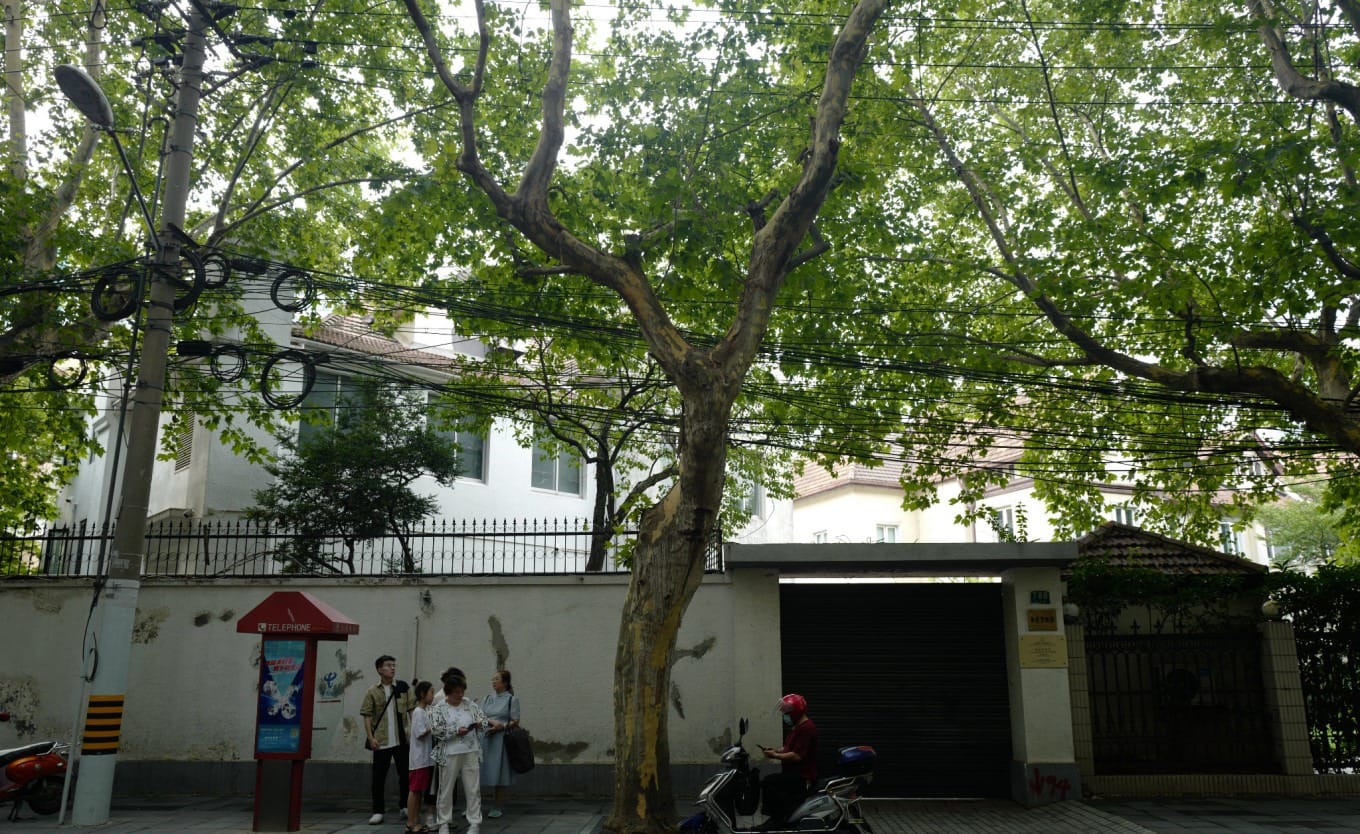
Look for 788 Changle Road, the former residence of Peking Opera master and Qi-style founder Zhou Xinfang (周信芳故居). Nearby at 784 Changle Road is the former Liu Family Residence (刘氏住宅旧址); a plaque notes its 1930s-era English-style garden, though it’s not visible from the street.
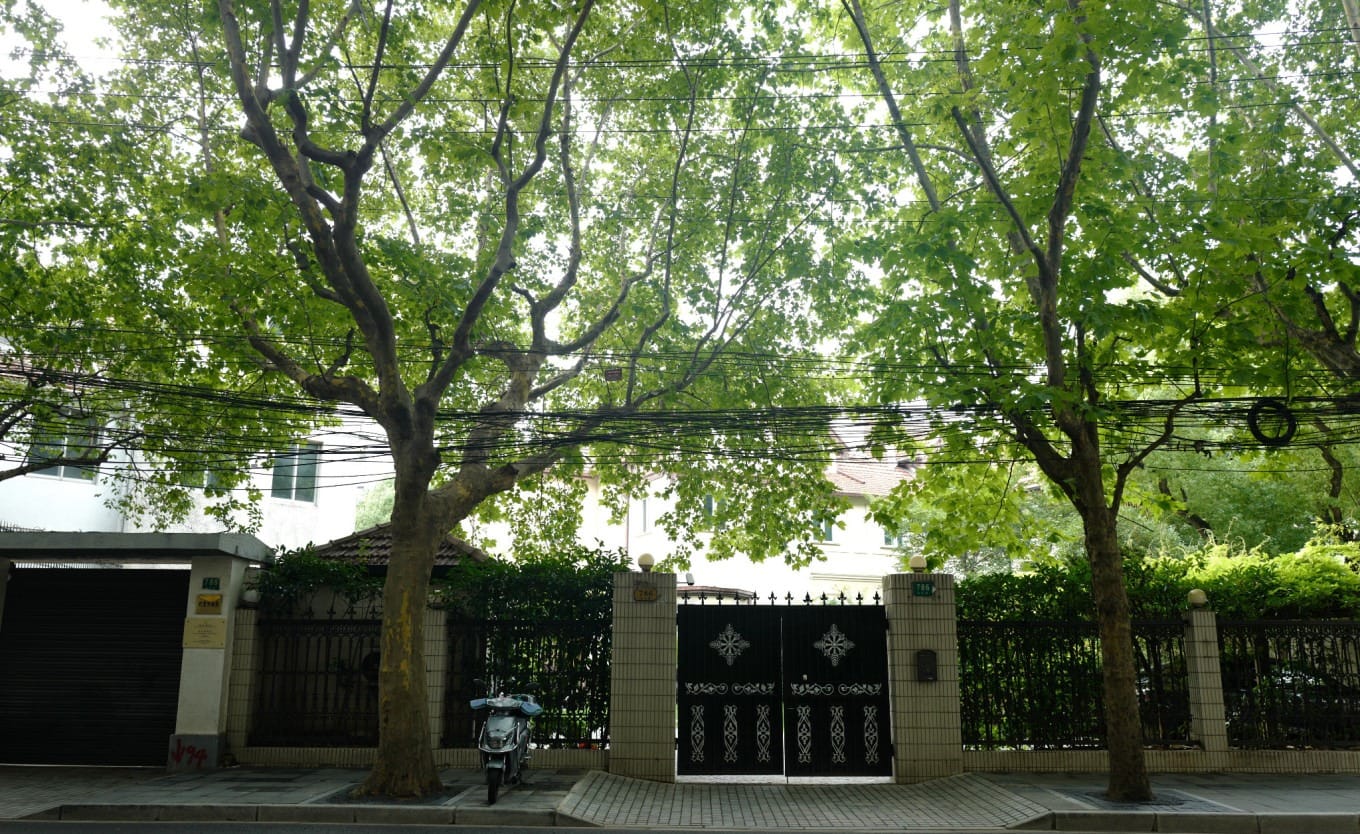
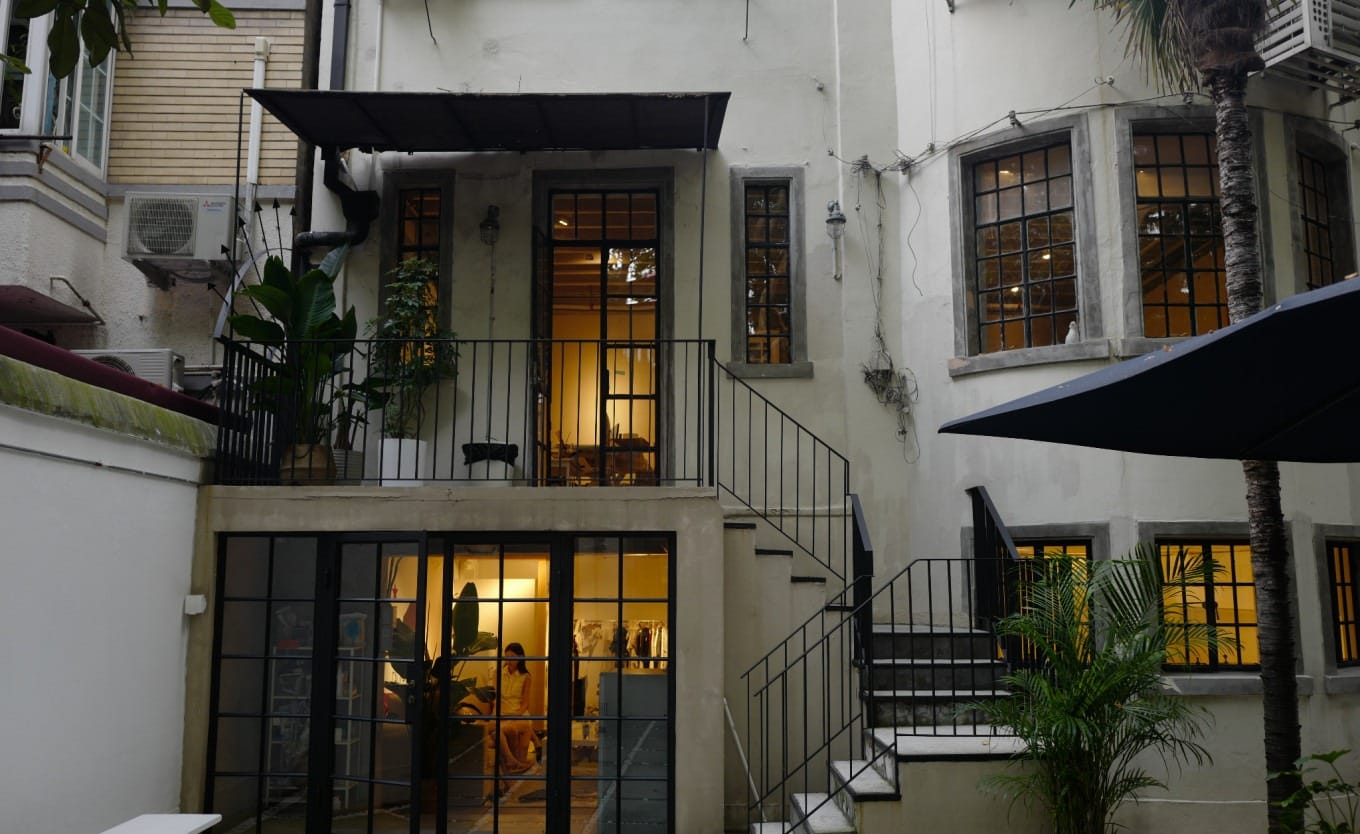
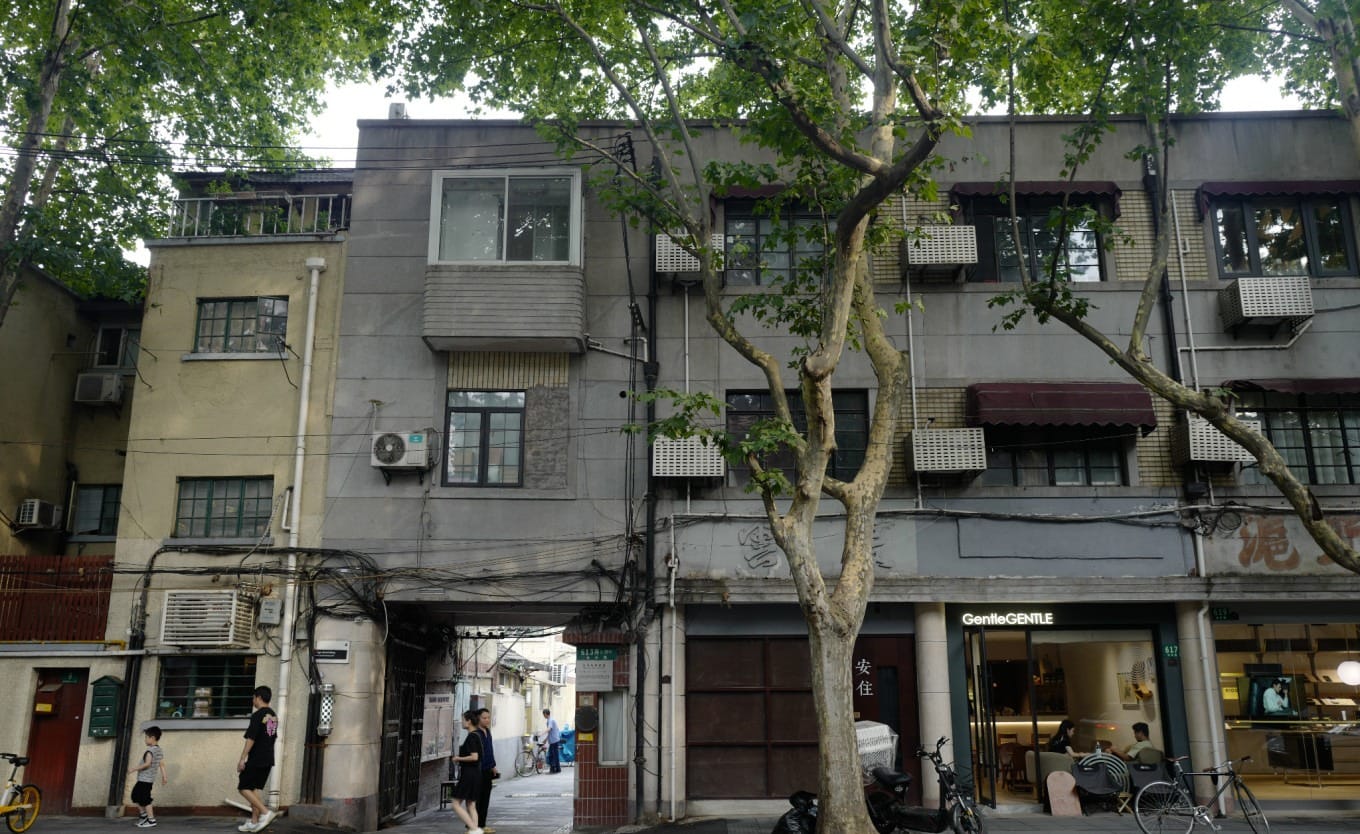
Changle Road is dotted with protected historic buildings. The row at 1-25, Lane 613, Changle Road (长乐路613弄1-25号) is designated as an Excellent Historical Building.
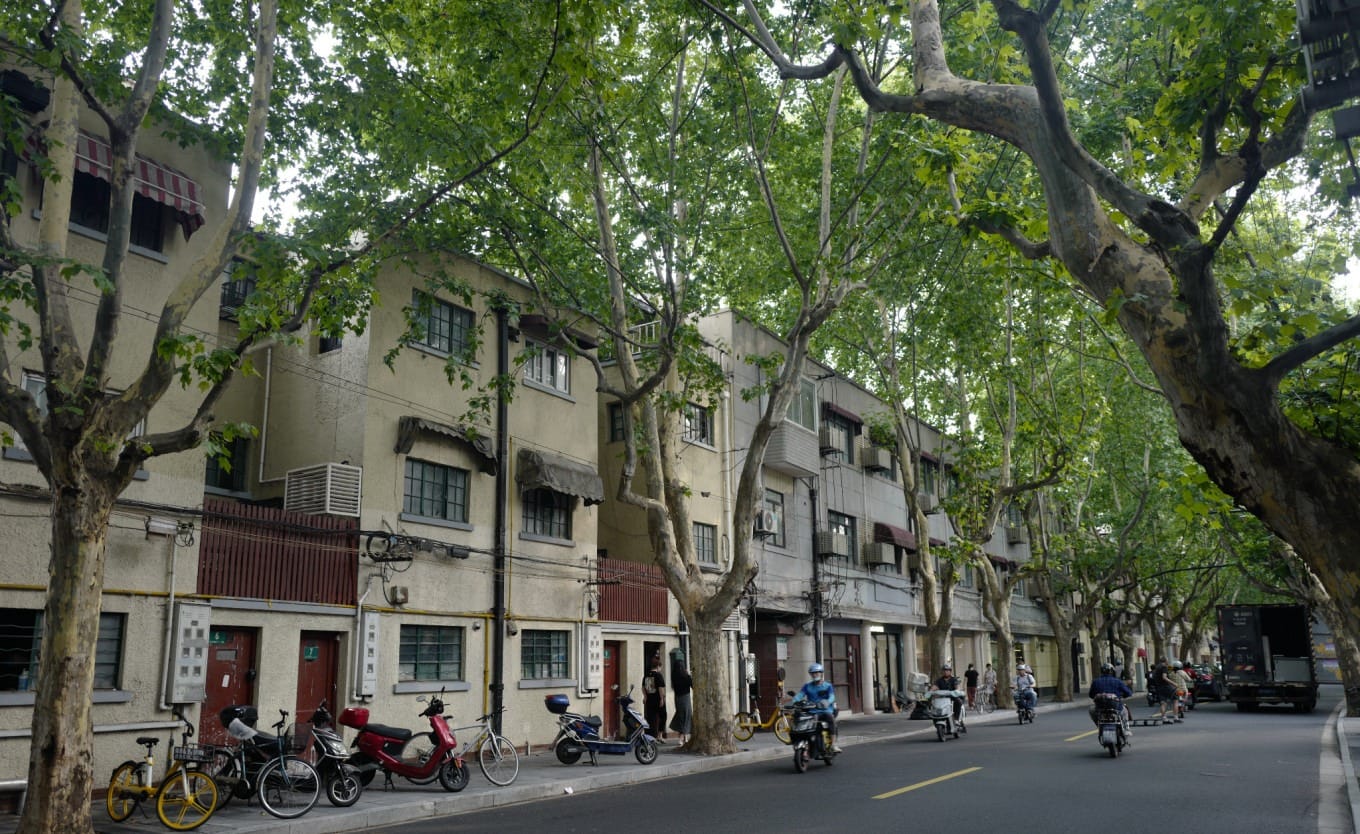
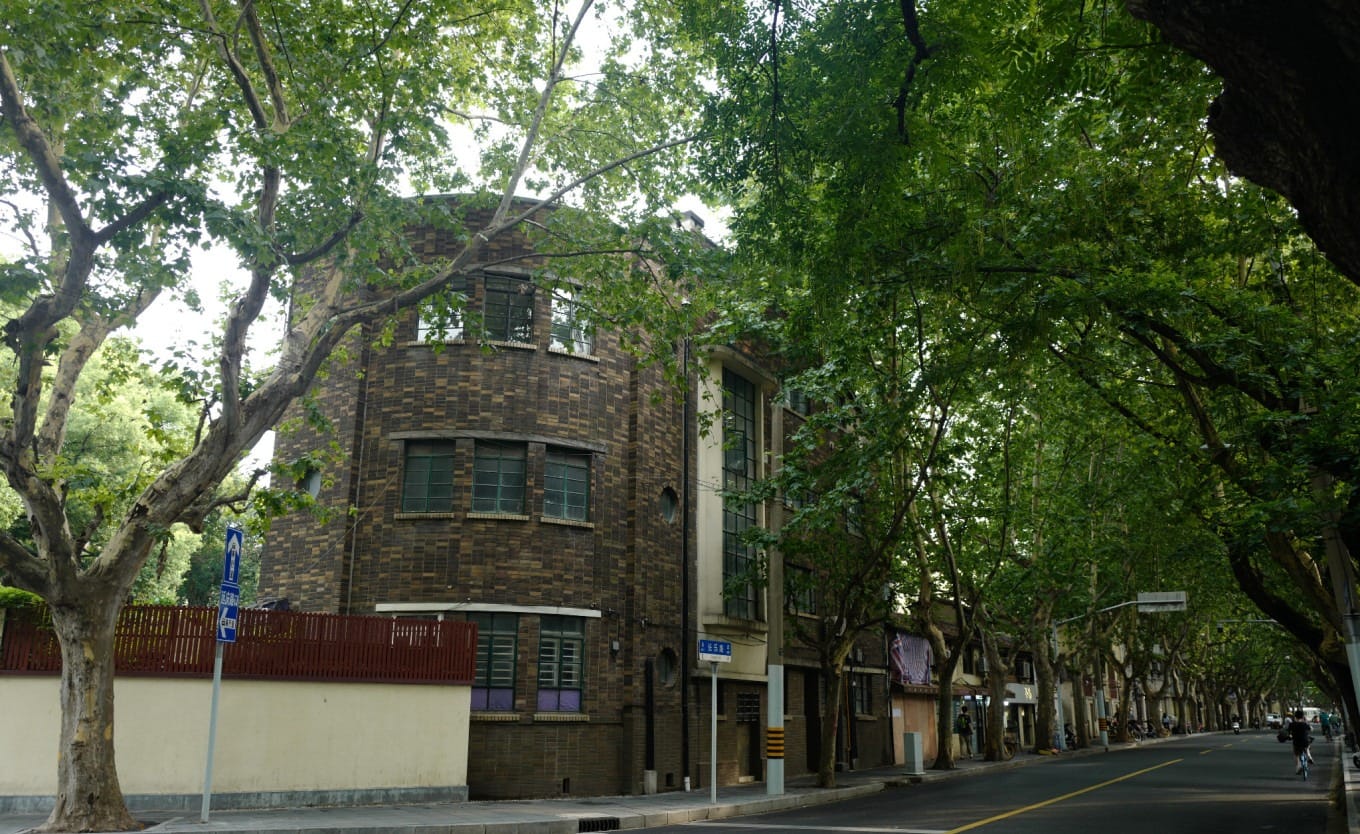
A short detour to 51 Donghu Road (东湖路51号) reveals another Excellent Historical Building—a standalone garden villa distinguished by its dark ceramic brick facade, a contrast to the lighter-colored buildings nearby.
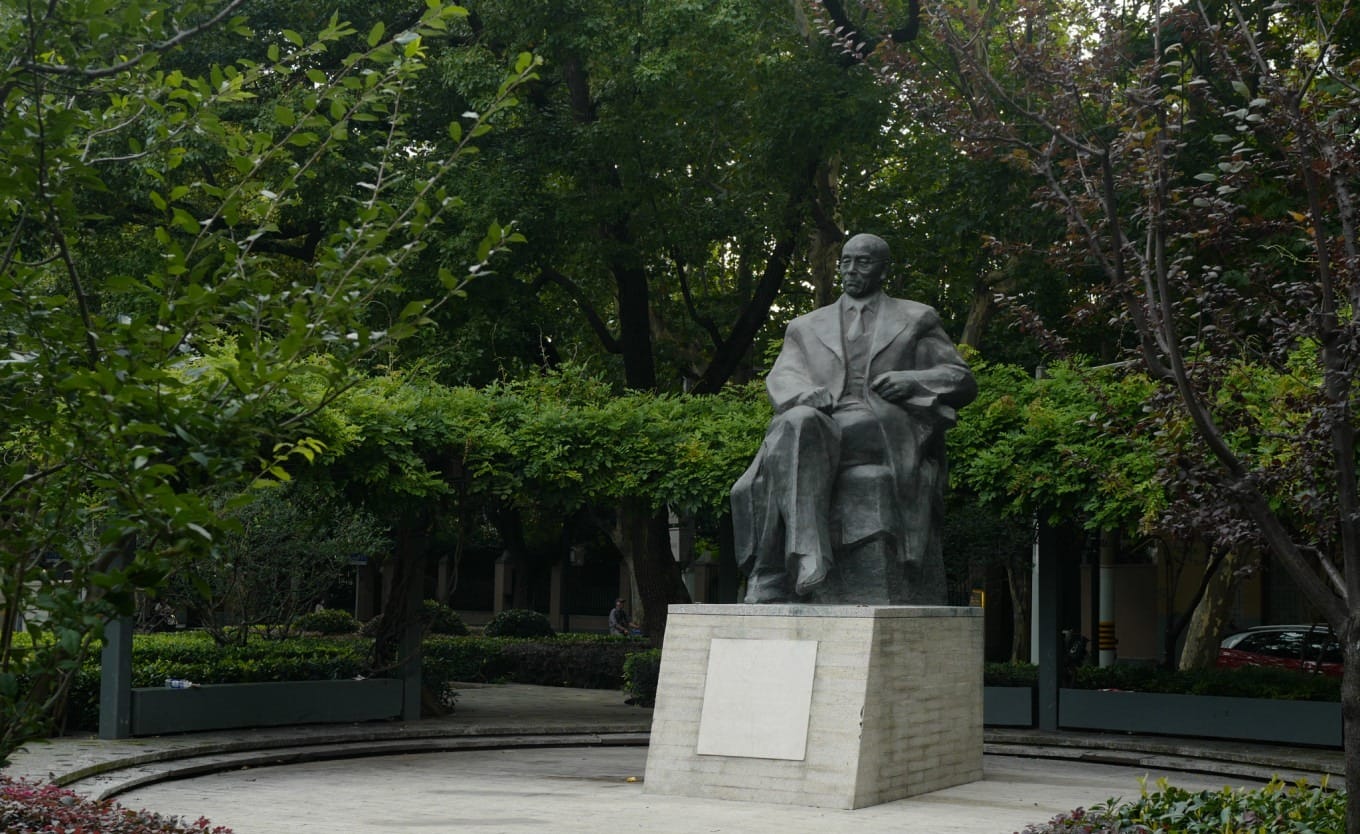
Back on Changle Road, you’ll find a seated statue of Tian Han (田汉) at a street corner. Tian Han is renowned as the lyricist of China’s national anthem and a prolific playwright.
Finally, turn onto Fumin Road (富民路), where you can find more dining options to conclude your walk.
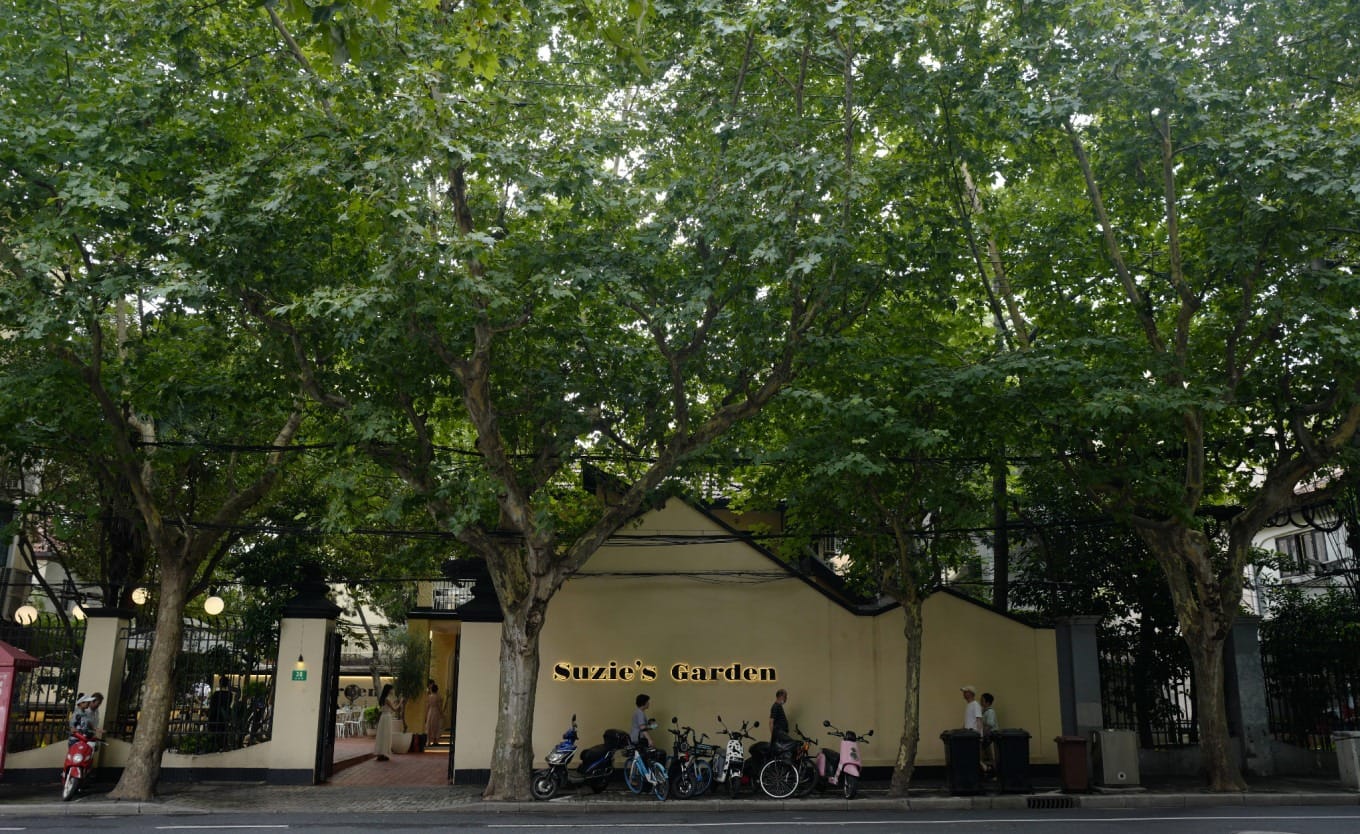
- RestaurantSuzie’s Garden (苏西花园)
- AddressFumin Road, near the intersection with Changle Road, Shanghai / 上海市富民路近长乐路口
- Recommended dishesCheck menu for seasonal Western offerings (菜名)
- Average spendMid-range
Hengshan Moller Villa Hotel: A Fairytale Landmark
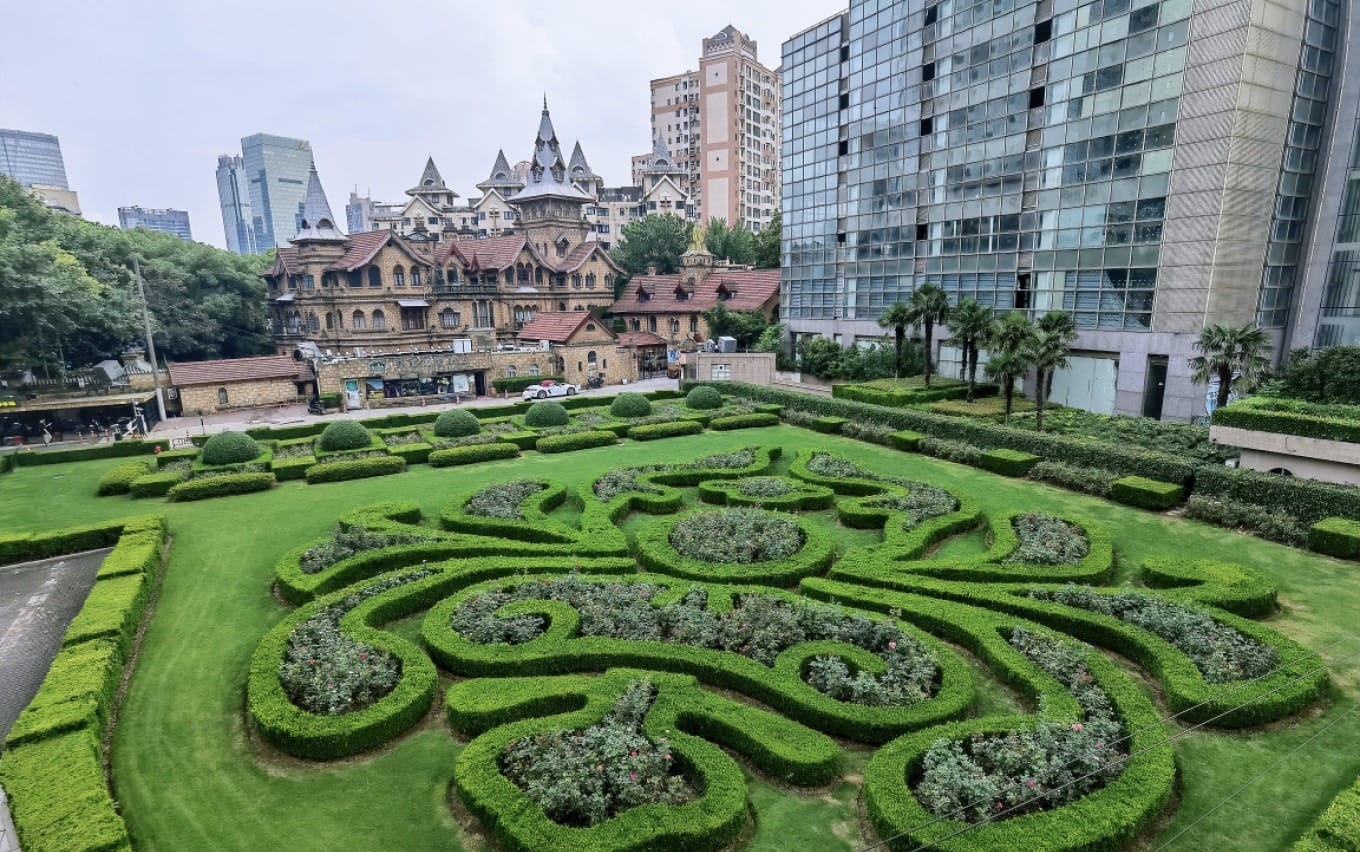
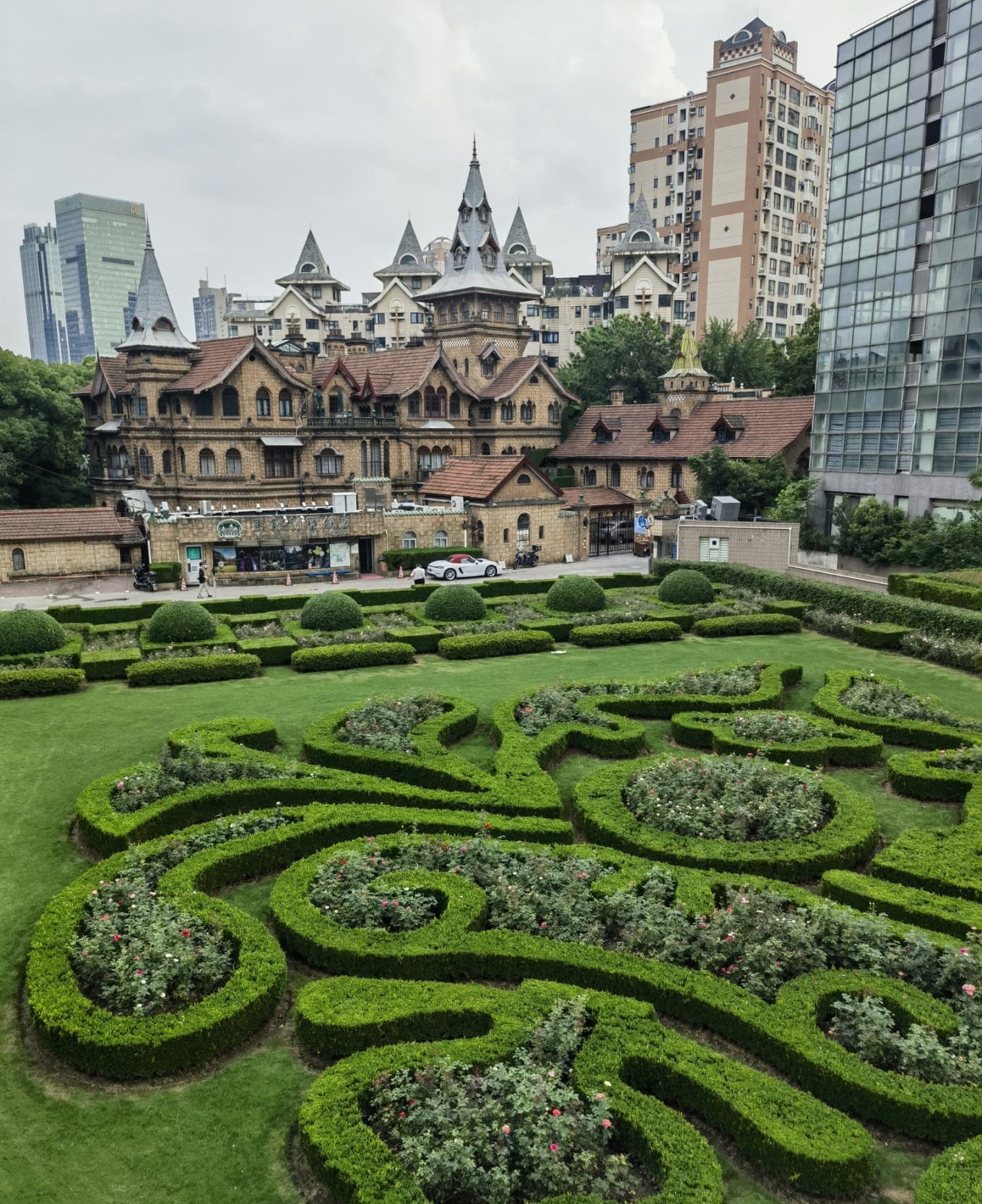
For a glimpse of Shanghai’s architectural fairytale, head to the Hengshan Moller Villa Hotel (衡山马勒别墅饭店), also known as Moller Residence. This stunning private garden villa was commissioned by British Jewish businessman Eric Moller and constructed between 1927 and 1936. Its main building is a three-story Scandinavian-style Norwegian mansion, now designated as a Shanghai Municipal Heritage Building. You can admire its unique silhouette from the nearby overpass for the best photo angle—a tip often shared by local enthusiasts.
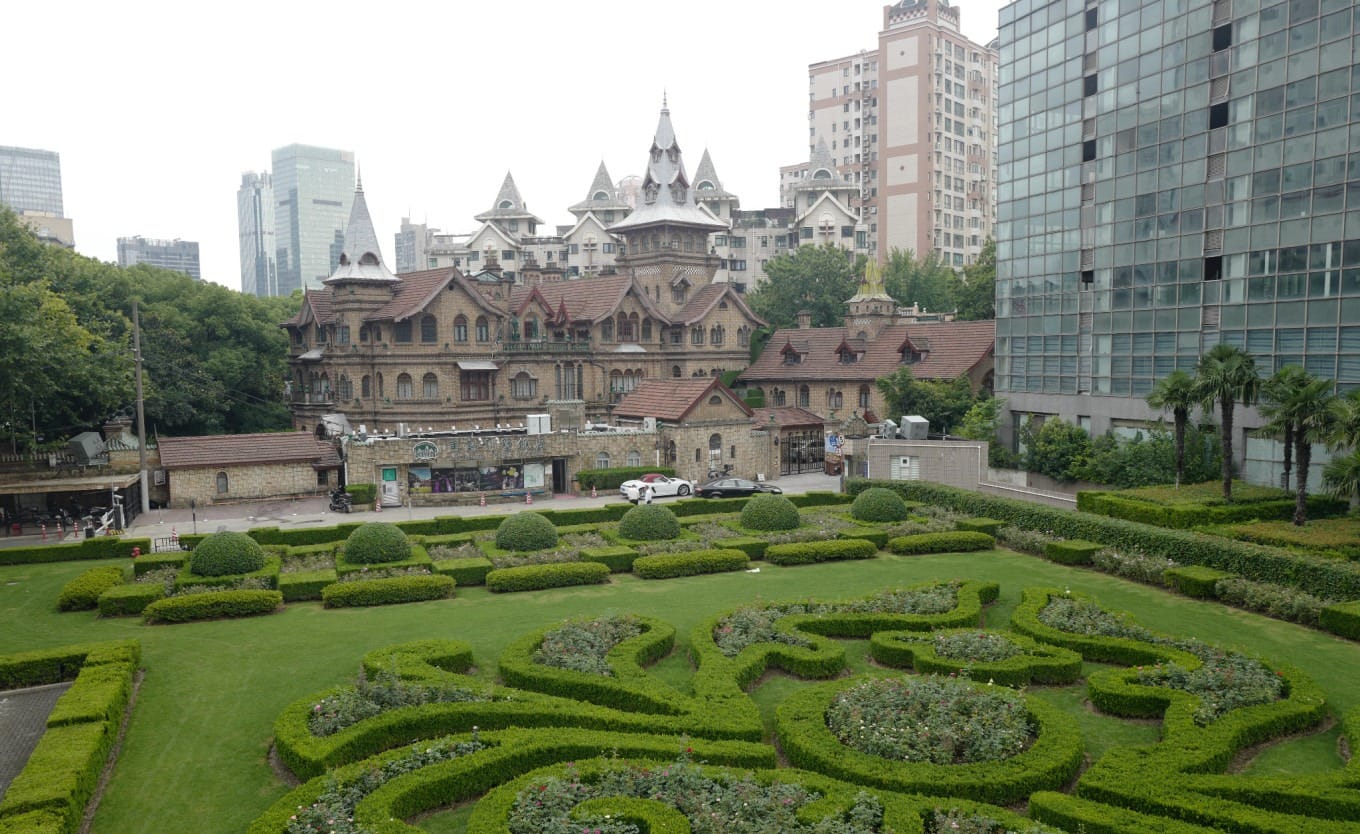
While the hotel is bookable on various platforms, reviews note that facilities and service may not match the grandeur of the building, so consider it more for viewing than staying. For the ideal visit, aim for a clear, sunny day when the intricate details and vibrant colors truly shine, though its charm persists even under overcast skies.
- RestaurantHengshan Moller Villa Hotel (衡山马勒别墅饭店)
- Address30 South Shaanxi Road, Shanghai 30 (上海市陕西南路30号)
- Recommended dishesPrimarily a hotel dining options vary check current offerings (菜名)
- Average spendN/A (Viewing is free from public areas)
Exploring The Bund: Historic Architecture and Modern Contrasts
The Bund (外滩) is Shanghai’s iconic waterfront promenade, where historic European-style buildings stand against the modern skyline of Pudong. While it’s a must-see for any first-time visitor, getting there can be an adventure in itself. Public buses from areas like the Moller Villa Hotel (马勒别墅饭店) vicinity are an option, but be prepared for heavy traffic. Along the way, you’ll pass landmarks like the famous Wing On Department Store (永安百货), so keep your camera ready for fleeting photo opportunities.
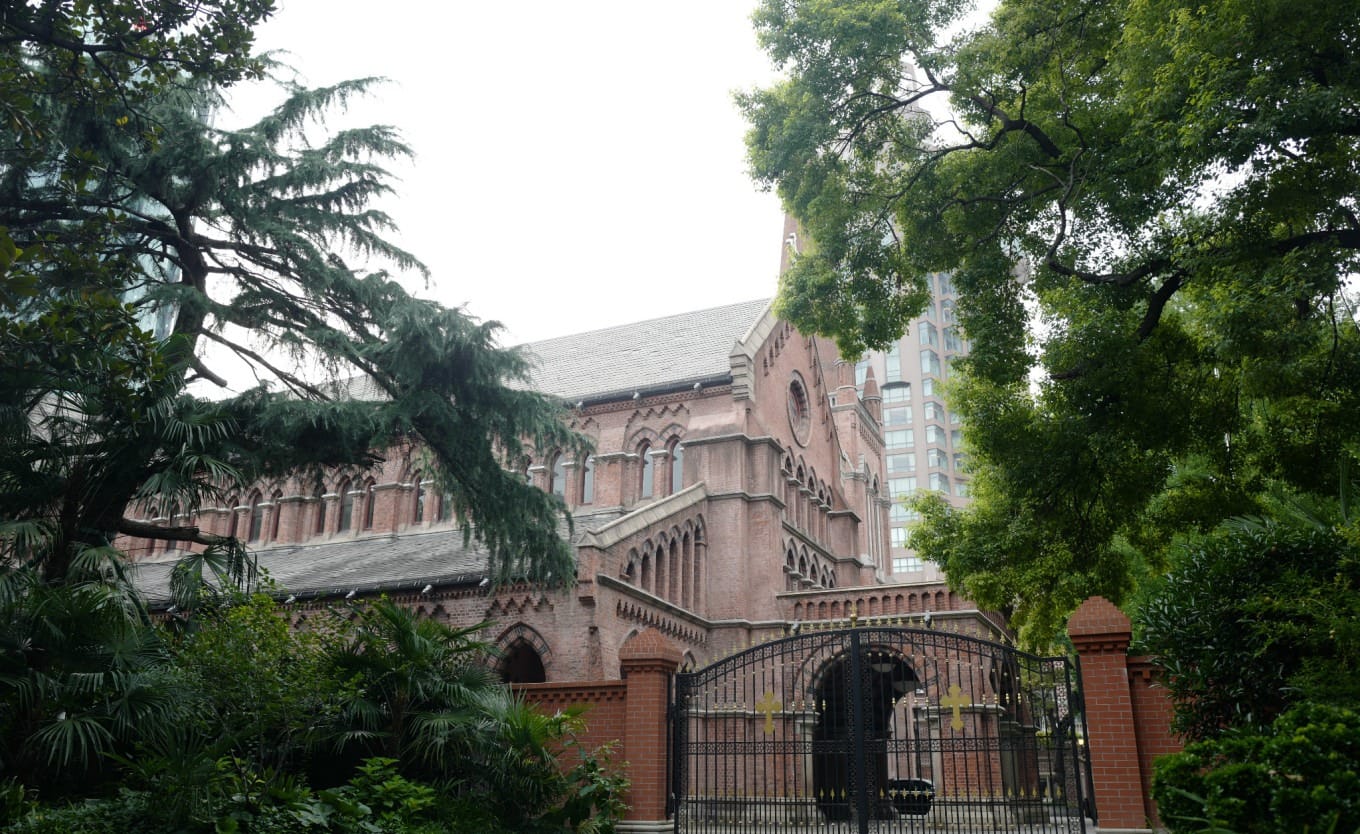
A convenient bus stop drops you near Holy Trinity Church (圣三一基督教堂), an Anglican church built during the Tongzhi era of the late Qing dynasty. Its distinctive 清水红砖 (clear water red brick) facade offers a glimpse into Shanghai’s colonial past. Not all architecture along The Bund is classically harmonious, however. The flower-crown-shaped BFC Bund Financial Center (BFC 外滩金融中心 (local term)) presents a striking, modern contrast that some find visually discordant with its historic surroundings.
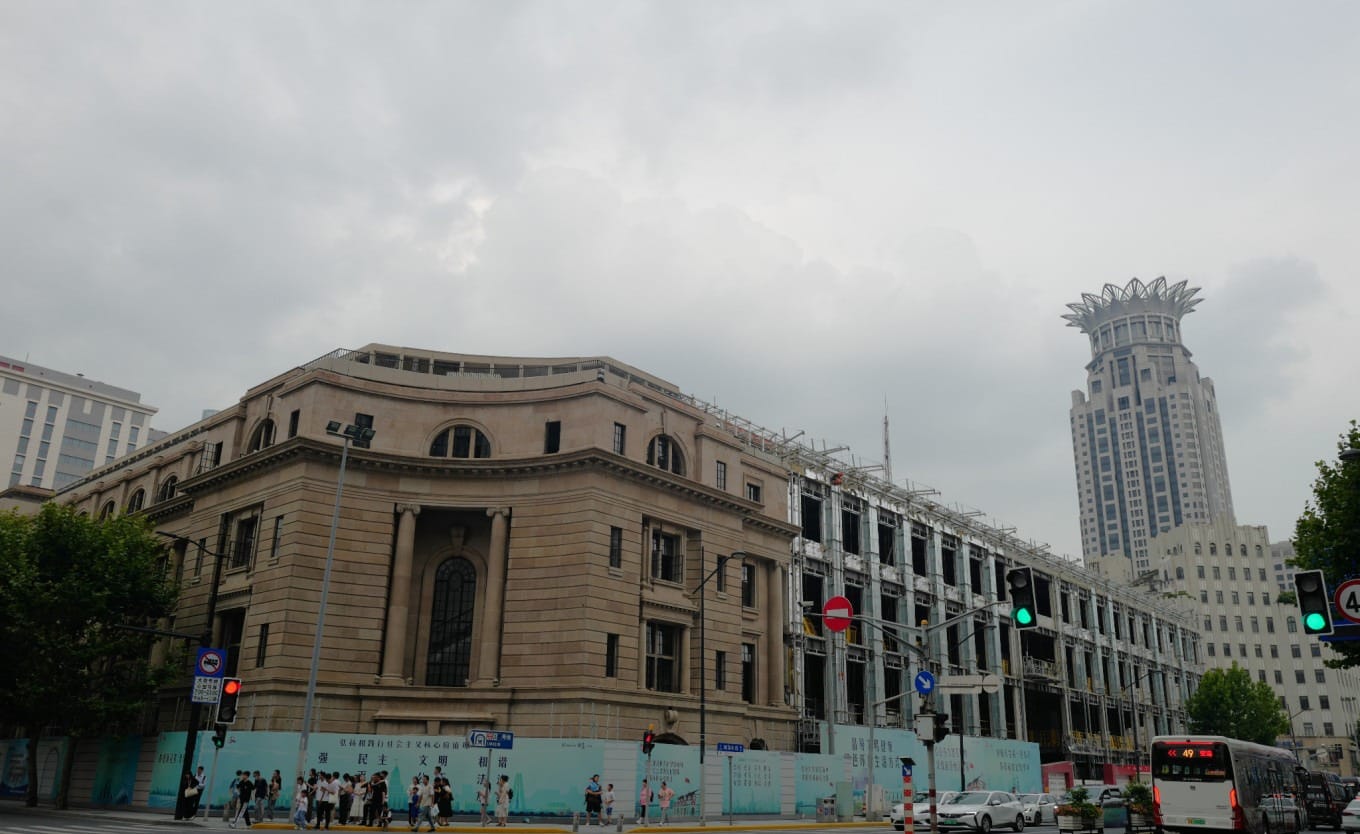
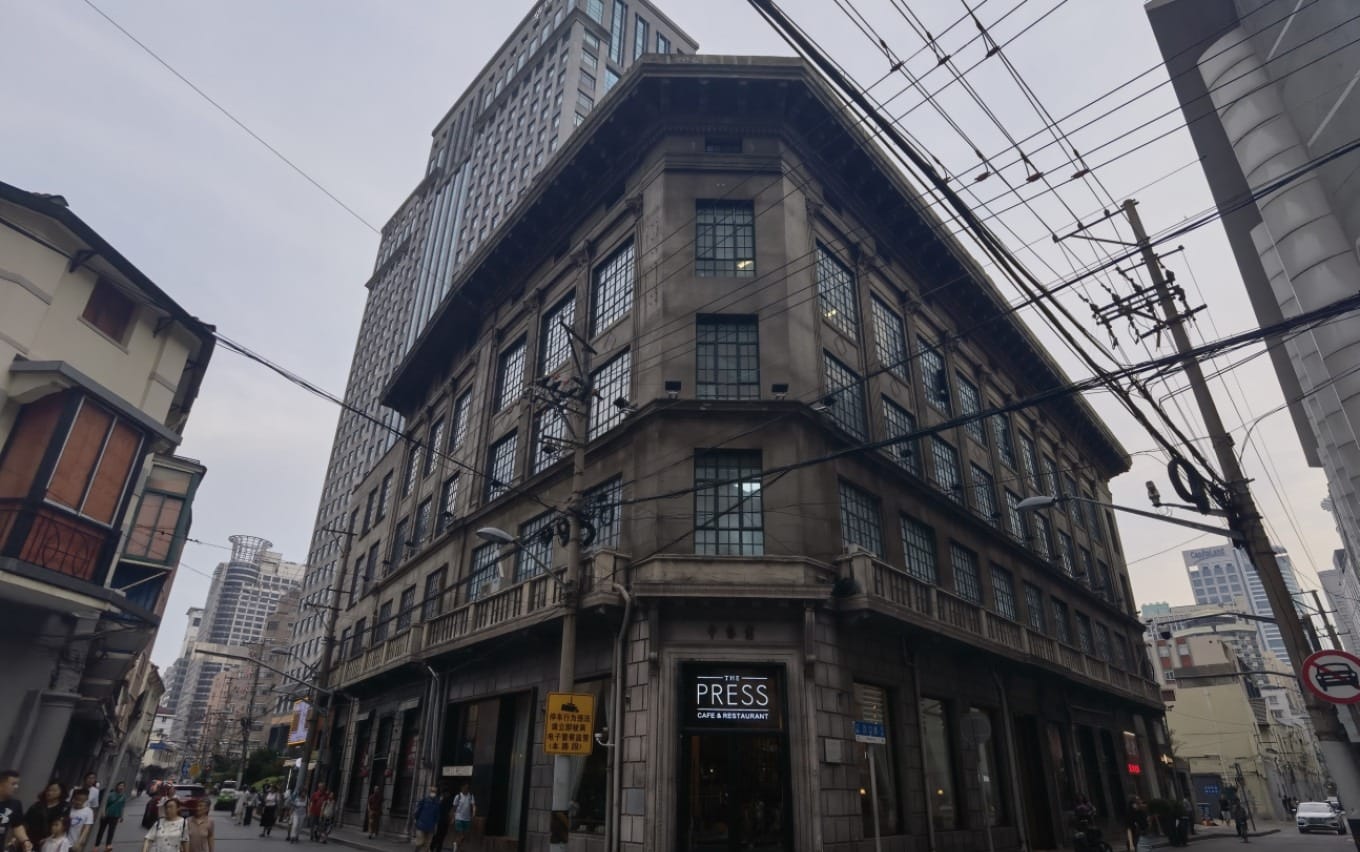
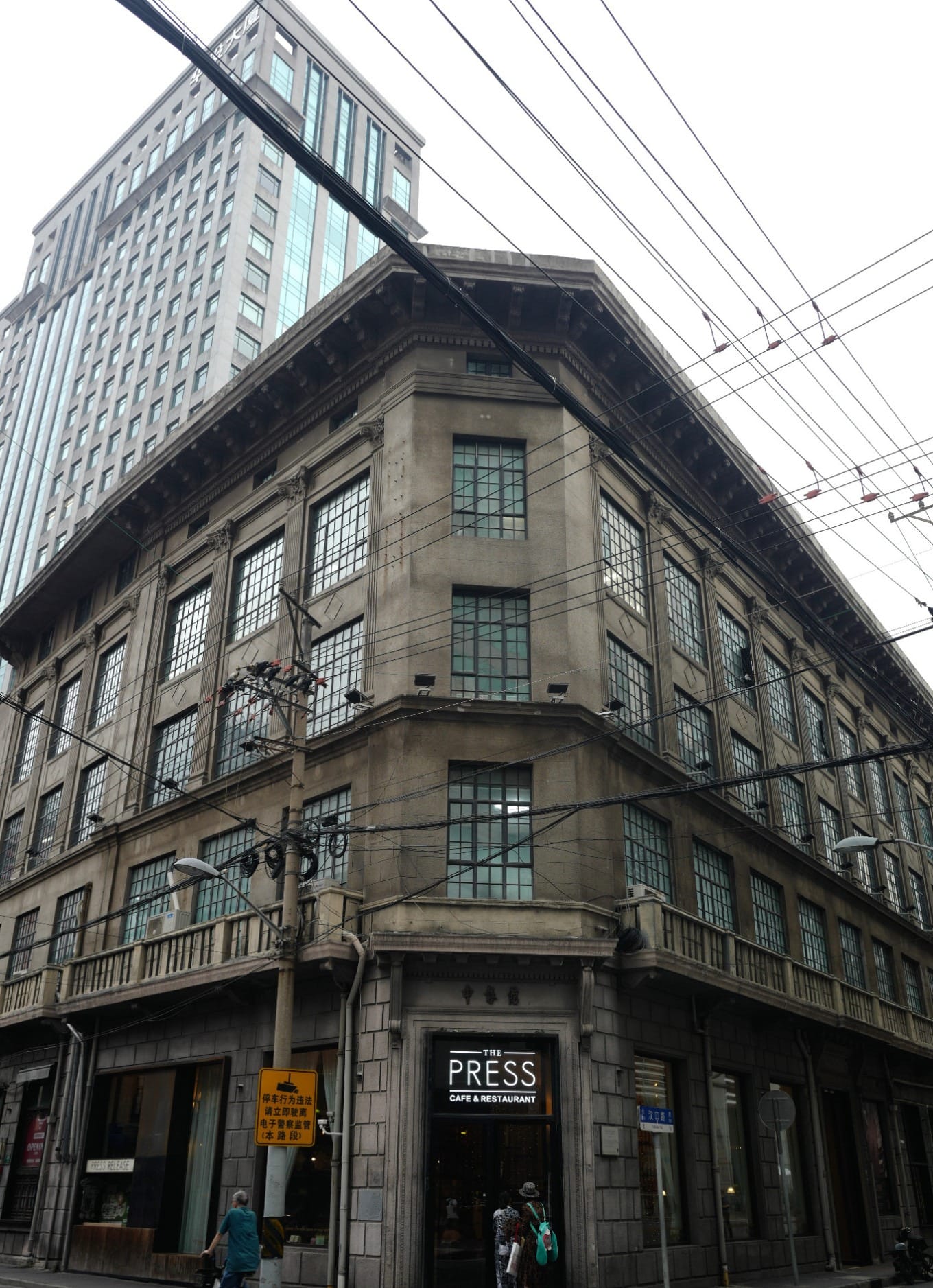
Among The Bund’s grand edifices, one modest gray four-story corner building might not catch your eye immediately, but it holds significant historical importance. This was the original office building of Shen Bao (《申报 (local term)》), a newspaper that played a pivotal role in China’s modern journalism. Today, the space houses a restaurant, allowing you to dine within a piece of media history. The address is 309-1 Hankou Road, Huangpu District (黄浦区汉口路309-1号).
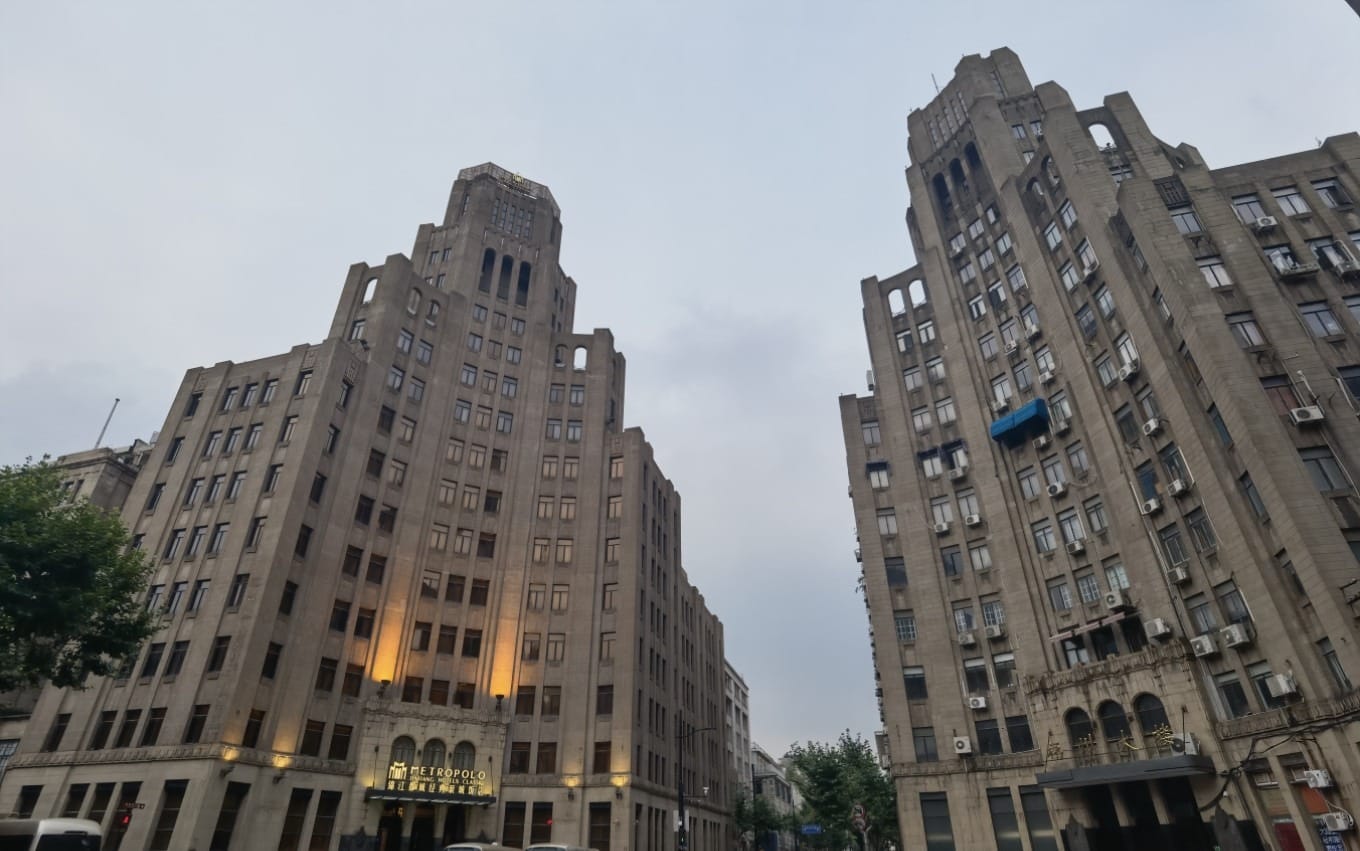
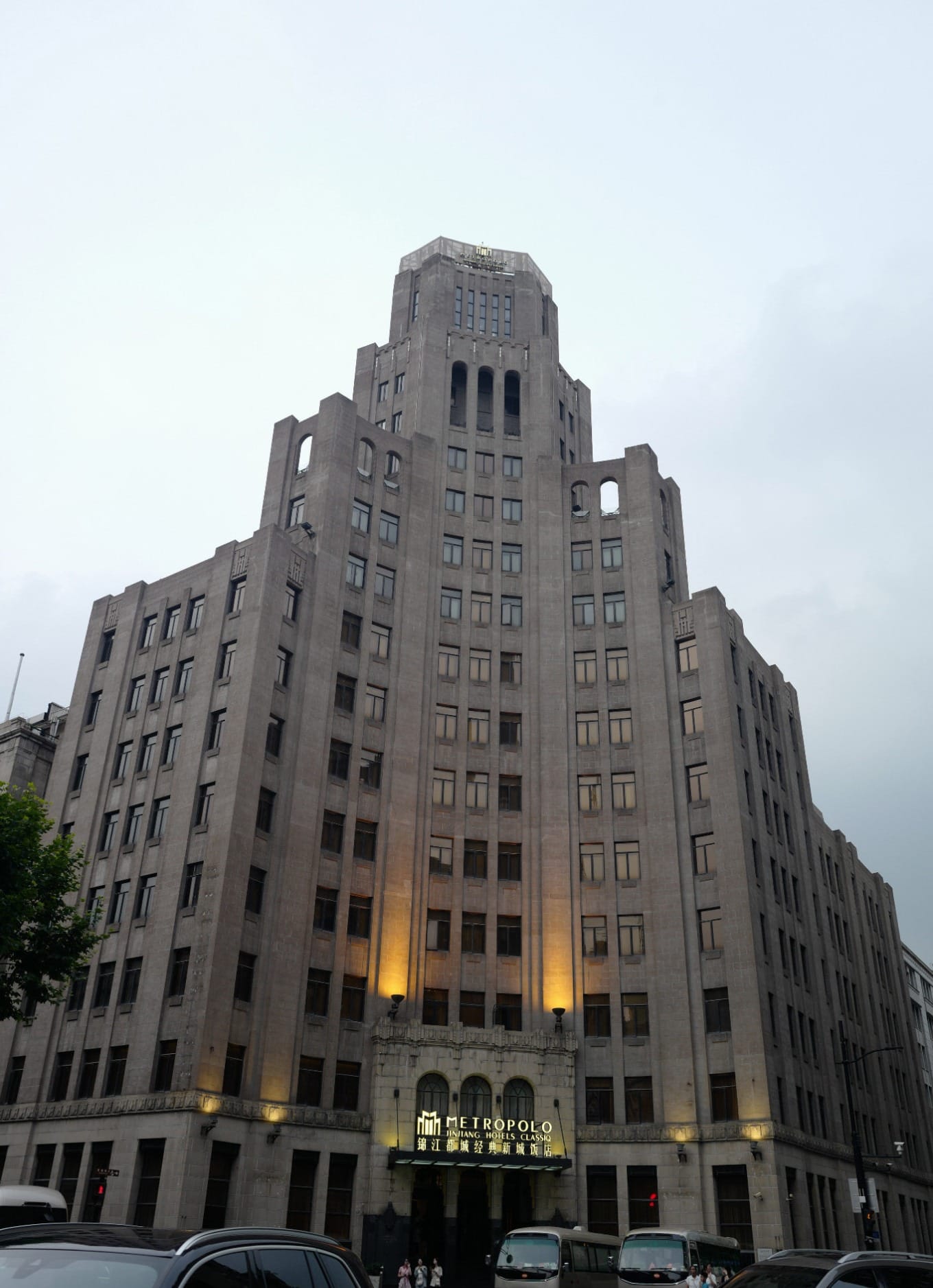
As you continue along Fuzhou Road (福州路) toward the waterfront, look up at a major intersection to see a pair of nearly identical high-rises facing each other like mirror images. These are the Fuzhou Building (福州大楼) and the Jin Jiang Metropolo Hotel Classiq (锦江都城经典新城饭店), adding to the area’s architectural tapestry.
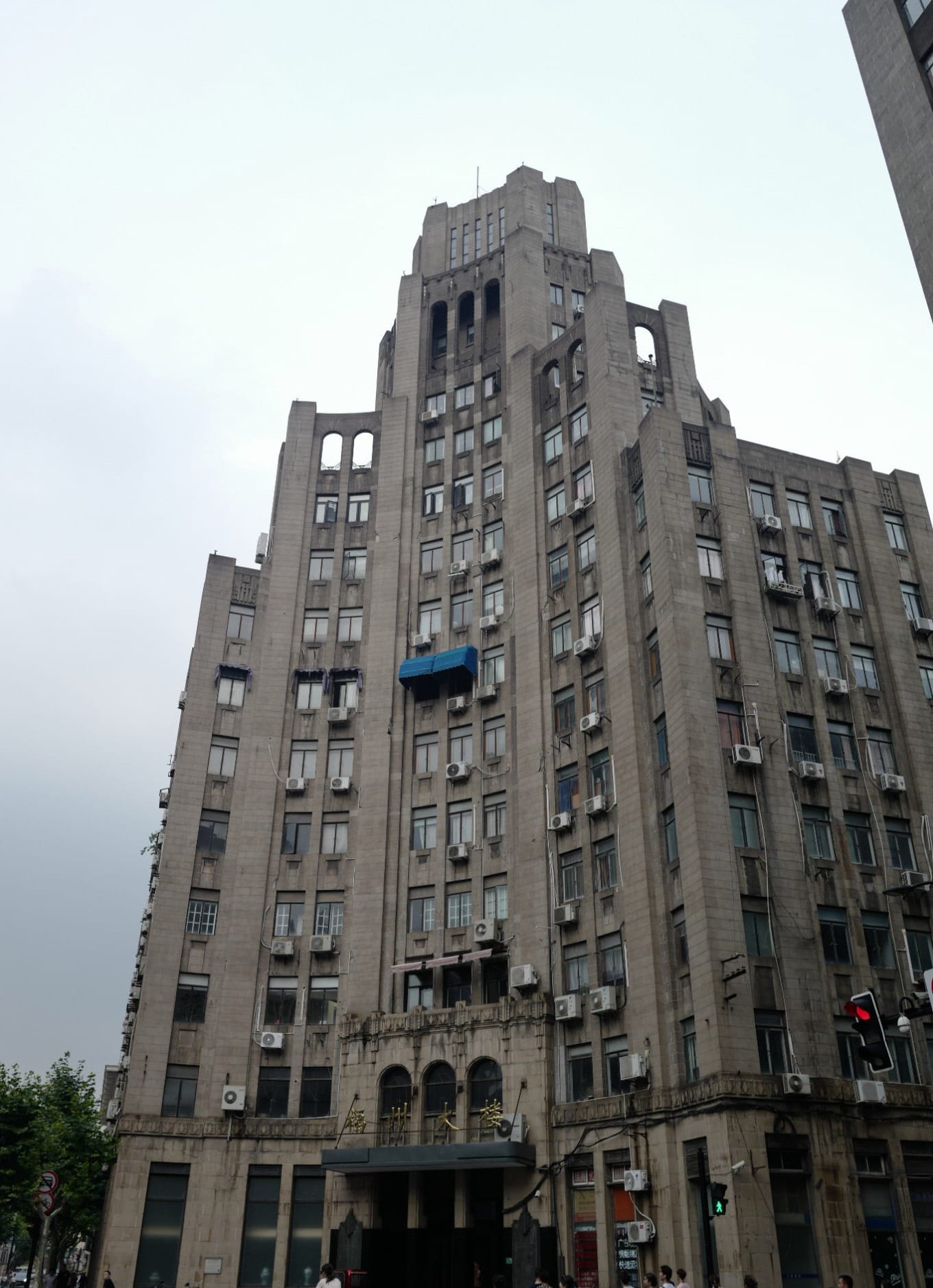
- RestaurantShen Bao Building Restaurant (申报馆餐厅)
- Address309-1 / 309-1 Hankou Road, Huangpu District (黄浦区汉口路309)
- Recommended dishesMenu varies inquire for local Shanghai or fusion dishes (菜名)
- Average spendMid-range (check current menu for pricing)
Dinner at Da Hu Chun (Pan-Fried Buns)
For a classic Shanghai dinner, head to Da Hu Chun (大壶春), famous for its pan-fried buns. While there are several branches, the one near the Bund tends to draw more tourists. Travelers often find the branch near hotels offers a slightly better flavor, but the Bund location still delivers an authentic experience with consistently friendly service despite the crowds.
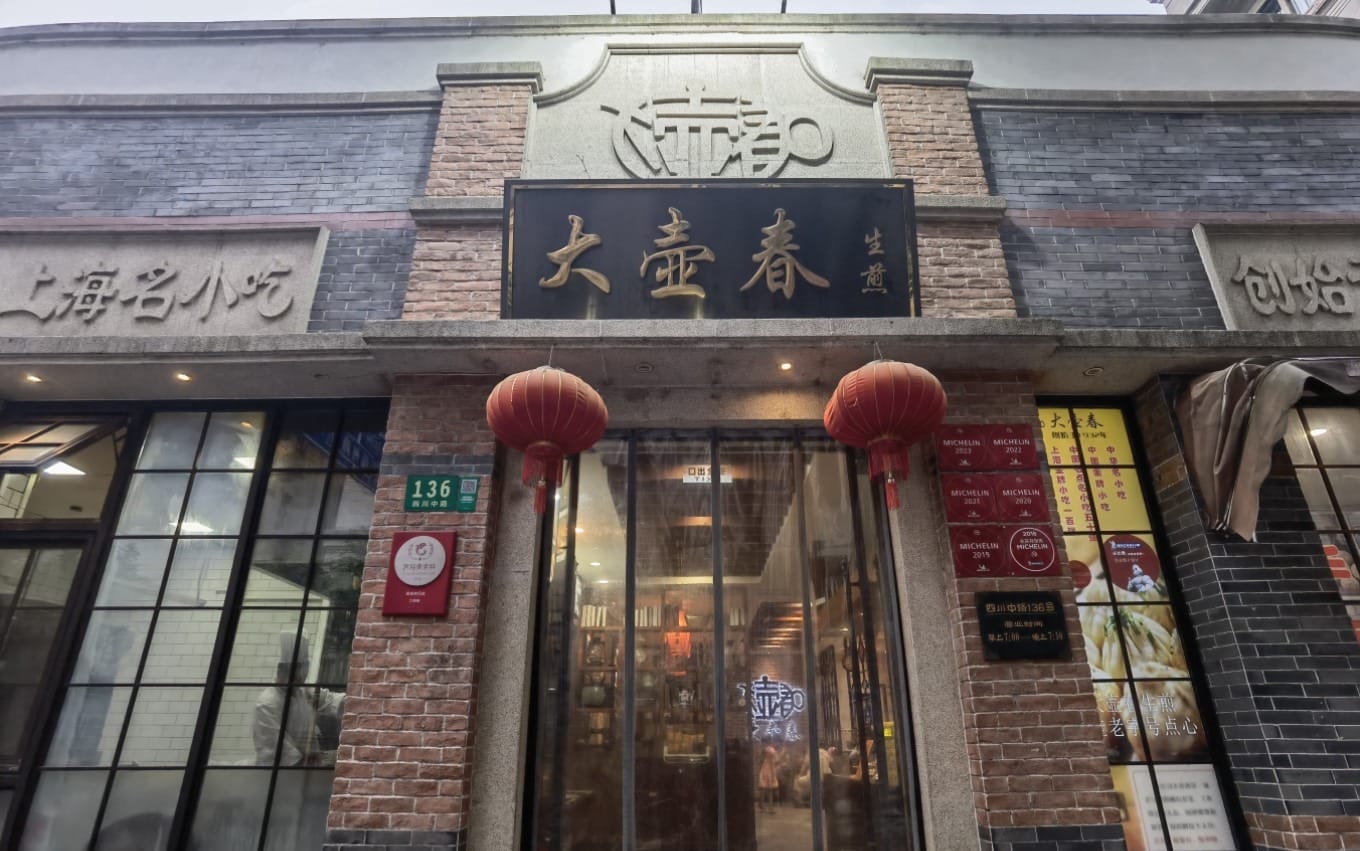
Beyond their signature pan-fried buns, consider ordering a bowl of fresh wonton soup (生鲜馄饨, shēngxiān húntun) to complement your meal. This combination makes for a satisfying, traditional Shanghai dinner.
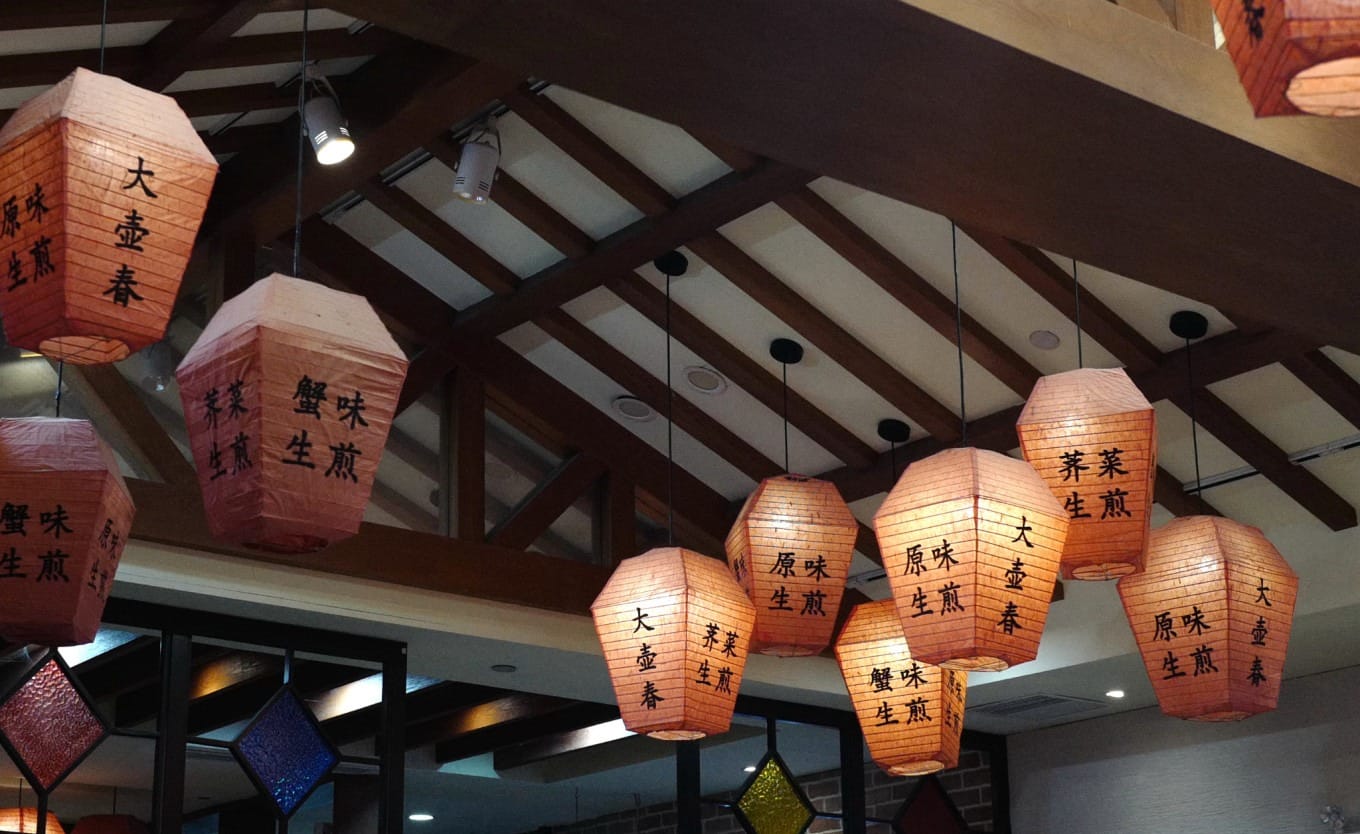
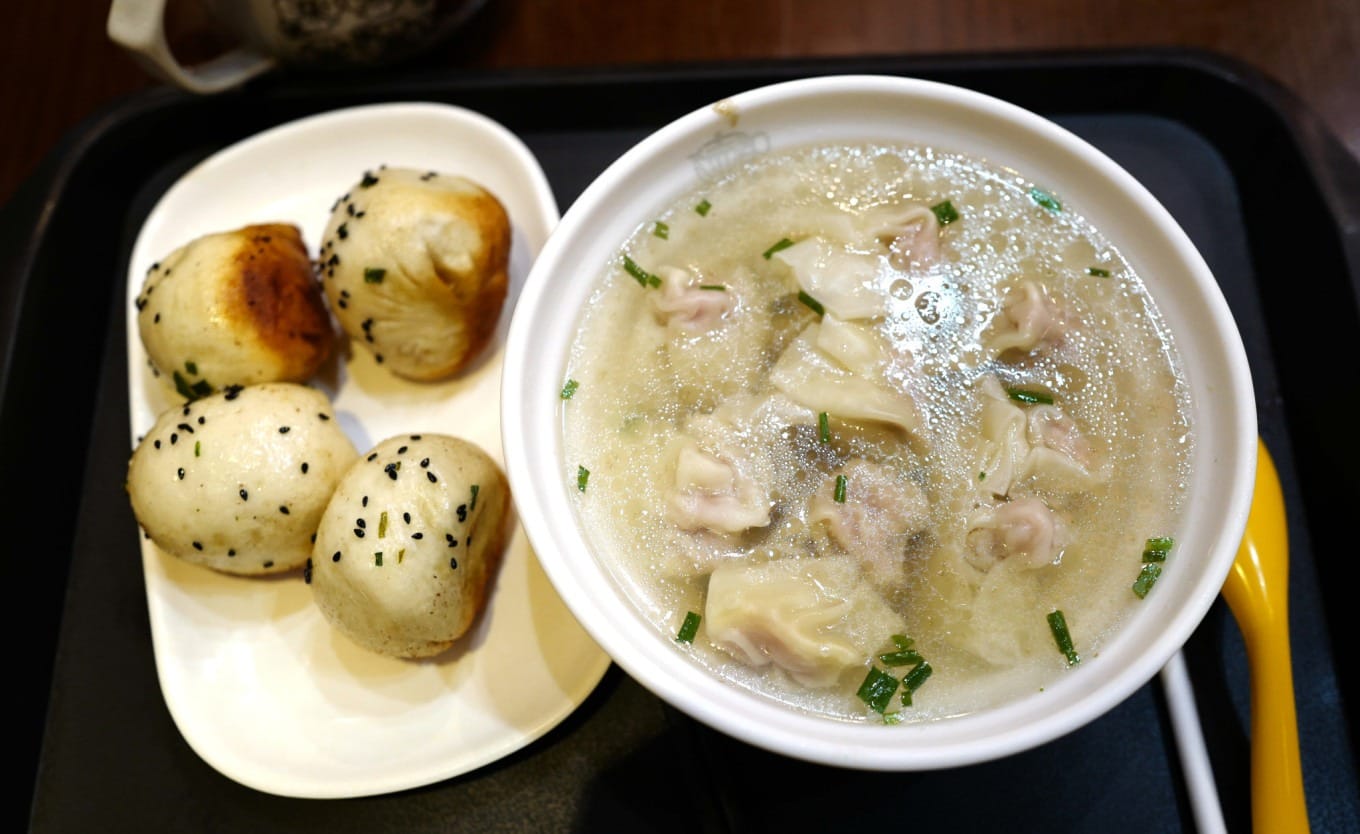
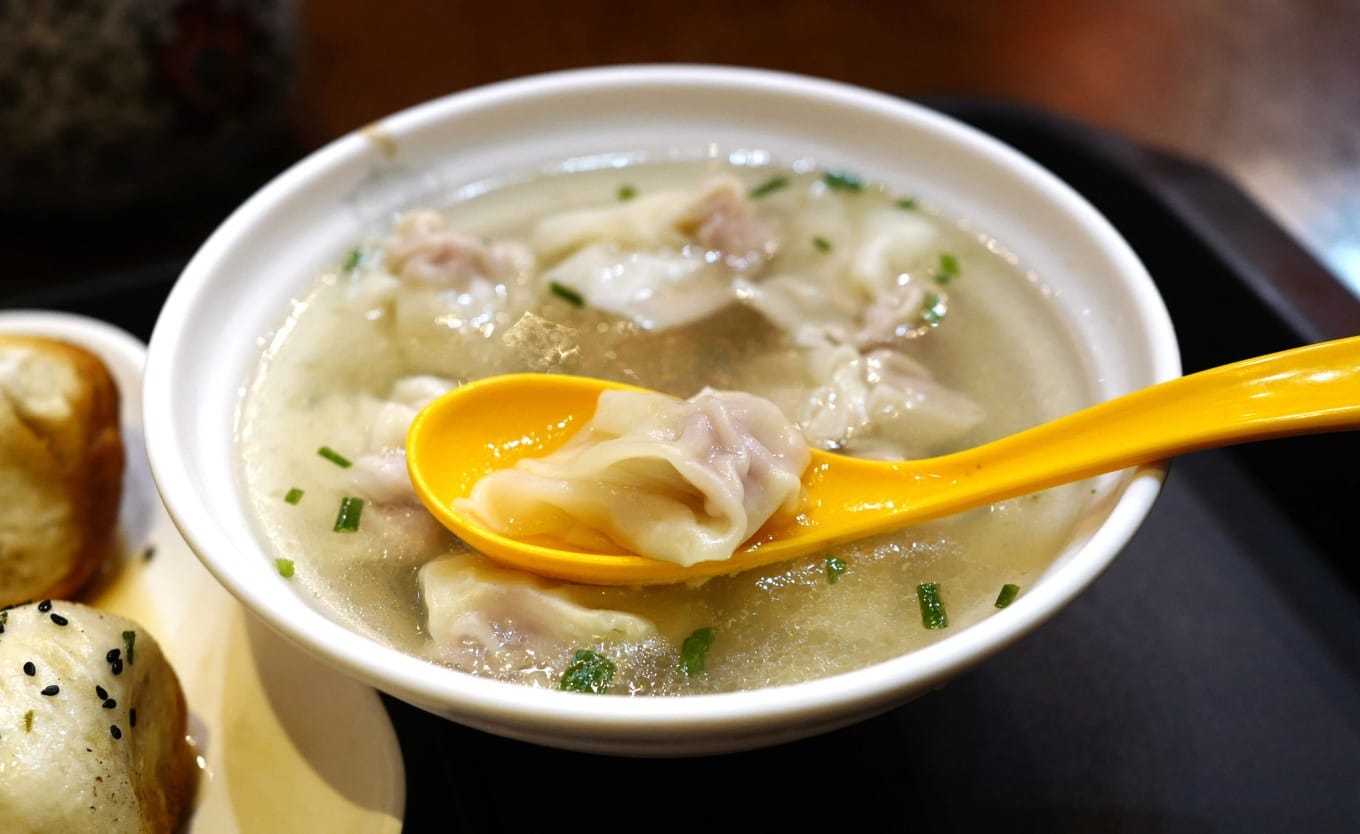
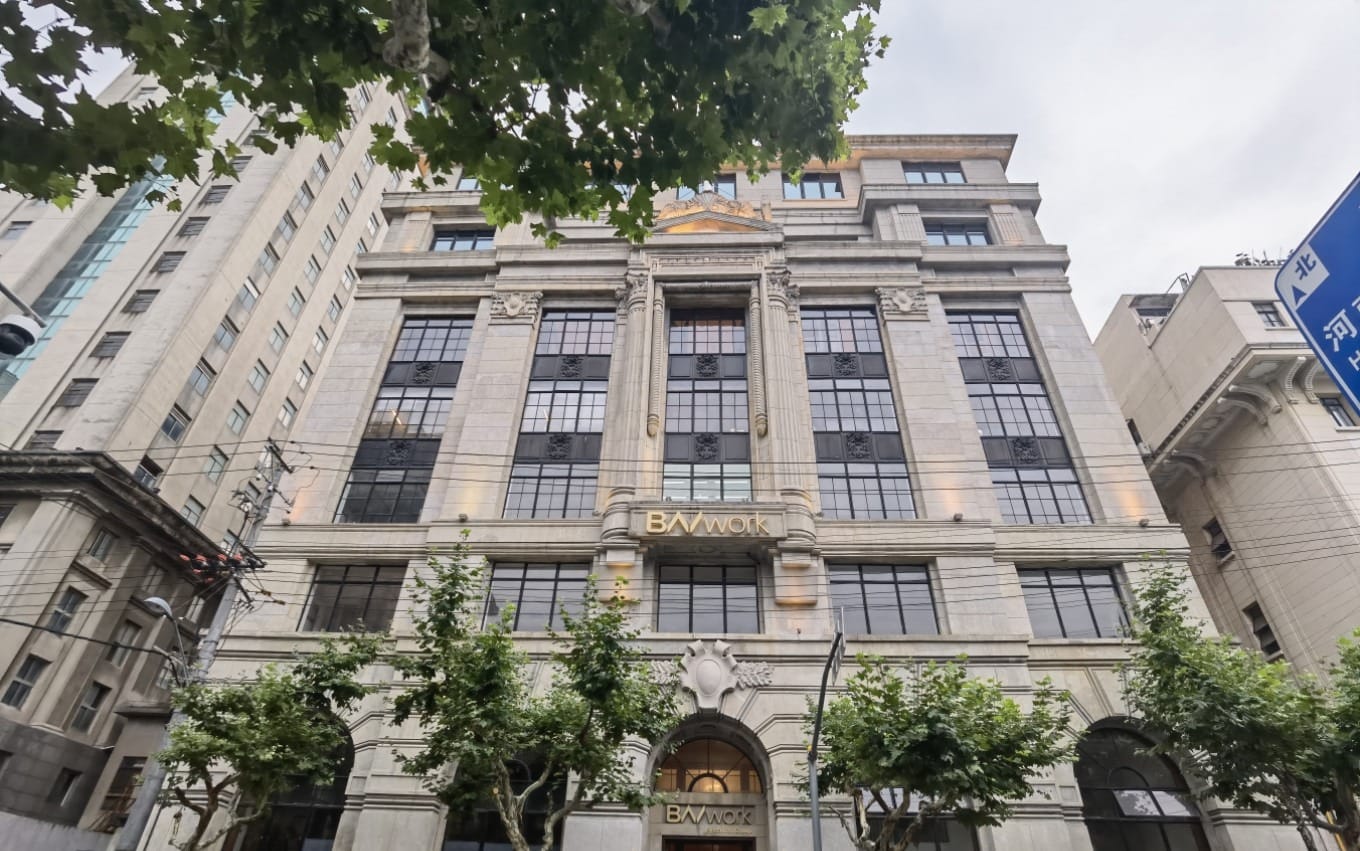
- RestaurantDa Hu Chun (大壶春)
- AddressNear the Bund, Shanghai / 上海外滩附近
- Recommended dishesPan-fried buns (生煎, shēngjiān), Fresh wonton soup (生鲜馄饨, shēngxiān húntun)
- Average spend30-50 RMB per person
Pudong and The Bund Night Views
For a quintessential Shanghai experience, plan an evening visit to The Bund to admire the illuminated Pudong skyline. While the most spectacular light shows typically occur on Saturdays, the view remains impressive on weeknights—though the scale may be slightly reduced. Weather conditions can affect visibility, so check forecasts if photography is a priority.
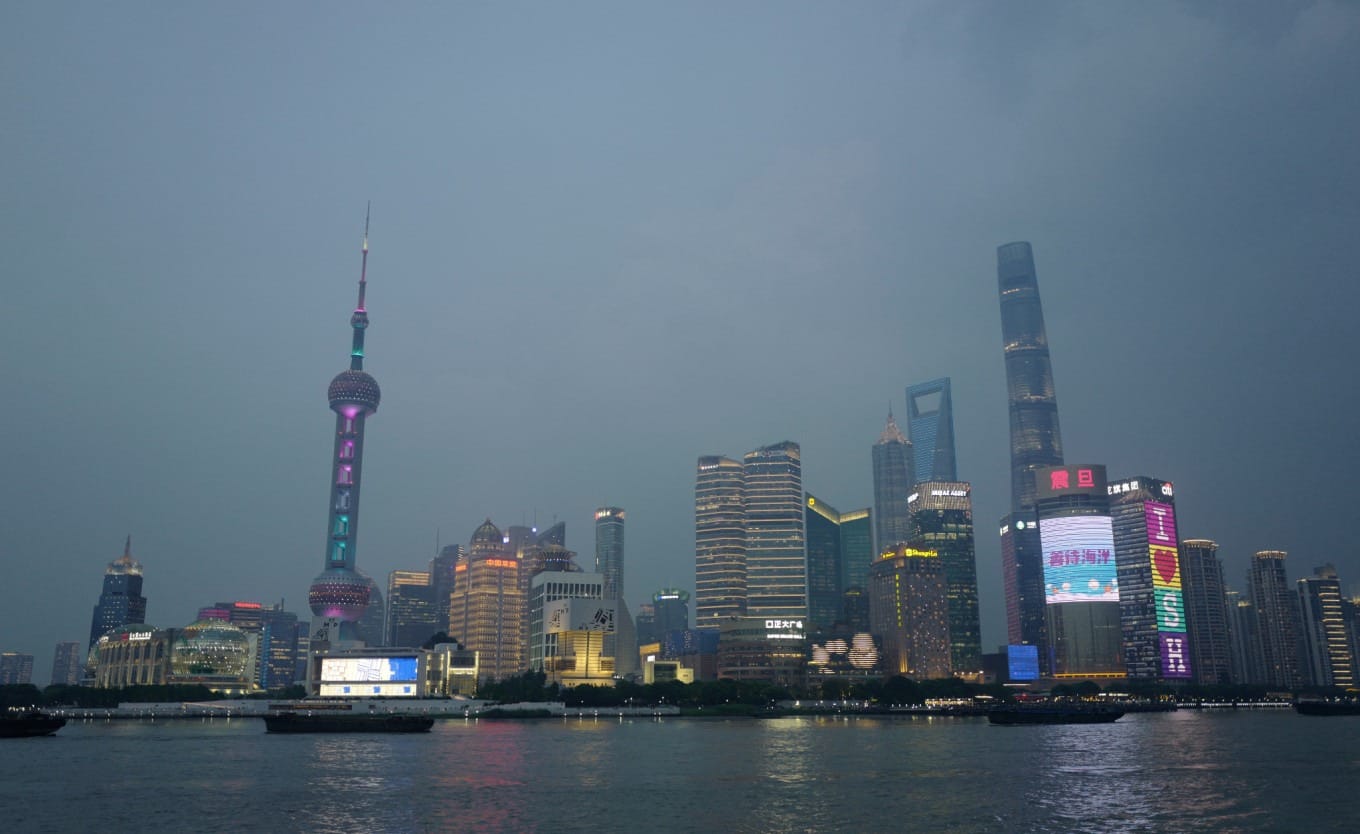
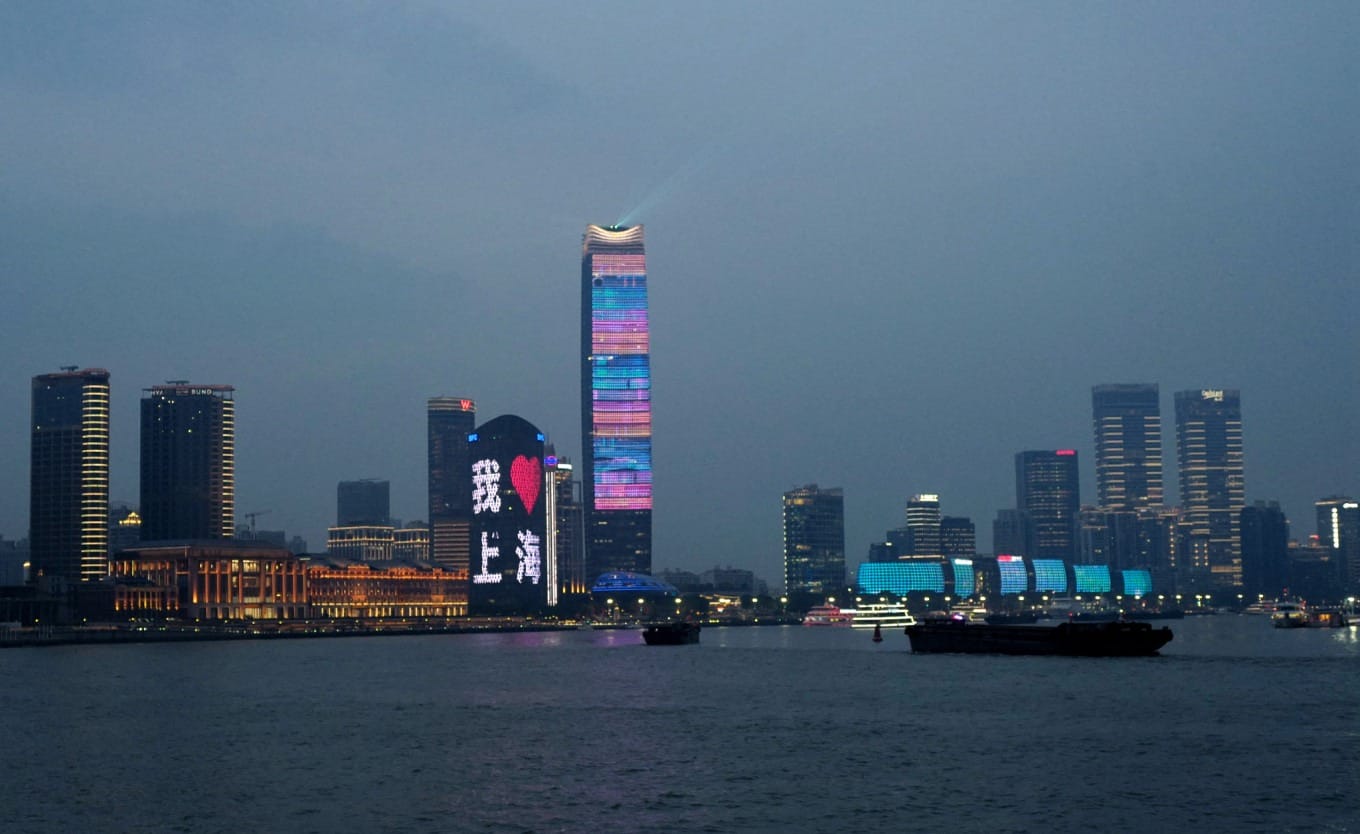
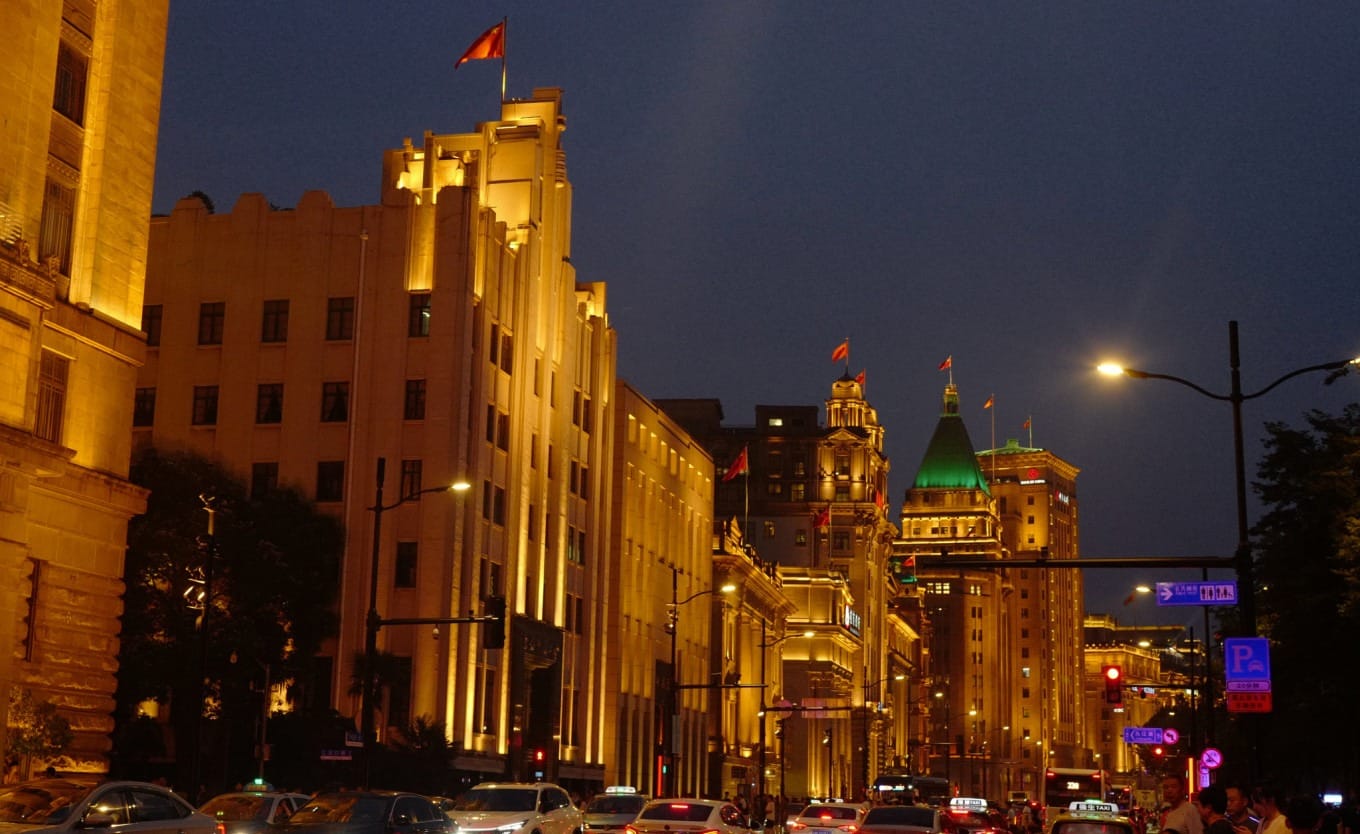
As dusk settles, turn your attention to The Bund’s historic architecture. The colonial-era buildings transform when their facades are bathed in golden light, creating that classic Shanghai atmosphere visitors seek. This westward perspective offers a stunning contrast to the modern Pudong towers across the Huangpu River.
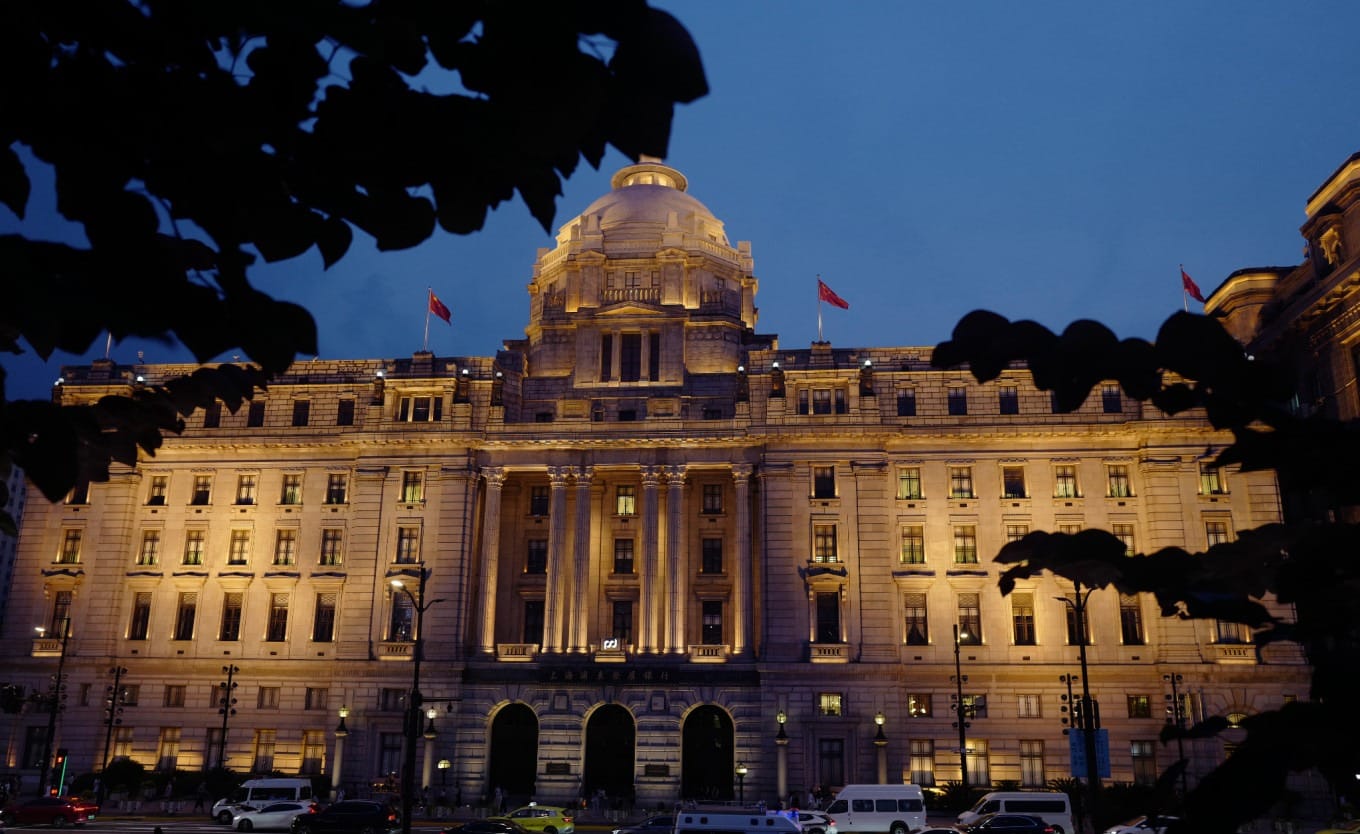
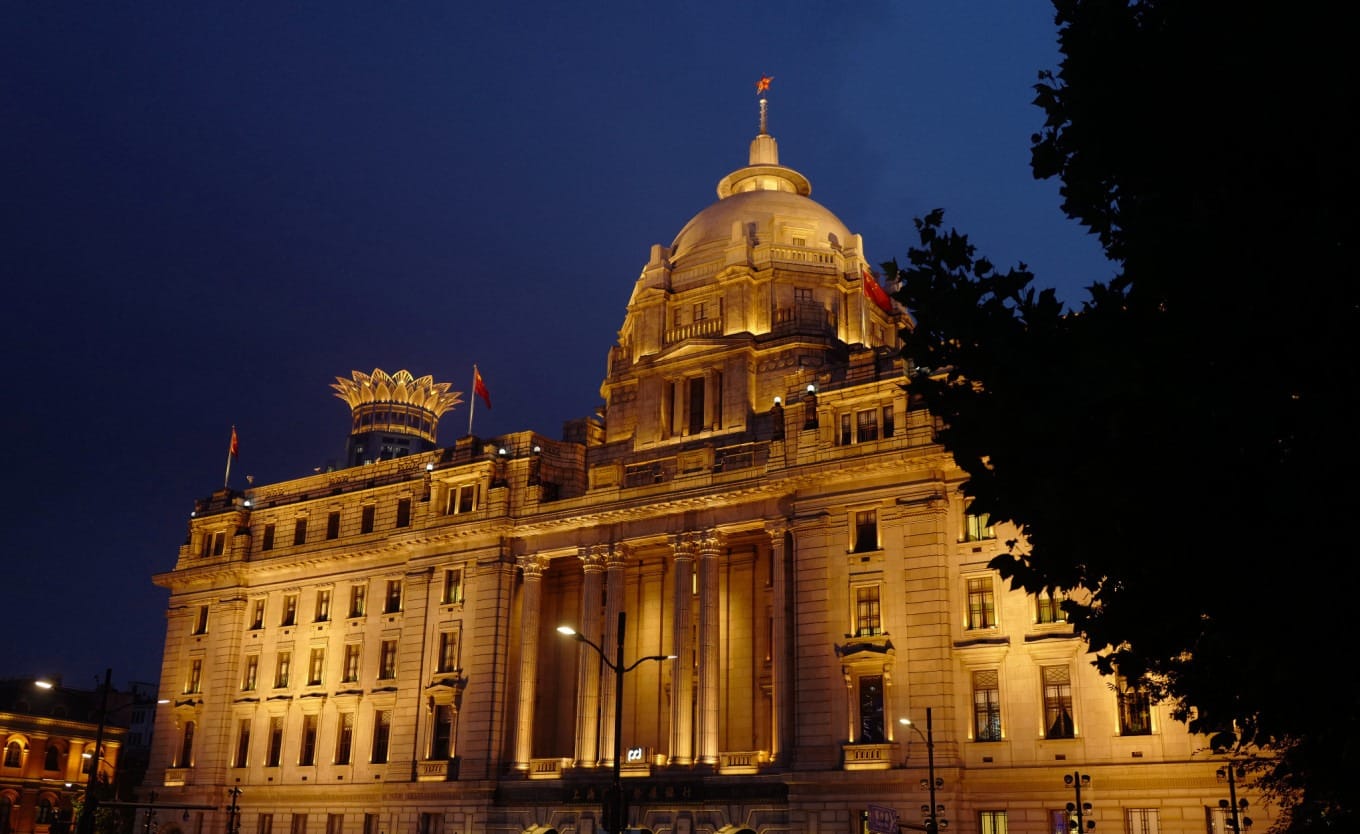
The combination of majestic architecture and sparkling city lights creates a mesmerizing scene that captures Shanghai’s unique blend of history and modernity. You’ll find yourself wanting to linger as the city transitions from day to night.
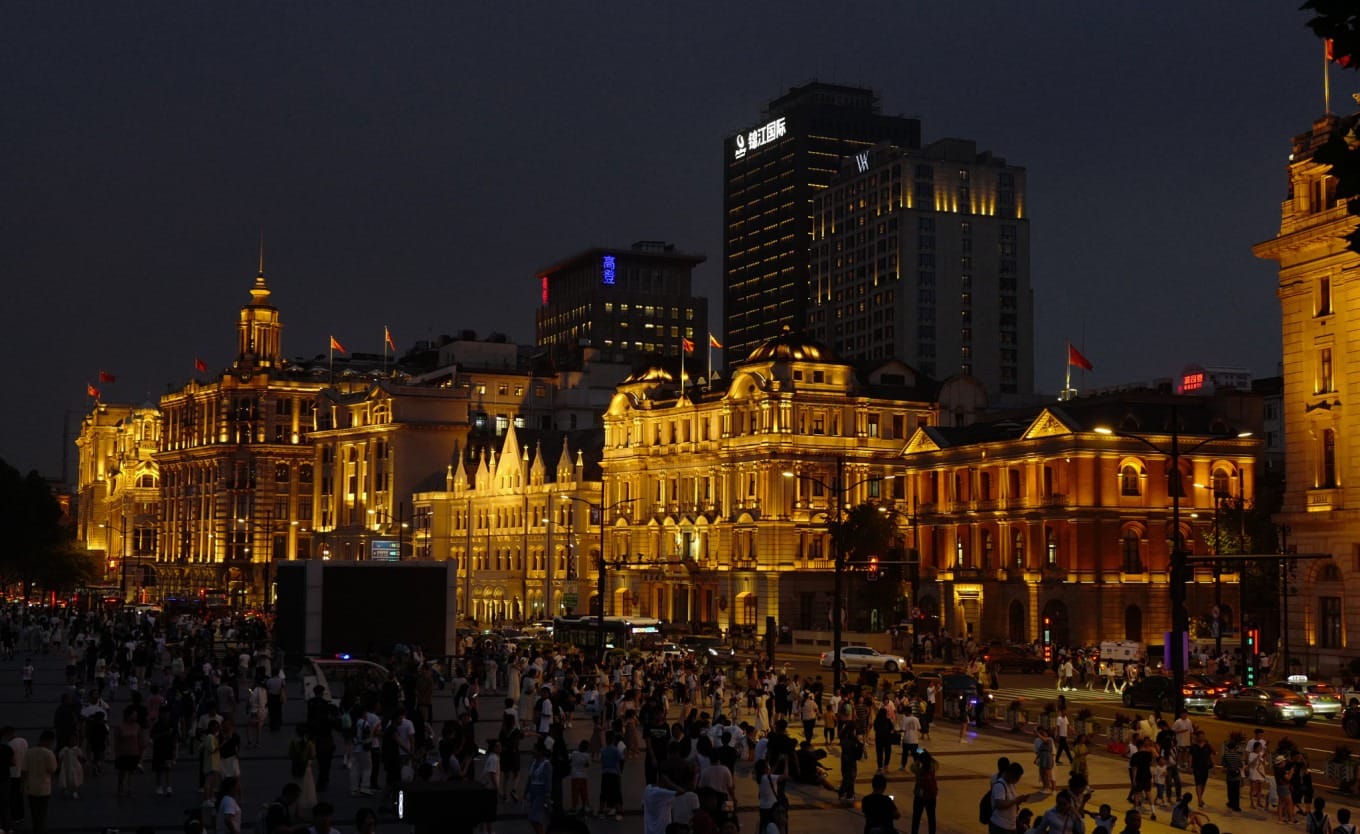
Photography tip: When shooting The Bund architecture, be aware that double-decker sightseeing buses frequently pass along the waterfront promenade. They can temporarily block your view of buildings, so consider timing your shots between bus arrivals or using a longer exposure to blur moving vehicles.
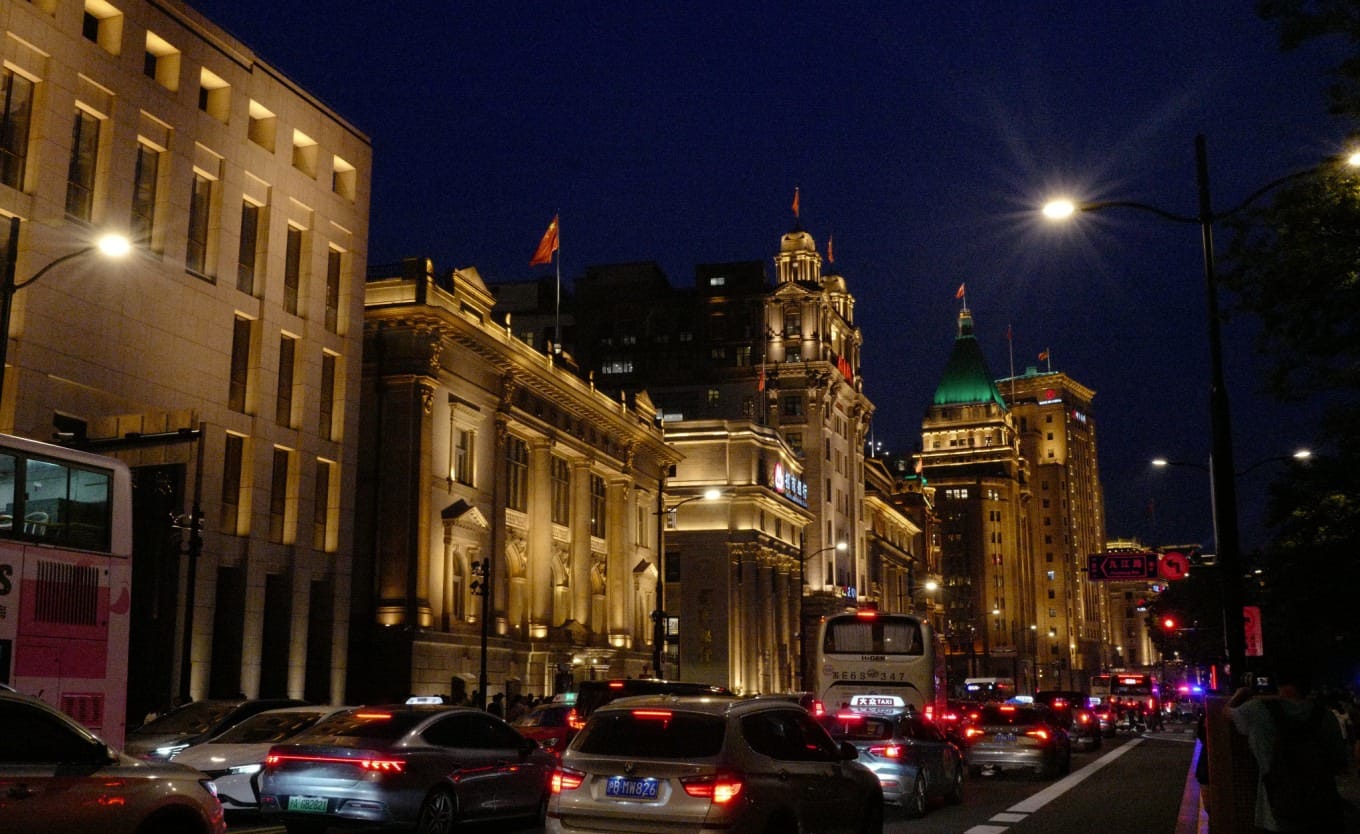
Chenghuangmiao Temple and Yuyuan Garden
For first-time visitors to Shanghai, Chenghuangmiao (City God Temple) and the adjacent Yuyuan Garden offer a glimpse into the city’s historical charm, though opinions on their appeal vary widely. While some online reviews dismiss the area as overly touristy, it’s worth considering for its unique atmosphere, particularly in the evening when the lights transform the space.
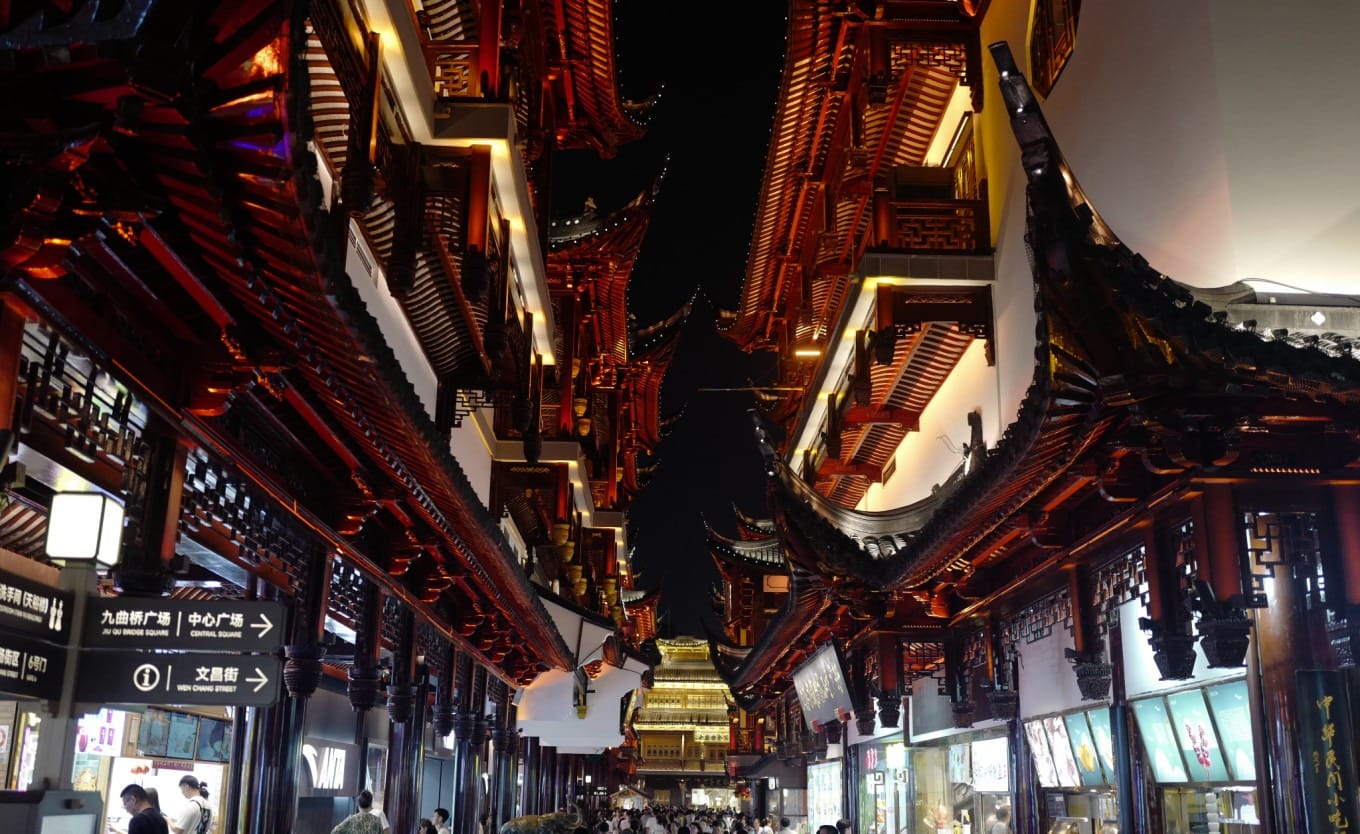
At night, Chenghuangmiao Square becomes a spectacle of light, with traditional architecture glowing against the dark sky. The area is lined with numerous jewelry and gold shops, adding to the bustling, glittering scene.
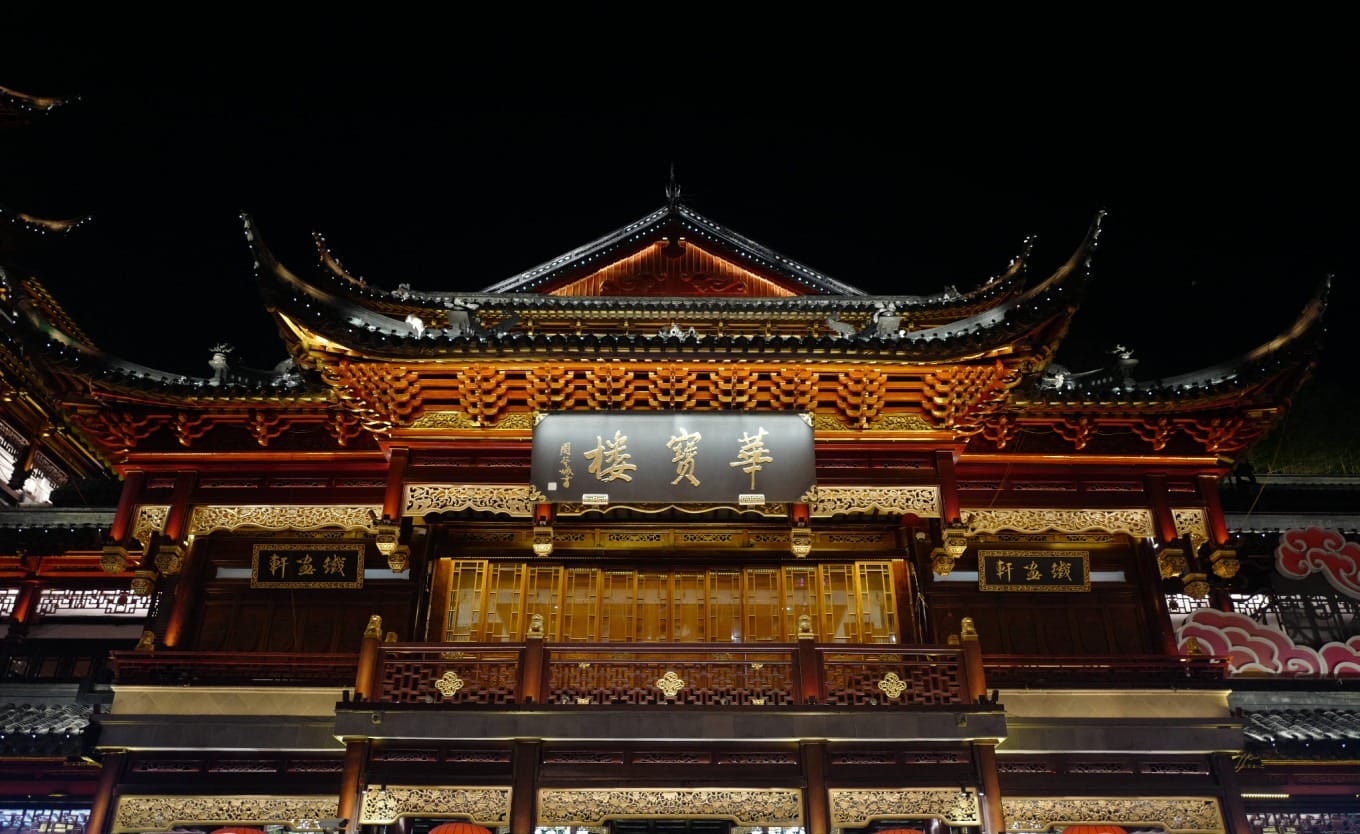
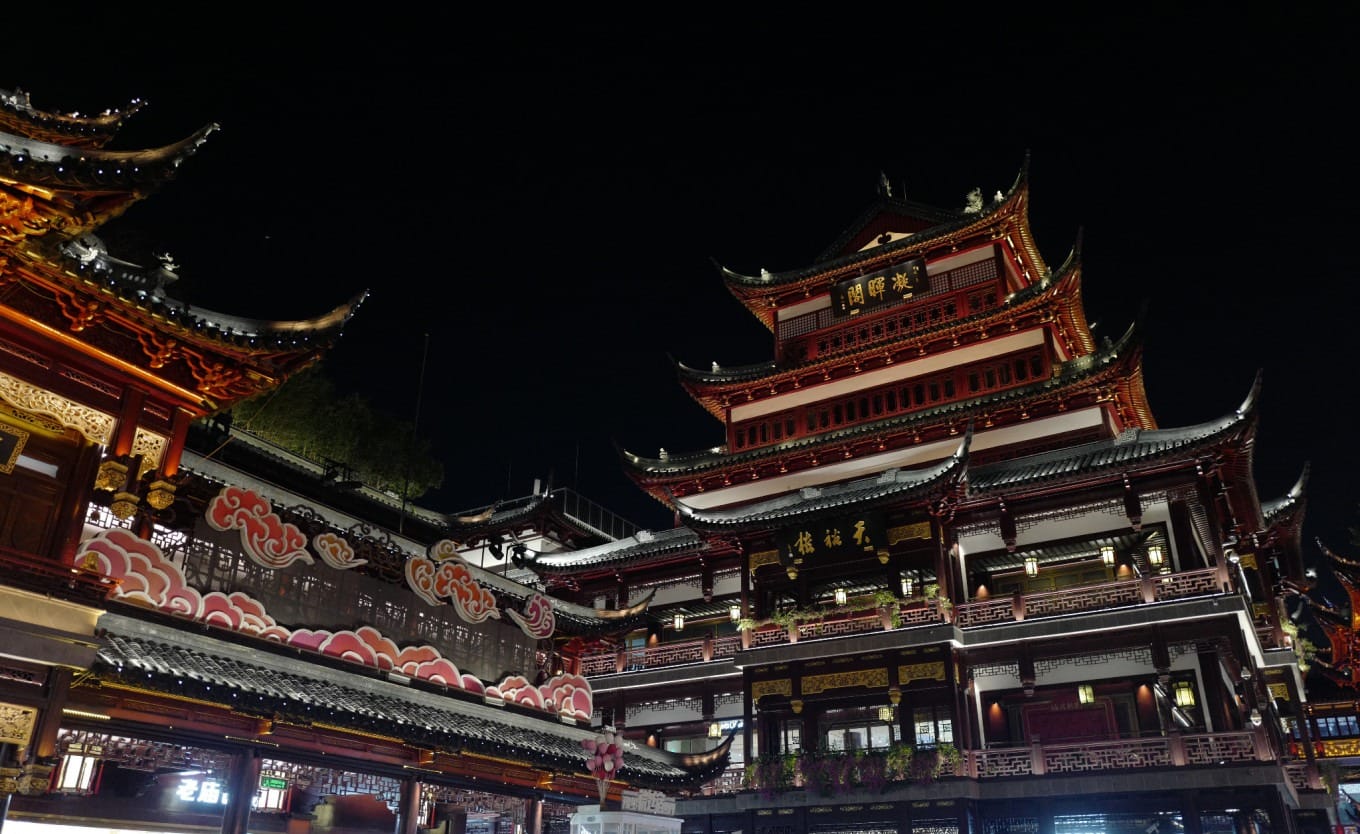
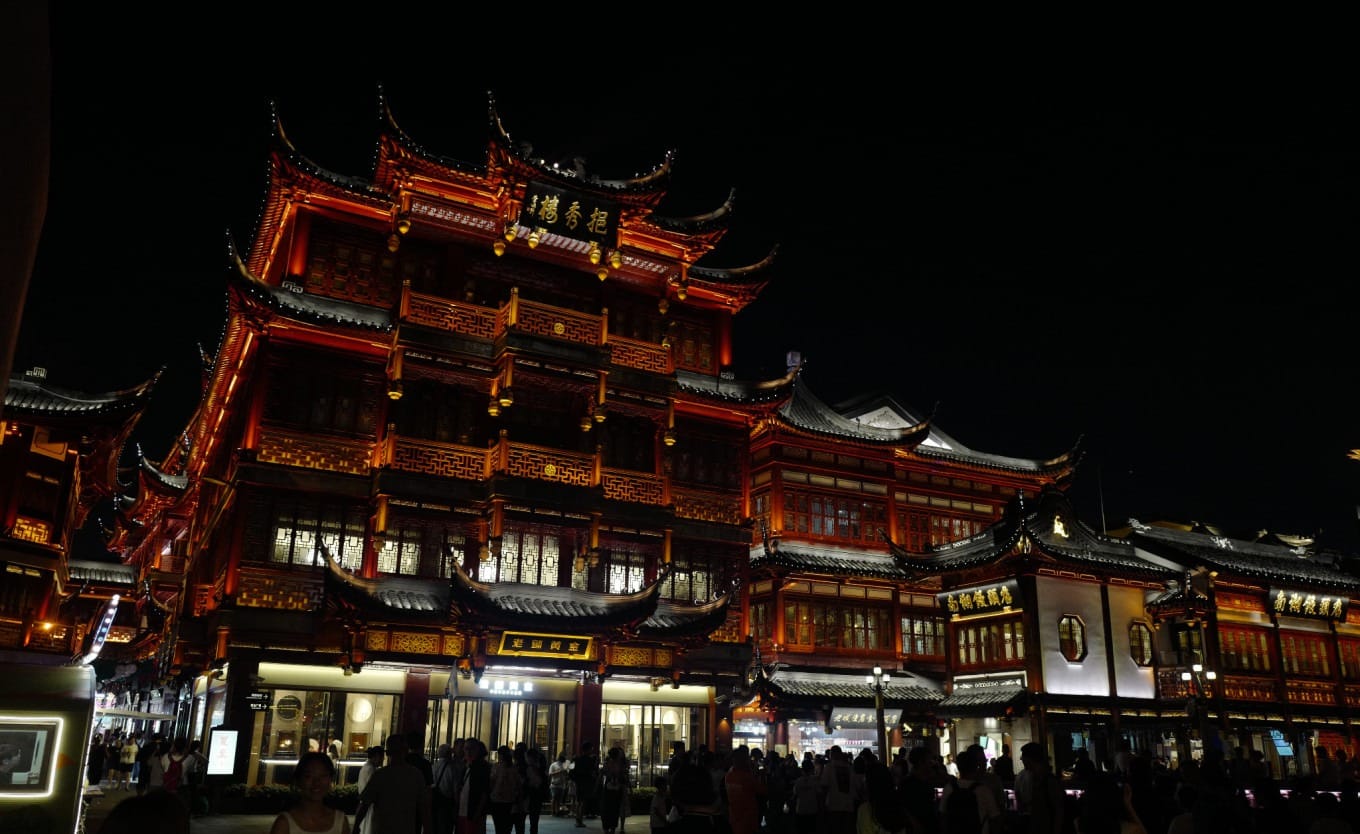
Follow the signs to the Nine-Turn Bridge (九曲桥, Jiǔqǔ Qiáo) area, another photogenic spot. This is a popular location for capturing shots that blend historic and modern elements—a classic ‘old and new’ Shanghai frame. For the best photos, consider bringing a versatile camera, as the fixed lens of a basic point-and-shoot might limit your composition options.
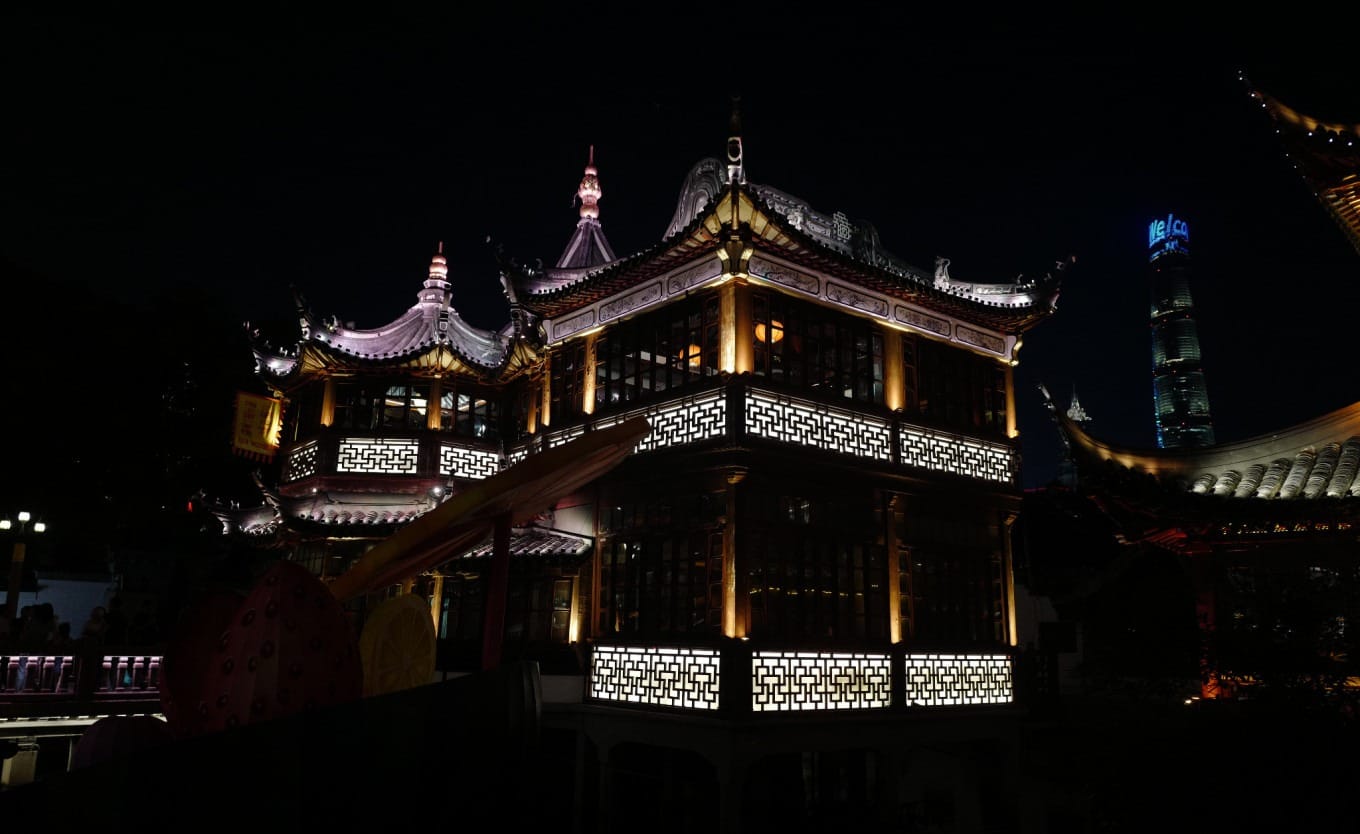
Many travelers find that a daytime visit to Chenghuangmiao isn’t essential, especially if you’re short on time. Instead, consider stopping by in the evening to experience the illuminated artificial scenery—it’s a pleasant, low-commitment way to see the area without dedicating a large chunk of your itinerary.
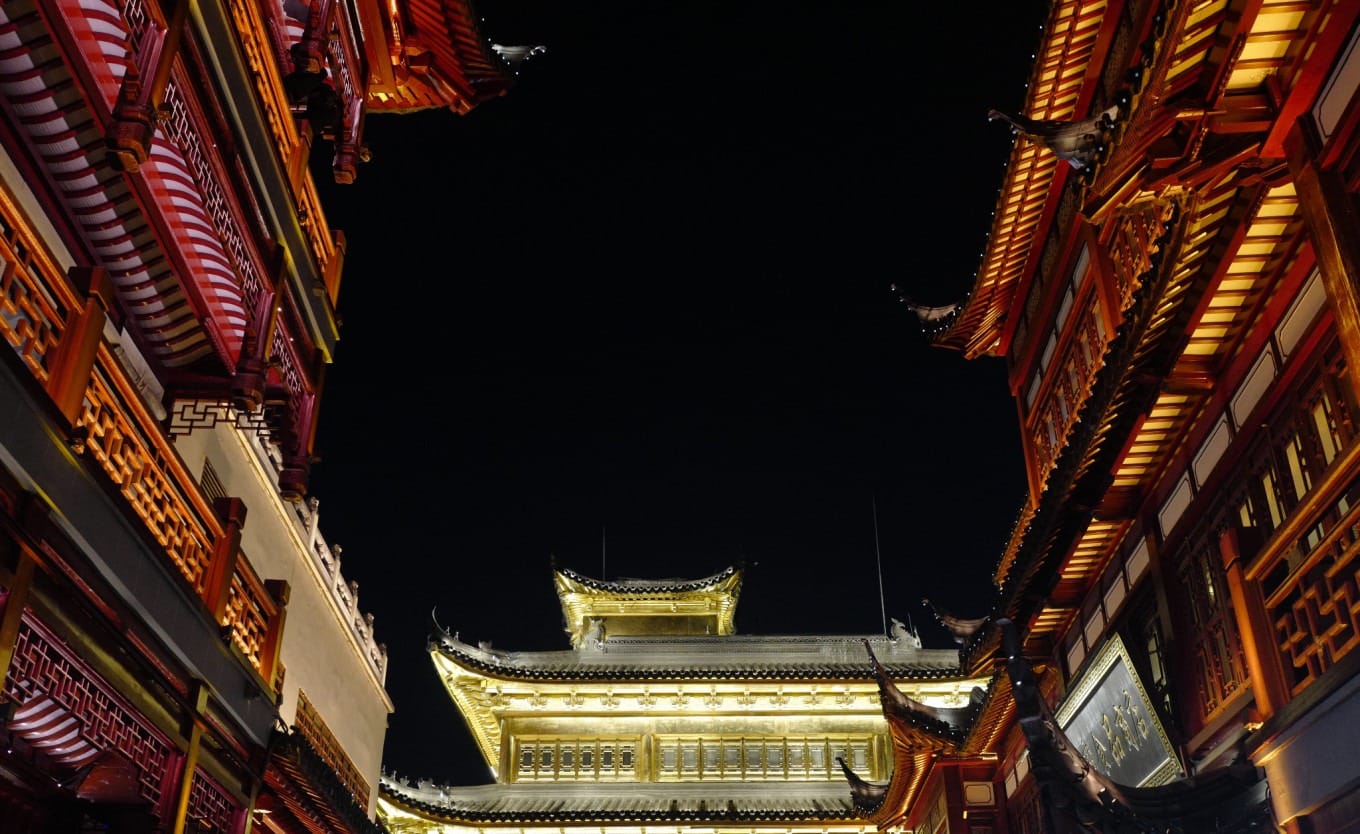
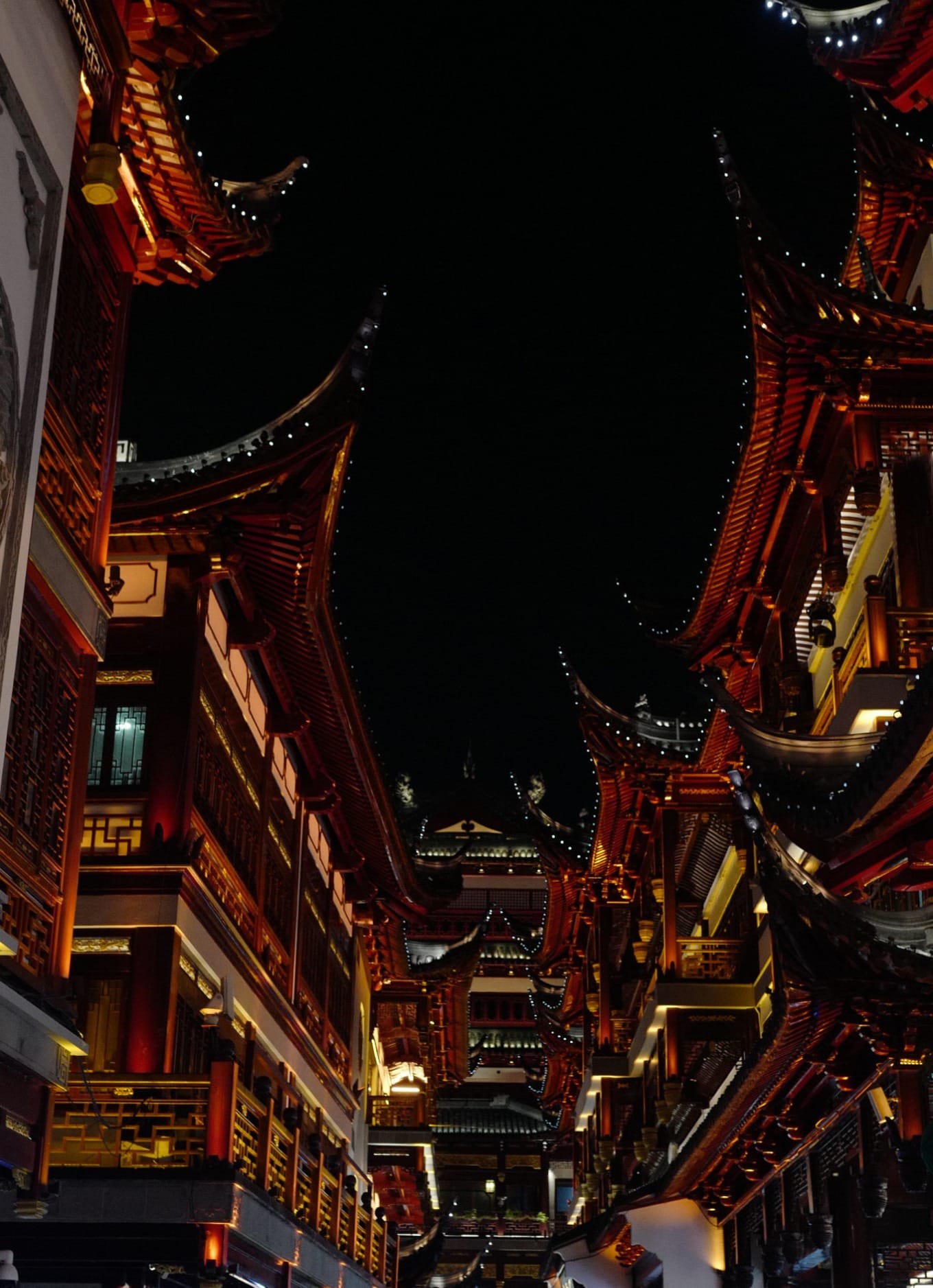
If you visit during the summer, you might encounter special events like a Summer Garden Festival (夏日游园会, Xiàrì Yóuyuánhuì), where seasonal motifs such as watermelons—a symbol of summer in China—adorn the grounds, adding a lively, festive touch to your stroll.
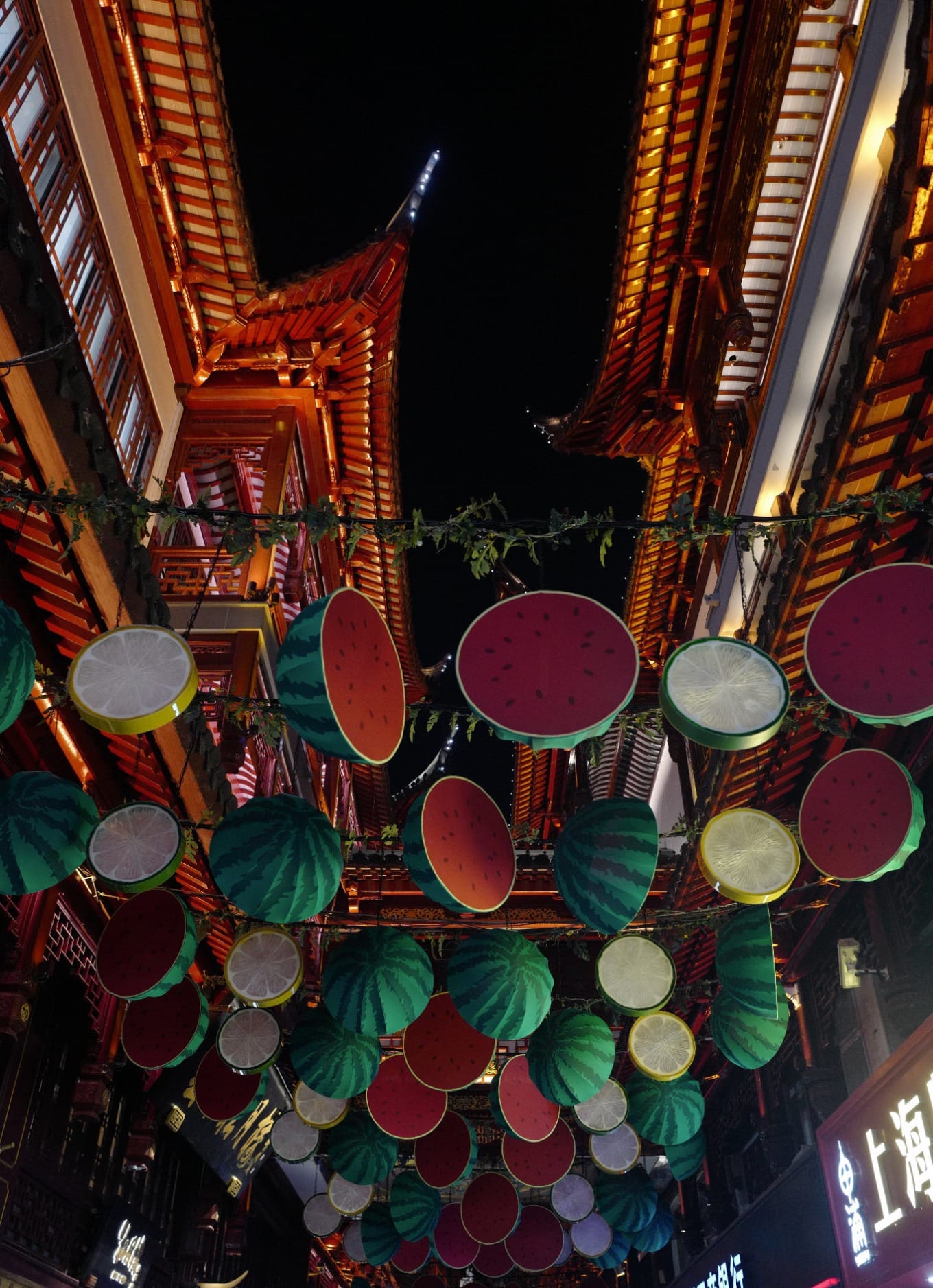
- RestaurantNot specified in this section (店名)
- AddressHuangpu District, Fangbang Middle Road 249 / Huangpu District, Fuyou Road 168 (黄浦区方浜中路249号 / 黄浦区福佑路168号)
- Recommended dishesNot specified in this section (菜名)
- Average spendNot specified in this section
Day 4: Culinary Exploration and Local Flavors
Your fourth day in Shanghai offers the perfect opportunity to dive into the city’s vibrant food scene. While many travelers focus on famous restaurants, some of the most authentic experiences come from discovering local eateries tucked away in residential neighborhoods. These spots often serve dishes that have been perfected over generations, offering flavors you won’t find in tourist-heavy areas.
Consider exploring areas like the former French Concession or residential lanes near Jing’an Temple, where family-run restaurants operate with little English signage but tremendous local loyalty. Look for places filled with Shanghai residents during lunch hours—this is usually a reliable indicator of quality and authenticity. Don’t be intimidated by menus entirely in Chinese; many establishments have picture menus, or you can point to what other tables are enjoying.
For a memorable dining experience, Pinxiang Restaurant (品香餐厅) stands out as a neighborhood favorite. Located at 358 Julu Road, Jing’an District, Shanghai (上海市静安区巨鹿路358号), this unassuming spot has built a reputation for serving classic Shanghainese comfort food at reasonable prices. The interior is simple and functional, with most seating at shared tables, creating a communal dining atmosphere that feels genuinely local.
When ordering, you’ll want to try several signature dishes to experience the range of Shanghainese cuisine. Start with xiaolongbao (小笼包), the delicate soup dumplings that are a Shanghai specialty. The version here features thin, delicate wrappers that hold rich broth and tender pork filling. For something heartier, the hongshao rou (红烧肉), or braised pork belly, offers melt-in-your-mouth texture with a sweet-savory sauce that’s characteristic of the region. Vegetarians should consider qingcai baicai (青菜白菜), simple stir-fried greens that provide a refreshing contrast to richer dishes.
Practical tips can enhance your experience at local restaurants like this one. Arrive slightly before or after peak meal times (12:00-13:00 for lunch, 18:00-19:30 for dinner) to avoid waiting for tables. While some staff may speak basic English, having a translation app ready for menu items can be helpful. Most importantly, embrace the experience—these neighborhood restaurants offer a genuine taste of daily life in Shanghai that goes beyond what you’ll find in guidebook-recommended spots.
- RestaurantPinxiang Restaurant (品香餐厅)
- Address358 / 358 Julu Road, Jing’an District, Shanghai (上海市静安区巨鹿路358号)
- Recommended dishesxiaolongbao (小笼包), hongshao rou (红烧肉), qingcai baicai (青菜白菜)
- Average spend¥60-100 per person
Shanghai Museum: Planning Your Visit
The Shanghai Museum, located at 黄浦区人民大道201号 (Huangpu District, People’s Avenue 201), is a must-visit for any traveler interested in Chinese art and history. Admission is free, making it an accessible cultural highlight. However, it’s important to know that the museum is currently housed in a building constructed in the 1950s, which can feel crowded as it prepares for a future move to a new facility. This popularity means you should be prepared for queues, even for facilities like restrooms.
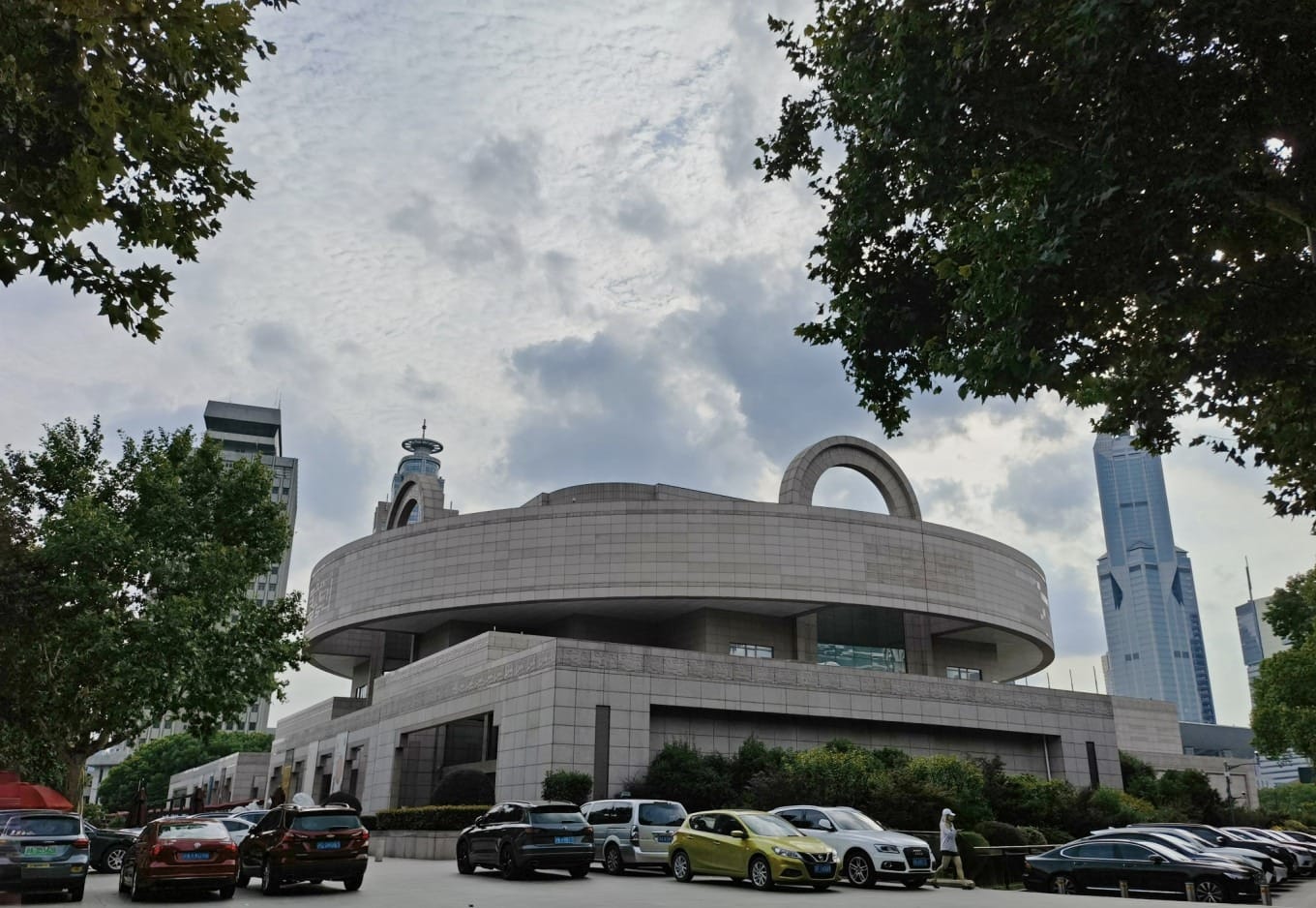
To make the most of your visit, plan to arrive before opening time if you want to be among the first inside and secure one of the limited exhibition booklets. You’ll likely see organized school groups or educational tours, often identifiable by matching attire, who may enter slightly earlier. The atmosphere can be competitive, with visitors eager to get a head start. A practical tip: stay alert in the entry line, as the rush for booklets can lead to occasional pushing or queue-jumping. Once inside, the museum’s extensive collections are well worth navigating the initial crowds.
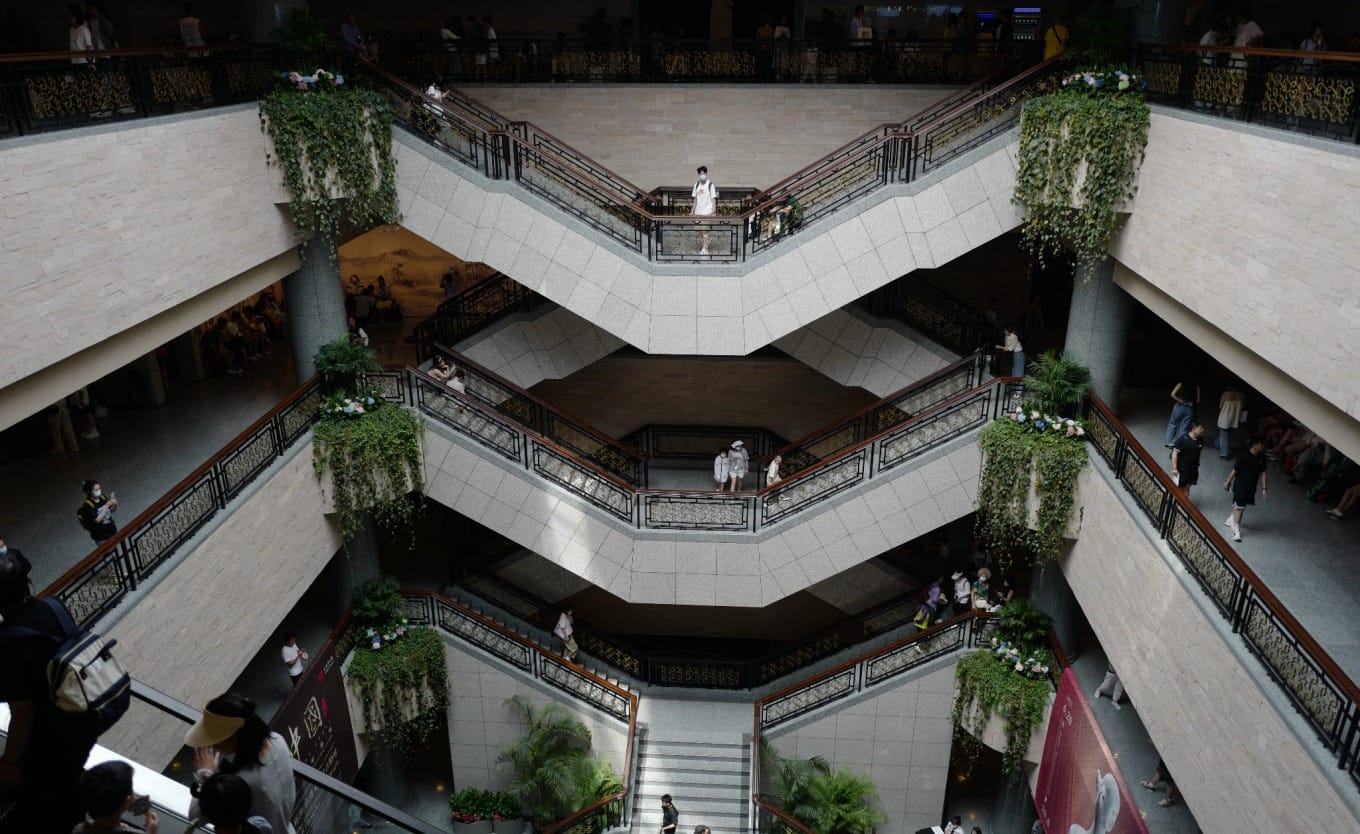
- Address黄浦区人民大道201号 (Huangpu District, People’s Avenue 201)
- AdmissionFree
- TipArrive early to avoid the largest crowds and try to secure an exhibition booklet.
Lunch at the Shanghai Museum Restaurant
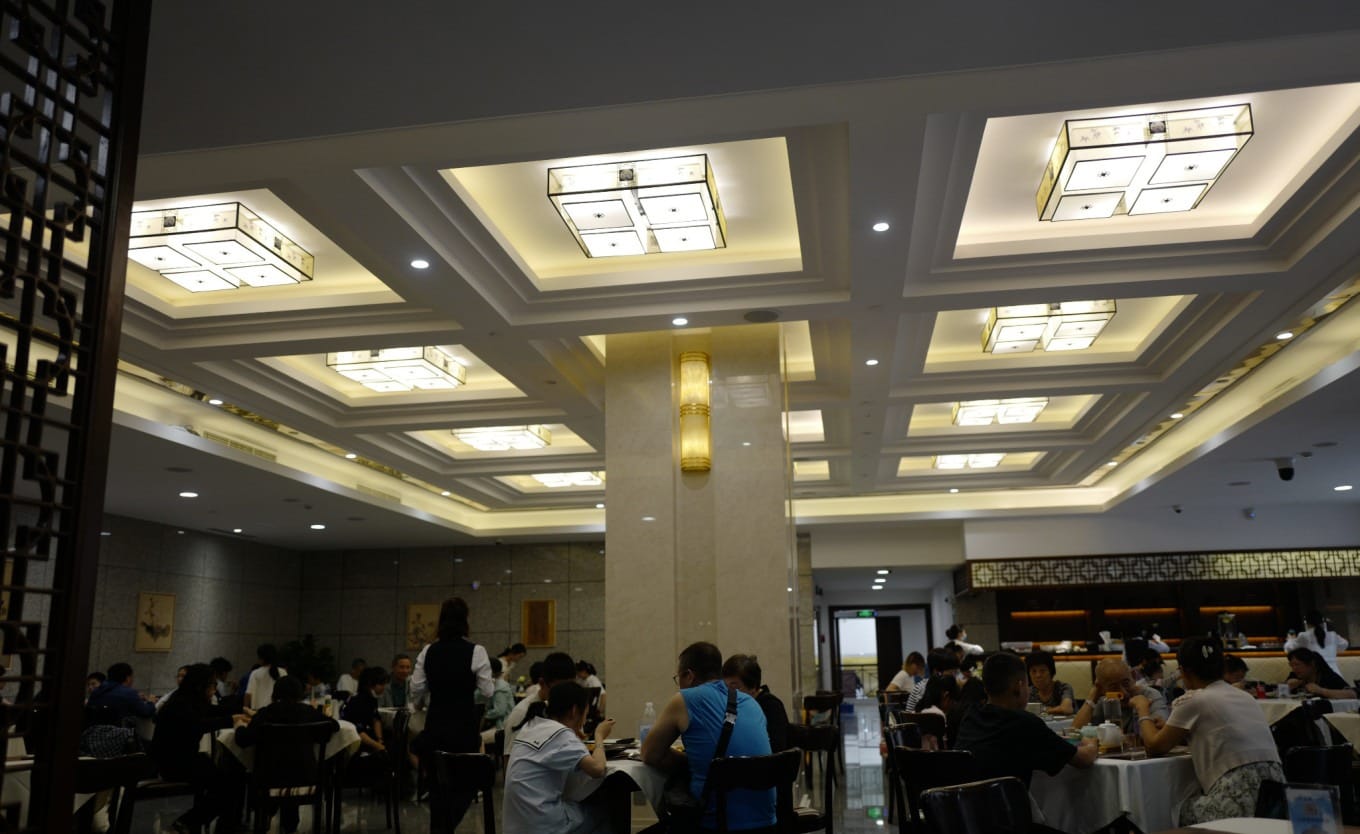
If you’re planning a full day exploring the Shanghai Museum, you’ll be glad to know there’s a convenient restaurant located inside. It’s situated just past the security check and bag screening area, before you enter the main exhibition halls. This makes it a perfect spot to refuel without having to leave the museum grounds.
Here’s how it works: first, visit the information desk to get a special wristband. This allows you to exit the gallery area for your meal and then re-enter seamlessly afterwards. It’s a smart system, but be prepared for potential waits during the busy lunch hour, as the restaurant is popular and seating can fill up quickly.
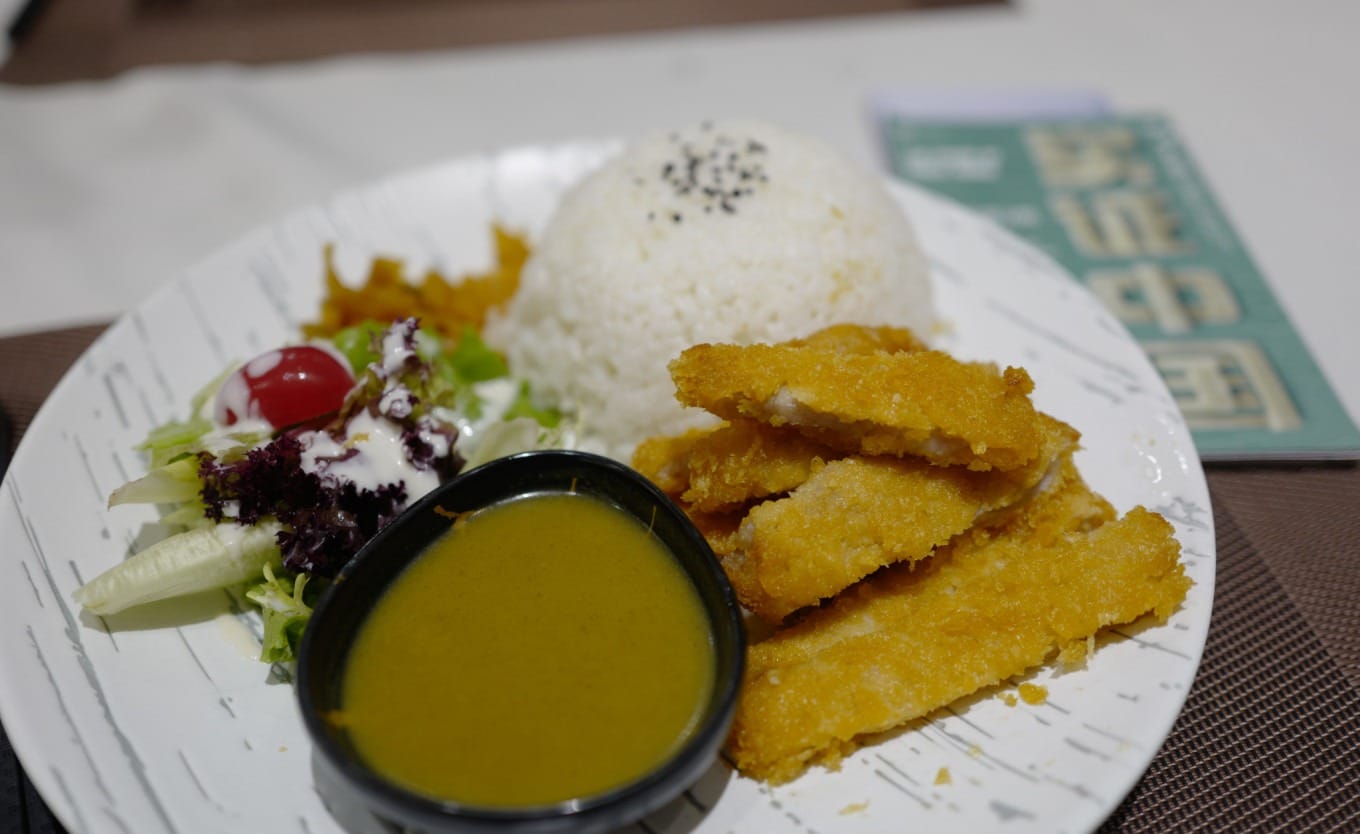
The menu offers straightforward, satisfying set meals. A popular and reliable choice is the curry pork cutlet set (咖喱猪排套餐, Kǎlī zhūpái tàocān), which is a perfectly portioned single-serving meal. Complimentary drinking water is available, which is a nice touch. It’s a practical and efficient dining option that lets you maximize your time with the museum’s incredible collections.
- RestaurantShanghai Museum Restaurant (上海博物馆餐厅)
- Address201 Renmin Avenue, Huangpu District, Shanghai / 上海市黄浦区人民大道201号
- Recommended dishesCurry pork cutlet set (咖喱猪排套餐)
- Average spendApproximately 50-70 RMB per person
Wrapping Up Your Shanghai Journey
As your Shanghai adventure draws to a close, you might find yourself timing your departure from the Shanghai Museum to catch a train. While the iconic ship-shaped Wukang Building is famous, Shanghai holds other architectural gems with similar nautical designs. Just a short stroll away, you’ll encounter the Shanghai Workers’ Cultural Palace (上海市工人文化宫). This building originally served as the Oriental Hotel (东方饭店), a vibrant entertainment complex that once offered accommodations, dining, and a dance hall all under one roof.
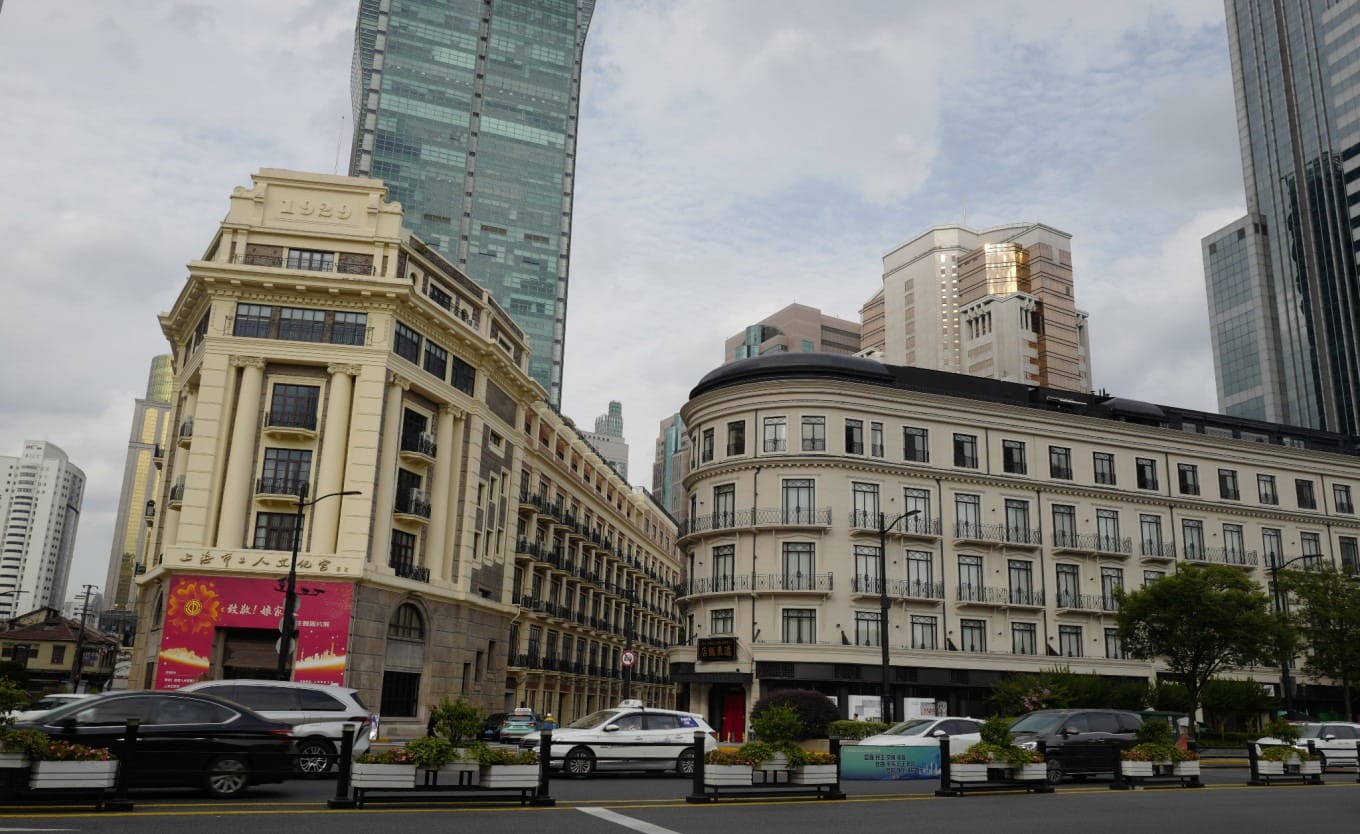
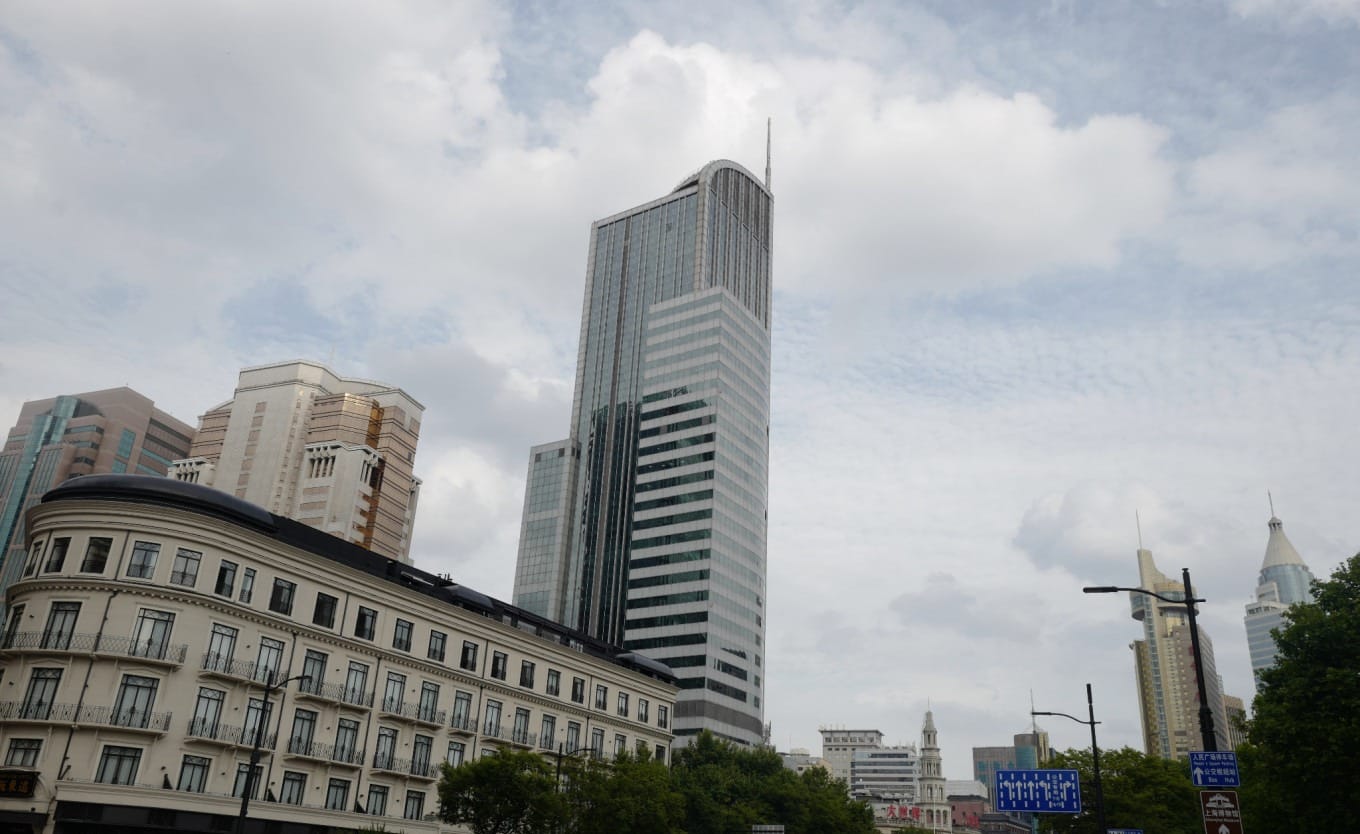
Shanghai’s skies can put on a spectacular show, with clouds rolling in dramatic, layered formations. If you visit during the rainy season (typically June-July), be prepared for fewer clear days, but don’t despair—the city has its own moody charm. Conversely, a sunny day on the Bund offers brilliant blue skies, though the heat can be intense. It’s a classic trade-off: you rarely get perfect weather for every activity, so plan accordingly and enjoy what each day brings.
Enjoyed this article? Consider buying me a coffee to support more content like this!
💖 0 people have clicked to support this article.